EP2626702A1 - Diagnostic agent, diagnostic method and therapeutic agent for fibromyalgia - Google Patents
Diagnostic agent, diagnostic method and therapeutic agent for fibromyalgia Download PDFInfo
- Publication number
- EP2626702A1 EP2626702A1 EP11830640.6A EP11830640A EP2626702A1 EP 2626702 A1 EP2626702 A1 EP 2626702A1 EP 11830640 A EP11830640 A EP 11830640A EP 2626702 A1 EP2626702 A1 EP 2626702A1
- Authority
- EP
- European Patent Office
- Prior art keywords
- fibromyalgia
- vgkc
- antibody
- complex antibody
- complex
- Prior art date
- Legal status (The legal status is an assumption and is not a legal conclusion. Google has not performed a legal analysis and makes no representation as to the accuracy of the status listed.)
- Withdrawn
Links
- 208000001640 Fibromyalgia Diseases 0.000 title claims abstract description 95
- 239000003814 drug Substances 0.000 title claims abstract description 32
- 229940124597 therapeutic agent Drugs 0.000 title claims abstract description 28
- 239000000032 diagnostic agent Substances 0.000 title claims abstract description 26
- 229940039227 diagnostic agent Drugs 0.000 title claims abstract description 26
- 238000002405 diagnostic procedure Methods 0.000 title claims abstract description 14
- 239000001961 anticonvulsive agent Substances 0.000 claims abstract description 21
- UGJMXCAKCUNAIE-UHFFFAOYSA-N Gabapentin Chemical compound OC(=O)CC1(CN)CCCCC1 UGJMXCAKCUNAIE-UHFFFAOYSA-N 0.000 claims abstract description 19
- 229960002870 gabapentin Drugs 0.000 claims abstract description 18
- DGBIGWXXNGSACT-UHFFFAOYSA-N clonazepam Chemical compound C12=CC([N+](=O)[O-])=CC=C2NC(=O)CN=C1C1=CC=CC=C1Cl DGBIGWXXNGSACT-UHFFFAOYSA-N 0.000 claims abstract description 17
- 239000003153 chemical reaction reagent Substances 0.000 claims abstract description 16
- 229960003120 clonazepam Drugs 0.000 claims abstract description 15
- 102000003734 Voltage-Gated Potassium Channels Human genes 0.000 claims abstract description 13
- 108090000013 Voltage-Gated Potassium Channels Proteins 0.000 claims abstract description 13
- 239000004480 active ingredient Substances 0.000 claims abstract description 10
- 210000002966 serum Anatomy 0.000 claims description 14
- 208000002193 Pain Diseases 0.000 claims description 12
- 239000012472 biological sample Substances 0.000 claims description 6
- 238000005259 measurement Methods 0.000 claims description 3
- 102000004257 Potassium Channel Human genes 0.000 abstract description 5
- 108020001213 potassium channel Proteins 0.000 abstract description 5
- 238000000034 method Methods 0.000 description 20
- 102000004169 proteins and genes Human genes 0.000 description 6
- 108090000623 proteins and genes Proteins 0.000 description 6
- 229940125681 anticonvulsant agent Drugs 0.000 description 5
- -1 inorganic acid salt Chemical class 0.000 description 5
- 229940079593 drug Drugs 0.000 description 4
- 238000002474 experimental method Methods 0.000 description 4
- 238000002360 preparation method Methods 0.000 description 4
- 208000024891 symptom Diseases 0.000 description 4
- 208000000209 Isaacs syndrome Diseases 0.000 description 3
- 206010072359 Neuromyotonia Diseases 0.000 description 3
- 229940125400 channel inhibitor Drugs 0.000 description 3
- 201000010099 disease Diseases 0.000 description 3
- 208000037265 diseases, disorders, signs and symptoms Diseases 0.000 description 3
- 201000004403 episodic ataxia Diseases 0.000 description 3
- 150000003839 salts Chemical class 0.000 description 3
- 238000007796 conventional method Methods 0.000 description 2
- 239000002552 dosage form Substances 0.000 description 2
- 239000008187 granular material Substances 0.000 description 2
- 210000004408 hybridoma Anatomy 0.000 description 2
- 230000001900 immune effect Effects 0.000 description 2
- VZCYOOQTPOCHFL-UHFFFAOYSA-N trans-butenedioic acid Natural products OC(=O)C=CC(O)=O VZCYOOQTPOCHFL-UHFFFAOYSA-N 0.000 description 2
- DIWRORZWFLOCLC-HNNXBMFYSA-N (3s)-7-chloro-5-(2-chlorophenyl)-3-hydroxy-1,3-dihydro-1,4-benzodiazepin-2-one Chemical compound N([C@H](C(NC1=CC=C(Cl)C=C11)=O)O)=C1C1=CC=CC=C1Cl DIWRORZWFLOCLC-HNNXBMFYSA-N 0.000 description 1
- QTBSBXVTEAMEQO-UHFFFAOYSA-M Acetate Chemical compound CC([O-])=O QTBSBXVTEAMEQO-UHFFFAOYSA-M 0.000 description 1
- 206010010904 Convulsion Diseases 0.000 description 1
- FEWJPZIEWOKRBE-JCYAYHJZSA-N Dextrotartaric acid Chemical compound OC(=O)[C@H](O)[C@@H](O)C(O)=O FEWJPZIEWOKRBE-JCYAYHJZSA-N 0.000 description 1
- 238000002965 ELISA Methods 0.000 description 1
- VZCYOOQTPOCHFL-OWOJBTEDSA-N Fumaric acid Chemical compound OC(=O)\C=C\C(O)=O VZCYOOQTPOCHFL-OWOJBTEDSA-N 0.000 description 1
- VEXZGXHMUGYJMC-UHFFFAOYSA-N Hydrochloric acid Chemical compound Cl VEXZGXHMUGYJMC-UHFFFAOYSA-N 0.000 description 1
- AFVFQIVMOAPDHO-UHFFFAOYSA-N Methanesulfonic acid Chemical compound CS(O)(=O)=O AFVFQIVMOAPDHO-UHFFFAOYSA-N 0.000 description 1
- AJXPJJZHWIXJCJ-UHFFFAOYSA-N Methsuximide Chemical compound O=C1N(C)C(=O)CC1(C)C1=CC=CC=C1 AJXPJJZHWIXJCJ-UHFFFAOYSA-N 0.000 description 1
- VQASKUSHBVDKGU-UHFFFAOYSA-N Paramethadione Chemical compound CCC1(C)OC(=O)N(C)C1=O VQASKUSHBVDKGU-UHFFFAOYSA-N 0.000 description 1
- XPFRXWCVYUEORT-UHFFFAOYSA-N Phenacemide Chemical compound NC(=O)NC(=O)CC1=CC=CC=C1 XPFRXWCVYUEORT-UHFFFAOYSA-N 0.000 description 1
- WLWFNJKHKGIJNW-UHFFFAOYSA-N Phensuximide Chemical compound O=C1N(C)C(=O)CC1C1=CC=CC=C1 WLWFNJKHKGIJNW-UHFFFAOYSA-N 0.000 description 1
- CXOFVDLJLONNDW-UHFFFAOYSA-N Phenytoin Chemical compound N1C(=O)NC(=O)C1(C=1C=CC=CC=1)C1=CC=CC=C1 CXOFVDLJLONNDW-UHFFFAOYSA-N 0.000 description 1
- 206010035226 Plasma cell myeloma Diseases 0.000 description 1
- 229940124639 Selective inhibitor Drugs 0.000 description 1
- QAOWNCQODCNURD-UHFFFAOYSA-L Sulfate Chemical compound [O-]S([O-])(=O)=O QAOWNCQODCNURD-UHFFFAOYSA-L 0.000 description 1
- 229960000571 acetazolamide Drugs 0.000 description 1
- BZKPWHYZMXOIDC-UHFFFAOYSA-N acetazolamide Chemical compound CC(=O)NC1=NN=C(S(N)(=O)=O)S1 BZKPWHYZMXOIDC-UHFFFAOYSA-N 0.000 description 1
- 238000001042 affinity chromatography Methods 0.000 description 1
- 230000001430 anti-depressive effect Effects 0.000 description 1
- 210000000628 antibody-producing cell Anatomy 0.000 description 1
- 239000000935 antidepressant agent Substances 0.000 description 1
- 229940005513 antidepressants Drugs 0.000 description 1
- 229940053197 benzodiazepine derivative antiepileptics Drugs 0.000 description 1
- 150000001557 benzodiazepines Chemical class 0.000 description 1
- WPYMKLBDIGXBTP-UHFFFAOYSA-N benzoic acid Chemical compound OC(=O)C1=CC=CC=C1 WPYMKLBDIGXBTP-UHFFFAOYSA-N 0.000 description 1
- 239000011230 binding agent Substances 0.000 description 1
- 239000006172 buffering agent Substances 0.000 description 1
- 159000000007 calcium salts Chemical class 0.000 description 1
- 239000002775 capsule Substances 0.000 description 1
- FFGPTBGBLSHEPO-UHFFFAOYSA-N carbamazepine Chemical compound C1=CC2=CC=CC=C2N(C(=O)N)C2=CC=CC=C21 FFGPTBGBLSHEPO-UHFFFAOYSA-N 0.000 description 1
- 229960000623 carbamazepine Drugs 0.000 description 1
- 239000000969 carrier Substances 0.000 description 1
- 210000004027 cell Anatomy 0.000 description 1
- 210000001175 cerebrospinal fluid Anatomy 0.000 description 1
- 239000003795 chemical substances by application Substances 0.000 description 1
- 238000003759 clinical diagnosis Methods 0.000 description 1
- 229940084440 clonazepam 0.5 mg Drugs 0.000 description 1
- XDDJGVMJFWAHJX-UHFFFAOYSA-M clorazepic acid anion Chemical class C12=CC(Cl)=CC=C2NC(=O)C(C(=O)[O-])N=C1C1=CC=CC=C1 XDDJGVMJFWAHJX-UHFFFAOYSA-M 0.000 description 1
- 230000036461 convulsion Effects 0.000 description 1
- 238000001514 detection method Methods 0.000 description 1
- 238000011161 development Methods 0.000 description 1
- NIJJYAXOARWZEE-UHFFFAOYSA-N di-n-propyl-acetic acid Natural products CCCC(C(O)=O)CCC NIJJYAXOARWZEE-UHFFFAOYSA-N 0.000 description 1
- AAOVKJBEBIDNHE-UHFFFAOYSA-N diazepam Chemical compound N=1CC(=O)N(C)C2=CC=C(Cl)C=C2C=1C1=CC=CC=C1 AAOVKJBEBIDNHE-UHFFFAOYSA-N 0.000 description 1
- 229960003529 diazepam Drugs 0.000 description 1
- 239000003085 diluting agent Substances 0.000 description 1
- 239000007884 disintegrant Substances 0.000 description 1
- 239000002270 dispersing agent Substances 0.000 description 1
- 230000000694 effects Effects 0.000 description 1
- 239000003995 emulsifying agent Substances 0.000 description 1
- HAPOVYFOVVWLRS-UHFFFAOYSA-N ethosuximide Chemical compound CCC1(C)CC(=O)NC1=O HAPOVYFOVVWLRS-UHFFFAOYSA-N 0.000 description 1
- 229960002767 ethosuximide Drugs 0.000 description 1
- SZQIFWWUIBRPBZ-UHFFFAOYSA-N ethotoin Chemical compound O=C1N(CC)C(=O)NC1C1=CC=CC=C1 SZQIFWWUIBRPBZ-UHFFFAOYSA-N 0.000 description 1
- 229960003533 ethotoin Drugs 0.000 description 1
- 238000011156 evaluation Methods 0.000 description 1
- 241000411851 herbal medicine Species 0.000 description 1
- 238000001727 in vivo Methods 0.000 description 1
- 238000002347 injection Methods 0.000 description 1
- 239000007924 injection Substances 0.000 description 1
- 229960004391 lorazepam Drugs 0.000 description 1
- 239000000314 lubricant Substances 0.000 description 1
- VZCYOOQTPOCHFL-UPHRSURJSA-N maleic acid Chemical compound OC(=O)\C=C/C(O)=O VZCYOOQTPOCHFL-UPHRSURJSA-N 0.000 description 1
- 239000003550 marker Substances 0.000 description 1
- GMHKMTDVRCWUDX-UHFFFAOYSA-N mephenytoin Chemical compound C=1C=CC=CC=1C1(CC)NC(=O)N(C)C1=O GMHKMTDVRCWUDX-UHFFFAOYSA-N 0.000 description 1
- 229960000906 mephenytoin Drugs 0.000 description 1
- ALARQZQTBTVLJV-UHFFFAOYSA-N mephobarbital Chemical compound C=1C=CC=CC=1C1(CC)C(=O)NC(=O)N(C)C1=O ALARQZQTBTVLJV-UHFFFAOYSA-N 0.000 description 1
- 229960003729 mesuximide Drugs 0.000 description 1
- 229960001703 methylphenobarbital Drugs 0.000 description 1
- 201000000050 myeloid neoplasm Diseases 0.000 description 1
- KJONHKAYOJNZEC-UHFFFAOYSA-N nitrazepam Chemical compound C12=CC([N+](=O)[O-])=CC=C2NC(=O)CN=C1C1=CC=CC=C1 KJONHKAYOJNZEC-UHFFFAOYSA-N 0.000 description 1
- 229960001454 nitrazepam Drugs 0.000 description 1
- 229960003274 paramethadione Drugs 0.000 description 1
- 239000000546 pharmaceutical excipient Substances 0.000 description 1
- 229960003396 phenacemide Drugs 0.000 description 1
- DDBREPKUVSBGFI-UHFFFAOYSA-N phenobarbital Chemical compound C=1C=CC=CC=1C1(CC)C(=O)NC(=O)NC1=O DDBREPKUVSBGFI-UHFFFAOYSA-N 0.000 description 1
- 229960002695 phenobarbital Drugs 0.000 description 1
- 229960004227 phensuximide Drugs 0.000 description 1
- 229960002036 phenytoin Drugs 0.000 description 1
- 229920000642 polymer Polymers 0.000 description 1
- XAEFZNCEHLXOMS-UHFFFAOYSA-M potassium benzoate Chemical compound [K+].[O-]C(=O)C1=CC=CC=C1 XAEFZNCEHLXOMS-UHFFFAOYSA-M 0.000 description 1
- 239000000843 powder Substances 0.000 description 1
- 239000003755 preservative agent Substances 0.000 description 1
- DQMZLTXERSFNPB-UHFFFAOYSA-N primidone Chemical compound C=1C=CC=CC=1C1(CC)C(=O)NCNC1=O DQMZLTXERSFNPB-UHFFFAOYSA-N 0.000 description 1
- 229960002393 primidone Drugs 0.000 description 1
- 229940002612 prodrug Drugs 0.000 description 1
- 239000000651 prodrug Substances 0.000 description 1
- IBALRBWGSVJPAP-HEHNFIMWSA-N progabide Chemical compound C=1C(F)=CC=C(O)C=1C(=N/CCCC(=O)N)/C1=CC=C(Cl)C=C1 IBALRBWGSVJPAP-HEHNFIMWSA-N 0.000 description 1
- 229960002752 progabide Drugs 0.000 description 1
- 238000011160 research Methods 0.000 description 1
- 239000000523 sample Substances 0.000 description 1
- 238000002415 sodium dodecyl sulfate polyacrylamide gel electrophoresis Methods 0.000 description 1
- 159000000000 sodium salts Chemical class 0.000 description 1
- 239000000243 solution Substances 0.000 description 1
- 239000012453 solvate Substances 0.000 description 1
- 239000002904 solvent Substances 0.000 description 1
- 239000003381 stabilizer Substances 0.000 description 1
- 239000000126 substance Substances 0.000 description 1
- 239000000829 suppository Substances 0.000 description 1
- 239000006188 syrup Substances 0.000 description 1
- 235000020357 syrup Nutrition 0.000 description 1
- 239000003826 tablet Substances 0.000 description 1
- 229940095064 tartrate Drugs 0.000 description 1
- 229940126585 therapeutic drug Drugs 0.000 description 1
- IRYJRGCIQBGHIV-UHFFFAOYSA-N trimethadione Chemical compound CN1C(=O)OC(C)(C)C1=O IRYJRGCIQBGHIV-UHFFFAOYSA-N 0.000 description 1
- 229960004453 trimethadione Drugs 0.000 description 1
- MSRILKIQRXUYCT-UHFFFAOYSA-M valproate semisodium Chemical compound [Na+].CCCC(C(O)=O)CCC.CCCC(C([O-])=O)CCC MSRILKIQRXUYCT-UHFFFAOYSA-M 0.000 description 1
- 229960000604 valproic acid Drugs 0.000 description 1
- 238000001262 western blot Methods 0.000 description 1
- 239000000080 wetting agent Substances 0.000 description 1
Images

Classifications
-
- G—PHYSICS
- G01—MEASURING; TESTING
- G01N—INVESTIGATING OR ANALYSING MATERIALS BY DETERMINING THEIR CHEMICAL OR PHYSICAL PROPERTIES
- G01N33/00—Investigating or analysing materials by specific methods not covered by groups G01N1/00 - G01N31/00
- G01N33/48—Biological material, e.g. blood, urine; Haemocytometers
- G01N33/50—Chemical analysis of biological material, e.g. blood, urine; Testing involving biospecific ligand binding methods; Immunological testing
- G01N33/68—Chemical analysis of biological material, e.g. blood, urine; Testing involving biospecific ligand binding methods; Immunological testing involving proteins, peptides or amino acids
- G01N33/6893—Chemical analysis of biological material, e.g. blood, urine; Testing involving biospecific ligand binding methods; Immunological testing involving proteins, peptides or amino acids related to diseases not provided for elsewhere
-
- G—PHYSICS
- G01—MEASURING; TESTING
- G01N—INVESTIGATING OR ANALYSING MATERIALS BY DETERMINING THEIR CHEMICAL OR PHYSICAL PROPERTIES
- G01N33/00—Investigating or analysing materials by specific methods not covered by groups G01N1/00 - G01N31/00
- G01N33/48—Biological material, e.g. blood, urine; Haemocytometers
- G01N33/50—Chemical analysis of biological material, e.g. blood, urine; Testing involving biospecific ligand binding methods; Immunological testing
- G01N33/68—Chemical analysis of biological material, e.g. blood, urine; Testing involving biospecific ligand binding methods; Immunological testing involving proteins, peptides or amino acids
- G01N33/6872—Intracellular protein regulatory factors and their receptors, e.g. including ion channels
-
- G—PHYSICS
- G01—MEASURING; TESTING
- G01N—INVESTIGATING OR ANALYSING MATERIALS BY DETERMINING THEIR CHEMICAL OR PHYSICAL PROPERTIES
- G01N33/00—Investigating or analysing materials by specific methods not covered by groups G01N1/00 - G01N31/00
- G01N33/48—Biological material, e.g. blood, urine; Haemocytometers
- G01N33/50—Chemical analysis of biological material, e.g. blood, urine; Testing involving biospecific ligand binding methods; Immunological testing
- G01N33/68—Chemical analysis of biological material, e.g. blood, urine; Testing involving biospecific ligand binding methods; Immunological testing involving proteins, peptides or amino acids
- G01N33/6893—Chemical analysis of biological material, e.g. blood, urine; Testing involving biospecific ligand binding methods; Immunological testing involving proteins, peptides or amino acids related to diseases not provided for elsewhere
- G01N33/6896—Neurological disorders, e.g. Alzheimer's disease
-
- G—PHYSICS
- G01—MEASURING; TESTING
- G01N—INVESTIGATING OR ANALYSING MATERIALS BY DETERMINING THEIR CHEMICAL OR PHYSICAL PROPERTIES
- G01N2800/00—Detection or diagnosis of diseases
- G01N2800/28—Neurological disorders
- G01N2800/2842—Pain, e.g. neuropathic pain, psychogenic pain
Definitions
- the present invention relates to a diagnostic agent, a diagnostic method, and a therapeutic agent for fibromyalgia. More specifically, the present invention is based on new findings that an anti-VGKC (voltage-gated potassium channel) complex antibody is one of the causes of fibromyalgia. Further, the present invention relates to a diagnostic agent and a diagnostic method for diagnosing fibromyalgia relating to the anti-VGKC complex antibody, and to a therapeutic agent for fibromyalgia relating to the anti-VGKC complex antibody.
- Non-Patent Literature 1 As a diagnostic method for fibromyalgia, criteria for classification proposed in 1990 by American College of Rheumatology have known. Further, in the following Non-Patent Literature 1, a determination method for fibromyalgia is proposed based on J-FIQ (Japanese version FIQ; Fibromyalgia Impact Questionaire). Furthermore, in Japanese Patent No. 3630689 (Patent Literature 1), there is a disclosure of a method for diagnosing whether a subject has fibromyalgia or not by detecting an anti-polymer antibody.
- Fibromyalgia is a disease led by various causes. Therefore, there are many cases in which a therapeutic drug that is effective for a certain patient with fibromyalgia has no efficacy at all in other patients with fibromyalgia. Therefore, a method for not only diagnosing whether a subject has fibromyalgia or not but also appropriately diagnosing the cause and type of fibromyalgia is desired.
- Patent Literature 2 Japanese Patent Application Laid-Open No. 2009-007278
- an antidepressant is effective for a patient affected with a certain type of fibromyalgia.
- an anticonvulsant drug or Chinese herbal medicine is also effective in the treatment for some of the patients with fibromyalgia.
- Isaacs syndrome is, for example, a symptom in which convulsion lasts as a result of becoming difficult to control the nervous excitement by the presence of the antibody affecting a potassium channel in vivo.
- VGKC voltage-gated potassium channel
- Non-Patent Literature 1 Health and labor research division "2009 Practice Guideline on Fibromyalgia” Japan Rheumatism Foundation, issued on March 31, 2010, page 58
- one object of the present invention is to provide a diagnostic agent and a diagnostic method, for appropriately diagnosing a certain type of fibromyalgia, and a therapeutic agent for the type.
- the present invention is basically based on the findings obtained from Examples, that is, a certain type of fibromyalgia is caused by an antibody against a complex of voltage-gated potassium channel (VGKC) (anti-VGKC complex antibody). Further, the present inventors elucidated that an anticonvulsant drug is effective for the fibromyalgia caused by an anti-VGKC complex antibody.
- VGKC voltage-gated potassium channel
- the first aspect of the present invention relates to a diagnostic agent for fibromyalgia containing a reagent for detecting an anti-VGKC complex antibody.
- This diagnostic agent is a diagnostic agent for fibromyalgia relating to an antibody against a complex of voltage-gated potassium channel (anti-VGKC complex antibody).
- the diagnostic agent contains a reagent for detecting an anti-VGKC complex antibody, and thus can elucidate the cause of fibromyalgia for a patient with the fibromyalgia caused by an anti-VGKC complex antibody. Therefore, as described below, appropriate treatment can be applied for this type of fibromyalgia.
- the second aspect of the present invention relates to a diagnostic method for fibromyalgia relating to anti-VGKC complex antibody.
- This method is basically a method for determining whether the cause of the patient with fibromyalgia is the anti-VGKC complex antibody or not by using a diagnostic agent that is described previously.
- This method for example, using a reagent for detecting an anti-VGKC complex antibody, determines whether the anti-VGKC complex antibody is contained in the predetermined level or more in a biological sample (for example, serum) of a patient or not.
- the third aspect of the present invention relates to a therapeutic agent for fibromyalgia relating to anti-VGKC complex antibody.
- This therapeutic agent contains an anticonvulsant drug as an active ingredient in an effective amount.
- Specific anticonvulsant drug is gabapentine or clonazepam.
- a therapeutic agent containing an anticonvulsant drug as an active ingredient is considered to be effective as a therapeutic agent for fibromyalgia relating to anti-VGKC complex antibody.
- This therapeutic agent is particularly effective as a therapeutic agent used for improvement of the pain for a patient with fibromyalgia having an anti-VGKC complex antibody level of 100 pM or more in a measurement of anti-VGKC complex antibody level using serum.
- the present invention can provide a diagnostic agent and a diagnostic method, for diagnosing fibromyalgia relating to anti-VGKC complex antibody, and a therapeutic agent for fibromyalgia relating to anti-VGKC complex antibody.
- a diagnostic agent for fibromyalgia relating to anti-VGKC complex antibody As described previously, the first aspect of the present invention relates to a diagnostic agent for fibromyalgia containing a reagent for detecting an anti-VGKC complex antibody.
- This diagnostic agent is a diagnostic agent for fibromyalgia relating to an antibody against a complex of voltage-gated potassium channel.
- the anti-VGKC complex antibody include an antibody against a complex of a VGKC and a protein bound to a VGKC, besides the anti-VGKC antibody.
- the anti-VGKC complex antibody may be an antibody against a complex of a VGKC and a potassium channel inhibitor containing bungarotoxin, or may be an antibody against a complex of a VGKC, a protein bound to a VGKC, and a potassium channel inhibitor containing bungarotoxin.
- This diagnostic agent can elucidate the cause of fibromyalgia and can provide a guideline for the treatment, for a patient with fibromyalgia in which the cause of fibromyalgia relates to an anti-VGKC complex antibody.
- an anti-VGKC complex antibody relates to Isaacs syndrome of which the number of patients is extremely few. Therefore, the development of a diagnostic agent of anti-VGKC complex antibody has not progressed.
- the anti-VGKC complex antibody is specifically expressed in a certain patient with fibromyalgia. Therefore, the anti-VGKC complex antibody becomes a specific marker of fibromyalgia.
- a reagent for directly detecting the anti-VGKC complex antibody has not been developed at this moment.
- bungarotoxin that is a potassium channel inhibitor is made to be bound to a VGKC.
- a complex consisting of a VGKC and bungarotoxin; or a complex containing a VGKC, a protein bound to a VGKC, and bungarotoxin is obtained. Therefore, by using an antibody against bungarotoxin, a VGKC complex may be detected. That is, the level of VGKC complex may be measured by using the level of the antibody against bungarotoxin. Therefore, by measuring the level of the anti-VGKC complex antibody, the level (that is, the level of VGKC complex in serum) of a protein that forms a VGKC complex by binding to an anti-VGKC antibody or a VGKC is presumed.
- an example of a reagent for detecting the anti-VGKC complex antibody is a reagent containing bungarotoxin to be bound to a VGKC, an antibody against bungarotoxin, and a reagent for measuring the level of the antibody against bungarotoxin.
- a reagent containing these is one of the reagents for detecting the anti-VGKC complex antibody of the present invention.
- a diagnostic agent containing such a reagent for detecting the anti-VGKC complex antibody is effective as a diagnostic agent for fibromyalgia relating to anti-VGKC complex antibody.
- a diagnostic method for fibromyalgia relating to anti-VGKC complex antibody The second aspect of the present invention relates to a diagnostic method for fibromyalgia relating to anti-VGKC complex antibody.
- This method is basically a method for determining whether the cause of the patient with fibromyalgia is the anti-VGKC complex antibody or not by using a diagnostic agent that is described previously.
- This method determines whether the anti-VGKC complex antibody is contained in the predetermined level or more in a biological sample (for example, serum) of a patient or not.
- this method may be, described previously, a method in which it is determined whether the anti-VGKC complex antibody is contained in the predetermined level or more or not by forming a complex of VGKC and bungarotoxin, or a complex of a VGKC complex containing VGKC and a certain protein and bungarotoxin, and then by detecting the level of the anti-VGKC complex antibody.
- a subject Prior to this method, for example, based on J-FIQ, it may be determined whether a subject has fibromyalgia or not. Further, a biological sample is collected from a patient with fibromyalgia, and the level of anti-VGKC complex antibody may be analyzed. In addition, comparing with the results of control experiments, it may be determined whether the level of anti-VGKC complex antibody is the fixed ratio or more or not. An example of the level of anti-VGKC complex antibody that becomes a criterion determining whether the level indicates the fibromyalgia relating to anti-VGKC complex antibody or not is 100 pM.
- the biological sample (detection sample) for detecting the level of anti-VGKC complex antibody is not limited to serum.
- An example of this biological sample except for serum is cerebrospinal fluid.
- an anti-VGKC complex antibody can be detected by employing an immunological method using an anti-VGKC complex antibody or a VGKC.
- the immunological method include Western blotting, dot blotting, slot blotting, ELISA, and RIA. These methods have already known.
- a VGKC has already known. For example, by using affinity chromatography, or SDS-PAGE, a VGKC is isolated and purified, and a VGKC for detecting the anti-VGKC complex antibody can be obtained.
- the anti-VGKC complex antibody is known. Therefore, the present invention can use the known anti-VGKC complex antibody. Further, the anti-VGKC complex antibody may be produced by a method that has already known in the field of biotechnology. For example, an antibody-producing cell that produces anti-VGKC complex antibody is fused with a myeloma cell to establish a hybridoma, and a monoclonal antibody obtained from the hybridoma may be used as the anti-VGKC complex antibody.
- a therapeutic agent for fibromyalgia relating to anti-VGKC complex antibody The third aspect of the present invention relates to a therapeutic agent for fibromyalgia relating to anti-VGKC complex antibody.
- This therapeutic agent may be, for example, prescribed for a patient who has determined to have fibromyalgia relating to the anti-VGKC complex antibody by a diagnostic method described previously.
- As the cause of fibromyalgia various causes can be considered.
- a therapeutic agent of the present invention is effective for the treatment of non-depression type of fibromyalgia.
- An improvement example of such fibromyalgia is an improvement of the pain.
- the therapeutic agent of the present invention is administered to an anti-VGKC complex antibody positive patient with fibromyalgia (a patient with fibromyalgia having a level of the anti-VGKC complex antibody of 100 pM or more using serum), and is effective for the improvement of the symptom of an anti-VGKC complex antibody positive patient with fibromyalgia.
- This therapeutic agent contains an anticonvulsant drug as an active ingredient in an effective amount.
- the anticonvulsant drug include gabapentine, phenytoin, mephenytoin, ethotoin, phenobarbital, mephobarbital, primidone, carbamazepine, ethosuximide, methsuximide, phensuximide, valproic acid, trimethadione, paramethadione, phenacemide, acetazolamide, progabide, diazepam, lorazepam, clonazepam, clorazepate salt, and nitrazepam.
- gabapentine or clonazepam can be preferably used as an anticonvulsant drug.
- an anticonvulsant drug when administered to a patient with fibromyalgia relating to anti-VGKC complex antibody, the symptom of the fibromyalgia was significantly improved. Therefore, a therapeutic agent containing an anticonvulsant drug as an active ingredient is considered to be effective as a therapeutic agent for fibromyalgia relating to anti-VGKC complex antibody.
- the therapeutic agent of the present invention is explained centering on gabapentine and clonazepam.
- Gabapentine or clonazepam may be a prodrug. Gabapentine or clonazepam may be a pharmaceutically acceptable salt or solvate.
- gabapentine is (1-aminomethyl cyclohexyl)acetic acid.
- a pharmacologically acceptable salt of gabapentine include an inorganic acid salt (hydrochloride, sulfate, and the like), an inorganic base salt (sodium salt, potassium salt, calcium salt, and the like), and an organic acid salt (acetate, benzoate, maleate, tartrate, fumarate, mesylate, and the like).
- Gabapentine or a pharmacologically acceptable salt thereof may be produced according to a conventional method, or may be obtained from the market.
- An example of commercially available gabapentine is GABAPEN tablet (trade name, active ingredient: gabapentine, Pfizer Inc.).
- Clonazepam examples include “Landsen” manufactured by Dainippon Sumitomo Pharma Co., Ltd., and “Rivotril” manufactured by Chugai Pharmaceutical Co., Ltd. Clonazepam is one kind of benzodiazepine derivatives.
- the dosage of the active ingredient may be appropriately determined depending on the weight, the age, the gender, and the degree of the disease of a patient.
- the dosage for adult is in the range of 0.5 to 30 mg/day, and preferably 5 to 20 mg/day with oral administration.
- the dosage per day is preferably administered by dividing into 2 to 4 times.
- the drug is preferably repeatedly administered, for examples, may be administered continuously for 4 weeks or more.
- the active ingredient is appropriately mixed or diluted/dissolved with preparation carriers such as necessary excipients, disintegrants, binders, lubricants, diluents, buffering agents, tonicity agents, preservatives, wetting agents, emulsifiers, dispersing agents, stabilizing agents, and solubilizing agents, and thus various dosage forms can be produced according to a conventional method. Further, commercially available preparation can be used.
- the dosage form of the drug of the present invention is, for example, orally administered preparation such as powders, granules, fine granules, dry syrup, tablet, and capsule, and parenterally administered preparation such as injection, patch, and suppository.
- orally administered preparation such as powders, granules, fine granules, dry syrup, tablet, and capsule
- parenterally administered preparation such as injection, patch, and suppository.
- the present invention also provide a treatment method for fibromyalgia relating to anti-VGKC complex antibody containing: a step of determining whether a subject has fibromyalgia relating to anti-VGKC complex antibody or not; and a step of administering an anticonvulsant drug to the patient who has determined to have fibromyalgia relating to anti-VGKC complex antibody.
- the patient of this example is a patient with fibromyalgia having an anti-VGKC complex antibody level of 100 pM or more when a VGKC complex was formed by using the serum of the patient.
- the present invention also provide a treatment method for fibromyalgia containing a step of administering gabapentine or clonazepam to a patient with fibromyalgia having an anti-VGKC complex antibody level of 100 pM or more in a measurement of anti-VGKC complex antibody level using the serum of the patient.
- the present invention is effective for the improvement of the pain of the patient.
- An anti-VGKC complex antibody level in serum of a patient with fibromyalgia Each serum was collected from 22 patients with fibromyalgia (depression type: 6 patients, and non-depression type: 16 patients) and 13 healthy subjects, a complex with a VGKC or a complex with a VGKC, a certain protein, and bungarotoxin was formed by using bungarotoxin, and then each level of anti-VGKC complex antibody was measured.
- a complex antibody containing an anti-VGKC complex antibody was not detected from each serum collected from the healthy subjects and the patients with fibromyalgia of depression type.
- the anti-VGKC complex antibody was detected from each serum collected from 5 patients with fibromyalgia of non-depression type.
- Fibromyalgia is a disease of unknown cause. According to these experimental results, as one of the causes of fibromyalgia, an anti-VGKC complex antibody is considered. Therefore, it is considered that by measuring the level of the anti-VGKC complex antibody contained in a patient with fibromyalgia, a cause of an anti-VGKC complex antibody positive patient with fibromyalgia can be elucidated.
- Pain-relieving experiments by an anticonvulsant agent for each anti-VGKC complex antibody positive patient with fibromyalgia It is considered that the pain can be relieved by an anticonvulsant agent for an anti-VGKC complex antibody positive patient with fibromyalgia.
- an anticonvulsant agent for an anti-VGKC complex antibody positive patient with fibromyalgia For 3 patients (to whom a level of anti-VGKC complex antibody of more than 100 pM was detected) among 4 anti-VGKC complex antibody positive patients with fibromyalgia in Example 1, a pain-relieving experiment by an anticonvulsant agent for an anti-VGKC complex antibody positive patient with fibromyalgia was conducted. These patients were patients with fibromyalgia of non-depression type.
- gabapentine 900 mg and clonazepam 0.5 mg were orally administered.
- the value of patient pain VAS was reduced to 40 based on 100 before administration.
- clonazepam 1.5 mg was orally administered.
- the value of patient pain VAS was reduced to 30 based on 100 before administration.
- gabapentine 1600 mg and clonazepam 1.0 mg were orally administered.
- the value of patient pain VAS was reduced to 20 based on 100 before administration.
- the present invention can be used in the clinical diagnosis service industry and in the pharmaceutical industry.
Landscapes
- Life Sciences & Earth Sciences (AREA)
- Health & Medical Sciences (AREA)
- Engineering & Computer Science (AREA)
- Molecular Biology (AREA)
- Biomedical Technology (AREA)
- Chemical & Material Sciences (AREA)
- Urology & Nephrology (AREA)
- Hematology (AREA)
- Immunology (AREA)
- Cell Biology (AREA)
- Analytical Chemistry (AREA)
- Biochemistry (AREA)
- Biotechnology (AREA)
- Food Science & Technology (AREA)
- Medicinal Chemistry (AREA)
- Physics & Mathematics (AREA)
- Proteomics, Peptides & Aminoacids (AREA)
- Microbiology (AREA)
- General Health & Medical Sciences (AREA)
- General Physics & Mathematics (AREA)
- Pathology (AREA)
- Neurology (AREA)
- Neurosurgery (AREA)
- Medicines Containing Antibodies Or Antigens For Use As Internal Diagnostic Agents (AREA)
- Peptides Or Proteins (AREA)
- Medicines That Contain Protein Lipid Enzymes And Other Medicines (AREA)
Abstract
Description
- The present invention relates to a diagnostic agent, a diagnostic method, and a therapeutic agent for fibromyalgia. More specifically, the present invention is based on new findings that an anti-VGKC (voltage-gated potassium channel) complex antibody is one of the causes of fibromyalgia. Further, the present invention relates to a diagnostic agent and a diagnostic method for diagnosing fibromyalgia relating to the anti-VGKC complex antibody, and to a therapeutic agent for fibromyalgia relating to the anti-VGKC complex antibody.
- As a diagnostic method for fibromyalgia, criteria for classification proposed in 1990 by American College of Rheumatology have known. Further, in the following Non-Patent Literature 1, a determination method for fibromyalgia is proposed based on J-FIQ (Japanese version FIQ; Fibromyalgia Impact Questionaire). Furthermore, in Japanese Patent No.
3630689 - Fibromyalgia is a disease led by various causes. Therefore, there are many cases in which a therapeutic drug that is effective for a certain patient with fibromyalgia has no efficacy at all in other patients with fibromyalgia. Therefore, a method for not only diagnosing whether a subject has fibromyalgia or not but also appropriately diagnosing the cause and type of fibromyalgia is desired.
- On the other hand, as shown in Japanese Patent Application Laid-Open No.
2009-007278 - In addition, Isaacs syndrome is, for example, a symptom in which convulsion lasts as a result of becoming difficult to control the nervous excitement by the presence of the antibody affecting a potassium channel in vivo. As to Isaacs syndrome, it is known that a selective inhibitor of a voltage-gated potassium channel (VGKC) is effective (for example, Japanese Patent Application National Publication No.
2009-502206 -
- Patent Literature 1: Japanese Patent No.
3630689 - Patent Literature 2: Japanese Patent Application Laid-Open No.
2009-007278 - Non-Patent Literature 1: Health and labor research division "2009 Practice Guideline on Fibromyalgia" Japan Rheumatism Foundation, issued on March 31, 2010, page 58
- As described above, a method for appropriately diagnosing the cause and type of fibromyalgia, and an establishment of a treatment method depending on the type are desired.
- Therefore, one object of the present invention is to provide a diagnostic agent and a diagnostic method, for appropriately diagnosing a certain type of fibromyalgia, and a therapeutic agent for the type.
- The present invention is basically based on the findings obtained from Examples, that is, a certain type of fibromyalgia is caused by an antibody against a complex of voltage-gated potassium channel (VGKC) (anti-VGKC complex antibody). Further, the present inventors elucidated that an anticonvulsant drug is effective for the fibromyalgia caused by an anti-VGKC complex antibody.
- That is, the first aspect of the present invention relates to a diagnostic agent for fibromyalgia containing a reagent for detecting an anti-VGKC complex antibody. This diagnostic agent is a diagnostic agent for fibromyalgia relating to an antibody against a complex of voltage-gated potassium channel (anti-VGKC complex antibody). Further, the diagnostic agent contains a reagent for detecting an anti-VGKC complex antibody, and thus can elucidate the cause of fibromyalgia for a patient with the fibromyalgia caused by an anti-VGKC complex antibody. Therefore, as described below, appropriate treatment can be applied for this type of fibromyalgia.
- The second aspect of the present invention relates to a diagnostic method for fibromyalgia relating to anti-VGKC complex antibody. This method is basically a method for determining whether the cause of the patient with fibromyalgia is the anti-VGKC complex antibody or not by using a diagnostic agent that is described previously. This method, for example, using a reagent for detecting an anti-VGKC complex antibody, determines whether the anti-VGKC complex antibody is contained in the predetermined level or more in a biological sample (for example, serum) of a patient or not.
- The third aspect of the present invention relates to a therapeutic agent for fibromyalgia relating to anti-VGKC complex antibody. This therapeutic agent contains an anticonvulsant drug as an active ingredient in an effective amount. Specific anticonvulsant drug is gabapentine or clonazepam. As verified in the following Examples, when an anticonvulsant drug was administered to a patient with fibromyalgia relating to anti-VGKC complex antibody, the symptom of the fibromyalgia was significantly improved. Therefore, a therapeutic agent containing an anticonvulsant drug as an active ingredient is considered to be effective as a therapeutic agent for fibromyalgia relating to anti-VGKC complex antibody. This therapeutic agent is particularly effective as a therapeutic agent used for improvement of the pain for a patient with fibromyalgia having an anti-VGKC complex antibody level of 100 pM or more in a measurement of anti-VGKC complex antibody level using serum.
- The present invention can provide a diagnostic agent and a diagnostic method, for diagnosing fibromyalgia relating to anti-VGKC complex antibody, and a therapeutic agent for fibromyalgia relating to anti-VGKC complex antibody.
-
-
FIG. 1 is a chart showing an anti-VGKC complex antibody level of each patient with fibromyalgia. -
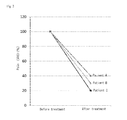
FIG. 2 is a chart showing results of pain-relieving experiments (evaluation by VAS)by an anticonvulsant agent for each anti-VGKC complex antibody positive patient with fibromyalgia. - A diagnostic agent for fibromyalgia relating to anti-VGKC complex antibody
As described previously, the first aspect of the present invention relates to a diagnostic agent for fibromyalgia containing a reagent for detecting an anti-VGKC complex antibody. This diagnostic agent is a diagnostic agent for fibromyalgia relating to an antibody against a complex of voltage-gated potassium channel. Examples of the anti-VGKC complex antibody include an antibody against a complex of a VGKC and a protein bound to a VGKC, besides the anti-VGKC antibody. The anti-VGKC complex antibody may be an antibody against a complex of a VGKC and a potassium channel inhibitor containing bungarotoxin, or may be an antibody against a complex of a VGKC, a protein bound to a VGKC, and a potassium channel inhibitor containing bungarotoxin. This diagnostic agent can elucidate the cause of fibromyalgia and can provide a guideline for the treatment, for a patient with fibromyalgia in which the cause of fibromyalgia relates to an anti-VGKC complex antibody. - Conventionally, it is known that an anti-VGKC complex antibody relates to Isaacs syndrome of which the number of patients is extremely few. Therefore, the development of a diagnostic agent of anti-VGKC complex antibody has not progressed. On the other hand, as indicated in Examples, the anti-VGKC complex antibody is specifically expressed in a certain patient with fibromyalgia. Therefore, the anti-VGKC complex antibody becomes a specific marker of fibromyalgia. On the other hand, a reagent for directly detecting the anti-VGKC complex antibody has not been developed at this moment. Thus, bungarotoxin that is a potassium channel inhibitor is made to be bound to a VGKC. As a result, a complex consisting of a VGKC and bungarotoxin; or a complex containing a VGKC, a protein bound to a VGKC, and bungarotoxin is obtained. Therefore, by using an antibody against bungarotoxin, a VGKC complex may be detected. That is, the level of VGKC complex may be measured by using the level of the antibody against bungarotoxin. Therefore, by measuring the level of the anti-VGKC complex antibody, the level (that is, the level of VGKC complex in serum) of a protein that forms a VGKC complex by binding to an anti-VGKC antibody or a VGKC is presumed. That is, an example of a reagent for detecting the anti-VGKC complex antibody is a reagent containing bungarotoxin to be bound to a VGKC, an antibody against bungarotoxin, and a reagent for measuring the level of the antibody against bungarotoxin. A reagent containing these is one of the reagents for detecting the anti-VGKC complex antibody of the present invention. Further, a diagnostic agent containing such a reagent for detecting the anti-VGKC complex antibody is effective as a diagnostic agent for fibromyalgia relating to anti-VGKC complex antibody.
- A diagnostic method for fibromyalgia relating to anti-VGKC complex antibody
The second aspect of the present invention relates to a diagnostic method for fibromyalgia relating to anti-VGKC complex antibody. This method is basically a method for determining whether the cause of the patient with fibromyalgia is the anti-VGKC complex antibody or not by using a diagnostic agent that is described previously. - This method, for example, using a reagent for detecting an anti-VGKC complex antibody, determines whether the anti-VGKC complex antibody is contained in the predetermined level or more in a biological sample (for example, serum) of a patient or not. In addition, this method may be, described previously, a method in which it is determined whether the anti-VGKC complex antibody is contained in the predetermined level or more or not by forming a complex of VGKC and bungarotoxin, or a complex of a VGKC complex containing VGKC and a certain protein and bungarotoxin, and then by detecting the level of the anti-VGKC complex antibody. Prior to this method, for example, based on J-FIQ, it may be determined whether a subject has fibromyalgia or not. Further, a biological sample is collected from a patient with fibromyalgia, and the level of anti-VGKC complex antibody may be analyzed. In addition, comparing with the results of control experiments, it may be determined whether the level of anti-VGKC complex antibody is the fixed ratio or more or not. An example of the level of anti-VGKC complex antibody that becomes a criterion determining whether the level indicates the fibromyalgia relating to anti-VGKC complex antibody or not is 100 pM.
- The biological sample (detection sample) for detecting the level of anti-VGKC complex antibody is not limited to serum. An example of this biological sample except for serum is cerebrospinal fluid. Further, for example, an anti-VGKC complex antibody can be detected by employing an immunological method using an anti-VGKC complex antibody or a VGKC. Examples of the immunological method include Western blotting, dot blotting, slot blotting, ELISA, and RIA. These methods have already known. A VGKC has already known. For example, by using affinity chromatography, or SDS-PAGE, a VGKC is isolated and purified, and a VGKC for detecting the anti-VGKC complex antibody can be obtained.
- The anti-VGKC complex antibody is known. Therefore, the present invention can use the known anti-VGKC complex antibody. Further, the anti-VGKC complex antibody may be produced by a method that has already known in the field of biotechnology. For example, an antibody-producing cell that produces anti-VGKC complex antibody is fused with a myeloma cell to establish a hybridoma, and a monoclonal antibody obtained from the hybridoma may be used as the anti-VGKC complex antibody.
- A therapeutic agent for fibromyalgia relating to anti-VGKC complex antibody
The third aspect of the present invention relates to a therapeutic agent for fibromyalgia relating to anti-VGKC complex antibody. This therapeutic agent may be, for example, prescribed for a patient who has determined to have fibromyalgia relating to the anti-VGKC complex antibody by a diagnostic method described previously. As the cause of fibromyalgia, various causes can be considered. As verified in the following Examples, a therapeutic agent of the present invention is effective for the treatment of non-depression type of fibromyalgia. An improvement example of such fibromyalgia is an improvement of the pain. The therapeutic agent of the present invention is administered to an anti-VGKC complex antibody positive patient with fibromyalgia (a patient with fibromyalgia having a level of the anti-VGKC complex antibody of 100 pM or more using serum), and is effective for the improvement of the symptom of an anti-VGKC complex antibody positive patient with fibromyalgia. - This therapeutic agent contains an anticonvulsant drug as an active ingredient in an effective amount. Examples of the anticonvulsant drug include gabapentine, phenytoin, mephenytoin, ethotoin, phenobarbital, mephobarbital, primidone, carbamazepine, ethosuximide, methsuximide, phensuximide, valproic acid, trimethadione, paramethadione, phenacemide, acetazolamide, progabide, diazepam, lorazepam, clonazepam, clorazepate salt, and nitrazepam. In the present invention, as verified in the following Examples, gabapentine or clonazepam can be preferably used as an anticonvulsant drug. As verified in the following Examples, when an anticonvulsant drug was administered to a patient with fibromyalgia relating to anti-VGKC complex antibody, the symptom of the fibromyalgia was significantly improved. Therefore, a therapeutic agent containing an anticonvulsant drug as an active ingredient is considered to be effective as a therapeutic agent for fibromyalgia relating to anti-VGKC complex antibody. Hereinafter, the therapeutic agent of the present invention is explained centering on gabapentine and clonazepam.
- Gabapentine or clonazepam may be a prodrug. Gabapentine or clonazepam may be a pharmaceutically acceptable salt or solvate.
- Chemical name of gabapentine is (1-aminomethyl cyclohexyl)acetic acid. Examples of a pharmacologically acceptable salt of gabapentine include an inorganic acid salt (hydrochloride, sulfate, and the like), an inorganic base salt (sodium salt, potassium salt, calcium salt, and the like), and an organic acid salt (acetate, benzoate, maleate, tartrate, fumarate, mesylate, and the like). Gabapentine or a pharmacologically acceptable salt thereof may be produced according to a conventional method, or may be obtained from the market. An example of commercially available gabapentine is GABAPEN tablet (trade name, active ingredient: gabapentine, Pfizer Inc.).
- Examples of clonazepam include "Landsen" manufactured by Dainippon Sumitomo Pharma Co., Ltd., and "Rivotril" manufactured by Chugai Pharmaceutical Co., Ltd. Clonazepam is one kind of benzodiazepine derivatives.
- When a drug of the present invention contains gabapentine or clonazepam as an active ingredient, the dosage of the active ingredient may be appropriately determined depending on the weight, the age, the gender, and the degree of the disease of a patient. For examples, the dosage for adult is in the range of 0.5 to 30 mg/day, and preferably 5 to 20 mg/day with oral administration. The dosage per day is preferably administered by dividing into 2 to 4 times. Further, the drug is preferably repeatedly administered, for examples, may be administered continuously for 4 weeks or more.
- In the drug of the present invention, the active ingredient is appropriately mixed or diluted/dissolved with preparation carriers such as necessary excipients, disintegrants, binders, lubricants, diluents, buffering agents, tonicity agents, preservatives, wetting agents, emulsifiers, dispersing agents, stabilizing agents, and solubilizing agents, and thus various dosage forms can be produced according to a conventional method. Further, commercially available preparation can be used.
- The dosage form of the drug of the present invention is, for example, orally administered preparation such as powders, granules, fine granules, dry syrup, tablet, and capsule, and parenterally administered preparation such as injection, patch, and suppository.
- According to the diagnostic method previously described, the present invention also provide a treatment method for fibromyalgia relating to anti-VGKC complex antibody containing: a step of determining whether a subject has fibromyalgia relating to anti-VGKC complex antibody or not; and a step of administering an anticonvulsant drug to the patient who has determined to have fibromyalgia relating to anti-VGKC complex antibody. The patient of this example is a patient with fibromyalgia having an anti-VGKC complex antibody level of 100 pM or more when a VGKC complex was formed by using the serum of the patient. That is, the present invention also provide a treatment method for fibromyalgia containing a step of administering gabapentine or clonazepam to a patient with fibromyalgia having an anti-VGKC complex antibody level of 100 pM or more in a measurement of anti-VGKC complex antibody level using the serum of the patient. Peculiarly the present invention is effective for the improvement of the pain of the patient.
- An anti-VGKC complex antibody level in serum of a patient with fibromyalgia
Each serum was collected from 22 patients with fibromyalgia (depression type: 6 patients, and non-depression type: 16 patients) and 13 healthy subjects, a complex with a VGKC or a complex with a VGKC, a certain protein, and bungarotoxin was formed by using bungarotoxin, and then each level of anti-VGKC complex antibody was measured. The level of anti-VGKC complex antibody of 100 pM or more termed positive, 400 pM or more termed most positive. The results were shown inFIG. 1 . In examples shownFIG. 1 , patients with fibromyalgia termed FM. - In
FIG. 1 , a complex antibody containing an anti-VGKC complex antibody was not detected from each serum collected from the healthy subjects and the patients with fibromyalgia of depression type. On the other hand, the anti-VGKC complex antibody was detected from each serum collected from 5 patients with fibromyalgia of non-depression type. - Fibromyalgia is a disease of unknown cause. According to these experimental results, as one of the causes of fibromyalgia, an anti-VGKC complex antibody is considered. Therefore, it is considered that by measuring the level of the anti-VGKC complex antibody contained in a patient with fibromyalgia, a cause of an anti-VGKC complex antibody positive patient with fibromyalgia can be elucidated.
- Pain-relieving experiments by an anticonvulsant agent for each anti-VGKC complex antibody positive patient with fibromyalgia
It is considered that the pain can be relieved by an anticonvulsant agent for an anti-VGKC complex antibody positive patient with fibromyalgia. Thus, for 3 patients (to whom a level of anti-VGKC complex antibody of more than 100 pM was detected) among 4 anti-VGKC complex antibody positive patients with fibromyalgia in Example 1, a pain-relieving experiment by an anticonvulsant agent for an anti-VGKC complex antibody positive patient with fibromyalgia was conducted. These patients were patients with fibromyalgia of non-depression type. - To patient A, gabapentine 900 mg and clonazepam 0.5 mg were orally administered. As a result, the value of patient pain VAS was reduced to 40 based on 100 before administration.
- To patient B, clonazepam 1.5 mg was orally administered. As a result, the value of patient pain VAS was reduced to 30 based on 100 before administration.
- To patient C, gabapentine 1600 mg and clonazepam 1.0 mg were orally administered. As a result, the value of patient pain VAS was reduced to 20 based on 100 before administration.
- From these results, it was found that the pain could be significantly relieved by an anticonvulsant agent in an anti-VGKC complex antibody positive patient with fibromyalgia. As described above, in the present invention, an appropriate treatment can be performed for fibromyalgia of an unknown cause when the anti-VGKC complex antibody was found to be a cause.
- The present invention can be used in the clinical diagnosis service industry and in the pharmaceutical industry.
Claims (6)
- A diagnostic agent for fibromyalgia relating to an antibody against a voltage-gated potassium channel, comprising:a reagent for detecting an antibody against a complex of a voltage-gated potassium channel.
- A diagnostic method for fibromyalgia relating to an antibody against a voltage-gated potassium channel, comprising:determining whether a predetermined level or more of antibody is contained in a biological sample of a patient or not using a reagent for detecting the antibody against a complex of a voltage-gated potassium channel.
- A therapeutic agent for fibromyalgia relating to an antibody against a complex of a voltage-gated potassium channel, comprising:an anticonvulsant drug as an active ingredient in an effective amount.
- The therapeutic agent in accordance with Claim 3,
wherein the anticonvulsant drug contains both or one of gabapentine and clonazepam. - The therapeutic agent in accordance with Claim 3,
wherein the anticonvulsant drug contains clonazepam. - The therapeutic agent in accordance with Claim 4 or 5,
being used for improvement of pain for a patient with fibromyalgia having an anti-VGKC complex antibody level of 100 pM or more in a measurement of anti-VGKC complex antibody level using serum.
Applications Claiming Priority (2)
| Application Number | Priority Date | Filing Date | Title |
|---|---|---|---|
| US39109410P | 2010-10-08 | 2010-10-08 | |
| PCT/JP2011/072818 WO2012046708A1 (en) | 2010-10-08 | 2011-10-04 | Diagnostic agent, diagnostic method and therapeutic agent for fibromyalgia |
Publications (2)
| Publication Number | Publication Date |
|---|---|
| EP2626702A1 true EP2626702A1 (en) | 2013-08-14 |
| EP2626702A4 EP2626702A4 (en) | 2014-03-26 |
Family
ID=45927704
Family Applications (1)
| Application Number | Title | Priority Date | Filing Date |
|---|---|---|---|
| EP11830640.6A Withdrawn EP2626702A4 (en) | 2010-10-08 | 2011-10-04 | Diagnostic agent, diagnostic method and therapeutic agent for fibromyalgia |
Country Status (5)
| Country | Link |
|---|---|
| US (1) | US20130196980A1 (en) |
| EP (1) | EP2626702A4 (en) |
| JP (1) | JP5325345B2 (en) |
| CN (1) | CN103180731B (en) |
| WO (1) | WO2012046708A1 (en) |
Families Citing this family (2)
| Publication number | Priority date | Publication date | Assignee | Title |
|---|---|---|---|---|
| JP6122927B2 (en) * | 2015-10-01 | 2017-04-26 | 株式会社オサチ | Pain measuring device |
| JP6674759B2 (en) | 2015-10-01 | 2020-04-01 | 国立大学法人北海道大学 | Method and kit for determining fibromyalgia |
Family Cites Families (9)
| Publication number | Priority date | Publication date | Assignee | Title |
|---|---|---|---|---|
| US5834215A (en) * | 1994-10-05 | 1998-11-10 | The Administrators Of The Tulane Educational Fund | Method for detecting antipolymer antibodies and diagnosing silicone related disease (SRD) fibromyalgia and chronic fatigue syndrome (CFS) |
| JP2002233383A (en) * | 2001-02-09 | 2002-08-20 | Locomogene Inc | Neurotonin and its use |
| AU2004272546B2 (en) * | 2003-09-04 | 2007-10-18 | Merck Sharp & Dohme Corp. | Ophthalmic compositions for treating ocular hypertension |
| AU2006221453B2 (en) * | 2005-03-07 | 2011-08-25 | Nippon Zoki Pharmaceutical Co., Ltd. | Method for study, determination or evaluation |
| JP2009503109A (en) | 2005-08-03 | 2009-01-29 | ミノイエット セラピューティクス リミテッド | Killing human lymphoma and leukemia cancer cells and TCR-activated normal human cells by dopamine D1R agonists |
| JP2009007278A (en) | 2007-06-27 | 2009-01-15 | Argenes Inc | Remedy of fibromyalgia |
| JP2011506391A (en) * | 2007-12-11 | 2011-03-03 | ノイロサーチ アクティーゼルスカブ | Novel 2-ethyl-methyl-amino-3-amido-6-amino-pyridine derivatives useful as potassium channel activators |
| ES2385138T3 (en) * | 2008-12-16 | 2012-07-18 | Astellas Pharma Inc. | Rodent disease model for chronic muscle pain |
| WO2010084798A1 (en) * | 2009-01-21 | 2010-07-29 | 第一三共株式会社 | Tricyclic compound |
-
2011
- 2011-10-04 JP JP2012537710A patent/JP5325345B2/en not_active Expired - Fee Related
- 2011-10-04 EP EP11830640.6A patent/EP2626702A4/en not_active Withdrawn
- 2011-10-04 WO PCT/JP2011/072818 patent/WO2012046708A1/en not_active Ceased
- 2011-10-04 CN CN201180047990.9A patent/CN103180731B/en not_active Expired - Fee Related
- 2011-10-04 US US13/877,848 patent/US20130196980A1/en not_active Abandoned
Non-Patent Citations (8)
| Title |
|---|
| HEIKE WULFF ET AL: "Voltage-gated potassium channels as therapeutic targets", NATURE REVIEWS DRUG DISCOVERY, vol. 8, no. 12, 1 December 2009 (2009-12-01), pages 982-1001, XP055101638, ISSN: 1474-1776, DOI: 10.1038/nrd2983 * |
| IRANI SAROSH R ET AL: "Antibodies to Kv1 potassium channel-complex proteins leucine-rich, glioma inactivated 1 protein and contactin-associated protein-2 in limbic encephalitis, Morvan's syndrome and acquired neuromyotonia.", BRAIN : A JOURNAL OF NEUROLOGY SEP 2010, vol. 133, no. 9, September 2010 (2010-09), pages 2734-2748, XP002720263, ISSN: 1460-2156 * |
| KLEIN CHRISTOPHER J ET AL: "Chronic pain as a manifestation of potassium channel-complex autoimmunity.", NEUROLOGY 11 SEP 2012, vol. 79, no. 11, 11 September 2012 (2012-09-11), pages 1136-1144, XP002720265, ISSN: 1526-632X * |
| MALEMUD C J: "Focus on pain mechanisms and pharmacotherapy in the treatment of fibromyalgia syndrome.", CLINICAL AND EXPERIMENTAL RHEUMATOLOGY 2009 SEP-OCT, vol. 27, no. 5 Suppl 56, September 2009 (2009-09), pages S86-S91, XP002720264, ISSN: 0392-856X * |
| MAZUROV A ET AL: "Selective [alpha]7 nicotinic acetylcholine receptor ligands", CURRENT MEDICINAL CHEMISTRY 200606 NL, vol. 13, no. 13, June 2006 (2006-06), pages 1567-1584, XP002720266, ISSN: 0929-8673 * |
| METHA APIWATTANAKUL ET AL: "Eliminating false-positive results in serum tests for neuromuscular autoimmunity", MUSCLE & NERVE, vol. 41, no. 5, 1 May 2010 (2010-05-01), pages 702-704, XP055101813, ISSN: 0148-639X, DOI: 10.1002/mus.21653 * |
| See also references of WO2012046708A1 * |
| TAN K M ET AL: "Clinical spectrum of voltage-gated potassium channel autoimmunity.", NEUROLOGY 13 MAY 2008, vol. 70, no. 20, 13 May 2008 (2008-05-13), pages 1883-1890, XP002720267, ISSN: 1526-632X * |
Also Published As
| Publication number | Publication date |
|---|---|
| CN103180731B (en) | 2015-09-09 |
| US20130196980A1 (en) | 2013-08-01 |
| WO2012046708A1 (en) | 2012-04-12 |
| JP5325345B2 (en) | 2013-10-23 |
| CN103180731A (en) | 2013-06-26 |
| EP2626702A4 (en) | 2014-03-26 |
| JPWO2012046708A1 (en) | 2014-02-24 |
Similar Documents
| Publication | Publication Date | Title |
|---|---|---|
| Lian et al. | Ds-HMGB1 and fr-HMGB induce depressive behavior through neuroinflammation in contrast to nonoxid-HMGB1 | |
| Stepanova et al. | Measurement of levetiracetam drug levels to assist with seizure control and monitoring of drug interactions with other anti-epileptic medications (AEMs) | |
| US20170239262A1 (en) | Cenicriviroc for the treatment of fibrosis | |
| Tański et al. | Iron metabolism in patients with rheumatoid arthritis | |
| Danvish et al. | Comparison of equivalent doses of fentanyl buccal tablets and arteriovenous differences in fentanyl pharmacokinetics | |
| Patterson et al. | Protein binding of lopinavir and ritonavir during 4 phases of pregnancy: implications for treatment guidelines | |
| Hanak et al. | Positive modulation of mGluR5 attenuates seizures and reduces TNF-α+ macrophages and microglia in the brain in a murine model of virus-induced temporal lobe epilepsy | |
| JP2024037767A (en) | Method for treating nonalcoholic steatohepatitis (NASH) using modified fibroblast growth factor 21 (FGF-21) | |
| Groenendaal-van de Meent et al. | The Hypoxia-inducible Factor Prolyl-Hydroxylase Inhibitor Roxadustat (FG-4592) and Warfarin in Healthy Volunteers: A Pharmacokinetic and Pharmacodynamic Drug–Drug Interaction Study | |
| KR20110134907A (en) | Method of detecting myopathic disease and determining treatment effect | |
| US20130196980A1 (en) | Diagnostic agent, diagnostic method and therapeutic agent for fibromyalgia | |
| Price et al. | Enfuvirtide cerebrospinal fluid (CSF) pharmacokinetics and potential use in defining CSF HIV-1 origin | |
| Domin et al. | The antidepressant-like and glioprotective effects of the Y2 receptor antagonist SF-11 in the astroglial degeneration model of depression in rats: Involvement of glutamatergic inhibition | |
| Strzelecki et al. | BDNF serum levels in schizophrenic patients during treatment augmentation with sarcosine (results of the PULSAR study) | |
| Mathias et al. | Effect of ritonavir-boosted tipranavir or darunavir on the steady-state pharmacokinetics of elvitegravir | |
| Xu et al. | Pharmacokinetics evaluation of mycophenolic acid and its glucuronide metabolite in Chinese renal transplant recipients receiving enteric-coated mycophenolate sodium and tacrolimus | |
| Gupta et al. | The steady-state pharmacokinetics of fixed-dose combination dolutegravir+ rilpivirine in hemodialysis | |
| Hwang et al. | The changes of serum soluble intercellular adhesion molecule-1 after systemic steroid treatment in vitiligo | |
| Jacob et al. | Revisiting clinical practice in therapeutic drug monitoring of first-generation antiepileptic drugs | |
| US20210371511A1 (en) | Use of canakinumab | |
| US20250302798A1 (en) | Sting inhibitors and use thereof | |
| WO2020186256A1 (en) | Methods of treating immunoglobulin a nephropathy (igan) using axl decoy receptors | |
| WO2019246107A1 (en) | Metabolic biomarkers of nafld/nash and related disease phenotypes and methods of using same | |
| DEVELOPM | Drug DeveloPment | |
| CN120435497A (en) | Anti-ILT7 binders for the treatment and prevention of myositis |
Legal Events
| Date | Code | Title | Description |
|---|---|---|---|
| PUAI | Public reference made under article 153(3) epc to a published international application that has entered the european phase |
Free format text: ORIGINAL CODE: 0009012 |
|
| 17P | Request for examination filed |
Effective date: 20130412 |
|
| AK | Designated contracting states |
Kind code of ref document: A1 Designated state(s): AL AT BE BG CH CY CZ DE DK EE ES FI FR GB GR HR HU IE IS IT LI LT LU LV MC MK MT NL NO PL PT RO RS SE SI SK SM TR |
|
| DAX | Request for extension of the european patent (deleted) | ||
| A4 | Supplementary search report drawn up and despatched |
Effective date: 20140225 |
|
| RIC1 | Information provided on ipc code assigned before grant |
Ipc: G01N 33/68 20060101ALI20140214BHEP Ipc: G01N 33/53 20060101AFI20140214BHEP |
|
| 17Q | First examination report despatched |
Effective date: 20160627 |
|
| STAA | Information on the status of an ep patent application or granted ep patent |
Free format text: STATUS: THE APPLICATION IS DEEMED TO BE WITHDRAWN |
|
| 18D | Application deemed to be withdrawn |
Effective date: 20180501 |