EP2623122A1 - Coated devices and methods for coating - Google Patents
Coated devices and methods for coating Download PDFInfo
- Publication number
- EP2623122A1 EP2623122A1 EP12154004.1A EP12154004A EP2623122A1 EP 2623122 A1 EP2623122 A1 EP 2623122A1 EP 12154004 A EP12154004 A EP 12154004A EP 2623122 A1 EP2623122 A1 EP 2623122A1
- Authority
- EP
- European Patent Office
- Prior art keywords
- clathrin
- epsin
- substrate
- liposomes
- coated
- Prior art date
- Legal status (The legal status is an assumption and is not a legal conclusion. Google has not performed a legal analysis and makes no representation as to the accuracy of the status listed.)
- Withdrawn
Links
- 238000000576 coating method Methods 0.000 title claims abstract description 39
- 238000000034 method Methods 0.000 title claims abstract description 39
- 239000011248 coating agent Substances 0.000 title claims abstract description 37
- 239000000758 substrate Substances 0.000 claims abstract description 86
- 102000005853 Clathrin Human genes 0.000 claims abstract description 72
- 108010019874 Clathrin Proteins 0.000 claims abstract description 72
- 229930193282 clathrin Natural products 0.000 claims abstract description 72
- 108010032643 epsin Proteins 0.000 claims abstract description 63
- 102000007336 epsin Human genes 0.000 claims abstract description 63
- 239000002502 liposome Substances 0.000 claims abstract description 57
- 239000012634 fragment Substances 0.000 claims abstract description 31
- 102000014907 clathrin heavy chain Human genes 0.000 claims abstract description 25
- 108060001643 clathrin heavy chain Proteins 0.000 claims abstract description 25
- 150000001875 compounds Chemical class 0.000 claims abstract description 20
- 238000000338 in vitro Methods 0.000 claims abstract description 14
- 108090000623 proteins and genes Proteins 0.000 claims description 20
- 102000004169 proteins and genes Human genes 0.000 claims description 15
- OKTJSMMVPCPJKN-UHFFFAOYSA-N Carbon Chemical compound [C] OKTJSMMVPCPJKN-UHFFFAOYSA-N 0.000 claims description 14
- 229910052799 carbon Inorganic materials 0.000 claims description 14
- 239000003550 marker Substances 0.000 claims description 10
- 239000002184 metal Substances 0.000 claims description 10
- 229910052751 metal Inorganic materials 0.000 claims description 10
- 102000043859 Dynamin Human genes 0.000 claims description 9
- 108700021058 Dynamin Proteins 0.000 claims description 9
- YWXYYJSYQOXTPL-SLPGGIOYSA-N isosorbide mononitrate Chemical compound [O-][N+](=O)O[C@@H]1CO[C@@H]2[C@@H](O)CO[C@@H]21 YWXYYJSYQOXTPL-SLPGGIOYSA-N 0.000 claims description 9
- 239000000463 material Substances 0.000 claims description 9
- 102000004190 Enzymes Human genes 0.000 claims description 6
- 108090000790 Enzymes Proteins 0.000 claims description 6
- 239000003054 catalyst Substances 0.000 claims description 6
- 239000003814 drug Substances 0.000 claims description 6
- 229940079593 drug Drugs 0.000 claims description 6
- 239000011521 glass Substances 0.000 claims description 6
- 150000002739 metals Chemical class 0.000 claims description 6
- 239000004033 plastic Substances 0.000 claims description 6
- 102000014908 clathrin light chain Human genes 0.000 claims description 5
- 108060001644 clathrin light chain Proteins 0.000 claims description 5
- 230000005847 immunogenicity Effects 0.000 claims description 5
- 108090000765 processed proteins & peptides Proteins 0.000 claims description 5
- 229940002612 prodrug Drugs 0.000 claims description 5
- 239000000651 prodrug Substances 0.000 claims description 5
- 150000007523 nucleic acids Chemical class 0.000 claims description 3
- 239000000825 pharmaceutical preparation Substances 0.000 claims description 3
- 229940127557 pharmaceutical product Drugs 0.000 claims description 3
- 102100036444 Clathrin interactor 1 Human genes 0.000 claims description 2
- 101000851951 Homo sapiens Clathrin interactor 1 Proteins 0.000 claims 1
- 102000001708 Protein Isoforms Human genes 0.000 claims 1
- 108010029485 Protein Isoforms Proteins 0.000 claims 1
- 108020004707 nucleic acids Proteins 0.000 claims 1
- 102000039446 nucleic acids Human genes 0.000 claims 1
- 239000012528 membrane Substances 0.000 description 12
- 210000002806 clathrin-coated vesicle Anatomy 0.000 description 9
- 238000011534 incubation Methods 0.000 description 9
- JKMHFZQWWAIEOD-UHFFFAOYSA-N 2-[4-(2-hydroxyethyl)piperazin-1-yl]ethanesulfonic acid Chemical compound OCC[NH+]1CCN(CCS([O-])(=O)=O)CC1 JKMHFZQWWAIEOD-UHFFFAOYSA-N 0.000 description 6
- 150000001413 amino acids Chemical class 0.000 description 6
- 239000007995 HEPES buffer Substances 0.000 description 5
- 239000002245 particle Substances 0.000 description 5
- 125000003275 alpha amino acid group Chemical group 0.000 description 4
- 230000015572 biosynthetic process Effects 0.000 description 4
- 238000005119 centrifugation Methods 0.000 description 4
- 238000004519 manufacturing process Methods 0.000 description 4
- 210000002414 leg Anatomy 0.000 description 3
- 230000008685 targeting Effects 0.000 description 3
- 239000012620 biological material Substances 0.000 description 2
- 239000003575 carbonaceous material Substances 0.000 description 2
- 210000004027 cell Anatomy 0.000 description 2
- 210000002314 coated vesicle Anatomy 0.000 description 2
- 238000000635 electron micrograph Methods 0.000 description 2
- 210000003527 eukaryotic cell Anatomy 0.000 description 2
- 239000000835 fiber Substances 0.000 description 2
- 238000007306 functionalization reaction Methods 0.000 description 2
- 239000007943 implant Substances 0.000 description 2
- 150000002632 lipids Chemical class 0.000 description 2
- UEGPKNKPLBYCNK-UHFFFAOYSA-L magnesium acetate Chemical compound [Mg+2].CC([O-])=O.CC([O-])=O UEGPKNKPLBYCNK-UHFFFAOYSA-L 0.000 description 2
- 229940069446 magnesium acetate Drugs 0.000 description 2
- 235000011285 magnesium acetate Nutrition 0.000 description 2
- 239000011654 magnesium acetate Substances 0.000 description 2
- 239000000203 mixture Substances 0.000 description 2
- 230000004048 modification Effects 0.000 description 2
- 238000012986 modification Methods 0.000 description 2
- 229920001184 polypeptide Polymers 0.000 description 2
- 239000011148 porous material Substances 0.000 description 2
- 102000004196 processed proteins & peptides Human genes 0.000 description 2
- 239000000126 substance Substances 0.000 description 2
- 238000006467 substitution reaction Methods 0.000 description 2
- 210000002504 synaptic vesicle Anatomy 0.000 description 2
- 238000005829 trimerization reaction Methods 0.000 description 2
- SYFQYGMJENQVQT-UHFFFAOYSA-N 6-amino-2-[bis(carboxymethyl)amino]hexanoic acid Chemical compound NCCCCC(C(O)=O)N(CC(O)=O)CC(O)=O SYFQYGMJENQVQT-UHFFFAOYSA-N 0.000 description 1
- 108091003079 Bovine Serum Albumin Proteins 0.000 description 1
- 101710148711 Clathrin interactor 1 Proteins 0.000 description 1
- 102000013446 GTP Phosphohydrolases Human genes 0.000 description 1
- 108091006109 GTPases Proteins 0.000 description 1
- 102000003939 Membrane transport proteins Human genes 0.000 description 1
- 108090000301 Membrane transport proteins Proteins 0.000 description 1
- 102000035181 adaptor proteins Human genes 0.000 description 1
- 108091005764 adaptor proteins Proteins 0.000 description 1
- 210000003423 ankle Anatomy 0.000 description 1
- 229940098773 bovine serum albumin Drugs 0.000 description 1
- 210000004899 c-terminal region Anatomy 0.000 description 1
- 239000000969 carrier Substances 0.000 description 1
- 239000012876 carrier material Substances 0.000 description 1
- 230000003197 catalytic effect Effects 0.000 description 1
- 230000034303 cell budding Effects 0.000 description 1
- 150000005829 chemical entities Chemical class 0.000 description 1
- 238000001514 detection method Methods 0.000 description 1
- 239000003937 drug carrier Substances 0.000 description 1
- 230000000694 effects Effects 0.000 description 1
- 230000012202 endocytosis Effects 0.000 description 1
- 238000001704 evaporation Methods 0.000 description 1
- 230000008020 evaporation Effects 0.000 description 1
- 230000004927 fusion Effects 0.000 description 1
- 239000012216 imaging agent Substances 0.000 description 1
- 238000001727 in vivo Methods 0.000 description 1
- 230000003993 interaction Effects 0.000 description 1
- 210000003127 knee Anatomy 0.000 description 1
- 230000005291 magnetic effect Effects 0.000 description 1
- 239000011159 matrix material Substances 0.000 description 1
- 230000008172 membrane trafficking Effects 0.000 description 1
- 230000009061 membrane transport Effects 0.000 description 1
- 229910021645 metal ion Inorganic materials 0.000 description 1
- 229910052759 nickel Inorganic materials 0.000 description 1
- PXHVJJICTQNCMI-UHFFFAOYSA-N nickel Substances [Ni] PXHVJJICTQNCMI-UHFFFAOYSA-N 0.000 description 1
- -1 nickel salt Chemical class 0.000 description 1
- 210000003463 organelle Anatomy 0.000 description 1
- 230000005298 paramagnetic effect Effects 0.000 description 1
- 150000003905 phosphatidylinositols Chemical class 0.000 description 1
- 230000000704 physical effect Effects 0.000 description 1
- 230000008569 process Effects 0.000 description 1
- 230000010837 receptor-mediated endocytosis Effects 0.000 description 1
- 238000004064 recycling Methods 0.000 description 1
- 238000001338 self-assembly Methods 0.000 description 1
- 239000002356 single layer Substances 0.000 description 1
- 239000007787 solid Substances 0.000 description 1
- 239000000243 solution Substances 0.000 description 1
- 241000894007 species Species 0.000 description 1
- 125000002730 succinyl group Chemical group C(CCC(=O)*)(=O)* 0.000 description 1
- 230000032258 transport Effects 0.000 description 1
- 239000013638 trimer Substances 0.000 description 1
- 230000007332 vesicle formation Effects 0.000 description 1
Images


Classifications
-
- A—HUMAN NECESSITIES
- A61—MEDICAL OR VETERINARY SCIENCE; HYGIENE
- A61K—PREPARATIONS FOR MEDICAL, DENTAL OR TOILETRY PURPOSES
- A61K9/00—Medicinal preparations characterised by special physical form
- A61K9/10—Dispersions; Emulsions
- A61K9/127—Synthetic bilayered vehicles, e.g. liposomes or liposomes with cholesterol as the only non-phosphatidyl surfactant
- A61K9/1277—Preparation processes; Proliposomes
-
- A—HUMAN NECESSITIES
- A61—MEDICAL OR VETERINARY SCIENCE; HYGIENE
- A61K—PREPARATIONS FOR MEDICAL, DENTAL OR TOILETRY PURPOSES
- A61K47/00—Medicinal preparations characterised by the non-active ingredients used, e.g. carriers or inert additives; Targeting or modifying agents chemically bound to the active ingredient
- A61K47/50—Medicinal preparations characterised by the non-active ingredients used, e.g. carriers or inert additives; Targeting or modifying agents chemically bound to the active ingredient the non-active ingredient being chemically bound to the active ingredient, e.g. polymer-drug conjugates
- A61K47/51—Medicinal preparations characterised by the non-active ingredients used, e.g. carriers or inert additives; Targeting or modifying agents chemically bound to the active ingredient the non-active ingredient being chemically bound to the active ingredient, e.g. polymer-drug conjugates the non-active ingredient being a modifying agent
- A61K47/62—Medicinal preparations characterised by the non-active ingredients used, e.g. carriers or inert additives; Targeting or modifying agents chemically bound to the active ingredient the non-active ingredient being chemically bound to the active ingredient, e.g. polymer-drug conjugates the non-active ingredient being a modifying agent the modifying agent being a protein, peptide or polyamino acid
- A61K47/64—Drug-peptide, drug-protein or drug-polyamino acid conjugates, i.e. the modifying agent being a peptide, protein or polyamino acid which is covalently bonded or complexed to a therapeutically active agent
- A61K47/6425—Drug-peptide, drug-protein or drug-polyamino acid conjugates, i.e. the modifying agent being a peptide, protein or polyamino acid which is covalently bonded or complexed to a therapeutically active agent the peptide or protein in the drug conjugate being a receptor, e.g. CD4, a cell surface antigen, i.e. not a peptide ligand targeting the antigen, or a cell surface determinant, i.e. a part of the surface of a cell
-
- A—HUMAN NECESSITIES
- A61—MEDICAL OR VETERINARY SCIENCE; HYGIENE
- A61K—PREPARATIONS FOR MEDICAL, DENTAL OR TOILETRY PURPOSES
- A61K47/00—Medicinal preparations characterised by the non-active ingredients used, e.g. carriers or inert additives; Targeting or modifying agents chemically bound to the active ingredient
- A61K47/50—Medicinal preparations characterised by the non-active ingredients used, e.g. carriers or inert additives; Targeting or modifying agents chemically bound to the active ingredient the non-active ingredient being chemically bound to the active ingredient, e.g. polymer-drug conjugates
- A61K47/51—Medicinal preparations characterised by the non-active ingredients used, e.g. carriers or inert additives; Targeting or modifying agents chemically bound to the active ingredient the non-active ingredient being chemically bound to the active ingredient, e.g. polymer-drug conjugates the non-active ingredient being a modifying agent
- A61K47/62—Medicinal preparations characterised by the non-active ingredients used, e.g. carriers or inert additives; Targeting or modifying agents chemically bound to the active ingredient the non-active ingredient being chemically bound to the active ingredient, e.g. polymer-drug conjugates the non-active ingredient being a modifying agent the modifying agent being a protein, peptide or polyamino acid
- A61K47/65—Peptidic linkers, binders or spacers, e.g. peptidic enzyme-labile linkers
-
- A—HUMAN NECESSITIES
- A61—MEDICAL OR VETERINARY SCIENCE; HYGIENE
- A61K—PREPARATIONS FOR MEDICAL, DENTAL OR TOILETRY PURPOSES
- A61K47/00—Medicinal preparations characterised by the non-active ingredients used, e.g. carriers or inert additives; Targeting or modifying agents chemically bound to the active ingredient
- A61K47/50—Medicinal preparations characterised by the non-active ingredients used, e.g. carriers or inert additives; Targeting or modifying agents chemically bound to the active ingredient the non-active ingredient being chemically bound to the active ingredient, e.g. polymer-drug conjugates
- A61K47/69—Medicinal preparations characterised by the non-active ingredients used, e.g. carriers or inert additives; Targeting or modifying agents chemically bound to the active ingredient the non-active ingredient being chemically bound to the active ingredient, e.g. polymer-drug conjugates the conjugate being characterised by physical or galenical forms, e.g. emulsion, particle, inclusion complex, stent or kit
- A61K47/6905—Medicinal preparations characterised by the non-active ingredients used, e.g. carriers or inert additives; Targeting or modifying agents chemically bound to the active ingredient the non-active ingredient being chemically bound to the active ingredient, e.g. polymer-drug conjugates the conjugate being characterised by physical or galenical forms, e.g. emulsion, particle, inclusion complex, stent or kit the form being a colloid or an emulsion
- A61K47/6911—Medicinal preparations characterised by the non-active ingredients used, e.g. carriers or inert additives; Targeting or modifying agents chemically bound to the active ingredient the non-active ingredient being chemically bound to the active ingredient, e.g. polymer-drug conjugates the conjugate being characterised by physical or galenical forms, e.g. emulsion, particle, inclusion complex, stent or kit the form being a colloid or an emulsion the form being a liposome
-
- A—HUMAN NECESSITIES
- A61—MEDICAL OR VETERINARY SCIENCE; HYGIENE
- A61K—PREPARATIONS FOR MEDICAL, DENTAL OR TOILETRY PURPOSES
- A61K9/00—Medicinal preparations characterised by special physical form
- A61K9/10—Dispersions; Emulsions
- A61K9/127—Synthetic bilayered vehicles, e.g. liposomes or liposomes with cholesterol as the only non-phosphatidyl surfactant
- A61K9/1271—Non-conventional liposomes, e.g. PEGylated liposomes or liposomes coated or grafted with polymers
-
- C—CHEMISTRY; METALLURGY
- C07—ORGANIC CHEMISTRY
- C07K—PEPTIDES
- C07K14/00—Peptides having more than 20 amino acids; Gastrins; Somatostatins; Melanotropins; Derivatives thereof
- C07K14/435—Peptides having more than 20 amino acids; Gastrins; Somatostatins; Melanotropins; Derivatives thereof from animals; from humans
- C07K14/705—Receptors; Cell surface antigens; Cell surface determinants
-
- Y—GENERAL TAGGING OF NEW TECHNOLOGICAL DEVELOPMENTS; GENERAL TAGGING OF CROSS-SECTIONAL TECHNOLOGIES SPANNING OVER SEVERAL SECTIONS OF THE IPC; TECHNICAL SUBJECTS COVERED BY FORMER USPC CROSS-REFERENCE ART COLLECTIONS [XRACs] AND DIGESTS
- Y10—TECHNICAL SUBJECTS COVERED BY FORMER USPC
- Y10T—TECHNICAL SUBJECTS COVERED BY FORMER US CLASSIFICATION
- Y10T428/00—Stock material or miscellaneous articles
- Y10T428/29—Coated or structually defined flake, particle, cell, strand, strand portion, rod, filament, macroscopic fiber or mass thereof
- Y10T428/2982—Particulate matter [e.g., sphere, flake, etc.]
Definitions
- the present invention relates in a first aspect to a method of coating surfaces of substrates with a lattice-like structure.
- the present invention relates to an in vitro method of coating surfaces by binding of epsin or a fragment thereof on the surface and, thereafter, binding of a compound forming the lattice like structure, in particular, binding of the clathrin heavy chain, to the epsin bound on the surface, thus, obtaining a coated substrate having a lattice like structure on the surface.
- the present invention relates to an in vitro method of producing nanometer-sized liposomes having a clathrin structure on its surface.
- substrates, like elements or devices, with coated surfaces having a lattice-like structure on the surface are provided obtainable by a method according to the present invention.
- Coating is a form of covering that is applied on the surface of an object, usually referred to as the substrate.
- coatings are applied to improve surface properties of the substrate, either physical properties, mechanical properties or chemical properties.
- Coating comprises covering the substrate fully or covering the substrates partially or with specific structures, like lattices having openings.
- specific structures like lattices having openings.
- clathrin is a protein playing a major role in the formation of coated vesicles. Clathrin forms a three - legged structure dubbed "triskelion" composed of three clathrin heavy chains and three light chains. By self assembly of the clathrin triskelia a polyhedral lattice is formed covering or surrounding the substrate, e. g.
- vesicle In nature, these types of proteins are used to build small vesicles in order to transport molecules between cell organelles. That is, clathrin coated vesicles are involved in a number of membrane transport processes, including receptor-mediated endocytosis, recycling of synaptic vesicles and sorting of lysosymal enzymes.
- Clathrin occurs in all eukaryotic cells being composed of the three heavy chains and three light chains. Three heavy chains join at their C-termini to form a stable trimer (triskelion). The light chains interact with the heavy chains without being covalently linked to them.
- the three heavy chains provide the structural backbone of the clathrin lattice, and the three light chains are thought to regulate the formation and disassembly of the clathrin lattice.
- the clathrin heavy chain is composed of various domains. That is, the clathrin heavy chain is composed of the N-terminal domain, followed by the ankle, distal leg, knee, proximal leg, and trimerization domains.
- the light chains bind primarily to the proximal leg portion of the heavy chain with some interaction near the trimerization domain. While about one third of the light chain interacts with the heavy chain, the remaining portion is free and is available for modification. It is described that the clathrin lattice can form a Buckminster-fullerene-like structures.
- clathrin coated vesicles in cells it is described that clathrin is required to generate nanometer sized vesicles in cells in vivo.
- epsin One of the molecules interacting with clathrin is the adaptor protein epsin.
- Another example is the molecule AP180 that is involved in synaptic vesicle formation. Both compounds promote assembly of clathrin triskelia into Buckminster-fullerene-like structures. Epsin also recruits clathrin to membranes and promotes its assembly. In addition, epsin can bend planar membranes by inserting an amphipatic helix into a monolayer, thus supporting clathrin in the formation of clathrin coated vesicles.
- clathrin triskelia do not bind directly to membrane, but bind via adaptor proteins to the membrane surface.
- one of these adapter compounds is epsin relevant for budding of clathrin-coated vesicles. That is, epsin contributes to membrane deformation.
- the epsin molecules are composed of different domains, starting at the N-terminus with a so called ENTH (Epsin N-Terminal Homology) domain that associates with phosphatidylinositol 4,5-bisphospate in biological membranes.
- the ENTH-domain domain is a structural domain that is found in proteins involved in endocytosis.
- the ENTH-domain is not only present in epsin but can be found in other proteins involved in membrane trafficking (Epsin 1-3 and EpsinR).
- the epsin protein is composed further of a middle section containing ubiquitin-interacting motifs and a C-terminal section containing two clathrin binding sites.
- epsin represents a suitable adapter for biological membranes and structural compounds, like clathrin.
- the ENTH-domain is a domain of approximately 150 amino acid in length, an exemplar thereof is provided with Seq. ID No. 4 consisting of amino acids 1 to 144 of the sequence of gene bank accession No, NP_476477.
- Improving mechanical, physical or chemical properties of substrates represents a permanent problem.
- providing substrates, like artificial substrates, in particular artificial biological substrates with suitable coatings to improve mechanical properties remains a problem in the art.
- the present invention provides new methods for coating surfaces or substrates with a lattice-like structure having improved mechanical properties, like having improved stability as carrier components, e. g. for drugs.
- methods are provided for coating surfaces of substrates whereby said coating includes functionalization of the coating with marker, label, etc., to allow site-directed targeting of the coated substrates.
- the present invention aims in providing coated elements having improved properties e. g. when use in a subject.
- the present invention provides an in vitro method for coating surfaces of substrates with a lattice like structure comprising
- the present inventors recognised that it is possible to provide coated surfaces of substrates with an artificial lattice like structure whereby said substrates are preferably elements or devices useful in biotechnical or medicinal application having improved physical and mechanical properties as well as pharmaceutical properties.
- said substrates are preferably elements or devices useful in biotechnical or medicinal application having improved physical and mechanical properties as well as pharmaceutical properties.
- an in vitro method of producing nanometer-sized liposomes having a clathrin structure on its surface is provided.
- Said liposomes are in particular liposomes of 70 to 100 nm in size and said method includes incubating the liposomes with at least epsin or a fragment thereof, the clathrin heavy chain in the presence of dynamin and GTP.
- the present invention relates to a substrate with coated surfaces obtainable by a method according to the present invention.
- Said substrate is in particular a liposome or particles having a membrane formed by lipids or other particle forming components.
- the surfaces are metals, carbon, glass or plastic.
- substrates having coated surfaces are provided whereby said substrates are useful as filter materials or in the field of catalysts and electrodes.
- the substrates having coated surfaces obtainable according to the present invention are particularly useful as coated liposomes in cosmetical and pharmaceutical products or for use as biotemplates. It is preferred that the clathrin structure of the coated substrates is functionalised, e.g. with a marker or label, or, alternatively or in addition, by molecules allowing site-directed targeting of the coated substrates.
- an in vitro method of coating surfaces of substrates with a lattice like structure comprising the step of
- substrate refers to any type of elements or devices to be coated.
- the substrate may be a solid substrate and may be a non-porous or a porous substrate.
- suitable substrates include plastic, metal, glass and/or carbon materials or mixtures thereof.
- typical carrier materials, like zeolithe are within the scope of the term “substrate”.
- the term "lattice like structure” refers to a structure having a frame work or backbone with openings, e. g. pores or meshes.
- the lattice like structure is a structure formed by clathrin as known in the art.
- epsin binding domain refers to the domain described for the clathrin molecules able to bind to the epsin molecule.
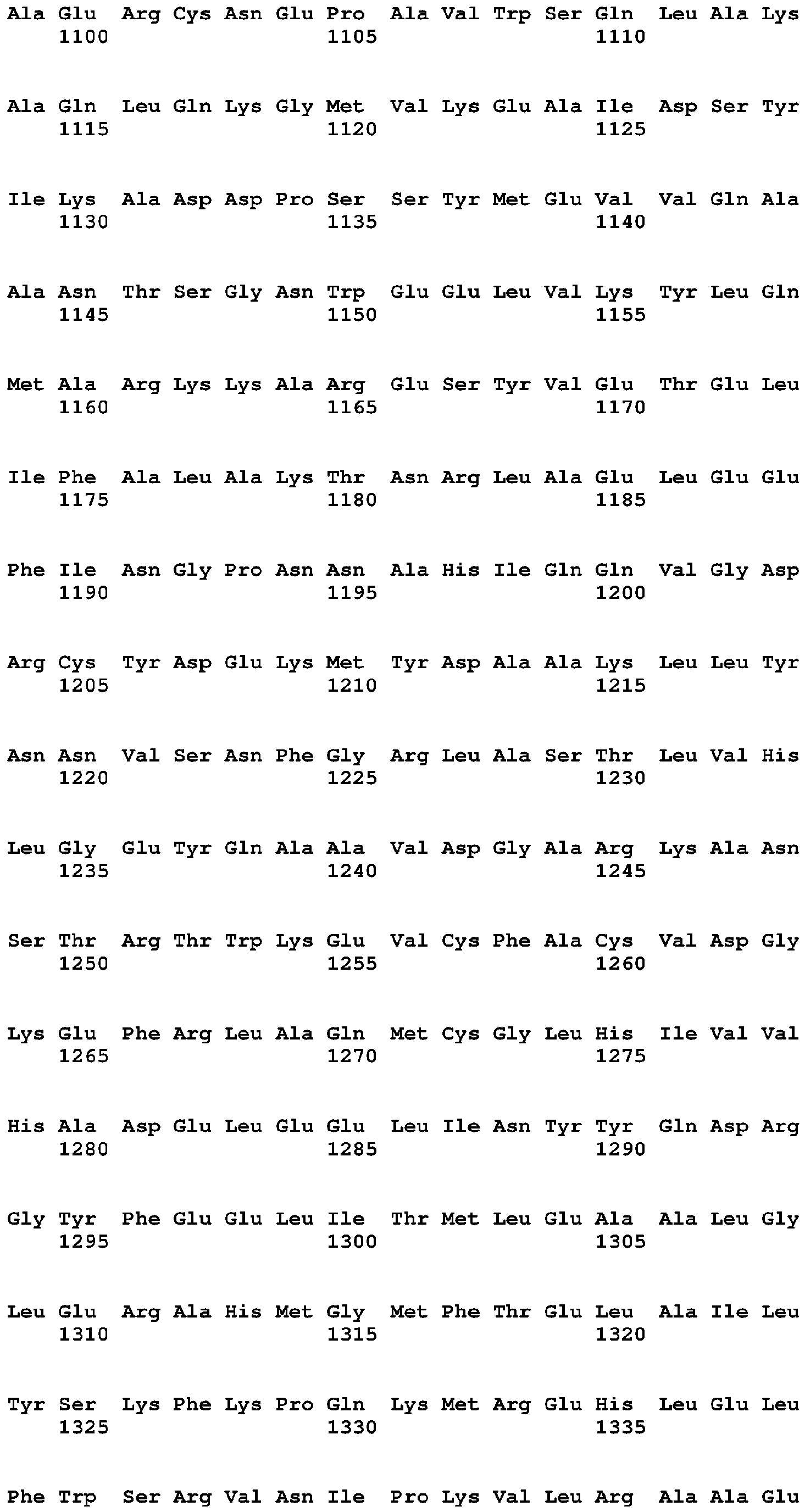
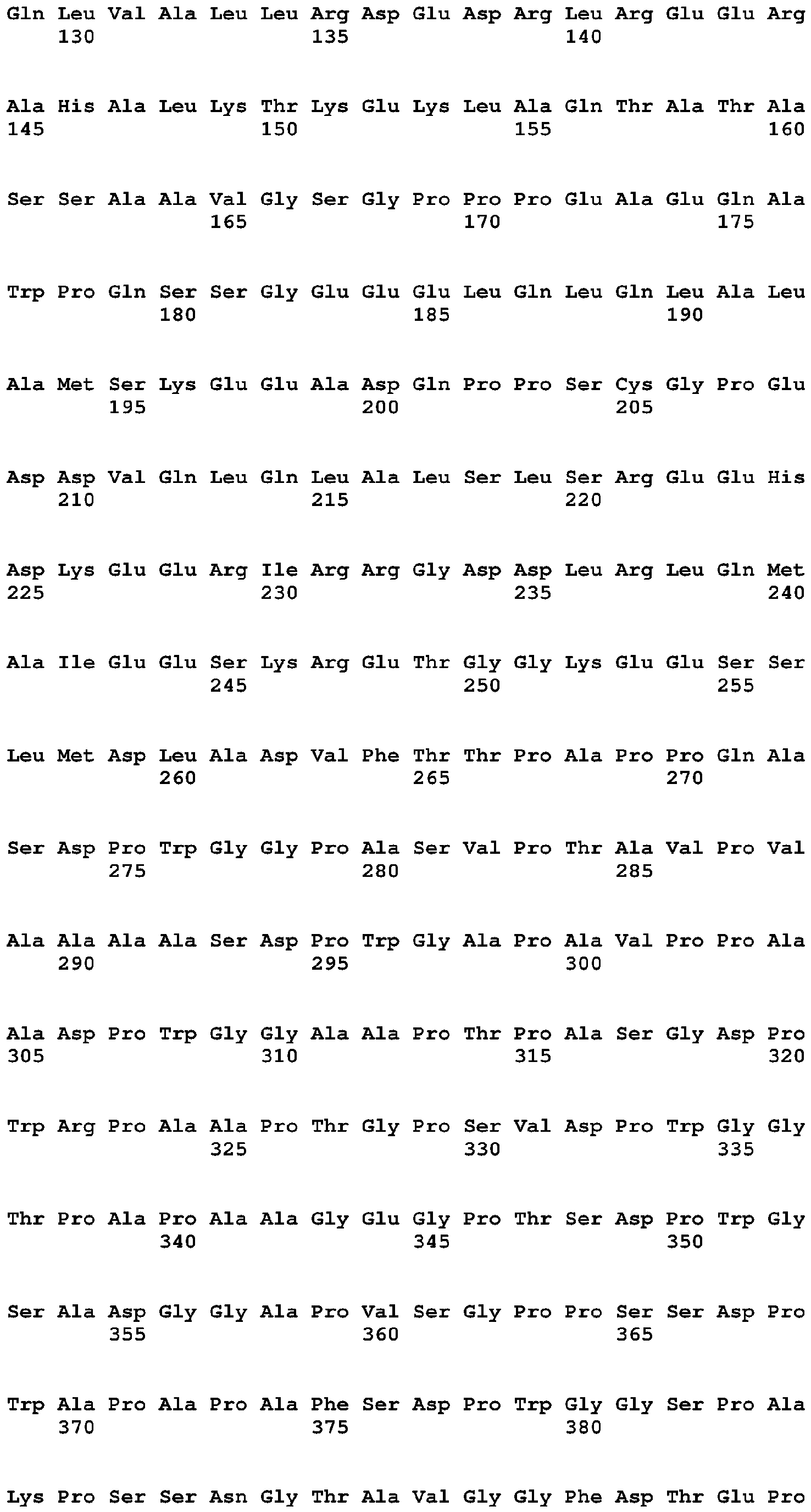
- the epsin binding domain of the clathrin heavy chain is a sequence comprising the sequence of Seq. ID No. 1.
- derivatives refers to sequences being different to the specific sequence of the Seq. ID No. identified.
- the derivatives are polypeptides having amino acid substitutions being conservative substitutions of amino acids as known in the art without deviating from the functionality of the amino acid of the Seq. ID No. provided.
- a derivative of the epsin binding domain of Seq. ID No. 1 is an amino acid sequence able to bind to the epsin molecule but having an amino acid sequence not identical with Seq. ID No. 1.
- derivatives include molecules wherein the amino acids are modified amino acids being modified as known in the art.
- derivatives include polypeptides or proteins of different species of the respective proteins as identified by reference to a specific Seq. ID. No.
- fragment thereof refers to a fragment of the molecule identified having the same activity with respect to the specific functionality identified for the full length molecule.
- the epsin fragment is a fragment derives from the epsin molecule whereby said fragment is able to interact with the epsin binding domain of clathrin in the same way as described for the epsin molecule.
- the method includes the step of binding the clathrin light chain moiety to the clathrin heavy chain moiety.
- the clathrin light chain moiety is not necessary to form the lattice like structure but interact with the clathrin heavy chain at the proximal section of the heavy chain.
- the clathrin light chain e.g. of Seq. ID No. 5 or Seq. ID. No. 6 corresponding to gene bank accession No. ID P04975 or XP_003123718, respectively, is functionalised. That is, a preferred embodiment relates to a substrates being coated on the surface with functionalised clathrin structures wherein the light chain of clathrin is functionalised by a component selected from the group consisting of label, marker, enzyme, protein binding sequence for metals, proteins other than clathrin, active drugs or prodrugs.
- label refers to a label capable of producing, either directly or indirectly, a detectable signal.
- the label may be a radioisotope, a fluorescent (fluorophore), or chemiluminescent (lumiphore) compound, an enzyme, an imaging agent, magnetic or paramagnetic labels, or a metal ion.
- the term "marker” refers to a component allowing detecting directly or indirectly the molecules having said marker as one component.
- the marker may be a label as defined above or may be a specific sequence of a chemical entity including nucleic acid sequences and amino acid sequences allowing detection of the same with suitable measures known in the art.
- the clathrin structures which may be functionalized include preferably functionalized light chain of clathrin whereby functionalization is effected by covalently or non covalently binding of a label, marker, enzyme, protein, binding sequence for metals, proteins other then clathrin, active drugs or prodrugs as well as nucleic acid sequences.
- Said marker or label components may be detected with suitable means including secondary antibodies fluorescent components etc.
- biotemplates refers to a structure generated with biomaterial that is used as matrix for the association of non-biological successor materials.
- the substrates are a plastic, metal, glass, or carbon material.
- Typical examples of substrates are medicinal or pharmaceutical substrates or biotemplates.
- the substrate is a medicinal or pharmaceutical device.
- the substrate is a liposome or biodegradable particles or fibers. Fibers can be coated with clathrin generating regular nanometer sized tubes with carbon nanotube-like structures. That is, according to a preferred embodiment, the method of coating surfaces of substrate is a method of coating liposomes or biodegradable membranes in vitro.
- the method according to the present invention comprises the step of incubating and binding of the compound epsin, comprising the clathrin binding domain, preferably, the clathrin heavy chain, sequentially, simultaneously or subsequently together with the molecule dynamin, e.g. a peptide of Seq. ID No. 7 corresponding to gene bank accession No. AAH50279 or Seq. ID No. 8 corresponding to gene bank accession No. XP_003122242, respectively, and, optionally, GTP as detailed below, dynamin is a GTPase molecule which allows release of nanometer sized clathrin coated vesicles from larger liposomes.
- dynamin e.g. a peptide of Seq. ID No. 7 corresponding to gene bank accession No. AAH50279 or Seq. ID No. 8 corresponding to gene bank accession No. XP_003122242
- an in vitro method of producing nanometer sized liposomes having a clathrin structure on its surface, in particular, for the production of liposomes, having a size of 70 to 100 nm is provided.
- Said in vitro method comprises the steps of incubating liposomes with epsin or fragments thereof whereby said fragment is able to interact with the epsin binding domain of the clathrin heavy chain; incubating said liposomes having epsin or fragments thereof on its surface with at least the clathrinbinding domain and the clathrin heavy chain in the presence of dynamin and, optionally, GTP; obtaining nanometer-sized liposomes having a clathrin structure on its surface.
- the combination of epsin, clathrin, dynamin and GTP allows the production of the nanometer sized liposomes having a defined size range.
- the present invention relates to a substrate with coated surfaces obtainable by a method according to the present invention.
- the substrate is characterized by having a lattice-like structure coated on the surface whereby said lattice-like structure is preferably formed by clathrin triskelia as describes herein. Said clathrin triskelia allow the formation of a defined lattice-like structure with defined openings.
- the substrate having a coated surface according to the present invention is a substrate having a surface according to the present invention is a substrate having a surface of liposomes, metals, carbon, glass, plastic or mixtures thereof.
- the substrates according to the present invention having a coated surface as defined herein are suitable for use in various fields including medicinal or pharmaceutical fields.
- the substrate may be modified having a reduced or specific immunogenicity compared to the uncoated substrate.
- these coated substrates are suitable as medicinal devices, in particular, implants or pharmaceutical carriers.
- coated substrates are useful in catalyst and electrodes as well as filter materials, in particular, as molecular filter.
- the substrate is preferably at least partially degradable.
- the components forming the liposomes may be removed by suitable means, thus, remaining the clathrin structure as a cage-like structure. Any components present in the liposomes having a larger size than the size of the opening of the lattice like structure formed preferably by the clathrin molecules (for example, having a size of larger than 40 nm) remain in the cage structure formed by the clathrin coating.
- substrates and products of catalysts present in the cage structure, e. g.
- the substrate may be any biodegradable material, e. g. polylactic particles etc., known to the person skilled in the art. When introducing the substrate into an object, the material is degraded, thus, releasing any components present in or enveloped by the biodegradable material.
- the substrates are particularly useful as carriers in cosmetical and pharmaceutical products for use as biotemplates, in particular, biotemplates in form of liposomes or other biodegradable material having functionalized clathrin structures.
- biotemplates in form of liposomes or other biodegradable material having functionalized clathrin structures.
- the coated substrates allow the site directed delivery of compounds, e. g. drugs or prodrugs. The skilled person is well as whereof suitable compounds therefore.
- the coating stabilizes the liposomes, thus prevents fusion of liposomes with each other and increases the shelf life.
- the coating allows changing immunogenicity of the substrates.
- the coated liposomes according to the present invention allows to provide carrier structures having improved stability with modifiable immunogenicity.
- the coating allows obtaining liposomes having a defined size and shape as well as having an enlarged surface.
- modification of the surface of the liposomes is possible, e. g. by binding of target structures as well as marker or labels.
- the drugs or prodrugs incorporated therein may be allow a more defined and controlled dosage thereof.
- coating of substrates other than liposomes allow to reduce immunogenicity thereof when incorporated into a subject, e. g. in form of an implant.
- the properties of the surfaces of the substrate may be changed by coating thereof.
- Carbon film having a thickness of 10 nm were coated first with the fragment H6-epsin144-575 or, alternatively, with epsin 1 (H6-epsin).
- the coating was carried out non-covalently by glow discharge of the carbon film as described below.
- the coating of said fragment or the protein may also be covalent as described before ( Debasis S., and Sarkar A., Chem. Soc. Rev., 2011, 40, 2567-2592 .
Landscapes
- Health & Medical Sciences (AREA)
- Life Sciences & Earth Sciences (AREA)
- Chemical & Material Sciences (AREA)
- Bioinformatics & Cheminformatics (AREA)
- Engineering & Computer Science (AREA)
- Medicinal Chemistry (AREA)
- General Health & Medical Sciences (AREA)
- Veterinary Medicine (AREA)
- Public Health (AREA)
- Pharmacology & Pharmacy (AREA)
- Epidemiology (AREA)
- Animal Behavior & Ethology (AREA)
- Proteomics, Peptides & Aminoacids (AREA)
- Dispersion Chemistry (AREA)
- Molecular Biology (AREA)
- Immunology (AREA)
- Cell Biology (AREA)
- Organic Chemistry (AREA)
- Toxicology (AREA)
- Zoology (AREA)
- Gastroenterology & Hepatology (AREA)
- Biochemistry (AREA)
- Biophysics (AREA)
- Genetics & Genomics (AREA)
- Medicinal Preparation (AREA)
Abstract
The present invention relates in a first aspect to a method of coating surfaces of substrates with a lattice-like structure. In particular, the present invention relates to an in vitro method of coating surfaces by binding of epsin or a fragment thereof on the surface and, thereafter, binding of a compound forming the lattice like structure, in particular, binding of the clathrin heavy chain, to the epsin bound on the surface, thus, obtaining a coated substrate having a lattice like structure on the surface. In another aspect, the present invention relates to an in vitro method of producing nanometer-sized liposomes having a clathrin structure on its surface. In addition, substrates, like elements or devices, with coated surfaces having a lattice-like structure on the surface are provided obtainable by a method according to the present invention.
Description
- The present invention relates in a first aspect to a method of coating surfaces of substrates with a lattice-like structure. In particular, the present invention relates to an in vitro method of coating surfaces by binding of epsin or a fragment thereof on the surface and, thereafter, binding of a compound forming the lattice like structure, in particular, binding of the clathrin heavy chain, to the epsin bound on the surface, thus, obtaining a coated substrate having a lattice like structure on the surface. In another aspect, the present invention relates to an in vitro method of producing nanometer-sized liposomes having a clathrin structure on its surface. In addition, substrates, like elements or devices, with coated surfaces having a lattice-like structure on the surface are provided obtainable by a method according to the present invention.
- Coating is a form of covering that is applied on the surface of an object, usually referred to as the substrate. Typically, coatings are applied to improve surface properties of the substrate, either physical properties, mechanical properties or chemical properties. Coating comprises covering the substrate fully or covering the substrates partially or with specific structures, like lattices having openings. Also in nature coating is known. For example, clathrin is a protein playing a major role in the formation of coated vesicles. Clathrin forms a three - legged structure dubbed "triskelion" composed of three clathrin heavy chains and three light chains. By self assembly of the clathrin triskelia a polyhedral lattice is formed covering or surrounding the substrate, e. g. the vesicle. In nature, these types of proteins are used to build small vesicles in order to transport molecules between cell organelles. That is, clathrin coated vesicles are involved in a number of membrane transport processes, including receptor-mediated endocytosis, recycling of synaptic vesicles and sorting of lysosymal enzymes.
- Coated vesicles occurring in eukaryotic cells possess a lattice like network formed by clathrin triskelia. Clathrin occurs in all eukaryotic cells being composed of the three heavy chains and three light chains. Three heavy chains join at their C-termini to form a stable trimer (triskelion). The light chains interact with the heavy chains without being covalently linked to them. The three heavy chains provide the structural backbone of the clathrin lattice, and the three light chains are thought to regulate the formation and disassembly of the clathrin lattice.
- The clathrin heavy chain is composed of various domains. That is, the clathrin heavy chain is composed of the N-terminal domain, followed by the ankle, distal leg, knee, proximal leg, and trimerization domains. The light chains bind primarily to the proximal leg portion of the heavy chain with some interaction near the trimerization domain. While about one third of the light chain interacts with the heavy chain, the remaining portion is free and is available for modification. It is described that the clathrin lattice can form a Buckminster-fullerene-like structures.
- For clathrin coated vesicles in cells it is described that clathrin is required to generate nanometer sized vesicles in cells in vivo.
- One of the molecules interacting with clathrin is the adaptor protein epsin. Another example is the molecule AP180 that is involved in synaptic vesicle formation. Both compounds promote assembly of clathrin triskelia into Buckminster-fullerene-like structures. Epsin also recruits clathrin to membranes and promotes its assembly. In addition, epsin can bend planar membranes by inserting an amphipatic helix into a monolayer, thus supporting clathrin in the formation of clathrin coated vesicles. Of note, clathrin triskelia do not bind directly to membrane, but bind via adaptor proteins to the membrane surface.
- As identified, one of these adapter compounds is epsin relevant for budding of clathrin-coated vesicles. That is, epsin contributes to membrane deformation. The epsin molecules are composed of different domains, starting at the N-terminus with a so called ENTH (Epsin N-Terminal Homology) domain that associates with phosphatidylinositol 4,5-bisphospate in biological membranes. The ENTH-domain domain is a structural domain that is found in proteins involved in endocytosis. The ENTH-domain is not only present in epsin but can be found in other proteins involved in membrane trafficking (Epsin 1-3 and EpsinR). The epsin protein is composed further of a middle section containing ubiquitin-interacting motifs and a C-terminal section containing two clathrin binding sites. Thus, epsin represents a suitable adapter for biological membranes and structural compounds, like clathrin.
- The ENTH-domain is a domain of approximately 150 amino acid in length, an exemplar thereof is provided with Seq. ID No. 4 consisting of amino acids 1 to 144 of the sequence of gene bank accession No, NP_476477.
- Improving mechanical, physical or chemical properties of substrates represents a permanent problem. In particular, providing substrates, like artificial substrates, in particular artificial biological substrates with suitable coatings to improve mechanical properties remains a problem in the art.
- The present invention provides new methods for coating surfaces or substrates with a lattice-like structure having improved mechanical properties, like having improved stability as carrier components, e. g. for drugs. In addition, methods are provided for coating surfaces of substrates whereby said coating includes functionalization of the coating with marker, label, etc., to allow site-directed targeting of the coated substrates.
- Moreover, the present invention aims in providing coated elements having improved properties e. g. when use in a subject.
- In a first aspect, the present invention provides an in vitro method for coating surfaces of substrates with a lattice like structure comprising
- a) binding of epsin, e.g. epsin of Seq. ID No. 3, or a fragment thereof whereby said fragment is able to interact with the epsin binding domain of clathrin, e.g. epsin absent of the ENTH domain of Seq. ID No.4, on a surface of the substrate and
- b) binding of a compound forming a lattice-like structure comprising the clathrin heavy chain comprising the sequence of Seq. ID. No. 1 or a derivative thereof to the epsin or fragment thereof on the surface of the substrate;
- c) obtaining a substrate coated with a lattice-like structure on the surface formed by the compound comprising the clathrin heavy chain.
- That is, the present inventors recognised that it is possible to provide coated surfaces of substrates with an artificial lattice like structure whereby said substrates are preferably elements or devices useful in biotechnical or medicinal application having improved physical and mechanical properties as well as pharmaceutical properties. In addition, based on the lattice like structure on the surface of said substrate, it is possible to modify the surfaces, and, moreover, to functionalise said surfaces. In particular, it is possible to provide an in vitro method for coating surfaces of substrates with the lattice like structure whereby said lattice like structure has preferably a defined pore size.
- In another embodiment of the present invention, an in vitro method of producing nanometer-sized liposomes having a clathrin structure on its surface is provided. Said liposomes are in particular liposomes of 70 to 100 nm in size and said method includes incubating the liposomes with at least epsin or a fragment thereof, the clathrin heavy chain in the presence of dynamin and GTP.
- In another aspect, the present invention relates to a substrate with coated surfaces obtainable by a method according to the present invention. Said substrate is in particular a liposome or particles having a membrane formed by lipids or other particle forming components. In another aspect, the surfaces are metals, carbon, glass or plastic. In addition, substrates having coated surfaces are provided whereby said substrates are useful as filter materials or in the field of catalysts and electrodes.
- The substrates having coated surfaces obtainable according to the present invention are particularly useful as coated liposomes in cosmetical and pharmaceutical products or for use as biotemplates. It is preferred that the clathrin structure of the coated substrates is functionalised, e.g. with a marker or label, or, alternatively or in addition, by molecules allowing site-directed targeting of the coated substrates.
-
-
Figure 1 shows electron micrographs of liposomes coated with clathrin and nanometer sized vesicles generated from larger clathrin coated liposomes according to the present invention. In particular,figure 1a shows negativly contrasted liposomes coated with a flat clathrin lattice.Figure 1c shows a corresponding ultra-thin section of liposomes coated with flat clathrin lattices. InFigure 1b negatively contrasted membrane buds, generated by coating the liposome surface with the epsin fragment and clathrin can be seen.Figure 1d represents a corresponding ultra-thin section of a liposome covered with clathrin induced membrane buds.Figure 1e shows an ultra-thin section of nanometer sized clathrin coated vesicles generated from budded liposomes as shown in 1d. -
Figure 2 is an example of coating a carbon substrate. In the present case a carbon film coated with epsin in a first step and, thereafter, with clathrin is shown. Infigure 2A schematic cross section and a top view is shown of a carbon film coated with epsin and, thereon, the clathrin compounds composed of the light chain and heavy chain molecules forming the lattice like structure on the carbon film.Figure 2B "EM" is a Electron micrograph of negatively stained coated carbon film with an insert enlarging the same. - In a first aspect, an in vitro method of coating surfaces of substrates with a lattice like structure comprising the step of
- a) binding of epsin, like an epsin of Seq. ID No. 3, or a fragment thereof whereby said fragment is able to interact with the epsin binding domain of clathrin, on a surface of the substrate and
- b) binding of a compound forming a lattice-like structure comprising the clathrin heavy chain comprising the sequence of Seq. ID. No. 1or a derivative thereof to the epsin or fragment thereof on the surface;
- c) obtaining a substrate coated with a lattice-like structure on the surface formed by the compound comprising the clathrin heavy chain, is provided.
- As used herein, the terms "comprising", "comprises" and "comprised of" are synonymous with "including", "includes" or "containing", "contains", and are inclusive or open ended and do not exclude additional, non-recited members, elements or method steps. It will be appreciated that the terms "comprising", "comprises", and "comprised of" as well as "including", "includes", or "containing", "contains" as used herein comprise the terms "consisting of", "consists" and "consists of".
- All references cited in the present specification are hereby incorporated by reference in their entirety. In particular, the teachings of all references herein specifically referred to are incorporated by reference.
- Unless otherwise defined, all terms used in disclosing the invention, including technical and scientific terms, have the meaning as commonly understood by one of the ordinary skilled in the art to which this invention belongs. By means of further guidance, term definitions are included to better appreciate the teaching of the present invention.
- As used herein, the singular forms "a", "an", and "the" include both singular and plural reference unless the context clearly dictates otherwise.
- The term "substrate" as used herein refers to any type of elements or devices to be coated. The substrate may be a solid substrate and may be a non-porous or a porous substrate. Examples of suitable substrates include plastic, metal, glass and/or carbon materials or mixtures thereof. In addition, typical carrier materials, like zeolithe are within the scope of the term "substrate". In addition, substrate and compares biodegradable materials as well as biological materials including liposomes and other forms of particles build up by lipids, surfectants etc.
- As used herein, the term "lattice like structure" refers to a structure having a frame work or backbone with openings, e. g. pores or meshes. In particular, the lattice like structure is a structure formed by clathrin as known in the art.
- The term "epsin binding domain" refers to the domain described for the clathrin molecules able to bind to the epsin molecule. In particular, the epsin binding domain of the clathrin heavy chain is a sequence comprising the sequence of Seq. ID No. 1.
- As used herein, the term "derivatives" refers to sequences being different to the specific sequence of the Seq. ID No. identified. In particular, the derivatives are polypeptides having amino acid substitutions being conservative substitutions of amino acids as known in the art without deviating from the functionality of the amino acid of the Seq. ID No. provided. For example, a derivative of the epsin binding domain of Seq. ID No. 1 is an amino acid sequence able to bind to the epsin molecule but having an amino acid sequence not identical with Seq. ID No. 1. In addition, derivatives include molecules wherein the amino acids are modified amino acids being modified as known in the art. In particular, derivatives include polypeptides or proteins of different species of the respective proteins as identified by reference to a specific Seq. ID. No.
- As used herein, the term "fragment thereof" refers to a fragment of the molecule identified having the same activity with respect to the specific functionality identified for the full length molecule. For example, the epsin fragment is a fragment derives from the epsin molecule whereby said fragment is able to interact with the epsin binding domain of clathrin in the same way as described for the epsin molecule.
- It has been recognised by the present inventors that it is possible to coat in vitro substrates with clathrin, thus, providing coated substrates having a lattice like structure formed by clathrin on the surface. In particular, the present inventors recognised that for in vitro coating of surfaces of substrates with a lattice like structure, it is sufficient to bind epsin or a fragment thereof whereby said fragment is able to interact with the epsin binding domain of clathrin and, subsequently, binding the clathrin heavy chain, e.g. the peptide of Seq. ID No. 2 corresponding to gene bank accession No. NP_001139599, to the epsin or fragment thereof bound to the surface of a substrate thereby obtaining a coated substrate having a lattice like structure on the surface formed by the clathrin heavy chains.
- In a preferred embodiment of the present invention, the method includes the step of binding the clathrin light chain moiety to the clathrin heavy chain moiety. As mentioned above, the clathrin light chain moiety is not necessary to form the lattice like structure but interact with the clathrin heavy chain at the proximal section of the heavy chain.
- In a preferred embodiment, the clathrin light chain, e.g. of Seq. ID No. 5 or Seq. ID. No. 6 corresponding to gene bank accession No. ID P04975 or XP_003123718, respectively, is functionalised. That is, a preferred embodiment relates to a substrates being coated on the surface with functionalised clathrin structures wherein the light chain of clathrin is functionalised by a component selected from the group consisting of label, marker, enzyme, protein binding sequence for metals, proteins other than clathrin, active drugs or prodrugs.
- As used herein, the term "label" refers to a label capable of producing, either directly or indirectly, a detectable signal. For example, the label may be a radioisotope, a fluorescent (fluorophore), or chemiluminescent (lumiphore) compound, an enzyme, an imaging agent, magnetic or paramagnetic labels, or a metal ion.
- Further, as used herein, the term "marker" refers to a component allowing detecting directly or indirectly the molecules having said marker as one component. The marker may be a label as defined above or may be a specific sequence of a chemical entity including nucleic acid sequences and amino acid sequences allowing detection of the same with suitable measures known in the art.
- That is, the clathrin structures which may be functionalized include preferably functionalized light chain of clathrin whereby functionalization is effected by covalently or non covalently binding of a label, marker, enzyme, protein, binding sequence for metals, proteins other then clathrin, active drugs or prodrugs as well as nucleic acid sequences. Said marker or label components may be detected with suitable means including secondary antibodies fluorescent components etc.
- Further, as used herein, the term biotemplates refers to a structure generated with biomaterial that is used as matrix for the association of non-biological successor materials.
- In another embodiment of the present invention, the substrates are a plastic, metal, glass, or carbon material. Typical examples of substrates are medicinal or pharmaceutical substrates or biotemplates. For example, the substrate is a medicinal or pharmaceutical device. Alternatively, the substrate is a liposome or biodegradable particles or fibers. Fibers can be coated with clathrin generating regular nanometer sized tubes with carbon nanotube-like structures. That is, according to a preferred embodiment, the method of coating surfaces of substrate is a method of coating liposomes or biodegradable membranes in vitro.
- In a preferred embodiment, the method according to the present invention comprises the step of incubating and binding of the compound epsin, comprising the clathrin binding domain, preferably, the clathrin heavy chain, sequentially, simultaneously or subsequently together with the molecule dynamin, e.g. a peptide of Seq. ID No. 7 corresponding to gene bank accession No. AAH50279 or Seq. ID No. 8 corresponding to gene bank accession No. XP_003122242, respectively, and, optionally, GTP as detailed below, dynamin is a GTPase molecule which allows release of nanometer sized clathrin coated vesicles from larger liposomes.
- That is, in another embodiment of the present invention an in vitro method of producing nanometer sized liposomes having a clathrin structure on its surface, in particular, for the production of liposomes, having a size of 70 to 100 nm is provided. Said in vitro method comprises the steps of incubating liposomes with epsin or fragments thereof whereby said fragment is able to interact with the epsin binding domain of the clathrin heavy chain; incubating said liposomes having epsin or fragments thereof on its surface with at least the clathrinbinding domain and the clathrin heavy chain in the presence of dynamin and, optionally, GTP; obtaining nanometer-sized liposomes having a clathrin structure on its surface.
- The combination of epsin, clathrin, dynamin and GTP allows the production of the nanometer sized liposomes having a defined size range.
- In another aspect, the present invention relates to a substrate with coated surfaces obtainable by a method according to the present invention. The substrate is characterized by having a lattice-like structure coated on the surface whereby said lattice-like structure is preferably formed by clathrin triskelia as describes herein. Said clathrin triskelia allow the formation of a defined lattice-like structure with defined openings.
- It is preferred, that the substrate having a coated surface according to the present invention is a substrate having a surface according to the present invention is a substrate having a surface of liposomes, metals, carbon, glass, plastic or mixtures thereof.
- That is, the substrates according to the present invention having a coated surface as defined herein are suitable for use in various fields including medicinal or pharmaceutical fields. For example, the substrate may be modified having a reduced or specific immunogenicity compared to the uncoated substrate. Thus, these coated substrates are suitable as medicinal devices, in particular, implants or pharmaceutical carriers. In addition, coated substrates are useful in catalyst and electrodes as well as filter materials, in particular, as molecular filter.
- In case the coated substrates are used in the field of catalyst or molecular filters, the substrate is preferably at least partially degradable. For example, in case of coated liposomes, the components forming the liposomes may be removed by suitable means, thus, remaining the clathrin structure as a cage-like structure. Any components present in the liposomes having a larger size than the size of the opening of the lattice like structure formed preferably by the clathrin molecules (for example, having a size of larger than 40 nm) remain in the cage structure formed by the clathrin coating. Thus, substrates and products of catalysts, present in the cage structure, e. g. enzymes or anorganic catalysts, enter and leave the cage structure while the catalytic element remain in the structure. Alternatively, the substrate may be any biodegradable material, e. g. polylactic particles etc., known to the person skilled in the art. When introducing the substrate into an object, the material is degraded, thus, releasing any components present in or enveloped by the biodegradable material.
- In another aspect, the substrates are particularly useful as carriers in cosmetical and pharmaceutical products for use as biotemplates, in particular, biotemplates in form of liposomes or other biodegradable material having functionalized clathrin structures. In particular, when the light chain of the clathrin is functionalized, e. g. with a structure allowing site directed targeting; the coated substrates allow the site directed delivery of compounds, e. g. drugs or prodrugs. The skilled person is well as whereof suitable compounds therefore.
- For example in case of coated liposomes, the coating stabilizes the liposomes, thus prevents fusion of liposomes with each other and increases the shelf life. In addition, the coating allows changing immunogenicity of the substrates. In addition, in particular, in the field of liposomes and its medicinal use, the coated liposomes according to the present invention allows to provide carrier structures having improved stability with modifiable immunogenicity. Moreover, the coating allows obtaining liposomes having a defined size and shape as well as having an enlarged surface. In addition, modification of the surface of the liposomes is possible, e. g. by binding of target structures as well as marker or labels. Moreover, due to the more uniform size and character of the coated liposomes, the drugs or prodrugs incorporated therein may be allow a more defined and controlled dosage thereof.
- Moreover, coating of substrates other than liposomes, for example, carbon surfaces or metal surfaces allow to reduce immunogenicity thereof when incorporated into a subject, e. g. in form of an implant. Moreover, the properties of the surfaces of the substrate may be changed by coating thereof.
- In the following the invention will be described further by examples without limiting the same thereto.
- Carbon film having a thickness of 10 nm were coated first with the fragment H6-epsin144-575 or, alternatively, with epsin 1 (H6-epsin). The coating was carried out non-covalently by glow discharge of the carbon film as described below. The coating of said fragment or the protein may also be covalent as described before (Debasis S., and Sarkar A., Chem. Soc. Rev., 2011, 40, 2567-2592.
-
- 1. lonisation of the surface by glow discharge (Leybold-Hereaus Combitron CM30: 10-1 Torr, Balzers BSV 080 Evaporation Control: Discharge 4X 0,5s, 13 mA)
- 2. Incubation of the surface with at least 0,93 pmol/ mm2 of epsin fragment or epsin in HEPES buffer (25 mM HEPES ((4-(2-hydroxyethyl)-1-piperazineethanesulfonic acid, 125 mM Kaliumacetate, 5 mM Magnesiumacetate; pH 7.2, room temperature) for 30 minutes
- 3. Rinsing of the epsin-coated surface with HEPES-buffer to remove unbound epsin.
- 4. Incubation of the epsin-coated surface with 5,2 pmol/ mm2 clathrin (at a minimal concentration of about 0,0026µM) in HEPES Buffer + BSA (25 mM HEPES, 125 mM Kaliumacetate, 5 mM Magnesiumacetate, 0,1%(m/v) + Bovine Serum Albumin, pH 7.2, room temperature) for 30 minutes. If necessary a successive incubation of the surface with clathrin in solution may be applied to saturate the surface.
- 5. Rinsing of the epsin-coated surface to remove unbound clathrin.
-
- 1. Incubation of liposomes, enriched with DGS-Ni-NTA (1,2-dioleoyl-sn-glycero-3-[(N-(5-amino-1-carboxypentyl)iminodiacetic acid)succinyl] (nickel salt)) 5% (w/w), with H6-Epsin 144-575 (1,8µM).
- 2. Removal of unbound protein by centrifugation.
- 3. Incubation of the resuspended liposomes with clathrin (0,7µM). For the generation of flat clathrin lattices, all incubation steps are carried out at 4°C. For the generation of budded membrane coated with clathrin lattices, all incubation steps are carried out at room temperature (about 23-37°C).
- 4. Removal of unbound clathrin by centrifugation at 4°C and resuspension of the liposomes.
-
- 1. Incubation of liposomes, enriched with DGS-Ni-NTA (5% (w/w)), with H6-Epsin 144-575 (18µM).
- 2. Removal of unbound protein by centrifugation.
- 3. Incubation of the resuspended liposomes with clathrin (0,43µM) und dynamin (0,31µM) simultaneously for 30 Minuten at 4°C.
- 4. To release the vesicles, the coated liposomes are incubated at 37°C for 30 minutes in the presence of GTP (2mM).
- 5. Nanometer sized clathrin coated vesicles and residual larger liposomes can be separated by centrifugation.






Claims (14)
- An in vitro method of coating surfaces of substrates with a lattice-like structure comprising the step ofa. binding of epsin or a fragment thereof whereby said fragment is able to interact with the epsin binding domain of clathrin, on a surface of the substrate andb. binding of a compound forming a lattice-like structure comprising the clathrin heavy chain comprising the sequence of Seq. ID. No. 1 or a derivative thereof to the epsin or fragment thereof on the surface;c. obtaining a substrate coated with a lattice-like structure on the surface formed by the compound comprising the epsin binding domain of the clathrin heavy chain.
- The method according to claim 1 of coating surfaces with a lattice-like structure being clathrin triskelia wherein the compound comprising the epsin binding domain of the clathrin heavy chain of step b) comprise at least the full length clathrin heavy chain, like the peptide of Seq. ID No. 2.
- The method according to claim 1 or 2, wherein the compound of step b) further comprises the clathrin light chain, like the clathrin light chain of Seq. ID No. 5 or Seq. ID No.6.
- The method according to any one of the preceding claims for coating surfaces with functionalised clathrin structures whereby the compound of step b) comprises a functionalised component, in particular, a functionalised light chain.
- The method according to any one of the preceding claims wherein the epsin or fragment thereof is an epsin derivative wherein the ENTH moiety according to Seq. ID. No. 4 or a derivative thereof is absent.
- The method according to any one of the preceding claims for coating surfaces with functionalised clathrin structures wherein the light chain of clathrin is functionalised by a component selected from the group consisting of label, marker, enzyme, protein binding sequence for metals, proteins other than clathrin, nucleic acids, active drugs or prodrugs.
- The method according to any one of the preceding claims, wherein the surface of the substrate is a surface of plastic, metal, glass, carbon.
- The method according to any one of the preceding claims, wherein the substrate is a medicinal or pharmaceutical device or carrier, in particular, a liposome.
- The method according to any one of the preceding claims, wherein together with incubating and binding of the compound comprising the epsin binding domain of the clathrin heavy chain sequentially, simultaneously or subsequently dynamin, like dynamin of Seq. ID No. 7 or Seq. ID No. 8, or an isoform thereof and, optionally, GTP, is incubated.
- A method of producing nanometer-sized liposomes having a clathrin structure on its surface, in particular, liposome of 70 to 100 nm, comprising the step of incubating liposomes with epsin or fragments thereof whereby said fragment is able to interact with the epsin binding domain of the clathrin heavy chain; incubating said liposomes having epsins or fragments thereof on its surface with at least the epsin-binding domain of the clathrin heavy chain in the presence of dynamin and, optionally, GTP; obtaining nanometer-sized liposomes having a clathrin structure on its surface.
- A substrate with coated surfaces obtainable by a method according to any one of claims 1 to 10.
- The substrate with coated surfaces according to claim 11, wherein the surfaces are surfaces of liposomes, metals, carbon, glass, plastic.
- The substrate having coated surfaces according to claims 11 or 12 to modify immunogenicity of the substrate, in particular, in the field of medicinal or pharmaceutical devices; for use as carrier, in catalysts and electrodes as well as filter materials, in particular, molecular filter.
- The substrate having coated surfaces according to claims 11 or 12 whereby said coated surfaces are coated liposomes having a clathrin structure, for use as a carrier in cosmetical and pharmaceutical products, or for use as biotemplates in particular, biotemplates in form of liposomes having functionalised clathrin structures.
Priority Applications (4)
| Application Number | Priority Date | Filing Date | Title |
|---|---|---|---|
| EP12154004.1A EP2623122A1 (en) | 2012-02-06 | 2012-02-06 | Coated devices and methods for coating |
| EP13703379.1A EP2812029B1 (en) | 2012-02-06 | 2013-02-06 | Coated devices and methods for coating |
| PCT/EP2013/052274 WO2013117560A1 (en) | 2012-02-06 | 2013-02-06 | Coated devices and methods for coating |
| US14/376,884 US9782350B2 (en) | 2012-02-06 | 2013-02-06 | Coated devices and methods for coating |
Applications Claiming Priority (1)
| Application Number | Priority Date | Filing Date | Title |
|---|---|---|---|
| EP12154004.1A EP2623122A1 (en) | 2012-02-06 | 2012-02-06 | Coated devices and methods for coating |
Publications (1)
| Publication Number | Publication Date |
|---|---|
| EP2623122A1 true EP2623122A1 (en) | 2013-08-07 |
Family
ID=47681880
Family Applications (2)
| Application Number | Title | Priority Date | Filing Date |
|---|---|---|---|
| EP12154004.1A Withdrawn EP2623122A1 (en) | 2012-02-06 | 2012-02-06 | Coated devices and methods for coating |
| EP13703379.1A Not-in-force EP2812029B1 (en) | 2012-02-06 | 2013-02-06 | Coated devices and methods for coating |
Family Applications After (1)
| Application Number | Title | Priority Date | Filing Date |
|---|---|---|---|
| EP13703379.1A Not-in-force EP2812029B1 (en) | 2012-02-06 | 2013-02-06 | Coated devices and methods for coating |
Country Status (3)
| Country | Link |
|---|---|
| US (1) | US9782350B2 (en) |
| EP (2) | EP2623122A1 (en) |
| WO (1) | WO2013117560A1 (en) |
Families Citing this family (1)
| Publication number | Priority date | Publication date | Assignee | Title |
|---|---|---|---|---|
| AU2019353009A1 (en) * | 2018-10-02 | 2021-05-20 | Immunome, Inc. | Antibodies targeting EPN1 |
-
2012
- 2012-02-06 EP EP12154004.1A patent/EP2623122A1/en not_active Withdrawn
-
2013
- 2013-02-06 US US14/376,884 patent/US9782350B2/en not_active Expired - Fee Related
- 2013-02-06 WO PCT/EP2013/052274 patent/WO2013117560A1/en not_active Ceased
- 2013-02-06 EP EP13703379.1A patent/EP2812029B1/en not_active Not-in-force
Non-Patent Citations (4)
| Title |
|---|
| DEBASIS S.; SARKAR A., CHEM. SOC. REV., vol. 40, 2011, pages 2567 - 2592 |
| FORD, M. G. J.: "Curvature of clathrin-coated pits driven by epsin", NATURE, vol. 419, 26 September 2002 (2002-09-26), pages 361 - 366, XP002677541 * |
| KALTHOFF C. ET AL.: "Clint: A Novel Clathrin-binding ENTH-Domain Protein at the golgi", MOLECULAR BIOLOGY OF THE CELL, vol. 13, 1 November 2002 (2002-11-01), pages 4060 - 4073, XP002677540 * |
| KIRCHHAUSEN T. ET AL.: "Clathrin", ANNU. REV. BIOCHEM., vol. 69, 1 January 2000 (2000-01-01), pages 699 - 727, XP002677542 * |
Also Published As
| Publication number | Publication date |
|---|---|
| EP2812029A1 (en) | 2014-12-17 |
| WO2013117560A1 (en) | 2013-08-15 |
| US9782350B2 (en) | 2017-10-10 |
| EP2812029B1 (en) | 2017-12-27 |
| US20150024206A1 (en) | 2015-01-22 |
Similar Documents
| Publication | Publication Date | Title |
|---|---|---|
| US7893198B2 (en) | Multilayer films, coatings, and microcapsules comprising polypeptides | |
| AU2006347951B2 (en) | Multilayer films, coatings and microcapsules comprising polypeptides | |
| Yoo et al. | Early osteogenic differentiation of mouse preosteoblasts induced by collagen-derived DGEA-peptide on nanofibrous phage tissue matrices | |
| US7598344B2 (en) | Composition, method and use of bi-functional biomaterials | |
| CN104736182B (en) | Non-covalent type self-organizing hydrogel matrix for biotechnology applications | |
| US8834918B2 (en) | Modified multilayered film | |
| EP2984102B1 (en) | Self-assembling peptide cages from coiled-coil peptide modules | |
| van Rooy et al. | Attaching the phage display-selected GLA peptide to liposomes: factors influencing target binding | |
| Lynge et al. | Cargo delivery to adhering myoblast cells from liposome-containing poly (dopamine) composite coatings | |
| Neves et al. | Cellular localization, accumulation and trafficking of double-walled carbon nanotubes in human prostate cancer cells | |
| Keshavarz et al. | Cell selective apoptosis induced by polymorphic alteration of self-assembled silica nanowebs | |
| Sivagnanam et al. | Concentration-dependent fabrication of short-peptide-based different self-assembled nanostructures with various morphologies and intracellular delivery property | |
| Huang et al. | Direct quantitation of peptide-mediated protein transport across a droplet–interface bilayer | |
| Wang et al. | Cellular membrane enrichment of self-assembling D-peptides for cell surface engineering | |
| US9782350B2 (en) | Coated devices and methods for coating | |
| JP2020534261A (en) | Protein delivery to the membrane | |
| Jiang et al. | bFGF and poly‐RGD cooperatively establish biointerface for stem cell adhesion, proliferation, and differentiation | |
| JP2022536747A (en) | supramolecular structure | |
| US20140294933A1 (en) | Composition for delivery of angiogenesis inducing molecule and artificial tissue prepared by the composition | |
| KR101941845B1 (en) | Nano-Complex for delivering bioactive materials, uses thereof and preparation method thereof | |
| Segvich et al. | Phage display as a strategy for designing organic/inorganic biomaterials | |
| Kobayashi et al. | Bottom-Up Creation of Virus-like Particles via Post-Insertion of Protein–Lipid Conjugates | |
| KR101762894B1 (en) | Cell coated with lipid-conjugated heparin and preparation method thereof | |
| Kazakov et al. | Techniques for Selective Labeling of Molecules and Subcellular Structures for Cryo-Electron Tomography | |
| CN117203224A (en) | Artificial protein cages including guest cargo encapsulated within them |
Legal Events
| Date | Code | Title | Description |
|---|---|---|---|
| PUAI | Public reference made under article 153(3) epc to a published international application that has entered the european phase |
Free format text: ORIGINAL CODE: 0009012 |
|
| AK | Designated contracting states |
Kind code of ref document: A1 Designated state(s): AL AT BE BG CH CY CZ DE DK EE ES FI FR GB GR HR HU IE IS IT LI LT LU LV MC MK MT NL NO PL PT RO RS SE SI SK SM TR |
|
| AX | Request for extension of the european patent |
Extension state: BA ME |
|
| STAA | Information on the status of an ep patent application or granted ep patent |
Free format text: STATUS: THE APPLICATION IS DEEMED TO BE WITHDRAWN |
|
| 18D | Application deemed to be withdrawn |
Effective date: 20140208 |