EP2620445A1 - Polypeptide tf1 for inhibiting type 2 shiga toxin activity, encoding gene for same and use thereof - Google Patents
Polypeptide tf1 for inhibiting type 2 shiga toxin activity, encoding gene for same and use thereof Download PDFInfo
- Publication number
- EP2620445A1 EP2620445A1 EP11826305.2A EP11826305A EP2620445A1 EP 2620445 A1 EP2620445 A1 EP 2620445A1 EP 11826305 A EP11826305 A EP 11826305A EP 2620445 A1 EP2620445 A1 EP 2620445A1
- Authority
- EP
- European Patent Office
- Prior art keywords
- polypeptide
- stx2
- stx2b
- binding
- polypeptides
- Prior art date
- Legal status (The legal status is an assumption and is not a legal conclusion. Google has not performed a legal analysis and makes no representation as to the accuracy of the status listed.)
- Granted
Links
Images



Classifications
-
- C—CHEMISTRY; METALLURGY
- C07—ORGANIC CHEMISTRY
- C07K—PEPTIDES
- C07K7/00—Peptides having 5 to 20 amino acids in a fully defined sequence; Derivatives thereof
- C07K7/04—Linear peptides containing only normal peptide links
- C07K7/08—Linear peptides containing only normal peptide links having 12 to 20 amino acids
-
- A—HUMAN NECESSITIES
- A61—MEDICAL OR VETERINARY SCIENCE; HYGIENE
- A61P—SPECIFIC THERAPEUTIC ACTIVITY OF CHEMICAL COMPOUNDS OR MEDICINAL PREPARATIONS
- A61P1/00—Drugs for disorders of the alimentary tract or the digestive system
- A61P1/10—Laxatives
-
- A—HUMAN NECESSITIES
- A61—MEDICAL OR VETERINARY SCIENCE; HYGIENE
- A61P—SPECIFIC THERAPEUTIC ACTIVITY OF CHEMICAL COMPOUNDS OR MEDICINAL PREPARATIONS
- A61P31/00—Antiinfectives, i.e. antibiotics, antiseptics, chemotherapeutics
- A61P31/04—Antibacterial agents
-
- C—CHEMISTRY; METALLURGY
- C07—ORGANIC CHEMISTRY
- C07K—PEPTIDES
- C07K14/00—Peptides having more than 20 amino acids; Gastrins; Somatostatins; Melanotropins; Derivatives thereof
- C07K14/195—Peptides having more than 20 amino acids; Gastrins; Somatostatins; Melanotropins; Derivatives thereof from bacteria
- C07K14/24—Peptides having more than 20 amino acids; Gastrins; Somatostatins; Melanotropins; Derivatives thereof from bacteria from Enterobacteriaceae (F), e.g. Citrobacter, Serratia, Proteus, Providencia, Morganella, Yersinia
- C07K14/25—Shigella (G)
-
- A—HUMAN NECESSITIES
- A61—MEDICAL OR VETERINARY SCIENCE; HYGIENE
- A61K—PREPARATIONS FOR MEDICAL, DENTAL OR TOILETRY PURPOSES
- A61K38/00—Medicinal preparations containing peptides
-
- Y—GENERAL TAGGING OF NEW TECHNOLOGICAL DEVELOPMENTS; GENERAL TAGGING OF CROSS-SECTIONAL TECHNOLOGIES SPANNING OVER SEVERAL SECTIONS OF THE IPC; TECHNICAL SUBJECTS COVERED BY FORMER USPC CROSS-REFERENCE ART COLLECTIONS [XRACs] AND DIGESTS
- Y02—TECHNOLOGIES OR APPLICATIONS FOR MITIGATION OR ADAPTATION AGAINST CLIMATE CHANGE
- Y02A—TECHNOLOGIES FOR ADAPTATION TO CLIMATE CHANGE
- Y02A50/00—TECHNOLOGIES FOR ADAPTATION TO CLIMATE CHANGE in human health protection, e.g. against extreme weather
- Y02A50/30—Against vector-borne diseases, e.g. mosquito-borne, fly-borne, tick-borne or waterborne diseases whose impact is exacerbated by climate change
Definitions
- the present invention involves a polypeptide TF1 inhibiting the activity of type-2 Shiga toxin (Stx2), the gene encoding the same and the use thereof.
- Stx2 type-2 Shiga toxin
- Shiga toxin also known as Shiga-like toxin (Slt) is a class of bacterial exotoxins having enterotoxicity, cytotoxicity and neurotoxicity. It is produced by enteric pathogens and divided into type-1 and type-2 (Stx1 and Stx2). Stx, as the key virulence factor of enteric pathogens such as Shigella dysenteriae, Vibrio cholera and Escherichia coli, may lead to several serious complications such as hemorrhagic colitis (HC), thrombotic thrombocytopenic purpura (TTP) and hemolytic uremic syndrome (HUS) which has a high fatality rate. Both of epidemiological and clinical data have demonstrated that Stx2 is more correlated with infectious complications especially HUS than Stx1 and thus regarded as the target for drugs.
- HC hemorrhagic colitis
- TTP thrombotic thrombocytopenic purpura
- HUS hemolytic uremic syndrome
- Stx2 (also known as Slt2) is composed of a single A subunit (Stx2A) and five B subunits (Stx2B).
- the Stx2B binds to globotriaosylceramide (Gb3) receptor on the surface of eukaryotic cells, and then Stx2A binds to 28S rRNA to cause cytopathy. Therefore, the binding of Stx2B to receptor Gb3 is the initial key step for toxicity. If such binding is blocked, the toxicity of Stx2 can be substantially inhibited. Studies have been mainly focused on the toxin receptor analogues and antibody therapy.
- Nishikawa reported that polysaccharide compounds which could bind to Stx had a potential therapeutical value ( Nishikawa K, Matsuoka K, Watanabe M, et al., Identification of the optimal structure required for a Shiga toxin neutralizer with oriented carbohydrates to function in the circulation. J Infect Dis, 2005, 191: 2097-2105 ).
- Natori Y. also reported a treatment case associated with receptor Gb3 in 2002 ( Natori Y. New drugs that prevent cytotoxicity of Shiga toxins. Nippon Rinsho. 2002, 60(6): 1131-1137 ) involving a new preparation that prevents the spread of toxin in gastrointestinal tract and a water-soluble preparation which suppresses Stx cytotoxicity in the circulation.
- the monoclonal antibody reported by Sheoran et al. can block the binding between Stx2 and cell receptors and further neutralize the toxicity of Stx2 ( Sheoran AS, Chapman-Bonofiglio S, Harvey BR, et al. Human antibody against shiga toxin 2 administered to piglets after the onset of diarrhea due to Escherichia coli O157 H7 prevents fatal systemic complications. Infect Immun 2005; 73:4607-4613 ). However, it can be clinically used only if preparation technology of antibodies is improved.
- a peptide compound As a drug, a peptide compound is gaining more and more attentions due to its technical advantages such as the small molecular weight, relatively simple structure, mass production with low costs by chemical synthesis or genetic engineering methods, identified functions, low immunogenicity, slight side-effects, high security, diversity of administration routes and easy absorption.
- small-molecule peptides have become one of the most important sources for drug screening ( Yuexi Li, Peitang Huang. Application of polypeptides in biological drugs and diagnosis reagents. Chinese Journal of Biochemical Pharmaceutics, 2001, 22 (4): 208-210 ). It is feasible to use a phage peptide library which contains a large quantity of peptides to screen for polypeptides having inhibitory effects on a toxin.
- peptide-based inhibitor against Stx has been rarely reported recently.
- the related literatures are mainly studies of Nishikawa K in 2006 ( Nishikawa K, Watanabe M, Kita E, et al.
- a multivalent peptide library approach identifies a novel Shiga toxin inhibitor that induces aberrant cellular transport of the toxin. Faseb J 2006; 20:2597-2599 ) and studies of Miura Y ( Miura Y, Sakaki A, Kamihira M, Iijima S, Kobayashi K.
- a globotriaosylceramide (Gb3Cer) mimic peptide isolated from phage display library expressed strong neutralization to Shiga toxins. Biochem Biophys Acta 2006; 1760:883-889 ).
- the aim of the present invention is to provide a polypeptide which inhibits the activity of type-2 Shiga toxin.
- TF1 also called P1
- Sequence 1 in the sequence list.
- Another aim of the present invention is to provide a modified polypeptide.
- the modified polypeptide provided herein is obtained by chemically or biologically modifying the above-mentioned TF1 at its N terminal and/or C terminal.
- the chemical modification can be acetylation or aminoacylation.
- the modified peptide can be a linear peptide or a branched peptide.
- the recombinant vector, recombinant bacteria or transgenic cell line containing the gene above is also embodied in the protection scope of this invention.
- the pathogens mentioned above are Stx2-producing Escherichia coli, Shigella dysenteriae or Vibrio cholerae strains.
- the Stx2-producing Escherichia coli is Enterohemorrhagic E. coli 0157.
- Example 1 Modification, chemical synthesis and binding activity analysis of the polypeptides TF1 (also called P1) and WA8 (also called P8)
- Stx2B The stx2B gene was amplified from E. coli EHEC O157 H7 (purchased from ATCC) using 5'-catatggctaaaggtaaaattgag-3' and 5' gcggccgcgcctcagtcatcagtcatt-3' as primers.
- the amplified fragment was sequenced in pEASY-T1 and its nucleotide sequence was confirmed to be No.1353327-1353533 of the nucleotide of Genbank NC_002655.
- the amplified product was inserted into pET22b+ (purchased from Novagen) digested with restriction endonucleases Nde I and Not I to constract a recombinant plasmid pET22b- stx2B .
- the plasmid pET22b-stx2B was transformed into E. coli BL21 (DE3) strain (purchased from Transgen) to obtain a recombinant strain pET22b- stx2B /BL21 (DE3).
- Clones of the recombinant strain were propagated in LB medium containing 100 ⁇ g/mL of ampicillin and incubated in water bath at 37°C with shaking overnight.
- the culture was subcultured into erlenmeyer flasks in a ratio of 1:100 to further grow the strains.
- IPTG was added to a final concentration of 1 mmol/L.
- the inducible expression continued for 5 hours, leading to the effective expression of Stx2B.
- Cells were treated by ultrasonication and then centrifuged at 10,000 r/min for 10 min. Inclusion bodies were collected and dissolved in 6 mol/L guanidine hydrochloride in PBS.
- denatured proteins were transferred into a dialysis bag and dialyzed in a series of Tris buffer (10 mmol/L Tris, 1 mmol/L EDTA, 0.3 mol/L arginine, 1 mmol/L reduced glutathione, 0.25 mmol/L oxidized glutathione, 10% of glycerol, 50 mmol/L NaCI, pH 8.0) with decreasing concentrations of urea (6, 4, 2, 1, 0 mol/L).
- Tris buffer 10 mmol/L Tris, pH 8.0.
- Phage display technique was used to screen for polypeptides specifically binding to Stx2B from the random linear twelve-peptided library based on their affinity to the recombinant Stx2B. Two sequences most frequently occurred were picked up from the screened peptides and named TF1 (also P1) and WA8 (also P8). Subsequently, the physicochemical properties of TF1 and WA8 were predicted by the protparam tool (http://www.expasy.org/tools/ protparam.html). The results indicated that TF1 was composed of 12 amino acids and could be represented by the formula of C 77 H 101 N 17 O 18 S 1 , wherein the molecular weight was 1584.8 and the theoretic pI was 5.19. In addition, WA8 was found to be composed of 12 amino acids and could be represented by the formula of C 79 H 96 N 16 O 18 , wherein the molecular weight was 1557.7 and the theoretic pI was 6.74.
- the polypeptides TF1 and WA8 were acetylated at N-terminal without changing their primary structures, which would improve the water-solubility and stability. Such a chemical modification was done by Shanghai Bootech Bioscience&Technology Co., Ltd.
- the peptides were synthesized by solid phase synthesis and then subjected to perform mass spectra and HPLC. As shown in Fig. 1 and Fig.
- TF1 also called P1
- WA8 also called P8
- the biosensor system BIAcore 3000, CM5 chip and corresponding reagents were purchased from GE and the HRP-conjugated anti-histidine antibody was purchased from Pierce (ELISA titer: 1:2000).
- Escherichia coli BL21 (DE3) plysS Chemically Competent Cell, E. coli DH5 ⁇ and pEASY-T1 simple cloning vector were purchased form Beijing TransGen Biotech (China).
- Taq DNA polymerase, T4 DNA ligase and restriction endonucleases were obtained from New England Biolabs (Beijing, China).
- PCR primers were synthesized by Beijing Sunbio Tech Co. Ltd. Plasmid mini-kit and Gel extraction kit were purchased from Beijing Biomed Co. Ltd.
- HisTrap FF column (5 ml) were purchased from GE Healthcare (Beijing, China). Weight 8-10 kDa cut-off dialysis membrane tubing was purchased from Beijing Kehaijunzhou Biotechnology Development Center. The expression vector pET32a was purchased from Novagen.
- Enzyme-linked immunosorbent assay analysis of interaction between the polypeptides and Stx2B.
- the ELISA microtiter plates were coated overnight with a gradient concentration of polypeptides at 4 °C (BSA as a negative control) and washed with PBST. Then it was blocked with 3% BSA for 1 hour and washed with PBST. Stx2B prepared in step 1 was added and then incubated at 37°C for 1 hour. Following PBST washing, anti-histidine antibody was used to test Stx2B which bound to the polypeptides. After the colorimetric reaction, the absorption at 450 nm was recorded. As shown in Figure 3 , as the concentration of polypeptide (P1 or P8) increased, the amount of polypeptides binding to Stx2B increased gradually. More P1 bound to Stx2B than WA8 at the same concentration.
- the stx2 gene was amplified from E. coli EHEC O157 H7 using 5'-GGGGGGAATTCATGAAGTGTATATTATTTAAATGGG-3' (primer 1) and 5'-TTTTTTGTCGACTTAGTGGTGGTGGTGGTGGTGGTCATTATTAAACTGCACTTCAG-3' (primer 2) as primers.
- the amplified fragment was subjected to sequencing in pEASY-T1 and its nucleotide sequence was confirmed to be No.1353327-1353533 of the nucleotide of Genbank NC_002655.
- a recombinant strain pET32a- stx2 /plysS was constructed, which contained two open reading frames with a single promoter. Specifically, the amplified product was inserted into pET32a digested with restriction endonucleases EcoR I and Sal I to construct a recombinant plasmid pET32a- stx2 . Then this plasmid was transformed into E. coli BL21 (DE3) plysS strain (purchased from Transgen) to obtain a recombinant strain pET32a- stx2 /plysS.
- the recombinant plasmid pET32a- stx2 had one T7 promoter and the full-length clone of stx2 contained two open reading frames ( stx2a and stx2b ).
- IPTG was added to a final concentration of 1 mmol/L. Thereafter, the cells were cultivated at 30°C for 5 hours in water bath while shaking, leading to the highly effective expression of Stx2. Stx2 with 90% purity or more was obtained after treatment in HisTrap Ni column and the Stx2 showed a biological activity.
- Stx2 (2235.9 RU) was coupled to the Fc4 in CM5 chip, activated by EDC/NHS and blocked by ethanolamine.
- R SPR signal at a time point (unit: RU).
- Req Analyte stable binding level (unit: RU).
- Rmax Peptide maximum binding capacity.
- t time.
- dR/dt SPR signal conversion rate.
- C Peptide concentration.
- the concentration of P1 ranged from 0.96 to 15.38 ⁇ M and that of P8 ranged from 2.44 to 39.125 ⁇ M.
- the affinity constant KD for P1 binding to Stx2 was calculated to be 1.25 ⁇ 10 -6 M and that for P8 binding to Stx2 was 2.48 ⁇ 10 -5 M.
- Hela cells, pancreatin and antibodies were purchased from Hyclone Laboratories Inc., DMEM medium, fetal bovine serum, MTT and FITC were respectively from GIBCO Inc., Biochorm Ltd., sigma Inc. and Laibao Inc. Cell culture flasks and plates were purchased from CORNING Inc. CO 2 incubator, inverted microscope, flow cytometer were respectively the products of Sanyo Inc. (Japan), Olympus Inc. (Japan) and Coulter Inc.
- Hela cells at logarithmic phase were collected whose concentration was then adjusted to a certain extent.
- 100 ⁇ l of cell culture was injected into 96-well microtiter plates and the density of cells in each well was adjusted to 10 4 /well (wells at periphery were filled with sterile PBS). Plates were incubated overnight at 37°C with 5% CO 2 . Subsequently, 100 ⁇ l of polypeptides (having a final concentration of 150 ⁇ M) were mixed with 2.5 ng of Stx2 (5CD50). Thereafter, the mixture was incubated at 4°C overnight. Meanwhile, two control groups were arranged, one added with only PBS as the normal control and the other added only with Stx2.
- the mixture was added into cells cultivated in 96-well microplates and incubated in 5% CO 2 at 37°C for 72 hours, and then cells were observed using inverted microscope. Culture fluid was discarded and cells were washed carefully with PBS for 2-3 times. 50 ⁇ l of MTT (5 mg/ml) was added into each well and cultivation continued for another 4 hours. Subsequently, culture fluid was carefully discarded and 150 ⁇ l of DMSO was added in each well. Plates were gently shaken in a shaker for 5 min so that crystals were sufficiently dissolved. Absorbance was measured at OD 570 using a microplate reader.
- Inhibition rate% (OD 570 (peptide+Stx2) - OD 570 (Stx2)) / (OD 570 (normal control) - OD 570 (Stx2)).
- the inhibition rate of P1 was higher than that of P8 if their concentrations were the same.
- Stx2 5 ⁇ CD50
- the IC50 half maximal inhibitory concentration
- the inhibition rate reached 82% when the concentration of P1 was 300 ⁇ M and the inhibition rate was 54% when the concentration of P8 was 300 ⁇ M.
- the HeLa cell selected was Gb3 + cell and Stx2B was the receptor binding site of Stx2. Stx2B specifically bound to HeLa cell via receptor Gb3. Based on such cell model, the blocking effect of the polypeptide on the binding of Stx2B to HeLa cells can be tested.
- FITC-Stx2B was prepared by labeling Stx2B with fluorescein FITC. Specifically, the purified Stx2B mentioned above was dialyzed in a carbonate buffer (pH9.2) and FITC in DMSO was added (0.05 mg FITC/ 1 mg protein). The mixture was stirred for 2 hours in dark at RT and dialyzed in a phosphate buffer (pH7.2) during which buffer was renewed until no FITC came out.
- the prepared FITC-Stx2B (5 ⁇ g) was mixed with polypeptide (100 ⁇ l, final concentration: 300 ⁇ M) and then incubated at 4°C overnight (keep in dark). After about 10 6 of cells were added, incubation continued at 37°C for 2 hours and the mixture was centrifuged at 1000r/min for 5 min.
- mice Male Balb/C mice (17-19 g) were provided by the Laboratory Animal Center of the Academy of Military Medical Sciences. TF1 (also called P1, purity>95%, gram) and WA8 (also called P8, purity>95%, gram) were used in this experiment.
- TF1 also called P1, purity>95%, gram
- WA8 also called P8, purity>95%, gram
- E. coli O157 (purchased from ATCC) capable of expressing Stx2 was inoculated to LB medium and cultured overnight at 37°C.
- the culture was diluted in a ratio of 1:100 in 1L of medium the next day and cultured with shaking for another 72 hours.
- the culture was centrifuged at 5000 rpm for 10 min.
- the gathered cells were suspended in PBS and ruptured by ultrasonic waves.
- a solution of saturated ammonium sulfate was added into the supernatant until reaching a concentration of 50%. Subsequently, the precipitate was gathered and dissolved in PBS. After a complete dialysis, a crude product of Stx2 was obtained.
- mice The male Balb/C mice (17-19 g) were randomly divided to six groups, each group comprising 20 mice.
- TF1 also called P1
- WA8 also called P8
- mice were challenged with 50 ng of crude Stx2 (5LD50) by intraperitoneal injection.
- a placebo control group (see figure 6 , STX2) was injected with saline prior to challenging with 50 ng of crude STx2 by intraperitoneal injection. Observation lasted for 10 days and the survival of each group was recorded twice a day. As shown in Figure 6 , all the animals in the placebo control group died in Day 4 or Day 5.
- different doses of polypeptide P1 or P8 provided different extents of protection effect to mice.
- P1 could totally protect the mice when the dose reached 11 mg/kg (see Fig .6A ) and P8 exhibited 80% protection rate at the same concentration ( Fig .6B ). P1 or P8 exhibited a dose-dependent protection effect. P1 showed a better protection capacity than P8 when Stx2 was added in an amount exceeding the lethal dose.
Landscapes
- Chemical & Material Sciences (AREA)
- Health & Medical Sciences (AREA)
- Organic Chemistry (AREA)
- General Health & Medical Sciences (AREA)
- Medicinal Chemistry (AREA)
- Life Sciences & Earth Sciences (AREA)
- Biochemistry (AREA)
- Proteomics, Peptides & Aminoacids (AREA)
- Molecular Biology (AREA)
- Genetics & Genomics (AREA)
- Biophysics (AREA)
- Gastroenterology & Hepatology (AREA)
- Pharmacology & Pharmacy (AREA)
- General Chemical & Material Sciences (AREA)
- Veterinary Medicine (AREA)
- Public Health (AREA)
- Nuclear Medicine, Radiotherapy & Molecular Imaging (AREA)
- Chemical Kinetics & Catalysis (AREA)
- Animal Behavior & Ethology (AREA)
- Communicable Diseases (AREA)
- Oncology (AREA)
- Bioinformatics & Cheminformatics (AREA)
- Engineering & Computer Science (AREA)
- Peptides Or Proteins (AREA)
- Preparation Of Compounds By Using Micro-Organisms (AREA)
- Medicines That Contain Protein Lipid Enzymes And Other Medicines (AREA)
- Micro-Organisms Or Cultivation Processes Thereof (AREA)
Abstract
Description
- The present invention involves a polypeptide TF1 inhibiting the activity of type-2 Shiga toxin (Stx2), the gene encoding the same and the use thereof.
- Shiga toxin (Stx), also known as Shiga-like toxin (Slt), is a class of bacterial exotoxins having enterotoxicity, cytotoxicity and neurotoxicity. It is produced by enteric pathogens and divided into type-1 and type-2 (Stx1 and Stx2). Stx, as the key virulence factor of enteric pathogens such as Shigella dysenteriae, Vibrio cholera and Escherichia coli, may lead to several serious complications such as hemorrhagic colitis (HC), thrombotic thrombocytopenic purpura (TTP) and hemolytic uremic syndrome (HUS) which has a high fatality rate. Both of epidemiological and clinical data have demonstrated that Stx2 is more correlated with infectious complications especially HUS than Stx1 and thus regarded as the target for drugs.
- At present, as for the infection caused by Stx-producing pathogens, there is not any specific and effective prophylactic or therapeutic drug for the first-aid treatment. Antibiotics commonly used in clinical treatment have given rise to the emergence of multiple drug-resistant bacterial strains, making such therapies noneffective. More seriously, the use of antibiotics may trigger the excessive release of Stx due to the rupture of bacteria, further increasing the risk of developing complications. Therefore, antibiotics should be used with cautions in the treatment of Stx-associated diseases and a specific drug should be developed as a novel effective method.
- Stx2 (also known as Slt2) is composed of a single A subunit (Stx2A) and five B subunits (Stx2B). The Stx2B binds to globotriaosylceramide (Gb3) receptor on the surface of eukaryotic cells, and then Stx2A binds to 28S rRNA to cause cytopathy. Therefore, the binding of Stx2B to receptor Gb3 is the initial key step for toxicity. If such binding is blocked, the toxicity of Stx2 can be substantially inhibited. Studies have been mainly focused on the toxin receptor analogues and antibody therapy. Nishikawa reported that polysaccharide compounds which could bind to Stx had a potential therapeutical value (Nishikawa K, Matsuoka K, Watanabe M, et al., Identification of the optimal structure required for a Shiga toxin neutralizer with oriented carbohydrates to function in the circulation. J Infect Dis, 2005, 191: 2097-2105). Natori Y. also reported a treatment case associated with receptor Gb3 in 2002 (Natori Y. New drugs that prevent cytotoxicity of Shiga toxins. Nippon Rinsho. 2002, 60(6): 1131-1137) involving a new preparation that prevents the spread of toxin in gastrointestinal tract and a water-soluble preparation which suppresses Stx cytotoxicity in the circulation. However, the complex preparation process and side-effects of receptor-based polysaccharide compounds have restricted their development. Recently, some researchers reported that probiotics expressing a mimic of the receptor could be used in the treatment of Stx-associated diseases due to its significant neutralizing effect on the toxin (Paton JC, Rogers TJ, Morona R, Paton AW. Oral administration of formaldehyde-killed recombinant bacteria expressing a mimic of the Shiga toxin receptor protects mice from fatal challenge with Shiga-toxigenic Escherichia coli. Infect Immun 2001, 69: 1389-1393). However, whether this approach is safe or not needs to be further tested. As for the antibody therapy, the monoclonal antibody reported by Sheoran et al. can block the binding between Stx2 and cell receptors and further neutralize the toxicity of Stx2 (Sheoran AS, Chapman-Bonofiglio S, Harvey BR, et al. Human antibody against ). However, it can be clinically used only if preparation technology of antibodies is improved.
- As a drug, a peptide compound is gaining more and more attentions due to its technical advantages such as the small molecular weight, relatively simple structure, mass production with low costs by chemical synthesis or genetic engineering methods, identified functions, low immunogenicity, slight side-effects, high security, diversity of administration routes and easy absorption. Thus, small-molecule peptides have become one of the most important sources for drug screening (Yuexi Li, Peitang Huang. Application of polypeptides in biological drugs and diagnosis reagents. Chinese Journal of Biochemical Pharmaceutics, 2001, 22 (4): 208-210). It is feasible to use a phage peptide library which contains a large quantity of peptides to screen for polypeptides having inhibitory effects on a toxin. However, peptide-based inhibitor against Stx has been rarely reported recently. The related literatures are mainly studies of Nishikawa K in 2006 (Nishikawa K, Watanabe M, Kita E, et al. A multivalent peptide library approach identifies a novel Shiga toxin inhibitor that induces aberrant cellular transport of the toxin. Faseb J 2006; 20:2597-2599) and studies of Miura Y (Miura Y, Sakaki A, Kamihira M, Iijima S, Kobayashi K. A globotriaosylceramide (Gb3Cer) mimic peptide isolated from phage display library expressed strong neutralization to Shiga toxins. Biochem Biophys Acta 2006; 1760:883-889).
- The aim of the present invention is to provide a polypeptide which inhibits the activity of type-2 Shiga toxin.
- The polypeptide of the present invention is named TF1 (also called P1) and its amino acid sequence is represented by
Sequence 1 in the sequence list. - Another aim of the present invention is to provide a modified polypeptide.
- The modified polypeptide provided herein is obtained by chemically or biologically modifying the above-mentioned TF1 at its N terminal and/or C terminal.
- Further, the chemical modification can be acetylation or aminoacylation.
- The modified peptide can be a linear peptide or a branched peptide.
- The gene coding the above polypeptide is also embodied in the protection scope of this invention.
- The recombinant vector, recombinant bacteria or transgenic cell line containing the gene above is also embodied in the protection scope of this invention.
- The use of the above-mentioned polypeptide or modified peptide in the preparation of drugs for preventing and/or treating diseases caused by Stx2 or Stx2-producing pathogens is also embodied in the protection scope of this invention.
- The pathogens mentioned above are Stx2-producing Escherichia coli, Shigella dysenteriae or Vibrio cholerae strains.
- Specifically, the Stx2-producing Escherichia coli is Enterohemorrhagic E. coli 0157.
-
-
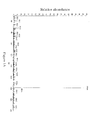
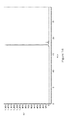
Figures 1A and1B show the mass analysis result of synthesized peptide TF1 (also called P1), whereinFigure 1A shows the image of mass spectrometry andFigure 1B shows the image of high performance liquid chromatography (HPLC). -
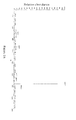
Figures 2A and2B show the mass analysis (at 220 nm) result of synthesized peptide WA8 (also called P8), whereinFigure 2A shows the image of mass spectrometry andFigure 2B shows the image of high performance liquid chromatography. -
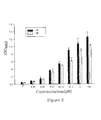
Figure 3 shows the binding profile between Stx2B and a gradient concentration of polypeptides (P1, P8). The binding amount gradually increases as the concentration of P1 (or P8) increases. -
Figures 4A and 4B are graphs showing binding dynamics between the polypeptides and Stx2, wherein the BIAcore system dynamically analyzes the specific binding between Stx2 and TF1 (also called P1) (or WA8 which is also called P8). The lowest curve represents the lowest concentration and the highest curve represents the highest concentration. The concentration of P1 inFigure 4A (KD: 1.25e-6) ranges from 0.96 to 15.38 µmol/L and the concentration of P8 inFigure 4B (KD: 2.48e-5) ranges from 2.44 to 39.125 µmol/L, suggesting that polypeptides TF1 and WA8 can specially bind to Stx2 in a dose dependent manner. -
Figure 5 shows the inhibitory effect of TF1 (also called P1) and WA8 (also called P8) on cytotoxicity in vitro observed by a light microscope (x200). Hela cells are added after incubation. A: Control group (PBS). B: Stx2 group. C: Stx2 + polypeptide (P1 or P8). -
Figure 6 shows the protective effect of the polypeptide against 5LD50 in mice. The mice were intraperitoneally administered with polypeptide and then 20 minutes later with Stx2 (5LD50).Figure 6A shows the effect of P1 andFigure 6B shows the effect of P8, both polypeptides being administered in the range of 0.7 mg/kg-11 mg/kg. - The present invention will be further described in combination with the following specific examples but the present invention is not limited to these examples.
- The methods used in the examples are common ones if not indicated otherwise.
- Preparation of Stx2B: The stx2B gene was amplified from E. coli EHEC O157 H7 (purchased from ATCC) using 5'-catatggctaaaggtaaaattgag-3' and 5' gcggccgcgcctcagtcatcagtcatt-3' as primers. The amplified fragment was sequenced in pEASY-T1 and its nucleotide sequence was confirmed to be No.1353327-1353533 of the nucleotide of Genbank NC_002655. Subsequently, the amplified product was inserted into pET22b+ (purchased from Novagen) digested with restriction endonucleases Nde I and Not I to constract a recombinant plasmid pET22b-stx2B. The plasmid pET22b-stx2B was transformed into E. coli BL21 (DE3) strain (purchased from Transgen) to obtain a recombinant strain pET22b-stx2B/BL21 (DE3). Clones of the recombinant strain were propagated in LB medium containing 100 µg/mL of ampicillin and incubated in water bath at 37°C with shaking overnight. Then, the culture was subcultured into erlenmeyer flasks in a ratio of 1:100 to further grow the strains. When the culture grew to OD600 of 0.6, IPTG was added to a final concentration of 1 mmol/L. The inducible expression continued for 5 hours, leading to the effective expression of Stx2B. Cells were treated by ultrasonication and then centrifuged at 10,000 r/min for 10 min. Inclusion bodies were collected and dissolved in 6 mol/L guanidine hydrochloride in PBS. Thereafter, denatured proteins were transferred into a dialysis bag and dialyzed in a series of Tris buffer (10 mmol/L Tris, 1 mmol/L EDTA, 0.3 mol/L arginine, 1 mmol/L reduced glutathione, 0.25 mmol/L oxidized glutathione, 10% of glycerol, 50 mmol/L NaCI, pH 8.0) with decreasing concentrations of urea (6, 4, 2, 1, 0 mol/L). The last buffer for dislysis was 10 mmol/L Tris, pH 8.0. Denatured proteins were purified via linear elution using a Q Sepharose column with 10 mmol/L Tris - 1 mol/L NaCI as the eluent. The details of this experiment has been published (Tu W, Cai K, Gao X, Xiao L, Chen RC, Shi J, Liu H, Hou XJ, Wang Q, Wang H, Improved production of holotoxin Stx2 with biological activities by using a single-promoter vector and an auto-induction expression system. Protein Expr. Purif. 2009, 67(2):169-174).
- Phage display technique was used to screen for polypeptides specifically binding to Stx2B from the random linear twelve-peptided library based on their affinity to the recombinant Stx2B. Two sequences most frequently occurred were picked up from the screened peptides and named TF1 (also P1) and WA8 (also P8). Subsequently, the physicochemical properties of TF1 and WA8 were predicted by the protparam tool (http://www.expasy.org/tools/ protparam.html). The results indicated that TF1 was composed of 12 amino acids and could be represented by the formula of C77H101N17O18S1, wherein the molecular weight was 1584.8 and the theoretic pI was 5.19. In addition, WA8 was found to be composed of 12 amino acids and could be represented by the formula of C79H96N16O18, wherein the molecular weight was 1557.7 and the theoretic pI was 6.74.
- The polypeptides TF1 and WA8 were acetylated at N-terminal without changing their primary structures, which would improve the water-solubility and stability. Such a chemical modification was done by Shanghai Bootech Bioscience&Technology Co., Ltd. The peptides were synthesized by solid phase synthesis and then subjected to perform mass spectra and HPLC. As shown in
Fig. 1 andFig. 2 , the molecular weight of TF1 was 1584.9 (Figure 1A , mass spectra) which conformed with the theoretical value and its purity was 95.1% (Figure 1B , HPLC); the molecular weight of WA8 was 1557.7 (Figure 2A , mass spectra) which substantially conformed with the theoretical value and its purity was 95.3% (Figure 2B , HPLC). - The amino acid sequence of TF1 (also called P1) was represented by
Sequence 1 in the sequence list and that of WA8 (also called P8) was represented bySequence 2. - The biosensor system BIAcore 3000, CM5 chip and corresponding reagents were purchased from GE and the HRP-conjugated anti-histidine antibody was purchased from Pierce (ELISA titer: 1:2000). Escherichia coli BL21 (DE3) plysS Chemically Competent Cell, E. coli DH5α and pEASY-T1 simple cloning vector were purchased form Beijing TransGen Biotech (China). Taq DNA polymerase, T4 DNA ligase and restriction endonucleases were obtained from New England Biolabs (Beijing, China). PCR primers were synthesized by Beijing Sunbio Tech Co. Ltd. Plasmid mini-kit and Gel extraction kit were purchased from Beijing Biomed Co. Ltd. HisTrap FF column (5 ml) were purchased from GE Healthcare (Beijing, China). Weight 8-10 kDa cut-off dialysis membrane tubing was purchased from Beijing Kehaijunzhou Biotechnology Development Center. The expression vector pET32a was purchased from Novagen.
- The ELISA microtiter plates were coated overnight with a gradient concentration of polypeptides at 4 °C (BSA as a negative control) and washed with PBST. Then it was blocked with 3% BSA for 1 hour and washed with PBST. Stx2B prepared in
step 1 was added and then incubated at 37°C for 1 hour. Following PBST washing, anti-histidine antibody was used to test Stx2B which bound to the polypeptides. After the colorimetric reaction, the absorption at 450 nm was recorded. As shown inFigure 3 , as the concentration of polypeptide (P1 or P8) increased, the amount of polypeptides binding to Stx2B increased gradually. More P1 bound to Stx2B than WA8 at the same concentration. - Preparation of Stx2: The stx2 gene was amplified from E. coli EHEC O157 H7 using 5'-GGGGGGAATTCATGAAGTGTATATTATTTAAATGGG-3' (primer 1) and 5'-TTTTTTGTCGACTTAGTGGTGGTGGTGGTGGTGGTCATTATTAAACTGCACTTCAG-3' (primer 2) as primers. The amplified fragment was subjected to sequencing in pEASY-T1 and its nucleotide sequence was confirmed to be No.1353327-1353533 of the nucleotide of Genbank NC_002655. A recombinant strain pET32a-stx2/plysS was constructed, which contained two open reading frames with a single promoter. Specifically, the amplified product was inserted into pET32a digested with restriction endonucleases EcoR I and Sal I to construct a recombinant plasmid pET32a-stx2. Then this plasmid was transformed into E. coli BL21 (DE3) plysS strain (purchased from Transgen) to obtain a recombinant strain pET32a-stx2/plysS.
- The recombinant plasmid pET32a-stx2 had one T7 promoter and the full-length clone of stx2 contained two open reading frames (stx2a and stx2b). IPTG was added to a final concentration of 1 mmol/L. Thereafter, the cells were cultivated at 30°C for 5 hours in water bath while shaking, leading to the highly effective expression of Stx2. Stx2 with 90% purity or more was obtained after treatment in HisTrap Ni column and the Stx2 showed a biological activity. Details of related experiments have been published (Tu W, Cai K, Gao X, Xiao L, Chen RC, Shi J, Liu H, Hou XJ, Wang Q, Wang H, Improved production of holotoxin Stx2 with biological activities by using a single-promoter vector and an auto-induction expression system. Protein Expr. Purif. 2009, 67(2):169-174).
- The specific binding of the polypeptides to the prepared Stx2 was tested by using surface plasmon resonance (SPR) technology in BIAcore biosensor system. Specifically, Stx2 (2235.9 RU) was coupled to the Fc4 in CM5 chip, activated by EDC/NHS and blocked by ethanolamine. The binding kinetics between polypeptides of different concentrations (double diluted) and Stx2 was detected and was then shown in curves. Detection was performed at 20 µL/min and the dynamic binding process of polypeptides (TF1 or WA8) to Stx2 was observed from Sensorgrams. Analysis was performed by BIAevaluation 3.0, Ka and Kd were respectively obtained from the association and dissociation parts of the curve. The data was quite different for polypeptides of different concentrations. Ka, Kd, KA and KD were calculated based on analysis reports according to the following formulae:


- R: SPR signal at a time point (unit: RU). Req: Analyte stable binding level (unit: RU). Rmax: Peptide maximum binding capacity. t: time. dR/dt: SPR signal conversion rate. C: Peptide concentration.
- As shown in
Figure 4 , the concentration of P1 ranged from 0.96 to 15.38 µM and that of P8 ranged from 2.44 to 39.125 µM. The affinity constant KD for P1 binding to Stx2 was calculated to be 1.25×10⁻⁶ M and that for P8 binding to Stx2 was 2.48×10⁻⁵ M. - Hela cells, pancreatin and antibodies were purchased from Hyclone Laboratories Inc., DMEM medium, fetal bovine serum, MTT and FITC were respectively from GIBCO Inc., Biochorm Ltd., sigma Inc. and Laibao Inc. Cell culture flasks and plates were purchased from CORNING Inc. CO2 incubator, inverted microscope, flow cytometer were respectively the products of Sanyo Inc. (Japan), Olympus Inc. (Japan) and Coulter Inc.
- Hela cells at logarithmic phase were collected whose concentration was then adjusted to a certain extent. 100 µl of cell culture was injected into 96-well microtiter plates and the density of cells in each well was adjusted to 104/well (wells at periphery were filled with sterile PBS). Plates were incubated overnight at 37°C with 5% CO2. Subsequently, 100 µl of polypeptides (having a final concentration of 150 µM) were mixed with 2.5 ng of Stx2 (5CD50). Thereafter, the mixture was incubated at 4°C overnight. Meanwhile, two control groups were arranged, one added with only PBS as the normal control and the other added only with Stx2. The mixture was added into cells cultivated in 96-well microplates and incubated in 5% CO2 at 37°C for 72 hours, and then cells were observed using inverted microscope. Culture fluid was discarded and cells were washed carefully with PBS for 2-3 times. 50 µl of MTT (5 mg/ml) was added into each well and cultivation continued for another 4 hours. Subsequently, culture fluid was carefully discarded and 150 µl of DMSO was added in each well. Plates were gently shaken in a shaker for 5 min so that crystals were sufficiently dissolved. Absorbance was measured at OD570 using a microplate reader. The inhibition rate was calculated according to the following formula: Inhibition rate% = (OD570(peptide+Stx2) - OD570(Stx2)) / (OD570(normal control) - OD570(Stx2)). As shown in
Figure 5 , the inhibition rate of P1 was higher than that of P8 if their concentrations were the same. When Stx2 (5×CD50) was added in an amount exceeding the lethal dose, the IC50 (half maximal inhibitory concentration) of P1 was 180 µM and that of P8 was 193 µM. In addition, the inhibition rate reached 82% when the concentration of P1 was 300 µM and the inhibition rate was 54% when the concentration of P8 was 300 µM. - The HeLa cell selected was Gb3+ cell and Stx2B was the receptor binding site of Stx2. Stx2B specifically bound to HeLa cell via receptor Gb3. Based on such cell model, the blocking effect of the polypeptide on the binding of Stx2B to HeLa cells can be tested. FITC-Stx2B was prepared by labeling Stx2B with fluorescein FITC. Specifically, the purified Stx2B mentioned above was dialyzed in a carbonate buffer (pH9.2) and FITC in DMSO was added (0.05 mg FITC/ 1 mg protein). The mixture was stirred for 2 hours in dark at RT and dialyzed in a phosphate buffer (pH7.2) during which buffer was renewed until no FITC came out. Thereafter, the prepared FITC-Stx2B (5 µg) was mixed with polypeptide (100 µl, final concentration: 300 µM) and then incubated at 4°C overnight (keep in dark). After about 106 of cells were added, incubation continued at 37°C for 2 hours and the mixture was centrifuged at 1000r/min for 5 min.
- Subsequently, cells were washed with PBS for two times and then fixed with 40% paraformaldehyde at 4 °C for 10 min. After centrifugation, some cells were suspended in PBS and then detected by flow cytometry. The remaining cells were suspended in PBS and the binding profile of FITC-Stx2B to Hela cells was analyzed by flow cytometry. Three groups were contained in this experiment: negative control group (PBS), FITC-Stx2B group and FITC-Stx2B+polypeptide group. Results (data not shown) demonstrated that 97.22% of HeLa cells treated with FITC-Stx2B showed fluorescence and 52.77% of Hela cells incubated with FITC-Stx2B+polypeptide TF1 (also called P1) showed fluorescence. Thus, TF1 (also called P1) (300 µmol/L) blocked 45.7% of binding between FITC-Stx2B and HeLa cells. The blocking rate of WA8 (also called P8) (300 µmol/L) was 24.8 %.
- Male Balb/C mice (17-19 g) were provided by the Laboratory Animal Center of the Academy of Military Medical Sciences. TF1 (also called P1, purity>95%, gram) and WA8 (also called P8, purity>95%, gram) were used in this experiment.
- E. coli O157 (purchased from ATCC) capable of expressing Stx2 was inoculated to LB medium and cultured overnight at 37°C. The culture was diluted in a ratio of 1:100 in 1L of medium the next day and cultured with shaking for another 72 hours. The culture was centrifuged at 5000 rpm for 10 min. Then, the gathered cells were suspended in PBS and ruptured by ultrasonic waves. After being centrifugated at 10,000 rpm for 10 minutes, a solution of saturated ammonium sulfate was added into the supernatant until reaching a concentration of 50%. Subsequently, the precipitate was gathered and dissolved in PBS. After a complete dialysis, a crude product of Stx2 was obtained.
- The male Balb/C mice (17-19 g) were randomly divided to six groups, each group comprising 20 mice. TF1 (also called P1) or WA8 (also called P8) was intraperitoneally injected into mice. Twenty minutes later, mice were challenged with 50 ng of crude Stx2 (5LD50) by intraperitoneal injection. A placebo control group (see
figure 6 , STX2) was injected with saline prior to challenging with 50 ng of crude STx2 by intraperitoneal injection. Observation lasted for 10 days and the survival of each group was recorded twice a day. As shown inFigure 6 , all the animals in the placebo control group died inDay 4 orDay 5. However, different doses of polypeptide (P1 or P8) provided different extents of protection effect to mice. P1 could totally protect the mice when the dose reached 11 mg/kg (seeFig .6A ) and P8 exhibited 80% protection rate at the same concentration (Fig .6B ). P1 or P8 exhibited a dose-dependent protection effect. P1 showed a better protection capacity than P8 when Stx2 was added in an amount exceeding the lethal dose. - The experiments proved that more P1 bound to Stx2 as the concentration of P1 increased. And the affinity constant KD of P1 to Stx2 was 1.25×10⁻⁶ M. It was found in the experiment of cytotoxicity neutralization that the inhibition rate to Stx2 reached 82% when the concentration of P1 was 300 µM. Further, TF1 (also called P1) (300 µmol/L) blocked 45.7% of binding of FITC-Stx2B to HeLa cells. In the animal experiment, all the animals in the placebo control group died in
Day 4 orDay 5. However, different doses of polypeptides (TF1 or WA8) provided different extents of protection effect to mice. P1 could totally protect mice when the dose reached 11 mg/kg (seeFig .6A ) and the polypeptide exhibited a dose-dependent protection effect.
Claims (9)
- A polypeptide, the amino acid sequence of which is represented by Sequence 1 in the sequence list.
- A modified polypeptide derived from the polypeptide of claim 1, characterized in that the modified polypeptide is obtained by performing chemical or biological modification to the polypeptide of claim 1 at its N- and/or C- terminal.
- The modified polypeptide of claim 2, characterized in that the chemical modification is acetylation or aminoacylation.
- The modified polypeptide of claim 2, characterized in that the modified polypeptide is a linear or branched polypeptide.
- A gene encoding the polypeptide of claim 1.
- A recombinant vector, a recombinant bacteria or a transgenic cell line carrying the gene of claim 5.
- The use of the polypeptide of claim 1 or the modified polypeptide of any one of claims 2-4 in the preparation of drugs for preventing and/or treating diseases caused by Stx2 or a Stx-producing pathogen.
- The use of claim 7, characterized in that the pathogen is a Stx2-producing strain of Escherichia coli, Shigella dysenteriae or Vibrio cholerae.
- The use of claim 8, characterized in that the Stx2-producing Escherichia coli is enterohemorrhagic E. coli 0157.
Applications Claiming Priority (2)
| Application Number | Priority Date | Filing Date | Title |
|---|---|---|---|
| CN2010102904619A CN102040654B (en) | 2010-09-25 | 2010-09-25 | Polypeptide TF1 for inhibiting activity of shiga toxin (stx) 2 and coding gene and application of stx2 |
| PCT/CN2011/001541 WO2012037778A1 (en) | 2010-09-25 | 2011-09-09 | Polypeptide tf1 for inhibiting type 2 shiga toxin activity, encoding gene for same and use thereof |
Publications (3)
| Publication Number | Publication Date |
|---|---|
| EP2620445A1 true EP2620445A1 (en) | 2013-07-31 |
| EP2620445A4 EP2620445A4 (en) | 2014-03-05 |
| EP2620445B1 EP2620445B1 (en) | 2017-04-12 |
Family
ID=43907218
Family Applications (1)
| Application Number | Title | Priority Date | Filing Date |
|---|---|---|---|
| EP11826305.2A Active EP2620445B1 (en) | 2010-09-25 | 2011-09-09 | Polypeptide tf1 for inhibiting type 2 shiga toxin activity, encoding gene for same and use thereof |
Country Status (6)
| Country | Link |
|---|---|
| US (1) | US8946384B2 (en) |
| EP (1) | EP2620445B1 (en) |
| JP (1) | JP5828898B2 (en) |
| CN (1) | CN102040654B (en) |
| AU (1) | AU2011304941B9 (en) |
| WO (1) | WO2012037778A1 (en) |
Families Citing this family (2)
| Publication number | Priority date | Publication date | Assignee | Title |
|---|---|---|---|---|
| CN102040654B (en) * | 2010-09-25 | 2012-11-28 | 中国人民解放军军事医学科学院微生物流行病研究所 | Polypeptide TF1 for inhibiting activity of shiga toxin (stx) 2 and coding gene and application of stx2 |
| CN102286106B (en) * | 2011-07-11 | 2013-05-01 | 中国人民解放军军事医学科学院微生物流行病研究所 | Sandwich outer membrane protein display vector and escherichia coli vaccine prepared by applying same |
Family Cites Families (5)
| Publication number | Priority date | Publication date | Assignee | Title |
|---|---|---|---|---|
| JP4744443B2 (en) * | 2004-06-28 | 2011-08-10 | 独立行政法人科学技術振興機構 | Toxin neutralizing peptide screening method, STX2 inhibitory peptide and verotoxin neutralizing agent |
| EP2343377A3 (en) * | 2006-03-24 | 2011-11-16 | BASF Plant Science GmbH | Proteins associated with abiotic stress response and homologs |
| CN101016332B (en) * | 2007-03-07 | 2010-12-01 | 中国人民解放军军事医学科学院微生物流行病研究所 | A short peptide inhibiting Shiga toxin and its application |
| CN101948512B (en) * | 2010-09-25 | 2012-11-28 | 中国人民解放军军事医学科学院微生物流行病研究所 | Polypeptide WA8 for inhibiting type-2 shiga toxin activity and coding gene and application thereof |
| CN102040654B (en) * | 2010-09-25 | 2012-11-28 | 中国人民解放军军事医学科学院微生物流行病研究所 | Polypeptide TF1 for inhibiting activity of shiga toxin (stx) 2 and coding gene and application of stx2 |
-
2010
- 2010-09-25 CN CN2010102904619A patent/CN102040654B/en active Active
-
2011
- 2011-09-09 AU AU2011304941A patent/AU2011304941B9/en active Active
- 2011-09-09 EP EP11826305.2A patent/EP2620445B1/en active Active
- 2011-09-09 JP JP2013529527A patent/JP5828898B2/en active Active
- 2011-09-09 US US13/814,689 patent/US8946384B2/en active Active
- 2011-09-09 WO PCT/CN2011/001541 patent/WO2012037778A1/en not_active Ceased
Also Published As
| Publication number | Publication date |
|---|---|
| AU2011304941B9 (en) | 2015-01-15 |
| AU2011304941B2 (en) | 2014-12-04 |
| EP2620445A4 (en) | 2014-03-05 |
| US8946384B2 (en) | 2015-02-03 |
| JP2013541943A (en) | 2013-11-21 |
| US20130210750A1 (en) | 2013-08-15 |
| CN102040654B (en) | 2012-11-28 |
| JP5828898B2 (en) | 2015-12-09 |
| WO2012037778A1 (en) | 2012-03-29 |
| CN102040654A (en) | 2011-05-04 |
| EP2620445B1 (en) | 2017-04-12 |
| AU2011304941A1 (en) | 2013-02-14 |
Similar Documents
| Publication | Publication Date | Title |
|---|---|---|
| Uppalapati et al. | The outer membrane proteins OmpA, CarO, and OprD of Acinetobacter baumannii confer a two-pronged defense in facilitating its success as a potent human pathogen | |
| Telhig et al. | Bacteriocins to thwart bacterial resistance in gram negative bacteria | |
| Baquero et al. | Microcins in Enterobacteriaceae: peptide antimicrobials in the eco-active intestinal chemosphere | |
| Hotinger et al. | Molecular targets and strategies for inhibition of the bacterial type III secretion system (T3SS); inhibitors directly binding to T3SS components | |
| Nudleman et al. | Pulling together with type IV pili | |
| US10314895B2 (en) | Complete genome sequence of the methanogen Methanobrevibacter ruminantium | |
| Stull et al. | Periplasmic chaperones and prolyl isomerases | |
| JP7156726B2 (en) | Biosynthetic amyloid-based materials that display functional protein sequences | |
| Gutierrez-Rodarte et al. | The Vibrio cholerae minor pilin TcpB mediates uptake of the cholera toxin phage CTXϕ | |
| Chaudhuri et al. | Hybrid antigens expressing surface loops of BauA from Acinetobacter baumannii are capable of inducing protection against infection | |
| Zeng et al. | Development and evaluation of CmeC subunit vaccine against Campylobacter jejuni | |
| Schmidt et al. | Identification of new resistance mechanisms in Escherichia coli against apidaecin 1b using quantitative gel-and LC–MS-based proteomics | |
| EP2620445B1 (en) | Polypeptide tf1 for inhibiting type 2 shiga toxin activity, encoding gene for same and use thereof | |
| US12161691B2 (en) | Protein inhibitors of clostridium difficile toxin b | |
| CN101016332B (en) | A short peptide inhibiting Shiga toxin and its application | |
| CN106220737B (en) | Fusion protein and its application in the treatment of Clostridium difficile related diseases | |
| HK1185888A (en) | Polypeptide tf1 for inhibiting type 2 shiga toxin activity, encoding gene for same and use thereof | |
| HK1185888B (en) | Polypeptide tf1 for inhibiting type 2 shiga toxin activity, encoding gene for same and use thereof | |
| CN101948512B (en) | Polypeptide WA8 for inhibiting type-2 shiga toxin activity and coding gene and application thereof | |
| KR20240113546A (en) | Single domain antibody for preventing Clostridium difficile infection | |
| WO2006001542A1 (en) | Method of screening toxin-neutralizing peptide, stx2 inhibitory peptide and vero toxin-neutralizing agent | |
| Baquero et al. | Microcins, peptide antimicrobials from Enterobacterales in the eco-active intestinal chemosphere | |
| CN100540047C (en) | Application of TRAP protein in the preparation of medicines for treating Staphylococcus aureus infection | |
| CN107753470A (en) | A kind of micromolecular inhibitor of polymyxins drug-resistant protein and its application | |
| Quichocho | Targeting Bacterial Adhesion Factors |
Legal Events
| Date | Code | Title | Description |
|---|---|---|---|
| PUAI | Public reference made under article 153(3) epc to a published international application that has entered the european phase |
Free format text: ORIGINAL CODE: 0009012 |
|
| 17P | Request for examination filed |
Effective date: 20130129 |
|
| AK | Designated contracting states |
Kind code of ref document: A1 Designated state(s): AL AT BE BG CH CY CZ DE DK EE ES FI FR GB GR HR HU IE IS IT LI LT LU LV MC MK MT NL NO PL PT RO RS SE SI SK SM TR |
|
| DAX | Request for extension of the european patent (deleted) | ||
| REG | Reference to a national code |
Ref country code: HK Ref legal event code: DE Ref document number: 1185888 Country of ref document: HK |
|
| A4 | Supplementary search report drawn up and despatched |
Effective date: 20140130 |
|
| RIC1 | Information provided on ipc code assigned before grant |
Ipc: C12N 15/11 20060101ALI20140124BHEP Ipc: A61K 38/10 20060101ALI20140124BHEP Ipc: A61P 1/10 20060101ALI20140124BHEP Ipc: C12N 15/63 20060101ALI20140124BHEP Ipc: C07K 7/08 20060101AFI20140124BHEP |
|
| 17Q | First examination report despatched |
Effective date: 20150225 |
|
| GRAP | Despatch of communication of intention to grant a patent |
Free format text: ORIGINAL CODE: EPIDOSNIGR1 |
|
| STAA | Information on the status of an ep patent application or granted ep patent |
Free format text: STATUS: GRANT OF PATENT IS INTENDED |
|
| INTG | Intention to grant announced |
Effective date: 20161104 |
|
| GRAS | Grant fee paid |
Free format text: ORIGINAL CODE: EPIDOSNIGR3 |
|
| GRAA | (expected) grant |
Free format text: ORIGINAL CODE: 0009210 |
|
| STAA | Information on the status of an ep patent application or granted ep patent |
Free format text: STATUS: THE PATENT HAS BEEN GRANTED |
|
| AK | Designated contracting states |
Kind code of ref document: B1 Designated state(s): AL AT BE BG CH CY CZ DE DK EE ES FI FR GB GR HR HU IE IS IT LI LT LU LV MC MK MT NL NO PL PT RO RS SE SI SK SM TR |
|
| REG | Reference to a national code |
Ref country code: GB Ref legal event code: FG4D |
|
| REG | Reference to a national code |
Ref country code: CH Ref legal event code: EP |
|
| REG | Reference to a national code |
Ref country code: IE Ref legal event code: FG4D |
|
| REG | Reference to a national code |
Ref country code: AT Ref legal event code: REF Ref document number: 883763 Country of ref document: AT Kind code of ref document: T Effective date: 20170515 |
|
| REG | Reference to a national code |
Ref country code: DE Ref legal event code: R096 Ref document number: 602011036987 Country of ref document: DE |
|
| REG | Reference to a national code |
Ref country code: NL Ref legal event code: MP Effective date: 20170412 |
|
| REG | Reference to a national code |
Ref country code: LT Ref legal event code: MG4D |
|
| REG | Reference to a national code |
Ref country code: AT Ref legal event code: MK05 Ref document number: 883763 Country of ref document: AT Kind code of ref document: T Effective date: 20170412 |
|
| REG | Reference to a national code |
Ref country code: FR Ref legal event code: PLFP Year of fee payment: 7 |
|
| PG25 | Lapsed in a contracting state [announced via postgrant information from national office to epo] |
Ref country code: NL Free format text: LAPSE BECAUSE OF FAILURE TO SUBMIT A TRANSLATION OF THE DESCRIPTION OR TO PAY THE FEE WITHIN THE PRESCRIBED TIME-LIMIT Effective date: 20170412 |
|
| PG25 | Lapsed in a contracting state [announced via postgrant information from national office to epo] |
Ref country code: HR Free format text: LAPSE BECAUSE OF FAILURE TO SUBMIT A TRANSLATION OF THE DESCRIPTION OR TO PAY THE FEE WITHIN THE PRESCRIBED TIME-LIMIT Effective date: 20170412 Ref country code: GR Free format text: LAPSE BECAUSE OF FAILURE TO SUBMIT A TRANSLATION OF THE DESCRIPTION OR TO PAY THE FEE WITHIN THE PRESCRIBED TIME-LIMIT Effective date: 20170713 Ref country code: LT Free format text: LAPSE BECAUSE OF FAILURE TO SUBMIT A TRANSLATION OF THE DESCRIPTION OR TO PAY THE FEE WITHIN THE PRESCRIBED TIME-LIMIT Effective date: 20170412 Ref country code: AT Free format text: LAPSE BECAUSE OF FAILURE TO SUBMIT A TRANSLATION OF THE DESCRIPTION OR TO PAY THE FEE WITHIN THE PRESCRIBED TIME-LIMIT Effective date: 20170412 Ref country code: NO Free format text: LAPSE BECAUSE OF FAILURE TO SUBMIT A TRANSLATION OF THE DESCRIPTION OR TO PAY THE FEE WITHIN THE PRESCRIBED TIME-LIMIT Effective date: 20170712 Ref country code: FI Free format text: LAPSE BECAUSE OF FAILURE TO SUBMIT A TRANSLATION OF THE DESCRIPTION OR TO PAY THE FEE WITHIN THE PRESCRIBED TIME-LIMIT Effective date: 20170412 Ref country code: ES Free format text: LAPSE BECAUSE OF FAILURE TO SUBMIT A TRANSLATION OF THE DESCRIPTION OR TO PAY THE FEE WITHIN THE PRESCRIBED TIME-LIMIT Effective date: 20170412 |
|
| PG25 | Lapsed in a contracting state [announced via postgrant information from national office to epo] |
Ref country code: LV Free format text: LAPSE BECAUSE OF FAILURE TO SUBMIT A TRANSLATION OF THE DESCRIPTION OR TO PAY THE FEE WITHIN THE PRESCRIBED TIME-LIMIT Effective date: 20170412 Ref country code: RS Free format text: LAPSE BECAUSE OF FAILURE TO SUBMIT A TRANSLATION OF THE DESCRIPTION OR TO PAY THE FEE WITHIN THE PRESCRIBED TIME-LIMIT Effective date: 20170412 Ref country code: SE Free format text: LAPSE BECAUSE OF FAILURE TO SUBMIT A TRANSLATION OF THE DESCRIPTION OR TO PAY THE FEE WITHIN THE PRESCRIBED TIME-LIMIT Effective date: 20170412 Ref country code: IS Free format text: LAPSE BECAUSE OF FAILURE TO SUBMIT A TRANSLATION OF THE DESCRIPTION OR TO PAY THE FEE WITHIN THE PRESCRIBED TIME-LIMIT Effective date: 20170812 Ref country code: BG Free format text: LAPSE BECAUSE OF FAILURE TO SUBMIT A TRANSLATION OF THE DESCRIPTION OR TO PAY THE FEE WITHIN THE PRESCRIBED TIME-LIMIT Effective date: 20170712 Ref country code: PL Free format text: LAPSE BECAUSE OF FAILURE TO SUBMIT A TRANSLATION OF THE DESCRIPTION OR TO PAY THE FEE WITHIN THE PRESCRIBED TIME-LIMIT Effective date: 20170412 |
|
| REG | Reference to a national code |
Ref country code: DE Ref legal event code: R097 Ref document number: 602011036987 Country of ref document: DE |
|
| PG25 | Lapsed in a contracting state [announced via postgrant information from national office to epo] |
Ref country code: CZ Free format text: LAPSE BECAUSE OF FAILURE TO SUBMIT A TRANSLATION OF THE DESCRIPTION OR TO PAY THE FEE WITHIN THE PRESCRIBED TIME-LIMIT Effective date: 20170412 Ref country code: DK Free format text: LAPSE BECAUSE OF FAILURE TO SUBMIT A TRANSLATION OF THE DESCRIPTION OR TO PAY THE FEE WITHIN THE PRESCRIBED TIME-LIMIT Effective date: 20170412 Ref country code: RO Free format text: LAPSE BECAUSE OF FAILURE TO SUBMIT A TRANSLATION OF THE DESCRIPTION OR TO PAY THE FEE WITHIN THE PRESCRIBED TIME-LIMIT Effective date: 20170412 Ref country code: EE Free format text: LAPSE BECAUSE OF FAILURE TO SUBMIT A TRANSLATION OF THE DESCRIPTION OR TO PAY THE FEE WITHIN THE PRESCRIBED TIME-LIMIT Effective date: 20170412 Ref country code: SK Free format text: LAPSE BECAUSE OF FAILURE TO SUBMIT A TRANSLATION OF THE DESCRIPTION OR TO PAY THE FEE WITHIN THE PRESCRIBED TIME-LIMIT Effective date: 20170412 |
|
| REG | Reference to a national code |
Ref country code: HK Ref legal event code: GR Ref document number: 1185888 Country of ref document: HK |
|
| PLBE | No opposition filed within time limit |
Free format text: ORIGINAL CODE: 0009261 |
|
| STAA | Information on the status of an ep patent application or granted ep patent |
Free format text: STATUS: NO OPPOSITION FILED WITHIN TIME LIMIT |
|
| PG25 | Lapsed in a contracting state [announced via postgrant information from national office to epo] |
Ref country code: IT Free format text: LAPSE BECAUSE OF FAILURE TO SUBMIT A TRANSLATION OF THE DESCRIPTION OR TO PAY THE FEE WITHIN THE PRESCRIBED TIME-LIMIT Effective date: 20170412 Ref country code: SM Free format text: LAPSE BECAUSE OF FAILURE TO SUBMIT A TRANSLATION OF THE DESCRIPTION OR TO PAY THE FEE WITHIN THE PRESCRIBED TIME-LIMIT Effective date: 20170412 |
|
| 26N | No opposition filed |
Effective date: 20180115 |
|
| REG | Reference to a national code |
Ref country code: CH Ref legal event code: PL |
|
| PG25 | Lapsed in a contracting state [announced via postgrant information from national office to epo] |
Ref country code: MC Free format text: LAPSE BECAUSE OF FAILURE TO SUBMIT A TRANSLATION OF THE DESCRIPTION OR TO PAY THE FEE WITHIN THE PRESCRIBED TIME-LIMIT Effective date: 20170412 Ref country code: SI Free format text: LAPSE BECAUSE OF FAILURE TO SUBMIT A TRANSLATION OF THE DESCRIPTION OR TO PAY THE FEE WITHIN THE PRESCRIBED TIME-LIMIT Effective date: 20170412 |
|
| REG | Reference to a national code |
Ref country code: IE Ref legal event code: MM4A |
|
| REG | Reference to a national code |
Ref country code: BE Ref legal event code: MM Effective date: 20170930 |
|
| PG25 | Lapsed in a contracting state [announced via postgrant information from national office to epo] |
Ref country code: LU Free format text: LAPSE BECAUSE OF NON-PAYMENT OF DUE FEES Effective date: 20170909 |
|
| PG25 | Lapsed in a contracting state [announced via postgrant information from national office to epo] |
Ref country code: CH Free format text: LAPSE BECAUSE OF NON-PAYMENT OF DUE FEES Effective date: 20170930 Ref country code: IE Free format text: LAPSE BECAUSE OF NON-PAYMENT OF DUE FEES Effective date: 20170909 Ref country code: LI Free format text: LAPSE BECAUSE OF NON-PAYMENT OF DUE FEES Effective date: 20170930 |
|
| PG25 | Lapsed in a contracting state [announced via postgrant information from national office to epo] |
Ref country code: BE Free format text: LAPSE BECAUSE OF NON-PAYMENT OF DUE FEES Effective date: 20170930 |
|
| REG | Reference to a national code |
Ref country code: FR Ref legal event code: PLFP Year of fee payment: 8 |
|
| PG25 | Lapsed in a contracting state [announced via postgrant information from national office to epo] |
Ref country code: MT Free format text: LAPSE BECAUSE OF NON-PAYMENT OF DUE FEES Effective date: 20170909 |
|
| PG25 | Lapsed in a contracting state [announced via postgrant information from national office to epo] |
Ref country code: HU Free format text: LAPSE BECAUSE OF FAILURE TO SUBMIT A TRANSLATION OF THE DESCRIPTION OR TO PAY THE FEE WITHIN THE PRESCRIBED TIME-LIMIT; INVALID AB INITIO Effective date: 20110909 |
|
| PG25 | Lapsed in a contracting state [announced via postgrant information from national office to epo] |
Ref country code: CY Free format text: LAPSE BECAUSE OF NON-PAYMENT OF DUE FEES Effective date: 20170412 |
|
| PG25 | Lapsed in a contracting state [announced via postgrant information from national office to epo] |
Ref country code: MK Free format text: LAPSE BECAUSE OF FAILURE TO SUBMIT A TRANSLATION OF THE DESCRIPTION OR TO PAY THE FEE WITHIN THE PRESCRIBED TIME-LIMIT Effective date: 20170412 |
|
| PG25 | Lapsed in a contracting state [announced via postgrant information from national office to epo] |
Ref country code: TR Free format text: LAPSE BECAUSE OF FAILURE TO SUBMIT A TRANSLATION OF THE DESCRIPTION OR TO PAY THE FEE WITHIN THE PRESCRIBED TIME-LIMIT Effective date: 20170412 |
|
| PG25 | Lapsed in a contracting state [announced via postgrant information from national office to epo] |
Ref country code: PT Free format text: LAPSE BECAUSE OF FAILURE TO SUBMIT A TRANSLATION OF THE DESCRIPTION OR TO PAY THE FEE WITHIN THE PRESCRIBED TIME-LIMIT Effective date: 20170412 |
|
| PG25 | Lapsed in a contracting state [announced via postgrant information from national office to epo] |
Ref country code: AL Free format text: LAPSE BECAUSE OF FAILURE TO SUBMIT A TRANSLATION OF THE DESCRIPTION OR TO PAY THE FEE WITHIN THE PRESCRIBED TIME-LIMIT Effective date: 20170412 |
|
| PGFP | Annual fee paid to national office [announced via postgrant information from national office to epo] |
Ref country code: DE Payment date: 20250919 Year of fee payment: 15 |
|
| PGFP | Annual fee paid to national office [announced via postgrant information from national office to epo] |
Ref country code: GB Payment date: 20250716 Year of fee payment: 15 |
|
| PGFP | Annual fee paid to national office [announced via postgrant information from national office to epo] |
Ref country code: FR Payment date: 20250716 Year of fee payment: 15 |