EP2617760A1 - Amidoxime-modified polyacrylonitrile porous medium - Google Patents
Amidoxime-modified polyacrylonitrile porous medium Download PDFInfo
- Publication number
- EP2617760A1 EP2617760A1 EP11825040.6A EP11825040A EP2617760A1 EP 2617760 A1 EP2617760 A1 EP 2617760A1 EP 11825040 A EP11825040 A EP 11825040A EP 2617760 A1 EP2617760 A1 EP 2617760A1
- Authority
- EP
- European Patent Office
- Prior art keywords
- porous body
- amidoxime
- polyacrylonitrile
- pan
- solvent
- Prior art date
- Legal status (The legal status is an assumption and is not a legal conclusion. Google has not performed a legal analysis and makes no representation as to the accuracy of the status listed.)
- Withdrawn
Links
Images


Classifications
-
- B—PERFORMING OPERATIONS; TRANSPORTING
- B01—PHYSICAL OR CHEMICAL PROCESSES OR APPARATUS IN GENERAL
- B01J—CHEMICAL OR PHYSICAL PROCESSES, e.g. CATALYSIS OR COLLOID CHEMISTRY; THEIR RELEVANT APPARATUS
- B01J20/00—Solid sorbent compositions or filter aid compositions; Sorbents for chromatography; Processes for preparing, regenerating or reactivating thereof
- B01J20/30—Processes for preparing, regenerating, or reactivating
- B01J20/3085—Chemical treatments not covered by groups B01J20/3007 - B01J20/3078
-
- B—PERFORMING OPERATIONS; TRANSPORTING
- B01—PHYSICAL OR CHEMICAL PROCESSES OR APPARATUS IN GENERAL
- B01J—CHEMICAL OR PHYSICAL PROCESSES, e.g. CATALYSIS OR COLLOID CHEMISTRY; THEIR RELEVANT APPARATUS
- B01J20/00—Solid sorbent compositions or filter aid compositions; Sorbents for chromatography; Processes for preparing, regenerating or reactivating thereof
- B01J20/22—Solid sorbent compositions or filter aid compositions; Sorbents for chromatography; Processes for preparing, regenerating or reactivating thereof comprising organic material
- B01J20/26—Synthetic macromolecular compounds
- B01J20/265—Synthetic macromolecular compounds modified or post-treated polymers
-
- B—PERFORMING OPERATIONS; TRANSPORTING
- B01—PHYSICAL OR CHEMICAL PROCESSES OR APPARATUS IN GENERAL
- B01J—CHEMICAL OR PHYSICAL PROCESSES, e.g. CATALYSIS OR COLLOID CHEMISTRY; THEIR RELEVANT APPARATUS
- B01J20/00—Solid sorbent compositions or filter aid compositions; Sorbents for chromatography; Processes for preparing, regenerating or reactivating thereof
- B01J20/28—Solid sorbent compositions or filter aid compositions; Sorbents for chromatography; Processes for preparing, regenerating or reactivating thereof characterised by their form or physical properties
- B01J20/28014—Solid sorbent compositions or filter aid compositions; Sorbents for chromatography; Processes for preparing, regenerating or reactivating thereof characterised by their form or physical properties characterised by their form
- B01J20/28042—Shaped bodies; Monolithic structures
-
- C—CHEMISTRY; METALLURGY
- C02—TREATMENT OF WATER, WASTE WATER, SEWAGE, OR SLUDGE
- C02F—TREATMENT OF WATER, WASTE WATER, SEWAGE, OR SLUDGE
- C02F1/00—Treatment of water, waste water, or sewage
- C02F1/28—Treatment of water, waste water, or sewage by sorption
- C02F1/285—Treatment of water, waste water, or sewage by sorption using synthetic organic sorbents
-
- C—CHEMISTRY; METALLURGY
- C08—ORGANIC MACROMOLECULAR COMPOUNDS; THEIR PREPARATION OR CHEMICAL WORKING-UP; COMPOSITIONS BASED THEREON
- C08J—WORKING-UP; GENERAL PROCESSES OF COMPOUNDING; AFTER-TREATMENT NOT COVERED BY SUBCLASSES C08B, C08C, C08F, C08G or C08H
- C08J9/00—Working-up of macromolecular substances to porous or cellular articles or materials; After-treatment thereof
- C08J9/28—Working-up of macromolecular substances to porous or cellular articles or materials; After-treatment thereof by elimination of a liquid phase from a macromolecular composition or article, e.g. drying of coagulum
- C08J9/283—Working-up of macromolecular substances to porous or cellular articles or materials; After-treatment thereof by elimination of a liquid phase from a macromolecular composition or article, e.g. drying of coagulum a discontinuous liquid phase emulsified in a continuous macromolecular phase
-
- C—CHEMISTRY; METALLURGY
- C08—ORGANIC MACROMOLECULAR COMPOUNDS; THEIR PREPARATION OR CHEMICAL WORKING-UP; COMPOSITIONS BASED THEREON
- C08J—WORKING-UP; GENERAL PROCESSES OF COMPOUNDING; AFTER-TREATMENT NOT COVERED BY SUBCLASSES C08B, C08C, C08F, C08G or C08H
- C08J9/00—Working-up of macromolecular substances to porous or cellular articles or materials; After-treatment thereof
- C08J9/36—After-treatment
-
- B—PERFORMING OPERATIONS; TRANSPORTING
- B01—PHYSICAL OR CHEMICAL PROCESSES OR APPARATUS IN GENERAL
- B01D—SEPARATION
- B01D15/00—Separating processes involving the treatment of liquids with solid sorbents; Apparatus therefor
- B01D15/08—Selective adsorption, e.g. chromatography
- B01D15/26—Selective adsorption, e.g. chromatography characterised by the separation mechanism
- B01D15/38—Selective adsorption, e.g. chromatography characterised by the separation mechanism involving specific interaction not covered by one or more of groups B01D15/265 and B01D15/30 - B01D15/36, e.g. affinity, ligand exchange or chiral chromatography
- B01D15/3804—Affinity chromatography
- B01D15/3828—Ligand exchange chromatography, e.g. complexation, chelation or metal interaction chromatography
-
- C—CHEMISTRY; METALLURGY
- C02—TREATMENT OF WATER, WASTE WATER, SEWAGE, OR SLUDGE
- C02F—TREATMENT OF WATER, WASTE WATER, SEWAGE, OR SLUDGE
- C02F2101/00—Nature of the contaminant
- C02F2101/006—Radioactive compounds
-
- C—CHEMISTRY; METALLURGY
- C02—TREATMENT OF WATER, WASTE WATER, SEWAGE, OR SLUDGE
- C02F—TREATMENT OF WATER, WASTE WATER, SEWAGE, OR SLUDGE
- C02F2101/00—Nature of the contaminant
- C02F2101/10—Inorganic compounds
- C02F2101/12—Halogens or halogen-containing compounds
-
- C—CHEMISTRY; METALLURGY
- C02—TREATMENT OF WATER, WASTE WATER, SEWAGE, OR SLUDGE
- C02F—TREATMENT OF WATER, WASTE WATER, SEWAGE, OR SLUDGE
- C02F2101/00—Nature of the contaminant
- C02F2101/10—Inorganic compounds
- C02F2101/20—Heavy metals or heavy metal compounds
-
- C—CHEMISTRY; METALLURGY
- C02—TREATMENT OF WATER, WASTE WATER, SEWAGE, OR SLUDGE
- C02F—TREATMENT OF WATER, WASTE WATER, SEWAGE, OR SLUDGE
- C02F2101/00—Nature of the contaminant
- C02F2101/10—Inorganic compounds
- C02F2101/20—Heavy metals or heavy metal compounds
- C02F2101/203—Iron or iron compound
-
- C—CHEMISTRY; METALLURGY
- C08—ORGANIC MACROMOLECULAR COMPOUNDS; THEIR PREPARATION OR CHEMICAL WORKING-UP; COMPOSITIONS BASED THEREON
- C08J—WORKING-UP; GENERAL PROCESSES OF COMPOUNDING; AFTER-TREATMENT NOT COVERED BY SUBCLASSES C08B, C08C, C08F, C08G or C08H
- C08J2201/00—Foams characterised by the foaming process
- C08J2201/04—Foams characterised by the foaming process characterised by the elimination of a liquid or solid component, e.g. precipitation, leaching out, evaporation
- C08J2201/05—Elimination by evaporation or heat degradation of a liquid phase
- C08J2201/0502—Elimination by evaporation or heat degradation of a liquid phase the liquid phase being organic
-
- C—CHEMISTRY; METALLURGY
- C08—ORGANIC MACROMOLECULAR COMPOUNDS; THEIR PREPARATION OR CHEMICAL WORKING-UP; COMPOSITIONS BASED THEREON
- C08J—WORKING-UP; GENERAL PROCESSES OF COMPOUNDING; AFTER-TREATMENT NOT COVERED BY SUBCLASSES C08B, C08C, C08F, C08G or C08H
- C08J2333/00—Characterised by the use of homopolymers or copolymers of compounds having one or more unsaturated aliphatic radicals, each having only one carbon-to-carbon double bond, and only one being terminated by only one carboxyl radical, or of salts, anhydrides, esters, amides, imides, or nitriles thereof; Derivatives of such polymers
- C08J2333/18—Homopolymers or copolymers of nitriles
- C08J2333/20—Homopolymers or copolymers of acrylonitrile
-
- G—PHYSICS
- G01—MEASURING; TESTING
- G01N—INVESTIGATING OR ANALYSING MATERIALS BY DETERMINING THEIR CHEMICAL OR PHYSICAL PROPERTIES
- G01N30/00—Investigating or analysing materials by separation into components using adsorption, absorption or similar phenomena or using ion-exchange, e.g. chromatography or field flow fractionation
- G01N30/02—Column chromatography
- G01N30/50—Conditioning of the sorbent material or stationary liquid
- G01N30/52—Physical parameters
- G01N2030/524—Physical parameters structural properties
- G01N2030/528—Monolithic sorbent material
Definitions
- the present invention relates to an amidoxime-modified polyacrylonitrile porous body that is monolithic and has a certain thickness, a method for producing the amidoxime-modified polyacrylonitrile porous body and a metal adsorption method using the amidoxime-modified polyacrylonitrile porous body.
- Resins having various metal adsorption capabilities are used in removing metals from wastewater and in mining and recycling of rare metals. Therefore, resins that are readily producible and have excellent performance, such as a high metal adsorption capability, are desired.
- a metal adsorbing resin adsorbs metal through a chelating group on the resin. It is known that resins having an amidoxime group as a chelating group have a high metal adsorption capability.
- porous bodies are widely used in a variety of fields as separating agents, adsorbents, and the like.
- inorganic porous bodies extensive research has been carried out on silica-based porous bodies. Techniques to produce porous silica particles among silica-based porous bodies have been generally researched. Such porous silica particles are in practical use as analytical materials.
- polymeric porous bodies techniques to obtain porous bodies by adding a suitable diluting agent during suspension polymerization of a vinyl monomer are known. Taking advantage of lightweight properties of polymeric materials, such polymeric porous bodies are in practical use as various adsorbents and separating agents.
- a mass of a material having a complex structure formed of a continuous skeleton and voids is called a monolith.
- silica-based porous bodies a technique to produce a monolith having a certain thickness is known.
- polymeric porous bodies a synthesizing technique by a polymerization method has been reported for a vinyl polymer monolith, but it is not yet in practical use as a separating material because of, for example, difficulties in controlling the structure.
- PAN polyacrylonitrile
- Patent Document 1 a method for producing a porous film composed of a resin composition that partially contains PAN
- Patent Document 2 a method for producing a PAN porous body in which a dope prepared from an organic solvent in which PAN has been dissolved is solidified using a coagulation bath of a solution composed of the organic solvent and a PAN solidifying agent
- Patent Document 3 a method for producing PAN porous body particles by dispersion polymerization using acrylonitrile as a dispersion stabilizer, N- vinylpyrrolidone and the like.
- porous bodies obtained by these known techniques are in the form of a film (e.g., fiber) with a small thickness or in the form of particles.
- a porous body that is monolithic, has a certain thickness and contains PAN as the main component has been known.
- amidoxime group-containing acrylonitrile copolymers have a metal adsorption capability.
- Known methods for producing such amidoxime group-containing acrylonitrile copolymers having a metal adsorption capability include, for example, a method including producing particles of an acrylonitrile-methyl acrylate copolymer by suspension polymerization and converting a nitrile group of the copolymer into an amidoxime group using hydroxylamine hydrochloride to obtain an amidoxime group-containing acrylonitrile copolymer (e.g., Non-Patent Document 1).
- Non-Patent Document 1 Liu, Xin et al., Journal of Hazardous Materials, 2010, vol. 175, pp. 1014-1021
- metal adsorbents show a high metal adsorption capability even when processing a metal solution at high speed.
- Conventionally-known amidoxime group-containing acrylonitrile copolymers presented a problem in their metal adsorption capability in high speed processing. Therefore, a metal adsorbent having a high metal adsorption capability even in high speed processing has been desired.
- the present invention is directed to an amidoxime-modified PAN porous body (hereinafter sometimes referred to as a "PAN-oxime porous body") obtained by reacting with hydroxylamine a PAN porous body that is monolithic, has a thickness of 1 mm or more and contains polyacrylonitrile (PAN) as the main component to convert part of a nitrile group of the PAN porous body into an amidoxime group.
- PAN polyacrylonitrile
- containing PAN as the main component means that PAN accounts for 50 wt% or more of the entire porous body.
- the PAN-oxime porous body of the present invention is a porous body that is obtained without crosslinking PAN.
- the present invention is also directed to a method for producing the amidoxime-modified PAN porous body.
- the method includes the step of reacting with hydroxylamine a PAN porous body that is monolithic, has a thickness of 1 mm or more and contains PAN as the main component to convert part of a nitrile group of the polyacrylonitrile porous body into an amidoxime group.
- the present invention is also directed to a metal adsorption method for adsorbing a metal ion and an iodine ion and iodine using the amidoxime-modified PAN porous body.
- an amidoxime-modified PAN porous body that is monolithic and has a certain thickness, a method for producing the amidoxime-modified PAN porous body and a metal adsorption method using the amidoxime-modified PAN porous body, which shows a high metal adsorption capability even in high speed processing.
- the PAN porous body that is monolithic, has a thickness of 1 mm or more and contains PAN as the main component is obtained by a method including the steps of:
- the amidoxime-modified PAN porous body of the present invention is preferably an amidoxime-modified PAN porous body in which an amount of nitrile group amidoximized is 0.1 to 20 mmol per g of the amidoxime-modified PAN porous body.
- the amidoxime-modified PAN porous body of the present invention has pores having a pore diameter of 0.1 to 15 ⁇ m, the pores have a skeletal diameter of 0.05 to 8 ⁇ m, and the amidoxime-modified PAN porous body has a thickness of 1 mm or more and a BET area of 5 to 800 m 2 /g.
- the infrared absorption spectrum of the amidoxime-modified PAN porous body of the present invention satisfies the following formula.
- the peak of the infrared absorption spectrum at 2262 cm -1 is a peak of nitrile group of PAN and the peak of the infrared absorption spectrum at 1652 cm -1 is a peak of amidoxime group of the amidoxime-modified PAN.
- (B) / (A) expresses the ratio between the nitrile group and the amidoxime group of the amidoxime-modified PAN porous body. The larger the ratio, the higher the degree of amidoxime modification is.
- the amidoxime-modified PAN porous body of the present invention is an amidoxime-modified PAN porous body for adsorbing a metal ion, preferably an ion of metal such as copper (e.g., copper(II) ion), iron (e.g., iron(II) ion), nickel (e.g., nickel(II) ion), vanadium (e.g., vanadium(V) ion), indium, gallium, mercury, silver, lead, uranium, plutonium, cesium, barium, lanthanum, thallium and strontium, and an iodine ion and iodine.
- a metal ion preferably an ion of metal such as copper (e.g., copper(II) ion), iron (e.g., iron(II) ion), nickel (e.g., nickel(II) ion), vanadium (e.g., van
- An adsorption amount of metal ion and iodine ion per g of the amidoxime-modified PAN porous body of the present invention is, for example, 0.2 to 10 (ion mmol / g of porous body), and preferably 1 to 7 (ion mmol / g of porous body). Further, an adsorption amount of iodine per g of the amidoxime-modified PAN porous body is, for example, 0.2 to 10 (iodine mmol / g of porous body), and preferably 1 to 7 (iodine mmol / g of porous body).
- the present invention also provides a column for adsorbing a metal ion, preferably an ion of metal selected from the group consisting of copper (e.g., copper(II) ion), iron (e.g., iron(II) ion), nickel (e.g., nickel(II) ion), vanadium (e.g., vanadium(V) ion), indium, gallium, mercury, silver, lead, uranium, plutonium, cesium, barium, lanthanum, thallium and strontium, and an iodine ion and iodine, the column being filled with the amidoxime-modified PAN porous body of the present invention.
- a metal ion preferably an ion of metal selected from the group consisting of copper (e.g., copper(II) ion), iron (e.g., iron(II) ion), nickel (e.g., nickel(II) ion
- the present invention is also directed to a metal adsorption method for adsorbing a metal ion, preferably an ion of metal selected from the group consisting of copper (e.g., copper(II) ion), iron (e.g., iron(II) ion), nickel (e.g., nickel(II) ion), vanadium (e.g., vanadium(V) ion), indium, gallium, mercury, silver, lead, uranium, plutonium, cesium, barium, lanthanum, thallium and strontium, and an iodine ion and iodine, the metal adsorption method using the amidoxime-modified PAN porous body of the present invention.
- copper copper(II) ion
- iron e.g., iron(II) ion
- nickel e.g., nickel(II) ion
- vanadium e.g., vanadium(
- An adsorption amount of metal ion and iodine ion per g of the amidoxime-modified PAN porous body of the present invention is, for example, 0.2 to 10 (ion mmol / g of porous body), and preferably 1 to 7 (ion mmol / g of porous body). Further, an adsorption amount of iodine per g of the amidoxime-modified PAN porous body is, for example, 0.2 to 10 (iodine mmol / g of porous body), and preferably 1 to 7 (iodine mmol / g of porous body).
- the method for producing the amidoxime-modified PAN porous body of the present invention includes the step of reacting with hydroxylamine a PAN porous body that is monolithic, has a thickness of 1 mm or more and contains PAN as the main component to convert a nitrile group of the PAN porous body into an amidoxime group.
- a PAN porous body that is monolithic, has a thickness of 1 mm or more and contains PAN as the main component to convert a nitrile group of the PAN porous body into an amidoxime group.
- PAN for example, 0.05 to 5 equivalents, preferably 0.1 to 4 equivalents of hydroxylamine is used in relation to the PAN porous body.
- hydroxylamine is in the form of a salt, it is preferable to neutralize the hydroxylamine in this step to use it in the form of free amine.
- This step can be carried out by mixing the PAN porous body and the hydroxylamine in a solvent and heating them at, for example, 40 to 100°C for 1 to 24 hours.
- a solvent alcohol such as methanol or ethanol, dimethyl formamide (DMF), dimethyl acetamide (DNAc), or N-methyl-pyrrolidone (NMP) can be used.
- the obtained PAN-oxime porous body may be shaken in water, alcohol such as methanol or ethanol, DMF, DMAc, or NMP to be cleaned. Further, after being heated and/or cleaned, the obtained PAN-oxime porous body may be dried at a temperature such as room temperature under a normal pressure, vacuum or the like.
- the PAN porous body as a starting material that is monolithic, has a thickness of 1 mm or more and contains PAN as the main component is preferably produced by a method including the steps of: obtaining a PAN solution by heating and dissolving PAN in a solvent; obtaining a product precipitated by cooling the PAN solution, and obtaining the porous body containing PAN as the main component by immersing the product in a different solvent to replace the solvent with the different solvent, as described above (hereinafter referred to as the "production example of the PAN porous body").
- the porous body is obtained by a method in which the solvent contains a poor solvent for PAN and a good solvent for PAN, the poor solvent is one or more selected from the group consisting of water, acetonitrile, ethylene glycol, methanol, ethanol, isopropanol, ethylene glycol and glycerin, and the good solvent is one or more selected from the group consisting of dimethyl sulfoxide, dimethyl formamide, dimethyl acetamide and N-methyl-pyrrolidone.
- the solvent contains a poor solvent for PAN and a good solvent for PAN
- the poor solvent is one or more selected from the group consisting of water, acetonitrile, ethylene glycol, methanol, ethanol, isopropanol, ethylene glycol and glycerin
- the good solvent is one or more selected from the group consisting of dimethyl sulfoxide, dimethyl formamide, dimethyl acetamide and N-methyl-pyrrolidone.
- the PAN porous body (starting material) according to the present invention is monolithic and is thicker than a film.
- the shape of the porous body is not limited. Of thee directions, the length, the width, the height, of the porous body, the shortest direction is referred to as the thickness for the sake of convenience. As described above, the thickness of the PAN porous body of the present invention is 1 mm or more, preferably 1.5 mm or more, and more preferably 2 mm or more.
- the PAN porous body (starting material) according to the present invention has pores having a pore diameter of, for example, 0.1 to 15 ⁇ m, the pores have a skeletal diameter of, for example, 0.05 to 8 ⁇ m, and the PAN porous body has a thickness of 1 mm or more and a BET area of 5 to 800 m 2 /g. It is preferable that the PAN porous body has pores having a pore diameter of 0.3 to 10 ⁇ m, the pores have a skeletal diameter of 0.1 to 5 ⁇ m, and the porous body has a thickness of 1.5 mm or more and a BET area of 20 to 800 m 2 /g.
- the pore diameter is preferably 0.3 to 10 ⁇ m, and more preferably 0.5 to 5 ⁇ m. Further, the skeletal diameter of the pores is preferably 0.1 to 5 ⁇ m, and more preferably 0.2 to 3 ⁇ m.
- the BET specific surface area of the polyacrylonitrile porous body (starting material) according to the present invention is preferably 20 to 800 m 2 /g, and more preferably 50 to 500 m 2 /g. To be more specific, the BET specific surface area can be measured by a method described in Examples. The pore diameter and the skeletal diameter can be obtained from an image taken with a scanning electron microscope.
- the molecular weight of PAN is not limited but the average molecular weight is, for example, 10,000 to 5,000,000, preferably 20,000 to 4,000,000, and more preferably 30,000 to 3,000,000.
- a PAN solution is obtained by heating and dissolving PAN in the solvent.
- the heating temperature is, for example, 70 to 95°C and preferably 70 to 90°C.
- PAN may be dissolved in the solvent while receiving a physical stimulus. Examples of the physical stimulus include stirring, shaking, ultrasonication, and the like.
- the solvent preferably contains a poor solvent for PAN and a good solvent for PAN.
- the poor solvent for PAN is, for example, one or more selected from the group consisting of water, acetonitrile, ethylene glycol, methanol, ethanol, isopropanol, ethylene glycol and glycerin, and preferably is one or more selected from the group consisting of water, acetonitrile, and ethylene glycol.
- the good solvent for PAN is, for example, one or more selected from the group consisting of dimethyl sulfoxide, dimethyl formamide, dimethyl acetamide and N-methyl-pyrrolidone, and preferably is one or more selected from the group consisting of dimethyl sulfoxide and dimethyl formamide.
- Each of the poor solvent for PAN and the good solvent for PAN may be a mixture of one or more solvents.
- the poor solvent refers to a solvent that is less capable of dissolving PAN.
- the poor solvent means that 1 g or more, preferably 0.8 g or more, and more preferably 0.5 g or more of PAN does not dissolve in 1L of the poor solvent.
- the good solvent refers to a solvent that is highly capable of dissolving PAN.
- the good solvent means that 10 g or more, preferably 15 g or more, and more preferably 20 g or more of PAN dissolves in 1L of the good solvent.
- the solvent when being 100 vol% has a good solvent content of, for example, 10 to 95 vol%, preferably 20 to 90 vol%, and more preferably 80 to 90 vol%.
- the PAN solution has a PAN concentration of, for example, 40 to 300 mg/ml, preferably 50 to 200 mg/ml, and more preferably 60 to 200 mg/ml.
- the cooling temperature is, for example, -20 to 60°C, preferably -5 to 45°C, and more preferably -5 to 40°C.
- the cooling time is, for example, 1 minute to 24 hours, preferably 1 minute to 1.5 hours, and more preferably 2 minutes to 1 hour.
- the porous body containing PAN as the main component is obtained by immersing the product in a different solvent to replace the solvent with the different solvent.
- the different solvent is preferably one or more selected from the group consisting of water, lower alcohols, acetone, and acetonitrile, and more preferably water, methanol, acetone, and acetonitrile.
- examples of the lower alcohols include C 1-6 lower alcohols such as methanol, ethanol, n-propanol, i-propanol, n-butanol, 2-butanol, 1-butanol, t-butanol, n-pentanol, t-amyl alcohol, and n-hexanol.
- the obtained product may be dried to obtain a porous body. Drying is carried out at, for example, 0 to 90°C and preferably 0 to 80°C. Further, drying is carried out, for example, under a reduced pressure to normal pressure and preferably under a reduced pressure. Further, drying may be carried out in the form of freeze drying.
- the amount of nitrile group amidoximized is, for example, 0.1 to 20 mmol, preferably 0.5 to 12 mmol, and more preferably 1 to 12 mmol per g of the PAN-oxime porous body.
- the amidoxime-modified PAN porous body of the present invention is monolithic and is thicker than a film.
- the shape of the porous body is not limited. Of thee directions, the length, the width, the height, of the porous body, the shortest direction is referred to as the thickness for the sake of convenience. As described above, the thickness of the amidoxime-modified PAN porous body of the present invention is 1 mm or more, preferably 1.5 mm or more, and more preferably 2 mm or more.
- the amidoxime-modified PAN porous body of the present invention has pores having a pore diameter of, for example, 0.1 to 15 ⁇ m, the pores have a skeletal diameter of 0.05 to 8 ⁇ m, and the porous body has a thickness of 1 mm or more and a BET area of 5 to 800 m 2 /g. It is preferable that the PAN-oxime porous body has pores having a pore diameter of 0.3 to 10 ⁇ m, the pores have a skeletal diameter of 0.1 to 5 ⁇ m, and the porous body has a thickness of 1.5 mm or more and a BET area of 20 to 800 m 2 /g.
- the pore diameter is preferably 0.3 to 10 ⁇ m, and more preferably 0.5 to 5 ⁇ m.
- the skeletal diameter of the pores is preferably 0.1 to 5 ⁇ m, and more preferably 0.2 to 3 ⁇ m.
- the thickness of the porous body is preferably 1.5 mm or more, and more preferably 2 mm or more.
- the BET area is preferably 20 to 800 m 2 /g, and more preferably 50 to 500 m 2 /g. To be more specific, the BET specific surface area can be measured by a method described in Examples.
- Such a porous body can be used as, for example, filters, adsorbents, and the like.
- the pore diameter and the skeletal diameter can be obtained from an image taken with a scanning electron microscope.
- DMSO/H 2 O 88/12 vol% mixed solvent in a concentration of 100 g/ml
- the stirring bar was removed and the mixture was left to stand still in a water bath at 0°C for 60 minutes. Phase separation occurred after cooling, thus giving a product having the shape of a sample tube (cylindrical shape) (see FIG. 1 ).
- This product was immersed in methanol (different solvent) and shaken in a bioshaker at 20°C for 24 hours. Methanol was changed 3 times in 24 hours to replace DMSO and water of the solvent with methanol. Thereafter, reduced pressure drying was carried out at room temperature for 4 hours to remove methanol, thus giving a PAN porous body (dimensions: a substantially cylindrical shape having a diameter of 15 mm and a thickness of 15 mm).
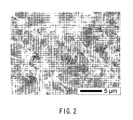
- FIG. 2 shows a SEM micrograph of the obtained PAN porous body.
- the PAN porous body was a porous body having a co-continuous structure, with the skeletal diameter being 0.45 to 0.87 ⁇ m and the pore diameter being 0.79 to 2.59 ⁇ m. Note that it was possible to infer that the pores had a co-continuous structure due to the fact that the shapes of the pores were identical or similar on SEM micrographs of multiple porous body samples.
- the obtain PAN porous body was degassed in a nitrogen stream at 60°C for 40 minutes using a sample degassing apparatus, and then the specific surface area was measured by the BET three-point method.
- the specific surface area of the obtained PAN porous body obtained by the BET method was 223 m 2 /g. It was confirmed from this value that the obtained PAN porous body was a porous body that had a sufficiently large specific surface area.
- the PAN porous body (0.127 g, containing 2.39 mmol of CN group, dimensions: a substantially cylindrical shape having a diameter of 15 mm and a thickness of 15 mm) obtained in (1) was added.
- the mixture was refluxed by heating at 70°C for 4 hours to amidoximize the nitrile group on and in the vicinity of the surface of the porous body (see Scheme 1).
- the obtained porous body was shaken in water (large excess) for 24 hours to be cleaned.
- the porous body was shaken in methanol (large excess) for 24 hours to be cleaned.
- porous body was dried in a vacuum at room temperature, thus obtaining a PAN-oxime porous body.
- the mass of the obtained PAN-oxime porous body increased by 29.8% and the introduction rate of amidoxime group was 6.51 mmol / (g of porous body).
- FIG. 3 shows a SEM micrograph of the obtained porous body.
- the PAN-oxime porous body also was a porous body having a co-continuous structure, with the skeletal diameter being 0.35 to 0.93 ⁇ m and the pore diameter being 0.97 to 2.19 ⁇ m. Note that it was possible to infer that the pores had a co-continuous structure due to the fact that the shapes of the pores were identical or similar on SEM micrographs of a plurality of PAN-oxime porous body samples.
- the obtain PAN-oxime porous body was degassed in a nitrogen stream at 60°C for 40 minutes using a sample degassing apparatus, and then the specific surface area was measured by the BET three-point method.
- the specific surface area of the obtained PAN-oxime porous body obtained by the BET method was 133 m 2 /g. It was confirmed from this value that the obtained PAN-oxime porous body was a porous body that had a sufficiently large specific surface area.
- a PAN-oxime porous body was obtained in the same manner as in Example 1 except that a methanol solution of 1.2 M hydroxylamine (3 equivalents in relation to the nitrile group in the PAN porous body) was used in place of the methanol solution of 0.40 M hydroxylamine and the reaction time was changed from 4 hours to 6 hours.
- the mass of the obtained PAN-oxime porous body increased by 49.5%, the introduction rate of amidoxime group was 10.03 mmol / (g of porous body), the specific surface area obtained by the BET method was 95 m 2 /g, and (B) / (A) of the obtained PAN-oxime porous body was 194.
- a PAN-oxime porous body was obtained in the same manner as in Example 1 except that a methanol solution of 0.1 M hydroxylamine (0.25 equivalents in relation to the nitrile group in the PAN porous body) was used in place of the methanol solution of 0.40 M hydroxylamine and the reaction time was changed from 4 hours to 6 hours.
- the mass of the obtained PAN-oxime porous body increased by 13.3%, the introduction rate of amidoxime group was 3.51 mmol / (g of porous body), the specific surface area obtained by the BET method was 190 m 2 /g, and (B) / (A) of the obtained PAN-oxime porous body was 2.0.
- Table 1-1 reaction conditions Concentration of hydroxylamine in methanol solution Equivalents in relation to nitrile group in PAN porous body Reaction time (hour) Example 1 0.4 M 1 equivalent 4 Example 2 1.2 M 3 equivalents 6 Example 3 0.1 M 0.25 equivalents 6 Table 1-2: obtained products Increase in mass (%) Element ratio of nitrogen in amidoximized porous body Introduction rate of amidoxime group (mmol / (g of porous body)) (B)/(A) Example 1 29.8 1.32 6.51 5.5 Example 2 49.5 1.60 10.03 194 Example 3 13.3 1.12 3.51 2.0
- the PAN-oxime porous body of the present invention had a capability of adsorbing a copper(II) ion.
- the PAN-oxime porous body (9.4 mg) obtained in Example 2 was stirred in an iron(III) chloride hexahydrate aqueous solution (10 mmol/L, 10 mL, pH 5, 0.1 M acetate buffer solution) at room temperature for 24 hours.
- the absorbance of the stirred solution at 479.5 nm was measured. From the obtained absorbance, a change in the concentration of the iron(III) chloride hexahydrate aqueous solution was calculated. From the difference in the concentration of the iron(III) chloride hexahydrate aqueous solution between before and after the stirring, the amount of iron(III) ion adsorbed by the PAN-oxime porous body was calculated.
- Table 3 provides the obtained results.
- the PAN-oxime porous body (9.8 mg) obtained in Example 2 was stirred in a nickel(II) sulfite hexahydrate aqueous solution (50 mmol/L, 10 mL, pH 5, 0.1 M acetate buffer solution) at room temperature for 24 hours.
- the porous body was taken out from the nickel(II) sulfite hexahydrate aqueous solution and then was immersed in hydrochloric acid (1.0 mmol/L, 5mL) for 24 hours.
- the amount of nickel(II) ion eluted in the hydrochloric acid from the porous body was measured by ICP emission spectrometry.
- the amount of nickel(II) ion eluted corresponds to the amount of nickel(II) ion adsorbed by the porous body.
- Table 3 provides the obtained results.
- the PAN-oxime porous body (11.9 mg) obtained in Example 2 was stirred in a sodium orthovanadate(V) aqueous solution (10 mmol/L, 10 mL, pH 5, 0.1 M acetate buffer solution) at room temperature for 24 hours.
- the absorbance of the stirred solution at 430.0 nm was measured. From the obtained absorbance, a change in the concentration of the sodium orthovanadate(V) aqueous solution was calculated. From the difference in the concentration of the sodium orthovanadate(V) aqueous solution before and after the stirring, the amount of vanadium(V) ion adsorbed by the PAN-oxime porous body was calculated.
- Table 3 provides the obtained results.
- the PAN-oxime porous body of the present invention had a capability of adsorbing a copper(II) ion, an iron(III) ion and a vanadium(V) ion.
- An amidoxime chelating resin (trade name "Sumichelate® MC 900" manufactured by Sumika Chemtex Co., Ltd., 50 mg) was stirred in a copper(II) sulfate pentahydrate aqueous solution (10 mmol/L, 20 mL, pH 5, 0.1 M acetate buffer solution) at room temperature for 24 hours.
- the absorbance of the stirred solution at 765 nm was measured. From the obtained absorbance, a change in the concentration of the copper(II) sulfate pentahydrate aqueous solution was calculated.
- the amount of copper(II) ion adsorbed by the PAN-oxime porous body of the present invention was higher than that of the commercially available chelating resins.
- a PAN-oxime porous body (dimensions: a substantially cylindrical shape having a diameter of 8.0 mm and a thickness of 15 mm) was obtained in the same manner as in Example 3 except that a sample tube having a diameter of 8.0 mm was used in place of the one having a diameter of 15 mm.
- the PAN-oxime porous body was placed into a heat-shrinkable tube (made of polyethylene, size: inner diameter 8.8 mm, length 3.0 cm) and they were heated at 105°C for 15 minutes. The tube shrunk due to the heating, thus giving a filter accommodating the PAN-oxime porous body therein.
- a copper(II) sulfate pentahydrate aqueous solution (1.57 mmol/L, 5 mL, pH 5, 0.1 M acetate buffer solution) was passed through the filter accommodating the PAN-oxime porous body therein (SV 100 hours -1 ).
- the amount of copper(II) ion present in the solution before and after passing through the filter was measured by ICP emission spectrometry.
- Table 5 provides the obtained results.
- SV stands for Space Velocity and refers to a flow rate per unit time and volume of the porous body.
- a vanadium(V) oxide aqueous solution (1.96 mmol/L, 5 mL, pH 5, 0.1 M acetate buffer solution) was passed through the filter accommodating the PAN-oxime porous body therein (SV 100 hours -1 ).
- the amount of copper(II) ion present in the filtered solution was measured by ICP emission spectrometry. Table 5 provides the obtained results.
- the filter accommodating the PAN-oxime porous body of the present invention therein was capable of adsorbing a copper(II) ion and a vanadium(V) ion at high speed.
- the PAN-oxime porous body obtained by the method of the present invention has continuous pores and a thickness of 1 mm or more and is highly capable of adsorbing metal ions even in high speed processing, it is possibly applicable to filters, adsorbents, and the like.
Landscapes
- Chemical & Material Sciences (AREA)
- Organic Chemistry (AREA)
- Chemical Kinetics & Catalysis (AREA)
- Analytical Chemistry (AREA)
- Engineering & Computer Science (AREA)
- Health & Medical Sciences (AREA)
- Medicinal Chemistry (AREA)
- Polymers & Plastics (AREA)
- Materials Engineering (AREA)
- Life Sciences & Earth Sciences (AREA)
- Hydrology & Water Resources (AREA)
- Environmental & Geological Engineering (AREA)
- Water Supply & Treatment (AREA)
- Solid-Sorbent Or Filter-Aiding Compositions (AREA)
- Water Treatment By Sorption (AREA)
- Manufacture Of Porous Articles, And Recovery And Treatment Of Waste Products (AREA)
Abstract
Description
- The present invention relates to an amidoxime-modified polyacrylonitrile porous body that is monolithic and has a certain thickness, a method for producing the amidoxime-modified polyacrylonitrile porous body and a metal adsorption method using the amidoxime-modified polyacrylonitrile porous body.
- Resins having various metal adsorption capabilities are used in removing metals from wastewater and in mining and recycling of rare metals. Therefore, resins that are readily producible and have excellent performance, such as a high metal adsorption capability, are desired. Typically, a metal adsorbing resin adsorbs metal through a chelating group on the resin. It is known that resins having an amidoxime group as a chelating group have a high metal adsorption capability.
- On the other hand, porous bodies are widely used in a variety of fields as separating agents, adsorbents, and the like. Regarding inorganic porous bodies, extensive research has been carried out on silica-based porous bodies. Techniques to produce porous silica particles among silica-based porous bodies have been generally researched. Such porous silica particles are in practical use as analytical materials. On the other hand, regarding polymeric porous bodies, techniques to obtain porous bodies by adding a suitable diluting agent during suspension polymerization of a vinyl monomer are known. Taking advantage of lightweight properties of polymeric materials, such polymeric porous bodies are in practical use as various adsorbents and separating agents.
- A mass of a material having a complex structure formed of a continuous skeleton and voids is called a monolith. Regarding silica-based porous bodies, a technique to produce a monolith having a certain thickness is known. Regarding polymeric porous bodies, a synthesizing technique by a polymerization method has been reported for a vinyl polymer monolith, but it is not yet in practical use as a separating material because of, for example, difficulties in controlling the structure.
- As a polymeric material, polyacrylonitrile (hereinafter referred to as PAN) is widely used as a component of clothing, packaging materials, separation membranes, and the like. PAN has excellent solvent resistance and strength, and known methods for producing porous bodies using PAN as an ingredient include a method for producing a porous film composed of a resin composition that partially contains PAN (e.g., Patent Document 1) and a method for producing a PAN porous body in which a dope prepared from an organic solvent in which PAN has been dissolved is solidified using a coagulation bath of a solution composed of the organic solvent and a PAN solidifying agent (e.g., Patent Document 2). The known methods also include a method for producing PAN porous body particles by dispersion polymerization using acrylonitrile as a dispersion stabilizer, N- vinylpyrrolidone and the like (e.g., Patent Document 3).
- However, the porous bodies obtained by these known techniques are in the form of a film (e.g., fiber) with a small thickness or in the form of particles. Thus, no method for producing a porous body that is monolithic, has a certain thickness and contains PAN as the main component has been known.
- On the other hand, it has been known conventionally that amidoxime group-containing acrylonitrile copolymers have a metal adsorption capability. Known methods for producing such amidoxime group-containing acrylonitrile copolymers having a metal adsorption capability include, for example, a method including producing particles of an acrylonitrile-methyl acrylate copolymer by suspension polymerization and converting a nitrile group of the copolymer into an amidoxime group using hydroxylamine hydrochloride to obtain an amidoxime group-containing acrylonitrile copolymer (e.g., Non-Patent Document 1).
- However, obtaining an amidoxime-modified PAN porous body by converting a nitrile group of a monolithic porous body that contains PAN as the main component into an amidoxime group and use of the obtained porous body as a metal adsorbent have not been known.
-
- Patent Document 1:
JP 2002-194133 A - Patent Document 2:
JP H8(1996)-22934 B - Patent Document 3:
JP H4(1992)-261404 A - Non-Patent Document 1: Liu, Xin et al., Journal of Hazardous Materials, 2010, vol. 175, pp. 1014-1021
- It is important that metal adsorbents show a high metal adsorption capability even when processing a metal solution at high speed. Conventionally-known amidoxime group-containing acrylonitrile copolymers presented a problem in their metal adsorption capability in high speed processing. Therefore, a metal adsorbent having a high metal adsorption capability even in high speed processing has been desired.
- It is an object of the present invention to provide an amidoxime-modified polyacrylonitrile porous body that is monolithic and has a certain thickness, a method for producing the amidoxime-modified polyacrylonitrile porous body and a metal adsorption method using the amidoxime-modified polyacrylonitrile porous body, which shows a high metal adsorption capability even in high speed processing.
- The present invention is directed to an amidoxime-modified PAN porous body (hereinafter sometimes referred to as a "PAN-oxime porous body") obtained by reacting with hydroxylamine a PAN porous body that is monolithic, has a thickness of 1 mm or more and contains polyacrylonitrile (PAN) as the main component to convert part of a nitrile group of the PAN porous body into an amidoxime group. The term "containing PAN as the main component" as used herein means that PAN accounts for 50 wt% or more of the entire porous body. As described above, the PAN-oxime porous body of the present invention is a porous body that is obtained without crosslinking PAN.
- The present invention is also directed to a method for producing the amidoxime-modified PAN porous body. The method includes the step of reacting with hydroxylamine a PAN porous body that is monolithic, has a thickness of 1 mm or more and contains PAN as the main component to convert part of a nitrile group of the polyacrylonitrile porous body into an amidoxime group.
- The present invention is also directed to a metal adsorption method for adsorbing a metal ion and an iodine ion and iodine using the amidoxime-modified PAN porous body.
- According to the present invention, it is possible to provide an amidoxime-modified PAN porous body that is monolithic and has a certain thickness, a method for producing the amidoxime-modified PAN porous body and a metal adsorption method using the amidoxime-modified PAN porous body, which shows a high metal adsorption capability even in high speed processing.
-
- [
FIG. 1] FIG. 1 is a diagram for explaining steps in Example 1 (1). - [
FIG. 2] FIG. 2 is a SEM micrograph of a PAN porous body obtained in Example 1 (1). - [
FIG. 3] FIG. 3 is a SEM micrograph of a PAN-oxime porous body obtained in Example 1 (2). - [
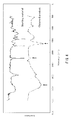
FIG. 4] FIG. 4 is the IR spectrum of the PAN-oxime porous body obtained in Example 1 (2). - In the amidoxime-modified PAN porous body of the present invention, it is preferable that the PAN porous body that is monolithic, has a thickness of 1 mm or more and contains PAN as the main component is obtained by a method including the steps of:
- obtaining a PAN solution by heating and dissolving PAN in a solvent;
- obtaining a product precipitated by cooling the PAN solution, and
- obtaining the PAN porous body that is monolithic, has a thickness of 1 mm or more and contains PAN as the main component by immersing the product in a different solvent to replace the solvent with the different solvent,
- the solvent containing a poor solvent for polyacrylonitrile and a good solvent for polyacrylonitrile,
- the poor solvent being one or more selected from the group consisting of water, acetonitrile, ethylene glycol, methanol, ethanol, isopropanol, ethylene glycol and glycerin, and
- the good solvent being one or more selected from the group consisting of dimethyl sulfoxide, dimethyl formamide, dimethyl acetamide and N-methyl-pyrrolidone.
- The amidoxime-modified PAN porous body of the present invention is preferably an amidoxime-modified PAN porous body in which an amount of nitrile group amidoximized is 0.1 to 20 mmol per g of the amidoxime-modified PAN porous body.
- It is preferable that the amidoxime-modified PAN porous body of the present invention has pores having a pore diameter of 0.1 to 15 µm, the pores have a skeletal diameter of 0.05 to 8 µm, and the amidoxime-modified PAN porous body has a thickness of 1 mm or more and a BET area of 5 to 800 m2/g.
- It is preferable that the infrared absorption spectrum of the amidoxime-modified PAN porous body of the present invention satisfies the following formula. The peak of the infrared absorption spectrum at 2262 cm-1 is a peak of nitrile group of PAN and the peak of the infrared absorption spectrum at 1652 cm-1 is a peak of amidoxime group of the amidoxime-modified PAN. Thus, (B) / (A) expresses the ratio between the nitrile group and the amidoxime group of the amidoxime-modified PAN porous body. The larger the ratio, the higher the degree of amidoxime modification is.

Where (A) indicates the peak height of the infrared absorption spectrum of the amidoxime-modified polyacrylonitrile porous body at 2262 cm-1, and (B) indicates the peak height of the infrared absorption spectrum of the amidoxime-modified polyacrylonitrile porous body at 1652 cm-1.
- The amidoxime-modified PAN porous body of the present invention is an amidoxime-modified PAN porous body for adsorbing a metal ion, preferably an ion of metal such as copper (e.g., copper(II) ion), iron (e.g., iron(II) ion), nickel (e.g., nickel(II) ion), vanadium (e.g., vanadium(V) ion), indium, gallium, mercury, silver, lead, uranium, plutonium, cesium, barium, lanthanum, thallium and strontium, and an iodine ion and iodine. An adsorption amount of metal ion and iodine ion per g of the amidoxime-modified PAN porous body of the present invention is, for example, 0.2 to 10 (ion mmol / g of porous body), and preferably 1 to 7 (ion mmol / g of porous body). Further, an adsorption amount of iodine per g of the amidoxime-modified PAN porous body is, for example, 0.2 to 10 (iodine mmol / g of porous body), and preferably 1 to 7 (iodine mmol / g of porous body).
- The present invention also provides a column for adsorbing a metal ion, preferably an ion of metal selected from the group consisting of copper (e.g., copper(II) ion), iron (e.g., iron(II) ion), nickel (e.g., nickel(II) ion), vanadium (e.g., vanadium(V) ion), indium, gallium, mercury, silver, lead, uranium, plutonium, cesium, barium, lanthanum, thallium and strontium, and an iodine ion and iodine, the column being filled with the amidoxime-modified PAN porous body of the present invention.
- The present invention is also directed to a metal adsorption method for adsorbing a metal ion, preferably an ion of metal selected from the group consisting of copper (e.g., copper(II) ion), iron (e.g., iron(II) ion), nickel (e.g., nickel(II) ion), vanadium (e.g., vanadium(V) ion), indium, gallium, mercury, silver, lead, uranium, plutonium, cesium, barium, lanthanum, thallium and strontium, and an iodine ion and iodine, the metal adsorption method using the amidoxime-modified PAN porous body of the present invention. An adsorption amount of metal ion and iodine ion per g of the amidoxime-modified PAN porous body of the present invention is, for example, 0.2 to 10 (ion mmol / g of porous body), and preferably 1 to 7 (ion mmol / g of porous body). Further, an adsorption amount of iodine per g of the amidoxime-modified PAN porous body is, for example, 0.2 to 10 (iodine mmol / g of porous body), and preferably 1 to 7 (iodine mmol / g of porous body).
- As described above, the method for producing the amidoxime-modified PAN porous body of the present invention includes the step of reacting with hydroxylamine a PAN porous body that is monolithic, has a thickness of 1 mm or more and contains PAN as the main component to convert a nitrile group of the PAN porous body into an amidoxime group. In this step, for example, 0.05 to 5 equivalents, preferably 0.1 to 4 equivalents of hydroxylamine is used in relation to the PAN porous body. When hydroxylamine is in the form of a salt, it is preferable to neutralize the hydroxylamine in this step to use it in the form of free amine. This step can be carried out by mixing the PAN porous body and the hydroxylamine in a solvent and heating them at, for example, 40 to 100°C for 1 to 24 hours. As the solvent, alcohol such as methanol or ethanol, dimethyl formamide (DMF), dimethyl acetamide (DNAc), or N-methyl-pyrrolidone (NMP) can be used. After the heating, the obtained PAN-oxime porous body may be shaken in water, alcohol such as methanol or ethanol, DMF, DMAc, or NMP to be cleaned. Further, after being heated and/or cleaned, the obtained PAN-oxime porous body may be dried at a temperature such as room temperature under a normal pressure, vacuum or the like.
- In the method for producing the amidoxime-modified PAN porous body of the present invention, the PAN porous body as a starting material that is monolithic, has a thickness of 1 mm or more and contains PAN as the main component is preferably produced by a method including the steps of: obtaining a PAN solution by heating and dissolving PAN in a solvent; obtaining a product precipitated by cooling the PAN solution, and obtaining the porous body containing PAN as the main component by immersing the product in a different solvent to replace the solvent with the different solvent, as described above (hereinafter referred to as the "production example of the PAN porous body").
- In the production example of the PAN porous body, it is preferable that the porous body is obtained by a method in which the solvent contains a poor solvent for PAN and a good solvent for PAN, the poor solvent is one or more selected from the group consisting of water, acetonitrile, ethylene glycol, methanol, ethanol, isopropanol, ethylene glycol and glycerin, and the good solvent is one or more selected from the group consisting of dimethyl sulfoxide, dimethyl formamide, dimethyl acetamide and N-methyl-pyrrolidone.
- The PAN porous body (starting material) according to the present invention is monolithic and is thicker than a film. The shape of the porous body is not limited. Of thee directions, the length, the width, the height, of the porous body, the shortest direction is referred to as the thickness for the sake of convenience. As described above, the thickness of the PAN porous body of the present invention is 1 mm or more, preferably 1.5 mm or more, and more preferably 2 mm or more. The PAN porous body (starting material) according to the present invention has pores having a pore diameter of, for example, 0.1 to 15 µm, the pores have a skeletal diameter of, for example, 0.05 to 8 µm, and the PAN porous body has a thickness of 1 mm or more and a BET area of 5 to 800 m2/g. It is preferable that the PAN porous body has pores having a pore diameter of 0.3 to 10 µm, the pores have a skeletal diameter of 0.1 to 5 µm, and the porous body has a thickness of 1.5 mm or more and a BET area of 20 to 800 m2/g. The pore diameter is preferably 0.3 to 10 µm, and more preferably 0.5 to 5 µm. Further, the skeletal diameter of the pores is preferably 0.1 to 5 µm, and more preferably 0.2 to 3 µm. The BET specific surface area of the polyacrylonitrile porous body (starting material) according to the present invention is preferably 20 to 800 m2/g, and more preferably 50 to 500 m2/g. To be more specific, the BET specific surface area can be measured by a method described in Examples. The pore diameter and the skeletal diameter can be obtained from an image taken with a scanning electron microscope.
- In the production example of the PAN porous body, the molecular weight of PAN is not limited but the average molecular weight is, for example, 10,000 to 5,000,000, preferably 20,000 to 4,000,000, and more preferably 30,000 to 3,000,000.
- As described above, in the production example of the PAN porous body, a PAN solution is obtained by heating and dissolving PAN in the solvent. The heating temperature is, for example, 70 to 95°C and preferably 70 to 90°C. PAN may be dissolved in the solvent while receiving a physical stimulus. Examples of the physical stimulus include stirring, shaking, ultrasonication, and the like.
- As described above, in the production example of the PAN porous body, the solvent preferably contains a poor solvent for PAN and a good solvent for PAN. The poor solvent for PAN is, for example, one or more selected from the group consisting of water, acetonitrile, ethylene glycol, methanol, ethanol, isopropanol, ethylene glycol and glycerin, and preferably is one or more selected from the group consisting of water, acetonitrile, and ethylene glycol. Further, the good solvent for PAN is, for example, one or more selected from the group consisting of dimethyl sulfoxide, dimethyl formamide, dimethyl acetamide and N-methyl-pyrrolidone, and preferably is one or more selected from the group consisting of dimethyl sulfoxide and dimethyl formamide. Each of the poor solvent for PAN and the good solvent for PAN may be a mixture of one or more solvents. In the production example of the PAN porous body, the poor solvent refers to a solvent that is less capable of dissolving PAN. Specifically, the poor solvent means that 1 g or more, preferably 0.8 g or more, and more preferably 0.5 g or more of PAN does not dissolve in 1L of the poor solvent. Further, in the production example of the PAN porous body, the good solvent refers to a solvent that is highly capable of dissolving PAN. Specifically, the good solvent means that 10 g or more, preferably 15 g or more, and more preferably 20 g or more of PAN dissolves in 1L of the good solvent.
- In the production example of the PAN porous body, the solvent when being 100 vol% has a good solvent content of, for example, 10 to 95 vol%, preferably 20 to 90 vol%, and more preferably 80 to 90 vol%.
- Further, in the production example of the PAN porous body, the PAN solution has a PAN concentration of, for example, 40 to 300 mg/ml, preferably 50 to 200 mg/ml, and more preferably 60 to 200 mg/ml.
- In the production example of the PAN porous body, next, a product precipitated by cooling the PAN solution is obtained. The cooling temperature is, for example, -20 to 60°C, preferably -5 to 45°C, and more preferably -5 to 40°C. The cooling time is, for example, 1 minute to 24 hours, preferably 1 minute to 1.5 hours, and more preferably 2 minutes to 1 hour.
- In the production example of the PAN porous body, next, the porous body containing PAN as the main component is obtained by immersing the product in a different solvent to replace the solvent with the different solvent.
- In the production example of the PAN porous body, the different solvent is preferably one or more selected from the group consisting of water, lower alcohols, acetone, and acetonitrile, and more preferably water, methanol, acetone, and acetonitrile. In the production example of the PAN porous body, examples of the lower alcohols include C1-6 lower alcohols such as methanol, ethanol, n-propanol, i-propanol, n-butanol, 2-butanol, 1-butanol, t-butanol, n-pentanol, t-amyl alcohol, and n-hexanol.
- In the production example of the PAN porous body, after the solvent is replaced with the different solvent, the obtained product may be dried to obtain a porous body. Drying is carried out at, for example, 0 to 90°C and preferably 0 to 80°C. Further, drying is carried out, for example, under a reduced pressure to normal pressure and preferably under a reduced pressure. Further, drying may be carried out in the form of freeze drying.
- In the PAN-oxime porous body of the present invention, the amount of nitrile group amidoximized is, for example, 0.1 to 20 mmol, preferably 0.5 to 12 mmol, and more preferably 1 to 12 mmol per g of the PAN-oxime porous body.
- The amidoxime-modified PAN porous body of the present invention is monolithic and is thicker than a film. The shape of the porous body is not limited. Of thee directions, the length, the width, the height, of the porous body, the shortest direction is referred to as the thickness for the sake of convenience. As described above, the thickness of the amidoxime-modified PAN porous body of the present invention is 1 mm or more, preferably 1.5 mm or more, and more preferably 2 mm or more.
- The amidoxime-modified PAN porous body of the present invention has pores having a pore diameter of, for example, 0.1 to 15 µm, the pores have a skeletal diameter of 0.05 to 8 µm, and the porous body has a thickness of 1 mm or more and a BET area of 5 to 800 m2/g. It is preferable that the PAN-oxime porous body has pores having a pore diameter of 0.3 to 10 µm, the pores have a skeletal diameter of 0.1 to 5 µm, and the porous body has a thickness of 1.5 mm or more and a BET area of 20 to 800 m2/g. The pore diameter is preferably 0.3 to 10 µm, and more preferably 0.5 to 5 µm. Further, the skeletal diameter of the pores is preferably 0.1 to 5 µm, and more preferably 0.2 to 3 µm. Further, the thickness of the porous body is preferably 1.5 mm or more, and more preferably 2 mm or more. The BET area is preferably 20 to 800 m2/g, and more preferably 50 to 500 m2/g. To be more specific, the BET specific surface area can be measured by a method described in Examples. Such a porous body can be used as, for example, filters, adsorbents, and the like. The pore diameter and the skeletal diameter can be obtained from an image taken with a scanning electron microscope.
- The present invention shall be described in more detail below by way of Examples, but the scope of the present invention is not limited to Examples below. The following abbreviations are used herein.
PAN: polyacrylonitrile
DMSO: dimethyl sulfoxide - The following measuring instruments were used herein.
Scanning electron microscope: Hitachi S-3000N (manufactured by Hitachi High-Technologies Corporation)
BET: Micromeritics Tristar 3000 (manufactured by Shimadzu Corporation)
IPC emission spectrometry: trade name: ICPS-7510 (manufactured by Shimadzu Corporation)
Infrared spectrometer: trade name: Spectrum One FT-IR Fourier transform infrared spectrometer (manufactured by PerkinElmer Japan Co., Ltd)
Herein, the pore diameter and the skeletal diameter were obtained from an image taken with a scanning electron microscope (SEM). - PAN (average molecular weight Mw = 150,000) was added to a DMSO/H2O (88/12 vol%) mixed solvent in a concentration of 100 g/ml and stirred at 75°C. After complete dissolution, the stirring bar was removed and the mixture was left to stand still in a water bath at 0°C for 60 minutes. Phase separation occurred after cooling, thus giving a product having the shape of a sample tube (cylindrical shape) (see
FIG. 1 ). This product was immersed in methanol (different solvent) and shaken in a bioshaker at 20°C for 24 hours. Methanol was changed 3 times in 24 hours to replace DMSO and water of the solvent with methanol. Thereafter, reduced pressure drying was carried out at room temperature for 4 hours to remove methanol, thus giving a PAN porous body (dimensions: a substantially cylindrical shape having a diameter of 15 mm and a thickness of 15 mm). - Sputtering was performed on the obtained PAN porous body for 150 s at a discharge current of 15.0 mA, and then SEM observation was carried out at an applied voltage of 15.0 to 25.0 kV
-
FIG. 2 shows a SEM micrograph of the obtained PAN porous body. As shown inFIG. 2 , it was confirmed that the PAN porous body was a porous body having a co-continuous structure, with the skeletal diameter being 0.45 to 0.87 µm and the pore diameter being 0.79 to 2.59 µm. Note that it was possible to infer that the pores had a co-continuous structure due to the fact that the shapes of the pores were identical or similar on SEM micrographs of multiple porous body samples. - The obtain PAN porous body was degassed in a nitrogen stream at 60°C for 40 minutes using a sample degassing apparatus, and then the specific surface area was measured by the BET three-point method. The specific surface area of the obtained PAN porous body obtained by the BET method was 223 m2/g. It was confirmed from this value that the obtained PAN porous body was a porous body that had a sufficiently large specific surface area.
- To a methanol (15 mL) solution of hydroxylamine hydrochloride (0.834 g, 12.0 mmol), sodium hydroxide (0.480 g, 12.0 mmol) was added to neutralize the hydrochloride. Precipitated sodium chloride was removed by filtering, and methanol (15 mL) was added to the obtained filtrate to prepare a methanol solution of 0.40 M hydroxylamine.
- To the methanol solution of 0.40 M hydroxylamine (6.0 mL (1 equivalent in relation to the nitrile group in the PAN porous body)), the PAN porous body (0.127 g, containing 2.39 mmol of CN group, dimensions: a substantially cylindrical shape having a diameter of 15 mm and a thickness of 15 mm) obtained in (1) was added. The mixture was refluxed by heating at 70°C for 4 hours to amidoximize the nitrile group on and in the vicinity of the surface of the porous body (see Scheme 1). After the heating, the obtained porous body was shaken in water (large excess) for 24 hours to be cleaned. Next, the porous body was shaken in methanol (large excess) for 24 hours to be cleaned. Finally, the porous body was dried in a vacuum at room temperature, thus obtaining a PAN-oxime porous body. The mass of the obtained PAN-oxime porous body increased by 29.8% and the introduction rate of amidoxime group was 6.51 mmol / (g of porous body).
- Sputtering was performed on the obtained PAN-oxime porous body for 150 s at a discharge current of 15.0 mA, and then SEM observation was carried out at an applied voltage of 15.0 to 25.0 kV
-
FIG. 3 shows a SEM micrograph of the obtained porous body. As shown inFIG. 3 , it was confirmed that the PAN-oxime porous body also was a porous body having a co-continuous structure, with the skeletal diameter being 0.35 to 0.93 µm and the pore diameter being 0.97 to 2.19 µm. Note that it was possible to infer that the pores had a co-continuous structure due to the fact that the shapes of the pores were identical or similar on SEM micrographs of a plurality of PAN-oxime porous body samples. - Also from the fact that the peak derived from the nitrile group declined and, instead, the peak derived from amidoxime appeared in the IR spectrum (infrared absorption spectrum) of the obtained porous body, it was confirmed that the amidoximization proceeded (see Table 4). (B) / (A) of the obtained PAN-oxime porous body was 5.5, where (A) indicates the peak height of the infrared absorption spectrum of the PAN-oxime porous body at 2262 cm-1 and (B) indicates the peak height of the infrared absorption spectrum of the PAN-oxime porous body at 1652 cm-1.
- The obtain PAN-oxime porous body was degassed in a nitrogen stream at 60°C for 40 minutes using a sample degassing apparatus, and then the specific surface area was measured by the BET three-point method. The specific surface area of the obtained PAN-oxime porous body obtained by the BET method was 133 m2/g. It was confirmed from this value that the obtained PAN-oxime porous body was a porous body that had a sufficiently large specific surface area.

- A PAN-oxime porous body was obtained in the same manner as in Example 1 except that a methanol solution of 1.2 M hydroxylamine (3 equivalents in relation to the nitrile group in the PAN porous body) was used in place of the methanol solution of 0.40 M hydroxylamine and the reaction time was changed from 4 hours to 6 hours. The mass of the obtained PAN-oxime porous body increased by 49.5%, the introduction rate of amidoxime group was 10.03 mmol / (g of porous body), the specific surface area obtained by the BET method was 95 m2/g, and (B) / (A) of the obtained PAN-oxime porous body was 194.
- A PAN-oxime porous body was obtained in the same manner as in Example 1 except that a methanol solution of 0.1 M hydroxylamine (0.25 equivalents in relation to the nitrile group in the PAN porous body) was used in place of the methanol solution of 0.40 M hydroxylamine and the reaction time was changed from 4 hours to 6 hours. The mass of the obtained PAN-oxime porous body increased by 13.3%, the introduction rate of amidoxime group was 3.51 mmol / (g of porous body), the specific surface area obtained by the BET method was 190 m2/g, and (B) / (A) of the obtained PAN-oxime porous body was 2.0.
-
[TABLE 1] Table 1-1: reaction conditions Concentration of hydroxylamine in methanol solution Equivalents in relation to nitrile group in PAN porous body Reaction time (hour) Example 1 0.4 M 1 equivalent 4 Example 2 1.2 M 3 equivalents 6 Example 3 0.1 M 0.25 equivalents 6 Table 1-2: obtained products Increase in mass (%) Element ratio of nitrogen in amidoximized porous body Introduction rate of amidoxime group (mmol / (g of porous body)) (B)/(A) Example 1 29.8 1.32 6.51 5.5 Example 2 49.5 1.60 10.03 194 Example 3 13.3 1.12 3.51 2.0 - From the results shown in Table 1, it was confirmed that the porous bodies obtained in Examples 1 to 3 were PAN-oxime porous bodies.
-
- (a) The PAN-oxime porous body (10.8 mg) obtained in Example 2 was stirred in a copper(II) sulfate pentahydrate aqueous solution (10 mmol/L, 10 mL, pH 5, 0.1 M acetate buffer solution) at room temperature for 24 hours. The absorbance of the stirred solution at 765 nm was measured. From the obtained absorbance, a change in the concentration of the copper(II) sulfate pentahydrate aqueous solution was calculated. From the difference in the concentration of the copper(II) sulfate pentahydrate aqueous solution between before and after the stirring, the amount of copper(II) ion adsorbed by the PAN-oxime porous body was calculated.
- (b) A change in the concentration of the stirred copper(II) sulfate pentahydrate aqueous solution was calculated in the same manner as in (1)(a) above except for using the PAN-oxime porous body obtained in Example 1 or 3 in place of the PAN-oxime porous body obtained in Example 2. From the difference in the concentration of the copper(II) sulfate pentahydrate aqueous solution between before and after the stirring, the amount of copper(II) ion adsorbed by the PAN-oxime porous body was calculated.
- (c) A change in the concentration of the stirred copper(II) sulfate pentahydrate aqueous solution was calculated in the same manner as in (1)(a) above except for using the PAN porous body prepared in Example 1(1) in place of the amidoximized PAN porous body obtained in Example 2. From the difference in the concentration of the copper(II) sulfate pentahydrate aqueous solution between before and after the stirring, the amount of copper(II) ion adsorbed by the PAN-oxime porous body was calculated. This example will be referred to as Reference Example 1. Table 2 provides the results obtained in (a) to (c).
-
[TABLE 2] Introduction rate of amidoxime group (mmol / g of porous body) Adsorption Amount of copper (II) ion (mmol / g of porous body) Example 1 6.51 2.05 Example 2 10.03 5.14 Example 3 3.51 2.03 Reference Example 1 0 0 - As shown in Table 2, it was confirmed that the PAN-oxime porous body of the present invention had a capability of adsorbing a copper(II) ion.
- The PAN-oxime porous body (9.4 mg) obtained in Example 2 was stirred in an iron(III) chloride hexahydrate aqueous solution (10 mmol/L, 10 mL, pH 5, 0.1 M acetate buffer solution) at room temperature for 24 hours. The absorbance of the stirred solution at 479.5 nm was measured. From the obtained absorbance, a change in the concentration of the iron(III) chloride hexahydrate aqueous solution was calculated. From the difference in the concentration of the iron(III) chloride hexahydrate aqueous solution between before and after the stirring, the amount of iron(III) ion adsorbed by the PAN-oxime porous body was calculated. Table 3 provides the obtained results.
- The PAN-oxime porous body (9.8 mg) obtained in Example 2 was stirred in a nickel(II) sulfite hexahydrate aqueous solution (50 mmol/L, 10 mL, pH 5, 0.1 M acetate buffer solution) at room temperature for 24 hours. The porous body was taken out from the nickel(II) sulfite hexahydrate aqueous solution and then was immersed in hydrochloric acid (1.0 mmol/L, 5mL) for 24 hours. The amount of nickel(II) ion eluted in the hydrochloric acid from the porous body was measured by ICP emission spectrometry. The amount of nickel(II) ion eluted corresponds to the amount of nickel(II) ion adsorbed by the porous body. Table 3 provides the obtained results.
- The PAN-oxime porous body (11.9 mg) obtained in Example 2 was stirred in a sodium orthovanadate(V) aqueous solution (10 mmol/L, 10 mL, pH 5, 0.1 M acetate buffer solution) at room temperature for 24 hours. The absorbance of the stirred solution at 430.0 nm was measured. From the obtained absorbance, a change in the concentration of the sodium orthovanadate(V) aqueous solution was calculated. From the difference in the concentration of the sodium orthovanadate(V) aqueous solution before and after the stirring, the amount of vanadium(V) ion adsorbed by the PAN-oxime porous body was calculated. Table 3 provides the obtained results.
-
[TABLE 3] Adsorption Amount of metal ion per unit weight of porous body (mmol / g) Cu(II) 5.14 Fe(III) 3.94 Ni(II) 1.23 V(V) 3.57 - As shown in Table 3, it was confirmed that the PAN-oxime porous body of the present invention had a capability of adsorbing a copper(II) ion, an iron(III) ion and a vanadium(V) ion.
- (5) Comparison with Commercially Available Chelating Resin in Adsorption Amount of Copper(II) Ion
- An amidoxime chelating resin (trade name "Sumichelate® MC 900" manufactured by Sumika Chemtex Co., Ltd., 50 mg) was stirred in a copper(II) sulfate pentahydrate aqueous solution (10 mmol/L, 20 mL, pH 5, 0.1 M acetate buffer solution) at room temperature for 24 hours. The absorbance of the stirred solution at 765 nm was measured. From the obtained absorbance, a change in the concentration of the copper(II) sulfate pentahydrate aqueous solution was calculated. From the difference in the concentration of the copper(II) sulfate pentahydrate aqueous solution between before and after the stirring, the amount of copper(II) ion adsorbed by the amidoxime chelating resin was calculated. Table 4 provides the obtained results.
- By using an iminodiacetatic acid chelating resin (trade name "Sumichelate® MC 700" manufactured by Sumika Chemtex Co., Ltd., 50 mg) in place of the amidoxime chelating resin, a change in the concentration of the copper(II) sulfate pentahydrate aqueous solution was calculated in the same manner as in (5)(a) above. From the difference in the concentration of the copper(II) sulfate pentahydrate aqueous solution between before and after the stirring, the amount of copper(II) ion adsorbed by the iminodiacetatic acid chelating resin was calculated. Table 4 provides the obtained results.
-
[TABLE 4] Adsorption amount of copper(II) ion (mmol / g) Comparative Example 1: amidoxime chelating resin 1.72 Comparative Example 2: iminodiacetic acid chelating resin 1.48 Example 2 5.14 - As shown in Table 4, the amount of copper(II) ion adsorbed by the PAN-oxime porous body of the present invention was higher than that of the commercially available chelating resins.
- A PAN-oxime porous body (dimensions: a substantially cylindrical shape having a diameter of 8.0 mm and a thickness of 15 mm) was obtained in the same manner as in Example 3 except that a sample tube having a diameter of 8.0 mm was used in place of the one having a diameter of 15 mm. The PAN-oxime porous body was placed into a heat-shrinkable tube (made of polyethylene, size: inner diameter 8.8 mm, length 3.0 cm) and they were heated at 105°C for 15 minutes. The tube shrunk due to the heating, thus giving a filter accommodating the PAN-oxime porous body therein.
- A copper(II) sulfate pentahydrate aqueous solution (1.57 mmol/L, 5 mL, pH 5, 0.1 M acetate buffer solution) was passed through the filter accommodating the PAN-oxime porous body therein (SV 100 hours-1). The amount of copper(II) ion present in the solution before and after passing through the filter was measured by ICP emission spectrometry. Table 5 provides the obtained results. Note that SV stands for Space Velocity and refers to a flow rate per unit time and volume of the porous body.
- A vanadium(V) oxide aqueous solution (1.96 mmol/L, 5 mL, pH 5, 0.1 M acetate buffer solution) was passed through the filter accommodating the PAN-oxime porous body therein (SV 100 hours-1). The amount of copper(II) ion present in the filtered solution was measured by ICP emission spectrometry. Table 5 provides the obtained results.
-
[TABLE 5] Type of metal ion Concentration of metal ion (ppm) Before being filtered After being filtered Cu(II) 92.7 0.100 V(V) 104.6 < 0.001 - As shown in Table 5, it was confirmed that the filter accommodating the PAN-oxime porous body of the present invention therein was capable of adsorbing a copper(II) ion and a vanadium(V) ion at high speed.
- Since the PAN-oxime porous body obtained by the method of the present invention has continuous pores and a thickness of 1 mm or more and is highly capable of adsorbing metal ions even in high speed processing, it is possibly applicable to filters, adsorbents, and the like.
Claims (14)
- An amidoxime-modified polyacrylonitrile porous body obtained by reacting with hydroxylamine a polyacrylonitrile porous body that is monolithic, has a thickness of 1 mm or more and contains polyacrylonitrile as the main component to convert part of a nitrile group of the polyacrylonitrile porous body into an amidoxime group.
- The amidoxime-modified polyacrylonitrile porous body according to claim 1, wherein the polyacrylonitrile porous body is obtained by a method comprising the steps of:obtaining a polyacrylonitrile solution by heating and dissolving polyacrylonitrile in a solvent;obtaining a product precipitated by cooling the polyacrylonitrile solution, andobtaining the polyacrylonitrile porous body that is monolithic, has a thickness of 1 mm or more and contains polyacrylonitrile as the main component by immersing the product in a different solvent to replace the solvent with the different solvent,the solvent containing a poor solvent for polyacrylonitrile and a good solvent for polyacrylonitrile,the poor solvent being one or more selected from the group consisting of water, acetonitrile, ethylene glycol, methanol, ethanol, isopropanol, ethylene glycol and glycerin, andthe good solvent being one or more selected from the group consisting of dimethyl sulfoxide, dimethyl formamide, dimethyl acetamide and N-methyl-pyrrolidone.
- The amidoxime-modified polyacrylonitrile porous body according to claim 1 or 2, wherein an amount of nitrile group converted into amidoxime group is 0.1 to 20 mmol per g of the amidoxime-modified polyacrylonitrile porous body
- The amidoxime-modified polyacrylonitrile porous body according to any one of claims 1 to 3, wherein the amidoxime-modified polyacrylonitrile porous body has pores having a pore diameter of 0.1 to 15 µm, the pores have a skeletal diameter of 0.05 to 8 µm, and the amidoxime-modified polyacrylonitrile porous body has a thickness of 1 mm or more and a BET area of 5 to 800 m2/g.
- The amidoxime-modified polyacrylonitrile porous body according to any one of claims 1 to 4, wherein the infrared absorption spectrum of the amidoxime-modified polyacrylonitrile porous body satisfies the following formula:

where (A) indicates the peak height of the infrared absorption spectrum of the amidoxime-modified polyacrylonitrile porous body at 2262 cm-1, and (B) indicates the peak height of the infrared absorption spectrum of the amidoxime-modified polyacrylonitrile porous body at 1652 cm-1. - The amidoxime-modified polyacrylonitrile porous body according to any one of claims 1 to 5 for adsorbing a metal ion and an iodine ion and iodine.
- The amidoxime-modified polyacrylonitrile porous body according to claim 6, wherein the metal is selected from the group consisting of copper, iron, nickel, vanadium, indium, gallium, mercury, silver, lead, uranium, plutonium, cesium, barium, lanthanum, thallium and strontium.
- The amidoxime-modified polyacrylonitrile porous body according to claim 6 or 7, wherein the amidoxime-modified polyacrylonitrile porous body adsorbs the metal ion and the iodine ion in an amount of 0.2 to 10 (ion mmol / g of porous body) and adsorbs the iodine in an amount of 0.2 to 10 (iodine mmol / g of porous body).
- A column for adsorbing a metal ion and an iodine ion and iodine, wherein the column is filled with the amidoxime-modified polyacrylonitrile porous body according to any one of claims 1 to 5.
- The column according to claim 9, wherein the metal is selected from the group consisting of copper, iron, nickel, vanadium, indium, gallium, mercury, silver, lead, uranium, plutonium, cesium, barium, lanthanum, thallium and strontium.
- A metal adsorption method for adsorbing a metal ion and an iodine ion and iodine using the amidoxime-modified polyacrylonitrile porous body according to any one of claims 1 to 5.
- The metal adsorption method according to claim 11, wherein the metal is selected from the group consisting of copper, iron, nickel, vanadium, indium, gallium, mercury, silver, lead, uranium, plutonium, cesium, barium, lanthanum, thallium and strontium.
- A method for producing an amidoxime-modified polyacrylonitrile porous body, the method comprising the step of reacting with hydroxylamine a polyacrylonitrile porous body that is monolithic, has a thickness of 1 mm or more and contains polyacrylonitrile as the main component to convert part of a nitrile group of the polyacrylonitrile porous body into an amidoxime group.
- The method according to claim 13, wherein the polyacrylonitrile porous body is obtained by a method comprising the steps of:obtaining a polyacrylonitrile solution by heating and dissolving polyacrylonitrile in a solvent;obtaining a product precipitated by cooling the polyacrylonitrile solution, andobtaining the polyacrylonitrile porous body that is monolithic, has a thickness of 1 mm or more and contains polyacrylonitrile by immersing the product in a different solvent to replace the solvent with the different solvent,the solvent containing a poor solvent for polyacrylonitrile and a good solvent for polyacrylonitrile,the poor solvent being one or more selected from the group consisting of water, acetonitrile, ethylene glycol, methanol, ethanol, isopropanol, ethylene glycol and glycerin, andthe good solvent being one or more selected from the group consisting of dimethyl sulfoxide, dimethyl formamide, dimethyl acetamide and N-methyl-pyrrolidone.
Applications Claiming Priority (2)
| Application Number | Priority Date | Filing Date | Title |
|---|---|---|---|
| JP2010205571 | 2010-09-14 | ||
| PCT/JP2011/070334 WO2012036034A1 (en) | 2010-09-14 | 2011-09-07 | Amidoxime-modified polyacrylonitrile porous medium |
Publications (2)
| Publication Number | Publication Date |
|---|---|
| EP2617760A1 true EP2617760A1 (en) | 2013-07-24 |
| EP2617760A4 EP2617760A4 (en) | 2014-06-18 |
Family
ID=45831501
Family Applications (1)
| Application Number | Title | Priority Date | Filing Date |
|---|---|---|---|
| EP11825040.6A Withdrawn EP2617760A4 (en) | 2010-09-14 | 2011-09-07 | POROUS POLYACRYLONITRILE MEDIUM MODIFIED BY AN AMIDOXIME |
Country Status (4)
| Country | Link |
|---|---|
| US (1) | US20130168322A1 (en) |
| EP (1) | EP2617760A4 (en) |
| JP (1) | JPWO2012036034A1 (en) |
| WO (1) | WO2012036034A1 (en) |
Cited By (4)
| Publication number | Priority date | Publication date | Assignee | Title |
|---|---|---|---|---|
| CN108794661A (en) * | 2018-06-14 | 2018-11-13 | 北京理工大学 | A kind of amidoxim polyacrylonitrile and its preparation method and application |
| CN109231344A (en) * | 2018-10-30 | 2019-01-18 | 中国工程物理研究院核物理与化学研究所 | A kind of polyamines class uranium absorption material and preparation method thereof |
| CN109954484A (en) * | 2019-04-04 | 2019-07-02 | 哈尔滨工程大学 | Uranium adsorption material and preparation method of amidoxime polymer supported by mesoporous silica particles |
| CN110961085A (en) * | 2019-11-11 | 2020-04-07 | 江苏大学 | By using CO2Method for preparing amidoxime functionalized hollow porous polymer microspheres for emulsion template |
Families Citing this family (27)
| Publication number | Priority date | Publication date | Assignee | Title |
|---|---|---|---|---|
| DE102015206633B4 (en) | 2015-04-14 | 2022-11-10 | Audi Ag | Cooling module for a fuel cell and its use in a fuel cell system |
| WO2019140338A1 (en) | 2018-01-12 | 2019-07-18 | University Of South Florida | Multifunctional porous materials for water purification and remediation |
| US11628419B2 (en) | 2018-01-12 | 2023-04-18 | University Of South Florida | Functionalized porous organic polymers as uranium nano-traps for efficient uranium extraction |
| CN109776744B (en) * | 2019-01-12 | 2021-08-03 | 广西大学 | A kind of preparation method of amidoxime-silica resin for adsorbing gallium |
| CN109954483B (en) * | 2019-04-04 | 2022-04-12 | 哈尔滨工程大学 | Modified polyacrylonitrile porous foamed uranium adsorption material containing amidoxime group and preparation method thereof |
| CN110684233A (en) * | 2019-10-11 | 2020-01-14 | 海南大学 | Porous hydrogel film for extracting uranium from seawater and preparation method thereof |
| US11718539B2 (en) * | 2019-11-19 | 2023-08-08 | LCW Supercritical Technologies Corporation | Extraction and recovery of Pd from aqueous solutions |
| JP7512388B2 (en) * | 2019-11-27 | 2024-07-08 | ワッカー ケミー アクチエンゲゼルシャフト | Method for removing impurities from chlorosilane mixtures |
| CN113967469A (en) * | 2020-07-22 | 2022-01-25 | 中国科学院上海高等研究院 | Preparation method of heavy metal adsorption material with antibacterial property |
| CN114570336B (en) * | 2020-11-30 | 2023-05-30 | 中南大学 | A kind of metal adsorption fiber membrane and its preparation and application |
| CN113046857B (en) * | 2021-03-15 | 2022-03-04 | 海南大学 | Seawater uranium extraction adsorbent capable of self-renewing active antifouling coating and preparation method thereof |
| CN113171761B (en) * | 2021-04-26 | 2022-11-22 | 福建省环境保护设计院有限公司 | Porous electrostatic spraying microsphere for treating antimony-containing wastewater and preparation method thereof |
| CN113578278A (en) * | 2021-07-30 | 2021-11-02 | 陕西科技大学 | Amidoxime group functionalized feather fiber adsorption material and preparation method and application thereof |
| CN113617341B (en) * | 2021-08-23 | 2022-06-17 | 海南大学 | Double-crosslinked hydrogel adsorbent for promoting uranium extraction from seawater by photo-heat and preparation method thereof |
| KR102567016B1 (en) * | 2021-08-25 | 2023-08-14 | 공성욱 | Porous chelate beads having aminated polyacronitrile structure and its preparation method |
| CN113718424B (en) * | 2021-09-06 | 2023-06-20 | 核工业北京化工冶金研究院 | Modified polyacrylonitrile-nylon 66 composite fiber membrane and preparation method and application thereof |
| CN115386127B (en) * | 2022-08-16 | 2023-10-27 | 陕西海皓实业有限公司 | Preparation method of gallium adsorption resin |
| CN117810451B (en) * | 2022-09-30 | 2026-01-06 | 比亚迪股份有限公司 | Composite conductive agents, their preparation methods and applications |
| CN117855635A (en) * | 2022-09-30 | 2024-04-09 | 比亚迪股份有限公司 | Lithium supplement additive and preparation method and application thereof |
| CN115532236A (en) * | 2022-10-25 | 2022-12-30 | 陕西科技大学 | A kind of preparation method and application of Cu2O composite amidoxime-based adsorption material |
| CN118079870A (en) * | 2022-11-16 | 2024-05-28 | 中国科学院大连化学物理研究所 | A method for extracting uranium from salt lake |
| CN116219576A (en) * | 2023-03-23 | 2023-06-06 | 南京大学 | Preparation method and application of a kind of highly selective iron removal blended fiber |
| CN117101620B (en) * | 2023-08-25 | 2025-07-25 | 成都理工大学 | Amidoamine oximation of g-C3N4/ZrO2Adsorbent, preparation method and application thereof, and uranium extraction method |
| CN117448982A (en) * | 2023-09-14 | 2024-01-26 | 核工业第八研究所 | Surface-modified polyacrylonitrile/graphene oxide composite nanofiber material and its preparation and application |
| JP7571326B1 (en) | 2024-03-27 | 2024-10-22 | ノリタケ株式会社 | Compound semiconductor polishing pad and method for manufacturing porous resin body |
| TW202603021A (en) * | 2024-03-27 | 2026-01-16 | 日商則武股份有限公司 | Resin porous bodies, compound semiconductor grinding pads, and manufacturing methods of resin porous bodies. |
| CN120060672B (en) * | 2025-04-27 | 2025-07-11 | 安徽工业大学 | A method for selectively separating and extracting gallium |
Family Cites Families (12)
| Publication number | Priority date | Publication date | Assignee | Title |
|---|---|---|---|---|
| US3088798A (en) * | 1959-05-25 | 1963-05-07 | Nopco Chem Co | Extraction of a metal from solutions containing same |
| IL62389A0 (en) * | 1981-03-17 | 1981-05-20 | Res Prod Rehovot Ltd | Amidoxime derivatives,processes for the preparation thereof and uses therefor |
| JPH0661465B2 (en) * | 1986-12-27 | 1994-08-17 | 住友化学工業株式会社 | Method for producing metal collector |
| US5047437A (en) * | 1988-11-23 | 1991-09-10 | American Cyanamid | Porous polyacrylonitrile beads and process for their production |
| JP3111486B2 (en) | 1991-02-14 | 2000-11-20 | 藤倉化成株式会社 | Method for producing acrylonitrile polymer fine particles |
| ES2118219T3 (en) * | 1991-12-20 | 1998-09-16 | Allied Signal Inc | LOW DENSITY MATERIALS THAT HAVE A HIGH SPECIFIC SURFACE, AND ARTICLES FORMED FROM THEM FOR USE IN THE RECOVERY OF METALS. |
| JPH0822934A (en) | 1994-07-05 | 1996-01-23 | Mitsubishi Chem Corp | Electrolytic solution for electrolytic capacitor and manufacturing method thereof |
| EP0949959B1 (en) * | 1996-08-26 | 2008-07-09 | Massachusetts Institute Of Technology | Preparation of polymer articles having hydrophilic surface |
| JP4883837B2 (en) * | 1998-06-12 | 2012-02-22 | ウォーターズ・テクノロジーズ・コーポレーション | A novel ion-exchange porous resin for solid-phase extraction and chromatography |
| JP4612182B2 (en) | 2000-12-27 | 2011-01-12 | 日東電工株式会社 | Porous film, production method thereof and use thereof |
| US6593451B1 (en) * | 2002-10-09 | 2003-07-15 | Pragtech, Inc. | Method of processing polyacrylonitrile |
| JP5414020B2 (en) * | 2007-06-22 | 2014-02-12 | 国立大学法人大阪大学 | Method of dissolving (meth) acrylic ester polymer in liquid |
-
2011
- 2011-09-07 JP JP2012533957A patent/JPWO2012036034A1/en active Pending
- 2011-09-07 US US13/822,929 patent/US20130168322A1/en not_active Abandoned
- 2011-09-07 EP EP11825040.6A patent/EP2617760A4/en not_active Withdrawn
- 2011-09-07 WO PCT/JP2011/070334 patent/WO2012036034A1/en not_active Ceased
Cited By (7)
| Publication number | Priority date | Publication date | Assignee | Title |
|---|---|---|---|---|
| CN108794661A (en) * | 2018-06-14 | 2018-11-13 | 北京理工大学 | A kind of amidoxim polyacrylonitrile and its preparation method and application |
| CN108794661B (en) * | 2018-06-14 | 2020-11-06 | 北京理工大学 | Porous amidoximated polyacrylonitrile as well as preparation method and application thereof |
| CN109231344A (en) * | 2018-10-30 | 2019-01-18 | 中国工程物理研究院核物理与化学研究所 | A kind of polyamines class uranium absorption material and preparation method thereof |
| CN109954484A (en) * | 2019-04-04 | 2019-07-02 | 哈尔滨工程大学 | Uranium adsorption material and preparation method of amidoxime polymer supported by mesoporous silica particles |
| CN109954484B (en) * | 2019-04-04 | 2022-03-18 | 哈尔滨工程大学 | Uranium adsorbing material of mesoporous silica gel particle loaded amidoxime polymer and preparation method |
| CN110961085A (en) * | 2019-11-11 | 2020-04-07 | 江苏大学 | By using CO2Method for preparing amidoxime functionalized hollow porous polymer microspheres for emulsion template |
| WO2021093306A1 (en) * | 2019-11-11 | 2021-05-20 | 江苏大学 | Method for preparing amidoxime functionalized hollow porous polymer microsphere by using co2 as emulsion template |
Also Published As
| Publication number | Publication date |
|---|---|
| US20130168322A1 (en) | 2013-07-04 |
| WO2012036034A1 (en) | 2012-03-22 |
| JPWO2012036034A1 (en) | 2014-02-03 |
| EP2617760A4 (en) | 2014-06-18 |
Similar Documents
| Publication | Publication Date | Title |
|---|---|---|
| US20130168322A1 (en) | Amidoxime-modified polyacrylonitrile porous body | |
| Satilmis et al. | Amidoxime functionalized Polymers of Intrinsic Microporosity (PIM-1) electrospun ultrafine fibers for rapid removal of uranyl ions from water | |
| Han et al. | Hyperbranched poly (amidoamine)/polysulfone composite membranes for Cd (II) removal from water | |
| Deji et al. | Electrospun UiO-66-F4/polyacrylonitrile nanofibers for efficient extraction of perfluoroalkyl and polyfluoroalkyl substances in environmental media | |
| EP2915840A1 (en) | Porous graft copolymer particles, method for producing same, and adsorbent material using same | |
| Yao et al. | Tertiary amine block copolymer containing ultrafiltration membrane with pH-dependent macromolecule sieving and Cr (VI) removal properties | |
| EP2258896A1 (en) | Polymer fiber material, method of producing the same and filter for filtering fluid | |
| KR20080081442A (en) | Method for preparing polyacrylate microspheres in surface-engraved core-shell form for selective separation of heavy metal ions | |
| WO2010122954A1 (en) | Metal adsorbent containing chelating polymer | |
| US20130058858A1 (en) | Polyacrylonitrile porous body | |
| US20140217026A1 (en) | Draw solute for forward osmosis, forward osmosis water treatment device, and forward osmosis method for water treatment | |
| CN109847724A (en) | A kind of semi-interpenetrating network hydrogel film material and preparation method for uranium extraction from seawater | |
| KR101206826B1 (en) | Improved preparation of metal ion imprinted microporous polymer particles | |
| Gong et al. | High-adsorption-capacity and recyclable double-network hydrogel nanofibers for dynamic uranium sorption | |
| CN113976049A (en) | COF/CS aerogel and preparation method and application thereof | |
| CN107892733B (en) | Heavy metal wastewater ion adsorption resin and preparation method thereof | |
| JP3706842B2 (en) | Adsorption method of lithium ion from aqueous solution containing lithium by adsorbent | |
| Azodi-Deilamia et al. | Synthesis and characterization of molecularly imprinted polymer for controlled release of tramadol | |
| EP3479898B1 (en) | Method of preparing a magnetic cesium adsorbent and method of removing cesium employing said cesium adsorbent | |
| KR101531231B1 (en) | Microalgae bead, and preparing method of the same | |
| JP7384278B2 (en) | Cellulose-based ion exchange membrane and method for producing the same, device for purifying exosomes, and method for purifying exosomes | |
| JP2010194509A (en) | Chelate resin | |
| JP6083077B2 (en) | Metal ion adsorbent | |
| CN113019305B (en) | Preparation and Application of Porous Basic Lanthanum Carbonate Phosphate Adsorbent | |
| KR20210061586A (en) | Cesium adsorbent and preparation method thereof |
Legal Events
| Date | Code | Title | Description |
|---|---|---|---|
| PUAI | Public reference made under article 153(3) epc to a published international application that has entered the european phase |
Free format text: ORIGINAL CODE: 0009012 |
|
| 17P | Request for examination filed |
Effective date: 20130320 |
|
| AK | Designated contracting states |
Kind code of ref document: A1 Designated state(s): AL AT BE BG CH CY CZ DE DK EE ES FI FR GB GR HR HU IE IS IT LI LT LU LV MC MK MT NL NO PL PT RO RS SE SI SK SM TR |
|
| DAX | Request for extension of the european patent (deleted) | ||
| A4 | Supplementary search report drawn up and despatched |
Effective date: 20140521 |
|
| RIC1 | Information provided on ipc code assigned before grant |
Ipc: C08L 33/20 20060101ALI20140515BHEP Ipc: B01D 15/38 20060101ALI20140515BHEP Ipc: C08J 9/28 20060101ALI20140515BHEP Ipc: B01J 20/30 20060101ALI20140515BHEP Ipc: G01N 30/02 20060101ALI20140515BHEP Ipc: B01J 20/28 20060101ALI20140515BHEP Ipc: B01J 20/26 20060101ALI20140515BHEP Ipc: C08J 9/36 20060101AFI20140515BHEP |
|
| STAA | Information on the status of an ep patent application or granted ep patent |
Free format text: STATUS: THE APPLICATION IS DEEMED TO BE WITHDRAWN |
|
| 18D | Application deemed to be withdrawn |
Effective date: 20141217 |