EP2617707B1 - Novel compound accelerating secretion of human-derived anti-microbial peptide, method for preparing same, and composition having same as active ingredient - Google Patents
Novel compound accelerating secretion of human-derived anti-microbial peptide, method for preparing same, and composition having same as active ingredient Download PDFInfo
- Publication number
- EP2617707B1 EP2617707B1 EP10856464.2A EP10856464A EP2617707B1 EP 2617707 B1 EP2617707 B1 EP 2617707B1 EP 10856464 A EP10856464 A EP 10856464A EP 2617707 B1 EP2617707 B1 EP 2617707B1
- Authority
- EP
- European Patent Office
- Prior art keywords
- composition
- human
- compound
- phase
- skin
- Prior art date
- Legal status (The legal status is an assumption and is not a legal conclusion. Google has not performed a legal analysis and makes no representation as to the accuracy of the status listed.)
- Active
Links
- GBTVWZMJUZJPBU-AWEZNQCLSA-N CCCCCC(N[C@@H](Cc(cc1)ccc1O)C(OC)=O)=O Chemical compound CCCCCC(N[C@@H](Cc(cc1)ccc1O)C(OC)=O)=O GBTVWZMJUZJPBU-AWEZNQCLSA-N 0.000 description 1
Images

Classifications
-
- C—CHEMISTRY; METALLURGY
- C07—ORGANIC CHEMISTRY
- C07C—ACYCLIC OR CARBOCYCLIC COMPOUNDS
- C07C233/00—Carboxylic acid amides
- C07C233/01—Carboxylic acid amides having carbon atoms of carboxamide groups bound to hydrogen atoms or to acyclic carbon atoms
- C07C233/45—Carboxylic acid amides having carbon atoms of carboxamide groups bound to hydrogen atoms or to acyclic carbon atoms having the nitrogen atom of at least one of the carboxamide groups bound to a carbon atom of a hydrocarbon radical substituted by carboxyl groups
- C07C233/46—Carboxylic acid amides having carbon atoms of carboxamide groups bound to hydrogen atoms or to acyclic carbon atoms having the nitrogen atom of at least one of the carboxamide groups bound to a carbon atom of a hydrocarbon radical substituted by carboxyl groups with the substituted hydrocarbon radical bound to the nitrogen atom of the carboxamide group by an acyclic carbon atom
- C07C233/47—Carboxylic acid amides having carbon atoms of carboxamide groups bound to hydrogen atoms or to acyclic carbon atoms having the nitrogen atom of at least one of the carboxamide groups bound to a carbon atom of a hydrocarbon radical substituted by carboxyl groups with the substituted hydrocarbon radical bound to the nitrogen atom of the carboxamide group by an acyclic carbon atom having the carbon atom of the carboxamide group bound to a hydrogen atom or to a carbon atom of an acyclic saturated carbon skeleton
-
- C—CHEMISTRY; METALLURGY
- C07—ORGANIC CHEMISTRY
- C07C—ACYCLIC OR CARBOCYCLIC COMPOUNDS
- C07C233/00—Carboxylic acid amides
- C07C233/01—Carboxylic acid amides having carbon atoms of carboxamide groups bound to hydrogen atoms or to acyclic carbon atoms
- C07C233/02—Carboxylic acid amides having carbon atoms of carboxamide groups bound to hydrogen atoms or to acyclic carbon atoms having nitrogen atoms of carboxamide groups bound to hydrogen atoms or to carbon atoms of unsubstituted hydrocarbon radicals
- C07C233/11—Carboxylic acid amides having carbon atoms of carboxamide groups bound to hydrogen atoms or to acyclic carbon atoms having nitrogen atoms of carboxamide groups bound to hydrogen atoms or to carbon atoms of unsubstituted hydrocarbon radicals with carbon atoms of carboxamide groups bound to carbon atoms of an unsaturated carbon skeleton containing six-membered aromatic rings
-
- A—HUMAN NECESSITIES
- A61—MEDICAL OR VETERINARY SCIENCE; HYGIENE
- A61K—PREPARATIONS FOR MEDICAL, DENTAL OR TOILETRY PURPOSES
- A61K31/00—Medicinal preparations containing organic active ingredients
- A61K31/21—Esters, e.g. nitroglycerine, selenocyanates
- A61K31/27—Esters, e.g. nitroglycerine, selenocyanates of carbamic or thiocarbamic acids, meprobamate, carbachol, neostigmine
-
- A—HUMAN NECESSITIES
- A61—MEDICAL OR VETERINARY SCIENCE; HYGIENE
- A61P—SPECIFIC THERAPEUTIC ACTIVITY OF CHEMICAL COMPOUNDS OR MEDICINAL PREPARATIONS
- A61P31/00—Antiinfectives, i.e. antibiotics, antiseptics, chemotherapeutics
- A61P31/04—Antibacterial agents
-
- C—CHEMISTRY; METALLURGY
- C07—ORGANIC CHEMISTRY
- C07C—ACYCLIC OR CARBOCYCLIC COMPOUNDS
- C07C231/00—Preparation of carboxylic acid amides
- C07C231/02—Preparation of carboxylic acid amides from carboxylic acids or from esters, anhydrides, or halides thereof by reaction with ammonia or amines
-
- C—CHEMISTRY; METALLURGY
- C07—ORGANIC CHEMISTRY
- C07B—GENERAL METHODS OF ORGANIC CHEMISTRY; APPARATUS THEREFOR
- C07B2200/00—Indexing scheme relating to specific properties of organic compounds
- C07B2200/07—Optical isomers
Definitions
- the following disclosure relates to a composition for use in the treatment of syndromes resulting from infection by foreign antigens.
- Antimicrobial peptides are natural antimicrobial materials involved in innate immunity mechanisms in vivo, and low-molecular weight peptide materials that retain antimicrobial activities against various microorganisms including bacteria, fungi, and viruses and induce local biophylaxis and systemic immune response.
- the antimicrobial peptide generally has an amphipathic structure, and according to antimicrobial mechanism thereof, a cation part thereof binds to an anionic phospholipid included in a cell membrane of the microorganism to break the cell membrane of the microorganism.
- Defensins are one of the antimicrobial peptides that have been most studied, and are largely classified into ⁇ -defensin and ⁇ -defensin depending on structural characteristics thereof.
- ⁇ -defensin is a peptide material that is expressed in mucous epithelium such as skin, lungs, organs, kidneys, reproductive organs, etc.
- hBD-1 human ⁇ -defensin-1
- hBD-2 human ⁇ -defensin-2
- hBD-3 human ⁇ -defensin-3
- hBD-4 human ⁇ -defensin-4
- hBD-5 human ⁇ -defensin-5
- hBD-6 human ⁇ -defensin-6
- hBD-3 is very highly expressed at skin lesion regions of psoriasis patients.
- ⁇ -defensin are involved in not only local phylaxis but also acquired immunity resulting from chemotactic migration of dendritic cells, T lymphocytes, monocytes, etc.
- LL-37 one of the human cathelicidin degradation products, has a ⁇ -helix structure, and has extensive antimicrobial activities and inflammation modulatory functions in vivo.
- LL-37 exhibits direct antimicrobial activities against bacteria, fungi, viruses, etc., and chemotaxis forneutrophil, mononuclear cells, and T cells, and induces proliferation of endotheliocyte.
- LL-37 existing in the skin does prompt defense at the time of penetration of foreign antigens, and thus has antigen inhibitory functions ( Braff MH, Bardan A, Nizet V, et al. Cutaneous defense mechanisms by antimicrobial peptides. J Invest Dermatol (2005) 125, 9 ).
- defensin and LL-37 which are antimicrobial peptides, are secreted to induce antimicrobial activity and a systemic immune response, and particularly induce differentiation and proliferation of epidermal keratinocytes, to thereby be involved in wound healing ( Niyonsaba F, Ushio H, Nakano N, et al.
- Antimicrobial peptides human ⁇ -defensins promote epidermal keratinocyte migration, proliferation and production of proinflammatory cytokines and chemokines. J Invest Dermatol (2007) 127, 594 ).
- the antimicrobial peptides play important roles in primary defense and treatment against foreign sources of infection.
- the antimicrobial peptides is expression-induced in the skin, thereby primarily inhibiting infection of the skin and blocking penetration of foreign sources of infection by promoting the recovery of the damaged region, and thus, play important roles in protection of skin and maintenance of skin health.
- Korean Patent Laid-Open Publication No. 10-2006-0076775 discloses that various organic acids promote ⁇ -defensin secretion
- International Patent Laid-Open Publication No. WO 0168085 discloses that amino acid, isoleucine, promotes defensin secretion.
- some materials have unfavorable effects and other materials induce simultaneous secretion of inflammatory cytokines as well as antimicrobial peptides. For this reason, there have been demands for compounds having superior activity of promoting secretion of antimicrobial peptide and not inducing secretion of inflammatory cytokines.
- WO 00/40217 A1 discloses topical compositions comprising N-acetylaldesamines or N-acetylamino acids useful to alleviate or improve various cosmetic and dermatological disorders and skin conditions associated with or due to itching and/or inflammation. It specifically discloses the preparation of compositions containing N-acetyl-L-tyresine and N-acetyl-L-tyresine methyl ester.
- the present inventors synthesized various materials in order to produce new materials for promoting antimicrobial peptides for a long time, and conducted experiments for activities thereof. As a result, the present inventors synthesized new compounds having excellent effects in promoting the secretion of human ⁇ - defensins and LL-37 in vivo, and completed the present invention.
- the present invention is directed to providing a composition including the new compound for promoting secretion of human antimicrobial peptides in vivo as an active ingredient.
- a method for preparing a new compound for promoting secretion antimicrobial peptide in vivo including:
- R 1 is C5 straight chain alkyl
- compositions for promoting secretion of antimicrobial peptides in vivo including the new compound of Chemical Formula (Ia) as an active ingredient.
- the compound of Chemical Formula (Ia) may be contained at 0.001-90 wt%, and more preferably 0.001 ⁇ 50 wt%, in the composition.
- the formulation type of the composition may not be particularly limited as long as it is applicable for the human body including mucous membranes, such as, skin, respiratory tract, oral cavity, nasal cavity, or the like, as a local administration agent, and the composition may be prepared in a liquid phase, an emulsion phase, a suspension phase, a cream phase, an ointment phase, a gel phase, a jelly phase, or a spray phase.
- the formulation type of the composition may not be particularly limited as long as it is applicable for the human body as a systemic administration, and the composition may be prepared as an oral administration, an injection, or the like.
- the new compound of the present invention for promoting secretion of defensin and LL-37 and the composition including the same were administered for external use or for internal use, thereby exhibiting effective antimicrobial activities on various regions of the body while overcoming restricted administration paths, generation of antibiotic bacteria, safety problems, and the like, of the existing antimicrobial agents.
- the material for promoting secretion of human defensin and LL-37 in vivo of the present invention can induce the promotion of secretion of ⁇ -defensin-2 and LL-37 in vivo at the applied region thereof, and thus enhance antimicrobial activities and immune functions, thereby improving bio-defense response. Therefore, the material for promoting secretion of antimicrobial peptides of the present invention is effective in prediction and treatment of syndromes resulting from infection by foreign antigens, such as bacteria, fungi, and viruses.
- the present invention induces an increase in antimicrobial peptides at a lesion region of atopic dermatitis where the antimicrobial peptides are reduced, and thus can obtain effective advantages in suppressing infection of the skin.
- a new compound for promoting secretion of human antimicrobial peptides in vivo has a structure of Chemical Formula
- the compound of Chemical Formula (Ia) is prepared by the following method.
- the compound of Chemical Formula (Ia) may be prepared by including: dissolving a compound of Chemical Formula (II) or hydrochloride thereof in an organic solvent in the presence of organic base; adding a compound of Chemical Formula (III) thereto at a reaction temperature of 0 °C ⁇ 5 C, followed by stirring; and extracting, drying, and filtering the reacted material.
- R 2 is methyl
- R 1 is C5 straight chain alkyl
- the organic base is preferably selected from the group consisting of triethyl amine, diethyl amine, trimethyl amine, and dimethyl amine, and more preferable is trimethyl amine.
- the organic solvent used in the reaction is preferably selected from the group consisting of dichloro methane, N,N-dimethyl formamide, chloroform, acetonitrile, and acetone, and more preferable is dichloromethane.
- the step (B) is preferably carried out by stirring for 3-4 hours at 0 °C.
- the compound of Chemical Formula (Ia) as a representative compound of the compound of Chemical Formula (I) may be prepared as shown in the Reaction Scheme below.
- a cream formulation having the following composition was produced by a general method for forming cream.
- Table 1 Function Ingredient Weight (%) Aqueous Phase Antiseptic Methyl paraben 0.2 Polymer xanthan gum 0.1 Moisturizer Glycerine 8.0 Purified Water Water 74.0 Oil Phase Fatty Acid Stearic acid 2.0 Higher Alcohol Cetanol 2.0 Wax Bees wax 2.0 Surfactant POE(15) GMS 2.5 Surfactant POE(10) GMS 1.0 Surfactant GMS 1.5 Oil Macademia nut oil 3.0 Oil Squalane 3.0 Antiseptic Propyl paraben 0.1 Active ingredient Synthesized Material of Example 1 (Compound 1a) 0.5 Additive Spice Fragrance 0.1
- Test Example 1 Promotion of Secretion of ⁇ - defensin and LL-37
- HaCaT human keratinocyte
- the human keratinocyte was cultured in a 5% CO 2 incubator at 37°C.
- the cells were seeded in each well of a 6-well plate at 3 ⁇ 10 5 cells/well, and then cultured for 48 hours.
- 1.7 mM calcium chloride and the new material synthesized from Example 1 were added thereto, and the cells were allowed to culture for 24 hours.
- LPS lipopolysaccharides
- PBS phosphate buffer saline
- RNA was subjected to RT-PCR procedure to obtain PCR results.
- RT-PCR 2 ⁇ l of MgCl 2 , 1 ⁇ l of RT buffer, 1 ⁇ l of dNTP mix, 0.25 ⁇ l of Rnase inhibitor, 0.5 ⁇ l of RTase, 0.5 ⁇ l of oligo dT, 3.75 ⁇ l of distilled water, and 2 ⁇ l of RNA were placed in the tube, and then were allowed to react.
- the RT-PCR conditions were 45°C for 1 hour and 95°C for 5 minutes. PCR was carried out for qualitative analysis on GAPDH, hBD-2 and -3, and LL-37.
- the used primers were obtained from the following documents ( Kim JE, Kim BJ, Jeong MS, et al, Expression and Modulation of LL-37 in Normal Human Keratinocytes HaCaT Cells and Inflammatory Skin Diseases. J Korean Med Sci (2005) 20, 649 ; Pernet I, Reymermier C, Guezennec A, et al, Calcium triggers beta-defensin (hBD-2 and hBD-3) and chemokine macrophage inflammatory protein-3 alpha (MIP-3alpha/CCL20) expression in monolayers of activated human keratinocytes. Exp Dermatol (2003) 12, 755 ).
- the used primers are as follows.
- FIG. 1 The results are shown in FIG. 1 .
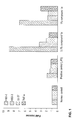
- the compound of the present invention promotes the secretion of human ⁇ -defensin-2 and LL-37 from cultured human-derived cells.
- An animal model with atopic dermatitis was constructed by coating the abdomens of 6-8 week aged nude mice with 5% oxazolone solution one time for percutaneous sensitization; after week, with 0.1% oxazolone solution every other day, six times, and 1% oxazolone solution every other day, four times. It has been reported that in the case of the animal model with atopic dermatitis using oxazolone, antimicrobial peptides were reduced in the skin ( Man M-Q, Hatano Y, Lee SH, et al. Characterization of a hepten-induced, murine model with multiple features of atopic dermatitis: structural, immunologic, and biochemical changes following single versus multiple oxazolone challenges.
- the new compound synthesized according to Example 1 was coated for four days, and then skin tissue biopsy was conducted to form a paraffin block.
- the tissue was allowed to adhere on the slide by using a paraffin cutter.
- 500 ⁇ l of a peroxides blocking reagent was loaded, the reaction was carried out for 30 minutes. Washing with PBS solvent was carried out three times at a time interval of 5 minutes.
- 500 ⁇ l of a peroxide blocking reagent was loaded, the reaction was carried out for 15 minutes.
- the first goat anti-mouse CRAMP was allowed to react at 25°C for 30 minutes.
- the reaction using donkey anti-goat IgG-HRP as an antibody was carried out at 25°C for 30 minutes.
- the reaction using DAB as a color forming agent was carried out for 10 minutes.
- PCNA proliferating cell nuclear antigen
- the new compound of the present invention has superior inflammatory efficacy and significantly promotes improvement and recovery of skin barrier.
- HaCaT human keratinocyte
- the human keratinocyte was cultured in a 5% CO2 incubator at 37°C.
- the cells were seeded in each well of a 96-well plate at 2.5 ⁇ 10 4 cells/well, and then cultured for 48 hours.
- the cells were further cultured for 24 hours by using a medium without serum.
- the new material synthesized by the example was added at different concentrations thereof, and then the reaction was carried out for 24 hours. After four hours after the color forming reagent was put, apoptosis was measured at an absorbance of 590nm. The obtained results are shown in FIG. 7 .
- the present invention is based on the finding of an industrially applicable novel compound capable of inducing direct or indirect expression of human ⁇ -defensin-2 and -3 and LL-37, which are human antimicrobial peptides, a method for preparing the same, and a composition comprising the same as an active ingredient.
Landscapes
- Chemical & Material Sciences (AREA)
- Organic Chemistry (AREA)
- Health & Medical Sciences (AREA)
- Animal Behavior & Ethology (AREA)
- Veterinary Medicine (AREA)
- Public Health (AREA)
- Medicinal Chemistry (AREA)
- General Health & Medical Sciences (AREA)
- Pharmacology & Pharmacy (AREA)
- Life Sciences & Earth Sciences (AREA)
- Chemical Kinetics & Catalysis (AREA)
- Emergency Medicine (AREA)
- Epidemiology (AREA)
- Nuclear Medicine, Radiotherapy & Molecular Imaging (AREA)
- General Chemical & Material Sciences (AREA)
- Oncology (AREA)
- Communicable Diseases (AREA)
- Medicines That Contain Protein Lipid Enzymes And Other Medicines (AREA)
- Acyclic And Carbocyclic Compounds In Medicinal Compositions (AREA)
- Organic Low-Molecular-Weight Compounds And Preparation Thereof (AREA)
- Medicinal Preparation (AREA)
- Peptides Or Proteins (AREA)
Description
- The following disclosure relates to a composition for use in the treatment of syndromes resulting from infection by foreign antigens.
- Antimicrobial peptides are natural antimicrobial materials involved in innate immunity mechanisms in vivo, and low-molecular weight peptide materials that retain antimicrobial activities against various microorganisms including bacteria, fungi, and viruses and induce local biophylaxis and systemic immune response. The antimicrobial peptide generally has an amphipathic structure, and according to antimicrobial mechanism thereof, a cation part thereof binds to an anionic phospholipid included in a cell membrane of the microorganism to break the cell membrane of the microorganism.
- Defensins are one of the antimicrobial peptides that have been most studied, and are largely classified into α -defensin and β -defensin depending on structural characteristics thereof. β -defensin is a peptide material that is expressed in mucous epithelium such as skin, lungs, organs, kidneys, reproductive organs, etc. Until now, 6 sorts of human β -defensins, human β -defensin-1 (hBD-1), human β -defensin-2 (hBD-2), human β -defensin-3 (hBD-3), human β -defensin-4 (hBD-4), human β -defensin-5 (hBD-5), and human β -defensin-6 (hBD-6) have been separated and identified. In particular, while hBD-1 is uniformly expressed in epidemic cells, hBD-2 is increasingly expressed at an infected region or a physically damaged region and has been known to play an important role in controlling a systemic immune response and an inflammatory response. In addition, it has been recently reported that hBD-3 is very highly expressed at skin lesion regions of psoriasis patients. In recent years, it has been recently known that β -defensin are involved in not only local phylaxis but also acquired immunity resulting from chemotactic migration of dendritic cells, T lymphocytes, monocytes, etc.
- Cathelicidins have extensive antimicrobial activities and various immunomodulatory functions. LL-37, one of the human cathelicidin degradation products, has a □-helix structure, and has extensive antimicrobial activities and inflammation modulatory functions in vivo. In other words, LL-37 exhibits direct antimicrobial activities against bacteria, fungi, viruses, etc., and chemotaxis forneutrophil, mononuclear cells, and T cells, and induces proliferation of endotheliocyte. In particular, LL-37 existing in the skin does prompt defense at the time of penetration of foreign antigens, and thus has antigen inhibitory functions (Braff MH, Bardan A, Nizet V, et al. Cutaneous defense mechanisms by antimicrobial peptides. J Invest Dermatol (2005) 125, 9).
- When physical damage or infection occurs in the skin, defensin and LL-37, which are antimicrobial peptides, are secreted to induce antimicrobial activity and a systemic immune response, and particularly induce differentiation and proliferation of epidermal keratinocytes, to thereby be involved in wound healing (Niyonsaba F, Ushio H, Nakano N, et al. Antimicrobial peptides human β -defensins promote epidermal keratinocyte migration, proliferation and production of proinflammatory cytokines and chemokines. J Invest Dermatol (2007) 127, 594). Also, study results have been recently reported that expression of β -defensin-2, LL-37, etc., which are antimicrobial peptides, decreased in the skin of patients with atopic dermatitis, which is a cause of high sensitivity to staphylococcus (Ong PY, et al. Endogenous Antimicrobial Peptides and Skin Infections in Atopic Dermatitis. The England Journal of Medicine (2002) 347, 1151-1160).
- Therefore, the antimicrobial peptides play important roles in primary defense and treatment against foreign sources of infection. In particular, the antimicrobial peptides is expression-induced in the skin, thereby primarily inhibiting infection of the skin and blocking penetration of foreign sources of infection by promoting the recovery of the damaged region, and thus, play important roles in protection of skin and maintenance of skin health.
- The related art reported materials promoting the secretion of antimicrobial peptides in vivo.
Korean Patent Laid-Open Publication No. 10-2006-0076775 WO 0168085 WO 00/40217 A1 - The present inventors synthesized various materials in order to produce new materials for promoting antimicrobial peptides for a long time, and conducted experiments for activities thereof. As a result, the present inventors synthesized new compounds having excellent effects in promoting the secretion of human β - defensins and LL-37 in vivo, and completed the present invention.
- A new compound for promoting secretion of human antimicrobial peptide in vivo has been found.
- Also, a method for preparing the new compound for promoting secretion of human antimicrobial peptides in vivo has been found.
- The present invention is directed to providing a composition including the new compound for promoting secretion of human antimicrobial peptides in vivo as an active ingredient.
- In one general aspect, there is provided a new compound for promoting secretion of human antimicrovial peptides in vivio represented by Chemical Formula (Ia) below.

- In another general aspect, there is provided a method for preparing a new compound for promoting secretion antimicrobial peptide in vivo, including:
- (A) dissolving a compound of Chemical Formula (II) or hydrochloride thereof in an organic solvent in the presence of organic base; and
- (B) adding a compound of Chemical Formula (III) thereto at a reaction temperature of 0 °C∼5°C, followed by stirring.
-

-

- In still another general aspect, there is provided a composition for promoting secretion of antimicrobial peptides in vivo, the composition including the new compound of Chemical Formula (Ia) as an active ingredient.
- Here, as the active ingredient, the compound of Chemical Formula (Ia) may be contained at 0.001-90 wt%, and more preferably 0.001~50 wt%, in the composition.
- Here, the formulation type of the composition may not be particularly limited as long as it is applicable for the human body including mucous membranes, such as, skin, respiratory tract, oral cavity, nasal cavity, or the like, as a local administration agent, and the composition may be prepared in a liquid phase, an emulsion phase, a suspension phase, a cream phase, an ointment phase, a gel phase, a jelly phase, or a spray phase.
- Here, the formulation type of the composition may not be particularly limited as long as it is applicable for the human body as a systemic administration, and the composition may be prepared as an oral administration, an injection, or the like.
- As set forth above, since the human antimicrobial peptides, defensin and LL-37, have prompt antimicrobial activities and are secreted in various tissues and organs of the body, including skin, the new compound of the present invention for promoting secretion of defensin and LL-37 and the composition including the same were administered for external use or for internal use, thereby exhibiting effective antimicrobial activities on various regions of the body while overcoming restricted administration paths, generation of antibiotic bacteria, safety problems, and the like, of the existing antimicrobial agents.
- The material for promoting secretion of human defensin and LL-37 in vivo of the present invention can induce the promotion of secretion of β -defensin-2 and LL-37 in vivo at the applied region thereof, and thus enhance antimicrobial activities and immune functions, thereby improving bio-defense response. Therefore, the material for promoting secretion of antimicrobial peptides of the present invention is effective in prediction and treatment of syndromes resulting from infection by foreign antigens, such as bacteria, fungi, and viruses. In particular, the present invention induces an increase in antimicrobial peptides at a lesion region of atopic dermatitis where the antimicrobial peptides are reduced, and thus can obtain effective advantages in suppressing infection of the skin.
-
-
FIG. 1 is a graph showing expression degrees of human antimicrobial peptides, hBD-2 and LL-37 in vivo, by a compound of the present invention; -
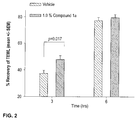
FIG. 2 is a graph showing skin barrier recovery capability in the mouse coated with the compound of the present invention; -
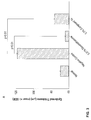
FIG. 3 is a graph showing anti-inflammatory efficacy of the compound of the present invention in an animal model with atopic dermatitis; -
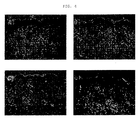
FIG. 4 is an image showing expression degrees of mouse antimicrobial peptide, CRAMP, which has a similar structure to human antimicrobial peptide, LL-37, in the corneum of the skin, when the compound of the present invention is coated on an atopic animal model; -
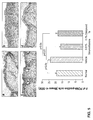
FIG. 5 is an image showing proliferation degrees of cells in the epidemic layer when the compound of the present invention is coated on an atopic animal model; -
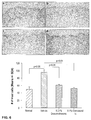
FIG. 6 is a graph showing mast cells when the compound of the present invention is coated on an atopic animal model; and -
FIG. 7 is a graph showing cytotoxicity of the compound of the present invention. - Hereinafter, a new compound for promoting secretion of human antimicrobial peptides in vivo will be described in detail.
- A new compound for promoting secretion of human antimicrobial peptides in vivo has a structure of Chemical Formula

- The compound of Chemical Formula (Ia) is prepared by the following method.
- The compound of Chemical Formula (Ia) may be prepared by including: dissolving a compound of Chemical Formula (II) or hydrochloride thereof in an organic solvent in the presence of organic base; adding a compound of Chemical Formula (III) thereto at a reaction temperature of 0 °C∼5 C, followed by stirring; and extracting, drying, and filtering the reacted material.
-

- [Wherein, in Chemical Formula (II), R2 is methyl.]
-

- [Wherein in Chemical Formula (II), R1 is C5 straight chain alkyl.]
- In the above reaction, the organic base is preferably selected from the group consisting of triethyl amine, diethyl amine, trimethyl amine, and dimethyl amine, and more preferable is trimethyl amine. In addition, the organic solvent used in the reaction is preferably selected from the group consisting of dichloro methane, N,N-dimethyl formamide, chloroform, acetonitrile, and acetone, and more preferable is dichloromethane. In the reaction, the step (B) is preferably carried out by stirring for 3-4 hours at 0 °C.
- The compound of Chemical Formula (Ia) as a representative compound of the compound of Chemical Formula (I) may be prepared as shown in the Reaction Scheme below.

- Dichloro methane (DCM) is added to (L)-tyrosine methyl ester HCl salt, and triethyl amine (TEA) is added thereto, thereby dissolving HCl salt. The reactor is temperature-lowered to 0°C by using an ice bath, and hexanoyl chloride is slowly added, following by stirring for 3-4 hours. Water is added to the reacted material, followed by extraction with ethyl acetate. Drying over sodium sulfate followed by filtering is carried out. The solvent is removed from the filtrate by rotary evaporation, followed by solidification with hexane and ethyl acetate, thereby obtaining a white solid [Compound of Chemical Formula (Ia)].
- As the experiment results confirming whether the thus synthesized compound of Chemical Formula (Ia) simulates secretion of β -defensin and cathelicidin, it can be seen that the compound of the present invention promotes secretion of β -defensin-2 and LL-37 in human cells that are cultured.
- In addition, it can be confirmed that, by using the compound of Chemical Formula (Ia), expression of antimicrobial peptides is increased in the skin and anti-inflammatory efficacy and skin barrier function are improved as the result of application to an animal model with atopic dermatitis, and skin barrier recovery is significantly promoted as the result of experiments using an animal model with acute skin barrier disruption.
- Hereinafter, the present invention will be described through the following examples and experimental examples, but the present invention is not limited to these examples.
- 200 ml of dichloro methane (DCM) was added to (L)-tyrosine methyl ester HCl salt (23.16g, 0.1mol), and 28 ml of triethyl amine (TEA, 0.2 mol) was added thereto, thereby dissolving HCl salt. The reactor was temperature-lowered to 0°C by using an ice bath, and hexanoyl chloride (13.8ml, 0.1mol) was slowly added, following by stirring for 3∼4 hours. 200 ml of water was added to the reacted material, followed by extraction with 400 ml of ethyl acetate. Drying over sodium sulfate followed by filtering was carried out. The solvent was removed from the filtrate by rotary evaporation, followed by solidification with hexane and ethyl acetate, thereby obtaining a white solid (27.1g, 92.5% yield) [hereinafter, referred to as Compound la].
- mp : 96°C
NMR (400MHz CDCl3) 1H . 0.873 (3H, t, CH 3 CH2) , 1.261(4H, m, CH3 CH 2 CH 2 ), 1.584(2H, m, CH2CH2 CH 2 CH2CO) , 2.175(2H, t, CH2 CH 2 CO), 2.955∼3.118(2H, dd,dd, CHCH 2 Ph), 3.742(3H, s, OCH3), 4.883(1H, m, CH2 CH(NH)CO) , 5.922(1H,d, NH), 6.720(2H, d, CHC(OH)CH) , 6.933(2H, d, CH(CH2)CCH) - 200 ml of dichloro methane (DCM) was added to (L)-tyrosine methyl ester HCl salt (23.16g, 0.1mol), and 28 ml of triethyl amine (TEA, 0.2 mol) was added thereto, thereby dissolving HCl salt. The reactor was temperature-lowered to 0°C by using an ice bath, and 16.6 ml of octanoyl chloride (0.1mol) was slowly added, following by stirring for 3-4 hours. 200 ml of water was added to the reacted material, followed by extraction with 400 ml of ethyl acetate. Drying over sodium sulfate followed by filtering was carried out. The solvent was removed from the filtrate by rotary evaporation, followed by separation by column chromatograph using hexane and ethyl acetate (Hex:EA=2:1), thereby obtaining a white solid (30.1g, 93.3% yield).
- mp : 76°C
NMR (400MHz CDCl3) 1H : 0.881(3H,t, CH 3 CH2) , 1.262 (8H, m, CH3 CH 2 CH 2 CH 2 CH 2 ) , 1.581(2H, m, CH2 CH 2 CH2CO), 2.177(2H, t, CH2CH2CO), 2.960∼3. 111(2H, dd,dd, CHCH 2 Ph) , 3.740(3H, s, OCH3), 4.888(1H, m, CH2 CH(NH)CO) , 5.926(1H, d, NH), 6.725(2H, d, CHC(OH)CH), 6.931(2H, d, CH(CH2)CCH) - 300ml of dichloro methane (DCM) was added to (L)-tyrosine methyl ester HCl salt (23.16g, 0.1mol) and 28 ml of triethyl amine (TEA, 0.2 mol) was added thereto, thereby dissolving HCl salt. The reactor was temperature-lowered to 0°C by using an ice bath, and 21.88g of dodecanoyl chloride (0.1mol) was slowly added, following by stirring for 3-4 hours. 200 ml of water was added to the reacted material, followed by extraction with 500ml of ethyl acetate. Drying over sodium sulfate followed by filtering was carried out. The solvent was removed from the filtrate by rotary evaporation, followed by separation by column chromatograph using hexane and ethyl acetate (Hex:EA=2:1), thereby obtaining a white solid (34.2g, 90.5% yield).
- mp : 89°C
NMR (400MHz CDCl3) 1H : 0.881(3H, t, CH 3 CH2), 1.262(16H, m, CH3 (CH 2 ) 8 ), 1.581(2H, m, CH2 CH 2 CH2CO), 2.177(2H, t, CH2 CH 2 CO), 2.960∼3.111(2H, dd,dd, CHCH 2 Ph), 3.740(3H, s, OCH3), 4.888(1H, m, CH2 CH(NH)CO) , 5.926(1H, d, NH), 6.725(2H, d, CHC(OH)CH), 6.931(2H, d, CH(CH2)CCH) - 300ml of dichloro methane (DCM) was added to (L)-tyrosine methyl ester HCl salt (23.16g, 0.1mol), and 28 ml of triethyl amine (TEA, 0.2 mol) was added thereto, thereby dissolving HCl salt. The reactor was temperature-lowered to 0°C by using an ice bath, and 27.49g of palmitoyl chloride (0.1mol) was slowly added, following by stirring for 3-4 hours. 200 ml of water was added to the reacted material, followed by extraction with 500ml of ethyl acetate. Drying over sodium sulfate followed by filtering was carried out. The solvent was removed from the filtrate by rotary evaporation, followed by solidification with hexane and ethyl acetate, thereby obtaining a white solid (39.4g, 90.8% yield).
- mp : 100°C
NMR (400MHz CDCl3) 1H : 0.881(3H, t, CH 3 CH2), 1.262 (24H, m, CH3 (CH 2 ) 12 ), 1.581(2H,m, CH2 CH 2 CH2CO), 2.177(2H, t, CH2 CH 2 CO), 2.960∼3.111(2H, dd,dd, CHCH 2 Ph), 3.740(3H,s, OCH3), 4.888(1H,m, CH2 CH(NH)CO), 5.926(1H, d, NH), 6.725(2H,d, CHC(OH)CH), 6.931(2H,d, CH(CH2)CCH) - 200ml of dichloro methane (DCM) was added to (L)-tyrosine methyl ester HCl salt (23.16g, 0.1mol), and 28 ml of triethyl amine (TEA, 0.2 mol) was added thereto, thereby dissolving HCl salt. The reactor was temperature-lowered to 0°C by using an ice bath, and 15.46g of phenylacetyl chloride (0.1mol) was slowly added, following by stirring for 3∼4 hours. 200 ml of water was added to the reacted material, followed by extraction with 400 ml of ethyl acetate. Drying over sodium sulfate followed by filtering was carried out. The solvent was removed from the filtrate by rotary evaporation, followed by solidification with hexane and ethyl acetate, thereby obtaining a white solid (27.7g, 88.1% yield).
- mp : 101°C
NMR (400MHz CDCl3) 1H. 2.852∼3.032(2H, dd,dd, CHCH 2 Ph), 3.554(2H, s, PhCH 2 CO) 3.709(3H, s, OCH 3 ), 4. 837 (1H, m, CH 2 CH(NH)CO), 5.917(1H, d, NH), 6.628(2H, d, CHC(OH)CH), 6.724(2H, d, CH(CH2)CCH), 7.155-7.348 (5H, m, PhCH2) - A cream formulation having the following composition was produced by a general method for forming cream.
Table 1 Function Ingredient Weight (%) Aqueous Phase Antiseptic Methyl paraben 0.2 Polymer xanthan gum 0.1 Moisturizer Glycerine 8.0 Purified Water Water 74.0 Oil Phase Fatty Acid Stearic acid 2.0 Higher Alcohol Cetanol 2.0 Wax Bees wax 2.0 Surfactant POE(15) GMS 2.5 Surfactant POE(10) GMS 1.0 Surfactant GMS 1.5 Oil Macademia nut oil 3.0 Oil Squalane 3.0 Antiseptic Propyl paraben 0.1 Active ingredient Synthesized Material of Example 1 ( Compound 1a)0.5 Additive Spice Fragrance 0.1 - It was confirmed that cream produced from Example 6 had excellent storage stability and feeling of use.
- In order to assess promotion of antimicrobial peptide secretion by using Compound la of Example 1, in vitro experiments were conducted.
- A medium containing 1% penicillin/streptomycin but not serum was used to culture human keratinocyte (HaCaT). The human keratinocyte was cultured in a 5% CO2 incubator at 37°C. The cells were seeded in each well of a 6-well plate at 3×10⁵ cells/well, and then cultured for 48 hours. 1.7 mM calcium chloride and the new material synthesized from Example 1 were added thereto, and the cells were allowed to culture for 24 hours.
- For assessment, at least one untreated control and at least one positive control were used together. 2.5ng/mL of lipopolysaccharides (LPS), which is known to promote expression of hBD-2 and LL-37, was used as the positive control, and was allowed to react. After the reaction was completed, a supernatant was collected, and then the cells were washed with phosphate buffer saline (PBS) and collected by using a trypsin-EDTA solution, and stored in a tube. 1 ml of a triazole reagent was added to extract mRNA. After reaction for 15 seconds at room temperature, 200 µℓ of chloroform was added. Centrifugal separation at 13,000 rpm was carried out for 10 minutes. The supernatant was transferred into another tube, and then 500µℓ of isopropanol was added thereto, followed by centrifugal separation at 13,000 rpm for 10 minutes. The precipitated RNA wash washed by using 70% ethanol. After washing was carried out two times, RNA was dissolved by using distilled water at the time of the third washing. The diluted RNA was analyzed at a wavelength between 260nm and 280nm, and quantitated.
- The thus obtained RNA was subjected to RT-PCR procedure to obtain PCR results. For the RT-PCR, 2µℓ of MgCl2, 1µℓ of RT buffer, 1µℓ of dNTP mix, 0.25µℓ of Rnase inhibitor, 0.5µℓ of RTase, 0.5µℓ of oligo dT, 3.75µℓ of distilled water, and 2µℓ of RNA were placed in the tube, and then were allowed to react. The RT-PCR conditions were 45°C for 1 hour and 95°C for 5 minutes. PCR was carried out for qualitative analysis on GAPDH, hBD-2 and -3, and LL-37. The used primers were obtained from the following documents (Kim JE, Kim BJ, Jeong MS, et al, Expression and Modulation of LL-37 in Normal Human Keratinocytes HaCaT Cells and Inflammatory Skin Diseases. J Korean Med Sci (2005) 20, 649; Pernet I, Reymermier C, Guezennec A, et al, Calcium triggers beta-defensin (hBD-2 and hBD-3) and chemokine macrophage inflammatory protein-3 alpha (MIP-3alpha/CCL20) expression in monolayers of activated human keratinocytes. Exp Dermatol (2003) 12, 755).
- The used primers are as follows.
- GAPDH sense: 5'- GGG CAT GAA CCA TGA GAA GT -3'
- GAPDH antisense: 5'-GTC TTC TGG GTG GCA GTG AT -3'
- hBD-2 sense: 5'- CCA GCC ATC AGC CAT GAG GGT-3'
- hBD-2 antisense: 5'-GGA GCC CTT TCT GAA TCC GCA-3'
- hBD-3 sense: 5'-TTC CAG GTC ATG GAG GAA TC -3'
- hBD-3 antisense: 5'-GAG CAC TTG CCG ATC TGT TC -3'
- TNF-α sense: 5'- GAG AAG GGT GAC CGA CTC AG -3'
- TNF-α antisense: 5'- ATG TTC GTC CTC CTC ACA GG -3'
- LL-37 sense: 5'-TCG GAT GCT AAC CTC TAC CG-3'
- LL-37 antisense: 5'-GGG TAC AAG ATT CCG CAA AA-3'
- 12.5µℓ of PCR premix, 2µℓ of primer sense (10uM), 2µℓ of primer antisense (10uM) , 1.5µℓ of cDNA, and 7µℓ of distilled water were inputted, and then PCR was carried out. PCR conditions of hBD-2 and -3 were 30 cycles of 94°C for 30 seconds, 59°C for 30 seconds, and 72°C for 30 seconds, and then 72°C for 10 minutes. PCR conditions of LL-37 were 30 cycles of 94°C for 30 seconds, 60°C for 30 seconds, and 72°C for 30 seconds, and then 72°C for 10 minutes. After amplification, the final products were mixed together, the final solution was loaded on an agaros gel containing a nucleic acid insertion visible under UV (such as, ethidium bromide), which is gelled at 1.5%. The sample was migrated and then read out under UV in a dark room, and digitally photographed. Photos of the gel were analyzed by image processing software which quantifies the band intensities. As basal levels of defensin and LL-37 expression (untreated control) were not detectable, antimicrobial peptide expression was detectable by using intensity ratios of the hBD-2/GAPDH, hBD-3/GAPDH, and LL-37/GAPDH bands in the positive control and sample-treated groups. Real-time PCR was carried out in order to more clarify these results. 5µℓ of Sybergreen, 2µℓ of primer sense (10uM) , 2µℓ of primer antisense (10uM) , 1µℓ of cDNA, and 1µℓ of distilled water were inputted, and then the real-time PCR was carried out.
- The results are shown in
FIG. 1 . As can be seen inFIG. 1 , it can be seen that the compound of the present invention promotes the secretion of human β-defensin-2 and LL-37 from cultured human-derived cells. - Skin barriers of nude mice were acutely damaged, and then effects of the new material represented in Example 1 on recovery of acute skin barriers were assessed. D-Squame was used to induce skin barrier damage to left and right back regions of 6-8 week aged nude mice. Here, all the experimental groups were maintained to have no difference in trans epidermal water loss (TEWL) through measurement of the trans epidermal water loss (TEWL), and then vehicle (PEG:EtOH=7:3) and the new material represented in the example were coated thereon. The trans epidermal water loss (TEWL) was measured at the time of 0h, 3h, 6h, and 24h to confirm recovery of the skin barrier, and skin biopsies were conducted at the respective time, to thereby implement histological examination and other examinations.
- The results are shown in
FIG. 2 . It can be confirmed from the results ofFIG. 2 that the new compound of the present invention show significant results on the recovery of skin barrier damage. - An animal model with atopic dermatitis was constructed by coating the abdomens of 6-8 week aged nude mice with 5% oxazolone solution one time for percutaneous sensitization; after week, with 0.1% oxazolone solution every other day, six times, and 1% oxazolone solution every other day, four times. It has been reported that in the case of the animal model with atopic dermatitis using oxazolone, antimicrobial peptides were reduced in the skin (Man M-Q, Hatano Y, Lee SH, et al. Characterization of a hepten-induced, murine model with multiple features of atopic dermatitis: structural, immunologic, and biochemical changes following single versus multiple oxazolone challenges. J Invest Dermatol (2008) 128, 79-86). The skin of the animal model with atopic dermatitis constructed as above was coated with vehicle (PEG:EtOH=7:3) and Compound la of Example 1 diluted with the vehicle at a concentration of 0.1% once in the morning and in the afternoon for a total of four days. On the last day, thickness of the skin was measured. Corticosteroid based drug, Dexamethasone, which is an effective anti-inflammatory agent, was used as a positive control.
- The obtained results are shown in
FIG. 3 . These results confirmed that the new material synthesized according to the example had an inflammatory effect in the animal model with atopic dermatitis. - The new compound synthesized according to Example 1 was coated for four days, and then skin tissue biopsy was conducted to form a paraffin block. The tissue was allowed to adhere on the slide by using a paraffin cutter. After 500µℓ of a peroxides blocking reagent was loaded, the reaction was carried out for 30 minutes. Washing with PBS solvent was carried out three times at a time interval of 5 minutes. After 500µℓ of a peroxide blocking reagent was loaded, the reaction was carried out for 15 minutes. The first goat anti-mouse CRAMP was allowed to react at 25°C for 30 minutes. The reaction using donkey anti-goat IgG-HRP as an antibody was carried out at 25°C for 30 minutes. The reaction using DAB as a color forming agent was carried out for 10 minutes. After the reaction was completed, expression of CRAMP in the corneum of the skin was measured through a microscope. The obtained results were tabulated in Table 4. A), B), C), and D) of
FIG. 4 show Normal, Negative control, 0.01% Dexamethasone, and 0.1% Compound 1a, respectively. - Another slide was used to measure proliferating cell nuclear antigen (PCNA). After 500µℓ of a peroxides blocking reagent was loaded, the reaction was carried out for 30 minutes. Washing with PBS solvent was carried out three times at a time interval of 5 minutes. After 500µℓ of a peroxides blocking reagent was loaded, the reaction was carried out for 15 minutes. The first rabbit anti-mouse PCNA was allowed to react out at 25°C for 30 minutes. The reaction using donkey anti-rabbit IgG-HRP as an antibody was carried out at 25°C for 30 minutes. The reaction using DAB as a color forming agent was carried out for 10 minutes. After the reaction was completed, proliferation of skin cells in the epidermis layer of the skin was measured through a microscope. The obtained results are shown in
FIG. 5 . - Another slide was used to measure mast cells. After paraffin was removed from the slide, the reaction in the potassium permanganate solution was carried out for 2 minutes. The slide was washed by using distilled water. The reaction in the potassium metabisulphite solution was carried out for 1 minute. The slide was washed by using distilled water for 3 minutes. The reaction in the acidified toluidine blue solution was carried out for 5 minutes. The slide was washed by using distilled water. After the reaction was completed, mast cells of the skin were measured through a microscope. The obtained results are shown in
FIG. 6 . - It can be seen from the above test results that the new compound of the present invention has superior inflammatory efficacy and significantly promotes improvement and recovery of skin barrier.
- A medium containing 1% penicillin/streptomycin but not serum was used to culture human keratinocyte (HaCaT). The human keratinocyte was cultured in a 5% CO2 incubator at 37°C. The cells were seeded in each well of a 96-well plate at 2.5×10⁴ cells/well, and then cultured for 48 hours. The cells were further cultured for 24 hours by using a medium without serum. On the next day, the new material synthesized by the example was added at different concentrations thereof, and then the reaction was carried out for 24 hours. After four hours after the color forming reagent was put, apoptosis was measured at an absorbance of 590nm. The obtained results are shown in
FIG. 7 . - It can be seen from the above test results that the new compound of the present invention has also no problems in view of stability.
- The present invention is based on the finding of an industrially applicable novel compound capable of inducing direct or indirect expression of human β -defensin-2 and -3 and LL-37, which are human antimicrobial peptides, a method for preparing the same, and a composition comprising the same as an active ingredient.
Claims (4)
- A composition for use in the treatment of syndromes resulting from infection by foreign antigens, such as bacteria, fungi and viruses, the composition promoting secretion of antimicrobial peptides in vivo, the composition comprising a compound of Chemical Formula (Ia) below as an active ingredient:

- The composition of claim 1, wherein the compound as an active ingredient is contained at 0.001~90 wt%.
- The composition of claim 1, wherein the composition is a formulation selected from the group consisting of a liquid phase, an emulsion phase, a suspension phase, a cream phase, an ointment phase, a gel phase, a jelly phase, and a spray phase.
- The composition of claim 1, wherein the composition is a formulation selected from the group consisting of a tablet, a liquid, a powder, and an injection.
Applications Claiming Priority (1)
| Application Number | Priority Date | Filing Date | Title |
|---|---|---|---|
| PCT/KR2010/005759 WO2012026639A1 (en) | 2010-08-27 | 2010-08-27 | Novel compound accelerating secretion of human-derived anti-microbial peptide, method for preparing same, and composition having same as active ingredient |
Publications (3)
| Publication Number | Publication Date |
|---|---|
| EP2617707A1 EP2617707A1 (en) | 2013-07-24 |
| EP2617707A4 EP2617707A4 (en) | 2014-10-01 |
| EP2617707B1 true EP2617707B1 (en) | 2016-10-05 |
Family
ID=45723622
Family Applications (1)
| Application Number | Title | Priority Date | Filing Date |
|---|---|---|---|
| EP10856464.2A Active EP2617707B1 (en) | 2010-08-27 | 2010-08-27 | Novel compound accelerating secretion of human-derived anti-microbial peptide, method for preparing same, and composition having same as active ingredient |
Country Status (11)
| Country | Link |
|---|---|
| US (1) | US8809390B2 (en) |
| EP (1) | EP2617707B1 (en) |
| JP (1) | JP5616529B2 (en) |
| CN (1) | CN103221383B (en) |
| BR (1) | BR112013004676B1 (en) |
| DK (1) | DK2617707T3 (en) |
| ES (1) | ES2610205T3 (en) |
| MX (1) | MX342004B (en) |
| PL (1) | PL2617707T3 (en) |
| SG (1) | SG187666A1 (en) |
| WO (1) | WO2012026639A1 (en) |
Families Citing this family (2)
| Publication number | Priority date | Publication date | Assignee | Title |
|---|---|---|---|---|
| JPWO2016035804A1 (en) * | 2014-09-02 | 2017-07-20 | 東レ株式会社 | Treatment or prevention agent for pruritic skin diseases |
| CA3200496A1 (en) * | 2020-12-03 | 2022-06-09 | Unilever Global Ip Limited | Hydroxystearic acid for inducing generation of antimicrobial peptides |
Family Cites Families (19)
| Publication number | Priority date | Publication date | Assignee | Title |
|---|---|---|---|---|
| CH671514A5 (en) * | 1986-12-03 | 1989-09-15 | Induchem Ag | |
| JPH06227958A (en) * | 1993-01-28 | 1994-08-16 | Kao Corp | External skin preparation |
| CA2329821A1 (en) * | 1998-04-27 | 1999-11-04 | Dashyant Dhanak | Ccr-3 receptor antagonists |
| US6159485A (en) * | 1999-01-08 | 2000-12-12 | Yugenic Limited Partnership | N-acetyl aldosamines, n-acetylamino acids and related n-acetyl compounds and their topical use |
| AU2001245726A1 (en) | 2000-03-15 | 2001-09-24 | Genaera Corporation | A method for stimulation of defensin production |
| US20040235745A1 (en) * | 2001-06-22 | 2004-11-25 | Deber Charles M | Antimicrobial Peptides |
| JP4142362B2 (en) * | 2002-07-19 | 2008-09-03 | ジーイー・メディカル・システムズ・グローバル・テクノロジー・カンパニー・エルエルシー | Method and apparatus for evaluating low absorption area of lung |
| JP2004059498A (en) * | 2002-07-29 | 2004-02-26 | Atsushi Numata | Protein kinase inhibitors and gymnastatin derivatives |
| US20050019356A1 (en) * | 2003-07-25 | 2005-01-27 | The Procter & Gamble Company | Regulation of mammalian keratinous tissue using N-acyl amino acid compositions |
| US20070093416A1 (en) | 2003-09-19 | 2007-04-26 | Sachiyo Igarashi | Human beta-defensin secretion promoter |
| US20060211754A1 (en) * | 2005-03-16 | 2006-09-21 | Yu Ruey J | Compositions comprising N-propanoyl derivatives of amino acids, aminocarbohydrates and derivatives thereof |
| RU2309144C2 (en) * | 2005-03-25 | 2007-10-27 | Общество С Ограниченной Ответственностью "Фарминтерпрайсез" | Phenyl-containing n-acylamine derivatives, method for production thereof, pharmaceutical composition and uses thereof as anti-inflammatory and analgesic agents |
| WO2007047244A2 (en) * | 2005-10-12 | 2007-04-26 | Bezwada Biomedical Llc | Functionalized amino acids and absorbable polymers therefrom |
| ITMI20071914A1 (en) * | 2007-10-04 | 2009-04-05 | Sinerga S P A | COSMETIC AND DERMOPHARMACEUTICAL COMPOSITIONS FOR THE RECONSTRUCTION AND PREVENTION OF THE DISORDERS OF THE SKIN BARRIER. |
| US8378100B2 (en) * | 2008-01-09 | 2013-02-19 | University Of Virginia Patent Foundation | Phosphonate derivatives as autotaxin inhibitors |
| FR2926996B1 (en) * | 2008-01-31 | 2013-06-21 | Ethypharm Sa | PHARMACEUTICAL COMPOSITION WITH GELIFYING PROPERTIES CONTAINING A TYROSINE DERIVATIVE |
| KR101489638B1 (en) * | 2008-04-01 | 2015-02-11 | (주)네오팜 | Human antimicrobial peptides promoter, method for preparing thereof, and composition comprising the same as active ingredient |
| DE102008031556A1 (en) * | 2008-07-07 | 2009-04-30 | Henkel Ag & Co. Kgaa | Composition, useful e.g. as shampoo, hair coloring agent, lotion and gel or cream, comprises e.g. tyrosine and/or its derivative, protein hydrolysate, adenosine-triphosphate and a substance comprising riboflavin and lyxoflavin |
| KR101077667B1 (en) * | 2009-07-10 | 2011-10-27 | (주)네오팜 | Human antimicrobial peptides promoter, method for preparing thereof, and composition comprising the same as active ingredient |
-
2010
- 2010-08-27 PL PL10856464T patent/PL2617707T3/en unknown
- 2010-08-27 SG SG2013007711A patent/SG187666A1/en unknown
- 2010-08-27 ES ES10856464.2T patent/ES2610205T3/en active Active
- 2010-08-27 BR BR112013004676-7A patent/BR112013004676B1/en active IP Right Grant
- 2010-08-27 JP JP2013525796A patent/JP5616529B2/en active Active
- 2010-08-27 WO PCT/KR2010/005759 patent/WO2012026639A1/en not_active Ceased
- 2010-08-27 EP EP10856464.2A patent/EP2617707B1/en active Active
- 2010-08-27 DK DK10856464.2T patent/DK2617707T3/en active
- 2010-08-27 MX MX2013002202A patent/MX342004B/en active IP Right Grant
- 2010-08-27 CN CN201080068801.1A patent/CN103221383B/en active Active
-
2013
- 2013-02-27 US US13/779,080 patent/US8809390B2/en active Active
Also Published As
| Publication number | Publication date |
|---|---|
| JP5616529B2 (en) | 2014-10-29 |
| DK2617707T3 (en) | 2017-01-02 |
| US20130190397A1 (en) | 2013-07-25 |
| MX342004B (en) | 2016-09-09 |
| BR112013004676B1 (en) | 2019-10-29 |
| JP2013536221A (en) | 2013-09-19 |
| PL2617707T3 (en) | 2017-04-28 |
| BR112013004676A2 (en) | 2016-05-10 |
| SG187666A1 (en) | 2013-03-28 |
| CN103221383B (en) | 2016-04-20 |
| CN103221383A (en) | 2013-07-24 |
| EP2617707A1 (en) | 2013-07-24 |
| WO2012026639A1 (en) | 2012-03-01 |
| EP2617707A4 (en) | 2014-10-01 |
| ES2610205T3 (en) | 2017-04-26 |
| MX2013002202A (en) | 2013-06-28 |
| US8809390B2 (en) | 2014-08-19 |
Similar Documents
| Publication | Publication Date | Title |
|---|---|---|
| EP2982678B1 (en) | Novel phytospingosine-1-phosphate derivative, preparation method therefor, and composition for preventing and treating hair loss or for growing hair comprising same | |
| US12060379B2 (en) | Plasmalogen derivatives | |
| CN104968324A (en) | Dermal compositions containing unnatural hygroscopic amino acids | |
| KR20160040452A (en) | Substituted aromatic compounds for the treatment of pulmonary fibrosis, liver fibrosis, skin fibrosis and cardiac fibrosis | |
| US11802107B2 (en) | Compounds and methods of use | |
| KR101489638B1 (en) | Human antimicrobial peptides promoter, method for preparing thereof, and composition comprising the same as active ingredient | |
| US20190241498A1 (en) | Resveratrol esters | |
| US8809390B2 (en) | Compound accelerating secretion of human-derived anti-microbial peptide, method for preparing same, and composition having same as active ingredient | |
| KR101077667B1 (en) | Human antimicrobial peptides promoter, method for preparing thereof, and composition comprising the same as active ingredient | |
| WO2018164662A1 (en) | Resveratrol esters | |
| KR20100055734A (en) | Skin external composition for enhancing skin barrier or moisturizing skin containing 7,3',4'-trihydroxyisoflavone | |
| CN102812021A (en) | Ascorbic acid unsaturated fatty acid monoesters and diesters and their cosmetic applications | |
| WO2013085347A1 (en) | Novel phytosphingosine derivatives and cosmetic composition comprising same for preventing and improving inflammatory skin diseases and hyperkeratosis diseases | |
| KR20130063933A (en) | Novel phytosphingosine derivatives and composition for preventing and treating inflammatory skin diseases, autoimmune diseases and hyperkeratotic disorders | |
| CN114539092B (en) | Oat bran phenolic amide alkaloid, preparation method thereof and application thereof in preparation of antipruritic products | |
| US20190262300A1 (en) | Composition for preventing or treating psoriasis containing monoacetyl diacylglycerol compound | |
| CN1651395A (en) | Bornean fatty acid ester derivatives and preparations containing the derivatives | |
| JP5998211B2 (en) | Magnesium sucrose octasulfate, process for its preparation and its pharmaceutical and cosmetic use | |
| KR101828557B1 (en) | Pharmaceutical composition for preventing or treating autoimmune diseases comprising cedrol or derivatives thereof, or pharmaceutically acceptable salts thereof | |
| WO2005063688A1 (en) | Sphingolipid-rucinol derivatives and composition for skin external use containing the derivatives | |
| KR20210049223A (en) | Novel sesquiterpene derivatives and use thereof | |
| WO2016016582A1 (en) | Novel strombine salts and cosmetic use thereof | |
| KR20160061425A (en) | Icotinib-containing topical skin pharmaceutical composition and use thereof | |
| KR20100064952A (en) | 2-piperazino-4,5-disubstituted-1,3-thiazole derivatives, method thereof for preparation, therapeutic agent for antiinflammatory disease induced by spc activity containing the same |
Legal Events
| Date | Code | Title | Description |
|---|---|---|---|
| PUAI | Public reference made under article 153(3) epc to a published international application that has entered the european phase |
Free format text: ORIGINAL CODE: 0009012 |
|
| 17P | Request for examination filed |
Effective date: 20130211 |
|
| AK | Designated contracting states |
Kind code of ref document: A1 Designated state(s): AL AT BE BG CH CY CZ DE DK EE ES FI FR GB GR HR HU IE IS IT LI LT LU LV MC MK MT NL NO PL PT RO SE SI SK SM TR |
|
| DAX | Request for extension of the european patent (deleted) | ||
| REG | Reference to a national code |
Ref country code: DE Ref legal event code: R079 Ref document number: 602010037053 Country of ref document: DE Free format text: PREVIOUS MAIN CLASS: C07C0233460000 Ipc: C07C0233470000 |
|
| RIC1 | Information provided on ipc code assigned before grant |
Ipc: C07C 233/47 20060101AFI20140820BHEP Ipc: C07C 231/02 20060101ALI20140820BHEP Ipc: C07C 233/11 20060101ALI20140820BHEP Ipc: A61K 31/198 20060101ALI20140820BHEP |
|
| A4 | Supplementary search report drawn up and despatched |
Effective date: 20140828 |
|
| GRAP | Despatch of communication of intention to grant a patent |
Free format text: ORIGINAL CODE: EPIDOSNIGR1 |
|
| INTG | Intention to grant announced |
Effective date: 20160428 |
|
| GRAS | Grant fee paid |
Free format text: ORIGINAL CODE: EPIDOSNIGR3 |
|
| GRAA | (expected) grant |
Free format text: ORIGINAL CODE: 0009210 |
|
| AK | Designated contracting states |
Kind code of ref document: B1 Designated state(s): AL AT BE BG CH CY CZ DE DK EE ES FI FR GB GR HR HU IE IS IT LI LT LU LV MC MK MT NL NO PL PT RO SE SI SK SM TR |
|
| REG | Reference to a national code |
Ref country code: GB Ref legal event code: FG4D |
|
| REG | Reference to a national code |
Ref country code: CH Ref legal event code: EP |
|
| REG | Reference to a national code |
Ref country code: AT Ref legal event code: REF Ref document number: 834497 Country of ref document: AT Kind code of ref document: T Effective date: 20161015 |
|
| REG | Reference to a national code |
Ref country code: IE Ref legal event code: FG4D |
|
| REG | Reference to a national code |
Ref country code: DE Ref legal event code: R096 Ref document number: 602010037053 Country of ref document: DE |
|
| REG | Reference to a national code |
Ref country code: DK Ref legal event code: T3 Effective date: 20161222 |
|
| REG | Reference to a national code |
Ref country code: NL Ref legal event code: MP Effective date: 20161005 |
|
| REG | Reference to a national code |
Ref country code: LT Ref legal event code: MG4D |
|
| PG25 | Lapsed in a contracting state [announced via postgrant information from national office to epo] |
Ref country code: LV Free format text: LAPSE BECAUSE OF FAILURE TO SUBMIT A TRANSLATION OF THE DESCRIPTION OR TO PAY THE FEE WITHIN THE PRESCRIBED TIME-LIMIT Effective date: 20161005 |
|
| REG | Reference to a national code |
Ref country code: AT Ref legal event code: MK05 Ref document number: 834497 Country of ref document: AT Kind code of ref document: T Effective date: 20161005 |
|
| REG | Reference to a national code |
Ref country code: ES Ref legal event code: FG2A Ref document number: 2610205 Country of ref document: ES Kind code of ref document: T3 Effective date: 20170426 |
|
| PG25 | Lapsed in a contracting state [announced via postgrant information from national office to epo] |
Ref country code: GR Free format text: LAPSE BECAUSE OF FAILURE TO SUBMIT A TRANSLATION OF THE DESCRIPTION OR TO PAY THE FEE WITHIN THE PRESCRIBED TIME-LIMIT Effective date: 20170106 Ref country code: NO Free format text: LAPSE BECAUSE OF FAILURE TO SUBMIT A TRANSLATION OF THE DESCRIPTION OR TO PAY THE FEE WITHIN THE PRESCRIBED TIME-LIMIT Effective date: 20170105 Ref country code: LT Free format text: LAPSE BECAUSE OF FAILURE TO SUBMIT A TRANSLATION OF THE DESCRIPTION OR TO PAY THE FEE WITHIN THE PRESCRIBED TIME-LIMIT Effective date: 20161005 Ref country code: SE Free format text: LAPSE BECAUSE OF FAILURE TO SUBMIT A TRANSLATION OF THE DESCRIPTION OR TO PAY THE FEE WITHIN THE PRESCRIBED TIME-LIMIT Effective date: 20161005 |
|
| PG25 | Lapsed in a contracting state [announced via postgrant information from national office to epo] |
Ref country code: IS Free format text: LAPSE BECAUSE OF FAILURE TO SUBMIT A TRANSLATION OF THE DESCRIPTION OR TO PAY THE FEE WITHIN THE PRESCRIBED TIME-LIMIT Effective date: 20170205 Ref country code: BE Free format text: LAPSE BECAUSE OF FAILURE TO SUBMIT A TRANSLATION OF THE DESCRIPTION OR TO PAY THE FEE WITHIN THE PRESCRIBED TIME-LIMIT Effective date: 20161005 Ref country code: AT Free format text: LAPSE BECAUSE OF FAILURE TO SUBMIT A TRANSLATION OF THE DESCRIPTION OR TO PAY THE FEE WITHIN THE PRESCRIBED TIME-LIMIT Effective date: 20161005 Ref country code: HR Free format text: LAPSE BECAUSE OF FAILURE TO SUBMIT A TRANSLATION OF THE DESCRIPTION OR TO PAY THE FEE WITHIN THE PRESCRIBED TIME-LIMIT Effective date: 20161005 Ref country code: PT Free format text: LAPSE BECAUSE OF FAILURE TO SUBMIT A TRANSLATION OF THE DESCRIPTION OR TO PAY THE FEE WITHIN THE PRESCRIBED TIME-LIMIT Effective date: 20170206 Ref country code: NL Free format text: LAPSE BECAUSE OF FAILURE TO SUBMIT A TRANSLATION OF THE DESCRIPTION OR TO PAY THE FEE WITHIN THE PRESCRIBED TIME-LIMIT Effective date: 20161005 Ref country code: FI Free format text: LAPSE BECAUSE OF FAILURE TO SUBMIT A TRANSLATION OF THE DESCRIPTION OR TO PAY THE FEE WITHIN THE PRESCRIBED TIME-LIMIT Effective date: 20161005 |
|
| REG | Reference to a national code |
Ref country code: DE Ref legal event code: R097 Ref document number: 602010037053 Country of ref document: DE |
|
| REG | Reference to a national code |
Ref country code: FR Ref legal event code: PLFP Year of fee payment: 8 |
|
| PG25 | Lapsed in a contracting state [announced via postgrant information from national office to epo] |
Ref country code: EE Free format text: LAPSE BECAUSE OF FAILURE TO SUBMIT A TRANSLATION OF THE DESCRIPTION OR TO PAY THE FEE WITHIN THE PRESCRIBED TIME-LIMIT Effective date: 20161005 Ref country code: RO Free format text: LAPSE BECAUSE OF FAILURE TO SUBMIT A TRANSLATION OF THE DESCRIPTION OR TO PAY THE FEE WITHIN THE PRESCRIBED TIME-LIMIT Effective date: 20161005 Ref country code: SK Free format text: LAPSE BECAUSE OF FAILURE TO SUBMIT A TRANSLATION OF THE DESCRIPTION OR TO PAY THE FEE WITHIN THE PRESCRIBED TIME-LIMIT Effective date: 20161005 Ref country code: CZ Free format text: LAPSE BECAUSE OF FAILURE TO SUBMIT A TRANSLATION OF THE DESCRIPTION OR TO PAY THE FEE WITHIN THE PRESCRIBED TIME-LIMIT Effective date: 20161005 |
|
| PLBE | No opposition filed within time limit |
Free format text: ORIGINAL CODE: 0009261 |
|
| STAA | Information on the status of an ep patent application or granted ep patent |
Free format text: STATUS: NO OPPOSITION FILED WITHIN TIME LIMIT |
|
| PG25 | Lapsed in a contracting state [announced via postgrant information from national office to epo] |
Ref country code: SM Free format text: LAPSE BECAUSE OF FAILURE TO SUBMIT A TRANSLATION OF THE DESCRIPTION OR TO PAY THE FEE WITHIN THE PRESCRIBED TIME-LIMIT Effective date: 20161005 Ref country code: BG Free format text: LAPSE BECAUSE OF FAILURE TO SUBMIT A TRANSLATION OF THE DESCRIPTION OR TO PAY THE FEE WITHIN THE PRESCRIBED TIME-LIMIT Effective date: 20170105 |
|
| 26N | No opposition filed |
Effective date: 20170706 |
|
| PG25 | Lapsed in a contracting state [announced via postgrant information from national office to epo] |
Ref country code: SI Free format text: LAPSE BECAUSE OF FAILURE TO SUBMIT A TRANSLATION OF THE DESCRIPTION OR TO PAY THE FEE WITHIN THE PRESCRIBED TIME-LIMIT Effective date: 20161005 |
|
| REG | Reference to a national code |
Ref country code: CH Ref legal event code: PL |
|
| PG25 | Lapsed in a contracting state [announced via postgrant information from national office to epo] |
Ref country code: MC Free format text: LAPSE BECAUSE OF FAILURE TO SUBMIT A TRANSLATION OF THE DESCRIPTION OR TO PAY THE FEE WITHIN THE PRESCRIBED TIME-LIMIT Effective date: 20161005 |
|
| PG25 | Lapsed in a contracting state [announced via postgrant information from national office to epo] |
Ref country code: LI Free format text: LAPSE BECAUSE OF NON-PAYMENT OF DUE FEES Effective date: 20170831 Ref country code: CH Free format text: LAPSE BECAUSE OF NON-PAYMENT OF DUE FEES Effective date: 20170831 |
|
| REG | Reference to a national code |
Ref country code: IE Ref legal event code: MM4A |
|
| REG | Reference to a national code |
Ref country code: FR Ref legal event code: PLFP Year of fee payment: 9 |
|
| PG25 | Lapsed in a contracting state [announced via postgrant information from national office to epo] |
Ref country code: LU Free format text: LAPSE BECAUSE OF NON-PAYMENT OF DUE FEES Effective date: 20170827 |
|
| PG25 | Lapsed in a contracting state [announced via postgrant information from national office to epo] |
Ref country code: IE Free format text: LAPSE BECAUSE OF NON-PAYMENT OF DUE FEES Effective date: 20170827 |
|
| PG25 | Lapsed in a contracting state [announced via postgrant information from national office to epo] |
Ref country code: MT Free format text: LAPSE BECAUSE OF NON-PAYMENT OF DUE FEES Effective date: 20170827 |
|
| PG25 | Lapsed in a contracting state [announced via postgrant information from national office to epo] |
Ref country code: HU Free format text: LAPSE BECAUSE OF FAILURE TO SUBMIT A TRANSLATION OF THE DESCRIPTION OR TO PAY THE FEE WITHIN THE PRESCRIBED TIME-LIMIT; INVALID AB INITIO Effective date: 20100827 |
|
| PG25 | Lapsed in a contracting state [announced via postgrant information from national office to epo] |
Ref country code: CY Free format text: LAPSE BECAUSE OF NON-PAYMENT OF DUE FEES Effective date: 20161005 |
|
| PG25 | Lapsed in a contracting state [announced via postgrant information from national office to epo] |
Ref country code: MK Free format text: LAPSE BECAUSE OF FAILURE TO SUBMIT A TRANSLATION OF THE DESCRIPTION OR TO PAY THE FEE WITHIN THE PRESCRIBED TIME-LIMIT Effective date: 20161005 |
|
| PG25 | Lapsed in a contracting state [announced via postgrant information from national office to epo] |
Ref country code: TR Free format text: LAPSE BECAUSE OF FAILURE TO SUBMIT A TRANSLATION OF THE DESCRIPTION OR TO PAY THE FEE WITHIN THE PRESCRIBED TIME-LIMIT Effective date: 20161005 |
|
| PG25 | Lapsed in a contracting state [announced via postgrant information from national office to epo] |
Ref country code: AL Free format text: LAPSE BECAUSE OF FAILURE TO SUBMIT A TRANSLATION OF THE DESCRIPTION OR TO PAY THE FEE WITHIN THE PRESCRIBED TIME-LIMIT Effective date: 20161005 |
|
| PGFP | Annual fee paid to national office [announced via postgrant information from national office to epo] |
Ref country code: PL Payment date: 20250626 Year of fee payment: 16 |
|
| PGFP | Annual fee paid to national office [announced via postgrant information from national office to epo] |
Ref country code: GB Payment date: 20250624 Year of fee payment: 16 Ref country code: DK Payment date: 20250624 Year of fee payment: 16 |
|
| PGFP | Annual fee paid to national office [announced via postgrant information from national office to epo] |
Ref country code: FR Payment date: 20250624 Year of fee payment: 16 |
|
| PGFP | Annual fee paid to national office [announced via postgrant information from national office to epo] |
Ref country code: ES Payment date: 20250911 Year of fee payment: 16 |
|
| PGFP | Annual fee paid to national office [announced via postgrant information from national office to epo] |
Ref country code: DE Payment date: 20250624 Year of fee payment: 16 |
|
| PGFP | Annual fee paid to national office [announced via postgrant information from national office to epo] |
Ref country code: IT Payment date: 20250624 Year of fee payment: 16 |