EP2616065B1 - Glyco-substituted dihydroxy-chlorins and b-functionalized chlorins for anti-microbial photodynamic therapy - Google Patents
Glyco-substituted dihydroxy-chlorins and b-functionalized chlorins for anti-microbial photodynamic therapy Download PDFInfo
- Publication number
- EP2616065B1 EP2616065B1 EP11869827.3A EP11869827A EP2616065B1 EP 2616065 B1 EP2616065 B1 EP 2616065B1 EP 11869827 A EP11869827 A EP 11869827A EP 2616065 B1 EP2616065 B1 EP 2616065B1
- Authority
- EP
- European Patent Office
- Prior art keywords
- conjugate
- substituent
- para
- meta
- phenyl ring
- Prior art date
- Legal status (The legal status is an assumption and is not a legal conclusion. Google has not performed a legal analysis and makes no representation as to the accuracy of the status listed.)
- Active
Links
- 0 *C1=C(C(C2O)C=O)N=C2C(*)=C(C=C2)NC2=C(*)C(C=C2)=NC2=C(*)C2=CC[C@]1N2 Chemical compound *C1=C(C(C2O)C=O)N=C2C(*)=C(C=C2)NC2=C(*)C(C=C2)=NC2=C(*)C2=CC[C@]1N2 0.000 description 3
Images


Classifications
-
- A—HUMAN NECESSITIES
- A61—MEDICAL OR VETERINARY SCIENCE; HYGIENE
- A61K—PREPARATIONS FOR MEDICAL, DENTAL OR TOILETRY PURPOSES
- A61K31/00—Medicinal preparations containing organic active ingredients
- A61K31/185—Acids; Anhydrides, halides or salts thereof, e.g. sulfur acids, imidic, hydrazonic or hydroximic acids
-
- A—HUMAN NECESSITIES
- A61—MEDICAL OR VETERINARY SCIENCE; HYGIENE
- A61K—PREPARATIONS FOR MEDICAL, DENTAL OR TOILETRY PURPOSES
- A61K31/00—Medicinal preparations containing organic active ingredients
- A61K31/185—Acids; Anhydrides, halides or salts thereof, e.g. sulfur acids, imidic, hydrazonic or hydroximic acids
- A61K31/19—Carboxylic acids, e.g. valproic acid
-
- A—HUMAN NECESSITIES
- A61—MEDICAL OR VETERINARY SCIENCE; HYGIENE
- A61K—PREPARATIONS FOR MEDICAL, DENTAL OR TOILETRY PURPOSES
- A61K31/00—Medicinal preparations containing organic active ingredients
- A61K31/33—Heterocyclic compounds
- A61K31/395—Heterocyclic compounds having nitrogen as a ring hetero atom, e.g. guanethidine or rifamycins
- A61K31/40—Heterocyclic compounds having nitrogen as a ring hetero atom, e.g. guanethidine or rifamycins having five-membered rings with one nitrogen as the only ring hetero atom, e.g. sulpiride, succinimide, tolmetin, buflomedil
- A61K31/409—Heterocyclic compounds having nitrogen as a ring hetero atom, e.g. guanethidine or rifamycins having five-membered rings with one nitrogen as the only ring hetero atom, e.g. sulpiride, succinimide, tolmetin, buflomedil having four such rings, e.g. porphine derivatives, bilirubin, biliverdine
-
- A—HUMAN NECESSITIES
- A61—MEDICAL OR VETERINARY SCIENCE; HYGIENE
- A61K—PREPARATIONS FOR MEDICAL, DENTAL OR TOILETRY PURPOSES
- A61K31/00—Medicinal preparations containing organic active ingredients
- A61K31/70—Carbohydrates; Sugars; Derivatives thereof
- A61K31/7042—Compounds having saccharide radicals and heterocyclic rings
- A61K31/7052—Compounds having saccharide radicals and heterocyclic rings having nitrogen as a ring hetero atom, e.g. nucleosides, nucleotides
- A61K31/7056—Compounds having saccharide radicals and heterocyclic rings having nitrogen as a ring hetero atom, e.g. nucleosides, nucleotides containing five-membered rings with nitrogen as a ring hetero atom
-
- A—HUMAN NECESSITIES
- A61—MEDICAL OR VETERINARY SCIENCE; HYGIENE
- A61K—PREPARATIONS FOR MEDICAL, DENTAL OR TOILETRY PURPOSES
- A61K41/00—Medicinal preparations obtained by treating materials with wave energy or particle radiation ; Therapies using these preparations
- A61K41/0057—Photodynamic therapy with a photosensitizer, i.e. agent able to produce reactive oxygen species upon exposure to light or radiation, e.g. UV or visible light; photocleavage of nucleic acids with an agent
- A61K41/0071—PDT with porphyrins having exactly 20 ring atoms, i.e. based on the non-expanded tetrapyrrolic ring system, e.g. bacteriochlorin, chlorin-e6, or phthalocyanines
-
- A—HUMAN NECESSITIES
- A61—MEDICAL OR VETERINARY SCIENCE; HYGIENE
- A61K—PREPARATIONS FOR MEDICAL, DENTAL OR TOILETRY PURPOSES
- A61K47/00—Medicinal preparations characterised by the non-active ingredients used, e.g. carriers or inert additives; Targeting or modifying agents chemically bound to the active ingredient
- A61K47/50—Medicinal preparations characterised by the non-active ingredients used, e.g. carriers or inert additives; Targeting or modifying agents chemically bound to the active ingredient the non-active ingredient being chemically bound to the active ingredient, e.g. polymer-drug conjugates
- A61K47/51—Medicinal preparations characterised by the non-active ingredients used, e.g. carriers or inert additives; Targeting or modifying agents chemically bound to the active ingredient the non-active ingredient being chemically bound to the active ingredient, e.g. polymer-drug conjugates the non-active ingredient being a modifying agent
- A61K47/54—Medicinal preparations characterised by the non-active ingredients used, e.g. carriers or inert additives; Targeting or modifying agents chemically bound to the active ingredient the non-active ingredient being chemically bound to the active ingredient, e.g. polymer-drug conjugates the non-active ingredient being a modifying agent the modifying agent being an organic compound
- A61K47/549—Sugars, nucleosides, nucleotides or nucleic acids
-
- A—HUMAN NECESSITIES
- A61—MEDICAL OR VETERINARY SCIENCE; HYGIENE
- A61P—SPECIFIC THERAPEUTIC ACTIVITY OF CHEMICAL COMPOUNDS OR MEDICINAL PREPARATIONS
- A61P31/00—Antiinfectives, i.e. antibiotics, antiseptics, chemotherapeutics
-
- A—HUMAN NECESSITIES
- A61—MEDICAL OR VETERINARY SCIENCE; HYGIENE
- A61P—SPECIFIC THERAPEUTIC ACTIVITY OF CHEMICAL COMPOUNDS OR MEDICINAL PREPARATIONS
- A61P31/00—Antiinfectives, i.e. antibiotics, antiseptics, chemotherapeutics
- A61P31/04—Antibacterial agents
-
- C—CHEMISTRY; METALLURGY
- C07—ORGANIC CHEMISTRY
- C07H—SUGARS; DERIVATIVES THEREOF; NUCLEOSIDES; NUCLEOTIDES; NUCLEIC ACIDS
- C07H15/00—Compounds containing hydrocarbon or substituted hydrocarbon radicals directly attached to hetero atoms of saccharide radicals
- C07H15/26—Acyclic or carbocyclic radicals, substituted by hetero rings
Definitions
- the invention relates generally to photodynamic therapy and more particularly, to the use of glyco-substituted dihydroxychlorins or glyco-substituted ⁇ - functionalized chlorin derivatives as photosensitizers for the treatment and prevention of microbial infectious diseases in human and animals.
- Photodynamic therapy is one of the most promising new techniques now being explored for use in a variety of medical applications, and particularly is a well-recognized treatment for the destruction of tumors.
- Photodynamic therapy uses light and a photosensitizer (a dye) to achieve its desired medical effect.
- Antimicrobial photodynamic therapy is a very promising, relatively new method for combating bacterial infections even for resistant strains. Fortunately, no resistance to photodynamic destruction has been reported to be acquired by bacteria nor is it likely since the "killing species" is oxygen. Bacterial cells treated with photosensitizers were shown to be successfully killed by photo illumination. Due to the obvious differences between bacteria and malignant cells, photosensitizers with a different mode of action were needed for an antimicrobial PDT.
- a major problem for the use of anti-microbial PDT is a blocking action of the components of the blood whose presence decreases the activity of photosensitizers.
- a high bactericidal photodynamic activity in PBS buffer could be decreased remarkably when blood serum or blood is added.
- US Patent No. 6,977,075 by Hasan et al discloses a method of killing intracellular pathogens using antibiotics and PDT.
- the intracellular pathogens are targeted using conjugated photosensitizers.
- Targeting moiety used are molecules or a macromolecular structure that target macrophages or that interacts with a pathogen. Effectiveness of the conjugate against Gram-negative bacteria, and, in complex environment is not disclosed.
- US Patent No. 6,462,070 by Hasan et al. discloses a photosensitizer conjugated to polylysine which is linked to a histatin targeting moiety to treat disorder of the oral cavity infected by microorganism. These materials have trouble working in the presence of body fluids, such as saliva, blood, etc.
- US Patent No. 5,466,681 describes a variety of conjugates useful for the treatment of infectious diseases due to pathogenic microorganisms.
- the conjugates comprise at least one agent coupled to a microorganism receptor - a carbohydrate vector, which is able to bind selectively to a microorganism.
- This patent discloses a conjugate comprising at least one agent that is an anti-infective, which couples to a microorganism receptor.
- Agents such as antibiotics, synthetic drugs and steroids are mentioned. Since photosensitizers do not themselves interact with microbes, they are not considered agents as described in this patent and were not disclosed therein.
- Chlorins are porphyrin derivatives, in which one double bond of the aromatic system in ⁇ -position is absent. Many current photosensitizers are not efficient enough as they have low absorption in the red region of the spectrum. Chlorins have the advantage that they possess an intense absorption in the red and near-infrared region of the electromagnetic spectrum which allows a deeper penetration of the light into the tissue.
- US Patent No. 7,022,843 B1 by MacAlpine et al. discloses a variety of ⁇ , ⁇ ' - dihydroxy meso -substituted chlorins as photosensitizers but do not offer guidance for treatment of microbial infectious diseases.
- WO 2010/033678 A2 discloses unsymmetrically meso-substituted porphyrins and chlorins for diagnostic and PDT applications, in particular for the treatment of tumor cells.
- FR 2 709 491 A1 discloses porphyrins to eradicate tumor cells, wherein the porphyrins are meso-substituted by at least one O-glycosylated phenyl.
- US 2004/0259810 A1 discloses phenyl substituted porphyrins that can be used to destroy or impair the functioning of target biological material in PDT.
- WO 2012/012809 A2 discloses various phenyl substituted dihydroxychlorins primarily for the treatment of cancer.
- the present invention provides antimicrobial molecular conjugates for the treatment and prevention of infectious diseases caused by pathogenic microorganisms in human and animals.
- the key to these conjugates is connecting dihydroxychlorins and ⁇ -functionalized chlorins to carbohydrate moieties.
- the present invention effectively works to combat infections caused by Gram-positive and Gram-negative bacteria, including their resistant strains.
- they are also effective in complex environments, including blood, serum and other body fluids which are present in patient's body.
- a method of use to control pathogenic microorganisms in human and animals is also provided.
- a photodynamic method for inactivation/reduction of bacteria in a complex environment is disclosed.
- Successfully combating bacterial infection in complex media present in vivo, like serum plasma or blood has shown to be one of the most difficult goals as seen in the prior art.
- antimicrobial photodynamic therapy is used to target pathogenic microorganisms using conjugated photosensitizers to treat various infectious diseases and also to induce photo-destruction in the complex media normally found in vivo for real patients.
- conjugated photosensitizers to treat various infectious diseases and also to induce photo-destruction in the complex media normally found in vivo for real patients.
- One of the main advantages of the molecular conjugates disclosed herein is their ability to target both Gram-positive and Gram-negative bacteria, including their resistant strains.
- the molecular conjugates comprise photosensitizers connected to carbohydrate moieties.
- conjugates of carbohydrates disclosed herein are used to improve the specificity for microorganisms.
- the selectivity of the conjugate's targeting moiety allows an increased targeting effect of the photosensitizer, minimizing the dosage and potential adverse side-effects.
- conjugated photosensitizers of present invention enhance the effectiveness of prior art biologically active compounds, offering a deeper penetration due to their higher absorption at long wavelength of the red and near-infrared region of the electromagnetic spectrum.
- the conjugates provided by the present invention have the advantage that they are easily produced.
- the glycosylation can be achieved by using trichloroacetimidates as glycosyl donors.
- a carbohydrate and dihydroxychlorin conjugate compound for eliminating/reducing/destroying pathogenic microorganisms in complex environments of real patients has the general formula: wherein B and C are selected from: and R is a substituent comprising one or more carbohydrate groups.
- a conjugate of a carbohydrate and a dihydroxychlorin for eliminating microorganisms is based on the formulas 1 or 2 :
- R is a substituent comprising one or more carbohydrate groups;
- R 1 is a substituted or unsubstituted alkyl or fluoroalkyl group consisting of 1-15 carbon atoms, a phenyl ring, or a phenyl ring with one or more substituent X in the ortho- , meta- or para -position of the phenyl ring.
- the substituent X is OH, -COOH,-NH 2 , -CF 3 , -F, -COOY, -NHY, -OY, -NH-Z-COOH, and -CO-Z-NH 2
- the substituent Z are peptides or oligopeptides.
- a conjugate of a carbohydrate and a dihydroxychlorin for eliminating microorganisms is based on the formula 3:
- R is a substituent comprising one or more carbohydrate groups
- R 1 is a substituted or unsubstituted alkyl, alkenyl, alkynyl or fluoroalkyl group consisting of 1-15 carbon atoms, a phenyl ring, or a phenyl ring with one or more substituent X.
- the substituent X of the phenyl ring is either in the ortho- , meta- or para -position of the phenyl ring and is OH, -COOH, -NH 2 , -CF 3 , -F, -COOY, -NHY, -OY, -NH-Z-COOH, or -CO-Z-NH 2 .
- R 1 is a substituted or unsubstituted alkyl, alkenyl, alkynyl, or fluoroalkyl group consisting of 1-15 carbon atoms, or a phenyl ring substituted with one or more CF 3 -groups either in the ortho- , meta- or para- position of the phenyl ring.
- the carbohydrate and a dihydroxychlorin conjugate compound for eliminating pathogenic microorganisms is based on the formulas 4 or 5:
- R is a substituent comprising one or more carbohydrate groups
- R 1 is a substituted or unsubstituted alkyl, alkenyl, alkynyl, or fluoroalkyl group consisting of 1-15 carbon atoms, a phenyl ring, or a phenyl ring with one or more substituents X either in the ortho- , meta- or para -position of the phenyl ring
- the substituent X is OH, -COOH, -NH 2 , -CF 3 , -F, -COOY, -NHY, -OY, -NH-Z-COOH, or -CO-Z-NH 2
- a conjugate compound for destroying, eliminating, and/or reducing pathogenic microorganisms in complex environments is based on the formulas 1 or 2; wherein R is a substituent comprising one or more carbohydrate groups; R 1 is a substituted or unsubstituted alkyl or fluoroalkyl group consisting of 4-15 carbon atoms, or a phenyl ring with one or more substituents X either in the meta- or para -position of the phenyl ring.
- the substituent X is OH, -COOH, -NH 2 , or -CF 3 .
- the conjugate compound is based on the formulas 4 or 5:
- R is a substituent comprising one or more carbohydrate groups;
- R 1 is s a substituted or unsubstituted alkyl or fluoroalkyl group consisting of 4-15 carbon atoms, or a phenyl ring with one or more substituent X in the meta- or para -position of the phenyl ring.
- the substituent X is OH, -COOH, -NH 2 , or -CF 3 .
- R 2 is a substituted or unsubstituted alkyl, alkenyl, a alkynyl, or fluoroalkyl group consisting of 1-15 carbon atoms, or a phenyl ring substituted with one or more CF 3 -groups either in the ortho- , meta- or para -position.
- a compound for eliminating/reducing microorganisms is based on the formula 1:
- R 1 is a phenyl ring with a substituent X either in the meta- or para- position, and is a glucosyl, galactosyl, mannosyl, 2-acetamidoglucosyl, lactosyl, cellobiosyl, maltosyl or 3,4,6-trideoxy-3-(dimethylamino)-D- xylo -hexopyranosyl substituent.
- a compound for eliminating/reducing microorganisms is based on the formulas 1 or 2:
- R 1 is a substituted or unsubstituted alkyl or fluoroalkyl group consisting of 4-15 carbon atoms, or a phenyl ring with one or more substituent X either in the meta- or para -positian.
- the substituent X is selected from the group consisting of OH, -COOH, -NH 2 , and -CF 3 .
- R 2 is a phenyl ring with a substituent Y either in the meta- or para -position, and is a glucosyl, galactosyl, mannosyl, 2-acetamidoglucosyl, lactosyl, cellobiosyl, maltosyl or 3,4,6-trideoxy-3-(dimethylamino)-D- xylo -hexopyranosyl substituent.
- a carbohydrate and a ⁇ -functionalized chlorin compound is based on the formula 1:
- R 1 is a phenyl ring with a substituent X either in the meta- or para -position, and is a glucosyl, galactosyl, mannosyl, 2-acetamidoglucosyl, lactosyl, cellobiosyl, maltosyl or 3,4,6-trideoxy-3-(dimethylamino)-D- xylo -hexopyranosyl substituent.
- R 2 is a substituted or unsubstituted alkyl, alkenyl, alkynyl or fluoroalkyl group consisting of 1-15 carbon atoms, or a phenyl ring substituted with one or more CF 3 -groups either in the ortho-, meta- or para -position.
- a conjugate compound for eliminating/destroying/reducing pathogenic microorganisms is based on the formulas 1 or 2: Wherein R 1 is a substituted or unsubstituted alkyl or fluoroalkyl group consisting of 4-15 carbon atoms, or a phenyl ring with one or more substituent X either in the meta- or para- position; and R 2 is a phenyl ring with a substituent Y either in the meta- or para -position.
- the substituent Y is a glucosyl, galactosyl, mannosyl, 2-acetamidoglucosyl, lactosyl, cellobiosyl, maltosyl or 3,4,6-trideoxy-3-(dimethytamino)-D- xylo -hexopyranosyl substituent.
- R 3 is a substituted or unsubstituted alkyl, alkenyl, alkynyl or fluoroalkyl group consisting of 1-15 carbon atoms, or a phenyl ring substituted with one or more CF 3 -groups either in the ortho-, meta- or para -position.
- a photodynamic method for inactivation/reduction/elimination of pathogenic microorganisms comprises the steps of selecting a molecular conjugate, selected from the previously described conjugate compounds, with a vector component targeting the microorganisms to be eliminated; introducing or administrating the vectored molecular conjugate to an environment containing pathogenic microorganisms; allowing time for the vectored conjugate to accumulate in the targeted microorganisms or contaminated environment; and irradiating the treatment site with an appropriate wavelength to activate the molecular conjugate and destroy the pathogenic microorganisms.
- the incubation time varies depending on many factors.
- the contaminated medium is incubated for 90 min before being irradiated with 652 nm laser at 100 J/cm 2 to initiate photo-destruction of bacterial cells.
- the conjugated photosensitizer can be administered either by systemic application, or local injection in the affected area. Alternatively, for infections on or near the skin, the conjugated photosensitizer can be administered topically.
- reaction mixture was filtered through Celite and dried over anhydrous sodium sulfate.
- the solvent was evaporated and the residue was purified by flash chromatography with dichloromethane/methanol 95:5 as eluent, followed by recrystallization from dichloromethane/aqueous methanol.
- reaction mixture was filtered through Celite and dried over anhydrous sodium sulfate.
- the solvent was evaporated and the residue was purified by flash chromatography with dichloromethane/methanol 95:5 as eluent, followed by recrystallization from dichloromethane/aqueous methanol.
- reaction mixture was filtered through Celite and dried over anhydrous sodium sulfate.
- the solvent was evaporated and the residue was purified by flash chromatography with dichloromethane/methanol 95:5 as eluent, followed by recrystallization from dichloromethane/aqueous methanol.
- osmium tetroxide 100 mg, 0.39 mmol was added to a stirred solution of 5,10,15-tris-[3-(2,3,4,6,2',3',6'-heptaacetyl- ⁇ -D-lactosyl)-phenyl]-20-[3,5-bis-(trifluoromethyl)-phenyl]-porphyrin (350 mg, 0.13 mmol) in dichloromethane/pyridine 1:1 (15 ml). After stirring for 30 minutes at 0 °C and additional 2 hours at room temperature, a saturated solution of sodium bisulfite in water/methanol 1:1 (25 ml) was added and the mixture was stirred for 18 h.
- reaction mixture was filtered through Celite and dried over anhydrous sodium sulfate.
- the solvent was evaporated and the residue was purified by flash chromatography with dichloromethane/methanol 95:5 as eluent, followed by recrystallization from dichloromethane/aqueous methanol.
- the organisms used in our studies were two members of the microflora wounds; Staphylococcus aureus DSM 11729, Gram-positive; and Pseudomonas aeruginosa DSM 1117, Gram-negative.
- Gram-positive bacteria are particularly susceptible to photodynamic inactivation whereas Gram-negative bacteria are significantly more resistant to many commonly used photosensitizers.
- Gram-positive and Gram-negative bacterial cells in complex media e.g. blood, plasma, blood serum, saliva
- complex media e.g. blood, plasma, blood serum, saliva
- Cultures cells are suspended in sterile phosphate-buffered saline (PBS) or sterile PBS supplemented with 10% sterile horse blood serum.
- the bacterial suspensions are placed into sterile black well plates with clear bottoms. Concentrations of photosensitizer used in the study were as follows: 100 ⁇ M, 10 ⁇ M and 1 ⁇ M.
- the samples are exposed to laser light of 652 nm, power set 0.5 W, and irradiation time of 85 s. With the irradiation time, the resulting energy fluency is of about 100 J/cm 2 .
- Control plates contained no photosensitizer and are not exposed to laser light. The control samples for dark toxicity are only exposed to photosensitizer without any illumination.
- CFU/ml colony-forming units
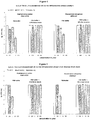
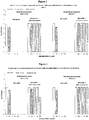
- FIG. 1 shows the activity of a porphyrin glycoconjugate and Figures 2 - 7 show the activity of chlorin glycoconjugates.
Landscapes
- Health & Medical Sciences (AREA)
- Chemical & Material Sciences (AREA)
- Life Sciences & Earth Sciences (AREA)
- General Health & Medical Sciences (AREA)
- Medicinal Chemistry (AREA)
- Public Health (AREA)
- Veterinary Medicine (AREA)
- Animal Behavior & Ethology (AREA)
- Pharmacology & Pharmacy (AREA)
- Epidemiology (AREA)
- Molecular Biology (AREA)
- Organic Chemistry (AREA)
- Biochemistry (AREA)
- Engineering & Computer Science (AREA)
- Genetics & Genomics (AREA)
- Biotechnology (AREA)
- Gastroenterology & Hepatology (AREA)
- Chemical Kinetics & Catalysis (AREA)
- General Chemical & Material Sciences (AREA)
- Communicable Diseases (AREA)
- Nuclear Medicine, Radiotherapy & Molecular Imaging (AREA)
- Oncology (AREA)
- Bioinformatics & Cheminformatics (AREA)
- Pharmaceuticals Containing Other Organic And Inorganic Compounds (AREA)
Description
- This application claims the benefit and priority of
U.S. Provisional Application Serial No. 61/366,718 filed on July 22, 2010 - The invention relates generally to photodynamic therapy and more particularly, to the use of glyco-substituted dihydroxychlorins or glyco-substituted β-functionalized chlorin derivatives as photosensitizers for the treatment and prevention of microbial infectious diseases in human and animals.
- Photodynamic therapy (PDT) is one of the most promising new techniques now being explored for use in a variety of medical applications, and particularly is a well-recognized treatment for the destruction of tumors. Photodynamic therapy uses light and a photosensitizer (a dye) to achieve its desired medical effect.
- Antimicrobial photodynamic therapy is a very promising, relatively new method for combating bacterial infections even for resistant strains. Fortunately, no resistance to photodynamic destruction has been reported to be acquired by bacteria nor is it likely since the "killing species" is oxygen. Bacterial cells treated with photosensitizers were shown to be successfully killed by photo illumination. Due to the obvious differences between bacteria and malignant cells, photosensitizers with a different mode of action were needed for an antimicrobial PDT.
- Effectiveness of the photosensitizers depends strongly on the bacterial cell wall as it becomes the limiting factor for the sensitizer penetration. While Gram-positive cells could be killed sufficiently by PDT, Gram-negative cells are more resistant to killing.
- A major problem for the use of anti-microbial PDT is a blocking action of the components of the blood whose presence decreases the activity of photosensitizers. A high bactericidal photodynamic activity in PBS buffer could be decreased remarkably when blood serum or blood is added.
- One of the prospective approaches to increase the specificity of photosensitizers and the effectiveness of PDT against bacterial infection is to conjugate a photosensitizer with a ligand-vector, which specifically binds to receptors on the surface of a target cell. In the prior art different methods have been used to effectively target the pathogen or infected cells.
-
US Patent No. 6,977,075 by Hasan et al discloses a method of killing intracellular pathogens using antibiotics and PDT. The intracellular pathogens are targeted using conjugated photosensitizers. Targeting moiety used are molecules or a macromolecular structure that target macrophages or that interacts with a pathogen. Effectiveness of the conjugate against Gram-negative bacteria, and, in complex environment is not disclosed. -
US Patent No. 6,573,258 by Bommer et al. describes cationic porphyrins which can effectively target both Gram-positive and Gram-negative bacteria when present at much lower concentrations and at much shorter irradiation times. The novel porphyrins have one hydrophobic tail consisting of at least one hydrocarbon chain of between 6 and 22 carbon in length. Bacterial targeting depends upon the carbon chain length and is not very effective. -
US Patent No. 6,462,070 by Hasan et al. discloses a photosensitizer conjugated to polylysine which is linked to a histatin targeting moiety to treat disorder of the oral cavity infected by microorganism. These materials have trouble working in the presence of body fluids, such as saliva, blood, etc. -
US Patent No. 5,466,681 describes a variety of conjugates useful for the treatment of infectious diseases due to pathogenic microorganisms. The conjugates comprise at least one agent coupled to a microorganism receptor - a carbohydrate vector, which is able to bind selectively to a microorganism. This patent discloses a conjugate comprising at least one agent that is an anti-infective, which couples to a microorganism receptor. Agents such as antibiotics, synthetic drugs and steroids are mentioned. Since photosensitizers do not themselves interact with microbes, they are not considered agents as described in this patent and were not disclosed therein. - Other promising approaches are about conjugates of porphyrins and carbohydrates. The publication: "Nitroglycosylated meso-arylporphyrins as Photoinhibitors of Gram positive Bacteria", V. Sol, P. Branland, R. Granet, C. Kaldapa, B. Verneuil, P. Krausz, Bioorg. Med. Chem. Lett. 1998, 8, 3007-3010 describes the photodynamic activity of glycosylated nitroaryl-substituted porphyrins against Gram-positive bacteria, but no efficacy against Gram-negative bacteria and efficacy in complex environment is described. Moreover, the conjugates only show photodynamic activity when nitro-groups are present in the molecules.
- Chlorins, as referred to in the present invention, are porphyrin derivatives, in which one double bond of the aromatic system in β-position is absent. Many current photosensitizers are not efficient enough as they have low absorption in the red region of the spectrum. Chlorins have the advantage that they possess an intense absorption in the red and near-infrared region of the electromagnetic spectrum which allows a deeper penetration of the light into the tissue.
US Patent No. 7,022,843 B1 by MacAlpine et al. discloses a variety of β, β'-dihydroxy meso-substituted chlorins as photosensitizers but do not offer guidance for treatment of microbial infectious diseases. -
WO 2010/033678 A2 discloses unsymmetrically meso-substituted porphyrins and chlorins for diagnostic and PDT applications, in particular for the treatment of tumor cells. -
FR 2 709 491 A1 -
US 2004/0259810 A1 discloses phenyl substituted porphyrins that can be used to destroy or impair the functioning of target biological material in PDT. -
WO 2012/012809 A2 discloses various phenyl substituted dihydroxychlorins primarily for the treatment of cancer. - There remains an urgent requirement to develop molecular conjugates which can actively target both Gram-positive and Gram-negative bacteria. Also they need to work under in vivo conditions, where typically blood and other body fluids are present, to use with patients directly to help protect them from deleterious microorganisms.
- It is an objective of the present invention to provide biologically active conjugates for targeting pathogenic microorganism causing infectious diseases.
- It is another objective of the present invention to develop a photodynamic method for inactivation/reduction of bacteria (both Gram-positive and Gram-negative) in complex environment like blood, serum and saliva.
- It is yet another objective of the present invention to use dihydroxychlorin-glyco-conjugates for applications in anti-microbial photodynamic therapy.
- It is still another objective of the present invention to use chemically stable conjugates of β-functionalized chlorin derivatives and carbohydrates for an application in anti-microbial photodynamic therapy.
- It is a further objective of the present invention to provide a method to prepare and purify glyco-substituted chlorin derivatives.
- Briefly stated, the present invention provides antimicrobial molecular conjugates for the treatment and prevention of infectious diseases caused by pathogenic microorganisms in human and animals. The key to these conjugates is connecting dihydroxychlorins and β-functionalized chlorins to carbohydrate moieties. The present invention effectively works to combat infections caused by Gram-positive and Gram-negative bacteria, including their resistant strains. Significantly, they are also effective in complex environments, including blood, serum and other body fluids which are present in patient's body. A method of use to control pathogenic microorganisms in human and animals is also provided.
- The above and other objects, features and advantages of the present invention will become apparent from the following description read in conjunction with the accompanying drawings.
-
-
Figure 1 .- shows one embodiment of photodynamic inactivation using 5,10,15-tris-(3-β-D-glucosylphenyl)-20-[3,5-bis-(trifluoromethyl)-phenyl]-porphyrin -
Figure 2 .- shows one embodiment of photodynamic inactivation using 5,10,15-tris-(3-β-D-glucosylphenyl)-20-[3,5-bis-(trifluoromethyl)-phenyl]-17,18-dihydroxy-17,18-chlorin. -
Figure 3 .- shows one embodiment of photodynamic inactivation using 5,10,15-tris-(3-β-D-galactosylphenyl)-20-[3,5-bis-(trifluoromethyl)-phenyl]-17,18-dihydroxy-17,18-chlorin. -
Figure 4 .- shows one embodiment of photodynamic inactivation using 5,10,15-tris-(3-α-D-mannosylphenyl)-20-[3,5-bis-(trifluoromethyl)-phenyl]-17,18-dihydroxy-17,18-chlorin. -
Figure 5 .- shows one embodiment of photodynamic inactivation using 5,10,15-tris-(3-β-D-lactosylphenyl)-20-[3,5-bis-(trifluoromethyl)-phenyl]-17,18-dihydroxy-17,18-chlorin. -
Figure 6 .- shows one embodiment of photodynamic inactivation using 5,10,15,24-tetrakis-(3-β-D-glucasylphenyl)-7,8-dihydroxy-7,8-chlorin. -
Figure 7 .- shows one embodiment of photodynamic inactivation using 5,10,15,20-tetrakis-(3-β-D-glucosylphenyl)-7,8-dihydroxy-7,8-bis-(trifluoromethyl)-7,8-chlorin. - In the present invention a photodynamic method for inactivation/reduction of bacteria in a complex environment is disclosed. Successfully combating bacterial infection in complex media present in vivo, like serum plasma or blood has shown to be one of the most difficult goals as seen in the prior art. Herein, antimicrobial photodynamic therapy is used to target pathogenic microorganisms using conjugated photosensitizers to treat various infectious diseases and also to induce photo-destruction in the complex media normally found in vivo for real patients. One of the main advantages of the molecular conjugates disclosed herein is their ability to target both Gram-positive and Gram-negative bacteria, including their resistant strains. The molecular conjugates comprise photosensitizers connected to carbohydrate moieties. It has unexpectedly been found that the presence of dihydroxychlorins and β-functionalized chlorin derivatives play a critical influence on conjugate activity. As shown in
Figure 1 , a conjugate of a porphyrin and carbohydrate moieties shows a significant photodynamic inactivation of bacteria, only, in high concentrations. - The conjugates of carbohydrates disclosed herein are used to improve the specificity for microorganisms. The selectivity of the conjugate's targeting moiety allows an increased targeting effect of the photosensitizer, minimizing the dosage and potential adverse side-effects.
- Furthermore, the conjugated photosensitizers of present invention enhance the effectiveness of prior art biologically active compounds, offering a deeper penetration due to their higher absorption at long wavelength of the red and near-infrared region of the electromagnetic spectrum.
- Additionally, the conjugates provided by the present invention have the advantage that they are easily produced. Starting from chemically stable porphyrin or β-functionalized-chlorin derivatives, the glycosylation can be achieved by using trichloroacetimidates as glycosyl donors.
- In a preferred embodiment, a carbohydrate and dihydroxychlorin conjugate compound for eliminating/reducing/destroying pathogenic microorganisms in complex environments of real patients has the general formula:


- In another embodiment, a conjugate of a carbohydrate and a dihydroxychlorin for eliminating microorganisms is based on the
formulas 1 or 2:
- In another embodiment, a conjugate of a carbohydrate and a dihydroxychlorin for eliminating microorganisms is based on the formula 3:

formula 3, R1 is a substituted or unsubstituted alkyl, alkenyl, alkynyl, or fluoroalkyl group consisting of 1-15 carbon atoms, or a phenyl ring substituted with one or more CF3-groups either in the ortho-, meta- or para-position of the phenyl ring. - In another embodiment, the carbohydrate and a dihydroxychlorin conjugate compound for eliminating pathogenic microorganisms is based on the formulas 4 or 5:

- In another embodiment, a conjugate compound for destroying, eliminating, and/or reducing pathogenic microorganisms in complex environments is based on the
formulas - In another embodiment, the conjugate compound is based on the formulas 4 or 5:

- In another embodiment, a compound for eliminating/reducing microorganisms is based on the formula 1:

- In another embodiment, a compound for eliminating/reducing microorganisms is based on the
formulas 1 or 2:
- In another embodiment, a carbohydrate and a β-functionalized chlorin compound is based on the formula 1:

- In another embodiment, a conjugate compound for eliminating/destroying/reducing pathogenic microorganisms is based on the
formulas 1 or 2:
- In a preferred embodiment, a photodynamic method for inactivation/reduction/elimination of pathogenic microorganisms, including Gram-positive and Gram-negative bacteria, in real patient complex environments like blood, serum and saliva, comprises the steps of selecting a molecular conjugate, selected from the previously described conjugate compounds, with a vector component targeting the microorganisms to be eliminated; introducing or administrating the vectored molecular conjugate to an environment containing pathogenic microorganisms; allowing time for the vectored conjugate to accumulate in the targeted microorganisms or contaminated environment; and irradiating the treatment site with an appropriate wavelength to activate the molecular conjugate and destroy the pathogenic microorganisms. The incubation time varies depending on many factors. In the experiments described here as an example of a photodynamic method for inactivation/reduction/elimination of microorganisms, the contaminated medium is incubated for 90 min before being irradiated with 652 nm laser at 100 J/cm2 to initiate photo-destruction of bacterial cells. The conjugated photosensitizer can be administered either by systemic application, or local injection in the affected area. Alternatively, for infections on or near the skin, the conjugated photosensitizer can be administered topically.
- The following examples are presented to provide those of ordinary skill in the art with an illustrative disclosure and description of how to make the dihydroxychlorin and β-functionalized chlorin derivatives of the invention and show their antimicrobial photodynamic activity and are not intended to limit the scope of what the inventor regards as the invention. Efforts have been made to ensure accuracy with respect to numbers used (e.g. amounts, temperature etc.), but some experimental errors and deviations should be accounted for. Also, best measures have been taken to name the compounds with their systematic IUPAC name, nevertheless the basic reference are the given structural formulas based on the experimental spectroscopic data.
- All reagents were used as purchased from commercial suppliers. Dichloromethane was purified by distillation over K2CO3 prior to use. Thin layer chromatography (TLC) was performed using Merck silica gel 60 (without fluorescence indicator) precoated on aluminum sheets. Flash chromatography was carried out using Fluka silica gel 60, 0.040-0.063 mm (230-400 mesh). 1H and 13C NMR spectra were recorded in CDCl3, (CD3)2CO, CD3OD or (CD3)2SO on Bruker AC 250, AC 500, ECX 400, AMX 500 or AV 700 MHz instruments. Chemical shifts δ are given in ppm relative to TMS as internal standard or relative to the resonance of the residual solvent peak, J values are given in Hz. Mass spectra were recorded on Varian MAT 771, Varian IonSpec QFT-7 or Agilent 6210 ESI-TOF instrument. Electronic absorption spectra were recorded on a Specord S300 (Analytik Jena) spectrophotometer using dichloromethane, acetone or ethanol as solvent.
- In a typical experiment, under argon atmosphere, Zn(II)-5,10,15-tris-(3-hydroxyphenyl)-20-[3,5-bis-(trifluoromethyl)-phenyl]-porphyrin (300 mg, 0.35 mmol) was dissolved in 40 ml dry dichloromethane. Then, 2,3,4,6-tetraacetyl-D-glucose trichloroacetimidate (1.5 g, 3 mmol) and BF3·Et2O (10 µl, 0.08 mmol) were added. After stirring for 1 hour, the mixture was transferred to a separatory funnel. The organic layer was washed with water (2 × 50 ml) and the solvent was evaporated under reduced pressure. To remove the zinc, the residue was dissolved in 40 ml THF, and 3 ml of hydrochloric acid (25%) were added. After stirring for 10 minutes, water (50 ml) and dichloromethane (75 ml) were added. The organic layer was separated and washed with water (2 × 50 ml). After drying with Na2SO4, the solvent was evaporated under reduced pressure. Further purification was achieved by flash chromatography, using dichloromethane/methanol 95:5 as the eluent. The analytically pure product (560 mg, 90%) was obtained as a violet crystalline solid after recrystallization from dichloromethane/aqueous methanol.

- In a typical experiment, under argon atmosphere, Zn(II)-5,10,15-tris-(3-hydroxyphenyl)-20-[3,5-bis-(trifluoromethyl)-phenyl]-porphyrin (245 mg, 0.28 mmol) was dissolved in 40 ml dry dichloromethane. Then, 2,3,4,6-tetraacetyl-D-galactose trichloroacetimidate (2.5 g, 5 mmol) and BF3·Et2O (10 µl, 0.08 mmol) were added. After stirring for 2 days, the mixture was transferred to a separatory funnel. The organic layer was washed with water (2 × 50 ml) and the solvent was evaporated under reduced pressure. In order to remove the zinc, the residue was dissolved in 40 ml THF, and 3 ml of hydrochloric acid (25%) were added. After stirring for 10 minutes, water (50 ml) and dichloromethane (75 ml) were added. The organic layer was separated and washed with water (2 × 50 ml). After drying with Na2SO4, the solvent was evaporated under reduced pressure. Further purification was achieved by flash chromatography, using dichloromethane/methanol 95:5 as the eluent. The analytically pure product (243 mg, 48%) was obtained as a violet crystalline solid after recrystallization from dichloromethane/aqueous methanol

- In a typical experiment, under argon atmosphere, Zn(II)-5,10,15-tris-(3-hydroxyphenyl)-20-[3,5-bis-(trifluoromethyl)-phenyl]-porphyrin (300 mg, 0-35 mmol) was dissolved in 40 ml dry dichloromethane. Then, 2,3,4,6-tetraacetyl-α-D-mannose trichloroacetimidate (1.75 g, 3.55 mmol) and BF3·Et2O (10 µl, 0.08 mmol) were added. After stirring for 4 hours, the mixture was transferred to a separatory funnel. The organic layer was washed with water (2 × 50 ml) and the solvent was evaporated under reduced pressure. In order to remove the zinc, the residue was dissolved in 40 ml THF, and 1 ml of hydrochloric acid (25%) weas added. After stirring for 10 minutes, water (50 ml) and dichloromethane (75 ml) were added. The organic layer was separated and washed with water (2 × 50 ml). After drying with Na2SO4, the solvent was evaporated under reduced pressure. Further purification was achieved by flash chromatography, using dichloromethane/methanol 95:5 as the eluent. The analytically pure product (472 mg, 76%) was obtained as a violet crystalline solid after recrystallization from dichloromethane/aqueous methanol.

- In a typical experiment, under argon atmosphere, Zn(II)-5,10,15-tris-(3-hydroxyphenyl)-20-[3,5-bis-(trifluoromethyl)-phenyl]-porphyrin (250 mg, 0.29 mmol) was dissolved in 40 ml dry dichloromethane. Then, 2,3,4,6,2',3',6'-Heptaacetyl-α-D-lactose trichloroacetimidate (2.2 g, 2.82 mmol) and BF3·Et2O (10 µl, 0.08 mmol) were added. After stirring for 5 hours, the mixture was transferred to a separatory funnel. The organic layer was washed with water (2 × 50 ml) and the solvent was evaporated under reduced pressure. In order to remove the zinc, the residue was dissolved in 40 ml THF, and 1 ml of hydrochloric acid (25%) was added. After stirring for 10 minutes, water (50 ml) and dichloromethane (75 ml) were added. The organic layer was separated and washed with water (2 × 50 ml). After drying with Na2SO4, the solvent was evaporated under reduced pressure. Further purification was achieved by flash chromatography, using dichloromethane/methanol 95:5 as the eluent. The analytically pure product (499 mg, 66%) was obtained as a violet crystalline solid after recrystallization from dichloromethane/aqueous methanol.

- In a typical experiment, under argon atmosphere, Zn(II)-5,10,15,20-tetrakis-(3-hydroxyphenyl)-porphyrin (250 mg, 0.34 mmol) was dissolved in 36 ml dry dichloromethane/acetonitrile/tetrahydrofuran 10:1:1. Then, 2,3,4,6-tetraacetyl-D-glucose trichloroacetimidate (3 g, 6 mmol) and BF3·Et2O (15 µl, 0.12 mmol) were added. After stirring for 4 hours, the mixture was transferred to a separatory funnel. The organic layer was washed with water (2 × 50 ml) and the solvent was evaporated under reduced pressure. In order to remove the zinc, the residue was dissolved in 40 ml THF, and 2 ml of hydrochloric acid (25%) were added. After stirring for 10 minutes, water (50 ml) and dichloromethane (75 ml) were added. The organic layer was separated and washed with water (2 × 50 ml). After drying with Na2SO4, the solvent was evaporated under reduced pressure. Further purification was achieved by flash chromatography, using dichloromethane/methanol 95:5 as the eluent. The analytically pure product (471 mg, 70%) was obtained as a violet crystalline solid after recrystallization from dichloromethane/aqueous methanol.

- In a typical experiment, osmium tetroxide (100 mg, 0.39 mmol) was added to a stirred solution of 5,10,15-tris-[3-(2,3,4,6-tetraacetyl-β-D-glucosyl)-phenyl]-20-[3,5-bis-(trifluoromethyl)-phenyl]-porphyrin (469 mg, 0.26 mmol) in dichloromethane/pyridine 1:1 (26 ml). After stirring for 30 minutes at 0 °C and additional 2 hours at room temperature, a saturated solution of sodium bisulfite in water/methanol 1:1 (25 ml) was added and the mixture was stirred for 18 h. The reaction mixture was filtered through Celite and dried over anhydrous sodium sulfate. The solvent was evaporated and the residue was purified by flash chromatography with dichloromethane/methanol 95:5 as eluent, followed by recrystallization from dichloromethane/aqueous methanol. 5,10,15-Tris-[3-(2,3,4,6-tetraacetyl-β-D-glucosyl)-phenyl]-20-[3,5-bis-(trifluoromethyl)-phenyl]-17,18-dihydroxy-17,18-chlorin (254 mg, 53%) was obtained as a violet crystalline solid after recrystallization from dichloromethane/aqueous methanol, as a regioisomeric mixture.
- To a stirred solution of 5,10,15-tris-[3-(2,3,4,6-tetraacetyl-β-D-glucosyl)-phenyl]-20-[3,5-bis-(trifluoromethyl)-phenyl]-17,18-dihydroxy-17,18-chlorin (50 mg, 27 (µmol) in dry tetrahydrofuran/methanol 1:1 (10 ml) under an argon atmosphere, a solution of sodium methanolate in dry methanol (1.5 ml, 0.06 N) was added. After 4 h, the solvent was evaporated under reduced pressure and the crude product was purified by flash chromatography using RP18 silica gel and methanol/water 85:15 as the eluent. The title product (28 mg, 94%) was obtained as a violet crystalline solid after washing with dichloromethane.

- In a typical experiment, osmium tetroxide (100 mg, 0.39 mmol) was added to a stirred solution of 5,10,15-tris-[3-(2,3,4,6-tetraacetyl-β-D-galactosyl)-phenyl]-20-[3,5-bis-(trifluoromethyl)-phenyl]-porphyrin (300 mg, 0.17 mmol) in dichloromethane/pyridine 1:1 (26 ml). After stirring for 30 minutes at 0 °C and additional 2 hours at room temperature, a saturated solution of sodium bisulfite in water/methanol 1:1 (25 ml) was added and the mixture was stirred for 18 h. The reaction mixture was filtered through Celite and dried over anhydrous sodium sulfate. The solvent was evaporated and the residue was purified by flash chromatography with dichloromethane/methanol 95:5 as eluent, followed by recrystallization from dichloromethane/aqueous methanol. 5,10,15-Tris-[3-(2,3,4,6-tetraacetyl-β-D-galactosyl)-phenyl]-20-[3,5-bis-(trifluoromethyl)-phenyl]-17,18-dihydroxy-17,18-chlorin (129 mg, 42%) was obtained as a violet crystalline solid after recrystallization from dichloromethane/aqueous methanol, as a regioisomeric mixture.
- To a stirred solution of 5,10,15-tris-[3-(2,3,4,6-tetraacetyl-β-D-galactosyl)-phenyl]-20-[3,5-bis-(trifluoromethyl)-phenyl]-17,18-dihydroxy-17,18-chlorin (46 mg, 25 µmol) in dry tetrahydrofuran/methanol 1:1 (10 ml) under an argon atmosphere, a solution of sodium methanolate in dry methanol (1 ml, 0.1 N) was added. After 4 h, the solvent was evaporated under reduced pressure and the crude product was purified by flash chromatography using RP18 silica gel and methanol/water 85:15 as the eluent. The title product (33 mg, 99%) was obtained as a violet crystalline solid after washing with dichloromethane.

- In a typical experiment, osmium tetroxide (100 mg, 0.39 mmol) was added to a stirred solution of 5, 10, 15-tris-[3-(2,3,4,6-tetraacetyl-α-D-mannosyl)-phenyl]-20-[3,5-bis-(trifluoromethyl)-phenyl]-porphyrin (350 mg, 0.2 mmol) in dichloromethane/pyridine 1:1 (26 ml). After stirring for 30 minutes at 0 °C and additional 2 hours at room temperature, a saturated solution of sodium bisulfite in water/methanol 1:1 (25 ml) was added and the mixture was stirred for 18 h. The reaction mixture was filtered through Celite and dried over anhydrous sodium sulfate. The solvent was evaporated and the residue was purified by flash chromatography with dichloromethane/methanol 95:5 as eluent, followed by recrystallization from dichloromethane/aqueous methanol. 5,10,15-Tris-[3-(2,3,4,6-tetraacetyl-α-D-mannosyl)-phenyl]-20-[3,5-bis-(trifluoromethyl)-phenyl]-17,18-dihydroxy-17,18-chlorin (151 mg, 42%) was obtained as a violet crystalline solid after recrystallization from dichloromethane/aqueous methanol as a regioisomeric mixture.
- To a stirred solution of 5,10,15-tris-[3-(2,3,4,6-tetraacetyl-α-D-mannosyl)-phenyl]-20-[3,5-bis-(trifluoromethyl)-phenyl]-17,18-dihydroxy-17,18-chlorin (40 mg, 22 µmol) in dry tetrahydrofuran/methanol 1:1 (10 ml) under an argon atmosphere, a solution of sodium methanolate in dry methanol (1.5 ml, 0.1 N) was added. After 4 h, the solvent was evaporated under reduced pressure and the crude product was purified by flash chromatography, using RP18 silica gel and methanol/water 85:15 as the eluent. The title product (28 mg, 97%) was obtained as a violet crystalline solid after washing with dichloromethane.

- In a typical experiment, osmium tetroxide (100 mg, 0.39 mmol) was added to a stirred solution of 5,10,15-tris-[3-(2,3,4,6,2',3',6'-heptaacetyl-β-D-lactosyl)-phenyl]-20-[3,5-bis-(trifluoromethyl)-phenyl]-porphyrin (350 mg, 0.13 mmol) in dichloromethane/pyridine 1:1 (15 ml). After stirring for 30 minutes at 0 °C and additional 2 hours at room temperature, a saturated solution of sodium bisulfite in water/methanol 1:1 (25 ml) was added and the mixture was stirred for 18 h. The reaction mixture was filtered through Celite and dried over anhydrous sodium sulfate. The solvent was evaporated and the residue was purified by flash chromatography with dichloromethane/methanol 95:5 as eluent, followed by recrystallization from dichloromethane/aqueous methanol. 5,10,15-Tris-[3-(2,3,4,6,2',3',6'-heptaacetyl-β-D-lactosyl)-phenyl]-20-[3,5-bis-(trifluoromethyl)-phenyl]-7,8-dihydroxy-7,8-chlorin (39 mg, 8%) was obtained as a violet crystalline solid after recrystallization from dichloromethane/aqueous methanol, as a regioisomeric mixture.
- To a stirred solution of 5,10,15-tris-[3-(2,3,4,6,2',3',6'-heptaacetyl-β-D-lactosyl)-phenyl]-20-[3,5-bis-(trifluoromethyl)-phenyl]-7,8-dihydroxy-7,8-chlorin (32 mg, 12 µmol) in dry tetrahydrofuran/methanol 1:1 (10 ml) under an argon atmosphere, a solution of sodium methanolate in dry methanol (1.5 ml, 0.1 N) was added. After 4 h, the solvent was evaporated under reduced pressure and the crude product was purified by flash chromatography, using RP18 silica gel and methanol/water 85:15 as the eluent. The title product (21 mg, 98%) was obtained as a violet crystalline solid after washing with dichloromethane.

- In a typical experiment, osmium tetroxide (100 mg, 0.39 mmol) was added to a stirred solution of 5,10,15,20-tetrakis-[3-(2,3,4,6-tetraacetyl-β-D-glucosyl)-phenyl]-porphyrin (455 mg, 0.23 mmol) in dichloromethane/pyridine 1:1 (26 ml). After stirring for 30 minutes at 0 °C and additional 2 hours at room temperature, a saturated solution of sodium bisulfite in water/methanol 1:1 (25 ml) was added and the mixture was stirred for 18 h. The reaction mixture was filtered through Celite and dried over anhydrous sodium sulfate. The solvent was evaporated and the residue was purified by flash chromatography with dichloromethane/methanol 95:5 as eluent, followed by recrystallization from dichloromethane/aqueous methanol. 5,10,15,20-Tetralcis-[3-(2,3,4,6-tetraacetyl-β-D-glucosyl)-phenyl]-7,8-dihydroxy-7,8-chlorin (184 mg, 40%) was obtained as a violet crystalline solid after recrystallization from dichloromethane/aqueous methanol, as a regioisomeric mixture.
- To a stirred solution of 5,10,15,20-tetrakis-[3-(2,3,4,6-tetraacetyl-β-D-glucosyl)-phenyl]-7,8dihydroxy-7,8-chlorin (40 mg, 20 µmol) in dry methanol (10 ml) under an argon atmosphere, a solution of sodium methanolate in dry methanol (1.5 ml, 0.08 N) was added. After 3 h, the solvent was evaporated under reduced pressure and the crude product was purified by flash chromatography, using RP18 silica gel and methanol/water 85:15 as the eluent. The title product (26 mg, 97%) was obtained as a violet crystalline solid after washing with dichloromethane.

- In a typical experiment, under argon atmosphere, zn(II)-5,10,15,20-tetrakis-(3-hydroxyphenyl)-7,8-dihydroxy-7,8-bis-(trifluoromethyl)-7,8-chlorin (30 mg, 33 µmol) was dissolved in 10 ml dry dichloromethane/tetrahydrofuran 30:1. Then, 2,3,4,6-tetraacetyl-D-glucosetrichloracetimidat (300 mg, 0.6 mmol) and BF3·Et2O (4 µl, 0.04 mmol) were added. After stirring for 3 hours, the mixture was transferred to a separatory funnel. The organic layer was washed with water (2 × 25 ml) and the solvent was evaporated under reduced pressure. In order to remove the zinc, the residue was dissolved in 10 ml THF, and 0.3 ml of hydrochloric acid (25%) were added. After stirring for 10 minutes water (25 ml) and dichloromethane (40 ml) were added. The organic layer was separated and washed with water (2 × 25 ml). After drying with Na2SO4, the solvent was evaporated under reduced pressure. Further purification was achieved by flash chromatography using dichloromethane/methanol 95:5 as the eluent. The analytically pure product (55 mg, 77%) was obtained as a violet crystalline solid after recrystallization from dichloromethane/aqueous methanol.

- To a stirred solution of 5,10,15,20-tetrakis-[3-(2,3,4,6-tetraacetyl-β-D-glucosyl)-phenyl]-7,8-dihydroxy-7,8-bis-(trifluoromethyl)-7,8-chlorin (35 mg, 16 µmol) in dry tetrahydrofuran/methanol 1:1 (10 ml) under an argon atmosphere, a solution of sodium methanolate in dry methanol (1.5 ml, 0.1 N) was added. After 15 h, the solvent was evaporated under reduced pressure and the crude product was purified by flash chromatography, using RP18 silica gel and methanol/water 9:1 as the eluent. The title product (24 mg, 99%) was obtained as a violet crystalline solid after washing with dichloromethane.

- The organisms used in our studies were two members of the microflora wounds;
Staphylococcus aureus DSM 11729, Gram-positive; and Pseudomonas aeruginosa DSM 1117, Gram-negative. - Several studies have demonstrated that Gram-positive bacteria are particularly susceptible to photodynamic inactivation whereas Gram-negative bacteria are significantly more resistant to many commonly used photosensitizers. Moreover, it has been found that Gram-positive and Gram-negative bacterial cells in complex media (e.g. blood, plasma, blood serum, saliva) are much less susceptible to standard photosensitizer conjugates.
- Cultures cells are suspended in sterile phosphate-buffered saline (PBS) or sterile PBS supplemented with 10% sterile horse blood serum. The final OD (Optical Density) at 600 nm, 1 cm in all cases was 0.03. The bacterial suspensions are placed into sterile black well plates with clear bottoms. Concentrations of photosensitizer used in the study were as follows: 100 µM, 10 µM and 1 µM.
- After an incubation time period of 90 minutes, the samples are exposed to laser light of 652 nm, power set 0.5 W, and irradiation time of 85 s. With the irradiation time, the resulting energy fluency is of about 100 J/cm2. Control plates contained no photosensitizer and are not exposed to laser light. The control samples for dark toxicity are only exposed to photosensitizer without any illumination.
- After irradiation, the samples are removed and suspended again in the culture media. The numbers of colony-forming units (CFU/ml) are enumerated after an adequate incubation time period.
- This example illustrates the photodynamic inactivation of selected photosensitizers against
Staphylococcus aureus DSM 11729 and Pseudomonas aeruginosa DSM 1117 in PBS-buffer and PBS supplemented with 10% sterile horse blood serum.Figure 1 shows the activity of a porphyrin glycoconjugate andFigures 2 - 7 show the activity of chlorin glycoconjugates. - Having described preferred embodiments of the invention with reference to the accompanying examples, it is to be understood that the invention is not limited to the precise embodiments, and that various changes and modifications may be effected therein by skilled in the art without departing from the scope of the invention as defined in the appended claims.
Claims (7)
- A conjugate of a carbohydrate and a dihydroxychlorin for eliminating microorganisms based on the formula 1:
 - R is: a a phenyl ring with a substituent X either in the meta- or para-position;
wherein X is: a glucosyl, galactosyl, mannosyl, 2-acetamidoglucosyl, lactosyl, cellobiosyl, maltosyl or 3,4,6-trideoxy-3-(dimethylamino)-D-xylo-hexopyranosyl substituent. - A conjugate of a carbohydrate and a dihydroxychlorin for eliminating microorganisms based on the formulas 1 or 2:
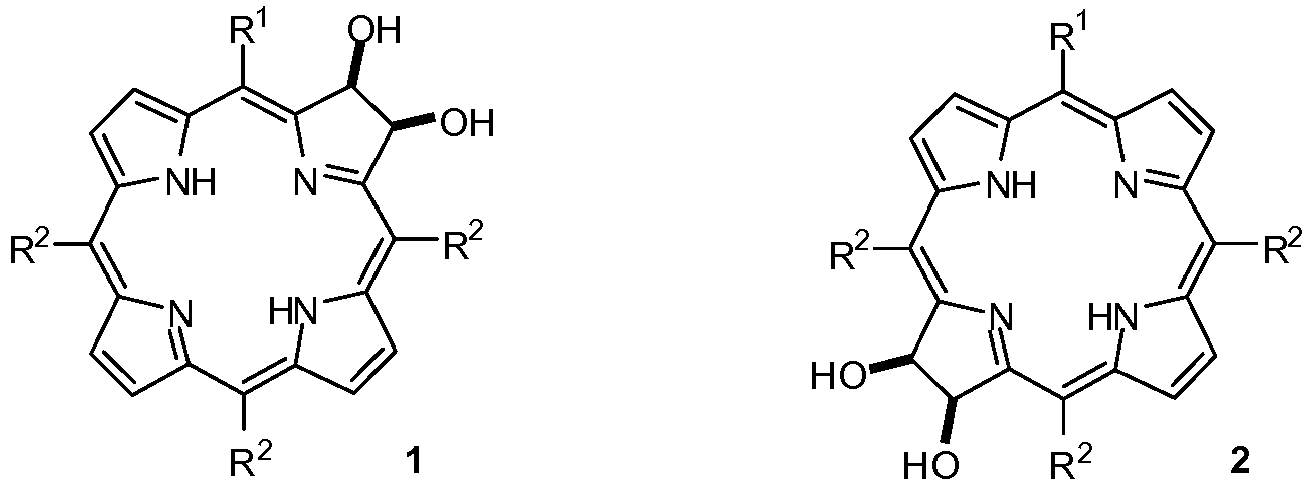 - R1 is: a substituted or unsubstituted alkyl or fluoroalkyl group consisting of 4-15 carbon atoms or a phenyl ring with one or more substituents X either in the meta- or para-position;
wherein X is: OH, -COOH, -NH2, -CF3.- R2 is: a phenyl ring with a substituent X either in the meta- or para-position;
wherein X is: a glucosyl, galactosyl, mannosyl, 2-acetamidoglucosyl, lactosyl, cellobiosyl, maltosyl or 3,4,6-trideoxy-3-(dimethylamino)-D-xylo-hexopyranosyl substituent. - A conjugate of a carbohydrate and a dihydroxychlorin for eliminating microorganisms based on the formula 1:
 - R1 is: a phenyl ring with a substituent X either in the meta- or para-position;
wherein X is: a glucosyl, galactosyl, mannosyl, 2-acetamidoglucosyl, lactosyl, cellobiosyl, maltosyl or 3,4,6-trideoxy-3-(dimethylamino)-D-xylo-hexopyranosyl susbtituent.- R2 is: a substituted or unsubstituted alkyl, alkenyl, alkynyl or fluoroalkyl group consisting of 1-15 carbon atoms or a phenyl ring substituted with one or more CF3-groups either in the ortho-, meta- or para-position. - A conjugate of a carbohydrate and a dihydroxychlorin for eliminating microorganisms based on the formulas 1 or 2:
 - R1 is: a substituted or unsubstituted alkyl or fluoroalkyl group consisting of 4-15 carbon atoms or a phenyl ring with one or more substituents X either in the meta- or para-position;
wherein X is: OH, -COOH, -NH2, -CF3.- R2 is: a phenyl ring with a substituent X either in the meta- or para-position;
wherein X is: a glucosyl, galactosyl, mannosyl, 2-acetamidoglucosyl, lactosyl, cellobiosyl, maltosyl or 3,4,6-trideoxy-3-(dimethylamino)-D-xylo-hexopyranosyl substituent.- R3 is: a substituted or unsubstituted alkyl, alkenyl, alkynyl or fluoroalkyl group consisting of 1-15 carbon atoms or a phenyl ring substituted with one or more CF3-groups either in the ortho-, meta- or para-position. - The conjugate according to any one of claims 1 to 4, which is effective in destroying Gram-negative and Gram-positive microorganisms in body fluids.
- The conjugate according to claim 5, wherein said body fluids comprises a fluid selected from the group consisting of saliva, blood, serum, plasma, and combinations of these.
- The conjugate according to any one of claims 1 to 6 for use in a method of eliminating microorganisms in a real patient environment comprising the steps of:- selecting a molecular conjugate, according to any one of claims 1 to 6, with a vector component;- targeting said microorganisms to be eliminated;- introducing said vectored molecular conjugate to said patient;- allowing time for said vectored conjugate to accumulate in said targeted microorganisms; and,- irradiating said targeted microorganisms with an appropriate wavelength to activate said molecular conjugate to destroy said microorganisms.
Priority Applications (1)
| Application Number | Priority Date | Filing Date | Title |
|---|---|---|---|
| PL11869827T PL2616065T3 (en) | 2010-07-22 | 2011-07-22 | Glyco-substituted dihydroxy-chlorins and b-functionalized chlorins for anti-microbial photodynamic therapy |
Applications Claiming Priority (2)
| Application Number | Priority Date | Filing Date | Title |
|---|---|---|---|
| US36671810P | 2010-07-22 | 2010-07-22 | |
| PCT/US2011/045063 WO2013015774A1 (en) | 2011-07-22 | 2011-07-22 | Glyco-substituted dihydroxy-chlorins and b-functionalized chlorins for anti-microbial photodynamic therapy |
Publications (3)
| Publication Number | Publication Date |
|---|---|
| EP2616065A1 EP2616065A1 (en) | 2013-07-24 |
| EP2616065A4 EP2616065A4 (en) | 2014-05-14 |
| EP2616065B1 true EP2616065B1 (en) | 2017-11-01 |
Family
ID=47006517
Family Applications (1)
| Application Number | Title | Priority Date | Filing Date |
|---|---|---|---|
| EP11869827.3A Active EP2616065B1 (en) | 2010-07-22 | 2011-07-22 | Glyco-substituted dihydroxy-chlorins and b-functionalized chlorins for anti-microbial photodynamic therapy |
Country Status (7)
| Country | Link |
|---|---|
| US (1) | US9308185B2 (en) |
| EP (1) | EP2616065B1 (en) |
| CN (1) | CN103096887B (en) |
| BR (1) | BR112013001577B1 (en) |
| IL (1) | IL224380A (en) |
| MX (1) | MX352281B (en) |
| PL (1) | PL2616065T3 (en) |
Families Citing this family (16)
| Publication number | Priority date | Publication date | Assignee | Title |
|---|---|---|---|---|
| JP6041360B2 (en) * | 2011-07-22 | 2016-12-07 | バイオリテック ウンターネーメンスベタイリグンクス ツヴァイ アクツィエンゲゼルシャフト | Sugar-substituted dihydroxy-chlorins and β-functionalized chlorins for antibacterial photodynamic therapy |
| US9156849B2 (en) * | 2011-08-12 | 2015-10-13 | Biolitec Pharma Marketing Ltd | Application of β-functionalized dihydroxy-chlorins for PDT |
| CN103285403B (en) * | 2013-06-21 | 2015-03-04 | 苏州大学 | Complex porphyrin sugar-containing photosensitizer and preparation method thereof |
| EP3201201B1 (en) | 2014-09-30 | 2022-01-26 | biolitec unternehmensbeteiligungs II AG | Specifically meso-substituted porphyrins and chlorins for photodynamic therapy |
| US12109429B2 (en) | 2015-07-28 | 2024-10-08 | Know Bio, Llc | Phototherapeutic light for treatment of pathogens |
| CN108136196B (en) | 2015-07-28 | 2020-07-17 | 诺欧生物有限责任公司 | System and method for phototherapy modulation of nitric oxide |
| ES3011714T3 (en) | 2016-02-26 | 2025-04-08 | Biolitec Holding Gmbh & Co Kg | Conjugates of porphyrinoid photosensitizers and glycerol-based polymers for photodynamic therapy |
| EP3894421A1 (en) | 2018-12-10 | 2021-10-20 | Universität Hamburg | Specifically glyco-substituted porphyrins and chlorins for photodynamic therapy |
| WO2020251933A1 (en) | 2019-06-10 | 2020-12-17 | The University Of Massachusetts | Compositions comprising fullerenyl mesochlorin nano-photosensitizers with covalently bound antibiotics and their uses in combination therapy |
| US11147984B2 (en) | 2020-03-19 | 2021-10-19 | Know Bio, Llc | Illumination devices for inducing biological effects |
| US11986666B2 (en) | 2020-03-19 | 2024-05-21 | Know Bio, Llc | Illumination devices for inducing biological effects |
| US12011611B2 (en) | 2020-03-19 | 2024-06-18 | Know Bio, Llc | Illumination devices for inducing biological effects |
| US12447354B2 (en) | 2020-03-19 | 2025-10-21 | Know Bio, Llc | Illumination devices for inducing biological effects |
| US12347337B2 (en) | 2020-12-10 | 2025-07-01 | Know Bio, Llc | Enhanced testing and characterization techniques for phototherapeutic light treatments |
| US12115384B2 (en) | 2021-03-15 | 2024-10-15 | Know Bio, Llc | Devices and methods for illuminating tissue to induce biological effects |
| US11654294B2 (en) | 2021-03-15 | 2023-05-23 | Know Bio, Llc | Intranasal illumination devices |
Family Cites Families (6)
| Publication number | Priority date | Publication date | Assignee | Title |
|---|---|---|---|---|
| US3005025A (en) * | 1959-08-07 | 1961-10-17 | American Cyanamid Co | Preparation of neutral chlortetracycline |
| FR2709491B1 (en) * | 1993-09-03 | 1995-10-27 | Centre Nat Rech Scient | New porphyrin derivatives and their applications, particularly in therapy. |
| EP1279676A1 (en) * | 2001-07-19 | 2003-01-29 | Institut Curie | Porphyrin derivatives for photodynamic therapy |
| US7110533B2 (en) * | 2004-05-18 | 2006-09-19 | Time Warner Cable, Inc. | Telephone NID isolation module |
| PT3459955T (en) * | 2008-09-18 | 2022-11-29 | Biolitec Unternehmensberatungs Ii Ag | Novel method and application of unsymmetrically meso-substituted porphyrins and chlorins for pdt |
| EP2870159B1 (en) * | 2010-07-22 | 2017-06-28 | biolitec Unternehmensbeteiligungs II AG | APPLICATION OF ß-FUNCTIONALIZED DIHYDROXY-CHLORINS FOR PDT |
-
2011
- 2011-07-22 EP EP11869827.3A patent/EP2616065B1/en active Active
- 2011-07-22 PL PL11869827T patent/PL2616065T3/en unknown
- 2011-07-22 CN CN201180038608.8A patent/CN103096887B/en not_active Expired - Fee Related
- 2011-07-22 BR BR112013001577-2A patent/BR112013001577B1/en not_active IP Right Cessation
- 2011-07-22 US US13/189,113 patent/US9308185B2/en active Active
- 2011-07-22 MX MX2013000876A patent/MX352281B/en active IP Right Grant
-
2013
- 2013-01-23 IL IL224380A patent/IL224380A/en active IP Right Grant
Non-Patent Citations (1)
| Title |
|---|
| None * |
Also Published As
| Publication number | Publication date |
|---|---|
| BR112013001577B1 (en) | 2021-05-04 |
| EP2616065A1 (en) | 2013-07-24 |
| MX2013000876A (en) | 2013-04-30 |
| US20120263625A1 (en) | 2012-10-18 |
| PL2616065T3 (en) | 2018-05-30 |
| CN103096887B (en) | 2017-12-29 |
| MX352281B (en) | 2017-11-16 |
| IL224380A (en) | 2017-06-29 |
| US9308185B2 (en) | 2016-04-12 |
| CN103096887A (en) | 2013-05-08 |
| BR112013001577A2 (en) | 2017-12-12 |
| EP2616065A4 (en) | 2014-05-14 |
Similar Documents
| Publication | Publication Date | Title |
|---|---|---|
| US9308185B2 (en) | Glyco-substituted dihydroxy-chlorins and β-functionalized chlorins for anti-microbial photodynamic therapy | |
| Zeng et al. | H2O2-responsive biodegradable nanomedicine for cancer-selective dual-modal imaging guided precise photodynamic therapy | |
| Kustov et al. | Synthesis and investigation of novel chlorin sensitizers containing the myristic acid residue for antimicrobial photodynamic therapy | |
| JP4786182B2 (en) | New compounds and their uses | |
| Bombelli et al. | New cationic liposomes as vehicles of m-tetrahydroxyphenylchlorin in photodynamic therapy of infectious diseases | |
| EP1420824B1 (en) | Sulfonated chlorines as photosensitizer | |
| DK2125026T3 (en) | FORMATIONS BASED ON bridged POLYCYCLIC COMPOUNDS FOR INHIBITION AND RELIEF OF DISEASES | |
| Tanaka et al. | Optimal photosensitizers for photodynamic therapy of infections should kill bacteria but spare neutrophils | |
| WO2013015774A1 (en) | Glyco-substituted dihydroxy-chlorins and b-functionalized chlorins for anti-microbial photodynamic therapy | |
| US20230165978A1 (en) | Composition and A Method For Diagnosing And Treating Bacterial Infection | |
| Tang et al. | Nanoparticle-based photodynamic inhibition of Candida albicans biofilms with interfering quorum sensing | |
| Mottais et al. | Antibacterial and transfection activities of nebulized formulations incorporating long n-alkyl chain silver N-heterocyclic carbene complexes | |
| Wang et al. | Aggregation-induced emission photosensitizer synergizes photodynamic therapy and the inhibition of the NF-κB signaling pathway to overcome hypoxia in breast cancer | |
| US20170247384A1 (en) | Conjugates of porphyrinoid photosensitizers and glycerol-based polymers for photodynamic therapy | |
| JP6041360B2 (en) | Sugar-substituted dihydroxy-chlorins and β-functionalized chlorins for antibacterial photodynamic therapy | |
| US12410178B2 (en) | Small cationic ortho-5,15-di-heteroaryl-porphyrin derivatives and their applications in photoinactivation of microorganisms | |
| Huang et al. | Decacationic [70] fullerene approach for efficient photokilling of infectious bacteria and cancer cells | |
| Bispo et al. | Molecular photoswitches in antimicrobial photopharmacology | |
| EP4225759A1 (en) | Tetrapyrrole-based compounds and their formulations for anti-microbial therapy | |
| CA2492103A1 (en) | Flavin n-oxides: new anti-cancer agents and pathogen eradication agents | |
| US9364537B2 (en) | Transition metal porphyrin complexes and methods of treatment using same | |
| Oves et al. | Microbial sensing and antimicrobial properties of graphene quantum dots | |
| US20220025185A1 (en) | Specifically glyco-substituted porphyrins and chlorins for photodynamic therapy | |
| JP2009062351A (en) | Method for inhibiting cell proliferation and inhibitor for cell proliferation | |
| JP2017160171A (en) | PpIX accumulation enhancer in cancer cells |
Legal Events
| Date | Code | Title | Description |
|---|---|---|---|
| PUAI | Public reference made under article 153(3) epc to a published international application that has entered the european phase |
Free format text: ORIGINAL CODE: 0009012 |
|
| 17P | Request for examination filed |
Effective date: 20130220 |
|
| AK | Designated contracting states |
Kind code of ref document: A1 Designated state(s): AL AT BE BG CH CY CZ DE DK EE ES FI FR GB GR HR HU IE IS IT LI LT LU LV MC MK MT NL NO PL PT RO RS SE SI SK SM TR |
|
| DAX | Request for extension of the european patent (deleted) | ||
| A4 | Supplementary search report drawn up and despatched |
Effective date: 20140416 |
|
| RIC1 | Information provided on ipc code assigned before grant |
Ipc: A61K 31/19 20060101ALI20140410BHEP Ipc: A61K 31/409 20060101AFI20140410BHEP Ipc: A61K 31/7056 20060101ALI20140410BHEP Ipc: C07H 15/26 20060101ALI20140410BHEP Ipc: A61K 31/7004 20060101ALI20140410BHEP Ipc: A61K 31/185 20060101ALI20140410BHEP Ipc: A61P 31/00 20060101ALI20140410BHEP Ipc: A61K 41/00 20060101ALI20140410BHEP Ipc: A61P 31/04 20060101ALI20140410BHEP |
|
| 17Q | First examination report despatched |
Effective date: 20151118 |
|
| RAP1 | Party data changed (applicant data changed or rights of an application transferred) |
Owner name: BIOLITEC UNTERNEHMENSBETEILIGUNGS II AG |
|
| GRAP | Despatch of communication of intention to grant a patent |
Free format text: ORIGINAL CODE: EPIDOSNIGR1 |
|
| STAA | Information on the status of an ep patent application or granted ep patent |
Free format text: STATUS: GRANT OF PATENT IS INTENDED |
|
| INTG | Intention to grant announced |
Effective date: 20170413 |
|
| GRAS | Grant fee paid |
Free format text: ORIGINAL CODE: EPIDOSNIGR3 |
|
| GRAJ | Information related to disapproval of communication of intention to grant by the applicant or resumption of examination proceedings by the epo deleted |
Free format text: ORIGINAL CODE: EPIDOSDIGR1 |
|
| GRAL | Information related to payment of fee for publishing/printing deleted |
Free format text: ORIGINAL CODE: EPIDOSDIGR3 |
|
| STAA | Information on the status of an ep patent application or granted ep patent |
Free format text: STATUS: EXAMINATION IS IN PROGRESS |
|
| INTC | Intention to grant announced (deleted) | ||
| GRAP | Despatch of communication of intention to grant a patent |
Free format text: ORIGINAL CODE: EPIDOSNIGR1 |
|
| STAA | Information on the status of an ep patent application or granted ep patent |
Free format text: STATUS: GRANT OF PATENT IS INTENDED |
|
| GRAA | (expected) grant |
Free format text: ORIGINAL CODE: 0009210 |
|
| STAA | Information on the status of an ep patent application or granted ep patent |
Free format text: STATUS: THE PATENT HAS BEEN GRANTED |
|
| INTG | Intention to grant announced |
Effective date: 20170922 |
|
| AK | Designated contracting states |
Kind code of ref document: B1 Designated state(s): AL AT BE BG CH CY CZ DE DK EE ES FI FR GB GR HR HU IE IS IT LI LT LU LV MC MK MT NL NO PL PT RO RS SE SI SK SM TR |
|
| REG | Reference to a national code |
Ref country code: GB Ref legal event code: FG4D |
|
| REG | Reference to a national code |
Ref country code: CH Ref legal event code: EP Ref country code: AT Ref legal event code: REF Ref document number: 941333 Country of ref document: AT Kind code of ref document: T Effective date: 20171115 |
|
| REG | Reference to a national code |
Ref country code: IE Ref legal event code: FG4D |
|
| REG | Reference to a national code |
Ref country code: DE Ref legal event code: R096 Ref document number: 602011043049 Country of ref document: DE |
|
| REG | Reference to a national code |
Ref country code: NL Ref legal event code: MP Effective date: 20171101 |
|
| REG | Reference to a national code |
Ref country code: LT Ref legal event code: MG4D |
|
| REG | Reference to a national code |
Ref country code: AT Ref legal event code: MK05 Ref document number: 941333 Country of ref document: AT Kind code of ref document: T Effective date: 20171101 |
|
| PG25 | Lapsed in a contracting state [announced via postgrant information from national office to epo] |
Ref country code: ES Free format text: LAPSE BECAUSE OF FAILURE TO SUBMIT A TRANSLATION OF THE DESCRIPTION OR TO PAY THE FEE WITHIN THE PRESCRIBED TIME-LIMIT Effective date: 20171101 Ref country code: LT Free format text: LAPSE BECAUSE OF FAILURE TO SUBMIT A TRANSLATION OF THE DESCRIPTION OR TO PAY THE FEE WITHIN THE PRESCRIBED TIME-LIMIT Effective date: 20171101 Ref country code: NL Free format text: LAPSE BECAUSE OF FAILURE TO SUBMIT A TRANSLATION OF THE DESCRIPTION OR TO PAY THE FEE WITHIN THE PRESCRIBED TIME-LIMIT Effective date: 20171101 Ref country code: SE Free format text: LAPSE BECAUSE OF FAILURE TO SUBMIT A TRANSLATION OF THE DESCRIPTION OR TO PAY THE FEE WITHIN THE PRESCRIBED TIME-LIMIT Effective date: 20171101 Ref country code: FI Free format text: LAPSE BECAUSE OF FAILURE TO SUBMIT A TRANSLATION OF THE DESCRIPTION OR TO PAY THE FEE WITHIN THE PRESCRIBED TIME-LIMIT Effective date: 20171101 Ref country code: NO Free format text: LAPSE BECAUSE OF FAILURE TO SUBMIT A TRANSLATION OF THE DESCRIPTION OR TO PAY THE FEE WITHIN THE PRESCRIBED TIME-LIMIT Effective date: 20180201 |
|
| PG25 | Lapsed in a contracting state [announced via postgrant information from national office to epo] |
Ref country code: RS Free format text: LAPSE BECAUSE OF FAILURE TO SUBMIT A TRANSLATION OF THE DESCRIPTION OR TO PAY THE FEE WITHIN THE PRESCRIBED TIME-LIMIT Effective date: 20171101 Ref country code: BG Free format text: LAPSE BECAUSE OF FAILURE TO SUBMIT A TRANSLATION OF THE DESCRIPTION OR TO PAY THE FEE WITHIN THE PRESCRIBED TIME-LIMIT Effective date: 20180201 Ref country code: AT Free format text: LAPSE BECAUSE OF FAILURE TO SUBMIT A TRANSLATION OF THE DESCRIPTION OR TO PAY THE FEE WITHIN THE PRESCRIBED TIME-LIMIT Effective date: 20171101 Ref country code: IS Free format text: LAPSE BECAUSE OF FAILURE TO SUBMIT A TRANSLATION OF THE DESCRIPTION OR TO PAY THE FEE WITHIN THE PRESCRIBED TIME-LIMIT Effective date: 20180301 Ref country code: GR Free format text: LAPSE BECAUSE OF FAILURE TO SUBMIT A TRANSLATION OF THE DESCRIPTION OR TO PAY THE FEE WITHIN THE PRESCRIBED TIME-LIMIT Effective date: 20180202 Ref country code: HR Free format text: LAPSE BECAUSE OF FAILURE TO SUBMIT A TRANSLATION OF THE DESCRIPTION OR TO PAY THE FEE WITHIN THE PRESCRIBED TIME-LIMIT Effective date: 20171101 Ref country code: LV Free format text: LAPSE BECAUSE OF FAILURE TO SUBMIT A TRANSLATION OF THE DESCRIPTION OR TO PAY THE FEE WITHIN THE PRESCRIBED TIME-LIMIT Effective date: 20171101 |
|
| REG | Reference to a national code |
Ref country code: FR Ref legal event code: PLFP Year of fee payment: 8 |
|
| PG25 | Lapsed in a contracting state [announced via postgrant information from national office to epo] |
Ref country code: DK Free format text: LAPSE BECAUSE OF FAILURE TO SUBMIT A TRANSLATION OF THE DESCRIPTION OR TO PAY THE FEE WITHIN THE PRESCRIBED TIME-LIMIT Effective date: 20171101 Ref country code: CY Free format text: LAPSE BECAUSE OF FAILURE TO SUBMIT A TRANSLATION OF THE DESCRIPTION OR TO PAY THE FEE WITHIN THE PRESCRIBED TIME-LIMIT Effective date: 20171101 Ref country code: EE Free format text: LAPSE BECAUSE OF FAILURE TO SUBMIT A TRANSLATION OF THE DESCRIPTION OR TO PAY THE FEE WITHIN THE PRESCRIBED TIME-LIMIT Effective date: 20171101 Ref country code: SK Free format text: LAPSE BECAUSE OF FAILURE TO SUBMIT A TRANSLATION OF THE DESCRIPTION OR TO PAY THE FEE WITHIN THE PRESCRIBED TIME-LIMIT Effective date: 20171101 Ref country code: CZ Free format text: LAPSE BECAUSE OF FAILURE TO SUBMIT A TRANSLATION OF THE DESCRIPTION OR TO PAY THE FEE WITHIN THE PRESCRIBED TIME-LIMIT Effective date: 20171101 |
|
| REG | Reference to a national code |
Ref country code: DE Ref legal event code: R097 Ref document number: 602011043049 Country of ref document: DE |
|
| PG25 | Lapsed in a contracting state [announced via postgrant information from national office to epo] |
Ref country code: SM Free format text: LAPSE BECAUSE OF FAILURE TO SUBMIT A TRANSLATION OF THE DESCRIPTION OR TO PAY THE FEE WITHIN THE PRESCRIBED TIME-LIMIT Effective date: 20171101 Ref country code: IT Free format text: LAPSE BECAUSE OF FAILURE TO SUBMIT A TRANSLATION OF THE DESCRIPTION OR TO PAY THE FEE WITHIN THE PRESCRIBED TIME-LIMIT Effective date: 20171101 Ref country code: RO Free format text: LAPSE BECAUSE OF FAILURE TO SUBMIT A TRANSLATION OF THE DESCRIPTION OR TO PAY THE FEE WITHIN THE PRESCRIBED TIME-LIMIT Effective date: 20171101 |
|
| PLBE | No opposition filed within time limit |
Free format text: ORIGINAL CODE: 0009261 |
|
| STAA | Information on the status of an ep patent application or granted ep patent |
Free format text: STATUS: NO OPPOSITION FILED WITHIN TIME LIMIT |
|
| 26N | No opposition filed |
Effective date: 20180802 |
|
| PG25 | Lapsed in a contracting state [announced via postgrant information from national office to epo] |
Ref country code: SI Free format text: LAPSE BECAUSE OF FAILURE TO SUBMIT A TRANSLATION OF THE DESCRIPTION OR TO PAY THE FEE WITHIN THE PRESCRIBED TIME-LIMIT Effective date: 20171101 |
|
| REG | Reference to a national code |
Ref country code: CH Ref legal event code: PL |
|
| PG25 | Lapsed in a contracting state [announced via postgrant information from national office to epo] |
Ref country code: MC Free format text: LAPSE BECAUSE OF FAILURE TO SUBMIT A TRANSLATION OF THE DESCRIPTION OR TO PAY THE FEE WITHIN THE PRESCRIBED TIME-LIMIT Effective date: 20171101 Ref country code: LU Free format text: LAPSE BECAUSE OF NON-PAYMENT OF DUE FEES Effective date: 20180722 |
|
| REG | Reference to a national code |
Ref country code: BE Ref legal event code: MM Effective date: 20180731 |
|
| REG | Reference to a national code |
Ref country code: IE Ref legal event code: MM4A |
|
| PG25 | Lapsed in a contracting state [announced via postgrant information from national office to epo] |
Ref country code: IE Free format text: LAPSE BECAUSE OF NON-PAYMENT OF DUE FEES Effective date: 20180722 Ref country code: LI Free format text: LAPSE BECAUSE OF NON-PAYMENT OF DUE FEES Effective date: 20180731 Ref country code: CH Free format text: LAPSE BECAUSE OF NON-PAYMENT OF DUE FEES Effective date: 20180731 |
|
| PG25 | Lapsed in a contracting state [announced via postgrant information from national office to epo] |
Ref country code: BE Free format text: LAPSE BECAUSE OF NON-PAYMENT OF DUE FEES Effective date: 20180731 |
|
| PG25 | Lapsed in a contracting state [announced via postgrant information from national office to epo] |
Ref country code: MT Free format text: LAPSE BECAUSE OF NON-PAYMENT OF DUE FEES Effective date: 20180722 |
|
| PG25 | Lapsed in a contracting state [announced via postgrant information from national office to epo] |
Ref country code: TR Free format text: LAPSE BECAUSE OF FAILURE TO SUBMIT A TRANSLATION OF THE DESCRIPTION OR TO PAY THE FEE WITHIN THE PRESCRIBED TIME-LIMIT Effective date: 20171101 |
|
| PG25 | Lapsed in a contracting state [announced via postgrant information from national office to epo] |
Ref country code: HU Free format text: LAPSE BECAUSE OF FAILURE TO SUBMIT A TRANSLATION OF THE DESCRIPTION OR TO PAY THE FEE WITHIN THE PRESCRIBED TIME-LIMIT; INVALID AB INITIO Effective date: 20110722 Ref country code: PT Free format text: LAPSE BECAUSE OF FAILURE TO SUBMIT A TRANSLATION OF THE DESCRIPTION OR TO PAY THE FEE WITHIN THE PRESCRIBED TIME-LIMIT Effective date: 20171101 |
|
| PG25 | Lapsed in a contracting state [announced via postgrant information from national office to epo] |
Ref country code: MK Free format text: LAPSE BECAUSE OF NON-PAYMENT OF DUE FEES Effective date: 20171101 |
|
| PG25 | Lapsed in a contracting state [announced via postgrant information from national office to epo] |
Ref country code: AL Free format text: LAPSE BECAUSE OF FAILURE TO SUBMIT A TRANSLATION OF THE DESCRIPTION OR TO PAY THE FEE WITHIN THE PRESCRIBED TIME-LIMIT Effective date: 20171101 |
|
| PGFP | Annual fee paid to national office [announced via postgrant information from national office to epo] |
Ref country code: PL Payment date: 20220714 Year of fee payment: 12 |
|
| PG25 | Lapsed in a contracting state [announced via postgrant information from national office to epo] |
Ref country code: PL Free format text: LAPSE BECAUSE OF NON-PAYMENT OF DUE FEES Effective date: 20230722 |
|
| PG25 | Lapsed in a contracting state [announced via postgrant information from national office to epo] |
Ref country code: PL Free format text: LAPSE BECAUSE OF NON-PAYMENT OF DUE FEES Effective date: 20230722 |
|
| PGFP | Annual fee paid to national office [announced via postgrant information from national office to epo] |
Ref country code: DE Payment date: 20250722 Year of fee payment: 15 |
|
| PGFP | Annual fee paid to national office [announced via postgrant information from national office to epo] |
Ref country code: GB Payment date: 20250724 Year of fee payment: 15 |
|
| PGFP | Annual fee paid to national office [announced via postgrant information from national office to epo] |
Ref country code: FR Payment date: 20250723 Year of fee payment: 15 |