EP2615103A1 - Method for detecting adenocorticotropic hormone and absorbent - Google Patents
Method for detecting adenocorticotropic hormone and absorbent Download PDFInfo
- Publication number
- EP2615103A1 EP2615103A1 EP13150698.2A EP13150698A EP2615103A1 EP 2615103 A1 EP2615103 A1 EP 2615103A1 EP 13150698 A EP13150698 A EP 13150698A EP 2615103 A1 EP2615103 A1 EP 2615103A1
- Authority
- EP
- European Patent Office
- Prior art keywords
- acth
- gelled casein
- gelled
- carrier
- casein
- Prior art date
- Legal status (The legal status is an assumption and is not a legal conclusion. Google has not performed a legal analysis and makes no representation as to the accuracy of the status listed.)
- Granted
Links
Images


Classifications
-
- G—PHYSICS
- G01—MEASURING; TESTING
- G01N—INVESTIGATING OR ANALYSING MATERIALS BY DETERMINING THEIR CHEMICAL OR PHYSICAL PROPERTIES
- G01N33/00—Investigating or analysing materials by specific methods not covered by groups G01N1/00 - G01N31/00
- G01N33/48—Biological material, e.g. blood, urine; Haemocytometers
- G01N33/50—Chemical analysis of biological material, e.g. blood, urine; Testing involving biospecific ligand binding methods; Immunological testing
- G01N33/74—Chemical analysis of biological material, e.g. blood, urine; Testing involving biospecific ligand binding methods; Immunological testing involving hormones or other non-cytokine intercellular protein regulatory factors such as growth factors, including receptors to hormones and growth factors
-
- G—PHYSICS
- G01—MEASURING; TESTING
- G01N—INVESTIGATING OR ANALYSING MATERIALS BY DETERMINING THEIR CHEMICAL OR PHYSICAL PROPERTIES
- G01N2333/00—Assays involving biological materials from specific organisms or of a specific nature
- G01N2333/435—Assays involving biological materials from specific organisms or of a specific nature from animals; from humans
- G01N2333/665—Assays involving proteins derived from pro-opiomelanocortin, pro-enkephalin or pro-dynorphin
- G01N2333/695—Corticotropin [ACTH]
Definitions
- the present invention relates to a method for detecting adrenocorticotropic hormone (ACTH) and an adsorbent of ACTH and uses thereof.
- ACTH adrenocorticotropic hormone
- peptides are contained in the blood.
- peptides having a blood concentration different from the usual blood concentration in the living body in a certain disease state are attracting attention as markers for disease in the field of clinical tests.
- Simmonds' disease and Sheehan's syndrome caused by the reduced secretion of pituitary hormone can be clinically tested by detecting ACTH as a marker peptide.
- impurities contained in a biological sample to be used for the clinical test may have an influence on the detection of ACTH. Consequently, there is a demand for a method for detecting ACTH which can suppress the influence of impurities in the biological sample.
- An object of the present invention is to provide a novel material which can selectively adsorb ACTH and uses thereof. Another object of the present invention is to provide a method for detecting ACTH in a liquid sample using the novel material.
- the present inventors have found out that a gel obtained from casein can selectively adsorb ACTH and completed the present invention.
- the present invention provides:
- the gelled casein contained in the adsorbent of ACTH of the present invention can selectively adsorb ACTH in the liquid sample. Therefore, the method for detecting ACTH of the present invention can detect ACTH in a state where influences of other impurities are limited by allowing ACTH in the liquid sample to be selectively adsorbed to the gelled casein.
- detection method a process of bringing a liquid sample containing ACTH into contact with gelled casein to allow ACTH to be adsorbed to the gelled casein is performed.
- ACTH (a hormone composed of 39 amino acids) is secreted from the pituitary gland in the brain and acts on the adrenal cortex to facilitate secretion of adrenocortical hormone.
- the ACTH being detected may be a natural ACTH produced in the living body, a peptide produced by cells such as mammalian cells into which the gene coding for ACTH is introduced, insect cells, Escherichia coli, or a peptide produced by chemical synthesis.
- the ACTH has a high homology in amino acid sequence between biological species. Accordingly, the origin of ACTH is not particularly limited as long as it is a biological species that produces ACTH. Examples thereof include mammals (e.g., humans, mice, rats, dogs, and rabbits), birds (e.g., ostriches), and fish (e.g., smooth dogfish).
- the liquid sample is not particularly limited as long as it is a liquid sample which may contain ACTH.
- the biological sample includes body fluid.
- the body fluid include blood, plasma, serum, and urine.
- the sample may contain a substance capable of binding to ACTH, which is derived from the living body.
- ACTH in the liquid sample may form a complex with the substance capable of binding to ACTH.
- the substance which can be bound to ACTH includes albumin.
- the ACTH contained in the liquid sample may be the entire length of polypeptide or a fragment thereof. As a fragment of ACTH, a polypeptide having at least an amino acid sequence from the 1st to 24th position of ACTH is preferred.
- the gelled casein which is used to adsorb ACTH can be produced by gelling casein.
- casein means a phosphorus protein which is known as a main component of milk protein. It is known that the casein is composed of three major casein components: ⁇ s , ⁇ , and ⁇ .
- the type of casein which is used as a raw material of the gelled casein is not particularly limited. Examples thereof include acid casein, casein sodium, ⁇ s -casein, ⁇ -casein, and ⁇ -casein.
- the origin of casein is not particularly limited. Usable examples thereof include casein obtained from the milk of mammals such as cows and goats.
- the method for preparing gelled casein is not particularly limited as long as it can gelate casein.
- it includes a method for preparing gelled casein by reacting a solution of casein with a crosslinker.
- a crosslinker water-soluble carbodiimide (WSC, chemical name: 1-ethyl-3-(3-dimethylaminopropyl)carbodiimide hydrochloride is preferable.
- WSC water-soluble carbodiimide
- the gelled casein can be obtained, for example, in the following manner. First, 0.1 to 20% (w/v) of a casein solution is mixed with 0.1 to 50% (w/v) of a WSC solution at a volume ratio of 1 : 0.2 to 50.
- the mixed solution thus obtained is heated at 65 to 200°C for 5 to 120 minutes to return to room temperature, resulting in formation of gelled casein in the mixed solution. Then, the gelled casein is recovered from the mixed solution by centrifugation, followed by washing with water or an appropriate buffer solution to obtain gelled casein.
- the form of the gelled casein is not particularly limited. Accordingly, the gelled casein obtained in the above manner may be suitably processed into a particle form, a membranous form or the like.
- the operation of bringing the gelled casein into contact with the liquid sample is not particularly limited.
- the gelled casein may be added to the liquid sample to bring them into contact with each other, or a dispersion of the particulate gelled casein may be mixed with the liquid sample to bring them into contact with each other.
- the gelled casein is preferably brought into contact with the liquid sample under the conditions where the pH in the mixture of the gelled casein and the liquid sample is 6.5 or more, preferably from 6.5 to 10.
- the pH in the mixture of the gelled casein and the liquid sample is 6.5 or more, preferably from 6.5 to 10.
- a unit configured to adjust the pH is not particularly limited and it can be suitably selected from methods known in the art.
- the pH can be adjusted by previously adding a buffer having a buffering action at a pH of 6.5 or more to the gelled casein and/or the liquid sample or adding the buffer to a mixture of the gelled casein and the liquid sample.
- the content ratio of the gelled casein to the liquid sample is from 1 : 2 to 1 : 1000 (at a volume ratio), preferably from 1 : 10 to 1 : 200.
- the ambient temperature is from 4 to 60°C, preferably from 4°C to room temperature, and the contact time is from 5 seconds to 60 minutes, preferably from 30 seconds to 1 minute.
- the process of detecting the ACTH adsorbed to the gelled casein is performed after the contact of the gelled casein with the liquid sample.
- a unit configured to detect the ACTH adsorbed to the gelled casein is not particularly limited.
- the gelled casein adsorbed to ACTH is recovered so that the ACTH adsorbed to the recovered gelled casein can be directly detected.
- the gelled casein adsorbed to ACTH is recovered and the ACTH is allowed to be released from the recovered gelled casein so that the released ACTH can be detected. That is, the detection method of the present invention may further include recovering the gelled casein brought into contact with the liquid sample and allowing the ACTH adsorbed to the recovered gelled casein to be released.
- a unit configured to recover the gelled casein may be suitably selected from units known in the art according to the form of the gelled casein used.
- the gelled casein can be recovered by centrifuging the mixture of the gelled casein and the liquid sample and removing the supernatant.
- a unit configured to allow ACTH to be released from the gelled casein is not particularly limited.
- ACTH can be eluted from the gelled casein by adding any protein denaturant known in the art to the gelled casein recovered.
- protein denaturant include surfactants such as sodium dodecyl sulfate (SDS), urea, and guanidine.
- the present inventors have found the fact that the affinity of the gelled casein for ACTH varies depending on the pH. That is, in the embodiment of the present invention, the contact of the recovered gelled casein with an aqueous medium at a pH of 5.5 or less allows the ACTH adsorbed to the gelled casein to be released into the aqueous medium.
- a unit configured to adjust the pH is not particularly limited as long as it is a unit which does not prevent the subsequent detection of ACTH. It can be suitably selected from methods known in the art.
- the aqueous medium is not particularly limited.
- an aqueous medium which can adjust the pH in the mixture of the gelled casein and the aqueous medium to 5.5 or less.
- the aqueous medium include inorganic acids known in the art (e.g., dilute hydrochloric acid and dilute sulfuric acid), organic acids (e.g., acetic acid solutions), and buffer solutions having a buffering action at a pH of 5.5 or less (e.g., phosphate buffers and Good's buffers).
- a unit configured to detect the released ACTH is not particularly limited as long as it is a unit capable of detecting ACTH by distinguishing from other substances. It can be suitably selected from peptide detection methods known in the art. Examples of the detection unit include SDS-PAGE, subsequent gel staining or Western blotting, ELISA, chromatography, and mass spectrometry.
- the detection method of the present invention can be used when intending to selectively recover ACTH from a liquid sample and/or when intending to purify ACTH from a liquid sample. Therefore, the scope of the present invention includes a method for selectively recovering ACTH from a liquid sample and a method for purifying ACTH from a liquid sample.
- the adsorbent of ACTH of the present invention has a feature of containing the gelled casein and can be suitably used for the detection method of the present invention. That is, the ACTH in the liquid sample can be selectively adsorbed by using the adsorbent of the present invention, similarly to the gelled casein described in the detection method of the present invention.
- the ACTH to be adsorbed may be a polypeptide having at least an amino acid sequence from the 1st to 24th position of ACTH. Further, the ACTH may form a complex with a substance capable of binding to ACTH such as albumin.
- the gelled casein itself contained in the adsorbent of the present invention can be produced in the same manner as described in the detection method of the present invention. That is, the gelled casein can be obtained by reacting a solution of casein with a crosslinker.
- a crosslinker water-soluble carbodiimide (WSC, chemical name: 1-ethyl-3-(3-dimethylaminopropyl)carbodiimide hydrochloride is preferable.
- the form of the gelled casein contained in the adsorbent of the present invention is not particularly limited. From the viewpoint of easy handling, the particle form is preferred.
- the adsorbent of the present invention may be in the form of a dispersion prepared by dispersing in water or an appropriate buffer solution.
- the adsorbent of the present invention may be in the form of a biuret reagent containing gelled casein particles dried by a known method such as freeze drying and water or an appropriate buffer solution for dispersing the particles at the time of usage.
- the concentration of the gelled casein particles in the dispersion can be suitably set by those skilled in the art. Usually, it is from 1 to 100 mg/ml, preferably from 5 to 50 mg/ml.
- the adsorbent of the present invention may contain known additives in the art, in addition to the gelled casein.
- the additives include buffer solutions (e.g., phosphate buffers and Good's buffers), protein stabilizing agents (e.g., BSA), and antiseptics (e.g., sodium azide).
- buffer solutions e.g., phosphate buffers and Good's buffers
- protein stabilizing agents e.g., BSA
- antiseptics e.g., sodium azide
- the affinity of the gelled casein for ACTH changes according to the pH as described above.
- the method for storing the gelled casein contained in the adsorbent of the present invention is not particularly limited, and it may be stored at, for example, 4°C to room temperature.
- the adsorbent of the present invention has a capacity of selectively adsorbing to ACTH as long as it contains the gelled casein produced in the same manner as described in the detection method of the present invention.
- the capacity can be confirmed by the detection method of the present invention.
- the adsorption capacity of ACTH may be confirmed as follows. First, a synthesized ACTH peptide solution with a known concentration is mixed with the produced adsorbent. The gelled casein contained in the adsorbent is recovered from the mixed solution thus obtained. The concentration of the synthesized ACTH peptide contained in the remaining solution is measured and the resulting concentration is compared with the concentration before mixing. As the result of comparison, if the concentration after mixing is sufficiently lower than that before mixing, it is determined that the produced adsorbent has a capacity as the adsorbent of the present invention.
- Casein sodium (manufactured by Wako Pure Chemical Industries, Ltd.) was dissolved in MilliQ (registered trademark) water (hereinafter simply referred to as "ultrapure water”; Millipore) to prepare a casein sodium solution (50 g/L (5%)).
- a 5% water-soluble carbodiimide (WSC, manufactured by DOJINDO LABORATORIES) solution (1 mL) and ultrapure water (3 mL) were added to the casein sodium solution (1 mL) to prepare a casein sodium-WSC mixed solution (5 mL) (final concentration of casein sodium: 1%, final concentration of WSC: 1%).
- the mixed solution was heated at 80°C for 10 minutes, followed by returning to room temperature to form a gel in the mixed solution.
- the supernatant was removed with a pipette from the solution containing the gel and the gelled casein was collected.
- Ultrapure water was added to the collected gelled casein.
- the mixture was centrifuged at 22200 G for 10 minutes using a centrifuge (CF15RXII, manufactured by Hitachi Koki Co., Ltd.) to allow it to be separated into a supernatant and gelled casein, followed by removal of the supernatant with pipette.
- the operation was repeated twice to wash the gelled casein.
- the gelled casein after washing was made into a fine gel carrier by vortexing and pipetting and the resulting carrier was dispersed in ultrapure water (5 mL).
- the obtained dispersion was a 1% gelled casein carrier dispersion.
- bovine serum albumin manufactured by Sigma Aldrich
- Gelatin manufactured by Wako Pure Chemical Industries, Ltd.
- a 10% gelatin solution 0.5 mL
- the solution was cooled at 4°C for 2 hours to obtain a gelatin gel.
- Ultrapure water (4.5 mL) at 4°C was added to the obtained gelatin gel and the mixture was made into a fine gelatin gel carrier by pipetting. Then, a 1% gelatin gel carrier dispersion was prepared.
- the 1% gelled casein carrier dispersion (50 ⁇ L) prepared in (1) was mixed with a solution of a polypeptide having at least an amino acid sequence from the 1st to 24th position of ACTH (hereinafter referred to as "ACTH (1-24)" (300 ⁇ M, 5 ⁇ L, manufactured by Biologica Co.) which was labeled with tetramethyl rhodamine (TMR).
- ACTH (1-24) 300 ⁇ M, 5 ⁇ L, manufactured by Biologica Co.
- TMR tetramethyl rhodamine
- a 1 M Bicine/NaOH buffer solution (pH 9) (10 ⁇ L) and ultrapure water (35 ⁇ L) were added to the mixture to prepare a mixed solution (100 ⁇ L).
- the final concentration of the gelled casein carrier in the mixed solution was adjusted to 0.5% and the final concentration of TMR-labeled ACTH (1-24) was adjusted to 15 ⁇ M.
- the 1% albumin gel carrier dispersion in place of the 1% gelled casein carrier dispersion and the 1% gelatin gel carrier dispersion were used to prepare each mixed solution. The operation of the gelatin gel carrier was performed while cooling so that the gelatin gel was not dissolved in the solution.
- Example 2 Evaluation 1 of selectivity of adsorption capacity of gelled casein carrier to ACTH (1-24)
- the 1% gelled casein carrier dispersion (50 ⁇ L) prepared in Example 1 (1), a 1 M Bicine buffer solution (pH 9) (3 ⁇ L), and ultrapure water (7 ⁇ L) were added to the mixture to prepare a peptide mixed solution (100 ⁇ L).
- the final concentration of the gelled casein carrier in the peptide mixed solution was adjusted to 0.5% and the final concentration of each peptide was adjusted to 100 ⁇ M.
- the peptide mixed solution thus prepared was centrifuged at 22200 G for 3 minutes using the centrifuge to allow it to be separated into a supernatant and a precipitate, and the supernatant was collected.
- Ultrapure water 99 ⁇ L was added to the collected supernatant (1 ⁇ L) to prepare a 100-fold diluted supernatant.
- a 1 ⁇ M TMR-labeled ACTH (1-24) solution 1 ⁇ L was added to the supernatant to prepare a sample for measuring the peptide adsorption capacity.
- a control sample was prepared by the same operation as described above using ultrapure water in place of the 1% gelled casein carrier dispersion.
- ⁇ CHCA solution 10 mg/mL was prepared as a matrix solution.
- a solution of 0.1% trifluoroacetic acid/50% acetonitrile was used as a solvent.
- Drops of the sample for measuring the peptide adsorption capacity (1 ⁇ L) prepared in (1) were put on an MS sample plate and dried under reduced pressure. Thereafter, drops of the matrix solution (1 ⁇ L) were put on the plate to be dried. It was confirmed that matrix crystals were formed.
- the MALDI-TOF/MS measurement m/z of 800 to 5000
- Voyager-DE (trademark) PRO manufactured by Applied Biosystems
- the MALDI-TOF/MS measurement of the control sample was performed by the same operation as that of the MALDI-MS of the sample for measuring the peptide adsorption capacity using the control sample in place of the sample for measuring the peptide adsorption capacity. These measurement results were adjusted by the strength of the index sample to calculate the concentration of the peptides contained in the supernatants of each peptide.
- the results of the adsorption capacity of the gelled casein carrier to ACTH (1-24), ITIH4 fragment, Fibrinogen ⁇ fragment, and FactorXIII fragment are shown in Fig. 2 .
- the properties of the peptides are shown in Table 1. In Fig. 2 , the solid line of 100 ⁇ M shows the concentration of the peptides present in the peptide solution when the gelled casein carrier is not mixed.
- Example 3 Evaluation 2 of selectivity of adsorption capacity to ACTH (1-24) of gelled casein carrier
- a 1% gelled casein carrier dispersion was prepared in the same manner as described in (1) Preparation of gelled casein carrier dispersion of Example 1.
- the 1% gelled casein carrier dispersion (50 ⁇ L) prepared in (1) was mixed with a 300 ⁇ M TMR-labeled ACTH (1-24) solution (10 ⁇ L). Further, a 1 M Bicine buffer solution (pH 9) (10 ⁇ L) and ultrapure water (30 ⁇ L) were added thereto to prepare a mixed solution (100 ⁇ L). The final concentration of the gelled casein carrier in the mixed solution was adjusted to 0.5% and the final concentration of TMR-labeled ACTH (1-24) was adjusted to 30 ⁇ M. The mixed solution was centrifuged at 22200 G for 3 minutes using the centrifuge to allow it to be separated into a supernatant and a precipitate.
- a mixed solution for comparison was also prepared by the same operation as described above using ultrapure water in place of the 1% gelled casein carrier dispersion.
- the fluorescence intensity of the supernatant at an excitation wavelength of 540 nm and a fluorescence wavelength of 580 nm in the mixed solution of the gelled casein carrier and TMR-labeled ACTH (1-24) prepared in (2) was measured with the spectrophotofluorometer (F-7000, manufactured by Hitachi High-Technologies Corporation.).
- the fluorescence intensity of the mixed solution not containing the gelled casein carrier prepared in (1) as a control was measured.
- the fluorescence intensity of the control was converted at 30 ⁇ M TMR-labeled ACTH (1-24) to calculate the amount of the TMR-labeled ACTH (1-24) which was not adsorbed to the gelled casein carrier and left in the supernatant.
- the fluorescence intensity of the supernatant at an excitation wavelength of 540 nm and a fluorescence wavelength of 580 nm in the mixed solution of the gelled casein carrier and TMR prepared in (2) was measured with the spectrophotofluorometer (F-7000, manufactured by Hitachi High-Technologies Corporation.).
- the fluorescence intensity of the mixed solution not containing the gelled casein carrier prepared in (1) as a control was measured.
- the fluorescence intensity of the control was converted at 30 ⁇ M TMR to calculate the amount of the TMR which was not adsorbed to the gelled casein carrier and left in the supernatant. Those results are shown in Fig. 3 .
- a 1 M Bicine buffer solution (pH 9) (10 ⁇ L) and ultrapure water (40 ⁇ L) were added to the 1% gelled casein carrier dispersion (50 ⁇ L) prepared in Example 1 to prepare a mixed solution (100 ⁇ L).
- the mixed solution was centrifuged at 22200 G for 3 minutes using the centrifuge to allow it to be separated into a supernatant and a precipitate. The resulting precipitate was collected as a sample B.
- the 1% gelled casein carrier dispersion (50 ⁇ L) prepared in Example 1 was mixed with a solution (10 ⁇ L) of 300 ⁇ M TMR-labeled ACTH (1-24).
- a 1 M Bicine buffer solution (pH 9) (10 ⁇ L) and ultrapure water (30 ⁇ L) were added thereto to prepare a mixed solution (100 ⁇ L).
- the final concentration of the gelled casein carrier in the mixed solution was adjusted to 0.5% and the final concentration of ACTH (1-24) was adjusted to 30 ⁇ M.
- the mixed solution was centrifuged at 22200 G for 3 minutes using the centrifuge to allow it to be separated into a supernatant and a precipitate. The supernatant was collected as a sample C.
- the supernatant (10 ⁇ L) obtained by centrifugation was subjected to SDS-PAGE.
- the sample B collected in (1) was subjected to the same operation as that of the sample D and SDS-PAGE.
- a 2-fold condensed sample buffer (5 ⁇ L) was added to 5 ⁇ L of the sample A collected in (1), which was heated at 70°C for 10 minutes. 10 ⁇ L of the resulting mixture was subjected to SDS-PAGE.
- the sample C collected in (1) was subjected to the same operation as that of the sample A and SDS-PAGE.
- As an electrophoresis apparatus for SDS-PAGE a vertical mini electrophoresis system (manufactured by Invitrogen) was used.
- Example 5 Removal of albumin and recovery of ACTH (1-24) from complex to which albumin and ACTH (1-24) are bound (hereinafter referred to as "BSA-ACTH (1-24) complex")
- Casein sodium was dissolved in ultrapure water to prepare a 50 g/L (5%) casein sodium solution.
- a 5% water-soluble carbodiimide (WSC) solution (1 mL) and ultrapure water (3 mL) were added to the casein sodium solution (1 mL) to prepare a casein sodium-WSC mixed solution (5 mL) (final concentration of casein sodium: 1%, final concentration of WSC: 1%).
- the temperature of the mixed solution was returned to room temperature by heating at 80°C for 10 minutes and a gel was formed in the mixed solution.
- the liquid portion was removed from the mixed solution containing the gel with a pipette.
- a gel precipitate was collected as a gelled casein carrier. Ultrapure water was added to the collected gelled casein carrier.
- the resulting mixture was centrifuged at 22200 G for 10 minutes using the centrifuge to allow it to be separated into a supernatant and a gel carrier, followed by removal of the supernatant with a pipette.
- the operation was repeatedly performed twice to wash the gelled casein carrier.
- the gel carrier after washing was made into a fine gel carrier by vortexing and pipetting and the resulting carrier was dispersed in ultrapure water (3 mL).
- the dispersion was a 1.6% gelled casein carrier dispersion.
- a 2400 ⁇ M BSA solution (40 ⁇ L), 200 ⁇ M TMR-labeled ACTH (1-24) (8 ⁇ L), and ultrapure water (32 ⁇ L) were mixed to prepare a BSA-ACTH (1-24) complex solution (80 ⁇ L).
- the concentration of BSA in the solution is 1200 ⁇ M, and the concentration of TMR-labeled ACTH (1-24) was adjusted to 20 ⁇ M.
- the equilibrium dissociation constant (Kd) between BSA and TMR-labeled ACTH (1-24) was measured by the fluorescence titration method and the Kd value was 12 ⁇ M. That is, when the prepared complex solution is 2-fold diluted, the concentration of BSA is 600 ⁇ M.
- the concentration of TMR-labeled ACTH (1-24) is 10 ⁇ M, 98.0% of TMR-labeled ACTH (1-24) forms a complex with BSA.
- the solution (80 ⁇ L) prepared in (2) was mixed with the 1.6% gelled casein carrier dispersion (50 ⁇ L) prepared in (1). Thereafter, a 1 M Bicine/NaOH buffer solution (pH 9) (16 ⁇ L) and ultrapure water (14 ⁇ L) were added thereto to prepare a mixed solution (160 ⁇ L).
- the mixed solution was centrifuged at 22200 G for 3 minutes using the centrifuge to allow it to be separated into a supernatant and a gelled casein carrier.
- the gelled casein carrier was subjected to the following operation (4). The supernatant was used as a "supernatant A" of a sample containing BSA.
- a mixed solution not containing the gelled casein carrier a BSA-ACTH (1-24) complex solution (80 ⁇ L), a 1 M Bicine/NaOH buffer solution (pH 9)(16 ⁇ L), and ultrapure water (64 ⁇ L) were added to prepare a mixed solution (160 ⁇ L) as a control.
- the solution was used as a reference (REF.) sample containing BSA.
- a mixed solution was prepared in the same manner as described in the preparation of mixed solution of gelled casein carrier and BSA-ACTH (1-24) complex using a 20 ⁇ M TMR-labeled ACTH (1-24) solution in place of the BSA-ACTH (1-24) complex solution.
- the gelled casein carrier was subjected to the following operation (4).
- the supernatant was used as a "supernatant A" of a sample not containing BSA.
- a mixed solution not containing the gelled casein carrier 20 mM TMR-labeled ACTH (1-24) (80 ⁇ L), a 1 M Bicine/NaOH buffer solution (pH 9, 16 ⁇ L), and ultrapure water (64 ⁇ L) were added to prepare a mixed solution (160 ⁇ L) as a control.
- the solution was used as a REF. sample not containing BSA.
- a 20 mM Bicine/NaOH buffer solution 160 ⁇ L was added to the gelled casein carrier separated in (3) Preparation of mixed solution of gelled-casein carrier and BSA-ACTH (1-24) complex. The mixture was pipetted so that the gelled casein carrier was uniformly dispersed in the solution. After pipetting, the resulting dispersion was centrifuged at 22200 G for 5 minutes using the centrifuge to allow it to be separated into a supernatant and a gelled casein carrier. The gelled casein carrier was subjected to the following operation (5). The supernatant was used as a "supernatant B" of a sample containing BSA.
- a 20 mM Bicine/NaOH buffer solution (160 ⁇ L) was added to the gelled casein carrier separated in (3) Preparation of mixed solution of gelled-casein carrier and ACTH (1-24). The mixture was pipetted so that the gelled casein carrier was uniformly dispersed in the solution. After pipetting, the resulting dispersion was centrifuged at 22200 G for 5 minutes using the centrifuge to allow it to be separated into a supernatant and a gelled casein carrier. The gelled casein carrier was subjected to the following operation (5). The supernatant was used as a "supernatant B" of a sample not containing BSA.
- a 100 mM MES/NaOH buffer solution (pH 5) 160 ⁇ L was added to the gelled casein carrier after the process in (4) Washing of gelled casein carrier mixed with BSA-ACTH (1-24) complex.
- the mixture was pipetted so that the gelled casein carrier was uniformly dispersed in the solution. After pipetting, the mixed solution was centrifuged at 22200 G for 3 minutes using the centrifuge to allow it to be separated into a supernatant and a gelled casein carrier. The supernatant was used as a "supernatant C" of a sample containing BSA.
- a 100 mM MES/NaOH buffer solution (pH 5) (160 ⁇ L) was added to the gelled casein carrier after the process in (4) Washing of gelled casein carrier mixed with ACTH (1-24). The mixture was pipetted so that the gelled casein carrier was uniformly dispersed in the solution. After pipetting, the mixed solution was centrifuged at 22200 G for 3 minutes using the centrifuge to allow it to be separated into a supernatant and a gelled casein carrier. The supernatant was used as a "supernatant C" of a sample not containing BSA.
- a 10 x Loading Buffer (10 ⁇ L, manufactured by TAKARA), a 60% glycerol solution (5 ⁇ L), and ultrapure water (85 ⁇ L) were mixed to prepare a solution.
- the resulting solution was used as a sample buffer.
- 20 ⁇ L of the REF. sample containing BSA, 20 ⁇ L of the sample supernatants A to C containing BSA, 20 ⁇ L of the REF. sample not containing BSA, and 20 ⁇ L of the sample supernatants A to C not containing BSA were collected.
- Each of the solutions was mixed with the sample buffer (2 ⁇ L), followed by SDS-PAGE.
- electrophoresis apparatus for SDS-PAGE, a vertical mini electrophoresis system (manufactured by Invitrogen) was used.
- electrophoresis gels NuPAGE 4-12% Bis-Tris Gels (1.0 mm, 10 wells, manufactured by Invitrogen) were used.
- As a running buffer a solution prepared by 20-fold dilution of NuPAGE MES SDS running buffer (20x) (manufactured by Invitrogen) was used. The voltage during electrophoresis was set to a constant value of 200 V.
- the bands of TMR-labeled ACTH (1-24) can be confirmed from Fig. 5 .
- the bands of BSA can be confirmed from Fig. 6 .
- the results of the REF. sample of Fig. 6 and the sample (the supernatant A) show that BSA is not adsorbed to the gelled casein carrier in the presence of the Bicine/NaOH buffer solution (pH 9).
- the density of the bands is decreased.
- TMR-ACTH a part of the TMR-ACTH (1-24) is detached from the BSA and adsorbed to the gelled casein carrier. It is surmised that the proportion in which the gelled casein carrier adsorbs TMR-ACTH (1-24) from BSA is determined by the balance between the equilibrium reaction of BSA and ACTH (1-24) and the equilibrium reaction of the gelled casein carrier and ACTH (1-24). In other words, in order to collect a larger amount of TMR-ACTH (1-24) from BSA, it is necessary to increase the additive amount of the gelled casein carrier. In the sample (the supernatant B), the band of TMR-labeled ACTH (1-24) can be hardly confirmed.
- TMR-labeled ACTH (1-24) is still adsorbed to the gelled casein carrier in the washing process.
- the dark bands of TMR-labeled ACTH (1-24) can be confirmed.
- the TMR-labeled ACTH (1-24) was released from the gelled casein carrier in the presence of the MES/NaOH buffer solution (pH 5).
- the above results suggested that even the ACTH (1-24) bound to BSA could be adsorbed to the gelled casein carrier. From the result, it was suggested that the ACTH (1-24) could be recovered by removing BSA from the BSA-ACTH (1-24) complex using the gelled casein.
- a 1% gelled casein carrier dispersion was prepared in the same manner as described in (1) Preparation of gelled casein carrier dispersion of Example 1.
- the 1% gelled casein carrier dispersion (50 ⁇ L) prepared in (1) was mixed with a 300 ⁇ M TMR-labeled ACTH (1-24) solution (10 ⁇ L), and a 1 M Bicine buffer solution (pH 9) (10 ⁇ L) and ultrapure water (30 ⁇ L) were added thereto to prepare a mixed solution (100 ⁇ L).
- the final concentration of the gelled casein carrier in the mixed solution was adjusted to 0.5% and the final concentration of TMR-labeled ACTH (1-24) was adjusted to 30 ⁇ M.
- the mixed solution was centrifuged at 22200 G for 3 minutes using the centrifuge to allow it to be separated into a supernatant and a gelled casein carrier.
- a 20 mM Bicine/NaOH buffer solution (160 ⁇ L) was added to the gelled casein carrier separated in (2), followed by pipetting of the gelled casein carrier. After pipetting, the resulting dispersion was centrifuged at 22200 G for 5 minutes using the centrifuge to allow it to be separated into a supernatant and a gelled casein carrier.
- a 30 ⁇ M TMR-labeled ACTH (1-24) solution containing each solution with each pH shown in Table 2 and not containing the gelled casein carrier was prepared.
- the fluorescence intensity of the solution was calculated in the same manner as described above.
- the fluorescence intensity of the control was converted at 30 ⁇ M TMR-labeled ACTH (1-24) to calculate the concentration of ACTH (1-24) remained in the supernatant from which the gelled casein carrier was removed.
- the measurement results are shown in Table 2 and Fig. 7 .
- ACTH (1-24) when ACTH (1-24) is detected by a biochemical procedure, a Glycine/NaOH buffer solution which is a Good's buffer or a MES/NaOH buffer solution may be used.
- a Glycine/NaOH buffer solution which is a Good's buffer or a MES/NaOH buffer solution
- ACTH (1-24) can be dissociated using a volatile pH adjuster such as an acetic acid solution.
- a 1% gelled casein carrier dispersion was prepared in the same manner as described in (1) Preparation of gelled casein carrier dispersion of Example 1.
- Serum previously collected from healthy woman (22 years old) (100 ⁇ L, PROMEDDX "Normal Serum Pool") was mixed with 300 ⁇ M TMR-labeled ACTH (1-24) (10 ⁇ L) to prepare serum containing TMR-labeled ACTH (1-24).
- the 1% gelled casein carrier dispersion (100 ⁇ L) prepared in (1) was placed in another container and centrifuged to allow the dispersion to be separated into a supernatant and a precipitate. The supernatant was removed with a pipette and only the precipitate was collected.
- the serum containing TMR-labeled ACTH (1-24) prepared above (110 ⁇ L), a 1 M Bicine buffer solution (pH 9) (20 ⁇ L), and ultrapure water (20 ⁇ L) were added to the obtained precipitate to prepare a mixed solution (150 ⁇ L) of the gelled casein carrier and the sample.
- the final concentration of the gelled casein carrier in the mixed solution was adjusted to 0.75%
- the final concentration of TMR-labeled ACTH (1-24) was adjusted to 20 ⁇ M
- the dilution ratio of the serum was adjusted to 1.5-fold.
- the mixed solution was centrifuged at 22200 G for 3 minutes using the centrifuge to allow it to be separated into a supernatant and a gelled casein carrier.
- a mixed solution 150 ⁇ L was prepared by adding serum containing the TMR-labeled ACTH (1-24) (110 ⁇ L), a 1 M Bicine buffer solution (pH 9) (20 ⁇ L), and ultrapure water (20 ⁇ L).
- a gelled casein carrier solution was prepared by the same operation as described in Preparation of mixed solution of gelled casein carrier and serum containing TMR-labeled ACTH (1-24) except that ultrapure water was used in place of the serum containing TMR-labeled ACTH (1-24). The solution was used as a control sample A.
- a mixed solution 150 ⁇ L was prepared by adding a 1 M Bicine buffer solution (pH 9) (20 ⁇ L) and ultrapure water (130 ⁇ L).
- a mixed solution of the gelled casein carrier and serum was prepared by the same operation as described in Preparation of mixed solution of gelled casein carrier and serum containing TMR-labeled ACTH (1-24) except that ultrapure water was used in place of the TMR-labeled ACTH (1-24).
- the solution was used as a control sample B.
- a mixed solution 150 ⁇ L was prepared by adding serum (100 ⁇ L), a 1 M Bicine buffer solution (pH 9) (20 ⁇ L), and ultrapure water (30 ⁇ L).
- the supernatant separated in (2) Preparation of mixed solution was removed with a pipette and the gelled casein carrier was collected. A 20 mMBicine/NaOH buffer solution (150 ⁇ L) was added to the gelled casein carrier, followed by pipetting of the gelled casein carrier. The resulting solution was centrifuged at 22200 G for 5 minutes using the centrifuge to allow it to be separated into a supernatant and a gelled casein carrier. The operation was repeatedly performed twice. The same operation was performed on the controls A and B prepared in (2).
- a 100 mM MES/NaOH buffer solution (pH 5) (50 ⁇ L) was added to the gelled casein carrier after the process of (3) Washing of gelled casein carrier, followed by pipetting of the gelled casein carrier.
- the mixed solution was centrifuged at 22200 G for 3 minutes using the centrifuge to allow it to be separated into a supernatant and a gelled casein carrier.
- the supernatant was recovered with a pipette and it was used as a recovered sample. The same operation was performed on the samples of the controls A and B.
- 2-fold condensed sample buffer (5 ⁇ L) was respectively added to the reference sample before recovery for the control samples A and B which were collected in (2), the sample after recovery which was collected in (4), and the sample after recovery for the control samples A and B, followed by heating at 70°C for 10 minutes to prepare samples.
- Each of the obtained samples (1 ⁇ L) was subjected to SDS-PAGE.
- the electrophoresis apparatus for SDS-PAGE, the electrophoresis gels, and the running buffer are the same as those of Example 4 (2).
- the voltage during electrophoresis was set to a constant value of 200 V.
- fluorescence images and silver-stained images were obtained by the same operation as that of Example 5 (6). The results are shown in Fig. 8 . From the results of Fig. 8 , it was confirmed that the proteins in the serum were hardly adsorbed to the gelled casein carrier and ACTH (1-24) could be selectively recovered from the serum.
- a 1% gelled casein carrier fluid concentrate was prepared in the same manner as described in (1) Preparation of gelled casein carrier fluid concentrate of Example 1 (1).
- the urine (110 ⁇ L) containing TMR-labeled ACTH (1-24) prepared above and a 1 M Bicine buffer solution (pH 9) (10 ⁇ L) were added to the obtained precipitate to prepare a mixed solution (120 ⁇ L) of the gelled casein carrier and the sample.
- the final concentration of the gelled casein carrier in the mixed solution was adjusted to 0.5%
- the final concentration of TMR-labeled ACTH (1-24) was adjusted to 25 ⁇ M
- the dilution rate of the urine was adjusted to 1.2-fold.
- the mixed solution was centrifuged at 22200 G for 3 minutes using the centrifuge to allow it to be separated into a supernatant and a gelled casein carrier.
- a mixed solution 120 ⁇ L was prepared by adding the urine containing TMR-labeled ACTH (1-24) (110 ⁇ L) and a 1 M Bicine buffer solution (pH 9) (10 ⁇ L).
- a gelled casein carrier solution was prepared by the same operation as described in Preparation of mixed solution of gelled casein carrier and urine containing TMR-labeled ACTH (1-24) except that ultrapure water was used in place of the urine containing TMR-labeled ACTH (1-24). The solution was used as a control sample A.
- a mixed solution 120 ⁇ L was prepared by adding a 1 M Bicine buffer solution (pH 9) (10 ⁇ L) and ultrapure water (110 ⁇ L).
- a mixed solution of the gelled casein carrier and urine was prepared by the same operation as described in Preparation of mixed solution of gelled casein carrier and urine containing TMR-labeled ACTH (1-24) except that ultrapure water was used in place of TMR-labeled ACTH (1-24).
- the solution was used as a control sample B.
- a mixed solution 120 ⁇ L was prepared by adding urine (100 ⁇ L), a 1 M Bicine buffer solution (pH 9) (10 ⁇ L), and ultrapure water (10 ⁇ L).
- a mixed solution of the gelled casein carrier and TMR-labeled ACTH (1-24) was prepared by the same operation as described in Preparation of mixed solution of gelled casein carrier and urine containing TMR-labeled ACTH (1-24) except that ultrapure water was used in place of the urine.
- the solution was used as a control sample C.
- a mixed solution 120 ⁇ L was prepared by adding 300 ⁇ M TMR-labeled ACTH (1-24) (10 ⁇ L), a 1 M Bicine buffer solution (pH 9) (10 ⁇ L), and ultrapure water (100 ⁇ L).
- the supernatant separated in (2) Preparation of mixed solution was removed with a pipette and the gelled casein carrier was collected. A 20 mM Bicine/NaOH buffer solution (120 ⁇ L) was added to the gelled casein carrier, followed by pipetting of the gelled casein carrier. The resulting solution was centrifuged at 22200 G for 5 minutes using the centrifuge to allow it to be separated into a supernatant and a gelled casein carrier. The operation was repeatedly performed twice. The same operation was performed on the control samples A to C prepared in (2).
- a 100 mM Glycine/NaOH buffer solution (pH 2.5) (60 ⁇ L) was added to the gelled casein carrier after the process of (3) Washing of gelled casein carrier, followed by pipetting of the gelled casein carrier.
- the mixed solution was centrifuged at 22200 G for 3 minutes using the centrifuge to allow it to be separated into a supernatant and a gelled casein carrier.
- the supernatant was recovered with a pipette and it was used as a recovered sample. The same operation was performed on the control samples A to C.
Landscapes
- Life Sciences & Earth Sciences (AREA)
- Health & Medical Sciences (AREA)
- Molecular Biology (AREA)
- Engineering & Computer Science (AREA)
- Immunology (AREA)
- Chemical & Material Sciences (AREA)
- Biomedical Technology (AREA)
- Urology & Nephrology (AREA)
- Hematology (AREA)
- Microbiology (AREA)
- Analytical Chemistry (AREA)
- Biotechnology (AREA)
- Endocrinology (AREA)
- Food Science & Technology (AREA)
- Medicinal Chemistry (AREA)
- Physics & Mathematics (AREA)
- Cell Biology (AREA)
- Biochemistry (AREA)
- General Health & Medical Sciences (AREA)
- General Physics & Mathematics (AREA)
- Pathology (AREA)
- Peptides Or Proteins (AREA)
- Investigating Or Analysing Biological Materials (AREA)
Abstract
Description
- The present invention relates to a method for detecting adrenocorticotropic hormone (ACTH) and an adsorbent of ACTH and uses thereof.
- Various peptides are contained in the blood. Among them, there are peptides having a blood concentration different from the usual blood concentration in the living body in a certain disease state. Such peptides are attracting attention as markers for disease in the field of clinical tests. For example, Simmonds' disease and Sheehan's syndrome caused by the reduced secretion of pituitary hormone can be clinically tested by detecting ACTH as a marker peptide. However, impurities contained in a biological sample to be used for the clinical test may have an influence on the detection of ACTH. Consequently, there is a demand for a method for detecting ACTH which can suppress the influence of impurities in the biological sample.
- An object of the present invention is to provide a novel material which can selectively adsorb ACTH and uses thereof. Another object of the present invention is to provide a method for detecting ACTH in a liquid sample using the novel material.
- The scope of the present invention is defined solely by the appended claims, and is not affected to any degree by the statements within this summary.
- Surprisingly, the present inventors have found out that a gel obtained from casein can selectively adsorb ACTH and completed the present invention.
According to a first aspect, the present invention provides: - (1) A method for detecting adrenocorticotropic hormone comprising:
- bringing a liquid sample containing adrenocorticotropic hormone into contact with gelled casein to adsorb adrenocorticotropic hormone to the gelled casein; and
- detecting the adrenocorticotropic hormone adsorbed to the gelled casein.
- (2) The method according to (1), wherein the adsorbing process of adrenocorticotropic hormone is performed by bringing the liquid sample into contact with the gelled casein in the range of pH 6.5 or more.
- (3) The method according to (1) or (2), further comprising:
- recovering the gelled casein brought into contact with the liquid sample; and
- allowing the adrenocorticotropic hormone adsorbed to the recovered gelled casein to be released.
- (4) The method according to (3), wherein the release process of adrenocorticotropic hormone is performed by bringing the recovered gelled casein into contact with an aqueous medium at a pH 5.5 or less and allowing the adrenocorticotropic hormone adsorbed to the gelled casein to be released into the aqueous medium.
- (5) The method according to any one of (1) to (4), wherein the gelled casein is casein gelled with a crosslinker.
- (6) The method according to (5), wherein the crosslinker is water-soluble carbodiimide.
- (7) The method according to any one of (1) to (6), wherein adrenocorticotropic hormone is a polypeptide having at least an amino acid sequence from the 1st to 24th position of adrenocorticotropic hormone.
- (8) The method according to any one of (1) to (7), wherein adrenocorticotropic hormone forms a complex with albumin.
- (9) The method according to any one of (1) to (8), wherein the liquid sample is blood, plasma, serum or urine.
- (10) According to a second aspect of the present invention, an adsorbent of adrenocorticotropic hormone is provided comprising gelled casein.
- (11) The adsorbent according to (10), wherein the gelled casein is casein gelled with a crosslinker.
- (12) The adsorbent according to (11), wherein the crosslinker is water-soluble carbodiimide.
- (13) The adsorbent according to any one of (10) to (12), wherein adrenocorticotropic hormone is a polypeptide having at least an amino acid sequence from the 1st to 24th position of adrenocorticotropic hormone.
- (14) The adsorbent according to any one of (10) to (13), wherein adrenocorticotropic hormone forms a complex with albumin.
- (15) In a further aspect, the present invention provides the use of gelled casein as an adsorbent for adrenocorticotropic hormone. In particular embodiments of this use, the gelled casein is casein gelled with a crosslinker, such as but not limited to water-soluble carbodiimide. In further particular embodiments of this use, adrenocorticotropic hormone is a polypeptide having at least an amino acid sequence from the 1st to 24th position of adrenocorticotropic hormone.In still further particular embodiments, adrenocorticotropic hormone forms a complex with albumin. In particular, the invention provides the use of gelled casein for the detection of adrenocorticotropic hormone by adsorbing adrenocorticotropic hormone to the gelled casein.
- The gelled casein contained in the adsorbent of ACTH of the present invention can selectively adsorb ACTH in the liquid sample. Therefore, the method for detecting ACTH of the present invention can detect ACTH in a state where influences of other impurities are limited by allowing ACTH in the liquid sample to be selectively adsorbed to the gelled casein.
-
-
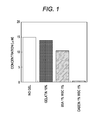
Fig. 1 is a graph showing the adsorption capacity of gel carriers produced from various types of materials to ACTH; -
Fig. 2 is a graph showing the adsorption capacity of the gelled casein to various types of peptides; -
Fig. 3 is a graph showing that the gelled casein is adsorbed to the peptide portion in ACTH labeled with tetramethyl rhodamine (TMR); -
Fig. 4 shows a photograph when the ACTH adsorbed to the gelled casein is detected by SDS-PAGE and subsequent silver staining; -
Fig. 5 shows a photograph when the ACTH forming a complex with albumin, which is adsorbed to the gelled casein, is detected by SDS-PAGE and subsequent fluorescence imaging; -
Fig. 6 shows a photograph when the fact that the gelled casein is not adsorbed to albumin is confirmed by SDS-PAGE and subsequent silver staining; -
Fig. 7 is a graph showing that an affinity of the gelled casein for ACTH varies depending on the pH; -
Fig. 8 shows a photograph in which the fact that ACTH in the serum can be detected by the method for detecting ACTH of the present invention is shown by SDS-PAGE, subsequent silver staining, and fluorescence imaging; and -
Fig. 9 shows a photograph in which the fact that ACTH in the urine can be detected by the method for detecting ACTH of the present invention is shown by SDS-PAGE, subsequent silver staining, and fluorescence imaging. - In the method for detecting ACTH of the present invention (hereinafter also referred to "detection method"), a process of bringing a liquid sample containing ACTH into contact with gelled casein to allow ACTH to be adsorbed to the gelled casein is performed.
- ACTH (a hormone composed of 39 amino acids) is secreted from the pituitary gland in the brain and acts on the adrenal cortex to facilitate secretion of adrenocortical hormone.
In the embodiment of the present invention, the ACTH being detected may be a natural ACTH produced in the living body, a peptide produced by cells such as mammalian cells into which the gene coding for ACTH is introduced, insect cells, Escherichia coli, or a peptide produced by chemical synthesis. Further, the ACTH has a high homology in amino acid sequence between biological species. Accordingly, the origin of ACTH is not particularly limited as long as it is a biological species that produces ACTH. Examples thereof include mammals (e.g., humans, mice, rats, dogs, and rabbits), birds (e.g., ostriches), and fish (e.g., smooth dogfish). - In the embodiment of the present invention, the liquid sample is not particularly limited as long as it is a liquid sample which may contain ACTH. For example, it may be a biological sample. The biological sample includes body fluid. Preferable examples of the body fluid include blood, plasma, serum, and urine. When the liquid sample is any one of the biological samples, the sample may contain a substance capable of binding to ACTH, which is derived from the living body. In the embodiment of the present invention, ACTH in the liquid sample may form a complex with the substance capable of binding to ACTH. The substance which can be bound to ACTH includes albumin.
The ACTH contained in the liquid sample may be the entire length of polypeptide or a fragment thereof. As a fragment of ACTH, a polypeptide having at least an amino acid sequence from the 1st to 24th position of ACTH is preferred. - In the detection method of the present invention, the gelled casein which is used to adsorb ACTH can be produced by gelling casein. Here, the term "casein" means a phosphorus protein which is known as a main component of milk protein. It is known that the casein is composed of three major casein components: αs, β, and κ.
In the embodiment of the present invention, the type of casein which is used as a raw material of the gelled casein is not particularly limited. Examples thereof include acid casein, casein sodium, αs-casein, β-casein, and κ-casein. The origin of casein is not particularly limited. Usable examples thereof include casein obtained from the milk of mammals such as cows and goats. - The method for preparing gelled casein is not particularly limited as long as it can gelate casein. For example, it includes a method for preparing gelled casein by reacting a solution of casein with a crosslinker. As such a crosslinker, water-soluble carbodiimide (WSC, chemical name: 1-ethyl-3-(3-dimethylaminopropyl)carbodiimide hydrochloride is preferable.
When the WSC is used, the gelled casein can be obtained, for example, in the following manner. First, 0.1 to 20% (w/v) of a casein solution is mixed with 0.1 to 50% (w/v) of a WSC solution at a volume ratio of 1 : 0.2 to 50. The mixed solution thus obtained is heated at 65 to 200°C for 5 to 120 minutes to return to room temperature, resulting in formation of gelled casein in the mixed solution. Then, the gelled casein is recovered from the mixed solution by centrifugation, followed by washing with water or an appropriate buffer solution to obtain gelled casein. - In the embodiment of the present invention, the form of the gelled casein is not particularly limited. Accordingly, the gelled casein obtained in the above manner may be suitably processed into a particle form, a membranous form or the like.
- In the embodiment of the present invention, the operation of bringing the gelled casein into contact with the liquid sample is not particularly limited. For example, the gelled casein may be added to the liquid sample to bring them into contact with each other, or a dispersion of the particulate gelled casein may be mixed with the liquid sample to bring them into contact with each other.
- As for conditions in the contact of the gelled casein with the liquid sample, from the viewpoint of improving the adsorbing efficiency of ACTH, the gelled casein is preferably brought into contact with the liquid sample under the conditions where the pH in the mixture of the gelled casein and the liquid sample is 6.5 or more, preferably from 6.5 to 10. This is based on the fact that the affinity of the gelled casein for ACTH varies depending on the pH, which has been found by the present inventors. A unit configured to adjust the pH is not particularly limited and it can be suitably selected from methods known in the art. For example, the pH can be adjusted by previously adding a buffer having a buffering action at a pH of 6.5 or more to the gelled casein and/or the liquid sample or adding the buffer to a mixture of the gelled casein and the liquid sample.
- In the contact of the gelled casein with the liquid sample, conditions other than the pH are not particularly limited. For example, the content ratio of the gelled casein to the liquid sample is from 1 : 2 to 1 : 1000 (at a volume ratio), preferably from 1 : 10 to 1 : 200. The ambient temperature is from 4 to 60°C, preferably from 4°C to room temperature, and the contact time is from 5 seconds to 60 minutes, preferably from 30 seconds to 1 minute.
- In the detection method of the present invention, the process of detecting the ACTH adsorbed to the gelled casein is performed after the contact of the gelled casein with the liquid sample.
In the process, a unit configured to detect the ACTH adsorbed to the gelled casein is not particularly limited. For example, the gelled casein adsorbed to ACTH is recovered so that the ACTH adsorbed to the recovered gelled casein can be directly detected. Alternatively, the gelled casein adsorbed to ACTH is recovered and the ACTH is allowed to be released from the recovered gelled casein so that the released ACTH can be detected. That is, the detection method of the present invention may further include recovering the gelled casein brought into contact with the liquid sample and allowing the ACTH adsorbed to the recovered gelled casein to be released. - A unit configured to recover the gelled casein may be suitably selected from units known in the art according to the form of the gelled casein used. For example, the gelled casein can be recovered by centrifuging the mixture of the gelled casein and the liquid sample and removing the supernatant.
- A unit configured to allow ACTH to be released from the gelled casein is not particularly limited. For example, ACTH can be eluted from the gelled casein by adding any protein denaturant known in the art to the gelled casein recovered. Examples of the protein denaturant include surfactants such as sodium dodecyl sulfate (SDS), urea, and guanidine.
- As described above, the present inventors have found the fact that the affinity of the gelled casein for ACTH varies depending on the pH. That is, in the embodiment of the present invention, the contact of the recovered gelled casein with an aqueous medium at a pH of 5.5 or less allows the ACTH adsorbed to the gelled casein to be released into the aqueous medium. A unit configured to adjust the pH is not particularly limited as long as it is a unit which does not prevent the subsequent detection of ACTH. It can be suitably selected from methods known in the art. The aqueous medium is not particularly limited. From the viewpoint of making the operation simpler, it is preferable to use an aqueous medium which can adjust the pH in the mixture of the gelled casein and the aqueous medium to 5.5 or less. Preferably usable examples of the aqueous medium include inorganic acids known in the art (e.g., dilute hydrochloric acid and dilute sulfuric acid), organic acids (e.g., acetic acid solutions), and buffer solutions having a buffering action at a pH of 5.5 or less (e.g., phosphate buffers and Good's buffers).
- A unit configured to detect the released ACTH is not particularly limited as long as it is a unit capable of detecting ACTH by distinguishing from other substances. It can be suitably selected from peptide detection methods known in the art. Examples of the detection unit include SDS-PAGE, subsequent gel staining or Western blotting, ELISA, chromatography, and mass spectrometry.
- As described above, in the embodiment of the present invention, it is possible that ACTH contained in the liquid sample is selectively adsorbed to the gelled casein, followed by release into an appropriate aqueous solvent. That is, the detection method of the present invention can be used when intending to selectively recover ACTH from a liquid sample and/or when intending to purify ACTH from a liquid sample. Therefore, the scope of the present invention includes a method for selectively recovering ACTH from a liquid sample and a method for purifying ACTH from a liquid sample.
- The adsorbent of ACTH of the present invention (hereinafter also referred to as "adsorbent") has a feature of containing the gelled casein and can be suitably used for the detection method of the present invention. That is, the ACTH in the liquid sample can be selectively adsorbed by using the adsorbent of the present invention, similarly to the gelled casein described in the detection method of the present invention. The ACTH to be adsorbed may be a polypeptide having at least an amino acid sequence from the 1st to 24th position of ACTH. Further, the ACTH may form a complex with a substance capable of binding to ACTH such as albumin.
- The gelled casein itself contained in the adsorbent of the present invention can be produced in the same manner as described in the detection method of the present invention. That is, the gelled casein can be obtained by reacting a solution of casein with a crosslinker. As such a crosslinker, water-soluble carbodiimide (WSC, chemical name: 1-ethyl-3-(3-dimethylaminopropyl)carbodiimide hydrochloride is preferable.
- The form of the gelled casein contained in the adsorbent of the present invention is not particularly limited. From the viewpoint of easy handling, the particle form is preferred. In this case, the adsorbent of the present invention may be in the form of a dispersion prepared by dispersing in water or an appropriate buffer solution. Alternatively, the adsorbent of the present invention may be in the form of a biuret reagent containing gelled casein particles dried by a known method such as freeze drying and water or an appropriate buffer solution for dispersing the particles at the time of usage. The concentration of the gelled casein particles in the dispersion can be suitably set by those skilled in the art. Usually, it is from 1 to 100 mg/ml, preferably from 5 to 50 mg/ml.
- The adsorbent of the present invention may contain known additives in the art, in addition to the gelled casein. Examples of the additives include buffer solutions (e.g., phosphate buffers and Good's buffers), protein stabilizing agents (e.g., BSA), and antiseptics (e.g., sodium azide). In the present invention, the affinity of the gelled casein for ACTH changes according to the pH as described above. Thus, it is preferable to contain a buffer solution having a buffering action at a pH of 6.5 or more.
- The method for storing the gelled casein contained in the adsorbent of the present invention is not particularly limited, and it may be stored at, for example, 4°C to room temperature.
- The adsorbent of the present invention has a capacity of selectively adsorbing to ACTH as long as it contains the gelled casein produced in the same manner as described in the detection method of the present invention. The capacity can be confirmed by the detection method of the present invention. Alternatively, the adsorption capacity of ACTH may be confirmed as follows. First, a synthesized ACTH peptide solution with a known concentration is mixed with the produced adsorbent. The gelled casein contained in the adsorbent is recovered from the mixed solution thus obtained. The concentration of the synthesized ACTH peptide contained in the remaining solution is measured and the resulting concentration is compared with the concentration before mixing. As the result of comparison, if the concentration after mixing is sufficiently lower than that before mixing, it is determined that the produced adsorbent has a capacity as the adsorbent of the present invention.
- Hereinafter, the present invention will be described in detail with reference to Examples, however, the present invention is not limited thereto.
- Casein sodium (manufactured by Wako Pure Chemical Industries, Ltd.) was dissolved in MilliQ (registered trademark) water (hereinafter simply referred to as "ultrapure water"; Millipore) to prepare a casein sodium solution (50 g/L (5%)). A 5% water-soluble carbodiimide (WSC, manufactured by DOJINDO LABORATORIES) solution (1 mL) and ultrapure water (3 mL) were added to the casein sodium solution (1 mL) to prepare a casein sodium-WSC mixed solution (5 mL) (final concentration of casein sodium: 1%, final concentration of WSC: 1%). The mixed solution was heated at 80°C for 10 minutes, followed by returning to room temperature to form a gel in the mixed solution. The supernatant was removed with a pipette from the solution containing the gel and the gelled casein was collected. Ultrapure water was added to the collected gelled casein. The mixture was centrifuged at 22200 G for 10 minutes using a centrifuge (CF15RXII, manufactured by Hitachi Koki Co., Ltd.) to allow it to be separated into a supernatant and gelled casein, followed by removal of the supernatant with pipette. The operation was repeated twice to wash the gelled casein. The gelled casein after washing was made into a fine gel carrier by vortexing and pipetting and the resulting carrier was dispersed in ultrapure water (5 mL). The obtained dispersion was a 1% gelled casein carrier dispersion.
- The same operation as the preparation of the gelled casein carrier dispersion was performed using bovine serum albumin (hereinafter referred to as "BSA": manufactured by Sigma Aldrich) in place of casein sodium to prepare a 1% albumin gel carrier dispersion.
- Gelatin (manufactured by Wako Pure Chemical Industries, Ltd.) was dissolved in ultrapure water and heated to 80°C to prepare a 10% gelatin solution (0.5 mL). The solution was cooled at 4°C for 2 hours to obtain a gelatin gel. Ultrapure water (4.5 mL) at 4°C was added to the obtained gelatin gel and the mixture was made into a fine gelatin gel carrier by pipetting. Then, a 1% gelatin gel carrier dispersion was prepared.
- The 1% gelled casein carrier dispersion (50 µL) prepared in (1) was mixed with a solution of a polypeptide having at least an amino acid sequence from the 1st to 24th position of ACTH (hereinafter referred to as "ACTH (1-24)" (300 µM, 5 µL, manufactured by Biologica Co.) which was labeled with tetramethyl rhodamine (TMR). A 1 M Bicine/NaOH buffer solution (pH 9) (10 µL) and ultrapure water (35 µL) were added to the mixture to prepare a mixed solution (100 µL). The final concentration of the gelled casein carrier in the mixed solution was adjusted to 0.5% and the final concentration of TMR-labeled ACTH (1-24) was adjusted to 15 µM. Similarly, the 1% albumin gel carrier dispersion in place of the 1% gelled casein carrier dispersion and the 1% gelatin gel carrier dispersion were used to prepare each mixed solution. The operation of the gelatin gel carrier was performed while cooling so that the gelatin gel was not dissolved in the solution.
- These mixtures were centrifuged at 22200 G for 3 minutes using the centrifuge to allow them to be separated into a supernatant and a precipitate. After the centrifugation, the fluorescence intensity of the supernatant at an excitation wavelength of 540 nm and a fluorescence wavelength of 580 nm was measured with a spectrophotofluorometer (F-7000, manufactured by Hitachi High-Technologies Corporation.). The amount of TMR remaining in the supernatant which was not adsorbed to each gel carrier, i.e., the amount of ACTH (1-24) was calculated. A 15 µM TMR-labeled ACTH (1-24) solution not containing the gel carrier was used as a reference. The results are shown in
Fig. 1 .
FromFig. 1 , it was found that the gelled casein carrier had a high adsorption capacity to TMR-labeled ACTH (1-24) as compared with those of the albumin gel carrier and the gelatin gel carrier. - 10 µL of a 1000 µM ACTH (1-24) (manufactured by Biologica Co.) solution, 10 µL of a 1000 µM ITIH4 fragment (manufactured by Biologica Co.) solution, 10 µL of a 1000 µM Fibrinogen α fragment (manufactured by Biologica Co.) solution, and 10 µL of a 1000 µM FactorXIII fragment (manufactured by Biologica Co.) solution were mixed. The 1% gelled casein carrier dispersion (50 µL) prepared in Example 1 (1), a 1 M Bicine buffer solution (pH 9) (3 µL), and ultrapure water (7 µL) were added to the mixture to prepare a peptide mixed solution (100 µL). The final concentration of the gelled casein carrier in the peptide mixed solution was adjusted to 0.5% and the final concentration of each peptide was adjusted to 100 µM. The peptide mixed solution thus prepared was centrifuged at 22200 G for 3 minutes using the centrifuge to allow it to be separated into a supernatant and a precipitate, and the supernatant was collected. Ultrapure water (99 µL) was added to the collected supernatant (1 µL) to prepare a 100-fold diluted supernatant. As an index sample for converting the MS concentration, a 1 µM TMR-labeled ACTH (1-24) solution (1 µL) was added to the supernatant to prepare a sample for measuring the peptide adsorption capacity. As a control for comparison with the sample for measuring the peptide adsorption capacity, a control sample was prepared by the same operation as described above using ultrapure water in place of the 1% gelled casein carrier dispersion.
- In advance, 10 mg/mL of αCHCA solution was prepared as a matrix solution. As a solvent, a solution of 0.1% trifluoroacetic acid/50% acetonitrile was used. Drops of the sample for measuring the peptide adsorption capacity (1 µL) prepared in (1) were put on an MS sample plate and dried under reduced pressure. Thereafter, drops of the matrix solution (1 µL) were put on the plate to be dried. It was confirmed that matrix crystals were formed. The MALDI-TOF/MS measurement (m/z of 800 to 5000) (Voyager-DE (trademark) PRO, manufactured by Applied Biosystems) was performed. The MALDI-TOF/MS measurement of the control sample was performed by the same operation as that of the MALDI-MS of the sample for measuring the peptide adsorption capacity using the control sample in place of the sample for measuring the peptide adsorption capacity. These measurement results were adjusted by the strength of the index sample to calculate the concentration of the peptides contained in the supernatants of each peptide. The results of the adsorption capacity of the gelled casein carrier to ACTH (1-24), ITIH4 fragment, Fibrinogen α fragment, and FactorXIII fragment are shown in
Fig. 2 . The properties of the peptides are shown in Table 1. InFig. 2 , the solid line of 100 µM shows the concentration of the peptides present in the peptide solution when the gelled casein carrier is not mixed. -
[Table 1] Peptide name The number of amino acid residues Isoelectric point Adsorption to gelled casein Amino acid sequence SEQ ID NO. ACTH(1-24) 24 10.6 + SYSMEHFRWGKPV GKKRRPVKVYP 1 ITIH4 fragment 21 12 - NVHSAGAAGSRMN FRPGVLSS 2 Fibrinogen α fragment 25 6.3 - DEAGSEADHEGTH STKRGHAKSRPV 3 Factor XIII fragment 25 3.9 - AVPPNNSNAAEDD LPTVELQGVVPR 4 - From
Fig. 2 , it was found that the adsorption capacity of the gelled casein carrier to ACTH (1-24) was significantly high as compared with those to ITIH4, Fibrinogen α, and Factor XIII. This showed that the gelled casein carrier did not adsorb ACTH (1-24) depending on isoelectric points such as acidic, neutral, and basic peptides, but selectively adsorbed ACTH (1-24). - A 1% gelled casein carrier dispersion was prepared in the same manner as described in (1) Preparation of gelled casein carrier dispersion of Example 1.
- The 1% gelled casein carrier dispersion (50 µL) prepared in (1) was mixed with a 300 µM TMR-labeled ACTH (1-24) solution (10 µL). Further, a 1 M Bicine buffer solution (pH 9) (10 µL) and ultrapure water (30 µL) were added thereto to prepare a mixed solution (100 µL). The final concentration of the gelled casein carrier in the mixed solution was adjusted to 0.5% and the final concentration of TMR-labeled ACTH (1-24) was adjusted to 30 µM. The mixed solution was centrifuged at 22200 G for 3 minutes using the centrifuge to allow it to be separated into a supernatant and a precipitate. As a control for comparison with a mixed solution of the gelled casein carrier and TMR-labeled ACTH (1-24), specifically a mixed solution not containing the gelled casein carrier, a mixed solution for comparison was also prepared by the same operation as described above using ultrapure water in place of the 1% gelled casein carrier dispersion.
- The same operation as the preparation of the gelled casein carrier and TMR-labeled ACTH (1-24) was performed using TMR in place of TMR-labeled ACTH (1-24) to prepare a mixed solution of the gelled casein carrier and TMR. As a control for comparison with a mixed solution of the gelled casein carrier and TMR, specifically a mixed solution not containing the gelled casein carrier, a mixed solution for comparison was also prepared by the same operation as described above using ultrapure water in place of the 1% gelled casein carrier dispersion.
- The fluorescence intensity of the supernatant at an excitation wavelength of 540 nm and a fluorescence wavelength of 580 nm in the mixed solution of the gelled casein carrier and TMR-labeled ACTH (1-24) prepared in (2) was measured with the spectrophotofluorometer (F-7000, manufactured by Hitachi High-Technologies Corporation.). The fluorescence intensity of the mixed solution not containing the gelled casein carrier prepared in (1) as a control was measured. The fluorescence intensity of the control was converted at 30 µM TMR-labeled ACTH (1-24) to calculate the amount of the TMR-labeled ACTH (1-24) which was not adsorbed to the gelled casein carrier and left in the supernatant.
- The fluorescence intensity of the supernatant at an excitation wavelength of 540 nm and a fluorescence wavelength of 580 nm in the mixed solution of the gelled casein carrier and TMR prepared in (2) was measured with the spectrophotofluorometer (F-7000, manufactured by Hitachi High-Technologies Corporation.). The fluorescence intensity of the mixed solution not containing the gelled casein carrier prepared in (1) as a control was measured. The fluorescence intensity of the control was converted at 30 µM TMR to calculate the amount of the TMR which was not adsorbed to the gelled casein carrier and left in the supernatant. Those results are shown in
Fig. 3 . - From
Fig. 3 , it is found that the gelled casein carrier hardly adsorbs TMR. This showed that the gelled casein carrier selectively adsorbed the portion of ACTH (1-24) in TMR-labeled ACTH (1-24). - A solution of 300 µM TMR-labeled ACTH (1-24) (10 µL), 1 M Bicine buffer solution (pH 9) (10 µL), and ultrapure water (80 µL) were mixed to prepare a mixed solution (100 µL). The mixed solution thus prepared was collected as a sample A.
- A 1 M Bicine buffer solution (pH 9) (10 µL) and ultrapure water (40 µL) were added to the 1% gelled casein carrier dispersion (50 µL) prepared in Example 1 to prepare a mixed solution (100 µL). The mixed solution was centrifuged at 22200 G for 3 minutes using the centrifuge to allow it to be separated into a supernatant and a precipitate. The resulting precipitate was collected as a sample B.
- The 1% gelled casein carrier dispersion (50 µL) prepared in Example 1 was mixed with a solution (10 µL) of 300 µM TMR-labeled ACTH (1-24). A 1 M Bicine buffer solution (pH 9) (10 µL) and ultrapure water (30 µL) were added thereto to prepare a mixed solution (100 µL). The final concentration of the gelled casein carrier in the mixed solution was adjusted to 0.5% and the final concentration of ACTH (1-24) was adjusted to 30 µM. The mixed solution was centrifuged at 22200 G for 3 minutes using the centrifuge to allow it to be separated into a supernatant and a precipitate. The supernatant was collected as a sample C. Subsequently, ultrapure water (100 µL) was added to the precipitate, which was stirred with a vortex. The mixed solution was centrifuged at 22200 G for 3 minutes using the centrifuge to allow it to be separated into a supernatant and a precipitate. The precipitate was collected as a sample D in SDS-PAGE shown in
Fig. 4 . - In advance, NuPAGE LDS Sample Buffer (4x) (manufactured by Invitrogen) (50 µL), NuPAGE Sample Reduction Agent (10x) (manufactured by Invitrogen) (20 µL), and ultrapure water (30 µL) were mixed to prepare a 2-fold condensed sample buffer (100 µL). Ultrapure water (20 µL) and 2-fold condensed sample buffer (20 µL) were added to the sample D collected in (1), which was heated at 70°C for 10 minutes. After heating, the obtained sample was centrifuged at 22200 G for 3 minutes using the centrifuge to allow it to be separated into a supernatant and a precipitate. The supernatant (10 µL) obtained by centrifugation was subjected to SDS-PAGE. The sample B collected in (1) was subjected to the same operation as that of the sample D and SDS-PAGE. Further, a 2-fold condensed sample buffer (5 µL) was added to 5 µL of the sample A collected in (1), which was heated at 70°C for 10 minutes. 10 µL of the resulting mixture was subjected to SDS-PAGE. The sample C collected in (1) was subjected to the same operation as that of the sample A and SDS-PAGE.
As an electrophoresis apparatus for SDS-PAGE, a vertical mini electrophoresis system (manufactured by Invitrogen) was used. As electrophoresis gels, NuPAGE 4-12% Bis-Tris Gels (1.0 mm, 10 wells, manufactured by Invitrogen) were used. As a running buffer, a solution prepared by 20-fold dilution of NuPAGE MES SDS running buffer (20x) (manufactured by Invitrogen) was used. The voltage during electrophoresis was set to a constant value of 200 V. After SDS-PAGE, the gel was stained with silver using EzStain Silver (ATTO CORPORATION). The results are shown inFig. 4 . - From the results of
Fig. 4 , almost all the ACTH (1-24) is adsorbed to the gelled casein carrier and is not present in the supernatant. The ACTH (1-24) adsorbed to the gelled casein carrier could be detected by directly subjecting it to SDS-PAGE. Generally, it is known that an ACTH molecule becomes a polymer in the presence of base. Accordingly, the bands present on the TMR-ACTH are expected to be ACTH polymers. It was found that the gelled casein carrier adsorbed to the polymer of ACTH (1-24). - Casein sodium was dissolved in ultrapure water to prepare a 50 g/L (5%) casein sodium solution. A 5% water-soluble carbodiimide (WSC) solution (1 mL) and ultrapure water (3 mL) were added to the casein sodium solution (1 mL) to prepare a casein sodium-WSC mixed solution (5 mL) (final concentration of casein sodium: 1%, final concentration of WSC: 1%). The temperature of the mixed solution was returned to room temperature by heating at 80°C for 10 minutes and a gel was formed in the mixed solution. The liquid portion was removed from the mixed solution containing the gel with a pipette. A gel precipitate was collected as a gelled casein carrier. Ultrapure water was added to the collected gelled casein carrier. The resulting mixture was centrifuged at 22200 G for 10 minutes using the centrifuge to allow it to be separated into a supernatant and a gel carrier, followed by removal of the supernatant with a pipette. The operation was repeatedly performed twice to wash the gelled casein carrier. The gel carrier after washing was made into a fine gel carrier by vortexing and pipetting and the resulting carrier was dispersed in ultrapure water (3 mL). The dispersion was a 1.6% gelled casein carrier dispersion.
- A 2400 µM BSA solution (40 µL), 200 µM TMR-labeled ACTH (1-24) (8 µL), and ultrapure water (32 µL) were mixed to prepare a BSA-ACTH (1-24) complex solution (80 µL). The concentration of BSA in the solution is 1200 µM, and the concentration of TMR-labeled ACTH (1-24) was adjusted to 20 µM. The equilibrium dissociation constant (Kd) between BSA and TMR-labeled ACTH (1-24) was measured by the fluorescence titration method and the Kd value was 12 µM. That is, when the prepared complex solution is 2-fold diluted, the concentration of BSA is 600 µM. When the concentration of TMR-labeled ACTH (1-24) is 10 µM, 98.0% of TMR-labeled ACTH (1-24) forms a complex with BSA.
- The solution (80 µL) prepared in (2) was mixed with the 1.6% gelled casein carrier dispersion (50 µL) prepared in (1). Thereafter, a 1 M Bicine/NaOH buffer solution (pH 9) (16 µL) and ultrapure water (14 µL) were added thereto to prepare a mixed solution (160 µL). The mixed solution was centrifuged at 22200 G for 3 minutes using the centrifuge to allow it to be separated into a supernatant and a gelled casein carrier. The gelled casein carrier was subjected to the following operation (4). The supernatant was used as a "supernatant A" of a sample containing BSA. Further, a mixed solution not containing the gelled casein carrier, a BSA-ACTH (1-24) complex solution (80 µL), a 1 M Bicine/NaOH buffer solution (pH 9)(16 µL), and ultrapure water (64 µL) were added to prepare a mixed solution (160 µL) as a control. The solution was used as a reference (REF.) sample containing BSA.
- A mixed solution was prepared in the same manner as described in the preparation of mixed solution of gelled casein carrier and BSA-ACTH (1-24) complex using a 20 µM TMR-labeled ACTH (1-24) solution in place of the BSA-ACTH (1-24) complex solution. The gelled casein carrier was subjected to the following operation (4). The supernatant was used as a "supernatant A" of a sample not containing BSA. Further, a mixed solution not containing the gelled casein carrier, 20 mM TMR-labeled ACTH (1-24) (80 µL), a 1 M Bicine/NaOH buffer solution (pH 9, 16 µL), and ultrapure water (64 µL) were added to prepare a mixed solution (160 µL) as a control. The solution was used as a REF. sample not containing BSA.
- A 20 mM Bicine/NaOH buffer solution (160 µL) was added to the gelled casein carrier separated in (3) Preparation of mixed solution of gelled-casein carrier and BSA-ACTH (1-24) complex. The mixture was pipetted so that the gelled casein carrier was uniformly dispersed in the solution. After pipetting, the resulting dispersion was centrifuged at 22200 G for 5 minutes using the centrifuge to allow it to be separated into a supernatant and a gelled casein carrier. The gelled casein carrier was subjected to the following operation (5). The supernatant was used as a "supernatant B" of a sample containing BSA.
- A 20 mM Bicine/NaOH buffer solution (160 µL) was added to the gelled casein carrier separated in (3) Preparation of mixed solution of gelled-casein carrier and ACTH (1-24). The mixture was pipetted so that the gelled casein carrier was uniformly dispersed in the solution. After pipetting, the resulting dispersion was centrifuged at 22200 G for 5 minutes using the centrifuge to allow it to be separated into a supernatant and a gelled casein carrier. The gelled casein carrier was subjected to the following operation (5). The supernatant was used as a "supernatant B" of a sample not containing BSA.
- A 100 mM MES/NaOH buffer solution (pH 5) (160 µL) was added to the gelled casein carrier after the process in (4) Washing of gelled casein carrier mixed with BSA-ACTH (1-24) complex. The mixture was pipetted so that the gelled casein carrier was uniformly dispersed in the solution. After pipetting, the mixed solution was centrifuged at 22200 G for 3 minutes using the centrifuge to allow it to be separated into a supernatant and a gelled casein carrier. The supernatant was used as a "supernatant C" of a sample containing BSA.
- A 100 mM MES/NaOH buffer solution (pH 5) (160 µL) was added to the gelled casein carrier after the process in (4) Washing of gelled casein carrier mixed with ACTH (1-24). The mixture was pipetted so that the gelled casein carrier was uniformly dispersed in the solution. After pipetting, the mixed solution was centrifuged at 22200 G for 3 minutes using the centrifuge to allow it to be separated into a supernatant and a gelled casein carrier. The supernatant was used as a "supernatant C" of a sample not containing BSA.
- In advance, a 10 x Loading Buffer (10 µL, manufactured by TAKARA), a 60% glycerol solution (5 µL), and ultrapure water (85 µL) were mixed to prepare a solution. The resulting solution was used as a sample buffer. Then, 20 µL of the REF. sample containing BSA, 20 µL of the sample supernatants A to C containing BSA, 20 µL of the REF. sample not containing BSA, and 20 µL of the sample supernatants A to C not containing BSA were collected. Each of the solutions was mixed with the sample buffer (2 µL), followed by SDS-PAGE. As an electrophoresis apparatus for SDS-PAGE, a vertical mini electrophoresis system (manufactured by Invitrogen) was used. As electrophoresis gels, NuPAGE 4-12% Bis-Tris Gels (1.0 mm, 10 wells, manufactured by Invitrogen) were used. As a running buffer, a solution prepared by 20-fold dilution of NuPAGE MES SDS running buffer (20x) (manufactured by Invitrogen) was used. The voltage during electrophoresis was set to a constant value of 200 V. Thus, after performing the SDS-PAGE, image data of electrophoresis gels (
Fig. 5 ) was obtained in the High Sample Intensity mode at the wavelength for TAMRA (excitation wavelength: 532 nm) of a fluorescence imager (Pharos FX (trademark) Molecular Imager: BIO-RAD LABORATORIES). Thereafter, the electrophoresis gels were stained with silver according to the procedure using EzStain Silver (ATTO CORPORATION) (Fig. 6 ). - The bands of TMR-labeled ACTH (1-24) can be confirmed from
Fig. 5 . The bands of BSA can be confirmed fromFig. 6 . In the mixed series (series containing BSA) prepared by mixing the gelled casein carrier and the BSA-ACTH (1-24) complex, the results of the REF. sample ofFig. 6 and the sample (the supernatant A) show that BSA is not adsorbed to the gelled casein carrier in the presence of the Bicine/NaOH buffer solution (pH 9). However, when smear bands of TMR-labeled ACTH (1-24) are confirmed inFig. 5 , the density of the bands is decreased. Thus, it is considered that a part of the TMR-ACTH (1-24) is detached from the BSA and adsorbed to the gelled casein carrier. It is surmised that the proportion in which the gelled casein carrier adsorbs TMR-ACTH (1-24) from BSA is determined by the balance between the equilibrium reaction of BSA and ACTH (1-24) and the equilibrium reaction of the gelled casein carrier and ACTH (1-24). In other words, in order to collect a larger amount of TMR-ACTH (1-24) from BSA, it is necessary to increase the additive amount of the gelled casein carrier. In the sample (the supernatant B), the band of TMR-labeled ACTH (1-24) can be hardly confirmed. Thus, it is expected that TMR-labeled ACTH (1-24) is still adsorbed to the gelled casein carrier in the washing process. In the sample (the supernatant C), the dark bands of TMR-labeled ACTH (1-24) can be confirmed. Accordingly, it was found that the TMR-labeled ACTH (1-24) was released from the gelled casein carrier in the presence of the MES/NaOH buffer solution (pH 5).
The above results suggested that even the ACTH (1-24) bound to BSA could be adsorbed to the gelled casein carrier. From the result, it was suggested that the ACTH (1-24) could be recovered by removing BSA from the BSA-ACTH (1-24) complex using the gelled casein. - A 1% gelled casein carrier dispersion was prepared in the same manner as described in (1) Preparation of gelled casein carrier dispersion of Example 1.
- The 1% gelled casein carrier dispersion (50 µL) prepared in (1) was mixed with a 300 µM TMR-labeled ACTH (1-24) solution (10 µL), and a 1 M Bicine buffer solution (pH 9) (10 µL) and ultrapure water (30 µL) were added thereto to prepare a mixed solution (100 µL). The final concentration of the gelled casein carrier in the mixed solution was adjusted to 0.5% and the final concentration of TMR-labeled ACTH (1-24) was adjusted to 30 µM. The mixed solution was centrifuged at 22200 G for 3 minutes using the centrifuge to allow it to be separated into a supernatant and a gelled casein carrier.
- A 20 mM Bicine/NaOH buffer solution (160 µL) was added to the gelled casein carrier separated in (2), followed by pipetting of the gelled casein carrier. After pipetting, the resulting dispersion was centrifuged at 22200 G for 5 minutes using the centrifuge to allow it to be separated into a supernatant and a gelled casein carrier.
- Each solution with each pH shown in Table 2 was added to the gelled casein carrier washed in (3). The mixture was pipetted so that the gelled casein carrier was uniformly dispersed therein. After pipetting, the mixed solution was centrifuged at 22200 G for 3 minutes using the centrifuge to allow it to be separated into a supernatant and a gelled casein carrier. In order to calculate the concentration of ACTH (1-24) remained in the separated supernatant, the fluorescence intensity of the supernatant was measured by the same operation as the spectrophotofluorometric measurement described in (3) of Example 3. As a control for comparison with the mixed solutions, a 30 µM TMR-labeled ACTH (1-24) solution containing each solution with each pH shown in Table 2 and not containing the gelled casein carrier was prepared. The fluorescence intensity of the solution was calculated in the same manner as described above. The fluorescence intensity of the control was converted at 30 µM TMR-labeled ACTH (1-24) to calculate the concentration of ACTH (1-24) remained in the supernatant from which the gelled casein carrier was removed. The measurement results are shown in Table 2 and
Fig. 7 . -
[Table 2] Solution pH Concentration of ACTH (1-24) in the supernatant [µM] (not containing the gelled casein carrier) Concentration of ACTH (1-24) in the supernatant [µM] (after dissociation from the gelled casein carrier) 100 mM Glycine/HCl buffer solution 2.5 30 27.8 Only HCl 2.5 30 31.1 Only HCl 3.9 30 25.2 10 mM acetic acid solution 4.1 30 30.0 30 mM MES solution 4.5 30 27.2 100 mM sodium acetate buffer solution 4.9 30 18.9 30 mM MES solution 4.9 30 25.7 100 mM MES/NaOH buffer solution 5.1 30 18.1 Only HCl 5.3 30 19.1 30 mM MES solution* 6 30 10.5 30 mM MES solution* 7.2 30 6.7 100 mM PBS buffer solution 7.3 30 1 Only HCl 7.7 30 0.8 30 mM ammonium bicarbonate solution 8.3 30 7.9 Only NaOH 8.4 30 1.1 100 mM Bicine/NaOH buffer solution 8.8 30 0.8 100 mM CAPS/NaOH buffer solution 10.3 30 3.2 * The pH of the 30 mM MES solution was adjusted with HCl and NaOH. - From Table 2 and
Fig. 7 , it was found that the ACTH (1-24) bound to the gelled casein carrier could be dissociated from the gelled casein carrier by using a solution having a pH of 5 or less regardless of the type of the solution. The 10 mM acetic acid solution and 30 mM ammonium bicarbonate solution used as pH adjustors are volatile. Thus, it is known that, in HPLC measurement or MS measurement, it is possible to perform a direct measurement without a process of demineralization. In other words, an appropriate solvent can be selected according to the measurement procedure of the solution after dissociation. For example, when ACTH (1-24) is detected by a biochemical procedure, a Glycine/NaOH buffer solution which is a Good's buffer or a MES/NaOH buffer solution may be used. In the case of a procedure which requires the process of demineralization before the treatment like the mass spectrometry, ACTH (1-24) can be dissociated using a volatile pH adjuster such as an acetic acid solution. - A 1% gelled casein carrier dispersion was prepared in the same manner as described in (1) Preparation of gelled casein carrier dispersion of Example 1.
- Serum previously collected from healthy woman (22 years old) (100 µL, PROMEDDX "Normal Serum Pool") was mixed with 300 µM TMR-labeled ACTH (1-24) (10 µL) to prepare serum containing TMR-labeled ACTH (1-24). The 1% gelled casein carrier dispersion (100 µL) prepared in (1) was placed in another container and centrifuged to allow the dispersion to be separated into a supernatant and a precipitate. The supernatant was removed with a pipette and only the precipitate was collected. Then, the serum containing TMR-labeled ACTH (1-24) prepared above (110 µL), a 1 M Bicine buffer solution (pH 9) (20 µL), and ultrapure water (20 µL) were added to the obtained precipitate to prepare a mixed solution (150 µL) of the gelled casein carrier and the sample. The final concentration of the gelled casein carrier in the mixed solution was adjusted to 0.75%, the final concentration of TMR-labeled ACTH (1-24) was adjusted to 20 µM, and the dilution ratio of the serum was adjusted to 1.5-fold. The mixed solution was centrifuged at 22200 G for 3 minutes using the centrifuge to allow it to be separated into a supernatant and a gelled casein carrier. As a reference sample before recovery not containing the gelled casein carrier, a mixed solution (150 µL) was prepared by adding serum containing the TMR-labeled ACTH (1-24) (110 µL), a 1 M Bicine buffer solution (pH 9) (20 µL), and ultrapure water (20 µL).
- A gelled casein carrier solution was prepared by the same operation as described in Preparation of mixed solution of gelled casein carrier and serum containing TMR-labeled ACTH (1-24) except that ultrapure water was used in place of the serum containing TMR-labeled ACTH (1-24). The solution was used as a control sample A. As a reference sample before recovery not containing the gelled casein carrier, a mixed solution (150 µL) was prepared by adding a 1 M Bicine buffer solution (pH 9) (20 µL) and ultrapure water (130 µL).
- A mixed solution of the gelled casein carrier and serum was prepared by the same operation as described in Preparation of mixed solution of gelled casein carrier and serum containing TMR-labeled ACTH (1-24) except that ultrapure water was used in place of the TMR-labeled ACTH (1-24). The solution was used as a control sample B. As a reference sample before recovery not containing the gelled casein carrier, a mixed solution (150 µL) was prepared by adding serum (100 µL), a 1 M Bicine buffer solution (pH 9) (20 µL), and ultrapure water (30 µL).
- The supernatant separated in (2) Preparation of mixed solution was removed with a pipette and the gelled casein carrier was collected. A 20 mMBicine/NaOH buffer solution (150 µL) was added to the gelled casein carrier, followed by pipetting of the gelled casein carrier. The resulting solution was centrifuged at 22200 G for 5 minutes using the centrifuge to allow it to be separated into a supernatant and a gelled casein carrier. The operation was repeatedly performed twice. The same operation was performed on the controls A and B prepared in (2).
- A 100 mM MES/NaOH buffer solution (pH 5) (50 µL) was added to the gelled casein carrier after the process of (3) Washing of gelled casein carrier, followed by pipetting of the gelled casein carrier. The mixed solution was centrifuged at 22200 G for 3 minutes using the centrifuge to allow it to be separated into a supernatant and a gelled casein carrier. The supernatant was recovered with a pipette and it was used as a recovered sample. The same operation was performed on the samples of the controls A and B.
- In advance, NuPAGE LDS Sample Buffer (4x) (manufactured by Invitrogen) (50 µL), NuPAGE Sample Reduction Agent (10x) (manufactured by Invitrogen) (20 µL), and ultrapure water (30 µL) were mixed to prepare a 2-fold condensed sample buffer (100 µL). Ultrapure water (5 µL) and 2-fold condensed sample buffer (5 µL) were added to the reference sample before recovery which was collected in (2), and the resulting mixture was heated at 70°C for 10 minutes. Similarly, 2-fold condensed sample buffer (5 µL) was respectively added to the reference sample before recovery for the control samples A and B which were collected in (2), the sample after recovery which was collected in (4), and the sample after recovery for the control samples A and B, followed by heating at 70°C for 10 minutes to prepare samples. Each of the obtained samples (1 µL) was subjected to SDS-PAGE. The electrophoresis apparatus for SDS-PAGE, the electrophoresis gels, and the running buffer are the same as those of Example 4 (2). The voltage during electrophoresis was set to a constant value of 200 V. After SDS-PAGE, fluorescence images and silver-stained images were obtained by the same operation as that of Example 5 (6). The results are shown in
Fig. 8 .
From the results ofFig. 8 , it was confirmed that the proteins in the serum were hardly adsorbed to the gelled casein carrier and ACTH (1-24) could be selectively recovered from the serum. - A 1% gelled casein carrier fluid concentrate was prepared in the same manner as described in (1) Preparation of gelled casein carrier fluid concentrate of Example 1 (1).
- Normal urine previously collected from a single donor (100 µL, ProMedDx) was mixed with 300 µM TMR-labeled ACTH (1-24) (10 µL) to prepare urine containing TMR-labeled ACTH (1-24). The 1% gelled casein carrier fluid concentrate (60 µL) prepared in (1) was placed in another container and centrifuged to allow the dispersion to be separated into a supernatant and a precipitate. The supernatant was removed with a pipette and only the precipitate was collected. Then, the urine (110 µL) containing TMR-labeled ACTH (1-24) prepared above and a 1 M Bicine buffer solution (pH 9) (10 µL) were added to the obtained precipitate to prepare a mixed solution (120 µL) of the gelled casein carrier and the sample. The final concentration of the gelled casein carrier in the mixed solution was adjusted to 0.5%, the final concentration of TMR-labeled ACTH (1-24) was adjusted to 25 µM, and the dilution rate of the urine was adjusted to 1.2-fold. The mixed solution was centrifuged at 22200 G for 3 minutes using the centrifuge to allow it to be separated into a supernatant and a gelled casein carrier. As a reference sample before recovery not containing the gelled casein carrier, a mixed solution (120 µL) was prepared by adding the urine containing TMR-labeled ACTH (1-24) (110 µL) and a 1 M Bicine buffer solution (pH 9) (10 µL).
- A gelled casein carrier solution was prepared by the same operation as described in Preparation of mixed solution of gelled casein carrier and urine containing TMR-labeled ACTH (1-24) except that ultrapure water was used in place of the urine containing TMR-labeled ACTH (1-24). The solution was used as a control sample A. As a reference sample before recovery not containing the gelled casein carrier, a mixed solution (120 µL) was prepared by adding a 1 M Bicine buffer solution (pH 9) (10 µL) and ultrapure water (110 µL).
- A mixed solution of the gelled casein carrier and urine was prepared by the same operation as described in Preparation of mixed solution of gelled casein carrier and urine containing TMR-labeled ACTH (1-24) except that ultrapure water was used in place of TMR-labeled ACTH (1-24). The solution was used as a control sample B. As a reference sample before recovery not containing the gelled casein carrier, a mixed solution (120 µL) was prepared by adding urine (100 µL), a 1 M Bicine buffer solution (pH 9) (10 µL), and ultrapure water (10 µL).
- A mixed solution of the gelled casein carrier and TMR-labeled ACTH (1-24) was prepared by the same operation as described in Preparation of mixed solution of gelled casein carrier and urine containing TMR-labeled ACTH (1-24) except that ultrapure water was used in place of the urine. The solution was used as a control sample C. As a reference sample before recovery not containing the gelled casein carrier, a mixed solution (120 µL) was prepared by adding 300 µM TMR-labeled ACTH (1-24) (10 µL), a 1 M Bicine buffer solution (pH 9) (10 µL), and ultrapure water (100 µL).
- The supernatant separated in (2) Preparation of mixed solution was removed with a pipette and the gelled casein carrier was collected. A 20 mM Bicine/NaOH buffer solution (120 µL) was added to the gelled casein carrier, followed by pipetting of the gelled casein carrier. The resulting solution was centrifuged at 22200 G for 5 minutes using the centrifuge to allow it to be separated into a supernatant and a gelled casein carrier. The operation was repeatedly performed twice. The same operation was performed on the control samples A to C prepared in (2).
- A 100 mM Glycine/NaOH buffer solution (pH 2.5) (60 µL) was added to the gelled casein carrier after the process of (3) Washing of gelled casein carrier, followed by pipetting of the gelled casein carrier. The mixed solution was centrifuged at 22200 G for 3 minutes using the centrifuge to allow it to be separated into a supernatant and a gelled casein carrier. The supernatant was recovered with a pipette and it was used as a recovered sample. The same operation was performed on the control samples A to C.
- In advance, NuPAGE LDS Sample Buffer (4x) (manufactured by Invitrogen) (50 µL), NuPAGE Sample Reduction Agent (10x) (manufactured by Invitrogen) (20 µL), and ultrapure water (30 µL) were mixed to prepare a 2-fold condensed sample buffer (100 µL). Ultrapure water (5 µL) and 2-fold condensed sample buffer (5 µL) were added to the reference sample before recovery which was collected in (2), and the resulting mixture was heated at 70°C for 10 minutes. Similarly, 2-fold condensed sample buffer (5 µL) was respectively added to the reference sample before recovery for the control samples A to C which were collected in (2), the sample after recovery which was collected in (4), and the sample after recovery for the control samples A to C, followed by heating at 70°C for 10 minutes to prepare samples. Each of the obtained samples (10 µL) was subjected to SDS-PAGE.
The electrophoresis apparatus for SDS-PAGE, the electrophoresis gels, and the running buffer are the same as those of Example 4 (2). The voltage during electrophoresis was set to a constant value of 200 V. After SDS-PAGE, fluorescence images and silver-stained images were obtained by the same operation as that of Example 5 (6). The results are shown inFig. 9 . From the results ofFig. 9 , it was confirmed that the proteins in the urine were hardly adsorbed to the gelled casein carrier and ACTH (1-24) could be selectively recovered from the urine.

Claims (14)
- A method for detecting adrenocorticotropic hormone comprising:bringing a liquid sample containing adrenocorticotropic hormone into contact with gelled casein to adsorb adrenocorticotropic hormone to the gelled casein; anddetecting the adrenocorticotropic hormone adsorbed to the gelled casein.
- The method according to claim 1, wherein the adsorbing process of adrenocorticotropic hormone is performed by bringing the liquid sample into contact with the gelled casein in the range of pH 6.5 or more.
- The method according to claim 1 or 2, further comprising:recovering the gelled casein brought into contact with the liquid sample; andallowing the adrenocorticotropic hormone adsorbed to the recovered gelled casein to be released.
- The method according to claim 3, wherein the release process of adrenocorticotropic hormone is performed by bringing the recovered gelled casein into contact with an aqueous medium at a pH 5. 5 or less and allowing the adrenocorticotropic hormone adsorbed to the gelled casein to be released into the aqueous medium.
- The method according to any one of claims 1 to 4, wherein the gelled casein is casein gelled with a crosslinker.
- The method according to claim 5, wherein the crosslinker is water-soluble carbodiimide.
- The method according to any one of claims 1 to 6, wherein adrenocorticotropic hormone is a polypeptide having at least an amino acid sequence from the 1st to 24th position of adrenocorticotropic hormone.
- The method according to any one of claims 1 to 7, wherein adrenocorticotropic hormone forms a complex with albumin.
- The method according to any one of claims 1 to 8, wherein the liquid sample is blood, plasma, serum or urine.
- Use of gelled casein as an adsorbent of adrenocorticotropic hormone.
- Use according to claim 10, wherein the gelled casein is casein gelled with a crosslinker.
- Use according to claim 11, wherein the crosslinker is water-soluble carbodiimide.
- Use according to any one of claims 10 to 12, wherein adrenocorticotropic hormone is a polypeptide having at least an amino acid sequence from the 1st to 24th position of adrenocorticotropic hormone.
- Use according to any one of claims 10 to 13, wherein adrenocorticotropic hormone forms a complex with albumin.
Applications Claiming Priority (1)
| Application Number | Priority Date | Filing Date | Title |
|---|---|---|---|
| JP2012005547A JP5717658B2 (en) | 2012-01-13 | 2012-01-13 | Method for detecting adrenocorticotropic hormone and adsorbent |
Publications (2)
| Publication Number | Publication Date |
|---|---|
| EP2615103A1 true EP2615103A1 (en) | 2013-07-17 |
| EP2615103B1 EP2615103B1 (en) | 2015-04-22 |
Family
ID=47471651
Family Applications (1)
| Application Number | Title | Priority Date | Filing Date |
|---|---|---|---|
| EP20130150698 Not-in-force EP2615103B1 (en) | 2012-01-13 | 2013-01-09 | Method for detecting adenocorticotropic hormone and absorbent |
Country Status (4)
| Country | Link |
|---|---|
| US (1) | US9952228B2 (en) |
| EP (1) | EP2615103B1 (en) |
| JP (1) | JP5717658B2 (en) |
| CN (1) | CN103207278B (en) |
Cited By (1)
| Publication number | Priority date | Publication date | Assignee | Title |
|---|---|---|---|---|
| RU2798903C1 (en) * | 2022-09-13 | 2023-06-28 | Федеральное государственное бюджетное образовательное учреждение дополнительного профессионального образования "Российская медицинская академия непрерывного профессионального образования" Министерства здравоохранения Российской Федерации (ФГБОУ ДПО РМАНПО Минздрава России) | Method of determining adrenocorticotropic hormone in "skin window" exudate |
Families Citing this family (1)
| Publication number | Priority date | Publication date | Assignee | Title |
|---|---|---|---|---|
| JP7242599B2 (en) * | 2020-03-17 | 2023-03-20 | 株式会社東芝 | MOLECULAR DETECTION DEVICE AND MOLECULAR DETECTION METHOD |
Family Cites Families (12)
| Publication number | Priority date | Publication date | Assignee | Title |
|---|---|---|---|---|
| US3758324A (en) * | 1971-12-23 | 1973-09-11 | Allied Chem | Cross linking agents for paper binders and paper coated therewith |
| JPS60231167A (en) * | 1984-05-01 | 1985-11-16 | Nitsusui Seiyaku Kk | Diagnostic screening reagent and preparation thereof |
| DE3640412A1 (en) * | 1986-11-26 | 1988-06-09 | Boehringer Mannheim Gmbh | METHOD FOR DETERMINING A SPECIFICALLY BINDABLE SUBSTANCE |
| CN1155368C (en) * | 1996-02-27 | 2004-06-30 | 帝人株式会社 | Powder composition for nasal administration |
| WO1999001166A1 (en) * | 1997-07-02 | 1999-01-14 | Coloplast A/S | A method for preparing a non-fibrous porous material |
| SE0300791D0 (en) | 2003-03-20 | 2003-03-20 | Amersham Biosciences Ab | Use of ph-responsive polymers |
| CN1776426A (en) * | 2005-11-29 | 2006-05-24 | 天津理工大学 | Semi-wet protein array and its preparation method |
| US20070178308A1 (en) * | 2006-01-27 | 2007-08-02 | Konica Minolta Medical & Graphic, Inc. | Germanium nanoparticles and biosubstance labeling agent by use thereof |
| JP5038407B2 (en) | 2006-06-14 | 2012-10-03 | ジョンズ ホプキンズ ユニバーシティー | Albumin binding protein / peptide complex as a biomarker for disease |
| WO2008072379A1 (en) * | 2006-12-13 | 2008-06-19 | Fujifilm Corporation | Method for producing modified biopolymer and method for crosslinking biopolymers |
| EP2511707B1 (en) * | 2009-12-10 | 2017-02-01 | Sysmex Corporation | Method for detection of basic peptide and reagent for detection of basic peptide |
| CN202033370U (en) * | 2011-04-06 | 2011-11-09 | 武汉优尔生科技股份有限公司 | Enzyme-linked immunosorbent assay kit of human adrenocorticotrophic hormone |
-
2012
- 2012-01-13 JP JP2012005547A patent/JP5717658B2/en not_active Expired - Fee Related
-
2013
- 2013-01-09 EP EP20130150698 patent/EP2615103B1/en not_active Not-in-force
- 2013-01-11 CN CN201310010173.7A patent/CN103207278B/en not_active Expired - Fee Related
- 2013-01-11 US US13/739,723 patent/US9952228B2/en active Active
Non-Patent Citations (1)
| Title |
|---|
| J H LIVESEY ET AL: "Prevention of adsorption losses during radioimmuoassay of polypeptide hormones: effectiveness of albumins, gelatin, caseins, Tween 20 and plasma", CLINICA CHIMICA ACTA., 18 August 1982 (1982-08-18), pages 193 - 198, XP055059469, Retrieved from the Internet <URL:http://ac.els-cdn.com/0009898182901309/1-s2.0-0009898182901309-main.pdf?_tid=fb692ed8-a370-11e2-b116-00000aab0f6c&acdnat=1365771822_3c24e63f1231eef577cd26a95fb8b1b8> [retrieved on 20130412] * |
Cited By (1)
| Publication number | Priority date | Publication date | Assignee | Title |
|---|---|---|---|---|
| RU2798903C1 (en) * | 2022-09-13 | 2023-06-28 | Федеральное государственное бюджетное образовательное учреждение дополнительного профессионального образования "Российская медицинская академия непрерывного профессионального образования" Министерства здравоохранения Российской Федерации (ФГБОУ ДПО РМАНПО Минздрава России) | Method of determining adrenocorticotropic hormone in "skin window" exudate |
Also Published As
| Publication number | Publication date |
|---|---|
| JP2013145172A (en) | 2013-07-25 |
| CN103207278B (en) | 2015-01-21 |
| JP5717658B2 (en) | 2015-05-13 |
| US20130183762A1 (en) | 2013-07-18 |
| US9952228B2 (en) | 2018-04-24 |
| CN103207278A (en) | 2013-07-17 |
| EP2615103B1 (en) | 2015-04-22 |
Similar Documents
| Publication | Publication Date | Title |
|---|---|---|
| JP7687847B2 (en) | Rapid preparation of labeled glycosylamines and methods for the analysis of glycosylated biomolecules that produce them - Patent Application 20070123633 | |
| Michel et al. | Proteome analysis of human plasma and amniotic fluid by Off‐Gel™ isoelectric focusing followed by nano‐LC‐MS/MS | |
| JP7437456B2 (en) | Nanopore protein conjugates for analyte detection and analysis | |
| US12553868B2 (en) | Kind of method for detecting sialoglycosyl casein glycomacropeptide | |
| WO2011149942A2 (en) | Compositions and methods for plasma peptide analysis | |
| JP3894570B2 (en) | Methods for purifying IGF-I | |
| US4191533A (en) | Pregnancy-specific β1 -glycoprotein and process for isolating it | |
| EP4379377A1 (en) | Magnetic bead coating, preparation method therefor, and test kit | |
| KR20150125920A (en) | Method for preventing deterioration of unsensitized latex reagent | |
| Castellanos‐Serra et al. | A procedure for protein elution from reverse‐stained polyacrylamide gels applicable at the low picomole level: An alternative route to the preparation of low abundance proteins for microanalysis | |
| JP4106111B2 (en) | Calibration / control formulations for immunoassays | |
| US9952228B2 (en) | Method for detecting adrenocorticotropic hormone and adsorbent | |
| Cowan et al. | Procollagen type III amino‐terminal propeptide and insulin‐like growth factor I as biomarkers of growth hormone administration | |
| US8716440B2 (en) | Method of liberating and recovering peptide | |
| US4065445A (en) | Pregnancy-specific β1 -glycoprotein and process for isolating it | |
| JP4039590B2 (en) | Stabilization of hemoglobin samples | |
| CN114705849A (en) | Mass spectrum method for absolute quantification of cystatin C in serum based on SILAC | |
| Sheer | Sample centrifugation onto membranes for sequencing | |
| JP6742235B2 (en) | Protein detection method using mass spectrometry | |
| Yuan | Sample preparation for LC‐MS bioanalysis of peptides | |
| US8835612B2 (en) | Isolation of phosphoproteins, glycoproteins and fragments thereof | |
| CN104193799A (en) | Method for extracting and separating polypeptides | |
| EP3135683B1 (en) | Method of liberating peptide, method of recovering peptide, using a peptide liberating agent | |
| JP7861925B2 (en) | Method for preparing glycans and method for analyzing glycans | |
| WO2025070814A1 (en) | Sugar chain preparation method and sugar chain analysis method |
Legal Events
| Date | Code | Title | Description |
|---|---|---|---|
| PUAI | Public reference made under article 153(3) epc to a published international application that has entered the european phase |
Free format text: ORIGINAL CODE: 0009012 |
|
| AK | Designated contracting states |
Kind code of ref document: A1 Designated state(s): AL AT BE BG CH CY CZ DE DK EE ES FI FR GB GR HR HU IE IS IT LI LT LU LV MC MK MT NL NO PL PT RO RS SE SI SK SM TR |
|
| AX | Request for extension of the european patent |
Extension state: BA ME |
|
| 17P | Request for examination filed |
Effective date: 20131211 |
|
| RBV | Designated contracting states (corrected) |
Designated state(s): AL AT BE BG CH CY CZ DE DK EE ES FI FR GB GR HR HU IE IS IT LI LT LU LV MC MK MT NL NO PL PT RO RS SE SI SK SM TR |
|
| 17Q | First examination report despatched |
Effective date: 20140415 |
|
| RIN1 | Information on inventor provided before grant (corrected) |
Inventor name: TSURUOKA, RENA |
|
| GRAP | Despatch of communication of intention to grant a patent |
Free format text: ORIGINAL CODE: EPIDOSNIGR1 |
|
| INTG | Intention to grant announced |
Effective date: 20141211 |
|
| GRAS | Grant fee paid |
Free format text: ORIGINAL CODE: EPIDOSNIGR3 |
|
| GRAA | (expected) grant |
Free format text: ORIGINAL CODE: 0009210 |
|
| AK | Designated contracting states |
Kind code of ref document: B1 Designated state(s): AL AT BE BG CH CY CZ DE DK EE ES FI FR GB GR HR HU IE IS IT LI LT LU LV MC MK MT NL NO PL PT RO RS SE SI SK SM TR |
|
| REG | Reference to a national code |
Ref country code: GB Ref legal event code: FG4D |
|
| REG | Reference to a national code |
Ref country code: CH Ref legal event code: EP |
|
| REG | Reference to a national code |
Ref country code: AT Ref legal event code: REF Ref document number: 723171 Country of ref document: AT Kind code of ref document: T Effective date: 20150515 |
|
| REG | Reference to a national code |
Ref country code: IE Ref legal event code: FG4D |
|
| REG | Reference to a national code |
Ref country code: DE Ref legal event code: R096 Ref document number: 602013001529 Country of ref document: DE Effective date: 20150603 |
|
| REG | Reference to a national code |
Ref country code: NL Ref legal event code: VDEP Effective date: 20150422 |
|
| REG | Reference to a national code |
Ref country code: AT Ref legal event code: MK05 Ref document number: 723171 Country of ref document: AT Kind code of ref document: T Effective date: 20150422 |
|
| REG | Reference to a national code |
Ref country code: LT Ref legal event code: MG4D |
|
| PG25 | Lapsed in a contracting state [announced via postgrant information from national office to epo] |
Ref country code: NL Free format text: LAPSE BECAUSE OF FAILURE TO SUBMIT A TRANSLATION OF THE DESCRIPTION OR TO PAY THE FEE WITHIN THE PRESCRIBED TIME-LIMIT Effective date: 20150422 |
|
| PG25 | Lapsed in a contracting state [announced via postgrant information from national office to epo] |
Ref country code: NO Free format text: LAPSE BECAUSE OF FAILURE TO SUBMIT A TRANSLATION OF THE DESCRIPTION OR TO PAY THE FEE WITHIN THE PRESCRIBED TIME-LIMIT Effective date: 20150722 Ref country code: ES Free format text: LAPSE BECAUSE OF FAILURE TO SUBMIT A TRANSLATION OF THE DESCRIPTION OR TO PAY THE FEE WITHIN THE PRESCRIBED TIME-LIMIT Effective date: 20150422 Ref country code: PT Free format text: LAPSE BECAUSE OF FAILURE TO SUBMIT A TRANSLATION OF THE DESCRIPTION OR TO PAY THE FEE WITHIN THE PRESCRIBED TIME-LIMIT Effective date: 20150824 Ref country code: HR Free format text: LAPSE BECAUSE OF FAILURE TO SUBMIT A TRANSLATION OF THE DESCRIPTION OR TO PAY THE FEE WITHIN THE PRESCRIBED TIME-LIMIT Effective date: 20150422 Ref country code: LT Free format text: LAPSE BECAUSE OF FAILURE TO SUBMIT A TRANSLATION OF THE DESCRIPTION OR TO PAY THE FEE WITHIN THE PRESCRIBED TIME-LIMIT Effective date: 20150422 Ref country code: FI Free format text: LAPSE BECAUSE OF FAILURE TO SUBMIT A TRANSLATION OF THE DESCRIPTION OR TO PAY THE FEE WITHIN THE PRESCRIBED TIME-LIMIT Effective date: 20150422 |
|
| PG25 | Lapsed in a contracting state [announced via postgrant information from national office to epo] |
Ref country code: RS Free format text: LAPSE BECAUSE OF FAILURE TO SUBMIT A TRANSLATION OF THE DESCRIPTION OR TO PAY THE FEE WITHIN THE PRESCRIBED TIME-LIMIT Effective date: 20150422 Ref country code: GR Free format text: LAPSE BECAUSE OF FAILURE TO SUBMIT A TRANSLATION OF THE DESCRIPTION OR TO PAY THE FEE WITHIN THE PRESCRIBED TIME-LIMIT Effective date: 20150723 Ref country code: AT Free format text: LAPSE BECAUSE OF FAILURE TO SUBMIT A TRANSLATION OF THE DESCRIPTION OR TO PAY THE FEE WITHIN THE PRESCRIBED TIME-LIMIT Effective date: 20150422 Ref country code: IS Free format text: LAPSE BECAUSE OF FAILURE TO SUBMIT A TRANSLATION OF THE DESCRIPTION OR TO PAY THE FEE WITHIN THE PRESCRIBED TIME-LIMIT Effective date: 20150822 Ref country code: LV Free format text: LAPSE BECAUSE OF FAILURE TO SUBMIT A TRANSLATION OF THE DESCRIPTION OR TO PAY THE FEE WITHIN THE PRESCRIBED TIME-LIMIT Effective date: 20150422 |
|
| REG | Reference to a national code |
Ref country code: FR Ref legal event code: PLFP Year of fee payment: 4 |
|
| REG | Reference to a national code |
Ref country code: DE Ref legal event code: R097 Ref document number: 602013001529 Country of ref document: DE |
|
| PG25 | Lapsed in a contracting state [announced via postgrant information from national office to epo] |
Ref country code: EE Free format text: LAPSE BECAUSE OF FAILURE TO SUBMIT A TRANSLATION OF THE DESCRIPTION OR TO PAY THE FEE WITHIN THE PRESCRIBED TIME-LIMIT Effective date: 20150422 Ref country code: DK Free format text: LAPSE BECAUSE OF FAILURE TO SUBMIT A TRANSLATION OF THE DESCRIPTION OR TO PAY THE FEE WITHIN THE PRESCRIBED TIME-LIMIT Effective date: 20150422 |
|
| PLBE | No opposition filed within time limit |
Free format text: ORIGINAL CODE: 0009261 |
|
| STAA | Information on the status of an ep patent application or granted ep patent |
Free format text: STATUS: NO OPPOSITION FILED WITHIN TIME LIMIT |
|
| PG25 | Lapsed in a contracting state [announced via postgrant information from national office to epo] |
Ref country code: CZ Free format text: LAPSE BECAUSE OF FAILURE TO SUBMIT A TRANSLATION OF THE DESCRIPTION OR TO PAY THE FEE WITHIN THE PRESCRIBED TIME-LIMIT Effective date: 20150422 Ref country code: SK Free format text: LAPSE BECAUSE OF FAILURE TO SUBMIT A TRANSLATION OF THE DESCRIPTION OR TO PAY THE FEE WITHIN THE PRESCRIBED TIME-LIMIT Effective date: 20150422 Ref country code: RO Free format text: LAPSE BECAUSE OF NON-PAYMENT OF DUE FEES Effective date: 20150422 Ref country code: PL Free format text: LAPSE BECAUSE OF FAILURE TO SUBMIT A TRANSLATION OF THE DESCRIPTION OR TO PAY THE FEE WITHIN THE PRESCRIBED TIME-LIMIT Effective date: 20150422 |
|
| 26N | No opposition filed |
Effective date: 20160125 |
|
| PG25 | Lapsed in a contracting state [announced via postgrant information from national office to epo] |
Ref country code: IT Free format text: LAPSE BECAUSE OF FAILURE TO SUBMIT A TRANSLATION OF THE DESCRIPTION OR TO PAY THE FEE WITHIN THE PRESCRIBED TIME-LIMIT Effective date: 20150422 |
|
| PG25 | Lapsed in a contracting state [announced via postgrant information from national office to epo] |
Ref country code: SI Free format text: LAPSE BECAUSE OF FAILURE TO SUBMIT A TRANSLATION OF THE DESCRIPTION OR TO PAY THE FEE WITHIN THE PRESCRIBED TIME-LIMIT Effective date: 20150422 Ref country code: BE Free format text: LAPSE BECAUSE OF NON-PAYMENT OF DUE FEES Effective date: 20160131 |
|
| PG25 | Lapsed in a contracting state [announced via postgrant information from national office to epo] |
Ref country code: LU Free format text: LAPSE BECAUSE OF FAILURE TO SUBMIT A TRANSLATION OF THE DESCRIPTION OR TO PAY THE FEE WITHIN THE PRESCRIBED TIME-LIMIT Effective date: 20160109 Ref country code: BE Free format text: LAPSE BECAUSE OF FAILURE TO SUBMIT A TRANSLATION OF THE DESCRIPTION OR TO PAY THE FEE WITHIN THE PRESCRIBED TIME-LIMIT Effective date: 20150422 |
|
| REG | Reference to a national code |
Ref country code: CH Ref legal event code: PL |
|
| PG25 | Lapsed in a contracting state [announced via postgrant information from national office to epo] |
Ref country code: MC Free format text: LAPSE BECAUSE OF FAILURE TO SUBMIT A TRANSLATION OF THE DESCRIPTION OR TO PAY THE FEE WITHIN THE PRESCRIBED TIME-LIMIT Effective date: 20150422 |
|
| PG25 | Lapsed in a contracting state [announced via postgrant information from national office to epo] |
Ref country code: CH Free format text: LAPSE BECAUSE OF NON-PAYMENT OF DUE FEES Effective date: 20160131 Ref country code: LI Free format text: LAPSE BECAUSE OF NON-PAYMENT OF DUE FEES Effective date: 20160131 |
|
| REG | Reference to a national code |
Ref country code: IE Ref legal event code: MM4A |
|
| REG | Reference to a national code |
Ref country code: FR Ref legal event code: PLFP Year of fee payment: 5 |
|
| PG25 | Lapsed in a contracting state [announced via postgrant information from national office to epo] |
Ref country code: IE Free format text: LAPSE BECAUSE OF NON-PAYMENT OF DUE FEES Effective date: 20160109 |
|
| PG25 | Lapsed in a contracting state [announced via postgrant information from national office to epo] |
Ref country code: SE Free format text: LAPSE BECAUSE OF FAILURE TO SUBMIT A TRANSLATION OF THE DESCRIPTION OR TO PAY THE FEE WITHIN THE PRESCRIBED TIME-LIMIT Effective date: 20150422 |
|
| PG25 | Lapsed in a contracting state [announced via postgrant information from national office to epo] |
Ref country code: MT Free format text: LAPSE BECAUSE OF FAILURE TO SUBMIT A TRANSLATION OF THE DESCRIPTION OR TO PAY THE FEE WITHIN THE PRESCRIBED TIME-LIMIT Effective date: 20150422 |
|
| REG | Reference to a national code |
Ref country code: FR Ref legal event code: PLFP Year of fee payment: 6 |
|
| PG25 | Lapsed in a contracting state [announced via postgrant information from national office to epo] |
Ref country code: CY Free format text: LAPSE BECAUSE OF FAILURE TO SUBMIT A TRANSLATION OF THE DESCRIPTION OR TO PAY THE FEE WITHIN THE PRESCRIBED TIME-LIMIT Effective date: 20150422 Ref country code: HU Free format text: LAPSE BECAUSE OF FAILURE TO SUBMIT A TRANSLATION OF THE DESCRIPTION OR TO PAY THE FEE WITHIN THE PRESCRIBED TIME-LIMIT; INVALID AB INITIO Effective date: 20130109 Ref country code: SM Free format text: LAPSE BECAUSE OF FAILURE TO SUBMIT A TRANSLATION OF THE DESCRIPTION OR TO PAY THE FEE WITHIN THE PRESCRIBED TIME-LIMIT Effective date: 20150422 |
|
| PG25 | Lapsed in a contracting state [announced via postgrant information from national office to epo] |
Ref country code: MT Free format text: LAPSE BECAUSE OF FAILURE TO SUBMIT A TRANSLATION OF THE DESCRIPTION OR TO PAY THE FEE WITHIN THE PRESCRIBED TIME-LIMIT Effective date: 20160131 Ref country code: MK Free format text: LAPSE BECAUSE OF FAILURE TO SUBMIT A TRANSLATION OF THE DESCRIPTION OR TO PAY THE FEE WITHIN THE PRESCRIBED TIME-LIMIT Effective date: 20150422 Ref country code: TR Free format text: LAPSE BECAUSE OF FAILURE TO SUBMIT A TRANSLATION OF THE DESCRIPTION OR TO PAY THE FEE WITHIN THE PRESCRIBED TIME-LIMIT Effective date: 20150422 |
|
| PG25 | Lapsed in a contracting state [announced via postgrant information from national office to epo] |
Ref country code: BG Free format text: LAPSE BECAUSE OF FAILURE TO SUBMIT A TRANSLATION OF THE DESCRIPTION OR TO PAY THE FEE WITHIN THE PRESCRIBED TIME-LIMIT Effective date: 20150422 |
|
| PG25 | Lapsed in a contracting state [announced via postgrant information from national office to epo] |
Ref country code: AL Free format text: LAPSE BECAUSE OF FAILURE TO SUBMIT A TRANSLATION OF THE DESCRIPTION OR TO PAY THE FEE WITHIN THE PRESCRIBED TIME-LIMIT Effective date: 20150422 |
|
| PGFP | Annual fee paid to national office [announced via postgrant information from national office to epo] |
Ref country code: GB Payment date: 20231130 Year of fee payment: 12 |
|
| PGFP | Annual fee paid to national office [announced via postgrant information from national office to epo] |
Ref country code: FR Payment date: 20231212 Year of fee payment: 12 |
|
| PGFP | Annual fee paid to national office [announced via postgrant information from national office to epo] |
Ref country code: DE Payment date: 20231128 Year of fee payment: 12 |
|
| REG | Reference to a national code |
Ref country code: DE Ref legal event code: R119 Ref document number: 602013001529 Country of ref document: DE |
|
| GBPC | Gb: european patent ceased through non-payment of renewal fee |
Effective date: 20250109 |
|
| PG25 | Lapsed in a contracting state [announced via postgrant information from national office to epo] |
Ref country code: DE Free format text: LAPSE BECAUSE OF NON-PAYMENT OF DUE FEES Effective date: 20250801 |
|
| PG25 | Lapsed in a contracting state [announced via postgrant information from national office to epo] |
Ref country code: GB Free format text: LAPSE BECAUSE OF NON-PAYMENT OF DUE FEES Effective date: 20250109 |
|
| PG25 | Lapsed in a contracting state [announced via postgrant information from national office to epo] |
Ref country code: FR Free format text: LAPSE BECAUSE OF NON-PAYMENT OF DUE FEES Effective date: 20250131 |