EP2612916A1 - Cellular high throughput encapsulation for screening or selection - Google Patents
Cellular high throughput encapsulation for screening or selection Download PDFInfo
- Publication number
- EP2612916A1 EP2612916A1 EP12150453.4A EP12150453A EP2612916A1 EP 2612916 A1 EP2612916 A1 EP 2612916A1 EP 12150453 A EP12150453 A EP 12150453A EP 2612916 A1 EP2612916 A1 EP 2612916A1
- Authority
- EP
- European Patent Office
- Prior art keywords
- cells
- selection
- nucleic acid
- solubilized
- ligand
- Prior art date
- Legal status (The legal status is an assumption and is not a legal conclusion. Google has not performed a legal analysis and makes no representation as to the accuracy of the status listed.)
- Withdrawn
Links
- 238000005538 encapsulation Methods 0.000 title claims description 21
- 238000012216 screening Methods 0.000 title description 9
- 230000001413 cellular effect Effects 0.000 title description 3
- 239000003446 ligand Substances 0.000 claims abstract description 50
- 238000000034 method Methods 0.000 claims abstract description 43
- 108090000623 proteins and genes Proteins 0.000 claims abstract description 39
- 102000004169 proteins and genes Human genes 0.000 claims abstract description 38
- 150000007523 nucleic acids Chemical group 0.000 claims abstract description 20
- 239000012528 membrane Substances 0.000 claims abstract description 14
- -1 cationic polysaccharide Chemical class 0.000 claims abstract description 10
- 108091028043 Nucleic acid sequence Proteins 0.000 claims abstract description 7
- 229920001586 anionic polysaccharide Polymers 0.000 claims abstract description 5
- 150000004836 anionic polysaccharides Chemical class 0.000 claims abstract description 5
- 229920001282 polysaccharide Polymers 0.000 claims abstract description 5
- 239000005017 polysaccharide Substances 0.000 claims abstract description 5
- 239000003599 detergent Substances 0.000 claims description 58
- 108090000045 G-Protein-Coupled Receptors Proteins 0.000 claims description 42
- 102000003688 G-Protein-Coupled Receptors Human genes 0.000 claims description 40
- 238000005063 solubilization Methods 0.000 claims description 16
- 230000007928 solubilization Effects 0.000 claims description 16
- 230000027455 binding Effects 0.000 claims description 13
- 230000001580 bacterial effect Effects 0.000 claims description 11
- 230000035772 mutation Effects 0.000 claims description 11
- 229920001661 Chitosan Polymers 0.000 claims description 10
- 238000002372 labelling Methods 0.000 claims description 9
- 239000013612 plasmid Substances 0.000 claims description 9
- 229920000615 alginic acid Polymers 0.000 claims description 8
- 235000010443 alginic acid Nutrition 0.000 claims description 8
- 238000002955 isolation Methods 0.000 claims description 8
- FHVDTGUDJYJELY-UHFFFAOYSA-N 6-{[2-carboxy-4,5-dihydroxy-6-(phosphanyloxy)oxan-3-yl]oxy}-4,5-dihydroxy-3-phosphanyloxane-2-carboxylic acid Chemical group O1C(C(O)=O)C(P)C(O)C(O)C1OC1C(C(O)=O)OC(OP)C(O)C1O FHVDTGUDJYJELY-UHFFFAOYSA-N 0.000 claims description 7
- 229940072056 alginate Drugs 0.000 claims description 7
- 125000000129 anionic group Chemical group 0.000 claims description 7
- 125000002091 cationic group Chemical group 0.000 claims description 7
- 239000007850 fluorescent dye Substances 0.000 claims description 7
- 102000004190 Enzymes Human genes 0.000 claims description 6
- 108090000790 Enzymes Proteins 0.000 claims description 6
- 230000002255 enzymatic effect Effects 0.000 claims description 6
- 230000008569 process Effects 0.000 claims description 6
- 102000015636 Oligopeptides Human genes 0.000 claims description 4
- 108010038807 Oligopeptides Proteins 0.000 claims description 4
- KIUKXJAPPMFGSW-DNGZLQJQSA-N (2S,3S,4S,5R,6R)-6-[(2S,3R,4R,5S,6R)-3-Acetamido-2-[(2S,3S,4R,5R,6R)-6-[(2R,3R,4R,5S,6R)-3-acetamido-2,5-dihydroxy-6-(hydroxymethyl)oxan-4-yl]oxy-2-carboxy-4,5-dihydroxyoxan-3-yl]oxy-5-hydroxy-6-(hydroxymethyl)oxan-4-yl]oxy-3,4,5-trihydroxyoxane-2-carboxylic acid Chemical compound CC(=O)N[C@H]1[C@H](O)O[C@H](CO)[C@@H](O)[C@@H]1O[C@H]1[C@H](O)[C@@H](O)[C@H](O[C@H]2[C@@H]([C@@H](O[C@H]3[C@@H]([C@@H](O)[C@H](O)[C@H](O3)C(O)=O)O)[C@H](O)[C@@H](CO)O2)NC(C)=O)[C@@H](C(O)=O)O1 KIUKXJAPPMFGSW-DNGZLQJQSA-N 0.000 claims description 3
- 108700019146 Transgenes Proteins 0.000 claims description 3
- 239000000556 agonist Substances 0.000 claims description 3
- 239000005557 antagonist Substances 0.000 claims description 3
- 229920002674 hyaluronan Polymers 0.000 claims description 3
- 229960003160 hyaluronic acid Drugs 0.000 claims description 3
- 230000007704 transition Effects 0.000 claims description 3
- 102000052510 DNA-Binding Proteins Human genes 0.000 claims description 2
- 102000004310 Ion Channels Human genes 0.000 claims description 2
- 102000007399 Nuclear hormone receptor Human genes 0.000 claims description 2
- 108020005497 Nuclear hormone receptor Proteins 0.000 claims description 2
- 102000044126 RNA-Binding Proteins Human genes 0.000 claims description 2
- 102000040945 Transcription factor Human genes 0.000 claims description 2
- 108091023040 Transcription factor Proteins 0.000 claims description 2
- 230000003321 amplification Effects 0.000 claims description 2
- 238000012217 deletion Methods 0.000 claims description 2
- 230000037430 deletion Effects 0.000 claims description 2
- 238000003780 insertion Methods 0.000 claims description 2
- 230000037431 insertion Effects 0.000 claims description 2
- 108020004017 nuclear receptors Proteins 0.000 claims description 2
- 238000003199 nucleic acid amplification method Methods 0.000 claims description 2
- 239000000758 substrate Substances 0.000 claims description 2
- 101710159080 Aconitate hydratase A Proteins 0.000 claims 1
- 101710159078 Aconitate hydratase B Proteins 0.000 claims 1
- 101710096438 DNA-binding protein Proteins 0.000 claims 1
- 101710105008 RNA-binding protein Proteins 0.000 claims 1
- 230000003381 solubilizing effect Effects 0.000 claims 1
- 210000004027 cell Anatomy 0.000 description 89
- 102000005962 receptors Human genes 0.000 description 55
- 108020003175 receptors Proteins 0.000 description 55
- 239000002775 capsule Substances 0.000 description 37
- HEGSGKPQLMEBJL-RKQHYHRCSA-N octyl beta-D-glucopyranoside Chemical compound CCCCCCCCO[C@@H]1O[C@H](CO)[C@@H](O)[C@H](O)[C@H]1O HEGSGKPQLMEBJL-RKQHYHRCSA-N 0.000 description 30
- WOQQAWHSKSSAGF-WXFJLFHKSA-N decyl beta-D-maltopyranoside Chemical compound O[C@@H]1[C@@H](O)[C@H](OCCCCCCCCCC)O[C@H](CO)[C@H]1O[C@@H]1[C@H](O)[C@@H](O)[C@H](O)[C@@H](CO)O1 WOQQAWHSKSSAGF-WXFJLFHKSA-N 0.000 description 24
- 238000001943 fluorescence-activated cell sorting Methods 0.000 description 22
- 239000011324 bead Substances 0.000 description 21
- 235000018102 proteins Nutrition 0.000 description 18
- 241000588724 Escherichia coli Species 0.000 description 17
- 102100024401 Alpha-1D adrenergic receptor Human genes 0.000 description 15
- PEDCQBHIVMGVHV-UHFFFAOYSA-N Glycerine Chemical compound OCC(O)CO PEDCQBHIVMGVHV-UHFFFAOYSA-N 0.000 description 15
- 229920000642 polymer Polymers 0.000 description 10
- 239000000243 solution Substances 0.000 description 10
- UMCMPZBLKLEWAF-BCTGSCMUSA-N 3-[(3-cholamidopropyl)dimethylammonio]propane-1-sulfonate Chemical compound C([C@H]1C[C@H]2O)[C@H](O)CC[C@]1(C)[C@@H]1[C@@H]2[C@@H]2CC[C@H]([C@@H](CCC(=O)NCCC[N+](C)(C)CCCS([O-])(=O)=O)C)[C@@]2(C)[C@@H](O)C1 UMCMPZBLKLEWAF-BCTGSCMUSA-N 0.000 description 9
- 239000000203 mixture Substances 0.000 description 9
- 238000010438 heat treatment Methods 0.000 description 8
- 229960001289 prazosin Drugs 0.000 description 8
- 150000001413 amino acids Chemical group 0.000 description 7
- 239000002245 particle Substances 0.000 description 7
- IENZQIKPVFGBNW-UHFFFAOYSA-N prazosin Chemical compound N=1C(N)=C2C=C(OC)C(OC)=CC2=NC=1N(CC1)CCN1C(=O)C1=CC=CO1 IENZQIKPVFGBNW-UHFFFAOYSA-N 0.000 description 7
- 108091005946 superfolder green fluorescent proteins Proteins 0.000 description 7
- 239000006228 supernatant Substances 0.000 description 7
- SLDYONDUXRBLLR-XTCKSVDZSA-N 2-amino-2-(hydroxymethyl)propane-1,3-diol;4-[[(3s,8s,9s,10r,13r,14s,17r)-10,13-dimethyl-17-[(2r)-6-methylheptan-2-yl]-2,3,4,7,8,9,11,12,14,15,16,17-dodecahydro-1h-cyclopenta[a]phenanthren-3-yl]oxy]-4-oxobutanoic acid Chemical compound OCC(N)(CO)CO.C1C=C2C[C@@H](OC(=O)CCC(O)=O)CC[C@]2(C)[C@@H]2[C@@H]1[C@@H]1CC[C@H]([C@H](C)CCCC(C)C)[C@@]1(C)CC2 SLDYONDUXRBLLR-XTCKSVDZSA-N 0.000 description 6
- 239000000523 sample Substances 0.000 description 6
- 238000006467 substitution reaction Methods 0.000 description 6
- KCXVZYZYPLLWCC-UHFFFAOYSA-N EDTA Chemical compound OC(=O)CN(CC(O)=O)CCN(CC(O)=O)CC(O)=O KCXVZYZYPLLWCC-UHFFFAOYSA-N 0.000 description 5
- 102000016943 Muramidase Human genes 0.000 description 5
- 108010014251 Muramidase Proteins 0.000 description 5
- 108010062010 N-Acetylmuramoyl-L-alanine Amidase Proteins 0.000 description 5
- 108010090804 Streptavidin Proteins 0.000 description 5
- 238000002819 bacterial display Methods 0.000 description 5
- 210000000170 cell membrane Anatomy 0.000 description 5
- 238000005119 centrifugation Methods 0.000 description 5
- 239000011248 coating agent Substances 0.000 description 5
- 238000000576 coating method Methods 0.000 description 5
- 229940088598 enzyme Drugs 0.000 description 5
- 230000004927 fusion Effects 0.000 description 5
- 229960000274 lysozyme Drugs 0.000 description 5
- 239000004325 lysozyme Substances 0.000 description 5
- 235000010335 lysozyme Nutrition 0.000 description 5
- 230000005298 paramagnetic effect Effects 0.000 description 5
- 230000000717 retained effect Effects 0.000 description 5
- GQEZCXVZFLOKMC-UHFFFAOYSA-N 1-hexadecene Chemical compound CCCCCCCCCCCCCCC=C GQEZCXVZFLOKMC-UHFFFAOYSA-N 0.000 description 4
- CSCPPACGZOOCGX-UHFFFAOYSA-N Acetone Chemical compound CC(C)=O CSCPPACGZOOCGX-UHFFFAOYSA-N 0.000 description 4
- 108091006027 G proteins Proteins 0.000 description 4
- 102000030782 GTP binding Human genes 0.000 description 4
- 108091000058 GTP-Binding Proteins 0.000 description 4
- 241000287828 Gallus gallus Species 0.000 description 4
- 102000019259 Succinate Dehydrogenase Human genes 0.000 description 4
- 108010012901 Succinate Dehydrogenase Proteins 0.000 description 4
- 210000004899 c-terminal region Anatomy 0.000 description 4
- 230000000694 effects Effects 0.000 description 4
- 238000002474 experimental method Methods 0.000 description 4
- 238000005259 measurement Methods 0.000 description 4
- 239000000693 micelle Substances 0.000 description 4
- 239000008188 pellet Substances 0.000 description 4
- XLYOFNOQVPJJNP-UHFFFAOYSA-N water Substances O XLYOFNOQVPJJNP-UHFFFAOYSA-N 0.000 description 4
- 101100167640 Glycine max CLV1B gene Proteins 0.000 description 3
- 102000018697 Membrane Proteins Human genes 0.000 description 3
- 108010052285 Membrane Proteins Proteins 0.000 description 3
- 101800001814 Neurotensin Proteins 0.000 description 3
- XAGFODPZIPBFFR-UHFFFAOYSA-N aluminium Chemical compound [Al] XAGFODPZIPBFFR-UHFFFAOYSA-N 0.000 description 3
- 229910052782 aluminium Inorganic materials 0.000 description 3
- 239000004411 aluminium Substances 0.000 description 3
- 235000001014 amino acid Nutrition 0.000 description 3
- 238000004458 analytical method Methods 0.000 description 3
- 238000003556 assay Methods 0.000 description 3
- 230000008021 deposition Effects 0.000 description 3
- 239000002158 endotoxin Substances 0.000 description 3
- 239000012634 fragment Substances 0.000 description 3
- 229920006008 lipopolysaccharide Polymers 0.000 description 3
- 239000002088 nanocapsule Substances 0.000 description 3
- 108010077353 neurotensin (9-13) Proteins 0.000 description 3
- 229920000867 polyelectrolyte Polymers 0.000 description 3
- 239000011148 porous material Substances 0.000 description 3
- BOLDJAUMGUJJKM-LSDHHAIUSA-N renifolin D Natural products CC(=C)[C@@H]1Cc2c(O)c(O)ccc2[C@H]1CC(=O)c3ccc(O)cc3O BOLDJAUMGUJJKM-LSDHHAIUSA-N 0.000 description 3
- 238000000527 sonication Methods 0.000 description 3
- 238000005406 washing Methods 0.000 description 3
- AZKSAVLVSZKNRD-UHFFFAOYSA-M 3-(4,5-dimethylthiazol-2-yl)-2,5-diphenyltetrazolium bromide Chemical compound [Br-].S1C(C)=C(C)N=C1[N+]1=NC(C=2C=CC=CC=2)=NN1C1=CC=CC=C1 AZKSAVLVSZKNRD-UHFFFAOYSA-M 0.000 description 2
- FWBHETKCLVMNFS-UHFFFAOYSA-N 4',6-Diamino-2-phenylindol Chemical compound C1=CC(C(=N)N)=CC=C1C1=CC2=CC=C(C(N)=N)C=C2N1 FWBHETKCLVMNFS-UHFFFAOYSA-N 0.000 description 2
- COCMHKNAGZHBDZ-UHFFFAOYSA-N 4-carboxy-3-[3-(dimethylamino)-6-dimethylazaniumylidenexanthen-9-yl]benzoate Chemical compound C=12C=CC(=[N+](C)C)C=C2OC2=CC(N(C)C)=CC=C2C=1C1=CC(C([O-])=O)=CC=C1C(O)=O COCMHKNAGZHBDZ-UHFFFAOYSA-N 0.000 description 2
- NJYVEMPWNAYQQN-UHFFFAOYSA-N 5-carboxyfluorescein Chemical compound C12=CC=C(O)C=C2OC2=CC(O)=CC=C2C21OC(=O)C1=CC(C(=O)O)=CC=C21 NJYVEMPWNAYQQN-UHFFFAOYSA-N 0.000 description 2
- BZTDTCNHAFUJOG-UHFFFAOYSA-N 6-carboxyfluorescein Chemical compound C12=CC=C(O)C=C2OC2=CC(O)=CC=C2C11OC(=O)C2=CC=C(C(=O)O)C=C21 BZTDTCNHAFUJOG-UHFFFAOYSA-N 0.000 description 2
- 241000894006 Bacteria Species 0.000 description 2
- 108700022150 Designed Ankyrin Repeat Proteins Proteins 0.000 description 2
- 101000925646 Enterobacteria phage T4 Endolysin Proteins 0.000 description 2
- 102100027285 Fanconi anemia group B protein Human genes 0.000 description 2
- 101000914679 Homo sapiens Fanconi anemia group B protein Proteins 0.000 description 2
- 238000012408 PCR amplification Methods 0.000 description 2
- 108010003723 Single-Domain Antibodies Proteins 0.000 description 2
- 238000013459 approach Methods 0.000 description 2
- 239000000872 buffer Substances 0.000 description 2
- 210000002421 cell wall Anatomy 0.000 description 2
- 238000006243 chemical reaction Methods 0.000 description 2
- WIIZWVCIJKGZOK-RKDXNWHRSA-N chloramphenicol Chemical compound ClC(Cl)C(=O)N[C@H](CO)[C@H](O)C1=CC=C([N+]([O-])=O)C=C1 WIIZWVCIJKGZOK-RKDXNWHRSA-N 0.000 description 2
- 229960005091 chloramphenicol Drugs 0.000 description 2
- 238000010367 cloning Methods 0.000 description 2
- 150000001875 compounds Chemical class 0.000 description 2
- 229920001577 copolymer Polymers 0.000 description 2
- 238000004925 denaturation Methods 0.000 description 2
- 230000036425 denaturation Effects 0.000 description 2
- 239000000975 dye Substances 0.000 description 2
- 239000000839 emulsion Substances 0.000 description 2
- 238000010265 fast atom bombardment Methods 0.000 description 2
- 238000000684 flow cytometry Methods 0.000 description 2
- 230000002068 genetic effect Effects 0.000 description 2
- 238000001727 in vivo Methods 0.000 description 2
- 238000011065 in-situ storage Methods 0.000 description 2
- 230000003834 intracellular effect Effects 0.000 description 2
- 238000002703 mutagenesis Methods 0.000 description 2
- 231100000350 mutagenesis Toxicity 0.000 description 2
- VMGAPWLDMVPYIA-HIDZBRGKSA-N n'-amino-n-iminomethanimidamide Chemical compound N\N=C\N=N VMGAPWLDMVPYIA-HIDZBRGKSA-N 0.000 description 2
- 102000004196 processed proteins & peptides Human genes 0.000 description 2
- 108090000765 processed proteins & peptides Proteins 0.000 description 2
- 238000005215 recombination Methods 0.000 description 2
- 230000006798 recombination Effects 0.000 description 2
- 230000009467 reduction Effects 0.000 description 2
- 238000011160 research Methods 0.000 description 2
- 150000003384 small molecules Chemical class 0.000 description 2
- 239000007787 solid Substances 0.000 description 2
- 230000009870 specific binding Effects 0.000 description 2
- 238000012360 testing method Methods 0.000 description 2
- 238000004627 transmission electron microscopy Methods 0.000 description 2
- AEMOLEFTQBMNLQ-AZLKCVHYSA-N (2r,3s,4s,5s,6r)-3,4,5,6-tetrahydroxyoxane-2-carboxylic acid Chemical compound O[C@@H]1O[C@@H](C(O)=O)[C@@H](O)[C@H](O)[C@@H]1O AEMOLEFTQBMNLQ-AZLKCVHYSA-N 0.000 description 1
- YMZMTOFQCVHHFB-UHFFFAOYSA-N 5-carboxytetramethylrhodamine Chemical compound C=12C=CC(N(C)C)=CC2=[O+]C2=CC(N(C)C)=CC=C2C=1C1=CC=C(C(O)=O)C=C1C([O-])=O YMZMTOFQCVHHFB-UHFFFAOYSA-N 0.000 description 1
- 241001504639 Alcedo atthis Species 0.000 description 1
- 101000772461 Arabidopsis thaliana Thioredoxin reductase 1, mitochondrial Proteins 0.000 description 1
- 229920003319 Araldite® Polymers 0.000 description 1
- 229920002134 Carboxymethyl cellulose Polymers 0.000 description 1
- 108020004414 DNA Proteins 0.000 description 1
- 108700020911 DNA-Binding Proteins Proteins 0.000 description 1
- 241000620209 Escherichia coli DH5[alpha] Species 0.000 description 1
- LFQSCWFLJHTTHZ-UHFFFAOYSA-N Ethanol Chemical compound CCO LFQSCWFLJHTTHZ-UHFFFAOYSA-N 0.000 description 1
- 238000012413 Fluorescence activated cell sorting analysis Methods 0.000 description 1
- 229920002683 Glycosaminoglycan Polymers 0.000 description 1
- 108010043121 Green Fluorescent Proteins Proteins 0.000 description 1
- DGAQECJNVWCQMB-PUAWFVPOSA-M Ilexoside XXIX Chemical compound C[C@@H]1CC[C@@]2(CC[C@@]3(C(=CC[C@H]4[C@]3(CC[C@@H]5[C@@]4(CC[C@@H](C5(C)C)OS(=O)(=O)[O-])C)C)[C@@H]2[C@]1(C)O)C)C(=O)O[C@H]6[C@@H]([C@H]([C@@H]([C@H](O6)CO)O)O)O.[Na+] DGAQECJNVWCQMB-PUAWFVPOSA-M 0.000 description 1
- 108090000862 Ion Channels Proteins 0.000 description 1
- 229940116531 Ion channel agonist Drugs 0.000 description 1
- 229940123915 Ion channel antagonist Drugs 0.000 description 1
- 102000008300 Mutant Proteins Human genes 0.000 description 1
- 108010021466 Mutant Proteins Proteins 0.000 description 1
- OVRNDRQMDRJTHS-UHFFFAOYSA-N N-acelyl-D-glucosamine Natural products CC(=O)NC1C(O)OC(CO)C(O)C1O OVRNDRQMDRJTHS-UHFFFAOYSA-N 0.000 description 1
- OVRNDRQMDRJTHS-FMDGEEDCSA-N N-acetyl-beta-D-glucosamine Chemical compound CC(=O)N[C@H]1[C@H](O)O[C@H](CO)[C@@H](O)[C@@H]1O OVRNDRQMDRJTHS-FMDGEEDCSA-N 0.000 description 1
- 102000017921 NTSR1 Human genes 0.000 description 1
- 102000017922 Neurotensin receptor Human genes 0.000 description 1
- KHGNFPUMBJSZSM-UHFFFAOYSA-N Perforine Natural products COC1=C2CCC(O)C(CCC(C)(C)O)(OC)C2=NC2=C1C=CO2 KHGNFPUMBJSZSM-UHFFFAOYSA-N 0.000 description 1
- 108700020962 Peroxidase Proteins 0.000 description 1
- 102000003992 Peroxidases Human genes 0.000 description 1
- 229920002518 Polyallylamine hydrochloride Polymers 0.000 description 1
- 229920000289 Polyquaternium Polymers 0.000 description 1
- 102000001708 Protein Isoforms Human genes 0.000 description 1
- 108010029485 Protein Isoforms Proteins 0.000 description 1
- 108700020471 RNA-Binding Proteins Proteins 0.000 description 1
- 101500028886 Rattus norvegicus Neurotensin Proteins 0.000 description 1
- 229920002125 Sokalan® Polymers 0.000 description 1
- 239000007983 Tris buffer Substances 0.000 description 1
- COQLPRJCUIATTQ-UHFFFAOYSA-N Uranyl acetate Chemical compound O.O.O=[U]=O.CC(O)=O.CC(O)=O COQLPRJCUIATTQ-UHFFFAOYSA-N 0.000 description 1
- 238000000862 absorption spectrum Methods 0.000 description 1
- 230000002776 aggregation Effects 0.000 description 1
- 238000004220 aggregation Methods 0.000 description 1
- 238000012867 alanine scanning Methods 0.000 description 1
- 239000000783 alginic acid Substances 0.000 description 1
- 229960001126 alginic acid Drugs 0.000 description 1
- 150000004781 alginic acids Chemical class 0.000 description 1
- 230000003281 allosteric effect Effects 0.000 description 1
- 229940125516 allosteric modulator Drugs 0.000 description 1
- 108020004102 alpha-1 Adrenergic Receptor Proteins 0.000 description 1
- 239000007864 aqueous solution Substances 0.000 description 1
- 230000004888 barrier function Effects 0.000 description 1
- 230000008901 benefit Effects 0.000 description 1
- 230000005540 biological transmission Effects 0.000 description 1
- 230000015572 biosynthetic process Effects 0.000 description 1
- 238000007413 biotinylation Methods 0.000 description 1
- 230000006287 biotinylation Effects 0.000 description 1
- HOQPTLCRWVZIQZ-UHFFFAOYSA-H bis[[2-(5-hydroxy-4,7-dioxo-1,3,2$l^{2}-dioxaplumbepan-5-yl)acetyl]oxy]lead Chemical compound [Pb+2].[Pb+2].[Pb+2].[O-]C(=O)CC(O)(CC([O-])=O)C([O-])=O.[O-]C(=O)CC(O)(CC([O-])=O)C([O-])=O HOQPTLCRWVZIQZ-UHFFFAOYSA-H 0.000 description 1
- 238000009835 boiling Methods 0.000 description 1
- 239000008364 bulk solution Substances 0.000 description 1
- 239000001768 carboxy methyl cellulose Substances 0.000 description 1
- 235000010948 carboxy methyl cellulose Nutrition 0.000 description 1
- 239000008112 carboxymethyl-cellulose Substances 0.000 description 1
- 239000013592 cell lysate Substances 0.000 description 1
- 239000001913 cellulose Substances 0.000 description 1
- 229920002678 cellulose Polymers 0.000 description 1
- 238000012512 characterization method Methods 0.000 description 1
- 238000005352 clarification Methods 0.000 description 1
- 239000002537 cosmetic Substances 0.000 description 1
- 230000008878 coupling Effects 0.000 description 1
- 238000010168 coupling process Methods 0.000 description 1
- 238000005859 coupling reaction Methods 0.000 description 1
- 239000013078 crystal Substances 0.000 description 1
- 238000002425 crystallisation Methods 0.000 description 1
- 230000008025 crystallization Effects 0.000 description 1
- 230000001419 dependent effect Effects 0.000 description 1
- 238000001514 detection method Methods 0.000 description 1
- 238000002050 diffraction method Methods 0.000 description 1
- 229940042399 direct acting antivirals protease inhibitors Drugs 0.000 description 1
- 238000001035 drying Methods 0.000 description 1
- 230000009977 dual effect Effects 0.000 description 1
- 238000000635 electron micrograph Methods 0.000 description 1
- 238000001493 electron microscopy Methods 0.000 description 1
- 238000004520 electroporation Methods 0.000 description 1
- 238000005516 engineering process Methods 0.000 description 1
- 238000007824 enzymatic assay Methods 0.000 description 1
- 230000005284 excitation Effects 0.000 description 1
- 230000001747 exhibiting effect Effects 0.000 description 1
- 239000013613 expression plasmid Substances 0.000 description 1
- 239000013604 expression vector Substances 0.000 description 1
- GNBHRKFJIUUOQI-UHFFFAOYSA-N fluorescein Chemical compound O1C(=O)C2=CC=CC=C2C21C1=CC=C(O)C=C1OC1=CC(O)=CC=C21 GNBHRKFJIUUOQI-UHFFFAOYSA-N 0.000 description 1
- MHMNJMPURVTYEJ-UHFFFAOYSA-N fluorescein-5-isothiocyanate Chemical compound O1C(=O)C2=CC(N=C=S)=CC=C2C21C1=CC=C(O)C=C1OC1=CC(O)=CC=C21 MHMNJMPURVTYEJ-UHFFFAOYSA-N 0.000 description 1
- 238000002189 fluorescence spectrum Methods 0.000 description 1
- 102000034238 globular proteins Human genes 0.000 description 1
- 108091005896 globular proteins Proteins 0.000 description 1
- XLYOFNOQVPJJNP-UHFFFAOYSA-M hydroxide Chemical compound [OH-] XLYOFNOQVPJJNP-UHFFFAOYSA-M 0.000 description 1
- 230000006872 improvement Effects 0.000 description 1
- 238000011534 incubation Methods 0.000 description 1
- 239000003262 industrial enzyme Substances 0.000 description 1
- 239000002198 insoluble material Substances 0.000 description 1
- 229940125425 inverse agonist Drugs 0.000 description 1
- 229920000831 ionic polymer Polymers 0.000 description 1
- 238000000670 ligand binding assay Methods 0.000 description 1
- 229920005684 linear copolymer Polymers 0.000 description 1
- 238000012417 linear regression Methods 0.000 description 1
- 239000007788 liquid Substances 0.000 description 1
- 230000007774 longterm Effects 0.000 description 1
- 239000006166 lysate Substances 0.000 description 1
- 238000002824 mRNA display Methods 0.000 description 1
- 230000005291 magnetic effect Effects 0.000 description 1
- 239000006249 magnetic particle Substances 0.000 description 1
- 230000014759 maintenance of location Effects 0.000 description 1
- 239000000463 material Substances 0.000 description 1
- 230000007927 membrane protein solubilization Effects 0.000 description 1
- 238000001000 micrograph Methods 0.000 description 1
- 230000004048 modification Effects 0.000 description 1
- 238000012986 modification Methods 0.000 description 1
- 229950006780 n-acetylglucosamine Drugs 0.000 description 1
- HEGSGKPQLMEBJL-UHFFFAOYSA-N n-octyl beta-D-glucopyranoside Natural products CCCCCCCCOC1OC(CO)C(O)C(O)C1O HEGSGKPQLMEBJL-UHFFFAOYSA-N 0.000 description 1
- 239000002105 nanoparticle Substances 0.000 description 1
- 238000005457 optimization Methods 0.000 description 1
- 229910000489 osmium tetroxide Inorganic materials 0.000 description 1
- 230000003204 osmotic effect Effects 0.000 description 1
- 230000001575 pathological effect Effects 0.000 description 1
- 239000000137 peptide hydrolase inhibitor Substances 0.000 description 1
- 229930192851 perforin Natural products 0.000 description 1
- 230000000737 periodic effect Effects 0.000 description 1
- 230000035699 permeability Effects 0.000 description 1
- 238000002823 phage display Methods 0.000 description 1
- 150000003904 phospholipids Chemical class 0.000 description 1
- 229920000729 poly(L-lysine) polymer Polymers 0.000 description 1
- 229920001464 poly(sodium 4-styrenesulfonate) Polymers 0.000 description 1
- 229920001467 poly(styrenesulfonates) Polymers 0.000 description 1
- 239000004584 polyacrylic acid Substances 0.000 description 1
- 229920002851 polycationic polymer Polymers 0.000 description 1
- 229920001184 polypeptide Polymers 0.000 description 1
- 230000003389 potentiating effect Effects 0.000 description 1
- 239000002244 precipitate Substances 0.000 description 1
- 238000002360 preparation method Methods 0.000 description 1
- 125000002924 primary amino group Chemical group [H]N([H])* 0.000 description 1
- 238000012545 processing Methods 0.000 description 1
- 125000001436 propyl group Chemical group [H]C([*])([H])C([H])([H])C([H])([H])[H] 0.000 description 1
- 238000002818 protein evolution Methods 0.000 description 1
- 238000003653 radioligand binding assay Methods 0.000 description 1
- 229940044601 receptor agonist Drugs 0.000 description 1
- 239000000018 receptor agonist Substances 0.000 description 1
- 229940044551 receptor antagonist Drugs 0.000 description 1
- 239000002464 receptor antagonist Substances 0.000 description 1
- 239000002824 redox indicator Substances 0.000 description 1
- 238000009877 rendering Methods 0.000 description 1
- 230000002441 reversible effect Effects 0.000 description 1
- 239000001022 rhodamine dye Substances 0.000 description 1
- 238000002702 ribosome display Methods 0.000 description 1
- 238000010187 selection method Methods 0.000 description 1
- 238000012163 sequencing technique Methods 0.000 description 1
- 230000035939 shock Effects 0.000 description 1
- 229910052708 sodium Inorganic materials 0.000 description 1
- 239000011734 sodium Substances 0.000 description 1
- 229940006186 sodium polystyrene sulfonate Drugs 0.000 description 1
- 238000012430 stability testing Methods 0.000 description 1
- 230000000087 stabilizing effect Effects 0.000 description 1
- BDHFUVZGWQCTTF-UHFFFAOYSA-M sulfonate Chemical compound [O-]S(=O)=O BDHFUVZGWQCTTF-UHFFFAOYSA-M 0.000 description 1
- 238000003786 synthesis reaction Methods 0.000 description 1
- 230000001225 therapeutic effect Effects 0.000 description 1
- 238000009210 therapy by ultrasound Methods 0.000 description 1
- ANRHNWWPFJCPAZ-UHFFFAOYSA-M thionine Chemical compound [Cl-].C1=CC(N)=CC2=[S+]C3=CC(N)=CC=C3N=C21 ANRHNWWPFJCPAZ-UHFFFAOYSA-M 0.000 description 1
- 230000009466 transformation Effects 0.000 description 1
- 239000013598 vector Substances 0.000 description 1
- 239000001018 xanthene dye Substances 0.000 description 1
Images





Classifications
-
- C—CHEMISTRY; METALLURGY
- C40—COMBINATORIAL TECHNOLOGY
- C40B—COMBINATORIAL CHEMISTRY; LIBRARIES, e.g. CHEMICAL LIBRARIES
- C40B30/00—Methods of screening libraries
- C40B30/04—Methods of screening libraries by measuring the ability to specifically bind a target molecule, e.g. antibody-antigen binding, receptor-ligand binding
-
- C—CHEMISTRY; METALLURGY
- C12—BIOCHEMISTRY; BEER; SPIRITS; WINE; VINEGAR; MICROBIOLOGY; ENZYMOLOGY; MUTATION OR GENETIC ENGINEERING
- C12N—MICROORGANISMS OR ENZYMES; COMPOSITIONS THEREOF; PROPAGATING, PRESERVING, OR MAINTAINING MICROORGANISMS; MUTATION OR GENETIC ENGINEERING; CULTURE MEDIA
- C12N15/00—Mutation or genetic engineering; DNA or RNA concerning genetic engineering, vectors, e.g. plasmids, or their isolation, preparation or purification; Use of hosts therefor
- C12N15/09—Recombinant DNA-technology
- C12N15/10—Processes for the isolation, preparation or purification of DNA or RNA
- C12N15/1034—Isolating an individual clone by screening libraries
- C12N15/1037—Screening libraries presented on the surface of microorganisms, e.g. phage display, E. coli display
-
- C—CHEMISTRY; METALLURGY
- C12—BIOCHEMISTRY; BEER; SPIRITS; WINE; VINEGAR; MICROBIOLOGY; ENZYMOLOGY; MUTATION OR GENETIC ENGINEERING
- C12N—MICROORGANISMS OR ENZYMES; COMPOSITIONS THEREOF; PROPAGATING, PRESERVING, OR MAINTAINING MICROORGANISMS; MUTATION OR GENETIC ENGINEERING; CULTURE MEDIA
- C12N15/00—Mutation or genetic engineering; DNA or RNA concerning genetic engineering, vectors, e.g. plasmids, or their isolation, preparation or purification; Use of hosts therefor
- C12N15/09—Recombinant DNA-technology
- C12N15/10—Processes for the isolation, preparation or purification of DNA or RNA
- C12N15/1034—Isolating an individual clone by screening libraries
- C12N15/1058—Directional evolution of libraries, e.g. evolution of libraries is achieved by mutagenesis and screening or selection of mixed population of organisms
-
- C—CHEMISTRY; METALLURGY
- C12—BIOCHEMISTRY; BEER; SPIRITS; WINE; VINEGAR; MICROBIOLOGY; ENZYMOLOGY; MUTATION OR GENETIC ENGINEERING
- C12N—MICROORGANISMS OR ENZYMES; COMPOSITIONS THEREOF; PROPAGATING, PRESERVING, OR MAINTAINING MICROORGANISMS; MUTATION OR GENETIC ENGINEERING; CULTURE MEDIA
- C12N15/00—Mutation or genetic engineering; DNA or RNA concerning genetic engineering, vectors, e.g. plasmids, or their isolation, preparation or purification; Use of hosts therefor
- C12N15/09—Recombinant DNA-technology
- C12N15/10—Processes for the isolation, preparation or purification of DNA or RNA
- C12N15/1034—Isolating an individual clone by screening libraries
- C12N15/1068—Template (nucleic acid) mediated chemical library synthesis, e.g. chemical and enzymatical DNA-templated organic molecule synthesis, libraries prepared by non ribosomal polypeptide synthesis [NRPS], DNA/RNA-polymerase mediated polypeptide synthesis
Definitions
- Directed evolution provides proteins with improved properties. Evolved proteins have been exploited as industrial enzymes, binding molecules and important research tools.
- the critical step in all directed evolution methods is the selection or screening of protein libraries for desired phenotypes. Selection techniques allow the examination of very large libraries by linking the phenotype of a protein to its genotype, allowing rapid identification of interesting variants. Selection methods such as phage display, yeast display, bacterial display, mRNA display and ribosome display are well established and routinely used to identify interesting biomolecules from large libraries, however none of these methods are suited to the selection of proteins that depend on complex intracellular synthesis or processing steps, or the presence of intracellular structures for their functional integrity.
- GPCR G-protein coupled receptors
- GPCR mutants that are stable in detergent micelles are an attractive target for research due to their importance in understanding GPCR structure and biochemistry.
- Bacterial display uses the bacterial cell to physically contain a given protein and the plasmid that encodes it. Bacterial display has been applied to 4 different GPCRs to acquire mutants with greatly improved functional expression in E.coli. While many of these high expressing GPCRs are more stable in detergent, the correlation between high expression and high stability in detergent micelles is weak at best.
- GPCR G protein-coupled receptor
- NT neurorotensin peptide
- FACS fluorescence-activated cell sorting
- DDM n-Dodecyl- ⁇ -D-Maltopyranoside
- DM n-Decyl- ⁇ -D-Maltopyranoside
- OG n-Octyl- ⁇ -D-Glucopyranoside
- LbL Layer by Layer
- CHAPS 3-[(3-cholamidopropyl)-dimethylammonio]-1-propane sulfonate/N,N-dimethyl-3-sulfo-N-[3-[[3 ⁇ ,5 ⁇ ,7 ⁇ ,12 ⁇ )-3,7,12-trihydroxy-24-oxocholan-24-yl]amino]propyl]-1-propanaminium hydroxide
- CHS cholesteryl hemisuccinate Tris salt
- CHESS Cellular High throughput Encapsulation
- the present invention provides a method for selecting a sequence set from a library of expressed nucleic acid sequences. It generally proceeds by the following steps:
- chitosan An example for a preferred cationic polysaccharide is chitosan.
- examples for preferred anionic polysaccharides are alginate or hyaluronic acid.
- Chitosan (CAS no. 9012-76-4) is a (random) linear polymer of f3-1-4-D-glucosamine and N-acetyl-D-glucosamine.
- Alginate (CAS no. 9005-32-7) is a linear copolymer of (1-4)-ß-D-mannuronate and alpha-L-guluronate.
- Hyaluronic acid (CAS no. 9004-61-9) is a glycosaminoglycan.
- polyions for practicing the invention include, without being restricted to, poly-L-lysine, carboxymethylcellulose, poly(sodium 4-styrenesulfonate), poly(allylamine hydrochloride), sodium polystyrene sulfonate, poly(styrene)-co-styrene sodium sulfonate (NaPSS), PLGA (polylactic-co-glycolic acid), polyacrylic acid or a water soluble polycationic polymer known for use in the cosmetics industry such as one of the polyquaternium list of compounds.
- the cationic treatment step precedes the anionic treatment step.
- the initial layer depends on the properties of the template surface.
- the surface of the cell is negatively charged due to the lipopolysaccharide (LPS) comprising the external face of the outer membrane.
- LPS lipopolysaccharide
- the process order can be reversed (i.e. the negatively charged layer is applied first) if a particular cell has a positively charged surface.
- the encapsulation step proceeds over several rounds, repeating the sequence of anionic and cationic coating.
- the cationic treatment step followed by an anionic treatment step may be repeated for example 2, 3, 4, 5, 6, 7, 8, 9 or 10 times, giving rise to ever thicker capsules.
- the solubilization step disrupts the cell wall or outer membrane (and the inner membrane in the case of gram negative bacteria such as E. coli) and exposes the cell's interior, whereas the coating applied to the cell during the encapsulation step retains larger structures in the cell to be probed in subsequent steps.
- the size limit can be tuned by adjusting the polyelectrolytes used (molecular weight) and the amount of layers deposited in the encapsulating step. This allows "tuning" of the method of the invention to allow for retention of a particular protein of interest; likewise it allows to provide for entry for a particular size of probe or ligand into the cell.
- the solubilization step may employ any method that does not disrupt the polymer layers coated onto the cell during the encapsulation step. Examples include: detergent treatment perforin, lysozyme, mild ultrasonic treatment, hyper or hypo osmotic shock, electroporation, alcohol treatment, freeze thaw cycles, heating and boiling the capsules and pressure gradients.
- encapsulated E.coli cells expressing GPCRs localised to the inner cell membrane are treated with an aqueous solution of 2% n-decyl- ⁇ -D-maltopyranoside, a detergent that solubilizes the cell membranes, for several hours. Receptor molecules are thus removed from the cell membrane and solubilized into n-decyl- ⁇ -D-maltopyranoside micelles inside the solubilized compartment.
- Other detergents such as DDM, OG, CHAPS and mixtures of any of these have also been used (see Examples).
- the solubilized compartments are contacted with a ligand to the target protein, and the ligand bears a detectable label,
- the ligand that is contacted with the solubilized compartments is able to enter the solubilized compartment through the perforation or holes in the cell wall or outer membrane -if any is left- and through the encapsulation coated onto the cell in the encapsulation step, to probe the target protein retained inside the solubilized compartment.
- Non-limiting examples for a ligand to practice the invention are an oligopeptide, an (allosteric) enzyme agonist or antagonist or ion channel agonist or antagonist, receptor agonist or antagonist, inverse agonist, reverse agonist and allosteric modulator.
- the ligand may also be an enzyme substrate or a transition state analogue binding to a variant of the target protein.
- Other non-limiting examples for ligands are specific binding molecules such as antibodies, DARPins, FABs, nanobodies or single chain variable fragments (scFv).
- functional proteins polypeptides
- the solubilized compartments are contacted with an indicator of an enzymatic activity of the target protein.
- the enzymatic activity converts the indicator into a dye (which then has a different absorption or fluorescence spectrum than the indicator prior to conversion) that serves as a detectable label, enabling the detection and further selection of the cell or compartment.
- the labelling step is ligand independent, e.g. a generic redox indicator can be used to detect the activity of peroxidases.
- the activity of fumarate reductase can be detected in a solubilized compartment in the presence of detergent.
- Cells expressing fumarate reductase or mutated fumarate reductase are encapsulated and the compartments solubilized with detergent.
- Water soluble 3-(4,5-dimethylthiazol-2-yl)-2, 5-diphenyltetrazolium bromide (MTT) is then added to the solubilized compartments, where it enters the compartment and any active fumarate reductase reduces the MTT to insoluble, purple coloured formazan.
- the formazan precipitate remains inside the solubilized compartment and its presence in particular compartments can be detected and isolated using flow cytometry (FACS).
- the detectable label is a fluorescent dye.
- fluorescent dyes are 4',6-diamidino-2-phenylindole, dihydrochloride (DAPI), xanthene dyes such as 5-or 6-Carboxyfluorescein (5-FAM and 6-FAM) or Fluorescein, rhodamine dyes such as 5- or 6-Carboxytetramethylrhodamine (5 or 6-TAMRA), or cyanine dyes.
- the selection step may proceed by any method that allows for discrimination of the cells or compartments by the amount or quality of label therein.
- FACS fluorescence activated cell sorting
- the selected sequence set is submitted to another round of selection according to the method of the invention.
- the selected sequence set is thus subcloned and transfected cells anew, and submitted to the sequence of encapsulation step, solubilization step, labelling step, selection step and isolation step, one or several times.
- the repetition may be applied to the selected sequence set of the previous repetition without further manipulation of the selected sequence set.
- the selected sequence set may be mutated, for example by error prone PCR ( Chen & Arnold, Proc. Nat. Acad. Sci. USA 1993, 90:5618-5622 ).
- This method introduces point mutations, it alters the sequence in small steps without substantially altering the length of any individual sequence, adding "noise” to the selected sequence set to introduce mutations from which subsequent rounds of selection can choose.
- Alternatives or complements are DNA shuffling or saturation mutagenesis ( Stemmer, Nature 1994, 370:389-391 ; Miyazaki & Arnold, J. Mol. Evol. 1999, 49: 716-720 ).
- the selected sequence set may be subject to a treatment that deletes sequence tracts, recombines or shuffles sequence tracts between selected sequences, or introduces new sequence tracts randomly.
- Such manipulation is equivalent to recombination in a physiological setting and enables larger "leaps" in evolutionary space.
- both point mutation and recombination are combined.
- the selected sequence set is diversified by amplification of said expressed nucleic acid sequences by a process introducing mutations into the amplified sequence, and/or by deletion or insertion of sequence tracts into said expressed nucleic acid sequences, and subsequently, the selected sequence set is submitted to another sequence of encapsulation step, solubilization step, labelling step, selection step and isolation step.
- the library of expressed nucleic acid sequences may be a random library or a library composed of homologous sequences, or sequences that are expressed in certain cells, tissues, pathological states, or in any other way connected to a parameter of interest.
- the library of expressed nucleic acid sequences is composed of homologous sequences of 60%, 65%, 70%, 75%, 80%, 85%, 90%, 95% or more percent identity with each other.
- Identity in the context of the present invention is a single quantitative parameter representing the result of a sequence comparison position by position.
- Methods of sequence comparison are known in the art; the BLAST algorithm available publicly is an example.
- the expressed nucleic acid sequence is part of a transgene expression construct present in the cell(s), for example an expression plasmid.
- the expressed nucleic acid sequence is genomic and the plurality of cells is a population of mutants.
- the plurality of cells is a heterologous mixture of cell types or organisms. This allows searching for rare phenotypes, for example hyper-stable enzymes in environmentally derived samples of organisms.
- the target protein may be any protein expressed in the cell and retained in the solubilized compartment after encapsulation and solubilization.
- One important non-limiting-example is a G-protein coupled receptor protein.
- Other non-limiting examples include ion channels, enzymes, nuclear receptors, transcription factors and DNA/RNA-binding proteins.
- Other examples for target proteins are specific binding molecules such as antibodies, DARPins, FABs, nanobodies or single chain variable fragments (scFv).
- Small-molecular weight target proteins are retained in the solubilized compartments by fusion to other oligopeptides or proteins to form larger structures (e.g. a triple GFP tag), or by reduction of the effective pore size of the solubilized compartment by an increased number of polymer layers.
- the cells are bacterial cells.
- the detectable label is a fluorescent dye and said selection step is accomplished by fluorescent cell sorting.
- the cells are E. coli cells
- the target protein is a G-protein coupled receptor
- the detectable label is a fluorescent dye
- G protein coupled receptors are integral membrane proteins of considerable therapeutic interest.
- the GPCR gene family is the largest in the human genome and encodes approximately 850 different receptors that sense and respond to a huge variety of stimuli.
- receptors need to be first solubilized in detergents and purified. While the crystal structures of several GPCRs have been solved, frequently as a fusion with T4-lysozyme, which would preclude coupling with G proteins, many members of this family are too unstable for such studies.
- the problem to be solved was that the cell would immediately disintegrate when exposed to detergent, thereby homogenizing the whole mixture of receptor mutants and plasmids, rendering the process useless for directed evolution, because the crucial genotype to phenotype linkage would be destroyed.
- Bacterial cells expressing high amounts of active GPCR in the inner membrane, whose outer membrane is gently permeabilized, could then be selected using fluorescence-activated cell sorting (FACS) through multiple rounds of expression and selection.
- FACS fluorescence-activated cell sorting
- the genetic identity of the high expressing mutants could then be identified by sequencing the plasmids contained in the selected cells.
- solubilized receptors need to be sorted, yet a similar FACS strategy could also be used with the encapsulated cells.
- the devised strategy was termed Cellular High throughput Encapsulation, Solubilization and Screening (CHESS) ( Fig. 1 ).
- Fig. 2a After washing away unbound chitosan, negatively charged alginate polymer was deposited, resulting in a strong coating of alternately charged, stable polymers ( Fig. 2a ).
- the encapsulation conditions were optimized by screening different buffers and pH values to maximize polymer deposition while minimizing cell aggregation ( Fig. 2b and 2c ).
- the optimized conditions produced preparations consisting of mostly single-cell sized ( Fig. 3a and 3b ), detergent-resistant ( Fig. 3c ) capsules when analyzed with flow cytometry and electron microscopy ( Fig. 4 ).
- Encapsulation allowed detergent treatment of the whole cells, whose cell membrane disintegrated, while GPCR expressed in the inner membrane was solubilized in situ and retained within the capsule, even after exposure to detergent for 15 days ( Fig. 3d ).
- D03 is a high expressing variant of rNTS1 that was identified using directed evolution with bacterial display and is stable in mild detergent.
- C7E02 is a variant derived from D03 that is very stable in DM micelles.
- FACS fluorescently labeled NTR1 ligand, HiLyte Fluor 647-labeled NT (HL-NT)could diffuse in through the capsule pores and be bound by the solubilized receptor.
- the "303 library” is a collection of rNTS1 mutants derived from D03. 30 variable positions in this library were identified from a saturation mutagenesis and high functional expression selection strategy. A further 3 amino acid substitutions were included in this library that have been reported to increase the stability of rNTS1. These 33 variable positions were recombined with wild-type residues to produce a library with a theoretical diversity of 8.6 x 10 9 individual mutants.
- This library was previously applied to bacterial display to identify high expressing mutants [20]. Several of these mutants, including C7E02, were discovered to be relatively stable in short chain detergents. Thus, this library could serve as a test case for CHESS selection, with the aim of direct isolation of receptors stable in short-chain detergents by screening the full library diversity.
- mutants selected after the third round of sorting were cloned into an expression vector containing a C-terminal sfGFP fusion and an avi-tag for in vivo biotinylation [21].
- expressed receptor proteins were solubilized in 2% DM for 3 h at 20°C and immobilized on streptavidin coated paramagnetic beads which allowed washing off of other proteins, and the detergent exchanged to 2% OG.
- HL-NT was added to bind to functional receptor molecules.
- the thermal denaturation profiles of the top 3 selected clones were measured in the presence or absence of ligand, when solubilized in 1.7% DM or 2% OG.
- 303OGB5 exhibited enhanced thermal stability over C7E02 when heated in the presence or absence of NT in both DM and OG ( Fig. 5c, d, e and f ).
- Fig. 5c, d, e and f were measured for C7E02 under the same conditions, probably because C7E02 was not stable in OG without NT bound, and for these assays the detergent had been exchanged in the absence of ligand.
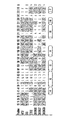
- the sequences of the receptors ( Fig. 7 ) shows 22, 21 and 14 amino acid substitutions over D03, respectively, mainly located within the transmembrane helices.
- ADRA1A alpha 1A adrenergic receptor
- the encapsulated ADRA1A library was solubilized in situ by a detergent mixture (1% DDM, 0.5% CHAPS, 0.1% CHS, 30% glycerol) in the presence of BODIPY-FL-labelled prazosin (FL-prazosin) before FACS selection.
- Thermal denaturation profiles of the top 4 selected clones were measured in the presence or absence of ligand ( Fig. 8b and c ).
- wild-type ADRA1A and the mutant A1A-05, selected for higher functional expression appeared unstable in this detergent in the absence of ligand, even at 20°C, as no significant fluorescence signal was obtained.
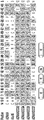
- the receptors directly evolved for stability in detergent were found to contain between 12 and 14 amino acid substitutions compared to the wild type receptor ( Fig. 9 ).
- CHESS is a novel, rapid method for directly generating GPCRs stable to harsh detergents that are perfectly suited to biophysical analyses and crystallography screens.
- CHESS might allow the direct selection of receptor mutants favoring the binding of G-protein mimetics such as peptides or even the G-proteins themselves, which could potentiate the direct selection of receptors stabilized in active conformations.
- CHESS may be applied to non-GPCR membrane proteins or soluble proteins such as enzymes. While it is a method to form microscopic compartments and thus similar in this respect to water-in-oil emulsions, it provides access to small molecules from and to the bulk solution, and each compartment is created directly from a bacterial cell. An application such as the one described, in which detergent is utilized, cannot be carried out with water-in-oil emulsions. All assays which would normally require cell disruption, such as membrane protein solubilization and stability testing, or enzymatic assays with cell-impermeable fluorogenic substrates, could now be carried out directly in these compartments created from live bacterial cells.
- CHESS is suited to long term stability studies because, once properly encapsulated, CHESS capsules are stable for weeks. By directly converting a bacterial cell into a semipermeable stable capsule, the number of samples that can simultaneously be tested, compared to individual cell lysates, is probably increased by 5 or 6 orders of magnitude. In the field of membrane protein study, it is hoped that CHESS can become part of a generic solution to the difficulties associated with the direct evolution of proteins stable to harsh detergents, such as the GPCRs described here, in turn leading to a more complete understanding of these therapeutically relevant proteins.
- the Escherichia coli strain DH5 ⁇ was used for all cloning and expression in this study. It was transformed with GPCR encoding plasmids or libraries and the proteins expressed as described previously (Sarkar et al., ibid.: Dodevski and Pluckthun, ibid.).
- ligand binding assays measured with FACS bacterial cells were exposed to 20 nM HiLyte Fluor 647 labelled NT(8-13) (HL-NT) (synthesized by Anaspec) for at least 2 h before being centrifuged and washed once before FACS analysis.
- HL-NT HiLyte Fluor 647 labelled NT(8-13)
- E. coli culture was centrifuged in Eppendorf tubes and the supernatant was discarded. Cells from the pellet were drawn into cellulose capillary tubes and immediately immersed in 1-hexadecene to prevent drying. Tubes of about 4 mm length were cut using a scalpel and transferred into the 150 ⁇ m well of a 6 mm aluminium specimen carrier. Treated E . coli cultures were centrifuged in sealed 200 ⁇ l pipette tips. Supernatant was removed with filter paper, the sealed tip cut off and the pellet directly pipetted into the 100 ⁇ m cavity of a 6 mm aluminium specimen carrier.
- Samples were sandwiched with a flat 6 mm aluminium specimen carrier dipped in 1-hexadecene and high-pressure frozen with an EM HPM100 high-pressure freezer (Leica Microsystems, Vienna, Austria). The samples were freeze-substituted with anhydrous acetone containing 2% OsO 4 in an AFS2 freeze-substitution unit (Leica Microsystems). Samples were substituted for 8 h at -90°C, 8 h at -60°C, 8 h at -30°C, and 1 h at 0°C with periodic temperature transition gradients of 30°C/h. Samples were then washed twice with anhydrous acetone at 4°C and embedded in Epon/Araldite.
- Sections were post-stained with uranyl acetate and lead citrate and imaged in a Phillips CM 12 transmission electron microscope (FEI, Eindhoven, Netherlands) using a Gatan CCD camera (1k x 1k) and digital micrograph acquisition software (Gatan GmbH, Kunststoff, Germany).
- E. coli cultures transformed with GPCR libraries were encapsulated and treated with PBS-E pH 7.4 containing complete protease inhibitors (Roche), 25 ⁇ g/ml chloramphenicol and 2% DM (PBS-E(DM)).
- PBS-E(DM) complete protease inhibitors
- the initial selection round involved challenging the encapsulated na ⁇ ve library with 2% DM for 3 h at 20°C with vigorous shaking without ligand, followed by 2 h at 20°C in the presence of 20 nM BODIPY FL labelled NT(8-13) (FL-NT) (Sarkar et al.; ibid.).
- Capsules were washed twice in PBS-E(DM) solution before FACS selection of the top 0.5 - 1% fluorescent capsules in the FITC channel. Genetic information was recovered from the sorted capsules by PCR amplification using specific primers after ultrasonic disruption of the capsules in an ultrasonic water bath for 5 minutes. In the second and third rounds of selection, the capsules were solubilized in PBS-E(DM) as in the first round for 3 h, followed by addition of 20 nM FL-NT for 1 h, before the capsules were collected by centrifugation and resuspended in PBS-E containing 2% OG (PBS-E(OG)) and 20 nM FL-NT.
- PBS-E(OG) 2% OG
- Capsules were washed once in 20 nM FL-NT in PBS-E(OG) to promote efficient detergent exchange before being incubated for 2 h in 2% OG with ligand. Capsules were washed twice in PBS-E(OG) and the top 0.5 - 1% of the fluorescent capsules sorted with FACS.
- PCR fragments amplified from the final rounds of selection were cloned into a vector containing a C-terminal sfGFP-AviTag fusion.
- Expression of GPCRs with a C-terminal Avi-tag has been previously shown to produce a high percentage of in vivo biotinylated receptor (Dodevski and Pluckthun, ibid.).
- Receptors were expressed in 24 deep-well plates and the cells solubilized in PBS-E(DM) containing 50 mg/ml chicken lysozyme (Sigma Aldrich). Plates were subjected to 5 min of sonication in an ultrasonic water bath before incubation for 3 h at 20°C with vigorous shaking.
- NTS1 related receptors were expressed in 200 ml cultures for 20-24 h at 20°C.
- Cells were harvested with centrifugation, washed once with PBS-E and the cells disrupted with sonication (Sonifier 250, Branson). Lysed cells were collected with centrifugation and the supernatant discarded. The pellet was solubilized in PBS-E(DM) containing 50 mg/ml chicken lysozyme at 20°C with vigorous shaking for 3 h. Insoluble material was removed by centrifugation and the supernatant exposed to streptavidin coated paramagnetic beads.
- Solubilized receptor was allowed to bind to the beads for 1 h at 4°C before being transferred to new vessels containing either PBS-E(DM) or PBS-E(OG) without ligand and mixed for 15 min. Beads were resuspended into new vessels containing either PBS-E(DM) or PBS-E(OG), with or without ligand (or competitor). Bead containing solutions were distributed along rows of 96-well PCR plates and subjected to 30 min of heat treatment using a gradient PCR cycler (Biometra). Ligands were incubated with receptor-coated beads for 1.5 h before or after heating.
- ADRA1A derived clones expression and sonication was conducted as above, but the pellet was solubilized in PBS-E(DCC) containing 50 mg/ml chicken lysozyme at 20°C with vigorous shaking for 3 h in the absence of ligand. Heat and ligand treatment was performed as above, with the radioligand binding assay and curve fitting performed as described previously (Dodevski and Pluckthun, ibid.).
Landscapes
- Life Sciences & Earth Sciences (AREA)
- Health & Medical Sciences (AREA)
- Chemical & Material Sciences (AREA)
- Genetics & Genomics (AREA)
- Engineering & Computer Science (AREA)
- Organic Chemistry (AREA)
- Bioinformatics & Cheminformatics (AREA)
- Biomedical Technology (AREA)
- Zoology (AREA)
- Wood Science & Technology (AREA)
- General Engineering & Computer Science (AREA)
- Biotechnology (AREA)
- Molecular Biology (AREA)
- General Health & Medical Sciences (AREA)
- Biochemistry (AREA)
- Crystallography & Structural Chemistry (AREA)
- Plant Pathology (AREA)
- Physics & Mathematics (AREA)
- Biophysics (AREA)
- Microbiology (AREA)
- Bioinformatics & Computational Biology (AREA)
- Virology (AREA)
- Ecology (AREA)
- Immunology (AREA)
- Chemical Kinetics & Catalysis (AREA)
- Medicinal Chemistry (AREA)
- General Chemical & Material Sciences (AREA)
- Measuring Or Testing Involving Enzymes Or Micro-Organisms (AREA)
- Micro-Organisms Or Cultivation Processes Thereof (AREA)
- Investigating Or Analysing Biological Materials (AREA)
Abstract
The invention relates to a method for selecting a sequence set from a library of expressed nucleic acid sequences, wherein cells are provided, each cell comprises an expressed nucleic acid sequence expressed as a target protein. The cells are encapsulated by treating them with a cationic polysaccharide and subsequently treating them with an anionic polysaccharide, yielding encapsulated cells, perforating the membrane of the encapsulated cells, yielding solubilized compartments, contacting them with a ligand to said target protein, the ligand bearing a detectable label, and selecting a subset of solubilized compartments as a function of detectable label and isolating the expressed nucleic acid sequences from the selection as a selected sequence set.
Description
- Directed evolution provides proteins with improved properties. Evolved proteins have been exploited as industrial enzymes, binding molecules and important research tools. The critical step in all directed evolution methods is the selection or screening of protein libraries for desired phenotypes. Selection techniques allow the examination of very large libraries by linking the phenotype of a protein to its genotype, allowing rapid identification of interesting variants. Selection methods such as phage display, yeast display, bacterial display, mRNA display and ribosome display are well established and routinely used to identify interesting biomolecules from large libraries, however none of these methods are suited to the selection of proteins that depend on complex intracellular synthesis or processing steps, or the presence of intracellular structures for their functional integrity. One example for a protein class that cannot be obtained by conventional means is the group of G-protein coupled receptors (GPCR). GPCR mutants that are stable in detergent micelles are an attractive target for research due to their importance in understanding GPCR structure and biochemistry.
- Bacterial display uses the bacterial cell to physically contain a given protein and the plasmid that encodes it. Bacterial display has been applied to 4 different GPCRs to acquire mutants with greatly improved functional expression in E.coli. While many of these high expressing GPCRs are more stable in detergent, the correlation between high expression and high stability in detergent micelles is weak at best.
- Abbreviations used herein are: GPCR (G protein-coupled receptor), NT (neurotensin peptide), FACS (fluorescence-activated cell sorting), DDM (n-Dodecyl-β-D-Maltopyranoside), DM (n-Decyl-β-D-Maltopyranoside), OG (n-Octyl-β-D-Glucopyranoside), LbL (Layer by Layer), CHAPS (3-[(3-cholamidopropyl)-dimethylammonio]-1-propane sulfonate/N,N-dimethyl-3-sulfo-N-[3-[[3α,5β,7α,12α)-3,7,12-trihydroxy-24-oxocholan-24-yl]amino]propyl]-1-propanaminium hydroxide); CHS (cholesteryl hemisuccinate Tris salt); CHESS (Cellular High throughput Encapsulation, Solubilization and Screening); HL-NT (HiLyte Fluor 647 labelled neurotensin peptide (8-13)); FL-NT ( BODIPY FL labelled neurotensin peptide (8-13)); FL-prazosin ( BODIPY FL labelled prazosin).
- The present invention provides a method for selecting a sequence set from a library of expressed nucleic acid sequences. It generally proceeds by the following steps:
- a plurality of cells is provided, wherein each of the cells comprises an expressed nucleic acid sequence, and this nucleic acid sequence is expressed in the cell and gives rise to a target protein,
- said plurality of cells is encapsulated in an encapsulating step, wherein cells are treated with a cationic polysaccharide ("cationic treatment step") and with an anionic polysaccharide ("anionic treatment step"), where after the cells are referred to as "encapsulated cells",
- the encapsulated cells are solubilized ("solubilization step") so that their membrane is disrupted to allow for the entry or departure of small molecules (low molecular mass compounds such as oligopeptides) into the cell or out of the cell, whereas the larger structures such as globular proteins are retained in the cell; the now encapsulated and solubilized cells are referred to as "solubilized compartments";
- the solubilized compartments are contacted with
- o a ligand to said target protein, wherein the ligand bears a detectable label, or
- o an indicator of an enzymatic activity of said target protein, and the enzymatic activity converts the indicator to a detectable label, ("labelling step");
- a subset of the solubilized compartments is selected as a function of the amount of detectable label present in each solubilized compartment ("selection step"), the selected solubilized compartments are referred to as "selection", and
- the expressed nucleic acid sequences are isolated from the selection as a selected sequence set ("isolation step").
- An example for a preferred cationic polysaccharide is chitosan. Examples for preferred anionic polysaccharides are alginate or hyaluronic acid. Chitosan (CAS no. 9012-76-4) is a (random) linear polymer of f3-1-4-D-glucosamine and N-acetyl-D-glucosamine. Alginate (CAS no. 9005-32-7) is a linear copolymer of (1-4)-ß-D-mannuronate and alpha-L-guluronate. Hyaluronic acid (CAS no. 9004-61-9) is a glycosaminoglycan. Other polyions for practicing the invention include, without being restricted to, poly-L-lysine, carboxymethylcellulose, poly(sodium 4-styrenesulfonate), poly(allylamine hydrochloride), sodium polystyrene sulfonate, poly(styrene)-co-styrene sodium sulfonate (NaPSS), PLGA (polylactic-co-glycolic acid), polyacrylic acid or a water soluble polycationic polymer known for use in the cosmetics industry such as one of the polyquaternium list of compounds.
- According to one embodiment, the cationic treatment step precedes the anionic treatment step. The initial layer depends on the properties of the template surface. For E. coli, the surface of the cell is negatively charged due to the lipopolysaccharide (LPS) comprising the external face of the outer membrane. This makes the cell perfect for initial coating with a positively charged polymer. The process order can be reversed (i.e. the negatively charged layer is applied first) if a particular cell has a positively charged surface.
- In one embodiment, the encapsulation step proceeds over several rounds, repeating the sequence of anionic and cationic coating. Thus, the cationic treatment step followed by an anionic treatment step may be repeated for example 2, 3, 4, 5, 6, 7, 8, 9 or 10 times, giving rise to ever thicker capsules.
- The solubilization step disrupts the cell wall or outer membrane (and the inner membrane in the case of gram negative bacteria such as E. coli) and exposes the cell's interior, whereas the coating applied to the cell during the encapsulation step retains larger structures in the cell to be probed in subsequent steps. The size limit can be tuned by adjusting the polyelectrolytes used (molecular weight) and the amount of layers deposited in the encapsulating step. This allows "tuning" of the method of the invention to allow for retention of a particular protein of interest; likewise it allows to provide for entry for a particular size of probe or ligand into the cell.
- The solubilization step may employ any method that does not disrupt the polymer layers coated onto the cell during the encapsulation step. Examples include: detergent treatment perforin, lysozyme, mild ultrasonic treatment, hyper or hypo osmotic shock, electroporation, alcohol treatment, freeze thaw cycles, heating and boiling the capsules and pressure gradients.
- In one embodiment, encapsulated E.coli cells expressing GPCRs localised to the inner cell membrane are treated with an aqueous solution of 2% n-decyl-β-D-maltopyranoside, a detergent that solubilizes the cell membranes, for several hours. Receptor molecules are thus removed from the cell membrane and solubilized into n-decyl-β-D-maltopyranoside micelles inside the solubilized compartment. Other detergents such as DDM, OG, CHAPS and mixtures of any of these have also been used (see Examples).
- According to one alternative of the labelling step, the solubilized compartments are contacted with a ligand to the target protein, and the ligand bears a detectable label, The ligand that is contacted with the solubilized compartments is able to enter the solubilized compartment through the perforation or holes in the cell wall or outer membrane -if any is left- and through the encapsulation coated onto the cell in the encapsulation step, to probe the target protein retained inside the solubilized compartment.
- Non-limiting examples for a ligand to practice the invention are an oligopeptide, an (allosteric) enzyme agonist or antagonist or ion channel agonist or antagonist, receptor agonist or antagonist, inverse agonist, reverse agonist and allosteric modulator. The ligand may also be an enzyme substrate or a transition state analogue binding to a variant of the target protein. Other non-limiting examples for ligands are specific binding molecules such as antibodies, DARPins, FABs, nanobodies or single chain variable fragments (scFv). Depending on the size of the pores of the solubilized membrane coating and the number of added polymer layers, also functional proteins (polypeptides) may be used as ligands.
- According to another alternative of the labelling step, the solubilized compartments are contacted with an indicator of an enzymatic activity of the target protein. The enzymatic activity converts the indicator into a dye (which then has a different absorption or fluorescence spectrum than the indicator prior to conversion) that serves as a detectable label, enabling the detection and further selection of the cell or compartment. Thus, according to this alternative the labelling step is ligand independent, e.g. a generic redox indicator can be used to detect the activity of peroxidases. By way of non-limiting example, the activity of fumarate reductase can be detected in a solubilized compartment in the presence of detergent. Cells expressing fumarate reductase or mutated fumarate reductase are encapsulated and the compartments solubilized with detergent. Water soluble 3-(4,5-dimethylthiazol-2-yl)-2, 5-diphenyltetrazolium bromide (MTT) is then added to the solubilized compartments, where it enters the compartment and any active fumarate reductase reduces the MTT to insoluble, purple coloured formazan. The formazan precipitate remains inside the solubilized compartment and its presence in particular compartments can be detected and isolated using flow cytometry (FACS).
- According to one embodiment, the detectable label is a fluorescent dye. Non-limiting examples of fluorescent dyes are 4',6-diamidino-2-phenylindole, dihydrochloride (DAPI), xanthene dyes such as 5-or 6-Carboxyfluorescein (5-FAM and 6-FAM) or Fluorescein, rhodamine dyes such as 5- or 6-Carboxytetramethylrhodamine (5 or 6-TAMRA), or cyanine dyes.
- The selection step may proceed by any method that allows for discrimination of the cells or compartments by the amount or quality of label therein. For fluorescent labels, FACS (fluorescence activated cell sorting) is the method of choice.
- According to one embodiment, the selected sequence set is submitted to another round of selection according to the method of the invention. The selected sequence set is thus subcloned and transfected cells anew, and submitted to the sequence of encapsulation step, solubilization step, labelling step, selection step and isolation step, one or several times. The repetition may be applied to the selected sequence set of the previous repetition without further manipulation of the selected sequence set. In another embodiment, the selected sequence set may be mutated, for example by error prone PCR (Chen & Arnold, Proc. Nat. Acad. Sci. USA 1993, 90:5618-5622). This method introduces point mutations, it alters the sequence in small steps without substantially altering the length of any individual sequence, adding "noise" to the selected sequence set to introduce mutations from which subsequent rounds of selection can choose. Alternatives or complements are DNA shuffling or saturation mutagenesis (Stemmer, Nature 1994, 370:389-391; Miyazaki & Arnold, J. Mol. Evol. 1999, 49: 716-720).
- Alternatively, in another embodiment the selected sequence set may be subject to a treatment that deletes sequence tracts, recombines or shuffles sequence tracts between selected sequences, or introduces new sequence tracts randomly. Such manipulation is equivalent to recombination in a physiological setting and enables larger "leaps" in evolutionary space. According to one embodiment, both point mutation and recombination are combined. Thus, the selected sequence set is diversified by amplification of said expressed nucleic acid sequences by a process introducing mutations into the amplified sequence, and/or by deletion or insertion of sequence tracts into said expressed nucleic acid sequences, and subsequently, the selected sequence set is submitted to another sequence of encapsulation step, solubilization step, labelling step, selection step and isolation step. Methods for introducing sequence variants are reviewed by Dalby (Curr. Opin. Struct. ) and references cited therein.
- The library of expressed nucleic acid sequences may be a random library or a library composed of homologous sequences, or sequences that are expressed in certain cells, tissues, pathological states, or in any other way connected to a parameter of interest. According to one embodiment, the library of expressed nucleic acid sequences is composed of homologous sequences of 60%, 65%, 70%, 75%, 80%, 85%, 90%, 95% or more percent identity with each other.
- Identity in the context of the present invention is a single quantitative parameter representing the result of a sequence comparison position by position. Methods of sequence comparison are known in the art; the BLAST algorithm available publicly is an example.
- In most embodiments, the expressed nucleic acid sequence is part of a transgene expression construct present in the cell(s), for example an expression plasmid. In one embodiment, the expressed nucleic acid sequence is genomic and the plurality of cells is a population of mutants. In one embodiment, the plurality of cells is a heterologous mixture of cell types or organisms. This allows searching for rare phenotypes, for example hyper-stable enzymes in environmentally derived samples of organisms.
- The target protein may be any protein expressed in the cell and retained in the solubilized compartment after encapsulation and solubilization. One important non-limiting-example is a G-protein coupled receptor protein. Other non-limiting examples include ion channels, enzymes, nuclear receptors, transcription factors and DNA/RNA-binding proteins. Other examples for target proteins are specific binding molecules such as antibodies, DARPins, FABs, nanobodies or single chain variable fragments (scFv). Small-molecular weight target proteins are retained in the solubilized compartments by fusion to other oligopeptides or proteins to form larger structures (e.g. a triple GFP tag), or by reduction of the effective pore size of the solubilized compartment by an increased number of polymer layers.
- According to one embodiment, the cells are bacterial cells.
- According to one embodiment, the detectable label is a fluorescent dye and said selection step is accomplished by fluorescent cell sorting.
- According to one embodiment, the cells are E. coli cells, the target protein is a G-protein coupled receptor and the detectable label is a fluorescent dye.
- Wherever reference is made herein to an embodiment of the invention, and such embodiment only refers to one feature of the invention, it is intended that such embodiment may be combined with any other embodiment referring to a different feature.
- The invention is further illustrated by the following figures and examples, from which further embodiments and advantages can be derived:
-
-
Fig. 1 shows a schematic representation of one embodiment of the invention. A library of receptor mutants is transformed and expressed in E. coli. Cells are encapsulated and the cell membrane permeabilized with detergent. The encapsulation layer serves as a semi-permeable barrier, retaining the solubilised receptor and its encoding plasmid within the capsule, but allowing fluorescently labelled ligand into the capsule where it can bind to functional receptor molecules. Capsules containing detergent stable GPCR mutants are more fluorescent and can be sorted from the population with FACS. Genetic material is recovered from the sorted capsules and used to either identify desired receptor mutants or as a template for further rounds of mutation or selection. -
Fig.2 shows a schematic representation of the LbL encapsulation of E. coli cells and the optimization of this method for the current invention (a) E. coli cells were encapsulated by laying down alternate layers of positively charged chitosan polymer and negatively charged alginate. (b) The amount of aggregated cells produced during the "Hillberg" LbL process was greatly reduced by the addition of EDTA (+EDTA) to the encapsulation solutions of alginate and chitosan. (c) Reducing the pH of the encapsulation solutions below 7 resulted in stronger capsules that were able to resist detergent treatment. -
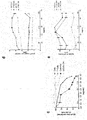
Fig. 3 shows the characterization of encapsulated cells. GPCR-expressing E. coli cells were encapsulated with 1 layer of chitosan and 1 layer of alginate in triplicate and analyzed with FACS. (a) The laser scattering properties of the naked cells allowed the definition of an arbitary gate enclosing 91.4% single cells. (b) 60.5% of particles detected in the encapsulated cell sample fell within this gate, with most of the remaining particles exhibiting scattering properties characteristic of larger particles. (c) Naked and encapsulated cells were exposed to detergent (1% DDM, 0.6% CHAPS, 0.12% CHS) and the loss of cell-like particles over time assayed with FACS. Detergent treatment of naked cells resulted in a rapid loss of cell-like particles (black open circles), whereas the detergent-treated encapsulated cell sample (grey open squares) maintained a high proportion of cell-like nanoparticles over the 15 day period. Untreated naked cells (black solid triangles) and untreated encapsulated cells (grey solid squares) both maintained a high proportion of cell-like particles over time. (d) C-terminally sfGFP-tagged D03- and C7E02-expressing cells were encapsulated and exposed to a mild detergent mixture (SAB) or harsh detergent (DM) in the presence of HL-NT. The sfGFP fluorescence contained within the capsules was measured using FACS for 15 days. No significant reduction in the mean fluorescence intensity (MFI) in the sfGFP channel was observed in the samples, indicating that the expressed receptors did not leak out of the nanocapsules. (e) Conversely, the average level of bound ligand per capsule varied more over the 15 day experiment. As expected, the activity of D03 in DM reduced over time. The fluorescence of the C7E02 samples tended to increase over the first 2 days before returning to the initial level after 15 days, indicating that this mutant was still able to bind ligand. -
Fig. 4 shows electron micrograph images of encapsulated cells. (a) Naked E. coli cells, (b) encapsulated cells and (c) encapsulated cells treated with 1% DDM for 24 h were visualized with transmission electron microscopy. -
Fig. 5 shows the selection of detergent stable 303 library members. Detergent stable "303 library" members were selected with FACS. (a) Fluorescence histograms of the sorted populations revealed strong enrichment of detergent stable receptors. (b) 22 selected clones were expressed individually, solubilized and assayed for ligand binding activity after 2 or 100 h in OG. The top 3 receptors were expressed and solubilized in 1.7% DM for 3 h at 20°C. Solubilized receptors were captured from the supernatant with streptavidin paramagnetic beads at 4°C for 1 h. (c) C7E02 (grey circles), 303OGB5 (grey squares), 303OGG7 (black circles) or 303OGG8 (black triangles) coated beads were either treated with 20 nM HL-NT(8-13) in 1.7% DM for 1h before being thermally challenged for 30 min at increasing temperatures or (d) treated with 20 nM HL-NT(8-13) after heating in the absence of ligand. (e) Alternatively, after solubilization in 1.7% DM, receptor coated beads were washed for 15 min in 2% OG at 4°C without ligand before being either exposed to 20 nM HL-NT(8-13) in 2% OG for 1 h and then being thermally challenged for 30 min at increasing temperatures or (f) treated with 20 nM HL-NT(8-13) after heating in the absence of ligand. No specific signal could be measured from C7E02 coated beads in 2% OG. Parallel measurements were taken at every temperature point in the presence of 5 µM NT(8-13) as a competitor to determine the specific fluorescence signal. Data points are plotted as the mean of duplicate measurements, 100% represents the signal measured after heating at 20°C for 30 min. Error bars indicate the standard error of the mean. -
Fig. 6 shows the method used to characterize selected 303 library members. -
Fig. 7 shows the amino acid sequences of highly stable selected 303 library members. The amino acid sequences of the selected receptors were aligned with parental rat NTS1, D03 and the high expressing clone C7E02. Locations of the transmembrane helices are indicated with cylinders whereas the number of mutations over D03 are shown in the Δ column. -
Fig. 8 shows the selection of detergent stable ADRA1A mutants with CHESS. Detergent-stable ADRA1A library members were selected with FACS using 200 nM BODIPY FL prazosin. (a) 21 selected clones were expressed individually, solubilized and assayed for ligand binding activity after 3 hours in PBS-E(DCC). (b) The top 4 receptors were solubilized in PBS-E(DCC) for 3 h at 20°C in the absence of ligand. Solubilized receptors were captured from the supernatant with streptavidin paramagnetic beads at 4°C for 1 h. ADRA1ADCCA3 (black circles), ADRA1ADCCG4 (grey open squares), ADRA1ADCCD7 (black crosses) or ADRA1ADCCD8 (grey open circles) coated beads were either treated with 20 nM [3H]prazosin for 1 h before being thermally challenged for 30 min at increasing temperatures or (c) treated with 20 nM [3H]prazosin after heating in the absence of ligand. No significant signal could be measured from ADRA1A- or A1A-05-coated beads when the receptors were solubilized in the absence of ligand. Parallel measurements were taken for every receptor in the presence of 10 µM unlabeled prasozin as a competitor to determine the specific fluorescence signal. Data points are plotted as the mean of duplicate measurements, 100% represents the signal measured after heating at 20°C for 30 min. Error bars indicate the standard error of the mean. -
Fig. 9 shows the amino acid sequences of stable selected ADRA1A library members. The amino acid sequences of the selected receptors were aligned with parental ADRA1A and the previously identified high expressing mutant A1A-05. Locations of the transmembrane helices are indicated with cylinders whereas the number of mutations over ADRA1A are shown in the Δ column. - G protein coupled receptors (GPCRs) are integral membrane proteins of considerable therapeutic interest. The GPCR gene family is the largest in the human genome and encodes approximately 850 different receptors that sense and respond to a huge variety of stimuli. For most biophysical and structural studies, receptors need to be first solubilized in detergents and purified. While the crystal structures of several GPCRs have been solved, frequently as a fusion with T4-lysozyme, which would preclude coupling with G proteins, many members of this family are too unstable for such studies.
- The challenge for a wider study of this family is that no approach, either rational or evolutionary, has been described that would allow direct improvement of the detergent stability of integral membrane proteins. Stabilizing mutations have been previously identified using semi-rational trial and error or alanine scanning and screening approaches. However, even with automated platforms, only small numbers of mutants can be screened, since analysis must be performed on individually prepared lysates. Alternatively, a directed evolution method has been developed that selects for higher functional expression in bacteria (Sarkar et al., Proc Natl Acad Sci U S A, 2008. 105(39): p. 14808-13; Dodevski and Pluckthun, J Mol Biol, 2011. 408(4): p. 599-615). While higher functional expression in the membrane showed clear correlation with stability in mild detergents, resistance to short chain detergents might not directly correlate, since particular residues control the access of short-chain detergents to the protein interior, which cannot be accessed by bulky detergents or phospholipid molecules.
- To nonetheless exploit the enormous powers of iterative directed evolution, we sought to carry out the receptor solubilization directly in the bacterial cell to allow the simultaneous screening of >108 cells, each expressing different receptor mutants, for GPCR variants that are detergent-soluble and functional. By using the cell as the primary compartment, we would maintain the connection of the GPCR phenotype to the genotype (the encoding plasmid) and thus use this screen as part of a Darwinian process, i.e. an iteration of selection and diversification.
- The problem to be solved was that the cell would immediately disintegrate when exposed to detergent, thereby homogenizing the whole mixture of receptor mutants and plasmids, rendering the process useless for directed evolution, because the crucial genotype to phenotype linkage would be destroyed.
- To solve this problem, our key concept was to encapsulate the cells. We envisaged that conversion of a GPCR-expressing bacterial cell into a detergent resistant nanocapsule, containing solubilized GPCR mutant proteins and the encoding plasmid, would permit the use of diverse libraries for molecular evolution of detergent-resistant GPCRs suitable for protein crystallization. The functional selection was adapted from selection of GPCRs to high functional expression in E. coli (Sarkar et al., ibid; Dodevski and Pluckthun, ibid.). A fluorescently labelled receptor ligand was applied to the cells, which bound to active receptor molecules. Bacterial cells expressing high amounts of active GPCR in the inner membrane, whose outer membrane is gently permeabilized, could then be selected using fluorescence-activated cell sorting (FACS) through multiple rounds of expression and selection. The genetic identity of the high expressing mutants could then be identified by sequencing the plasmids contained in the selected cells. In the present study, solubilized receptors need to be sorted, yet a similar FACS strategy could also be used with the encapsulated cells. The devised strategy was termed Cellular High throughput Encapsulation, Solubilization and Screening (CHESS) (
Fig. 1 ). - To encapsulate the cells we optimized a technology based on layer by layer (LbL) deposition of polyelectrolytes (Hillberg and Tabrizian, Biomacromolecules, 2006. 7(10): p. 2742-50). This method produced no empty capsules, few capsules containing multiple cells and could be easily scaled up to encapsulate large numbers of cells in batch (>1010). The method utilized the negative surface charge of the E. coli cells contributed by the lipopolysaccharide displayed on the outer membrane, which aids in the deposition of a positively charged polymer, chitosan (poly-D-glucosamine), onto the cell. After washing away unbound chitosan, negatively charged alginate polymer was deposited, resulting in a strong coating of alternately charged, stable polymers (
Fig. 2a ). The encapsulation conditions were optimized by screening different buffers and pH values to maximize polymer deposition while minimizing cell aggregation (Fig. 2b and 2c ). The optimized conditions produced preparations consisting of mostly single-cell sized (Fig. 3a and 3b ), detergent-resistant (Fig. 3c ) capsules when analyzed with flow cytometry and electron microscopy (Fig. 4 ). Encapsulation allowed detergent treatment of the whole cells, whose cell membrane disintegrated, while GPCR expressed in the inner membrane was solubilized in situ and retained within the capsule, even after exposure to detergent for 15 days (Fig. 3d ). - Next we ensured that functional, detergent-solubilized GPCR molecules could be detected within the capsules and that stable GPCRs could be differentiated from unstable GPCR variants. For these experiments, two mutants of the rat neurotensin receptor (rNTS1) were utilized. D03 is a high expressing variant of rNTS1 that was identified using directed evolution with bacterial display and is stable in mild detergent. C7E02 is a variant derived from D03 that is very stable in DM micelles. We tested functionality by FACS: fluorescently labeled NTR1 ligand, HiLyte Fluor 647-labeled NT (HL-NT)could diffuse in through the capsule pores and be bound by the solubilized receptor. Using a mild detergent mixture (1% DDM, 0.5% CHAPS, 0.1% CHS and 30% glycerol), functional ligand binding of both solubilized receptors could be measured by FACS of the capsules over a period of 15 days (
Fig. 3e ). When treated with a harsher detergent buffer containing 1.7% DM, capsules containing D03 exhibited a loss of HL-NT binding within 10 h, whereas the stable receptor C7E02 exhibited ligand binding activity over the complete 15 day period (Fig. 3e ). Interestingly, specific fluorescence signals measured from capsules containing stable receptors increased over time, probably due to clarification of the capsule by the detergents, resulting in less scattering of the fluorescence emission. Overall these experiments clearly demonstrated that we could probe the stability characteristics of different receptors that had been detergent-solubilized directly inside the nanocapsules. - To verify CHESS as a selection tool in directed evolution experiments, we applied the method to a previously established library known to contain some detergent-stable receptors. The "303 library" is a collection of rNTS1 mutants derived from D03. 30 variable positions in this library were identified from a saturation mutagenesis and high functional expression selection strategy. A further 3 amino acid substitutions were included in this library that have been reported to increase the stability of rNTS1. These 33 variable positions were recombined with wild-type residues to produce a library with a theoretical diversity of 8.6 x 10⁹ individual mutants. This library was previously applied to bacterial display to identify high expressing mutants [20]. Several of these mutants, including C7E02, were discovered to be relatively stable in short chain detergents. Thus, this library could serve as a test case for CHESS selection, with the aim of direct isolation of receptors stable in short-chain detergents by screening the full library diversity.
- Approximately 108 transformants of E. coli DH5α containing GPCR library members were induced and allowed to express the GPCR, encapsulated and treated with 2% DM for 3 h at 20°C without ligand, followed by 2 h at 20°C in the presence of 20 nM FL-NT. In each round the top 0.5 - 1% of green fluorescent capsules were selected with FACS, followed by ultrasonic disruption of the capsules, PCR amplification, re-cloning and transformation of the selected mutants. In the second and third rounds, the short chain detergent octyl-glucoside (OG) was used for solubilization. The fluorescence intensity of the sorted populations from
round 1 to 3 indicated strong enrichment of OG resistant rNTS1 variants in the sorted populations (Fig. 5a ). - The mutants selected after the third round of sorting were cloned into an expression vector containing a C-terminal sfGFP fusion and an avi-tag for in vivo biotinylation [21]. To test their stability (
Fig 6 ), expressed receptor proteins were solubilized in 2% DM for 3 h at 20°C and immobilized on streptavidin coated paramagnetic beads which allowed washing off of other proteins, and the detergent exchanged to 2% OG. HL-NT was added to bind to functional receptor molecules. - Of the 22 selected library members assayed, 20 exhibited significant ligand binding when solubilized in 2% OG for 2 h, whereas the parental gene, D03, was completely inactive (
Fig. 5b ). 13 clones exhibited significantly increased fractions of functional receptors over C7E02 after 2 h in 2% OG. After more than 4 days in 2% OG, 8 of these clones still displayed significant ligand binding, whereas C7E02 was completely inactive. It was encouraging that the application of CHESS to the "303 library" generated such a high frequency of OG resistant GPCRs. - The thermal denaturation profiles of the top 3 selected clones were measured in the presence or absence of ligand, when solubilized in 1.7% DM or 2% OG. 303OGB5, 303OGG7 and 303OGG8 exhibited enhanced thermal stability over C7E02 when heated in the presence or absence of NT in both DM and OG (
Fig. 5c, d, e and f ). Of particular note was the high stability of these receptors when heated in the absence of ligand, indicating a high degree of inherent receptor stability. In contrast, no activity could be measured for C7E02 under the same conditions, probably because C7E02 was not stable in OG without NT bound, and for these assays the detergent had been exchanged in the absence of ligand. - The clones selected through CHESS, 303OGB5, 303OGG7 and 303OGG8, on the other hand exhibited T½ values of around 40°C in OG in the presence or absence of ligand (
Fig. 5e and f ).. The sequences of the receptors (Fig. 7 ) shows 22, 21 and 14 amino acid substitutions over D03, respectively, mainly located within the transmembrane helices. - To investigate whether CHESS could be generically applied to GPCRs, selection was applied to a library of the alpha 1A adrenergic receptor (ADRA1A), which had previously been subjected to two rounds of error-prone PCR and selection for high functional expression in E. coli (Dodevski and Pluckthun, ibid.). The encapsulated ADRA1A library was solubilized in situ by a detergent mixture (1% DDM, 0.5% CHAPS, 0.1% CHS, 30% glycerol) in the presence of BODIPY-FL-labelled prazosin (FL-prazosin) before FACS selection. After 3 sequential rounds of selection using the same detergent mixture, 21 single selected clones were assayed individually for increased stability in this detergent mixture (
Fig. 8a ). 12 of these receptors exhibited significantly higher stability than the wild-type ADRA1A and higher than the best mutant previously selected for high functional expression (A1A-05). - Thermal denaturation profiles of the top 4 selected clones were measured in the presence or absence of ligand (
Fig. 8b and c ). The top 4 selected clones, A1ADCCA3, A1ADCCG4, A1ADCCD7 and A1ADCCD8, exhibited T½ values of around 40°C in the presence of ligand, or around 35°C in its absence. Under these conditions wild-type ADRA1A and the mutant A1A-05, selected for higher functional expression, appeared unstable in this detergent in the absence of ligand, even at 20°C, as no significant fluorescence signal was obtained. The receptors directly evolved for stability in detergent were found to contain between 12 and 14 amino acid substitutions compared to the wild type receptor (Fig. 9 ). Most of the mutations were localized within the 7 trans-membrane core of the receptor, mainly inhelices - The successful application of CHESS to two unrelated GPCRs indicates that CHESS is a novel, rapid method for directly generating GPCRs stable to harsh detergents that are perfectly suited to biophysical analyses and crystallography screens. By evolving receptors that are not dependent on fusion of T4 lysozyme into one of the loops the study of complexes with G-proteins is simplified. CHESS might allow the direct selection of receptor mutants favoring the binding of G-protein mimetics such as peptides or even the G-proteins themselves, which could potentiate the direct selection of receptors stabilized in active conformations.
- Because the permeability of the capsules can be tuned by adding additional polyelectrolyte layers, CHESS may be applied to non-GPCR membrane proteins or soluble proteins such as enzymes. While it is a method to form microscopic compartments and thus similar in this respect to water-in-oil emulsions, it provides access to small molecules from and to the bulk solution, and each compartment is created directly from a bacterial cell. An application such as the one described, in which detergent is utilized, cannot be carried out with water-in-oil emulsions. All assays which would normally require cell disruption, such as membrane protein solubilization and stability testing, or enzymatic assays with cell-impermeable fluorogenic substrates, could now be carried out directly in these compartments created from live bacterial cells.
- CHESS is suited to long term stability studies because, once properly encapsulated, CHESS capsules are stable for weeks. By directly converting a bacterial cell into a semipermeable stable capsule, the number of samples that can simultaneously be tested, compared to individual cell lysates, is probably increased by 5 or 6 orders of magnitude. In the field of membrane protein study, it is hoped that CHESS can become part of a generic solution to the difficulties associated with the direct evolution of proteins stable to harsh detergents, such as the GPCRs described here, in turn leading to a more complete understanding of these therapeutically relevant proteins.
- The Escherichia coli strain DH5α was used for all cloning and expression in this study. It was transformed with GPCR encoding plasmids or libraries and the proteins expressed as described previously (Sarkar et al., ibid.: Dodevski and Pluckthun, ibid.).
- For LbL encapsulation the protocol described by Hillberg et al. (ibid.) was followed with the following modifications; cells were harvested after protein expression by centrifuging at 3800 rcf in a swinging bucket centrifuge and washed 3 times with PBS pH 7.4, 1 mM EDTA and 25 µg/ml chloramphenicol (PBS-E). Cells were resuspended in PBS-E pH 6.0 containing 0.25 mg/ml low molecular weight chitosan (Sigma Aldrich) and mixed vigorously. Cells were collected by centrifuging at 1700 rcf in a swinging bucket centrifuge and washed 3 times with PBS-E pH 6.0 before being resuspended in PBS-E pH 6.0 containing 0.25 mg/ml low viscosity alginic acid (Sigma Aldrich) and subjected vigorous shaking. Capsules were washed 3 times in PBS-E pH 6.0 and finally resuspended in PBS-E pH 7.4. The particulate and fluorescent properties of encapsulated samples were characterized using a Partec CyFlow Space cytometer with volumetric particle counting capability. In ligand binding assays measured with FACS bacterial cells were exposed to 20 nM HiLyte Fluor 647 labelled NT(8-13) (HL-NT) (synthesized by Anaspec) for at least 2 h before being centrifuged and washed once before FACS analysis.
- An untreated E. coli culture was centrifuged in Eppendorf tubes and the supernatant was discarded. Cells from the pellet were drawn into cellulose capillary tubes and immediately immersed in 1-hexadecene to prevent drying. Tubes of about 4 mm length were cut using a scalpel and transferred into the 150 µm well of a 6 mm aluminium specimen carrier. Treated E. coli cultures were centrifuged in sealed 200 µl pipette tips. Supernatant was removed with filter paper, the sealed tip cut off and the pellet directly pipetted into the 100 µm cavity of a 6 mm aluminium specimen carrier. Samples were sandwiched with a flat 6 mm aluminium specimen carrier dipped in 1-hexadecene and high-pressure frozen with an EM HPM100 high-pressure freezer (Leica Microsystems, Vienna, Austria). The samples were freeze-substituted with anhydrous acetone containing 2% OsO4 in an AFS2 freeze-substitution unit (Leica Microsystems). Samples were substituted for 8 h at -90°C, 8 h at -60°C, 8 h at -30°C, and 1 h at 0°C with periodic temperature transition gradients of 30°C/h. Samples were then washed twice with anhydrous acetone at 4°C and embedded in Epon/Araldite. Sections were post-stained with uranyl acetate and lead citrate and imaged in a
Phillips CM 12 transmission electron microscope (FEI, Eindhoven, Netherlands) using a Gatan CCD camera (1k x 1k) and digital micrograph acquisition software (Gatan GmbH, Munich, Germany). - E. coli cultures transformed with GPCR libraries were encapsulated and treated with PBS-E pH 7.4 containing complete protease inhibitors (Roche), 25 µg/ml chloramphenicol and 2% DM (PBS-E(DM)). For selections with the "303 library", the initial selection round involved challenging the encapsulated naïve library with 2% DM for 3 h at 20°C with vigorous shaking without ligand, followed by 2 h at 20°C in the presence of 20 nM BODIPY FL labelled NT(8-13) (FL-NT) (Sarkar et al.; ibid.). Capsules were washed twice in PBS-E(DM) solution before FACS selection of the top 0.5 - 1% fluorescent capsules in the FITC channel. Genetic information was recovered from the sorted capsules by PCR amplification using specific primers after ultrasonic disruption of the capsules in an ultrasonic water bath for 5 minutes. In the second and third rounds of selection, the capsules were solubilized in PBS-E(DM) as in the first round for 3 h, followed by addition of 20 nM FL-NT for 1 h, before the capsules were collected by centrifugation and resuspended in PBS-E containing 2% OG (PBS-E(OG)) and 20 nM FL-NT. Capsules were washed once in 20 nM FL-NT in PBS-E(OG) to promote efficient detergent exchange before being incubated for 2 h in 2% OG with ligand. Capsules were washed twice in PBS-E(OG) and the top 0.5 - 1% of the fluorescent capsules sorted with FACS.
- For ADRA1A library selections, 3 rounds of selection were undertaken with identical conditions for every round. Capsules were solubilized with 1% DDM, 0.5% CHAPS, 0.1% in PBS, 1 mM EDTA, 30% glycerol at pH 7.4 containing 200 nM BODIPY-FL-prazosin (Invitrogen) (FL-prazosin). Capsules were washed twice in 1% DDM, 0.5% CHAPS, 0.1% CHS in PBS, 1 mM EDTA, 30% glycerol at pH 7.4 and the top 0.5 - 1% of the fluorescent capsules sorted with FACS.
- PCR fragments amplified from the final rounds of selection were cloned into a vector containing a C-terminal sfGFP-AviTag fusion. Expression of GPCRs with a C-terminal Avi-tag has been previously shown to produce a high percentage of in vivo biotinylated receptor (Dodevski and Pluckthun, ibid.). Receptors were expressed in 24 deep-well plates and the cells solubilized in PBS-E(DM) containing 50 mg/ml chicken lysozyme (Sigma Aldrich). Plates were subjected to 5 min of sonication in an ultrasonic water bath before incubation for 3 h at 20°C with vigorous shaking. Cell debris was removed with centrifugation and the supernatant containing solubilized receptor incubated with streptavidin coated paramagnetic beads (Invitrogen) and in the case of "303 library" members, 20 nM HL-NT for 1 h at 4°C. Solutions were mixed and the beads manipulated in 96 deep well plates with a kingfisher FLEX magnetic particle processor (Thermo scientific). For "303 library" members, receptor coated beads were transferred into 2 subsequent detergent exchange solutions of PBS-E(OG) containing 20 nM HL-NT. After 2 h or 100 h exposure to OG, beads were washed once in PBS-E(OG), before being transferred to clear bottom, black 96-well microplates (Greiner) in 100 µl PBS-E(OG) per well. HL-NT and sfGFP fluorescence levels were measured in each well using an M1000 dual monochromator fluorescence plate reader (Tecan), with excitation at 630 nm for HL-NT and 488 nm for sfGFP. The fluorescence emission signal at 668 nm was measured for HL-NT and 512 nm for sfGFP.
- For single ADRA1A clone analysis the unavailability of a red fluorescently labelled ligand meant that we needed to use 3H-labelled prazosin (Invitrogen) for quantitating ligand binding to solubilized receptor. Expression and solubilization was carried out as above using the milder detergent mixture of PBS-E pH 7.4 containing 1% DDM, 0.5% CHAPS, 0.1% CHS and 30% glycerol (PBS-E(DCC)) further supplemented with 50 mg/ml chicken lysozyme and 20 nM [3H]prazosin at 20°C. After binding to magnetic beads and washing, ¾ of the final bead solution per data point (15 µl) was resuspended in 200 µl of OptiPhase Supermix cocktail (PerkinElmer) and the 3H counts measured on a liquid scintillation counter (1450 Microbeta plus; PerkinElmer). The remaining ¼ of bead solution was resuspended in 100 µl PBS-E(DCC) in and the sfGFP fluorescence of each sample measured as above.
- NTS1 related receptors were expressed in 200 ml cultures for 20-24 h at 20°C. Cells were harvested with centrifugation, washed once with PBS-E and the cells disrupted with sonication (Sonifier 250, Branson). Lysed cells were collected with centrifugation and the supernatant discarded. The pellet was solubilized in PBS-E(DM) containing 50 mg/ml chicken lysozyme at 20°C with vigorous shaking for 3 h. Insoluble material was removed by centrifugation and the supernatant exposed to streptavidin coated paramagnetic beads. Solubilized receptor was allowed to bind to the beads for 1 h at 4°C before being transferred to new vessels containing either PBS-E(DM) or PBS-E(OG) without ligand and mixed for 15 min. Beads were resuspended into new vessels containing either PBS-E(DM) or PBS-E(OG), with or without ligand (or competitor). Bead containing solutions were distributed along rows of 96-well PCR plates and subjected to 30 min of heat treatment using a gradient PCR cycler (Biometra). Ligands were incubated with receptor-coated beads for 1.5 h before or after heating. Beads were washed once in the relevant detergent solution before being resuspended in clear bottom, black 96-well microplates and the residual fluorescence intensities of each well measures as above. Apparent T% values were defined using non-linear regression fitting of the data with GraphPad Prism.
- For ADRA1A derived clones, expression and sonication was conducted as above, but the pellet was solubilized in PBS-E(DCC) containing 50 mg/ml chicken lysozyme at 20°C with vigorous shaking for 3 h in the absence of ligand. Heat and ligand treatment was performed as above, with the radioligand binding assay and curve fitting performed as described previously (Dodevski and Pluckthun, ibid.).
Claims (15)
- A method for selecting a sequence set from a library of expressed nucleic acid sequences, wherein- a plurality of cells is provided, each cell comprising an expressed nucleic acid sequence expressed as a target protein in said cell,- said plurality of cells is encapsulated in an encapsulating step, comprisingo treating said plurality of cells with a cationic polysaccharide in a cationic treatment step,o treating said plurality of cells with an anionic polysaccharide in an anionic treatment step,said encapsulating step giving rise to a plurality of encapsulated cells,- solubilizing the membrane of said encapsulated cells in a solubilization step, giving rise to a plurality of solubilized compartments,- contacting said plurality of solubilized compartments, in a labelling step, witho a ligand to said target protein, said ligand bearing a detectable label, or witho an indicator of an enzymatic activity of said target protein, said enzymatic activity converting said indicator to a detectable label,- selecting a subset of said plurality of solubilized compartments as a function of detectable label present in said solubilized compartments in a selection step, giving rise to a selection, and- isolating said expressed nucleic acid sequences from the selection as a selected sequence set in an isolation step.
- A method according to claim 1, wherein the cationic polysaccharide is chitosan, and /or the anionic polysaccharide is alginate or hyaluronic acid.
- A method according to any of the above claims, wherein the cationic treatment step precedes the anionic treatment step.
- A method according to any of the above claims, wherein a sequence of steps comprising a cationic treatment step followed by an anionic treatment step is repeated two to ten times.
- A method according to any of the above claims, wherein the detectable label is a fluorescent dye.
- A method according to any of the above steps, wherein said ligand is an oligopeptide, agonist, antagonist, substrate or transition state analogue binding to a variant of said target protein.
- A method according to any of the above steps, wherein the selected sequence set is transferred into a plurality of cells and submitted to a sequence of encapsulation step, solubilization step, labelling step, selection step and isolation step.
- A method according to any of the above steps, wherein after said isolation step, said selected sequence set is diversified bya. amplification of said expressed nucleic acid sequences by a process introducing mutations into the amplified sequence, and/or byb. deletion or insertion of sequence tracts into said expressed nucleic acid sequences,and subsequently, the selected sequence set is submitted to another sequence of encapsulation step, solubilization step, labelling step, selection step and isolation step.
- A method according to any of the above steps, wherein said library of expressed nucleic acid sequences is a library of homologous sequences of at least 60% identity with each other.
- A method according to any of the above steps, wherein said expressed nucleic acid sequence is comprised in a transgene expression construct.
- A method according to claim 10, wherein said transgene expression construct is a plasmid.
- A method according to any of the above steps, wherein said target protein is a G-protein coupled receptor protein, an ion channel, an enzyme, a nuclear receptor, a transcription factor or a DNA/RNA-binding protein.
- A method according to any of the above steps, wherein said solubilization step is accomplished by exposing said encapsulated cells to a detergent.
- A method according to any of the above steps, wherein said cells are bacterial cells.
- A method according to any of the above steps, wherein said detectable label is a fluorescent dye and said selection step is accomplished by fluorescent cell sorting.
Priority Applications (14)
| Application Number | Priority Date | Filing Date | Title |
|---|---|---|---|
| EP12150453.4A EP2612916A1 (en) | 2012-01-09 | 2012-01-09 | Cellular high throughput encapsulation for screening or selection |
| PL13700541T PL2802656T3 (en) | 2012-01-09 | 2013-01-09 | Cellular high throughput encapsulation for screening or selection |
| ES13700541.9T ES2611736T3 (en) | 2012-01-09 | 2013-01-09 | High performance cell encapsulation for examination or selection |
| JP2014551604A JP6189329B2 (en) | 2012-01-09 | 2013-01-09 | Cell high-throughput encapsulation for screening or selection |
| AU2013208951A AU2013208951B2 (en) | 2012-01-09 | 2013-01-09 | Cellular high throughput encapsulation for screening or selection |
| US14/371,031 US10870846B2 (en) | 2012-01-09 | 2013-01-09 | Cellular high throughput encapsulation for screening or selection |
| HUE13700541A HUE032889T2 (en) | 2012-01-09 | 2013-01-09 | Cellular high throughput encapsulation for screening or selection |
| HK14112550.1A HK1199061B (en) | 2012-01-09 | 2013-01-09 | Cellular high throughput encapsulation for screening or selection |
| PCT/EP2013/050330 WO2013104686A1 (en) | 2012-01-09 | 2013-01-09 | Cellular high throughput encapsulation for screening or selection |
| CA2860852A CA2860852C (en) | 2012-01-09 | 2013-01-09 | Cellular high throughput encapsulation for screening or selection |
| CN201380005074.8A CN104093838B (en) | 2012-01-09 | 2013-01-09 | High-throughput encapsulation of cells for screening or selection |
| DK13700541.9T DK2802656T3 (en) | 2012-01-09 | 2013-01-09 | High throughput cellular enclosure for screening or selection |
| EP13700541.9A EP2802656B1 (en) | 2012-01-09 | 2013-01-09 | Cellular high throughput encapsulation for screening or selection |
| US16/951,457 US11661676B2 (en) | 2012-01-09 | 2020-11-18 | Cellular high throughput encapsulation for screening or selection |
Applications Claiming Priority (1)
| Application Number | Priority Date | Filing Date | Title |
|---|---|---|---|
| EP12150453.4A EP2612916A1 (en) | 2012-01-09 | 2012-01-09 | Cellular high throughput encapsulation for screening or selection |
Publications (1)
| Publication Number | Publication Date |
|---|---|
| EP2612916A1 true EP2612916A1 (en) | 2013-07-10 |
Family
ID=47563484
Family Applications (2)
| Application Number | Title | Priority Date | Filing Date |
|---|---|---|---|
| EP12150453.4A Withdrawn EP2612916A1 (en) | 2012-01-09 | 2012-01-09 | Cellular high throughput encapsulation for screening or selection |
| EP13700541.9A Active EP2802656B1 (en) | 2012-01-09 | 2013-01-09 | Cellular high throughput encapsulation for screening or selection |
Family Applications After (1)
| Application Number | Title | Priority Date | Filing Date |
|---|---|---|---|
| EP13700541.9A Active EP2802656B1 (en) | 2012-01-09 | 2013-01-09 | Cellular high throughput encapsulation for screening or selection |
Country Status (11)
| Country | Link |
|---|---|
| US (2) | US10870846B2 (en) |
| EP (2) | EP2612916A1 (en) |
| JP (1) | JP6189329B2 (en) |
| CN (1) | CN104093838B (en) |
| AU (1) | AU2013208951B2 (en) |
| CA (1) | CA2860852C (en) |
| DK (1) | DK2802656T3 (en) |
| ES (1) | ES2611736T3 (en) |
| HU (1) | HUE032889T2 (en) |
| PL (1) | PL2802656T3 (en) |
| WO (1) | WO2013104686A1 (en) |
Cited By (1)
| Publication number | Priority date | Publication date | Assignee | Title |
|---|---|---|---|---|
| WO2016102508A1 (en) * | 2014-12-22 | 2016-06-30 | Universität Zürich | Directed evolution of membrane proteins in eukaryotic cells with a cell wall |
Families Citing this family (9)
| Publication number | Priority date | Publication date | Assignee | Title |
|---|---|---|---|---|
| EP2612916A1 (en) | 2012-01-09 | 2013-07-10 | Universität Zürich | Cellular high throughput encapsulation for screening or selection |
| CN107075545A (en) | 2014-07-30 | 2017-08-18 | 哈佛学院院长及董事 | Probe library construction |
| CA2997530A1 (en) * | 2015-09-04 | 2017-03-09 | The Scripps Research Institute | Methods for identifying novel antibiotics and related compositions |
| JP2020520455A (en) * | 2017-05-11 | 2020-07-09 | ザ フローリー インスティテュート オブ ニューロサイエンス アンド メンタル ヘルス | Encapsulation of eukaryotic cells for cell screening of expressed sequences |
| WO2018218150A1 (en) | 2017-05-26 | 2018-11-29 | President And Fellows Of Harvard College | Systems and methods for high-throughput image-based screening |
| CA3122569A1 (en) | 2018-12-13 | 2020-06-18 | President And Fellows Of Harvard College | Amplification methods and systems for merfish and other applications |
| AU2020211622A1 (en) * | 2019-01-25 | 2021-08-19 | The Australian National University | Encapsulated cells |
| WO2021099483A1 (en) | 2019-11-20 | 2021-05-27 | Leadxpro Ag | Method of enabling pooled-library based nucleic acid constructs screening |
| WO2021216789A1 (en) * | 2020-04-21 | 2021-10-28 | University Of Maryland, College Park | System, device, and method for single-cell encapsulation and culture |
Citations (3)
| Publication number | Priority date | Publication date | Assignee | Title |
|---|---|---|---|---|
| WO1993003151A1 (en) * | 1991-08-10 | 1993-02-18 | Medical Research Council | Treatment of cell populations |
| WO2009101383A1 (en) * | 2008-02-11 | 2009-08-20 | Heptares Therapeutics Limited | Mutant proteins and methods for selecting them |
| WO2011047870A1 (en) * | 2009-10-22 | 2011-04-28 | Plasticell Ltd | Nested cell encapsulation |
Family Cites Families (3)
| Publication number | Priority date | Publication date | Assignee | Title |
|---|---|---|---|---|
| US20040241759A1 (en) * | 1997-06-16 | 2004-12-02 | Eileen Tozer | High throughput screening of libraries |
| JP5291279B2 (en) | 2000-09-08 | 2013-09-18 | ウニヴェルジテート・チューリッヒ | A collection of repetitive proteins containing repetitive modules |
| EP2612916A1 (en) | 2012-01-09 | 2013-07-10 | Universität Zürich | Cellular high throughput encapsulation for screening or selection |
-
2012
- 2012-01-09 EP EP12150453.4A patent/EP2612916A1/en not_active Withdrawn
-
2013
- 2013-01-09 CN CN201380005074.8A patent/CN104093838B/en active Active
- 2013-01-09 HU HUE13700541A patent/HUE032889T2/en unknown
- 2013-01-09 ES ES13700541.9T patent/ES2611736T3/en active Active
- 2013-01-09 PL PL13700541T patent/PL2802656T3/en unknown
- 2013-01-09 DK DK13700541.9T patent/DK2802656T3/en active
- 2013-01-09 AU AU2013208951A patent/AU2013208951B2/en active Active
- 2013-01-09 JP JP2014551604A patent/JP6189329B2/en active Active
- 2013-01-09 CA CA2860852A patent/CA2860852C/en active Active
- 2013-01-09 US US14/371,031 patent/US10870846B2/en active Active
- 2013-01-09 EP EP13700541.9A patent/EP2802656B1/en active Active
- 2013-01-09 WO PCT/EP2013/050330 patent/WO2013104686A1/en not_active Ceased
-
2020
- 2020-11-18 US US16/951,457 patent/US11661676B2/en active Active
Patent Citations (3)
| Publication number | Priority date | Publication date | Assignee | Title |
|---|---|---|---|---|
| WO1993003151A1 (en) * | 1991-08-10 | 1993-02-18 | Medical Research Council | Treatment of cell populations |
| WO2009101383A1 (en) * | 2008-02-11 | 2009-08-20 | Heptares Therapeutics Limited | Mutant proteins and methods for selecting them |
| WO2011047870A1 (en) * | 2009-10-22 | 2011-04-28 | Plasticell Ltd | Nested cell encapsulation |
Non-Patent Citations (18)
| Title |
|---|
| CASIM A. SARKAR ET AL.: "Supporting information", PNAS, vol. 105, 30 September 2008 (2008-09-30), pages 1 - 22, XP002676367 * |
| CHEN K ET AL: "Tuning the activity of an enzyme for unusual environments: sequential random mutagenesis of subtilisin E for catalysis in dimethylformamide.", PROCEEDINGS OF THE NATIONAL ACADEMY OF SCIENCES OF THE UNITED STATES OF AMERICA 15 JUN 1993 LNKD- PUBMED:8516309, vol. 90, no. 12, 15 June 1993 (1993-06-15), pages 5618 - 5622, XP002676370, ISSN: 0027-8424 * |
| CHEN; ARNOLD, PROC. NAT. ACAD. SCI. USA, vol. 90, 1993, pages 5618 - 5622 |
| DALBY PAUL A: "Strategy and success for the directed evolution of enzymes.", CURRENT OPINION IN STRUCTURAL BIOLOGY AUG 2011 LNKD- PUBMED:21684150, vol. 21, no. 4, August 2011 (2011-08-01), pages 473 - 480, XP002676368, ISSN: 1879-033X * |
| DALBY, CURR. OPIN. STRUCT. BIOLOGY, vol. 21, 2011, pages 473 - 480 |
| DIASPRO A ET AL: "Single living cell encapsulation in nano-organized polyelectrolyte shells", LANGMUIR: THE ACS JOURNAL OF SURFACES AND COLLOIDS, AMERICAN CHEMICAL SOCIETY, WASHINGTON, DC, USA, vol. 18, no. 13, 25 June 2002 (2002-06-25), pages 5047 - 5050, XP002621748, ISSN: 0743-7463, [retrieved on 20020420], DOI: 10.1021/LA025646E * |
| DODEVSKI; PLUCKTHUN, J MOL BIOL, vol. 408, no. 4, 2011, pages 599 - 615 |
| HILLBERG ANNA L ET AL: "Biorecognition through layer-by-layer polyelectrolyte assembly: In-situ hybridization on living cells", BIOMACROMOLECULES, AMERICAN CHEMICAL SOCIETY; US, vol. 7, no. 10, 1 October 2006 (2006-10-01), pages 2742 - 2750, XP002621749, ISSN: 1525-7797, [retrieved on 20060920], DOI: 10.1021/BM060266J * |
| HILLBERG; TABRIZIAN, BIOMACROMOLECULES, vol. 7, no. 10, 2006, pages 2742 - 50 |
| IGOR DODEVSKI ET AL: "Evolution of Three Human GPCRs for Higher Expression and Stability", JOURNAL OF MOLECULAR BIOLOGY, ACADEMIC PRESS, UNITED KINGDOM, vol. 408, no. 4, 22 February 2011 (2011-02-22), pages 599 - 615, XP028209045, ISSN: 0022-2836, [retrieved on 20110303], DOI: 10.1016/J.JMB.2011.02.051 * |
| MIYAZAKI K ET AL: "Exploring nonnatural evolutionary pathways by saturation mutagenesis: rapid improvement of protein function.", JOURNAL OF MOLECULAR EVOLUTION DEC 1999 LNKD- PUBMED:10594172, vol. 49, no. 6, December 1999 (1999-12-01), pages 716 - 720, XP002676369, ISSN: 0022-2844 * |
| MIYAZAKI; ARNOLD, J. MOL. EVOL., vol. 49, 1999, pages 716 - 720 |
| SARKAR CASIM A ET AL: "Directed evolution of a G protein-coupled receptor for expression, stability, and binding selectivity.", PROCEEDINGS OF THE NATIONAL ACADEMY OF SCIENCES OF THE UNITED STATES OF AMERICA 30 SEP 2008 LNKD- PUBMED:18812512, vol. 105, no. 39, 30 September 2008 (2008-09-30), pages 14808 - 14813, XP002676366, ISSN: 1091-6490 * |
| SARKAR ET AL., PROC NATL ACAD SCI USA, vol. 105, no. 39, 2008, pages 14808 - 13 |
| STEMMER W P C: "Rapid evolution of a protein in vitro by DNA shuffling", NATURE: INTERNATIONAL WEEKLY JOURNAL OF SCIENCE, NATURE PUBLISHING GROUP, UNITED KINGDOM, vol. 370, 4 August 1994 (1994-08-04), pages 389 - 391, XP002082182, ISSN: 0028-0836, DOI: 10.1038/370389A0 * |
| STEMMER, NATURE, vol. 370, 1994, pages 389 - 391 |
| TATE C G ET AL: "Engineering G protein-coupled receptors to facilitate their structure determination", CURRENT OPINION IN STRUCTURAL BIOLOGY, ELSEVIER LTD, GB, vol. 19, no. 4, 1 August 2009 (2009-08-01), pages 386 - 395, XP026541926, ISSN: 0959-440X, [retrieved on 20090812], DOI: 10.1016/J.SBI.2009.07.004 * |
| ZHOU YUFENG ET AL: "Building a thermostable membrane protein", JOURNAL OF BIOLOGICAL CHEMISTRY, THE AMERICAN SOCIETY OF BIOLOGICAL CHEMISTS, INC, US, vol. 275, no. 10, 10 March 2000 (2000-03-10), pages 6975 - 6979, XP002380726, ISSN: 0021-9258, DOI: 10.1074/JBC.275.10.6975 * |
Cited By (2)
| Publication number | Priority date | Publication date | Assignee | Title |
|---|---|---|---|---|
| WO2016102508A1 (en) * | 2014-12-22 | 2016-06-30 | Universität Zürich | Directed evolution of membrane proteins in eukaryotic cells with a cell wall |
| JP2018500935A (en) * | 2014-12-22 | 2018-01-18 | ウニヴェルズィテート チューリッヒ | Directed evolution of membrane proteins in eukaryotic cells with cell walls |
Also Published As
| Publication number | Publication date |
|---|---|
| HK1199061A1 (en) | 2015-06-19 |
| CN104093838B (en) | 2016-09-07 |
| HUE032889T2 (en) | 2017-11-28 |
| WO2013104686A1 (en) | 2013-07-18 |
| DK2802656T3 (en) | 2017-01-16 |
| JP2015503926A (en) | 2015-02-05 |
| US20150031549A1 (en) | 2015-01-29 |
| CN104093838A (en) | 2014-10-08 |
| CA2860852A1 (en) | 2013-07-18 |
| US20210309992A1 (en) | 2021-10-07 |
| EP2802656A1 (en) | 2014-11-19 |
| EP2802656B1 (en) | 2016-10-19 |
| CA2860852C (en) | 2021-01-12 |
| AU2013208951A1 (en) | 2014-08-14 |
| AU2013208951B2 (en) | 2018-02-22 |
| PL2802656T3 (en) | 2017-05-31 |
| ES2611736T3 (en) | 2017-05-10 |
| US10870846B2 (en) | 2020-12-22 |
| US11661676B2 (en) | 2023-05-30 |
| JP6189329B2 (en) | 2017-08-30 |
Similar Documents
| Publication | Publication Date | Title |
|---|---|---|
| US11661676B2 (en) | Cellular high throughput encapsulation for screening or selection | |
| Scott et al. | Direct molecular evolution of detergent-stable G protein-coupled receptors using polymer encapsulated cells | |
| AU745827B2 (en) | Methods for identifying nucleic acid sequences encoding agents that affect cellular phenotypes | |
| Koide et al. | Monobodies: antibody mimics based on the scaffold of the fibronectin type III domain | |
| Dodevski et al. | Evolution of three human GPCRs for higher expression and stability | |
| US8871686B2 (en) | Methods of identifying a pair of binding partners | |
| WO1998039483A9 (en) | Methods for identifying nucleic acid sequences encoding agents that affect cellular phenotypes | |
| WO2005047461A2 (en) | Polypeptide display libraries and methods of making and using thereof | |
| WO2002066653A2 (en) | Procaryotic libraries and uses | |
| CN107034228B (en) | A method of the screening interaction albumen based on bimolecular fluorescence complementary technology | |
| HK1199061B (en) | Cellular high throughput encapsulation for screening or selection | |
| CN106164344B (en) | The method to interact between protein nano granulin molecule is measured using flow cytometer | |
| US20020045188A1 (en) | Methods for validating polypeptide targets that correlate to cellular phenotypes | |
| IL314160A (en) | Digital counting of cell fusion events using dna barcodes | |
| JP2002516679A (en) | Construction and Use of Cataloged Nucleic Acid Libraries Containing Advantageously Regulated Amounts of Specific Components | |
| US20100022402A1 (en) | Methods and Compositions for the In Vitro High-Throughput Detection of Protein/Protein Interactions | |
| CN113481218B (en) | Method for constructing orthogonal aminoacyl-tRNA synthetase/tRNA system derived from giant viruses or giant bacteriophages and orthogonal system | |
| MANUAL | CytoTrap XR Premade Libraries | |
| Jatikusumo | Treslin and its role in the assembly of the replicative DNA helicase Vincentius Aji Jatikusumo Department of Biochemistry University of Cambridge | |
| EP3635159A1 (en) | Encapsulation of eukaryotic cells for cellular screening of expressed sequences |
Legal Events
| Date | Code | Title | Description |
|---|---|---|---|
| PUAI | Public reference made under article 153(3) epc to a published international application that has entered the european phase |
Free format text: ORIGINAL CODE: 0009012 |
|
| AK | Designated contracting states |
Kind code of ref document: A1 Designated state(s): AL AT BE BG CH CY CZ DE DK EE ES FI FR GB GR HR HU IE IS IT LI LT LU LV MC MK MT NL NO PL PT RO RS SE SI SK SM TR |
|
| AX | Request for extension of the european patent |
Extension state: BA ME |
|
| STAA | Information on the status of an ep patent application or granted ep patent |
Free format text: STATUS: THE APPLICATION IS DEEMED TO BE WITHDRAWN |
|
| 18D | Application deemed to be withdrawn |
Effective date: 20140111 |