EP2610249A1 - Pluripotent stem cell cardiomyocyte differentiation-promoting agent - Google Patents
Pluripotent stem cell cardiomyocyte differentiation-promoting agent Download PDFInfo
- Publication number
- EP2610249A1 EP2610249A1 EP11819954.6A EP11819954A EP2610249A1 EP 2610249 A1 EP2610249 A1 EP 2610249A1 EP 11819954 A EP11819954 A EP 11819954A EP 2610249 A1 EP2610249 A1 EP 2610249A1
- Authority
- EP
- European Patent Office
- Prior art keywords
- group
- linear
- carbon atoms
- atom
- substituted
- Prior art date
- Legal status (The legal status is an assumption and is not a legal conclusion. Google has not performed a legal analysis and makes no representation as to the accuracy of the status listed.)
- Granted
Links
- 0 CCC(*1)C2C3C1C(C)*CCC23 Chemical compound CCC(*1)C2C3C1C(C)*CCC23 0.000 description 7
- SHOMMGQAMRXRRK-UHFFFAOYSA-N C1C2CCCC1C2 Chemical compound C1C2CCCC1C2 SHOMMGQAMRXRRK-UHFFFAOYSA-N 0.000 description 1
- RKGWGQBKLPJXHL-UHFFFAOYSA-N CCC(C)(C(C)C)C1C(C)(C2C)C2C2C1C2 Chemical compound CCC(C)(C(C)C)C1C(C)(C2C)C2C2C1C2 RKGWGQBKLPJXHL-UHFFFAOYSA-N 0.000 description 1
- CEOHSXRCDBHISA-UHFFFAOYSA-N COc(ccc(CCCCC(Nc1nc(ccc(Cl)c2)c2[s]1)=O)c1)c1OC Chemical compound COc(ccc(CCCCC(Nc1nc(ccc(Cl)c2)c2[s]1)=O)c1)c1OC CEOHSXRCDBHISA-UHFFFAOYSA-N 0.000 description 1
Images






Classifications
-
- C—CHEMISTRY; METALLURGY
- C12—BIOCHEMISTRY; BEER; SPIRITS; WINE; VINEGAR; MICROBIOLOGY; ENZYMOLOGY; MUTATION OR GENETIC ENGINEERING
- C12N—MICROORGANISMS OR ENZYMES; COMPOSITIONS THEREOF; PROPAGATING, PRESERVING, OR MAINTAINING MICROORGANISMS; MUTATION OR GENETIC ENGINEERING; CULTURE MEDIA
- C12N5/00—Undifferentiated human, animal or plant cells, e.g. cell lines; Tissues; Cultivation or maintenance thereof; Culture media therefor
- C12N5/06—Animal cells or tissues; Human cells or tissues
- C12N5/0602—Vertebrate cells
- C12N5/0652—Cells of skeletal and connective tissues; Mesenchyme
- C12N5/0657—Cardiomyocytes; Heart cells
-
- A—HUMAN NECESSITIES
- A61—MEDICAL OR VETERINARY SCIENCE; HYGIENE
- A61P—SPECIFIC THERAPEUTIC ACTIVITY OF CHEMICAL COMPOUNDS OR MEDICINAL PREPARATIONS
- A61P43/00—Drugs for specific purposes, not provided for in groups A61P1/00-A61P41/00
-
- A—HUMAN NECESSITIES
- A61—MEDICAL OR VETERINARY SCIENCE; HYGIENE
- A61P—SPECIFIC THERAPEUTIC ACTIVITY OF CHEMICAL COMPOUNDS OR MEDICINAL PREPARATIONS
- A61P9/00—Drugs for disorders of the cardiovascular system
-
- C—CHEMISTRY; METALLURGY
- C07—ORGANIC CHEMISTRY
- C07D—HETEROCYCLIC COMPOUNDS
- C07D277/00—Heterocyclic compounds containing 1,3-thiazole or hydrogenated 1,3-thiazole rings
- C07D277/60—Heterocyclic compounds containing 1,3-thiazole or hydrogenated 1,3-thiazole rings condensed with carbocyclic rings or ring systems
- C07D277/62—Benzothiazoles
- C07D277/68—Benzothiazoles with hetero atoms or with carbon atoms having three bonds to hetero atoms with at the most one bond to halogen, e.g. ester or nitrile radicals, directly attached in position 2
- C07D277/82—Nitrogen atoms
-
- C—CHEMISTRY; METALLURGY
- C07—ORGANIC CHEMISTRY
- C07D—HETEROCYCLIC COMPOUNDS
- C07D513/00—Heterocyclic compounds containing in the condensed system at least one hetero ring having nitrogen and sulfur atoms as the only ring hetero atoms, not provided for in groups C07D463/00, C07D477/00 or C07D499/00 - C07D507/00
- C07D513/02—Heterocyclic compounds containing in the condensed system at least one hetero ring having nitrogen and sulfur atoms as the only ring hetero atoms, not provided for in groups C07D463/00, C07D477/00 or C07D499/00 - C07D507/00 in which the condensed system contains two hetero rings
- C07D513/04—Ortho-condensed systems
-
- C—CHEMISTRY; METALLURGY
- C12—BIOCHEMISTRY; BEER; SPIRITS; WINE; VINEGAR; MICROBIOLOGY; ENZYMOLOGY; MUTATION OR GENETIC ENGINEERING
- C12N—MICROORGANISMS OR ENZYMES; COMPOSITIONS THEREOF; PROPAGATING, PRESERVING, OR MAINTAINING MICROORGANISMS; MUTATION OR GENETIC ENGINEERING; CULTURE MEDIA
- C12N2501/00—Active agents used in cell culture processes, e.g. differentation
- C12N2501/40—Regulators of development
- C12N2501/415—Wnt; Frizzeled
-
- C—CHEMISTRY; METALLURGY
- C12—BIOCHEMISTRY; BEER; SPIRITS; WINE; VINEGAR; MICROBIOLOGY; ENZYMOLOGY; MUTATION OR GENETIC ENGINEERING
- C12N—MICROORGANISMS OR ENZYMES; COMPOSITIONS THEREOF; PROPAGATING, PRESERVING, OR MAINTAINING MICROORGANISMS; MUTATION OR GENETIC ENGINEERING; CULTURE MEDIA
- C12N2501/00—Active agents used in cell culture processes, e.g. differentation
- C12N2501/999—Small molecules not provided for elsewhere
-
- C—CHEMISTRY; METALLURGY
- C12—BIOCHEMISTRY; BEER; SPIRITS; WINE; VINEGAR; MICROBIOLOGY; ENZYMOLOGY; MUTATION OR GENETIC ENGINEERING
- C12N—MICROORGANISMS OR ENZYMES; COMPOSITIONS THEREOF; PROPAGATING, PRESERVING, OR MAINTAINING MICROORGANISMS; MUTATION OR GENETIC ENGINEERING; CULTURE MEDIA
- C12N2506/00—Differentiation of animal cells from one lineage to another; Differentiation of pluripotent cells
- C12N2506/02—Differentiation of animal cells from one lineage to another; Differentiation of pluripotent cells from embryonic cells
-
- C—CHEMISTRY; METALLURGY
- C12—BIOCHEMISTRY; BEER; SPIRITS; WINE; VINEGAR; MICROBIOLOGY; ENZYMOLOGY; MUTATION OR GENETIC ENGINEERING
- C12N—MICROORGANISMS OR ENZYMES; COMPOSITIONS THEREOF; PROPAGATING, PRESERVING, OR MAINTAINING MICROORGANISMS; MUTATION OR GENETIC ENGINEERING; CULTURE MEDIA
- C12N2506/00—Differentiation of animal cells from one lineage to another; Differentiation of pluripotent cells
- C12N2506/45—Differentiation of animal cells from one lineage to another; Differentiation of pluripotent cells from artificially induced pluripotent stem cells
Definitions
- the present invention relates to a composition for promoting differentiation of pluripotent stem cells into cardiac muscle cells, and a method for inducing differentiation of pluripotent stem cells into cardiac muscle cells, and a method for preparing cardiac muscle cells from pluripotent stem cells.
- a technology to induce differentiation of pluripotent stem cells holds the key for realization of regenerative medicine and establishment of in vitro drug screening study or evaluation of drug safety.
- it is important for the generative medicine and drug evaluation for heart diseases because heart diseases are the second cause of death in Japan now.
- various drugs which induce severe side effects including cardiac arrest and arrhythmia, leading to increasingly-demand to provide homogenous cardiac muscle cells which are useful for cardiotoxicity study. So far, it has been reported that cardiac muscle cell differentiation of human ES cells is induced by co-culturing human ES cells and mouse feeder cells, END2 cells (Non Patent Literature 1).
- a method for preparing homogeneous cardiac muscle cells with high efficiency at low cost is demanded in the fields of regenerative medicine and drug discovery.
- the present inventors examined 9600 library compounds for the effect of promoting differentiation of monkey ES cells into cardiac muscle cells and a low molecular compound N11474 was found to have the effect of promoting cardiac muscle cell differentiation. Further, an analog KY02111 obtained by the synthesis development of N11474 and the analogous compounds thereof were found to have the effect of promoting cardiac muscle cell differentiation. Then, the present invention has been accomplished.
- the present invention provides a composition for promoting differentiation of pluripotent stem cells into cardiac muscle cells which comprises a compound represented by Formula (I): wherein R 1 to R 5 are each independently a hydrogen atom; a halogen atom; a hydroxyl group; a linear or branched alkoxy group having 1 to 5 carbon atoms; a linear or branched alkyl group having 1 to 5 carbon atoms which is unsubstituted or substituted with a halogen atom; or a group -NR 12 R 13 , wherein R 12 and R 13 are each independently a hydrogen atom, an oxygen atom, or a linear or branched alkyl group having 1 to 5 carbon atoms which is unsubstituted or substituted with a halogen atom; wherein two adjacent groups among R 1 to R 5 may join together to form -O-CH 2 -O- or -O-(CH 2 ) 2 -O-, R 6 to R 9 are each independently a hydrogen atom;
- the present invention provides a method for inducing differentiation of pluripotent stem cells into cardiac muscle cells which comprises culturing pluripotent stem cells in a medium containing the composition for promoting differentiation of pluripotent stem cells into cardiac muscle cells as described above.
- the present invention provides a method for preparing cardiac muscle cells from pluripotent stem cells which comprises culturing pluripotent stem cells in a medium containing the composition for promoting differentiation of pluripotent stem cells into cardiac muscle cells as described above.
- the present invention provides a compound represented by Formula (I): wherein R 1 , R 4 and R 5 are each independently a hydrogen atom; a halogen atom; a hydroxyl group; a linear or branched alkoxy group having 1 to 5 carbon atoms; a linear or branched alkyl group having 1 to 5 carbon atoms which is unsubstituted or substituted with a halogen atom; or a group -NR 12 R 13 , wherein R 12 and R 13 are each independently a hydrogen atom, an oxygen atom, or a linear or branched alkyl group having 1 to 5 carbon atoms which is unsubstituted or substituted with a halogen atom, R 2 and R 3 are a linear or a branched alkoxy group having 1 to 5 carbon atoms, or R 2 and R 3 join together to form -O-CH 2 -O- or -O-(CH 2 ) 2 -O-, R 6 to R 9 are each independently
- the present invention it has become possible to induce differentiation of pluripotent stem cells into cardiac muscle cells without using feeder cells and obtain pure cardiac muscle cells.
- it has become possible to induce cardiac muscle cell differentiation with higher efficiency at lower cost to prepare cardiac muscle cells than the known methods.
- the present invention is particularly useful for evaluation of QT prolongation which is critical for evaluation of drug safety in a high-throughput format, large-scale production of homogenous and mature human cardiac muscle cells for use in drug evaluation for heart diseases, and production of cardiac muscle cells for transplant to treat heart diseases, etc.
- composition of the present invention is not homologous in the molecular structure to the cardiac muscle cell differentiation promoters which have been reported so far, and the composition of the present invention is thus considered to be a totally new type of cardiac muscle cell differentiation promoter and expected to enhance the differentiation efficiency even more when used in combination with different cardiac muscle cell differentiation promoters.
- the present invention provides a composition for promoting differentiation of pluripotent stem cells into cardiac muscle cells containing a compound represented by Formula (I): wherein R 1 to R 5 are each independently a hydrogen atom; a halogen atom; a hydroxyl group; a linear or branched alkoxy group having 1 to 5 carbon atoms; a linear or branched alkyl group having 1 to 5 carbon atoms which is unsubstituted or substituted with a halogen atom; or a group -NR 12 R 13 , wherein R 12 and R 13 are each independently a hydrogen atom, an oxygen atom, or a linear or branched alkyl group having 1 to 5 carbon atoms which is unsubstituted or substituted with a halogen atom; wherein two adjacent groups among R 1 to R 5 may join together to form -O-CH 2 -O- or -O-(CH 2 ) 2 -O-, R 6 to R 9 are each independently a hydrogen atom;
- Examples of the linear or branched alkoxy group having 1 to 5 carbon atoms include a methoxy group, an ethoxy group, a propoxy group, an isopropoxy group, a butoxy group, an isobutoxy group, a sec-butoxy group, a tert-butoxy group and a pentyloxy group.
- Examples of the linear or branched alkyl group having 1 to 5 carbon atoms include a methyl group, an ethyl group, a propyl group, an isopropyl group, a butyl group, an isobutyl group, a sec-butyl group, a tert-butyl group and a pentyl group.
- linear or branched acyl group having 1 to 5 carbon atoms examples include a formyl group, an acetyl group, a propionyl group, a butyryl group, an isobutyryl group, a valeryl group and an isovaleryl group.
- halogen atom examples include Cl, Br, I or F.
- R 1 to R 5 are each independently a hydrogen atom; a halogen atom; a hydroxyl group; a linear or branched alkoxy group having 1 to 5 carbon atoms; or a linear or branched alkyl group having 1 to 5 carbon atoms which is unsubstituted or substituted with a halogen atom; wherein two adjacent groups among R 1 to R 5 may join together to form -O-CH 2 -O- or -O-(CH 2 ) 2 -O-.
- R 2 and R 3 are preferably a linear or a branched alkoxy group having 1 to 5 carbon atoms or join together to form -O-CH 2 -O- or -O-(CH 2 ) 2 -O-. Further preferably, R 2 and R 3 are a methoxy group, an ethoxy group or a propoxy group, and most preferably a methoxy group or an ethoxy group.
- R 1 , R 4 and R 5 are preferably a hydrogen atom.
- R 6 to R 9 are each independently a hydrogen atom; a halogen atom; a hydroxyl group; a linear or branched alkoxy group having 1 to 5 carbon atoms; a linear or branched alkyl group having 1 to 5 carbon atoms which is unsubstituted or substituted with a halogen atom; or a group -NR 12 R 13 , wherein R 12 and R 13 are each independently a hydrogen atom, an oxygen atom, or a linear or branched alkyl group having 1 to 5 carbon atoms which is unsubstituted or substituted with a halogen atom; wherein two adjacent groups among R 6 to R 9 may join together to form -O-CH 2 -O- or -O-(CH 2 ) 2 -O-,
- R 6 and R 9 are preferably each independently a hydrogen atom; a halogen atom; a hydroxyl group; a linear or branched alkoxy group having 1 to 5 carbon atoms; a linear or branched alkyl group having 1 to 5 carbon atoms which is unsubstituted or substituted with a halogen atom, more preferably a hydrogen atom.
- R 7 is a hydrogen atom; a halogen atom; a hydroxyl group; a linear or branched alkoxy group having 1 to 5 carbon atoms; a linear or branched alkoxy group having 1 to 5 carbon atoms which is substituted with a group -C(O)A, wherein A is a saturated or unsaturated 5- or 6-membered ring which is unsubstituted or substituted with a linear or branched alkyl group having 1 to 5 carbon atoms and the ring may contain 1 or 2 atoms independently selected from a nitrogen atom, an oxygen atom and a sulfur atom; a linear or branched alkyl group having 1 to 5 carbon atoms which is unsubstituted or substituted with a halogen atom; or a group -NR 12 R 13 , wherein R 12 and R 13 are each independently a hydrogen atom, an oxygen atom, or a linear or branched alkyl group having 1 to 5
- R 7 is a linear alkoxy group having 1 to 5 carbon atoms which is substituted with a group - C(O)A, and the group -C(O)A binds to the terminal carbon atom of the alkoxy group.
- A contains at least one nitrogen atom
- examples of such A include a pyrrolidinyl, imidazolidinyl, pyrazolidinyl, pyrrolyl, imidazolyl, pyrazolyl, thiazolyl, isothiazolyl, oxazolyl, isooxazolyl, piperidinyl, piperazinyl, morpholinyl, pyridyl, pyrimidinyl, pyrazinyl and pyridazinyl groups which are unsubstituted or substituted with a linear or branched alkyl group having 1 to 5 carbon atoms.
- A is a piperidinyl group, a piperazinyl group or a morpholinyl group which is unsubstituted or substituted with a linear or branched alkyl group having 1 to 5 carbon atoms.
- A is a piperidin-1-yl group, a piperazin-1-yl group or a morpholin-4-yl group which is unsubstituted or substituted with a linear or branched alkyl group having 1 to 5 carbon atoms.
- R 10 and R 11 are preferably a hydrogen atom.
- X is an oxygen atom; a sulfur atom; or a group -NR 15 , wherein R 15 is a hydrogen atom, a linear or branched alkyl group having 1 to 5 carbon atoms, a linear or branched acyl group having 1 to 5 carbon atoms.
- R 15 is a hydrogen atom, a linear or branched alkyl group having 1 to 5 carbon atoms, a linear or branched acyl group having 1 to 5 carbon atoms.
- X is preferably a sulfur atom.
- n is an integer of 0 to 4. In another preferred embodiment, n is an integer of 1 to 6, an integer of 1 to 4, or 2 or 3.
- composition of the present invention contains the compound selected from the following group or a salt thereof:
- the compounds of the present invention can be synthesized by the known method ( J. Med. Chem., 1965, 8 (5), pp 734-735 ) (incorporated herein by references) or in accordance with the method described in Examples.
- pluripotent stem cells refers to cells having an ability to differentiate any type of cells constituting an adult body (pluripotency) and self-renewal capacity which is an ability to maintain the pluripotency during cell division.
- the "pluripotent stem cells” includes embryonic stem cells (ES cells), embryonic germ cells (EG cells), and induced pluripotent stem cell (iPS cells).
- the "pluripotent stem cells” may be cells of any species with no limitation, preferably mammalian cells, and more preferably rodent or primate cells. The present invention is particularly suitable for monkey or human pluripotent stem cells.
- ES cells are pluripotent stem cells derived from early embryo and may be established from inner cell mass of a blastocyst or post-implantation epiblast in early embryo.
- Examples of ES cells include those described in the following references: human ( Thomson J. A. et al., Science 282: 1145-1147 (1998 ), Biochem Biophys Res Commun. 345(3), 926-32 (2006 ); primates such as rhesus macaque and marmoset ( Thomson J. A. et al., Proc. Natl. Acad. Sci. USA 92: 7844-7848 (1995 ); Thomson J. A. et al., Biol. Reprod.
- EG cells are pluripotent stem cells derived from primordial germ cells, and examples include human EG cells ( Shamblott, et al., Proc. Natl. Acad. Sci USA 92: 7844-7848 (1995 )) (the reference is herein incorporated by reference.).
- iPS cells refers to pluripotent stem cells induced from cells other than pluripotent stem cells such as somatic cells and tissue stem cells. Methods for preparing iPS cells are described in the following references, for example: W02007/069666 , W02009/006930 , W02009/006997 , W02009/007852 , W02008/118820 , Cell Stem Cell 3(5): 568-574 (2008 ), Cell Stem Cell 4(5): 381-384 (2009 ), Nature 454: 646-650 (2008 ), Cell 136(3): 411-419 (2009 ), Nature Biotechnology 26: 1269-1275 (2008 ), Cell Stem Cell 3: 475-479 (2008 ), Nature Cell Biology 11: 197-203 (2009 ) , Cell 133(2): 250-264 (2008 ), Cell 131(5): 861-72 (2007 ), Science 318 (5858): 1917-20 (2007 ) (those references are herein incorporated by reference.). However, cells prepared
- the composition of the present invention may be added to a differentiation medium for cardiac muscle cells of pluripotent stem cells at a final concentration of the active ingredient of, for example, 0.5 to 20 ⁇ M.
- the differentiation medium for cardiac muscle cell may be any conventional medium used for cardiac muscle cell differentiation of pluripotent stem cells and the composition of the differentiation medium is not specifically limited.
- the differentiation medium examples include the IMDM-based differentiation medium for cardiac muscle cells (having the composition described below and used in the examples), DMEM-based differentiation medium for cardiac muscle cells (200 ml DMEM/F12 medium (Sigma) containing 50 ml bovine fetal serum (GIBCO), 2.5 ml MEM non-essential amino acid solution (Sigma), 2.5 ml penicillin-streptomycin (GIBCO), 200 mM L-glutamine, and 2.5 ml 2-mercaptoethanol), and StemPro-34SFM (GIBCO) + BMP4 (10 ng/ml). It is not necessary to use feeder cells such as END2 cells when the composition of the present invention is used.
- DMEM-based differentiation medium for cardiac muscle cells 200 ml DMEM/F12 medium (Sigma) containing 50 ml bovine fetal serum (GIBCO), 2.5 ml MEM non-essential amino acid solution (Sigma), 2.5 ml penicillin-streptomycin (GIB
- composition of the present invention may be added at an appropriate time depending on the type of pluripotent stem cells and composition of the differentiation medium for cardiac muscle cell to be used.
- the composition of the present invention may be added to the differentiation medium for cardiac muscle cells during day 6 to 14 of culture.
- the composition of the present invention may be used in combination with a different cardiac muscle cell differentiation promoter(s) such as nitrovin, cytokines (combination of bFGF, BMP4, VEGF, DKK1 and Activin A), or Wnt signaling inhibitors.
- the "cardiac muscle cell differentiation promoter” in the present invention include various substances effective in promoting cardiac muscle cell differentiation and thus, in this sense, the composition of the present invention is also one of the "cardiac muscle cell differentiation promoter".
- the "Wnt signaling inhibitor” in the present invention refers to a substance which inhibits the Wnt signaling pathway and examples include known compounds such as IWP2, XAV939, and IWR1, and proteins such as G-CSF, IGFBP4, and Dkk1.
- the composition of the present invention is also a useful "Wnt signaling inhibitor" in the present invention. More specifically, the embodiment, in which the composition of the present invention and a Wnt signaling inhibitor are used in combination, includes embodiments in which different types of the composition of the present invention are used.
- the different cardiac muscle cell differentiation promoters used in combination are those having different action mechanism from the composition of the present invention, and examples of such promoters include IWP2 and XAV939.
- the administration schedule of the different cardiac muscle cell differentiation promoter may be determined as appropriate by those skilled in the art, depending on the agent to be used.
- the present invention also provides a kit for promoting cardiac muscle cell differentiation containing the composition of the present invention.
- the kit of the present invention may contain a different cardiac muscle cell differentiation promoter(s) in addition to the composition of the present invention.
- the composition of the present invention and the different cardiac muscle cell differentiation promoter may be kept in separate containers or in a same container.
- the present invention also provides a method for inducing cardiac muscle cell differentiation and a method for preparing cardiac muscle cells.
- the methods of the present invention are characterized in that pluripotent stem cells are cultured in a medium containing the composition of the present invention.
- the method of the present invention comprises culturing pluripotent stem cells in a differentiation medium for cardiac muscle cells, adding the composition of the present invention to the differentiation medium such that the final concentration of the active ingredient is 0.5 to 20 ⁇ M during day 6 to 14 of culture and confirming differentiation of the pluripotent stem cells into cardiac muscle cells at day 18 of culture.
- Differentiation into cardiac muscle cells may be detected from the number of beating colonies of cardiac muscle cells or expression level of a marker of cardiac muscle cell differentiation such as ⁇ -MHC gene.
- a different cardiac muscle cell differentiation promoter(s), in addition to the composition of the present invention, may further be added to a medium.
- the cardiac muscle cells prepared by the method of the present invention may be used for evaluation of drug safety in vitro or as cardiac muscle cells as transplant to treat heart diseases.
- the present invention also provides a compound having Formula (I): wherein R 1 , R 4 and R 5 are each independently a hydrogen atom; a halogen atom; a hydroxyl group; a linear or branched alkoxy group having 1 to 5 carbon atoms; a linear or branched alkyl group having 1 to 5 carbon atoms which is unsubstituted or substituted with a halogen atom; or a group -NR 12 R 13 , wherein R 12 and R 13 are each independently a hydrogen atom, an oxygen atom, or a linear or branched alkyl group having 1 to 5 carbon atoms which is unsubstituted or substituted with a halogen atom, R 2 and R 3 are a linear or a branched alkoxy group having 1 to 5 carbon atoms, or R 2 and R 3 join together to form -O-CH 2 -O- or -O-(CH 2 ) 2 -O-, R 6 to R 9 are each independently
- R 1 , R 4 and R 5 are each independently a hydrogen atom; a halogen atom; a hydroxyl group; a linear or branched alkoxy group having 1 to 5 carbon atoms; or a linear or branched alkyl group having 1 to 5 carbon atoms which is unsubstituted or substituted with a halogen atom, preferably a hydrogen atom.
- R 2 and R 3 are a methoxy group, an ethoxy group or a propoxy group.
- R 6 and R 9 are each independently a hydrogen atom; a halogen atom; a hydroxyl group; a linear or branched alkoxy group having 1 to 5 carbon atoms; or a linear or branched alkyl group having 1 to 5 carbon atoms which is unsubstituted or substituted with a halogen atom, preferably a hydrogen atom.
- R 7 is a hydrogen atom; a halogen atom; a hydroxyl group; a linear or branched alkoxy group having 1 to 5 carbon atoms; a linear or branched alkoxy group having 1 to 5 carbon atoms which is substituted with a group -C(O)A, wherein A is a saturated or unsaturated 5- or 6-membered ring which is unsubstituted or substituted with a linear or branched alkyl group having 1 to 5 carbon atoms and the ring may contain 1 or 2 atoms independently selected from a nitrogen atom, an oxygen atom and a sulfur atom; a linear or branched alkyl group having 1 to 5 carbon atoms which is unsubstituted or substituted with a halogen atom; or a group -NR 12 R 13 , wherein R 12 and R 13 are each independently a hydrogen atom, an oxygen atom, or a linear or branched alkyl group having 1 to 5
- R 7 is a linear alkoxy group having 1 to 5 carbon atoms which is substituted with a group - C(O)A, and the group -C(O)A binds to the terminal carbon atom of the alkoxy group.
- A contains at least one nitrogen atom and examples of such an A include a pyrrolidinyl, imidazolidinyl, pyrazolidinyl, pyrrolyl, imidazolyl, pyrazolyl, thiazolyl, isothiazolyl, oxazolyl, isooxazolyl, piperidinyl, piperazinyl, morpholinyl, pyridyl, pyrimidinyl, pyrazinyl and pyridazinyl group which are unsubstituted or substituted with a linear or branched alkyl group having 1 to 5 carbon atoms.
- A is a piperidinyl group, a piperazinyl group or a morpholinyl group which is unsubstituted or substituted with a linear or branched alkyl group having 1 to 5 carbon atoms.
- A is a piperidin-1-yl group, a piperazin-1-yl group or a morpholin-4-yl group which is unsubstituted or substituted with a linear or branched alkyl group having 1 to 5 carbon atoms.
- R 10 and R 11 are a hydrogen atom.
- X is a sulfur atom.
- n is an integer of 0 to 4. In another preferred embodiment, n is an integer of 1 to 6, an integer of 1 to 4, or 2 or 3.
- the compounds of the present invention are
- GFP green fluorescent protein
- KY02111 an analog of N11474 which was revealed to be effective in promoting cardiac muscle cell differentiation and analogous compounds thereof were synthesized and examined for the effect of promoting cardiac muscle cell differentiation.
- Monkey ES cells were seeded on a 6-well culture plate (Asahi Glass/5816-006: Ezview culture plate) in 4.0 x 10 5 cells/well, each compound was added thereto such that the final concentration thereof was 10 ⁇ M during day 4 to 10 of culture, and the GFP expression was observed at day 14 of culture.
- significant increases in the GFP expression level were found in accordance with the molecular structure of the compounds ( Figure 3 ).
- the effect of promoting cardiac muscle cell differentiation was suggested to correlate with the length of a carbon chain binding to the dimethoxyphenyl group ( Figure 3 ).
- Cytokines (bFGF, BMP4, VEGF, DKK1, Activin A) known as a cardiac muscle cell differentiation promoter, granulocyte-colony stimulating factor (G-CSF), and nitrovin which was found effective in promoting cardiac muscle cell differentiation by the present inventors were compared with the compounds of the present invention in terms of the effect of promoting cardiac muscle cell differentiation based on the increase of GFP expression level.
- G-CSF granulocyte-colony stimulating factor
- monkey ES cells were seeded on a 6-well plate, N11474, KY02111, KY01042 (final concentration 10 ⁇ M each) and G-CSF (final concentration 5 ng/ml) were added during day 4 to 10 of culture, nitrovin (final concentration 5 ⁇ M) was added during day 8 to 14 of culture, and cytokines (bFGF, BMP4, VEGF, DKK1, Activin A) (at respective final concentrations 5 ng/ml , 10 ng/ml, 10 ng/ml, 150 ng/ml and 3 ng/ml) were added during day 1 to 14 of culture, and the GFP expression was observed at day 14 of culture.
- cytokines bFGF, BMP4, VEGF, DKK1, Activin A
- N11474 Nitrovin and N11474 were examined for the synergistic effect in the effect of promoting cardiac muscle cell differentiation. N11474 (10 ⁇ M) was added during day 4 to 10 of culture and nitrovin (3 ⁇ M) was added during day 8 to 14 of culture, and the GFP expression was observed at day 14 of culture. As a result, the increase in the GFP expression level was about 3 to 4 times when nitrovin or N11474 was singly administered, whereas the level increased about 9 times when nitrovin and N11474 were used in combination ( Figure 5-1 , left graph). Also, the proportion of the number of GFP colonies increased by an about 30 to 40% when nitrovin or N11474 was singly administered, whereas the proportion increased by about 80% when nitrovin and N11474 were used in combination ( Figure 5-1 , right graph).
- nitrovin and KY02111 were examined for the synergistic effect in the effect of promoting cardiac muscle cell differentiation.
- KY02111 (5 ⁇ M) was added during day 4 to 8 of culture, nitrovin (1 ⁇ M) was added during day 8 to 12 of culture, and the GFP expression was observed at day 14 of culture.
- the increases in the GFP expression level were respectively about 3 times and about 30 times as much more than Control (DMSO) when nitrovin or KY02111 was singly administered, whereas the level increased about 50 times when nitrovin and KY02111 were used in combination ( Figure 5-2 , left graph).
- the ratios of number of GFP colonies increased respectively by about 22% and 73% when nitrovin or KY02111 was singly administered, whereas all the colonies were substantially (100%) GFP fluorescence positive when nitrovin and KY02111 were used in combination ( Figure 5-2 , bottom right graph).
- the proportions of beating colonies were about 16% and 30% respectively when nitrovin or KY02111 was singly administered, whereas the proportion was 58% when nitrovin and KY02111 were used in combination ( Figure 5-2 , bottom right graph).
- KY02111 (5 ⁇ M) was added for 3 days during day 6 to 9 of cardiac muscle cell differentiation culture and the beating colonies of cardiac muscle cells were analyzed at day 9.
- Monkey ES cells (CMK6.4) were cultured for cardiac muscle cell differentiation in the same manner as in the above (2).
- human iPS cells were seeded in the differentiation medium for cardiac muscle cells described in the above (1), DMSO or KY02111 (10 ⁇ M) was added at day 3 of culture and the gene expressions 12 hours and 24 hours after the addition were analyzed by the DNA array.
- Monkey ES cells were seeded on a 6-well plate, KY02111 and N11474 (final concentration 10 ⁇ M each), IWP2 (final concentration 10 ⁇ M), XAV939 (final concentration 10 ⁇ M), IWR1 (final concentration 10 ⁇ M), G-CSF (final concentration 5 ng/ml), IGFBP4 (final concentration 1 ⁇ g/ml) and Dkk1 (final concentration 150 ng/ml) were added during day 4 to 10 of culture and cytokines (a mixture of bFGF, BMP4, VEGF, DKK1 and Activin A) (at respective final concentrations 5 ng/ml , 10 ng/ml, 10 ng/ml, 150 ng/ml and 3 ng/ml) were added during day 1 to 14 of culture and the GFP expressions were observed at day 14 of culture.
- the known Wnt signaling inhibitors also showed the effect of promoting cardiac muscle cell differentiation but KY02111 had the strongest effect of promoting cardiac muscle cell differentiation (
- BIO a Wnt signaling activator
- BIO final concentration 5 ⁇ M
- BIO was added to the monkey ES cells together with KY02111, XAV939 or IWP2 during day 4 to 10 of culture, and the GFP expression was observed at day 14 of culture.
- BIO inhibited the effect of cardiac muscle cell differentiation by XAV939 and IWP2 but did not inhibit the effect by KY02111 ( Figure 11 ).
- the same results were found when the number of beating colonies was analyzed using human iPS cells (IMR90-1) as described in the above (5) ( Figure 11 ).
- the synergistic effects between KY02111 and a known Wnt signaling inhibitor XAV939 or IWP2 in the promotion of cardiac muscle cell differentiation were analyzed.
- KY02111, XAV939 and IWP2 were added to monkey ES cells during day 4 to 10 of culture, and the GFP expression was observed at day 14 of culture.
- the synergistic effect was observed between KY02111 and XAV939 ( Figure 12 ).
- the number of beating colonies was analyzed using human iPS cells (IMR90-1) as described in the above (8), and the synergistic effects were observed between KY02111 and XAV939 and KY02111 and IWP2 ( Figure 12-2 ).
- IMR90-1 human iPS cells
- reaction solution was diluted with ethyl acetate and washed with a saturated sodium hydrogen carbonate aqueous solution, distilled water and a saturated sodium chloride aqueous solution. The solution was dried over sodium sulfate and the solvent was then evaporated. The residue was refluxed in ethanol and recrystallized, thereby obtaining 320 mg of 2-(3-(3,4-dimethoxyphenyl)propanamide)-6-bromobenzothiazole in a yield of 35%.
- reaction solution was diluted with ethyl acetate and washed with a saturated sodium hydrogen carbonate aqueous solution, distilled water and a saturated sodium chloride aqueous solution. The solution was dried over sodium sulfate and the solvent was evaporated. The residue was refluxed in ethanol and recrystallized, thereby obtaining 447 mg of ethyl 4-((2-(3-(3,4-dimethoxyphenyl)propanamide)benzothiazol-6-yl)oxy)butanoate in a yield of 76%.
- reaction solution was diluted with ethyl acetate and washed with a saturated sodium hydrogen carbonate aqueous solution, distilled water and a saturated sodium chloride aqueous solution. The solution was dried over sodium sulfate and the solvent was evaporated. The residue was refluxed in ethanol and recrystallized, thereby obtaining 50 mg of 3-(3,4-dimethoxyphenyl)-N-(6-(4-morpholino-4-oxobutoxy)benzothiazol-2-yl)propanamide in a yield of 43%.
Landscapes
- Chemical & Material Sciences (AREA)
- Organic Chemistry (AREA)
- Health & Medical Sciences (AREA)
- Engineering & Computer Science (AREA)
- Life Sciences & Earth Sciences (AREA)
- Biomedical Technology (AREA)
- Bioinformatics & Cheminformatics (AREA)
- Biotechnology (AREA)
- Genetics & Genomics (AREA)
- Zoology (AREA)
- Wood Science & Technology (AREA)
- General Health & Medical Sciences (AREA)
- Cardiology (AREA)
- Microbiology (AREA)
- Biochemistry (AREA)
- Cell Biology (AREA)
- General Engineering & Computer Science (AREA)
- Rheumatology (AREA)
- Nuclear Medicine, Radiotherapy & Molecular Imaging (AREA)
- Veterinary Medicine (AREA)
- Public Health (AREA)
- Animal Behavior & Ethology (AREA)
- Pharmacology & Pharmacy (AREA)
- Medicinal Chemistry (AREA)
- General Chemical & Material Sciences (AREA)
- Chemical Kinetics & Catalysis (AREA)
- Heart & Thoracic Surgery (AREA)
- Micro-Organisms Or Cultivation Processes Thereof (AREA)
- Pharmaceuticals Containing Other Organic And Inorganic Compounds (AREA)
- Thiazole And Isothizaole Compounds (AREA)
- Medicines Containing Material From Animals Or Micro-Organisms (AREA)
Abstract
Description
- The present invention relates to a composition for promoting differentiation of pluripotent stem cells into cardiac muscle cells, and a method for inducing differentiation of pluripotent stem cells into cardiac muscle cells, and a method for preparing cardiac muscle cells from pluripotent stem cells.
- A technology to induce differentiation of pluripotent stem cells holds the key for realization of regenerative medicine and establishment of in vitro drug screening study or evaluation of drug safety. In particular, it is important for the generative medicine and drug evaluation for heart diseases because heart diseases are the second cause of death in Japan now. There are various drugs which induce severe side effects, including cardiac arrest and arrhythmia, leading to increasingly-demand to provide homogenous cardiac muscle cells which are useful for cardiotoxicity study. So far, it has been reported that cardiac muscle cell differentiation of human ES cells is induced by co-culturing human ES cells and mouse feeder cells, END2 cells (Non Patent Literature 1). However, differentiation efficiency of this method is not satisfactory and it is difficult to obtain pure human cardiac muscle cells since the resulting human cardiac muscle cells are often contaminated with mouse END2 cells. It is also reported that cardiac muscle cell differentiation is induced by preparing embryoid from ES cells and adding several cytokines (fibroblast growth factor (bFGF), bone morphogenetic protein 4 (BMP4), vascular endothelial cell growth factor (VEGF), Dickkopf-1 (DKK1), Activin A) to the embryoid (
Non Patent Literatures 2 and 3). This method, however, requires huge amount of cytokines and cost too much, while its differentiation efficiency is not enough. - Non Patent Literature 1:
- Mummery, C., et al., Differentiation of human embryonic stem cells to cardiomyocytes: role of coculture with visceral endoderm-like cells. Circulation. 107(21), 2733-40 (2003).
- Yang, L., et al., Human cardiovascular progenitor cells develop from a KDR+ embryonic-stem-cell-derived population. Nature. 453(7194), 524-8 (2008).
- Leschik, J., et al., Cardiac commitment of primate embryonic stem cells. Nat Protoc. 3(9), 1381-7 (2008).
- The above references are herein incorporated by reference.
- A method for preparing homogeneous cardiac muscle cells with high efficiency at low cost is demanded in the fields of regenerative medicine and drug discovery.
- The present inventors examined 9600 library compounds for the effect of promoting differentiation of monkey ES cells into cardiac muscle cells and a low molecular compound N11474 was found to have the effect of promoting cardiac muscle cell differentiation. Further, an analog KY02111 obtained by the synthesis development of N11474 and the analogous compounds thereof were found to have the effect of promoting cardiac muscle cell differentiation. Then, the present invention has been accomplished.
- The present invention provides a composition for promoting differentiation of pluripotent stem cells into cardiac muscle cells which comprises a compound represented by Formula (I):

R1 to R5 are each independently a hydrogen atom; a halogen atom; a hydroxyl group; a linear or branched alkoxy group having 1 to 5 carbon atoms; a linear or branched alkyl group having 1 to 5 carbon atoms which is unsubstituted or substituted with a halogen atom; or a group -NR12R13, wherein R12 and R13 are each independently a hydrogen atom, an oxygen atom, or a linear or branched alkyl group having 1 to 5 carbon atoms which is unsubstituted or substituted with a halogen atom; wherein two adjacent groups among R1 to R5 may join together to form -O-CH2-O- or -O-(CH2)2-O-,
R6 to R9 are each independently a hydrogen atom; a halogen atom; a hydroxyl group; a linear or branched alkoxy group having 1 to 5 carbon atoms; a linear or branched alkoxy group having 1 to 5 carbon atoms which is substituted with a group -C(O)A, wherein A is a saturated or unsaturated 5- or 6-membered ring which is unsubstituted or substituted with a linear or branched alkyl group having 1 to 5 carbon atoms and the ring may contain 1 or 2 atoms independently selected from a nitrogen atom, an oxygen atom and a sulfur atom; a linear or branched alkyl group having 1 to 5 carbon atoms which is unsubstituted or substituted with a halogen atom; or a group -NR12R13, wherein R12 and R13 are each independently a hydrogen atom, an oxygen atom, or a linear or branched alkyl group having 1 to 5 carbon atoms which is unsubstituted or substituted with a halogen atom; wherein two adjacent groups among R6 to R9 may join together to form -O-CH2-O- or -O-(CH2)2-O-,
R10 to R11 are each independently a hydrogen atom; or a linear or branched alkyl group having 1 to 5 carbon atoms,
X is -CR14, wherein R14 is a hydrogen atom, a halogen atom, a hydroxyl group, a linear or branched alkoxy group having 1 to 5 carbon atoms, or a linear or branched alkyl group having 1 to 5 carbon atoms which is unsubstituted or substituted with a halogen atom; an oxygen atom; a sulfur atom; a selenium atom; or a group -NR15, wherein R15 is a hydrogen atom, a linear or branched alkyl group having 1 to 5 carbon atoms, or a linear or branched acyl group having 1 to 5 carbon atoms, and
n is an integer of 0 to 6,
or a salt thereof. - In another embodiment, the present invention provides a method for inducing differentiation of pluripotent stem cells into cardiac muscle cells which comprises culturing pluripotent stem cells in a medium containing the composition for promoting differentiation of pluripotent stem cells into cardiac muscle cells as described above.
- In another embodiment, the present invention provides a method for preparing cardiac muscle cells from pluripotent stem cells which comprises culturing pluripotent stem cells in a medium containing the composition for promoting differentiation of pluripotent stem cells into cardiac muscle cells as described above.
- In another embodiment, the present invention provides a compound represented by Formula (I):


R1, R4 and R5 are each independently a hydrogen atom; a halogen atom; a hydroxyl group; a linear or branched alkoxy group having 1 to 5 carbon atoms; a linear or branched alkyl group having 1 to 5 carbon atoms which is unsubstituted or substituted with a halogen atom; or a group -NR12R13, wherein R12 and R13 are each independently a hydrogen atom, an oxygen atom, or a linear or branched alkyl group having 1 to 5 carbon atoms which is unsubstituted or substituted with a halogen atom,
R2 and R3 are a linear or a branched alkoxy group having 1 to 5 carbon atoms, or R2 and R3 join together to form -O-CH2-O- or -O-(CH2)2-O-,
R6 to R9 are each independently a hydrogen atom; a halogen atom; a hydroxyl group; a linear or branched alkoxy group having 1 to 5 carbon atoms; a linear or branched alkoxy group having 1 to 5 carbon atoms which is substituted with a group -C(O)A, wherein A is a saturated or unsaturated 5- or 6-membered ring which is unsubstituted or substituted with a linear or branched alkyl group having 1 to 5 carbon atoms and the ring may contain 1 or 2 atoms independently selected from a nitrogen atom, an oxygen atom and a sulfur atom; a linear or branched alkyl group having 1 to 5 carbon atoms which is unsubstituted or substituted with a halogen atom; or a group -NR12R13, wherein R12 and R13 are each independently a hydrogen atom, an oxygen atom, or a linear or branched alkyl group having 1 to 5 carbon atoms which is unsubstituted or substituted with a halogen atom; wherein two adjacent groups among R6 to R9 may join together to form -O-CH2-O- or -O-(CH2)2-O-,
R10 to R11 are each independently a hydrogen atom; or a linear or branched alkyl group having 1 to 5 carbon atoms,
X is an oxygen atom; a sulfur atom; or a group -NR15, wherein R15 is a hydrogen atom, a linear or branched alkyl group having 1 to 5 carbon atoms, or a linear or branched acyl group having 1 to 5 carbon atoms,
n is an integer of 0 to 6, with the proviso that when n is 1 or 2, R7 is not Cl nor a methoxy group, R2 is not a methoxy group,
or a salt thereof. - According to the present invention, it has become possible to induce differentiation of pluripotent stem cells into cardiac muscle cells without using feeder cells and obtain pure cardiac muscle cells. In addition, according to the present invention, it has become possible to induce cardiac muscle cell differentiation with higher efficiency at lower cost to prepare cardiac muscle cells than the known methods. The present invention is particularly useful for evaluation of QT prolongation which is critical for evaluation of drug safety in a high-throughput format, large-scale production of homogenous and mature human cardiac muscle cells for use in drug evaluation for heart diseases, and production of cardiac muscle cells for transplant to treat heart diseases, etc. Further, the composition of the present invention is not homologous in the molecular structure to the cardiac muscle cell differentiation promoters which have been reported so far, and the composition of the present invention is thus considered to be a totally new type of cardiac muscle cell differentiation promoter and expected to enhance the differentiation efficiency even more when used in combination with different cardiac muscle cell differentiation promoters.
-
- [
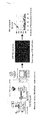
Figure 1] Figure 1 illustrates a screening strategy of agents which promote cardiac muscle cell differentiation. - [
Figure 2] Figure 2 illustrates a screening system and detection of N11474. - [
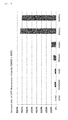
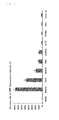
Figure 3] Figure 3 illustrates the structure-activity relationship of KY02111 and analogous compounds thereof. - [
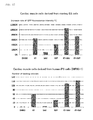
Figure 4] Figure 4 illustrates the comparison in the effects of promoting cardiac muscle cell differentiation among cytokines, G-CSF, nitrovin, N11474, KY02111 and KY01042. - [
Figure 5-1] Figure 5-1 illustrates the synergistic effect of promoting cardiac muscle cell differentiation between nitrovin and N11474. - [
Figure 5-2] Figure 5-2 illustrates the synergistic effect of promoting cardiac muscle cell differentiation between nitrovin and KY02111. - [
Figure 6] Figure 6 illustrates the effect of N11474 on human ES cells in promoting cardiac muscle cell differentiation (increase of GFP expression level). - [
Figure 7-1] Figure 7-1 illustrates compounds which are effective in promoting cardiac muscle cell differentiation (1). - [
Figure 7-2] Figure 7-2 illustrates the effect of promoting cardiac muscle cell differentiation of the respective compounds. - [
Figure 8] Figure 8 illustrates the effect of KY02111 on gene expression. - [
Figure 9-1] Figure 9-1 illustrates the effects of Wnt signaling inhibitors and a Wnt signaling activator on gene expression (1). - [
Figure 9-2] Figure 9-2 illustrates the effects of Wnt signaling inhibitors and a Wnt signaling activator on gene expression (2). - [
Figure 10] Figure 10 illustrates the comparison in the effect of promoting cardiac muscle cell differentiation among KY02111, N11474, known Wnt signaling inhibitors (IWP2, XAV939, IWR1) and proteins (G-CSF, IGFBP4, Dkk1 and cytokines) known to have the effect of promoting cardiac muscle cell differentiation. - [
Figure 11-1 ]Figure 11 illustrates the effects of a Wnt signaling activator on the effects of promoting cardiac muscle cell differentiation by KY02111, XAV939 and IWP2 (cardiac muscle cells derived from monkey ES cell). - [
Figure 11-2] Figure 11-2 illustrates the effect of a Wnt signaling activator on the effect of promoting cardiac muscle cell differentiation by KY02111, XAV939, and IWP2 (human iPS cells). - [
Figure 12] Figure 12 illustrates the synergistic effect between KY02111 and XAV939 or IWP2 in promoting cardiac muscle cell differentiation. - [
Figure 13] Figure 13 illustrates compounds which are effective in promoting cardiac muscle cell differentiation (2) and the effect of promoting cardiac muscle cell differentiation of each of the compounds. - The present invention provides a composition for promoting differentiation of pluripotent stem cells into cardiac muscle cells containing a compound represented by Formula (I):

R1 to R5 are each independently a hydrogen atom; a halogen atom; a hydroxyl group; a linear or branched alkoxy group having 1 to 5 carbon atoms; a linear or branched alkyl group having 1 to 5 carbon atoms which is unsubstituted or substituted with a halogen atom; or a group -NR12R13, wherein R12 and R13 are each independently a hydrogen atom, an oxygen atom, or a linear or branched alkyl group having 1 to 5 carbon atoms which is unsubstituted or substituted with a halogen atom; wherein two adjacent groups among R1 to R5 may join together to form -O-CH2-O- or -O-(CH2)2-O-,
R6 to R9 are each independently a hydrogen atom; a halogen atom; a hydroxyl group; a linear or branched alkoxy group having 1 to 5 carbon atoms; a linear or branched alkoxy group having 1 to 5 carbon atoms which is substituted with a group -C(O)A, wherein A is a saturated or unsaturated 5- or 6-membered ring which is unsubstituted or substituted with a linear or branched alkyl group having 1 to 5 carbon atoms and the ring may contain 1 or 2 atoms independently selected from a nitrogen atom, an oxygen atom and a sulfur atom; a linear or branched alkyl group having 1 to 5 carbon atoms which is unsubstituted or substituted with a halogen atom; or a group -NR12R13, wherein R12 and R13 are each independently a hydrogen atom, an oxygen atom, or a linear or branched alkyl group having 1 to 5 carbon atoms which is unsubstituted or substituted with a halogen atom; wherein two adjacent groups among R6 to R9 may join together to form -O-CH2-O- or -O-(CH2)2-O-,
R10 to R11 are each independently a hydrogen atom; or a linear or branched alkyl group having 1 to 5 carbon atoms,
X is -CR14, wherein R14 is a hydrogen atom, a halogen atom, a hydroxyl group, a linear or branched alkoxy group having 1 to 5 carbon atoms, or a linear or branched alkyl group having 1 to 5 carbon atoms which is unsubstituted or substituted with a halogen atom; an oxygen atom; a sulfur atom; a selenium atom; or a group -NR15, wherein R15 is a hydrogen atom, a linear or branched alkyl group having 1 to 5 carbon atoms, or a linear or branched acyl group having 1 to 5 carbon atoms, and
n is an integer of 0 to 6,
or a salt thereof. - Examples of the linear or branched alkoxy group having 1 to 5 carbon atoms include a methoxy group, an ethoxy group, a propoxy group, an isopropoxy group, a butoxy group, an isobutoxy group, a sec-butoxy group, a tert-butoxy group and a pentyloxy group.
- Examples of the linear or branched alkyl group having 1 to 5 carbon atoms include a methyl group, an ethyl group, a propyl group, an isopropyl group, a butyl group, an isobutyl group, a sec-butyl group, a tert-butyl group and a pentyl group.
- Examples of the linear or branched acyl group having 1 to 5 carbon atoms include a formyl group, an acetyl group, a propionyl group, a butyryl group, an isobutyryl group, a valeryl group and an isovaleryl group.
- Examples of the halogen atom include Cl, Br, I or F.
- In a preferred embodiment, R1 to R5 are each independently a hydrogen atom; a halogen atom; a hydroxyl group; a linear or branched alkoxy group having 1 to 5 carbon atoms; or a linear or branched alkyl group having 1 to 5 carbon atoms which is unsubstituted or substituted with a halogen atom; wherein two adjacent groups among R1 to R5 may join together to form -O-CH2-O- or -O-(CH2)2-O-.
- R2 and R3 are preferably a linear or a branched alkoxy group having 1 to 5 carbon atoms or join together to form -O-CH2-O- or -O-(CH2)2-O-. Further preferably, R2 and R3 are a methoxy group, an ethoxy group or a propoxy group, and most preferably a methoxy group or an ethoxy group.
- R1, R4 and R5 are preferably a hydrogen atom.
- In an embodiment, R6 to R9 are each independently a hydrogen atom; a halogen atom; a hydroxyl group; a linear or branched alkoxy group having 1 to 5 carbon atoms; a linear or branched alkyl group having 1 to 5 carbon atoms which is unsubstituted or substituted with a halogen atom; or a group -NR12R13, wherein R12 and R13 are each independently a hydrogen atom, an oxygen atom, or a linear or branched alkyl group having 1 to 5 carbon atoms which is unsubstituted or substituted with a halogen atom; wherein two adjacent groups among R6 to R9 may join together to form -O-CH2-O- or -O-(CH2)2-O-,
- R6 and R9 are preferably each independently a hydrogen atom; a halogen atom; a hydroxyl group; a linear or branched alkoxy group having 1 to 5 carbon atoms; a linear or branched alkyl group having 1 to 5 carbon atoms which is unsubstituted or substituted with a halogen atom, more preferably a hydrogen atom.
- In a preferred embodiment, R7 is a hydrogen atom; a halogen atom; a hydroxyl group; a linear or branched alkoxy group having 1 to 5 carbon atoms; a linear or branched alkoxy group having 1 to 5 carbon atoms which is substituted with a group -C(O)A, wherein A is a saturated or unsaturated 5- or 6-membered ring which is unsubstituted or substituted with a linear or branched alkyl group having 1 to 5 carbon atoms and the ring may contain 1 or 2 atoms independently selected from a nitrogen atom, an oxygen atom and a sulfur atom; a linear or branched alkyl group having 1 to 5 carbon atoms which is unsubstituted or substituted with a halogen atom; or a group -NR12R13, wherein R12 and R13 are each independently a hydrogen atom, an oxygen atom, or a linear or branched alkyl group having 1 to 5 carbon atoms which is unsubstituted or substituted with a halogen atom; R8 is a hydrogen atom; a halogen atom; a hydroxyl group; a linear or branched alkoxy group having 1 to 5 carbon atoms; or a linear or branched alkyl group having 1 to 5 carbon atoms which is unsubstituted or substituted with a halogen atom; or R7 and R8 join together to form -O-CH2-O- or -O-(CH2)2-O-.
- In an embodiment, R7 is a linear alkoxy group having 1 to 5 carbon atoms which is substituted with a group - C(O)A, and the group -C(O)A binds to the terminal carbon atom of the alkoxy group.
- In a preferred embodiment, A contains at least one nitrogen atom, and examples of such A include a pyrrolidinyl, imidazolidinyl, pyrazolidinyl, pyrrolyl, imidazolyl, pyrazolyl, thiazolyl, isothiazolyl, oxazolyl, isooxazolyl, piperidinyl, piperazinyl, morpholinyl, pyridyl, pyrimidinyl, pyrazinyl and pyridazinyl groups which are unsubstituted or substituted with a linear or branched alkyl group having 1 to 5 carbon atoms. In a more preferred embodiment, A is a piperidinyl group, a piperazinyl group or a morpholinyl group which is unsubstituted or substituted with a linear or branched alkyl group having 1 to 5 carbon atoms. In a further preferred embodiment, A is a piperidin-1-yl group, a piperazin-1-yl group or a morpholin-4-yl group which is unsubstituted or substituted with a linear or branched alkyl group having 1 to 5 carbon atoms.
- R10 and R11 are preferably a hydrogen atom.
- In a preferred embodiment, X is an oxygen atom; a sulfur atom; or a group -NR15, wherein R15 is a hydrogen atom, a linear or branched alkyl group having 1 to 5 carbon atoms, a linear or branched acyl group having 1 to 5 carbon atoms. X is preferably a sulfur atom.
- In a preferred embodiment, n is an integer of 0 to 4. In another preferred embodiment, n is an integer of 1 to 6, an integer of 1 to 4, or 2 or 3.
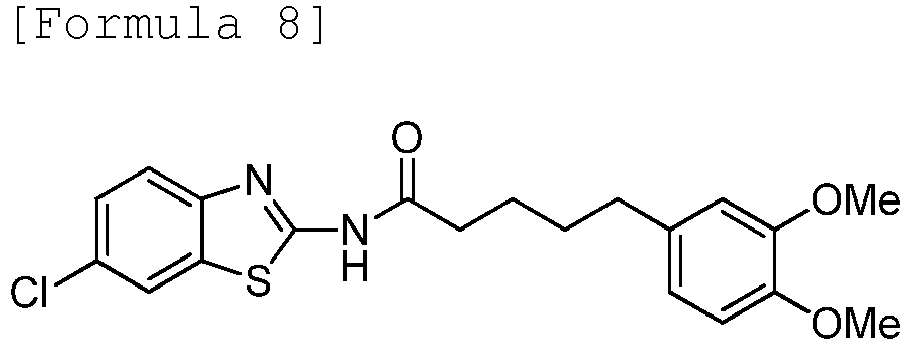
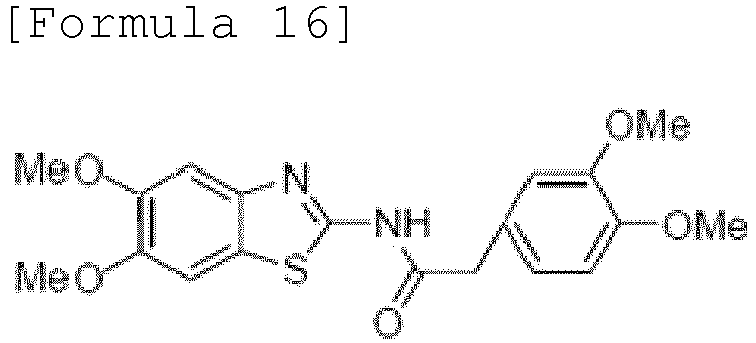
- In a preferred embodiment, the composition of the present invention contains the compound selected from the following group or a salt thereof:
- KY01041

- T61164

- KY02111


- KY02114

- KY01045
- KY01040

- KY02109


- KY01042

- KY01043

- KY01046

- PB2852

- N11474

- PB2572
- PB2570

- KY02104

- SO087


- SO102

- SO096

- SO094

- The compounds of the present invention are described in, for example, J. Med. Chem., 1965, 8 (5), pp 734-735 (incorporated herein by references) (N11474, T61164). Also, they are available from UkrOrgSynthesis Ltd. (PB2852, PB2572, and PB2570) and ENAMINE (T61164), etc.
- The compounds of the present invention can be synthesized by the known method (J. Med. Chem., 1965, 8 (5), pp 734-735) (incorporated herein by references) or in accordance with the method described in Examples.
- The term "pluripotent stem cells" herein used refers to cells having an ability to differentiate any type of cells constituting an adult body (pluripotency) and self-renewal capacity which is an ability to maintain the pluripotency during cell division. The "pluripotent stem cells" includes embryonic stem cells (ES cells), embryonic germ cells (EG cells), and induced pluripotent stem cell (iPS cells). The "pluripotent stem cells" may be cells of any species with no limitation, preferably mammalian cells, and more preferably rodent or primate cells. The present invention is particularly suitable for monkey or human pluripotent stem cells.
- ES cells are pluripotent stem cells derived from early embryo and may be established from inner cell mass of a blastocyst or post-implantation epiblast in early embryo. Examples of ES cells include those described in the following references: human (Thomson J. A. et al., Science 282: 1145-1147 (1998), Biochem Biophys Res Commun. 345(3), 926-32 (2006); primates such as rhesus macaque and marmoset (Thomson J. A. et al., Proc. Natl. Acad. Sci. USA 92: 7844-7848 (1995); Thomson J. A. et al., Biol. Reprod. 55: 254-259 (1996)); rabbit (National Publication of International Patent Application No.
2000-508919 ); hamster (Doetshman T. et al., Dev. Biol. 127: 224-227 (1988)), hog (Evans M. J. et al., Theriogenology 33: 125128 (1990); Piedrahita J. A. et al., Theriogenology 34: 879-891 (1990); Notarianni E. et al., J. Reprod. Fert. 40: 51-56 (1990); Talbot N. C. et al., Cell. Dev. Biol. 29A: 546-554 (1993)), sheep (Notarianni E. et al., J. Reprod. Fert. Suppl. 43: 255-260 (1991)), cow (Evans M. J. et al., Theriogenology 33: 125-128 (1990); Saito S. et al., Roux. Arch. Dev. Biol. 201: 134-141 (1992)), and mink (Sukoyan M. A. et al., Mol. Reorod. Dev. 33: 418-431 (1993)) (these references are herein incorporated by reference). - EG cells are pluripotent stem cells derived from primordial germ cells, and examples include human EG cells (Shamblott, et al., Proc. Natl. Acad. Sci USA 92: 7844-7848 (1995)) (the reference is herein incorporated by reference.).
- The term "iPS cells" herein used refers to pluripotent stem cells induced from cells other than pluripotent stem cells such as somatic cells and tissue stem cells. Methods for preparing iPS cells are described in the following references, for example:
W02007/069666 ,W02009/006930 ,W02009/006997 ,W02009/007852 ,W02008/118820 , Cell Stem Cell 3(5): 568-574 (2008), Cell Stem Cell 4(5): 381-384 (2009), Nature 454: 646-650 (2008), Cell 136(3): 411-419 (2009), Nature Biotechnology 26: 1269-1275 (2008), Cell Stem Cell 3: 475-479 (2008), Nature Cell Biology 11: 197-203 (2009) ,Cell 133(2): 250-264 (2008), Cell 131(5): 861-72 (2007), Science 318 (5858): 1917-20 (2007) (those references are herein incorporated by reference.). However, cells prepared by any method as long as they are pluripotent stem cells induced artificially are included in the "iPS cells" of the present invention. - The composition of the present invention may be added to a differentiation medium for cardiac muscle cells of pluripotent stem cells at a final concentration of the active ingredient of, for example, 0.5 to 20 µM. The differentiation medium for cardiac muscle cell may be any conventional medium used for cardiac muscle cell differentiation of pluripotent stem cells and the composition of the differentiation medium is not specifically limited. Examples of the differentiation medium include the IMDM-based differentiation medium for cardiac muscle cells (having the composition described below and used in the examples), DMEM-based differentiation medium for cardiac muscle cells (200 ml DMEM/F12 medium (Sigma) containing 50 ml bovine fetal serum (GIBCO), 2.5 ml MEM non-essential amino acid solution (Sigma), 2.5 ml penicillin-streptomycin (GIBCO), 200 mM L-glutamine, and 2.5 ml 2-mercaptoethanol), and StemPro-34SFM (GIBCO) + BMP4 (10 ng/ml). It is not necessary to use feeder cells such as END2 cells when the composition of the present invention is used. The composition of the present invention may be added at an appropriate time depending on the type of pluripotent stem cells and composition of the differentiation medium for cardiac muscle cell to be used. When monkey or human ES cells are cultured in the IMDM-based differentiation medium for cardiac muscle cells used in the examples, the composition of the present invention may be added to the differentiation medium for cardiac muscle cells during day 6 to 14 of culture.
- The composition of the present invention may be used in combination with a different cardiac muscle cell differentiation promoter(s) such as nitrovin, cytokines (combination of bFGF, BMP4, VEGF, DKK1 and Activin A), or Wnt signaling inhibitors. The "cardiac muscle cell differentiation promoter" in the present invention include various substances effective in promoting cardiac muscle cell differentiation and thus, in this sense, the composition of the present invention is also one of the "cardiac muscle cell differentiation promoter". The "Wnt signaling inhibitor" in the present invention refers to a substance which inhibits the Wnt signaling pathway and examples include known compounds such as IWP2, XAV939, and IWR1, and proteins such as G-CSF, IGFBP4, and Dkk1. The composition of the present invention is also a useful "Wnt signaling inhibitor" in the present invention. More specifically, the embodiment, in which the composition of the present invention and a Wnt signaling inhibitor are used in combination, includes embodiments in which different types of the composition of the present invention are used. Preferably, the different cardiac muscle cell differentiation promoters used in combination are those having different action mechanism from the composition of the present invention, and examples of such promoters include IWP2 and XAV939. The administration schedule of the different cardiac muscle cell differentiation promoter may be determined as appropriate by those skilled in the art, depending on the agent to be used.
- The present invention also provides a kit for promoting cardiac muscle cell differentiation containing the composition of the present invention. The kit of the present invention may contain a different cardiac muscle cell differentiation promoter(s) in addition to the composition of the present invention. The composition of the present invention and the different cardiac muscle cell differentiation promoter may be kept in separate containers or in a same container.
- The present invention also provides a method for inducing cardiac muscle cell differentiation and a method for preparing cardiac muscle cells. The methods of the present invention are characterized in that pluripotent stem cells are cultured in a medium containing the composition of the present invention. In an embodiment, the method of the present invention comprises culturing pluripotent stem cells in a differentiation medium for cardiac muscle cells, adding the composition of the present invention to the differentiation medium such that the final concentration of the active ingredient is 0.5 to 20 µM during day 6 to 14 of culture and confirming differentiation of the pluripotent stem cells into cardiac muscle cells at day 18 of culture. Differentiation into cardiac muscle cells may be detected from the number of beating colonies of cardiac muscle cells or expression level of a marker of cardiac muscle cell differentiation such as α-MHC gene.
- In the methods of the present invention, a different cardiac muscle cell differentiation promoter(s), in addition to the composition of the present invention, may further be added to a medium.
- The cardiac muscle cells prepared by the method of the present invention may be used for evaluation of drug safety in vitro or as cardiac muscle cells as transplant to treat heart diseases.
- The present invention also provides a compound having Formula (I):

R1, R4 and R5 are each independently a hydrogen atom; a halogen atom; a hydroxyl group; a linear or branched alkoxy group having 1 to 5 carbon atoms; a linear or branched alkyl group having 1 to 5 carbon atoms which is unsubstituted or substituted with a halogen atom; or a group -NR12R13, wherein R12 and R13 are each independently a hydrogen atom, an oxygen atom, or a linear or branched alkyl group having 1 to 5 carbon atoms which is unsubstituted or substituted with a halogen atom,
R2 and R3 are a linear or a branched alkoxy group having 1 to 5 carbon atoms, or R2 and R3 join together to form -O-CH2-O- or -O-(CH2)2-O-,
R6 to R9 are each independently a hydrogen atom; a halogen atom; a hydroxyl group; a linear or branched alkoxy group having 1 to 5 carbon atoms; a linear or branched alkoxy group having 1 to 5 carbon atoms which is substituted with a group -C(O)A, wherein A is a saturated or unsaturated 5- or 6-membered ring which is unsubstituted or substituted with a linear or branched alkyl group having 1 to 5 carbon atoms and the ring may contain 1 or 2 atoms independently selected from a nitrogen atom, an oxygen atom and a sulfur atom; a linear or branched alkyl group having 1 to 5 carbon atoms which is unsubstituted or substituted with a halogen atom; or a group -NR12R13, wherein R12 and R13 are each independently a hydrogen atom, an oxygen atom, or a linear or branched alkyl group having 1 to 5 carbon atoms which is unsubstituted or substituted with a halogen atom; wherein two adjacent groups among R6 to R9 may join together to form -O-CH2-O- or -O-(CH2)2-O-,
R10 to R11 are each independently a hydrogen atom; or a linear or branched alkyl group having 1 to 5 carbon atoms,
X is an oxygen atom; a sulfur atom; or a group -NR15, wherein R15 is a hydrogen atom, a linear or branched alkyl group having 1 to 5 carbon atoms, or a linear or branched acyl group having 1 to 5 carbon atoms, and
n is an integer of 0 to 6, with the proviso that when n is 1 or 2, R7 is not Cl nor a methoxy group, R2 is not a methoxy group,
or a salt thereof. - In a preferred embodiment, R1, R4 and R5 are each independently a hydrogen atom; a halogen atom; a hydroxyl group; a linear or branched alkoxy group having 1 to 5 carbon atoms; or a linear or branched alkyl group having 1 to 5 carbon atoms which is unsubstituted or substituted with a halogen atom, preferably a hydrogen atom.
- In a preferred embodiment, R2 and R3 are a methoxy group, an ethoxy group or a propoxy group.
- In a preferred embodiment, R6 and R9 are each independently a hydrogen atom; a halogen atom; a hydroxyl group; a linear or branched alkoxy group having 1 to 5 carbon atoms; or a linear or branched alkyl group having 1 to 5 carbon atoms which is unsubstituted or substituted with a halogen atom, preferably a hydrogen atom.
- In a preferred embodiment, R7 is a hydrogen atom; a halogen atom; a hydroxyl group; a linear or branched alkoxy group having 1 to 5 carbon atoms; a linear or branched alkoxy group having 1 to 5 carbon atoms which is substituted with a group -C(O)A, wherein A is a saturated or unsaturated 5- or 6-membered ring which is unsubstituted or substituted with a linear or branched alkyl group having 1 to 5 carbon atoms and the ring may contain 1 or 2 atoms independently selected from a nitrogen atom, an oxygen atom and a sulfur atom; a linear or branched alkyl group having 1 to 5 carbon atoms which is unsubstituted or substituted with a halogen atom; or a group -NR12R13, wherein R12 and R13 are each independently a hydrogen atom, an oxygen atom, or a linear or branched alkyl group having 1 to 5 carbon atoms which is unsubstituted or substituted with a halogen atom; R8 is a hydrogen atom; a halogen atom; a hydroxyl group; a linear or branched alkoxy group having 1 to 5 carbon atoms; or a linear or branched alkyl group having 1 to 5 carbon atoms which is unsubstituted or substituted with a halogen atom; or R7 and R8 join together to form -0-CH2-O- or -O-(CH2)2-O-.
- In an embodiment, R7 is a linear alkoxy group having 1 to 5 carbon atoms which is substituted with a group - C(O)A, and the group -C(O)A binds to the terminal carbon atom of the alkoxy group.
- In a preferred embodiment, A contains at least one nitrogen atom and examples of such an A include a pyrrolidinyl, imidazolidinyl, pyrazolidinyl, pyrrolyl, imidazolyl, pyrazolyl, thiazolyl, isothiazolyl, oxazolyl, isooxazolyl, piperidinyl, piperazinyl, morpholinyl, pyridyl, pyrimidinyl, pyrazinyl and pyridazinyl group which are unsubstituted or substituted with a linear or branched alkyl group having 1 to 5 carbon atoms. In a more preferred embodiment, A is a piperidinyl group, a piperazinyl group or a morpholinyl group which is unsubstituted or substituted with a linear or branched alkyl group having 1 to 5 carbon atoms. In a further preferred embodiment, A is a piperidin-1-yl group, a piperazin-1-yl group or a morpholin-4-yl group which is unsubstituted or substituted with a linear or branched alkyl group having 1 to 5 carbon atoms.
- In a preferred embodiment, R10 and R11 are a hydrogen atom.
- In a preferred embodiment, X is a sulfur atom.
- In a preferred embodiment, n is an integer of 0 to 4. In another preferred embodiment, n is an integer of 1 to 6, an integer of 1 to 4, or 2 or 3.
- In a preferred embodiment, the compounds of the present invention are
- KY02114

- S0087

- SO102

- SO096

- SO094


- The present invention is described further in detail with reference to the following examples.
- As described in
Figure 1 , screening of agents which promote cardiac muscle cell differentiation of monkey ES cells was performed. A vector expressing green fluorescent protein (GFP) under control of promoter of α-MHC gene, a marker of cardiac muscle cell differentiation, was introduced into monkey ES cell line (CMK 6.4 cynomolgus monkey ES cells) and the cells were seeded on 96-well culture plates (Greiner/655090: 96 well FIA black plate) in 5.0 x 10³ cells/well, and cultured for 14 days in an IMDM-based differentiation medium for cardiac muscle cells (200 ml IMDM (Sigma 13390) containing 50 ml bovine fetal serum (GIBCO 10099-141), 2.5 ml MEM non-essential amino acid solution (Sigma M7145), 2.5 ml penicillin-streptomycin (GIBCO 15140), 2.5ml 200 mM L-glutamine, 2 µl 2-mercaptoethanol (Sigma M7522), 255 µl 5N NaOH). During day 6 to 14 of culture, 9,600 library compounds were added into separate wells (about 1 to 5 µM compound/well). Then, at day 14 of culture, GFP expression level was determined by using HCS (high contents screening) system (Molecular device/MetaMorph imaging system). As a result, the wells to which the low-molecular compound N11474 was added indicated high GFP expression levels, and N11474 was revealed to be effective in promoting cardiac muscle cell differentiation (Figure 2 ). - KY02111, an analog of N11474 which was revealed to be effective in promoting cardiac muscle cell differentiation and analogous compounds thereof were synthesized and examined for the effect of promoting cardiac muscle cell differentiation. Monkey ES cells were seeded on a 6-well culture plate (Asahi Glass/5816-006: Ezview culture plate) in 4.0 x 10⁵ cells/well, each compound was added thereto such that the final concentration thereof was 10 µM during day 4 to 10 of culture, and the GFP expression was observed at day 14 of culture. As a result, significant increases in the GFP expression level were found in accordance with the molecular structure of the compounds (
Figure 3 ). Also, the effect of promoting cardiac muscle cell differentiation was suggested to correlate with the length of a carbon chain binding to the dimethoxyphenyl group (Figure 3 ). - Cytokines (bFGF, BMP4, VEGF, DKK1, Activin A) known as a cardiac muscle cell differentiation promoter, granulocyte-colony stimulating factor (G-CSF), and nitrovin which was found effective in promoting cardiac muscle cell differentiation by the present inventors were compared with the compounds of the present invention in terms of the effect of promoting cardiac muscle cell differentiation based on the increase of GFP expression level. In the same manner as in the above (2), monkey ES cells were seeded on a 6-well plate, N11474, KY02111, KY01042 (
final concentration 10 µM each) and G-CSF (final concentration 5 ng/ml) were added during day 4 to 10 of culture, nitrovin (final concentration 5 µM) was added during day 8 to 14 of culture, and cytokines (bFGF, BMP4, VEGF, DKK1, Activin A) (at respectivefinal concentrations 5 ng/ml , 10 ng/ml, 10 ng/ml, 150 ng/ml and 3 ng/ml) were added duringday 1 to 14 of culture, and the GFP expression was observed at day 14 of culture. As a result, N11474, KY02111 and KY01042 showed far higher increases (N11474 = 1000%, KY02111 = 7400% and KY01042 = 7000%) in the GFP expression level than cytokines (about 300%), G-CSF (about 250%) and nitrovin (about 400%) (Figure 4 ). - Nitrovin and N11474 were examined for the synergistic effect in the effect of promoting cardiac muscle cell differentiation. N11474 (10 µM) was added during day 4 to 10 of culture and nitrovin (3 µM) was added during day 8 to 14 of culture, and the GFP expression was observed at day 14 of culture. As a result, the increase in the GFP expression level was about 3 to 4 times when nitrovin or N11474 was singly administered, whereas the level increased about 9 times when nitrovin and N11474 were used in combination (
Figure 5-1 , left graph). Also, the proportion of the number of GFP colonies increased by an about 30 to 40% when nitrovin or N11474 was singly administered, whereas the proportion increased by about 80% when nitrovin and N11474 were used in combination (Figure 5-1 , right graph). - Similarly, nitrovin and KY02111 were examined for the synergistic effect in the effect of promoting cardiac muscle cell differentiation. KY02111 (5 µM) was added during day 4 to 8 of culture, nitrovin (1 µM) was added during day 8 to 12 of culture, and the GFP expression was observed at day 14 of culture. As a result, the increases in the GFP expression level were respectively about 3 times and about 30 times as much more than Control (DMSO) when nitrovin or KY02111 was singly administered, whereas the level increased about 50 times when nitrovin and KY02111 were used in combination (
Figure 5-2 , left graph). Also, the ratios of number of GFP colonies increased respectively by about 22% and 73% when nitrovin or KY02111 was singly administered, whereas all the colonies were substantially (100%) GFP fluorescence positive when nitrovin and KY02111 were used in combination (Figure 5-2 , bottom right graph). Further, the proportions of beating colonies were about 16% and 30% respectively when nitrovin or KY02111 was singly administered, whereas the proportion was 58% when nitrovin and KY02111 were used in combination (Figure 5-2 , bottom right graph). - The effect of promoting differentiation of each of the ES/iPS cells into cardiac muscle cells were confirmed for N11474 and KY02111 with the GFP expression level and number of beating colonies used as the indicators. Human ES cell line (Kh-1 line) (Suemori, H., et al., Efficient establishment of human embryonic stem cell lines and long-term maintenance with stable karyotype by enzymatic bulk passage. Biochem Biophys Res Commun. 345(3), 926-32 (2006)) (incorporated herein by reference) was seeded in a 6-well plate (Asahi Glass / 5816-006: Ezview culture plate) in 1.2 x 10⁶ cells/well and cultured for 22 days, with BMP4 (10 ng/ml) added during
day 0 to 4 of culture and N11474 (10 µM) or KY02111 (5 µM) added during day 4 to 14 of culture. Human iPS cell lines (253G1, IMR90-1, IMR90-4 and RCHIPC0003) (Takahashi, K., et al., Induction of pluripotent stem cells from adult human fibroblasts by defined factors. Cell. 131(5), 861-72 (2007); Yu, J., et al., Induced pluripotent stem cell lines derived from human somatic cells. Science. 318(5858), 1917-20 (2007)) (these references are herein incorporated by reference) were cultured for the cardiac muscle cell differentiation in the same manner as for the human ES cells. The cardiac muscle cells from mouse ES cells (R1) were differentiated in accordance with the method described in the reference (Transient inhibition of BMP signaling by Noggin induces cardiomyocyte differentiation of mouse embryonic stem cells. Yuasa S, Itabashi Y, Koshimizu U, Tanaka T, Sugimura K, Kinoshita M, Hattori F, Fukami S, Shimazaki T, Ogawa S, Okano H, Fukuda K. Nat Biotechnol. 2005 May; 23(5): 607-11. Epub 2005 May 1. Erratum in: Nat Biotechnol. 2005 Jul; 23(7):897.) (incorporated herein by reference). KY02111 (5 µM) was added for 3 days during day 6 to 9 of cardiac muscle cell differentiation culture and the beating colonies of cardiac muscle cells were analyzed at day 9. Monkey ES cells (CMK6.4) were cultured for cardiac muscle cell differentiation in the same manner as in the above (2). - As a result, at day 14 and after of culture, a significant increase in the GFP expression level was observed (
Figure 6 ). Also, the number of beating colonies increased significantly with the maximum of about 60 times in monkey ES cells (CMK6.4), mouse ES cells (R1), human ES cells (Kh-1) and human iPS cells (253G1, IMR90-1, IMR90-4 and RCHIPC0003) by the administration of N11474 and KY02111 (Table 1). As described above, it was confirmed that these compounds were highly effective in promoting cardiac muscle cell differentiation for human ES cells and iPS cells and mouse ES cells.[Table 1] Effect of the compounds for promoting cardiac muscle cell differentiation (N11474, KY02111) on each ES/iPS cell line (Increase rate in the number of beating colonies as compared to the control (DMSO)) ES/iPS cell line (line name) Beating cardiac muscle cell differentiation efficiency (Control (DMSO) = 100%) Monkey ES (CMK6.4) 1850% (KY02111) Human ES (Kh-1) 1100% (N11474) Mouse ES (R1) 200% (KY02111) Human iPS (253G1) 1500% (KY02111) Human iPS (IMR90-1) 6100% (KY02111) Human iPS (IMR90-4) 4000% (N11474) Human iPS (RCHIPC0003) 1000% (KY02111) - In the same manner as in the above (2), it was further found that some more analogous compounds were effective in promoting cardiac muscle cell differentiation (
Figure 7 ). - To examine the action mechanism of compounds of the present invention, human iPS cells were seeded in the differentiation medium for cardiac muscle cells described in the above (1), DMSO or KY02111 (10 µM) was added at
day 3 of culture and thegene expressions 12 hours and 24 hours after the addition were analyzed by the DNA array. As a result, it was revealed that expressions of the following genes were reduced by the addition of KY02111: (in the order of the genes whose expression were reduced most 12 hours later) HOXA1, MSGN1, NKD1, T, TNFRSF11B, DKK1, DKK4, CDX2, MSX1, NODAL, FGF4, PAPPA, PRRX1, LRAT, CYP1B1, SLC34A2, AXIN2, LGL1, SP5, MIXL1, APCDD1 and DSEL. The promoter analysis using the TCF/LEF transcription factor recognition sequence was performed and it was revealed that these genes contained many genes which function at the downstream of the Wnt signaling pathway. A part (MSGN1, HOXA1, T, Dkk1 and FGF4) of these genes was confirmed for the expression by the quantitative polymerase chain reaction (qPCR) and all of these genes had the same results as the DNA array analysis (Figure 8 ). - Next, the effects of KY02111, XAV939 and IWP-2, known Wnt signaling inhibitors, and BIO, a Wnt signaling activator, on the group of genes which were found to have reduced expression by the addition of KY02111 were analyzed by the quantitative polymerase chain reaction. The analyzed genes were as follows: MSGN1, HOXA1; T, MIXL1; Dkk1, AXIN2; NODAL and FGF4 (all known as Wnt signaling target genes). As a result, the expressions of these genes were also reduced by any of the compounds KY02111, XAV939 and IWP-2, whereas increased by BIO, the Wnt signaling activator (
Figure 9 ). - The above results suggest that the group of genes found to have reduced expression by the addition of KY02111 in the DNA array is the genes located at the downstream of the Wnt signaling pathway and that KY02111 is a Wnt signaling inhibitor.
- In the same manner as in the above (2), the effects of promoting cardiac muscle cell differentiation were compared among KY02111 and N11474, known Wnt signaling inhibitors (IWP2, XAV939 and IWR1), proteins known to be effective in promoting cardiac muscle cell differentiation (G-CSF, IGFBP4, Dkk1 and cytokines (a mixture of bFGF, BMP4, VEGF, DKK1 and Activin A)). Monkey ES cells were seeded on a 6-well plate, KY02111 and N11474 (
final concentration 10 µM each), IWP2 (final concentration 10 µM), XAV939 (final concentration 10µM), IWR1 (final concentration 10 µM), G-CSF (final concentration 5 ng/ml), IGFBP4 (final concentration 1 µg/ml) and Dkk1 (final concentration 150 ng/ml) were added during day 4 to 10 of culture and cytokines (a mixture of bFGF, BMP4, VEGF, DKK1 and Activin A) (at respectivefinal concentrations 5 ng/ml , 10 ng/ml, 10 ng/ml, 150 ng/ml and 3 ng/ml) were added duringday 1 to 14 of culture and the GFP expressions were observed at day 14 of culture. As a result, the known Wnt signaling inhibitors also showed the effect of promoting cardiac muscle cell differentiation but KY02111 had the strongest effect of promoting cardiac muscle cell differentiation (Figure 10 ). - The effect of BIO, a Wnt signaling activator, on the effect of promoting cardiac muscle cell differentiation of KY02111, XAV939 and IWP2 was analyzed. In the same manner as in the above (8), BIO (
final concentration 5 µM) was added to the monkey ES cells together with KY02111, XAV939 or IWP2 during day 4 to 10 of culture, and the GFP expression was observed at day 14 of culture. As a result, BIO inhibited the effect of cardiac muscle cell differentiation by XAV939 and IWP2 but did not inhibit the effect by KY02111 (Figure 11 ). The same results were found when the number of beating colonies was analyzed using human iPS cells (IMR90-1) as described in the above (5) (Figure 11 ). These results suggest that KY02111 has the different action mechanism of the cardiac muscle cell differentiation effect from the known Wnt signaling inhibitors. - The synergistic effects between KY02111 and a known Wnt signaling inhibitor XAV939 or IWP2 in the promotion of cardiac muscle cell differentiation were analyzed. In the same manner as in the above (8), KY02111, XAV939 and IWP2 were added to monkey ES cells during day 4 to 10 of culture, and the GFP expression was observed at day 14 of culture. As a result, the synergistic effect was observed between KY02111 and XAV939 (
Figure 12 ). Also, the number of beating colonies was analyzed using human iPS cells (IMR90-1) as described in the above (8), and the synergistic effects were observed between KY02111 and XAV939 and KY02111 and IWP2 (Figure 12-2 ). The above results suggest that KY02111 has a different action mechanism from the known Wnt signaling inhibitors and an even stronger effect of promoting cardiac muscle cell differentiation is achieved when both are used in combination. - In the same manner as in the above (2), some more compounds were further found to be effective in promoting cardiac muscle cell differentiation (
Figure 13 ). - 3,4-Dimethoxybenzoylyl chloride (100 mg, 0.55 mmol) and triethylamine (83.0 µl, 6 mmol) were dissolved in methylene chloride (500 µl), 2-amino-6-chlorobenzothiazole (105 mg, 0.57 mmol) was added thereto, and the mixture was stirred for 1 hour at room temperature. After completion of the reaction, the reaction solution was diluted in methylene chloride and washed with a saturated saline solution. The solution was dried over magnesium sulfate and the solvent was evaporated. Ethanol was added to the residue, which was heated to 70°C, dissolved and recrystallized by cooling the temperature to room temperature, thereby obtaining 130 mg of 2-(3,4-dimethoxybenzamide)-6-chlorobenzothiazole in a yield of 68%.
1H NMR (CDCl3) : δ10.15 (s, 1H), 7.83 (d, J= 1.8 Hz, 1H), 7.63-7.45 (m, 3H), 7.36 (dd, J= 1.8, 8.7 Hz, 1H), 6.91 (d, J= 8.2 Hz, 1H), 3.96 (s, 3H), 3.94 (s, 3H)
MS(ESI) Found: 349 [M+H]+ - Using 3-(3,4-dimethoxyphenyl)propanoyl chloride (100 mg, 0.42 mmol) and 2-amino-6-chlorobenzothiazole (78 mg, 0.42 mmol) as substrates, the reaction was performed in the same manner as above, thereby obtaining 113 mg of 2-(3-(3,4-dimethoxyphenyl) propanamide)-6-chlorobenzothiazole in a yield of 72%.
1H NMR (CDCl3): δ9.41(s, 1H), 7.79 (d, J= 2.9 Hz, 1H), 7.62 (d, J= 11.7 Hz, 1H), 7.37 (dd, J= 2.6, 11.4 Hz, 1H), 6.80-6.67 (m, 3H), 3.85 (s, 3H), 3.82 (s, 3H), 3.03 (t, J= 9.9 Hz, 2H), 2.77 (t, J= 9.9 Hz, 2H)
MS(ESI) Found: 399 [M+H]+ - Using 4-(3,4-dimethoxyphenyl)butanoyl chloride (100 mg, 0.41 mmol) and 2-amino-6-chlorobenzothiazole (76 mg, 0.41 mmol) as substrates, the reaction was performed in the same manner as above, thereby obtaining 121 mg of 2-(4-(3,4-dimethoxyphenyl) butanamide)-6-chlorobenzothiazole in a yield of 75%.
1H NMR (CDCl3): δ9.15(s, 1H), 7.79 (d, J= 2.9 Hz, 1H), 7.64 (d, J= 11.3 Hz, 1H), 7.39 (dd, J= 2.6, 11.4 Hz, 1H), 6.80-6.68 (m, 3H), 3.87 (s, 3H), 3.84 (s, 3H), 2.67 (t, J= 9.9 Hz, 2H), 2.48 (t, J= 9.9 Hz, 2H), 2.09 (m, 2H) MS(ESI) Found: 413 [M+H]+ - Using 5-(3,4-dimethoxyphenyl)pentanoyl chloride (30 mg, 0.13 mmol) and 2-amino-6-chlorobenzothiazole (23 mg, 0.13 mmol) as substrates, the reaction was performed in the same manner as above, thereby obtaining 39 mg of 2-(5-(3,4-dimethoxyphenyl) pentanamide)-6-chlorobenzothiazole in a yield of 75%.
1H NMR (CDCl3): δ8.91 (s, 1H), 7.79 (d, J= 8.7 Hz, 1H), 7.66 (d, J= 8.7 Hz, 1H), 7.49 (dd, J= 2.3, 8.7 Hz, 1H), 6.79 (d, J= 7.8 Hz, 1H), 6.71 (d, J= 7.8 Hz, 1H) 6.70 (s, 1H), 3.87(s, 3H), 3.86 (s, 3H), 2.62 (t, J= 7.4 Hz, 2H), 2.52 (t, J= 7.3 Hz, 2H), 1.80 (m, 2H), 1.72 (m, 2H) MS(ESI) Found: 405 [M+H]+ - Using 3,4-dimethoxybenzoylyl chloride (100 mg, 0.5 mmol) and 2-amino-6-nitrobenzothiazole (105 mg, 0.57 mmol) as substrates, the reaction was performed in the same manner as above, thereby obtaining 100 mg of 2-(3,4-dimethoxybenzamide)-6-nitrobenzothiazole in a yield of 56%.
1H NMR (CDCl3) : δ10. 15 (s, 1H), 8. 80 (d, J= 2.3 Hz, 1H), 8.31 (dd, J= 2.3, 9.2 Hz, 1H), 7.73 (d, J= 9.2 Hz, 1H), 7.63-7.47 (m, 2H), 6.95 (d, J= 8.7 Hz, 1H), 3.98 (s, 3H), 3.97 (s, 3H)
MS(ESI) Found: 360 [M+H]+ - Using 2-(3,4-dimethoxyphenyl)acetyl chloride (100 mg, 0.51 mmol) and 2-amino-6-chlorobenzothiazole (94 mg, 0.51 mmol) as substrates, the reaction was performed in the same manner as above, thereby obtaining 153 mg of 2-(2-(3,4-dimethoxyphenyl)acetamide)-6-chlorobenzothiazole in a yield of 83%.
1H NMR (CDCl3) : δ8.91(s, 1H), 8.75 (s, 1H), 8.31 (dd, J= 12.1 Hz, 1H), 7.77 (d, J= 11.7 Hz, 1H), 7.00-6.70 (m, 3H), 3.92 (s, 3H), 3.90 (s, 3H), 3.86 (s, 2H)
MS(ESI) Found: 396 [M+H]+ - Using 3-(3,4-dimethoxyphenyl)propanoyl chloride (100 mg, 0.5 mmol) and 2-amino-6-nitrobenzothiazole (105 mg, 0.57 mmol) as substrates, the reaction was performed in the same manner as above, thereby obtaining 138 mg of 2-(3-(3,4-dimethoxyphenyl) propanamide)-6-nitrobenzothiazole in a yield of 71%.
1H NMR (CDCl3) : δ9.29(s, 1H), 8.75 (d, J= 1.8 Hz, 1H), 8.31 (dd, J= 2.3, 9.2 Hz, 1H), 7.77 (d, J= 9.2 Hz, 1H), 6.80 (d, J= 8.7 Hz, 1H), 6.75 (d, J= 8.7 Hz, 1H), 6.74 (s, 1H), 3.85 (s, 3H), 3.84 (s, 3H), 3.06 (t, J= 7.3 Hz, 2H), 2.83 (t, J= 7.3 Hz, 2H)
MS(ESI) Found: 388 [M+H]+ - Using 4-(3,4-dimethoxyphenyl)butanoyl chloride (55 mg, 0.25 mmol) and 2-amino-6-nitrobenzothiazole (50 mg, 0.25 mmol) as substrates, the reaction was performed in the same manner as above, thereby obtaining 65 mg of 2-(4-(3,4-dimethoxyphenyl) butanamide)-6-nitrobenzothiazole in a yield of 66%.
1H NMR (CDCl3) : δ8.75 (d, J= 2.3 Hz, 1H), 8.29 (dd, J= 2.3, 8.7 Hz, 1H), 7.70 (d, J= 8.7 Hz, 1H), 6.75 (d, J= 8.7 Hz, 1H), 6.67 (s, 1H), 6.66 (d, J= 8.7 Hz, 1H), 3.83 (s, 3H), 3.83 (s, 3H), 2.66 (t, J= 7.4 Hz, 2H), 2.54 (t, J= 7.3 Hz, 2H), 2.11 (m, 2H)
MS(ESI) Found: 402 [M+H]+ - Using 5-(3,4-dimethoxyphenyl)pentanoyl chloride (30 mg, 0.13 mmol) and 2-amino-6-nitrobenzothiazole (25 mg, 0.13 mmol) as substrates, the reaction was performed in the same manner as above, thereby obtaining 38 mg of 2-(5-(3,4-dimethoxyphenyl)pentanamide)-6-nitorobenzothiazole in a yield of 70%.
1H NMR (CDCl3) : δ8.94 (s, 1H), 8.75 (d, J= 2.3 Hz, 1H), 8.32 (dd, J= 2.3, 9.2 Hz, 1H), 7.81 (d, J= 9.2 Hz, 1H), 6.80 (d, J= 7.8 Hz, 1H), 6.72 (d, J= 7.8 Hz, 1H) 6.71 (s, 1H), 3.88 (s, 3H), 3.86 (s, 3H), 2.63 (t, J= 7.4 Hz, 2H), 2.56 (t, J= 7.3 Hz, 2H), 1.82 (m, 2H), 1.73 (m, 2H)
MS(ESI) Found: 416 [M+H]+ - Using 2-(3,4-dimethoxyphenyl)acetyl chloride (100 mg, 0.51 mmol) and 2-amino-6-fluorobenzothiazole (86 mg, 0.51 mmol) as substrates, the reaction was performed in the same manner as above, thereby obtaining 157 mg of 2-(2-(3,4-dimethoxyphenyl)acetamide)-6-fluorobenzothiazole in a yield of 89%.
1H NMR (CDCl3) : δ9.14(s, 1H), 7.64 (dd, J= 6.2, 12.1 Hz, 1H), 7.50 (dd, J= 3.6, 11.0 Hz, 1H), 7.14 (ddt, J= 3.7, 12.1 Hz, 1H), 6.90-6.78 (m, 3H), 3.90 (s, 3H), 3.87 (s, 3H), 3.80 (s, 2H)
MS(ESI) Found: 369 [M+H]+ - An N,N'-dimethylformamide (5 ml) solution containing 2-amino-6-bromobenzothiazole (500 mg, 2.18 mmol), 3-(3,4-dimethoxyphenyl)propionic acid (505 mg, 2.40 mmol), O-(6-chlorobenzotriazol-1-yl)-N,N,N',N'-tetramethyluronium hexafluorophosphate (1.09 g, 2.63 mmol) and N,N'-diisopropylethylamine (419 µl, 2.41 mmol) was stirred overnight at room temperature. After completion of the reaction, the reaction solution was diluted with ethyl acetate and washed with a saturated sodium hydrogen carbonate aqueous solution, distilled water and a saturated sodium chloride aqueous solution. The solution was dried over sodium sulfate and the solvent was then evaporated. The residue was refluxed in ethanol and recrystallized, thereby obtaining 320 mg of 2-(3-(3,4-dimethoxyphenyl)propanamide)-6-bromobenzothiazole in a yield of 35%.
1H NMR (DMSO-d6) : δ12.45 (s, 1H), 8.25 (d, J = 1.8 Hz, 1H), 7.66 (d, J = 8.4 Hz, 1H), 7.56 (dd, J = 1.8, 8.4 Hz, 1H), 6.87-6.83 (m, 2H), 6.77-6.73 (m, 1H), 3.71 (s, 3H), 3.70 (s, 3H), 2.88 (t, J = 7.0 Hz, 2H), 2.79 (t, J = 7.0 Hz, 2H) - Using 2-amino-6-chlorobenzothiazole (55 mg, 0.298 mmol) and 3-(3,4-dimethoxyphenyl)propionic acid (80 mg, 0.357 mmol) as substrates, the reaction was performed in the same manner as SO087, thereby obtaining 40 mg of N-(6-chlorobenzothiazol-2-yl)-3-(4-ethoxy-3-methoxyphenyl)propanamide in a yield of 34%.
1H NMR (DMSO-d6) : δ12.44 (s, 1H), 8.11 (d, J = 2.2 Hz, 1H), 7.71 (d, J = 8.8 Hz, 1H), 7.44 (dd, J = 2.2, 8.8 Hz, 1H), 6.90-6.82 (m, 2H), 6.72 (dd, J = 1.8, 7.0 Hz), 3.94 (q, J = 7.0 Hz, 2H), 3.72 (s, 3H), 2.91-2.85 (m, 2H), 2.82-2.75 (m, 2H), 1.28 (t, J = 7.0 Hz, 3H) - Sodium hydride (60%) (106 mg, 2.65 mmol) was added while stirring under ice cooling to an N,N'-dimethylformamide (7 ml) solution containing 2-amino-6-hydroxybenzothiazole (400 mg, 2.41 mmol) under an argon atmosphere and stirred for 30 minutes, and then 4-bromoethyl butyrate (521 µl, 3.62 mmol) was added thereto and stirred overnight at room temperature. After completion of the reaction, the reaction solution was diluted with ethyl acetate and washed with a saturated ammonium chloride aqueous solution and a saturated sodium chloride aqueous solution. The solution was dried over sodium sulfate and the solvent was evaporated, thereby obtaining 372 mg of ethyl 4-((2-aminobenzothiazol-6-yl) (oxy)butanoate in a yield of 55%.
- An N,N'-dimethylformamide (5 ml) solution containing ethyl 4-((2-aminobenzothiazol-6-yl)oxy)butanoate (372 mg, 1.33 mmol), 3-(3,4-dimethoxyphenyl)propionic acid (335 mg, 1.59 mmol), O-(6-chlorobenzotriazol-1-yl)-N,N,N',N'-tetramethyluronium hexafluorophosphate (659 mg, 1.59 mmol) and N,N'-diisopropylethylamine (278 µl, 1.59 mmol) was stirred overnight at room temperature. After completion of the reaction, the reaction solution was diluted with ethyl acetate and washed with a saturated sodium hydrogen carbonate aqueous solution, distilled water and a saturated sodium chloride aqueous solution. The solution was dried over sodium sulfate and the solvent was evaporated. The residue was refluxed in ethanol and recrystallized, thereby obtaining 447 mg of ethyl 4-((2-(3-(3,4-dimethoxyphenyl)propanamide)benzothiazol-6-yl)oxy)butanoate in a yield of 76%.
- 5 N NaOH Aqueous solution (378 µl) was added to a 1,4-dioxane solution containing ethyl 4-((2-(3-(3,4-dimethoxyphenyl)propanamide)benzothiazol-6-yl)oxy)butanoate (447 mg, 0.946 mmol) and stirred overnight at room temperature. After completion of the reaction, the reaction solution was condensed and neutralized with 6 N hydrochloric acid under ice cooling. The deposit was collected by vacuum filtration and washed with water, thereby obtaining 271 mg of 4-((2-(3-(3,4-dimethoxyphenyl)propanamide)benzothiazol-6-yl)oxy)butanoic acid in a yield of 64%.
- 1-Hydroxybenzotriazole (38 mg, 0.248 mmol) and 1-ethyl-3-(3-dimethylaminopropyl)carbodiimide hydrochloride (52 mg, 0.270 mmol) were added to an N,N'-dimethylformamide (1 ml) solution containing 4-((2-(3-(3,4-dimethoxyphenyl)propanamide)benzothiazol-6-yl)oxy)butanoic acid (100 mg, 0.225 mmol) and morpholine (22 µl, 0.248 mmol) and stirred for 2 days at room temperature. After completion of the reaction, the reaction solution was diluted with ethyl acetate and washed with a saturated sodium hydrogen carbonate aqueous solution, distilled water and a saturated sodium chloride aqueous solution. The solution was dried over sodium sulfate and the solvent was evaporated. The residue was refluxed in ethanol and recrystallized, thereby obtaining 50 mg of 3-(3,4-dimethoxyphenyl)-N-(6-(4-morpholino-4-oxobutoxy)benzothiazol-2-yl)propanamide in a yield of 43%.
1H NMR (DMSO-d6) : δ12.20 (s, 1H), 7.60 (d, J = 8.8 Hz, 1H), 7.55 (d, J = 2.6 Hz, 1H), 7.01 (dd, J = 2.6, 8.8 Hz, 1H), 6.86-6.83 (m, 2H), 6.75 (dd, J = 1.8, 8.1 Hz), 4.03 (t, J = 6.2 Hz, 2H), 3.71 (s, 3H), 3.70 (s, 3H), 3.56-3.53 (m, 4H), 3.46-3.42 (m, 4H), 2.87 (t, J = 7.0 Hz), 2H), 2.75 (t, J = 7.0 Hz, 2H), 2.51-2.46 (m, 2H), 1.96 (t, J = 7.0 Hz, 2H) - Using 4-((2-(3-(3,4-dimethoxyphenyl)propanamide)benzothiazol-6-yl)oxy)butanoic acid (80 mg, 0.180 mmol) and 1-methylpiperazine (21.8 µl, 0.198 mmol) as substrates, the reaction was performed in the same manner as SO094, thereby obtaining 39 mg of 3-(3,4-dimethoxyphenyl)-N-(6-(4-(4-methylpiperazin-1-yl)-4-oxobutoxy)benzothiazol-2-yl)propanamide in a yield of 41%.
1H NMR (DMSO-d6) : δ12 .20 (br s, 1H) , 7.54 (d, J = 8.8 Hz, 1H), 7.48 (d, J = 2.6Hz, 1H), 6.96 (dd, J = 2.6, 8.8 Hz, 1H), 6.86-6.82 (m, 2H), 6.73 (dd, J = 1.8, 8.1 Hz, 1H), 4.01 (t, J = 6.2 Hz, 2H), 3.71 (s, 3H), 3.69 (s, 3H), 3.45-3.41 (m, 4H), 2.86 (t, J = 7.7 Hz, 2H), 2.70 (t, J = 7.7 Hz, 2H), 2.50-2.45 (m, 2H), 2.29-2.20 (m, 4H), 2.15 (s, 3H), 1,94 (t, J = 7.0 Hz, 2H)
Claims (26)
- A composition for promoting differentiation of pluripotent stem cells into cardiac muscle cells which comprises a compound represented by Formula (I)

R1 to R5 are each independently a hydrogen atom; a halogen atom; a hydroxyl group; a linear or branched alkoxy group having 1 to 5 carbon atoms; a linear or branched alkyl group having 1 to 5 carbon atoms which is unsubstituted or substituted with a halogen atom; or a group -NR12R13, wherein R12 and R13 are each independently a hydrogen atom, an oxygen atom, or a linear or branched alkyl group having 1 to 5 carbon atoms which is unsubstituted or substituted with a halogen atom; wherein two adjacent groups among R1 to R5 may join together to form -O-CH2-O- or -O-(CH2)2-O-,
R6 to R9 are each independently a hydrogen atom; a halogen atom; a hydroxyl group; a linear or branched alkoxy group having 1 to 5 carbon atoms; a linear or branched alkoxy group having 1 to 5 carbon atoms which is substituted with a group -C(O)A, wherein A is a saturated or unsaturated 5- or 6-membered ring which is unsubstituted or substituted with a linear or branched alkyl group having 1 to 5 carbon atoms and the ring may contain 1 or 2 atoms independently selected from a nitrogen atom, an oxygen atom and a sulfur atom; a linear or branched alkyl group having 1 to 5 carbon atoms which is unsubstituted or substituted with a halogen atom; or a group -NR12R13 wherein R12 and R13 are each independently a hydrogen atom, an oxygen atom, or a linear or branched alkyl group having 1 to 5 carbon atoms which is unsubstituted or substituted with a halogen atom; wherein two adjacent groups among R6 to R9 may join together to form -O-CH2-O- or -O-(CH2)2-O-,
R10 to R11 are each independently a hydrogen atom; or a linear or branched alkyl group having 1 to 5 carbon atoms,
X is -CR14, wherein R14 is a hydrogen atom, a halogen atom, a hydroxyl group, a linear or branched alkoxy group having 1 to 5 carbon atoms, or a linear or branched alkyl group having 1 to 5 carbon atoms which is unsubstituted or substituted with a halogen atom; an oxygen atom; a sulfur atom; a selenium atom; or a group -NR15, wherein R15 is a hydrogen atom, a linear or branched alkyl group having 1 to 5 carbon atoms, or a linear or branched acyl group having 1 to 5 carbon atoms, and
n is an integer of 0 to 6,
or a salt thereof. - The composition according to Claim 1, wherein
R6 to R9 are each independently a hydrogen atom; a halogen atom; a hydroxyl group; a linear or branched alkoxy group having 1 to 5 carbon atoms; a linear or branched alkyl group having 1 to 5 carbon atoms which is unsubstituted or substituted with a halogen atom; or a group -NR12R13, wherein R12 and R13 are each independently a hydrogen atom, an oxygen atom, or a linear or branched alkyl group having 1 to 5 carbon atoms which is unsubstituted or substituted with a halogen atom; wherein two adjacent groups among R6 to R9 may join together to form -O-CH2-O- or -O-(CH2)2-O-. - The composition according to Claim 2, wherein
R1 to R5 are each independently a hydrogen atom; a halogen atom; a hydroxyl group; a linear or branched alkoxy group having 1 to 5 carbon atoms; or a linear or branched alkyl group having 1 to 5 carbon atoms which is unsubstituted or substituted with a halogen atom; wherein two adjacent groups among R1 to R5 may join together to form -O-CH2-O- or -O-(CH2)2-O-, and
X is an oxygen atom; a sulfur atom; or a group -NR15, wherein R15 is a hydrogen atom, a linear or branched alkyl group having 1 to 5 carbon atoms, or a linear or branched acyl group having 1 to 5 carbon atoms. - The composition according to Claim 3, wherein
R2 and R3 are a linear or branched alkoxy group having 1 to 5 carbon atoms, or R2 and R3 join together to form -O-CH2-O- or -O-(CH2)2-O-,
R6 and R9 are each independently, a hydrogen atom; a halogen atom; a hydroxyl group; a linear or branched alkoxy group having 1 to 5 carbon atoms; or a linear or branched alkyl group having 1 to 5 carbon atoms which is unsubstituted or substituted with a halogen atom, and
R7 is a hydrogen atom; a halogen atom; a hydroxyl group; a linear or branched alkoxy group having 1 to 5 carbon atoms; a linear or branched alkyl group having 1 to 5 carbon atoms which is unsubstituted or substituted with a halogen atom; or a group -NR12R13, wherein R12 and R13 are each independently a hydrogen atom, an oxygen atom, or a linear or branched alkyl group having 1 to 5 carbon atoms which is unsubstituted or substituted with a halogen atom,
R8 is a hydrogen atom; a halogen atom; a hydroxyl group; a linear or branched alkoxy group having 1 to 5 carbon atoms; or a linear or branched alkyl group having 1 to 5 carbon atoms which is unsubstituted or substituted with a halogen atom, or
R7 and R8 join together to form -O-CH2-O- or -O-(CH2)2-O-. - The composition according to Claim 4, wherein
R1, R4, R5, R6 and R9 are a hydrogen atom,
R2 and R3 are a methoxy group, an ethoxy group or a propoxy group, and
R10 and R11 are a hydrogen atom. - The composition according to Claim 5, wherein
X is a sulfur atom, and
n is an integer of 0 to 4. - The composition according to Claim 1, wherein
R1, R4, R5, R6, R8 and R9 are each independently a hydrogen atom; a halogen atom; a hydroxyl group; a linear or branched alkoxy group having 1 to 5 carbon atoms; or a linear or branched alkyl group having 1 to 5 carbon atoms which is unsubstituted or substituted with a halogen atom;
R2 and R3 are a linear or branched alkoxy group having 1 to 5 carbon atoms, or R2 and R3 join together to form -O-CH2-O- or -O-O(CH2)2-O-,
R7 is a linear or branched alkoxy group having 1 to 5 carbon atoms which is substituted with a group -C(O)A, wherein A is a saturated or unsaturated 5- or 6-membered ring which is unsubstituted or substituted with a linear or branched alkyl group having 1 to 5 carbon atoms and the ring may contain 1 or 2 atoms independently selected from a nitrogen atom, an oxygen atom and a sulfur atom; and
X is an oxygen atom; a sulfur atom; or a group -NR15, wherein R15 is a hydrogen atom, a linear or branched alkyl group having 1 to 5 carbon atoms, or a linear or branched acyl group having 1 to 5 carbon atoms. - The composition according to Claim 7, wherein
R1, R4, R5, R6, R8, and R9 are a hydrogen atom,
R2 and R3 are a methoxy group, an ethoxy group or a propoxy group,
R10 and R11 are a hydrogen atom,
X is a sulfur atom,
A is a piperidinyl group, a piperazinyl group or a morpholinyl group which is unsubstituted or substituted with a linear or branched alkyl group having 1 to 5 carbon atoms, and
n is an integer of 0 to 4. - The composition according to Claim 1, wherein the compound is selected from:SO087

 KY01041
 T61164
 KY02111
 KY02114
 KY01045
 KY01040
 KY02109
 KY01042
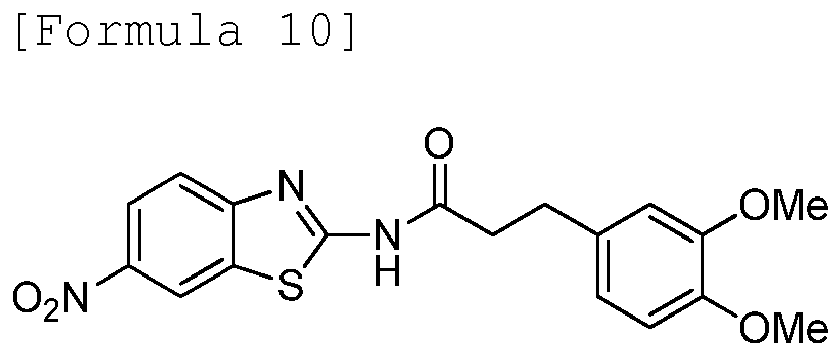 KY01043
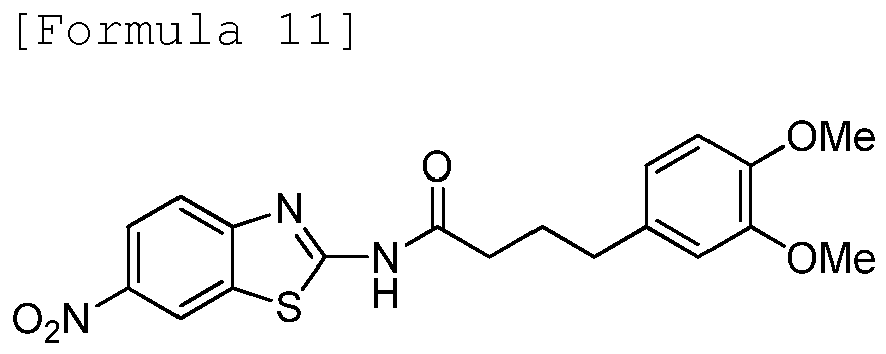 KY01046
 PB2852
 N11474
 PB2572
 PB2570
 KY02104
 SO102
SO102 SO096
SO096 SO094
SO094
- The composition according to any one of Claims 1 to 9, wherein pluripotent stem cells are mammalian cells.
- The composition according to Claim 10, wherein pluripotent stem cells are primate cells.
- The composition according to any one of Claims 1 to 11, which is used in combination with a different cardiac muscle cell differentiation promoter.
- The composition according to Claim 12, wherein the different cardiac muscle cell differentiation promoter is nitrovin; a combination of bFGF, BMP4, VEGF, DKK1 and Activin A; or a Wnt signaling inhibitor.
- A kit for promoting cardiac muscle cell differentiation which comprises the composition of any one of Claims 1 to 11.
- The kit according to Claim 14 further comprising a different cardiac muscle cell differentiation promoter.
- A method for inducing differentiation of pluripotent stem cells into cardiac muscle cells which comprises culturing pluripotent stem cells in a medium containing the composition of any one of Claims 1 to 13.
- A method for preparing cardiac muscle cells from pluripotent stem cells which comprises culturing pluripotent stem cells in a medium containing the composition of any one of Claims 1 to 13.
- Cardiac muscle cells prepared by the method of Claim 17.
- A compound having Formula (I):

R1, R4 and R5 are each independently a hydrogen atom; a halogen atom; a hydroxyl group; a linear or branched alkoxy group having 1 to 5 carbon atoms; a linear or branched alkyl group having 1 to 5 carbon atoms which is unsubstituted or substituted with a halogen atom; or a group -NR12R13, wherein R12 and R13 are each independently a hydrogen atom, an oxygen atom, or a linear or branched alkyl group having 1 to 5 carbon atoms which is unsubstituted or substituted with a halogen atom,
R2 and R3 are a linear or a branched alkoxy group having 1 to 5 carbon atoms, or R2 and R3 join together to form -O-CH2-O- or -O-(CH2)2-O-,
R6 to R9 are each independently a hydrogen atom; a halogen atom; a hydroxyl group; a linear or branched alkoxy group having 1 to 5 carbon atoms; a linear or branched alkoxy group having 1 to 5 carbon atoms which is substituted with a group -C(O)A, wherein A is a saturated or unsaturated 5- or 6-membered ring which is unsubstituted or substituted with a linear or branched alkyl group having 1 to 5 carbon atoms and the ring may contain 1 or 2 atoms independently selected from a nitrogen atom, an oxygen atom and a sulfur atom; a linear or branched alkyl group having 1 to 5 carbon atoms which is unsubstituted or substituted with a halogen atom; or a group -NR12R13, wherein R12 and R13 are each independently a hydrogen atom, an oxygen atom, or a linear or branched alkyl group having 1 to 5 carbon atoms which is unsubstituted or substituted with a halogen atom; wherein two adjacent groups among R6 to R9 may join together to form -O-CH2-O- or -O-(CH2)2-O-,
R10 to R11 are each independently a hydrogen atom; or a linear or branched alkyl group having 1 to 5 carbon atoms,
X is an oxygen atom; a sulfur atom; or a group -NR15, wherein R15 is a hydrogen atom, a linear or branched alkyl group having 1 to 5 carbon atoms, or a linear or branched acyl group having 1 to 5 carbon atoms, and
n is an integer of 0 to 6, with the proviso that when n is 1 or 2, R7 is not Cl nor a methoxy group and R2 is not a methoxy group,
or a salt thereof. - The compound according to Claim 19, wherein
R6 to R9 are each independently a hydrogen atom; a halogen atom; a hydroxyl group; a linear or branched alkoxy group having 1 to 5 carbon atoms; a linear or branched alkyl group having 1 to 5 carbon atoms which is unsubstituted or substituted with a halogen atom; or a group -NR12R13, wherein R12 and R13 are each independently a hydrogen atom, an oxygen atom, or a linear or branched alkyl group having 1 to 5 carbon atoms which is unsubstituted or substituted with a halogen atom; wherein two adjacent groups among R6 to R9 may join together to form -O-CH2-O- or -O-(CH2)2-O-,
n is an integer of 3 to 6,
or a salt thereof. - The compound according to Claim 20, wherein
R1, R4, R5, R6 and R9 are each independently a hydrogen atom; a halogen atom; a hydroxyl group; a linear or branched alkoxy group having 1 to 5 carbon atoms; or a linear or branched alkyl group having 1 to 5 carbon atoms which is unsubstituted or substituted with a halogen atom; and
R7 is a hydrogen atom; a halogen atom; a hydroxyl group; a linear or branched alkoxy group having 1 to 5 carbon atoms; a linear or branched alkyl group having 1 to 5 carbon atoms which is unsubstituted or substituted with a halogen atom; or a group -NR12R13, wherein R12 and R13 are each independently a hydrogen atom, an oxygen atom, or a linear or branched alkyl group having 1 to 5 carbon atoms which is unsubstituted or substituted with a halogen atom,
R8 is a hydrogen atom; a halogen atom; a hydroxyl group; a linear or branched alkoxy group having 1 to 5 carbon atoms; or a linear or branched alkyl group having 1 to 5 carbon atoms which is unsubstituted or substituted with a halogen atom, or
R7 and R8 join together to form -O-CH2-O- or -O-(CH2)2-O-,
or a salt thereof. - The compound according to Claim 21, wherein
R1, R4, R5, R6 and R9 are a hydrogen atom,
R2 and R3 are a methoxy group, an ethoxy group or a propoxy group, and
R10 and R11 are a hydrogen atom,
or a salt thereof. - The compound according to Claim 22, wherein
X is a sulfur atom, and
n is 3,
or a salt thereof. - The compound according to Claim 19, wherein
R1, R4, R5, R6 and R9 are each independently a hydrogen atom; a halogen atom; a hydroxyl group; a linear or branched alkoxy group having 1 to 5 carbon atoms; or a linear or branched alkyl group having 1 to 5 carbon atoms which is unsubstituted or substituted with a halogen atom,
R7 is a linear or branched alkoxy group having 1 to 5 carbon atoms which is substituted with a group -C(O)A, wherein A is a saturated or unsaturated 5- or 6-membered ring which is unsubstituted or substituted with a linear or branched alkyl group having 1 to 5 carbon atoms and the ring may contain 1 or 2 atoms independently selected from a nitrogen atom, an oxygen atom and a sulfur atom,
or a salt thereof. - The compound according to Claim 24, wherein
R1, R4, R5, R6, R8 and R9 are a hydrogen atom,
R2 and R3 are a methoxy group, an ethoxy group or a propoxy group,
R10 and R11 are a hydrogen atom,
X is a sulfur atom,
A is a piperidinyl group, a piperazinyl group or a morpholinyl group which is unsubstituted or substituted with a linear or branched alkyl group having 1 to 5 carbon atoms, and
n is an integer of 0 to 4,
or a salt thereof. - The compound according to Claim 19 represented by the following formulae:SO087
 KY02114
 SO102
SO102 SO096
SO096 SO094
SO094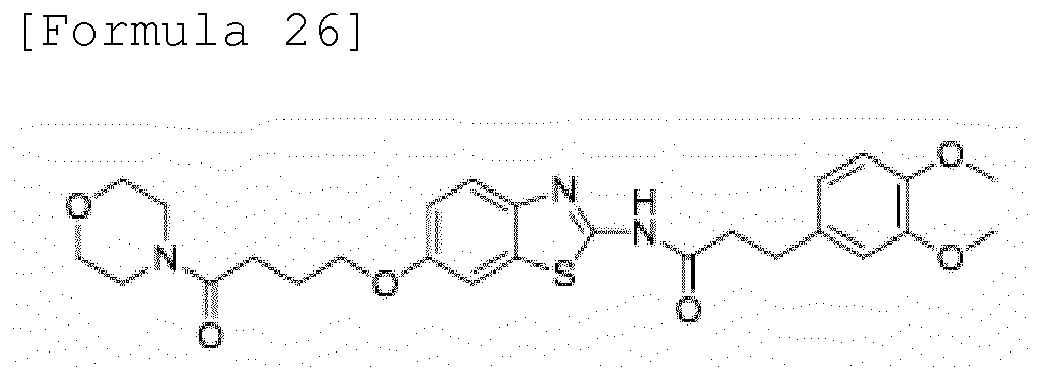
Applications Claiming Priority (2)
| Application Number | Priority Date | Filing Date | Title |
|---|---|---|---|
| JP2010189548 | 2010-08-26 | ||
| PCT/JP2011/069054 WO2012026491A1 (en) | 2010-08-26 | 2011-08-24 | Pluripotent stem cell cardiomyocyte differentiation-promoting agent |
Publications (3)
| Publication Number | Publication Date |
|---|---|
| EP2610249A1 true EP2610249A1 (en) | 2013-07-03 |
| EP2610249A4 EP2610249A4 (en) | 2014-03-19 |
| EP2610249B1 EP2610249B1 (en) | 2017-10-11 |
Family
ID=45723484
Family Applications (1)
| Application Number | Title | Priority Date | Filing Date |
|---|---|---|---|
| EP11819954.6A Not-in-force EP2610249B1 (en) | 2010-08-26 | 2011-08-24 | Pluripotent stem cell cardiomyocyte differentiation-promoting agent |
Country Status (5)
| Country | Link |
|---|---|
| US (1) | US8658425B2 (en) |
| EP (1) | EP2610249B1 (en) |
| JP (1) | JP5930205B2 (en) |
| CN (1) | CN103209968B (en) |
| WO (1) | WO2012026491A1 (en) |
Families Citing this family (13)
| Publication number | Priority date | Publication date | Assignee | Title |
|---|---|---|---|---|
| US9499790B2 (en) | 2010-08-26 | 2016-11-22 | Kyoto University | Method for promoting differentiation of pluripotent stem cells into cardiac muscle cells |
| JP6274510B2 (en) * | 2012-01-27 | 2018-02-07 | 国立大学法人京都大学 | Method for inducing myocardial differentiation of pluripotent stem cells |
| ES2489297B1 (en) | 2013-01-22 | 2015-06-10 | Consejo Superior De Investigaciones Científicas (Csic) | BENZOTIAZOLES REPLACED AND ITS THERAPEUTIC APPLICATIONS FOR THE TREATMENT OF HUMAN DISEASES |
| JP6351567B2 (en) * | 2013-03-08 | 2018-07-04 | 国立大学法人京都大学 | Promoting myocardial differentiation of pluripotent stem cells containing an EGF receptor inhibitor |
| EP3045451B1 (en) | 2013-09-13 | 2018-03-28 | Kyoto University | Compound promoting differentiation of pluripotent stem cells into cardiomyocytes |
| CA2943035A1 (en) * | 2014-05-06 | 2015-11-12 | F. Hoffmann-La Roche Ag | Method for differentiation of pluripotent stem cells into cardiomyocytes |
| WO2015182765A1 (en) | 2014-05-30 | 2015-12-03 | 国立大学法人京都大学 | Method for inducing myocardial differentiation of pluripotent stem cells using low-molecular compound |
| CN104447417B (en) * | 2014-11-10 | 2016-04-06 | 厦门大学 | Utilize the method that micromolecular compound induced dry-cell Cardiomyocytes breaks up |
| PT3344758T (en) | 2015-09-01 | 2021-10-28 | Ncardia B V | AN IN VITRO METHOD FOR DIFFERENTIATION OF A POPULATION OF HUMAN PLURIPOTENTS STEM CELLS FROM A POPULATION OF CARDIOMYOCYTE CELLS |
| JP2017108705A (en) * | 2015-12-18 | 2017-06-22 | 国立大学法人京都大学 | Method for producing cardiomyocytes |
| EP3431584B1 (en) | 2016-03-18 | 2023-06-28 | Kyoto University | Methods for freezing an aggregate of pluripotent stem cell-derived cardiomyocytes |
| JP7257698B2 (en) * | 2018-03-30 | 2023-04-14 | オリヅルセラピューティクス株式会社 | heterocyclic compound |
| JP7732643B2 (en) | 2021-10-28 | 2025-09-02 | 富士フイルム株式会社 | Method for producing myocardial cell layer, myocardial cell layer, and use thereof |
Family Cites Families (22)
| Publication number | Priority date | Publication date | Assignee | Title |
|---|---|---|---|---|
| CN1217746A (en) | 1996-04-29 | 1999-05-26 | 勒芬研究与发展公司 | Pluripotent Rabbit Embryonic Stem (ES) Cell Line and Its Application in Generation of Chimeric Rabbits |
| WO1998017267A1 (en) * | 1996-10-23 | 1998-04-30 | Zymogenetics, Inc. | Compositions and methods for treating bone deficit conditions |
| PL357678A1 (en) * | 2000-04-28 | 2004-07-26 | Sankyo Company, Limited | Ppargamma modulators |
| EP1412479A4 (en) | 2001-07-12 | 2004-07-28 | Geron Corp | Cells of the cardiomyocyte lineage produced from human pluripotent stem cells |
| BRPI0414961A (en) * | 2003-10-03 | 2006-11-07 | Keiichi Fukuda | Stem cell differentiation induction process in myocardial cells |
| US20050130974A1 (en) * | 2003-10-17 | 2005-06-16 | Rigel Pharmaceuticals, Inc. | Benzothiazole compositions and their use as ubiquitin ligase inhibitors |
| JP2005330443A (en) * | 2004-05-21 | 2005-12-02 | Fuji Photo Film Co Ltd | Cellulose derivative composition and cellulose derivative film |
| JP4701382B2 (en) | 2005-02-09 | 2011-06-15 | 国立大学法人東京農工大学 | Method for producing myocardial graft and myocardial differentiation promoting agent |
| AU2006269459B2 (en) * | 2005-07-07 | 2013-02-07 | Sirtris Pharmaceuticals, Inc. | Methods and related compositions for treating or preventing obesity, insulin resistance disorders, and mitochondrial-associated disorders |
| CN101257897A (en) * | 2005-07-07 | 2008-09-03 | 西特里斯药业公司 | Methods and related compositions for treating or preventing obesity, insulin resistance disorders and mitochondria-related disorders |
| US20070149466A1 (en) | 2005-07-07 | 2007-06-28 | Michael Milburn | Methods and related compositions for treating or preventing obesity, insulin resistance disorders, and mitochondrial-associated disorders |
| US7438916B2 (en) * | 2005-10-14 | 2008-10-21 | Virginia Tech Intellectual Properties, Inc. | Therapeutic target for protozoal diseases |
| EP2206724A1 (en) | 2005-12-13 | 2010-07-14 | Kyoto University | Nuclear reprogramming factor |
| GB2447191B (en) * | 2005-12-22 | 2011-08-03 | Es Cell Int Pte Ltd | Direct differentiation of cardiomyocytes from human embryonic stem cells |
| JP2007252220A (en) | 2006-03-20 | 2007-10-04 | Cardio Corp | Method for producing cardiomyocytes and differentiation inducer |
| GB0606429D0 (en) * | 2006-03-30 | 2006-05-10 | Novartis Ag | Organic compounds |
| BRPI0710949A2 (en) * | 2006-04-28 | 2012-03-06 | Asubio Pharma Co., Ltd. | METHOD FOR INDUCING PLURIPOTENT STEM CELL DIFFERENTIATION IN CARDIOMYOCYTES |
| DK3399025T3 (en) | 2007-03-23 | 2025-06-16 | Wisconsin Alumni Res Found | Reprogramming of somatic cells |
| JP2008307007A (en) | 2007-06-15 | 2008-12-25 | Bayer Schering Pharma Ag | Human pluripotent stem cell induced from human tissue-originated undifferentiated stem cell after birth |
| WO2011002950A1 (en) * | 2009-07-01 | 2011-01-06 | Trustees Of Dartmouth College | Methods for screening for antibiotic compounds |
| EP2511366A4 (en) | 2009-12-09 | 2014-04-30 | Univ Kyoto | AGENT FOR STIMULATING THE DIFFERENTIATION OF PLURIPOTENT STEM CELLS IN CARDIAC MUSCLE CELLS THAT INCLUDES NITROVIN |
| US9499790B2 (en) * | 2010-08-26 | 2016-11-22 | Kyoto University | Method for promoting differentiation of pluripotent stem cells into cardiac muscle cells |
-
2011
- 2011-08-24 JP JP2012530688A patent/JP5930205B2/en not_active Expired - Fee Related
- 2011-08-24 EP EP11819954.6A patent/EP2610249B1/en not_active Not-in-force
- 2011-08-24 CN CN201180051572.7A patent/CN103209968B/en not_active Expired - Fee Related
- 2011-08-24 WO PCT/JP2011/069054 patent/WO2012026491A1/en not_active Ceased
-
2013
- 2013-02-26 US US13/777,765 patent/US8658425B2/en not_active Expired - Fee Related
Also Published As
| Publication number | Publication date |
|---|---|
| EP2610249B1 (en) | 2017-10-11 |
| US8658425B2 (en) | 2014-02-25 |
| CN103209968B (en) | 2015-08-05 |
| EP2610249A4 (en) | 2014-03-19 |
| WO2012026491A1 (en) | 2012-03-01 |
| JPWO2012026491A1 (en) | 2013-10-28 |
| CN103209968A (en) | 2013-07-17 |
| US20130183753A1 (en) | 2013-07-18 |
| JP5930205B2 (en) | 2016-06-08 |
Similar Documents
| Publication | Publication Date | Title |
|---|---|---|
| US8658425B2 (en) | Method for promoting differentiation of pluripotent stem cells into cardiac muscle cells | |
| US9499790B2 (en) | Method for promoting differentiation of pluripotent stem cells into cardiac muscle cells | |
| EP3150705B1 (en) | Method for inducing myocardial differentiation of pluripotent stem cells using low-molecular compound | |
| US9587220B2 (en) | Method for inducing cardiac differentiation of pluripotent stem cell | |
| EP2966166B1 (en) | Promoter of differentiation of pluripotent stem cell into myocardium, which comprises egf receptor inhibitor | |
| JP6970446B2 (en) | Method of freezing aggregates of pluripotent stem cell-derived cardiomyocytes | |
| EP3565887A1 (en) | Methods for generating skeletal muscle progenitor cells | |
| EP2511366A1 (en) | Agent for promoting differentiation of pluripotent stem cells into cardiac muscle cells which includes nitrovin | |
| EP3045451B1 (en) | Compound promoting differentiation of pluripotent stem cells into cardiomyocytes | |
| US20220380724A1 (en) | Composition for promoting proliferation of stem cells, containing, as active ingredient, cp1p or pharmaceutically acceptable salt thereof | |
| JP2020129970A (en) | Compositions and Methods for Culturing Pluripotent Stem Cells |
Legal Events
| Date | Code | Title | Description |
|---|---|---|---|
| PUAI | Public reference made under article 153(3) epc to a published international application that has entered the european phase |
Free format text: ORIGINAL CODE: 0009012 |
|
| 17P | Request for examination filed |
Effective date: 20130313 |
|
| AK | Designated contracting states |
Kind code of ref document: A1 Designated state(s): AL AT BE BG CH CY CZ DE DK EE ES FI FR GB GR HR HU IE IS IT LI LT LU LV MC MK MT NL NO PL PT RO RS SE SI SK SM TR |
|
| DAX | Request for extension of the european patent (deleted) | ||
| A4 | Supplementary search report drawn up and despatched |
Effective date: 20140217 |
|
| RIC1 | Information provided on ipc code assigned before grant |
Ipc: C12N 5/077 20100101ALI20140211BHEP Ipc: A61L 27/00 20060101ALI20140211BHEP Ipc: A61P 43/00 20060101ALI20140211BHEP Ipc: C07D 513/04 20060101ALI20140211BHEP Ipc: C07D 277/82 20060101AFI20140211BHEP Ipc: A61K 35/34 20060101ALI20140211BHEP Ipc: A61P 9/00 20060101ALI20140211BHEP Ipc: A61K 31/496 20060101ALI20140211BHEP Ipc: C07D 513/14 20060101ALI20140211BHEP Ipc: A61K 31/428 20060101ALI20140211BHEP Ipc: A61K 31/5377 20060101ALI20140211BHEP |
|
| 17Q | First examination report despatched |
Effective date: 20141022 |
|
| GRAP | Despatch of communication of intention to grant a patent |
Free format text: ORIGINAL CODE: EPIDOSNIGR1 |
|
| STAA | Information on the status of an ep patent application or granted ep patent |
Free format text: STATUS: GRANT OF PATENT IS INTENDED |
|
| INTG | Intention to grant announced |
Effective date: 20170413 |
|
| GRAS | Grant fee paid |
Free format text: ORIGINAL CODE: EPIDOSNIGR3 |
|
| GRAA | (expected) grant |
Free format text: ORIGINAL CODE: 0009210 |
|
| STAA | Information on the status of an ep patent application or granted ep patent |
Free format text: STATUS: THE PATENT HAS BEEN GRANTED |
|
| AK | Designated contracting states |
Kind code of ref document: B1 Designated state(s): AL AT BE BG CH CY CZ DE DK EE ES FI FR GB GR HR HU IE IS IT LI LT LU LV MC MK MT NL NO PL PT RO RS SE SI SK SM TR |
|
| REG | Reference to a national code |
Ref country code: GB Ref legal event code: FG4D |
|
| REG | Reference to a national code |
Ref country code: CH Ref legal event code: EP |
|
| REG | Reference to a national code |
Ref country code: IE Ref legal event code: FG4D |
|
| REG | Reference to a national code |
Ref country code: AT Ref legal event code: REF Ref document number: 935894 Country of ref document: AT Kind code of ref document: T Effective date: 20171115 |
|
| REG | Reference to a national code |
Ref country code: DE Ref legal event code: R096 Ref document number: 602011042380 Country of ref document: DE |
|
| REG | Reference to a national code |
Ref country code: NL Ref legal event code: MP Effective date: 20171011 |
|
| REG | Reference to a national code |
Ref country code: LT Ref legal event code: MG4D |
|
| REG | Reference to a national code |
Ref country code: AT Ref legal event code: MK05 Ref document number: 935894 Country of ref document: AT Kind code of ref document: T Effective date: 20171011 |
|
| PG25 | Lapsed in a contracting state [announced via postgrant information from national office to epo] |
Ref country code: NL Free format text: LAPSE BECAUSE OF FAILURE TO SUBMIT A TRANSLATION OF THE DESCRIPTION OR TO PAY THE FEE WITHIN THE PRESCRIBED TIME-LIMIT Effective date: 20171011 |
|
| PG25 | Lapsed in a contracting state [announced via postgrant information from national office to epo] |
Ref country code: NO Free format text: LAPSE BECAUSE OF FAILURE TO SUBMIT A TRANSLATION OF THE DESCRIPTION OR TO PAY THE FEE WITHIN THE PRESCRIBED TIME-LIMIT Effective date: 20180111 Ref country code: LT Free format text: LAPSE BECAUSE OF FAILURE TO SUBMIT A TRANSLATION OF THE DESCRIPTION OR TO PAY THE FEE WITHIN THE PRESCRIBED TIME-LIMIT Effective date: 20171011 Ref country code: FI Free format text: LAPSE BECAUSE OF FAILURE TO SUBMIT A TRANSLATION OF THE DESCRIPTION OR TO PAY THE FEE WITHIN THE PRESCRIBED TIME-LIMIT Effective date: 20171011 Ref country code: ES Free format text: LAPSE BECAUSE OF FAILURE TO SUBMIT A TRANSLATION OF THE DESCRIPTION OR TO PAY THE FEE WITHIN THE PRESCRIBED TIME-LIMIT Effective date: 20171011 Ref country code: SE Free format text: LAPSE BECAUSE OF FAILURE TO SUBMIT A TRANSLATION OF THE DESCRIPTION OR TO PAY THE FEE WITHIN THE PRESCRIBED TIME-LIMIT Effective date: 20171011 |
|
| PG25 | Lapsed in a contracting state [announced via postgrant information from national office to epo] |
Ref country code: IS Free format text: LAPSE BECAUSE OF FAILURE TO SUBMIT A TRANSLATION OF THE DESCRIPTION OR TO PAY THE FEE WITHIN THE PRESCRIBED TIME-LIMIT Effective date: 20180211 Ref country code: RS Free format text: LAPSE BECAUSE OF FAILURE TO SUBMIT A TRANSLATION OF THE DESCRIPTION OR TO PAY THE FEE WITHIN THE PRESCRIBED TIME-LIMIT Effective date: 20171011 Ref country code: GR Free format text: LAPSE BECAUSE OF FAILURE TO SUBMIT A TRANSLATION OF THE DESCRIPTION OR TO PAY THE FEE WITHIN THE PRESCRIBED TIME-LIMIT Effective date: 20180112 Ref country code: HR Free format text: LAPSE BECAUSE OF FAILURE TO SUBMIT A TRANSLATION OF THE DESCRIPTION OR TO PAY THE FEE WITHIN THE PRESCRIBED TIME-LIMIT Effective date: 20171011 Ref country code: BG Free format text: LAPSE BECAUSE OF FAILURE TO SUBMIT A TRANSLATION OF THE DESCRIPTION OR TO PAY THE FEE WITHIN THE PRESCRIBED TIME-LIMIT Effective date: 20180111 Ref country code: LV Free format text: LAPSE BECAUSE OF FAILURE TO SUBMIT A TRANSLATION OF THE DESCRIPTION OR TO PAY THE FEE WITHIN THE PRESCRIBED TIME-LIMIT Effective date: 20171011 Ref country code: AT Free format text: LAPSE BECAUSE OF FAILURE TO SUBMIT A TRANSLATION OF THE DESCRIPTION OR TO PAY THE FEE WITHIN THE PRESCRIBED TIME-LIMIT Effective date: 20171011 |
|
| REG | Reference to a national code |
Ref country code: DE Ref legal event code: R097 Ref document number: 602011042380 Country of ref document: DE |
|
| REG | Reference to a national code |
Ref country code: FR Ref legal event code: PLFP Year of fee payment: 8 |
|
| PG25 | Lapsed in a contracting state [announced via postgrant information from national office to epo] |
Ref country code: CZ Free format text: LAPSE BECAUSE OF FAILURE TO SUBMIT A TRANSLATION OF THE DESCRIPTION OR TO PAY THE FEE WITHIN THE PRESCRIBED TIME-LIMIT Effective date: 20171011 Ref country code: DK Free format text: LAPSE BECAUSE OF FAILURE TO SUBMIT A TRANSLATION OF THE DESCRIPTION OR TO PAY THE FEE WITHIN THE PRESCRIBED TIME-LIMIT Effective date: 20171011 Ref country code: EE Free format text: LAPSE BECAUSE OF FAILURE TO SUBMIT A TRANSLATION OF THE DESCRIPTION OR TO PAY THE FEE WITHIN THE PRESCRIBED TIME-LIMIT Effective date: 20171011 Ref country code: SK Free format text: LAPSE BECAUSE OF FAILURE TO SUBMIT A TRANSLATION OF THE DESCRIPTION OR TO PAY THE FEE WITHIN THE PRESCRIBED TIME-LIMIT Effective date: 20171011 |
|
| PLBE | No opposition filed within time limit |
Free format text: ORIGINAL CODE: 0009261 |
|
| STAA | Information on the status of an ep patent application or granted ep patent |
Free format text: STATUS: NO OPPOSITION FILED WITHIN TIME LIMIT |
|
| PG25 | Lapsed in a contracting state [announced via postgrant information from national office to epo] |
Ref country code: IT Free format text: LAPSE BECAUSE OF FAILURE TO SUBMIT A TRANSLATION OF THE DESCRIPTION OR TO PAY THE FEE WITHIN THE PRESCRIBED TIME-LIMIT Effective date: 20171011 Ref country code: SM Free format text: LAPSE BECAUSE OF FAILURE TO SUBMIT A TRANSLATION OF THE DESCRIPTION OR TO PAY THE FEE WITHIN THE PRESCRIBED TIME-LIMIT Effective date: 20171011 Ref country code: PL Free format text: LAPSE BECAUSE OF FAILURE TO SUBMIT A TRANSLATION OF THE DESCRIPTION OR TO PAY THE FEE WITHIN THE PRESCRIBED TIME-LIMIT Effective date: 20171011 Ref country code: RO Free format text: LAPSE BECAUSE OF FAILURE TO SUBMIT A TRANSLATION OF THE DESCRIPTION OR TO PAY THE FEE WITHIN THE PRESCRIBED TIME-LIMIT Effective date: 20171011 |
|
| 26N | No opposition filed |
Effective date: 20180712 |
|
| PG25 | Lapsed in a contracting state [announced via postgrant information from national office to epo] |
Ref country code: SI Free format text: LAPSE BECAUSE OF FAILURE TO SUBMIT A TRANSLATION OF THE DESCRIPTION OR TO PAY THE FEE WITHIN THE PRESCRIBED TIME-LIMIT Effective date: 20171011 |
|
| PG25 | Lapsed in a contracting state [announced via postgrant information from national office to epo] |
Ref country code: MC Free format text: LAPSE BECAUSE OF FAILURE TO SUBMIT A TRANSLATION OF THE DESCRIPTION OR TO PAY THE FEE WITHIN THE PRESCRIBED TIME-LIMIT Effective date: 20171011 |
|
| REG | Reference to a national code |
Ref country code: CH Ref legal event code: PL |
|
| PG25 | Lapsed in a contracting state [announced via postgrant information from national office to epo] |
Ref country code: CH Free format text: LAPSE BECAUSE OF NON-PAYMENT OF DUE FEES Effective date: 20180831 Ref country code: LI Free format text: LAPSE BECAUSE OF NON-PAYMENT OF DUE FEES Effective date: 20180831 Ref country code: LU Free format text: LAPSE BECAUSE OF NON-PAYMENT OF DUE FEES Effective date: 20180824 |
|
| REG | Reference to a national code |
Ref country code: BE Ref legal event code: MM Effective date: 20180831 |
|
| PG25 | Lapsed in a contracting state [announced via postgrant information from national office to epo] |
Ref country code: BE Free format text: LAPSE BECAUSE OF NON-PAYMENT OF DUE FEES Effective date: 20180831 |
|
| PG25 | Lapsed in a contracting state [announced via postgrant information from national office to epo] |
Ref country code: MT Free format text: LAPSE BECAUSE OF NON-PAYMENT OF DUE FEES Effective date: 20180824 |
|
| PG25 | Lapsed in a contracting state [announced via postgrant information from national office to epo] |
Ref country code: TR Free format text: LAPSE BECAUSE OF FAILURE TO SUBMIT A TRANSLATION OF THE DESCRIPTION OR TO PAY THE FEE WITHIN THE PRESCRIBED TIME-LIMIT Effective date: 20171011 |
|
| PG25 | Lapsed in a contracting state [announced via postgrant information from national office to epo] |
Ref country code: PT Free format text: LAPSE BECAUSE OF FAILURE TO SUBMIT A TRANSLATION OF THE DESCRIPTION OR TO PAY THE FEE WITHIN THE PRESCRIBED TIME-LIMIT Effective date: 20171011 Ref country code: HU Free format text: LAPSE BECAUSE OF FAILURE TO SUBMIT A TRANSLATION OF THE DESCRIPTION OR TO PAY THE FEE WITHIN THE PRESCRIBED TIME-LIMIT; INVALID AB INITIO Effective date: 20110824 |
|
| PG25 | Lapsed in a contracting state [announced via postgrant information from national office to epo] |
Ref country code: CY Free format text: LAPSE BECAUSE OF FAILURE TO SUBMIT A TRANSLATION OF THE DESCRIPTION OR TO PAY THE FEE WITHIN THE PRESCRIBED TIME-LIMIT Effective date: 20171011 Ref country code: IE Free format text: LAPSE BECAUSE OF NON-PAYMENT OF DUE FEES Effective date: 20180824 Ref country code: MK Free format text: LAPSE BECAUSE OF NON-PAYMENT OF DUE FEES Effective date: 20171011 |
|
| PG25 | Lapsed in a contracting state [announced via postgrant information from national office to epo] |
Ref country code: AL Free format text: LAPSE BECAUSE OF FAILURE TO SUBMIT A TRANSLATION OF THE DESCRIPTION OR TO PAY THE FEE WITHIN THE PRESCRIBED TIME-LIMIT Effective date: 20171011 |
|
| PGFP | Annual fee paid to national office [announced via postgrant information from national office to epo] |
Ref country code: GB Payment date: 20230816 Year of fee payment: 13 |
|
| PGFP | Annual fee paid to national office [announced via postgrant information from national office to epo] |
Ref country code: FR Payment date: 20230804 Year of fee payment: 13 Ref country code: DE Payment date: 20230829 Year of fee payment: 13 |
|
| REG | Reference to a national code |
Ref country code: DE Ref legal event code: R119 Ref document number: 602011042380 Country of ref document: DE |
|
| GBPC | Gb: european patent ceased through non-payment of renewal fee |
Effective date: 20240824 |
|
| PG25 | Lapsed in a contracting state [announced via postgrant information from national office to epo] |
Ref country code: DE Free format text: LAPSE BECAUSE OF NON-PAYMENT OF DUE FEES Effective date: 20250301 |
|
| PG25 | Lapsed in a contracting state [announced via postgrant information from national office to epo] |
Ref country code: GB Free format text: LAPSE BECAUSE OF NON-PAYMENT OF DUE FEES Effective date: 20240824 |
|
| PG25 | Lapsed in a contracting state [announced via postgrant information from national office to epo] |
Ref country code: FR Free format text: LAPSE BECAUSE OF NON-PAYMENT OF DUE FEES Effective date: 20240831 |