EP2604332A1 - Method for preparing a functionalized nanoporous track-etched PVDF membrane with RAFT polymerization - Google Patents
Method for preparing a functionalized nanoporous track-etched PVDF membrane with RAFT polymerization Download PDFInfo
- Publication number
- EP2604332A1 EP2604332A1 EP11306648.4A EP11306648A EP2604332A1 EP 2604332 A1 EP2604332 A1 EP 2604332A1 EP 11306648 A EP11306648 A EP 11306648A EP 2604332 A1 EP2604332 A1 EP 2604332A1
- Authority
- EP
- European Patent Office
- Prior art keywords
- membrane
- aqueous solution
- raft
- monomer
- nanoporous
- Prior art date
- Legal status (The legal status is an assumption and is not a legal conclusion. Google has not performed a legal analysis and makes no representation as to the accuracy of the status listed.)
- Granted
Links
Images


Classifications
-
- B—PERFORMING OPERATIONS; TRANSPORTING
- B01—PHYSICAL OR CHEMICAL PROCESSES OR APPARATUS IN GENERAL
- B01D—SEPARATION
- B01D67/00—Processes specially adapted for manufacturing semi-permeable membranes for separation processes or apparatus
- B01D67/0002—Organic membrane manufacture
- B01D67/0023—Organic membrane manufacture by inducing porosity into non porous precursor membranes
- B01D67/0032—Organic membrane manufacture by inducing porosity into non porous precursor membranes by elimination of segments of the precursor, e.g. nucleation-track membranes, lithography or laser methods
-
- B—PERFORMING OPERATIONS; TRANSPORTING
- B01—PHYSICAL OR CHEMICAL PROCESSES OR APPARATUS IN GENERAL
- B01D—SEPARATION
- B01D67/00—Processes specially adapted for manufacturing semi-permeable membranes for separation processes or apparatus
- B01D67/0081—After-treatment of organic or inorganic membranes
- B01D67/0093—Chemical modification
-
- B—PERFORMING OPERATIONS; TRANSPORTING
- B01—PHYSICAL OR CHEMICAL PROCESSES OR APPARATUS IN GENERAL
- B01D—SEPARATION
- B01D71/00—Semi-permeable membranes for separation processes or apparatus characterised by the material; Manufacturing processes specially adapted therefor
- B01D71/06—Organic material
- B01D71/28—Polymers of vinyl aromatic compounds
- B01D71/281—Polystyrene
-
- B—PERFORMING OPERATIONS; TRANSPORTING
- B01—PHYSICAL OR CHEMICAL PROCESSES OR APPARATUS IN GENERAL
- B01D—SEPARATION
- B01D71/00—Semi-permeable membranes for separation processes or apparatus characterised by the material; Manufacturing processes specially adapted therefor
- B01D71/06—Organic material
- B01D71/30—Polyalkenyl halides
- B01D71/32—Polyalkenyl halides containing fluorine atoms
- B01D71/34—Polyvinylidene fluoride
-
- B—PERFORMING OPERATIONS; TRANSPORTING
- B01—PHYSICAL OR CHEMICAL PROCESSES OR APPARATUS IN GENERAL
- B01D—SEPARATION
- B01D71/00—Semi-permeable membranes for separation processes or apparatus characterised by the material; Manufacturing processes specially adapted therefor
- B01D71/06—Organic material
- B01D71/40—Polymers of unsaturated acids or derivatives thereof, e.g. salts, amides, imides, nitriles, anhydrides, esters
- B01D71/401—Polymers based on the polymerisation of acrylic acid, e.g. polyacrylate
-
- B—PERFORMING OPERATIONS; TRANSPORTING
- B01—PHYSICAL OR CHEMICAL PROCESSES OR APPARATUS IN GENERAL
- B01D—SEPARATION
- B01D71/00—Semi-permeable membranes for separation processes or apparatus characterised by the material; Manufacturing processes specially adapted therefor
- B01D71/06—Organic material
- B01D71/40—Polymers of unsaturated acids or derivatives thereof, e.g. salts, amides, imides, nitriles, anhydrides, esters
- B01D71/42—Polymers of nitriles, e.g. polyacrylonitrile
- B01D71/421—Polyacrylonitrile
-
- B—PERFORMING OPERATIONS; TRANSPORTING
- B01—PHYSICAL OR CHEMICAL PROCESSES OR APPARATUS IN GENERAL
- B01D—SEPARATION
- B01D71/00—Semi-permeable membranes for separation processes or apparatus characterised by the material; Manufacturing processes specially adapted therefor
- B01D71/06—Organic material
- B01D71/76—Macromolecular material not specifically provided for in a single one of groups B01D71/08 - B01D71/74
- B01D71/78—Graft polymers
-
- B—PERFORMING OPERATIONS; TRANSPORTING
- B01—PHYSICAL OR CHEMICAL PROCESSES OR APPARATUS IN GENERAL
- B01D—SEPARATION
- B01D71/00—Semi-permeable membranes for separation processes or apparatus characterised by the material; Manufacturing processes specially adapted therefor
- B01D71/06—Organic material
- B01D71/76—Macromolecular material not specifically provided for in a single one of groups B01D71/08 - B01D71/74
- B01D71/80—Block polymers
-
- G—PHYSICS
- G01—MEASURING; TESTING
- G01N—INVESTIGATING OR ANALYSING MATERIALS BY DETERMINING THEIR CHEMICAL OR PHYSICAL PROPERTIES
- G01N27/00—Investigating or analysing materials by the use of electric, electrochemical, or magnetic means
- G01N27/26—Investigating or analysing materials by the use of electric, electrochemical, or magnetic means by investigating electrochemical variables; by using electrolysis or electrophoresis
- G01N27/28—Electrolytic cell components
- G01N27/30—Electrodes, e.g. test electrodes; Half-cells
- G01N27/333—Ion-selective electrodes or membranes
- G01N27/3335—Ion-selective electrodes or membranes the membrane containing at least one organic component
-
- B—PERFORMING OPERATIONS; TRANSPORTING
- B01—PHYSICAL OR CHEMICAL PROCESSES OR APPARATUS IN GENERAL
- B01D—SEPARATION
- B01D2323/00—Details relating to membrane preparation
- B01D2323/38—Graft polymerization
-
- B—PERFORMING OPERATIONS; TRANSPORTING
- B82—NANOTECHNOLOGY
- B82Y—SPECIFIC USES OR APPLICATIONS OF NANOSTRUCTURES; MEASUREMENT OR ANALYSIS OF NANOSTRUCTURES; MANUFACTURE OR TREATMENT OF NANOSTRUCTURES
- B82Y40/00—Manufacture or treatment of nanostructures
-
- H—ELECTRICITY
- H01—ELECTRIC ELEMENTS
- H01M—PROCESSES OR MEANS, e.g. BATTERIES, FOR THE DIRECT CONVERSION OF CHEMICAL ENERGY INTO ELECTRICAL ENERGY
- H01M4/00—Electrodes
- H01M4/02—Electrodes composed of, or comprising, active material
- H01M4/04—Processes of manufacture in general
-
- H—ELECTRICITY
- H01—ELECTRIC ELEMENTS
- H01M—PROCESSES OR MEANS, e.g. BATTERIES, FOR THE DIRECT CONVERSION OF CHEMICAL ENERGY INTO ELECTRICAL ENERGY
- H01M4/00—Electrodes
- H01M4/02—Electrodes composed of, or comprising, active material
- H01M4/64—Carriers or collectors
- H01M4/66—Selection of materials
-
- Y—GENERAL TAGGING OF NEW TECHNOLOGICAL DEVELOPMENTS; GENERAL TAGGING OF CROSS-SECTIONAL TECHNOLOGIES SPANNING OVER SEVERAL SECTIONS OF THE IPC; TECHNICAL SUBJECTS COVERED BY FORMER USPC CROSS-REFERENCE ART COLLECTIONS [XRACs] AND DIGESTS
- Y02—TECHNOLOGIES OR APPLICATIONS FOR MITIGATION OR ADAPTATION AGAINST CLIMATE CHANGE
- Y02E—REDUCTION OF GREENHOUSE GAS [GHG] EMISSIONS, RELATED TO ENERGY GENERATION, TRANSMISSION OR DISTRIBUTION
- Y02E60/00—Enabling technologies; Technologies with a potential or indirect contribution to GHG emissions mitigation
- Y02E60/10—Energy storage using batteries
Definitions
- the invention relates to a method for preparing a functionalized nanoporous track-etched PVDF membrane.
- Nanoscale science is extremely broad and growing in scope and impact due to its potential applications in various fields such as medicine, environment and energy.
- studies investigating polymeric nanomaterials are minor as the preparation methods of such polymeric materials are limited to a few strategies such as heterogeneous polymerization, e.g. emulsion polymerization, dispersion polymerization, etc and self-assembly of the block copolymer in a selective solvent.
- Fabricating micro-/nano-structures on solid-state substrate by using heavy ion irradiation and track-etching technique opens a reliable and cost-effective route to micro- and nano-technology.
- Synthetic nanopores are widely used in many fields, such as ionic transport rectification in nanofluidic diodes, DNA detection, molecular separation, responsive gating, and energy conversion.
- PVDF Poly(vinylidene fluoride)
- FMEs were found to be sensitive to sub-ppb concentrations of Pb 2+ .
- a dense hydrogel of PAA grafted to the nanoporous walls of PVDF is the main problem as its adsorption and electrodeposition efficiency is related to PAA chains arrangement.
- the prior art comprises the document M. Grasselli et al. "Electron-beam induced RAFT-graft polymerization of poly(acrylic acid) onto PVDF”; Nucl. Instr. and Meth. in Phys. Res. B, 236 (2005) pp. 201-207 , which describes the use of a RAFT mechanism for a surface graft polymerization of acrylic acid (AA) onto poly(vinylidene difluoride) (PVDF) in order to improve its surface properties.
- AA acrylic acid
- PVDF poly(vinylidene difluoride)
- An object of the present invention is to overcome drawbacks of prior art by providing a very sensitive functionalized membrane electrode over a large range of concentrations. Another object of the present invention is to improve selectivity of such an electrode.
- the present invention provides a method for preparing a functionalized nanoporous track-etched polymer membrane for a nanosensor, this method comprising the steps of :
- the present invention concerns a novel strategy for preparation of highly sensitive functionalized nanoporous track-etched PVDF membrane by the combination of radiografting and Reversible Addition-Fragmentation chain Transfer (RAFT) polymerization as preferred mechanism of radical controlled polymerization.
- a polymer such as the Poly(acrylic acid) (PAA) may be specifically grown from the walls of the nanoporous PVDF membrane by RAFT mediated radiografting in a controlled manner. This is quite different from conventional grafting techniques, accepting the disadvantage that the molecular weight and molecular weight distribution are not controlled.
- Predetermined molecular weights and low polymolecular dispersity indices (PDI) as well as homogeneous composition and desired architecture yielding more sensitive membrane electrodes are achieved via this combination.
- the irradiation and the radiografting are preferably two different steps realized in different times.
- the present invention allows a polymerization under 'controlled' conditions that yield well-defined polymers with low PDIs, desired molecular weights, structures and functionalities.
- the aqueous solution used in the present invention is a mixture of water and an organic medium. This mixture permits a good miscibility of the RAFT agent and a homogeneous reaction.
- the RAFT agent used may be a solid miscible in the organic medium and not in the water.
- the RAFT agent is an agent taken among the dithiocarbamate family.
- the RAFT agent is the 3-benzylsulfanylthiocarbonylsulfanyl propionic acid (BPATT).
- Controlled radical polymerization (CRP) methods combine the inherent advantages of free-radical polymerization with that of living polymerization methods in their own way to yield polymers with predetermined molecular weight and low polydispersity for a great variety of vinyl monomers.
- Reversible addition-fragmentation chain transfer (RAFT) polymerization is of particular interest among others as a very wide range of (functional) monomers can be polymerized in a controlled manner under non-demanding reaction conditions (e.g., tolerance to oxygen and low temperatures) via this technique.
- the general mechanism of RAFT polymerization as proposed by the CSIRO group is shown in Scheme 1:
- Steps I, III and V are initiation, propagation and termination steps common to all free radical polymerization systems.
- the termination reactions in Step V are still essentially present and therefore must be included in the reaction scheme although they are reduced by the RAFT system.
- Steps II and IV specifically apply to RAFT polymerization.
- Step II shows the initial fragmentation of the chain transfer agent (CTA), i.e. RAFT agent, (1) and the resulting equilibria between the CTA, the radical intermediate species (2) and the macro-CTA (3).
- CTA chain transfer agent
- R ⁇ the radical generated in this step, as a result of macro-CTA formation, acts as an additional initiator species and will propagate new polymer chains.
- Step IV The main reaction equilibrium, Step IV, is established between the macro-radical intermediate species (4) and the alternating active and dormant propagating polymer chains, i.e. chains capped with a thiocarbonylthio end-group, once all initial CTAs become macro-CTAs.
- the equilibrium in step IV undergoes rapid exchange between the dormant and active chains such that all propagating chains grow at approximately the same rate, thus providing low polydispersity polymers and, by adjusting the monomer and CTA concentrations, polymers with predetermined molecular weights.
- the step of purging consists in bubbling the aqueous solution in order to render the sealable casing free of oxygen.
- This purge may be made by injecting an inert gas such as nitrogen (N 2 ), Argon, Helium, inside a sealable casing containing the aqueous solution and the membrane.
- the aqueous solution is preferably obtained from a mixture comprising water and ethanol solution, the RAFT agent being dissolved in the ethanol, and the monomer being then added with this mixture.
- the mixture may comprise 50% of water and 50% of ethanol solution. However, each component of the mixture may vary from 25 to 75 %.
- the monomer constitutes about 50% of the aqueous solution.
- oxygen is inserted in the sealable casing. This constitutes a mechanism for interrupting the bath when the grafting yield is reached.
- the sealable casing may be opened to let oxygen enter.
- the monomer is an acrylic acid.
- Other monomers may be considered such as acrylates (notably diglycidylmethacrylates, methyl methacrylates), acrylamides (for eg. N-isopropylacrylamide and 2-acrylamido-2-methyl-1-propanesulfonic acid (AMPS)), acrylonitriles , N-vynilpyrrolidone, Styrene and derivatives...
- the controlled radical polymerization is a living radical polymerization wherein several successive monomers are used to create block copolymers. To do this, when the solution no longer contains a monomer, a new monomer is introduce, which is sequenced after the previous polymerization. And so on. Each monomer has a particular function dedicated to capture specific ion.
- the polymer is the Poly(vinylidene fluoride) (PVDF)
- the first monomer used to realize the radical polymerization may be the acrylic acid to create the Poly(acrylic acid) or the styrene to create the polystyrene.
- the polymer is the Poly(vinylidene fluoride) (PVDF), in particular, the ⁇ form of the PVDF is used.
- PVDF Poly(vinylidene fluoride)
- Other forms may be used. Compared to the alpha form, the beta form has a largest crystallinity rate (40% instead of 20-30%). The other forms are very difficult to obtain.
- the invention also enables the provision of a new nanosensor for capturing charged molecules, the nanosensor comprising:
- PAA functionalized nanoporous ⁇ -PVDF membranes can then be transformed into electrodes by the deposition of a thin gold or conductive layer onto the membrane surfaces.
- FME functionalized membrane electrode
- the pores may mostly be filled by PAA so it will be impossible to have open pores for ion adsorption after the gold sputtering. Insufficient grafting ratios, on the other hand, will lead the FMEs to work with lower capacity. An optimum grafting yield for the highest performance of the FMEs has been obtained around 3 -15 wt%.
- the present invention comprises a polymerization under 'controlled' conditions that yield well-defined polymers with low polymolecular dispersity indices, desired molecular weights, structures and functionalities.
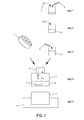
- Figure 1 describes steps for the preparation of a functionalized nanoporous track-etched PVDF membrane according to the invention.
- the nanoporous membrane 1 is first prepared before functionalization.
- Such a preparation of a nanoporous membrane before functionalization may comply with the preparation disclosed in WO 2009/147244 .
- a RAFT agent 2 is totally dissolved in an organic solution such as the ethanol 3.
- a mixture 4 is constituted by adding water in the solution containing the ethanol and the RAFT agent.
- the monomer 5 such as the acrylic acid is added with the mixture 4 to produce an aqueous solution 6.
- the nanoporous membrane 1 and the aqueous solution 6 are put inside a sealable casing 7.
- the aqueous solution may after undergo a bubbling step 4 during 15mn in order to purge oxygen from the aqueous solution by using a purge mechanism 8 which injects nitrogen N 2 inside the sealable casing 7 and evacuates oxygen O 2 from the sealable casing.
- the sealable casing containing the aqueous solution 6 and the nanoporous membrane 1 is put into a thermostated water bath 9 during one hour at 60°C in order to obtain 10% grafting yield of the monomer inside walls of nanoporous.
- oxygen may be injected in the sealable casing 7.
- Figure 2 shows a PAA functionalized nanoporous ⁇ -PVDF membrane 10 which is then transformed into electrode 11 by the deposition of a thin gold or conductive layer onto the membrane surfaces.
- the left frame of the figure 2 shows a highly schematic representation of an uncontrolled free radical polymerization on the nanoporous walls according to the prior art. The polymerization is completely disorganized.
- the right frame of the figure 2 shows a highly schematic representation of a controlled radical polymerization on the nanoporous walls according to the present invention.
- the polymerization is well organized.
- the re-usability of a functionalized membrane electrode is improved.
- the memory effect is greatly limited because the migration of captured elements is more easily to the electrodes, the nanopores being less clogged.
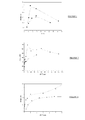
- Figure 3 presents the variation of the grafting yield as a function of the AA concentration during both the RAFT mediated and conventional radiografting. It can be seen that by increasing monomer concentration, the grafting yield in the nanoporous walls increases steadily. The grafting yields observed in conventional radiografting are higher compared to RAFT mediated ones. This is attributed to the higher polymerization rate and molecular weights of the PAA grafts grown from the nanoporous walls. In order to see the effect of grafting time, grafting kinetics were performed that are shown in Figure 4 for the RAFT mediated radiografting in 30 % AA solution. As can be seen from the figure, grafting yield sharply increases in the first hour. Beyond 1 h, the grafting rate slows down leading to a saturation of the grafting yield.
- FTIR Fast Transform Infrared
- the PAA functionalized nanoporous PVDF films synthesised both via RAFT or conventional method were transformed to membrane electrodes by sputtering a thin (35 nm) Au film through 0.4 cm diameter holes in an aluminium mask onto each surface of the film (see fig. 2 ).
- the pores of the film remain open after sputtering.
- the Au which protrudes into the membrane's pores, forms 30 nm diameter, 100 nm long nanoelectrodes.
- the result is a membrane of with random array of 10 10 parallel nanoelectrodes/cm 2 separated from the counter electrode by 9 ⁇ m long 30 nm diameter pores.
- a 1.5 x 0.6 cm square of membrane is cut out and connected to stainless steel wires with silver paste. The contacts are first protected with hot wax and then fingernail polish.
- FMEs with different graft yields were performed in 3 ppb Pb 2+ solution.
- the membrane absorbs some of the metal cations by the PAA grafted in the nanopores of the ⁇ -PVDF membrane.
- the FME is connected to a potentiostat and placed at a negative potential. The negative potential reduces the absorbed metals ions that are very close to the working electrode, from the poly (acrylic acid) in the pores to their metallic state at the Au surface.
- SW-ASV square wave anodic stripping voltammetry
- Figure 6 presents the measured current for FMEs with different grafting yields in 3 ppb Pb 2+ solution : charge vs grafting yield of FMEs prepared by ( ⁇ ) RAFT polymerization and ( ⁇ ) conventional method.
- the performance of the FMEs increases with the grafting yield to some degree due to the increase of the amount of adsorbent -COOH groups, then it starts to decrease.
- the decreasing is attributed to the closing of pores by the bulk of the grafted PAA.
- the optimum grafting looks to be around 9% and 13% for RAFT mediated and conventional radiograftings, respectively.
- the grafting yield may range from 0 to 50% depending on conditions.
- the sensitivity is much higher in the method according to the invention over the conventional method.
- FIG. 6 also clearly shows that FMEs synthesized by RAFT polymerization perform significantly better than the ones prepared by conventional method.
- the RAFT mechanism is a polymerization technique by which the molecular weight of the polymer can be easily predetermined and the architecture and polydispersity can be controlled fairly well. Therefore, the difference in the performances of FMEs should be mainly attributed to the differences in the molecular weights of the grafted PAA chains.
- Table 1 hereafter presents the number-average molecular weight, M n , and the polymolecular dispersity index (PDI, i.e., the ratio of weight-average molecular weight, M w , to M n ) values of the free (non-grafted) polymers formed in solution during the radiografting experiments.
- PDI polymolecular dispersity index
- the used RAFT agent for the experiment summarized in Table 1 is the 3-benzylsulfanylthiocarbonylsulfanyl propionic acid (BPATT).
- M n Theoretical number-average molecular weight, M n,theor , was calculated from the monomer conversion using equation 2 here below.
- c Number-average molecular weight, M n , and polymolecular dispersity indices, PDI, determined via size-exclusion chromatography, SEC, using a phosphate buffer (pH: 7.2, 0.3 M NaCl) as eluent at room temperature (flow rate: 1 mLmin -1 ) with poly(acrylic acid) (PAA) standards.
- PPA poly(acrylic acid)
- FIG. 7 presents the comparison of the performances of RAFT mediated FMEs with those of conventional FMEs at various concentrations of lead.
- RAFT mediated FMEs are more sensitive at all concentrations studied compared the conventional ones : charge versus concentrations for FMEs prepared by ( ⁇ ) RAFT polymerization and ( ⁇ ) conventional method. This again shows how sensitive and effective the FMEs prepared by RAFT polymerization are.
- the invention relates to the following materials and processes:
- M n,theor is the theoretical number-average molecular weight of the polymer, n m 0 , number of moles of the monomer initially present in the system, M M , molecular weight of the monomer, n CTA 0 , number of moles of chain transfer agent (CTA), i.e. RAFT agent, initially present in the system and M CTA , molecular weight of the CTA.
- CTA chain transfer agent
- SEC Size Exclusion Chromatography
- the product dried from the radiografting solution was dissolved in 1 ml of eluent, then PAA was precipitated by adding excess amount of acetone followed by the centrifuging at 15.000 rpm for 10 min to yield PAA precipitate from a cloudy solution.
- Infra-red spectroscopy FTIR spectra of PVDF were obtained with a Nicolet Magna-IR 750 spectrometer equipped with a DGTS detector. Spectra were recorded in Attenuated Total Reflexion mode (ATR) using a diamond-crystal with single reflection. Spectra were collected by cumulating 16 scans at a resolution of 4 cm -1 .
- the Pb 2+ solutions were diluted from 1.000 ⁇ g/mL AAS calibration standards (Alfa Aesar) or from PbCO 3 powder 99% (VWR).
- the electrolyte for the voltammetry measurements was 0.1 M sodium acetate (Sigma-Aldrich). All solutions were made with 18 Mohm deionised water (Aquadem Veolia). 100 ml polypropylene containers (VWR) were used for dilution and analysis to avoid loss of Pb 2+ due to surface adsorption on glass.
- the functionalized membrane was metalized by gold sputtering on both sides with a K550 gold sputter (EMITECH).
- Gold sputtering targets were purchased from NewMet (New Metals & Chemicals LTD).
- the metalized sides are then connected to 0.5 mm diameter stainless steal wires with silver paste (FERRO, CDS Electronique).
- the connections were water proofed with hot wax and fingernail polish.
- Voltammetry The voltammetry was performed in a three-compartment electrochemical cell controlled by a PalmSens potentiostat (PalmSens) or a BiStat 3200 (Uniscan). A Ag/AgCl (3M KCl) reference electrode (METROHM) was used for all measurements.
- the present invention concerns a combination of RAFT polymerization and radiografting technique for the preparation of highly sensitive novel PAA functionalized nanoporous track-etched ⁇ -PVDF membrane electrodes.
- the method presented for the fabrication of the FMEs is very versatile; the chemical nature of the polymer that is radiografted in the nanopores has a direct impact on the kind and amount of the metal ions to be trapped and analyzed. That is to say, changing the grafted polymer opens up new doors for the adsorption of a variety of metal ions.
- RAFT polymerization makes this method even more sensitive, effective and facile. Given the ease of fabrication and benefits associated with the FMEs synthesized, it is believed that the reported method may represent an advantage in the ability to prepare new electrodes.
Landscapes
- Chemical & Material Sciences (AREA)
- Chemical Kinetics & Catalysis (AREA)
- Engineering & Computer Science (AREA)
- Manufacturing & Machinery (AREA)
- Inorganic Chemistry (AREA)
- Health & Medical Sciences (AREA)
- Life Sciences & Earth Sciences (AREA)
- Physics & Mathematics (AREA)
- Electrochemistry (AREA)
- Molecular Biology (AREA)
- Analytical Chemistry (AREA)
- Biochemistry (AREA)
- General Health & Medical Sciences (AREA)
- General Physics & Mathematics (AREA)
- Immunology (AREA)
- Pathology (AREA)
- Optics & Photonics (AREA)
- Polymerisation Methods In General (AREA)
- Addition Polymer Or Copolymer, Post-Treatments, Or Chemical Modifications (AREA)
Abstract
- considering a β-PVDF membrane with nanoporous channels,
- using the radicals to initiate radical polymerization controlled by RAFT mechanism with a monomer in the nanoporous channels by
- immersing the polymer membrane in an aqueous solution containing said monomer and a RAFT agent dissolved in the aqueous solution,
- purging oxygen from the aqueous solution,
- putting a sealable casing containing the aqueous solution and the membrane into a thermostated water bath during a predetermined time with a predetermined temperature to reach a predetermined grafting yield.
Description
- The invention relates to a method for preparing a functionalized nanoporous track-etched PVDF membrane.
- Nanoscale science is extremely broad and growing in scope and impact due to its potential applications in various fields such as medicine, environment and energy. Compared to the widely studied inorganic and organic nanomaterials, studies investigating polymeric nanomaterials are minor as the preparation methods of such polymeric materials are limited to a few strategies such as heterogeneous polymerization, e.g. emulsion polymerization, dispersion polymerization, etc and self-assembly of the block copolymer in a selective solvent. Fabricating micro-/nano-structures on solid-state substrate by using heavy ion irradiation and track-etching technique opens a reliable and cost-effective route to micro- and nano-technology. Synthetic nanopores are widely used in many fields, such as ionic transport rectification in nanofluidic diodes, DNA detection, molecular separation, responsive gating, and energy conversion.
- Poly(vinylidene fluoride) (PVDF) has found wide-spread industrial applications and research interest since the 1960s, because of its excellent mechanical and physicochemical properties. Among of the inherent characteristics, PVDF films with etched latent tracks induced by swift heavy ions promise new applications especially for separation and filtration purposes. It has been discovered that the radicals produced by the heavy ion irradiation in the damage tracks are very stable in β-PVDF due to the crystallinity of the polymer. The radical tracks are chemically etched to reveal nanoporous channels and the channel diameters are proportional to the etching time. After the etching, however, there are still radicals within the pores. These remaining radicals can be reacted with different vinyl monomers to impart chemical functionalization to the nanopore interior without blocking the pores. Poly(acrylic acid) (PAA) has been recently grafted from these nanopores and the PAA functionalized nanoporous β-PVDF membranes are then transformed into electrodes by the deposition of a thin gold layer onto the membrane surfaces to make an electrically conductive thin film. The metallic layer (gold or other) is thin enough (35 nm) that is does not completely cover the pores. When the track-etched functionalized nanoporous β-PVDF membrane electrodes, or functionalized membrane electrodes (FME), are immersed in a liquid sample they can selectively absorb certain ions, such as Pb2+, depending on their functionalization. They can then be removed from the sample, rinsed, and placed in an electrochemical cell for analysis.
- These FMEs were found to be sensitive to sub-ppb concentrations of Pb2+. However, a dense hydrogel of PAA grafted to the nanoporous walls of PVDF is the main problem as its adsorption and electrodeposition efficiency is related to PAA chains arrangement.
- The prior art comprises the document M. Grasselli et al. "Electron-beam induced RAFT-graft polymerization of poly(acrylic acid) onto PVDF"; Nucl. Instr. and Meth. in Phys. Res. B, 236 (2005) pp. 201-207 , which describes the use of a RAFT mechanism for a surface graft polymerization of acrylic acid (AA) onto poly(vinylidene difluoride) (PVDF) in order to improve its surface properties.
- The document Bessbousse, H; Nandhakumar, I; Decker, M.; Barsbay, M.; Cuscito, O.; Lairez, D.; Clochard, M.-C.; Wade, T. L.: "functionalized nanoporous track-etched β-PVDF membrane electrodes for lead(II) determination by square wave anodic stripping voltammetry "; Analytical Methods; June 2011, 3, 135, describes track-etched, poly(acrylic acid) (PAA) functionalized nanoporous β-poly(vinylidene fluoride) (β-PVDF) membranes with thin porous. Au films are sputtered on each side of the membrane as electrodes.
- Barsbay, M., Güven, O., Stenzel, M.H., Davis, T.P., Barner-Kowollik, C., Barner, L., 2007; "Verification of Controlled Grafting of Styrene from Cellulose via Radiation-Induced RAFT Polymerization"; Macromolecules 40, 7140-7147; describes a Reversible addition-fragmentation chain transfer (RAFT) polymerization applied to radiation-induced graft polymerization of styrene from cellulose. Grafted polystyrene chains were cleaved from the cellulose surface by acidic hydrolysis of the cellulose. The control of the grafting process mediated via RAFT is made without any prior functionalization of the surface.
- An object of the present invention is to overcome drawbacks of prior art by providing a very sensitive functionalized membrane electrode over a large range of concentrations. Another object of the present invention is to improve selectivity of such an electrode.
- In at least preferred embodiments, the present invention provides a method for preparing a functionalized nanoporous track-etched polymer membrane for a nanosensor, this method comprising the steps of :
- considering a polymer film,
- irradiating said polymer film with swift heavy ions in order to produce tracks inside the polymer film, the resulting tracks are constituted of chains scissions, in saturations and radicals,
- chemical etching of the tracks to reveal nanoporous channels inside the polymer film in order to create a membrane, pores diameter of the channels being inferior to 1µm to keep radicals in the channels wall,
- using the radicals to initiate radical polymerization controlled by RAFT mechanism with a monomer in the nanoporous channels by
- immersing the polymer membrane in an aqueous solution containing said monomer and a RAFT agent dissolved in the aqueous solution,
- purging oxygen from the aqueous solution,
- putting a sealable casing containing the aqueous solution and the membrane into a thermostated water bath during a predetermined time with a predetermined temperature to reach a predetermined grafting yield.
- The present invention concerns a novel strategy for preparation of highly sensitive functionalized nanoporous track-etched PVDF membrane by the combination of radiografting and Reversible Addition-Fragmentation chain Transfer (RAFT) polymerization as preferred mechanism of radical controlled polymerization. A polymer such as the Poly(acrylic acid) (PAA) may be specifically grown from the walls of the nanoporous PVDF membrane by RAFT mediated radiografting in a controlled manner. This is quite different from conventional grafting techniques, accepting the disadvantage that the molecular weight and molecular weight distribution are not controlled. Predetermined molecular weights and low polymolecular dispersity indices (PDI) as well as homogeneous composition and desired architecture yielding more sensitive membrane electrodes are achieved via this combination.
- The irradiation and the radiografting are preferably two different steps realized in different times.
- The present invention allows a polymerization under 'controlled' conditions that yield well-defined polymers with low PDIs, desired molecular weights, structures and functionalities.
- The aqueous solution used in the present invention is a mixture of water and an organic medium. This mixture permits a good miscibility of the RAFT agent and a homogeneous reaction. The RAFT agent used may be a solid miscible in the organic medium and not in the water.
- According to the invention, the RAFT agent is an agent taken among the dithiocarbamate family. Preferably, the RAFT agent is the 3-benzylsulfanylthiocarbonylsulfanyl propionic acid (BPATT).
- Controlled radical polymerization (CRP) methods combine the inherent advantages of free-radical polymerization with that of living polymerization methods in their own way to yield polymers with predetermined molecular weight and low polydispersity for a great variety of vinyl monomers. Reversible addition-fragmentation chain transfer (RAFT) polymerization is of particular interest among others as a very wide range of (functional) monomers can be polymerized in a controlled manner under non-demanding reaction conditions (e.g., tolerance to oxygen and low temperatures) via this technique. The general mechanism of RAFT polymerization as proposed by the CSIRO group is shown in Scheme 1:

- Steps I, III and V are initiation, propagation and termination steps common to all free radical polymerization systems. The termination reactions in Step V are still essentially present and therefore must be included in the reaction scheme although they are reduced by the RAFT system. Steps II and IV specifically apply to RAFT polymerization. Step II shows the initial fragmentation of the chain transfer agent (CTA), i.e. RAFT agent, (1) and the resulting equilibria between the CTA, the radical intermediate species (2) and the macro-CTA (3). The radical generated in this step (R·), as a result of macro-CTA formation, acts as an additional initiator species and will propagate new polymer chains. The main reaction equilibrium, Step IV, is established between the macro-radical intermediate species (4) and the alternating active and dormant propagating polymer chains, i.e. chains capped with a thiocarbonylthio end-group, once all initial CTAs become macro-CTAs. The equilibrium in step IV undergoes rapid exchange between the dormant and active chains such that all propagating chains grow at approximately the same rate, thus providing low polydispersity polymers and, by adjusting the monomer and CTA concentrations, polymers with predetermined molecular weights.
- Advantageously, the aqueous solution containing the membrane being in the sealable casing, the step of purging consists in bubbling the aqueous solution in order to render the sealable casing free of oxygen.. This purge may be made by injecting an inert gas such as nitrogen (N2), Argon, Helium, inside a sealable casing containing the aqueous solution and the membrane.
- The aqueous solution is preferably obtained from a mixture comprising water and ethanol solution, the RAFT agent being dissolved in the ethanol, and the monomer being then added with this mixture. The mixture may comprise 50% of water and 50% of ethanol solution. However, each component of the mixture may vary from 25 to 75 %.
- According to an embodiment of the invention, the monomer constitutes about 50% of the aqueous solution.
- According to the invention, to stop the radical polymerization, oxygen is inserted in the sealable casing. This constitutes a mechanism for interrupting the bath when the grafting yield is reached. The sealable casing may be opened to let oxygen enter.
- Preferably, the monomer is an acrylic acid. Other monomers may be considered such as acrylates (notably diglycidylmethacrylates, methyl methacrylates), acrylamides (for eg. N-isopropylacrylamide and 2-acrylamido-2-methyl-1-propanesulfonic acid (AMPS)), acrylonitriles , N-vynilpyrrolidone, Styrene and derivatives...
- Advantageously, the controlled radical polymerization is a living radical polymerization wherein several successive monomers are used to create block copolymers. To do this, when the solution no longer contains a monomer, a new monomer is introduce, which is sequenced after the previous polymerization. And so on. Each monomer has a particular function dedicated to capture specific ion. When the polymer is the Poly(vinylidene fluoride) (PVDF), the first monomer used to realize the radical polymerization may be the acrylic acid to create the Poly(acrylic acid) or the styrene to create the polystyrene.
- In a preferred embodiment, the polymer is the Poly(vinylidene fluoride) (PVDF), in particular, the β form of the PVDF is used. Other forms may be used. Compared to the alpha form, the beta form has a largest crystallinity rate (40% instead of 20-30%). The other forms are very difficult to obtain.
- Other polymers may be used, such as the polycarbonate, polyimide and polyethylene terephthalate which are commonly used as polymer matrix for the formation of track-etched membranes.In another aspect, the invention also enables the provision of a new nanosensor for capturing charged molecules, the nanosensor comprising:
- a functionalized radio grafted track-etched membrane (FRTEM) prepared according to the method of the present invention,
- a first electrode arranged on a first side of the functionalized radio grafted track-etched membrane (FRTEM), the first electrode being designed to serve as a working electrode for a stripping voltammetry technique,
- a second electrode arranged on a second side of the functionalized radio grafted track-etched membrane (FRTEM), the second electrode being designed to serve as a counter electrode for a stripping voltammetry technique.
- For the purpose of illustrating the invention, there is shown in the drawings a method and a form that are presently preferred; it being understood, however, that this invention is not limited to the precise arrangements and instrumentalities.
-
Figure 1 is a schematic view illustrating a process for the preparation of a highly sensitive Functionalized Nanoporous Track-Etched β-PVDF Membrane including a Reversible Addition-Fragmentation Chain Transfer (RAFT) Polymerization; -
Figure 2 is a schematic view illustrating a representation of polymers inside the nanopores with and without a polymerization under 'controlled' conditions; -
Figure 3 is a graph presenting the variation of the grafting yield as a function of the AA concentration during both the RAFT mediated and conventional radiografting;figure 3 illustrates Grafting yield versus monomer concentration for, (◆) RAFT polymerization, (●) Conventional polymerization, wherein [AA]/[BPATT] = 690:1, [Mohr's salt] = 0.25 wt %, water-ethanol (50:50 v/v), grafting temperature and time is of 60 °C and 1 h, respectively; -
Figure 4 is a graph illustrating grafting kinetics for the RAFT mediated radiografting in 30 % AA solution; Grafting kinetics: [AA] = 30 % v/v, [AA]/[BPATT] = 690:1, water-ethanol (50:50 v/v), grafting temperature and time is of 60 °C and 1 h, respectively; -
Figure 5 is a graph illustrating the FTIR spectra of pristine and PAA functionalized PVDF membranes with different grafting yields; -
Figure 6 is a graph illustrating the measured current for FMEs (functionalized membrane electrodes) with different grafting yields in 3 ppb Pb2+ solution; Charge vs grafting yield of FMEs prepared by (◆) RAFT polymerization and (●) conventional method; -
Figure 7 is a graph illustrating the comparison of the performances of RAFT mediated FMEs (functionalized membrane electrodes) with those of conventional FMEs at various concentrations of lead; Charge versus concentrations for FMEs prepared by (◆) RAFT polymerization and (●) conventional method; -
Figure 8 is a graph illustrating the 0-6 ppb concentrations of thefigure 7 . - While the invention is susceptible to various modifications and alternative forms, specific embodiments thereof are shown by way of example in the drawings and will herein be described in detail. It should be understood, however, that the drawings and detailed description thereto are not intended to limit the invention to the particular form disclosed, but on the contrary, the intention is to cover all modifications, equivalents, and alternatives falling within the scope of the present invention as defined by the appended claims.
- Irradiation of PVDF (Polyvinylidene Fluoride) by swift heavy ions yields very stable radicals able to initiate monomer grafting in the damage tracks due to the crystalline nature of the polymer. Etching the damage tracks of swift heavy ions by alkaline treatment reveals nanoporous channels in the polymer membrane. The pore diameter increases with etching time, and it is about 40 nm after 30 min. The obtained nanoporous polymer membranes (
element 1 onfigure 1 ) do not need to undergo subsequent e-beam irradiation to increase radicals in the polymer bulk for submicron pore diameters. After etching time less than one hour, the radical residues within the nanoporous walls are sufficient for radio grafting. In general, in the presence of vinyl monomers such as AA, a radical polymerization takes place by a radiografting to specifically functionalize the nanoporous walls. PAA functionalized nanoporous β-PVDF membranes can then be transformed into electrodes by the deposition of a thin gold or conductive layer onto the membrane surfaces. In order to be able to fabricate an efficient functionalized membrane electrode (FME), one of the critical parameters to take into consideration is the grafting yield of the PAA in the nanoporous walls. - If the PAA grafting yield of the nanoporous β-PVDF membranes is very high, the pores may mostly be filled by PAA so it will be impossible to have open pores for ion adsorption after the gold sputtering. Insufficient grafting ratios, on the other hand, will lead the FMEs to work with lower capacity. An optimum grafting yield for the highest performance of the FMEs has been obtained around 3 -15 wt%.
- In order to obtain such a grafting yield during the preparation of the nanoporous β-PVDF membrane, the present invention comprises a polymerization under 'controlled' conditions that yield well-defined polymers with low polymolecular dispersity indices, desired molecular weights, structures and functionalities.
-
Figure 1 describes steps for the preparation of a functionalized nanoporous track-etched PVDF membrane according to the invention. Thenanoporous membrane 1 is first prepared before functionalization. Such a preparation of a nanoporous membrane before functionalization may comply with the preparation disclosed inWO 2009/147244 . - At the
step 1 onfigure 1 , aRAFT agent 2 is totally dissolved in an organic solution such as theethanol 3. At thestep 2, amixture 4 is constituted by adding water in the solution containing the ethanol and the RAFT agent. At thestep 3, themonomer 5 such as the acrylic acid is added with themixture 4 to produce anaqueous solution 6. Then, thenanoporous membrane 1 and theaqueous solution 6 are put inside asealable casing 7. The aqueous solution may after undergo a bubblingstep 4 during 15mn in order to purge oxygen from the aqueous solution by using apurge mechanism 8 which injects nitrogen N2 inside thesealable casing 7 and evacuates oxygen O2 from the sealable casing. - At the
step 5, the sealable casing containing theaqueous solution 6 and thenanoporous membrane 1 is put into athermostated water bath 9 during one hour at 60°C in order to obtain 10% grafting yield of the monomer inside walls of nanoporous. To stop the grafting process, oxygen may be injected in thesealable casing 7. -
Figure 2 shows a PAA functionalized nanoporous β-PVDF membrane 10 which is then transformed intoelectrode 11 by the deposition of a thin gold or conductive layer onto the membrane surfaces. The left frame of thefigure 2 shows a highly schematic representation of an uncontrolled free radical polymerization on the nanoporous walls according to the prior art. The polymerization is completely disorganized. - The right frame of the
figure 2 shows a highly schematic representation of a controlled radical polymerization on the nanoporous walls according to the present invention. The polymerization is well organized. - With the present invention, the re-usability of a functionalized membrane electrode (nanosensor) is improved. As a matter of fact, the memory effect is greatly limited because the migration of captured elements is more easily to the electrodes, the nanopores being less clogged.
-
Figure 3 presents the variation of the grafting yield as a function of the AA concentration during both the RAFT mediated and conventional radiografting. It can be seen that by increasing monomer concentration, the grafting yield in the nanoporous walls increases steadily. The grafting yields observed in conventional radiografting are higher compared to RAFT mediated ones. This is attributed to the higher polymerization rate and molecular weights of the PAA grafts grown from the nanoporous walls. In order to see the effect of grafting time, grafting kinetics were performed that are shown inFigure 4 for the RAFT mediated radiografting in 30 % AA solution. As can be seen from the figure, grafting yield sharply increases in the first hour. Beyond 1 h, the grafting rate slows down leading to a saturation of the grafting yield. -
Figure 5 presents the FTIR (Fourier Transform Infrared) spectra of pristine and PAA functionalized PVDF membranes with different grafting yields. Inspection of the FTIR spectra demonstrates the grafting of PAA by the appearance of a new peak at 1710 cm-1 corresponding to the O-C=O stretching of PAA. As can be seen inFigure 5 , the intensity of this peak increases proportionally with the amount of PAA grafted from the PVDF film. - The PAA functionalized nanoporous PVDF films synthesised both via RAFT or conventional method were transformed to membrane electrodes by sputtering a thin (35 nm) Au film through 0.4 cm diameter holes in an aluminium mask onto each surface of the film (see
fig. 2 ). The pores of the film remain open after sputtering. The Au, which protrudes into the membrane's pores, forms 30 nm diameter, 100 nm long nanoelectrodes. The result is a membrane of with random array of 1010 parallel nanoelectrodes/cm2 separated from the counter electrode by 9 µm long 30 nm diameter pores. After sputtering the Au film through a mask, a 1.5 x 0.6 cm square of membrane is cut out and connected to stainless steel wires with silver paste. The contacts are first protected with hot wax and then fingernail polish. - FMEs with different graft yields were performed in 3 ppb Pb2+ solution. During the immersion of a FME in a sample containing heavy metal ions, the membrane absorbs some of the metal cations by the PAA grafted in the nanopores of the β-PVDF membrane. For the electrochemical analysis the FME is connected to a potentiostat and placed at a negative potential. The negative potential reduces the absorbed metals ions that are very close to the working electrode, from the poly (acrylic acid) in the pores to their metallic state at the Au surface. After the reduction, square wave anodic stripping voltammetry (SW-ASV) analysis is performed in order to oxidize the metal from the working electrode surface and measure the resulting current.
Figure 6 presents the measured current for FMEs with different grafting yields in 3 ppb Pb2+ solution : charge vs grafting yield of FMEs prepared by (◆) RAFT polymerization and (●) conventional method. - As can be seen in
Figure 6 , the performance of the FMEs increases with the grafting yield to some degree due to the increase of the amount of adsorbent -COOH groups, then it starts to decrease. The decreasing is attributed to the closing of pores by the bulk of the grafted PAA. The optimum grafting looks to be around 9% and 13% for RAFT mediated and conventional radiograftings, respectively. In general, the grafting yield may range from 0 to 50% depending on conditions. Onfigure 6 , the sensitivity is much higher in the method according to the invention over the conventional method. -
Figure 6 also clearly shows that FMEs synthesized by RAFT polymerization perform significantly better than the ones prepared by conventional method. The RAFT mechanism is a polymerization technique by which the molecular weight of the polymer can be easily predetermined and the architecture and polydispersity can be controlled fairly well. Therefore, the difference in the performances of FMEs should be mainly attributed to the differences in the molecular weights of the grafted PAA chains. Table 1 hereafter presents the number-average molecular weight, M n, and the polymolecular dispersity index (PDI, i.e., the ratio of weight-average molecular weight, M w, to M n) values of the free (non-grafted) polymers formed in solution during the radiografting experiments. The used RAFT agent for the experiment summarized in Table 1 is the 3-benzylsulfanylthiocarbonylsulfanyl propionic acid (BPATT).Table 1. Number-average molecular weight and polymolecular dispersity indices for free PAA formed during the Reversible addition fragmentation chain transfer (RAFT) mediated radiograft polymerization from track etched nanoporous PVDF membranes. [AA]/[BPATT] = 690:1, water-ethanol (50:50 v/v), grafting temperature and time is of 60 °C and 1 h, respectively. Entry [AA] convn a (%) M n,theor b (g·mol-1) M n,SEC c (g·mol-1) PDI c1 10 2.0 1266 2970 1.43 2 20 2.2 1365 2680 1.36 3 25 2.1 1315 2890 1.42 4 30 2.3 1415 4160 1.39 5 35 2.2 1365 3550 1.54 6 40 2.0 1266 4450 1.59 7 50 1.7 1117 4700 1.62 control d20 3.1 - 502.850 2.77 control d30 4.2 - 324.600 2.85 control d40 4.7 - 372.800 2.52 a Monomer conversion was determined gravimetrically. b Theoretical number-average molecular weight, M n,theor, was calculated from the monomer conversion using equation 2 here below. cNumber-average molecular weight, Mn, and polymolecular dispersity indices, PDI, determined via size-exclusion chromatography, SEC, using a phosphate buffer (pH: 7.2, 0.3 M NaCl) as eluent at room temperature (flow rate: 1 mLmin-1) with poly(acrylic acid) (PAA) standards. d Conventional radiografting results where the PVDF films were treated identically with the samples subjected to RAFT mediated radiografting with the exception of addition of a Mohr's salt (0.25%w/w) instead of BPATT, i.e. RAFT agent. - The controlled fashion of the polymerization for RAFT mediated samples is demonstrated in Table 1 by the agreement between the experimental and theoretical number-average molecular weights, M n and M n,theor, respectively (see the entries 1-7 in Table 1). It should be mentioned here that the experimental molecular weights are generally higher than the corresponding theoretical values. The reason for this may be that the establishment of the RAFT equilibrium is slow at the beginning of polymerizations, while the calculation of theoretical molecular weight is based on a fast establishment of the main RAFT mechanism. Therefore; it is quite expected to observe such differences considering the low monomer conversion values. In most cases, the PDI remains below the theoretical lower limit of 1.5 for conventional free-radical polymerization. Some samples present higher PDI values, but this may be attributed to the intrinsic character of PAA; even the PDI values of PAA standards changes in the range of 1.34 - 1.75. Conventional radiografting, on the other hand, yields very high M n and broader molecular weight distribution (see entries encoded as control in Table 1). These results clearly indicate the controlled fashion of the polymerization in the existence of the RAFT agent, BPATT. The grafted PAA chains in the nanoporous walls are expected to have similar characteristics with the free polymers in the solution. Therefore, it is a fact that an appreciable sterical hindrance against the diffusion and adsorption of the target metal ions would exist in the nanopores of FMEs synthesized by the conventional method due to the high molecular weights of the grafted chains. These chains may block the entrance of the nanopores of around 40 nm by coiling and branching. Hence, not all the -COOH groups will be practically available for the adsorption. Moreover, it might be difficult for the electrodeposition to efficiently extract the adsorbed Pb2+ from the PAA in the nanoporous walls due to the dense form of PAA. RAFT mediated chains; on the other hand, have around 45 repeating units (this corresponds to a molecular weight of around 3200 g/mol). These linear short chains are expected to spread more uniformly though the nanoporous walls and they should be more enable for both adsorption of the heavy metal ions and consequent electrodeposition.
- PAA grafted nonoporous PVDF based FMEs for the adsorption of Pb2+ by conventional method have been prepared.
Figure 7 presents the comparison of the performances of RAFT mediated FMEs with those of conventional FMEs at various concentrations of lead. As can be easily seen from the figure, RAFT mediated FMEs are more sensitive at all concentrations studied compared the conventional ones : charge versus concentrations for FMEs prepared by (◆) RAFT polymerization and (●) conventional method. This again shows how sensitive and effective the FMEs prepared by RAFT polymerization are. - The invention relates to the following materials and processes:
- Materials: β-poly(vinylidene fluoride) (β-PVDF) films of 9 µm thickness were provided by PiezoTech SA. The RAFT agent used in this study, 3-benzylsulfanylthiocarbonylsulfanyl propionic acid (BPATT), was prepared according to the procedure described elsewhere. Acrylic acid (AA), ethanol, toluene, potassium hydroxide, potassium permanganate, potassium disulfite, Mohr's salt ((NH4)2Fe(SO4)2 6H2O), phosphate buffer saline (PBS) were purchased from Sigma-Aldrich.
- Irradiation: Prior to the swift heavy ion irradiation β-PVDF films are toluene-extracted for 24 h. The irradiation was performed at the GANIL irradiation centre (Caen, France). Films were irradiated with Kr ions (10.37 Mev/amu,
fluence 107 to 1010 cm-2) in a He atmosphere. The irradiated films were stored at -20°C in a N2 atmosphere until chemical etching and radio grafting. - Chemical etching: β-PVDF irradiated films were chemically etched using permanganate solution (0.25 M) in a highly alkaline medium (KOH, 10M) at 65°C for 30 min. After etching the membranes obtained were washed in potassium disulfite solution (15%) and deionized water.
- Radiografting: In a typical RAFT-mediated radiografting, etched β-PVDF films were immersed at room temperature into a radio grafting solution containing AA and BPATT in a mixture of deionized water and ethanol (water/EtOH = 50:50 v/v). EtOH was required to allow complete dissolution of the RAFT agent. In all experiment sets, RAFT agent concentration is adjusted so that PAA with expected molecular weight of 50.000 g/mol is formed at complete conversion of the monomer, i.e. [AA]/[BPATT] = 690:1. The polymerization solution in purgeable glass tube was then connected to a Schlenk line. After 15 min of N2 bubbling at room temperature, the glass tube is sealed and put into a thermostated water bath at 60°C for 1 h. The radiografted film is washed with water and then Sohxlet extracted in boiling water for 24 hours in order to extract free homopolymer. The membrane was dried to a constant weight under vacuum at 50°C. The grafting yield (G, wt.%) was calculated using the following equation:

where W 1 (g) is the weight of the etched PVDF film and W 2 (g) is the dry weight of the PAA grafted film. Conversion (%) was taken as the fraction of the monomer that polymerized and was determined gravimetrically after drying the polymerization solution initially in freeze-dryer and then in a vacuum oven. The theoretical number-average molecular weight, Mn,theor, was calculated according to the following equation:
- Where Mn,theor is the theoretical number-average molecular weight of the polymer,


- Size Exclusion Chromatography (SEC) Analysis: The molecular weight analysis of free (non-grafted) PAA formed during the radiografting from PVDF films was performed in Phosphate buffer (pH: 7.2, 0.3 M NaCl) at room temperature (flow rate: 1 mLmin-1) using a Waters Breeze model Gel Permeation Chromatograph. The system was equipped with a Polymer Laboratories 3.0 µm bead-size column (300 × 7.5 mm). Calibration was performed with PAA standards with molecular weights of 1250 to 1.1×10⁶ gmol-1. Prior to inject the samples to SEC, the product dried from the radiografting solution was dissolved in 1 ml of eluent, then PAA was precipitated by adding excess amount of acetone followed by the centrifuging at 15.000 rpm for 10 min to yield PAA precipitate from a cloudy solution.
- Infra-red spectroscopy: FTIR spectra of PVDF were obtained with a Nicolet Magna-IR 750 spectrometer equipped with a DGTS detector. Spectra were recorded in Attenuated Total Reflexion mode (ATR) using a diamond-crystal with single reflection. Spectra were collected by cumulating 16 scans at a resolution of 4 cm-1.
- Solutions: The Pb2+ solutions were diluted from 1.000µg/mL AAS calibration standards (Alfa Aesar) or from PbCO3 powder 99% (VWR). The electrolyte for the voltammetry measurements was 0.1 M sodium acetate (Sigma-Aldrich). All solutions were made with 18 Mohm deionised water (Aquadem Veolia). 100 ml polypropylene containers (VWR) were used for dilution and analysis to avoid loss of Pb2+ due to surface adsorption on glass.
- Connections: The functionalized membrane was metalized by gold sputtering on both sides with a K550 gold sputter (EMITECH). Gold sputtering targets were purchased from NewMet (New Metals & Chemicals LTD). The metalized sides are then connected to 0.5 mm diameter stainless steal wires with silver paste (FERRO, CDS Electronique). The connections were water proofed with hot wax and fingernail polish.
- Voltammetry: The voltammetry was performed in a three-compartment electrochemical cell controlled by a PalmSens potentiostat (PalmSens) or a BiStat 3200 (Uniscan). A Ag/AgCl (3M KCl) reference electrode (METROHM) was used for all measurements.
- The present invention concerns a combination of RAFT polymerization and radiografting technique for the preparation of highly sensitive novel PAA functionalized nanoporous track-etched β-PVDF membrane electrodes. The method presented for the fabrication of the FMEs is very versatile; the chemical nature of the polymer that is radiografted in the nanopores has a direct impact on the kind and amount of the metal ions to be trapped and analyzed. That is to say, changing the grafted polymer opens up new doors for the adsorption of a variety of metal ions. RAFT polymerization makes this method even more sensitive, effective and facile. Given the ease of fabrication and benefits associated with the FMEs synthesized, it is believed that the reported method may represent an advantage in the ability to prepare new electrodes.
Claims (15)
- Method for preparing a functionalized nanoporous track-etched polymer membrane for a nanosensor, this method comprising the steps of :- considering a polymer film,- irradiating said polymer film with swift heavy ions in order to produce tracks inside the polymer film, the resulting tracks are constituted of chains scissions, in saturations and radicals,- chemical etching of the tracks to reveal nanoporous channels inside the polymer film in order to create a membrane, pores diameter of the channels being inferior to 1µm to keep radicals in the channels wall,- using the radicals to initiate radical polymerization controlled by RAFT mechanism with a monomer in the nanoporous channels by- immersing the polymer membrane in an aqueous solution containing said monomer and a RAFT agent dissolved in the aqueous solution,- purging oxygen from the aqueous solution,- putting a sealable casing containing the aqueous solution and the membrane into a thermostated water bath during a predetermined time with a predetermined temperature to reach a predetermined grafting yield.
- Method according to claim 1, characterised in that the RAFT agent is an agent taken among the dithiocarbamate family..
- Method according to claim 1 or 2, characterised in that the RAFT agent is the 3-benzylsulfanylthiocarbonylsulfanyl propionic acid (BPATT).
- Method according to any of preceding claims, characterised in that, the aqueous solution containing the membrane being in the sealable casing, the step of purging consists in bubbling the aqueous solution in order to render the sealable casing free of oxygen.
- Method according to claim 4, characterised in that it further comprises a step of injecting inert gas inside the sealable casing containing the aqueous solution and the membrane.
- Method according to any of preceding claims, characterised in that the aqueous solution is obtained from a mixture comprising water and ethanol solution, the RAFT agent being dissolved in the ethanol, and the monomer being then added with this mixture.
- Method according to claim 6, characterised in that the mixture comprises 50% of water and 50% of ethanol solution.
- Method according to any of preceding claims, characterised in that the monomer constitutes about 50% of the aqueous solution.
- Method according to any of preceding claims, characterised in that the polymer is the Poly(vinylidene fluoride) (PVDF).
- Method according to any of preceding claims, characterised in that the monomer is an acrylic acid.
- Method according to any of preceding claims, characterised in that the controlled radical polymerization is a living radical polymerization wherein several successive monomers are used to create block copolymers.
- Method according to claim 11, characterised in that the polymer is the Poly(vinylidene fluoride) (PVDF) and a first monomer used to realize the radical polymerization is the acrylic acid to create the Poly(acrylic acid) or the styrene to create the polystyrene.
- Method according to any of preceding claims, characterised in that the polymer is the a β-Poly(vinylidene fluoride) (β-PVDF).
- Method according to any of preceding claims, characterised in that to stop the radical polymerization, oxygen is inserted in the sealable casing.
- Nanosensor for capturing charged molecules, the nanosensor comprising:- a functionalized radio grafted track-etched membrane (FRTEM) prepared according to any of preceding claims,- a first electrode arranged on a first side of the functionalized radio grafted track-etched membrane (FRTEM), the first electrode being designed to serve as a working electrode for a stripping voltammetry technique,- a second electrode arranged on a second side of the functionalized radio grafted track-etched membrane (FRTEM), the second electrode being designed to serve as a counter electrode for a stripping voltammetry technique.
Priority Applications (1)
| Application Number | Priority Date | Filing Date | Title |
|---|---|---|---|
| EP11306648.4A EP2604332B1 (en) | 2011-12-13 | 2011-12-13 | Method for preparing a functionalized nanoporous track-etched PVDF membrane with RAFT polymerization |
Applications Claiming Priority (1)
| Application Number | Priority Date | Filing Date | Title |
|---|---|---|---|
| EP11306648.4A EP2604332B1 (en) | 2011-12-13 | 2011-12-13 | Method for preparing a functionalized nanoporous track-etched PVDF membrane with RAFT polymerization |
Publications (2)
| Publication Number | Publication Date |
|---|---|
| EP2604332A1 true EP2604332A1 (en) | 2013-06-19 |
| EP2604332B1 EP2604332B1 (en) | 2015-07-08 |
Family
ID=45464402
Family Applications (1)
| Application Number | Title | Priority Date | Filing Date |
|---|---|---|---|
| EP11306648.4A Active EP2604332B1 (en) | 2011-12-13 | 2011-12-13 | Method for preparing a functionalized nanoporous track-etched PVDF membrane with RAFT polymerization |
Country Status (1)
| Country | Link |
|---|---|
| EP (1) | EP2604332B1 (en) |
Cited By (3)
| Publication number | Priority date | Publication date | Assignee | Title |
|---|---|---|---|---|
| CN103990385A (en) * | 2014-05-20 | 2014-08-20 | 中国科学院宁波材料技术与工程研究所 | Preparation method of novel polyamide composite separation membrane |
| EP3428127A1 (en) | 2017-07-12 | 2019-01-16 | Oxyphen AG | Bag for water purification |
| CN109589800A (en) * | 2018-12-13 | 2019-04-09 | 常州大学 | Click the preparation method of carbon nanotube separation film in a kind of pvdf membrane surface |
Families Citing this family (1)
| Publication number | Priority date | Publication date | Assignee | Title |
|---|---|---|---|---|
| US11787952B2 (en) | 2017-05-17 | 2023-10-17 | Abf Technologies, Llc | Zwitterionic monomers, polyzwitterionic polymers formed therefrom, surface functionalization and surface modification |
Citations (1)
| Publication number | Priority date | Publication date | Assignee | Title |
|---|---|---|---|---|
| EP2131189A1 (en) * | 2008-06-06 | 2009-12-09 | Ecole Polytechnique | Method and device using nanoporous membrane for the voltammetric detection and quantification of heavy metal ions in a fluid. |
-
2011
- 2011-12-13 EP EP11306648.4A patent/EP2604332B1/en active Active
Patent Citations (2)
| Publication number | Priority date | Publication date | Assignee | Title |
|---|---|---|---|---|
| EP2131189A1 (en) * | 2008-06-06 | 2009-12-09 | Ecole Polytechnique | Method and device using nanoporous membrane for the voltammetric detection and quantification of heavy metal ions in a fluid. |
| WO2009147244A1 (en) | 2008-06-06 | 2009-12-10 | Ecole Polytechnique | Method and device using nanoporous membrane for detecting and quantifying heavy metal ions in a fluid by anodic stripping voltammetry |
Non-Patent Citations (6)
| Title |
|---|
| ALEM ET AL: "Microstructure and thermo-responsive behavior of poly(N-isopropylacrylamide) brushes grafted in nanopores of track-etched membranes", JOURNAL OF MEMBRANE SCIENCE, ELSEVIER SCIENTIFIC PUBL.COMPANY. AMSTERDAM, NL, vol. 308, no. 1-2, 19 December 2007 (2007-12-19), pages 75 - 86, XP022393738, ISSN: 0376-7388 * |
| ALEXANDER FRIEBE ET AL: "Controlled Pore Functionalization of Poly(ethylene terephthalate) Track-Etched Membranes via Surface-Initiated Atom Transfer Radical Polymerization", LANGMUIR, vol. 23, no. 20, 1 September 2007 (2007-09-01), pages 10316 - 10322, XP055024273, ISSN: 0743-7463, DOI: 10.1021/la7016962 * |
| BARSBAY, M.; GUVEN, O.; STENZEL, M.H.; DAVIS, T.P.; BARNER-KOWOLLIK, C.; BARNER, L.: "Verification of Controlled Grafting of Styrene from Cellulose via Radiation-Induced RAFT Polymerization", MACROMOLECULES, vol. 40, 2007, pages 7140 - 7147 |
| BESSBOUSSE, H; NANDHAKUMAR, I; DECKER, M.; BARSBAY, M.; CUSCITO, 0.; LAIREZ, D.; CLOCHARD, M.-C.; WADE, T. L.: "Functionalized nanoporous track-etched ?3-PVDF membrane electrodes for lead(II) determination by square wave anodic stripping voltammetry", ANALYTICAL METHODS, vol. 3, June 2011 (2011-06-01), pages 135, XP055024412, DOI: doi:10.1039/c1ay05038a |
| HAAD BESSBOUSSE ET AL: "Functionalized nanoporous track-etched [beta]-PVDF membrane electrodes for lead(ii) determination by square wave anodic stripping voltammetry", ANALYTICAL METHODS, vol. 3, no. 6, 1 January 2011 (2011-01-01), pages 1351, XP055024412, ISSN: 1759-9660, DOI: 10.1039/c1ay05038a * |
| M. GRASSELLI ET AL.: "Electron- beam induced RAFT-graft polymerization of poly(acrylic acid) onto PVDF", NUCL. INSTR. AND METH. IN PHYS. RES. B, vol. 236, 2005, pages 201 - 207, XP004970292, DOI: doi:10.1016/j.nimb.2005.04.026 |
Cited By (4)
| Publication number | Priority date | Publication date | Assignee | Title |
|---|---|---|---|---|
| CN103990385A (en) * | 2014-05-20 | 2014-08-20 | 中国科学院宁波材料技术与工程研究所 | Preparation method of novel polyamide composite separation membrane |
| CN103990385B (en) * | 2014-05-20 | 2016-04-06 | 中国科学院宁波材料技术与工程研究所 | A kind of preparation method of novel polyamide composite separating film |
| EP3428127A1 (en) | 2017-07-12 | 2019-01-16 | Oxyphen AG | Bag for water purification |
| CN109589800A (en) * | 2018-12-13 | 2019-04-09 | 常州大学 | Click the preparation method of carbon nanotube separation film in a kind of pvdf membrane surface |
Also Published As
| Publication number | Publication date |
|---|---|
| EP2604332B1 (en) | 2015-07-08 |
Similar Documents
| Publication | Publication Date | Title |
|---|---|---|
| Barsbay et al. | Nanopore size tuning of polymeric membranes using the RAFT-mediated radical polymerization | |
| US10240035B2 (en) | Block copolymer | |
| US10633533B2 (en) | Block copolymer | |
| Chen et al. | Poly (vinylidene fluoride) with grafted poly (ethylene glycol) side chains via the RAFT-mediated process and pore size control of the copolymer membranes | |
| EP3202801B1 (en) | Block copolymer | |
| EP2604332B1 (en) | Method for preparing a functionalized nanoporous track-etched PVDF membrane with RAFT polymerization | |
| EP3078690A1 (en) | Block copolymer | |
| CN105899558A (en) | Block copolymer | |
| Voet et al. | Block copolymer route towards poly (vinylidene fluoride)/poly (methacrylic acid)/nickel nanocomposites | |
| TW201627334A (en) | Block copolymer | |
| Wan et al. | Construction of comb-like poly (N-isopropylacrylamide) layers on microporous polypropylene membrane by surface-initiated atom transfer radical polymerization | |
| Davey et al. | Synthesis, characterisation and ion transport studies on polypyrrole/polyvinylphosphate conducting polymer materials | |
| Kuila et al. | Multi‐functional poly (vinylidene fluoride) graft copolymers | |
| CN102153704B (en) | Method for grating NVP (N-vinyl pyrrolidine) with PVDF (Polyvinylidene Fluoride) and grafting copolymer made thereby | |
| Niu et al. | Modification of a polyethersulfone membrane with a block copolymer brush of poly (2-methacryloyloxyethyl phosphorylcholine-co-glycidyl methacrylate) and a branched polypeptide chain of Arg–Glu–Asp–Val | |
| Zhou et al. | BaTiO3/PVDF-g-PSSA composite proton exchange membranes for vanadium redox flow battery | |
| Sakakiyama et al. | Fabrication and electrochemical properties of high-density graft films with ferrocene moieties on ITO substrates | |
| Lin et al. | Radiation-induced grafting of N-isopropylacrylamide onto the brominated poly (2, 6-dimethyl-1, 4-phenylene oxide) membranes | |
| Koh et al. | Nanofiltration membranes based on poly (vinylidene fluoride‐co‐chlorotrifluoroethylene)‐graft‐poly (styrene sulfonic acid) | |
| Ortega et al. | Radiation grafting of pH-sensitive acrylic acid and 4-vinyl pyridine onto nylon-6 using one-and two-step methods | |
| Kravets et al. | Polymer composite nanomembranes with asymmetry of conductivity | |
| Korolkov et al. | Modification of Track-Etched PET membranes by graft copolymerization of acrylic acid and N-Vinylimidazole | |
| Hua et al. | Temperature-induced phase-transitions of methoxyoligo (oxyethylene) styrene-based block copolymers in aqueous solution | |
| Dessouki et al. | Radiation grafting of acrylic and methacrylic acids onto poly (tetrafluoroethylene‐hexafluoropropylene‐vinylidene fluoride) TFB films | |
| Kravets et al. | Fabrication and electrochemical properties of polymer bilayered membranes |
Legal Events
| Date | Code | Title | Description |
|---|---|---|---|
| PUAI | Public reference made under article 153(3) epc to a published international application that has entered the european phase |
Free format text: ORIGINAL CODE: 0009012 |
|
| AK | Designated contracting states |
Kind code of ref document: A1 Designated state(s): AL AT BE BG CH CY CZ DE DK EE ES FI FR GB GR HR HU IE IS IT LI LT LU LV MC MK MT NL NO PL PT RO RS SE SI SK SM TR |
|
| AX | Request for extension of the european patent |
Extension state: BA ME |
|
| 17P | Request for examination filed |
Effective date: 20131219 |
|
| RBV | Designated contracting states (corrected) |
Designated state(s): AL AT BE BG CH CY CZ DE DK EE ES FI FR GB GR HR HU IE IS IT LI LT LU LV MC MK MT NL NO PL PT RO RS SE SI SK SM TR |
|
| 17Q | First examination report despatched |
Effective date: 20140327 |
|
| GRAP | Despatch of communication of intention to grant a patent |
Free format text: ORIGINAL CODE: EPIDOSNIGR1 |
|
| INTG | Intention to grant announced |
Effective date: 20150204 |
|
| GRAS | Grant fee paid |
Free format text: ORIGINAL CODE: EPIDOSNIGR3 |
|
| GRAA | (expected) grant |
Free format text: ORIGINAL CODE: 0009210 |
|
| AK | Designated contracting states |
Kind code of ref document: B1 Designated state(s): AL AT BE BG CH CY CZ DE DK EE ES FI FR GB GR HR HU IE IS IT LI LT LU LV MC MK MT NL NO PL PT RO RS SE SI SK SM TR |
|
| REG | Reference to a national code |
Ref country code: GB Ref legal event code: FG4D |
|
| REG | Reference to a national code |
Ref country code: AT Ref legal event code: REF Ref document number: 734931 Country of ref document: AT Kind code of ref document: T Effective date: 20150715 Ref country code: CH Ref legal event code: EP |
|
| REG | Reference to a national code |
Ref country code: IE Ref legal event code: FG4D |
|
| REG | Reference to a national code |
Ref country code: DE Ref legal event code: R096 Ref document number: 602011017656 Country of ref document: DE |
|
| REG | Reference to a national code |
Ref country code: FR Ref legal event code: PLFP Year of fee payment: 5 |
|
| REG | Reference to a national code |
Ref country code: SE Ref legal event code: TRGR |
|
| REG | Reference to a national code |
Ref country code: AT Ref legal event code: MK05 Ref document number: 734931 Country of ref document: AT Kind code of ref document: T Effective date: 20150708 |
|
| REG | Reference to a national code |
Ref country code: NL Ref legal event code: FP |
|
| REG | Reference to a national code |
Ref country code: LT Ref legal event code: MG4D |
|
| REG | Reference to a national code |
Ref country code: CH Ref legal event code: NV Representative=s name: ISLER AND PEDRAZZINI AG, CH |
|
| PG25 | Lapsed in a contracting state [announced via postgrant information from national office to epo] |
Ref country code: NO Free format text: LAPSE BECAUSE OF FAILURE TO SUBMIT A TRANSLATION OF THE DESCRIPTION OR TO PAY THE FEE WITHIN THE PRESCRIBED TIME-LIMIT Effective date: 20151008 Ref country code: LT Free format text: LAPSE BECAUSE OF FAILURE TO SUBMIT A TRANSLATION OF THE DESCRIPTION OR TO PAY THE FEE WITHIN THE PRESCRIBED TIME-LIMIT Effective date: 20150708 Ref country code: LV Free format text: LAPSE BECAUSE OF FAILURE TO SUBMIT A TRANSLATION OF THE DESCRIPTION OR TO PAY THE FEE WITHIN THE PRESCRIBED TIME-LIMIT Effective date: 20150708 Ref country code: GR Free format text: LAPSE BECAUSE OF FAILURE TO SUBMIT A TRANSLATION OF THE DESCRIPTION OR TO PAY THE FEE WITHIN THE PRESCRIBED TIME-LIMIT Effective date: 20151009 |
|
| PG25 | Lapsed in a contracting state [announced via postgrant information from national office to epo] |
Ref country code: AT Free format text: LAPSE BECAUSE OF FAILURE TO SUBMIT A TRANSLATION OF THE DESCRIPTION OR TO PAY THE FEE WITHIN THE PRESCRIBED TIME-LIMIT Effective date: 20150708 Ref country code: IS Free format text: LAPSE BECAUSE OF FAILURE TO SUBMIT A TRANSLATION OF THE DESCRIPTION OR TO PAY THE FEE WITHIN THE PRESCRIBED TIME-LIMIT Effective date: 20151108 Ref country code: ES Free format text: LAPSE BECAUSE OF FAILURE TO SUBMIT A TRANSLATION OF THE DESCRIPTION OR TO PAY THE FEE WITHIN THE PRESCRIBED TIME-LIMIT Effective date: 20150708 Ref country code: HR Free format text: LAPSE BECAUSE OF FAILURE TO SUBMIT A TRANSLATION OF THE DESCRIPTION OR TO PAY THE FEE WITHIN THE PRESCRIBED TIME-LIMIT Effective date: 20150708 Ref country code: PL Free format text: LAPSE BECAUSE OF FAILURE TO SUBMIT A TRANSLATION OF THE DESCRIPTION OR TO PAY THE FEE WITHIN THE PRESCRIBED TIME-LIMIT Effective date: 20150708 Ref country code: RS Free format text: LAPSE BECAUSE OF FAILURE TO SUBMIT A TRANSLATION OF THE DESCRIPTION OR TO PAY THE FEE WITHIN THE PRESCRIBED TIME-LIMIT Effective date: 20150708 Ref country code: PT Free format text: LAPSE BECAUSE OF FAILURE TO SUBMIT A TRANSLATION OF THE DESCRIPTION OR TO PAY THE FEE WITHIN THE PRESCRIBED TIME-LIMIT Effective date: 20151109 |
|
| REG | Reference to a national code |
Ref country code: DE Ref legal event code: R097 Ref document number: 602011017656 Country of ref document: DE |
|
| PG25 | Lapsed in a contracting state [announced via postgrant information from national office to epo] |
Ref country code: CZ Free format text: LAPSE BECAUSE OF FAILURE TO SUBMIT A TRANSLATION OF THE DESCRIPTION OR TO PAY THE FEE WITHIN THE PRESCRIBED TIME-LIMIT Effective date: 20150708 Ref country code: EE Free format text: LAPSE BECAUSE OF FAILURE TO SUBMIT A TRANSLATION OF THE DESCRIPTION OR TO PAY THE FEE WITHIN THE PRESCRIBED TIME-LIMIT Effective date: 20150708 Ref country code: IT Free format text: LAPSE BECAUSE OF FAILURE TO SUBMIT A TRANSLATION OF THE DESCRIPTION OR TO PAY THE FEE WITHIN THE PRESCRIBED TIME-LIMIT Effective date: 20150708 Ref country code: DK Free format text: LAPSE BECAUSE OF FAILURE TO SUBMIT A TRANSLATION OF THE DESCRIPTION OR TO PAY THE FEE WITHIN THE PRESCRIBED TIME-LIMIT Effective date: 20150708 Ref country code: SK Free format text: LAPSE BECAUSE OF FAILURE TO SUBMIT A TRANSLATION OF THE DESCRIPTION OR TO PAY THE FEE WITHIN THE PRESCRIBED TIME-LIMIT Effective date: 20150708 |
|
| PLBE | No opposition filed within time limit |
Free format text: ORIGINAL CODE: 0009261 |
|
| STAA | Information on the status of an ep patent application or granted ep patent |
Free format text: STATUS: NO OPPOSITION FILED WITHIN TIME LIMIT |
|
| PG25 | Lapsed in a contracting state [announced via postgrant information from national office to epo] |
Ref country code: RO Free format text: LAPSE BECAUSE OF FAILURE TO SUBMIT A TRANSLATION OF THE DESCRIPTION OR TO PAY THE FEE WITHIN THE PRESCRIBED TIME-LIMIT Effective date: 20150708 |
|
| 26N | No opposition filed |
Effective date: 20160411 |
|
| PG25 | Lapsed in a contracting state [announced via postgrant information from national office to epo] |
Ref country code: MC Free format text: LAPSE BECAUSE OF FAILURE TO SUBMIT A TRANSLATION OF THE DESCRIPTION OR TO PAY THE FEE WITHIN THE PRESCRIBED TIME-LIMIT Effective date: 20150708 Ref country code: LU Free format text: LAPSE BECAUSE OF FAILURE TO SUBMIT A TRANSLATION OF THE DESCRIPTION OR TO PAY THE FEE WITHIN THE PRESCRIBED TIME-LIMIT Effective date: 20151213 |
|
| PG25 | Lapsed in a contracting state [announced via postgrant information from national office to epo] |
Ref country code: SI Free format text: LAPSE BECAUSE OF FAILURE TO SUBMIT A TRANSLATION OF THE DESCRIPTION OR TO PAY THE FEE WITHIN THE PRESCRIBED TIME-LIMIT Effective date: 20150708 |
|
| REG | Reference to a national code |
Ref country code: FR Ref legal event code: PLFP Year of fee payment: 6 |
|
| PG25 | Lapsed in a contracting state [announced via postgrant information from national office to epo] |
Ref country code: HU Free format text: LAPSE BECAUSE OF FAILURE TO SUBMIT A TRANSLATION OF THE DESCRIPTION OR TO PAY THE FEE WITHIN THE PRESCRIBED TIME-LIMIT; INVALID AB INITIO Effective date: 20111213 Ref country code: SM Free format text: LAPSE BECAUSE OF FAILURE TO SUBMIT A TRANSLATION OF THE DESCRIPTION OR TO PAY THE FEE WITHIN THE PRESCRIBED TIME-LIMIT Effective date: 20150708 Ref country code: BG Free format text: LAPSE BECAUSE OF FAILURE TO SUBMIT A TRANSLATION OF THE DESCRIPTION OR TO PAY THE FEE WITHIN THE PRESCRIBED TIME-LIMIT Effective date: 20150708 |
|
| PG25 | Lapsed in a contracting state [announced via postgrant information from national office to epo] |
Ref country code: CY Free format text: LAPSE BECAUSE OF FAILURE TO SUBMIT A TRANSLATION OF THE DESCRIPTION OR TO PAY THE FEE WITHIN THE PRESCRIBED TIME-LIMIT Effective date: 20150708 |
|
| PG25 | Lapsed in a contracting state [announced via postgrant information from national office to epo] |
Ref country code: MT Free format text: LAPSE BECAUSE OF FAILURE TO SUBMIT A TRANSLATION OF THE DESCRIPTION OR TO PAY THE FEE WITHIN THE PRESCRIBED TIME-LIMIT Effective date: 20150708 |
|
| REG | Reference to a national code |
Ref country code: FR Ref legal event code: PLFP Year of fee payment: 7 |
|
| PG25 | Lapsed in a contracting state [announced via postgrant information from national office to epo] |
Ref country code: TR Free format text: LAPSE BECAUSE OF FAILURE TO SUBMIT A TRANSLATION OF THE DESCRIPTION OR TO PAY THE FEE WITHIN THE PRESCRIBED TIME-LIMIT Effective date: 20150708 Ref country code: MK Free format text: LAPSE BECAUSE OF FAILURE TO SUBMIT A TRANSLATION OF THE DESCRIPTION OR TO PAY THE FEE WITHIN THE PRESCRIBED TIME-LIMIT Effective date: 20150708 |
|
| REG | Reference to a national code |
Ref country code: FR Ref legal event code: PLFP Year of fee payment: 8 |
|
| PG25 | Lapsed in a contracting state [announced via postgrant information from national office to epo] |
Ref country code: AL Free format text: LAPSE BECAUSE OF FAILURE TO SUBMIT A TRANSLATION OF THE DESCRIPTION OR TO PAY THE FEE WITHIN THE PRESCRIBED TIME-LIMIT Effective date: 20150708 |
|
| PGFP | Annual fee paid to national office [announced via postgrant information from national office to epo] |
Ref country code: CY Payment date: 20190211 Year of fee payment: 14 Ref country code: FI Payment date: 20181220 Year of fee payment: 8 Ref country code: NL Payment date: 20181219 Year of fee payment: 8 Ref country code: IE Payment date: 20181220 Year of fee payment: 8 |
|
| REG | Reference to a national code |
Ref country code: FI Ref legal event code: MAE |
|
| REG | Reference to a national code |
Ref country code: SE Ref legal event code: EUG |
|
| PG25 | Lapsed in a contracting state [announced via postgrant information from national office to epo] |
Ref country code: FI Free format text: LAPSE BECAUSE OF NON-PAYMENT OF DUE FEES Effective date: 20191213 |
|
| REG | Reference to a national code |
Ref country code: NL Ref legal event code: MM Effective date: 20200101 |
|
| PG25 | Lapsed in a contracting state [announced via postgrant information from national office to epo] |
Ref country code: NL Free format text: LAPSE BECAUSE OF NON-PAYMENT OF DUE FEES Effective date: 20200101 |
|
| PG25 | Lapsed in a contracting state [announced via postgrant information from national office to epo] |
Ref country code: SE Free format text: LAPSE BECAUSE OF NON-PAYMENT OF DUE FEES Effective date: 20191214 Ref country code: IE Free format text: LAPSE BECAUSE OF NON-PAYMENT OF DUE FEES Effective date: 20191213 |
|
| PGFP | Annual fee paid to national office [announced via postgrant information from national office to epo] |
Ref country code: BE Payment date: 20211221 Year of fee payment: 11 |
|
| REG | Reference to a national code |
Ref country code: BE Ref legal event code: MM Effective date: 20221231 |
|
| PG25 | Lapsed in a contracting state [announced via postgrant information from national office to epo] |
Ref country code: BE Free format text: LAPSE BECAUSE OF NON-PAYMENT OF DUE FEES Effective date: 20221231 |
|
| REG | Reference to a national code |
Ref country code: CH Ref legal event code: U11 Free format text: ST27 STATUS EVENT CODE: U-0-0-U10-U11 (AS PROVIDED BY THE NATIONAL OFFICE) Effective date: 20260101 |
|
| PGFP | Annual fee paid to national office [announced via postgrant information from national office to epo] |
Ref country code: GB Payment date: 20251229 Year of fee payment: 15 |
|
| PGFP | Annual fee paid to national office [announced via postgrant information from national office to epo] |
Ref country code: FR Payment date: 20251222 Year of fee payment: 15 |
|
| PGFP | Annual fee paid to national office [announced via postgrant information from national office to epo] |
Ref country code: DE Payment date: 20251222 Year of fee payment: 15 |
|
| PGFP | Annual fee paid to national office [announced via postgrant information from national office to epo] |
Ref country code: CH Payment date: 20260101 Year of fee payment: 15 |