EP2598886B1 - Method for the identification of catechol o-methyltransferase modulators - Google Patents
Method for the identification of catechol o-methyltransferase modulators Download PDFInfo
- Publication number
- EP2598886B1 EP2598886B1 EP11738203.6A EP11738203A EP2598886B1 EP 2598886 B1 EP2598886 B1 EP 2598886B1 EP 11738203 A EP11738203 A EP 11738203A EP 2598886 B1 EP2598886 B1 EP 2598886B1
- Authority
- EP
- European Patent Office
- Prior art keywords
- comt
- catechol
- anyone
- sam
- methyl transferase
- Prior art date
- Legal status (The legal status is an assumption and is not a legal conclusion. Google has not performed a legal analysis and makes no representation as to the accuracy of the status listed.)
- Not-in-force
Links
- 0 CC(O)=S(C1=C2Oc(c(S=O)c(cc3)N)c3C(c3cccc(C(NCCc(cc(c(O)c4)O)c4[N+]([O-])=O)=O)c3C(O)=O)=C2C=CC1=C=*)=O Chemical compound CC(O)=S(C1=C2Oc(c(S=O)c(cc3)N)c3C(c3cccc(C(NCCc(cc(c(O)c4)O)c4[N+]([O-])=O)=O)c3C(O)=O)=C2C=CC1=C=*)=O 0.000 description 2
Images



Classifications
-
- C—CHEMISTRY; METALLURGY
- C12—BIOCHEMISTRY; BEER; SPIRITS; WINE; VINEGAR; MICROBIOLOGY; ENZYMOLOGY; MUTATION OR GENETIC ENGINEERING
- C12Q—MEASURING OR TESTING PROCESSES INVOLVING ENZYMES, NUCLEIC ACIDS OR MICROORGANISMS; COMPOSITIONS OR TEST PAPERS THEREFOR; PROCESSES OF PREPARING SUCH COMPOSITIONS; CONDITION-RESPONSIVE CONTROL IN MICROBIOLOGICAL OR ENZYMOLOGICAL PROCESSES
- C12Q1/00—Measuring or testing processes involving enzymes, nucleic acids or microorganisms; Compositions therefor; Processes of preparing such compositions
- C12Q1/48—Measuring or testing processes involving enzymes, nucleic acids or microorganisms; Compositions therefor; Processes of preparing such compositions involving transferase
-
- G—PHYSICS
- G01—MEASURING; TESTING
- G01N—INVESTIGATING OR ANALYSING MATERIALS BY DETERMINING THEIR CHEMICAL OR PHYSICAL PROPERTIES
- G01N33/00—Investigating or analysing materials by specific methods not covered by groups G01N1/00 - G01N31/00
- G01N33/48—Biological material, e.g. blood, urine; Haemocytometers
- G01N33/50—Chemical analysis of biological material, e.g. blood, urine; Testing involving biospecific ligand binding methods; Immunological testing
- G01N33/53—Immunoassay; Biospecific binding assay; Materials therefor
- G01N33/536—Immunoassay; Biospecific binding assay; Materials therefor with immune complex formed in liquid phase
- G01N33/542—Immunoassay; Biospecific binding assay; Materials therefor with immune complex formed in liquid phase with steric inhibition or signal modification, e.g. fluorescent quenching
-
- G—PHYSICS
- G01—MEASURING; TESTING
- G01N—INVESTIGATING OR ANALYSING MATERIALS BY DETERMINING THEIR CHEMICAL OR PHYSICAL PROPERTIES
- G01N33/00—Investigating or analysing materials by specific methods not covered by groups G01N1/00 - G01N31/00
- G01N33/48—Biological material, e.g. blood, urine; Haemocytometers
- G01N33/50—Chemical analysis of biological material, e.g. blood, urine; Testing involving biospecific ligand binding methods; Immunological testing
- G01N33/53—Immunoassay; Biospecific binding assay; Materials therefor
- G01N33/573—Immunoassay; Biospecific binding assay; Materials therefor for enzymes or isoenzymes
-
- G—PHYSICS
- G01—MEASURING; TESTING
- G01N—INVESTIGATING OR ANALYSING MATERIALS BY DETERMINING THEIR CHEMICAL OR PHYSICAL PROPERTIES
- G01N33/00—Investigating or analysing materials by specific methods not covered by groups G01N1/00 - G01N31/00
- G01N33/48—Biological material, e.g. blood, urine; Haemocytometers
- G01N33/50—Chemical analysis of biological material, e.g. blood, urine; Testing involving biospecific ligand binding methods; Immunological testing
- G01N33/58—Chemical analysis of biological material, e.g. blood, urine; Testing involving biospecific ligand binding methods; Immunological testing involving labelled substances
-
- G—PHYSICS
- G01—MEASURING; TESTING
- G01N—INVESTIGATING OR ANALYSING MATERIALS BY DETERMINING THEIR CHEMICAL OR PHYSICAL PROPERTIES
- G01N2333/00—Assays involving biological materials from specific organisms or of a specific nature
- G01N2333/90—Enzymes; Proenzymes
- G01N2333/91—Transferases (2.)
- G01N2333/91005—Transferases (2.) transferring one-carbon groups (2.1)
- G01N2333/91011—Methyltransferases (general) (2.1.1.)
- G01N2333/91017—Methyltransferases (general) (2.1.1.) with definite EC number (2.1.1.-)
- G01N2333/91022—Catecholmethyltransferases (2.1.1.6)
-
- G—PHYSICS
- G01—MEASURING; TESTING
- G01N—INVESTIGATING OR ANALYSING MATERIALS BY DETERMINING THEIR CHEMICAL OR PHYSICAL PROPERTIES
- G01N2500/00—Screening for compounds of potential therapeutic value
- G01N2500/02—Screening involving studying the effect of compounds C on the interaction between interacting molecules A and B (e.g. A = enzyme and B = substrate for A, or A = receptor and B = ligand for the receptor)
Definitions
- the present invention relates to a method for the identification of modulators of catechol O-methyltransferase enzyme activity.
- Catechol O-methyltransferase catalyzes the O-methlyation of substrates that have a catechol moiety.
- the methyl donor in the methylation by COMT is S-adenosylmethionine (SAM).
- SAM S-adenosylmethionine
- COMT plays an important role for the catabolism of endogenous catecholamine neurotransmitters, catecholestrogens and xenobiotic molecules. Inhibition of COMT is an important approach for developing new therapeutic treatments in Parkinson's disease.
- W.F. Herblin (Analytical Biochemistry 51, 19-22, 1973 ) describes a colorimetric assay for COMT activity.
- the assay is based on the observations that nitrocatechol is methylated by COMT and that methylated nitrocatechol no longer exhibits the cherry red color resulting from the second ionization. In this assay the substrate (nitrocatechol) and SAM have to be in the ⁇ M concentration range which is at or above K m what is limiting the sensitivity.
- G. Zürcher and M. Da Prada describe a Single step radiochemical assay for COMT activity.
- catechol is converted to tritiated guajacol, a compound of very low polarity, by incubating COMT with [ 3 H]methyl SAM, Mg 2+ and adenosine deaminase.
- Guajacol is extracted using a low polarity medium e.g. Toluene, and counted in a scintillation counter.
- the present invention provides a method for the identification of a modulator of the activity of a catechol O - methyl transferase enzyme (COMT) comprising the steps of:
- the method is a method for the identification of a COMT inhibitor, wherein a decreased fluorescence readout in step c) compared to a blank is indicative for a COMT inhibitor.
- the fluorescence readout in step c) is a kinetic readout.
- the COMT is human COMT.
- the method is a High Throughput screening method.
- the method is performed in a microtiter plate.
- the final concentration of COMT is about 25nM.
- the final concentration of the COMT substrate is about 200 nM.
- the final concentration of SAM is about 500nM.
- the present invention provides a method for the identification of a substrate of a catechol O- methyl transferase enzyme (COMT) comprising the steps of:
- the assay of the present invention is based on the findings that a fluorescent dye covalently coupled to a COMT substrate e.g. Alexa Fluor ® 488 covalently linked to nitrocatechol, shows a decreased fluorescence due to intramolecular quenching and that methylation of the COMT substrate in the COMT substrate-fluorescent dye complex by COMT abolishes quenching of the fluorescence i.e. methylation of the COMT substrate in the COMT substrate - fluorescent dye complex leads to an increased fluorescence compared to the non methylated complex.
- a fluorescent dye covalently coupled to a COMT substrate e.g. Alexa Fluor ® 488 covalently linked to nitrocatechol
- COMT is used herein to refer to native sequence COMT from any animal, e.g. mammalian, species, including humans, and COMT variants (which are further defined below).
- the COMT polypeptides may be isolated from a variety of sources, including human tissue types or prepared by recombinant and/or synthetic methods.
- Natural or recombinantly produced COMT can be used in this assay.
- a "recombinant protein” is a protein isolated, purified, or identified by virtue of expression in a heterologous cell, said cell having been transduced or transfected, either transiently or stably, with a recombinant expression vector engineered to drive expression of the protein in the host cell.
- Recombinant COMT can be produced in procaryotic cells e.g. E.coli, in yeast e.g. S.pombe or in eukaryotic cells e.g. HEK 293, Sf9 insect cells.
- Sf9 insect cells are used for high expression of recombinant COMT.
- the COMT used in the assay may be purified.
- purified refers to polypeptides, that are removed from their natural environment or from the source of recombinant production, isolated or separated, and are at least 60% and more preferably at least 80% free from other components, e.g. membranes and microsomes, with which they are naturally associated.
- “Native sequence COMT” refers to a polypeptide having the same amino acid sequence as a COMT polypeptide occurring in nature regardless of its mode of preparation.
- a native sequence COMT may be isolated from nature, or prepared by recombinant and/or synthetic methods.
- the term "native sequence COMT” specifically encompasses naturally occurring truncated or secreted forms, naturally occurring variant forms (e.g. alternatively spliced forms), and naturally occurring allelic variants of COMT.
- the identifier of the human COMT polypeptide in the NCBI database is AAA68927 (Seq. Id. No. 1).
- the term "COMT variant” refers to amino acid sequence variants of a native sequence COMT, containing one or more amino acid substitution and/or deletion and/or insertion in the native sequence.
- the amino acid sequence variants generally have at least about 75%, preferably at least about 80%, more preferably at least about 85%, even more preferably at least about 90%, most preferably at least about 95% sequence identity with the amino acid sequence of a native sequence COMT.
- test compound or a “drug candidate compound” described in connection with the assays of the present invention.
- these compounds comprise organic or inorganic compounds, derived synthetically or from natural sources.
- the compounds include inorganic or organic compounds such as polynucleotides, lipids or hormone analogs that are characterized by relatively low molecular weights.
- Other biopolymeric organic test compounds include peptides comprising from about 2 to about 40 amino acids and larger polypeptides comprising from about 40 to about 500 amino acids, such as antibodies or antibody conjugates.
- kinetic readout refers to the difference of the fluorescent signal measured at two certain time points in the linear part of an enzymatic reaction. One measurement is done at the beginning of the enzymatic reaction (start-point) and after an incubation time a second readout is performed (end-point). The final signal is then calculated in rfu/min as (rfu(end-point) - rfu(start-point)) / incubation time. (rfu: relative fluorescence units)
- the method of the present invention can by employed to identify compounds which inhibit the enzyme Catechol O-methyltransferase (COMT).
- COMT inhibitors identified by the method of the present invention can be used in methods for the treatment, prevention, or control of illnesses in which a deactivation of extraneuronal catecholamines by COMT plays a role, for example, in the prevention or control of depressions.
- the compounds of the invention can be used as individual compounds or in combination with other therapeutically active substances which favorably influence the course of the illness.
- the compounds of the invention can also be used as co-medications with other therapeutically active substances.
- the method of the present invention can be used to determine COMT activity in tissue samples of animals which have been treated with a test compound.
- the assay is suitable to determine COMT activity in brain and liver tissue samples from animals e.g. mice and rats, which have been treated with a test compound (COMT modulator).
- kinetic measurement on plate :: vision TM reader (exc. 475(40) nm, em. 535(45) nm, intensity 7.5 %, exposure time Is.
Landscapes
- Life Sciences & Earth Sciences (AREA)
- Health & Medical Sciences (AREA)
- Chemical & Material Sciences (AREA)
- Engineering & Computer Science (AREA)
- Immunology (AREA)
- Organic Chemistry (AREA)
- Molecular Biology (AREA)
- Zoology (AREA)
- Wood Science & Technology (AREA)
- Proteomics, Peptides & Aminoacids (AREA)
- Microbiology (AREA)
- Biochemistry (AREA)
- Biotechnology (AREA)
- General Health & Medical Sciences (AREA)
- Physics & Mathematics (AREA)
- Analytical Chemistry (AREA)
- Hematology (AREA)
- Urology & Nephrology (AREA)
- Biomedical Technology (AREA)
- General Engineering & Computer Science (AREA)
- Biophysics (AREA)
- Bioinformatics & Cheminformatics (AREA)
- Genetics & Genomics (AREA)
- Pathology (AREA)
- Cell Biology (AREA)
- Food Science & Technology (AREA)
- General Physics & Mathematics (AREA)
- Medicinal Chemistry (AREA)
- Measuring Or Testing Involving Enzymes Or Micro-Organisms (AREA)
- Investigating Or Analysing Biological Materials (AREA)
- Investigating Or Analysing Materials By The Use Of Chemical Reactions (AREA)
- Investigating, Analyzing Materials By Fluorescence Or Luminescence (AREA)
Description
- The present invention relates to a method for the identification of modulators of catechol O-methyltransferase enzyme activity.
- Catechol O-methyltransferase (COMT) catalyzes the O-methlyation of substrates that have a catechol moiety. The methyl donor in the methylation by COMT is S-adenosylmethionine (SAM). COMT plays an important role for the catabolism of endogenous catecholamine neurotransmitters, catecholestrogens and xenobiotic molecules. Inhibition of COMT is an important approach for developing new therapeutic treatments in Parkinson's disease.
- W.F. Herblin (Analytical Biochemistry 51, 19-22, 1973) describes a colorimetric assay for COMT activity. The assay uses nitrocatechol as methyl acceptor for COMT. Nitrocatechol exists as a yellow solution in water at acid pH with an absorption maximum at 350 nm. At slightly alkaline pH ionization of the para hydroxyl turns the solution orange (λmax = 430 nm). In stronger alkali ionization of the meta hydroxyl leads to a cherry red solution (λmax = 520 nm). The assay is based on the observations that nitrocatechol is methylated by COMT and that methylated nitrocatechol no longer exhibits the cherry red color resulting from the second ionization. In this assay the substrate (nitrocatechol) and SAM have to be in the µM concentration range which is at or above Km what is limiting the sensitivity.
- G. Zürcher and M. Da Prada (Journal of Neurochemistry, Vol. 38, No. 1, 1982) describe a Single step radiochemical assay for COMT activity. In this assay, catechol is converted to tritiated guajacol, a compound of very low polarity, by incubating COMT with [3H]methyl SAM, Mg2+ and adenosine deaminase. Guajacol is extracted using a low polarity medium e.g. Toluene, and counted in a scintillation counter.
- The above described assays are not suitable for automated screening large numbers of compounds for their COMT modulator activity due to limited sensitivity (colorimetric assay) or due to the assay setup (extraction step in the radiochemical assay).
- Therefore, there is a need for a sensitive, homogeneous assay method suitable for screening large numbers of compounds for their COMT modulating activity.
- In a first object the present invention provides a method for the identification of a modulator of the activity of a catechol O - methyl transferase enzyme (COMT) comprising the steps of:
- a) providing 4-nitrocatechol covalently linked to Alexa Fluor 488 having formula I,
- b) contacting the molecule of step a) with a catechol O - methyl transferase enzyme (COMT), a S-adenosylmethionine (SAM) and a candidate compound and
- c) measuring the fluorescence readout of the mixture of step b), wherein an altered fluorescence readout in presence of the candidate compound compared to a blank is indicative for a modulator of a catechol O-methyl transferase enzyme (COMT),

- In a preferred embodiment, the method is a method for the identification of a COMT inhibitor, wherein a decreased fluorescence readout in step c) compared to a blank is indicative for a COMT inhibitor.
- In a further preferred embodiment the fluorescence readout in step c) is a kinetic readout.
- In a further preferred embodiment the COMT is human COMT.
- In a further preferred embodiment the method is a High Throughput screening method.
- In a further preferred embodiment the method is performed in a microtiter plate.
- In a further preferred embodiment the final concentration of COMT is about 25nM.
- In a further preferred embodiment the final concentration of the COMT substrate is about 200 nM.
- In a further preferred embodiment the final concentration of SAM is about 500nM.
- In a second object, the present invention provides a method for the identification of a substrate of a catechol O- methyl transferase enzyme (COMT) comprising the steps of:
- a) providing 4-nitrocatechol covalently linked to Alexa Fluor 488 having formula I and S-adenosylmethionine (SAM),
- b) contacting the mixture of step a) with different concentrations of a candidate compound,
- c) contacting the mixtures of step b) with a catechol O- methyl transferase enzyme (COMT) and
- d) measuring the kinetic fluorescence readout of the mixtures of step c), wherein a decreasing fluorescence readout plateau as a function of an increasing concentration of the candidate compound is indicative for a substrate of a catechol O-methyl transferase enzyme (COMT),

-
-
Fig. 1 shows the chemical structure of Alexa Fluor® 488 covalently coupled to 4-Nitrocatechol; -
Fig. 2 shows a Stern Volmer Plot for nitrocatechol (blue), 2-methoxy-5-nitrophenol (red) and 1,2-dimethoxy-4-nitrobenzene (green); 20 nM free Alexa Fluor 488 was mixed with high - up to 25 mM - concentrations of nitrocatechol, 2-methoxy-5-nitrophenol and 1,2-dimethoxy-4-nitrobenzene, respectively. Only for nitrocatechol a change of the fluorescence intensity (I0/I) of Alexa Fluor® 488 is observed, the methylated products do not influence the fluorescence intensity of Alexa Fluor® 488. -
Fig. 3 shows the enzyme kinetics of the COMT catalyzed methylation of Alexa Fluor 488-Nitrocatechol in the fluorescence assay of the present invention; -
Fig. 4a shows a kinetic measurement of the change of the fluorescence intensity in presence of various concentrations of the COMT inhibitor Tolcapone; -
Fig. 4b shows the dose response curve for Tolcapone calculated from the slopes of the kinetic measurement ofFig. 3a ; -
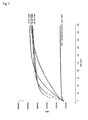
Fig. 5 shows the fluorescent assay in presence of dopamine, a natural substrate of COMT. Decreasing plateaus were reached with increasing dopamine concentrations. As dopamine is a substrate it is methylated as well as the Alexa Fluor® 488-Nitrocatechol substrate. The availability of SAM is limited (500 nM) so that at high dopamine concentrations the Alexa Fluor® 488-Nitrocatechol substrate can no longer get fully methylated. -
Fig. 6 shows the dose response curves for a substrate with low (500 nM) and high (200 µM) SAM concentrations and for each SAM concentration with and without one hour pre-incubation of compound and SAM before adding the Alexa Fluor® 488-Nitrocatechol substrate. The pre-incubation with low SAM shifts the dose response curve to a lower IC50 because the compound uses up SAM. At high SAM concentrations there is no difference between with and without pre-incubation because SAM is not limiting and the dose response curve is shifted to higher IC50 compared to low SAM because the compound is used up. -
Fig. 7 shows dose response curves with low (500 nM) and high (200 µM) SAM concentrations again with and without one hour pre-incubation of the compound with SAM of a SAM competitive compound. For a SAM competitive compound with and without pre-incubation does not affect the IC50 for each SAM concentration but with high SAM concentration the IC50 is shifted to larger values. - The assay of the present invention is based on the findings that a fluorescent dye covalently coupled to a COMT substrate e.g. Alexa Fluor® 488 covalently linked to nitrocatechol, shows a decreased fluorescence due to intramolecular quenching and that methylation of the COMT substrate in the COMT substrate-fluorescent dye complex by COMT abolishes quenching of the fluorescence i.e. methylation of the COMT substrate in the COMT substrate - fluorescent dye complex leads to an increased fluorescence compared to the non methylated complex.
- The term "COMT" is used herein to refer to native sequence COMT from any animal, e.g. mammalian, species, including humans, and COMT variants (which are further defined below). The COMT polypeptides may be isolated from a variety of sources, including human tissue types or prepared by recombinant and/or synthetic methods.
- Natural or recombinantly produced COMT can be used in this assay. A "recombinant protein" is a protein isolated, purified, or identified by virtue of expression in a heterologous cell, said cell having been transduced or transfected, either transiently or stably, with a recombinant expression vector engineered to drive expression of the protein in the host cell. Recombinant COMT can be produced in procaryotic cells e.g. E.coli, in yeast e.g. S.pombe or in eukaryotic cells e.g. HEK 293, Sf9 insect cells. Preferably, Sf9 insect cells are used for high expression of recombinant COMT. The COMT used in the assay may be purified. The term "purified" as used herein refers to polypeptides, that are removed from their natural environment or from the source of recombinant production, isolated or separated, and are at least 60% and more preferably at least 80% free from other components, e.g. membranes and microsomes, with which they are naturally associated.
- "Native sequence COMT" refers to a polypeptide having the same amino acid sequence as a COMT polypeptide occurring in nature regardless of its mode of preparation. A native sequence COMT may be isolated from nature, or prepared by recombinant and/or synthetic methods. The term "native sequence COMT" specifically encompasses naturally occurring truncated or secreted forms, naturally occurring variant forms (e.g. alternatively spliced forms), and naturally occurring allelic variants of COMT. The identifier of the human COMT polypeptide in the NCBI database is AAA68927 (Seq. Id. No. 1).
- The term "COMT variant" refers to amino acid sequence variants of a native sequence COMT, containing one or more amino acid substitution and/or deletion and/or insertion in the native sequence. The amino acid sequence variants generally have at least about 75%, preferably at least about 80%, more preferably at least about 85%, even more preferably at least about 90%, most preferably at least about 95% sequence identity with the amino acid sequence of a native sequence COMT.
- The term "compound" is used herein in the context of a "test compound" or a "drug candidate compound" described in connection with the assays of the present invention. As such, these compounds comprise organic or inorganic compounds, derived synthetically or from natural sources. The compounds include inorganic or organic compounds such as polynucleotides, lipids or hormone analogs that are characterized by relatively low molecular weights. Other biopolymeric organic test compounds include peptides comprising from about 2 to about 40 amino acids and larger polypeptides comprising from about 40 to about 500 amino acids, such as antibodies or antibody conjugates.
- The term "kinetic readout" refers to the difference of the fluorescent signal measured at two certain time points in the linear part of an enzymatic reaction. One measurement is done at the beginning of the enzymatic reaction (start-point) and after an incubation time a second readout is performed (end-point). The final signal is then calculated in rfu/min as (rfu(end-point) - rfu(start-point)) / incubation time. (rfu: relative fluorescence units)
- The method of the present invention can by employed to identify compounds which inhibit the enzyme Catechol O-methyltransferase (COMT). Thus, COMT inhibitors identified by the method of the present invention can be used in methods for the treatment, prevention, or control of illnesses in which a deactivation of extraneuronal catecholamines by COMT plays a role, for example, in the prevention or control of depressions. In this case the compounds of the invention can be used as individual compounds or in combination with other therapeutically active substances which favorably influence the course of the illness. The compounds of the invention can also be used as co-medications with other therapeutically active substances.
- The method of the present invention can be used to determine COMT activity in tissue samples of animals which have been treated with a test compound. For example, the assay is suitable to determine COMT activity in brain and liver tissue samples from animals e.g. mice and rats, which have been treated with a test compound (COMT modulator).
- A 10 mM solution of Aminoethyl-nitro-brenzcatechin [1] in DMSO containing 1% Triethylamine was mixed with a 10 mM solution of Alexa Fluor@ 488 carboxylic acid succinimidyl ester [2] (Invitrogen Corporation, 5791 Van Allen Way, Carlsbad, California 92008) in DMSO with 1% Trietylamine in a 1:1 soichiometric ratio. The reaction mixture was gently mixed over night at room temperature and purified on a
Äkta Explorer 100 Reversed-Phase-HPLC. The product was lyophilized and resuspended in DMSO.
- The following assay protocol, reagents and materials were used in the examples of the present invention. The results of the examples are described in the
figures 1 - 7 . - 384-well microtiter plate, Corning black with flat clear bottom, non binding surface, polystyrene (ref. 3655)
-
- Buffer stock solutions:
- M Phosphate buffer pH 7.6 (Na2HPO4 Fluka 71644, NaH2PO4 Merck 6346.0500) stored at 4°C
- 580 mM MgCl2 (Merck 1.0833.0250), stored at RT
- 1 M CaCl2 stored at 4°C
- 65 mM DTT (Sigma D-0632), stored at -20°C
- Recombinant human COMT: prepared in house, stored at -80°C
- 4-Nitrocatechol-Alexa Fluor 488: prepared in house, 1.3 mM in DMSO, stored at RT in the dark
- S-Adenosyl-methionine: 10 mM in H2O (Sigma-Aldirch A2804), stored at -20°C
-
- Assaybuffer (end concentrations):
- 40 mM Phosphate buffer pH 7.6
- 2.88 mM MgCl2
- 0.9 mM DTT
- 0.25 mM CaCl2
- Compound dilutions: dilutions in 100% DMSO (Sigma 41640), 6.25% DMSO final assay concentration
- Rec. human COMT: 80 nM in assay buffer, 25 nM final assay concentration
- 4-Nitrocatechol- Alexa Fluor® 488: 320 nM in assay buffer, 200 nM final assay concentration
- S-Adenosyl-methionine: 800 nM in assay buffer, 500 nM final assay cencentraion
-
- 10 µl hCOMT (human COMT)
- 2 µl test compound
- 1 min on shaker
- 20 µl Substrate-SAM-Mix
- 5 min on shaker
- Readout: kinetic measurement on plate:: vision TM reader (exc. 475(40) nm, em. 535(45) nm, intensity 7.5 %, exposure time Is.
-
- <110> F. Hoffmann-La Roche AG
- <120> Method for the identification of catechol O-methyltransferas modulators
- <130> 26600 WO
- <150>
EP10170957.4
<151> 2010-07-27 - <160> 1
- <170> PatentIn version 3.5
- <210> 1
<211> 271
<212> PRT
<213> Homo sapiens - <400> 1


Claims (10)
- A method for the identification of a modulator of the activity of a catechol O - methyl transferase enzyme (COMT) comprising the steps of:a) providing 4-nitrocatechol covalently linked to Alexa Fluor 488 having formula I,b) contacting the molecule of step a) with a catechol O - methyl transferase enzyme (COMT), a S-adenosylmethionine (SAM) and a candidate compound andc) measuring the fluorescence readout of the mixture of step b), wherein an altered fluorescence readout in presence of the candidate compound compared to a blank is indicative for a modulator of a catechol O-methyl transferase enzyme (COMT),

- The method of claim 1, wherein the method is a method for the identification of a COMT inhibitor and a decreased fluorescence readout in step c) compared to a blank is indicative for a COMT inhibitor.
- The method of anyone of the preceding claims, wherein the fluorescence readout in step c) is a kinetic readout.
- The method of anyone of the preceding claims, wherein the COMT is human COMT.
- The method of anyone of the preceding claims, wherein the method is a High Throughput screening method.
- The method of anyone of the preceding claims, wherein the method is performed in a microtiter plate.
- The method of anyone of the preceding claims, wherein the final concentration of COMT is about 25nM.
- The method of anyone of the preceding claims, wherein the final concentration of the COMT substrate is about 200 nM.
- The method of anyone of the preceding claims, wherein the final concentration of SAM is about 500nM.
- A method for the identification of a substrate of a catechol O- methyl transferase enzyme (COMT) comprising the steps of:a) providing 4-nitrocatechol covalently linked to Alexa Fluor 488 having formula I and S-adenosylmethionine (SAM),b) contacting the mixture of step a) with different concentrations of a candidate compound,c) contacting the mixtures of step b) with a catechol-O-methyl transferase enzyme (COMT) andd) measuring the kinetic fluorescence readout of the mixtures of step c), wherein a decreasing fluorescence readout plateau as a function of an increasing concentration of the candidate compound is indicative for a substrate of a catechol-O-methyl transferase enzyme (COMT),

Priority Applications (1)
| Application Number | Priority Date | Filing Date | Title |
|---|---|---|---|
| EP11738203.6A EP2598886B1 (en) | 2010-07-27 | 2011-07-25 | Method for the identification of catechol o-methyltransferase modulators |
Applications Claiming Priority (3)
| Application Number | Priority Date | Filing Date | Title |
|---|---|---|---|
| EP10170957 | 2010-07-27 | ||
| EP11738203.6A EP2598886B1 (en) | 2010-07-27 | 2011-07-25 | Method for the identification of catechol o-methyltransferase modulators |
| PCT/EP2011/062704 WO2012013614A1 (en) | 2010-07-27 | 2011-07-25 | Method for the identification of catechol o-methyltransferase modulators |
Publications (2)
| Publication Number | Publication Date |
|---|---|
| EP2598886A1 EP2598886A1 (en) | 2013-06-05 |
| EP2598886B1 true EP2598886B1 (en) | 2015-08-19 |
Family
ID=44629285
Family Applications (1)
| Application Number | Title | Priority Date | Filing Date |
|---|---|---|---|
| EP11738203.6A Not-in-force EP2598886B1 (en) | 2010-07-27 | 2011-07-25 | Method for the identification of catechol o-methyltransferase modulators |
Country Status (11)
| Country | Link |
|---|---|
| US (1) | US20130217595A1 (en) |
| EP (1) | EP2598886B1 (en) |
| JP (1) | JP5709285B2 (en) |
| KR (1) | KR20130059390A (en) |
| CN (1) | CN103026236B (en) |
| BR (1) | BR112013001595A2 (en) |
| CA (1) | CA2804856A1 (en) |
| ES (1) | ES2548902T3 (en) |
| MX (1) | MX2013000651A (en) |
| RU (1) | RU2535125C2 (en) |
| WO (1) | WO2012013614A1 (en) |
Families Citing this family (3)
| Publication number | Priority date | Publication date | Assignee | Title |
|---|---|---|---|---|
| CN104655705B (en) * | 2015-02-12 | 2017-03-08 | 江苏省原子医学研究所 | A kind of method of catechol oxygen methyl transferring enzyme COMT activity in use capillary electrophoresis quick detection biological specimen |
| CN106148430B (en) * | 2015-04-02 | 2019-09-06 | 中国科学院大连化学物理研究所 | A method for biocatalyzed hydrocarbylation of catechol compounds |
| CN105734114B (en) * | 2016-03-10 | 2019-01-25 | 北京中科唯新生物医学研究所有限公司 | A kind of catechol O-methyltransferase enzyme activity detection kit |
Family Cites Families (3)
| Publication number | Priority date | Publication date | Assignee | Title |
|---|---|---|---|---|
| JP2005126402A (en) * | 2003-10-21 | 2005-05-19 | Katsutoshi Terasawa | Comt inhibitor |
| EP1674580A1 (en) * | 2004-12-23 | 2006-06-28 | F. Hoffmann-La Roche Ag | Method for identifying activators and/or inhibitors of enzyme activity |
| MY148644A (en) * | 2005-07-18 | 2013-05-15 | Orion Corp | New pharmaceutical compounds |
-
2011
- 2011-07-25 ES ES11738203.6T patent/ES2548902T3/en active Active
- 2011-07-25 JP JP2013521089A patent/JP5709285B2/en not_active Expired - Fee Related
- 2011-07-25 MX MX2013000651A patent/MX2013000651A/en not_active Application Discontinuation
- 2011-07-25 CN CN201180036632.8A patent/CN103026236B/en not_active Expired - Fee Related
- 2011-07-25 RU RU2013106221/15A patent/RU2535125C2/en active
- 2011-07-25 CA CA2804856A patent/CA2804856A1/en not_active Abandoned
- 2011-07-25 EP EP11738203.6A patent/EP2598886B1/en not_active Not-in-force
- 2011-07-25 BR BR112013001595A patent/BR112013001595A2/en not_active IP Right Cessation
- 2011-07-25 WO PCT/EP2011/062704 patent/WO2012013614A1/en not_active Ceased
- 2011-07-25 KR KR1020137002095A patent/KR20130059390A/en not_active Ceased
-
2013
- 2013-01-25 US US13/750,967 patent/US20130217595A1/en not_active Abandoned
Also Published As
| Publication number | Publication date |
|---|---|
| ES2548902T3 (en) | 2015-10-21 |
| CN103026236A (en) | 2013-04-03 |
| BR112013001595A2 (en) | 2016-05-17 |
| KR20130059390A (en) | 2013-06-05 |
| RU2013106221A (en) | 2014-09-10 |
| HK1183516A1 (en) | 2013-12-27 |
| JP2013532479A (en) | 2013-08-19 |
| MX2013000651A (en) | 2013-03-22 |
| US20130217595A1 (en) | 2013-08-22 |
| CN103026236B (en) | 2015-01-07 |
| EP2598886A1 (en) | 2013-06-05 |
| JP5709285B2 (en) | 2015-04-30 |
| RU2535125C2 (en) | 2014-12-10 |
| WO2012013614A1 (en) | 2012-02-02 |
| CA2804856A1 (en) | 2012-02-02 |
Similar Documents
| Publication | Publication Date | Title |
|---|---|---|
| Mailand et al. | Regulation of G2/M events by Cdc25A through phosphorylation‐dependent modulation of its stability | |
| Reineke et al. | Casein kinase 2 is linked to stress granule dynamics through phosphorylation of the stress granule nucleating protein G3BP1 | |
| US10168338B2 (en) | Methods of identifying modulators of sestrin-gator-2 interaction for modulating mTORC1 activity | |
| Ma et al. | Multiplex detection of histone-modifying enzymes by total internal reflection fluorescence-based single-molecule detection | |
| Fulton et al. | The macromolecular complexes of histones affect protein arginine methyltransferase activities | |
| AU2021202908B2 (en) | Methods relating to testing for lysosomal storage disorders | |
| Fujikawa et al. | A practical fluorogenic substrate for high-throughput screening of glutathione S-transferase inhibitors | |
| Langsdorf et al. | Screening for antibacterial inhibitors of the UDP-3-O-(R-3-hydroxymyristoyl)-N-acetylglucosamine deacetylase (LpxC) using a high-throughput mass spectrometry assay | |
| Sun et al. | A label-free Sirtuin 1 assay based on droplet-electrospray ionization mass spectrometry | |
| US20130217595A1 (en) | Method for the identification of catechol o-methyltransferase modulators | |
| Kozoriz et al. | Chemical proteomics for a comprehensive understanding of functional activity and the interactome | |
| Lee et al. | Large‐volume sample stacking with polarity switching for monitoring of nucleotide pyrophosphatase/phosphodiesterase 1 (NPP1) reactions by capillary electrophoresis | |
| EP2215472B1 (en) | Methods of measuring cell viability without using control cells | |
| Kuyama et al. | Sensitive detection of phosphopeptides by matrix‐assisted laser desorption/ionization mass spectrometry: use of alkylphosphonic acids as matrix additives | |
| Kurkela et al. | Microplate screening assay to identify inhibitors of human catechol-O-methyltransferase | |
| Hallaj et al. | Terbium-to-quantum dot Förster resonance energy transfer for homogeneous and sensitive detection of histone methyltransferase activity | |
| Mathew et al. | Glycoengineering of Esterase Activity through Metabolic Flux‐Based Modulation of Sialic Acid | |
| US7674600B2 (en) | Assays for measuring phosphate modification enzyme activity | |
| HK1183516B (en) | Method for the identification of catechol o-methyltransferase modulators | |
| EP1874953B1 (en) | Methods for determining phosphoryltransferase activity using adenosine 5'-triphosphate (atp)-gamma-s | |
| WO2010027877A2 (en) | Small molecule fluorescent sensors for detection of post-translational modifications and protein-protein interactions in bioassays | |
| Novero et al. | Kinase Mobility Shift Assay (KiMSA) for Assessing Protein Kinase A Activity | |
| Xie et al. | pH uniquely modulates protein arginine methylation | |
| JP2010528615A (en) | Assay method for identifying agents that modify the activity of NAPE-PLD or Abh4 |
Legal Events
| Date | Code | Title | Description |
|---|---|---|---|
| PUAI | Public reference made under article 153(3) epc to a published international application that has entered the european phase |
Free format text: ORIGINAL CODE: 0009012 |
|
| 17P | Request for examination filed |
Effective date: 20130227 |
|
| AK | Designated contracting states |
Kind code of ref document: A1 Designated state(s): AL AT BE BG CH CY CZ DE DK EE ES FI FR GB GR HR HU IE IS IT LI LT LU LV MC MK MT NL NO PL PT RO RS SE SI SK SM TR |
|
| DAX | Request for extension of the european patent (deleted) | ||
| 17Q | First examination report despatched |
Effective date: 20140929 |
|
| GRAP | Despatch of communication of intention to grant a patent |
Free format text: ORIGINAL CODE: EPIDOSNIGR1 |
|
| INTG | Intention to grant announced |
Effective date: 20150401 |
|
| GRAS | Grant fee paid |
Free format text: ORIGINAL CODE: EPIDOSNIGR3 |
|
| GRAA | (expected) grant |
Free format text: ORIGINAL CODE: 0009210 |
|
| AK | Designated contracting states |
Kind code of ref document: B1 Designated state(s): AL AT BE BG CH CY CZ DE DK EE ES FI FR GB GR HR HU IE IS IT LI LT LU LV MC MK MT NL NO PL PT RO RS SE SI SK SM TR |
|
| REG | Reference to a national code |
Ref country code: GB Ref legal event code: FG4D |
|
| REG | Reference to a national code |
Ref country code: CH Ref legal event code: EP |
|
| REG | Reference to a national code |
Ref country code: IE Ref legal event code: FG4D |
|
| REG | Reference to a national code |
Ref country code: AT Ref legal event code: REF Ref document number: 744176 Country of ref document: AT Kind code of ref document: T Effective date: 20150915 |
|
| REG | Reference to a national code |
Ref country code: DE Ref legal event code: R096 Ref document number: 602011018941 Country of ref document: DE |
|
| REG | Reference to a national code |
Ref country code: ES Ref legal event code: FG2A Ref document number: 2548902 Country of ref document: ES Kind code of ref document: T3 Effective date: 20151021 |
|
| REG | Reference to a national code |
Ref country code: AT Ref legal event code: MK05 Ref document number: 744176 Country of ref document: AT Kind code of ref document: T Effective date: 20150819 |
|
| REG | Reference to a national code |
Ref country code: LT Ref legal event code: MG4D |
|
| REG | Reference to a national code |
Ref country code: NL Ref legal event code: MP Effective date: 20150819 |
|
| PG25 | Lapsed in a contracting state [announced via postgrant information from national office to epo] |
Ref country code: NO Free format text: LAPSE BECAUSE OF FAILURE TO SUBMIT A TRANSLATION OF THE DESCRIPTION OR TO PAY THE FEE WITHIN THE PRESCRIBED TIME-LIMIT Effective date: 20151119 Ref country code: FI Free format text: LAPSE BECAUSE OF FAILURE TO SUBMIT A TRANSLATION OF THE DESCRIPTION OR TO PAY THE FEE WITHIN THE PRESCRIBED TIME-LIMIT Effective date: 20150819 Ref country code: LT Free format text: LAPSE BECAUSE OF FAILURE TO SUBMIT A TRANSLATION OF THE DESCRIPTION OR TO PAY THE FEE WITHIN THE PRESCRIBED TIME-LIMIT Effective date: 20150819 Ref country code: GR Free format text: LAPSE BECAUSE OF FAILURE TO SUBMIT A TRANSLATION OF THE DESCRIPTION OR TO PAY THE FEE WITHIN THE PRESCRIBED TIME-LIMIT Effective date: 20151120 Ref country code: LV Free format text: LAPSE BECAUSE OF FAILURE TO SUBMIT A TRANSLATION OF THE DESCRIPTION OR TO PAY THE FEE WITHIN THE PRESCRIBED TIME-LIMIT Effective date: 20150819 |
|
| PG25 | Lapsed in a contracting state [announced via postgrant information from national office to epo] |
Ref country code: PT Free format text: LAPSE BECAUSE OF FAILURE TO SUBMIT A TRANSLATION OF THE DESCRIPTION OR TO PAY THE FEE WITHIN THE PRESCRIBED TIME-LIMIT Effective date: 20151221 Ref country code: AT Free format text: LAPSE BECAUSE OF FAILURE TO SUBMIT A TRANSLATION OF THE DESCRIPTION OR TO PAY THE FEE WITHIN THE PRESCRIBED TIME-LIMIT Effective date: 20150819 Ref country code: SE Free format text: LAPSE BECAUSE OF FAILURE TO SUBMIT A TRANSLATION OF THE DESCRIPTION OR TO PAY THE FEE WITHIN THE PRESCRIBED TIME-LIMIT Effective date: 20150819 Ref country code: PL Free format text: LAPSE BECAUSE OF FAILURE TO SUBMIT A TRANSLATION OF THE DESCRIPTION OR TO PAY THE FEE WITHIN THE PRESCRIBED TIME-LIMIT Effective date: 20150819 Ref country code: IS Free format text: LAPSE BECAUSE OF FAILURE TO SUBMIT A TRANSLATION OF THE DESCRIPTION OR TO PAY THE FEE WITHIN THE PRESCRIBED TIME-LIMIT Effective date: 20151219 Ref country code: RS Free format text: LAPSE BECAUSE OF FAILURE TO SUBMIT A TRANSLATION OF THE DESCRIPTION OR TO PAY THE FEE WITHIN THE PRESCRIBED TIME-LIMIT Effective date: 20150819 |
|
| PG25 | Lapsed in a contracting state [announced via postgrant information from national office to epo] |
Ref country code: NL Free format text: LAPSE BECAUSE OF FAILURE TO SUBMIT A TRANSLATION OF THE DESCRIPTION OR TO PAY THE FEE WITHIN THE PRESCRIBED TIME-LIMIT Effective date: 20150819 |
|
| PG25 | Lapsed in a contracting state [announced via postgrant information from national office to epo] |
Ref country code: DK Free format text: LAPSE BECAUSE OF FAILURE TO SUBMIT A TRANSLATION OF THE DESCRIPTION OR TO PAY THE FEE WITHIN THE PRESCRIBED TIME-LIMIT Effective date: 20150819 Ref country code: SK Free format text: LAPSE BECAUSE OF FAILURE TO SUBMIT A TRANSLATION OF THE DESCRIPTION OR TO PAY THE FEE WITHIN THE PRESCRIBED TIME-LIMIT Effective date: 20150819 Ref country code: CZ Free format text: LAPSE BECAUSE OF FAILURE TO SUBMIT A TRANSLATION OF THE DESCRIPTION OR TO PAY THE FEE WITHIN THE PRESCRIBED TIME-LIMIT Effective date: 20150819 Ref country code: EE Free format text: LAPSE BECAUSE OF FAILURE TO SUBMIT A TRANSLATION OF THE DESCRIPTION OR TO PAY THE FEE WITHIN THE PRESCRIBED TIME-LIMIT Effective date: 20150819 |
|
| REG | Reference to a national code |
Ref country code: DE Ref legal event code: R097 Ref document number: 602011018941 Country of ref document: DE |
|
| PG25 | Lapsed in a contracting state [announced via postgrant information from national office to epo] |
Ref country code: RO Free format text: LAPSE BECAUSE OF FAILURE TO SUBMIT A TRANSLATION OF THE DESCRIPTION OR TO PAY THE FEE WITHIN THE PRESCRIBED TIME-LIMIT Effective date: 20150819 |
|
| REG | Reference to a national code |
Ref country code: FR Ref legal event code: PLFP Year of fee payment: 6 |
|
| PLBE | No opposition filed within time limit |
Free format text: ORIGINAL CODE: 0009261 |
|
| STAA | Information on the status of an ep patent application or granted ep patent |
Free format text: STATUS: NO OPPOSITION FILED WITHIN TIME LIMIT |
|
| 26N | No opposition filed |
Effective date: 20160520 |
|
| PG25 | Lapsed in a contracting state [announced via postgrant information from national office to epo] |
Ref country code: SI Free format text: LAPSE BECAUSE OF FAILURE TO SUBMIT A TRANSLATION OF THE DESCRIPTION OR TO PAY THE FEE WITHIN THE PRESCRIBED TIME-LIMIT Effective date: 20150819 |
|
| PG25 | Lapsed in a contracting state [announced via postgrant information from national office to epo] |
Ref country code: BE Free format text: LAPSE BECAUSE OF FAILURE TO SUBMIT A TRANSLATION OF THE DESCRIPTION OR TO PAY THE FEE WITHIN THE PRESCRIBED TIME-LIMIT Effective date: 20150819 |
|
| PG25 | Lapsed in a contracting state [announced via postgrant information from national office to epo] |
Ref country code: MC Free format text: LAPSE BECAUSE OF FAILURE TO SUBMIT A TRANSLATION OF THE DESCRIPTION OR TO PAY THE FEE WITHIN THE PRESCRIBED TIME-LIMIT Effective date: 20150819 |
|
| REG | Reference to a national code |
Ref country code: IE Ref legal event code: MM4A |
|
| REG | Reference to a national code |
Ref country code: FR Ref legal event code: PLFP Year of fee payment: 7 |
|
| PG25 | Lapsed in a contracting state [announced via postgrant information from national office to epo] |
Ref country code: IE Free format text: LAPSE BECAUSE OF NON-PAYMENT OF DUE FEES Effective date: 20160725 |
|
| PG25 | Lapsed in a contracting state [announced via postgrant information from national office to epo] |
Ref country code: LU Free format text: LAPSE BECAUSE OF NON-PAYMENT OF DUE FEES Effective date: 20160725 |
|
| PG25 | Lapsed in a contracting state [announced via postgrant information from national office to epo] |
Ref country code: CY Free format text: LAPSE BECAUSE OF FAILURE TO SUBMIT A TRANSLATION OF THE DESCRIPTION OR TO PAY THE FEE WITHIN THE PRESCRIBED TIME-LIMIT Effective date: 20150819 Ref country code: SM Free format text: LAPSE BECAUSE OF FAILURE TO SUBMIT A TRANSLATION OF THE DESCRIPTION OR TO PAY THE FEE WITHIN THE PRESCRIBED TIME-LIMIT Effective date: 20150819 Ref country code: HU Free format text: LAPSE BECAUSE OF FAILURE TO SUBMIT A TRANSLATION OF THE DESCRIPTION OR TO PAY THE FEE WITHIN THE PRESCRIBED TIME-LIMIT; INVALID AB INITIO Effective date: 20110725 |
|
| REG | Reference to a national code |
Ref country code: FR Ref legal event code: PLFP Year of fee payment: 8 |
|
| PG25 | Lapsed in a contracting state [announced via postgrant information from national office to epo] |
Ref country code: MK Free format text: LAPSE BECAUSE OF FAILURE TO SUBMIT A TRANSLATION OF THE DESCRIPTION OR TO PAY THE FEE WITHIN THE PRESCRIBED TIME-LIMIT Effective date: 20150819 Ref country code: HR Free format text: LAPSE BECAUSE OF FAILURE TO SUBMIT A TRANSLATION OF THE DESCRIPTION OR TO PAY THE FEE WITHIN THE PRESCRIBED TIME-LIMIT Effective date: 20150819 Ref country code: MT Free format text: LAPSE BECAUSE OF NON-PAYMENT OF DUE FEES Effective date: 20160731 |
|
| PG25 | Lapsed in a contracting state [announced via postgrant information from national office to epo] |
Ref country code: BG Free format text: LAPSE BECAUSE OF FAILURE TO SUBMIT A TRANSLATION OF THE DESCRIPTION OR TO PAY THE FEE WITHIN THE PRESCRIBED TIME-LIMIT Effective date: 20150819 |
|
| PG25 | Lapsed in a contracting state [announced via postgrant information from national office to epo] |
Ref country code: AL Free format text: LAPSE BECAUSE OF FAILURE TO SUBMIT A TRANSLATION OF THE DESCRIPTION OR TO PAY THE FEE WITHIN THE PRESCRIBED TIME-LIMIT Effective date: 20150819 |
|
| PGFP | Annual fee paid to national office [announced via postgrant information from national office to epo] |
Ref country code: FR Payment date: 20210625 Year of fee payment: 11 |
|
| PGFP | Annual fee paid to national office [announced via postgrant information from national office to epo] |
Ref country code: GB Payment date: 20210629 Year of fee payment: 11 Ref country code: CH Payment date: 20210616 Year of fee payment: 11 |
|
| PGFP | Annual fee paid to national office [announced via postgrant information from national office to epo] |
Ref country code: IT Payment date: 20210719 Year of fee payment: 11 |
|
| PGFP | Annual fee paid to national office [announced via postgrant information from national office to epo] |
Ref country code: ES Payment date: 20210805 Year of fee payment: 11 Ref country code: DE Payment date: 20210616 Year of fee payment: 11 Ref country code: TR Payment date: 20210714 Year of fee payment: 11 |
|
| REG | Reference to a national code |
Ref country code: DE Ref legal event code: R119 Ref document number: 602011018941 Country of ref document: DE |
|
| REG | Reference to a national code |
Ref country code: CH Ref legal event code: PL |
|
| GBPC | Gb: european patent ceased through non-payment of renewal fee |
Effective date: 20220725 |
|
| PG25 | Lapsed in a contracting state [announced via postgrant information from national office to epo] |
Ref country code: LI Free format text: LAPSE BECAUSE OF NON-PAYMENT OF DUE FEES Effective date: 20220731 Ref country code: FR Free format text: LAPSE BECAUSE OF NON-PAYMENT OF DUE FEES Effective date: 20220731 Ref country code: CH Free format text: LAPSE BECAUSE OF NON-PAYMENT OF DUE FEES Effective date: 20220731 |
|
| PG25 | Lapsed in a contracting state [announced via postgrant information from national office to epo] |
Ref country code: GB Free format text: LAPSE BECAUSE OF NON-PAYMENT OF DUE FEES Effective date: 20220725 Ref country code: DE Free format text: LAPSE BECAUSE OF NON-PAYMENT OF DUE FEES Effective date: 20230201 |
|
| PG25 | Lapsed in a contracting state [announced via postgrant information from national office to epo] |
Ref country code: IT Free format text: LAPSE BECAUSE OF NON-PAYMENT OF DUE FEES Effective date: 20220725 |
|
| REG | Reference to a national code |
Ref country code: ES Ref legal event code: FD2A Effective date: 20230901 |
|
| PG25 | Lapsed in a contracting state [announced via postgrant information from national office to epo] |
Ref country code: ES Free format text: LAPSE BECAUSE OF NON-PAYMENT OF DUE FEES Effective date: 20220726 |
|
| PG25 | Lapsed in a contracting state [announced via postgrant information from national office to epo] |
Ref country code: TR Free format text: LAPSE BECAUSE OF NON-PAYMENT OF DUE FEES Effective date: 20220725 |