EP2596107B1 - Treatment with anhydrous ammonia gas for improved milling of biomass - Google Patents
Treatment with anhydrous ammonia gas for improved milling of biomass Download PDFInfo
- Publication number
- EP2596107B1 EP2596107B1 EP11743702.0A EP11743702A EP2596107B1 EP 2596107 B1 EP2596107 B1 EP 2596107B1 EP 11743702 A EP11743702 A EP 11743702A EP 2596107 B1 EP2596107 B1 EP 2596107B1
- Authority
- EP
- European Patent Office
- Prior art keywords
- biomass
- milling
- anhydrous ammonia
- ammonia gas
- saccharification
- Prior art date
- Legal status (The legal status is an assumption and is not a legal conclusion. Google has not performed a legal analysis and makes no representation as to the accuracy of the status listed.)
- Not-in-force
Links
Images








Classifications
-
- C—CHEMISTRY; METALLURGY
- C12—BIOCHEMISTRY; BEER; SPIRITS; WINE; VINEGAR; MICROBIOLOGY; ENZYMOLOGY; MUTATION OR GENETIC ENGINEERING
- C12P—FERMENTATION OR ENZYME-USING PROCESSES TO SYNTHESISE A DESIRED CHEMICAL COMPOUND OR COMPOSITION OR TO SEPARATE OPTICAL ISOMERS FROM A RACEMIC MIXTURE
- C12P19/00—Preparation of compounds containing saccharide radicals
-
- C—CHEMISTRY; METALLURGY
- C08—ORGANIC MACROMOLECULAR COMPOUNDS; THEIR PREPARATION OR CHEMICAL WORKING-UP; COMPOSITIONS BASED THEREON
- C08H—DERIVATIVES OF NATURAL MACROMOLECULAR COMPOUNDS
- C08H8/00—Macromolecular compounds derived from lignocellulosic materials
-
- C—CHEMISTRY; METALLURGY
- C12—BIOCHEMISTRY; BEER; SPIRITS; WINE; VINEGAR; MICROBIOLOGY; ENZYMOLOGY; MUTATION OR GENETIC ENGINEERING
- C12P—FERMENTATION OR ENZYME-USING PROCESSES TO SYNTHESISE A DESIRED CHEMICAL COMPOUND OR COMPOSITION OR TO SEPARATE OPTICAL ISOMERS FROM A RACEMIC MIXTURE
- C12P7/00—Preparation of oxygen-containing organic compounds
- C12P7/02—Preparation of oxygen-containing organic compounds containing a hydroxy group
- C12P7/04—Preparation of oxygen-containing organic compounds containing a hydroxy group acyclic
- C12P7/06—Ethanol, i.e. non-beverage
- C12P7/08—Ethanol, i.e. non-beverage produced as by-product or from waste or cellulosic material substrate
- C12P7/10—Ethanol, i.e. non-beverage produced as by-product or from waste or cellulosic material substrate substrate containing cellulosic material
-
- D—TEXTILES; PAPER
- D21—PAPER-MAKING; PRODUCTION OF CELLULOSE
- D21C—PRODUCTION OF CELLULOSE BY REMOVING NON-CELLULOSE SUBSTANCES FROM CELLULOSE-CONTAINING MATERIALS; REGENERATION OF PULPING LIQUORS; APPARATUS THEREFOR
- D21C3/00—Pulping cellulose-containing materials
- D21C3/02—Pulping cellulose-containing materials with inorganic bases or alkaline reacting compounds, e.g. sulfate processes
-
- C—CHEMISTRY; METALLURGY
- C12—BIOCHEMISTRY; BEER; SPIRITS; WINE; VINEGAR; MICROBIOLOGY; ENZYMOLOGY; MUTATION OR GENETIC ENGINEERING
- C12P—FERMENTATION OR ENZYME-USING PROCESSES TO SYNTHESISE A DESIRED CHEMICAL COMPOUND OR COMPOSITION OR TO SEPARATE OPTICAL ISOMERS FROM A RACEMIC MIXTURE
- C12P2201/00—Pretreatment of cellulosic or lignocellulosic material for subsequent enzymatic treatment or hydrolysis
-
- D—TEXTILES; PAPER
- D21—PAPER-MAKING; PRODUCTION OF CELLULOSE
- D21C—PRODUCTION OF CELLULOSE BY REMOVING NON-CELLULOSE SUBSTANCES FROM CELLULOSE-CONTAINING MATERIALS; REGENERATION OF PULPING LIQUORS; APPARATUS THEREFOR
- D21C5/00—Other processes for obtaining cellulose, e.g. cooking cotton linters ; Processes characterised by the choice of cellulose-containing starting materials
-
- Y—GENERAL TAGGING OF NEW TECHNOLOGICAL DEVELOPMENTS; GENERAL TAGGING OF CROSS-SECTIONAL TECHNOLOGIES SPANNING OVER SEVERAL SECTIONS OF THE IPC; TECHNICAL SUBJECTS COVERED BY FORMER USPC CROSS-REFERENCE ART COLLECTIONS [XRACs] AND DIGESTS
- Y02—TECHNOLOGIES OR APPLICATIONS FOR MITIGATION OR ADAPTATION AGAINST CLIMATE CHANGE
- Y02E—REDUCTION OF GREENHOUSE GAS [GHG] EMISSIONS, RELATED TO ENERGY GENERATION, TRANSMISSION OR DISTRIBUTION
- Y02E50/00—Technologies for the production of fuel of non-fossil origin
- Y02E50/10—Biofuels, e.g. bio-diesel
Definitions
- biomass is pretreated using anhydrous ammonia followed by milling or other mechanical disruption means.
- Anhydrous ammonia gas treatment reduces the energy of milling that is required to provide readily saccharifiable material and increases the overall rate of the pretreatment and saccharification process.
- Lignocellulosic feedstocks and wastes such as agricultural residues, wood, forestry wastes, sludge from paper manufacture, and municipal and industrial solid wastes, provide a potentially large renewable feedstock for the production of chemicals, plastics, fuels and feeds.
- Lignocellulosic feedstocks and wastes containing the carbohydrate polymers cellulose, and hemicellulose, as well as lignin, are generally treated by a variety of chemical, mechanical and enzymatic means to release primarily hexose and pentose sugars, which can then be fermented to useful products.
- Pretreatment methods are used to make the carbohydrate polymers, or polysaccharides, of lignocellulosic biomass more readily accessible to cellulolytic enzymes used in saccharification.
- a major impediment to cellulolytic enzyme digestion of polysaccharide is the presence of lignin, which is a barrier that limits the access of the enzymes to their substrates, and provides a surface to which the enzymes bind non-productively.
- the crystallinity of cellulose microfibrils restricts enzyme access providing an obstacle to saccharification.
- Pretreatment methods that attempt to overcome these challenges include: steam explosion, hot water, dilute acid, ammonia fiber explosion, alkaline hydrolysis (including ammonia recycled percolation), oxidative delignification, organosolv, and ozonation. Costs of chemicals, chemical recovery, energy inputs, and capital equipment make many methods not amenable to commercial production.
- Biomass pretreatment using low amounts of aqueous ammonia and a high solids concentration is disclosed in commonly owned US 7,932,063 .
- US 20080008783 discloses treatment of biomass, which has been ground and which contains varying moisture contents, with anhydrous ammonia in the liquid or vapor state, and/or concentrated ammonia:water mixtures in the liquid or vapor state, to obtain a mixture in which the ratio of ammonia to dry biomass is between about 0.2 to 1 and 1.2 to 1, and the water to dry biomass ratio is between about 0.2 to 1.0 and 1.5 to 1.
- the temperature is maintained between about 50 °C and 140 °C and the pressure is rapidly released by releasing ammonia from the vessel to form a treated biomass.
- Milling where biomass is ground, has been used as a non-chemical pretreatment, or used in combination with ozonolysis (( Kabeya et al. (1993) Shikoku Kogyo Gijutsu Shikensho Kenkyu Hokoku 24:42-90 ).
- the invention provides a process for preparing biomass so that it may be readily saccharified to produce sugars for use in fermentation by a biocatalyst.
- the method involves the application of anhydrous ammonia gas to the biomass prior to the application of mechanical energy for the purpose of mechanical disruption and reduction of particle sized of the biomass. It has been unexpectedly found that this sequence of treatment by anhydrous ammonia gas followed by mechanical disruption has the beneficial effect of reducing the time and energy required for particle size reduction and results in a higher rate of production of fermentable sugars during saccharifcation thus enhancing the rate of the entire process.
- the invention provides a process for producing readily saccharifiable biomass comprising:
- the present invention relates to pretreatment of lignocellulosic biomass to prepare the biomass for producing fermentable sugars during saccharification.
- the biomass is treated with a mechanical disruption means, with prior or concurrent treatment of anhydrous ammonia gas, which reduces the amount of energy needed to produce a readily saccharifiable biomass product.
- Sugars produced from biomass treated as disclosed herein are used in fermentation using a biocatalyst to produce desired target products.
- compositions comprising, “comprising,” “includes,” “including,” “has,” “having,” “contains” or “containing,” or any other variation thereof, are intended to cover a non-exclusive inclusion.
- a composition, a mixture, process, method, article, or apparatus that comprises a list of elements is not necessarily limited to only those elements but may include other elements not expressly listed or inherent to such composition, mixture, process, method, article, or apparatus.
- “or” refers to an inclusive or and not to an exclusive or. For example, a condition A or B is satisfied by any one of the following: A is true (or present) and B is false (or not present), A is false (or not present) and B is true (or present), and both A and B are true (or present).
- the term "about" modifying the quantity of an ingredient or reactant of the invention employed refers to variation in the numerical quantity that can occur, for example, through typical measuring and liquid handling procedures used for making concentrates or use solutions in the real world; through inadvertent error in these procedures; through differences in the manufacture, source, or purity of the ingredients employed to make the compositions or carry out the methods; and the like.
- the term “about” also encompasses amounts that differ due to different equilibrium conditions for a composition resulting from a particular initial mixture. Whether or not modified by the term “about”, the claims include equivalents to the quantities.
- the term “about” means within 10% of the reported numerical value, preferably within 5% of the reported numerical value.
- Anhydrous ammonia refers to ammonia gas that is dry and not in an aqueous medium.
- Root temperature and “ambient” when used in reference to temperature refer to any temperature from about 15 °C to about 25 °C.
- “Fermentable sugars” refers to a sugar content primarily comprising monosaccharides and some oligosaccharides that can be used as a carbon source by a microorganism in a fermentation process to produce a target product.
- “Monomeric sugars” or “simple sugars” consist of a single pentose or hexose unit, e.g., glucose.
- Lignocellulosic refers to material comprising both lignin and cellulose. Lignocellulosic material may also comprise hemicellulose.
- Cellulosic refers to a composition comprising cellulose.
- Dry weight of biomass refers to the weight of the biomass having all or essentially all water removed. Dry weight is typically measured according to American Society for Testing and Materials (ASTM) Standard E1756-01 (Standard Test Method for Determination of Total Solids in Biomass) or Technical Association of the Pulp and Paper Industry, Inc. (TAPPI) Standard T-412 om-02 (Moisture in Pulp, Paper and Paperboard). Dry weight of biomass is synonymous with dry matter content of biomass.
- substantially dry in reference to biomass refers to biomass having a dry matter content of at least 85%, or moisture content of 15% or less.
- Biomass and “lignocellulosic biomass” will be used interchangeably and refers to any lignocellulosic material, including cellulosic and hemicellulosic material, for example, bioenergy crops, agricultural residues, municipal solid waste, industrial solid waste, yard waste, wood, forestry waste, and combinations thereof, and as further described below.
- Biomass has a carbohydrate content that comprises polysaccharides and oligosaccharides and may also comprise additional components, such as protein and/or lipid.
- “Saccharification” and “saccharifying” refer to the production of fermentable sugars from polysaccharides by the action of acids, bases, or hydrolytic enzymes. Production of fermentable sugars from pretreated biomass occurs by enzymatic saccharification by the action of cellulolytic and hemicellulolytic enzymes.
- Polysaccharide refers to any of a class of carbohydrates formed by repeating units linked together by glycosidic bonds, or a complex carbohydrate composed of a chain of monosaccharides joined together by glocosidic bonds. Polysaccharides have the general formula C x (H 2 O) y .
- Pretreating biomass or “biomass pretreatment” as used herein refers to subjecting native or preprocessed biomass to chemical, physical, or biological action, or any combination thereof, rendering the biomass more susceptible to enzymatic saccharification or other means of hydrolysis prior to saccharification.
- the methods claimed herein may be referred to as pretreatment processes that contribute to rendering biomass more accessible to hydrolytic enzymes for saccharification.
- Fine-milled material refers to material that has reduction in particle size, where the particle size is less than 0.1 mm.
- mechanical disruption means refers to methodologies for the mechanical disruption of biomass that results in the reduction of particle size.
- Typical mechanical disruption means will include, but will not be limited to, attritor milling, hammer milling, ball milling, bead milling, vibratory ball milling, vibratory rod milling, jet milling, pin milling, turbine milling, air classifier milling, roll milling and planetary ball milling.
- amorphous component or "amorphous cellulose component” when used in the context of pretreated biomass refers to the non-crystalline cellulose fraction of the biomass typically determined by wide-angle X-ray diffraction measurements for crystallinity.
- Coarse size reduced refers to reduced size of pieces or particles of material where the size is greater than 0.1 mm.
- Readily saccharifiable biomass refers to biomass that produces high sugar yields in saccharification. High sugar yields following saccharification of at least about 70% of theoretical yield of glucose and at least about 60% of theoretical yield of xylose, or greater, are indicative of a readily saccharifiable pretreated biomass.
- Hydrolysisate refers to the liquid in contact with the lignocellulose biomass which contains the products of hydrolytic reactions acting upon the biomass (either enzymatic or not), in this case monomeric and oligomeric sugars.
- Enzyme consortium or “saccharification enzyme consortium” is a collection of enzymes, usually secreted by microorganisms, which in the present case will typically contain one or more cellulases, xylanases, glycosidases, ligninases and feruloyl esterases.
- target product refers to any product that is produced by a microbial production host cell in a fermentation.
- Target products may be the result of genetically engineered enzymatic pathways in host cells or may be produced by endogenous pathways.
- Typical target products include but are not limited to acids, alcohols, alkanes, alkenes, aromatics, aldehydes, ketones, biopolymers, proteins, peptides, amino acids, vitamins, antibiotics, and pharmaceuticals.
- Biomass used in the present method is lignocellulosic, which contains polysaccharides such as cellulose and hemicellulose, and lignin. Polysaccharides of biomass may also be called glucans and xylans. Types of biomass that may be used include, but are not limited to, bioenergy crops, agricultural residues, municipal solid waste, industrial solid waste, sludge from paper manufacture, yard waste, wood and forestry waste.
- biomass examples include, but are not limited to corn cobs, corn husks, corn stover, grasses, wheat straw, barley straw, oat straw, canola straw, hay, rice straw, switchgrass, miscanthus, cord grass, reed canary grass, waste paper, sugar cane bagasse, sorghum bagasse or stover, soybean stover, components obtained from milling of grains, trees, branches, roots, leaves, wood chips, sawdust, shrubs and bushes, vegetables, fruits, flowers and animal manure.
- Biomass may include other crop residues, forestry wastes such as aspen wood, other hardwoods, softwood and sawdust; and post-consumer waste paper products; and fiber process residues such as corn fiber, beet pulp, pulp mill fines and rejects; as well as other sufficiently abundant lignocellulosic material.
- Biomass that is particularly useful for the invention includes biomass that has a relatively high carbohydrate content, is relatively dense, and/or is relatively easy to collect, transport, store and/or handle.
- the lignocellulosic biomass may be derived from a single source, or biomass can comprise a mixture derived from more than one source; for example, biomass could comprise a mixture of corn cobs and corn stover, or a mixture of stems or stalks and leaves.
- the biomass which has a moisture content of between 15% and 30% by weight prior to the anhydrous ammonia treatment, may be used directly as obtained from the source, or may be subjected to some preprocessing, for example, mechanical energy may be applied to the biomass to reduce size or moisture. Size reduction may be performed using methods that produce coarse size reduced material, where the obtained size is greater than 0.1 mm. Methods that may be used include knife milling, crushing, shredding, chopping, disc refining, and coarse hammer milling. This type of size reduction may be performed before, during or after treatment with anhydrous ammonia. Drying following the anhydrous ammonia treatment may be by any conventional means such as by using a drying oven, rotary dryer, flash dryer, or superheated steam dryer. In addition, air drying may be sufficient for reaching a desired biomass moisture content that is less than 15%, preferably between 7% and 10%, prior to the application of mechanical energy in step (c) as described below.
- Lignocellulosic biomass is typically treated prior to saccharification to prepare it for hydrolysis. This pretreatment improves the hydrolysis, or release of sugars, during saccharification.
- Sugar release primarily glucose and xylose, from the polysaccharides of biomass is difficult due to the presence of lignin that constitutes a physical barrier and also a surface for non-productive binding of saccharification enzymes.
- the crystallinity and tight packing of cellulose microfibrils restricts access of the enzymes.
- Ball milling alone can be used as a biomass pretreatment to improve sacharification, eliminating the use of acidic or basic pretreatment chemicals.
- ball milling application with high energy input is needed for ball milled biomass to generate high sugar yields in saccharification.
- the mechanical energy required for ball milling to allow high monomeric sugar yields upon saccharification is extensive, such that this pretreatment method by itself is not economical. For example, the energy used for ball-milling exceeds the energy contained in a biomass sample after 5 days of milling.
- lignocellulosic biomass is contacted with anhydrous ammonia gas prior to disruption using a mechanical disruption means to produce fine-milled material.
- the biomass may be contacted with the anhydrous ammonia gas concurrent with the mechanical disruption.
- Applicants have found that by treating biomass with anhydrous ammonia gas prior to using ball or attritor milling to produce fine-milled material, the mechanical energy input for ball milling pretreatment to obtain a readily saccharifiable pretreated biomass product is greatly reduced.
- Readily saccharifiable biomass is one that produces high sugar yields in saccharification. High sugar yields of at least about 70% of theoretical yield of glucose and at least about 60% of theoretical yield of xylose, or greater, are indicative of a readily saccharifiable pretreated biomass.
- the mechanical energy needed for fine milling is at least about four-fold less and may be about 6-fold to about 10-fold less to produce an amount of sugars following saccharification that is an equivalent amount to that from saccharification of milled biomass with the anhydrous ammonia gas treatment omitted.
- the amount of reduction in mechanical energy is variable and depends on factors such as the type of biomass, moisture content, strength of anhydrous ammonia treatment (including factors such as concentration, temperature, time), and type of mechanical energy application method.
- the reduction in mechanical energy may be at least about four-fold, five-fold, six-fold, seven-fold, eight-fold, nine-fold, 10-fold, or more.
- the amount of time needed to disrupt the biomass may be correlated to the energy required to effect the disruption process.
- Fall harvested switchgrass has an energy content of 18.5 gigajoules per ton (GJ/ton).
- a typical milling run performed herein using a conventional ball mill uses about 5 grams of biomass comprising 9.25 x 10 4 joules (J).
- J gigajoules per ton
- the milling occurs over a 10 day period
- approximately 2.2 x 10 5 J energy delivered to milled material
- 1.74 x 10 4 J is consumed which equates to 19% of the energy content of the biomass.
- anhydrous ammonia gas refers to ammonia gas that is dry and not in an aqueous medium.
- Anhydrous ammonia gas can be added to a concentration that is between about 2 and about 30 weight percent relative to dry weight of biomass. In one embodiment the anhydrous ammonia gas is typically between about 10 and about 25 weight percent relative to dry weight of biomass.
- the biomass and anhydrous ammonia gas may be maintained at a temperature that is between about 0 °C and about 200 °C. A temperature that is between room temperature and about 160 °C may be desired since this requires less energy input to the pretreatment process.
- the period of time for anhydrous ammonia gas treatment may be between about thirty minutes to about ten days or longer and up to 1 year if applied in storage. Use of a lower temperature may be combined with a longer treatment time. Also lower anhydrous ammonia gas concentration may be used at higher temperature. For example, biomass treatment with 20% ammonia at room temperature for nine days or with 10% ammonia at 160°C for one hour gave approximately the same high sugar yields in saccharification as demonstrated in Example 3 herein. Xylose yield was slightly better with the 160°C anhydrous ammonia gas treatment.
- One skilled in the art will be able to readily determine the combination of parameters within these ranges that gives the desired results using the present method in the particular system employed.
- contacting biomass with anhydrous ammonia gas may be used while maintaining biomass in storage for long periods of time, such as up to a year. While biomass may typically be harvested in the fall, it may be stored and portions used over a period of time until the following harvest. Maintaining the stored biomass in contact with anhydrous ammonia gas can both treat the biomass to reduce milling time requirement, as described above, as well as act to preserve the biomass while in storage.
- typically treatment with anhydrous ammonia gas would be at natural temperature, that is with no input of energy to either raise of lower the temperature.
- the concentration of anhydrous ammonia gas would typically be in the low range described above, such as between about 2 wt% and 10 wt% relative to dry weight of biomass.
- the moisture content should be in a range that supports the benefit of the anhydrous ammonia gas treatment while readily allowing lowering of the moisture content for the mechanical disruption.
- the moisture content of the biomass is between 15% and 30%, or between about 18% and about 28%, to maximize the benefit of the anhydrous ammonia gas pretreatment and to allow a lowering of the moisture content to 15% or less upon flashing off of the ammonia following ammonia pretreatment. If the biomass is too dry prior to anhydrous ammonia gas treatment then the efficacy of the ammonia pretreatment may be diminished.
- the anhydrous ammonia gas treatment itself will contribute to drying the biomass. During long term storage of biomass, low moisture content reduces biodegradation.
- the anhydrous ammonia gas may be heated prior to contacting the biomass, or the anhydrous ammonia gas may be accompanied by superheated steam, both of which can dry the biomass.
- the biomass is substantially dry prior to application of mechanical energy for fine milling the biomass.
- a substantially dry biomass has a moisture content that is equal to or less than 15%.
- a moisture content of between about 7% and about 10% was found to be optimal for grinding in a vibratory special-rod mill ( Kabeya et al. (1993) Shikoku Kogyo Gijutsu Shikensho Kenkyu Hokoku 24:42-90 ) and is desired in the present process.
- a vibratory special-rod mill Kabeya et al. (1993) Shikoku Kogyo Gijutsu Shikensho Kenkyu Hokoku 24:42-90 .
- an advantage to using anhydrous ammonia gas treatment is in reduction or elimination of the need for further drying following the anhydrous ammonia gas treatment.
- the biomass may be dried to reach a dry matter content of at least about 90%, 93%, 96%, or higher during application of mechanical energy as described below. Drying may be by any conventional means such as using a drying oven, rotary dryer, flash dryer, or superheated steam dryer, or air drying.
- fine-milled material may be produced by milling that applies forces such as pounding, crushing, shearing, or grinding to biomass. Typically a combination of more than one of these types of forces is applied in a milling treatment such as pounding, crushing, shearing and grinding in a ball mill or attritor mill.
- any means of mechanically disrupting biomass may be used in the present invention including, but not limited, to attritor milling, hammer milling, ball milling, bead milling, vibratory ball milling, vibratory rod milling, jet milling, pin milling, turbine milling, air classifier milling, roll milling and planetary ball milling.
- hammer milling is a component of an air classifier mill where larger particles are recycled through the hammer mill repeatedly until they are small enough to exit the mill at a specified size.
- a large rotating cylinder contains dense spherical balls (also called beads) inside that grind material by impacting it with force (or pounding) as the cylinder rotates.
- spherical beads also called balls
- Beads, or balls, for milling may be any type of dense spherical bead such as cubic Zirconia beads or stainless steel beads.
- the size of bead used may vary depending on conditions such as the particular apparatus in which they are used and specific biomass to be processed, including type of biomass and initial particle size, as well as the specific anhydrous ammonia treatment applied to the biomass.
- Balls may be, for example, 0.3175 cm, 0.471 cm, 0.556 cm, 0.635 cm, 0.794 cm, 0.953 cm, or larger. Balls or beads that are greater than 0.3175 cm in diameter may provide more effective milling. The most effective ball size for a particular biomass and set of treatment parameters may be readily determined by one skilled in the art.
- mechanical disruption may occur over a period of time that is between about several seconds to about several days. For example, disruption may run for less than about two days, or a time that is less than about one day. In addition, times of about 60, 50, 40, 30, 20, 10, 5, or 1 minutes or less may be used. Short application times may be used to reduce energy costs, though maximal sugars yields may not be achieved during saccharification. For example, a 5 or 10 minute milling time can produce a level of sugars that may be commercially acceptable, but are not as high as achieved with longer milling times. The balance of energy costs of milling and sugars yields may be adjusted to support maximal commercial value.
- Mechanical disruption means may be applied in a batch process, or in a continuous process.
- the pretreated biomass product resulting from the present process is readily saccharifiable and is saccharified to produce fermentable sugars that may be used by a biocatalyst in fermentation to produce a desired target product.
- Enzymatic saccharification typically makes use of an enzyme consortium for breaking down cellulose and hemicellulose to produce a hydrolysate containing sugars including glucose, xylose, and arabinose. Saccharification enzymes are reviewed in Lynd, L. R., et al. (Microbiol. Mol. Biol. Rev., 66:506-577, 2002 ).
- At least one enzyme is used, and typically a saccharification enzyme consortium is used that includes one or more glycosidases.
- Glycosidases hydrolyze the ether linkages of di-, oligo-, and polysaccharides and are found in the enzyme classification EC 3.2.1.x ( Enzyme Nomenclature 1992, Academic Press, San Diego, CA with Supplement 1 (1993), Supplement 2 (1994), Supplement 3 (1995, Supplement 4 (1997) and Supplement 5 [in Eur. J. Biochem., 223:1-5, 1994 ; Eur. J. Biochem., 232:1-6, 1995 ; Eur. J. Biochem., 237:1-5, 1996 ; Eur. J. Biochem., 250:1-6, 1997 ; and Eur. J.
- Glycosidases can be categorized by the biomass component that they hydrolyze. Glycosidases include cellulose-hydrolyzing glycosidases (for example, cellulases, endoglucanases, exoglucanases, cellobiohydrolases, ⁇ -glucosidases), hemicellulose-hydrolyzing glycosidases (for example, xylanases, endoxylanases, exoxylanases, ⁇ -xylosidases, arabinoxylanases, mannases, galactases, pectinases, glucuronidases), and starch-hydrolyzing glycosidases (for example, amylases, ⁇ -amylases, ⁇ -amylases, glucoamylases, ⁇ -glucosidases,
- peptidases EC 3.4.x.y
- lipases EC 3.1.1.x and 3.1.4.x
- ligninases EC 1.11.1.x
- feruloyl esterases EC 3.1.1.73
- a "cellulase” from a microorganism may comprise a group of enzymes, all of which may contribute to the cellulose-degrading activity.
- Commercial or non-commercial enzyme preparations, such as cellulase may comprise numerous enzymes depending on the purification scheme utilized to obtain the enzyme.
- Saccharification enzymes may be obtained commercially, such as Spezyme ® CP cellulase, Multifect ® xylanase, Accelerase ® 1500, and Accellerase ® DUET (Danisco U.S. Inc., Genencor International, Rochester, NY).
- saccharification enzymes may be unpurified and provided as a type of cell extract or whole cell lysate. The enzymes may be produced using recombinant microorganisms that have been engineered to express multiple saccharifying enzymes.
- glycoside hydrolases such as the families GH3, GH39, GH43, GH55, GH10, and GH11.
- GHs are a group of enzymes that hydrolyze the glycosidic bond between two or more carbohydrates, or between a carbohydrate and a noncarbohydrate moiety. Families of GHs have been classified based on sequence similarity and are available in the Carbohydrate-Active enzyme (CAZy) database ( Cantarel et al. (2009) Nucleic Acids Res. 37 (Database issue):D233-238 ). These enzymes are able to act on a number of substrates and are effective in the saccharification process.
- CAZy Carbohydrate-Active enzyme
- Glycoside hydrolase family 3 (“GH3") enzymes have a number of known activities: ⁇ -glucosidase (EC:3.2.1.21); ⁇ -xylosidase (EC:3.2.1.37); N-acetyl ⁇ -glucosaminidase (EC:3.2.1.52); glucan ⁇ -1,3-glucosidase (EC:3.2.1.58); cellodextrinase (EC:3.2.1.74); exo-1,3-1,4-glucanase (EC:3.2.1); and ⁇ -galactosidase (EC 3.2.1.23).
- Glycoside hydrolase family 39 (“GH39”) enzymes have ⁇ -L-iduronidase (EC:3.2.1.76) or ⁇ -xylosidase (EC:3.2.1.37) activity.
- Glycoside hydrolase family 43 (“GH43”) enzymes have the following activities: L- ⁇ -arabinofuranosidase (EC 3.2.1.55); ⁇ -xylosidase (EC 3.2.1.37); endoarabinanase (EC 3.2.1.99); and galactan 1,3- ⁇ -galactosidase (EC 3.2.1.145).
- Glycoside hydrolase family 51 (“GH51”) enzymes have L- ⁇ -arabinofuranosidase (EC 3.2.1.55) or endoglucanase (EC 3.2.1.4) activity.
- Glycoside hydrolase family 10 (“GH10") are more fully described in Schmidt et al., 1999, Biochemistry 38:2403-2412 and Lo Leggio et al., 2001, FEBS Lett 509: 303-308 ) and the Glycoside hydrolase family 11 (“GH11”) are more fully described in Hakouvainen et al., 1996, Biochemistry 35:9617-24 .
- the saccharification mixture Prior to fermentation the saccharification mixture may be concentrated by evaporation, for example, to increase the concentration of fermentable sugars.
- liquid in the saccharification product may be separated from solids in a batch or continuous method.
- the liquid or the entire saccharification product may be sterilized prior to fermentation.
- the pH may be adjusted to that suitable for fermentation.
- the saccharification can be performed for a time of about several minutes to about 200 hours, typically from about 24 hours to about 72 hours.
- the time for the reaction will depend on the enzyme concentration and the specific activity, as well as the substrate used and the environmental conditions, such as temperature and pH.
- One skilled in the art can readily determine optimal conditions of temperature, pH and time to be used with a particular substrate and saccharification enzyme consortium.
- the saccharification can be performed in a single batch, fed-batch or as a continuous process.
- the saccharification can also be performed in one step, or in a number of steps.
- different enzymes required for saccharification may exhibit different pH or temperature optima.
- a primary treatment can be performed with enzyme(s) at one temperature and pH, followed by secondary or tertiary (or more) treatments with different enzyme(s) at different temperatures and/or pH.
- treatment with different enzymes in sequential steps may be at the same pH and/or temperature, or different pHs and temperatures, such as using hemicellulases stable and more active at higher pHs and temperatures followed by cellulases that are active at lower pHs and temperatures.
- the percent of solids in a saccharification process may vary. It is desirable to keep the percent of solids used in saccharification relatively high in order to obtain a hydrolysate with a high concentration of fermentable sugars. Typically solids are between about 10% and 60%, with solids between about 10% and 25% more typical.
- the degree of solubilization of sugars from biomass following saccharification can be monitored by measuring the release of monosaccharides and oligosaccharides. Methods to measure monosaccharides and oligosaccharides are well known in the art. In addition to monomer sugars, soluble oligomeric sugars are produced which may be converted to monomers for use by biocatalysts in fermentation.
- Biomass hydrolysate containing fermentable sugars are included in fermentation medium typically as a percent of the medium, providing all or a portion of the carbon source for biocatalyst growth and product production.
- the hydrolysate in a fermentation medium is typically about 40% to 90% of the fermentation medium. Examples of hydrolysate used as 40% or 80% of fermentation medium are given in Example 9 of US 20070031918 A1 .
- additional sugars may be added to the medium. For example, when a hydrolysate containing about 80 g/L glucose and about 50 g/L xylose is included at 40% of the fermentation medium, additional glucose and xylose may be added to the desired final sugars concentrations.
- fermentation medium may contain other nutrients, salts and factors required for growth and production by the specific biocatalyst to be used for product production, as well known to one skilled in the art.
- Supplements may include, for example, yeast extract, specific amino acids, phosphate, nitrogen sources, salts, and trace elements.
- Components required for production of a specific product made by a specific biocatalyst may also be included, such as an antibiotic to maintain a plasmid or a cofactor required in an enzyme catalyzed reaction.
- a simultaneous saccharification and fermentation (SSF) process may be used to produce a biomass hydrolysate fermentation broth.
- SSF simultaneous saccharification and fermentation
- Fermentable sugars in the fermentation medium are metabolized by suitable biocatalysts to produce target products.
- the sugars are contacted with a biocatalyst in a fermentation process where the biocatalyst is grown under conditions where a target product made by the biocatalyst is produced.
- Temperature and/or headspace gas may be adjusted for fermentation, depending on conditions useful for the particular biocatalyst(s) in use. Fermentation may be aerobic or anaerobic. These and other conditions including temperature and pH are adjusted for the particular biocatalyst used.
- target products produced by biocatalysts include 1, 3-propanediol, butanol (isobutanol, 2-butanol, and 1-butanol), and ethanol.
- US 7504250 Disclosed in US 7504250 are recombinant microorganisms that produce 1,3-propanediol. Production of butanol by genetically modified yeast is disclosed for example in US 20070092957 A1 .Genetically modified strains of E. coli have also been used as biocatalysts for ethanol production ( Underwood et al., (2002) Appl. Environ. Microbiol.68:6263-6272 ).
- Ethanol has been produced by genetically modified Zymomonas in lignocellulosic biomass hydrolysate fermentation media ( US 20070031918 A1 ). Genetically modified strains of Zymomonas mobilis with improved production of ethanol are described in US 2003/0162271 A1 and US 2009/0246846 A1 .
- Dry matter content of biomass was determined using a Denver Instruments IR-120 moisture analyzer operating at 105 °C, or by heating in a vacuum oven overnight at 102°C with a nitrogen bleed (equivalent to -12 inches of mercury or 40 kPa).
- composition of biomass is measured by any one of the standard methods well known in the art, such as ASTM E1758-01 "Standard method for the determination of carbohydrates by HPLC”.
- Ammonia treatment experiments were performed using a system that consisted of a 5 L horizontal cylindrical pressure vessel (Littleford Day, Florence, KY) modified to include a 1.5" (3.8 cm) ball valve on the top of the reactor, which could be removed to charge biomass.
- the reactor was equipped with two ports in the headspace, a 1.5" (3.8 cm) ball valve on the bottom, various thermocouples, a relief valve, a pressure gage, and a pressure transducer.
- the reactor contained a so-called “heat transfer” type impeller, which contained four blades for mixing solids vertically and horizontally. The impeller was rotated at approximately 40 rpm for all experiments.
- Anhydrous ammonia was metered into the P5L reactor by placing a 2 Ib (1 kg) cylinder of anhydrous ammonia on an electronic balance, and then measuring the weight loss of the cylinder to obtain the target amount of ammonia per dry matter in the reactor.
- a needle valve connected to the top flange was used to control the pressure flash and vacuum flash.
- the flash vapors were passed through a tube-in-tube heat exchanger which used house cold water.
- the vapors/condensate was then collected in a 2 L cylindrical vessel which was jacketed with wet ice.
- the 2 L cylinder was evacuated of non-condensables prior to the pressure flash. The vacuum was then broken, and the condensate collected. The same system was then used to collect the vacuum flash condensate.
- Spezyme® CP, Multifect® xylanase, and Accellerase® 1500 were from Danisco U.S. Inc., Genencor, International (Rochester, NY).
- Novozyme 188 was from Novozymes (2880 Bagsvaerd, Denmark).
- Milling using the Y 2 O 3 -doped ZrO 2 beads had a major impact on the saccharification of these feedstocks, with no additional chemical pretreatment or lignin removal.
- increased milling times produced increased yields of glucose and xylose. Yields were lower for switchgrass than for cob through 3 days of milling. After 6 days of milling, with 72 h saccharification, for both cob and switchgrass yields reached about 65% for glucose and about 40% for xylose. At 10 days of milling, cob yields increased slightly and switchgrass yields increased to about 70% glucose and about 45% xylose.
- Stainless steel has a higher density than ZrO 2 (7.7 g/cm 3 and 6.0 g/cm 3 , respectively) and stainless steel beads were used as an alternative milling material.
- the enzymatic saccharifications were performed in 50 mM NaCitrate, pH 4.9 at a solids loading of 14% using Accelerase® 1500 (Genencor) 25 mg/g glucan, and a cocktail of hemicellulases (Xyn3, Fv3A, Fv51A, and Fv43D) at 16.6 mg/g xylan.
- Accelerase® 1500 Genencor
- Xyn3, Fv3A, Fv51A, and Fv43D cocktail of hemicellulases
- Approximately 370 ⁇ L of suspension were saccharified at 47 °C using a rotary shaker at 250 rpm in 6 mL glass vials containing two 5 mm glass beads. Aliquots were taken at regular intervals and subjected to HPLC analysis as in Example 1.
- Figure 2 shows the monomeric glucose and xylose yields ( Figure 2A and B , respectively) obtained at various milling and saccharification times. Also shown for each milling time is the total solubilized sugar (monomeric plus oligomeric glucose and xylose) determined by filtration, after 120 h of saccharification, to remove insoluble biomass followed by heating at 121 °C for 1 h in the presence of 4% H 2 SO 4 and HPLC sugar analyses.
- the glucose and xylose yields increased with increased milling time, showing sigmoidal kinetics over the first six days of milling for both sugars ( Figure 3A and B , respectively).
- the sigmoidal shape likely reflects a lowering of the energy required for incremental fracture of the biomass as the biomass was increasingly fragmented.
- the surface area of the particles ( Figure 3A and B ) was measured using N 2 gas adsorption. The surface area increased from 0 to 3-4 d of milling after which it decreased, which could be due to the collapse of some structural element with further milling.
- the saccharification yield surprisingly did not track the particle surface area except at the early stages of milling, indicating that there are factors in addition to surface area that determine the rate and yield of saccharification.
- Another contributing factor may be a decrease in cellulose crystallinity.
- the crystallinity of the biomass was assessed using wide angle x-ray scatter as a function of milling time and plotted with glucose and xylose yields ( Figure 4A and B , respectively).
- the crystallinity data is also shown in numeric form in Table 2.
- the saccharification yields tracked closely the percent amorphous component in the biomass, indicating that the crystallinity or a factor related to the crystallinity (e.g. degree of polymerization) contributes to the increased accessibility of the polysaccharide to the saccharifying enzymes.
- Fall-harvested switchgrass (92.5% DM) was either untreated (UT4un) or treated with anhydrous ammonia at 20% by dry wt. of biomass at room temperature (RT) for 9 d or at 10% by dry wt. of biomass at 160 °C for 1 h (JV198).
- RT room temperature
- JV198 10% by dry wt. of biomass at 160 °C for 1 h
- the switchgrass was placed in the P5L reactor described in General Methods and the jacket of the reactor was heated. Ammonia was added from a cylinder of anhydrous ammonia.
- the RT treated biomass was knife-milled through a 1 mm screen following the ammonia treatment, while the 160 °C treated biomass was knife-milled through a 1 mm screen prior to ammonia treatment.
- the ammonia was flashed off and the samples were then milled for 0, 19, 43 and 67 h using 1 ⁇ 4 inch (0.635 cm) stainless steel beads as described in Example 2.
- the biomass was then saccharified using the same conditions in Example 2.. Sugar yields were assayed as in Example 1.
- Glucose and xylose yields following different times of saccharification for samples treated with anhydrous ammonia at 10% by wt. biomass at 160 °C for 1 h (JV198) with different ball milling times are shown in Figure 5A and B . respectively. Also shown are yields for untreated controls (UT4un) that were ball milled but not treated with anhydrous ammonia. Results show that higher yields of glucose and of xylose were achieved with the combination of anhydrous ammonia and ball milling than with milling alone for each ball milling time point. The increase in saccharification yield was particularly high for xylose, which increased by over a factor of 2 for the 19 h milled sample.
- Fall-harvested switchgrass from the same batch as used in Example 3 was treated with anhydrous ammonia at RT or at 160 °C as described in Example 3.
- the treated biomass was then ball-milled for 5 h with stainless steel beads of the following sizes: 1/8 or 0.125" (0.3175 cm), 0.1855" (0.471 cm), 7/32 or 0.2188" (0.556 cm), 1 ⁇ 4 or 0.250" (0.635 cm), 5/16 or 0.3125" (0.794 cm) and 3/8 or 0.375" (0.953 cm).
- Five grams of biomass were milled with 200 g of stainless steel beads at 83 rpm in 125 mL plastic bottles for 5 h.
- Example 2 Following the milling, the samples were saccharified in single batch mode as in Example 2, except that the solids loading in the saccharification was either 14% ( Figures 9 , 10 ) or 25% ( Figures 11 , 12 ). Samples were analyzed for glucose and xylose as in Example 1. In addition, after 124 h of saccharification, samples were filtered (0.2 ⁇ m) to remove the solids and the filtrate was heated at 121 °C for 1 h in the presence of 4% H 2 SO 4 . Control samples of glucose and xylose were used to correct for any sugar degradation during heating and total soluble sugar content was determined as in Example 2.
- the 0.1855" to 0.250" (0.471 cm - 0.635 cm) diameter beads gave the highest yields for the switchgrass treated with anhydrous ammonia at 160 °C, while the 0.1855" (0.471 cm) and 0.375" (0.953 cm) beads seemed to confer a small advantage to the switchgrass treated with anhydrous ammonia at RT.
- the moisture content of samples of 1 mm knife-milled switchgrass was adjusted to 8% (92% DM), 18% (82% DM), or 28% (72% DM) moisture content and subjected to 10% anhydrous ammonia treatment for 1 h at 150-160 °C.
- the samples had dry matter contents of approximately 98%, 97% and 96%, respectively, after flashing off of the ammonia at the end of the anhydrous ammonia treatment.
- the samples were attritor milled for the equivalent of 5 min in the Union Process attritor mill of Example 4.
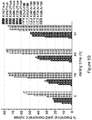
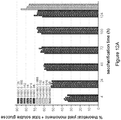
- the samples were then saccharified for 120 hr at 47 °C at a solids loading of 25% at enzyme loadings of 7, 14 and 28 mg glucanase + xylanase/g glucan + xylan. Yields of total soluble glucose and sylose (includes monomers and olibomers) are shown in Figure 13 .
- the 7 and 14 mg enzyme loadings showed an absolute increase in solubilized xylose yield of 12% and 11%, respectively, for samples ammonia treated at 18% moisture as opposed to 8% moisture content.
- the absolute increases in solubilized glucose yields were 5.5% and 8% for the same samples.
- the 18% and 28% moisture content samples produced similar saccharification yields for glucose and xylose. There was therefore a distinct advantage to having a moisture content of at least 18% going into the anhydrous ammonia treatment.
Landscapes
- Chemical & Material Sciences (AREA)
- Organic Chemistry (AREA)
- Life Sciences & Earth Sciences (AREA)
- Engineering & Computer Science (AREA)
- Zoology (AREA)
- Wood Science & Technology (AREA)
- Biochemistry (AREA)
- Health & Medical Sciences (AREA)
- Chemical Kinetics & Catalysis (AREA)
- General Engineering & Computer Science (AREA)
- Biotechnology (AREA)
- General Chemical & Material Sciences (AREA)
- Microbiology (AREA)
- Bioinformatics & Cheminformatics (AREA)
- General Health & Medical Sciences (AREA)
- Genetics & Genomics (AREA)
- Polymers & Plastics (AREA)
- Medicinal Chemistry (AREA)
- Inorganic Chemistry (AREA)
- Materials Engineering (AREA)
- Preparation Of Compounds By Using Micro-Organisms (AREA)
- Processing Of Solid Wastes (AREA)
Description
- Methods for producing readily saccharifiable lignocellulosic biomass are provided. Specifically, biomass is pretreated using anhydrous ammonia followed by milling or other mechanical disruption means. Anhydrous ammonia gas treatment reduces the energy of milling that is required to provide readily saccharifiable material and increases the overall rate of the pretreatment and saccharification process.
- Lignocellulosic feedstocks and wastes, such as agricultural residues, wood, forestry wastes, sludge from paper manufacture, and municipal and industrial solid wastes, provide a potentially large renewable feedstock for the production of chemicals, plastics, fuels and feeds. Lignocellulosic feedstocks and wastes, containing the carbohydrate polymers cellulose, and hemicellulose, as well as lignin, are generally treated by a variety of chemical, mechanical and enzymatic means to release primarily hexose and pentose sugars, which can then be fermented to useful products.
- Pretreatment methods are used to make the carbohydrate polymers, or polysaccharides, of lignocellulosic biomass more readily accessible to cellulolytic enzymes used in saccharification. A major impediment to cellulolytic enzyme digestion of polysaccharide is the presence of lignin, which is a barrier that limits the access of the enzymes to their substrates, and provides a surface to which the enzymes bind non-productively. In addition, the crystallinity of cellulose microfibrils restricts enzyme access providing an obstacle to saccharification. Pretreatment methods that attempt to overcome these challenges include: steam explosion, hot water, dilute acid, ammonia fiber explosion, alkaline hydrolysis (including ammonia recycled percolation), oxidative delignification, organosolv, and ozonation.
Costs of chemicals, chemical recovery, energy inputs, and capital equipment make many methods not amenable to commercial production. - Biomass pretreatment using low amounts of aqueous ammonia and a high solids concentration is disclosed in commonly owned
US 7,932,063 .US 20080008783 discloses treatment of biomass, which has been ground and which contains varying moisture contents, with anhydrous ammonia in the liquid or vapor state, and/or concentrated ammonia:water mixtures in the liquid or vapor state, to obtain a mixture in which the ratio of ammonia to dry biomass is between about 0.2 to 1 and 1.2 to 1, and the water to dry biomass ratio is between about 0.2 to 1.0 and 1.5 to 1. The temperature is maintained between about 50 °C and 140 °C and the pressure is rapidly released by releasing ammonia from the vessel to form a treated biomass. - Milling, where biomass is ground, has been used as a non-chemical pretreatment, or used in combination with ozonolysis ((Kabeya et al. (1993) Shikoku Kogyo Gijutsu Shikensho Kenkyu Hokoku 24:42-90).
- An ammonia fiber explosion (AFEX) process has been disclosed in
US 20090042259 , in Chundawat et al, Biotech. & Bioeng. vol. 96, 2007, pages 219-231 and in Dale et al, Appl. Biochem. & Biotech. vol 77, 1999, pages 35-45. Plant biomass is saccharified via this process. - Finally, use of anhydrous ammonia in corn milling is also disclosed in Taylor et al, Appl. Biochem. & Biotech. vol 104, 2003, pages 141-148. Germ could be recovered at higher yield and quality of oil was not affected.
- There remains a need for alternative efficient, low cost lignocellulosic biomass pretreatment processes that prepare biomass for sacharification.
- The invention provides a process for preparing biomass so that it may be readily saccharified to produce sugars for use in fermentation by a biocatalyst. The method involves the application of anhydrous ammonia gas to the biomass prior to the application of mechanical energy for the purpose of mechanical disruption and reduction of particle sized of the biomass. It has been unexpectedly found that this sequence of treatment by anhydrous ammonia gas followed by mechanical disruption has the beneficial effect of reducing the time and energy required for particle size reduction and results in a higher rate of production of fermentable sugars during saccharifcation thus enhancing the rate of the entire process.
- Accordingly, the invention provides a process for producing readily saccharifiable biomass comprising:
- a) providing lignocellulosic biomass with a moisture content of between 15% and 30% by weight;
- b) contacting the biomass of (a) with anhydrous ammonia gas to produce ammonia-treated biomass having a moisture content after ammonia treatment that is equal to or less than 15% by weight; and
- c) disrupting the ammonia-treated biomass of (b) by applying mechanical energy through a mechanical disruption means to produce a pretreated biomass which is readily saccharifiable;
-
-
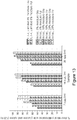
Figure 1 shows graphs of percent of theoretical yields of monomeric glucose (G) and xylose (X) in samples saccharified (at 14% solids loading) for different times (0, 24, 48, 72 hours), plotted against the time the biomass was milled with 1 cm diameter Yttrium doped ZrO2 beads (0, 1, 2, 3, 6, 10 days) for 1 mm knife milled untreated cob in (A) and 1 mm knife milled untreated late winter/early spring harvested switchgrass (swg) in (B). -
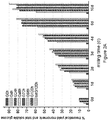
Figure 2 shows graphs of percent of theoretical yields of glucose (G) in (A) and xylose (X) in (B) in 1 mm knife milled untreated late winter/early spring harvested switchgrass samples saccharified (14% solids loading) for different times (0, 24, 48, 72, 96, 120 hours), plotted against time the biomass was milled with 0.25" (0.635 cm) stainless steel beads (0, 1, 2, 3, 6, 10 days) at a ratio of 200 g of beads to 5 g biomass. All bars are monomeric sugars except for the last bar of each set which is the total soluble sugar yield (monomer and oligomer) for glucose in (A) and xylose in (B). -
Figure 3 shows graphs of percent of theoretical yields of monomeric glucose (A) and xylose (B) at 72 hours of saccharification (at 14% solids loading) of the switchgrass ofFig. 2 compared to particle surface area (m2/g) of biomass, both as a function of milling time. -
Figure 4 shows graphs of percent of theoretical yields of monomeric glucose (A) and xylose (B) at 72 hours of saccharification (at 14% solids loading) of the switchgrass ofFig. 2 compared to percent amorphous component of biomass, both as a function of milling time. -
Figure 5 shows graphs of percent of theoretical saccharification yields of monomeric glucose (A) and xylose (B) of 1 mm knife milled untreated fall-harvested switchgrass (UT4) and 1 mm knife-milled fall-harvested switchgrass treated with 10 wt% anhydrous ammonia at 160 °C for 1 hour (JV198). The samples were milled as inFig. 2 for different times (0, 19, 43, 67 hours) after which they were saccharified for 0, 4, 24, 48, 72, or 96 hours (at 14% solids loading). -
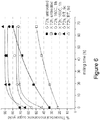
Figure 6 shows a graph of percent of theoretical saccharification yields of monomeric glucose (G) and xylose (X) of 1) 1 mm knife milled untreated fall-harvested switchgrass, 2) 1 mm knife milled fall-harvested switchgrass treated with 10 wt% anhydrous ammonia and 3) coarse milled fall-harvested switchgrass treated for 9 days with 20 wt% anhydrous ammonia and then 1 mm knife milled. The samples were then milled for different times (0, 19, 43, 67 hours) as inFig.2 , after which they were saccharified for 72 h (at 14% solids loading). -
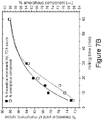
Figure 7 shows graphs of percent of theoretical saccharification yields of monomeric glucose (A) and xylose (B) of 1 mm knife milled fall-harvested switchgrass treated with 10 wt% anhydrous ammonia at 160 °C for 1 hour, attritor milled for different times (min) with 0.25" (0.635 cm) stainless steel beads (at a ratio of 40 lbs. of beads to 500 g biomass) and saccharified for 72 h (at 14% solids loading); compared to percent amorphous component in the treated samples. -
Figure 8 shows a graph of percent of theoretical saccharification yields of monomeric glucose (Glu) and xylose (Xyl) of 1 mm knife milled fall-harvested switchgrass treated with 10 wt% anhydrous ammonia at 160 °C for 1 hour, attritor milled for different times (min) with 0.25" (0.635 cm) stainless steel beads as inFig. 7 and saccharified for 72 h (at 14% solids loading); compared to particle size in the treated samples. -
Figure 9 shows graphs of percent of theoretical saccharification yields of glucose (G) in (A) and xylose (X) in (B) in 1 mm knife milled fall-harvested switchgrass samples treated with 20 wt% anhydrous ammonia at room temperature (RT) for 9 days and ball-milled for 5 hours with stainless steel beads of different sizes (0.125" (0.3175 cm), 0.1855" (0.471 cm), 7/32 or 0.2188" (0.556 cm), ¼ or 0.250" (0.635 cm), 5/16 or 0.3125" (0.794 cm) and 3/8 or 0.375" (0.953 cm)) at a ratio of 200 g of beads to 5 g biomass, and then saccharified for different times (4, 24, 48, 72, 100, 124 hours), using 14% solids loading. All bars are monomeric sugars except for the last bar of each set which is the total soluble sugar yield (monomer and oligomer) for glucose in (A) and xylose in (B) at 124 h of saccharification. -
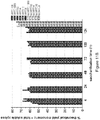
Figure 10 shows graphs of percent of theoretical saccharification yields of glucose (G) in (A) and xylose (X) in (B) in 1 mm knife milled fall-harvested switchgrass samples treated with 10 wt% anhydrous ammonia at 160 °C for 1 hour and ball-milled for 5 hours with stainless steel beads of different sizes (0.125" (0.3175 cm), 0.1855" (0.471 cm), 7/32 or 0.2188" (0.556 cm), ¼ or 0.250" (0.635 cm), 5/16 or 0.3125" (0.794 cm) and 3/8 or 0.375" (0.953 cm)) as inFig. 9 , and then saccharified for different times (4, 24, 48, 72, 100, 124 hours), using 14% solids loading. All bars are monomeric sugars except for the last bar of each set which is the total soluble sugar yield (monomer and oligomer) for glucose in (A) and xylose in (B) at 124 h of saccharification. -
Figure 11 shows graphs of percent of theoretical saccharification yields of glucose (A) and xylose (B) in 1 mm knife milled fall-harvested switchgrass samples pretreated with 20 wt% anhydrous ammonia at room temperature for 9 days and milled for 5 hours with stainless steel beads of different sizes (0.125" (0.3175 cm), 0.1855" (0.471 cm), 7/32 or 0.2188" (0.556 cm), ¼ or 0.250" (0.635 cm), 5/16 or 0.3125" (0.794 cm) and 3/8 or 0.375" (0.953 cm)) as inFig. 9 , then saccharified for different times (4, 24, 48, 72, 100, 124 hours), using 25% solids loading. All bars are monomeric sugars except for the last bar of each set which is the total soluble sugar yield (monomer and oligomer) for glucose in (A) and xylose in (B) at 124 h of saccharification. -
Figure 12 shows graphs of percent of theoretical yields of glucose (A) and xylose (B) in 1 mm knife milled fall-harvested switchgrass samples treated with 10 wt% anhydrous ammonia at 160 °C for 1 hour and ball-milled for 5 hours with stainless steel beads of different sizes (0.125" (0.3175 cm), 0.1855" (0.471 cm), 7/32 or 0.2188" (0.556 cm), ¼ or 0.250" (0.635 cm), 5/16 or 0.3125" (0.794 cm) and 3/8 or 0.375" (0.953 cm)) as inFig. 9 , then saccharified for different times (4, 24, 48, 72, 100, 124 hours), using 25% solids loading. All bars are monomeric sugars except for the last bar of each set which is the total soluble sugar yield (monomer and oligomer) for glucose in (A) and xylose in (B) at 124 h of saccharification. -
Figure 13 shows a graph of percent of theoretical yields of total soluble glucose and xylose in 1 mm knife milled switchgrass samples containing 8%, 18%, or 28% moisture treated with 10 wt% anhydrous ammonia at 150-160 °C for 1 hour and attrritor milled for 5 min, then sacharified for 120 hr using 25% solids loading in different amounts of enzymes. - The present invention relates to pretreatment of lignocellulosic biomass to prepare the biomass for producing fermentable sugars during saccharification. The biomass is treated with a mechanical disruption means, with prior or concurrent treatment of anhydrous ammonia gas, which reduces the amount of energy needed to produce a readily saccharifiable biomass product. Sugars produced from biomass treated as disclosed herein are used in fermentation using a biocatalyst to produce desired target products.
- The following abbreviations and definitions will be used for the interpretation of the specification and the claims.
- As used herein, the terms "comprises," "comprising," "includes," "including," "has," "having," "contains" or "containing," or any other variation thereof, are intended to cover a non-exclusive inclusion. For example, a composition, a mixture, process, method, article, or apparatus that comprises a list of elements is not necessarily limited to only those elements but may include other elements not expressly listed or inherent to such composition, mixture, process, method, article, or apparatus. Further, unless expressly stated to the contrary, "or" refers to an inclusive or and not to an exclusive or. For example, a condition A or B is satisfied by any one of the following: A is true (or present) and B is false (or not present), A is false (or not present) and B is true (or present), and both A and B are true (or present).
- Also, the indefinite articles "a" and "an" preceding an element or component of the invention are intended to be nonrestrictive regarding the number of instances (i.e. occurrences) of the element or component. Therefore "a" or "an" should be read to include one or at least one, and the singular word form of the element or component also includes the plural unless the number is obviously meant to be singular.
- As used herein, the term "about" modifying the quantity of an ingredient or reactant of the invention employed refers to variation in the numerical quantity that can occur, for example, through typical measuring and liquid handling procedures used for making concentrates or use solutions in the real world; through inadvertent error in these procedures; through differences in the manufacture, source, or purity of the ingredients employed to make the compositions or carry out the methods; and the like. The term "about" also encompasses amounts that differ due to different equilibrium conditions for a composition resulting from a particular initial mixture. Whether or not modified by the term "about", the claims include equivalents to the quantities. In one embodiment, the term "about" means within 10% of the reported numerical value, preferably within 5% of the reported numerical value.
- "Anhydrous ammonia" refers to ammonia gas that is dry and not in an aqueous medium.
- "Room temperature" and "ambient" when used in reference to temperature refer to any temperature from about 15 °C to about 25 °C.
- "Fermentable sugars" refers to a sugar content primarily comprising monosaccharides and some oligosaccharides that can be used as a carbon source by a microorganism in a fermentation process to produce a target product.
- "Monomeric sugars" or "simple sugars" consist of a single pentose or hexose unit, e.g., glucose.
- "Lignocellulosic" refers to material comprising both lignin and cellulose. Lignocellulosic material may also comprise hemicellulose.
- "Cellulosic" refers to a composition comprising cellulose.
- "Dry weight of biomass" refers to the weight of the biomass having all or essentially all water removed. Dry weight is typically measured according to American Society for Testing and Materials (ASTM) Standard E1756-01 (Standard Test Method for Determination of Total Solids in Biomass) or Technical Association of the Pulp and Paper Industry, Inc. (TAPPI) Standard T-412 om-02 (Moisture in Pulp, Paper and Paperboard). Dry weight of biomass is synonymous with dry matter content of biomass.
- "Substantially dry" in reference to biomass refers to biomass having a dry matter content of at least 85%, or moisture content of 15% or less.
- "Biomass" and "lignocellulosic biomass" will be used interchangeably and refers to any lignocellulosic material, including cellulosic and hemicellulosic material, for example, bioenergy crops, agricultural residues, municipal solid waste, industrial solid waste, yard waste, wood, forestry waste, and combinations thereof, and as further described below. Biomass has a carbohydrate content that comprises polysaccharides and oligosaccharides and may also comprise additional components, such as protein and/or lipid.
- "Saccharification" and "saccharifying" refer to the production of fermentable sugars from polysaccharides by the action of acids, bases, or hydrolytic enzymes. Production of fermentable sugars from pretreated biomass occurs by enzymatic saccharification by the action of cellulolytic and hemicellulolytic enzymes.
- "Polysaccharide" refers to any of a class of carbohydrates formed by repeating units linked together by glycosidic bonds, or a complex carbohydrate composed of a chain of monosaccharides joined together by glocosidic bonds. Polysaccharides have the general formula Cx(H2O)y.
- "Pretreating biomass" or "biomass pretreatment" as used herein refers to subjecting native or preprocessed biomass to chemical, physical, or biological action, or any combination thereof, rendering the biomass more susceptible to enzymatic saccharification or other means of hydrolysis prior to saccharification. For example, the methods claimed herein may be referred to as pretreatment processes that contribute to rendering biomass more accessible to hydrolytic enzymes for saccharification.
- "Fine-milled material" as used herein refers to material that has reduction in particle size, where the particle size is less than 0.1 mm.
- The term "mechanical disruption means" refers to methodologies for the mechanical disruption of biomass that results in the reduction of particle size. Typical mechanical disruption means will include, but will not be limited to, attritor milling, hammer milling, ball milling, bead milling, vibratory ball milling, vibratory rod milling, jet milling, pin milling, turbine milling, air classifier milling, roll milling and planetary ball milling.
- The term "amorphous component" or "amorphous cellulose component" when used in the context of pretreated biomass refers to the non-crystalline cellulose fraction of the biomass typically determined by wide-angle X-ray diffraction measurements for crystallinity.
- "Coarse size reduced" as used herein refers to reduced size of pieces or particles of material where the size is greater than 0.1 mm.
- "Readily saccharifiable biomass" as used herein refers to biomass that produces high sugar yields in saccharification. High sugar yields following saccharification of at least about 70% of theoretical yield of glucose and at least about 60% of theoretical yield of xylose, or greater, are indicative of a readily saccharifiable pretreated biomass.
- "Hydrolysate" refers to the liquid in contact with the lignocellulose biomass which contains the products of hydrolytic reactions acting upon the biomass (either enzymatic or not), in this case monomeric and oligomeric sugars.
- "Enzyme consortium" or "saccharification enzyme consortium" is a collection of enzymes, usually secreted by microorganisms, which in the present case will typically contain one or more cellulases, xylanases, glycosidases, ligninases and feruloyl esterases.
- As used herein "pounding" refers to impacting with force.
- The term "target product" refers to any product that is produced by a microbial production host cell in a fermentation. Target products may be the result of genetically engineered enzymatic pathways in host cells or may be produced by endogenous pathways. Typical target products include but are not limited to acids, alcohols, alkanes, alkenes, aromatics, aldehydes, ketones, biopolymers, proteins, peptides, amino acids, vitamins, antibiotics, and pharmaceuticals.
- Biomass used in the present method is lignocellulosic, which contains polysaccharides such as cellulose and hemicellulose, and lignin. Polysaccharides of biomass may also be called glucans and xylans. Types of biomass that may be used include, but are not limited to, bioenergy crops, agricultural residues, municipal solid waste, industrial solid waste, sludge from paper manufacture, yard waste, wood and forestry waste. Examples of biomass include, but are not limited to corn cobs, corn husks, corn stover, grasses, wheat straw, barley straw, oat straw, canola straw, hay, rice straw, switchgrass, miscanthus, cord grass, reed canary grass, waste paper, sugar cane bagasse, sorghum bagasse or stover, soybean stover, components obtained from milling of grains, trees, branches, roots, leaves, wood chips, sawdust, shrubs and bushes, vegetables, fruits, flowers and animal manure. Biomass may include other crop residues, forestry wastes such as aspen wood, other hardwoods, softwood and sawdust; and post-consumer waste paper products; and fiber process residues such as corn fiber, beet pulp, pulp mill fines and rejects; as well as other sufficiently abundant lignocellulosic material.
- Biomass that is particularly useful for the invention includes biomass that has a relatively high carbohydrate content, is relatively dense, and/or is relatively easy to collect, transport, store and/or handle.
- The lignocellulosic biomass may be derived from a single source, or biomass can comprise a mixture derived from more than one source; for example, biomass could comprise a mixture of corn cobs and corn stover, or a mixture of stems or stalks and leaves.
- The biomass, which has a moisture content of between 15% and 30% by weight prior to the anhydrous ammonia treatment, may be used directly as obtained from the source, or may be subjected to some preprocessing, for example, mechanical energy may be applied to the biomass to reduce size or moisture. Size reduction may be performed using methods that produce coarse size reduced material, where the obtained size is greater than 0.1 mm. Methods that may be used include knife milling, crushing, shredding, chopping, disc refining, and coarse hammer milling. This type of size reduction may be performed before, during or after treatment with anhydrous ammonia. Drying following the anhydrous ammonia treatment may be by any conventional means such as by using a drying oven, rotary dryer, flash dryer, or superheated steam dryer. In addition, air drying may be sufficient for reaching a desired biomass moisture content that is less than 15%, preferably between 7% and 10%, prior to the application of mechanical energy in step (c) as described below.
- Lignocellulosic biomass is typically treated prior to saccharification to prepare it for hydrolysis. This pretreatment improves the hydrolysis, or release of sugars, during saccharification. Sugar release, primarily glucose and xylose, from the polysaccharides of biomass is difficult due to the presence of lignin that constitutes a physical barrier and also a surface for non-productive binding of saccharification enzymes. In addition, the crystallinity and tight packing of cellulose microfibrils restricts access of the enzymes.
- Ball milling alone can be used as a biomass pretreatment to improve sacharification, eliminating the use of acidic or basic pretreatment chemicals. However, for ball milled biomass to generate high sugar yields in saccharification, ball milling application with high energy input is needed. The mechanical energy required for ball milling to allow high monomeric sugar yields upon saccharification is extensive, such that this pretreatment method by itself is not economical. For example, the energy used for ball-milling exceeds the energy contained in a biomass sample after 5 days of milling.
- In the present method, lignocellulosic biomass is contacted with anhydrous ammonia gas prior to disruption using a mechanical disruption means to produce fine-milled material. Optionally the biomass may be contacted with the anhydrous ammonia gas concurrent with the mechanical disruption. Applicants have found that by treating biomass with anhydrous ammonia gas prior to using ball or attritor milling to produce fine-milled material, the mechanical energy input for ball milling pretreatment to obtain a readily saccharifiable pretreated biomass product is greatly reduced. Readily saccharifiable biomass is one that produces high sugar yields in saccharification. High sugar yields of at least about 70% of theoretical yield of glucose and at least about 60% of theoretical yield of xylose, or greater, are indicative of a readily saccharifiable pretreated biomass.
- When applied following anhydrous ammonia gas treatment, the mechanical energy needed for fine milling is at least about four-fold less and may be about 6-fold to about 10-fold less to produce an amount of sugars following saccharification that is an equivalent amount to that from saccharification of milled biomass with the anhydrous ammonia gas treatment omitted. The amount of reduction in mechanical energy is variable and depends on factors such as the type of biomass, moisture content, strength of anhydrous ammonia treatment (including factors such as concentration, temperature, time), and type of mechanical energy application method. The reduction in mechanical energy may be at least about four-fold, five-fold, six-fold, seven-fold, eight-fold, nine-fold, 10-fold, or more.
- In general the amount of time needed to disrupt the biomass may be correlated to the energy required to effect the disruption process. For example, it has been determined that Fall harvested switchgrass has an energy content of 18.5 gigajoules per ton (GJ/ton). A typical milling run performed herein using a conventional ball mill uses about 5 grams of biomass comprising 9.25 x 10⁴ joules (J). For this sample, where the milling occurs over a 10 day period, approximately 2.2 x 10⁵ J (energy delivered to milled material) will be consumed. So for example where the milling occurs over 19 hours, 1.74 x 10⁴ J is consumed which equates to 19% of the energy content of the biomass. Similarly where the milling occurs over a 5 hour period 4.58 x 10³ J or 5% of the energy content of the biomass is consumed. The amount of energy reduction achieved from using the ammonia pretreatment may also be measured directly. For example, milling may occur using an attritor mill. This mill delivers about 60x the power of the conventional ball mill. Running the attritor mill on 0.5 kg of biomass for 5 minutes, the motor delivers 2.14 HP (1596 W) to the mill. Thus over the 5-minute period the mill requires 5.18% (1.596 kW x 0.0833 h)/0.5 kg = 0.266 kW-h/kg) of the energy content of the biomass.
- Mechanical disruption of biomass increases the percent of cellulose in the biomass that is in an amorphous, as opposed to a crystalline state. It is shown herein that as milling time is increased, the percent of amorphous component in biomass samples is increased, and the sugar yield from saccharification is also increased. In the present method, the percentage of amorphous cellulose component in the biomass is increased using less energy than would be required if no anhydrous ammonia treatment were included.
- In the present method, lignocellulosic biomass, with a moisture content of between 15% and 30% by weight, is contacted with anhydrous ammonia gas. Anhydrous ammonia gas refers to ammonia gas that is dry and not in an aqueous medium. Anhydrous ammonia gas can be added to a concentration that is between about 2 and about 30 weight percent relative to dry weight of biomass. In one embodiment the anhydrous ammonia gas is typically between about 10 and about 25 weight percent relative to dry weight of biomass. The biomass and anhydrous ammonia gas may be maintained at a temperature that is between about 0 °C and about 200 °C. A temperature that is between room temperature and about 160 °C may be desired since this requires less energy input to the pretreatment process. The period of time for anhydrous ammonia gas treatment may be between about thirty minutes to about ten days or longer and up to 1 year if applied in storage. Use of a lower temperature may be combined with a longer treatment time. Also lower anhydrous ammonia gas concentration may be used at higher temperature. For example, biomass treatment with 20% ammonia at room temperature for nine days or with 10% ammonia at 160°C for one hour gave approximately the same high sugar yields in saccharification as demonstrated in Example 3 herein. Xylose yield was slightly better with the 160°C anhydrous ammonia gas treatment. One skilled in the art will be able to readily determine the combination of parameters within these ranges that gives the desired results using the present method in the particular system employed.
- In another embodiment contacting biomass with anhydrous ammonia gas may be used while maintaining biomass in storage for long periods of time, such as up to a year. While biomass may typically be harvested in the fall, it may be stored and portions used over a period of time until the following harvest. Maintaining the stored biomass in contact with anhydrous ammonia gas can both treat the biomass to reduce milling time requirement, as described above, as well as act to preserve the biomass while in storage. In this embodiment, typically treatment with anhydrous ammonia gas would be at natural temperature, that is with no input of energy to either raise of lower the temperature. In addition, the concentration of anhydrous ammonia gas would typically be in the low range described above, such as between about 2 wt% and 10 wt% relative to dry weight of biomass.
- With application of anhydrous ammonia gas, the moisture content should be in a range that supports the benefit of the anhydrous ammonia gas treatment while readily allowing lowering of the moisture content for the mechanical disruption. The moisture content of the biomass is between 15% and 30%, or between about 18% and about 28%, to maximize the benefit of the anhydrous ammonia gas pretreatment and to allow a lowering of the moisture content to 15% or less upon flashing off of the ammonia following ammonia pretreatment. If the biomass is too dry prior to anhydrous ammonia gas treatment then the efficacy of the ammonia pretreatment may be diminished. The anhydrous ammonia gas treatment itself will contribute to drying the biomass. During long term storage of biomass, low moisture content reduces biodegradation. To further reduce moisture in the biomass prior to mechanical disruption, the anhydrous ammonia gas may be heated prior to contacting the biomass, or the anhydrous ammonia gas may be accompanied by superheated steam, both of which can dry the biomass.
- The biomass is substantially dry prior to application of mechanical energy for fine milling the biomass. A substantially dry biomass has a moisture content that is equal to or less than 15%. A moisture content of between about 7% and about 10% was found to be optimal for grinding in a vibratory special-rod mill (Kabeya et al. (1993) Shikoku Kogyo Gijutsu Shikensho Kenkyu Hokoku 24:42-90) and is desired in the present process. As drying contributes significantly to the cost of the process, an advantage to using anhydrous ammonia gas treatment is in reduction or elimination of the need for further drying following the anhydrous ammonia gas treatment.
- However, if following anhydrous ammonia gas treatment, further drying is desired, the biomass may be dried to reach a dry matter content of at least about 90%, 93%, 96%, or higher during application of mechanical energy as described below. Drying may be by any conventional means such as using a drying oven, rotary dryer, flash dryer, or superheated steam dryer, or air drying.
- In the present method, mechanical energy is applied to anhydrous ammonia gas-treated biomass, or during anhydrous ammonia gas treatment of biomass, to produce fine-milled ammonia treated biomass. Fine-milled material may be produced by milling that applies forces such as pounding, crushing, shearing, or grinding to biomass. Typically a combination of more than one of these types of forces is applied in a milling treatment such as pounding, crushing, shearing and grinding in a ball mill or attritor mill. Any means of mechanically disrupting biomass may be used in the present invention including, but not limited, to attritor milling, hammer milling, ball milling, bead milling, vibratory ball milling, vibratory rod milling, jet milling, pin milling, turbine milling, air classifier milling, roll milling and planetary ball milling. When used for fine milling, hammer milling is a component of an air classifier mill where larger particles are recycled through the hammer mill repeatedly until they are small enough to exit the mill at a specified size.
- In conventional ball milling, a large rotating cylinder contains dense spherical balls (also called beads) inside that grind material by impacting it with force (or pounding) as the cylinder rotates. In attritor milling, spherical beads (also called balls) inside a stationary cylinder are stirred by a spinning shaft on which are affixed perpendicularly oriented arms. Beads, or balls, for milling may be any type of dense spherical bead such as cubic Zirconia beads or stainless steel beads. The size of bead used may vary depending on conditions such as the particular apparatus in which they are used and specific biomass to be processed, including type of biomass and initial particle size, as well as the specific anhydrous ammonia treatment applied to the biomass. Balls may be, for example, 0.3175 cm, 0.471 cm, 0.556 cm, 0.635 cm, 0.794 cm, 0.953 cm, or larger. Balls or beads that are greater than 0.3175 cm in diameter may provide more effective milling. The most effective ball size for a particular biomass and set of treatment parameters may be readily determined by one skilled in the art.
- With prior or concurrent anhydrous ammonia gas treatment, mechanical disruption may occur over a period of time that is between about several seconds to about several days. For example, disruption may run for less than about two days, or a time that is less than about one day. In addition, times of about 60, 50, 40, 30, 20, 10, 5, or 1 minutes or less may be used. Short application times may be used to reduce energy costs, though maximal sugars yields may not be achieved during saccharification. For example, a 5 or 10 minute milling time can produce a level of sugars that may be commercially acceptable, but are not as high as achieved with longer milling times. The balance of energy costs of milling and sugars yields may be adjusted to support maximal commercial value.
- Mechanical disruption means may be applied in a batch process, or in a continuous process.
- The pretreated biomass product resulting from the present process is readily saccharifiable and is saccharified to produce fermentable sugars that may be used by a biocatalyst in fermentation to produce a desired target product. Enzymatic saccharification typically makes use of an enzyme consortium for breaking down cellulose and hemicellulose to produce a hydrolysate containing sugars including glucose, xylose, and arabinose. Saccharification enzymes are reviewed in Lynd, L. R., et al. (Microbiol. Mol. Biol. Rev., 66:506-577, 2002).
- At least one enzyme is used, and typically a saccharification enzyme consortium is used that includes one or more glycosidases. Glycosidases hydrolyze the ether linkages of di-, oligo-, and polysaccharides and are found in the enzyme classification EC 3.2.1.x (Enzyme Nomenclature 1992, Academic Press, San Diego, CA with Supplement 1 (1993), Supplement 2 (1994), Supplement 3 (1995, Supplement 4 (1997) and Supplement 5 [in Eur. J. Biochem., 223:1-5, 1994; Eur. J. Biochem., 232:1-6, 1995; Eur. J. Biochem., 237:1-5, 1996; Eur. J. Biochem., 250:1-6, 1997; and Eur. J. Biochem., 264:610-650 1999, respectively]) of the general group "hydrolases" (
EC 3.). Glycosidases can be categorized by the biomass component that they hydrolyze. Glycosidases include cellulose-hydrolyzing glycosidases (for example, cellulases, endoglucanases, exoglucanases, cellobiohydrolases, β-glucosidases), hemicellulose-hydrolyzing glycosidases (for example, xylanases, endoxylanases, exoxylanases, β-xylosidases, arabinoxylanases, mannases, galactases, pectinases, glucuronidases), and starch-hydrolyzing glycosidases (for example, amylases, α-amylases, β-amylases, glucoamylases, α-glucosidases, isoamylases). In addition, it may be useful to add other activities to the saccharification enzyme consortium such as peptidases (EC 3.4.x.y), lipases (EC 3.1.1.x and 3.1.4.x), ligninases (EC 1.11.1.x), and feruloyl esterases (EC 3.1.1.73) to help release polysaccharides from other components of the biomass. It is well known in the art that microorganisms that produce polysaccharide-hydrolyzing enzymes often exhibit an activity, such as cellulose degradation, that is catalyzed by several enzymes or a group of enzymes having different substrate specificities. Thus, a "cellulase" from a microorganism may comprise a group of enzymes, all of which may contribute to the cellulose-degrading activity. Commercial or non-commercial enzyme preparations, such as cellulase, may comprise numerous enzymes depending on the purification scheme utilized to obtain the enzyme. - Saccharification enzymes may be obtained commercially, such as Spezyme® CP cellulase, Multifect® xylanase, Accelerase® 1500, and Accellerase® DUET (Danisco U.S. Inc., Genencor International, Rochester, NY). In addition, saccharification enzymes may be unpurified and provided as a type of cell extract or whole cell lysate. The enzymes may be produced using recombinant microorganisms that have been engineered to express multiple saccharifying enzymes.
- Of particular value are classes of glycoside hydrolases, such as the families GH3, GH39, GH43, GH55, GH10, and GH11. GHs are a group of enzymes that hydrolyze the glycosidic bond between two or more carbohydrates, or between a carbohydrate and a noncarbohydrate moiety. Families of GHs have been classified based on sequence similarity and are available in the Carbohydrate-Active enzyme (CAZy) database (Cantarel et al. (2009) Nucleic Acids Res. 37 (Database issue):D233-238). These enzymes are able to act on a number of substrates and are effective in the saccharification process. Glycoside hydrolase family 3 ("GH3") enzymes have a number of known activities: β-glucosidase (EC:3.2.1.21); β-xylosidase (EC:3.2.1.37); N-acetyl β-glucosaminidase (EC:3.2.1.52); glucan β-1,3-glucosidase (EC:3.2.1.58); cellodextrinase (EC:3.2.1.74); exo-1,3-1,4-glucanase (EC:3.2.1); and β-galactosidase (EC 3.2.1.23). Glycoside hydrolase family 39 ("GH39") enzymes have α-L-iduronidase (EC:3.2.1.76) or β-xylosidase (EC:3.2.1.37) activity. Glycoside hydrolase family 43 ("GH43") enzymes have the following activities: L-α-arabinofuranosidase (EC 3.2.1.55); β-xylosidase (EC 3.2.1.37); endoarabinanase (EC 3.2.1.99); and
galactan 1,3-β-galactosidase (EC 3.2.1.145). Glycoside hydrolase family 51 ("GH51") enzymes have L-α-arabinofuranosidase (EC 3.2.1.55) or endoglucanase (EC 3.2.1.4) activity. Glycoside hydrolase family 10 ("GH10") are more fully described in Schmidt et al., 1999, Biochemistry 38:2403-2412 and Lo Leggio et al., 2001, FEBS Lett 509: 303-308) and the Glycoside hydrolase family 11 ("GH11") are more fully described in Hakouvainen et al., 1996, Biochemistry 35:9617-24. - Prior to fermentation the saccharification mixture may be concentrated by evaporation, for example, to increase the concentration of fermentable sugars. Optionally, liquid in the saccharification product may be separated from solids in a batch or continuous method. Optionally, the liquid or the entire saccharification product may be sterilized prior to fermentation. Depending on the biocatalyst(s) used during fermentation and the pH used during saccharification, the pH may be adjusted to that suitable for fermentation.
- The saccharification can be performed for a time of about several minutes to about 200 hours, typically from about 24 hours to about 72 hours. The time for the reaction will depend on the enzyme concentration and the specific activity, as well as the substrate used and the environmental conditions, such as temperature and pH. One skilled in the art can readily determine optimal conditions of temperature, pH and time to be used with a particular substrate and saccharification enzyme consortium.
- The saccharification can be performed in a single batch, fed-batch or as a continuous process. The saccharification can also be performed in one step, or in a number of steps. For example, different enzymes required for saccharification may exhibit different pH or temperature optima. A primary treatment can be performed with enzyme(s) at one temperature and pH, followed by secondary or tertiary (or more) treatments with different enzyme(s) at different temperatures and/or pH. In addition, treatment with different enzymes in sequential steps may be at the same pH and/or temperature, or different pHs and temperatures, such as using hemicellulases stable and more active at higher pHs and temperatures followed by cellulases that are active at lower pHs and temperatures.
- The percent of solids in a saccharification process may vary. It is desirable to keep the percent of solids used in saccharification relatively high in order to obtain a hydrolysate with a high concentration of fermentable sugars. Typically solids are between about 10% and 60%, with solids between about 10% and 25% more typical.
- The degree of solubilization of sugars from biomass following saccharification can be monitored by measuring the release of monosaccharides and oligosaccharides. Methods to measure monosaccharides and oligosaccharides are well known in the art. In addition to monomer sugars, soluble oligomeric sugars are produced which may be converted to monomers for use by biocatalysts in fermentation.
- Biomass hydrolysate containing fermentable sugars are included in fermentation medium typically as a percent of the medium, providing all or a portion of the carbon source for biocatalyst growth and product production. The hydrolysate in a fermentation medium is typically about 40% to 90% of the fermentation medium. Examples of hydrolysate used as 40% or 80% of fermentation medium are given in Example 9 of
US 20070031918 A1 . Depending on the fermentable sugars concentration in the hydrolysate, additional sugars may be added to the medium. For example, when a hydrolysate containing about 80 g/L glucose and about 50 g/L xylose is included at 40% of the fermentation medium, additional glucose and xylose may be added to the desired final sugars concentrations. In addition to hydrolysate, fermentation medium may contain other nutrients, salts and factors required for growth and production by the specific biocatalyst to be used for product production, as well known to one skilled in the art. Supplements may include, for example, yeast extract, specific amino acids, phosphate, nitrogen sources, salts, and trace elements. Components required for production of a specific product made by a specific biocatalyst may also be included, such as an antibiotic to maintain a plasmid or a cofactor required in an enzyme catalyzed reaction. - Alternatively to preparing hydrolysate, adding it to fermentation medium, then carrying out the fermentation, a simultaneous saccharification and fermentation (SSF) process may be used to produce a biomass hydrolysate fermentation broth. In this process sugars are produced from biomass as they are metabolized by the production biocatalyst.
- Fermentable sugars in the fermentation medium are metabolized by suitable biocatalysts to produce target products. The sugars are contacted with a biocatalyst in a fermentation process where the biocatalyst is grown under conditions where a target product made by the biocatalyst is produced. Temperature and/or headspace gas may be adjusted for fermentation, depending on conditions useful for the particular biocatalyst(s) in use. Fermentation may be aerobic or anaerobic. These and other conditions including temperature and pH are adjusted for the particular biocatalyst used.
- Examples of target products produced by biocatalysts include 1, 3-propanediol, butanol (isobutanol, 2-butanol, and 1-butanol), and ethanol. Disclosed in
US 7504250 are recombinant microorganisms that produce 1,3-propanediol. Production of butanol by genetically modified yeast is disclosed for example inUS 20070092957 A1 .Genetically modified strains of E. coli have also been used as biocatalysts for ethanol production (Underwood et al., (2002) Appl. Environ. Microbiol.68:6263-6272). Ethanol has been produced by genetically modified Zymomonas in lignocellulosic biomass hydrolysate fermentation media (US 20070031918 A1 ). Genetically modified strains of Zymomonas mobilis with improved production of ethanol are described inUS 2003/0162271 A1 andUS 2009/0246846 A1 . - The following abbreviations are used:
- "HPLC" is High Performance Liquid Chromatography, "C" is Celsius, "m" is meter, "mm" is millimeter, "µm" is micrometer, "µL" is microliter, "mL" is milliliter, "L" is liter, "N" is normal, "min" is minute, "mM" is millimolar, "cm" is centimeter, "g" is gram, "mg" is milligram, "kg" is kilogram, "wt" is weight, "h" or "hr" is hour, "d" is day, "RT" is room temperature, "DM" is dry matter, "DWB" is dry weight of biomass, "ASME" is the American Society of Mechanical Engineers, "s.s." is stainless steel, "in" or """ is inch, "rpm" is rotations per minute, "OD" is optical density, "r" is radius, "d50" is median particle size in a sample.
- Dry matter content of biomass was determined using a Denver Instruments IR-120 moisture analyzer operating at 105 °C, or by heating in a vacuum oven overnight at 102°C with a nitrogen bleed (equivalent to -12 inches of mercury or 40 kPa).
- The composition of biomass is measured by any one of the standard methods well known in the art, such as ASTM E1758-01 "Standard method for the determination of carbohydrates by HPLC".
- Ammonia treatment experiments were performed using a system that consisted of a 5 L horizontal cylindrical pressure vessel (Littleford Day, Florence, KY) modified to include a 1.5" (3.8 cm) ball valve on the top of the reactor, which could be removed to charge biomass. The reactor was equipped with two ports in the headspace, a 1.5" (3.8 cm) ball valve on the bottom, various thermocouples, a relief valve, a pressure gage, and a pressure transducer. The reactor contained a so-called "heat transfer" type impeller, which contained four blades for mixing solids vertically and horizontally. The impeller was rotated at approximately 40 rpm for all experiments.
- Anhydrous ammonia was metered into the P5L reactor by placing a 2 Ib (1 kg) cylinder of anhydrous ammonia on an electronic balance, and then measuring the weight loss of the cylinder to obtain the target amount of ammonia per dry matter in the reactor.
- A needle valve connected to the top flange was used to control the pressure flash and vacuum flash. The flash vapors were passed through a tube-in-tube heat exchanger which used house cold water. The vapors/condensate was then collected in a 2 L cylindrical vessel which was jacketed with wet ice. The 2 L cylinder was evacuated of non-condensables prior to the pressure flash. The vacuum was then broken, and the condensate collected. The same system was then used to collect the vacuum flash condensate.
- Spezyme® CP, Multifect® xylanase, and Accellerase® 1500 were from Danisco U.S. Inc., Genencor, International (Rochester, NY). Novozyme 188 was from Novozymes (2880 Bagsvaerd, Denmark).
- Ball-milling was examined as a non-chemical means to prepare cob and late winter/early spring-harvested switchgrass lignocellulosic biomass for saccharification. Five grams of knife-milled (passed through a 1 mm sieve) cob (94% DM) and switchgrass (94% DM) were each placed in 125 mL plastic bottles with 226 g of 1 cm size Y2O3-doped ZrO2 beads (cubic Zirconia beads; Norstone;Wyncote, PA). The bottles were tumbled end over end at a rate of 83 cycles per minute at room temperature for 1-10 d. Aliquots were taken at regular intervals and used for enzymatic saccharification. Approximately 370 µL of suspension of a 14% solids suspension were saccharified in 50 mM NaCitrate containing Spezyme CP:Multifect® xylanase:Novozyme 188 at 6.68:3.34:1.67 mg/g solids, at pH 4.7-4.8 and 47 °C using a rotary shaker at 250 rpm in 6 mL glass vials containing two 5 mm glass beads. Aliquots were taken at regular intervals and subjected to HPLC analysis using an HPX-87H column (BioRad) run at 60 °C with 0.01 N H2SO4 as the mobile phase at a flow rate of 0.6 mL/min. Percent of theoretical yields of glucose and xylose in samples saccharified for different times (0, 24, 48, 72 hours), and milled for different times (0, 1, 2, 3, 6, 10 days) are shown in
Figure 1 for cob (A) and switchgrass (B). - Milling using the Y2O3-doped ZrO2 beads had a major impact on the saccharification of these feedstocks, with no additional chemical pretreatment or lignin removal. For both cob and switchgrass, increased milling times produced increased yields of glucose and xylose. Yields were lower for switchgrass than for cob through 3 days of milling. After 6 days of milling, with 72 h saccharification, for both cob and switchgrass yields reached about 65% for glucose and about 40% for xylose. At 10 days of milling, cob yields increased slightly and switchgrass yields increased to about 70% glucose and about 45% xylose.
- Stainless steel has a higher density than ZrO2 (7.7 g/cm3 and 6.0 g/cm3, respectively) and stainless steel beads were used as an alternative milling material.
- Five grams of knife milled (passed through a 1 mm sieve) late winter/early spring-harvested switchgrass (91.3% DM) were placed in 125 mL plastic bottles with 200 g of stainless steel ¼" (0.63 cm) beads. The bottles were tumbled end over end at a rate of 83 cycles per minute at room temperature for 1-10 d of milling. Aliquots were taken at regular intervals and used for enzymatic saccharification, particle size determination, surface area measurements and wide-angle X-ray diffraction for crystallinity. The enzymatic saccharifications were performed in 50 mM NaCitrate, pH 4.9 at a solids loading of 14% using Accelerase® 1500 (Genencor) 25 mg/g glucan, and a cocktail of hemicellulases (Xyn3, Fv3A, Fv51A, and Fv43D) at 16.6 mg/g xylan. Approximately 370 µL of suspension were saccharified at 47 °C using a rotary shaker at 250 rpm in 6 mL glass vials containing two 5 mm glass beads. Aliquots were taken at regular intervals and subjected to HPLC analysis as in Example 1.
-
Figure 2 shows the monomeric glucose and xylose yields (Figure 2A andB , respectively) obtained at various milling and saccharification times. Also shown for each milling time is the total solubilized sugar (monomeric plus oligomeric glucose and xylose) determined by filtration, after 120 h of saccharification, to remove insoluble biomass followed by heating at 121 °C for 1 h in the presence of 4% H2SO4 and HPLC sugar analyses. - The glucose and xylose yields increased with increased milling time, showing sigmoidal kinetics over the first six days of milling for both sugars (
Figure 3A andB , respectively). The sigmoidal shape likely reflects a lowering of the energy required for incremental fracture of the biomass as the biomass was increasingly fragmented. The surface area of the particles (Figure 3A andB ) was measured using N2 gas adsorption. The surface area increased from 0 to 3-4 d of milling after which it decreased, which could be due to the collapse of some structural element with further milling. The saccharification yield surprisingly did not track the particle surface area except at the early stages of milling, indicating that there are factors in addition to surface area that determine the rate and yield of saccharification. Another contributing factor may be a decrease in cellulose crystallinity. The crystallinity of the biomass was assessed using wide angle x-ray scatter as a function of milling time and plotted with glucose and xylose yields (Figure 4A andB , respectively). The crystallinity data is also shown in numeric form in Table 2. The saccharification yields tracked closely the percent amorphous component in the biomass, indicating that the crystallinity or a factor related to the crystallinity (e.g. degree of polymerization) contributes to the increased accessibility of the polysaccharide to the saccharifying enzymes. - A comparison of
Figures 1 and2 indicates that after 10 d of ball milling the saccharification yields were higher with the ¼" stainless steel beads than with the 1 cm Y2O3 doped ZrO2 beads. - Steel ball-milling of switchgrass greatly accelerated enzymatic saccharification (≥50% of final sugar yield released in 4h), producing a final yield of monomeric sugars of >80% for glucose and ∼60% for xylose after 10 d of milling.
Table 2. Percent crystallinity as a function of milling time for switchgrass determined using wide-angle x-ray scatter. Sample % amorphous % crystalline Switchgrass unmilled 66 34 Switchgrass milled 1 d 66 34 Switchgrass milled 2 d 75 25 Switchgrass milled 3 d 79 21 Switchgrass milled 4 d 88 12 Switchgrass milled 6 d 100 0 Switchgrass milled 10 d 100 0 - Fall-harvested switchgrass (92.5% DM) was either untreated (UT4un) or treated with anhydrous ammonia at 20% by dry wt. of biomass at room temperature (RT) for 9 d or at 10% by dry wt. of biomass at 160 °C for 1 h (JV198). For the 160 °C treatment, the switchgrass was placed in the P5L reactor described in General Methods and the jacket of the reactor was heated. Ammonia was added from a cylinder of anhydrous ammonia.
- The RT treated biomass was knife-milled through a 1 mm screen following the ammonia treatment, while the 160 °C treated biomass was knife-milled through a 1 mm screen prior to ammonia treatment. The ammonia was flashed off and the samples were then milled for 0, 19, 43 and 67 h using ¼ inch (0.635 cm) stainless steel beads as described in Example 2. The biomass was then saccharified using the same conditions in Example 2.. Sugar yields were assayed as in Example 1.
- Glucose and xylose yields following different times of saccharification for samples treated with anhydrous ammonia at 10% by wt. biomass at 160 °C for 1 h (JV198) with different ball milling times are shown in
Figure 5A andB . respectively. Also shown are yields for untreated controls (UT4un) that were ball milled but not treated with anhydrous ammonia. Results show that higher yields of glucose and of xylose were achieved with the combination of anhydrous ammonia and ball milling than with milling alone for each ball milling time point. The increase in saccharification yield was particularly high for xylose, which increased by over a factor of 2 for the 19 h milled sample. - Samples treated with 20% anhydrous ammonia by wt. of biomass at RT for 9 d gave similar results. Results from both anhydrous ammonia treatments and the ball milled only (untreated) controls with saccharification for 72 h are shown as exponential plots of the percent of theoretical monomeric saccharification yields versus ball milling time in
Figure 6 . Table 3 gives calculations of the rise times derived from the exponential fits of the curves ofFigure 6 . The rise curves were fit with a single exponential. The rise time (tau) is the time it takes to go to the 1/e value of the exponential rise (where e = 2.7183, 63% of the relaxation). The results show that for both ammonia pretreatments, the rates of increase in saccharification yields with milling time were 6-10 times faster than for the untreated sample.Table 3. Rise times for xylose or glucose yield plots in Figure 6 Anhydrous ammonia treatment Sugar Rise time (τ) untreated glucose 54.4 h untreated xylose 65.3 h 10%, 160 °C, 1 h glucose 8.92 h 10%, 160 °C, 1 h xylose 6.22 h 20%, RT, 9 d glucose 6.54 h 20%, RT, 9 d xylose 6.55 h - Five hundred grams of knife-milled (passed through a 1 mm screen) fall-harvested switchgrass was anhydrous ammonia-treated at160 °C for 1h as in Example 5. Samples of the switchgrass were then attritor milled at 516 rpm with 40 lbs. of ¼" stainless steel beads (18 kg of 0.635 cm steel beads) for between 0 and 60 min in a Union Process SD-1 attritor mill. Each sample was submitted for crystallinity analysis using wide angle x-ray scatter. Table 4 shows the percent amorphous component derived from the diffraction pattern for each of the samples and the d50 particle size in microns.
- The particle size reached a minimum after 20 min of milling and then increased with increased milling time as was observed earlier for the particle surface area of untreated switchgrass (Example 2), while the % amorphous component continued to increase. Samples were saccharified as in Example 2 and sugar yields assayed as in Example 1.
Figures 7A andB show a comparison of the percent amorphous component and the percent of theoretical yields upon saccharification for 72 h. The saccharification yields for glucose (Figure 7A ) track fairly closely the percent amorphous component as seen previously for milled switchgrass with no anhydrous ammonia pretreatment (Example 2), showing in both cases a modest sigmoidal shape. The xylose saccharification yields (Figure 7B ) are somewhat more exponential than the percent amorphous component. - The saccharification yields initially show an inverse correlation with the particle size initially (
Figure 8 ) as yields first increase while particle size decreases, then in later stages yields continue to increase while particle size increases.Table 4. Particle size and amorphous component of anhydrous ammonia treated switchgrass samples milled for different times. Anhydrous ammonia Milling time d5o µm % amorphous component no 0 ∼600 59.1 yes 0 ∼600 46.5 yes 5 min 30.20 66.3 yes 10 min 19.03 69.5 yes 15 min 17.89 71.3 yes 20 min 13.55 79.6 yes 30 min 16.38 83.1 yes 60 min 18.91 90.2 - Fall-harvested switchgrass from the same batch as used in Example 3 was treated with anhydrous ammonia at RT or at 160 °C as described in Example 3. The treated biomass was then ball-milled for 5 h with stainless steel beads of the following sizes: 1/8 or 0.125" (0.3175 cm), 0.1855" (0.471 cm), 7/32 or 0.2188" (0.556 cm), ¼ or 0.250" (0.635 cm), 5/16 or 0.3125" (0.794 cm) and 3/8 or 0.375" (0.953 cm). Five grams of biomass were milled with 200 g of stainless steel beads at 83 rpm in 125 mL plastic bottles for 5 h. Following the milling, the samples were saccharified in single batch mode as in Example 2, except that the solids loading in the saccharification was either 14% (
Figures 9 ,10 ) or 25% (Figures 11 ,12 ). Samples were analyzed for glucose and xylose as in Example 1. In addition, after 124 h of saccharification, samples were filtered (0.2 µm) to remove the solids and the filtrate was heated at 121 °C for 1 h in the presence of 4% H2SO4. Control samples of glucose and xylose were used to correct for any sugar degradation during heating and total soluble sugar content was determined as in Example 2. - Under the milling conditions used, the 0.1855" to 0.250" (0.471 cm - 0.635 cm) diameter beads gave the highest yields for the switchgrass treated with anhydrous ammonia at 160 °C, while the 0.1855" (0.471 cm) and 0.375" (0.953 cm) beads seemed to confer a small advantage to the switchgrass treated with anhydrous ammonia at RT.
- Generally, yields were higher with the 14% solids loading than the 25% solids loading. Generally, the 160 °C ammonia-treated switchgrass had slightly better yields than did the RT-treated switchgrass, particularly for xylose. The acid hydrolysis at the end of the saccharification indicated the presence of a significant amount of soluble oligomeric sugar, which is likely to be converted to monomers and for use in fermentation.
- The moisture content of samples of 1 mm knife-milled switchgrass was adjusted to 8% (92% DM), 18% (82% DM), or 28% (72% DM) moisture content and subjected to 10% anhydrous ammonia treatment for 1 h at 150-160 °C. The samples had dry matter contents of approximately 98%, 97% and 96%, respectively, after flashing off of the ammonia at the end of the anhydrous ammonia treatment. The samples were attritor milled for the equivalent of 5 min in the Union Process attritor mill of Example 4. The samples were then saccharified for 120 hr at 47 °C at a solids loading of 25% at enzyme loadings of 7, 14 and 28 mg glucanase + xylanase/g glucan + xylan. Yields of total soluble glucose and sylose (includes monomers and olibomers) are shown in
Figure 13 . The 7 and 14 mg enzyme loadings showed an absolute increase in solubilized xylose yield of 12% and 11%, respectively, for samples ammonia treated at 18% moisture as opposed to 8% moisture content. The absolute increases in solubilized glucose yields were 5.5% and 8% for the same samples. The 18% and 28% moisture content samples produced similar saccharification yields for glucose and xylose. There was therefore a distinct advantage to having a moisture content of at least 18% going into the anhydrous ammonia treatment.
wherein the percentage of the amorphous cellulose component in the pretreated biomass is higher as compared with the percentage of the amorphous cellulose component in a pretreated biomass not contacted with anhydrous ammonia gas and disrupted with the same level of mechanical energy as in (c). Pretreated biomass of the above process typically will have a particle size of less than about 0.1 mm and the energy needed to effect the disruption of the biomass is generally 4 - 10 fold less when anhydrous ammonia gas is used prior to the disruption.
Claims (17)
- A process for producing readily saccharifiable biomass comprising:a) providing lignocellulosic biomass with a moisture content of between 15% and 30% by weight;b) contacting the biomass of (a) with anhydrous ammonia gas to produce ammonia-treated biomass having a moisture content after ammonia treatment that is equal to or less than 15% by weight; andc) disrupting the ammonia-treated biomass of (b) by applying mechanical energy through a mechanical disruption means to produce a pretreated biomass which is readily saccharifiable;whereby the pretreated biomass comprises an amorphous cellulose component and;
wherein the percentage of the amorphous cellulose component in the pretreated biomass is higher as compared with the percentage of the amorphous cellulose component in a pretreated biomass not contacted with anhydrous ammonia gas and disrupted with the same level of mechanical energy as in (c). - The process according to Claim 1 wherein the pretreated biomass of step c) has a particle size of less than 0.1 mm.
- The process according to Claim 1 wherein the energy required for the mechanical disruption of step (c) is 4 to 10 fold less as compared with the energy required for mechanical disruption of a lignocellulosic biomass not contacted with anhydrous ammonia gas.
- The process according to Claim 1 wherein, upon saccharification, the pretreated biomass of step c) produces fermentable sugars at a higher rate when compared with a pretreated biomass that is not contacted with anhydrous ammonia gas and is disrupted as in (c).
- The process of claim 1 wherein the mechanical disruption means is selected from the group consisting of a means for: pounding, grinding, shearing, crushing, and combinations thereof
- The process of claim 1 wherein the mechanical disruption means is a means selected from the group consisting of: attritor milling, hammer milling, ball milling, bead milling, vibratory ball milling, vibratory rod milling, jet milling, pin milling, turbine milling, air classifier milling, roll milling and planetary ball milling.
- The process of claim 1 wherein steps (b) and (c) occur concurrently.
- The process of claim 1 wherein the disruption occurs over a period of less than 2 days.
- The process of claim 8 wherein the disruption occurs over a period of less than 60 minutes.
- The process of claim 1 wherein the anhydrous ammonia gas of step (b) is at a concentration that is between 2 and 30 weight percent relative to dry weight of lignocellulosic biomass.
- The process of claim 10 wherein anhydrous ammonia gas is at a concentration of between 10 and 25 weight percent relative to dry weight of lignocellulosic biomass.
- The process of claim 1 wherein the lignocellulosic biomass of step (b) is in contact with anhydrous ammonia gas for a period of thirty minutes to one year.
- The process of claim 1 wherein the lignocellulosic biomass of step (b) attains a moisture content of between 7% and 10% prior to the application of mechanical energy.
- The process of claim 1 wherein the lignocellulosic biomass of step (b) is contacted with anhydrous ammonia gas at a temperature that is between 0 °C and 200 °C.
- The process of claim 1 wherein lignocellulosic biomass of (a) is selected from the group consisting of corn cobs, corn husks, corn stover, grasses, wheat straw, barley straw, hay, rice straw, switchgrass, waste paper, sugar cane bagasse, sorghum bagasse or stover, soy stover, components obtained from milling of grains, trees, branches, roots, leaves, wood chips, sawdust, shrubs, bushes, vegetables, fruits, flowers, animal manure, and a combination thereof.
- The process according to Claim 1 further comprising:saccharifying the pretreated biomass to produce fermentable sugars; and contacting the fermentable sugars with a biocatalyst to produce a target product in a fermentation process.
- The process according to Claim 16 wherein the target product comprises ethanol.
Priority Applications (1)
| Application Number | Priority Date | Filing Date | Title |
|---|---|---|---|
| PL11743702T PL2596107T3 (en) | 2010-07-21 | 2011-07-21 | Treatment with anhydrous ammonia gas for improved milling of biomass |
Applications Claiming Priority (2)
| Application Number | Priority Date | Filing Date | Title |
|---|---|---|---|
| US36623110P | 2010-07-21 | 2010-07-21 | |
| PCT/US2011/044775 WO2012012594A1 (en) | 2010-07-21 | 2011-07-21 | Anhydrous ammonia treatment for improved milling of biomass |
Publications (2)
| Publication Number | Publication Date |
|---|---|
| EP2596107A1 EP2596107A1 (en) | 2013-05-29 |
| EP2596107B1 true EP2596107B1 (en) | 2017-08-23 |
Family
ID=44630229
Family Applications (1)
| Application Number | Title | Priority Date | Filing Date |
|---|---|---|---|
| EP11743702.0A Not-in-force EP2596107B1 (en) | 2010-07-21 | 2011-07-21 | Treatment with anhydrous ammonia gas for improved milling of biomass |
Country Status (8)
| Country | Link |
|---|---|
| US (1) | US8651403B2 (en) |
| EP (1) | EP2596107B1 (en) |
| JP (1) | JP5908900B2 (en) |
| CN (1) | CN103003434A (en) |
| BR (1) | BR112013000990B1 (en) |
| CA (1) | CA2805610A1 (en) |
| PL (1) | PL2596107T3 (en) |
| WO (1) | WO2012012594A1 (en) |
Families Citing this family (23)
| Publication number | Priority date | Publication date | Assignee | Title |
|---|---|---|---|---|
| US9206446B2 (en) | 2006-05-01 | 2015-12-08 | Board Of Trustees Of Michigan State University | Extraction of solubles from plant biomass for use as microbial growth stimulant and methods related thereto |
| US8968515B2 (en) | 2006-05-01 | 2015-03-03 | Board Of Trustees Of Michigan State University | Methods for pretreating biomass |
| AU2007248736B2 (en) | 2006-05-01 | 2010-04-22 | Dartmouth College | Process for the treatment of lignocellulosic biomass |
| CA2760840C (en) | 2009-08-24 | 2014-12-02 | Board Of Trustees Of Michigan State University | Pretreated densified biomass products and methods of making and using same |
| US8945245B2 (en) | 2009-08-24 | 2015-02-03 | The Michigan Biotechnology Institute | Methods of hydrolyzing pretreated densified biomass particulates and systems related thereto |
| US10457810B2 (en) | 2009-08-24 | 2019-10-29 | Board Of Trustees Of Michigan State University | Densified biomass products containing pretreated biomass fibers |
| FR2953217B1 (en) * | 2009-11-27 | 2012-10-05 | Ifremer | PROCESS FOR DEPOLYMERIZATION OF POLYSACCHARIDES BY MECHANICAL MILLING |
| BR112012026710B8 (en) | 2010-04-19 | 2020-06-23 | Univ Michigan State | method for producing a product extracted from lignocellulosic biomass and method for producing a product digested from lignocellulosic biomass |
| WO2013131015A1 (en) * | 2012-03-02 | 2013-09-06 | Board Of Trustees Of Michigan State University | Methods for increasing sugar yield with size-adjusted lignocellulosic biomass particles |
| WO2014109345A1 (en) * | 2013-01-10 | 2014-07-17 | 昭和電工株式会社 | Biomass composition for saccharification use, method for selecting biomass composition for saccharification use, and method for producing sugar |
| JP6734009B2 (en) * | 2013-05-08 | 2020-08-05 | アクテイブ株式会社 | Glucose production method |
| US20150147786A1 (en) | 2013-11-24 | 2015-05-28 | E I Du Pont De Nemours And Company | High force and high stress destructuring for starch biomass processing |
| WO2015085168A1 (en) * | 2013-12-05 | 2015-06-11 | Earnest Stuart | Finely ground biomass |
| CA2968653C (en) | 2014-11-26 | 2023-01-03 | River Road Research, Inc. | Method for converting food waste and other biological waste into invertebrate feed |
| EP3045234A1 (en) * | 2015-01-16 | 2016-07-20 | Clariant International Ltd. | Process for the decomposition of biomass |
| US10745335B2 (en) | 2016-07-14 | 2020-08-18 | University Of Kansas | Continuous process for the ozonolysis of lignin to yield aromatic monomers |
| US10730958B2 (en) | 2017-03-08 | 2020-08-04 | Board Of Trustees Of Michigan State University | Pretreatment of densified biomass using liquid ammonia and systems and products related thereto |
| US11440999B2 (en) | 2017-07-07 | 2022-09-13 | Board Of Trustees Of Michigan State University | De-esterification of biomass prior to ammonia pretreatment |
| KR102134409B1 (en) * | 2018-05-28 | 2020-07-16 | 씨제이제일제당 주식회사 | A physically pretreated biomass composition comprising a high concentration of biomass |
| KR102073898B1 (en) * | 2018-05-28 | 2020-02-05 | 씨제이제일제당 주식회사 | A physically pretreated biomass composition capable of membrane filtration |
| US12234329B2 (en) | 2019-06-20 | 2025-02-25 | University Of Kansas | Methods for forming lignin prepolymers and lignin resins |
| CN111118081B (en) * | 2019-12-31 | 2021-09-24 | 华南农业大学 | A kind of method and application of glucose-assisted ball milling to improve lignocellulose enzymatic hydrolysis and saccharification efficiency |
| DK202430387A1 (en) * | 2024-07-04 | 2026-01-29 | E H Kemi Aps | Methods for isolation, disinfection and enrichment as well as growth media of cellulose fractions |
Citations (1)
| Publication number | Priority date | Publication date | Assignee | Title |
|---|---|---|---|---|
| US20080008783A1 (en) * | 2006-05-01 | 2008-01-10 | Board Of Trustees Of Michigan University | Process for the treatment of lignocellulosic biomass |
Family Cites Families (19)
| Publication number | Priority date | Publication date | Assignee | Title |
|---|---|---|---|---|
| US3707436A (en) * | 1971-03-22 | 1972-12-26 | Kimberly Clark Co | Exploding of ammonia impregnated wood chips |
| US4600590A (en) * | 1981-10-14 | 1986-07-15 | Colorado State University Research Foundation | Method for increasing the reactivity and digestibility of cellulose with ammonia |
| US5171592A (en) * | 1990-03-02 | 1992-12-15 | Afex Corporation | Biomass refining process |
| US5370999A (en) * | 1992-12-17 | 1994-12-06 | Colorado State University Research Foundation | Treatment of fibrous lignocellulosic biomass by high shear forces in a turbulent couette flow to make the biomass more susceptible to hydrolysis |
| EP1204755B1 (en) | 1999-08-18 | 2006-08-09 | E.I. Du Pont De Nemours And Company | Process for the biological production of 1,3-propanediol |
| US7223575B2 (en) | 2000-05-01 | 2007-05-29 | Midwest Research Institute | Zymomonas pentose-sugar fermenting strains and uses thereof |
| US7708214B2 (en) * | 2005-08-24 | 2010-05-04 | Xyleco, Inc. | Fibrous materials and composites |
| JP4991700B2 (en) | 2005-04-12 | 2012-08-01 | イー・アイ・デュポン・ドウ・ヌムール・アンド・カンパニー | Systems and methods for biomass processing |
| US7781191B2 (en) | 2005-04-12 | 2010-08-24 | E. I. Du Pont De Nemours And Company | Treatment of biomass to obtain a target chemical |
| EP3301182B1 (en) | 2005-10-26 | 2020-03-18 | Butamax (TM) Advanced Biofuels LLC | Fermentative production of four carbon alcohols |
| US20090042259A1 (en) | 2007-08-09 | 2009-02-12 | Board Of Trustees Of Michigan State University | Process for enzymatically converting a plant biomass |
| WO2009102609A1 (en) * | 2008-02-12 | 2009-08-20 | Board Of Supervisors Of Louisiana State University And Agricultural And Mechanical College | Thermochemical treatment of lignocellulosics for the production of ethanol |
| JP2011515107A (en) | 2008-03-27 | 2011-05-19 | イー・アイ・デュポン・ドウ・ヌムール・アンド・カンパニー | Zymomonas with improved xylose utilization |
| CA2729302A1 (en) * | 2008-06-30 | 2010-01-14 | The Goodyear Tire & Rubber Company | Polymers of isoprene from renewable resources |
| WO2010080434A1 (en) | 2008-12-19 | 2010-07-15 | E. I. Du Pont De Nemours And Company | Organic solvent pretreatment of biomass to enhance enzymatic saccharification |
| WO2010080489A1 (en) | 2008-12-19 | 2010-07-15 | E. I. Du Pont De Nemours And Company | Ozone treatment of biomass to enhance enzymatic saccharification |
| US8241873B2 (en) | 2008-12-19 | 2012-08-14 | E I Du Pont De Nemours And Company | Organic solvent pretreatment of biomass to enhance enzymatic saccharification |
| US20100159522A1 (en) | 2008-12-19 | 2010-06-24 | E.I. De Pont De Nemours And Company | Organosolv and ozone treatment of biomass to enhance enzymatic saccharification |
| US8278070B2 (en) | 2008-12-19 | 2012-10-02 | E I Du Pont De Nemours And Company | Organic solvent pretreatment of biomass to enhance enzymatic saccharification |
-
2011
- 2011-07-19 US US13/185,572 patent/US8651403B2/en not_active Expired - Fee Related
- 2011-07-21 CN CN2011800349943A patent/CN103003434A/en active Pending
- 2011-07-21 EP EP11743702.0A patent/EP2596107B1/en not_active Not-in-force
- 2011-07-21 WO PCT/US2011/044775 patent/WO2012012594A1/en not_active Ceased
- 2011-07-21 PL PL11743702T patent/PL2596107T3/en unknown
- 2011-07-21 JP JP2013520853A patent/JP5908900B2/en active Active
- 2011-07-21 BR BR112013000990A patent/BR112013000990B1/en active IP Right Grant
- 2011-07-21 CA CA2805610A patent/CA2805610A1/en not_active Abandoned
Patent Citations (1)
| Publication number | Priority date | Publication date | Assignee | Title |
|---|---|---|---|---|
| US20080008783A1 (en) * | 2006-05-01 | 2008-01-10 | Board Of Trustees Of Michigan University | Process for the treatment of lignocellulosic biomass |
Also Published As
| Publication number | Publication date |
|---|---|
| JP5908900B2 (en) | 2016-04-26 |
| CA2805610A1 (en) | 2012-01-26 |
| AU2011281083A1 (en) | 2013-01-10 |
| US20120187228A1 (en) | 2012-07-26 |
| BR112013000990B1 (en) | 2020-01-28 |
| EP2596107A1 (en) | 2013-05-29 |
| CN103003434A (en) | 2013-03-27 |
| WO2012012594A1 (en) | 2012-01-26 |
| US8651403B2 (en) | 2014-02-18 |
| BR112013000990A2 (en) | 2016-05-24 |
| JP2013530726A (en) | 2013-08-01 |
| PL2596107T3 (en) | 2017-12-29 |
Similar Documents
| Publication | Publication Date | Title |
|---|---|---|
| US8651403B2 (en) | Anhydrous ammonia treatment for improved milling of biomass | |
| AU2011332103B2 (en) | Continuously fed biomass pretreatment process for a packed bed reactor | |
| EP2358886B1 (en) | Organic solvent pretreatment of biomass to enhance enzymatic saccharification | |
| AU2011332099B2 (en) | Biomass pretreatment process for a packed bed reactor | |
| US20100159521A1 (en) | Ozone treatment of biomass to enhance enzymatic saccharification | |
| US20100159522A1 (en) | Organosolv and ozone treatment of biomass to enhance enzymatic saccharification | |
| EP1869201B1 (en) | Integration of alternative feedstreams in biomass treatment and utilization | |
| US20110250646A1 (en) | Ammonia pretreatment of biomass for improved inhibitor profile | |
| US20100159515A1 (en) | Oxidative pretreatment of biomass to enhance enzymatic saccharification | |
| US20110250645A1 (en) | Methods to improve monomeric sugar release from lignocellulosic biomass following alkaline pretreatment | |
| AU2011281083B2 (en) | Anhydrous ammonia treatment for improved milling of biomass |
Legal Events
| Date | Code | Title | Description |
|---|---|---|---|
| PUAI | Public reference made under article 153(3) epc to a published international application that has entered the european phase |
Free format text: ORIGINAL CODE: 0009012 |
|
| 17P | Request for examination filed |
Effective date: 20121227 |
|
| AK | Designated contracting states |
Kind code of ref document: A1 Designated state(s): AL AT BE BG CH CY CZ DE DK EE ES FI FR GB GR HR HU IE IS IT LI LT LU LV MC MK MT NL NO PL PT RO RS SE SI SK SM TR |
|
| DAX | Request for extension of the european patent (deleted) | ||
| 17Q | First examination report despatched |
Effective date: 20131106 |
|
| RAP1 | Party data changed (applicant data changed or rights of an application transferred) |
Owner name: E. I. DU PONT DE NEMOURS AND COMPANY |
|
| GRAP | Despatch of communication of intention to grant a patent |
Free format text: ORIGINAL CODE: EPIDOSNIGR1 |
|
| INTG | Intention to grant announced |
Effective date: 20160930 |
|
| GRAJ | Information related to disapproval of communication of intention to grant by the applicant or resumption of examination proceedings by the epo deleted |
Free format text: ORIGINAL CODE: EPIDOSDIGR1 |
|
| STAA | Information on the status of an ep patent application or granted ep patent |
Free format text: STATUS: EXAMINATION IS IN PROGRESS |
|
| GRAP | Despatch of communication of intention to grant a patent |
Free format text: ORIGINAL CODE: EPIDOSNIGR1 |
|
| STAA | Information on the status of an ep patent application or granted ep patent |
Free format text: STATUS: GRANT OF PATENT IS INTENDED |
|
| INTC | Intention to grant announced (deleted) | ||
| INTG | Intention to grant announced |
Effective date: 20170124 |
|
| GRAS | Grant fee paid |
Free format text: ORIGINAL CODE: EPIDOSNIGR3 |
|
| GRAJ | Information related to disapproval of communication of intention to grant by the applicant or resumption of examination proceedings by the epo deleted |
Free format text: ORIGINAL CODE: EPIDOSDIGR1 |
|
| GRAL | Information related to payment of fee for publishing/printing deleted |
Free format text: ORIGINAL CODE: EPIDOSDIGR3 |
|
| STAA | Information on the status of an ep patent application or granted ep patent |
Free format text: STATUS: EXAMINATION IS IN PROGRESS |
|
| GRAJ | Information related to disapproval of communication of intention to grant by the applicant or resumption of examination proceedings by the epo deleted |
Free format text: ORIGINAL CODE: EPIDOSDIGR1 |
|
| GRAP | Despatch of communication of intention to grant a patent |
Free format text: ORIGINAL CODE: EPIDOSNIGR1 |
|
| GRAR | Information related to intention to grant a patent recorded |
Free format text: ORIGINAL CODE: EPIDOSNIGR71 |
|
| STAA | Information on the status of an ep patent application or granted ep patent |
Free format text: STATUS: GRANT OF PATENT IS INTENDED |
|
| INTC | Intention to grant announced (deleted) | ||
| GRAA | (expected) grant |
Free format text: ORIGINAL CODE: 0009210 |
|
| STAA | Information on the status of an ep patent application or granted ep patent |
Free format text: STATUS: THE PATENT HAS BEEN GRANTED |
|
| INTG | Intention to grant announced |
Effective date: 20170629 |
|
| AK | Designated contracting states |
Kind code of ref document: B1 Designated state(s): AL AT BE BG CH CY CZ DE DK EE ES FI FR GB GR HR HU IE IS IT LI LT LU LV MC MK MT NL NO PL PT RO RS SE SI SK SM TR |
|
| REG | Reference to a national code |
Ref country code: GB Ref legal event code: FG4D |
|
| REG | Reference to a national code |
Ref country code: CH Ref legal event code: EP |
|
| REG | Reference to a national code |
Ref country code: AT Ref legal event code: REF Ref document number: 921388 Country of ref document: AT Kind code of ref document: T Effective date: 20170915 |
|
| REG | Reference to a national code |
Ref country code: IE Ref legal event code: FG4D |
|
| REG | Reference to a national code |
Ref country code: DE Ref legal event code: R096 Ref document number: 602011040873 Country of ref document: DE |
|
| REG | Reference to a national code |
Ref country code: NL Ref legal event code: MP Effective date: 20170823 |
|
| REG | Reference to a national code |
Ref country code: LT Ref legal event code: MG4D |
|
| REG | Reference to a national code |
Ref country code: AT Ref legal event code: MK05 Ref document number: 921388 Country of ref document: AT Kind code of ref document: T Effective date: 20170823 |
|
| PG25 | Lapsed in a contracting state [announced via postgrant information from national office to epo] |
Ref country code: AT Free format text: LAPSE BECAUSE OF FAILURE TO SUBMIT A TRANSLATION OF THE DESCRIPTION OR TO PAY THE FEE WITHIN THE PRESCRIBED TIME-LIMIT Effective date: 20170823 Ref country code: HR Free format text: LAPSE BECAUSE OF FAILURE TO SUBMIT A TRANSLATION OF THE DESCRIPTION OR TO PAY THE FEE WITHIN THE PRESCRIBED TIME-LIMIT Effective date: 20170823 Ref country code: FI Free format text: LAPSE BECAUSE OF FAILURE TO SUBMIT A TRANSLATION OF THE DESCRIPTION OR TO PAY THE FEE WITHIN THE PRESCRIBED TIME-LIMIT Effective date: 20170823 Ref country code: SE Free format text: LAPSE BECAUSE OF FAILURE TO SUBMIT A TRANSLATION OF THE DESCRIPTION OR TO PAY THE FEE WITHIN THE PRESCRIBED TIME-LIMIT Effective date: 20170823 Ref country code: LT Free format text: LAPSE BECAUSE OF FAILURE TO SUBMIT A TRANSLATION OF THE DESCRIPTION OR TO PAY THE FEE WITHIN THE PRESCRIBED TIME-LIMIT Effective date: 20170823 Ref country code: NL Free format text: LAPSE BECAUSE OF FAILURE TO SUBMIT A TRANSLATION OF THE DESCRIPTION OR TO PAY THE FEE WITHIN THE PRESCRIBED TIME-LIMIT Effective date: 20170823 Ref country code: NO Free format text: LAPSE BECAUSE OF FAILURE TO SUBMIT A TRANSLATION OF THE DESCRIPTION OR TO PAY THE FEE WITHIN THE PRESCRIBED TIME-LIMIT Effective date: 20171123 |
|
| PG25 | Lapsed in a contracting state [announced via postgrant information from national office to epo] |
Ref country code: GR Free format text: LAPSE BECAUSE OF FAILURE TO SUBMIT A TRANSLATION OF THE DESCRIPTION OR TO PAY THE FEE WITHIN THE PRESCRIBED TIME-LIMIT Effective date: 20171124 Ref country code: RS Free format text: LAPSE BECAUSE OF FAILURE TO SUBMIT A TRANSLATION OF THE DESCRIPTION OR TO PAY THE FEE WITHIN THE PRESCRIBED TIME-LIMIT Effective date: 20170823 Ref country code: BG Free format text: LAPSE BECAUSE OF FAILURE TO SUBMIT A TRANSLATION OF THE DESCRIPTION OR TO PAY THE FEE WITHIN THE PRESCRIBED TIME-LIMIT Effective date: 20171123 Ref country code: ES Free format text: LAPSE BECAUSE OF FAILURE TO SUBMIT A TRANSLATION OF THE DESCRIPTION OR TO PAY THE FEE WITHIN THE PRESCRIBED TIME-LIMIT Effective date: 20170823 Ref country code: IS Free format text: LAPSE BECAUSE OF FAILURE TO SUBMIT A TRANSLATION OF THE DESCRIPTION OR TO PAY THE FEE WITHIN THE PRESCRIBED TIME-LIMIT Effective date: 20171223 Ref country code: LV Free format text: LAPSE BECAUSE OF FAILURE TO SUBMIT A TRANSLATION OF THE DESCRIPTION OR TO PAY THE FEE WITHIN THE PRESCRIBED TIME-LIMIT Effective date: 20170823 |
|
| PG25 | Lapsed in a contracting state [announced via postgrant information from national office to epo] |
Ref country code: CZ Free format text: LAPSE BECAUSE OF FAILURE TO SUBMIT A TRANSLATION OF THE DESCRIPTION OR TO PAY THE FEE WITHIN THE PRESCRIBED TIME-LIMIT Effective date: 20170823 Ref country code: RO Free format text: LAPSE BECAUSE OF FAILURE TO SUBMIT A TRANSLATION OF THE DESCRIPTION OR TO PAY THE FEE WITHIN THE PRESCRIBED TIME-LIMIT Effective date: 20170823 Ref country code: DK Free format text: LAPSE BECAUSE OF FAILURE TO SUBMIT A TRANSLATION OF THE DESCRIPTION OR TO PAY THE FEE WITHIN THE PRESCRIBED TIME-LIMIT Effective date: 20170823 |
|
| REG | Reference to a national code |
Ref country code: DE Ref legal event code: R097 Ref document number: 602011040873 Country of ref document: DE |
|
| PG25 | Lapsed in a contracting state [announced via postgrant information from national office to epo] |
Ref country code: SK Free format text: LAPSE BECAUSE OF FAILURE TO SUBMIT A TRANSLATION OF THE DESCRIPTION OR TO PAY THE FEE WITHIN THE PRESCRIBED TIME-LIMIT Effective date: 20170823 Ref country code: EE Free format text: LAPSE BECAUSE OF FAILURE TO SUBMIT A TRANSLATION OF THE DESCRIPTION OR TO PAY THE FEE WITHIN THE PRESCRIBED TIME-LIMIT Effective date: 20170823 Ref country code: SM Free format text: LAPSE BECAUSE OF FAILURE TO SUBMIT A TRANSLATION OF THE DESCRIPTION OR TO PAY THE FEE WITHIN THE PRESCRIBED TIME-LIMIT Effective date: 20170823 |
|
| REG | Reference to a national code |
Ref country code: FR Ref legal event code: PLFP Year of fee payment: 8 |
|
| PLBE | No opposition filed within time limit |
Free format text: ORIGINAL CODE: 0009261 |
|
| STAA | Information on the status of an ep patent application or granted ep patent |
Free format text: STATUS: NO OPPOSITION FILED WITHIN TIME LIMIT |
|
| 26N | No opposition filed |
Effective date: 20180524 |
|
| PG25 | Lapsed in a contracting state [announced via postgrant information from national office to epo] |
Ref country code: SI Free format text: LAPSE BECAUSE OF FAILURE TO SUBMIT A TRANSLATION OF THE DESCRIPTION OR TO PAY THE FEE WITHIN THE PRESCRIBED TIME-LIMIT Effective date: 20170823 |
|
| REG | Reference to a national code |
Ref country code: CH Ref legal event code: PL |
|
| PG25 | Lapsed in a contracting state [announced via postgrant information from national office to epo] |
Ref country code: LU Free format text: LAPSE BECAUSE OF NON-PAYMENT OF DUE FEES Effective date: 20180721 Ref country code: MC Free format text: LAPSE BECAUSE OF FAILURE TO SUBMIT A TRANSLATION OF THE DESCRIPTION OR TO PAY THE FEE WITHIN THE PRESCRIBED TIME-LIMIT Effective date: 20170823 |
|
| REG | Reference to a national code |
Ref country code: BE Ref legal event code: MM Effective date: 20180731 |
|
| REG | Reference to a national code |
Ref country code: IE Ref legal event code: MM4A |
|
| PG25 | Lapsed in a contracting state [announced via postgrant information from national office to epo] |
Ref country code: LI Free format text: LAPSE BECAUSE OF NON-PAYMENT OF DUE FEES Effective date: 20180731 Ref country code: CH Free format text: LAPSE BECAUSE OF NON-PAYMENT OF DUE FEES Effective date: 20180731 Ref country code: IE Free format text: LAPSE BECAUSE OF NON-PAYMENT OF DUE FEES Effective date: 20180721 |
|
| PG25 | Lapsed in a contracting state [announced via postgrant information from national office to epo] |
Ref country code: BE Free format text: LAPSE BECAUSE OF NON-PAYMENT OF DUE FEES Effective date: 20180731 |
|
| PGFP | Annual fee paid to national office [announced via postgrant information from national office to epo] |
Ref country code: PL Payment date: 20190605 Year of fee payment: 9 |
|
| PGFP | Annual fee paid to national office [announced via postgrant information from national office to epo] |
Ref country code: IT Payment date: 20190719 Year of fee payment: 9 |
|
| PG25 | Lapsed in a contracting state [announced via postgrant information from national office to epo] |
Ref country code: MT Free format text: LAPSE BECAUSE OF NON-PAYMENT OF DUE FEES Effective date: 20180721 |
|
| PG25 | Lapsed in a contracting state [announced via postgrant information from national office to epo] |
Ref country code: TR Free format text: LAPSE BECAUSE OF FAILURE TO SUBMIT A TRANSLATION OF THE DESCRIPTION OR TO PAY THE FEE WITHIN THE PRESCRIBED TIME-LIMIT Effective date: 20170823 |
|
| PG25 | Lapsed in a contracting state [announced via postgrant information from national office to epo] |
Ref country code: PT Free format text: LAPSE BECAUSE OF FAILURE TO SUBMIT A TRANSLATION OF THE DESCRIPTION OR TO PAY THE FEE WITHIN THE PRESCRIBED TIME-LIMIT Effective date: 20170823 Ref country code: HU Free format text: LAPSE BECAUSE OF FAILURE TO SUBMIT A TRANSLATION OF THE DESCRIPTION OR TO PAY THE FEE WITHIN THE PRESCRIBED TIME-LIMIT; INVALID AB INITIO Effective date: 20110721 |
|
| PG25 | Lapsed in a contracting state [announced via postgrant information from national office to epo] |
Ref country code: MK Free format text: LAPSE BECAUSE OF NON-PAYMENT OF DUE FEES Effective date: 20170823 Ref country code: CY Free format text: LAPSE BECAUSE OF FAILURE TO SUBMIT A TRANSLATION OF THE DESCRIPTION OR TO PAY THE FEE WITHIN THE PRESCRIBED TIME-LIMIT Effective date: 20170823 |
|
| PG25 | Lapsed in a contracting state [announced via postgrant information from national office to epo] |
Ref country code: AL Free format text: LAPSE BECAUSE OF FAILURE TO SUBMIT A TRANSLATION OF THE DESCRIPTION OR TO PAY THE FEE WITHIN THE PRESCRIBED TIME-LIMIT Effective date: 20170823 |
|
| REG | Reference to a national code |
Ref country code: GB Ref legal event code: 732E Free format text: REGISTERED BETWEEN 20200827 AND 20200902 |
|
| PG25 | Lapsed in a contracting state [announced via postgrant information from national office to epo] |
Ref country code: IT Free format text: LAPSE BECAUSE OF NON-PAYMENT OF DUE FEES Effective date: 20200721 |
|
| PG25 | Lapsed in a contracting state [announced via postgrant information from national office to epo] |
Ref country code: PL Free format text: LAPSE BECAUSE OF NON-PAYMENT OF DUE FEES Effective date: 20200721 |
|
| PGFP | Annual fee paid to national office [announced via postgrant information from national office to epo] |
Ref country code: GB Payment date: 20240121 Year of fee payment: 13 |
|
| GBPC | Gb: european patent ceased through non-payment of renewal fee |
Effective date: 20240721 |
|
| PGFP | Annual fee paid to national office [announced via postgrant information from national office to epo] |
Ref country code: DE Payment date: 20250128 Year of fee payment: 14 |
|
| PGFP | Annual fee paid to national office [announced via postgrant information from national office to epo] |
Ref country code: FR Payment date: 20250116 Year of fee payment: 14 |
|
| PG25 | Lapsed in a contracting state [announced via postgrant information from national office to epo] |
Ref country code: GB Free format text: LAPSE BECAUSE OF NON-PAYMENT OF DUE FEES Effective date: 20240721 |
|
| REG | Reference to a national code |
Ref country code: DE Ref legal event code: R119 Ref document number: 602011040873 Country of ref document: DE |
|
| PG25 | Lapsed in a contracting state [announced via postgrant information from national office to epo] |
Ref country code: DE Free format text: LAPSE BECAUSE OF NON-PAYMENT OF DUE FEES Effective date: 20260203 |
|
| PG25 | Lapsed in a contracting state [announced via postgrant information from national office to epo] |
Ref country code: FR Free format text: LAPSE BECAUSE OF NON-PAYMENT OF DUE FEES Effective date: 20250731 |