EP2595668B1 - Fibres, a process for producing such fibres and a wound dressing incorporating them - Google Patents
Fibres, a process for producing such fibres and a wound dressing incorporating them Download PDFInfo
- Publication number
- EP2595668B1 EP2595668B1 EP11746600.3A EP11746600A EP2595668B1 EP 2595668 B1 EP2595668 B1 EP 2595668B1 EP 11746600 A EP11746600 A EP 11746600A EP 2595668 B1 EP2595668 B1 EP 2595668B1
- Authority
- EP
- European Patent Office
- Prior art keywords
- fibres
- pectin
- proteinaceous material
- weight
- multi component
- Prior art date
- Legal status (The legal status is an assumption and is not a legal conclusion. Google has not performed a legal analysis and makes no representation as to the accuracy of the status listed.)
- Active
Links
Images
Classifications
-
- A—HUMAN NECESSITIES
- A61—MEDICAL OR VETERINARY SCIENCE; HYGIENE
- A61L—METHODS OR APPARATUS FOR STERILISING MATERIALS OR OBJECTS IN GENERAL; DISINFECTION, STERILISATION OR DEODORISATION OF AIR; CHEMICAL ASPECTS OF BANDAGES, DRESSINGS, ABSORBENT PADS OR SURGICAL ARTICLES; MATERIALS FOR BANDAGES, DRESSINGS, ABSORBENT PADS OR SURGICAL ARTICLES
- A61L15/00—Chemical aspects of, or use of materials for, bandages, dressings or absorbent pads
- A61L15/16—Bandages, dressings or absorbent pads for physiological fluids such as urine or blood, e.g. sanitary towels, tampons
- A61L15/22—Bandages, dressings or absorbent pads for physiological fluids such as urine or blood, e.g. sanitary towels, tampons containing macromolecular materials
- A61L15/225—Mixtures of macromolecular compounds
-
- A—HUMAN NECESSITIES
- A61—MEDICAL OR VETERINARY SCIENCE; HYGIENE
- A61L—METHODS OR APPARATUS FOR STERILISING MATERIALS OR OBJECTS IN GENERAL; DISINFECTION, STERILISATION OR DEODORISATION OF AIR; CHEMICAL ASPECTS OF BANDAGES, DRESSINGS, ABSORBENT PADS OR SURGICAL ARTICLES; MATERIALS FOR BANDAGES, DRESSINGS, ABSORBENT PADS OR SURGICAL ARTICLES
- A61L15/00—Chemical aspects of, or use of materials for, bandages, dressings or absorbent pads
- A61L15/16—Bandages, dressings or absorbent pads for physiological fluids such as urine or blood, e.g. sanitary towels, tampons
- A61L15/42—Use of materials characterised by their function or physical properties
- A61L15/44—Medicaments
-
- A—HUMAN NECESSITIES
- A61—MEDICAL OR VETERINARY SCIENCE; HYGIENE
- A61L—METHODS OR APPARATUS FOR STERILISING MATERIALS OR OBJECTS IN GENERAL; DISINFECTION, STERILISATION OR DEODORISATION OF AIR; CHEMICAL ASPECTS OF BANDAGES, DRESSINGS, ABSORBENT PADS OR SURGICAL ARTICLES; MATERIALS FOR BANDAGES, DRESSINGS, ABSORBENT PADS OR SURGICAL ARTICLES
- A61L15/00—Chemical aspects of, or use of materials for, bandages, dressings or absorbent pads
- A61L15/16—Bandages, dressings or absorbent pads for physiological fluids such as urine or blood, e.g. sanitary towels, tampons
- A61L15/42—Use of materials characterised by their function or physical properties
- A61L15/60—Liquid-swellable gel-forming materials, e.g. super-absorbents
-
- A—HUMAN NECESSITIES
- A61—MEDICAL OR VETERINARY SCIENCE; HYGIENE
- A61L—METHODS OR APPARATUS FOR STERILISING MATERIALS OR OBJECTS IN GENERAL; DISINFECTION, STERILISATION OR DEODORISATION OF AIR; CHEMICAL ASPECTS OF BANDAGES, DRESSINGS, ABSORBENT PADS OR SURGICAL ARTICLES; MATERIALS FOR BANDAGES, DRESSINGS, ABSORBENT PADS OR SURGICAL ARTICLES
- A61L26/00—Chemical aspects of, or use of materials for, wound dressings or bandages in liquid, gel or powder form
- A61L26/0009—Chemical aspects of, or use of materials for, wound dressings or bandages in liquid, gel or powder form containing macromolecular materials
- A61L26/0052—Mixtures of macromolecular compounds
-
- B—PERFORMING OPERATIONS; TRANSPORTING
- B29—WORKING OF PLASTICS; WORKING OF SUBSTANCES IN A PLASTIC STATE IN GENERAL
- B29C—SHAPING OR JOINING OF PLASTICS; SHAPING OF MATERIAL IN A PLASTIC STATE, NOT OTHERWISE PROVIDED FOR; AFTER-TREATMENT OF THE SHAPED PRODUCTS, e.g. REPAIRING
- B29C48/00—Extrusion moulding, i.e. expressing the moulding material through a die or nozzle which imparts the desired form; Apparatus therefor
- B29C48/03—Extrusion moulding, i.e. expressing the moulding material through a die or nozzle which imparts the desired form; Apparatus therefor characterised by the shape of the extruded material at extrusion
- B29C48/05—Filamentary, e.g. strands
-
- B—PERFORMING OPERATIONS; TRANSPORTING
- B29—WORKING OF PLASTICS; WORKING OF SUBSTANCES IN A PLASTIC STATE IN GENERAL
- B29C—SHAPING OR JOINING OF PLASTICS; SHAPING OF MATERIAL IN A PLASTIC STATE, NOT OTHERWISE PROVIDED FOR; AFTER-TREATMENT OF THE SHAPED PRODUCTS, e.g. REPAIRING
- B29C48/00—Extrusion moulding, i.e. expressing the moulding material through a die or nozzle which imparts the desired form; Apparatus therefor
- B29C48/25—Component parts, details or accessories; Auxiliary operations
- B29C48/88—Thermal treatment of the stream of extruded material, e.g. cooling
- B29C48/919—Thermal treatment of the stream of extruded material, e.g. cooling using a bath, e.g. extruding into an open bath to coagulate or cool the material
-
- D—TEXTILES; PAPER
- D01—NATURAL OR MAN-MADE THREADS OR FIBRES; SPINNING
- D01D—MECHANICAL METHODS OR APPARATUS IN THE MANUFACTURE OF ARTIFICIAL FILAMENTS, THREADS, FIBRES, BRISTLES OR RIBBONS
- D01D5/00—Formation of filaments, threads, or the like
- D01D5/06—Wet spinning methods
-
- D—TEXTILES; PAPER
- D01—NATURAL OR MAN-MADE THREADS OR FIBRES; SPINNING
- D01F—CHEMICAL FEATURES IN THE MANUFACTURE OF ARTIFICIAL FILAMENTS, THREADS, FIBRES, BRISTLES OR RIBBONS; APPARATUS SPECIALLY ADAPTED FOR THE MANUFACTURE OF CARBON FILAMENTS
- D01F4/00—Monocomponent artificial filaments or the like of proteins; Manufacture thereof
-
- D—TEXTILES; PAPER
- D01—NATURAL OR MAN-MADE THREADS OR FIBRES; SPINNING
- D01F—CHEMICAL FEATURES IN THE MANUFACTURE OF ARTIFICIAL FILAMENTS, THREADS, FIBRES, BRISTLES OR RIBBONS; APPARATUS SPECIALLY ADAPTED FOR THE MANUFACTURE OF CARBON FILAMENTS
- D01F8/00—Conjugated, i.e. bi- or multicomponent, artificial filaments or the like; Manufacture thereof
- D01F8/02—Conjugated, i.e. bi- or multicomponent, artificial filaments or the like; Manufacture thereof from cellulose, cellulose derivatives, or proteins
-
- A—HUMAN NECESSITIES
- A61—MEDICAL OR VETERINARY SCIENCE; HYGIENE
- A61L—METHODS OR APPARATUS FOR STERILISING MATERIALS OR OBJECTS IN GENERAL; DISINFECTION, STERILISATION OR DEODORISATION OF AIR; CHEMICAL ASPECTS OF BANDAGES, DRESSINGS, ABSORBENT PADS OR SURGICAL ARTICLES; MATERIALS FOR BANDAGES, DRESSINGS, ABSORBENT PADS OR SURGICAL ARTICLES
- A61L2300/00—Biologically active materials used in bandages, wound dressings, absorbent pads or medical devices
- A61L2300/20—Biologically active materials used in bandages, wound dressings, absorbent pads or medical devices containing or releasing organic materials
- A61L2300/23—Carbohydrates
- A61L2300/232—Monosaccharides, disaccharides, polysaccharides, lipopolysaccharides
-
- A—HUMAN NECESSITIES
- A61—MEDICAL OR VETERINARY SCIENCE; HYGIENE
- A61L—METHODS OR APPARATUS FOR STERILISING MATERIALS OR OBJECTS IN GENERAL; DISINFECTION, STERILISATION OR DEODORISATION OF AIR; CHEMICAL ASPECTS OF BANDAGES, DRESSINGS, ABSORBENT PADS OR SURGICAL ARTICLES; MATERIALS FOR BANDAGES, DRESSINGS, ABSORBENT PADS OR SURGICAL ARTICLES
- A61L2300/00—Biologically active materials used in bandages, wound dressings, absorbent pads or medical devices
- A61L2300/20—Biologically active materials used in bandages, wound dressings, absorbent pads or medical devices containing or releasing organic materials
- A61L2300/252—Polypeptides, proteins, e.g. glycoproteins, lipoproteins, cytokines
-
- A—HUMAN NECESSITIES
- A61—MEDICAL OR VETERINARY SCIENCE; HYGIENE
- A61L—METHODS OR APPARATUS FOR STERILISING MATERIALS OR OBJECTS IN GENERAL; DISINFECTION, STERILISATION OR DEODORISATION OF AIR; CHEMICAL ASPECTS OF BANDAGES, DRESSINGS, ABSORBENT PADS OR SURGICAL ARTICLES; MATERIALS FOR BANDAGES, DRESSINGS, ABSORBENT PADS OR SURGICAL ARTICLES
- A61L2300/00—Biologically active materials used in bandages, wound dressings, absorbent pads or medical devices
- A61L2300/40—Biologically active materials used in bandages, wound dressings, absorbent pads or medical devices characterised by a specific therapeutic activity or mode of action
- A61L2300/41—Anti-inflammatory agents, e.g. NSAIDs
-
- A—HUMAN NECESSITIES
- A61—MEDICAL OR VETERINARY SCIENCE; HYGIENE
- A61L—METHODS OR APPARATUS FOR STERILISING MATERIALS OR OBJECTS IN GENERAL; DISINFECTION, STERILISATION OR DEODORISATION OF AIR; CHEMICAL ASPECTS OF BANDAGES, DRESSINGS, ABSORBENT PADS OR SURGICAL ARTICLES; MATERIALS FOR BANDAGES, DRESSINGS, ABSORBENT PADS OR SURGICAL ARTICLES
- A61L2300/00—Biologically active materials used in bandages, wound dressings, absorbent pads or medical devices
- A61L2300/40—Biologically active materials used in bandages, wound dressings, absorbent pads or medical devices characterised by a specific therapeutic activity or mode of action
- A61L2300/412—Tissue-regenerating or healing or proliferative agents
-
- A—HUMAN NECESSITIES
- A61—MEDICAL OR VETERINARY SCIENCE; HYGIENE
- A61L—METHODS OR APPARATUS FOR STERILISING MATERIALS OR OBJECTS IN GENERAL; DISINFECTION, STERILISATION OR DEODORISATION OF AIR; CHEMICAL ASPECTS OF BANDAGES, DRESSINGS, ABSORBENT PADS OR SURGICAL ARTICLES; MATERIALS FOR BANDAGES, DRESSINGS, ABSORBENT PADS OR SURGICAL ARTICLES
- A61L2300/00—Biologically active materials used in bandages, wound dressings, absorbent pads or medical devices
- A61L2300/40—Biologically active materials used in bandages, wound dressings, absorbent pads or medical devices characterised by a specific therapeutic activity or mode of action
- A61L2300/432—Inhibitors, antagonists
- A61L2300/434—Inhibitors, antagonists of enzymes
-
- B—PERFORMING OPERATIONS; TRANSPORTING
- B29—WORKING OF PLASTICS; WORKING OF SUBSTANCES IN A PLASTIC STATE IN GENERAL
- B29K—INDEXING SCHEME ASSOCIATED WITH SUBCLASSES B29B, B29C OR B29D, RELATING TO MOULDING MATERIALS OR TO MATERIALS FOR MOULDS, REINFORCEMENTS, FILLERS OR PREFORMED PARTS, e.g. INSERTS
- B29K2005/00—Use of polysaccharides or derivatives as moulding material
-
- B—PERFORMING OPERATIONS; TRANSPORTING
- B29—WORKING OF PLASTICS; WORKING OF SUBSTANCES IN A PLASTIC STATE IN GENERAL
- B29L—INDEXING SCHEME ASSOCIATED WITH SUBCLASS B29C, RELATING TO PARTICULAR ARTICLES
- B29L2031/00—Other particular articles
- B29L2031/731—Filamentary material, i.e. comprised of a single element, e.g. filaments, strands, threads, fibres
Definitions
- the present invention is directed at fibres and in particular the use thereof in wound dressings for the reduction of the damaging activity of wound exudate components such as protein degrading enzymes and inflammatory mediators in wounds and a method of preparing the fibres.
- the fibres are used particularly for the binding, sequestering or inhibiting of damaging components present in a chronic wound environment.
- the fibres are preferably multi component fibres comprising pectin and more preferably pectin and gelatin.
- inflammation-derived components such as protein degrading enzymes (proteases), lipid mediators, and the like
- proteases There are two main classes of proteases, the matrix metalloproteinases (MMPs) and the elastases, which act in concert in order to be effective in breaking down body tissue.
- MMPs matrix metalloproteinases
- elastases which act in concert in order to be effective in breaking down body tissue.
- the synthesis of new granulation tissue may be inhibited by elevated levels of enzymes which could impede the healing process. It has therefore been seen as desirable to reduce these elevated or excess levels of inflammation-derived components from the wound environment to enhance wound healing.
- Wound healing may be observed by visual improvement of the wound bed (new granulation tissue formation) and a reduction in wound size.
- Tegaderm TM Matrix which has as its active ingredients a mixture of metal salts which are claimed to modulate MMPs is in the form of a matrix sheet. Besides specificity to MMPs, all these dressings have limited fluid handling capability in comparison to fibre based dressings and particularly those based on Hydrofiber ® such as AQUACEL ® (ConvaTec Inc).
- dressings are known that are either specific to one of the two major classes of proteinases known to be in chronic wounds and therefore are of limited effectiveness, or have limited fluid handling capability, or are dressing components in a form that presents practical difficulties, for example they are in powder form. Powders, if loose in the dressing, can fall out and need to be removed by irrigation of the wound. If contained in some kind of pocket in the dressing or used a separate pocketed component cannot be cut to fit the wound without encountering the problems of loose powder.
- US2002012693A discloses a dressing said to have protease-lowering activity which is composed of a support matrix onto which peptide elastase inhibitors are incorporated by covalent bonding. The composition is targeted at elastase only.
- US2006142242A discloses a phosphate starch composition said to have both elastase and MMP sequestering capability but typically used in the form of a powder.
- Edwards et al (2007) "Human neutrophil elastase and collagenase sequestration with phosphorlyated cotton wound dressings” Cotton Chemistry Utilization, Journal of Biomedical Materials Research part A , also. disclosed a phosphorylated cotton composition with elastase and MMP lowering capability but applied to a simple cotton gauze.
- WO07137733A and WO09068249A disclose a polyacrylate superabsorber (Paul Hartmann AG) said to have MMP inhibiting activity and good fluid handling capability but it appears to be active against MMPs only.
- Fibres based on pectin have now been made that are suitable for use in the treatment of wounds to alleviate the above problems.
- multi component fibres for the reduction of the damaging activity of wound exudate components such as protein degrading enzymes and inflammatory mediators in wounds, the fibres comprising: from 10% to 100 % by weight of the fibres of pectin and a sacrificial proteinaceous material in a weight ratio of 90:10 to 10:90 pectin to sacrificial proteinaceous material, wherein the pectin is low methoxy pectin with a methoxyl content lower than 15 %, or amidated pectin with a degree of esterification in a range from 10-30 % and a degree of amidation comprised between 10 and 30 %; and from 0 % to 90 % by weight of the fibres of another polysaccharide or a water soluble polymer, wherein the sacrificial proteinaceous material is selected from gelatin, collagen, whey, soy, casein or albumin.
- the fibres comprise a sacrificial proteinaceous material selected from gelatin, collagen, whey, soy albumin or casein.
- the function of sacrificial proteinaceous material when present is to maximally occupy the catalytic activities of the proteinases thereby reducing the proteinase activity against body proteins.
- the sacrificial proteinaceous material is gelatin.
- the fibres may comprise another polysaccharide such as alginate, chitosan or its derivatives or derivatives of cellulose, guar gum, xanthan gum, locust bean gum, dextrin, agar-agar, cellulose gum or other starch based material and to improve the fluid handling capabilities the fibres may comprise a water soluble polymer such as polyacrylate, polyester or polyamide.
- the fibres may comprise silver, gold and platinum or salts thereof and/or chelating agents such as EDTA or citric acid.
- the fibres may also comprise divalent ions such as calcium or zinc, magnesium, copper or iron and buffering agents or a humectant or surfactant to improve textiling such as polysorbate.
- the fibres comprise from 75% to 100% by weight of the fibres or more preferably 90% to 100% of pectin and a sacrificial proteinaceous material in a weight ratio of 90:10 to 10:90 pectin to sacrificial proteinaceous material.
- the weight ratio of pectin to sacrificial proteinaceous material in the fibres is from 90:10 to 30:70, or 80:20 to 50:50 and more preferably 70:30.
- a wound dressing comprising multi component pectin fibres defined in the claims for use in the reduction of the damaging activity of wound exudate components such as protein degrading enzymes and inflammatory mediators in wounds.
- the wound dressings of the present invention may comprise other fibres in addition to the multi component pectin fibres such as cellulose or cellulose derivative fibres.
- the fibres may be present as a homogenous blend of multi component fibres with textile or gel forming fibres or may be present as a discrete layer in a wound dressing construct.
- the dressing may comprise from 10% to 100% by weight of multi component pectin fibres with 0% to 90% by weight of another gel forming fibre such as CMC fibre.
- the dressing may comprise from 25% to 75% by weight of multi component pectin fibres with 25% to 75% by weight of another gel forming fibre, more preferably the dressing comprises a 50% to 50% blend.
- Multi component pectin fibres suitable for use according to the present invention can be prepared by the following steps:
- the dope solution is prepared at a concentration from 2 to 11% (w/v) by dissolving pectin in hot water (40-80oC) until a homogenous opaque mixture is obtained followed by cooling to room temperature and resting to stabilise the viscosity and remove air bubbles.
- Spinning to form the fibres may be done by conventional wet spinning which includes passing the dope through a spinneret into a coagulation bath which can be composed of divalent metal ions such as calcium chloride or zinc chloride at a concentration from 0.5 to 35%(w/v). Next, the obtained pectin fibres may be washed and stretched in a water bath.
- the fibres may be rinsed in a water miscible non-aqueous solvent such as acetone, IDA, isopropyl alcohol or propan-2-ol to remove any residual water from the fibre core and facilitate drying, followed by a drying step at a temperature generally below 120oC.
- a water miscible non-aqueous solvent such as acetone, IDA, isopropyl alcohol or propan-2-ol
- electrospinning may be used to produce nanofibres for example fibres having a diameter of a few hundred namometers.
- Pectin suitable for use in the fibres or the preparation of fibres according to the invention is either low methoxy pectins with methoxyl content lower than 15%, or amidated pectin with a degree of esterification in a range from 10 to 30% and a degree of amidation comprised between 10 and 30%.
- the molecular weight of these pectins is preferably in a range of 30,000 and 85,000 daltons so as to optimise the required viscosity of the dope solution and the tensile strength properties of the fibres.
- Suitable pectin is that available commercially as GENU Pectin Type LM-104 AS-FS ex CP Kelco which is a pectin stabilised with sugar.
- Gelatin for use in the fibres or the preparation of fibres according to the invention is preferably of Type A gelatin. Suitable gelatin is that available commercially as porcine Gelatin powder ex PB Leiner
- fibre means both relatively short, discrete, randomly oriented material (sometimes known as staple fibre) and yarns made therefrom (sometimes known as staple yarn) and relatively long, structured, continuous filament yarn or continuous filament fibre.
- the fibres may have a staple length of 5mm to 70mm, usually 20mm to 50mm.
- the fibres may have a diameter in the nanometre to millimetre range.
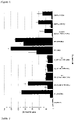
- Figure 1 shows the MMP activity of various fibres and their components.
- Multi component fibres according to the invention were prepared as follows.
- the dope solution was transferred in a 3 litre kier pressurized at 5Psi.
- the spinning was carried out at room temperature. Directly after the kier, the dope solution was pushed through a candle filter composed of viscose cloth. Then, the dope solution was pushed through a flexible hose to a mesh filter mounted in the spinneret before going through the spinneret.
- the spinneret had 500 holes of 750m diameter and the pump flow rate was set to 70L/hour over three spinnerets of 40,000 holes each with a hole diameter of 750m.
- the spin bath was a 10 litre bath of 5%(w/v) calcium chloride dehydrate in deionised water for the first run and a 10 litres bath of 5%(w/v) zinc chloride in deionised water for the second run. After leaving the coagulation bath, the formed filaments went through four different wash baths; each bath had a capacity of 10 litres.
- the first wash bath was a water bath where a draw ratio of 1:6 was applied, followed by a 25%(v/v) aqueous IDA (Industrial Denatured Alcohol) bath.
- the third wash bath was filled by a 50%(v/v) IDA aqueous solution and the fourth bath was a 75%(v/v) IDA aqueous bath.
- the final bath was 100% IDA in which the fibres were left for about 1 hour before being removed, squeezed by hand and dried in a fan oven at 40C.
- the baths were separated by godets which lead the filaments through the following baths and applied a stretch to the filaments.
- a draw ratio of 1.6 was targeted between the first godet (exit of the coagulation bath) and the second bath.
- Fibre diameter Sample Average Fibre Diameter (micron) Standard Deviation Fibres spun into CaCl 2 12.44 1.13 Fibres spun into ZnCl 2 15.66 1.73 Hydrofibre tow fibres 11.56 0.66 Alginate tow fibres 15.60 4.22
- This example shows the proteinase uptake of the fibres.
- Fibres manufactured with the method of Example 1 were observed under environmental scanning electron microscopy to investigate their gelling properties.
- the fibres were found to demonstrate moderate swelling and gelling, with some areas blending in during the hydration phase.
- the swelling ratio for the fibres spun into CaCl 2 is higher, at 2.3, than that of fibres spun into ZnCl2 (1.54).
- Fibres manufactured with the method of Example 1 were processed into a textile form.
- the fibres were cut into staple lengths of 55mm, opened manually using hand cards and carded using a pilot scale card of 500mm working width. They were then needle punched into a textile web, with the characteristics given in Table 5.
- the weight per unit area was measured gravimetrically by weighing a know size of sample.
- the moisture regain was measured gravimetrically, after a minimum of 24hours conditioning at 20 ⁇ 2°C ⁇ and 65 ⁇ 4%RH, and after drying for 4 hours at 105°C in a fan oven. Table 5.
- the absorbency and retention of the textile samples manufactured using the fibres spun into zinc chloride were measured using a BP recommended physiological solution as a hydrating medium.
- Absorbency is measured by weighing a known size of sample (typically 5cm x 5cm), hydrating with 20times its weight in the hydrating medium, incubating at 37°C for 30minutes, draining off excessive fluid by holding the sample with forceps for 30seconds, and weighing the hydrated and drained sample.
- Retention is measured by applying the weight equivalent to 40mmHg to the hydrated and drained sample after it has been weighed, leaving for 1minute and re-weighing. To assess further the fluid management capabilities, the ability of the material to prevent lateral spread was also evaluated.
- Fibres manufactured with the method of Example 1 were processed into a textile form in a 50% blend with Hydrofibre tow material, using a similar route as described in Example 4.
- the physical characteristics, and fluid handling characteristics, measured as per Example 4, are given in Table 7.
- Table 7. Physical and fluid handling characteristics of 50% blended fibres 50% Blended textile sample from fibres spun in CaCl 2 50% Blended textile sample from fibres spun in ZnCl 2 Weight per unit area 160.5gsm 134.1gsm Moisture regain 17.3% 16.8% Thickness 5.05mm 4.68mm Absorbency per weight of sample 17.7g/g 14.5g/g Absorbency per area of sample 0.271g/cm 2 0.248g/cm 2 Retention per weight of sample 9.3g/g 7.9g/g Retention per area of sample 0.151g/cm 2 0.135g/cm 2 Lateral wicking in the machine direction 1.5cm 1.9cm Lateral wicking in the transverse direction 1.5cm 1.7cm
- Multi component fibres according to the invention were manufactured in a wet spinning process similar to that described in Example 1 but on a smaller scale.
- the fibres had a range of ratios of components as shown below.
- the dope solution was pumped using a peristaltic pump at low flow rate (2.25ml/min) to a spinneret which spun fibres into a 5% calcium chloride coagulation bath.
- the fibres were collected in a bath of 50:50 IDA:water. They were then washed in 100% IDA before being air dryed in a fume hood.
- the capability of multicomponent fibres according to the invention to be formed into wound dressing was assessed along with the physical properties of the resulting dressing.
- a medium scale spinning rig was used to produce 80g of each type of fibre tow. The fibres were spun into either a calcium chloride bath or a zinc chloride bath. The resulting tow was opened, carded and needled in order to produce a nonwoven fabric. From each tow, two non woven pads were produced, one with 100% fibres according to the invention and one with 50% fibre according to the invention and 50% of Hydrofibre ® a carboxymethyl cellulose fibre produced from Lyocell and available in the product Aquacel (ex ConvaTec). The resulting pads were irradiated to evaluate any change in key physical properties.
- wet Spinning The wet spinning process was the same as that used in Example 1. Once the fibres had been washed they were cut, tied at one end and placed in a bath containing 100% IDA for 1 hour. The fibres were then squeezed and placed in an oven at 40C for an hour until dry.
- the dried fibres were cut to 55mm and opened manually using hand cards. They were carded using a pilot scale Automatex Model CA500 card with a 500mm working width, single swift, 3 pairs of workers and strippers and a single fancy roller. Four carded webs were produced.
- Needling was conducted on a pilot scale Garnett/Bywater Needleloom. The webs were folded either two or four fold to provide more bulk during needling.
- Irradiation The samples were gamma irradiated with a dose between 25-42kGy.
- the absorbency of the non woven (CaCl 2 ) material, in its unblended and blended form, is comparable (on a weight per weight basis), to AQUACEL ® .
- the absorbency of the samples spun into ZnCl 2 is slightly lower in general. There is little difference between irradiated and non-irradiated samples.
- the table below provides the absorbency results expressed in g/g.
- the blended fibres have slightly better retention than the pure multicomponent fibres, and overall, retention appears to be lower than AQUACEL ® .
- the results also indicate that irradiation results in a small drop in retention.
- the table below provides the retention results expressed as g/g. H F-201 0/078-2 100% Biointeractive fibres spun into CaCl 2 HF-20 10/079 100% Biointeractive fibres spun into ZnCl 2 H F-201 0/080 50% blend Biointeractive fibres spun into CaCl 2 H F-20 10/081 50% blend Biointeractive fibres spun into ZnCl 2.
- Non-irradiated N/A 6.0 (0.2) 9.3 (0.3) 7.9 (0.2) Irradiated 5.8 (0.4) 4.9 (0.6) 7.6 (0.3) 7.0 (0.2)
- the fibres that were spun into a bath containing calcium ions were more easily textiled than fibres spun into zinc ions.
- Example 7 The dressings produced in Example 7 were sprayed with silver and irradiated using the following method.
- Each dressing was passed through an ultrasonic spray of silver nitrate (5%) aqueous solution followed by an ultrasonic spray of sodium chloride (3%) aqueous solution.
- the dressing was exposed first to the silver solution for approximately 10 seconds then to the salt solution for approximately 10 seconds.
- the resulting dressing was dried using a forced air dryer for approximately 1 minute.
- the dressings were each irradiated using gamma irradiation at a dose of 31.4 kGy. All samples were visually equivalent once irradiated to those prior to irradiation.
- Example 7 To assess the ability of the dressings of Example 7 to modulate elastase a fluorescence assay was performed and data reported as activity of elastase remaining in the supernatant as a percentage of the positive control.
- dressings according to the invention perform well both initially and over two hours with the highest elastase level returning to 40% when testing HF2010/079.
- Dressing HF2010/078 performs best overall with approximately 90% reduction at T 0 and T 120.
- Overall calcium containing materials perform better over the course of the assay.
- nanoscale fibres were prepared from solutions of gelatin and pectin.
- the optimum conditions centre on a solids concentration of 25w/w% with gelatin to pectin ratios between 90/10 and 70/30 with a needle to collector distance of 10cm and a voltage of 20kV.
- Solutions for electrospinning were prepared in the following manner: A volume of 10ml of distilled water was measured out by weight and heated to a temperature of 45°C ( ⁇ 3°C) using a hot plate. The temperature of the water was periodically measured. The appropriate amount of gelatin and pectin were measured out by weight. Gelatin was dissolved in the water by adding small amounts of gelatin into the water at a time. The solution was agitated using a laboratory mixer with a rotation speed of 550rpm ( ⁇ 50rpm) until each amount dissolved. When the entire amount of gelatin was fully dissolved the pectin was added in the same manner. After dissolving the components, the solution was weighed and water added if evaporation had occurred. This ensured the final solution was at the specified concentration. When all the material was fully dissolved and mixed the solution was allowed to cool to room temperature before electrospinning. Solutions not in use were stored in a laboratory refrigerator at -5°C.
- the electrospinning equipment consisted of a high voltage power supply, syringe pump and a grounded collector. Solutions were loaded into a 5ml Luer lock glass syringe fitted with a 22G needle which has an internal diameter of 0.41mm and a needle length of 12mm. The syringe was mounted in a syringe pump, with flow rates from 0.1ml/min - 1ml/min. The syringe pump was used in a standard room temperature environment, or housed inside a temperature controlled enclosure box The high voltage was provided by a Glassman High Voltage Unit (0-30kV) with respect to ground. The voltage was measured on the needle using a high voltage probe and multi-meter. Samples are collected onto a flat electrode formed from aluminium foil.
Landscapes
- Engineering & Computer Science (AREA)
- Health & Medical Sciences (AREA)
- Chemical & Material Sciences (AREA)
- Animal Behavior & Ethology (AREA)
- Epidemiology (AREA)
- Life Sciences & Earth Sciences (AREA)
- General Health & Medical Sciences (AREA)
- Public Health (AREA)
- Veterinary Medicine (AREA)
- Materials Engineering (AREA)
- Textile Engineering (AREA)
- Mechanical Engineering (AREA)
- Hematology (AREA)
- Chemical Kinetics & Catalysis (AREA)
- General Chemical & Material Sciences (AREA)
- Dispersion Chemistry (AREA)
- Physics & Mathematics (AREA)
- Thermal Sciences (AREA)
- Artificial Filaments (AREA)
- Materials For Medical Uses (AREA)
- Medicinal Chemistry (AREA)
- Polymers & Plastics (AREA)
- Organic Chemistry (AREA)
- Yarns And Mechanical Finishing Of Yarns Or Ropes (AREA)
Description
- The present invention is directed at fibres and in particular the use thereof in wound dressings for the reduction of the damaging activity of wound exudate components such as protein degrading enzymes and inflammatory mediators in wounds and a method of preparing the fibres. The fibres are used particularly for the binding, sequestering or inhibiting of damaging components present in a chronic wound environment. The fibres are preferably multi component fibres comprising pectin and more preferably pectin and gelatin.
- The presence of inflammation-derived components, such as protein degrading enzymes (proteases), lipid mediators, and the like, in a wound environment can be detrimental, when in excess, to the progression of wound healing. There are two main classes of proteases, the matrix metalloproteinases (MMPs) and the elastases, which act in concert in order to be effective in breaking down body tissue. For example, the synthesis of new granulation tissue may be inhibited by elevated levels of enzymes which could impede the healing process. It has therefore been seen as desirable to reduce these elevated or excess levels of inflammation-derived components from the wound environment to enhance wound healing. Wound healing may be observed by visual improvement of the wound bed (new granulation tissue formation) and a reduction in wound size.
- In the past, a number of wound dressings were proposed with the aim of modulating protease in a wound. These dressings include Promogran™ (Systagenix Wound Management), a lyophilized collagen-oxidised regenerated cellulose composition in the form of a matrix sheet that gels on contact with wound exudate. It is however targeted only at MMPs. Biostep™ (Smith & Nephew), a collagen matrix wound dressing composed of collagen, sodium alginate, carboxyl methylcellulose, and ethylenediaminetetraacetic acid (EDTA) is in the form of a matrix sheet dressing and is also targeted at MMPs. Tegaderm™ Matrix (3M) which has as its active ingredients a mixture of metal salts which are claimed to modulate MMPs is in the form of a matrix sheet. Besides specificity to MMPs, all these dressings have limited fluid handling capability in comparison to fibre based dressings and particularly those based on Hydrofiber® such as AQUACEL® (ConvaTec Inc).
- In the art dressings are known that are either specific to one of the two major classes of proteinases known to be in chronic wounds and therefore are of limited effectiveness, or have limited fluid handling capability, or are dressing components in a form that presents practical difficulties, for example they are in powder form. Powders, if loose in the dressing, can fall out and need to be removed by irrigation of the wound. If contained in some kind of pocket in the dressing or used a separate pocketed component cannot be cut to fit the wound without encountering the problems of loose powder.
US2002012693A discloses a dressing said to have protease-lowering activity which is composed of a support matrix onto which peptide elastase inhibitors are incorporated by covalent bonding. The composition is targeted at elastase only.US2006142242A discloses a phosphate starch composition said to have both elastase and MMP sequestering capability but typically used in the form of a powder. Edwards et al (2007) "Human neutrophil elastase and collagenase sequestration with phosphorlyated cotton wound dressings" Cotton Chemistry Utilization, Journal of Biomedical Materials Research part A, also. disclosed a phosphorylated cotton composition with elastase and MMP lowering capability but applied to a simple cotton gauze.WO07137733A WO09068249A WO9610106 - It is therefore desirable to provide fibres able to reduce the damaging activity of a number wound exudate components, such as protein degrading enzymes and inflammatory mediators, in wounds and which either have inherent fluid management properties or can be processed into a wound dressing with suitable fluid management properties. Fibres based on pectin have now been made that are suitable for use in the treatment of wounds to alleviate the above problems.
- Accordingly there is provided by the present invention multi component fibres for the reduction of the damaging activity of wound exudate components such as protein degrading enzymes and inflammatory mediators in wounds, the fibres comprising: from 10% to 100 % by weight of the fibres of pectin and a sacrificial proteinaceous material in a weight ratio of 90:10 to 10:90 pectin to sacrificial proteinaceous material, wherein the pectin is low methoxy pectin with a methoxyl content lower than 15 %, or amidated pectin with a degree of esterification in a range from 10-30 % and a degree of amidation comprised between 10 and 30 %; and from 0 % to 90 % by weight of the fibres of another polysaccharide or a water soluble polymer, wherein the sacrificial proteinaceous material is selected from gelatin, collagen, whey, soy, casein or albumin.
- Suitably the fibres are able to reduce the level of damaging enzyme activity compared to a control by at least 25%, more suitably by at least 50% and preferably by at least 75% when measured by the MMP method as described in Example 2 and at T = 0.
- There is further provided by the present invention multi component pectin fibres capable of reducing the level of damaging enzyme activity in vitro by at least 25% when measured by the MMP method as described in Example 2 at T = 0.
- The fibres comprise a sacrificial proteinaceous material selected from gelatin, collagen, whey, soy albumin or casein. The function of sacrificial proteinaceous material when present is to maximally occupy the catalytic activities of the proteinases thereby reducing the proteinase activity against body proteins. Preferably the sacrificial proteinaceous material is gelatin.
- To improve the structural integrity of the fibres, they may comprise another polysaccharide such as alginate, chitosan or its derivatives or derivatives of cellulose, guar gum, xanthan gum, locust bean gum, dextrin, agar-agar, cellulose gum or other starch based material and to improve the fluid handling capabilites the fibres may comprise a water soluble polymer such as polyacrylate, polyester or polyamide. To improve the antibacterial function of the fibres they may comprise silver, gold and platinum or salts thereof and/or chelating agents such as EDTA or citric acid. The fibres may also comprise divalent ions such as calcium or zinc, magnesium, copper or iron and buffering agents or a humectant or surfactant to improve textiling such as polysorbate. Preferably the fibres comprise from 75% to 100% by weight of the fibres or more preferably 90% to 100% of pectin and a sacrificial proteinaceous material in a weight ratio of 90:10 to 10:90 pectin to sacrificial proteinaceous material. Preferably the weight ratio of pectin to sacrificial proteinaceous material in the fibres is from 90:10 to 30:70, or 80:20 to 50:50 and more preferably 70:30. In a second aspect of the present invention there is a wound dressing comprising multi component pectin fibres defined in the claims for use in the reduction of the damaging activity of wound exudate components such as protein degrading enzymes and inflammatory mediators in wounds.
- The wound dressings of the present invention may comprise other fibres in addition to the multi component pectin fibres such as cellulose or cellulose derivative fibres. The fibres may be present as a homogenous blend of multi component fibres with textile or gel forming fibres or may be present as a discrete layer in a wound dressing construct. The dressing may comprise from 10% to 100% by weight of multi component pectin fibres with 0% to 90% by weight of another gel forming fibre such as CMC fibre. Preferably the dressing may comprise from 25% to 75% by weight of multi component pectin fibres with 25% to 75% by weight of another gel forming fibre, more preferably the dressing comprises a 50% to 50% blend.
- Multi component pectin fibres suitable for use according to the present invention can be prepared by the following steps:
- (i) adding pectin and a sacrificial proteinaceous material to water to form a dope, wherein the pectin is low methoxy pectin with a methoxyl content lower than 15 %, or amidated pectin with a degree of esterification in a range from 10 to 30 % and a degree of amidation comprised between 10 and 30 % and wherein the sacrificial proteinaceous material is selected from gelatin, collagen, whey, soy, casein or albumin;
- (ii) forcing the dope through a spinneret;(iii) crosslinking with a source of ions to form fibres and
- (iv) drying the fibres.
- Preferably, the dope solution is prepared at a concentration from 2 to 11% (w/v) by dissolving pectin in hot water (40-80ºC) until a homogenous opaque mixture is obtained followed by cooling to room temperature and resting to stabilise the viscosity and remove air bubbles. Spinning to form the fibres may be done by conventional wet spinning which includes passing the dope through a spinneret into a coagulation bath which can be composed of divalent metal ions such as calcium chloride or zinc chloride at a concentration from 0.5 to 35%(w/v). Next, the obtained pectin fibres may be washed and stretched in a water bath. The fibres may be rinsed in a water miscible non-aqueous solvent such as acetone, IDA, isopropyl alcohol or propan-2-ol to remove any residual water from the fibre core and facilitate drying, followed by a drying step at a temperature generally below 120ºC.
- Alternatively electrospinning may be used to produce nanofibres for example fibres having a diameter of a few hundred namometers.
- Pectin suitable for use in the fibres or the preparation of fibres according to the invention is either low methoxy pectins with methoxyl content lower than 15%, or amidated pectin with a degree of esterification in a range from 10 to 30% and a degree of amidation comprised between 10 and 30%. The molecular weight of these pectins is preferably in a range of 30,000 and 85,000 daltons so as to optimise the required viscosity of the dope solution and the tensile strength properties of the fibres. Suitable pectin is that available commercially as GENU Pectin Type LM-104 AS-FS ex CP Kelco which is a pectin stabilised with sugar. Gelatin for use in the fibres or the preparation of fibres according to the invention is preferably of Type A gelatin. Suitable gelatin is that available commercially as porcine
Gelatin powder ex PB Leiner - As used herein the term fibre means both relatively short, discrete, randomly oriented material (sometimes known as staple fibre) and yarns made therefrom (sometimes known as staple yarn) and relatively long, structured, continuous filament yarn or continuous filament fibre. The fibres may have a staple length of 5mm to 70mm, usually 20mm to 50mm. The fibres may have a diameter in the nanometre to millimetre range.
- The invention is illustrated by the following drawings in which
Figure 1 shows the MMP activity of various fibres and their components. - The invention is further illustrated in the following examples:
- Multi component fibres according to the invention were prepared as follows.
- 9 litres of 8%(w/v) gelatin:pectin (30:70) dope solution were prepared. 216g of gelatin powder was slowly added under stirring and homogenising in deionised water previously heated at 40ºC. The solution was left to mix by a scraper and a homogeniser during 30 minutes at 40ºC. Then, 504g of pectin powder was slowly added using the same method as the gelatin and the mixture was left to stir and homogenise for a further 30 minutes. When the solution was homogeneous, the stirring was stopped and vacuum was applied to the solution for 5 minutes at about 0.2bar pressure in order to remove excess air from the mixture. The solution was left to cool and settle for about 24 hours.
- The dope solution was transferred in a 3 litre kier pressurized at 5Psi. The spinning was carried out at room temperature. Directly after the kier, the dope solution was pushed through a candle filter composed of viscose cloth. Then, the dope solution was pushed through a flexible hose to a mesh filter mounted in the spinneret before going through the spinneret. The spinneret had 500 holes of 750m diameter and the pump flow rate was set to 70L/hour over three spinnerets of 40,000 holes each with a hole diameter of 750m. The spin bath was a 10 litre bath of 5%(w/v) calcium chloride dehydrate in deionised water for the first run and a 10 litres bath of 5%(w/v) zinc chloride in deionised water for the second run. After leaving the coagulation bath, the formed filaments went through four different wash baths; each bath had a capacity of 10 litres. The first wash bath was a water bath where a draw ratio of 1:6 was applied, followed by a 25%(v/v) aqueous IDA (Industrial Denatured Alcohol) bath. The third wash bath was filled by a 50%(v/v) IDA aqueous solution and the fourth bath was a 75%(v/v) IDA aqueous bath. The final bath was 100% IDA in which the fibres were left for about 1 hour before being removed, squeezed by hand and dried in a fan oven at 40C. The baths were separated by godets which lead the filaments through the following baths and applied a stretch to the filaments. A draw ratio of 1.6 was targeted between the first godet (exit of the coagulation bath) and the second bath.
- Both spinning runs into calcium and into zinc provided filaments that were soft and strong enough to be processed into wound dressings. The fibres were physically comparable to other fibres used in wound dressings in terms of strength and diameter. Tables 1 and 2 show details of strength measured by BSEN ISO 5079, 1996 and diameter measured by SEM and image analysis tool.
Table 1. Fibre strength Sample Average Max Force (cN/ fibre) Average Extension (%) Fibres spun into CaCl2 3.1 (3.6) 9.0 (4.7) Fibres spun into ZnCl2 4.0 (2.6) 12.6 (5.1) Hydrofibre tow fibres 5.9 (2.8) 10.0 (2.9) Alginate tow fibres 4.6 (0.9) 11.8 (4.6) Note: Numbers in brackets are the standard deviations. Table 2. Fibre diameter Sample Average Fibre Diameter (micron) Standard Deviation Fibres spun into CaCl2 12.44 1.13 Fibres spun into ZnCl2 15.66 1.73 Hydrofibre tow fibres 11.56 0.66 Alginate tow fibres 15.60 4.22 - This example shows the proteinase uptake of the fibres.
- Nine milligram samples of the various fibres were placed in 7 ml vials and to these
samples 40 µl of pre-prepared MMP solution was added. These samples were left to stand for 2-3 minutes to ensure that the enzyme was completely taken up by the material. To these hydrated samples 960 µl of MMP assay reaction buffer was added and the sample were mixed gently by hand. After a further 2-3 minutes 2 x 90 µl samples were removed from the vials and transferred to individual wells of a multiwell plate for later analysis (T0). The vials containing the samples were left to stand for 2 hours at room temperature after which a further 2 x 90 µl samples were removed and processed as above (T120). Twenty microlitres of pre-prepared DQ gelatin was added to each well of the multiplate plate (T0 and T120 plates) and the change in levels of fluorescence was measured over a period of approximately 30 minutes using a Tecan F200 multiwell plate spectrophotometer. The percentage reduction in MMP activity present in the sample-containing vials was calculated from the level of fluorescence detected. - Appropriate positive and negative controls as well as blank samples were prepared and run in parallel.
- The level of MMP activity at the T = 0 time point for all four runs of the multi component fibre is roughly comparable with that of Aquacel®. However an improvement is observed for the T = 120 minute time point particularly in those fibres containing zinc. This suggests that the effect of MMP modulation is longer lasting in the fibres of the invention. Reduction in MMP activity is superior to CMC tow and Kaltostat tow at both time points. The results are shown in Table 3 (
Figure 1 ) - These results show the broad spectrum reduction of damaging activity of wound exudate components provided by the fibres of this invention.
- Fibres manufactured with the method of Example 1 were observed under environmental scanning electron microscopy to investigate their gelling properties. The fibres were found to demonstrate moderate swelling and gelling, with some areas blending in during the hydration phase. The swelling ratio for the fibres spun into CaCl2 is higher, at 2.3, than that of fibres spun into ZnCl2 (1.54).
- Fibres manufactured with the method of Example 1 were processed into a textile form. The fibres were cut into staple lengths of 55mm, opened manually using hand cards and carded using a pilot scale card of 500mm working width. They were then needle punched into a textile web, with the characteristics given in Table 5. The weight per unit area was measured gravimetrically by weighing a know size of sample. The moisture regain was measured gravimetrically, after a minimum of 24hours conditioning at 20±2°C± and 65±4%RH, and after drying for 4 hours at 105°C in a fan oven.
Table 5. Physical characteristics of 100% pectin/gelatin textile samples Textile sample from fibres spun in CaCl2 Textile sample from fibres spun in ZnCl2 Weight per unit area Sample 1: 34.20gsm 269.07gsm Sample 2: 119.20gsm Moisture regain Sample 2: 18.9% 18.4% Thickness Sample 1: 1.27mm 5.05mm Sample 2: 3.69mm - The absorbency and retention of the textile samples manufactured using the fibres spun into zinc chloride were measured using a BP recommended physiological solution as a hydrating medium. Absorbency is measured by weighing a known size of sample (typically 5cm x 5cm), hydrating with 20times its weight in the hydrating medium, incubating at 37°C for 30minutes, draining off excessive fluid by holding the sample with forceps for 30seconds, and weighing the hydrated and drained sample. Retention is measured by applying the weight equivalent to 40mmHg to the hydrated and drained sample after it has been weighed, leaving for 1minute and re-weighing. To assess further the fluid management capabilities, the ability of the material to prevent lateral spread was also evaluated. This was done by immersing a 1.5cm wide strip by 1cm (along a marked line) into a BP recommended physiological solution (solution A) containing Eosin dye for 1 minute. After the minute, the sample is removed and the distance of fluid movement from the marked line is measured. The absorbency, retention and lateral wicking of the material produced are given in Table 6.
Table 6. Fluid management properties of 100% pectin/gelatin textile samples Textile sample from fibres spun in ZnCl2 Absorbency per weight of sample 11.5g/g Absorbency per area of sample 0.325g/cm2 Retention per weight of sample 6.0g/g Retention per area of sample 0.170g/cm2 Lateral wicking in the machine direction 3.7cm Lateral wicking in the transverse direction 3.6cm - Fibres manufactured with the method of Example 1 were processed into a textile form in a 50% blend with Hydrofibre tow material, using a similar route as described in Example 4. The physical characteristics, and fluid handling characteristics, measured as per Example 4, are given in Table 7.
Table 7. Physical and fluid handling characteristics of 50% blended fibres 50% Blended textile sample from fibres spun in CaCl2 50% Blended textile sample from fibres spun in ZnCl2 Weight per unit area 160.5gsm 134.1gsm Moisture regain 17.3% 16.8% Thickness 5.05mm 4.68mm Absorbency per weight of sample 17.7g/g 14.5g/g Absorbency per area of sample 0.271g/cm2 0.248g/cm2 Retention per weight of sample 9.3g/g 7.9g/g Retention per area of sample 0.151g/cm2 0.135g/cm2 Lateral wicking in the machine direction 1.5cm 1.9cm Lateral wicking in the transverse direction 1.5cm 1.7cm - These results show the advantage of the fibres according to the invention which can be processed along with conventional dressing fibres to give a dressing having the combined advantages of good fluid handling characteristics and the reduction of damaging activity of wound components.
- Multi component fibres according to the invention were manufactured in a wet spinning process similar to that described in Example 1 but on a smaller scale. The fibres had a range of ratios of components as shown below.
Ratio Fibre Component 10:90 Gelatin : Pectin 15:70:15 Gelatin: Pectin: CMC powder 15:70:15 Gelatin: Pectin: Alginate - Preparation of Dope Solutions:
300ml of 8% solids solutions were prepared for each component by heating 288ml of deionized water to 40C on a stirrer hot plate. The gelatin was added slowly with stirring and once fully integrated the other components were added, pectin being added last. The whole was slowly mixed and homogenised until the solids had all dissolved and the solutions were left to cool overnight.Matrix of Weights Required (g) Gelatin Pectin Alginate CMC DI Water 2.4 21.6 - - 288ml 3.6 16.8 - 3.6 288ml 3.6 16.8 3.6 - 288ml - The dope solution was pumped using a peristaltic pump at low flow rate (2.25ml/min) to a spinneret which spun fibres into a 5% calcium chloride coagulation bath. The fibres were collected in a bath of 50:50 IDA:water. They were then washed in 100% IDA before being air dryed in a fume hood.
- All spinning runs provided filaments that were soft and strong enough to be processed into wound dressings.
- In this example the capability of multicomponent fibres according to the invention to be formed into wound dressing was assessed along with the physical properties of the resulting dressing. A medium scale spinning rig was used to produce 80g of each type of fibre tow. The fibres were spun into either a calcium chloride bath or a zinc chloride bath. The resulting tow was opened, carded and needled in order to produce a nonwoven fabric. From each tow, two non woven pads were produced, one with 100% fibres according to the invention and one with 50% fibre according to the invention and 50% of Hydrofibre® a carboxymethyl cellulose fibre produced from Lyocell and available in the product Aquacel (ex ConvaTec). The resulting pads were irradiated to evaluate any change in key physical properties.
- Wet Spinning: The wet spinning process was the same as that used in Example 1. Once the fibres had been washed they were cut, tied at one end and placed in a bath containing 100% IDA for 1 hour. The fibres were then squeezed and placed in an oven at 40C for an hour until dry.
- Observations: The fibres spun well into the calcium chloride coagulation bath and the fibres once dry were very soft, easily separated and were white/cream in colour. Some problems were experienced with the zinc coagulation bath in that some of the zinc precipitated out of the solution and there was some slackness in the fibre as it emerged from the spinneret. Fibres were produced however, which were soft and off white/ slightly tan in colour.
- Textiling of the Fibres: The dried fibres were cut to 55mm and opened manually using hand cards. They were carded using a pilot scale Automatex Model CA500 card with a 500mm working width, single swift, 3 pairs of workers and strippers and a single fancy roller. Four carded webs were produced.
- Needling: Needling was conducted on a pilot scale Garnett/Bywater Needleloom. The webs were folded either two or four fold to provide more bulk during needling.
- The resulting products were referenced as follows:
- HF-2010/078-2: 100% Biointeractive fibres spun into
CaCl2 2nd trial (folded 4 times) - HF-2010/079: 100% Biointeractive fibres spun into ZnC12 (folded 4 times)
- HF-2010/080: 50% Biointeractive fibres spun into CaCl2 with 50% Hydrofiber® (folded twice only)
- HF-2010/081: 50% Biointeractive fibres spun into ZnCl2with 50% Hydrofiber® (folded twice only)
- Irradiation: The samples were gamma irradiated with a dose between 25-42kGy.
- Summary: The absorbency of the non woven (CaCl2) material, in its unblended and blended form, is comparable (on a weight per weight basis), to AQUACEL ®. The absorbency of the samples spun into ZnCl2 is slightly lower in general. There is little difference between irradiated and non-irradiated samples. The table below provides the absorbency results expressed in g/g.
H F-201 0/078-2 100% Biointeractive fibres spun into CaCl2 H F-20 10/079 100% Biointeractive fibres spun into ZnCl2 H F-201 0/080 50% blend Biointeractive fibres spun into CaCl2 H F-20 10/081 50% blend Biointeractive fibres spun into ZnCl2 Non-irradiated N/A 11.5 (0.5) 17.7 (3.7) 14.5 (0.5) Irradiated 17.2 (1.2) 11.7 (0.7) 18.0 (0.9) 15.0 (0.2) - Summary: The blended fibres have slightly better retention than the pure multicomponent fibres, and overall, retention appears to be lower than AQUACEL®. The results also indicate that irradiation results in a small drop in retention. The table below provides the retention results expressed as g/g.
H F-201 0/078-2 100% Biointeractive fibres spun into CaCl2 HF-20 10/079 100% Biointeractive fibres spun into ZnCl2 H F-201 0/080 50% blend Biointeractive fibres spun into CaCl2 H F-20 10/081 50% blend Biointeractive fibres spun into ZnCl2. Non-irradiated N/A 6.0 (0.2) 9.3 (0.3) 7.9 (0.2) Irradiated 5.8 (0.4) 4.9 (0.6) 7.6 (0.3) 7.0 (0.2) - This example has provided the proof of principle that the calcium- and zinc-spun fibres according to the invention can be manufactured into a textile form, with attractive fluid management properties. The trial has confirmed that the fibres according to the invention are strong enough to be successfully manufactured into a non woven either as a 100% material or as a blended material with Hydrofiber®.
- The fibres that were spun into a bath containing calcium ions were more easily textiled than fibres spun into zinc ions.
- The dressings produced in Example 7 were sprayed with silver and irradiated using the following method.
- Each dressing was passed through an ultrasonic spray of silver nitrate (5%) aqueous solution followed by an ultrasonic spray of sodium chloride (3%) aqueous solution. The dressing was exposed first to the silver solution for approximately 10 seconds then to the salt solution for approximately 10 seconds. The resulting dressing was dried using a forced air dryer for approximately 1 minute.
- The dressings were each irradiated using gamma irradiation at a dose of 31.4 kGy. All samples were visually equivalent once irradiated to those prior to irradiation.
- To assess the ability of the dressings of Example 7 to modulate elastase a fluorescence assay was performed and data reported as activity of elastase remaining in the supernatant as a percentage of the positive control.
- Testing was performed using an EnzCheck Elastase Assay kit following this method. Nine milligram samples of the various fibres were placed in 7 ml vials and to these
samples 40 µl of pre-prepared elastase solution was added. These samples were left to stand for 2-3 minutes to ensure that the enzyme was completely taken up by the material. To these hydrated samples 960 µl of elastase assay reaction buffer was added and the sample were mixed gently by hand to ensure. After a further 2-3 minutes 2 x 20 µl samples were removed from the vials and transferred to individual wells of a multiwell plate for later analysis (T0). The vials containing the samples were left to stand for 2 hours at room temperature after which a further 2 x 20 µl samples were removed and processed as above (T120). Ninety microlitres of elastase assay reaction buffer was added to each well of the multiwell plate to bring the final volume to 110 µl. - Forty microlitres of pre-prepared DQ elastin was added to each well of the multiplate plate (T0 and T120 plates) and the change in levels of fluorescence was measured over a period of approximately 30 minutes using a Tecan F200 multiwell plate spectrophotometer. The percentage reduction in elastase activity present in the sample-containing vials was calculated from the level of fluorescence detected.
- Appropriate positive and negative controls as well as blank samples were prepared and run in parallel. This therefore shows the dressings ability to modulate elastase activity.
Sample % remaining activity at To Standard Deviation % remaining activity at T120 Standard Deviation Negative 6.2 9.42 -23.1 28.7 HF2010/078 7.9 5.29 6.5 12.66 HF2010/079 15.4 12.3 42.6 6.44 HF2010/080 9.2 5.82 -8.0 15.88 HF2010/081 16.4 0.46 13.2 20.14 - All of the dressings according to the invention perform well both initially and over two hours with the highest elastase level returning to 40% when testing HF2010/079. Dressing HF2010/078 performs best overall with approximately 90% reduction at T0 and T120. Overall calcium containing materials perform better over the course of the assay.
- To assess the ability of the dressings to modulate MMP, a fluorescence assay was performed and data reported as activity of MMP remaining in the supernatant as a percentage of the positive control. The method followed was that of Example 2 which gave the following results:
Sample % remaining activity at T0 Standard Deviation % remaining activity at T120 Standard Deviation Negative 1.2 0.18 1.2 1.2 HF2010/078 4.5 2.75 69.7 9.36 HF2010/079 5.4 1.74 9.9 4.64 HF2010/080 3.8 1.61 90.3 10.6 HF2010/081 1.8 0.16 11.9 3.77 - In this example, nanoscale fibres were prepared from solutions of gelatin and pectin. The optimum conditions centre on a solids concentration of 25w/w% with gelatin to pectin ratios between 90/10 and 70/30 with a needle to collector distance of 10cm and a voltage of 20kV.
- Solutions for electrospinning were prepared in the following manner: A volume of 10ml of distilled water was measured out by weight and heated to a temperature of 45°C (±3°C) using a hot plate. The temperature of the water was periodically measured. The appropriate amount of gelatin and pectin were measured out by weight. Gelatin was dissolved in the water by adding small amounts of gelatin into the water at a time. The solution was agitated using a laboratory mixer with a rotation speed of 550rpm (±50rpm) until each amount dissolved. When the entire amount of gelatin was fully dissolved the pectin was added in the same manner. After dissolving the components, the solution was weighed and water added if evaporation had occurred. This ensured the final solution was at the specified concentration. When all the material was fully dissolved and mixed the solution was allowed to cool to room temperature before electrospinning. Solutions not in use were stored in a laboratory refrigerator at -5°C.
- The electrospinning equipment consisted of a high voltage power supply, syringe pump and a grounded collector. Solutions were loaded into a 5ml Luer lock glass syringe fitted with a 22G needle which has an internal diameter of 0.41mm and a needle length of 12mm. The syringe was mounted in a syringe pump, with flow rates from 0.1ml/min - 1ml/min. The syringe pump was used in a standard room temperature environment, or housed inside a temperature controlled enclosure box The high voltage was provided by a Glassman High Voltage Unit (0-30kV) with respect to ground. The voltage was measured on the needle using a high voltage probe and multi-meter. Samples are collected onto a flat electrode formed from aluminium foil.
- The results indicate that electrospinning a combination of gelatin/pectin is possible at a total solid concentration between 15%wt and 30%wt at a gelatin to pectin ratio of 90/10 at elevated temperatures. Spinning solutions with a gelatin/pectin ratio of 70/30 was possible at concentrations of 15%wt - 25%wt. As the solution viscosity increased with increasing concentration or increasing pectin to gelatin ratio, higher voltages above 15kV were employed in order to allow the electrospinning process to occur.
Claims (11)
- Multi component fibres for the reduction of the damaging activity of wound exudate components such as protein degrading enzymes and inflammatory mediators in wounds, the fibres comprising:from 10% to 100% by weight of the fibres of pectin and a sacrificial proteinaceous material in a weight ratio of 90:10 to 10:90 pectin to sacrificial proteinaceous material, wherein the pectin is low methoxy pectin with a methoxyl content lower than 15%, or amidated pectin with a degree of esterification in a range from 10 to 30% and a degree of amidation comprised between 10 and 30%; andfrom 0% to 90% by weight of the fibres of another polysaccharide or a water soluble polymer, wherein the sacrificial proteinaceous material is selected from gelatin, collagen, whey, soy, casein or albumin.
- Multi component fibres as claimed in claim 1, wherein the fibres comprise 75% to 100% by weight of the fibres of pectin and a sacrificial proteinaceous material in a weight ratio of 90:10 to 10:90 pectin to sacrificial proteinaceous material.
- Multi component fibres as claimed in claim 1 or claim 2, wherein the fibres comprise 90% to 100% by weight of the fibres of pectin and a sacrificial proteinaceous material in a weight ratio of 90:10 to 10:90 pectin to sacrificial proteinaceous material.
- Multi component fibres as claimed in any preceding claim, wherein the weight ratio of pectin to sacrificial proteinaceous material in the fibres is from 80:20 to 60:40 more preferably 70:30.
- Multi component fibres as claimed in any preceding claim, wherein the pectin has a molecular weight in the range of 30,000 to 85,000 daltons.
- A wound dressing comprising the multi component fibres of any preceding claim.
- A wound dressing as claimed in claim 6, for use in the reduction of the damaging activity of wound exudate components such as protein degrading enzymes and inflammatory mediators in wounds.
- A wound dressing as claimed in claim 6 or claim 7, wherein the dressing comprises from 10% to 100% by weight of multi component pectin fibres with 0% to 90% by weight of another gel forming fibre.
- A method of preparing multi component pectin fibres according to any of claims 1-5, the method comprising the following steps:(i) adding pectin and a sacrificial proteinaceous material to water to form a dope, wherein the pectin is low methoxy pectin with a methoxyl content lower than 15%, or amidated pectin with a degree of esterification in a range from 10 to 30% and a degree of amidation comprised between 10 and 30% and wherein the sacrificial proteinaceous material is selected from gelatin, collagen, whey, soy, casein or albumin;(ii) forcing the dope through a spinneret;(iii) crosslinking with a source of ions to form fibres and(iv) drying the fibres.
- A method as claimed in claim 9, wherein the sacrificial proteinaceous material is gelatin.
- A method of preparing multi component pectin fibres comprising the following steps:(i) adding pectin and a sacrificial proteinaceous material to water to form a
dope, wherein the pectin is low methoxy pectin with a methoxyl content lower than 15%, or amidated pectin with a degree of esterification in a range from 10 to 30% and a degree of amidation comprised between 10 and 30% and wherein the sacrificial proteinaceous material is selected from gelatin, collagen, whey, soy, casein or albumin; and(ii) forcing the dope through a spinneret while inducing a voltage between the spinneret and a collector plate in a temperature controlled environment.
Priority Applications (1)
| Application Number | Priority Date | Filing Date | Title |
|---|---|---|---|
| EP22189559.2A EP4104869A1 (en) | 2010-07-22 | 2011-07-22 | Fibres, a process for producing such fibres and a wound dressing incorporating them |
Applications Claiming Priority (2)
| Application Number | Priority Date | Filing Date | Title |
|---|---|---|---|
| GBGB1012333.9A GB201012333D0 (en) | 2010-07-22 | 2010-07-22 | Fibres, a process for producing such fibres and a wound dressing incorporating them |
| PCT/GB2011/001102 WO2012010848A1 (en) | 2010-07-22 | 2011-07-22 | Fibres, a process for producing such fibres and a wound dressing incorporating them |
Related Child Applications (2)
| Application Number | Title | Priority Date | Filing Date |
|---|---|---|---|
| EP22189559.2A Division EP4104869A1 (en) | 2010-07-22 | 2011-07-22 | Fibres, a process for producing such fibres and a wound dressing incorporating them |
| EP22189559.2A Division-Into EP4104869A1 (en) | 2010-07-22 | 2011-07-22 | Fibres, a process for producing such fibres and a wound dressing incorporating them |
Publications (2)
| Publication Number | Publication Date |
|---|---|
| EP2595668A1 EP2595668A1 (en) | 2013-05-29 |
| EP2595668B1 true EP2595668B1 (en) | 2022-09-14 |
Family
ID=42752650
Family Applications (2)
| Application Number | Title | Priority Date | Filing Date |
|---|---|---|---|
| EP11746600.3A Active EP2595668B1 (en) | 2010-07-22 | 2011-07-22 | Fibres, a process for producing such fibres and a wound dressing incorporating them |
| EP22189559.2A Withdrawn EP4104869A1 (en) | 2010-07-22 | 2011-07-22 | Fibres, a process for producing such fibres and a wound dressing incorporating them |
Family Applications After (1)
| Application Number | Title | Priority Date | Filing Date |
|---|---|---|---|
| EP22189559.2A Withdrawn EP4104869A1 (en) | 2010-07-22 | 2011-07-22 | Fibres, a process for producing such fibres and a wound dressing incorporating them |
Country Status (12)
| Country | Link |
|---|---|
| US (2) | US20160121013A1 (en) |
| EP (2) | EP2595668B1 (en) |
| JP (1) | JP5893022B2 (en) |
| AU (1) | AU2011281386B2 (en) |
| CA (1) | CA2806142C (en) |
| DK (1) | DK2595668T3 (en) |
| ES (1) | ES2932437T3 (en) |
| GB (1) | GB201012333D0 (en) |
| MX (1) | MX349595B (en) |
| NZ (1) | NZ606359A (en) |
| PL (1) | PL2595668T3 (en) |
| WO (1) | WO2012010848A1 (en) |
Families Citing this family (4)
| Publication number | Priority date | Publication date | Assignee | Title |
|---|---|---|---|---|
| ES2968013T3 (en) | 2016-03-30 | 2024-05-06 | Convatec Technologies Inc | Modified wound dressings |
| US10912858B2 (en) * | 2017-05-01 | 2021-02-09 | The Brigham And Women's Hospital, Inc. | Pectin-carboxymethylcellulose mesothelial sealants and protectants |
| DE102017006025A1 (en) * | 2017-06-27 | 2018-12-27 | Carl Freudenberg Kg | Hydrogel-forming multicomponent fiber |
| US20220280681A1 (en) * | 2019-09-25 | 2022-09-08 | 3M Innovative Properties Company | Wound dressing material and methods of making and using the same |
Citations (1)
| Publication number | Priority date | Publication date | Assignee | Title |
|---|---|---|---|---|
| WO1996010106A1 (en) * | 1994-09-29 | 1996-04-04 | Innovative Technologies Limited | Fibres |
Family Cites Families (17)
| Publication number | Priority date | Publication date | Assignee | Title |
|---|---|---|---|---|
| US3249109A (en) * | 1963-11-01 | 1966-05-03 | Maeth Harry | Topical dressing |
| BR9602931A (en) * | 1995-06-30 | 1998-04-28 | Praxair Technology Inc | Anisotropic fluid separation hollow fiber membrane and apparatus for producing hollow fiber membranes |
| DE69705303T2 (en) * | 1996-04-12 | 2002-04-25 | Bristol-Myers Squibb Co., New York | COMPOSITE FIBERS, Wound Bandages Containing SUCH FIBERS AND METHOD FOR THE PRODUCTION THEREOF |
| US6627785B1 (en) * | 2000-02-29 | 2003-09-30 | Virginia Commwealth University | Wound dressings with protease-lowering activity |
| GB0017080D0 (en) | 2000-07-12 | 2000-08-30 | Bristol Myers Squibb Co | Multi layered wound dresssing |
| US20020142992A1 (en) * | 2001-03-28 | 2002-10-03 | Scherr George H. | Cellulosic foam compositions |
| US20060189516A1 (en) * | 2002-02-19 | 2006-08-24 | Industrial Technology Research Institute | Method for producing cross-linked hyaluronic acid-protein bio-composites |
| US20040120993A1 (en) * | 2002-12-20 | 2004-06-24 | Guanghui Zhang | Hemostatic wound dressing and fabric and methods of making and using same |
| US20040101546A1 (en) * | 2002-11-26 | 2004-05-27 | Gorman Anne Jessica | Hemostatic wound dressing containing aldehyde-modified polysaccharide and hemostatic agents |
| US7297305B2 (en) * | 2004-04-08 | 2007-11-20 | Research Triangle Institute | Electrospinning in a controlled gaseous environment |
| RU2007124639A (en) | 2004-11-30 | 2009-01-10 | ТИШЬЮ ТЕКНОЛОДЖИЗ, Эл Эл Си (US) | STARCH DERIVATIVES AND OTHER DERIVATIVES, METHODS FOR THEIR PRODUCTION AND APPLICATION FOR HEALING OF RAS |
| WO2007112446A2 (en) * | 2006-03-28 | 2007-10-04 | University Of Washington | Alginate-based nanofibers and related scaffolds |
| DE102006024748A1 (en) | 2006-05-26 | 2007-11-29 | Paul Hartmann Ag | Protease inhibitor for wound treatment |
| DE102007011606A1 (en) * | 2007-03-02 | 2008-09-04 | Carl Freudenberg Kg | Fiber-tangled structure useful as cell settling material, wound covering, medical implant and carriers for pharmaceutical active substance and for producing depot medicament, comprises fibers made of partially interlaced gelatin material |
| US20110054375A1 (en) | 2007-11-27 | 2011-03-03 | Hans Smola | Dressing comprising polyacrylate particles and use thereof |
| US7799261B2 (en) * | 2007-11-30 | 2010-09-21 | Cook Incorporated | Needle-to-needle electrospinning |
| WO2010127119A2 (en) * | 2009-04-29 | 2010-11-04 | The Regents Of The University Of Michigan | Multiphasic microfibers for spatially guided cell growth |
-
2010
- 2010-07-22 GB GBGB1012333.9A patent/GB201012333D0/en not_active Ceased
-
2011
- 2011-07-22 CA CA2806142A patent/CA2806142C/en active Active
- 2011-07-22 AU AU2011281386A patent/AU2011281386B2/en not_active Ceased
- 2011-07-22 PL PL11746600.3T patent/PL2595668T3/en unknown
- 2011-07-22 US US13/811,483 patent/US20160121013A1/en not_active Abandoned
- 2011-07-22 ES ES11746600T patent/ES2932437T3/en active Active
- 2011-07-22 EP EP11746600.3A patent/EP2595668B1/en active Active
- 2011-07-22 WO PCT/GB2011/001102 patent/WO2012010848A1/en not_active Ceased
- 2011-07-22 JP JP2013520204A patent/JP5893022B2/en not_active Expired - Fee Related
- 2011-07-22 DK DK11746600.3T patent/DK2595668T3/en active
- 2011-07-22 MX MX2013000895A patent/MX349595B/en active IP Right Grant
- 2011-07-22 EP EP22189559.2A patent/EP4104869A1/en not_active Withdrawn
- 2011-07-22 NZ NZ60635911A patent/NZ606359A/en not_active IP Right Cessation
-
2021
- 2021-11-09 US US17/522,126 patent/US11878083B2/en active Active
Patent Citations (1)
| Publication number | Priority date | Publication date | Assignee | Title |
|---|---|---|---|---|
| WO1996010106A1 (en) * | 1994-09-29 | 1996-04-04 | Innovative Technologies Limited | Fibres |
Also Published As
| Publication number | Publication date |
|---|---|
| EP2595668A1 (en) | 2013-05-29 |
| US11878083B2 (en) | 2024-01-23 |
| PL2595668T3 (en) | 2023-01-09 |
| CA2806142A1 (en) | 2012-01-26 |
| MX2013000895A (en) | 2013-02-27 |
| NZ606359A (en) | 2015-03-27 |
| CA2806142C (en) | 2019-10-29 |
| AU2011281386A1 (en) | 2013-02-21 |
| US20160121013A1 (en) | 2016-05-05 |
| EP4104869A1 (en) | 2022-12-21 |
| GB201012333D0 (en) | 2010-09-08 |
| DK2595668T3 (en) | 2022-11-14 |
| MX349595B (en) | 2017-08-04 |
| ES2932437T3 (en) | 2023-01-19 |
| US20220096704A1 (en) | 2022-03-31 |
| WO2012010848A1 (en) | 2012-01-26 |
| AU2011281386B2 (en) | 2015-12-10 |
| JP2013538596A (en) | 2013-10-17 |
| JP5893022B2 (en) | 2016-03-23 |
Similar Documents
| Publication | Publication Date | Title |
|---|---|---|
| US11878083B2 (en) | Fibres, a process for producing such fibres and a wound dressing incorporating them | |
| Akturk et al. | Wet electrospun silk fibroin/gold nanoparticle 3D matrices for wound healing applications | |
| RU2468129C2 (en) | Biopolymeric fibre, composition of forming solution for its obtaining, method of forming solution preparation, linen of biomedical purpose, biological bandage and method of wound treatment | |
| EP2695622B1 (en) | A chitosan wound dressing and its method of manufacturing | |
| Gupta et al. | Textile-based smart wound dressings | |
| Naseri et al. | Electrospun chitosan-based nanocomposite mats reinforced with chitin nanocrystals for wound dressing | |
| CN106729936B (en) | Carbon quantum dot/nano-silver alginate dressing and preparation method and application thereof | |
| CN101861173B (en) | Bioresorbable nonwoven fabric made of gelatin | |
| WO2008010199A2 (en) | A nanofibre product | |
| CN1502375A (en) | hemostatic wound dressing containing aldehyde-modified polysaccharide and hemostatic agents | |
| CZ304651B6 (en) | Process for preparing microfibers, process for preparing wound covers, wound covers per se and apparatus for preparing polysachharide fibers | |
| Shankar et al. | Electrospinning of soy protein fibers and their compatibility with synthetic polymers | |
| CN107469131A (en) | A kind of calcium alginate biology based composite dressing for medical use and preparation method thereof | |
| Ahmadi et al. | Optimizing wound healing: Examining the influence of biopolymers through a comprehensive review of nanohydrogel-embedded nanoparticles in advancing regenerative medicine | |
| Hosseini Ravandi et al. | Application of electrospun natural biopolymer nanofibers | |
| Heidari et al. | Evaluation of sodium alginate sponge infused bromelain spray and Helichrysum italicum nanoemulsion to accelerate wound healing | |
| CN102159764A (en) | Use of lyocell fibers and items comprising lyocell fibers | |
| CN108939136B (en) | A kind of dressing for nose filling and hemostasis and preparation method thereof | |
| JP2660255B2 (en) | Alginate fiber, method for producing the same, and product thereof | |
| CN113384736B (en) | Pullulan-zinc oxide hybrid nanofiber/bacterial cellulose composite functional dressing and preparation method thereof | |
| Aktürk et al. | Fabrication and characterization of polyvinyl alcohol/gelatin/silver nanoparticle nanocomposite materials | |
| CN104922719B (en) | Preparation method for nano-silver anti-bacterial soluble gauze not loaded with silver chloride | |
| Gavel et al. | Antibacterial efficacy of a peptide co-assembled hydrogel matrix for wound care | |
| CN106421867A (en) | Antibacterial calcium alginate dressing containing nanogold | |
| Lu et al. | Preparation and characterization of silk fibroin based antibacterial biotextiles as wound dressing |
Legal Events
| Date | Code | Title | Description |
|---|---|---|---|
| PUAI | Public reference made under article 153(3) epc to a published international application that has entered the european phase |
Free format text: ORIGINAL CODE: 0009012 |
|
| 17P | Request for examination filed |
Effective date: 20130213 |
|
| AK | Designated contracting states |
Kind code of ref document: A1 Designated state(s): AL AT BE BG CH CY CZ DE DK EE ES FI FR GB GR HR HU IE IS IT LI LT LU LV MC MK MT NL NO PL PT RO RS SE SI SK SM TR |
|
| DAX | Request for extension of the european patent (deleted) | ||
| STAA | Information on the status of an ep patent application or granted ep patent |
Free format text: STATUS: REQUEST FOR EXAMINATION WAS MADE |
|
| STAA | Information on the status of an ep patent application or granted ep patent |
Free format text: STATUS: EXAMINATION IS IN PROGRESS |
|
| 17Q | First examination report despatched |
Effective date: 20170914 |
|
| GRAP | Despatch of communication of intention to grant a patent |
Free format text: ORIGINAL CODE: EPIDOSNIGR1 |
|
| STAA | Information on the status of an ep patent application or granted ep patent |
Free format text: STATUS: GRANT OF PATENT IS INTENDED |
|
| INTG | Intention to grant announced |
Effective date: 20220331 |
|
| GRAS | Grant fee paid |
Free format text: ORIGINAL CODE: EPIDOSNIGR3 |
|
| GRAA | (expected) grant |
Free format text: ORIGINAL CODE: 0009210 |
|
| STAA | Information on the status of an ep patent application or granted ep patent |
Free format text: STATUS: THE PATENT HAS BEEN GRANTED |
|
| AK | Designated contracting states |
Kind code of ref document: B1 Designated state(s): AL AT BE BG CH CY CZ DE DK EE ES FI FR GB GR HR HU IE IS IT LI LT LU LV MC MK MT NL NO PL PT RO RS SE SI SK SM TR |
|
| REG | Reference to a national code |
Ref country code: GB Ref legal event code: FG4D |
|
| REG | Reference to a national code |
Ref country code: CH Ref legal event code: EP |
|
| REG | Reference to a national code |
Ref country code: DE Ref legal event code: R096 Ref document number: 602011073277 Country of ref document: DE |
|
| REG | Reference to a national code |
Ref country code: NL Ref legal event code: FP Ref country code: IE Ref legal event code: FG4D |
|
| REG | Reference to a national code |
Ref country code: AT Ref legal event code: REF Ref document number: 1518328 Country of ref document: AT Kind code of ref document: T Effective date: 20221015 |
|
| REG | Reference to a national code |
Ref country code: DK Ref legal event code: T3 Effective date: 20221110 |
|
| REG | Reference to a national code |
Ref country code: LT Ref legal event code: MG9D |
|
| REG | Reference to a national code |
Ref country code: ES Ref legal event code: FG2A Ref document number: 2932437 Country of ref document: ES Kind code of ref document: T3 Effective date: 20230119 |
|
| PG25 | Lapsed in a contracting state [announced via postgrant information from national office to epo] |
Ref country code: SE Free format text: LAPSE BECAUSE OF FAILURE TO SUBMIT A TRANSLATION OF THE DESCRIPTION OR TO PAY THE FEE WITHIN THE PRESCRIBED TIME-LIMIT Effective date: 20220914 Ref country code: RS Free format text: LAPSE BECAUSE OF FAILURE TO SUBMIT A TRANSLATION OF THE DESCRIPTION OR TO PAY THE FEE WITHIN THE PRESCRIBED TIME-LIMIT Effective date: 20220914 Ref country code: NO Free format text: LAPSE BECAUSE OF FAILURE TO SUBMIT A TRANSLATION OF THE DESCRIPTION OR TO PAY THE FEE WITHIN THE PRESCRIBED TIME-LIMIT Effective date: 20221214 Ref country code: LV Free format text: LAPSE BECAUSE OF FAILURE TO SUBMIT A TRANSLATION OF THE DESCRIPTION OR TO PAY THE FEE WITHIN THE PRESCRIBED TIME-LIMIT Effective date: 20220914 Ref country code: LT Free format text: LAPSE BECAUSE OF FAILURE TO SUBMIT A TRANSLATION OF THE DESCRIPTION OR TO PAY THE FEE WITHIN THE PRESCRIBED TIME-LIMIT Effective date: 20220914 Ref country code: FI Free format text: LAPSE BECAUSE OF FAILURE TO SUBMIT A TRANSLATION OF THE DESCRIPTION OR TO PAY THE FEE WITHIN THE PRESCRIBED TIME-LIMIT Effective date: 20220914 |
|
| REG | Reference to a national code |
Ref country code: AT Ref legal event code: MK05 Ref document number: 1518328 Country of ref document: AT Kind code of ref document: T Effective date: 20220914 |
|
| PG25 | Lapsed in a contracting state [announced via postgrant information from national office to epo] |
Ref country code: HR Free format text: LAPSE BECAUSE OF FAILURE TO SUBMIT A TRANSLATION OF THE DESCRIPTION OR TO PAY THE FEE WITHIN THE PRESCRIBED TIME-LIMIT Effective date: 20220914 Ref country code: GR Free format text: LAPSE BECAUSE OF FAILURE TO SUBMIT A TRANSLATION OF THE DESCRIPTION OR TO PAY THE FEE WITHIN THE PRESCRIBED TIME-LIMIT Effective date: 20221215 |
|
| PG25 | Lapsed in a contracting state [announced via postgrant information from national office to epo] |
Ref country code: SM Free format text: LAPSE BECAUSE OF FAILURE TO SUBMIT A TRANSLATION OF THE DESCRIPTION OR TO PAY THE FEE WITHIN THE PRESCRIBED TIME-LIMIT Effective date: 20220914 Ref country code: RO Free format text: LAPSE BECAUSE OF FAILURE TO SUBMIT A TRANSLATION OF THE DESCRIPTION OR TO PAY THE FEE WITHIN THE PRESCRIBED TIME-LIMIT Effective date: 20220914 Ref country code: PT Free format text: LAPSE BECAUSE OF FAILURE TO SUBMIT A TRANSLATION OF THE DESCRIPTION OR TO PAY THE FEE WITHIN THE PRESCRIBED TIME-LIMIT Effective date: 20230116 Ref country code: CZ Free format text: LAPSE BECAUSE OF FAILURE TO SUBMIT A TRANSLATION OF THE DESCRIPTION OR TO PAY THE FEE WITHIN THE PRESCRIBED TIME-LIMIT Effective date: 20220914 Ref country code: AT Free format text: LAPSE BECAUSE OF FAILURE TO SUBMIT A TRANSLATION OF THE DESCRIPTION OR TO PAY THE FEE WITHIN THE PRESCRIBED TIME-LIMIT Effective date: 20220914 |
|
| PG25 | Lapsed in a contracting state [announced via postgrant information from national office to epo] |
Ref country code: SK Free format text: LAPSE BECAUSE OF FAILURE TO SUBMIT A TRANSLATION OF THE DESCRIPTION OR TO PAY THE FEE WITHIN THE PRESCRIBED TIME-LIMIT Effective date: 20220914 Ref country code: IS Free format text: LAPSE BECAUSE OF FAILURE TO SUBMIT A TRANSLATION OF THE DESCRIPTION OR TO PAY THE FEE WITHIN THE PRESCRIBED TIME-LIMIT Effective date: 20230114 Ref country code: EE Free format text: LAPSE BECAUSE OF FAILURE TO SUBMIT A TRANSLATION OF THE DESCRIPTION OR TO PAY THE FEE WITHIN THE PRESCRIBED TIME-LIMIT Effective date: 20220914 |
|
| REG | Reference to a national code |
Ref country code: DE Ref legal event code: R097 Ref document number: 602011073277 Country of ref document: DE |
|
| PG25 | Lapsed in a contracting state [announced via postgrant information from national office to epo] |
Ref country code: AL Free format text: LAPSE BECAUSE OF FAILURE TO SUBMIT A TRANSLATION OF THE DESCRIPTION OR TO PAY THE FEE WITHIN THE PRESCRIBED TIME-LIMIT Effective date: 20220914 |
|
| P01 | Opt-out of the competence of the unified patent court (upc) registered |
Effective date: 20230526 |
|
| PLBE | No opposition filed within time limit |
Free format text: ORIGINAL CODE: 0009261 |
|
| STAA | Information on the status of an ep patent application or granted ep patent |
Free format text: STATUS: NO OPPOSITION FILED WITHIN TIME LIMIT |
|
| PGFP | Annual fee paid to national office [announced via postgrant information from national office to epo] |
Ref country code: NL Payment date: 20230622 Year of fee payment: 13 Ref country code: IT Payment date: 20230620 Year of fee payment: 13 |
|
| 26N | No opposition filed |
Effective date: 20230615 |
|
| PG25 | Lapsed in a contracting state [announced via postgrant information from national office to epo] |
Ref country code: SI Free format text: LAPSE BECAUSE OF FAILURE TO SUBMIT A TRANSLATION OF THE DESCRIPTION OR TO PAY THE FEE WITHIN THE PRESCRIBED TIME-LIMIT Effective date: 20220914 |
|
| REG | Reference to a national code |
Ref country code: DK Ref legal event code: EBP Effective date: 20230731 |
|
| PG25 | Lapsed in a contracting state [announced via postgrant information from national office to epo] |
Ref country code: MC Free format text: LAPSE BECAUSE OF FAILURE TO SUBMIT A TRANSLATION OF THE DESCRIPTION OR TO PAY THE FEE WITHIN THE PRESCRIBED TIME-LIMIT Effective date: 20220914 |
|
| PG25 | Lapsed in a contracting state [announced via postgrant information from national office to epo] |
Ref country code: MC Free format text: LAPSE BECAUSE OF FAILURE TO SUBMIT A TRANSLATION OF THE DESCRIPTION OR TO PAY THE FEE WITHIN THE PRESCRIBED TIME-LIMIT Effective date: 20220914 |
|
| REG | Reference to a national code |
Ref country code: CH Ref legal event code: PL |
|
| REG | Reference to a national code |
Ref country code: BE Ref legal event code: MM Effective date: 20230731 |
|
| PG25 | Lapsed in a contracting state [announced via postgrant information from national office to epo] |
Ref country code: LU Free format text: LAPSE BECAUSE OF NON-PAYMENT OF DUE FEES Effective date: 20230722 |
|
| PG25 | Lapsed in a contracting state [announced via postgrant information from national office to epo] |
Ref country code: LU Free format text: LAPSE BECAUSE OF NON-PAYMENT OF DUE FEES Effective date: 20230722 |
|
| PG25 | Lapsed in a contracting state [announced via postgrant information from national office to epo] |
Ref country code: CH Free format text: LAPSE BECAUSE OF NON-PAYMENT OF DUE FEES Effective date: 20230731 |
|
| PG25 | Lapsed in a contracting state [announced via postgrant information from national office to epo] |
Ref country code: FR Free format text: LAPSE BECAUSE OF NON-PAYMENT OF DUE FEES Effective date: 20230731 Ref country code: BE Free format text: LAPSE BECAUSE OF NON-PAYMENT OF DUE FEES Effective date: 20230731 |
|
| PGFP | Annual fee paid to national office [announced via postgrant information from national office to epo] |
Ref country code: IE Payment date: 20240620 Year of fee payment: 14 |
|
| PGFP | Annual fee paid to national office [announced via postgrant information from national office to epo] |
Ref country code: GB Payment date: 20240620 Year of fee payment: 14 |
|
| PG25 | Lapsed in a contracting state [announced via postgrant information from national office to epo] |
Ref country code: DK Free format text: LAPSE BECAUSE OF NON-PAYMENT OF DUE FEES Effective date: 20230731 |
|
| PG25 | Lapsed in a contracting state [announced via postgrant information from national office to epo] |
Ref country code: DK Free format text: LAPSE BECAUSE OF NON-PAYMENT OF DUE FEES Effective date: 20230731 |
|
| REG | Reference to a national code |
Ref country code: ES Ref legal event code: FD2A Effective date: 20240830 |
|
| PGFP | Annual fee paid to national office [announced via postgrant information from national office to epo] |
Ref country code: DE Payment date: 20240619 Year of fee payment: 14 |
|
| PG25 | Lapsed in a contracting state [announced via postgrant information from national office to epo] |
Ref country code: ES Free format text: LAPSE BECAUSE OF NON-PAYMENT OF DUE FEES Effective date: 20230723 |
|
| PG25 | Lapsed in a contracting state [announced via postgrant information from national office to epo] |
Ref country code: ES Free format text: LAPSE BECAUSE OF NON-PAYMENT OF DUE FEES Effective date: 20230723 |
|
| PG25 | Lapsed in a contracting state [announced via postgrant information from national office to epo] |
Ref country code: BG Free format text: LAPSE BECAUSE OF FAILURE TO SUBMIT A TRANSLATION OF THE DESCRIPTION OR TO PAY THE FEE WITHIN THE PRESCRIBED TIME-LIMIT Effective date: 20220914 |
|
| PG25 | Lapsed in a contracting state [announced via postgrant information from national office to epo] |
Ref country code: BG Free format text: LAPSE BECAUSE OF FAILURE TO SUBMIT A TRANSLATION OF THE DESCRIPTION OR TO PAY THE FEE WITHIN THE PRESCRIBED TIME-LIMIT Effective date: 20220914 |
|
| REG | Reference to a national code |
Ref country code: NL Ref legal event code: MM Effective date: 20240801 |
|
| PG25 | Lapsed in a contracting state [announced via postgrant information from national office to epo] |
Ref country code: NL Free format text: LAPSE BECAUSE OF NON-PAYMENT OF DUE FEES Effective date: 20240801 |
|
| PG25 | Lapsed in a contracting state [announced via postgrant information from national office to epo] |
Ref country code: PL Free format text: LAPSE BECAUSE OF NON-PAYMENT OF DUE FEES Effective date: 20230722 |
|
| PG25 | Lapsed in a contracting state [announced via postgrant information from national office to epo] |
Ref country code: IT Free format text: LAPSE BECAUSE OF NON-PAYMENT OF DUE FEES Effective date: 20240722 |
|
| PG25 | Lapsed in a contracting state [announced via postgrant information from national office to epo] |
Ref country code: CY Free format text: LAPSE BECAUSE OF FAILURE TO SUBMIT A TRANSLATION OF THE DESCRIPTION OR TO PAY THE FEE WITHIN THE PRESCRIBED TIME-LIMIT; INVALID AB INITIO Effective date: 20110722 |
|
| PG25 | Lapsed in a contracting state [announced via postgrant information from national office to epo] |
Ref country code: HU Free format text: LAPSE BECAUSE OF FAILURE TO SUBMIT A TRANSLATION OF THE DESCRIPTION OR TO PAY THE FEE WITHIN THE PRESCRIBED TIME-LIMIT; INVALID AB INITIO Effective date: 20110722 |
|
| PG25 | Lapsed in a contracting state [announced via postgrant information from national office to epo] |
Ref country code: TR Free format text: LAPSE BECAUSE OF FAILURE TO SUBMIT A TRANSLATION OF THE DESCRIPTION OR TO PAY THE FEE WITHIN THE PRESCRIBED TIME-LIMIT Effective date: 20220914 |
|
| REG | Reference to a national code |
Ref country code: DE Ref legal event code: R119 Ref document number: 602011073277 Country of ref document: DE |
|
| GBPC | Gb: european patent ceased through non-payment of renewal fee |
Effective date: 20250722 |
|
| PG25 | Lapsed in a contracting state [announced via postgrant information from national office to epo] |
Ref country code: GB Free format text: LAPSE BECAUSE OF NON-PAYMENT OF DUE FEES Effective date: 20250722 |
|
| PG25 | Lapsed in a contracting state [announced via postgrant information from national office to epo] |
Ref country code: DE Free format text: LAPSE BECAUSE OF NON-PAYMENT OF DUE FEES Effective date: 20260203 |