EP2592092A1 - Peptidic and non peptidic ligands for immunodetection of the receptor for urotensin II - Google Patents
Peptidic and non peptidic ligands for immunodetection of the receptor for urotensin II Download PDFInfo
- Publication number
- EP2592092A1 EP2592092A1 EP12194425.0A EP12194425A EP2592092A1 EP 2592092 A1 EP2592092 A1 EP 2592092A1 EP 12194425 A EP12194425 A EP 12194425A EP 2592092 A1 EP2592092 A1 EP 2592092A1
- Authority
- EP
- European Patent Office
- Prior art keywords
- utr
- urotensin
- expression
- receptor
- peptides
- Prior art date
- Legal status (The legal status is an assumption and is not a legal conclusion. Google has not performed a legal analysis and makes no representation as to the accuracy of the status listed.)
- Granted
Links
Images



Classifications
-
- G—PHYSICS
- G01—MEASURING; TESTING
- G01N—INVESTIGATING OR ANALYSING MATERIALS BY DETERMINING THEIR CHEMICAL OR PHYSICAL PROPERTIES
- G01N33/00—Investigating or analysing materials by specific methods not covered by groups G01N1/00 - G01N31/00
- G01N33/48—Biological material, e.g. blood, urine; Haemocytometers
- G01N33/50—Chemical analysis of biological material, e.g. blood, urine; Testing involving biospecific ligand binding methods; Immunological testing
- G01N33/53—Immunoassay; Biospecific binding assay; Materials therefor
- G01N33/575—Immunoassay; Biospecific binding assay; Materials therefor for cancer
- G01N33/57555—Immunoassay; Biospecific binding assay; Materials therefor for cancer of the prostate
-
- A—HUMAN NECESSITIES
- A61—MEDICAL OR VETERINARY SCIENCE; HYGIENE
- A61P—SPECIFIC THERAPEUTIC ACTIVITY OF CHEMICAL COMPOUNDS OR MEDICINAL PREPARATIONS
- A61P35/00—Antineoplastic agents
-
- G—PHYSICS
- G01—MEASURING; TESTING
- G01N—INVESTIGATING OR ANALYSING MATERIALS BY DETERMINING THEIR CHEMICAL OR PHYSICAL PROPERTIES
- G01N2333/00—Assays involving biological materials from specific organisms or of a specific nature
- G01N2333/435—Assays involving biological materials from specific organisms or of a specific nature from animals; from humans
- G01N2333/705—Assays involving receptors, cell surface antigens or cell surface determinants
- G01N2333/72—Assays involving receptors, cell surface antigens or cell surface determinants for hormones
- G01N2333/726—G protein coupled receptor, e.g. TSHR-thyrotropin-receptor, LH/hCG receptor, FSH
Definitions
- the present invention is referred to cyclic peptides analogues of Urotensin-II of formula (I) modified through the covalent addition of an opportune marker, as biotin or other appropriate radioligands, in order to determine the diagnosis and prognosis of prostate adenocarcinoma and to their use in order to detect the prognosis of prostate adenocarcinoma.
- an opportune marker as biotin or other appropriate radioligands
- Urotensin-II is a cyclic peptide originally isolated from teleost fish urophysis and sequenced more than 20 years ago ( Pearson, D. et al. Proc. Natl. Acad. Sci. USA (1980), 77, 5021-5024 ). Different structural forms of Urotensin-II were subsequently described in various species of fish and amphibians, as well as in mammals, including humans. In 1999 the Urotensin-II receptor was identified ( Ames R.S. et al. Nature (1999), 401, 282-286 ). Several publications indicate that Urotensin-II is a potent constrictor of certain isolated human artery and veins, in vitro. Moreover, Urotensin-II induces contraction of non-vascular smooth muscle of cardiac and respiratory systems.
- Urotensin-II and its receptor were identified in human cardiac tissues and it was reported that Urotensin-II exerts a strong inotropic effects in the human heart in vitro.
- data reported in the literature indicate that Urotensin-II modulates cardiovascular homeostasis and therefore may play a key role in certain cardiovascular pathologies ( Ames R.S. et al. Nature (1999), 401, 282-286 ). Consequently, synthetic analogues of Urotensin-II can be used to develop agonists, antagonists, and inhibitors of Urotensin-II and then for the pharmacological treatment of pathological states associated with Urotensin-II balance.
- cyclic peptides that are Urotensin-II analogues and comprise exclusively amino acid residues not containing sulphur, were developed and described in the International Patent Application No. WO 01/37856 (SmithKline Beecham Corp.).
- w and z are 0 or 1
- X is chosen among H, Ac, H-Asp, Ac-Asp, and H-Glu-Thr-Pro-Asp
- Y is chosen among OH, NH 2 , Val-OH, and Val-NH 2
- a and D are chosen among Phe, D-Phe, Tyr, D-Tyr, Pro, D-Pro, Nal(1), D-Nal(1), Nal(2), D-Nal(2), Cha, Chg, e Bpa
- B is chosen among Trp, D-Trp, e ( ⁇ -Me)Trp
- C is chosen among Lys, Arg, Orn, Dap and Dab.
- the present invention makes available cyclic peptides, opportunely marked, capable of specifically binding to Urotensine II receptors that are present on the surface of cancer cell in the prostate adenocarcinome.
- UTR protein is expressed at high levels in human androgen-dependent prostate adenocarcinoma LnCaP cell line after evaluation of UTR expression in a wide panel of human tumour cell lines.
- UTR was evaluated in the three "classical" cell lines of human prostate carcinoma, PC3, LNCaP and DU145, by Western Blotting method. UTR is highly expressed in LNCaP cell line while its exporession is low or undetectable in the other two cells ( Figure 1 ).
- UTR is expressed at high levels in prostate adenocarcinoma samples collected from patients subjected to tumour biopsy and/or radical prostatectomy.
- the expression of UTR can be evaluated with immunohistochemical methods using an antibody already commercially available.
- UTR has been found to be specifically expressed in low Gleason grade prostate adenocarcinoma while its expression was gradually lost in high Gleason grade and completely undetectable in Gleason 5.
- the overall survival of the patients was moreover correlated to the expression of UTR that was also able to discriminate the patients with good prognosis from those with bad prognosis in the group of patients with Gleason Grade > 7.
- UTR is in our series an independent prognostic marker and is strongly correlated to Gleason score and tumour stage. Therefore, UTR appears an objective marker that allows the optimization of surgical treatment and predicts the responsiveness to medical treatments of human prostate adenocarcinoma.
- marker is a Fluorofore agents or a radiomarker with radioactive isotope.
- fluoroforic markers are: biotin, fluoresceine isothiocianate, rodamine and similar marking compounds.
- Radioactive isotope useful for the invention are for example those used for Imaging application as PET or SPECT, for example: 99m Tc, 124 I, 110m I, 18 F, 68 Ga, 44Sc, 86 Y, etc.
- compositions comprising the above said cyclic peptides of formula (I) and/or their salts.
- cyclic peptides of formula (I) and/or of their salts as reagents for the pharmacological characterization of Urotensin-II receptors, and their use for the preparation of pharmaceutical compositions for the treatment of pathological conditions associated with unbalance of Urotensin-II.
- the present peptides contain a disulphide bridge between Pen/Cys (position 5) and Cys (position 10) residues and are characterized by the presence of an amino acid residue B of the D series and by a suitable combination of amino acid residues B and C as reported above. Also, at N-terminal position all these peptides contain an appropriate marker, like as a fluorofore or radioligand agent.
- the compounds described in this invention can be prepared by conventional solution and solid-phase peptide synthesis, known to any person skilled in the art.
- the synthesis in solid-phase can be performed using a Wang resin.
- the synthesis in solid phase can be performed using a resin like as a PAL resin [Tris(alkoxy)benzylamide].
- the synthesis of the peptides object of this application can be performed by using orthogonal protection using Fluorenylmethoxycarbonyl (hereinafter referred to as "Fmoc”) and t-Butyloxycarbonyl (hereinafter referred to as "Boc”) as protecting groups at ⁇ -amino group of amino acids, and t-Butyl (hereinafter referred to as “t-Bu) and Benzyl (hereinafter referred to as "Bzl”) as protecting groups at side-chain of amino acids, such as Asp, Glu (as t-butyl ester), Lys (Boc), Tyr, Thr (OtBu).
- the thiolic group of Cys and Pen can be protected by a Trityl group (hereinafter referred to as "Trt").
- the present peptides of formula (I), in free form or as pharmaceutically acceptable salts, can be used for the preparation of pharmaceutical compositions according to conventional methods of preparation, well-known in pharmaceutical field.
- compositions can be conventionally formulated, and may further comprise one or more pharmaceutically acceptable excipients and/or diluents.
- compositions are feasible by any conventional way, for example by parenteral injection in the form of injectable solutions or suspensions, or by oral, topic, nasal administration, etc.
- the formulations of the present peptides include compresses, capsules, pills, solutions, dispersions, creams and ointments, emulsions, aerosol, and can also be used to accomplish a controlled or delayed release of the active compound.
- compositions may comprise the peptides of formula (I) according to the invention as sole active component, or may comprise the present peptides in combination with other active compounds or adjuvants, suitably chosen according to the pathological conditions to be treated.
- compositions comprising the present peptides are useful for the pharmacological treatment of pathologies associated with an alteration of Urotensin-II balance, such as hypertension, heart arrhythmia, heart stroke, angina, ischemia of myocardium and restenosis.
- the present peptides of general formula (I) can also be used as reagents in biotechnological and pharmaceutical research, for example as reagents in characterisation of human Urotensin-II receptor.
- the natural amino acids were indicated with the three letters codex commonly used; the amino acids which are not genetically codified were indicated as follows
- the Biotilinated compound shows the following structure:
- the compound was synthesised by standard solid-phase methodology, starting from 0.5 g of Wang resin (0.7 mmol/g) using N ⁇ -Fmoc chemistry and an orthogonal side chain protection strategy.
- the first amino acid, N ⁇ -Fmoc-Val-OH was linked to the resin using as coupling reagents a 3-fold excess of HBTU/HOBt in the presence of N,N'-diisopropylethylamine (DIEA).
- the last amino acid, N ⁇ -Fmoc-Asp(OtBu)-OH, after deprotection of protecting group Fmoc is coupled Biotin or other Fluoroforic agent by conventional coupling reagent.
- the compound Upon complete formation of the protected linear peptide, the compound was cleaved from the resin and the other side chain protecting groups removed using the following mixture: TFA/TES/H2O (9:0.5:0.5) for 3 h. All procedures were done under an Argon atmosphere. The resin was removed from solution by filtration and the crude peptide was recovered by precipitation with cold anhydrous ethyl ether giving a white powder that was purified by preparative HPLC on a C18-bonded silica gel column (Vydac 218TP1010, 1.0 x 25 cm) eluted with a linear gradient of acetonitrile in aqueous 0.1% of TFA (v/v).
- the purification was monitored at 280 nm, and the fraction corresponding to the major peak were collected, combined, and lyophilised to give the final compound as a pure (>98%) white powder.
- the linear peptide was characterised by analytical HPLC and FAB-MS (m/e 1073.282 [M+]).
- Final cyclic peptide was purified by reverse-phase HPLC using the condition above described.
- Freeze tissue slides are obtained from fresh tissues collected form surgical samples (after either biopsies or radical prostathectomies). The slides are incubated in 1% H 2 O 2 /methanol for 20 min at room temperature in order to block endogeneous oxidases. Thereafter, slides are incubated in 10%PBS/BSA buffer for 10 min and with the biothynilated UTR ligand in the presence or absence of unlabelled UTR ligands for 90 min at room temperature in order to displace labelled ligand and to give an idea on the specificity of the reaction. Then slides are washed with 10% PBS/BSA buffer for 2 min and incubated with DAKO ABC complex per 40 min.
- Tissue samples are fixed in 10% buffered neutral Formalin, included in paraffin and 5 ⁇ sections are obtained. All sections then were de-paraffinized in xylene (BioClear, three times for 15 min), rehydrated through a graded alcohol series (95% ICE to discard xylene, followed by 90% and 70% ICE for 30 min) and finally washed in PBS. This buffer was used for all subsequent washes and for dilution of the antibodies. The slide were incubated in Cytrate buffer (ph 6.0) in microwave owen three times for 5 min in order to unmask antigenic sites. Thereafter, the slides are incubated in 100 100 ⁇ l H 2 O 2 / methanol 0,5% v/v for 10 min at room temperature.
- the slides are washed twice with TBS/tween 20 buffer for 5 min. In this way the endogenous peroxidase is blocked. Then the slides are incubated in primary antibody (anti-UTR antibody purchased from Santa Cruz, Santa Cruz, Ca) at 1:3000 dilution for 1 h at room temperature. Then the slides are washed twice with TBS/tween 20 buffer for 5 min. The slides are incubated with a secondary goat anti-rabbit antibody linked through a dextrane polymer to horse radish peroxidase. After incubation for 30 min at room temperature the slides are washed twice with TBS/tween 20 buffer for 5 min.
- primary antibody anti-UTR antibody purchased from Santa Cruz, Santa Cruz, Ca
- the sections are covered with 100 ⁇ l chromogen substrate (DAB, 3,3'-Diaminobenzidin and 2,5-3% H 2 O 2 ) and incubated for 10 min at room temperature at dark. Thereafter, the slides are washed again in distilled water to discard Diaminobenzidin and counterstained with ematoxilin for about 1 min followed by washing in water for at least 5 min.
- the slide were dehydrated through a graded alcohol series, clarified in xylene and mounted for visualization at optical microscope (Zeiss).
- the UTR expression has been evaluated on 200 in vivo samples collected from patients affected by prostate adenocarcinoma. UTR expression has been correlated with different clinical and pathological parameters including Gleason score, androgen receptor expression, age and TNM.
- UTR preserved its discriminating function also in pT2-pT3 and pT3-pT4 patient subgroups ( Figure 5 ). On the other hand, the correlation between UTR and androgen receptor expression was not significant (p>0.05).
- the measurement of UTR expression in prostate cancer is useful to establish the prognostic score of the patients per se and independently (being UTR and independent prognostic factor) from Gleason score that remains a subjective morphologic parameter of evaluation that can change from a pathologist to another.
- this kit is based on semi-quantitative parameters (more or less than 30% of cells positive for UTR expression) and, therefore, provides subjective criteria of evaluation of the grade of differentiation of the tumor.
- UTR expression is also useful to discriminate the patients with good prognosis in the subset group with Gleason score more than 7.
- the definition of the prognosis of this subset of patients is an important and debated issue. In fact, part of these patients continues to have a long-lasting androgen-responsive disease while another group has a disease rapidly developing in aggressive and hormone-refractory cancer. Therefore, the early definition of the clinical outcome of these patients has important consequences on the choice of the optimal self-tailored therapeutic strategy.
- the availability of a cheap and easy maker assay that can drive the choice of the optimal therapy will have a rapid and wide diffusion in the clinical practice.
Landscapes
- Health & Medical Sciences (AREA)
- Life Sciences & Earth Sciences (AREA)
- Engineering & Computer Science (AREA)
- Immunology (AREA)
- Chemical & Material Sciences (AREA)
- Urology & Nephrology (AREA)
- Molecular Biology (AREA)
- Hematology (AREA)
- Biomedical Technology (AREA)
- Medicinal Chemistry (AREA)
- General Health & Medical Sciences (AREA)
- Analytical Chemistry (AREA)
- Food Science & Technology (AREA)
- Pathology (AREA)
- General Physics & Mathematics (AREA)
- Biochemistry (AREA)
- Biotechnology (AREA)
- Cell Biology (AREA)
- Physics & Mathematics (AREA)
- Microbiology (AREA)
- Pharmacology & Pharmacy (AREA)
- Chemical Kinetics & Catalysis (AREA)
- Veterinary Medicine (AREA)
- Nuclear Medicine, Radiotherapy & Molecular Imaging (AREA)
- Organic Chemistry (AREA)
- Animal Behavior & Ethology (AREA)
- General Chemical & Material Sciences (AREA)
- Public Health (AREA)
- Peptides Or Proteins (AREA)
- Medicines That Contain Protein Lipid Enzymes And Other Medicines (AREA)
- Investigating Or Analysing Biological Materials (AREA)
Abstract
Description
- The present invention is referred to cyclic peptides analogues of Urotensin-II of formula (I) modified through the covalent addition of an opportune marker, as biotin or other appropriate radioligands, in order to determine the diagnosis and prognosis of prostate adenocarcinoma and to their use in order to detect the prognosis of prostate adenocarcinoma.
- Urotensin-II is a cyclic peptide originally isolated from teleost fish urophysis and sequenced more than 20 years ago (Pearson, D. et al. Proc. Natl. Acad. Sci. USA (1980), 77, 5021-5024). Different structural forms of Urotensin-II were subsequently described in various species of fish and amphibians, as well as in mammals, including humans. In 1999 the Urotensin-II receptor was identified (Ames R.S. et al. Nature (1999), 401, 282-286). Several publications indicate that Urotensin-II is a potent constrictor of certain isolated human artery and veins, in vitro. Moreover, Urotensin-II induces contraction of non-vascular smooth muscle of cardiac and respiratory systems.
- Urotensin-II and its receptor were identified in human cardiac tissues and it was reported that Urotensin-II exerts a strong inotropic effects in the human heart in vitro. Taken together, data reported in the literature indicate that Urotensin-II modulates cardiovascular homeostasis and therefore may play a key role in certain cardiovascular pathologies (Ames R.S. et al. Nature (1999), 401, 282-286). Consequently, synthetic analogues of Urotensin-II can be used to develop agonists, antagonists, and inhibitors of Urotensin-II and then for the pharmacological treatment of pathological states associated with Urotensin-II balance. For this purpose, cyclic peptides that are Urotensin-II analogues and comprise exclusively amino acid residues not containing sulphur, were developed and described in the International Patent Application No.
WO 01/37856 - Other cyclic peptides that are Urotensin-II analogues and have the above mentioned pharmacological use, were also described in the International Patent Application No.
WO 01/37780 - Cyclic peptide analogues of Urotensin-II having formula X-cyclo[M-Aw-B-C-Dz-N]-Y were described in Grieco P. et al., J. Med. Chem., 2002, 45:4391-4394; in these cyclic peptides a disulphide bridge is formed between the side chains of two amino acid residues containing sulphur M and N, which are never simultaneously cysteine; moreover, in the above said formula (I) w and z are 0 or 1, X is chosen among H, Ac, H-Asp, Ac-Asp, and H-Glu-Thr-Pro-Asp; Y is chosen among OH, NH2, Val-OH, and Val-NH2; A and D are chosen among Phe, D-Phe, Tyr, D-Tyr, Pro, D-Pro, Nal(1), D-Nal(1), Nal(2), D-Nal(2), Cha, Chg, e Bpa; B is chosen among Trp, D-Trp, e (α-Me)Trp; and C is chosen among Lys, Arg, Orn, Dap and Dab.
- The above mentioned Urotensin-II peptide analogues described to date in the literature, although endowed with a certain antagonist activity toward Urotensin-II receptor, nevertheless show limited specificity and sometimes a residual agonist activity which severely limits their pharmacological and therapeutic usefulness. Therefore it is still felt the need of peptides endowed with antagonist activity toward the Urotensin-II receptor without the drawbacks reported above for the known peptides above reported, thus being useful for an effective treatment of the above mentioned pathological conditions.
- Considering the high structural analogy between Urotensin-II and Somatostatin, the authors have performed bio-pharmacological studies to assess the involvement of this peptide-hormone in the expression and development of some important tumors, in particular the prostate carcinoma. Prostate adenocarcinoma is the fourth cause of death for tumours in Western Countries and represents one of the so-called "big killers ". Advanced and/or metastatic prostate cancer, in its hormone-refractory phase, is poorly responsive to conventional or alternative therapeutic approaches and the early onset of chemotherapy has demonstrated to give an improvement of the survival of this kind of patients. On the basis of these considerations, the definition of the clinical outcome of prostate cancer could be an important issue in the optimization of the therapeutic approaches. The definition of the clinical behaviour and the biological aggressiveness of this tumour is almost completely given by the study of the differentiation of the tumour based upon Gleason score. The latter is determined by the subjective examination of the tumour by pathologist who gives a morphologic score. High Gleason score is not always correlated to a worse prognosis and the finding of new and objective markers of differentiation in prostate cancer is mandatory for the definition of the clinical outcome. Another important issue in the characterization of metastatic prostate cancer is the determination of bone metastases that are not always clearly detectable with the conventional imaging procedures. The development of scintigraphy or PET-based procedures using radio-labelled UTR ligands could be useful in this specific setting in order to discriminate prostate cancer bone metastases.
-
-
Fig. 1 reports the evaluation of UTR on a panel of epithelial and haematological cancer cells. -
Fig. 2 shows the immunohistochemical UTR evaluation in prostate adenocarcinoma -
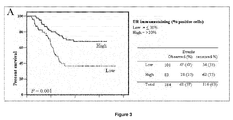
Fig. 3 shows the role of UTR in predicting the clinical outcome (survival) of prostate cancer patients independently from Gleason score. -
Fig. 4 shows how the UTR expression allows the detection of patients with bad prognosis in Gleason > 7 tumours -
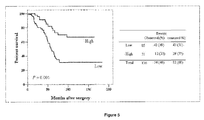
Fig. 5 shows how UTR expression predicts the clinical outcome of patients affected by T3-T4 tumours - The application refers to cyclic peptides of general formula (I) containing a marker at N-terminal position:
Bio-X-ciclo[Z-A-B-C-D-Cys]-Y (I)
wherein: - X is selected from the group consisting of H, H-Asp, H-Phe, H-D-Phe, Gly, Gly-Gly, H-Glu-Thr-Pro-Asp, and other spacers.
- Y is selected from the group consisting of OH, NH2, Val-OH, Val-NH2, Ile-OH and Ile-NH2.
- A and D, equal or different from each other, are selected from the group consisting of Phe, D-Phe, Tyr, D-Tyr, Cyclohexil-alanine and Cyclopentil-alanine.
- B is selected from the group consisting of D-Trp, D-(α-Me)Trp, D-Trp(Me), D-Trp(CHO), D-Nal(1) and D-Nal(2);
- C is selected from the group consisting of Lys, Asp, Glu, Orn, Cit, Dap, Dab and (p-amino)Phe;
- Z is Pen or Cys
- Bio is a marker;
- or pharmaceutically acceptable salts thereof.
- The present invention makes available cyclic peptides, opportunely marked, capable of specifically binding to Urotensine II receptors that are present on the surface of cancer cell in the prostate adenocarcinome.
- In fact it was now found that UTR protein is expressed at high levels in human androgen-dependent prostate adenocarcinoma LnCaP cell line after evaluation of UTR expression in a wide panel of human tumour cell lines. In details, UTR was evaluated in the three "classical" cell lines of human prostate carcinoma, PC3, LNCaP and DU145, by Western Blotting method. UTR is highly expressed in LNCaP cell line while its exporession is low or undetectable in the other two cells (
Figure 1 ). - On the basis of these results it was also surprisingly found that UTR is expressed at high levels in prostate adenocarcinoma samples collected from patients subjected to tumour biopsy and/or radical prostatectomy. The expression of UTR can be evaluated with immunohistochemical methods using an antibody already commercially available. In detail, UTR has been found to be specifically expressed in low Gleason grade prostate adenocarcinoma while its expression was gradually lost in high Gleason grade and completely undetectable in Gleason 5. The overall survival of the patients was moreover correlated to the expression of UTR that was also able to discriminate the patients with good prognosis from those with bad prognosis in the group of patients with Gleason Grade > 7. UTR is in our series an independent prognostic marker and is strongly correlated to Gleason score and tumour stage. Therefore, UTR appears an objective marker that allows the optimization of surgical treatment and predicts the responsiveness to medical treatments of human prostate adenocarcinoma. We have also modified cyclic peptides with further reported formulas (I) and correlated to P5U and Urantide compounds through the covalent link of biotin and we have found that the latter are able to specifically bind the UTR and to detect its expression through the development of a colorimetric reaction. They can be therefore used as diagnostics in the molecular characterization of human prostate adenocarcinoma. Moreover, they can detect UTR expression in fresh tumour tissues collected from patients during the surgical procedures for extemporaneous evaluation.
- Subject of the present invention are therefore cyclic peptides of general formula (I) marked at N-terminal position of this sequence:
Bio-X-ciclo[Z-A-B-C-D-Cys]-Y (I)
wherein: - X is selected from the group consisting of H, H-Asp, H-Phe, H-D-Phe, Gly, Gly-Gly, H-Glu-Thr-Pro-Asp, and other spacers.
- Y is selected from the group consisting of OH, NH2, Val-OH, Val-NH2, Ile-OH and Ile-NH2.
- A and D, equal or different from each other, are selected from the group consisting of Phe, D-Phe, Tyr, D-Tyr, Cyclohexil-alanine and Cyclopentil-alanine.
- B is selected from the group consisting of D-Trp, D-(α-Me)Trp, D-Trp(Me), D-Trp(CHO), D-Nal(1) and D-Nal(2);
- C is selected from the group consisting of Lys, Asp, Glu, Orn, Cit, Dap, Dab and (p-amino)Phe;
- Z is Pen or Cys;
- Bio is a marker;
- or pharmaceutically acceptable salts thereof.
- According to the present invention marker is a Fluorofore agents or a radiomarker with radioactive isotope.
- Examples of fluoroforic markers according to the invention are: biotin, fluoresceine isothiocianate, rodamine and similar marking compounds.
- Radioactive isotope useful for the invention are for example those used for Imaging application as PET or SPECT, for example: 99mTc, 124I, 110mI, 18F, 68Ga, 44Sc, 86Y, etc.
- Further subjects of the invention are the pharmaceutical compositions comprising the above said cyclic peptides of formula (I) and/or their salts.
- Further subject of the invention is the use of the cyclic peptides of formula (I) and/or of their salts as reagents for the pharmacological characterization of Urotensin-II receptors, and their use for the preparation of pharmaceutical compositions for the treatment of pathological conditions associated with unbalance of Urotensin-II.
- The present peptides contain a disulphide bridge between Pen/Cys (position 5) and Cys (position 10) residues and are characterized by the presence of an amino acid residue B of the D series and by a suitable combination of amino acid residues B and C as reported above. Also, at N-terminal position all these peptides contain an appropriate marker, like as a fluorofore or radioligand agent.
- The compounds described in this invention can be prepared by conventional solution and solid-phase peptide synthesis, known to any person skilled in the art. Thus, for example, to prepare peptides with a free acid at C-terminal, the synthesis in solid-phase can be performed using a Wang resin. Instead, to obtain peptides as C-terminal amide the synthesis in solid phase can be performed using a resin like as a PAL resin [Tris(alkoxy)benzylamide].
- The synthesis of the peptides object of this application can be performed by using orthogonal protection using Fluorenylmethoxycarbonyl (hereinafter referred to as "Fmoc") and t-Butyloxycarbonyl (hereinafter referred to as "Boc") as protecting groups at α-amino group of amino acids, and t-Butyl (hereinafter referred to as "t-Bu) and Benzyl (hereinafter referred to as "Bzl") as protecting groups at side-chain of amino acids, such as Asp, Glu (as t-butyl ester), Lys (Boc), Tyr, Thr (OtBu). The thiolic group of Cys and Pen can be protected by a Trityl group (hereinafter referred to as "Trt").
- Regarding the strategy "Fmoc/t-Bu", the peptide synthesis consists of the following steps:
- a) loading of first C-terminal residue onto the resin;
- b) deprotection of α-amino group by a solution of
piperidine 25% (v/v) in dimethylformamide (DMF); - c) coupling of the next amino acid, appropriately protected as above said, using a condensing or activating agent, such as N,N'-dicyclohexylcarbodiimide (DCC), O-(benzotriazole-1-yl)-1,1,3,3-tetra- methyluronium hexafluorophosphate (HBTU), O-benzotriazole-1-yl-1,1,3,3-tetramethyluronium tetrafluoroborate (TBTU), 1-hydroxy-benzotriazole (HOBt), etc.;
- d) repeating of steps a) and b) until the desired sequence is completed;
- e) cleavage of the linear peptide from the resin and deprotection of amino acids side-chains by using trifluoroacetic acid in the presence of suitable "scavengers", such as triethylsilane (TES) and water (5% v/v, each);
- f) formation of disulfide bridge by oxidation, for example with Ferricyanide, oxygen or dimethyl sulfoxide (DMSO);
- g) purification of crude cyclic peptide by semipreparative HPLC, preferably by reverse-phase HPLC on C-18 column, using as eluents acetonitrile and water in the presence of 0.1 % of trifluoroacetic acid (TFA);
- h) lyophilization of final purified product;
- i) characterization of final compound by analytical HPLC, Mass spectrometry (MS) and amino acids analysis (AAA).
- The present peptides of formula (I), in free form or as pharmaceutically acceptable salts, can be used for the preparation of pharmaceutical compositions according to conventional methods of preparation, well-known in pharmaceutical field.
- These pharmaceutical compositions can be conventionally formulated, and may further comprise one or more pharmaceutically acceptable excipients and/or diluents.
- The administration of the present compositions is feasible by any conventional way, for example by parenteral injection in the form of injectable solutions or suspensions, or by oral, topic, nasal administration, etc.
- The formulations of the present peptides include compresses, capsules, pills, solutions, dispersions, creams and ointments, emulsions, aerosol, and can also be used to accomplish a controlled or delayed release of the active compound.
- The present pharmaceutical compositions may comprise the peptides of formula (I) according to the invention as sole active component, or may comprise the present peptides in combination with other active compounds or adjuvants, suitably chosen according to the pathological conditions to be treated.
- The pharmaceutical compositions comprising the present peptides are useful for the pharmacological treatment of pathologies associated with an alteration of Urotensin-II balance, such as hypertension, heart arrhythmia, heart stroke, angina, ischemia of myocardium and restenosis.
- The present peptides of general formula (I) can also be used as reagents in biotechnological and pharmaceutical research, for example as reagents in characterisation of human Urotensin-II receptor.
- According to the present invention the natural amino acids were indicated with the three letters codex commonly used; the amino acids which are not genetically codified were indicated as follows
- Pen
- Penicillamine;
- Nal(1)
- 3-(1-Naphtyl)alanine;
- Nal(2)
- 3-(2-Naphtyl)alanine;
- Orn
- Ornitine;
- Cit
- Citrulline;
- Dap
- 2-amino-propionic acid.
- Dab
- diammino-butiryc acid
- Cha
- Cyclohexyl-alanine
- Tic
- Tetrahydroisoquinolinic-3-carbossilico
- Ac
- is an acetyl group.
- The Biotilinated compound shows the following structure:
- Biotin-Asp-c[Cys-Phe-Trp-Lys-Tyr-Cys]-Val-NH2
- The compound was synthesised by standard solid-phase methodology, starting from 0.5 g of Wang resin (0.7 mmol/g) using N α-Fmoc chemistry and an orthogonal side chain protection strategy. The first amino acid, N α-Fmoc-Val-OH, was linked to the resin using as coupling reagents a 3-fold excess of HBTU/HOBt in the presence of N,N'-diisopropylethylamine (DIEA). The following amino acids were then added stepwise to the growing peptide: Nα-Fmoc-Cys(Trt)-OH, Nα-Fmoc-Tyr(OtBu)-OH, Nα-Fmoc-Orn(Nε-Boc)-OH, Nα-Fmoc-D-Trp(Nin-Boc)-OH, Nα-Fmoc-Phe-OH, Nα-Fmoc-Pen(Trt)-OH and Nα-Fmoc-Asp(OtBu)-OH using standard solid phase methods. The last amino acid, Nα-Fmoc-Asp(OtBu)-OH, after deprotection of protecting group Fmoc is coupled Biotin or other Fluoroforic agent by conventional coupling reagent.
- Each coupling reaction was achieved using a 3-fold excess of amino acid and of HBTU/HOBt in presence of DIEA. The N α-Fmoc protecting group was removed by treating the protected peptide resin with 25% piperidine solution in DMF (1 x 50 mL, 5 min, 1 x 50 mL, 20 min). The peptide resin was washed with DMF (3 x 50 mL), DCM (3 x 50 mL) and again with DMF.
- Upon complete formation of the protected linear peptide, the compound was cleaved from the resin and the other side chain protecting groups removed using the following mixture: TFA/TES/H2O (9:0.5:0.5) for 3 h. All procedures were done under an Argon atmosphere. The resin was removed from solution by filtration and the crude peptide was recovered by precipitation with cold anhydrous ethyl ether giving a white powder that was purified by preparative HPLC on a C18-bonded silica gel column (Vydac 218TP1010, 1.0 x 25 cm) eluted with a linear gradient of acetonitrile in aqueous 0.1% of TFA (v/v). The purification was monitored at 280 nm, and the fraction corresponding to the major peak were collected, combined, and lyophilised to give the final compound as a pure (>98%) white powder. The linear peptide was characterised by analytical HPLC and FAB-MS (m/e 1073.282 [M+]). The final cyclic peptide, containing the disulfide bridge, was achieved by oxidation with an aqueous solution of potassium ferricyanide at pH = 8.5 (ammonium buffer). This step was monitored by analytical HPLC to evaluate the grade of conversion. Final cyclic peptide was purified by reverse-phase HPLC using the condition above described.
- Labelling of tumour cells collected with fine needle aspiration biopsy Cells are centrifuged with Cytospin and subsequenly fixed at the air for 30 min and then with the addition of a 1:1 acetone/methanol buffer for another min. The fixed cells are incubated in 1% H2O2/methanol for 20 min at room temperature in order to block endogeneous oxidases. Thereafter, cells are incubated in 10%PBS/BSA buffer for 10 min and with the biothynilated UTR ligand in the presence or absence of unlabelled UTR ligands for 90 min at room temperature in order to displace labelled ligand and to give an idea on the specificity of the reaction. Then cells are washed with 10% PBS/BSA buffer for 2 min and incubated with DAKO ABC complex per 40 min. After the incubation cells are washed in PBS/BSA buffer and Diaminobenzidin is added for 10 min. Thereafter, the cells are washed again in PBS/BSA for 10 min and are finally died with hematoxilin for 30 sec and dehydrated with alcool, diaphanyzed with xylene and mounted in Istomount.
- Freeze tissue slides are obtained from fresh tissues collected form surgical samples (after either biopsies or radical prostathectomies). The slides are incubated in 1% H2O2/methanol for 20 min at room temperature in order to block endogeneous oxidases. Thereafter, slides are incubated in 10%PBS/BSA buffer for 10 min and with the biothynilated UTR ligand in the presence or absence of unlabelled UTR ligands for 90 min at room temperature in order to displace labelled ligand and to give an idea on the specificity of the reaction. Then slides are washed with 10% PBS/BSA buffer for 2 min and incubated with DAKO ABC complex per 40 min. After the incubation slides are again washed in PBS/BSA buffer and Diaminobenzidin is added for 10 min. Thereafter, slides are washed again in PBS/BSA for 10 min and are finally died with hematoxilin for 30 sec and dehydrated with alcool, diaphanyzed with xylene and mounted in Istomount.
- Tissue samples are fixed in 10% buffered neutral Formalin, included in paraffin and 5µ sections are obtained. All sections then were de-paraffinized in xylene (BioClear, three times for 15 min), rehydrated through a graded alcohol series (95% alcool to discard xylene, followed by 90% and 70% alcool for 30 min) and finally washed in PBS. This buffer was used for all subsequent washes and for dilution of the antibodies. The slide were incubated in Cytrate buffer (ph 6.0) in microwave owen three times for 5 min in order to unmask antigenic sites. Thereafter, the slides are incubated in 100 100 µl H2O2/ methanol 0,5% v/v for 10 min at room temperature. After incubation the slides are washed twice with TBS/
tween 20 buffer for 5 min. In this way the endogenous peroxidase is blocked. Then the slides are incubated in primary antibody (anti-UTR antibody purchased from Santa Cruz, Santa Cruz, Ca) at 1:3000 dilution for 1 h at room temperature. Then the slides are washed twice with TBS/tween 20 buffer for 5 min. The slides are incubated with a secondary goat anti-rabbit antibody linked through a dextrane polymer to horse radish peroxidase. After incubation for 30 min at room temperature the slides are washed twice with TBS/tween 20 buffer for 5 min. The sections are covered with 100 µl chromogen substrate (DAB, 3,3'-Diaminobenzidin and 2,5-3% H2O2) and incubated for 10 min at room temperature at dark. Thereafter, the slides are washed again in distilled water to discard Diaminobenzidin and counterstained with ematoxilin for about 1 min followed by washing in water for at least 5 min. The slide were dehydrated through a graded alcohol series, clarified in xylene and mounted for visualization at optical microscope (Zeiss). - The UTR expression has been evaluated on 200 in vivo samples collected from patients affected by prostate adenocarcinoma. UTR expression has been correlated with different clinical and pathological parameters including Gleason score, androgen receptor expression, age and TNM.
- The expression was very high in Gleason 2-3 (C and D) and absent in Gleason 5 (F). UTR was expressed in prostate tumour cells infiltrating a nerve (G) and a node (H) (
Figure 2 ). - The correlation between UTR expression and low Gleason score was statistically significant (p=0.001) while it did not correlate with either age (p=0.4) or stage (p=0.007) (Table 1).
TABLE 1 UTR expression in relation to clinical and pathological parameters in a series of 195 prostate cancer patients Total Low High p value n (%) n (%) 195 106 (54) 89 (46) Age (yr) ≤70 109 62 (57) 47 (43) >70 86 44(51) 42 (49) 0.4 Tumor stage* pT2 67 29 (43) 38 (57) pT3 62 36 (58) 26 (42) pT4 66 41 (62) 25 (38) 0.07 Gleason score* Low 50 16 (32) 34 (68) Medium 70 34 (49) 36 (52) High 75 56 (75) 19 (25) 0.001 - The overall survival of patients having more than 30% of cells expressing UTR was significantly higher than those with low UTR expression (p= 0.001) (
Figure 3 ) that was also an independent prognostic factor together with stage Table 2.TABLE 2 Contribution of various potential prognostic factors to overall survival by Cox regression analysis in prostate cancer patients Variable Risk ratio 95% confidence interval p value Age§ 1.412 0.876-2.276 0.157 Gleason score* 1.012 0.547-1.907 0.948 Tumor stage# 3.296 1.712.-6.347 0.001 UR** 2.250 1.323-3.828 0.003 § The risk ratio is given as older versus younger patients (cut-off = 70 years) *The risk ratio is given as higher (>7) versus lower Gleason score. #The risk ratio is given as higher (pT4) versus lower stage cancers. **The risk ratio is given as low (≤ 30% positive cells) versus high (>30%) expressor tumors. - Interestingly, UTR was able to discriminate the sub-group of patients with good prognosis when Gleason score was more than 7 (p=0.001) (
Figure 4 ). - UTR preserved its discriminating function also in pT2-pT3 and pT3-pT4 patient subgroups (
Figure 5 ). On the other hand, the correlation between UTR and androgen receptor expression was not significant (p>0.05). - The measurement of UTR expression in prostate cancer is useful to establish the prognostic score of the patients per se and independently (being UTR and independent prognostic factor) from Gleason score that remains a subjective morphologic parameter of evaluation that can change from a pathologist to another. In fact, this kit is based on semi-quantitative parameters (more or less than 30% of cells positive for UTR expression) and, therefore, provides subjective criteria of evaluation of the grade of differentiation of the tumor.
- The evaluation of UTR expression is also useful to discriminate the patients with good prognosis in the subset group with Gleason score more than 7. The definition of the prognosis of this subset of patients is an important and debated issue. In fact, part of these patients continues to have a long-lasting androgen-responsive disease while another group has a disease rapidly developing in aggressive and hormone-refractory cancer. Therefore, the early definition of the clinical outcome of these patients has important consequences on the choice of the optimal self-tailored therapeutic strategy. The availability of a cheap and easy maker assay that can drive the choice of the optimal therapy will have a rapid and wide diffusion in the clinical practice.
- We have also performed binding assays on freezed tumour slides of cyclic biothinilated peptides and we have demonstrated a specific binding of the latter peptides to UTR. In fact, they can be displaced by saturatine concentrations of urotensin-II. These results confirm for the first time that these modified peptides can specifically bind only the UTR and therefore can be used as specific probes in the detection of the expression of the above entioned receptor in fresh prostate cancer tissues. Therefore, this method can be also used in the extemporaneous determination of UTR expression in order to give additional information to the surgeon about the intervention on the basis of biological aggressiveness of the neoplasm.


Claims (4)
- Prognostic method for the human prostatic adenocarcinoma characterized in that the UTR expression is measured.
- Prognostic method according to claim 1 wherein said expression is determined independently from Gleason score.
- Prognostic method according to Claim 1 wherein the prognosis is referred to a high risk patient subgroup affected by prostate adenocarcinoma with Gleason score > or ≥ 7.
- Prognostic method according to Claim 1 wherein the prognosis of prostate adenocarcinoma is reffered to a patient subgroups with stage II-III or III-IV.
Applications Claiming Priority (2)
| Application Number | Priority Date | Filing Date | Title |
|---|---|---|---|
| IT000032A ITFI20070032A1 (en) | 2007-02-09 | 2007-02-09 | LIGANDS OF PEPTIDIC AND NON-PEPTIDIC NATURE OF THE UT RECEIVER OF UROTENSIN-II, PHARMACEUTICAL COMPOSITIONS THAT CONTAIN THEM AND THEIR USE. |
| EP08708817A EP2118130A2 (en) | 2007-02-09 | 2008-02-08 | Peptidic and non peptidic ligands for immunodetection of the receptor for urotensin ii |
Related Parent Applications (2)
| Application Number | Title | Priority Date | Filing Date |
|---|---|---|---|
| EP08708817.5 Division | 2008-02-08 | ||
| EP08708817A Division EP2118130A2 (en) | 2007-02-09 | 2008-02-08 | Peptidic and non peptidic ligands for immunodetection of the receptor for urotensin ii |
Publications (2)
| Publication Number | Publication Date |
|---|---|
| EP2592092A1 true EP2592092A1 (en) | 2013-05-15 |
| EP2592092B1 EP2592092B1 (en) | 2017-10-25 |
Family
ID=39666041
Family Applications (2)
| Application Number | Title | Priority Date | Filing Date |
|---|---|---|---|
| EP08708817A Withdrawn EP2118130A2 (en) | 2007-02-09 | 2008-02-08 | Peptidic and non peptidic ligands for immunodetection of the receptor for urotensin ii |
| EP12194425.0A Not-in-force EP2592092B1 (en) | 2007-02-09 | 2008-02-08 | Peptidic and non peptidic ligands for immunodetection of the receptor for urotensin II |
Family Applications Before (1)
| Application Number | Title | Priority Date | Filing Date |
|---|---|---|---|
| EP08708817A Withdrawn EP2118130A2 (en) | 2007-02-09 | 2008-02-08 | Peptidic and non peptidic ligands for immunodetection of the receptor for urotensin ii |
Country Status (9)
| Country | Link |
|---|---|
| US (2) | US20100099604A1 (en) |
| EP (2) | EP2118130A2 (en) |
| CN (1) | CN101687914A (en) |
| AU (1) | AU2008212754A1 (en) |
| CA (1) | CA2677544A1 (en) |
| IL (1) | IL200301A0 (en) |
| IT (1) | ITFI20070032A1 (en) |
| RU (2) | RU2009133806A (en) |
| WO (1) | WO2008095995A2 (en) |
Families Citing this family (3)
| Publication number | Priority date | Publication date | Assignee | Title |
|---|---|---|---|---|
| WO2013033459A2 (en) * | 2011-08-30 | 2013-03-07 | The Regents Of The University Of Colorado | Compositions, methods and uses for peptides in diagnosis, progression and treatment of cancers |
| CN102702330B (en) * | 2012-03-01 | 2015-04-01 | 张嘎 | Intermedin analogue prepared by bonding ring core sequence with biotin or cell-penetrating peptides |
| CN118937669B (en) * | 2024-10-11 | 2025-02-18 | 杭州臻源生物医药科技有限公司 | Fixing reagent, method and application for dual-color fluorescence detection of anti-NMDAR antibody |
Citations (2)
| Publication number | Priority date | Publication date | Assignee | Title |
|---|---|---|---|---|
| WO2001037856A1 (en) | 1999-11-29 | 2001-05-31 | Smithkline Beecham Corporation | Urotensin-ii cyclic analogs |
| WO2001037780A2 (en) | 1999-11-29 | 2001-05-31 | Smithkline Beecham Corporation | Urotensin-ii analogs |
Family Cites Families (2)
| Publication number | Priority date | Publication date | Assignee | Title |
|---|---|---|---|---|
| US5888811A (en) * | 1996-05-23 | 1999-03-30 | Dupont Pharmaceuticals Company | Corticotropin-releasing hormone receptor |
| US6428982B1 (en) * | 1999-06-07 | 2002-08-06 | Smithkline Beecham Corporation | Polynucleotides encoding mouse urotensin-II Receptor (UTB-R) |
-
2007
- 2007-02-09 IT IT000032A patent/ITFI20070032A1/en unknown
-
2008
- 2008-02-08 RU RU2009133806/10A patent/RU2009133806A/en not_active Application Discontinuation
- 2008-02-08 EP EP08708817A patent/EP2118130A2/en not_active Withdrawn
- 2008-02-08 CA CA002677544A patent/CA2677544A1/en not_active Abandoned
- 2008-02-08 WO PCT/EP2008/051541 patent/WO2008095995A2/en not_active Ceased
- 2008-02-08 US US12/449,513 patent/US20100099604A1/en not_active Abandoned
- 2008-02-08 AU AU2008212754A patent/AU2008212754A1/en not_active Abandoned
- 2008-02-08 EP EP12194425.0A patent/EP2592092B1/en not_active Not-in-force
- 2008-02-08 CN CN200880009743A patent/CN101687914A/en active Pending
-
2009
- 2009-08-09 IL IL200301A patent/IL200301A0/en unknown
-
2013
- 2013-12-09 US US14/100,763 patent/US20150330983A1/en not_active Abandoned
- 2013-12-24 RU RU2013157328/10A patent/RU2013157328A/en not_active Application Discontinuation
Patent Citations (2)
| Publication number | Priority date | Publication date | Assignee | Title |
|---|---|---|---|---|
| WO2001037856A1 (en) | 1999-11-29 | 2001-05-31 | Smithkline Beecham Corporation | Urotensin-ii cyclic analogs |
| WO2001037780A2 (en) | 1999-11-29 | 2001-05-31 | Smithkline Beecham Corporation | Urotensin-ii analogs |
Non-Patent Citations (7)
| Title |
|---|
| AMES R.S. ET AL., NATURE, vol. 401, 1999, pages 282 - 286 |
| GRIECO ET AL: "A New, Potent Urotensin II Receptor Peptide Agonist Containing a Pen Residue at the Disulfide Bridge", JOURNAL OF MEDICINAL CHEMISTRY, USAMERICAN CHEMICAL SOCIETY. WASHINGTON, vol. 45, no. 20, 26 September 2002 (2002-09-26), pages 4391 - 4394, XP002320555, ISSN: 0022-2623 * |
| GRIECO P. ET AL., J. MED. CHEM., vol. 45, 2002, pages 4391 - 4394 |
| GRIECO PAOLO ET AL: "Urotensin-II receptor ligands. From agonist to antagonist activity", JOURNAL OF MEDICINAL CHEMISTRY, vol. 48, no. 23, November 2005 (2005-11-01), pages 7290 - 7297, XP002491480, ISSN: 0022-2623 * |
| PAOLO GRIECO ET AL: "Urotensin II receptor predicts the clinical outcome of prostate cancer patients and is involved in the regulation of motility of prostate adenocarcinoma cells", JOURNAL OF CELLULAR BIOCHEMISTRY, vol. 112, no. 1, 1 January 2011 (2011-01-01), pages 341 - 353, XP055058332, ISSN: 0730-2312, DOI: 10.1002/jcb.22933 * |
| PEARSON, D. ET AL., PROC. NATL. ACAD. SCI. USA, vol. 77, 1980, pages 5021 - 5024 |
| XIA C ET AL: "Identification of a prostate-specific G-protein coupled receptor in prostate cancer", ONCOGENE, NATURE PUBLISHING GROUP, GB, vol. 20, no. 41, 13 September 2001 (2001-09-13), pages 5903 - 5907, XP002599902, ISSN: 0950-9232 * |
Also Published As
| Publication number | Publication date |
|---|---|
| IL200301A0 (en) | 2010-04-29 |
| WO2008095995A8 (en) | 2009-04-23 |
| AU2008212754A1 (en) | 2008-08-14 |
| RU2013157328A (en) | 2015-06-27 |
| US20100099604A1 (en) | 2010-04-22 |
| ITFI20070032A1 (en) | 2008-08-10 |
| CN101687914A (en) | 2010-03-31 |
| RU2009133806A (en) | 2011-03-20 |
| CA2677544A1 (en) | 2008-08-14 |
| WO2008095995A2 (en) | 2008-08-14 |
| US20150330983A1 (en) | 2015-11-19 |
| EP2118130A2 (en) | 2009-11-18 |
| WO2008095995A3 (en) | 2009-01-08 |
| EP2592092B1 (en) | 2017-10-25 |
Similar Documents
| Publication | Publication Date | Title |
|---|---|---|
| CN102089321B (en) | somatostatin receptor 2 antagonists | |
| US7960342B2 (en) | Receptor(SSTR2)-selective somatostatin antagonists | |
| US20200085908A1 (en) | Peptidomimetic macrocycles and uses thereof | |
| JP2001513886A (en) | Compounds for immunodiagnosis of prostate cancer and methods of using them | |
| CN102732608A (en) | Marker for diagnosing liver cancer and application thereof | |
| JPWO2004074478A1 (en) | Prediction method of antitumor effect of histone deacetylase inhibitor | |
| Neal et al. | Epidermal growth factor receptor in human bladder cancer: a comparison of immunohistochemistry and ligand binding | |
| Zhang et al. | Vasoactive intestinal peptide (VIP) and pituitary adenylate cyclase activating peptide (PACAP) receptor specific peptide analogues for PET imaging of breast cancer: in vitro/in vivo evaluation | |
| US7910693B2 (en) | Prostate cancer diagnosis and treatment | |
| US20150330983A1 (en) | Peptidic and non peptidic ligands for immunodetection of the receptor for urotensin ii | |
| JPS5850213B2 (en) | Calcitonin determination method | |
| CN112546244A (en) | Fibroblast growth factor receptor2 specific peptide reagents and methods | |
| Reissmann et al. | Highly selective bradykinin agonists and antagonists with replacement of proline residues by N-methyl-D-and L-phenylalanine | |
| Duethman et al. | Isolation of the opioid peptide Leu-Val-Val-hemorphin-7 from bronchoalveolar lavage fluid of a patient with non-small cell lung cancer | |
| Bluestein et al. | Measurement of ferritin-bearing peripheral mononuclear blood cells in cancer patients by radioimmunoassay | |
| EP0572122A2 (en) | C-terminal modified osteogenic growth polypeptides | |
| JPH02501746A (en) | Proteins and fragments thereof that are specifically expressed from the PS2 gene in various pathological conditions, antibodies obtained from the proteins and/or fragments thereof, and the proteins and their fragments for detection, diagnosis, and treatment of pathological conditions. Application of fragments and antibodies | |
| WO2024188291A1 (en) | Her2 targeted peptide and use thereof | |
| Garnuszek et al. | Uptake of radiolabelled modified fragment of human alfa-fetoptrotein by experimental mammary adenocarcinoma: in vitro and in vivo studies | |
| EP1668027B1 (en) | Cyclic peptides acting as urotensin-ii antagonists | |
| HK40045399A (en) | Fibroblast growth factor receptor 2-specific peptide reagents and methods | |
| Piotr Garnuszek et al. | Uptake of radiolabelled modified fragment of human a-fetoprotein bj experimental mammary adenooarcinoma: in vitroand in mo stndies | |
| CN104177503A (en) | Kinase path-related polypeptide-protein combined marker and quantitative detection technique thereof |
Legal Events
| Date | Code | Title | Description |
|---|---|---|---|
| PUAI | Public reference made under article 153(3) epc to a published international application that has entered the european phase |
Free format text: ORIGINAL CODE: 0009012 |
|
| AC | Divisional application: reference to earlier application |
Ref document number: 2118130 Country of ref document: EP Kind code of ref document: P |
|
| AK | Designated contracting states |
Kind code of ref document: A1 Designated state(s): AT BE BG CH CY CZ DE DK EE ES FI FR GB GR HR HU IE IS IT LI LT LU LV MC MT NL NO PL PT RO SE SI SK TR |
|
| AX | Request for extension of the european patent |
Extension state: AL BA MK RS |
|
| 17P | Request for examination filed |
Effective date: 20131114 |
|
| RBV | Designated contracting states (corrected) |
Designated state(s): AT BE BG CH CY CZ DE DK EE ES FI FR GB GR HR HU IE IS IT LI LT LU LV MC MT NL NO PL PT RO SE SI SK TR |
|
| 17Q | First examination report despatched |
Effective date: 20140213 |
|
| GRAP | Despatch of communication of intention to grant a patent |
Free format text: ORIGINAL CODE: EPIDOSNIGR1 |
|
| INTG | Intention to grant announced |
Effective date: 20160309 |
|
| GRAS | Grant fee paid |
Free format text: ORIGINAL CODE: EPIDOSNIGR3 |
|
| GRAA | (expected) grant |
Free format text: ORIGINAL CODE: 0009210 |
|
| AC | Divisional application: reference to earlier application |
Ref document number: 2118130 Country of ref document: EP Kind code of ref document: P |
|
| AK | Designated contracting states |
Kind code of ref document: B1 Designated state(s): AT BE BG CH CY CZ DE DK EE ES FI FR GB GR HR HU IE IS IT LI LT LU LV MC MT NL NO PL PT RO SE SI SK TR |
|
| REG | Reference to a national code |
Ref country code: GB Ref legal event code: FG4D |
|
| REG | Reference to a national code |
Ref country code: CH Ref legal event code: EP |
|
| REG | Reference to a national code |
Ref country code: AT Ref legal event code: REF Ref document number: 939830 Country of ref document: AT Kind code of ref document: T Effective date: 20171115 |
|
| REG | Reference to a national code |
Ref country code: IE Ref legal event code: FG4D |
|
| REG | Reference to a national code |
Ref country code: DE Ref legal event code: R096 Ref document number: 602008052716 Country of ref document: DE |
|
| REG | Reference to a national code |
Ref country code: FR Ref legal event code: PLFP Year of fee payment: 11 |
|
| REG | Reference to a national code |
Ref country code: NL Ref legal event code: MP Effective date: 20171025 |
|
| REG | Reference to a national code |
Ref country code: LT Ref legal event code: MG4D |
|
| REG | Reference to a national code |
Ref country code: AT Ref legal event code: MK05 Ref document number: 939830 Country of ref document: AT Kind code of ref document: T Effective date: 20171025 |
|
| PG25 | Lapsed in a contracting state [announced via postgrant information from national office to epo] |
Ref country code: NL Free format text: LAPSE BECAUSE OF FAILURE TO SUBMIT A TRANSLATION OF THE DESCRIPTION OR TO PAY THE FEE WITHIN THE PRESCRIBED TIME-LIMIT Effective date: 20171025 |
|
| PG25 | Lapsed in a contracting state [announced via postgrant information from national office to epo] |
Ref country code: SE Free format text: LAPSE BECAUSE OF FAILURE TO SUBMIT A TRANSLATION OF THE DESCRIPTION OR TO PAY THE FEE WITHIN THE PRESCRIBED TIME-LIMIT Effective date: 20171025 Ref country code: NO Free format text: LAPSE BECAUSE OF FAILURE TO SUBMIT A TRANSLATION OF THE DESCRIPTION OR TO PAY THE FEE WITHIN THE PRESCRIBED TIME-LIMIT Effective date: 20180125 Ref country code: ES Free format text: LAPSE BECAUSE OF FAILURE TO SUBMIT A TRANSLATION OF THE DESCRIPTION OR TO PAY THE FEE WITHIN THE PRESCRIBED TIME-LIMIT Effective date: 20171025 Ref country code: FI Free format text: LAPSE BECAUSE OF FAILURE TO SUBMIT A TRANSLATION OF THE DESCRIPTION OR TO PAY THE FEE WITHIN THE PRESCRIBED TIME-LIMIT Effective date: 20171025 Ref country code: LT Free format text: LAPSE BECAUSE OF FAILURE TO SUBMIT A TRANSLATION OF THE DESCRIPTION OR TO PAY THE FEE WITHIN THE PRESCRIBED TIME-LIMIT Effective date: 20171025 |
|
| PG25 | Lapsed in a contracting state [announced via postgrant information from national office to epo] |
Ref country code: LV Free format text: LAPSE BECAUSE OF FAILURE TO SUBMIT A TRANSLATION OF THE DESCRIPTION OR TO PAY THE FEE WITHIN THE PRESCRIBED TIME-LIMIT Effective date: 20171025 Ref country code: HR Free format text: LAPSE BECAUSE OF FAILURE TO SUBMIT A TRANSLATION OF THE DESCRIPTION OR TO PAY THE FEE WITHIN THE PRESCRIBED TIME-LIMIT Effective date: 20171025 Ref country code: IS Free format text: LAPSE BECAUSE OF FAILURE TO SUBMIT A TRANSLATION OF THE DESCRIPTION OR TO PAY THE FEE WITHIN THE PRESCRIBED TIME-LIMIT Effective date: 20180225 Ref country code: AT Free format text: LAPSE BECAUSE OF FAILURE TO SUBMIT A TRANSLATION OF THE DESCRIPTION OR TO PAY THE FEE WITHIN THE PRESCRIBED TIME-LIMIT Effective date: 20171025 Ref country code: GR Free format text: LAPSE BECAUSE OF FAILURE TO SUBMIT A TRANSLATION OF THE DESCRIPTION OR TO PAY THE FEE WITHIN THE PRESCRIBED TIME-LIMIT Effective date: 20180126 Ref country code: BG Free format text: LAPSE BECAUSE OF FAILURE TO SUBMIT A TRANSLATION OF THE DESCRIPTION OR TO PAY THE FEE WITHIN THE PRESCRIBED TIME-LIMIT Effective date: 20180125 |
|
| REG | Reference to a national code |
Ref country code: DE Ref legal event code: R097 Ref document number: 602008052716 Country of ref document: DE |
|
| PG25 | Lapsed in a contracting state [announced via postgrant information from national office to epo] |
Ref country code: SK Free format text: LAPSE BECAUSE OF FAILURE TO SUBMIT A TRANSLATION OF THE DESCRIPTION OR TO PAY THE FEE WITHIN THE PRESCRIBED TIME-LIMIT Effective date: 20171025 Ref country code: DK Free format text: LAPSE BECAUSE OF FAILURE TO SUBMIT A TRANSLATION OF THE DESCRIPTION OR TO PAY THE FEE WITHIN THE PRESCRIBED TIME-LIMIT Effective date: 20171025 Ref country code: CY Free format text: LAPSE BECAUSE OF FAILURE TO SUBMIT A TRANSLATION OF THE DESCRIPTION OR TO PAY THE FEE WITHIN THE PRESCRIBED TIME-LIMIT Effective date: 20171025 Ref country code: EE Free format text: LAPSE BECAUSE OF FAILURE TO SUBMIT A TRANSLATION OF THE DESCRIPTION OR TO PAY THE FEE WITHIN THE PRESCRIBED TIME-LIMIT Effective date: 20171025 Ref country code: CZ Free format text: LAPSE BECAUSE OF FAILURE TO SUBMIT A TRANSLATION OF THE DESCRIPTION OR TO PAY THE FEE WITHIN THE PRESCRIBED TIME-LIMIT Effective date: 20171025 |
|
| PG25 | Lapsed in a contracting state [announced via postgrant information from national office to epo] |
Ref country code: PL Free format text: LAPSE BECAUSE OF FAILURE TO SUBMIT A TRANSLATION OF THE DESCRIPTION OR TO PAY THE FEE WITHIN THE PRESCRIBED TIME-LIMIT Effective date: 20171025 Ref country code: IT Free format text: LAPSE BECAUSE OF FAILURE TO SUBMIT A TRANSLATION OF THE DESCRIPTION OR TO PAY THE FEE WITHIN THE PRESCRIBED TIME-LIMIT Effective date: 20171025 Ref country code: RO Free format text: LAPSE BECAUSE OF FAILURE TO SUBMIT A TRANSLATION OF THE DESCRIPTION OR TO PAY THE FEE WITHIN THE PRESCRIBED TIME-LIMIT Effective date: 20171025 |
|
| PLBE | No opposition filed within time limit |
Free format text: ORIGINAL CODE: 0009261 |
|
| STAA | Information on the status of an ep patent application or granted ep patent |
Free format text: STATUS: NO OPPOSITION FILED WITHIN TIME LIMIT |
|
| REG | Reference to a national code |
Ref country code: CH Ref legal event code: PL |
|
| 26N | No opposition filed |
Effective date: 20180726 |
|
| REG | Reference to a national code |
Ref country code: IE Ref legal event code: MM4A |
|
| PG25 | Lapsed in a contracting state [announced via postgrant information from national office to epo] |
Ref country code: SI Free format text: LAPSE BECAUSE OF FAILURE TO SUBMIT A TRANSLATION OF THE DESCRIPTION OR TO PAY THE FEE WITHIN THE PRESCRIBED TIME-LIMIT Effective date: 20171025 Ref country code: LI Free format text: LAPSE BECAUSE OF NON-PAYMENT OF DUE FEES Effective date: 20180228 Ref country code: CH Free format text: LAPSE BECAUSE OF NON-PAYMENT OF DUE FEES Effective date: 20180228 |
|
| PG25 | Lapsed in a contracting state [announced via postgrant information from national office to epo] |
Ref country code: IE Free format text: LAPSE BECAUSE OF NON-PAYMENT OF DUE FEES Effective date: 20180208 |
|
| PGFP | Annual fee paid to national office [announced via postgrant information from national office to epo] |
Ref country code: MC Payment date: 20190820 Year of fee payment: 12 |
|
| PGFP | Annual fee paid to national office [announced via postgrant information from national office to epo] |
Ref country code: BE Payment date: 20190819 Year of fee payment: 12 |
|
| PG25 | Lapsed in a contracting state [announced via postgrant information from national office to epo] |
Ref country code: MT Free format text: LAPSE BECAUSE OF NON-PAYMENT OF DUE FEES Effective date: 20180208 |
|
| PG25 | Lapsed in a contracting state [announced via postgrant information from national office to epo] |
Ref country code: TR Free format text: LAPSE BECAUSE OF FAILURE TO SUBMIT A TRANSLATION OF THE DESCRIPTION OR TO PAY THE FEE WITHIN THE PRESCRIBED TIME-LIMIT Effective date: 20171025 |
|
| PG25 | Lapsed in a contracting state [announced via postgrant information from national office to epo] |
Ref country code: HU Free format text: LAPSE BECAUSE OF FAILURE TO SUBMIT A TRANSLATION OF THE DESCRIPTION OR TO PAY THE FEE WITHIN THE PRESCRIBED TIME-LIMIT; INVALID AB INITIO Effective date: 20080208 Ref country code: PT Free format text: LAPSE BECAUSE OF FAILURE TO SUBMIT A TRANSLATION OF THE DESCRIPTION OR TO PAY THE FEE WITHIN THE PRESCRIBED TIME-LIMIT Effective date: 20171025 |
|
| REG | Reference to a national code |
Ref country code: BE Ref legal event code: MM Effective date: 20200229 |
|
| PG25 | Lapsed in a contracting state [announced via postgrant information from national office to epo] |
Ref country code: MC Free format text: LAPSE BECAUSE OF NON-PAYMENT OF DUE FEES Effective date: 20200302 |
|
| PG25 | Lapsed in a contracting state [announced via postgrant information from national office to epo] |
Ref country code: BE Free format text: LAPSE BECAUSE OF NON-PAYMENT OF DUE FEES Effective date: 20200229 |
|
| PGFP | Annual fee paid to national office [announced via postgrant information from national office to epo] |
Ref country code: LU Payment date: 20210827 Year of fee payment: 14 |
|
| PGFP | Annual fee paid to national office [announced via postgrant information from national office to epo] |
Ref country code: FR Payment date: 20210826 Year of fee payment: 14 |
|
| PGFP | Annual fee paid to national office [announced via postgrant information from national office to epo] |
Ref country code: GB Payment date: 20210826 Year of fee payment: 14 Ref country code: DE Payment date: 20210827 Year of fee payment: 14 |
|
| REG | Reference to a national code |
Ref country code: DE Ref legal event code: R119 Ref document number: 602008052716 Country of ref document: DE |
|
| GBPC | Gb: european patent ceased through non-payment of renewal fee |
Effective date: 20220208 |
|
| PG25 | Lapsed in a contracting state [announced via postgrant information from national office to epo] |
Ref country code: LU Free format text: LAPSE BECAUSE OF NON-PAYMENT OF DUE FEES Effective date: 20220208 |
|
| PG25 | Lapsed in a contracting state [announced via postgrant information from national office to epo] |
Ref country code: FR Free format text: LAPSE BECAUSE OF NON-PAYMENT OF DUE FEES Effective date: 20220228 |
|
| PG25 | Lapsed in a contracting state [announced via postgrant information from national office to epo] |
Ref country code: GB Free format text: LAPSE BECAUSE OF NON-PAYMENT OF DUE FEES Effective date: 20220208 Ref country code: DE Free format text: LAPSE BECAUSE OF NON-PAYMENT OF DUE FEES Effective date: 20220901 |