EP2590660B1 - Therapeutic use of neural stem cells - Google Patents
Therapeutic use of neural stem cells Download PDFInfo
- Publication number
- EP2590660B1 EP2590660B1 EP11738783.7A EP11738783A EP2590660B1 EP 2590660 B1 EP2590660 B1 EP 2590660B1 EP 11738783 A EP11738783 A EP 11738783A EP 2590660 B1 EP2590660 B1 EP 2590660B1
- Authority
- EP
- European Patent Office
- Prior art keywords
- cells
- ctx0e03
- disorder
- cell
- treatment
- Prior art date
- Legal status (The legal status is an assumption and is not a legal conclusion. Google has not performed a legal analysis and makes no representation as to the accuracy of the status listed.)
- Active
Links
- 210000001178 neural stem cell Anatomy 0.000 title claims description 6
- 230000001225 therapeutic effect Effects 0.000 title description 3
- 210000004027 cell Anatomy 0.000 claims description 90
- 238000011282 treatment Methods 0.000 claims description 27
- 208000037265 diseases, disorders, signs and symptoms Diseases 0.000 claims description 17
- 238000002513 implantation Methods 0.000 claims description 17
- 208000020016 psychiatric disease Diseases 0.000 claims description 17
- 102000004127 Cytokines Human genes 0.000 claims description 15
- 108090000695 Cytokines Proteins 0.000 claims description 15
- 230000000770 proinflammatory effect Effects 0.000 claims description 15
- 230000000694 effects Effects 0.000 claims description 12
- 208000021384 Obsessive-Compulsive disease Diseases 0.000 claims description 10
- 208000020401 Depressive disease Diseases 0.000 claims description 9
- 208000020925 Bipolar disease Diseases 0.000 claims description 8
- 206010003805 Autism Diseases 0.000 claims description 7
- 208000020706 Autistic disease Diseases 0.000 claims description 7
- 208000028683 bipolar I disease Diseases 0.000 claims description 7
- 208000025307 bipolar depression Diseases 0.000 claims description 7
- 201000003104 endogenous depression Diseases 0.000 claims description 7
- 208000024714 major depressive disease Diseases 0.000 claims description 7
- 201000000980 schizophrenia Diseases 0.000 claims description 7
- 208000011580 syndromic disease Diseases 0.000 claims description 7
- 238000000034 method Methods 0.000 claims description 6
- 210000004976 peripheral blood cell Anatomy 0.000 claims description 6
- 238000002560 therapeutic procedure Methods 0.000 claims description 5
- 230000007126 proinflammatory cytokine response Effects 0.000 claims description 3
- 230000009885 systemic effect Effects 0.000 claims description 3
- 210000000130 stem cell Anatomy 0.000 claims description 2
- 230000005931 immune cell recruitment Effects 0.000 claims 1
- 238000007914 intraventricular administration Methods 0.000 claims 1
- 108010074328 Interferon-gamma Proteins 0.000 description 25
- 210000003819 peripheral blood mononuclear cell Anatomy 0.000 description 21
- 102100037850 Interferon gamma Human genes 0.000 description 20
- 210000004556 brain Anatomy 0.000 description 20
- 101001117317 Homo sapiens Programmed cell death 1 ligand 1 Proteins 0.000 description 18
- 102100024216 Programmed cell death 1 ligand 1 Human genes 0.000 description 16
- 102000006639 indoleamine 2,3-dioxygenase Human genes 0.000 description 15
- 108020004201 indoleamine 2,3-dioxygenase Proteins 0.000 description 15
- 239000002158 endotoxin Substances 0.000 description 13
- 229920006008 lipopolysaccharide Polymers 0.000 description 13
- 108010074708 B7-H1 Antigen Proteins 0.000 description 12
- 102000008096 B7-H1 Antigen Human genes 0.000 description 12
- 208000035475 disorder Diseases 0.000 description 12
- 238000004519 manufacturing process Methods 0.000 description 10
- 230000004044 response Effects 0.000 description 10
- 230000003827 upregulation Effects 0.000 description 9
- 102100039289 Glial fibrillary acidic protein Human genes 0.000 description 8
- 101710193519 Glial fibrillary acidic protein Proteins 0.000 description 8
- 241000699666 Mus <mouse, genus> Species 0.000 description 8
- 210000005046 glial fibrillary acidic protein Anatomy 0.000 description 8
- 230000000903 blocking effect Effects 0.000 description 7
- 210000000274 microglia Anatomy 0.000 description 7
- 108090000623 proteins and genes Proteins 0.000 description 7
- 230000001419 dependent effect Effects 0.000 description 6
- 230000001404 mediated effect Effects 0.000 description 6
- 239000000203 mixture Substances 0.000 description 6
- 230000009467 reduction Effects 0.000 description 6
- 230000035882 stress Effects 0.000 description 6
- 102000004887 Transforming Growth Factor beta Human genes 0.000 description 5
- 108090001012 Transforming Growth Factor beta Proteins 0.000 description 5
- 239000000935 antidepressant agent Substances 0.000 description 5
- 210000001130 astrocyte Anatomy 0.000 description 5
- 231100000673 dose–response relationship Toxicity 0.000 description 5
- 210000001320 hippocampus Anatomy 0.000 description 5
- ZRKFYGHZFMAOKI-QMGMOQQFSA-N tgfbeta Chemical compound C([C@H](NC(=O)[C@H](C(C)C)NC(=O)CNC(=O)[C@H](CCC(O)=O)NC(=O)[C@H](CCCNC(N)=N)NC(=O)[C@H](CC(N)=O)NC(=O)[C@H](CC(C)C)NC(=O)[C@H]([C@@H](C)O)NC(=O)[C@H](CCC(O)=O)NC(=O)[C@H]([C@@H](C)O)NC(=O)[C@H](CC(C)C)NC(=O)CNC(=O)[C@H](C)NC(=O)[C@H](CO)NC(=O)[C@H](CCC(N)=O)NC(=O)[C@@H](NC(=O)[C@H](C)NC(=O)[C@H](C)NC(=O)[C@@H](NC(=O)[C@H](CC(C)C)NC(=O)[C@@H](N)CCSC)C(C)C)[C@@H](C)CC)C(=O)N[C@@H]([C@@H](C)O)C(=O)N[C@@H](C(C)C)C(=O)N[C@@H](CC=1C=CC=CC=1)C(=O)N[C@@H](C)C(=O)N1[C@@H](CCC1)C(=O)N[C@@H]([C@@H](C)O)C(=O)N[C@@H](CC(N)=O)C(=O)N[C@@H](CCC(O)=O)C(=O)N[C@@H](C)C(=O)N[C@@H](CC=1C=CC=CC=1)C(=O)N[C@@H](CCCNC(N)=N)C(=O)N[C@@H](C)C(=O)N[C@@H](CC(C)C)C(=O)N1[C@@H](CCC1)C(=O)N1[C@@H](CCC1)C(=O)N[C@@H](CCCNC(N)=N)C(=O)N[C@@H](CCC(O)=O)C(=O)N[C@@H](CCCNC(N)=N)C(=O)N[C@@H](CO)C(=O)N[C@@H](CCCNC(N)=N)C(=O)N[C@@H](CC(C)C)C(=O)N[C@@H](CC(C)C)C(O)=O)C1=CC=C(O)C=C1 ZRKFYGHZFMAOKI-QMGMOQQFSA-N 0.000 description 5
- 206010061218 Inflammation Diseases 0.000 description 4
- 102000000589 Interleukin-1 Human genes 0.000 description 4
- 108010002352 Interleukin-1 Proteins 0.000 description 4
- 230000001430 anti-depressive effect Effects 0.000 description 4
- 238000003501 co-culture Methods 0.000 description 4
- 230000000994 depressogenic effect Effects 0.000 description 4
- 238000003364 immunohistochemistry Methods 0.000 description 4
- 230000001506 immunosuppresive effect Effects 0.000 description 4
- 238000000338 in vitro Methods 0.000 description 4
- 230000002757 inflammatory effect Effects 0.000 description 4
- 230000004054 inflammatory process Effects 0.000 description 4
- 238000003753 real-time PCR Methods 0.000 description 4
- 108091011896 CSF1 Proteins 0.000 description 3
- IAZDPXIOMUYVGZ-UHFFFAOYSA-N Dimethylsulphoxide Chemical compound CS(C)=O IAZDPXIOMUYVGZ-UHFFFAOYSA-N 0.000 description 3
- 102100030595 HLA class II histocompatibility antigen gamma chain Human genes 0.000 description 3
- 101001082627 Homo sapiens HLA class II histocompatibility antigen gamma chain Proteins 0.000 description 3
- 102000008070 Interferon-gamma Human genes 0.000 description 3
- 102100028123 Macrophage colony-stimulating factor 1 Human genes 0.000 description 3
- 229930192392 Mitomycin Natural products 0.000 description 3
- 241000699670 Mus sp. Species 0.000 description 3
- NWIBSHFKIJFRCO-WUDYKRTCSA-N Mytomycin Chemical compound C1N2C(C(C(C)=C(N)C3=O)=O)=C3[C@@H](COC(N)=O)[C@@]2(OC)[C@@H]2[C@H]1N2 NWIBSHFKIJFRCO-WUDYKRTCSA-N 0.000 description 3
- 238000004458 analytical method Methods 0.000 description 3
- 230000001684 chronic effect Effects 0.000 description 3
- 229940126534 drug product Drugs 0.000 description 3
- 239000003102 growth factor Substances 0.000 description 3
- 230000004179 hypothalamic–pituitary–adrenal axis Effects 0.000 description 3
- 238000001727 in vivo Methods 0.000 description 3
- 229960003130 interferon gamma Drugs 0.000 description 3
- 229960004857 mitomycin Drugs 0.000 description 3
- 239000000825 pharmaceutical preparation Substances 0.000 description 3
- 208000024891 symptom Diseases 0.000 description 3
- DODQJNMQWMSYGS-QPLCGJKRSA-N 4-[(z)-1-[4-[2-(dimethylamino)ethoxy]phenyl]-1-phenylbut-1-en-2-yl]phenol Chemical compound C=1C=C(O)C=CC=1C(/CC)=C(C=1C=CC(OCCN(C)C)=CC=1)/C1=CC=CC=C1 DODQJNMQWMSYGS-QPLCGJKRSA-N 0.000 description 2
- 206010003694 Atrophy Diseases 0.000 description 2
- 206010054089 Depressive symptom Diseases 0.000 description 2
- 238000002965 ELISA Methods 0.000 description 2
- 101001046686 Homo sapiens Integrin alpha-M Proteins 0.000 description 2
- 101001082142 Homo sapiens Pentraxin-related protein PTX3 Proteins 0.000 description 2
- 102100022338 Integrin alpha-M Human genes 0.000 description 2
- 102000004889 Interleukin-6 Human genes 0.000 description 2
- 108090001005 Interleukin-6 Proteins 0.000 description 2
- BFHAYPLBUQVNNJ-UHFFFAOYSA-N Pectenotoxin 3 Natural products OC1C(C)CCOC1(O)C1OC2C=CC(C)=CC(C)CC(C)(O3)CCC3C(O3)(O4)CCC3(C=O)CC4C(O3)C(=O)CC3(C)C(O)C(O3)CCC3(O3)CCCC3C(C)C(=O)OC2C1 BFHAYPLBUQVNNJ-UHFFFAOYSA-N 0.000 description 2
- 102100027351 Pentraxin-related protein PTX3 Human genes 0.000 description 2
- 241000288906 Primates Species 0.000 description 2
- RJKFOVLPORLFTN-LEKSSAKUSA-N Progesterone Chemical compound C1CC2=CC(=O)CC[C@]2(C)[C@@H]2[C@@H]1[C@@H]1CC[C@H](C(=O)C)[C@@]1(C)CC2 RJKFOVLPORLFTN-LEKSSAKUSA-N 0.000 description 2
- 208000028017 Psychotic disease Diseases 0.000 description 2
- 241000700159 Rattus Species 0.000 description 2
- 230000006044 T cell activation Effects 0.000 description 2
- 108060008682 Tumor Necrosis Factor Proteins 0.000 description 2
- 102000000852 Tumor Necrosis Factor-alpha Human genes 0.000 description 2
- OIRDTQYFTABQOQ-KQYNXXCUSA-N adenosine Chemical compound C1=NC=2C(N)=NC=NC=2N1[C@@H]1O[C@H](CO)[C@@H](O)[C@H]1O OIRDTQYFTABQOQ-KQYNXXCUSA-N 0.000 description 2
- 229940005513 antidepressants Drugs 0.000 description 2
- 230000037444 atrophy Effects 0.000 description 2
- 230000008901 benefit Effects 0.000 description 2
- 230000001086 cytosolic effect Effects 0.000 description 2
- 229940079593 drug Drugs 0.000 description 2
- 239000003814 drug Substances 0.000 description 2
- 238000010195 expression analysis Methods 0.000 description 2
- 230000006870 function Effects 0.000 description 2
- RWSXRVCMGQZWBV-WDSKDSINSA-N glutathione Chemical compound OC(=O)[C@@H](N)CCC(=O)N[C@@H](CS)C(=O)NCC(O)=O RWSXRVCMGQZWBV-WDSKDSINSA-N 0.000 description 2
- 230000000971 hippocampal effect Effects 0.000 description 2
- 230000009808 hippocampal neurogenesis Effects 0.000 description 2
- 102000048776 human CD274 Human genes 0.000 description 2
- 230000005764 inhibitory process Effects 0.000 description 2
- 229940100601 interleukin-6 Drugs 0.000 description 2
- 230000010534 mechanism of action Effects 0.000 description 2
- 230000002025 microglial effect Effects 0.000 description 2
- 230000004766 neurogenesis Effects 0.000 description 2
- 210000002569 neuron Anatomy 0.000 description 2
- 230000007310 pathophysiology Effects 0.000 description 2
- 238000011533 pre-incubation Methods 0.000 description 2
- 102000004169 proteins and genes Human genes 0.000 description 2
- 229940124834 selective serotonin reuptake inhibitor Drugs 0.000 description 2
- 239000006228 supernatant Substances 0.000 description 2
- 238000002054 transplantation Methods 0.000 description 2
- WZUVPPKBWHMQCE-XJKSGUPXSA-N (+)-haematoxylin Chemical compound C12=CC(O)=C(O)C=C2C[C@]2(O)[C@H]1C1=CC=C(O)C(O)=C1OC2 WZUVPPKBWHMQCE-XJKSGUPXSA-N 0.000 description 1
- MZOFCQQQCNRIBI-VMXHOPILSA-N (3s)-4-[[(2s)-1-[[(2s)-1-[[(1s)-1-carboxy-2-hydroxyethyl]amino]-4-methyl-1-oxopentan-2-yl]amino]-5-(diaminomethylideneamino)-1-oxopentan-2-yl]amino]-3-[[2-[[(2s)-2,6-diaminohexanoyl]amino]acetyl]amino]-4-oxobutanoic acid Chemical compound OC[C@@H](C(O)=O)NC(=O)[C@H](CC(C)C)NC(=O)[C@H](CCCN=C(N)N)NC(=O)[C@H](CC(O)=O)NC(=O)CNC(=O)[C@@H](N)CCCCN MZOFCQQQCNRIBI-VMXHOPILSA-N 0.000 description 1
- RTHCYVBBDHJXIQ-MRXNPFEDSA-N (R)-fluoxetine Chemical compound O([C@H](CCNC)C=1C=CC=CC=1)C1=CC=C(C(F)(F)F)C=C1 RTHCYVBBDHJXIQ-MRXNPFEDSA-N 0.000 description 1
- JKMHFZQWWAIEOD-UHFFFAOYSA-N 2-[4-(2-hydroxyethyl)piperazin-1-yl]ethanesulfonic acid Chemical compound OCC[NH+]1CCN(CCS([O-])(=O)=O)CC1 JKMHFZQWWAIEOD-UHFFFAOYSA-N 0.000 description 1
- 206010000117 Abnormal behaviour Diseases 0.000 description 1
- 241000283690 Bos taurus Species 0.000 description 1
- 208000024806 Brain atrophy Diseases 0.000 description 1
- 239000002126 C01EB10 - Adenosine Substances 0.000 description 1
- 241000282693 Cercopithecidae Species 0.000 description 1
- FBPFZTCFMRRESA-KVTDHHQDSA-N D-Mannitol Chemical compound OC[C@@H](O)[C@@H](O)[C@H](O)[C@H](O)CO FBPFZTCFMRRESA-KVTDHHQDSA-N 0.000 description 1
- 206010012239 Delusion Diseases 0.000 description 1
- 102000009024 Epidermal Growth Factor Human genes 0.000 description 1
- 101800003838 Epidermal growth factor Proteins 0.000 description 1
- 241000283073 Equus caballus Species 0.000 description 1
- 206010016374 Feelings of worthlessness Diseases 0.000 description 1
- 241000282326 Felis catus Species 0.000 description 1
- 102000053171 Glial Fibrillary Acidic Human genes 0.000 description 1
- 108700005000 Glial Fibrillary Acidic Proteins 0.000 description 1
- WQZGKKKJIJFFOK-GASJEMHNSA-N Glucose Natural products OC[C@H]1OC(O)[C@H](O)[C@@H](O)[C@@H]1O WQZGKKKJIJFFOK-GASJEMHNSA-N 0.000 description 1
- 108010024636 Glutathione Proteins 0.000 description 1
- 239000007995 HEPES buffer Substances 0.000 description 1
- WZUVPPKBWHMQCE-UHFFFAOYSA-N Haematoxylin Natural products C12=CC(O)=C(O)C=C2CC2(O)C1C1=CC=C(O)C(O)=C1OC2 WZUVPPKBWHMQCE-UHFFFAOYSA-N 0.000 description 1
- 208000004547 Hallucinations Diseases 0.000 description 1
- 101001019591 Homo sapiens Interleukin-18-binding protein Proteins 0.000 description 1
- 102000008100 Human Serum Albumin Human genes 0.000 description 1
- 108091006905 Human Serum Albumin Proteins 0.000 description 1
- 101001057752 Human cytomegalovirus (strain AD169) Uncharacterized protein IRL4 Proteins 0.000 description 1
- 206010062016 Immunosuppression Diseases 0.000 description 1
- 102000003812 Interleukin-15 Human genes 0.000 description 1
- 108090000172 Interleukin-15 Proteins 0.000 description 1
- 102100035017 Interleukin-18-binding protein Human genes 0.000 description 1
- ZDXPYRJPNDTMRX-VKHMYHEASA-N L-glutamine Chemical compound OC(=O)[C@@H](N)CCC(N)=O ZDXPYRJPNDTMRX-VKHMYHEASA-N 0.000 description 1
- 229930182816 L-glutamine Natural products 0.000 description 1
- 102000004083 Lymphotoxin-alpha Human genes 0.000 description 1
- 108090000542 Lymphotoxin-alpha Proteins 0.000 description 1
- 241000124008 Mammalia Species 0.000 description 1
- 229930195725 Mannitol Natural products 0.000 description 1
- 241001465754 Metazoa Species 0.000 description 1
- 206010028851 Necrosis Diseases 0.000 description 1
- 206010028980 Neoplasm Diseases 0.000 description 1
- 241000009328 Perro Species 0.000 description 1
- 241000288754 Scandentia Species 0.000 description 1
- 208000013738 Sleep Initiation and Maintenance disease Diseases 0.000 description 1
- 101150045565 Socs1 gene Proteins 0.000 description 1
- 208000006011 Stroke Diseases 0.000 description 1
- CZMRCDWAGMRECN-UGDNZRGBSA-N Sucrose Chemical compound O[C@H]1[C@H](O)[C@@H](CO)O[C@@]1(CO)O[C@@H]1[C@H](O)[C@@H](O)[C@H](O)[C@@H](CO)O1 CZMRCDWAGMRECN-UGDNZRGBSA-N 0.000 description 1
- 229930006000 Sucrose Natural products 0.000 description 1
- 102000058018 Suppressor of Cytokine Signaling 1 Human genes 0.000 description 1
- 108700027336 Suppressor of Cytokine Signaling 1 Proteins 0.000 description 1
- 241000282898 Sus scrofa Species 0.000 description 1
- 210000001744 T-lymphocyte Anatomy 0.000 description 1
- 102000004338 Transferrin Human genes 0.000 description 1
- 108090000901 Transferrin Proteins 0.000 description 1
- GLEVLJDDWXEYCO-UHFFFAOYSA-N Trolox Chemical compound O1C(C)(C(O)=O)CCC2=C1C(C)=C(C)C(O)=C2C GLEVLJDDWXEYCO-UHFFFAOYSA-N 0.000 description 1
- 206010054094 Tumour necrosis Diseases 0.000 description 1
- 102000009270 Tumour necrosis factor alpha Human genes 0.000 description 1
- 108050000101 Tumour necrosis factor alpha Proteins 0.000 description 1
- VNYMQKINNCZIQN-UHFFFAOYSA-M [O-][Se](O)=O.[Na+].[SeH2] Chemical compound [O-][Se](O)=O.[Na+].[SeH2] VNYMQKINNCZIQN-UHFFFAOYSA-M 0.000 description 1
- 230000005856 abnormality Effects 0.000 description 1
- 230000004913 activation Effects 0.000 description 1
- YAJCHEVQCOHZDC-QMMNLEPNSA-N actrapid Chemical compound C([C@@H](C(=O)N[C@@H](CC(C)C)C(=O)N[C@H]1CSSC[C@H]2C(=O)N[C@H](C(=O)N[C@@H](CO)C(=O)N[C@H](C(=O)N[C@@H](C(N[C@@H](CO)C(=O)N[C@@H](CC(C)C)C(=O)N[C@@H](CC=3C=CC(O)=CC=3)C(=O)N[C@@H](CCC(N)=O)C(=O)N[C@@H](CC(C)C)C(=O)N[C@@H](CCC(O)=O)C(=O)N[C@@H](CC(N)=O)C(=O)N[C@@H](CC=3C=CC(O)=CC=3)C(=O)N[C@@H](CSSC[C@H](NC(=O)[C@H](C(C)C)NC(=O)[C@H](CC(C)C)NC(=O)[C@H](CC=3C=CC(O)=CC=3)NC(=O)[C@H](CC(C)C)NC(=O)[C@H](C)NC(=O)[C@H](CCC(O)=O)NC(=O)[C@H](C(C)C)NC(=O)[C@H](CC(C)C)NC(=O)[C@H](CC=3N=CNC=3)NC(=O)[C@H](CO)NC(=O)CNC1=O)C(=O)NCC(=O)N[C@@H](CCC(O)=O)C(=O)N[C@@H](CCCNC(N)=N)C(=O)NCC(=O)N[C@@H](CC=1C=CC=CC=1)C(=O)N[C@@H](CC=1C=CC=CC=1)C(=O)N[C@@H](CC=1C=CC(O)=CC=1)C(=O)N[C@@H]([C@H](C)O)C(=O)N1[C@@H](CCC1)C(=O)N[C@@H](CCCCN)C(=O)N[C@@H]([C@H](C)O)C(O)=O)C(=O)N[C@@H](CC(N)=O)C(O)=O)=O)CSSC[C@@H](C(N2)=O)NC(=O)[C@H](CCC(N)=O)NC(=O)[C@H](CCC(O)=O)NC(=O)[C@H](C(C)C)NC(=O)[C@@H](NC(=O)CN)[C@H](C)CC)[C@H](C)CC)[C@H](C)O)NC(=O)[C@H](CCC(N)=O)NC(=O)[C@@H](NC(=O)[C@@H](NC(=O)[C@@H](N)CC=1C=CC=CC=1)C(C)C)C(N)=O)C1=CNC=N1 YAJCHEVQCOHZDC-QMMNLEPNSA-N 0.000 description 1
- 229960005305 adenosine Drugs 0.000 description 1
- 230000032683 aging Effects 0.000 description 1
- 230000000735 allogeneic effect Effects 0.000 description 1
- 230000004075 alteration Effects 0.000 description 1
- 238000010171 animal model Methods 0.000 description 1
- 238000003782 apoptosis assay Methods 0.000 description 1
- 230000004596 appetite loss Effects 0.000 description 1
- 239000000010 aprotic solvent Substances 0.000 description 1
- 230000003140 astrocytic effect Effects 0.000 description 1
- WQZGKKKJIJFFOK-VFUOTHLCSA-N beta-D-glucose Chemical compound OC[C@H]1O[C@@H](O)[C@H](O)[C@@H](O)[C@@H]1O WQZGKKKJIJFFOK-VFUOTHLCSA-N 0.000 description 1
- 208000025698 brain inflammatory disease Diseases 0.000 description 1
- XXWCODXIQWIHQN-UHFFFAOYSA-N butane-1,4-diamine;hydron;dichloride Chemical compound Cl.Cl.NCCCCN XXWCODXIQWIHQN-UHFFFAOYSA-N 0.000 description 1
- 201000011510 cancer Diseases 0.000 description 1
- 230000010261 cell growth Effects 0.000 description 1
- 230000004663 cell proliferation Effects 0.000 description 1
- 238000006243 chemical reaction Methods 0.000 description 1
- 210000000349 chromosome Anatomy 0.000 description 1
- 230000010347 chronic psychosocial stress Effects 0.000 description 1
- 230000037326 chronic stress Effects 0.000 description 1
- 238000011461 current therapy Methods 0.000 description 1
- 230000003436 cytoskeletal effect Effects 0.000 description 1
- 230000034994 death Effects 0.000 description 1
- 230000007423 decrease Effects 0.000 description 1
- 231100000868 delusion Toxicity 0.000 description 1
- 230000007267 depressive like behavior Effects 0.000 description 1
- 238000009795 derivation Methods 0.000 description 1
- 230000001627 detrimental effect Effects 0.000 description 1
- 238000011161 development Methods 0.000 description 1
- 230000018109 developmental process Effects 0.000 description 1
- -1 dextron-40 Chemical compound 0.000 description 1
- 206010012601 diabetes mellitus Diseases 0.000 description 1
- 239000003085 diluting agent Substances 0.000 description 1
- 201000010099 disease Diseases 0.000 description 1
- 230000003828 downregulation Effects 0.000 description 1
- 238000002651 drug therapy Methods 0.000 description 1
- 206010014599 encephalitis Diseases 0.000 description 1
- YQGOJNYOYNNSMM-UHFFFAOYSA-N eosin Chemical compound [Na+].OC(=O)C1=CC=CC=C1C1=C2C=C(Br)C(=O)C(Br)=C2OC2=C(Br)C(O)=C(Br)C=C21 YQGOJNYOYNNSMM-UHFFFAOYSA-N 0.000 description 1
- 229940116977 epidermal growth factor Drugs 0.000 description 1
- 238000002474 experimental method Methods 0.000 description 1
- 229960002464 fluoxetine Drugs 0.000 description 1
- 238000009472 formulation Methods 0.000 description 1
- 239000011521 glass Substances 0.000 description 1
- 239000003862 glucocorticoid Substances 0.000 description 1
- 239000008103 glucose Substances 0.000 description 1
- 229960003180 glutathione Drugs 0.000 description 1
- 210000004565 granule cell Anatomy 0.000 description 1
- 230000012010 growth Effects 0.000 description 1
- 238000010191 image analysis Methods 0.000 description 1
- 230000002519 immonomodulatory effect Effects 0.000 description 1
- 210000000987 immune system Anatomy 0.000 description 1
- 208000026278 immune system disease Diseases 0.000 description 1
- 230000028709 inflammatory response Effects 0.000 description 1
- 238000002347 injection Methods 0.000 description 1
- 239000007924 injection Substances 0.000 description 1
- 210000005007 innate immune system Anatomy 0.000 description 1
- 206010022437 insomnia Diseases 0.000 description 1
- 229950004152 insulin human Drugs 0.000 description 1
- 238000001361 intraarterial administration Methods 0.000 description 1
- 238000007918 intramuscular administration Methods 0.000 description 1
- 238000001990 intravenous administration Methods 0.000 description 1
- 229940099584 lactobionate Drugs 0.000 description 1
- JYTUSYBCFIZPBE-AMTLMPIISA-N lactobionic acid Chemical compound OC(=O)[C@H](O)[C@@H](O)[C@@H]([C@H](O)CO)O[C@@H]1O[C@H](CO)[C@H](O)[C@H](O)[C@H]1O JYTUSYBCFIZPBE-AMTLMPIISA-N 0.000 description 1
- 239000003446 ligand Substances 0.000 description 1
- 230000007774 longterm Effects 0.000 description 1
- 235000021266 loss of appetite Nutrition 0.000 description 1
- 208000019017 loss of appetite Diseases 0.000 description 1
- 210000004698 lymphocyte Anatomy 0.000 description 1
- 239000000594 mannitol Substances 0.000 description 1
- 235000010355 mannitol Nutrition 0.000 description 1
- 239000003550 marker Substances 0.000 description 1
- 239000000463 material Substances 0.000 description 1
- 230000007246 mechanism Effects 0.000 description 1
- 210000002901 mesenchymal stem cell Anatomy 0.000 description 1
- 238000002493 microarray Methods 0.000 description 1
- 238000010208 microarray analysis Methods 0.000 description 1
- 230000006724 microglial activation Effects 0.000 description 1
- 230000005012 migration Effects 0.000 description 1
- 238000013508 migration Methods 0.000 description 1
- 230000036651 mood Effects 0.000 description 1
- 230000002969 morbid Effects 0.000 description 1
- 210000002894 multi-fate stem cell Anatomy 0.000 description 1
- 208000010125 myocardial infarction Diseases 0.000 description 1
- 230000017074 necrotic cell death Effects 0.000 description 1
- 210000001577 neostriatum Anatomy 0.000 description 1
- 230000001537 neural effect Effects 0.000 description 1
- 230000004770 neurodegeneration Effects 0.000 description 1
- 239000002858 neurotransmitter agent Substances 0.000 description 1
- 230000007170 pathology Effects 0.000 description 1
- 239000000546 pharmaceutical excipient Substances 0.000 description 1
- 239000002831 pharmacologic agent Substances 0.000 description 1
- 208000028173 post-traumatic stress disease Diseases 0.000 description 1
- 230000003389 potentiating effect Effects 0.000 description 1
- 238000002360 preparation method Methods 0.000 description 1
- 239000000047 product Substances 0.000 description 1
- 229960003387 progesterone Drugs 0.000 description 1
- 239000000186 progesterone Substances 0.000 description 1
- 230000005522 programmed cell death Effects 0.000 description 1
- 210000001176 projection neuron Anatomy 0.000 description 1
- 230000005180 public health Effects 0.000 description 1
- 102000005962 receptors Human genes 0.000 description 1
- 108020003175 receptors Proteins 0.000 description 1
- 230000000306 recurrent effect Effects 0.000 description 1
- 238000011160 research Methods 0.000 description 1
- 230000003938 response to stress Effects 0.000 description 1
- 230000002441 reversible effect Effects 0.000 description 1
- 238000011808 rodent model Methods 0.000 description 1
- 238000013341 scale-up Methods 0.000 description 1
- 239000005720 sucrose Substances 0.000 description 1
- 230000001629 suppression Effects 0.000 description 1
- 230000004083 survival effect Effects 0.000 description 1
- 230000002459 sustained effect Effects 0.000 description 1
- 238000007910 systemic administration Methods 0.000 description 1
- 229940037128 systemic glucocorticoids Drugs 0.000 description 1
- 238000010257 thawing Methods 0.000 description 1
- 230000000451 tissue damage Effects 0.000 description 1
- 231100000827 tissue damage Toxicity 0.000 description 1
- 239000012581 transferrin Substances 0.000 description 1
- 230000001960 triggered effect Effects 0.000 description 1
- 230000000381 tumorigenic effect Effects 0.000 description 1
- VBEQCZHXXJYVRD-GACYYNSASA-N uroanthelone Chemical compound C([C@@H](C(=O)N[C@H](C(=O)N[C@@H](CS)C(=O)N[C@@H](CC(N)=O)C(=O)N[C@@H](CS)C(=O)N[C@H](C(=O)N[C@@H]([C@@H](C)CC)C(=O)NCC(=O)N[C@@H](CC=1C=CC(O)=CC=1)C(=O)N[C@@H](CO)C(=O)NCC(=O)N[C@@H](CC(O)=O)C(=O)N[C@@H](CCCNC(N)=N)C(=O)N[C@@H](CS)C(=O)N[C@@H](CCC(N)=O)C(=O)N[C@@H]([C@@H](C)O)C(=O)N[C@@H](CCCNC(N)=N)C(=O)N[C@@H](CC(O)=O)C(=O)N[C@@H](CC(C)C)C(=O)N[C@@H](CCCNC(N)=N)C(=O)N[C@@H](CC=1C2=CC=CC=C2NC=1)C(=O)N[C@@H](CC=1C2=CC=CC=C2NC=1)C(=O)N[C@@H](CCC(O)=O)C(=O)N[C@@H](CC(C)C)C(=O)N[C@@H](CCCNC(N)=N)C(O)=O)C(C)C)[C@@H](C)O)NC(=O)[C@H](CO)NC(=O)[C@H](CC(O)=O)NC(=O)[C@H](CC(C)C)NC(=O)[C@H](CO)NC(=O)[C@H](CCC(O)=O)NC(=O)[C@@H](NC(=O)[C@H](CC=1NC=NC=1)NC(=O)[C@H](CCSC)NC(=O)[C@H](CS)NC(=O)[C@@H](NC(=O)CNC(=O)CNC(=O)[C@H](CC(N)=O)NC(=O)[C@H](CC(C)C)NC(=O)[C@H](CS)NC(=O)[C@H](CC=1C=CC(O)=CC=1)NC(=O)CNC(=O)[C@H](CC(O)=O)NC(=O)[C@H](CC=1C=CC(O)=CC=1)NC(=O)[C@H](CO)NC(=O)[C@H](CO)NC(=O)[C@H]1N(CCC1)C(=O)[C@H](CS)NC(=O)CNC(=O)[C@H]1N(CCC1)C(=O)[C@H](CC=1C=CC(O)=CC=1)NC(=O)[C@H](CO)NC(=O)[C@@H](N)CC(N)=O)C(C)C)[C@@H](C)CC)C1=CC=C(O)C=C1 VBEQCZHXXJYVRD-GACYYNSASA-N 0.000 description 1
- 229960005486 vaccine Drugs 0.000 description 1
Images




Classifications
-
- A—HUMAN NECESSITIES
- A61—MEDICAL OR VETERINARY SCIENCE; HYGIENE
- A61K—PREPARATIONS FOR MEDICAL, DENTAL OR TOILETRY PURPOSES
- A61K35/00—Medicinal preparations containing materials or reaction products thereof with undetermined constitution
- A61K35/12—Materials from mammals; Compositions comprising non-specified tissues or cells; Compositions comprising non-embryonic stem cells; Genetically modified cells
- A61K35/30—Nerves; Brain; Eyes; Corneal cells; Cerebrospinal fluid; Neuronal stem cells; Neuronal precursor cells; Glial cells; Oligodendrocytes; Schwann cells; Astroglia; Astrocytes; Choroid plexus; Spinal cord tissue
-
- A—HUMAN NECESSITIES
- A61—MEDICAL OR VETERINARY SCIENCE; HYGIENE
- A61P—SPECIFIC THERAPEUTIC ACTIVITY OF CHEMICAL COMPOUNDS OR MEDICINAL PREPARATIONS
- A61P25/00—Drugs for disorders of the nervous system
-
- A—HUMAN NECESSITIES
- A61—MEDICAL OR VETERINARY SCIENCE; HYGIENE
- A61P—SPECIFIC THERAPEUTIC ACTIVITY OF CHEMICAL COMPOUNDS OR MEDICINAL PREPARATIONS
- A61P25/00—Drugs for disorders of the nervous system
- A61P25/18—Antipsychotics, i.e. neuroleptics; Drugs for mania or schizophrenia
-
- A—HUMAN NECESSITIES
- A61—MEDICAL OR VETERINARY SCIENCE; HYGIENE
- A61P—SPECIFIC THERAPEUTIC ACTIVITY OF CHEMICAL COMPOUNDS OR MEDICINAL PREPARATIONS
- A61P25/00—Drugs for disorders of the nervous system
- A61P25/22—Anxiolytics
-
- A—HUMAN NECESSITIES
- A61—MEDICAL OR VETERINARY SCIENCE; HYGIENE
- A61P—SPECIFIC THERAPEUTIC ACTIVITY OF CHEMICAL COMPOUNDS OR MEDICINAL PREPARATIONS
- A61P25/00—Drugs for disorders of the nervous system
- A61P25/24—Antidepressants
-
- A—HUMAN NECESSITIES
- A61—MEDICAL OR VETERINARY SCIENCE; HYGIENE
- A61P—SPECIFIC THERAPEUTIC ACTIVITY OF CHEMICAL COMPOUNDS OR MEDICINAL PREPARATIONS
- A61P37/00—Drugs for immunological or allergic disorders
- A61P37/02—Immunomodulators
- A61P37/06—Immunosuppressants, e.g. drugs for graft rejection
-
- C—CHEMISTRY; METALLURGY
- C12—BIOCHEMISTRY; BEER; SPIRITS; WINE; VINEGAR; MICROBIOLOGY; ENZYMOLOGY; MUTATION OR GENETIC ENGINEERING
- C12N—MICROORGANISMS OR ENZYMES; COMPOSITIONS THEREOF; PROPAGATING, PRESERVING, OR MAINTAINING MICROORGANISMS; MUTATION OR GENETIC ENGINEERING; CULTURE MEDIA
- C12N5/00—Undifferentiated human, animal or plant cells, e.g. cell lines; Tissues; Cultivation or maintenance thereof; Culture media therefor
- C12N5/06—Animal cells or tissues; Human cells or tissues
- C12N5/0602—Vertebrate cells
- C12N5/0618—Cells of the nervous system
- C12N5/0623—Stem cells
-
- A—HUMAN NECESSITIES
- A61—MEDICAL OR VETERINARY SCIENCE; HYGIENE
- A61K—PREPARATIONS FOR MEDICAL, DENTAL OR TOILETRY PURPOSES
- A61K35/00—Medicinal preparations containing materials or reaction products thereof with undetermined constitution
- A61K35/12—Materials from mammals; Compositions comprising non-specified tissues or cells; Compositions comprising non-embryonic stem cells; Genetically modified cells
- A61K2035/122—Materials from mammals; Compositions comprising non-specified tissues or cells; Compositions comprising non-embryonic stem cells; Genetically modified cells for inducing tolerance or supression of immune responses
Definitions
- the present invention relates to the use of neural stem cells in the treatment of psychiatric disorders.
- Depression is a debilitating disorder that affects millions of people worldwide (Lopez AD and Murray C, 1998) and imposes a significant cost upon society (Gumnick and Nemeroff, 2000). It is a common psychiatric disorder with a lifetime prevalence of 10-20% (Wong and Lucinio, 2001). Recurrent symptoms are common, with more than 50% of patients experiencing more than one depressive episode. Depression is widespread in patients with co-existing illness, such as diabetes, cancer and stroke, and is particularly prevalent after experiencing heart attack. There are multiple symptoms of depression, including mood alteration, loss of appetite and fatigue; often the sufferer's day to day life is disrupted by lack of concentration, disturbed sleep and feelings of worthlessness. In the most severe cases, patients experience psychotic symptoms such as hallucinations, delusions, morbid and even suicidal thoughts.
- HPA hypothalamic pituitary adrenal
- chronic stress results in atrophy of the vulnerable neurones in the hippocampus in rats and non-human primates (Watanabe et al., 1982; Saplosky et al., 1985; Uno et al., 1989; Sapolsky et al., 1990; Wooley et al., 1990; Stein-Behrens et al., 1994; Mararinos et al., 1996).
- pro-inflammatory cytokines have been shown to activate the HPA axis and innate immune system in depressed patients (Schiepers et al., 2005). Additionally patients with immune disorders have been shown to exhibit a higher incidence of depression (Dunn et al., 2005). Changes in cytokine profiles have also been demonstrated in depressed patients (Kim et al., 2007; Brambilla et al., 2004).
- IL-6 interleukin-6
- rodent models of depression also demonstrate elevation of pro-inflammatory cytokines.
- Interleukin-1 (IL-1) has been identified as a key mediator in stress induced depression in these models (Goshen et al., 2008; Koo and Duman., 2007).
- Evidence that IL-I exerts an anti-neurogenic effect in these models provides further evidence to support the role of the inflammatory response in psychiatric disorders (Ben Menachem-Zidon et al., 2008).
- SSRIs serotonin re-uptake inhibitor drugs
- the present invention is directed to an isolated cell of the CTX0E03 neural stem cell line for use in the treatment of a disorder associated with elevated levels of pro-inflammatory cytokines, wherein the disorder is selected from unipolar and bipolar depression, schizophrenia, obsessive compulsive disorder, autism and autistic syndrome disorders.
- the present invention provides a method for determining the potential effectiveness of cells of the CTX0E03 stem cell line for use as a therapy in the treatment of a psychiatric disorder, comprising the steps of: contacting a sample of peripheral blood cells from a patient suffering from a psychiatric disorder with cells of the cell line; and determining the effect of the cells on the pro-inflammatory cytokine response of the peripheral blood cells.
- the psychiatric disorder is selected from unipolar and bipolar depression, schizophrenia, obsessive compulsive disorder, autism and autistic syndrome disorders.
- the present invention is based on the surprising discovery that cells of the CTX0E03 cell line, are able to reduce, modulate or inhibit pro-inflammatory cytokines in vivo, and are therefore able to modulate or inhibit activation of T cells and other cells of the immune system. As such, these cells are useful in the treatment of disorders associated with elevated levels of pro-inflammatory cytokines, compared with a control, and disorders characterised by elevated levels of one or more inflammatory marker, compared with a control. These cells provide an industrially scalable, safe and potent allogeneic treatment.
- the present invention is directed to the use of cells of the CTX0E03 cell line in the treatment of psychiatric disorders, including unipolar and bipolar depression, stress-induced depression, obsessive compulsive disorder, bipolar disorder, schizophrenia and autism or autistic syndrome disorders.
- the present invention is for use in the treatment of depressed patients with depressive symptoms that do not respond to common antidepressant medication.
- pro-inflammatory cytokine has its usual meaning in the art and refers to a cytokine which promotes systemic inflammation.
- pro-inflammatory cytokines include interleukin-1 (IL-1), tumour necrosis factor- alpha (TNF- ⁇ ), necrosis factor -beta (TNF- ⁇ ) and interferon-gamma (IFN- ⁇ ).
- the neural stem cell line CTX0E03 has been deposited at the European Collection of Animal Cultures (ECACC), Vaccine Research and Production laboratories, Public Health Laboratory Services, Porton Down, Salisbury, Wiltshire, SP4 OJG, UK.
- ECACC Accession No. is 04091601. The derivation of this cell line is described in European Patent No. 1645626 .
- the cells of the CTXOE03 cell line may be cultured in the following culture conditions: • Human Serum Albumin 0.03% • Transferrin, Human 100 ⁇ g/ml • Putrescine Dihydrochloride 16.2 ⁇ g/ml • Insulin Human recombinant 5 ⁇ g/ml • Progesterone 60 ng/ml • L-Glutamine 2 mM • Sodium Selenite (selenium) 40 ng/ml Plus basic Fiboblast Growth Factor (10 ng/ml), epidermal growth factor (20 ng/ml) and 4-hydroxytamoxifen 100nM for cell expansion.
- the cells can be differentiated by removal of the 4-hydroxytamoxifen, which will occur on administration of the cells to the patient.
- CTXOE03 cell line has allowed the scale-up of a consistent product for clinical use. Production of cells from banked materials allows for the generation of cells in quantities for commercial application.
- the term "psychiatric disorder” refers to chronic behavioural disorders typically involving systemic and brain inflammation. Disorders include unipolar and bipolar depression, schizophrenia, obsessive compulsive disorder, autism and autistic syndrome disorders.
- the term 'patient' refers to a mammal including a non-primate (e.g. a cow, pig, horse, dog, cat, rat and mouse) and primate (e.g. a monkey and human), and more preferably a human.
- Suitable routes of administration of cells according to the invention include direct intra-venous, intra-arterial, intra-muscular or intra-cerebral injection.
- the cells will be administered preferably in the undifferentiated state.
- the cells for transplantation are suspended in a composition comprising Trolox, Na + , K + , Ca 2+ , mg 2+ , Cl - , H 2 PO 4 - , HEPES, lactobionate, sucrose, mannitol, glucose, dextron-40, adenosine and glutathione.
- the composition will not include a dipolar aprotic solvent, e.g. DMSO.
- Suitable compositions are available commercially, e.g. HypoThermasol®-FRS. Such compositions are preferred as they allow the cells to be stored at 4°C to 25°C for extended periods (hours to days) or preserved at cryothermic temperatures, i.e. temperatures below -20°C. The cells may then be administered in this composition after thawing.
- the present invention is directed to a method for determining the potential effectiveness of the cells the CTX0E03 cell line for use as a therapy in the treatment of a psychiatric disorder, said method comprising the steps of: contacting a sample of peripheral blood cells from a patient suffering from a psychiatric disorder with cells of the cell line; and determining the effect of the cells of the cell line on the pro-inflammatory cytokine response of the peripheral blood cells.
- the psychiatric disorder is selected from unipolar and bipolar depression, schizophrenia, obsessive compulsive disorder, autism and autistic syndrome disorders. If the cells reduce or modulate pro-inflammatory cytokines, this indicates a potential for use in treating said disorders.
- CTX0E03 cells inhibit or modulate pro-inflammatory cytokines, and thereby inhibit or reduce inflammation, including microglial and T cell activation, involves the cell-surface expression of the programmed cell death ligand CD274.
- Up-regulation of CD274 requires IFN- ⁇ which, as shown in the data described above, results in abrogation of PBMC IFN- ⁇ production. Therefore, it appears that the immunosuppressive activity of CTX0E03 cells is driven by the presence of pro-inflammatory cytokines (such as IFN- ⁇ ) and the immuno-modulatory activity of CTX0E03 cells following implantation in vivo is mediated in part by CD274 upregulation which is triggered by the inflammatory microenvironment surrounding the cells.
- Example 1 - CTX0E03 cells reduce host astrocyte and microglia responses in the mouse brain
- CTX0E03 treatment afforded a reduction in GFAP, CD11b and TGF- ⁇ expression in the striatum, at the site of implantation, compared with vehicle control-treated brains.
- Example 2 - CTX0E03 cells reduce host astrocyte and microglia responses in the mouse brain
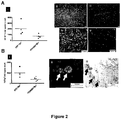
- mice were implanted with CTX0E03 cells, or control vehicles in the striatal region of the brain. At 4, 24, 48, 72 hours and 7 days post-implantation, brains were collected and subjected to histological analysis. Fluorescence immunohistochemistry, using specific markers to detect astrocytes (GFAP) and microglia (TGF- ⁇ ) was performed. Host astrocytes and microglia responses were quantified by measuring GFAP and TGF- ⁇ fluorescent signals by image analysis.
- GFAP astrocytes
- TGF- ⁇ microglia
- CTX0E03 treatment reduced GFAP host responses at 72 hours post-implantation, compared with vehicle-treated brains.
- the reactive morphology demonstrated by vehicle treated brains at this time point was not observed in CTX0E03-treated brains.
- microglial host responses are illustrated in Figure 2B .
- CTX0E03 treatment significantly reduced TGF- ⁇ host responses at 72 hours post implantation compared with vehicle-treated brains.
- Example 3 - CTXOE03 cells significantly reduce the production of IFN- ⁇ when cultured with lipopolysaccharide (LPS)-stimulated mixed human peripheral blood mononuclear cells (PBMCs) compared with control PBMCs
- LPS lipopolysaccharide
- PBMCs mixed human peripheral blood mononuclear cells
- CTX0E03 cells were cultured in 96 well plates with LPS stimulated human PBMCs for 24 hours at 37°C. After 24 hours, culture plates were centrifuged at 1500rpm and the cell supernatants analysed for interferon-gamma (IFN gamma) by ELISA.
- IFN gamma interferon-gamma
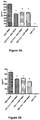
- CTX0E03 demonstrated a significant and dose-dependent reduction of PBMC IFN- ⁇ production, with complete abrogation of the response as demonstrated with CTX0E03 at 25K and 50K (see Figure 4 ).
- Example 4 Microarray and quantitative polymerase chain reaction (QPCR) demonstrate significant up-regulation of indoleamine2, 3-dioxygenase (IDO) and Programmed Death Ligand-1 (PDL-1) in response to IFN- ⁇
- QPCR quantitative polymerase chain reaction
- Table 1 shows the CTX0E03 inflammation genes significantly up- or downregulated by IFN- ⁇ treatment.
- CTX0E03 cells were cultured in 96 well plates with LPS stimulated human PBMCs for 24 hours at 37°C with the addition of an anti-CD274 (PDL-1) functional blocking antibody. After 24 hours, culture plates were centrifuged at 1500rpm and the cell supernatants analysed for interferon-gamma (IFN gamma) by ELISA.
- IFN gamma interferon-gamma
- Cytoplasmic expression of IDO was demonstrated in approximately 95% of CTX0E03 cells prior to in vivo implantation. Up to 24 hours post intra-cerebral implantation 100% of surviving CTX0E03 cells expressed IDO. The expression of IDO was lost in surviving cells at later time points post implantation, see Figure 7 .
- CTX0E03 did not demonstrate CD274 (PDL-1) expression prior to implantation. A significant up-regulation of this protein was observed in CTX0E03 cells post intracerebral implantation. Cytoplasmic expression of this protein was present on CTX0E03 cells up to 7 days post implantation and appeared to be more prominent in CTX0E03 with mature neuronal like morphology at the later time points, see Figure 8 .
- Lymphocyte reactions were performed with 7 day growth-arrested CTX0E03 cells combined with 100,000 human peripheral blood mononuclear cells (PBMC) per well of a 96 well plate for 24 hours. Where stated, LPS was added at 50ng/ml. Functional experiments using a blocking antibody (eBioscience) was added to CTX0E03 cells 2 hours prior to PBMCs (10 ⁇ g/ml).
- PBMC peripheral blood mononuclear cells
- Figure 9 (A-E) shows that CTX0E03 cells inhibit the LPS release of IFN- ⁇ from human PBMCs, isolated from a variety of donors.
- the IFN- ⁇ levels within a co-culture of CTX0E03 cells with unstimulated (no LPS) human PBMCs are shown in Figure 9A .
- Figures 9B-E demonstrate IFN- ⁇ levels within a co-culture of LPS stimulated human PBMCs and CTX0E03 cells from different donors (p ⁇ 0.01). These data show that CTX0E03 cells inhibit IFN- ⁇ release in a concentration-dependent manner.
- Figure 10 illustrates the expression profiling of CTX0E03 cells.
- Real-time PCR illustrates the relative expression levels of known immune modulators in the presence of absence (control) of IFN- ⁇ .
- the expression level of each gene was dependent upon the concentration of IFN- ⁇ .
- IFN- ⁇ had no effect on the expression level of certain genes, even at 50ng/ml. A fold increase greater than 4 was considered significant.
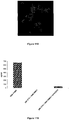
- Figure 11A shows that the addition of the pro-inflammatory cytokine IFN- ⁇ in vitro induced CTX0E03 cells to express CD274.
- Pre-incubation of CTX0E03 cells with a blocking antibody raised against human CD274 (10 ⁇ g/ml for 2 hours) prior to co-culture with LPS stimulated PBMCs (n 3) and restored an average of 8.3% of the inhibition induced by CTX0E03 cells.
- Figure 11B shows the proposed mechanism of action illustrating the requirement of an inflammatory environment to activate the cells' immunosuppressive function.
Landscapes
- Health & Medical Sciences (AREA)
- Engineering & Computer Science (AREA)
- Life Sciences & Earth Sciences (AREA)
- Biomedical Technology (AREA)
- Chemical & Material Sciences (AREA)
- Bioinformatics & Cheminformatics (AREA)
- General Health & Medical Sciences (AREA)
- Organic Chemistry (AREA)
- Neurosurgery (AREA)
- Neurology (AREA)
- Medicinal Chemistry (AREA)
- Pharmacology & Pharmacy (AREA)
- Animal Behavior & Ethology (AREA)
- Public Health (AREA)
- Veterinary Medicine (AREA)
- Cell Biology (AREA)
- Developmental Biology & Embryology (AREA)
- Zoology (AREA)
- Biotechnology (AREA)
- Immunology (AREA)
- Nuclear Medicine, Radiotherapy & Molecular Imaging (AREA)
- General Chemical & Material Sciences (AREA)
- Chemical Kinetics & Catalysis (AREA)
- Wood Science & Technology (AREA)
- Genetics & Genomics (AREA)
- Epidemiology (AREA)
- Ophthalmology & Optometry (AREA)
- Virology (AREA)
- General Engineering & Computer Science (AREA)
- Microbiology (AREA)
- Biochemistry (AREA)
- Psychiatry (AREA)
- Transplantation (AREA)
- Pain & Pain Management (AREA)
- Medicines That Contain Protein Lipid Enzymes And Other Medicines (AREA)
- Medicines Containing Material From Animals Or Micro-Organisms (AREA)
- Investigating Or Analysing Biological Materials (AREA)
- Micro-Organisms Or Cultivation Processes Thereof (AREA)
- Pharmaceuticals Containing Other Organic And Inorganic Compounds (AREA)
Description
- The present invention relates to the use of neural stem cells in the treatment of psychiatric disorders.
- Depression is a debilitating disorder that affects millions of people worldwide (Lopez AD and Murray C, 1998) and imposes a significant cost upon society (Gumnick and Nemeroff, 2000). It is a common psychiatric disorder with a lifetime prevalence of 10-20% (Wong and Lucinio, 2001). Recurrent symptoms are common, with more than 50% of patients experiencing more than one depressive episode. Depression is widespread in patients with co-existing illness, such as diabetes, cancer and stroke, and is particularly prevalent after experiencing heart attack. There are multiple symptoms of depression, including mood alteration, loss of appetite and fatigue; often the sufferer's day to day life is disrupted by lack of concentration, disturbed sleep and feelings of worthlessness. In the most severe cases, patients experience psychotic symptoms such as hallucinations, delusions, morbid and even suicidal thoughts.
- Stress has been implicated as a key factor in the pathophysiology of depression and related psychiatric disorders (Caspi et al., 2003). Abnormalities in the hypothalamic pituitary adrenal (HPA) axis stress response (Heuser, 1998) and the reduced ability of the hippocampus to inhibit the HPA axis has been demonstrated in depressed patients (Heuser, 1998; Young et al., 1991). Structural changes of the hippocampus show a decrease in hippocampal volume in patients with depression and also those suffering from post-traumatic stress disorder (Sheline et al., 1996; Sapolsky, 1996; Bremner et al., 1995). Likewise, chronic stress (for example, restraint or systemic administration of glucocorticoids) results in atrophy of the vulnerable neurones in the hippocampus in rats and non-human primates (Watanabe et al., 1982; Saplosky et al., 1985; Uno et al., 1989; Sapolsky et al., 1990; Wooley et al., 1990; Stein-Behrens et al., 1994; Mararinos et al., 1996). These and other studies confirm that stress induced brain atrophy, loss of neurons and reduced neurogenesis in the hippocampus, may contribute to the pathophysiology of depression (Watanbe et al., 1982; Sapolsky et al., 1985; Uno et al., 1989; Wooley et al., 1990; Stein-Behrens et al., 1994; Elkis et al., 1995; Magarinos et al., 1996).
- More recently, the role of pro-inflammatory cytokines in the pathopysiology of depression and related psychiatric disorders has been described. Pro-inflammatory cytokines have been shown to activate the HPA axis and innate immune system in depressed patients (Schiepers et al., 2005). Additionally patients with immune disorders have been shown to exhibit a higher incidence of depression (Dunn et al., 2005). Changes in cytokine profiles have also been demonstrated in depressed patients (Kim et al., 2007; Brambilla et al., 2004).
In a clinical study, plasma taken from obsessive compulsive disorder (OCD) patients demonstrated higher levels of the pro-inflammatory cytokines tumor necrosis actor-alpha (TNFα) and interleukin-6 (IL-6) compared with healthy control patients (Konuk et al., 2007). Likewise, rodent models of depression also demonstrate elevation of pro-inflammatory cytokines. In particular, Interleukin-1 (IL-1) has been identified as a key mediator in stress induced depression in these models (Goshen et al., 2008; Koo and Duman., 2007). Evidence that IL-I exerts an anti-neurogenic effect in these models provides further evidence to support the role of the inflammatory response in psychiatric disorders (Ben Menachem-Zidon et al., 2008). - Chronic anti-depressant treatment with selective serotonin re-uptake inhibitor drugs (SSRIs) has been reported to increase cell proliferation, granule cell survival and to reverse the detrimental effect of stress on hippocampal neurogenesis (Malberg et al., 2000; Malberg and Duman, 2003).
- Current therapies for the treatment of psychiatric disorders such as depression and OCD, although efficacious in some patients, require long term, chronic treatment before therapeutic benefit is felt. Unwanted side effects, related to all classes of anti-depressant drugs, can be intolerable and in some patients depressive symptoms may actually become more severe with treatment. Many pharmacological agents are available for the treatment of depression however these are not without their limitations in both efficacy and tolerability.
- Three major problems are commonly associated with typical anti-depressant treatments. First there is a large population of patients that do not respond to conventional drug therapy (Stahl et al., 2001). Second, patients experience a long latency period before gaining any therapeutic benefit (Gumnick et al). Lastly, most anti-depressants have a wide range of unwanted side-effects that are related to modulation of brain neurotransmitters and their specific receptors subtypes (Ereshefsky et al., 1997).
- Therefore, there exists a need for improved treatments for psychotic disorders that are safe, efficacious and have limited side-effects.
- According to a first aspect, the present invention is directed to an isolated cell of the CTX0E03 neural stem cell line for use in the treatment of a disorder associated with elevated levels of pro-inflammatory cytokines, wherein the disorder is selected from unipolar and bipolar depression, schizophrenia, obsessive compulsive disorder, autism and autistic syndrome disorders.
- According to a second aspect, the present invention provides a method for determining the potential effectiveness of cells of the CTX0E03 stem cell line for use as a therapy in the treatment of a psychiatric disorder, comprising the steps of: contacting a sample of peripheral blood cells from a patient suffering from a psychiatric disorder with cells of the cell line; and determining the effect of the cells on the pro-inflammatory cytokine response of the peripheral blood cells. In a preferred embodiment, the psychiatric disorder is selected from unipolar and bipolar depression, schizophrenia, obsessive compulsive disorder, autism and autistic syndrome disorders.
-
-
Figure 1 shows fluorescent images of microglial and astrocytic responses in the mouse brain at 7 days post vehicle (1A, 1C, 1E) and 7 days post CTX0E03 treatment (18, 1D, 1F); -
Figure 2A(i) is a graph showing a reduction in total GFAP fluorescent signal with CTX0E03-treated mouse brains compared with HTS vehicle-treated mouse brains.Figures 2A(ii)-2A(v) are representative low (ii, iii) and high (iv, v) fluorescent images showing GFAP expression in HTS, vehicle-treated (ii, iv) and CTX0E03-treated (iii, v) brains; -
Figure 2B(i) is a graph showing a significant reduction in TGF-13 fluorescent signal with CTX0E03-treated mouse brains compared with HTS vehicle-treated mouse brains.Figures 2B(ii)-2B(iii) are representative fluorescent images showing TGF-β positive microglia (ii) and microglia stained with haematoxylin and eosin (iii); -
Figures 3A and 3B are graphs showing the significant effect of mitomycin-treated CTX0E03 on the reduction of LPS-stimulated PBMC IFN-γ in vitro(p=<0.01); -
Figures 4A and 4B are graphs showing the dose-dependent effect of differentiated CTX0E03 on the reduction of LPS-stimulated PBMC IFN-γ in vitro(p=<0.01); -
Figure 5 is a graph showing the dose-dependent effect of IFN -γ on CTX0E03-mediated production of IDO; -
Figure 6 is a graph showing the effect of anti-CD274 blocking antibody on CTX0E03-induced immunosuppression (p=<0.01); -
Figure 7 shows images of (i) high expression of IDO by CTX0E03 drug product prior to implantation, and (ii & iii) up-regulation of IDO expression by CTX0E03 cells 24 hours post implantation; -
Figure 8 shows images of (i) no expression of CD274 (PDL-1) by CTX0E03 drug product prior to implantation and (ii & iii) up-regulation and sustained expression of CD274 (PDL-1) by CTX0E03 up to 7 days post implantation; -
Figure 9 (A-E) are graphs showing that CTX0E03 cells inhibit the LPS release of IFN-γ from human PBMCs in a concentration-dependent manner; -
Figure 10 (A-B) illustrates the expression profiling of CTX0E03 cells; and -
Figure 11A is an image showing that the addition of the pro-inflammatory cytokine IFN-γ in vitro induces CTX0E03 cells to express CD274,Figure 10B is a graph showing that pre-incubation of CTX0E03 cells with a blocking antibody raised against human CD274 (10µg/ml for 2 hours) prior to co-culture with LPS stimulates PBMCs and restores the inhibition induced by CTX0E03 cells, andFigure 11C shows the proposed mechanism of action illustrating the requirement of an inflammatory environment to activate the cells' immunosuppressive function. - The present invention is based on the surprising discovery that cells of the CTX0E03 cell line, are able to reduce, modulate or inhibit pro-inflammatory cytokines in vivo, and are therefore able to modulate or inhibit activation of T cells and other cells of the immune system. As such, these cells are useful in the treatment of disorders associated with elevated levels of pro-inflammatory cytokines, compared with a control, and disorders characterised by elevated levels of one or more inflammatory marker, compared with a control. These cells provide an industrially scalable, safe and potent allogeneic treatment.
- In particular, the present invention is directed to the use of cells of the CTX0E03 cell line in the treatment of psychiatric disorders, including unipolar and bipolar depression, stress-induced depression, obsessive compulsive disorder, bipolar disorder, schizophrenia and autism or autistic syndrome disorders.
- The cells of the CTXOEOE cell line have the following characteristics:
- Multipotent cells.
- Derived from a single founder cell (clonal cells).
- Genetically stable cells with normal chromosomes.
- Can be grown in large numbers and stored.
- Are safe, particularly not showing tumourigenic potential.
- Migration, once implanted, is limited to areas of tissue damage.
- Are efficacious in recognised animal models.
- Provenance is fully documented.
- In a preferred embodiment, the present invention is for use in the treatment of depressed patients with depressive symptoms that do not respond to common antidepressant medication.
- As used herein, the term "pro-inflammatory cytokine" has its usual meaning in the art and refers to a cytokine which promotes systemic inflammation. Examples of pro-inflammatory cytokines include interleukin-1 (IL-1), tumour necrosis factor- alpha (TNF-α), necrosis factor -beta (TNF-β) and interferon-gamma (IFN-γ).
- The neural stem cell line CTX0E03 has been deposited at the European Collection of Animal Cultures (ECACC), Vaccine Research and Production laboratories, Public Health Laboratory Services, Porton Down, Salisbury, Wiltshire, SP4 OJG, UK. The ECACC Accession No. is 04091601. The derivation of this cell line is described in European Patent No.
1645626 . - The cells of the CTXOE03 cell line may be cultured in the following culture conditions:
• Human Serum Albumin 0.03% • Transferrin, Human 100 µg/ml • Putrescine Dihydrochloride 16.2 µg/ml • Insulin Human recombinant 5 µg/ml • Progesterone 60 ng/ml • L-Glutamine 2 mM • Sodium Selenite (selenium) 40 ng/ml - The development of the CTXOE03 cell line has allowed the scale-up of a consistent product for clinical use. Production of cells from banked materials allows for the generation of cells in quantities for commercial application.
- As used herein, the term "psychiatric disorder" refers to chronic behavioural disorders typically involving systemic and brain inflammation. Disorders include unipolar and bipolar depression, schizophrenia, obsessive compulsive disorder, autism and autistic syndrome disorders. As used herein, the term 'patient' refers to a mammal including a non-primate (e.g. a cow, pig, horse, dog, cat, rat and mouse) and primate (e.g. a monkey and human), and more preferably a human.
- Methods for the preparation of formulations for delivery to a patient will be apparent to the skilled person. Suitable excipients, diluents etc., will again be apparent based on current practice in preparing neural stem cell-based therapies and described in the literature. The amount of cells required for delivery will vary depending on the form of treatment, the severity of the disease, and the need for applying multiple doses over a treatment period. However, the skilled person can
readily determine the appropriate treatment based on existing cell transplantation therapies. - Suitable routes of administration of cells according to the invention include direct intra-venous, intra-arterial, intra-muscular or intra-cerebral injection. The cells will be administered preferably in the undifferentiated state.
- In a preferred embodiment, the cells for transplantation are suspended in a composition comprising Trolox, Na+, K+, Ca2+, mg2+, Cl-, H2PO4 - , HEPES, lactobionate, sucrose, mannitol, glucose, dextron-40, adenosine and glutathione. Preferably, the composition will not include a dipolar aprotic solvent, e.g. DMSO. Suitable compositions are available commercially, e.g. HypoThermasol®-FRS. Such compositions are preferred as they allow the cells to be stored at 4°C to 25°C for extended periods (hours to days) or preserved at cryothermic temperatures, i.e. temperatures below -20°C. The cells may then be administered in this composition after thawing.
- In a further embodiment, the present invention is directed to a method for determining the potential effectiveness of the cells the CTX0E03 cell line for use as a therapy in the treatment of a psychiatric disorder, said method comprising the steps of: contacting a sample of peripheral blood cells from a patient suffering from a psychiatric disorder with cells of the cell line; and determining the effect of the cells of the cell line on the pro-inflammatory cytokine response of the peripheral blood cells. In a preferred embodiment, the psychiatric disorder is selected from unipolar and bipolar depression, schizophrenia, obsessive compulsive disorder, autism and autistic syndrome disorders. If the cells reduce or modulate pro-inflammatory cytokines, this indicates a potential for use in treating said disorders.
- It is proposed that the mechanism by which CTX0E03 cells inhibit or modulate pro-inflammatory cytokines, and thereby inhibit or reduce inflammation, including microglial and T cell activation, involves the cell-surface expression of the programmed cell death ligand CD274. Up-regulation of CD274 requires IFN-γ which, as shown in the data described above, results in abrogation of PBMC IFN-γ production. Therefore, it appears that the immunosuppressive activity of CTX0E03 cells is driven by the presence of pro-inflammatory cytokines (such as IFN-γ) and the immuno-modulatory activity of CTX0E03 cells following implantation in vivo is mediated in part by CD274 upregulation which is triggered by the inflammatory microenvironment surrounding the cells.
- The invention will now be described with reference to the following nonlimiting examples:
- Adult male BalbC mice were implanted with CTX0E03 cells or control vehicles in the striatal region of the brain. 7 days post grafting brains were collected and subjected to histological analysis. Fluorescence immunohistochemistry, using specific markers to detect astrocytes (Glial fibrillary acid protein, GFAP) and microglia (CD11b, TGF-β) was performed.
- The results are presented in
Figures 1A-F . As can be seen, CTX0E03 treatment afforded a reduction in GFAP, CD11b and TGF-β expression in the striatum, at the site of implantation, compared with vehicle control-treated brains. - Adult male BalbC mice were implanted with CTX0E03 cells, or control vehicles in the striatal region of the brain. At 4, 24, 48, 72 hours and 7 days post-implantation, brains were collected and subjected to histological analysis. Fluorescence immunohistochemistry, using specific markers to detect astrocytes (GFAP) and microglia (TGF-β) was performed. Host astrocytes and microglia responses were quantified by measuring GFAP and TGF- β fluorescent signals by image analysis.
- The GFAP host responses are illustrated in
Figure 2A . CTX0E03 treatment reduced GFAP host responses at 72 hours post-implantation, compared with vehicle-treated brains. The reactive morphology demonstrated by vehicle treated brains at this time point was not observed in CTX0E03-treated brains. - The microglial host responses are illustrated in
Figure 2B . CTX0E03 treatment significantly reduced TGF-β host responses at 72 hours post implantation compared with vehicle-treated brains. - Mitomycin treated (growth arrested) or differentiated (growth factors removed) CTX0E03 cells were cultured in 96 well plates with LPS stimulated human PBMCs for 24 hours at 37°C. After 24 hours, culture plates were centrifuged at 1500rpm and the cell supernatants analysed for interferon-gamma (IFN gamma) by ELISA.
- Mitomycin treated CTX0E03 cells significantly reduced PBMC IFN-γ production, but there was no dose-dependent effect; these results are shown in
Figure 3 . - Differentiated CTX0E03 demonstrated a significant and dose-dependent reduction of PBMC IFN-γ production, with complete abrogation of the response as demonstrated with CTX0E03 at 25K and 50K (see
Figure 4 ). - Microarray analysis of genes associated with inflammation was performed on CTX0E03 cells stimulated with IFN-γ using the OpenArray™ system. Expression of 359 genes was detected, including up-regulation of CD274 (Progammed Death Ligand-1 (PDL-1)).
- Table 1 shows the CTX0E03 inflammation genes significantly up- or downregulated by IFN-γ treatment.
- Real-time PCR analysis of CTX0E03 mediated
Indoleamine 2, 3 dioxygenase (IDO) production was also performed following treatment with IFN γ and a dose-response effect of IFN -γ on CTX0E03-mediated production of IDO was demonstrated (seeFigure 5 ).Table 1 AVG ΔCt 2^- ΔCt Fold up-or down- regulation Group 1 Control group Group 1 Control group Group 1/control Biotrove Biotrove CD74 #50 -0.32 8.9 1.248331 0.002101 594.28 CD74 630.44 CD74 #57 1.21 10.42 0.430773 0.00073 590.18 IL 18BP #59 0.53 9.38 0.694959 0.001501 463.04 IL 18BP 128.37 IL 18BP #61 -0.2 8.49 1.144724 0.002781 411.57 CD274 #25 2.98 10.56 0.126306 0.000665 190.02 CD274 64.14 CD274 #88 3.81 11.68 0.071545 0.000306 233.94 CSF1 #2 2.54 8 0.171943 0.00392 43.87 CSF1 32.72 CSF1 # 192.41 7.76 0.188809 0.004613 40.93 IL 15 #466.97 12.84 0.008004 0.000136 58.69 IL15 19.92 SOCS #87 4.01 10.38 0.062068 0.000753 82.42 SOCS1 23.71 SOCS #12 7.27 10.98 0.006502 0.000495 13.13 PTX3 #58 10.01 11.42 0.00097 0.000366 2.65 PTX3 6.05 - Differentiated (growth factors removed) CTX0E03 cells were cultured in 96 well plates with LPS stimulated human PBMCs for 24 hours at 37°C with the addition of an anti-CD274 (PDL-1) functional blocking antibody. After 24 hours, culture plates were centrifuged at 1500rpm and the cell supernatants analysed for interferon-gamma (IFN gamma) by ELISA.
- Treatment with the anti-CD274 (PDL-1) functional blocking antibody significantly reversed the CTX0E03 abrogation of PBMC IFN- γ production, as shown in
Figure 6 . - Cell smears of CTX0E03 drug product were produced on glass microscope slides and were subjected fluorescence immunohistochemistry, using specific markers to detect IDO and CD274 (PDL-1).
- Adult male BalbC mice were implanted with CTX0E03 cells in the striatal region of the brain. At 4, 24, 48, 72 hours and 7 days post grafting, brains were collected and subjected fluorescence immunohistochemistry, using specific markers to detect IDO and CD274 (PDL-1).
- Cytoplasmic expression of IDO was demonstrated in approximately 95% of CTX0E03 cells prior to in vivo implantation. Up to 24 hours post
intra-cerebral implantation 100% of surviving CTX0E03 cells expressed IDO. The expression of IDO was lost in surviving cells at later time points post implantation, seeFigure 7 . - CTX0E03 did not demonstrate CD274 (PDL-1) expression prior to implantation. A significant up-regulation of this protein was observed in CTX0E03 cells post intracerebral implantation. Cytoplasmic expression of this protein was present on CTX0E03 cells up to 7 days post implantation and appeared to be more prominent in CTX0E03 with mature neuronal like morphology at the later time points, see
Figure 8 . - Lymphocyte reactions were performed with 7 day growth-arrested CTX0E03 cells combined with 100,000 human peripheral blood mononuclear cells (PBMC) per well of a 96 well plate for 24 hours. Where stated, LPS was added at 50ng/ml. Functional experiments using a blocking antibody (eBioscience) was added to CTX0E03 cells 2 hours prior to PBMCs (10µg/ml).
-
Figure 9 (A-E) shows that CTX0E03 cells inhibit the LPS release of IFN-γ from human PBMCs, isolated from a variety of donors. The IFN-γ levels within a co-culture of CTX0E03 cells with unstimulated (no LPS) human PBMCs are shown inFigure 9A .Figures 9B-E demonstrate IFN-γ levels within a co-culture of LPS stimulated human PBMCs and CTX0E03 cells from different donors (p<0.01). These data show that CTX0E03 cells inhibit IFN-γ release in a concentration-dependent manner. -
Figure 10 (A and B) illustrates the expression profiling of CTX0E03 cells. Real-time PCR illustrates the relative expression levels of known immune modulators in the presence of absence (control) of IFN-γ. As shown inFigure 10A , the expression level of each gene was dependent upon the concentration of IFN-γ. As Table 2, IFN-γ had no effect on the expression level of certain genes, even at 50ng/ml. A fold increase greater than 4 was considered significant.Table 2 AVG ΔCt 2^-ΔCt Fold Up Regulation 50ng/ml IFNγ Control 50ng/ml IFNγ Control 50ng/ml IFNγ /Control IDO -1.69 14.08 3.226567 0.000058 55878.28 IL18BP 1.062 764 3.063116 0.005031 608.87 CD274 3.48 9.15 0.089933 0.001766 50.91 TRL4 4.81 5.92 0.035649 0.016459 2.17 -
Figure 11A shows that the addition of the pro-inflammatory cytokine IFN-γ in vitro induced CTX0E03 cells to express CD274. Pre-incubation of CTX0E03 cells with a blocking antibody raised against human CD274 (10µg/ml for 2 hours) prior to co-culture with LPS stimulated PBMCs (n=3) and restored an average of 8.3% of the inhibition induced by CTX0E03 cells. This is shown inFigure 11B .Figure 11C shows the proposed mechanism of action illustrating the requirement of an inflammatory environment to activate the cells' immunosuppressive function. -
- 1. Lopez AD, Murray CC (1998) The Global Burden of disease, 1990-2020. Nat Med 4(11):1241-3.
- 2. Gumnick JF, Nemeroff CB (2000) Problems with currently available antidepressants. J Clin Psychiatry 61(10):5-15.
- 3. Wong ML, Licinio J (2001) Research and treatment approaches to depression. Nature Reviews Neuroscience 2: 343-351.
- 4. Caspi A, Sugden K, Moffitt TE, Taylor A, Craig IW, Harrington H, McClay J, Mill J, Martin J, Braithwaite A, Poulton R (2003) Influence of life stress on depression: Moderation by a polymorphism in the 5-HTT gene. Science 301:386-389.
- 5. Heuser I (1998) The hypothalamic-pituitary-adrenal system in depression. Pharmacopsychiatry 31:10-13.
- 6. Young EA, Haskett RF, Murphy-Weinburg V, Watson SJ, Akil H (1991) Loss of glucocorticoid fast feedback in depression. Arch Gen Psychiatry 48: 693-699.
- 7. Sheline YI, Wany P, Gado MH, Csernansky JG, Vannier MW (1996) Hippocampal atrophy in recurrent major depression. Proc Natl Acad Sci USA 93:3908-3913.
- 8. Sapolsky RM (1996) Glucocorticoids and atrophy of the human hippocampus. Science 273:749-775.
- 9. Bremner JD, Randall P, Scott TM, Bronen RA, Seibyl JP, Southwick SM, Delaney RC, McCarthy G, Charney DS, Innis RB (1995) MRI- based measurement of hippocampal volume in patients with combat related posttraumatic stress disorder.
- 10. Watanabe Y, Gould E, McEwen BS (1982) Stress induces atrophy of apical dendrites of hippocampal CA3 pyramidal neurones. Brain Res 588:341-345.
- 11. Sapolsky RM, Krey LC, McEwen BS (1985) Prolonged glucocorticoid exposure reduces hippocampal neurone number: implications for aging. J Neurosci 5:1222-1227.
- 12. Uno H, Tarara R, Else JG, Suleman MA, Sapolsky RM (1998) Hippocampal damage associated with prolonged and fatal death in primates. J Neurosci 9:1705-1711.
- 13. Sapolsky RM (1990) Glucocorticoids, hippocampus, and the glutamatergic synapse. Prog Brain Res 86:13-23.
- 14. Wooley CS, Gould E, McEwen BS (1990) Exposure to excess glucocorticoids alters dendritic morphology of adult hippocampal pyramidal neurones. Brain Res 531:225-231.
- 15. Stein-Beherens B, Mattson MP, Chang I, Yeh M, Sapolsky R (1994) Stress exacerbates neurone loss and cytoskeletal pathology in the hippocampus. J Neurosci 14:5373-5380.
- 16. Margarinos AM, McEwen BS, Flugge G, Fuchs E (1996) Chronic psychosocial stress causes apical dendritic atrophy of hippocampal CA3 pyramidal neurones in subordinate tree shrews. J Neurosci 16:3534-3540.
- 17. Elkis H, Friedman L, Wise A, Meltzer HY (1995) Meta-analysis of studies of ventricular enlargement and cortical sulcal prominence in mood disorders. Arch Gen Psychiatry 52:735-746.
- 18. Schiepers OJ, Wichers MC, Maes M (2005) Cytokines and major depression. Prog Neuropsycopharmacol Biol Psychiatry 29(2):201-217.
- 19. Dunn AJ, Swiergiel AH, de Beaurepaire R (2005) Cytokines as mediators of depression:what can we learn from animal studies Neurosci Biobeh Rev 29:891-909.
- 20. Kim YK, Na KS, Shin KH, Jung HY, Choi SH, Kim JB (2007) Cytokine imbalance in the pathophysiology of major depressive disorder. Prog Neuropsycopharmacol Biol Psychiatry 31(5):1044-1053.
- 21. Brambilla F, Monteleone P, Maj M (2004) Interleukin-1 beta and tumor necrosis factor alpha in children with major depressive disorder or dysthymia. J Affect Disord 78:273-277.
- 22. Konuk N, Tekin IO, Ozturk U, Atik L, Atasoy N, Bektas S, Erdogan A (2007) Plasma levels of tumor necrosis factor-alpha and Interleukin-6 in obsessive compulsive disorder. Mediators Inflamm 2007:65704.
- 23. Goshen I, Yirmiya R (2009) Interleukin-1 (IL-1): A central regulator of stress responses. Front Neuroendocrinol 30:30-45.
- 24. Koo JW, Duman RS (2008) IL-1beta is an essential mediator of the antineurogenic and anhedonic effects of stress. Proc Natl Acad Sci USA 105(2):751-6.
- 25. Ben Menachem-Zidon O, Goshen I, Kriesle T, Ben Menachem Y, Reinhartz E, Ben Hur T, Yirmiya R (2008) Intrahippocampal transplantation of transgenic Neural precursor .
- 26. Sluzewska A, Rybakowski J, Bosmans E, Sobieska M, Berghmans R, Maes M, Wiktorowicz K (1996) Indicators of immune activation in major depressive illness. Psychiatry Res 64:161-167.
- 27. Basterzi AD, Aydemir C, Kisa C, Aksaray S, Tuzer V, Yazici K, Göka E (2005) IL-6 levels decrease with SSRI treatment in patients with major depression. Hum Psycopharmacol 20:473-476.
- 28. Malberg JE, Eisch AJ, Nestler EJ, Duman RS (2000) Chronic antidepressant treatment increases neurogenesis in the adult rat hippocampus. J Neurosci 20(24):9104-9110.
- 29. Malberg JE, Duman RS (2003) Cell proliferation in the adult hippocampus is decreased by inescapable stress: Reversal by Fluoxetine treatment. Neuropsychopharmacology 28:1562-1571.
- 30. Sahay A, Hen R (2007) Adult hippocampal neurogenesis in depression. Nat Neurosci 10(9):1110-1115.
- 31. Santarelli L, Saxe M, Gross C, SurgeT A, Battaglia F, Dulawa S, Weisstaub N, Lee J, Duman R, Arancio O, Belzung C, Hen R (2003) Requirement of hippocampul neurogenesis for the behavioural effects of antidepressants. Science 3012:805-809.
- 32. O'Brien S, Scully P, Fitzgerald P, Scott LV, Dinan TG (2007) Plasma cytokine profiles in depressed patients who fail to respond to selective serotonin reuptake inhibitor therapy. J Psychiatr Res 2007; 41:326-331.
- 33. Eller T, Vasar V, Shlik J, Maron E (2008) Proinflammatory cytokines and treatment response to escitalopram in major depressive disorder. Prog Neuropsychopharmacol Biol Psychiatry 2008; 32:445-450.
- 34. Hong ZF, Huang XJ, Yin ZY, Zhao WX, Wang XM (2009) Immunosuppressive function of bone marrow mesenchymal stem cells on acute rejection of liver allografts in rats. Transplantation Proceedings 41:403-409.
- 35. Li Y, Tredget EE, Ghaffari A, Lin X, Kilani RT, Ghahary A (2006) Local expression of indoleamine 2,3-dioxygenase protects engraftment of xenogeneic substitute. Journal Invest Dermatol 126:128-136.
- 36. Stroemer P, Patel S, Hope A, Oliveira C, Pollock K, Sinden J (2009) The neural stem cell line CTX0E03 promotes behavioural recovery and endogenous neurogenesis after experimental stroke in a dose dependent fashion. Neurorehabil Neural Repair 23(9):895-909.
- 37. Park DH, Eve DJ, Sanberg PR, Musso J 3rd, Bachstetter AD, Wolfson A, Schlunk A, Baradez MO, Sinden JD, Gemma C (2010) Increased neuronal proliferation in the dentate gyrus of aged rats following neural stem cell implantation. Stem Cells Dev 19(2):175-180.
- 38. Couillard-Depres S, Wuertinger C, Kandasamy M, Caioni M, Stadler K, Aigner R, Bogdahn U, Aigner L (2009) Ageing abolishes the effects of fluoxetine on neurogenesis. Mol Psychiatry 14(9):856-864.
- 39. Tfilin M, Sudai E, Merenlender A, Gispan I, Yadid G, Turgeman (2009) Mesenchymal stem cells increase hippocampal neurogenesis and counteract depressive-like behaviour. Molecular Psychiatry 1-12.
- 40. Stahl SM, Nierenburg AA, Gorman JM (2001) Evidence of early onset of antidepressant effect in randomized controlled trials. J Clin Psychiatry 62 (4): 17-23.
- 41. Ereshefsky L, Alfaro CL, Lam YWF (1997) Treating depression: potential drug interactions. Psych Ann 27:244-258.
- 42. Fink F (2001) Convulsive therapy: a review of the first 55 years. J Affect Disord 63 (1-3):1-15.
- 43. Zetterstrom TSC, Pei Q, Grahame-Smith DG (1998) Repeated electric convulsive shock extends the duration of enhanced expression of BDNF in rat brain compared with a single administration. Mol Brain Res 57:106-110.
- 44. Skolnick P, Legutko B, Li X, Bymaster FP (2001) Current perspectives on the development of non-biogenic amine-based antidepressants. Pharmacological Research 43 (5):411-422.
- 45. Himmelhoch JM (1995) Monoamine oxidase inhibitors. Kaplan HI, Sadock BJ, eds. Comprehensive Textbook of Psychiatry. 6th ed. Baltimore, Md: Williams and Wilkins 2038-2054.
- 46. Janicak PG, Davis JM, Preskorn SH (1997) Principles and practice of clinical psycopharmacotherapy 2nd ed. Baltimore, Md:Williams and Wilkins.
Claims (5)
- An isolated cell of the CTX0E03 neural stem cell line for use in the treatment of a disorder associated with elevated levels of pro-inflammatory cytokines, wherein the disorder is selected from unipolar and bipolar depression, schizophrenia, obsessive compulsive disorder, autism and autistic syndrome disorders.
- The isolated cell for use according to claim 1, wherein the cell inhibits immune cell activation.
- The isolated cell for use according to any preceding claim, wherein the cell is administered by direct intra-cerebral, intra-ventricular or systemic implantation.
- A method for determining the potential effectiveness of the CTX0E03 stem cell line for use as a therapy in the treatment of a psychiatric disorder, comprising the steps of:(i) contacting a sample of peripheral blood cells from a patient suffering from a psychiatric disorder with cells of the cell line; and(ii) determining the effect of the cells of the cell line on the pro-inflammatory cytokine response of the peripheral blood cells.
- A method according to claim 4, wherein the psychiatric disorder is selected from unipolar and bipolar depression, schizophrenia, obsessive compulsive disorder, autism and autistic syndrome disorders.
Applications Claiming Priority (2)
| Application Number | Priority Date | Filing Date | Title |
|---|---|---|---|
| GBGB1011589.7A GB201011589D0 (en) | 2010-07-09 | 2010-07-09 | Therapeutic cells |
| PCT/GB2011/051289 WO2012004611A1 (en) | 2010-07-09 | 2011-07-11 | Therapeutic use of neural stem cells |
Publications (2)
| Publication Number | Publication Date |
|---|---|
| EP2590660A1 EP2590660A1 (en) | 2013-05-15 |
| EP2590660B1 true EP2590660B1 (en) | 2019-10-23 |
Family
ID=42712157
Family Applications (1)
| Application Number | Title | Priority Date | Filing Date |
|---|---|---|---|
| EP11738783.7A Active EP2590660B1 (en) | 2010-07-09 | 2011-07-11 | Therapeutic use of neural stem cells |
Country Status (7)
| Country | Link |
|---|---|
| US (1) | US9629879B2 (en) |
| EP (1) | EP2590660B1 (en) |
| JP (3) | JP6151181B2 (en) |
| AU (1) | AU2011275493B2 (en) |
| CA (1) | CA2803961C (en) |
| GB (1) | GB201011589D0 (en) |
| WO (1) | WO2012004611A1 (en) |
Families Citing this family (12)
| Publication number | Priority date | Publication date | Assignee | Title |
|---|---|---|---|---|
| GB0902034D0 (en) | 2009-02-06 | 2009-03-11 | Reneuron Ltd | Method |
| GB201011589D0 (en) * | 2010-07-09 | 2010-08-25 | Reneuron Ltd | Therapeutic cells |
| EP3470073A1 (en) | 2012-04-03 | 2019-04-17 | Reneuron Limited | Stem cell microparticles |
| GB201302468D0 (en) | 2013-02-12 | 2013-03-27 | Reneuron Ltd | Stem cell product |
| SG11201500329WA (en) | 2012-07-19 | 2015-02-27 | Reneuron Ltd | Stem cell microparticles |
| ES2927175T3 (en) | 2013-02-12 | 2022-11-03 | Reneuron Ltd | Microparticle production method |
| GB201317887D0 (en) | 2013-10-09 | 2013-11-20 | Reneuron Ltd | Product |
| GB201317889D0 (en) | 2013-10-09 | 2013-11-20 | Reneuron Ltd | Product and use |
| JP7014449B2 (en) | 2016-08-14 | 2022-02-01 | ラモット アット テル アビブ ユニバーシティ, リミテッド | Mesenchymal cell-derived exosomes for treating neuropathy |
| KR102995657B1 (en) | 2018-03-29 | 2026-07-28 | 테크니온 리서치 엔드 디벨로프먼트 화운데이션 엘티디. | Vesicles containing PTEN inhibitors and their uses |
| US20200108100A1 (en) * | 2018-10-08 | 2020-04-09 | Reneuron Limited | Neural stem cell therapy for stroke |
| WO2022104069A1 (en) | 2020-11-13 | 2022-05-19 | Advanced Therapeutic Lab, Inc. | Therapeutic methods and compositions utilizing stromal vascular fraction derived from adipose tissue |
Citations (1)
| Publication number | Priority date | Publication date | Assignee | Title |
|---|---|---|---|---|
| WO2009096445A1 (en) * | 2008-01-29 | 2009-08-06 | Kyowa Hakko Kirin Co., Ltd. | Nerve trunk cell propagation accelerator |
Family Cites Families (6)
| Publication number | Priority date | Publication date | Assignee | Title |
|---|---|---|---|---|
| GB9518606D0 (en) * | 1995-09-12 | 1995-11-15 | Inst Of Psychiatry | Neural transplantation |
| US7785601B2 (en) * | 2002-12-31 | 2010-08-31 | Sygnis Bioscience Gmbh & Co. Kg | Methods of treating neurological conditions with hematopoietic growth factors |
| ES2294650T3 (en) * | 2004-09-30 | 2008-04-01 | Reneuron Limited | CELLPHONE LINE. |
| GB0514300D0 (en) * | 2005-07-12 | 2005-08-17 | Fond Ct San Raffaele | Imflammation |
| WO2008109320A1 (en) * | 2007-03-08 | 2008-09-12 | Sekula Raymond F Jr | A method of producing purified neural stem cells and related methods of treating a patient |
| GB201011589D0 (en) * | 2010-07-09 | 2010-08-25 | Reneuron Ltd | Therapeutic cells |
-
2010
- 2010-07-09 GB GBGB1011589.7A patent/GB201011589D0/en not_active Ceased
-
2011
- 2011-07-11 CA CA2803961A patent/CA2803961C/en active Active
- 2011-07-11 AU AU2011275493A patent/AU2011275493B2/en not_active Ceased
- 2011-07-11 WO PCT/GB2011/051289 patent/WO2012004611A1/en not_active Ceased
- 2011-07-11 US US13/701,932 patent/US9629879B2/en not_active Expired - Fee Related
- 2011-07-11 JP JP2013519155A patent/JP6151181B2/en not_active Expired - Fee Related
- 2011-07-11 EP EP11738783.7A patent/EP2590660B1/en active Active
-
2015
- 2015-09-11 JP JP2015179539A patent/JP6177292B2/en not_active Expired - Fee Related
-
2017
- 2017-02-28 JP JP2017037431A patent/JP2017101069A/en not_active Withdrawn
Patent Citations (2)
| Publication number | Priority date | Publication date | Assignee | Title |
|---|---|---|---|---|
| WO2009096445A1 (en) * | 2008-01-29 | 2009-08-06 | Kyowa Hakko Kirin Co., Ltd. | Nerve trunk cell propagation accelerator |
| EP2239320A1 (en) * | 2008-01-29 | 2010-10-13 | Kyowa Hakko Kirin Co., Ltd. | Nerve trunk cell propagation accelerator |
Also Published As
| Publication number | Publication date |
|---|---|
| AU2011275493A1 (en) | 2013-01-10 |
| CA2803961A1 (en) | 2012-01-12 |
| EP2590660A1 (en) | 2013-05-15 |
| AU2011275493B2 (en) | 2014-07-24 |
| JP6177292B2 (en) | 2017-08-09 |
| JP2017101069A (en) | 2017-06-08 |
| WO2012004611A1 (en) | 2012-01-12 |
| JP6151181B2 (en) | 2017-06-21 |
| US20130171177A1 (en) | 2013-07-04 |
| US9629879B2 (en) | 2017-04-25 |
| JP2016000755A (en) | 2016-01-07 |
| GB201011589D0 (en) | 2010-08-25 |
| CA2803961C (en) | 2019-01-15 |
| JP2013533887A (en) | 2013-08-29 |
Similar Documents
| Publication | Publication Date | Title |
|---|---|---|
| US9629879B2 (en) | Therapeutic use of neural stem cells | |
| AU2013290146B2 (en) | Mesenchymal-like stem cells derived from human embryonic stem cells, methods and uses thereof | |
| Lindvall et al. | Stem cells in human neurodegenerative disorders—time for clinical translation? | |
| CN104703609B (en) | stem cell microparticles | |
| Nandy et al. | Fibroblast Growth Factor-2 alone as an efficient inducer for differentiation of human bone marrow mesenchymal stem cells into dopaminergic neurons | |
| Tajima et al. | Restoration of thymus function with bioengineered thymus organoids | |
| JP2010209074A5 (en) | ||
| CN1833021A (en) | Oligodendrocyte precursor cells and method of obtaining and culturing the same | |
| JP2015510401A (en) | Mesenchymal stem cells and their banks for in vitro modeling and cell-based therapy of human disease | |
| KR20190051837A (en) | Improvement of transplantation effect of DA neuron engraftment by Co-transplantation of midbrain astrocytes and VM-NPCs | |
| Sugaya et al. | How to approach Alzheimer's disease therapy using stem cell technologies | |
| Plant et al. | Olfactory ensheathing glia: repairing injury to the mammalian visual system | |
| CN101679951B (en) | Telencephalic glial-restricted cell populations and related compositions and methods | |
| Domenig | Developing novel stem cell-based therapeutic approaches to treat Duchenne muscular dystrophy | |
| Rivolta et al. | Gene arrays, cell lines, stem cells, and sensory regeneration in mammalian ears | |
| Kim et al. | Cell therapy in Huntington's disease | |
| Beekhuis-Hoekstra et al. | iPSC-derived astrocytes with high polygenic risk reveal novel candidate for convergent ef-fects in schizophrenia | |
| Liu et al. | WJSC | |
| Bonaventura et al. | Induced pluripotent stem cells: an innovative patient-specific neurodegenerative disease modeling | |
| Khoo et al. | Mesenchymal stem cell-based therapies for Parkinson's disease: Progress, controversies and lessons for the future | |
| Auclair-Daigle et al. | Potential of Tissue Engineering and Neural Stem Cells in the Understanding and Treatment of Neurodegenerative Diseases | |
| Lau | Effects of human induced pluripotent stem cell-derived neural progenitor cells on functional outcome in a porcine ischemic stroke model | |
| Kelly | Neural stem cells for cell replacement therapy in Huntington's disease | |
| Lee | Cell and gene therapy via human neural stem/progenitor cells in the lithium-pilocarpine model of rat temporal lobe epilepsy | |
| JP2008526891A (en) | Bone marrow stromal cells for immune defense of transplanted neural stem cells |
Legal Events
| Date | Code | Title | Description |
|---|---|---|---|
| PUAI | Public reference made under article 153(3) epc to a published international application that has entered the european phase |
Free format text: ORIGINAL CODE: 0009012 |
|
| 17P | Request for examination filed |
Effective date: 20121212 |
|
| AK | Designated contracting states |
Kind code of ref document: A1 Designated state(s): AL AT BE BG CH CY CZ DE DK EE ES FI FR GB GR HR HU IE IS IT LI LT LU LV MC MK MT NL NO PL PT RO RS SE SI SK SM TR |
|
| DAX | Request for extension of the european patent (deleted) | ||
| 17Q | First examination report despatched |
Effective date: 20151009 |
|
| STAA | Information on the status of an ep patent application or granted ep patent |
Free format text: STATUS: EXAMINATION IS IN PROGRESS |
|
| GRAP | Despatch of communication of intention to grant a patent |
Free format text: ORIGINAL CODE: EPIDOSNIGR1 |
|
| STAA | Information on the status of an ep patent application or granted ep patent |
Free format text: STATUS: GRANT OF PATENT IS INTENDED |
|
| INTG | Intention to grant announced |
Effective date: 20190528 |
|
| GRAS | Grant fee paid |
Free format text: ORIGINAL CODE: EPIDOSNIGR3 |
|
| GRAA | (expected) grant |
Free format text: ORIGINAL CODE: 0009210 |
|
| STAA | Information on the status of an ep patent application or granted ep patent |
Free format text: STATUS: THE PATENT HAS BEEN GRANTED |
|
| AK | Designated contracting states |
Kind code of ref document: B1 Designated state(s): AL AT BE BG CH CY CZ DE DK EE ES FI FR GB GR HR HU IE IS IT LI LT LU LV MC MK MT NL NO PL PT RO RS SE SI SK SM TR |
|
| REG | Reference to a national code |
Ref country code: GB Ref legal event code: FG4D |
|
| REG | Reference to a national code |
Ref country code: CH Ref legal event code: EP |
|
| REG | Reference to a national code |
Ref country code: IE Ref legal event code: FG4D |
|
| REG | Reference to a national code |
Ref country code: DE Ref legal event code: R096 Ref document number: 602011062897 Country of ref document: DE |
|
| REG | Reference to a national code |
Ref country code: AT Ref legal event code: REF Ref document number: 1192911 Country of ref document: AT Kind code of ref document: T Effective date: 20191115 |
|
| REG | Reference to a national code |
Ref country code: NL Ref legal event code: MP Effective date: 20191023 |
|
| REG | Reference to a national code |
Ref country code: LT Ref legal event code: MG4D |
|
| PG25 | Lapsed in a contracting state [announced via postgrant information from national office to epo] |
Ref country code: SE Free format text: LAPSE BECAUSE OF FAILURE TO SUBMIT A TRANSLATION OF THE DESCRIPTION OR TO PAY THE FEE WITHIN THE PRESCRIBED TIME-LIMIT Effective date: 20191023 Ref country code: LV Free format text: LAPSE BECAUSE OF FAILURE TO SUBMIT A TRANSLATION OF THE DESCRIPTION OR TO PAY THE FEE WITHIN THE PRESCRIBED TIME-LIMIT Effective date: 20191023 Ref country code: NL Free format text: LAPSE BECAUSE OF FAILURE TO SUBMIT A TRANSLATION OF THE DESCRIPTION OR TO PAY THE FEE WITHIN THE PRESCRIBED TIME-LIMIT Effective date: 20191023 Ref country code: ES Free format text: LAPSE BECAUSE OF FAILURE TO SUBMIT A TRANSLATION OF THE DESCRIPTION OR TO PAY THE FEE WITHIN THE PRESCRIBED TIME-LIMIT Effective date: 20191023 Ref country code: LT Free format text: LAPSE BECAUSE OF FAILURE TO SUBMIT A TRANSLATION OF THE DESCRIPTION OR TO PAY THE FEE WITHIN THE PRESCRIBED TIME-LIMIT Effective date: 20191023 Ref country code: PL Free format text: LAPSE BECAUSE OF FAILURE TO SUBMIT A TRANSLATION OF THE DESCRIPTION OR TO PAY THE FEE WITHIN THE PRESCRIBED TIME-LIMIT Effective date: 20191023 Ref country code: GR Free format text: LAPSE BECAUSE OF FAILURE TO SUBMIT A TRANSLATION OF THE DESCRIPTION OR TO PAY THE FEE WITHIN THE PRESCRIBED TIME-LIMIT Effective date: 20200124 Ref country code: NO Free format text: LAPSE BECAUSE OF FAILURE TO SUBMIT A TRANSLATION OF THE DESCRIPTION OR TO PAY THE FEE WITHIN THE PRESCRIBED TIME-LIMIT Effective date: 20200123 Ref country code: PT Free format text: LAPSE BECAUSE OF FAILURE TO SUBMIT A TRANSLATION OF THE DESCRIPTION OR TO PAY THE FEE WITHIN THE PRESCRIBED TIME-LIMIT Effective date: 20200224 Ref country code: BG Free format text: LAPSE BECAUSE OF FAILURE TO SUBMIT A TRANSLATION OF THE DESCRIPTION OR TO PAY THE FEE WITHIN THE PRESCRIBED TIME-LIMIT Effective date: 20200123 Ref country code: FI Free format text: LAPSE BECAUSE OF FAILURE TO SUBMIT A TRANSLATION OF THE DESCRIPTION OR TO PAY THE FEE WITHIN THE PRESCRIBED TIME-LIMIT Effective date: 20191023 |
|
| PG25 | Lapsed in a contracting state [announced via postgrant information from national office to epo] |
Ref country code: RS Free format text: LAPSE BECAUSE OF FAILURE TO SUBMIT A TRANSLATION OF THE DESCRIPTION OR TO PAY THE FEE WITHIN THE PRESCRIBED TIME-LIMIT Effective date: 20191023 Ref country code: IS Free format text: LAPSE BECAUSE OF FAILURE TO SUBMIT A TRANSLATION OF THE DESCRIPTION OR TO PAY THE FEE WITHIN THE PRESCRIBED TIME-LIMIT Effective date: 20200224 Ref country code: HR Free format text: LAPSE BECAUSE OF FAILURE TO SUBMIT A TRANSLATION OF THE DESCRIPTION OR TO PAY THE FEE WITHIN THE PRESCRIBED TIME-LIMIT Effective date: 20191023 |
|
| PG25 | Lapsed in a contracting state [announced via postgrant information from national office to epo] |
Ref country code: AL Free format text: LAPSE BECAUSE OF FAILURE TO SUBMIT A TRANSLATION OF THE DESCRIPTION OR TO PAY THE FEE WITHIN THE PRESCRIBED TIME-LIMIT Effective date: 20191023 |
|
| REG | Reference to a national code |
Ref country code: DE Ref legal event code: R097 Ref document number: 602011062897 Country of ref document: DE |
|
| PG2D | Information on lapse in contracting state deleted |
Ref country code: IS |
|
| PG25 | Lapsed in a contracting state [announced via postgrant information from national office to epo] |
Ref country code: RO Free format text: LAPSE BECAUSE OF FAILURE TO SUBMIT A TRANSLATION OF THE DESCRIPTION OR TO PAY THE FEE WITHIN THE PRESCRIBED TIME-LIMIT Effective date: 20191023 Ref country code: CZ Free format text: LAPSE BECAUSE OF FAILURE TO SUBMIT A TRANSLATION OF THE DESCRIPTION OR TO PAY THE FEE WITHIN THE PRESCRIBED TIME-LIMIT Effective date: 20191023 Ref country code: EE Free format text: LAPSE BECAUSE OF FAILURE TO SUBMIT A TRANSLATION OF THE DESCRIPTION OR TO PAY THE FEE WITHIN THE PRESCRIBED TIME-LIMIT Effective date: 20191023 Ref country code: DK Free format text: LAPSE BECAUSE OF FAILURE TO SUBMIT A TRANSLATION OF THE DESCRIPTION OR TO PAY THE FEE WITHIN THE PRESCRIBED TIME-LIMIT Effective date: 20191023 Ref country code: IS Free format text: LAPSE BECAUSE OF FAILURE TO SUBMIT A TRANSLATION OF THE DESCRIPTION OR TO PAY THE FEE WITHIN THE PRESCRIBED TIME-LIMIT Effective date: 20200223 |
|
| REG | Reference to a national code |
Ref country code: AT Ref legal event code: MK05 Ref document number: 1192911 Country of ref document: AT Kind code of ref document: T Effective date: 20191023 |
|
| PLBE | No opposition filed within time limit |
Free format text: ORIGINAL CODE: 0009261 |
|
| STAA | Information on the status of an ep patent application or granted ep patent |
Free format text: STATUS: NO OPPOSITION FILED WITHIN TIME LIMIT |
|
| PG25 | Lapsed in a contracting state [announced via postgrant information from national office to epo] |
Ref country code: SK Free format text: LAPSE BECAUSE OF FAILURE TO SUBMIT A TRANSLATION OF THE DESCRIPTION OR TO PAY THE FEE WITHIN THE PRESCRIBED TIME-LIMIT Effective date: 20191023 Ref country code: IT Free format text: LAPSE BECAUSE OF FAILURE TO SUBMIT A TRANSLATION OF THE DESCRIPTION OR TO PAY THE FEE WITHIN THE PRESCRIBED TIME-LIMIT Effective date: 20191023 Ref country code: SM Free format text: LAPSE BECAUSE OF FAILURE TO SUBMIT A TRANSLATION OF THE DESCRIPTION OR TO PAY THE FEE WITHIN THE PRESCRIBED TIME-LIMIT Effective date: 20191023 |
|
| 26N | No opposition filed |
Effective date: 20200724 |
|
| PG25 | Lapsed in a contracting state [announced via postgrant information from national office to epo] |
Ref country code: AT Free format text: LAPSE BECAUSE OF FAILURE TO SUBMIT A TRANSLATION OF THE DESCRIPTION OR TO PAY THE FEE WITHIN THE PRESCRIBED TIME-LIMIT Effective date: 20191023 Ref country code: SI Free format text: LAPSE BECAUSE OF FAILURE TO SUBMIT A TRANSLATION OF THE DESCRIPTION OR TO PAY THE FEE WITHIN THE PRESCRIBED TIME-LIMIT Effective date: 20191023 |
|
| PG25 | Lapsed in a contracting state [announced via postgrant information from national office to epo] |
Ref country code: MC Free format text: LAPSE BECAUSE OF FAILURE TO SUBMIT A TRANSLATION OF THE DESCRIPTION OR TO PAY THE FEE WITHIN THE PRESCRIBED TIME-LIMIT Effective date: 20191023 |
|
| REG | Reference to a national code |
Ref country code: CH Ref legal event code: PL |
|
| REG | Reference to a national code |
Ref country code: BE Ref legal event code: MM Effective date: 20200731 |
|
| PG25 | Lapsed in a contracting state [announced via postgrant information from national office to epo] |
Ref country code: CH Free format text: LAPSE BECAUSE OF NON-PAYMENT OF DUE FEES Effective date: 20200731 Ref country code: LI Free format text: LAPSE BECAUSE OF NON-PAYMENT OF DUE FEES Effective date: 20200731 Ref country code: LU Free format text: LAPSE BECAUSE OF NON-PAYMENT OF DUE FEES Effective date: 20200711 |
|
| PG25 | Lapsed in a contracting state [announced via postgrant information from national office to epo] |
Ref country code: BE Free format text: LAPSE BECAUSE OF NON-PAYMENT OF DUE FEES Effective date: 20200731 |
|
| PG25 | Lapsed in a contracting state [announced via postgrant information from national office to epo] |
Ref country code: IE Free format text: LAPSE BECAUSE OF NON-PAYMENT OF DUE FEES Effective date: 20200711 |
|
| PG25 | Lapsed in a contracting state [announced via postgrant information from national office to epo] |
Ref country code: TR Free format text: LAPSE BECAUSE OF FAILURE TO SUBMIT A TRANSLATION OF THE DESCRIPTION OR TO PAY THE FEE WITHIN THE PRESCRIBED TIME-LIMIT Effective date: 20191023 Ref country code: MT Free format text: LAPSE BECAUSE OF FAILURE TO SUBMIT A TRANSLATION OF THE DESCRIPTION OR TO PAY THE FEE WITHIN THE PRESCRIBED TIME-LIMIT Effective date: 20191023 Ref country code: CY Free format text: LAPSE BECAUSE OF FAILURE TO SUBMIT A TRANSLATION OF THE DESCRIPTION OR TO PAY THE FEE WITHIN THE PRESCRIBED TIME-LIMIT Effective date: 20191023 |
|
| PG25 | Lapsed in a contracting state [announced via postgrant information from national office to epo] |
Ref country code: MK Free format text: LAPSE BECAUSE OF FAILURE TO SUBMIT A TRANSLATION OF THE DESCRIPTION OR TO PAY THE FEE WITHIN THE PRESCRIBED TIME-LIMIT Effective date: 20191023 |
|
| PGFP | Annual fee paid to national office [announced via postgrant information from national office to epo] |
Ref country code: FR Payment date: 20230608 Year of fee payment: 13 |
|
| PGFP | Annual fee paid to national office [announced via postgrant information from national office to epo] |
Ref country code: GB Payment date: 20230601 Year of fee payment: 13 |
|
| PGFP | Annual fee paid to national office [announced via postgrant information from national office to epo] |
Ref country code: DE Payment date: 20230531 Year of fee payment: 13 |
|
| REG | Reference to a national code |
Ref country code: DE Ref legal event code: R119 Ref document number: 602011062897 Country of ref document: DE |
|
| GBPC | Gb: european patent ceased through non-payment of renewal fee |
Effective date: 20240711 |
|
| PG25 | Lapsed in a contracting state [announced via postgrant information from national office to epo] |
Ref country code: DE Free format text: LAPSE BECAUSE OF NON-PAYMENT OF DUE FEES Effective date: 20250201 |
|
| PG25 | Lapsed in a contracting state [announced via postgrant information from national office to epo] |
Ref country code: FR Free format text: LAPSE BECAUSE OF NON-PAYMENT OF DUE FEES Effective date: 20240731 |
|
| PG25 | Lapsed in a contracting state [announced via postgrant information from national office to epo] |
Ref country code: GB Free format text: LAPSE BECAUSE OF NON-PAYMENT OF DUE FEES Effective date: 20240711 |