EP2582368B1 - Acetyl-carnitine for use in a method for increasing neurogenesis in neural tissue - Google Patents
Acetyl-carnitine for use in a method for increasing neurogenesis in neural tissue Download PDFInfo
- Publication number
- EP2582368B1 EP2582368B1 EP11726386.3A EP11726386A EP2582368B1 EP 2582368 B1 EP2582368 B1 EP 2582368B1 EP 11726386 A EP11726386 A EP 11726386A EP 2582368 B1 EP2582368 B1 EP 2582368B1
- Authority
- EP
- European Patent Office
- Prior art keywords
- carnitine
- acid
- acetyl
- cells
- neurogenesis
- Prior art date
- Legal status (The legal status is an assumption and is not a legal conclusion. Google has not performed a legal analysis and makes no representation as to the accuracy of the status listed.)
- Active
Links
- RDHQFKQIGNGIED-MRVPVSSYSA-N O-acetyl-L-carnitine Chemical compound CC(=O)O[C@H](CC([O-])=O)C[N+](C)(C)C RDHQFKQIGNGIED-MRVPVSSYSA-N 0.000 title claims description 34
- 230000004766 neurogenesis Effects 0.000 title claims description 27
- 230000001965 increasing effect Effects 0.000 title claims description 10
- 230000001537 neural effect Effects 0.000 title description 16
- 238000000034 method Methods 0.000 title description 5
- 229960001009 acetylcarnitine Drugs 0.000 title 1
- 239000002253 acid Substances 0.000 claims description 19
- 208000037265 diseases, disorders, signs and symptoms Diseases 0.000 claims description 10
- 150000003839 salts Chemical class 0.000 claims description 8
- VZCYOOQTPOCHFL-UHFFFAOYSA-N trans-butenedioic acid Natural products OC(=O)C=CC(O)=O VZCYOOQTPOCHFL-UHFFFAOYSA-N 0.000 claims description 8
- -1 pamoate Substances 0.000 claims description 5
- 230000002265 prevention Effects 0.000 claims description 5
- FEWJPZIEWOKRBE-JCYAYHJZSA-N Dextrotartaric acid Chemical compound OC(=O)[C@H](O)[C@@H](O)C(O)=O FEWJPZIEWOKRBE-JCYAYHJZSA-N 0.000 claims description 4
- VZCYOOQTPOCHFL-OWOJBTEDSA-N Fumaric acid Chemical compound OC(=O)\C=C\C(O)=O VZCYOOQTPOCHFL-OWOJBTEDSA-N 0.000 claims description 4
- CKLJMWTZIZZHCS-REOHCLBHSA-N L-aspartic acid Chemical compound OC(=O)[C@@H](N)CC(O)=O CKLJMWTZIZZHCS-REOHCLBHSA-N 0.000 claims description 4
- 208000012902 Nervous system disease Diseases 0.000 claims description 4
- MUBZPKHOEPUJKR-UHFFFAOYSA-N Oxalic acid Chemical compound OC(=O)C(O)=O MUBZPKHOEPUJKR-UHFFFAOYSA-N 0.000 claims description 4
- 229910019142 PO4 Inorganic materials 0.000 claims description 4
- QAOWNCQODCNURD-UHFFFAOYSA-L Sulfate Chemical compound [O-]S([O-])(=O)=O QAOWNCQODCNURD-UHFFFAOYSA-L 0.000 claims description 4
- 229940009098 aspartate Drugs 0.000 claims description 4
- 230000007423 decrease Effects 0.000 claims description 4
- VZCYOOQTPOCHFL-UPHRSURJSA-N maleic acid Chemical compound OC(=O)\C=C/C(O)=O VZCYOOQTPOCHFL-UPHRSURJSA-N 0.000 claims description 4
- NBIIXXVUZAFLBC-UHFFFAOYSA-K phosphate Chemical compound [O-]P([O-])([O-])=O NBIIXXVUZAFLBC-UHFFFAOYSA-K 0.000 claims description 4
- 239000010452 phosphate Substances 0.000 claims description 4
- 229910021653 sulphate ion Inorganic materials 0.000 claims description 4
- 229940095064 tartrate Drugs 0.000 claims description 4
- 208000009829 Lewy Body Disease Diseases 0.000 claims description 3
- 201000002832 Lewy body dementia Diseases 0.000 claims description 3
- 208000001089 Multiple system atrophy Diseases 0.000 claims description 3
- 208000009106 Shy-Drager Syndrome Diseases 0.000 claims description 3
- 208000028867 ischemia Diseases 0.000 claims description 3
- NDVRKEKNSBMTAX-BTVCFUMJSA-N (2r,3s,4r,5r)-2,3,4,5,6-pentahydroxyhexanal;phosphoric acid Chemical compound OP(O)(O)=O.OC[C@@H](O)[C@@H](O)[C@H](O)[C@@H](O)C=O NDVRKEKNSBMTAX-BTVCFUMJSA-N 0.000 claims description 2
- QWJSAWXRUVVRLH-LREBCSMRSA-M 2-hydroxyethyl(trimethyl)azanium;(2r,3r)-2,3,4-trihydroxy-4-oxobutanoate Chemical compound C[N+](C)(C)CCO.OC(=O)[C@H](O)[C@@H](O)C([O-])=O QWJSAWXRUVVRLH-LREBCSMRSA-M 0.000 claims description 2
- CPELXLSAUQHCOX-UHFFFAOYSA-M Bromide Chemical compound [Br-] CPELXLSAUQHCOX-UHFFFAOYSA-M 0.000 claims description 2
- VEXZGXHMUGYJMC-UHFFFAOYSA-M Chloride anion Chemical compound [Cl-] VEXZGXHMUGYJMC-UHFFFAOYSA-M 0.000 claims description 2
- KRKNYBCHXYNGOX-UHFFFAOYSA-K Citrate Chemical compound [O-]C(=O)CC(O)(CC([O-])=O)C([O-])=O KRKNYBCHXYNGOX-UHFFFAOYSA-K 0.000 claims description 2
- JVTAAEKCZFNVCJ-UHFFFAOYSA-M Lactate Chemical compound CC(O)C([O-])=O JVTAAEKCZFNVCJ-UHFFFAOYSA-M 0.000 claims description 2
- AFVFQIVMOAPDHO-UHFFFAOYSA-M Methanesulfonate Chemical compound CS([O-])(=O)=O AFVFQIVMOAPDHO-UHFFFAOYSA-M 0.000 claims description 2
- DTQVDTLACAAQTR-UHFFFAOYSA-M Trifluoroacetate Chemical compound [O-]C(=O)C(F)(F)F DTQVDTLACAAQTR-UHFFFAOYSA-M 0.000 claims description 2
- AWUCVROLDVIAJX-UHFFFAOYSA-N alpha-glycerophosphate Natural products OCC(O)COP(O)(O)=O AWUCVROLDVIAJX-UHFFFAOYSA-N 0.000 claims description 2
- 208000015114 central nervous system disease Diseases 0.000 claims description 2
- 238000000185 intracerebroventricular administration Methods 0.000 claims description 2
- 238000007917 intracranial administration Methods 0.000 claims description 2
- 238000007918 intramuscular administration Methods 0.000 claims description 2
- 238000007912 intraperitoneal administration Methods 0.000 claims description 2
- 238000007913 intrathecal administration Methods 0.000 claims description 2
- 229960005336 magnesium citrate Drugs 0.000 claims description 2
- 235000002538 magnesium citrate Nutrition 0.000 claims description 2
- 239000004337 magnesium citrate Substances 0.000 claims description 2
- 229940095060 magnesium tartrate Drugs 0.000 claims description 2
- MUZDLCBWNVUYIR-ZVGUSBNCSA-L magnesium;(2r,3r)-2,3-dihydroxybutanedioate Chemical compound [Mg+2].[O-]C(=O)[C@H](O)[C@@H](O)C([O-])=O MUZDLCBWNVUYIR-ZVGUSBNCSA-L 0.000 claims description 2
- QUIOHQITLKCGNW-TYYBGVCCSA-L magnesium;(e)-but-2-enedioate Chemical compound [Mg+2].[O-]C(=O)\C=C\C([O-])=O QUIOHQITLKCGNW-TYYBGVCCSA-L 0.000 claims description 2
- YZURQOBSFRVSEB-UHFFFAOYSA-L magnesium;2-aminoethanesulfonate Chemical compound [Mg+2].NCCS([O-])(=O)=O.NCCS([O-])(=O)=O YZURQOBSFRVSEB-UHFFFAOYSA-L 0.000 claims description 2
- PXQPEWDEAKTCGB-UHFFFAOYSA-N orotic acid Chemical compound OC(=O)C1=CC(=O)NC(=O)N1 PXQPEWDEAKTCGB-UHFFFAOYSA-N 0.000 claims description 2
- 230000002685 pulmonary effect Effects 0.000 claims description 2
- AWUCVROLDVIAJX-GSVOUGTGSA-N sn-glycerol 3-phosphate Chemical compound OC[C@@H](O)COP(O)(O)=O AWUCVROLDVIAJX-GSVOUGTGSA-N 0.000 claims description 2
- 238000007920 subcutaneous administration Methods 0.000 claims description 2
- XOAAWQZATWQOTB-UHFFFAOYSA-N taurine Chemical compound NCCS(O)(=O)=O XOAAWQZATWQOTB-UHFFFAOYSA-N 0.000 claims description 2
- 229940066528 trichloroacetate Drugs 0.000 claims description 2
- YNJBWRMUSHSURL-UHFFFAOYSA-N trichloroacetic acid Chemical compound OC(=O)C(Cl)(Cl)Cl YNJBWRMUSHSURL-UHFFFAOYSA-N 0.000 claims description 2
- PLSARIKBYIPYPF-UHFFFAOYSA-H trimagnesium dicitrate Chemical compound [Mg+2].[Mg+2].[Mg+2].[O-]C(=O)CC(O)(CC([O-])=O)C([O-])=O.[O-]C(=O)CC(O)(CC([O-])=O)C([O-])=O PLSARIKBYIPYPF-UHFFFAOYSA-H 0.000 claims description 2
- 210000003462 vein Anatomy 0.000 claims description 2
- 210000004027 cell Anatomy 0.000 description 48
- 210000002569 neuron Anatomy 0.000 description 37
- 210000000130 stem cell Anatomy 0.000 description 24
- 230000000694 effects Effects 0.000 description 19
- 230000004069 differentiation Effects 0.000 description 18
- 238000011282 treatment Methods 0.000 description 18
- 210000001178 neural stem cell Anatomy 0.000 description 17
- UFAHZIUFPNSHSL-MRVPVSSYSA-N O-propanoyl-L-carnitine Chemical compound CCC(=O)O[C@H](CC([O-])=O)C[N+](C)(C)C UFAHZIUFPNSHSL-MRVPVSSYSA-N 0.000 description 16
- 102000009664 Microtubule-Associated Proteins Human genes 0.000 description 14
- 108010020004 Microtubule-Associated Proteins Proteins 0.000 description 14
- 108010088225 Nestin Proteins 0.000 description 13
- 102000008730 Nestin Human genes 0.000 description 13
- 210000005055 nestin Anatomy 0.000 description 13
- 208000024827 Alzheimer disease Diseases 0.000 description 11
- 230000035755 proliferation Effects 0.000 description 11
- 210000004556 brain Anatomy 0.000 description 9
- 210000001320 hippocampus Anatomy 0.000 description 9
- PHIQHXFUZVPYII-ZCFIWIBFSA-N (R)-carnitine Chemical compound C[N+](C)(C)C[C@H](O)CC([O-])=O PHIQHXFUZVPYII-ZCFIWIBFSA-N 0.000 description 7
- 241000699666 Mus <mouse, genus> Species 0.000 description 7
- 230000000971 hippocampal effect Effects 0.000 description 7
- 230000001272 neurogenic effect Effects 0.000 description 7
- 230000004031 neuronal differentiation Effects 0.000 description 7
- 230000000324 neuroprotective effect Effects 0.000 description 7
- 210000004940 nucleus Anatomy 0.000 description 7
- 230000001225 therapeutic effect Effects 0.000 description 7
- 208000018737 Parkinson disease Diseases 0.000 description 6
- 210000003169 central nervous system Anatomy 0.000 description 6
- 230000001419 dependent effect Effects 0.000 description 6
- 210000005155 neural progenitor cell Anatomy 0.000 description 6
- 108090000192 Methionyl aminopeptidases Proteins 0.000 description 5
- 102100021118 Microtubule-associated protein 2 Human genes 0.000 description 5
- 241000700159 Rattus Species 0.000 description 5
- 201000010099 disease Diseases 0.000 description 5
- 239000000203 mixture Substances 0.000 description 5
- 210000003061 neural cell Anatomy 0.000 description 5
- 230000004770 neurodegeneration Effects 0.000 description 5
- 239000008194 pharmaceutical composition Substances 0.000 description 5
- 230000004083 survival effect Effects 0.000 description 5
- 102000004190 Enzymes Human genes 0.000 description 4
- 108090000790 Enzymes Proteins 0.000 description 4
- 230000032683 aging Effects 0.000 description 4
- 150000001875 compounds Chemical class 0.000 description 4
- 230000003247 decreasing effect Effects 0.000 description 4
- 208000035475 disorder Diseases 0.000 description 4
- 238000002474 experimental method Methods 0.000 description 4
- 238000000338 in vitro Methods 0.000 description 4
- 238000013508 migration Methods 0.000 description 4
- 230000017074 necrotic cell death Effects 0.000 description 4
- 210000000956 olfactory bulb Anatomy 0.000 description 4
- 238000002360 preparation method Methods 0.000 description 4
- 230000002829 reductive effect Effects 0.000 description 4
- 239000003981 vehicle Substances 0.000 description 4
- 241000283074 Equus asinus Species 0.000 description 3
- 241000282412 Homo Species 0.000 description 3
- 102000006386 Myelin Proteins Human genes 0.000 description 3
- 108010083674 Myelin Proteins Proteins 0.000 description 3
- 239000004480 active ingredient Substances 0.000 description 3
- 230000001640 apoptogenic effect Effects 0.000 description 3
- 230000002596 correlated effect Effects 0.000 description 3
- 230000009808 hippocampal neurogenesis Effects 0.000 description 3
- 238000001727 in vivo Methods 0.000 description 3
- 210000003140 lateral ventricle Anatomy 0.000 description 3
- 239000003550 marker Substances 0.000 description 3
- 239000002609 medium Substances 0.000 description 3
- 230000005012 migration Effects 0.000 description 3
- 210000002161 motor neuron Anatomy 0.000 description 3
- 210000005012 myelin Anatomy 0.000 description 3
- 208000015122 neurodegenerative disease Diseases 0.000 description 3
- 108090000623 proteins and genes Proteins 0.000 description 3
- 230000008929 regeneration Effects 0.000 description 3
- 238000011069 regeneration method Methods 0.000 description 3
- 210000002966 serum Anatomy 0.000 description 3
- 230000004936 stimulating effect Effects 0.000 description 3
- 230000000638 stimulation Effects 0.000 description 3
- 210000003523 substantia nigra Anatomy 0.000 description 3
- 102000012411 Intermediate Filament Proteins Human genes 0.000 description 2
- 108010061998 Intermediate Filament Proteins Proteins 0.000 description 2
- 241001465754 Metazoa Species 0.000 description 2
- 102000029749 Microtubule Human genes 0.000 description 2
- 108091022875 Microtubule Proteins 0.000 description 2
- 208000019022 Mood disease Diseases 0.000 description 2
- 241000699670 Mus sp. Species 0.000 description 2
- 108010025020 Nerve Growth Factor Proteins 0.000 description 2
- 208000025966 Neurological disease Diseases 0.000 description 2
- 208000010024 Post-Head Injury Coma Diseases 0.000 description 2
- 206010039966 Senile dementia Diseases 0.000 description 2
- AUYYCJSJGJYCDS-LBPRGKRZSA-N Thyrolar Chemical class IC1=CC(C[C@H](N)C(O)=O)=CC(I)=C1OC1=CC=C(O)C(I)=C1 AUYYCJSJGJYCDS-LBPRGKRZSA-N 0.000 description 2
- 206010064155 Traumatic coma Diseases 0.000 description 2
- 239000012190 activator Substances 0.000 description 2
- 230000004075 alteration Effects 0.000 description 2
- 238000004458 analytical method Methods 0.000 description 2
- 238000010171 animal model Methods 0.000 description 2
- 230000033228 biological regulation Effects 0.000 description 2
- 239000000969 carrier Substances 0.000 description 2
- 238000004113 cell culture Methods 0.000 description 2
- 230000003727 cerebral blood flow Effects 0.000 description 2
- 230000001684 chronic effect Effects 0.000 description 2
- 210000001947 dentate gyrus Anatomy 0.000 description 2
- NIJJYAXOARWZEE-UHFFFAOYSA-N di-n-propyl-acetic acid Natural products CCCC(C(O)=O)CCC NIJJYAXOARWZEE-UHFFFAOYSA-N 0.000 description 2
- VYFYYTLLBUKUHU-UHFFFAOYSA-N dopamine Chemical compound NCCC1=CC=C(O)C(O)=C1 VYFYYTLLBUKUHU-UHFFFAOYSA-N 0.000 description 2
- 210000005064 dopaminergic neuron Anatomy 0.000 description 2
- 229940079593 drug Drugs 0.000 description 2
- 239000003814 drug Substances 0.000 description 2
- 230000007613 environmental effect Effects 0.000 description 2
- HJUFTIJOISQSKQ-UHFFFAOYSA-N fenoxycarb Chemical compound C1=CC(OCCNC(=O)OCC)=CC=C1OC1=CC=CC=C1 HJUFTIJOISQSKQ-UHFFFAOYSA-N 0.000 description 2
- 210000003754 fetus Anatomy 0.000 description 2
- 238000009472 formulation Methods 0.000 description 2
- 230000002518 glial effect Effects 0.000 description 2
- 230000036541 health Effects 0.000 description 2
- 238000010166 immunofluorescence Methods 0.000 description 2
- 238000003125 immunofluorescent labeling Methods 0.000 description 2
- 238000001802 infusion Methods 0.000 description 2
- 238000007914 intraventricular administration Methods 0.000 description 2
- 210000004688 microtubule Anatomy 0.000 description 2
- 230000001617 migratory effect Effects 0.000 description 2
- 239000003226 mitogen Substances 0.000 description 2
- 239000003068 molecular probe Substances 0.000 description 2
- 210000001577 neostriatum Anatomy 0.000 description 2
- 210000005036 nerve Anatomy 0.000 description 2
- 230000000508 neurotrophic effect Effects 0.000 description 2
- 210000004248 oligodendroglia Anatomy 0.000 description 2
- 230000037361 pathway Effects 0.000 description 2
- 230000037081 physical activity Effects 0.000 description 2
- 239000002243 precursor Substances 0.000 description 2
- 230000008569 process Effects 0.000 description 2
- 238000002603 single-photon emission computed tomography Methods 0.000 description 2
- 238000010186 staining Methods 0.000 description 2
- 238000005728 strengthening Methods 0.000 description 2
- UCSJYZPVAKXKNQ-HZYVHMACSA-N streptomycin Chemical compound CN[C@H]1[C@H](O)[C@@H](O)[C@H](CO)O[C@H]1O[C@@H]1[C@](C=O)(O)[C@H](C)O[C@H]1O[C@@H]1[C@@H](NC(N)=N)[C@H](O)[C@@H](NC(N)=N)[C@H](O)[C@H]1O UCSJYZPVAKXKNQ-HZYVHMACSA-N 0.000 description 2
- 239000000126 substance Substances 0.000 description 2
- 230000000946 synaptic effect Effects 0.000 description 2
- 238000002560 therapeutic procedure Methods 0.000 description 2
- 210000001519 tissue Anatomy 0.000 description 2
- MSRILKIQRXUYCT-UHFFFAOYSA-M valproate semisodium Chemical compound [Na+].CCCC(C(O)=O)CCC.CCCC(C([O-])=O)CCC MSRILKIQRXUYCT-UHFFFAOYSA-M 0.000 description 2
- 229960000604 valproic acid Drugs 0.000 description 2
- 102000007469 Actins Human genes 0.000 description 1
- 108010085238 Actins Proteins 0.000 description 1
- 239000012103 Alexa Fluor 488 Substances 0.000 description 1
- 239000012110 Alexa Fluor 594 Substances 0.000 description 1
- 208000000044 Amnesia Diseases 0.000 description 1
- 208000000575 Arteriosclerosis Obliterans Diseases 0.000 description 1
- 206010003694 Atrophy Diseases 0.000 description 1
- 241000283690 Bos taurus Species 0.000 description 1
- 108090000715 Brain-derived neurotrophic factor Proteins 0.000 description 1
- 102000004219 Brain-derived neurotrophic factor Human genes 0.000 description 1
- 241000282472 Canis lupus familiaris Species 0.000 description 1
- 241000283707 Capra Species 0.000 description 1
- 108010005939 Ciliary Neurotrophic Factor Proteins 0.000 description 1
- 102100031614 Ciliary neurotrophic factor Human genes 0.000 description 1
- 206010010071 Coma Diseases 0.000 description 1
- 206010012289 Dementia Diseases 0.000 description 1
- 208000020401 Depressive disease Diseases 0.000 description 1
- 241000283086 Equidae Species 0.000 description 1
- 241000282326 Felis catus Species 0.000 description 1
- 208000034826 Genetic Predisposition to Disease Diseases 0.000 description 1
- 206010022562 Intermittent claudication Diseases 0.000 description 1
- 241000124008 Mammalia Species 0.000 description 1
- 208000026139 Memory disease Diseases 0.000 description 1
- 102000007072 Nerve Growth Factors Human genes 0.000 description 1
- UFAHZIUFPNSHSL-UHFFFAOYSA-N O-propanoylcarnitine Chemical compound CCC(=O)OC(CC([O-])=O)C[N+](C)(C)C UFAHZIUFPNSHSL-UHFFFAOYSA-N 0.000 description 1
- 241000283973 Oryctolagus cuniculus Species 0.000 description 1
- 229930040373 Paraformaldehyde Natural products 0.000 description 1
- 208000037273 Pathologic Processes Diseases 0.000 description 1
- 241001494479 Pecora Species 0.000 description 1
- 229930182555 Penicillin Natural products 0.000 description 1
- JGSARLDLIJGVTE-MBNYWOFBSA-N Penicillin G Chemical compound N([C@H]1[C@H]2SC([C@@H](N2C1=O)C(O)=O)(C)C)C(=O)CC1=CC=CC=C1 JGSARLDLIJGVTE-MBNYWOFBSA-N 0.000 description 1
- 208000030831 Peripheral arterial occlusive disease Diseases 0.000 description 1
- 208000018262 Peripheral vascular disease Diseases 0.000 description 1
- 206010036631 Presenile dementia Diseases 0.000 description 1
- 208000003782 Raynaud disease Diseases 0.000 description 1
- 208000012322 Raynaud phenomenon Diseases 0.000 description 1
- 206010039670 Sciatic nerve injury Diseases 0.000 description 1
- 229920004890 Triton X-100 Polymers 0.000 description 1
- 239000013504 Triton X-100 Substances 0.000 description 1
- 241000251539 Vertebrata <Metazoa> Species 0.000 description 1
- 125000002777 acetyl group Chemical group [H]C([H])([H])C(*)=O 0.000 description 1
- 230000009471 action Effects 0.000 description 1
- 230000001154 acute effect Effects 0.000 description 1
- 210000004504 adult stem cell Anatomy 0.000 description 1
- 230000002411 adverse Effects 0.000 description 1
- 229940024606 amino acid Drugs 0.000 description 1
- 150000001413 amino acids Chemical class 0.000 description 1
- 206010002026 amyotrophic lateral sclerosis Diseases 0.000 description 1
- 239000000935 antidepressant agent Substances 0.000 description 1
- 229940005513 antidepressants Drugs 0.000 description 1
- 230000006907 apoptotic process Effects 0.000 description 1
- 238000003556 assay Methods 0.000 description 1
- 210000001130 astrocyte Anatomy 0.000 description 1
- 230000003140 astrocytic effect Effects 0.000 description 1
- 230000037444 atrophy Effects 0.000 description 1
- 230000008901 benefit Effects 0.000 description 1
- 210000000133 brain stem Anatomy 0.000 description 1
- 210000005013 brain tissue Anatomy 0.000 description 1
- 229940077737 brain-derived neurotrophic factor Drugs 0.000 description 1
- 239000002775 capsule Substances 0.000 description 1
- 230000011712 cell development Effects 0.000 description 1
- 230000024245 cell differentiation Effects 0.000 description 1
- 230000010261 cell growth Effects 0.000 description 1
- 230000012292 cell migration Effects 0.000 description 1
- 210000003855 cell nucleus Anatomy 0.000 description 1
- 230000004663 cell proliferation Effects 0.000 description 1
- 230000002490 cerebral effect Effects 0.000 description 1
- 210000004289 cerebral ventricle Anatomy 0.000 description 1
- 239000003795 chemical substances by application Substances 0.000 description 1
- 230000007012 clinical effect Effects 0.000 description 1
- 230000000875 corresponding effect Effects 0.000 description 1
- 208000026725 cyclothymic disease Diseases 0.000 description 1
- 210000004292 cytoskeleton Anatomy 0.000 description 1
- 231100000135 cytotoxicity Toxicity 0.000 description 1
- 230000003013 cytotoxicity Effects 0.000 description 1
- 230000034994 death Effects 0.000 description 1
- 230000007850 degeneration Effects 0.000 description 1
- 230000003001 depressive effect Effects 0.000 description 1
- 238000001514 detection method Methods 0.000 description 1
- 230000006866 deterioration Effects 0.000 description 1
- 230000037213 diet Effects 0.000 description 1
- 235000005911 diet Nutrition 0.000 description 1
- 229960003638 dopamine Drugs 0.000 description 1
- 239000002552 dosage form Substances 0.000 description 1
- 231100000673 dose–response relationship Toxicity 0.000 description 1
- 239000003937 drug carrier Substances 0.000 description 1
- 208000024732 dysthymic disease Diseases 0.000 description 1
- 210000002308 embryonic cell Anatomy 0.000 description 1
- 230000002708 enhancing effect Effects 0.000 description 1
- 239000004060 excitotoxin Substances 0.000 description 1
- 230000002349 favourable effect Effects 0.000 description 1
- 230000001605 fetal effect Effects 0.000 description 1
- 239000000835 fiber Substances 0.000 description 1
- ZDXPYRJPNDTMRX-UHFFFAOYSA-N glutamine Natural products OC(=O)C(N)CCC(N)=O ZDXPYRJPNDTMRX-UHFFFAOYSA-N 0.000 description 1
- 210000004565 granule cell Anatomy 0.000 description 1
- 239000003102 growth factor Substances 0.000 description 1
- 239000001963 growth medium Substances 0.000 description 1
- 210000003016 hypothalamus Anatomy 0.000 description 1
- 230000001771 impaired effect Effects 0.000 description 1
- 238000010874 in vitro model Methods 0.000 description 1
- 238000011534 incubation Methods 0.000 description 1
- 230000002401 inhibitory effect Effects 0.000 description 1
- 208000021156 intermittent vascular claudication Diseases 0.000 description 1
- 238000011835 investigation Methods 0.000 description 1
- 230000000670 limiting effect Effects 0.000 description 1
- 239000002502 liposome Substances 0.000 description 1
- 208000024714 major depressive disease Diseases 0.000 description 1
- 210000001161 mammalian embryo Anatomy 0.000 description 1
- 239000000463 material Substances 0.000 description 1
- 230000006984 memory degeneration Effects 0.000 description 1
- 208000023060 memory loss Diseases 0.000 description 1
- 210000001259 mesencephalon Anatomy 0.000 description 1
- 230000002503 metabolic effect Effects 0.000 description 1
- 230000004060 metabolic process Effects 0.000 description 1
- 230000036651 mood Effects 0.000 description 1
- 230000000877 morphologic effect Effects 0.000 description 1
- 239000012120 mounting media Substances 0.000 description 1
- 229940126619 mouse monoclonal antibody Drugs 0.000 description 1
- 210000000276 neural tube Anatomy 0.000 description 1
- 210000005044 neurofilament Anatomy 0.000 description 1
- 210000004498 neuroglial cell Anatomy 0.000 description 1
- 230000007971 neurological deficit Effects 0.000 description 1
- 230000016273 neuron death Effects 0.000 description 1
- 239000003900 neurotrophic factor Substances 0.000 description 1
- 229920002866 paraformaldehyde Polymers 0.000 description 1
- 230000001575 pathological effect Effects 0.000 description 1
- 230000009054 pathological process Effects 0.000 description 1
- 229940049954 penicillin Drugs 0.000 description 1
- 210000000578 peripheral nerve Anatomy 0.000 description 1
- 208000033808 peripheral neuropathy Diseases 0.000 description 1
- 230000003389 potentiating effect Effects 0.000 description 1
- 239000000047 product Substances 0.000 description 1
- 230000001737 promoting effect Effects 0.000 description 1
- 230000000506 psychotropic effect Effects 0.000 description 1
- 230000001172 regenerating effect Effects 0.000 description 1
- 230000008439 repair process Effects 0.000 description 1
- 238000011160 research Methods 0.000 description 1
- 230000004044 response Effects 0.000 description 1
- 230000035945 sensitivity Effects 0.000 description 1
- 229960005322 streptomycin Drugs 0.000 description 1
- 230000035882 stress Effects 0.000 description 1
- 239000013589 supplement Substances 0.000 description 1
- 210000000225 synapse Anatomy 0.000 description 1
- 230000009885 systemic effect Effects 0.000 description 1
- 210000001103 thalamus Anatomy 0.000 description 1
- 239000005495 thyroid hormone Substances 0.000 description 1
- 229940036555 thyroid hormone Drugs 0.000 description 1
- 230000000699 topical effect Effects 0.000 description 1
- 231100000331 toxic Toxicity 0.000 description 1
- 230000002588 toxic effect Effects 0.000 description 1
- 238000002054 transplantation Methods 0.000 description 1
- 230000000472 traumatic effect Effects 0.000 description 1
- 230000007306 turnover Effects 0.000 description 1
- 230000002861 ventricular Effects 0.000 description 1
Images




Classifications
-
- A—HUMAN NECESSITIES
- A61—MEDICAL OR VETERINARY SCIENCE; HYGIENE
- A61K—PREPARATIONS FOR MEDICAL, DENTAL OR TOILETRY PURPOSES
- A61K31/00—Medicinal preparations containing organic active ingredients
- A61K31/21—Esters, e.g. nitroglycerine, selenocyanates
-
- A—HUMAN NECESSITIES
- A61—MEDICAL OR VETERINARY SCIENCE; HYGIENE
- A61K—PREPARATIONS FOR MEDICAL, DENTAL OR TOILETRY PURPOSES
- A61K31/00—Medicinal preparations containing organic active ingredients
- A61K31/21—Esters, e.g. nitroglycerine, selenocyanates
- A61K31/215—Esters, e.g. nitroglycerine, selenocyanates of carboxylic acids
- A61K31/22—Esters, e.g. nitroglycerine, selenocyanates of carboxylic acids of acyclic acids, e.g. pravastatin
- A61K31/225—Polycarboxylic acids
-
- A—HUMAN NECESSITIES
- A61—MEDICAL OR VETERINARY SCIENCE; HYGIENE
- A61K—PREPARATIONS FOR MEDICAL, DENTAL OR TOILETRY PURPOSES
- A61K31/00—Medicinal preparations containing organic active ingredients
- A61K31/185—Acids; Anhydrides, halides or salts thereof, e.g. sulfur acids, imidic, hydrazonic or hydroximic acids
- A61K31/205—Amine addition salts of organic acids; Inner quaternary ammonium salts, e.g. betaine, carnitine
-
- A—HUMAN NECESSITIES
- A61—MEDICAL OR VETERINARY SCIENCE; HYGIENE
- A61P—SPECIFIC THERAPEUTIC ACTIVITY OF CHEMICAL COMPOUNDS OR MEDICINAL PREPARATIONS
- A61P21/00—Drugs for disorders of the muscular or neuromuscular system
- A61P21/02—Muscle relaxants, e.g. for tetanus or cramps
-
- A—HUMAN NECESSITIES
- A61—MEDICAL OR VETERINARY SCIENCE; HYGIENE
- A61P—SPECIFIC THERAPEUTIC ACTIVITY OF CHEMICAL COMPOUNDS OR MEDICINAL PREPARATIONS
- A61P25/00—Drugs for disorders of the nervous system
-
- A—HUMAN NECESSITIES
- A61—MEDICAL OR VETERINARY SCIENCE; HYGIENE
- A61P—SPECIFIC THERAPEUTIC ACTIVITY OF CHEMICAL COMPOUNDS OR MEDICINAL PREPARATIONS
- A61P25/00—Drugs for disorders of the nervous system
- A61P25/14—Drugs for disorders of the nervous system for treating abnormal movements, e.g. chorea, dyskinesia
-
- A—HUMAN NECESSITIES
- A61—MEDICAL OR VETERINARY SCIENCE; HYGIENE
- A61P—SPECIFIC THERAPEUTIC ACTIVITY OF CHEMICAL COMPOUNDS OR MEDICINAL PREPARATIONS
- A61P25/00—Drugs for disorders of the nervous system
- A61P25/14—Drugs for disorders of the nervous system for treating abnormal movements, e.g. chorea, dyskinesia
- A61P25/16—Anti-Parkinson drugs
-
- A—HUMAN NECESSITIES
- A61—MEDICAL OR VETERINARY SCIENCE; HYGIENE
- A61P—SPECIFIC THERAPEUTIC ACTIVITY OF CHEMICAL COMPOUNDS OR MEDICINAL PREPARATIONS
- A61P25/00—Drugs for disorders of the nervous system
- A61P25/28—Drugs for disorders of the nervous system for treating neurodegenerative disorders of the central nervous system, e.g. nootropic agents, cognition enhancers, drugs for treating Alzheimer's disease or other forms of dementia
-
- A—HUMAN NECESSITIES
- A61—MEDICAL OR VETERINARY SCIENCE; HYGIENE
- A61P—SPECIFIC THERAPEUTIC ACTIVITY OF CHEMICAL COMPOUNDS OR MEDICINAL PREPARATIONS
- A61P9/00—Drugs for disorders of the cardiovascular system
- A61P9/10—Drugs for disorders of the cardiovascular system for treating ischaemic or atherosclerotic diseases, e.g. antianginal drugs, coronary vasodilators, drugs for myocardial infarction, retinopathy, cerebrovascula insufficiency, renal arteriosclerosis
Definitions
- the present invention relates to the use of acetyl L-carnitine for increasing neurogenesis.
- the present invention relates to the use of acetyl L-carnitine or a salt thereof, for increasing neurogenesis.
- NSC neural stem cells
- CNS central nervous system
- SVZ subventricular zone
- Asymmetric division of NSC maintains their starting number, while generating a population of rapidly dividing precursor, or progenitor cells ( Cell 1999; 96:25-34 ).
- the progenitor cells respond to a range of cues that dictate the extent of their proliferation and their fate, both in terms of differentiation and positioning.
- the NSC of the ventricular system in the adult are likely counterparts of the embryonic ventricular zone stem cells lining the neural tube.
- the progeny of these embryonic cells migrate away to form the CNS as differentiated neurons and glia ( Developmental Neurobiology. 1991; pp 401-451 ).
- NSC persist in the adult lateral ventricle wall (LVW), generating neuronal progenitors that migrate down the rostral migratory stream to the olfactory bulb. There, they differentiate into granule cells and periglomerular neurons ( Proc. Natl. Acad. Sci. USA 1993; 90:2074-2077 ).
- Substantial neuronal death occurs in the olfactory bulb, creating a need for continuous replacement of lost neurons which is satisfied by the migrating progenitors derived from the LVW ( Neurosci. Lett. 2000; 291:17-20 ).
- lost neurons from other brain regions can be replaced by progenitors from the LVW that differentiate into the phenotype of the lost neurons with appropriate neuronal projections and synapses with the correct target cell type ( Proc. Natl. Acad. Sci. USA 1997; 94:11663-11668 ; Nature 2000; 405:951-955 ).
- the progenitors Upon the withdrawal of the mitogens and the addition of serum, the progenitors differentiate into neurons, astrocytes and oligodendrocytes, which are the three cell lineages of the brain ( Cell 1999; 97:703-716 ; Cell 1999; 96:25-34 ).
- Specific growth factors can be added to alter the proportions of each cell type formed.
- CNTF acts to direct the neural progenitors to an astrocytic fate ( Genes Dev. 1996; 10:3129-3140 ; J. Neurosci. 1998; 18:3620-3629 ).
- the thyroid hormone, triiodothyronine (T3) promotes oligodendrocyte differentiation ( Genes Dev.
- Parkinson's disease for example, is characterized by degeneration of dopaminergic neurons in the substantia nigra.
- Previous transplantation treatments for PD patients have used fetal tissue taken from the ventral midbrain at a time when substantia nigra dopaminergic neurons are undergoing terminal differentiation ( Prog. Neurobiol. 1994; 44:1-35 ). These cells have been grafted onto the striatum where they form synaptic contacts with host striatal neurons, their normal synaptic target. This restores dopamine turnover and release to normal levels with significant functional benefits to the patient ( Prog. Neurobiol.
- intraventricular infusion of BDNF in adult rats increases the number of newly generated neurons in the olfactory bulb and rostral migratory stream, and in parenchymal structures, including the striatum, septum, thalamus and hypothalamus ( J. Neurosci. 2001; 21:6706-6717 ).
- progenitors within the SVZ of the LVW can be stimulated and that their lineage can be guided to neuronal or glial fates.
- the number of factors known to affect neurogenesis in vivo is small and their effects are adverse or limited.
- US 4346107 relates to the use of acetyl L-carnitine for the therapeutical treatment of patients with impaired cerebral metabolism, as for instance in the states of senile and presenile psychomotor involution and in senile and presenile dementia.
- US 4343816 relates to the use of acetyl L-carnitine for the therapeutical treatment of patients with peripheral vascular diseases such as typically, Raynaud's disease.
- WO 9857629 relates to the use of acetyl L-carnitine for the therapeutical treatment of young individuals suffering from mood disorders classifiable as dysthymia (DMS IV) and a depressive, irritable, cyclothymic personality or temperament on the basis of DMS IV and AXIS II classifications, involving definite abuse of psychotropic substances.
- DMS IV dysthymia
- AXIS II AXIS II classifications
- WO 03066041 relates to the use of acetyl L-carnitine for the therapeutical treatment of depression in non demented geriatric subjects having major depressive disorder (NDG-MDD).
- EP 0256999 relates to the use of acetyl L-carnitine for the therapeutical treatment of patients affected by acute or chronic peripheral neuropathy.
- EP 0498144 relates to the use of acetyl L-carnitine for the therapeutical treatment of traumatic coma.
- acetyl L-carnitine is able to increase the cerebral blood flow (CBF) measured by means of SPECT (Single-Photon Emission Computed Tomography).
- EP 0793962 the use of propionyl L-carnitine for treating chronic arteriosclerosis obliterans in patients with severely disabling intermittent claudication.
- US 2005/043312 discloses the use of acetyl-L-carnitine for the treatment of Parkinson's disease, Alzheimer's disease, amyotrophic lateral sclerosis and other neurodegenerative diseases.
- compositions comprising acetyl-L-carnitine for the treatment of Alzheimer's disease, dementia and memory loss.
- EP 0 514 359 discloses alkanoyl L-carnitine amides with amino acids and pharmaceutical compositions containing the same, for promoting regeneration of nervous tissue, inhibiting neuronal degeneration, enhancing the processes of learning and memory, and for the treatment of coma.
- PETTEGREW J W ET AL " Acetyl-L-carnitine physical-chemical, metabolic, and therapeutic properties: relevance for its mode of action in Alzheimer's disease and geriatric depression", MOLECULAR PSYCHIATRY, BASINGSTOKE, GB LNKD- DOI:10.1038/SJ.MP. 4000805, vol. 5, no. 6, 1 January 2000 (2000-01-01), pages 616-632, XP009010394 , discloses the use of acetyl-L-carnitine in the treatment of Alzheimer's disease. This document further reports neurotrophic effects of acetyl-L-carnitine during the treatment of Alzheimer's disease, which are modulated by stimulation of NGF.
- PAGE(S) 103 - 114, XP002590826 discloses that a treatment with acetyl-L-carnitine reduces the percentage of myelinated fibers characterized by age-dependent morphologic alterations, such as myelin balloons, infolded loops of myelin, myelin reduplication, and ovoids.
- WO 00/21526 discloses acylcarnitines for treating senile dementia and Alzheimer.
- EP 0 681 839 discloses acetyl and propionyl carnitine for treating neuropsychologic disorders.
- Neurogenesis is a regenerative process responsive to external stimuli, involved in learning, memory and mood regulation. Neurogenesis is therefore believed to be an important form of neural regeneration, enabling organisms to adapt to environmental changes throughout life.
- hippocampal neurogenesis significantly changes on physiological or pathological influences, such as physical activity, environmental enrichment, stress, mood disorders, ageing and neurodegenerative disorders. Indeed, during ageing, there is an age-related decline in adult neurogenesis. This decline is mostly related to decreased proliferation, associated to decreased stimulation to proliferate in an ageing brain. Natural or stimulated hippocampal neurogenesis play an important role in the clinical effects of antidepressants and possibly reduced neurogenesis may be involved in brain areas (including hippocampus) atrophy associated with depression. In Alzheimer's Disease (AD), there is also evidence for decreased neurogenesis, that accompanies the neuronal loss characteristic of the disease.
- AD Alzheimer's Disease
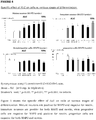
- Figure 5 is shown the specific effect of ALC on cells at various stages of differentiation.
- “Nestin” an intermediate filament protein predominantly expressed by neural stem cells was used as a specific marker
- nestin + an intermediate filament protein predominantly expressed by neural stem cells
- Only nestin-positive (nestin + ) cells form spheres when placed in the culture conditions used for neural stem cells.
- mature neurons are positive for MAP2 and negative for nestin
- immature neurons are positive for both MAP2 and nestin
- stem progenitor cells are negative for MAP2 and positive for nestin
- progenitor cells are negative for both MAP2 and nestin (see Figure 5 ).
- Figure 6 is shown that PLC and ALC ARE activator of NPC neuronal differentiation.
- the present invention relates to acetyl L-carnitine, or a salt thereof, for use in the prevention of a central nervous system disorder by increasing neurogenesis, selected from the group consisting of Shy-Drager syndrome, Lewy body disease, and spinal ischemia, wherein said increased neurogenesis decreases the occurrence of said disorders.
- the diseases or disturbances due to genetic predisposition and/or linked to ageing, that can be prevented according to the present invention are selected from the group consisting of: Shy-Drager syndrome, Lewy body disease and spinal ischemia.
- Neurogenesis is defined herein as proliferation, differentiation, migration, or survival of a neural cell in vivo or in vitro.
- the neural cell is an adult, fetal, or embryonic neural stem cell or progenitor cell.
- Neurogenesis also refers to a net increase in cell number or a net increase in cell survival.
- NSC would include, at least, all brain stem cells, all brain progenitor cells, and all brain precursor cells.
- acetyl L-carnitine may be systemic or direct into the CNS of a patient.
- Routes of administration include oral, subcutaneous, transdermal, intraperitoneal, intramuscular, in vein, intracerebroventricular, intraparenchymal, intrathecal, intracranial, buccal, mucosal, nasal, pulmonary, and rectal administration or administration by a liposome delivery system.
- the pharmaceutical composition is used to prevent diseases by stimulating neurogenesis (i.e., cell growth, proliferation, migration, survival and/or differentiation).
- the use of the invention comprises administering to the subject an effective amount of a pharmaceutical composition including acetyl L-carnitine in a dosage range of 0.1 g/day to 4.00 g/day; preferably in a dosage range of 1 to 2.00 g/day; most preferably 1.5 g/day in a single or multiple dose.
- composition of the invention may further comprise physiologically acceptable carriers.
- physiologically acceptable carriers may be any carrier known in the field as suitable for pharmaceutical (i.e., topical, oral, and parenteral) application. Suitable pharmaceutical carriers and formulations are described, for example, in Remington's Pharmaceutical Sciences (19th ed.) (Genarro, ed. (1995) Mack Publishing Co., Easton, Pa .).
- the uses of the invention can be used to treat any mammal, including humans, cows, horses, dogs, sheep, and cats. Preferably, the uses of the invention are used to treat humans.
- the invention provides a regenerative prevention for neurological disorders by stimulating cells (e.g., stem cells) to grow, proliferate, migrate, survive, and/or differentiate to replace neural cells that have been lost or destroyed.
- stimulating cells e.g., stem cells
- In vivo stimulation of such cells can be accomplished by locally administering (via any route) the neurogenesis modulating agent of the invention to the cells in an appropriate formulation.
- compositions suitable for use in the present invention include compositions wherein the active ingredients are contained in an effective amount to achieve its intended purpose. More specifically, a therapeutically effective amount means an amount effective to optimally stimulate (e.g., stem cell or progenitor cell) proliferation. It will be appreciated that the unit content of active ingredient or ingredients contained in an individual dose of each dosage form need not in itself constitute an effective amount since the necessary effective amount can be reached by administration of a plurality of dosage units (such as capsules or tablets or combinations thereof). In addition, it is understood that at some dosage levels, an effective amount may not show any measurable effect (the measurable effect could be lack of deterioration) until after a week, a month, three months, six months or a year or more of usage. Determination of the effective amounts is well within the capability of those skilled in the art. The specific dose level for any particular user will depend upon a variety of factors including the age, the physical activity level, general health, and the severity of the disorder to be prevented.
- the therapeutically effective dose can be estimated initially either in cell culture assays or in animal models, usually mice or rats.
- the animal model may also be used to determine the appropriate concentration range and route of administration. Such information can then be used to determine useful doses and routes for administration in humans.
- the precise effective dose for a human subject will depend upon the severity of the disease state, general health of the subject, age, weight, and gender of the subject, diet, time and frequency of administration, reaction sensitivities, and tolerance/response to therapy. This amount can be determined by routine experimentation and is within the judgement of the clinician.
- salt of acetyl L-carnitine is any salt with an acid that does not give rise to toxic or side effects.
- Non-limiting examples of such salts are: chloride, bromide, orotate, aspartate, acid aspartate, acid citrate, magnesium citrate, phosphate, acid phosphate, fumarate and acid fumarate, magnesium fumarate, lactate, maleate and acid maleate, oxalate, acid oxalate, pamoate, acid pamoate, sulphate, acid sulphate, glucose phosphate, tartrate and acid tartrate, glycerophosphate, mucate, magnesium tartrate, 2-amino-ethanesulphonate, magnesium 2-amino-ethanesulphonate, methanesulphonate, choline tartrate, trichloroacetate, and trifluoroacetate.
- Acetyl L-carnitine is a known compound and its preparation process is described in US 4,254,053 . Their procurements therefore is very easy, inasmuch as these products have been on the market now for a long time and are of a grade suitable for human administration.
- the neurogenic activity of acetyl L-carnitine or propionyl L-carnitine (referential) according to the present invention is not correlated to their neuroprotective activity.
- ALC In vitro ALC modulates neuronal differentiation of adult neural progenitors taken from the mouse hippocampus.
- the adult stem cells from the mouse hippocampus were prepared and maintained in culture in the form of neurospheres as described previously in Denis-Donini S. et al. J. Neuroscience, 2008 .
- male CD1 mice aged 3-5 months were used, in accordance with the animal experimentation laws.
- Neurospheres with passages of between 4-12 were dissociated and plated at a density of 1X10 5 cells/ml in a 96-well plate in ALC (0.1-2 mM) at different concentrations or a vehicle. After 24, 48, 72 and 96 hours, the cells were processed to measure the amount of cell ATP present using the CellTiter-GlowTM Luminescent kit (Promega).
- the cells derived from the hippocampal neurospheres with passages of between 4-12 were dissociated and plated on Lab-Tek 8-well permanox chamber slides (Nunc, Wiesbaden, Germany) previously coated with mouse laminin (2.5 ⁇ g/cm 2 , Sigma) at a density of about 40,000 cells/cm 2 .
- the composition of the differentiation medium was: Neurobasal-A, supplement B27, glutamine 2 mM, 100 U/100 ⁇ g/ml penicillin/streptomycin. ALC (0.1-2 mM) or a vehicle was added to the medium. After 24 hours the cells were washed and fixed in 4% paraformaldehyde for 20 min for subsequent analysis using immunofluorescence.
- the cells fixed after differentiation in the presence of ALC, a vehicle or reference drugs were washed three times in PBS and permeabilized by incubation for 5 min, at room temperature with PBS supplemented with 0.48% (vol/vol) Triton X-100 (Sigma). Subsequently the cells were incubated with the following primary antibodies: anti-nestin mouse monoclonal antibody, 1:1200, Abcam, Cambridge, MA); anti-MAP-2 (rabbit polyclonal antibody, 1:600, Chemicon). The cells were incubated in the primary antibody for 150 min at room temperature in a solution containing 8% (vol/vol) of goat serum.
- the secondary antibodies used were: Alexa Fluor 594-conjugated donkey anti-mouse antibody (1:1400, Molecular Probes), Alexa Fluor 488-conjugated donkey anti-rabbit (1:1 600, Molecular Probes), in a solution containing 16% (vol/vol) of donkey serum.
- the nuclei were then counterstained with Draq5 (1:2000, Alexis Biochemicals) prepared in PBS.
- the slides were assembled using Fluorescent Mounting Medium (DakoCytomation, Glostrup).
- the cells of at least 5 fields/well were quantified if positive to one or more phenotypical markers used to distinguish between them: undifferentiated stem progenitor cells, immature neurons, mature neurons.
- the cells were counted by an operator (blind to the nature of the treatment undergone by the cells) using an ECLIPSE E600 fluorescence microscope (NIKON, Calenzano, Italy) with a 60X lens. All experiments were conducted on at least five cell preparations, with each experimental point in triplicate.
- the medium was collected and the activity of the LDH enzyme was determined using the Cytotoxicity Detection Kit LDH (Roche Applied Science), following the manufacturer's instructions, to quantify death due to necrosis.
- the cell nuclei were marked with 0.8 ng/ml Hoechst (Sigma-Aldrich) diluted in PBS. The apoptic nuclei were counted by an operator (blind to the nature of the treatment undergone by the cells) using an ECLIPSE E600 fluorescence microscope (NIKON, Calenzano, Italy) with a 60X lens. All experiments were conducted on at least five cell preparations, with each experimental point in triplicate.
- MAP2 microtubule associated protein 2
- MAP-2 is the major microtubule-associated protein of brain tissue.
- MAP2 is known to promote microtubule assembly and to form side-arms on microtubules, which is an essential step in neurogenesis. It also interacts with neurofilaments, actin, and other elements of the cytoskeleton.
- ALC has a dose-dependent strengthening effect on the differentiation of stem cells/adult progenitors to mature and immature neurons ( Fig. 1 ).
- ALC has a marked concentration-dependent hippocampal neurogenic activity as demonstrated by the increase in the percentage of MAP-2 positive cells in culture.
- the hippocampal neurogenic activity of ALC was also evaluated by MAP-2 staining (green) in cultured neurons by immunofluorescence staining. Nuclei were stained with Draq5 ( Fig. 2 ).
- ALC neurogenic activity of ALC is not correlated to neuroprotective activity.
- ALC 100 ⁇ M; 300 ⁇ M or 1 mM
- Nestin an intermediate filament protein predominantly expressed by neural stem cells was also used as a specific marker. In fact, only nestin-positive cells form spheres when placed in the culture conditions used for neural stem cells. In particular, mature neurons are positive for MAP2 and negative for nestin, immature neurons are positive for both MAP2 and nestin, stem/progenitor cells are negative for MAP2 and positive for nestin, and progenitor cells are negative for both MAP2 and nestin ( Fig. 5 ).
- ALC Treatment with ALC increased the number of mature neurons in a concentration-dependent manner, as well as the number of immature neurons; ALC had no effect on the number of stem/progenitor cells and decreased the number of progenitor cells.
- ALC and PLC are able to promote the neuronal differentiation of adult mouse hippocampal neural progenitors.
- ALC increases the number of both mature neurons and immature neurons; reduces the number of a subpopulation of undifferentiated stem/neural progenitors; and carries out an activity that is not due to its neuroprotective effect.
- example 2 by using the same experimental procedures as for example 1, the activity of ALC (1mM) as a modulator of adult hippocampal neurogenesis in an in vitro model of adult neural progenitor cells has been compared to that of propionyl-L-carnitine (PLC) (referential) (0.3-1mM) and L-carnitine (LC) (0.3-1mM).
- PLC propionyl-L-carnitine
- LC L-carnitine
- PLC compared to ALC, PLC (referential) appeared to be a less potent activator of NPC neuronal differentiation. In fact PLC (referential) increased the number of both mature neurons and immature neurons and reduced the number of a subpopulation of undifferentiated stem/neural progenitors, although in a lesser extent compared to ALC. On the contrary, LC had no effect.
Landscapes
- Health & Medical Sciences (AREA)
- Engineering & Computer Science (AREA)
- Bioinformatics & Cheminformatics (AREA)
- Pharmacology & Pharmacy (AREA)
- Veterinary Medicine (AREA)
- Public Health (AREA)
- General Health & Medical Sciences (AREA)
- Chemical & Material Sciences (AREA)
- Animal Behavior & Ethology (AREA)
- Medicinal Chemistry (AREA)
- Life Sciences & Earth Sciences (AREA)
- Neurology (AREA)
- Chemical Kinetics & Catalysis (AREA)
- Organic Chemistry (AREA)
- Nuclear Medicine, Radiotherapy & Molecular Imaging (AREA)
- General Chemical & Material Sciences (AREA)
- Biomedical Technology (AREA)
- Neurosurgery (AREA)
- Epidemiology (AREA)
- Emergency Medicine (AREA)
- Psychology (AREA)
- Urology & Nephrology (AREA)
- Hospice & Palliative Care (AREA)
- Psychiatry (AREA)
- Vascular Medicine (AREA)
- Pain & Pain Management (AREA)
- Orthopedic Medicine & Surgery (AREA)
- Physical Education & Sports Medicine (AREA)
- Cardiology (AREA)
- Heart & Thoracic Surgery (AREA)
- Acyclic And Carbocyclic Compounds In Medicinal Compositions (AREA)
- Coloring Foods And Improving Nutritive Qualities (AREA)
Description
- The present invention relates to the use of acetyl L-carnitine for increasing neurogenesis.
- In particular, the present invention relates to the use of acetyl L-carnitine or a salt thereof, for increasing neurogenesis.
- Neurogenesis, or the birth of new neuronal cells, was thought to occur only in developing organisms. However, recent research has demonstrated that neurogenesis does indeed continue into and throughout adult life in both vertebrate and invertebrate organisms.
Neural stem cells (NSC) are a source for new neurons in the mammalian central nervous system (CNS). NSC are located within the ependymal and/or subventricular zone (SVZ) lining the lateral ventricle (Cell 1999; 97:703-716; Cell 1999; 96:25-34) and in the dentate gyrus of the hippocampal formation (J. Neurobiol. 1998; 36:249-266). Studies have revealed the potential for several additional locations of NSC within the adult CNS (J. Neurosci. 1999; 19:8487-8497). Asymmetric division of NSC maintains their starting number, while generating a population of rapidly dividing precursor, or progenitor cells (Cell 1999; 96:25-34). The progenitor cells respond to a range of cues that dictate the extent of their proliferation and their fate, both in terms of differentiation and positioning. - The NSC of the ventricular system in the adult are likely counterparts of the embryonic ventricular zone stem cells lining the neural tube. The progeny of these embryonic cells migrate away to form the CNS as differentiated neurons and glia (Developmental Neurobiology. 1991; pp 401-451). NSC persist in the adult lateral ventricle wall (LVW), generating neuronal progenitors that migrate down the rostral migratory stream to the olfactory bulb. There, they differentiate into granule cells and periglomerular neurons (Proc. Natl. Acad. Sci. USA 1993; 90:2074-2077). Substantial neuronal death occurs in the olfactory bulb, creating a need for continuous replacement of lost neurons which is satisfied by the migrating progenitors derived from the LVW (Neurosci. Lett. 2000; 291:17-20). In addition, there are indications that lost neurons from other brain regions can be replaced by progenitors from the LVW that differentiate into the phenotype of the lost neurons with appropriate neuronal projections and synapses with the correct target cell type (Proc. Natl. Acad. Sci. USA 1997; 94:11663-11668; Nature 2000; 405:951-955).
In vitro cultivation techniques have been established to identify the external signals involved in the regulation of NSC proliferation and differentiation (Cell 1999; 96:25-34; Exp. Cell Res. 1999; 253:733-736). The mitogens EGF and basic FGF allow cell culture expansion of neural progenitors isolated from the ventricle wall and the hippocampus (Science 1997; 276:66-71; Exp. Cell Res. 1999; 253:733-736). These dividing progenitors remain in an undifferentiated state, and grow into large clones of cells known as neurospheres. Upon the withdrawal of the mitogens and the addition of serum, the progenitors differentiate into neurons, astrocytes and oligodendrocytes, which are the three cell lineages of the brain (Cell 1999; 97:703-716; Cell 1999; 96:25-34). Specific growth factors can be added to alter the proportions of each cell type formed. For example, CNTF acts to direct the neural progenitors to an astrocytic fate (Genes Dev. 1996; 10:3129-3140; J. Neurosci. 1998; 18:3620-3629). The thyroid hormone, triiodothyronine (T3), promotes oligodendrocyte differentiation (Genes Dev. 1996; 10:3129-3140), while PDGF enhances neuronal differentiation by progenitor cells (Genes Dev. 1996; 10:3129-3140; Neuron 1997; 18:553-562). Recently, it has been shown that indeed adult regenerated neurons are integrated into the existing brain circuitry, and contribute to ameliorating neurological deficits (Cell 2002; 110:429441). Interestingly, observations have also shown that neurogenesis is occurring not only at the level of the olfactory bulb and hippocampus. In this respect it has been suggested that this process can also occur in the adult mouse substantia nigra, opening up a new field of investigation for the treatment of Parkinson's disease (Proc. Natl. Acad. Sci. USA 2003; 100:7925-7930). - The ability to expand neural progenitors and manipulate their cell fate has enormous implications for transplant therapies for neurological diseases where specific cell types are lost. Parkinson's disease (PD), for example, is characterized by degeneration of dopaminergic neurons in the substantia nigra. Previous transplantation treatments for PD patients have used fetal tissue taken from the ventral midbrain at a time when substantia nigra dopaminergic neurons are undergoing terminal differentiation (Prog. Neurobiol. 1994; 44:1-35). These cells have been grafted onto the striatum where they form synaptic contacts with host striatal neurons, their normal synaptic target. This restores dopamine turnover and release to normal levels with significant functional benefits to the patient (Prog. Neurobiol. 1994; 44:1-35). However, the grafting of fetal tissue is limited by ethical considerations and a lack of donor tissue. The expansion and manipulation of adult NSC can potentially provide a range of well characterized cells for transplant-based strategies for neurodegenerative disease such as PD. To this aim, the identification of factors and pathways that govern the proliferation and differentiation of neural cell types is fundamentally important.
- Studies have shown that intraventricular infusion of both EGF and basic FGF induces proliferation in the adult ventricle wall cell population. In the case of EGF, extensive migration of progenitors into the neighboring striatal parenchyma has been observed (J. Neurosci 1996; 16:2649-2658; J. Neurosci 1997; 17:5820-5829). EGF increases differentiation into glial lineage and reduced the generation of neurons (J. Neurosci 1997; 17:5820-5829). Additionally, intraventricular infusion of BDNF in adult rats increases the number of newly generated neurons in the olfactory bulb and rostral migratory stream, and in parenchymal structures, including the striatum, septum, thalamus and hypothalamus (J. Neurosci. 2001; 21:6706-6717). Thus, several studies have shown that the proliferation of progenitors within the SVZ of the LVW can be stimulated and that their lineage can be guided to neuronal or glial fates. Yet, the number of factors known to affect neurogenesis in vivo is small and their effects are adverse or limited.
- As mentioned above, the identification of factors and pathways that govern the proliferation and differentiation of neural cell types is fundamentally important in the medical field.
- The use of acetyl L-carnitine or propionyl L-carnitine in the medical field are already known.
-
US 4346107 relates to the use of acetyl L-carnitine for the therapeutical treatment of patients with impaired cerebral metabolism, as for instance in the states of senile and presenile psychomotor involution and in senile and presenile dementia. -
US 4343816 relates to the use of acetyl L-carnitine for the therapeutical treatment of patients with peripheral vascular diseases such as typically, Raynaud's disease. -
WO 9857629 -
WO 03066041 -
EP 0256999 relates to the use of acetyl L-carnitine for the therapeutical treatment of patients affected by acute or chronic peripheral neuropathy. -
EP 0498144 relates to the use of acetyl L-carnitine for the therapeutical treatment of traumatic coma. In this publication is also reported that acetyl L-carnitine is able to increase the cerebral blood flow (CBF) measured by means of SPECT (Single-Photon Emission Computed Tomography). -
EP 0793962 the use of propionyl L-carnitine for treating chronic arteriosclerosis obliterans in patients with severely disabling intermittent claudication. -
US 2005/043312 discloses the use of acetyl-L-carnitine for the treatment of Parkinson's disease, Alzheimer's disease, amyotrophic lateral sclerosis and other neurodegenerative diseases. -
US 6 572 899 discloses compositions comprising acetyl-L-carnitine for the treatment of Alzheimer's disease, dementia and memory loss. -
EP 0 514 359 - PETTEGREW J W ET AL: " Acetyl-L-carnitine physical-chemical, metabolic, and therapeutic properties: relevance for its mode of action in Alzheimer's disease and geriatric depression", MOLECULAR PSYCHIATRY, BASINGSTOKE, GB LNKD- DOI:10.1038/SJ.MP. 4000805, vol. 5, no. 6, 1 January 2000 (2000-01-01), pages 616-632, XP009010394, discloses the use of acetyl-L-carnitine in the treatment of Alzheimer's disease. This document further reports neurotrophic effects of acetyl-L-carnitine during the treatment of Alzheimer's disease, which are modulated by stimulation of NGF.
- DE ANGELIS C ET AL: "Acetyl-L-carnitine prevents age-dependent structural alterations in rat peripheral nerves and promotes regeneration following sciatic nerve injury in young and senescent rats.", July 1994 (1994-07), EXPERIMENTAL NEUROLOGY JUL 1994 LNKD- PUBMED:8070513, VOL. 128, NR. 1, PAGE(S) 103 - 114, XP002590826, discloses that a treatment with acetyl-L-carnitine reduces the percentage of myelinated fibers characterized by age-dependent morphologic alterations, such as myelin balloons, infolded loops of myelin, myelin reduplication, and ovoids.
- BIGINI P ET AL: "Acetyl-L-carnitine Shows neuroprotective and neurotrophic activity in primary culture of rat embryo motoneurons", 6 September 2002 (2002-09-06), NEUROSCIENCE LETTERS, VOL. 329, NR. 3, PAGE(S) 334-338, XP002590825, discloses the role of acetyl-L-carnitine in protecting primary motoneuron cultures exposed to excitotoxic agents or serum-brain derived neurotrophic factor deprived. it has been found that treatment with acetyl-L-carnitine improves the motoneurons activity, acting as a neurotrophic factor.
-
WO 00/21526 -
EP 0 681 839 - It has been well established that new neurons are generated in the adult hippocampus throughout life by neural stem/progenitor cells (NSCs). Neurogenesis is a regenerative process responsive to external stimuli, involved in learning, memory and mood regulation. Neurogenesis is therefore believed to be an important form of neural regeneration, enabling organisms to adapt to environmental changes throughout life.
- The rate of hippocampal neurogenesis significantly changes on physiological or pathological influences, such as physical activity, environmental enrichment, stress, mood disorders, ageing and neurodegenerative disorders. Indeed, during ageing, there is an age-related decline in adult neurogenesis. This decline is mostly related to decreased proliferation, associated to decreased stimulation to proliferate in an ageing brain. Natural or stimulated hippocampal neurogenesis play an important role in the clinical effects of antidepressants and possibly reduced neurogenesis may be involved in brain areas (including hippocampus) atrophy associated with depression. In Alzheimer's Disease (AD), there is also evidence for decreased neurogenesis, that accompanies the neuronal loss characteristic of the disease.
- In the medical field is felt a perceived need to have available new compound, or a new use of known compound, useful for stimulating neurogenesis for the prevention of neuronal loss in normal or pathological processes in the brain.
-
-
Figure 1 describes that ALC has a concentration-dependent strengthening effect on the differentiation of stem cells/adult progenitors to mature and immature neurons. In fact, ALC has a marked concentration-dependent hippocampal neurogenic activity as demonstrated by the increase in the percentage of MAP-2 positive cells (i.e. new neurons) in culture. -
Figure 2 shows the hippocampal neurogenic activity of ALC (MAP2-positive cells evaluated by MAP-2 staining in cultured neurons by immunofluorescence staining. Nuclei were stained with Draq5.. -
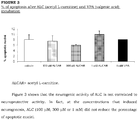
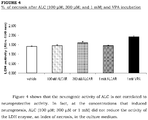
Figures 3 and4 describe that the neurogenic activity of ALC is not correlated to neuroprotective activity. In fact, at the concentrations that induced neurogenesis, ALC (100 pM; 300 µM or 1 mM) did not reduce the percentage of apoptotic nuclei (Fig. 3 ) or even the activity of the LDH enzyme, an index of necrosis (Fig. 4 ). - In
Figure 5 is shown the specific effect of ALC on cells at various stages of differentiation. In order to better understandFigure 5 it is important to clarify that "Nestin", an intermediate filament protein predominantly expressed by neural stem cells was used as a specific marker In fact, only nestin-positive (nestin+) cells form spheres when placed in the culture conditions used for neural stem cells. In particular, mature neurons are positive for MAP2 and negative for nestin, immature neurons are positive for both MAP2 and nestin, stem progenitor cells are negative for MAP2 and positive for nestin, progenitor cells are negative for both MAP2 and nestin (seeFigure 5 ).
InFigure 6 is shown that PLC and ALC ARE activator of NPC neuronal differentiation. In fact PLC increased the number of both mature neurons and immature neurons and reduced the number of a subpopulation of undifferentiated stem/neural progenitors, although in a lesser extent compared to ALC. On the contrary, LC had no effect. Moreover the results demonstrated that ALC and PLC effects on NPC differentiation were not due to neuroprotective effects on newly generated immature or mature neurons. - (Synonymous: acetyl L-carnitine=ALC=ALCAR=L-acet; propionyl L-carnitine=PLC=L-Prop; LC=L-carnitine=L-car).
- The present invention relates to acetyl L-carnitine, or a salt thereof, for use in the prevention of a central nervous system disorder by increasing neurogenesis, selected from the group consisting of Shy-Drager syndrome, Lewy body disease, and spinal ischemia, wherein said increased neurogenesis decreases the occurrence of said disorders.
- The diseases or disturbances due to genetic predisposition and/or linked to ageing, that can be prevented according to the present invention are selected from the group consisting of: Shy-Drager syndrome, Lewy body disease and spinal ischemia.
- It is evident that according to the present invention are not included patients who have traumatic disturbances of the nerves (for example injured nerves) or of the CNS (for example traumatic coma).
- "Neurogenesis" is defined herein as proliferation, differentiation, migration, or survival of a neural cell in vivo or in vitro. In a preferred embodiment, the neural cell is an adult, fetal, or embryonic neural stem cell or progenitor cell. Neurogenesis also refers to a net increase in cell number or a net increase in cell survival. As used herein, "NSC" would include, at least, all brain stem cells, all brain progenitor cells, and all brain precursor cells.
- In this disclosure, the terms disease or disorder shall have the same meaning.
- The administration of acetyl L-carnitine may be systemic or direct into the CNS of a patient. Routes of administration include oral, subcutaneous, transdermal, intraperitoneal, intramuscular, in vein, intracerebroventricular, intraparenchymal, intrathecal, intracranial, buccal, mucosal, nasal, pulmonary, and rectal administration or administration by a liposome delivery system.
- Preferably, the pharmaceutical composition is used to prevent diseases by stimulating neurogenesis (i.e., cell growth, proliferation, migration, survival and/or differentiation). For prevention, the use of the invention comprises administering to the subject an effective amount of a pharmaceutical composition including acetyl L-carnitine in a dosage range of 0.1 g/day to 4.00 g/day; preferably in a dosage range of 1 to 2.00 g/day; most preferably 1.5 g/day in a single or multiple dose.
- The composition of the invention may further comprise physiologically acceptable carriers.
- According to the present invention physiologically acceptable carriers may be any carrier known in the field as suitable for pharmaceutical (i.e., topical, oral, and parenteral) application. Suitable pharmaceutical carriers and formulations are described, for example, in Remington's Pharmaceutical Sciences (19th ed.) (Genarro, ed. (1995) Mack Publishing Co., Easton, Pa.).
- The uses of the invention can be used to treat any mammal, including humans, cows, horses, dogs, sheep, and cats. Preferably, the uses of the invention are used to treat humans. In one aspect, the invention provides a regenerative prevention for neurological disorders by stimulating cells (e.g., stem cells) to grow, proliferate, migrate, survive, and/or differentiate to replace neural cells that have been lost or destroyed. In vivo stimulation of such cells (e.g., stem cells) can be accomplished by locally administering (via any route) the neurogenesis modulating agent of the invention to the cells in an appropriate formulation.
- Pharmaceutical compositions suitable for use in the present invention include compositions wherein the active ingredients are contained in an effective amount to achieve its intended purpose. More specifically, a therapeutically effective amount means an amount effective to optimally stimulate (e.g., stem cell or progenitor cell) proliferation. It will be appreciated that the unit content of active ingredient or ingredients contained in an individual dose of each dosage form need not in itself constitute an effective amount since the necessary effective amount can be reached by administration of a plurality of dosage units (such as capsules or tablets or combinations thereof). In addition, it is understood that at some dosage levels, an effective amount may not show any measurable effect (the measurable effect could be lack of deterioration) until after a week, a month, three months, six months or a year or more of usage. Determination of the effective amounts is well within the capability of those skilled in the art. The specific dose level for any particular user will depend upon a variety of factors including the age, the physical activity level, general health, and the severity of the disorder to be prevented.
- For any compound, the therapeutically effective dose can be estimated initially either in cell culture assays or in animal models, usually mice or rats.
- The animal model may also be used to determine the appropriate concentration range and route of administration. Such information can then be used to determine useful doses and routes for administration in humans.
- The precise effective dose for a human subject will depend upon the severity of the disease state, general health of the subject, age, weight, and gender of the subject, diet, time and frequency of administration, reaction sensitivities, and tolerance/response to therapy. This amount can be determined by routine experimentation and is within the judgement of the clinician.
- What is meant by salt of acetyl L-carnitine, is any salt with an acid that does not give rise to toxic or side effects.
- Non-limiting examples of such salts are: chloride, bromide, orotate, aspartate, acid aspartate, acid citrate, magnesium citrate, phosphate, acid phosphate, fumarate and acid fumarate, magnesium fumarate, lactate, maleate and acid maleate, oxalate, acid oxalate, pamoate, acid pamoate, sulphate, acid sulphate, glucose phosphate, tartrate and acid tartrate, glycerophosphate, mucate, magnesium tartrate, 2-amino-ethanesulphonate, magnesium 2-amino-ethanesulphonate, methanesulphonate, choline tartrate, trichloroacetate, and trifluoroacetate.
- A list of FDA-approved pharmaceutically acceptable salts is given in the publication Int. J. of Pharm. 33 (1986), 201-217.
- Acetyl L-carnitine is a known compound and its preparation process is described in
US 4,254,053 . Their procurements therefore is very easy, inasmuch as these products have been on the market now for a long time and are of a grade suitable for human administration. - As shown in the experimental part reported in the following, the neurogenic activity of acetyl L-carnitine or propionyl L-carnitine (referential) according to the present invention is not correlated to their neuroprotective activity.
- In fact, at the concentrations that induced neurogenesis acetyl L-carnitine and propionyl L-carnitine (referential) did not reduce the percentage of apoptotic nuclei or the activity of the LDH enzyme, an index of necrosis.
- The following non limiting examples further illustrate the invention.
- Complex set of events related to cell proliferation, differentiation, migration and survival that characterize adult neurogenesis starting from neural stem cells takes place even during adulthood. These events take place principally in two separate regions of the brain: the subgranular zone in the fascia dentata hippocampi (SubGranular Zone, SGZ) and the subventricular zone in the wall of the lateral ventricle (SubVentricular Zone, SVZ), where there is believed to be a favourable microenvironment (niche) that enables the stem cell to survive and divide periodically and asymmetrically giving rise to rapidly dividing progenitors some of which move towards neuronal differentiation.
- The adult stem cells from the mouse hippocampus were prepared and maintained in culture in the form of neurospheres as described previously in Denis-Donini S. et al. J. Neuroscience, 2008. In particular, male CD1 mice aged 3-5 months were used, in accordance with the animal experimentation laws.
- Neurospheres with passages of between 4-12 were dissociated and plated at a density of 1X10⁵ cells/ml in a 96-well plate in ALC (0.1-2 mM) at different concentrations or a vehicle. After 24, 48, 72 and 96 hours, the cells were processed to measure the amount of cell ATP present using the CellTiter-GlowTM Luminescent kit (Promega).
- For differentiation, the cells derived from the hippocampal neurospheres with passages of between 4-12 were dissociated and plated on Lab-Tek 8-well permanox chamber slides (Nunc, Wiesbaden, Germany) previously coated with mouse laminin (2.5 µg/cm2, Sigma) at a density of about 40,000 cells/cm2. The composition of the differentiation medium was: Neurobasal-A, supplement B27,
glutamine 2 mM, 100 U/100 µg/ml penicillin/streptomycin. ALC (0.1-2 mM) or a vehicle was added to the medium. After 24 hours the cells were washed and fixed in 4% paraformaldehyde for 20 min for subsequent analysis using immunofluorescence. - The cells fixed after differentiation in the presence of ALC, a vehicle or reference drugs were washed three times in PBS and permeabilized by incubation for 5 min, at room temperature with PBS supplemented with 0.48% (vol/vol) Triton X-100 (Sigma). Subsequently the cells were incubated with the following primary antibodies: anti-nestin mouse monoclonal antibody, 1:1200, Abcam, Cambridge, MA); anti-MAP-2 (rabbit polyclonal antibody, 1:600, Chemicon). The cells were incubated in the primary antibody for 150 min at room temperature in a solution containing 8% (vol/vol) of goat serum. The secondary antibodies used were: Alexa Fluor 594-conjugated donkey anti-mouse antibody (1:1400, Molecular Probes), Alexa Fluor 488-conjugated donkey anti-rabbit (1:1 600, Molecular Probes), in a solution containing 16% (vol/vol) of donkey serum. The nuclei were then counterstained with Draq5 (1:2000, Alexis Biochemicals) prepared in PBS. The slides were assembled using Fluorescent Mounting Medium (DakoCytomation, Glostrup).
- In each experiment, the cells of at least 5 fields/well (corresponding to about 150 cells), were quantified if positive to one or more phenotypical markers used to distinguish between them: undifferentiated stem progenitor cells, immature neurons, mature neurons. The cells were counted by an operator (blind to the nature of the treatment undergone by the cells) using an ECLIPSE E600 fluorescence microscope (NIKON, Calenzano, Italy) with a 60X lens. All experiments were conducted on at least five cell preparations, with each experimental point in triplicate.
- After differentiation in the presence of ALC, a vehicle or reference drugs, the medium was collected and the activity of the LDH enzyme was determined using the Cytotoxicity Detection Kit LDH (Roche Applied Science), following the manufacturer's instructions, to quantify death due to necrosis. In parallel, to assess also apoptotic death, after fixation, the cell nuclei were marked with 0.8 ng/ml Hoechst (Sigma-Aldrich) diluted in PBS. The apoptic nuclei were counted by an operator (blind to the nature of the treatment undergone by the cells) using an ECLIPSE E600 fluorescence microscope (NIKON, Calenzano, Italy) with a 60X lens. All experiments were conducted on at least five cell preparations, with each experimental point in triplicate.
- In this study the microtubule associated protein 2 (MAP2) was used as a neuron-specific marker. MAP-2 is the major microtubule-associated protein of brain tissue. There is some indication that MAP2 is expressed at higher levels in some types of neurons than in others. MAP2 is known to promote microtubule assembly and to form side-arms on microtubules, which is an essential step in neurogenesis. It also interacts with neurofilaments, actin, and other elements of the cytoskeleton.
- In adult neurospheres from the mouse hippocampus compared to valproic acid (VPA), a positive neurogenesis modulator, it has been demonstrated that ALC has a dose-dependent strengthening effect on the differentiation of stem cells/adult progenitors to mature and immature neurons (
Fig. 1 ). In fact, ALC has a marked concentration-dependent hippocampal neurogenic activity as demonstrated by the increase in the percentage of MAP-2 positive cells in culture. - The hippocampal neurogenic activity of ALC was also evaluated by MAP-2 staining (green) in cultured neurons by immunofluorescence staining. Nuclei were stained with Draq5 (
Fig. 2 ). - The neurogenic activity of ALC is not correlated to neuroprotective activity. In fact, at the concentrations that induced neurogenesis, ALC (100 µM; 300 µM or 1 mM) did not reduce the percentage of apoptotic nuclei (
Fig. 3 ) or even reduce the activity of the LDH enzyme, an index of necrosis, in the culture medium (Fig. 4 ). - Nestin, an intermediate filament protein predominantly expressed by neural stem cells was also used as a specific marker. In fact, only nestin-positive cells form spheres when placed in the culture conditions used for neural stem cells. In particular, mature neurons are positive for MAP2 and negative for nestin, immature neurons are positive for both MAP2 and nestin, stem/progenitor cells are negative for MAP2 and positive for nestin, and progenitor cells are negative for both MAP2 and nestin (
Fig. 5 ). - Treatment with ALC increased the number of mature neurons in a concentration-dependent manner, as well as the number of immature neurons; ALC had no effect on the number of stem/progenitor cells and decreased the number of progenitor cells.
- The experimental data reported in
Figures 1-6 show that ALC and PLC (referential) are able to promote the neuronal differentiation of adult mouse hippocampal neural progenitors. In particular, ALC increases the number of both mature neurons and immature neurons; reduces the number of a subpopulation of undifferentiated stem/neural progenitors; and carries out an activity that is not due to its neuroprotective effect. - In example 2, by using the same experimental procedures as for example 1, the activity of ALC (1mM) as a modulator of adult hippocampal neurogenesis in an in vitro model of adult neural progenitor cells has been compared to that of propionyl-L-carnitine (PLC) (referential) (0.3-1mM) and L-carnitine (LC) (0.3-1mM).
- As reported in
figure 6 , compared to ALC, PLC (referential) appeared to be a less potent activator of NPC neuronal differentiation. In fact PLC (referential) increased the number of both mature neurons and immature neurons and reduced the number of a subpopulation of undifferentiated stem/neural progenitors, although in a lesser extent compared to ALC. On the contrary, LC had no effect. - Moreover the results demonstrated that ALC and PLC (referential) effects on NPC differentiation were not due to neuroprotective effects on newly generated immature or mature neurons.
Claims (4)
- Acetyl L-carnitine, or a salt thereof, for use in the prevention of a central nervous system disorder by increasing neurogenesis, selected from the group consisting of Shy-Drager syndrome, Lewy body disease, and spinal ischemia, wherein said increased neurogenesis decreases the occurrence of said disorders.
- The acetyl-L-carnitine for the use according to claim 1, in which the salt is selected from the group consisting of: chloride, bromide, orotate, aspartate, acid aspartate, acid citrate, magnesium citrate, phosphate, acid phosphate, fumarate and acid fumarate, magnesium fumarate, lactate, maleate and acid maleate, oxalate, acid oxalate, pamoate, acid pamoate, sulphate, acid sulphate, glucose phosphate, tartrate and acid tartrate, glycerophosphate, mucate, magnesium tartrate, 2-aminoethanesulphonate, magnesium 2-amino-ethanesulphonate, methanesulphonate, choline tartrate, trichloroacetate, or trifluoroacetate.
- The acetyl-L-carnitine for the use according to any of the preceding claims, which is administered in a dose of 0.1 to 4.00 g/ day; preferably in a dose of 1 to 2.00 g/day; most preferably in a dose of 1.5 g/day, in a single or multiple dose.
- The acetyl-L-carnitine for the use according to any of the preceding claims, which is administered by an enteral or parenteral route selected from: oral, subcutaneous, transdermal, intraperitoneal, intramuscular, in vein, intracerebroventricular, intraparenchymal, intrathecal, intracranial, buccal, mucosal, nasal, pulmonary, rectal or liposomal administration.
Priority Applications (2)
| Application Number | Priority Date | Filing Date | Title |
|---|---|---|---|
| EP11726386.3A EP2582368B1 (en) | 2010-06-16 | 2011-06-10 | Acetyl-carnitine for use in a method for increasing neurogenesis in neural tissue |
| PL11726386T PL2582368T3 (en) | 2010-06-16 | 2011-06-10 | Acetyl-carnitine for use in a method for increasing neurogenesis in neural tissue |
Applications Claiming Priority (3)
| Application Number | Priority Date | Filing Date | Title |
|---|---|---|---|
| EP10166094 | 2010-06-16 | ||
| PCT/EP2011/059665 WO2011157642A1 (en) | 2010-06-16 | 2011-06-10 | Acetyl-carnitine for use in a method for increasing neurogenesis in neural tissue |
| EP11726386.3A EP2582368B1 (en) | 2010-06-16 | 2011-06-10 | Acetyl-carnitine for use in a method for increasing neurogenesis in neural tissue |
Publications (2)
| Publication Number | Publication Date |
|---|---|
| EP2582368A1 EP2582368A1 (en) | 2013-04-24 |
| EP2582368B1 true EP2582368B1 (en) | 2018-05-09 |
Family
ID=42299239
Family Applications (1)
| Application Number | Title | Priority Date | Filing Date |
|---|---|---|---|
| EP11726386.3A Active EP2582368B1 (en) | 2010-06-16 | 2011-06-10 | Acetyl-carnitine for use in a method for increasing neurogenesis in neural tissue |
Country Status (15)
| Country | Link |
|---|---|
| US (3) | US20130203848A1 (en) |
| EP (1) | EP2582368B1 (en) |
| JP (1) | JP2013530170A (en) |
| KR (1) | KR20130089158A (en) |
| CN (1) | CN102939084A (en) |
| AR (1) | AR081933A1 (en) |
| AU (1) | AU2011267186B2 (en) |
| CA (1) | CA2801281C (en) |
| ES (1) | ES2670836T3 (en) |
| MX (1) | MX2012014127A (en) |
| PL (1) | PL2582368T3 (en) |
| PT (1) | PT2582368T (en) |
| SG (2) | SG185692A1 (en) |
| TW (1) | TW201212830A (en) |
| WO (1) | WO2011157642A1 (en) |
Families Citing this family (1)
| Publication number | Priority date | Publication date | Assignee | Title |
|---|---|---|---|---|
| CN103169695B (en) * | 2013-02-05 | 2014-07-23 | 西安交通大学 | Application of α-lipoic acid, acetyl-L-carnitine, coenzyme Q10 and hydroxytyrosol compatibility in prevention and treatment of muscular atrophy |
Family Cites Families (25)
| Publication number | Priority date | Publication date | Assignee | Title |
|---|---|---|---|---|
| AU518617B2 (en) * | 1977-04-29 | 1981-10-08 | Sigma-Tau Industrie Farmaceutiche Riunite S.P.A. | Therapeutic application of acetyl-d, 1-carnitine |
| IT1156852B (en) | 1978-07-10 | 1987-02-04 | Sigma Tau Ind Farmaceuti | INDUSTRIAL PROCEDURE FOR THE PREPARATION OF THE L CARNITINAMIDE D'CANFORATE AND THE D CARNITINAMIDE D CANPHORATE AND ITS APPLICATIONS |
| US4346107A (en) * | 1979-02-12 | 1982-08-24 | Claudio Cavazza | Pharmaceutical composition comprising acyl-carnitine for the treatment of impaired cerebral metabolism |
| IT1206954B (en) | 1979-02-12 | 1989-05-17 | Sigma Tau Ind Farmaceuti | THERAPEUTIC AGENTS BASED ON AN ACIL DERIVATIVE OF CARNITINE FOR THE TREATMENT OF PERIPHERAL VASCULOPATHIES |
| IT1196564B (en) | 1986-08-04 | 1988-11-16 | Sigma Tau Ind Farmaceuti | USE OF ACETYL L-CARNITINE IN THE THERAPEUTIC TREATMENT OF PERIPHERAL NEUROPATHIES |
| IT1244636B (en) | 1991-01-04 | 1994-08-08 | Sigma Tau Ind Farmaceuti | USE OF ACETYL L-CARNITINE IN THERAPEUTIC TREATMENT OF COMA AND PHARMACEUTICAL COMPOSITIONS USEFUL IN SUCH TREATMENT. |
| IT1248323B (en) * | 1991-05-16 | 1995-01-05 | Sigma Tau Ind Farmaceuti | STARCHES WITH NATURAL AMINO ACIDS OF ALCANOIL L-CARNITINE AS INHIBITORS OF THE NEURONAL DEGENERATION AND ACTIVATORS OF THE LEARNING AND STORING PROCESSES AND FOR THE TREATMENT OF THE COMA AND PHARMACEUTICAL COMPOSITIONS INCLUDING SUCH COMPOUNDS |
| EP0681839A3 (en) * | 1994-05-12 | 1997-11-12 | Hirohiko Kuratsune | A pharmaceutical preparation comprising an acylcarnitine |
| ATE187329T1 (en) | 1996-03-04 | 1999-12-15 | Sigma Tau Ind Farmaceuti | CARNITINE DERIVATIVE AS A MEDICINAL PRODUCT FOR THE TREATMENT OF ARTERIOSCLEROSIS OBLITERANS |
| DE19610982A1 (en) | 1996-03-21 | 1997-09-25 | Rhinolith Daemmstoffe Gmbh | Process for the production of intermediate rafter insulation and insulation boards therefor |
| IT1284650B1 (en) * | 1996-05-24 | 1998-05-21 | Sigma Tau Ind Farmaceuti | DRUG BASED ON A CARNITINE DERIVATIVE FOR THE TREATMENT OF ALZHEIMER'S DEMENTIA IN PATIENTS WITH EARLY ONSET OF THE PATHOLOGY |
| IT1291930B1 (en) | 1997-06-18 | 1999-01-21 | Sigma Tau Ind Farmaceuti | MOOD TURN BALANCING COMPOSITION IN HEALTHY INDIVIDUALS |
| IT1299191B1 (en) * | 1998-06-23 | 2000-02-29 | Sigma Tau Healthscience Spa | COMPOSITION TO PREVENT AND TREAT OSTEOPOROSIS AND ALTERATIONS RELATED TO MENOPAUSE |
| IT1299195B1 (en) * | 1998-06-25 | 2000-02-29 | Sigma Tau Healthscience Spa | COMPOSITION WITH NEUROPROTECTIVE ACTIVITY FOR THE PREVENTION AND TREATMENT OF STATE-RELATED NERVOUS AND BEHAVIORAL ALTERATIONS |
| IT1302365B1 (en) * | 1998-10-09 | 2000-09-05 | Sigma Tau Healthscience Spa | USE OF CARNITINE AND RESVERATROL TO PRODUCE A COMPOSITION FOR THE PREVENTION OR THERAPEUTIC TREATMENT OF BRAIN ALTERATIONS |
| JP2002532416A (en) * | 1998-12-17 | 2002-10-02 | マインドセット・バイオファーマシューティカルズ・(ユーエスエイ)・インコーポレイテッド | Enhancing brain glucose utilization |
| IT1306133B1 (en) * | 1999-04-22 | 2001-05-30 | Sigma Tau Healthscience Spa | COMPOSITION INCLUDING A CARNITINE AND A INOXITOLPHOSPHATE, USEFUL AS A DIETARY SUPPLEMENT OR MEDICATION. |
| IT1316997B1 (en) * | 2000-03-02 | 2003-05-26 | Sigma Tau Healthscience Spa | COMPOSITION FOR THE PREVENTION AND / OR TREATMENT OF VASCULOPATHIES, WHICH INCLUDES PROPIONYL L-CARNITINE AND COENZYME Q10. |
| JP2005523269A (en) | 2002-02-07 | 2005-08-04 | シグマ−タウ・インドゥストリエ・ファルマチェウチケ・リウニテ・ソシエタ・ペル・アチオニ | Carnitine in the treatment of senile depression |
| AU2003238872A1 (en) * | 2002-06-04 | 2003-12-19 | Avicena Group, Inc. | Methods of treating cognitive dysfunction by modulating brain energy metabolism |
| US6572899B1 (en) * | 2002-07-03 | 2003-06-03 | Vitacost.Com, Inc. | Memory loss treatment formulation |
| US7045767B2 (en) * | 2002-09-05 | 2006-05-16 | Virginia Tech Intellectual Properties, Inc. | Self-compensating fiber optic flow sensor having an end of a fiber optics element and a reflective surface within a tube |
| DK1583541T3 (en) * | 2002-11-20 | 2011-04-11 | Neuronova Ab | Compounds and Methods to Increase Neurogenesis |
| US8173618B2 (en) * | 2003-07-25 | 2012-05-08 | University Of Massachusetts | Formulations for reducing neuronal degeneration |
| US20050090520A1 (en) * | 2003-09-12 | 2005-04-28 | Per Lindquist | Treatment of disease or injury of the nervous system with FTY720 |
-
2011
- 2011-06-10 PT PT117263863T patent/PT2582368T/en unknown
- 2011-06-10 SG SG2012085783A patent/SG185692A1/en unknown
- 2011-06-10 US US13/699,930 patent/US20130203848A1/en not_active Abandoned
- 2011-06-10 EP EP11726386.3A patent/EP2582368B1/en active Active
- 2011-06-10 ES ES11726386.3T patent/ES2670836T3/en active Active
- 2011-06-10 CA CA2801281A patent/CA2801281C/en active Active
- 2011-06-10 PL PL11726386T patent/PL2582368T3/en unknown
- 2011-06-10 JP JP2013514653A patent/JP2013530170A/en active Pending
- 2011-06-10 MX MX2012014127A patent/MX2012014127A/en not_active Application Discontinuation
- 2011-06-10 AU AU2011267186A patent/AU2011267186B2/en not_active Ceased
- 2011-06-10 SG SG10201503032UA patent/SG10201503032UA/en unknown
- 2011-06-10 WO PCT/EP2011/059665 patent/WO2011157642A1/en not_active Ceased
- 2011-06-10 KR KR1020127032912A patent/KR20130089158A/en not_active Ceased
- 2011-06-10 CN CN2011800292521A patent/CN102939084A/en active Pending
- 2011-06-15 AR ARP110102072A patent/AR081933A1/en unknown
- 2011-06-15 TW TW100120874A patent/TW201212830A/en unknown
-
2016
- 2016-05-19 US US15/159,321 patent/US20160310458A1/en not_active Abandoned
-
2020
- 2020-06-19 US US16/906,814 patent/US11433043B2/en active Active
Non-Patent Citations (1)
| Title |
|---|
| None * |
Also Published As
| Publication number | Publication date |
|---|---|
| PT2582368T (en) | 2018-06-04 |
| KR20130089158A (en) | 2013-08-09 |
| AU2011267186A1 (en) | 2012-12-20 |
| JP2013530170A (en) | 2013-07-25 |
| US20160310458A1 (en) | 2016-10-27 |
| SG185692A1 (en) | 2013-01-30 |
| US11433043B2 (en) | 2022-09-06 |
| CN102939084A (en) | 2013-02-20 |
| WO2011157642A1 (en) | 2011-12-22 |
| ES2670836T3 (en) | 2018-06-01 |
| PL2582368T3 (en) | 2018-08-31 |
| EP2582368A1 (en) | 2013-04-24 |
| AR081933A1 (en) | 2012-10-31 |
| AU2011267186B2 (en) | 2017-01-19 |
| US20130203848A1 (en) | 2013-08-08 |
| CA2801281A1 (en) | 2011-12-22 |
| MX2012014127A (en) | 2013-06-28 |
| TW201212830A (en) | 2012-04-01 |
| SG10201503032UA (en) | 2015-06-29 |
| US20200323809A1 (en) | 2020-10-15 |
| CA2801281C (en) | 2018-07-10 |
Similar Documents
| Publication | Publication Date | Title |
|---|---|---|
| Shirazi et al. | 1, 25-Dihydroxyvitamin D3 enhances neural stem cell proliferation and oligodendrocyte differentiation | |
| Liu et al. | Hydrogen sulfide promotes proliferation and neuronal differentiation of neural stem cells and protects hypoxia-induced decrease in hippocampal neurogenesis | |
| Lichtenwalner et al. | Adult neurogenesis and the ischemic forebrain | |
| Emsley et al. | Endogenous and exogenous ciliary neurotrophic factor enhances forebrain neurogenesis in adult mice | |
| Taupin | Neurogenesis in the adult central nervous system | |
| Suksuphew et al. | Neural stem cells could serve as a therapeutic material for age-related neurodegenerative diseases | |
| Nishimoto et al. | Methylcobalamin promotes the differentiation of Schwann cells and remyelination in lysophosphatidylcholine-induced demyelination of the rat sciatic nerve | |
| Wang et al. | L-Cysteine promotes the proliferation and differentiation of neural stem cells via the CBS/H2S pathway | |
| van den Berge et al. | Resident adult neural stem cells in Parkinson′ s disease—The brain′ s own repair system? | |
| Hwang et al. | Glial cell line-derived neurotrophic factor-overexpressing human neural stem/progenitor cells enhance therapeutic efficiency in rat with traumatic spinal cord injury | |
| CN101951768A (en) | The neurogenicity compound | |
| US20110076256A1 (en) | Human Neural Stem Cell and Pharmaceutical Composition for the Treatment of Central or Peripheral Nervous System Disorders or Injuries Using Same | |
| Farzanehfar | Towards a better treatment option for Parkinson’s disease: a review of adult neurogenesis | |
| Taupin | Neural progenitor and stem cells in the adult central nervous system | |
| Sanna et al. | Antidepressant-like actions by silencing of neuronal ELAV-like RNA-binding proteins HuB and HuC in a model of depression in male mice | |
| US11433043B2 (en) | Compounds useful for increasing neurogenesis in neural tissue | |
| JP7850416B2 (en) | Production and use of ENAMPT contained in extracellular vesicles | |
| Li et al. | Effects of Aβ25–35 on neurogenesis in the adult mouse subventricular zone and dentate gyrus | |
| Andres-Mach et al. | Neurogenesis in the epileptic brain: a brief overview from temporal lobe epilepsy | |
| Oreland et al. | Monoamine oxidase activity in relation to psychiatric disorders: The state of the art | |
| Devesa et al. | Growth hormone and kynesitherapy for brain injury recovery | |
| Koverech et al. | Compounds useful for increasing neurogenesis in neural tissue | |
| HK1180966A (en) | Acetyl-carnitine for use in a method for increasing neurogenesis in neural tissue | |
| Shyu et al. | Induction of GAP‐43 modulates neuroplasticity in PBSC (CD34+) implanted‐Parkinson's model | |
| JP7668233B2 (en) | Methods for generating oligodendrocytes |
Legal Events
| Date | Code | Title | Description |
|---|---|---|---|
| PUAI | Public reference made under article 153(3) epc to a published international application that has entered the european phase |
Free format text: ORIGINAL CODE: 0009012 |
|
| 17P | Request for examination filed |
Effective date: 20121129 |
|
| AK | Designated contracting states |
Kind code of ref document: A1 Designated state(s): AL AT BE BG CH CY CZ DE DK EE ES FI FR GB GR HR HU IE IS IT LI LT LU LV MC MK MT NL NO PL PT RO RS SE SI SK SM TR |
|
| DAX | Request for extension of the european patent (deleted) | ||
| 17Q | First examination report despatched |
Effective date: 20131002 |
|
| STAA | Information on the status of an ep patent application or granted ep patent |
Free format text: STATUS: EXAMINATION IS IN PROGRESS |
|
| GRAP | Despatch of communication of intention to grant a patent |
Free format text: ORIGINAL CODE: EPIDOSNIGR1 |
|
| STAA | Information on the status of an ep patent application or granted ep patent |
Free format text: STATUS: GRANT OF PATENT IS INTENDED |
|
| RAP1 | Party data changed (applicant data changed or rights of an application transferred) |
Owner name: ALFASIGMA S.P.A. |
|
| INTG | Intention to grant announced |
Effective date: 20180103 |
|
| RIN1 | Information on inventor provided before grant (corrected) |
Inventor name: GRILLI, MARIAGRAZIA Inventor name: CANONICO, PIER LUIGI Inventor name: KOVERECH, ALEARDO |
|
| GRAS | Grant fee paid |
Free format text: ORIGINAL CODE: EPIDOSNIGR3 |
|
| GRAA | (expected) grant |
Free format text: ORIGINAL CODE: 0009210 |
|
| STAA | Information on the status of an ep patent application or granted ep patent |
Free format text: STATUS: THE PATENT HAS BEEN GRANTED |
|
| AK | Designated contracting states |
Kind code of ref document: B1 Designated state(s): AL AT BE BG CH CY CZ DE DK EE ES FI FR GB GR HR HU IE IS IT LI LT LU LV MC MK MT NL NO PL PT RO RS SE SI SK SM TR |
|
| REG | Reference to a national code |
Ref country code: GB Ref legal event code: FG4D |
|
| REG | Reference to a national code |
Ref country code: CH Ref legal event code: EP Ref country code: CH Ref legal event code: NV Representative=s name: RENTSCH PARTNER AG, CH Ref country code: AT Ref legal event code: REF Ref document number: 996924 Country of ref document: AT Kind code of ref document: T Effective date: 20180515 |
|
| REG | Reference to a national code |
Ref country code: RO Ref legal event code: EPE |
|
| REG | Reference to a national code |
Ref country code: IE Ref legal event code: FG4D |
|
| REG | Reference to a national code |
Ref country code: ES Ref legal event code: FG2A Ref document number: 2670836 Country of ref document: ES Kind code of ref document: T3 Effective date: 20180601 |
|
| REG | Reference to a national code |
Ref country code: PT Ref legal event code: SC4A Ref document number: 2582368 Country of ref document: PT Date of ref document: 20180604 Kind code of ref document: T Free format text: AVAILABILITY OF NATIONAL TRANSLATION Effective date: 20180528 |
|
| REG | Reference to a national code |
Ref country code: DE Ref legal event code: R096 Ref document number: 602011048216 Country of ref document: DE |
|
| REG | Reference to a national code |
Ref country code: NL Ref legal event code: FP |
|
| REG | Reference to a national code |
Ref country code: FR Ref legal event code: PLFP Year of fee payment: 8 |
|
| RAP2 | Party data changed (patent owner data changed or rights of a patent transferred) |
Owner name: ALFASIGMA S.P.A. |
|
| REG | Reference to a national code |
Ref country code: LT Ref legal event code: MG4D |
|
| PG25 | Lapsed in a contracting state [announced via postgrant information from national office to epo] |
Ref country code: SE Free format text: LAPSE BECAUSE OF FAILURE TO SUBMIT A TRANSLATION OF THE DESCRIPTION OR TO PAY THE FEE WITHIN THE PRESCRIBED TIME-LIMIT Effective date: 20180509 Ref country code: LT Free format text: LAPSE BECAUSE OF FAILURE TO SUBMIT A TRANSLATION OF THE DESCRIPTION OR TO PAY THE FEE WITHIN THE PRESCRIBED TIME-LIMIT Effective date: 20180509 Ref country code: FI Free format text: LAPSE BECAUSE OF FAILURE TO SUBMIT A TRANSLATION OF THE DESCRIPTION OR TO PAY THE FEE WITHIN THE PRESCRIBED TIME-LIMIT Effective date: 20180509 Ref country code: NO Free format text: LAPSE BECAUSE OF FAILURE TO SUBMIT A TRANSLATION OF THE DESCRIPTION OR TO PAY THE FEE WITHIN THE PRESCRIBED TIME-LIMIT Effective date: 20180809 Ref country code: BG Free format text: LAPSE BECAUSE OF FAILURE TO SUBMIT A TRANSLATION OF THE DESCRIPTION OR TO PAY THE FEE WITHIN THE PRESCRIBED TIME-LIMIT Effective date: 20180809 |
|
| REG | Reference to a national code |
Ref country code: SK Ref legal event code: T3 Ref document number: E 28034 Country of ref document: SK |
|
| PG25 | Lapsed in a contracting state [announced via postgrant information from national office to epo] |
Ref country code: GR Free format text: LAPSE BECAUSE OF FAILURE TO SUBMIT A TRANSLATION OF THE DESCRIPTION OR TO PAY THE FEE WITHIN THE PRESCRIBED TIME-LIMIT Effective date: 20180810 Ref country code: RS Free format text: LAPSE BECAUSE OF FAILURE TO SUBMIT A TRANSLATION OF THE DESCRIPTION OR TO PAY THE FEE WITHIN THE PRESCRIBED TIME-LIMIT Effective date: 20180509 Ref country code: LV Free format text: LAPSE BECAUSE OF FAILURE TO SUBMIT A TRANSLATION OF THE DESCRIPTION OR TO PAY THE FEE WITHIN THE PRESCRIBED TIME-LIMIT Effective date: 20180509 Ref country code: HR Free format text: LAPSE BECAUSE OF FAILURE TO SUBMIT A TRANSLATION OF THE DESCRIPTION OR TO PAY THE FEE WITHIN THE PRESCRIBED TIME-LIMIT Effective date: 20180509 |
|
| PG25 | Lapsed in a contracting state [announced via postgrant information from national office to epo] |
Ref country code: EE Free format text: LAPSE BECAUSE OF FAILURE TO SUBMIT A TRANSLATION OF THE DESCRIPTION OR TO PAY THE FEE WITHIN THE PRESCRIBED TIME-LIMIT Effective date: 20180509 Ref country code: DK Free format text: LAPSE BECAUSE OF FAILURE TO SUBMIT A TRANSLATION OF THE DESCRIPTION OR TO PAY THE FEE WITHIN THE PRESCRIBED TIME-LIMIT Effective date: 20180509 |
|
| REG | Reference to a national code |
Ref country code: DE Ref legal event code: R097 Ref document number: 602011048216 Country of ref document: DE |
|
| PG25 | Lapsed in a contracting state [announced via postgrant information from national office to epo] |
Ref country code: SM Free format text: LAPSE BECAUSE OF FAILURE TO SUBMIT A TRANSLATION OF THE DESCRIPTION OR TO PAY THE FEE WITHIN THE PRESCRIBED TIME-LIMIT Effective date: 20180509 |
|
| PLBE | No opposition filed within time limit |
Free format text: ORIGINAL CODE: 0009261 |
|
| STAA | Information on the status of an ep patent application or granted ep patent |
Free format text: STATUS: NO OPPOSITION FILED WITHIN TIME LIMIT |
|
| REG | Reference to a national code |
Ref country code: IE Ref legal event code: MM4A |
|
| PG25 | Lapsed in a contracting state [announced via postgrant information from national office to epo] |
Ref country code: MC Free format text: LAPSE BECAUSE OF FAILURE TO SUBMIT A TRANSLATION OF THE DESCRIPTION OR TO PAY THE FEE WITHIN THE PRESCRIBED TIME-LIMIT Effective date: 20180509 |
|
| 26N | No opposition filed |
Effective date: 20190212 |
|
| PG25 | Lapsed in a contracting state [announced via postgrant information from national office to epo] |
Ref country code: IE Free format text: LAPSE BECAUSE OF NON-PAYMENT OF DUE FEES Effective date: 20180610 |
|
| PG25 | Lapsed in a contracting state [announced via postgrant information from national office to epo] |
Ref country code: SI Free format text: LAPSE BECAUSE OF FAILURE TO SUBMIT A TRANSLATION OF THE DESCRIPTION OR TO PAY THE FEE WITHIN THE PRESCRIBED TIME-LIMIT Effective date: 20180509 |
|
| REG | Reference to a national code |
Ref country code: AT Ref legal event code: UEP Ref document number: 996924 Country of ref document: AT Kind code of ref document: T Effective date: 20180509 |
|
| PG25 | Lapsed in a contracting state [announced via postgrant information from national office to epo] |
Ref country code: AL Free format text: LAPSE BECAUSE OF FAILURE TO SUBMIT A TRANSLATION OF THE DESCRIPTION OR TO PAY THE FEE WITHIN THE PRESCRIBED TIME-LIMIT Effective date: 20180509 |
|
| PG25 | Lapsed in a contracting state [announced via postgrant information from national office to epo] |
Ref country code: MT Free format text: LAPSE BECAUSE OF NON-PAYMENT OF DUE FEES Effective date: 20180610 |
|
| PG25 | Lapsed in a contracting state [announced via postgrant information from national office to epo] |
Ref country code: TR Free format text: LAPSE BECAUSE OF FAILURE TO SUBMIT A TRANSLATION OF THE DESCRIPTION OR TO PAY THE FEE WITHIN THE PRESCRIBED TIME-LIMIT Effective date: 20180509 |
|
| PG25 | Lapsed in a contracting state [announced via postgrant information from national office to epo] |
Ref country code: HU Free format text: LAPSE BECAUSE OF FAILURE TO SUBMIT A TRANSLATION OF THE DESCRIPTION OR TO PAY THE FEE WITHIN THE PRESCRIBED TIME-LIMIT; INVALID AB INITIO Effective date: 20110610 |
|
| PG25 | Lapsed in a contracting state [announced via postgrant information from national office to epo] |
Ref country code: CY Free format text: LAPSE BECAUSE OF FAILURE TO SUBMIT A TRANSLATION OF THE DESCRIPTION OR TO PAY THE FEE WITHIN THE PRESCRIBED TIME-LIMIT Effective date: 20180509 Ref country code: MK Free format text: LAPSE BECAUSE OF NON-PAYMENT OF DUE FEES Effective date: 20180509 |
|
| PG25 | Lapsed in a contracting state [announced via postgrant information from national office to epo] |
Ref country code: IS Free format text: LAPSE BECAUSE OF FAILURE TO SUBMIT A TRANSLATION OF THE DESCRIPTION OR TO PAY THE FEE WITHIN THE PRESCRIBED TIME-LIMIT Effective date: 20180909 |
|
| PGFP | Annual fee paid to national office [announced via postgrant information from national office to epo] |
Ref country code: NL Payment date: 20220420 Year of fee payment: 12 |
|
| PGFP | Annual fee paid to national office [announced via postgrant information from national office to epo] |
Ref country code: SK Payment date: 20220427 Year of fee payment: 12 Ref country code: RO Payment date: 20220517 Year of fee payment: 12 Ref country code: PT Payment date: 20220601 Year of fee payment: 12 Ref country code: LU Payment date: 20220527 Year of fee payment: 12 Ref country code: IT Payment date: 20220510 Year of fee payment: 12 Ref country code: GB Payment date: 20220425 Year of fee payment: 12 Ref country code: FR Payment date: 20220422 Year of fee payment: 12 Ref country code: DE Payment date: 20220420 Year of fee payment: 12 Ref country code: CZ Payment date: 20220526 Year of fee payment: 12 |
|
| PGFP | Annual fee paid to national office [announced via postgrant information from national office to epo] |
Ref country code: PL Payment date: 20220404 Year of fee payment: 12 Ref country code: BE Payment date: 20220526 Year of fee payment: 12 Ref country code: AT Payment date: 20220525 Year of fee payment: 12 |
|
| PGFP | Annual fee paid to national office [announced via postgrant information from national office to epo] |
Ref country code: ES Payment date: 20220705 Year of fee payment: 12 |
|
| PGFP | Annual fee paid to national office [announced via postgrant information from national office to epo] |
Ref country code: CH Payment date: 20220702 Year of fee payment: 12 |
|
| REG | Reference to a national code |
Ref country code: DE Ref legal event code: R119 Ref document number: 602011048216 Country of ref document: DE |
|
| REG | Reference to a national code |
Ref country code: SK Ref legal event code: MM4A Ref document number: E 28034 Country of ref document: SK Effective date: 20230610 |
|
| PG25 | Lapsed in a contracting state [announced via postgrant information from national office to epo] |
Ref country code: RO Free format text: LAPSE BECAUSE OF NON-PAYMENT OF DUE FEES Effective date: 20230610 Ref country code: PT Free format text: LAPSE BECAUSE OF NON-PAYMENT OF DUE FEES Effective date: 20231211 Ref country code: CZ Free format text: LAPSE BECAUSE OF NON-PAYMENT OF DUE FEES Effective date: 20230610 |
|
| REG | Reference to a national code |
Ref country code: CH Ref legal event code: PL |
|
| REG | Reference to a national code |
Ref country code: NL Ref legal event code: MM Effective date: 20230701 |
|
| REG | Reference to a national code |
Ref country code: AT Ref legal event code: MM01 Ref document number: 996924 Country of ref document: AT Kind code of ref document: T Effective date: 20230610 |
|
| REG | Reference to a national code |
Ref country code: BE Ref legal event code: MM Effective date: 20230630 |
|
| GBPC | Gb: european patent ceased through non-payment of renewal fee |
Effective date: 20230610 |
|
| PG25 | Lapsed in a contracting state [announced via postgrant information from national office to epo] |
Ref country code: LU Free format text: LAPSE BECAUSE OF NON-PAYMENT OF DUE FEES Effective date: 20230610 |
|
| PG25 | Lapsed in a contracting state [announced via postgrant information from national office to epo] |
Ref country code: NL Free format text: LAPSE BECAUSE OF NON-PAYMENT OF DUE FEES Effective date: 20230701 Ref country code: LU Free format text: LAPSE BECAUSE OF NON-PAYMENT OF DUE FEES Effective date: 20230610 |
|
| PG25 | Lapsed in a contracting state [announced via postgrant information from national office to epo] |
Ref country code: AT Free format text: LAPSE BECAUSE OF NON-PAYMENT OF DUE FEES Effective date: 20230610 |
|
| PG25 | Lapsed in a contracting state [announced via postgrant information from national office to epo] |
Ref country code: DE Free format text: LAPSE BECAUSE OF NON-PAYMENT OF DUE FEES Effective date: 20240103 Ref country code: AT Free format text: LAPSE BECAUSE OF NON-PAYMENT OF DUE FEES Effective date: 20230610 Ref country code: SK Free format text: LAPSE BECAUSE OF NON-PAYMENT OF DUE FEES Effective date: 20230610 Ref country code: GB Free format text: LAPSE BECAUSE OF NON-PAYMENT OF DUE FEES Effective date: 20230610 Ref country code: CH Free format text: LAPSE BECAUSE OF NON-PAYMENT OF DUE FEES Effective date: 20230630 |
|
| PG25 | Lapsed in a contracting state [announced via postgrant information from national office to epo] |
Ref country code: FR Free format text: LAPSE BECAUSE OF NON-PAYMENT OF DUE FEES Effective date: 20230630 Ref country code: BE Free format text: LAPSE BECAUSE OF NON-PAYMENT OF DUE FEES Effective date: 20230630 |
|
| REG | Reference to a national code |
Ref country code: ES Ref legal event code: FD2A Effective date: 20240730 |
|
| PG25 | Lapsed in a contracting state [announced via postgrant information from national office to epo] |
Ref country code: IT Free format text: LAPSE BECAUSE OF NON-PAYMENT OF DUE FEES Effective date: 20230610 |
|
| PG25 | Lapsed in a contracting state [announced via postgrant information from national office to epo] |
Ref country code: ES Free format text: LAPSE BECAUSE OF NON-PAYMENT OF DUE FEES Effective date: 20230611 |
|
| PG25 | Lapsed in a contracting state [announced via postgrant information from national office to epo] |
Ref country code: PL Free format text: LAPSE BECAUSE OF NON-PAYMENT OF DUE FEES Effective date: 20230610 |
|
| PG25 | Lapsed in a contracting state [announced via postgrant information from national office to epo] |
Ref country code: PL Free format text: LAPSE BECAUSE OF NON-PAYMENT OF DUE FEES Effective date: 20230610 Ref country code: ES Free format text: LAPSE BECAUSE OF NON-PAYMENT OF DUE FEES Effective date: 20230611 |