EP2582183A1 - Mobile station, and wireless base station - Google Patents
Mobile station, and wireless base station Download PDFInfo
- Publication number
- EP2582183A1 EP2582183A1 EP11795685.4A EP11795685A EP2582183A1 EP 2582183 A1 EP2582183 A1 EP 2582183A1 EP 11795685 A EP11795685 A EP 11795685A EP 2582183 A1 EP2582183 A1 EP 2582183A1
- Authority
- EP
- European Patent Office
- Prior art keywords
- barring
- mobile station
- circuit switching
- call
- origination
- Prior art date
- Legal status (The legal status is an assumption and is not a legal conclusion. Google has not performed a legal analysis and makes no representation as to the accuracy of the status listed.)
- Granted
Links
Images


Classifications
-
- H—ELECTRICITY
- H04—ELECTRIC COMMUNICATION TECHNIQUE
- H04W—WIRELESS COMMUNICATION NETWORKS
- H04W76/00—Connection management
-
- H—ELECTRICITY
- H04—ELECTRIC COMMUNICATION TECHNIQUE
- H04W—WIRELESS COMMUNICATION NETWORKS
- H04W48/00—Access restriction; Network selection; Access point selection
- H04W48/02—Access restriction performed under specific conditions
-
- H—ELECTRICITY
- H04—ELECTRIC COMMUNICATION TECHNIQUE
- H04W—WIRELESS COMMUNICATION NETWORKS
- H04W48/00—Access restriction; Network selection; Access point selection
- H04W48/08—Access restriction or access information delivery, e.g. discovery data delivery
-
- H—ELECTRICITY
- H04—ELECTRIC COMMUNICATION TECHNIQUE
- H04W—WIRELESS COMMUNICATION NETWORKS
- H04W88/00—Devices specially adapted for wireless communication networks, e.g. terminals, base stations or access point devices
- H04W88/02—Terminal devices
- H04W88/06—Terminal devices adapted for operation in multiple networks or having at least two operational modes, e.g. multi-mode terminals
Definitions
- the present invention relates to a mobile station and a radio base station.
- a radio base station eNB is configured to bar origination of an emergency call, a signaling call and a normal packet switching (PS) call respectively by transmitting "ac-BarringForEmergency", "ac-BarringForMO-Signalling", and "ac-BarringForMO-Data" through an SIB (System Information Block) 2.
- PS packet switching
- Non-Patent Document 1 TS 36.331 Technical Specification Group Radio Access Network; Evolved Universal Terrestrial Radio Access (E-UTRA) Radio Resource Control (RRC); Protocol specification
- E-UTRA Evolved Universal Terrestrial Radio Access
- RRC Radio Resource Control
- the origination of the CS call using the CSFB function is performed through E-UTRAN (Evolved Universal Terrestrial Radio Access Network).
- E-UTRAN Evolved Universal Terrestrial Radio Access Network
- the CS call is not classified as a PS domain but is classified as a CS domain.
- SSAC Service Specific Access Control
- the present invention is made in view of the above problem, and an objective of the present invention is to provide a mobile station and a radio base station that can appropriately bar origination of a CS call using a CSFB function.
- the first feature of the present invention is summarized in that mobile station configured to be capable of performing circuit switching communications using a circuit switching fallback function through a second radio access network that supports packet switching and circuit switching while the mobile station is in a first radio access network that supports the packet switching but does not support the circuit switching, the mobile station including a notification reception unit configured to receive notification in the first radio access network, and a barring processor unit configured to perform predetermined barring processing in the first radio access network based on information elements included in the notification, wherein the barring processor unit is configured to perform barring processing for origination of a circuit switching call using the circuit switching fallback function based on a first information element for barring an origination of a circuit switching call using the circuit switching fallback function and a second information element for barring an origination of a normal packet switching call among the information elements.
- a radio base station in a first radio access network that supports packet switching but does not support circuit switching in a mobile communication system configured such that a mobile station in the first radio access network is capable of performing circuit switching communications using a circuit switching fallback function through a second radio access network that supports the packet switching and the circuit switching
- the radio base station including a notification transmission unit configured to transmit notification, wherein the notification transmission unit is configured to include in the notification, an information element for barring an origination of an emergency call, an information element for barring an origination of a signaling call, and information element for barring an origination of a normal packet switching call, as information elements receivable by a mobile station supporting a first release, and the notification transmission unit is configured to include, in the notification, an information element for barring a circuit switching call using the circuit switching fallback function as an information element receivable by a mobile station supporting a second release newer than the first release.
- the present invention can provide a mobile station and a radio base station that can appropriately bar origination of a CS call using a CSFB function.
- a mobile communication system according to a first embodiment of the present invention is described with reference to Fig. 1 to Fig. 6 .
- a radio base station eNB that can support LTE Release-10 (second release) as well as LTE Release-8/9 (first release), is provided.
- the configuration of an example shown in Fig. 1 is as follows.
- the radio base station eNB transmits notification in a cell #1 formed by the radio base station eNB, and a mobile station UE in the cell #1 receives the notification.
- the radio base station eNB includes a barring processor unit 11 and a notification transmission unit 12.
- the barring processor unit 11 is configured to perform barring processing in the cell formed by the radio base station eNB.
- the barring processor unit 11 is configured to bar origination of an emergency call, a signaling call, a normal PS call, and a CS call using a CSFB function, upon, for example, being instructed by an operator or when a predetermined condition is satisfied.
- the notification transmission unit 12 is configured to transmit notification such as an MIB (Master Information Block) and an SIB in the cell formed by the radio base station eNB.
- MIB Master Information Block
- SIB Service Information Block
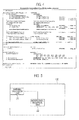
- Fig. 3 shows an example of an information element in an SIB2 as one type of the notification.
- the notification transmission unit 12 is configured to be capable of including in the SIB2, "ac-BarringForEmergency”, “ac-BarringForMO-Signalling”, and “ac-BarringForMO-Data" as information elements receivable by the mobile station UE supporting LTE Release-8/9, in accordance with an instruction from the barring processor unit 11.
- ac-BarringForEmergency is an information element for barring the origination of the emergency call
- ac-BarringForMO-Signalling is an information element for barring the origination of the signaling call
- ac-BarringForMO-Data is an information element for barring the origination of the normal PS call.
- AC-BarringConfig is settable in “ac-BarringForMO-Signalling” and “ac-BarringForMO-Data”, and "ac-BarringFactor”, “ac-BarringTime”, and “ac-BarringForSpecialAC” are settable in “AC-BarringConfig”.
- a value equal to or larger than 0 and smaller than 1 is settable in "ac-BarringFactor”
- an average access barring time on the second time scale is settable in "ac-BarringTime”
- information indicating whether the access is barred for AC (access classes) 11 to 15 can be set in "ac-BarringForSpecialAC”.
- the notification transmission unit 12 is configured to be capable of including in the SIB2, "ac-BarringForCSFB-r10" as an information element receivable by the mobile station UE that can support LTE Release-10.
- ac-BarringForCSFB-r10 is an information element for barring the CS call using the CSFB function.
- AC-BarringForCSFB-r10 is settable in “ac-BarringForCSFB-r10" and "barring” with which "'AC-BarringConfig” is settable or “no-barring” with which nothing is set is settable in “AC-BarringForCSFB-r10".
- the mobile station UE includes a notification reception unit 21 and a barring processor unit 22.
- the mobile station UE can support LTE Release-10 and is configured to be capable of performing CS communications through UTRAN/GERAN while being in E-UTRAN using the CSFB function.
- the notification reception unit 21 is configured to receive notification such as an MIB and an SIB in E-UTRAN.
- the barring processor unit 22 is configured to perform predetermined baring processing in E-UTRAN based on an information element for barring included in the SIB2 received by the notification reception unit 21.
- the barring processor unit 22 is configured to perform barring processing for the origination of the CS call using the CSFB function based on "ac-BarringForCSFB-r10" and "ac-BarringForMO-Data" among the information elements.
- the barring processor unit 22 may be configured as follows. Specifically, the barring processor unit 22 may perform the barring processing for the CS call using the CSFB function based on "ac-BarringForCSFB-r10" when the SIB2 includes “ac-BarringForCSFB-r10". The barring processor unit 22 may perform the barring processing for the origination of the CS call using the CSFB function based on "ac-BarringForMO-Data", when the SIB2 does not include "ac-BarringForCSFB-r10" but includes "ac-BarringForMO-Data”.
- the mobile station UE that cannot support LTE Release-10 cannot understand received "ac-BarringForCSFB-r10" included in the SIB2, and thus cannot perform the processing for barring the origination of the CS call using the CDFB function. Still, the mobile station UE that cannot support LTE Release-10 can receive "ac-BarringForEmergency” and "ac-BarringForMO-Signalling", and "ac-BarringForMO-Data” included in the SIB2, and thus can perform the processing for barring the origination of the emergency call, the signaling call, and the normal PS call, as in the conventional case.
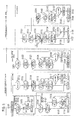
- an origination request is received from a NAS (Non Access Stratum) function in Step S101
- an AS (Access Stratum) function of the mobile station UE determines whether the origination request is that triggered by a terminating signal (paging signal) in Step S102.
- Step S103 if it is determined to be "Yes” in Step S102, and the operation proceeds to Step S106 if it is determined to be "No” in Step S102.
- Step S103 the AS function of the mobile station UE determines whether a timer T302 is active.
- the timer T302 is set based on a value notified through "RRC Connection Reject" from the radio base station eNB.
- Step S105 if it is determined to be "Yes” in Step S103, and the operation proceeds to Step S104 if it is determined to be "No” in Step S103.
- the AS function of the mobile station UE determines to bar the origination triggered by the paging signal in Step S104 and determines not to bar the origination triggered by the paging signal in Step S105.
- Step S106 the AS function of the mobile station UE determines whether the origination request from the NAS function is the request for originating the emergency call.
- Step S107 if it is determined to be "Yes” in Step S106, and the operation proceeds to Step S112 if it is determined to be "No” in Step S106.
- Step S107 the AS function of the mobile station UE determines whether it is set in "ac-BarringForEmergency" in the SIB2 that the origination of the emergency call is to be barred.
- Step S108 if it is determined to be "Yes” in Step S107, and the operation proceeds to Step S110 if it is determined to be "No” in Step S107.
- Step S108 the AS function of the mobile station UE determines whether the access class of the mobile station UE is any one of "AC11" to "AC15".
- Step S109 if it is determined to be "Yes” in Step S108, and the operation proceeds to Step S111 if it is determined to be "No” in Step S108.
- Step S109 the AS function of the mobile station UE determines whether the access is unauthorized for all the corresponding access classes (AC11 to AC15) of the mobile station UE by referring to "ac-BarringForEmergency".
- Step S111 if it is determined to be "Yes” in Step S109, and the operation proceeds to Step S110 if it is determined to be "No” in Step S109.
- the AS function of the mobile station UE determines not to bar the origination of the emergency call in Step S110 and determines to bar the origination of the emergency call in Step S111.
- Step S112 the AS function of the mobile station UE determines whether the origination request from the NAS function is a request for originating the normal PS call.
- Step S113 if it is determined to be "Yes” in Step S112, and the operation proceeds to Step S121 if it is determined to be "No” in Step S112.
- Step S113 the AS function of the mobile station UE determines whether the timer T302 or a timer T303 is active.
- Step S120 if it is determined to be "Yes” in Step S113, and the operation proceeds to Step S114 if it is determined to be "No” in Step S113.
- Step S114 the AS function of the mobile station UE determines whether "ac-BarringForMO-Data" included in the SIB2 is set.
- Step S115 if it is determined to be "Yes” in Step S114, and the operation proceeds to Step S119 if it is determined to be "No” in Step S114.
- Step S115 the AS function of the mobile station UE determines whether the access class of the mobile station is any one of "AC11" to "AC15".
- Step S116 if it is determined to be "Yes” in Step S115, and the operation proceeds to Step S117 if it is determined to be "No” in Step S115.
- Step S116 the AS function of the mobile station UE determines whether the access is authorized for of the access class (any one of AC11 to AC15) of the mobile station UE by referring to "ac-BarringForSpecialAC" in "ac-BarringForMO-Data".
- Step S117 if it is determined to be "No” in Step S116, and the operation proceeds to Step S119 if it is determined to be "Yes” in Step S116.
- Step S117 the AS function of the mobile station UE determines whether a random number rand generated in the mobile station UE is smaller than a value ABF1 set in "ac-BarringFactor" in "ac-BarringForMO-Data".
- Step S119 if it is determined to be "Yes” in Step S117, and the operation proceeds to Step S118 if it is determined to be "No” in Step S117.
- Step S118 the AS function of the mobile station UE activates the timer T303.
- the AS function of the mobile station UE sets the timer T303 to a value obtained by "(0.7+0.6 ⁇ rand) ⁇ (the value set in "ac-BarringTime” in “ac-BarringForMO-Data”)".
- the AS function of the mobile station UE determines not to bar the origination of the normal PS call in Step S119, and determines to bar the origination of the normal PS call in Step S120.
- Step S121 the AS function of the mobile station UE determines whether the origination request from the NAS function is a request for originating the signaling call.
- Step S122 if it is determined to be "Yes” in Step S121, and the operation proceeds to Step S130 if it is determined to be "No” in Step S121.
- Step S122 the AS function of the mobile station UE determines whether the timer T302 or the timer T303 is active.
- Step S129 if it is determined to be "Yes” in Step S122, and the operation proceeds to Step S123 if it is determined to be "No” in Step S122.
- Step S123 the AS function of the mobile station UE determines whether "ac-BarringForMO-Signalling" in the SIB2 is set.
- Step S124 if it is determined to be "Yes” in Step S123, and the operation proceeds to Step S128 if it is determined to be "No” in Step S123.
- Step S124 the AS function of the mobile station UE determines whether the access class of the mobile station UE is any one of "AC11" to "AC15".
- Step S125 if it is determined to be "Yes” in Step S124, and the operation proceeds to Step S126 if it is determined to be "No” in Step S124.
- Step S125 the AS function of the mobile station UE determines whether the access is authorized for the access class (any of AC11 to AC 15) of the mobile station UE by referring to "ac-BarringForSpecialAC" in "ac-BarringForMO-Signalling".
- Step S126 if it is determined to be "No” in Step S125, and the operation proceeds to Step S128 if it is determined to be "Yes” in Step S125.
- Step S126 the AS function of the mobile station UE determines whether the random number rand generated in the mobile station UE is smaller than a value ABF2 set in "ac-BarringFactor" in "ac-BarringForMO-Signalling".
- Step S128 if it is determined to be "Yes” in Step S126, and the operation proceeds to Step S127 if it is determined to be "No” in Step S126.
- Step S127 the AS function of the mobile station UE activates a timer T305.
- the AS function of the mobile station UE sets the timer T305 to a value obtained by "(0.7+0.6 ⁇ rand) ⁇ (the value set in "ac-BarringForMO-Signalling")".
- the AS function of the mobile station UE determines not to bar the origination of the signaling call in Step S128, and determines to bar the origination of the signaling call in Step S129.
- Step 130 the AS function of the mobile station UE determines whether the timer T302 or a timer T306 is active.
- Step S138 if it is determined to be "Yes” in Step S130, and the operation proceeds to Step S131 if it is determined to be "No” in Step S130.
- Step S131 the AS function of the mobile station UE determines whether "ac-BarringForCSFB-r10" included in the SIB2 is set.
- Step S132 if it is determined to be "Yes” in Step S131, and the operation proceeds to Step S139 if it is determined to be "No” in Step S131.
- Step S132 the AS function of the mobile station UE determines whether "barring” is set in "AC-BarringForCSFB-r10" in "ac-BarringForCSFB-r10" in the SIB2.
- Step S133 the operation proceeds to Step S133 when it is determined that "barring” is set in “AC-BarringForCSFB-r10” in “ac-BarringForCSFB-r10” in Step S132, and proceeds to Step S137 when it is determined that "no barring” is set in “AC-BarringForCSFB-r10” in “ac-BarringForCSFB-r10” in Step S132.
- Step S133 when it is determined that "barring” is set in “AC-BarringForCSFB-r10” in “ac-BarringForCSFB-r10” in Step S132, and proceeds to Step S137 when it is determined that nothing is set in “AC-BarringForCSFB-r10” in "ac-BarringForCSFB-r10” in Step S132.
- Step S133 the AS function of the mobile station UE determines whether the access class of the mobile station UE is any one of "AC11" to "AC15".
- Step S134 if it is determined to be "Yes” in Step S133, and the operation proceeds to Step S135 if it is determined to be "No” in Step S133.
- Step S134 the AS function of the mobile station UE determines whether the access is authorized for the access class (any one of AC11 to AC15) of the mobile station UE by referring to "ac-BarringForCSFB-r10" in "ac-BarringForMO-Signalling".
- Step S137 if it is determined to be "No” in Step S134, and the operation proceeds to Step S135 if it is determined to be "Yes” in Step S134.
- Step S135 the AS function of the mobile station UE determines whether the random number rand generated in the mobile station UE is smaller than a value ABF 3 set in "ac-BarringFactor" in "ac-BarringFarCSFB-r10".
- Step S137 if it is determined to be "Yes” in Step S135, and the operation proceeds to Step S136 if it is determined to be "No” in Step S135.
- Step S136 the AS function of the mobile station UE activates the timer T306.
- the AS function of the mobile station UE sets the timer T306 to a value obtained by "(0.7+0.6 ⁇ rand) ⁇ (the value set in "ac-BarringTime” in “ac-BarringForMO-Data")" in the timer T306.
- the AS function of the mobile station UE determines not to bar the origination of the CS call using the CSFB function in Step S137, and determines to bar the origination of the CS call using the CSFB function in Step S138.
- Step S139 the AS function of the mobile station UE determines whether "ac-BarringForMO-Data" included in the SIB2 is set.
- Step S140 if it is determined to be "Yes” in Step S139, and the operation proceeds to Step S144 if it is determined to be "No” in Step S139.
- Step S140 the AS function of the mobile station UE determines whether the access class of the mobile station UE is any one of "AC11" to "AC15".
- Step S141 if it is determined to be "Yes” in Step S140, and the operation proceeds to Step S142 if it is determined to be "No” in Step S140.
- Step S141 the AS function of the mobile station UE determines whether the access is authorized for the access class (any one of AC11 to AC15) of the mobile station UE by referring to "ac-BarringForSpecialAC" in "ac-BarringForMO-Data".
- Step S144 if it is determined to be "No” in Step S141, and the operation proceeds to Step S142 if it is determined to be "Yes” in Step S141.
- Step S142 the AS function of the mobile station UE determines whether the random number rand generated in the mobile station UE is smaller than the value ABF1 set in "ac-BarringFactor" in "ac-BarringForMO-Data".
- Step S144 if it is determined to be "Yes” in Step S142, and the operation proceeds to Step S143 if it is determined to be "No” in Step S142.
- Step S143 the AS function of the mobile station UE activates the timer T306.
- the AS function of the mobile station UE sets the timer T306 to a value obtained by "(0.7+0.6 ⁇ rand) ⁇ (the value set in "'ac-BarringTime” in “ac-BarringForMO-Data”)".
- the AS function of the mobile station UE determines not to bar the origination of the CS call using the CSFB function in Step S144, and determines to bar the origination of the CS call using the CSFB function in Step S145.
- the CS call using the CSFB component can be barred using "ac-BarringForCSFB-r10", which is an information element receivable by a mobile station UE that can support LTE Release-10.
- a mobile station UE configured to be capable of performing circuit switching communications using a CSFB function (circuit switching fallback function) through UTRAN/GERAN (a second radio access network that supports packet switching and circuit switching) while the mobile station UE is in E-UTRAN (a first radio access network that supports the packet switching but does not support the circuit switching), the mobile station UE including: a notification reception unit 21 configured to receive SIB2 (notification) in E-UTRAN; and a barring processor unit 22 configured to perform predetermined barring processing in E-UTRAN based on information elements included in the SIB2.
- SIB2 notification
- a barring processor unit 22 configured to perform predetermined barring processing in E-UTRAN based on information elements included in the SIB2.
- the barring processor unit 22 is configured to perform barring processing for origination of a CS call using the CSFB function based on "ac-BarringForCSFB-r10 (a first information element for barring an origination of a circuit switching call using the CSFB function)" and "ac-BarringForMO-Data (a second information element for barring an origination of a normal packet switching call)" among the information elements.
- the barring processor unit 22 may be configured to perform barring processing for the origination of the CS call using the CSFB function based on "ac-BarringForCSFB-r10" if the SIB2 includes “ac-BarringForCSFB-r10", and the barring processor unit may be configured to perform barring processing for the origination of the CS call using the CSFB function based on "ac-BarringForMO-Data” if the SIB2 does not include "ac-BarringForCSFB-r10" but includes "ac-BarringForMO-Data”.
- the barring processor unit 22 may be configured to perform barring processing for the origination of the CS call using the CSFB function if "barring" is set in "ac-BarringForCSFB-r10", and the barring processor unit may be configured not to perform barring processing for the origination of the CS call using the CSFB function if "no-barring” is set in “ac-BarringForCSFB-r10” or nothing is set in “ac-BarringForCSFB-r10".
- a radio base station eNB in E-UTRAN in a mobile communication system configured such that a mobile station UE in E-UTRAN is is capable of performing circuit switching communications using a CSFB function through UTRAN, the radio base station eNB including: a notification transmission unit 12 configured to transmit an SIB2.
- the notification transmission unit 12 is configured to include in the SIB2, "ac-BarringForEmergency (information element for barring an origination of an emergency call) ac-BarringForMO-Data”, “ac-BarringForMO-Signalling (information element for barring an origination of a signaling call)”, and “ac-BarringForMO-Data (information element for barring an origination of a normal packet switching call)", as information elements receivable by a mobile station UE supporting Release-8/9 (first release).
- the notification transmission unit 12 is configured to include, in the SIB2, "ac-BarringForCSFB-r10 (an information element for barring a circuit switching call using the circuit switching fallback function)" as an information element receivable by a mobile station UE supporting Release-10 (a second release) newer than Release 8/9.
- radio base station eNB and the mobile station UE 10 may be implemented by hardware or may be implemented by a software module to be executed by a processor, or may be implemented in combination of the both.
- the software module may be provided in any form of a recording medium such as a RAM (Random Access Memory), a flash memory, a ROM (Read Only Memory), an EPROM (Erasable Programmable ROM), an EEPROM (Electronically Erasable and Programmable ROM), a register, a hard disk, a removable disk, or a CD-ROM.
- a recording medium such as a RAM (Random Access Memory), a flash memory, a ROM (Read Only Memory), an EPROM (Erasable Programmable ROM), an EEPROM (Electronically Erasable and Programmable ROM), a register, a hard disk, a removable disk, or a CD-ROM.
- Such recording medium is connected with a processor so that the processor can read and write information on the recording medium.
- such recording medium may be integrated on the processor.
- such recording medium and the processor may be provided inside ASIC.
- ASIC may be provided inside the radio base station eNB and the mobile station UE.
- such recording medium and the processor may be provided as discrete components inside the radio base station eNB and the mobile station UE.
Landscapes
- Engineering & Computer Science (AREA)
- Computer Networks & Wireless Communication (AREA)
- Signal Processing (AREA)
- Computer Security & Cryptography (AREA)
- Mobile Radio Communication Systems (AREA)
- Telephone Function (AREA)
Abstract
Description
- The present invention relates to a mobile station and a radio base station.
- In LTE (Long Term Evolution) Release-8/9, a radio base station eNB is configured to bar origination of an emergency call, a signaling call and a normal packet switching (PS) call respectively by transmitting "ac-BarringForEmergency", "ac-BarringForMO-Signalling", and "ac-BarringForMO-Data" through an SIB (System Information Block) 2.
- Non-Patent Document 1: TS 36.331 Technical Specification Group Radio Access Network; Evolved Universal Terrestrial Radio Access (E-UTRA) Radio Resource Control (RRC); Protocol specification
- However, there has been a problem that LTE Release-8/9 does not support barring origination of a circuit switching (CS) call using a CSFB (Circuit Switching Fallback) function.
- Specifically, like the origination of the normal PS call, the origination of the CS call using the CSFB function is performed through E-UTRAN (Evolved Universal Terrestrial Radio Access Network). However, the CS call is not classified as a PS domain but is classified as a CS domain. Thus, even when SSAC (Service Specific Access Control) is employed in a certain cell, a mobile station UE can originate the CS call using the CSFB function.
- Accordingly, the present invention is made in view of the above problem, and an objective of the present invention is to provide a mobile station and a radio base station that can appropriately bar origination of a CS call using a CSFB function.
- The first feature of the present invention is summarized in that mobile station configured to be capable of performing circuit switching communications using a circuit switching fallback function through a second radio access network that supports packet switching and circuit switching while the mobile station is in a first radio access network that supports the packet switching but does not support the circuit switching, the mobile station including a notification reception unit configured to receive notification in the first radio access network, and a barring processor unit configured to perform predetermined barring processing in the first radio access network based on information elements included in the notification, wherein the barring processor unit is configured to perform barring processing for origination of a circuit switching call using the circuit switching fallback function based on a first information element for barring an origination of a circuit switching call using the circuit switching fallback function and a second information element for barring an origination of a normal packet switching call among the information elements.
- The second feature of the present invention is summarized in that a radio base station in a first radio access network that supports packet switching but does not support circuit switching in a mobile communication system configured such that a mobile station in the first radio access network is capable of performing circuit switching communications using a circuit switching fallback function through a second radio access network that supports the packet switching and the circuit switching, the radio base station including a notification transmission unit configured to transmit notification, wherein the notification transmission unit is configured to include in the notification, an information element for barring an origination of an emergency call, an information element for barring an origination of a signaling call, and information element for barring an origination of a normal packet switching call, as information elements receivable by a mobile station supporting a first release, and the notification transmission unit is configured to include, in the notification, an information element for barring a circuit switching call using the circuit switching fallback function as an information element receivable by a mobile station supporting a second release newer than the first release.
- As described above, the present invention can provide a mobile station and a radio base station that can appropriately bar origination of a CS call using a CSFB function.
-
- [
Fig. 1] Fig. 1 is an overall configurational view of a mobile communication system according to a first embodiment of the present invention. - [
Fig. 2] Fig. 2 is a functional block diagram of a radio base station according to the first embodiment of the present invention. - [
Fig. 3] Fig. 3 is diagram showing an example of a format of an SIB2 transmitted in the mobile communication system according to the first embodiment. - [
Fig. 4] Fig. 4 is diagram showing an example of a format of the SIB2 transmitted in the mobile communication system according to the first embodiment. - [
Fig. 5] Fig. 5 is a functional block diagram of a mobile station according to the first embodiment of the present invention. - [
Fig. 6] Fig. 6 is a flowchart for describing an operation of the mobile station according to the first embodiment of the present invention. - A mobile communication system according to a first embodiment of the present invention is described with reference to
Fig. 1 to Fig. 6 . - In the mobile communication system according to this embodiment, a radio base station eNB that can support LTE Release-10 (second release) as well as LTE Release-8/9 (first release), is provided.
- The configuration of an example shown in
Fig. 1 is as follows. The radio base station eNB transmits notification in acell # 1 formed by the radio base station eNB, and a mobile station UE in thecell # 1 receives the notification. - As shown in
Fig. 2 , the radio base station eNB includes abarring processor unit 11 and anotification transmission unit 12. - The
barring processor unit 11 is configured to perform barring processing in the cell formed by the radio base station eNB. - Specifically, the
barring processor unit 11 is configured to bar origination of an emergency call, a signaling call, a normal PS call, and a CS call using a CSFB function, upon, for example, being instructed by an operator or when a predetermined condition is satisfied. - The
notification transmission unit 12 is configured to transmit notification such as an MIB (Master Information Block) and an SIB in the cell formed by the radio base station eNB. -
Fig. 3 shows an example of an information element in an SIB2 as one type of the notification. - As shown in
fig. 3 , thenotification transmission unit 12 is configured to be capable of including in the SIB2, "ac-BarringForEmergency", "ac-BarringForMO-Signalling", and "ac-BarringForMO-Data" as information elements receivable by the mobile station UE supporting LTE Release-8/9, in accordance with an instruction from thebarring processor unit 11. - Here, "ac-BarringForEmergency" is an information element for barring the origination of the emergency call, "ac-BarringForMO-Signalling" is an information element for barring the origination of the signaling call, and "ac-BarringForMO-Data" is an information element for barring the origination of the normal PS call.
- As shown in
Fig. 3 , "AC-BarringConfig" is settable in "ac-BarringForMO-Signalling" and "ac-BarringForMO-Data", and "ac-BarringFactor", "ac-BarringTime", and "ac-BarringForSpecialAC" are settable in "AC-BarringConfig". - A value equal to or larger than 0 and smaller than 1 is settable in "ac-BarringFactor" , an average access barring time on the second time scale is settable in "ac-BarringTime", and information indicating whether the access is barred for AC (access classes) 11 to 15 can be set in "ac-BarringForSpecialAC".
- The
notification transmission unit 12 is configured to be capable of including in the SIB2, "ac-BarringForCSFB-r10" as an information element receivable by the mobile station UE that can support LTE Release-10. - Here, "ac-BarringForCSFB-r10" is an information element for barring the CS call using the CSFB function.
- As shown in
Fig. 3 , "AC-BarringForCSFB-r10" is settable in "ac-BarringForCSFB-r10" and "barring" with which "'AC-BarringConfig" is settable or "no-barring" with which nothing is set is settable in "AC-BarringForCSFB-r10". - Alternatively, only "barring" as described above may be settable in "AC-BarringForCSFB-r10" as shown in
Fig. 4 . - As shown in
Fig. 5 , the mobile station UE includes anotification reception unit 21 and abarring processor unit 22. - The mobile station UE can support LTE Release-10 and is configured to be capable of performing CS communications through UTRAN/GERAN while being in E-UTRAN using the CSFB function.
- The
notification reception unit 21 is configured to receive notification such as an MIB and an SIB in E-UTRAN. - The
barring processor unit 22 is configured to perform predetermined baring processing in E-UTRAN based on an information element for barring included in the SIB2 received by thenotification reception unit 21. - For example, the
barring processor unit 22 is configured to perform barring processing for the origination of the CS call using the CSFB function based on "ac-BarringForCSFB-r10" and "ac-BarringForMO-Data" among the information elements. - The
barring processor unit 22 may be configured as follows. Specifically, thebarring processor unit 22 may perform the barring processing for the CS call using the CSFB function based on "ac-BarringForCSFB-r10" when the SIB2 includes "ac-BarringForCSFB-r10". Thebarring processor unit 22 may perform the barring processing for the origination of the CS call using the CSFB function based on "ac-BarringForMO-Data", when the SIB2 does not include "ac-BarringForCSFB-r10" but includes "ac-BarringForMO-Data". - The mobile station UE that cannot support LTE Release-10 cannot understand received "ac-BarringForCSFB-r10" included in the SIB2, and thus cannot perform the processing for barring the origination of the CS call using the CDFB function. Still, the mobile station UE that cannot support LTE Release-10 can receive "ac-BarringForEmergency" and "ac-BarringForMO-Signalling", and "ac-BarringForMO-Data" included in the SIB2, and thus can perform the processing for barring the origination of the emergency call, the signaling call, and the normal PS call, as in the conventional case.
- An example of an operation of the mobile station UE according to the first embodiment of the present invention, that is, the mobile station UE that can support LTE Release-10 is described below with reference to
Fig. 6 . - As shown in
Fig. 6 , when an origination request is received from a NAS (Non Access Stratum) function in Step S101, an AS (Access Stratum) function of the mobile station UE determines whether the origination request is that triggered by a terminating signal (paging signal) in Step S102. - The operation proceeds to Step S103 if it is determined to be "Yes" in Step S102, and the operation proceeds to Step S106 if it is determined to be "No" in Step S102.
- In Step S103, the AS function of the mobile station UE determines whether a timer T302 is active.
- The timer T302 is set based on a value notified through "RRC Connection Reject" from the radio base station eNB.
- The operation proceeds to Step S105 if it is determined to be "Yes" in Step S103, and the operation proceeds to Step S104 if it is determined to be "No" in Step S103.
- The AS function of the mobile station UE determines to bar the origination triggered by the paging signal in Step S104 and determines not to bar the origination triggered by the paging signal in Step S105.
- In Step S106, the AS function of the mobile station UE determines whether the origination request from the NAS function is the request for originating the emergency call.
- The operation proceeds to Step S107 if it is determined to be "Yes" in Step S106, and the operation proceeds to Step S112 if it is determined to be "No" in Step S106.
- In Step S107, the AS function of the mobile station UE determines whether it is set in "ac-BarringForEmergency" in the SIB2 that the origination of the emergency call is to be barred.
- The operation proceeds to Step S108 if it is determined to be "Yes" in Step S107, and the operation proceeds to Step S110 if it is determined to be "No" in Step S107.
- In Step S108, the AS function of the mobile station UE determines whether the access class of the mobile station UE is any one of "AC11" to "AC15".
- The operation proceeds to Step S109 if it is determined to be "Yes" in Step S108, and the operation proceeds to Step S111 if it is determined to be "No" in Step S108.
- In Step S109, the AS function of the mobile station UE determines whether the access is unauthorized for all the corresponding access classes (AC11 to AC15) of the mobile station UE by referring to "ac-BarringForEmergency".
- The operation proceeds to Step S111 if it is determined to be "Yes" in Step S109, and the operation proceeds to Step S110 if it is determined to be "No" in Step S109.
- The AS function of the mobile station UE determines not to bar the origination of the emergency call in Step S110 and determines to bar the origination of the emergency call in Step S111.
- In Step S112 the AS function of the mobile station UE determines whether the origination request from the NAS function is a request for originating the normal PS call.
- The operation proceeds to Step S113 if it is determined to be "Yes" in Step S112, and the operation proceeds to Step S121 if it is determined to be "No" in Step S112.
- In Step S113, the AS function of the mobile station UE determines whether the timer T302 or a timer T303 is active.
- The operation proceeds to Step S120 if it is determined to be "Yes" in Step S113, and the operation proceeds to Step S114 if it is determined to be "No" in Step S113.
- In Step S114, the AS function of the mobile station UE determines whether "ac-BarringForMO-Data" included in the SIB2 is set.
- The operation proceeds to Step S115 if it is determined to be "Yes" in Step S114, and the operation proceeds to Step S119 if it is determined to be "No" in Step S114.
- In Step S115, the AS function of the mobile station UE determines whether the access class of the mobile station is any one of "AC11" to "AC15".
- The operation proceeds to Step S116 if it is determined to be "Yes" in Step S115, and the operation proceeds to Step S117 if it is determined to be "No" in Step S115.
- In Step S116, the AS function of the mobile station UE determines whether the access is authorized for of the access class (any one of AC11 to AC15) of the mobile station UE by referring to "ac-BarringForSpecialAC" in "ac-BarringForMO-Data".
- The operation proceeds to Step S117 if it is determined to be "No" in Step S116, and the operation proceeds to Step S119 if it is determined to be "Yes" in Step S116.
- In Step S117, the AS function of the mobile station UE determines whether a random number rand generated in the mobile station UE is smaller than a value ABF1 set in "ac-BarringFactor" in "ac-BarringForMO-Data".
- The operation proceeds to Step S119 if it is determined to be "Yes" in Step S117, and the operation proceeds to Step S118 if it is determined to be "No" in Step S117.
- In Step S118, the AS function of the mobile station UE activates the timer T303. For example, the AS function of the mobile station UE sets the timer T303 to a value obtained by "(0.7+0.6×rand)×(the value set in "ac-BarringTime" in "ac-BarringForMO-Data")".
- The AS function of the mobile station UE determines not to bar the origination of the normal PS call in Step S119, and determines to bar the origination of the normal PS call in Step S120.
- In Step S121, the AS function of the mobile station UE determines whether the origination request from the NAS function is a request for originating the signaling call.
- The operation proceeds to Step S122 if it is determined to be "Yes" in Step S121, and the operation proceeds to Step S130 if it is determined to be "No" in Step S121.
- In Step S122, the AS function of the mobile station UE determines whether the timer T302 or the timer T303 is active.
- The operation proceeds to Step S129 if it is determined to be "Yes" in Step S122, and the operation proceeds to Step S123 if it is determined to be "No" in Step S122.
- In Step S123, the AS function of the mobile station UE determines whether "ac-BarringForMO-Signalling" in the SIB2 is set.
- The operation proceeds to Step S124 if it is determined to be "Yes" in Step S123, and the operation proceeds to Step S128 if it is determined to be "No" in Step S123.
- In Step S124, the AS function of the mobile station UE determines whether the access class of the mobile station UE is any one of "AC11" to "AC15".
- The operation proceeds to Step S125 if it is determined to be "Yes" in Step S124, and the operation proceeds to Step S126 if it is determined to be "No" in Step S124.
- In Step S125, the AS function of the mobile station UE determines whether the access is authorized for the access class (any of AC11 to AC 15) of the mobile station UE by referring to "ac-BarringForSpecialAC" in "ac-BarringForMO-Signalling".
- The operation proceeds to Step S126 if it is determined to be "No" in Step S125, and the operation proceeds to Step S128 if it is determined to be "Yes" in Step S125.
- In Step S126, the AS function of the mobile station UE determines whether the random number rand generated in the mobile station UE is smaller than a value ABF2 set in "ac-BarringFactor" in "ac-BarringForMO-Signalling".
- The operation proceeds to Step S128 if it is determined to be "Yes" in Step S126, and the operation proceeds to Step S127 if it is determined to be "No" in Step S126.
- In Step S127, the AS function of the mobile station UE activates a timer T305. For example, the AS function of the mobile station UE sets the timer T305 to a value obtained by "(0.7+0.6×rand)×(the value set in "ac-BarringForMO-Signalling")".
- The AS function of the mobile station UE determines not to bar the origination of the signaling call in Step S128, and determines to bar the origination of the signaling call in Step S129.
- In
Step 130, the AS function of the mobile station UE determines whether the timer T302 or a timer T306 is active. - The operation proceeds to Step S138 if it is determined to be "Yes" in Step S130, and the operation proceeds to Step S131 if it is determined to be "No" in Step S130.
- In Step S131, the AS function of the mobile station UE determines whether "ac-BarringForCSFB-r10" included in the SIB2 is set.
- The operation proceeds to Step S132 if it is determined to be "Yes" in Step S131, and the operation proceeds to Step S139 if it is determined to be "No" in Step S131.
- In Step S132, the AS function of the mobile station UE determines whether "barring" is set in "AC-BarringForCSFB-r10" in "ac-BarringForCSFB-r10" in the SIB2.
- For example, the operation proceeds to Step S133 when it is determined that "barring" is set in "AC-BarringForCSFB-r10" in "ac-BarringForCSFB-r10" in Step S132, and proceeds to Step S137 when it is determined that "no barring" is set in "AC-BarringForCSFB-r10" in "ac-BarringForCSFB-r10" in Step S132.
- Alternatively, the operation proceeds to Step S133 when it is determined that "barring" is set in "AC-BarringForCSFB-r10" in "ac-BarringForCSFB-r10" in Step S132, and proceeds to Step S137 when it is determined that nothing is set in "AC-BarringForCSFB-r10" in "ac-BarringForCSFB-r10" in Step S132.
- In Step S133, the AS function of the mobile station UE determines whether the access class of the mobile station UE is any one of "AC11" to "AC15".
- The operation proceeds to Step S134 if it is determined to be "Yes" in Step S133, and the operation proceeds to Step S135 if it is determined to be "No" in Step S133.
- In Step S134, the AS function of the mobile station UE determines whether the access is authorized for the access class (any one of AC11 to AC15) of the mobile station UE by referring to "ac-BarringForCSFB-r10" in "ac-BarringForMO-Signalling".
- The operation proceeds to Step S137 if it is determined to be "No" in Step S134, and the operation proceeds to Step S135 if it is determined to be "Yes" in Step S134.
- In Step S135, the AS function of the mobile station UE determines whether the random number rand generated in the mobile station UE is smaller than a value ABF 3 set in "ac-BarringFactor" in "ac-BarringFarCSFB-r10".
- The operation proceeds to Step S137 if it is determined to be "Yes" in Step S135, and the operation proceeds to Step S136 if it is determined to be "No" in Step S135.
- In Step S136, the AS function of the mobile station UE activates the timer T306. For example, the AS function of the mobile station UE sets the timer T306 to a value obtained by "(0.7+0.6×rand)×(the value set in "ac-BarringTime" in "ac-BarringForMO-Data")" in the timer T306.
- The AS function of the mobile station UE determines not to bar the origination of the CS call using the CSFB function in Step S137, and determines to bar the origination of the CS call using the CSFB function in Step S138.
- In Step S139, the AS function of the mobile station UE determines whether "ac-BarringForMO-Data" included in the SIB2 is set.
- The operation proceeds to Step S140 if it is determined to be "Yes" in Step S139, and the operation proceeds to Step S144 if it is determined to be "No" in Step S139.
- In Step S140, the AS function of the mobile station UE determines whether the access class of the mobile station UE is any one of "AC11" to "AC15".
- The operation proceeds to Step S141 if it is determined to be "Yes" in Step S140, and the operation proceeds to Step S142 if it is determined to be "No" in Step S140.
- In Step S141, the AS function of the mobile station UE determines whether the access is authorized for the access class (any one of AC11 to AC15) of the mobile station UE by referring to "ac-BarringForSpecialAC" in "ac-BarringForMO-Data".
- The operation proceeds to Step S144 if it is determined to be "No" in Step S141, and the operation proceeds to Step S142 if it is determined to be "Yes" in Step S141.
- In Step S142, the AS function of the mobile station UE determines whether the random number rand generated in the mobile station UE is smaller than the value ABF1 set in "ac-BarringFactor" in "ac-BarringForMO-Data".
- The operation proceeds to Step S144 if it is determined to be "Yes" in Step S142, and the operation proceeds to Step S143 if it is determined to be "No" in Step S142.
- In Step S143, the AS function of the mobile station UE activates the timer T306. For example, the AS function of the mobile station UE sets the timer T306 to a value obtained by "(0.7+0.6×rand)×(the value set in "'ac-BarringTime" in "ac-BarringForMO-Data")".
- The AS function of the mobile station UE determines not to bar the origination of the CS call using the CSFB function in Step S144, and determines to bar the origination of the CS call using the CSFB function in Step S145.
- In the mobile communication system according to the first embodiment of the present invention, the CS call using the CSFB component can be barred using "ac-BarringForCSFB-r10", which is an information element receivable by a mobile station UE that can support LTE Release-10.
- Features of the embodiment described above may be described as follows.
- The first feature of the embodiment is summarized in that a mobile station UE configured to be capable of performing circuit switching communications using a CSFB function (circuit switching fallback function) through UTRAN/GERAN (a second radio access network that supports packet switching and circuit switching) while the mobile station UE is in E-UTRAN (a first radio access network that supports the packet switching but does not support the circuit switching), the mobile station UE including: a
notification reception unit 21 configured to receive SIB2 (notification) in E-UTRAN; and a barringprocessor unit 22 configured to perform predetermined barring processing in E-UTRAN based on information elements included in the SIB2. The barringprocessor unit 22 is configured to perform barring processing for origination of a CS call using the CSFB function based on "ac-BarringForCSFB-r10 (a first information element for barring an origination of a circuit switching call using the CSFB function)" and "ac-BarringForMO-Data (a second information element for barring an origination of a normal packet switching call)" among the information elements. - In the first feature, the barring
processor unit 22 may be configured to perform barring processing for the origination of the CS call using the CSFB function based on "ac-BarringForCSFB-r10" if the SIB2 includes "ac-BarringForCSFB-r10", and the barring processor unit may be configured to perform barring processing for the origination of the CS call using the CSFB function based on "ac-BarringForMO-Data" if the SIB2 does not include "ac-BarringForCSFB-r10" but includes "ac-BarringForMO-Data". - In the first feature, the barring
processor unit 22 may be configured to perform barring processing for the origination of the CS call using the CSFB function if "barring" is set in "ac-BarringForCSFB-r10", and the barring processor unit may be configured not to perform barring processing for the origination of the CS call using the CSFB function if "no-barring" is set in "ac-BarringForCSFB-r10" or nothing is set in "ac-BarringForCSFB-r10". - The second feature of the embodiment is summarized in that a radio base station eNB in E-UTRAN in a mobile communication system configured such that a mobile station UE in E-UTRAN is is capable of performing circuit switching communications using a CSFB function through UTRAN, the radio base station eNB including: a
notification transmission unit 12 configured to transmit an SIB2. Thenotification transmission unit 12 is configured to include in the SIB2, "ac-BarringForEmergency (information element for barring an origination of an emergency call) ac-BarringForMO-Data", "ac-BarringForMO-Signalling (information element for barring an origination of a signaling call)", and "ac-BarringForMO-Data (information element for barring an origination of a normal packet switching call)", as information elements receivable by a mobile station UE supporting Release-8/9 (first release). Thenotification transmission unit 12 is configured to include, in the SIB2, "ac-BarringForCSFB-r10 (an information element for barring a circuit switching call using the circuit switching fallback function)" as an information element receivable by a mobile station UE supporting Release-10 (a second release) newer thanRelease 8/9. - Note that an operation of the radio base station eNB and the
mobile station UE 10 may be implemented by hardware or may be implemented by a software module to be executed by a processor, or may be implemented in combination of the both. - The software module may be provided in any form of a recording medium such as a RAM (Random Access Memory), a flash memory, a ROM (Read Only Memory), an EPROM (Erasable Programmable ROM), an EEPROM (Electronically Erasable and Programmable ROM), a register, a hard disk, a removable disk, or a CD-ROM.
- Such recording medium is connected with a processor so that the processor can read and write information on the recording medium. Also, such recording medium may be integrated on the processor. Instead, such recording medium and the processor may be provided inside ASIC. Such ASIC may be provided inside the radio base station eNB and the mobile station UE. Alternatively such recording medium and the processor may be provided as discrete components inside the radio base station eNB and the mobile station UE.
- Hereinabove, the present invention has been described in detail using the above embodiment; however, it is apparent to those skilled in the art that the present invention is not limited to the embodiment described herein. Modifications and variations of the present invention can be made without departing from the spirit and scope of the present invention defined by the description of the scope of claims. Thus, what is described herein is for illustrative purpose, and has no intention whatsoever to limit the present invention.
Claims (3)
- A mobile station configured to be capable of performing circuit switching communications using a circuit switching fallback function through a second radio access network that supports packet switching and circuit switching while the mobile station is in a first radio access network that supports the packet switching but does not support the circuit switching, the mobile station comprising:a notification reception unit configured to receive notification in the first radio access network; anda barring processor unit configured to perform predetermined barring processing in the first radio access network based on information elements included in the notification, whereinthe barring processor unit is configured to perform barring processing for origination of a circuit switching call using the circuit switching fallback function based on a first information element for barring an origination of a circuit switching call using the circuit switching fallback function and a second information element for barring an origination of a normal packet switching call among the information elements.
- The mobile station according to claim 1, wherein
the barring processor unit is configured to perform barring processing for the origination of the circuit switching call using the circuit switching fallback function based on the first information element if the notification includes the first information element, and
the barring processor unit is configured to perform barring processing for the origination of the circuit switching call using the circuit switching fallback function based on the second information element if the notification does not include the first information element but includes the second information element. - A radio base station in a first radio access network that supports packet switching but does not support circuit switching in a mobile communication system configured such that a mobile station in the first radio access network is capable of performing circuit switching communications using a circuit switching fallback function through a second radio access network that supports the packet switching and the circuit switching, the radio base station comprising:a notification transmission unit configured to transmit notification, whereinthe notification transmission unit is configured to include in the notification, an information element for barring an origination of an emergency call, an information element for barring an origination of a signaling call, and information element for barring an origination of a normal packet switching call, as information elements receivable by a mobile station supporting a first release, andthe notification transmission unit is configured to include, in the notification, an information element for barring a circuit switching call using the circuit switching fallback function as an information element receivable by a mobile station supporting a second release newer than the first release.
Applications Claiming Priority (2)
| Application Number | Priority Date | Filing Date | Title |
|---|---|---|---|
| JP2010135443A JP4902771B2 (en) | 2010-06-14 | 2010-06-14 | Mobile station and radio base station |
| PCT/JP2011/063478 WO2011158779A1 (en) | 2010-06-14 | 2011-06-13 | Mobile station, and wireless base station |
Publications (3)
| Publication Number | Publication Date |
|---|---|
| EP2582183A1 true EP2582183A1 (en) | 2013-04-17 |
| EP2582183A4 EP2582183A4 (en) | 2013-12-18 |
| EP2582183B1 EP2582183B1 (en) | 2015-09-30 |
Family
ID=45348178
Family Applications (1)
| Application Number | Title | Priority Date | Filing Date |
|---|---|---|---|
| EP11795685.4A Active EP2582183B1 (en) | 2010-06-14 | 2011-06-13 | Mobile station, and wireless base station |
Country Status (11)
| Country | Link |
|---|---|
| US (1) | US9025526B2 (en) |
| EP (1) | EP2582183B1 (en) |
| JP (1) | JP4902771B2 (en) |
| KR (1) | KR101268387B1 (en) |
| CN (1) | CN102986276B (en) |
| AU (1) | AU2011266184B2 (en) |
| CA (1) | CA2802640C (en) |
| CL (1) | CL2012003525A1 (en) |
| ES (1) | ES2556427T3 (en) |
| RU (1) | RU2549167C2 (en) |
| WO (1) | WO2011158779A1 (en) |
Families Citing this family (8)
| Publication number | Priority date | Publication date | Assignee | Title |
|---|---|---|---|---|
| JP5702132B2 (en) * | 2010-12-22 | 2015-04-15 | 京セラ株式会社 | Wireless terminal device, control system, and control method |
| KR102106989B1 (en) | 2012-01-27 | 2020-05-06 | 삼성전자 주식회사 | Method and apparatus for efficiently controlling access for system load adjustment in mobile communication systems |
| US20130250758A1 (en) * | 2012-03-24 | 2013-09-26 | Institute For Information Industry | Base station, wireless end device, and transmission barring methods thereof |
| EP3349508B1 (en) * | 2012-03-30 | 2020-11-04 | Samsung Electronics Co., Ltd. | Method and apparatus for setting up a csfb call in a mobile communication system |
| JP2013258665A (en) * | 2012-05-14 | 2013-12-26 | Ntt Docomo Inc | Mobile station |
| JP6154008B2 (en) * | 2013-06-10 | 2017-06-28 | 京セラ株式会社 | User terminal, base station, and processor |
| JP6436547B2 (en) * | 2014-09-25 | 2018-12-12 | インテル アイピー コーポレーション | NETWORK NODE, USER EQUIPMENT, COMPUTER PROGRAM, AND DEVICE SUPPORTING ACCESS CONTROL MECHANISMS FOR D2D DETECTION AND COMMUNICATION |
| CN109479309B (en) | 2016-07-13 | 2022-10-11 | 三星电子株式会社 | Access control method and apparatus used in mobile communication |
Family Cites Families (4)
| Publication number | Priority date | Publication date | Assignee | Title |
|---|---|---|---|---|
| RU2266624C2 (en) * | 2000-08-23 | 2005-12-20 | Де Фоун Пэйджиз Ов Суиден Аб | Method and device for exchanging information in communication network |
| US8694008B2 (en) * | 2005-06-16 | 2014-04-08 | At&T Mobility Ii Llc | Multi-mode handset services |
| CN1881958B (en) * | 2005-08-08 | 2011-12-07 | 华为技术有限公司 | Method and apparatus for user device switching from packet domain to circuit domain |
| US20100195616A1 (en) * | 2007-06-08 | 2010-08-05 | Vikberg Jari | Handover From Circuit Switched Over Packet Switched Domain to Circuit Switched Domain |
-
2010
- 2010-06-14 JP JP2010135443A patent/JP4902771B2/en active Active
-
2011
- 2011-06-13 EP EP11795685.4A patent/EP2582183B1/en active Active
- 2011-06-13 RU RU2012155791/08A patent/RU2549167C2/en active
- 2011-06-13 KR KR1020127033365A patent/KR101268387B1/en active Active
- 2011-06-13 AU AU2011266184A patent/AU2011266184B2/en active Active
- 2011-06-13 WO PCT/JP2011/063478 patent/WO2011158779A1/en not_active Ceased
- 2011-06-13 CN CN201180029304.5A patent/CN102986276B/en active Active
- 2011-06-13 ES ES11795685.4T patent/ES2556427T3/en active Active
- 2011-06-13 US US13/704,474 patent/US9025526B2/en active Active
- 2011-06-13 CA CA2802640A patent/CA2802640C/en active Active
-
2012
- 2012-12-13 CL CL2012003525A patent/CL2012003525A1/en unknown
Non-Patent Citations (2)
| Title |
|---|
| NTT DOCOMO ET AL: "AC-Barring for Mobile Originating CSFB calls", 3GPP DRAFT; 36331_CRXXXX_(REL-9)_R2-102503_CSFB ACCESS BARRING, 3RD GENERATION PARTNERSHIP PROJECT (3GPP), MOBILE COMPETENCE CENTRE ; 650, ROUTE DES LUCIOLES ; F-06921 SOPHIA-ANTIPOLIS CEDEX ; FRANCE, vol. RAN WG2, no. Beijing, china; 20100412, 6 April 2010 (2010-04-06), XP050422514, [retrieved on 2010-04-06] * |
| See also references of WO2011158779A1 * |
Also Published As
| Publication number | Publication date |
|---|---|
| CA2802640A1 (en) | 2011-12-22 |
| JP4902771B2 (en) | 2012-03-21 |
| RU2012155791A (en) | 2014-07-20 |
| ES2556427T3 (en) | 2016-01-15 |
| JP2012004683A (en) | 2012-01-05 |
| CL2012003525A1 (en) | 2013-09-13 |
| AU2011266184B2 (en) | 2014-08-21 |
| US9025526B2 (en) | 2015-05-05 |
| CA2802640C (en) | 2015-11-24 |
| AU2011266184A8 (en) | 2013-02-21 |
| EP2582183B1 (en) | 2015-09-30 |
| KR101268387B1 (en) | 2013-05-29 |
| EP2582183A4 (en) | 2013-12-18 |
| RU2549167C2 (en) | 2015-04-20 |
| CN102986276B (en) | 2015-03-25 |
| WO2011158779A1 (en) | 2011-12-22 |
| CN102986276A (en) | 2013-03-20 |
| AU2011266184A1 (en) | 2013-01-24 |
| US20130155951A1 (en) | 2013-06-20 |
| KR20130018937A (en) | 2013-02-25 |
Similar Documents
| Publication | Publication Date | Title |
|---|---|---|
| EP2582183B1 (en) | Mobile station, and wireless base station | |
| US8593956B2 (en) | Methods for congestion control for machine type communication (MTC) devices or low priority devices, and apparatuses using the same | |
| US9585123B2 (en) | User equipment, base station, and MTC-IWF for implementing group based MTC messaging through cell broadcast | |
| EP2810518B1 (en) | Access spreading with selective paging | |
| US9332530B2 (en) | Mobile communication method and mobile station | |
| EP2341737B1 (en) | Method of setting radio access capability in a wireless communications system and related communication device | |
| EP2469958B1 (en) | Method and apparatus for improving wait time in a wireless communication system | |
| EP2822327B1 (en) | Core network access control method und network device | |
| KR101196545B1 (en) | Apparatuses and methods for handling timers for routing areara update procedures or attachment procedures without integrity protection | |
| EP2640130A1 (en) | Mobile communication system and mobile terminal | |
| US20150373552A1 (en) | Idle mode cell selection for licensed shared access | |
| WO2013080125A1 (en) | Method, apparatus and computer program for establishing an emergency service | |
| CN108370534A (en) | Wireless device, radio network node and its method of access control for communication network | |
| CN107980229B (en) | Abnormal frequency point detection method and device and computer storage medium | |
| EP2665322B1 (en) | Method and apparatus for improving frequency prioritization in a wireless communication network | |
| US20130143559A1 (en) | Mobile communication method and core network apparatus | |
| CN108738093B (en) | Method for preventing LTE terminal from having no service after multiple attach requests are rejected | |
| KR102112203B1 (en) | System and method for providing control information for application-specific congestion control for data communication | |
| US20250358700A1 (en) | Enabling a terminal device to perform efficient communication in a stand-by state | |
| US20130109381A1 (en) | Mobile communication system, radio access network apparatus, and mobile station | |
| CN109076439B (en) | Method, network node, device and computer readable medium for managing cell identities |
Legal Events
| Date | Code | Title | Description |
|---|---|---|---|
| PUAI | Public reference made under article 153(3) epc to a published international application that has entered the european phase |
Free format text: ORIGINAL CODE: 0009012 |
|
| 17P | Request for examination filed |
Effective date: 20130109 |
|
| AK | Designated contracting states |
Kind code of ref document: A1 Designated state(s): AL AT BE BG CH CY CZ DE DK EE ES FI FR GB GR HR HU IE IS IT LI LT LU LV MC MK MT NL NO PL PT RO RS SE SI SK SM TR |
|
| DAX | Request for extension of the european patent (deleted) | ||
| A4 | Supplementary search report drawn up and despatched |
Effective date: 20131114 |
|
| RIC1 | Information provided on ipc code assigned before grant |
Ipc: H04M 1/00 20060101ALI20131108BHEP Ipc: H04W 48/02 20090101AFI20131108BHEP |
|
| 17Q | First examination report despatched |
Effective date: 20140916 |
|
| GRAP | Despatch of communication of intention to grant a patent |
Free format text: ORIGINAL CODE: EPIDOSNIGR1 |
|
| INTG | Intention to grant announced |
Effective date: 20150608 |
|
| GRAS | Grant fee paid |
Free format text: ORIGINAL CODE: EPIDOSNIGR3 |
|
| GRAA | (expected) grant |
Free format text: ORIGINAL CODE: 0009210 |
|
| AK | Designated contracting states |
Kind code of ref document: B1 Designated state(s): AL AT BE BG CH CY CZ DE DK EE ES FI FR GB GR HR HU IE IS IT LI LT LU LV MC MK MT NL NO PL PT RO RS SE SI SK SM TR |
|
| REG | Reference to a national code |
Ref country code: CH Ref legal event code: EP Ref country code: GB Ref legal event code: FG4D |
|
| REG | Reference to a national code |
Ref country code: AT Ref legal event code: REF Ref document number: 753071 Country of ref document: AT Kind code of ref document: T Effective date: 20151015 |
|
| REG | Reference to a national code |
Ref country code: IE Ref legal event code: FG4D |
|
| REG | Reference to a national code |
Ref country code: DE Ref legal event code: R096 Ref document number: 602011020197 Country of ref document: DE |
|
| REG | Reference to a national code |
Ref country code: SE Ref legal event code: TRGR |
|
| REG | Reference to a national code |
Ref country code: ES Ref legal event code: FG2A Ref document number: 2556427 Country of ref document: ES Kind code of ref document: T3 Effective date: 20160115 |
|
| PG25 | Lapsed in a contracting state [announced via postgrant information from national office to epo] |
Ref country code: NO Free format text: LAPSE BECAUSE OF FAILURE TO SUBMIT A TRANSLATION OF THE DESCRIPTION OR TO PAY THE FEE WITHIN THE PRESCRIBED TIME-LIMIT Effective date: 20151230 Ref country code: LV Free format text: LAPSE BECAUSE OF FAILURE TO SUBMIT A TRANSLATION OF THE DESCRIPTION OR TO PAY THE FEE WITHIN THE PRESCRIBED TIME-LIMIT Effective date: 20150930 Ref country code: LT Free format text: LAPSE BECAUSE OF FAILURE TO SUBMIT A TRANSLATION OF THE DESCRIPTION OR TO PAY THE FEE WITHIN THE PRESCRIBED TIME-LIMIT Effective date: 20150930 Ref country code: GR Free format text: LAPSE BECAUSE OF FAILURE TO SUBMIT A TRANSLATION OF THE DESCRIPTION OR TO PAY THE FEE WITHIN THE PRESCRIBED TIME-LIMIT Effective date: 20151231 Ref country code: FI Free format text: LAPSE BECAUSE OF FAILURE TO SUBMIT A TRANSLATION OF THE DESCRIPTION OR TO PAY THE FEE WITHIN THE PRESCRIBED TIME-LIMIT Effective date: 20150930 |
|
| REG | Reference to a national code |
Ref country code: NL Ref legal event code: MP Effective date: 20150930 |
|
| REG | Reference to a national code |
Ref country code: LT Ref legal event code: MG4D |
|
| REG | Reference to a national code |
Ref country code: AT Ref legal event code: MK05 Ref document number: 753071 Country of ref document: AT Kind code of ref document: T Effective date: 20150930 |
|
| PG25 | Lapsed in a contracting state [announced via postgrant information from national office to epo] |
Ref country code: RS Free format text: LAPSE BECAUSE OF FAILURE TO SUBMIT A TRANSLATION OF THE DESCRIPTION OR TO PAY THE FEE WITHIN THE PRESCRIBED TIME-LIMIT Effective date: 20150930 Ref country code: HR Free format text: LAPSE BECAUSE OF FAILURE TO SUBMIT A TRANSLATION OF THE DESCRIPTION OR TO PAY THE FEE WITHIN THE PRESCRIBED TIME-LIMIT Effective date: 20150930 |
|
| PG25 | Lapsed in a contracting state [announced via postgrant information from national office to epo] |
Ref country code: NL Free format text: LAPSE BECAUSE OF FAILURE TO SUBMIT A TRANSLATION OF THE DESCRIPTION OR TO PAY THE FEE WITHIN THE PRESCRIBED TIME-LIMIT Effective date: 20150930 Ref country code: SK Free format text: LAPSE BECAUSE OF FAILURE TO SUBMIT A TRANSLATION OF THE DESCRIPTION OR TO PAY THE FEE WITHIN THE PRESCRIBED TIME-LIMIT Effective date: 20150930 Ref country code: CZ Free format text: LAPSE BECAUSE OF FAILURE TO SUBMIT A TRANSLATION OF THE DESCRIPTION OR TO PAY THE FEE WITHIN THE PRESCRIBED TIME-LIMIT Effective date: 20150930 Ref country code: EE Free format text: LAPSE BECAUSE OF FAILURE TO SUBMIT A TRANSLATION OF THE DESCRIPTION OR TO PAY THE FEE WITHIN THE PRESCRIBED TIME-LIMIT Effective date: 20150930 Ref country code: IT Free format text: LAPSE BECAUSE OF FAILURE TO SUBMIT A TRANSLATION OF THE DESCRIPTION OR TO PAY THE FEE WITHIN THE PRESCRIBED TIME-LIMIT Effective date: 20150930 Ref country code: IS Free format text: LAPSE BECAUSE OF FAILURE TO SUBMIT A TRANSLATION OF THE DESCRIPTION OR TO PAY THE FEE WITHIN THE PRESCRIBED TIME-LIMIT Effective date: 20160130 |
|
| PG25 | Lapsed in a contracting state [announced via postgrant information from national office to epo] |
Ref country code: RO Free format text: LAPSE BECAUSE OF FAILURE TO SUBMIT A TRANSLATION OF THE DESCRIPTION OR TO PAY THE FEE WITHIN THE PRESCRIBED TIME-LIMIT Effective date: 20150930 Ref country code: PT Free format text: LAPSE BECAUSE OF FAILURE TO SUBMIT A TRANSLATION OF THE DESCRIPTION OR TO PAY THE FEE WITHIN THE PRESCRIBED TIME-LIMIT Effective date: 20160201 Ref country code: AT Free format text: LAPSE BECAUSE OF FAILURE TO SUBMIT A TRANSLATION OF THE DESCRIPTION OR TO PAY THE FEE WITHIN THE PRESCRIBED TIME-LIMIT Effective date: 20150930 Ref country code: PL Free format text: LAPSE BECAUSE OF FAILURE TO SUBMIT A TRANSLATION OF THE DESCRIPTION OR TO PAY THE FEE WITHIN THE PRESCRIBED TIME-LIMIT Effective date: 20150930 |
|
| REG | Reference to a national code |
Ref country code: DE Ref legal event code: R097 Ref document number: 602011020197 Country of ref document: DE |
|
| PLBE | No opposition filed within time limit |
Free format text: ORIGINAL CODE: 0009261 |
|
| STAA | Information on the status of an ep patent application or granted ep patent |
Free format text: STATUS: NO OPPOSITION FILED WITHIN TIME LIMIT |
|
| PG25 | Lapsed in a contracting state [announced via postgrant information from national office to epo] |
Ref country code: DK Free format text: LAPSE BECAUSE OF FAILURE TO SUBMIT A TRANSLATION OF THE DESCRIPTION OR TO PAY THE FEE WITHIN THE PRESCRIBED TIME-LIMIT Effective date: 20150930 |
|
| 26N | No opposition filed |
Effective date: 20160701 |
|
| PG25 | Lapsed in a contracting state [announced via postgrant information from national office to epo] |
Ref country code: SI Free format text: LAPSE BECAUSE OF FAILURE TO SUBMIT A TRANSLATION OF THE DESCRIPTION OR TO PAY THE FEE WITHIN THE PRESCRIBED TIME-LIMIT Effective date: 20150930 |
|
| PG25 | Lapsed in a contracting state [announced via postgrant information from national office to epo] |
Ref country code: BE Free format text: LAPSE BECAUSE OF FAILURE TO SUBMIT A TRANSLATION OF THE DESCRIPTION OR TO PAY THE FEE WITHIN THE PRESCRIBED TIME-LIMIT Effective date: 20150930 |
|
| PG25 | Lapsed in a contracting state [announced via postgrant information from national office to epo] |
Ref country code: MC Free format text: LAPSE BECAUSE OF FAILURE TO SUBMIT A TRANSLATION OF THE DESCRIPTION OR TO PAY THE FEE WITHIN THE PRESCRIBED TIME-LIMIT Effective date: 20150930 |
|
| REG | Reference to a national code |
Ref country code: CH Ref legal event code: PL |
|
| REG | Reference to a national code |
Ref country code: IE Ref legal event code: MM4A |
|
| REG | Reference to a national code |
Ref country code: FR Ref legal event code: ST Effective date: 20170228 |
|
| PG25 | Lapsed in a contracting state [announced via postgrant information from national office to epo] |
Ref country code: FR Free format text: LAPSE BECAUSE OF NON-PAYMENT OF DUE FEES Effective date: 20160630 Ref country code: CH Free format text: LAPSE BECAUSE OF NON-PAYMENT OF DUE FEES Effective date: 20160630 Ref country code: LI Free format text: LAPSE BECAUSE OF NON-PAYMENT OF DUE FEES Effective date: 20160630 |
|
| PG25 | Lapsed in a contracting state [announced via postgrant information from national office to epo] |
Ref country code: IE Free format text: LAPSE BECAUSE OF NON-PAYMENT OF DUE FEES Effective date: 20160613 |
|
| PG25 | Lapsed in a contracting state [announced via postgrant information from national office to epo] |
Ref country code: CY Free format text: LAPSE BECAUSE OF FAILURE TO SUBMIT A TRANSLATION OF THE DESCRIPTION OR TO PAY THE FEE WITHIN THE PRESCRIBED TIME-LIMIT Effective date: 20150930 Ref country code: SM Free format text: LAPSE BECAUSE OF FAILURE TO SUBMIT A TRANSLATION OF THE DESCRIPTION OR TO PAY THE FEE WITHIN THE PRESCRIBED TIME-LIMIT Effective date: 20150930 Ref country code: HU Free format text: LAPSE BECAUSE OF FAILURE TO SUBMIT A TRANSLATION OF THE DESCRIPTION OR TO PAY THE FEE WITHIN THE PRESCRIBED TIME-LIMIT; INVALID AB INITIO Effective date: 20110613 |
|
| PG25 | Lapsed in a contracting state [announced via postgrant information from national office to epo] |
Ref country code: TR Free format text: LAPSE BECAUSE OF FAILURE TO SUBMIT A TRANSLATION OF THE DESCRIPTION OR TO PAY THE FEE WITHIN THE PRESCRIBED TIME-LIMIT Effective date: 20150930 Ref country code: MK Free format text: LAPSE BECAUSE OF FAILURE TO SUBMIT A TRANSLATION OF THE DESCRIPTION OR TO PAY THE FEE WITHIN THE PRESCRIBED TIME-LIMIT Effective date: 20150930 Ref country code: LU Free format text: LAPSE BECAUSE OF NON-PAYMENT OF DUE FEES Effective date: 20160613 Ref country code: MT Free format text: LAPSE BECAUSE OF NON-PAYMENT OF DUE FEES Effective date: 20160630 |
|
| PG25 | Lapsed in a contracting state [announced via postgrant information from national office to epo] |
Ref country code: BG Free format text: LAPSE BECAUSE OF FAILURE TO SUBMIT A TRANSLATION OF THE DESCRIPTION OR TO PAY THE FEE WITHIN THE PRESCRIBED TIME-LIMIT Effective date: 20150930 |
|
| PG25 | Lapsed in a contracting state [announced via postgrant information from national office to epo] |
Ref country code: AL Free format text: LAPSE BECAUSE OF FAILURE TO SUBMIT A TRANSLATION OF THE DESCRIPTION OR TO PAY THE FEE WITHIN THE PRESCRIBED TIME-LIMIT Effective date: 20150930 |
|
| P01 | Opt-out of the competence of the unified patent court (upc) registered |
Effective date: 20230510 |
|
| PGFP | Annual fee paid to national office [announced via postgrant information from national office to epo] |
Ref country code: DE Payment date: 20250618 Year of fee payment: 15 |
|
| PGFP | Annual fee paid to national office [announced via postgrant information from national office to epo] |
Ref country code: GB Payment date: 20250618 Year of fee payment: 15 |
|
| PGFP | Annual fee paid to national office [announced via postgrant information from national office to epo] |
Ref country code: SE Payment date: 20250618 Year of fee payment: 15 |
|
| PGFP | Annual fee paid to national office [announced via postgrant information from national office to epo] |
Ref country code: ES Payment date: 20250728 Year of fee payment: 15 |