EP2570477A1 - Co-culture lymphoid tissue equivalent (LTE) for an artificial immune system (AIS) - Google Patents
Co-culture lymphoid tissue equivalent (LTE) for an artificial immune system (AIS) Download PDFInfo
- Publication number
- EP2570477A1 EP2570477A1 EP12164194A EP12164194A EP2570477A1 EP 2570477 A1 EP2570477 A1 EP 2570477A1 EP 12164194 A EP12164194 A EP 12164194A EP 12164194 A EP12164194 A EP 12164194A EP 2570477 A1 EP2570477 A1 EP 2570477A1
- Authority
- EP
- European Patent Office
- Prior art keywords
- cells
- antigen
- cell culture
- cell
- culture
- Prior art date
- Legal status (The legal status is an assumption and is not a legal conclusion. Google has not performed a legal analysis and makes no representation as to the accuracy of the status listed.)
- Granted
Links
Images












Classifications
-
- C—CHEMISTRY; METALLURGY
- C12—BIOCHEMISTRY; BEER; SPIRITS; WINE; VINEGAR; MICROBIOLOGY; ENZYMOLOGY; MUTATION OR GENETIC ENGINEERING
- C12N—MICROORGANISMS OR ENZYMES; COMPOSITIONS THEREOF; PROPAGATING, PRESERVING, OR MAINTAINING MICROORGANISMS; MUTATION OR GENETIC ENGINEERING; CULTURE MEDIA
- C12N5/00—Undifferentiated human, animal or plant cells, e.g. cell lines; Tissues; Cultivation or maintenance thereof; Culture media therefor
- C12N5/06—Animal cells or tissues; Human cells or tissues
- C12N5/0602—Vertebrate cells
- C12N5/0634—Cells from the blood or the immune system
- C12N5/0635—B lymphocytes
-
- C—CHEMISTRY; METALLURGY
- C12—BIOCHEMISTRY; BEER; SPIRITS; WINE; VINEGAR; MICROBIOLOGY; ENZYMOLOGY; MUTATION OR GENETIC ENGINEERING
- C12N—MICROORGANISMS OR ENZYMES; COMPOSITIONS THEREOF; PROPAGATING, PRESERVING, OR MAINTAINING MICROORGANISMS; MUTATION OR GENETIC ENGINEERING; CULTURE MEDIA
- C12N5/00—Undifferentiated human, animal or plant cells, e.g. cell lines; Tissues; Cultivation or maintenance thereof; Culture media therefor
- C12N5/06—Animal cells or tissues; Human cells or tissues
- C12N5/0602—Vertebrate cells
- C12N5/0634—Cells from the blood or the immune system
- C12N5/0636—T lymphocytes
-
- C—CHEMISTRY; METALLURGY
- C12—BIOCHEMISTRY; BEER; SPIRITS; WINE; VINEGAR; MICROBIOLOGY; ENZYMOLOGY; MUTATION OR GENETIC ENGINEERING
- C12N—MICROORGANISMS OR ENZYMES; COMPOSITIONS THEREOF; PROPAGATING, PRESERVING, OR MAINTAINING MICROORGANISMS; MUTATION OR GENETIC ENGINEERING; CULTURE MEDIA
- C12N5/00—Undifferentiated human, animal or plant cells, e.g. cell lines; Tissues; Cultivation or maintenance thereof; Culture media therefor
- C12N5/06—Animal cells or tissues; Human cells or tissues
- C12N5/0602—Vertebrate cells
- C12N5/0634—Cells from the blood or the immune system
- C12N5/0639—Dendritic cells, e.g. Langherhans cells in the epidermis
-
- C—CHEMISTRY; METALLURGY
- C12—BIOCHEMISTRY; BEER; SPIRITS; WINE; VINEGAR; MICROBIOLOGY; ENZYMOLOGY; MUTATION OR GENETIC ENGINEERING
- C12N—MICROORGANISMS OR ENZYMES; COMPOSITIONS THEREOF; PROPAGATING, PRESERVING, OR MAINTAINING MICROORGANISMS; MUTATION OR GENETIC ENGINEERING; CULTURE MEDIA
- C12N5/00—Undifferentiated human, animal or plant cells, e.g. cell lines; Tissues; Cultivation or maintenance thereof; Culture media therefor
- C12N5/06—Animal cells or tissues; Human cells or tissues
- C12N5/0697—Artificial constructs associating cells of different lineages, e.g. tissue equivalents
-
- G—PHYSICS
- G01—MEASURING; TESTING
- G01N—INVESTIGATING OR ANALYSING MATERIALS BY DETERMINING THEIR CHEMICAL OR PHYSICAL PROPERTIES
- G01N33/00—Investigating or analysing materials by specific methods not covered by groups G01N1/00 - G01N31/00
- G01N33/48—Biological material, e.g. blood, urine; Haemocytometers
- G01N33/50—Chemical analysis of biological material, e.g. blood, urine; Testing involving biospecific ligand binding methods; Immunological testing
- G01N33/5005—Chemical analysis of biological material, e.g. blood, urine; Testing involving biospecific ligand binding methods; Immunological testing involving human or animal cells
- G01N33/5008—Chemical analysis of biological material, e.g. blood, urine; Testing involving biospecific ligand binding methods; Immunological testing involving human or animal cells for testing or evaluating the effect of chemical or biological compounds, e.g. drugs, cosmetics
- G01N33/5044—Chemical analysis of biological material, e.g. blood, urine; Testing involving biospecific ligand binding methods; Immunological testing involving human or animal cells for testing or evaluating the effect of chemical or biological compounds, e.g. drugs, cosmetics involving specific cell types
- G01N33/5047—Cells of the immune system
- G01N33/505—Cells of the immune system involving T-cells
-
- G—PHYSICS
- G01—MEASURING; TESTING
- G01N—INVESTIGATING OR ANALYSING MATERIALS BY DETERMINING THEIR CHEMICAL OR PHYSICAL PROPERTIES
- G01N33/00—Investigating or analysing materials by specific methods not covered by groups G01N1/00 - G01N31/00
- G01N33/48—Biological material, e.g. blood, urine; Haemocytometers
- G01N33/50—Chemical analysis of biological material, e.g. blood, urine; Testing involving biospecific ligand binding methods; Immunological testing
- G01N33/5005—Chemical analysis of biological material, e.g. blood, urine; Testing involving biospecific ligand binding methods; Immunological testing involving human or animal cells
- G01N33/5008—Chemical analysis of biological material, e.g. blood, urine; Testing involving biospecific ligand binding methods; Immunological testing involving human or animal cells for testing or evaluating the effect of chemical or biological compounds, e.g. drugs, cosmetics
- G01N33/5044—Chemical analysis of biological material, e.g. blood, urine; Testing involving biospecific ligand binding methods; Immunological testing involving human or animal cells for testing or evaluating the effect of chemical or biological compounds, e.g. drugs, cosmetics involving specific cell types
- G01N33/5047—Cells of the immune system
- G01N33/5052—Cells of the immune system involving B-cells
-
- G—PHYSICS
- G01—MEASURING; TESTING
- G01N—INVESTIGATING OR ANALYSING MATERIALS BY DETERMINING THEIR CHEMICAL OR PHYSICAL PROPERTIES
- G01N33/00—Investigating or analysing materials by specific methods not covered by groups G01N1/00 - G01N31/00
- G01N33/48—Biological material, e.g. blood, urine; Haemocytometers
- G01N33/50—Chemical analysis of biological material, e.g. blood, urine; Testing involving biospecific ligand binding methods; Immunological testing
- G01N33/5005—Chemical analysis of biological material, e.g. blood, urine; Testing involving biospecific ligand binding methods; Immunological testing involving human or animal cells
- G01N33/5008—Chemical analysis of biological material, e.g. blood, urine; Testing involving biospecific ligand binding methods; Immunological testing involving human or animal cells for testing or evaluating the effect of chemical or biological compounds, e.g. drugs, cosmetics
- G01N33/5082—Supracellular entities, e.g. tissue, organisms
- G01N33/5088—Supracellular entities, e.g. tissue, organisms of vertebrates
-
- C—CHEMISTRY; METALLURGY
- C12—BIOCHEMISTRY; BEER; SPIRITS; WINE; VINEGAR; MICROBIOLOGY; ENZYMOLOGY; MUTATION OR GENETIC ENGINEERING
- C12N—MICROORGANISMS OR ENZYMES; COMPOSITIONS THEREOF; PROPAGATING, PRESERVING, OR MAINTAINING MICROORGANISMS; MUTATION OR GENETIC ENGINEERING; CULTURE MEDIA
- C12N2500/00—Specific components of cell culture medium
- C12N2500/90—Serum-free medium, which may still contain naturally-sourced components
-
- C—CHEMISTRY; METALLURGY
- C12—BIOCHEMISTRY; BEER; SPIRITS; WINE; VINEGAR; MICROBIOLOGY; ENZYMOLOGY; MUTATION OR GENETIC ENGINEERING
- C12N—MICROORGANISMS OR ENZYMES; COMPOSITIONS THEREOF; PROPAGATING, PRESERVING, OR MAINTAINING MICROORGANISMS; MUTATION OR GENETIC ENGINEERING; CULTURE MEDIA
- C12N2501/00—Active agents used in cell culture processes, e.g. differentation
- C12N2501/20—Cytokines; Chemokines
- C12N2501/21—Chemokines, e.g. MIP-1, MIP-2, RANTES, MCP, PF-4
-
- C—CHEMISTRY; METALLURGY
- C12—BIOCHEMISTRY; BEER; SPIRITS; WINE; VINEGAR; MICROBIOLOGY; ENZYMOLOGY; MUTATION OR GENETIC ENGINEERING
- C12N—MICROORGANISMS OR ENZYMES; COMPOSITIONS THEREOF; PROPAGATING, PRESERVING, OR MAINTAINING MICROORGANISMS; MUTATION OR GENETIC ENGINEERING; CULTURE MEDIA
- C12N2502/00—Coculture with; Conditioned medium produced by
- C12N2502/11—Coculture with; Conditioned medium produced by blood or immune system cells
- C12N2502/1107—B cells
-
- C—CHEMISTRY; METALLURGY
- C12—BIOCHEMISTRY; BEER; SPIRITS; WINE; VINEGAR; MICROBIOLOGY; ENZYMOLOGY; MUTATION OR GENETIC ENGINEERING
- C12N—MICROORGANISMS OR ENZYMES; COMPOSITIONS THEREOF; PROPAGATING, PRESERVING, OR MAINTAINING MICROORGANISMS; MUTATION OR GENETIC ENGINEERING; CULTURE MEDIA
- C12N2502/00—Coculture with; Conditioned medium produced by
- C12N2502/11—Coculture with; Conditioned medium produced by blood or immune system cells
- C12N2502/1114—T cells
-
- C—CHEMISTRY; METALLURGY
- C12—BIOCHEMISTRY; BEER; SPIRITS; WINE; VINEGAR; MICROBIOLOGY; ENZYMOLOGY; MUTATION OR GENETIC ENGINEERING
- C12N—MICROORGANISMS OR ENZYMES; COMPOSITIONS THEREOF; PROPAGATING, PRESERVING, OR MAINTAINING MICROORGANISMS; MUTATION OR GENETIC ENGINEERING; CULTURE MEDIA
- C12N2502/00—Coculture with; Conditioned medium produced by
- C12N2502/11—Coculture with; Conditioned medium produced by blood or immune system cells
- C12N2502/1121—Dendritic cells
-
- C—CHEMISTRY; METALLURGY
- C12—BIOCHEMISTRY; BEER; SPIRITS; WINE; VINEGAR; MICROBIOLOGY; ENZYMOLOGY; MUTATION OR GENETIC ENGINEERING
- C12N—MICROORGANISMS OR ENZYMES; COMPOSITIONS THEREOF; PROPAGATING, PRESERVING, OR MAINTAINING MICROORGANISMS; MUTATION OR GENETIC ENGINEERING; CULTURE MEDIA
- C12N2502/00—Coculture with; Conditioned medium produced by
- C12N2502/28—Vascular endothelial cells
-
- C—CHEMISTRY; METALLURGY
- C12—BIOCHEMISTRY; BEER; SPIRITS; WINE; VINEGAR; MICROBIOLOGY; ENZYMOLOGY; MUTATION OR GENETIC ENGINEERING
- C12N—MICROORGANISMS OR ENZYMES; COMPOSITIONS THEREOF; PROPAGATING, PRESERVING, OR MAINTAINING MICROORGANISMS; MUTATION OR GENETIC ENGINEERING; CULTURE MEDIA
- C12N2503/00—Use of cells in diagnostics
- C12N2503/04—Screening or testing on artificial tissues
-
- C—CHEMISTRY; METALLURGY
- C12—BIOCHEMISTRY; BEER; SPIRITS; WINE; VINEGAR; MICROBIOLOGY; ENZYMOLOGY; MUTATION OR GENETIC ENGINEERING
- C12N—MICROORGANISMS OR ENZYMES; COMPOSITIONS THEREOF; PROPAGATING, PRESERVING, OR MAINTAINING MICROORGANISMS; MUTATION OR GENETIC ENGINEERING; CULTURE MEDIA
- C12N2510/00—Genetically modified cells
- C12N2510/04—Immortalised cells
-
- C—CHEMISTRY; METALLURGY
- C12—BIOCHEMISTRY; BEER; SPIRITS; WINE; VINEGAR; MICROBIOLOGY; ENZYMOLOGY; MUTATION OR GENETIC ENGINEERING
- C12N—MICROORGANISMS OR ENZYMES; COMPOSITIONS THEREOF; PROPAGATING, PRESERVING, OR MAINTAINING MICROORGANISMS; MUTATION OR GENETIC ENGINEERING; CULTURE MEDIA
- C12N2531/00—Microcarriers
-
- C—CHEMISTRY; METALLURGY
- C12—BIOCHEMISTRY; BEER; SPIRITS; WINE; VINEGAR; MICROBIOLOGY; ENZYMOLOGY; MUTATION OR GENETIC ENGINEERING
- C12N—MICROORGANISMS OR ENZYMES; COMPOSITIONS THEREOF; PROPAGATING, PRESERVING, OR MAINTAINING MICROORGANISMS; MUTATION OR GENETIC ENGINEERING; CULTURE MEDIA
- C12N2533/00—Supports or coatings for cell culture, characterised by material
- C12N2533/50—Proteins
-
- C—CHEMISTRY; METALLURGY
- C12—BIOCHEMISTRY; BEER; SPIRITS; WINE; VINEGAR; MICROBIOLOGY; ENZYMOLOGY; MUTATION OR GENETIC ENGINEERING
- C12N—MICROORGANISMS OR ENZYMES; COMPOSITIONS THEREOF; PROPAGATING, PRESERVING, OR MAINTAINING MICROORGANISMS; MUTATION OR GENETIC ENGINEERING; CULTURE MEDIA
- C12N2533/00—Supports or coatings for cell culture, characterised by material
- C12N2533/50—Proteins
- C12N2533/54—Collagen; Gelatin
-
- C—CHEMISTRY; METALLURGY
- C12—BIOCHEMISTRY; BEER; SPIRITS; WINE; VINEGAR; MICROBIOLOGY; ENZYMOLOGY; MUTATION OR GENETIC ENGINEERING
- C12N—MICROORGANISMS OR ENZYMES; COMPOSITIONS THEREOF; PROPAGATING, PRESERVING, OR MAINTAINING MICROORGANISMS; MUTATION OR GENETIC ENGINEERING; CULTURE MEDIA
- C12N2535/00—Supports or coatings for cell culture characterised by topography
- C12N2535/10—Patterned coating
Definitions
- the present invention is directed to a method for constructing an integrated artificial human tissue construct system and, in particular, construction of an integrated human immune system for in vitro testing of vaccines, adjuvants, immunotherapy candidates, cosmetics, drugs, biologics, and other chemicals.
- the artificial immune system of the present invention is useful for assessing the interaction of substances with the immune system, and thus can be used to accelerate and improve the accuracy and predictability of, for example, vaccine, drug, biologic, immunotherapy, cosmetic, and chemical development.
- the body's distributed immune system can be roughly divided into four distinct compartments: tissues and blood, mucosal tissues, body cavities, and skin. Because of ease of study, most is known about the tissue and blood compartment and its lymphoid tissues, the spleen and lymph nodes.
- the mammalian immune system uses two general adaptive mechanism to protect the body against environmental pathogens. When a pathogen-derived molecule is encountered, the immune response becomes activated to ensure protection against that pathogenic organism.
- the first immune system mechanism is the non-specific (or innate) inflammatory response.
- the innate immune system appears to recognize specific molecules that are present on pathogens but not within the body itself.
- the second immune system mechanism is the specific or acquired (or adaptive) immune response. Innate responses are fundamentally the same for each injury or infection; in contrast, acquired responses are custom-tailored to the pathogen in question.
- the acquired immune system evolves a specific immunoglobulin (antibody) response to many different molecules, or antigens, derived from the pathogen.
- TCR T cell receptors
- MHC major histocompatibility complex
- APCs antigen-presenting cells
- DCs dendritic cells
- B and T lymphocytes or simply B and T cells.
- Acquired immunity has specific memory for specific antigens; repeated exposure to the same antigen increases the memory response, which increases the level of induced protection against that particular pathogen.
- B. cells produce and mediate their functions through the actions of antibodies.
- B cell-dependent immune responses are referred to as "humoral immunity" because antibodies are found in body fluids.
- T cell-dependent immune responses are referred to as "cell-mediated immunity," because effector activities are mediated directly by the local actions of effector T cells.
- the local actions of effector T cells are amplified through synergistic interactions between T cells and secondary effector cells, such as activated macrophages. The result is that the pathogen is killed and prevented from causing diseases.
- the functional clement of a mammalian lymph node is the follicle, which develops a germinal center (GC) when stimulated by an antigen.
- the GC is an active area within a lymph node, where important interactions occur in the development of an effective humoral immune response.
- antigen stimulation follicles are replicated and an active human lymph node may have dozens of active follicles, with functioning GCs. Interactions between B cells, T cells, and FDCs take place in GCs.
- vaccines function by initiating an innate immune response at the vaccination site and activating antigen-specific T and B cells that can give rise to long term memory cells in secondary lymphoid tissues.
- the precise interactions of the vaccine with cells at the vaccination site and with T and B cells of the lymphoid tissues are important to the ultimate success of the vaccine.
- the artificial immune system (AIS) of the present invention can be used to address this inability to test many novel vaccines in human trials by instead using human tissues and cells in vitro.
- the AIS enables rapid vaccine assessment in an in vitro model of human immunity.
- the AIS provides an additional model for testing vaccines in addition to the currently used animal models.
- the present invention is directed to artificial immune systems comprising cell cultures of B cells, T cells and antigen-primed dendritic cells.
- the present invention is also directed to methods for detecting an immune response to an antigen using the cell cultures of the present invention.
- the present invention concerns the development of accurate, predictive in vitro models to accelerate vaccine testing, allow collection of more informative data that will aid in redesigning and optimizing vaccine formulations before animal or clinical trials, and raise the probability that a vaccine candidate will be successful in human trials. More specifically, the present invention comprises controlling the nature and state of the cells in the lymphoid tissue equivalent (LTE, artificial lymph node) of the artificial immune system (AIS).
- LTE lymphoid tissue equivalent
- AIS artificial immune system
- the AIS can be used to test vaccines and other pharmaceuticals for immune reactivity in a manner that is more predictive than animal experiments. Consequently, it can provide valuable pre-clinical data earlier in the research and development process.
- Antigenic molecules introduced to the AIS are acquired by dendritic cells (DCs) at the vaccination site (VS).
- the DCs are then transferred to the lymphoid tissue equivalent (LTE), where they present the antigen to T cells, activating their immune function.
- Activated helper T cells co-stimulate B cells to induce antibody production, while activated cytotoxic T cells lyse antigen-bearing cells.
- Solubilized antigen(s) can also be introduced into the LTE to directly activate B cells for subsequent antibody production.
- the present invention comprises the detection of antibody responses using defined cultures of B cells, T cells, and DCs and optionally follicular dendritic cells (FDCs), in 2-dimensional construct assays.
- the presence of secondary cells provides a more physiological environment for B cell activation and differentiation, such that artificial factors in the cultures are not necessary to detect specific antibody responses.
- the ratio of T cells:B cells can range from ⁇ 1:10 to ⁇ 10:1.
- "T cells” included both CD4 + and CD8 + T cells.
- the T (total T cells):B cell ratio is ⁇ 7:1.
- the T (total T cells):B cell ratio is ⁇ 1:1.6.
- the T cell:B cell ratio is ⁇ 1:8, and there the T cells are primarily CD4 + T cells.
- DCs Dendritic cells
- GM-CSF ⁇ 100 ng/ml
- IL-4 ⁇ 25 ng/ml
- the cytokine-derived DCs were pulsed with antigen or vaccine and then cocultured with T and B cells. After adding the antigen-prepulsed dendritic cells to the cell culture, further soluble antigen can also be added to the cell culture.
- FIG. 9 shows C . albicans- specific ELISPOT data, comparing TB-2D to PBMCs.
- DCs were pulsed with TT antigen only, but the ELISPOT was conducted on both TT- and C . albicans- coated plates.
- Tripedia ® diphtheria and tetanus toxoids and acellular pertussis vaccine, adsorbed; DTaP
- DTaP diphtheria and tetanus toxoids and acellular pertussis vaccine, adsorbed; DTaP
- Tripedia ® vaccine is distributed by Aventis Pasteur Inc. The results in Figures 6 and 7 showed that there were no apparent adverse effects due to thimerosal, and that DTaP vaccine induced more T/B cell activation and antibody responses than TT alone.
- T cells were cultured with B cells at a ⁇ 1:1 ratio, with cytokine-derived DCs included at a DC:T and B (total) cell ratio of ⁇ 1:60.
- Soluble TT ⁇ 1 ⁇ g/ml
- C. albicans ⁇ 10 ⁇ g/ml
- PWM pokeweed mitogen
- lymphocytes were examined for marker expression and CFSE profiles by flow cytometry and the frequency of TT and C. albican -specific B cells was calculated by ELISPOT. Briefly, ⁇ 30 ⁇ 1 3 total lymphocytes were plated in duplicate wells of an ELISPOT plate that had been pre-coated with TT, C. albicans, or anti-immunoglobulin (Ig, to gauge total antibody production).
- the cells were then serially diluted five times at a ⁇ 1:3 ratio and PWM was added to all wells to trigger antibody production.
- the cells were then incubated for ⁇ 5 hr at 37°C in a 5% CO 2 incubator and washed away. Plate-bound antibody was detected using techniques similar to those required for ELISA.
- Tetanus-specific antibodies were detected in another ELISPOT experiment where the cell donor's serum anti-tetanus level was higher (63 ⁇ g/ml), and DCs were cultivated in XVIVO-15 medium. All other components, concentrations and ratios were left unchanged, except that of the number of cells deposited per ELISPOT well was increased; the higher number used was ⁇ 1 ⁇ 10 5 cells/well.
Landscapes
- Health & Medical Sciences (AREA)
- Engineering & Computer Science (AREA)
- Life Sciences & Earth Sciences (AREA)
- Biomedical Technology (AREA)
- Immunology (AREA)
- Chemical & Material Sciences (AREA)
- Cell Biology (AREA)
- Biotechnology (AREA)
- Bioinformatics & Cheminformatics (AREA)
- Hematology (AREA)
- Genetics & Genomics (AREA)
- Organic Chemistry (AREA)
- Wood Science & Technology (AREA)
- Zoology (AREA)
- General Health & Medical Sciences (AREA)
- Biochemistry (AREA)
- Microbiology (AREA)
- Molecular Biology (AREA)
- Urology & Nephrology (AREA)
- General Engineering & Computer Science (AREA)
- Medicinal Chemistry (AREA)
- Tropical Medicine & Parasitology (AREA)
- Food Science & Technology (AREA)
- Toxicology (AREA)
- Physics & Mathematics (AREA)
- Analytical Chemistry (AREA)
- General Physics & Mathematics (AREA)
- Pathology (AREA)
- Measuring Or Testing Involving Enzymes Or Micro-Organisms (AREA)
- Medicines Containing Antibodies Or Antigens For Use As Internal Diagnostic Agents (AREA)
- Medicines Containing Material From Animals Or Micro-Organisms (AREA)
- Peptides Or Proteins (AREA)
- Micro-Organisms Or Cultivation Processes Thereof (AREA)
Abstract
Description
- This application is a continuation-in-part of
U.S. Application Serial No. 11/116,234, filed April 28, 2005 U.S. Provisional Application Serial No. 60/565,846, filed April 28, 2004 60/643,175, filed January 13, 2005 PCT/US2005/014444, filed April 28, 2005 . Each of these applications is hereby incorporated by reference in their entirety. - The present invention is directed to a method for constructing an integrated artificial human tissue construct system and, in particular, construction of an integrated human immune system for in vitro testing of vaccines, adjuvants, immunotherapy candidates, cosmetics, drugs, biologics, and other chemicals. The artificial immune system of the present invention is useful for assessing the interaction of substances with the immune system, and thus can be used to accelerate and improve the accuracy and predictability of, for example, vaccine, drug, biologic, immunotherapy, cosmetic, and chemical development.
- Despite the advent and promise of recent technologies, including combinatorial chemistry, high-throughput screening, genomics, and proteomics, the number of new drugs and vaccines reaching the market has not increased. In fact, the attrition rate within drug discovery programs exceeds 90%.
- The introduction of these new (and expensive) technologies has not reduced the lost opportunity costs associated with immunotherapy development; rather, these costs have increased. Indeed, it is now estimated that almost $1 billion is required to bring a new drug to the market.
- The development and biological testing of human vaccines has traditionally relied on small animal models (e.g., mouse and rabbit models) and then non-human primate models. However, such small animal models are expensive and non-human primate models are both expensive and precious. Furthermore, there are many issues regarding the value of such animal studies in predicting outcomes in human studies.
- A major problem remains the translation from test systems to human immunology. Successful transfer between traditional testing systems and human biology requires an intricate understanding of disease pathogenesis and immunological responses at all levels. Given worldwide health problems caused by known and emerging infectious agents and even potential biological warfare pathogens, it is time for a fresh approach to understanding disease pathogenesis, the development and rapid testing of vaccines, and insights gathered from such work.
- The body's distributed immune system can be roughly divided into four distinct compartments: tissues and blood, mucosal tissues, body cavities, and skin. Because of ease of study, most is known about the tissue and blood compartment and its lymphoid tissues, the spleen and lymph nodes.
- The mammalian immune system uses two general adaptive mechanism to protect the body against environmental pathogens. When a pathogen-derived molecule is encountered, the immune response becomes activated to ensure protection against that pathogenic organism.
- The first immune system mechanism is the non-specific (or innate) inflammatory response. The innate immune system appears to recognize specific molecules that are present on pathogens but not within the body itself.
- The second immune system mechanism is the specific or acquired (or adaptive) immune response. Innate responses are fundamentally the same for each injury or infection; in contrast, acquired responses are custom-tailored to the pathogen in question. The acquired immune system evolves a specific immunoglobulin (antibody) response to many different molecules, or antigens, derived from the pathogen. In addition, a large repertoire of T cell receptors (TCR) is sampled for their ability to bind processed peptides from the antigens that are bound by major histocompatibility complex (MHC) class I and II proteins on the surface of antigen-presenting cells (APCs), such as dendritic cells (DCs).
- Acquired immunity is mediated by specialized immune cells called B and T lymphocytes (or simply B and T cells). Acquired immunity has specific memory for specific antigens; repeated exposure to the same antigen increases the memory response, which increases the level of induced protection against that particular pathogen.
- B. cells produce and mediate their functions through the actions of antibodies. B cell-dependent immune responses are referred to as "humoral immunity" because antibodies are found in body fluids.
- T cell-dependent immune responses are referred to as "cell-mediated immunity," because effector activities are mediated directly by the local actions of effector T cells. The local actions of effector T cells are amplified through synergistic interactions between T cells and secondary effector cells, such as activated macrophages. The result is that the pathogen is killed and prevented from causing diseases.
- The functional clement of a mammalian lymph node is the follicle, which develops a germinal center (GC) when stimulated by an antigen. The GC is an active area within a lymph node, where important interactions occur in the development of an effective humoral immune response. Upon antigen stimulation, follicles are replicated and an active human lymph node may have dozens of active follicles, with functioning GCs. Interactions between B cells, T cells, and FDCs take place in GCs.
- Various studies of GCs in vivo indicate that the many important events occur there, including immunoglobulin (Ig) class switching, rapid B cell proliferation (GC dark zone), production of B memory cells, accumulation of select populations of antigen-specific T cells and B cells, hypermutation, selection of somatically mutated B cells with high affinity receptors, apoptosis of low affinity B cells, affinity maturation, induction of secondary antibody responses, and regulation of serum immunoglobulin G (IgG) with high affinity antibodies. Similarly, data from in vitro GC models indicate that FDCs are involved in stimulating B cell proliferation with mitogens and it can also be demonstrated with antigen (Ag), promoting production of antibodies including recall antibody responses, producing chemokines that attract B cells and certain populations of T cells, and blocking apoptosis of B cells.
- Similar to pathogens, vaccines function by initiating an innate immune response at the vaccination site and activating antigen-specific T and B cells that can give rise to long term memory cells in secondary lymphoid tissues. The precise interactions of the vaccine with cells at the vaccination site and with T and B cells of the lymphoid tissues are important to the ultimate success of the vaccine.
- Almost all vaccines to infectious organisms were and continue to be developed through the classical approach of generating an attenuated or inactivated pathogen as the vaccine itself. This approach, however, fails to take advantage of the recent explosion in our mechanistic understanding of immunity. Rather, it remains an empirical approach that consists of making variants of the pathogen and testing them for efficacy in non-human animal models.
- Advances in the design, creation and testing of more sophisticated vaccines have been stalled for several reasons. First, only a small number of vaccines can be tested in humans, because, understandably, there is little societal tolerance for harmful side effects in healthy people, especially children, exposed to experimental vaccines. With the exception of cancer vaccine trials, this greatly limits the innovation that can be allowed in the real world of human clinical trials. Second, it remains challenging to predict which immunodominant epitopes are optimal for induction of effective CD4+ and CD8+ T cell responses and neutralizing B cell responses. Third, small animal testing, followed by primate trials, has been the mainstay of vaccine development; such approaches are limited by intrinsic differences between human and non-human species, and ethical and cost considerations that restrict the use of non-human primates. Consequently, there has been a slow translation of basic knowledge to the clinic, but equally important, a slow advance in the understanding of human immunity in vivo.
- The artificial immune system (AIS) of the present invention can be used to address this inability to test many novel vaccines in human trials by instead using human tissues and cells in vitro. The AIS enables rapid vaccine assessment in an in vitro model of human immunity. The AIS provides an additional model for testing vaccines in addition to the currently used animal models.
- Attempts have been made in modulating the immune system. See, for example,
U.S. Patent No. 6,835,550 B1 ,U.S. Patent No. 5,008,116 ,WO 2004/101773 A1 , Suematsu et al., [Nat Biotechnol, 22, 1539-1545, (2004)] andU.S. Patent Application No. 2003/0109042 . - Nevertheless, none of these publications describe or suggest an artificial (ex vivo) human cell-based, immune-responsive system comprising a vaccination site (VS) and a lymphoid tissue equivalent (LTE). The present invention comprises such a system and its use in assessing the interaction of substances with the immune system.
- The present invention is directed to artificial immune systems comprising cell cultures of B cells, T cells and antigen-primed dendritic cells.
- The present invention is also directed to methods for detecting an immune response to an antigen using the cell cultures of the present invention.
-
-
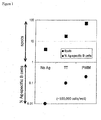
FIGURE 1 : Shows the detection of tetanus-specific antibody responses by ELISPOT and determination of the percentage of antigen-specific B cells using a 2D T and B cell co-culture. -
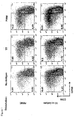
FIGURE 2 : Depicts tetanus toxoid: B cell proliferation and comparison between PBMC and 2D T and B cell co-culture. -
FIGURE 3 : Shows the flow cytometry data indicating B cell proliferation between PBMC and 2D T and B cell co-culture for the same cell donor shown inFigure 2 . Donor anti-TT ∼ 64 µg/mL; plots are gated on CD19+ Lymphocytes. -
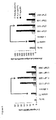
FIGURE 4 : Depicts tetanus toxoid-specific ELISPOT comparing PBMC to 2D T and B cell co-culture for the same cell donor shown inFigures 2 and3 . Left panel: PBMCs: ∼6,200 B cells/well (determined by flow); 2D co-culture: ∼19,000 B cells/well (determined by flow). Right panel: PBMCs: ∼1,800 B cells/well (determined by flow); 2D co-culture: ∼5,800 B cells/well (determined by flow). -
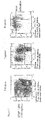
FIGURE 5 : Shows an in vitro system representative of the physiological state promotes stronger B cell proliferative (Figure 5A ) and tetanus toxoid-specific antibody responses(Figure 5B ), using a 2D co-culture of T and B cells and TT-pulsed DCs. T, B, DC co-culture conditions forFigure 5B were as follows: T:B ratio = ∼1:1; ∼500,000 lymphocytes; DC:T ratio: ∼1:60; X-VIVO media; cells harvested after 7 days; performed in duplicate. -
FIGURE 6 : Depicts tetanus-specific antibody responses to a DTaP (diphtheria and tetanus and acellular pertussis vaccine, adsorbed) vaccine and a simple tetanus toxoid Antigen, using a 2D co-culture ofT and B cells and TT-pulsed DCs. The T, B, DC co-culture conditions were as follows: ∼500,000 lymphocytes; T:B ratio = ∼1:1; DC:T ratio: ∼1:60; cells harvested after 7 days; X-VIVO media; donor ∼25 µg/mL anti-TT; performed in duplicate. -
FIGURE 7 : Shows the influence of vaccine versus antigen in a lymphoid tissue equivalent (LTE) for the same cell donor shown inFigure 6 . The T, B, DC co-culture conditions were as follows: ∼500,000 lymphocytes; T:B ratio = ∼1:1; DC:T rafio: ∼1:60; cells harvested after 7 days; X-VIVO media; donor∼25 µg/mL anti-TT; performed in duplicate. -
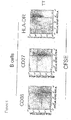
FIGURE 8 : Depicts Strong B cell and T cell proliferative responses seen against C. albicans, associated with potent activation (HLA-DRhigh, CD86high) of the dividing B cells using a 2D co-culture of T and B cells and TT-pulsed DCs. -
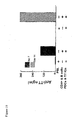
FIGURE 9 : C. albicans-specific ELISPOT data comparing TG-2D to PBMCs in which antigen-pulsed DCs were added to both. The figure shows specificity of the C. albican-stimulated B cells demonstrated by ELIPSOT for the same donor inFigure 8 . C. albicans-specific ELISPOT data comparing compares the 2D co-culture ofT and B cells with PBMCs. ∼100,000 cells plated per well; PBMCs: ∼8,000 B cells per well (determined by flow); T-B 2D: ∼18,000B cells per well (determined by flow). -
FIGURE 10 : Depicts antibody responses when some of the leukocytes are removed. -
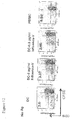
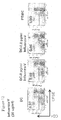
FIGURE 11 : Shows in vitro antigen-specific antibody response to influenza. Set-up: DCs were treated or untreated with H1N1 (New Caledonia) influenza; 2D cultures of DCs and T and B cells were stimulated (or not) with 'soluble' H1N1 influenza. Results: antigen-specific proliferation of T and B lymphocytes; generation of antigen-specific antibody secreting B lymphocytes (ELIspot data in figure); a synergistic effect from pulsing DCs and adding soluble antigen to the DC / T and B cell co-cultures in generation of influenza-specific antibody responses; co-rulture appears superior to PBMC cultures. -
FIGURE 12 : Shows T and B cell proliferation induced by H1N1 influenza. - The present invention concerns the development of accurate, predictive in vitro models to accelerate vaccine testing, allow collection of more informative data that will aid in redesigning and optimizing vaccine formulations before animal or clinical trials, and raise the probability that a vaccine candidate will be successful in human trials. More specifically, the present invention comprises controlling the nature and state of the cells in the lymphoid tissue equivalent (LTE, artificial lymph node) of the artificial immune system (AIS).
- The AIS can be used to test vaccines and other pharmaceuticals for immune reactivity in a manner that is more predictive than animal experiments. Consequently, it can provide valuable pre-clinical data earlier in the research and development process. Antigenic molecules introduced to the AIS are acquired by dendritic cells (DCs) at the vaccination site (VS). The DCs are then transferred to the lymphoid tissue equivalent (LTE), where they present the antigen to T cells, activating their immune function. Activated helper T cells co-stimulate B cells to induce antibody production, while activated cytotoxic T cells lyse antigen-bearing cells. Solubilized antigen(s) can also be introduced into the LTE to directly activate B cells for subsequent antibody production.
- While a number of published reports have demonstrated antigen-specific B cell responses (to C. albicans, TT, and other antigens) in vitro, these results are typically achieved by stimulating and restimulating cultures ofwhole PBMCs with antigen and exogenous factors to boost B cell proliferation and/or activation.
- The present invention comprises the detection of antibody responses using defined cultures of B cells, T cells, and DCs and optionally follicular dendritic cells (FDCs), in 2-dimensional construct assays. The presence of secondary cells provides a more physiological environment for B cell activation and differentiation, such that artificial factors in the cultures are not necessary to detect specific antibody responses.
- Using embodiments of the present invention, we have generated antigen-specific B cell responses using a 2-dimensional (2D) co-culture system comprising T cells, B cells, and antigen-pulsed DCs. In the examples, responses were generated against tetanus toxoid (TT) and a whole protein extract of Candida albicans (C. albicans). The results from these examples show that culturing human T and B cells together in vitro at a ∼1:1 ratio, versus the ratio of T and B cells naturally found in the blood, gave stronger antigen responses, by both analysis of activation and proliferation (flow cytometry) and antibody production (ELISPOT). Although the preferred ratio of T cells:B cells is ∼1:I, the ratio of T cells:B cells can range from ∼ 1:10 to ∼10:1. In the cultures of the examples, "T cells" included both CD4+ and CD8+ T cells. In peripheral blood, the T (total T cells):B cell ratio is ∼ 7:1. In the lymph node, the T (total T cells):B cell ratio is ∼1:1.6. In the germinal center, the T cell:B cell ratio is ∼1:8, and there the T cells are primarily CD4+ T cells.
- In the results of the experiments shown, engineered serum-free media (X-VIVO) was used, though we have also used serum (e.g., human, bovine) in other experiments (data not shown). Dendritic cells (DCs) were generated from CD14-purified monocytes that were cultured for -7 days in
X-VIVO 15 media, supplemented with GM-CSF (∼100 ng/ml) and IL-4 (∼25 ng/ml). The cytokine-derived DCs were pulsed with antigen or vaccine and then cocultured with T and B cells. After adding the antigen-prepulsed dendritic cells to the cell culture, further soluble antigen can also be added to the cell culture. For PBMC cultures, either the antigen was added to the assay, or antigen-pulsed DCs were added to the assay. InFigures 1 to 9 , antigen-pulsed DCs were added to the co-culture of T and B cells, while soluble antigen was added to the PBMC cultures.Figure 9 shows a comparison of the co-culture to PBMCs, with antigen-pulsed DCs added to both systems. -
- 1. A cell culture comprising:
- T cells;
- B cells;
- and antigen-primed dendritic cells.
- 2. The cell culture of
embodiment 1, further comprising follicular dendritic cells. - 3. A cell culture comprising:
- T cells;
- B cells;
- serum-free cell culture media; and
- antigen-primed dendritic cells.
- 4. The cell culture of
embodiment 3, further comprising follicular dendritic cells. - 5. The cell culture of
embodiment 3, wherein said serum-free cell culture media is X-VIVO 15. - 6. A cell culture comprising:
- T cells;
- B cells; and
- serum-free cell culture media.
- 7. The cell culture of embodiment 6, further comprising antigen-primed dendritic cells.
- 8. The cell culture of embodiment 6, further comprising follicular dendritic cells.
- 9. The cell culture of embodiment 6, wherein said serum free cell culture media is X-VIVO 15.
- 10. A cell culture comprising:
- T cells;
- B cells; and serum-free cell culture media.
- 11. The cell culture of
embodiment 10, further comprising antigen-primed dendritic cells. - 12. The cell culture of
embodiment 10, further comprising follicular dendritic cells. - 13. The cell culture of
embodiment 10, wherein said serum free cell culture media is X-VIVO 15. - 14. A method for testing an immune response to an antigen comprising:
- preparing a cell culture comprising:
- T cells;
- B cells; and
- serum-free cell culture media, wherein the T cells and B cells are
- present in an approximately 1:1 ratio;
- priming dendritic cells with an antigen;
- adding to the cell culture the antigen-primed dendritic cells; and
- analyzing the effect the antigen has on the T cells and/or B cells in the cell culture.
- preparing a cell culture comprising:
- 15. The method of
embodiment 14, wherein said effect on the T cells and/or B cells is measured by measuring T cell and/or B cell activation. - 16. The method of
embodiment 14, wherein said effect on the T cells and/or B cells is measured by measuring T cell and/or B cell proliferation. - 17. The method of
embodiment 14, wherein said effect on the B cells is measured by measuring antibody production. - 18. The method of
embodiment 14, wherein said antigen is selected from the group consisting of a vaccine, an adjuvant, an immunotherapy candidate, a cosmetic, a drug, a biologic, and a chemical compound. - 19. The method of
embodiment 14, wherein the cell culture further comprises follicular dendritic cells. - 20. The method of
embodiment 14, wherein said serum free cell culture media is X-VIVO 15. - 21. A method for testing an immune response to an antigen comprising:
- preparing a cell culture comprising:
- T cells;
- B cells;
- serum-free cell culture media; and
- antigen-prepulsed dendritic cells; and
- analyzing the effect the antigen has on the T cells and/or B cells in the cell culture.
- preparing a cell culture comprising:
- 22. A method for testing an immune response to an antigen comprising:
- preparing a cell culture comprising:
- T cells;
- B cells;
- serum-free cell culture media; and
- antigen-prepulsed dendritic cells, wherein the T cells and B cells are present in an approximately 1:1 ratio, and the ratio of dendritic cells:(T cells + B cells) is approximately 1:60; and
- analyzing the effect the antigen has on the T cells and/or B cells in the cell culture.
- preparing a cell culture comprising:
- 23. A method for testing an immune response to an antigen comprising:
- preparing a cell culture comprising:
- T cells;
- B cells;
- serum-free cell culture media; and
- dendritic cells;
- adding soluble antigen to the cell culture; and
- analyzing the effect the antigen has on the T cells and/or B cells in the cell culture.
- preparing a cell culture comprising:
- 24. A method for testing an immune response to an antigen comprising:
- preparing a cell culture comprising:
- T cells;
- B cells;
- serum-free cell culture media; and
- dendritic cells, wherein the T cells and B cells are present in an approximately 1:1 ratio, and the ratio of dendritic cells:(T cells + B cells) is approximately 1:60;
- adding soluble antigen to the cell culture; and
- analyzing the effect the antigen has on the T cells and/or B cells in the cell culture.
- preparing a cell culture comprising:
- 25. A method for testing an immune response to an antigen comprising:
- preparing a cell culture comprising:
- T cells;
- B cells;
- serum-free cell culture media; and
- antigen-prepulsed dendritic cells;
- adding further soluble antigen to the cell culture; and
- analyzing the effect the antigen has on the T cells and/or B cells in the cell culture.
- preparing a cell culture comprising:
- 26. A method for testing an immune response to an antigen comprising:
- preparing a cell culture comprising:
- T cells;
- B cells;
- serum-free cell culture media; and
- antigen-prepulsed dendritic cells, wherein the T cells and B cells are present in an approximately 1:1 ratio, and the ratio of dendritic cells:(T cells + B cells) is approximately 1:60;
- adding further soluble antigen to the cell culture; and
- analyzing the effect the antigen has on the T cells and/or B cells in the cell culture.
- preparing a cell culture comprising:
- 27. A method for testing an immune response to an antigen comprising:
- preparing a cell culture comprising:
- T cells;
- B cells; and antigen-prepulsed dendritic cells; and
- analyzing the effect the antigen has on the T cells and/or B cells in the cell culture.
- preparing a cell culture comprising:
- 28. A method for testing an immune response to an antigen comprising:
- preparing a cell culture comprising:
- T cells;
- B cells; and
- antigen-prepulsed dendritic cells, wherein the T cells and B cells are present in an approximately 1:1 ratio, and the ratio of dendritic cells:(T cells + B cells) is approximately 1:60; and
- analyzing the effect the antigen has on the T cells and/or B cells in the cell culture.
- preparing a cell culture comprising:
- 29. A method for testing an immune response to an antigen comprising:
- preparing a cell culture comprising:
- T cells;
- B cells; and
- dendritic cells;
- adding soluble antigen to the cell culture; and
- analyzing the effect the antigen has on the T cells and/or B cells in the cell culture.
- preparing a cell culture comprising:
- 30. A method for testing an immune response to an antigen comprising:
- preparing a cell culture comprising:
- T cells;
- B cells; and
- dendritic cells, wherein the T cells and B cells are present in an approximately 1:1 ratio, and the ratio of dendritic cells:(T cells + B cells) is approximately 1:60;
- adding soluble antigen to the cell culture; and
- analyzing the effect the antigen has on the T cells and/or B cells in the cell culture.
- preparing a cell culture comprising:
- 31. A method for testing an immune response to an antigen comprising:
- preparing a cell culture comprising:
- T cells;
- B cells; and
- antigen-prepulsed dendritic cells;
- adding further soluble antigen to the cell culture; and
- analyzing the effect the antigen has on the T cells and/or B cells in the cell culture.
- preparing a cell culture comprising:
- 32. A method for testing an immune response to an antigen comprising:
- preparing a cell culture comprising:
- T cells;
- B cells; and
- antigen-prepulsed dendritic cells, wherein the T cells and B cells are present in an approximately 1:1 ratio, and the ratio of dendritic cells:(T cells + B cells) is approximately 1:60;
- adding further soluble antigen to the cell culture; and
- analyzing the effect the antigen has on the T cells and/or B cells in the cell culture.
- preparing a cell culture comprising:
- These experiments provide a direct comparison of PBMCs versus a co-culture of negatively selected T and B cells that were plated at a ∼1:1 ratio in - in these examples - a 96-well, round bottom plate. All assays were harvested on
day 7 of in vitro culture. All experiments were analyzed by ELISPOT for antibody production and by flow cytometry for proliferation, as determined by loss of CFSE. In the ELISPOT assays because there were different ratios of T and B cells in the PBMC culture compared with the TB-2D cultures, there were fewer B cells plated into the ELISPOT wells. However, in the experiment inFigure 4 , the numbers of B cells used in the ELISPOT experiments for both the PBMC and co-culture assays were approximately equal. We determined the approximate number of B cells in the ELISPOT wells by flow cylometry to enable comparisons. - These results show that culturing human T and B cells together in vitro at a ∼1:1 ratio compared to the ratio of T and B cells naturally found in the blood give stronger antigen responses, by both analysis of activation and proliferation (flow cytometry) and antibody production (ELISPOT).
- B and T cell co-culture with tetanus toxoid, showing the ability to detect tetanus-specific antibody responses (
Figure 1 ). - PBMC versus co-culture, using a tetanus toxoid antigen. Even though similar B cell proliferation responses were seen in PBMC and 2D T and B cell co-cultures (
Figures 2 ,3 ), an improved tetanus toxoid-specific antibody response was observed in a T and B cell co-culture LTE, as compared with PBMC cultures (Figure 4 ), - PBMC versus co-culture, using Candida albicans antigens.
Figure 9 shows C. albicans-specific ELISPOT data, comparing TB-2D to PBMCs. In this experiment, DCs were pulsed with TT antigen only, but the ELISPOT was conducted on both TT- and C. albicans-coated plates. - PBMC versus co-culture (
Figure 10 ). In this example we addressed the question of what happens if we take cells from an apparent "non-respnnder" and use only the GC cells from the leukocytes. Note the response when some of the leukocytes are removed (Figure 10 ); non-responders in vitro now show an antibody response. - Here, we used human CD4+ T and B cells with FDCs and formed GCs in vitro and then examined whether IgG production could be obtained against a recall antigen. Specifically, we used tetanus toxoid (TT) in these experiments and isolated human B cells and CD4+ T cells from peripheral blood.
- We observed IgG recall responses using only the T cells, B cells, and FDCs that are typically found in GCs. In contrast, in the presence of PBL cells not normally in found in GCs, no antibody response was detectible in cells from some donors. These results show that removing (not including) other cells, such NK cells, monocytes, and CD8+ T cells, improved the IgG response.
- In vitro system representative of the physiological state promotes higher B cell proliferative (
Figure 5A ) and tetanus toxoid-specific antibody responses (Figure 5B ) following tetanus vaccination. The post tetanus toxoid experiment was conducted 5 weeks following vaccination. The tetanus antibody titer before vaccination was ∼40µg/mL; after vaccination it was ∼300µg/mL. T cells represent both CD4+ and CD8+ T cells. Peripheral blood has a T:B ratio of ∼7:1 (total T cells). The lymph node has a T:B ratio of ∼1:1.6 (total T cells). The germinal center has a T:B ratio of∼1:8 (primarily CD4+ T cells). - Use of a vaccine to elicit in vitro immune responses in a co-culture of T and B cells (
Figures 6 and7 ). DCs were pulsed with the vaccine or the tetanus toxoid antigen and were then added to the co-culture of T and B cells. Tripedia® (diphtheria and tetanus toxoids and acellular pertussis vaccine, adsorbed; DTaP), for intramuscular use, is a sterile preparation of diphtheria and tetanus toxoids adsorbed, with acellular pertussis vaccine in an isotonic sodium chloride solution containing thimerosal (preservative) and sodium phosphate (to control pH). After shaking, the vaccine is a homogeneous white suspension. Tripedia® vaccine is distributed by Aventis Pasteur Inc. The results inFigures 6 and7 showed that there were no apparent adverse effects due to thimerosal, and that DTaP vaccine induced more T/B cell activation and antibody responses than TT alone. - To detect antigen-specific antibody responses, we developed an ELISPOT approach to quantify B cell responses (antigen specificity) on a per cell basis. In this example, T cells were cultured with B cells at a ∼1:1 ratio, with cytokine-derived DCs included at a DC:T and B (total) cell ratio of∼1:60. Soluble TT (∼1 µg/ml) or C. albicans (∼10 µg/ml) was included for the entire 7-day culture, while other wells received pokeweed mitogen (PWM; a strong, non-specific lymphocyte stimulator) for the final 3 days of the culture.
- On the seventh day, the lymphocytes were examined for marker expression and CFSE profiles by flow cytometry and the frequency of TT and C. albican-specific B cells was calculated by ELISPOT. Briefly, ∼30× 13 total lymphocytes were plated in duplicate wells of an ELISPOT plate that had been pre-coated with TT, C. albicans, or anti-immunoglobulin (Ig, to gauge total antibody production).
- The cells were then serially diluted five times at a∼1:3 ratio and PWM was added to all wells to trigger antibody production. The cells were then incubated for ∼5 hr at 37°C in a 5% CO2 incubator and washed away. Plate-bound antibody was detected using techniques similar to those required for ELISA.
- The results in
Figure 8 demonstrate strong B cell and T cell proliferative responses against C. albicans, associated with potent activation (HLA-DRhigh, CD86high) of the dividing B cells. Furthermore, a subset of the most divided B cells appears to have acquired a memory phenotype, indicated by increased CD27 expression. - The lack of a robust response against TT was consistent with the weak serum TT titer for this donor (∼4µg/ml). As expected, PWM triggered potent T and B cell proliferative responses, though not as many divisions were seen as with specific antigen stimulation, likely because the cells were only cultured with the mitogen for 3 days.
- The specificity of the C. albicans-stimulated B cells was demonstrated by ELISPOT (
Figure 9 [[2]]). This experiment suggests that a 1× stimulation with C. albicans did give rise to a small population of antibody-producing cells (∼0.2% of total B cells) that was not detected in untreated cultures or those stimulated with TT (left and middle wells). This discrepancy between the frequency of proliferating cells and C. albicans-spccific B cells detected by ELISPOT could be the result of several factors. A likely explanation is that we used a crude C. albicans whole antigen extract containing ∼19% carbohydrates (by weight). While C. albicans polysaccharides are strong inducers of B cell responses, only protein antigen-specific responses would be detected in the ELISPOT assay, - Tetanus-specific antibodies were detected in another ELISPOT experiment where the cell donor's serum anti-tetanus level was higher (63µg/ml), and DCs were cultivated in XVIVO-15 medium. All other components, concentrations and ratios were left unchanged, except that of the number of cells deposited per ELISPOT well was increased; the higher number used was ∼1×10⁵ cells/well.
- In this experiment, both TT- and C. albicans-specific antibodies were observed (up to 48 and 33 spots per well, respectively), although a high level of non-specific response, especially in the presence of CCL21/anti-CD40 additives, did not allow a firm conclusion in favor of antigen-specific versus mitogenic activity.
- The specificity of the C. albicuns-stimulated B cells was demonstrated by ELIPSOT (
Figure 9 ) for both PBMC and 2D co-culture of T and B cells with C. albicans-pulsed DCs added to both systems. This experiment indicates that even if the PBMC cultures have antigen-pulsed DCs added that the co-culture system shows a stronger antibody response, as determined by ELISPOT. - In vitro antigen-specific antibody response to influenza (
Figure 11 ) and T and B cell proliferation induced by H1N1 influenza (Figure 12 ). DCs were treated (or not) with H1N1 (New Caledonia) influenza. 2D cultures of DCs and T and B cells were stimulated (or not) with 'soluble' H1N1 influenza. As can be seen, there was antigen-specific proliferation of T and B lymphocytes and generation of antigen-specific antibody secreting B lymphocytes (ELISPOT data). Note the largest (apparently synergistic) response was observed when we pulsed the DCs with antigen and then added soluble antigen to the DC /T and B cell cultures, to activate the B cells, which are antigen-presenting cells (APCs). Again, the T and B cell co-culture is superior to PBMC cultures. - While the foregoing specification teaches the principles of the present invention, with examples provided for the purpose of illustration, it will be appreciated by one skilled in the art from reading this disclosure that various changes in form and detail can be made without departing from the true scope of the invention.
Claims (5)
- A cell culture comprising:T cells;B cells; andantigen-primed dendritic cells.
- A cell culture as claimed in claim 1 additionally comprising serum-free cell culture media.
- A cell culture as claimed in claim 2 wherein the T cells and B cells are present in a ratio between approximately 1:10 and approximately 10:1.
- The cell culture of any one of claims 1 to 3 further comprising follicular dentritic cells.
- The cell culture of claim 4, wherein said serum free cell culture media is X-VIVO 15.
Applications Claiming Priority (2)
| Application Number | Priority Date | Filing Date | Title |
|---|---|---|---|
| US11/453,046 US8071373B2 (en) | 2004-04-28 | 2006-06-15 | Co-culture lymphoid tissue equivalent (LTE) for an artificial immune system (AIS) |
| EP07809513A EP2041271B1 (en) | 2006-06-15 | 2007-06-14 | Co-culture lymphoid tissue equivalent (lte) for an artificial immune system (ais) |
Related Parent Applications (2)
| Application Number | Title | Priority Date | Filing Date |
|---|---|---|---|
| EP07809513.0 Division | 2007-06-14 | ||
| EP07809513A Division EP2041271B1 (en) | 2006-06-15 | 2007-06-14 | Co-culture lymphoid tissue equivalent (lte) for an artificial immune system (ais) |
Publications (2)
| Publication Number | Publication Date |
|---|---|
| EP2570477A1 true EP2570477A1 (en) | 2013-03-20 |
| EP2570477B1 EP2570477B1 (en) | 2016-01-06 |
Family
ID=38659381
Family Applications (4)
| Application Number | Title | Priority Date | Filing Date |
|---|---|---|---|
| EP06837280A Active EP2032693B1 (en) | 2006-06-15 | 2006-11-08 | Co-culture lymphoid tissue equivalent (lte) for an artificial immune system (ais) |
| EP11165591.6A Active EP2410045B1 (en) | 2006-06-15 | 2006-11-08 | A method for testing an immune response |
| EP07809513A Active EP2041271B1 (en) | 2006-06-15 | 2007-06-14 | Co-culture lymphoid tissue equivalent (lte) for an artificial immune system (ais) |
| EP12164194.8A Active EP2570477B1 (en) | 2006-06-15 | 2007-06-14 | Co-culture lymphoid tissue equivalent (LTE) for an artificial immune system (AIS) |
Family Applications Before (3)
| Application Number | Title | Priority Date | Filing Date |
|---|---|---|---|
| EP06837280A Active EP2032693B1 (en) | 2006-06-15 | 2006-11-08 | Co-culture lymphoid tissue equivalent (lte) for an artificial immune system (ais) |
| EP11165591.6A Active EP2410045B1 (en) | 2006-06-15 | 2006-11-08 | A method for testing an immune response |
| EP07809513A Active EP2041271B1 (en) | 2006-06-15 | 2007-06-14 | Co-culture lymphoid tissue equivalent (lte) for an artificial immune system (ais) |
Country Status (6)
| Country | Link |
|---|---|
| US (3) | US8071373B2 (en) |
| EP (4) | EP2032693B1 (en) |
| AT (1) | ATE544848T1 (en) |
| CA (3) | CA2836760C (en) |
| IL (4) | IL195798A (en) |
| WO (2) | WO2007145658A1 (en) |
Families Citing this family (21)
| Publication number | Priority date | Publication date | Assignee | Title |
|---|---|---|---|---|
| US7785806B2 (en) * | 2004-04-28 | 2010-08-31 | Vaxdesign Corporation | Method for determining the immunogenicity of an antigen |
| US8298824B2 (en) | 2004-04-28 | 2012-10-30 | Sanofi Pasteur Vaxdesign Corporation | Methods of evaluating a test agent in a diseased cell model |
| US7771999B2 (en) | 2004-04-28 | 2010-08-10 | Vaxdesign Corp. | Disease model incorporation into an artificial immune system (AIS) |
| US7855074B2 (en) * | 2004-04-28 | 2010-12-21 | Vaxdesign Corp. | Artificial immune system: methods for making and use |
| US7785883B2 (en) * | 2004-04-28 | 2010-08-31 | Vax Design Corp. | Automatable artificial immune system (AIS) |
| US8071373B2 (en) | 2004-04-28 | 2011-12-06 | Sanofi Pasteur Vaxdesign Corp. | Co-culture lymphoid tissue equivalent (LTE) for an artificial immune system (AIS) |
| US7709256B2 (en) * | 2004-04-28 | 2010-05-04 | Vaxdesign Corp. | Disease model incorporation into an artificial immune system (AIS) |
| US8030070B2 (en) * | 2004-04-28 | 2011-10-04 | Sanofi Pasteur Vaxdesign Corp. | Artificial lymphoid tissue equivalent |
| EP1969366B1 (en) | 2005-12-21 | 2015-10-21 | Sanofi Pasteur VaxDesign Corporation | In vitro germinal centers |
| EP2199384B1 (en) * | 2005-12-21 | 2011-11-02 | Sanofi Pasteur VaxDesign Corporation | A porous membrane device that promotes the differentiation of monocytes into dendritic cells |
| US20100323401A1 (en) * | 2006-05-11 | 2010-12-23 | Lewis George K | General method for generating human antibody responses in vitro |
| EP2409714A1 (en) * | 2006-06-27 | 2012-01-25 | Sanofi Pasteur VaxDesign Corporation | Models for vaccine assessment |
| US8647837B2 (en) | 2007-07-16 | 2014-02-11 | Sanofi Pasteur Vaxdesign Corp. | Artificial tissue constructs comprising alveolar cells and methods for using the same |
| EP2260097B1 (en) * | 2008-03-12 | 2017-04-26 | Sanofi Pasteur VaxDesign Corporation | Disease model incorporation into an artificial immune system (ais) |
| US9850463B2 (en) | 2012-02-01 | 2017-12-26 | The Regents Of The University Of California | Methods of culturing retinal pigmented epithelium cells, including xeno-free production, RPE enrichment, and cryopreservation |
| US10222373B2 (en) | 2016-02-29 | 2019-03-05 | Rarecyte, Inc. | Method to identify antigen-specific immune cells |
| CA3031439A1 (en) | 2016-07-18 | 2018-01-25 | President And Fellows Of Harvard College | Human lymphoid tissue-on-chip |
| US12331320B2 (en) | 2018-10-10 | 2025-06-17 | The Research Foundation For The State University Of New York | Genome edited cancer cell vaccines |
| EP4121102A4 (en) * | 2020-03-20 | 2024-04-10 | Nantcell, Inc. | T CELLS RESPONSIVE TO PATIENT NEOEPITOPES |
| US20250180543A1 (en) * | 2022-03-08 | 2025-06-05 | Whitehead Institute For Biomedical Research | Compositions and methods of a high-throughput screen to identify compounds that alter macrophage-mediated cytotoxicity of target cells |
| WO2026035682A1 (en) * | 2024-08-05 | 2026-02-12 | Amgen Inc. | Lymphoid cell compositions, systems, and assays |
Citations (5)
| Publication number | Priority date | Publication date | Assignee | Title |
|---|---|---|---|---|
| US5008116A (en) | 1988-11-14 | 1991-04-16 | Frederick Cahn | Immunostimulatory microsphere |
| US20030109042A1 (en) | 1999-11-17 | 2003-06-12 | Wu J.H. David | Human ex vivo immune system |
| WO2004101773A1 (en) | 2003-05-19 | 2004-11-25 | Probiogen Ag | Artificial immune organ |
| US6835550B1 (en) | 1998-04-15 | 2004-12-28 | Genencor International, Inc. | Mutant proteins having lower allergenic response in humans and methods for constructing, identifying and producing such proteins |
| US20050282148A1 (en) * | 2004-04-28 | 2005-12-22 | Warren William L | Artificial immune system: methods for making and use |
Family Cites Families (50)
| Publication number | Priority date | Publication date | Assignee | Title |
|---|---|---|---|---|
| US5266480A (en) | 1986-04-18 | 1993-11-30 | Advanced Tissue Sciences, Inc. | Three-dimensional skin culture system |
| US5032508A (en) | 1988-09-08 | 1991-07-16 | Marrow-Tech, Inc. | Three-dimensional cell and tissue culture system |
| US5160490A (en) * | 1986-04-18 | 1992-11-03 | Marrow-Tech Incorporated | Three-dimensional cell and tissue culture apparatus |
| US5720937A (en) * | 1988-01-12 | 1998-02-24 | Genentech, Inc. | In vivo tumor detection assay |
| JPH0310674A (en) | 1989-06-09 | 1991-01-18 | Terumo Corp | Porous membrane for cell culture and cell culture device using the same |
| US5562910A (en) * | 1989-09-25 | 1996-10-08 | University Of Utah Research Foundation | Vaccine compositions and method for enhancing an immune response |
| US5188959A (en) * | 1989-09-28 | 1993-02-23 | Trustees Of Tufts College | Extracellular matrix protein adherent t cells |
| US5514555A (en) | 1993-03-12 | 1996-05-07 | Center For Blood Research, Inc. | Assays and therapeutic methods based on lymphocyte chemoattractants |
| US5695996A (en) * | 1994-09-23 | 1997-12-09 | The United States Of America As Represented By The Department Of Health And Human Services | Artificial organ culture system |
| EP0801676A2 (en) | 1995-10-20 | 1997-10-22 | Michael Sittinger | New artificial tissue, method for the production and the use thereof |
| US6479258B1 (en) | 1995-12-07 | 2002-11-12 | Diversa Corporation | Non-stochastic generation of genetic vaccines |
| US5739001A (en) * | 1996-10-29 | 1998-04-14 | E. I. Du Pont De Nemours And Company | Solid phase cell-based assay |
| US6177282B1 (en) * | 1997-08-12 | 2001-01-23 | Mcintyre John A. | Antigens embedded in thermoplastic |
| EP1013668A1 (en) | 1997-09-10 | 2000-06-28 | Junichi Masuyama | Monoclonal antibody against human monocytes |
| EP1627914A3 (en) | 1997-09-25 | 2006-03-01 | Cytomatrix, LLC | Methods and devices for the long-term culture of hematopoietic progenitor cells |
| DE69840739D1 (en) * | 1997-10-27 | 2009-05-28 | Merix Bioscience Inc | Method and composition for the production of mature dendritic cells |
| WO1999043788A1 (en) | 1998-02-27 | 1999-09-02 | Anticancer, Inc. | In vitro model for viral infection and immune response |
| JP2002507750A (en) | 1998-03-25 | 2002-03-12 | トリオン ダイアグノスティクス アクティー ゼルスカブ | Microsystem and method for particle manipulation by field |
| US20020155108A1 (en) | 1998-05-04 | 2002-10-24 | Biocrystal, Ltd. | Method for ex vivo loading of antigen presenting cells with antigen, and a vaccine comprising the loaded cells |
| HK1046004B (en) | 1999-11-12 | 2013-11-08 | Fibrogen, Inc. | Recombinant gelatins |
| US6479064B1 (en) * | 1999-12-29 | 2002-11-12 | Children's Medical Center Corporation | Culturing different cell populations on a decellularized natural biostructure for organ reconstruction |
| US6541225B1 (en) * | 2000-01-26 | 2003-04-01 | Raven Biotechnologies, Inc. | Methods and compositions for generating human monoclonal antibodies |
| WO2002062971A1 (en) * | 2001-02-07 | 2002-08-15 | Korea Atomic Energy Research Institute | Method of isolating epithelial cells, method of preconditioning cells, and methods of preparing bioartificial skin and dermis with the epithelial cells or the preconditioned cells |
| EP1437147B1 (en) | 2001-09-25 | 2012-06-27 | National Institute for Environmental Studies | Method of preparing basement membrane |
| WO2003041568A2 (en) | 2001-11-15 | 2003-05-22 | University Of Medicine & Dentistry Of New Jersey | A three-dimensional matrix for producing living tissue equivalents |
| FR2833271B1 (en) | 2001-12-10 | 2004-09-17 | Coletica | PRODUCTION OF IN VITRO DENDRITIC CELLS FROM CD14 + MONOCYTES, IN PARTICULAR FOR THE PRODUCTION OF CELLULAR AND / OR TISSUE MODELS IN SUSPENSION, IN MONOLAYERS AND THREE-DIMENSIONAL; USE OF THESE MODELS |
| GB0130789D0 (en) | 2001-12-21 | 2002-02-06 | King S College London | Application of spores |
| CA2480011A1 (en) * | 2002-03-18 | 2003-12-04 | Sciperio, Inc. | Dentritic cell nodes |
| ATE538378T1 (en) * | 2002-04-11 | 2012-01-15 | Cylex Inc | METHOD FOR MONITORING IMMUNE RESPONSE AND PREDICTING CLINICAL RESULTS IN TRANSPLANT RECIPIENTS |
| US20040009943A1 (en) | 2002-05-10 | 2004-01-15 | Inex Pharmaceuticals Corporation | Pathogen vaccines and methods for using the same |
| US20050191743A1 (en) * | 2002-10-03 | 2005-09-01 | Wu J.H. D. | Three-dimensional peripheral lymphoid organ cell cultures |
| US20040109876A1 (en) | 2002-11-25 | 2004-06-10 | Kureha Chemical Industry Co., Ltd. | Vaccine composition, HIV-infection suppression factor and method for the vaccination against HIV |
| JP4460908B2 (en) | 2003-03-07 | 2010-05-12 | パイロットインキ株式会社 | Reversible color change toy |
| JP2007528848A (en) | 2003-07-09 | 2007-10-18 | ヴァックスデザイン・コーポレーション | Programmed immune response using vaccination nodes |
| WO2005072088A2 (en) | 2003-12-11 | 2005-08-11 | Sciperio, Inc. | Immunotherapy compositions, method of making and method of use thereof |
| US7785883B2 (en) * | 2004-04-28 | 2010-08-31 | Vax Design Corp. | Automatable artificial immune system (AIS) |
| WO2005104755A2 (en) | 2004-04-28 | 2005-11-10 | Vaxdesign Corporation | Artificial immune system: methods for making and use |
| US7709256B2 (en) | 2004-04-28 | 2010-05-04 | Vaxdesign Corp. | Disease model incorporation into an artificial immune system (AIS) |
| US8071373B2 (en) | 2004-04-28 | 2011-12-06 | Sanofi Pasteur Vaxdesign Corp. | Co-culture lymphoid tissue equivalent (LTE) for an artificial immune system (AIS) |
| US7785806B2 (en) * | 2004-04-28 | 2010-08-31 | Vaxdesign Corporation | Method for determining the immunogenicity of an antigen |
| US20060275270A1 (en) * | 2004-04-28 | 2006-12-07 | Warren William L | In vitro mucosal tissue equivalent |
| US20070141552A1 (en) * | 2004-04-28 | 2007-06-21 | Warren William L | Automatable artificial immune system (AIS) |
| US7771999B2 (en) * | 2004-04-28 | 2010-08-10 | Vaxdesign Corp. | Disease model incorporation into an artificial immune system (AIS) |
| US8030070B2 (en) * | 2004-04-28 | 2011-10-04 | Sanofi Pasteur Vaxdesign Corp. | Artificial lymphoid tissue equivalent |
| JPWO2007069755A1 (en) | 2005-12-12 | 2009-05-28 | 独立行政法人理化学研究所 | Efficient method for producing antigen-specific hybridomas using artificial lymph nodes |
| EP1969366B1 (en) | 2005-12-21 | 2015-10-21 | Sanofi Pasteur VaxDesign Corporation | In vitro germinal centers |
| EP2199384B1 (en) * | 2005-12-21 | 2011-11-02 | Sanofi Pasteur VaxDesign Corporation | A porous membrane device that promotes the differentiation of monocytes into dendritic cells |
| EP2409714A1 (en) * | 2006-06-27 | 2012-01-25 | Sanofi Pasteur VaxDesign Corporation | Models for vaccine assessment |
| EP2420516A1 (en) * | 2007-07-06 | 2012-02-22 | Sanofi Pasteur VaxDesign Corporation | Rapid generation of T cell-independent antibody responses to T cell-dependent antigens |
| GB2512355B (en) | 2013-03-27 | 2016-06-01 | Warwick Tim | Infused additive manufactured objects |
-
2006
- 2006-06-15 US US11/453,046 patent/US8071373B2/en not_active Expired - Lifetime
- 2006-11-08 AT AT06837280T patent/ATE544848T1/en active
- 2006-11-08 CA CA2836760A patent/CA2836760C/en active Active
- 2006-11-08 EP EP06837280A patent/EP2032693B1/en active Active
- 2006-11-08 CA CA2659676A patent/CA2659676C/en active Active
- 2006-11-08 WO PCT/US2006/043712 patent/WO2007145658A1/en not_active Ceased
- 2006-11-08 EP EP11165591.6A patent/EP2410045B1/en active Active
-
2007
- 2007-06-14 WO PCT/US2007/013871 patent/WO2007146334A2/en not_active Ceased
- 2007-06-14 EP EP07809513A patent/EP2041271B1/en active Active
- 2007-06-14 EP EP12164194.8A patent/EP2570477B1/en active Active
- 2007-06-14 CA CA2655405A patent/CA2655405C/en active Active
-
2008
- 2008-12-08 IL IL195798A patent/IL195798A/en active IP Right Grant
- 2008-12-11 IL IL195895A patent/IL195895A/en active IP Right Grant
-
2011
- 2011-06-13 IL IL213519A patent/IL213519A0/en unknown
- 2011-11-03 US US13/288,401 patent/US8697371B2/en not_active Expired - Lifetime
- 2011-11-04 US US13/289,024 patent/US8962319B2/en active Active
-
2012
- 2012-03-01 IL IL218447A patent/IL218447A0/en unknown
Patent Citations (5)
| Publication number | Priority date | Publication date | Assignee | Title |
|---|---|---|---|---|
| US5008116A (en) | 1988-11-14 | 1991-04-16 | Frederick Cahn | Immunostimulatory microsphere |
| US6835550B1 (en) | 1998-04-15 | 2004-12-28 | Genencor International, Inc. | Mutant proteins having lower allergenic response in humans and methods for constructing, identifying and producing such proteins |
| US20030109042A1 (en) | 1999-11-17 | 2003-06-12 | Wu J.H. David | Human ex vivo immune system |
| WO2004101773A1 (en) | 2003-05-19 | 2004-11-25 | Probiogen Ag | Artificial immune organ |
| US20050282148A1 (en) * | 2004-04-28 | 2005-12-22 | Warren William L | Artificial immune system: methods for making and use |
Non-Patent Citations (7)
| Title |
|---|
| BAI L ET AL: "Generation of dendritic cells from human bone marrow mononuclear cells: Advantages for clinical application in comparison to peripheral blood monocyte derived cells", INTERNATIONAL JOURNAL OF ONCOLOGY, vol. 20, no. 2, February 2002 (2002-02-01), pages 247 - 253, XP009095837, ISSN: 1019-6439 * |
| BROMELOW K V ET AL: "Whole blood assay for assessment of the mixed lymphocyte reaction", JOURNAL OF IMMUNOLOGICAL METHODS, ELSEVIER SCIENCE PUBLISHERS B.V.,AMSTERDAM, NL, vol. 247, no. 1-2, 1 January 2001 (2001-01-01), pages 1 - 8, XP004228393, ISSN: 0022-1759 * |
| BÜCHELE S ET AL: "Presentation of tetanus toxoid to autologous T cells by dendritic cells generated from human blood. Improved specificity with dendritic cells generated without fetal calf serum.", ADVANCES IN EXPERIMENTAL MEDICINE AND BIOLOGY 1997, vol. 417, 1997, pages 233 - 237, XP009095838, ISSN: 0065-2598 * |
| NEVES A R ET AL: "DENDRITIC CELLS DERIVED FROM METASTATIC CANCER VACCINATED WITH ALLOGENEIC DENDRITIC CELL-AUTOLOGOUS TUMOR CELL HYBRIDS EXPRESS MORE CD86 AND INDUCE HIGHER LEVELS OF INTERFERON-GAMMA IN MIXED LYMPHOCYTE REACTIONS", CANCER IMMUNOLOGY AND IMMUNOTHERAPY, BERLIN, DE, vol. 54, no. 1, January 2005 (2005-01-01), pages 61 - 66, XP009053938, ISSN: 0340-7004 * |
| SUEMATSU ET AL., NAT BIOLECHNOL, vol. 22, 2004, pages 1539 - 1545 |
| SUEMATSU S ET AL: "Generation of a synthetic lymphoid tissue-like organoid in mice", NATURE BIOTECHNOLOGY, NATURE PUBLISHING GROUP, NEW YORK, NY, US, vol. 22, no. 12, 2004, pages 1539 - 1545, XP003013991, ISSN: 1087-0156 * |
| TARTE ET AL: "Extensive characterization of dendritic cells generated in serum-free conditions: regulation of soluble antigen uptake, apoptotic tumor cell phagocytosis, chemotaxis and T cell activation during maturation in vitro", LEUKEMIA, MACMILLAN PRESS LTD, US, vol. 14, 1 January 2000 (2000-01-01), pages 2182 - 2192, XP008100646, ISSN: 0887-6924, DOI: 10.1038/SJ.LEU.2401925 * |
Also Published As
| Publication number | Publication date |
|---|---|
| WO2007146334A2 (en) | 2007-12-21 |
| EP2570477B1 (en) | 2016-01-06 |
| EP2410045B1 (en) | 2013-08-28 |
| AU2006344474A1 (en) | 2007-12-21 |
| US20140248640A1 (en) | 2014-09-04 |
| CA2659676A1 (en) | 2007-12-21 |
| WO2007146334A3 (en) | 2008-04-24 |
| WO2007146334A9 (en) | 2008-03-13 |
| IL195798A (en) | 2013-02-28 |
| CA2655405A1 (en) | 2007-12-21 |
| US8962319B2 (en) | 2015-02-24 |
| EP2041271A2 (en) | 2009-04-01 |
| IL195895A (en) | 2013-01-31 |
| EP2041271B1 (en) | 2012-05-16 |
| CA2836760A1 (en) | 2007-12-21 |
| EP2410045A1 (en) | 2012-01-25 |
| CA2655405C (en) | 2016-06-07 |
| EP2032693B1 (en) | 2012-02-08 |
| US8071373B2 (en) | 2011-12-06 |
| CA2659676C (en) | 2015-03-24 |
| IL213519A0 (en) | 2011-07-31 |
| IL218447A0 (en) | 2012-04-30 |
| ATE544848T1 (en) | 2012-02-15 |
| US20070154956A1 (en) | 2007-07-05 |
| WO2007145658A1 (en) | 2007-12-21 |
| US20120052517A1 (en) | 2012-03-01 |
| EP2032693A1 (en) | 2009-03-11 |
| US8697371B2 (en) | 2014-04-15 |
| IL195895A0 (en) | 2011-08-01 |
| IL195798A0 (en) | 2011-08-01 |
| CA2836760C (en) | 2015-07-14 |
Similar Documents
| Publication | Publication Date | Title |
|---|---|---|
| EP2041271B1 (en) | Co-culture lymphoid tissue equivalent (lte) for an artificial immune system (ais) | |
| US8080416B2 (en) | Method for determining the immunogenicity of an antigen | |
| AU2007258385B2 (en) | Disease model incorporation into an artificial immune system (AIS) | |
| US8030070B2 (en) | Artificial lymphoid tissue equivalent | |
| US8062889B2 (en) | Methods of evaluating a test agent in a diseased cell model | |
| AU2007258279B2 (en) | Co-culture lymphoid tissue equivalent (LTE) for an artificial immune system (AIS) | |
| AU2006344474B2 (en) | Co-culture lymphoid tissue equivalent (LTE) for an artificial immune system (AIS) | |
| WO2026035682A1 (en) | Lymphoid cell compositions, systems, and assays |
Legal Events
| Date | Code | Title | Description |
|---|---|---|---|
| PUAI | Public reference made under article 153(3) epc to a published international application that has entered the european phase |
Free format text: ORIGINAL CODE: 0009012 |
|
| AC | Divisional application: reference to earlier application |
Ref document number: 2041271 Country of ref document: EP Kind code of ref document: P |
|
| AK | Designated contracting states |
Kind code of ref document: A1 Designated state(s): AT BE BG CH CY CZ DE DK EE ES FI FR GB GR HU IE IS IT LI LT LU LV MC MT NL PL PT RO SE SI SK TR |
|
| 17P | Request for examination filed |
Effective date: 20130920 |
|
| RBV | Designated contracting states (corrected) |
Designated state(s): AT BE BG CH CY CZ DE DK EE ES FI FR GB GR HU IE IS IT LI LT LU LV MC MT NL PL PT RO SE SI SK TR |
|
| 17Q | First examination report despatched |
Effective date: 20131023 |
|
| GRAP | Despatch of communication of intention to grant a patent |
Free format text: ORIGINAL CODE: EPIDOSNIGR1 |
|
| INTG | Intention to grant announced |
Effective date: 20150805 |
|
| GRAS | Grant fee paid |
Free format text: ORIGINAL CODE: EPIDOSNIGR3 |
|
| GRAA | (expected) grant |
Free format text: ORIGINAL CODE: 0009210 |
|
| AC | Divisional application: reference to earlier application |
Ref document number: 2041271 Country of ref document: EP Kind code of ref document: P |
|
| AK | Designated contracting states |
Kind code of ref document: B1 Designated state(s): AT BE BG CH CY CZ DE DK EE ES FI FR GB GR HU IE IS IT LI LT LU LV MC MT NL PL PT RO SE SI SK TR |
|
| REG | Reference to a national code |
Ref country code: GB Ref legal event code: FG4D |
|
| REG | Reference to a national code |
Ref country code: CH Ref legal event code: EP |
|
| REG | Reference to a national code |
Ref country code: IE Ref legal event code: FG4D |
|
| REG | Reference to a national code |
Ref country code: AT Ref legal event code: REF Ref document number: 768890 Country of ref document: AT Kind code of ref document: T Effective date: 20160215 |
|
| REG | Reference to a national code |
Ref country code: DE Ref legal event code: R096 Ref document number: 602007044535 Country of ref document: DE |
|
| REG | Reference to a national code |
Ref country code: LT Ref legal event code: MG4D |
|
| REG | Reference to a national code |
Ref country code: NL Ref legal event code: MP Effective date: 20160106 |
|
| REG | Reference to a national code |
Ref country code: AT Ref legal event code: MK05 Ref document number: 768890 Country of ref document: AT Kind code of ref document: T Effective date: 20160106 |
|
| REG | Reference to a national code |
Ref country code: FR Ref legal event code: PLFP Year of fee payment: 10 |
|
| PG25 | Lapsed in a contracting state [announced via postgrant information from national office to epo] |
Ref country code: NL Free format text: LAPSE BECAUSE OF FAILURE TO SUBMIT A TRANSLATION OF THE DESCRIPTION OR TO PAY THE FEE WITHIN THE PRESCRIBED TIME-LIMIT Effective date: 20160106 |
|
| PG25 | Lapsed in a contracting state [announced via postgrant information from national office to epo] |
Ref country code: FI Free format text: LAPSE BECAUSE OF FAILURE TO SUBMIT A TRANSLATION OF THE DESCRIPTION OR TO PAY THE FEE WITHIN THE PRESCRIBED TIME-LIMIT Effective date: 20160106 Ref country code: GR Free format text: LAPSE BECAUSE OF FAILURE TO SUBMIT A TRANSLATION OF THE DESCRIPTION OR TO PAY THE FEE WITHIN THE PRESCRIBED TIME-LIMIT Effective date: 20160407 Ref country code: ES Free format text: LAPSE BECAUSE OF FAILURE TO SUBMIT A TRANSLATION OF THE DESCRIPTION OR TO PAY THE FEE WITHIN THE PRESCRIBED TIME-LIMIT Effective date: 20160106 |
|
| PG25 | Lapsed in a contracting state [announced via postgrant information from national office to epo] |
Ref country code: PT Free format text: LAPSE BECAUSE OF FAILURE TO SUBMIT A TRANSLATION OF THE DESCRIPTION OR TO PAY THE FEE WITHIN THE PRESCRIBED TIME-LIMIT Effective date: 20160506 Ref country code: AT Free format text: LAPSE BECAUSE OF FAILURE TO SUBMIT A TRANSLATION OF THE DESCRIPTION OR TO PAY THE FEE WITHIN THE PRESCRIBED TIME-LIMIT Effective date: 20160106 Ref country code: PL Free format text: LAPSE BECAUSE OF FAILURE TO SUBMIT A TRANSLATION OF THE DESCRIPTION OR TO PAY THE FEE WITHIN THE PRESCRIBED TIME-LIMIT Effective date: 20160106 Ref country code: LV Free format text: LAPSE BECAUSE OF FAILURE TO SUBMIT A TRANSLATION OF THE DESCRIPTION OR TO PAY THE FEE WITHIN THE PRESCRIBED TIME-LIMIT Effective date: 20160106 Ref country code: SE Free format text: LAPSE BECAUSE OF FAILURE TO SUBMIT A TRANSLATION OF THE DESCRIPTION OR TO PAY THE FEE WITHIN THE PRESCRIBED TIME-LIMIT Effective date: 20160106 Ref country code: LT Free format text: LAPSE BECAUSE OF FAILURE TO SUBMIT A TRANSLATION OF THE DESCRIPTION OR TO PAY THE FEE WITHIN THE PRESCRIBED TIME-LIMIT Effective date: 20160106 Ref country code: IS Free format text: LAPSE BECAUSE OF FAILURE TO SUBMIT A TRANSLATION OF THE DESCRIPTION OR TO PAY THE FEE WITHIN THE PRESCRIBED TIME-LIMIT Effective date: 20160506 |
|
| REG | Reference to a national code |
Ref country code: DE Ref legal event code: R097 Ref document number: 602007044535 Country of ref document: DE |
|
| PG25 | Lapsed in a contracting state [announced via postgrant information from national office to epo] |
Ref country code: DK Free format text: LAPSE BECAUSE OF FAILURE TO SUBMIT A TRANSLATION OF THE DESCRIPTION OR TO PAY THE FEE WITHIN THE PRESCRIBED TIME-LIMIT Effective date: 20160106 Ref country code: EE Free format text: LAPSE BECAUSE OF FAILURE TO SUBMIT A TRANSLATION OF THE DESCRIPTION OR TO PAY THE FEE WITHIN THE PRESCRIBED TIME-LIMIT Effective date: 20160106 |
|
| PLBE | No opposition filed within time limit |
Free format text: ORIGINAL CODE: 0009261 |
|
| STAA | Information on the status of an ep patent application or granted ep patent |
Free format text: STATUS: NO OPPOSITION FILED WITHIN TIME LIMIT |
|
| PG25 | Lapsed in a contracting state [announced via postgrant information from national office to epo] |
Ref country code: SK Free format text: LAPSE BECAUSE OF FAILURE TO SUBMIT A TRANSLATION OF THE DESCRIPTION OR TO PAY THE FEE WITHIN THE PRESCRIBED TIME-LIMIT Effective date: 20160106 Ref country code: CZ Free format text: LAPSE BECAUSE OF FAILURE TO SUBMIT A TRANSLATION OF THE DESCRIPTION OR TO PAY THE FEE WITHIN THE PRESCRIBED TIME-LIMIT Effective date: 20160106 Ref country code: RO Free format text: LAPSE BECAUSE OF FAILURE TO SUBMIT A TRANSLATION OF THE DESCRIPTION OR TO PAY THE FEE WITHIN THE PRESCRIBED TIME-LIMIT Effective date: 20160106 |
|
| 26N | No opposition filed |
Effective date: 20161007 |
|
| PG25 | Lapsed in a contracting state [announced via postgrant information from national office to epo] |
Ref country code: MC Free format text: LAPSE BECAUSE OF FAILURE TO SUBMIT A TRANSLATION OF THE DESCRIPTION OR TO PAY THE FEE WITHIN THE PRESCRIBED TIME-LIMIT Effective date: 20160106 |
|
| PG25 | Lapsed in a contracting state [announced via postgrant information from national office to epo] |
Ref country code: BG Free format text: LAPSE BECAUSE OF FAILURE TO SUBMIT A TRANSLATION OF THE DESCRIPTION OR TO PAY THE FEE WITHIN THE PRESCRIBED TIME-LIMIT Effective date: 20160406 Ref country code: SI Free format text: LAPSE BECAUSE OF FAILURE TO SUBMIT A TRANSLATION OF THE DESCRIPTION OR TO PAY THE FEE WITHIN THE PRESCRIBED TIME-LIMIT Effective date: 20160106 |
|
| REG | Reference to a national code |
Ref country code: FR Ref legal event code: PLFP Year of fee payment: 11 |
|
| PG25 | Lapsed in a contracting state [announced via postgrant information from national office to epo] |
Ref country code: HU Free format text: LAPSE BECAUSE OF FAILURE TO SUBMIT A TRANSLATION OF THE DESCRIPTION OR TO PAY THE FEE WITHIN THE PRESCRIBED TIME-LIMIT; INVALID AB INITIO Effective date: 20070614 Ref country code: CY Free format text: LAPSE BECAUSE OF FAILURE TO SUBMIT A TRANSLATION OF THE DESCRIPTION OR TO PAY THE FEE WITHIN THE PRESCRIBED TIME-LIMIT Effective date: 20160106 |
|
| REG | Reference to a national code |
Ref country code: FR Ref legal event code: PLFP Year of fee payment: 12 |
|
| PG25 | Lapsed in a contracting state [announced via postgrant information from national office to epo] |
Ref country code: LU Free format text: LAPSE BECAUSE OF NON-PAYMENT OF DUE FEES Effective date: 20160614 Ref country code: TR Free format text: LAPSE BECAUSE OF FAILURE TO SUBMIT A TRANSLATION OF THE DESCRIPTION OR TO PAY THE FEE WITHIN THE PRESCRIBED TIME-LIMIT Effective date: 20160106 Ref country code: MT Free format text: LAPSE BECAUSE OF NON-PAYMENT OF DUE FEES Effective date: 20160630 |
|
| REG | Reference to a national code |
Ref country code: DE Ref legal event code: R082 Ref document number: 602007044535 Country of ref document: DE |
|
| REG | Reference to a national code |
Ref country code: FR Ref legal event code: PLFP Year of fee payment: 17 |
|
| PGFP | Annual fee paid to national office [announced via postgrant information from national office to epo] |
Ref country code: DE Payment date: 20250402 Year of fee payment: 19 |
|
| PGFP | Annual fee paid to national office [announced via postgrant information from national office to epo] |
Ref country code: GB Payment date: 20250401 Year of fee payment: 19 |
|
| PGFP | Annual fee paid to national office [announced via postgrant information from national office to epo] |
Ref country code: BE Payment date: 20250410 Year of fee payment: 19 Ref country code: IT Payment date: 20250522 Year of fee payment: 19 |
|
| PGFP | Annual fee paid to national office [announced via postgrant information from national office to epo] |
Ref country code: FR Payment date: 20250401 Year of fee payment: 19 |
|
| PGFP | Annual fee paid to national office [announced via postgrant information from national office to epo] |
Ref country code: IE Payment date: 20250402 Year of fee payment: 19 |
|
| PGFP | Annual fee paid to national office [announced via postgrant information from national office to epo] |
Ref country code: CH Payment date: 20250701 Year of fee payment: 19 |