EP2569622B1 - Fluid testing apparatus and method of use thereof - Google Patents
Fluid testing apparatus and method of use thereof Download PDFInfo
- Publication number
- EP2569622B1 EP2569622B1 EP11780305.6A EP11780305A EP2569622B1 EP 2569622 B1 EP2569622 B1 EP 2569622B1 EP 11780305 A EP11780305 A EP 11780305A EP 2569622 B1 EP2569622 B1 EP 2569622B1
- Authority
- EP
- European Patent Office
- Prior art keywords
- cell phone
- smart phone
- strip
- fluid
- signal
- Prior art date
- Legal status (The legal status is an assumption and is not a legal conclusion. Google has not performed a legal analysis and makes no representation as to the accuracy of the status listed.)
- Not-in-force
Links
- 238000012360 testing method Methods 0.000 title claims description 52
- 239000012530 fluid Substances 0.000 title claims description 50
- 238000000034 method Methods 0.000 title claims description 7
- 238000005259 measurement Methods 0.000 claims description 43
- 238000012545 processing Methods 0.000 claims description 14
- 238000004891 communication Methods 0.000 claims description 7
- WQZGKKKJIJFFOK-GASJEMHNSA-N Glucose Natural products OC[C@H]1OC(O)[C@H](O)[C@@H](O)[C@@H]1O WQZGKKKJIJFFOK-GASJEMHNSA-N 0.000 description 61
- 239000008103 glucose Substances 0.000 description 61
- 239000008280 blood Substances 0.000 description 37
- 210000004369 blood Anatomy 0.000 description 37
- HVYWMOMLDIMFJA-DPAQBDIFSA-N cholesterol Chemical compound C1C=C2C[C@@H](O)CC[C@]2(C)[C@@H]2[C@@H]1[C@@H]1CC[C@H]([C@H](C)CCCC(C)C)[C@@]1(C)CC2 HVYWMOMLDIMFJA-DPAQBDIFSA-N 0.000 description 16
- 239000000126 substance Substances 0.000 description 16
- 239000003990 capacitor Substances 0.000 description 8
- 210000002700 urine Anatomy 0.000 description 8
- 210000004381 amniotic fluid Anatomy 0.000 description 7
- 230000002596 correlated effect Effects 0.000 description 7
- 206010012601 diabetes mellitus Diseases 0.000 description 7
- 230000005540 biological transmission Effects 0.000 description 6
- 238000009534 blood test Methods 0.000 description 6
- 210000003296 saliva Anatomy 0.000 description 6
- 238000004458 analytical method Methods 0.000 description 5
- 238000006243 chemical reaction Methods 0.000 description 5
- 230000006870 function Effects 0.000 description 5
- 238000003860 storage Methods 0.000 description 5
- 230000007246 mechanism Effects 0.000 description 4
- 102000001554 Hemoglobins Human genes 0.000 description 3
- 108010054147 Hemoglobins Proteins 0.000 description 3
- 235000012000 cholesterol Nutrition 0.000 description 3
- 230000000295 complement effect Effects 0.000 description 3
- 238000010586 diagram Methods 0.000 description 3
- 238000000691 measurement method Methods 0.000 description 3
- 102000004190 Enzymes Human genes 0.000 description 2
- 108090000790 Enzymes Proteins 0.000 description 2
- 238000002835 absorbance Methods 0.000 description 2
- 238000000840 electrochemical analysis Methods 0.000 description 2
- 230000001605 fetal effect Effects 0.000 description 2
- 125000002791 glucosyl group Chemical group C1([C@H](O)[C@@H](O)[C@H](O)[C@H](O1)CO)* 0.000 description 2
- 210000004072 lung Anatomy 0.000 description 2
- 238000007726 management method Methods 0.000 description 2
- 238000004519 manufacturing process Methods 0.000 description 2
- 230000035800 maturation Effects 0.000 description 2
- 238000012544 monitoring process Methods 0.000 description 2
- 230000008569 process Effects 0.000 description 2
- 231100000820 toxicity test Toxicity 0.000 description 2
- 208000013016 Hypoglycemia Diseases 0.000 description 1
- 238000002669 amniocentesis Methods 0.000 description 1
- WQZGKKKJIJFFOK-VFUOTHLCSA-N beta-D-glucose Chemical compound OC[C@H]1O[C@@H](O)[C@H](O)[C@@H](O)[C@@H]1O WQZGKKKJIJFFOK-VFUOTHLCSA-N 0.000 description 1
- 230000001413 cellular effect Effects 0.000 description 1
- 238000009535 clinical urine test Methods 0.000 description 1
- 230000015271 coagulation Effects 0.000 description 1
- 238000005345 coagulation Methods 0.000 description 1
- 238000013480 data collection Methods 0.000 description 1
- 238000013461 design Methods 0.000 description 1
- 238000001514 detection method Methods 0.000 description 1
- 230000037213 diet Effects 0.000 description 1
- 235000005911 diet Nutrition 0.000 description 1
- 201000010099 disease Diseases 0.000 description 1
- 208000037265 diseases, disorders, signs and symptoms Diseases 0.000 description 1
- 229940079593 drug Drugs 0.000 description 1
- 239000003814 drug Substances 0.000 description 1
- 239000000428 dust Substances 0.000 description 1
- 238000003487 electrochemical reaction Methods 0.000 description 1
- 238000011156 evaluation Methods 0.000 description 1
- 238000010304 firing Methods 0.000 description 1
- 210000000245 forearm Anatomy 0.000 description 1
- 230000036541 health Effects 0.000 description 1
- 230000002218 hypoglycaemic effect Effects 0.000 description 1
- 238000003780 insertion Methods 0.000 description 1
- 230000037431 insertion Effects 0.000 description 1
- 238000009533 lab test Methods 0.000 description 1
- 239000007788 liquid Substances 0.000 description 1
- 239000000463 material Substances 0.000 description 1
- 235000012054 meals Nutrition 0.000 description 1
- 239000000203 mixture Substances 0.000 description 1
- 238000012805 post-processing Methods 0.000 description 1
- 230000035935 pregnancy Effects 0.000 description 1
- 238000009597 pregnancy test Methods 0.000 description 1
- 238000003825 pressing Methods 0.000 description 1
- 102000004169 proteins and genes Human genes 0.000 description 1
- 108090000623 proteins and genes Proteins 0.000 description 1
- 230000009467 reduction Effects 0.000 description 1
- 238000010340 saliva test Methods 0.000 description 1
- 229920006395 saturated elastomer Polymers 0.000 description 1
- 238000004904 shortening Methods 0.000 description 1
- 230000009182 swimming Effects 0.000 description 1
- 231100000167 toxic agent Toxicity 0.000 description 1
- 239000003440 toxic substance Substances 0.000 description 1
- 238000012546 transfer Methods 0.000 description 1
- 230000009466 transformation Effects 0.000 description 1
Images



Classifications
-
- G—PHYSICS
- G01—MEASURING; TESTING
- G01N—INVESTIGATING OR ANALYSING MATERIALS BY DETERMINING THEIR CHEMICAL OR PHYSICAL PROPERTIES
- G01N33/00—Investigating or analysing materials by specific methods not covered by groups G01N1/00 - G01N31/00
- G01N33/48—Biological material, e.g. blood, urine; Haemocytometers
- G01N33/483—Physical analysis of biological material
- G01N33/487—Physical analysis of biological material of liquid biological material
- G01N33/48785—Electrical and electronic details of measuring devices for physical analysis of liquid biological material not specific to a particular test method, e.g. user interface or power supply
-
- A—HUMAN NECESSITIES
- A61—MEDICAL OR VETERINARY SCIENCE; HYGIENE
- A61B—DIAGNOSIS; SURGERY; IDENTIFICATION
- A61B5/00—Measuring for diagnostic purposes; Identification of persons
- A61B5/0002—Remote monitoring of patients using telemetry, e.g. transmission of vital signals via a communication network
- A61B5/0004—Remote monitoring of patients using telemetry, e.g. transmission of vital signals via a communication network characterised by the type of physiological signal transmitted
-
- A—HUMAN NECESSITIES
- A61—MEDICAL OR VETERINARY SCIENCE; HYGIENE
- A61B—DIAGNOSIS; SURGERY; IDENTIFICATION
- A61B5/00—Measuring for diagnostic purposes; Identification of persons
- A61B5/145—Measuring characteristics of blood in vivo, e.g. gas concentration or pH-value ; Measuring characteristics of body fluids or tissues, e.g. interstitial fluid or cerebral tissue
- A61B5/14532—Measuring characteristics of blood in vivo, e.g. gas concentration or pH-value ; Measuring characteristics of body fluids or tissues, e.g. interstitial fluid or cerebral tissue for measuring glucose, e.g. by tissue impedance measurement
-
- G—PHYSICS
- G01—MEASURING; TESTING
- G01N—INVESTIGATING OR ANALYSING MATERIALS BY DETERMINING THEIR CHEMICAL OR PHYSICAL PROPERTIES
- G01N33/00—Investigating or analysing materials by specific methods not covered by groups G01N1/00 - G01N31/00
- G01N33/48—Biological material, e.g. blood, urine; Haemocytometers
- G01N33/483—Physical analysis of biological material
- G01N33/487—Physical analysis of biological material of liquid biological material
-
- G—PHYSICS
- G01—MEASURING; TESTING
- G01N—INVESTIGATING OR ANALYSING MATERIALS BY DETERMINING THEIR CHEMICAL OR PHYSICAL PROPERTIES
- G01N33/00—Investigating or analysing materials by specific methods not covered by groups G01N1/00 - G01N31/00
- G01N33/48—Biological material, e.g. blood, urine; Haemocytometers
- G01N33/483—Physical analysis of biological material
- G01N33/487—Physical analysis of biological material of liquid biological material
- G01N33/48785—Electrical and electronic details of measuring devices for physical analysis of liquid biological material not specific to a particular test method, e.g. user interface or power supply
- G01N33/48792—Data management, e.g. communication with processing unit
-
- G—PHYSICS
- G01—MEASURING; TESTING
- G01N—INVESTIGATING OR ANALYSING MATERIALS BY DETERMINING THEIR CHEMICAL OR PHYSICAL PROPERTIES
- G01N33/00—Investigating or analysing materials by specific methods not covered by groups G01N1/00 - G01N31/00
- G01N33/48—Biological material, e.g. blood, urine; Haemocytometers
- G01N33/50—Chemical analysis of biological material, e.g. blood, urine; Testing involving biospecific ligand binding methods; Immunological testing
- G01N33/66—Chemical analysis of biological material, e.g. blood, urine; Testing involving biospecific ligand binding methods; Immunological testing involving blood sugars, e.g. galactose
-
- G—PHYSICS
- G08—SIGNALLING
- G08C—TRANSMISSION SYSTEMS FOR MEASURED VALUES, CONTROL OR SIMILAR SIGNALS
- G08C19/00—Electric signal transmission systems
-
- H—ELECTRICITY
- H01—ELECTRIC ELEMENTS
- H01R—ELECTRICALLY-CONDUCTIVE CONNECTIONS; STRUCTURAL ASSOCIATIONS OF A PLURALITY OF MUTUALLY-INSULATED ELECTRICAL CONNECTING ELEMENTS; COUPLING DEVICES; CURRENT COLLECTORS
- H01R24/00—Two-part coupling devices, or either of their cooperating parts, characterised by their overall structure
- H01R24/58—Contacts spaced along longitudinal axis of engagement
-
- A—HUMAN NECESSITIES
- A61—MEDICAL OR VETERINARY SCIENCE; HYGIENE
- A61B—DIAGNOSIS; SURGERY; IDENTIFICATION
- A61B2560/00—Constructional details of operational features of apparatus; Accessories for medical measuring apparatus
- A61B2560/04—Constructional details of apparatus
- A61B2560/0443—Modular apparatus
- A61B2560/045—Modular apparatus with a separable interface unit, e.g. for communication
-
- A—HUMAN NECESSITIES
- A61—MEDICAL OR VETERINARY SCIENCE; HYGIENE
- A61B—DIAGNOSIS; SURGERY; IDENTIFICATION
- A61B2560/00—Constructional details of operational features of apparatus; Accessories for medical measuring apparatus
- A61B2560/04—Constructional details of apparatus
- A61B2560/0487—Special user inputs or interfaces
-
- A—HUMAN NECESSITIES
- A61—MEDICAL OR VETERINARY SCIENCE; HYGIENE
- A61B—DIAGNOSIS; SURGERY; IDENTIFICATION
- A61B2562/00—Details of sensors; Constructional details of sensor housings or probes; Accessories for sensors
- A61B2562/02—Details of sensors specially adapted for in-vivo measurements
- A61B2562/0295—Strip shaped analyte sensors for apparatus classified in A61B5/145 or A61B5/157
-
- A—HUMAN NECESSITIES
- A61—MEDICAL OR VETERINARY SCIENCE; HYGIENE
- A61B—DIAGNOSIS; SURGERY; IDENTIFICATION
- A61B5/00—Measuring for diagnostic purposes; Identification of persons
- A61B5/68—Arrangements of detecting, measuring or recording means, e.g. sensors, in relation to patient
- A61B5/6887—Arrangements of detecting, measuring or recording means, e.g. sensors, in relation to patient mounted on external non-worn devices, e.g. non-medical devices
- A61B5/6898—Portable consumer electronic devices, e.g. music players, telephones, tablet computers
-
- G—PHYSICS
- G01—MEASURING; TESTING
- G01N—INVESTIGATING OR ANALYSING MATERIALS BY DETERMINING THEIR CHEMICAL OR PHYSICAL PROPERTIES
- G01N2400/00—Assays, e.g. immunoassays or enzyme assays, involving carbohydrates
-
- G—PHYSICS
- G01—MEASURING; TESTING
- G01N—INVESTIGATING OR ANALYSING MATERIALS BY DETERMINING THEIR CHEMICAL OR PHYSICAL PROPERTIES
- G01N33/00—Investigating or analysing materials by specific methods not covered by groups G01N1/00 - G01N31/00
- G01N33/48—Biological material, e.g. blood, urine; Haemocytometers
- G01N33/483—Physical analysis of biological material
- G01N33/487—Physical analysis of biological material of liquid biological material
- G01N33/49—Blood
-
- G—PHYSICS
- G01—MEASURING; TESTING
- G01N—INVESTIGATING OR ANALYSING MATERIALS BY DETERMINING THEIR CHEMICAL OR PHYSICAL PROPERTIES
- G01N33/00—Investigating or analysing materials by specific methods not covered by groups G01N1/00 - G01N31/00
- G01N33/48—Biological material, e.g. blood, urine; Haemocytometers
- G01N33/483—Physical analysis of biological material
- G01N33/487—Physical analysis of biological material of liquid biological material
- G01N33/493—Physical analysis of biological material of liquid biological material urine
-
- H—ELECTRICITY
- H01—ELECTRIC ELEMENTS
- H01R—ELECTRICALLY-CONDUCTIVE CONNECTIONS; STRUCTURAL ASSOCIATIONS OF A PLURALITY OF MUTUALLY-INSULATED ELECTRICAL CONNECTING ELEMENTS; COUPLING DEVICES; CURRENT COLLECTORS
- H01R2107/00—Four or more poles
-
- H—ELECTRICITY
- H01—ELECTRIC ELEMENTS
- H01R—ELECTRICALLY-CONDUCTIVE CONNECTIONS; STRUCTURAL ASSOCIATIONS OF A PLURALITY OF MUTUALLY-INSULATED ELECTRICAL CONNECTING ELEMENTS; COUPLING DEVICES; CURRENT COLLECTORS
- H01R2201/00—Connectors or connections adapted for particular applications
- H01R2201/20—Connectors or connections adapted for particular applications for testing or measuring purposes
-
- H—ELECTRICITY
- H04—ELECTRIC COMMUNICATION TECHNIQUE
- H04M—TELEPHONIC COMMUNICATION
- H04M1/00—Substation equipment, e.g. for use by subscribers
- H04M1/02—Constructional features of telephone sets
- H04M1/21—Combinations with auxiliary equipment, e.g. with clocks or memoranda pads
-
- H—ELECTRICITY
- H04—ELECTRIC COMMUNICATION TECHNIQUE
- H04M—TELEPHONIC COMMUNICATION
- H04M2250/00—Details of telephonic subscriber devices
- H04M2250/12—Details of telephonic subscriber devices including a sensor for measuring a physical value, e.g. temperature or motion
Definitions
- the present invention is generally related to a novel disposable apparatus adapted to allow the performance of various fluids test in order to measure the level of different parameters in such fluid in general, and to perform various physiological fluids test such as urine, blood, amniotic fluid, and saliva in particular, in an easy friendly and inexpensive way, by symbiotic relations of a special apparatus with a smart phone ("Symbiotronic" relation).
- the document US 2010/0000862 A1 relates to a portable combination for measuring a glucose concentration value in a sample.
- the conventional system comprises a portable glucose meter having a test strip port for receiving a disposable electro-chemical test strip, means for calculating a glucose concentration value in a sample applied to a test strip received in the test strip port, and optionally a rechargeable battery.
- the present invention is aimed to provide a method and an apparatus for performing a parameter measurement in a fluid sample according to claim 1 and claim 2, respectively.
- novel fully disposable apparatus adapted to allow performance of various fluids test such as toxicity tests in industrial pools and entertainment instruments such as swimming pool and to allow various physiological fluids test such as urine, blood, amniotic fluid, and saliva in an easy and friendly manner
- the novel disposable apparatus described herein is functionally connected to a smart phone installed with dedicated application software and relies on said smart phone at least for a power source and display means, and to transmit signals indicative of the measured parameter to said smart phone in a symbiotronic manner.
- symbiotronic as used herein is aimed to describe a symbiotic electrical relationship between the novel apparatus of the invention and a smart phone to form an all new device, such as a Glucometer.
- dedicated application software is preinstalled on the smart phone that allows transformation of a measured level of a specific parameter in a physiological fluid sample obtained by a chemical reaction on a commercial strip, into a displayed number or other indicative symbol on the smart phone screen.
- Analysis of the data obtained from the commercial strip may be performed either on the disposable apparatus, or on the smart phone or on both, as will be described in details hereinafter. For the purpose of explanation, specific configurations and details are set forth in order to provide a thorough understanding of the apparatus.
- the novel apparatus may be used to perform various fluid test such as toxicity tests, and various biological tests produced from physiological fluids such as blood, urine, amniotic fluid, or saliva, such as glucose level, cholesterol level, coagulation test, pregnancy test (in blood or urine), HIV test, PH test, fetal lung maturation test, and more.
- the apparatus is preferably a small size fully disposable apparatus. It may be made of one unit or more.
- the apparatus is functionally connected to a smart phone and may rely on the phone for power supply, display means, storage and communication for operation. The electrical connection between the apparatus and the smart phone is established by a connector that is suitable for this purpose (Ear phone plug).
- the apparatus provided herein is connected to a smart phone in a complementary manner, as the combination of the two together with specific software installed on the smart phone provides a novel system capable of performing various physiological fluids tests in a user friendly, fully disposable, and inexpensive manner.
- a smart phone is a mobile phone that offers more advanced computing ability and connectivity than a contemporary basic feature phone. Smart phones and feature phones may be thought of as handheld computers integrated within a mobile telephone, but while most feature phones are able to run applications based on platforms such as Java ME, a smart phone usually allows the user to install and run more advanced applications. According to a study by ComScore, over 45.5 million people in the United States owned smart phones in 2010 and it is the fastest growing segment of the mobile phone market, which comprised 234 million subscribers in the United States.
- a smart phone as a platform for example for performing various fluid test in combination with the novel fully disposable apparatus of the present invention, as an hand held miniature mobile laboratory, it may provide mass of people worldwide an opportunity to easily monitor and follow up various physiological parameters including without limitation, glucose levels, cholesterol levels, hemoglobin level etc., without the need to go to the doctor and without the need to go to a laboratory in order to performs such biological tests and to wait usually few days until they have the results.
- the proposed platform and the novel apparatus provided herein allow many diabetic people worldwide, that should monitor their glucose level in a daily manner a simple, friendly, fully disposable, and minimally burdening platform to do this compared with currently available Glucometers (both, transplanted glucose monitoring systems and non transplanted systems).
- the apparatus may comprise the general following components: a lancing device to sample blood from a finger, forearm or palm of a user; an electrochemical strip, such as a glucose strip or a cholesterol strip adapted to collect blood sample and to produce data; and an electrical circuit that is functionally adapted to receive the data produced by said electrochemical strip and translate the chemical results into an electronic signal (analog or digital) that is transmitted to a smart phone, by wire transmission.
- a lancing device to sample blood from a finger, forearm or palm of a user
- an electrochemical strip such as a glucose strip or a cholesterol strip adapted to collect blood sample and to produce data
- an electrical circuit that is functionally adapted to receive the data produced by said electrochemical strip and translate the chemical results into an electronic signal (analog or digital) that is transmitted to a smart phone, by wire transmission.
- Data transmission from the apparatus of the invention to a smart phone is performed by physical attachment of the two by plugging the apparatus into the headset jack of the smart phone.
- the apparatus may comprise an electrochemical or chemical strip adapted to absorb the liquid sample and to produce data, and an electric circuit that is functionally adapted to receive the data produced by said electrochemical or chemical strip and translate the chemical results into an electronic signal (analog or digital) that is transmitted to a smart phone.
- the electrochemical or chemical strip could be test-specific strips (for example glucose strip, cholesterol strip, pregnancy strip, protein strip, etc.)
- the apparatus comprises: a strip adapted to absorb a fluid sample and to produce a signal indicative of said parameter level in said sample; and an adaptor adapted to connect said strip to a smart phone to thereby allow delivery of the produced signal or a correlated signal to said smart phone for obtaining a measurement of said fluid parameter displayed on said smart phone, wherein said testing apparatus relies on said smart phone at least for power supply and display means.
- the produced signal or a correlated signal is processed at least partially by said fluid testing apparatus before delivery to said smart phone.
- the produced signal or a correlated signal may be delivered to said smart phone for processing by a dedicated application software installed on said smart phone.
- processing may be conducted by reading the peak and timing of peak of a current of a voltage signal obtained upon loading the fluid sample on said strip.
- the adaptor may comprise an electrical circuit adapted to allow communication between said strip inner circuit and a connecting plug adapted to allow delivery of the produced signal or a correlated signal to said smart phone.
- the adaptor may further comprise a micro control unit and may be adapted to perform at least partial processing of said signal prior to delivery of said signal to said smart phone.
- processing of said signal is performed by dedicated application software installed on said smart phone, and a measurement is being displayed on said smart phone.
- the apparatus further relies on said smart phone for storage of data and communication.
- the measured parameter in accordance with variation of the invention may be a toxic substance.
- the strip may be either one of a chemical strip or an electrochemical strip
- the signal transferred to the smart phone is either an electric current signal or a voltage signal.
- the fluid sample may also be a physiological fluid, such as a blood sample, a urine sample, an amniotic fluid sample, and a saliva sample, or a mixture thereof.
- the measured parameter may be for example, a glucose level, cholesterol level, HbA1C level, Hemoglobin level, fetal lung maturation level, and PSA level.
- the apparatus is adapted to perform blood tests and comprises at least two separable subunits, first subunit comprises at least: a lancing device and housing; and second subunit comprises at least: a slot adapted to allow collection of said physiological fluid sample, a strip, an adaptor to thereby allow physical attachment and signals transmission between said testing apparatus and said smart phone, and housing.
- the apparatus may further comprise a thread that functionally allows a user to adapt said lancet length to his physical dimensions.
- the apparatus provided herein is functionally connected to said smart phone via the headset jack to thereby obtain at least a power supply and display means from said smart phone.
- the signal indicative of said parameter level is delivered to the smart phone via the headphone jack.
- the apparatus is preferably fully disposable.
- FIG. 4B is a schematic illustration of subunit 402 of PFTA 400.
- This subunit is physically attached via connecting plug 430 of adaptor 180 to a smart phone device at least for receiving its power source and display means, and serves for the collection of a drop of blood, through slot 440, into a dedicated strip 450 (for example glucose or cholesterol strip), covered with a transparent cover 424, where it is connected to specially designed electric circuit (not shown) hidden in the subunit's housing 422, where the electrochemical analysis of parameter level in a fluid sample (for example blood glucose level, or cholesterol level) is processed and transmitted to the smart phone.
- a fluid sample for example blood glucose level, or cholesterol level
- PFTA 400 comprises a basic electric circuit that only allows transmitting/delivering the signals measured by the electric circuit of the chemical strip 150 to the smart phone for processing and analysis.
- the two different operating modes and optional measurement circuits for each of them is described in details with reference to figures 5-13 .
- Transmission to the smart phone is be carried out by connecting plug 430 (Earphone plug), for further data collection, displaying, storage in memory, communication, and further usage.
- the electrical circuit hidden in housing 422 may send to the smart phone digital or analog signals, where these signals will be translated (if necessary) to digital information, that will be displayed on the smart phone screen as fluid chemical's concentration value (for example blood glucose level, hemoglobin level, PSA level, cholesterol level, etc.).
- cover 424 allows the user to visualize the absorbance, by capillary forces, of an adequate amount of blood sample by the electrochemical glucose strip 450.
- the ability to visualize the absorbance of the sample by strip 450 is convenient for the user and allows him/her monitoring that a proper amount of blood sample has reached the proper location to thereby perform the required test adequately.
- plug 430 may serve also for establishing a physical connection with subunit 404 ( Fig. 4C ) through socket 470 located in subunit 404 ( Fig. 4C ).
- the connection between the two subunits in accordance with this variation of the invention is mechanical attachment that is based on complementary structure of the components involved.
- plug 430 is released from socket 470 ready to be inserted into a smart phone via a suitable socket (headphone jack).
- the physical and functional connection between subunit 402 and a smart phone, through connecting plug 430, is a "Symbiotronic" connection, meaning, that the physical connection of the two electronic platforms, the smart phone and subunit 402, produces a new device such as a Glucometer.
- the smart phone brings power source, display means, control buttons (either virtual or non virtual), memory for storage, and communication abilities (either by cellular connection or by web connection) and adequate operation software
- subunit 402 brings the ability to collect fluid sample and the production of a processed electrical signal, which is understood by a said specific application software pre installed on the smart phone, allowing the processing and display of a specific chemical's concentration value that is being tested in a physiologic fluid sample.
- the reliance on the smart phone for power supply, processing, communication, storage, and display enables potentially significant simplification of the glucose meter, a fully disposability of the apparatus, and a meaningful reduction of its costs.
- PFTA 400 comprises a specific electrical circuit with a micro processing unit that delivers the smart phone a processed signal correlative to a measured value in the fluid sample, only upon receipt of the processed signals the smart phone is capable of translating the data obtained, displaying it on a screen, keeping it in the smart phone's memory, compare it to former results, alert the user when the results are out of normal range, connect to an emergency center or to a family member when a life threatening situation is recognized (such as Hypoglycemia), or any other predetermined operation it is designed to perform.
- the combination of each variation of PFTA of the present invention and a smart phone provides a novel platform that is adapted to serve as a mobile, easy to use, fast operating, inexpensive, disposable, and ready to be used any time and anywhere (24/7) laboratory, capable of performing various physiological fluids specific tests.
- the combination of PFTA 400 with a smart phone may function as a user-friendly Glucometer capable of measuring glucose levels in the blood of any person, either a diabetic or non diabetic (e.g. for high risk for diabetes) person, in an inexpensive, easy to perform manner, releasing a person from the trouble of purchasing and carrying along a specific kit or the need for a special expensive time consuming visit to a medical doctor to be referred for a laboratory test.
- Figure 4C is a schematic illustration of subunit 404 of device 400 in an unpacked form, ready to be used. Subunit 404 in
- Subunit 404 comprises a housing 420, a complementary socket 470 that is functionally adapted to hook plug 430 in the packed form ( Fig. 4A ), a lancet opening 460, where it is attached to the skin of a person for pricking the skin, a releasing button (not shown) for firing the lancet, and another button (not shown) to cock the lancet device in the case that more attempts are needed.
- subunit 404 which is firmly but reversibly, attached to subunit 402, serves as a cover for subunit 402, for protecting the test strip 450 from moisture, dust and any possible damage of any kind, and covering connecting plug 430 for the same purposes.
- subunit 404 serves merely as a cover, for protection purposes, as mentioned above.
- a user intending to perform blood glucose test, separates the two subunits 402 and 404 thereof. Then, a user should attach subunit 402 to his smart phone that was pre-installed with specific application software as mentioned above.
- the glucometer application pops up showing that the system is ready for glucose test.
- a user uses subunit 404 to prick the skin for blood drawing and attaches the drop of blood to slot 440 of subunit 402 allowing for blood to be suctioned by capillary force into the test strip. After few seconds, test result appears on the smart phone screen.
- the glucometer application software installed of the smart phone allows the test results to be stored in the smart phone memory and allows displaying trends and history of previous glucose tests, for the evaluation of disease management and data transfer.
- FIGs 5A-C schematically illustrates an optional operation mode of PFTA 100 illustrated in figure 1 and two optional electric circuits that may be used in such operation mode, wherein the apparatus in this example is adapted to measure glucose level in the blood.
- measurement unit 500 i.e.
- Adapter 180 may comprise connecting means (not shown) to functionally connect glucose strip 150 to a PCB comprising an electric circuit 110; and a connecting plug 130 adapted to be attached to the PCB on one end and to be inserted into a headset jack of a smart phone on the other end to functionally deliver to the smart phone the produced signal or a correlated signal, to thereby obtain and display a measurement of the physiological fluid parameter on the smart phone screen.
- Connecting plug 130 should match the smart phone's port.
- the electric circuit 110 may be a minimal electric circuit that may include several resistors, capacitors, diodes and inductors. Alternatively, it may comprise a MCU and additional electric components.
- Test strip 150 which may be a commercial glucose strip, is being inserted to the appropriate header in this unit; also shown in this figure is blood sample 190.
- Smart phone 500 generates a sinus wave either in a single frequency mode or a sweep mode, and outputs this sinus wave through an electric circuit 180 to the strip. Going through the blood sample, the waveform is modulated by the electrical properties of the blood and is being reread at the microphone input.
- Figure 5B illustrates an optional measurement electrical circuit (13) connected to the speaker output (14) and to the microphone input (12).
- Circuits (14) and (12) are general knowledge and make the fundamental (may appear with minor changes between several commercial products) circuit for a speaker output and microphone input.
- the speaker output is generally isolated by a series capacitor with a few uF of value.
- Microphone input is composed of two main branches - ac input and dc output.
- a DC voltage that is generated by a DC power supply (6) at the microphone input.
- This DC voltage (6) is passed through a series resistor (5) generally 2.2KOhm.
- the actual microphone input is isolated by a series capacitor (4) up to the trans-conductance amplifier's input impedance (3).
- a glucose strip includes a chemical enzyme that reacts chemically with the glucose located in the blood. The chemical reaction generates current that flows in. This current passes through resistors (8) and (9) and is converted to a voltage drop.
- Diode (11) is used as a toggle switch that in the above circuit is normally closed. That means that the microphone's internal DC voltage source (6) is forward biasing the diode while the current source is off (no measurement is taken). In such a scenario, the speaker output sinus wave is recorded by the microphone with minimal attenuation by the diode.
- the current When a glucose strip is inserted and blood is to be measured, the current generates a rise in the diode's cathode voltage and causes it to be higher than the anode voltage. This causes the diode to serve as an open circuit. When this occurs, the microphone records only noise, until the strip's current is low again and the diode returns to conduct. The time duration in which the sinus wave was shut down and no signal was recorded, is relative to the strip's glucose level. As the glucose level is higher, the time the diode is off is longer.
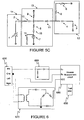
- Figure 5C illustrates alternative electrical circuit in accordance with variations of the present invention in which, recording time is shortened related to the measurement circuit of figure 5B .
- the measurement circuit illustrated in fig. 5C generally functions in the same manner as the former circuit, except series capacitor (15) and parallel resistor (15).
- the parallel resistor (15) is used to convert the strip's current source into a voltage source.
- capacitor (15), together with resistors (8) and (9) functions as a differentiator. This differentiator is functionally used to sense when the voltage generated by the current source reaches its peak. When this happens, a negative voltage is generated on resistor (9) and the diode returns to conduct. This operation shortens extensively the measurement period of time, thus enables a faster display of the measured parameter level.
- FIG. 6 schematically illustrates one another measurement circuit for measuring glucose level in a blood sample.
- Smart phone's header connector usually comprises a microphone (mic) input and a Left and Right speaker outputs, all together denoted as "audio pins" 510.
- the mic input pin may be connected to a sensing circuit 660 that usually includes a parallel resistor and a series capacitor. Sensing circuit 660 is required to thereby allow the smart phone to "sense" whether an external mic circuit is connected.
- the mic input is fed by the physiological fluid parameter measured, e.g. with a glucose measurement unit Tx output obtained from glucose measurement circuit 680.
- a Tx pin is used as a platform for a frequency modulated signal.
- the measurement device Once the measurement device is on, it generates an FSK signal (two distinct frequencies symbolize '0' and '1'), and through this signal, information regarding the status of the apparatus is transferred to the smart phone by transferring predetermined binary "words', wherein each "word" represents a specific status.
- the measurement module 680 may comprise a Micro processing Unit (MCU) that functionally allows the apparatus of the present invention to receive commands from the smart phone via the output pin (which in fact is a speaker output pin).
- MCU Micro processing Unit
- the measurement module 680 In order to operate correctly, the measurement module 680 requires a DC voltage. It receives its power via an AC/DC converter circuit 670, which include a transformer and a rectifier circuit.
- the smart phone generates a low voltage, high frequency sinus wave that is uploaded to higher voltages via the transformer.
- the high voltage sinus wave is rectified by a series capacitor and a diode.
- the output of this circuit is a steady DC voltage.
- glucose measurement module 680 is functionally connected to test strip 650, and may be implemented by using MCU or analog circuit that converts currents/voltages to readable data. Such unit is able to communicate with the smart phone device, for example by FSK (Frequency Shift Keying) modulation commands. Smart phone device may additionally transmit FSK commands via one of its speaker outputs to glucose measurement circuit 680 via Rx input and the measured data and the apparatus status may be retransmitted to the smart phone via Tx output of FSK waveform. The FSK received signals are then analyzed by the smart phone and converted to real glucose measurements.
- FSK Frequency Shift Keying
- microphone (Mic) sensing circuit 610 is illustrated. This circuit functionally allows the smart phone device to sense when an external loading circuit is communicating with it via its microphone input and speaker outputs. Without this circuit, the smart phone device is not capable of recording data from the audio jack port.
- Voltage rectifier circuit 670 receives from the speakers or earplugs output of the smart phone device sinus waves at specific and constant frequency. These sinus waves serve as an energy source that operates the electrical circuit.
- the sinus waves may be extracted from a single speaker output or from both as a balanced signal.
- the low voltage signals are up-converted to higher voltage levels and rectified with voltage doublers/rectifiers circuits 670.
- This rectifier circuit may contain diodes and capacitors with appropriate values.
- FIG. 7 is a graphic diagram of a chrip signal in accordance with one operational option of PFTA 100 of the present invention.
- a chrip signal is a basic waveform that the smart phone generates in order to conduct the glucose analysis of the strip.
- the smart phone outputs a chirp signal which is basically a sinus wave that is being swept by its frequency at a pre-defined rate. This sweep can be continuous or in a stepped regime.
- the smart phone reads the microphone input signal and stores it. Once all the frequency points are measured, the smart phone processes the data and shows the result.
- the next paragraph describes another measurement technique that is different from the one proposed previously.
- the above measurement unit measures the time delay the high frequency signal when recorded is off. For each delay there should be a distinct glucose value.
- the measurement technique illustrated herein is base on the idea that the strip's impedance (resistance of an object to high frequency signal) varies with glucose levels. For this, the speaker should output a sinus waveform in a single or swept frequency, passing through the sample and being modulated by it. The signal is than recorded by the microphone input circuit and analyzed in the smart phone. It should be emphasized that this is a novel measurement technique for measuring impedance in different frequency values.
- the smart phone device sends a chirp signal through the test strip for calibration purposes. Then, after the sample is placed, smart phone device constantly sends chirp waves that measure the medium transmission function (which includes impedance). After several successive chirp measurements, the smart phone device is post processing the data and calculates the glucose levels of the sample.
- This technique for glucose measurement is based on measuring impedance of the test strip during its chemical reaction phase, and may be performed mutatis mutandis to other physiological fluid parameters being evaluated. In such measuring model, the smart phone device basically serves as an impedance analyzer in the frequency range of its speaker's amplifiers (100-20000Hz).
- smart phone device 500 upon inserting subunit 102 (that comprises test strip 150 with a blood sample), transmits through its speaker output an electrical waveform that changes its frequency constantly. This waveform is known as a chrip signal. Smart phone 500 sweeps the whole frequency band in small time periods (less than 0.5sec) and repeat the measurement for a few seconds. This is performed in order to monitor changes in the measurements that are solely related to the chemical reaction of the glucose measurement enzyme. With the measured data, the impedance of the blood sample is calculated and in a post measurement process, it is further converted to glucose levels.
- Figure 8 is a graphic presentation of differentiator output voltage vs. strip current of the electrical circuit of figure 5C that allows a short recording time. As shown in the figure, upon shortening of the recording time, the sinus waveform is lost for a shorter time period similarly to waveform of the long time recording circuit illustrated in fig. 5B . However, though the rise time remains almost as before, the fall time of the current is being reduced dramatically (5 sec instead of 8 sec).
- Figure 9 is a graphic illustration of 100 Hz speaker signal vs. glucose level of 48 mg/dL (8A); 198 mg/dL (8B); and 393 mg/dL (8C) in accordance with variations of the invention.
- the glucose value is related to the time the pulse is off. As the glucose level in the blood sample rises the time period the pulse is off is extended.
- FIG 10 is a schematic functional block diagram of the PFTA shown in figure 1 , and a smart phone in accordance with variation of the invention. It is well known in the art that in order to measure glucose levels it is possible to measure either the peak current of the pulse (as most gluco-meter does) or the Time Of Appearance (TOA) of the peak. This TOA is measured as the time that the pulse current (or voltage) is above a pre-defmed threshold. As glucose levels are higher, the TOA gets longer. Thus by measuring this TOA, it is possible to link this parameter to the actual glucose levels.
- TOA Time Of Appearance
- Speaker (1) generates a sinus wave with a spesific frequency and amplitude.
- the waveform is passed through a normally close switch (2) in order to be recorded by the smart phone's microphone (3).
- circuit (6) monitors the strip's voltage/current. When it passes a certain threshold, it toggels the switch to OFF mode and the smart phone records only noise. In one aspect, this mode will continue until the strip's current/voltage will drop below the threshold. In another aspect, this mode will continue until the strip's current/voltage will start to drop (peak detection). It is clear to a man skilled in the art that switch (2) may be set to a normaly opened working mode and upon crossing the threshold value circuit (6) toggels the switch to ON mode.
- FIG 11 is a graphic illustration of typical current values generated by a glucose strip following a chemical reaction. As illustrated in the figure, typical current values are generated by a standard glucose strip. The current generated has an exponential charging/de-charging nature with maximal peak and time constant relative to the glucose level. When the glucose level is higher, the current is also higher and the periods of charging and de-charging are elongated respectively.
- Figure 12 is a graphic illustration of typical sinus wave generated by a speaker of a smart phone for it to be recorded by the smart phone's microphone. As shown in the figure, a typical sinus wave is generated by the speaker for it to be recorded by the smart phone's microphone. The frequency, amplitude and shape of the waveform may be sinus wave or any other waveform. When an external device is connected to the smart phone, additional wave is mounted on this inner recorded wave. A gaphic illustration of such scenario is illustrated in figures 13A-13C .
- Figure 13 is a graphic illustration of a strip current (top part) and a microphone recorded waveform (bottom part) for three actual distinct glucose values 48 mg/dL (13A), 189 mg/dL (13B), and 393 mg/dL (13C) in accordance with variations of the present invention. It is clearly shown that when glucose level is higher, the time period in which the microphone waveform is shut down is getting longer (up to 15 sec).
Landscapes
- Health & Medical Sciences (AREA)
- Life Sciences & Earth Sciences (AREA)
- Engineering & Computer Science (AREA)
- Physics & Mathematics (AREA)
- Biomedical Technology (AREA)
- Chemical & Material Sciences (AREA)
- Biophysics (AREA)
- Molecular Biology (AREA)
- Pathology (AREA)
- General Health & Medical Sciences (AREA)
- Hematology (AREA)
- Urology & Nephrology (AREA)
- General Physics & Mathematics (AREA)
- Immunology (AREA)
- Biochemistry (AREA)
- Analytical Chemistry (AREA)
- Medicinal Chemistry (AREA)
- Food Science & Technology (AREA)
- Medical Informatics (AREA)
- Heart & Thoracic Surgery (AREA)
- Public Health (AREA)
- Animal Behavior & Ethology (AREA)
- Surgery (AREA)
- Veterinary Medicine (AREA)
- Human Computer Interaction (AREA)
- Optics & Photonics (AREA)
- Computer Networks & Wireless Communication (AREA)
- Physiology (AREA)
- Emergency Medicine (AREA)
- Ecology (AREA)
- Diabetes (AREA)
- Biotechnology (AREA)
- Cell Biology (AREA)
- Microbiology (AREA)
- Databases & Information Systems (AREA)
- Investigating Or Analysing Biological Materials (AREA)
- Measurement Of The Respiration, Hearing Ability, Form, And Blood Characteristics Of Living Organisms (AREA)
- Measuring And Recording Apparatus For Diagnosis (AREA)
- Sampling And Sample Adjustment (AREA)
Description
- The present invention is generally related to a novel disposable apparatus adapted to allow the performance of various fluids test in order to measure the level of different parameters in such fluid in general, and to perform various physiological fluids test such as urine, blood, amniotic fluid, and saliva in particular, in an easy friendly and inexpensive way, by symbiotic relations of a special apparatus with a smart phone ("Symbiotronic" relation).
- The following references may be relevant as a background art to the present invention:
- U.S. Patent Ap.
20080299009 ;US2006260940 ;U.S. 7,810,729 ; Qi Li, Jingqi Yuan, Proceedings of the 2005 IEEE, Engineering in Medicine and Biology 27th Annual Conference, Shanghai, China, September 1-4, 2005; www.alivetec.com, Mobile Diabetes Management; www.entrahealthsystems.com MyGlucoHealth Diabetes App; www.bodytel.com; www.myglucometer.com; www.bayercontourusb.us; https://my.glucophone.com/runscript.cfm?page=home.cfm; https://sites.google.com/site/glucosemeterandroid; - http://www.androlib.com/android.application.com-fjbelchi-glucosemeter-Aqmx.aspx
- The document
US 2010/0000862 A1 relates to a portable combination for measuring a glucose concentration value in a sample. The conventional system comprises a portable glucose meter having a test strip port for receiving a disposable electro-chemical test strip, means for calculating a glucose concentration value in a sample applied to a test strip received in the test strip port, and optionally a rechargeable battery. - The present invention is aimed to provide a method and an apparatus for performing a parameter measurement in a fluid sample according to
claim 1 andclaim 2, respectively. - It should be clear that the description of the embodiments and attached Figures set forth in this specification serves only for a better understanding of the invention, without limiting its scope. It should also be clear that a person skilled in the art, after reading the present specification could make adjustments or amendments to the attached Figures and above described embodiments that would still be covered by the appended claims. In the figures, identical structures, elements or parts that appear in more than one figure are generally labeled with the same numeral in all the figures in which they appear. Dimensions of components and features shown in the figures are generally chosen for convenience and clarity of presentation and are not necessarily shown to scale. Many of the figures presented are in the form of schematic illustrations and, as such, certain elements may be drawn greatly simplified or not-to-scale, for illustrative clarity. The figures are not intended to be production drawings. The figures (Figs.) are listed below.
-
Figure 1 is a schematic top view illustration of a physiological fluid testing apparatus (hereinafter: "PFTA") in accordance with variations of the present invention that is functionally adapted to perform blood tests. -
Figure 2 is an upper front view illustration ofPFTA 100 offigure 1 in a detached position. -
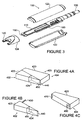
Figure 3 is a schematic "bomb view" illustration ofsubunit 102 ofPFTA 100 offigure 1 showing all the components comprised insubunit 102 in accordance with variations of the invention. -
Figure 4 is a schematic illustration of another variation of physiological fluid testing apparatus in accordance with the present invention that is functionally adapted to perform blood tests.Figure 4A is an upper front view illustration of PFTA 400 in a packed form made of two subunits;Figure 4B is an upper front view offirst subunit 402 of PFTA 400;Figure 4C is an upper front view ofsecond subunit 404 of PFTA 400. -
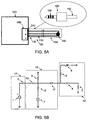
Figure 5 is a schematic illustration of an optional operation mode ofPFTA 100 or PFTA 400 adapted to measure glucose level in the blood, in accordance with variations of the present invention (fig. 5A ), and two optional measurement circuits that may be used in such operation mode: A proposed measurement circuit with long recording time (fig. 5B ); and, a proposed measurement circuit with short recording time (fig. 5C ). -
Figure 6 is a schematic illustration of another optional measurement circuit ofPFTA 100 or PFTA 400 adapted to measure glucose level in the blood in accordance with variations of the present invention. -
Figure 7 is a schematic is a schematic illustration of a basic Chrip signal that smart phone generates in order to make glucose analysis from a chemical strip in accordance with variations of the present invention. -
Figure 8 is a graphic illustration of differentiator output voltage vs. strip current. -
Figure 9 is a graphic illustration of 100 Hz speaker signal vs. glucose level of 48 mg/dL (8A); 198 mg/dL (8B); and 393 mg/dL (8C) in accordance with the circuit as described infigure 5C . -
Figure 10 is a schematic functional block diagram of thePFTA 100 offigure 1 , and a smart phone in accordance with variation of the invention. -
Figure 11 is a graphic illustration of typical current values generated by a glucose strip following a chemical or an electrochemical reaction. -
Figure 12 is a graphic illustration of typical sinus wave generated by a speaker of a smart phone for it to be recorded by the smart's phone microphone as a baseline waveform. -
Figure 13 is a graphic illustration of a strip current (top part) and a microphone recorded waveform (bottom part) for three distinct glucose values 48 mg/dL (13A), 189 mg/dL (13B), and 393 mg/dL (13C) in accordance with the circuit as described infigure 5B . - In the following description, various aspects of a novel fully disposable apparatus adapted to allow performance of various fluids test such as toxicity tests in industrial pools and entertainment instruments such as swimming pool and to allow various physiological fluids test such as urine, blood, amniotic fluid, and saliva in an easy and friendly manner will be described. The novel disposable apparatus described herein is functionally connected to a smart phone installed with dedicated application software and relies on said smart phone at least for a power source and display means, and to transmit signals indicative of the measured parameter to said smart phone in a symbiotronic manner. The term "symbiotronic" as used herein is aimed to describe a symbiotic electrical relationship between the novel apparatus of the invention and a smart phone to form an all new device, such as a Glucometer. In order to allow, said symbiotronic relations and to perform various physiological fluid tests, dedicated application software is preinstalled on the smart phone that allows transformation of a measured level of a specific parameter in a physiological fluid sample obtained by a chemical reaction on a commercial strip, into a displayed number or other indicative symbol on the smart phone screen. Analysis of the data obtained from the commercial strip may be performed either on the disposable apparatus, or on the smart phone or on both, as will be described in details hereinafter. For the purpose of explanation, specific configurations and details are set forth in order to provide a thorough understanding of the apparatus.
- Although various features of the disclosure may be described in the context of a single embodiment, the features may also be provided separately or in any suitable combination. Conversely, although the disclosure may be described herein in the context of separate embodiments for clarity, the disclosure may also be implemented in a single embodiment. Furthermore, it should be understood that the disclosure can be carried out or practiced in various ways, and that the disclosure can be implemented in embodiments other than the exemplary ones described herein below. The descriptions, examples and materials presented in the description, as well as in the claims, should not be construed as limiting, but rather as illustrative.
- Terms for indicating relative direction or location, such as "right" and "left", "up" and "down", "top" and "bottom", "horizontal" and "vertical", "higher" and "lower", and the like, may also be used, without limitation.
- In accordance with embodiments of the present invention the novel apparatus provided herein may be used to perform various fluid test such as toxicity tests, and various biological tests produced from physiological fluids such as blood, urine, amniotic fluid, or saliva, such as glucose level, cholesterol level, coagulation test, pregnancy test (in blood or urine), HIV test, PH test, fetal lung maturation test, and more. The apparatus is preferably a small size fully disposable apparatus. It may be made of one unit or more. The apparatus is functionally connected to a smart phone and may rely on the phone for power supply, display means, storage and communication for operation. The electrical connection between the apparatus and the smart phone is established by a connector that is suitable for this purpose (Ear phone plug).
- The apparatus provided herein is connected to a smart phone in a complementary manner, as the combination of the two together with specific software installed on the smart phone provides a novel system capable of performing various physiological fluids tests in a user friendly, fully disposable, and inexpensive manner.
- Wikipedia defines smart phone as the following: "A smart phone is a mobile phone that offers more advanced computing ability and connectivity than a contemporary basic feature phone. Smart phones and feature phones may be thought of as handheld computers integrated within a mobile telephone, but while most feature phones are able to run applications based on platforms such as Java ME, a smart phone usually allows the user to install and run more advanced applications. According to a study by ComScore, over 45.5 million people in the United States owned smart phones in 2010 and it is the fastest growing segment of the mobile phone market, which comprised 234 million subscribers in the United States. Thus, by using a smart phone as a platform for example for performing various fluid test in combination with the novel fully disposable apparatus of the present invention, as an hand held miniature mobile laboratory, it may provide mass of people worldwide an opportunity to easily monitor and follow up various physiological parameters including without limitation, glucose levels, cholesterol levels, hemoglobin level etc., without the need to go to the doctor and without the need to go to a laboratory in order to performs such biological tests and to wait usually few days until they have the results. In addition, the proposed platform and the novel apparatus provided herein, allow many diabetic people worldwide, that should monitor their glucose level in a daily manner a simple, friendly, fully disposable, and minimally burdening platform to do this compared with currently available Glucometers (both, transplanted glucose monitoring systems and non transplanted systems). Furthermore, according to the international Diabetes federation (www.idf.org) much of the population in developing countries is not being followed properly in light of the costs and the logistics of the currently available devices and their analysis. The proposed platform together with the novel apparatus provided herein may solve this problem and provide a simple, non expensive and easy to perform solution.
- For testing a blood sample the apparatus may comprise the general following components: a lancing device to sample blood from a finger, forearm or palm of a user; an electrochemical strip, such as a glucose strip or a cholesterol strip adapted to collect blood sample and to produce data; and an electrical circuit that is functionally adapted to receive the data produced by said electrochemical strip and translate the chemical results into an electronic signal (analog or digital) that is transmitted to a smart phone, by wire transmission. Data transmission from the apparatus of the invention to a smart phone is performed by physical attachment of the two by plugging the apparatus into the headset jack of the smart phone.
- For testing a urine sample, saliva sample or amniotic fluid sample the apparatus may comprise an electrochemical or chemical strip adapted to absorb the liquid sample and to produce data, and an electric circuit that is functionally adapted to receive the data produced by said electrochemical or chemical strip and translate the chemical results into an electronic signal (analog or digital) that is transmitted to a smart phone.
- The electrochemical or chemical strip could be test-specific strips (for example glucose strip, cholesterol strip, pregnancy strip, protein strip, etc.) The apparatus comprises: a strip adapted to absorb a fluid sample and to produce a signal indicative of said parameter level in said sample; and an adaptor adapted to connect said strip to a smart phone to thereby allow delivery of the produced signal or a correlated signal to said smart phone for obtaining a measurement of said fluid parameter displayed on said smart phone, wherein said testing apparatus relies on said smart phone at least for power supply and display means. The produced signal or a correlated signal is processed at least partially by said fluid testing apparatus before delivery to said smart phone. The produced signal or a correlated signal may be delivered to said smart phone for processing by a dedicated application software installed on said smart phone. In accordance with one variation, processing may be conducted by reading the peak and timing of peak of a current of a voltage signal obtained upon loading the fluid sample on said strip. The adaptor may comprise an electrical circuit adapted to allow communication between said strip inner circuit and a connecting plug adapted to allow delivery of the produced signal or a correlated signal to said smart phone. The adaptor may further comprise a micro control unit and may be adapted to perform at least partial processing of said signal prior to delivery of said signal to said smart phone. Upon delivery of said signal or a correlated signal to the smart phone, processing of said signal is performed by dedicated application software installed on said smart phone, and a measurement is being displayed on said smart phone. In accordance with a further variation of the invention, the apparatus further relies on said smart phone for storage of data and communication. The measured parameter in accordance with variation of the invention may be a toxic substance.
- In an aspect, the strip may be either one of a chemical strip or an electrochemical strip, and the signal transferred to the smart phone is either an electric current signal or a voltage signal.
- The fluid sample may also be a physiological fluid, such as a blood sample, a urine sample, an amniotic fluid sample, and a saliva sample, or a mixture thereof. In such variation, the measured parameter may be for example, a glucose level, cholesterol level, HbA1C level, Hemoglobin level, fetal lung maturation level, and PSA level. In a specific variation of the invention, the apparatus is adapted to perform blood tests and comprises at least two separable subunits, first subunit comprises at least: a lancing device and housing; and second subunit comprises at least: a slot adapted to allow collection of said physiological fluid sample, a strip, an adaptor to thereby allow physical attachment and signals transmission between said testing apparatus and said smart phone, and housing. In such variation, the apparatus may further comprise a thread that functionally allows a user to adapt said lancet length to his physical dimensions.
- The apparatus provided herein is functionally connected to said smart phone via the headset jack to thereby obtain at least a power supply and display means from said smart phone. The signal indicative of said parameter level is delivered to the smart phone via the headphone jack. The apparatus is preferably fully disposable. Reference is now made to the figures.
-
Figure 1 is a schematic top view illustration of a physiological fluid testing apparatus in accordance with variations of the present invention that is functionally adapted to perform blood tests.PFTA 100 illustrated infigure 1 is in a packed form and composed of twosubunits First subunit 102 comprises ahousing 122, aslot 140 for collecting a blood sample located at the distal end ofsubunit 102 away fromsubunit 104 and achemical strip 150.Slot 140 is preferably but not necessarily made of atransparent cover 124 that provides the user a convenient view for indicating whether the blood sample has reachedstrip 150. First subunit further comprises anadaptor 180 that comprises an electrical circuit (not shown) attached to a PCB (printed circuit board), connecting socket to connect the chemical strip to the PCB, and a connectingplug 130 such as an audio jack output, that is functionally adapted to be inserted into an audio jack port of a smart phone, to transmit/deliver the signals obtained from the strip or correlated signals to the smart phone.Connecting plug 130 may be connected to a complex electric circuit with a Micro control unit (MCU) that fully or partially analyzes the signal produced by the strip (and to deliver a processed signal). The other end of connectingplug 130 that is free is adapted to be inserted into the headset jack of a smart phone to physically connectsubunit 102 to said smart phone (not shown in this figure).Second subunit 104 generally comprises ahousing 120, acocking mechanism 133 that is adapted to cock a lancet upon usage, alancet trigger 166, and a lancet opening. The term "lancet" as used herein also refers to a needle. When subunit 102 is connected to subunit 104cocking mechanism 133 is unable to function, wherein the connection between the two subunits functionally serves as a safety mechanism.Subunit 104 may also comprise athread 170 that may cover the connection area ofsubunit 102 andsubunit 104 and allows a user to set the lancet length to be protruded upon pressing thelancet trigger 166. This mechanism allows a user to adapt it to its physical dimensions. The attachment ofsubunit figure 2 . A detailed description of the functionality of the components mentioned in the above will be made with reference tofigure 4 hereinafter. Although the general structure ofPFTA 100 is the same, minor changes may be made in accordance with the type of fluid tested (urine, blood, saliva, amniotic fluid, or other), and accordingly the chemical strip comprised in the specific apparatus should be suitable for the parameter measured. The packed form ofPFTA 100 and variation thereof may be available to a user as OTC merchandise in a pharmacy or supermarket according to local regulation, or sold via other means, such as over the internet, or as an add-on to health products, such a diet meals plans. -
Figure 2 is an upper front view illustration ofPFTA 100 offigure 1 in a detached position. In this figurefirst subunit 102 andsecond subunit 104 are detached from each other, ready to be used. In such position, in addition to the components viewed infigure 1 , connectingplug 130 is exposed. -
Figure 3 is a schematic "bomb view" illustration ofsubunit 102 ofPFTA 100 offigure 1 showing all the components comprised insubunit 102 in accordance with one variation of the invention. Shown in this view are: housing 122 (upper and lower parts),slot 140 withintransparent cover 124,chemical strip 150,adaptor 180 comprising connectingplug 130 andelectric circuit 110. As shown in thisfigure connecting plug 130 is adapted to be inserted into an audio jack port of a smart phone (such as an iphone, or android) device and comprises three rings (left, right and microphone). Detailed description ofadaptor 180 includingplug 130 and audio jack pins 510 will be described in details with reference tofigures 5-6 hereinafter. -
Figure 4 is a schematic illustration of one another variation of physiological fluid testing apparatus in accordance with the present invention that is functionally adapted to perform blood tests.Figure 4A is an upper front view illustration of PFTA 400 in a packed form made of two subunits;Figure 4B is an upper front view offirst subunit 402 of PFTA 400;Figure 4C is an upper front view ofsecond subunit 404 of PFTA 400. -
Figure 4B is a schematic illustration ofsubunit 402 of PFTA 400. This subunit, is physically attached via connectingplug 430 ofadaptor 180 to a smart phone device at least for receiving its power source and display means, and serves for the collection of a drop of blood, throughslot 440, into a dedicated strip 450 (for example glucose or cholesterol strip), covered with atransparent cover 424, where it is connected to specially designed electric circuit (not shown) hidden in the subunit'shousing 422, where the electrochemical analysis of parameter level in a fluid sample (for example blood glucose level, or cholesterol level) is processed and transmitted to the smart phone. In accordance with one another variation of the invention, PFTA 400 comprises a basic electric circuit that only allows transmitting/delivering the signals measured by the electric circuit of thechemical strip 150 to the smart phone for processing and analysis. The two different operating modes and optional measurement circuits for each of them is described in details with reference tofigures 5-13 . Transmission to the smart phone is be carried out by connecting plug 430 (Earphone plug), for further data collection, displaying, storage in memory, communication, and further usage. The electrical circuit hidden inhousing 422 may send to the smart phone digital or analog signals, where these signals will be translated (if necessary) to digital information, that will be displayed on the smart phone screen as fluid chemical's concentration value (for example blood glucose level, hemoglobin level, PSA level, cholesterol level, etc.). - The transparency character of
cover 424 allows the user to visualize the absorbance, by capillary forces, of an adequate amount of blood sample by theelectrochemical glucose strip 450. The ability to visualize the absorbance of the sample bystrip 450 is convenient for the user and allows him/her monitoring that a proper amount of blood sample has reached the proper location to thereby perform the required test adequately. - In a packed form (
Fig. 4A ), plug 430 may serve also for establishing a physical connection with subunit 404 (Fig. 4C ) through socket 470 located in subunit 404 (Fig. 4C ). The connection between the two subunits in accordance with this variation of the invention is mechanical attachment that is based on complementary structure of the components involved. In the unpacked pre-operative form, plug 430 is released from socket 470 ready to be inserted into a smart phone via a suitable socket (headphone jack). The physical and functional connection betweensubunit 402 and a smart phone, through connectingplug 430, is a "Symbiotronic" connection, meaning, that the physical connection of the two electronic platforms, the smart phone andsubunit 402, produces a new device such as a Glucometer. While the smart phone brings power source, display means, control buttons (either virtual or non virtual), memory for storage, and communication abilities (either by cellular connection or by web connection) and adequate operation software, whilesubunit 402 brings the ability to collect fluid sample and the production of a processed electrical signal, which is understood by a said specific application software pre installed on the smart phone, allowing the processing and display of a specific chemical's concentration value that is being tested in a physiologic fluid sample. The reliance on the smart phone for power supply, processing, communication, storage, and display, enables potentially significant simplification of the glucose meter, a fully disposability of the apparatus, and a meaningful reduction of its costs. - The transmission of data from
subunit 402 to the smart phone is conducted via connectingplug 430. In a scenario that PFTA 400 comprises a specific electrical circuit with a micro processing unit that delivers the smart phone a processed signal correlative to a measured value in the fluid sample, only upon receipt of the processed signals the smart phone is capable of translating the data obtained, displaying it on a screen, keeping it in the smart phone's memory, compare it to former results, alert the user when the results are out of normal range, connect to an emergency center or to a family member when a life threatening situation is recognized (such as Hypoglycemia), or any other predetermined operation it is designed to perform. Thus, the combination of each variation of PFTA of the present invention and a smart phone provides a novel platform that is adapted to serve as a mobile, easy to use, fast operating, inexpensive, disposable, and ready to be used any time and anywhere (24/7) laboratory, capable of performing various physiological fluids specific tests. In the specific embodiment illustrated infigure 4 , the combination of PFTA 400 with a smart phone may function as a user-friendly Glucometer capable of measuring glucose levels in the blood of any person, either a diabetic or non diabetic (e.g. for high risk for diabetes) person, in an inexpensive, easy to perform manner, releasing a person from the trouble of purchasing and carrying along a specific kit or the need for a special expensive time consuming visit to a medical doctor to be referred for a laboratory test. -
Figure 4C is a schematic illustration ofsubunit 404 of device 400 in an unpacked form, ready to be used.Subunit 404 in - its unpacked form, in the case of a blood test, serves as a personal, disposable, unit for the test lancing device to prick one's skin (finger, arm, palm) allowing for the drawing of a tiny drop of blood to be tested by
subunit 402 while connected symbiotronically to a smart phone.Subunit 404 comprises ahousing 420, a complementary socket 470 that is functionally adapted to hookplug 430 in the packed form (Fig. 4A ), alancet opening 460, where it is attached to the skin of a person for pricking the skin, a releasing button (not shown) for firing the lancet, and another button (not shown) to cock the lancet device in the case that more attempts are needed. - In its packed form,
subunit 404, which is firmly but reversibly, attached tosubunit 402, serves as a cover forsubunit 402, for protecting thetest strip 450 from moisture, dust and any possible damage of any kind, andcovering connecting plug 430 for the same purposes. - In the case of Urine, Amniotic fluid or Saliva tests,
subunit 404 serves merely as a cover, for protection purposes, as mentioned above. - A user, intending to perform blood glucose test, separates the two
subunits subunit 402 to his smart phone that was pre-installed with specific application software as mentioned above. In accordance with one variation of the invention, while connecting the two pieces together the glucometer application pops up showing that the system is ready for glucose test. Next, a user usessubunit 404 to prick the skin for blood drawing and attaches the drop of blood to slot 440 ofsubunit 402 allowing for blood to be suctioned by capillary force into the test strip. After few seconds, test result appears on the smart phone screen. The glucometer application software installed of the smart phone allows the test results to be stored in the smart phone memory and allows displaying trends and history of previous glucose tests, for the evaluation of disease management and data transfer. - Reference is now made to
Figures 5A-C that schematically illustrates an optional operation mode ofPFTA 100 illustrated infigure 1 and two optional electric circuits that may be used in such operation mode, wherein the apparatus in this example is adapted to measure glucose level in the blood. Shown infigure 5A :measurement unit 500, i.e. a smart phone that includes anaudio jack port 590 for a microphone input M, and L and R speaker outputs, all denoted hereinafter asaudio pins 510;Adapter 180 may comprise connecting means (not shown) to functionally connectglucose strip 150 to a PCB comprising anelectric circuit 110; and a connectingplug 130 adapted to be attached to the PCB on one end and to be inserted into a headset jack of a smart phone on the other end to functionally deliver to the smart phone the produced signal or a correlated signal, to thereby obtain and display a measurement of the physiological fluid parameter on the smart phone screen.Connecting plug 130 should match the smart phone's port. Theelectric circuit 110 may be a minimal electric circuit that may include several resistors, capacitors, diodes and inductors. Alternatively, it may comprise a MCU and additional electric components. -
Test strip 150, which may be a commercial glucose strip, is being inserted to the appropriate header in this unit; also shown in this figure isblood sample 190. - Generally,
Smart phone 500 generates a sinus wave either in a single frequency mode or a sweep mode, and outputs this sinus wave through anelectric circuit 180 to the strip. Going through the blood sample, the waveform is modulated by the electrical properties of the blood and is being reread at the microphone input. -
Figure 5B illustrates an optional measurement electrical circuit (13) connected to the speaker output (14) and to the microphone input (12). Circuits (14) and (12) are general knowledge and make the fundamental (may appear with minor changes between several commercial products) circuit for a speaker output and microphone input. The speaker output is generally isolated by a series capacitor with a few uF of value. - Microphone input is composed of two main branches - ac input and dc output. In order to operate correctly, most of the microphones require a DC voltage that is generated by a DC power supply (6) at the microphone input. This DC voltage (6) is passed through a series resistor (5) generally 2.2KOhm. In order for the internal A/D sampler not to be saturated by this DC voltage, the actual microphone input is isolated by a series capacitor (4) up to the trans-conductance amplifier's input impedance (3).
- A glucose strip includes a chemical enzyme that reacts chemically with the glucose located in the blood. The chemical reaction generates current that flows in. This current passes through resistors (8) and (9) and is converted to a voltage drop.
- Diode (11) is used as a toggle switch that in the above circuit is normally closed. That means that the microphone's internal DC voltage source (6) is forward biasing the diode while the current source is off (no measurement is taken). In such a scenario, the speaker output sinus wave is recorded by the microphone with minimal attenuation by the diode. When a glucose strip is inserted and blood is to be measured, the current generates a rise in the diode's cathode voltage and causes it to be higher than the anode voltage. This causes the diode to serve as an open circuit. When this occurs, the microphone records only noise, until the strip's current is low again and the diode returns to conduct. The time duration in which the sinus wave was shut down and no signal was recorded, is relative to the strip's glucose level. As the glucose level is higher, the time the diode is off is longer.
-
Figure 5C illustrates alternative electrical circuit in accordance with variations of the present invention in which, recording time is shortened related to the measurement circuit offigure 5B . The measurement circuit illustrated infig. 5C generally functions in the same manner as the former circuit, except series capacitor (15) and parallel resistor (15). The parallel resistor (15) is used to convert the strip's current source into a voltage source. Additionally, capacitor (15), together with resistors (8) and (9) functions as a differentiator. This differentiator is functionally used to sense when the voltage generated by the current source reaches its peak. When this happens, a negative voltage is generated on resistor (9) and the diode returns to conduct. This operation shortens extensively the measurement period of time, thus enables a faster display of the measured parameter level. - Reference is now made to
Figure 6 that schematically illustrates one another measurement circuit for measuring glucose level in a blood sample. - Smart phone's header connector usually comprises a microphone (mic) input and a Left and Right speaker outputs, all together denoted as "audio pins" 510. The mic input pin may be connected to a
sensing circuit 660 that usually includes a parallel resistor and a series capacitor.Sensing circuit 660 is required to thereby allow the smart phone to "sense" whether an external mic circuit is connected. In accordance with one aspect of the present invention, the mic input is fed by the physiological fluid parameter measured, e.g. with a glucose measurement unit Tx output obtained fromglucose measurement circuit 680. - In order to allow the smart phone device to read the measurement obtained from the measurement module, a Tx pin is used as a platform for a frequency modulated signal. Once the measurement device is on, it generates an FSK signal (two distinct frequencies symbolize '0' and '1'), and through this signal, information regarding the status of the apparatus is transferred to the smart phone by transferring predetermined binary "words', wherein each "word" represents a specific status. Additionally, the
measurement module 680 may comprise a Micro processing Unit (MCU) that functionally allows the apparatus of the present invention to receive commands from the smart phone via the output pin (which in fact is a speaker output pin). - In order to operate correctly, the
measurement module 680 requires a DC voltage. It receives its power via an AC/DC converter circuit 670, which include a transformer and a rectifier circuit. The smart phone generates a low voltage, high frequency sinus wave that is uploaded to higher voltages via the transformer. The high voltage sinus wave is rectified by a series capacitor and a diode. The output of this circuit is a steady DC voltage. - In more details,
glucose measurement module 680 is functionally connected totest strip 650, and may be implemented by using MCU or analog circuit that converts currents/voltages to readable data. Such unit is able to communicate with the smart phone device, for example by FSK (Frequency Shift Keying) modulation commands. Smart phone device may additionally transmit FSK commands via one of its speaker outputs toglucose measurement circuit 680 via Rx input and the measured data and the apparatus status may be retransmitted to the smart phone via Tx output of FSK waveform. The FSK received signals are then analyzed by the smart phone and converted to real glucose measurements. - In addition to the glucose measurement circuit described in the above, microphone (Mic) sensing
circuit 610 is illustrated. This circuit functionally allows the smart phone device to sense when an external loading circuit is communicating with it via its microphone input and speaker outputs. Without this circuit, the smart phone device is not capable of recording data from the audio jack port. -
Voltage rectifier circuit 670 receives from the speakers or earplugs output of the smart phone device sinus waves at specific and constant frequency. These sinus waves serve as an energy source that operates the electrical circuit. The sinus waves may be extracted from a single speaker output or from both as a balanced signal. The low voltage signals are up-converted to higher voltage levels and rectified with voltage doublers/rectifiers circuits 670. This rectifier circuit may contain diodes and capacitors with appropriate values. -
Figure 7 is a graphic diagram of a chrip signal in accordance with one operational option ofPFTA 100 of the present invention. A chrip signal is a basic waveform that the smart phone generates in order to conduct the glucose analysis of the strip. The smart phone outputs a chirp signal which is basically a sinus wave that is being swept by its frequency at a pre-defined rate. This sweep can be continuous or in a stepped regime. At each frequency point, the smart phone reads the microphone input signal and stores it. Once all the frequency points are measured, the smart phone processes the data and shows the result. - The next paragraph describes another measurement technique that is different from the one proposed previously. The above measurement unit measures the time delay the high frequency signal when recorded is off. For each delay there should be a distinct glucose value. The measurement technique illustrated herein is base on the idea that the strip's impedance (resistance of an object to high frequency signal) varies with glucose levels. For this, the speaker should output a sinus waveform in a single or swept frequency, passing through the sample and being modulated by it. The signal is than recorded by the microphone input circuit and analyzed in the smart phone. It should be emphasized that this is a novel measurement technique for measuring impedance in different frequency values.
- In more details, before the blood sample is placed onto the test strip, the smart phone device sends a chirp signal through the test strip for calibration purposes. Then, after the sample is placed, smart phone device constantly sends chirp waves that measure the medium transmission function (which includes impedance). After several successive chirp measurements, the smart phone device is post processing the data and calculates the glucose levels of the sample. This technique for glucose measurement is based on measuring impedance of the test strip during its chemical reaction phase, and may be performed mutatis mutandis to other physiological fluid parameters being evaluated. In such measuring model, the smart phone device basically serves as an impedance analyzer in the frequency range of its speaker's amplifiers (100-20000Hz).
- More particularly, upon inserting subunit 102 (that comprises
test strip 150 with a blood sample),smart phone device 500 transmits through its speaker output an electrical waveform that changes its frequency constantly. This waveform is known as a chrip signal.Smart phone 500 sweeps the whole frequency band in small time periods (less than 0.5sec) and repeat the measurement for a few seconds. This is performed in order to monitor changes in the measurements that are solely related to the chemical reaction of the glucose measurement enzyme. With the measured data, the impedance of the blood sample is calculated and in a post measurement process, it is further converted to glucose levels. -
Figure 8 is a graphic presentation of differentiator output voltage vs. strip current of the electrical circuit offigure 5C that allows a short recording time. As shown in the figure, upon shortening of the recording time, the sinus waveform is lost for a shorter time period similarly to waveform of the long time recording circuit illustrated infig. 5B . However, though the rise time remains almost as before, the fall time of the current is being reduced dramatically (5 sec instead of 8 sec). -
Figure 9 is a graphic illustration of 100 Hz speaker signal vs. glucose level of 48 mg/dL (8A); 198 mg/dL (8B); and 393 mg/dL (8C) in accordance with variations of the invention. As shown in the figure the glucose value is related to the time the pulse is off. As the glucose level in the blood sample rises the time period the pulse is off is extended. -
Figure 10 is a schematic functional block diagram of the PFTA shown infigure 1 , and a smart phone in accordance with variation of the invention. It is well known in the art that in order to measure glucose levels it is possible to measure either the peak current of the pulse (as most gluco-meter does) or the Time Of Appearance (TOA) of the peak. This TOA is measured as the time that the pulse current (or voltage) is above a pre-defmed threshold. As glucose levels are higher, the TOA gets longer. Thus by measuring this TOA, it is possible to link this parameter to the actual glucose levels. - As illustrated in the figure, Speaker (1) generates a sinus wave with a spesific frequency and amplitude. The waveform is passed through a normally close switch (2) in order to be recorded by the smart phone's microphone (3). When a glucose measurement begins, prior to the insertion of blood sample to the measurement strip (7), the speaker's output signal is continuously recorded. When the blood sample is loaded, circuit (6) monitors the strip's voltage/current. When it passes a certain threshold, it toggels the switch to OFF mode and the smart phone records only noise. In one aspect, this mode will continue until the strip's current/voltage will drop below the threshold. In another aspect, this mode will continue until the strip's current/voltage will start to drop (peak detection). It is clear to a man skilled in the art that switch (2) may be set to a normaly opened working mode and upon crossing the threshold value circuit (6) toggels the switch to ON mode.
- Once recording the measurement is completed, software (4) starts processing the recorded measurements and analyze the time period where the signal was OFF/ON. This period is relative to the glucose level. When a result is reached, its value is plotted onto the system GUI, displayed and may be further stored in a data base.
-
Figure 11 is a graphic illustration of typical current values generated by a glucose strip following a chemical reaction. As illustrated in the figure, typical current values are generated by a standard glucose strip. The current generated has an exponential charging/de-charging nature with maximal peak and time constant relative to the glucose level. When the glucose level is higher, the current is also higher and the periods of charging and de-charging are elongated respectively. -
Figure 12 is a graphic illustration of typical sinus wave generated by a speaker of a smart phone for it to be recorded by the smart phone's microphone. As shown in the figure, a typical sinus wave is generated by the speaker for it to be recorded by the smart phone's microphone. The frequency, amplitude and shape of the waveform may be sinus wave or any other waveform. When an external device is connected to the smart phone, additional wave is mounted on this inner recorded wave. A gaphic illustration of such scenario is illustrated infigures 13A-13C . -
Figure 13 is a graphic illustration of a strip current (top part) and a microphone recorded waveform (bottom part) for three actual distinct glucose values 48 mg/dL (13A), 189 mg/dL (13B), and 393 mg/dL (13C) in accordance with variations of the present invention. It is clearly shown that when glucose level is higher, the time period in which the microphone waveform is shut down is getting longer (up to 15 sec). - It should be clear that the description of the embodiments and attached Figures set forth in this specification serves only for a better understanding of the invention, without limiting its scope. It should also be clear that a person skilled in the art, after reading the present specification could make adjustments or amendments to the attached Figures and above described embodiments that would still be within the scope of the appended claims.
Claims (2)
- A method for performing a fluid parameter measurement in a fluid sample comprising the steps of:a) installing a dedicated application software on a cell phone comprising an earphone socket;b) providing a fluid testing apparatus, said apparatus comprising:i) a strip adapted to absorb said sample and to produce a signal indicative of said parameter level in said sample;ii) means for processing said produced signal to thereby obtain a processed signal; andiii) an adaptor adapted to connect said strip to the cell phone to thereby allow delivery of said processed signal to said cell phone for obtaining a measurement of said fluid parameter displayed on said cell phone,c) inserting an earphone plug of said fluid testing apparatus into the earphone socket of the cell phone to thereby allow communication between said apparatus and said cell phone;d) subsequently loading a fluid sample on the fluid testing apparatus;e) upon delivery of said processed signal to the cell phone, further processing the delivered signal by said dedicated application software and obtaining the measured parameter level displayed on said cell phone screen;the method characterized by the steps of:f) functionally connecting said fluid testing apparatus to said cell phone via said earphone socket to thereby obtain at least a power supply and display means from said cell phone, said fluid testing apparatus thereby relying on the cell phone at least for power supply and display means; andg) delivering said processed signal to said cell phone via said earphone socket.
- An apparatus for performing a fluid parameter measurement in a fluid sample, said apparatus comprising:- a cell phone comprising an earphone socket; and- a fluid testing apparatus comprising:wherein upon delivery of said processed signal to the cell phone, further processing of the delivered signal is performed by dedicated application software installed on said cell phone, and wherein a measurement is being displayed on said cell phone;i) a strip adapted to absorb said fluid sample and to produce a signal indicative of said parameter level in said sample;ii) means for processing said produced signal to thereby obtain a processed signal; andiii) an adaptor adapted to connect said strip to the cell phone to thereby allow delivery of said processed signal to the cell phone for obtaining a measurement of said fluid parameter displayed on said cell phone;
the apparatus characterized in that
said fluid testing apparatus is functionally connected to said cell phone via the earphone socket to thereby obtain at least a power supply and display means from said cell phone, the fluid testing apparatus thereby relying on the cell phone at least for power supply and display means; and
said processed signal is delivered to said cell phone via the earphone socket.
Priority Applications (1)
| Application Number | Priority Date | Filing Date | Title |
|---|---|---|---|
| ATGM131/2014U AT14334U1 (en) | 2010-05-09 | 2011-05-08 | Liquid device and method of use thereof |
Applications Claiming Priority (3)
| Application Number | Priority Date | Filing Date | Title |
|---|---|---|---|
| US33277810P | 2010-05-09 | 2010-05-09 | |
| US201161431449P | 2011-01-11 | 2011-01-11 | |
| PCT/IL2011/000369 WO2011141908A2 (en) | 2010-05-09 | 2011-05-08 | Fluids testing apparatus and methods of use |
Publications (3)
| Publication Number | Publication Date |
|---|---|
| EP2569622A2 EP2569622A2 (en) | 2013-03-20 |
| EP2569622A4 EP2569622A4 (en) | 2014-12-31 |
| EP2569622B1 true EP2569622B1 (en) | 2016-05-04 |
Family
ID=44914772
Family Applications (1)
| Application Number | Title | Priority Date | Filing Date |
|---|---|---|---|
| EP11780305.6A Not-in-force EP2569622B1 (en) | 2010-05-09 | 2011-05-08 | Fluid testing apparatus and method of use thereof |
Country Status (11)
| Country | Link |
|---|---|
| US (5) | US20130276521A1 (en) |
| EP (1) | EP2569622B1 (en) |
| JP (2) | JP2013527931A (en) |
| CN (1) | CN103002795A (en) |
| AT (1) | AT14334U1 (en) |
| AU (3) | AU2011251621A1 (en) |
| BR (1) | BR112012028789A2 (en) |
| DE (2) | DE202011110554U1 (en) |
| IL (1) | IL222908A (en) |
| WO (1) | WO2011141908A2 (en) |
| ZA (1) | ZA201209786B (en) |
Families Citing this family (42)
| Publication number | Priority date | Publication date | Assignee | Title |
|---|---|---|---|---|
| AT14334U1 (en) * | 2010-05-09 | 2015-08-15 | Labstyle Innovation Ltd | Liquid device and method of use thereof |
| CN102980932A (en) * | 2011-09-06 | 2013-03-20 | 余波 | Blood glucose monitoring device based on smart phone, and realization method thereof |
| WO2013138487A1 (en) * | 2012-03-15 | 2013-09-19 | The Board Trustees Of The University Of Illinois | Liquid sampling device for use with mobile device and methods |
| JP6234012B2 (en) * | 2012-03-28 | 2017-11-22 | Ntn株式会社 | Inspection method for rotating machine parts using portable devices |
| CA2873242A1 (en) * | 2012-05-14 | 2013-11-21 | Lionsgate Technologies, Inc. | Systems, methods and related apparatus for determining physiological parameters |
| CN102944680A (en) * | 2012-12-05 | 2013-02-27 | 镇江博联电子科技有限公司 | Earphone data transmission-based glucometer |
| CA152181S (en) * | 2013-02-12 | 2014-08-29 | Sulzer Mixpac Ag | Analytical apparatus for drug testing |
| ITRM20130125A1 (en) * | 2013-03-01 | 2014-09-02 | Biochemical Systems Internat S Rl | DIAGNOSTIC SYSTEM FOR MEASURING THE GLICEMIA USABLE WITH PORTABLE ELECTRONIC DEVICES |
| US9442089B2 (en) * | 2013-12-23 | 2016-09-13 | Lifescan Scotland Limited | Analyte meter test strip detection |
| US10398362B2 (en) | 2014-02-09 | 2019-09-03 | Phc Holdings Corporation | Measurement device, management device, measurement skill management system, and measurement skill management method |
| US20170000349A1 (en) * | 2014-03-13 | 2017-01-05 | Liron HADAR | Methods and systems for blood glucose monitoring |
| GB2558097B (en) | 2014-04-17 | 2019-03-06 | Z Integrated Digital Tech Inc | Electronic test device data communication |
| WO2016025698A1 (en) | 2014-08-13 | 2016-02-18 | The Trustees Of Columbia University In The City Of New York | Diagnostic devices, systems, and methods |
| US9990560B2 (en) | 2015-02-09 | 2018-06-05 | Digital Concepts Of Missouri, Inc. | Test strip mobile APP system and method |
| US11040892B2 (en) | 2015-02-09 | 2021-06-22 | Digital Concepts Of Missouri, Inc. | Spa/pool water treatment system and method |
| US9832301B2 (en) * | 2015-02-24 | 2017-11-28 | Labstyle Innovation Ltd. | Systems and methods for adjusting power levels on a monitoring device |
| HK1250391A1 (en) * | 2015-03-23 | 2018-12-14 | Wellmetris, Llc | Smartphone enabled urinalysis device, software, and test platform |
| TWI729002B (en) * | 2015-09-16 | 2021-06-01 | 安盛生科股份有限公司 | Method and apparatus for improving usability and accuracy for physiological measurement on mobile device |
| CN105353005A (en) * | 2015-09-29 | 2016-02-24 | 扬中市恒海电子科技有限公司 | blood glucose meter |
| US10436773B2 (en) | 2016-01-18 | 2019-10-08 | Jana Care, Inc. | Mobile device based multi-analyte testing analyzer for use in medical diagnostic monitoring and screening |
| WO2017156584A1 (en) | 2016-03-18 | 2017-09-21 | La Trobe University | Mobile voltammetric analysis |
| CN107426483A (en) * | 2016-05-24 | 2017-12-01 | 鸿富锦精密工业(深圳)有限公司 | Wearable biological information of human body detection means, system and detection method |
| US10731086B2 (en) * | 2017-01-27 | 2020-08-04 | Technip Process Technology, Inc. | Riser separation system |
| MX2019009955A (en) * | 2017-02-21 | 2019-12-19 | Ellume Pty Ltd | A diagnostic system. |
| AU2018233407B2 (en) | 2017-03-17 | 2020-10-01 | Ixensor Co., Ltd. | Method for improving usability and accuracy for physiological measurement |
| WO2018183568A1 (en) | 2017-03-29 | 2018-10-04 | Tc1 Llc | Pressure sensing ventricular assist devices and methods of use |
| TWI694811B (en) * | 2017-06-02 | 2020-06-01 | 昇陽國際半導體股份有限公司 | Blood sugar measuring apparatus |
| DK3634526T3 (en) | 2017-06-09 | 2024-03-11 | Abiomed Inc | DETERMINATION OF CARDIAC PARAMETERS FOR MODULATION OF BLOOD PUMP SUPPORT |
| US10057395B1 (en) | 2017-08-27 | 2018-08-21 | Carydean Enterprises LLC | Case for a mobile electronic device |
| US10035010B1 (en) | 2017-09-28 | 2018-07-31 | Carydean Enterprises LLC | Systems and methods for drug delivery |
| WO2019104165A1 (en) * | 2017-11-21 | 2019-05-31 | MX3 Diagnostics, Inc. | Saliva testing system |
| KR102031340B1 (en) * | 2018-03-14 | 2019-10-11 | 주식회사 필로시스 | System, method, and device to measure blood glucose |
| USD878624S1 (en) | 2018-06-05 | 2020-03-17 | Digital Concepts Of Missouri, Inc. | Test strip |
| CN109856201A (en) * | 2019-01-18 | 2019-06-07 | 深圳和而泰数据资源与云技术有限公司 | Saliva detection device |
| MY210053A (en) | 2019-03-05 | 2025-08-22 | Health Arx Tech Pvt Ltd | System and method for determining lifestyle regime |
| US11701036B2 (en) | 2019-07-10 | 2023-07-18 | MX3 Diagnostics, Inc. | Saliva test strip and method |
| AU2021212727A1 (en) | 2020-01-30 | 2022-09-22 | MX3 Diagnostics, Inc. | Biological fluid sample assessment |
| US11536732B2 (en) | 2020-03-13 | 2022-12-27 | Jana Care, Inc. | Devices, systems, and methods for measuring biomarkers in biological fluids |
| WO2022246292A1 (en) | 2021-05-21 | 2022-11-24 | PERSOWN, Inc. | Electrochemical diagnostic system and methods of obtaining and using electrochemical diagnostic results |
| US11513097B1 (en) | 2021-05-21 | 2022-11-29 | PERSOWN, Inc. | Methods of obtaining and using electrochemical diagnostic results |
| USD1014776S1 (en) * | 2021-10-18 | 2024-02-13 | Sterilance Medical (Suzhou) Inc. | Hemostix |
| USD1075526S1 (en) * | 2023-10-16 | 2025-05-20 | Meter Group, Inc. | Soil sensor |
Family Cites Families (23)
| Publication number | Priority date | Publication date | Assignee | Title |
|---|---|---|---|---|
| US7112265B1 (en) | 1996-02-14 | 2006-09-26 | Lifescan Scotland Limited | Disposable test strips with integrated reagent/blood separation layer |
| US5708247A (en) * | 1996-02-14 | 1998-01-13 | Selfcare, Inc. | Disposable glucose test strips, and methods and compositions for making same |
| US6241862B1 (en) * | 1996-02-14 | 2001-06-05 | Inverness Medical Technology, Inc. | Disposable test strips with integrated reagent/blood separation layer |
| FI107080B (en) * | 1997-10-27 | 2001-05-31 | Nokia Mobile Phones Ltd | measuring device |
| JP4469504B2 (en) * | 1998-10-08 | 2010-05-26 | メドトロニック ミニメド インコーポレイテッド | Remote trait monitor system |
| US6494830B1 (en) * | 2000-06-22 | 2002-12-17 | Guidance Interactive Technologies, Inc. | Handheld controller for monitoring/using medical parameters |
| AU2002309528A1 (en) * | 2001-04-02 | 2002-10-15 | Therasense, Inc. | Blood glucose tracking apparatus and methods |
| IL155681A0 (en) * | 2001-08-16 | 2003-11-23 | Inverness Medical Ltd | In-situ adapter for a testing device |
| US7375647B2 (en) * | 2001-10-15 | 2008-05-20 | Imetrikus, Inc. | Method and apparatus for communicating data between a medical device and a central data repository |
| US7810729B2 (en) | 2009-06-10 | 2010-10-12 | Rem Holdings 3, Llc | Card reader device for a cell phone and method of use |
| GB2393356B (en) * | 2002-09-18 | 2006-02-01 | E San Ltd | Telemedicine system |
| US7587287B2 (en) * | 2003-04-04 | 2009-09-08 | Abbott Diabetes Care Inc. | Method and system for transferring analyte test data |
| WO2005102154A2 (en) * | 2004-04-16 | 2005-11-03 | Becton, Dickinson And Company | Blood glucose meter having integral lancet device and test strip storage vial for single handed use and methods for using same |
| EP1866637B1 (en) * | 2005-04-01 | 2016-02-03 | pts Diagnostics | Body fluid testing component for analyte detection |
| WO2006107914A2 (en) * | 2005-04-04 | 2006-10-12 | Facet Technologies, Llc | Narrow-profile lancing device |
| CN1723846A (en) * | 2005-07-19 | 2006-01-25 | 浙江大学 | Bio-impedance collecting device by using acoustic frequency means |
| US20070181425A1 (en) * | 2006-02-07 | 2007-08-09 | Healthpia America | Glucometer pack for communication device |
| US8126732B2 (en) * | 2006-10-24 | 2012-02-28 | Medapps, Inc. | Systems and methods for processing and transmittal of medical data through multiple interfaces |
| US7935307B2 (en) | 2007-05-31 | 2011-05-03 | EOS Health, DVC. | Disposable, refillable glucometer with cell phone interface for transmission of results |
| KR20140117698A (en) * | 2008-07-07 | 2014-10-07 | 아가매트릭스, 인코포레이티드 | Integrated blood glucose measurement device |
| US20100279418A1 (en) * | 2009-05-04 | 2010-11-04 | Loren Robert Larson | Glucose meter adaptable for use with handheld devices, and associated communication network |
| AT14334U1 (en) * | 2010-05-09 | 2015-08-15 | Labstyle Innovation Ltd | Liquid device and method of use thereof |
| KR101191255B1 (en) * | 2010-12-31 | 2012-10-16 | 주식회사 필로시스 | Module for Measuring Blood Glucose, Smart phone Combinable with the Module, and Method of Measuring Blood Glucose by Using the Same |
-
2011
- 2011-05-08 AT ATGM131/2014U patent/AT14334U1/en not_active IP Right Cessation
- 2011-05-08 US US13/697,022 patent/US20130276521A1/en not_active Abandoned
- 2011-05-08 JP JP2013509653A patent/JP2013527931A/en active Pending
- 2011-05-08 WO PCT/IL2011/000369 patent/WO2011141908A2/en not_active Ceased
- 2011-05-08 DE DE202011110554.0U patent/DE202011110554U1/en not_active Expired - Lifetime
- 2011-05-08 CN CN2011800327840A patent/CN103002795A/en active Pending
- 2011-05-08 AU AU2011251621A patent/AU2011251621A1/en not_active Abandoned
- 2011-05-08 EP EP11780305.6A patent/EP2569622B1/en not_active Not-in-force
- 2011-05-08 BR BR112012028789A patent/BR112012028789A2/en not_active IP Right Cessation
- 2011-05-08 DE DE202011110481.1U patent/DE202011110481U1/en not_active Expired - Lifetime
-
2012
- 2012-11-07 IL IL222908A patent/IL222908A/en active IP Right Grant
- 2012-12-06 ZA ZA2012/09786A patent/ZA201209786B/en unknown
-
2014
- 2014-02-10 US US14/176,627 patent/US8797180B2/en active Active
- 2014-05-08 JP JP2014002361U patent/JP3195869U/en not_active Expired - Lifetime
- 2014-08-04 US US14/450,621 patent/US9125549B2/en active Active
-
2015
- 2015-07-31 US US14/815,357 patent/US9257038B2/en not_active Expired - Fee Related
- 2015-10-29 AU AU2015249124A patent/AU2015249124A1/en not_active Abandoned
-
2016
- 2016-03-18 US US15/074,399 patent/US20160274083A1/en not_active Abandoned
-
2017
- 2017-02-03 AU AU2017200785A patent/AU2017200785A1/en not_active Abandoned
Also Published As
| Publication number | Publication date |
|---|---|
| US20150339918A1 (en) | 2015-11-26 |
| WO2011141908A2 (en) | 2011-11-17 |
| US8797180B2 (en) | 2014-08-05 |
| JP3195869U (en) | 2015-02-12 |
| BR112012028789A2 (en) | 2017-12-19 |
| WO2011141908A3 (en) | 2012-01-12 |
| US9257038B2 (en) | 2016-02-09 |
| US9125549B2 (en) | 2015-09-08 |
| AU2011251621A1 (en) | 2012-12-06 |
| US20160274083A1 (en) | 2016-09-22 |
| US20150029037A1 (en) | 2015-01-29 |
| EP2569622A4 (en) | 2014-12-31 |
| AU2017200785A1 (en) | 2017-03-02 |
| IL222908A (en) | 2016-04-21 |
| CN103002795A (en) | 2013-03-27 |
| EP2569622A2 (en) | 2013-03-20 |
| IL222908A0 (en) | 2012-12-31 |
| DE202011110481U1 (en) | 2014-04-08 |
| AT14334U1 (en) | 2015-08-15 |
| JP2013527931A (en) | 2013-07-04 |
| US20130276521A1 (en) | 2013-10-24 |
| DE202011110554U1 (en) | 2014-09-04 |
| US20140159916A1 (en) | 2014-06-12 |
| ZA201209786B (en) | 2016-02-24 |
| AU2015249124A1 (en) | 2015-11-12 |
Similar Documents
| Publication | Publication Date | Title |
|---|---|---|
| US9257038B2 (en) | Fluids testing apparatus and methods of use | |
| US20210236027A1 (en) | Dynamic blood glucose data acquiring device and host | |
| US10718751B2 (en) | Meter with changeable modules | |
| US20170000349A1 (en) | Methods and systems for blood glucose monitoring | |
| CN105496422A (en) | Dynamic blood glucose monitoring device, system and method | |
| JP2018512587A (en) | Urine testing device, software, and testing platform enabled with a smartphone | |
| CN102670174A (en) | Biomedical device with short-distance wireless transmission function and operation and use method thereof | |
| CN215778034U (en) | Health monitor | |
| CN204203237U (en) | The blood glucose meter that a kind of NFC of support swipes the card | |
| CN104887213A (en) | Low-power-consumption heart rate detection device connected with phone and method | |
| CN205072850U (en) | Establish low -power consumption heart rate detection device of being connected with cell -phone | |
| CN203354533U (en) | Separate Physiological Measurement Device | |
| CN204192579U (en) | A kind of Portable medical box gathered multi-function in integral whole | |
| CN217907740U (en) | Integrated blood pressure acquisition assembly and sphygmomanometer with same | |
| CN203059679U (en) | Portable ECG Measurement System | |
| CN120427702A (en) | A signal acquisition, analysis and real-time interaction device adapted for microneedle sensors | |
| Ilie | Portable equipment for monitoring human functional parameters | |
| TWI466069B (en) | Ethnic physiological information detection device and cardiovascular disease prevention and treatment of wireless care methods |
Legal Events
| Date | Code | Title | Description |
|---|---|---|---|
| PUAI | Public reference made under article 153(3) epc to a published international application that has entered the european phase |
Free format text: ORIGINAL CODE: 0009012 |
|
| 17P | Request for examination filed |
Effective date: 20121108 |
|
| AK | Designated contracting states |
Kind code of ref document: A2 Designated state(s): AL AT BE BG CH CY CZ DE DK EE ES FI FR GB GR HR HU IE IS IT LI LT LU LV MC MK MT NL NO PL PT RO RS SE SI SK SM TR |
|
| DAX | Request for extension of the european patent (deleted) | ||
| REG | Reference to a national code |
Ref country code: HK Ref legal event code: DE Ref document number: 1183513 Country of ref document: HK |
|
| A4 | Supplementary search report drawn up and despatched |
Effective date: 20141127 |
|
| RIC1 | Information provided on ipc code assigned before grant |
Ipc: G01N 33/49 20060101ALI20141121BHEP Ipc: A61B 5/00 20060101AFI20141121BHEP Ipc: G01N 33/487 20060101ALI20141121BHEP Ipc: H01R 24/58 20110101ALN20141121BHEP Ipc: H01R 105/00 20060101ALN20141121BHEP |
|
| 17Q | First examination report despatched |
Effective date: 20151009 |
|
| REG | Reference to a national code |
Ref country code: DE Ref legal event code: R079 Ref document number: 602011026224 Country of ref document: DE Free format text: PREVIOUS MAIN CLASS: G01N0030900000 Ipc: A61B0005000000 |
|
| GRAP | Despatch of communication of intention to grant a patent |
Free format text: ORIGINAL CODE: EPIDOSNIGR1 |
|
| RIC1 | Information provided on ipc code assigned before grant |
Ipc: H01R 24/58 20110101ALN20151201BHEP Ipc: G01N 33/49 20060101ALI20151201BHEP Ipc: H01R 105/00 20060101ALN20151201BHEP Ipc: G01N 33/487 20060101ALI20151201BHEP Ipc: A61B 5/145 20060101ALN20151201BHEP Ipc: A61B 5/00 20060101AFI20151201BHEP |
|
| INTG | Intention to grant announced |
Effective date: 20151221 |
|
| RIN1 | Information on inventor provided before grant (corrected) |
Inventor name: COHEN, EYAL Inventor name: FUERST, OREN Inventor name: WEINTRAUB, DAVID Inventor name: PLEVINSKI MEIR Inventor name: OPPENHEIM, DOV |
|
| GRAS | Grant fee paid |
Free format text: ORIGINAL CODE: EPIDOSNIGR3 |
|
| GRAA | (expected) grant |
Free format text: ORIGINAL CODE: 0009210 |
|
| AK | Designated contracting states |
Kind code of ref document: B1 Designated state(s): AL AT BE BG CH CY CZ DE DK EE ES FI FR GB GR HR HU IE IS IT LI LT LU LV MC MK MT NL NO PL PT RO RS SE SI SK SM TR |
|
| REG | Reference to a national code |
Ref country code: GB Ref legal event code: FG4D |
|
| REG | Reference to a national code |
Ref country code: CH Ref legal event code: EP |
|
| REG | Reference to a national code |
Ref country code: AT Ref legal event code: REF Ref document number: 796136 Country of ref document: AT Kind code of ref document: T Effective date: 20160515 |
|
| REG | Reference to a national code |
Ref country code: IE Ref legal event code: FG4D |
|
| REG | Reference to a national code |
Ref country code: DE Ref legal event code: R096 Ref document number: 602011026224 Country of ref document: DE |
|
| REG | Reference to a national code |
Ref country code: FR Ref legal event code: PLFP Year of fee payment: 6 |
|
| REG | Reference to a national code |
Ref country code: NL Ref legal event code: MP Effective date: 20160504 |
|
| REG | Reference to a national code |
Ref country code: LT Ref legal event code: MG4D |
|
| PG25 | Lapsed in a contracting state [announced via postgrant information from national office to epo] |
Ref country code: NO Free format text: LAPSE BECAUSE OF FAILURE TO SUBMIT A TRANSLATION OF THE DESCRIPTION OR TO PAY THE FEE WITHIN THE PRESCRIBED TIME-LIMIT Effective date: 20160804 Ref country code: LT Free format text: LAPSE BECAUSE OF FAILURE TO SUBMIT A TRANSLATION OF THE DESCRIPTION OR TO PAY THE FEE WITHIN THE PRESCRIBED TIME-LIMIT Effective date: 20160504 Ref country code: FI Free format text: LAPSE BECAUSE OF FAILURE TO SUBMIT A TRANSLATION OF THE DESCRIPTION OR TO PAY THE FEE WITHIN THE PRESCRIBED TIME-LIMIT Effective date: 20160504 Ref country code: NL Free format text: LAPSE BECAUSE OF FAILURE TO SUBMIT A TRANSLATION OF THE DESCRIPTION OR TO PAY THE FEE WITHIN THE PRESCRIBED TIME-LIMIT Effective date: 20160504 |
|
| REG | Reference to a national code |
Ref country code: AT Ref legal event code: MK05 Ref document number: 796136 Country of ref document: AT Kind code of ref document: T Effective date: 20160504 |
|
| PG25 | Lapsed in a contracting state [announced via postgrant information from national office to epo] |
Ref country code: RS Free format text: LAPSE BECAUSE OF FAILURE TO SUBMIT A TRANSLATION OF THE DESCRIPTION OR TO PAY THE FEE WITHIN THE PRESCRIBED TIME-LIMIT Effective date: 20160504 Ref country code: GR Free format text: LAPSE BECAUSE OF FAILURE TO SUBMIT A TRANSLATION OF THE DESCRIPTION OR TO PAY THE FEE WITHIN THE PRESCRIBED TIME-LIMIT Effective date: 20160805 Ref country code: LV Free format text: LAPSE BECAUSE OF FAILURE TO SUBMIT A TRANSLATION OF THE DESCRIPTION OR TO PAY THE FEE WITHIN THE PRESCRIBED TIME-LIMIT Effective date: 20160504 Ref country code: ES Free format text: LAPSE BECAUSE OF FAILURE TO SUBMIT A TRANSLATION OF THE DESCRIPTION OR TO PAY THE FEE WITHIN THE PRESCRIBED TIME-LIMIT Effective date: 20160504 Ref country code: PT Free format text: LAPSE BECAUSE OF FAILURE TO SUBMIT A TRANSLATION OF THE DESCRIPTION OR TO PAY THE FEE WITHIN THE PRESCRIBED TIME-LIMIT Effective date: 20160905 Ref country code: HR Free format text: LAPSE BECAUSE OF FAILURE TO SUBMIT A TRANSLATION OF THE DESCRIPTION OR TO PAY THE FEE WITHIN THE PRESCRIBED TIME-LIMIT Effective date: 20160504 Ref country code: SE Free format text: LAPSE BECAUSE OF FAILURE TO SUBMIT A TRANSLATION OF THE DESCRIPTION OR TO PAY THE FEE WITHIN THE PRESCRIBED TIME-LIMIT Effective date: 20160504 |
|
| PG25 | Lapsed in a contracting state [announced via postgrant information from national office to epo] |
Ref country code: BE Free format text: LAPSE BECAUSE OF NON-PAYMENT OF DUE FEES Effective date: 20160531 |
|
| REG | Reference to a national code |
Ref country code: CH Ref legal event code: PL |
|
| PG25 | Lapsed in a contracting state [announced via postgrant information from national office to epo] |
Ref country code: DK Free format text: LAPSE BECAUSE OF FAILURE TO SUBMIT A TRANSLATION OF THE DESCRIPTION OR TO PAY THE FEE WITHIN THE PRESCRIBED TIME-LIMIT Effective date: 20160504 Ref country code: CZ Free format text: LAPSE BECAUSE OF FAILURE TO SUBMIT A TRANSLATION OF THE DESCRIPTION OR TO PAY THE FEE WITHIN THE PRESCRIBED TIME-LIMIT Effective date: 20160504 Ref country code: EE Free format text: LAPSE BECAUSE OF FAILURE TO SUBMIT A TRANSLATION OF THE DESCRIPTION OR TO PAY THE FEE WITHIN THE PRESCRIBED TIME-LIMIT Effective date: 20160504 Ref country code: LI Free format text: LAPSE BECAUSE OF NON-PAYMENT OF DUE FEES Effective date: 20160531 Ref country code: RO Free format text: LAPSE BECAUSE OF FAILURE TO SUBMIT A TRANSLATION OF THE DESCRIPTION OR TO PAY THE FEE WITHIN THE PRESCRIBED TIME-LIMIT Effective date: 20160504 Ref country code: SK Free format text: LAPSE BECAUSE OF FAILURE TO SUBMIT A TRANSLATION OF THE DESCRIPTION OR TO PAY THE FEE WITHIN THE PRESCRIBED TIME-LIMIT Effective date: 20160504 Ref country code: CH Free format text: LAPSE BECAUSE OF NON-PAYMENT OF DUE FEES Effective date: 20160531 |
|
| REG | Reference to a national code |
Ref country code: DE Ref legal event code: R097 Ref document number: 602011026224 Country of ref document: DE |
|
| REG | Reference to a national code |
Ref country code: IE Ref legal event code: MM4A |
|
| PG25 | Lapsed in a contracting state [announced via postgrant information from national office to epo] |
Ref country code: PL Free format text: LAPSE BECAUSE OF FAILURE TO SUBMIT A TRANSLATION OF THE DESCRIPTION OR TO PAY THE FEE WITHIN THE PRESCRIBED TIME-LIMIT Effective date: 20160504 Ref country code: BE Free format text: LAPSE BECAUSE OF FAILURE TO SUBMIT A TRANSLATION OF THE DESCRIPTION OR TO PAY THE FEE WITHIN THE PRESCRIBED TIME-LIMIT Effective date: 20160504 Ref country code: AT Free format text: LAPSE BECAUSE OF FAILURE TO SUBMIT A TRANSLATION OF THE DESCRIPTION OR TO PAY THE FEE WITHIN THE PRESCRIBED TIME-LIMIT Effective date: 20160504 Ref country code: SM Free format text: LAPSE BECAUSE OF FAILURE TO SUBMIT A TRANSLATION OF THE DESCRIPTION OR TO PAY THE FEE WITHIN THE PRESCRIBED TIME-LIMIT Effective date: 20160504 |
|
| PLBE | No opposition filed within time limit |
Free format text: ORIGINAL CODE: 0009261 |
|
| STAA | Information on the status of an ep patent application or granted ep patent |
Free format text: STATUS: NO OPPOSITION FILED WITHIN TIME LIMIT |
|
| PG25 | Lapsed in a contracting state [announced via postgrant information from national office to epo] |
Ref country code: MC Free format text: LAPSE BECAUSE OF FAILURE TO SUBMIT A TRANSLATION OF THE DESCRIPTION OR TO PAY THE FEE WITHIN THE PRESCRIBED TIME-LIMIT Effective date: 20160504 |
|
| 26N | No opposition filed |
Effective date: 20170207 |
|
| REG | Reference to a national code |
Ref country code: FR Ref legal event code: PLFP Year of fee payment: 7 |
|
| PG25 | Lapsed in a contracting state [announced via postgrant information from national office to epo] |
Ref country code: IE Free format text: LAPSE BECAUSE OF NON-PAYMENT OF DUE FEES Effective date: 20160508 Ref country code: SI Free format text: LAPSE BECAUSE OF FAILURE TO SUBMIT A TRANSLATION OF THE DESCRIPTION OR TO PAY THE FEE WITHIN THE PRESCRIBED TIME-LIMIT Effective date: 20160504 |
|
| REG | Reference to a national code |
Ref country code: FR Ref legal event code: PLFP Year of fee payment: 8 |
|
| PG25 | Lapsed in a contracting state [announced via postgrant information from national office to epo] |
Ref country code: CY Free format text: LAPSE BECAUSE OF FAILURE TO SUBMIT A TRANSLATION OF THE DESCRIPTION OR TO PAY THE FEE WITHIN THE PRESCRIBED TIME-LIMIT Effective date: 20160504 Ref country code: HU Free format text: LAPSE BECAUSE OF FAILURE TO SUBMIT A TRANSLATION OF THE DESCRIPTION OR TO PAY THE FEE WITHIN THE PRESCRIBED TIME-LIMIT; INVALID AB INITIO Effective date: 20110508 |
|
| PG25 | Lapsed in a contracting state [announced via postgrant information from national office to epo] |
Ref country code: LU Free format text: LAPSE BECAUSE OF NON-PAYMENT OF DUE FEES Effective date: 20160508 Ref country code: TR Free format text: LAPSE BECAUSE OF FAILURE TO SUBMIT A TRANSLATION OF THE DESCRIPTION OR TO PAY THE FEE WITHIN THE PRESCRIBED TIME-LIMIT Effective date: 20160504 Ref country code: MK Free format text: LAPSE BECAUSE OF FAILURE TO SUBMIT A TRANSLATION OF THE DESCRIPTION OR TO PAY THE FEE WITHIN THE PRESCRIBED TIME-LIMIT Effective date: 20160504 Ref country code: IS Free format text: LAPSE BECAUSE OF FAILURE TO SUBMIT A TRANSLATION OF THE DESCRIPTION OR TO PAY THE FEE WITHIN THE PRESCRIBED TIME-LIMIT Effective date: 20160504 Ref country code: MT Free format text: LAPSE BECAUSE OF NON-PAYMENT OF DUE FEES Effective date: 20160531 |
|
| PG25 | Lapsed in a contracting state [announced via postgrant information from national office to epo] |
Ref country code: BG Free format text: LAPSE BECAUSE OF FAILURE TO SUBMIT A TRANSLATION OF THE DESCRIPTION OR TO PAY THE FEE WITHIN THE PRESCRIBED TIME-LIMIT Effective date: 20160504 |
|
| PG25 | Lapsed in a contracting state [announced via postgrant information from national office to epo] |
Ref country code: AL Free format text: LAPSE BECAUSE OF FAILURE TO SUBMIT A TRANSLATION OF THE DESCRIPTION OR TO PAY THE FEE WITHIN THE PRESCRIBED TIME-LIMIT Effective date: 20160504 |
|
| REG | Reference to a national code |
Ref country code: HK Ref legal event code: WD Ref document number: 1183513 Country of ref document: HK |
|
| PGFP | Annual fee paid to national office [announced via postgrant information from national office to epo] |
Ref country code: IT Payment date: 20220519 Year of fee payment: 12 Ref country code: GB Payment date: 20220524 Year of fee payment: 12 Ref country code: FR Payment date: 20220526 Year of fee payment: 12 Ref country code: DE Payment date: 20220527 Year of fee payment: 12 |
|
| REG | Reference to a national code |
Ref country code: DE Ref legal event code: R119 Ref document number: 602011026224 Country of ref document: DE |
|
| GBPC | Gb: european patent ceased through non-payment of renewal fee |
Effective date: 20230508 |
|
| PG25 | Lapsed in a contracting state [announced via postgrant information from national office to epo] |
Ref country code: IT Free format text: LAPSE BECAUSE OF NON-PAYMENT OF DUE FEES Effective date: 20230508 Ref country code: DE Free format text: LAPSE BECAUSE OF NON-PAYMENT OF DUE FEES Effective date: 20231201 Ref country code: GB Free format text: LAPSE BECAUSE OF NON-PAYMENT OF DUE FEES Effective date: 20230508 |
|
| PG25 | Lapsed in a contracting state [announced via postgrant information from national office to epo] |
Ref country code: FR Free format text: LAPSE BECAUSE OF NON-PAYMENT OF DUE FEES Effective date: 20230531 |