EP2566508B1 - Polysaccharide conjugation with detoxified e. coli heat labile enterotoxin (lt) used as vaccine - Google Patents
Polysaccharide conjugation with detoxified e. coli heat labile enterotoxin (lt) used as vaccine Download PDFInfo
- Publication number
- EP2566508B1 EP2566508B1 EP11817824.3A EP11817824A EP2566508B1 EP 2566508 B1 EP2566508 B1 EP 2566508B1 EP 11817824 A EP11817824 A EP 11817824A EP 2566508 B1 EP2566508 B1 EP 2566508B1
- Authority
- EP
- European Patent Office
- Prior art keywords
- lts61k
- prp
- polysaccharide
- rabbit
- conjugate
- Prior art date
- Legal status (The legal status is an assumption and is not a legal conclusion. Google has not performed a legal analysis and makes no representation as to the accuracy of the status listed.)
- Active
Links
Images









Classifications
-
- A—HUMAN NECESSITIES
- A61—MEDICAL OR VETERINARY SCIENCE; HYGIENE
- A61K—PREPARATIONS FOR MEDICAL, DENTAL OR TOILETRY PURPOSES
- A61K39/00—Medicinal preparations containing antigens or antibodies
- A61K39/02—Bacterial antigens
- A61K39/09—Lactobacillales, e.g. aerococcus, enterococcus, lactobacillus, lactococcus, streptococcus
- A61K39/092—Streptococcus
-
- A—HUMAN NECESSITIES
- A61—MEDICAL OR VETERINARY SCIENCE; HYGIENE
- A61K—PREPARATIONS FOR MEDICAL, DENTAL OR TOILETRY PURPOSES
- A61K39/00—Medicinal preparations containing antigens or antibodies
- A61K39/02—Bacterial antigens
- A61K39/102—Pasteurellales, e.g. Actinobacillus, Pasteurella; Haemophilus
-
- A—HUMAN NECESSITIES
- A61—MEDICAL OR VETERINARY SCIENCE; HYGIENE
- A61K—PREPARATIONS FOR MEDICAL, DENTAL OR TOILETRY PURPOSES
- A61K47/00—Medicinal preparations characterised by the non-active ingredients used, e.g. carriers or inert additives; Targeting or modifying agents chemically bound to the active ingredient
- A61K47/50—Medicinal preparations characterised by the non-active ingredients used, e.g. carriers or inert additives; Targeting or modifying agents chemically bound to the active ingredient the non-active ingredient being chemically bound to the active ingredient, e.g. polymer-drug conjugates
- A61K47/51—Medicinal preparations characterised by the non-active ingredients used, e.g. carriers or inert additives; Targeting or modifying agents chemically bound to the active ingredient the non-active ingredient being chemically bound to the active ingredient, e.g. polymer-drug conjugates the non-active ingredient being a modifying agent
- A61K47/62—Medicinal preparations characterised by the non-active ingredients used, e.g. carriers or inert additives; Targeting or modifying agents chemically bound to the active ingredient the non-active ingredient being chemically bound to the active ingredient, e.g. polymer-drug conjugates the non-active ingredient being a modifying agent the modifying agent being a protein, peptide or polyamino acid
- A61K47/64—Drug-peptide, drug-protein or drug-polyamino acid conjugates, i.e. the modifying agent being a peptide, protein or polyamino acid which is covalently bonded or complexed to a therapeutically active agent
- A61K47/6415—Toxins or lectins, e.g. clostridial toxins or Pseudomonas exotoxins
-
- A—HUMAN NECESSITIES
- A61—MEDICAL OR VETERINARY SCIENCE; HYGIENE
- A61K—PREPARATIONS FOR MEDICAL, DENTAL OR TOILETRY PURPOSES
- A61K47/00—Medicinal preparations characterised by the non-active ingredients used, e.g. carriers or inert additives; Targeting or modifying agents chemically bound to the active ingredient
- A61K47/50—Medicinal preparations characterised by the non-active ingredients used, e.g. carriers or inert additives; Targeting or modifying agents chemically bound to the active ingredient the non-active ingredient being chemically bound to the active ingredient, e.g. polymer-drug conjugates
- A61K47/51—Medicinal preparations characterised by the non-active ingredients used, e.g. carriers or inert additives; Targeting or modifying agents chemically bound to the active ingredient the non-active ingredient being chemically bound to the active ingredient, e.g. polymer-drug conjugates the non-active ingredient being a modifying agent
- A61K47/62—Medicinal preparations characterised by the non-active ingredients used, e.g. carriers or inert additives; Targeting or modifying agents chemically bound to the active ingredient the non-active ingredient being chemically bound to the active ingredient, e.g. polymer-drug conjugates the non-active ingredient being a modifying agent the modifying agent being a protein, peptide or polyamino acid
- A61K47/64—Drug-peptide, drug-protein or drug-polyamino acid conjugates, i.e. the modifying agent being a peptide, protein or polyamino acid which is covalently bonded or complexed to a therapeutically active agent
- A61K47/646—Drug-peptide, drug-protein or drug-polyamino acid conjugates, i.e. the modifying agent being a peptide, protein or polyamino acid which is covalently bonded or complexed to a therapeutically active agent the entire peptide or protein drug conjugate elicits an immune response, e.g. conjugate vaccines
-
- A—HUMAN NECESSITIES
- A61—MEDICAL OR VETERINARY SCIENCE; HYGIENE
- A61P—SPECIFIC THERAPEUTIC ACTIVITY OF CHEMICAL COMPOUNDS OR MEDICINAL PREPARATIONS
- A61P1/00—Drugs for disorders of the alimentary tract or the digestive system
- A61P1/12—Antidiarrhoeals
-
- A—HUMAN NECESSITIES
- A61—MEDICAL OR VETERINARY SCIENCE; HYGIENE
- A61P—SPECIFIC THERAPEUTIC ACTIVITY OF CHEMICAL COMPOUNDS OR MEDICINAL PREPARATIONS
- A61P31/00—Antiinfectives, i.e. antibiotics, antiseptics, chemotherapeutics
- A61P31/04—Antibacterial agents
-
- A—HUMAN NECESSITIES
- A61—MEDICAL OR VETERINARY SCIENCE; HYGIENE
- A61K—PREPARATIONS FOR MEDICAL, DENTAL OR TOILETRY PURPOSES
- A61K39/00—Medicinal preparations containing antigens or antibodies
- A61K2039/60—Medicinal preparations containing antigens or antibodies characteristics by the carrier linked to the antigen
- A61K2039/6031—Proteins
- A61K2039/6037—Bacterial toxins, e.g. diphteria toxoid [DT], tetanus toxoid [TT]
Definitions
- Polysaccharide vaccines when prepared without carrier protein, lack immune memory responses.
- conjugated vaccines include bacterial capsular polysaccharides such as Haemophilus influenzae type b, Neisseria meningitidis group C, and Streptococcus pnemoniae serotypes 1, 3, 4, 5, 6B, 7F, 9V, 14, 19F, 23F.
- a carrier protein such as tetanus toxoid, diphtheria toxoid, CRM197, a mutant nontoxic diphtheria toxin, or Neisseria meningitidis outer membrane protein.
- polysaccharide conjugate vaccines could induce T-cell dependent response, especially in infants below the age of two years; and they could prime long term immunologic memory, produce high affinity antibody, and could lower the rate of nasopharyngeal colonization and transmission.
- EP 0 172 107 A1 discloses a conjugate of a non-toxic LTB subunit (LT-BNT) and a bacterial capsular polysaccharide.
- the obtained conjugate of LT-BNT and polysaccharide was in an aggregate form, and thus 5M urea was used in the conjugation process to remove the aggregates. Since urea is a protein denaturant, the utilization of urea would affect the structure and activity of the LTB subunit, and thus the LTB subunit treated is no longer presented as a complete pentamer structure in its natural form.
- This invention includes polysaccharide conjugation with a detoxified E. coli heat labile enterotoxin (LT) wherein the LT is a holotoxin and is a mutant protein LTS61K having a lysine substitution at the position corresponding to position 61 of SEQ ID NO: 5 useful as vaccine to protect or immunize against the effects of infectious bacteria such as Haemophilus influenzae and Streptococcus pneumoniae and alleviate travel diarrhea caused by enterotoxigenic E. coli.
- LT heat labile enterotoxin
- Yet another aspect of the invention relates to the method of producing conjugated polysaccharide-LTS61K by reductive amination and isolating purified conjugated product.
- the preferred method of conjugating polysaccharide and LTS61K for making the vaccine of the present invention is periodate oxidation of native PS followed by reductive amination.
- the LTS61K employed in the conjugates of the present invention is described in PCT Application Number PCT/US2007/075801, filed August 13, 2007 ; in US Applications Numbers US 1 1/779419 filed July 18, 2007 , US 12/120,953 filed May 15, 2008 , and US 12/729,649 filed March 23, 2010 ; and in Taiwan Patent Application No. 95139707 filed October 27, 2006 and issued January 2009.
- conjugated polysaccharide-LTS61K vaccines made in accordance with the present invention surprisingly induce higher polysaccharide-specific IgG antibody titers and greater bactericidal activity in sera than that of polysaccharide or polysaccharide mixed with LTS61K.
- the new carrier protein employed in the conjugates of the present invention is detoxified recombinant E. coli heat-labile enterotoxin mutant LTS61K.
- LTS61K The detoxified LT mutant (LTS61K) contains a mutated mature sub-unit A (LTA) that includes K at amino acid position 61 and a wild-type mature sub-unit B (LTB). LTS61K renders the product significantly less toxic than wild-type LT.
- LTA mutated mature sub-unit A
- LTS61K renders the product significantly less toxic than wild-type LT.
- the carrier protein is depicted in Figure 1 of the drawings.
- LTS61K The invention of the LTS61K is based on the unexpected discovery that an LT containing a mutated LTA exhibits reduced toxicity compared to its wild type counterpart while retaining immunogenicity.
- This mutated LTA has an amino acid substitution at the position corresponding to position 61 of a wild-type LTA, whose amino acid sequence, SEQ ID NO: 5, is shown in the cited patent applications Accordingly, LTS61K features an isolated polypeptide including a mutated LTA that contains an amino acid residue other than S, T, and F, at the position corresponding to position 61 of SEQ ID NO: 5.
- the substituting amino acid residue can be D, E, H, I, K, L, N, P, Q, R, Y or W.
- the LTA can be a naturally occurring amino acid or a non-naturally occurring amino acid, e.g., a D-amino acid or a [beta]-amino acid.
- the LTA has the amino acid sequence of SEQ ID NO: 2, 4, 8 or 10.
- An LT containing this mutated LTA exhibits reduced toxicity, i.e., ⁇ 10 -5 -fold that of a wild-type LT containing SEQ ID NO: 5 in the above identified patent applications.
- Haemophilus influenzae type B was cultured and its capsular polysaccharide antigen, polyribosylribitol phosphate (PRP), was purified.
- the PRP is linear, has a negative charge and is hydrophilic.
- the Hib PRP saccharide with molecular weight 345 and formula 10C,18H,11O,1P is depicted as in Figure 2 of the drawings.
- PRP is conjugated onto LTS61K by a chemical reductive amination reaction employing appropriate molar ratios of polysaccharide PRP to protein (LTS61K) which produce conjugate vaccines.
- Ranges of molar ratios of PRP:LTS61K are shown in Table 1, below.
- the range of molar ratios of PRP:LTS61K is between about 3:1 and about 60:1, and mole /mole IO 4 - /PRP is between about 0.1 and about 0.4. Table 1.
- bacterial capsular polysaccharides antigens from Haemophilus influenzae type b and Streptococcus pneumonias are chemically conjugated with the LTS61K protein by reductive amination reactions.
- the products were in soluble form and were physically and chemically evaluated by SEC-HPLC, orcinol, SDS-PAGE, western blotting, IEF, GM1-binding activity, circular dichroism and fluorescent assays to identify the successful chemical conjugation of the polysaccharide antigen and LTS61K carrier protein.
- Figure 6 shows the HPLC-SEC-RI elution profile of oxidized-PRP after NaIO 4 treatment. This figure illustrates the process of the invention and results are readily reproducible.
- Figure 7 is an NMR spectrum of oxidized-PRP. This confirms the formation of aldehyde groups on PRP after periodate oxidation.
- Figure 8 shows a Far-UV CD spectra that confirms no secondary structure difference between LTS61K and PRP-LTS61K conjugated samples; and also a fluorescence spectra which confirms no ⁇ max tertiary structure difference between LTS61K and PRP-LTS61K conjugated samples.
- Figure 9 shows amino acid analyses that confirm the successful conjugation of PRP to LTS61K and the formation of a covalent bond.
- Figure 10 shows SDS PAGE Western Blotting analysis to confirm the covalent conjugation between PRP and LTS61K.
- Figure 11 shows purified PRP-LTS61K conjugates analyzed by IEF PAGE.
- Figure 12 shows IEF Western Blotting to confirm the covalent conjugation between PRP and LTS61K.
- Figure 13 confirms the purity of purified conjugate vaccine via HPLC-SEC-UV-MALLS-RI.
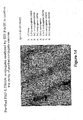
- Figure 14 shows purified PRP-LTS61K conjugates analyzed by IEF PAGE to confirm the purity of purified conjugate vaccine.
- Table 2 below, is the result of a GM1 binding assay that confirms that LTS61K protein retained its binding activity following conjugation.
- New Zealand White rabbits were immunized intramuscularly three times, at two week intervals, using the intended human dose of the polysaccharide, polysaccharide mixed with LTS61K, or polysaccharide-LTS6K conjugate to evaluate the potency of the conjugate vaccines.
- All vaccine preparations contained no AlPO4 or other related adjuvant.
- the immune responses of all vaccines were determined by ELISA to detect anti-polysaccharide antigen specific IgG titers and serum bactericidal assay to detect the functional activity of the antibodies.
- Figure 15 summarizes a rat immunogenicity study of Hib PRP-LTS61K conjugates of the present invention.
- Figure 16 summarizes a rabbit immunogenicity study of Hib PRP-LTS61K conjugates of the present invention.
- Figure 17 illustrates results of a rabbit immunogenicity study of Hib PRP-LTS61K conjugates of the present invention, results of the rabbit serum bactericidal titer assay and anti-PRP lgG Ab titers. Only the PRP-LTS61K conjugates were able to induce anti-PRP IgG Ab titers. The extra added LTS61K into the PRP-LTS61K conjugates did not enhance the anti-PRP IgG Abs.
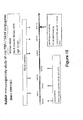
- Figure 18 illustrates additional information about the rabbit immunogenicity study.
- Figure 19 illustrates results of a rabbit immunogenicity study of Hib PRP-LTS61K conjugates of the present invention, results of the rabbit serum bactericidal titers (BA) and anti-PRP lgG Ab titers (OD).
- New Zealand White rabbits were immunized intramuscularly three times and four times, at two week intervals, using the intended human dose of the polysaccharide, polysaccharide mixed with LTS61K, and polysaccharide-LTS61K conjugate to evaluate the potency of the conjugate vaccines. All preparations contained no AlPO 4 or other related adjuvant.
- the immune responses of all vaccines were determined by ELISA to detect anti-polysaccharide antigen specific IgG titers and serum bactericidal assay to show the functional activity of the antipolysaccharide antibodies.
- the responses of sera anti-LTS61K IgG titers were also determined by ELISA, and in vitro Caco-2 cell cAMP induction and Y-1 adrenal cell toxicity rounding up study were used to determine the sera anti-LTS61K Ab neutralizing ability with the wild type LT.
- In vivo rabbit ileal loop challenge studies were conducted to examine the function of the anti-LTS61K antibodies.
- the animal immunogenicity studies suggest that detoxified E. coli heat-labile enterotoxin holotoxin including LTS61K protein is useful as carrier protein of polysaccharide to significantly stimulate a specific response of polysaccharide antigens.
- LTS61K itself, can be used as an immunogen, and, effectively produces antibodies against wild type LT.
- Rabbit immunogenicity studies Rabbit immunization intramuscularly using 10 ug dose of PRP, with test articles including: PRP, PRP conjugated with LTS61K and PRP mixed with LTS61K; two and three boosters were given at biweekly intervals. Blood samples were collected at 14 days after each immunization, and collected serum samples were stored at -80°C until use.
- PRP-BSA conjugate was coated on the 96-well plate in the concentration of PRP at 100 ng/well for anti-PRP antibodies determination, and coated with LTS61K at 250 ng/well for the anti-LTS61K antibodies determination. The coated plates were incubated for 16 hours at 4°C, and following incubated with 5% skim milk as blocking buffer for one hour at 37°C. Animal sera were tested starting from a dilution of 1:50.
- Serum bactericidal assay Antibody dependent complement mediated bactericidal activity was conducted for the serum diluted titers that kill more than 50% of the Haemophilus influenzae type b (Hib) colonies. Serum samples were pretreated in 56°C for 30 minutes to inactivate the complement of rabbit serum. Two fold serial dilutions of the serum samples with volume of 10 uL in 96-well U-bottom plates were prepared. Following, added 20 uL of the diluted Hib culture which was prepared in 1000 CFU/20 uL.
- the mixtures were further incubated at 37°C with 5%CO 2 for 15 minutes, and added 50 uL of the 1:1 hank's buffer diluted baby rabbit complement into each well, and incubated the mixture at 37°C with 5% CO 2 for 60 minutes. Plated 5 uL of the baby rabbit complement added mixture in the chocolate agar plates, and incubated the plates at 37°Cwith 5% CO 2 for 16 hours. Counted the Hib colony forming units and determined the serum dilution titers that killed more than 50% Hib colonies. All the serum samples are compared with the reciprocal number of dilution titers in graphics.
- Rabbit ileal loop fluid accumulation study the neutralization of the rabbit anti-LTS61K serum antibody against the wild type LT was conducted in the rabbit ileal loop assay. Rabbit ileal loops with 5.5 cm segments were made on the rabbits after being immunized with PRP or PRP conjugated with LTS61K or PRP mixed with LTS61K. Wild type LT in the concentration ranges from 0.01 to 1 ug were administrated to each study animal; the amount of fluid accumulated in each segment was measured after 18 hours.
- Antibodies to PRP and to LTS61K were determined by ELISA. Results of immunogenicity in rabbits were shown in Figure 20 ; only rabbits given PRP-LTS61K conjugates three injections elicit high anti-PRP IgG antibody titers and were 1000-fold greater than PRP or PRP mixed with LTS61K. The major immunoglobulin induced by PRP-LTS61K conjugates vaccine was IgG. The presence of high titer of anti-LTS61K IgG antibody did not interfere with the immune response of anti-PRP IgG Ab.
- the protective potential of the anti-PRP antibodies induced by the conjugates were evaluated by testing the bactericidal activity of the rabbit sera.
- the bactericidal titers were determined against Haemophilus influenzae type b (Hib) Eagen strain, data were presented as reciprocal serum dilution that killed more than 50 % of the Hib colonies.
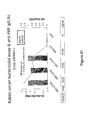
- Figure 21 shows that rabbits after three times intramuscular immunization, at two week intervals, in PRP 10 ug per dose, the anti-PRP IgG Abs and bactericidal titers were similar in all of the three batches of in-house prepared PRP-LTS61K conjugates, with the conjugated PRP average repeating units in 40 or 10, and the PRP-LTS61K conjugates doses 10 ug/48 ug to 10 ug/30 ug per dose. Meanwhile, PRP and PRP mixed with LTS61K immunized rabbit sera were unable to kill the Hib bacterial, which reciprocal titers ⁇ 2, and could not elicit anti-PRP IgG antibodies as well. Only the successful PRP-LTS61K conjugates have a bactericidal effect with the high titers of anti-PRP antibodies.
- Figure 21 shows rabbit serum bactericidal assay and anti-PRP IgG antibodies responses after rabbits received three intramuscular doses each of 10 ug conjugated PRP at 2 week intervals. Tested sera were collected at day 43, two weeks post dose 3.
- rabbits were immunized with different ratios of PRP-LTS61K conjugates.
- the sera were obtained at different times, and ELISA anti-PRP IgG Abs and bactericidal assays were performed.
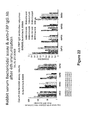
- the results demonstrate correlations between the serum anti-PRP IgG antibodies and the serum bactericidal activities, and that a 4 th immunization on rabbits with PRP-LTS61K conjugates effectively re-boosts the anti-PRP Abs.
- Table 3 shows that wild type LT toxin at 10 ng was unable to stimulate an increase of intracellular releasing of the cAMP levels in Caco-2 cells, only when rabbit sera with high anti-LTS61K antibodies; those were PRP-LTS61K conjugates and PRP mixed with LTS61K immunized rabbit sera. In contrast, rabbit sera obtained from PRP immunized rabbits did not prevent wild type LT from increasing cAMP levels in Caco-2 cells.
- Table 3 Induction of cAMP study in Caco-2 cells by the neutralized wild type LT with rabbit anti-LTS61K serum antibody.
- FIG. 23 The results of an animal immunogenicity study as an example of pneumococcal polysaccharide serotype 14 covalent conjugated with LTS61K is shown in Figure 23 .
- Antibody titers to PNPS serotype 14 were determined by ELISA. Samples were PNPS 14-LTS61K conjugates with PS average repeating units of 94 or 40, PNPS 14 alone, PNPS 14 mixed with LTS61K, and PBS. Only the conjugated products were able to induce high anti-PNPS 14 IgG antibodies. The presence of the chemical adjuvant, aluminum hydroxide, during the immunization program did not benefit or significantly enhance the anti-PNPS 14 antibodies.
- Figure 23 shows the immunogenicity in mice on pneumococcal PS serotype 14-LTS61K conjugates. Only animals given PNPS 14-LTS61K conjugates elicit high anti-PS IgG antibody titers and were 500-fold greater than PNPS 14 or PNPS14 mixed with LTS61K.
Landscapes
- Health & Medical Sciences (AREA)
- Life Sciences & Earth Sciences (AREA)
- General Health & Medical Sciences (AREA)
- Public Health (AREA)
- Medicinal Chemistry (AREA)
- Veterinary Medicine (AREA)
- Pharmacology & Pharmacy (AREA)
- Chemical & Material Sciences (AREA)
- Animal Behavior & Ethology (AREA)
- Engineering & Computer Science (AREA)
- Bioinformatics & Cheminformatics (AREA)
- Epidemiology (AREA)
- Proteomics, Peptides & Aminoacids (AREA)
- Immunology (AREA)
- Molecular Biology (AREA)
- Mycology (AREA)
- Microbiology (AREA)
- Virology (AREA)
- Toxicology (AREA)
- Nuclear Medicine, Radiotherapy & Molecular Imaging (AREA)
- Organic Chemistry (AREA)
- General Chemical & Material Sciences (AREA)
- Chemical Kinetics & Catalysis (AREA)
- Oncology (AREA)
- Communicable Diseases (AREA)
- Medicines Containing Antibodies Or Antigens For Use As Internal Diagnostic Agents (AREA)
- Peptides Or Proteins (AREA)
Description
- Polysaccharide vaccines, when prepared without carrier protein, lack immune memory responses. Currently known conjugated vaccines include bacterial capsular polysaccharides such as Haemophilus influenzae type b, Neisseria meningitidis group C, and Streptococcus pnemoniae
serotypes - However, the majority of the currently marketed bacterial polysaccharide conjugate vaccines applied tetanus toxoid (TT) or diphtheria toxoid (DT) as a carrier protein. TT and DT, these two toxoid proteins, are regular vaccines for infants/children; high frequency vaccination of TT and DT within a short time could have impact on the immunogenicity and safety. (Reduced response to multiple vaccines sharing common protein epitopes that are administered simultaneously to infants. Infect. Immun. 1998; 66(5):2093-8; Immunogenicity and safety of a combination pneumococcal-meningococcal vaccine in infants: a randomized controlled trial. JAMA 2005; 293 (14): 1751-8). Therefore, this invention provides a new type of the carrier protein LTS61K for its use on the conjugate vaccine.
-
EP 0 172 107 A1 - This invention includes polysaccharide conjugation with a detoxified E. coli heat labile enterotoxin (LT) wherein the LT is a holotoxin and is a mutant protein LTS61K having a lysine substitution at the position corresponding to position 61 of SEQ ID NO: 5 useful as vaccine to protect or immunize against the effects of infectious bacteria such as Haemophilus influenzae and Streptococcus pneumoniae and alleviate travel diarrhea caused by enterotoxigenic E. coli.
- One aspect of this invention relates to covalently conjugated polysaccharide-LTS61 K vaccines isolated in purified form. These conjugated products have unexpectedly superior immunogenic and bactericidal properties in mammals. Another aspect relates to the use of conjugated polysaccharide-LTS61K for the preparation of a vaccine for a mammal in need of protection from Haemophilus influenzae type b (Hib). The vaccines of the present invention stimulate T-helper cell response, exhibit strong booster response upon re-exposure and have high antibody titers.
- Yet another aspect of the invention relates to the method of producing conjugated polysaccharide-LTS61K by reductive amination and isolating purified conjugated product. In accordance with the present invention, it was discovered that the preferred method of conjugating polysaccharide and LTS61K for making the vaccine of the present invention is periodate oxidation of native PS followed by reductive amination.
- The LTS61K employed in the conjugates of the present invention is described in PCT Application Number
PCT/US2007/075801, filed August 13, 2007 ; in US Applications NumbersUS 1 1/779419 filed July 18, 2007 US 12/120,953 filed May 15, 2008 US 12/729,649 filed March 23, 2010 95139707 filed October 27, 2006 -
-
Figure 1 is a generalized depiction of a LT carrier protein. -
Figure 2 is the structural representation of Hib PRP saccharides. -
Figure 3 shows several conjugation methods. -
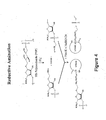
Figure 4 shows a reductive amination method according to the present invention. -
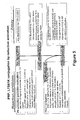
Figure 5 depicts PRP and LTS61K conjugation by reductive amination. -
Figure 6 shows the HPLC-SEC-RI elution profile of oxidized-PRP after NaI04 treatment. -
Figure 7 is an NMR spectrum of oxidized-PRP. This confirms the formation of aldehyde groups on PRP after periodate oxidation. -
Figure 8 shows a Far-UV CD spectra that confirms no secondary structure difference between LTS61K and PRP-LTS61K conjugated samples; and also a Fluorescence spectra which confirms no [lambda] max tertiary structure difference between LTS61K and PRP-LTS61K conjugated samples. -
Figure 9 shows amino acid analyses that confirm the successful conjugation of PRP to LTS61K and the formation of a covalent bond. -
Figure 10 shows SDS-PAGE Western Blotting analysis to confirm the covalent conjugation between PRP and LTS61K. -
Figure 11 shows purified PRP-LTS61K conjugates analyzed by IEF PAGE. -
Figure 12 shows IEF Western Blotting to confirm the covalent conjugation between PRP and LTS61K. -
Figure 13 confirms the purity of purified conjugate vaccine via HPLC-SEC-UV-MALLS-RI. -
Figure 14 shows purified PRP-LTS61K conjugates analyzed by IEF PAGE to confirm the purity of purified conjugate vaccine. -
Figure 15 summarizes a rat immunogenicity study of Hib P P-LTS61 conjugates of the present invention. -
Figure 16 summarizes a rabbit immunogenicity study of Hib PRP-LTS61 K conjugates of the present invention. -
Figure 17 illustrates results of a rabbit immunogenicity study of Hib PRP-LTS61K conjugates of the present invention, results of the rabbit serum bactericidal titer assay and anti-PRP lgG Ab titers. -
Figure 18 illustrates additional information about the rabbit immunogenicity study. -
Figure 19 illustrates results of a rabbit immunogenicity study of Hib PRP-LTS61K conjugates of the present invention, results of the rabbit serum bactericidal titers (BA) and anti- PRP lgG Ab titers (OD). -
Figure 20 shows results of additional rabbit immunogenicity ELISA of anti-PRP and anti-LTS61K antibodies response studies. -
Figure 21 shows the results of additional rabbit serum bactericidal assay and anti-PRP IgG Ab. -
Figure 22 shows results of additional rabbit serum bactericidal assay and anti-PRP IgG Ab after a fourth immunization. -
Figure 23 shows the immunogenicity in mouse on pneumococcal PS serotype 14-LTS61K conjugates. Detailed Description of the Invention: - We have now discovered that conjugated polysaccharide-LTS61K vaccines made in accordance with the present invention surprisingly induce higher polysaccharide-specific IgG antibody titers and greater bactericidal activity in sera than that of polysaccharide or polysaccharide mixed with LTS61K.
- A list of abbreviations employed herein is as follows:
- CFU: colony forming unit
- ELISA: enzyme linked immunosorbent assay
- Hib: Haemophilus influenzae type
- bIEF: isoelectric focusing
- LT: heat labile enterotoxin
- MALLS: multiple angle laser light scattering
- OD: optical density PNPS: pneumococcal polysaccharide
- PRP: polyribosyl ribitol phosphate
- PS: polysaccharide
- SDS-PAGE: sodium dodecyl sulfate polyacrylamide gel electrophoresis
- SEC_HPLC: size exclusion high pressure liquid chromatography
- RI: reflective index
- The new carrier protein employed in the conjugates of the present invention is detoxified recombinant E. coli heat-labile enterotoxin mutant LTS61K. In the LT mutant, the A and B sub-units form a typical AB5 holotoxin structure. The detoxified LT mutant (LTS61K) contains a mutated mature sub-unit A (LTA) that includes K at amino acid position 61 and a wild-type mature sub-unit B (LTB). LTS61K renders the product significantly less toxic than wild-type LT. The carrier protein is depicted in
Figure 1 of the drawings. - The invention of the LTS61K is based on the unexpected discovery that an LT containing a mutated LTA exhibits reduced toxicity compared to its wild type counterpart while retaining immunogenicity. This mutated LTA has an amino acid substitution at the position corresponding to position 61 of a wild-type LTA, whose amino acid sequence, SEQ ID NO: 5, is shown in the cited patent applications Accordingly, LTS61K features an isolated polypeptide including a mutated LTA that contains an amino acid residue other than S, T, and F, at the position corresponding to position 61 of SEQ ID NO: 5. The substituting amino acid residue can be D, E, H, I, K, L, N, P, Q, R, Y or W. It can be a naturally occurring amino acid or a non-naturally occurring amino acid, e.g., a D-amino acid or a [beta]-amino acid. In one example, the LTA has the amino acid sequence of SEQ ID NO: 2, 4, 8 or 10. An LT containing this mutated LTA exhibits reduced toxicity, i.e., <10-5-fold that of a wild-type LT containing SEQ ID NO: 5 in the above identified patent applications.
- In accordance with the present invention, Haemophilus influenzae type B was cultured and its capsular polysaccharide antigen, polyribosylribitol phosphate (PRP), was purified. The PRP is linear, has a negative charge and is hydrophilic. The Hib PRP saccharide with molecular weight 345 and formula 10C,18H,11O,1P is depicted as in
Figure 2 of the drawings. - PRP is conjugated onto LTS61K by a chemical reductive amination reaction employing appropriate molar ratios of polysaccharide PRP to protein (LTS61K) which produce conjugate vaccines. Ranges of molar ratios of PRP:LTS61K are shown in Table 1, below. Preferably, the range of molar ratios of PRP:LTS61K is between about 3:1 and about 60:1, and mole /mole IO4 -/PRP is between about 0.1 and about 0.4.
Table 1. Different ratios of PRP/LTS61K conjugation test PRP:LT S61K (w:w) PRP:LT S61K (m:m) IO4 -/PRP repeat unit (m/m) Average repeat unit PRP (Colorimetric assay) Reaction time PRP/ Protein LTS61K (w/w) PRP/ Protein LTS61K (m/m) 0.5:1 3:1 0.1 42 2 weeks 0.059 0.68 1:1 6:1 0.1 42 2 weeks 0.099 1.14 1.5:1 9:1 0.1 42 2 weeks 0.13 1.5 2:1 28:1 0.2 17.5 2 weeks 0.21 (10/48) 3 3:1 42:1 0.2 17.5 2 weeks 0.23 3.2 4:1 56:1 0.2 17.5 2 weeks 0.24 3.4 3:1 42:1 0.2 17.5 3 weeks 0.21 2.9 3:1 42:1 0.2 17.5 4 weeks 0.35 4.9 3:1 42:1 0.2 17.5 5 weeks 0.33 4.6 3:1 42:1 0.2 17.5 6 weeks 0.31 4.3 3:1 50:1 0.3 14.2 2 weeks 0.34 5.8 3:1 60:1 0.4 12.2 2 weeks 0.37(10/27) 7.4 0.5(10/20) - Further in accordance with the present invention, a variety of different types of the bacterial capsular polysaccharides antigens from Haemophilus influenzae type b and Streptococcus pneumonias are chemically conjugated with the LTS61K protein by reductive amination reactions. A variety of different molar ratios of NaIO4:PRP as shown in Table 1, above, were employed to oxidize polysaccharides to produce short lengths of polysaccharides with different repeating units. Following the proper molar ratio of the polysaccharide reacted with LTS61K, the successfully conjugated and purified polysaccharide-LTS61K conjugate products were obtained. The products were in soluble form and were physically and chemically evaluated by SEC-HPLC, orcinol, SDS-PAGE, western blotting, IEF, GM1-binding activity, circular dichroism and fluorescent assays to identify the successful chemical conjugation of the polysaccharide antigen and LTS61K carrier protein.
- A variety of potential conjugation processes are illustrated in
Figure 3 of the drawings. A generalized flow diagram of the reductive amination process selected in accordance with the present invention is found at Glyconjugate J. 1989.6:489 and is reproduced asFigure 4 of the drawings. - In accordance with the present invention, a polysaccharide is cleaved by periodate oxidation to smaller fragments to produce aldehyde end groups. Thereafter, conjugation of the oxidized polysaccharide to LTS61K protein is carried out by reductive amination. More specifically, an example of the process is as follows:
- A. Polysaccharide activation (periodate oxidation): Native polyribosylribitol phosphate (PRP), which is purified capsular polysaccharide of Haemophilus influenzae type b, in an amount of 5 mg/mL is mixed with periodate (IO4 -) 0.3 or 0.6 or 1.2 mg/mL (molar ratio (m/m) of IO4 - to PRP = 0.1, 0.2, 0.4). This mixture was allowed to stand at 4°C in the dark for 24 hours. Then glycerol was added to terminate the reaction. The resulting oxidized PRP underwent dialysis against ddH2O using 3.5 K membrane to remove impurities. The resulting product was sterile filtered with 0.22 um filter. The periodate oxidation procedure provided fragmentation of the polysaccharide PRP into different chain lengths. The range of average number of repeating units of PRP was about 40 to 10.
- B. Polysaccharide-LTS61K conjugation: Preparation of PRP and LTS61K conjugate, mixture of oxidized PRP obtained from above, purified LTS61K (which was disclosed in the previous obtained/filed patents) and sodium cyanoborohydride (NaBH3CN), in 10 mg/mL, 3 mg/mL and 10 mg/mL, respectively, the reaction was carried for 2 weeks at 4°C in the dark. The reaction was terminated by adding sodium borohydride NaBH4 to quench unreacted aldehydes on PRP, the preparation was then dialyzed against ddH2O with 10 K membrane.
- C. Characterization of the polysaccharide conjugated LTS61K products: Following the proper molar ratio of the polysaccharide reacted with LTS61K, the successfully conjugated and purified polysaccharide-LTS61K conjugate products were obtained. The products with soluble form were physically, chemically and biologically evaluated by SEC-HPLC, Orcinol, SDS-PAGE, Western blotting, IEF, GM1-binding activity, circular dichroism and fluorescent assays to confirm the successful chemical conjugation of the polysaccharide antigen and LTS61K carrier protein, ratio of polysaccharide to LTS61K protein, and its immunogenicity.
Figure 5 of the drawings summarizes reaction conditions and assays employed in accordance with specific exemplification of the present invention. - Reference is now made to the Figures of drawings which pertain to confirmation of structure and purity of the conjugates and vaccine.
-
Figure 6 shows the HPLC-SEC-RI elution profile of oxidized-PRP after NaIO4 treatment. This figure illustrates the process of the invention and results are readily reproducible. -
Figure 7 is an NMR spectrum of oxidized-PRP. This confirms the formation of aldehyde groups on PRP after periodate oxidation. -
Figure 8 shows a Far-UV CD spectra that confirms no secondary structure difference between LTS61K and PRP-LTS61K conjugated samples; and also a fluorescence spectra which confirms no λ max tertiary structure difference between LTS61K and PRP-LTS61K conjugated samples. -
Figure 9 shows amino acid analyses that confirm the successful conjugation of PRP to LTS61K and the formation of a covalent bond. -
Figure 10 shows SDS PAGE Western Blotting analysis to confirm the covalent conjugation between PRP and LTS61K. -
Figure 11 shows purified PRP-LTS61K conjugates analyzed by IEF PAGE. -
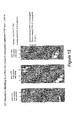
Figure 12 shows IEF Western Blotting to confirm the covalent conjugation between PRP and LTS61K. -
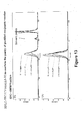
Figure 13 confirms the purity of purified conjugate vaccine via HPLC-SEC-UV-MALLS-RI. -
Figure 14 shows purified PRP-LTS61K conjugates analyzed by IEF PAGE to confirm the purity of purified conjugate vaccine. - Table 2, below, is the result of a GM1 binding assay that confirms that LTS61K protein retained its binding activity following conjugation.
Table 2 0.2/2w PRP-LTS61K conjugate 0.2/4w PRP-LTS61K conjugate 0.4/2w PRP-LTS61K conjugate 0.4/4w PRP-LTS61K conjugate GM1-binding activity (unit=M) 5.19 x 10⁻¹⁰ 4.77 x 10⁻¹⁰ 4.23 x 10⁻¹⁰ 2.79 x 10⁻¹⁰ - New Zealand White rabbits were immunized intramuscularly three times, at two week intervals, using the intended human dose of the polysaccharide, polysaccharide mixed with LTS61K, or polysaccharide-LTS6K conjugate to evaluate the potency of the conjugate vaccines. All vaccine preparations contained no AlPO4 or other related adjuvant. The immune responses of all vaccines were determined by ELISA to detect anti-polysaccharide antigen specific IgG titers and serum bactericidal assay to detect the functional activity of the antibodies. The study results indicated that only successfully conjugated polysaccharide-LTS61K vaccines could induce higher polysaccharide-specific IgG antibody titers and greater bactericidal activity in sera than that of polysaccharide alone, or polysaccharide mixed with LTS61K only. The animal immunogenicity studies suggest that detoxified E. coli heat-labile enterotoxin holotoxin including LTS61K protein is useful as carrier protein of polysaccharide to significantly stimulate a specific immune response of polysaccharide antigens.
- Reference is now made to additional Figures of drawings that pertain to results of initial mammalian studies.
-
Figure 15 summarizes a rat immunogenicity study of Hib PRP-LTS61K conjugates of the present invention. -
Figure 16 summarizes a rabbit immunogenicity study of Hib PRP-LTS61K conjugates of the present invention. -
Figure 17 illustrates results of a rabbit immunogenicity study of Hib PRP-LTS61K conjugates of the present invention, results of the rabbit serum bactericidal titer assay and anti-PRP lgG Ab titers. Only the PRP-LTS61K conjugates were able to induce anti-PRP IgG Ab titers. The extra added LTS61K into the PRP-LTS61K conjugates did not enhance the anti-PRP IgG Abs. -
Figure 18 illustrates additional information about the rabbit immunogenicity study. -
Figure 19 illustrates results of a rabbit immunogenicity study of Hib PRP-LTS61K conjugates of the present invention, results of the rabbit serum bactericidal titers (BA) and anti-PRP lgG Ab titers (OD). - Additional studies were conducted employing the procedures and observing the results set forth below:
- New Zealand White rabbits were immunized intramuscularly three times and four times, at two week intervals, using the intended human dose of the polysaccharide, polysaccharide mixed with LTS61K, and polysaccharide-LTS61K conjugate to evaluate the potency of the conjugate vaccines. All preparations contained no AlPO4 or other related adjuvant. The immune responses of all vaccines were determined by ELISA to detect anti-polysaccharide antigen specific IgG titers and serum bactericidal assay to show the functional activity of the antipolysaccharide antibodies. The responses of sera anti-LTS61K IgG titers were also determined by ELISA, and in vitro Caco-2 cell cAMP induction and Y-1 adrenal cell toxicity rounding up study were used to determine the sera anti-LTS61K Ab neutralizing ability with the wild type LT. In vivo rabbit ileal loop challenge studies were conducted to examine the function of the anti-LTS61K antibodies. The animal immunogenicity studies suggest that detoxified E. coli heat-labile enterotoxin holotoxin including LTS61K protein is useful as carrier protein of polysaccharide to significantly stimulate a specific response of polysaccharide antigens. LTS61K, itself, can be used as an immunogen, and, effectively produces antibodies against wild type LT.
- A. Rabbit immunogenicity studies. Rabbit immunization intramuscularly using 10 ug dose of PRP, with test articles including: PRP, PRP conjugated with LTS61K and PRP mixed with LTS61K; two and three boosters were given at biweekly intervals. Blood samples were collected at 14 days after each immunization, and collected serum samples were stored at -80°C until use.
- B. Anti-polysaccharide and anti-LTS61K antibodies determined by ELISA. PRP-BSA conjugate was coated on the 96-well plate in the concentration of PRP at 100 ng/well for anti-PRP antibodies determination, and coated with LTS61K at 250 ng/well for the anti-LTS61K antibodies determination. The coated plates were incubated for 16 hours at 4°C, and following incubated with 5% skim milk as blocking buffer for one hour at 37°C. Animal sera were tested starting from a dilution of 1:50. Specific antibodies were measured using a horseradish peroxidate-conjugated goat anti-rabbit IgG incubated for 1 hour at 37°C, and revealed the antibodies by adding TMB (tetramethyl benzidine) peroxidase substrate, and after 10 minutes, the reaction was terminated by the addition of 12% H2SO4 and the absorbance was read at OD (optical density) 650-450 nm (reference wavelength 650 nm). The ELISA titers were expressed as the reciprocal of the last dilution which gave OD 450 ≧ 0.5.
- C. Serum bactericidal assay. Antibody dependent complement mediated bactericidal activity was conducted for the serum diluted titers that kill more than 50% of the Haemophilus influenzae type b (Hib) colonies. Serum samples were pretreated in 56°C for 30 minutes to inactivate the complement of rabbit serum. Two fold serial dilutions of the serum samples with volume of 10 uL in 96-well U-bottom plates were prepared. Following, added 20 uL of the diluted Hib culture which was prepared in 1000 CFU/20 uL. The mixtures were further incubated at 37°C with 5%CO2 for 15 minutes, and added 50 uL of the 1:1 hank's buffer diluted baby rabbit complement into each well, and incubated the mixture at 37°C with 5% CO2 for 60 minutes. Plated 5 uL of the baby rabbit complement added mixture in the chocolate agar plates, and incubated the plates at 37°
Cwith 5% CO2 for 16 hours. Counted the Hib colony forming units and determined the serum dilution titers that killed more than 50% Hib colonies. All the serum samples are compared with the reciprocal number of dilution titers in graphics. - D. Induction of cAMP study in Caco-2 cells by the neutralized wild type LT with rabbit anti-LTS61K serum antibody was performed, using a cyclic AMP (cAMP) EIA kit (Enzo Life Science). Ten nanograms of wild type LT were incubated with 150 uL anti-LTS61K rabbit serum (1:100 dilution) at room temperature. After one hour incubation, the mixture was added to the Caco-2 cell plate (5x10⁴cell/well), and Caco-2 cells were further incubated at 37°C with 5% CO2 for 2 hours. Following, cells were washed with PBS, and lysed with 0.1M HCL (200 uL per well), and neutralized with 0.1 M NaOH. The cell lysis products were collected by centrifugation at 660 xG for 10 mins at room temperature. The resultant suspensions were assayed for intracellular cAMP levels by utilizing the commercial EIA kit.
- E. Neutralization study of wild type LT with serious dilutions of rabbit anti-LTS61K serum was examined on Y-1 mouse adrenal tumor cells. For the Y-1 cell assay, serial two fold dilutions of rabbit sera 50X, 100X to102,400X were premixed with
wild type LT 10-5ug (which is the EC50, that the toxin concentration of the wild type LT to produce greater than 50% cell rounding up on Y-1 adrenal cell), following the mixture were added to Y-1 adrenal cell, 5 x 10⁴ cells/well. The cells were observed for morphological changes (cell rounding up) after 24 hours incubation. - F. Rabbit ileal loop fluid accumulation study: the neutralization of the rabbit anti-LTS61K serum antibody against the wild type LT was conducted in the rabbit ileal loop assay. Rabbit ileal loops with 5.5 cm segments were made on the rabbits after being immunized with PRP or PRP conjugated with LTS61K or PRP mixed with LTS61K. Wild type LT in the concentration ranges from 0.01 to 1 ug were administrated to each study animal; the amount of fluid accumulated in each segment was measured after 18 hours.
- The study results are described below with reference to
Figures 20 through 23 of the drawings and Tables 3 through 5. - Antibodies to PRP and to LTS61K were determined by ELISA. Results of immunogenicity in rabbits were shown in
Figure 20 ; only rabbits given PRP-LTS61K conjugates three injections elicit high anti-PRP IgG antibody titers and were 1000-fold greater than PRP or PRP mixed with LTS61K. The major immunoglobulin induced by PRP-LTS61K conjugates vaccine was IgG. The presence of high titer of anti-LTS61K IgG antibody did not interfere with the immune response of anti-PRP IgG Ab. - In
Figure 20 , which shows the rabbit immunogenicity ELISA of anti-PRP and anti-LTS61K antibodies response results, all animals received a total of three intramuscular doses each of 10 ug conjugated PRP at 2 week intervals. Sera were collected and assayed at one week post dose 1 (1WPD1), one week post dose 2 (1WPD2) and two weeks post dose 3 (2WPD3) as depicted inFigure 20 . - The protective potential of the anti-PRP antibodies induced by the conjugates were evaluated by testing the bactericidal activity of the rabbit sera. The bactericidal titers were determined against Haemophilus influenzae type b (Hib) Eagen strain, data were presented as reciprocal serum dilution that killed more than 50 % of the Hib colonies.
Figure 21 shows that rabbits after three times intramuscular immunization, at two week intervals, inPRP 10 ug per dose, the anti-PRP IgG Abs and bactericidal titers were similar in all of the three batches of in-house prepared PRP-LTS61K conjugates, with the conjugated PRP average repeating units in 40 or 10, and the PRP-LTS61K conjugates doses 10 ug/48 ug to 10 ug/30 ug per dose. Meanwhile, PRP and PRP mixed with LTS61K immunized rabbit sera were unable to kill the Hib bacterial, which reciprocal titers <2, and could not elicit anti-PRP IgG antibodies as well. Only the successful PRP-LTS61K conjugates have a bactericidal effect with the high titers of anti-PRP antibodies. -
Figure 21 shows rabbit serum bactericidal assay and anti-PRP IgG antibodies responses after rabbits received three intramuscular doses each of 10 ug conjugated PRP at 2 week intervals. Tested sera were collected atday 43, two weeks postdose 3. - A re-boosted study was conducted on rabbits after they received a primary-three immunization of the PRP-LTS61K conjugates. The results are summarized in
Figure 22 , which demonstrated bactericidal titers and anti-PRP IgG antibodies titers gradually decreased with time, although 6WPD3 (6 weeks post dose 3) rabbit sera bactericidal titers were lower than the rabbit sera 2WPD3, the rabbit sera anti-PRP IgG antibodies and bactericidal titers could be effectively enhanced after a following dose of PRP-LTS61K conjugates. However, these phenomena could not be observed on the PRP or PRP mixed with LTS61K immunized rabbits. - Regarding
Figure 22 , rabbits were immunized with different ratios of PRP-LTS61K conjugates. The sera were obtained at different times, and ELISA anti-PRP IgG Abs and bactericidal assays were performed. The results demonstrate correlations between the serum anti-PRP IgG antibodies and the serum bactericidal activities, and that a 4th immunization on rabbits with PRP-LTS61K conjugates effectively re-boosts the anti-PRP Abs. - Table 3 shows that wild type LT toxin at 10 ng was unable to stimulate an increase of intracellular releasing of the cAMP levels in Caco-2 cells, only when rabbit sera with high anti-LTS61K antibodies; those were PRP-LTS61K conjugates and PRP mixed with LTS61K immunized rabbit sera. In contrast, rabbit sera obtained from PRP immunized rabbits did not prevent wild type LT from increasing cAMP levels in Caco-2 cells.
Table 3: Induction of cAMP study in Caco-2 cells by the neutralized wild type LT with rabbit anti-LTS61K serum antibody. Samples Rabbit immunized PRP/LTS61K (ug/ug) cAMP (pmol/mL) PRP- LTS61K conjugate 10/45 3.36 PRP- LTS61K conjugate 10/53 2.68 PRP mixed with LTS61K 10+45 3.31 PRP 10 19.1 Positive control wt LT 10 ng- 30.89 Negative control PBS - 3.09 - A neutralization study of wild type LT with serial dilutions of rabbit anti-LTS61K serum was conducted on Y-1 mouse adrenal tumor cells. The results in Table 4 demonstrate that only those rabbits' sera present with the anti-LTS61K antibodies effectively neutralize the toxicity of the wild type LT, which occurred on PRP-LT61K conjugates and PRP mixed with LTS61K immunized rabbit sera, but not in sera of rabbits immunized with PRP.
Table 4 Neutralization Study PRP 10 No neutralization Samples Rabbit immunized PRP/LTS61K (ug/ug) Y-1 adrenal cell neutralization titer PRP- LTS61K conjugate 10/45 3200 X PRP- LTS61K conjugate 10/53 3200 X PRP mixed with LTS61K 10+45 3200 X - The data in Table 5 shows that at the concentration of 0.01 ug per 5.5 cm segment ileal loop of wild type LT fluid accumulation was induced in the rabbit with no anti-LTS61K antibodies; however, in the rabbit with anti-LTS61K antibodies, there was no fluid accumulation. These results confirm those previously obtained in vitro Caco-2 cAMP induction and Y-1 adrenal cell neutralization studies, that serum anti-LTS61K antibodies are able to neutralize the wild type LT. Severe hemorrhagic lesions on ileum mucosa were observed on the rabbit without anti-LTS61K Ab administered with wild type LT in 0.5 and 1.0 ug per segment.
Table 5: Rabbit ileal loop fluid accumulation study. Rabbit without anti-LTS61K Ab Rabbit no.1 with anti-LTS61K Ab Rabbit no.2 with anti-LT Ab Wild type LT dose (ug/segment) Fluid accumulation (mL/segment*) Lesions on ileum mucosa** Fluid accumulation (mL/ segment) Lesions on ileum mucosa Fluid accumulation (mL/ segment) Lesions on ileum mucosa 0 0.0 - 0.0 - 0.0 - 0.01 4.95 - 0.0 - 0.0 - 0.1 8.8 + 0.0 - 4.4 - 0.5 10.45 + + Not done Not done 11.0 - 1 12.1 + + + 11.0 + 11.0 - * Fluid accumulation is measured in each 5.5 cm segment of rabbit ileal loop.
** Severe hemorrhagic lesions on ileum mucosa were observed on the rabbit without anti-LTS61K Ab administered wild type LT in 0.5 and 1.0 ug per segment. - The results of an animal immunogenicity study as an example of
pneumococcal polysaccharide serotype 14 covalent conjugated with LTS61K is shown inFigure 23 . Antibody titers toPNPS serotype 14 were determined by ELISA. Samples were PNPS 14-LTS61K conjugates with PS average repeating units of 94 or 40,PNPS 14 alone,PNPS 14 mixed with LTS61K, and PBS. Only the conjugated products were able to induce high anti-PNPS 14 IgG antibodies. The presence of the chemical adjuvant, aluminum hydroxide, during the immunization program did not benefit or significantly enhance the anti-PNPS 14 antibodies. -
Figure 23 shows the immunogenicity in mice on pneumococcal PS serotype 14-LTS61K conjugates. Only animals given PNPS 14-LTS61K conjugates elicit high anti-PS IgG antibody titers and were 500-fold greater thanPNPS 14 or PNPS14 mixed with LTS61K.
Claims (10)
- A covalent conjugate of a polysaccharide and a detoxified E. coli heat labile enterotoxin (LT), wherein the LT is a holotoxin and is a mutant protein LTS61K having a lysine substitution at the position corresponding to position 61 of SEQ ID NO: 5.
- The covalent conjugate of claim 1, where the polysaccharide is polyribosylribitol phosphate (PRP).
- A vaccine comprising a purified covalent conjugate of claim 1 or 2.
- Use of a purified covalent conjugate of claim 1 or 2 in the manufacture of a medicament for protecting or immunizing mammals from the effects of infectious bacteria.
- A method of preparing a covalent conjugate of claim 1 or 2 which comprises periodate oxidation of the polysaccharide followed by reductive amination of the resulting polysaccharide and the mutant protein LTS61K, and isolating the resulting conjugate.
- The method of claim 5, wherein the polysaccharide is PRP.
- The method of claim 6, wherein the range of molar ratios of PRP:LT is between about 3:1 and about 60:1.
- Use of a purified covalent conjugate of claim 1 or 2 in the manufacture of a medicament for protecting or immunizing mammals from the effects of travel diarrhea.
- Use of a purified covalent conjugate of claim 1 or 2 in the manufacture of a medicament for protecting or immunizing mammals from the effects of diarrhea from enterotoxigenic E. coli.
- Use of a purified covalent conjugate of claim 1 or 2 in the manufacture of a medicament for protecting or immunizing mammals. from the infection of Haemophilus influenzae or Streptococcus pnemoniae.
Applications Claiming Priority (2)
| Application Number | Priority Date | Filing Date | Title |
|---|---|---|---|
| US33065010P | 2010-05-03 | 2010-05-03 | |
| PCT/IB2011/001429 WO2012023008A2 (en) | 2010-05-03 | 2011-04-29 | Polysaccharide conjugation with detoxified e. coli heat labile enterotoxin (lt) used as vaccine |
Publications (3)
| Publication Number | Publication Date |
|---|---|
| EP2566508A2 EP2566508A2 (en) | 2013-03-13 |
| EP2566508A4 EP2566508A4 (en) | 2013-10-09 |
| EP2566508B1 true EP2566508B1 (en) | 2015-07-22 |
Family
ID=44902090
Family Applications (1)
| Application Number | Title | Priority Date | Filing Date |
|---|---|---|---|
| EP11817824.3A Active EP2566508B1 (en) | 2010-05-03 | 2011-04-29 | Polysaccharide conjugation with detoxified e. coli heat labile enterotoxin (lt) used as vaccine |
Country Status (7)
| Country | Link |
|---|---|
| US (1) | US10624962B2 (en) |
| EP (1) | EP2566508B1 (en) |
| JP (2) | JP5967585B2 (en) |
| CN (2) | CN107261129A (en) |
| ES (1) | ES2550853T3 (en) |
| TW (2) | TWI451874B (en) |
| WO (1) | WO2012023008A2 (en) |
Families Citing this family (2)
| Publication number | Priority date | Publication date | Assignee | Title |
|---|---|---|---|---|
| CN113616783B (en) | 2020-05-08 | 2025-08-08 | 昱厚生技股份有限公司 | Methods for preventing or treating coronavirus infection using immunomodulators and vaccine compositions containing the same |
| CN113388008B (en) * | 2021-06-25 | 2023-04-28 | 太原师范学院 | Endoplasmic reticulum targeted self-release protein transport carrier LCA2 and application thereof |
Family Cites Families (14)
| Publication number | Priority date | Publication date | Assignee | Title |
|---|---|---|---|---|
| JPS5920226A (en) * | 1982-07-26 | 1984-02-01 | Kitasato Inst:The | Veterinary vaccine and preparation thereof |
| US4808700A (en) * | 1984-07-09 | 1989-02-28 | Praxis Biologics, Inc. | Immunogenic conjugates of non-toxic E. coli LT-B enterotoxin subunit and capsular polymers |
| WO2000037609A2 (en) | 1998-12-22 | 2000-06-29 | Boyce Thompson Institute For Plant Research At Cornell | Orally immunogenic bacterial enterotoxins expressed in transgenic plants |
| WO2003059385A2 (en) | 2002-01-14 | 2003-07-24 | Chiron Corporation | Hiv vaccine and method of use |
| DE60328481D1 (en) * | 2002-05-14 | 2009-09-03 | Novartis Vaccines & Diagnostic | SLEEP-CAPACITIVE VACCINE CONTAINING THE ADJUVANZ CHITOSAN AND MENIGOKOKKENANTIGENE |
| JP2006528936A (en) * | 2003-05-07 | 2006-12-28 | アヴェンティス パストゥール インコーポレイテッド | Multivalent meningococcal derivatized polysaccharide-protein conjugates and vaccines |
| GB0408978D0 (en) | 2004-04-22 | 2004-05-26 | Chiron Srl | Meningococcal fermentation for preparing conjugate vaccines |
| US20070065462A1 (en) | 2005-09-21 | 2007-03-22 | Ryall Robert P | Multivalent meningococcal derivatized polysaccharide-protein conjugates and vaccine |
| JP5745221B2 (en) * | 2006-08-07 | 2015-07-08 | プレジデント アンド フェローズ オブ ハーバード カレッジ | Protein matrix vaccines and methods for producing and administering such vaccines |
| US8110197B2 (en) * | 2006-10-27 | 2012-02-07 | Development Center For Biotechnology | Mutated E. coli heat-labile enterotoxin |
| TWI304838B (en) | 2006-10-27 | 2009-01-01 | Dev Center Biotechnology | Nucleotide acid sequence and amino acid sequence of e. coli heat-labile enterotoxin, and recombinant protein |
| EP2170377B1 (en) * | 2007-07-18 | 2015-03-04 | Development Center For Biotechnology | Mutated e. coli heat-labile enterotoxin |
| JP2011524375A (en) | 2008-06-16 | 2011-09-01 | アカデミア シニカ | Compositions that induce immune responses specific to GloboH and SSEA3 and their use in cancer therapy |
| JP7066051B2 (en) | 2018-09-13 | 2022-05-12 | エルエス、エレクトリック、カンパニー、リミテッド | Power supply device and power supply system |
-
2011
- 2011-04-29 JP JP2013508580A patent/JP5967585B2/en active Active
- 2011-04-29 TW TW100115255A patent/TWI451874B/en active
- 2011-04-29 WO PCT/IB2011/001429 patent/WO2012023008A2/en not_active Ceased
- 2011-04-29 CN CN201710238821.2A patent/CN107261129A/en active Pending
- 2011-04-29 TW TW102136855A patent/TW201406389A/en unknown
- 2011-04-29 US US13/097,218 patent/US10624962B2/en active Active
- 2011-04-29 CN CN2011800215281A patent/CN102858370A/en active Pending
- 2011-04-29 EP EP11817824.3A patent/EP2566508B1/en active Active
- 2011-04-29 ES ES11817824.3T patent/ES2550853T3/en active Active
-
2014
- 2014-12-04 JP JP2014246147A patent/JP2015071630A/en not_active Ceased
Also Published As
| Publication number | Publication date |
|---|---|
| EP2566508A4 (en) | 2013-10-09 |
| US20110274717A1 (en) | 2011-11-10 |
| EP2566508A2 (en) | 2013-03-13 |
| TW201138814A (en) | 2011-11-16 |
| CN107261129A (en) | 2017-10-20 |
| JP2015071630A (en) | 2015-04-16 |
| TW201406389A (en) | 2014-02-16 |
| JP5967585B2 (en) | 2016-08-10 |
| CN102858370A (en) | 2013-01-02 |
| US10624962B2 (en) | 2020-04-21 |
| JP2013525474A (en) | 2013-06-20 |
| TWI451874B (en) | 2014-09-11 |
| WO2012023008A3 (en) | 2012-05-24 |
| WO2012023008A2 (en) | 2012-02-23 |
| ES2550853T3 (en) | 2015-11-12 |
Similar Documents
| Publication | Publication Date | Title |
|---|---|---|
| TWI565713B (en) | Protein matrix vaccines and methods of making and administering such vaccines | |
| JP4097691B2 (en) | Vaccine against group C meningococcus | |
| EP0245045B1 (en) | Immunogenic conjugates | |
| JP4001625B2 (en) | Antigenic group B Streptococcus type 2 and type 3 polysaccharide fragments and complex vaccines thereof having a 2,5-anhydro-D-mannose terminal structure | |
| HK1003326B (en) | Immunogenic conjugates | |
| US20120231086A1 (en) | Protein matrix vaccines of improved immunogenicity | |
| NZ556533A (en) | Glycoconjugate vaccines containing peptidoglycan | |
| JP5237259B2 (en) | Type 5 and type 8 capsular polysaccharides of overproducing S. aureus strains | |
| CN116688109A (en) | polysaccharide protein conjugates | |
| US10624962B2 (en) | Polysaccharide conjugation with detoxified E. coli heat labile enterotoxin (LT) used as vaccine | |
| HK1175689A (en) | Polysaccharide conjugation with detoxified e. coli heat labile enterotoxin (lt) used as vaccine | |
| CN116898960A (en) | Bacterial polysaccharide protein conjugates and uses thereof | |
| HK1249403A1 (en) | Protein matrix vaccines and methods of making and administering such vac-cines |
Legal Events
| Date | Code | Title | Description |
|---|---|---|---|
| PUAI | Public reference made under article 153(3) epc to a published international application that has entered the european phase |
Free format text: ORIGINAL CODE: 0009012 |
|
| 17P | Request for examination filed |
Effective date: 20121015 |
|
| AK | Designated contracting states |
Kind code of ref document: A2 Designated state(s): AL AT BE BG CH CY CZ DE DK EE ES FI FR GB GR HR HU IE IS IT LI LT LU LV MC MK MT NL NO PL PT RO RS SE SI SK SM TR |
|
| DAX | Request for extension of the european patent (deleted) | ||
| A4 | Supplementary search report drawn up and despatched |
Effective date: 20130906 |
|
| RIC1 | Information provided on ipc code assigned before grant |
Ipc: A61P 31/04 20060101ALI20130902BHEP Ipc: C12N 1/20 20060101ALI20130902BHEP Ipc: A61K 39/02 20060101ALI20130902BHEP Ipc: A61K 39/108 20060101ALI20130902BHEP Ipc: A61K 39/38 20060101ALI20130902BHEP Ipc: A61K 39/385 20060101AFI20130902BHEP Ipc: A61P 1/12 20060101ALI20130902BHEP |
|
| 17Q | First examination report despatched |
Effective date: 20140804 |
|
| GRAP | Despatch of communication of intention to grant a patent |
Free format text: ORIGINAL CODE: EPIDOSNIGR1 |
|
| INTG | Intention to grant announced |
Effective date: 20150220 |
|
| GRAS | Grant fee paid |
Free format text: ORIGINAL CODE: EPIDOSNIGR3 |
|
| GRAA | (expected) grant |
Free format text: ORIGINAL CODE: 0009210 |
|
| AK | Designated contracting states |
Kind code of ref document: B1 Designated state(s): AL AT BE BG CH CY CZ DE DK EE ES FI FR GB GR HR HU IE IS IT LI LT LU LV MC MK MT NL NO PL PT RO RS SE SI SK SM TR |
|
| REG | Reference to a national code |
Ref country code: GB Ref legal event code: FG4D |
|
| REG | Reference to a national code |
Ref country code: CH Ref legal event code: EP |
|
| REG | Reference to a national code |
Ref country code: IE Ref legal event code: FG4D |
|
| REG | Reference to a national code |
Ref country code: AT Ref legal event code: REF Ref document number: 737501 Country of ref document: AT Kind code of ref document: T Effective date: 20150815 |
|
| REG | Reference to a national code |
Ref country code: DE Ref legal event code: R096 Ref document number: 602011018102 Country of ref document: DE |
|
| REG | Reference to a national code |
Ref country code: ES Ref legal event code: FG2A Ref document number: 2550853 Country of ref document: ES Kind code of ref document: T3 Effective date: 20151112 |
|
| REG | Reference to a national code |
Ref country code: AT Ref legal event code: MK05 Ref document number: 737501 Country of ref document: AT Kind code of ref document: T Effective date: 20150722 |
|
| REG | Reference to a national code |
Ref country code: LT Ref legal event code: MG4D |
|
| REG | Reference to a national code |
Ref country code: NL Ref legal event code: MP Effective date: 20150722 |
|
| PG25 | Lapsed in a contracting state [announced via postgrant information from national office to epo] |
Ref country code: LT Free format text: LAPSE BECAUSE OF FAILURE TO SUBMIT A TRANSLATION OF THE DESCRIPTION OR TO PAY THE FEE WITHIN THE PRESCRIBED TIME-LIMIT Effective date: 20150722 Ref country code: FI Free format text: LAPSE BECAUSE OF FAILURE TO SUBMIT A TRANSLATION OF THE DESCRIPTION OR TO PAY THE FEE WITHIN THE PRESCRIBED TIME-LIMIT Effective date: 20150722 Ref country code: LV Free format text: LAPSE BECAUSE OF FAILURE TO SUBMIT A TRANSLATION OF THE DESCRIPTION OR TO PAY THE FEE WITHIN THE PRESCRIBED TIME-LIMIT Effective date: 20150722 Ref country code: GR Free format text: LAPSE BECAUSE OF FAILURE TO SUBMIT A TRANSLATION OF THE DESCRIPTION OR TO PAY THE FEE WITHIN THE PRESCRIBED TIME-LIMIT Effective date: 20151023 Ref country code: NO Free format text: LAPSE BECAUSE OF FAILURE TO SUBMIT A TRANSLATION OF THE DESCRIPTION OR TO PAY THE FEE WITHIN THE PRESCRIBED TIME-LIMIT Effective date: 20151022 |
|
| PG25 | Lapsed in a contracting state [announced via postgrant information from national office to epo] |
Ref country code: HR Free format text: LAPSE BECAUSE OF FAILURE TO SUBMIT A TRANSLATION OF THE DESCRIPTION OR TO PAY THE FEE WITHIN THE PRESCRIBED TIME-LIMIT Effective date: 20150722 Ref country code: PL Free format text: LAPSE BECAUSE OF FAILURE TO SUBMIT A TRANSLATION OF THE DESCRIPTION OR TO PAY THE FEE WITHIN THE PRESCRIBED TIME-LIMIT Effective date: 20150722 Ref country code: AT Free format text: LAPSE BECAUSE OF FAILURE TO SUBMIT A TRANSLATION OF THE DESCRIPTION OR TO PAY THE FEE WITHIN THE PRESCRIBED TIME-LIMIT Effective date: 20150722 Ref country code: RS Free format text: LAPSE BECAUSE OF FAILURE TO SUBMIT A TRANSLATION OF THE DESCRIPTION OR TO PAY THE FEE WITHIN THE PRESCRIBED TIME-LIMIT Effective date: 20150722 Ref country code: IS Free format text: LAPSE BECAUSE OF FAILURE TO SUBMIT A TRANSLATION OF THE DESCRIPTION OR TO PAY THE FEE WITHIN THE PRESCRIBED TIME-LIMIT Effective date: 20151122 Ref country code: PT Free format text: LAPSE BECAUSE OF FAILURE TO SUBMIT A TRANSLATION OF THE DESCRIPTION OR TO PAY THE FEE WITHIN THE PRESCRIBED TIME-LIMIT Effective date: 20151123 Ref country code: SE Free format text: LAPSE BECAUSE OF FAILURE TO SUBMIT A TRANSLATION OF THE DESCRIPTION OR TO PAY THE FEE WITHIN THE PRESCRIBED TIME-LIMIT Effective date: 20150722 |
|
| REG | Reference to a national code |
Ref country code: FR Ref legal event code: PLFP Year of fee payment: 6 |
|
| REG | Reference to a national code |
Ref country code: DE Ref legal event code: R097 Ref document number: 602011018102 Country of ref document: DE |
|
| PG25 | Lapsed in a contracting state [announced via postgrant information from national office to epo] |
Ref country code: CZ Free format text: LAPSE BECAUSE OF FAILURE TO SUBMIT A TRANSLATION OF THE DESCRIPTION OR TO PAY THE FEE WITHIN THE PRESCRIBED TIME-LIMIT Effective date: 20150722 Ref country code: DK Free format text: LAPSE BECAUSE OF FAILURE TO SUBMIT A TRANSLATION OF THE DESCRIPTION OR TO PAY THE FEE WITHIN THE PRESCRIBED TIME-LIMIT Effective date: 20150722 Ref country code: SK Free format text: LAPSE BECAUSE OF FAILURE TO SUBMIT A TRANSLATION OF THE DESCRIPTION OR TO PAY THE FEE WITHIN THE PRESCRIBED TIME-LIMIT Effective date: 20150722 Ref country code: EE Free format text: LAPSE BECAUSE OF FAILURE TO SUBMIT A TRANSLATION OF THE DESCRIPTION OR TO PAY THE FEE WITHIN THE PRESCRIBED TIME-LIMIT Effective date: 20150722 |
|
| PLBE | No opposition filed within time limit |
Free format text: ORIGINAL CODE: 0009261 |
|
| STAA | Information on the status of an ep patent application or granted ep patent |
Free format text: STATUS: NO OPPOSITION FILED WITHIN TIME LIMIT |
|
| PG25 | Lapsed in a contracting state [announced via postgrant information from national office to epo] |
Ref country code: RO Free format text: LAPSE BECAUSE OF FAILURE TO SUBMIT A TRANSLATION OF THE DESCRIPTION OR TO PAY THE FEE WITHIN THE PRESCRIBED TIME-LIMIT Effective date: 20150722 |
|
| 26N | No opposition filed |
Effective date: 20160425 |
|
| PG25 | Lapsed in a contracting state [announced via postgrant information from national office to epo] |
Ref country code: SI Free format text: LAPSE BECAUSE OF FAILURE TO SUBMIT A TRANSLATION OF THE DESCRIPTION OR TO PAY THE FEE WITHIN THE PRESCRIBED TIME-LIMIT Effective date: 20150722 Ref country code: BE Free format text: LAPSE BECAUSE OF NON-PAYMENT OF DUE FEES Effective date: 20160430 |
|
| REG | Reference to a national code |
Ref country code: CH Ref legal event code: PL |
|
| PG25 | Lapsed in a contracting state [announced via postgrant information from national office to epo] |
Ref country code: LU Free format text: LAPSE BECAUSE OF FAILURE TO SUBMIT A TRANSLATION OF THE DESCRIPTION OR TO PAY THE FEE WITHIN THE PRESCRIBED TIME-LIMIT Effective date: 20160429 Ref country code: BE Free format text: LAPSE BECAUSE OF FAILURE TO SUBMIT A TRANSLATION OF THE DESCRIPTION OR TO PAY THE FEE WITHIN THE PRESCRIBED TIME-LIMIT Effective date: 20150722 |
|
| REG | Reference to a national code |
Ref country code: IE Ref legal event code: MM4A |
|
| PG25 | Lapsed in a contracting state [announced via postgrant information from national office to epo] |
Ref country code: LI Free format text: LAPSE BECAUSE OF NON-PAYMENT OF DUE FEES Effective date: 20160430 Ref country code: CH Free format text: LAPSE BECAUSE OF NON-PAYMENT OF DUE FEES Effective date: 20160430 |
|
| REG | Reference to a national code |
Ref country code: FR Ref legal event code: PLFP Year of fee payment: 7 |
|
| REG | Reference to a national code |
Ref country code: DE Ref legal event code: R082 Ref document number: 602011018102 Country of ref document: DE Representative=s name: BECKER, KURIG, STRAUS, DE Ref country code: DE Ref legal event code: R081 Ref document number: 602011018102 Country of ref document: DE Owner name: DEVELOPMENT CENTER FOR BIOTECHNOLOGY, TW Free format text: FORMER OWNER: DCB-USA LLC, WILMINGTON, DEL., US Ref country code: DE Ref legal event code: R082 Ref document number: 602011018102 Country of ref document: DE Representative=s name: BECKER-KURIG-STRAUS PATENTANWAELTE PARTNERSCHA, DE Ref country code: DE Ref legal event code: R082 Ref document number: 602011018102 Country of ref document: DE Representative=s name: 2K PATENT- UND RECHTSANWAELTE PARTNERSCHAFT MB, DE |
|
| PG25 | Lapsed in a contracting state [announced via postgrant information from national office to epo] |
Ref country code: IE Free format text: LAPSE BECAUSE OF NON-PAYMENT OF DUE FEES Effective date: 20160429 |
|
| PG25 | Lapsed in a contracting state [announced via postgrant information from national office to epo] |
Ref country code: NL Free format text: LAPSE BECAUSE OF FAILURE TO SUBMIT A TRANSLATION OF THE DESCRIPTION OR TO PAY THE FEE WITHIN THE PRESCRIBED TIME-LIMIT Effective date: 20150722 |
|
| REG | Reference to a national code |
Ref country code: GB Ref legal event code: 732E Free format text: REGISTERED BETWEEN 20170629 AND 20170705 |
|
| REG | Reference to a national code |
Ref country code: ES Ref legal event code: PC2A Owner name: DEVELOPMENT CENTER FOR BIOTECHNOLOGY Effective date: 20170928 |
|
| REG | Reference to a national code |
Ref country code: FR Ref legal event code: TP Owner name: DEVELOPMENT CENTER FOR BIOTECHNOLOGY, CN Effective date: 20170921 |
|
| REG | Reference to a national code |
Ref country code: GB Ref legal event code: 732E Free format text: REGISTERED BETWEEN 20171116 AND 20171122 |
|
| REG | Reference to a national code |
Ref country code: FR Ref legal event code: CL Name of requester: ADVAGENE BIOPHARMA CO.LTD, TW Effective date: 20180123 Ref country code: DE Ref legal event code: R088 Ref document number: 602011018102 Country of ref document: DE |
|
| REG | Reference to a national code |
Ref country code: FR Ref legal event code: PLFP Year of fee payment: 8 |
|
| PG25 | Lapsed in a contracting state [announced via postgrant information from national office to epo] |
Ref country code: CY Free format text: LAPSE BECAUSE OF FAILURE TO SUBMIT A TRANSLATION OF THE DESCRIPTION OR TO PAY THE FEE WITHIN THE PRESCRIBED TIME-LIMIT Effective date: 20150722 Ref country code: HU Free format text: LAPSE BECAUSE OF FAILURE TO SUBMIT A TRANSLATION OF THE DESCRIPTION OR TO PAY THE FEE WITHIN THE PRESCRIBED TIME-LIMIT; INVALID AB INITIO Effective date: 20110429 Ref country code: SM Free format text: LAPSE BECAUSE OF FAILURE TO SUBMIT A TRANSLATION OF THE DESCRIPTION OR TO PAY THE FEE WITHIN THE PRESCRIBED TIME-LIMIT Effective date: 20150722 |
|
| PG25 | Lapsed in a contracting state [announced via postgrant information from national office to epo] |
Ref country code: MT Free format text: LAPSE BECAUSE OF NON-PAYMENT OF DUE FEES Effective date: 20160430 Ref country code: TR Free format text: LAPSE BECAUSE OF FAILURE TO SUBMIT A TRANSLATION OF THE DESCRIPTION OR TO PAY THE FEE WITHIN THE PRESCRIBED TIME-LIMIT Effective date: 20150722 Ref country code: MK Free format text: LAPSE BECAUSE OF FAILURE TO SUBMIT A TRANSLATION OF THE DESCRIPTION OR TO PAY THE FEE WITHIN THE PRESCRIBED TIME-LIMIT Effective date: 20150722 Ref country code: MC Free format text: LAPSE BECAUSE OF FAILURE TO SUBMIT A TRANSLATION OF THE DESCRIPTION OR TO PAY THE FEE WITHIN THE PRESCRIBED TIME-LIMIT Effective date: 20150722 |
|
| REG | Reference to a national code |
Ref country code: ES Ref legal event code: GD2A Effective date: 20180709 |
|
| PG25 | Lapsed in a contracting state [announced via postgrant information from national office to epo] |
Ref country code: BG Free format text: LAPSE BECAUSE OF FAILURE TO SUBMIT A TRANSLATION OF THE DESCRIPTION OR TO PAY THE FEE WITHIN THE PRESCRIBED TIME-LIMIT Effective date: 20150722 |
|
| PG25 | Lapsed in a contracting state [announced via postgrant information from national office to epo] |
Ref country code: AL Free format text: LAPSE BECAUSE OF FAILURE TO SUBMIT A TRANSLATION OF THE DESCRIPTION OR TO PAY THE FEE WITHIN THE PRESCRIBED TIME-LIMIT Effective date: 20150722 |
|
| REG | Reference to a national code |
Ref country code: DE Ref legal event code: R082 Ref document number: 602011018102 Country of ref document: DE Representative=s name: STRAUS, ALEXANDER, DIPL.-CHEM.UNIV. DR.PHIL., DE Ref country code: DE Ref legal event code: R082 Ref document number: 602011018102 Country of ref document: DE Representative=s name: 2K PATENT- UND RECHTSANWAELTE PARTNERSCHAFT MB, DE |
|
| REG | Reference to a national code |
Ref country code: DE Ref legal event code: R082 Ref document number: 602011018102 Country of ref document: DE Representative=s name: STRAUS, ALEXANDER, DIPL.-CHEM.UNIV. DR.PHIL., DE |
|
| PGFP | Annual fee paid to national office [announced via postgrant information from national office to epo] |
Ref country code: DE Payment date: 20250311 Year of fee payment: 15 |
|
| PGFP | Annual fee paid to national office [announced via postgrant information from national office to epo] |
Ref country code: ES Payment date: 20250507 Year of fee payment: 15 |
|
| PGFP | Annual fee paid to national office [announced via postgrant information from national office to epo] |
Ref country code: GB Payment date: 20260324 Year of fee payment: 16 |
|
| PGFP | Annual fee paid to national office [announced via postgrant information from national office to epo] |
Ref country code: IT Payment date: 20260312 Year of fee payment: 16 |
|
| PGFP | Annual fee paid to national office [announced via postgrant information from national office to epo] |
Ref country code: FR Payment date: 20260306 Year of fee payment: 16 |