EP2565397A2 - Valve for controlling flow of a turbomachine fluid - Google Patents
Valve for controlling flow of a turbomachine fluid Download PDFInfo
- Publication number
- EP2565397A2 EP2565397A2 EP20120182222 EP12182222A EP2565397A2 EP 2565397 A2 EP2565397 A2 EP 2565397A2 EP 20120182222 EP20120182222 EP 20120182222 EP 12182222 A EP12182222 A EP 12182222A EP 2565397 A2 EP2565397 A2 EP 2565397A2
- Authority
- EP
- European Patent Office
- Prior art keywords
- inlet
- flow
- housing
- valve device
- fluid
- Prior art date
- Legal status (The legal status is an assumption and is not a legal conclusion. Google has not performed a legal analysis and makes no representation as to the accuracy of the status listed.)
- Granted
Links
Images



Classifications
-
- F—MECHANICAL ENGINEERING; LIGHTING; HEATING; WEAPONS; BLASTING
- F01—MACHINES OR ENGINES IN GENERAL; ENGINE PLANTS IN GENERAL; STEAM ENGINES
- F01D—NON-POSITIVE DISPLACEMENT MACHINES OR ENGINES, e.g. STEAM TURBINES
- F01D25/00—Component parts, details, or accessories, not provided for in, or of interest apart from, other groups
- F01D25/18—Lubricating arrangements
- F01D25/20—Lubricating arrangements using lubrication pumps
-
- F—MECHANICAL ENGINEERING; LIGHTING; HEATING; WEAPONS; BLASTING
- F01—MACHINES OR ENGINES IN GENERAL; ENGINE PLANTS IN GENERAL; STEAM ENGINES
- F01D—NON-POSITIVE DISPLACEMENT MACHINES OR ENGINES, e.g. STEAM TURBINES
- F01D25/00—Component parts, details, or accessories, not provided for in, or of interest apart from, other groups
- F01D25/18—Lubricating arrangements
- F01D25/22—Lubricating arrangements using working-fluid or other gaseous fluid as lubricant
-
- F—MECHANICAL ENGINEERING; LIGHTING; HEATING; WEAPONS; BLASTING
- F02—COMBUSTION ENGINES; HOT-GAS OR COMBUSTION-PRODUCT ENGINE PLANTS
- F02C—GAS-TURBINE PLANTS; AIR INTAKES FOR JET-PROPULSION PLANTS; CONTROLLING FUEL SUPPLY IN AIR-BREATHING JET-PROPULSION PLANTS
- F02C7/00—Features, components parts, details or accessories, not provided for in, or of interest apart form groups F02C1/00 - F02C6/00; Air intakes for jet-propulsion plants
- F02C7/06—Arrangements of bearings; Lubricating
-
- F—MECHANICAL ENGINEERING; LIGHTING; HEATING; WEAPONS; BLASTING
- F16—ENGINEERING ELEMENTS AND UNITS; GENERAL MEASURES FOR PRODUCING AND MAINTAINING EFFECTIVE FUNCTIONING OF MACHINES OR INSTALLATIONS; THERMAL INSULATION IN GENERAL
- F16K—VALVES; TAPS; COCKS; ACTUATING-FLOATS; DEVICES FOR VENTING OR AERATING
- F16K17/00—Safety valves; Equalising valves, e.g. pressure relief valves
- F16K17/36—Safety valves; Equalising valves, e.g. pressure relief valves actuated in consequence of extraneous circumstances, e.g. shock, change of position
- F16K17/366—Safety valves; Equalising valves, e.g. pressure relief valves actuated in consequence of extraneous circumstances, e.g. shock, change of position the closure member being a movable ball
-
- F—MECHANICAL ENGINEERING; LIGHTING; HEATING; WEAPONS; BLASTING
- F05—INDEXING SCHEMES RELATING TO ENGINES OR PUMPS IN VARIOUS SUBCLASSES OF CLASSES F01-F04
- F05D—INDEXING SCHEME FOR ASPECTS RELATING TO NON-POSITIVE-DISPLACEMENT MACHINES OR ENGINES, GAS-TURBINES OR JET-PROPULSION PLANTS
- F05D2240/00—Components
- F05D2240/50—Bearings
-
- F—MECHANICAL ENGINEERING; LIGHTING; HEATING; WEAPONS; BLASTING
- F05—INDEXING SCHEMES RELATING TO ENGINES OR PUMPS IN VARIOUS SUBCLASSES OF CLASSES F01-F04
- F05D—INDEXING SCHEME FOR ASPECTS RELATING TO NON-POSITIVE-DISPLACEMENT MACHINES OR ENGINES, GAS-TURBINES OR JET-PROPULSION PLANTS
- F05D2260/00—Function
- F05D2260/60—Fluid transfer
- F05D2260/602—Drainage
-
- F—MECHANICAL ENGINEERING; LIGHTING; HEATING; WEAPONS; BLASTING
- F05—INDEXING SCHEMES RELATING TO ENGINES OR PUMPS IN VARIOUS SUBCLASSES OF CLASSES F01-F04
- F05D—INDEXING SCHEME FOR ASPECTS RELATING TO NON-POSITIVE-DISPLACEMENT MACHINES OR ENGINES, GAS-TURBINES OR JET-PROPULSION PLANTS
- F05D2260/00—Function
- F05D2260/60—Fluid transfer
- F05D2260/609—Deoiling or demisting
-
- Y—GENERAL TAGGING OF NEW TECHNOLOGICAL DEVELOPMENTS; GENERAL TAGGING OF CROSS-SECTIONAL TECHNOLOGIES SPANNING OVER SEVERAL SECTIONS OF THE IPC; TECHNICAL SUBJECTS COVERED BY FORMER USPC CROSS-REFERENCE ART COLLECTIONS [XRACs] AND DIGESTS
- Y10—TECHNICAL SUBJECTS COVERED BY FORMER USPC
- Y10T—TECHNICAL SUBJECTS COVERED BY FORMER US CLASSIFICATION
- Y10T137/00—Fluid handling
- Y10T137/0318—Processes
- Y10T137/0324—With control of flow by a condition or characteristic of a fluid
-
- Y—GENERAL TAGGING OF NEW TECHNOLOGICAL DEVELOPMENTS; GENERAL TAGGING OF CROSS-SECTIONAL TECHNOLOGIES SPANNING OVER SEVERAL SECTIONS OF THE IPC; TECHNICAL SUBJECTS COVERED BY FORMER USPC CROSS-REFERENCE ART COLLECTIONS [XRACs] AND DIGESTS
- Y10—TECHNICAL SUBJECTS COVERED BY FORMER USPC
- Y10T—TECHNICAL SUBJECTS COVERED BY FORMER US CLASSIFICATION
- Y10T137/00—Fluid handling
- Y10T137/0753—Control by change of position or inertia of system
-
- Y—GENERAL TAGGING OF NEW TECHNOLOGICAL DEVELOPMENTS; GENERAL TAGGING OF CROSS-SECTIONAL TECHNOLOGIES SPANNING OVER SEVERAL SECTIONS OF THE IPC; TECHNICAL SUBJECTS COVERED BY FORMER USPC CROSS-REFERENCE ART COLLECTIONS [XRACs] AND DIGESTS
- Y10—TECHNICAL SUBJECTS COVERED BY FORMER USPC
- Y10T—TECHNICAL SUBJECTS COVERED BY FORMER US CLASSIFICATION
- Y10T137/00—Fluid handling
- Y10T137/8593—Systems
- Y10T137/86485—Line condition change responsive release of valve
-
- Y—GENERAL TAGGING OF NEW TECHNOLOGICAL DEVELOPMENTS; GENERAL TAGGING OF CROSS-SECTIONAL TECHNOLOGIES SPANNING OVER SEVERAL SECTIONS OF THE IPC; TECHNICAL SUBJECTS COVERED BY FORMER USPC CROSS-REFERENCE ART COLLECTIONS [XRACs] AND DIGESTS
- Y10—TECHNICAL SUBJECTS COVERED BY FORMER USPC
- Y10T—TECHNICAL SUBJECTS COVERED BY FORMER US CLASSIFICATION
- Y10T137/00—Fluid handling
- Y10T137/8593—Systems
- Y10T137/87571—Multiple inlet with single outlet
- Y10T137/87676—With flow control
- Y10T137/87684—Valve in each inlet
Definitions
- This disclosure relates generally to turbomachines and, more particularly, to managing a flow of a turbomachine fluid.
- Turbomachines such as geared turbofan engines, are well known. Turbomachines include multiple sections, such as a fan section, a compressor section, a combustor section, a turbine section, and an exhaust section. Bearing compartments include bearings, etc., that rotatably support and rotatably couple the components in many of these sections. Turbomachines are often used to propel aircraft.
- Turbomachine fluid such as lubricant
- lubricant is moved through the bearing compartments to cool and lubricate the components therein.
- Lubrication removes thermal energy from components and reduces friction between components.
- Used lubricant collects in a sump within the bearing compartment.
- Lubricant is scavenged from the sump and reused.
- the level of used lubricant within the sump is kept below the moving components. Submerging moving components within the used lubricant can affect the efficiency of the moving components. Maneuvers of the aircraft may also cause the height of the used lubricant to rise above the level of the moving components.
- An exemplary valve device for controlling flow of a turbomachine fluid includes a housing and a flow control assembly within the housing.
- the housing has a first inlet, a second inlet, and an outlet. Movement of the housing to a first orientation causes the flow control assembly to move to a first position to restrict flow of a turbomachine fluid into the housing through the second inlet. Movement of the housing to a second orientation causes the flow control assembly to move to a second position to restrict flow of the turbomachine fluid into the housing through the first inlet.
- An exemplary turbomachine assembly includes a first turbomachine fluid container and a second turbomachine fluid container.
- a valve device housing communicates a turbomachine fluid between the first and second turbomachine fluid containers.
- the valve device housing has a first inlet, a second inlet, and an outlet.
- a flow control assembly controls the flow of a turbomachine fluid through the valve device housing.
- the flow control assembly is movable to a first position to restrict flow of a turbomachine fluid through a first inlet.
- the flow control assembly is movable to a second position to restrict flow of the turbomachine fluid through the second inlet.
- An example method of controlling a turbomachine fluid flow includes communicating a flow of a turbomachine fluid away from a sump through a valve device. The method alternates between communicating the flow into the valve device through a first inlet or a second inlet based on the elevation of the first inlet relative to the second inlet.
- an example turbomachine such as a geared turbofan engine 10 is circumferentially disposed about an axis 12.
- the geared turbofan engine 10 includes a fan section 14, a low-pressure compressor section 16, a high-pressure compressor section 18, a combustion section 20, a high-pressure turbine section 22, and a low-pressure turbine section 24.
- Other example turbomachines may include more or fewer sections.
- the high-pressure compressor section 18 includes a rotor 28.
- the low-pressure compressor section 16 includes a rotor 30.
- the rotors 28 and 30 are configured to rotate about the axis 12.
- the high-pressure turbine section 22 includes a rotor 32 that is rotatably coupled to the rotor 28.
- the low-pressure turbine section 24 includes a rotor 34 that is rotatably coupled to the rotor 30.
- the rotors 32 and 34 are configured to rotate about the axis 12 in response to expansion. When rotated, the rotors 32 and 34 drive the high-pressure compressor section 18 and the low-pressure compressor section 16.
- the rotor 34 also rotatably drives a fan 36 of the fan section 14.
- the examples described in this disclosure are not limited to the two-spool geared turbofan engine architecture described, and may be used in other architectures, such as a single-spool axial design, a three-spool axial design, and still other architectures. That is, there are various types of geared turbofan engines, and other turbomachines, that can benefit from the examples disclosed herein.
- a bearing compartment 50 houses a fan drive gear system 54.
- the rotors 34 and 30 are rotatably coupled to the fan 36 through the fan drive gear system 54.
- a person having skill in this art and the benefit of this disclosure would understand gear systems suitable for coupling the fan 36 to the rotors 30 and 34.
- a lubricant supply 52 provides lubricant to the fan drive gear system 54.
- the lubricant is circulated through the fan drive gear system 54 to cool and lubricate the fan drive gear system 54.
- the bearing compartment 50 is a turbomachine fluid container because the bearing compartment 50 contains a turbomachine fluid. Gravity causes lubricant that has been circulated and expelled from the fan drive gear system 54 to collect in a sump 58 at the bottom of the bearing compartment 50. The remaining portions of the bearing compartment 50 are filled with air.
- the bearing compartment 50 may rotate about the axis 12, but the sump 58 remains at the gravitational bottom of the bearing compartment 50 during such rotations.
- An engine pump 60 communicates lubricant from the sump 58 to remove lubricant from the bearing compartment 50.
- the lubricant removed by the pump 60 is cooled and reused.
- the fluid height h of the sump 58 varies depending on the amount of the lubricant within the sump 58. Removing lubricant from the sump 58 reduces the height h . Removing lubricant from the bearing compartment 50 also ensures that portions of the fan drive gear system 54 (or any other moving components within the bearing compartment 50) are not submerged within the lubricant collecting in the sump 58.
- a valve device 62 is used to communicate lubricant from the sump 58 to the pump 60.
- the valve device 62 includes a housing 66 and a flow control assembly 70.
- the housing 66 includes a first inlet 72, a second inlet 74, and an outlet 76.
- Lubricant typically enters the valve device 62 through the first inlet 72 or the second inlet 74.
- Lubricant exits the valve device 62 through the outlet 76 regardless whether the lubricant entered the valve device through the first inlet 72 or the second inlet 74.
- the flow control assembly 70 controls where the flow of the lubricant enters the valve device 62.
- the flow control assembly 70 is in a position that restricts flow through the second inlet 74 and permits flow through the first inlet 72.
- the uppermost portion of the first inlet 72 is not elevated as much as the uppermost portion of the second inlet 74. In this orientation, the first inlet 72 is less likely to suck in air than the second inlet 74. There is thus less likelihood of air in the bearing compartment 50 entering the valve device 62 than if the second inlet 74 were used to communicate lubricant into the valve device 62.
- the fluid height h is maintained above the level of the second inlet 74.
- the orientation of the valve device 62 controls the position of the flow control assembly 70, and thus the communication of lubricant into the valve device 62 through the first inlet 72 or the second inlet 74.
- the fluid height h adjusts depending on whether the first inlet 72 or the second inlet 74 is open.
- Figures 3a and 3b show the valve device 62 in another orientation where the bearing compartment 50 in rotated counter-clockwise about 30 degrees from the position shown in Figures 2a and 2b .
- the positioning in Figures 3a and 3b corresponds to the aircraft (and the engine 10) in a left bank position.
- Rotating the bearing compartment 50 to this orientation causes the valve device 62 to rotate relative to the lubricant within the sump 58.
- rotating the bearing compartment 50 to the position shown in Figures 3a and 3b causes the first inlet 72 to be elevated above the level of lubricant within the sump 58.
- the fluid height h in the bearing compartment 50 would be at the level of the first inlet 72.
- the valve device 62 prevents flow of lubricant (and air) into the valve device 62 through the first inlet 72 when the bearing compartment 50 is rotated to the position of Figures 3a and 3b . Specifically, in this position, gravity causes the flow control assembly 70 to fall to a position that permits lubricant to enter the valve device 62 through the second inlet 74, restricts flow of lubricant into the valve device 62 through the first inlet 72, and maintains fluid height h above the level of the inlet 74.
- Figures 4a and 4b show the valve device 62 in another orientation where the bearing compartment 50 is rotated clockwise about 30 degrees from the position shown in Figures 2a and 2b .
- the positioning in Figures 4a and 4b corresponds to the aircraft (and the engine 10) in a right bank position.
- Rotating the bearing compartment 50 to the orientation of Figures 4a and 4b causes the valve device 62 to rotate relative to the lubricant within the sump 58.
- rotating the bearing compartment 50 to the position shown in Figures 4a and 4b causes the second inlet 74 to be elevated above the level of lubricant within the sump 58.
- the fluid height h in the bearing compartment 50 would be up to the level of the second inlet 74 and potentially interfering with the fan drive gear system 54 or other moving components.
- the flow control assembly 70 prevents flow of lubricant (and air) into the valve device 62 through the second inlet 74 when the bearing compartment 50 is rotated to the position of Figures 4a and 4b . Specifically, in this position, gravity causes the flow control assembly 70 to fall to a position that permits lubricant to enter the valve device 62 through the first inlet 72 and restricts flow of lubricant into the valve device 62 through the second inlet 74.
- the example valve device 62 alternates between opening the first inlet 72 or the second inlet 74 depending on the circumferential orientation of the bearing compartment 50 relative to the axis 12.
- other changes in orientation are possible to trigger the changes between inlets.
- changing the pitch of the aircraft may change the orientation of another valve device and cause the inlet locations on that valve device to change.
- the example flow control assembly 70 includes a first spherical member 78 and a second spherical member 80. Gravity causes the spherical members 78 and 80 move between the position shown in Figures 2b and 4b and the position shown in Figure 3b . Although spherical in this example, other flow control assemblies may include members having other shapes.
- walls of the housing 66 limits movement of the spherical members 78 and 80 in a direction D 1 .
- a rib support 82 limits movement of the spherical member 78 in a direction D 2
- a rib support 84 limits movement of the spherical member 80 in the direction D 2 .
- the spherical member 78 is made of a pliable material that seals against the rib support 82 to block all movement of lubricant entering the first inlet 72 from communicating to the outlet 76 when the valve device 62 is in the position of Figure 3b .
- the spherical members 78 and 80 could be fabricated from metallic materials, non-metallic materials, or some combination of these.
- the spherical member 80 may be made of a pliable material that seals against the walls of the housing 66 defining the second inlet 74 when the bearing compartment 50 is in the position of Figures 2a and 4a .
- the spherical member 78 moves back and forth in the directions D 1 and D 2 within a first channel 86.
- the spherical member 80 moves back and forth in directions D 1 and D 2 within a second channel 88.
- the first channel 86 and the second channel 88 extend circumferentially relative to the axis 12.
- the first channel 86 extends circumferentially further from the outlet 76 further than the second channel 88.
- a dividing wall 90 separates the first channel 86 from the second channel 88.
- the dividing wall 90 extends circumferentially relative to the axis 12.
- An aperture 92 within the dividing wall 90 fluidly connects the first channel 86 to the second channel 88, which allows lubricant from the second channel 88 to enter the outlet 76.
- the first inlet 72 communicates lubricant into the first channel 86.
- the first inlet 72 is an axially facing inlet.
- the second inlet 74 communicates lubricant into the second channel 88.
- the second inlet 74 is a circumferentially facing inlet. Although described as axially and circumferentially facing inlets, inlets that face in other directions are used in other examples.
- lubricant moves through conduit within a strut 96 to the pump 60.
- struts 96a are circumferentially distributed about the bearing compartment 50.
- only the strut 96 is used to communicate lubricant away from the sump 58.
- the other struts 96a include components preventing communication of lubricant.
- valve device having a selective inlet location depending on an orientation of the valve device.
Landscapes
- Engineering & Computer Science (AREA)
- General Engineering & Computer Science (AREA)
- Mechanical Engineering (AREA)
- Chemical & Material Sciences (AREA)
- Combustion & Propulsion (AREA)
- Structures Of Non-Positive Displacement Pumps (AREA)
- Lift Valve (AREA)
Abstract
Description
- This disclosure relates generally to turbomachines and, more particularly, to managing a flow of a turbomachine fluid.
- Turbomachines, such as geared turbofan engines, are well known. Turbomachines include multiple sections, such as a fan section, a compressor section, a combustor section, a turbine section, and an exhaust section. Bearing compartments include bearings, etc., that rotatably support and rotatably couple the components in many of these sections. Turbomachines are often used to propel aircraft.
- Turbomachine fluid, such as lubricant, is moved through the bearing compartments to cool and lubricate the components therein. Lubrication removes thermal energy from components and reduces friction between components. Used lubricant collects in a sump within the bearing compartment. Lubricant is scavenged from the sump and reused. Typically, the level of used lubricant within the sump is kept below the moving components. Submerging moving components within the used lubricant can affect the efficiency of the moving components. Maneuvers of the aircraft may also cause the height of the used lubricant to rise above the level of the moving components.
- An exemplary valve device for controlling flow of a turbomachine fluid includes a housing and a flow control assembly within the housing. The housing has a first inlet, a second inlet, and an outlet. Movement of the housing to a first orientation causes the flow control assembly to move to a first position to restrict flow of a turbomachine fluid into the housing through the second inlet. Movement of the housing to a second orientation causes the flow control assembly to move to a second position to restrict flow of the turbomachine fluid into the housing through the first inlet.
- An exemplary turbomachine assembly includes a first turbomachine fluid container and a second turbomachine fluid container. A valve device housing communicates a turbomachine fluid between the first and second turbomachine fluid containers. The valve device housing has a first inlet, a second inlet, and an outlet. A flow control assembly controls the flow of a turbomachine fluid through the valve device housing. The flow control assembly is movable to a first position to restrict flow of a turbomachine fluid through a first inlet. The flow control assembly is movable to a second position to restrict flow of the turbomachine fluid through the second inlet.
- An example method of controlling a turbomachine fluid flow includes communicating a flow of a turbomachine fluid away from a sump through a valve device. The method alternates between communicating the flow into the valve device through a first inlet or a second inlet based on the elevation of the first inlet relative to the second inlet.
- The various features and advantages of the disclosed examples will become apparent to those skilled in the art from the detailed description. The figures that accompany the detailed description can be briefly described as follows:
-
Figure 1 shows a cross-section of an example geared turbofan engine. -
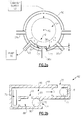
Figure 2a shows a section view at section 2-2 inFigure 1 . -
Figure 2b shows a sectional view of an example flow control assembly viewed along direction B inFigure 2a . -
Figure 3a shows the section view ofFigure 2a when the geared turbofan engine is rotated in a counter-clockwise direction. -
Figure 3b shows a section view of the example flow control assembly when the geared turbofan engine is in the position ofFigure 3a . -
Figure 4a shows the section view ofFigure 2a when the geared turbofan engine is rotated in a clockwise direction. -
Figure 4b shows a section view of the example flow control assembly when the geared turbofan engine is in the position ofFigure 4a . - Referring to
Figure 1 , an example turbomachine, such as a gearedturbofan engine 10, is circumferentially disposed about anaxis 12. The gearedturbofan engine 10 includes afan section 14, a low-pressure compressor section 16, a high-pressure compressor section 18, acombustion section 20, a high-pressure turbine section 22, and a low-pressure turbine section 24. Other example turbomachines may include more or fewer sections. - During operation, air is compressed in the low-
pressure compressor section 16 and the high-pressure compressor section 18. The compressed air is then mixed with fuel and burned in thecombustion section 20. The products of combustion are expanded across the high-pressure turbine section 22 and the low-pressure turbine section 24. - The high-
pressure compressor section 18 includes arotor 28. The low-pressure compressor section 16 includes arotor 30. Therotors axis 12. - The high-
pressure turbine section 22 includes arotor 32 that is rotatably coupled to therotor 28. The low-pressure turbine section 24 includes arotor 34 that is rotatably coupled to therotor 30. Therotors axis 12 in response to expansion. When rotated, therotors pressure compressor section 18 and the low-pressure compressor section 16. Therotor 34 also rotatably drives afan 36 of thefan section 14. - The examples described in this disclosure are not limited to the two-spool geared turbofan engine architecture described, and may be used in other architectures, such as a single-spool axial design, a three-spool axial design, and still other architectures. That is, there are various types of geared turbofan engines, and other turbomachines, that can benefit from the examples disclosed herein.
- Referring to
Figures 2a and 2b with continuing reference toFigure 1 , abearing compartment 50 houses a fandrive gear system 54. Therotors fan 36 through the fandrive gear system 54. A person having skill in this art and the benefit of this disclosure would understand gear systems suitable for coupling thefan 36 to therotors - A
lubricant supply 52 provides lubricant to the fandrive gear system 54. The lubricant is circulated through the fandrive gear system 54 to cool and lubricate the fandrive gear system 54. Thebearing compartment 50 is a turbomachine fluid container because thebearing compartment 50 contains a turbomachine fluid. Gravity causes lubricant that has been circulated and expelled from the fandrive gear system 54 to collect in asump 58 at the bottom of thebearing compartment 50. The remaining portions of thebearing compartment 50 are filled with air. Notably, thebearing compartment 50 may rotate about theaxis 12, but thesump 58 remains at the gravitational bottom of thebearing compartment 50 during such rotations. - An
engine pump 60 communicates lubricant from thesump 58 to remove lubricant from thebearing compartment 50. The lubricant removed by thepump 60 is cooled and reused. - The fluid height h of the
sump 58 varies depending on the amount of the lubricant within thesump 58. Removing lubricant from thesump 58 reduces the height h. Removing lubricant from thebearing compartment 50 also ensures that portions of the fan drive gear system 54 (or any other moving components within the bearing compartment 50) are not submerged within the lubricant collecting in thesump 58. - A
valve device 62 is used to communicate lubricant from thesump 58 to thepump 60. Thevalve device 62 includes ahousing 66 and aflow control assembly 70. Thehousing 66 includes afirst inlet 72, asecond inlet 74, and anoutlet 76. Lubricant typically enters thevalve device 62 through thefirst inlet 72 or thesecond inlet 74. Lubricant exits thevalve device 62 through theoutlet 76 regardless whether the lubricant entered the valve device through thefirst inlet 72 or thesecond inlet 74. - The
flow control assembly 70 controls where the flow of the lubricant enters thevalve device 62. When thevalve device 62 is in the orientation ofFigures 2a and 2b , theflow control assembly 70 is in a position that restricts flow through thesecond inlet 74 and permits flow through thefirst inlet 72. - The orientation shown in
Figures 2a and 2b , corresponds to the engine 10 (and its associated aircraft) being in straight and level flight. Theflow control assembly 70 is heavier than the lubricant. Thus, in this orientation, gravity causes theflow control assembly 70 to move to the lowest possible position within thevalve device 62. In this position, theflow control assembly 70 permits flow through thefirst inlet 72 and restricts flow through thesecond inlet 74. - When the
engine 10 is in the position ofFigures 2a and 2b , the uppermost portion of thefirst inlet 72 is not elevated as much as the uppermost portion of thesecond inlet 74. In this orientation, thefirst inlet 72 is less likely to suck in air than thesecond inlet 74. There is thus less likelihood of air in thebearing compartment 50 entering thevalve device 62 than if thesecond inlet 74 were used to communicate lubricant into thevalve device 62. The fluid height h is maintained above the level of thesecond inlet 74. - The orientation of the
valve device 62 controls the position of theflow control assembly 70, and thus the communication of lubricant into thevalve device 62 through thefirst inlet 72 or thesecond inlet 74. The fluid height h adjusts depending on whether thefirst inlet 72 or thesecond inlet 74 is open. -
Figures 3a and 3b show thevalve device 62 in another orientation where thebearing compartment 50 in rotated counter-clockwise about 30 degrees from the position shown inFigures 2a and 2b . The positioning inFigures 3a and 3b corresponds to the aircraft (and the engine 10) in a left bank position. - Rotating the
bearing compartment 50 to this orientation causes thevalve device 62 to rotate relative to the lubricant within thesump 58. In this example, rotating thebearing compartment 50 to the position shown inFigures 3a and 3b causes thefirst inlet 72 to be elevated above the level of lubricant within thesump 58. In this position, if thefirst inlet 72 were used to communicate lubricant into thevalve device 62, the fluid height h in thebearing compartment 50 would be at the level of thefirst inlet 72. - The
valve device 62 prevents flow of lubricant (and air) into thevalve device 62 through thefirst inlet 72 when thebearing compartment 50 is rotated to the position ofFigures 3a and 3b . Specifically, in this position, gravity causes theflow control assembly 70 to fall to a position that permits lubricant to enter thevalve device 62 through thesecond inlet 74, restricts flow of lubricant into thevalve device 62 through thefirst inlet 72, and maintains fluid height h above the level of theinlet 74. -
Figures 4a and 4b show thevalve device 62 in another orientation where thebearing compartment 50 is rotated clockwise about 30 degrees from the position shown inFigures 2a and 2b . The positioning inFigures 4a and 4b corresponds to the aircraft (and the engine 10) in a right bank position. - Rotating the
bearing compartment 50 to the orientation ofFigures 4a and 4b causes thevalve device 62 to rotate relative to the lubricant within thesump 58. In this example, rotating thebearing compartment 50 to the position shown inFigures 4a and 4b causes thesecond inlet 74 to be elevated above the level of lubricant within thesump 58. In this position, if thesecond inlet 74 were used to communicate lubricant into thevalve device 62, the fluid height h in thebearing compartment 50 would be up to the level of thesecond inlet 74 and potentially interfering with the fandrive gear system 54 or other moving components. - The
flow control assembly 70 prevents flow of lubricant (and air) into thevalve device 62 through thesecond inlet 74 when thebearing compartment 50 is rotated to the position ofFigures 4a and 4b . Specifically, in this position, gravity causes theflow control assembly 70 to fall to a position that permits lubricant to enter thevalve device 62 through thefirst inlet 72 and restricts flow of lubricant into thevalve device 62 through thesecond inlet 74. - The
example valve device 62 alternates between opening thefirst inlet 72 or thesecond inlet 74 depending on the circumferential orientation of thebearing compartment 50 relative to theaxis 12. However, in other examples, other changes in orientation are possible to trigger the changes between inlets. For example, changing the pitch of the aircraft may change the orientation of another valve device and cause the inlet locations on that valve device to change. - The example
flow control assembly 70 includes a firstspherical member 78 and a secondspherical member 80. Gravity causes thespherical members Figures 2b and4b and the position shown inFigure 3b . Although spherical in this example, other flow control assemblies may include members having other shapes. - When the
spherical members Figures 2b and4b , walls of thehousing 66 limits movement of thespherical members - When the
spherical members Figure 3b , arib support 82 limits movement of thespherical member 78 in a direction D2, and arib support 84 limits movement of thespherical member 80 in the direction D2. - In one example, the
spherical member 78 is made of a pliable material that seals against therib support 82 to block all movement of lubricant entering thefirst inlet 72 from communicating to theoutlet 76 when thevalve device 62 is in the position ofFigure 3b . Thespherical members - Similarly, the
spherical member 80 may be made of a pliable material that seals against the walls of thehousing 66 defining thesecond inlet 74 when thebearing compartment 50 is in the position ofFigures 2a and4a . - The
spherical member 78 moves back and forth in the directions D1 and D2 within afirst channel 86. Thespherical member 80 moves back and forth in directions D1 and D2 within asecond channel 88. Thefirst channel 86 and thesecond channel 88 extend circumferentially relative to theaxis 12. Thefirst channel 86 extends circumferentially further from theoutlet 76 further than thesecond channel 88. - A dividing
wall 90 separates thefirst channel 86 from thesecond channel 88. The dividingwall 90 extends circumferentially relative to theaxis 12. Anaperture 92 within the dividingwall 90 fluidly connects thefirst channel 86 to thesecond channel 88, which allows lubricant from thesecond channel 88 to enter theoutlet 76. - The
first inlet 72 communicates lubricant into thefirst channel 86. Thefirst inlet 72 is an axially facing inlet. Thesecond inlet 74 communicates lubricant into thesecond channel 88. Thesecond inlet 74 is a circumferentially facing inlet. Although described as axially and circumferentially facing inlets, inlets that face in other directions are used in other examples. - After communicating through the
valve device 62 and moving through theoutlet 76, lubricant moves through conduit within astrut 96 to thepump 60. - Several
other struts 96a are circumferentially distributed about thebearing compartment 50. In this example, only thestrut 96 is used to communicate lubricant away from thesump 58. Theother struts 96a include components preventing communication of lubricant. - Features of the disclosed examples include a valve device having a selective inlet location depending on an orientation of the valve device.
- The preceding description is exemplary rather than limiting in nature. Variations and modifications to the disclosed examples may become apparent to those skilled in the art that do not necessarily depart from the essence of this disclosure. Thus, the scope of legal protection given to this disclosure can only be determined by studying the following claims.
Claims (15)
- A valve device (62) for controlling flow of a fluid, comprising:a housing (66) having a first inlet (72), a second inlet (74), and an outlet (76); anda flow control (70) assembly within the housing (66), wherein movement of the housing (66) to a first orientation causes the flow control assembly (70) to move to a first position to restrict flow of a fluid into the housing (66) through the second inlet (74), and movement of the housing (66) to a second orientation causes the flow control assembly (70) to move to a second position to restrict flow of the fluid into the housing (66) through the first inlet (72).
- The valve device (62) of claim 1, wherein said flow control assembly (70) comprises a spherical member (78, 80).
- The valve device (62) of claim 1 or 2, wherein said flow control assembly (70) sinks in the fluid.
- The valve device (62) of any of claims 1 to 3, including a rib support (82) within the housing (66) that locates the flow control assembly (70) in the first position or the second position.
- The valve device (62) of any preceding claim, wherein said flow control assembly (70) comprises a first flow control member (78) and a second flow control member (80) that is separate from the first flow control member (78).
- The valve device (62) of any preceding claim, wherein the flow control assembly (70) in the first position permits flow of the fluid into the housing (66) through the first inlet (72), and the flow control assembly in the second position permits flow of the fluid into the housing through the second inlet (74).
- The valve device (62) of any preceding claim, wherein the fluid exits the housing (66) through the outlet (76).
- The valve device (62) of any preceding claim, wherein the housing (66) in the first orientation is rotated relative to the housing (66) in the second orientation.
- The valve device (62) of any preceding claim, wherein the first inlet (72) has a first elevation and the second inlet (74) has a second elevation, the first elevation being lower than the second elevation when the housing (66) is in the first orientation, the first elevation higher than the second elevation when the housing (66) is in the second orientation.
- A turbomachine assembly, comprising:a first fluid container;a second fluid container;a valve device housing (66) that communicates a fluid between the first and second fluid containers, the valve device housing (66) having a first inlet (72), a second inlet (74), and an outlet (76); anda flow control assembly (70) that controls the flow of a fluid through the valve device housing (66), the flow control assembly (70) moveable to a first position to restrict flow of a fluid through a first inlet (72), and moveable to a second position to restrict flow of the fluid through the second inlet (74), and optionally:wherein flow moves between the second inlet (74) and the outlet (76) when the flow control assembly (70) is in the first position, and flow moves between the first inlet (72) and the outlet (76) when the flow control assembly (70) is in the second position.
- The turbomachine assembly of claim 10, wherein said flow control member (70) is moveable by rotation of the housing (66).
- The turbomachine assembly of claim 10 or 11, wherein the flow control assembly (70) blocks flow through the first inlet (72) when in the first position, and blocks flow through the second inlet (74) when in the second position.
- The turbomachine assembly of any of claims 10 to 12, wherein:the first fluid container:houses a turbomachine fan drive gear system (54); and/orcomprises the sump (58) of a bearing compartment (50); and/or
the second fluid container is a pump (60) that moves the fluid through the valve device housing (66). - A method of controlling a fluid flow, comprising:communicating a flow of a fluid away from a sump (58) through a valve device (62); andalternating between communicating the flow into the valve device (62) through a first inlet (72) or a second inlet (74) based on the elevation of the first inlet (72) relative to the second inlet (74).
- The method of claim 14, including moving a flow control member (70) between a first position that restricts flow through the second inlet (74) to a second position that restricts flow through the first inlet (72), and optionally wherein elevating the second inlet (74) above the first inlet restricted flow position in the valve housing (66) and a less restricted flow position in the valve housing (66).
Applications Claiming Priority (1)
| Application Number | Priority Date | Filing Date | Title |
|---|---|---|---|
| US13/220,631 US8961100B2 (en) | 2011-08-29 | 2011-08-29 | Valve for controlling flow of a turbomachine fluid |
Publications (3)
| Publication Number | Publication Date |
|---|---|
| EP2565397A2 true EP2565397A2 (en) | 2013-03-06 |
| EP2565397A3 EP2565397A3 (en) | 2016-09-07 |
| EP2565397B1 EP2565397B1 (en) | 2018-10-03 |
Family
ID=46800069
Family Applications (1)
| Application Number | Title | Priority Date | Filing Date |
|---|---|---|---|
| EP12182222.5A Active EP2565397B1 (en) | 2011-08-29 | 2012-08-29 | Valve for controlling flow of a turbomachine fluid |
Country Status (2)
| Country | Link |
|---|---|
| US (1) | US8961100B2 (en) |
| EP (1) | EP2565397B1 (en) |
Cited By (1)
| Publication number | Priority date | Publication date | Assignee | Title |
|---|---|---|---|---|
| EP3330496A1 (en) * | 2016-11-28 | 2018-06-06 | United Technologies Corporation | Bearing compartment scavenge control |
Families Citing this family (4)
| Publication number | Priority date | Publication date | Assignee | Title |
|---|---|---|---|---|
| US9879608B2 (en) * | 2014-03-17 | 2018-01-30 | United Technologies Corporation | Oil loss protection for a fan drive gear system |
| US10634053B2 (en) * | 2015-12-21 | 2020-04-28 | United Technologies Corporation | Electric windmill pump for gearbox durability |
| US10619567B2 (en) * | 2016-04-29 | 2020-04-14 | Rolls-Royce Corporation | Reconfigurable lubrication system for multiple powertrain orientations |
| GB201816504D0 (en) * | 2018-10-10 | 2018-11-28 | Rolls Royce Plc | Lubrication system |
Family Cites Families (10)
| Publication number | Priority date | Publication date | Assignee | Title |
|---|---|---|---|---|
| US2941622A (en) | 1958-01-16 | 1960-06-21 | Howard L Mosley | Lubricating accessory |
| DE1255985B (en) | 1964-06-10 | 1967-12-07 | Maschf Augsburg Nuernberg Ag | Device for automatic refilling of fresh oil from a storage container into the oil pan of an internal combustion engine |
| US3500750A (en) | 1967-09-27 | 1970-03-17 | Justin Vohl | Intake selector system for engine oil circulating pump |
| US3572048A (en) * | 1968-10-14 | 1971-03-23 | Wiremold Co | Ominpositional cryogenic underwater breathind apparatus |
| US3590955A (en) | 1969-12-19 | 1971-07-06 | Gen Motors Corp | Engine oil pan |
| US4631009A (en) | 1984-07-18 | 1986-12-23 | Sundstrand Corporation | Lubrication scavenge system |
| US4878511A (en) * | 1986-10-16 | 1989-11-07 | Borg-Warner Automotive, Inc. | Valve assembly for a vehicular fuel tank |
| JP4623369B2 (en) | 2005-03-18 | 2011-02-02 | アイシン精機株式会社 | Engine lubrication oil supply device |
| GB0816562D0 (en) * | 2008-09-11 | 2008-10-15 | Rolls Royce Plc | Lubricant scavenge arrangement |
| US8051869B2 (en) * | 2009-05-22 | 2011-11-08 | United Technologies Corporation | Gravity operated valve |
-
2011
- 2011-08-29 US US13/220,631 patent/US8961100B2/en active Active
-
2012
- 2012-08-29 EP EP12182222.5A patent/EP2565397B1/en active Active
Non-Patent Citations (1)
| Title |
|---|
| None |
Cited By (1)
| Publication number | Priority date | Publication date | Assignee | Title |
|---|---|---|---|---|
| EP3330496A1 (en) * | 2016-11-28 | 2018-06-06 | United Technologies Corporation | Bearing compartment scavenge control |
Also Published As
| Publication number | Publication date |
|---|---|
| EP2565397B1 (en) | 2018-10-03 |
| US20130048091A1 (en) | 2013-02-28 |
| US8961100B2 (en) | 2015-02-24 |
| EP2565397A3 (en) | 2016-09-07 |
Similar Documents
| Publication | Publication Date | Title |
|---|---|---|
| EP2809908B1 (en) | Mid-turbine frame buffer system | |
| RU2670711C9 (en) | Drained fluid evacuation stub for propulsion assembly | |
| EP3040583B1 (en) | Lubrication system for a gear system of a gas turbine engine | |
| EP2898202B1 (en) | Lubrication system having porous feature | |
| EP3109414B1 (en) | Lubricant valve monitoring method and assembly | |
| EP2855859B1 (en) | Direct feed auxiliary oil system for geared turbofan engine | |
| US10711877B2 (en) | Passive lubrication system for gas turbine engine gearbox during wind milling | |
| EP2565397B1 (en) | Valve for controlling flow of a turbomachine fluid | |
| EP3088688B1 (en) | Lubrication system for gas turbine engines | |
| EP2925974B1 (en) | Gas turbine engine having a lubrication system and method | |
| US10247036B2 (en) | Pressure fed oil drain for gas turbine engine sump | |
| WO2014066815A1 (en) | Oil system bearing compartment architecture | |
| CN112081669A (en) | Gas Turbine Engine Oil Supply System | |
| EP2964929B1 (en) | Oil system debris monitor system for a gas turbine engine | |
| EP3176379B1 (en) | Casing for use in a turbofan engine and method of scavenging fluid therefrom | |
| US10247106B2 (en) | Method and system for rotating air seal with integral flexible heat shield | |
| EP3176387B1 (en) | HOUSING OF A TURBO FAN DRIVE UNIT, TURBO FAN DRIVE UNIT AND ASSEMBLY METHOD OF THE HOUSING OF THE TURBO FAN DRIVE UNIT | |
| EP3187700A2 (en) | Method and system for centrifugal pump | |
| EP2864614B1 (en) | Valve and method for controlling flow of a turbomachine fluid | |
| CN120720123A (en) | Lubrication systems for turbine engines | |
| EP2900960B1 (en) | Axial sealing gravity based siphon system | |
| US9206741B2 (en) | Fluid system with gravity controlled valve | |
| EP2946082B1 (en) | Oil pump transfer plate | |
| EP2781704A1 (en) | Chamber fluid removal system | |
| US12104528B1 (en) | Forced air supply system for engine cavity under negative-G force |
Legal Events
| Date | Code | Title | Description |
|---|---|---|---|
| PUAI | Public reference made under article 153(3) epc to a published international application that has entered the european phase |
Free format text: ORIGINAL CODE: 0009012 |
|
| AK | Designated contracting states |
Kind code of ref document: A2 Designated state(s): AL AT BE BG CH CY CZ DE DK EE ES FI FR GB GR HR HU IE IS IT LI LT LU LV MC MK MT NL NO PL PT RO RS SE SI SK SM TR |
|
| AX | Request for extension of the european patent |
Extension state: BA ME |
|
| PUAL | Search report despatched |
Free format text: ORIGINAL CODE: 0009013 |
|
| AK | Designated contracting states |
Kind code of ref document: A3 Designated state(s): AL AT BE BG CH CY CZ DE DK EE ES FI FR GB GR HR HU IE IS IT LI LT LU LV MC MK MT NL NO PL PT RO RS SE SI SK SM TR |
|
| AX | Request for extension of the european patent |
Extension state: BA ME |
|
| RIC1 | Information provided on ipc code assigned before grant |
Ipc: F01D 25/20 20060101AFI20160801BHEP Ipc: F02C 7/06 20060101ALI20160801BHEP Ipc: F16K 11/087 20060101ALI20160801BHEP Ipc: F01D 25/22 20060101ALI20160801BHEP |
|
| RAP1 | Party data changed (applicant data changed or rights of an application transferred) |
Owner name: UNITED TECHNOLOGIES CORPORATION |
|
| STAA | Information on the status of an ep patent application or granted ep patent |
Free format text: STATUS: REQUEST FOR EXAMINATION WAS MADE |
|
| 17P | Request for examination filed |
Effective date: 20170216 |
|
| RBV | Designated contracting states (corrected) |
Designated state(s): AL AT BE BG CH CY CZ DE DK EE ES FI FR GB GR HR HU IE IS IT LI LT LU LV MC MK MT NL NO PL PT RO RS SE SI SK SM TR |
|
| RIC1 | Information provided on ipc code assigned before grant |
Ipc: F16K 11/087 20060101ALI20180205BHEP Ipc: F01D 25/22 20060101ALI20180205BHEP Ipc: F02C 7/06 20060101ALI20180205BHEP Ipc: F01D 25/20 20060101AFI20180205BHEP |
|
| GRAP | Despatch of communication of intention to grant a patent |
Free format text: ORIGINAL CODE: EPIDOSNIGR1 |
|
| STAA | Information on the status of an ep patent application or granted ep patent |
Free format text: STATUS: GRANT OF PATENT IS INTENDED |
|
| INTG | Intention to grant announced |
Effective date: 20180404 |
|
| GRAS | Grant fee paid |
Free format text: ORIGINAL CODE: EPIDOSNIGR3 |
|
| GRAA | (expected) grant |
Free format text: ORIGINAL CODE: 0009210 |
|
| STAA | Information on the status of an ep patent application or granted ep patent |
Free format text: STATUS: THE PATENT HAS BEEN GRANTED |
|
| AK | Designated contracting states |
Kind code of ref document: B1 Designated state(s): AL AT BE BG CH CY CZ DE DK EE ES FI FR GB GR HR HU IE IS IT LI LT LU LV MC MK MT NL NO PL PT RO RS SE SI SK SM TR |
|
| REG | Reference to a national code |
Ref country code: GB Ref legal event code: FG4D |
|
| REG | Reference to a national code |
Ref country code: CH Ref legal event code: EP Ref country code: AT Ref legal event code: REF Ref document number: 1048830 Country of ref document: AT Kind code of ref document: T Effective date: 20181015 |
|
| REG | Reference to a national code |
Ref country code: IE Ref legal event code: FG4D Ref country code: DE Ref legal event code: R096 Ref document number: 602012051697 Country of ref document: DE |
|
| REG | Reference to a national code |
Ref country code: NL Ref legal event code: MP Effective date: 20181003 |
|
| REG | Reference to a national code |
Ref country code: LT Ref legal event code: MG4D |
|
| REG | Reference to a national code |
Ref country code: AT Ref legal event code: MK05 Ref document number: 1048830 Country of ref document: AT Kind code of ref document: T Effective date: 20181003 |
|
| PG25 | Lapsed in a contracting state [announced via postgrant information from national office to epo] |
Ref country code: NL Free format text: LAPSE BECAUSE OF FAILURE TO SUBMIT A TRANSLATION OF THE DESCRIPTION OR TO PAY THE FEE WITHIN THE PRESCRIBED TIME-LIMIT Effective date: 20181003 |
|
| PG25 | Lapsed in a contracting state [announced via postgrant information from national office to epo] |
Ref country code: CZ Free format text: LAPSE BECAUSE OF FAILURE TO SUBMIT A TRANSLATION OF THE DESCRIPTION OR TO PAY THE FEE WITHIN THE PRESCRIBED TIME-LIMIT Effective date: 20181003 Ref country code: ES Free format text: LAPSE BECAUSE OF FAILURE TO SUBMIT A TRANSLATION OF THE DESCRIPTION OR TO PAY THE FEE WITHIN THE PRESCRIBED TIME-LIMIT Effective date: 20181003 Ref country code: FI Free format text: LAPSE BECAUSE OF FAILURE TO SUBMIT A TRANSLATION OF THE DESCRIPTION OR TO PAY THE FEE WITHIN THE PRESCRIBED TIME-LIMIT Effective date: 20181003 Ref country code: LV Free format text: LAPSE BECAUSE OF FAILURE TO SUBMIT A TRANSLATION OF THE DESCRIPTION OR TO PAY THE FEE WITHIN THE PRESCRIBED TIME-LIMIT Effective date: 20181003 Ref country code: HR Free format text: LAPSE BECAUSE OF FAILURE TO SUBMIT A TRANSLATION OF THE DESCRIPTION OR TO PAY THE FEE WITHIN THE PRESCRIBED TIME-LIMIT Effective date: 20181003 Ref country code: NO Free format text: LAPSE BECAUSE OF FAILURE TO SUBMIT A TRANSLATION OF THE DESCRIPTION OR TO PAY THE FEE WITHIN THE PRESCRIBED TIME-LIMIT Effective date: 20190103 Ref country code: PL Free format text: LAPSE BECAUSE OF FAILURE TO SUBMIT A TRANSLATION OF THE DESCRIPTION OR TO PAY THE FEE WITHIN THE PRESCRIBED TIME-LIMIT Effective date: 20181003 Ref country code: BG Free format text: LAPSE BECAUSE OF FAILURE TO SUBMIT A TRANSLATION OF THE DESCRIPTION OR TO PAY THE FEE WITHIN THE PRESCRIBED TIME-LIMIT Effective date: 20190103 Ref country code: LT Free format text: LAPSE BECAUSE OF FAILURE TO SUBMIT A TRANSLATION OF THE DESCRIPTION OR TO PAY THE FEE WITHIN THE PRESCRIBED TIME-LIMIT Effective date: 20181003 Ref country code: IS Free format text: LAPSE BECAUSE OF FAILURE TO SUBMIT A TRANSLATION OF THE DESCRIPTION OR TO PAY THE FEE WITHIN THE PRESCRIBED TIME-LIMIT Effective date: 20190203 Ref country code: AT Free format text: LAPSE BECAUSE OF FAILURE TO SUBMIT A TRANSLATION OF THE DESCRIPTION OR TO PAY THE FEE WITHIN THE PRESCRIBED TIME-LIMIT Effective date: 20181003 |
|
| PG25 | Lapsed in a contracting state [announced via postgrant information from national office to epo] |
Ref country code: AL Free format text: LAPSE BECAUSE OF FAILURE TO SUBMIT A TRANSLATION OF THE DESCRIPTION OR TO PAY THE FEE WITHIN THE PRESCRIBED TIME-LIMIT Effective date: 20181003 Ref country code: RS Free format text: LAPSE BECAUSE OF FAILURE TO SUBMIT A TRANSLATION OF THE DESCRIPTION OR TO PAY THE FEE WITHIN THE PRESCRIBED TIME-LIMIT Effective date: 20181003 Ref country code: PT Free format text: LAPSE BECAUSE OF FAILURE TO SUBMIT A TRANSLATION OF THE DESCRIPTION OR TO PAY THE FEE WITHIN THE PRESCRIBED TIME-LIMIT Effective date: 20190203 Ref country code: GR Free format text: LAPSE BECAUSE OF FAILURE TO SUBMIT A TRANSLATION OF THE DESCRIPTION OR TO PAY THE FEE WITHIN THE PRESCRIBED TIME-LIMIT Effective date: 20190104 Ref country code: SE Free format text: LAPSE BECAUSE OF FAILURE TO SUBMIT A TRANSLATION OF THE DESCRIPTION OR TO PAY THE FEE WITHIN THE PRESCRIBED TIME-LIMIT Effective date: 20181003 |
|
| REG | Reference to a national code |
Ref country code: DE Ref legal event code: R097 Ref document number: 602012051697 Country of ref document: DE |
|
| PG25 | Lapsed in a contracting state [announced via postgrant information from national office to epo] |
Ref country code: IT Free format text: LAPSE BECAUSE OF FAILURE TO SUBMIT A TRANSLATION OF THE DESCRIPTION OR TO PAY THE FEE WITHIN THE PRESCRIBED TIME-LIMIT Effective date: 20181003 Ref country code: DK Free format text: LAPSE BECAUSE OF FAILURE TO SUBMIT A TRANSLATION OF THE DESCRIPTION OR TO PAY THE FEE WITHIN THE PRESCRIBED TIME-LIMIT Effective date: 20181003 |
|
| PLBE | No opposition filed within time limit |
Free format text: ORIGINAL CODE: 0009261 |
|
| STAA | Information on the status of an ep patent application or granted ep patent |
Free format text: STATUS: NO OPPOSITION FILED WITHIN TIME LIMIT |
|
| PG25 | Lapsed in a contracting state [announced via postgrant information from national office to epo] |
Ref country code: EE Free format text: LAPSE BECAUSE OF FAILURE TO SUBMIT A TRANSLATION OF THE DESCRIPTION OR TO PAY THE FEE WITHIN THE PRESCRIBED TIME-LIMIT Effective date: 20181003 Ref country code: SM Free format text: LAPSE BECAUSE OF FAILURE TO SUBMIT A TRANSLATION OF THE DESCRIPTION OR TO PAY THE FEE WITHIN THE PRESCRIBED TIME-LIMIT Effective date: 20181003 Ref country code: SK Free format text: LAPSE BECAUSE OF FAILURE TO SUBMIT A TRANSLATION OF THE DESCRIPTION OR TO PAY THE FEE WITHIN THE PRESCRIBED TIME-LIMIT Effective date: 20181003 Ref country code: RO Free format text: LAPSE BECAUSE OF FAILURE TO SUBMIT A TRANSLATION OF THE DESCRIPTION OR TO PAY THE FEE WITHIN THE PRESCRIBED TIME-LIMIT Effective date: 20181003 |
|
| 26N | No opposition filed |
Effective date: 20190704 |
|
| PG25 | Lapsed in a contracting state [announced via postgrant information from national office to epo] |
Ref country code: SI Free format text: LAPSE BECAUSE OF FAILURE TO SUBMIT A TRANSLATION OF THE DESCRIPTION OR TO PAY THE FEE WITHIN THE PRESCRIBED TIME-LIMIT Effective date: 20181003 |
|
| PG25 | Lapsed in a contracting state [announced via postgrant information from national office to epo] |
Ref country code: TR Free format text: LAPSE BECAUSE OF FAILURE TO SUBMIT A TRANSLATION OF THE DESCRIPTION OR TO PAY THE FEE WITHIN THE PRESCRIBED TIME-LIMIT Effective date: 20181003 |
|
| PG25 | Lapsed in a contracting state [announced via postgrant information from national office to epo] |
Ref country code: LU Free format text: LAPSE BECAUSE OF NON-PAYMENT OF DUE FEES Effective date: 20190829 Ref country code: CH Free format text: LAPSE BECAUSE OF NON-PAYMENT OF DUE FEES Effective date: 20190831 Ref country code: MC Free format text: LAPSE BECAUSE OF FAILURE TO SUBMIT A TRANSLATION OF THE DESCRIPTION OR TO PAY THE FEE WITHIN THE PRESCRIBED TIME-LIMIT Effective date: 20181003 Ref country code: LI Free format text: LAPSE BECAUSE OF NON-PAYMENT OF DUE FEES Effective date: 20190831 |
|
| REG | Reference to a national code |
Ref country code: BE Ref legal event code: MM Effective date: 20190831 |
|
| PG25 | Lapsed in a contracting state [announced via postgrant information from national office to epo] |
Ref country code: IE Free format text: LAPSE BECAUSE OF NON-PAYMENT OF DUE FEES Effective date: 20190829 |
|
| PG25 | Lapsed in a contracting state [announced via postgrant information from national office to epo] |
Ref country code: BE Free format text: LAPSE BECAUSE OF NON-PAYMENT OF DUE FEES Effective date: 20190831 |
|
| PG25 | Lapsed in a contracting state [announced via postgrant information from national office to epo] |
Ref country code: CY Free format text: LAPSE BECAUSE OF FAILURE TO SUBMIT A TRANSLATION OF THE DESCRIPTION OR TO PAY THE FEE WITHIN THE PRESCRIBED TIME-LIMIT Effective date: 20181003 |
|
| PG25 | Lapsed in a contracting state [announced via postgrant information from national office to epo] |
Ref country code: MT Free format text: LAPSE BECAUSE OF FAILURE TO SUBMIT A TRANSLATION OF THE DESCRIPTION OR TO PAY THE FEE WITHIN THE PRESCRIBED TIME-LIMIT Effective date: 20181003 Ref country code: HU Free format text: LAPSE BECAUSE OF FAILURE TO SUBMIT A TRANSLATION OF THE DESCRIPTION OR TO PAY THE FEE WITHIN THE PRESCRIBED TIME-LIMIT; INVALID AB INITIO Effective date: 20120829 |
|
| PG25 | Lapsed in a contracting state [announced via postgrant information from national office to epo] |
Ref country code: MK Free format text: LAPSE BECAUSE OF FAILURE TO SUBMIT A TRANSLATION OF THE DESCRIPTION OR TO PAY THE FEE WITHIN THE PRESCRIBED TIME-LIMIT Effective date: 20181003 |
|
| REG | Reference to a national code |
Ref country code: DE Ref legal event code: R081 Ref document number: 602012051697 Country of ref document: DE Owner name: RAYTHEON TECHNOLOGIES CORPORATION (N.D.GES.D.S, US Free format text: FORMER OWNER: UNITED TECHNOLOGIES CORP., FARMINGTON, CONN., US |
|
| P01 | Opt-out of the competence of the unified patent court (upc) registered |
Effective date: 20230520 |
|
| PGFP | Annual fee paid to national office [announced via postgrant information from national office to epo] |
Ref country code: DE Payment date: 20240723 Year of fee payment: 13 |
|
| PGFP | Annual fee paid to national office [announced via postgrant information from national office to epo] |
Ref country code: GB Payment date: 20240723 Year of fee payment: 13 |
|
| PGFP | Annual fee paid to national office [announced via postgrant information from national office to epo] |
Ref country code: FR Payment date: 20240723 Year of fee payment: 13 |
|
| REG | Reference to a national code |
Ref country code: DE Ref legal event code: R119 Ref document number: 602012051697 Country of ref document: DE |