EP2565278A1 - Method for the delivery of oligonucleotides - Google Patents
Method for the delivery of oligonucleotides Download PDFInfo
- Publication number
- EP2565278A1 EP2565278A1 EP11774452A EP11774452A EP2565278A1 EP 2565278 A1 EP2565278 A1 EP 2565278A1 EP 11774452 A EP11774452 A EP 11774452A EP 11774452 A EP11774452 A EP 11774452A EP 2565278 A1 EP2565278 A1 EP 2565278A1
- Authority
- EP
- European Patent Office
- Prior art keywords
- previous
- sirna
- process according
- sirnas
- seq
- Prior art date
- Legal status (The legal status is an assumption and is not a legal conclusion. Google has not performed a legal analysis and makes no representation as to the accuracy of the status listed.)
- Withdrawn
Links
- 238000000034 method Methods 0.000 title claims abstract description 64
- 108091034117 Oligonucleotide Proteins 0.000 title description 8
- JLCPHMBAVCMARE-UHFFFAOYSA-N [3-[[3-[[3-[[3-[[3-[[3-[[3-[[3-[[3-[[3-[[3-[[5-(2-amino-6-oxo-1H-purin-9-yl)-3-[[3-[[3-[[3-[[3-[[3-[[5-(2-amino-6-oxo-1H-purin-9-yl)-3-[[5-(2-amino-6-oxo-1H-purin-9-yl)-3-hydroxyoxolan-2-yl]methoxy-hydroxyphosphoryl]oxyoxolan-2-yl]methoxy-hydroxyphosphoryl]oxy-5-(5-methyl-2,4-dioxopyrimidin-1-yl)oxolan-2-yl]methoxy-hydroxyphosphoryl]oxy-5-(6-aminopurin-9-yl)oxolan-2-yl]methoxy-hydroxyphosphoryl]oxy-5-(6-aminopurin-9-yl)oxolan-2-yl]methoxy-hydroxyphosphoryl]oxy-5-(6-aminopurin-9-yl)oxolan-2-yl]methoxy-hydroxyphosphoryl]oxy-5-(6-aminopurin-9-yl)oxolan-2-yl]methoxy-hydroxyphosphoryl]oxyoxolan-2-yl]methoxy-hydroxyphosphoryl]oxy-5-(5-methyl-2,4-dioxopyrimidin-1-yl)oxolan-2-yl]methoxy-hydroxyphosphoryl]oxy-5-(4-amino-2-oxopyrimidin-1-yl)oxolan-2-yl]methoxy-hydroxyphosphoryl]oxy-5-(5-methyl-2,4-dioxopyrimidin-1-yl)oxolan-2-yl]methoxy-hydroxyphosphoryl]oxy-5-(5-methyl-2,4-dioxopyrimidin-1-yl)oxolan-2-yl]methoxy-hydroxyphosphoryl]oxy-5-(6-aminopurin-9-yl)oxolan-2-yl]methoxy-hydroxyphosphoryl]oxy-5-(6-aminopurin-9-yl)oxolan-2-yl]methoxy-hydroxyphosphoryl]oxy-5-(4-amino-2-oxopyrimidin-1-yl)oxolan-2-yl]methoxy-hydroxyphosphoryl]oxy-5-(4-amino-2-oxopyrimidin-1-yl)oxolan-2-yl]methoxy-hydroxyphosphoryl]oxy-5-(4-amino-2-oxopyrimidin-1-yl)oxolan-2-yl]methoxy-hydroxyphosphoryl]oxy-5-(6-aminopurin-9-yl)oxolan-2-yl]methoxy-hydroxyphosphoryl]oxy-5-(4-amino-2-oxopyrimidin-1-yl)oxolan-2-yl]methyl [5-(6-aminopurin-9-yl)-2-(hydroxymethyl)oxolan-3-yl] hydrogen phosphate Polymers Cc1cn(C2CC(OP(O)(=O)OCC3OC(CC3OP(O)(=O)OCC3OC(CC3O)n3cnc4c3nc(N)[nH]c4=O)n3cnc4c3nc(N)[nH]c4=O)C(COP(O)(=O)OC3CC(OC3COP(O)(=O)OC3CC(OC3COP(O)(=O)OC3CC(OC3COP(O)(=O)OC3CC(OC3COP(O)(=O)OC3CC(OC3COP(O)(=O)OC3CC(OC3COP(O)(=O)OC3CC(OC3COP(O)(=O)OC3CC(OC3COP(O)(=O)OC3CC(OC3COP(O)(=O)OC3CC(OC3COP(O)(=O)OC3CC(OC3COP(O)(=O)OC3CC(OC3COP(O)(=O)OC3CC(OC3COP(O)(=O)OC3CC(OC3COP(O)(=O)OC3CC(OC3COP(O)(=O)OC3CC(OC3COP(O)(=O)OC3CC(OC3CO)n3cnc4c(N)ncnc34)n3ccc(N)nc3=O)n3cnc4c(N)ncnc34)n3ccc(N)nc3=O)n3ccc(N)nc3=O)n3ccc(N)nc3=O)n3cnc4c(N)ncnc34)n3cnc4c(N)ncnc34)n3cc(C)c(=O)[nH]c3=O)n3cc(C)c(=O)[nH]c3=O)n3ccc(N)nc3=O)n3cc(C)c(=O)[nH]c3=O)n3cnc4c3nc(N)[nH]c4=O)n3cnc4c(N)ncnc34)n3cnc4c(N)ncnc34)n3cnc4c(N)ncnc34)n3cnc4c(N)ncnc34)O2)c(=O)[nH]c1=O JLCPHMBAVCMARE-UHFFFAOYSA-N 0.000 title description 4
- 238000012384 transportation and delivery Methods 0.000 title description 3
- 108020004459 Small interfering RNA Proteins 0.000 claims abstract description 171
- 239000000203 mixture Substances 0.000 claims abstract description 38
- 238000009472 formulation Methods 0.000 claims abstract description 27
- 239000012736 aqueous medium Substances 0.000 claims abstract description 4
- 210000002381 plasma Anatomy 0.000 claims description 57
- 210000004027 cell Anatomy 0.000 claims description 55
- 230000000295 complement effect Effects 0.000 claims description 48
- 230000008569 process Effects 0.000 claims description 40
- 108090000623 proteins and genes Proteins 0.000 claims description 37
- 108060008682 Tumor Necrosis Factor Proteins 0.000 claims description 33
- 102000000852 Tumor Necrosis Factor-alpha Human genes 0.000 claims description 32
- 150000002632 lipids Chemical class 0.000 claims description 29
- HVYWMOMLDIMFJA-DPAQBDIFSA-N cholesterol Chemical compound C1C=C2C[C@@H](O)CC[C@]2(C)[C@@H]2[C@@H]1[C@@H]1CC[C@H]([C@H](C)CCCC(C)C)[C@@]1(C)CC2 HVYWMOMLDIMFJA-DPAQBDIFSA-N 0.000 claims description 26
- 210000002966 serum Anatomy 0.000 claims description 25
- 102000004169 proteins and genes Human genes 0.000 claims description 20
- 108091032973 (ribonucleotides)n+m Proteins 0.000 claims description 16
- 239000006185 dispersion Substances 0.000 claims description 15
- FWMNVWWHGCHHJJ-SKKKGAJSSA-N 4-amino-1-[(2r)-6-amino-2-[[(2r)-2-[[(2r)-2-[[(2r)-2-amino-3-phenylpropanoyl]amino]-3-phenylpropanoyl]amino]-4-methylpentanoyl]amino]hexanoyl]piperidine-4-carboxylic acid Chemical compound C([C@H](C(=O)N[C@H](CC(C)C)C(=O)N[C@H](CCCCN)C(=O)N1CCC(N)(CC1)C(O)=O)NC(=O)[C@H](N)CC=1C=CC=CC=1)C1=CC=CC=C1 FWMNVWWHGCHHJJ-SKKKGAJSSA-N 0.000 claims description 14
- 235000012000 cholesterol Nutrition 0.000 claims description 14
- 230000030279 gene silencing Effects 0.000 claims description 14
- 239000008194 pharmaceutical composition Substances 0.000 claims description 14
- 108010073929 Vascular Endothelial Growth Factor A Proteins 0.000 claims description 12
- 102000005789 Vascular Endothelial Growth Factors Human genes 0.000 claims description 12
- 108010019530 Vascular Endothelial Growth Factors Proteins 0.000 claims description 12
- 238000002604 ultrasonography Methods 0.000 claims description 12
- 150000001875 compounds Chemical class 0.000 claims description 10
- 230000000692 anti-sense effect Effects 0.000 claims description 9
- 239000003795 chemical substances by application Substances 0.000 claims description 9
- 239000003814 drug Substances 0.000 claims description 9
- 230000014509 gene expression Effects 0.000 claims description 8
- 238000012226 gene silencing method Methods 0.000 claims description 8
- 238000002360 preparation method Methods 0.000 claims description 6
- 108090000765 processed proteins & peptides Proteins 0.000 claims description 6
- 238000001890 transfection Methods 0.000 claims description 6
- HMNZFMSWFCAGGW-XPWSMXQVSA-N [3-[hydroxy(2-hydroxyethoxy)phosphoryl]oxy-2-[(e)-octadec-9-enoyl]oxypropyl] (e)-octadec-9-enoate Chemical compound CCCCCCCC\C=C\CCCCCCCC(=O)OCC(COP(O)(=O)OCCO)OC(=O)CCCCCCC\C=C\CCCCCCCC HMNZFMSWFCAGGW-XPWSMXQVSA-N 0.000 claims description 5
- 239000002773 nucleotide Substances 0.000 claims description 5
- 125000003729 nucleotide group Chemical group 0.000 claims description 5
- 239000000546 pharmaceutical excipient Substances 0.000 claims description 5
- 102000009840 Angiopoietins Human genes 0.000 claims description 4
- 108010009906 Angiopoietins Proteins 0.000 claims description 4
- 208000005590 Choroidal Neovascularization Diseases 0.000 claims description 4
- 206010060823 Choroidal neovascularisation Diseases 0.000 claims description 4
- 102000002706 Discoidin Domain Receptors Human genes 0.000 claims description 4
- 108010043648 Discoidin Domain Receptors Proteins 0.000 claims description 4
- 102000016761 Haem oxygenases Human genes 0.000 claims description 4
- 108050006318 Haem oxygenases Proteins 0.000 claims description 4
- 101000851181 Homo sapiens Epidermal growth factor receptor Proteins 0.000 claims description 4
- 102000009571 Macrophage Inflammatory Proteins Human genes 0.000 claims description 4
- 108010009474 Macrophage Inflammatory Proteins Proteins 0.000 claims description 4
- 102000004868 N-Methyl-D-Aspartate Receptors Human genes 0.000 claims description 4
- 108090001041 N-Methyl-D-Aspartate Receptors Proteins 0.000 claims description 4
- 101100244562 Pseudomonas aeruginosa (strain ATCC 15692 / DSM 22644 / CIP 104116 / JCM 14847 / LMG 12228 / 1C / PRS 101 / PAO1) oprD gene Proteins 0.000 claims description 4
- 108091008605 VEGF receptors Proteins 0.000 claims description 4
- 102000009484 Vascular Endothelial Growth Factor Receptors Human genes 0.000 claims description 4
- 108700023159 delta Opioid Receptors Proteins 0.000 claims description 4
- 102000048124 delta Opioid Receptors Human genes 0.000 claims description 4
- 239000005547 deoxyribonucleotide Substances 0.000 claims description 4
- 210000003714 granulocyte Anatomy 0.000 claims description 4
- FDGQSTZJBFJUBT-UHFFFAOYSA-N hypoxanthine Chemical compound O=C1NC=NC2=C1NC=N2 FDGQSTZJBFJUBT-UHFFFAOYSA-N 0.000 claims description 4
- 210000002540 macrophage Anatomy 0.000 claims description 4
- 239000002777 nucleoside Substances 0.000 claims description 4
- 125000003835 nucleoside group Chemical group 0.000 claims description 4
- 239000002336 ribonucleotide Substances 0.000 claims description 4
- 239000002512 suppressor factor Substances 0.000 claims description 4
- RWQNBRDOKXIBIV-UHFFFAOYSA-N thymine Chemical compound CC1=CNC(=O)NC1=O RWQNBRDOKXIBIV-UHFFFAOYSA-N 0.000 claims description 4
- 239000003981 vehicle Substances 0.000 claims description 4
- 102000004127 Cytokines Human genes 0.000 claims description 3
- 108090000695 Cytokines Proteins 0.000 claims description 3
- 102000004163 DNA-directed RNA polymerases Human genes 0.000 claims description 3
- 108090000626 DNA-directed RNA polymerases Proteins 0.000 claims description 3
- 206010061218 Inflammation Diseases 0.000 claims description 3
- 206010028980 Neoplasm Diseases 0.000 claims description 3
- 201000011510 cancer Diseases 0.000 claims description 3
- 229940079593 drug Drugs 0.000 claims description 3
- 230000004054 inflammatory process Effects 0.000 claims description 3
- 239000002502 liposome Substances 0.000 claims description 3
- 239000002105 nanoparticle Substances 0.000 claims description 3
- 238000007911 parenteral administration Methods 0.000 claims description 3
- 102000004196 processed proteins & peptides Human genes 0.000 claims description 3
- KSXTUUUQYQYKCR-LQDDAWAPSA-M 2,3-bis[[(z)-octadec-9-enoyl]oxy]propyl-trimethylazanium;chloride Chemical compound [Cl-].CCCCCCCC\C=C/CCCCCCCC(=O)OCC(C[N+](C)(C)C)OC(=O)CCCCCCC\C=C/CCCCCCCC KSXTUUUQYQYKCR-LQDDAWAPSA-M 0.000 claims description 2
- LRSASMSXMSNRBT-UHFFFAOYSA-N 5-methylcytosine Chemical compound CC1=CNC(=O)N=C1N LRSASMSXMSNRBT-UHFFFAOYSA-N 0.000 claims description 2
- LOSIULRWFAEMFL-UHFFFAOYSA-N 7-deazaguanine Chemical compound O=C1NC(N)=NC2=C1CC=N2 LOSIULRWFAEMFL-UHFFFAOYSA-N 0.000 claims description 2
- 208000035657 Abasia Diseases 0.000 claims description 2
- 108010071619 Apolipoproteins Proteins 0.000 claims description 2
- 102000007592 Apolipoproteins Human genes 0.000 claims description 2
- 102000018616 Apolipoproteins B Human genes 0.000 claims description 2
- 108010027006 Apolipoproteins B Proteins 0.000 claims description 2
- OKTJSMMVPCPJKN-UHFFFAOYSA-N Carbon Chemical compound [C] OKTJSMMVPCPJKN-UHFFFAOYSA-N 0.000 claims description 2
- 108010051109 Cell-Penetrating Peptides Proteins 0.000 claims description 2
- 102000020313 Cell-Penetrating Peptides Human genes 0.000 claims description 2
- 206010009900 Colitis ulcerative Diseases 0.000 claims description 2
- 208000011231 Crohn disease Diseases 0.000 claims description 2
- 108010044266 Dopamine Plasma Membrane Transport Proteins Proteins 0.000 claims description 2
- 102000006441 Dopamine Plasma Membrane Transport Proteins Human genes 0.000 claims description 2
- 108010043121 Green Fluorescent Proteins Proteins 0.000 claims description 2
- 102000004144 Green Fluorescent Proteins Human genes 0.000 claims description 2
- UGQMRVRMYYASKQ-UHFFFAOYSA-N Hypoxanthine nucleoside Natural products OC1C(O)C(CO)OC1N1C(NC=NC2=O)=C2N=C1 UGQMRVRMYYASKQ-UHFFFAOYSA-N 0.000 claims description 2
- HOKKHZGPKSLGJE-GSVOUGTGSA-N N-Methyl-D-aspartic acid Chemical compound CN[C@@H](C(O)=O)CC(O)=O HOKKHZGPKSLGJE-GSVOUGTGSA-N 0.000 claims description 2
- 239000002202 Polyethylene glycol Substances 0.000 claims description 2
- 108010039918 Polylysine Proteins 0.000 claims description 2
- 101900083372 Rabies virus Glycoprotein Proteins 0.000 claims description 2
- JVWLUVNSQYXYBE-UHFFFAOYSA-N Ribitol Natural products OCC(C)C(O)C(O)CO JVWLUVNSQYXYBE-UHFFFAOYSA-N 0.000 claims description 2
- 206010039491 Sarcoma Diseases 0.000 claims description 2
- 201000006704 Ulcerative Colitis Diseases 0.000 claims description 2
- 239000002214 arabinonucleotide Substances 0.000 claims description 2
- 150000001720 carbohydrates Chemical class 0.000 claims description 2
- 239000002041 carbon nanotube Substances 0.000 claims description 2
- 229910021393 carbon nanotube Inorganic materials 0.000 claims description 2
- 125000002091 cationic group Chemical group 0.000 claims description 2
- 206010009887 colitis Diseases 0.000 claims description 2
- 239000000412 dendrimer Substances 0.000 claims description 2
- 229920000736 dendritic polymer Polymers 0.000 claims description 2
- ZXQYGBMAQZUVMI-GCMPRSNUSA-N gamma-cyhalothrin Chemical compound CC1(C)[C@@H](\C=C(/Cl)C(F)(F)F)[C@H]1C(=O)O[C@H](C#N)C1=CC=CC(OC=2C=CC=CC=2)=C1 ZXQYGBMAQZUVMI-GCMPRSNUSA-N 0.000 claims description 2
- PCHJSUWPFVWCPO-UHFFFAOYSA-N gold Chemical compound [Au] PCHJSUWPFVWCPO-UHFFFAOYSA-N 0.000 claims description 2
- 239000010931 gold Substances 0.000 claims description 2
- 229910052737 gold Inorganic materials 0.000 claims description 2
- 239000005090 green fluorescent protein Substances 0.000 claims description 2
- 210000002510 keratinocyte Anatomy 0.000 claims description 2
- HEBKCHPVOIAQTA-UHFFFAOYSA-N meso ribitol Natural products OCC(O)C(O)C(O)CO HEBKCHPVOIAQTA-UHFFFAOYSA-N 0.000 claims description 2
- 108010043655 penetratin Proteins 0.000 claims description 2
- MCYTYTUNNNZWOK-LCLOTLQISA-N penetratin Chemical compound C([C@H](NC(=O)[C@H](CC=1C2=CC=CC=C2NC=1)NC(=O)[C@H]([C@@H](C)CC)NC(=O)[C@H](CCCCN)NC(=O)[C@@H](NC(=O)[C@H](CCC(N)=O)NC(=O)[C@@H](N)CCCNC(N)=N)[C@@H](C)CC)C(=O)N[C@@H](CCC(N)=O)C(=O)N[C@@H](CC(N)=O)C(=O)N[C@@H](CCCNC(N)=N)C(=O)N[C@@H](CCCNC(N)=N)C(=O)N[C@@H](CCSC)C(=O)N[C@@H](CCCCN)C(=O)N[C@@H](CC=1C2=CC=CC=C2NC=1)C(=O)N[C@@H](CCCCN)C(=O)N[C@@H](CCCCN)C(N)=O)C1=CC=CC=C1 MCYTYTUNNNZWOK-LCLOTLQISA-N 0.000 claims description 2
- 229930029653 phosphoenolpyruvate Natural products 0.000 claims description 2
- DTBNBXWJWCWCIK-UHFFFAOYSA-N phosphoenolpyruvic acid Chemical compound OC(=O)C(=C)OP(O)(O)=O DTBNBXWJWCWCIK-UHFFFAOYSA-N 0.000 claims description 2
- 108010011110 polyarginine Proteins 0.000 claims description 2
- 229920001223 polyethylene glycol Polymers 0.000 claims description 2
- 229920000656 polylysine Polymers 0.000 claims description 2
- 206010039073 rheumatoid arthritis Diseases 0.000 claims description 2
- HEBKCHPVOIAQTA-ZXFHETKHSA-N ribitol Chemical compound OC[C@H](O)[C@H](O)[C@H](O)CO HEBKCHPVOIAQTA-ZXFHETKHSA-N 0.000 claims description 2
- 238000006467 substitution reaction Methods 0.000 claims description 2
- 230000002255 enzymatic effect Effects 0.000 claims 1
- 230000002401 inhibitory effect Effects 0.000 abstract description 12
- 210000004369 blood Anatomy 0.000 abstract description 7
- 239000008280 blood Substances 0.000 abstract description 7
- 210000000170 cell membrane Anatomy 0.000 abstract description 3
- QOAKRWLMTKEDDL-UHFFFAOYSA-N 10h-indolo[3,2-b]quinoline Chemical compound C1=CC=C2N=C3C4=CC=CC=C4NC3=CC2=C1 QOAKRWLMTKEDDL-UHFFFAOYSA-N 0.000 description 26
- DZBUGLKDJFMEHC-UHFFFAOYSA-N acridine Chemical compound C1=CC=CC2=CC3=CC=CC=C3N=C21 DZBUGLKDJFMEHC-UHFFFAOYSA-N 0.000 description 22
- MZOFCQQQCNRIBI-VMXHOPILSA-N (3s)-4-[[(2s)-1-[[(2s)-1-[[(1s)-1-carboxy-2-hydroxyethyl]amino]-4-methyl-1-oxopentan-2-yl]amino]-5-(diaminomethylideneamino)-1-oxopentan-2-yl]amino]-3-[[2-[[(2s)-2,6-diaminohexanoyl]amino]acetyl]amino]-4-oxobutanoic acid Chemical compound OC[C@@H](C(O)=O)NC(=O)[C@H](CC(C)C)NC(=O)[C@H](CCCN=C(N)N)NC(=O)[C@H](CC(O)=O)NC(=O)CNC(=O)[C@@H](N)CCCCN MZOFCQQQCNRIBI-VMXHOPILSA-N 0.000 description 18
- 230000005764 inhibitory process Effects 0.000 description 16
- WEVYAHXRMPXWCK-UHFFFAOYSA-N Acetonitrile Chemical compound CC#N WEVYAHXRMPXWCK-UHFFFAOYSA-N 0.000 description 15
- CACULOZOWQKVIW-UHFFFAOYSA-N quindoline Natural products c1ccc2c(c1)nc1cc3ccccc3[nH]c21 CACULOZOWQKVIW-UHFFFAOYSA-N 0.000 description 14
- 238000012228 RNA interference-mediated gene silencing Methods 0.000 description 13
- 230000009368 gene silencing by RNA Effects 0.000 description 13
- 108020004999 messenger RNA Proteins 0.000 description 12
- 241000699670 Mus sp. Species 0.000 description 11
- 238000001727 in vivo Methods 0.000 description 11
- 239000012909 foetal bovine serum Substances 0.000 description 10
- 239000000243 solution Substances 0.000 description 10
- 101000648740 Mus musculus Tumor necrosis factor Proteins 0.000 description 9
- 101710113151 Phosphoenolpyruvate carboxykinase, cytosolic [GTP] Proteins 0.000 description 9
- 239000000126 substance Substances 0.000 description 9
- 210000001519 tissue Anatomy 0.000 description 9
- 108010088751 Albumins Proteins 0.000 description 8
- 102000009027 Albumins Human genes 0.000 description 8
- 230000002209 hydrophobic effect Effects 0.000 description 8
- 102000004506 Blood Proteins Human genes 0.000 description 7
- 108010017384 Blood Proteins Proteins 0.000 description 7
- 241000699666 Mus <mouse, genus> Species 0.000 description 7
- 102100034796 Phosphoenolpyruvate carboxykinase, cytosolic [GTP] Human genes 0.000 description 7
- 238000000540 analysis of variance Methods 0.000 description 7
- 238000004519 manufacturing process Methods 0.000 description 7
- 239000013642 negative control Substances 0.000 description 7
- XLYOFNOQVPJJNP-UHFFFAOYSA-N water Substances O XLYOFNOQVPJJNP-UHFFFAOYSA-N 0.000 description 7
- RTZKZFJDLAIYFH-UHFFFAOYSA-N Diethyl ether Chemical compound CCOCC RTZKZFJDLAIYFH-UHFFFAOYSA-N 0.000 description 6
- WYURNTSHIVDZCO-UHFFFAOYSA-N Tetrahydrofuran Chemical compound C1CCOC1 WYURNTSHIVDZCO-UHFFFAOYSA-N 0.000 description 6
- 108010049003 Fibrinogen Proteins 0.000 description 5
- 102000008946 Fibrinogen Human genes 0.000 description 5
- 108091081021 Sense strand Proteins 0.000 description 5
- 230000015572 biosynthetic process Effects 0.000 description 5
- 229940012952 fibrinogen Drugs 0.000 description 5
- 239000013612 plasmid Substances 0.000 description 5
- 238000007619 statistical method Methods 0.000 description 5
- 238000003786 synthesis reaction Methods 0.000 description 5
- 102000040650 (ribonucleotides)n+m Human genes 0.000 description 4
- CURLTUGMZLYLDI-UHFFFAOYSA-N Carbon dioxide Chemical compound O=C=O CURLTUGMZLYLDI-UHFFFAOYSA-N 0.000 description 4
- WQZGKKKJIJFFOK-GASJEMHNSA-N Glucose Natural products OC[C@H]1OC(O)[C@H](O)[C@@H](O)[C@@H]1O WQZGKKKJIJFFOK-GASJEMHNSA-N 0.000 description 4
- 108060003951 Immunoglobulin Proteins 0.000 description 4
- 241001465754 Metazoa Species 0.000 description 4
- JUJWROOIHBZHMG-UHFFFAOYSA-N Pyridine Chemical compound C1=CC=NC=C1 JUJWROOIHBZHMG-UHFFFAOYSA-N 0.000 description 4
- IQFYYKKMVGJFEH-XLPZGREQSA-N Thymidine Chemical group O=C1NC(=O)C(C)=CN1[C@@H]1O[C@H](CO)[C@@H](O)C1 IQFYYKKMVGJFEH-XLPZGREQSA-N 0.000 description 4
- 239000007864 aqueous solution Substances 0.000 description 4
- 230000008901 benefit Effects 0.000 description 4
- 230000015556 catabolic process Effects 0.000 description 4
- 238000006731 degradation reaction Methods 0.000 description 4
- 238000002474 experimental method Methods 0.000 description 4
- 239000008103 glucose Substances 0.000 description 4
- 102000018358 immunoglobulin Human genes 0.000 description 4
- 229940072221 immunoglobulins Drugs 0.000 description 4
- 238000001990 intravenous administration Methods 0.000 description 4
- 239000000178 monomer Substances 0.000 description 4
- 210000000056 organ Anatomy 0.000 description 4
- 238000012385 systemic delivery Methods 0.000 description 4
- 238000012360 testing method Methods 0.000 description 4
- WFDIJRYMOXRFFG-UHFFFAOYSA-N Acetic anhydride Chemical compound CC(=O)OC(C)=O WFDIJRYMOXRFFG-UHFFFAOYSA-N 0.000 description 3
- 238000002965 ELISA Methods 0.000 description 3
- LFQSCWFLJHTTHZ-UHFFFAOYSA-N Ethanol Chemical compound CCO LFQSCWFLJHTTHZ-UHFFFAOYSA-N 0.000 description 3
- 102000015779 HDL Lipoproteins Human genes 0.000 description 3
- 108010010234 HDL Lipoproteins Proteins 0.000 description 3
- 102000007330 LDL Lipoproteins Human genes 0.000 description 3
- 108010007622 LDL Lipoproteins Proteins 0.000 description 3
- 102100027378 Prothrombin Human genes 0.000 description 3
- 108010094028 Prothrombin Proteins 0.000 description 3
- 102000004338 Transferrin Human genes 0.000 description 3
- 108090000901 Transferrin Proteins 0.000 description 3
- ZMANZCXQSJIPKH-UHFFFAOYSA-N Triethylamine Chemical compound CCN(CC)CC ZMANZCXQSJIPKH-UHFFFAOYSA-N 0.000 description 3
- 108010062497 VLDL Lipoproteins Proteins 0.000 description 3
- 230000009471 action Effects 0.000 description 3
- 230000033228 biological regulation Effects 0.000 description 3
- 238000004113 cell culture Methods 0.000 description 3
- -1 cholesterol Chemical class 0.000 description 3
- 201000010099 disease Diseases 0.000 description 3
- 208000037265 diseases, disorders, signs and symptoms Diseases 0.000 description 3
- 230000000694 effects Effects 0.000 description 3
- 238000000684 flow cytometry Methods 0.000 description 3
- 239000007924 injection Substances 0.000 description 3
- 238000002347 injection Methods 0.000 description 3
- 230000003993 interaction Effects 0.000 description 3
- 239000007788 liquid Substances 0.000 description 3
- 239000002609 medium Substances 0.000 description 3
- 125000000956 methoxy group Chemical group [H]C([H])([H])O* 0.000 description 3
- 230000004048 modification Effects 0.000 description 3
- 238000012986 modification Methods 0.000 description 3
- 239000002244 precipitate Substances 0.000 description 3
- 239000000047 product Substances 0.000 description 3
- 229940039716 prothrombin Drugs 0.000 description 3
- YLQBMQCUIZJEEH-UHFFFAOYSA-N tetrahydrofuran Natural products C=1C=COC=1 YLQBMQCUIZJEEH-UHFFFAOYSA-N 0.000 description 3
- 230000001225 therapeutic effect Effects 0.000 description 3
- 239000012581 transferrin Substances 0.000 description 3
- 150000003626 triacylglycerols Chemical class 0.000 description 3
- 230000006433 tumor necrosis factor production Effects 0.000 description 3
- KJUGUADJHNHALS-UHFFFAOYSA-N 1H-tetrazole Chemical compound C=1N=NNN=1 KJUGUADJHNHALS-UHFFFAOYSA-N 0.000 description 2
- XLEYFDVVXLMULC-UHFFFAOYSA-N 2',4',6'-trihydroxyacetophenone Chemical compound CC(=O)C1=C(O)C=C(O)C=C1O XLEYFDVVXLMULC-UHFFFAOYSA-N 0.000 description 2
- VKIGAWAEXPTIOL-UHFFFAOYSA-N 2-hydroxyhexanenitrile Chemical compound CCCCC(O)C#N VKIGAWAEXPTIOL-UHFFFAOYSA-N 0.000 description 2
- IJGRMHOSHXDMSA-UHFFFAOYSA-N Atomic nitrogen Chemical compound N#N IJGRMHOSHXDMSA-UHFFFAOYSA-N 0.000 description 2
- 108091032955 Bacterial small RNA Proteins 0.000 description 2
- BPYKTIZUTYGOLE-IFADSCNNSA-N Bilirubin Chemical compound N1C(=O)C(C)=C(C=C)\C1=C\C1=C(C)C(CCC(O)=O)=C(CC2=C(C(C)=C(\C=C/3C(=C(C=C)C(=O)N\3)C)N2)CCC(O)=O)N1 BPYKTIZUTYGOLE-IFADSCNNSA-N 0.000 description 2
- 108010039209 Blood Coagulation Factors Proteins 0.000 description 2
- 102000015081 Blood Coagulation Factors Human genes 0.000 description 2
- 101710163270 Nuclease Proteins 0.000 description 2
- 238000011529 RT qPCR Methods 0.000 description 2
- XSQUKJJJFZCRTK-UHFFFAOYSA-N Urea Chemical compound NC(N)=O XSQUKJJJFZCRTK-UHFFFAOYSA-N 0.000 description 2
- 238000010521 absorption reaction Methods 0.000 description 2
- 229940050528 albumin Drugs 0.000 description 2
- 238000003556 assay Methods 0.000 description 2
- 239000003613 bile acid Substances 0.000 description 2
- 239000003114 blood coagulation factor Substances 0.000 description 2
- 229910002092 carbon dioxide Inorganic materials 0.000 description 2
- 230000001413 cellular effect Effects 0.000 description 2
- 238000012761 co-transfection Methods 0.000 description 2
- DDRJAANPRJIHGJ-UHFFFAOYSA-N creatinine Chemical compound CN1CC(=O)NC1=N DDRJAANPRJIHGJ-UHFFFAOYSA-N 0.000 description 2
- 238000001212 derivatisation Methods 0.000 description 2
- 206010012601 diabetes mellitus Diseases 0.000 description 2
- 235000014113 dietary fatty acids Nutrition 0.000 description 2
- 238000009826 distribution Methods 0.000 description 2
- 239000003596 drug target Substances 0.000 description 2
- 230000009881 electrostatic interaction Effects 0.000 description 2
- 229930195729 fatty acid Natural products 0.000 description 2
- 239000000194 fatty acid Substances 0.000 description 2
- 150000004665 fatty acids Chemical class 0.000 description 2
- 238000004128 high performance liquid chromatography Methods 0.000 description 2
- 239000005556 hormone Substances 0.000 description 2
- 229940088597 hormone Drugs 0.000 description 2
- 230000006872 improvement Effects 0.000 description 2
- 238000011534 incubation Methods 0.000 description 2
- 238000007918 intramuscular administration Methods 0.000 description 2
- JVTAAEKCZFNVCJ-UHFFFAOYSA-N lactic acid Chemical compound CC(O)C(O)=O JVTAAEKCZFNVCJ-UHFFFAOYSA-N 0.000 description 2
- 238000001840 matrix-assisted laser desorption--ionisation time-of-flight mass spectrometry Methods 0.000 description 2
- 238000005259 measurement Methods 0.000 description 2
- 230000002018 overexpression Effects 0.000 description 2
- UMJSCPRVCHMLSP-UHFFFAOYSA-N pyridine Natural products COC1=CC=CN=C1 UMJSCPRVCHMLSP-UHFFFAOYSA-N 0.000 description 2
- UCSJYZPVAKXKNQ-HZYVHMACSA-N streptomycin Chemical compound CN[C@H]1[C@H](O)[C@@H](O)[C@H](CO)O[C@H]1O[C@@H]1[C@](C=O)(O)[C@H](C)O[C@H]1O[C@@H]1[C@@H](NC(N)=N)[C@H](O)[C@@H](NC(N)=N)[C@H](O)[C@H]1O UCSJYZPVAKXKNQ-HZYVHMACSA-N 0.000 description 2
- 238000007920 subcutaneous administration Methods 0.000 description 2
- 238000002560 therapeutic procedure Methods 0.000 description 2
- 239000012096 transfection reagent Substances 0.000 description 2
- MCTWTZJPVLRJOU-UHFFFAOYSA-N 1-methyl-1H-imidazole Chemical compound CN1C=CN=C1 MCTWTZJPVLRJOU-UHFFFAOYSA-N 0.000 description 1
- KMEMIMRPZGDOMG-UHFFFAOYSA-N 2-cyanoethoxyphosphonamidous acid Chemical class NP(O)OCCC#N KMEMIMRPZGDOMG-UHFFFAOYSA-N 0.000 description 1
- ZCYVEMRRCGMTRW-UHFFFAOYSA-N 7553-56-2 Chemical compound [I] ZCYVEMRRCGMTRW-UHFFFAOYSA-N 0.000 description 1
- DWRXFEITVBNRMK-UHFFFAOYSA-N Beta-D-1-Arabinofuranosylthymine Natural products O=C1NC(=O)C(C)=CN1C1C(O)C(O)C(CO)O1 DWRXFEITVBNRMK-UHFFFAOYSA-N 0.000 description 1
- 108091006146 Channels Proteins 0.000 description 1
- 108020004414 DNA Proteins 0.000 description 1
- 101100377506 Drosophila melanogaster 14-3-3zeta gene Proteins 0.000 description 1
- 238000012286 ELISA Assay Methods 0.000 description 1
- 102000004190 Enzymes Human genes 0.000 description 1
- 108090000790 Enzymes Proteins 0.000 description 1
- 239000004606 Fillers/Extenders Substances 0.000 description 1
- KRHYYFGTRYWZRS-UHFFFAOYSA-M Fluoride anion Chemical compound [F-] KRHYYFGTRYWZRS-UHFFFAOYSA-M 0.000 description 1
- ZDXPYRJPNDTMRX-VKHMYHEASA-N L-glutamine Chemical compound OC(=O)[C@@H](N)CCC(N)=O ZDXPYRJPNDTMRX-VKHMYHEASA-N 0.000 description 1
- 229930182816 L-glutamine Natural products 0.000 description 1
- GUBGYTABKSRVRQ-QKKXKWKRSA-N Lactose Natural products OC[C@H]1O[C@@H](O[C@H]2[C@H](O)[C@@H](O)C(O)O[C@@H]2CO)[C@H](O)[C@@H](O)[C@H]1O GUBGYTABKSRVRQ-QKKXKWKRSA-N 0.000 description 1
- SECXISVLQFMRJM-UHFFFAOYSA-N N-Methylpyrrolidone Chemical compound CN1CCCC1=O SECXISVLQFMRJM-UHFFFAOYSA-N 0.000 description 1
- 101100242976 Neurospora crassa (strain ATCC 24698 / 74-OR23-1A / CBS 708.71 / DSM 1257 / FGSC 987) acu-6 gene Proteins 0.000 description 1
- 108091028043 Nucleic acid sequence Proteins 0.000 description 1
- WVGDHYDGENAOQB-KPNWGBFJSA-N OCCOCCOCCOCCO.C1C=C2C[C@@H](O)CC[C@]2(C)[C@@H]2[C@@H]1[C@@H]1CC[C@H]([C@H](C)CCCC(C)C)[C@@]1(C)CC2 Chemical compound OCCOCCOCCOCCO.C1C=C2C[C@@H](O)CC[C@]2(C)[C@@H]2[C@@H]1[C@@H]1CC[C@H]([C@H](C)CCCC(C)C)[C@@]1(C)CC2 WVGDHYDGENAOQB-KPNWGBFJSA-N 0.000 description 1
- 101150039326 PCK1 gene Proteins 0.000 description 1
- 101000882917 Penaeus paulensis Hemolymph clottable protein Proteins 0.000 description 1
- 229930182555 Penicillin Natural products 0.000 description 1
- JGSARLDLIJGVTE-MBNYWOFBSA-N Penicillin G Chemical compound N([C@H]1[C@H]2SC([C@@H](N2C1=O)C(O)=O)(C)C)C(=O)CC1=CC=CC=C1 JGSARLDLIJGVTE-MBNYWOFBSA-N 0.000 description 1
- FAPWRFPIFSIZLT-UHFFFAOYSA-M Sodium chloride Chemical compound [Na+].[Cl-] FAPWRFPIFSIZLT-UHFFFAOYSA-M 0.000 description 1
- 229920002472 Starch Polymers 0.000 description 1
- HATRDXDCPOXQJX-UHFFFAOYSA-N Thapsigargin Natural products CCCCCCCC(=O)OC1C(OC(O)C(=C/C)C)C(=C2C3OC(=O)C(C)(O)C3(O)C(CC(C)(OC(=O)C)C12)OC(=O)CCC)C HATRDXDCPOXQJX-UHFFFAOYSA-N 0.000 description 1
- 102000018594 Tumour necrosis factor Human genes 0.000 description 1
- 108050007852 Tumour necrosis factor Proteins 0.000 description 1
- LEHOTFFKMJEONL-UHFFFAOYSA-N Uric Acid Chemical compound N1C(=O)NC(=O)C2=C1NC(=O)N2 LEHOTFFKMJEONL-UHFFFAOYSA-N 0.000 description 1
- TVWHNULVHGKJHS-UHFFFAOYSA-N Uric acid Natural products N1C(=O)NC(=O)C2NC(=O)NC21 TVWHNULVHGKJHS-UHFFFAOYSA-N 0.000 description 1
- 239000011149 active material Substances 0.000 description 1
- 239000000654 additive Substances 0.000 description 1
- 210000000577 adipose tissue Anatomy 0.000 description 1
- 230000002776 aggregation Effects 0.000 description 1
- 238000004220 aggregation Methods 0.000 description 1
- 238000010171 animal model Methods 0.000 description 1
- 230000006907 apoptotic process Effects 0.000 description 1
- 238000000149 argon plasma sintering Methods 0.000 description 1
- ZXVOCOLRQJZVBW-UHFFFAOYSA-N azane;ethanol Chemical compound N.CCO ZXVOCOLRQJZVBW-UHFFFAOYSA-N 0.000 description 1
- WQZGKKKJIJFFOK-VFUOTHLCSA-N beta-D-glucose Chemical compound OC[C@H]1O[C@@H](O)[C@H](O)[C@@H](O)[C@@H]1O WQZGKKKJIJFFOK-VFUOTHLCSA-N 0.000 description 1
- IQFYYKKMVGJFEH-UHFFFAOYSA-N beta-L-thymidine Natural products O=C1NC(=O)C(C)=CN1C1OC(CO)C(O)C1 IQFYYKKMVGJFEH-UHFFFAOYSA-N 0.000 description 1
- 239000003833 bile salt Substances 0.000 description 1
- 229940093761 bile salts Drugs 0.000 description 1
- 239000011230 binding agent Substances 0.000 description 1
- 210000000601 blood cell Anatomy 0.000 description 1
- 239000001506 calcium phosphate Substances 0.000 description 1
- 229910000389 calcium phosphate Inorganic materials 0.000 description 1
- 235000011010 calcium phosphates Nutrition 0.000 description 1
- 239000004202 carbamide Substances 0.000 description 1
- 235000014633 carbohydrates Nutrition 0.000 description 1
- 239000001569 carbon dioxide Substances 0.000 description 1
- 239000003054 catalyst Substances 0.000 description 1
- 239000006143 cell culture medium Substances 0.000 description 1
- 230000006800 cellular catabolic process Effects 0.000 description 1
- 239000001913 cellulose Substances 0.000 description 1
- 229920002678 cellulose Polymers 0.000 description 1
- 235000010980 cellulose Nutrition 0.000 description 1
- 238000005119 centrifugation Methods 0.000 description 1
- 238000006243 chemical reaction Methods 0.000 description 1
- 239000003153 chemical reaction reagent Substances 0.000 description 1
- 210000000349 chromosome Anatomy 0.000 description 1
- 238000004040 coloring Methods 0.000 description 1
- 238000004590 computer program Methods 0.000 description 1
- 229940109239 creatinine Drugs 0.000 description 1
- 210000000805 cytoplasm Anatomy 0.000 description 1
- 230000007423 decrease Effects 0.000 description 1
- 230000001934 delay Effects 0.000 description 1
- 238000006642 detritylation reaction Methods 0.000 description 1
- 238000011161 development Methods 0.000 description 1
- 238000010586 diagram Methods 0.000 description 1
- 239000003085 diluting agent Substances 0.000 description 1
- 238000010494 dissociation reaction Methods 0.000 description 1
- 230000005593 dissociations Effects 0.000 description 1
- 239000002552 dosage form Substances 0.000 description 1
- 230000009977 dual effect Effects 0.000 description 1
- 230000007613 environmental effect Effects 0.000 description 1
- 239000000796 flavoring agent Substances 0.000 description 1
- 235000013355 food flavoring agent Nutrition 0.000 description 1
- 239000012634 fragment Substances 0.000 description 1
- 238000004108 freeze drying Methods 0.000 description 1
- 230000004110 gluconeogenesis Effects 0.000 description 1
- 125000005456 glyceride group Chemical group 0.000 description 1
- 210000002216 heart Anatomy 0.000 description 1
- 230000002440 hepatic effect Effects 0.000 description 1
- 206010073071 hepatocellular carcinoma Diseases 0.000 description 1
- IKGLACJFEHSFNN-UHFFFAOYSA-N hydron;triethylazanium;trifluoride Chemical compound F.F.F.CCN(CC)CC IKGLACJFEHSFNN-UHFFFAOYSA-N 0.000 description 1
- 150000002433 hydrophilic molecules Chemical class 0.000 description 1
- 125000002887 hydroxy group Chemical group [H]O* 0.000 description 1
- 230000028993 immune response Effects 0.000 description 1
- 208000027866 inflammatory disease Diseases 0.000 description 1
- 239000003112 inhibitor Substances 0.000 description 1
- 229910052500 inorganic mineral Inorganic materials 0.000 description 1
- 239000007927 intramuscular injection Substances 0.000 description 1
- 239000007928 intraperitoneal injection Substances 0.000 description 1
- 238000010253 intravenous injection Methods 0.000 description 1
- 239000011630 iodine Substances 0.000 description 1
- 229910052740 iodine Inorganic materials 0.000 description 1
- 150000002500 ions Chemical class 0.000 description 1
- 238000002955 isolation Methods 0.000 description 1
- 239000004310 lactic acid Substances 0.000 description 1
- 235000014655 lactic acid Nutrition 0.000 description 1
- 239000008101 lactose Substances 0.000 description 1
- 230000000670 limiting effect Effects 0.000 description 1
- 150000002634 lipophilic molecules Chemical class 0.000 description 1
- 239000008297 liquid dosage form Substances 0.000 description 1
- 210000004185 liver Anatomy 0.000 description 1
- 239000000314 lubricant Substances 0.000 description 1
- 210000004072 lung Anatomy 0.000 description 1
- 239000011159 matrix material Substances 0.000 description 1
- 230000007246 mechanism Effects 0.000 description 1
- 239000002207 metabolite Substances 0.000 description 1
- 229910021645 metal ion Inorganic materials 0.000 description 1
- 239000011707 mineral Substances 0.000 description 1
- 238000002156 mixing Methods 0.000 description 1
- 229910052757 nitrogen Inorganic materials 0.000 description 1
- 230000005257 nucleotidylation Effects 0.000 description 1
- 210000004940 nucleus Anatomy 0.000 description 1
- 230000003204 osmotic effect Effects 0.000 description 1
- 230000003647 oxidation Effects 0.000 description 1
- 238000007254 oxidation reaction Methods 0.000 description 1
- 230000036961 partial effect Effects 0.000 description 1
- 230000008506 pathogenesis Effects 0.000 description 1
- 101150067708 pckG gene Proteins 0.000 description 1
- 229940049954 penicillin Drugs 0.000 description 1
- 230000000144 pharmacologic effect Effects 0.000 description 1
- 239000002504 physiological saline solution Substances 0.000 description 1
- 239000003755 preservative agent Substances 0.000 description 1
- 230000002633 protecting effect Effects 0.000 description 1
- 239000003223 protective agent Substances 0.000 description 1
- 230000001012 protector Effects 0.000 description 1
- 239000012264 purified product Substances 0.000 description 1
- 150000003212 purines Chemical class 0.000 description 1
- 150000003230 pyrimidines Chemical class 0.000 description 1
- 230000009467 reduction Effects 0.000 description 1
- 230000002829 reductive effect Effects 0.000 description 1
- 230000001105 regulatory effect Effects 0.000 description 1
- 238000011160 research Methods 0.000 description 1
- 238000012552 review Methods 0.000 description 1
- 238000000926 separation method Methods 0.000 description 1
- 239000011780 sodium chloride Substances 0.000 description 1
- 238000000527 sonication Methods 0.000 description 1
- 238000001228 spectrum Methods 0.000 description 1
- 235000015096 spirit Nutrition 0.000 description 1
- 210000000952 spleen Anatomy 0.000 description 1
- 238000010561 standard procedure Methods 0.000 description 1
- 239000008107 starch Substances 0.000 description 1
- 235000019698 starch Nutrition 0.000 description 1
- 229960005322 streptomycin Drugs 0.000 description 1
- 239000007929 subcutaneous injection Substances 0.000 description 1
- 239000000725 suspension Substances 0.000 description 1
- 125000001981 tert-butyldimethylsilyl group Chemical group [H]C([H])([H])[Si]([H])(C([H])([H])[H])[*]C(C([H])([H])[H])(C([H])([H])[H])C([H])([H])[H] 0.000 description 1
- 229940126585 therapeutic drug Drugs 0.000 description 1
- 229940104230 thymidine Drugs 0.000 description 1
- YWYZEGXAUVWDED-UHFFFAOYSA-N triammonium citrate Chemical compound [NH4+].[NH4+].[NH4+].[O-]C(=O)CC(O)(CC([O-])=O)C([O-])=O YWYZEGXAUVWDED-UHFFFAOYSA-N 0.000 description 1
- QORWJWZARLRLPR-UHFFFAOYSA-H tricalcium bis(phosphate) Chemical compound [Ca+2].[Ca+2].[Ca+2].[O-]P([O-])([O-])=O.[O-]P([O-])([O-])=O QORWJWZARLRLPR-UHFFFAOYSA-H 0.000 description 1
- YNJBWRMUSHSURL-UHFFFAOYSA-N trichloroacetic acid Chemical compound OC(=O)C(Cl)(Cl)Cl YNJBWRMUSHSURL-UHFFFAOYSA-N 0.000 description 1
- NNLPAMPVXAPWKG-UHFFFAOYSA-N trimethyl(1-methylethoxy)silane Chemical compound CC(C)O[Si](C)(C)C NNLPAMPVXAPWKG-UHFFFAOYSA-N 0.000 description 1
- 238000000108 ultra-filtration Methods 0.000 description 1
- 229940116269 uric acid Drugs 0.000 description 1
- 210000003462 vein Anatomy 0.000 description 1
- 239000002699 waste material Substances 0.000 description 1
Images




Classifications
-
- A—HUMAN NECESSITIES
- A61—MEDICAL OR VETERINARY SCIENCE; HYGIENE
- A61K—PREPARATIONS FOR MEDICAL, DENTAL OR TOILETRY PURPOSES
- A61K31/00—Medicinal preparations containing organic active ingredients
- A61K31/70—Carbohydrates; Sugars; Derivatives thereof
- A61K31/7088—Compounds having three or more nucleosides or nucleotides
- A61K31/713—Double-stranded nucleic acids or oligonucleotides
-
- A—HUMAN NECESSITIES
- A61—MEDICAL OR VETERINARY SCIENCE; HYGIENE
- A61K—PREPARATIONS FOR MEDICAL, DENTAL OR TOILETRY PURPOSES
- A61K45/00—Medicinal preparations containing active ingredients not provided for in groups A61K31/00 - A61K41/00
- A61K45/06—Mixtures of active ingredients without chemical characterisation, e.g. antiphlogistics and cardiaca
-
- A—HUMAN NECESSITIES
- A61—MEDICAL OR VETERINARY SCIENCE; HYGIENE
- A61K—PREPARATIONS FOR MEDICAL, DENTAL OR TOILETRY PURPOSES
- A61K48/00—Medicinal preparations containing genetic material which is inserted into cells of the living body to treat genetic diseases; Gene therapy
-
- A—HUMAN NECESSITIES
- A61—MEDICAL OR VETERINARY SCIENCE; HYGIENE
- A61P—SPECIFIC THERAPEUTIC ACTIVITY OF CHEMICAL COMPOUNDS OR MEDICINAL PREPARATIONS
- A61P35/00—Antineoplastic agents
-
- B—PERFORMING OPERATIONS; TRANSPORTING
- B01—PHYSICAL OR CHEMICAL PROCESSES OR APPARATUS IN GENERAL
- B01J—CHEMICAL OR PHYSICAL PROCESSES, e.g. CATALYSIS OR COLLOID CHEMISTRY; THEIR RELEVANT APPARATUS
- B01J19/00—Chemical, physical or physico-chemical processes in general; Their relevant apparatus
- B01J19/08—Processes employing the direct application of electric or wave energy, or particle radiation; Apparatus therefor
- B01J19/10—Processes employing the direct application of electric or wave energy, or particle radiation; Apparatus therefor employing sonic or ultrasonic vibrations
-
- C—CHEMISTRY; METALLURGY
- C12—BIOCHEMISTRY; BEER; SPIRITS; WINE; VINEGAR; MICROBIOLOGY; ENZYMOLOGY; MUTATION OR GENETIC ENGINEERING
- C12N—MICROORGANISMS OR ENZYMES; COMPOSITIONS THEREOF; PROPAGATING, PRESERVING, OR MAINTAINING MICROORGANISMS; MUTATION OR GENETIC ENGINEERING; CULTURE MEDIA
- C12N15/00—Mutation or genetic engineering; DNA or RNA concerning genetic engineering, vectors, e.g. plasmids, or their isolation, preparation or purification; Use of hosts therefor
- C12N15/09—Recombinant DNA-technology
- C12N15/11—DNA or RNA fragments; Modified forms thereof; Non-coding nucleic acids having a biological activity
- C12N15/111—General methods applicable to biologically active non-coding nucleic acids
-
- C—CHEMISTRY; METALLURGY
- C12—BIOCHEMISTRY; BEER; SPIRITS; WINE; VINEGAR; MICROBIOLOGY; ENZYMOLOGY; MUTATION OR GENETIC ENGINEERING
- C12N—MICROORGANISMS OR ENZYMES; COMPOSITIONS THEREOF; PROPAGATING, PRESERVING, OR MAINTAINING MICROORGANISMS; MUTATION OR GENETIC ENGINEERING; CULTURE MEDIA
- C12N15/00—Mutation or genetic engineering; DNA or RNA concerning genetic engineering, vectors, e.g. plasmids, or their isolation, preparation or purification; Use of hosts therefor
- C12N15/09—Recombinant DNA-technology
- C12N15/11—DNA or RNA fragments; Modified forms thereof; Non-coding nucleic acids having a biological activity
- C12N15/113—Non-coding nucleic acids modulating the expression of genes, e.g. antisense oligonucleotides; Antisense DNA or RNA; Triplex- forming oligonucleotides; Catalytic nucleic acids, e.g. ribozymes; Nucleic acids used in co-suppression or gene silencing
- C12N15/1136—Non-coding nucleic acids modulating the expression of genes, e.g. antisense oligonucleotides; Antisense DNA or RNA; Triplex- forming oligonucleotides; Catalytic nucleic acids, e.g. ribozymes; Nucleic acids used in co-suppression or gene silencing against growth factors, growth regulators, cytokines, lymphokines or hormones
-
- C—CHEMISTRY; METALLURGY
- C12—BIOCHEMISTRY; BEER; SPIRITS; WINE; VINEGAR; MICROBIOLOGY; ENZYMOLOGY; MUTATION OR GENETIC ENGINEERING
- C12N—MICROORGANISMS OR ENZYMES; COMPOSITIONS THEREOF; PROPAGATING, PRESERVING, OR MAINTAINING MICROORGANISMS; MUTATION OR GENETIC ENGINEERING; CULTURE MEDIA
- C12N15/00—Mutation or genetic engineering; DNA or RNA concerning genetic engineering, vectors, e.g. plasmids, or their isolation, preparation or purification; Use of hosts therefor
- C12N15/09—Recombinant DNA-technology
- C12N15/87—Introduction of foreign genetic material using processes not otherwise provided for, e.g. co-transformation
-
- C—CHEMISTRY; METALLURGY
- C12—BIOCHEMISTRY; BEER; SPIRITS; WINE; VINEGAR; MICROBIOLOGY; ENZYMOLOGY; MUTATION OR GENETIC ENGINEERING
- C12Q—MEASURING OR TESTING PROCESSES INVOLVING ENZYMES, NUCLEIC ACIDS OR MICROORGANISMS; COMPOSITIONS OR TEST PAPERS THEREFOR; PROCESSES OF PREPARING SUCH COMPOSITIONS; CONDITION-RESPONSIVE CONTROL IN MICROBIOLOGICAL OR ENZYMOLOGICAL PROCESSES
- C12Q1/00—Measuring or testing processes involving enzymes, nucleic acids or microorganisms; Compositions therefor; Processes of preparing such compositions
- C12Q1/68—Measuring or testing processes involving enzymes, nucleic acids or microorganisms; Compositions therefor; Processes of preparing such compositions involving nucleic acids
- C12Q1/6897—Measuring or testing processes involving enzymes, nucleic acids or microorganisms; Compositions therefor; Processes of preparing such compositions involving nucleic acids involving reporter genes operably linked to promoters
-
- C—CHEMISTRY; METALLURGY
- C12—BIOCHEMISTRY; BEER; SPIRITS; WINE; VINEGAR; MICROBIOLOGY; ENZYMOLOGY; MUTATION OR GENETIC ENGINEERING
- C12N—MICROORGANISMS OR ENZYMES; COMPOSITIONS THEREOF; PROPAGATING, PRESERVING, OR MAINTAINING MICROORGANISMS; MUTATION OR GENETIC ENGINEERING; CULTURE MEDIA
- C12N2310/00—Structure or type of the nucleic acid
- C12N2310/10—Type of nucleic acid
- C12N2310/14—Type of nucleic acid interfering nucleic acids [NA]
-
- C—CHEMISTRY; METALLURGY
- C12—BIOCHEMISTRY; BEER; SPIRITS; WINE; VINEGAR; MICROBIOLOGY; ENZYMOLOGY; MUTATION OR GENETIC ENGINEERING
- C12N—MICROORGANISMS OR ENZYMES; COMPOSITIONS THEREOF; PROPAGATING, PRESERVING, OR MAINTAINING MICROORGANISMS; MUTATION OR GENETIC ENGINEERING; CULTURE MEDIA
- C12N2320/00—Applications; Uses
- C12N2320/30—Special therapeutic applications
- C12N2320/32—Special delivery means, e.g. tissue-specific
Definitions
- the present invention relates to a method for the manufacture of compositions comprising siRNA associated with plasma components. It therefore belongs to the field of biotechnology.
- RNA interference is an important mechanism for gene regulation that can be used for the specific silencing of genes.
- the process is started by double-stranded RNAs called siRNAs (small interfering RNAs).
- siRNAs small interfering RNAs
- RISC protein complex
- the complex formed by the binding of the antisense or guide strand with RISC catalyzes the efficient degradation of a specific messenger RNA, causing a decline in the target protein.
- numerous studies have been carried out with the purpose of using this phenomenon of natural gene regulation as the basis for a new therapy aimed at the specific reduction of a previously determined protein.
- said therapy could be used for the treatment of diseases which are known to be caused by the over expression of genes such as cancer or inflammatory diseases
- diseases which are known to be caused by the over expression of genes such as cancer or inflammatory diseases
- siRNA small RNA interference
- RNA interference The in vivo cell delivery of siRNAs is perhaps one of the most important problems for the development of an efficient therapeutic drug based on RNA interference.
- siRNA small RNA interference
- siRNAs which are negatively charged hydrophilic molecules do not have the ability, by themselves, to circulate in the blood and being internalized, or to penetrate into the cell through the cell membrane which is hydrophobic.
- RNA interference RNA interference
- These vehicles may have a dual function: to be cell permeating agents and, in turn, to be siRNAs protective agents, since the naked siRNAs are rapidly degraded by the RNAses in serum. For this reason, a large number of modified siRNAs have been designed and synthesized to make the most of the advantage of the binding of the modified siRNAs to specific components of the serum (such as albumin, HDL and LDL) and, in this way, help the distribution of the siRNAs molecules in the body.
- serum such as albumin, HDL and LDL
- the present invention is related to a method for obtaining formulations that improve the binding capacity of the siRNAs to the plasma components, favouring the transport of the siRNAs in the blood, which increase the passage of the siRNAs through the cell membrane, and thus increase the inhibitory activity of the siRNAs.
- the formulations obtained by the process of the invention clearly improve the entry of the siRNAs in cell cultures and the biodistribution of the siRNA in the tissues. This action is produced by the binding of the siRNAs to the plasma components, such as the saturable sites of plasma proteins such as albumin, or glycerides such as HDL or LDL, that allow the siRNA to reach the different tissues, to remain and be detected even after 4 hours of the intravenous administration of the siRNA in mice.
- a first aspect of the invention is a process for obtaining a formulation comprising siRNA associated with plasma components, characterized in that the process comprises one step in which the plasma components are dispersed in aqueous medium.
- a second aspect of the present invention are the pharmaceutical compositions of siRNA associated with plasma components obtainable by any of the processes defined in the first aspect or in any of its particular embodiments.
- a final aspect of the present invention is the use of the pharmaceutical compositions according to any of the compositions of the second aspect for the preparation of a medicament.
- the plasma components in particular plasma proteins and plasma lipids are capable of associating with siRNA, forming compounds, or complexes that protect the siRNA from the degradation by the RNAses.
- these plasma components are dispersed, or disgregated.
- ultrasound there are different techniques known in the art to carry out this dissociation, but one of the used ones, due to its versatility, economy and ease is through the use of ultrasound, whether by applying the ultrasound source directly on the solution or by using a bath equipped with an ultrasound source.
- the ratio between siRNA and the plasma components may vary between 1:100 and 1:50000 p/p, but preferably it varies between 1:500 and 1:10000.
- the ratios that vary between 1:3000 and 1:5000 are preferred, because high concentrations of siRNA are obtained and it shows good stability.
- Each of the strands of the siRNA duplex preferably comprises between 15 and 40 nucleotides, related to the pairs of nucleotides since it is a double-stranded RNA to achieve entering into the cell and most preferably between 19 and 25 nucleotides.
- the dispersion can be carried out at different temperature ranges, but the optimal temperatures would be between 0 and 85 °C, more preferably between 5 and 50 °C, and even more preferably between 10 and 35 °C.
- the duration of the dispersion step it depends on the effectiveness of the method used, but usually, and especially when it is dispersed through ultrasound, it lasts at least 1 second, more preferably at least 15 seconds, even more preferably between 30 seconds and 2 hours, and still more preferably between 60 seconds and 30 min.
- the dispersion, or disintegration can be carried out prior to the mixing of the plasma components with siRNA.
- Another alternative which is in turn preferred, is to carry out the dispersion of the plasma components in the presence of siRNA, whereby the association is carried out just after they have been dispersed, so that it prevents or/and reduces that the plasma components are aggregated again.
- the association between the dispersed plasma components and the siRNA improve the stability of the product.
- These plasma components can be obtained from different methods known in the art, as for example lyophilisation of blood plasma or by ultrafiltration thereof, although plasma and/or serum can be used as source of the plasma components, directly without any previous treatment.
- plasma and/or serum can be used as source of the plasma components, directly without any previous treatment.
- the siRNA is unstable in the plasma per se, but this siRNA shows a totally different behaviour if the plasma has been dispersed. This is useful because it facilitates the manufacturing process, since the isolation of the plasma components is not necessary.
- the process of the invention can be used for manufacturing various types of formulations, but they have shown good absorption and biodistribution results when these are injectable.
- Another advantage of this process is that the improvement in the absorption and biodistribution is not limited to a type of siRNA in particular.
- forming associations with siRNA without the need to be derivatized in some of its 3' or 5'-terminal positions has been achieved, such as for example in the unmodified siRNA synthesized by chemical methods or synthesized from a template DNA through the use of RNA polymerase.
- the stability of siRNA can also be improved when it is derivatized at its 3' or 5' position with lipids, peptides or carbohydrates, or another organic molecule that delays the degradation of the siRNA by nucleases, in any of its strands, the guide or the complementary strand.
- the sense or antisense strand can incorporate certain compounds for improving the entry of the molecule in the cell, such as the introduction of lipophilic compounds such as cholesterol, o fatty acids, etc.
- the siRNA duplex may comprise derivatization such as e.g. substitutions selected from 2'-O-methyl-ribonucleotide or 2'-deoxyribonucleotide or 2'-methoxyethyl-ribonucleotide or 2'-fluoro-deoxyribonucleotide, or 2'-fluoro-arabinonucleotide, conformationally restricted nucleosides (as those known with the acronyms LNA or HNA), RNA with phosphorothioate bonds, or abasic moieties or ribitol or nucleosides containing modified bases such as 5-methylcytosine, 5-methyluracil, 4-alkynylcytosine, 5-alkynyluracil, 5-halogencytosine, 5-halogenuracil, or other modified pyrimidines, 7-deazadenine, 7-deazaguanine, hypoxanthine or other modified purines.
- the derivatization may
- the siRNA duplex (Y) can inhibit and/or silence, this inhibition/silencing being total or partial with respect to a control, various genes of pharmacological interest such as the tumor necrosis factor alpha (TNF ⁇ ), vascular endothelial growth factor (VEGF), VEGF receptor (VEGF R1/2), granulocyte (GM-CSF-1) and macrophages (M-CSF-1) colony suppressor factor, angiopoietin (ANGPT), apolipoprotein (ApoB), choroidal neovascularization (CNV), phosphoenolpyruvate carboxykinase (PEPCK), human epidermal growth factor receptor (HER2), macrophage inflammatory protein (MIP2), N-methyl-D aspartate receptor (NMDA), keratinocyte-derived cytokines (KC), delta opioid receptor (DOR), Discoidin domain receptor (DDR1), PIV phosphoprotein gene (PIV-P), heme oxygenase (HMOX
- TNF ⁇ tumor necrosis factor alpha
- VEGF vascular endothelial growth factor
- VEGF R1/2 vascular endothelial growth factor
- GM-CSF-1 granulocyte
- M-CSF-1 macrophages
- TNF- ⁇ is an important mediator of the apoptosis both in inflammation and immune response.
- TNF- ⁇ is confirmed in the triggering of the pathogenesis of many human diseases. Therefore the inhibition of this cytokine is relevant from the biomedical point of view.
- PEPCK is an important protein in the process of gluconeogenesis and is over expressed in diabetes. It is responsible for an increase in the production of hepatic glucose in diabetic patients and in animal models.
- the siRNA sequence is: 1) antisense or guide anti- TNF ⁇ 5'-GAG GCU GAG ACA UAG GCA C-dT-dT-3' (SEQ ID NO: 1) and 2) sense or complementary anti- TNF ⁇ : 5'-GUG CCU AUG UCU CAG CCU C-dT-dT-3' (SEQ ID NO: 2).
- the RNA monomers are indicated in capital letters, dT represents thymidine residues.
- This siRNA duplex (anti TNF- ⁇ ) had already been described for efficiently regulating the mouse TNF- ⁇ mRNA ( D.R. Sorensen et al. Gene silencing by systemic delivery of synthetic siRNA in adult mice.
- the pharmaceutical compositions of the second aspect of the invention comprise a preferred embodiment of at least one pharmaceutically acceptable excipient or vehicle.
- the excipients include any inert or non-active material or used in the preparation of a pharmaceutical dosage form.
- the tablet excipients include, but are not limited to: calcium phosphate, cellulose, starch or lactose.
- the liquid dosage forms also include oral liquids for example in the form of spirits or suspensions, as well as injectable solutions.
- the pharmaceutical composition may be formulated for transdermal administration in patch form.
- compositions described above may contain optionally one or more of each of the following excipients: vehicles, diluents, colourings, flavouring agents, lubricants, solubilising agents, disintegrating agents, binders and preservatives.
- siRNA can be formulated without the need of a transfection agent, this can be added to the pharmaceutical composition for improving its properties, or for vectorizing it.
- the preferred transfection agents are selected from one or mixtures of the following compounds: lipofectin, lipofectamine, oligofectamine, effectene, cellfectin, DOTAP, DOPE, fugene, polyethylene glycol, cholesterol, polyethylenimide (PEI), Jet-polyethylenimide, cell penetrating peptides, trojan peptides, TAT peptide, penetratin, oligoarginine, poly-lysine, rabies virus glycoprotein, gold nanoparticles, dendrimers, carbon nanotubes, cationic lipids and liposomes.
- compositions described in the present specification may have several uses, but are preferred for the treatment of cancer, inflammation, colitis, ulcerative colitis, Crohn's disease and rheumatoid arthritis.
- compositions of the present invention are useful for the preparation of medicaments for gene silencing.
- composition for the present invention is presented in a form adapted for oral or parenteral administration, preferably parenteral.
- the administration of the compounds of this invention can be via any procedure that releases the compound, preferably to the desired tissue. These procedures include the oral, intravenous, intramuscular, subcutaneous or intramedullary, intraduodenal routes, etc.
- the pharmaceutical composition of the present invention can be administered locally by injection in an area close to the region of interest (intramuscularly, subcutaneously, intradermally), injection in an area close to the region of interest or intravenous injection.
- parenteral administration With the purpose of the parenteral administration, they can be used as well as sterile aqueous solutions. If necessary, such aqueous solutions can be buffered adequately, and the liquid extender was first converted into isotonic with the sufficient saline or glucose. These aqueous solutions are especially suitable for the purposes of intravenous, intramuscular, subcutaneous and intraperitoneal injection. In this regard, all sterile aqueous means used can be obtained easily by standard techniques well known by those persons skilled in the art.
- the blood plasma is the yellowish liquid component of the blood, in which the blood cells should be normally suspended. It represents 55% of the total blood volume. The greater proportion is water (90% of the volume) and contains dissolved proteins, glucose, clotting factors, mineral ions, hormones and carbon dioxide (the principal medium for the transport of excreted products being the plasma) and other components.
- the blood plasma is prepared by centrifugation of a tube of fresh blood, until the cells precipitate at the bottom of the tube.
- the blood plasma has an approximate density of 1025 kg/m 3 or 1.025 kg/L.
- the blood serum is blood plasma without Fibrinogen or other clotting factors.
- the plasma contains a wide variety of proteins including albumin, immunoglobulins and clotting proteins such as Fibrinogen.
- Albumin constitutes about 60% of the total of the plasma proteins and it is present in concentrations between 35 and 55 mg/ml.
- the plasma is the main contributor of the osmotic pressure of the blood and works as carrier molecule for other molecules with low aqueous solubility such as hormones soluble in lipids, enzymes, fatty acids, metal ions, pharmaceutical compounds.
- Albumin is structurally stable due to its 17 disulfide bridges and is the only one that has high solubility in water and has the lowest isoelectric potential (ip) of plasma proteins. Due to its structural integrity it remains stable under conditions in which other proteins would be denatured.
- the plasma is formed by 82.5% water, in addition to many inorganic and organic substances (plasma solutes), distributed in the following way: Plasma proteins (70%): Fibrinogen (7%), immunoglobulins (38%), albumin (54%), other proteins (1%): VLDL, LDL, HDL, Prothrombin, transferrin.
- Plasma proteins 70%): Fibrinogen (7%), immunoglobulins (38%), albumin (54%), other proteins (1%): VLDL, LDL, HDL, Prothrombin, transferrin.
- siRNAs means in the context of the present invention small fragments of double-stranded RNA interference of synthetic or natural origin complementary to the sequence of the genes that are used for the specific inhibition of the genes to which they are complementary.
- the siRNAs are formed by two strands of RNA called guide strand (or antisense strand) and complementary strand (or sense strand).
- the guide strand of the siRNA binds to a protein complex called RNA interference silencing complex (abbreviated as "RISC”) and the resulting complex is responsible for the cellular degradation of messenger RNA complementary to the guide strand.
- RISC RNA interference silencing complex
- siRNAs associated with plasma components means in the context of the present invention the different complexes formed between the siRNAs and the molecules naturally present in the plasma formed after a process of disintegration or dispersion of the plasma components.
- electrostatic interactions and hydrophobic interactions with the plasma components that are mostly blood proteins (albumin, Fibrinogen, immunoglobulins, HDL, VLDL, LDL, Prothrombin, transferrin etc.) and secondly lipids naturally occurring in the plasma (triglycerides, cholesterol, fosfolipids, bile acids, etc.).
- Plasma components means the molecules that are naturally dissolved in the plasma, and in particular the mix of proteins and lipids present in the plasma. Due to the composition of the plasma this mixture may contain Fibrinogen, immunoglobulins, albumin and other proteins such as VLDL, LDL, HDL, Prothrombin, transferrin, etc., along with triglycerides, cholesterol, fosfolipids, bile acids and etc.
- the ratios between the plasma components for use in the present invention, and in particular proteins and lipids may vary and can be adjusted according to need. These components may consist basically of: plasma proteins; or plasma lipids; although they can also be found in the form of a mixture of protein vs. lipids ratios of between 1:1000 and 1000:1. In a preferred embodiment, the ratio of proteins to plasma lipids is around the relationship in which it is found in the plasma.
- Dispersing the plasma components in aqueous medium in the context of the present invention means the application of physical force such as the one produced by the action of ultrasound, to the solution comprising the plasma components, such as e.g. the own plasma, which results in the separation of the molecular aggregates to give more or less isolated molecules exposing the hydrophobic pockets and the charged parts that were occluded by the process of aggregation to the components of the aqueous solution, which results in an increase of the forming capacity of electrostatic interactions and hydrophobic interactions with the siRNAs.
- the degree of dispersion of the plasma components could be estimated by various techniques that are based on the phenomenon of light scattering by the biomolecules and that allow to estimate the hydrodynamic size of the biomolecules.
- gene expression means the cellular production of a particular protein encoded by the corresponding gene.
- the gene that is located in the chromosomes present in the nucleus of the cells is transcribed generating a molecule of messenger RNA that is released into the cytoplasm.
- the sequence of the messenger RNA directs the synthesis of the protein.
- the result of this process which is known as gene expression, is the synthesis of a protein the sequence of which is encoded by the corresponding gene.
- oligoribonucleotides were prepared using a commercial synthesiser from Applied Biosystems, model 3400, using 2-cyanoethyl phosphoramidites and tert-butyldimethylsilyl (TBDMS) protectors for protecting the hydroxyl group in position 2'.
- TDMS tert-butyldimethylsilyl
- the polymeric supports obtained were treated with a concentrated solution of ammonia-ethanol (3: 1) for 1 hour at 55 °C. The supports were washed with ethanol and the resulting solutions combined and evaporated to dryness. The resulting products were treated with 0.15 ml of triethylamine trishydrofluoride /triethylamine / N-methylpyrrolidone (4: 3: 6) for 2.5 h at 65 °C in order to remove the TBDMS groups. The reactions were stopped by the addition of 0.3 ml isopropoxytrimethylsilane and 0.75 ml ether. The resulting mixtures were stirred and cooled to 4 °C.
- the MALDI-TOF spectra were obtained using a Perspective Voyager DETMRP mass spectrometer equipped with a 337 nm nitrogen laser using a 3 ns pulse.
- the matrix used contained 2,4,6-trihydroxyacetophenone (THAP, 10 mg/ml in ACN / water, 1: 1) and ammonium citrate (50 mg/ml in water).
- RNA sequences were obtained from commercial sources (Sigma-Proligo, Dharmacon): negative control complementary strand 5'-CAG UCG CGU UUG CGA CUG G-dT-dT-3' (SEQ ID NO: 3); negative control guide strand 5'-CCA GUC GCA AAC GCG ACU G-dT-dT-3' (SEQ ID NO: 4); anti-TNF ⁇ guide strand (SEQ ID NO: 1); and anti-TNF ⁇ complementary strand (SEQ ID NO: 2).
- the RNA-type monomers are listed in uppercase, the abbreviation dT stands for thymidine.
- the anti-TNF- ⁇ siRNA sequences have been described in the literature to inhibit the mRNA of TNF- ⁇ of mice [ D.R. Sorensen et al. Gene silencing by systemic delivery of synthetic siRNA in adult mice. Journal of Molecular Biology 327 (2003) pages 761 - 766 ].
- HeLa cells were cultured in normal conditions: 37 °C, 5% CO2, modified Dulbecco Eagle medium, 10% foetal bovine serum, 2 mM L-glutamine, supplemented with penicillin (100 U/ml) and streptomycin (100 mg/mL). All the experiments were carried out at a confluence of 40 - 60%.
- the HeLa cells were transfected with 250 ng of plasmid expressing the mouse TNF- ⁇ gene using lipofectin (Invitrogen) and following the manufacturer's instructions.
- Mouse 4T1 cells were cultured in normal conditions. 100 nM of each of the siRNA duplexes were incubated with 10% foetal bovine serum (FBS) before addition to the 4T1 cells. After 24 h, the amount of TNF- ⁇ produced by the cells was measured by ELISA assay.
- tumour necrosis factor The following genes coding for the tumour necrosis factor (TNF- ⁇ ) were selected as the target genes: 1) anti-TNF ⁇ guide strand SEQ ID NO: 1 and 2) anti-TNF ⁇ complementary strand SEQ ID NO: 2.
- This siRNA duplex (anti-TNF- ⁇ ) has been previously described to efficiently regulate the mouse TNF- ⁇ mRNA [ D.R. Sorensen et al. Gene silencing by systemic delivery of synthetic siRNA in adult mice. Journal of Molecular Biology 327 (2003) pages 761 - 766 ]. 12 duplexes were prepared with various hydrophobic compounds at the ends, either in the guide strand or in the complementary strand (Table 1).
- oligonucleotides corresponding to the complementary strand 7 and 8 have C 14 and C 18 derivatives on the 3' end respectively.
- Oligonucleotide 12 has a C 14 N derivative on the 5' end (Table 1).
- Oligonucleotide 11 has a C 14 derivative on the 3' end and various 2'-O-methyl units along the complementary strand except on the last two thymidines. It has been reported that 2'-O-methyl units stabilise the RNA strands from nuclease degradation.
- conjugated oligonucleotides were prepared with acridine or quindoline at the 3' end (Table 1). Two complementary strands conjugated with acridine 3 or quindoline 4 respectively and two guide strands conjugated with acridine 6 or quindoline 5.
- the guide strand conjugated with cholesterol in the 3' end was prepared using commercial reagents.
- the synthesis of the RNA sequences was carried out by the patent inventors. Table 1. Sequences of the siRNAs containing hydrophobic molecules.
- G guide strand / A: complementary strand.
- the nucleotide sequences of these chains are shown from 5' to 3'.
- mC and mU represent the position of the 2'-O-methyl derivatives 2'-O-methyl-C and 2'-O-methyl-U respectively.
- the HeLa cells were transfected with 250 ng of mouse TNF- ⁇ pCAm plasmid using lipofectin. After one hour the cells were treated with the siRNAs (100 nM) without using any transfection reagent, but were incubated with foetal bovine serum and treated with ultrasonification before the transfection process. After 48 h the amount of TNF- ⁇ produced by the cells was measured by ELISA.
- PROTOCOL B The HeLa cells were treated with 250 ng of the mouse TNF- ⁇ pCAm plasmid using lipofectin as described in protocol A. After one hour the cells were treated with the siRNA duplex (100 nM) in the absence of serum. After 48 h the amount of TNF- ⁇ produced by the cells was measured by ELISA.
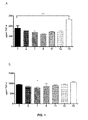
- Figure 2 indicates that the siRNAs conjugated with acridine or quindoline pretreated with serum and ultrasound produced an inhibition of between 30% and 50% in the production of TNF- ⁇ compared with random siRNA used as a negative control. No inhibition was observed in the absence of the formulation of the invention. Only quindoline at the 3' end of the sense strand increased the inhibition in the expression of TNF- ⁇ .
- siRNAs in mouse 4T1 cells were studied next. These cells produce endogenous mouse TNF- ⁇ .
- the cells were treated with the siRNA duplex (100 nM) without the use of any transfection reagent.
- the siRNAs were incubated with serum and ultrasound or simply added to the cells without prior treatment. After 24 h the amount of TNF- ⁇ produced by the cells was measured by ELISA.
- the results of the inhibition of TNF- ⁇ production by siRNAs conjugated with lipids is shown in Figure 3 .
- the highest inhibition (80%) was observed when using the siRNA duplex conjugated with lipid C 14 at the 3' end of the complementary strand (7).
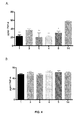
- the results of the inhibition of TNF- ⁇ production by siRNAs conjugated with acridine or quindoline are shown in Figure 4 .
- the guide and complementary strands were modified at the 3' end (3 and 6).
- the figure shows strong inhibition in the TNF- ⁇ production using the formulation of the invention.
- the highest inhibition (60%) was observed with siRNA conjugated with quindoline at the 3' end of the complementary strand (4).
- the guide and complementary strands complementary to PEPCK were hybridised and the resulting duplex was used to inhibit the expression of the PEPCK-C gene.
- the properties of the siRNA were investigated in FAO cells (rat hepatoma) with and without the formulation object of the invention. These cells express the PEPCK-C gene endogenously (pck1); therefore it was not necessary to carry out co-transfection with the corresponding plasmid. The following protocols were used:
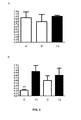
- the results of this experiment demonstrate that the siRNA incubated with serum and ultrasound significantly improved the gene silencing of the target Pck1 gene in the FAO cells. It is significant that the improvement of the entry of the siRNA by action of the formulation object of the invention did not require modifications in the siRNA to help increase the efficiency.
- the unmodified siRNA is a good inhibitor of the PEPCK-C mRNA.
- the method was optimised, assuming that the efficiency of the method depended on the interaction of the siRNA with the plasma components, by determining the best siRNA/serum ratio.
- mouse 4T1 cells were transfected with a fluorescent siRNA labelled with Cy3 previously incubated with different volumes (from 0 ⁇ L to 25 ⁇ L) of foetal bovine serum and treated by ultrasonification.
- the entry of siRNA into the cells was measured by flow cytometry (DakoCytomation, model MoFlo) at a speed of 1000 cells per second.
- mice of the ICR strain Five 8-week old mice of the ICR strain (Harlan, Interfauna Ibérica, Spain) were used. The animals were housed in standard environmental conditions, temperature 22 °C, relative humidity 70 - 80% and with a 12-hour daily light cycle until the time of the trials.
- the trial consisted of administering by injection into the tail vein of mice, 450 ⁇ L of a solution of the Cy3 fluorescent siRNA, incubated with ultrasound or not with mouse serum, keeping a ratio of 0.33 ⁇ g siRNA:15 ⁇ L serum. After 4 hours, the animals were sacrificed with ether and the tissues were perfused with 4% PFA. Next the tissues were cut in a cryostat (LEICA) into slices of size 30 ⁇ m to be mounted on slides and observed under a confocal microscope (Leica model TCS NT). Three photographs of longitudinal slices of each of the organs were taken, keeping the same acquisition parameters between the organs. The fluorescence observed in the photographs was quantified using a computer program, MacBiophotonics ImageJ that allows obtaining quantitative values of the fluorescence in the tissues.
- LICA cryostat
Landscapes
- Health & Medical Sciences (AREA)
- Life Sciences & Earth Sciences (AREA)
- Chemical & Material Sciences (AREA)
- Genetics & Genomics (AREA)
- Engineering & Computer Science (AREA)
- Organic Chemistry (AREA)
- Biomedical Technology (AREA)
- General Health & Medical Sciences (AREA)
- Molecular Biology (AREA)
- Biotechnology (AREA)
- Zoology (AREA)
- Wood Science & Technology (AREA)
- General Engineering & Computer Science (AREA)
- Bioinformatics & Cheminformatics (AREA)
- Biochemistry (AREA)
- Medicinal Chemistry (AREA)
- Pharmacology & Pharmacy (AREA)
- Animal Behavior & Ethology (AREA)
- Public Health (AREA)
- Veterinary Medicine (AREA)
- Epidemiology (AREA)
- Biophysics (AREA)
- Physics & Mathematics (AREA)
- Microbiology (AREA)
- Plant Pathology (AREA)
- Proteomics, Peptides & Aminoacids (AREA)
- Chemical Kinetics & Catalysis (AREA)
- Analytical Chemistry (AREA)
- Immunology (AREA)
- Endocrinology (AREA)
- Toxicology (AREA)
- Nuclear Medicine, Radiotherapy & Molecular Imaging (AREA)
- General Chemical & Material Sciences (AREA)
- Pharmaceuticals Containing Other Organic And Inorganic Compounds (AREA)
- Medicines That Contain Protein Lipid Enzymes And Other Medicines (AREA)
Abstract
Description
- The present invention relates to a method for the manufacture of compositions comprising siRNA associated with plasma components. It therefore belongs to the field of biotechnology.
- RNA interference (RNAi) is an important mechanism for gene regulation that can be used for the specific silencing of genes. The process is started by double-stranded RNAs called siRNAs (small interfering RNAs). The siRNAs, complementary to a certain messenger RNA, bind to a protein complex known as RISC. The complex formed by the binding of the antisense or guide strand with RISC catalyzes the efficient degradation of a specific messenger RNA, causing a decline in the target protein. During the past years, numerous studies have been carried out with the purpose of using this phenomenon of natural gene regulation as the basis for a new therapy aimed at the specific reduction of a previously determined protein. Thus, said therapy could be used for the treatment of diseases which are known to be caused by the over expression of genes such as cancer or inflammatory diseases [D. Brumcot et al. RNAi therapeutics: a potential new class of pharmaceutical drugs. Nature Chemical Biology 2 (2006), pages 711-719; A. de Fougerolles et al. RNA interference in vivo: toward synthetic small inhibitory RNA-based therapeutics Methods in Enzymology 392 (2005), pages 278-296; C. Chakraborty Potentiality of small RNA interference (siRNA) as recent therapeutic targets for gene-silencing. Current Drug Targets 8 (2007) pages. 469-482].
- The in vivo cell delivery of siRNAs is perhaps one of the most important problems for the development of an efficient therapeutic drug based on RNA interference. [D. Brumcot et al. RNAi therapeutics: a potential new class of pharmaceutical drugs. Nature Chemical Biology 2 (2006), pages 711-719; A. de Fougerolles et al. RNA interference in vivo: toward synthetic small inhibitory RNA-based therapeutics Methods in Enzymology 392 (2005), pages 278-296; C. Chakraborty Potentiality of small RNA interference (siRNA) as recent therapeutic targets for gene-silencing. Current Drug Targets 8 (2007) pages. 469-482]. siRNAs, which are negatively charged hydrophilic molecules do not have the ability, by themselves, to circulate in the blood and being internalized, or to penetrate into the cell through the cell membrane which is hydrophobic. To solve this problem several strategies such as the use of nanoparticles or the use of liposomes have been described [J. Soutschek et al. Therapeutic silencing of an endogenous gene by systemic delivery of modified siRNAs. Nature 432, (2004) pages 173-178; D.H. Kim et al. Strategies for silencing human disease using RNA interference. Nature Reviews 8 (2007), pages 173-184]. These vehicles may have a dual function: to be cell permeating agents and, in turn, to be siRNAs protective agents, since the naked siRNAs are rapidly degraded by the RNAses in serum. For this reason, a large number of modified siRNAs have been designed and synthesized to make the most of the advantage of the binding of the modified siRNAs to specific components of the serum (such as albumin, HDL and LDL) and, in this way, help the distribution of the siRNAs molecules in the body.
- The present invention is related to a method for obtaining formulations that improve the binding capacity of the siRNAs to the plasma components, favouring the transport of the siRNAs in the blood, which increase the passage of the siRNAs through the cell membrane, and thus increase the inhibitory activity of the siRNAs. The formulations obtained by the process of the invention clearly improve the entry of the siRNAs in cell cultures and the biodistribution of the siRNA in the tissues. This action is produced by the binding of the siRNAs to the plasma components, such as the saturable sites of plasma proteins such as albumin, or glycerides such as HDL or LDL, that allow the siRNA to reach the different tissues, to remain and be detected even after 4 hours of the intravenous administration of the siRNA in mice.
- Therefore a first aspect of the invention is a process for obtaining a formulation comprising siRNA associated with plasma components, characterized in that the process comprises one step in which the plasma components are dispersed in aqueous medium.
- A second aspect of the present invention are the pharmaceutical compositions of siRNA associated with plasma components obtainable by any of the processes defined in the first aspect or in any of its particular embodiments.
A final aspect of the present invention is the use of the pharmaceutical compositions according to any of the compositions of the second aspect for the preparation of a medicament. - The present inventors have discovered that, surprisingly, the plasma components, in particular plasma proteins and plasma lipids are capable of associating with siRNA, forming compounds, or complexes that protect the siRNA from the degradation by the RNAses. For this it is vital that these plasma components are dispersed, or disgregated. There are different techniques known in the art to carry out this dissociation, but one of the used ones, due to its versatility, economy and ease is through the use of ultrasound, whether by applying the ultrasound source directly on the solution or by using a bath equipped with an ultrasound source. [Japanese Journal of Applied Physics, 47, 2008 pages 2000-2004].
- The ratio between siRNA and the plasma components may vary between 1:100 and 1:50000 p/p, but preferably it varies between 1:500 and 1:10000. The ratios that vary between 1:3000 and 1:5000 are preferred, because high concentrations of siRNA are obtained and it shows good stability.
- Each of the strands of the siRNA duplex preferably comprises between 15 and 40 nucleotides, related to the pairs of nucleotides since it is a double-stranded RNA to achieve entering into the cell and most preferably between 19 and 25 nucleotides.
- The dispersion can be carried out at different temperature ranges, but the optimal temperatures would be between 0 and 85 °C, more preferably between 5 and 50 °C, and even more preferably between 10 and 35 °C. With respect to the duration of the dispersion step it depends on the effectiveness of the method used, but usually, and especially when it is dispersed through ultrasound, it lasts at least 1 second, more preferably at least 15 seconds, even more preferably between 30 seconds and 2 hours, and still more preferably between 60 seconds and 30 min.
- The dispersion, or disintegration, can be carried out prior to the mixing of the plasma components with siRNA. Another alternative which is in turn preferred, is to carry out the dispersion of the plasma components in the presence of siRNA, whereby the association is carried out just after they have been dispersed, so that it prevents or/and reduces that the plasma components are aggregated again.
- As already mentioned the association between the dispersed plasma components and the siRNA improve the stability of the product. These plasma components can be obtained from different methods known in the art, as for example lyophilisation of blood plasma or by ultrafiltration thereof, although plasma and/or serum can be used as source of the plasma components, directly without any previous treatment. This is surprising because the siRNA is unstable in the plasma per se, but this siRNA shows a totally different behaviour if the plasma has been dispersed. This is useful because it facilitates the manufacturing process, since the isolation of the plasma components is not necessary.
- The process of the invention can be used for manufacturing various types of formulations, but they have shown good absorption and biodistribution results when these are injectable.
- Another advantage of this process is that the improvement in the absorption and biodistribution is not limited to a type of siRNA in particular. For example, forming associations with siRNA without the need to be derivatized in some of its 3' or 5'-terminal positions has been achieved, such as for example in the unmodified siRNA synthesized by chemical methods or synthesized from a template DNA through the use of RNA polymerase. Although it has been observed that the stability of siRNA can also be improved when it is derivatized at its 3' or 5' position with lipids, peptides or carbohydrates, or another organic molecule that delays the degradation of the siRNA by nucleases, in any of its strands, the guide or the complementary strand. Additionally the sense or antisense strand can incorporate certain compounds for improving the entry of the molecule in the cell, such as the introduction of lipophilic compounds such as cholesterol, o fatty acids, etc.
- The siRNA duplex may comprise derivatization such as e.g. substitutions selected from 2'-O-methyl-ribonucleotide or 2'-deoxyribonucleotide or 2'-methoxyethyl-ribonucleotide or 2'-fluoro-deoxyribonucleotide, or 2'-fluoro-arabinonucleotide, conformationally restricted nucleosides (as those known with the acronyms LNA or HNA), RNA with phosphorothioate bonds, or abasic moieties or ribitol or nucleosides containing modified bases such as 5-methylcytosine, 5-methyluracil, 4-alkynylcytosine, 5-alkynyluracil, 5-halogencytosine, 5-halogenuracil, or other modified pyrimidines, 7-deazadenine, 7-deazaguanine, hypoxanthine or other modified purines. The derivatization may incorporate any of the two strands, although the complementary strand since is more permissive to changes.
- The siRNA duplex (Y) can inhibit and/or silence, this inhibition/silencing being total or partial with respect to a control, various genes of pharmacological interest such as the tumor necrosis factor alpha (TNFα), vascular endothelial growth factor (VEGF), VEGF receptor (VEGF R1/2), granulocyte (GM-CSF-1) and macrophages (M-CSF-1) colony suppressor factor, angiopoietin (ANGPT), apolipoprotein (ApoB), choroidal neovascularization (CNV), phosphoenolpyruvate carboxykinase (PEPCK), human epidermal growth factor receptor (HER2), macrophage inflammatory protein (MIP2), N-methyl-D aspartate receptor (NMDA), keratinocyte-derived cytokines (KC), delta opioid receptor (DOR), Discoidin domain receptor (DDR1), PIV phosphoprotein gene (PIV-P), heme oxygenase (HMOX1), caveloin, dopamine transporter, Green fluorescent protein and/or Swing sarcoma protein (EWS-FL/1). The preferred genes for silencing/inhibiting are the tumor necrosis factor alpha (TNFα), vascular endothelial growth factor (VEGF), VEGF receptor (VEGF R1/2), granulocyte (GM-CSF-1) and macrophages (M-CSF-1) colony suppressor factor. TNF-α is an important mediator of the apoptosis both in inflammation and immune response. In addition, the over expression of TNF-α is confirmed in the triggering of the pathogenesis of many human diseases. Therefore the inhibition of this cytokine is relevant from the biomedical point of view. PEPCK is an important protein in the process of gluconeogenesis and is over expressed in diabetes. It is responsible for an increase in the production of hepatic glucose in diabetic patients and in animal models.
- As examples of the present invention the siRNA sequence is: 1) antisense or guide anti- TNFα 5'-GAG GCU GAG ACA UAG GCA C-dT-dT-3' (SEQ ID NO: 1) and 2) sense or complementary anti- TNFα: 5'-GUG CCU AUG UCU CAG CCU C-dT-dT-3' (SEQ ID NO: 2). The RNA monomers are indicated in capital letters, dT represents thymidine residues. This siRNA duplex (anti TNF-α) had already been described for efficiently regulating the mouse TNF-α mRNA (D.R. Sorensen et al. Gene silencing by systemic delivery of synthetic siRNA in adult mice. Journal of Molecular Biology 327 (2003) pages 761-766.). 12 duplex have been prepared with various hydrophobic compounds at the ends either in the guide strand or in the complementary strand (Table 1). Also 3) anti-PEPCK-C antisense or guide strand: 5'-UUACAUCUGGCUGAUUCUC-dT-dT-3' (SEQ ID NO: 5) and 4) anti-PEPCK-C sense or complementary strand: 5'-GAGAAUCAGCCAGAUGUAA-dT-dT-3' (SEQ ID NO: 6). The RNA monomers are indicated in capital letters, dT represents thymidine residues.
- The pharmaceutical compositions of the second aspect of the invention comprise a preferred embodiment of at least one pharmaceutically acceptable excipient or vehicle. The excipients include any inert or non-active material or used in the preparation of a pharmaceutical dosage form. For example, the tablet excipients include, but are not limited to: calcium phosphate, cellulose, starch or lactose. The liquid dosage forms also include oral liquids for example in the form of spirits or suspensions, as well as injectable solutions. The pharmaceutical composition may be formulated for transdermal administration in patch form. All the compositions described above may contain optionally one or more of each of the following excipients: vehicles, diluents, colourings, flavouring agents, lubricants, solubilising agents, disintegrating agents, binders and preservatives.
- Although one of the advantages of the present invention is that siRNA can be formulated without the need of a transfection agent, this can be added to the pharmaceutical composition for improving its properties, or for vectorizing it. The preferred transfection agents are selected from one or mixtures of the following compounds: lipofectin, lipofectamine, oligofectamine, effectene, cellfectin, DOTAP, DOPE, fugene, polyethylene glycol, cholesterol, polyethylenimide (PEI), Jet-polyethylenimide, cell penetrating peptides, trojan peptides, TAT peptide, penetratin, oligoarginine, poly-lysine, rabies virus glycoprotein, gold nanoparticles, dendrimers, carbon nanotubes, cationic lipids and liposomes.
- The pharmaceutical compositions described in the present specification may have several uses, but are preferred for the treatment of cancer, inflammation, colitis, ulcerative colitis, Crohn's disease and rheumatoid arthritis. In general, the compositions of the present invention are useful for the preparation of medicaments for gene silencing.
- The preferred pharmaceutical composition for the present invention is presented in a form adapted for oral or parenteral administration, preferably parenteral.
- The administration of the compounds of this invention can be via any procedure that releases the compound, preferably to the desired tissue. These procedures include the oral, intravenous, intramuscular, subcutaneous or intramedullary, intraduodenal routes, etc. Preferably the pharmaceutical composition of the present invention can be administered locally by injection in an area close to the region of interest (intramuscularly, subcutaneously, intradermally), injection in an area close to the region of interest or intravenous injection.
- With the purpose of the parenteral administration, they can be used as well as sterile aqueous solutions. If necessary, such aqueous solutions can be buffered adequately, and the liquid extender was first converted into isotonic with the sufficient saline or glucose. These aqueous solutions are especially suitable for the purposes of intravenous, intramuscular, subcutaneous and intraperitoneal injection. In this regard, all sterile aqueous means used can be obtained easily by standard techniques well known by those persons skilled in the art.
- The blood plasma is the yellowish liquid component of the blood, in which the blood cells should be normally suspended. It represents 55% of the total blood volume. The greater proportion is water (90% of the volume) and contains dissolved proteins, glucose, clotting factors, mineral ions, hormones and carbon dioxide (the principal medium for the transport of excreted products being the plasma) and other components.
- The blood plasma is prepared by centrifugation of a tube of fresh blood, until the cells precipitate at the bottom of the tube. The blood plasma has an approximate density of 1025 kg/m3 or 1.025 kg/L. The blood serum is blood plasma without Fibrinogen or other clotting factors.
- The plasma contains a wide variety of proteins including albumin, immunoglobulins and clotting proteins such as Fibrinogen. Albumin constitutes about 60% of the total of the plasma proteins and it is present in concentrations between 35 and 55 mg/ml. The plasma is the main contributor of the osmotic pressure of the blood and works as carrier molecule for other molecules with low aqueous solubility such as hormones soluble in lipids, enzymes, fatty acids, metal ions, pharmaceutical compounds. Albumin is structurally stable due to its 17 disulfide bridges and is the only one that has high solubility in water and has the lowest isoelectric potential (ip) of plasma proteins. Due to its structural integrity it remains stable under conditions in which other proteins would be denatured.
- The plasma is formed by 82.5% water, in addition to many inorganic and organic substances (plasma solutes), distributed in the following way: Plasma proteins (70%): Fibrinogen (7%), immunoglobulins (38%), albumin (54%), other proteins (1%): VLDL, LDL, HDL, Prothrombin, transferrin. Organic metabolites (non electrolytic) and waste compounds (20%), fosfolipids (280 mg/dL), cholesterol (150 mg/dL), triacylglycerols (125 mg/dL), glucose (100 mg/dL), urea (15 mg/dL), lactic acid (10 mg/dL), uric acid (3 mg/dL), creatinine (1.5 mg/dL), bilirubin (0.5 mg/dL) and bile salts (traces).
- siRNAs means in the context of the present invention small fragments of double-stranded RNA interference of synthetic or natural origin complementary to the sequence of the genes that are used for the specific inhibition of the genes to which they are complementary. The siRNAs are formed by two strands of RNA called guide strand (or antisense strand) and complementary strand (or sense strand). The guide strand of the siRNA binds to a protein complex called RNA interference silencing complex (abbreviated as "RISC") and the resulting complex is responsible for the cellular degradation of messenger RNA complementary to the guide strand. For the binding of the guide strand to the RISC complex it is necessary to administer the double-stranded RNA or siRNA since the guide single strand by itself cannot bind the RISC complex.
- siRNAs associated with plasma components means in the context of the present invention the different complexes formed between the siRNAs and the molecules naturally present in the plasma formed after a process of disintegration or dispersion of the plasma components. In the process of association are mainly involved electrostatic interactions and hydrophobic interactions with the plasma components that are mostly blood proteins (albumin, Fibrinogen, immunoglobulins, HDL, VLDL, LDL, Prothrombin, transferrin etc.) and secondly lipids naturally occurring in the plasma (triglycerides, cholesterol, fosfolipids, bile acids, etc.).
- Plasma components means the molecules that are naturally dissolved in the plasma, and in particular the mix of proteins and lipids present in the plasma. Due to the composition of the plasma this mixture may contain Fibrinogen, immunoglobulins, albumin and other proteins such as VLDL, LDL, HDL, Prothrombin, transferrin, etc., along with triglycerides, cholesterol, fosfolipids, bile acids and etc. The ratios between the plasma components for use in the present invention, and in particular proteins and lipids may vary and can be adjusted according to need. These components may consist basically of: plasma proteins; or plasma lipids; although they can also be found in the form of a mixture of protein vs. lipids ratios of between 1:1000 and 1000:1. In a preferred embodiment, the ratio of proteins to plasma lipids is around the relationship in which it is found in the plasma.
- Dispersing the plasma components in aqueous medium in the context of the present invention means the application of physical force such as the one produced by the action of ultrasound, to the solution comprising the plasma components, such as e.g. the own plasma, which results in the separation of the molecular aggregates to give more or less isolated molecules exposing the hydrophobic pockets and the charged parts that were occluded by the process of aggregation to the components of the aqueous solution, which results in an increase of the forming capacity of electrostatic interactions and hydrophobic interactions with the siRNAs. The degree of dispersion of the plasma components could be estimated by various techniques that are based on the phenomenon of light scattering by the biomolecules and that allow to estimate the hydrodynamic size of the biomolecules.
- The term "gene expression" means the cellular production of a particular protein encoded by the corresponding gene. Generally, the gene that is located in the chromosomes present in the nucleus of the cells is transcribed generating a molecule of messenger RNA that is released into the cytoplasm. There, the sequence of the messenger RNA directs the synthesis of the protein. The result of this process, which is known as gene expression, is the synthesis of a protein the sequence of which is encoded by the corresponding gene.
-
-
FIGURE 1 shows the in vivo inhibitory activity of several siRNAs conjugated with C14 and C18 lipids against mouse TNF-α, using protocols A and B in HeLa cells. 1. Unmodified siRNA, 2. siRNA conjugated with cholesterol in the 3' end of the complementary strand, 7. siRNA conjugated with a C14 lipid in the 3' end of the complementary strand, 8. siRNA conjugated with a C18 lipid the 3' end of the complementary strand, 11. siRNA conjugated with a C14 lipid in the 3' end of the complementary strand and 2'OMe units, 12. siRNA conjugated with C14N in the 5' end of the complementary strand, 14. siRNA with random sequence used as negative control sequence. The description of thesequences schemes -
FIGURE 2 shows the in vivo inhibitory activity of anti-TNF-α siRNA conjugated with acridine or quindoline, using protocols A and B in HeLa cells. 1. Unmodified siRNA, 3. siRNA conjugated with acridine in the 3' end of the sense strand, 4. siRNA conjugated with quindoline in the 3' end of the sense strand, 14. siRNA with random sequence used as a negative control. The description of thesequences schemes -
FIGURE 3 shows the effects of the formulation object of the invention on the in vivo inhibitory activity of several anti TNF-α siRNAs conjugated with C14 and C18 lipids in 4T1 cells. 1. Unmodified siRNA, 2. siRNA conjugated with cholesterol in the 3' end of the complementary strand, 7. siRNA conjugated with a C14 lipid in the 3' end of the complementary strand, 8. siRNA conjugated with a C18 lipid in the 3' end of the complementary strand, 9. siRNA conjugated with C14 lipid in the 3' end of the guide strand, 10. siRNA conjugated with C18 lipid in the 3' end of the guide strand, 11. siRNA conjugated with a C14 lipid in the 3' end of the complementary strand and 2'-OMe units, 12. siRNA conjugated with C14N in the 5' end of the complementary strand, 14. siRNA with random sequence used as control sequence. The description of thesequences schemes -
FIGURE 4 shows the effect of the formulation object of the invention on the in vivo inhibitory activity of anti TNF-α siRNA conjugated with acridine or quindoline, using the protocols A and B in HeLa cells. 1. Unmodified siRNA, 3. siRNA conjugated with acridine in the 3' end of the complementary strand, 6. siRNA conjugated with acridine in the 3' end of the guide strand, 4. siRNA conjugated with quindoline in the 3' end of the complementary strand, 5. siRNA conjugated with quindoline in the 3' end of the guide strand, 14. siRNA with random sequence used as a negative control. The description of thesequences schemes -
FIGURE 5 shows the effects of the formulation object of the invention on the in vivo inhibitory activity of siRNA against PEPCK in FAO cells. A. Unmodified siRNA, B. siRNA conjugated with cholesterol in the 3' end of the complementary strand, 14. siRNA with random sequence used as a negative control. The description of the sequences A, B and 14 of the siRNAs is detailed in Table 1 and the chemical structure of the changes is shown inschemes -
FIGURE 6 shows the measurement of the fluorescence of the siRNAs siGLO in 4T1 cells by Flow cytometry. 4T1 cells were transfected with 100 nM of siRNA siGLO (Cy3) incubated with different amounts of foetal bovine serum (0 µL to 25 µL) using ultrasound with the Protocol that we have called the formulation object of the invention. After 24 hours of incubation, the cells were analyzed in a flow cytometer. The cell entry of the Cy3-labeled siRNA was quantified by the measurement of the signal of relative fluorescence in the Cy3 channel. The cells without siRNA were used as control of fluorescence. The data represent the means ± SE, n=3 and are compared with cells transfected with the siRNAs without FBS. ***p<0.001, **p<0.01. ANOVA Test, Bonferroni post-test. -
FIGURE 7 shows the biodistribution of a fluorescent siRNA. Five 8-week old mice of the ICR strain were used. 2 mice were injected via i.v. with 10 µg of siRNA siGLO according to the formulation object of the invention with 450 µL of mouse serum, other 2 mice were given the siRNA siGLO dissolved directly in 450 µL of physiological saline via i.v. and 1 mouse that was not injected was used as a control of fluorescence. After 4 hours, the animals were sacrificed and the organs were perfused in 4% PFA for subsequently cut the tissues and view them under the confocal microscope. The data represent the means ± SE, n=3 stacks of photos of each tissue and the formulation object of the invention is compared with the siRNA siGLO dissolved directly in the serum, between each of the tissues. ***p<0.001, **p<0.01, *p<0.05 ANOVA Test, Bonferroni post-test. -
FIGURE 8 shows a diagram of the process for the formulation of the dispersion of the siRNA and the components of the serum through the use of sonication. Throughout the description and the claims the word "comprises" and its variants are not intended to exclude other technical features, additives, components or steps. For the persons skilled in the art, other objects, advantages and features of the invention will be evident in part from the description and in part from the practice of the invention. The following examples and figures are provided by way of illustration, and are not intended to be limiting of the present invention. - The oligoribonucleotides were prepared using a commercial synthesiser from Applied Biosystems, model 3400, using 2-cyanoethyl phosphoramidites and tert-butyldimethylsilyl (TBDMS) protectors for protecting the hydroxyl group in position 2'. The following solutions were used: 0.4 M 1H-tetrazole in ACN (catalyst); 3% trichloroacetic acid in DCM (detritylation); acetic anhydride /pyridine / tetrahydrofuran (1: 1: 8) (capping A); 10% N-methylimidazole in tetrahydrofuran (capping B); 0.01 M iodine in tetrahydrofuran / pyridine / water (7: 2: 1) (oxidation). The last DMT was removed in the RNA sequences because the DMT group is not fully stable to fluoride treatment. The average yield per nucleotide addition stage was 97 - 98% for RNA monomers. The polymeric supports obtained were treated with a concentrated solution of ammonia-ethanol (3: 1) for 1 hour at 55 °C. The supports were washed with ethanol and the resulting solutions combined and evaporated to dryness. The resulting products were treated with 0.15 ml of triethylamine trishydrofluoride /triethylamine / N-methylpyrrolidone (4: 3: 6) for 2.5 h at 65 °C in order to remove the TBDMS groups. The reactions were stopped by the addition of 0.3 ml isopropoxytrimethylsilane and 0.75 ml ether. The resulting mixtures were stirred and cooled to 4 °C. A precipitate formed that was centrifuged at 7000 rpm for 5 min at 4 °C. The precipitates were washed with ether and centrifuged again. The residues were dissolved in water and the conjugates were purified by HPLC. Column: Nucleosil 120 - 10 C18 (250 x 4 mm); a linear gradient of 20 min from 0% to 50% B was used with a flow of 3 ml/min. The composition of the solutions used in the HPLC was: solution A: 5% acetonitrile (ACN) in 100 mM triethylammonium acetate (pH 6.5) and solution B: 70% ACN in 100 mM triethylammonium acetate (pH 6.5). The purified products were analysed by MALDI-TOF mass spectrometry.
- The MALDI-TOF spectra were obtained using a Perspective Voyager DETMRP mass spectrometer equipped with a 337 nm nitrogen laser using a 3 ns pulse. The matrix used contained 2,4,6-trihydroxyacetophenone (THAP, 10 mg/ml in ACN / water, 1: 1) and ammonium citrate (50 mg/ml in water).
- The following RNA sequences were obtained from commercial sources (Sigma-Proligo, Dharmacon): negative control complementary strand 5'-CAG UCG CGU UUG CGA CUG G-dT-dT-3' (SEQ ID NO: 3); negative control guide strand 5'-CCA GUC GCA AAC GCG ACU G-dT-dT-3' (SEQ ID NO: 4); anti-TNFα guide strand (SEQ ID NO: 1); and anti-TNFα complementary strand (SEQ ID NO: 2). The RNA-type monomers are listed in uppercase, the abbreviation dT stands for thymidine. The anti-sense TNF-α strand with cholesterol at the 3' end: SEQ ID NO: 1-cholesterol was prepared using the commercial support cholesterol-tetraethylene glycol (TEG)-3'-CPG (Glen Research). The fluorescent siRNA labelled with Cy3 was obtained from commercial sources (siGLO, Thermo Scientific, Dharmacon, USA). The anti-TNF-α siRNA sequences have been described in the literature to inhibit the mRNA of TNF-α of mice [D.R. Sorensen et al. Gene silencing by systemic delivery of synthetic siRNA in adult mice. Journal of Molecular Biology 327 (2003) pages 761 - 766].
- HeLa cells were cultured in normal conditions: 37 °C, 5% CO2, modified Dulbecco Eagle medium, 10% foetal bovine serum, 2 mM L-glutamine, supplemented with penicillin (100 U/ml) and streptomycin (100 mg/mL). All the experiments were carried out at a confluence of 40 - 60%. The HeLa cells were transfected with 250 ng of plasmid expressing the mouse TNF-α gene using lipofectin (Invitrogen) and following the manufacturer's instructions.
Mouse 4T1 cells were cultured in normal conditions. 100 nM of each of the siRNA duplexes were incubated with 10% foetal bovine serum (FBS) before addition to the 4T1 cells. After 24 h, the amount of TNF-α produced by the cells was measured by ELISA assay. -
- i) The siRNAs with the general formula (N19TT/N19TT) were added to foetal bovine serum in a proportion of 0.33 µg siRNA/25 µl of serum.
- ii) The siRNA/serum complex was placed in an ultrasonic bath for 5 - 10 minutes.
- (iii) The ultrasonically treated siRNA/serum complex was added to the cell culture in the presence of fresh cell culture medium.
- The following genes coding for the tumour necrosis factor (TNF-α) were selected as the target genes: 1) anti-TNFα guide strand SEQ ID NO: 1 and 2) anti-TNFα complementary strand SEQ ID NO: 2. This siRNA duplex (anti-TNF-α) has been previously described to efficiently regulate the mouse TNF-α mRNA [D.R. Sorensen et al. Gene silencing by systemic delivery of synthetic siRNA in adult mice. Journal of Molecular Biology 327 (2003) pages 761 - 766]. 12 duplexes were prepared with various hydrophobic compounds at the ends, either in the guide strand or in the complementary strand (Table 1).
- The following sequences were selected as genes coding for PEPCK-C. 1) anti-PEPCK-C anti-sense or guide strand: SEQ ID NO: 5 and 2) anti-PEPCK-C sense or complementary strand: SEQ ID NO: 6. These sequences have not been described before.
- Seven conjugated oligonucleotide sequences were prepared with C14 and C18 derivatives: two guide strands and five complementary strands conjugated with C14 and C18 on the 3' end (see
scheme 1 and Table 1).
- The oligonucleotides corresponding to the
complementary strand Oligonucleotide 12 has a C14N derivative on the 5' end (Table 1).Oligonucleotide 11 has a C14 derivative on the 3' end and various 2'-O-methyl units along the complementary strand except on the last two thymidines. It has been reported that 2'-O-methyl units stabilise the RNA strands from nuclease degradation. The position of the 2'-O-methyl units (mC = 2'-O-methyl-C and mU = 2'-O-methyl-U) inoligonucleotide 11 is 5'-GUG C (mC) U AUG (mU) (mC) U (mC) AG (mC) C (mu) CTT-3' (SEQ ID NO: 7)-C14. - Finally four conjugated oligonucleotides were prepared with acridine or quindoline at the 3' end (Table 1). Two complementary strands conjugated with
acridine 3 or quindoline 4 respectively and two guide strands conjugated withacridine 6 orquindoline 5. The guide strand conjugated with cholesterol in the 3' end was prepared using commercial reagents. The synthesis of the RNA sequences was carried out by the patent inventors.Table 1. Sequences of the siRNAs containing hydrophobic molecules. Code Modification Sequence (TNFα) 1 unmodified anti-TNFα G GAGGCUGAGACAUAGGCACTT (SEQ ID NO: 1) A GUGCCUAUGUCUCAGCCUCTT (SEQ ID NO: 2) 2 Complementary 3'-cholesterol G SEQ ID NO: 1 A SEQ ID NO: 2 - cholesterol 3 complementary 3'-acridine G SEQ ID NO: 1 A SEQ ID NO: 2 - acridine 4 complementary 3'-quindoline G SEQ ID NO: 1 A SEQ ID NO: 2 - quindoline 5 guide 3'-quindoline G SEQ ID NO: 1 - quindoline A SEQ ID NO: 2 6 guide 3'-acridine G SEQ ID NO: 1 - acridine A SEQ ID NO: 2 7 complementary C14 lipid 3' G SEQ ID NO: 1 A SEQ ID NO: 2 - C14 8 complementary C18 lipid, 3' G SEQ ID NO: 1 A SEQ ID NO: 2 - C18 9 guide C14 lipid, 3' G SEQ ID NO: 1 - C14 A SEQ ID NO: 2 10 guide C18 lipid, 3' G SEQ ID NO: 1 - C18/ A SEQ ID NO: 2 11 complementary C14 lipid + OMe, 3' G SEQ ID NO: 1 A GUGC(mC)UAUG(mU)(mC)U(mC)AG(mC)C(mU)CT T (SEQ ID NO: 7) - C14 12 complementary C14N lipid, 5' G SEQ ID NO: 1 A C14N - SEQ ID NO: 2 14 unmodified random control G CAGUCGCGUUUGCGACUGGTT (SEQ ID NO: 3) A CCAGUCGCAAACGCGACUGTT (SEQ ID NO: 4) Code Modification Sequence (PEPCK-C) A unmodified PEPCK-C G UUACAUCUGGCUGAUUCUCTT (SEQ ID NO: 5) A GAGAAUCAGCCAGAUGUAATT (SEQ ID NO: 6) B complementary cholesterol, 3' G SEQ ID NO: 5 A SEQ ID NO: 6 - cholesterol - G: guide strand / A: complementary strand. The nucleotide sequences of these chains are shown from 5' to 3'. mC and mU represent the position of the 2'-O-methyl derivatives 2'-O-methyl-C and 2'-O-methyl-U respectively.

- PROTOCOL A) The HeLa cells were transfected with 250 ng of mouse TNF-α pCAm plasmid using lipofectin. After one hour the cells were treated with the siRNAs (100 nM) without using any transfection reagent, but were incubated with foetal bovine serum and treated with ultrasonification before the transfection process. After 48 h the amount of TNF-α produced by the cells was measured by ELISA.
- PROTOCOL B) The HeLa cells were treated with 250 ng of the mouse TNF-α pCAm plasmid using lipofectin as described in protocol A. After one hour the cells were treated with the siRNA duplex (100 nM) in the absence of serum. After 48 h the amount of TNF-α produced by the cells was measured by ELISA.
- The results of this experiment showed that the amount of TNF-α produced after 48 hours of the addition of the modified siRNA duplex incubated with 10% serum and treated with ultrasonification (A) were clearly different from the addition without incubation (B). An inhibition of between 40% and 50% in the TNF-α protein produced compared with the random sequence siRNA was observed only when the siRNA was transfected with the formulation of the invention. The presence of the lipid units on the 3' and 5' ends of the sense strand increased the inhibition of the expression of TNF-α.
-
Figure 2 indicates that the siRNAs conjugated with acridine or quindoline pretreated with serum and ultrasound produced an inhibition of between 30% and 50% in the production of TNF-α compared with random siRNA used as a negative control. No inhibition was observed in the absence of the formulation of the invention. Only quindoline at the 3' end of the sense strand increased the inhibition in the expression of TNF-α. - The inhibitory properties of the siRNAs in mouse 4T1 cells were studied next. These cells produce endogenous mouse TNF-α. In these experiments, the cells were treated with the siRNA duplex (100 nM) without the use of any transfection reagent. The siRNAs were incubated with serum and ultrasound or simply added to the cells without prior treatment. After 24 h the amount of TNF-α produced by the cells was measured by ELISA.
- The results of the inhibition of TNF-α production by siRNAs conjugated with lipids is shown in
Figure 3 . As described for the HeLa cells, there was strong inhibition in the production of TNF-α only when the formulation of the invention was used. The highest inhibition (80%) was observed when using the siRNA duplex conjugated with lipid C14 at the 3' end of the complementary strand (7). The results of the inhibition of TNF-α production by siRNAs conjugated with acridine or quindoline are shown inFigure 4 . The guide and complementary strands were modified at the 3' end (3 and 6). The figure shows strong inhibition in the TNF-α production using the formulation of the invention. The highest inhibition (60%) was observed with siRNA conjugated with quindoline at the 3' end of the complementary strand (4). - The guide and complementary strands complementary to PEPCK were hybridised and the resulting duplex was used to inhibit the expression of the PEPCK-C gene. The properties of the siRNA were investigated in FAO cells (rat hepatoma) with and without the formulation object of the invention. These cells express the PEPCK-C gene endogenously (pck1); therefore it was not necessary to carry out co-transfection with the corresponding plasmid. The following protocols were used:
- A) FAO cells were treated with the siRNA duplex (100 nM) in the absence of serum. After 48 hours the amount of PEPCK-C mRNA produced by the cells was measured by qRT-PCR.
- B) FAO cells were treated with the siRNA duplex (100 nM) incubated with foetal bovine serum and ultrasound. After 48 hours the amount of PEPCK-C mRNA produced by the cells was measured by qRT-PCR.
- The results of this experiment demonstrate that the siRNA incubated with serum and ultrasound significantly improved the gene silencing of the target Pck1 gene in the FAO cells. It is significant that the improvement of the entry of the siRNA by action of the formulation object of the invention did not require modifications in the siRNA to help increase the efficiency. Using this method, the unmodified siRNA is a good inhibitor of the PEPCK-C mRNA.
- The method was optimised, assuming that the efficiency of the method depended on the interaction of the siRNA with the plasma components, by determining the best siRNA/serum ratio. To do this, mouse 4T1 cells were transfected with a fluorescent siRNA labelled with Cy3 previously incubated with different volumes (from 0 µL to 25 µL) of foetal bovine serum and treated by ultrasonification. The entry of siRNA into the cells was measured by flow cytometry (DakoCytomation, model MoFlo) at a speed of 1000 cells per second.
- The images obtained using flow cytometry show that when the siGLO siRNA was directly transfected on the cells with medium supplemented with serum, that is without the formulation object of the invention, only 20% of the cells in the field were transfected, whereas in the case of the formulation object of the invention of the siGLO siRNA with 15 µL of FBS, 50% of the cells showed high fluorescence (
Figure 6 ). According to these data, the most efficient ratio to ensure highest entry of siRNA into the cells is 0.33 µg siRNA/15 µL serum, which is the concentration used in the in vivo trials. - It was also observed that when increasing the volume of serum, the efficiency of entry of siRNA into the cells was reduced. This could be due to a possible saturation of the binding sites of the proteins in the serum.
- Five 8-week old mice of the ICR strain (Harlan, Interfauna Ibérica, Spain) were used. The animals were housed in standard environmental conditions, temperature 22 °C, relative humidity 70 - 80% and with a 12-hour daily light cycle until the time of the trials.
- All the protocols used were previously approved by the ethics committee of the University of Barcelona and the manipulation of the animals was governed by European Community regulations.
- The trial consisted of administering by injection into the tail vein of mice, 450 µL of a solution of the Cy3 fluorescent siRNA, incubated with ultrasound or not with mouse serum, keeping a ratio of 0.33 µg siRNA:15 µL serum. After 4 hours, the animals were sacrificed with ether and the tissues were perfused with 4% PFA. Next the tissues were cut in a cryostat (LEICA) into slices of
size 30 µm to be mounted on slides and observed under a confocal microscope (Leica model TCS NT). Three photographs of longitudinal slices of each of the organs were taken, keeping the same acquisition parameters between the organs. The fluorescence observed in the photographs was quantified using a computer program, MacBiophotonics ImageJ that allows obtaining quantitative values of the fluorescence in the tissues. - As shown in
Figure 7 ,4 hours after i.v. administration the levels of fluorescence of the siGLO without the formulation of the invention were lower in all the organs whereas significant levels of between 20% and 50% higher for siRNA were found in the lung, heart, liver, spleen and adipose tissue when preincubated with mouse serum. This indicates that the formulation object of the invention improves the bio-distribution properties of the siRNAs.


Claims (31)
- A process for obtaining a formulation comprising siRNAs associated with plasma components, characterized in that the process comprises a step in which the plasma components are dispersed in aqueous medium.
- The process according to the previous claim, characterized in that the dispersion of the plasma components is carried out using ultrasound.
- The process according to any of the previous claims, characterized in that siRNAs and plasma components ratio varies between 1:100 and 1:50000.
- The process according to the previous claim, characterized in that the siRNAs and plasma components ratio varies between 1:500 and 1:10000.
- The process according to the previous claim, characterized in that the siRNAs and plasma components ratio varies between 1:3000 and 1:5000.
- The process according to any of the previous claims, characterized in that blood plasma and/or serum are used as source of plasma components.
- The process according to any of the previous claims, characterized in that the formulation is injectable.
- The process according to any of the previous claims, characterized in that the siRNA is not derivatized at its 3'- or 5'- end in any of its strands.
- The process according to the previous claim, characterized in that the siRNA is from a natural source (isolated from cells), or is obtained by enzymatic copying process of a DNA template through the use of RNA polymerase or synthesized from a template DNA through the use of RNA polymerase.
- The process according to any of claim 1 to 7, characterized in that the siRNAs is derivatized at its 3' or 5' position with at least one lipid, at least one peptide, at least one carbohydrate or any combination thereof.
- The process according to any of the previous claims, characterized in that the siRNA comprises between 15 and 40 nucleotides.
- The process according to any of the previous claims, characterized in that the siRNA comprises between 19 and 25 nucleotides.
- The process according to any of the previous claims, characterized in that the dispersion is carried out at a temperature between 0 and 85 °C.
- The process according to the previous claim characterized in that the dispersion is carried out at a temperature between 5 and 50 °C.
- The process according to the previous claim, characterized in that the dispersion is carried out at a temperature between 10 and 35 °C.
- The process according to any of the previous claims, characterized in that the dispersion is carried out at least for 1 second.
- The process according to the previous claim, characterized in that the dispersion is carried out at least for 15 seconds.
- The process according to the previous claim, characterized in that the dispersion is carried out for at least between 30 seconds and 2 hours.
- The process according to the previous claim, characterized in that the dispersion is carried out for at least between 60 seconds and 30 min.
- The process according to any of the previous claims, characterized in that siRNA duplex comprises at least one substitution selected from 2'-O-methyl-ribonucleotide; 2'-deoxyribonucleotide; 2'-methoxyethyl-ribonucleotide; 2'-fluoro-deoxyribonucleotide; 2'-fluoro-arabinonucleotide; conformationally restricted nucleosides; RNA with phosphorothioate bonds; abasic moieties or ribitol; or nucleosides containing modified bases such as 5-methylcytosine, 5-methyluracil, 4-alkynylcytosine, 5-alkynyluracil, 5-halogencytosine, 5-halogenuracil, 7-deazadenine, 7-deazaguanine or hypoxanthine.
- The process according to any of the previous claims, characterized in that the siRNA duplex partially or completely inhibits/silences the expression of at least one of the following genes: tumor necrosis factor alpha (TNFα), vascular endothelial growth factor (VEGF), VEGF receptor (VEGF R1/2), granulocyte (GM-CSF-1) and macrophages (M-CSF-1) colony suppressor factor, angiopoietin (ANGPT), apolipoprotein (ApoB), choroidal neovascularization (CNV), phosphoenolpyruvate carboxykinase (PEPCK), human epidermal growth factor receptor (HER2), macrophage inflammatory protein (MIP2), N-methyl-D aspartate receptor (NMDA), keratinocyte-derived cytokines (KC), delta opioid receptor (DOR), Discoidin domain receptor (DDR1), PIV phosphoprotein gene (PIV-P), heme oxygenase (HMOX1), caveloin, dopamine transporter, Green fluorescent protein and Swing sarcoma protein (EWS-FL/1).
- The process according to the previous claim, characterized in that the siRNA duplex (Y) partially or completely inhibits/silences the expression of at least one of the following genes: tumor necrosis factor alpha (TNFα), vascular endothelial growth factor (VEGF), VEGF receptor (VEGF R1/2), granulocyte (GM-CSF-1) and macrophages (M-CSF-1) colony suppressor factor.
- The process according to any of the previous claims, characterized in that the siRNA sequence is selected from: antisense or guide anti- TNFα 5'SEQ ID NO: 1; sense or complementary anti- TNFα: SEQ ID NO: 2; antisense or guide strand anti-PEPCK-C: SEQ ID NO: 5; SEQ ID NO: 6.
- A pharmaceutical composition of siRNA associated with plasma components obtainable by any of the processes defined in the previous claims.
- The pharmaceutical composition according to the previous claim, characterized in that it comprises at least one pharmaceutically acceptable excipient or vehicle.
- The pharmaceutical composition according to the previous claim, characterized in that it comprises at least one transfection agent.
- The pharmaceutical composition according to the previous claim, characterized in that the transfection agent is selected from the list comprising the following compounds: lipofectin, lipofectamine, oligofectamine, effectene, cellfectin, DOTAP, DOPE, fugene, polyethylene glycol, cholesterol, polyethylenimide (PEI), Jet-polyethylenimide, cell penetrating peptides, trojan peptides, TAT peptide, penetratin, oligoarginine, poly-lysine, rabies virus glycoprotein, gold nanoparticles, dendrimers, carbon nanotubes, cationic lipids and liposomes.
- The pharmaceutical composition according to any of claims 24 to 27, where it occurs in a form adapted to the oral or parenteral administration, preferably parenteral.
- The use of the pharmaceutical compositions according to any of the five previous claims for the preparation of a medicament.
- The use according to the previous claim for the preparation of a medicament for gene silencing.
- The use according to any of the two previous claims for the preparation of a drug for the treatment of cancer, inflammation, colitis, ulcerative colitis, Crohn's disease and rheumatoid arthritis.
Applications Claiming Priority (2)
| Application Number | Priority Date | Filing Date | Title |
|---|---|---|---|
| ES201030629A ES2368298B1 (en) | 2010-04-28 | 2010-04-28 | METHOD FOR THE ADMINISTRATION OF OLIGONUCLEOTIDES. |
| PCT/ES2011/070295 WO2011135140A1 (en) | 2010-04-28 | 2011-04-26 | Method for the delivery of oligonucleotides |
Publications (2)
| Publication Number | Publication Date |
|---|---|
| EP2565278A1 true EP2565278A1 (en) | 2013-03-06 |
| EP2565278A4 EP2565278A4 (en) | 2014-03-19 |
Family
ID=44860916
Family Applications (1)
| Application Number | Title | Priority Date | Filing Date |
|---|---|---|---|
| EP11774452.4A Withdrawn EP2565278A4 (en) | 2010-04-28 | 2011-04-26 | METHOD FOR THE ADMINISTRATION OF OLIGONUCLEOTIDES |
Country Status (4)
| Country | Link |
|---|---|
| US (1) | US20130108686A1 (en) |
| EP (1) | EP2565278A4 (en) |
| ES (1) | ES2368298B1 (en) |
| WO (1) | WO2011135140A1 (en) |
Cited By (2)
| Publication number | Priority date | Publication date | Assignee | Title |
|---|---|---|---|---|
| WO2018185253A1 (en) * | 2017-04-05 | 2018-10-11 | Silence Therapeutics Gmbh | Ligand modified double-stranded nucleic acids |
| CN110384806A (en) * | 2019-08-26 | 2019-10-29 | 西南大学 | Carry medicine poly-dopamine/dendrimer-gold nano grain preparation and application |
Families Citing this family (3)
| Publication number | Priority date | Publication date | Assignee | Title |
|---|---|---|---|---|
| CN102887948B (en) * | 2012-08-24 | 2014-06-11 | 复旦大学附属儿科医院 | Antibacterial and immunoregulation polypeptide medicine |
| WO2016187578A1 (en) * | 2015-05-20 | 2016-11-24 | Indiana University Research And Technology Corporation | Inhibition of lncrna hotair and related materials and methods |
| US10801024B2 (en) | 2015-05-20 | 2020-10-13 | Indiana University Research And Technology Corporation | Inhibition of lncRNA HOTAIR and related materials and methods |
Family Cites Families (1)
| Publication number | Priority date | Publication date | Assignee | Title |
|---|---|---|---|---|
| US8324366B2 (en) * | 2008-04-29 | 2012-12-04 | Alnylam Pharmaceuticals, Inc. | Compositions and methods for delivering RNAI using lipoproteins |
-
2010
- 2010-04-28 ES ES201030629A patent/ES2368298B1/en not_active Withdrawn - After Issue
-
2011
- 2011-04-26 EP EP11774452.4A patent/EP2565278A4/en not_active Withdrawn
- 2011-04-26 WO PCT/ES2011/070295 patent/WO2011135140A1/en not_active Ceased
-
2012
- 2012-10-26 US US13/661,081 patent/US20130108686A1/en not_active Abandoned
Cited By (3)
| Publication number | Priority date | Publication date | Assignee | Title |
|---|---|---|---|---|
| WO2018185253A1 (en) * | 2017-04-05 | 2018-10-11 | Silence Therapeutics Gmbh | Ligand modified double-stranded nucleic acids |
| CN110384806A (en) * | 2019-08-26 | 2019-10-29 | 西南大学 | Carry medicine poly-dopamine/dendrimer-gold nano grain preparation and application |
| CN110384806B (en) * | 2019-08-26 | 2021-09-24 | 西南大学 | Preparation and application of drug-loaded polydopamine/dendrimer-gold nanoparticles |
Also Published As
| Publication number | Publication date |
|---|---|
| WO2011135140A1 (en) | 2011-11-03 |
| ES2368298A1 (en) | 2011-11-16 |
| EP2565278A4 (en) | 2014-03-19 |
| US20130108686A1 (en) | 2013-05-02 |
| ES2368298B1 (en) | 2013-05-10 |
Similar Documents
| Publication | Publication Date | Title |
|---|---|---|
| JP7655971B2 (en) | RNA interference agents for regulating the GST-π gene | |
| JP6236498B2 (en) | Asymmetric interfering RNA compositions and uses thereof | |
| EP2801615B1 (en) | High-efficiency nanoparticle-type double-helical oligo-rna structure and method for preparing same | |
| AU2014284834B2 (en) | Improved nanoparticle type oligonucleotide structure having high efficiency and method for preparing same | |
| RU2599449C1 (en) | New oligonucleotides conjugates and use thereof | |
| CN104726458A (en) | Lipid-modified Double-stranded Rna Having Potent Rna Interference Effect | |
| AU2006311912A1 (en) | Peptide-dicer substrate RNA conjugates as delivery vehicles for siRNA | |
| US20130108686A1 (en) | Method for the delivery of oligonucleotides | |
| WO2018221649A1 (en) | Apcs-expression-suppressing nucleic acids | |
| JP6978561B2 (en) | RNA Interfering Agent for Modulating the GST-π Gene | |
| JP7208911B2 (en) | Regulation of nucleic acid molecule expression | |
| Wang | Poly (ethylene) Glycol-Based Bottlebrush Polymers as Nanocarriers for Oligonucleotide Therapeutics: Design, Synthesis, and Applications | |
| CA3279332A1 (en) | DOUBLE-STRANDED RNAi AGENTS FOR TARGETING AND REGULATING HBV GENE EXPRESSION, AND A USE THEREOF | |
| EP3323892A1 (en) | Antisense oligonucleotide inhibiting 2gpi expression |
Legal Events
| Date | Code | Title | Description |
|---|---|---|---|
| PUAI | Public reference made under article 153(3) epc to a published international application that has entered the european phase |
Free format text: ORIGINAL CODE: 0009012 |
|
| 17P | Request for examination filed |
Effective date: 20121123 |
|
| AK | Designated contracting states |
Kind code of ref document: A1 Designated state(s): AL AT BE BG CH CY CZ DE DK EE ES FI FR GB GR HR HU IE IS IT LI LT LU LV MC MK MT NL NO PL PT RO RS SE SI SK SM TR |
|
| RIN1 | Information on inventor provided before grant (corrected) |
Inventor name: BLASCO SOLE, FRANCESC XAVIER Inventor name: PERALES LOSA, JOSE CARLOS Inventor name: ERITJA CASADELLA, RAMON Inventor name: OCAMPO, SANDRA MILENA |
|
| RIN1 | Information on inventor provided before grant (corrected) |
Inventor name: BLASCO SOLE, FRANCESC XAVIER Inventor name: OCAMPO, SANDRA MILENA Inventor name: PERALES LOSA, JOSE CARLOS Inventor name: ERITJA CASADELLA, RAMON |
|
| RIN1 | Information on inventor provided before grant (corrected) |
Inventor name: PERALES LOSA, JOSE CARLOS Inventor name: ERITJA CASADELLA, RAMON Inventor name: BLASCO SOLE, FRANCESC XAVIER Inventor name: OCAMPO, SANDRA MILENA |
|
| DAX | Request for extension of the european patent (deleted) | ||
| A4 | Supplementary search report drawn up and despatched |
Effective date: 20140213 |
|
| RIC1 | Information provided on ipc code assigned before grant |
Ipc: C12N 15/87 20060101ALI20140207BHEP Ipc: C12Q 1/68 20060101AFI20140207BHEP Ipc: A61K 45/06 20060101ALI20140207BHEP Ipc: C12N 15/11 20060101ALI20140207BHEP Ipc: A61K 31/713 20060101ALI20140207BHEP Ipc: C12N 15/113 20100101ALI20140207BHEP Ipc: A61K 48/00 20060101ALI20140207BHEP Ipc: B01J 19/10 20060101ALI20140207BHEP Ipc: A61P 35/00 20060101ALI20140207BHEP |
|
| STAA | Information on the status of an ep patent application or granted ep patent |
Free format text: STATUS: THE APPLICATION IS DEEMED TO BE WITHDRAWN |
|
| 18D | Application deemed to be withdrawn |
Effective date: 20140916 |