EP2564201B1 - Diagnostic method for predicting the response of a patient to chemovirotherapy or radiovirotherapy - Google Patents
Diagnostic method for predicting the response of a patient to chemovirotherapy or radiovirotherapy Download PDFInfo
- Publication number
- EP2564201B1 EP2564201B1 EP11746432.1A EP11746432A EP2564201B1 EP 2564201 B1 EP2564201 B1 EP 2564201B1 EP 11746432 A EP11746432 A EP 11746432A EP 2564201 B1 EP2564201 B1 EP 2564201B1
- Authority
- EP
- European Patent Office
- Prior art keywords
- isg15
- patient
- tumor
- expression
- parvovirus
- Prior art date
- Legal status (The legal status is an assumption and is not a legal conclusion. Google has not performed a legal analysis and makes no representation as to the accuracy of the status listed.)
- Active
Links
Images




Classifications
-
- G—PHYSICS
- G01—MEASURING; TESTING
- G01N—INVESTIGATING OR ANALYSING MATERIALS BY DETERMINING THEIR CHEMICAL OR PHYSICAL PROPERTIES
- G01N33/00—Investigating or analysing materials by specific methods not covered by groups G01N1/00 - G01N31/00
- G01N33/48—Biological material, e.g. blood, urine; Haemocytometers
- G01N33/50—Chemical analysis of biological material, e.g. blood, urine; Testing involving biospecific ligand binding methods; Immunological testing
- G01N33/68—Chemical analysis of biological material, e.g. blood, urine; Testing involving biospecific ligand binding methods; Immunological testing involving proteins, peptides or amino acids
-
- G—PHYSICS
- G01—MEASURING; TESTING
- G01N—INVESTIGATING OR ANALYSING MATERIALS BY DETERMINING THEIR CHEMICAL OR PHYSICAL PROPERTIES
- G01N33/00—Investigating or analysing materials by specific methods not covered by groups G01N1/00 - G01N31/00
- G01N33/48—Biological material, e.g. blood, urine; Haemocytometers
- G01N33/50—Chemical analysis of biological material, e.g. blood, urine; Testing involving biospecific ligand binding methods; Immunological testing
- G01N33/53—Immunoassay; Biospecific binding assay; Materials therefor
- G01N33/575—Immunoassay; Biospecific binding assay; Materials therefor for cancer
- G01N33/5758—Immunoassay; Biospecific binding assay; Materials therefor for cancer involving compounds serving as markers for tumours, cancers or neoplasias, e.g. cellular determinants, receptors, heat shock/stress proteins, A-protein, oligosaccharides or metabolites
Definitions
- the present invention relates to a diagnostic method for predicting the response of a patient to chemovirotherapy or radiotherapy, comprising exposing primary tumor cells from a patient to a (a) parvovirus and/or (b) a chemotherapeutic agent or radiotherapy, and determining the reduction of the expression or concentration of ISG15 (interferon stimulated gene).
- a diagnostic method for predicting the response of a patient to chemovirotherapy or radiotherapy comprising exposing primary tumor cells from a patient to a (a) parvovirus and/or (b) a chemotherapeutic agent or radiotherapy, and determining the reduction of the expression or concentration of ISG15 (interferon stimulated gene).
- Cancer is the second leading cause of death in the United States after cardiovascular disease.
- One in three Americans will develop cancer in his or her lifetime, and one of every four Americans will die of cancer.
- Malignant human gliomas account for the largest number of human malignant brain tumors. So far, the treatment of gliomas includes neurosurgical techniques (resection or stereotactic procedures), radiation therapy and chemotherapy.
- neurosurgical techniques resection or stereotactic procedures
- radiation therapy gliomas
- gliomas are considered as incurable as they fail to respond to ionizing radiation, chemotherapy and surgical resection.
- the average life span after diagnosis is merely 12 to 16 months.
- Pancreatic cancer is a malignant neoplasm of the pancreas. Each year in the United States, about 43,000 individuals are diagnosed with this condition and about 35,000 die from the disease. The prognosis is relatively poor but has improved; the three-year survival rate is now about thirty percent, but less than 5 percent of those diagnosed are still alive five years after diagnosis. Complete remission is still rather rare.
- Biotherapeutics and especially oncolytic viruses have already been applied in combination with chemotherapy for the treatment of different types of cancer including PDAC (cancer of pancreatic duct) ( Kasuya et al., Cancer Gene Ther. 2005; 12: 725-36 ).
- PDAC cancer of pancreatic duct
- the use of viruses as sensitizing agents and the problem of predicting patient responsiveness to chemovirotherapy were not successfully addressed until now.
- previous in vitro and in vivo studies showed that, e.g., pancreatic tumor cells differ in their responsiveness to treatment with parvovirus (H1-PV) and also to diverse combinations of H1-PV with the standard chemotherapeutic gemcitabine.
- Tsai Mong-Hsun et al., Cancer Res., Vol. 67, No. 8, pp. 3845-3852 (2007 ) describe the expression profiling of breast, prostate, and glioma cells following single versus fractionated doses of radiation therapy. It was found that several genes were uniquely up-regulated after the treatment. It is concluded that the tumor microenvironment can significantly influence the pattern of gene expression after radiation exposure.
- the technical problem underlying the present invention is to provide a diagnostic method for predicting the response of a tumor patient to chemovirotherapy or radiotherapy.
- H1-PV infection reduces ISG15 levels and thereby sensitises cancer cells for chemotherapy (e.g., with gemcitabine).
- chemotherapy e.g., with gemcitabine
- measurement of ISG15 expression in primary tumor cells exposed to different doses of H1-PV and gemcitabine over varying time periods allows to predict the response to potential therapy and to adjust individual doses of parvovirus (e.g., H1-PV) necessary for effective viro-sensitization (that is resensitising cells towards chemotherapy following H1-PV infection).
- parvovirus e.g., H1-PV
- the experiments resulting in the present invention revealed that infection with H1-PV reduces the expression levels of ISG15 in a subset of human pancreatic cells.
- the ability of H1-PV to down-regulate ISG15 can be used (i) to design an individual treatment protocol first using H1-PV for sensitization of patients to consequently applied gemcitabine (or other chemotherapeutics) and (ii) to generate a screening tool which can predict potential response of patient derived primary tumor cells to this particular approach prior to the initiation of the treatment.
- This approach can be expanded to radiovirotherapy since the IFN-related DNA damage resistance has been reported to relate to both chemo- and radioresistance (1-3). Benefits to patients and therapy-financing agencies are apparent, i.e., the approach of the present invention significantly improves the objective responses, allows individualized therapy, and is cost saving.
- the present invention relates to a diagnostic method for predicting the response of a patient to chemovirotherapy or radiovirotheray, comprising
- the ISG15 expression in primary tumor cells exposed to different doses of, e.g., H1-PV and gemcitabine over varying time periods allows to predict the response to potential therapy and to adjust individual doses of parvovirus
- the present invention relates to a method of selecting a therapy modality for a patient afflicted with a tumor, comprising
- step (b) Based on the results of step (b) the response of a patient to chemovirotherapy/radiotherapy can be predicted and the most suitable therapy modality selected, i.e., both a cut-off value can be established and a test selects suitable patients and adjust an appropriate dose for these patients.
- chemovirotherapy and “radiovirotherapys” as used herein, refer to a combination of (parvo) virotherapy with chemotherapy and radiotherapy, respectively.
- the parvovirus can be administered prior to, simultaneously with or after administration of the chemotherapeutic agent or radiotherapy.
- the parvovirus is administered prior to the chemotherapeutic agent or radiotherapy.
- tumor sample refers to a sample obtained from a patient.
- the tumor sample can be obtained from the patient by routine measures known to the person skilled in the art, i.e., biopsy (taken by aspiration or punctuation, excision or by any other surgical method leading to biopsy or resected cellular material).
- biopsy taken by aspiration or punctuation, excision or by any other surgical method leading to biopsy or resected cellular material.
- a surgeon can, through a small hole made in the skull, use stereotaxic instrumentation to obtain a "closed” biopsy.
- Stereotaxic instrumentation allows the surgeon to precisely position a biopsy probe in three-dimensional space to allow access almost anywhere in the brain. Therefore, it is possible to obtain tissue for the diagnostic method of the present invention.
- stage is not limited to any stage, grade, histomorphological feature, invasiveness, agressivity or malignancy of an affected tissue or cell aggregation.
- stage 0 cancer stage I cancer, stage II cancer, stage III cancer, stage IV cancer, grade I cancer, grade II cancer, grade III cancer, malignant cancer, primary carcinomas, and all other types of cancers, malignancies etc. are included.
- parvovirus as used herein comprises wild-type or modified replication-competent derivatives thereof, as well as related viruses or vectors based on such viruses or derivatives. Suitable parvoviruses, derivatives, etc. as well as cells which can be used for actively producing said parvoviruses and which are useful for therapy, are readily determinable within the skill of the art based on the disclosure herein, without undue experimental effort.
- parvoviruses useful in the present invention include parvovirus HI (H1-PV) or a related parvovirus such as LuIII, Mouse minute virus (MMV), Mouse parvovirus (MPV), Rat minute virus (RMV), Rat parvovirus (RPV) or Rat virus (RV).
- ISG15 is an IFN-alpha/beta-induced ubiquitin-like protein that is conjugated to a wide array of cellular proteins through the sequential action of three conjugation enzymes that are also induced by IFN-alpha/beta.
- the amino acid sequence of the protein as well as the nucleotide sequence of the gene encoding ISG15 are described in (4) and (5).
- the person skilled in the art can generate probes suitable for determining the expression and/or concentration of ISG15 according to standard methods.
- the person skilled in the art also knows routine methods for cultivating or maintaining primary tumor cells and incubating these cells with the parvovirus and/or chemotherapeutic agent.
- the methods of the invention can be applied to any tumor.
- preferred tumors are brain tumor and pancreatic cancer.
- Patients treatable by the combination of agents according to the invention include humans as well as non-human animals. Examples of the latter include, without limitation, animals such as cows, sheep, pigs, horses, dogs, and cats.
- Chemotherapeutic agents useful for the purposes of the present invention include all chemical compounds that are effective in inhibiting tumor growth.
- the administration of chemotherapeutic agents can be accomplished in a variety of ways including systemically by the parenteral and enteral routes.
- the parvovirus and the chemotherapeutic agent are administered as separate compounds.
- suitable chemotherapeutic agents include alkylating agents, for example, nitrogen mustards, ethyleneimine compounds and alkyl sulphonates; antimetabolites, for example, folic acid, purine or pyrimidine antagonists, mitotic inhibitors, for example, vinca alkaloids and derivatives of podophyllotoxin; cytotoxic antibiotics; compounds that damage or interfere with DNA expression; and growth factor receptor antagonists.
- chemotherapeutic agents suitable for the combined therapy include cisplatin, dacarbazine (DTIC), dactinomycin, mechlorethamine (nitrogen mustard), streptozocin, cyclophosphamide, carmustine (BCNU), lomustine (CCNU), doxorubicin (adriamycin), daunorubicin, procarbazine, mitomycin, cytarabine, etoposide, methotrexate, 5-fluorouracil, vinblastine, vincristine, bleomycin, paclitaxel (taxol), docetaxel (taxotere), aldesleukin, asparaginase, busulfan, carboplatin, cladribine, dacarbazine, floxuridine, fludarabine, hydroxyurea, ifosfamide, leuprolide, megestrol, melphalan, mercaptopurine, plicamycin, mitot
- the expression of the gene encoding ISG15 and the concentration of the ISG15 protein can be assayed by standard methods known to the person skilled in the art.
- the nucleic acid sequence and derived amino acid sequence of ISG15 have been published (4).
- Preferred assays are based on hybridization or by PCR using appropriate probes/primer pairs, such as Northern blot analysis, reverse transcription polymerase chain reaction (RT-CR), in situ hybridization, etc..
- Primer pairs and “probes”, within the meaning of the present invention, shall have the ordinary meaning of this term which is well known to the person skilled in the art of molecular biology.
- primer pairs and “probes” shall be understood as being polynucleotide molecules having a sequence identical, complementary, homologous, or homologous to the complement of regions of a target ISG15 protein which is to be detected.
- the primers/probes may be detectably labeled helpful in the detection of the protein.
- Preferred labels are fluorescent labels, luminescent labels, radioactive labels and dyes.
- the concentration of the ISG15 protein is determined by using an antibody that specifically binds to the ISG15 protein.
- an antibody can be generated using an ISG15 derived peptide or the entire protein as an immunogen.
- antibody as used herein relates to any type of antibody known in the art.
- An antibody as used herein includes intact immunoglobulin molecules, as well as fragments thereof, such as Fab, F(ab) 2 , and Fv, which are capable of binding an epitope of IDH1.
- Fab fragments thereof
- F(ab) 2 fragments thereof
- Fv fragments thereof
- epitopes which involve non-contiguous amino acids may require more, e.g., at least 15, 25, or 50 amino acids.
- An antibody which specifically binds to ISG15 can be used in immunochemical assays, such as Western blots, ELISAs, radioimmunoassays, immunohistochemical assays, immunoprecipitations, or other immunochemical assays known in the art.
- immunochemical assays such as Western blots, ELISAs, radioimmunoassays, immunohistochemical assays, immunoprecipitations, or other immunochemical assays known in the art.
- Various immunoassays can be used to identify antibodies having the desired specificity. Numerous protocols for competitive binding or immunoradiometric assays are well known in the art. Such immunoassays typically involve the measurement of complex formation between an immunogen and an antibody which specifically binds to the immunogen.
- an antibody useful in the diagnostic method of the present invention can be raised according to well established methods, i.e., an ISG15 polypeptide or fragment thereof can be used to immunize a mammal, such as a mouse, rat, rabbit, guinea pig, monkey, or human, to produce polyclonal antibodies.
- a mammal such as a mouse, rat, rabbit, guinea pig, monkey, or human
- the (poly)peptide used as an immunogen can be conjugated to a carrier protein, such as bovine serum albumin, thyroglobulin, and keyhole limpet hemocyanin.
- a carrier protein such as bovine serum albumin, thyroglobulin, and keyhole limpet hemocyanin.
- various adjuvants can be used to increase the immunological response.
- Such adjuvants include, but are not limited to, Freund's adjuvant, mineral gels (e.g., aluminum hydroxide), and surface active substances (e.g. lysolecithin, pluronic polyols, polyanions, peptides, oil emulsions, keyhole limpet hemocyanin, and dinitrophenol).
- mineral gels e.g., aluminum hydroxide
- surface active substances e.g. lysolecithin, pluronic polyols, polyanions, peptides, oil emulsions, keyhole limpet hemocyanin, and dinitrophenol.
- BCG Bacilli Calmette-Guerin
- Corynebacterium parvum are especially useful.
- Monoclonal antibodies which specifically bind to ISG15 can be prepared using any technique which provides for the production of antibody molecules by continuous cell lines in culture. These techniques include, but are not limited to, the hybridoma technique, the human B cell hybridoma technique, and the EBV hybridoma technique [ Kohler et al., Nature 256 (1985), 495-7 ).
- Antibodies useful in a method of the invention can be purified by methods well known in the art. For example, antibodies can be affinity purified by passage over a column to which an ISG15 polypeptide is bound. The bound antibodies can then be eluted from the column using a buffer with a high salt concentration.
- the invention is not limited to a particular immunoassay procedure, and therefore is intended to include both homogeneous and heterogeneous procedures.
- exemplary immunoassays which can be conducted according to the invention include fluorescence polarization immunoassay (FPIA), fluorescence immunoassay (FIA), enzyme immunoassay (EIA), nephelometric inhibition immunoassay (NIA), enzyme linked immunosorbent assay (ELISA), and radioimmunoassay (RIA).
- FPIA fluorescence polarization immunoassay
- FIA fluorescence immunoassay
- EIA enzyme immunoassay
- NIA nephelometric inhibition immunoassay
- ELISA enzyme linked immunosorbent assay
- RIA radioimmunoassay
- An indicator moiety, or label group can be attached to the subject antibodies and is selected so as to meet the needs of various uses of the method which are often dictated by the availability of assay equipment and compatible immunoassay
- the term "therapy modality”, inter alia, refers to a timely sequential or simultaneous administration of a parvovirus and a chemotherapeutic agent for cancer therapy.
- the administration of these can be performed in an adjuvant and/or neoadjuvant mode.
- the variation of the dose of the single agent, timeframe of application and frequency of administration within a defined therapy window depends on the reduction of the expression/level/activity of ISG15 after primary tumor cells of tumor samples obtained from a patient have been exposed to different doses of a parvovirus and/or a chemotherapeutic agent.
- the assay results obtained might even indicate that the patient may profit more from a different treatment regimen.
- the term "therapy modality" is not restricted to administration of a parvovirus and a chemotherapeutic agent.
- the disclosure also provides a kit useful for carrying out a method of the invention, comprising an antibody that specifically binds to an ISG15 protein, or a probe or primer pair as described above, i.e., specifically hybridizing to the ISG15 mRNA.
- An MTT cytotoxicity assay was performed at 72 and 96 hrs to assess the levels of cell growth inhibition.
- Samples obtained during routine PDAC surgeries will be i) used to establish short- and long-term primary cultures, and will be simultaneously ii) xenotransplanted into SCID mice (F0) and future expanded (F1/F2) (see Fig 5 ).
- the inhibitory effect of H-1PV on ISG15 expression will be tittered both in vitro using both QRT-PCRs and Western blots.
- Rabbit Polyclonal Antibody to human ISG15 (Axxora: Boston) will be used as the primary antibody at 1:500 dilution and in vivo. A minimal effective dose of the virus will be established. The degree of tumor cell death will serve as functional read-out.
- Surgically obtained PDAC material will be used to a establish QRT- or IHC-based screening tool enabling timely selection of patients potentially responsive to the protocol based on use of H-1PV as an ISG15-dependent gemcitabine-sensitizer.
Landscapes
- Health & Medical Sciences (AREA)
- Life Sciences & Earth Sciences (AREA)
- Engineering & Computer Science (AREA)
- Immunology (AREA)
- Urology & Nephrology (AREA)
- Biomedical Technology (AREA)
- Hematology (AREA)
- Chemical & Material Sciences (AREA)
- Molecular Biology (AREA)
- Cell Biology (AREA)
- Biotechnology (AREA)
- Microbiology (AREA)
- Food Science & Technology (AREA)
- Medicinal Chemistry (AREA)
- Physics & Mathematics (AREA)
- Analytical Chemistry (AREA)
- Biochemistry (AREA)
- General Health & Medical Sciences (AREA)
- General Physics & Mathematics (AREA)
- Pathology (AREA)
- Proteomics, Peptides & Aminoacids (AREA)
- Measuring Or Testing Involving Enzymes Or Micro-Organisms (AREA)
- Medicines That Contain Protein Lipid Enzymes And Other Medicines (AREA)
Description
- The present invention relates to a diagnostic method for predicting the response of a patient to chemovirotherapy or radiotherapy, comprising exposing primary tumor cells from a patient to a (a) parvovirus and/or (b) a chemotherapeutic agent or radiotherapy, and determining the reduction of the expression or concentration of ISG15 (interferon stimulated gene).
- Cancer is the second leading cause of death in the United States after cardiovascular disease. One in three Americans will develop cancer in his or her lifetime, and one of every four Americans will die of cancer. Malignant human gliomas account for the largest number of human malignant brain tumors. So far, the treatment of gliomas includes neurosurgical techniques (resection or stereotactic procedures), radiation therapy and chemotherapy. However, despite these therapies gliomas are considered as incurable as they fail to respond to ionizing radiation, chemotherapy and surgical resection. In other words, with these therapies only a very limited prolongation of lifespan of patients can be achieved, i.e. despite these therapies, the average life span after diagnosis is merely 12 to 16 months.
- Pancreatic cancer is a malignant neoplasm of the pancreas. Each year in the United States, about 43,000 individuals are diagnosed with this condition and about 35,000 die from the disease. The prognosis is relatively poor but has improved; the three-year survival rate is now about thirty percent, but less than 5 percent of those diagnosed are still alive five years after diagnosis. Complete remission is still rather rare.
- Biotherapeutics and especially oncolytic viruses have already been applied in combination with chemotherapy for the treatment of different types of cancer including PDAC (cancer of pancreatic duct) (Kasuya et al., Cancer Gene Ther. 2005; 12: 725-36). However, the use of viruses as sensitizing agents and the problem of predicting patient responsiveness to chemovirotherapy were not successfully addressed until now. In fact, previous in vitro and in vivo studies (Angelova et al., Clin Cancer Res. 2009; 15: 511-9) showed that, e.g., pancreatic tumor cells differ in their responsiveness to treatment with parvovirus (H1-PV) and also to diverse combinations of H1-PV with the standard chemotherapeutic gemcitabine. Unfortunately, molecular markers predictive for response are missing. The potential efficacy is extrapolated from the 'trial-and-error' experiments in animal models. Since it is impossible to stratify patients into groups according to the potential responsiveness, possibly effective protocols fail if applied to the wrong target group - which may profit from different application regimen.
- Borkamo et al., Int. J. Of Radiation: Oncology Biology Physics, Vol. 75, No. 5, pp. 1562-1569 (2009) discloses that after thermochemoradiotherapy various genes can be observed that are differentially expressed. However, the authors conclude that currently no such expression signature has become a useful clinical tool.
- Tsai Mong-Hsun et al., Cancer Res., Vol. 67, No. 8, pp. 3845-3852 (2007) describe the expression profiling of breast, prostate, and glioma cells following single versus fractionated doses of radiation therapy. It was found that several genes were uniquely up-regulated after the treatment. It is concluded that the tumor microenvironment can significantly influence the pattern of gene expression after radiation exposure.
- In summary, inability to reliably predict the success of a certain combinatorial treatment, e.g. to select potentially responding patients, is a major obstacle for clinical application of chemovirotherapy or radiovirotherapy.
- Thus, the technical problem underlying the present invention is to provide a diagnostic method for predicting the response of a tumor patient to chemovirotherapy or radiotherapy.
- The solution to said technical problem is achieved by providing the embodiments characterized in the claims.
- A novel chemovirotherapeutic protocol and a test allowing individual adjustment of doses and timing prior to initiation of the treatment thus boosting the success rates of applied therapy was developed. It was found that H1-PV infection reduces ISG15 levels and thereby sensitises cancer cells for chemotherapy (e.g., with gemcitabine). Thus, measurement of ISG15 expression in primary tumor cells exposed to different doses of H1-PV and gemcitabine over varying time periods allows to predict the response to potential therapy and to adjust individual doses of parvovirus (e.g., H1-PV) necessary for effective viro-sensitization (that is resensitising cells towards chemotherapy following H1-PV infection). The experiments resulting in the present invention revealed that infection with H1-PV reduces the expression levels of ISG15 in a subset of human pancreatic cells. Thus the ability of H1-PV to down-regulate ISG15 can be used (i) to design an individual treatment protocol first using H1-PV for sensitization of patients to consequently applied gemcitabine (or other chemotherapeutics) and (ii) to generate a screening tool which can predict potential response of patient derived primary tumor cells to this particular approach prior to the initiation of the treatment. This approach can be expanded to radiovirotherapy since the IFN-related DNA damage resistance has been reported to relate to both chemo- and radioresistance (1-3). Benefits to patients and therapy-financing agencies are apparent, i.e., the approach of the present invention significantly improves the objective responses, allows individualized therapy, and is cost saving.
-
-
Figure 1 : Synergy of the combined treatment with H1-PV and gemzar -
Figure 2 : Downregulation of ISG15 by H-1PV (QRT-PCR)
See Example 2 for details. -
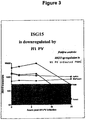
Figure 3 : Downregulation of ISG15 by H-1PV
See Example 2 for details. -
Figure 4 : Comparison of the protocols of applying either Gemzar or H-1PV as first line treatment
See Example 2 for details. -
Figure 5 : Samples obtained during routine PDAC surgeries are (i) used to establish short- and long-term primary cultures, and simultaneously,(ii) xenotransplanted into SCID mice and then expanded
See Example 3 for details. - Thus, the present invention relates to a diagnostic method for predicting the response of a patient to chemovirotherapy or radiovirotheray, comprising
- (a) exposing primary tumor cells of a tumor sample obtained from a patient to different doses of (i) a parvovirus and (ii) a chemotherapeutic agent or radiotherapy; and
- (b) determining the reduction of the expression or concentration of ISG15 over varying time periods.
- Thus, the ISG15 expression in primary tumor cells exposed to different doses of, e.g., H1-PV and gemcitabine over varying time periods allows to predict the response to potential therapy and to adjust individual doses of parvovirus
- In an alternative embodiment, the present invention relates to a method of selecting a therapy modality for a patient afflicted with a tumor, comprising
- (a) exposing primary tumor cells of a tumor sample obtained from a patient to different doses of (i) a parvovirus and (ii) a chemotherapeutic agent or radiotherapy; and
- (b) determining the reduction of the expression or concentration of ISG15 over varying time periods.
- Based on the results of step (b) the response of a patient to chemovirotherapy/radiotherapy can be predicted and the most suitable therapy modality selected, i.e., both a cut-off value can be established and a test selects suitable patients and adjust an appropriate dose for these patients.
- The terms "chemovirotherapy" and "radiovirotherapys" as used herein, refer to a combination of (parvo)virotherapy with chemotherapy and radiotherapy, respectively. The parvovirus can be administered prior to, simultaneously with or after administration of the chemotherapeutic agent or radiotherapy. Preferably, the parvovirus is administered prior to the chemotherapeutic agent or radiotherapy.
- The term "tumor sample" as used herein, refers to a sample obtained from a patient. The tumor sample can be obtained from the patient by routine measures known to the person skilled in the art, i.e., biopsy (taken by aspiration or punctuation, excision or by any other surgical method leading to biopsy or resected cellular material). For those areas not easily reached via an open biopsy, a surgeon can, through a small hole made in the skull, use stereotaxic instrumentation to obtain a "closed" biopsy. Stereotaxic instrumentation allows the surgeon to precisely position a biopsy probe in three-dimensional space to allow access almost anywhere in the brain. Therefore, it is possible to obtain tissue for the diagnostic method of the present invention.
- The term "tumor" is not limited to any stage, grade, histomorphological feature, invasiveness, agressivity or malignancy of an affected tissue or cell aggregation. In particular stage 0 cancer, stage I cancer, stage II cancer, stage III cancer, stage IV cancer, grade I cancer, grade II cancer, grade III cancer, malignant cancer, primary carcinomas, and all other types of cancers, malignancies etc. are included.
- The term "parvovirus" as used herein comprises wild-type or modified replication-competent derivatives thereof, as well as related viruses or vectors based on such viruses or derivatives. Suitable parvoviruses, derivatives, etc. as well as cells which can be used for actively producing said parvoviruses and which are useful for therapy, are readily determinable within the skill of the art based on the disclosure herein, without undue experimental effort. Examples of parvoviruses useful in the present invention include parvovirus HI (H1-PV) or a related parvovirus such as LuIII, Mouse minute virus (MMV), Mouse parvovirus (MPV), Rat minute virus (RMV), Rat parvovirus (RPV) or Rat virus (RV).
- ISG15 is an IFN-alpha/beta-induced ubiquitin-like protein that is conjugated to a wide array of cellular proteins through the sequential action of three conjugation enzymes that are also induced by IFN-alpha/beta. The amino acid sequence of the protein as well as the nucleotide sequence of the gene encoding ISG15 are described in (4) and (5). Thus, the person skilled in the art can generate probes suitable for determining the expression and/or concentration of ISG15 according to standard methods. The person skilled in the art also knows routine methods for cultivating or maintaining primary tumor cells and incubating these cells with the parvovirus and/or chemotherapeutic agent.
- The methods of the invention can be applied to any tumor. However, preferred tumors are brain tumor and pancreatic cancer.
- Patients treatable by the combination of agents according to the invention include humans as well as non-human animals. Examples of the latter include, without limitation, animals such as cows, sheep, pigs, horses, dogs, and cats.
- Chemotherapeutic agents useful for the purposes of the present invention include all chemical compounds that are effective in inhibiting tumor growth. The administration of chemotherapeutic agents can be accomplished in a variety of ways including systemically by the parenteral and enteral routes. Preferably, the parvovirus and the chemotherapeutic agent are administered as separate compounds. Examples of suitable chemotherapeutic agents include alkylating agents, for example, nitrogen mustards, ethyleneimine compounds and alkyl sulphonates; antimetabolites, for example, folic acid, purine or pyrimidine antagonists, mitotic inhibitors, for example, vinca alkaloids and derivatives of podophyllotoxin; cytotoxic antibiotics; compounds that damage or interfere with DNA expression; and growth factor receptor antagonists.
- Particular examples of chemotherapeutic agents suitable for the combined therapy include cisplatin, dacarbazine (DTIC), dactinomycin, mechlorethamine (nitrogen mustard), streptozocin, cyclophosphamide, carmustine (BCNU), lomustine (CCNU), doxorubicin (adriamycin), daunorubicin, procarbazine, mitomycin, cytarabine, etoposide, methotrexate, 5-fluorouracil, vinblastine, vincristine, bleomycin, paclitaxel (taxol), docetaxel (taxotere), aldesleukin, asparaginase, busulfan, carboplatin, cladribine, dacarbazine, floxuridine, fludarabine, hydroxyurea, ifosfamide, leuprolide, megestrol, melphalan, mercaptopurine, plicamycin, mitotane, pegaspargase, pentostatin, pipobroman, plicamycin, streptozocin, tamoxifen, teniposide, testolactone, thioguanine, thiotepa, uracil mustard, vinorelbine, chlorambucil and combinations thereof. Particularly preferred chemotherapeutic agents are gemcitabine and temozolodine.
- The expression of the gene encoding ISG15 and the concentration of the ISG15 protein can be assayed by standard methods known to the person skilled in the art. The nucleic acid sequence and derived amino acid sequence of ISG15 have been published (4). Preferred assays are based on hybridization or by PCR using appropriate probes/primer pairs, such as Northern blot analysis, reverse transcription polymerase chain reaction (RT-CR), in situ hybridization, etc..
- "Primer pairs" and "probes", within the meaning of the present invention, shall have the ordinary meaning of this term which is well known to the person skilled in the art of molecular biology. In a preferred embodiment of the invention "primer pairs" and "probes" shall be understood as being polynucleotide molecules having a sequence identical, complementary, homologous, or homologous to the complement of regions of a target ISG15 protein which is to be detected. The primers/probes may be detectably labeled helpful in the detection of the protein. Preferred labels are fluorescent labels, luminescent labels, radioactive labels and dyes.
- Preferably, the concentration of the ISG15 protein is determined by using an antibody that specifically binds to the ISG15 protein. Such an antibody can be generated using an ISG15 derived peptide or the entire protein as an immunogen.
- The term "antibody" as used herein relates to any type of antibody known in the art. An antibody as used herein includes intact immunoglobulin molecules, as well as fragments thereof, such as Fab, F(ab)2, and Fv, which are capable of binding an epitope of IDH1. Typically, at least 6, 8, 10, or 12 contiguous amino acids are required to form an epitope. However, epitopes which involve non-contiguous amino acids may require more, e.g., at least 15, 25, or 50 amino acids.
- An antibody which specifically binds to ISG15 can be used in immunochemical assays, such as Western blots, ELISAs, radioimmunoassays, immunohistochemical assays, immunoprecipitations, or other immunochemical assays known in the art. Various immunoassays can be used to identify antibodies having the desired specificity. Numerous protocols for competitive binding or immunoradiometric assays are well known in the art. Such immunoassays typically involve the measurement of complex formation between an immunogen and an antibody which specifically binds to the immunogen.
- An antibody useful in the diagnostic method of the present invention can be raised according to well established methods, i.e., an ISG15 polypeptide or fragment thereof can be used to immunize a mammal, such as a mouse, rat, rabbit, guinea pig, monkey, or human, to produce polyclonal antibodies. If desired, the (poly)peptide used as an immunogen can be conjugated to a carrier protein, such as bovine serum albumin, thyroglobulin, and keyhole limpet hemocyanin. Depending on the host species, various adjuvants can be used to increase the immunological response. Such adjuvants include, but are not limited to, Freund's adjuvant, mineral gels (e.g., aluminum hydroxide), and surface active substances (e.g. lysolecithin, pluronic polyols, polyanions, peptides, oil emulsions, keyhole limpet hemocyanin, and dinitrophenol). Among adjuvants used in humans, BCG (bacilli Calmette-Guerin) and Corynebacterium parvum are especially useful.
- Monoclonal antibodies which specifically bind to ISG15 can be prepared using any technique which provides for the production of antibody molecules by continuous cell lines in culture. These techniques include, but are not limited to, the hybridoma technique, the human B cell hybridoma technique, and the EBV hybridoma technique [Kohler et al., Nature 256 (1985), 495-7).
- Antibodies useful in a method of the invention can be purified by methods well known in the art. For example, antibodies can be affinity purified by passage over a column to which an ISG15 polypeptide is bound. The bound antibodies can then be eluted from the column using a buffer with a high salt concentration.
- The invention is not limited to a particular immunoassay procedure, and therefore is intended to include both homogeneous and heterogeneous procedures. Exemplary immunoassays which can be conducted according to the invention include fluorescence polarization immunoassay (FPIA), fluorescence immunoassay (FIA), enzyme immunoassay (EIA), nephelometric inhibition immunoassay (NIA), enzyme linked immunosorbent assay (ELISA), and radioimmunoassay (RIA). An indicator moiety, or label group, can be attached to the subject antibodies and is selected so as to meet the needs of various uses of the method which are often dictated by the availability of assay equipment and compatible immunoassay procedures. General techniques to be used in performing the various immunoassays noted above are known to those of ordinary skill in the art.
- In the method of the present invention which relates to the selection of a therapy modality for a patient afflicted with a tumor the term "therapy modality", inter alia, refers to a timely sequential or simultaneous administration of a parvovirus and a chemotherapeutic agent for cancer therapy. The administration of these can be performed in an adjuvant and/or neoadjuvant mode. The variation of the dose of the single agent, timeframe of application and frequency of administration within a defined therapy window depends on the reduction of the expression/level/activity of ISG15 after primary tumor cells of tumor samples obtained from a patient have been exposed to different doses of a parvovirus and/or a chemotherapeutic agent. However, the assay results obtained might even indicate that the patient may profit more from a different treatment regimen. Thus, the term "therapy modality" is not restricted to administration of a parvovirus and a chemotherapeutic agent.
- The disclosure also provides a kit useful for carrying out a method of the invention, comprising an antibody that specifically binds to an ISG15 protein, or a probe or primer pair as described above, i.e., specifically hybridizing to the ISG15 mRNA.
- The following examples illustrate the invention.
- Recent experiments revealed that infection with H1-PV reduces the expression levels of the
ISG 15 in a subset of human pancreatic cells. AsPC1, MiaPaCa2, Panc1 and T3M4 cell lines were seeded in 24 well plates and infected with H-1PV at MOIs of 1 and 10. At 3, 10 and 24 hrs post infection (hpi) cells were harvested in 300 µl of MagNA Pure LC mRNA lysis buffer (Roche) and after purification of mRNA subjected to QRT-PCR using primers for human ISG15, ß-actin and H-1PV. The ISG15 copy numbers were drastically reduced in infected T3M4 and to a lesser extent in Panc1 cells (Fig. 2 and3 ). - An initial experiment was performed to compare the protocols of applying either Gemzar or H-1PV as first line treatment with a 24 hrs difference. The above-mentioned pancreatic cell lines were plated in a 96 well plate and treated with
MOIs - An MTT cytotoxicity assay was performed at 72 and 96 hrs to assess the levels of cell growth inhibition.

- The results of this initial experiment are shown on
Fig. 4 . The assumption concerning the improved effectiveness of the H/G (H-1PV-24h-Gemzar;H-G MOI 1 or H-G MOI 10) compared to the G/H (Gemzar-24h-H-1PV;G-H MOI 1 or G-H MOI 10) protocol could be confirmed in the case of T3M4 cells where the virus induces ISG15 reduction (seeFig 2 and3 ). - Samples obtained during routine PDAC surgeries (n=6) will be i) used to establish short- and long-term primary cultures, and will be simultaneously ii) xenotransplanted into SCID mice (F0) and future expanded (F1/F2) (see
Fig 5 ). The inhibitory effect of H-1PV on ISG15 expression will be tittered both in vitro using both QRT-PCRs and Western blots. Rabbit Polyclonal Antibody to human ISG15 (Axxora: Boston) will be used as the primary antibody at 1:500 dilution and in vivo. A minimal effective dose of the virus will be established. The degree of tumor cell death will serve as functional read-out. - Surgically obtained PDAC material will be used to a establish QRT- or IHC-based screening tool enabling timely selection of patients potentially responsive to the protocol based on use of H-1PV as an ISG15-dependent gemcitabine-sensitizer.
-
- 1. An interferon-related gene signature for DNA damage resistance is a predictive marker for chemotherapy and radiation for breast cancer. Weichselbaum RR, Ishwaran H, Yoon T, Nuyten DS, Baker SW, Khodarev-N, Su AW, Shaikh AY, Roach P, Kreike B, Roizman B, Bergh J, Pawitan Y, van de Vijver MJ, Minn AJ. Proc Natl Acad Sci U S A. 2008;105(47):18490-5.
- 2. Signal transducer and activator of
transcription 1 regulates both cytotoxic and prosurvival functions in tumor cells. Khodarev Nun, Minn AJ, Efimova EV, Darga The, Labay E, Beckett M, Mauceri HJ, Roizman B, Weichselbaum RR. Cancer Res. 2007;67(19):9214-20. - 3. STAT1 is overexpressed in tumors selected for radioresistance and confers protection from radiation in transduced sensitive cells. Khodarev NN, Beckett M, Labay E, Darga T, Roizman B, Weichselbaum RR. Proc Natl Acad Sci U S A. 2004;101(6):1714-9. Epub 2004 Jan 30.
- 4. Molecular characterization of the interferon-induced 15-kDa protein. Molecular cloning and nucleotide and amino acid sequence. Blomstrom DC, Fahey D, Kutny R, Korant BD, Knight E Jr. J Biol Chem. 1986;261(19):8811-6.
- 5. Production of ISG-15, an interferon-inducible protein, in human corneal cells. Taylor JL, D'Cunha J, Tom P, O'Brien WJ, Borden EC. J Interferon Cytokine Res. 1996;16(11):937-40.
Claims (6)
- A diagnostic method for predicting the response of a patient to chemovirotherapy or radiovirotherapy, comprising(a) exposing primary tumor cells of a tumor sample obtained from a patient to different doses of (i) a parvovirus and (ii) a chemotherapeutic agent or radiotherapy; and(b) determining the reduction of the expression or concentration of ISG15 over varying time periods.
- A method of selecting a therapy modality for a patient afflicted with a tumor, comprising(a) exposing primary tumor cells of a tumor sample obtained from a patient to different doses of (i) a parvovirus and (ii) a chemotherapeutic agent or radiotherapy, and(b) determining the reduction of the expression or concentration of ISG15 over varying time periods.
- The method of claim 1 or 2, wherein said tumor is a brain tumor or pancreatic tumor.
- The method of any one of claims 1 to 3, wherein the expression of ISG15 is determined on the mRNA level.
- The method of claim 4, wherein the mRNA level is determined by a hybridization based method or by PCR.
- The method of any one of claims 1 to 4, wherein the concentration of ISG15 is determined using an antibody that specifically binds to ISG15.
Priority Applications (1)
| Application Number | Priority Date | Filing Date | Title |
|---|---|---|---|
| EP11746432.1A EP2564201B1 (en) | 2010-04-30 | 2011-04-29 | Diagnostic method for predicting the response of a patient to chemovirotherapy or radiovirotherapy |
Applications Claiming Priority (3)
| Application Number | Priority Date | Filing Date | Title |
|---|---|---|---|
| EP10004592A EP2383577A1 (en) | 2010-04-30 | 2010-04-30 | Diagnostic method for predicting the response of a patient to chemovirotherapy or radiovirotherapy |
| PCT/EP2011/002154 WO2011134670A2 (en) | 2010-04-30 | 2011-04-29 | Diagnostic method for predicting the response of a patient to chemovirotherapy or radiovirotherapy |
| EP11746432.1A EP2564201B1 (en) | 2010-04-30 | 2011-04-29 | Diagnostic method for predicting the response of a patient to chemovirotherapy or radiovirotherapy |
Publications (2)
| Publication Number | Publication Date |
|---|---|
| EP2564201A2 EP2564201A2 (en) | 2013-03-06 |
| EP2564201B1 true EP2564201B1 (en) | 2016-03-09 |
Family
ID=42782289
Family Applications (2)
| Application Number | Title | Priority Date | Filing Date |
|---|---|---|---|
| EP10004592A Withdrawn EP2383577A1 (en) | 2010-04-30 | 2010-04-30 | Diagnostic method for predicting the response of a patient to chemovirotherapy or radiovirotherapy |
| EP11746432.1A Active EP2564201B1 (en) | 2010-04-30 | 2011-04-29 | Diagnostic method for predicting the response of a patient to chemovirotherapy or radiovirotherapy |
Family Applications Before (1)
| Application Number | Title | Priority Date | Filing Date |
|---|---|---|---|
| EP10004592A Withdrawn EP2383577A1 (en) | 2010-04-30 | 2010-04-30 | Diagnostic method for predicting the response of a patient to chemovirotherapy or radiovirotherapy |
Country Status (8)
| Country | Link |
|---|---|
| US (1) | US9664684B2 (en) |
| EP (2) | EP2383577A1 (en) |
| JP (1) | JP5725463B2 (en) |
| AU (1) | AU2011247360B2 (en) |
| CA (1) | CA2797553C (en) |
| DK (1) | DK2564201T3 (en) |
| ES (1) | ES2571111T3 (en) |
| WO (1) | WO2011134670A2 (en) |
Families Citing this family (8)
| Publication number | Priority date | Publication date | Assignee | Title |
|---|---|---|---|---|
| US20040175362A1 (en) | 1999-05-12 | 2004-09-09 | Curiel David T. | Infectivity-enhanced conditionally-replicative adenovirus and uses thereof |
| DK2806883T3 (en) * | 2012-01-25 | 2019-07-22 | Dnatrix Inc | BIOMARKERS AND COMBINATION THERAPIES WITH USING ONCOLYTIC VIRUS AND IMMUNOMODULATION |
| US11155599B2 (en) | 2012-02-02 | 2021-10-26 | Board Of Regents, The University Of Texas System | Adenoviruses expressing heterologous tumor-associated antigens |
| CN103941009B (en) * | 2014-04-14 | 2016-06-29 | 河北工程大学 | ISG15 colloidal gold strip for cattle and sheep diagnosis of early gestation and preparation method thereof |
| EP4628895A3 (en) * | 2017-01-13 | 2025-12-17 | Mayo Foundation for Medical Education and Research | Materials and methods for treating cancer |
| EP3657172A1 (en) * | 2018-11-22 | 2020-05-27 | Deutsches Krebsforschungszentrum, Stiftung des öffentlichen Rechts | Method for predicting the clinical response of oncolytic parvovirus h1 (h-1pv) treatment in a patient suspected of suffering from cancer by measuring the expression levels of laminins and/or galectins as biomarkers in a patient´s sample |
| CN109694871B (en) * | 2019-01-16 | 2022-06-10 | 中国药科大学 | Anti-human ISG15 protein antibody gene and application thereof |
| WO2024058504A1 (en) * | 2022-09-16 | 2024-03-21 | (주)한국원자력 엔지니어링 | Composition for preventing or treating cancer, and method for preventing or treating cancer by using same, having abscopal effect |
Family Cites Families (6)
| Publication number | Priority date | Publication date | Assignee | Title |
|---|---|---|---|---|
| WO2003094938A1 (en) * | 2002-05-09 | 2003-11-20 | Oncolytics Biotech Inc. | Method for reducing pain using oncolytic viruses |
| WO2006004907A2 (en) * | 2004-06-28 | 2006-01-12 | The Johns Hopkins University | Methods of inhibiting viral replication |
| JP4651495B2 (en) | 2005-10-14 | 2011-03-16 | 日本製粉株式会社 | Monoclonal antibody specifically reacting with ISG15 protein, hybridoma producing the same, and method for detecting cancer and virus infection |
| US8435731B2 (en) * | 2006-01-11 | 2013-05-07 | Colorado State University Research Foundation | Markers for viral infections and other inflammatory responses |
| US20100111874A1 (en) * | 2007-03-19 | 2010-05-06 | University Of Medicine And Dentistry Of New Jresey | Method of cancer detection and treatment |
| EP2082745B1 (en) * | 2007-12-28 | 2012-12-19 | Deutsches Krebsforschungszentrum, Stiftung des öffentlichen Rechts | Cancer therapy with a parvovirus combined with chemotherapy |
-
2010
- 2010-04-30 EP EP10004592A patent/EP2383577A1/en not_active Withdrawn
-
2011
- 2011-04-29 US US13/643,962 patent/US9664684B2/en not_active Expired - Fee Related
- 2011-04-29 ES ES11746432T patent/ES2571111T3/en active Active
- 2011-04-29 DK DK11746432.1T patent/DK2564201T3/en active
- 2011-04-29 EP EP11746432.1A patent/EP2564201B1/en active Active
- 2011-04-29 AU AU2011247360A patent/AU2011247360B2/en not_active Ceased
- 2011-04-29 JP JP2013506542A patent/JP5725463B2/en not_active Expired - Fee Related
- 2011-04-29 WO PCT/EP2011/002154 patent/WO2011134670A2/en not_active Ceased
- 2011-04-29 CA CA2797553A patent/CA2797553C/en active Active
Also Published As
| Publication number | Publication date |
|---|---|
| US20130101989A1 (en) | 2013-04-25 |
| WO2011134670A3 (en) | 2012-01-12 |
| CA2797553C (en) | 2017-10-17 |
| JP2013524823A (en) | 2013-06-20 |
| ES2571111T3 (en) | 2016-05-24 |
| CA2797553A1 (en) | 2011-11-03 |
| AU2011247360B2 (en) | 2016-03-10 |
| EP2564201A2 (en) | 2013-03-06 |
| DK2564201T3 (en) | 2016-05-17 |
| US9664684B2 (en) | 2017-05-30 |
| JP5725463B2 (en) | 2015-05-27 |
| AU2011247360A1 (en) | 2012-11-08 |
| EP2383577A1 (en) | 2011-11-02 |
| WO2011134670A2 (en) | 2011-11-03 |
Similar Documents
| Publication | Publication Date | Title |
|---|---|---|
| CA2797553C (en) | Diagnostic method for predicting the response of a patient to chemovirotherapy or radiovirotherapy | |
| ES2781866T3 (en) | Methods and kits for the prognosis of colorectal cancer | |
| RU2550925C2 (en) | Diagnosing and treating breast cancer | |
| EP2686441B1 (en) | Methods and uses for predicting response to eribulin | |
| US8790869B2 (en) | Renal cell carcinoma biomarkers | |
| JPWO2010064702A1 (en) | Biomarkers for predicting cancer prognosis | |
| EP2253716A1 (en) | Diagnostic methods for the prognosis of a brain tumor | |
| US20170002421A1 (en) | Methods and assays for determining reduced brca1 pathway function in a cancer cell | |
| KR20180028524A (en) | Sensitivity to FGFR expression and FGFR inhibitors | |
| ES2583003T3 (en) | A transcriptomic biomarker of myocarditis | |
| WO2018119411A1 (en) | Classification of diffuse large b-cell lymphoma | |
| EP3546943A1 (en) | Composition for diagnosis of diseases | |
| US11274349B2 (en) | Methods for diagnosing cancer | |
| US20100279892A1 (en) | Methods to determine if a subject will respond to a bcr-abl inhibitor | |
| WO2020082037A1 (en) | Methods for treating a subtype of small cell lung cancer | |
| WO2013190081A1 (en) | Methods and reagents for the prognosis of cancer | |
| US20160313334A1 (en) | Methods for the detection of esophageal adenocarcinoma | |
| KR20240151659A (en) | Biomarkers for evaluating of response and predicting the prognosis of lung cancer therapy | |
| EP1669451A1 (en) | Brain tumor marker and method of diagnosing brain tumor | |
| EP4049029A1 (en) | Diagnostic and prognostic biomarkers of disease remission in rheumatoid arthritis | |
| US20180074048A1 (en) | Use of anoctamin as a biomarker for radiation biodosimetry | |
| JP2014057582A (en) | Method and kit for predicting cytotoxic activity | |
| KR20190079810A (en) | Biomarker for lung cancer metastasis diagnosis comprising rip1 and use thereof | |
| WO2015070045A1 (en) | A novel diagnostic/prognostic markers and therapeutic target for cancer | |
| ES2351327A1 (en) | METHOD OF OBTAINING USEFUL DATA FOR THE PREDICTION OF CLINICAL RESPONSE TO A TREATMENT OF A PATIENT WITH CANCER. |
Legal Events
| Date | Code | Title | Description |
|---|---|---|---|
| PUAI | Public reference made under article 153(3) epc to a published international application that has entered the european phase |
Free format text: ORIGINAL CODE: 0009012 |
|
| 17P | Request for examination filed |
Effective date: 20121116 |
|
| AK | Designated contracting states |
Kind code of ref document: A2 Designated state(s): AL AT BE BG CH CY CZ DE DK EE ES FI FR GB GR HR HU IE IS IT LI LT LU LV MC MK MT NL NO PL PT RO RS SE SI SK SM TR |
|
| DAX | Request for extension of the european patent (deleted) | ||
| 17Q | First examination report despatched |
Effective date: 20150612 |
|
| GRAP | Despatch of communication of intention to grant a patent |
Free format text: ORIGINAL CODE: EPIDOSNIGR1 |
|
| INTG | Intention to grant announced |
Effective date: 20151012 |
|
| GRAS | Grant fee paid |
Free format text: ORIGINAL CODE: EPIDOSNIGR3 |
|
| GRAA | (expected) grant |
Free format text: ORIGINAL CODE: 0009210 |
|
| AK | Designated contracting states |
Kind code of ref document: B1 Designated state(s): AL AT BE BG CH CY CZ DE DK EE ES FI FR GB GR HR HU IE IS IT LI LT LU LV MC MK MT NL NO PL PT RO RS SE SI SK SM TR |
|
| REG | Reference to a national code |
Ref country code: GB Ref legal event code: FG4D |
|
| REG | Reference to a national code |
Ref country code: AT Ref legal event code: REF Ref document number: 779887 Country of ref document: AT Kind code of ref document: T Effective date: 20160315 Ref country code: CH Ref legal event code: EP |
|
| REG | Reference to a national code |
Ref country code: IE Ref legal event code: FG4D |
|
| REG | Reference to a national code |
Ref country code: CH Ref legal event code: NV Representative=s name: ING. MARCO ZARDI C/O M. ZARDI AND CO. S.A., CH |
|
| REG | Reference to a national code |
Ref country code: DE Ref legal event code: R096 Ref document number: 602011023852 Country of ref document: DE |
|
| REG | Reference to a national code |
Ref country code: FR Ref legal event code: PLFP Year of fee payment: 6 |
|
| REG | Reference to a national code |
Ref country code: SE Ref legal event code: TRGR |
|
| REG | Reference to a national code |
Ref country code: DK Ref legal event code: T3 Effective date: 20160509 |
|
| REG | Reference to a national code |
Ref country code: NL Ref legal event code: FP |
|
| REG | Reference to a national code |
Ref country code: ES Ref legal event code: FG2A Ref document number: 2571111 Country of ref document: ES Kind code of ref document: T3 Effective date: 20160524 |
|
| REG | Reference to a national code |
Ref country code: LT Ref legal event code: MG4D |
|
| PG25 | Lapsed in a contracting state [announced via postgrant information from national office to epo] |
Ref country code: GR Free format text: LAPSE BECAUSE OF FAILURE TO SUBMIT A TRANSLATION OF THE DESCRIPTION OR TO PAY THE FEE WITHIN THE PRESCRIBED TIME-LIMIT Effective date: 20160610 Ref country code: FI Free format text: LAPSE BECAUSE OF FAILURE TO SUBMIT A TRANSLATION OF THE DESCRIPTION OR TO PAY THE FEE WITHIN THE PRESCRIBED TIME-LIMIT Effective date: 20160309 Ref country code: NO Free format text: LAPSE BECAUSE OF FAILURE TO SUBMIT A TRANSLATION OF THE DESCRIPTION OR TO PAY THE FEE WITHIN THE PRESCRIBED TIME-LIMIT Effective date: 20160609 Ref country code: HR Free format text: LAPSE BECAUSE OF FAILURE TO SUBMIT A TRANSLATION OF THE DESCRIPTION OR TO PAY THE FEE WITHIN THE PRESCRIBED TIME-LIMIT Effective date: 20160309 |
|
| PG25 | Lapsed in a contracting state [announced via postgrant information from national office to epo] |
Ref country code: RS Free format text: LAPSE BECAUSE OF FAILURE TO SUBMIT A TRANSLATION OF THE DESCRIPTION OR TO PAY THE FEE WITHIN THE PRESCRIBED TIME-LIMIT Effective date: 20160309 Ref country code: PL Free format text: LAPSE BECAUSE OF FAILURE TO SUBMIT A TRANSLATION OF THE DESCRIPTION OR TO PAY THE FEE WITHIN THE PRESCRIBED TIME-LIMIT Effective date: 20160309 Ref country code: LV Free format text: LAPSE BECAUSE OF FAILURE TO SUBMIT A TRANSLATION OF THE DESCRIPTION OR TO PAY THE FEE WITHIN THE PRESCRIBED TIME-LIMIT Effective date: 20160309 Ref country code: LT Free format text: LAPSE BECAUSE OF FAILURE TO SUBMIT A TRANSLATION OF THE DESCRIPTION OR TO PAY THE FEE WITHIN THE PRESCRIBED TIME-LIMIT Effective date: 20160309 |
|
| PG25 | Lapsed in a contracting state [announced via postgrant information from national office to epo] |
Ref country code: IS Free format text: LAPSE BECAUSE OF FAILURE TO SUBMIT A TRANSLATION OF THE DESCRIPTION OR TO PAY THE FEE WITHIN THE PRESCRIBED TIME-LIMIT Effective date: 20160709 Ref country code: EE Free format text: LAPSE BECAUSE OF FAILURE TO SUBMIT A TRANSLATION OF THE DESCRIPTION OR TO PAY THE FEE WITHIN THE PRESCRIBED TIME-LIMIT Effective date: 20160309 |
|
| PG25 | Lapsed in a contracting state [announced via postgrant information from national office to epo] |
Ref country code: SK Free format text: LAPSE BECAUSE OF FAILURE TO SUBMIT A TRANSLATION OF THE DESCRIPTION OR TO PAY THE FEE WITHIN THE PRESCRIBED TIME-LIMIT Effective date: 20160309 Ref country code: PT Free format text: LAPSE BECAUSE OF FAILURE TO SUBMIT A TRANSLATION OF THE DESCRIPTION OR TO PAY THE FEE WITHIN THE PRESCRIBED TIME-LIMIT Effective date: 20160711 Ref country code: SM Free format text: LAPSE BECAUSE OF FAILURE TO SUBMIT A TRANSLATION OF THE DESCRIPTION OR TO PAY THE FEE WITHIN THE PRESCRIBED TIME-LIMIT Effective date: 20160309 Ref country code: CZ Free format text: LAPSE BECAUSE OF FAILURE TO SUBMIT A TRANSLATION OF THE DESCRIPTION OR TO PAY THE FEE WITHIN THE PRESCRIBED TIME-LIMIT Effective date: 20160309 Ref country code: RO Free format text: LAPSE BECAUSE OF FAILURE TO SUBMIT A TRANSLATION OF THE DESCRIPTION OR TO PAY THE FEE WITHIN THE PRESCRIBED TIME-LIMIT Effective date: 20160309 |
|
| REG | Reference to a national code |
Ref country code: DE Ref legal event code: R097 Ref document number: 602011023852 Country of ref document: DE |
|
| PLBE | No opposition filed within time limit |
Free format text: ORIGINAL CODE: 0009261 |
|
| STAA | Information on the status of an ep patent application or granted ep patent |
Free format text: STATUS: NO OPPOSITION FILED WITHIN TIME LIMIT |
|
| 26N | No opposition filed |
Effective date: 20161212 |
|
| PG25 | Lapsed in a contracting state [announced via postgrant information from national office to epo] |
Ref country code: BG Free format text: LAPSE BECAUSE OF FAILURE TO SUBMIT A TRANSLATION OF THE DESCRIPTION OR TO PAY THE FEE WITHIN THE PRESCRIBED TIME-LIMIT Effective date: 20160609 |
|
| REG | Reference to a national code |
Ref country code: FR Ref legal event code: PLFP Year of fee payment: 7 |
|
| PG25 | Lapsed in a contracting state [announced via postgrant information from national office to epo] |
Ref country code: SI Free format text: LAPSE BECAUSE OF FAILURE TO SUBMIT A TRANSLATION OF THE DESCRIPTION OR TO PAY THE FEE WITHIN THE PRESCRIBED TIME-LIMIT Effective date: 20160309 |
|
| REG | Reference to a national code |
Ref country code: FR Ref legal event code: PLFP Year of fee payment: 8 |
|
| PG25 | Lapsed in a contracting state [announced via postgrant information from national office to epo] |
Ref country code: CY Free format text: LAPSE BECAUSE OF FAILURE TO SUBMIT A TRANSLATION OF THE DESCRIPTION OR TO PAY THE FEE WITHIN THE PRESCRIBED TIME-LIMIT Effective date: 20160309 Ref country code: HU Free format text: LAPSE BECAUSE OF FAILURE TO SUBMIT A TRANSLATION OF THE DESCRIPTION OR TO PAY THE FEE WITHIN THE PRESCRIBED TIME-LIMIT; INVALID AB INITIO Effective date: 20110429 |
|
| PG25 | Lapsed in a contracting state [announced via postgrant information from national office to epo] |
Ref country code: LU Free format text: LAPSE BECAUSE OF NON-PAYMENT OF DUE FEES Effective date: 20160429 Ref country code: TR Free format text: LAPSE BECAUSE OF FAILURE TO SUBMIT A TRANSLATION OF THE DESCRIPTION OR TO PAY THE FEE WITHIN THE PRESCRIBED TIME-LIMIT Effective date: 20160309 Ref country code: MC Free format text: LAPSE BECAUSE OF FAILURE TO SUBMIT A TRANSLATION OF THE DESCRIPTION OR TO PAY THE FEE WITHIN THE PRESCRIBED TIME-LIMIT Effective date: 20160309 Ref country code: MK Free format text: LAPSE BECAUSE OF FAILURE TO SUBMIT A TRANSLATION OF THE DESCRIPTION OR TO PAY THE FEE WITHIN THE PRESCRIBED TIME-LIMIT Effective date: 20160309 Ref country code: MT Free format text: LAPSE BECAUSE OF NON-PAYMENT OF DUE FEES Effective date: 20160430 |
|
| PG25 | Lapsed in a contracting state [announced via postgrant information from national office to epo] |
Ref country code: AL Free format text: LAPSE BECAUSE OF FAILURE TO SUBMIT A TRANSLATION OF THE DESCRIPTION OR TO PAY THE FEE WITHIN THE PRESCRIBED TIME-LIMIT Effective date: 20160309 |
|
| PGFP | Annual fee paid to national office [announced via postgrant information from national office to epo] |
Ref country code: NL Payment date: 20230424 Year of fee payment: 13 |
|
| PGFP | Annual fee paid to national office [announced via postgrant information from national office to epo] |
Ref country code: IT Payment date: 20230421 Year of fee payment: 13 Ref country code: IE Payment date: 20230419 Year of fee payment: 13 Ref country code: FR Payment date: 20230421 Year of fee payment: 13 Ref country code: ES Payment date: 20230515 Year of fee payment: 13 Ref country code: DK Payment date: 20230421 Year of fee payment: 13 Ref country code: DE Payment date: 20230427 Year of fee payment: 13 Ref country code: CH Payment date: 20230502 Year of fee payment: 13 |
|
| PGFP | Annual fee paid to national office [announced via postgrant information from national office to epo] |
Ref country code: SE Payment date: 20230421 Year of fee payment: 13 Ref country code: AT Payment date: 20230419 Year of fee payment: 13 |
|
| PGFP | Annual fee paid to national office [announced via postgrant information from national office to epo] |
Ref country code: BE Payment date: 20230424 Year of fee payment: 13 |
|
| PGFP | Annual fee paid to national office [announced via postgrant information from national office to epo] |
Ref country code: GB Payment date: 20230418 Year of fee payment: 13 |
|
| REG | Reference to a national code |
Ref country code: DE Ref legal event code: R119 Ref document number: 602011023852 Country of ref document: DE |
|
| REG | Reference to a national code |
Ref country code: DK Ref legal event code: EBP Effective date: 20240430 |
|
| REG | Reference to a national code |
Ref country code: CH Ref legal event code: PL |
|
| REG | Reference to a national code |
Ref country code: SE Ref legal event code: EUG |
|
| REG | Reference to a national code |
Ref country code: NL Ref legal event code: MM Effective date: 20240501 |
|
| REG | Reference to a national code |
Ref country code: AT Ref legal event code: MM01 Ref document number: 779887 Country of ref document: AT Kind code of ref document: T Effective date: 20240429 |
|
| GBPC | Gb: european patent ceased through non-payment of renewal fee |
Effective date: 20240429 |
|
| REG | Reference to a national code |
Ref country code: BE Ref legal event code: MM Effective date: 20240430 |
|
| PG25 | Lapsed in a contracting state [announced via postgrant information from national office to epo] |
Ref country code: DE Free format text: LAPSE BECAUSE OF NON-PAYMENT OF DUE FEES Effective date: 20241105 |
|
| PG25 | Lapsed in a contracting state [announced via postgrant information from national office to epo] |
Ref country code: BE Free format text: LAPSE BECAUSE OF NON-PAYMENT OF DUE FEES Effective date: 20240430 Ref country code: NL Free format text: LAPSE BECAUSE OF NON-PAYMENT OF DUE FEES Effective date: 20240501 |
|
| PG25 | Lapsed in a contracting state [announced via postgrant information from national office to epo] |
Ref country code: GB Free format text: LAPSE BECAUSE OF NON-PAYMENT OF DUE FEES Effective date: 20240429 |
|
| PG25 | Lapsed in a contracting state [announced via postgrant information from national office to epo] |
Ref country code: FR Free format text: LAPSE BECAUSE OF NON-PAYMENT OF DUE FEES Effective date: 20240430 |
|
| PG25 | Lapsed in a contracting state [announced via postgrant information from national office to epo] |
Ref country code: AT Free format text: LAPSE BECAUSE OF NON-PAYMENT OF DUE FEES Effective date: 20240429 |
|
| PG25 | Lapsed in a contracting state [announced via postgrant information from national office to epo] |
Ref country code: NL Free format text: LAPSE BECAUSE OF NON-PAYMENT OF DUE FEES Effective date: 20240501 Ref country code: GB Free format text: LAPSE BECAUSE OF NON-PAYMENT OF DUE FEES Effective date: 20240429 Ref country code: FR Free format text: LAPSE BECAUSE OF NON-PAYMENT OF DUE FEES Effective date: 20240430 Ref country code: DE Free format text: LAPSE BECAUSE OF NON-PAYMENT OF DUE FEES Effective date: 20241105 Ref country code: BE Free format text: LAPSE BECAUSE OF NON-PAYMENT OF DUE FEES Effective date: 20240430 Ref country code: AT Free format text: LAPSE BECAUSE OF NON-PAYMENT OF DUE FEES Effective date: 20240429 Ref country code: CH Free format text: LAPSE BECAUSE OF NON-PAYMENT OF DUE FEES Effective date: 20240430 |
|
| PG25 | Lapsed in a contracting state [announced via postgrant information from national office to epo] |
Ref country code: DK Free format text: LAPSE BECAUSE OF NON-PAYMENT OF DUE FEES Effective date: 20240430 |
|
| PG25 | Lapsed in a contracting state [announced via postgrant information from national office to epo] |
Ref country code: IE Free format text: LAPSE BECAUSE OF NON-PAYMENT OF DUE FEES Effective date: 20240429 |
|
| PG25 | Lapsed in a contracting state [announced via postgrant information from national office to epo] |
Ref country code: IT Free format text: LAPSE BECAUSE OF NON-PAYMENT OF DUE FEES Effective date: 20240429 |
|
| REG | Reference to a national code |
Ref country code: ES Ref legal event code: FD2A Effective date: 20250602 |
|
| PG25 | Lapsed in a contracting state [announced via postgrant information from national office to epo] |
Ref country code: ES Free format text: LAPSE BECAUSE OF NON-PAYMENT OF DUE FEES Effective date: 20240430 |
|
| PG25 | Lapsed in a contracting state [announced via postgrant information from national office to epo] |
Ref country code: SE Free format text: LAPSE BECAUSE OF NON-PAYMENT OF DUE FEES Effective date: 20240430 |