EP2560662B1 - Sulodexide for use in the treatment of pathologies wherein metalloproteinases are involved - Google Patents
Sulodexide for use in the treatment of pathologies wherein metalloproteinases are involved Download PDFInfo
- Publication number
- EP2560662B1 EP2560662B1 EP11723652.1A EP11723652A EP2560662B1 EP 2560662 B1 EP2560662 B1 EP 2560662B1 EP 11723652 A EP11723652 A EP 11723652A EP 2560662 B1 EP2560662 B1 EP 2560662B1
- Authority
- EP
- European Patent Office
- Prior art keywords
- sulodexide
- sdx
- mmp
- mmps
- concentration
- Prior art date
- Legal status (The legal status is an assumption and is not a legal conclusion. Google has not performed a legal analysis and makes no representation as to the accuracy of the status listed.)
- Revoked
Links
- GRYSXUXXBDSYRT-WOUKDFQISA-N (2r,3r,4r,5r)-2-(hydroxymethyl)-4-methoxy-5-[6-(methylamino)purin-9-yl]oxolan-3-ol Chemical compound C1=NC=2C(NC)=NC=NC=2N1[C@@H]1O[C@H](CO)[C@@H](O)[C@H]1OC GRYSXUXXBDSYRT-WOUKDFQISA-N 0.000 title claims description 183
- 229920000439 Sulodexide Polymers 0.000 title claims description 183
- 229960003491 sulodexide Drugs 0.000 title claims description 183
- 230000007170 pathology Effects 0.000 title claims description 38
- 238000011282 treatment Methods 0.000 title claims description 26
- 102000005741 Metalloproteases Human genes 0.000 title description 4
- 108010006035 Metalloproteases Proteins 0.000 title description 4
- 102000002274 Matrix Metalloproteinases Human genes 0.000 claims description 113
- 108010000684 Matrix Metalloproteinases Proteins 0.000 claims description 113
- 206010046996 Varicose vein Diseases 0.000 claims description 17
- 208000027185 varicose disease Diseases 0.000 claims description 13
- 230000001613 neoplastic effect Effects 0.000 claims description 11
- 239000008194 pharmaceutical composition Substances 0.000 claims description 11
- 230000015572 biosynthetic process Effects 0.000 claims description 8
- 238000007918 intramuscular administration Methods 0.000 claims description 7
- 238000001990 intravenous administration Methods 0.000 claims description 7
- 150000003839 salts Chemical class 0.000 claims description 6
- 239000012453 solvate Substances 0.000 claims description 6
- 230000003187 abdominal effect Effects 0.000 claims description 4
- 108010015302 Matrix metalloproteinase-9 Proteins 0.000 description 70
- 102100030412 Matrix metalloproteinase-9 Human genes 0.000 description 66
- 229920000045 Dermatan sulfate Polymers 0.000 description 49
- HTTJABKRGRZYRN-UHFFFAOYSA-N Heparin Chemical compound OC1C(NC(=O)C)C(O)OC(COS(O)(=O)=O)C1OC1C(OS(O)(=O)=O)C(O)C(OC2C(C(OS(O)(=O)=O)C(OC3C(C(O)C(O)C(O3)C(O)=O)OS(O)(=O)=O)C(CO)O2)NS(O)(=O)=O)C(C(O)=O)O1 HTTJABKRGRZYRN-UHFFFAOYSA-N 0.000 description 48
- 229920000669 heparin Polymers 0.000 description 48
- FPJHWYCPAOPVIV-VOZMEZHOSA-N (2R,3S,4R,5R,6R)-6-[(2R,3R,4R,5R,6R)-5-acetamido-2-(hydroxymethyl)-6-methoxy-3-sulfooxyoxan-4-yl]oxy-4,5-dihydroxy-3-methoxyoxane-2-carboxylic acid Chemical compound CO[C@@H]1O[C@H](CO)[C@H](OS(O)(=O)=O)[C@H](O[C@@H]2O[C@H]([C@@H](OC)[C@H](O)[C@H]2O)C(O)=O)[C@H]1NC(C)=O FPJHWYCPAOPVIV-VOZMEZHOSA-N 0.000 description 41
- 230000000694 effects Effects 0.000 description 35
- 229940051593 dermatan sulfate Drugs 0.000 description 33
- 229960004762 parnaparin Drugs 0.000 description 32
- 210000004369 blood Anatomy 0.000 description 31
- 239000008280 blood Substances 0.000 description 31
- 230000009467 reduction Effects 0.000 description 31
- 230000000875 corresponding effect Effects 0.000 description 25
- 210000002966 serum Anatomy 0.000 description 22
- 239000000523 sample Substances 0.000 description 20
- 239000000499 gel Substances 0.000 description 19
- 239000000203 mixture Substances 0.000 description 18
- 229960002897 heparin Drugs 0.000 description 16
- 238000000034 method Methods 0.000 description 15
- 239000000243 solution Substances 0.000 description 15
- FAPWRFPIFSIZLT-UHFFFAOYSA-M Sodium chloride Chemical compound [Na+].[Cl-] FAPWRFPIFSIZLT-UHFFFAOYSA-M 0.000 description 14
- 230000005764 inhibitory process Effects 0.000 description 14
- 238000007805 zymography Methods 0.000 description 14
- 201000002816 chronic venous insufficiency Diseases 0.000 description 12
- 229920000159 gelatin Polymers 0.000 description 12
- 210000003462 vein Anatomy 0.000 description 12
- 201000002282 venous insufficiency Diseases 0.000 description 12
- 101710151806 72 kDa type IV collagenase Proteins 0.000 description 11
- 102100026802 72 kDa type IV collagenase Human genes 0.000 description 11
- 206010028980 Neoplasm Diseases 0.000 description 11
- 206010012601 diabetes mellitus Diseases 0.000 description 10
- 230000001965 increasing effect Effects 0.000 description 10
- 210000001519 tissue Anatomy 0.000 description 10
- 229920002683 Glycosaminoglycan Polymers 0.000 description 9
- 238000001962 electrophoresis Methods 0.000 description 9
- 235000019322 gelatine Nutrition 0.000 description 9
- 239000002565 heparin fraction Substances 0.000 description 9
- 238000001042 affinity chromatography Methods 0.000 description 8
- 208000037265 diseases, disorders, signs and symptoms Diseases 0.000 description 8
- 239000003814 drug Substances 0.000 description 8
- 239000008273 gelatin Substances 0.000 description 8
- 238000007804 gelatin zymography Methods 0.000 description 8
- 229940127215 low-molecular weight heparin Drugs 0.000 description 8
- 102000013382 Gelatinases Human genes 0.000 description 7
- 108010026132 Gelatinases Proteins 0.000 description 7
- 239000008186 active pharmaceutical agent Substances 0.000 description 7
- XFILPEOLDIKJHX-QYZOEREBSA-N batimastat Chemical compound C([C@@H](C(=O)NC)NC(=O)[C@H](CC(C)C)[C@H](CSC=1SC=CC=1)C(=O)NO)C1=CC=CC=C1 XFILPEOLDIKJHX-QYZOEREBSA-N 0.000 description 7
- 150000001875 compounds Chemical class 0.000 description 7
- 238000000338 in vitro Methods 0.000 description 7
- 239000003055 low molecular weight heparin Substances 0.000 description 7
- 230000008569 process Effects 0.000 description 7
- 108090000623 proteins and genes Proteins 0.000 description 7
- 102000004169 proteins and genes Human genes 0.000 description 7
- 239000000758 substrate Substances 0.000 description 7
- QTBSBXVTEAMEQO-UHFFFAOYSA-N Acetic acid Chemical compound CC(O)=O QTBSBXVTEAMEQO-UHFFFAOYSA-N 0.000 description 6
- 229950001858 batimastat Drugs 0.000 description 6
- 239000000872 buffer Substances 0.000 description 6
- 201000010099 disease Diseases 0.000 description 6
- 230000000477 gelanolytic effect Effects 0.000 description 6
- 238000001727 in vivo Methods 0.000 description 6
- 238000011065 in-situ storage Methods 0.000 description 6
- 239000003112 inhibitor Substances 0.000 description 6
- 238000000746 purification Methods 0.000 description 6
- 239000011780 sodium chloride Substances 0.000 description 6
- 208000019553 vascular disease Diseases 0.000 description 6
- 108090000790 Enzymes Proteins 0.000 description 5
- 102000004190 Enzymes Human genes 0.000 description 5
- LFQSCWFLJHTTHZ-UHFFFAOYSA-N Ethanol Chemical compound CCO LFQSCWFLJHTTHZ-UHFFFAOYSA-N 0.000 description 5
- 108010010803 Gelatin Proteins 0.000 description 5
- 239000007983 Tris buffer Substances 0.000 description 5
- 239000004480 active ingredient Substances 0.000 description 5
- 238000003556 assay Methods 0.000 description 5
- 230000008901 benefit Effects 0.000 description 5
- 229940088598 enzyme Drugs 0.000 description 5
- 238000002474 experimental method Methods 0.000 description 5
- 238000005227 gel permeation chromatography Methods 0.000 description 5
- 235000011852 gelatine desserts Nutrition 0.000 description 5
- 239000000546 pharmaceutical excipient Substances 0.000 description 5
- 238000002360 preparation method Methods 0.000 description 5
- 238000010561 standard procedure Methods 0.000 description 5
- OEANUJAFZLQYOD-CXAZCLJRSA-N (2r,3s,4r,5r,6r)-6-[(2r,3r,4r,5r,6r)-5-acetamido-3-hydroxy-2-(hydroxymethyl)-6-methoxyoxan-4-yl]oxy-4,5-dihydroxy-3-methoxyoxane-2-carboxylic acid Chemical compound CC(=O)N[C@H]1[C@H](OC)O[C@H](CO)[C@H](O)[C@@H]1O[C@H]1[C@H](O)[C@@H](O)[C@H](OC)[C@H](C(O)=O)O1 OEANUJAFZLQYOD-CXAZCLJRSA-N 0.000 description 4
- 108090000935 Antithrombin III Proteins 0.000 description 4
- 206010015866 Extravasation Diseases 0.000 description 4
- WSFSSNUMVMOOMR-UHFFFAOYSA-N Formaldehyde Chemical compound O=C WSFSSNUMVMOOMR-UHFFFAOYSA-N 0.000 description 4
- 239000001828 Gelatine Substances 0.000 description 4
- 102000001776 Matrix metalloproteinase-9 Human genes 0.000 description 4
- PXIPVTKHYLBLMZ-UHFFFAOYSA-N Sodium azide Chemical compound [Na+].[N-]=[N+]=[N-] PXIPVTKHYLBLMZ-UHFFFAOYSA-N 0.000 description 4
- 230000033115 angiogenesis Effects 0.000 description 4
- 239000007853 buffer solution Substances 0.000 description 4
- 210000004027 cell Anatomy 0.000 description 4
- 238000005119 centrifugation Methods 0.000 description 4
- 230000000052 comparative effect Effects 0.000 description 4
- 230000029087 digestion Effects 0.000 description 4
- 230000002255 enzymatic effect Effects 0.000 description 4
- 230000036251 extravasation Effects 0.000 description 4
- OCSMOTCMPXTDND-OUAUKWLOSA-N marimastat Chemical compound CNC(=O)[C@H](C(C)(C)C)NC(=O)[C@H](CC(C)C)[C@H](O)C(=O)NO OCSMOTCMPXTDND-OUAUKWLOSA-N 0.000 description 4
- 210000005170 neoplastic cell Anatomy 0.000 description 4
- 230000002797 proteolythic effect Effects 0.000 description 4
- 210000003752 saphenous vein Anatomy 0.000 description 4
- 230000001225 therapeutic effect Effects 0.000 description 4
- NEAQRZUHTPSBBM-UHFFFAOYSA-N 2-hydroxy-3,3-dimethyl-7-nitro-4h-isoquinolin-1-one Chemical compound C1=C([N+]([O-])=O)C=C2C(=O)N(O)C(C)(C)CC2=C1 NEAQRZUHTPSBBM-UHFFFAOYSA-N 0.000 description 3
- 102100022977 Antithrombin-III Human genes 0.000 description 3
- 238000009010 Bradford assay Methods 0.000 description 3
- 208000024172 Cardiovascular disease Diseases 0.000 description 3
- 108010037362 Extracellular Matrix Proteins Proteins 0.000 description 3
- 102000010834 Extracellular Matrix Proteins Human genes 0.000 description 3
- WZUVPPKBWHMQCE-UHFFFAOYSA-N Haematoxylin Natural products C12=CC(O)=C(O)C=C2CC2(O)C1C1=CC=C(O)C(O)=C1OC2 WZUVPPKBWHMQCE-UHFFFAOYSA-N 0.000 description 3
- 206010061216 Infarction Diseases 0.000 description 3
- WHXSMMKQMYFTQS-UHFFFAOYSA-N Lithium Chemical compound [Li] WHXSMMKQMYFTQS-UHFFFAOYSA-N 0.000 description 3
- 241001465754 Metazoa Species 0.000 description 3
- 206010028813 Nausea Diseases 0.000 description 3
- DBMJMQXJHONAFJ-UHFFFAOYSA-M Sodium laurylsulphate Chemical compound [Na+].CCCCCCCCCCCCOS([O-])(=O)=O DBMJMQXJHONAFJ-UHFFFAOYSA-M 0.000 description 3
- 239000004098 Tetracycline Substances 0.000 description 3
- 208000002223 abdominal aortic aneurysm Diseases 0.000 description 3
- 239000002253 acid Substances 0.000 description 3
- 230000004913 activation Effects 0.000 description 3
- 230000002411 adverse Effects 0.000 description 3
- 239000011543 agarose gel Substances 0.000 description 3
- 238000004458 analytical method Methods 0.000 description 3
- 208000007474 aortic aneurysm Diseases 0.000 description 3
- 239000012472 biological sample Substances 0.000 description 3
- 201000011510 cancer Diseases 0.000 description 3
- 230000000747 cardiac effect Effects 0.000 description 3
- 238000006243 chemical reaction Methods 0.000 description 3
- 238000013270 controlled release Methods 0.000 description 3
- 238000010217 densitometric analysis Methods 0.000 description 3
- 238000011161 development Methods 0.000 description 3
- 238000007865 diluting Methods 0.000 description 3
- 239000003085 diluting agent Substances 0.000 description 3
- LOKCTEFSRHRXRJ-UHFFFAOYSA-I dipotassium trisodium dihydrogen phosphate hydrogen phosphate dichloride Chemical compound P(=O)(O)(O)[O-].[K+].P(=O)(O)([O-])[O-].[Na+].[Na+].[Cl-].[K+].[Cl-].[Na+] LOKCTEFSRHRXRJ-UHFFFAOYSA-I 0.000 description 3
- 239000007884 disintegrant Substances 0.000 description 3
- 229940079593 drug Drugs 0.000 description 3
- 238000011156 evaluation Methods 0.000 description 3
- 210000002744 extracellular matrix Anatomy 0.000 description 3
- 230000006870 function Effects 0.000 description 3
- 230000001939 inductive effect Effects 0.000 description 3
- 230000007574 infarction Effects 0.000 description 3
- 229910052744 lithium Inorganic materials 0.000 description 3
- 229950008959 marimastat Drugs 0.000 description 3
- 210000004165 myocardium Anatomy 0.000 description 3
- 230000008693 nausea Effects 0.000 description 3
- 230000001575 pathological effect Effects 0.000 description 3
- 230000002093 peripheral effect Effects 0.000 description 3
- 239000002953 phosphate buffered saline Substances 0.000 description 3
- 229950003608 prinomastat Drugs 0.000 description 3
- YKPYIPVDTNNYCN-INIZCTEOSA-N prinomastat Chemical compound ONC(=O)[C@H]1C(C)(C)SCCN1S(=O)(=O)C(C=C1)=CC=C1OC1=CC=NC=C1 YKPYIPVDTNNYCN-INIZCTEOSA-N 0.000 description 3
- 102000004196 processed proteins & peptides Human genes 0.000 description 3
- 108090000765 processed proteins & peptides Proteins 0.000 description 3
- 230000002685 pulmonary effect Effects 0.000 description 3
- 230000002040 relaxant effect Effects 0.000 description 3
- 238000007634 remodeling Methods 0.000 description 3
- 238000000926 separation method Methods 0.000 description 3
- 238000010186 staining Methods 0.000 description 3
- 239000006228 supernatant Substances 0.000 description 3
- 239000000725 suspension Substances 0.000 description 3
- 235000019364 tetracycline Nutrition 0.000 description 3
- 150000003522 tetracyclines Chemical class 0.000 description 3
- 229940040944 tetracyclines Drugs 0.000 description 3
- 231100000331 toxic Toxicity 0.000 description 3
- 230000002588 toxic effect Effects 0.000 description 3
- YBJHBAHKTGYVGT-ZKWXMUAHSA-N (+)-Biotin Chemical compound N1C(=O)N[C@@H]2[C@H](CCCCC(=O)O)SC[C@@H]21 YBJHBAHKTGYVGT-ZKWXMUAHSA-N 0.000 description 2
- WYTZZXDRDKSJID-UHFFFAOYSA-N (3-aminopropyl)triethoxysilane Chemical compound CCO[Si](OCC)(OCC)CCCN WYTZZXDRDKSJID-UHFFFAOYSA-N 0.000 description 2
- QKNYBSVHEMOAJP-UHFFFAOYSA-N 2-amino-2-(hydroxymethyl)propane-1,3-diol;hydron;chloride Chemical compound Cl.OCC(N)(CO)CO QKNYBSVHEMOAJP-UHFFFAOYSA-N 0.000 description 2
- 201000001320 Atherosclerosis Diseases 0.000 description 2
- BPYKTIZUTYGOLE-IFADSCNNSA-N Bilirubin Chemical compound N1C(=O)C(C)=C(C=C)\C1=C\C1=C(C)C(CCC(O)=O)=C(CC2=C(C(C)=C(\C=C/3C(=C(C=C)C(=O)N\3)C)N2)CCC(O)=O)N1 BPYKTIZUTYGOLE-IFADSCNNSA-N 0.000 description 2
- UXVMQQNJUSDDNG-UHFFFAOYSA-L Calcium chloride Chemical compound [Cl-].[Cl-].[Ca+2] UXVMQQNJUSDDNG-UHFFFAOYSA-L 0.000 description 2
- 241000283707 Capra Species 0.000 description 2
- 239000004375 Dextrin Substances 0.000 description 2
- 229920001353 Dextrin Polymers 0.000 description 2
- 108010088842 Fibrinolysin Proteins 0.000 description 2
- 206010061459 Gastrointestinal ulcer Diseases 0.000 description 2
- 206010061218 Inflammation Diseases 0.000 description 2
- 108091005804 Peptidases Proteins 0.000 description 2
- 102000035195 Peptidases Human genes 0.000 description 2
- 102000003992 Peroxidases Human genes 0.000 description 2
- 102000013566 Plasminogen Human genes 0.000 description 2
- 108010051456 Plasminogen Proteins 0.000 description 2
- JXAGDPXECXQWBC-LJQANCHMSA-N Tanomastat Chemical compound C([C@H](C(=O)O)CC(=O)C=1C=CC(=CC=1)C=1C=CC(Cl)=CC=1)SC1=CC=CC=C1 JXAGDPXECXQWBC-LJQANCHMSA-N 0.000 description 2
- 108010031372 Tissue Inhibitor of Metalloproteinase-2 Proteins 0.000 description 2
- 229920004890 Triton X-100 Polymers 0.000 description 2
- 239000013504 Triton X-100 Substances 0.000 description 2
- 208000025865 Ulcer Diseases 0.000 description 2
- 208000000558 Varicose Ulcer Diseases 0.000 description 2
- 238000010521 absorption reaction Methods 0.000 description 2
- 239000008351 acetate buffer Substances 0.000 description 2
- 230000009471 action Effects 0.000 description 2
- 239000000443 aerosol Substances 0.000 description 2
- 229940127217 antithrombotic drug Drugs 0.000 description 2
- ITHZDDVSAWDQPZ-UHFFFAOYSA-L barium acetate Chemical compound [Ba+2].CC([O-])=O.CC([O-])=O ITHZDDVSAWDQPZ-UHFFFAOYSA-L 0.000 description 2
- 230000017531 blood circulation Effects 0.000 description 2
- 239000001110 calcium chloride Substances 0.000 description 2
- 229910001628 calcium chloride Inorganic materials 0.000 description 2
- 239000003560 cancer drug Substances 0.000 description 2
- 239000002775 capsule Substances 0.000 description 2
- 230000001413 cellular effect Effects 0.000 description 2
- 239000003795 chemical substances by application Substances 0.000 description 2
- 208000037998 chronic venous disease Diseases 0.000 description 2
- 230000015271 coagulation Effects 0.000 description 2
- 238000005345 coagulation Methods 0.000 description 2
- 230000002596 correlated effect Effects 0.000 description 2
- 238000001514 detection method Methods 0.000 description 2
- 235000019425 dextrin Nutrition 0.000 description 2
- 208000035475 disorder Diseases 0.000 description 2
- 235000019441 ethanol Nutrition 0.000 description 2
- 239000008187 granular material Substances 0.000 description 2
- 238000011534 incubation Methods 0.000 description 2
- 230000004054 inflammatory process Effects 0.000 description 2
- 238000002347 injection Methods 0.000 description 2
- 239000007924 injection Substances 0.000 description 2
- 230000000968 intestinal effect Effects 0.000 description 2
- 238000010255 intramuscular injection Methods 0.000 description 2
- 238000010253 intravenous injection Methods 0.000 description 2
- 230000009545 invasion Effects 0.000 description 2
- 238000002955 isolation Methods 0.000 description 2
- 210000003127 knee Anatomy 0.000 description 2
- 238000011068 loading method Methods 0.000 description 2
- 239000000463 material Substances 0.000 description 2
- 230000007246 mechanism Effects 0.000 description 2
- 239000012528 membrane Substances 0.000 description 2
- 230000005012 migration Effects 0.000 description 2
- 238000013508 migration Methods 0.000 description 2
- 230000037230 mobility Effects 0.000 description 2
- 230000004048 modification Effects 0.000 description 2
- 238000012986 modification Methods 0.000 description 2
- 210000004877 mucosa Anatomy 0.000 description 2
- 239000008203 oral pharmaceutical composition Substances 0.000 description 2
- 239000012188 paraffin wax Substances 0.000 description 2
- 108040007629 peroxidase activity proteins Proteins 0.000 description 2
- 229940068196 placebo Drugs 0.000 description 2
- 239000000902 placebo Substances 0.000 description 2
- 229940012957 plasmin Drugs 0.000 description 2
- 229920002401 polyacrylamide Polymers 0.000 description 2
- 238000011176 pooling Methods 0.000 description 2
- 229940024999 proteolytic enzymes for treatment of wounds and ulcers Drugs 0.000 description 2
- 238000011160 research Methods 0.000 description 2
- 230000002441 reversible effect Effects 0.000 description 2
- 239000001509 sodium citrate Substances 0.000 description 2
- NLJMYIDDQXHKNR-UHFFFAOYSA-K sodium citrate Chemical compound O.O.[Na+].[Na+].[Na+].[O-]C(=O)CC(O)(CC([O-])=O)C([O-])=O NLJMYIDDQXHKNR-UHFFFAOYSA-K 0.000 description 2
- 235000019333 sodium laurylsulphate Nutrition 0.000 description 2
- 239000003826 tablet Substances 0.000 description 2
- 238000012360 testing method Methods 0.000 description 2
- 230000001732 thrombotic effect Effects 0.000 description 2
- 230000003867 tiredness Effects 0.000 description 2
- 208000016255 tiredness Diseases 0.000 description 2
- 230000001131 transforming effect Effects 0.000 description 2
- 238000013520 translational research Methods 0.000 description 2
- 230000001173 tumoral effect Effects 0.000 description 2
- 230000002792 vascular Effects 0.000 description 2
- 230000006439 vascular pathology Effects 0.000 description 2
- 238000005406 washing Methods 0.000 description 2
- XLYOFNOQVPJJNP-UHFFFAOYSA-N water Substances O XLYOFNOQVPJJNP-UHFFFAOYSA-N 0.000 description 2
- 239000011592 zinc chloride Substances 0.000 description 2
- JIAARYAFYJHUJI-UHFFFAOYSA-L zinc dichloride Chemical compound [Cl-].[Cl-].[Zn+2] JIAARYAFYJHUJI-UHFFFAOYSA-L 0.000 description 2
- WZUVPPKBWHMQCE-XJKSGUPXSA-N (+)-haematoxylin Chemical compound C12=CC(O)=C(O)C=C2C[C@]2(O)[C@H]1C1=CC=C(O)C(O)=C1OC2 WZUVPPKBWHMQCE-XJKSGUPXSA-N 0.000 description 1
- ZKRFOXLVOKTUTA-KQYNXXCUSA-N 9-(5-phosphoribofuranosyl)-6-mercaptopurine Chemical compound O[C@@H]1[C@H](O)[C@@H](COP(O)(O)=O)O[C@H]1N1C(NC=NC2=S)=C2N=C1 ZKRFOXLVOKTUTA-KQYNXXCUSA-N 0.000 description 1
- 208000004998 Abdominal Pain Diseases 0.000 description 1
- 229920000936 Agarose Polymers 0.000 description 1
- 206010001580 Albuminuria Diseases 0.000 description 1
- GUBGYTABKSRVRQ-XLOQQCSPSA-N Alpha-Lactose Chemical compound O[C@@H]1[C@@H](O)[C@@H](O)[C@@H](CO)O[C@H]1O[C@@H]1[C@@H](CO)O[C@H](O)[C@H](O)[C@H]1O GUBGYTABKSRVRQ-XLOQQCSPSA-N 0.000 description 1
- 102000004411 Antithrombin III Human genes 0.000 description 1
- 208000031104 Arterial Occlusive disease Diseases 0.000 description 1
- 200000000007 Arterial disease Diseases 0.000 description 1
- 208000006820 Arthralgia Diseases 0.000 description 1
- 108090001008 Avidin Proteins 0.000 description 1
- 229940122361 Bisphosphonate Drugs 0.000 description 1
- 206010006002 Bone pain Diseases 0.000 description 1
- 102000019034 Chemokines Human genes 0.000 description 1
- 108010012236 Chemokines Proteins 0.000 description 1
- 229920002567 Chondroitin Polymers 0.000 description 1
- 102000008186 Collagen Human genes 0.000 description 1
- 108010035532 Collagen Proteins 0.000 description 1
- 102100027995 Collagenase 3 Human genes 0.000 description 1
- 108050005238 Collagenase 3 Proteins 0.000 description 1
- 206010010305 Confusional state Diseases 0.000 description 1
- 229920002261 Corn starch Chemical class 0.000 description 1
- 102000004127 Cytokines Human genes 0.000 description 1
- 108090000695 Cytokines Proteins 0.000 description 1
- FBPFZTCFMRRESA-KVTDHHQDSA-N D-Mannitol Chemical compound OC[C@@H](O)[C@@H](O)[C@H](O)[C@H](O)CO FBPFZTCFMRRESA-KVTDHHQDSA-N 0.000 description 1
- 206010012335 Dependence Diseases 0.000 description 1
- 208000007342 Diabetic Nephropathies Diseases 0.000 description 1
- 238000002965 ELISA Methods 0.000 description 1
- 208000005189 Embolism Diseases 0.000 description 1
- 108010074860 Factor Xa Proteins 0.000 description 1
- 108010049003 Fibrinogen Proteins 0.000 description 1
- 102000008946 Fibrinogen Human genes 0.000 description 1
- 206010016654 Fibrosis Diseases 0.000 description 1
- 230000005526 G1 to G0 transition Effects 0.000 description 1
- 208000012895 Gastric disease Diseases 0.000 description 1
- 229920002306 Glycocalyx Polymers 0.000 description 1
- 102000009465 Growth Factor Receptors Human genes 0.000 description 1
- 108010009202 Growth Factor Receptors Proteins 0.000 description 1
- 206010019233 Headaches Diseases 0.000 description 1
- 208000032843 Hemorrhage Diseases 0.000 description 1
- 229920002971 Heparan sulfate Polymers 0.000 description 1
- 102000004032 Heparin Cofactor II Human genes 0.000 description 1
- 108090000481 Heparin Cofactor II Proteins 0.000 description 1
- 101000669513 Homo sapiens Metalloproteinase inhibitor 1 Proteins 0.000 description 1
- 229920002153 Hydroxypropyl cellulose Polymers 0.000 description 1
- 206010051124 Hyperfibrinogenaemia Diseases 0.000 description 1
- 206010020772 Hypertension Diseases 0.000 description 1
- 206010022562 Intermittent claudication Diseases 0.000 description 1
- 206010022714 Intestinal ulcer Diseases 0.000 description 1
- GUBGYTABKSRVRQ-QKKXKWKRSA-N Lactose Natural products OC[C@H]1O[C@@H](O[C@H]2[C@H](O)[C@@H](O)C(O)O[C@@H]2CO)[C@H](O)[C@@H](O)[C@H]1O GUBGYTABKSRVRQ-QKKXKWKRSA-N 0.000 description 1
- 208000019693 Lung disease Diseases 0.000 description 1
- 239000005913 Maltodextrin Substances 0.000 description 1
- 229920002774 Maltodextrin Polymers 0.000 description 1
- 229930195725 Mannitol Natural products 0.000 description 1
- 102000000380 Matrix Metalloproteinase 1 Human genes 0.000 description 1
- 108010016113 Matrix Metalloproteinase 1 Proteins 0.000 description 1
- 102100039364 Metalloproteinase inhibitor 1 Human genes 0.000 description 1
- 102100026262 Metalloproteinase inhibitor 2 Human genes 0.000 description 1
- 206010027476 Metastases Diseases 0.000 description 1
- 229920000168 Microcrystalline cellulose Polymers 0.000 description 1
- 208000000112 Myalgia Diseases 0.000 description 1
- WHNWPMSKXPGLAX-UHFFFAOYSA-N N-Vinyl-2-pyrrolidone Chemical class C=CN1CCCC1=O WHNWPMSKXPGLAX-UHFFFAOYSA-N 0.000 description 1
- 239000007832 Na2SO4 Substances 0.000 description 1
- 206010028851 Necrosis Diseases 0.000 description 1
- 102100030411 Neutrophil collagenase Human genes 0.000 description 1
- 101710118230 Neutrophil collagenase Proteins 0.000 description 1
- 206010033128 Ovarian cancer Diseases 0.000 description 1
- 206010061535 Ovarian neoplasm Diseases 0.000 description 1
- 208000002193 Pain Diseases 0.000 description 1
- 208000005764 Peripheral Arterial Disease Diseases 0.000 description 1
- 208000030831 Peripheral arterial occlusive disease Diseases 0.000 description 1
- 206010034972 Photosensitivity reaction Diseases 0.000 description 1
- 239000002202 Polyethylene glycol Substances 0.000 description 1
- 206010060862 Prostate cancer Diseases 0.000 description 1
- 208000000236 Prostatic Neoplasms Diseases 0.000 description 1
- 208000017442 Retinal disease Diseases 0.000 description 1
- 206010038923 Retinopathy Diseases 0.000 description 1
- 229920002684 Sepharose Polymers 0.000 description 1
- PMZURENOXWZQFD-UHFFFAOYSA-L Sodium Sulfate Chemical compound [Na+].[Na+].[O-]S([O-])(=O)=O PMZURENOXWZQFD-UHFFFAOYSA-L 0.000 description 1
- 241000282898 Sus scrofa Species 0.000 description 1
- 108090000190 Thrombin Proteins 0.000 description 1
- 102000005354 Tissue Inhibitor of Metalloproteinase-2 Human genes 0.000 description 1
- TVXBFESIOXBWNM-UHFFFAOYSA-N Xylitol Natural products OCCC(O)C(O)C(O)CCO TVXBFESIOXBWNM-UHFFFAOYSA-N 0.000 description 1
- 102000036861 Zinc-dependent endopeptidases Human genes 0.000 description 1
- 108091006982 Zinc-dependent endopeptidases Proteins 0.000 description 1
- 230000002159 abnormal effect Effects 0.000 description 1
- ZCHPKWUIAASXPV-UHFFFAOYSA-N acetic acid;methanol Chemical compound OC.CC(O)=O ZCHPKWUIAASXPV-UHFFFAOYSA-N 0.000 description 1
- 239000012190 activator Substances 0.000 description 1
- 230000001154 acute effect Effects 0.000 description 1
- 230000004075 alteration Effects 0.000 description 1
- 208000007502 anemia Diseases 0.000 description 1
- 239000002870 angiogenesis inducing agent Substances 0.000 description 1
- 210000003423 ankle Anatomy 0.000 description 1
- 229960005348 antithrombin iii Drugs 0.000 description 1
- 230000001640 apoptogenic effect Effects 0.000 description 1
- 239000012148 binding buffer Substances 0.000 description 1
- 230000000975 bioactive effect Effects 0.000 description 1
- 239000000227 bioadhesive Substances 0.000 description 1
- 229960002685 biotin Drugs 0.000 description 1
- 235000020958 biotin Nutrition 0.000 description 1
- 239000011616 biotin Substances 0.000 description 1
- 150000004663 bisphosphonates Chemical class 0.000 description 1
- 238000004061 bleaching Methods 0.000 description 1
- 208000034158 bleeding Diseases 0.000 description 1
- 230000000740 bleeding effect Effects 0.000 description 1
- 210000000601 blood cell Anatomy 0.000 description 1
- 210000000481 breast Anatomy 0.000 description 1
- 150000004648 butanoic acid derivatives Chemical class 0.000 description 1
- 238000004364 calculation method Methods 0.000 description 1
- 230000009400 cancer invasion Effects 0.000 description 1
- 230000004856 capillary permeability Effects 0.000 description 1
- 235000014633 carbohydrates Nutrition 0.000 description 1
- 150000001720 carbohydrates Chemical class 0.000 description 1
- 230000015556 catabolic process Effects 0.000 description 1
- 230000010267 cellular communication Effects 0.000 description 1
- 239000001913 cellulose Chemical class 0.000 description 1
- 229920002678 cellulose Chemical class 0.000 description 1
- 235000010980 cellulose Nutrition 0.000 description 1
- 229920002301 cellulose acetate Polymers 0.000 description 1
- 229960001927 cetylpyridinium chloride Drugs 0.000 description 1
- NFCRBQADEGXVDL-UHFFFAOYSA-M cetylpyridinium chloride monohydrate Chemical compound O.[Cl-].CCCCCCCCCCCCCCCC[N+]1=CC=CC=C1 NFCRBQADEGXVDL-UHFFFAOYSA-M 0.000 description 1
- DLGJWSVWTWEWBJ-HGGSSLSASA-N chondroitin Chemical compound CC(O)=N[C@@H]1[C@H](O)O[C@H](CO)[C@H](O)[C@@H]1OC1[C@H](O)[C@H](O)C=C(C(O)=O)O1 DLGJWSVWTWEWBJ-HGGSSLSASA-N 0.000 description 1
- 238000004587 chromatography analysis Methods 0.000 description 1
- 230000001684 chronic effect Effects 0.000 description 1
- 230000004087 circulation Effects 0.000 description 1
- 239000011248 coating agent Substances 0.000 description 1
- 238000000576 coating method Methods 0.000 description 1
- 229920001436 collagen Polymers 0.000 description 1
- 238000004040 coloring Methods 0.000 description 1
- 238000011970 concomitant therapy Methods 0.000 description 1
- 239000013068 control sample Substances 0.000 description 1
- 238000007796 conventional method Methods 0.000 description 1
- NKLPQNGYXWVELD-UHFFFAOYSA-M coomassie brilliant blue Chemical compound [Na+].C1=CC(OCC)=CC=C1NC1=CC=C(C(=C2C=CC(C=C2)=[N+](CC)CC=2C=C(C=CC=2)S([O-])(=O)=O)C=2C=CC(=CC=2)N(CC)CC=2C=C(C=CC=2)S([O-])(=O)=O)C=C1 NKLPQNGYXWVELD-UHFFFAOYSA-M 0.000 description 1
- 239000008120 corn starch Chemical class 0.000 description 1
- 229940099112 cornstarch Drugs 0.000 description 1
- 230000008878 coupling Effects 0.000 description 1
- 238000010168 coupling process Methods 0.000 description 1
- 238000005859 coupling reaction Methods 0.000 description 1
- OBRMNDMBJQTZHV-UHFFFAOYSA-N cresol red Chemical compound C1=C(O)C(C)=CC(C2(C3=CC=CC=C3S(=O)(=O)O2)C=2C=C(C)C(O)=CC=2)=C1 OBRMNDMBJQTZHV-UHFFFAOYSA-N 0.000 description 1
- 229960000913 crospovidone Drugs 0.000 description 1
- ATDGTVJJHBUTRL-UHFFFAOYSA-N cyanogen bromide Chemical compound BrC#N ATDGTVJJHBUTRL-UHFFFAOYSA-N 0.000 description 1
- 230000000093 cytochemical effect Effects 0.000 description 1
- 230000001085 cytostatic effect Effects 0.000 description 1
- 230000006378 damage Effects 0.000 description 1
- 238000006731 degradation reaction Methods 0.000 description 1
- 239000003599 detergent Substances 0.000 description 1
- 230000006866 deterioration Effects 0.000 description 1
- 208000033679 diabetic kidney disease Diseases 0.000 description 1
- 238000001035 drying Methods 0.000 description 1
- 230000002526 effect on cardiovascular system Effects 0.000 description 1
- 230000002500 effect on skin Effects 0.000 description 1
- 230000003511 endothelial effect Effects 0.000 description 1
- 210000003038 endothelium Anatomy 0.000 description 1
- 230000002708 enhancing effect Effects 0.000 description 1
- 239000002662 enteric coated tablet Substances 0.000 description 1
- YQGOJNYOYNNSMM-UHFFFAOYSA-N eosin Chemical compound [Na+].OC(=O)C1=CC=CC=C1C1=C2C=C(Br)C(=O)C(Br)=C2OC2=C(Br)C(O)=C(Br)C=C21 YQGOJNYOYNNSMM-UHFFFAOYSA-N 0.000 description 1
- 238000000605 extraction Methods 0.000 description 1
- 229940012952 fibrinogen Drugs 0.000 description 1
- 230000004761 fibrosis Effects 0.000 description 1
- 235000003599 food sweetener Nutrition 0.000 description 1
- 239000011521 glass Substances 0.000 description 1
- 210000004517 glycocalyx Anatomy 0.000 description 1
- 230000012010 growth Effects 0.000 description 1
- 231100000869 headache Toxicity 0.000 description 1
- 230000036541 health Effects 0.000 description 1
- 210000002216 heart Anatomy 0.000 description 1
- 210000003709 heart valve Anatomy 0.000 description 1
- 230000002440 hepatic effect Effects 0.000 description 1
- 238000004128 high performance liquid chromatography Methods 0.000 description 1
- 150000004677 hydrates Chemical class 0.000 description 1
- 229920003063 hydroxymethyl cellulose Polymers 0.000 description 1
- 229940031574 hydroxymethyl cellulose Drugs 0.000 description 1
- 239000001863 hydroxypropyl cellulose Substances 0.000 description 1
- 235000010977 hydroxypropyl cellulose Nutrition 0.000 description 1
- 239000001866 hydroxypropyl methyl cellulose Substances 0.000 description 1
- 229920003088 hydroxypropyl methyl cellulose Polymers 0.000 description 1
- 235000010979 hydroxypropyl methyl cellulose Nutrition 0.000 description 1
- UFVKGYZPFZQRLF-UHFFFAOYSA-N hydroxypropyl methyl cellulose Chemical compound OC1C(O)C(OC)OC(CO)C1OC1C(O)C(O)C(OC2C(C(O)C(OC3C(C(O)C(O)C(CO)O3)O)C(CO)O2)O)C(CO)O1 UFVKGYZPFZQRLF-UHFFFAOYSA-N 0.000 description 1
- 208000006575 hypertriglyceridemia Diseases 0.000 description 1
- 238000003364 immunohistochemistry Methods 0.000 description 1
- 208000015181 infectious disease Diseases 0.000 description 1
- 230000001524 infective effect Effects 0.000 description 1
- 230000008595 infiltration Effects 0.000 description 1
- 238000001764 infiltration Methods 0.000 description 1
- 230000002757 inflammatory effect Effects 0.000 description 1
- 238000003780 insertion Methods 0.000 description 1
- 230000037431 insertion Effects 0.000 description 1
- 238000007689 inspection Methods 0.000 description 1
- 230000003993 interaction Effects 0.000 description 1
- 208000021156 intermittent vascular claudication Diseases 0.000 description 1
- 208000028774 intestinal disease Diseases 0.000 description 1
- 230000007794 irritation Effects 0.000 description 1
- 208000017169 kidney disease Diseases 0.000 description 1
- 239000008101 lactose Substances 0.000 description 1
- 229960001375 lactose Drugs 0.000 description 1
- 210000002414 leg Anatomy 0.000 description 1
- 210000000265 leukocyte Anatomy 0.000 description 1
- 239000003446 ligand Substances 0.000 description 1
- 210000003141 lower extremity Anatomy 0.000 description 1
- 210000004072 lung Anatomy 0.000 description 1
- 238000012423 maintenance Methods 0.000 description 1
- 229940035034 maltodextrin Drugs 0.000 description 1
- 239000000594 mannitol Substances 0.000 description 1
- 235000010355 mannitol Nutrition 0.000 description 1
- 229960001855 mannitol Drugs 0.000 description 1
- 239000011159 matrix material Substances 0.000 description 1
- 238000005259 measurement Methods 0.000 description 1
- 230000010534 mechanism of action Effects 0.000 description 1
- 201000001441 melanoma Diseases 0.000 description 1
- HEBKCHPVOIAQTA-UHFFFAOYSA-N meso ribitol Natural products OCC(O)C(O)C(O)CO HEBKCHPVOIAQTA-UHFFFAOYSA-N 0.000 description 1
- 108020004999 messenger RNA Proteins 0.000 description 1
- 238000010197 meta-analysis Methods 0.000 description 1
- 230000009401 metastasis Effects 0.000 description 1
- 230000001394 metastastic effect Effects 0.000 description 1
- 206010061289 metastatic neoplasm Diseases 0.000 description 1
- OKKJLVBELUTLKV-UHFFFAOYSA-N methanol Natural products OC OKKJLVBELUTLKV-UHFFFAOYSA-N 0.000 description 1
- 125000002496 methyl group Chemical group [H]C([H])([H])* 0.000 description 1
- 230000004089 microcirculation Effects 0.000 description 1
- 239000008108 microcrystalline cellulose Substances 0.000 description 1
- 229940016286 microcrystalline cellulose Drugs 0.000 description 1
- 235000019813 microcrystalline cellulose Nutrition 0.000 description 1
- 238000001000 micrograph Methods 0.000 description 1
- 239000003068 molecular probe Substances 0.000 description 1
- 208000010125 myocardial infarction Diseases 0.000 description 1
- 239000006225 natural substrate Substances 0.000 description 1
- 230000017074 necrotic cell death Effects 0.000 description 1
- 239000013642 negative control Substances 0.000 description 1
- 230000000414 obstructive effect Effects 0.000 description 1
- 230000003287 optical effect Effects 0.000 description 1
- 210000000056 organ Anatomy 0.000 description 1
- 210000001672 ovary Anatomy 0.000 description 1
- 230000036407 pain Effects 0.000 description 1
- 230000008506 pathogenesis Effects 0.000 description 1
- 230000001717 pathogenic effect Effects 0.000 description 1
- 210000005259 peripheral blood Anatomy 0.000 description 1
- 239000011886 peripheral blood Substances 0.000 description 1
- 230000000144 pharmacologic effect Effects 0.000 description 1
- 238000011458 pharmacological treatment Methods 0.000 description 1
- 238000009522 phase III clinical trial Methods 0.000 description 1
- 208000001297 phlebitis Diseases 0.000 description 1
- 208000007578 phototoxic dermatitis Diseases 0.000 description 1
- 231100000018 phototoxicity Toxicity 0.000 description 1
- 230000036470 plasma concentration Effects 0.000 description 1
- 229920001223 polyethylene glycol Polymers 0.000 description 1
- 229920002689 polyvinyl acetate Polymers 0.000 description 1
- 239000011118 polyvinyl acetate Substances 0.000 description 1
- 235000013809 polyvinylpolypyrrolidone Nutrition 0.000 description 1
- 229920000523 polyvinylpolypyrrolidone Polymers 0.000 description 1
- 229920000036 polyvinylpyrrolidone Polymers 0.000 description 1
- 239000001267 polyvinylpyrrolidone Substances 0.000 description 1
- 235000013855 polyvinylpyrrolidone Nutrition 0.000 description 1
- 239000013641 positive control Substances 0.000 description 1
- 230000002265 prevention Effects 0.000 description 1
- 230000002035 prolonged effect Effects 0.000 description 1
- 238000004445 quantitative analysis Methods 0.000 description 1
- 230000008707 rearrangement Effects 0.000 description 1
- 238000010992 reflux Methods 0.000 description 1
- 239000008109 sodium starch glycolate Chemical class 0.000 description 1
- 229920003109 sodium starch glycolate Chemical class 0.000 description 1
- 229940079832 sodium starch glycolate Drugs 0.000 description 1
- 229910052938 sodium sulfate Inorganic materials 0.000 description 1
- 239000007787 solid Substances 0.000 description 1
- 208000010110 spontaneous platelet aggregation Diseases 0.000 description 1
- 239000012192 staining solution Substances 0.000 description 1
- 235000000346 sugar Nutrition 0.000 description 1
- 239000003765 sweetening agent Substances 0.000 description 1
- 208000011580 syndromic disease Diseases 0.000 description 1
- 239000012622 synthetic inhibitor Substances 0.000 description 1
- 238000002560 therapeutic procedure Methods 0.000 description 1
- 229960004072 thrombin Drugs 0.000 description 1
- 206010043554 thrombocytopenia Diseases 0.000 description 1
- 231100000419 toxicity Toxicity 0.000 description 1
- 230000001988 toxicity Effects 0.000 description 1
- 230000002110 toxicologic effect Effects 0.000 description 1
- 231100000027 toxicology Toxicity 0.000 description 1
- 230000004614 tumor growth Effects 0.000 description 1
- 231100000397 ulcer Toxicity 0.000 description 1
- 230000036269 ulceration Effects 0.000 description 1
- 230000004869 vascular alteration Effects 0.000 description 1
- 208000011733 vascular alteration Diseases 0.000 description 1
- 210000004916 vomit Anatomy 0.000 description 1
- 230000008673 vomiting Effects 0.000 description 1
- 230000004580 weight loss Effects 0.000 description 1
- 239000000811 xylitol Substances 0.000 description 1
- 235000010447 xylitol Nutrition 0.000 description 1
- HEBKCHPVOIAQTA-SCDXWVJYSA-N xylitol Chemical compound OC[C@H](O)[C@@H](O)[C@H](O)CO HEBKCHPVOIAQTA-SCDXWVJYSA-N 0.000 description 1
- 229960002675 xylitol Drugs 0.000 description 1
Images
Classifications
-
- A—HUMAN NECESSITIES
- A61—MEDICAL OR VETERINARY SCIENCE; HYGIENE
- A61K—PREPARATIONS FOR MEDICAL, DENTAL OR TOILETRY PURPOSES
- A61K31/00—Medicinal preparations containing organic active ingredients
- A61K31/70—Carbohydrates; Sugars; Derivatives thereof
- A61K31/715—Polysaccharides, i.e. having more than five saccharide radicals attached to each other by glycosidic linkages; Derivatives thereof, e.g. ethers, esters
- A61K31/737—Sulfated polysaccharides, e.g. chondroitin sulfate, dermatan sulfate
-
- A—HUMAN NECESSITIES
- A61—MEDICAL OR VETERINARY SCIENCE; HYGIENE
- A61K—PREPARATIONS FOR MEDICAL, DENTAL OR TOILETRY PURPOSES
- A61K31/00—Medicinal preparations containing organic active ingredients
- A61K31/70—Carbohydrates; Sugars; Derivatives thereof
- A61K31/715—Polysaccharides, i.e. having more than five saccharide radicals attached to each other by glycosidic linkages; Derivatives thereof, e.g. ethers, esters
- A61K31/726—Glycosaminoglycans, i.e. mucopolysaccharides
- A61K31/727—Heparin; Heparan
-
- A—HUMAN NECESSITIES
- A61—MEDICAL OR VETERINARY SCIENCE; HYGIENE
- A61K—PREPARATIONS FOR MEDICAL, DENTAL OR TOILETRY PURPOSES
- A61K35/00—Medicinal preparations containing materials or reaction products thereof with undetermined constitution
- A61K35/12—Materials from mammals; Compositions comprising non-specified tissues or cells; Compositions comprising non-embryonic stem cells; Genetically modified cells
- A61K35/37—Digestive system
- A61K35/38—Stomach; Intestine; Goblet cells; Oral mucosa; Saliva
-
- A—HUMAN NECESSITIES
- A61—MEDICAL OR VETERINARY SCIENCE; HYGIENE
- A61K—PREPARATIONS FOR MEDICAL, DENTAL OR TOILETRY PURPOSES
- A61K47/00—Medicinal preparations characterised by the non-active ingredients used, e.g. carriers or inert additives; Targeting or modifying agents chemically bound to the active ingredient
-
- A—HUMAN NECESSITIES
- A61—MEDICAL OR VETERINARY SCIENCE; HYGIENE
- A61P—SPECIFIC THERAPEUTIC ACTIVITY OF CHEMICAL COMPOUNDS OR MEDICINAL PREPARATIONS
- A61P1/00—Drugs for disorders of the alimentary tract or the digestive system
- A61P1/04—Drugs for disorders of the alimentary tract or the digestive system for ulcers, gastritis or reflux esophagitis, e.g. antacids, inhibitors of acid secretion, mucosal protectants
-
- A—HUMAN NECESSITIES
- A61—MEDICAL OR VETERINARY SCIENCE; HYGIENE
- A61P—SPECIFIC THERAPEUTIC ACTIVITY OF CHEMICAL COMPOUNDS OR MEDICINAL PREPARATIONS
- A61P31/00—Antiinfectives, i.e. antibiotics, antiseptics, chemotherapeutics
-
- A—HUMAN NECESSITIES
- A61—MEDICAL OR VETERINARY SCIENCE; HYGIENE
- A61P—SPECIFIC THERAPEUTIC ACTIVITY OF CHEMICAL COMPOUNDS OR MEDICINAL PREPARATIONS
- A61P35/00—Antineoplastic agents
-
- A—HUMAN NECESSITIES
- A61—MEDICAL OR VETERINARY SCIENCE; HYGIENE
- A61P—SPECIFIC THERAPEUTIC ACTIVITY OF CHEMICAL COMPOUNDS OR MEDICINAL PREPARATIONS
- A61P7/00—Drugs for disorders of the blood or the extracellular fluid
- A61P7/02—Antithrombotic agents; Anticoagulants; Platelet aggregation inhibitors
-
- A—HUMAN NECESSITIES
- A61—MEDICAL OR VETERINARY SCIENCE; HYGIENE
- A61P—SPECIFIC THERAPEUTIC ACTIVITY OF CHEMICAL COMPOUNDS OR MEDICINAL PREPARATIONS
- A61P9/00—Drugs for disorders of the cardiovascular system
-
- A—HUMAN NECESSITIES
- A61—MEDICAL OR VETERINARY SCIENCE; HYGIENE
- A61P—SPECIFIC THERAPEUTIC ACTIVITY OF CHEMICAL COMPOUNDS OR MEDICINAL PREPARATIONS
- A61P9/00—Drugs for disorders of the cardiovascular system
- A61P9/10—Drugs for disorders of the cardiovascular system for treating ischaemic or atherosclerotic diseases, e.g. antianginal drugs, coronary vasodilators, drugs for myocardial infarction, retinopathy, cerebrovascula insufficiency, renal arteriosclerosis
-
- A—HUMAN NECESSITIES
- A61—MEDICAL OR VETERINARY SCIENCE; HYGIENE
- A61P—SPECIFIC THERAPEUTIC ACTIVITY OF CHEMICAL COMPOUNDS OR MEDICINAL PREPARATIONS
- A61P9/00—Drugs for disorders of the cardiovascular system
- A61P9/14—Vasoprotectives; Antihaemorrhoidals; Drugs for varicose therapy; Capillary stabilisers
Definitions
- the present invention describes sulodexide for use in the reduction of circulating matrix metalloproteinase (MMPs), in particular MMP-9.
- MMPs circulating matrix metalloproteinase
- Sulodexide and its composition are useful for the treatment of pathologies wherein the MMPs are involved, such as cardiovascular disease, cardiovascular disease caused by diabetes, varicose veins, chronic venous insufficiency (CVI), gastrointestinal ulcers, pulmonary disease, and neoplastic pathologies.
- cardiovascular disease cardiovascular disease caused by diabetes
- varicose veins cardiovascular disease caused by diabetes
- CVI chronic venous insufficiency
- gastrointestinal ulcers pulmonary disease
- pulmonary disease neoplastic pathologies.
- MMPs matrix metalloproteinase
- Venous hypertension is at the basis of several pathologies related to disorders of macro and micro circulation disorders and causing infiltrations of leucocytes in the endothelium, deterioration of the cardiac valves and finally providing the remodeling/rearrangement of vein wall, which can provide a reflux, or formation of varicose veins and derma pathologies as described by Bergam J. et al. in Ann. Vasc. Surg. 21 (2007), 260-266 . Raffetto JD. et al. in Thromb. Res.
- MMPs matrix metalloproteinase
- TIMPs tissue inhibitors
- MMPs and TIMPs being involved in the physiologic remodeling of extracellular matrix, play important role also in the cellular communication.
- MMP-9 (Gelatinase B, EC3.4.24.35 of 92, 130 and 225 KDa) are involved in several pathologies, comprising neoplastic pathologies suggesting that their presence as circulating enzyme and their increase are related to the progression of different cancer types, such as in breast, lungs, ovary and prostate cancer and melanoma, as described by Rahko E. et al. in Tumor Biol., 30 (5-6) (2009), 574-64 .
- leucocytes-endothelium are important and represent a possible objective for the pharmacological treatment.
- Mannello F. et al. describe in Arterioscler. Thromb. Vasc. Biol. 28 (2008), 611-614 , that leucocytes and platelets contain higher amounts of MMPs, which can be released into the extracellular milieu consequently to the leukocyte activation/degranulation or during platelet aggregation.
- MMP-9 is released from platelets and leucocytes after a stimulus such as the reactions induced by the coagulation process.
- the MMPs have been demonstrated to be involved in the capacity to degrade almost proteins of the interstitial matrix and basal membranes, allowing to the cells to diffuse and infiltrate in the neighboring walls.
- MMPs growth factor receptors of adhesion cellular molecules
- chemokines cytokines
- apoptotic ligands angiogenic factors
- proteolytic enzymes act on many bioactive substrates being involved in the neoplastic development steps such as growth of primary tumor, angiogenesis, extravasation or intravasation of the neoplastic cells, migration, invasion of metastatic cells in the secondary organ, beginning and maintenance of the tumor growth.
- the main inhibitors studied comprise mimetic peptides and non mimetic peptides of collagen, of tetracyclines and bisphosphonates derivatives.
- MMPs inhibitors studied in clinical trials are Batimastat, Marimastat, Prinomastat, BAY 12-9566, CGS27023A and derivatives of tetracyclines.
- Batimastat is a hydroxamic acid derivative, which mimes the peptidic structure of natural substrates.
- Batimastat is a powerful inhibitor of MMPs and has been the first inhibitor of MMP used in clinical trials, but it has shown low selectivity caused by low solubility and absorption. Furthermore, Batimastat had a lower compliance, being administrable only by injection in the pleural or abdominal space. The Phase III clinical trials were almost immediately suspended for serious side effects, such as strong local inflammatory tissue reaction, nausea, abdominal pains as reported Tu G. et al. in Curr. Med. Chem. 15 (2008), 1388-1395 .
- Marimastat, BB-2516 ( WO 9402447 ), is a hydroxamic acid derivative with a structure similar to Batimastat, but with a higher solubility and then easier absorption by oral administration. Marimastat as well as Batimastat has low specificity and it was toxic in a percentage of about 30% of all treated patients, showing muscular-scheletal pains and rigidity, which starts in the little hands knuckle and moves up to arms and shoulders, especially around the tendinous insertion points, fibrosis and necrosis of the periarticular walls of ankle and knee and gastric disorder associated to weight loss as described by Vihinen et al. in Int. J. Cancer 99 (2002), 157-166 .
- Prinomastat, AG3340 ( WO 90720824 ) is a hydroxamic acid derivative, selective against some MMPs involved in the tumoral invasion and metastasis.
- side effects occurred in the joint of shoulder, knee and hands, appeared and the treatment was immediately suspended, as described in Ramnath N. et al. in Curr. Oncol. Rep. 6 (2004), 96-102 .
- BAY 12-9566 ( US 4,705,798 ) is a butanoic acid derivative and in several clinical trials it has showed toxicity, represented by thrombocytopenia, anemia, increase of hepatic enzymes and bilirubin, nausea, tiredness and headache as described by Nelson A. et al. J. Clin. Oncol. 18 (2000), 1135-1149 .
- CGS27023A ( US 5,455,258 ) has reported toxic effects with a wide cutaneous irritation, myalgia and arthralgia.
- tetracyclines derivatives have shown severe adverse events during the clinical trial, such as tiredness, mental confusion, nausea, vomit, cutaneous phototoxicity, pancreatic enzymes increase, which limited the administrable dosage, as described by Hidalgo M. et al. in J. Natl. Cancer Inst. 93 (2001), 178-193 .
- Zymography and reverse zymography are techniques currently used for the MMPs and TIMPs analysis in biological samples. All types of substrates zymography originate from the gelatin zymography method. The techniques are the same except that the substrate differs depending on the type of MMPs or TIMPs. In these techniques, proteins are separated by electrophoresis under denaturing, not reducing conditions, in the presence of sodium dodecyl sulphate (SDS). Gelatin-zymography is a technique used mainly for gelatinase MMPs determination and it is extremely sensible to detect MMP-2 and MMP-9 at concentration of few picograms. It should be considered that other MMPs, such as MMP-1, MMP-8 and MMP-13 can also degrade the substrate.
- MMP-1, MMP-8 and MMP-13 can also degrade the substrate.
- the technique is based on electrophoresis separation, in polyacrylamide gel with a specific substrate; SDS denatures the MMPs which become inactive and after the electrophoresis migration, the SDS is removed from the gel in a suitable buffer, which restores the MMPs structures and functions. After that, if the gel is incubated, the activated gelatinases digest gelatine which is converted into low molecular weight peptides, that are removed by washing as described by Mannello F. et al. in Clin. Chem. 49 (2003), 339-34 .
- the gels are placed in a development solution, for example comprising Coomassie, and then destained with solutions comprising methyl or ethyl alcohol and acetic acid.
- a development solution for example comprising Coomassie
- solutions comprising methyl or ethyl alcohol and acetic acid.
- the stained zone of the gel are due to the presence of not-degraded gelatine, while the not stained zone are due to the enzymatic activity of MMP.
- the enzymatic activity results proportional to the extension of the clear bands, thus it can be analyzed and quantified with densitometer instruments equipped with imagine analyzer.
- Zymograms provide specific and distinct information on MMPs and in particular on MMP-2 and MMP-9, because the two enzymes can be separated on the basis of the different electrophoresis mobilities, which depend on their molecular weights.
- suitable molecular weight standards of corresponding to pro-MMP-2 72 kDa, and complex of pro-MMP-9 and MMP-9 at 92, 130 and 225 kDa are placed for comparison in the same gel.
- Verstraete et al. "Novel Antithrombotic Drugs in Development", Drugs 49 (6): 865-884, 1995, ISSN: 0012-6667 , provides a summary of novel antithrombotic drugs and a short description on sulodexide. It is described that sulodexide is effective in preventing thromboembolic events after acute myocardial infarct.
- EP 0 950 413 describes the use of sulodexide in the treatment of retinopathy of diabetic origin and describes that this treatment restores the functional integrity of the basal membranes of the retinoic capillary endangered from the increase of the capillary permeability caused by the loss of glycosaminoglycans caused by the diabetic pathology.
- WO-A-2009121959 discloses sulodexide for restoring endothelial glycocalyx functions for use in inter alia vascular and intestinal diseases. Therefore there is still the need to find active ingredients for medicine preparations, useful in the reduction of blood circulating MMPs concentration in the intent of treating all the pathologies wherein MMPs are involved, as pathogenesis of inflammation, infective or neoplastic or cardiovascular disease.
- pathologies are comprised for example, pathologies derived by diabetes, varicose veins, chronic venous insufficiency (CVI), atherosclerosis cardiac break after myocardium infarct, abdominal aortic aneurysm, pulmonary pathology, increase and progression of the tumor, growing in the primary tumor, abnormal angiogenesis , extravasation and intravasation of the neoplastic cells.
- CVI chronic venous insufficiency
- atherosclerosis cardiac break after myocardium infarct myocardium infarct
- abdominal aortic aneurysm abdominal aortic aneurysm
- pulmonary pathology increase and progression of the tumor, growing in the primary tumor, abnormal angiogenesis , extravasation and intravasation of the neoplastic cells.
- Vascular diseases are selected in the group of varicose veins, human atherosclerosis, cardiac break after myocardium infarct, abdominal aortic aneurysm.
- sulodexide or one of its component, in particular dermatan sulfate obtained by sulodexide (SDX-DS) or heparin (SDX-HEP) obtained by sulodexide, inhibit and/or reduce the level of circulating MMPs.
- SDX-DS dermatan sulfate obtained by sulodexide
- SDX-HEP heparin
- Sulodexide is a natural mixture of natural glycosaminoglycans, GAGs, extracted from intestinal mammalian mucosa, as described in US 3,936,351 , comprising a mixture of fast-moving heparin (SDX-HEP), with average molecular weight of 7 kDa, and dermatan sulfate (SDX-DS), with average molecular weight of 25 kDa.
- Other possible components comprised in sulodexide are chondroitin, heparin sulfate.
- Sulodexide has to be considered as a unique active ingredient, different from other glycosaminoglycans, comprising about 80% in weight of SDX-HEP and about 20% in weight of SDX-DS. These components have not been isolated until now and the components of sulodexide are determined with analytical method as gel permeation chromatography and electrophoresis.
- sulodexide shows high affinity for antithrombin III and for Heparin-cofactor II, inhibits the factor Xa and thrombin, activates tissular plasminogen and reduces the fibrinogen level as described by Ofosu F.A. in Semin. Thromb. Hemost. 24 (1998), 127-38 and by Ceriello A. et al. in Diab. Nutr. Metab., 6 (1993), 1-4 .
- the present invention relates to a pharmaceutical composition
- a pharmaceutical composition comprising Sulodexide, or a pharmaceutically acceptable salt, solvate, hydrate, clathrate thereof, for use in the treatment of a pathology wherein matrix metalloproteinases (MMPs) are involved selected from varicose veins formation, neoplastic pathologies and abdominal aortic aneurism, wherein Sulodexide is administered at a daily dosage from 20 mg to 1000 mg by intravenous, intramuscular or oral route.
- MMPs matrix metalloproteinases
- the present invention describes sulodexide or one of its components, in particular SDX-DS (referential) or SDX-HEP (referential), to inhibit and/or reduce circulating MMPs, and in particular MMP-9, said also gelatinase B, involved in a number of diseases, in particular, an infection or a neoplastic disease, vascular disease characterized by a high level of MMPs, gastrointestinal ulcers, increase and progression of the tumor, growing of the primary tumor, altered angiogenesis, extravasation and intravasation of the neoplastic cells and combination thereof.
- CVI chronic venous insufficiency
- varicose veins cardiac break after myocardium infarct
- abdominal aortic aneurysm the venous relaxing, pulmonary pathology, and neoplastic pathologies.
- SDX-DS dermatan sulfate
- SDX-HEP low molecular weight heparin
- SDX-HEP isolated from sulodexide.
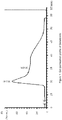
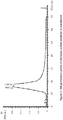
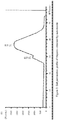
- dermatan sulfate obtained from sulodexide through purification process, such as in affinity chromatography with AT III functionalized medium.
- compositions comprising SDX-DS or SDX-HEP and their use as medicine.
- the present invention relates to a pharmaceutical composition
- a pharmaceutical composition comprising Sulodexide, or a pharmaceutically acceptable salt, solvate, hydrate, clathrate thereof, for use in the treatment of a pathology wherein matrix metalloproteinases (MMPs) are involved selected from varicose veins formation, neoplastic pathologies and abdominal aortic aneurism, wherein Sulodexide is administered at a daily dosage from 20 mg to 1000 mg by intravenous, intramuscular or oral route.
- MMPs matrix metalloproteinases
- the invention describes the use of sulodexide, or SDX-DS (referential), or SDX-HEP (referential) for reduction and/or inhibition of circulating MMPs, in particular the inducible form of gelatinase MMP-9 with consequent decrease of concentration of circulating MMPs in blood.
- the isolated components can be used for medicament either per se or in mixture thereof.
- Sulodexide is present as medicine available in the market with trademark VESSEL 2 F ® , and it is administrated by oral route, intramuscular or intravenous injection, for the treatment of vascular pathologies with thrombotic risk such as peripheral arterial disorder, post phlebitis syndrome, for treatment of albuminuria in nephropathies as described by Harenberg J. in Med. Res. Rev. 18 (1998), 1-20 e Tamarin R. in Medicaltechnik 8 (1997), 1 .
- Sulodexide and its derivatives in particular SDX-DS (referential) and SDX-HEP (referential) are also herein intended to comprise their pharmaceutically acceptable salts, solvates, hydrates, and clathrate.
- An important aspect of the present disclosure is the specificity of the sulodexide for the inhibition/reduction of MMP-9, called also gelatinase B, involved in the venous relaxing, varicose veins, chronic venous insufficiency (CVI) and ulcers of lower limbs.
- gelatinase B involved in the venous relaxing, varicose veins, chronic venous insufficiency (CVI) and ulcers of lower limbs.
- Sulodexide or SDX-DS or SDX-HEP can be used as active ingredient in all pathologies characterized by an increase of inducible MMP-9, without any effect on the constitutive MMP-2.
- An advantage of sulodexide or its components is the possibility to be administrated by oral or injective route, intramuscular or intravenous.
- Another advantage of sulodexide and its components is given by the possibility to administrate a high dosage without side effect as described in EP 1292315 , is well tolerated up to 1000 mg/day and higher,
- the present invention describes a new use of sulodexide or SDX-DS (referential) or SDX-HEP (referential) for the reduction and /or inhibition of concentration of MMPs, in particular MMP-9 (Gelatinase B, EC3.4.24.35 di 92, 130 e 225 kDa).
- the present invention describes sulodexide of one of its components, in particular SDX-DS and SDX-HEP for use in the inhibition or reduction of MMPs, in particular MMP-9, in a quantity of higher than 20%.
- the present invention describes amounts of sulodexide or SDX-DS (referential) or SDX-HEP (referential), sufficient to obtain a reduction and/or inhibition in the release of MMP-9 from blood cells into the plasma circulation with consequent decrease of the activity of circulating MMPs in venous apparatus and consequent reduction of enzymatic activity in situ in the vein walls.
- Such effect occurs in vitro and in ex-vivo sulodexide concentration in a range from 8 ⁇ g/ml to 12 ⁇ g/ml. These concentrations correspond to therapeutically acceptable dosages that can be reached in the blood through administration of sulodexide by intravenous, intramuscular or oral route at dosages comprised between 20 mg and up to 1000 mg/day.
- the effect of sulodexide, SDX-DS (referential), SDX-HEP (referential) on MMPs at the described concentrations has been demonstrated with ex-vivo experiments on biological samples.
- blood samples were collected from 50 health volunteers, male and female.
- the samples manipulated to obtain the corresponding plasma and serum samples, were analyzed with or without the addition of variable concentration of sulodexide SDX-DS and SDX-HEP.
- SDX-DS comprised in the sulodexide, at a concentration of about 20% by weight, SDX-HEP at a concentration of about 80%, the process to obtain them, and the use as a medicament and for the treatment in all the pathologies wherein MMPs are involved.
- SDX-DS and SDX-HEP can be obtained with purification and extraction process.
- Example 1 describes the process for obtaining SDX-DS and SDX-HEP from sulodexide through affinity chromatography purification, wherein the heparin fraction is adsorbed to a stationary phase functionalized with AT III, and the dermatan fraction is collected in the non adsorbed flow through.
- Example 2 describes the effect of the addition to whole blood of increasing sulodexide quantities to a final concentration of from about 10 ⁇ g/ml to about 50 ⁇ g/ml and SDX-DS, extracted from sulodexide, at a final concentration of from about 0 to about 10 ⁇ g/ml.
- the serum from the whole blood samples After centrifugation, the serum from the whole blood samples have been collected and analyzed in gelatine-zymography, as described by Mannello F. et al. in Clin. Chem. 2003, 49, 339-34 .
- the volume of samples was adjusted to the same quantities of the total proteins.
- MMP-2 concentration remains unaffected by the addiction of sulodexide.
- Table 2 reports also the densitometric results of samples treated with SDX-DS, wherein the area of the band relative to MMP-9 is reduced of at least about 20% at the concentration corresponding to about 2.5 ⁇ g/ml and at least about 60% at the final concentration of about 10 ⁇ g/ml.
- Table 3 confirms that sulodexide at a concentration of about 25 ⁇ g/ml reduces of at least about 20% the area of the band relative to MMP-9 and of at least about 60% with a concentration of about 50 ⁇ g/ml.
- Example 3 The demonstration that sulodexide also acts on the reduction of the release of MMPs by platelets and leucocytes, is evident in Example 3, in which sulodexide is added to plasma samples, after having removed the cellular component of the whole blood with centrifugation.
- Example 3 reports the results relative to the addition of sulodexide to the blood samples, collected from 50 healthy volunteers, average age of 37, previously treated with a 0.13 M sodium citrate solution, in an amount between 1 and 10% by volume, and then centrifuged. To the sample supernatants, sulodexide quantities were added to final concentration of from about 10 ⁇ g/ml to 50 ⁇ g/ml. The samples were analyzed by gelatin zymography as described in Example 2.
- Example 4 describes the effect of increased quantities of sulodexide from about 10 ⁇ g/ml to about 50 ⁇ g/ml, added to serum samples, obtained after centrifugation of blood sample collected from 50 healthy volunteers, average age of 37. The obtained sera samples were analyzed in zymography as described in Example 2.
- Example 2 demonstrate that sulodexide and SDX-DS, comprised in sulodexide, prevent the increase and reduce MMPs in the blood, through a mechanism of action, which acts selectively on the inducible form of MMP-9, identifying a possible therapeutic use for the treatment of all pathologies wherein the presence of MMP-9 is directly or indirectly correlated with the course of the disease.
- Example 5 reports the comparison between sulodexide, parnaparin and SDX-DS, extracted from sulodexide, on the MMPs present in the serum.
- Whole blood samples collected from healthy volunteers, were treated as in Example 2, a group of samples were treated with sulodexide to a final concentration of about 25 ⁇ g/ml, a group with dermatan sulfate to a final concentration of about 5 ⁇ g/ml and a group with a low molecular weight heparin (parnaparin) to a final concentration of about 20 ⁇ g/ml.
- Table 8 and Table 9 report the obtained results in zymography and Elisa respectively, wherein sulodexide shows an MMP-9 reduction of from 50% to 70%, parnaparin from about 20% to 30% and SDX-DS from about 50% to70%, in respect to the control sample without any addition.
- Example 6 provides support the characteristics of SDX-DS in the reduction of MMPs, in comparison with two different dermatan sulfates commercially available in the market. At the same concentration of 5 ⁇ g/ml, SDX-DS induces an MMP-9 reduction of higher than 50%, while the two commercial dermatan sulfates (Sigma and Calbiochem) induce a reduction of less than 10%.
- SDX-DS reduces MMPs, and in particular MMP-9, at least three times more than the commercial DS preparations.
- Example 7 demonstrate that also the SDX-HEP has unique features, in fact the mixture of low molecular weight heparin and dermatan sulfate comprised in sulodexide, act differently in respect to the synthetic mixture prepared adding parnaparin to commercial dermatan sulfate and SDX-DS;
- sulodexide is compared with mixtures of low molecular weight heparin and dermatan sulfates mixed in about the same ratio present into sulodexide of about 80% parnaparin and of about 20% dermatan sulfate.
- the data reported in Table 11, indicate that sulodexide show significantly higher percentage of inhibition in respect to the parnaparin/ DS and parnaparin / SDX-DS mixtures.
- the inner walls of veins are particularly important because this is the site of action of MMPs, causing several pathologies related to the proteolytic remodeling of the extracellular matrix.
- Example 8 shows the comparative effect of sulodexide, SDX-DS and parnaparin on MMPs on the venous walls in immunohistochemistry experiment. This experiment confirms the effect of sulodexide and SDX-DS in all the pathologies wherein MMPs are involved and in particular in the reduction and/or inhibition of concentration of MMPs expression.
- Sulodexide, SDX-DS and parnaparin at concentration respectively of about 25, 5 and 20 ⁇ g/ml were added to human saphenous vein segments, surgically obtained from 10 healthy women (age mean 42 years), undergoing to saphenectomy for varicose vein.
- serial sections of about 5 ⁇ m of thickness were incubated with a monoclonal antibody anti MMP-9 and after incubation with a biotinylated secondary antibody, the complex was detected by peroxidase reaction according to the standard methods.
- the complex after incubation was detected by with avidin-peroxidase, according to the standard methods.
- tissue samples treated with sulodexide showed reduced surfaces of the stained area, demonstrating a lower local concentration of MMPs, in respect to the control and heparin treated samples.
- Table 12 demonstrates that, assigning a value corresponding to 100 to the sample without any addition, sulodexide at a concentration of about 25 ⁇ g/ml reduces the intensity of stain area of MMP-9, corresponding to about 60%; SDX-DS at a concentration of about 5 ⁇ g/ml reduces the intensity of to about 70% and parnaparin at concentration of about 20 ⁇ g/ml does not reduces the intensity of MMP-9.
- Example 9 shows the effect of sulodexide, SDX-DS and parnaparin on MMPs on the venous walls by in situ zymography (cytochemistry).
- Sulodexide, SDX-DS and parnaparin at a concentration respectively of about 25, 5 and 20 ⁇ g/ml were added to human saphenous vein segments, surgically obtained from 10 healthy women (age mean 42 years), undergoing to saphenectomy for varicose vein.
- vein sections were incubated with a fluorogenic gelatine substrate and the proteolytic activity observed by comparing the microscope image of venous portions at 530 nm.
- Table 13 demonstrates that, assigning a value corresponding to 100 to the sample without any addition, sulodexide at a concentration of about 25 ⁇ g/ml reduces the intensity of MMP-9 to about 50%; SDX-DS at a concentration of about 5 ⁇ g/ml reduces the intensity of MMP-9 to about 80% and parnaparin at concentration of about 20 ⁇ g/ml reduces the intensity MMP-9 to about 40%.
- the effect of sulodexide, SDX-DS (referential), and SDX-HEP (referential) on the vein tissue for the reduction and/or inhibition can be extended to all the tissues wherein the MMPs are involved.
- SDX-DS (referential)
- SDX-HEP (referential)
- sulodexide can also be used in the treatment of intestinal ulcer and other damage imputable to MMPs without any limitation.
- sulodexide may be administered by intravenous route, injecting from 1 to 4 vials of solution containing about 60 mg/ml sulodexide with pharmaceutical acceptable excipients.
- sulodexide may be administered at dosage therapeutically equivalent dosage by intramuscular or oral route. In this latter case it is possible to administer up to 1000 mg/day and higher dosages, without any adverse events, as described in EP 1292315 .
- MMP-9 The property of sulodexide in the reduction of circulating MMPs and especially the selective action against MMP-9, is an unknown and unexpected effect, in particular useful in all the pathologies wherein MMPs are involved, and in particular MMP-9, such as vascular disease, chronic venous insufficiency (CVI), varicose veins, venous ulcers, pulmonary pathologies, increase and progression of the tumor, growing in the primary tumor, angiogenesis, extravasations and intravasation of neoplastic cells.
- CVI chronic venous insufficiency
- ex-vivo results are completely transferable to the use of sulodexide SDX-DS (referential) and heparin fraction of sulodexide (referential) in vivo by means of a pharmaceutical composition comprising sulodexide from about 20 to 1000 mg and higher; SDX-DS from about 4 mg to about 200 mg and higher; SDX-HEP form about 16 to about 700 and higher.
- sulodexide, SDX-DS (referential) and SDX-HEP (referential) administration can occur by injective route, intramuscular and/or intravenous or oral route, without any limitation.
- the dosage of active ingredient, sulodexide, SDX-DS (referential) and SDX-HEP (referential), can vary considerably depending on the mode of administration, the patient's age, weight and the patient's general condition, as well the severity of the disease, and can be determined by standard techniques. In additional, in vitro and animal assay may optionally be employed to help to identify optional dosage ranges.
- the pharmaceutical composition is in a form acceptable for oral administration.
- Sulodexide, SDX-DS (referential) and heparin fraction of sulodexide (referential) in the present invention can be comprised in a composition in the form of tablets, capsules, granulates, suspensions, solutions or aerosol.
- Oral pharmaceutical composition can provide controlled release.
- Oral pharmaceutical composition can provide bioadhesive properties to increase mucoahesivity.
- Excipients for oral preparation are selected among one or more ligants, glidants, disintegrants, diluents, natural agents.
- the excipients for oral use can comprise disintegrants, diluents, and combination thereof.
- Disintegrants can be selected from crospovidone, sodium starch glycolate, corn starch, cellulose derivatives and combination thereof.
- Diluents can be selected from lactose, mannitol, xylitol, microcrystalline cellulose, sugar, dextrin, hydrophilic carbohydrate, and combination thereof.
- Oral pharmaceutical form can comprise biohadesive excipients.
- Tablets can further comprise a coating, which comprises hydroxypropyl methylcellulose, hydroxymethyl cellulose, polyvinylpyrrolidone, polyethylene glycol, dextrin, maltodextrin, polyvinyl acetate based compounds, hydroxypropyl cellulose, cellulose acetate, cellulosephtalate, derivative thereof, or combination thereof.
- a coating which comprises hydroxypropyl methylcellulose, hydroxymethyl cellulose, polyvinylpyrrolidone, polyethylene glycol, dextrin, maltodextrin, polyvinyl acetate based compounds, hydroxypropyl cellulose, cellulose acetate, cellulosephtalate, derivative thereof, or combination thereof.
- Oral form can also comprise flavoring, coloring or sweetener agents.
- compositions comprising sulodexide or SDX-DS (referential) and SDX-HEP (referential) in respect to the known and studied compounds for the reduction/inhibition of controlled release of MMPs, provide many advantages and solve many problems such as the specific selectivity in respect to MMP-9, tolerability, safety and acceptability.
- This invention refers to a new therapeutic use different in respect to the ones for sulodexide is marketed in the prevention of vascular pathologies with thrombotic risk.
- sulodexide, SDX-DS (referential) and SDX-HEP (referential) can be combined with acceptable excipients using the conventional techniques known to the skilled person.
- composition can be administered in single or multiple dosage, one or more times in a day in controlled release composition.
- a particular aspect of the present invention is the above use for treatment of pathologies wherein venous relaxing is involved, selected from varicose vein formation and neoplastic pathologies.
- SDX-DS isolated from sulodexide and its use to inhibit and /or reduce the release of MMPs in vitro and in vivo.
- SDX-DS obtained by sulodexide with a purification process.
- the process for the isolation of SDX-DS comprises the following steps:
- Another aspect of the invention is SDX-HEP obtained by sulodexide with a purification process.
- SDX-HEP with affinity chromatography with a column functionalized with AT III.
- the process for the isolation of SDX-HEP comprises the following steps:
- SDX-HEP and its use to inhibit and /or reduce the release of MMPs in vitro and in vivo.
- compositions comprising sulodexide, in solid form, suspension, granule, aerosol for the treatment of pathologies wherein MMPs are involved and need to be reduced.
- kits comprising pharmaceutical composition comprising sulodexide, SDX-DS and SDX-HEP.
- compositions comprising sulodexide or one of its components, in particular SDX-DS or SDX-HEP or a mixture thereof, in a dosage suitable for the administration of at least about 5 mg/day.
- daily dosages are from 5 to 1000 mg/day, from 15 to 800 mg/day, from 50 to 200 mg/day, from 20 to 1000 mg/day or higher, in one or more administration, without any limitation.
- a preferred daily dosage for SDX-DS is from 1 to 300 mg or higher in particular from 4 to 300 mg in single or multiple administration without any limitation.
- a preferred daily dosage for SDX-HEP is from 16 to 900 mg or higher mg in particular from 19 to 800 mg, in single or multiple administration without any limitation.
- composition comprising sulodexide, SDX-DS (referential) and SDX-HEP (referential) can be administered to patients who receive concomitant therapies, without any negative effect.
- sulodexide as claimed, SDX-DS (referential) and SDX-HEP (referential), described in the present invention have to be considered a medical use for the treatment of all pathologies wherein MMPs are involved and it is requested their reduction and/or inhibition.
- the use of sulodexide, SDX-DS (referential) and heparin fraction of sulodexide (referential) in comparison with previous studied compounds in the art, overcomes several and important problems such as the specific selectivity for MMP-9, the compliance and the easily administration.
- a binding buffer constituted by TRIS 50 mM and NaCl 50 mM at pH 7.4
- an affinity column prepared by coupling 7.5 mg of ATIII / ml of CNBr-activated Sepharose gel (GE).
- the column was washed with the same buffer solution and the absorbed material was eluted with a buffer solution consisting of TRIS 50 mM, NaCl 3M at pH 7.4.
- Dermatan sulfate fraction was collected in the non absorbed material present in the flow-through, while heparin fraction, is collected in the eluted fractions.
- Dermatan sulfate and heparin fraction could be stored at -20° or optionally lyophilized.
- Heparin pooled fractions and dermatan sulfate pooled fractions were analyzed in gel permeation chromatography (GPC) and in agarose gel.
- Figure 1 shows the chromatographic profiles of sulodexide loaded in affinity chromatography with a broad chromatographic GPC profile with a maximum sharp peak at RT corresponding to about 30 min.
- Figure 2 shows dermatan sulfate fraction present in the flow-through of affinity chromatography with a shorter peak with maximum at RT about 27 min.
- Figure 3 shows heparin fraction eluted by affinity chromatography characterized by a broad peak.
- Agarose gel analysis was obtained dissolving agarose at a concentration of 0.6% (w/v) in Barium Acetate Buffer 0.04 M pH 5.8.
- the warm solution was placed on a glass plate with dimensions of about 7.5 cm x 4.5 cm and sulodexide, SDX-DS and SDX-HEP at concentration of about 10 mg/ml, comprising a little quantity of stain Cresol Red, were loaded in the agarose gel.
- Electrophoretic separation was carried out in two steps: the first step in barium acetate buffer 0.04 M pH 5.8, at 100 V for about 25 min and the second step in 1,3-diamminopropane 0.05 M, pH 9 at 110 V for about 30-40 minutes.
- the plate was then plunged in the fixing solution consisting of cetylpyridinium chloride 0.1 % (w/v) in water for about 3 hours. After drying the plate under warm air, the plate was plunged in the staining solution consisting of Tolnidine Blue 0.1% (w/v) in ethanol/water/acetic acid 50:50:1 (v/v/v) destained in the same solution without stain and dried under warm air.
- the fixing solution consisting of cetylpyridinium chloride 0.1 % (w/v) in water for about 3 hours.
- the plate was plunged in the staining solution consisting of Tolnidine Blue 0.1% (w/v) in ethanol/water/acetic acid 50:50:1 (v/v/v) destained in the same solution without stain and dried under warm air.
- the samples without the addition of sulodexide and dermatan were used as control and the bands of MMPs, of these samples were attributed the arbitrary value of intensity of 100%. The intensity of the MMPs bands of the treated samples were reported as percentage in respect to the untreated samples.
- the zymograms in gelatin were prepared by polyacrylamide at 7.5% (p/v) containing 0.2% (p/v) gelatin isolated by swine cute (Type A 90 Bloom, Sigma).
- the electrophoresis was carried out at 35 mA for 75 minutes, the gels were washed with Triton X-100 solutions at concentration of 2.5% (v/v) and incubated for 24 hours at 37°C in a solution constituted by 50 mM Tris-HCl, pH 7.5, 5 mM CaCl 2 , 100 mM NaCl, 1 mM ZnCl 2 , 0,3 mM NaN 3 , 0.02% (p/v) of detergent Brij®-35 e 0.25%(v/v) di Triton X-100.
- the detection of gelatinase activity in situ occurs by staining the gels with Coomassie Brilliant blue R-250 at a concentration of 0.2% (p/v) and subsequently bleaching with a solution of methanol-acetic acid in a volumetric ratio equal to 80/20.
- Sulodexide and SDX-DS acts only on the band relative to MMP-9, while the intensity of the band of MMP-2 remains unchanged in respect to the control and a value 100% is attributed.
- the calculation of the areas was executed with a densitometer with imagine analyzer.
- Table 1 are reported the percentage areas of gelatinolytic digestion related to MMP-9 in serum samples with or without sulodexide, with or without dermatan fraction.
- the concentrations of MMP-9 in the samples are determined also in Elisa, for the measurements of enzymatic activity of metalloproteinase, using the Biotrak MMPs assay, Amersham, which recognized the forms pro-MMP of gelatinase with a LOD of 0.37-0.25 ⁇ g/L for MMP-9 and MMP-2, the results obtained are reported in Table 2.
- the Elisa results do not show statistically significant differences from the activity gelatinolytic seen in zymographies.
- Samples of blood are collected from 50 healthy volunteers, 25 female and 25 male of age between 25 and 58, average age of 37, and 1 ml of each sample is added to 38 ⁇ l of a solution of sodium citrate 0.13 M and centrifuged at 1550 g for 10 minutes at 4°C.
- gelatin-zymograms and the electrophoresis rune are executed as described in Example 2.
- the zymograms areas of the band are determined using a densitometer with imagine analyzer, calculating the increase of the area of the bands relative to metalloproteinase in comparison with those of the plasma without addition of sulodexide.
- the percentage areas of gelatinolytic digestion relative to MMP-9 in sample of blood with or without sulodexide are reported in Table 4.
- Elisa assay Concentration of plasmatic MMP after treatment with sulodexide Concentration of sulodexide ( ⁇ g/ml) Concentration % MMP 0 100 ⁇ 7 12 99 ⁇ 5 24 100 ⁇ 3 48 98 ⁇ 4
- sulodexide is added to 150 ⁇ g of proteins of serum, measured by Bradford method, to obtain final concentration of sulodexide corresponding respectively to 0, 12, 24, 48 ⁇ g/ml.
- the samples obtained are analyzed through zymography-gelatin in comparison with standard of gelatinase, prepared diluting the capillary blood from healthy volunteers by 15 volumes of Laemmli buffer, in non reducing conditions.
- the zymograms areas of the band are determined using a densitometer with imagine analyzer, calculating the decrease of the area of the bands relative to metalloproteinase in comparison with those of the serum without addition of sulodexide.
- the percentage areas of gelatinolytic digestion relative to MMP in sample of serum with or without sulodexide are reported in Table 6.
- Blood sample prepared as described in Example 2 were divided in three groups wherein one group was treated with sulodexide at final concentration corresponding to 24 ⁇ g/ml, one group with parnaparin at final concentration corresponding to 5 ⁇ g/ml and the last group with dermatanic fraction obtained by Example1 at concentration of 5 ⁇ g/ml, and compared in zymography and Elisa.
- Blood sample prepared as described in Example 2 were divided in three groups wherein first group was treated with commercial dermatan sulfate commercialized by Sigma Aldrich (Italy); the second group with dermatan sulfate commercialized by Calbiochem (Italy) and the third with DS extracted by sulodexide as in Example 1, all at final concentration corresponding to 5 ⁇ g/ml.
- the samples were analyzed in Elisa as in Example 2, and the final results reported in Table 10.
- Human saphenous vein segments surgically obtained from 10 healthy women (age mean 42 years) undergoing to saphenectomy for varicose veins, were maintained under sterile condition in CO 2 incubator (5% CO 2 at 37°C for 24 hours) in NaCl 0.9% and divided into three portions. The first portion was treated with sulodexide at concentration of 24 ⁇ g/ml; the second portion was treated with parnaparin at concentration of 19 ug/ml and the third portion with SDX-DS obtained by Example 1 at concentration of 5 ⁇ g/ml. The vein segments were fixed in 10% formalin solution, processed and embedded in paraffin wax.
- the finished embedded blocks were orthogonally oriented in respect to the original direction of blood flow, transverse 5 mm thick sections were then cut and mounted on 3-aminopropyl-triethoxysilane-coated slides. Portion of venous wall were cut into serial sections of 5 ⁇ m of thickness. Serial sections were examined by Miller's elastic van Gieson and Harris' haematoxylin and eosin staining. The sections were submitted to protein blockage with normal goat serum and then overnight incubated at 4°C, with a primary monoclonal antibody anti-MMP-9 (Santa Cruz) diluted 1:50 in phosphate buffered saline (PBS).
- PBS phosphate buffered saline
- Vein sections were subsequently incubated with a secondary antibody (goat anti-mouse IgG biotinylated) as the standard methods and an avidin biotin peroxidase complex used.
- a secondary antibody goat anti-mouse IgG biotinylated
- vein sections were stain with DAB solution and H 2 O 2 according to the standard method.
- Human saphenous vein segments surgically obtained from 10 healthy women (age mean 42 years) undergoing to saphenectomy for varicose veins, were maintained under sterile condition in CO 2 incubator (5% CO 2 at 37°C for 24 hours) in NaCl 0.9% and divided into three portions. The first portion was treated with sulodexide at concentration of 24 ⁇ g/ml; the second portion was treated with parnaparin at concentration of 19 ug/ml and the third portion with SDX-DS obtained by Example 1 at concentration of 5 ⁇ g/ml. The vein segments were fixed in 10% formalin solution, processed and embedded in paraffin wax.
- the finished embedded blocks were orthogonally oriented in respect to the original direction of blood flow, transverse 5 mm thick sections were then cut and mounted on 3-aminopropyl-triethoxysilane-coated slides. Segments of venous wall were cut into serial sections of 5 ⁇ m of thickness.
- the proteolytic activities were observed in situ comparing the venous segments at 530 nm, and identifying them as green fluorescence.
- the densitometric analysis of situ zymography, in vein tissue, through cytochemical stain of MMP-9 of fluorogenic gelatin in the presence of SDX-DS, SDS-HEP and parnaparin in respect to the control and the data are reported in Table 13.
- a value 100 was assigned to the tissue without any addition and measured the fluorescence reduction after the addition of SDX-DS, SDS-HEP and parnaparin.
- Table 13 Concentration ( ⁇ g/ml) Reduction of Intensity % Sulodexide* 24 50 SDX-DS 5 80 Parnaparin 19 50 *invention
Landscapes
- Health & Medical Sciences (AREA)
- Life Sciences & Earth Sciences (AREA)
- Chemical & Material Sciences (AREA)
- Public Health (AREA)
- Veterinary Medicine (AREA)
- General Health & Medical Sciences (AREA)
- Animal Behavior & Ethology (AREA)
- Pharmacology & Pharmacy (AREA)
- Medicinal Chemistry (AREA)
- Engineering & Computer Science (AREA)
- Nuclear Medicine, Radiotherapy & Molecular Imaging (AREA)
- Organic Chemistry (AREA)
- General Chemical & Material Sciences (AREA)
- Bioinformatics & Cheminformatics (AREA)
- Chemical Kinetics & Catalysis (AREA)
- Epidemiology (AREA)
- Molecular Biology (AREA)
- Dermatology (AREA)
- Heart & Thoracic Surgery (AREA)
- Cardiology (AREA)
- Cell Biology (AREA)
- Vascular Medicine (AREA)
- Urology & Nephrology (AREA)
- Developmental Biology & Embryology (AREA)
- Communicable Diseases (AREA)
- Hematology (AREA)
- Diabetes (AREA)
- Nutrition Science (AREA)
- Physiology (AREA)
- Biomedical Technology (AREA)
- Biotechnology (AREA)
- Oncology (AREA)
- Immunology (AREA)
- Virology (AREA)
- Zoology (AREA)
- Pharmaceuticals Containing Other Organic And Inorganic Compounds (AREA)
- Acyclic And Carbocyclic Compounds In Medicinal Compositions (AREA)
- Enzymes And Modification Thereof (AREA)
- Medicines That Contain Protein Lipid Enzymes And Other Medicines (AREA)
- Medicines Containing Material From Animals Or Micro-Organisms (AREA)
Description
- The present invention describes sulodexide for use in the reduction of circulating matrix metalloproteinase (MMPs), in particular MMP-9.
- Sulodexide and its composition are useful for the treatment of pathologies wherein the MMPs are involved, such as cardiovascular disease, cardiovascular disease caused by diabetes, varicose veins, chronic venous insufficiency (CVI), gastrointestinal ulcers, pulmonary disease, and neoplastic pathologies.
- Recent studies have demonstrated the involvement of a group of zinc-dependent endopeptidases, called matrix metalloproteinase (MMPs), belonging to the matrixin family in the vascular alteration of cardiovascular pathologic conditions.
- Venous hypertension is at the basis of several pathologies related to disorders of macro and micro circulation disorders and causing infiltrations of leucocytes in the endothelium, deterioration of the cardiac valves and finally providing the remodeling/rearrangement of vein wall, which can provide a reflux, or formation of varicose veins and derma pathologies as described by Bergam J. et al. in Ann. Vasc. Surg. 21 (2007), 260-266. Raffetto JD. et al. in Thromb. Res. 123 (2009) S66-S71 describe that the modifications observed during the progression of chronic venous pathology may be associated to an alteration of the hematic balance between the level of matrix metalloproteinase (MMPs) and their tissue inhibitors (TIMPs).
- Both MMPs and TIMPs, being involved in the physiologic remodeling of extracellular matrix, play important role also in the cellular communication.
- High MMPs concentrations have been found in different pathologies as reported by Mannello F. et al. in Curr. Cancer Drug Targets 5 (2005), 285-298. Among MMPs, MMP-9 (Gelatinase B, EC3.4.24.35 of 92, 130 and 225 KDa) are involved in several pathologies, comprising neoplastic pathologies suggesting that their presence as circulating enzyme and their increase are related to the progression of different cancer types, such as in breast, lungs, ovary and prostate cancer and melanoma, as described by Rahko E. et al. in Tumor Biol., 30 (5-6) (2009), 574-64.
- In vascular pathological conditions, also caused by diabetes, it is clearly showed the pathogenic role of MMPs. Galis Z.S. et al. in Circ. Res. 90 (2002), 251-262, Kadoglou N.P. et al. in Angiology 56 (2005), 173-189, Derosa G. et al. in Diabetes Metab. 33 (2007), 129-134 and Tayebjee M.H. et al. in Diabetes Care 27 (2004), 2049-2051 describe an increased level of circulating MMP in diabetic patients.
- Raffetto JD. et al. in Biochem. Pharmacol. 75 (2008), 346-359, demonstrate the importance of MMPs in vascular disease, reporting that the increased extracellular matrix degradation (ECM) in venous wall, is involved in the early steps of venous relaxation, formation of varicose veins, dermal modification and finally leading to the formation of venous ulcers.
- Among the several pathological mechanisms linked to the increased expression of MMPs, the interactions leucocytes-endothelium are important and represent a possible objective for the pharmacological treatment. Mannello F. et al. describe in Arterioscler. Thromb. Vasc. Biol. 28 (2008), 611-614, that leucocytes and platelets contain higher amounts of MMPs, which can be released into the extracellular milieu consequently to the leukocyte activation/degranulation or during platelet aggregation. Furthermore, MMP-9 is released from platelets and leucocytes after a stimulus such as the reactions induced by the coagulation process.
- It is known that the plasmin, activated during in the coagulation phase, is in turn a MMPs activator.
- Among proteolytic enzymes present in human walls and potentially associated to the cancer invasions, the MMPs have been demonstrated to be involved in the capacity to degrade almost proteins of the interstitial matrix and basal membranes, allowing to the cells to diffuse and infiltrate in the neighboring walls.
- Several compounds, such as growth factor receptors of adhesion cellular molecules, chemokines, cytokines, apoptotic ligands and angiogenic factors may interact with MMPs, modifying both its expression and activity.
- These proteolytic enzymes act on many bioactive substrates being involved in the neoplastic development steps such as growth of primary tumor, angiogenesis, extravasation or intravasation of the neoplastic cells, migration, invasion of metastatic cells in the secondary organ, beginning and maintenance of the tumor growth.
- Several clinical studies have been performed in both animal and human tumoral models to evaluate the importance of the reduction of circulating matrix metalloproteinase. The obtained results have lead to develop synthetic inhibitors as described by Ramnath N. et al. in Curr. Oncol. Rep. 6 (2004), 96-102.
- The main inhibitors studied comprise mimetic peptides and non mimetic peptides of collagen, of tetracyclines and bisphosphonates derivatives.
- Clinical trials executed with the available compounds have shown that prolonged treatments cause muscular-skeletal pain and inflammation. Although these events showed to be reversible and the patients started again the treatment after a short suspension period, the unexpected adverse events have limited the administration dosages.
- Moreover, when the clinical trials for the treatment of neoplastic diseases were extended to a greater number of patients, besides serial toxicological problems due to the cytostatic effects, no significant therapeutic benefit was observed, as described by Mannello F. et al. in Curr. Cancer Drug Targets 5 (2005), 285-298.
- Some MMPs inhibitors studied in clinical trials are Batimastat, Marimastat, Prinomastat, BAY 12-9566, CGS27023A and derivatives of tetracyclines.
- Batimastat, BB-94 (
WO 90057191 - Marimastat, BB-2516 (
WO 9402447 - Prinomastat, AG3340 (
WO 90720824 - BAY 12-9566, (
US 4,705,798 ) is a butanoic acid derivative and in several clinical trials it has showed toxicity, represented by thrombocytopenia, anemia, increase of hepatic enzymes and bilirubin, nausea, tiredness and headache as described by Nelson A. et al. J. Clin. Oncol. 18 (2000), 1135-1149. - CGS27023A, (
US 5,455,258 ) has reported toxic effects with a wide cutaneous irritation, myalgia and arthralgia. - Also tetracyclines derivatives have shown severe adverse events during the clinical trial, such as tiredness, mental confusion, nausea, vomit, cutaneous phototoxicity, pancreatic enzymes increase, which limited the administrable dosage, as described by Hidalgo M. et al. in J. Natl. Cancer Inst. 93 (2001), 178-193.
- Zymography and reverse zymography are techniques currently used for the MMPs and TIMPs analysis in biological samples. All types of substrates zymography originate from the gelatin zymography method. The techniques are the same except that the substrate differs depending on the type of MMPs or TIMPs. In these techniques, proteins are separated by electrophoresis under denaturing, not reducing conditions, in the presence of sodium dodecyl sulphate (SDS). Gelatin-zymography is a technique used mainly for gelatinase MMPs determination and it is extremely sensible to detect MMP-2 and MMP-9 at concentration of few picograms. It should be considered that other MMPs, such as MMP-1, MMP-8 and MMP-13 can also degrade the substrate.
- The technique is based on electrophoresis separation, in polyacrylamide gel with a specific substrate; SDS denatures the MMPs which become inactive and after the electrophoresis migration, the SDS is removed from the gel in a suitable buffer, which restores the MMPs structures and functions. After that, if the gel is incubated, the activated gelatinases digest gelatine which is converted into low molecular weight peptides, that are removed by washing as described by Mannello F. et al. in Clin. Chem. 49 (2003), 339-34.
- The gels are placed in a development solution, for example comprising Coomassie, and then destained with solutions comprising methyl or ethyl alcohol and acetic acid. The stained zone of the gel are due to the presence of not-degraded gelatine, while the not stained zone are due to the enzymatic activity of MMP. The enzymatic activity results proportional to the extension of the clear bands, thus it can be analyzed and quantified with densitometer instruments equipped with imagine analyzer.
- Zymograms provide specific and distinct information on MMPs and in particular on MMP-2 and MMP-9, because the two enzymes can be separated on the basis of the different electrophoresis mobilities, which depend on their molecular weights. For this purpose, suitable molecular weight standards of corresponding to pro-MMP-2 72 kDa, and complex of pro-MMP-9 and MMP-9 at 92, 130 and 225 kDa are placed for comparison in the same gel.
- Mannello F. et al. in Clin. Biochem. 41 (2008), 1466-73 studied the effect of the addition of high-molecular-weight lithium heparin to peripheral blood samples, for evaluating the effect of HMWH on MMPs and TIMPs expression in blood. The described effect was that HMWH had both direct and indirect effects altering the quantity of circulating MMP and TIMP and increasing the release of TIMP-2.The objective of this publication was essentially to describe the effect of a high-molecular-weight heparin (HMWH) in the MMPs expression in blood manipulation in order to standardize the procedure of blood sample handling, in a method of measuring MMPs. In this publication there are no references and/ or suggestion regarding pharmacological uses of heparin. Moreover, it is not reported the lithium heparin concentrations, at which the effect is observed. As a consequence, it is not possible to know if the concentration of lithium heparin, which provided the effect observed, might be therapeutically useful, being well known the high risk of bleeding associated to HMWH. Nevertheless, being known that heparins are commonly administered by injection any possible heparin use done to the purpose of altering MMPs plasma concentrations, has to be supposed following the same route.
- The effect of heparin on the MMP-2 and TIMP- 2 mRNA expression is also reported by Caenazzo I. et al. in Nephrol. Dial. Transplant 2001, 16, 1769-75.
- Gaddi et al., "Meta-analysis of some results of clinical trials on sulodexide therapy in peripheral occlusive arterial disease", The Journal of International Medical Research, 1996, 24: 389-406, discloses the use of sulodexide in patients with peripheral occlusive disease (POAD) and it is concluded that sulodexide is a recommended drug in diabetic patients with POAD with concomitant hypertriglyceridemia and hyperfibrinogenemia.
- Verstraete et al., "Novel Antithrombotic Drugs in Development", Drugs 49 (6): 865-884, 1995, ISSN: 0012-6667, provides a summary of novel antithrombotic drugs and a short description on sulodexide. It is described that sulodexide is effective in preventing thromboembolic events after acute myocardial infarct.
- Condorelli M. et al., "IPO-V2: A Prospective, Multicenter, Randomized, Comparative Clinical Investigation of the Effects of Sulodexide in Preventing Cardiovascular Accidents in the First Year After Acute Myocardial Infarction", Journal of the American College of Cardiology, Vol. 23, No. 1, 1 January 1994 (1994-01-01), pages 27-34, XP000882515, ISSN: 0735-1097, discloses that sulodexide treatment reduces the occurrence of cardiovascular events, of death after myocardial infarction and reduces the rate of left ventricular thrombus formation.
- Coccheri Sergio et al., "Randomised, Double Blind, Multicentre, Placebo Controlled Study of Sulodexide in the Treatment of Venous Leg Ulcers", Thrombosis and Haemostasis, Schattauer GmbH, DE; US, vol. 87, no. 6, 1 May 2002 (2002-05-01), pages 947-953, XP008123237, ISSN: 0340-6245, discloses the use of sulodexide in the treatment of leg ulcers and concludes that sulodexide associated with local treatment provided to be effective and well tolerated in the management of venous leg ulcers.
- Ofosu F. A., "Pharmacological Actions of Sulodexide", Seminars in Thrombosis and Hemostasis, Stuttgart, DE, vol. 24, no. 2, 1 January 1998 (1998-01-01), pages 127-138, XP008129231, ISSN: 0094-6176, summarizes the results of some of the studies that have evaluated the pharmacokinetic, pharmacodynamic, anticoagulant and antithrombotic properties of sulodexide.
- Coccheri S. et al., "Sulodexide in the treatment of intermittent claudication. Results of a randomized, double-blind, multicenter, placebo-controlled study", European Heart Journal, vol. 23, no. 13, July 2002 (2002-07), pages 1057-1065, XP002610488, ISSN: 0195-668X, describes the use of sulodexide for preventing intermittent claudication connected with peripheral obstructive disease. It is concluded that sulodexide improved the walking ability of peripheral arterial obstructive disease patients to a significantly greater extent than placebo.
-
EP 0 950 413 - Mannello F. et al., "Matrix metalloproteinase activity and glycosaminoglycans in chronic venous disease: the linkage among cell biology, pathology and translational research", American Journal of Translational Research, vol. 3, no. 2, 1 November 2011 (2011-11-01), pages 149-158, XP008163755, describes the inhibition of MMP through glycosaminoglycans as potentially representing a novel therapeutic intervention to limit the progression of varicose vein to CVD and leg ulceration, suggesting possible opportunity to prevent future morbidity and enhancing clinical benefits and quality of life.
- Saviano M. et al., "Double-blind, double-dummy, randomized, multicentre clinical assessment of the efficacy, tolerability and dose-effect relationship of sulodexide in chronic venous insufficiency", Current Medical Research and Opinion, 1993, GB, vol. 13, no. 2, 1993, pages 96-108, ISSN: 0300-7995, describes the use of sulodexide in a clinical study in chronic venous insufficiency, wherein sulodexide in a capsule was compared to enteric coated tablets.
WO-A-2009121959 discloses sulodexide for restoring endothelial glycocalyx functions for use in inter alia vascular and intestinal diseases. Therefore there is still the need to find active ingredients for medicine preparations, useful in the reduction of blood circulating MMPs concentration in the intent of treating all the pathologies wherein MMPs are involved, as pathogenesis of inflammation, infective or neoplastic or cardiovascular disease. Among these pathologies, are comprised for example, pathologies derived by diabetes, varicose veins, chronic venous insufficiency (CVI), atherosclerosis cardiac break after myocardium infarct, abdominal aortic aneurysm, pulmonary pathology, increase and progression of the tumor, growing in the primary tumor, abnormal angiogenesis , extravasation and intravasation of the neoplastic cells. - Vascular diseases are selected in the group of varicose veins, human atherosclerosis, cardiac break after myocardium infarct, abdominal aortic aneurysm.
- Moreover there is the need to obtain medicines, without any side or toxic effect at therapeutically effective dosage, acceptable by the patients and administrable by oral route, intramuscular or intravenous injection for the treatment of all pathologies wherein MMPs are involved.
- It has been unexpectedly found, and it is an object of the present disclosure, that sulodexide, or one of its component, in particular dermatan sulfate obtained by sulodexide (SDX-DS) or heparin (SDX-HEP) obtained by sulodexide, inhibit and/or reduce the level of circulating MMPs.
- Sulodexide is a natural mixture of natural glycosaminoglycans, GAGs, extracted from intestinal mammalian mucosa, as described in
US 3,936,351 , comprising a mixture of fast-moving heparin (SDX-HEP), with average molecular weight of 7 kDa, and dermatan sulfate (SDX-DS), with average molecular weight of 25 kDa. Other possible components comprised in sulodexide are chondroitin, heparin sulfate. Sulodexide has to be considered as a unique active ingredient, different from other glycosaminoglycans, comprising about 80% in weight of SDX-HEP and about 20% in weight of SDX-DS. These components have not been isolated until now and the components of sulodexide are determined with analytical method as gel permeation chromatography and electrophoresis. - It is known that sulodexide shows high affinity for antithrombin III and for Heparin-cofactor II, inhibits the factor Xa and thrombin, activates tissular plasminogen and reduces the fibrinogen level as described by Ofosu F.A. in Semin. Thromb. Hemost. 24 (1998), 127-38 and by Ceriello A. et al. in Diab. Nutr. Metab., 6 (1993), 1-4.
- Since, it is known that the plasmin activation from plasminogen is one of the local activation mechanism of MMPs, the known properties of sulodexide lead to conclude that this compound would have increased the concentration of circulating MMPs.
- The present invention relates to a pharmaceutical composition comprising Sulodexide, or a pharmaceutically acceptable salt, solvate, hydrate, clathrate thereof, for use in the treatment of a pathology wherein matrix metalloproteinases (MMPs) are involved selected from varicose veins formation, neoplastic pathologies and abdominal aortic aneurism, wherein Sulodexide is administered at a daily dosage from 20 mg to 1000 mg by intravenous, intramuscular or oral route.
- The present invention describes sulodexide or one of its components, in particular SDX-DS (referential) or SDX-HEP (referential), to inhibit and/or reduce circulating MMPs, and in particular MMP-9, said also gelatinase B, involved in a number of diseases, in particular, an infection or a neoplastic disease, vascular disease characterized by a high level of MMPs, gastrointestinal ulcers, increase and progression of the tumor, growing of the primary tumor, altered angiogenesis, extravasation and intravasation of the neoplastic cells and combination thereof. As to vascular disease characterized by a high level of MMPs, the present disclosure, in particular describes to chronic venous insufficiency (CVI); varicose veins, cardiac break after myocardium infarct, abdominal aortic aneurysm, the venous relaxing, pulmonary pathology, and neoplastic pathologies.
- It is further described the dermatan sulfate (SDX-DS) and the low molecular weight heparin (SDX-HEP) isolated from sulodexide, the process to obtain them and their use to inhibit and/or reduce the release of MMPs in vitro and in vivo, alone or in their mixture.
- This result is indeed unexpected, because in literature, for example in Cell Biol. Int. 2003, 27, 779-84, Isnard N. et al. describe that the dermatan sulfate activates the expression of MMP-2 and MMP-9.
- The surprising characteristics of the SDX-DS (referential) have been demonstrated comparing it with commercial dermatan sulfate, and results are shown in Examples 2- 9.
- This evidence makes sulodexide indeed a unique compound, different from any other glycosaminoglycans, which might be prepared with low molecular weight heparins and dermatan sulfates, available in the market, for the treatment of all pathologies wherein MMPs are involved.
- Further described is the SDX-DS isolated from sulodexide.
- Further described is the SDX-HEP isolated from sulodexide.
- Further described is the dermatan sulfate obtained from sulodexide through purification process, such as in affinity chromatography with AT III functionalized medium.
- Further described is the low molecular weight heparin obtained from sulodexide through purification
process, such as in affinity chromatography with AT III functionalized medium. - Further described are pharmaceutical compositions comprising SDX-DS or SDX-HEP and their use as medicine.
- The present invention relates to a pharmaceutical composition comprising Sulodexide, or a pharmaceutically acceptable salt, solvate, hydrate, clathrate thereof, for use in the treatment of a pathology wherein matrix metalloproteinases (MMPs) are involved selected from varicose veins formation, neoplastic pathologies and abdominal aortic aneurism, wherein Sulodexide is administered at a daily dosage from 20 mg to 1000 mg by intravenous, intramuscular or oral route. In particular the invention describes the use of sulodexide, or SDX-DS (referential), or SDX-HEP (referential) for reduction and/or inhibition of circulating MMPs, in particular the inducible form of gelatinase MMP-9 with consequent decrease of concentration of circulating MMPs in blood. The isolated components can be used for medicament either per se or in mixture thereof.
- Sulodexide is present as medicine available in the market with trademark VESSEL 2 F®, and it is administrated by oral route, intramuscular or intravenous injection, for the treatment of vascular pathologies with thrombotic risk such as peripheral arterial disorder, post phlebitis syndrome, for treatment of albuminuria in nephropathies as described by Harenberg J. in Med. Res. Rev. 18 (1998), 1-20 e Tamarin R. in Medical Praxis 8 (1997), 1.
- Sulodexide and its derivatives, in particular SDX-DS (referential) and SDX-HEP (referential) are also herein intended to comprise their pharmaceutically acceptable salts, solvates, hydrates, and clathrate.
- An important aspect of the present disclosure is the specificity of the sulodexide for the inhibition/reduction of MMP-9, called also gelatinase B, involved in the venous relaxing, varicose veins, chronic venous insufficiency (CVI) and ulcers of lower limbs.
- Sulodexide or SDX-DS or SDX-HEP, can be used as active ingredient in all pathologies characterized by an increase of inducible MMP-9, without any effect on the constitutive MMP-2. An advantage of sulodexide or its components is the possibility to be administrated by oral or injective route, intramuscular or intravenous. Another advantage of sulodexide and its components is given by the possibility to administrate a high dosage without side effect as described in
EP 1292315 , is well tolerated up to 1000 mg/day and higher, - The present invention describes a new use of sulodexide or SDX-DS (referential) or SDX-HEP (referential) for the reduction and /or inhibition of concentration of MMPs, in particular MMP-9 (Gelatinase B, EC3.4.24.35 di 92, 130 e 225 kDa).
- The present invention describes sulodexide of one of its components, in particular SDX-DS and SDX-HEP for use in the inhibition or reduction of MMPs, in particular MMP-9, in a quantity of higher than 20%.
- The present invention describes amounts of sulodexide or SDX-DS (referential) or SDX-HEP (referential), sufficient to obtain a reduction and/or inhibition in the release of MMP-9 from blood cells into the plasma circulation with consequent decrease of the activity of circulating MMPs in venous apparatus and consequent reduction of enzymatic activity in situ in the vein walls. Such effect occurs in vitro and in ex-vivo sulodexide concentration in a range from 8 µg/ml to 12 µg/ml. These concentrations correspond to therapeutically acceptable dosages that can be reached in the blood through administration of sulodexide by intravenous, intramuscular or oral route at dosages comprised between 20 mg and up to 1000 mg/day. The effect of sulodexide, SDX-DS (referential), SDX-HEP (referential) on MMPs at the described concentrations has been demonstrated with ex-vivo experiments on biological samples.
- In detail, blood samples were collected from 50 health volunteers, male and female. The samples, manipulated to obtain the corresponding plasma and serum samples, were analyzed with or without the addition of variable concentration of sulodexide SDX-DS and SDX-HEP.
- Further described is also the SDX-DS comprised in the sulodexide, at a concentration of about 20% by weight, SDX-HEP at a concentration of about 80%, the process to obtain them, and the use as a medicament and for the treatment in all the pathologies wherein MMPs are involved. SDX-DS and SDX-HEP can be obtained with purification and extraction process.
- In particular Example 1 describes the process for obtaining SDX-DS and SDX-HEP from sulodexide through affinity chromatography purification, wherein the heparin fraction is adsorbed to a stationary phase functionalized with AT III, and the dermatan fraction is collected in the non adsorbed flow through.
- Example 2 describes the effect of the addition to whole blood of increasing sulodexide quantities to a final concentration of from about 10 µg/ml to about 50 µg/ml and SDX-DS, extracted from sulodexide, at a final concentration of from about 0 to about 10 µg/ml. After centrifugation, the serum from the whole blood samples have been collected and analyzed in gelatine-zymography, as described by Mannello F. et al. in Clin. Chem. 2003, 49, 339-34. In order to normalize the MMPs activities in different samples, the volume of samples was adjusted to the same quantities of the total proteins. The densitometric results of gelatin-zymography are showed in Table 2, wherein it has been assigned the value of 100% to the MMPs area of the samples of serum without the addition of sulodexide or of the MMPs inhibitor and calculated the reduction of the area of MMPs in the presence of sulodexide and SDX-DS. It has been observed that the area of the band corresponding to MMP-9 is reduced of at least about 20% at the sulodexide concentration corresponding to about 10 µg/ml and at less than one tenth with the sulodexide concentration corresponding to about 50 µg/ml.
- MMP-2 concentration remains unaffected by the addiction of sulodexide.
- It results that the addition of sulodexide to whole blood samples, to final concentration from about 10 µg/ml to about 50 µg/ml, reduces in the corresponding serum samples and in a proportional manner the circulating MMPs concentration, in particular of MMP-9, while the MMP-2 concentration remains unchanged.
- Table 2 reports also the densitometric results of samples treated with SDX-DS, wherein the area of the band relative to MMP-9 is reduced of at least about 20% at the concentration corresponding to about 2.5 µg/ml and at least about 60% at the final concentration of about 10 µg/ml.
- From these results it can be inferred that the effect of the reduction/inhibition of MMPs is favored by the presence of SDX-DS comprised in sulodexide and these results make sulodexide a unique active ingredient among glycosaminoglycans.
- These data are also confirmed by quantitative Elisa analysis executed with kit Biotrak® MMPS Amersham, which recognizes proMMP of gelatinase with limit of detection (LOD) corresponding to 0.37-0.25 µg/ml.
- Table 3 confirms that sulodexide at a concentration of about 25 µg/ml reduces of at least about 20% the area of the band relative to MMP-9 and of at least about 60% with a concentration of about 50 µg/ml. The addition of SDX-DS as obtained in Example 1, reduces the MMPs in a quantities of at least about 20% at a concentration of about 2.5 µg/ml and of at least about 60% with a concentration of about 10 µg/ml.
- The demonstration that sulodexide also acts on the reduction of the release of MMPs by platelets and leucocytes, is evident in Example 3, in which sulodexide is added to plasma samples, after having removed the cellular component of the whole blood with centrifugation.
- Example 3, reports the results relative to the addition of sulodexide to the blood samples, collected from 50 healthy volunteers, average age of 37, previously treated with a 0.13 M sodium citrate solution, in an amount between 1 and 10% by volume, and then centrifuged. To the sample supernatants, sulodexide quantities were added to final concentration of from about 10 µg/ml to 50 µg/ml. The samples were analyzed by gelatin zymography as described in Example 2.
- It has been assigned a value corresponding to 100% to the band of the serum sample without any addition, (control), and determined the proportional area reductions in function of increasing sulodexide quantities to the serum samples. It has been observed that the clear bands of gelatine digestion relative to MMP-9 proteolytic activity remain unchanged after the addition of sulodexide, as reported in Table 4 of Example 3, and this result demonstrates that sulodexide does not interfere with the MMPs activity once the enzymes are already released in the plasma.
- A similar result is obtained when sulodexide is added to serum samples as reported in Example 4, in which increasing quantities of sulodexide were added. In particular, Example 4, describes the effect of increased quantities of sulodexide from about 10 µg/ml to about 50 µg/ml, added to serum samples, obtained after centrifugation of blood sample collected from 50 healthy volunteers, average age of 37. The obtained sera samples were analyzed in zymography as described in Example 2.
- The relative densitometric value of gelatinolytic areas correlated to MMP-2 and MMP-9 gelatinolytic bands are reported in Table 5, wherein no reduction is observed in respect to the bands of the sample without addition of sulodexide.
- In particular, the obtained results from Example 2, demonstrate that sulodexide and SDX-DS, comprised in sulodexide, prevent the increase and reduce MMPs in the blood, through a mechanism of action, which acts selectively on the inducible form of MMP-9, identifying a possible therapeutic use for the treatment of all pathologies wherein the presence of MMP-9 is directly or indirectly correlated with the course of the disease.
- Example 5 reports the comparison between sulodexide, parnaparin and SDX-DS, extracted from sulodexide, on the MMPs present in the serum. Whole blood samples, collected from healthy volunteers, were treated as in Example 2, a group of samples were treated with sulodexide to a final concentration of about 25 µg/ml, a group with dermatan sulfate to a final concentration of about 5 µg/ml and a group with a low molecular weight heparin (parnaparin) to a final concentration of about 20µg/ml. Table 8 and Table 9 report the obtained results in zymography and Elisa respectively, wherein sulodexide shows an MMP-9 reduction of from 50% to 70%, parnaparin from about 20% to 30% and SDX-DS from about 50% to70%, in respect to the control sample without any addition.
- The unique property of sulodexide in the release of MMPs has to be attributed to the natural mixture of GAGs which constitute sulodexide.
- Example 6 provides support the characteristics of SDX-DS in the reduction of MMPs, in comparison with two different dermatan sulfates commercially available in the market. At the same concentration of 5 µg/ml, SDX-DS induces an MMP-9 reduction of higher than 50%, while the two commercial dermatan sulfates (Sigma and Calbiochem) induce a reduction of less than 10%.
- It has been found that SDX-DS reduces MMPs, and in particular MMP-9, at least three times more than the commercial DS preparations.
- Example 7 demonstrate that also the SDX-HEP has unique features, in fact the mixture of low molecular weight heparin and dermatan sulfate comprised in sulodexide, act differently in respect to the synthetic mixture prepared adding parnaparin to commercial dermatan sulfate and SDX-DS;
- In more detail, sulodexide is compared with mixtures of low molecular weight heparin and dermatan sulfates mixed in about the same ratio present into sulodexide of about 80% parnaparin and of about 20% dermatan sulfate. The data reported in Table 11, indicate that sulodexide show significantly higher percentage of inhibition in respect to the parnaparin/ DS and parnaparin / SDX-DS mixtures.
- In particular the observation that sulodexide has a superior activity in respect to the mixture heparin/SDX-DS let to demonstrate that the heparin component comprised in sulodexide has also unique properties affecting the level of circulating MMPs.
- The capacity of sulodexide in respect to MMPs on biological sample as inner wall of veins has been also demonstrated.
- The inner walls of veins are particularly important because this is the site of action of MMPs, causing several pathologies related to the proteolytic remodeling of the extracellular matrix.
- Example 8 shows the comparative effect of sulodexide, SDX-DS and parnaparin on MMPs on the venous walls in immunohistochemistry experiment. This experiment confirms the effect of sulodexide and SDX-DS in all the pathologies wherein MMPs are involved and in particular in the reduction and/or inhibition of concentration of MMPs expression. Sulodexide, SDX-DS and parnaparin at concentration respectively of about 25, 5 and 20 µg/ml were added to human saphenous vein segments, surgically obtained from 10 healthy women (age mean 42 years), undergoing to saphenectomy for varicose vein.
- After appropriate tissue inclusion, serial sections of about 5 µm of thickness were incubated with a monoclonal antibody anti MMP-9 and after incubation with a biotinylated secondary antibody, the complex was detected by peroxidase reaction according to the standard methods. The complex after incubation was detected by with avidin-peroxidase, according to the standard methods.
- The tissue samples treated with sulodexide showed reduced surfaces of the stained area, demonstrating a lower local concentration of MMPs, in respect to the control and heparin treated samples.
- Table 12 demonstrates that, assigning a value corresponding to 100 to the sample without any addition, sulodexide at a concentration of about 25 µg/ml reduces the intensity of stain area of MMP-9, corresponding to about 60%; SDX-DS at a concentration of about 5 µg/ml reduces the intensity of to about 70% and parnaparin at concentration of about 20 µg/ml does not reduces the intensity of MMP-9. These in vitro results of sulodexide and SDX-DS in vitro are transferable to in vivo use and applicable to the reduction of MMPs in all pathologies wherein they are involved.
- Example 9 shows the effect of sulodexide, SDX-DS and parnaparin on MMPs on the venous walls by in situ zymography (cytochemistry).
- Sulodexide, SDX-DS and parnaparin at a concentration respectively of about 25, 5 and 20 µg/ml were added to human saphenous vein segments, surgically obtained from 10 healthy women (age mean 42 years), undergoing to saphenectomy for varicose vein.
- After, the treatment the vein sections were incubated with a fluorogenic gelatine substrate and the proteolytic activity observed by comparing the microscope image of venous portions at 530 nm.
- In these experiments, the level of fluorescence is proportional to the MMPs activities on the tissue and the results in situ zymography are reported Table 13.
- Table 13 demonstrates that, assigning a value corresponding to 100 to the sample without any addition, sulodexide at a concentration of about 25 µg/ml reduces the intensity of MMP-9 to about 50%; SDX-DS at a concentration of about 5 µg/ml reduces the intensity of MMP-9 to about 80% and parnaparin at concentration of about 20 µg/ml reduces the intensity MMP-9 to about 40%.
- The effect of sulodexide, SDX-DS (referential), and SDX-HEP (referential) on the vein tissue for the reduction and/or inhibition can be extended to all the tissues wherein the MMPs are involved.
- For example sulodexide, SDX-DS (referential) and SDX-HEP (referential) can also be used in the treatment of intestinal ulcer and other damage imputable to MMPs without any limitation.
- In order to obtain the in vivo efficacy concentrations in the reduction of MMPs and in particular MMP-9, sulodexide may be administered by intravenous route, injecting from 1 to 4 vials of solution containing about 60 mg/ml sulodexide with pharmaceutical acceptable excipients. Alternatively sulodexide may be administered at dosage therapeutically equivalent dosage by intramuscular or oral route. In this latter case it is possible to administer up to 1000 mg/day and higher dosages, without any adverse events, as described in
EP 1292315 . - The property of sulodexide in the reduction of circulating MMPs and especially the selective action against MMP-9, is an unknown and unexpected effect, in particular useful in all the pathologies wherein MMPs are involved, and in particular MMP-9, such as vascular disease, chronic venous insufficiency (CVI), varicose veins, venous ulcers, pulmonary pathologies, increase and progression of the tumor, growing in the primary tumor, angiogenesis, extravasations and intravasation of neoplastic cells.
- The reported experiments, demonstrate a new use of sulodexide, SDX-DS (referential) and heparin fraction of sulodexide (referential), for the reduction/inhibition of release of MMPs, in particular MMP-9, released by leucocytes and platelets and the inhibition of the values of MMP in the inner walls of veins. The ex-vivo results are completely transferable to the use of sulodexide SDX-DS (referential) and heparin fraction of sulodexide (referential) in vivo by means of a pharmaceutical composition comprising sulodexide from about 20 to 1000 mg and higher; SDX-DS from about 4 mg to about 200 mg and higher; SDX-HEP form about 16 to about 700 and higher.
- Moreover, sulodexide, SDX-DS (referential) and SDX-HEP (referential), administration can occur by injective route, intramuscular and/or intravenous or oral route, without any limitation.
- The dosage of active ingredient, sulodexide, SDX-DS (referential) and SDX-HEP (referential), can vary considerably depending on the mode of administration, the patient's age, weight and the patient's general condition, as well the severity of the disease, and can be determined by standard techniques. In additional, in vitro and animal assay may optionally be employed to help to identify optional dosage ranges. Preferably the pharmaceutical composition is in a form acceptable for oral administration. Sulodexide, SDX-DS (referential) and heparin fraction of sulodexide (referential), in the present invention can be comprised in a composition in the form of tablets, capsules, granulates, suspensions, solutions or aerosol.
- Oral pharmaceutical composition can provide controlled release.
- Oral pharmaceutical composition can provide bioadhesive properties to increase mucoahesivity.
- Excipients for oral preparation are selected among one or more ligants, glidants, disintegrants, diluents, natural agents.
- The excipients for oral use can comprise disintegrants, diluents, and combination thereof. Disintegrants can be selected from crospovidone, sodium starch glycolate, corn starch, cellulose derivatives and combination thereof. Diluents can be selected from lactose, mannitol, xylitol, microcrystalline cellulose, sugar, dextrin, hydrophilic carbohydrate, and combination thereof. Oral pharmaceutical form can comprise biohadesive excipients.
- Tablets can further comprise a coating, which comprises hydroxypropyl methylcellulose, hydroxymethyl cellulose, polyvinylpyrrolidone, polyethylene glycol, dextrin, maltodextrin, polyvinyl acetate based compounds, hydroxypropyl cellulose, cellulose acetate, cellulosephtalate, derivative thereof, or combination thereof.
- Oral form can also comprise flavoring, coloring or sweetener agents.
- Pharmaceutical compositions comprising sulodexide or SDX-DS (referential) and SDX-HEP (referential) in respect to the known and studied compounds for the reduction/inhibition of controlled release of MMPs, provide many advantages and solve many problems such as the specific selectivity in respect to MMP-9, tolerability, safety and acceptability.
- This invention refers to a new therapeutic use different in respect to the ones for sulodexide is marketed in the prevention of vascular pathologies with thrombotic risk.
- In the pharmaceutical practice, sulodexide, SDX-DS (referential) and SDX-HEP (referential) can be combined with acceptable excipients using the conventional techniques known to the skilled person.
- The composition can be administered in single or multiple dosage, one or more times in a day in controlled release composition.
- Prior art describes the use of sulodexide in pathologies related to the diabetes, such as diabetic nephropathy, while only now, after the present invention it is possible to have a new medical use for sulodexide.
- A particular aspect of the present invention is the above use for treatment of pathologies wherein venous relaxing is involved, selected from varicose vein formation and neoplastic pathologies.
- Further described is SDX-DS isolated from sulodexide and its use to inhibit and /or reduce the release of MMPs in vitro and in vivo.
- Further described is SDX-DS obtained by sulodexide with a purification process.
- Further described is SDX-DS with affinity chromatography with a column functionalized with AT III.
- The process for the isolation of SDX-DS comprises the following steps:
- a) preparation of affinity chromatographic column with ATIII at a concentration between 5 and 10 mg/ ml gel;
- b) loading sulodexide in said column of step a) at a concentration comprised between 0.1 to 5 mg/ ml gel in a
buffer comprising TRIS 50 mM,Na Cl 50 mM, at pH 7.4; - c) pooling eluted dermatan sulfate fractions in non absorbed fraction and optionally lyophilize said pooled dermatan sulfate;
- d) optionally transforming said dermatan sulfate in a pharmaceutically acceptable salt, solvate, hydrate, clathrate thereof.
- Another aspect of the invention is SDX-HEP obtained by sulodexide with a purification process.
- Another particular aspect is SDX-HEP with affinity chromatography with a column functionalized with AT III.
- The process for the isolation of SDX-HEP comprises the following steps:
- a) preparation of affinity chromatographic column with ATIII at a concentration between 5 and 10 mg/ ml gel;
- b) loading sulodexide at a concentration comprised between 0.1 and 5 mg/ ml gel in a buffer
solution comprising TRIS 50 mM,NaCl 50 mM at pH 7.4; - c) eluting low molecular weight heparin from said chromatography column with a buffer
solution comprising TRIS 50 mM, NaCl 3 M at pH 7.4; - d) pooling the eluted low molecular weight heparin fraction and optionally lyophilize said pooled heparin;
- e) optionally transforming said low molecular weight in a pharmaceutically acceptable salt, solvate, hydrate, clathrate thereof.
- Further described is SDX-HEP and its use to inhibit and /or reduce the release of MMPs in vitro and in vivo.
- Further described are pharmaceutical compositions comprising sulodexide, in solid form, suspension, granule, aerosol for the treatment of pathologies wherein MMPs are involved and need to be reduced.
- Further described are kits comprising pharmaceutical composition comprising sulodexide, SDX-DS and SDX-HEP.
- Further described are pharmaceutical compositions comprising sulodexide or one of its components, in particular SDX-DS or SDX-HEP or a mixture thereof, in a dosage suitable for the administration of at least about 5 mg/day. Examples of daily dosages are from 5 to 1000 mg/day, from 15 to 800 mg/day, from 50 to 200 mg/day, from 20 to 1000 mg/day or higher, in one or more administration, without any limitation.
- A preferred daily dosage for SDX-DS is from 1 to 300 mg or higher in particular from 4 to 300 mg in single or multiple administration without any limitation.
- A preferred daily dosage for SDX-HEP is from 16 to 900 mg or higher mg in particular from 19 to 800 mg, in single or multiple administration without any limitation.
- Pharmaceutical composition comprising sulodexide, SDX-DS (referential) and SDX-HEP (referential) can be administered to patients who receive concomitant therapies, without any negative effect.
- The use of sulodexide as claimed, SDX-DS (referential) and SDX-HEP (referential), described in the present invention, have to be considered a medical use for the treatment of all pathologies wherein MMPs are involved and it is requested their reduction and/or inhibition. The use of sulodexide, SDX-DS (referential) and heparin fraction of sulodexide (referential), in comparison with previous studied compounds in the art, overcomes several and important problems such as the specific selectivity for MMP-9, the compliance and the easily administration.
- The invention is showed in details in the following examples.
-
-
Figure 1 : Gel permeation profile of sulodexide; -
Figure 2 : Gel permeation profile of dermatan sulfate obtained by sulodexide; -
Figure 3 : Gel permeation profile of heparin obtained by sulodexide. - A quantity of sulodexide extracted from intestinal animal mucosa, corresponding to 8 mg was dissolved in a binding buffer constituted by
TRIS 50 mM andNaCl 50 mM at pH 7.4, and loaded on an affinity column prepared by coupling 7.5 mg of ATIII / ml of CNBr-activated Sepharose gel (GE). - The column was washed with the same buffer solution and the absorbed material was eluted with a buffer solution consisting of
TRIS 50 mM, NaCl 3M at pH 7.4. - Dermatan sulfate fraction was collected in the non absorbed material present in the flow-through, while heparin fraction, is collected in the eluted fractions.
- Dermatan sulfate and heparin fraction could be stored at -20° or optionally lyophilized.
- Heparin pooled fractions and dermatan sulfate pooled fractions were analyzed in gel permeation chromatography (GPC) and in agarose gel.
- Chromatographic profiles were obtained in HPLC system HP 1090, equipped with GPC column TSK gel, G2000 SWXL (7.8 X 300 mm) eluted with Na2SO4 0.2 M, pH 5 at flow rate corresponding to 0.2 ml/min and detected with Refraction Index detector.
-
Figure 1 shows the chromatographic profiles of sulodexide loaded in affinity chromatography with a broad chromatographic GPC profile with a maximum sharp peak at RT corresponding to about 30 min. -
Figure 2 shows dermatan sulfate fraction present in the flow-through of affinity chromatography with a shorter peak with maximum at RT about 27 min. -
Figure 3 shows heparin fraction eluted by affinity chromatography characterized by a broad peak. - Agarose gel analysis was obtained dissolving agarose at a concentration of 0.6% (w/v) in Barium Acetate Buffer 0.04 M pH 5.8. The warm solution was placed on a glass plate with dimensions of about 7.5 cm x 4.5 cm and sulodexide, SDX-DS and SDX-HEP at concentration of about 10 mg/ml, comprising a little quantity of stain Cresol Red, were loaded in the agarose gel. Electrophoretic separation was carried out in two steps: the first step in barium acetate buffer 0.04 M pH 5.8, at 100 V for about 25 min and the second step in 1,3-diamminopropane 0.05 M, pH 9 at 110 V for about 30-40 minutes. The plate was then plunged in the fixing solution consisting of cetylpyridinium chloride 0.1 % (w/v) in water for about 3 hours. After drying the plate under warm air, the plate was plunged in the staining solution consisting of Tolnidine Blue 0.1% (w/v) in ethanol/water/acetic acid 50:50:1 (v/v/v) destained in the same solution without stain and dried under warm air.
- The relative mobility (Rf) of sulodexide, its separated components SDX-DS and SDX-HEP and commercial dermatan sulfate are reported in Table 1.
Table 1 Component (µg/ml) Rf Sulodexide* 0.86 0.75 Dermatan sulfate fraction (SDX-DS) 0.84 Heparin Fraction (SDX-DS) 0.75 Commercial Dermatan sulphate (Sigma) 0.86 *invention - Samples of blood collected from 50 healthy volunteers, 25 female and 25 male of age between 25 and 58, average age of 37 years, were placed in test tubes and two sets of samples were prepared; in the first set were added variable amount of sulodexide until to obtain final concentration corresponding to 0, 12, 24, 48 µg/ml, in the second set were added variable amounts of dermatan obtained as in Example 1, up to the final concentration corresponding to 0, 2.5, 5, and 10 µg/ml. The samples without the addition of sulodexide and dermatan were used as control and the bands of MMPs, of these samples were attributed the arbitrary value of intensity of 100%. The intensity of the MMPs bands of the treated samples were reported as percentage in respect to the untreated samples.
- Overall samples were centrifuged at 1550 g for 10 minutes at 4°C, an amount of supernatants of serum samples (S) corresponding to 150 µg of total proteins, determined by Bradford method, was analyzed by zymography-gelatin. The samples were loaded in gel zymography and the electrophoresis separation was compared with standard of MMPs, prepared diluting the capillary blood from healthy volunteers by 15 volumes of Laemmli U.K buffer (Nature, 227 (1970), 680-685), in non reducing conditions.
- The zymograms in gelatin were prepared by polyacrylamide at 7.5% (p/v) containing 0.2% (p/v) gelatin isolated by swine cute (Type A 90 Bloom, Sigma).
- The electrophoresis was carried out at 35 mA for 75 minutes, the gels were washed with Triton X-100 solutions at concentration of 2.5% (v/v) and incubated for 24 hours at 37°C in a solution constituted by 50 mM Tris-HCl, pH 7.5, 5 mM CaCl2, 100 mM NaCl, 1 mM ZnCl2, 0,3 mM NaN3, 0.02% (p/v) of detergent Brij®-35 e 0.25%(v/v) di Triton X-100. The detection of gelatinase activity in situ, occurs by staining the gels with Coomassie Brilliant blue R-250 at a concentration of 0.2% (p/v) and subsequently bleaching with a solution of methanol-acetic acid in a volumetric ratio equal to 80/20.
- Sulodexide and SDX-DS, obtained as in Example 1, acts only on the band relative to MMP-9, while the intensity of the band of MMP-2 remains unchanged in respect to the control and a
value 100% is attributed. The calculation of the areas was executed with a densitometer with imagine analyzer. In Table 1 are reported the percentage areas of gelatinolytic digestion related to MMP-9 in serum samples with or without sulodexide, with or without dermatan fraction.Table 2 Gelatin-Zymography: Concentrations of serum MMP-9 after treatment with sulodexide and dermatan sulfate obtained as in Example 1 Sulodexide* (µg/ml) Area % MMP-9 Dermatan sulphate obtained by Example 1 (µg/ml) Area % MMP-9 0 100 ± 7 0 100 ± 7 12 57 ± 4 2.5 46 ± 3 24 41 ± 5 5 30 ± 7 48 7 ± 1 10 4 ± 7 *invention - The concentrations of MMP-9 in the samples are determined also in Elisa, for the measurements of enzymatic activity of metalloproteinase, using the Biotrak MMPs assay, Amersham, which recognized the forms pro-MMP of gelatinase with a LOD of 0.37-0.25 µg/L for MMP-9 and MMP-2, the results obtained are reported in Table 2. The Elisa results do not show statistically significant differences from the activity gelatinolytic seen in zymographies.
Table 3 Elisa Assay: Concentration of serum MMP after treatment with sulodexide and dermatan sulfate obtained as in Example 1 Sulodexide* (µg/ml) % MMP-9 Dermatan sulphate obtained by Example 1 % MMP-9 0 100 ± 4 0 100 ± 4 12 61 ± 6 2.5 47 ± 4 24 43 ± 8 5 31 ± 5 48 6 ± 3 10 5 ± 1 *invention - Samples of blood are collected from 50 healthy volunteers, 25 female and 25 male of age between 25 and 58, average age of 37, and 1 ml of each sample is added to 38 µl of a solution of sodium citrate 0.13 M and centrifuged at 1550 g for 10 minutes at 4°C.
- Increased amounts of sulodexide are added to the samples up to obtain final concentration corresponding respectively to 0, 12, 24 and 48 µg/ml.
- An amount corresponding to 150 µg of total proteins of supernatants of plasma samples (P) obtained by centrifugation, measured through Bradford method, is analyzed by zymography-gelatin. The standard of gelatinase, prepared diluting the capillary blood from healthy volunteers by 15 volumes of Laemmli buffer, in non reducing conditions, are loaded in the gel.
- The gelatin-zymograms and the electrophoresis rune are executed as described in Example 2.
- The zymograms areas of the band are determined using a densitometer with imagine analyzer, calculating the increase of the area of the bands relative to metalloproteinase in comparison with those of the plasma without addition of sulodexide. The percentage areas of gelatinolytic digestion relative to MMP-9 in sample of blood with or without sulodexide are reported in Table 4.
Table 4 Gelatin-zymography: Concentration of plasmatic MMP-9 after treatment with sulodexide Concentration of sulodexide (µg/ml) Area % MMP-9 0 100 ± 5 12 98 ± 4 24 101 ± 4 48 99 ± 4 - The densitometric analysis of MMP-9 of zymogram is confirmed by quantitative analysis of Elisa, whose data, reported in Table 4, do not show significant differences in comparison with densitometric analysis of zymogram.
Table 5 Elisa assay: Concentration of plasmatic MMP after treatment with sulodexide Concentration of sulodexide (µg/ml) Concentration % MMP 0 100 ± 7 12 99 ± 5 24 100 ± 3 48 98 ± 4 - Samples of blood collected from 50 healthy volunteers, 25 female and 25 male of age between 25 and 58, average age of 37, are placed in test tube and centrifuged at 1500 g for ten minutes at 4°C.
- Growing amounts of sulodexide are added to 150 µg of proteins of serum, measured by Bradford method, to obtain final concentration of sulodexide corresponding respectively to 0, 12, 24, 48 µg/ml. The samples obtained are analyzed through zymography-gelatin in comparison with standard of gelatinase, prepared diluting the capillary blood from healthy volunteers by 15 volumes of Laemmli buffer, in non reducing conditions.
- The zymograms, the electrophoresis course and the coloration/decoloration are executed as described in Example 2.
- The zymograms areas of the band are determined using a densitometer with imagine analyzer, calculating the decrease of the area of the bands relative to metalloproteinase in comparison with those of the serum without addition of sulodexide. The percentage areas of gelatinolytic digestion relative to MMP in sample of serum with or without sulodexide are reported in Table 6.
Table 6 Gelatin-zymography: Concentrations of serum MMP-9 in presence of growing concentrations of sulodexide Concentrations of sulodexide (µg/ml) Area (%) MMP-9 0 100 ± 6 12 98 ± 4 24 101 ± 3 48 99 ± 4 - The data obtained by zymography, do not show significant differences in comparison with those obtained by Elisa, as reported in Table 7.
Table 7 Elisa Assay: Concentrations of plasmatic MMP with different concentrations of sulodexide Concentrations of sulodexide (µg/ml) Concentration % MMP-9 0 100 ± 5 12 99 ± 2 24 101 ± 4 48 97 ± 6 - Blood sample prepared as described in Example 2 were divided in three groups wherein one group was treated with sulodexide at final concentration corresponding to 24 µg/ml, one group with parnaparin at final concentration corresponding to 5 µg/ml and the last group with dermatanic fraction obtained by Example1 at concentration of 5µg/ml, and compared in zymography and Elisa.
- Results are reported in Table 8 and Table 9.
Table 8 Comparisons serum samples analyzed in zymography Sulodexide* (µg/ml) % MMP-9 Parnaparin (µg/ml) % MMP-9 Dermatan Sulphate Example 1 (µg/ml) Area % MMP-9 0 100 ± 7 0 100 ± 7 0 100 ± 7 24 41 ± 5 19 69 ± 7 5 30 ± 6 *invention Table 9 Comparisons serum samples analyzed in Elisa Sulodexide* (µg/ml) % MMP-9 Parnaparin (µg/ml) % MMP-9 Dermatan Sulfate Example 1 (µg/ml) Area % MMP-9 0 100 ± 7 0 100 ± 7 0 100 ± 7 24 43 ± 8 19 67 ± 9 5 32 ± 8 *invention - These Examples confirm the effect of sulodexide and of the dermatan sulphate fraction present in sulodexide to reduce and/or inhibit the MMP and in particular MMP 9.
- Blood sample prepared as described in Example 2 were divided in three groups wherein first group was treated with commercial dermatan sulfate commercialized by Sigma Aldrich (Italy); the second group with dermatan sulfate commercialized by Calbiochem (Italy) and the third with DS extracted by sulodexide as in Example 1, all at final concentration corresponding to 5 µg/ml. The samples were analyzed in Elisa as in Example 2, and the final results reported in Table 10.
Table 10 Dermatan sulfate (Sigma Aldrich) (µg/ml) % MMP-9 Dermatan sulfate Calbiochem (µg/ml) % MMP-9 Dermatan Sulfate of Example 1 (µg/ml) Area % MMP-9 0 100 ± 5 0 100 ± 5 0 100 ± 7 5 89 ± 8 5 95 ± 7 5 32 ± 8 - Blood sample prepared as described in Example 2 were divided in five groups:
- Group 1: blood sample with commercial parnaparin at concentration of 19 µg/ml;
- Group 2: blood sample with sulodexide at concentration of 24 µg/ml;
- Group 3: blood sample with DS obtained by sulodexide as in Example 1 at concentration of 5 µg/ml;
- Group 4: blood sample with mixture of parnaparin at concentration of 19 µg/ml and DS obtained by sulodexide as in Example 1 at concentration of 5 µg/ml;
- Group 5: blood sample with mixture of parnaparin at concentration of 19 µg/ml and commercial DS at concentration of 5 µg/ml.
- The samples were analyzed in Elisa as described in Example 2 and the results reported in Table 11.
- The reduction of MMP-9 was calculated in respect to the samples without any addition, who was assigned values area corresponding to 100%.
TABLE 11 Composition Concentration (µg/ml) Area % MMP-9 Sulodexide* 24 43 ± 8 SDX-DS 5 31 ± 6 Parnaparin 19 73 ± 9 Parnaparin+SDX-DS 19+5 55 ± 4 Parnaparin+ DS-Sigma 19+5 87 ± 6 Commercial DS Sigma and Calbiochem showed the same results.
*invention - Human saphenous vein segments, surgically obtained from 10 healthy women (age mean 42 years) undergoing to saphenectomy for varicose veins, were maintained under sterile condition in CO2 incubator (5% CO2 at 37°C for 24 hours) in NaCl 0.9% and divided into three portions. The first portion was treated with sulodexide at concentration of 24µg/ml; the second portion was treated with parnaparin at concentration of 19 ug/ml and the third portion with SDX-DS obtained by Example 1 at concentration of 5 µg/ml. The vein segments were fixed in 10% formalin solution, processed and embedded in paraffin wax. The finished embedded blocks were orthogonally oriented in respect to the original direction of blood flow, transverse 5 mm thick sections were then cut and mounted on 3-aminopropyl-triethoxysilane-coated slides. Portion of venous wall were cut into serial sections of 5µm of thickness. Serial sections were examined by Miller's elastic van Gieson and Harris' haematoxylin and eosin staining. The sections were submitted to protein blockage with normal goat serum and then overnight incubated at 4°C, with a primary monoclonal antibody anti-MMP-9 (Santa Cruz) diluted 1:50 in phosphate buffered saline (PBS).
- Vein sections were subsequently incubated with a secondary antibody (goat anti-mouse IgG biotinylated) as the standard methods and an avidin biotin peroxidase complex used.
- After washing with PBS the vein sections were stain with DAB solution and H2O2 according to the standard method.
- Subsequently, the sections were counterstained with Mayer's hematoxylin, dehydrated, cleared and mounted. Positive and negative controls were always included with each batch of staining to ensure consistency between consecutive runs.
- The images were obtained with electronic microscope (40X) and the results summarized in Table 12.The intensity of the color was measured by optical inspection, assigned a
value 100 to the tissue without any addition (control) and evalued the visible reduction of black color determined by the addition of SDX-DS, SDX-HEP and parnaparin. The values are reported in Table 12.Table 12 Concentration (µg/ml) Reduction of Intensity % Sulodexide* 24 60 SDX-DS 5 70 Parnaparin 19 0 *invention - Human saphenous vein segments, surgically obtained from 10 healthy women (age mean 42 years) undergoing to saphenectomy for varicose veins, were maintained under sterile condition in CO2 incubator (5% CO2 at 37°C for 24 hours) in NaCl 0.9% and divided into three portions. The first portion was treated with sulodexide at concentration of 24 µg/ml; the second portion was treated with parnaparin at concentration of 19 ug/ml and the third portion with SDX-DS obtained by Example 1 at concentration of 5 µg/ml. The vein segments were fixed in 10% formalin solution, processed and embedded in paraffin wax. The finished embedded blocks were orthogonally oriented in respect to the original direction of blood flow, transverse 5 mm thick sections were then cut and mounted on 3-aminopropyl-triethoxysilane-coated slides. Segments of venous wall were cut into serial sections of 5 µm of thickness.
- Vessel sections were incubated at 37°C for 5 hours with a fluorogenic gelatin substrate (DQ Gelatin, Molecular probes) at concentration of 25 µg/ml in buffer constituted by 50 mM Tris-HCl, pH 7.5; 5 mM CaCl2; 100 mM NaCl; 1 mM ZnCl2; 0,3 mM NaN3.
- The proteolytic activities were observed in situ comparing the venous segments at 530 nm, and identifying them as green fluorescence. The densitometric analysis of situ zymography, in vein tissue, through cytochemical stain of MMP-9 of fluorogenic gelatin in the presence of SDX-DS, SDS-HEP and parnaparin in respect to the control and the data are reported in Table 13. A
value 100 was assigned to the tissue without any addition and measured the fluorescence reduction after the addition of SDX-DS, SDS-HEP and parnaparin.Table 13 Concentration (µg/ml) Reduction of Intensity % Sulodexide* 24 50 SDX-DS 5 80 Parnaparin 19 50 *invention
Claims (1)
- A pharmaceutical composition comprising Sulodexide, or a pharmaceutically acceptable salt, solvate, hydrate, clathrate thereof, for use in the treatment of a pathology wherein matrix metalloproteinases (MMPs) are involved selected from varicose veins formation, neoplastic pathologies and abdominal aortic aneurism, wherein Sulodexide is administered at a daily dosage from 20 mg to 1000 mg by intravenous, intramuscular or oral route.
Priority Applications (2)
| Application Number | Priority Date | Filing Date | Title |
|---|---|---|---|
| EP13161007.3A EP2609925B1 (en) | 2010-04-23 | 2011-04-20 | Dermatan sulfate for use in the treatment of pathologies wherein metalloproteinases are involved |
| PL13161007T PL2609925T3 (en) | 2010-04-23 | 2011-04-20 | Dermatan sulfate for use in the treatment of pathologies wherein metalloproteinases are involved |
Applications Claiming Priority (2)
| Application Number | Priority Date | Filing Date | Title |
|---|---|---|---|
| ITBO2010A000250A IT1401253B1 (en) | 2010-04-23 | 2010-04-23 | USE OF SULODEXIDE FOR THE REDUCTION OF MATRIX METALLOPROTEINASE. |
| PCT/IB2011/051726 WO2011132161A2 (en) | 2010-04-23 | 2011-04-20 | Sulodexide for use in the treatment of pathologies wherein metalloproteinases are involved |
Related Child Applications (2)
| Application Number | Title | Priority Date | Filing Date |
|---|---|---|---|
| EP13161007.3A Division-Into EP2609925B1 (en) | 2010-04-23 | 2011-04-20 | Dermatan sulfate for use in the treatment of pathologies wherein metalloproteinases are involved |
| EP13161007.3A Division EP2609925B1 (en) | 2010-04-23 | 2011-04-20 | Dermatan sulfate for use in the treatment of pathologies wherein metalloproteinases are involved |
Publications (2)
| Publication Number | Publication Date |
|---|---|
| EP2560662A2 EP2560662A2 (en) | 2013-02-27 |
| EP2560662B1 true EP2560662B1 (en) | 2017-06-07 |
Family
ID=43063923
Family Applications (2)
| Application Number | Title | Priority Date | Filing Date |
|---|---|---|---|
| EP11723652.1A Revoked EP2560662B1 (en) | 2010-04-23 | 2011-04-20 | Sulodexide for use in the treatment of pathologies wherein metalloproteinases are involved |
| EP13161007.3A Not-in-force EP2609925B1 (en) | 2010-04-23 | 2011-04-20 | Dermatan sulfate for use in the treatment of pathologies wherein metalloproteinases are involved |
Family Applications After (1)
| Application Number | Title | Priority Date | Filing Date |
|---|---|---|---|
| EP13161007.3A Not-in-force EP2609925B1 (en) | 2010-04-23 | 2011-04-20 | Dermatan sulfate for use in the treatment of pathologies wherein metalloproteinases are involved |
Country Status (11)
| Country | Link |
|---|---|
| US (1) | US8987231B2 (en) |
| EP (2) | EP2560662B1 (en) |
| KR (2) | KR20160060164A (en) |
| CN (1) | CN102883728A (en) |
| ES (2) | ES2628582T3 (en) |
| IT (1) | IT1401253B1 (en) |
| MX (1) | MX339537B (en) |
| PL (2) | PL2560662T3 (en) |
| PT (2) | PT2560662T (en) |
| RU (1) | RU2557996C2 (en) |
| WO (1) | WO2011132161A2 (en) |
Cited By (1)
| Publication number | Priority date | Publication date | Assignee | Title |
|---|---|---|---|---|
| US10280177B2 (en) | 2006-09-05 | 2019-05-07 | Alfasigma S.P.A. | Use of polyols to obtain stable polymorphous forms of rifaximin |
Families Citing this family (3)
| Publication number | Priority date | Publication date | Assignee | Title |
|---|---|---|---|---|
| CA2926888C (en) * | 2013-10-22 | 2020-03-24 | Cell Receptor Sa | Modulation of the physical interaction between platelets and the cell surface effecting cell proliferation |
| CN104398533B (en) * | 2014-11-26 | 2017-03-08 | 山东辰中生物制药有限公司 | The production method of Sulodexide |
| RU2667650C1 (en) * | 2017-12-15 | 2018-09-21 | Федеральное государственное бюджетное образовательное учреждение высшего образования "Самарский государственный медицинский университет" Министерства здравоохранения Российской Федерации | Method of treatment and prophylaxis of acute thrombosis of hemorrhoid |
Citations (3)
| Publication number | Priority date | Publication date | Assignee | Title |
|---|---|---|---|---|
| EP0950413A2 (en) * | 1998-04-15 | 1999-10-20 | ALFA WASSERMANN S.p.A. | Use of sulodexide and of the medicines containing it in the treatment of the diabetic retinopathy |
| WO2009121959A1 (en) * | 2008-04-04 | 2009-10-08 | Universiteit Maastricht | Use of glycosaminoglycan for restoring glycocalyx |
| WO2011051726A2 (en) | 2009-10-30 | 2011-05-05 | Isis Innovation Ltd | Treatment of obesity |
Family Cites Families (19)
| Publication number | Priority date | Publication date | Assignee | Title |
|---|---|---|---|---|
| DE2426586A1 (en) | 1973-06-14 | 1975-01-09 | Opocrin Srl | PROCESS FOR THE PRODUCTION OF GLUCURONIL-GLUCOSAMINE-GLYCAN SULPHATES WITH ANTILIPAEMIC EFFECT |
| US4705798A (en) | 1985-09-27 | 1987-11-10 | University Of Iowa Research Foundation | Phenylephrine prodrug useful as mydriatic agent |
| GB8827305D0 (en) | 1988-11-23 | 1988-12-29 | British Bio Technology | Compounds |
| IT1242604B (en) * | 1990-11-13 | 1994-05-16 | Alfa Wassermann Spa | GLYCOSAMINOGLICAN SALTS WITH AMINO ACID ESTERS, THEIR PREPARATION AND PHARMACEUTICAL FORMULATIONS THAT CONTAIN THEM. |
| IT1245907B (en) * | 1991-05-17 | 1994-10-25 | Alfa Wassermann Spa | USE OF GLYCOSAMINOGLICANS IN THE TREATMENT OF DIABETIC NEPHROPATHY AND DIABETIC NEUROPATHY. |
| GB9215665D0 (en) | 1992-07-23 | 1992-09-09 | British Bio Technology | Compounds |
| US5455258A (en) | 1993-01-06 | 1995-10-03 | Ciba-Geigy Corporation | Arylsulfonamido-substituted hydroxamic acids |
| PL177218B1 (en) * | 1993-09-30 | 1999-10-29 | Seikagaku Kogyo Co Ltd | Anticoagulant |
| IT1274351B (en) * | 1994-10-06 | 1997-07-17 | Alfa Wassermann Spa | USE OF SOME GLYCOSAMINOGLICANS IN PERITONEAL DIALYSIS. |
| CA2238306A1 (en) | 1995-12-08 | 1997-06-12 | Agouron Pharmaceuticals, Inc. | Metalloproteinase inhibitors, pharmaceutical compositions containing them and their pharmaceutical uses, and methods and intermediates useful for their preparation |
| IT1285546B1 (en) * | 1996-01-16 | 1998-06-18 | Alfa Wassermann Spa | USE OF LOW MOLECULAR WEIGHT DERMATANE SULFATE AND MEDICINAL SPECIALTIES THAT CONTAIN IT IN THE THERAPY AND PREVENTION OF |
| DE69833822D1 (en) | 1998-10-01 | 2006-05-11 | Giovanni Gambaro | Substances for the prevention of pathological TGF-beta overexpression and methods of their determination |
| US20040009952A1 (en) | 1998-10-19 | 2004-01-15 | Giovanni Gambaro | TGF-beta gene overexpression preventing substances for the treatment of disorders connected with pathological overexpression of TGF-beta |
| IL127896A0 (en) | 1998-12-31 | 1999-10-28 | Gail Laster | A novel treatment for preeclampsia and related diseases |
| US20090325876A1 (en) * | 2004-09-29 | 2009-12-31 | Saul Yedgar | Use of lipid conjugates in the treatment of diseases associated with vasculature |
| US7259152B2 (en) | 2000-06-07 | 2007-08-21 | Alfa Wasserman, Inc. | Methods and compositions using sulodexide for the treatment of diabetic nephropathy |
| AU2002221935A1 (en) | 2000-12-16 | 2002-06-24 | Aventis Pharma Deutschland Gmbh | Use of low molecular heparin for treating osteoarthritis |
| FR2864087B1 (en) | 2003-12-19 | 2006-01-27 | Aventis Pharma Sa | DERMATAN SULFATE CARBOXY-REDUCED DERIVATIVES, THEIR PREPARATION, THEIR MEDICINAL APPLICATION AND THE PHARMACEUTICAL COMPOSITIONS COMPRISING THEM |
| KR100808131B1 (en) * | 2006-06-22 | 2008-02-29 | 부경대학교 산학협력단 | Carboxylated Chitooligosaccharide Compounds That Inhibit Expression of Matrix Metalloproteinase-9 in Human Fibrosarcoma Cells and Matrix Metalloproteinase-9 Inhibitors Containing the Same |
-
2010
- 2010-04-23 IT ITBO2010A000250A patent/IT1401253B1/en active
-
2011
- 2011-04-20 EP EP11723652.1A patent/EP2560662B1/en not_active Revoked
- 2011-04-20 MX MX2012012285A patent/MX339537B/en active IP Right Grant
- 2011-04-20 WO PCT/IB2011/051726 patent/WO2011132161A2/en not_active Ceased
- 2011-04-20 EP EP13161007.3A patent/EP2609925B1/en not_active Not-in-force
- 2011-04-20 CN CN201180020126XA patent/CN102883728A/en active Pending
- 2011-04-20 PT PT117236521T patent/PT2560662T/en unknown
- 2011-04-20 KR KR1020167013025A patent/KR20160060164A/en not_active Ceased
- 2011-04-20 PT PT13161007T patent/PT2609925T/en unknown
- 2011-04-20 PL PL11723652T patent/PL2560662T3/en unknown
- 2011-04-20 RU RU2012142256/15A patent/RU2557996C2/en active
- 2011-04-20 KR KR1020127027513A patent/KR101739757B1/en active Active
- 2011-04-20 ES ES11723652.1T patent/ES2628582T3/en active Active
- 2011-04-20 US US13/642,510 patent/US8987231B2/en active Active
- 2011-04-20 PL PL13161007T patent/PL2609925T3/en unknown
- 2011-04-20 ES ES13161007.3T patent/ES2694587T3/en active Active
Patent Citations (3)
| Publication number | Priority date | Publication date | Assignee | Title |
|---|---|---|---|---|
| EP0950413A2 (en) * | 1998-04-15 | 1999-10-20 | ALFA WASSERMANN S.p.A. | Use of sulodexide and of the medicines containing it in the treatment of the diabetic retinopathy |
| WO2009121959A1 (en) * | 2008-04-04 | 2009-10-08 | Universiteit Maastricht | Use of glycosaminoglycan for restoring glycocalyx |
| WO2011051726A2 (en) | 2009-10-30 | 2011-05-05 | Isis Innovation Ltd | Treatment of obesity |
Non-Patent Citations (23)
| Title |
|---|
| "Handbook of hypertension", vol. 3, 1984, article P.A. VAN ZWIETEN: "10. Vasodilator drugs with direct action on smooth muscle", pages: 307 - 330, XP055472802 |
| ANONYMOUS: "ESTRATTO DECRETO N. 277 DEL 16 GIUGNO 2003", 13 August 2003 (2003-08-13), Retrieved from the Internet <URL:http://www.medicoeleggi.com/argomenti00/modificheaic/100643.htm> [retrieved on 2011] * |
| ANONYMOUS: "View of NCT00130208 on 2008_03_24", CLINICALTRIALS, 24 March 2008 (2008-03-24), Retrieved from the Internet <URL:https://clinicaltrials.gov/archive/NCT00130208/2008_03_24> [retrieved on 2011] * |
| BERGAM J. ET AL.: "Molecular Mechanisms in Chronic Venous Insufficiency", ANN. VASC. SURG., vol. 21, 2007, pages 260 - 266, XP022063997 |
| COCCHERI S ET AL.: "Sulodexide in the treatment of intermittent claudication. Results of a randomized, double-blind, multicentre, placebo-controlled study", EUROPEAN HEART JOURNAL, vol. 23, no. 13, 1 July 2002 (2002-07-01), pages 1057 - 1065, XP008129487 |
| COCCHERI SERGIO ET AL.: "Randomised, double blind, multicentre, placebo controlled study of sulodexide in the treatment of venous leg ulcers", THROMBOSIS AND HAEMOSTASIS, vol. 87, no. 6, 1 May 2002 (2002-05-01), pages 947 - 952, XP008129237 |
| CONDORELLI M ET AL.: "IPO-V2: A PROSPECTIVE, MULTICENTER, RANDOMIZED, COMPARATIVE CLINICAL INVESTIGATION OF THE EFFECTS OF SULODEXIDE IN PREVENTING CARDIOVASCULAR ACCIDENTS IN THE FIRST YEAR AFTER ACUTE MYOCARDINAL INFARCTION", JOURNAL OF THE AMERICAN COLLEGE OF CARDIOLOGY, vol. 23, no. 1, 1994, pages 27 - 34, XP000882515 |
| ELNA M. MASUDA ET AL: "Practical Application of the CEAP Classification", CHRONIC VENOUS INSUFFICIENCY, 2000, pages 41 - 49, XP055472129 |
| M. BRUNETTI ET AL.: "SULODEXIDE NEL TRATTAMENTO DELLE TROMBOSI VENOSE. VALUTAZIONI CLINICHE A CONFRONTO", IL CONTINUUM DEL PAZIENTE VASCOLARE, Retrieved from the Internet <URL:http://www.omikronitalia.it/images/pubblicazioni/continuum_sulodexide_n1_2011_a.pdf> |
| M. BRUNETTI, ET AL.: "SULODEXIDE NEL TRATTAMENTO DELLE TROMBOSI VENOSE. VALUTAZIONI CLINICHE A CONFRONTO", IL CONTINUUM DEL PAZIENTE VASCOLARE, June 2005 (2005-06-01), Retrieved from the Internet <URL:http://www.omikronitalia.it/images/pubblicazioni/continuum_sulodexide_n1_2011_a.pdf> [retrieved on 2011] * |
| M. R. MILANI ET AL.: "Pharmacokinetics of sulodexide evaluated from 131I-labeled fast moving heparin after single intravenous and oral administration of different doses in Man", BRITISH JOURNAL OF CLINICAL RESEARCH, vol. 3, 1992, pages 161 - 178 * |
| M. R. MILANI ET AL.: "Pharmacokinetics of sulodexide evaluated from 131I-labelled fast moving heparin after single intravenous and oral administration of different doses in Man", BRITISH JOURNAL OF CLINICAL RESEARCH, vol. 3, 1992, pages 161 - 178, XP055472834 |
| MANNELLO F ET AL.: "Matrix metalloproteinase inhibitors as anticancer therapeutics", CURRENT CANCER DRUG TARGETS, vol. 5, no. 4, 1 June 2005 (2005-06-01), HILVERSUM, NL, pages 285 - 298, XP008129213 |
| MANNELLO F ET AL: "Matrix metalloproteinase inhibitors as anticancer therapeutics", CURRENT CANCER DRUG TARGETS, BENTHAM SCIENCE PUBLISHERS, HILVERSUM, NL, vol. 5, no. 4, 1 June 2005 (2005-06-01), pages 285 - 298, XP008129213, ISSN: 1568-0096 * |
| MANNELLO FERDINANDO ET AL.: "Matrix metalloproteinase activity and glycosaminoglycans in chronic venous disease: the linkage among cell biology, pathology and translational research", AMERICAN JOURNAL OF TRANSLATIONAL RESEARCH, vol. 3, no. 2, 1 November 2011 (2011-11-01), pages 149 - 158, XP008163755 |
| MANNELLO FERDINANDO ET AL: "Matrix metalloproteinase activity and glycosaminoglycans in chronic venous disease: the linkage among cell biology, pathology and translational research", AMERICAN JOURNAL OF TRANSLATIONAL RESEARCH, vol. 3, no. 2, 1 November 2011 (2011-11-01), pages 149 - 158, XP008163755 * |
| OFOSU F A: "Pharmacological actions of sulodexide", SEMINARS IN THROMBOSIS AND HEMOSTASIS, vol. 24, no. 2, 1 January 1998 (1998-01-01), pages 127 - 138, XP008129231 |
| P.A. VAN ZWIETEN: "Handbook of hypertension Volume 3. Pharmacology of antihypertensive drugs", 1984, pages: 307 - 330 * |
| RAFFETTO ET AL.: "Matrix metalloproteinase 2-induced venous dilation via hyperpolarization and activation of K^+ channels: Relevance to varicose vein formation", J VASC SURG, vol. 45, no. 2, 2007, pages 373 - 80, XP005859831 |
| RAFFETTO JD. ET AL., BIOCHEM. PHARMACOL., vol. 75, 2008, pages 346 - 359 * |
| SAVIANO ET AL.: "Double-blind, double-dummy, randomized, multi-centre clinical assessment of the efficacy, tolerability and dose-effect relationship of sulodexide in chronic venous insufficiency", CURRENT MEDICAL RESEARCH AND OPINION, vol. 13, 1993, pages 96 - 108, XP008178770 |
| SAVIANO M ET AL.: "Double-blind, double-dummy, randomized, multi-centre clinical assessment of the efficacy, tolerability and dose-effect relationship of sulodexide in chronic venous insufficiency", CURRENT MEDICAL RESEARCH AND OPINION 1993 GB, vol. 13, no. 2, 1993, pages 96 - 108, XP008178770 |
| SAVIANO M ET AL: "Double-blind, double-dummy, randomized, multi-centre clinical assessment of the efficacy, tolerability and dose-effect relationship of sulodexide in chronic venous insufficiency", CURRENT MEDICAL RESEARCH AND OPINION 1993 GB, vol. 13, no. 2, 1993, pages 96 - 108, ISSN: 0300-7995 * |
Cited By (1)
| Publication number | Priority date | Publication date | Assignee | Title |
|---|---|---|---|---|
| US10280177B2 (en) | 2006-09-05 | 2019-05-07 | Alfasigma S.P.A. | Use of polyols to obtain stable polymorphous forms of rifaximin |
Also Published As
| Publication number | Publication date |
|---|---|
| MX339537B (en) | 2016-05-30 |
| RU2557996C2 (en) | 2015-07-27 |
| IT1401253B1 (en) | 2013-07-18 |
| KR20160060164A (en) | 2016-05-27 |
| US8987231B2 (en) | 2015-03-24 |
| EP2560662A2 (en) | 2013-02-27 |
| ES2628582T3 (en) | 2017-08-03 |
| PT2609925T (en) | 2018-11-22 |
| US20130045946A1 (en) | 2013-02-21 |
| CN102883728A (en) | 2013-01-16 |
| EP2609925A3 (en) | 2013-09-04 |
| WO2011132161A3 (en) | 2012-03-08 |
| EP2609925A2 (en) | 2013-07-03 |
| MX2012012285A (en) | 2012-11-23 |
| WO2011132161A2 (en) | 2011-10-27 |
| EP2609925B1 (en) | 2018-10-17 |
| ES2694587T3 (en) | 2018-12-21 |
| PT2560662T (en) | 2017-07-10 |
| RU2012142256A (en) | 2014-05-27 |
| PL2560662T3 (en) | 2017-09-29 |
| PL2609925T3 (en) | 2019-02-28 |
| ITBO20100250A1 (en) | 2011-10-24 |
| KR101739757B1 (en) | 2017-05-25 |
| KR20130072199A (en) | 2013-07-01 |
Similar Documents
| Publication | Publication Date | Title |
|---|---|---|
| Swaisgood et al. | The development of bleomycin-induced pulmonary fibrosis in mice deficient for components of the fibrinolytic system | |
| Innerfield et al. | Parenteral administration of trypsin: clinical effect in 538 patients | |
| Wang et al. | Antithrombin is protective against myocardial ischemia and reperfusion injury | |
| JPS6218401A (en) | Polysaccharides and oligosaccharides for use in the manufacture of medicines effective in connective tissue pathology | |
| JP2006508971A (en) | Compositions and methods for treating inflammatory diseases using protease inhibitors | |
| EP2560662B1 (en) | Sulodexide for use in the treatment of pathologies wherein metalloproteinases are involved | |
| KR20080080278A (en) | PDWF Amphiphilic Polymer Composite | |
| Tang et al. | Specific inhibition of plasminogen activator inhibitor 1 reduces blood glucose level by lowering TNF-a | |
| WO2007104242A1 (en) | Compounds capable of inhibiting zinc ion metalloproteinases | |
| WO2021201950A1 (en) | Method for reducing the occurrence of thrombosis or thromboembolism | |
| Bi et al. | Helix B surface peptide protects against acute lung injury through reducing oxidative stress and endoplasmic reticulum stress via activation of Nrf2/HO-1 signaling pathway. | |
| CA2727698C (en) | A therapeutic agent for a lower urinary tract disease and an agent for improving a lower urinary tract symptom | |
| HK1181301B (en) | Sulodexide for use in the treatment of pathologies wherein metalloproteinases are involved | |
| AU2020212404B2 (en) | Plasminogen for treating and preventing microthrombosis | |
| JP4633223B2 (en) | Inhibitors of vascular endothelial growth factor-dependent vascular endothelial cell proliferation | |
| RU2813699C2 (en) | Plasminogen for treatment and prevention of microthrombosis | |
| WO2025263493A1 (en) | Agent for suppressing progression of osteoarthritis | |
| WO2022132777A1 (en) | Methods and compositions for hyperinflammatory syndrome and thrombophilia associated with covid-19 | |
| MXPA04012147A (en) | Method for reducing obstructive hydrocephalus. | |
| CN113301907A (en) | Drug for treating and/or improving sepsis associated with blood coagulation disorder | |
| EP2505202A1 (en) | D-myo-inositol 3,4,5,6-tetrakisphosphate to modulate thrombin/antithrombin activity by heparin binding | |
| KR20000017667A (en) | Preparation method of liquid-phase Lumbrokinase and anti-thrombotic agent thereof | |
| KR20180020612A (en) | Composition for improving blood circulation comprising bee venom containing inhibitory activities of coagulation factor and serine protease | |
| BRPI0602496B1 (en) | USE OF TRIATOMA INFESTANS ISOLATED PROTEASE INHIBITORS | |
| JPWO1989011852A1 (en) | Treatment for pancreatitis, etc. |
Legal Events
| Date | Code | Title | Description |
|---|---|---|---|
| PUAI | Public reference made under article 153(3) epc to a published international application that has entered the european phase |
Free format text: ORIGINAL CODE: 0009012 |
|
| 17P | Request for examination filed |
Effective date: 20120927 |
|
| AK | Designated contracting states |
Kind code of ref document: A2 Designated state(s): AL AT BE BG CH CY CZ DE DK EE ES FI FR GB GR HR HU IE IS IT LI LT LU LV MC MK MT NL NO PL PT RO RS SE SI SK SM TR |
|
| DAX | Request for extension of the european patent (deleted) | ||
| 17Q | First examination report despatched |
Effective date: 20130801 |
|
| REG | Reference to a national code |
Ref country code: HK Ref legal event code: DE Ref document number: 1181301 Country of ref document: HK |
|
| TPAC | Observations filed by third parties |
Free format text: ORIGINAL CODE: EPIDOSNTIPA |
|
| GRAP | Despatch of communication of intention to grant a patent |
Free format text: ORIGINAL CODE: EPIDOSNIGR1 |
|
| STAA | Information on the status of an ep patent application or granted ep patent |
Free format text: STATUS: GRANT OF PATENT IS INTENDED |
|
| RIC1 | Information provided on ipc code assigned before grant |
Ipc: A61K 31/726 20060101AFI20170202BHEP Ipc: A61P 9/14 20060101ALI20170202BHEP Ipc: A61P 9/00 20060101ALI20170202BHEP Ipc: A61K 35/38 20150101ALI20170202BHEP Ipc: A61K 31/737 20060101ALI20170202BHEP Ipc: A61K 31/727 20060101ALI20170202BHEP Ipc: A61P 35/00 20060101ALI20170202BHEP |
|
| INTG | Intention to grant announced |
Effective date: 20170215 |
|
| GRAS | Grant fee paid |
Free format text: ORIGINAL CODE: EPIDOSNIGR3 |
|
| GRAA | (expected) grant |
Free format text: ORIGINAL CODE: 0009210 |
|
| STAA | Information on the status of an ep patent application or granted ep patent |
Free format text: STATUS: THE PATENT HAS BEEN GRANTED |
|
| AK | Designated contracting states |
Kind code of ref document: B1 Designated state(s): AL AT BE BG CH CY CZ DE DK EE ES FI FR GB GR HR HU IE IS IT LI LT LU LV MC MK MT NL NO PL PT RO RS SE SI SK SM TR |
|
| REG | Reference to a national code |
Ref country code: GB Ref legal event code: FG4D |
|
| GRAA | (expected) grant |
Free format text: ORIGINAL CODE: 0009210 |
|
| REG | Reference to a national code |
Ref country code: CH Ref legal event code: EP Ref country code: CH Ref legal event code: NV Representative=s name: RENTSCH PARTNER AG, CH Ref country code: AT Ref legal event code: REF Ref document number: 898696 Country of ref document: AT Kind code of ref document: T Effective date: 20170615 |
|
| REG | Reference to a national code |
Ref country code: RO Ref legal event code: EPE |
|
| REG | Reference to a national code |
Ref country code: IE Ref legal event code: FG4D |
|
| REG | Reference to a national code |
Ref country code: PT Ref legal event code: SC4A Ref document number: 2560662 Country of ref document: PT Date of ref document: 20170710 Kind code of ref document: T Free format text: AVAILABILITY OF NATIONAL TRANSLATION Effective date: 20170628 |
|
| REG | Reference to a national code |
Ref country code: NL Ref legal event code: FP |
|
| REG | Reference to a national code |
Ref country code: DE Ref legal event code: R096 Ref document number: 602011038517 Country of ref document: DE |
|
| REG | Reference to a national code |
Ref country code: ES Ref legal event code: FG2A Ref document number: 2628582 Country of ref document: ES Kind code of ref document: T3 Effective date: 20170803 |
|
| RAP2 | Party data changed (patent owner data changed or rights of a patent transferred) |
Owner name: ALFASIGMA S.P.A. |
|
| REG | Reference to a national code |
Ref country code: CH Ref legal event code: PCAR Free format text: NEW ADDRESS: BELLERIVESTRASSE 203 POSTFACH, 8034 ZUERICH (CH) |
|
| REG | Reference to a national code |
Ref country code: LT Ref legal event code: MG4D |
|
| PG25 | Lapsed in a contracting state [announced via postgrant information from national office to epo] |
Ref country code: LT Free format text: LAPSE BECAUSE OF FAILURE TO SUBMIT A TRANSLATION OF THE DESCRIPTION OR TO PAY THE FEE WITHIN THE PRESCRIBED TIME-LIMIT Effective date: 20170607 Ref country code: HR Free format text: LAPSE BECAUSE OF FAILURE TO SUBMIT A TRANSLATION OF THE DESCRIPTION OR TO PAY THE FEE WITHIN THE PRESCRIBED TIME-LIMIT Effective date: 20170607 Ref country code: NO Free format text: LAPSE BECAUSE OF FAILURE TO SUBMIT A TRANSLATION OF THE DESCRIPTION OR TO PAY THE FEE WITHIN THE PRESCRIBED TIME-LIMIT Effective date: 20170907 Ref country code: FI Free format text: LAPSE BECAUSE OF FAILURE TO SUBMIT A TRANSLATION OF THE DESCRIPTION OR TO PAY THE FEE WITHIN THE PRESCRIBED TIME-LIMIT Effective date: 20170607 Ref country code: GR Free format text: LAPSE BECAUSE OF FAILURE TO SUBMIT A TRANSLATION OF THE DESCRIPTION OR TO PAY THE FEE WITHIN THE PRESCRIBED TIME-LIMIT Effective date: 20170908 |
|
| REG | Reference to a national code |
Ref country code: AT Ref legal event code: MK05 Ref document number: 898696 Country of ref document: AT Kind code of ref document: T Effective date: 20170607 |
|
| PG25 | Lapsed in a contracting state [announced via postgrant information from national office to epo] |
Ref country code: BG Free format text: LAPSE BECAUSE OF FAILURE TO SUBMIT A TRANSLATION OF THE DESCRIPTION OR TO PAY THE FEE WITHIN THE PRESCRIBED TIME-LIMIT Effective date: 20170907 Ref country code: LV Free format text: LAPSE BECAUSE OF FAILURE TO SUBMIT A TRANSLATION OF THE DESCRIPTION OR TO PAY THE FEE WITHIN THE PRESCRIBED TIME-LIMIT Effective date: 20170607 Ref country code: RS Free format text: LAPSE BECAUSE OF FAILURE TO SUBMIT A TRANSLATION OF THE DESCRIPTION OR TO PAY THE FEE WITHIN THE PRESCRIBED TIME-LIMIT Effective date: 20170607 Ref country code: SE Free format text: LAPSE BECAUSE OF FAILURE TO SUBMIT A TRANSLATION OF THE DESCRIPTION OR TO PAY THE FEE WITHIN THE PRESCRIBED TIME-LIMIT Effective date: 20170607 |
|
| REG | Reference to a national code |
Ref country code: CH Ref legal event code: NV Representative=s name: SCHNEIDER FELDMANN AG PATENT- UND MARKENANWAEL, CH Ref country code: CH Ref legal event code: PFUS Owner name: ALFASIGMA S.P.A., IT Free format text: FORMER OWNER: ALFA WASSERMANN S.P.A., IT |
|
| REG | Reference to a national code |
Ref country code: NL Ref legal event code: PD Owner name: ALFASIGMA S.P.A.; IT Free format text: DETAILS ASSIGNMENT: CHANGE OF OWNER(S), MERGE; FORMER OWNER NAME: ALFA WASSERMANN S.P.A. Effective date: 20171121 |
|
| PG25 | Lapsed in a contracting state [announced via postgrant information from national office to epo] |
Ref country code: EE Free format text: LAPSE BECAUSE OF FAILURE TO SUBMIT A TRANSLATION OF THE DESCRIPTION OR TO PAY THE FEE WITHIN THE PRESCRIBED TIME-LIMIT Effective date: 20170607 Ref country code: AT Free format text: LAPSE BECAUSE OF FAILURE TO SUBMIT A TRANSLATION OF THE DESCRIPTION OR TO PAY THE FEE WITHIN THE PRESCRIBED TIME-LIMIT Effective date: 20170607 |
|
| PG25 | Lapsed in a contracting state [announced via postgrant information from national office to epo] |
Ref country code: SM Free format text: LAPSE BECAUSE OF FAILURE TO SUBMIT A TRANSLATION OF THE DESCRIPTION OR TO PAY THE FEE WITHIN THE PRESCRIBED TIME-LIMIT Effective date: 20170607 Ref country code: IS Free format text: LAPSE BECAUSE OF FAILURE TO SUBMIT A TRANSLATION OF THE DESCRIPTION OR TO PAY THE FEE WITHIN THE PRESCRIBED TIME-LIMIT Effective date: 20171007 |
|
| REG | Reference to a national code |
Ref country code: DE Ref legal event code: R026 Ref document number: 602011038517 Country of ref document: DE |
|
| PLBI | Opposition filed |
Free format text: ORIGINAL CODE: 0009260 |
|
| 26 | Opposition filed |
Opponent name: BOTTI & FERRARI S.R.L. Effective date: 20180307 Opponent name: GENERICS (U.K.) LIMITED Effective date: 20180307 |
|
| REG | Reference to a national code |
Ref country code: FR Ref legal event code: PLFP Year of fee payment: 8 |
|
| PG25 | Lapsed in a contracting state [announced via postgrant information from national office to epo] |
Ref country code: DK Free format text: LAPSE BECAUSE OF FAILURE TO SUBMIT A TRANSLATION OF THE DESCRIPTION OR TO PAY THE FEE WITHIN THE PRESCRIBED TIME-LIMIT Effective date: 20170607 |
|
| PLAX | Notice of opposition and request to file observation + time limit sent |
Free format text: ORIGINAL CODE: EPIDOSNOBS2 |
|
| PG25 | Lapsed in a contracting state [announced via postgrant information from national office to epo] |
Ref country code: SI Free format text: LAPSE BECAUSE OF FAILURE TO SUBMIT A TRANSLATION OF THE DESCRIPTION OR TO PAY THE FEE WITHIN THE PRESCRIBED TIME-LIMIT Effective date: 20170607 |
|
| PLBB | Reply of patent proprietor to notice(s) of opposition received |
Free format text: ORIGINAL CODE: EPIDOSNOBS3 |
|
| REG | Reference to a national code |
Ref country code: SK Ref legal event code: T3 Ref document number: E 27055 Country of ref document: SK |
|
| RAP2 | Party data changed (patent owner data changed or rights of a patent transferred) |
Owner name: ALFASIGMA S.P.A. |
|
| REG | Reference to a national code |
Ref country code: DE Ref legal event code: R119 Ref document number: 602011038517 Country of ref document: DE |
|
| PG25 | Lapsed in a contracting state [announced via postgrant information from national office to epo] |
Ref country code: MC Free format text: LAPSE BECAUSE OF FAILURE TO SUBMIT A TRANSLATION OF THE DESCRIPTION OR TO PAY THE FEE WITHIN THE PRESCRIBED TIME-LIMIT Effective date: 20170607 |
|
| GBPC | Gb: european patent ceased through non-payment of renewal fee |
Effective date: 20180420 |
|
| REG | Reference to a national code |
Ref country code: IE Ref legal event code: MM4A |
|
| PG25 | Lapsed in a contracting state [announced via postgrant information from national office to epo] |
Ref country code: DE Free format text: LAPSE BECAUSE OF NON-PAYMENT OF DUE FEES Effective date: 20181101 Ref country code: LU Free format text: LAPSE BECAUSE OF NON-PAYMENT OF DUE FEES Effective date: 20180420 |
|
| PG25 | Lapsed in a contracting state [announced via postgrant information from national office to epo] |
Ref country code: GB Free format text: LAPSE BECAUSE OF NON-PAYMENT OF DUE FEES Effective date: 20180420 |
|
| PG25 | Lapsed in a contracting state [announced via postgrant information from national office to epo] |
Ref country code: IE Free format text: LAPSE BECAUSE OF NON-PAYMENT OF DUE FEES Effective date: 20180420 |
|
| REG | Reference to a national code |
Ref country code: BE Ref legal event code: PD Owner name: ALFASIGMA S.P.A.; IT Free format text: DETAILS ASSIGNMENT: CHANGE OF OWNER(S), FUSION; FORMER OWNER NAME: ALFA WASSERMANN S.P.A. Effective date: 20190205 |
|
| PGFP | Annual fee paid to national office [announced via postgrant information from national office to epo] |
Ref country code: NL Payment date: 20190426 Year of fee payment: 9 |
|
| PGFP | Annual fee paid to national office [announced via postgrant information from national office to epo] |
Ref country code: IT Payment date: 20190423 Year of fee payment: 9 Ref country code: PL Payment date: 20190403 Year of fee payment: 9 Ref country code: PT Payment date: 20190409 Year of fee payment: 9 Ref country code: ES Payment date: 20190503 Year of fee payment: 9 Ref country code: CZ Payment date: 20190409 Year of fee payment: 9 |
|
| PGFP | Annual fee paid to national office [announced via postgrant information from national office to epo] |
Ref country code: FR Payment date: 20190425 Year of fee payment: 9 Ref country code: BE Payment date: 20190429 Year of fee payment: 9 Ref country code: RO Payment date: 20190404 Year of fee payment: 9 |
|
| PGFP | Annual fee paid to national office [announced via postgrant information from national office to epo] |
Ref country code: SK Payment date: 20190402 Year of fee payment: 9 Ref country code: CH Payment date: 20190501 Year of fee payment: 9 |
|
| REG | Reference to a national code |
Ref country code: DE Ref legal event code: R064 Ref document number: 602011038517 Country of ref document: DE Ref country code: DE Ref legal event code: R103 Ref document number: 602011038517 Country of ref document: DE |
|
| RDAF | Communication despatched that patent is revoked |
Free format text: ORIGINAL CODE: EPIDOSNREV1 |
|
| PG25 | Lapsed in a contracting state [announced via postgrant information from national office to epo] |
Ref country code: MT Free format text: LAPSE BECAUSE OF NON-PAYMENT OF DUE FEES Effective date: 20180420 |
|
| RDAG | Patent revoked |
Free format text: ORIGINAL CODE: 0009271 |
|
| STAA | Information on the status of an ep patent application or granted ep patent |
Free format text: STATUS: PATENT REVOKED |
|
| REG | Reference to a national code |
Ref country code: CH Ref legal event code: PL |
|
| 27W | Patent revoked |
Effective date: 20191016 |
|
| REG | Reference to a national code |
Ref country code: FI Ref legal event code: MGE |
|
| PG25 | Lapsed in a contracting state [announced via postgrant information from national office to epo] |
Ref country code: CY Free format text: LAPSE BECAUSE OF FAILURE TO SUBMIT A TRANSLATION OF THE DESCRIPTION OR TO PAY THE FEE WITHIN THE PRESCRIBED TIME-LIMIT Effective date: 20170607 |
|
| REG | Reference to a national code |
Ref country code: SK Ref legal event code: MC4A Ref document number: E 27055 Country of ref document: SK Effective date: 20191016 |
|
| PG25 | Lapsed in a contracting state [announced via postgrant information from national office to epo] |
Ref country code: MK Free format text: LAPSE BECAUSE OF NON-PAYMENT OF DUE FEES Effective date: 20170607 |
|
| PG25 | Lapsed in a contracting state [announced via postgrant information from national office to epo] |
Ref country code: AL Free format text: LAPSE BECAUSE OF FAILURE TO SUBMIT A TRANSLATION OF THE DESCRIPTION OR TO PAY THE FEE WITHIN THE PRESCRIBED TIME-LIMIT Effective date: 20170607 |
|
| PG25 | Lapsed in a contracting state [announced via postgrant information from national office to epo] |
Ref country code: TR Free format text: LAPSE BECAUSE OF FAILURE TO SUBMIT A TRANSLATION OF THE DESCRIPTION OR TO PAY THE FEE WITHIN THE PRESCRIBED TIME-LIMIT Effective date: 20170607 |