EP2557659A2 - Systems and methods to monitor the operation of a power generation system - Google Patents
Systems and methods to monitor the operation of a power generation system Download PDFInfo
- Publication number
- EP2557659A2 EP2557659A2 EP12178626A EP12178626A EP2557659A2 EP 2557659 A2 EP2557659 A2 EP 2557659A2 EP 12178626 A EP12178626 A EP 12178626A EP 12178626 A EP12178626 A EP 12178626A EP 2557659 A2 EP2557659 A2 EP 2557659A2
- Authority
- EP
- European Patent Office
- Prior art keywords
- fault
- computing device
- power generation
- restoration
- monitoring system
- Prior art date
- Legal status (The legal status is an assumption and is not a legal conclusion. Google has not performed a legal analysis and makes no representation as to the accuracy of the status listed.)
- Ceased
Links
Images


Classifications
-
- H—ELECTRICITY
- H02—GENERATION; CONVERSION OR DISTRIBUTION OF ELECTRIC POWER
- H02J—ELECTRIC POWER NETWORKS; CIRCUIT ARRANGEMENTS OR SYSTEMS FOR SUPPLYING OR DISTRIBUTING ELECTRIC POWER; SYSTEMS FOR STORING ELECTRIC ENERGY
- H02J13/00—Circuit arrangements for providing remote monitoring or remote control of equipment in a power distribution network
- H02J13/12—Monitoring network conditions, e.g. electrical magnitudes or operational status
-
- H—ELECTRICITY
- H02—GENERATION; CONVERSION OR DISTRIBUTION OF ELECTRIC POWER
- H02J—ELECTRIC POWER NETWORKS; CIRCUIT ARRANGEMENTS OR SYSTEMS FOR SUPPLYING OR DISTRIBUTING ELECTRIC POWER; SYSTEMS FOR STORING ELECTRIC ENERGY
- H02J13/00—Circuit arrangements for providing remote monitoring or remote control of equipment in a power distribution network
- H02J13/13—Circuit arrangements for providing remote monitoring or remote control of equipment in a power distribution network characterised by the transmission of data to equipment in the power network
-
- Y—GENERAL TAGGING OF NEW TECHNOLOGICAL DEVELOPMENTS; GENERAL TAGGING OF CROSS-SECTIONAL TECHNOLOGIES SPANNING OVER SEVERAL SECTIONS OF THE IPC; TECHNICAL SUBJECTS COVERED BY FORMER USPC CROSS-REFERENCE ART COLLECTIONS [XRACs] AND DIGESTS
- Y02—TECHNOLOGIES OR APPLICATIONS FOR MITIGATION OR ADAPTATION AGAINST CLIMATE CHANGE
- Y02B—CLIMATE CHANGE MITIGATION TECHNOLOGIES RELATED TO BUILDINGS, e.g. HOUSING, HOUSE APPLIANCES OR RELATED END-USER APPLICATIONS
- Y02B90/00—Enabling technologies or technologies with a potential or indirect contribution to GHG emissions mitigation
- Y02B90/20—Smart grids as enabling technology in buildings sector
-
- Y—GENERAL TAGGING OF NEW TECHNOLOGICAL DEVELOPMENTS; GENERAL TAGGING OF CROSS-SECTIONAL TECHNOLOGIES SPANNING OVER SEVERAL SECTIONS OF THE IPC; TECHNICAL SUBJECTS COVERED BY FORMER USPC CROSS-REFERENCE ART COLLECTIONS [XRACs] AND DIGESTS
- Y02—TECHNOLOGIES OR APPLICATIONS FOR MITIGATION OR ADAPTATION AGAINST CLIMATE CHANGE
- Y02E—REDUCTION OF GREENHOUSE GAS [GHG] EMISSIONS, RELATED TO ENERGY GENERATION, TRANSMISSION OR DISTRIBUTION
- Y02E60/00—Enabling technologies; Technologies with a potential or indirect contribution to GHG emissions mitigation
-
- Y—GENERAL TAGGING OF NEW TECHNOLOGICAL DEVELOPMENTS; GENERAL TAGGING OF CROSS-SECTIONAL TECHNOLOGIES SPANNING OVER SEVERAL SECTIONS OF THE IPC; TECHNICAL SUBJECTS COVERED BY FORMER USPC CROSS-REFERENCE ART COLLECTIONS [XRACs] AND DIGESTS
- Y04—INFORMATION OR COMMUNICATION TECHNOLOGIES HAVING AN IMPACT ON OTHER TECHNOLOGY AREAS
- Y04S—SYSTEMS INTEGRATING TECHNOLOGIES RELATED TO POWER NETWORK OPERATION, COMMUNICATION OR INFORMATION TECHNOLOGIES FOR IMPROVING THE ELECTRICAL POWER GENERATION, TRANSMISSION, DISTRIBUTION, MANAGEMENT OR USAGE, i.e. SMART GRIDS
- Y04S10/00—Systems supporting electrical power generation, transmission or distribution
- Y04S10/30—State monitoring, e.g. fault, temperature monitoring, insulator monitoring, corona discharge
-
- Y—GENERAL TAGGING OF NEW TECHNOLOGICAL DEVELOPMENTS; GENERAL TAGGING OF CROSS-SECTIONAL TECHNOLOGIES SPANNING OVER SEVERAL SECTIONS OF THE IPC; TECHNICAL SUBJECTS COVERED BY FORMER USPC CROSS-REFERENCE ART COLLECTIONS [XRACs] AND DIGESTS
- Y04—INFORMATION OR COMMUNICATION TECHNOLOGIES HAVING AN IMPACT ON OTHER TECHNOLOGY AREAS
- Y04S—SYSTEMS INTEGRATING TECHNOLOGIES RELATED TO POWER NETWORK OPERATION, COMMUNICATION OR INFORMATION TECHNOLOGIES FOR IMPROVING THE ELECTRICAL POWER GENERATION, TRANSMISSION, DISTRIBUTION, MANAGEMENT OR USAGE, i.e. SMART GRIDS
- Y04S10/00—Systems supporting electrical power generation, transmission or distribution
- Y04S10/50—Systems or methods supporting the power network operation or management, involving a certain degree of interaction with the load-side end user applications
- Y04S10/52—Outage or fault management, e.g. fault detection or location
-
- Y—GENERAL TAGGING OF NEW TECHNOLOGICAL DEVELOPMENTS; GENERAL TAGGING OF CROSS-SECTIONAL TECHNOLOGIES SPANNING OVER SEVERAL SECTIONS OF THE IPC; TECHNICAL SUBJECTS COVERED BY FORMER USPC CROSS-REFERENCE ART COLLECTIONS [XRACs] AND DIGESTS
- Y04—INFORMATION OR COMMUNICATION TECHNOLOGIES HAVING AN IMPACT ON OTHER TECHNOLOGY AREAS
- Y04S—SYSTEMS INTEGRATING TECHNOLOGIES RELATED TO POWER NETWORK OPERATION, COMMUNICATION OR INFORMATION TECHNOLOGIES FOR IMPROVING THE ELECTRICAL POWER GENERATION, TRANSMISSION, DISTRIBUTION, MANAGEMENT OR USAGE, i.e. SMART GRIDS
- Y04S40/00—Systems for electrical power generation, transmission, distribution or end-user application management characterised by the use of communication or information technologies, or communication or information technology specific aspects supporting them
- Y04S40/12—Systems for electrical power generation, transmission, distribution or end-user application management characterised by the use of communication or information technologies, or communication or information technology specific aspects supporting them characterised by data transport means between the monitoring, controlling or managing units and monitored, controlled or operated electrical equipment
Definitions
- the field of the invention relates generally to power generation systems and, more particularly, to systems and methods to monitor the operation of power generation systems.
- known power generation systems include one or more components that may become damaged or that wear over time.
- known power generation systems such as known turbines
- known power generation systems may include components such as, bearings, gears, and/or shafts that wear over time resulting in faults, such as a crack within the component, a disconnection of electrical wires, and/or a misalignment of the component.
- faults such as a crack within the component, a disconnection of electrical wires, and/or a misalignment of the component.
- the components may endure damage as a result of a natural disaster. For example, a tree may fall on an electrical circuit and cause a fault to the circuit.
- a circuit breaker protecting the electrical circuit may prevent the power generation system from operating until the circuit has been repaired.
- monitoring systems include computing modules and/or devices that are able to detect the fault within the power generation system, determine the location of the fault within the power generation system, and restore the fault such that the power generation system may operate and function appropriately.
- modules and/or devices may be limited as to the amount of information about the system they receive and/or use to determine the location of the fault. Accordingly, the precise fault location may not be readily determined and, as a result, the restoration of the power generation system may be delayed.
- a monitoring system in one embodiment, includes at least one sensor that is configured to detect at least one fault within a power generation system. Moreover, the monitoring system includes a computing device that is coupled to the sensor. The computing device includes an interface that is configured to receive a signal representative of the fault. The computing device also includes a processor that is programmed to identify a location of the fault by considering a plurality of potential fault locations and the processor is programmed to determine at least one restoration solution to restore the fault by considering a plurality of potential restoration solutions.
- a power generation system in another embodiment, includes at least one electrical circuit and a monitoring system that is coupled to the electrical circuit.
- the monitoring system includes at least one sensor that is configured to detect at least one fault within the electrical circuit.
- the monitoring system also includes a computing device that is coupled to the sensor.
- the computing device includes an interface that is configured to receive a signal representative of the fault.
- the computing device includes a processor that is programmed to identify a location of the fault by considering a plurality of potential fault locations and the processor is programmed to determine at least one restoration solution to restore the fault by considering a plurality of potential restoration solutions.
- a method for use in monitoring the operation of a power generation system is provided. At least one fault within the power generation system is detected via at least one sensor and a signal representative of the fault is transmitted to a computing device. A location of the fault is identified, via the computing device, by considering a plurality of potential fault locations. Moreover, at least one restoration solution to restore the fault is determined, via the computing device, by considering a plurality of potential restoration solutions.
- the exemplary systems and methods described herein overcome at least some known disadvantages associated with at least some known power generation systems by providing a monitoring system that is able to accurately and efficiently monitor the operation of the power generation system when a fault within the system has occurred.
- the monitoring system includes at least one sensor that is configured to detect at least one fault within a power generation system.
- the monitoring system includes a computing device that is coupled to the sensor.
- the computing device includes an interface that is configured to receive a signal representative of the fault.
- the computing device also includes a processor that is programmed to identify a location of the fault by considering a plurality of potential fault locations and the processor is programmed to determine at least one restoration solution to restore the fault by considering a plurality of potential restoration solutions.
- the monitoring system is enabled to accurately identify the location of the fault and, as a result, the power generation system may readily be restored.
- Fig. 1 illustrates an exemplary power generation system 100 that includes a machine 101.
- machine 101 is a variable speed machine, such as a wind turbine, a hydroelectric turbine, a gas turbine, and/or any other machine that operates with a variable speed.
- machine 101 may be a synchronous speed machine.
- machine 101 includes a rotating device 102, such as a rotor or other device.
- rotating device 102 rotates a drive shaft 104 that is coupled to a generator 106.
- generator 106 is a doubly-fed induction generator that is coupled to a power distribution system 107.
- generator 106 may be any other type of generator that is coupled to any electrical system that enables power generation system 100 to function as described herein.
- power distribution system 107 includes an output section 108 that includes at least one electrical circuit 109 for providing electrical power to a plurality of buildings 110, via a plurality of conduits 111.
- conduits 111 are fabricated from a metallic wire.
- conduits 111 may be fabricated from any other substance or compound that enables power generation system 100 to function as described herein.
- power generation system 100 includes a monitoring system 112 that is coupled to power distribution system 107. More specifically, in the exemplary embodiment, monitoring system 112 is coupled to electrical circuit 109 and is configured to detect at least one fault, such as fault 113, within system 100 and is configured to restore fault 113.
- monitoring system 112 is coupled to electrical circuit 109 and is configured to detect at least one fault, such as fault 113, within system 100 and is configured to restore fault 113.
- Monitoring system 112 in the exemplary embodiment, is also coupled to a distribution management system 114 via a network 116 such that monitoring system 112 is enabled to communicate with distribution management system 114.
- network 116 may include, but is not limited to only including, the Internet, a local area network (LAN), a wide area network (WAN), a wireless LAN (WLAN), a mesh network, and/or a virtual private network (VPN).
- distribution management system 114 includes a database 118 that includes information about power generation system 100, such as a map that includes a location for machine 101 and other components of system 100 and/or potential fault locations within system 100.
- distribution management system 114 communicates information from database 118 to monitoring system 112 via network 116.
- machine 101 During operation, machine 101 generates mechanical rotational energy via rotating device 102 and drives generator 106.
- Generator 106 supplies electrical power to power distribution system 107 and power is distributed to buildings 110.
- one or more components may have at least one fault, such as fault 113 within electrical circuit 109.
- Monitoring system 112 detects fault 113 and immediately discontinues electrical flow within power generation system 100. As a result, buildings 110 are unable to receive power.
- Monitoring system 112 retrieves information about power generation system 100 from distribution management system 114 and is able to identify the location of fault 113 based on the information retrieved. Monitoring system 112 then determines at least one restoration solution to restore fault 113 by considering a plurality of potential restoration solutions. Monitoring system 112 then restores fault 113 and electrical flow is continued within power generation system 100. As such, buildings 110 are able to receive power again. By being able to utilize information received from distribution management system 114, monitoring system 112 is enabled to accurately identify the location of fault 113 and, as a result, electrical power within power generation system 100 may readily be restored.
- Fig. 2 is a block diagram of monitoring system 112.
- monitoring system 112 includes at least one sensor 200 that is coupled to power distribution system 107 (shown in Fig. 1 ). More specifically, in the exemplary embodiment, sensor 200 is coupled to electrical circuit 109 (shown in Fig. 1 ).
- Sensor 200 in the exemplary embodiment, is a circuit breaker, and is configured to detect at least one fault, such as fault 113 (shown in Fig. 1 ) within power generation system 100 (shown in Fig. 1 ). More specifically, in the exemplary embodiment, sensor 200 is configured to detect fault 113 within electrical circuit 109 and sensor 200 is configured to discontinue electrical flow within power generation system 100 when fault 113 is detected.
- Monitoring system 112 also includes a computing device 202 that is coupled to sensor 200 via a conduit 204.
- conduit 204 is fabricated from a metallic wire.
- conduit 204 may be fabricated from any other substance or compound that enables monitoring system 112 and/or power generation system 100 to function as described herein.
- computing device 202 includes a user interface 205 that receives at least one input from a user.
- user interface 205 includes a keyboard 206 that enables a user to input pertinent information.
- user interface 205 may include, for example, a pointing device, a mouse, a stylus, a touch sensitive panel (e.g., a touch pad or a touch screen), a gyroscope, an accelerometer, a position detector, and/or an audio input interface (e.g., including a microphone).
- computing device 202 includes a presentation interface 207 that presents information, such as input events and/or validation results, to the user.
- presentation interface 207 includes a display adapter 208 that is coupled to at least one display device 210.
- display device 210 is a visual display device, such as a cathode ray tube (CRT), a liquid crystal display (LCD), an organic LED (OLED) display, and/or an "electronic ink" display.
- presentation interface 207 may include an audio output device (e.g., an audio adapter and/or a speaker) and/or a printer.
- Computing device 202 also includes a processor 214 and a memory device 218.
- processor 214 is coupled to user interface 205, presentation interface 207, and to memory device 218 via a system bus 220.
- processor 214 communicates with the user, such as by prompting the user via presentation interface 207 and/or by receiving user inputs via user interface 205.
- processor 214 is programmed by encoding an operation using one or more executable instructions and providing the executable instructions in memory device 218. More specifically, in the exemplary embodiment, processor 214 is programmed to identify a location of at least one fault, such as fault 113, within power generation system 100.
- processor 214 identifies the location by considering information, such as a plurality of potential fault locations within system 100, which is received from database 118 (shown in Fig. 1 ). Moreover, in the exemplary embodiment, processor 214 is programmed to determine at least one restoration solution to restore fault 113 by considering a plurality of potential restoration solutions.
- the plurality of potential restoration solutions may be predefined solutions programmed into processor and/or the plurality of potential restoration solutions may be inputs received by a user.
- processor refers generally to any programmable system including systems and microcontrollers, reduced instruction set circuits (RISC), application specific integrated circuits (ASIC), programmable logic circuits (PLC), and any other circuit or processor capable of executing the functions described herein.
- RISC reduced instruction set circuits
- ASIC application specific integrated circuits
- PLC programmable logic circuits
- memory device 218 includes one or more devices that enable information, such as executable instructions and/or other data, to be stored and retrieved.
- memory device 218 includes one or more computer readable media, such as, without limitation, dynamic random access memory (DRAM), static random access memory (SRAM), a solid state disk, and/or a hard disk.
- DRAM dynamic random access memory
- SRAM static random access memory
- solid state disk solid state disk
- hard disk a hard disk.
- memory device 218 stores, without limitation, application source code, application object code, configuration data, additional input events, application states, assertion statements, validation results, and/or any other type of data. More specifically, in the exemplary embodiment, memory device 218 stores input data received by the user via user interface 205 and/or information received from other components of monitoring system 112 and/or power generation system 100.
- Computing device 202 also includes a network interface 224 that couples to network 116 to facilitate communication with distribution management system 114 (shown in Fig. 1 ).
- computing device 202 communicates with distribution management system 114 using a wireless communication means, such as radio frequency (RF), e.g., FM radio and/or digital audio broadcasting, an Institute of Electrical and Electronics Engineers (IEEE®) 802.11 standard (e.g., 802.11(g) or 802.11(n)), the Worldwide Interoperability for Microwave Access (WIMAX®) standard, a cellular phone technology (e.g., the Global Standard for Mobile communication (GSM)), a satellite communication link, and/or any other suitable communication means.
- RF radio frequency
- IEEE® 802.11 standard e.g., 802.11(g) or 802.11(n)
- WIMAX® Worldwide Interoperability for Microwave Access
- GSM Global Standard for Mobile communication
- WIMAX is a registered trademark of WiMax Forum, of Beaverton, Oregon. IEEE is a registered trademark of the Institute of Electrical and Electronics Engineers, Inc., of New York, New York.
- computing device 202 may communicate with distribution management system 114 using a wired network connection (e.g., Ethernet or an optical fiber).
- computing device 202 includes a communication interface 230 that is coupled to processor 214 via system bus 220. Further, in the exemplary embodiment, communication interface 230 is coupled to sensor 200 via conduit 204. Monitoring system 112 also includes a controller 232 that is coupled to computing device 202 via a conduit 234.
- Controller 232 in the exemplary embodiment, is also coupled to power distribution system 107. More specifically, in the exemplary embodiment, controller 232 is configured to receive at least one signal representative of at least one restoration solution to restore at least one fault, such as fault 113, from computing device 202. Controller 232 is further configured to execute the restoration solution to restore fault 113 by transmitting at least one signal representative of control parameters to control valves, switches, and/or gauges (not shown) within power distribution system 107 and/or power generation system 100.
- one or more components within power generation system 100 may have at least one fault, such as fault 113, within electrical circuit 109.
- Monitoring system 112 detects fault 113 and immediately discontinues electrical flow within power generation system 100.
- buildings 110 shown in Fig. 1
- sensor 200 detects fault 113 within electrical circuit 109 and immediately discontinues electrical flow within power generation system 100 by transmitting a signal representative of a control parameter to an on/off switch and/or valve (not shown) within power distribution system 107.
- Sensor 200 also transmits a signal representative of fault 113 being detected to computing device 202 and computing device 202 is able to receive the signal via communication interface 230.
- Communication interface 230 transmits the signal to processor 214.
- Processor 214 transmits a signal via network 116 to distribution management system 114.
- distribution management system 114 transmits information from database 118 to computing device 202 via network 116.
- processor 214 receives information about various locations of components within power generation system 100 and a plurality of potential fault locations within system 100.
- processor 214 identifies the location of fault 113 by considering the potential fault locations. More specifically, in the exemplary embodiment, processor 214 generates a hierarchy of the potential fault locations, wherein the most likely location for fault 113 will be a first tier in the hierarchy and the least likely location for fault 113 will be a last tier in the hierarchy.
- Processor 214 further identifies at least one restoration solution to restore fault 113 by considering a plurality of potential restoration solutions. More specifically, in the exemplary embodiment, processor 214 identifies a first restoration solution, a second restoration solution, and a third restoration solution. Each restoration solution is presented to a user, via presentation interface 207. The user may input his or her choice for the restoration solution to be executed and/or processor 214 may generate the restoration solution to be executed for restoring fault 113. Alternatively, each restoration solution may be executed such that the execution of restoration solution occurs at different time intervals. For example, the first restoration solution may be executed to restore fault 113 such that twenty percent of buildings 110 may receive power.
- the second restoration solution may be executed to restore fault 113 such that another forty percent of buildings 110 may receive power at a different time than the first restoration solution.
- the third restoration solution may be executed to restore fault 113 such that the remaining sixty percent of buildings 110 may receive power at a different time than the first and second restoration solutions.
- Monitoring system 112 restores fault 113 and electrical flow is continued within power generation system 100 such that buildings 110 are able to receive power again. More specifically, processor 214 transmits a signal representative of the restoration solution to controller 232. When controller 232 receives the signal, controller 232 executes the restoration solution to restore fault 113 by transmitting at least one signal representative of control parameters to control valves, switches, and/or gauges (not shown) within power distribution system 107 such that fault 113 is restored and buildings 110 are able to receive power again. Alternatively, when the user is presented with the restoration solutions, via presentation interface 207, the user may manually restore the faults without the use of controller 232.
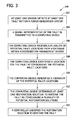
- Fig. 3 is a flow chart of a method 300 that may be used for monitoring the operation of a power generation system, such as power generation system 100 (shown in Fig. 1 ), by using a monitoring system, such as monitoring system 112 (shown in Figs. 1 and 2 ).
- a monitoring system such as monitoring system 112 (shown in Figs. 1 and 2 ).
- at least one sensor 200 detects 302 at least one fault, such as fault 113 (shown in Fig. 1 ), within power generation system 100.
- a signal representative of fault 113 is transmitted 304 to a computing device 202 (shown in Fig. 2 ).
- Computing device 202 receives 306 a plurality of potential fault locations from a database 118 (shown in Fig. 1 ) within a distribution management system 114 (shown in Fig. 1 ).
- Computing device 202 then identifies 308 a location for fault 113 by considering the potential fault locations. More specifically, computing device 202 identifies 308 a location for fault 113 by generating 310 a hierarchy of the potential fault locations. Computing device 202 determines 312 at least one restoration solution to restore the fault by considering a plurality of potential restoration solutions. A controller 232 (shown in Fig. 2 ) executes 314 the restoration solution to restore the fault.
- the embodiments described herein include a monitoring system that may be used with a power generation system, wherein the monitoring system includes at least one sensor that is configured to detect at least one fault within a power generation system.
- the monitoring system includes a computing device that is coupled to the sensor.
- the computing device includes an interface that is configured to receive a signal representative of the fault.
- the computing device also includes a processor that is programmed to identify a location of the fault by considering a plurality of potential fault locations and the processor is programmed to determine at least one restoration solution to restore the fault by considering a plurality of potential restoration solutions.
- the monitoring system is enabled to accurately identify the location of the fault and, as a result, the power generation system may readily be restored.
- a beneficial effect of the systems and methods described herein includes at least one of: (a) detecting, via at least one sensor, at least one fault within a power generation system; (b) transmitting a signal representative of at least one fault to a computing device; (c) identifying, via a computing device, a location of at least one fault by considering a plurality of potential fault locations; and (d) determining, via a computing device, at least one restoration solution to restore at least one fault by considering a plurality of potential restoration solutions.
Landscapes
- Engineering & Computer Science (AREA)
- Power Engineering (AREA)
- Remote Monitoring And Control Of Power-Distribution Networks (AREA)
- Supply And Distribution Of Alternating Current (AREA)
- Control Of Eletrric Generators (AREA)
Abstract
Description
- The field of the invention relates generally to power generation systems and, more particularly, to systems and methods to monitor the operation of power generation systems.
- At least some known power generation systems include one or more components that may become damaged or that wear over time. For example, known power generation systems, such as known turbines, may include components such as, bearings, gears, and/or shafts that wear over time resulting in faults, such as a crack within the component, a disconnection of electrical wires, and/or a misalignment of the component. Continued operation with a worn component with a fault may cause additional damage to other components or may lead to a premature failure of the component or system. In addition, the components may endure damage as a result of a natural disaster. For example, a tree may fall on an electrical circuit and cause a fault to the circuit. Moreover, as a result of the fault, a circuit breaker protecting the electrical circuit may prevent the power generation system from operating until the circuit has been repaired.
- To detect component damage within power generation systems and to provide an appropriate response solution, the operation of at least some known power generation systems are monitored with a monitoring system. For example, some monitoring systems include computing modules and/or devices that are able to detect the fault within the power generation system, determine the location of the fault within the power generation system, and restore the fault such that the power generation system may operate and function appropriately. However, such modules and/or devices may be limited as to the amount of information about the system they receive and/or use to determine the location of the fault. Accordingly, the precise fault location may not be readily determined and, as a result, the restoration of the power generation system may be delayed.
- In one embodiment, a monitoring system is provided. The monitoring system includes at least one sensor that is configured to detect at least one fault within a power generation system. Moreover, the monitoring system includes a computing device that is coupled to the sensor. The computing device includes an interface that is configured to receive a signal representative of the fault. The computing device also includes a processor that is programmed to identify a location of the fault by considering a plurality of potential fault locations and the processor is programmed to determine at least one restoration solution to restore the fault by considering a plurality of potential restoration solutions.
- In another embodiment, a power generation system is provided. The power generation system includes at least one electrical circuit and a monitoring system that is coupled to the electrical circuit. The monitoring system includes at least one sensor that is configured to detect at least one fault within the electrical circuit. The monitoring system also includes a computing device that is coupled to the sensor. The computing device includes an interface that is configured to receive a signal representative of the fault. Moreover, the computing device includes a processor that is programmed to identify a location of the fault by considering a plurality of potential fault locations and the processor is programmed to determine at least one restoration solution to restore the fault by considering a plurality of potential restoration solutions.
- In yet another embodiment, a method for use in monitoring the operation of a power generation system is provided. At least one fault within the power generation system is detected via at least one sensor and a signal representative of the fault is transmitted to a computing device. A location of the fault is identified, via the computing device, by considering a plurality of potential fault locations. Moreover, at least one restoration solution to restore the fault is determined, via the computing device, by considering a plurality of potential restoration solutions.
-
-
Fig. 1 is a block diagram of an exemplary power generation system; -
Fig. 2 is a block diagram of an exemplary monitoring system that may be used with the power generation system shown inFig. 1 ; and -
Fig. 3 is a flow chart of an exemplary method that may be used for monitoring the operation of the power generation system shown inFig. 1 . - The exemplary systems and methods described herein overcome at least some known disadvantages associated with at least some known power generation systems by providing a monitoring system that is able to accurately and efficiently monitor the operation of the power generation system when a fault within the system has occurred. More specifically, the monitoring system includes at least one sensor that is configured to detect at least one fault within a power generation system. Moreover, the monitoring system includes a computing device that is coupled to the sensor. The computing device includes an interface that is configured to receive a signal representative of the fault. The computing device also includes a processor that is programmed to identify a location of the fault by considering a plurality of potential fault locations and the processor is programmed to determine at least one restoration solution to restore the fault by considering a plurality of potential restoration solutions. By being able to utilize more information, such as the plurality of potential fault locations, the monitoring system is enabled to accurately identify the location of the fault and, as a result, the power generation system may readily be restored.
-
Fig. 1 illustrates an exemplarypower generation system 100 that includes amachine 101. In the exemplary embodiment,machine 101 is a variable speed machine, such as a wind turbine, a hydroelectric turbine, a gas turbine, and/or any other machine that operates with a variable speed. Alternatively,machine 101 may be a synchronous speed machine. In the exemplary embodiment,machine 101 includes arotating device 102, such as a rotor or other device. Moreover, in the exemplary embodiment,rotating device 102 rotates adrive shaft 104 that is coupled to agenerator 106. In the exemplary embodiment,generator 106 is a doubly-fed induction generator that is coupled to apower distribution system 107. Alternatively,generator 106 may be any other type of generator that is coupled to any electrical system that enablespower generation system 100 to function as described herein. - In the exemplary embodiment,
power distribution system 107 includes anoutput section 108 that includes at least oneelectrical circuit 109 for providing electrical power to a plurality ofbuildings 110, via a plurality ofconduits 111. In the exemplary embodiment,conduits 111 are fabricated from a metallic wire. Alternatively,conduits 111 may be fabricated from any other substance or compound that enablespower generation system 100 to function as described herein. - Moreover, in the exemplary embodiment,
power generation system 100 includes amonitoring system 112 that is coupled topower distribution system 107. More specifically, in the exemplary embodiment,monitoring system 112 is coupled toelectrical circuit 109 and is configured to detect at least one fault, such asfault 113, withinsystem 100 and is configured to restorefault 113. -
Monitoring system 112, in the exemplary embodiment, is also coupled to adistribution management system 114 via anetwork 116 such thatmonitoring system 112 is enabled to communicate withdistribution management system 114. In the exemplary embodiment,network 116 may include, but is not limited to only including, the Internet, a local area network (LAN), a wide area network (WAN), a wireless LAN (WLAN), a mesh network, and/or a virtual private network (VPN). More specifically, in the exemplary embodiment,distribution management system 114 includes adatabase 118 that includes information aboutpower generation system 100, such as a map that includes a location formachine 101 and other components ofsystem 100 and/or potential fault locations withinsystem 100. Moreover, in the exemplary embodiment,distribution management system 114 communicates information fromdatabase 118 to monitoringsystem 112 vianetwork 116. - During operation,
machine 101 generates mechanical rotational energy viarotating device 102 and drivesgenerator 106.Generator 106 supplies electrical power topower distribution system 107 and power is distributed tobuildings 110. Moreover, in the exemplary embodiment, because of wear, damage, or vibration, for example, one or more components may have at least one fault, such asfault 113 withinelectrical circuit 109.Monitoring system 112 detectsfault 113 and immediately discontinues electrical flow withinpower generation system 100. As a result,buildings 110 are unable to receive power. -
Monitoring system 112 retrieves information aboutpower generation system 100 fromdistribution management system 114 and is able to identify the location offault 113 based on the information retrieved.Monitoring system 112 then determines at least one restoration solution to restorefault 113 by considering a plurality of potential restoration solutions.Monitoring system 112 then restoresfault 113 and electrical flow is continued withinpower generation system 100. As such,buildings 110 are able to receive power again. By being able to utilize information received fromdistribution management system 114,monitoring system 112 is enabled to accurately identify the location offault 113 and, as a result, electrical power withinpower generation system 100 may readily be restored. -
Fig. 2 is a block diagram ofmonitoring system 112. In the exemplary embodiment,monitoring system 112 includes at least onesensor 200 that is coupled to power distribution system 107 (shown inFig. 1 ). More specifically, in the exemplary embodiment,sensor 200 is coupled to electrical circuit 109 (shown inFig. 1 ).Sensor 200, in the exemplary embodiment, is a circuit breaker, and is configured to detect at least one fault, such as fault 113 (shown inFig. 1 ) within power generation system 100 (shown inFig. 1 ). More specifically, in the exemplary embodiment,sensor 200 is configured to detectfault 113 withinelectrical circuit 109 andsensor 200 is configured to discontinue electrical flow withinpower generation system 100 whenfault 113 is detected. -
Monitoring system 112 also includes acomputing device 202 that is coupled tosensor 200 via aconduit 204. In the exemplary embodiment,conduit 204 is fabricated from a metallic wire. Alternatively,conduit 204 may be fabricated from any other substance or compound that enablesmonitoring system 112 and/orpower generation system 100 to function as described herein. - In the exemplary embodiment,
computing device 202 includes auser interface 205 that receives at least one input from a user. In the exemplary embodiment,user interface 205 includes akeyboard 206 that enables a user to input pertinent information. Alternatively,user interface 205 may include, for example, a pointing device, a mouse, a stylus, a touch sensitive panel (e.g., a touch pad or a touch screen), a gyroscope, an accelerometer, a position detector, and/or an audio input interface (e.g., including a microphone). - Moreover, in the exemplary embodiment,
computing device 202 includes apresentation interface 207 that presents information, such as input events and/or validation results, to the user. In the exemplary embodiment,presentation interface 207 includes adisplay adapter 208 that is coupled to at least onedisplay device 210. More specifically, in the exemplary embodiment,display device 210 is a visual display device, such as a cathode ray tube (CRT), a liquid crystal display (LCD), an organic LED (OLED) display, and/or an "electronic ink" display. Alternatively,presentation interface 207 may include an audio output device (e.g., an audio adapter and/or a speaker) and/or a printer. -
Computing device 202 also includes aprocessor 214 and amemory device 218. In the exemplary embodiment,processor 214 is coupled touser interface 205,presentation interface 207, and tomemory device 218 via asystem bus 220. In the exemplary embodiment,processor 214 communicates with the user, such as by prompting the user viapresentation interface 207 and/or by receiving user inputs viauser interface 205. Moreover, in the exemplary embodiment,processor 214 is programmed by encoding an operation using one or more executable instructions and providing the executable instructions inmemory device 218. More specifically, in the exemplary embodiment,processor 214 is programmed to identify a location of at least one fault, such asfault 113, withinpower generation system 100. More specifically,processor 214 identifies the location by considering information, such as a plurality of potential fault locations withinsystem 100, which is received from database 118 (shown inFig. 1 ). Moreover, in the exemplary embodiment,processor 214 is programmed to determine at least one restoration solution to restorefault 113 by considering a plurality of potential restoration solutions. The plurality of potential restoration solutions may be predefined solutions programmed into processor and/or the plurality of potential restoration solutions may be inputs received by a user. - The term "processor" refers generally to any programmable system including systems and microcontrollers, reduced instruction set circuits (RISC), application specific integrated circuits (ASIC), programmable logic circuits (PLC), and any other circuit or processor capable of executing the functions described herein. The above examples are exemplary only, and thus are not intended to limit in any way the definition and/or meaning of the term "processor."
- In the exemplary embodiment,
memory device 218 includes one or more devices that enable information, such as executable instructions and/or other data, to be stored and retrieved. Moreover, in the exemplary embodiment,memory device 218 includes one or more computer readable media, such as, without limitation, dynamic random access memory (DRAM), static random access memory (SRAM), a solid state disk, and/or a hard disk. In the exemplary embodiment,memory device 218 stores, without limitation, application source code, application object code, configuration data, additional input events, application states, assertion statements, validation results, and/or any other type of data. More specifically, in the exemplary embodiment,memory device 218 stores input data received by the user viauser interface 205 and/or information received from other components ofmonitoring system 112 and/orpower generation system 100. -
Computing device 202 also includes anetwork interface 224 that couples to network 116 to facilitate communication with distribution management system 114 (shown inFig. 1 ). In the exemplary embodiment,computing device 202 communicates withdistribution management system 114 using a wireless communication means, such as radio frequency (RF), e.g., FM radio and/or digital audio broadcasting, an Institute of Electrical and Electronics Engineers (IEEE®) 802.11 standard (e.g., 802.11(g) or 802.11(n)), the Worldwide Interoperability for Microwave Access (WIMAX®) standard, a cellular phone technology (e.g., the Global Standard for Mobile communication (GSM)), a satellite communication link, and/or any other suitable communication means. WIMAX is a registered trademark of WiMax Forum, of Beaverton, Oregon. IEEE is a registered trademark of the Institute of Electrical and Electronics Engineers, Inc., of New York, New York. Alternatively,computing device 202 may communicate withdistribution management system 114 using a wired network connection (e.g., Ethernet or an optical fiber). - Moreover, in the exemplary embodiment,
computing device 202 includes acommunication interface 230 that is coupled toprocessor 214 viasystem bus 220. Further, in the exemplary embodiment,communication interface 230 is coupled tosensor 200 viaconduit 204.Monitoring system 112 also includes acontroller 232 that is coupled tocomputing device 202 via aconduit 234. -
Controller 232, in the exemplary embodiment, is also coupled topower distribution system 107. More specifically, in the exemplary embodiment,controller 232 is configured to receive at least one signal representative of at least one restoration solution to restore at least one fault, such asfault 113, from computingdevice 202.Controller 232 is further configured to execute the restoration solution to restorefault 113 by transmitting at least one signal representative of control parameters to control valves, switches, and/or gauges (not shown) withinpower distribution system 107 and/orpower generation system 100. - During operation, because of wear, damage, or vibration, for example, one or more components within
power generation system 100 may have at least one fault, such asfault 113, withinelectrical circuit 109.Monitoring system 112 detectsfault 113 and immediately discontinues electrical flow withinpower generation system 100. As a result, buildings 110 (shown inFig. 1 ) are unable to receive power. More specifically, in the exemplary embodiment,sensor 200 detectsfault 113 withinelectrical circuit 109 and immediately discontinues electrical flow withinpower generation system 100 by transmitting a signal representative of a control parameter to an on/off switch and/or valve (not shown) withinpower distribution system 107.Sensor 200 also transmits a signal representative offault 113 being detected tocomputing device 202 andcomputing device 202 is able to receive the signal viacommunication interface 230.Communication interface 230 transmits the signal toprocessor 214. -
Processor 214 transmits a signal vianetwork 116 todistribution management system 114. In the exemplary embodiment,distribution management system 114 transmits information fromdatabase 118 tocomputing device 202 vianetwork 116. More specifically,processor 214 receives information about various locations of components withinpower generation system 100 and a plurality of potential fault locations withinsystem 100. Whenprocessor 214 receives the information,processor 214 identifies the location offault 113 by considering the potential fault locations. More specifically, in the exemplary embodiment,processor 214 generates a hierarchy of the potential fault locations, wherein the most likely location forfault 113 will be a first tier in the hierarchy and the least likely location forfault 113 will be a last tier in the hierarchy. -
Processor 214 further identifies at least one restoration solution to restorefault 113 by considering a plurality of potential restoration solutions. More specifically, in the exemplary embodiment,processor 214 identifies a first restoration solution, a second restoration solution, and a third restoration solution. Each restoration solution is presented to a user, viapresentation interface 207. The user may input his or her choice for the restoration solution to be executed and/orprocessor 214 may generate the restoration solution to be executed for restoringfault 113. Alternatively, each restoration solution may be executed such that the execution of restoration solution occurs at different time intervals. For example, the first restoration solution may be executed to restorefault 113 such that twenty percent ofbuildings 110 may receive power. Then the second restoration solution may be executed to restorefault 113 such that another forty percent ofbuildings 110 may receive power at a different time than the first restoration solution. Finally, the third restoration solution may be executed to restorefault 113 such that the remaining sixty percent ofbuildings 110 may receive power at a different time than the first and second restoration solutions. -
Monitoring system 112 then restoresfault 113 and electrical flow is continued withinpower generation system 100 such thatbuildings 110 are able to receive power again. More specifically,processor 214 transmits a signal representative of the restoration solution tocontroller 232. Whencontroller 232 receives the signal,controller 232 executes the restoration solution to restorefault 113 by transmitting at least one signal representative of control parameters to control valves, switches, and/or gauges (not shown) withinpower distribution system 107 such thatfault 113 is restored andbuildings 110 are able to receive power again. Alternatively, when the user is presented with the restoration solutions, viapresentation interface 207, the user may manually restore the faults without the use ofcontroller 232. -
Fig. 3 is a flow chart of amethod 300 that may be used for monitoring the operation of a power generation system, such as power generation system 100 (shown inFig. 1 ), by using a monitoring system, such as monitoring system 112 (shown inFigs. 1 and2 ). In the exemplary embodiment, at least one sensor 200 (shown inFig. 2 ) detects 302 at least one fault, such as fault 113 (shown inFig. 1 ), withinpower generation system 100. A signal representative offault 113 is transmitted 304 to a computing device 202 (shown inFig. 2 ).Computing device 202 receives 306 a plurality of potential fault locations from a database 118 (shown inFig. 1 ) within a distribution management system 114 (shown inFig. 1 ). -
Computing device 202 then identifies 308 a location forfault 113 by considering the potential fault locations. More specifically,computing device 202 identifies 308 a location forfault 113 by generating 310 a hierarchy of the potential fault locations.Computing device 202 determines 312 at least one restoration solution to restore the fault by considering a plurality of potential restoration solutions. A controller 232 (shown inFig. 2 ) executes 314 the restoration solution to restore the fault. - As compared to known power generation systems, the above-described embodiments enable faults within power generation systems to be monitored and restored in a more accurate and efficient manner. More specifically, the embodiments described herein include a monitoring system that may be used with a power generation system, wherein the monitoring system includes at least one sensor that is configured to detect at least one fault within a power generation system. Moreover, the monitoring system includes a computing device that is coupled to the sensor. The computing device includes an interface that is configured to receive a signal representative of the fault. The computing device also includes a processor that is programmed to identify a location of the fault by considering a plurality of potential fault locations and the processor is programmed to determine at least one restoration solution to restore the fault by considering a plurality of potential restoration solutions. By being able to utilize more information, such as the plurality of potential fault locations, the monitoring system is enabled to accurately identify the location of the fault and, as a result, the power generation system may readily be restored.
- A beneficial effect of the systems and methods described herein includes at least one of: (a) detecting, via at least one sensor, at least one fault within a power generation system; (b) transmitting a signal representative of at least one fault to a computing device; (c) identifying, via a computing device, a location of at least one fault by considering a plurality of potential fault locations; and (d) determining, via a computing device, at least one restoration solution to restore at least one fault by considering a plurality of potential restoration solutions.
- Exemplary embodiments of the systems and methods for use in monitoring the operation of a power generation system are described above in detail. The systems and methods are not limited to the specific embodiments described herein, but rather, components of each system and/or steps of each method may be utilized independently and separately from other components and/or steps described herein. For example, each system may also be used in combination with other systems and methods, and is not limited to practice with only systems as described herein. Rather, the exemplary embodiment can be implemented and utilized in connection with many other applications.
- Although specific features of various embodiments of the invention may be shown in some drawings and not in others, this is for convenience only. In accordance with the principles of the invention, any feature of a drawing may be referenced and/or claimed in combination with any feature of any other drawing.
- This written description uses examples to disclose the invention, including the best mode, and also to enable any person skilled in the art to practice the invention, including making and using any devices or systems and performing any incorporated methods. The patentable scope of the invention is defined by the claims, and may include other examples that occur to those skilled in the art. Such other examples are intended to be within the scope of the claims if they have structural elements that do not differ from the literal language of the claims, or if they include equivalent structural elements with insubstantial differences from the literal language of the claims.
Claims (15)
- A monitoring system (112) comprising:at least one sensor (200) configured to detect at least one fault (113) within a power generation system (100); anda computing device (202) coupled to said at least one sensor, said computing device comprising:an interface (230) configured to receive a signal representative of the at least one fault; anda processor (214) programmed to identify a location of the at least one fault by considering a plurality of potential fault locations and programmed to determine at least one restoration solution to restore the at least one fault by considering a plurality of potential restoration solutions.
- A monitoring system (112) in accordance with Claim 1, wherein said at least one sensor (200) is further configured to discontinue electrical flow within the power generation system (100) when the at least one fault is detected.
- A monitoring system (112) in accordance with either of Claim 1 or 2, further comprising a controller (232) coupled to said computing device (202) and configured to execute the at least one restoration solution to restore the at least one fault (113).
- A monitoring system (112) in accordance with any preceding Claim, wherein said processor (214) is operable to consider the plurality of potential fault locations by generating a hierarchy of the plurality of potential fault locations.
- A monitoring system (112) in accordance with any preceding Claim, wherein the at least one restoration solution to restore the at least one fault (113) includes a first restoration solution, a second restoration solution, and a third restoration solution.
- A monitoring system (112) in accordance with Claim 5, further comprising a controller (232) coupled to said computing device (202) and configured to execute the first restoration solution, the second restoration solution, and the third restoration solution.
- A monitoring system (112) in accordance with any preceding Claim, wherein said computing device (202) further comprises a network interface (224) coupled to a network (116) such that said computing device is enabled to receive the plurality of potential fault locations from a database (118).
- A power generation system (100) comprising:at least one electrical circuit (109); anda monitoring system (112) coupled to said at least one electrical circuit, said monitoring system comprising:at least one sensor (200) configured to detect at least one fault (113) within the at least one electrical circuit; anda computing device (202) coupled to said at least one sensor, said computing device comprising:an interface (230) configured to receive a signal representative of the at least one fault; anda processor (214) programmed to identify a location of the at least one fault by considering a plurality of potential fault locations and programmed to determine at least one restoration solution to restore the at least one fault by considering a plurality of potential restoration solutions.
- A power generation system (100) in accordance with Claim 8, wherein said at least one sensor (200) is further configured to discontinue electrical flow within said power generation system when the at least one fault (113) is detected.
- A power generation (100) system in accordance with either of Claim 8 or 9, wherein said monitoring system (112) further comprises a controller (232) coupled to said computing device (202) and configured to execute the at least one restoration solution to restore the at least one fault (113).
- A method (300) of monitoring the operation of a power generation system (100), said method comprising:detecting (302), via at least one sensor (200), at least one fault (113) within the power generation system;transmitting (304) a signal representative of the at least one fault to a computing device (202);identifying (308), via the computing device, a location of the at least one fault by considering a plurality of potential fault locations; anddetermining (312), via the computing device, at least one restoration solution to restore the at least one fault by considering a plurality of potential restoration solutions.
- A method (300) in accordance with Claim 11, further comprising executing (314) the at least one restoration solution, via a controller (232), to restore the at least one fault (113).
- A method in accordance with either of Claim 11 or 12, wherein said identifying (308), via the computing device (202), a location of the at least one fault (113) by considering a plurality of potential fault locations, further comprises identifying, via the computing device, a location of the at least one fault by generating (310) a hierarchy of the plurality of potential fault locations.
- A method in accordance with any of Claims 11 to 13, wherein determining (312), via the computing device (202) at least one restoration solution to restore the at least one fault (113) further comprises determining, via the computing device, a first restoration solution, a second restoration solution, and a third restoration solution to restore the at least one fault.
- A method in accordance with Claim 14, further comprising executing, via a controller (232), the first restoration solution, the second restoration solution, and the third restoration solution.
Applications Claiming Priority (1)
| Application Number | Priority Date | Filing Date | Title |
|---|---|---|---|
| US13/195,311 US8914247B2 (en) | 2011-08-01 | 2011-08-01 | Systems and methods to monitor the operation of a power generation system |
Publications (2)
| Publication Number | Publication Date |
|---|---|
| EP2557659A2 true EP2557659A2 (en) | 2013-02-13 |
| EP2557659A3 EP2557659A3 (en) | 2016-10-12 |
Family
ID=47044736
Family Applications (1)
| Application Number | Title | Priority Date | Filing Date |
|---|---|---|---|
| EP12178626.3A Ceased EP2557659A3 (en) | 2011-08-01 | 2012-07-31 | Systems and methods to monitor the operation of a power generation system |
Country Status (3)
| Country | Link |
|---|---|
| US (1) | US8914247B2 (en) |
| EP (1) | EP2557659A3 (en) |
| CN (1) | CN102914707B (en) |
Families Citing this family (7)
| Publication number | Priority date | Publication date | Assignee | Title |
|---|---|---|---|---|
| US9125010B2 (en) | 2011-10-27 | 2015-09-01 | General Electric Company | Systems and methods to implement demand response events |
| US8972071B2 (en) | 2011-10-27 | 2015-03-03 | General Electric Company | Systems and methods to predict a reduction of energy consumption |
| US20130110970A1 (en) * | 2011-10-27 | 2013-05-02 | Mark Joseph Meyerhofer | Systems and methods to provide demand response events |
| US9082141B2 (en) | 2011-10-27 | 2015-07-14 | General Electric Company | Systems and methods to implement demand response events |
| CN103645698A (en) * | 2013-11-30 | 2014-03-19 | 成都成发科能动力工程有限公司 | A TRT remote alarm and control wireless measuring and controlling device |
| TW201627883A (en) * | 2015-01-22 | 2016-08-01 | 物聯智慧科技(深圳)有限公司 | Equipment troubleshooting method |
| US11387778B2 (en) * | 2018-10-17 | 2022-07-12 | Solaredge Technologies Ltd. | Photovoltaic system failure and alerting |
Family Cites Families (22)
| Publication number | Priority date | Publication date | Assignee | Title |
|---|---|---|---|---|
| US4283634A (en) | 1971-06-23 | 1981-08-11 | Westinghouse Electric Corp. | System and method for monitoring and controlling operation of industrial gas turbine apparatus and gas turbine electric power plants preferably with a digital computer control system |
| US5125738A (en) * | 1988-12-13 | 1992-06-30 | Sumitomo Electric Industries, Ltd. | Apparatus and system for locating a point or a faulty point in a transmission line |
| JPH09229981A (en) * | 1996-02-21 | 1997-09-05 | Hitachi Ltd | Monitoring device and harmonic monitoring system used for monitoring harmonics |
| US6691118B1 (en) | 1997-10-31 | 2004-02-10 | Oracle International Corporation | Context management system for modular software architecture |
| US6594620B1 (en) | 1998-08-17 | 2003-07-15 | Aspen Technology, Inc. | Sensor validation apparatus and method |
| US6499114B1 (en) | 1999-02-17 | 2002-12-24 | General Electric Company | Remote diagnostic system and method collecting sensor data according to two storage techniques |
| US6993556B1 (en) | 1999-04-07 | 2006-01-31 | Sentillion, Inc. | Context administrator |
| CA2431491C (en) | 2000-12-11 | 2012-03-20 | Sentillion, Inc. | Context management with audit capability |
| US6618693B2 (en) | 2001-05-23 | 2003-09-09 | General Electric Company | Method and apparatus for non-intrusive monitoring of rotating components |
| US6823675B2 (en) | 2002-11-13 | 2004-11-30 | General Electric Company | Adaptive model-based control systems and methods for controlling a gas turbine |
| US7233129B2 (en) | 2003-05-07 | 2007-06-19 | Clipper Windpower Technology, Inc. | Generator with utility fault ride-through capability |
| US7577743B2 (en) | 2003-08-01 | 2009-08-18 | Sentillion, Inc. | Methods and apparatus for performing context management in a networked environment |
| US7035763B2 (en) | 2003-09-03 | 2006-04-25 | Siemens Westinghouse Power Corporation | Systems and methods for selecting training data and generating fault models for use in use sensor-based monitoring |
| US7184903B1 (en) * | 2006-03-16 | 2007-02-27 | Vrb Power Systems Inc. | System and method for a self-healing grid using demand side management techniques and energy storage |
| US8022708B2 (en) * | 2006-12-07 | 2011-09-20 | University Of Florida Research Foundation, Inc. | Fiber optic fault detection system and method for underground power lines |
| WO2009076410A1 (en) * | 2007-12-12 | 2009-06-18 | Abb Research Ltd. | Load restoration for feeder automation in electric power distribution systems |
| CN101359022B (en) * | 2008-08-20 | 2011-04-27 | 东南大学 | Solar power generation's superhigh pressure circuit monitoring system |
| CA2972362C (en) * | 2008-12-15 | 2019-08-13 | Accenture Global Services Limited | Power grid outage and fault condition management |
| BRPI0923751A2 (en) * | 2008-12-31 | 2016-01-19 | Abb Research Ltd | power distribution control of hybrid distribution network |
| US20100332161A1 (en) * | 2009-06-24 | 2010-12-30 | General Electric Company | Monitoring system and method for wiring systems |
| WO2011056144A1 (en) * | 2009-11-06 | 2011-05-12 | Nanyang Polytechnic | Fault signature-based case library system and method for power system trouble-shooting and recovery |
| CN201789341U (en) * | 2010-07-30 | 2011-04-06 | 北京市电力公司 | A monitoring system for smart microgrid |
-
2011
- 2011-08-01 US US13/195,311 patent/US8914247B2/en not_active Expired - Fee Related
-
2012
- 2012-07-31 EP EP12178626.3A patent/EP2557659A3/en not_active Ceased
- 2012-08-01 CN CN201210269705.4A patent/CN102914707B/en not_active Expired - Fee Related
Non-Patent Citations (1)
| Title |
|---|
| None |
Also Published As
| Publication number | Publication date |
|---|---|
| US8914247B2 (en) | 2014-12-16 |
| EP2557659A3 (en) | 2016-10-12 |
| CN102914707A (en) | 2013-02-06 |
| CN102914707B (en) | 2017-01-18 |
| US20130035883A1 (en) | 2013-02-07 |
Similar Documents
| Publication | Publication Date | Title |
|---|---|---|
| US8914247B2 (en) | Systems and methods to monitor the operation of a power generation system | |
| US11258855B2 (en) | System and method for analyzing and monitoring smart meter network communications | |
| CN105074679B (en) | System and method for developing, disposing and implementing the application of power system computation machine | |
| EP2455897B1 (en) | Methods and systems involving power system grid management | |
| CN113110177B (en) | Monitoring methods, monitoring equipment and monitoring systems for photovoltaic power stations | |
| US8922652B2 (en) | Systems and methods for locating faults in a power system | |
| US20110288777A1 (en) | System, device and method for automatic detection and reporting of location and extent of service failure in utility and telecommunication networks | |
| EP2728175A1 (en) | Operation monitoring system, operation monitoring method, and program | |
| EP2779350B1 (en) | Direct current transmission and distribution system and method of operating the same | |
| US10968892B2 (en) | Controlling wind turbine | |
| US20140244058A1 (en) | State Trajectory Prediction in an Electric Power Delivery System | |
| US20130110299A1 (en) | Systems and methods to predict a reduction of energy consumption | |
| JP6108027B2 (en) | Power management apparatus, power management method, power management system, and program | |
| CN112886922B (en) | Calculation method, device and storage medium for loss electric quantity of photovoltaic power station | |
| KR20140100165A (en) | System for visualizing electric energy management and method thereof | |
| EP3171479B1 (en) | Systems and methods for controlling and monitoring power assets | |
| US20130060493A1 (en) | Systems and methods for use in monitoring a power generation system | |
| CN104298421B (en) | Power distribution network safety control method based on rapid simulation analysis technology | |
| CN119420024A (en) | Monitoring method and device for booster station, electronic equipment and storage medium | |
| CN119382620A (en) | Monitoring method and device for photovoltaic power generation system, electronic equipment and storage medium | |
| EP2523307A2 (en) | Systems and methods for use in correcting intermittent utility service outages | |
| JP6604373B2 (en) | Information processing apparatus, information processing system, information processing method, and computer program | |
| CN108321925B (en) | Monitoring method and system for low-voltage power distribution system | |
| US11388044B1 (en) | Independent situational awareness for a network | |
| EP3981110B1 (en) | Power outage and restoration detection for multi-meter nodes in a mesh network |
Legal Events
| Date | Code | Title | Description |
|---|---|---|---|
| PUAI | Public reference made under article 153(3) epc to a published international application that has entered the european phase |
Free format text: ORIGINAL CODE: 0009012 |
|
| AK | Designated contracting states |
Kind code of ref document: A2 Designated state(s): AL AT BE BG CH CY CZ DE DK EE ES FI FR GB GR HR HU IE IS IT LI LT LU LV MC MK MT NL NO PL PT RO RS SE SI SK SM TR |
|
| AX | Request for extension of the european patent |
Extension state: BA ME |
|
| PUAL | Search report despatched |
Free format text: ORIGINAL CODE: 0009013 |
|
| AK | Designated contracting states |
Kind code of ref document: A3 Designated state(s): AL AT BE BG CH CY CZ DE DK EE ES FI FR GB GR HR HU IE IS IT LI LT LU LV MC MK MT NL NO PL PT RO RS SE SI SK SM TR |
|
| AX | Request for extension of the european patent |
Extension state: BA ME |
|
| RIC1 | Information provided on ipc code assigned before grant |
Ipc: H02J 13/00 20060101AFI20160907BHEP |
|
| STAA | Information on the status of an ep patent application or granted ep patent |
Free format text: STATUS: REQUEST FOR EXAMINATION WAS MADE |
|
| 17P | Request for examination filed |
Effective date: 20170412 |
|
| RBV | Designated contracting states (corrected) |
Designated state(s): AL AT BE BG CH CY CZ DE DK EE ES FI FR GB GR HR HU IE IS IT LI LT LU LV MC MK MT NL NO PL PT RO RS SE SI SK SM TR |
|
| STAA | Information on the status of an ep patent application or granted ep patent |
Free format text: STATUS: EXAMINATION IS IN PROGRESS |
|
| 17Q | First examination report despatched |
Effective date: 20180306 |
|
| STAA | Information on the status of an ep patent application or granted ep patent |
Free format text: STATUS: THE APPLICATION HAS BEEN REFUSED |
|
| 18R | Application refused |
Effective date: 20210325 |