EP2557088A1 - Physiologically active peptides - Google Patents
Physiologically active peptides Download PDFInfo
- Publication number
- EP2557088A1 EP2557088A1 EP11765954A EP11765954A EP2557088A1 EP 2557088 A1 EP2557088 A1 EP 2557088A1 EP 11765954 A EP11765954 A EP 11765954A EP 11765954 A EP11765954 A EP 11765954A EP 2557088 A1 EP2557088 A1 EP 2557088A1
- Authority
- EP
- European Patent Office
- Prior art keywords
- peptide
- anxiolytic
- acid
- leu
- arg
- Prior art date
- Legal status (The legal status is an assumption and is not a legal conclusion. Google has not performed a legal analysis and makes no representation as to the accuracy of the status listed.)
- Granted
Links
Images



Classifications
-
- C—CHEMISTRY; METALLURGY
- C07—ORGANIC CHEMISTRY
- C07K—PEPTIDES
- C07K5/00—Peptides containing up to four amino acids in a fully defined sequence; Derivatives thereof
- C07K5/04—Peptides containing up to four amino acids in a fully defined sequence; Derivatives thereof containing only normal peptide links
- C07K5/10—Tetrapeptides
- C07K5/1002—Tetrapeptides with the first amino acid being neutral
- C07K5/1016—Tetrapeptides with the first amino acid being neutral and aromatic or cycloaliphatic
-
- C—CHEMISTRY; METALLURGY
- C07—ORGANIC CHEMISTRY
- C07K—PEPTIDES
- C07K7/00—Peptides having 5 to 20 amino acids in a fully defined sequence; Derivatives thereof
- C07K7/04—Linear peptides containing only normal peptide links
- C07K7/06—Linear peptides containing only normal peptide links having 5 to 11 amino acids
-
- A—HUMAN NECESSITIES
- A23—FOODS OR FOODSTUFFS; TREATMENT THEREOF, NOT COVERED BY OTHER CLASSES
- A23L—FOODS, FOODSTUFFS OR NON-ALCOHOLIC BEVERAGES, NOT OTHERWISE PROVIDED FOR; PREPARATION OR TREATMENT THEREOF
- A23L33/00—Modifying nutritive qualities of foods; Dietetic products; Preparation or treatment thereof
- A23L33/10—Modifying nutritive qualities of foods; Dietetic products; Preparation or treatment thereof using additives
- A23L33/17—Amino acids, peptides or proteins
- A23L33/18—Peptides; Protein hydrolysates
-
- A—HUMAN NECESSITIES
- A61—MEDICAL OR VETERINARY SCIENCE; HYGIENE
- A61K—PREPARATIONS FOR MEDICAL, DENTAL OR TOILETRY PURPOSES
- A61K38/00—Medicinal preparations containing peptides
- A61K38/04—Peptides having up to 20 amino acids in a fully defined sequence; Derivatives thereof
-
- A—HUMAN NECESSITIES
- A61—MEDICAL OR VETERINARY SCIENCE; HYGIENE
- A61K—PREPARATIONS FOR MEDICAL, DENTAL OR TOILETRY PURPOSES
- A61K38/00—Medicinal preparations containing peptides
- A61K38/04—Peptides having up to 20 amino acids in a fully defined sequence; Derivatives thereof
- A61K38/06—Tripeptides
-
- A—HUMAN NECESSITIES
- A61—MEDICAL OR VETERINARY SCIENCE; HYGIENE
- A61K—PREPARATIONS FOR MEDICAL, DENTAL OR TOILETRY PURPOSES
- A61K38/00—Medicinal preparations containing peptides
- A61K38/04—Peptides having up to 20 amino acids in a fully defined sequence; Derivatives thereof
- A61K38/07—Tetrapeptides
-
- A—HUMAN NECESSITIES
- A61—MEDICAL OR VETERINARY SCIENCE; HYGIENE
- A61K—PREPARATIONS FOR MEDICAL, DENTAL OR TOILETRY PURPOSES
- A61K38/00—Medicinal preparations containing peptides
- A61K38/04—Peptides having up to 20 amino acids in a fully defined sequence; Derivatives thereof
- A61K38/08—Peptides having 5 to 11 amino acids
-
- A—HUMAN NECESSITIES
- A61—MEDICAL OR VETERINARY SCIENCE; HYGIENE
- A61P—SPECIFIC THERAPEUTIC ACTIVITY OF CHEMICAL COMPOUNDS OR MEDICINAL PREPARATIONS
- A61P25/00—Drugs for disorders of the nervous system
-
- A—HUMAN NECESSITIES
- A61—MEDICAL OR VETERINARY SCIENCE; HYGIENE
- A61P—SPECIFIC THERAPEUTIC ACTIVITY OF CHEMICAL COMPOUNDS OR MEDICINAL PREPARATIONS
- A61P25/00—Drugs for disorders of the nervous system
- A61P25/18—Antipsychotics, i.e. neuroleptics; Drugs for mania or schizophrenia
-
- A—HUMAN NECESSITIES
- A61—MEDICAL OR VETERINARY SCIENCE; HYGIENE
- A61P—SPECIFIC THERAPEUTIC ACTIVITY OF CHEMICAL COMPOUNDS OR MEDICINAL PREPARATIONS
- A61P25/00—Drugs for disorders of the nervous system
- A61P25/20—Hypnotics; Sedatives
-
- A—HUMAN NECESSITIES
- A61—MEDICAL OR VETERINARY SCIENCE; HYGIENE
- A61P—SPECIFIC THERAPEUTIC ACTIVITY OF CHEMICAL COMPOUNDS OR MEDICINAL PREPARATIONS
- A61P25/00—Drugs for disorders of the nervous system
- A61P25/22—Anxiolytics
-
- A—HUMAN NECESSITIES
- A61—MEDICAL OR VETERINARY SCIENCE; HYGIENE
- A61P—SPECIFIC THERAPEUTIC ACTIVITY OF CHEMICAL COMPOUNDS OR MEDICINAL PREPARATIONS
- A61P25/00—Drugs for disorders of the nervous system
- A61P25/24—Antidepressants
-
- A—HUMAN NECESSITIES
- A61—MEDICAL OR VETERINARY SCIENCE; HYGIENE
- A61P—SPECIFIC THERAPEUTIC ACTIVITY OF CHEMICAL COMPOUNDS OR MEDICINAL PREPARATIONS
- A61P43/00—Drugs for specific purposes, not provided for in groups A61P1/00-A61P41/00
-
- C—CHEMISTRY; METALLURGY
- C07—ORGANIC CHEMISTRY
- C07K—PEPTIDES
- C07K14/00—Peptides having more than 20 amino acids; Gastrins; Somatostatins; Melanotropins; Derivatives thereof
- C07K14/435—Peptides having more than 20 amino acids; Gastrins; Somatostatins; Melanotropins; Derivatives thereof from animals; from humans
- C07K14/46—Peptides having more than 20 amino acids; Gastrins; Somatostatins; Melanotropins; Derivatives thereof from animals; from humans from vertebrates
- C07K14/465—Peptides having more than 20 amino acids; Gastrins; Somatostatins; Melanotropins; Derivatives thereof from animals; from humans from vertebrates from birds
-
- C—CHEMISTRY; METALLURGY
- C07—ORGANIC CHEMISTRY
- C07K—PEPTIDES
- C07K14/00—Peptides having more than 20 amino acids; Gastrins; Somatostatins; Melanotropins; Derivatives thereof
- C07K14/435—Peptides having more than 20 amino acids; Gastrins; Somatostatins; Melanotropins; Derivatives thereof from animals; from humans
- C07K14/76—Albumins
- C07K14/77—Ovalbumin
-
- C—CHEMISTRY; METALLURGY
- C07—ORGANIC CHEMISTRY
- C07K—PEPTIDES
- C07K5/00—Peptides containing up to four amino acids in a fully defined sequence; Derivatives thereof
- C07K5/04—Peptides containing up to four amino acids in a fully defined sequence; Derivatives thereof containing only normal peptide links
- C07K5/08—Tripeptides
- C07K5/0802—Tripeptides with the first amino acid being neutral
- C07K5/0804—Tripeptides with the first amino acid being neutral and aliphatic
- C07K5/0808—Tripeptides with the first amino acid being neutral and aliphatic the side chain containing 2 to 4 carbon atoms, e.g. Val, Ile, Leu
-
- C—CHEMISTRY; METALLURGY
- C07—ORGANIC CHEMISTRY
- C07K—PEPTIDES
- C07K5/00—Peptides containing up to four amino acids in a fully defined sequence; Derivatives thereof
- C07K5/04—Peptides containing up to four amino acids in a fully defined sequence; Derivatives thereof containing only normal peptide links
- C07K5/08—Tripeptides
- C07K5/0802—Tripeptides with the first amino acid being neutral
- C07K5/0812—Tripeptides with the first amino acid being neutral and aromatic or cycloaliphatic
-
- A—HUMAN NECESSITIES
- A23—FOODS OR FOODSTUFFS; TREATMENT THEREOF, NOT COVERED BY OTHER CLASSES
- A23V—INDEXING SCHEME RELATING TO FOODS, FOODSTUFFS OR NON-ALCOHOLIC BEVERAGES AND LACTIC OR PROPIONIC ACID BACTERIA USED IN FOODSTUFFS OR FOOD PREPARATION
- A23V2002/00—Food compositions, function of food ingredients or processes for food or foodstuffs
-
- A—HUMAN NECESSITIES
- A23—FOODS OR FOODSTUFFS; TREATMENT THEREOF, NOT COVERED BY OTHER CLASSES
- A23V—INDEXING SCHEME RELATING TO FOODS, FOODSTUFFS OR NON-ALCOHOLIC BEVERAGES AND LACTIC OR PROPIONIC ACID BACTERIA USED IN FOODSTUFFS OR FOOD PREPARATION
- A23V2200/00—Function of food ingredients
- A23V2200/30—Foods, ingredients or supplements having a functional effect on health
- A23V2200/31—Foods, ingredients or supplements having a functional effect on health having an effect on comfort perception and well-being
-
- A—HUMAN NECESSITIES
- A23—FOODS OR FOODSTUFFS; TREATMENT THEREOF, NOT COVERED BY OTHER CLASSES
- A23V—INDEXING SCHEME RELATING TO FOODS, FOODSTUFFS OR NON-ALCOHOLIC BEVERAGES AND LACTIC OR PROPIONIC ACID BACTERIA USED IN FOODSTUFFS OR FOOD PREPARATION
- A23V2250/00—Food ingredients
- A23V2250/54—Proteins
- A23V2250/55—Peptide, protein hydrolysate
Definitions
- the present invention provides a peptide having a neuromodulatory effect, and a pharmaceutical or a food comprising the peptide.
- an increasing number of individuals with psychiatric disorders such as anxiety disorders, schizophrenia, and depression has been a problem.
- Anxiety is inherently necessary as a warning to help living organisms avoid danger.
- excessive anxiety involves the onset or the progression of symptoms of psychiatric disorders as mentioned above, and also increases the risk of the onset of lifestyle-related diseases. Therefore, the development of foods and pharmaceuticals for relieving mental stress has been desired.
- compounds having such anxiolytic effects can be manufactured at low costs and are effective by oral administration.
- Ovalbumin is a main egg-white protein and is contained in various foods.
- Patent Literature 1 discloses that soymorphin derived from ⁇ -conglycinin, which is a major soy protein, has anxiolytic effects.
- An object of the present invention is to provide a pharmaceutical and a food having anxiolytic, sedative, sleep-enhancing, and like effects, and having few or no side effects. Means to solve the Problem
- the inventors investigated various peptides for anxiolytic effects, and consequently found that short-chain peptides each including "Leu-Pro-Arg" as a common sequence, such as Val-Tyr-Leu-PrO-Arg, Tyr-Leu-Pro-Arg, and Leu-Pro-Arg, have potent anxiolytic, sedative, and like effects, and have the effect of activating prostaglandins and GABA A receptors, thereby accomplishing the invention.
- short-chain peptides each including "Leu-Pro-Arg" as a common sequence, such as Val-Tyr-Leu-PrO-Arg, Tyr-Leu-Pro-Arg, and Leu-Pro-Arg
- the present invention provides peptides, pharmaceuticals, anxiolytic or a sleep-enhancing food, and a method for relieving anxiety or enhancing sleep, as given below.
- anxiolytic drugs, drugs for treating sleep disorders, drugs for treating schizophrenia, antidepressant drugs, and drugs for preventing these diseases that contain as active ingredients the peptides of the invention or analogs thereof have few side effects and are suitable for long-term use.
- the drugs of the invention are effective by oral administration.
- natural short-chain peptides can be ingested as food; therefore, when ingested as food by individuals who are not ill but who have anxious tendencies or trouble sleeping, such peptides can be expected to prevent diseases in such individuals.
- the peptides of the invention and analogs thereof have the effect of activating prostaglandins and GABA A receptors, and are thus expected to have the effect of preventing or treating various diseases attributed to the effect of activating these receptors.
- peptides of the invention and analogs thereof are free of side effects caused by the activation of opioid receptor agonists.
- the anxiolytic effects can be evaluated by the elevated plus-maze test, which has been developed as a method for evaluating anxiety-related behaviors to screen anxiolytic drugs and has been widely used ( Fig. 1 ).
- the test is performed as follows: a candidate substance for an anxiolytic drug is orally or intraperitoneally administered to a mouse, the mouse is placed in an elevated plus-maze 30 minutes after the administration, and the potency of the anxiolytic effect is evaluated based on the number of entries into the open arms and the change in the time spent on the open arms.
- the anxiolytic effect of the peptide of the present invention was inhibited by indomethacin, which is an inhibitor of cyclooxygenase, the anxiolytic action is considered to be mediated by the release of prostaglandin ( Fig. 7 ).
- the anxiolytic effect of the peptide of the present invention was inhibited by BWA868C, i.e., a DP1 receptor (DP 1 -R) antagonist, and SCH58261, i.e., an adenosine A 2A receptor antagonist, the peptide is considered to promote the release of PGD2 and adenosine and thereby exhibit the anxiolytic effect ( Fig. 10 ).
- BWA868C i.e., a DP1 receptor (DP 1 -R) antagonist
- SCH58261 i.e., an adenosine A 2A receptor antagonist
- the anxiolytic effect of the peptide of the present invention was inhibited by the GABA A receptor antagonist bicuculline. This confirms that the effect of the peptide is mediated by a GABA A receptor (i.e., the peptide has an effect that is similar to that of GABA A receptor agonists or partial agonists) ( Fig. 8 ). It is presumed that endogenous GABA A release is promoted. Given that the GABA A receptor is known to have a sleep-inducing effect, the peptides of the invention and analogs thereof are considered to have a sleep-inducing effect in addition to an anxiolytic effect and are also useful as sleep-inducing drugs.
- soymorphin a ⁇ -opioid peptide derived from the primary soy protein ⁇ -conglycinin, shows an anxiolytic effect mediated by ⁇ -opioid receptor (Patent Literature 1).
- the anxiolytic effect of the peptide of the invention was not inhibited by the ⁇ -opioid receptor antagonist naloxone. This confirms that the anxiolytic effect of the peptides of the present invention is not mediated by a ⁇ -opioid receptor, unlike the peptide disclosed in Patent Literature 1.
- ⁇ -opioid rubiscolin derived from Rubisco a major protein from green leaves, demonstrates an anxiolytic effect by directly acting on the ⁇ -opioid receptor and subsequently activating the ⁇ 1 receptor.
- the anxiolytic effect of the peptide of the invention was not inhibited by the ⁇ -opioid receptor antagonist naltrindole. This confirms that the anxiolytic effect of the peptides of the present invention is not mediated by a ⁇ -opioid receptor.
- Preferred active ingredients in the invention have been confirmed to be effective by oral administration.
- the active ingredient of the anxiolytic drug of the invention is at least one peptide selected from the group consisting of Val-Tyr-Leu-Pro-Arg, Tyr-Leu-Pro-Arg, and Leu-Pro-Arg. It was found that when incubation was performed at 37°C for 5 hours after addition of trypsin to a heated ovalbumin solution, Val-Tyr-Leu-Pro-Arg was produced with a yield of about 44% on a molar basis.
- the active ingredient of the anxiolytic drug of the invention includes a hydrolysate obtained by hydrolyzing a protein comprising Val-Tyr-Leu-Pro-Arg, such as ovalbumin, with a protease such as trypsin.
- Each of the amino acids forming the peptide may be an L-amino acid, D-amino acid, or DL-amino acid (the mixture of D-amino acid and L-amino acid, including both a racemic amino acid and an amino acid containing an excess of either one of the two enantiomers).
- the peptide contains only L-amino acids or only D-amino acids. Particularly, a peptide containing only L-amino acids is preferred.
- Examples of salts of the peptide include acid addition salts and base salts.
- Examples of acid addition salts include salts with inorganic acids such as hydrochloric acid, sulfuric acid, nitric acid, phosphoric acid, hydrobromic acid, perchloric acid, and the like; and salts with organic acids such as citric acid, succinic acid, maleic acid, fumaric acid, malic acid, tartaric acid, p-toluenesulfonic acid, benzenesulfonic acid, methanesulfonic acid, trifluoroacetic acid, and the like.
- Examples of base salts include salts with alkali metals such as sodium, potassium, and lithium; and salts with alkaline earth metals such as calcium and magnesium.
- solvates include solvates with water (hydrates), methanol, ethanol, isopropanol, acetic acid, tetrahydrofuran, acetone, dimethylformamide, dimethyl sulfoxide, dimethylacetamide, acetamide, ethylene glycol, propylene glycol, and dimethoxyethane.
- the peptide analogs include the following analogs of the above-mentioned active ingredient peptides:
- the N-terminal amino group of the peptide may be an amino group monosubstituted or disubstituted with a straight or branched C 1 -C 4 alkyl group, such as methylamino, dimethylamino, ethylamino, diethylamino, propylamino, dipropylamino, n-butylamino, di-n-butylamino, or the like.
- the N-terminal amino group or the side-chain amino group (when the peptide contains Lys) of the peptide may be monosubstituted or disubstituted with an aralkyl group such as benzyl, phenethyl, or the like; or modified with an acyl group, such as a straight or branched C 1 -C 6 alkanoyl group, for example, formyl, acetyl, propionyl, butyryl, and isobutyryl, or a benzoyl group.
- an aralkyl group such as benzyl, phenethyl, or the like
- an acyl group such as a straight or branched C 1 -C 6 alkanoyl group, for example, formyl, acetyl, propionyl, butyryl, and isobutyryl, or a benzoyl group.
- the C-terminal carboxy group of the peptide may form an ester with a C 1 -C 6 alkyl group such as methyl, ethyl, n-propyl, isopropyl, n-butyl, isobutyl, t-butyl, pentyl, hexyl, or the like; an ester with an aralkyl group such as benzyl, phenethyl, or the like; or an amide with an amine monosubstituted or disubstituted with a straight or branched C 1 -C 4 alkyl group such as amino, methylamine, dimethylamine, ethylamine, diethylamine, propylamine, dipropylamine, n-butylamine, di-n-butylamine, or the like, or an amide with ammonia.
- a C 1 -C 6 alkyl group such as methyl, ethyl, n-propy
- R 1 is a straight or branched C 1 -C 6 alkyl group, aralkyl group, or hydrogen atom
- R a is any of a protecting group cleavable in an acidic condition, such as a hydrogen atom, an alkali metal, an alkaline earth metal, methoxymethyl, 2-tetrahydrofuranyl, or 2-tetrahydropyranyl, methyl, or trifluoromethyl
- R is each independently a straight or branched C 1 -C 6 alkyl group (for example, methyl, ethyl, n-propyl, isopropyl, n-butyl, isobutyl, t-butyl, pentyl, or hexyl), an aralkyl group (for example, benzyl or hexyl), a straight or branched C 1 -C 6 alkoxy group (for example, methoxy, ethoxy, n-propyloxy, iso
- the peptide of the invention can be obtained by hydrolyzing a natural protein or polypeptide, or by chemical synthesis.
- An example of proteins and polypeptides to be hydrolyzed includes ovalbumin.
- the hydrolysis of proteins may be performed using, for example, a hydrolase such as trypsin, chymotrypsin, papain, pepsin, carboxypeptidase, thermolysin, subtilisin, or the like derived from an animal, plant, or microorganism.
- a hydrolase such as trypsin, chymotrypsin, papain, pepsin, carboxypeptidase, thermolysin, subtilisin, or the like derived from an animal, plant, or microorganism.
- the peptide of the invention used as an active ingredient can be obtained by using any of these enzymes, adjusting the pH to a suitable value to the enzyme, and allowing the reaction to proceed for about 30 minutes to about 48 hours at about 30 to about 40°C.
- the peptide of the invention may be purified from the resulting reaction mixture prior to use.
- the peptide When the peptide is obtained by enzymatic degradation of a food material, it may be used as it is, or incorporated into a different food material to prepare a food or food composition.
- the hydrolysis may be performed by reacting a protein in water for 30 minutes to 48 hours at 1 to 100°C in the presence of a strong acid (for example, hydrochloric acid, nitric acid, or sulfuric acid) or a strong base (for example, an alkali metal hydroxide such as sodium hydroxide, potassium hydroxide, lithium hydroxide, or the like; an alkali metal carbonate such as sodium carbonate, potassium carbonate, or the like; or an alkali metal hydrogencarbonate such as sodium hydrogencarbonate, potassium hydrogencarbonate, or the like), to thereby produce the active ingredient peptide of the invention.
- the hydrolysis product may be used as it is after pH adjustment, or purified to separate the active ingredient peptide that is to be used.
- the peptide of the invention can also be obtained by a peptide synthesis method.
- the condensation can be performed by solution-phase or solid-phase methods generally used in peptide synthesis, such as a method in which a reactant having a reactive carboxy group and a reactant having a reactive amino group are reacted using an active ester such as HBTU, or a method using a coupling agent such as carbodiimide.
- an active ester such as HBTU
- a coupling agent such as carbodiimide
- amino-protecting groups include benzyloxycarbonyl (CBZ), t-butyloxycarbonyl (Boc), 9-fluorenylmethyloxycarbonyl (Fmoc), and the like.
- carboxy-protecting groups include groups capable of forming alkyl esters, benzyl esters, and the like.
- the C-terminal carboxy group is bonded to a support such as chlorotrityl resin, chloromethyl resin, oxymethyl resin, p-alkoxybenzyl alcohol resin, or the like.
- the condensation reaction is carried out in the presence of a condensing agent such as carbodiimide, or using an N-protecting amino acid active ester or a peptide active ester.
- the protecting group is removed after the completion of the condensation reaction.
- the bond between the C-terminus of the peptide and the resin is also cleaved.
- the peptide of the invention is purified according to a general method. Examples of purification methods include ion-exchange chromatography, reverse-phase liquid chromatography, affinity chromatography, and the like.
- the resulting peptide is analyzed by the Edman degradation technique, using a protein sequencer, GC-MS, or the like that reads an amino acid sequence from the C-terminus.
- the peptide of the invention can also be synthesized according to an enzymatic method (see WO2003/010307 , the content of which is incorporated herein by reference.)
- the route of administration of the peptide of the invention is not particularly limited.
- the peptide can be administered orally, parenterally, or intrarectally.
- the peptide can be administered orally or non-orally.
- the dose of the peptide will vary depending on the type of compound, the mode of administration, and the age, condition, and the like of an individual who is administered the peptide; however, the daily dose for an adult is typically 0.01 to 500 mg/kg, preferably 0.05 to 100 mg/kg, and more preferably 0.1 to 30 mg/kg.
- the peptide (active ingredient) of the invention is typically administered in the form of a pharmaceutical composition in admixture with a pharmaceutical carrier.
- a pharmaceutical carrier that is commonly used in the field of pharmaceutical preparations and that does not react with the peptide of the invention is used.
- the peptide of the invention can be used by itself as a foodstuff or a pharmaceutical, or can be made into a food preparation or a pharmaceutical preparation, either alone or together with suitable nontoxic carriers for oral administration, or with diluents or excipients.
- Examples of such food or pharmaceutical preparations include tablets (uncoated tablets, sugar-coated tablets, effervescent tablets, film-coated tablets, chewable tablets, and the like), capsules, troches, powders, fine granules, granules, solutions, suspensions, emulsions, pastes, creams, injections (including infusions such as amino acid infusions and electrolytes), and sustained-release preparations such as enteric-coated tablets, capsules, granules, and the like.
- the amount of the peptide in the food can be suitably selected but is typically in the range of from 0.01 to 100 wt %.
- compositions or carriers for oral administration, diluents, excipients, and like substances that can be added to a pharmaceutical or a food include lactose, glucose, mannite, dextrin, cyclodextrin, starch, saccharose, magnesium aluminometasilicate, synthetic aluminum silicate, sodium carboxymethyl cellulose, hydroxypropyl starch, calcium carboxymethyl cellulose, ion exchange resins, methylcellulose, gelatin, gum arabic, hydroxypropylcellulose, hydroxypropylmethylcellulose, polyvinylpyrrolidone, polyvinyl alcohol, light anhydrous silicic acid, magnesium stearate, talc, tragacanth, bentonite, veegum, titanium oxide, sorbitan fatty acid esters, sodium lauryl sulfate, glycerin, fatty acid glycerol esters, purified lanolin, glycerogelatin, polysorbate, macrogol, vegetable
- dosage form examples include tablets, capsules, granules, powders, syrups, suspensions, suppositories, ointments, creams, gels, patches, inhalants, injections, and the like. These preparations are prepared according to general methods. Liquid preparations may be dissolved or suspended in water or other suitable solvents prior to use. Tablets and granules may be coated using known methods. Injections are prepared by dissolving the peptide of the invention in water. As required, injections may also be prepared by dissolving the peptide in physiological saline or a glucose solution, or may additionally contain a buffer or a preservative.
- preparations may contain the peptide of the invention in an amount of from 0.01 to 100 wt %, and preferably from 1 to 90 wt %. These preparations may also contain another therapeutically beneficial ingredient(s).
- Solid preparations for oral administration may be prepared by mixing an active ingredient with an excipient such as lactose, starch, crystalline cellulose, calcium lactate, silicic acid anhydride, and the like to form powders. Further, a binder such as saccharose, hydroxypropylcellulose, and polyvinylpyrrolidone; and a disintegrator such as carboxymethyl cellulose and calcium carboxymethyl cellulose may be also added and the resulting mixture is dry- or wet- granulated to form granules. Tablets may be prepared by tableting these powders or granules as they are, or after adding thereto lubricants such as magnesium stearate and talc.
- an excipient such as lactose, starch, crystalline cellulose, calcium lactate, silicic acid anhydride, and the like to form powders.
- a binder such as saccharose, hydroxypropylcellulose, and polyvinylpyrrolidone
- a disintegrator such as carb
- granules or powders can be coated with enteric coatings such as hydroxypropylmethylcellulose phthalate and methacrylate-methyl methacrylate polymer to form enteric-coated preparations; or coated with ethylcellulose, carnauba wax, or hydrogenated oil to form sustained-release preparations.
- enteric coatings such as hydroxypropylmethylcellulose phthalate and methacrylate-methyl methacrylate polymer to form enteric-coated preparations
- ethylcellulose, carnauba wax, or hydrogenated oil to form sustained-release preparations.
- Capsules may be prepared by filling hard gelatin capsules with the powders or granules, or by coating with gelatin films the active ingredient as it is, or after being dissolved in glycerin, polyethylene glycol, sesame oil, olive oil, or the like to form soft gelatin capsules.
- Liquid preparations for oral administration may be prepared by dissolving in water the active ingredient together with sweetening agents such as saccharose, sorbitol, and glycerin to form transparent syrups; by further adding thereto essential oils, ethanol, and the like to form elixirs; or by further adding thereto gum arabic, tragacanth, polysorbate 80, sodium carboxymethyl cellulose, or the like to form emulsions or suspensions.
- sweetening agents such as saccharose, sorbitol, and glycerin
- sweetening agents such as saccharose, sorbitol, and glycerin
- glycerin to form transparent syrups
- Injections may be prepared by dissolving the active ingredient in distilled water for injection, optionally with a pH adjuster such as hydrochloric acid, sodium hydroxide, lactose, lactic acid, sodium, sodium monohydrogen phosphate, and sodium dihydrogen phosphate, and an isotonic agent such as sodium chloride and glucose, and filling an ampoule with the solution after the sterile filtration; or by further adding thereto mannitol, dextrin, cyclodextrin, gelatin, or the like, followed by vacuum freeze-drying, to form injections that are reconstituted prior to use.
- Emulsions for injection can also be prepared by adding to the active ingredient lecithin, polysorbate 80, polyoxyethylene hydrogenated castor oil, or the like, and emulsifying the mixtures in water.
- Preparations for rectal or vaginal administration may be prepared by humidifying and dissolving the active ingredient together with a suppository bases such as cacao butter, tri-, di-, and monoglycerides of fatty acids, or polyethylene glycol, and by pouring the mixture into a mold, followed by cooling; or by dissolving the active ingredient in polyethylene glycol, soybean oil, or the like, followed by coating the mixture with a gelatin firm.
- a suppository bases such as cacao butter, tri-, di-, and monoglycerides of fatty acids, or polyethylene glycol
- External preparations for the skin may be prepared by adding the active ingredient to white petrolatum, yellow beeswax, liquid paraffin, polyethylene glycol, and the like, and by optionally humidifying and kneading the mixtures to form an ointment; or by kneading the active ingredient with an adhesive such as rosin and acrylic acid alkyl ester polymers, followed by spreading the mixture onto a nonwoven cloth such as polyalkyl to form a tape.
- an adhesive such as rosin and acrylic acid alkyl ester polymers
- forms of foods that can be prepared by adding or blending the peptides of the invention include beverages (for example, coffee, cocoa, juices, soft drinks, mineral drinks, tea beverages, green tea, black tea, oolong tea, milk beverages, lactic acid bacteria beverages, yoghurt beverages, and carbonated beverages), gum, gummy candies, jellies, candies, cookies, crackers, biscuits, ice confectioneries (for example, ice creams, ice candies, sherbets, and shaved ice), retort-pouched foods, jelly-like foods (for example, jellies, agar jelly, and jelly-like beverages), and the like.
- beverages for example, coffee, cocoa, juices, soft drinks, mineral drinks, tea beverages, green tea, black tea, oolong tea, milk beverages, lactic acid bacteria beverages, yoghurt beverages, and carbonated beverages
- gum for example, coffee, cocoa, juices, soft drinks, mineral drinks, tea beverages, green tea, black tea, o
- Foods that can be prepared by adding or blending the peptides of the invention may take the form of health foods, functional foods, nutritional supplements, dietary supplements, foods for specified health uses, foods for the ill/combined foods for the ill (a category of foods for special dietary uses, approved by the Ministry of Health, Labour and Welfare, Japan), and foods for the elderly (a category of foods for special dietary uses, approved by the Ministry of Health, Labour and Welfare, Japan).
- These foods may be in the form of uncoated tablets, film-coated tablets, sugar-coated tablets, granules, powders, tablets, capsules (including both hard and soft gelatin capsules), chewable forms, syrups, drinks, and the like.
- the preparation of foods obtained by adding or blending the peptides of the invention can be performed according to known methods.
- the elevated plus-maze includes two open arms (25 x 5 cm) and two closed arms (25 x 5 x 15 cm), which were joined to a central platform 50 cm high above the floor (see Fig. 1 ). Because the closed arms were surrounded by barriers, a mouse could safely walk in the closed arms in spite of the elevated position. On the other hand, because the open arms were not surrounded by barriers, a mouse walking along the open arms would feel anxious that it might fall from the elevated position. Therefore, the more time the mouse spent in the open arms, or the greater the number of entries into the open arms, the less anxious the mouse would feel. Thus, the anxiolytic activity is determined based on these indices.
- a mouse was placed on a portion of the central platform facing one of the open arms, and the test was started. During the 5-minute test time, the cumulative time spent in the open arms (abbr.: time in open arms), the number of visits to the open arms (abbr.: visits to open arms), and the total number of visits to the either arms (abbr.: total visits) were recorded. The percentage of the time spent in the open arms and the percentage of the number of visits to the open arms were calculated as indices of anxiety.
- the data obtained from the elevated plus-maze test were represented as the mean values ⁇ SEM.
- the data were analyzed by one-way ANOVA, followed by the Fisher test for multiple comparisons.
- Trypsin-digested ovalbumin was used as an active ingredient and was administered intraperitoneally and orally to test the anxiolytic effects using the open arms in the same manner as in Examples 1 to 3. The results are shown in Fig. 11 .
- An anxiolytic peptide of the invention was administered in combination with the inhibitor or one of the antagonists for various receptors as follows, and tests were conducted in the same manner as in Example 1 in order to identify the effect of each antagonist on the anxiolytic activity of the peptide of the present invention, i.e., to identify the receptors on which the peptide of the invention acts.
- the anxiolytic peptide of the invention potentially has an action mechanism that is different from those of the conventional anxiolytic drugs, and thus can provide novel types of pharmaceuticals and foods.
Landscapes
- Health & Medical Sciences (AREA)
- Chemical & Material Sciences (AREA)
- Life Sciences & Earth Sciences (AREA)
- Organic Chemistry (AREA)
- Medicinal Chemistry (AREA)
- General Health & Medical Sciences (AREA)
- Proteomics, Peptides & Aminoacids (AREA)
- Molecular Biology (AREA)
- Engineering & Computer Science (AREA)
- Genetics & Genomics (AREA)
- Biophysics (AREA)
- Biochemistry (AREA)
- Bioinformatics & Cheminformatics (AREA)
- Pharmacology & Pharmacy (AREA)
- Veterinary Medicine (AREA)
- Animal Behavior & Ethology (AREA)
- Public Health (AREA)
- Gastroenterology & Hepatology (AREA)
- General Chemical & Material Sciences (AREA)
- Nuclear Medicine, Radiotherapy & Molecular Imaging (AREA)
- Chemical Kinetics & Catalysis (AREA)
- Neurosurgery (AREA)
- Neurology (AREA)
- Biomedical Technology (AREA)
- Immunology (AREA)
- Epidemiology (AREA)
- Toxicology (AREA)
- Zoology (AREA)
- Nutrition Science (AREA)
- Psychiatry (AREA)
- Mycology (AREA)
- Food Science & Technology (AREA)
- Polymers & Plastics (AREA)
- Anesthesiology (AREA)
- Pain & Pain Management (AREA)
- Medicines That Contain Protein Lipid Enzymes And Other Medicines (AREA)
- Coloring Foods And Improving Nutritive Qualities (AREA)
- Peptides Or Proteins (AREA)
Abstract
Description
- The present invention provides a peptide having a neuromodulatory effect, and a pharmaceutical or a food comprising the peptide.
- Reflecting today's stressful society, an increasing number of individuals with psychiatric disorders such as anxiety disorders, schizophrenia, and depression has been a problem. Anxiety is inherently necessary as a warning to help living organisms avoid danger. However, it is known that excessive anxiety involves the onset or the progression of symptoms of psychiatric disorders as mentioned above, and also increases the risk of the onset of lifestyle-related diseases. Therefore, the development of foods and pharmaceuticals for relieving mental stress has been desired. Preferably, compounds having such anxiolytic effects can be manufactured at low costs and are effective by oral administration.
- Ovalbumin is a main egg-white protein and is contained in various foods.
-
Patent Literature 1 discloses that soymorphin derived from β-conglycinin, which is a major soy protein, has anxiolytic effects. -
- Patent Literature 1: Japanese Unexamined Patent Publication No.
H11-285362 - An object of the present invention is to provide a pharmaceutical and a food having anxiolytic, sedative, sleep-enhancing, and like effects, and having few or no side effects. Means to solve the Problem
- In order to achieve the above object, the inventors investigated various peptides for anxiolytic effects, and consequently found that short-chain peptides each including "Leu-Pro-Arg" as a common sequence, such as Val-Tyr-Leu-PrO-Arg, Tyr-Leu-Pro-Arg, and Leu-Pro-Arg, have potent anxiolytic, sedative, and like effects, and have the effect of activating prostaglandins and GABAA receptors, thereby accomplishing the invention.
- The present invention provides peptides, pharmaceuticals, anxiolytic or a sleep-enhancing food, and a method for relieving anxiety or enhancing sleep, as given below.
-
Item 1. At least one peptide selected from the group consisting of Val-Tyr-Leu-Pro-Arg, Tyr-Leu-Pro-Arg, and Leu-Pro-Arg, or an analog thereof. - Item 2: A pharmaceutical or a pharmaceutical composition comprising the peptide or analog thereof according to
Item 1. - Item 3: The pharmaceutical or the pharmaceutical composition according to
Item 1 or 2, which is an anxiolytic drug, a sleep-inducing drug, a sleep-enhancing drug, a drug for treating schizophrenia, or an antidepressant drug. - Item 4: An anxiolytic or sleep-enhancing food comprising the peptide or analog thereof according to
Item 1. - Item 5: A method for relieving anxiety or enhancing sleep, comprising administering an effective amount of the peptide according to
Item 1 to a subject in need thereof. Advantageous Effects of Invention - The anxiolytic drugs, drugs for treating sleep disorders, drugs for treating schizophrenia, antidepressant drugs, and drugs for preventing these diseases that contain as active ingredients the peptides of the invention or analogs thereof have few side effects and are suitable for long-term use.
- Furthermore, the drugs of the invention are effective by oral administration.
- Furthermore, natural short-chain peptides can be ingested as food; therefore, when ingested as food by individuals who are not ill but who have anxious tendencies or trouble sleeping, such peptides can be expected to prevent diseases in such individuals.
- The peptides of the invention and analogs thereof have the effect of activating prostaglandins and GABAA receptors, and are thus expected to have the effect of preventing or treating various diseases attributed to the effect of activating these receptors.
- Furthermore, the peptides of the invention and analogs thereof are free of side effects caused by the activation of opioid receptor agonists.
-
-
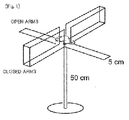
Fig. 1 shows an elevated plus-maze. -
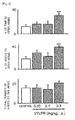
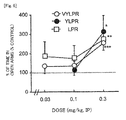
Fig. 2 shows the anxiolytic effect of intraperitoneally administered VYLPR (Example 1), mean ±SEM (n = 5 to 10), ***p < 0.001 vs. control. -
Fig. 3 shows the anxiolytic effect of orally administered VYLPR (Example 1), mean ±SEM (n = 11 to 20), *p < 0.05, **p < 0.01 vs. control. -
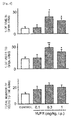
Fig. 4 shows the anxiolytic effect of intraperitoneally administered YLPR (Example 2), mean ±SEM (n = 5 to 11, *p < 0.05, **p < 0.01 vs. control. -
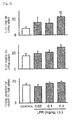
Fig. 5 shows the anxiolytic effect of intraperitoneally administered LPR (Example 3), mean ±SEM (n= 4 to 13, *p < 0.05, **p < 0.01 vs. control. -
Fig. 6 shows the relationship between the structure and the activity regarding the anxiolytic effect of VYLPR, mean ±SEM (n = 4 to 13, *p < 0.05, **p < 0.01, ***p < 0.001. -
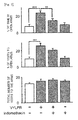
Fig. 7 shows the effect of a COX inhibitor on the VYLPR anxiolytic effect, mean ±SEM (n = 12 to 15, **p < 0.01, ***p < 0.001. -
Fig. 8 shows the effect of a GABAA receptor antagonist on the VYLPR anxiolytic effect, mean ±SEM (n = 9 to 12, *p < 0.05, **p < 0.01. -
Fig. 9 shows a presumed anxiolytic mechanism of VYLPR. -
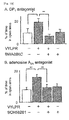
Fig. 10 shows the effects of (A) a prostaglandin DP1 receptor antagonist and (B) an adenosine A2A receptor antagonist on the VYLPR anxiolytic effect, (A: n = 7 to 9; B: n = 9-23). The VYLPR anxiolytic effect was inhibited by the antagonists for a DP1 receptor and A2A receptor. Thus, it was found that VYLPR anxiolytic effect occurred as a result of promoted release of PGD2 and adenosine. -
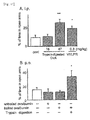
Fig. 11 shows the anxiolytic effects of trypsin-digested ovalbumin (OVA), (A) an anxiolytic effect by intraperitoneal administration of trypsin-digested OVA, and (B) an anxiolytic effect by oral administration. Undigested ovalbumin did not show anxiolytic effects (A: n = 8 to 10; B: n = 6 to 7). - In the present invention, the anxiolytic effects can be evaluated by the elevated plus-maze test, which has been developed as a method for evaluating anxiety-related behaviors to screen anxiolytic drugs and has been widely used (
Fig. 1 ). Specifically, the test is performed as follows: a candidate substance for an anxiolytic drug is orally or intraperitoneally administered to a mouse, the mouse is placed in an elevated plus-maze 30 minutes after the administration, and the potency of the anxiolytic effect is evaluated based on the number of entries into the open arms and the change in the time spent on the open arms. - Because the anxiolytic effect of the peptide of the present invention was inhibited by indomethacin, which is an inhibitor of cyclooxygenase, the anxiolytic action is considered to be mediated by the release of prostaglandin (
Fig. 7 ). - Because the anxiolytic effect of the peptide of the present invention was inhibited by BWA868C, i.e., a DP1 receptor (DP1-R) antagonist, and SCH58261, i.e., an adenosine A2A receptor antagonist, the peptide is considered to promote the release of PGD2 and adenosine and thereby exhibit the anxiolytic effect (
Fig. 10 ). - The anxiolytic effect of the peptide of the present invention was inhibited by the GABAA receptor antagonist bicuculline. This confirms that the effect of the peptide is mediated by a GABAA receptor (i.e., the peptide has an effect that is similar to that of GABAA receptor agonists or partial agonists) (
Fig. 8 ). It is presumed that endogenous GABAA release is promoted. Given that the GABAA receptor is known to have a sleep-inducing effect, the peptides of the invention and analogs thereof are considered to have a sleep-inducing effect in addition to an anxiolytic effect and are also useful as sleep-inducing drugs. - The inventors previously found that soymorphin, a µ-opioid peptide derived from the primary soy protein β-conglycinin, shows an anxiolytic effect mediated by µ-opioid receptor (Patent Literature 1). The anxiolytic effect of the peptide of the invention was not inhibited by the µ-opioid receptor antagonist naloxone. This confirms that the anxiolytic effect of the peptides of the present invention is not mediated by a µ-opioid receptor, unlike the peptide disclosed in
Patent Literature 1. - It is known that δ-opioid rubiscolin derived from Rubisco, a major protein from green leaves, demonstrates an anxiolytic effect by directly acting on the δ-opioid receptor and subsequently activating the σ1 receptor. The anxiolytic effect of the peptide of the invention was not inhibited by the δ-opioid receptor antagonist naltrindole. This confirms that the anxiolytic effect of the peptides of the present invention is not mediated by a δ-opioid receptor.
- Preferred active ingredients in the invention have been confirmed to be effective by oral administration.
- The active ingredient of the anxiolytic drug of the invention is at least one peptide selected from the group consisting of Val-Tyr-Leu-Pro-Arg, Tyr-Leu-Pro-Arg, and Leu-Pro-Arg. It was found that when incubation was performed at 37°C for 5 hours after addition of trypsin to a heated ovalbumin solution, Val-Tyr-Leu-Pro-Arg was produced with a yield of about 44% on a molar basis. The active ingredient of the anxiolytic drug of the invention includes a hydrolysate obtained by hydrolyzing a protein comprising Val-Tyr-Leu-Pro-Arg, such as ovalbumin, with a protease such as trypsin.
- Each of the amino acids forming the peptide may be an L-amino acid, D-amino acid, or DL-amino acid (the mixture of D-amino acid and L-amino acid, including both a racemic amino acid and an amino acid containing an excess of either one of the two enantiomers). Preferably, the peptide contains only L-amino acids or only D-amino acids. Particularly, a peptide containing only L-amino acids is preferred.
- Examples of salts of the peptide include acid addition salts and base salts. Examples of acid addition salts include salts with inorganic acids such as hydrochloric acid, sulfuric acid, nitric acid, phosphoric acid, hydrobromic acid, perchloric acid, and the like; and salts with organic acids such as citric acid, succinic acid, maleic acid, fumaric acid, malic acid, tartaric acid, p-toluenesulfonic acid, benzenesulfonic acid, methanesulfonic acid, trifluoroacetic acid, and the like. Examples of base salts include salts with alkali metals such as sodium, potassium, and lithium; and salts with alkaline earth metals such as calcium and magnesium.
- Examples of solvates include solvates with water (hydrates), methanol, ethanol, isopropanol, acetic acid, tetrahydrofuran, acetone, dimethylformamide, dimethyl sulfoxide, dimethylacetamide, acetamide, ethylene glycol, propylene glycol, and dimethoxyethane.
- The peptide analogs include the following analogs of the above-mentioned active ingredient peptides:
- (1) N-terminal modified analogs;
- (2) C-terminal modified analogs; and
- (3) tyrosine residue analogs.
- (1) The N-terminal amino group of the peptide may be an amino group monosubstituted or disubstituted with a straight or branched C1-C4 alkyl group, such as methylamino, dimethylamino, ethylamino, diethylamino, propylamino, dipropylamino, n-butylamino, di-n-butylamino, or the like. Alternatively, the N-terminal amino group or the side-chain amino group (when the peptide contains Lys) of the peptide may be monosubstituted or disubstituted with an aralkyl group such as benzyl, phenethyl, or the like; or modified with an acyl group, such as a straight or branched C1-C6 alkanoyl group, for example, formyl, acetyl, propionyl, butyryl, and isobutyryl, or a benzoyl group.
- (2) The C-terminal carboxy group of the peptide may form an ester with a C1-C6 alkyl group such as methyl, ethyl, n-propyl, isopropyl, n-butyl, isobutyl, t-butyl, pentyl, hexyl, or the like; an ester with an aralkyl group such as benzyl, phenethyl, or the like; or an amide with an amine monosubstituted or disubstituted with a straight or branched C1-C4 alkyl group such as amino, methylamine, dimethylamine, ethylamine, diethylamine, propylamine, dipropylamine, n-butylamine, di-n-butylamine, or the like, or an amide with ammonia.
- (3) Examples of a tyrosine residue analog (I) include residues represented by the following formula (I):
-

- wherein R1 is a straight or branched C1-C6 alkyl group, aralkyl group, or hydrogen atom; Ra is any of a protecting group cleavable in an acidic condition, such as a hydrogen atom, an alkali metal, an alkaline earth metal, methoxymethyl, 2-tetrahydrofuranyl, or 2-tetrahydropyranyl, methyl, or trifluoromethyl; R is each independently a straight or branched C1-C6 alkyl group (for example, methyl, ethyl, n-propyl, isopropyl, n-butyl, isobutyl, t-butyl, pentyl, or hexyl), an aralkyl group (for example, benzyl or hexyl), a straight or branched C1-C6 alkoxy group (for example, methoxy, ethoxy, n-propyloxy, isopropyloxy, n-butoxy, isobutoxy, t-butoxy, pentoxy, or hexyloxy), SH, a straight or branched C1-C6 alkylthio group (for example, methylthio, ethylthio, n-propylthio, isopropylthio, n-butylthio, isobutylthio, t-butylthio, pentylthio, or hexylthio), CN, NO2, a halogen atom (F, Cl, Br, or I), amino (NH2), a mono- or di-(C1-C6 lower alkyl)amino (for example, methylamino, ethylamino, propylamino, butylamino, dimethylamino, diethylamino, dipropylamino, or dibutylamino), acetamide, acetyl, trifluoromethyl, or hydroxy; or two adjacent R or adjacent R and ORa are linked to form methylenedioxy or ethylenedioxy.
- The peptide of the invention can be obtained by hydrolyzing a natural protein or polypeptide, or by chemical synthesis. An example of proteins and polypeptides to be hydrolyzed includes ovalbumin. The results of the Examples below confirmed that the tryptic digest of ovalbumin exhibits anxiolytic effects, whether it is administered intraperitoneally or orally (
Fig. 11 ). - The hydrolysis of proteins may be performed using, for example, a hydrolase such as trypsin, chymotrypsin, papain, pepsin, carboxypeptidase, thermolysin, subtilisin, or the like derived from an animal, plant, or microorganism. The peptide of the invention used as an active ingredient can be obtained by using any of these enzymes, adjusting the pH to a suitable value to the enzyme, and allowing the reaction to proceed for about 30 minutes to about 48 hours at about 30 to about 40°C. The peptide of the invention may be purified from the resulting reaction mixture prior to use. When the peptide is obtained by enzymatic degradation of a food material, it may be used as it is, or incorporated into a different food material to prepare a food or food composition. The hydrolysis may be performed by reacting a protein in water for 30 minutes to 48 hours at 1 to 100°C in the presence of a strong acid (for example, hydrochloric acid, nitric acid, or sulfuric acid) or a strong base (for example, an alkali metal hydroxide such as sodium hydroxide, potassium hydroxide, lithium hydroxide, or the like; an alkali metal carbonate such as sodium carbonate, potassium carbonate, or the like; or an alkali metal hydrogencarbonate such as sodium hydrogencarbonate, potassium hydrogencarbonate, or the like), to thereby produce the active ingredient peptide of the invention. The hydrolysis product may be used as it is after pH adjustment, or purified to separate the active ingredient peptide that is to be used.
- The peptide of the invention can also be obtained by a peptide synthesis method. Specifically, the condensation can be performed by solution-phase or solid-phase methods generally used in peptide synthesis, such as a method in which a reactant having a reactive carboxy group and a reactant having a reactive amino group are reacted using an active ester such as HBTU, or a method using a coupling agent such as carbodiimide. When the resulting condensation product has a protecting group, the peptide can also be produced by removing the protecting group.
- Functional groups that should not be involved in the reaction in this reaction step are protected with protecting groups. Examples of amino-protecting groups include benzyloxycarbonyl (CBZ), t-butyloxycarbonyl (Boc), 9-fluorenylmethyloxycarbonyl (Fmoc), and the like. Examples of carboxy-protecting groups include groups capable of forming alkyl esters, benzyl esters, and the like. In the case of a solid-phase method, the C-terminal carboxy group is bonded to a support such as chlorotrityl resin, chloromethyl resin, oxymethyl resin, p-alkoxybenzyl alcohol resin, or the like. The condensation reaction is carried out in the presence of a condensing agent such as carbodiimide, or using an N-protecting amino acid active ester or a peptide active ester.
- The protecting group is removed after the completion of the condensation reaction. In the case of a solid-phase method, the bond between the C-terminus of the peptide and the resin is also cleaved. Furthermore, the peptide of the invention is purified according to a general method. Examples of purification methods include ion-exchange chromatography, reverse-phase liquid chromatography, affinity chromatography, and the like. The resulting peptide is analyzed by the Edman degradation technique, using a protein sequencer, GC-MS, or the like that reads an amino acid sequence from the C-terminus.
- The peptide of the invention can also be synthesized according to an enzymatic method (see
WO2003/010307 , the content of which is incorporated herein by reference.) - The route of administration of the peptide of the invention is not particularly limited. The peptide can be administered orally, parenterally, or intrarectally. The peptide can be administered orally or non-orally. The dose of the peptide will vary depending on the type of compound, the mode of administration, and the age, condition, and the like of an individual who is administered the peptide; however, the daily dose for an adult is typically 0.01 to 500 mg/kg, preferably 0.05 to 100 mg/kg, and more preferably 0.1 to 30 mg/kg. The peptide (active ingredient) of the invention is typically administered in the form of a pharmaceutical composition in admixture with a pharmaceutical carrier. A pharmaceutical carrier that is commonly used in the field of pharmaceutical preparations and that does not react with the peptide of the invention is used.
- The peptide of the invention can be used by itself as a foodstuff or a pharmaceutical, or can be made into a food preparation or a pharmaceutical preparation, either alone or together with suitable nontoxic carriers for oral administration, or with diluents or excipients. Examples of such food or pharmaceutical preparations include tablets (uncoated tablets, sugar-coated tablets, effervescent tablets, film-coated tablets, chewable tablets, and the like), capsules, troches, powders, fine granules, granules, solutions, suspensions, emulsions, pastes, creams, injections (including infusions such as amino acid infusions and electrolytes), and sustained-release preparations such as enteric-coated tablets, capsules, granules, and the like. The amount of the peptide in the food can be suitably selected but is typically in the range of from 0.01 to 100 wt %.
- Specific examples of pharmaceutical carriers or carriers for oral administration, diluents, excipients, and like substances that can be added to a pharmaceutical or a food include lactose, glucose, mannite, dextrin, cyclodextrin, starch, saccharose, magnesium aluminometasilicate, synthetic aluminum silicate, sodium carboxymethyl cellulose, hydroxypropyl starch, calcium carboxymethyl cellulose, ion exchange resins, methylcellulose, gelatin, gum arabic, hydroxypropylcellulose, hydroxypropylmethylcellulose, polyvinylpyrrolidone, polyvinyl alcohol, light anhydrous silicic acid, magnesium stearate, talc, tragacanth, bentonite, veegum, titanium oxide, sorbitan fatty acid esters, sodium lauryl sulfate, glycerin, fatty acid glycerol esters, purified lanolin, glycerogelatin, polysorbate, macrogol, vegetable oils, waxes, liquid paraffin, white petrolatum, fluorocarbon, nonionic surfactants, propylene glycol, water, and the like.
- Examples of dosage form include tablets, capsules, granules, powders, syrups, suspensions, suppositories, ointments, creams, gels, patches, inhalants, injections, and the like. These preparations are prepared according to general methods. Liquid preparations may be dissolved or suspended in water or other suitable solvents prior to use. Tablets and granules may be coated using known methods. Injections are prepared by dissolving the peptide of the invention in water. As required, injections may also be prepared by dissolving the peptide in physiological saline or a glucose solution, or may additionally contain a buffer or a preservative.
- These preparations may contain the peptide of the invention in an amount of from 0.01 to 100 wt %, and preferably from 1 to 90 wt %. These preparations may also contain another therapeutically beneficial ingredient(s).
- Solid preparations for oral administration may be prepared by mixing an active ingredient with an excipient such as lactose, starch, crystalline cellulose, calcium lactate, silicic acid anhydride, and the like to form powders. Further, a binder such as saccharose, hydroxypropylcellulose, and polyvinylpyrrolidone; and a disintegrator such as carboxymethyl cellulose and calcium carboxymethyl cellulose may be also added and the resulting mixture is dry- or wet- granulated to form granules. Tablets may be prepared by tableting these powders or granules as they are, or after adding thereto lubricants such as magnesium stearate and talc. These granules or powders can be coated with enteric coatings such as hydroxypropylmethylcellulose phthalate and methacrylate-methyl methacrylate polymer to form enteric-coated preparations; or coated with ethylcellulose, carnauba wax, or hydrogenated oil to form sustained-release preparations. Capsules may be prepared by filling hard gelatin capsules with the powders or granules, or by coating with gelatin films the active ingredient as it is, or after being dissolved in glycerin, polyethylene glycol, sesame oil, olive oil, or the like to form soft gelatin capsules.
- Liquid preparations for oral administration may be prepared by dissolving in water the active ingredient together with sweetening agents such as saccharose, sorbitol, and glycerin to form transparent syrups; by further adding thereto essential oils, ethanol, and the like to form elixirs; or by further adding thereto gum arabic, tragacanth, polysorbate 80, sodium carboxymethyl cellulose, or the like to form emulsions or suspensions. These liquid preparations may optionally contain taste-improving agents, coloring agents, preservatives, or the like.
- Injections may be prepared by dissolving the active ingredient in distilled water for injection, optionally with a pH adjuster such as hydrochloric acid, sodium hydroxide, lactose, lactic acid, sodium, sodium monohydrogen phosphate, and sodium dihydrogen phosphate, and an isotonic agent such as sodium chloride and glucose, and filling an ampoule with the solution after the sterile filtration; or by further adding thereto mannitol, dextrin, cyclodextrin, gelatin, or the like, followed by vacuum freeze-drying, to form injections that are reconstituted prior to use. Emulsions for injection can also be prepared by adding to the active ingredient lecithin, polysorbate 80, polyoxyethylene hydrogenated castor oil, or the like, and emulsifying the mixtures in water.
- Preparations for rectal or vaginal administration may be prepared by humidifying and dissolving the active ingredient together with a suppository bases such as cacao butter, tri-, di-, and monoglycerides of fatty acids, or polyethylene glycol, and by pouring the mixture into a mold, followed by cooling; or by dissolving the active ingredient in polyethylene glycol, soybean oil, or the like, followed by coating the mixture with a gelatin firm.
- External preparations for the skin may be prepared by adding the active ingredient to white petrolatum, yellow beeswax, liquid paraffin, polyethylene glycol, and the like, and by optionally humidifying and kneading the mixtures to form an ointment; or by kneading the active ingredient with an adhesive such as rosin and acrylic acid alkyl ester polymers, followed by spreading the mixture onto a nonwoven cloth such as polyalkyl to form a tape.
- Specific examples of forms of foods that can be prepared by adding or blending the peptides of the invention include beverages (for example, coffee, cocoa, juices, soft drinks, mineral drinks, tea beverages, green tea, black tea, oolong tea, milk beverages, lactic acid bacteria beverages, yoghurt beverages, and carbonated beverages), gum, gummy candies, jellies, candies, cookies, crackers, biscuits, ice confectioneries (for example, ice creams, ice candies, sherbets, and shaved ice), retort-pouched foods, jelly-like foods (for example, jellies, agar jelly, and jelly-like beverages), and the like. Foods that can be prepared by adding or blending the peptides of the invention may take the form of health foods, functional foods, nutritional supplements, dietary supplements, foods for specified health uses, foods for the ill/combined foods for the ill (a category of foods for special dietary uses, approved by the Ministry of Health, Labour and Welfare, Japan), and foods for the elderly (a category of foods for special dietary uses, approved by the Ministry of Health, Labour and Welfare, Japan). These foods may be in the form of uncoated tablets, film-coated tablets, sugar-coated tablets, granules, powders, tablets, capsules (including both hard and soft gelatin capsules), chewable forms, syrups, drinks, and the like. The preparation of foods obtained by adding or blending the peptides of the invention can be performed according to known methods.
- The present invention will be described in greater detail below with reference to the Examples. The following Examples, however, do not limit the scope of the invention.
- The elevated plus-maze includes two open arms (25 x 5 cm) and two closed arms (25 x 5 x 15 cm), which were joined to a
central platform 50 cm high above the floor (seeFig. 1 ). Because the closed arms were surrounded by barriers, a mouse could safely walk in the closed arms in spite of the elevated position. On the other hand, because the open arms were not surrounded by barriers, a mouse walking along the open arms would feel anxious that it might fall from the elevated position. Therefore, the more time the mouse spent in the open arms, or the greater the number of entries into the open arms, the less anxious the mouse would feel. Thus, the anxiolytic activity is determined based on these indices. - A mouse was placed on a portion of the central platform facing one of the open arms, and the test was started. During the 5-minute test time, the cumulative time spent in the open arms (abbr.: time in open arms), the number of visits to the open arms (abbr.: visits to open arms), and the total number of visits to the either arms (abbr.: total visits) were recorded. The percentage of the time spent in the open arms and the percentage of the number of visits to the open arms were calculated as indices of anxiety.
- The data obtained from the elevated plus-maze test were represented as the mean values ±SEM. The data were analyzed by one-way ANOVA, followed by the Fisher test for multiple comparisons.
- Each of VYLPR (Example 1), YLPR (Example 2), and LPR (Example 3) dissolved in physiological saline was administered intraperitoneally (IP) or orally (PO) to mice (n = 3 to 14) in the amount shown in each figure before the mice were placed on the central portion of the elevated plus-maze. The percentage of the time spent in the open arms, the percentage of the number of visits to the open arms, and the total number of visits to the both arms (total visits) were compared between groups administered each peptide and the control group (0 mg/kg). The results are shown in
Figs. 2 to 5 ,Figs. 7 and8 , and Table 1. As shown inFigs. 2 to 5 ,Figs. 7 and8 , and Table 1, the peptides of the invention significantly increased or showed a significant tendency to increase the percentage of visits to the open arms and the percentage of the time spent in the open arms. -
Table 1 Relationship between the Structure and the activity regarding the Anxiolytic Effect of each Low-molecular-weight Peptide Peptide Administered Minimum Effective Dose (mg/kg, IP) VYLPR 0.3 YLPR 0.3 LPR 0.3 - Trypsin-digested ovalbumin was used as an active ingredient and was administered intraperitoneally and orally to test the anxiolytic effects using the open arms in the same manner as in Examples 1 to 3. The results are shown in
Fig. 11 . - An aqueous solution of ovalbumin (20 mg/ml) was heated (10-min boiling), and bovine trypsin (E:S = 1:100) was added to carry out a reaction at 37°C for 5 hours. As a result, VYLPR was produced at a high efficiency of 44 mol%. When the aqueous solution of ovalbumin was not pre-heated, VYLPR was below the detection limit and was hardly produced even with the trypsin treatment. TPCK-treated Trypsin from bovine pancreas (Sigma) was used as the bovine trypsin.
- Considering the possibility that the anxiolytic effects might arise from the administration of an undigested product since trypsin is present in the digestive tract, a group administered an undigested product (with and without heat treatment) was used as the control.
- An anxiolytic peptide of the invention was administered in combination with the inhibitor or one of the antagonists for various receptors as follows, and tests were conducted in the same manner as in Example 1 in order to identify the effect of each antagonist on the anxiolytic activity of the peptide of the present invention, i.e., to identify the receptors on which the peptide of the invention acts.
- COX inhibitor: Indomethacin, 10 mg/kg
- DP1-R antagonist: BWA868C, 60 µg/kg
- A2A-R antagonist: SCH58261, 0.1 mg/kg
- The results are shown in
Figs. 7 ,8 , and10 . - From these results, the peptide of the present invention is presumed to have the action pathway shown in
Fig. 9 . - The anxiolytic peptide of the invention potentially has an action mechanism that is different from those of the conventional anxiolytic drugs, and thus can provide novel types of pharmaceuticals and foods.

Claims (5)
- At least one peptide selected from the group consisting of Val-Tyr-Leu-Pro-Arg, Tyr-Leu-Pro-Arg, and Leu-Pro-Arg, or an analog thereof.
- A pharmaceutical or a pharmaceutical composition comprising the peptide or analog thereof according to claim 1.
- The pharmaceutical or the pharmaceutical composition according to claim 1 or 2, which is an anxiolytic drug, a sleep-inducing drug, a sleep-enhancing drug, a drug for treating schizophrenia, or an antidepressant drug.
- An anxiolytic or sleep-enhancing food comprising the peptide or analog thereof according to claim 1.
- A method for relieving anxiety or enhancing sleep, comprising administering an effective amount of the peptide or analog thereof according to claim 1 to a subject in need thereof.
Applications Claiming Priority (2)
| Application Number | Priority Date | Filing Date | Title |
|---|---|---|---|
| JP2010088531 | 2010-04-07 | ||
| PCT/JP2011/058728 WO2011126054A1 (en) | 2010-04-07 | 2011-04-06 | Physiologically active peptides |
Publications (3)
| Publication Number | Publication Date |
|---|---|
| EP2557088A1 true EP2557088A1 (en) | 2013-02-13 |
| EP2557088A4 EP2557088A4 (en) | 2014-02-12 |
| EP2557088B1 EP2557088B1 (en) | 2016-05-11 |
Family
ID=44762989
Family Applications (1)
| Application Number | Title | Priority Date | Filing Date |
|---|---|---|---|
| EP11765954.0A Not-in-force EP2557088B1 (en) | 2010-04-07 | 2011-04-06 | Bioactive peptides |
Country Status (5)
| Country | Link |
|---|---|
| US (1) | US8946164B2 (en) |
| EP (1) | EP2557088B1 (en) |
| JP (1) | JPWO2011126054A1 (en) |
| KR (1) | KR20130059335A (en) |
| WO (1) | WO2011126054A1 (en) |
Cited By (2)
| Publication number | Priority date | Publication date | Assignee | Title |
|---|---|---|---|---|
| WO2018047852A1 (en) * | 2016-09-07 | 2018-03-15 | Kyoto University | Peptides and peptide conjugates for treating mental disorders |
| US10280202B2 (en) | 2015-03-02 | 2019-05-07 | Kyoto University | Peptide |
Families Citing this family (6)
| Publication number | Priority date | Publication date | Assignee | Title |
|---|---|---|---|---|
| CN104664371A (en) * | 2015-01-28 | 2015-06-03 | 刘高胜 | Chewable tablets for improving sleeping quality |
| WO2019058349A1 (en) * | 2017-09-25 | 2019-03-28 | Pepticom Ltd | Positive allosteric modulators of gaba a receptor |
| US11911364B2 (en) | 2018-09-25 | 2024-02-27 | Pepticom Ltd. | Positive allosteric modulators of GABAA receptor |
| US20220370546A1 (en) * | 2019-11-05 | 2022-11-24 | Kyoto University | Peptide, composition, and method for treating, preventing, or ameliorating mood disorder |
| WO2023100758A1 (en) * | 2021-11-30 | 2023-06-08 | 国立大学法人京都大学 | Peptide-containing composition |
| CN121668279B (en) * | 2026-02-09 | 2026-07-31 | 杭州康源食品科技有限公司 | Egg white protein source peptide capable of improving malnutrition and immunity and application thereof |
Family Cites Families (10)
| Publication number | Priority date | Publication date | Assignee | Title |
|---|---|---|---|---|
| JPH03280835A (en) * | 1990-03-29 | 1991-12-11 | Yamasa Shoyu Co Ltd | Decomposition product of glair and food containing same decomposition product |
| US6451578B1 (en) * | 1994-02-14 | 2002-09-17 | Abbott Laboratories | Non-A, non-B, non-C, non-D, non-E hepatitis reagents and methods for their use |
| JPH11285362A (en) | 1998-02-06 | 1999-10-19 | Toyama Chem Co Ltd | Peptidized vinegar egg and composition containing the same |
| CN100422207C (en) | 2001-07-26 | 2008-10-01 | 味之素株式会社 | Method for producing dipeptide, L-amino acid amidohydrolase used, and method for producing L-amino acid amidohydrolase |
| ES2253036B1 (en) * | 2003-07-31 | 2007-07-16 | Consejo Sup. Investig. Cientificas | BIOACTIVE PEPTIDES DERIVED FROM PROTEINS OF THE EGG CLEAR BY ENZYMATIC HYDROLYSIS. |
| JP2005121380A (en) * | 2003-10-14 | 2005-05-12 | Sumitomo Pharmaceut Co Ltd | Protein analysis method |
| EP1802655B1 (en) * | 2004-10-18 | 2013-07-24 | BASF Beauty Care Solutions S.A.S. | Oligopeptides and their use in cosmetics |
| JP4854271B2 (en) * | 2005-11-01 | 2012-01-18 | キユーピー株式会社 | CYP7A1 enzyme activator involved in serum cholesterol lowering |
| JP2008072968A (en) * | 2006-09-22 | 2008-04-03 | Pharma Foods International Co Ltd | Drink for preventing heat stroke |
| US20100087466A1 (en) * | 2008-09-03 | 2010-04-08 | Michael Alan Sturgess | Novel small molecule dnak inhibitors |
-
2011
- 2011-04-06 WO PCT/JP2011/058728 patent/WO2011126054A1/en not_active Ceased
- 2011-04-06 JP JP2012509689A patent/JPWO2011126054A1/en active Pending
- 2011-04-06 EP EP11765954.0A patent/EP2557088B1/en not_active Not-in-force
- 2011-04-06 KR KR1020127027477A patent/KR20130059335A/en not_active Ceased
- 2011-04-06 US US13/640,002 patent/US8946164B2/en active Active
Non-Patent Citations (2)
| Title |
|---|
| KANEGAWA N ET AL: "Dipeptide Tyr-Leu (YL) exhibits anxiolytic-like activity after oral administration via activating serotonin 5-HT1A, dopamine D1 and GABAA receptors in mice", FEBS LETTERS, ELSEVIER, AMSTERDAM, NL, vol. 584, no. 3, 5 February 2010 (2010-02-05), pages 599-604, XP026865081, ISSN: 0014-5793 [retrieved on 2010-01-21] * |
| See also references of WO2011126054A1 * |
Cited By (4)
| Publication number | Priority date | Publication date | Assignee | Title |
|---|---|---|---|---|
| US10280202B2 (en) | 2015-03-02 | 2019-05-07 | Kyoto University | Peptide |
| US12297240B2 (en) | 2015-03-02 | 2025-05-13 | Kyoto University | Peptide |
| WO2018047852A1 (en) * | 2016-09-07 | 2018-03-15 | Kyoto University | Peptides and peptide conjugates for treating mental disorders |
| US20190284232A1 (en) * | 2016-09-07 | 2019-09-19 | Kyoto University | Peptides and peptide conjugates for treating mental disorders |
Also Published As
| Publication number | Publication date |
|---|---|
| WO2011126054A1 (en) | 2011-10-13 |
| EP2557088A4 (en) | 2014-02-12 |
| US20130203677A1 (en) | 2013-08-08 |
| JPWO2011126054A1 (en) | 2013-07-11 |
| US8946164B2 (en) | 2015-02-03 |
| EP2557088B1 (en) | 2016-05-11 |
| KR20130059335A (en) | 2013-06-05 |
Similar Documents
| Publication | Publication Date | Title |
|---|---|---|
| EP2557088B1 (en) | Bioactive peptides | |
| US12297240B2 (en) | Peptide | |
| US8454978B2 (en) | Immunostimulating agent | |
| US20240166686A1 (en) | Therapeutic peptides | |
| US20100210564A1 (en) | Drug or food containing a peptide | |
| WO2013129220A1 (en) | Pharmaceutical or food containing peptide | |
| JP6958864B2 (en) | peptide | |
| JP6957033B2 (en) | peptide | |
| WO2012070554A1 (en) | Peptide | |
| WO2011148972A1 (en) | Pharmaceutical composition containing biologically active peptide | |
| WO2021107080A1 (en) | Peptide | |
| JP7339650B2 (en) | peptide | |
| WO2021090894A1 (en) | Peptide, composition, and method for treating, preventing, or improving mood disorder | |
| HK40085598A (en) | Peptide | |
| JP2015209400A (en) | Novel tripeptides and peptide-containing compositions, and their use, antifeedants, anti-obesity agents, arterial relaxants, antihypertensive agents, metabolic syndrome prevention / amelioration agents containing them as active ingredients, or food for regulating appetite Composition | |
| HK40035080B (en) | Peptide, composition, and method for treating, preventing, or ameliorating mood disorder | |
| HK40000567A (en) | Improved peptide pharmaceuticals |
Legal Events
| Date | Code | Title | Description |
|---|---|---|---|
| PUAI | Public reference made under article 153(3) epc to a published international application that has entered the european phase |
Free format text: ORIGINAL CODE: 0009012 |
|
| 17P | Request for examination filed |
Effective date: 20121106 |
|
| AK | Designated contracting states |
Kind code of ref document: A1 Designated state(s): AL AT BE BG CH CY CZ DE DK EE ES FI FR GB GR HR HU IE IS IT LI LT LU LV MC MK MT NL NO PL PT RO RS SE SI SK SM TR |
|
| RIN1 | Information on inventor provided before grant (corrected) |
Inventor name: OHINATA, KOUSAKU Inventor name: ODA, AYAKO |
|
| DAX | Request for extension of the european patent (deleted) | ||
| A4 | Supplementary search report drawn up and despatched |
Effective date: 20140110 |
|
| RIC1 | Information provided on ipc code assigned before grant |
Ipc: A61P 43/00 20060101ALI20140103BHEP Ipc: A61P 25/00 20060101ALI20140103BHEP Ipc: A61P 25/20 20060101ALI20140103BHEP Ipc: A61K 38/00 20060101ALI20140103BHEP Ipc: A61P 25/24 20060101ALI20140103BHEP Ipc: C07K 7/06 20060101AFI20140103BHEP Ipc: A23L 1/305 20060101ALI20140103BHEP Ipc: C07K 5/107 20060101ALI20140103BHEP Ipc: C07K 5/083 20060101ALI20140103BHEP Ipc: A61P 25/18 20060101ALI20140103BHEP Ipc: A61P 25/22 20060101ALI20140103BHEP Ipc: C07K 14/465 20060101ALI20140103BHEP |
|
| RIC1 | Information provided on ipc code assigned before grant |
Ipc: C07K 5/087 20060101AFI20150721BHEP |
|
| 17Q | First examination report despatched |
Effective date: 20150729 |
|
| REG | Reference to a national code |
Ref country code: DE Ref legal event code: R079 Ref document number: 602011026500 Country of ref document: DE Free format text: PREVIOUS MAIN CLASS: C07K0007060000 Ipc: C07K0005087000 |
|
| GRAP | Despatch of communication of intention to grant a patent |
Free format text: ORIGINAL CODE: EPIDOSNIGR1 |
|
| RIC1 | Information provided on ipc code assigned before grant |
Ipc: C07K 7/06 20060101ALI20151014BHEP Ipc: C07K 14/465 20060101ALI20151014BHEP Ipc: C07K 5/087 20060101AFI20151014BHEP Ipc: C07K 14/77 20060101ALI20151014BHEP Ipc: A61K 38/04 20060101ALI20151014BHEP |
|
| INTG | Intention to grant announced |
Effective date: 20151104 |
|
| GRAS | Grant fee paid |
Free format text: ORIGINAL CODE: EPIDOSNIGR3 |
|
| GRAA | (expected) grant |
Free format text: ORIGINAL CODE: 0009210 |
|
| AK | Designated contracting states |
Kind code of ref document: B1 Designated state(s): AL AT BE BG CH CY CZ DE DK EE ES FI FR GB GR HR HU IE IS IT LI LT LU LV MC MK MT NL NO PL PT RO RS SE SI SK SM TR |
|
| REG | Reference to a national code |
Ref country code: GB Ref legal event code: FG4D |
|
| REG | Reference to a national code |
Ref country code: CH Ref legal event code: EP |
|
| REG | Reference to a national code |
Ref country code: AT Ref legal event code: REF Ref document number: 798588 Country of ref document: AT Kind code of ref document: T Effective date: 20160515 |
|
| REG | Reference to a national code |
Ref country code: IE Ref legal event code: FG4D |
|
| REG | Reference to a national code |
Ref country code: DE Ref legal event code: R096 Ref document number: 602011026500 Country of ref document: DE |
|
| REG | Reference to a national code |
Ref country code: LT Ref legal event code: MG4D |
|
| REG | Reference to a national code |
Ref country code: NL Ref legal event code: MP Effective date: 20160511 |
|
| PG25 | Lapsed in a contracting state [announced via postgrant information from national office to epo] |
Ref country code: NO Free format text: LAPSE BECAUSE OF FAILURE TO SUBMIT A TRANSLATION OF THE DESCRIPTION OR TO PAY THE FEE WITHIN THE PRESCRIBED TIME-LIMIT Effective date: 20160811 Ref country code: LT Free format text: LAPSE BECAUSE OF FAILURE TO SUBMIT A TRANSLATION OF THE DESCRIPTION OR TO PAY THE FEE WITHIN THE PRESCRIBED TIME-LIMIT Effective date: 20160511 Ref country code: NL Free format text: LAPSE BECAUSE OF FAILURE TO SUBMIT A TRANSLATION OF THE DESCRIPTION OR TO PAY THE FEE WITHIN THE PRESCRIBED TIME-LIMIT Effective date: 20160511 Ref country code: FI Free format text: LAPSE BECAUSE OF FAILURE TO SUBMIT A TRANSLATION OF THE DESCRIPTION OR TO PAY THE FEE WITHIN THE PRESCRIBED TIME-LIMIT Effective date: 20160511 |
|
| REG | Reference to a national code |
Ref country code: AT Ref legal event code: MK05 Ref document number: 798588 Country of ref document: AT Kind code of ref document: T Effective date: 20160511 |
|
| PG25 | Lapsed in a contracting state [announced via postgrant information from national office to epo] |
Ref country code: HR Free format text: LAPSE BECAUSE OF FAILURE TO SUBMIT A TRANSLATION OF THE DESCRIPTION OR TO PAY THE FEE WITHIN THE PRESCRIBED TIME-LIMIT Effective date: 20160511 Ref country code: GR Free format text: LAPSE BECAUSE OF FAILURE TO SUBMIT A TRANSLATION OF THE DESCRIPTION OR TO PAY THE FEE WITHIN THE PRESCRIBED TIME-LIMIT Effective date: 20160812 Ref country code: ES Free format text: LAPSE BECAUSE OF FAILURE TO SUBMIT A TRANSLATION OF THE DESCRIPTION OR TO PAY THE FEE WITHIN THE PRESCRIBED TIME-LIMIT Effective date: 20160511 Ref country code: RS Free format text: LAPSE BECAUSE OF FAILURE TO SUBMIT A TRANSLATION OF THE DESCRIPTION OR TO PAY THE FEE WITHIN THE PRESCRIBED TIME-LIMIT Effective date: 20160511 Ref country code: SE Free format text: LAPSE BECAUSE OF FAILURE TO SUBMIT A TRANSLATION OF THE DESCRIPTION OR TO PAY THE FEE WITHIN THE PRESCRIBED TIME-LIMIT Effective date: 20160511 Ref country code: PT Free format text: LAPSE BECAUSE OF FAILURE TO SUBMIT A TRANSLATION OF THE DESCRIPTION OR TO PAY THE FEE WITHIN THE PRESCRIBED TIME-LIMIT Effective date: 20160912 Ref country code: LV Free format text: LAPSE BECAUSE OF FAILURE TO SUBMIT A TRANSLATION OF THE DESCRIPTION OR TO PAY THE FEE WITHIN THE PRESCRIBED TIME-LIMIT Effective date: 20160511 |
|
| PG25 | Lapsed in a contracting state [announced via postgrant information from national office to epo] |
Ref country code: IT Free format text: LAPSE BECAUSE OF FAILURE TO SUBMIT A TRANSLATION OF THE DESCRIPTION OR TO PAY THE FEE WITHIN THE PRESCRIBED TIME-LIMIT Effective date: 20160511 |
|
| PG25 | Lapsed in a contracting state [announced via postgrant information from national office to epo] |
Ref country code: DK Free format text: LAPSE BECAUSE OF FAILURE TO SUBMIT A TRANSLATION OF THE DESCRIPTION OR TO PAY THE FEE WITHIN THE PRESCRIBED TIME-LIMIT Effective date: 20160511 Ref country code: CZ Free format text: LAPSE BECAUSE OF FAILURE TO SUBMIT A TRANSLATION OF THE DESCRIPTION OR TO PAY THE FEE WITHIN THE PRESCRIBED TIME-LIMIT Effective date: 20160511 Ref country code: EE Free format text: LAPSE BECAUSE OF FAILURE TO SUBMIT A TRANSLATION OF THE DESCRIPTION OR TO PAY THE FEE WITHIN THE PRESCRIBED TIME-LIMIT Effective date: 20160511 Ref country code: SK Free format text: LAPSE BECAUSE OF FAILURE TO SUBMIT A TRANSLATION OF THE DESCRIPTION OR TO PAY THE FEE WITHIN THE PRESCRIBED TIME-LIMIT Effective date: 20160511 Ref country code: RO Free format text: LAPSE BECAUSE OF FAILURE TO SUBMIT A TRANSLATION OF THE DESCRIPTION OR TO PAY THE FEE WITHIN THE PRESCRIBED TIME-LIMIT Effective date: 20160511 |
|
| REG | Reference to a national code |
Ref country code: DE Ref legal event code: R097 Ref document number: 602011026500 Country of ref document: DE |
|
| PG25 | Lapsed in a contracting state [announced via postgrant information from national office to epo] |
Ref country code: SM Free format text: LAPSE BECAUSE OF FAILURE TO SUBMIT A TRANSLATION OF THE DESCRIPTION OR TO PAY THE FEE WITHIN THE PRESCRIBED TIME-LIMIT Effective date: 20160511 Ref country code: AT Free format text: LAPSE BECAUSE OF FAILURE TO SUBMIT A TRANSLATION OF THE DESCRIPTION OR TO PAY THE FEE WITHIN THE PRESCRIBED TIME-LIMIT Effective date: 20160511 Ref country code: BE Free format text: LAPSE BECAUSE OF FAILURE TO SUBMIT A TRANSLATION OF THE DESCRIPTION OR TO PAY THE FEE WITHIN THE PRESCRIBED TIME-LIMIT Effective date: 20160511 Ref country code: PL Free format text: LAPSE BECAUSE OF FAILURE TO SUBMIT A TRANSLATION OF THE DESCRIPTION OR TO PAY THE FEE WITHIN THE PRESCRIBED TIME-LIMIT Effective date: 20160511 |
|
| PLBE | No opposition filed within time limit |
Free format text: ORIGINAL CODE: 0009261 |
|
| STAA | Information on the status of an ep patent application or granted ep patent |
Free format text: STATUS: NO OPPOSITION FILED WITHIN TIME LIMIT |
|
| REG | Reference to a national code |
Ref country code: FR Ref legal event code: PLFP Year of fee payment: 7 |
|
| 26N | No opposition filed |
Effective date: 20170214 |
|
| PG25 | Lapsed in a contracting state [announced via postgrant information from national office to epo] |
Ref country code: SI Free format text: LAPSE BECAUSE OF FAILURE TO SUBMIT A TRANSLATION OF THE DESCRIPTION OR TO PAY THE FEE WITHIN THE PRESCRIBED TIME-LIMIT Effective date: 20160511 |
|
| PG25 | Lapsed in a contracting state [announced via postgrant information from national office to epo] |
Ref country code: MC Free format text: LAPSE BECAUSE OF FAILURE TO SUBMIT A TRANSLATION OF THE DESCRIPTION OR TO PAY THE FEE WITHIN THE PRESCRIBED TIME-LIMIT Effective date: 20160511 |
|
| REG | Reference to a national code |
Ref country code: CH Ref legal event code: PL |
|
| REG | Reference to a national code |
Ref country code: IE Ref legal event code: MM4A |
|
| PG25 | Lapsed in a contracting state [announced via postgrant information from national office to epo] |
Ref country code: CH Free format text: LAPSE BECAUSE OF NON-PAYMENT OF DUE FEES Effective date: 20170430 Ref country code: LU Free format text: LAPSE BECAUSE OF NON-PAYMENT OF DUE FEES Effective date: 20170406 Ref country code: LI Free format text: LAPSE BECAUSE OF NON-PAYMENT OF DUE FEES Effective date: 20170430 |
|
| REG | Reference to a national code |
Ref country code: FR Ref legal event code: PLFP Year of fee payment: 8 |
|
| PG25 | Lapsed in a contracting state [announced via postgrant information from national office to epo] |
Ref country code: IE Free format text: LAPSE BECAUSE OF NON-PAYMENT OF DUE FEES Effective date: 20170406 |
|
| PG25 | Lapsed in a contracting state [announced via postgrant information from national office to epo] |
Ref country code: MT Free format text: LAPSE BECAUSE OF NON-PAYMENT OF DUE FEES Effective date: 20170406 |
|
| PG25 | Lapsed in a contracting state [announced via postgrant information from national office to epo] |
Ref country code: AL Free format text: LAPSE BECAUSE OF FAILURE TO SUBMIT A TRANSLATION OF THE DESCRIPTION OR TO PAY THE FEE WITHIN THE PRESCRIBED TIME-LIMIT Effective date: 20160511 |
|
| PG25 | Lapsed in a contracting state [announced via postgrant information from national office to epo] |
Ref country code: HU Free format text: LAPSE BECAUSE OF FAILURE TO SUBMIT A TRANSLATION OF THE DESCRIPTION OR TO PAY THE FEE WITHIN THE PRESCRIBED TIME-LIMIT; INVALID AB INITIO Effective date: 20110406 |
|
| PG25 | Lapsed in a contracting state [announced via postgrant information from national office to epo] |
Ref country code: BG Free format text: LAPSE BECAUSE OF FAILURE TO SUBMIT A TRANSLATION OF THE DESCRIPTION OR TO PAY THE FEE WITHIN THE PRESCRIBED TIME-LIMIT Effective date: 20160511 |
|
| PG25 | Lapsed in a contracting state [announced via postgrant information from national office to epo] |
Ref country code: CY Free format text: LAPSE BECAUSE OF NON-PAYMENT OF DUE FEES Effective date: 20160511 |
|
| PG25 | Lapsed in a contracting state [announced via postgrant information from national office to epo] |
Ref country code: MK Free format text: LAPSE BECAUSE OF FAILURE TO SUBMIT A TRANSLATION OF THE DESCRIPTION OR TO PAY THE FEE WITHIN THE PRESCRIBED TIME-LIMIT Effective date: 20160511 |
|
| PG25 | Lapsed in a contracting state [announced via postgrant information from national office to epo] |
Ref country code: TR Free format text: LAPSE BECAUSE OF FAILURE TO SUBMIT A TRANSLATION OF THE DESCRIPTION OR TO PAY THE FEE WITHIN THE PRESCRIBED TIME-LIMIT Effective date: 20160511 |
|
| PG25 | Lapsed in a contracting state [announced via postgrant information from national office to epo] |
Ref country code: IS Free format text: LAPSE BECAUSE OF FAILURE TO SUBMIT A TRANSLATION OF THE DESCRIPTION OR TO PAY THE FEE WITHIN THE PRESCRIBED TIME-LIMIT Effective date: 20160911 |
|
| PGFP | Annual fee paid to national office [announced via postgrant information from national office to epo] |
Ref country code: GB Payment date: 20220323 Year of fee payment: 12 |
|
| PGFP | Annual fee paid to national office [announced via postgrant information from national office to epo] |
Ref country code: FR Payment date: 20220321 Year of fee payment: 12 |
|
| PGFP | Annual fee paid to national office [announced via postgrant information from national office to epo] |
Ref country code: DE Payment date: 20220322 Year of fee payment: 12 |
|
| REG | Reference to a national code |
Ref country code: DE Ref legal event code: R119 Ref document number: 602011026500 Country of ref document: DE |
|
| GBPC | Gb: european patent ceased through non-payment of renewal fee |
Effective date: 20230406 |
|
| PG25 | Lapsed in a contracting state [announced via postgrant information from national office to epo] |
Ref country code: GB Free format text: LAPSE BECAUSE OF NON-PAYMENT OF DUE FEES Effective date: 20230406 |
|
| PG25 | Lapsed in a contracting state [announced via postgrant information from national office to epo] |
Ref country code: GB Free format text: LAPSE BECAUSE OF NON-PAYMENT OF DUE FEES Effective date: 20230406 Ref country code: FR Free format text: LAPSE BECAUSE OF NON-PAYMENT OF DUE FEES Effective date: 20230430 Ref country code: DE Free format text: LAPSE BECAUSE OF NON-PAYMENT OF DUE FEES Effective date: 20231103 |