EP2551779A2 - Systems and methods for table definition language generation - Google Patents
Systems and methods for table definition language generation Download PDFInfo
- Publication number
- EP2551779A2 EP2551779A2 EP12177319A EP12177319A EP2551779A2 EP 2551779 A2 EP2551779 A2 EP 2551779A2 EP 12177319 A EP12177319 A EP 12177319A EP 12177319 A EP12177319 A EP 12177319A EP 2551779 A2 EP2551779 A2 EP 2551779A2
- Authority
- EP
- European Patent Office
- Prior art keywords
- table definition
- definition language
- tdl
- fragment
- modifications
- Prior art date
- Legal status (The legal status is an assumption and is not a legal conclusion. Google has not performed a legal analysis and makes no representation as to the accuracy of the status listed.)
- Withdrawn
Links
Images

Classifications
-
- G—PHYSICS
- G01—MEASURING; TESTING
- G01D—MEASURING NOT SPECIALLY ADAPTED FOR A SPECIFIC VARIABLE; ARRANGEMENTS FOR MEASURING TWO OR MORE VARIABLES NOT COVERED IN A SINGLE OTHER SUBCLASS; TARIFF METERING APPARATUS; MEASURING OR TESTING NOT OTHERWISE PROVIDED FOR
- G01D4/00—Tariff metering apparatus
- G01D4/002—Remote reading of utility meters
-
- G—PHYSICS
- G06—COMPUTING OR CALCULATING; COUNTING
- G06F—ELECTRIC DIGITAL DATA PROCESSING
- G06F8/00—Arrangements for software engineering
- G06F8/60—Software deployment
- G06F8/65—Updates
-
- Y—GENERAL TAGGING OF NEW TECHNOLOGICAL DEVELOPMENTS; GENERAL TAGGING OF CROSS-SECTIONAL TECHNOLOGIES SPANNING OVER SEVERAL SECTIONS OF THE IPC; TECHNICAL SUBJECTS COVERED BY FORMER USPC CROSS-REFERENCE ART COLLECTIONS [XRACs] AND DIGESTS
- Y02—TECHNOLOGIES OR APPLICATIONS FOR MITIGATION OR ADAPTATION AGAINST CLIMATE CHANGE
- Y02B—CLIMATE CHANGE MITIGATION TECHNOLOGIES RELATED TO BUILDINGS, e.g. HOUSING, HOUSE APPLIANCES OR RELATED END-USER APPLICATIONS
- Y02B90/00—Enabling technologies or technologies with a potential or indirect contribution to GHG emissions mitigation
- Y02B90/20—Smart grids as enabling technology in buildings sector
-
- Y—GENERAL TAGGING OF NEW TECHNOLOGICAL DEVELOPMENTS; GENERAL TAGGING OF CROSS-SECTIONAL TECHNOLOGIES SPANNING OVER SEVERAL SECTIONS OF THE IPC; TECHNICAL SUBJECTS COVERED BY FORMER USPC CROSS-REFERENCE ART COLLECTIONS [XRACs] AND DIGESTS
- Y04—INFORMATION OR COMMUNICATION TECHNOLOGIES HAVING AN IMPACT ON OTHER TECHNOLOGY AREAS
- Y04S—SYSTEMS INTEGRATING TECHNOLOGIES RELATED TO POWER NETWORK OPERATION, COMMUNICATION OR INFORMATION TECHNOLOGIES FOR IMPROVING THE ELECTRICAL POWER GENERATION, TRANSMISSION, DISTRIBUTION, MANAGEMENT OR USAGE, i.e. SMART GRIDS
- Y04S20/00—Management or operation of end-user stationary applications or the last stages of power distribution; Controlling, monitoring or operating thereof
- Y04S20/30—Smart metering, e.g. specially adapted for remote reading
Definitions
- the subject matter disclosed herein relates to smart meters, and in particular, generating updated table definition language files for the smart meters.
- Smart meters are electrical utility meters that may be able to record consumption of electric energy over intervals of time and communicate the recorded information back to the utility providing the electricity.
- the smart meters may include advanced functionality including the ability to understand when power was consumed, introduce advanced power pricing schemes based upon an amount of usage at specific times, etc. Further, the smart meters may provide energy consumers bill estimates, may help to manage use, and/or help reduce energy costs.
- smart meter manufacturers may desire to make a number of modifications to the underlying software of the smart meter. For example, over time, a manufacturer may desire to modify the functionality of the smart meter, or may desire to add functionality to the smart meter.
- Such modification or addition to the functionality of the smart meter may involve creating new definition files (e.g., table definition languages) for the smart meter.
- the table definition language files (TDLs) enable applications to read data being communicated from the smart meters.
- the table definition language files act as an interpreter of data communicated between the smart meter to a variety of applications. Examples of applications that may require such table definition language files include systems operating under the IEC 61968 standard and/or meter reading and programming applications that utilized the Advance Metering Infrastructure (AMI).
- AMI Advance Metering Infrastructure
- a meter management system includes storage configured to store a first table definition language that defines attributes of a meter.
- the storage is also configured to store a table definition language fragment configured to define modifications to the first table definition language.
- Data processing circuitry of the meter management system is configured to create a second table definition language based at least upon applying the modifications from the table definition language fragment to the first definition language.
- a computer readable medium comprises instructions to interpret a table definition language fragment that includes modifications of attributes and functionalities defined in a first table definition language.
- the computer readable medium also includes instructions to generate a second table definition language with the subsequent modifications based at least upon applying the modifications in the table definition language fragment to the first table definition language.
- a method in a third embodiment, includes generating a subsequent table definition language after a first table definition language has been generated.
- the method includes storing the first table definition language representative of attributes and functionalities of a meter. Further, the method includes applying a table definition language fragment.
- the table definition language includes modifications to the first table definition language.
- the method also includes generating the subsequent table definition language based at least partially on the first table definition language with the table definition language fragment applied.
- Smart meters often times provide two-way communications between the meter and a utility providing electricity to the meter. These meters may include many data tables and functionalities that store various information to be communicated between the meter and the utility. Many manufacturers may desire to decrease the time, cost, and effort necessary for updating the attributes and functionalities of their smart meters.
- Embodiments of the present disclosure relate to systems and methods for generating subsequent definitions (e.g., table definition language files) without requiring the manufacturer to completely store or rewrite the smart meter definitions.
- the current application relates to a process of generating subsequent definition files (e.g., table definition languages) through inheritance from one or more prior definition files. By inheriting from prior definition files, the manufacturer may be enabled to provide only the changes to be implemented when desiring to create a subsequent definition file.
- the subsequent TDL generation process described herein may decrease the effort, cost, and time associated with creating these subsequent definition files.
- FIG. 1 illustrates an embodiment of an electrical distribution system 10 controlled by a utility 12 employing a meter reader 14 with table definition language (TDL) files 15.
- TDLs allow applications receiving communications from the smart meters to understand the communication.
- a power grid 16 may provide power to power consumers 20 (e.g., commercial or residential consumers) through smart meters 22.
- the smart meters 22 may include many different functionalities. For example, the smart meters 22 may monitor the power demand, peaks, accumulated energy, and/or time of use by the power consumers 20. Further, the smart meters 22 may measure harmonics and/or disturbance. Additionally, the smart meters 22 may also include communication circuitry 24 that may communicate with communication circuitry 26 at the utility 12. To implement the functionalities, the smart meters 22 may include a variety of configurations 27 that define attributes and functionalities of the smart meters 22. The configurations 27 may be very complex, because they provide the internal data structures and code to support and implement the vast array of functionalities of the smart meters 22. Because the circuitry and functionalities of the individual smart meters 22 may vary, each smart meter 22 may include a configuration 27 specifically designed for the smart meter 22 type and version. To be enabled to interpret communications from the smart meter 22, the meter reader 14 may require an individual table definition language (TDL) file 15 corresponding to the configuration 27 of each smart meter 22.
- TDL table definition language
- smart meter 22 is enabled to communicate data 38 to the meter reader 14 through use of a specific configuration 27 (e.g., version 1.2).
- the meter reader 14 is provided a specific table definition language (TDL) 15 (e.g., version 1.2) that enables the meter reader to understand, parse, and interpret table data 38 that is being communicated to the meter reader 14.
- TDL table definition language
- a manufacturer may occasionally desire to change the configuration 27 of the smart meter 22.
- the configuration 27 may be modified from an initial firmware version to a second firmware version.
- a new TDL 15 may be needed to enable the meter reader 14 to interpret the data 38 being communicated from the smart meter 22 to the meter reader 14.
- the disclosed embodiments enable a new TDL 15 to be generated without rewriting an entirely new TDL 15.
- FIG. 3 illustrates an embodiment of a meter management system 50 that is enabled to generate subsequent table definition languages 52 from a previous TDL 54 and one or more TDL fragments 56 (e.g., modified or new information to modify the previous TDL 54).
- the meter management system 50 may include a processor 58, a display 59, memory 60 (e.g., random access memory), a graphical user interface 61 (e.g., a software interface, or web interface), storage 62 (e.g., a hard disc drive), and communications circuitry 64.
- the meter management system 50 may include instructions for the processor 58 to consume a TDL 54 and one or more TDL fragments 56 and store the TDL 54 and TDL fragments 56 in the storage 62.
- the meter management system 50 may include instructions for the processor 58 to apply the TDL fragments 56 to the TDL 54.
- the processor 58 may interpret the TDL fragments 56 to obtain modifications, additions, and deletions for the TDL 54. The processor 58 may then make a copy of the TDL 54 and apply the interpreted modifications from the TDL fragments 56 to generate the new TDL 52.
- the TDL fragments 56 may modify any portion of the TDL 54, such as approximately 1 to 100, 5 to 75, 10 to 50, or 15 to 25 percent of the TDL 54.
- the TDL fragments 56 may add new data, remove existing data, or change existing data by any suitable amount, e.g., greater than approximately 1, 5 ,10, 15, 20 30, 40, 75, or 100 percent.
- the processor 58 may apply the TDL fragments 56 to the TDL 54 through inheritance.
- the TDL fragments 56 may inherit from the TDL 54, thus reusing the attributes defined in the TDL 54 that are not defined in the TDL fragments 56.
- the processor 58 may build a new TDL 52 starting with the TDL fragments 56 and any missing information found in the previous TDL 54. Items that are defined in the TDL fragments 56 may override any items in the TDL 54.
- the meter management system 50 may be enabled to apply a plurality of TDL fragments 52, or inheritance chain (e.g., 56a, 56b, and 56c) to a TDL 54 to provide one or more subsequent TDLs 52.
- TDL fragment 56c is the last TDL fragment in a TDL fragment chain (e.g., latest version)
- the processor 58 may cause the last TDL fragment 56 (e.g., TDL fragment 56c) to inherit from the TDL 54 and the prior TDL fragments (e.g., TDL fragments 56a and 56b).
- a subsequent TDL 52 that incorporates the attributes from the prior TDL 54 and all of the modifications in the TDL fragments 56 may be generated.
- the meter management system 50 may include processor 58 instructions to publish the subsequent TDLs 52 to a TDL repository 66 (e.g., a database) through the communications circuitry 64.
- the communications circuitry 64 may include wireless or wired network communications that provides the subsequent TDLs 52 to the TDL repository 66.
- the TDL repository 66 may be a repository that is provided by the smart meter 22 manufacturer, or may be a common repository remote from an individual manufacturer that is shared by numerous manufacturers of devices that utilize table definition languages.
- the subsequent TDLs 52 may be generated dynamically as an application (e.g., meter reader 14) receives a communication from the smart meter 22.
- the application e.g., meter reader 14
- the meter management system 50 such that subsequent TDLs 52 may be generated upon receiving table data 38 from the smart meter 22.
- the smart meter 22 communicates table data 38 to the meter reader 14.
- meter reader 14 generates a TDL for the smart meter 22 utilizing an onboard meter management system 50.
- the subsequent TDLs 52 may be generated from a base TDL 54 and TDL fragments 56 stored in an accessible storage location (e.g., storage 62 or repository 66). Upon generating the subsequent TDL 52, the meter reader 14 is able to utilize the generated subsequent TDL 52 to interpret the table data 32 received from the smart meter 22.
- the meter management system 50 may enable a simplified construction of TDL fragments 56.
- the display 59 may provide the graphical user interface 61 to a user of the meter management system 50.
- the graphical user interface 61 may enable a simplified construction of TDL fragments 56 by enabling the user to provide one or more user inputs 68 that represent modifications that should be made for the subsequent TDL 52. Modifications may include additions, subtractions, or modifications to items in the TDL 54.
- the meter management system 50 may then construct the TDL fragment 56 based upon the user inputs 68.
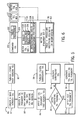
- FIG. 5 illustrates an embodiment of the subsequent TDL generation process 80.
- the manufacturer of smart meter 22 may create a base version TDL 54 (step 82).
- the base version TDL 52 may include a complete definition of the attributes necessary for interpretation of data provided from the smart meter 22.
- the base version TDL 52 may be optionally published to the repository 66 and/or stored (e.g., in storage 62) (step 83).
- the manufacturer may incorporate TDL 54 modifications so that interpreting devices can still interpret the data 38 communicated from the smart meter 22.
- the manufacturer may create a TDL fragment 56 that defines the modifications desired between the previous TDL 54 and the subsequent or new TDL 52 (step 84).
- a meter management tool may record modifications made from a copy of the base TDL 54 and generate the TDL fragment 56 from the recorded modifications.
- the meter management system 50 may apply the TDL fragment 56 to the base TDL 54 (step 86).
- the meter management system 50 may poll to detect if additional TDL fragments 56 need to be applied (step 90).
- polling may include detecting the presence of any TDL fragments 56 that have not been applied.
- some embodiments may enable a user to select a TDL version to be generated, and generate the TDL version from a subset of TDL fragments 56.
- polling may include detecting the presence of any TDL fragments 56 in the subset that have not been applied. If additional TDL fragments 56 need to be applied, the next TDL fragment 56 is applied (step 92).
- the meter management system 50 may then generate a subsequent TDL 52 based upon the applied TDL fragment 56 (step 94), or may continue to detect and apply additional TDL fragments 56 without generating subsequent TDLs 52 until the resultant subsequent TDL 52 is ready to be generated (e.g. until no more TDL fragments are detected) (step 96).
- the subsequent TDLs 52 may be optionally published to the repository 66 or stored (e.g., in storage 62) (step 98).
- FIG. 6 illustrates a more detailed view of the structure and relationship between the base TDL 54 and the TDL fragments 56.
- the base TDL 54 is created from a TDL standard 100.
- a TDL standard 100 For example, one such standard is the ANSI C12.19-TDL standard that provides that all smart meter 22 structure be captured in tables and procedures.
- the TDL standard 100 provides a definition and structure as to how the TDLs (e.g., 52 and 54) are to be constructed.
- the TDL standard 100 may include a plurality of standard tables 102 and standard procedures 104.
- the base TDL 54 may inherit from the TDL standard 100, thus obtaining the standard tables 102 and the standard procedures 104 from the base TDL 100.
- the manufacturer may include in the base TDL 54 modifications 106 including value changes, additions, and/or deletions to the standard tables 100 and/or the standard procedures 104. Additionally, the manufacturer may include additional manufacturing tables 108 and/or manufacturing procedures 110 created for the specific device (e.g., smart meter 22). The manufacturing tables 108 and manufacturing procedures 110 enable the manufacturer to create meter specific data in addition to the data stored in the standard tables 102 and standard procedures 104.
- the base TDL 54 may be published to the repository 66.
- changes are performed on the meter, (e.g., updating firmware of the meter from version 1 to version 2), tables and procedures stored on the smart meter 22 may be modified.
- the manufacturer is not required to manually create an entire subsequent TDL 52 to create an interpreter for devices (e.g., meter reader 14) that communicate with the smart meter 22. Instead, the manufacturer may create the TDL fragments 56, that describe the modifications 112 between the base TDL 54 and the subsequent TDL 52 (e.g., due to upgrading the firmware from version 1 to version 2).
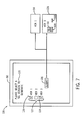
- FIG. 7 illustrates a graphical user interface 118 to enable a user to define a specific TDL version to generate.
- the graphical user interface 118 may be included in the meter management system 50, or may be in a separate computer system (e.g., a desktop or laptop computer).
- the graphical user interface 118 may include a user prompt 120 requesting that a user select a specific TDL version to generate.
- the user may be provided with checkboxes 122 or other inputs (e.g. radio buttons, text boxes, drop down menus, buttons, etc.) to select one or more TDL versions to generate.
- the user has selected versions 1 and 3 to be generated.
- the user may submit a request by clicking a submit button 126.
- the meter management system 50 may interpret the request for TDL versions to be generated (e.g., the request that versions 1 and 3 be generated). Upon interpreting the request, the meter management system 50 may determine the TDL fragments 56 that are associated with the requested versions. For example, version 1 may be associated with the base TDL 54 and not with any associated TDL fragments 56. Further, version 3 may be associated with the modifications in TDL fragments 56A and 56B. The meter management system 50 may provide the base TDL 54 without applying any TDL fragments 56, thus rendering the version 1 TDL 54. Further, when version 3 is requested, the meter management system 50 may apply TDL fragments 56A and 56B to the base TDL 54 and provide the version 3 TDL 128.
- Technical features of the invention include providing a process for creating subsequent table definition languages (TDLs) for smart meters without requiring a manufacturer to store or rewrite an entire secondary table definition language file.
- the secondary table definition language files may inherit from a previous table definition language file and thus the manufacturer can simply store and rewrite the modifications to the previous table definition language file, to generate a subsequent table definition language file.
- a manufacturer is able to generate a multitude of TDL versions based on applying a subset of TDL fragments.
- the TDLs may be stored or published to a repository.
Landscapes
- Physics & Mathematics (AREA)
- General Physics & Mathematics (AREA)
- Stored Programmes (AREA)
- Management, Administration, Business Operations System, And Electronic Commerce (AREA)
- Debugging And Monitoring (AREA)
- Machine Translation (AREA)
- Document Processing Apparatus (AREA)
Abstract
Description
- The subject matter disclosed herein relates to smart meters, and in particular, generating updated table definition language files for the smart meters.
- Smart meters are electrical utility meters that may be able to record consumption of electric energy over intervals of time and communicate the recorded information back to the utility providing the electricity. The smart meters may include advanced functionality including the ability to understand when power was consumed, introduce advanced power pricing schemes based upon an amount of usage at specific times, etc. Further, the smart meters may provide energy consumers bill estimates, may help to manage use, and/or help reduce energy costs. Over the operational life of a smart meter, smart meter manufacturers may desire to make a number of modifications to the underlying software of the smart meter. For example, over time, a manufacturer may desire to modify the functionality of the smart meter, or may desire to add functionality to the smart meter. Such modification or addition to the functionality of the smart meter may involve creating new definition files (e.g., table definition languages) for the smart meter. The table definition language files (TDLs) enable applications to read data being communicated from the smart meters. For example, the table definition language files act as an interpreter of data communicated between the smart meter to a variety of applications. Examples of applications that may require such table definition language files include systems operating under the IEC 61968 standard and/or meter reading and programming applications that utilized the Advance Metering Infrastructure (AMI). There are numerous meter types, each meter requiring its own TDL. Further, as modifications are made to the meters (e.g., firmware modifications), each meter may require additional TDLs reflecting the modifications made to the smart meter. Thus, the number of TDLs may be quite substantial. In many cases, creating these new definition files involves completely rewriting the definition files, which can be a very time consuming and costly process.
- Certain embodiments commensurate in scope with the originally claimed invention are summarized below. These embodiments are not intended to limit the scope of the claimed invention, but rather these embodiments are intended only to provide a brief summary of possible forms of the invention. Indeed, the invention may encompass a variety of forms that may be similar to or different from the embodiments set forth below.
- In a first embodiment, a meter management system includes storage configured to store a first table definition language that defines attributes of a meter. The storage is also configured to store a table definition language fragment configured to define modifications to the first table definition language. Data processing circuitry of the meter management system is configured to create a second table definition language based at least upon applying the modifications from the table definition language fragment to the first definition language.
- In a second embodiment, a computer readable medium comprises instructions to interpret a table definition language fragment that includes modifications of attributes and functionalities defined in a first table definition language. The computer readable medium also includes instructions to generate a second table definition language with the subsequent modifications based at least upon applying the modifications in the table definition language fragment to the first table definition language.
- In a third embodiment, a method includes generating a subsequent table definition language after a first table definition language has been generated. The method includes storing the first table definition language representative of attributes and functionalities of a meter. Further, the method includes applying a table definition language fragment. The table definition language includes modifications to the first table definition language. The method also includes generating the subsequent table definition language based at least partially on the first table definition language with the table definition language fragment applied.
- These and other features, aspects, and advantages of the present invention will become better understood when the following detailed description is read with reference to the accompanying drawings in which like characters represent like parts throughout the drawings, wherein:
-
FIG. 1 is a block diagram of an embodiment of an electrical distribution system that employs a meter reader utilizing table definition language files to communicate with smart meters; -
FIG. 2 is a block diagram of an embodiment of a smart meter communicating with a meter reader by utilizing a table definition language file that corresponds to the configuration of the smart meter, in accordance with embodiments; -
FIG. 3 is a block diagram of an embodiment of a schematic view of a meter management system that generates subsequent table definition language files by using table definition language fragments; -
FIG. 4 is a block diagram of an embodiment of a meter reader with an onboard meter management system, enabled to generate subsequent table definition language files dynamically; -
FIG. 5 is a flow chart of an embodiment of a process for generating a subsequent table definition language file; -
FIG. 6 is a schematic of an embodiment of table definition languages created through an inheritance process, in accordance with embodiments; and -
FIG. 7 is a schematic of an embodiment of a graphical user interface of a subsequent table definition language screen. - One or more specific embodiments of the present invention will be described below. In an effort to provide a concise description of these embodiments, all features of an actual implementation may not be described in the specification. It should be appreciated that in the development of any such actual implementation, as in any engineering or design project, numerous implementation-specific decisions must be made to achieve the developers' specific goals, such as compliance with system-related and business-related constraints, which may vary from one implementation to another. Moreover, it should be appreciated that such a development effort might be complex and time consuming, but would nevertheless be a routine undertaking of design, fabrication, and manufacture for those of ordinary skill having the benefit of this disclosure.
- When introducing elements of various embodiments of the present invention, the articles "a," "an," "the," and "said" are intended to mean that there are one or more of the elements. The terms "comprising," "including," and "having" are intended to be inclusive and mean that there may be additional elements other than the listed elements.
- Smart meters often times provide two-way communications between the meter and a utility providing electricity to the meter. These meters may include many data tables and functionalities that store various information to be communicated between the meter and the utility. Many manufacturers may desire to decrease the time, cost, and effort necessary for updating the attributes and functionalities of their smart meters. Embodiments of the present disclosure relate to systems and methods for generating subsequent definitions (e.g., table definition language files) without requiring the manufacturer to completely store or rewrite the smart meter definitions. In particular, the current application relates to a process of generating subsequent definition files (e.g., table definition languages) through inheritance from one or more prior definition files. By inheriting from prior definition files, the manufacturer may be enabled to provide only the changes to be implemented when desiring to create a subsequent definition file. Thus, the subsequent TDL generation process described herein may decrease the effort, cost, and time associated with creating these subsequent definition files.
- With the foregoing in mind,
FIG. 1 illustrates an embodiment of an electrical distribution system 10 controlled by a utility 12 employing ameter reader 14 with table definition language (TDL)files 15. TDLs allow applications receiving communications from the smart meters to understand the communication. As discussed in detail below, the disclosed embodiments as shown inFIG. 1 , apower grid 16 may provide power to power consumers 20 (e.g., commercial or residential consumers) throughsmart meters 22. - The
smart meters 22 may include many different functionalities. For example, thesmart meters 22 may monitor the power demand, peaks, accumulated energy, and/or time of use by thepower consumers 20. Further, thesmart meters 22 may measure harmonics and/or disturbance. Additionally, thesmart meters 22 may also includecommunication circuitry 24 that may communicate withcommunication circuitry 26 at the utility 12. To implement the functionalities, thesmart meters 22 may include a variety ofconfigurations 27 that define attributes and functionalities of thesmart meters 22. Theconfigurations 27 may be very complex, because they provide the internal data structures and code to support and implement the vast array of functionalities of thesmart meters 22. Because the circuitry and functionalities of the individualsmart meters 22 may vary, eachsmart meter 22 may include aconfiguration 27 specifically designed for thesmart meter 22 type and version. To be enabled to interpret communications from thesmart meter 22, themeter reader 14 may require an individual table definition language (TDL)file 15 corresponding to theconfiguration 27 of eachsmart meter 22. - For example, as illustrated in
FIG. 2 ,smart meter 22 is enabled to communicatedata 38 to themeter reader 14 through use of a specific configuration 27 (e.g., version 1.2). Themeter reader 14 is provided a specific table definition language (TDL) 15 (e.g., version 1.2) that enables the meter reader to understand, parse, and interprettable data 38 that is being communicated to themeter reader 14. As previously discussed, a manufacturer may occasionally desire to change theconfiguration 27 of thesmart meter 22. For example, theconfiguration 27 may be modified from an initial firmware version to a second firmware version. For each modification of theconfiguration 27, anew TDL 15 may be needed to enable themeter reader 14 to interpret thedata 38 being communicated from thesmart meter 22 to themeter reader 14. As discussed below, the disclosed embodiments enable anew TDL 15 to be generated without rewriting an entirelynew TDL 15. -
FIG. 3 illustrates an embodiment of ameter management system 50 that is enabled to generate subsequenttable definition languages 52 from aprevious TDL 54 and one or more TDL fragments 56 (e.g., modified or new information to modify the previous TDL 54). Themeter management system 50 may include aprocessor 58, adisplay 59, memory 60 (e.g., random access memory), a graphical user interface 61 (e.g., a software interface, or web interface), storage 62 (e.g., a hard disc drive), andcommunications circuitry 64. Themeter management system 50 may include instructions for theprocessor 58 to consume aTDL 54 and one or more TDL fragments 56 and store theTDL 54 and TDL fragments 56 in thestorage 62. Further, themeter management system 50 may include instructions for theprocessor 58 to apply the TDL fragments 56 to theTDL 54. In certain embodiments, theprocessor 58 may interpret the TDL fragments 56 to obtain modifications, additions, and deletions for theTDL 54. Theprocessor 58 may then make a copy of theTDL 54 and apply the interpreted modifications from the TDL fragments 56 to generate thenew TDL 52. The TDL fragments 56 may modify any portion of theTDL 54, such as approximately 1 to 100, 5 to 75, 10 to 50, or 15 to 25 percent of theTDL 54. For example, the TDL fragments 56 may add new data, remove existing data, or change existing data by any suitable amount, e.g., greater than approximately 1, 5 ,10, 15, 20 30, 40, 75, or 100 percent. In an alternative embodiment, theprocessor 58 may apply the TDL fragments 56 to theTDL 54 through inheritance. The TDL fragments 56 may inherit from theTDL 54, thus reusing the attributes defined in theTDL 54 that are not defined in the TDL fragments 56. In other words, theprocessor 58 may build anew TDL 52 starting with the TDL fragments 56 and any missing information found in theprevious TDL 54. Items that are defined in the TDL fragments 56 may override any items in theTDL 54. - In certain embodiments, the
meter management system 50 may be enabled to apply a plurality of TDL fragments 52, or inheritance chain (e.g., 56a, 56b, and 56c) to aTDL 54 to provide one or moresubsequent TDLs 52. For example, whenTDL fragment 56c is the last TDL fragment in a TDL fragment chain (e.g., latest version) theprocessor 58 may cause the last TDL fragment 56 (e.g.,TDL fragment 56c) to inherit from theTDL 54 and the prior TDL fragments (e.g., TDL fragments 56a and 56b). Thus, asubsequent TDL 52 that incorporates the attributes from theprior TDL 54 and all of the modifications in the TDL fragments 56 may be generated. - The
meter management system 50 may includeprocessor 58 instructions to publish thesubsequent TDLs 52 to a TDL repository 66 (e.g., a database) through thecommunications circuitry 64. For example, thecommunications circuitry 64 may include wireless or wired network communications that provides thesubsequent TDLs 52 to theTDL repository 66. TheTDL repository 66 may be a repository that is provided by thesmart meter 22 manufacturer, or may be a common repository remote from an individual manufacturer that is shared by numerous manufacturers of devices that utilize table definition languages. - While the current embodiment illustrates the
subsequent TDLs 52 being published to therepository 66 prior to use, in certain alternative embodiments, thesubsequent TDLs 52 may be generated dynamically as an application (e.g., meter reader 14) receives a communication from thesmart meter 22. For example, as illustrated inFIG. 4 , the application (e.g., meter reader 14) may include themeter management system 50, such thatsubsequent TDLs 52 may be generated upon receivingtable data 38 from thesmart meter 22. In the illustrated embodiment, thesmart meter 22 communicatestable data 38 to themeter reader 14. To interpret the data,meter reader 14 generates a TDL for thesmart meter 22 utilizing an onboardmeter management system 50. Thesubsequent TDLs 52 may be generated from abase TDL 54 and TDL fragments 56 stored in an accessible storage location (e.g.,storage 62 or repository 66). Upon generating thesubsequent TDL 52, themeter reader 14 is able to utilize the generatedsubsequent TDL 52 to interpret the table data 32 received from thesmart meter 22. - In some embodiments, the
meter management system 50 may enable a simplified construction of TDL fragments 56. For example, in certain embodiments, thedisplay 59 may provide thegraphical user interface 61 to a user of themeter management system 50. Thegraphical user interface 61 may enable a simplified construction of TDL fragments 56 by enabling the user to provide one ormore user inputs 68 that represent modifications that should be made for thesubsequent TDL 52. Modifications may include additions, subtractions, or modifications to items in theTDL 54. Themeter management system 50 may then construct theTDL fragment 56 based upon theuser inputs 68. -
FIG. 5 illustrates an embodiment of the subsequentTDL generation process 80. The manufacturer ofsmart meter 22 may create a base version TDL 54 (step 82). Thebase version TDL 52 may include a complete definition of the attributes necessary for interpretation of data provided from thesmart meter 22. Thebase version TDL 52 may be optionally published to therepository 66 and/or stored (e.g., in storage 62) (step 83). When thesmart meter 22 manufacturer desires to update thesmart meter 22 withconfiguration 27 modifications, the manufacturer may incorporateTDL 54 modifications so that interpreting devices can still interpret thedata 38 communicated from thesmart meter 22. Thus, the manufacturer may create aTDL fragment 56 that defines the modifications desired between theprevious TDL 54 and the subsequent or new TDL 52 (step 84). In some embodiments, a meter management tool may record modifications made from a copy of thebase TDL 54 and generate theTDL fragment 56 from the recorded modifications. As previously discussed, themeter management system 50 may apply theTDL fragment 56 to the base TDL 54 (step 86). Themeter management system 50 may poll to detect if additional TDL fragments 56 need to be applied (step 90). In embodiments where all TDL fragments 56 are to be applied to thebase TDL 54, polling may include detecting the presence of any TDL fragments 56 that have not been applied. As will be discussed in more detail below, with regards toFIGS. 5 and7 , some embodiments may enable a user to select a TDL version to be generated, and generate the TDL version from a subset of TDL fragments 56. In embodiments where only a subset of TDL fragments 56 are to be applied, polling may include detecting the presence of any TDL fragments 56 in the subset that have not been applied. If additional TDL fragments 56 need to be applied, thenext TDL fragment 56 is applied (step 92). Themeter management system 50 may then generate asubsequent TDL 52 based upon the applied TDL fragment 56 (step 94), or may continue to detect and apply additional TDL fragments 56 without generatingsubsequent TDLs 52 until the resultantsubsequent TDL 52 is ready to be generated (e.g. until no more TDL fragments are detected) (step 96). After thesubsequent TDLs 52 are generated, they may be optionally published to therepository 66 or stored (e.g., in storage 62) (step 98). -
FIG. 6 illustrates a more detailed view of the structure and relationship between thebase TDL 54 and the TDL fragments 56. Thebase TDL 54 is created from a TDL standard 100. For example, one such standard is the ANSI C12.19-TDL standard that provides that allsmart meter 22 structure be captured in tables and procedures. The TDL standard 100 provides a definition and structure as to how the TDLs (e.g., 52 and 54) are to be constructed. The TDL standard 100 may include a plurality of standard tables 102 andstandard procedures 104. Thebase TDL 54 may inherit from the TDL standard 100, thus obtaining the standard tables 102 and thestandard procedures 104 from thebase TDL 100. The manufacturer may include in thebase TDL 54 modifications 106 including value changes, additions, and/or deletions to the standard tables 100 and/or thestandard procedures 104. Additionally, the manufacturer may include additional manufacturing tables 108 and/ormanufacturing procedures 110 created for the specific device (e.g., smart meter 22). The manufacturing tables 108 andmanufacturing procedures 110 enable the manufacturer to create meter specific data in addition to the data stored in the standard tables 102 andstandard procedures 104. After creating abase TDL 54, thebase TDL 54 may be published to therepository 66. As previously mentioned, as changes are performed on the meter, (e.g., updating firmware of the meter fromversion 1 to version 2), tables and procedures stored on thesmart meter 22 may be modified. In accordance with the disclosed embodiments, the manufacturer is not required to manually create an entiresubsequent TDL 52 to create an interpreter for devices (e.g., meter reader 14) that communicate with thesmart meter 22. Instead, the manufacturer may create the TDL fragments 56, that describe themodifications 112 between thebase TDL 54 and the subsequent TDL 52 (e.g., due to upgrading the firmware fromversion 1 to version 2). -
FIG. 7 illustrates agraphical user interface 118 to enable a user to define a specific TDL version to generate. Thegraphical user interface 118 may be included in themeter management system 50, or may be in a separate computer system (e.g., a desktop or laptop computer). Thegraphical user interface 118 may include a user prompt 120 requesting that a user select a specific TDL version to generate. For example, the user may be provided withcheckboxes 122 or other inputs (e.g. radio buttons, text boxes, drop down menus, buttons, etc.) to select one or more TDL versions to generate. In the illustrated embodiment, the user has selectedversions button 126. Themeter management system 50 may interpret the request for TDL versions to be generated (e.g., the request thatversions meter management system 50 may determine the TDL fragments 56 that are associated with the requested versions. For example,version 1 may be associated with thebase TDL 54 and not with any associated TDL fragments 56. Further,version 3 may be associated with the modifications inTDL fragments meter management system 50 may provide thebase TDL 54 without applying any TDL fragments 56, thus rendering theversion 1TDL 54. Further, whenversion 3 is requested, themeter management system 50 may applyTDL fragments base TDL 54 and provide theversion 3TDL 128. - Technical features of the invention include providing a process for creating subsequent table definition languages (TDLs) for smart meters without requiring a manufacturer to store or rewrite an entire secondary table definition language file. The secondary table definition language files may inherit from a previous table definition language file and thus the manufacturer can simply store and rewrite the modifications to the previous table definition language file, to generate a subsequent table definition language file. Additionally, a manufacturer is able to generate a multitude of TDL versions based on applying a subset of TDL fragments. The TDLs may be stored or published to a repository.
- This written description uses examples to disclose the invention, including the best mode, and also to enable any person skilled in the art to practice the invention, including making and using any devices or systems and performing any incorporated methods. The patentable scope of the invention is defined by the claims, and may include other examples that occur to those skilled in the art. Such other examples are intended to be within the scope of the claims if they have structural elements that do not differ from the literal language of the claims, or if they include equivalent structural elements with insubstantial differences from the literal language of the claims.
Claims (16)
- A meter management system (50), comprising:storage configured to store a first table definition language (54) configured to define attributes of an electrical utility meter (22) and to store a table definition language fragment (56) configured to define modifications to the first table definition language; anddata processing circuitry configured to create a second table definition language (52) based at least upon applying the modifications from the table definition language fragment (56) to the first table definition language.
- The meter management system of claim 1, wherein the first table definition language (54) inherits from a C12.19-TDL standard.
- The meter management system of claim 1 or claim 2, comprising a meter management tool configured to record the modifications to the first table definition language (54) and create the table definition language fragment (56) based on the recorded modifications.
- The meter management system of claim 1, 2 or 3, wherein the data processing circuitry is configured to apply the modifications from the table definition language fragment to the first table definition language through inheritance from the first table definition language.
- The meter management system of claim 1, 2, 3 or 4, wherein the first table definition language (54) comprises manufacturing tables.
- The meter management system of claim 5, wherein the modifications comprise addition, a change, or a deletion relating to the manufacturing tables.
- The meter management system of any one of claims 1 to 6, comprising a central repository (66) configured to store a plurality of table definition languages, wherein, preferably, the data processing circuitry is configured to publish the first and second table definition languages to the central repository.
- The meter management system of any one of claims 1 to 7, wherein the data processing circuitry is configured to publish the first and second table definition languages to a non-vendor specific repository.
- A computer-implemented method, comprising:storing a first table definition language (54) representative of attributes and functionalities of an electrical utility meter; andobtaining a table definition language fragment (56), wherein the table definition language fragment comprises modifications to the first table definition language; andgenerating a subsequent table definition language (52) based at least partially on the first table definition language (54) and the modifications in the table definition language fragment (56).
- The computer-implemented method of claim 9, wherein storing the first table definition language (54) comprises storing the attributes and functionalities of the electrical utility meter (22) representative of an initial firmware version, and obtaining the table definition language fragment (56) comprises obtaining a table definition fragment comprising modifications of the initial firmware version for a second firmware version.
- The computer-implemented method of claim 9 or claim 10, comprising generating the subsequent table definition language at a time when ready for a desired modification to be applied from the subsequent table definition language to the electrical utility meter (22).
- The computer-implemented method of claim 9, 10 or 11, comprising generating the subsequent table definition language by applying an inheritance chain, comprising a plurality of table definition language fragments to the first translation table, and preferably further comprising generating a specific version of the subsequent translation table by applying a subset of the plurality of table definition language fragments associated with the specific version.
- The computer-implemented method of any one of claims 9 to 12, comprising generating the subsequent table definition language at a time substantially before being ready for a desired modification to be applied from the subsequent table definition language to the electrical utility meter, and preferably further comprising generating a third table definition language at the time by applying a second table definition language fragment (56) to the generated subsequent table definition language.
- A non-transitory computer readable medium, comprising instructions:to interpret a table definition language fragment (56), wherein the table definition fragment comprises modifications of attributes and functionalities defined in a first table definition language (54); andto generate a second table definition language (52) with the subsequent modifications based at least upon applying the modifications in the table definition language fragment (56) to the first table definition language (54).
- The non-transitory computer readable medium of claim 14, comprising instructions to:provide a graphical user interface for constructing the table definition language fragment (56);receive a user input at the graphical user interface; andconstruct the table definition language fragment (56) based upon the user input.
- The non-transitory computer readable medium of claim 14 or claim 15, comprising:instructions to store and/or publish the second table definition language (52); and/orinstructions to interpret a request for the second table definition language (52), and instructions to generate the second table definition language based on the request.
Applications Claiming Priority (1)
| Application Number | Priority Date | Filing Date | Title |
|---|---|---|---|
| US13/191,391 US8694560B2 (en) | 2011-07-26 | 2011-07-26 | Systems and methods for table definition language generation |
Publications (2)
| Publication Number | Publication Date |
|---|---|
| EP2551779A2 true EP2551779A2 (en) | 2013-01-30 |
| EP2551779A3 EP2551779A3 (en) | 2014-01-01 |
Family
ID=46642360
Family Applications (1)
| Application Number | Title | Priority Date | Filing Date |
|---|---|---|---|
| EP12177319.6A Withdrawn EP2551779A3 (en) | 2011-07-26 | 2012-07-20 | Systems and methods for table definition language generation |
Country Status (6)
| Country | Link |
|---|---|
| US (1) | US8694560B2 (en) |
| EP (1) | EP2551779A3 (en) |
| JP (1) | JP2013030168A (en) |
| AU (1) | AU2012207028A1 (en) |
| BR (1) | BR102012018392A2 (en) |
| CA (1) | CA2783290C (en) |
Families Citing this family (4)
| Publication number | Priority date | Publication date | Assignee | Title |
|---|---|---|---|---|
| JP6395083B2 (en) * | 2014-08-04 | 2018-09-26 | パナソニックIpマネジメント株式会社 | Power usage status estimation device, program |
| US10346562B2 (en) * | 2014-08-21 | 2019-07-09 | Dassault Systèmes Canada Inc. | Automated curvature modeling of polygonal lines |
| DE102016202503A1 (en) * | 2016-02-18 | 2017-08-24 | Siemens Aktiengesellschaft | Measuring device for determining the energy of technical quantities and currents |
| US11221232B2 (en) * | 2018-10-10 | 2022-01-11 | Neptune Technology Group Inc. | Installation of meters and determining consumption based on meter data management system and certified meter configuration data |
Family Cites Families (8)
| Publication number | Priority date | Publication date | Assignee | Title |
|---|---|---|---|---|
| DE69232542T2 (en) | 1991-09-27 | 2002-11-21 | Bmc Software Inc | Definition change language for a database computer system |
| US6199068B1 (en) * | 1997-09-11 | 2001-03-06 | Abb Power T&D Company Inc. | Mapping interface for a distributed server to translate between dissimilar file formats |
| US20020198908A1 (en) * | 2001-06-21 | 2002-12-26 | International Business Machines Corporation | Method and apparatus for delivery of external data from a centralized repository in a network data processing system |
| AU2005256154B2 (en) | 2004-06-24 | 2010-08-26 | X2M Connect Limited | A meter device |
| US20070088766A1 (en) * | 2005-10-17 | 2007-04-19 | Oracle International Corporation | Method and system for capturing and storing multiple versions of data item definitions |
| US8291191B2 (en) | 2008-02-13 | 2012-10-16 | Computer Associates Think, Inc. | System and method for safely automating the generation of multiple data definition language statements |
| EP2096416B1 (en) * | 2008-02-28 | 2016-09-28 | Alcatel Lucent | Management platform and associated method for managing smart meters |
| EP2098827A1 (en) * | 2008-03-04 | 2009-09-09 | Alcatel Lucent | Method of remote metering of energy |
-
2011
- 2011-07-26 US US13/191,391 patent/US8694560B2/en active Active
-
2012
- 2012-07-19 CA CA2783290A patent/CA2783290C/en active Active
- 2012-07-20 EP EP12177319.6A patent/EP2551779A3/en not_active Withdrawn
- 2012-07-24 BR BR102012018392-7A patent/BR102012018392A2/en not_active Application Discontinuation
- 2012-07-24 JP JP2012163239A patent/JP2013030168A/en active Pending
- 2012-07-25 AU AU2012207028A patent/AU2012207028A1/en not_active Abandoned
Non-Patent Citations (1)
| Title |
|---|
| None |
Also Published As
| Publication number | Publication date |
|---|---|
| NZ601462A (en) | 2014-01-31 |
| BR102012018392A2 (en) | 2013-11-26 |
| US8694560B2 (en) | 2014-04-08 |
| CA2783290C (en) | 2016-06-21 |
| EP2551779A3 (en) | 2014-01-01 |
| AU2012207028A1 (en) | 2013-02-14 |
| US20130031115A1 (en) | 2013-01-31 |
| JP2013030168A (en) | 2013-02-07 |
| CA2783290A1 (en) | 2013-01-26 |
Similar Documents
| Publication | Publication Date | Title |
|---|---|---|
| US20120060152A1 (en) | System and method for firmware update of meter, watt hour meter with function of remote firmware update | |
| US20120060151A1 (en) | System and method for updating firmware | |
| US20120041990A1 (en) | System and Method for Generating Dashboard Display in Software Applications | |
| JP6610059B2 (en) | Electric power demand induction device | |
| US20130110970A1 (en) | Systems and methods to provide demand response events | |
| JP7018558B2 (en) | Electric power trading system | |
| US20130144769A1 (en) | Systems and methods for advanced metering infrastructure customer portal | |
| CA2783290C (en) | Systems and methods for table definition language generation | |
| US8346713B2 (en) | Method and system for recognizing power consumption behaviors of electric appliances in a loop | |
| CN104102489A (en) | Third-party database APP (Application) construction system and construction method | |
| CN106405183A (en) | Electric energy information provision system and method thereof | |
| US9496714B2 (en) | Hierarchic macroscopic incentivization for electric utility load balancing | |
| Hardin et al. | Buildings interoperability landscape | |
| US20130147828A1 (en) | Arranged Display of Data Associated with a Set of Time Periods | |
| US20130110569A1 (en) | Systems and methods to schedule demand response events | |
| US9125010B2 (en) | Systems and methods to implement demand response events | |
| EP2728803B1 (en) | Systems and Methods for Implementation of a Smart Energy Profile Using Data-Interchange Encoding | |
| US20150206078A1 (en) | Cloud-based energy consumption and color-coded performance database solution for buildings | |
| CN109243649A (en) | Nuclear power plant's water consumption control method and device | |
| NZ601462B (en) | Systems and methods for table definition language generation | |
| Anderson et al. | Enabling Data Exchange and Data Integration with the Common Information Model: An Introduction for Power Systems Engineers and Application Developers | |
| JP2013033043A (en) | Method and system of timer based buffer used for metrology | |
| KR102597248B1 (en) | Meter data unification management system | |
| Böhm et al. | Smart metering with smartphones: user-centered design of a mobile application in the context of energy efficiency | |
| US8726059B2 (en) | Systems and methods for use in controlling energy consumption within a building |
Legal Events
| Date | Code | Title | Description |
|---|---|---|---|
| PUAI | Public reference made under article 153(3) epc to a published international application that has entered the european phase |
Free format text: ORIGINAL CODE: 0009012 |
|
| AK | Designated contracting states |
Kind code of ref document: A2 Designated state(s): AL AT BE BG CH CY CZ DE DK EE ES FI FR GB GR HR HU IE IS IT LI LT LU LV MC MK MT NL NO PL PT RO RS SE SI SK SM TR |
|
| AX | Request for extension of the european patent |
Extension state: BA ME |
|
| RIC1 | Information provided on ipc code assigned before grant |
Ipc: G06F 9/445 20060101ALI20131017BHEP Ipc: G01D 4/00 20060101AFI20131017BHEP Ipc: G06F 17/00 20060101ALI20131017BHEP |
|
| PUAL | Search report despatched |
Free format text: ORIGINAL CODE: 0009013 |
|
| AK | Designated contracting states |
Kind code of ref document: A3 Designated state(s): AL AT BE BG CH CY CZ DE DK EE ES FI FR GB GR HR HU IE IS IT LI LT LU LV MC MK MT NL NO PL PT RO RS SE SI SK SM TR |
|
| AX | Request for extension of the european patent |
Extension state: BA ME |
|
| RIC1 | Information provided on ipc code assigned before grant |
Ipc: G06F 9/445 20060101ALI20131122BHEP Ipc: G06F 17/00 20060101ALI20131122BHEP Ipc: G01D 4/00 20060101AFI20131122BHEP |
|
| 17P | Request for examination filed |
Effective date: 20140701 |
|
| RBV | Designated contracting states (corrected) |
Designated state(s): AL AT BE BG CH CY CZ DE DK EE ES FI FR GB GR HR HU IE IS IT LI LT LU LV MC MK MT NL NO PL PT RO RS SE SI SK SM TR |
|
| STAA | Information on the status of an ep patent application or granted ep patent |
Free format text: STATUS: THE APPLICATION IS DEEMED TO BE WITHDRAWN |
|
| 18D | Application deemed to be withdrawn |
Effective date: 20140702 |