EP2549669A1 - Method and device for de-mapping in lte downlink control channel - Google Patents
Method and device for de-mapping in lte downlink control channel Download PDFInfo
- Publication number
- EP2549669A1 EP2549669A1 EP10852019A EP10852019A EP2549669A1 EP 2549669 A1 EP2549669 A1 EP 2549669A1 EP 10852019 A EP10852019 A EP 10852019A EP 10852019 A EP10852019 A EP 10852019A EP 2549669 A1 EP2549669 A1 EP 2549669A1
- Authority
- EP
- European Patent Office
- Prior art keywords
- address
- parameter
- acquire
- cyclic
- mapping
- Prior art date
- Legal status (The legal status is an assumption and is not a legal conclusion. Google has not performed a legal analysis and makes no representation as to the accuracy of the status listed.)
- Granted
Links
- 238000013507 mapping Methods 0.000 title claims abstract description 131
- 238000000034 method Methods 0.000 title claims abstract description 23
- 238000012545 processing Methods 0.000 claims abstract description 32
- 230000007774 longterm Effects 0.000 claims abstract description 5
- 238000004364 calculation method Methods 0.000 claims description 27
- 238000004458 analytical method Methods 0.000 claims description 11
- 238000009825 accumulation Methods 0.000 claims description 5
- 238000010586 diagram Methods 0.000 description 11
- 125000004122 cyclic group Chemical group 0.000 description 4
- 230000005540 biological transmission Effects 0.000 description 3
- 238000005516 engineering process Methods 0.000 description 3
- 238000013461 design Methods 0.000 description 2
- 238000012986 modification Methods 0.000 description 1
- 230000004048 modification Effects 0.000 description 1
Images




Classifications
-
- H—ELECTRICITY
- H04—ELECTRIC COMMUNICATION TECHNIQUE
- H04L—TRANSMISSION OF DIGITAL INFORMATION, e.g. TELEGRAPHIC COMMUNICATION
- H04L1/00—Arrangements for detecting or preventing errors in the information received
- H04L1/004—Arrangements for detecting or preventing errors in the information received by using forward error control
- H04L1/0056—Systems characterized by the type of code used
- H04L1/0071—Use of interleaving
-
- H—ELECTRICITY
- H04—ELECTRIC COMMUNICATION TECHNIQUE
- H04L—TRANSMISSION OF DIGITAL INFORMATION, e.g. TELEGRAPHIC COMMUNICATION
- H04L1/00—Arrangements for detecting or preventing errors in the information received
- H04L1/0001—Systems modifying transmission characteristics according to link quality, e.g. power backoff
- H04L1/0036—Systems modifying transmission characteristics according to link quality, e.g. power backoff arrangements specific to the receiver
-
- H—ELECTRICITY
- H04—ELECTRIC COMMUNICATION TECHNIQUE
- H04L—TRANSMISSION OF DIGITAL INFORMATION, e.g. TELEGRAPHIC COMMUNICATION
- H04L1/00—Arrangements for detecting or preventing errors in the information received
- H04L1/004—Arrangements for detecting or preventing errors in the information received by using forward error control
- H04L1/0045—Arrangements at the receiver end
- H04L1/0055—MAP-decoding
Definitions
- the present disclosure relates to the field of communications, and particularly to a method and a device for de-mapping on a long term evolution (LTE) downlink control channel.
- LTE long term evolution
- LTE is an evolved 3G, and improves and enhances an air interface access technology of the 3G with high data rate, grouped transmission, reduced delay, wide coverage, downward compatibility and the like.
- PDCCHs Physical Downlink Control Channels
- OFDM Orthogonal Frequency Division Multiplexing
- PCFICH Physical Control Forma Indicator Channel
- REG Resource Element Group
- the main purpose of the present disclosure is to provide a method and a device for de-mapping on a Long Term Evolution (LTE) downlink control channel, to realize to de-map PDCCH data in different scenes.
- LTE Long Term Evolution
- the disclosure provides a method for de-mapping on an LTE downlink control channel, which is used for de-mapping a received Physical Downlink Control Channel (PDCCH) packet, wherein the PDCCH packet contains PDCCH data needed to be analyzed and configuration parameters, the method includes that:
- a resource element group table and a first parameter are acquired from the configuration parameters and the resource element group table is analyzed according to the first parameter to acquire a mapping address of the PDCCH data may include that:
- a second parameter is acquired from the configuration parameters and de-cyclic-shift processing is performed on the mapping address of the PDCCH data according to the second parameter to acquire a de-cyclic-shift address may include that:
- a third parameter is acquired from the configuration parameters and de-interleaving processing is performed on the de-cyclic-shift address according to the third parameter to acquire a de-mapping address may include that:
- a post-de-interleaving row address is calculated by calculation according to the pre-de-interleaving column address and the number of the NULLs needed to be inserted before the de-cyclic-shift address may include that:
- the present disclosure further provides a device for de-mapping on an LTE downlink control channel, which includes:
- the resource element group analysis unit may include:
- the de-cyclic-shift unit may include:
- the de-interleaving processing unit may include:
- the row address acquisition subunit may be specifically configured to:
- de-mapping of PDCCH data can be realized in different scenes by using a pipelining processing structure in combination with configuring corresponding configuration parameters by a software, such that limited hardware resources can be utilized to the greatest extent and the PDCCH data can be de-mapped at the lowest power consumption within a shorter delay time.
- PDCCHs are distributed in a plurality of OFDM symbols indicated by a PCFICH and mapped according to a given rule and in unit of REG.
- a mapping of a PDCCH refers to a resource mapping that is performed in unit of REG, and the mapping rule is determined by the number of transmitting antennas and a cyclic prefix mode or the number of OFDM symbols.
- PDCCH data can be de-mapped in different scenes by using a hardware structure in combination with configuring corresponding configuration parameters by a software.
- An LTE system packets the configuration parameters and downlink data together; the hardware structure selects, in a pipeline manner, a corresponding parameter according to a configuration parameter of a packet header at each level of a pipeline and performs a corresponding de-mapping processing.
- limited hardware resources can be fully utilized to the greatest extent, and PDCCH data can be de-mapped at the lowest power consumption within a shorter delay time.
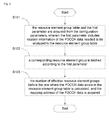
- Fig. 1 is a flow diagram illustrating a method for de-mapping on an LTE downlink control channel according to one embodiment of the disclosure.
- the method for de-mapping on the LTE downlink control channel is used for de-mapping a received PDCCH packet, wherein the PDCCH packet contains PDCCH data needed to be analyzed and configuration parameters, and the method includes that:
- the REG table is formed by performing mapping on the PDCCH data in unit of REG according to a corresponding mapping rule.
- the mapping rule is determined by the number of transmitting antennas and a cyclic prefix mode or the number of OFDM symbols. Therefore, the REG table and the first parameter are set respectively according to different mapping rules.
- Step S11 a second parameter is acquired from the configuration parameters, and de-cyclic-shift processing is performed on the mapping address of the PDCCH data according to the second parameter to acquire a de-cyclic-shift address;
- Step S12 a third parameter is acquired from the configuration parameters, and de-interleaving processing is performed on the de-cyclic-shift address according to the third parameter to acquire a de-mapping address.
- Step S10 further includes:
- the de-mapped REG table is a mapping distribution table formed by performing a resource mapping on the PDCCD data according to a corresponding mapping rule, the first parameter is generated adaptively with the mapping rule so that location of the PDCCH data in the resource element group table can be analyzed according to the de-mapped resource element group table and the first parameter.
- Step S102 a corresponding resource element group is latched according to the first parameter.
- the value corresponding to each REG in the de-mapped resource element group table may be 0, 1, or Null.
- the corresponding REG is an effective REG.
- a corresponding resource element group is latched according to the first parameter, so that the number of effective resource element groups can be calculated.
- Step S103 the number of effective resource element groups before the one where the PDCCH data exists in the resource element group table is calculated, and the mapping address of the PDCCH data is acquired.
- the number of the effective REGs before the location appointed by the first parameter in the resource element group table i.e., the mapping address of the PDCCH data, is calculated according to the location appointed by the first parameter.
- the method may further include that: it is determined whether to accumulate the number of the effective resource element groups in a resource block before the resource block where the resource element group exists, if yes, the number of the effective REGs in the REG table before the location appointed by the first parameter and the number of the effective resource element groups in a resource block before the resource block where the REG exists are accumulated and the final mapping address of the PDCCH data is acquired.
- Step S11 further includes:
- Step S12 further includes:
- the interleaving table, the NULL table and the comparison address are acquired by calculation of a software according to the modulus value in the second parameter.
- the comparison address is a sample address selected from 32 addresses as needed.
- the 32 addresses are stored in registers R0-R31 respectively, and the addresses stored in the registers R2, R4, R6, ..., R30 can be used as the sample addresses.
- Step S122 the de-cyclic-shift address is compared with the comparison address to acquire a pre-de-interleaving column address.
- the pre-de-interleaving column address can be acquired by comparing the addresses in the registers R2, R4, R6, ..., R30 with the de-cyclic-shift address respectively.
- Step S123 the NULL table is queried to acquire the number of the NULLs needed to be inserted before the de-cyclic-shift address.
- the number of the NULLs needed to be inserted before the de-cyclic-shift address can be acquired.
- Step S124 an interleaving table is queried to acquire a post-de-interleaving column address.
- Step S125 a post-de-interleaving row address is acquired by calculation according to the pre-de-interleaving column address and the number of the NULLs needed to be inserted before the de-cyclic-shift address.
- Step 125 includes the following steps:
- the de-mapping address can be acquired by subtracting the number of the NULLs from a product of the row address and the column address.
- the PDCCH data is cached, according to the de-mapping address, into a corresponding storage unit for MI blind detect.
- the method for de-mapping on an LTE downlink control channel applies a pipeline technology to the resource group location analysis, the de-cyclic-shift and the de-interleaving and controls a de-mapping process by inputting different parameters according to different scenes, resulting in a simplified structure and a reduced resource occupation.
- a specific de-mapping flow will be described based on an example involving system bandwidths of six resource blocks, the single-antenna port transmission scheme, a normal cyclic prefix and 4 OFDM symbols used for transmission of PDCCHs in a subframe hereinafter.
- the de-mapping processing for PDCCH data is started when a PDCCH packet is received.
- an REG table and a first parameter are acquired from configuration parameters.
- the de-mapping address of the PDCCH data is 3.
- the resource element group analysis it may be further determined whether there is a need to accumulate effective REGs in a resource block before the one where the REG exists. If it is determined that there is a need to perform the accumulation, then the number of the effective REGs is accumulated; it is assumed that the number of the effective REGs in the resource block before the one where the REG exists is 43, that is, the final mapping address of the PDCCH data is acquired to be 46; and if it is determined that there is no need to perform the accumulation, then the final mapping address of the PDCCH data is acquired to be 3.
- a second parameter is acquired, and it can be seen from the configuration parameters that an offset address is 6 and a modulus value is 80.
- de-cyclic shift processing By performing de-cyclic shift processing on the mapping address of the PDCCH data according to the second parameter, it can be acquired that the de-cyclic shift address is 52.
- a third parameter is acquired, and the third parameter includes an interleaving table, a NULL table and a comparison address that are acquired by computation according to a modulus value.
- the computation method here has been recorded in detail in the LTE protocol and is therefore not repeatedly described herein.
- the de-cyclic shift address 52 is compared with 15 sample addresses selected from the comparison addresses respectively to acquire two sample addresses that are respectively located before and after a de-cyclic shift address 54, then the two sample addresses are compared with the de-cyclic shift address to acquire the column address of the de-cyclic shift address in the resource grid.
- Fig. 6 is a structural diagram illustrating a device for de-mapping on an LTE downlink control channel according to another embodiment of the disclosure.
- a device for de-mapping on an LTE downlink control channel includes:
- the resource element group analysis unit 10 includes:
- the REG table is formed by performing resource mapping on the PDCCH data in unit of REG according to a corresponding mapping rule.
- the mapping rule is determined by the number of transmitting antenna ports and a cyclic prefix mode or the number of OFDM symbols.
- the PDCCH data is mapped according to different mapping rules to form different resource element group tables. Therefore, different parameters are configured according to different mapping rules when a PDCCH data table is de-mapped.
- the first parameter here is the location of the PDCCH data needed to be analyzed in resource grid and is recorded as (k, l).
- the latching subunit 102 latches a corresponding REG according to the first parameter to facilitate the calculation of the calculation subunit 103.
- the latching subunit 102 includes a plurality of latches, the number of which can be configured according to different scenes and is therefore not limited herein.
- the calculation subunit 103 calculates the number of the effective REGs in the REG table stored by the latching subunit 102 to thereby acquire the mapping address for the resource mapping of the PDCCD data. It should be noted here that the value corresponding to each REG in the de-mapped resource element group table may be 0, 1, or Null. When the value is 1, the corresponding REG is an effective REG.
- the mapping address of the PDCCH data in the REG table is acquired by calculating the number of the effective REGs in the REG table before the REG where the PDCCH data exists.
- the calculation subunit 103 is further configured to determine whether to accumulate the number of the effective resource element groups in a resource block before the one where the resource element group exists, if yes, the number of the effective REGs in the REG table before the location appointed by the first parameter and the number of the effective resource element groups in the resource block before the one where the REG exists are accumulated to acquire the final mapping address of the PDCCH data.
- the de-cyclic-shift unit 20 includes:
- the de-interleaving processing unit 30 includes:
- the interleaving table, the NULL table and the comparison address are acquired by calculation of a software according to the modulus value in the second parameter.
- the comparison address is a sample address selected from 32 addresses as needed.
- the 32 addresses are stored in registers R0-R31 respectively, and the addresses stored in the registers R2, R4, R6, ..., R30 can be used as the sample addresses.
- the address comparison subunit 302 compares the de-cyclic-shift address with the comparison address to acquire a pre-de-interleaving column address.
- the inserted element querying subunit 303 queries the NULL table to acquire the number of NULLs needed to be inserted before the de-cyclic-shift address.
- the column address acquisition subunit 304 acquires a post-de-interleaving column address based on querying of an interleaving table.
- the row address calculation subunit 305 is specifically configured to: accumulate the number of the NULLs to be inserted before the de-cyclic shift address and the de-cyclic shift address to acquire a first accumulated value, and then accumulate the number of the REGs in each column before the de-cyclic shift address to acquire a second accumulated value, and at last perform a subtraction operation on the first and second accumulated values to acquire a de-interleaved row address.
- the de-mapping address acquisition subunit 36 acquires a de-mapping address by calculation according to the post-de-interleaving column address, the post-de-interleaving row address and the number of the NULLs needed to be inserted before the de-cyclic-shift address.
- the PDCCH data is cached, according to the de-mapping address, into a corresponding storage unit for MI blind detect.
- the device for de-mapping on an LTE downlink control channel provided in the embodiment applies a pipeline technology to the resource group location analysis, the de-cyclic-shift and the de-interleaving, and performs de-mapping processing through configuring different parameters according to different scenes by a software, so that the structure of the device is simple and resource occupation of the device is reduced.
Landscapes
- Engineering & Computer Science (AREA)
- Computer Networks & Wireless Communication (AREA)
- Signal Processing (AREA)
- Quality & Reliability (AREA)
- Error Detection And Correction (AREA)
- Mobile Radio Communication Systems (AREA)
Abstract
Description
- The present disclosure relates to the field of communications, and particularly to a method and a device for de-mapping on a long term evolution (LTE) downlink control channel.
- LTE is an evolved 3G, and improves and enhances an air interface access technology of the 3G with high data rate, grouped transmission, reduced delay, wide coverage, downward compatibility and the like.
- Six downlink physical channels and three uplink physical channels are defined in the LTE protocol. Wherein, Physical Downlink Control Channels (PDCCHs) are distributed in a plurality of Orthogonal Frequency Division Multiplexing (OFDM) symbols indicated by a Physical Control Forma Indicator Channel (PCFICH) and mapped according to a given rule and in unit of Resource Element Group (REG). In a design of a baseband receiving chip of a terminal, a PDCCH de-mapping device plays an important role in a correct PDCCH decoding.
- However, in different working scenes, PDCCH mapping rules are different. Thus, a baseband receiving chip of a terminal must be designed to conform to the corresponding mapping rule for a specific working scene. In order to utilize resources effectively, there is an urgent need to design a device applicable to de-mapping on LTE downlink control channels according to a plurality of mapping rules.
- The main purpose of the present disclosure is to provide a method and a device for de-mapping on a Long Term Evolution (LTE) downlink control channel, to realize to de-map PDCCH data in different scenes.
- The disclosure provides a method for de-mapping on an LTE downlink control channel, which is used for de-mapping a received Physical Downlink Control Channel (PDCCH) packet, wherein the PDCCH packet contains PDCCH data needed to be analyzed and configuration parameters, the method includes that:
- a resource element group table and a first parameter are acquired from the configuration parameters, and the resource element group table is analyzed according to the first parameter to acquire a mapping address of the PDCCH data;
- a second parameter is acquired from the configuration parameters, and de-cyclic-shift processing is performed on the mapping address of the PDCCH data according to the second parameter to acquire a de-cyclic-shift address;
- and a third parameter is acquired from the configuration parameters, and de-interleaving processing is performed on the de-cyclic-shift address according to the third parameter to acquire a de-mapping address.
- Preferably, that a resource element group table and a first parameter are acquired from the configuration parameters and the resource element group table is analyzed according to the first parameter to acquire a mapping address of the PDCCH data may include that:
- the resource element group table and the first parameter are acquired from the configuration parameters, wherein the first parameter includes location information of the PDCCH data needed to be analyzed in the resource element group table;
- a corresponding resource element group is latched according to the first parameter;
- and the number of effective resource element groups before the one where the PDCCH data exists in the resource element group table is calculated, and the mapping address of the PDCCH data is acquired.
- Preferably, that a second parameter is acquired from the configuration parameters and de-cyclic-shift processing is performed on the mapping address of the PDCCH data according to the second parameter to acquire a de-cyclic-shift address may include that:
- the second parameter is acquired from the configuration parameters, wherein the second parameter includes an offset address and a modulus value;
- the mapping address and the offset address of the PDCCH data are accumulated to acquire an accumulated address;
- and a modulo operation is performed on the accumulated address to acquire a de-cyclic-shift address.
- Preferably, that a third parameter is acquired from the configuration parameters and de-interleaving processing is performed on the de-cyclic-shift address according to the third parameter to acquire a de-mapping address may include that:
- the third parameter is acquired from the configuration parameters, wherein the third parameter includes a de-interleaving table, a NULL table and a comparison address;
- the de-cyclic-shift address is compared with the comparison address to acquire a pre-de-interleaving column address;
- the NULL table is queried to acquire the number of NULLs needed to be inserted before the de-cyclic-shift address;
- an interleaving table is queried to acquire a post-de-interleaving column address;
- a post-de-interleaving row address is acquired by calculation according to the pre-de-interleaving column address and the number of the NULLs needed to be inserted before the de-cyclic-shift address;
- and a de-mapping address is acquired by calculation according to the post-de-interleaving column address, the post-de-interleaving row address and the number of the NULLs needed to be inserted before the de-cyclic-shift address.
- Preferably, that a post-de-interleaving row address is calculated by calculation according to the pre-de-interleaving column address and the number of the NULLs needed to be inserted before the de-cyclic-shift address may include that:
- the number of the NULLs needed to be added before the de-cyclic-shift address is added to the de-cyclic-shift address to acquire a first accumulated value;
- the number of resource element groups in each column before the de-cyclic-shift address is accumulated to acquire a second accumulated value;
- a subtraction operation is performed on the first and second accumulated values to acquire a post-de-interleaving row address.
- The present disclosure further provides a device for de-mapping on an LTE downlink control channel, which includes:
- a resource element group analysis unit configured to acquire a resource element group table and a first parameter from configuration parameters, and analyze the resource element group table according to the first parameter to acquire a mapping address of PDCCH data;
- a de-cyclic-shift unit configured to acquire a second parameter from the configuration parameters and performing de-cyclic-shift processing on the mapping address of the PDCCH data according to the second parameter to acquire a de-cyclic-shift address;
- and a de-interleaving processing unit for configured to acquire a third parameter from the configuration parameters and perform a de-interleaving processing on the de-cyclic-shift address according to the third parameter to acquire a de-mapping address.
- Preferably, the resource element group analysis unit may include:
- a first parameter acquisition subunit configured to acquire the resource element group table and the first parameter from the configuration parameters, wherein the first parameter includes location information of PDCCH data needed to be analyzed in the resource element group table;
- a latching subunit configured to latch a corresponding resource element group according to the first parameter;
- and a calculation subunit configured to calculate the number of effective resource element groups before the one where the PDCCH data exists in the resource element group table, and acquiring the mapping address of the PDCCH data.
- Preferably, the de-cyclic-shift unit may include:
- a second parameter acquisition subunit configured to acquire the second parameter from the configuration parameters, wherein the second parameter includes an offset address and a modulus value;
- an accumulation unit configured to accumulate the mapping address and the offset address of the PDCCH data to acquire an accumulated address;
- and a modulo operation subunit configured to perform a modulo operation on the accumulated address to acquire a de-cyclic-shift address.
- Preferably, the de-interleaving processing unit may include:
- a third parameter acquisition subunit configured to acquire the third parameter from the configuration parameters, wherein the third parameter includes an interleaving table, an NULL table and a comparison address;
- an address comparison subunit configured to compare the de-cyclic-shift address with the comparison address to acquire a pre-de-interleaving column address;
- an inserted element querying subunit configured to query the NULL table to acquire the number of NULLs needed to be inserted before the de-cyclic-shift address;
- a column address acquisition subunit configured to acquire a post-de-interleaving column address based on querying of an interleaving table;
- a row address acquisition subunit configured to acquire a post-de-interleaving row address by calculation according to the pre-de-interleaving column address and the number of the NULLs needed to be inserted before the de-cyclic-shift address;
- and a de-mapping address acquisition subunit configured to acquire a de-mapping address by calculation according to the post-de-interleaving column address, the post-de-interleaving row address and the number of the NULLs needed to be inserted before the de-cyclic-shift address.
- Preferably, the row address acquisition subunit may be specifically configured to:
- add the number of the NULLs needed to be added before the de-cyclic-shift address to the de-cyclic-shift address to acquire a first accumulated value;
- accumulate the number of resource element groups in each column before the de-cyclic-shift address to acquire a second accumulated value;
- and perform a subtraction operation on the first and second accumulated values to acquire a post-de-interleaving row address.
- In the method and the device for de-mapping on an LTE downlink control channel according to the disclosure, de-mapping of PDCCH data can be realized in different scenes by using a pipelining processing structure in combination with configuring corresponding configuration parameters by a software, such that limited hardware resources can be utilized to the greatest extent and the PDCCH data can be de-mapped at the lowest power consumption within a shorter delay time.
-
-
Fig. 1 is a flow diagram illustrating a method for de-mapping on an LTE downlink control channel according to one embodiment of the disclosure; -
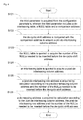
Fig. 2 is a flow diagram illustrating a step of acquiring an mapping address of PDCCH data according to the embodiment ofFig. 1 ; -
Fig. 3 is a flow diagram illustrating a step of acquiring a de-cyclic-shift address according to the embodiment ofFig. 1 ; -
Fig. 4 is a flow diagram illustrating a step of acquiring a de-mapping address according to the embodiment ofFig. 1 ; -
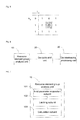
Fig. 5 is a schematic diagram illustrating a Resource Element Group (REG) table showing a mapping distribution of Physical Downlink Control Channel (PDCCH) data according to the embodiment ofFig. 1 ; -
Fig. 6 is a structural diagram illustrating a device for de-mapping on an LTE downlink control channel according to another embodiment of the disclosure; -
Fig. 7 is a structural diagram illustrating a resource element group analysis unit according to the embodiment ofFig. 6 ; -
Fig. 8 is a structural diagram illustrating a de-cyclic shift unit according to the embodiment ofFig. 6 ; and -
Fig. 9 is a structural diagram illustrating a de-interleaving unit according to the embodiment ofFig. 6 . - It should be appreciated that, embodiments described herein are merely used for the purpose of illustration but not intended to limit the present disclosure.
- PDCCHs are distributed in a plurality of OFDM symbols indicated by a PCFICH and mapped according to a given rule and in unit of REG. A mapping of a PDCCH refers to a resource mapping that is performed in unit of REG, and the mapping rule is determined by the number of transmitting antennas and a cyclic prefix mode or the number of OFDM symbols.
- In the present disclosure, PDCCH data can be de-mapped in different scenes by using a hardware structure in combination with configuring corresponding configuration parameters by a software. An LTE system packets the configuration parameters and downlink data together; the hardware structure selects, in a pipeline manner, a corresponding parameter according to a configuration parameter of a packet header at each level of a pipeline and performs a corresponding de-mapping processing. Thus, limited hardware resources can be fully utilized to the greatest extent, and PDCCH data can be de-mapped at the lowest power consumption within a shorter delay time.
-
Fig. 1 is a flow diagram illustrating a method for de-mapping on an LTE downlink control channel according to one embodiment of the disclosure. - The method for de-mapping on the LTE downlink control channel according to the embodiment is used for de-mapping a received PDCCH packet, wherein the PDCCH packet contains PDCCH data needed to be analyzed and configuration parameters, and the method includes that:
- Step S10: a resource element group table and a first parameter are acquired from the configuration parameters, and the resource element group table is analyzed according to the first parameter to acquire a mapping address of the PDCCH data.
- In Step S10, the REG table is formed by performing mapping on the PDCCH data in unit of REG according to a corresponding mapping rule. The mapping rule is determined by the number of transmitting antennas and a cyclic prefix mode or the number of OFDM symbols. Therefore, the REG table and the first parameter are set respectively according to different mapping rules.
- Step S11: a second parameter is acquired from the configuration parameters, and de-cyclic-shift processing is performed on the mapping address of the PDCCH data according to the second parameter to acquire a de-cyclic-shift address;
- and Step S12: a third parameter is acquired from the configuration parameters, and de-interleaving processing is performed on the de-cyclic-shift address according to the third parameter to acquire a de-mapping address.
- Referring to
Fig. 2 , Step S10 further includes: - Step S101: the resource element group table and the first parameter are acquired from the configuration parameters, wherein the first parameter includes location information of the PDCCH data needed to be analyzed in the resource element group table.
- The de-mapped REG table is a mapping distribution table formed by performing a resource mapping on the PDCCD data according to a corresponding mapping rule, the first parameter is generated adaptively with the mapping rule so that location of the PDCCH data in the resource element group table can be analyzed according to the de-mapped resource element group table and the first parameter.
- Step S102: a corresponding resource element group is latched according to the first parameter.
- The value corresponding to each REG in the de-mapped resource element group table may be 0, 1, or Null. When the value is 1, the corresponding REG is an effective REG. A corresponding resource element group is latched according to the first parameter, so that the number of effective resource element groups can be calculated.
- Step S103: the number of effective resource element groups before the one where the PDCCH data exists in the resource element group table is calculated, and the mapping address of the PDCCH data is acquired.
- The number of the effective REGs before the location appointed by the first parameter in the resource element group table, i.e., the mapping address of the PDCCH data, is calculated according to the location appointed by the first parameter. After Step S103, the method may further include that: it is determined whether to accumulate the number of the effective resource element groups in a resource block before the resource block where the resource element group exists, if yes, the number of the effective REGs in the REG table before the location appointed by the first parameter and the number of the effective resource element groups in a resource block before the resource block where the REG exists are accumulated and the final mapping address of the PDCCH data is acquired.
- Referring to
Fig. 3 , Step S11 further includes: - Step S111: the second parameter is acquired from the configuration parameters, wherein the second parameter includes an offset address and a modulus value.
- Step S112: the mapping address and the offset address of the PDCCH data are accumulated to acquire an accumulated address.
- and Step S113: a modulo operation is performed on the accumulated address to acquire a de-cyclic-shift address.
- Referring to
Fig. 4 , Step S12 further includes: - Step S121: the third parameter is acquired from the configuration parameters, wherein the third parameter includes a de-interleaving table, a NULL table and a comparison address.
- The interleaving table, the NULL table and the comparison address are acquired by calculation of a software according to the modulus value in the second parameter. Preferably, the comparison address is a sample address selected from 32 addresses as needed. In the embodiment, the 32 addresses are stored in registers R0-R31 respectively, and the addresses stored in the registers R2, R4, R6, ..., R30 can be used as the sample addresses.
- Step S122: the de-cyclic-shift address is compared with the comparison address to acquire a pre-de-interleaving column address.
- The pre-de-interleaving column address can be acquired by comparing the addresses in the registers R2, R4, R6, ..., R30 with the de-cyclic-shift address respectively.
- Step S123: the NULL table is queried to acquire the number of the NULLs needed to be inserted before the de-cyclic-shift address.
- By querying the NULL table, the number of the NULLs needed to be inserted before the de-cyclic-shift address can be acquired.
- Step S124: an interleaving table is queried to acquire a post-de-interleaving column address.
- Step S125: a post-de-interleaving row address is acquired by calculation according to the pre-de-interleaving column address and the number of the NULLs needed to be inserted before the de-cyclic-shift address.
- Specifically, Step 125 includes the following steps:
- Step A: the number of the NULLs needed to be added before the de-cyclic-shift address is added to the de-cyclic-shift address to acquire a first accumulated value.
- Step B: the number of resource element groups in each column before the de-cyclic-shift address is accumulated to acquire a second accumulated value.
- and Step C: a subtraction operation is performed on the first and second accumulated values to acquire a post-de-interleaving row address.
- Step S126: a de-mapping address is acquired by calculation according to the post-de-interleaving column address, the post-de-interleaving row address and the number of the NULLs needed to be inserted before the de-cyclic-shift address.
- According to the pre-de-interleaving row address, the pre-de-interleaving column address and the number of the NULLs needed to be inserted, the de-mapping address can be acquired by subtracting the number of the NULLs from a product of the row address and the column address.
- The PDCCH data is cached, according to the de-mapping address, into a corresponding storage unit for MI blind detect.
- The method for de-mapping on an LTE downlink control channel according to the embodiment applies a pipeline technology to the resource group location analysis, the de-cyclic-shift and the de-interleaving and controls a de-mapping process by inputting different parameters according to different scenes, resulting in a simplified structure and a reduced resource occupation.
- A specific de-mapping flow will be described based on an example involving system bandwidths of six resource blocks, the single-antenna port transmission scheme, a normal cyclic prefix and 4 OFDM symbols used for transmission of PDCCHs in a subframe hereinafter. First, the de-mapping processing for PDCCH data is started when a PDCCH packet is received.
- First, an REG table and a first parameter are acquired from configuration parameters. The REG table is shown as
Fig. 5 , and it can be known from k=1 and l=2 in the first parameter, the location of the PDCCH data to be analyzed is the resource grid location of the second REG of the third OFDM symbol, as shown the shaded grid inFig. 5 . By calculating the number of the effective REGs before the resource grid according to the resource grid location, it can be acquired that the de-mapping address of the PDCCH data is 3. - In the resource element group analysis, it may be further determined whether there is a need to accumulate effective REGs in a resource block before the one where the REG exists. If it is determined that there is a need to perform the accumulation, then the number of the effective REGs is accumulated; it is assumed that the number of the effective REGs in the resource block before the one where the REG exists is 43, that is, the final mapping address of the PDCCH data is acquired to be 46; and if it is determined that there is no need to perform the accumulation, then the final mapping address of the PDCCH data is acquired to be 3.
- First, a second parameter is acquired, and it can be seen from the configuration parameters that an offset address is 6 and a modulus value is 80. By performing de-cyclic shift processing on the mapping address of the PDCCH data according to the second parameter, it can be acquired that the de-cyclic shift address is 52.
- First, a third parameter is acquired, and the third parameter includes an interleaving table, a NULL table and a comparison address that are acquired by computation according to a modulus value. The computation method here has been recorded in detail in the LTE protocol and is therefore not repeatedly described herein. Then, the de-cyclic shift address 52 is compared with 15 sample addresses selected from the comparison addresses respectively to acquire two sample addresses that are respectively located before and after a de-cyclic shift address 54, then the two sample addresses are compared with the de-cyclic shift address to acquire the column address of the de-cyclic shift address in the resource grid. It is assumed that it is obtained from comparison of the de-cyclic shift address 54 with the 24th sample address in the comparison addresses that the pre-de-interleaving column address is 23, then it can be obtained by querying the interleaving table that the column address of the de-interleaved de-cyclic shift address in the resource element group table is 28, i.e., the 29th column; it can be obtained by querying the NULL table that the number of the NULLs needed to be inserted before the de-cyclic shift address 54 is 16, then the post-de-interleaving row address can be acquired by computation according to the pre-de-interleaving column address 23 and the number of the NULLs needed to be inserted being 16 as follows: (54+16)-23×3=1, that is, the post-de-interleaving row address is the second row; finally, according to the post-de-interleaving column address 28, the post-de-
interleaving row address 1 and the number of the NULLs needed to be inserted being 16, the de-mapping address can be acquired by computation as follows: 1 ×32+28-16=44. Therefore, the PDCCH data is stored into a storage unit and the address of which is 44 for MI blind detect. -
Fig. 6 is a structural diagram illustrating a device for de-mapping on an LTE downlink control channel according to another embodiment of the disclosure. - In the embodiment, a device for de-mapping on an LTE downlink control channel includes:
- a resource element
group analysis unit 10 configured to acquire an REG table and a first parameter from configuration parameters, and analyze the REG table according to the first parameter to acquire a mapping address of PDCCH data; - a de-cyclic-
shift unit 20 configured to acquire a second parameter from the configuration parameters and performing a de-cyclic-shift processing on the mapping address of the PDCCH data according to the second parameter to acquire a de-cyclic-shift address; - and a
de-interleaving processing unit 30 configured to acquire a third parameter from the configuration parameters and performing de-interleaving processing on the de-cyclic-shift address according to the third parameter to acquire a de-mapping address. - Referring to
Fig. 7 , the resource elementgroup analysis unit 10 includes: - a first
parameter acquisition subunit 101 configured to acquire the REG table and the first parameter from the configuration parameters; - a latching
subunit 102 configured to latch a corresponding REG according to the first parameter; - and a
calculation subunit 103 configured to calculate the number of effective REGs in the REG table before the one where the PDCCH data exists, and acquiring the mapping address of the PDCCH data. - The REG table is formed by performing resource mapping on the PDCCH data in unit of REG according to a corresponding mapping rule. The mapping rule is determined by the number of transmitting antenna ports and a cyclic prefix mode or the number of OFDM symbols. The PDCCH data is mapped according to different mapping rules to form different resource element group tables. Therefore, different parameters are configured according to different mapping rules when a PDCCH data table is de-mapped. For instance, the first parameter here is the location of the PDCCH data needed to be analyzed in resource grid and is recorded as (k, l).
- The latching
subunit 102 latches a corresponding REG according to the first parameter to facilitate the calculation of thecalculation subunit 103. The latchingsubunit 102 includes a plurality of latches, the number of which can be configured according to different scenes and is therefore not limited herein. Thecalculation subunit 103 calculates the number of the effective REGs in the REG table stored by the latchingsubunit 102 to thereby acquire the mapping address for the resource mapping of the PDCCD data. It should be noted here that the value corresponding to each REG in the de-mapped resource element group table may be 0, 1, or Null. When the value is 1, the corresponding REG is an effective REG. The mapping address of the PDCCH data in the REG table is acquired by calculating the number of the effective REGs in the REG table before the REG where the PDCCH data exists. - The
calculation subunit 103 is further configured to determine whether to accumulate the number of the effective resource element groups in a resource block before the one where the resource element group exists, if yes, the number of the effective REGs in the REG table before the location appointed by the first parameter and the number of the effective resource element groups in the resource block before the one where the REG exists are accumulated to acquire the final mapping address of the PDCCH data. - Referring to
Fig. 8 , the de-cyclic-shift unit 20 includes: - a second
parameter acquisition subunit 201 configured to acquire the second parameter from the configuration parameters, wherein the second parameter includes an offset address and a modulus value; - an
accumulation subunit 202 configured to accumulate the mapping address and the offset address of the PDCCH data to acquire an accumulated address; - and a
modulo operation subunit 203 configured to perform a modulo operation on the accumulated address to acquire a de-cyclic-shift address. - Referring to
Fig. 9 , thede-interleaving processing unit 30 includes: - a third
parameter acquisition subunit 301 configured to acquire the third parameter from the configuration parameters, wherein the third parameter includes an interleaving table, a NULL table and a comparison address; - an
address comparison subunit 302 configured to compare the de-cyclic-shift address with the comparison address to acquire a pre-de-interleaving column address; - an inserted
element querying subunit 303 configured to query the NULL table to acquire the number of the NULLs needed to be inserted before the de-cyclic-shift address; - a column
address acquisition subunit 304 configured to acquire a post-de-interleaving column address based on querying of an interleaving table; - a row
address acquisition subunit 305 configured to acquire a post-de-interleaving row address by calculation according to the pre-de-interleaving column address and the number of the elements needed to be inserted before the de-cyclic-shift address; - and a de-mapping
address acquisition subunit 306 configured to acquire a de-mapping address by calculation according to the post-de-interleaving column address, the post-de-interleaving row address and the number of the NULLs needed to be inserted before the de-cyclic-shift address. - In the third
parameter acquisition subunit 301, the interleaving table, the NULL table and the comparison address are acquired by calculation of a software according to the modulus value in the second parameter. Preferably, the comparison address is a sample address selected from 32 addresses as needed. In the embodiment, the 32 addresses are stored in registers R0-R31 respectively, and the addresses stored in the registers R2, R4, R6, ..., R30 can be used as the sample addresses. - The
address comparison subunit 302 compares the de-cyclic-shift address with the comparison address to acquire a pre-de-interleaving column address. The insertedelement querying subunit 303 queries the NULL table to acquire the number of NULLs needed to be inserted before the de-cyclic-shift address. The columnaddress acquisition subunit 304 acquires a post-de-interleaving column address based on querying of an interleaving table. - The row
address calculation subunit 305 is specifically configured to: accumulate the number of the NULLs to be inserted before the de-cyclic shift address and the de-cyclic shift address to acquire a first accumulated value, and then accumulate the number of the REGs in each column before the de-cyclic shift address to acquire a second accumulated value, and at last perform a subtraction operation on the first and second accumulated values to acquire a de-interleaved row address. - The de-mapping address acquisition subunit 36 acquires a de-mapping address by calculation according to the post-de-interleaving column address, the post-de-interleaving row address and the number of the NULLs needed to be inserted before the de-cyclic-shift address. The PDCCH data is cached, according to the de-mapping address, into a corresponding storage unit for MI blind detect.
- The device for de-mapping on an LTE downlink control channel provided in the embodiment applies a pipeline technology to the resource group location analysis, the de-cyclic-shift and the de-interleaving, and performs de-mapping processing through configuring different parameters according to different scenes by a software, so that the structure of the device is simple and resource occupation of the device is reduced.
- The above are only preferred the embodiments of the present disclosure but are not to be construed as limiting the scope of the present disclosure, and both any equivalent structure or flow modification made by using the content disclosed in the specification or accompanying drawings and any direct or indirect application of the present disclosure to other related technical fields fall within the scope of protection of the present disclosure.
Claims (11)
- A method for de-mapping on a Long Term Evolution (LTE) downlink control channel, used for de-mapping a received Physical Downlink Control Channel (PDCCH) packet, wherein the PDCCH packet containing PDCCH data needed to be analyzed and configuration parameters, the method comprising:acquiring a resource element group table and a first parameter from the configuration parameters, and analyzing the resource element group table according to the first parameter to acquire a mapping address of the PDCCH data;acquiring a second parameter from the configuration parameters, and performing de-cyclic-shift processing on the mapping address of the PDCCH data according to the second parameter to acquire a de-cyclic-shift address;and acquiring a third parameter from the configuration parameters, and performing de-interleaving processing on the de-cyclic-shift address according to the third parameter to acquire a de-mapping address.
- The method for de-mapping on an LTE downlink control channel according to claim 1, wherein the acquiring a resource element group table and a first parameter from the configuration parameters and analyzing the resource element group table according to the first parameter to acquire a mapping address of the PDCCH data comprises:acquiring the resource element group table and the first parameter from the configuration parameters, wherein the first parameter includes location information of the PDCCH data needed to be analyzed in the resource element group table;latching a corresponding resource element group according to the first parameter;and calculating the number of effective resource element groups before the one where the PDCCH data exists in the resource element group table, and acquiring the mapping address of the PDCCH data.
- The method for de-mapping on an LTE downlink control channel according to claim 1 or 2, wherein the acquiring a second parameter from the configuration parameters and performing de-cyclic-shift processing on the mapping address of the PDCCH data according to the second parameter to acquire a de-cyclic-shift address comprises:acquiring the second parameter from the configuration parameters, wherein the second parameter includes an offset address and a modulus value;accumulating the mapping address and the offset address of the PDCCH data to acquire an accumulated address;and performing a modulo operation on the accumulated address to acquire a de-cyclic-shift address.
- The method for de-mapping on an LTE downlink control channel according to claim 3, wherein the acquiring a third parameter from the configuration parameters and performing de-interleaving processing on the de-cyclic-shift address according to the third parameter to acquire a de-mapping address comprises:acquiring the third parameter from the configuration parameters, wherein the third parameter includes a de-interleaving table, a NULL table and a comparison address;comparing the de-cyclic-shift address with the comparison address to acquire a pre-de-interleaving column address;querying the NULL table to acquire the number of NULLs needed to be inserted before the de-cyclic-shift address;querying an interleaving table to acquire a post-de-interleaving column address;acquiring a post-de-interleaving row address by calculation according to the pre-de-interleaving column address and the number of the NULLs needed to be inserted before the de-cyclic-shift address;and acquiring a de-mapping address by calculation according to the post-de-interleaving column address, the post-de-interleaving row address and the number of the NULLs needed to be inserted before the de-cyclic-shift address.
- The method for de-mapping on an LTE downlink control channel according to claim 1, wherein the acquiring a resource element group table and a first parameter from the configuration parameters and analyzing the resource element group table according to the first parameter to acquire a mapping address of the PDCCH data comprises: acquiring the resource element group table and the first parameter from the configuration parameters, wherein the first parameter includes location information of the PDCCH data needed to be analyzed in the resource element group table; latching a corresponding resource element group according to the first parameter; and calculating the number of effective resource element groups before the one where the PDCCH data exists in the resource element group table, and acquiring the mapping address of the PDCCH data;
the acquiring a second parameter from the configuration parameters and performing de-cyclic-shift processing on the mapping address of the PDCCH data according to the second parameter to acquire a de-cyclic-shift address comprises: acquiring, from the configuration parameters, the second parameter including an offset address and a modulus value; accumulating the mapping address and the offset address of the PDCCH data to acquire an accumulated address; and performing a modulo operation on the accumulated address to acquire a de-cyclic-shift address;
the acquiring a third parameter from the configuration parameters and performing de-interleaving processing on the de-cyclic-shift address according to the third parameter to acquire a de-mapping address comprises: acquiring, from the configuration parameters, the third parameter including a de-interleaving table, a NULL table and a comparison address; comparing the de-cyclic-shift address with the comparison address to acquire a pre-de-interleaving column address; querying the NULL table to acquire the number of NULLs needed to be inserted before the de-cyclic-shift address; querying an interleaving table to acquire a post-de-interleaving column address; acquiring a post-de-interleaving row address by calculation according to the pre-de-interleaving column address and the number of the NULLs needed to be inserted before the de-cyclic-shift address; and acquiring a de-mapping address by calculation according to the post-de-interleaving column address, the post-de-interleaving row address and the number of the NULLs needed to be inserted before the de-cyclic-shift address. - The method for de-mapping on an LTE downlink control channel according to claim 4 or 5, wherein the acquiring a post-de-interleaving row address by calculation according to the pre-de-interleaving column address and the number of the NULLs needed to be inserted before the de-cyclic-shift address:adding the number of the NULLs needed to be added before the de-cyclic-shift address to the de-cyclic-shift address to acquire a first accumulated value;accumulating the number of resource element groups in each column before the de-cyclic-shift address to acquire a second accumulated value;performing a subtraction operation on the first and second accumulated values to acquire a post-de-interleaving row address.
- A device for de-mapping on a Long Term Evolution (LTE) downlink control channel, comprising:a resource element group analysis unit configured to acquire a resource element group table and a first parameter from configuration parameters, and analyze the resource element group table according to the first parameter to acquire a mapping address of PDCCH data;a de-cyclic-shift unit configured to acquire a second parameter from the configuration parameters and perform de-cyclic-shift processing on the mapping address of the PDCCH data according to the second parameter to acquire a de-cyclic-shift address:and a de-interleaving processing unit configured to acquire a third parameter from the configuration parameters and perform de-interleaving processing on the de-cyclic-shift address according to the third parameter to acquire a de-mapping address.
- The device for de-mapping on an LTE downlink control channel according to claim 7, wherein the resource element group analysis unit comprises:a first parameter acquisition subunit configured to acquire the resource element group table and the first parameter from the configuration parameters, wherein the first parameter includes location information of PDCCH data needed to be analyzed in the resource element group table;a latching subunit configured to latch a corresponding resource element group according to the first parameter;and a calculation subunit configured to calculate the number of effective resource element groups before the one where the PDCCH data exists in the resource element group table, and acquiring the mapping address of the PDCCH data.
- The device for de-mapping on an LTE downlink control channel according to claim 7, wherein the de-cyclic-shift unit comprises:a second parameter acquisition subunit configured to acquire, from the configuration parameters, the second parameter, wherein the second parameter includes an offset address and a modulus value;an accumulation unit configured to accumulate the mapping address and the offset address of the PDCCH data to acquire an accumulated address;and a modulo operation subunit configured to perform a modulo operation on the accumulated address to acquire a de-cyclic-shift address.
- The device for de-mapping on an LTE downlink control channel according to claim 7, wherein the de-interleaving processing unit comprises:a third parameter acquisition subunit configured to acquire the third parameter from the configuration parameters, wherein the third parameter includes an interleaving table, an NULL table and a comparison address;an address comparison subunit configured to compare the de-cyclic-shift address with the comparison address to acquire a pre-de-interleaving column address;an inserted element querying subunit configured to query the NULL table to acquire the number of NULLs needed to be inserted before the de-cyclic-shift address;a column address acquisition subunit configured to acquire a post-de-interleaving column address based on querying of an interleaving table;a row address acquisition subunit configured to acquire a post-de-interleaving row address by calculation according to the pre-de-interleaving column address and the number of the NULLs needed to be inserted before the de-cyclic-shift address;and a de-mapping address acquisition subunit configured to acquire a de-mapping address by calculation according to the post-de-interleaving column address, the post-de-interleaving row address and the number of the NULLs needed to be inserted before the de-cyclic-shift address.
- The device for de-mapping on an LTE downlink control channel according to claim 10, wherein the row address acquisition subunit is specifically configured to:add the number of the NULLs needed to be added before the de-cyclic-shift address to the de-cyclic-shift address to acquire a first accumulated value;accumulate the number of resource element groups in each column before the de-cyclic-shift address to acquire a second accumulated value;and perform a subtraction operation on the first and second accumulated values to acquire a post-de-interleaving row address.
Applications Claiming Priority (2)
| Application Number | Priority Date | Filing Date | Title |
|---|---|---|---|
| CN201010182721.0A CN102263604B (en) | 2010-05-25 | 2010-05-25 | LTE (long term evolution) PDCCH (physical downlink control channel) demapping method and device |
| PCT/CN2010/077641 WO2011147150A1 (en) | 2010-05-25 | 2010-10-11 | Method and device for de-mapping in lte downlink control channel |
Publications (3)
| Publication Number | Publication Date |
|---|---|
| EP2549669A1 true EP2549669A1 (en) | 2013-01-23 |
| EP2549669A4 EP2549669A4 (en) | 2017-07-19 |
| EP2549669B1 EP2549669B1 (en) | 2018-07-25 |
Family
ID=45003240
Family Applications (1)
| Application Number | Title | Priority Date | Filing Date |
|---|---|---|---|
| EP10852019.8A Not-in-force EP2549669B1 (en) | 2010-05-25 | 2010-10-11 | Method and device for de-mapping in lte downlink control channel |
Country Status (4)
| Country | Link |
|---|---|
| US (1) | US9048996B2 (en) |
| EP (1) | EP2549669B1 (en) |
| CN (1) | CN102263604B (en) |
| WO (1) | WO2011147150A1 (en) |
Families Citing this family (11)
| Publication number | Priority date | Publication date | Assignee | Title |
|---|---|---|---|---|
| CN102263604B (en) * | 2010-05-25 | 2014-07-16 | 中兴通讯股份有限公司 | LTE (long term evolution) PDCCH (physical downlink control channel) demapping method and device |
| TW201236420A (en) * | 2010-12-22 | 2012-09-01 | Nec Casio Mobile Comm Ltd | Receiving device, receiving method and computer program |
| CN105933981B (en) | 2011-08-08 | 2019-08-23 | 华为技术有限公司 | Method and device for detecting and sending information |
| US8798010B2 (en) * | 2012-01-31 | 2014-08-05 | Lsi Corporation | Table-based resource mapping for downlink control channels in a wireless system base station |
| EP2992633B1 (en) * | 2013-04-30 | 2020-02-05 | Telefonaktiebolaget LM Ericsson (publ) | Method and apparatus of mapping one or more messages onto transmission resource |
| CN108228492B (en) * | 2016-12-21 | 2020-11-17 | 深圳市中兴微电子技术有限公司 | Multi-channel DDR interleaving control method and device |
| WO2018220773A1 (en) * | 2017-05-31 | 2018-12-06 | 株式会社Nttドコモ | User terminal and wireless communication method |
| CN112332959B (en) * | 2020-10-29 | 2024-12-10 | 上海擎昆信息科技有限公司 | Resource mapping method, resource mapping solution method and communication device |
| CN112332960B (en) * | 2020-10-29 | 2022-09-16 | 上海擎昆信息科技有限公司 | Resource mapping method, resource mapping de-method, control method thereof and related device |
| CN115118384B (en) * | 2022-05-16 | 2024-04-16 | 成都爱瑞无线科技有限公司 | PDCCH channel data processing method, device and storage medium |
| CN116436587B (en) * | 2023-06-14 | 2023-09-05 | 芯迈微半导体(上海)有限公司 | Resource mapping method and device of control channel and resource demapping method and device |
Family Cites Families (15)
| Publication number | Priority date | Publication date | Assignee | Title |
|---|---|---|---|---|
| US7782749B2 (en) * | 2007-03-21 | 2010-08-24 | Samsung Electronics Co., Ltd | Method for mapping physical downlink control channel to resources and apparatus for transmitting/receiving the mapped physical downlink control channel in a wireless communication system |
| US9344259B2 (en) * | 2007-06-20 | 2016-05-17 | Google Technology Holdings LLC | Control channel provisioning and signaling |
| US8638728B2 (en) * | 2007-09-06 | 2014-01-28 | Qualcomm Incorporated | Blind decoding in a mobile environment |
| KR101376233B1 (en) * | 2007-10-02 | 2014-03-21 | 삼성전자주식회사 | Apparatus and method for allocating control channel in a frequency division multiple access system |
| AU2008320506B2 (en) * | 2007-10-29 | 2013-05-02 | Telefonaktiebolaget L M Ericsson (Publ) | Control channel data allocation method in OFDM systems |
| US8238475B2 (en) | 2007-10-30 | 2012-08-07 | Qualcomm Incorporated | Methods and systems for PDCCH blind decoding in mobile communications |
| KR100943908B1 (en) * | 2008-02-19 | 2010-02-24 | 엘지전자 주식회사 | Control information transmission and reception method through PDCHC |
| CN101605356B (en) * | 2008-06-12 | 2011-11-02 | 电信科学技术研究院 | Method, device and system for indicating resources |
| CN101646198B (en) | 2008-08-07 | 2013-10-30 | 夏普株式会社 | Implementation method for downlink of LTE-Advanced system, base station and user equipment |
| US8031670B2 (en) * | 2008-11-13 | 2011-10-04 | Telefonaktiebolaget L M Ericsson (Publ) | Systems and methods for selecting the size of a control region of a downlink subframe |
| US8379671B2 (en) * | 2009-01-30 | 2013-02-19 | Freescale Semiconductor, Inc. | Techniques for extracting a control channel from a received signal in a wireless communication system |
| EP2424139A4 (en) * | 2009-04-24 | 2016-05-18 | Lg Electronics Inc | METHOD AND APPARATUS FOR TRANSMITTING AND RECEIVING CONTROL SIGNAL FOR MERGING CARRIERS DURING TRANSMISSION |
| CN101594205B (en) * | 2009-06-22 | 2014-08-06 | 中兴通讯股份有限公司南京分公司 | Method for transmitting downlink control signaling of LTE-Advanced system |
| KR20110017811A (en) * | 2009-08-14 | 2011-02-22 | 삼성전자주식회사 | Control channel configuration and multiplexing method of backhaul subframe for relay |
| CN102263604B (en) * | 2010-05-25 | 2014-07-16 | 中兴通讯股份有限公司 | LTE (long term evolution) PDCCH (physical downlink control channel) demapping method and device |
-
2010
- 2010-05-25 CN CN201010182721.0A patent/CN102263604B/en not_active Expired - Fee Related
- 2010-10-11 US US13/641,698 patent/US9048996B2/en not_active Expired - Fee Related
- 2010-10-11 EP EP10852019.8A patent/EP2549669B1/en not_active Not-in-force
- 2010-10-11 WO PCT/CN2010/077641 patent/WO2011147150A1/en not_active Ceased
Non-Patent Citations (1)
| Title |
|---|
| See references of WO2011147150A1 * |
Also Published As
| Publication number | Publication date |
|---|---|
| CN102263604A (en) | 2011-11-30 |
| US20130039318A1 (en) | 2013-02-14 |
| EP2549669A4 (en) | 2017-07-19 |
| CN102263604B (en) | 2014-07-16 |
| EP2549669B1 (en) | 2018-07-25 |
| WO2011147150A1 (en) | 2011-12-01 |
| US9048996B2 (en) | 2015-06-02 |
Similar Documents
| Publication | Publication Date | Title |
|---|---|---|
| EP2549669B1 (en) | Method and device for de-mapping in lte downlink control channel | |
| KR102033442B1 (en) | Method and apparatus for blindly detecting a common search space and a ue specific search space | |
| US9883498B2 (en) | Mobile station apparatus, base station apparatus, communication method and integrated circuit | |
| US9661622B2 (en) | Method and device for E-PDCCH transmission and blind detection | |
| US9445420B2 (en) | Downlink data rate-matching method and device | |
| JP6320370B2 (en) | Downlink control information transmission method, detection method, base station, and user equipment | |
| RU2496276C2 (en) | Method and system for resource allocation, blind detection method, base station, user equipment | |
| CN102271402B (en) | Method and device for mapping resource in downlink control channel | |
| CN101605023B (en) | Method and device for mapping control channel sources | |
| EP2975895A1 (en) | Base station, terminal, communication system, communication method and integrated circuit | |
| US20130301561A1 (en) | System and Method for Antenna Port Association | |
| WO2021143901A1 (en) | Quasi-co-location information obtaining method, communication node, and storage medium | |
| CN104272642A (en) | Resource Aggregation in Enhanced Control Channel | |
| CN103581094B (en) | The transmission method of downlink user dedicated demodulation reference signal and equipment | |
| AU2020201895A1 (en) | Data transmission method and apparatus | |
| CN107534534A (en) | Transmission method and device of physical layer protocol data unit | |
| JPWO2018229958A1 (en) | User terminal and wireless communication method | |
| KR20200035455A (en) | Sequence-based signal processing method and apparatus | |
| CN112311514B (en) | Control information transmission method and device | |
| WO2017166256A1 (en) | Reference signal transmitting method and device, reference signal receiving method and device, and system | |
| CN103944662A (en) | Method and system for transmitting uplink demodulation reference signal | |
| AU2012373944A1 (en) | Method, base station, and user equipment for transmitting control channel | |
| CN105052237B (en) | A method and network equipment for acquiring and configuring subframe structure | |
| CN109451852B (en) | Method, apparatus and storage medium for transmitting control information | |
| US11552755B2 (en) | Method and apparatus for determining resource for reference signal, and device |
Legal Events
| Date | Code | Title | Description |
|---|---|---|---|
| PUAI | Public reference made under article 153(3) epc to a published international application that has entered the european phase |
Free format text: ORIGINAL CODE: 0009012 |
|
| 17P | Request for examination filed |
Effective date: 20120329 |
|
| AK | Designated contracting states |
Kind code of ref document: A1 Designated state(s): AL AT BE BG CH CY CZ DE DK EE ES FI FR GB GR HR HU IE IS IT LI LT LU LV MC MK MT NL NO PL PT RO RS SE SI SK SM TR |
|
| DAX | Request for extension of the european patent (deleted) | ||
| RAP1 | Party data changed (applicant data changed or rights of an application transferred) |
Owner name: ZTE MICROELECTRONICS TECHNOLOGY CO., LTD |
|
| RA4 | Supplementary search report drawn up and despatched (corrected) |
Effective date: 20170621 |
|
| RIC1 | Information provided on ipc code assigned before grant |
Ipc: H04L 1/00 20060101ALN20170614BHEP Ipc: H04L 5/00 20060101AFI20170614BHEP |
|
| RAP1 | Party data changed (applicant data changed or rights of an application transferred) |
Owner name: SANECHIPS TECHNOLOGY CO., LTD. |
|
| REG | Reference to a national code |
Ref country code: DE Ref legal event code: R079 Ref document number: 602010052259 Country of ref document: DE Free format text: PREVIOUS MAIN CLASS: H04L0001000000 Ipc: H04L0005000000 |
|
| GRAP | Despatch of communication of intention to grant a patent |
Free format text: ORIGINAL CODE: EPIDOSNIGR1 |
|
| INTG | Intention to grant announced |
Effective date: 20180202 |
|
| RIC1 | Information provided on ipc code assigned before grant |
Ipc: H04L 1/00 20060101ALN20180119BHEP Ipc: H04L 5/00 20060101AFI20180119BHEP |
|
| GRAS | Grant fee paid |
Free format text: ORIGINAL CODE: EPIDOSNIGR3 |
|
| GRAA | (expected) grant |
Free format text: ORIGINAL CODE: 0009210 |
|
| AK | Designated contracting states |
Kind code of ref document: B1 Designated state(s): AL AT BE BG CH CY CZ DE DK EE ES FI FR GB GR HR HU IE IS IT LI LT LU LV MC MK MT NL NO PL PT RO RS SE SI SK SM TR |
|
| REG | Reference to a national code |
Ref country code: GB Ref legal event code: FG4D |
|
| REG | Reference to a national code |
Ref country code: CH Ref legal event code: EP |
|
| REG | Reference to a national code |
Ref country code: AT Ref legal event code: REF Ref document number: 1022910 Country of ref document: AT Kind code of ref document: T Effective date: 20180815 |
|
| REG | Reference to a national code |
Ref country code: DE Ref legal event code: R096 Ref document number: 602010052259 Country of ref document: DE |
|
| REG | Reference to a national code |
Ref country code: IE Ref legal event code: FG4D |
|
| REG | Reference to a national code |
Ref country code: NL Ref legal event code: MP Effective date: 20180725 |
|
| REG | Reference to a national code |
Ref country code: LT Ref legal event code: MG4D |
|
| PG25 | Lapsed in a contracting state [announced via postgrant information from national office to epo] |
Ref country code: NL Free format text: LAPSE BECAUSE OF FAILURE TO SUBMIT A TRANSLATION OF THE DESCRIPTION OR TO PAY THE FEE WITHIN THE PRESCRIBED TIME-LIMIT Effective date: 20180725 |
|
| REG | Reference to a national code |
Ref country code: AT Ref legal event code: MK05 Ref document number: 1022910 Country of ref document: AT Kind code of ref document: T Effective date: 20180725 |
|
| PG25 | Lapsed in a contracting state [announced via postgrant information from national office to epo] |
Ref country code: RS Free format text: LAPSE BECAUSE OF FAILURE TO SUBMIT A TRANSLATION OF THE DESCRIPTION OR TO PAY THE FEE WITHIN THE PRESCRIBED TIME-LIMIT Effective date: 20180725 Ref country code: IS Free format text: LAPSE BECAUSE OF FAILURE TO SUBMIT A TRANSLATION OF THE DESCRIPTION OR TO PAY THE FEE WITHIN THE PRESCRIBED TIME-LIMIT Effective date: 20181125 Ref country code: PL Free format text: LAPSE BECAUSE OF FAILURE TO SUBMIT A TRANSLATION OF THE DESCRIPTION OR TO PAY THE FEE WITHIN THE PRESCRIBED TIME-LIMIT Effective date: 20180725 Ref country code: LT Free format text: LAPSE BECAUSE OF FAILURE TO SUBMIT A TRANSLATION OF THE DESCRIPTION OR TO PAY THE FEE WITHIN THE PRESCRIBED TIME-LIMIT Effective date: 20180725 Ref country code: SE Free format text: LAPSE BECAUSE OF FAILURE TO SUBMIT A TRANSLATION OF THE DESCRIPTION OR TO PAY THE FEE WITHIN THE PRESCRIBED TIME-LIMIT Effective date: 20180725 Ref country code: BG Free format text: LAPSE BECAUSE OF FAILURE TO SUBMIT A TRANSLATION OF THE DESCRIPTION OR TO PAY THE FEE WITHIN THE PRESCRIBED TIME-LIMIT Effective date: 20181025 Ref country code: FI Free format text: LAPSE BECAUSE OF FAILURE TO SUBMIT A TRANSLATION OF THE DESCRIPTION OR TO PAY THE FEE WITHIN THE PRESCRIBED TIME-LIMIT Effective date: 20180725 Ref country code: NO Free format text: LAPSE BECAUSE OF FAILURE TO SUBMIT A TRANSLATION OF THE DESCRIPTION OR TO PAY THE FEE WITHIN THE PRESCRIBED TIME-LIMIT Effective date: 20181025 Ref country code: GR Free format text: LAPSE BECAUSE OF FAILURE TO SUBMIT A TRANSLATION OF THE DESCRIPTION OR TO PAY THE FEE WITHIN THE PRESCRIBED TIME-LIMIT Effective date: 20181026 Ref country code: AT Free format text: LAPSE BECAUSE OF FAILURE TO SUBMIT A TRANSLATION OF THE DESCRIPTION OR TO PAY THE FEE WITHIN THE PRESCRIBED TIME-LIMIT Effective date: 20180725 |
|
| PGFP | Annual fee paid to national office [announced via postgrant information from national office to epo] |
Ref country code: DE Payment date: 20181030 Year of fee payment: 9 |
|
| PG25 | Lapsed in a contracting state [announced via postgrant information from national office to epo] |
Ref country code: HR Free format text: LAPSE BECAUSE OF FAILURE TO SUBMIT A TRANSLATION OF THE DESCRIPTION OR TO PAY THE FEE WITHIN THE PRESCRIBED TIME-LIMIT Effective date: 20180725 Ref country code: LV Free format text: LAPSE BECAUSE OF FAILURE TO SUBMIT A TRANSLATION OF THE DESCRIPTION OR TO PAY THE FEE WITHIN THE PRESCRIBED TIME-LIMIT Effective date: 20180725 Ref country code: AL Free format text: LAPSE BECAUSE OF FAILURE TO SUBMIT A TRANSLATION OF THE DESCRIPTION OR TO PAY THE FEE WITHIN THE PRESCRIBED TIME-LIMIT Effective date: 20180725 |
|
| PGFP | Annual fee paid to national office [announced via postgrant information from national office to epo] |
Ref country code: GB Payment date: 20181031 Year of fee payment: 9 |
|
| REG | Reference to a national code |
Ref country code: DE Ref legal event code: R097 Ref document number: 602010052259 Country of ref document: DE |
|
| PG25 | Lapsed in a contracting state [announced via postgrant information from national office to epo] |
Ref country code: CZ Free format text: LAPSE BECAUSE OF FAILURE TO SUBMIT A TRANSLATION OF THE DESCRIPTION OR TO PAY THE FEE WITHIN THE PRESCRIBED TIME-LIMIT Effective date: 20180725 Ref country code: IT Free format text: LAPSE BECAUSE OF FAILURE TO SUBMIT A TRANSLATION OF THE DESCRIPTION OR TO PAY THE FEE WITHIN THE PRESCRIBED TIME-LIMIT Effective date: 20180725 Ref country code: RO Free format text: LAPSE BECAUSE OF FAILURE TO SUBMIT A TRANSLATION OF THE DESCRIPTION OR TO PAY THE FEE WITHIN THE PRESCRIBED TIME-LIMIT Effective date: 20180725 Ref country code: EE Free format text: LAPSE BECAUSE OF FAILURE TO SUBMIT A TRANSLATION OF THE DESCRIPTION OR TO PAY THE FEE WITHIN THE PRESCRIBED TIME-LIMIT Effective date: 20180725 Ref country code: ES Free format text: LAPSE BECAUSE OF FAILURE TO SUBMIT A TRANSLATION OF THE DESCRIPTION OR TO PAY THE FEE WITHIN THE PRESCRIBED TIME-LIMIT Effective date: 20180725 |
|
| PG25 | Lapsed in a contracting state [announced via postgrant information from national office to epo] |
Ref country code: SK Free format text: LAPSE BECAUSE OF FAILURE TO SUBMIT A TRANSLATION OF THE DESCRIPTION OR TO PAY THE FEE WITHIN THE PRESCRIBED TIME-LIMIT Effective date: 20180725 Ref country code: SM Free format text: LAPSE BECAUSE OF FAILURE TO SUBMIT A TRANSLATION OF THE DESCRIPTION OR TO PAY THE FEE WITHIN THE PRESCRIBED TIME-LIMIT Effective date: 20180725 Ref country code: DK Free format text: LAPSE BECAUSE OF FAILURE TO SUBMIT A TRANSLATION OF THE DESCRIPTION OR TO PAY THE FEE WITHIN THE PRESCRIBED TIME-LIMIT Effective date: 20180725 |
|
| PLBE | No opposition filed within time limit |
Free format text: ORIGINAL CODE: 0009261 |
|
| REG | Reference to a national code |
Ref country code: CH Ref legal event code: PL |
|
| STAA | Information on the status of an ep patent application or granted ep patent |
Free format text: STATUS: NO OPPOSITION FILED WITHIN TIME LIMIT |
|
| REG | Reference to a national code |
Ref country code: BE Ref legal event code: MM Effective date: 20181031 |
|
| PG25 | Lapsed in a contracting state [announced via postgrant information from national office to epo] |
Ref country code: MC Free format text: LAPSE BECAUSE OF FAILURE TO SUBMIT A TRANSLATION OF THE DESCRIPTION OR TO PAY THE FEE WITHIN THE PRESCRIBED TIME-LIMIT Effective date: 20180725 Ref country code: LU Free format text: LAPSE BECAUSE OF NON-PAYMENT OF DUE FEES Effective date: 20181011 |
|
| 26N | No opposition filed |
Effective date: 20190426 |
|
| REG | Reference to a national code |
Ref country code: IE Ref legal event code: MM4A |
|
| PG25 | Lapsed in a contracting state [announced via postgrant information from national office to epo] |
Ref country code: BE Free format text: LAPSE BECAUSE OF NON-PAYMENT OF DUE FEES Effective date: 20181031 Ref country code: SI Free format text: LAPSE BECAUSE OF FAILURE TO SUBMIT A TRANSLATION OF THE DESCRIPTION OR TO PAY THE FEE WITHIN THE PRESCRIBED TIME-LIMIT Effective date: 20180725 Ref country code: FR Free format text: LAPSE BECAUSE OF NON-PAYMENT OF DUE FEES Effective date: 20181031 Ref country code: LI Free format text: LAPSE BECAUSE OF NON-PAYMENT OF DUE FEES Effective date: 20181031 Ref country code: CH Free format text: LAPSE BECAUSE OF NON-PAYMENT OF DUE FEES Effective date: 20181031 |
|
| PG25 | Lapsed in a contracting state [announced via postgrant information from national office to epo] |
Ref country code: IE Free format text: LAPSE BECAUSE OF NON-PAYMENT OF DUE FEES Effective date: 20181011 |
|
| PG25 | Lapsed in a contracting state [announced via postgrant information from national office to epo] |
Ref country code: MT Free format text: LAPSE BECAUSE OF NON-PAYMENT OF DUE FEES Effective date: 20181011 |
|
| PG25 | Lapsed in a contracting state [announced via postgrant information from national office to epo] |
Ref country code: TR Free format text: LAPSE BECAUSE OF FAILURE TO SUBMIT A TRANSLATION OF THE DESCRIPTION OR TO PAY THE FEE WITHIN THE PRESCRIBED TIME-LIMIT Effective date: 20180725 |
|
| REG | Reference to a national code |
Ref country code: DE Ref legal event code: R119 Ref document number: 602010052259 Country of ref document: DE |
|
| PG25 | Lapsed in a contracting state [announced via postgrant information from national office to epo] |
Ref country code: PT Free format text: LAPSE BECAUSE OF FAILURE TO SUBMIT A TRANSLATION OF THE DESCRIPTION OR TO PAY THE FEE WITHIN THE PRESCRIBED TIME-LIMIT Effective date: 20180725 |
|
| PG25 | Lapsed in a contracting state [announced via postgrant information from national office to epo] |
Ref country code: MK Free format text: LAPSE BECAUSE OF NON-PAYMENT OF DUE FEES Effective date: 20180725 Ref country code: HU Free format text: LAPSE BECAUSE OF FAILURE TO SUBMIT A TRANSLATION OF THE DESCRIPTION OR TO PAY THE FEE WITHIN THE PRESCRIBED TIME-LIMIT; INVALID AB INITIO Effective date: 20101011 Ref country code: CY Free format text: LAPSE BECAUSE OF FAILURE TO SUBMIT A TRANSLATION OF THE DESCRIPTION OR TO PAY THE FEE WITHIN THE PRESCRIBED TIME-LIMIT Effective date: 20180725 |
|
| PG25 | Lapsed in a contracting state [announced via postgrant information from national office to epo] |
Ref country code: DE Free format text: LAPSE BECAUSE OF NON-PAYMENT OF DUE FEES Effective date: 20200501 |
|
| GBPC | Gb: european patent ceased through non-payment of renewal fee |
Effective date: 20191011 |
|
| PG25 | Lapsed in a contracting state [announced via postgrant information from national office to epo] |
Ref country code: GB Free format text: LAPSE BECAUSE OF NON-PAYMENT OF DUE FEES Effective date: 20191011 |