EP2548117B1 - Bios parameter virtualization via bios configuration profiles - Google Patents
Bios parameter virtualization via bios configuration profiles Download PDFInfo
- Publication number
- EP2548117B1 EP2548117B1 EP11709602.4A EP11709602A EP2548117B1 EP 2548117 B1 EP2548117 B1 EP 2548117B1 EP 11709602 A EP11709602 A EP 11709602A EP 2548117 B1 EP2548117 B1 EP 2548117B1
- Authority
- EP
- European Patent Office
- Prior art keywords
- bios
- profile
- computing system
- server
- normalized
- Prior art date
- Legal status (The legal status is an assumption and is not a legal conclusion. Google has not performed a legal analysis and makes no representation as to the accuracy of the status listed.)
- Active
Links
Images




Classifications
-
- G—PHYSICS
- G06—COMPUTING OR CALCULATING; COUNTING
- G06F—ELECTRIC DIGITAL DATA PROCESSING
- G06F9/00—Arrangements for program control, e.g. control units
- G06F9/06—Arrangements for program control, e.g. control units using stored programs, i.e. using an internal store of processing equipment to receive or retain programs
- G06F9/44—Arrangements for executing specific programs
- G06F9/445—Program loading or initiating
-
- G—PHYSICS
- G06—COMPUTING OR CALCULATING; COUNTING
- G06F—ELECTRIC DIGITAL DATA PROCESSING
- G06F9/00—Arrangements for program control, e.g. control units
- G06F9/06—Arrangements for program control, e.g. control units using stored programs, i.e. using an internal store of processing equipment to receive or retain programs
- G06F9/44—Arrangements for executing specific programs
- G06F9/445—Program loading or initiating
- G06F9/44505—Configuring for program initiating, e.g. using registry, configuration files
Definitions
- BIOS which stores firmware executed when a PC is first powered on along with a set of configuration settings specified for BIOS parameters.
- the BIOS typically recognizes, initializes, and tests the hardware present in a given computing system based on the set of configuration settings. Once the BIOS operations are complete, the BIOS turns over control of a computing system to an operating system (e.g., by running an operating system (OS) boot loader specified using a BIOS parameter value). Additionally, the BIOS provides an interface that allows a variety of different parameters to be set.
- OS operating system
- BIOS may be used to specify clock and bus speeds, specify what peripherals are attached to a computing system, specify monitoring and "health" settings (e.g., fan speeds and CPU temperature limits), as well as specify a variety of other parameters that can effect the overall performance of a computing system.
- the BIOS firmware and BIOS parameter settings are stored in a non-volatile memory on the computer system.
- BIOS behavior is not controlled by server management tools and many server BIOS settings and, consequently, server subsystem behavior is defined based on individual server BIOS settings without considering the overall data center environment.
- BIOS configuration is not automated, and as a result, BIOS parameter settings on computer systems within a data center are frequently managed on a one-off basis where the configuration settings specified for BIOS parameters are set individually on each computing system.
- US 2007/0255936 discloses a BIOS configuration update technique allowing remote configuration of computing systems, in which a BIOS configuration description is used by a management application for defining hardware settings within the computing systems.
- Another embodiment described herein includes a method for configuring a BIOS on a remote computing system.
- This method may generally include receiving, over a data communications network, a BIOS profile, wherein the BIOS profile describes a plurality of normalized BIOS parameter settings to be applied to the BIOS on the remote computing system.
- This method may also include translating each of the normalized BIOS parameter settings into a respective actual BIOS parameter setting applicable for the BIOS on the remote computing system and storing the actual BIOS parameter settings in the BIOS on the remote computing system.
- the BIOS profile may be associated with a software application (or application stack).
- the plurality of BIOS parameter settings described by the BIOS profile may be use to optimize the configuration of the computing system for executing the software application.
- Embodiments described herein present techniques for managing BIOS parameters on a physical computing system, both individually and on the basis of a BIOS configuration profile.
- a markup language grammar e.g., extensible markup language (XML) may be used to define a normalized description of BIOS parameters applicable for a broad variety of underlying computing system hardware.
- XML extensible markup language
- other approaches may be used for defining a normalized BIOS definition/description as well as for communicating such BIOS settings to a computer system in a data center (e.g., the Systems Management Architecture for Server Hardware (SMASH) specifications or the Intelligent Platform Management Interface (IPMI) specification).
- SMASH Systems Management Architecture for Server Hardware
- IPMI Intelligent Platform Management Interface
- the normalized BIOS description includes a set of BIOS settings.
- the normalized or abstracted view of a BIOS provided by the normalized BIOS description allows a user to manage BIOS settings on a remote computing system (e.g., for managing a server within a data center). That is, the normalized BIOS description provides an abstraction of a computer BIOS.
- the normalized BIOS description may map to concrete settings in an actual BIOS. For example, once the abstraction of a BIOS created by the normalized BIOS description is defined, a user may interact with a management system to specify a setting for an actual BIOS parameter on the remote computing system. However, the setting for the BIOS parameter may be based on the normalized BIOS description, i.e., based on the abstraction.
- the management system may transmit the specified BIOS value to the remote computing system.
- a server management controller (SMC) on the remote computing system receives the message with the normalized BIOS parameter and passes it to the BIOS on the remote computing system.
- the BIOS determines a corresponding actual parameter setting for that system, and updates the BIOS on that system accordingly. Thereafter, when the computing system is rebooted, the updated BIOS settings are applied or otherwise take effect.
- the SMC provides a controller used to manage a variety of functions on a computing system.
- An SMC is a baseboard management controller (BMC) available on many server system boards. Another example includes a lights out management system.
- the management system may use a BIOS profile to configure multiple BIOS settings at once.
- the BIOS profile may specify a collection of BIOS settings, formatted using the normalized BIOS definition.
- the BIOS profile may be bound to a server "personality" profile or a particular application stack. For example, if a user wishes to configure a server within a data center to host a database application, a corresponding BIOS profile may store a set of BIOS parameter values selected to optimize database operations (specified using the normalized BIOS). Such a profile may be transmitted to the SMC on the server system and passed to the BIOS. The BIOS then translates the virtualized settings specified in the profile and updates the BIOS on that server accordingly.
- a BIOS profile associated with a given application stack may be integrated as part of (or referenced by) a description of that application stack.
- the virtualization of the BIOS settings a user to include the BIOS configuration of a given computing system when moving an application (or application stack) from one physical computing system to another.
- the management system may be configured to communicate with the SMC hosting the database application in order to request a BIOS profile from the BIOS.
- the BIOS may generate the profile by translating the actual BIOS settings on the server into a BIOS profile consistent with the normalized form.
- the resulting normalized BIOS profile may be sent to a second server system (i.e., to the system to which the database application is being moved), which translates the BIOS profile into the actual BIOS settings appropriate for the second server.
- a second server system i.e., to the system to which the database application is being moved
- the BIOS profile into the actual BIOS settings appropriate for the second server.
- a particular embodiment is described using a management system configured to remotely manage BIOS parameters via and to provide virtualized BIOS configuration profiles for computing systems within a data center. Further, this particular embodiment is described using a normalized BIOS definition composed using an example XML grammar.
- a management system configured to remotely manage BIOS parameters via and to provide virtualized BIOS configuration profiles for computing systems within a data center.
- this particular embodiment is described using a normalized BIOS definition composed using an example XML grammar.
- embodiments described herein may be used to manage BIOS settings for a broad variety of computing systems (e.g., server computing systems, desktop computing systems, computing appliances) whether such systems are present within a data center or otherwise, and further, that embodiments described herein may be adapted for other computing platforms configured with a BIOS and SMC (e.g., a routing or switching appliance) using a broad variety of data formats, protocols., and/or specifications. Accordingly, references to this particular example embodiment are included to be illustrative and not limiting.
- FIG. 1 is a block diagram illustrating a management system 105 configured to manage a BIOS 130 on a server system 120 using normalized BIOS definition 115, according to certain embodiments of the present disclosure.
- the computer systems shown in computing environment 100 are included to be representative of existing computer systems, e.g., desktop computers, server computers, blade systems housed in a blade chassis or other rack mounted servers, and the like.
- the computing environment 100 illustrated in Figure 1 is merely an example of one computing environment.
- embodiments described herein may be adapted for use in a variety of computing environments.
- the software applications described herein are not limited to any currently existing computing environment or programming language and may be adapted to take advantage of new computing systems as they become available.
- the computing environment 100 includes a management system 105, which itself includes a systems management function (SMF) component 110, and a normalized BIOS definition 115.
- the server system 120 includes a server management controller (SMC) 125 and a BIOS 130.
- the SMF component 110 provides a software tool configured to communicate with the SMC 125 on the server computing system 120.
- the server system 120 may communicate with the SMC 125 using messages composed according to the IPMI specification.
- SMC 125 is a baseboard management controller (BMC).
- IPMI Intelligent Platform Management Interface
- the SMF component 110 may communicate with IPMI 135 and the SMC 125 over a network 102.
- the network 102 may be a local area network connecting management system 105 and server system 120 at a single facility, but may also be a larger network such as the internet. In the latter case, network 102 allows SMF component 110 to communicate with the SMC 125 from virtually any location.
- the SMF component 110 communicates with the SMC 125 in order to send (or receive) one or more normalized BIOS parameter settings.
- Such communication may include both an indication of one (or more) normalized BIOS parameters along with a value or setting for each BIOS parameter.
- the normalized BIOS parameter settings may be composed according to the normalized BIOS definition 115.
- the normalized BIOS definition 115 may provide an XML grammar for describing BIOS settings. Doing so allows the SMF component 110 and SMC 125 to exchange BIOS parameter settings as markup language documents. This approach is further illustrated in Figure 6 , which shows a list 600 of normalized BIOS parameters composed using an exemplary XML grammar.
- the list 600 provides a portion of an XML document that includes a collection of individual BIOS parameters 605 nested within an XML element named ⁇ bios-params>.
- the individual BIOS parameters 605 included in the ⁇ bios-params> element may be used to specify a broad variety of BIOS settings.
- the individual BIOS parameters 605 may be used to specify that a BIOS setting should be "enabled” or “disabled” (as shown for normalized BIOS parameters 610 and 630), used to set a BIOS parameter to one of multiple predefined values (such as "Maximum Performance” shown for normalized BIOS parameter 615), or to set a BIOS parameter to a specified number, character or string (as shown for normalized BIOS parameters 620, 625 and 635).
- a BIOS setting such as "Maximum Performance” shown for normalized BIOS parameter 615
- BIOS parameter 615 such as "Maximum Performance” shown for normalized BIOS parameter 615
- BIOS parameter a specified number, character or string
- markup language grammars and markup languages or data description formats
- the SMC 125 may be configured to receive a message from the SMF component 110 indicating that a BIOS parameter should be updated.
- the particular BIOS parameter may be specified using the normalized BIOS definition 115 (e.g., using the one of the sub-elements of the ⁇ bios-params> element shown in Figure 6 ).
- the SMC 125 may pass the received message to the BIOS 130, which translates the normalized BIOS parameter and determines a corresponding actual BIOS parameter setting for that system. Once determined, the BIOS settings are updated accordingly.
- the translation may be done using a mapping specific to the hardware on which the BIOS 130 is running.
- the updated BIOS parameters are applied or otherwise take effect.
- the SMF component 110 may transmit a markup language document which includes a complete collection of normalized BIOS parameter settings (i.e., a BIOS profile) used to update the actual BIOS settings stored by BIOS 130.
- the SMC 125 may interact with the BIOS 130 to request (or transmit) a BIOS profile composed according to the normalized BIOS definition 115.
- the BIOS profile may provide the then current setting for the BIOS parameters of BIOS 130 expressed as a markup language document composed according to the normalized BIOS definition 115.
- the SMC 125 may transmit such a BIOS profile to the SMF component 110. Doing so allows the BIOS 130 to be moved from server system 120 to a target computing platform, even when the target platform does not have the same BIOS 130 or underlying hardware architecture as the server system 120, or even a connection between the server system 120 or the target platform.
- the SMF component 110 may request the SMC 125 send a then current value of individual BIOS parameters in a similar manner.
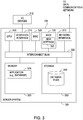
- FIG 2 is a more detailed view of the management computing system 105 of Figure 1 , according to certain embodiments of the present disclosure.
- the management system 105 includes, without limitation, a central processing unit (CPU) 205, a network interface 215, an interconnect 220, a memory 225, and storage 230.
- the computing system 105 may also include an I/O devices interface 210 connecting I/O devices 212 (e.g., keyboard, display and mouse devices) to the computing system 105.
- I/O devices interface 210 connecting I/O devices 212 (e.g., keyboard, display and mouse devices) to the computing system 105.
- the memory 225 includes the SMF component 110.
- the SMF component 110 provides a software application which allows a user to manage the BIOS settings on a remote computing system using the normalized BIOS definition 115 and BIOS profiles 235.
- BIOS settings may be updated on a remote server and a BIOS profile 235 may be retrieved from a remote computing system as described above.
- BIOS profile 235 may be created for a particular software application to be deployed on a server, e.g., a BIOS profile used to optimize a physical computing system used as a database server, an application server, web-a server, a virtualization server, or other application specific context. More generally, BIOS profile 235 may be associated with (or referenced by) a profile for a given application or application stack. In one embodiment, an administrator may create a BIOS profile 235 and associate it with a particular software application or particular hardware architecture.
- BIOS profile 235 is composed using the normalized BIOS definition 110, the BIOS profile 235 corresponding to a given an application can be simply pushed out to a server system - regardless of the actual hardware configuration, allowing the BIOS profiles for servers to be moved from one physical server system, as well as allows the BIOS settings on a given server system to be updated, modified, or recycled remotely.
- the SMC on that server system is configured to apply the BIOS settings to the BIOS on that server.
- FIG 3 is a more detailed view of the server computing system 120 of Figure 1 , according to one embodiment described herein.
- server computing system 120 includes, without limitation, a central processing unit (CPU) 305, a network interface 315, an interconnect 320, a memory 325, and storage 330.
- the client system 130 may also include an I/O device interface 310 connecting I/O devices 312 (e.g., keyboard, display and mouse devices) to the server computing system 120.
- I/O device interface 310 connecting I/O devices 312 (e.g., keyboard, display and mouse devices) to the server computing system 120.
- CPU 305 is configured to retrieve and execute programming instructions stored in the memory 325 and storage 330. Similarly, the CPU 305 is configured to store and retrieve application data residing in the memory 325 and storage 330.
- the interconnect 320 is configured to move data, such as programming instructions and application data, between the CPU 305, I/O devices interface 310, storage unit 330, network interface 305 and memory 325.
- CPU 305 is included to be representative of a single CPU, multiple CPUs, a single CPU having multiple processing cores, and the like.
- Memory 325 is generally included to be representative of a random access memory.
- the network interface 315 is configured to transmit data via the communications network 102.
- server 120 may include the server management controller (SMC) 125 and the BIOS 130.
- SMC server management controller
- the SMC 125 may be configured to communicate with the SMF component 110 running on the management server 105 to change, update and report on BIOS settings 245 for BIOS parameters in BIOS 130.
- server system 120 is shown having been configured with a server "personality" of a database server.
- the memory 325 includes a database application 335 and storage 330 includes database files 340.
- FIG. 4 illustrates a method 400 for remote management of BIOS parameters, according to certain embodiments of the present disclosure.
- the method 400 begins at step 405, where the SMF component 110 receives a request to update one or more BIOS parameters in the BIOS of a specified, remote sever (e.g., server system 120).
- the SMF component 110 identifies the server system to be updated as well as the normalized BIOS parameter (or parameters) to be applied to the BIOS on the remote server system.
- the request may include an indication of one or more normalized BIOS parameters along with a BIOS setting to apply to each parameter.
- the normalized BIOS parameters may be specified using a markup language grammar such as XML or using other data formats.
- the SMF component 110 transmits the normalized BIOS setting to the remove server system specified in the request.
- the message may be sent using an IPMI interface to the server management controller (SMC) on the remote server system.
- SMC server management controller
- the BIOS on the specified system translates the normalized BIOS setting to a value appropriate for the actual architecture and BIOS present on that server system. That is, the BIOS translates the normalized BIOS parameter to an actual BIOS setting that can be stored in the BIOS on the sever system.
- the BIOS updates the BIOS settings on the server system. And, at step 430 when the server is restarted, the updated BIOS settings are applied or otherwise take effect.
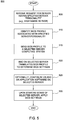
- FIG. 5 illustrates a method 500 for BIOS parameter virtualization via BIOS configuration profiles, according to certain embodiments of the present disclosure.
- the method 500 begins at step 505, where the SMF component 110 receives a request to configure a server with a specified server "personality.”
- a server "personality” generally refers to a computing server configured for a particular application (e.g., a database application), application stack, or for a particular set of underlying software.
- a server "personality” profile may also include (or reference) a BIOS profile (e.g., BIOS profile 235) specifying a set of normalized BIOS settings needed by (or at least an optimized for) the server to execute the application.
- BIOS profile e.g., BIOS profile 235
- the SMF component 110 identifies the BIOS profile associated with the specified server "personality.” And at step 515, the SMF component 110 transmits that BIOS profile to a server computing system. For example, assume a user requests BIOS on a computer system be configured for a "personality" profile associated with a database server. In such a case, the SMF component 110 may identify an available computer system within the data center and send the BIOS profile associated with the "database" personality to the server management controller (SMC) on that server system.
- SMC server management controller
- the BIOS on the server system translates the normalized BIOS setting to a value appropriate for the architecture and BIOS on the server system. That is, the BIOS determines the appropriate BIOS parameter settings for the server from the normalized settings specified for the server "personality.”
- the server may be configured with an operating system, and/or application software. That is, in addition to configuring the BIOS using the BIOS profile, the SMF component 110 may be configured to install an operating system and/or application software matching the specified server "personality.”
- the updated BIOS settings are applied or otherwise take effect.
- method 500 illustrates an approach for using the SMF component 110 to apply a BIOS profile to a server system
- a similar approach may be used to obtain a BIOS profile based on the then current settings for one or more BIOS parameters on the server. Doing so may be useful for moving an application that depends on a particular BIOS configuration form one server to another.
- the request received at step 505 may include an indication of the remote server from which to obtain a BIOS profile.
- the SMF component 110 then communicates with the SMC on the identified server system to request a BIOS profile.
- the SMC on the remote server may request a BIOS profile from the then current BIOS settings on that system and transmit it back to the SMF component 110.
- the SMF component transmits the received BIOS profile to another system, which updates and applies the BIOS profile as described above.
- embodiments described herein present a BIOS configured to generate a markup language object (e.g., file, document, etc.) that describes a variety of BIOS setup variables, and which allows the BIOS to pass the markup language object to a management system via SMC, as well as allows the BIOS to retrieve a normalized BIOS from the management system via SMC and apply the normalized BIOS settings.
- a markup language object e.g., file, document, etc.
- SMC standardized BIOS from the management system via SMC and apply the normalized BIOS settings.
- this allows a range of BIOS settings on a computing system to be configured at once, and also allows a user to include the BIOS configuration of a computing system when moving an application from one server system to another.
Landscapes
- Engineering & Computer Science (AREA)
- Software Systems (AREA)
- Theoretical Computer Science (AREA)
- Physics & Mathematics (AREA)
- General Engineering & Computer Science (AREA)
- General Physics & Mathematics (AREA)
- Stored Programmes (AREA)
Description
- Embodiments presented in this disclosure generally relate to relate to techniques for updating and managing basic input/output system (BIOS) settings in a computer system, and more particularly, to techniques for BIOS parameter virtualization via BIOS configuration profiles.
- As the number of computer servers used by businesses has substantially increased, a number of techniques have been developed to remotely manage the operation of such servers. For example, large data centers are frequently managed using a variety of different remote management tools, including e.g., simple terminal connections, remote desktop applications and sophisticated software tools used to configure, monitor, and troubleshoot both computer hardware and software. The remote management tools are often configured to communicate using standardized protocols such as Server Management Architecture for Server Hardware (SMASH) Intelligent Platform Management Interface (IPMI), etc.
- Computer systems include a BIOS, which stores firmware executed when a PC is first powered on along with a set of configuration settings specified for BIOS parameters. The BIOS typically recognizes, initializes, and tests the hardware present in a given computing system based on the set of configuration settings. Once the BIOS operations are complete, the BIOS turns over control of a computing system to an operating system (e.g., by running an operating system (OS) boot loader specified using a BIOS parameter value). Additionally, the BIOS provides an interface that allows a variety of different parameters to be set. For example, the BIOS may be used to specify clock and bus speeds, specify what peripherals are attached to a computing system, specify monitoring and "health" settings (e.g., fan speeds and CPU temperature limits), as well as specify a variety of other parameters that can effect the overall performance of a computing system. The BIOS firmware and BIOS parameter settings are stored in a non-volatile memory on the computer system.
- Currently, however, much of BIOS behavior is not controlled by server management tools and many server BIOS settings and, consequently, server subsystem behavior is defined based on individual server BIOS settings without considering the overall data center environment. For example, BIOS configuration is not automated, and as a result, BIOS parameter settings on computer systems within a data center are frequently managed on a one-off basis where the configuration settings specified for BIOS parameters are set individually on each computing system.
-
US 2009/0158021 discloses a method involving exporting BIOS information for a computer system as an XML text file, editing the text file, and subsequently importing the text file as bios information for the same or a different computer system. -
US 2007/0255936 discloses a BIOS configuration update technique allowing remote configuration of computing systems, in which a BIOS configuration description is used by a management application for defining hardware settings within the computing systems. - Aspects of the invention are set out in the independent claims. Certain preferred features are set out in the dependent claims.
- So that the manner in which the above-recited features of the present disclosure can be understood in detail, a more particular description of the disclosure, briefly summarized above, may be had by reference to embodiments, some of which are illustrated in the appended drawings. It is to be noted, however, that the appended drawings illustrate only typical embodiments of this disclosure and are therefore not to be considered limiting of its scope, for the disclosure may admit to other equally effective embodiments.
-
Figure 1 is a block diagram illustrating a management system configured to manage a BIOS on a computer system using normalized BIOS parameters and BIOS configuration profiles, according to certain embodiments of the present disclosure. -
Figure 2 is a more detailed view of the management computing system ofFigure 1 , according to certain embodiments of the present disclosure. -
Figure 3 is a more detailed view of the server computing system ofFigure 1 , according to certain embodiments of the present disclosure. -
Figure 4 illustrates a method for managing BIOS parameters, according to certain embodiments of the present disclosure. -
Figure 5 illustrates a method for BIOS parameter virtualization via BIOS configuration profiles, according to certain embodiments of the present disclosure. -
Figure 6 is an example list of normalized BIOS parameters, according to certain embodiments of the present disclosure. - One embodiment described herein includes a method for managing a BIOS parameter on a remote computer system. The method may generally include receiving, over a data communications network, a normalized BIOS parameter setting to be applied to the BIOS on the remote computing system. The method may also include translating the normalized BIOS parameter setting into an actual BIOS parameter setting applicable for a BIOS on the remote computing system, and storing the actual BIOS parameter setting in the BIOS on the remote computing system. Once the remote computer system is rebooted, the actual BIOS parameter setting to the operation of the rebooted computer system.
- Another embodiment described herein includes a method for configuring a BIOS on a remote computing system. This method may generally include receiving, over a data communications network, a BIOS profile, wherein the BIOS profile describes a plurality of normalized BIOS parameter settings to be applied to the BIOS on the remote computing system. This method may also include translating each of the normalized BIOS parameter settings into a respective actual BIOS parameter setting applicable for the BIOS on the remote computing system and storing the actual BIOS parameter settings in the BIOS on the remote computing system.
- In a particular embodiment, the BIOS profile may be associated with a software application (or application stack). In such a case, the plurality of BIOS parameter settings described by the BIOS profile may be use to optimize the configuration of the computing system for executing the software application.
- Still another embodiment described herein includes a computer-readable storage medium containing a program, which, when executed on a processor, performs an operation for managing BIOS parameter settings on a remote computing system. The operation itself may generally include receiving a normalized BIOS parameter setting to be applied to the remote computing system and transmitting, over a data communications network, the normalized BIOS parameter setting to the remote computing system. The remote computing system may itself be generally configured to receive the normalized BIOS parameter setting, translate the normalized BIOS parameter setting into an actual BIOS parameter setting applicable for a BIOS on the remote computing system, and store the actual BIOS parameter setting in the BIOS on the remote computing system.
- Yet another embodiment of the disclosure includes a computing system. The system may include a processor, a memory, a BIOS having a plurality of BIOS parameters and respective BIOS settings. The computing system may be configured to perform an operation for managing the plurality of BIOS parameter settings. The operation itself may generally include receiving, over a data communications network, a normalized BIOS parameter setting to be applied to one of the BIOS parameters and translating the normalized BIOS parameter setting into a corresponding one of the plurality of BIOS parameters. The operation may also include storing the corresponding BIOS parameter setting in the BIOS on the computing system.
- Embodiments described herein present techniques for managing BIOS parameters on a physical computing system, both individually and on the basis of a BIOS configuration profile. In one embodiment, a markup language grammar, e.g., extensible markup language (XML) may be used to define a normalized description of BIOS parameters applicable for a broad variety of underlying computing system hardware. Of course, other approaches may be used for defining a normalized BIOS definition/description as well as for communicating such BIOS settings to a computer system in a data center (e.g., the Systems Management Architecture for Server Hardware (SMASH) specifications or the Intelligent Platform Management Interface (IPMI) specification).
- In one embodiment, the normalized BIOS description includes a set of BIOS settings. The normalized or abstracted view of a BIOS provided by the normalized BIOS description allows a user to manage BIOS settings on a remote computing system (e.g., for managing a server within a data center). That is, the normalized BIOS description provides an abstraction of a computer BIOS. The normalized BIOS description may map to concrete settings in an actual BIOS. For example, once the abstraction of a BIOS created by the normalized BIOS description is defined, a user may interact with a management system to specify a setting for an actual BIOS parameter on the remote computing system. However, the setting for the BIOS parameter may be based on the normalized BIOS description, i.e., based on the abstraction. Once specified, the management system may transmit the specified BIOS value to the remote computing system. In one embodiment, a server management controller (SMC) on the remote computing system receives the message with the normalized BIOS parameter and passes it to the BIOS on the remote computing system. In turn, the BIOS determines a corresponding actual parameter setting for that system, and updates the BIOS on that system accordingly. Thereafter, when the computing system is rebooted, the updated BIOS settings are applied or otherwise take effect. The SMC provides a controller used to manage a variety of functions on a computing system. One example of an SMC is a baseboard management controller (BMC) available on many server system boards. Another example includes a lights out management system.
- Additionally, in one embodiment, the management system may use a BIOS profile to configure multiple BIOS settings at once. The BIOS profile may specify a collection of BIOS settings, formatted using the normalized BIOS definition. Further, the BIOS profile may be bound to a server "personality" profile or a particular application stack. For example, if a user wishes to configure a server within a data center to host a database application, a corresponding BIOS profile may store a set of BIOS parameter values selected to optimize database operations (specified using the normalized BIOS). Such a profile may be transmitted to the SMC on the server system and passed to the BIOS. The BIOS then translates the virtualized settings specified in the profile and updates the BIOS on that server accordingly. A BIOS profile associated with a given application stack may be integrated as part of (or referenced by) a description of that application stack.
- Further, the virtualization of the BIOS settings a user to include the BIOS configuration of a given computing system when moving an application (or application stack) from one physical computing system to another. For example, assume a user wishes to move the database application mentioned above from one server system to another. In such a case, the management system may be configured to communicate with the SMC hosting the database application in order to request a BIOS profile from the BIOS. In response, the BIOS may generate the profile by translating the actual BIOS settings on the server into a BIOS profile consistent with the normalized form. Subsequently, the resulting normalized BIOS profile may be sent to a second server system (i.e., to the system to which the database application is being moved), which translates the BIOS profile into the actual BIOS settings appropriate for the second server. Thus, embodiments described herein allow a user to move a BIOS configuration used for an application hosted on one server, even when the application is moved from a system having one computing hardware architecture to a system having a different architecture.
- The following description is presented to enable one of ordinary skill in the art to make and use the proposed techniques. Descriptions of specific embodiments and applications are provided only as examples and various modifications will be readily apparent to those skilled in the art. The general principles described herein may be applied to other embodiments and applications without departing from the scope of the disclosure. Thus, the present disclosure is not to be limited to the embodiments shown, but is to be accorded the widest scope consistent with the principles and features described herein. For purpose of clarity, features relating to technical material that is known in the technical fields related to the proposed ideas have not been described in detail.
- Additionally, a particular embodiment is described using a management system configured to remotely manage BIOS parameters via and to provide virtualized BIOS configuration profiles for computing systems within a data center. Further, this particular embodiment is described using a normalized BIOS definition composed using an example XML grammar. Of course, one of ordinary skill in the art will recognize that embodiments described herein may be used to manage BIOS settings for a broad variety of computing systems (e.g., server computing systems, desktop computing systems, computing appliances) whether such systems are present within a data center or otherwise, and further, that embodiments described herein may be adapted for other computing platforms configured with a BIOS and SMC (e.g., a routing or switching appliance) using a broad variety of data formats, protocols., and/or specifications. Accordingly, references to this particular example embodiment are included to be illustrative and not limiting.
-
Figure 1 is a block diagram illustrating amanagement system 105 configured to manage aBIOS 130 on aserver system 120 using normalizedBIOS definition 115, according to certain embodiments of the present disclosure. The computer systems shown incomputing environment 100 are included to be representative of existing computer systems, e.g., desktop computers, server computers, blade systems housed in a blade chassis or other rack mounted servers, and the like. Thecomputing environment 100 illustrated inFigure 1 , however, is merely an example of one computing environment. As noted above, embodiments described herein may be adapted for use in a variety of computing environments. Further, the software applications described herein are not limited to any currently existing computing environment or programming language and may be adapted to take advantage of new computing systems as they become available. - As shown, the
computing environment 100 includes amanagement system 105, which itself includes a systems management function (SMF)component 110, and a normalizedBIOS definition 115. Theserver system 120 includes a server management controller (SMC) 125 and aBIOS 130. In one embodiment, theSMF component 110 provides a software tool configured to communicate with theSMC 125 on theserver computing system 120. For example, theserver system 120 may communicate with theSMC 125 using messages composed according to the IPMI specification. In such a case,SMC 125 is a baseboard management controller (BMC). As is known, IPMI, short for "Intelligent Platform Management Interface" generally refers to monitoring, system control and communication interfaces implemented directly in platform management hardware and firmware (e.g., the hardware and firmware of server system 120). TheSMF component 110 may communicate with IPMI 135 and theSMC 125 over anetwork 102. Thenetwork 102 may be a local area network connectingmanagement system 105 andserver system 120 at a single facility, but may also be a larger network such as the internet. In the latter case,network 102 allowsSMF component 110 to communicate with theSMC 125 from virtually any location. - In one embodiment, the
SMF component 110 communicates with theSMC 125 in order to send (or receive) one or more normalized BIOS parameter settings. Such communication may include both an indication of one (or more) normalized BIOS parameters along with a value or setting for each BIOS parameter. Additionally, the normalized BIOS parameter settings may be composed according to the normalizedBIOS definition 115. For example, the normalizedBIOS definition 115 may provide an XML grammar for describing BIOS settings. Doing so allows theSMF component 110 andSMC 125 to exchange BIOS parameter settings as markup language documents. This approach is further illustrated inFigure 6 , which shows alist 600 of normalized BIOS parameters composed using an exemplary XML grammar. As shown, thelist 600 provides a portion of an XML document that includes a collection ofindividual BIOS parameters 605 nested within an XML element named <bios-params>. Theindividual BIOS parameters 605 included in the <bios-params> element may be used to specify a broad variety of BIOS settings. In this particular example, theindividual BIOS parameters 605 may be used to specify that a BIOS setting should be "enabled" or "disabled" (as shown for normalizedBIOS parameters 610 and 630), used to set a BIOS parameter to one of multiple predefined values (such as "Maximum Performance" shown for normalized BIOS parameter 615), or to set a BIOS parameter to a specified number, character or string (as shown for normalizedBIOS parameters - Returning to
Figure 1 , in one embodiment, theSMC 125 may be configured to receive a message from theSMF component 110 indicating that a BIOS parameter should be updated. The particular BIOS parameter may be specified using the normalized BIOS definition 115 (e.g., using the one of the sub-elements of the <bios-params> element shown inFigure 6 ). In such a case, theSMC 125 may pass the received message to theBIOS 130, which translates the normalized BIOS parameter and determines a corresponding actual BIOS parameter setting for that system. Once determined, the BIOS settings are updated accordingly. The translation may be done using a mapping specific to the hardware on which theBIOS 130 is running. Thereafter, whenserver system 120 is rebooted, the updated BIOS parameters are applied or otherwise take effect. In addition to setting individual BIOS parameters, theSMF component 110 may transmit a markup language document which includes a complete collection of normalized BIOS parameter settings (i.e., a BIOS profile) used to update the actual BIOS settings stored byBIOS 130. - Similarly, the
SMC 125 may interact with theBIOS 130 to request (or transmit) a BIOS profile composed according to the normalizedBIOS definition 115. The BIOS profile may provide the then current setting for the BIOS parameters ofBIOS 130 expressed as a markup language document composed according to the normalizedBIOS definition 115. In one embodiment, theSMC 125 may transmit such a BIOS profile to theSMF component 110. Doing so allows theBIOS 130 to be moved fromserver system 120 to a target computing platform, even when the target platform does not have thesame BIOS 130 or underlying hardware architecture as theserver system 120, or even a connection between theserver system 120 or the target platform. Of course, theSMF component 110 may request theSMC 125 send a then current value of individual BIOS parameters in a similar manner. -
Figure 2 is a more detailed view of themanagement computing system 105 ofFigure 1 , according to certain embodiments of the present disclosure. As shown, themanagement system 105 includes, without limitation, a central processing unit (CPU) 205, anetwork interface 215, aninterconnect 220, amemory 225, andstorage 230. Thecomputing system 105 may also include an I/O devices interface 210 connecting I/O devices 212 (e.g., keyboard, display and mouse devices) to thecomputing system 105. - The
CPU 205 generally retrieves and executes programming instructions stored in thememory 225. Similarly, theCPU 205 stores and retrieves application data residing in thememory 225. Theinterconnect 220 is used to transmit programming instructions and application data between theCPU 205, I/O devices interface 210,storage 230,network interface 215 andmemory 225.CPU 205 is included to be representative of a single CPU, multiple CPUs, a single CPU having multiple processing cores, and the like. And thememory 225 is generally included to be representative of a random access memory.Storage 230, such as a hard disk drive or flash memory storage drive, may store non-volatile data. - Illustratively, the
memory 225 includes theSMF component 110. As noted above, theSMF component 110 provides a software application which allows a user to manage the BIOS settings on a remote computing system using the normalizedBIOS definition 115 and BIOS profiles 235. In one embodiment, BIOS settings may be updated on a remote server and aBIOS profile 235 may be retrieved from a remote computing system as described above. - Additionally however, a
BIOS profile 235 may be created for a particular software application to be deployed on a server, e.g., a BIOS profile used to optimize a physical computing system used as a database server, an application server, web-a server, a virtualization server, or other application specific context. More generally,BIOS profile 235 may be associated with (or referenced by) a profile for a given application or application stack. In one embodiment, an administrator may create aBIOS profile 235 and associate it with a particular software application or particular hardware architecture. Doing so allows theSMF component 110 to be used to easily configure the computing servers in a data center with a specified server "personality." For example, in some cases, a software application or system configuration may require (or be optimized using) a particular set of BIOS parameters. In such a case, rather than requiring an administrator to interact with a server and BIOS screens at a server directly, a server may be configured using theappropriate BIOS profile 235 as well as the associated application load. This approach creates an essentially stateless computing environment, where the underlying hardware can be made transparent to the operating system or applications that run over it. The stateless computing environment allows an operating system or application to be moved from one server to another, i.e., allows the configuration of a server be changed very easily as the server "personality" may be applied to new systems or moved from one system to another. - Further, as the
BIOS profile 235 is composed using the normalizedBIOS definition 110, theBIOS profile 235 corresponding to a given an application can be simply pushed out to a server system - regardless of the actual hardware configuration, allowing the BIOS profiles for servers to be moved from one physical server system, as well as allows the BIOS settings on a given server system to be updated, modified, or recycled remotely. Once received, the SMC on that server system is configured to apply the BIOS settings to the BIOS on that server. -
Figure 3 is a more detailed view of theserver computing system 120 ofFigure 1 , according to one embodiment described herein. As shown,server computing system 120 includes, without limitation, a central processing unit (CPU) 305, anetwork interface 315, aninterconnect 320, amemory 325, andstorage 330. Theclient system 130 may also include an I/O device interface 310 connecting I/O devices 312 (e.g., keyboard, display and mouse devices) to theserver computing system 120. - Like
CPU 205 ofFigure 2 ,CPU 305 is configured to retrieve and execute programming instructions stored in thememory 325 andstorage 330. Similarly, theCPU 305 is configured to store and retrieve application data residing in thememory 325 andstorage 330. Theinterconnect 320 is configured to move data, such as programming instructions and application data, between theCPU 305, I/O devices interface 310,storage unit 330,network interface 305 andmemory 325. LikeCPU 205,CPU 305 is included to be representative of a single CPU, multiple CPUs, a single CPU having multiple processing cores, and the like.Memory 325 is generally included to be representative of a random access memory. Thenetwork interface 315 is configured to transmit data via thecommunications network 102. Although shown as a single unit, thestorage 330 may be a combination of fixed and/or removable storage devices, such as fixed disc drives, floppy disc drives, tape drives, removable memory cards, optical storage, network attached storage (NAS), or a storage area-network (SAN). - As shown,
server 120 may include the server management controller (SMC) 125 and theBIOS 130. As noted above, theSMC 125 may be configured to communicate with theSMF component 110 running on themanagement server 105 to change, update and report on BIOS settings 245 for BIOS parameters inBIOS 130. Illustratively,server system 120 is shown having been configured with a server "personality" of a database server. Accordingly, thememory 325 includes adatabase application 335 andstorage 330 includes database files 340. -
Figure 4 illustrates amethod 400 for remote management of BIOS parameters, according to certain embodiments of the present disclosure. As shown, themethod 400 begins atstep 405, where theSMF component 110 receives a request to update one or more BIOS parameters in the BIOS of a specified, remote sever (e.g., server system 120). Atstep 410, theSMF component 110 identifies the server system to be updated as well as the normalized BIOS parameter (or parameters) to be applied to the BIOS on the remote server system. In one embodiment, the request may include an indication of one or more normalized BIOS parameters along with a BIOS setting to apply to each parameter. As noted above, the normalized BIOS parameters may be specified using a markup language grammar such as XML or using other data formats. - At
step 415, theSMF component 110 transmits the normalized BIOS setting to the remove server system specified in the request. For example, the message may be sent using an IPMI interface to the server management controller (SMC) on the remote server system. Once received, atstep 420, the BIOS on the specified system translates the normalized BIOS setting to a value appropriate for the actual architecture and BIOS present on that server system. That is, the BIOS translates the normalized BIOS parameter to an actual BIOS setting that can be stored in the BIOS on the sever system. Atstep 425, the BIOS updates the BIOS settings on the server system. And, atstep 430 when the server is restarted, the updated BIOS settings are applied or otherwise take effect. - Note, while
method 400 illustrates an approach for using theSMF component 110 to receive an update for the BIOS on a remote server, a similar approach may be used to obtain the then current settings for one or more BIOS parameters on the remote server. In such a case, the request received atstep 405 may include an indication of the BIOS parameters to be returned by the remote server system. This information is then transmitted to the remote server. In response, the SMC on the remote server may pass the request to the BIOS which determines a then current setting for each requested BIOS parameter as well as translates them into a corresponding set of normalized BIOS settings, based on the normalized BIOS definition. That is, the BIOS generates a BIOS profile composed according to the normalized BIOS definition using the actual BIOS settings on the sever system to (e.g., by generating an XML document). -
Figure 5 illustrates amethod 500 for BIOS parameter virtualization via BIOS configuration profiles, according to certain embodiments of the present disclosure. As shown, themethod 500 begins atstep 505, where theSMF component 110 receives a request to configure a server with a specified server "personality." As described above, a server "personality" generally refers to a computing server configured for a particular application (e.g., a database application), application stack, or for a particular set of underlying software. Further, a server "personality" profile may also include (or reference) a BIOS profile (e.g., BIOS profile 235) specifying a set of normalized BIOS settings needed by (or at least an optimized for) the server to execute the application. - At
step 510, theSMF component 110 identifies the BIOS profile associated with the specified server "personality." And atstep 515, theSMF component 110 transmits that BIOS profile to a server computing system. For example, assume a user requests BIOS on a computer system be configured for a "personality" profile associated with a database server. In such a case, theSMF component 110 may identify an available computer system within the data center and send the BIOS profile associated with the "database" personality to the server management controller (SMC) on that server system. - Once received, at
step 520, the BIOS on the server system translates the normalized BIOS setting to a value appropriate for the architecture and BIOS on the server system. That is, the BIOS determines the appropriate BIOS parameter settings for the server from the normalized settings specified for the server "personality." Optionally, atstep 525, the server may be configured with an operating system, and/or application software. That is, in addition to configuring the BIOS using the BIOS profile, theSMF component 110 may be configured to install an operating system and/or application software matching the specified server "personality." Atstep 530 when the server is restarted, the updated BIOS settings are applied or otherwise take effect. - Note, while
method 500 illustrates an approach for using theSMF component 110 to apply a BIOS profile to a server system, a similar approach may be used to obtain a BIOS profile based on the then current settings for one or more BIOS parameters on the server. Doing so may be useful for moving an application that depends on a particular BIOS configuration form one server to another. In such a case, the request received atstep 505 may include an indication of the remote server from which to obtain a BIOS profile. TheSMF component 110 then communicates with the SMC on the identified server system to request a BIOS profile. In response, the SMC on the remote server may request a BIOS profile from the then current BIOS settings on that system and transmit it back to theSMF component 110. In the case of moving an application from one computing system to another, the SMF component transmits the received BIOS profile to another system, which updates and applies the BIOS profile as described above. - In sum, embodiments described herein present a BIOS configured to generate a markup language object (e.g., file, document, etc.) that describes a variety of BIOS setup variables, and which allows the BIOS to pass the markup language object to a management system via SMC, as well as allows the BIOS to retrieve a normalized BIOS from the management system via SMC and apply the normalized BIOS settings. Advantageously, this allows a range of BIOS settings on a computing system to be configured at once, and also allows a user to include the BIOS configuration of a computing system when moving an application from one server system to another.
- While the foregoing is directed to embodiments of the present disclosure, other and further embodiments of the disclosure may be devised without departing from the basic scope thereof, and the scope thereof is determined by the claims that follow.
Claims (10)
- A method for setting BIOS parameters on a remote computing system (120), comprising:receiving a request to configure the remote computing system with a specified server personality profile, wherein a server personality profile corresponds to a computing server configured for a particular software application, and wherein the server personality profile references a BIOS profile;identifying the BIOS profile associated with the specified server personality profile, the BIOS profile specifying a set of normalized BIOS parameter settings for use by the server when executing the software application;transmitting the identified BIOS profile to the remote computing system;translating the normalized BIOS parameter settings specified by the BIOS profile into actual BIOS parameter settings applicable for the BIOS (130) on the remote computing system; andstoring the actual BIOS parameter settings in the BIOS on the remote computing system.
- The method of claim 1, further comprising:rebooting the computing system; andapplying the actual BIOS parameter setting to the operation of the rebooted computer system.
- The method of claim 1, wherein the BIOS profile comprises one or more markup language elements (610-635) describing the normalized BIOS parameters and settings for the normalized BIOS parameters.
- The method of claim 3, wherein the markup language is XML.
- The method of claim 1, further comprising,receiving, over the data communications network, a request for an indication of a BIOS parameter setting on the remote computing system;retrieving the requested BIOS parameter setting from the BIOS on the computing system;translating the retrieved BIOS parameter setting into a second normalized BIOS parameter; andtransmitting, in response to the request, the second normalized BIOS parameter to a requesting system.
- The method of claim 1, wherein the plurality of BIOS parameter settings described by the BIOS profile optimize a configuration of the computing system for executing the software application.
- The method of claim 1, wherein the BIOS profile is associated with a hardware architecture of the computing system, and wherein the plurality of BIOS parameter settings described by the BIOS profile optimize a configuration of the hardware architecture.
- The method of claim 1, wherein the BIOS profile is received by a server management controller, SMC (125), on the computing system.
- A computer-readable storage medium, containing a program, which, when executed on a processor, performs an operation for managing BIOS parameter settings on a remote computing system (120), the operation comprising:receiving a request to configure the remote computing system with a specified server personality profile, wherein a server personality profile corresponds to a computing server configured for a particular software application, and wherein the server personality profile references a BIOS profile;identifying the BIOS profile associated with the specified server personality profile, the BIOS profile specifying a set of normalized BIOS parameter settings for use by the server when executing the software application;transmitting, over a data communications network, the identified BIOS profile to the remote computing system, wherein the remote computing system is configured to:receive the BIOS profile,translate the normalized BIOS parameter settings specified in the BIOS profile into actual BIOS parameter settings applicable for a BIOS (130) on the remote computing system, andstore the actual BIOS parameter settings in the BIOS on the remote computing system.
- A computing system, comprising means for performing a method as set out in any of claims 1 to 8.
Applications Claiming Priority (3)
| Application Number | Priority Date | Filing Date | Title |
|---|---|---|---|
| US31412210P | 2010-03-15 | 2010-03-15 | |
| US12/832,529 US9003001B2 (en) | 2010-03-15 | 2010-07-08 | Bios parameter virtualization via BIOS configuration profiles |
| PCT/US2011/028223 WO2011115853A1 (en) | 2010-03-15 | 2011-03-11 | Bios parameter virtualization via bios configuration profiles |
Publications (2)
| Publication Number | Publication Date |
|---|---|
| EP2548117A1 EP2548117A1 (en) | 2013-01-23 |
| EP2548117B1 true EP2548117B1 (en) | 2018-07-18 |
Family
ID=44560978
Family Applications (1)
| Application Number | Title | Priority Date | Filing Date |
|---|---|---|---|
| EP11709602.4A Active EP2548117B1 (en) | 2010-03-15 | 2011-03-11 | Bios parameter virtualization via bios configuration profiles |
Country Status (4)
| Country | Link |
|---|---|
| US (1) | US9003001B2 (en) |
| EP (1) | EP2548117B1 (en) |
| CN (1) | CN102792270B (en) |
| WO (1) | WO2011115853A1 (en) |
Families Citing this family (39)
| Publication number | Priority date | Publication date | Assignee | Title |
|---|---|---|---|---|
| US8429387B2 (en) * | 2010-05-21 | 2013-04-23 | Intel Corporation | Method and system for remote configuration of a computing device |
| US8943336B2 (en) | 2011-07-01 | 2015-01-27 | Intel Corporation | Method and apparatus for configurable thermal management |
| IN2014DN03052A (en) | 2011-10-21 | 2015-05-08 | Hewlett Packard Development Co | |
| DE112011105752T5 (en) * | 2011-10-21 | 2014-10-02 | Hewlett-Packard Development Company, L.P. | Web-based interface for accessing a function of a basic input / output system |
| DE102012100738A1 (en) * | 2012-01-30 | 2013-08-01 | Fujitsu Technology Solutions Intellectual Property Gmbh | Method for configuring a BIOS in a computer system and computer program product |
| US9417672B2 (en) * | 2012-03-30 | 2016-08-16 | Lenovo (Singapore) Pte. Ltd. | Separate customizable thermal control table |
| US9058070B2 (en) * | 2012-05-30 | 2015-06-16 | Utah State University | Predicting timing violations |
| CN103412769B (en) * | 2013-07-25 | 2017-11-21 | 华为技术有限公司 | External card parameter configuration, equipment and system |
| WO2015065360A1 (en) * | 2013-10-30 | 2015-05-07 | Intel Corporation | Platform non-volatile store management and platform configuration |
| CN104683133A (en) * | 2013-11-29 | 2015-06-03 | 英业达科技有限公司 | Maintenance method for basic input and output system |
| CN104679685B (en) * | 2013-11-29 | 2017-10-31 | 英业达科技有限公司 | Baseboard management controller access method |
| US9122501B1 (en) * | 2014-09-08 | 2015-09-01 | Quanta Computer Inc. | System and method for managing multiple bios default configurations |
| US9128729B1 (en) * | 2014-09-08 | 2015-09-08 | Quanta Computer Inc. | System and method for automatically configuring bios performance profiles |
| US9542201B2 (en) * | 2015-02-25 | 2017-01-10 | Quanta Computer, Inc. | Network bios management |
| US9979799B2 (en) * | 2015-04-27 | 2018-05-22 | Lenovo Enterprise Solutions (Singapore) Pte. Ltd. | Impersonating a specific physical hardware configuration on a standard server |
| WO2016209268A1 (en) * | 2015-06-26 | 2016-12-29 | Hewlett Packard Enterprise Development Lp | Self-tune controller |
| US10803437B2 (en) * | 2015-08-28 | 2020-10-13 | Ncr Corporation | Self-service terminal technical state monitoring and alerting |
| US9910679B2 (en) * | 2015-10-15 | 2018-03-06 | Lenovo Enterprise Solutions (Singapore) Pte. Ltd. | Selective loading of components within a node to speed up maintenance actions |
| US11263024B2 (en) * | 2017-04-19 | 2022-03-01 | Hewlett-Packard Development Company, L.P. | Computers with BIOS optimization |
| US10951471B2 (en) * | 2017-07-14 | 2021-03-16 | Quanta Cloud Technology Inc. | Mechanism for hardware configuration and software deployment |
| JP7073654B2 (en) * | 2017-09-14 | 2022-05-24 | 富士通株式会社 | Information processing systems, information processing equipment and programs |
| WO2019078872A1 (en) * | 2017-10-19 | 2019-04-25 | Hewlett-Packard Development Company, L.P. | Bios post messages |
| US10983925B2 (en) | 2017-12-12 | 2021-04-20 | Hewlett-Packard Development Company, L.P. | Configuration profile updates |
| CN108228888A (en) * | 2018-01-31 | 2018-06-29 | 郑州云海信息技术有限公司 | A kind of management method of assets information, system, device and readable storage medium storing program for executing |
| CN109857466B (en) * | 2018-11-29 | 2022-08-12 | 新华三技术有限公司 | BIOS configuration method, device, server and computer readable storage medium |
| CN110187872A (en) * | 2019-05-30 | 2019-08-30 | 浪潮商用机器有限公司 | A BIOS development method, system, electronic equipment, and storage medium |
| US11416607B2 (en) * | 2019-11-04 | 2022-08-16 | Dell Products L.P. | Security risk indicator and method therefor |
| CN113220511A (en) * | 2020-02-06 | 2021-08-06 | 伊姆西Ip控股有限责任公司 | Method, apparatus and computer-readable storage medium for testing BIOS |
| US20210286629A1 (en) * | 2020-03-10 | 2021-09-16 | Dell Products L.P. | Dynamically determined bios profiles |
| CN113687864B (en) * | 2020-05-18 | 2024-03-19 | 佛山市顺德区顺达电脑厂有限公司 | Method for recovering configuration parameters of basic input/output system and server system |
| CN113065314B (en) * | 2021-03-26 | 2023-02-28 | 山东英信计算机技术有限公司 | BIOS hardware adaptation method and device based on XML file format |
| US20230185578A1 (en) * | 2021-12-13 | 2023-06-15 | Hewlett-Packard Development Company, L.P. | BIOS Personalities |
| US11941410B2 (en) * | 2022-01-18 | 2024-03-26 | Quanta Computer Inc. | BIOS performance mode configuration deployment |
| CN114218124A (en) * | 2022-02-22 | 2022-03-22 | 深圳市吉方工控有限公司 | Method, device, equipment and storage medium for rapidly deploying BIOS setting environment |
| US12212459B2 (en) | 2023-03-10 | 2025-01-28 | Dell Products L.P. | Method to recommend failover and reliable connection for remote management of devices |
| US12541444B2 (en) | 2023-03-10 | 2026-02-03 | Dell Products L.P. | Proactive method to predict system failure and recommend user for an uninterrupted connection while remotely managing devices |
| US12323294B2 (en) | 2023-03-10 | 2025-06-03 | Dell Products L.P. | Method to auto correct the default resource allocation of services in a migration environment |
| US12210624B2 (en) * | 2023-03-10 | 2025-01-28 | Dell Products L.P. | Method to clone and/or migrate the applicable bios settings in a device twin/migration environment |
| TWI907206B (en) * | 2024-12-12 | 2025-12-01 | 技嘉科技股份有限公司 | Control system and method of basic input/output system and expansion card |
Citations (1)
| Publication number | Priority date | Publication date | Assignee | Title |
|---|---|---|---|---|
| US20070255936A1 (en) * | 2006-04-27 | 2007-11-01 | Microsoft Corporation | BIOS Configuration Update Technique |
Family Cites Families (8)
| Publication number | Priority date | Publication date | Assignee | Title |
|---|---|---|---|---|
| US6732267B1 (en) * | 2000-09-11 | 2004-05-04 | Dell Products L.P. | System and method for performing remote BIOS updates |
| TWI231427B (en) * | 2004-03-04 | 2005-04-21 | Quanta Comp Inc | Method and system for controlling remote computers |
| TWI278199B (en) * | 2004-03-26 | 2007-04-01 | Quanta Comp Inc | Deployment method and system for multiple remote computers |
| US7305539B2 (en) * | 2004-10-14 | 2007-12-04 | Sandisk Il Ltd. | Adaptive booting from mass storage device |
| US7971050B2 (en) * | 2007-12-13 | 2011-06-28 | Dell Products, Lp | Methods of using bios information when booting information handling systems and machine-executable code for carrying out the methods |
| US7987353B2 (en) | 2008-01-09 | 2011-07-26 | International Business Machines Corporation | Remote BIOS for servers and blades |
| WO2009094021A1 (en) * | 2008-01-23 | 2009-07-30 | Hewlett-Packard Development Company, L.P. | Bios graphical setup engine |
| US7904708B2 (en) * | 2008-02-18 | 2011-03-08 | Dell Products L.P. | Remote management of UEFI BIOS settings and configuration |
-
2010
- 2010-07-08 US US12/832,529 patent/US9003001B2/en active Active
-
2011
- 2011-03-11 WO PCT/US2011/028223 patent/WO2011115853A1/en not_active Ceased
- 2011-03-11 CN CN201180013938.1A patent/CN102792270B/en not_active Expired - Fee Related
- 2011-03-11 EP EP11709602.4A patent/EP2548117B1/en active Active
Patent Citations (1)
| Publication number | Priority date | Publication date | Assignee | Title |
|---|---|---|---|---|
| US20070255936A1 (en) * | 2006-04-27 | 2007-11-01 | Microsoft Corporation | BIOS Configuration Update Technique |
Also Published As
| Publication number | Publication date |
|---|---|
| WO2011115853A1 (en) | 2011-09-22 |
| US9003001B2 (en) | 2015-04-07 |
| CN102792270A (en) | 2012-11-21 |
| EP2548117A1 (en) | 2013-01-23 |
| US20110225274A1 (en) | 2011-09-15 |
| CN102792270B (en) | 2016-04-20 |
Similar Documents
| Publication | Publication Date | Title |
|---|---|---|
| US9003001B2 (en) | Bios parameter virtualization via BIOS configuration profiles | |
| US11385908B1 (en) | Cloning of firmware configuration settings using rest over IPMI interface | |
| US11438229B2 (en) | Systems and methods for operating system deployment and lifecycle management of a smart network interface card | |
| US10860308B1 (en) | Peripheral device firmware update using rest over IPMI interface firmware update module | |
| US10853052B1 (en) | Peripheral device firmware update using rest over IPMI interface firmware shell utility | |
| US8429640B2 (en) | System and method for modifying firmware | |
| US9043776B2 (en) | Transferring files to a baseboard management controller (‘BMC’) in a computing system | |
| US10061596B2 (en) | Systems and methods for loading firmware modules | |
| US9690593B2 (en) | Server information handling system configuration from an end state definition file | |
| US10572242B1 (en) | Firmware update using rest over IPMI interface | |
| US10776286B1 (en) | Rest over IPMI interface for firmware to BMC communication | |
| US10996940B1 (en) | Secure firmware integrity monitoring using rest over IPMI interface | |
| US20140208133A1 (en) | Systems and methods for out-of-band management of an information handling system | |
| US20110296404A1 (en) | Systems and methods for host-level distributed scheduling in a distributed environment | |
| US10628176B1 (en) | Firmware configuration using REST over IPMI interface | |
| US8898345B2 (en) | Out-of-band management of third party adapter configuration settings in a computing system | |
| CN105573955A (en) | Multi-protocol system management method and system and computer readable medium | |
| US20170168845A1 (en) | Managing dependencies for human interface infrastructure (hii) devices | |
| US9898273B1 (en) | Dynamically updating APIS based on updated configuration file of a computing system | |
| US11922159B2 (en) | Systems and methods for cloning firmware updates from existing cluster for cluster expansion | |
| US9906604B2 (en) | System and method for dynamic discovery of web services for a management console | |
| US10824437B1 (en) | Platform management for computing systems without baseboard management controllers | |
| US11645616B1 (en) | Verifying the integrity of data transmitted between a firmware and a baseboard management controller (BMC) | |
| US8745620B2 (en) | Software tool and method for updating a virtual appliance | |
| US20210286629A1 (en) | Dynamically determined bios profiles |
Legal Events
| Date | Code | Title | Description |
|---|---|---|---|
| PUAI | Public reference made under article 153(3) epc to a published international application that has entered the european phase |
Free format text: ORIGINAL CODE: 0009012 |
|
| 17P | Request for examination filed |
Effective date: 20120831 |
|
| AK | Designated contracting states |
Kind code of ref document: A1 Designated state(s): AL AT BE BG CH CY CZ DE DK EE ES FI FR GB GR HR HU IE IS IT LI LT LU LV MC MK MT NL NO PL PT RO RS SE SI SK SM TR |
|
| DAX | Request for extension of the european patent (deleted) | ||
| STAA | Information on the status of an ep patent application or granted ep patent |
Free format text: STATUS: EXAMINATION IS IN PROGRESS |
|
| 17Q | First examination report despatched |
Effective date: 20170209 |
|
| GRAP | Despatch of communication of intention to grant a patent |
Free format text: ORIGINAL CODE: EPIDOSNIGR1 |
|
| STAA | Information on the status of an ep patent application or granted ep patent |
Free format text: STATUS: GRANT OF PATENT IS INTENDED |
|
| INTG | Intention to grant announced |
Effective date: 20180207 |
|
| GRAS | Grant fee paid |
Free format text: ORIGINAL CODE: EPIDOSNIGR3 |
|
| GRAA | (expected) grant |
Free format text: ORIGINAL CODE: 0009210 |
|
| STAA | Information on the status of an ep patent application or granted ep patent |
Free format text: STATUS: THE PATENT HAS BEEN GRANTED |
|
| AK | Designated contracting states |
Kind code of ref document: B1 Designated state(s): AL AT BE BG CH CY CZ DE DK EE ES FI FR GB GR HR HU IE IS IT LI LT LU LV MC MK MT NL NO PL PT RO RS SE SI SK SM TR |
|
| REG | Reference to a national code |
Ref country code: GB Ref legal event code: FG4D |
|
| REG | Reference to a national code |
Ref country code: CH Ref legal event code: EP |
|
| REG | Reference to a national code |
Ref country code: IE Ref legal event code: FG4D |
|
| REG | Reference to a national code |
Ref country code: DE Ref legal event code: R096 Ref document number: 602011050130 Country of ref document: DE |
|
| REG | Reference to a national code |
Ref country code: AT Ref legal event code: REF Ref document number: 1020058 Country of ref document: AT Kind code of ref document: T Effective date: 20180815 |
|
| REG | Reference to a national code |
Ref country code: NL Ref legal event code: MP Effective date: 20180718 |
|
| REG | Reference to a national code |
Ref country code: LT Ref legal event code: MG4D |
|
| REG | Reference to a national code |
Ref country code: AT Ref legal event code: MK05 Ref document number: 1020058 Country of ref document: AT Kind code of ref document: T Effective date: 20180718 |
|
| PG25 | Lapsed in a contracting state [announced via postgrant information from national office to epo] |
Ref country code: NL Free format text: LAPSE BECAUSE OF FAILURE TO SUBMIT A TRANSLATION OF THE DESCRIPTION OR TO PAY THE FEE WITHIN THE PRESCRIBED TIME-LIMIT Effective date: 20180718 |
|
| PG25 | Lapsed in a contracting state [announced via postgrant information from national office to epo] |
Ref country code: RS Free format text: LAPSE BECAUSE OF FAILURE TO SUBMIT A TRANSLATION OF THE DESCRIPTION OR TO PAY THE FEE WITHIN THE PRESCRIBED TIME-LIMIT Effective date: 20180718 Ref country code: IS Free format text: LAPSE BECAUSE OF FAILURE TO SUBMIT A TRANSLATION OF THE DESCRIPTION OR TO PAY THE FEE WITHIN THE PRESCRIBED TIME-LIMIT Effective date: 20181118 Ref country code: PL Free format text: LAPSE BECAUSE OF FAILURE TO SUBMIT A TRANSLATION OF THE DESCRIPTION OR TO PAY THE FEE WITHIN THE PRESCRIBED TIME-LIMIT Effective date: 20180718 Ref country code: BG Free format text: LAPSE BECAUSE OF FAILURE TO SUBMIT A TRANSLATION OF THE DESCRIPTION OR TO PAY THE FEE WITHIN THE PRESCRIBED TIME-LIMIT Effective date: 20181018 Ref country code: SE Free format text: LAPSE BECAUSE OF FAILURE TO SUBMIT A TRANSLATION OF THE DESCRIPTION OR TO PAY THE FEE WITHIN THE PRESCRIBED TIME-LIMIT Effective date: 20180718 Ref country code: AT Free format text: LAPSE BECAUSE OF FAILURE TO SUBMIT A TRANSLATION OF THE DESCRIPTION OR TO PAY THE FEE WITHIN THE PRESCRIBED TIME-LIMIT Effective date: 20180718 Ref country code: FI Free format text: LAPSE BECAUSE OF FAILURE TO SUBMIT A TRANSLATION OF THE DESCRIPTION OR TO PAY THE FEE WITHIN THE PRESCRIBED TIME-LIMIT Effective date: 20180718 Ref country code: NO Free format text: LAPSE BECAUSE OF FAILURE TO SUBMIT A TRANSLATION OF THE DESCRIPTION OR TO PAY THE FEE WITHIN THE PRESCRIBED TIME-LIMIT Effective date: 20181018 Ref country code: GR Free format text: LAPSE BECAUSE OF FAILURE TO SUBMIT A TRANSLATION OF THE DESCRIPTION OR TO PAY THE FEE WITHIN THE PRESCRIBED TIME-LIMIT Effective date: 20181019 Ref country code: LT Free format text: LAPSE BECAUSE OF FAILURE TO SUBMIT A TRANSLATION OF THE DESCRIPTION OR TO PAY THE FEE WITHIN THE PRESCRIBED TIME-LIMIT Effective date: 20180718 |
|
| PG25 | Lapsed in a contracting state [announced via postgrant information from national office to epo] |
Ref country code: HR Free format text: LAPSE BECAUSE OF FAILURE TO SUBMIT A TRANSLATION OF THE DESCRIPTION OR TO PAY THE FEE WITHIN THE PRESCRIBED TIME-LIMIT Effective date: 20180718 Ref country code: AL Free format text: LAPSE BECAUSE OF FAILURE TO SUBMIT A TRANSLATION OF THE DESCRIPTION OR TO PAY THE FEE WITHIN THE PRESCRIBED TIME-LIMIT Effective date: 20180718 Ref country code: LV Free format text: LAPSE BECAUSE OF FAILURE TO SUBMIT A TRANSLATION OF THE DESCRIPTION OR TO PAY THE FEE WITHIN THE PRESCRIBED TIME-LIMIT Effective date: 20180718 |
|
| REG | Reference to a national code |
Ref country code: DE Ref legal event code: R097 Ref document number: 602011050130 Country of ref document: DE |
|
| PG25 | Lapsed in a contracting state [announced via postgrant information from national office to epo] |
Ref country code: RO Free format text: LAPSE BECAUSE OF FAILURE TO SUBMIT A TRANSLATION OF THE DESCRIPTION OR TO PAY THE FEE WITHIN THE PRESCRIBED TIME-LIMIT Effective date: 20180718 Ref country code: IT Free format text: LAPSE BECAUSE OF FAILURE TO SUBMIT A TRANSLATION OF THE DESCRIPTION OR TO PAY THE FEE WITHIN THE PRESCRIBED TIME-LIMIT Effective date: 20180718 Ref country code: CZ Free format text: LAPSE BECAUSE OF FAILURE TO SUBMIT A TRANSLATION OF THE DESCRIPTION OR TO PAY THE FEE WITHIN THE PRESCRIBED TIME-LIMIT Effective date: 20180718 Ref country code: ES Free format text: LAPSE BECAUSE OF FAILURE TO SUBMIT A TRANSLATION OF THE DESCRIPTION OR TO PAY THE FEE WITHIN THE PRESCRIBED TIME-LIMIT Effective date: 20180718 Ref country code: EE Free format text: LAPSE BECAUSE OF FAILURE TO SUBMIT A TRANSLATION OF THE DESCRIPTION OR TO PAY THE FEE WITHIN THE PRESCRIBED TIME-LIMIT Effective date: 20180718 |
|
| PLBE | No opposition filed within time limit |
Free format text: ORIGINAL CODE: 0009261 |
|
| STAA | Information on the status of an ep patent application or granted ep patent |
Free format text: STATUS: NO OPPOSITION FILED WITHIN TIME LIMIT |
|
| PG25 | Lapsed in a contracting state [announced via postgrant information from national office to epo] |
Ref country code: SK Free format text: LAPSE BECAUSE OF FAILURE TO SUBMIT A TRANSLATION OF THE DESCRIPTION OR TO PAY THE FEE WITHIN THE PRESCRIBED TIME-LIMIT Effective date: 20180718 Ref country code: DK Free format text: LAPSE BECAUSE OF FAILURE TO SUBMIT A TRANSLATION OF THE DESCRIPTION OR TO PAY THE FEE WITHIN THE PRESCRIBED TIME-LIMIT Effective date: 20180718 Ref country code: SM Free format text: LAPSE BECAUSE OF FAILURE TO SUBMIT A TRANSLATION OF THE DESCRIPTION OR TO PAY THE FEE WITHIN THE PRESCRIBED TIME-LIMIT Effective date: 20180718 |
|
| 26N | No opposition filed |
Effective date: 20190423 |
|
| PG25 | Lapsed in a contracting state [announced via postgrant information from national office to epo] |
Ref country code: SI Free format text: LAPSE BECAUSE OF FAILURE TO SUBMIT A TRANSLATION OF THE DESCRIPTION OR TO PAY THE FEE WITHIN THE PRESCRIBED TIME-LIMIT Effective date: 20180718 |
|
| PG25 | Lapsed in a contracting state [announced via postgrant information from national office to epo] |
Ref country code: MC Free format text: LAPSE BECAUSE OF FAILURE TO SUBMIT A TRANSLATION OF THE DESCRIPTION OR TO PAY THE FEE WITHIN THE PRESCRIBED TIME-LIMIT Effective date: 20180718 |
|
| REG | Reference to a national code |
Ref country code: CH Ref legal event code: PL |
|
| PG25 | Lapsed in a contracting state [announced via postgrant information from national office to epo] |
Ref country code: LU Free format text: LAPSE BECAUSE OF NON-PAYMENT OF DUE FEES Effective date: 20190311 |
|
| REG | Reference to a national code |
Ref country code: BE Ref legal event code: MM Effective date: 20190331 |
|
| PG25 | Lapsed in a contracting state [announced via postgrant information from national office to epo] |
Ref country code: CH Free format text: LAPSE BECAUSE OF NON-PAYMENT OF DUE FEES Effective date: 20190331 Ref country code: IE Free format text: LAPSE BECAUSE OF NON-PAYMENT OF DUE FEES Effective date: 20190311 Ref country code: LI Free format text: LAPSE BECAUSE OF NON-PAYMENT OF DUE FEES Effective date: 20190331 |
|
| PG25 | Lapsed in a contracting state [announced via postgrant information from national office to epo] |
Ref country code: BE Free format text: LAPSE BECAUSE OF NON-PAYMENT OF DUE FEES Effective date: 20190331 |
|
| PG25 | Lapsed in a contracting state [announced via postgrant information from national office to epo] |
Ref country code: TR Free format text: LAPSE BECAUSE OF FAILURE TO SUBMIT A TRANSLATION OF THE DESCRIPTION OR TO PAY THE FEE WITHIN THE PRESCRIBED TIME-LIMIT Effective date: 20180718 |
|
| PG25 | Lapsed in a contracting state [announced via postgrant information from national office to epo] |
Ref country code: MT Free format text: LAPSE BECAUSE OF NON-PAYMENT OF DUE FEES Effective date: 20190311 Ref country code: PT Free format text: LAPSE BECAUSE OF FAILURE TO SUBMIT A TRANSLATION OF THE DESCRIPTION OR TO PAY THE FEE WITHIN THE PRESCRIBED TIME-LIMIT Effective date: 20181118 |
|
| PG25 | Lapsed in a contracting state [announced via postgrant information from national office to epo] |
Ref country code: CY Free format text: LAPSE BECAUSE OF FAILURE TO SUBMIT A TRANSLATION OF THE DESCRIPTION OR TO PAY THE FEE WITHIN THE PRESCRIBED TIME-LIMIT Effective date: 20180718 |
|
| PG25 | Lapsed in a contracting state [announced via postgrant information from national office to epo] |
Ref country code: HU Free format text: LAPSE BECAUSE OF FAILURE TO SUBMIT A TRANSLATION OF THE DESCRIPTION OR TO PAY THE FEE WITHIN THE PRESCRIBED TIME-LIMIT; INVALID AB INITIO Effective date: 20110311 |
|
| PG25 | Lapsed in a contracting state [announced via postgrant information from national office to epo] |
Ref country code: MK Free format text: LAPSE BECAUSE OF FAILURE TO SUBMIT A TRANSLATION OF THE DESCRIPTION OR TO PAY THE FEE WITHIN THE PRESCRIBED TIME-LIMIT Effective date: 20180718 |
|
| P01 | Opt-out of the competence of the unified patent court (upc) registered |
Effective date: 20230525 |
|
| PGFP | Annual fee paid to national office [announced via postgrant information from national office to epo] |
Ref country code: GB Payment date: 20260224 Year of fee payment: 16 |
|
| PGFP | Annual fee paid to national office [announced via postgrant information from national office to epo] |
Ref country code: DE Payment date: 20260217 Year of fee payment: 16 |
|
| PGFP | Annual fee paid to national office [announced via postgrant information from national office to epo] |
Ref country code: FR Payment date: 20260305 Year of fee payment: 16 |