EP2546336A1 - Yeast strains that consume uronic acids and produce fermentation products such as ethanol - Google Patents
Yeast strains that consume uronic acids and produce fermentation products such as ethanol Download PDFInfo
- Publication number
- EP2546336A1 EP2546336A1 EP11173470A EP11173470A EP2546336A1 EP 2546336 A1 EP2546336 A1 EP 2546336A1 EP 11173470 A EP11173470 A EP 11173470A EP 11173470 A EP11173470 A EP 11173470A EP 2546336 A1 EP2546336 A1 EP 2546336A1
- Authority
- EP
- European Patent Office
- Prior art keywords
- cell
- yeast cell
- udp
- yeast
- glucose
- Prior art date
- Legal status (The legal status is an assumption and is not a legal conclusion. Google has not performed a legal analysis and makes no representation as to the accuracy of the status listed.)
- Withdrawn
Links
- LFQSCWFLJHTTHZ-UHFFFAOYSA-N Ethanol Chemical compound CCO LFQSCWFLJHTTHZ-UHFFFAOYSA-N 0.000 title claims abstract description 196
- 238000000855 fermentation Methods 0.000 title claims abstract description 104
- 230000004151 fermentation Effects 0.000 title claims abstract description 104
- 239000002253 acid Substances 0.000 title claims abstract description 68
- 240000004808 Saccharomyces cerevisiae Species 0.000 title abstract description 75
- 150000007513 acids Chemical class 0.000 title abstract description 19
- 108090000623 proteins and genes Proteins 0.000 claims abstract description 193
- 210000005253 yeast cell Anatomy 0.000 claims abstract description 165
- 238000000034 method Methods 0.000 claims abstract description 72
- IAJILQKETJEXLJ-UHFFFAOYSA-N Galacturonsaeure Natural products O=CC(O)C(O)C(O)C(O)C(O)=O IAJILQKETJEXLJ-UHFFFAOYSA-N 0.000 claims abstract description 64
- AEMOLEFTQBMNLQ-AQKNRBDQSA-N D-glucopyranuronic acid Chemical compound OC1O[C@H](C(O)=O)[C@@H](O)[C@H](O)[C@H]1O AEMOLEFTQBMNLQ-AQKNRBDQSA-N 0.000 claims abstract description 63
- 230000008569 process Effects 0.000 claims abstract description 49
- 102100029640 UDP-glucose 6-dehydrogenase Human genes 0.000 claims abstract description 40
- 108030001662 UDP-glucose 6-dehydrogenases Proteins 0.000 claims abstract description 38
- 229940097043 glucuronic acid Drugs 0.000 claims abstract description 28
- 108030002563 UTP-monosaccharide-1-phosphate uridylyltransferases Proteins 0.000 claims abstract description 21
- 238000011084 recovery Methods 0.000 claims abstract description 4
- AEMOLEFTQBMNLQ-YMDCURPLSA-N D-galactopyranuronic acid Chemical compound OC1O[C@H](C(O)=O)[C@H](O)[C@H](O)[C@H]1O AEMOLEFTQBMNLQ-YMDCURPLSA-N 0.000 claims abstract 2
- PEDCQBHIVMGVHV-UHFFFAOYSA-N Glycerine Chemical compound OCC(O)CO PEDCQBHIVMGVHV-UHFFFAOYSA-N 0.000 claims description 224
- 210000004027 cell Anatomy 0.000 claims description 174
- 102000004190 Enzymes Human genes 0.000 claims description 149
- 108090000790 Enzymes Proteins 0.000 claims description 149
- SRBFZHDQGSBBOR-IOVATXLUSA-N D-xylopyranose Chemical compound O[C@@H]1COC(O)[C@H](O)[C@H]1O SRBFZHDQGSBBOR-IOVATXLUSA-N 0.000 claims description 122
- SRBFZHDQGSBBOR-UHFFFAOYSA-N beta-D-Pyranose-Lyxose Natural products OC1COC(O)C(O)C1O SRBFZHDQGSBBOR-UHFFFAOYSA-N 0.000 claims description 114
- PYMYPHUHKUWMLA-UHFFFAOYSA-N arabinose Natural products OCC(O)C(O)C(O)C=O PYMYPHUHKUWMLA-UHFFFAOYSA-N 0.000 claims description 104
- 230000000694 effects Effects 0.000 claims description 99
- 238000012239 gene modification Methods 0.000 claims description 65
- 230000005017 genetic modification Effects 0.000 claims description 65
- 235000013617 genetically modified food Nutrition 0.000 claims description 65
- WQZGKKKJIJFFOK-GASJEMHNSA-N Glucose Natural products OC[C@H]1OC(O)[C@H](O)[C@@H](O)[C@@H]1O WQZGKKKJIJFFOK-GASJEMHNSA-N 0.000 claims description 44
- 239000008103 glucose Substances 0.000 claims description 44
- 229910052799 carbon Inorganic materials 0.000 claims description 34
- OKTJSMMVPCPJKN-UHFFFAOYSA-N Carbon Chemical compound [C] OKTJSMMVPCPJKN-UHFFFAOYSA-N 0.000 claims description 33
- 108091000115 phosphomannomutase Proteins 0.000 claims description 31
- 101000892220 Geobacillus thermodenitrificans (strain NG80-2) Long-chain-alcohol dehydrogenase 1 Proteins 0.000 claims description 29
- 102100021436 UDP-glucose 4-epimerase Human genes 0.000 claims description 29
- 102000048175 UTP-glucose-1-phosphate uridylyltransferases Human genes 0.000 claims description 28
- QTBSBXVTEAMEQO-UHFFFAOYSA-N Acetic acid Chemical compound CC(O)=O QTBSBXVTEAMEQO-UHFFFAOYSA-N 0.000 claims description 27
- 108010015895 Glycerone kinase Proteins 0.000 claims description 27
- 102000009569 Phosphoglucomutase Human genes 0.000 claims description 26
- 150000002972 pentoses Chemical class 0.000 claims description 25
- 229930182830 galactose Natural products 0.000 claims description 24
- 150000002402 hexoses Chemical class 0.000 claims description 24
- LRHPLDYGYMQRHN-UHFFFAOYSA-N N-Butanol Chemical class CCCCO LRHPLDYGYMQRHN-UHFFFAOYSA-N 0.000 claims description 23
- 108010075202 UDP-glucose 4-epimerase Proteins 0.000 claims description 23
- 108010058532 UTP-hexose-1-phosphate uridylyltransferase Proteins 0.000 claims description 23
- 102000006321 UTP-hexose-1-phosphate uridylyltransferase Human genes 0.000 claims description 23
- 101710167959 Putative UTP-glucose-1-phosphate uridylyltransferase Proteins 0.000 claims description 22
- JVTAAEKCZFNVCJ-UHFFFAOYSA-N lactic acid Chemical compound CC(O)C(O)=O JVTAAEKCZFNVCJ-UHFFFAOYSA-N 0.000 claims description 20
- 108030003736 Galacturonokinases Proteins 0.000 claims description 19
- 108010046292 UDP-glucuronate 4-epimerase Proteins 0.000 claims description 18
- 230000002829 reductive effect Effects 0.000 claims description 18
- ZAQJHHRNXZUBTE-WUJLRWPWSA-N D-xylulose Chemical compound OC[C@@H](O)[C@H](O)C(=O)CO ZAQJHHRNXZUBTE-WUJLRWPWSA-N 0.000 claims description 17
- ALRHLSYJTWAHJZ-UHFFFAOYSA-N 3-hydroxypropionic acid Chemical compound OCCC(O)=O ALRHLSYJTWAHJZ-UHFFFAOYSA-N 0.000 claims description 16
- 108010002196 Glucuronokinase Proteins 0.000 claims description 16
- 108700040099 Xylose isomerases Proteins 0.000 claims description 16
- FNZLKVNUWIIPSJ-RFZPGFLSSA-N D-xylulose 5-phosphate Chemical compound OCC(=O)[C@@H](O)[C@H](O)COP(O)(O)=O FNZLKVNUWIIPSJ-RFZPGFLSSA-N 0.000 claims description 12
- 230000015572 biosynthetic process Effects 0.000 claims description 11
- DNIAPMSPPWPWGF-VKHMYHEASA-N (+)-propylene glycol Chemical compound C[C@H](O)CO DNIAPMSPPWPWGF-VKHMYHEASA-N 0.000 claims description 10
- YPFDHNVEDLHUCE-UHFFFAOYSA-N 1,3-propanediol Substances OCCCO YPFDHNVEDLHUCE-UHFFFAOYSA-N 0.000 claims description 10
- 229940035437 1,3-propanediol Drugs 0.000 claims description 10
- SRBFZHDQGSBBOR-HWQSCIPKSA-N L-arabinopyranose Chemical compound O[C@H]1COC(O)[C@H](O)[C@H]1O SRBFZHDQGSBBOR-HWQSCIPKSA-N 0.000 claims description 10
- 230000001419 dependent effect Effects 0.000 claims description 10
- 239000004310 lactic acid Substances 0.000 claims description 10
- 235000014655 lactic acid Nutrition 0.000 claims description 10
- 229930027945 nicotinamide-adenine dinucleotide Natural products 0.000 claims description 10
- BOPGDPNILDQYTO-NNYOXOHSSA-N nicotinamide-adenine dinucleotide Chemical compound C1=CCC(C(=O)N)=CN1[C@H]1[C@H](O)[C@H](O)[C@@H](COP(O)(=O)OP(O)(=O)OC[C@@H]2[C@H]([C@@H](O)[C@@H](O2)N2C3=NC=NC(N)=C3N=C2)O)O1 BOPGDPNILDQYTO-NNYOXOHSSA-N 0.000 claims description 10
- 108020002667 ribulokinase Proteins 0.000 claims description 9
- SMZOUWXMTYCWNB-UHFFFAOYSA-N 2-(2-methoxy-5-methylphenyl)ethanamine Chemical compound COC1=CC=C(C)C=C1CCN SMZOUWXMTYCWNB-UHFFFAOYSA-N 0.000 claims description 8
- NIXOWILDQLNWCW-UHFFFAOYSA-N 2-Propenoic acid Natural products OC(=O)C=C NIXOWILDQLNWCW-UHFFFAOYSA-N 0.000 claims description 8
- 102100030999 Phosphoglucomutase-1 Human genes 0.000 claims description 8
- 241000235648 Pichia Species 0.000 claims description 8
- 241000894007 species Species 0.000 claims description 8
- 150000003505 terpenes Chemical class 0.000 claims description 8
- 108010082433 UDP-glucose-hexose-1-phosphate uridylyltransferase Proteins 0.000 claims description 7
- 108090000416 L-ribulose-5-phosphate 4-epimerases Proteins 0.000 claims description 6
- 241000235070 Saccharomyces Species 0.000 claims description 6
- 108700023183 UTP-glucose-1-phosphate uridylyltransferases Proteins 0.000 claims description 6
- 108091022872 aldose 1-epimerase Proteins 0.000 claims description 6
- 238000003786 synthesis reaction Methods 0.000 claims description 6
- 241000222120 Candida <Saccharomycetales> Species 0.000 claims description 4
- 241001149669 Hanseniaspora Species 0.000 claims description 4
- 241000235649 Kluyveromyces Species 0.000 claims description 4
- 241001138401 Kluyveromyces lactis Species 0.000 claims description 4
- 244000253911 Saccharomyces fragilis Species 0.000 claims description 4
- 241000311088 Schwanniomyces Species 0.000 claims description 4
- 241000235013 Yarrowia Species 0.000 claims description 4
- 238000002360 preparation method Methods 0.000 claims description 4
- 241000722885 Brettanomyces Species 0.000 claims description 3
- 244000206911 Candida holmii Species 0.000 claims description 3
- 108010084372 D-arabinose isomerase Proteins 0.000 claims description 3
- 108010018080 L-arabinose isomerase Proteins 0.000 claims description 3
- 241000235072 Saccharomyces bayanus Species 0.000 claims description 3
- 241000235346 Schizosaccharomyces Species 0.000 claims description 3
- 241000235347 Schizosaccharomyces pombe Species 0.000 claims description 3
- 238000004519 manufacturing process Methods 0.000 abstract description 24
- 229940088598 enzyme Drugs 0.000 description 145
- 150000001413 amino acids Chemical class 0.000 description 93
- 125000003729 nucleotide group Chemical group 0.000 description 86
- 239000002773 nucleotide Substances 0.000 description 85
- 235000011187 glycerol Nutrition 0.000 description 73
- 230000014509 gene expression Effects 0.000 description 68
- 235000014680 Saccharomyces cerevisiae Nutrition 0.000 description 65
- 230000002018 overexpression Effects 0.000 description 55
- 235000018102 proteins Nutrition 0.000 description 50
- 102000004169 proteins and genes Human genes 0.000 description 50
- 108091028043 Nucleic acid sequence Proteins 0.000 description 44
- WQZGKKKJIJFFOK-VFUOTHLCSA-N beta-D-glucose Chemical compound OC[C@H]1O[C@@H](O)[C@H](O)[C@@H](O)[C@@H]1O WQZGKKKJIJFFOK-VFUOTHLCSA-N 0.000 description 42
- PYMYPHUHKUWMLA-WDCZJNDASA-N arabinose Chemical compound OC[C@@H](O)[C@@H](O)[C@H](O)C=O PYMYPHUHKUWMLA-WDCZJNDASA-N 0.000 description 38
- 150000007523 nucleic acids Chemical class 0.000 description 37
- 229940097042 glucuronate Drugs 0.000 description 36
- 239000013612 plasmid Substances 0.000 description 35
- 239000000047 product Substances 0.000 description 35
- AEMOLEFTQBMNLQ-BKBMJHBISA-N alpha-D-galacturonic acid Chemical compound O[C@H]1O[C@H](C(O)=O)[C@H](O)[C@H](O)[C@H]1O AEMOLEFTQBMNLQ-BKBMJHBISA-N 0.000 description 34
- 239000002609 medium Substances 0.000 description 34
- IAJILQKETJEXLJ-RSJOWCBRSA-N aldehydo-D-galacturonic acid Chemical compound O=C[C@H](O)[C@@H](O)[C@@H](O)[C@H](O)C(O)=O IAJILQKETJEXLJ-RSJOWCBRSA-N 0.000 description 32
- 235000001014 amino acid Nutrition 0.000 description 28
- 230000001965 increasing effect Effects 0.000 description 27
- 102000039446 nucleic acids Human genes 0.000 description 26
- 108020004707 nucleic acids Proteins 0.000 description 26
- 238000010276 construction Methods 0.000 description 25
- WQZGKKKJIJFFOK-PHYPRBDBSA-N alpha-D-galactose Chemical compound OC[C@H]1O[C@H](O)[C@H](O)[C@@H](O)[C@H]1O WQZGKKKJIJFFOK-PHYPRBDBSA-N 0.000 description 22
- 229940024606 amino acid Drugs 0.000 description 21
- 108091026890 Coding region Proteins 0.000 description 20
- 108020004705 Codon Proteins 0.000 description 17
- 238000012217 deletion Methods 0.000 description 16
- 230000037430 deletion Effects 0.000 description 16
- HDYANYHVCAPMJV-LXQIFKJMSA-N UDP-alpha-D-glucuronic acid Chemical compound C([C@@H]1[C@H]([C@H]([C@@H](O1)N1C(NC(=O)C=C1)=O)O)O)OP(O)(=O)OP(O)(=O)O[C@H]1O[C@H](C(O)=O)[C@@H](O)[C@H](O)[C@H]1O HDYANYHVCAPMJV-LXQIFKJMSA-N 0.000 description 15
- 238000006467 substitution reaction Methods 0.000 description 15
- 108091006146 Channels Proteins 0.000 description 14
- 101001072903 Homo sapiens Phosphoglucomutase-2 Proteins 0.000 description 14
- 238000006243 chemical reaction Methods 0.000 description 14
- 229920001277 pectin Polymers 0.000 description 14
- 108091022915 xylulokinase Proteins 0.000 description 14
- 108010053754 Aldehyde reductase Proteins 0.000 description 13
- 102100029089 Xylulose kinase Human genes 0.000 description 13
- 239000003550 marker Substances 0.000 description 13
- 239000013605 shuttle vector Substances 0.000 description 13
- 102000016912 Aldehyde Reductase Human genes 0.000 description 12
- 108010041921 Glycerolphosphate Dehydrogenase Proteins 0.000 description 12
- 102000000587 Glycerolphosphate Dehydrogenase Human genes 0.000 description 12
- 101150009006 HIS3 gene Proteins 0.000 description 12
- 102100036629 Phosphoglucomutase-2 Human genes 0.000 description 12
- 230000012010 growth Effects 0.000 description 12
- 238000011534 incubation Methods 0.000 description 12
- 238000003780 insertion Methods 0.000 description 12
- 230000037431 insertion Effects 0.000 description 12
- 230000001105 regulatory effect Effects 0.000 description 12
- 235000000346 sugar Nutrition 0.000 description 12
- HSCJRCZFDFQWRP-UHFFFAOYSA-N Uridindiphosphoglukose Natural products OC1C(O)C(O)C(CO)OC1OP(O)(=O)OP(O)(=O)OCC1C(O)C(O)C(N2C(NC(=O)C=C2)=O)O1 HSCJRCZFDFQWRP-UHFFFAOYSA-N 0.000 description 11
- 239000013604 expression vector Substances 0.000 description 11
- 239000000758 substrate Substances 0.000 description 11
- 101100394989 Rhodopseudomonas palustris (strain ATCC BAA-98 / CGA009) hisI gene Proteins 0.000 description 10
- QVGXLLKOCUKJST-UHFFFAOYSA-N atomic oxygen Chemical compound [O] QVGXLLKOCUKJST-UHFFFAOYSA-N 0.000 description 10
- OWBTYPJTUOEWEK-UHFFFAOYSA-N butane-2,3-diol Chemical compound CC(O)C(C)O OWBTYPJTUOEWEK-UHFFFAOYSA-N 0.000 description 10
- 239000001301 oxygen Substances 0.000 description 10
- 229910052760 oxygen Inorganic materials 0.000 description 10
- 239000001814 pectin Substances 0.000 description 10
- 235000010987 pectin Nutrition 0.000 description 10
- 108091008146 restriction endonucleases Proteins 0.000 description 10
- 239000013598 vector Substances 0.000 description 10
- FQVLRGLGWNWPSS-BXBUPLCLSA-N (4r,7s,10s,13s,16r)-16-acetamido-13-(1h-imidazol-5-ylmethyl)-10-methyl-6,9,12,15-tetraoxo-7-propan-2-yl-1,2-dithia-5,8,11,14-tetrazacycloheptadecane-4-carboxamide Chemical compound N1C(=O)[C@@H](NC(C)=O)CSSC[C@@H](C(N)=O)NC(=O)[C@H](C(C)C)NC(=O)[C@H](C)NC(=O)[C@@H]1CC1=CN=CN1 FQVLRGLGWNWPSS-BXBUPLCLSA-N 0.000 description 9
- 108090000608 Phosphoric Monoester Hydrolases Proteins 0.000 description 9
- 102000004160 Phosphoric Monoester Hydrolases Human genes 0.000 description 9
- 101000649206 Xanthomonas campestris pv. campestris (strain 8004) Uridine 5'-monophosphate transferase Proteins 0.000 description 9
- BTANRVKWQNVYAZ-UHFFFAOYSA-N butan-2-ol Chemical compound CCC(C)O BTANRVKWQNVYAZ-UHFFFAOYSA-N 0.000 description 9
- 238000009396 hybridization Methods 0.000 description 9
- 230000001976 improved effect Effects 0.000 description 9
- 230000004108 pentose phosphate pathway Effects 0.000 description 9
- 108090000765 processed proteins & peptides Proteins 0.000 description 9
- 241000196324 Embryophyta Species 0.000 description 8
- 102100039555 Galectin-7 Human genes 0.000 description 8
- 101000608772 Homo sapiens Galectin-7 Proteins 0.000 description 8
- BAWFJGJZGIEFAR-NNYOXOHSSA-O NAD(+) Chemical compound NC(=O)C1=CC=C[N+]([C@H]2[C@@H]([C@H](O)[C@@H](COP(O)(=O)OP(O)(=O)OC[C@@H]3[C@H]([C@@H](O)[C@@H](O3)N3C4=NC=NC(N)=C4N=C3)O)O2)O)=C1 BAWFJGJZGIEFAR-NNYOXOHSSA-O 0.000 description 8
- 108700026244 Open Reading Frames Proteins 0.000 description 8
- HDYANYHVCAPMJV-GXNRKQDOSA-N UDP-alpha-D-galacturonic acid Chemical compound C([C@@H]1[C@H]([C@H]([C@@H](O1)N1C(NC(=O)C=C1)=O)O)O)OP(O)(=O)OP(O)(=O)O[C@H]1O[C@H](C(O)=O)[C@H](O)[C@H](O)[C@H]1O HDYANYHVCAPMJV-GXNRKQDOSA-N 0.000 description 8
- -1 acids glucuronate Chemical class 0.000 description 8
- 230000004907 flux Effects 0.000 description 8
- 239000012634 fragment Substances 0.000 description 8
- 230000037361 pathway Effects 0.000 description 8
- 150000003839 salts Chemical class 0.000 description 8
- 241000219195 Arabidopsis thaliana Species 0.000 description 7
- 102000034573 Channels Human genes 0.000 description 7
- 102000019265 Cytochrome c1 Human genes 0.000 description 7
- 108010007528 Cytochromes c1 Proteins 0.000 description 7
- 108020004414 DNA Proteins 0.000 description 7
- 241000233866 Fungi Species 0.000 description 7
- 101150038242 GAL10 gene Proteins 0.000 description 7
- 101000809490 Homo sapiens UTP-glucose-1-phosphate uridylyltransferase Proteins 0.000 description 7
- 230000010261 cell growth Effects 0.000 description 7
- 230000003247 decreasing effect Effects 0.000 description 7
- 230000010354 integration Effects 0.000 description 7
- 101150109301 lys2 gene Proteins 0.000 description 7
- 229920001184 polypeptide Polymers 0.000 description 7
- 102000004196 processed proteins & peptides Human genes 0.000 description 7
- 239000000126 substance Substances 0.000 description 7
- 230000035897 transcription Effects 0.000 description 7
- 238000013518 transcription Methods 0.000 description 7
- 108091032973 (ribonucleotides)n+m Proteins 0.000 description 6
- 102100034035 Alcohol dehydrogenase 1A Human genes 0.000 description 6
- 239000002028 Biomass Substances 0.000 description 6
- 101150037782 GAL2 gene Proteins 0.000 description 6
- 101000780443 Homo sapiens Alcohol dehydrogenase 1A Proteins 0.000 description 6
- ROHFNLRQFUQHCH-YFKPBYRVSA-N L-leucine Chemical compound CC(C)C[C@H](N)C(O)=O ROHFNLRQFUQHCH-YFKPBYRVSA-N 0.000 description 6
- 108091005461 Nucleic proteins Proteins 0.000 description 6
- 240000007594 Oryza sativa Species 0.000 description 6
- 235000007164 Oryza sativa Nutrition 0.000 description 6
- HSCJRCZFDFQWRP-JZMIEXBBSA-N UDP-alpha-D-glucose Chemical compound O[C@@H]1[C@@H](O)[C@H](O)[C@@H](CO)O[C@@H]1OP(O)(=O)OP(O)(=O)OC[C@@H]1[C@@H](O)[C@@H](O)[C@H](N2C(NC(=O)C=C2)=O)O1 HSCJRCZFDFQWRP-JZMIEXBBSA-N 0.000 description 6
- 102100038834 UTP-glucose-1-phosphate uridylyltransferase Human genes 0.000 description 6
- RXKJFZQQPQGTFL-UHFFFAOYSA-N dihydroxyacetone Chemical compound OCC(=O)CO RXKJFZQQPQGTFL-UHFFFAOYSA-N 0.000 description 6
- 238000002474 experimental method Methods 0.000 description 6
- 230000002068 genetic effect Effects 0.000 description 6
- ZXEKIIBDNHEJCQ-UHFFFAOYSA-N isobutanol Chemical compound CC(C)CO ZXEKIIBDNHEJCQ-UHFFFAOYSA-N 0.000 description 6
- 230000001590 oxidative effect Effects 0.000 description 6
- 230000009466 transformation Effects 0.000 description 6
- 238000005406 washing Methods 0.000 description 6
- MTCFGRXMJLQNBG-REOHCLBHSA-N (2S)-2-Amino-3-hydroxypropansäure Chemical compound OC[C@H](N)C(O)=O MTCFGRXMJLQNBG-REOHCLBHSA-N 0.000 description 5
- 102100024637 Galectin-10 Human genes 0.000 description 5
- 102100021735 Galectin-2 Human genes 0.000 description 5
- ZDXPYRJPNDTMRX-VKHMYHEASA-N L-glutamine Chemical compound OC(=O)[C@@H](N)CCC(N)=O ZDXPYRJPNDTMRX-VKHMYHEASA-N 0.000 description 5
- AGPKZVBTJJNPAG-WHFBIAKZSA-N L-isoleucine Chemical compound CC[C@H](C)[C@H](N)C(O)=O AGPKZVBTJJNPAG-WHFBIAKZSA-N 0.000 description 5
- KDXKERNSBIXSRK-YFKPBYRVSA-N L-lysine Chemical compound NCCCC[C@H](N)C(O)=O KDXKERNSBIXSRK-YFKPBYRVSA-N 0.000 description 5
- KDXKERNSBIXSRK-UHFFFAOYSA-N Lysine Natural products NCCCCC(N)C(O)=O KDXKERNSBIXSRK-UHFFFAOYSA-N 0.000 description 5
- LCTONWCANYUPML-UHFFFAOYSA-M Pyruvate Chemical compound CC(=O)C([O-])=O LCTONWCANYUPML-UHFFFAOYSA-M 0.000 description 5
- 101100010928 Saccharolobus solfataricus (strain ATCC 35092 / DSM 1617 / JCM 11322 / P2) tuf gene Proteins 0.000 description 5
- 101150001810 TEAD1 gene Proteins 0.000 description 5
- 101150074253 TEF1 gene Proteins 0.000 description 5
- 102100029898 Transcriptional enhancer factor TEF-1 Human genes 0.000 description 5
- HSCJRCZFDFQWRP-LNYDKVEPSA-N UDP-D-galactose Chemical compound O[C@@H]1[C@@H](O)[C@@H](O)[C@@H](CO)OC1OP(O)(=O)OP(O)(=O)OC[C@@H]1[C@@H](O)[C@@H](O)[C@H](N2C(NC(=O)C=C2)=O)O1 HSCJRCZFDFQWRP-LNYDKVEPSA-N 0.000 description 5
- 230000001580 bacterial effect Effects 0.000 description 5
- 230000002779 inactivation Effects 0.000 description 5
- HEBKCHPVOIAQTA-UHFFFAOYSA-N meso ribitol Natural products OCC(O)C(O)C(O)CO HEBKCHPVOIAQTA-UHFFFAOYSA-N 0.000 description 5
- 244000005700 microbiome Species 0.000 description 5
- 239000007003 mineral medium Substances 0.000 description 5
- 239000000203 mixture Substances 0.000 description 5
- 150000008163 sugars Chemical class 0.000 description 5
- 108010092667 Aquaglyceroporins Proteins 0.000 description 4
- 108010078791 Carrier Proteins Proteins 0.000 description 4
- 108700010070 Codon Usage Proteins 0.000 description 4
- 229930091371 Fructose Natural products 0.000 description 4
- RFSUNEUAIZKAJO-ARQDHWQXSA-N Fructose Chemical compound OC[C@H]1O[C@](O)(CO)[C@@H](O)[C@@H]1O RFSUNEUAIZKAJO-ARQDHWQXSA-N 0.000 description 4
- 239000005715 Fructose Substances 0.000 description 4
- 108700007698 Genetic Terminator Regions Proteins 0.000 description 4
- 102000004195 Isomerases Human genes 0.000 description 4
- 108090000769 Isomerases Proteins 0.000 description 4
- DCXYFEDJOCDNAF-REOHCLBHSA-N L-asparagine Chemical compound OC(=O)[C@@H](N)CC(N)=O DCXYFEDJOCDNAF-REOHCLBHSA-N 0.000 description 4
- OUYCCCASQSFEME-QMMMGPOBSA-N L-tyrosine Chemical compound OC(=O)[C@@H](N)CC1=CC=C(O)C=C1 OUYCCCASQSFEME-QMMMGPOBSA-N 0.000 description 4
- 241000218976 Populus trichocarpa Species 0.000 description 4
- 101150012255 RKI1 gene Proteins 0.000 description 4
- 101100428737 Saccharomyces cerevisiae (strain ATCC 204508 / S288c) VPS54 gene Proteins 0.000 description 4
- 240000006394 Sorghum bicolor Species 0.000 description 4
- 108050008412 UDP-sugar pyrophosphorylases Proteins 0.000 description 4
- 102000000102 UDP-sugar pyrophosphorylases Human genes 0.000 description 4
- KZSNJWFQEVHDMF-UHFFFAOYSA-N Valine Natural products CC(C)C(N)C(O)=O KZSNJWFQEVHDMF-UHFFFAOYSA-N 0.000 description 4
- 240000006365 Vitis vinifera Species 0.000 description 4
- 235000014787 Vitis vinifera Nutrition 0.000 description 4
- TVXBFESIOXBWNM-UHFFFAOYSA-N Xylitol Natural products OCCC(O)C(O)C(O)CCO TVXBFESIOXBWNM-UHFFFAOYSA-N 0.000 description 4
- 239000000370 acceptor Substances 0.000 description 4
- 230000001476 alcoholic effect Effects 0.000 description 4
- 239000006227 byproduct Substances 0.000 description 4
- 230000002414 glycolytic effect Effects 0.000 description 4
- 235000002532 grape seed extract Nutrition 0.000 description 4
- 230000013011 mating Effects 0.000 description 4
- 239000011159 matrix material Substances 0.000 description 4
- 230000009467 reduction Effects 0.000 description 4
- 230000010076 replication Effects 0.000 description 4
- 239000000811 xylitol Substances 0.000 description 4
- HEBKCHPVOIAQTA-SCDXWVJYSA-N xylitol Chemical compound OC[C@H](O)[C@@H](O)[C@H](O)CO HEBKCHPVOIAQTA-SCDXWVJYSA-N 0.000 description 4
- 235000010447 xylitol Nutrition 0.000 description 4
- 229960002675 xylitol Drugs 0.000 description 4
- FWMNVWWHGCHHJJ-SKKKGAJSSA-N 4-amino-1-[(2r)-6-amino-2-[[(2r)-2-[[(2r)-2-[[(2r)-2-amino-3-phenylpropanoyl]amino]-3-phenylpropanoyl]amino]-4-methylpentanoyl]amino]hexanoyl]piperidine-4-carboxylic acid Chemical compound C([C@H](C(=O)N[C@H](CC(C)C)C(=O)N[C@H](CCCCN)C(=O)N1CCC(N)(CC1)C(O)=O)NC(=O)[C@H](N)CC=1C=CC=CC=1)C1=CC=CC=C1 FWMNVWWHGCHHJJ-SKKKGAJSSA-N 0.000 description 3
- 101150059556 ANB1 gene Proteins 0.000 description 3
- 101100001031 Acetobacter aceti adhA gene Proteins 0.000 description 3
- 101150021974 Adh1 gene Proteins 0.000 description 3
- 108010021809 Alcohol dehydrogenase Proteins 0.000 description 3
- 102000016560 Aquaglyceroporins Human genes 0.000 description 3
- 241000219310 Beta vulgaris subsp. vulgaris Species 0.000 description 3
- NBSCHQHZLSJFNQ-GASJEMHNSA-N D-Glucose 6-phosphate Chemical compound OC1O[C@H](COP(O)(O)=O)[C@@H](O)[C@H](O)[C@H]1O NBSCHQHZLSJFNQ-GASJEMHNSA-N 0.000 description 3
- DHMQDGOQFOQNFH-UHFFFAOYSA-N Glycine Chemical compound NCC(O)=O DHMQDGOQFOQNFH-UHFFFAOYSA-N 0.000 description 3
- 229920002488 Hemicellulose Polymers 0.000 description 3
- 101000583553 Homo sapiens Phosphoglucomutase-1 Proteins 0.000 description 3
- 101000891113 Homo sapiens T-cell acute lymphocytic leukemia protein 1 Proteins 0.000 description 3
- 101000939529 Homo sapiens UDP-glucose 6-dehydrogenase Proteins 0.000 description 3
- HNDVDQJCIGZPNO-YFKPBYRVSA-N L-histidine Chemical compound OC(=O)[C@@H](N)CC1=CN=CN1 HNDVDQJCIGZPNO-YFKPBYRVSA-N 0.000 description 3
- COLNVLDHVKWLRT-QMMMGPOBSA-N L-phenylalanine Chemical compound OC(=O)[C@@H](N)CC1=CC=CC=C1 COLNVLDHVKWLRT-QMMMGPOBSA-N 0.000 description 3
- AYFVYJQAPQTCCC-GBXIJSLDSA-N L-threonine Chemical compound C[C@@H](O)[C@H](N)C(O)=O AYFVYJQAPQTCCC-GBXIJSLDSA-N 0.000 description 3
- 239000004472 Lysine Substances 0.000 description 3
- 229910019142 PO4 Inorganic materials 0.000 description 3
- 108091000080 Phosphotransferase Proteins 0.000 description 3
- 208000020584 Polyploidy Diseases 0.000 description 3
- 241001240958 Pseudomonas aeruginosa PAO1 Species 0.000 description 3
- FNZLKVNUWIIPSJ-UHFFFAOYSA-N Rbl5P Natural products OCC(=O)C(O)C(O)COP(O)(O)=O FNZLKVNUWIIPSJ-UHFFFAOYSA-N 0.000 description 3
- 101000702553 Schistosoma mansoni Antigen Sm21.7 Proteins 0.000 description 3
- 101000714192 Schistosoma mansoni Tegument antigen Proteins 0.000 description 3
- 235000007230 Sorghum bicolor Nutrition 0.000 description 3
- CZMRCDWAGMRECN-UGDNZRGBSA-N Sucrose Chemical compound O[C@H]1[C@H](O)[C@@H](CO)O[C@@]1(CO)O[C@@H]1[C@H](O)[C@@H](O)[C@H](O)[C@@H](CO)O1 CZMRCDWAGMRECN-UGDNZRGBSA-N 0.000 description 3
- 229930006000 Sucrose Natural products 0.000 description 3
- 235000021536 Sugar beet Nutrition 0.000 description 3
- 102100040365 T-cell acute lymphocytic leukemia protein 1 Human genes 0.000 description 3
- 240000008042 Zea mays Species 0.000 description 3
- 230000006978 adaptation Effects 0.000 description 3
- 208000036878 aneuploidy Diseases 0.000 description 3
- 108010089934 carbohydrase Proteins 0.000 description 3
- 235000020971 citrus fruits Nutrition 0.000 description 3
- 238000010367 cloning Methods 0.000 description 3
- 238000013461 design Methods 0.000 description 3
- 101150087371 gpd1 gene Proteins 0.000 description 3
- HNDVDQJCIGZPNO-UHFFFAOYSA-N histidine Natural products OC(=O)C(N)CC1=CN=CN1 HNDVDQJCIGZPNO-UHFFFAOYSA-N 0.000 description 3
- 230000001939 inductive effect Effects 0.000 description 3
- 238000006317 isomerization reaction Methods 0.000 description 3
- 239000002029 lignocellulosic biomass Substances 0.000 description 3
- 230000037353 metabolic pathway Effects 0.000 description 3
- 230000004048 modification Effects 0.000 description 3
- 238000012986 modification Methods 0.000 description 3
- 230000036284 oxygen consumption Effects 0.000 description 3
- 230000002351 pectolytic effect Effects 0.000 description 3
- 239000010452 phosphate Substances 0.000 description 3
- 230000035945 sensitivity Effects 0.000 description 3
- 239000005720 sucrose Substances 0.000 description 3
- 238000011144 upstream manufacturing Methods 0.000 description 3
- AIQDYKMWENWVQJ-QIUUJYRFSA-N 1-phospho-alpha-D-glucuronic acid Chemical compound O[C@@H]1[C@@H](O)[C@@H](OP(O)(O)=O)O[C@H](C(O)=O)[C@H]1O AIQDYKMWENWVQJ-QIUUJYRFSA-N 0.000 description 2
- 102000007698 Alcohol dehydrogenase Human genes 0.000 description 2
- 101100335849 Arabidopsis thaliana GAE1 gene Proteins 0.000 description 2
- 101100335890 Arabidopsis thaliana GALAK gene Proteins 0.000 description 2
- 239000004475 Arginine Substances 0.000 description 2
- 102000005575 Cellulases Human genes 0.000 description 2
- 108010084185 Cellulases Proteins 0.000 description 2
- FBPFZTCFMRRESA-KVTDHHQDSA-N D-Mannitol Chemical compound OC[C@@H](O)[C@@H](O)[C@H](O)[C@H](O)CO FBPFZTCFMRRESA-KVTDHHQDSA-N 0.000 description 2
- ZAQJHHRNXZUBTE-NQXXGFSBSA-N D-ribulose Chemical compound OC[C@@H](O)[C@@H](O)C(=O)CO ZAQJHHRNXZUBTE-NQXXGFSBSA-N 0.000 description 2
- FNZLKVNUWIIPSJ-UHNVWZDZSA-N D-ribulose 5-phosphate Chemical compound OCC(=O)[C@H](O)[C@H](O)COP(O)(O)=O FNZLKVNUWIIPSJ-UHNVWZDZSA-N 0.000 description 2
- ZAQJHHRNXZUBTE-UHFFFAOYSA-N D-threo-2-Pentulose Natural products OCC(O)C(O)C(=O)CO ZAQJHHRNXZUBTE-UHFFFAOYSA-N 0.000 description 2
- 241000588724 Escherichia coli Species 0.000 description 2
- 102100026859 FAD-AMP lyase (cyclizing) Human genes 0.000 description 2
- 101150051414 FPS1 gene Proteins 0.000 description 2
- 102100036669 Glycerol-3-phosphate dehydrogenase [NAD(+)], cytoplasmic Human genes 0.000 description 2
- XYZZKVRWGOWVGO-UHFFFAOYSA-N Glycerol-phosphate Chemical compound OP(O)(O)=O.OCC(O)CO XYZZKVRWGOWVGO-UHFFFAOYSA-N 0.000 description 2
- 108010043121 Green Fluorescent Proteins Proteins 0.000 description 2
- 102000004144 Green Fluorescent Proteins Human genes 0.000 description 2
- 101150043522 HO gene Proteins 0.000 description 2
- 101001072574 Homo sapiens Glycerol-3-phosphate dehydrogenase [NAD(+)], cytoplasmic Proteins 0.000 description 2
- 101001009678 Homo sapiens Glycerol-3-phosphate dehydrogenase, mitochondrial Proteins 0.000 description 2
- 101000801742 Homo sapiens Triosephosphate isomerase Proteins 0.000 description 2
- UFHFLCQGNIYNRP-UHFFFAOYSA-N Hydrogen Chemical compound [H][H] UFHFLCQGNIYNRP-UHFFFAOYSA-N 0.000 description 2
- 239000007836 KH2PO4 Substances 0.000 description 2
- XUJNEKJLAYXESH-REOHCLBHSA-N L-Cysteine Chemical compound SC[C@H](N)C(O)=O XUJNEKJLAYXESH-REOHCLBHSA-N 0.000 description 2
- 229930195725 Mannitol Natural products 0.000 description 2
- 241000157908 Paenarthrobacter aurescens Species 0.000 description 2
- 102000001105 Phosphofructokinases Human genes 0.000 description 2
- 108010069341 Phosphofructokinases Proteins 0.000 description 2
- 102000011755 Phosphoglycerate Kinase Human genes 0.000 description 2
- 241000195887 Physcomitrella patens Species 0.000 description 2
- 241000235379 Piromyces Species 0.000 description 2
- 101100209348 Pisum sativum USP gene Proteins 0.000 description 2
- 108010076504 Protein Sorting Signals Proteins 0.000 description 2
- 108020005115 Pyruvate Kinase Proteins 0.000 description 2
- 102000013009 Pyruvate Kinase Human genes 0.000 description 2
- 238000001190 Q-PCR Methods 0.000 description 2
- 108020004511 Recombinant DNA Proteins 0.000 description 2
- 101100507954 Saccharomyces cerevisiae (strain ATCC 204508 / S288c) HXT5 gene Proteins 0.000 description 2
- 102100038583 Secreted Ly-6/uPAR-related protein 1 Human genes 0.000 description 2
- 241000015737 Selaginella moellendorffii Species 0.000 description 2
- QAOWNCQODCNURD-UHFFFAOYSA-N Sulfuric acid Chemical compound OS(O)(=O)=O QAOWNCQODCNURD-UHFFFAOYSA-N 0.000 description 2
- 101001099217 Thermotoga maritima (strain ATCC 43589 / DSM 3109 / JCM 10099 / NBRC 100826 / MSB8) Triosephosphate isomerase Proteins 0.000 description 2
- 108700009124 Transcription Initiation Site Proteins 0.000 description 2
- 102000005924 Triose-Phosphate Isomerase Human genes 0.000 description 2
- 108700015934 Triose-phosphate isomerases Proteins 0.000 description 2
- 102100033598 Triosephosphate isomerase Human genes 0.000 description 2
- HSCJRCZFDFQWRP-ABVWGUQPSA-N UDP-alpha-D-galactose Chemical compound O[C@@H]1[C@@H](O)[C@@H](O)[C@@H](CO)O[C@@H]1OP(O)(=O)OP(O)(=O)OC[C@@H]1[C@@H](O)[C@@H](O)[C@H](N2C(NC(=O)C=C2)=O)O1 HSCJRCZFDFQWRP-ABVWGUQPSA-N 0.000 description 2
- ISAKRJDGNUQOIC-UHFFFAOYSA-N Uracil Chemical compound O=C1C=CNC(=O)N1 ISAKRJDGNUQOIC-UHFFFAOYSA-N 0.000 description 2
- XSQUKJJJFZCRTK-UHFFFAOYSA-N Urea Chemical compound NC(N)=O XSQUKJJJFZCRTK-UHFFFAOYSA-N 0.000 description 2
- 235000007244 Zea mays Nutrition 0.000 description 2
- AEMOLEFTQBMNLQ-WAXACMCWSA-N alpha-D-glucuronic acid Chemical compound O[C@H]1O[C@H](C(O)=O)[C@@H](O)[C@H](O)[C@H]1O AEMOLEFTQBMNLQ-WAXACMCWSA-N 0.000 description 2
- 238000004458 analytical method Methods 0.000 description 2
- 231100001075 aneuploidy Toxicity 0.000 description 2
- 125000000089 arabinosyl group Chemical group C1([C@@H](O)[C@H](O)[C@H](O)CO1)* 0.000 description 2
- 238000010923 batch production Methods 0.000 description 2
- 108010005774 beta-Galactosidase Proteins 0.000 description 2
- 150000001720 carbohydrates Chemical class 0.000 description 2
- 235000014633 carbohydrates Nutrition 0.000 description 2
- 239000001913 cellulose Substances 0.000 description 2
- 229920002678 cellulose Polymers 0.000 description 2
- 210000000349 chromosome Anatomy 0.000 description 2
- 230000000295 complement effect Effects 0.000 description 2
- 230000029087 digestion Effects 0.000 description 2
- ZPWVASYFFYYZEW-UHFFFAOYSA-L dipotassium hydrogen phosphate Chemical compound [K+].[K+].OP([O-])([O-])=O ZPWVASYFFYYZEW-UHFFFAOYSA-L 0.000 description 2
- 229910000396 dipotassium phosphate Inorganic materials 0.000 description 2
- 230000005014 ectopic expression Effects 0.000 description 2
- 235000013399 edible fruits Nutrition 0.000 description 2
- 238000005516 engineering process Methods 0.000 description 2
- 239000000284 extract Substances 0.000 description 2
- 235000011389 fruit/vegetable juice Nutrition 0.000 description 2
- 239000000446 fuel Substances 0.000 description 2
- 230000002538 fungal effect Effects 0.000 description 2
- HYBBIBNJHNGZAN-UHFFFAOYSA-N furfural Chemical compound O=CC1=CC=CO1 HYBBIBNJHNGZAN-UHFFFAOYSA-N 0.000 description 2
- 235000003869 genetically modified organism Nutrition 0.000 description 2
- 108020004445 glyceraldehyde-3-phosphate dehydrogenase Proteins 0.000 description 2
- 230000034659 glycolysis Effects 0.000 description 2
- 239000005090 green fluorescent protein Substances 0.000 description 2
- 239000001963 growth medium Substances 0.000 description 2
- 210000003783 haploid cell Anatomy 0.000 description 2
- 238000002744 homologous recombination Methods 0.000 description 2
- 230000006801 homologous recombination Effects 0.000 description 2
- 239000001257 hydrogen Substances 0.000 description 2
- 229910052739 hydrogen Inorganic materials 0.000 description 2
- 230000007062 hydrolysis Effects 0.000 description 2
- 238000006460 hydrolysis reaction Methods 0.000 description 2
- 230000006698 induction Effects 0.000 description 2
- 238000009655 industrial fermentation Methods 0.000 description 2
- 229960000310 isoleucine Drugs 0.000 description 2
- 239000000594 mannitol Substances 0.000 description 2
- 235000010355 mannitol Nutrition 0.000 description 2
- 230000001404 mediated effect Effects 0.000 description 2
- 108020004999 messenger RNA Proteins 0.000 description 2
- 230000004060 metabolic process Effects 0.000 description 2
- BDAGIHXWWSANSR-UHFFFAOYSA-N methanoic acid Natural products OC=O BDAGIHXWWSANSR-UHFFFAOYSA-N 0.000 description 2
- 229910000402 monopotassium phosphate Inorganic materials 0.000 description 2
- 210000004898 n-terminal fragment Anatomy 0.000 description 2
- 230000003287 optical effect Effects 0.000 description 2
- 150000007524 organic acids Chemical class 0.000 description 2
- 235000005985 organic acids Nutrition 0.000 description 2
- 230000036961 partial effect Effects 0.000 description 2
- NBIIXXVUZAFLBC-UHFFFAOYSA-K phosphate Chemical compound [O-]P([O-])([O-])=O NBIIXXVUZAFLBC-UHFFFAOYSA-K 0.000 description 2
- 102000020233 phosphotransferase Human genes 0.000 description 2
- 230000008488 polyadenylation Effects 0.000 description 2
- 229920000642 polymer Polymers 0.000 description 2
- 108091033319 polynucleotide Proteins 0.000 description 2
- 102000040430 polynucleotide Human genes 0.000 description 2
- 239000002157 polynucleotide Substances 0.000 description 2
- 229920005862 polyol Polymers 0.000 description 2
- 150000003077 polyols Chemical class 0.000 description 2
- GNSKLFRGEWLPPA-UHFFFAOYSA-M potassium dihydrogen phosphate Chemical compound [K+].OP(O)([O-])=O GNSKLFRGEWLPPA-UHFFFAOYSA-M 0.000 description 2
- BDERNNFJNOPAEC-UHFFFAOYSA-N propan-1-ol Chemical compound CCCO BDERNNFJNOPAEC-UHFFFAOYSA-N 0.000 description 2
- 230000006798 recombination Effects 0.000 description 2
- 238000005215 recombination Methods 0.000 description 2
- 238000004064 recycling Methods 0.000 description 2
- 230000004044 response Effects 0.000 description 2
- 235000009566 rice Nutrition 0.000 description 2
- 238000012216 screening Methods 0.000 description 2
- 239000006152 selective media Substances 0.000 description 2
- 230000002269 spontaneous effect Effects 0.000 description 2
- 230000035882 stress Effects 0.000 description 2
- 239000001117 sulphuric acid Substances 0.000 description 2
- 235000011149 sulphuric acid Nutrition 0.000 description 2
- 101150065190 term gene Proteins 0.000 description 2
- 238000012360 testing method Methods 0.000 description 2
- RWQNBRDOKXIBIV-UHFFFAOYSA-N thymine Chemical compound CC1=CNC(=O)NC1=O RWQNBRDOKXIBIV-UHFFFAOYSA-N 0.000 description 2
- 230000005030 transcription termination Effects 0.000 description 2
- 238000013519 translation Methods 0.000 description 2
- 239000004474 valine Substances 0.000 description 2
- XLYOFNOQVPJJNP-UHFFFAOYSA-N water Chemical compound O XLYOFNOQVPJJNP-UHFFFAOYSA-N 0.000 description 2
- BEJKOYIMCGMNRB-GRHHLOCNSA-N (2s)-2-amino-3-(4-hydroxyphenyl)propanoic acid;(2s)-2-amino-3-phenylpropanoic acid Chemical compound OC(=O)[C@@H](N)CC1=CC=CC=C1.OC(=O)[C@@H](N)CC1=CC=C(O)C=C1 BEJKOYIMCGMNRB-GRHHLOCNSA-N 0.000 description 1
- HNSDLXPSAYFUHK-UHFFFAOYSA-N 1,4-bis(2-ethylhexyl) sulfosuccinate Chemical compound CCCCC(CC)COC(=O)CC(S(O)(=O)=O)C(=O)OCC(CC)CCCC HNSDLXPSAYFUHK-UHFFFAOYSA-N 0.000 description 1
- AIQDYKMWENWVQJ-DTEWXJGMSA-N 1-phospho-alpha-D-galacturonic acid Chemical compound O[C@@H]1[C@@H](O)[C@@H](OP(O)(O)=O)O[C@H](C(O)=O)[C@@H]1O AIQDYKMWENWVQJ-DTEWXJGMSA-N 0.000 description 1
- OWEGMIWEEQEYGQ-UHFFFAOYSA-N 100676-05-9 Natural products OC1C(O)C(O)C(CO)OC1OCC1C(O)C(O)C(O)C(OC2C(OC(O)C(O)C2O)CO)O1 OWEGMIWEEQEYGQ-UHFFFAOYSA-N 0.000 description 1
- OSWFIVFLDKOXQC-UHFFFAOYSA-N 4-(3-methoxyphenyl)aniline Chemical compound COC1=CC=CC(C=2C=CC(N)=CC=2)=C1 OSWFIVFLDKOXQC-UHFFFAOYSA-N 0.000 description 1
- NOEGNKMFWQHSLB-UHFFFAOYSA-N 5-hydroxymethylfurfural Chemical compound OCC1=CC=C(C=O)O1 NOEGNKMFWQHSLB-UHFFFAOYSA-N 0.000 description 1
- QTBSBXVTEAMEQO-UHFFFAOYSA-M Acetate Chemical compound CC([O-])=O QTBSBXVTEAMEQO-UHFFFAOYSA-M 0.000 description 1
- 235000001674 Agaricus brunnescens Nutrition 0.000 description 1
- 102100031795 All-trans-retinol dehydrogenase [NAD(+)] ADH4 Human genes 0.000 description 1
- GUBGYTABKSRVRQ-XLOQQCSPSA-N Alpha-Lactose Chemical compound O[C@@H]1[C@@H](O)[C@@H](O)[C@@H](CO)O[C@H]1O[C@@H]1[C@@H](CO)O[C@H](O)[C@H](O)[C@H]1O GUBGYTABKSRVRQ-XLOQQCSPSA-N 0.000 description 1
- 241000609240 Ambelania acida Species 0.000 description 1
- QGZKDVFQNNGYKY-UHFFFAOYSA-O Ammonium Chemical compound [NH4+] QGZKDVFQNNGYKY-UHFFFAOYSA-O 0.000 description 1
- 108010065511 Amylases Proteins 0.000 description 1
- 102000013142 Amylases Human genes 0.000 description 1
- 101100121801 Arabidopsis thaliana GLCAK1 gene Proteins 0.000 description 1
- 101100121802 Arabidopsis thaliana GLCAK2 gene Proteins 0.000 description 1
- 101000638915 Arabidopsis thaliana UDP-sugar pyrophosphorylase Proteins 0.000 description 1
- 101100209340 Arabidopsis thaliana USP gene Proteins 0.000 description 1
- 241000186063 Arthrobacter Species 0.000 description 1
- DCXYFEDJOCDNAF-UHFFFAOYSA-N Asparagine Natural products OC(=O)C(N)CC(N)=O DCXYFEDJOCDNAF-UHFFFAOYSA-N 0.000 description 1
- 101000709143 Aspergillus aculeatus Rhamnogalacturonate lyase A Proteins 0.000 description 1
- 244000063299 Bacillus subtilis Species 0.000 description 1
- 235000014469 Bacillus subtilis Nutrition 0.000 description 1
- 241000606125 Bacteroides Species 0.000 description 1
- 241000606124 Bacteroides fragilis Species 0.000 description 1
- 241000606123 Bacteroides thetaiotaomicron Species 0.000 description 1
- 241000606219 Bacteroides uniformis Species 0.000 description 1
- 102100026189 Beta-galactosidase Human genes 0.000 description 1
- 241001453380 Burkholderia Species 0.000 description 1
- 241000235385 Caecomyces Species 0.000 description 1
- 241000251569 Ciona Species 0.000 description 1
- 241000207199 Citrus Species 0.000 description 1
- 241000186650 Clavibacter Species 0.000 description 1
- 241001136168 Clavibacter michiganensis Species 0.000 description 1
- 241000193163 Clostridioides difficile Species 0.000 description 1
- 108020004635 Complementary DNA Proteins 0.000 description 1
- 108010051219 Cre recombinase Proteins 0.000 description 1
- 241001665144 Cyllamyces aberensis Species 0.000 description 1
- HEBKCHPVOIAQTA-QWWZWVQMSA-N D-arabinitol Chemical compound OC[C@@H](O)C(O)[C@H](O)CO HEBKCHPVOIAQTA-QWWZWVQMSA-N 0.000 description 1
- 108010058076 D-xylulose reductase Proteins 0.000 description 1
- 102000004163 DNA-directed RNA polymerases Human genes 0.000 description 1
- 108090000626 DNA-directed RNA polymerases Proteins 0.000 description 1
- 101710088194 Dehydrogenase Proteins 0.000 description 1
- 240000003604 Dillenia indica Species 0.000 description 1
- 235000001950 Elaeis guineensis Nutrition 0.000 description 1
- 244000127993 Elaeis melanococca Species 0.000 description 1
- 101710121765 Endo-1,4-beta-xylanase Proteins 0.000 description 1
- YQYJSBFKSSDGFO-UHFFFAOYSA-N Epihygromycin Natural products OC1C(O)C(C(=O)C)OC1OC(C(=C1)O)=CC=C1C=C(C)C(=O)NC1C(O)C(O)C2OCOC2C1O YQYJSBFKSSDGFO-UHFFFAOYSA-N 0.000 description 1
- 102000018711 Facilitative Glucose Transport Proteins Human genes 0.000 description 1
- BDAGIHXWWSANSR-UHFFFAOYSA-M Formate Chemical compound [O-]C=O BDAGIHXWWSANSR-UHFFFAOYSA-M 0.000 description 1
- 241000605956 Fusobacterium mortiferum Species 0.000 description 1
- 101150039654 GAE1 gene Proteins 0.000 description 1
- 101150094690 GAL1 gene Proteins 0.000 description 1
- 101150002721 GPD2 gene Proteins 0.000 description 1
- 101150004714 GPP1 gene Proteins 0.000 description 1
- 101150059691 GPP2 gene Proteins 0.000 description 1
- 101150118141 GRE3 gene Proteins 0.000 description 1
- 102100028501 Galanin peptides Human genes 0.000 description 1
- 108700028146 Genetic Enhancer Elements Proteins 0.000 description 1
- 108091052347 Glucose transporter family Proteins 0.000 description 1
- 108010070600 Glucose-6-phosphate isomerase Proteins 0.000 description 1
- 102000005731 Glucose-6-phosphate isomerase Human genes 0.000 description 1
- 102100031181 Glyceraldehyde-3-phosphate dehydrogenase Human genes 0.000 description 1
- 108700040097 Glycerol dehydrogenases Proteins 0.000 description 1
- 102100030395 Glycerol-3-phosphate dehydrogenase, mitochondrial Human genes 0.000 description 1
- 239000004471 Glycine Substances 0.000 description 1
- 102100037825 Glycosaminoglycan xylosylkinase Human genes 0.000 description 1
- 101710117103 Glycosaminoglycan xylosylkinase Proteins 0.000 description 1
- 241001133730 Gramella Species 0.000 description 1
- 241000964227 Gramella forsetii Species 0.000 description 1
- 101150052820 HXK2 gene Proteins 0.000 description 1
- 101150044896 HXT4 gene Proteins 0.000 description 1
- 101000775437 Homo sapiens All-trans-retinol dehydrogenase [NAD(+)] ADH4 Proteins 0.000 description 1
- 101100121078 Homo sapiens GAL gene Proteins 0.000 description 1
- 101000579123 Homo sapiens Phosphoglycerate kinase 1 Proteins 0.000 description 1
- 101000579758 Homo sapiens Raftlin Proteins 0.000 description 1
- 101100263876 Homo sapiens VPS4B gene Proteins 0.000 description 1
- 102000004867 Hydro-Lyases Human genes 0.000 description 1
- 108090001042 Hydro-Lyases Proteins 0.000 description 1
- 108010044467 Isoenzymes Proteins 0.000 description 1
- 235000014663 Kluyveromyces fragilis Nutrition 0.000 description 1
- QNAYBMKLOCPYGJ-REOHCLBHSA-N L-alanine Chemical compound C[C@H](N)C(O)=O QNAYBMKLOCPYGJ-REOHCLBHSA-N 0.000 description 1
- ODKSFYDXXFIFQN-BYPYZUCNSA-P L-argininium(2+) Chemical compound NC(=[NH2+])NCCC[C@H]([NH3+])C(O)=O ODKSFYDXXFIFQN-BYPYZUCNSA-P 0.000 description 1
- FFEARJCKVFRZRR-BYPYZUCNSA-N L-methionine Chemical compound CSCC[C@H](N)C(O)=O FFEARJCKVFRZRR-BYPYZUCNSA-N 0.000 description 1
- 125000000393 L-methionino group Chemical group [H]OC(=O)[C@@]([H])(N([H])[*])C([H])([H])C(SC([H])([H])[H])([H])[H] 0.000 description 1
- QIVBCDIJIAJPQS-VIFPVBQESA-N L-tryptophane Chemical compound C1=CC=C2C(C[C@H](N)C(O)=O)=CNC2=C1 QIVBCDIJIAJPQS-VIFPVBQESA-N 0.000 description 1
- KZSNJWFQEVHDMF-BYPYZUCNSA-N L-valine Chemical compound CC(C)[C@H](N)C(O)=O KZSNJWFQEVHDMF-BYPYZUCNSA-N 0.000 description 1
- 241000933069 Lachnoclostridium phytofermentans Species 0.000 description 1
- 108010059881 Lactase Proteins 0.000 description 1
- 241000186660 Lactobacillus Species 0.000 description 1
- 240000006024 Lactobacillus plantarum Species 0.000 description 1
- 235000013965 Lactobacillus plantarum Nutrition 0.000 description 1
- GUBGYTABKSRVRQ-QKKXKWKRSA-N Lactose Natural products OC[C@H]1O[C@@H](O[C@H]2[C@H](O)[C@@H](O)C(O)O[C@@H]2CO)[C@H](O)[C@@H](O)[C@H]1O GUBGYTABKSRVRQ-QKKXKWKRSA-N 0.000 description 1
- ROHFNLRQFUQHCH-UHFFFAOYSA-N Leucine Natural products CC(C)CC(N)C(O)=O ROHFNLRQFUQHCH-UHFFFAOYSA-N 0.000 description 1
- 101150028530 MIG1 gene Proteins 0.000 description 1
- GUBGYTABKSRVRQ-PICCSMPSSA-N Maltose Natural products O[C@@H]1[C@@H](O)[C@H](O)[C@@H](CO)O[C@@H]1O[C@@H]1[C@@H](CO)OC(O)[C@H](O)[C@H]1O GUBGYTABKSRVRQ-PICCSMPSSA-N 0.000 description 1
- 241001465754 Metazoa Species 0.000 description 1
- 241000233892 Neocallimastix Species 0.000 description 1
- 101000728666 Neurospora crassa (strain ATCC 24698 / 74-OR23-1A / CBS 708.71 / DSM 1257 / FGSC 987) Putative rhamnogalacturonase Proteins 0.000 description 1
- 239000000020 Nitrocellulose Substances 0.000 description 1
- 241001502335 Orpinomyces Species 0.000 description 1
- 102000004316 Oxidoreductases Human genes 0.000 description 1
- 108090000854 Oxidoreductases Proteins 0.000 description 1
- KJWZYMMLVHIVSU-IYCNHOCDSA-N PGK1 Chemical compound CCCCC[C@H](O)\C=C\[C@@H]1[C@@H](CCCCCCC(O)=O)C(=O)CC1=O KJWZYMMLVHIVSU-IYCNHOCDSA-N 0.000 description 1
- 101150085490 PGM2 gene Proteins 0.000 description 1
- 108010029182 Pectin lyase Proteins 0.000 description 1
- 102000002508 Peptide Elongation Factors Human genes 0.000 description 1
- 108010068204 Peptide Elongation Factors Proteins 0.000 description 1
- 239000001888 Peptone Substances 0.000 description 1
- 108010080698 Peptones Proteins 0.000 description 1
- 102100028251 Phosphoglycerate kinase 1 Human genes 0.000 description 1
- 102000012288 Phosphopyruvate Hydratase Human genes 0.000 description 1
- 108010022181 Phosphopyruvate Hydratase Proteins 0.000 description 1
- 241000193632 Piromyces sp. Species 0.000 description 1
- 240000004713 Pisum sativum Species 0.000 description 1
- 235000010582 Pisum sativum Nutrition 0.000 description 1
- 101000638928 Pisum sativum UDP-sugar pyrophospharylase Proteins 0.000 description 1
- 108010059820 Polygalacturonase Proteins 0.000 description 1
- 102000001253 Protein Kinase Human genes 0.000 description 1
- 241000589517 Pseudomonas aeruginosa Species 0.000 description 1
- 238000011529 RT qPCR Methods 0.000 description 1
- 108090001066 Racemases and epimerases Proteins 0.000 description 1
- 102000004879 Racemases and epimerases Human genes 0.000 description 1
- 108010034634 Repressor Proteins Proteins 0.000 description 1
- 102000002278 Ribosomal Proteins Human genes 0.000 description 1
- 108010000605 Ribosomal Proteins Proteins 0.000 description 1
- 108060007030 Ribulose-phosphate 3-epimerase Proteins 0.000 description 1
- 102100039270 Ribulose-phosphate 3-epimerase Human genes 0.000 description 1
- 101100451954 Saccharomyces cerevisiae (strain ATCC 204508 / S288c) HXT1 gene Proteins 0.000 description 1
- 101100507949 Saccharomyces cerevisiae (strain ATCC 204508 / S288c) HXT2 gene Proteins 0.000 description 1
- 101100507950 Saccharomyces cerevisiae (strain ATCC 204508 / S288c) HXT3 gene Proteins 0.000 description 1
- 235000018368 Saccharomyces fragilis Nutrition 0.000 description 1
- 240000000111 Saccharum officinarum Species 0.000 description 1
- 235000007201 Saccharum officinarum Nutrition 0.000 description 1
- 241000235060 Scheffersomyces stipitis Species 0.000 description 1
- MTCFGRXMJLQNBG-UHFFFAOYSA-N Serine Natural products OCC(N)C(O)=O MTCFGRXMJLQNBG-UHFFFAOYSA-N 0.000 description 1
- BQCADISMDOOEFD-UHFFFAOYSA-N Silver Chemical compound [Ag] BQCADISMDOOEFD-UHFFFAOYSA-N 0.000 description 1
- 102100026974 Sorbitol dehydrogenase Human genes 0.000 description 1
- 235000011684 Sorghum saccharatum Nutrition 0.000 description 1
- 229920002472 Starch Polymers 0.000 description 1
- 241000193996 Streptococcus pyogenes Species 0.000 description 1
- QAOWNCQODCNURD-UHFFFAOYSA-L Sulfate Chemical compound [O-]S([O-])(=O)=O QAOWNCQODCNURD-UHFFFAOYSA-L 0.000 description 1
- NINIDFKCEFEMDL-UHFFFAOYSA-N Sulfur Chemical compound [S] NINIDFKCEFEMDL-UHFFFAOYSA-N 0.000 description 1
- 239000005864 Sulphur Substances 0.000 description 1
- 101150052008 TKL-1 gene Proteins 0.000 description 1
- 108020005038 Terminator Codon Proteins 0.000 description 1
- 101100157012 Thermoanaerobacterium saccharolyticum (strain DSM 8691 / JW/SL-YS485) xynB gene Proteins 0.000 description 1
- AYFVYJQAPQTCCC-UHFFFAOYSA-N Threonine Natural products CC(O)C(N)C(O)=O AYFVYJQAPQTCCC-UHFFFAOYSA-N 0.000 description 1
- 239000004473 Threonine Substances 0.000 description 1
- 108020004530 Transaldolase Proteins 0.000 description 1
- 102100028601 Transaldolase Human genes 0.000 description 1
- 108091023040 Transcription factor Proteins 0.000 description 1
- 102000040945 Transcription factor Human genes 0.000 description 1
- 102000004357 Transferases Human genes 0.000 description 1
- 108090000992 Transferases Proteins 0.000 description 1
- 108010043652 Transketolase Proteins 0.000 description 1
- 102000014701 Transketolase Human genes 0.000 description 1
- QIVBCDIJIAJPQS-UHFFFAOYSA-N Tryptophan Natural products C1=CC=C2C(CC(N)C(O)=O)=CNC2=C1 QIVBCDIJIAJPQS-UHFFFAOYSA-N 0.000 description 1
- 102100035086 Vacuolar protein sorting-associated protein 4B Human genes 0.000 description 1
- OIRDTQYFTABQOQ-UHTZMRCNSA-N Vidarabine Chemical compound C1=NC=2C(N)=NC=NC=2N1[C@@H]1O[C@H](CO)[C@@H](O)[C@@H]1O OIRDTQYFTABQOQ-UHTZMRCNSA-N 0.000 description 1
- 241000269368 Xenopus laevis Species 0.000 description 1
- 235000005824 Zea mays ssp. parviglumis Nutrition 0.000 description 1
- 235000002017 Zea mays subsp mays Nutrition 0.000 description 1
- 241000235017 Zygosaccharomyces Species 0.000 description 1
- 241000235033 Zygosaccharomyces rouxii Species 0.000 description 1
- 235000011054 acetic acid Nutrition 0.000 description 1
- 125000002777 acetyl group Chemical group [H]C([H])([H])C(*)=O 0.000 description 1
- 230000000397 acetylating effect Effects 0.000 description 1
- 230000002378 acidificating effect Effects 0.000 description 1
- 230000009471 action Effects 0.000 description 1
- 230000003213 activating effect Effects 0.000 description 1
- 108091006088 activator proteins Proteins 0.000 description 1
- 238000005273 aeration Methods 0.000 description 1
- 235000004279 alanine Nutrition 0.000 description 1
- 108010081577 aldehyde dehydrogenase (NAD(P)+) Proteins 0.000 description 1
- 150000001320 aldopentoses Chemical class 0.000 description 1
- 125000001931 aliphatic group Chemical group 0.000 description 1
- HXXFSFRBOHSIMQ-FPRJBGLDSA-N alpha-D-galactose 1-phosphate Chemical compound OC[C@H]1O[C@H](OP(O)(O)=O)[C@H](O)[C@@H](O)[C@H]1O HXXFSFRBOHSIMQ-FPRJBGLDSA-N 0.000 description 1
- HXXFSFRBOHSIMQ-VFUOTHLCSA-N alpha-D-glucose 1-phosphate Chemical compound OC[C@H]1O[C@H](OP(O)(O)=O)[C@H](O)[C@@H](O)[C@@H]1O HXXFSFRBOHSIMQ-VFUOTHLCSA-N 0.000 description 1
- 150000001408 amides Chemical class 0.000 description 1
- 235000019418 amylase Nutrition 0.000 description 1
- 229940025131 amylases Drugs 0.000 description 1
- 230000009604 anaerobic growth Effects 0.000 description 1
- 230000003322 aneuploid effect Effects 0.000 description 1
- OIRDTQYFTABQOQ-UHFFFAOYSA-N ara-adenosine Natural products Nc1ncnc2n(cnc12)C1OC(CO)C(O)C1O OIRDTQYFTABQOQ-UHFFFAOYSA-N 0.000 description 1
- 101150035354 araA gene Proteins 0.000 description 1
- ODKSFYDXXFIFQN-UHFFFAOYSA-N arginine Natural products OC(=O)C(N)CCCNC(N)=N ODKSFYDXXFIFQN-UHFFFAOYSA-N 0.000 description 1
- 125000003118 aryl group Chemical group 0.000 description 1
- 229960001230 asparagine Drugs 0.000 description 1
- 235000009582 asparagine Nutrition 0.000 description 1
- 239000010905 bagasse Substances 0.000 description 1
- 230000008901 benefit Effects 0.000 description 1
- GUBGYTABKSRVRQ-QUYVBRFLSA-N beta-maltose Chemical compound OC[C@H]1O[C@H](O[C@H]2[C@H](O)[C@@H](O)[C@H](O)O[C@@H]2CO)[C@H](O)[C@@H](O)[C@@H]1O GUBGYTABKSRVRQ-QUYVBRFLSA-N 0.000 description 1
- 230000002457 bidirectional effect Effects 0.000 description 1
- 230000003115 biocidal effect Effects 0.000 description 1
- 239000003225 biodiesel Substances 0.000 description 1
- 238000009835 boiling Methods 0.000 description 1
- 238000011088 calibration curve Methods 0.000 description 1
- 229940041514 candida albicans extract Drugs 0.000 description 1
- 239000004202 carbamide Substances 0.000 description 1
- 125000002915 carbonyl group Chemical group [*:2]C([*:1])=O 0.000 description 1
- 150000001732 carboxylic acid derivatives Chemical group 0.000 description 1
- 230000034303 cell budding Effects 0.000 description 1
- 210000002421 cell wall Anatomy 0.000 description 1
- 238000005119 centrifugation Methods 0.000 description 1
- 230000008859 change Effects 0.000 description 1
- 239000003795 chemical substances by application Substances 0.000 description 1
- 150000001875 compounds Chemical class 0.000 description 1
- 238000004590 computer program Methods 0.000 description 1
- 230000021615 conjugation Effects 0.000 description 1
- 239000000470 constituent Substances 0.000 description 1
- 238000010924 continuous production Methods 0.000 description 1
- 235000005822 corn Nutrition 0.000 description 1
- 210000004748 cultured cell Anatomy 0.000 description 1
- XUJNEKJLAYXESH-UHFFFAOYSA-N cysteine Natural products SCC(N)C(O)=O XUJNEKJLAYXESH-UHFFFAOYSA-N 0.000 description 1
- 235000018417 cysteine Nutrition 0.000 description 1
- 239000007857 degradation product Substances 0.000 description 1
- 229940120503 dihydroxyacetone Drugs 0.000 description 1
- GNGACRATGGDKBX-UHFFFAOYSA-N dihydroxyacetone phosphate Chemical compound OCC(=O)COP(O)(O)=O GNGACRATGGDKBX-UHFFFAOYSA-N 0.000 description 1
- 238000002224 dissection Methods 0.000 description 1
- 239000012153 distilled water Substances 0.000 description 1
- 239000003623 enhancer Substances 0.000 description 1
- 230000002255 enzymatic effect Effects 0.000 description 1
- 238000001976 enzyme digestion Methods 0.000 description 1
- 239000003925 fat Substances 0.000 description 1
- 230000004992 fission Effects 0.000 description 1
- 235000013305 food Nutrition 0.000 description 1
- 235000019253 formic acid Nutrition 0.000 description 1
- 230000006870 function Effects 0.000 description 1
- 101150025953 gal7 gene Proteins 0.000 description 1
- 238000012224 gene deletion Methods 0.000 description 1
- 229950010772 glucose-1-phosphate Drugs 0.000 description 1
- ZDXPYRJPNDTMRX-UHFFFAOYSA-N glutamine Natural products OC(=O)C(N)CCC(N)=O ZDXPYRJPNDTMRX-UHFFFAOYSA-N 0.000 description 1
- MNQZXJOMYWMBOU-UHFFFAOYSA-N glyceraldehyde Chemical compound OCC(O)C=O MNQZXJOMYWMBOU-UHFFFAOYSA-N 0.000 description 1
- 102000006602 glyceraldehyde-3-phosphate dehydrogenase Human genes 0.000 description 1
- 108010002430 hemicellulase Proteins 0.000 description 1
- 238000004128 high performance liquid chromatography Methods 0.000 description 1
- 230000000887 hydrating effect Effects 0.000 description 1
- XLSMFKSTNGKWQX-UHFFFAOYSA-N hydroxyacetone Chemical compound CC(=O)CO XLSMFKSTNGKWQX-UHFFFAOYSA-N 0.000 description 1
- RJGBSYZFOCAGQY-UHFFFAOYSA-N hydroxymethylfurfural Natural products COC1=CC=C(C=O)O1 RJGBSYZFOCAGQY-UHFFFAOYSA-N 0.000 description 1
- 238000012606 in vitro cell culture Methods 0.000 description 1
- 239000000411 inducer Substances 0.000 description 1
- 239000004615 ingredient Substances 0.000 description 1
- 238000011081 inoculation Methods 0.000 description 1
- 230000000968 intestinal effect Effects 0.000 description 1
- AGPKZVBTJJNPAG-UHFFFAOYSA-N isoleucine Natural products CCC(C)C(N)C(O)=O AGPKZVBTJJNPAG-UHFFFAOYSA-N 0.000 description 1
- 229940031154 kluyveromyces marxianus Drugs 0.000 description 1
- 229940072205 lactobacillus plantarum Drugs 0.000 description 1
- 239000008101 lactose Substances 0.000 description 1
- 230000000670 limiting effect Effects 0.000 description 1
- 238000005259 measurement Methods 0.000 description 1
- 239000012528 membrane Substances 0.000 description 1
- 230000002503 metabolic effect Effects 0.000 description 1
- 238000012269 metabolic engineering Methods 0.000 description 1
- 229930182817 methionine Natural products 0.000 description 1
- 125000002496 methyl group Chemical group [H]C([H])([H])* 0.000 description 1
- 238000001823 molecular biology technique Methods 0.000 description 1
- 238000010369 molecular cloning Methods 0.000 description 1
- 150000002772 monosaccharides Chemical class 0.000 description 1
- 238000002703 mutagenesis Methods 0.000 description 1
- 231100000350 mutagenesis Toxicity 0.000 description 1
- 230000012666 negative regulation of transcription by glucose Effects 0.000 description 1
- 230000007935 neutral effect Effects 0.000 description 1
- 229920001220 nitrocellulos Polymers 0.000 description 1
- 235000015097 nutrients Nutrition 0.000 description 1
- 238000000424 optical density measurement Methods 0.000 description 1
- 230000008723 osmotic stress Effects 0.000 description 1
- 230000003647 oxidation Effects 0.000 description 1
- 238000007254 oxidation reaction Methods 0.000 description 1
- 230000010627 oxidative phosphorylation Effects 0.000 description 1
- 239000010893 paper waste Substances 0.000 description 1
- 108010072638 pectinacetylesterase Proteins 0.000 description 1
- 102000004251 pectinacetylesterase Human genes 0.000 description 1
- 108020004410 pectinesterase Proteins 0.000 description 1
- 235000019319 peptone Nutrition 0.000 description 1
- COLNVLDHVKWLRT-UHFFFAOYSA-N phenylalanine Natural products OC(=O)C(N)CC1=CC=CC=C1 COLNVLDHVKWLRT-UHFFFAOYSA-N 0.000 description 1
- 230000026731 phosphorylation Effects 0.000 description 1
- 238000006366 phosphorylation reaction Methods 0.000 description 1
- 230000000865 phosphorylative effect Effects 0.000 description 1
- 210000001850 polyploid cell Anatomy 0.000 description 1
- 229920001282 polysaccharide Polymers 0.000 description 1
- 239000005017 polysaccharide Substances 0.000 description 1
- 150000004804 polysaccharides Chemical class 0.000 description 1
- OTYBMLCTZGSZBG-UHFFFAOYSA-L potassium sulfate Chemical compound [K+].[K+].[O-]S([O-])(=O)=O OTYBMLCTZGSZBG-UHFFFAOYSA-L 0.000 description 1
- 229910052939 potassium sulfate Inorganic materials 0.000 description 1
- 238000002818 protein evolution Methods 0.000 description 1
- 238000000746 purification Methods 0.000 description 1
- 230000005855 radiation Effects 0.000 description 1
- 230000001172 regenerating effect Effects 0.000 description 1
- 238000011160 research Methods 0.000 description 1
- 230000000717 retained effect Effects 0.000 description 1
- 239000009754 rhamnogalacturonan I Substances 0.000 description 1
- 239000008914 rhamnogalacturonan II Substances 0.000 description 1
- 108010035322 rhamnogalacturonan acetylesterase Proteins 0.000 description 1
- 230000003248 secreting effect Effects 0.000 description 1
- 238000002864 sequence alignment Methods 0.000 description 1
- 229910052709 silver Inorganic materials 0.000 description 1
- 239000004332 silver Substances 0.000 description 1
- 238000010563 solid-state fermentation Methods 0.000 description 1
- 230000028070 sporulation Effects 0.000 description 1
- 239000008107 starch Substances 0.000 description 1
- 235000019698 starch Nutrition 0.000 description 1
- 239000010907 stover Substances 0.000 description 1
- 101150048432 sut1 gene Proteins 0.000 description 1
- 229940113082 thymine Drugs 0.000 description 1
- 210000001519 tissue Anatomy 0.000 description 1
- 238000005809 transesterification reaction Methods 0.000 description 1
- OUYCCCASQSFEME-UHFFFAOYSA-N tyrosine Natural products OC(=O)C(N)CC1=CC=C(O)C=C1 OUYCCCASQSFEME-UHFFFAOYSA-N 0.000 description 1
- 229940035893 uracil Drugs 0.000 description 1
- 235000015112 vegetable and seed oil Nutrition 0.000 description 1
- 239000008158 vegetable oil Substances 0.000 description 1
- 239000002023 wood Substances 0.000 description 1
- 101150110790 xylB gene Proteins 0.000 description 1
- 229920001221 xylan Polymers 0.000 description 1
- 150000004823 xylans Chemical class 0.000 description 1
- 239000012138 yeast extract Substances 0.000 description 1
Images


Classifications
-
- C—CHEMISTRY; METALLURGY
- C12—BIOCHEMISTRY; BEER; SPIRITS; WINE; VINEGAR; MICROBIOLOGY; ENZYMOLOGY; MUTATION OR GENETIC ENGINEERING
- C12N—MICROORGANISMS OR ENZYMES; COMPOSITIONS THEREOF; PROPAGATING, PRESERVING, OR MAINTAINING MICROORGANISMS; MUTATION OR GENETIC ENGINEERING; CULTURE MEDIA
- C12N9/00—Enzymes; Proenzymes; Compositions thereof; Processes for preparing, activating, inhibiting, separating or purifying enzymes
- C12N9/90—Isomerases (5.)
-
- C—CHEMISTRY; METALLURGY
- C12—BIOCHEMISTRY; BEER; SPIRITS; WINE; VINEGAR; MICROBIOLOGY; ENZYMOLOGY; MUTATION OR GENETIC ENGINEERING
- C12N—MICROORGANISMS OR ENZYMES; COMPOSITIONS THEREOF; PROPAGATING, PRESERVING, OR MAINTAINING MICROORGANISMS; MUTATION OR GENETIC ENGINEERING; CULTURE MEDIA
- C12N9/00—Enzymes; Proenzymes; Compositions thereof; Processes for preparing, activating, inhibiting, separating or purifying enzymes
- C12N9/0004—Oxidoreductases (1.)
-
- C—CHEMISTRY; METALLURGY
- C12—BIOCHEMISTRY; BEER; SPIRITS; WINE; VINEGAR; MICROBIOLOGY; ENZYMOLOGY; MUTATION OR GENETIC ENGINEERING
- C12N—MICROORGANISMS OR ENZYMES; COMPOSITIONS THEREOF; PROPAGATING, PRESERVING, OR MAINTAINING MICROORGANISMS; MUTATION OR GENETIC ENGINEERING; CULTURE MEDIA
- C12N9/00—Enzymes; Proenzymes; Compositions thereof; Processes for preparing, activating, inhibiting, separating or purifying enzymes
- C12N9/10—Transferases (2.)
- C12N9/12—Transferases (2.) transferring phosphorus containing groups, e.g. kinases (2.7)
- C12N9/1205—Phosphotransferases with an alcohol group as acceptor (2.7.1), e.g. protein kinases
-
- C—CHEMISTRY; METALLURGY
- C12—BIOCHEMISTRY; BEER; SPIRITS; WINE; VINEGAR; MICROBIOLOGY; ENZYMOLOGY; MUTATION OR GENETIC ENGINEERING
- C12N—MICROORGANISMS OR ENZYMES; COMPOSITIONS THEREOF; PROPAGATING, PRESERVING, OR MAINTAINING MICROORGANISMS; MUTATION OR GENETIC ENGINEERING; CULTURE MEDIA
- C12N9/00—Enzymes; Proenzymes; Compositions thereof; Processes for preparing, activating, inhibiting, separating or purifying enzymes
- C12N9/10—Transferases (2.)
- C12N9/12—Transferases (2.) transferring phosphorus containing groups, e.g. kinases (2.7)
- C12N9/1241—Nucleotidyltransferases (2.7.7)
-
- C—CHEMISTRY; METALLURGY
- C12—BIOCHEMISTRY; BEER; SPIRITS; WINE; VINEGAR; MICROBIOLOGY; ENZYMOLOGY; MUTATION OR GENETIC ENGINEERING
- C12P—FERMENTATION OR ENZYME-USING PROCESSES TO SYNTHESISE A DESIRED CHEMICAL COMPOUND OR COMPOSITION OR TO SEPARATE OPTICAL ISOMERS FROM A RACEMIC MIXTURE
- C12P7/00—Preparation of oxygen-containing organic compounds
- C12P7/02—Preparation of oxygen-containing organic compounds containing a hydroxy group
- C12P7/04—Preparation of oxygen-containing organic compounds containing a hydroxy group acyclic
- C12P7/06—Ethanol, i.e. non-beverage
-
- Y—GENERAL TAGGING OF NEW TECHNOLOGICAL DEVELOPMENTS; GENERAL TAGGING OF CROSS-SECTIONAL TECHNOLOGIES SPANNING OVER SEVERAL SECTIONS OF THE IPC; TECHNICAL SUBJECTS COVERED BY FORMER USPC CROSS-REFERENCE ART COLLECTIONS [XRACs] AND DIGESTS
- Y02—TECHNOLOGIES OR APPLICATIONS FOR MITIGATION OR ADAPTATION AGAINST CLIMATE CHANGE
- Y02E—REDUCTION OF GREENHOUSE GAS [GHG] EMISSIONS, RELATED TO ENERGY GENERATION, TRANSMISSION OR DISTRIBUTION
- Y02E50/00—Technologies for the production of fuel of non-fossil origin
- Y02E50/10—Biofuels, e.g. bio-diesel
Definitions
- the present invention relates to metabolic engineering in microorganisms such as yeast.
- the invention relates to yeast strains that have been engineered to produce fermentation products from uronic acids such as galacturonic acid or glucuronic acid. These strains have retained their natural ability to ferment hexoses (glucose, fructose, galactose, etc) and may further comprise an engineered ability to ferment pentoses like xylose and arabinose.
- the invention further relates to the processes wherein the engineered strains of the invention produce fermentation products such as ethanol from uronic acids, either as main fermentation feedstock, or concomitantly with one or more of hexoses, pentoses and glycerol.
- Second generation feedstocks may contain, apart from cellulose, also hemicelluloses and/or pectin.
- Hemicellulose contains mainly the pentose sugars xylose and arabinose, but also glucuronate.
- Pectin contains apart from various sugars, vast quantities of galacturonate. Pectin-rich residues become available as by-product when sugar is extracted from e.g. sugar beet or when juices are produced from citrus fruits.
- the uronic acids glucuronate and galacturonate are thus available as important constituents in second generation feedstocks, however, they cannot be metabolized by industrially important yeasts including Saccharomyces cerevisiae e.g. for the production of fuel ethanol.
- yeasts engineered to produce fermentation products such as ethanol from uronic acids such as galacturonic acid or glucuronic acid It is an object of the invention to provide such yeasts, as well as processes wherein they are used to produce fermentation products such as ethanol from these uronic acids.
- the invention relates to a yeast cell having the ability of metabolizing a uronic acid.
- the yeast cell has been genetically modified to comprise and express genes coding for: a) a uronokinase (EC 2.7.1.43 and/or EC 2.7.1.44); b) a UTP-monosaccharide-1-phosphate uridylyltransferase (EC 2.7.7.64); and, c) a UDP-glucose 6-dehydrogenase (EC 1.1.1.22).
- the yeast cell of the invention further comprises and expresses a gene coding for: d) a UDP-glucuronate-4-epimerase (EC 5.1.3.6).
- the yeast cell of the invention further expresses or overexpresses genes coding for at least one of: i) a galactose-1-phosphate uridyltransferase (EC 2.7.7.12); and ii) a UDP-glucose-4-epimerase (EC 5.1.3.2).
- a galactose-1-phosphate uridyltransferase EC 2.7.7.12
- UDP-glucose-4-epimerase EC 5.1.3.2
- the galactose-1-phosphate uridyltransferase and the UDP-glucose-4-epimerase are expressed in a galactose-independent manner.
- the yeast cell of the invention further comprises a genetic modification that increases the specific activity of at least one of a UDP-glucose pyrophosphorylase (EC 2.7.7.9) and a phosphoglucomutase (EC 5.4.2.2).
- a UDP-glucose pyrophosphorylase EC 2.7.7.9
- a phosphoglucomutase EC 5.4.2.2
- the phosphoglucomutase is expressed in a galactose-independent manner.
- the yeast cell of the invention can further comprises a genetic modification that increases at least one of: i) the specific activity of glycerol dehydrogenase; ii) the specific activity of dihydroxyacetone kinase; and, iii) transport of glycerol into the cell.
- the yeast cell of the invention can further comprises a genetic modification that inactivates or reduces the specific activity of one or more enzymes required for NADH-dependent synthesis of glycerol, compared to a corresponding wild-type cell.
- the yeast cell of the invention further preferably comprises genes coding for enzymes with at least one of the abilities to: i) directly isomerise xylose into xylulose (EC 5.3.1.5); and, ii) convert L-arabinose into D-xylulose 5-phosphate, wherein the enzymes comprise a L-arabinose isomerase (EC 5.3.1.3), a L-ribulokinase (EC 2.7.1.16) and a L-ribulose-5-phosphate 4-epimerase (EC 5.1.3.4).
- a L-arabinose isomerase EC 5.3.1.3
- L-ribulokinase EC 2.7.1.16
- L-ribulose-5-phosphate 4-epimerase EC 5.1.3.4
- a yeast cell according to the invention preferably is a yeast cell selected from the genera Saccharomyces, Kluyveromyces, Candida, Pichia, Schizosaccharomyces, Hansenula, Kloeckera, Schwanniomyces, Brettanomyces , and Yarrowia , in particular the cell is a yeast cell selected from the species S. cerevisiae, S. exiguus, S. bayanus, K. lactis, K. marxianus and Schizosaccharomyces pombe .
- the invention relates to use of a yeast cell according to the invention for the preparation of a fermentation product, wherein preferably the fermentation product selected from the group consisting of ethanol, lactic acid, 3-hydroxy-propionic acid, acrylic acid, 1,3-propane-diol, butanols and isoprenoid-derived products.
- the fermentation product selected from the group consisting of ethanol, lactic acid, 3-hydroxy-propionic acid, acrylic acid, 1,3-propane-diol, butanols and isoprenoid-derived products.
- the invention relates to a process for producing a fermentation product, whereby the process comprises the steps of: a) fermenting a medium with a yeast cell of the invention, whereby the medium contains or is fed with a source of a uronic acid and whereby the yeast cell ferments the uronic acid to the fermentation product; and optionally, b) recovery of the fermentation product, wherein preferably the fermentation product selected from the group consisting of ethanol, lactic acid, 3-hydroxy-propionic acid, acrylic acid, 1,3-propane-diol, a butanol and an isoprenoid-derived product.
- the uronic acid is at least one of galacturonic acid and glucuronic acid.
- medium further contains or is fed with a carbon source having a more reduced state than glucose, and/or the medium contains or is fed with a source of at least one of a hexose, a pentose, and acetic acid.
- the yeast cell ferments under anaerobic conditions or under oxygen-limited aerobic conditions.
- the fermentation product is ethanol.
- Sequence identity is herein defined as a relationship between two or more amino acid (polypeptide or protein) sequences or two or more nucleic acid (polynucleotide) sequences, as determined by comparing the sequences.
- identity also means the degree of sequence relatedness between amino acid or nucleic acid sequences, as the case may be, as determined by the match between strings of such sequences.
- similarity between two amino acid sequences is determined by comparing the amino acid sequence and its conserved amino acid substitutes of one polypeptide to the sequence of a second polypeptide. "Identity” and “similarity” can be readily calculated by known methods.
- sequence identity or “sequence similarity” means that two (poly)peptide or two nucleotide sequences, when optimally aligned, preferably over the entire length (of at least the shortest sequence in the comparison) and maximizing the number of matches and minimizes the number of gaps such as by the programs ClustalW (1.83), GAP or BESTFIT using default parameters, share at least a certain percentage of sequence identity as defined elsewhere herein.
- GAP uses the Needleman and Wunsch global alignment algorithm to align two sequences over their entire length, maximizing the number of matches and minimizes the number of gaps.
- the default scoring matrix used is nwsgapdna and for proteins the default scoring matrix is Blosum62 ( Henikoff & Henikoff, 1992, PNAS 89, 915-919 ).
- a preferred multiple alignment program for aligning protein sequences of the invention is ClustalW (1.83) using a blosum matrix and default settings (Gap opening penalty:10; Gap extension penalty: 0.05).
- RNA sequences are said to be essentially similar or have a certain degree of sequence identity with DNA sequences, thymine (T) in the DNA sequence is considered equal to uracil (U) in the RNA sequence.
- Sequence alignments and scores for percentage sequence identity may be determined using computer programs, such as the GCG Wisconsin Package, Version 10.3, available from Accelrys Inc., 9685 Scranton Road, San Diego, CA 92121-3752 USA or the open-source software Emboss for Windows (current version 2.10.0-0.8).
- percent similarity or identity may be determined by searching against databases such as FASTA, BLAST, etc.
- a variant of a nucleotide or amino acid sequence disclosed herein may also be defined as a nucleotide or amino acid sequence having one or several substitutions, insertions and/or deletions as compared to the nucleotide or amino acid sequence specifically disclosed herein (e.g. in de the sequence listing).
- amino acids having aliphatic side chains is glycine, alanine, valine, leucine, and isoleucine; a group of amino acids having aliphatic-hydroxyl side chains is serine and threonine; a group of amino acids having amide-containing side chains is asparagine and glutamine; a group of amino acids having aromatic side chains is phenylalanine, tyrosine, and tryptophan; a group of amino acids having basic side chains is lysine, arginine, and histidine; and a group of amino acids having sulphur-containing side chains is cysteine and methionine.
- Preferred conservative amino acids substitution groups are: valine-leucine-isoleucine, phenylalanine-tyrosine, lysine-arginine, alanine-valine, and asparagine-glutamine.
- Substitutional variants of the amino acid sequence disclosed herein are those in which at least one residue in the disclosed sequences has been removed and a different residue inserted in its place.
- the amino acid change is conservative.
- Preferred conservative substitutions for each of the naturally occurring amino acids are as follows: Ala to ser; Arg to lys; Asn to gln or his; Asp to glu; Cys to ser or ala; Gln to asn; Glu to asp; Gly to pro; His to asn or gln; Ile to leu or val; Leu to ile or val; Lys to arg; gln or glu; Met to leu or ile; Phe to met, leu or tyr; Ser to thr; Thr to ser; Trp to tyr; Tyr to trp or phe; and, Val to ile or leu.
- Nucleotide sequences of the invention may also be defined by their capability to hybridize with parts of specific nucleotide sequences disclosed herein, respectively, under moderate, or preferably under stringent hybridization conditions.
- Stringent hybridization conditions are herein defined as conditions that allow a nucleic acid sequence of at least about 25, preferably about 50 nucleotides, 75 or 100 and most preferably of about 200 or more nucleotides, to hybridize at a temperature of about 65°C in a solution comprising about 1 M salt, preferably 6 x SSC or any other solution having a comparable ionic strength, and washing at 65°C in a solution comprising about 0.1 M salt, or less, preferably 0.2 x SSC or any other solution having a comparable ionic strength.
- the hybridization is performed overnight, i.e. at least for 10 hours and preferably washing is performed for at least one hour with at least two changes of the washing solution.
- Moderate conditions are herein defined as conditions that allow a nucleic acid sequences of at least 50 nucleotides, preferably of about 200 or more nucleotides, to hybridize at a temperature of about 45°C in a solution comprising about 1 M salt, preferably 6 x SSC or any other solution having a comparable ionic strength, and washing at room temperature in a solution comprising about 1 M salt, preferably 6 x SSC or any other solution having a comparable ionic strength.
- the hybridization is performed overnight, i.e. at least for 10 hours, and preferably washing is performed for at least one hour with at least two changes of the washing solution.
- These conditions will usually allow the specific hybridization of sequences having up to 50% sequence identity. The person skilled in the art will be able to modify these hybridization conditions in order to specifically identify sequences varying in identity between 50% and 90%.
- nucleic acid construct or “nucleic acid vector” is herein understood to mean a man-made nucleic acid molecule resulting from the use of recombinant DNA technology.
- the term “nucleic acid construct” therefore does not include naturally occurring nucleic acid molecules although a nucleic acid construct may comprise (parts of) naturally occurring nucleic acid molecules.
- expression vector or expression construct” refer to nucleotide sequences that are capable of affecting expression of a gene in host cells or host organisms compatible with such sequences. These expression vectors typically include at least suitable transcription regulatory sequences and optionally, 3' transcription termination signals. Additional factors necessary or helpful in effecting expression may also be present, such as expression enhancer elements.
- the expression vector will be introduced into a suitable host cell and be able to effect expression of the coding sequence in an in vitro cell culture of the host cell.
- the expression vector will be suitable for replication in the host cell or organism of the invention.
- promoter or “transcription regulatory sequence” refers to a nucleic acid fragment that functions to control the transcription of one or more coding sequences, and is located upstream with respect to the direction of transcription of the transcription initiation site of the coding sequence, and is structurally identified by the presence of a binding site for DNA-dependent RNA polymerase, transcription initiation sites and any other DNA sequences, including, but not limited to transcription factor binding sites, repressor and activator protein binding sites, and any other sequences of nucleotides known to one of skill in the art to act directly or indirectly to regulate the amount of transcription from the promoter.
- a “constitutive” promoter is a promoter that is active in most tissues under most physiological and developmental conditions.
- An “inducible” promoter is a promoter that is physiologically or developmentally regulated, e.g. by the application of a chemical inducer.
- selectable marker is a term familiar to one of ordinary skill in the art and is used herein to describe any genetic entity which, when expressed, can be used to select for a cell or cells containing the selectable marker.
- reporter may be used interchangeably with marker, although it is mainly used to refer to visible markers, such as green fluorescent protein (GFP). Selectable markers may be dominant or recessive or bidirectional.
- operably linked refers to a linkage of polynucleotide elements in a functional relationship.
- a nucleic acid is “operably linked” when it is placed into a functional relationship with another nucleic acid sequence.
- a transcription regulatory sequence is operably linked to a coding sequence if it affects the transcription of the coding sequence.
- Operably linked means that the DNA sequences being linked are typically contiguous and, where necessary to join two protein encoding regions, contiguous and in reading frame.
- protein or “polypeptide” are used interchangeably and refer to molecules consisting of a chain of amino acids, without reference to a specific mode of action, size, 3-dimensional structure or origin.
- Fungi (singular fungus) are herein understood as heterotrophic eukaryotic microorganism that digest their food externally, absorbing nutrient molecules into their cells. Fungi are a separate kingdom of eukaryotic organisms and include yeasts, molds, and mushrooms. The terms fungi, fungus and fungal as used herein thus expressly includes yeasts as well as filamentous fungi.
- gene means a DNA fragment comprising a region (transcribed region), which is transcribed into an RNA molecule (e.g. an mRNA) in a cell, operably linked to suitable regulatory regions (e.g. a promoter).
- a gene will usually comprise several operably linked fragments, such as a promoter, a 5' leader sequence, a coding region and a 3'nontranslated sequence (3'end) comprising a polyadenylation site.
- the coding region of the gene may still comprise intron but usually will comprise an uninterrupted open reading frame, such as e.g. a cDNA.
- “Expression of a gene” refers to the process wherein a DNA region which is operably linked to appropriate regulatory regions, particularly a promoter, is transcribed into an RNA, which is biologically active, i.e. which is capable of being translated into a biologically active protein or peptide.
- nucleic acid or polypeptide molecule when used to indicate the relation between a given (recombinant) nucleic acid or polypeptide molecule and a given host organism or host cell, is understood to mean that in nature the nucleic acid or polypeptide molecule is produced by a host cell or organisms of the same species, preferably of the same variety or strain. If homologous to a host cell, a nucleic acid sequence encoding a polypeptide will typically (but not necessarily) be operably linked to another (heterologous) promoter sequence and, if applicable, another (heterologous) secretory signal sequence and/or terminator sequence than in its natural environment. It is understood that the regulatory sequences, signal sequences, terminator sequences, etc.
- homologous may also be homologous to the host cell.
- GMO genetically modified organisms
- self-cloning is defined herein as in European Directive 98/81/EC Annex II.
- homologous means that one single-stranded nucleic acid sequence may hybridize to a complementary single-stranded nucleic acid sequence. The degree of hybridization may depend on a number of factors including the amount of identity between the sequences and the hybridization conditions such as temperature and salt concentration as discussed later.
- heterologous and exogenous when used with respect to a nucleic acid (DNA or RNA) or protein refers to a nucleic acid or protein that does not occur naturally as part of the organism, cell, genome or DNA or RNA sequence in which it is present, or that is found in a cell or location or locations in the genome or DNA or RNA sequence that differ from that in which it is found in nature.
- Heterologous and exogenous nucleic acids or proteins are not endogenous to the cell into which it is introduced, but have been obtained from another cell or synthetically or recombinantly produced. Generally, though not necessarily, such nucleic acids encode proteins, i.e.
- heterologous or exogenous nucleic acids and proteins may also be referred to as foreign nucleic acids or proteins. Any nucleic acid or protein that one of skill in the art would recognize as foreign to the cell in which it is expressed is herein encompassed by the term heterologous or exogenous nucleic acid or protein.
- heterologous and exogenous also apply to non-natural combinations of nucleic acid or amino acid sequences, i.e. combinations where at least two of the combined sequences are foreign with respect to each other.
- the "specific activity" of an enzyme is herein understood to mean the amount of activity of a particular enzyme per amount of total host cell protein, usually expressed in units of enzyme activity per mg total host cell protein.
- the specific activity of a particular enzyme may be increased or decreased as compared to the specific activity of that enzyme in an (otherwise identical) wild type host cell.
- Anaerobic conditions or an anaerobic fermentation process is herein defined as conditions or a fermentation process run in the absence of oxygen or in which substantially no oxygen is consumed, preferably less than 5, 2.5 or 1 mmol/L/h, more preferably 0 mmol/L/h is consumed (i.e. oxygen consumption is not detectable), and wherein organic molecules serve as both electron donor and electron acceptors. It is understood that the term “anaerobic” is interchangeable with the term “anoxic”.
- the enzyme class is a class wherein the enzyme is classified or may be classified, on the basis of the Enzyme Nomenclature provided by the Nomenclature Committee of the International Union of Biochemistry and Molecular Biology (NC-IUBMB), which nomenclature may be found at http://www.chem.qmul.ac.uk/iubmb/enzyme/.
- NC-IUBMB Nomenclature Committee of the International Union of Biochemistry and Molecular Biology
- a protein or a nucleic acid sequence such as a gene
- this number in particular is used to refer to a protein or nucleic acid sequence (gene) having a sequence as can be found via www.ncbi.nlm.nih.gov/ and refers to the version of that sequence as available on 14 March 2011, unless specified otherwise.
- the invention relates to a yeast cell that has the ability of metabolizing uronic acids.
- a uronic acid is herein understood to refer to a sugar acid with both a carbonyl and a carboxylic acid function.
- Preferred uronic acids in the context of the invention are glucuronic acid and galacturonic acid. It is further understood herein that the terms “uronic acid”, “glucuronic acid” and “galacturonic acid” as used herein are interchangeable with the term “uronate”, “glucuronate” and “galacturonate”, respectively.
- a yeast cell that has the ability of metabolizing uronic acids preferably is a yeast that can grow at the expense of the uronic acid, more preferably the yeast cell has the ability to grow on the uronic acid as sole carbon source, preferably at least under aerobic conditions. More preferably the yeast cell has the ability to grow at the expense of the uronic acid also under oxygen-limited aerobic conditions. Most preferably the yeast cell has the ability to grow at the expense of the uronic acid also under anaerobic conditions.
- yeast cell of the invention to grow at the expense of the uronic acid under anaerobic conditions it can be useful that the yeast cell simultaneously consumed another carbon source than the uronic acid that is in a less oxidised state than the uronic acid, preferably in a less oxidised state than glucose, including e.g. alkanols such as propanol and butanol; polyols such as 1,3-propane-diol, butandiol, glycerol, mannitol and xylitol. More preferably the yeast cell has the ability to ferment the uronic acid, together with less oxidised carbon sources, under anaerobic conditions to fermentation products such as ethanol or lactic acid.
- alkanols such as propanol and butanol
- polyols such as 1,3-propane-diol, butandiol, glycerol, mannitol and xylitol.
- the yeast cell has the ability
- a yeast cell of the invention that has the ability of metabolizing a uronic acid preferably is a yeast that has been engineered to have this metabolic ability.
- the yeast cell has been engineered by introducing one or more expression constructs for the expression of one or more nucleotide sequences (genes) coding for enzymes that are required for metabolizing a uronic acid, i.e. the cell has been transformed with the corresponding expression constructs.
- a yeast cell of the invention comprises genes coding for: a) a uronokinase (EC 2.7.1.43 and/or EC 2.7.1.44); b) a UTP-monosaccharide-1-phosphate uridylyltransferase (EC 2.7.7.64); and, c) a UDP-glucose 6-dehydrogenase (EC 1.1.1.22).
- the genes in a), b) and c) will usually be genes that are exogenous to the yeast cell but they can also be endogenous to the yeast cell.
- Genes coding for the enzymes specified in a), b) and c) are further specified herein below under "Enzyme activities introduced into the yeast cell of the invention", in paragraphs A) to C) herein below.
- the yeast cell is a cell that has the ability of metabolizing glucuronic acid.
- a yeast cell will at least comprise genes coding for a) a glucuronokinase (EC 2.7.1.43) or a modified galacturonokinase (EC 2.7.1.44) having a broader substrate specificity as described in A) herein below; b) a UTP-monosaccharide-1-phosphate uridylyltransferase (EC 2.7.7.64) as described in B); and a UDP-glucose 6-dehydrogenase (EC 1.1.1.22) as described in C) herein below.
- the expression of these genes in the yeast cell confers to the yeast cell the ability of metabolizing glucuronic acid (see Figure 1 ).
- the yeast cell is a cell that has the ability of metabolizing galacturonic acid.
- a yeast cell will at least comprise genes coding for a) a galacturonokinase (EC 2.7.1.44) as described in A) herein below; b) a UTP-monosaccharide-1-phosphate uridylyltransferase (EC 2.7.7.64) as described in B) herein below; c) a UDP-glucose 6-dehydrogenase (EC 1.1.1.22) as described in C) herein below; and preferably d) a UDP-glucuronate-4-epimerase (EC 5.1.3.6) as described in D) herein below.
- the expression of these genes in the yeast cell confers to the yeast cell the ability of metabolizing galacturonic acid (see Figure 2 ).
- the yeast cell is a cell that has the ability of metabolizing galacturonic acid.
- a yeast cell will at least comprise genes coding for a) a galacturonokinase (EC 2.7.1.44) as described in A) herein below; b) a UTP-monosaccharide-1-phosphate uridylyltransferase (EC 2.7.7.64) as described in B) herein below; c) a UDP-glucose 6-dehydrogenase (EC 1.1.1.22) as described in C) herein below.
- Such a yeast cell further preferably expresses at least one of e) a galactose-1-phosphate uridyltransferase (EC 2.7.7.12; GAL7) and a UDP-glucose-4-epimerase (EC 5.1.3.2; GAL10), as described in E) herein below.
- the yeast cell preferably (over)expresses the galactose-1-phosphate uridyltransferase and UDP-glucose-4-epimerase in a galactose-independent manner, i.e. in the absence of galactose.
- the yeast cell further preferably (over)expresses at least one of a UDP-glucose pyrophosphorylase (EC 2.7.7.9; UGP1) and a phosphoglucomutase (EC 5.4.2.2; PGM1 or PGM2), as described in F) herein below.
- the yeast cell preferably (over)expresses the UDP-glucose pyrophosphorylase and phosphoglucomutase in a galactose-independent manner, i.e. in the absence of galactose.
- the expression of these genes in the yeast cell confers to the yeast cell the ability of metabolizing galacturonic acid (see Figure 3 ).
- the yeast cell is a cell that has the ability of metabolizing both galacturonic acid and glucuronic acid.
- a yeast cell will at least comprise genes coding for a) a galacturonokinase (EC 2.7.1.44) and a glucuronokinase (EC 2.7.1.43) or a modified galacturonokinase (EC 2.7.1.44) having a broader substrate specificity as described in A) herein below; b) a UTP-monosaccharide-1-phosphate uridylyltransferase (EC 2.7.7.64) as described in B) herein below; c) a UDP-glucose 6-dehydrogenase (EC 1.1.1.22) as described in C) herein below; and preferably d) a UDP-glucuronate-4-epimerase (EC 5.1.3.6) as described in D) herein below an/or e) a galactose-1-phosphat
- the yeast cell optionally, though preferably, comprises a gene coding for a UDP-glucuronate-4-epimerase (EC 5.1.3.6).
- a UDP-glucuronate-4-epimerase EC 5.1.3.6
- the gene encoding the UDP-glucose 6-dehydrogenase (EC 1.1.1.22) encodes an enzyme with a broad substrate specificity, which also has the ability to convert UDP-D-galacturonate into UDP-D-galactose, a UDP-glucuronate-4-epimerase would strictly not be required.
- the activity of the UDP-glucose 6-dehydrogenase on UDP-D-galacturonate substrate may be suboptimal as compared to its activity on UDP-glucuronate. It may therefore be advantageous to also express a UDP-glucuronate-4-epimerase to convert UDP-D-galacturonate into UDP-glucuronate, which is then more efficiently metabolised by the UDP-glucose 6-dehydrogenase as compared to UDP-D-galacturonate.
- a yeast cell of the invention preferably comprises a gene coding for a enzyme with the ability to convert a uronic acid into a 1-P-uronic acid.
- the enzyme is a galacturonokinase (EC 2.7.1.44) or a glucuronokinase (EC 2.7.1.43).
- a galacturonokinase is herein understood as an enzyme that catalyses the ATP-dependent conversion of ⁇ -D-galacturonic acid to ⁇ -D-galacturonic acid-1-phosphate.
- a glucuronokinase is herein understood as an enzyme that catalyzes the ATP-dependent conversion of ⁇ -D-glucuronic acid to ⁇ -D-glucuronic acid-1-phosphate.
- a preferred gene coding for a uronokinase is an exogenous gene, preferably a gene encoding an enzyme of plant origin or a variant thereof.
- a gene coding for a uronokinase is e.g. the GalAK gene (cDNA) encoding the galacturokinase of Arabidopsis thaliana as described by Yang et al. (2009, J. Biol Chem. 284: 21526-21535 ; accession no.: At3g10700).
- a gene coding for an enzyme with galacturokinase activity preferably comprises a nucleotide sequence coding for an amino acid sequence with at least 45, 50, 60, 65, 70, 75, 80, 85, 90, 95, 98, 99% amino acid sequence identity with SEQ ID NO: 1.
- a gene coding for an enzyme with galacturokinase activity may also comprises a nucleotide sequence coding for an amino acid sequence having one or several substitutions, insertions and/or deletions as compared to the amino acid sequence of SEQ ID NO: 1.
- the amino acid sequence has no more than 210, 200, 150, 100, 75, 50, 40, 30, 20, 10 or 5 amino acid substitutions, insertions and/or deletions as compared to SEQ ID NO: 1.
- galacturokinases are from Oryza sativa, Populus trichocarpa, Vitis vinifera, Sorghum bicolor and Selaginella moellendorffii (accession no.'s: Oryza sativa GalAK: Os4g51880; Populus trichocarpa GalAK: JGI:427630; Vitis vinifera GalAK: GSVIVT00007137001; Sorghum bicolor GalAK: Sb06g027910; Selaginella moellendorffii GalAK: SmGalAK, JGI:82393).
- a preferred codon-optimized nucleotide sequences coding for a galacturokinase is a nucleotide sequence with at least 80, 85, 90, 95, 98, 99% sequence identity with the open reading frame in SEQ ID NO: 19 (see Table 1).
- a particularly preferred uronokinase is a uronokinase having substrate specificity for both glucuronic acid and galacturonic acid.
- An example thereof is a galacturokinase engineered for broader substrate specificity, such as e.g. the GalAK Y250F variant described by Yang et al. (2009, supra), which also phosphorylates ⁇ -D-glucuronic acid.
- a gene coding for an enzyme with glucurokinase activity preferably comprises a nucleotide sequence coding for an amino acid sequence with at least 45, 50, 60, 65, 70, 75, 80, 85, 90, 95, 98, 99% amino acid sequence identity with SEQ ID NO: 2.
- a gene coding for an enzyme with glucurokinase activity may also comprises a nucleotide sequence coding for an amino acid sequence having one or several substitutions, insertions and/or deletions as compared to the amino acid sequence of SEQ ID NO: 2.
- the amino acid sequence has no more than 180, 150, 100, 75, 50, 40, 30, 20, 10 or 5 amino acid substitutions, insertions and/or deletions as compared to SEQ ID NO: 2.
- glucurokinases are from Zea mays, Oryza sativa, Populus trichocarpa, Vitis vinifera, Sorghum bicolor and Physcomitrella patens (accession no.'s: Os11g11060 and Os11g0217300 from rice; Vitis vinifera, CAO14683; Sorghum bicolour , EES15489; Zea mays , ACG36196; Populus trichocarpa, XM_002298517; Physcomitrella patens subsp. patens , EDQ81053).
- amino acid sequences of these enzymes are available in public databases and can be used by the skilled person to design codon-optimized nucleotide sequences coding for the corresponding enzyme.
- a preferred codon-optimized nucleotide sequences coding for a glucurokinase is a nucleotide sequence with at least 80, 85, 90, 95, 98, 99% sequence identity with the open reading frame in SEQ ID NO: 20 (see Table 1).
- a yeast cell of the invention with the ability to grow on galacturonic acid contains at least a gene coding for a galacturonokinase.
- a yeast cell of the invention with the ability to grow glucuronic acid contains at least a gene coding for a glucuronokinase.
- a yeast cell of the invention with the ability to grow on both galacturonic acid and glucuronic acid contains either a gene coding for a galacturokinase engineered for broader substrate specificity, such as e.g. the GalAK Y250F variant described above, or it contains a gene coding for a galacturokinase and a gene coding for a glucuronokinase.
- a yeast cell of the invention further preferably comprises a gene coding for a enzyme with the ability to convert a D-uronate-1P into UDP-D-uronate.
- the enzyme preferably has to ability to convert D-galacturonate-1P into UDP-D-galacturonate and/or to convert D-glucuronate-1P into UDP-D-glucuronate.
- a suitable enzyme for catalyzing this reaction is an UTP-monosaccharide-1-phosphate uridylyltransferase (EC 2.7.7.64), also referred to as a UDP-sugar pyrophosphorylase.
- a preferred gene coding for a uridylyltransferase is an exogenous gene, preferably a gene encoding an enzyme of plant origin or a variant thereof.
- Plant UDP-sugar pyrophosphorylase/ uridylyltransferase (EC 2.7.7.64) are a novel class of nucleotide sugar pyrophosphorylases with broad substrate specificity toward monosaccharide 1-Ps, which at least catalyze the formation of UDP-D-galacturonate and UDP-D-glucuronate from the respective 1-P uronic acids.
- Examples of a suitable genes coding for a uridylyltransferase are e.g. the PsUSP gene (cDNA) of Pisum sativum as described by Kotake et al. (2004, J. Biol. Chem. 279: 45728-45736 ; accession no.: AB178642) or the AtUSP gene (cDNA) encoding the UDP-sugar pyrophosphorylase of Arabidopsis thaliana with accession no.: At5g52560 as described by Litterer et al. (2006, Plant Physiol. Biochem. 44: 171-180 ) and by Kotake et al. (2007, Biosci. Biotechnol. Biochem.
- a gene coding for an enzyme with uridylyltransferase activity preferably comprises a nucleotide sequence coding for an amino acid sequence with at least 45, 50, 60, 65, 70, 75, 80, 85, 90, 95, 98, 99% amino acid sequence identity with at least one of SEQ ID NO: 3 and 4.
- a gene coding for an enzyme with uridylyltransferase activity may also comprises a nucleotide sequence coding for an amino acid sequence having one or several substitutions, insertions and/or deletions as compared to the amino acid sequence of at least one of SEQ ID NO: 3 and 4.
- the amino acid sequence has no more than 300, 250, 200, 150, 100, 75, 50, 40, 30, 20, 10 or 5 amino acid substitutions, insertions and/or deletions as compared to at least one of SEQ ID NO: 3 and 4.
- Another suitable and available uridylyltransferase is from Oryza sativa (accession no. rice: AK064009).
- the amino acid sequences of this enzyme is available in public databases and can be used by the skilled person to design codon-optimized nucleotide sequences coding for the corresponding enzyme.
- a preferred codon-optimized nucleotide sequences coding for a uridylyltransferase is a nucleotide sequence with at least 80, 85, 90, 95, 98, 99% sequence identity with the open reading frames in at least one of SEQ ID NO's: 21 and 22 (see Table 1).
- a yeast cell of the invention further preferably comprises a gene coding for a enzyme with the ability to convert a UDP-D-uronate into the corresponding UDP-D-hexose.
- the enzyme has the ability to reduce UDP-glucuronate into UDP-glucose with the concomitant oxidation of NADH to NAD + .
- the enzymes catalyzes the reaction:
- the enzyme preferably has a broader substrate specificity and therefore also has the ability to convert UDP-D-galacturonate into UDP-D-galactose.
- a suitable enzyme for catalyzing this reaction is a UDP-glucose 6-dehydrogenase (EC 1.1.1.22), also referred to as a UDPglucose:NAD + oxidoreductase.
- a preferred gene coding for a uridylyltransferase is an exogenous gene, preferably a gene encoding an enzyme of plant or bacterial origin or a variant thereof.
- Examples of a suitable genes coding for a UDP-glucose 6-dehydrogenase are e.g. the PA2022 and PA3559 genes (cDNA) of Pseudomonas aeruginosa as described by Hung et al. (2007, J. Biol. Chem., 282 17738-17748 ; accession no.'s: NP_250712 and NP_252249, respectively).
- the UDP-glucose 6-dehydrogenase encoded by the PA3559 gene has a higher activity on UDP-D-galactose as compared to the enzyme encoded by the PA2022 gene.
- a gene coding for an enzyme with UDP-glucose 6-dehydrogenase activity preferably comprises a nucleotide sequence coding for an amino acid sequence with at least 45, 50, 60, 65, 70, 75, 80, 85, 90, 95, 98, 99% amino acid sequence identity with at least one of SEQ ID NO: 5 and 6 (the gene products of PA2022 and PA3559, respectively).
- a gene coding for an enzyme with UDP-glucose 6-dehydrogenase activity may also comprises a nucleotide sequence coding for an amino acid sequence having one or several substitutions, insertions and/or deletions as compared to the amino acid sequence of at least one of SEQ ID NO: 5 and 6.
- amino acid sequence has no more than 250, 200, 150, 100, 75, 50, 40, 30, 20, 10 or 5 amino acid substitutions, insertions and/or deletions as compared to at least one of SEQ ID NO: 5 and 6.
- a preferred codon-optimized nucleotide sequences coding for a UDP-glucose 6-dehydrogenase is a nucleotide sequence with at least 80, 85, 90, 95, 98, 99% sequence identity with the open reading frames in at least one of SEQ ID NO's: 23 and 24 (see Table 1).
- UDP-glucose 6-dehydrogenase examples include the SpUGDH gene (cDNA) of Streptococcus pyogenes as described by Campbell et al. (2000, Biochemistry 39: 7012-7023 ; accession no.: NP_270108) and the genes listed in the Kyoto encyclopedia of genes and genomes (Kegg Database - Orthology K00012 UDPglucose 6-dehydrogenase EC 1.1.1.22 - http://www.genome.jp/dbget-bin/www_bget?ko:K00012 ) and genes (cDNAs) coding for the UDP-glucose 6-dehydrogenases of Arabidopsis thaliana (UGD1), Burkholderia cenocepaci (UGD) and Xenopus leavis (UGDH-a), with respectively GenBank accession no.'s: AT1G26570, BCAL2946 and AY762616.
- a yeast cell of the invention further preferably comprises a gene coding for a enzyme with the ability to epimerize UDP-D-glucuronate into UDP-D-galacturonate and vice versa.
- a suitable enzyme for catalyzing this reaction is a UDP-D-glucuronate 4-epimerase (EC 5.1.3.6).
- a preferred gene coding for a UDP-D-glucuronate 4-epimerase is an exogenous gene, more preferably a gene encoding an enzyme of plant origin or a variant thereof.
- other preferred genes coding for the UDP-D-glucuronate 4-epimerase are genes encoding enzymes of bacterial origin or variants thereof, such as e.g. the CaplJ gene from S. pneumoniae as described by Mu ⁇ oz et al. (1999, Mol. Microbiol. 31: 703-713 ).
- a gene coding for a UDP-D-glucuronate 4-epimerase is e.g. the GAE1 gene (cDNA) encoding the UDP-D-glucuronate 4-epimerase of Arabidopsis thaliana as described by M ⁇ lh ⁇ j et al. (2004, Plant Physiol. 135: 1221-1230 ; accession no.: At4g30440).
- a gene coding for an enzyme with UDP-D-glucuronate 4-epimerase activity preferably comprises a nucleotide sequence coding for an amino acid sequence with at least 45, 50, 60, 65, 70, 75, 80, 85, 90, 95, 98, 99% amino acid sequence identity with SEQ ID NO: 7.
- a gene coding for an enzyme with UDP-D-glucuronate 4-epimerase activity may also comprises a nucleotide sequence coding for an amino acid sequence having one or several substitutions, insertions and/or deletions as compared to the amino acid sequence of SEQ ID NO: 7.
- the amino acid sequence has no more than 200, 150, 100, 75, 50, 40, 30, 20, 10 or 5 amino acid substitutions, insertions and/or deletions as compared to SEQ ID NO: 7.
- a preferred codon-optimized nucleotide sequences coding for a UDP-D-glucuronate 4-epimerase is a nucleotide sequence with at least 80, 85, 90, 95, 98, 99% sequence identity with the open reading frame in SEQ ID NO: 25 (see Table 1).
- a yeast cell of the invention further preferably comprises a gene coding for an enzyme with the ability to convert UDP-D-galactose to UDP-glucose.
- Two types of enzymes have this ability: galactose-1-phosphate uridyltransferase (EC 2.7.7.12) and UDP-glucose-4-epimerase (EC 5.1.3.2).
- a galactose-1-phosphate uridyltransferase (EC 2.7.7.12) is understood as an enzyme with the ability to convert UDP-D-glucose and alpha-D-galactose-1-phosphate into glucose-1-phosphate and UDP-galactose and vice versa .
- a UDP-glucose-4-epimerase (EC 5.1.3.2) is understood as an enzyme with the ability to convert UDP-galactose into UDP-D-glucose and vice versa .
- Yeast cells usually have endogenous genes coding for galactose-1-phosphate uridyltransferase and UDP-glucose-4-epimerase, such as e.g. the GAL7 and GAL10 genes in S. cerevisiae , respectively, which are regulated by galactose inducible promoters.
- a preferred yeast cell of the invention expresses at least one of a galactose-1-phosphate uridyltransferase and a UDP-glucose-4-epimerase.
- the yeast cell comprises a genetic modification that causes at least one of the galactose-1-phosphate uridyltransferase and the UDP-glucose-4-epimerase to be expressed or overexpressed in a galactose-independent manner, which is understood to mean that the yeast cell does not require galactose in the culture medium for expression of the transferase and/or epimerase.
- Galactose-independent (over)expression of the galactose-1-phosphate uridyltransferase and the UDP-glucose-4-epimerase may be achieved by operably linking the coding sequences of these enzymes to a promoter described herein below for overexpression of enzymes in yeast, e.g. a constitutive such as a glycolytic promoter.
- a yeast cell of the invention preferably, contains (endogenous) galactose-1-phosphate uridyltransferase activity. More preferably, the cell comprises a genetic modification that increases the specific galactose-1-phosphate uridyltransferase activity. Preferably the genetic modification causes overexpression of the galactose-1-phosphate uridyltransferase in a galactose-independent manner, e.g. by overexpression of a nucleotide sequence encoding a galactose-1-phosphate uridyltransferase.
- the gene encoding the galactose-1-phosphate uridyltransferase may be endogenous to the cell or may be a gene that is heterologous to the cell.
- a suitable nucleotide sequence for (over)expression of galactose-1-phosphate uridyltransferase activity in the cells of the invention is e.g. a nucleotide sequence encoding an amino acid sequence with at least 45, 50, 60, 65, 70, 75, 80, 85, 90, 95, 98, 99% amino acid sequence identity with SEQ ID NO: 8 and having galactose-1-phosphate uridyltransferase activity, such as the GAL7 gene of S. cerevisiae (GAL7-YBR018c) as depicted in SEQ ID NO: 8.
- a yeast cell of the invention preferably, contains (endogenous) UDP-glucose-4-epimerase activity. More preferably, the cell comprises a genetic modification that increases the specific UDP-glucose-4-epimerase activity.
- the genetic modification causes overexpression of the UDP-glucose-4-epimerase in a galactose-independent manner, e.g. by overexpression of a nucleotide sequence encoding a UDP-glucose-4-epimerase.
- the gene encoding the UDP-glucose-4-epimerase may be endogenous to the cell or may be a gene that is heterologous to the cell.
- a suitable nucleotide sequence for (over)expression of UDP-glucose-4-epimerase activity in the cells of the invention is e.g. a nucleotide sequence encoding an amino acid sequence with at least 45, 50, 60, 65, 70, 75, 80, 85, 90, 95, 98, 99% amino acid sequence identity with SEQ ID NO: 9 and having UDP-glucose-4-epimerase activity, such as the GAL10 gene of S. cerevisiae (GAL10-YBR019c) as depicted in SEQ ID NO:9.
- GAL10 gene of S. cerevisiae GAL10-YBR019c
- a genetic modification that increases the specific galactose-1-phosphate uridyltransferase and/or UDP-glucose-4-epimerase activity in the cell of the invention may be achieved as described under "Construction of yeast cells of the invention".
- the specific galactose-1-phosphate uridyltransferase and/or UDP-glucose-4-epimerase activity is preferably increased by at least a factor 1.1, 1.2, 1.5, 2, 5, 10 or 20 as compared to a strain which is genetically identical except for the genetic modification causing the increase.
- the specific galactose-1-phosphate uridyltransferase and/or UDP-glucose-4-epimerase activity is increased under anaerobic conditions or oxygen-limited aerobic conditions by at least a factor 1.1, 1.2, 1.5, 2, 5, 10 or 20 as compared to a strain which is genetically identical except for the genetic modification causing the increase.
- these increased levels of specific activity may be determined by measuring the steady state level of the enzyme's activity (specific activity in the cell), the steady state level of the enzyme's protein as well as to the steady state level of the transcript coding for the enzyme in the cell.
- a yeast cell of the invention further preferably comprises a genetic modification that increases the specific activity of at least one of a UDP-glucose pyrophosphorylase (EC 2.7.7.9) and a phosphoglucomutase (EC 5.4.2.2).
- the genetic modification that increases the specific activity of at least one of the UDP-glucose pyrophosphorylase and the phosphoglucomutase is overexpression of a nucleotide sequence encoding at least one of the UDP-glucose pyrophosphorylase and the phosphoglucomutase.
- the yeast cell comprises a genetic modification that causes at least one of the UDP-glucose pyrophosphorylase and the phosphoglucomutase to be expressed or overexpressed in a galactose-independent manner, which is understood to mean that the yeast cell does not require galactose in the culture medium for expression of the pyrophosphorylase and/or mutase.
- Galactose-independent (over)expression of the UDP-glucose pyrophosphorylase and the phosphoglucomutase may be achieved by operably linking the coding sequences of these enzymes to a promoter described herein below for overexpression of enzymes in yeast, e.g.
- a constitutive such as a glycolytic promoter or a promoter of a translation elongation factor such as the TEF1 promoter.
- a yeast cell comprising a genetic modification that causes at least a PGM2 phosphoglucomutase to be expressed or overexpressed in a galactose-independent manner.
- a PGM2 phosphoglucomutase is herein understood as a phosphoglucomutase having the amino acid sequence of the PGM2 phosphoglucomutase of S. cerevisiae (SEQ ID NO: 39) or an orthologue thereof from other yeast species (e.g. a phosphoglucomutase having an amino acid sequence with at least 70, 75, 80, 85, 90, 95, 98 or 99% sequence identity to SEQ ID NO: 39).
- the specific activity of the UDP-glucose pyrophosphorylase and/or the phosphoglucomutase may be increased by expressing an enzyme having increased activity as compared to the endogenous wild type enzyme of the host cell, in addition to, or as a replacement for the wild type enzyme.
- a genetic modification that increases the specific UDP-glucose pyrophosphorylase and/or the phosphoglucomutase activity in the cell of the invention may be achieved as described under "Construction of yeast cells of the invention".
- the specific UDP-glucose pyrophosphorylase and/or the phosphoglucomutase activity is preferably increased by at least a factor 1.1, 1.2, 1.5, 2, 5, 10 or 20 as compared to a strain which is genetically identical except for the genetic modification causing the increase.
- the specific UDP-glucose pyrophosphorylase and/or the phosphoglucomutase activity is increased under anaerobic conditions or oxygen-limited aerobic conditions by at least a factor 1.1, 1.2, 1.5, 2, 5, 10 or 20 as compared to a strain which is genetically identical except for the genetic modification causing the increase.
- these increased levels of specific activity may be determined by measuring the steady state level of the enzyme's activity (specific activity in the cell), the steady state level of the enzyme's protein as well as to the steady state level of the transcript coding for the enzyme in the cell.
- the genetic modification causes overexpression of a UDP-glucose pyrophosphorylase, e.g. by overexpression of a nucleotide sequence encoding a UDP-glucose pyrophosphorylase.
- the nucleotide sequence encoding the UDP-glucose pyrophosphorylase may be endogenous to the cell or may be a UDP-glucose pyrophosphorylase that is heterologous to the cell.
- a nucleotide sequence that may be used for overexpression of UDP-glucose pyrophosphorylase in the cells of the invention is e.g. the UGP1 UDP-glucose pyrophosphorylase gene from S. cerevisiae .
- the nucleotide sequence encoding the UDP-glucose pyrophosphorylase comprises a nucleotide sequence coding for an amino acid sequence with at least 45, 50, 60, 65, 70, 75, 80, 85, 90, 95, 98, 99% amino acid sequence identity with SEQ ID NO: 10 and having UDP-glucose pyrophosphorylase activity.
- a codon-optimised (see below) nucleotide sequence encoding the UDP-glucose pyrophosphorylase is overexpressed.
- the genetic modification causes overexpression of a phosphoglucomutase, e.g. by overexpression of a nucleotide sequence encoding a phosphoglucomutase.
- the nucleotide sequence encoding the phosphoglucomutase may be endogenous to the cell or may be a phosphoglucomutase that is heterologous to the cell.
- Nucleotide sequences that may be used for overexpression of phosphoglucomutase in the cells of the invention are e.g. the PGM1 and PGM2 phosphoglucomutase genes from S.
- a yeast cell of the invention further preferably comprises genes coding for enzymes with the ability to convert a pentose into at least one of xylulose and xylulose 5-phosphate. These genes are preferably selected from the group consisting of genes coding for enzymes with the ability to i) directly isomerise xylose into xylulose, and, ii) convert L-arabinose into D-xylulose 5-phosphate.
- the yeast cell of the invention has at least one of: a) the ability of isomerising xylose to xylulose (a xylose isomerase; EC 5.3.1.5); and, b) the ability to convert L-arabinose into D-xylulose 5-phosphate.
- the cell preferably has a functional xylose isomerase gene, which gene confers to the cell the ability to isomerise xylose into xylulose.
- the xylose isomerase preferably is an exogenous gene.
- the cell preferably has functional exogenous genes coding for a L-arabinose isomerase (EC 5.3.1.3), a L-ribulokinase (EC 2.7.1.16) and a L-ribulose-5-phosphate 4-epimerase (EC 5.1.3.4), which genes together confers to the cell the ability to isomerise convert L-arabinose into D-xylulose 5-phosphate.
- the genes conferring to the cell the ability to isomerise convert L-arabinose into D-xylulose 5-phosphate are preferably exogenous genes.
- Yeast cells having the ability of isomerising xylose to xylulose as e.g. described in WO 03/0624430 , WO 06/009434 , and WO 10/074577 .
- the ability of isomerising xylose to xylulose is preferably conferred to the cell by transformation with a nucleic acid construct comprising a nucleotide sequence encoding a xylose isomerase.
- the cell thus acquires the ability to directly isomerise xylose into xylulose.
- the cell thus acquires the ability to grow aerobically and/or anaerobically on xylose as sole energy and/or carbon source though direct isomerisation of xylose into xylulose (and further metabolism of xylulose).
- direct isomerisation of xylose into xylulose occurs in a single reaction catalyzed by a xylose isomerase, as opposed to the two step conversion of xylose into xylulose via a xylitol intermediate as catalyzed by xylose reductase and xylitol dehydrogenase, respectively.
- xylose isomerases (and their amino acid and coding nucleotide sequences) that may be successfully used to confer to the cell of the invention the ability to directly isomerise xylose into xylulose have been described in the art. These include the xylose isomerases of Piromyces sp.
- Yeast cells having the ability to convert L-arabinose into D-xylulose 5-phosphate as e.g. described in Wisselink et al. (2007, AEM Accepts, published online ahead of print on 1 June 2007; Appl. Environ. Microbiol. doi:10.1128/AEM.00177-07) and in EP 1 499 708 .
- the ability of to converting L-arabinose into D-xylulose 5-phosphate is preferably conferred to the cell by transformation with a nucleic acid construct(s) comprising nucleotide sequences encoding a) an arabinose isomerase; b) a ribulokinase, preferably a L-ribulokinase a xylose isomerase; and c) a ribulose-5-P-4-epimerase, preferably a L-ribulose-5-P-4-epimerase.
- the ability to convert L-arabinose into D-xylulose 5-phosphate is the ability to convert L-arabinose into D-xylulose 5-phosphate through the subsequent reactions of 1) isomerisation of arabinose into ribulose; 2) phosphorylation of ribulose to ribulose 5-phosphate; and, 3) epimerisation of ribulose 5-phosphate into D-xylulose 5-phosphate.
- Suitable nucleotide sequences encoding arabinose isomerases, a ribulokinases and ribulose-5-P-4-epimerases may be obtained from Bacillus subtilis, Escherichia coli (see e.g.
- Lactobacilli e.g. Lactobacillus plantarum (see e.g. Wisselink et al. supra), or species of Clavibacter, Arthrobacter and Gramella , of which preferably Clavibacter michiganensis, Arthrobacter aurescens and Gramella forsetii (see WO2009/011591 ).
- the host cell of the invention further comprises a genetic modification that increases at least one of: i) the specific activity of glycerol dehydrogenase; ii) the specific activity of dihydroxyacetone kinase; and, iii) transport of glycerol into the cell.
- the genetic modification that increases the specific activity of at least one of glycerol dehydrogenase and dihydroxyacetone kinase is overexpression of a nucleotide sequence encoding at least one of a glycerol dehydrogenase and dihydroxyacetone kinase.
- the specific activity of the glycerol dehydrogenase and/or dihydroxyacetone kinase may be increased by expressing an enzyme having increased activity as compared to the endogenous wild type enzyme of the host cell, in addition to, or as a replacement for the wild type enzyme.
- a glycerol dehydrogenase is herein understood as an enzyme that catalyzes the chemical reaction (EC 1.1.1.6): glycerol + NAD + ⁇ glycerone + NADH + H +
- glycerin dehydrogenase NAD + -linked glycerol dehydrogenase and glycerol:NAD+ 2-oxidoreductase.
- the genetic modification causes overexpression of a glycerol dehydrogenase, e.g. by overexpression of a nucleotide sequence encoding a glycerol dehydrogenase.
- the nucleotide sequence encoding the glycerol dehydrogenase may be endogenous to the cell or may be a glycerol dehydrogenase that is heterologous to the cell.
- Nucleotide sequences that may be used for overexpression of glycerol dehydrogenase in the cells of the invention are e.g. the glycerol dehydrogenase gene from S. cerevisiae ( GCYI ) as e.g. described by Oechsner et al. (1988, FEBS Lett. 238: 123-128 ) or Voss et al. (1997, Yeast 13: 655-672 ).
- the nucleotide sequence encoding the glycerol dehydrogenase comprises a nucleotide sequence coding for an amino acid sequence with at least 45, 50, 60, 65, 70, 75, 80, 85, 90, 95, 98, 99% amino acid sequence identity with SEQ ID NO: 11.
- a codon-optimised (see above) nucleotide sequence encoding the glycerol dehydrogenase is overexpressed, such as e.g. a codon optimised nucleotide sequence encoding the glycerol dehydrogenase of SEQ ID NO: 11.
- a genetic modification that increases the specific glycerol dehydrogenase activity in the cell of the invention may be achieved as described under "Construction of yeast cells of the invention", e.g. by overexpression of a nucleotide sequence encoding the glycerol dehydrogenase.
- the specific glycerol dehydrogenase activity is preferably increased by at least a factor 1.1, 1.2, 1.5, 2, 5, 10 or 20 as compared to a strain which is genetically identical except for the genetic modification causing the increase.
- the specific glycerol dehydrogenase activity is increased under anaerobic conditions or oxygen-limited aerobic conditions by at least a factor 1.1, 1.2, 1.5, 2, 5, 10 or 20 as compared to a strain which is genetically identical except for the genetic modification causing the increase.
- these increased levels of specific activity may be determined by measuring the steady state level of the enzyme's activity (specific activity in the cell), the steady state level of the enzyme's protein as well as to the steady state level of the transcript coding for the enzyme in the cell.
- a genetic modification that increases the glycerol dehydrogenase specific activity in the cell produces a specific glycerol dehydrogenase activity of at least 0.2, 0.5, 1.0, 2.0, or 5.0 U min -1 (mg protein) -1 , preferably determined in cell extracts of the transformed host cells at 30 °C, e.g. as described in the Examples herein.
- a dihydroxyacetone kinase is herein understood as an enzyme that catalyzes the chemical reaction ((EC 2.7.1.29): ATP + glycerone ⁇ ADP + glycerone phosphate
- glycerone kinase ATP:glycerone phosphotransferase and (phosphorylating) acetol kinase. It is understood that glycerone and dihydroxyacetone are the same molecule.
- the genetic modification causes overexpression of a dihydroxyacetone kinase, e.g. by overexpression of a nucleotide sequence encoding a dihydroxyacetone kinase.
- the nucleotide sequence encoding the dihydroxyacetone kinase may be endogenous to the cell or may be a dihydroxyacetone kinase that is heterologous to the cell.
- Nucleotide sequences that may be used for overexpression of dihydroxyacetone kinase in the cells of the invention are e.g. the dihydroxyacetone kinase genes from S. cerevisiae ( DAK1 ) and ( DAK2 ) as e.g. described by Molin et al. (2003, J. Biol. Chem. 278:1415-1423 ).
- the nucleotide sequence encoding the dihydroxyacetone kinase comprises an amino acid sequence with at least 45, 50, 60, 65, 70, 75, 80, 85, 90, 95, 98, 99% amino acid sequence identity with at least one of SEQ ID NO's: 12 and 13.
- a codon-optimised (see above) nucleotide sequence encoding the dihydroxyacetone kinase is overexpressed, such as e.g. a codon optimised nucleotide sequence encoding the dihydroxyacetone kinase of SEQ ID NO: 12 or a codon optimised nucleotide sequence encoding the dihydroxyacetone kinase of SEQ ID NO: 13.
- a preferred nucleotide sequence for overexpression of a dihydroxyacetone kinase is a nucleotide sequence encoding a dihydroxyacetone kinase comprises an amino acid sequence with at least 45, 50, 60, 65, 70, 75, 80, 85, 90, 95, 98, 99% amino acid sequence identity with at least one of SEQ ID NO's: 12 ( S. cerevisiae ( DAK1 ).
- a genetic modification that increases the specific dihydroxyacetone kinase activity in the cell of the invention may be achieved as described under "Construction of yeast cells of the invention", e.g. by overexpression of a nucleotide sequence encoding the dihydroxyacetone kinase.
- the specific dihydroxyacetone kinase activity is preferably increased by at least a factor 1.1, 1.2, 1.5, 2, 5, 10 or 20 as compared to a strain which is genetically identical except for the genetic modification causing the increase.
- the specific dihydroxyacetone kinase activity is increased under anaerobic conditions or oxygen-limited aerobic conditions by at least a factor 1.1, 1.2, 1.5, 2, 5, 10 or 20 as compared to a strain which is genetically identical except for the genetic modification causing the increase.
- these increased levels of specific activity may be determined by measuring the steady state level of the enzyme's activity (specific activity in the cell), the steady state level of the enzyme's protein as well as to the steady state level of the transcript coding for the enzyme in the cell.
- a genetic modification that increases the specific dihydroxyacetone kinase activity in the cell produces a specific dihydroxyacetone kinase activity of at least 0.002, 0.005, 0.01, 0.02 or 0.05 U min -1 (mg protein) -1 , preferably determined in cell extracts of the transformed host cells at 30 °C, e.g. as described in the Examples herein.
- the genetic modification that increases transport of glycerol into the cell preferably is a genetic modification that causes overexpression of a nucleotide sequence encoding at least one of a glycerol uptake protein and a glycerol channel.
- a glycerol uptake protein is herein understood as a multimembrane-spanning protein that belongs to the included in the membrane bound O-acyltransferases (MBOAT) superfamily including e.g. the S. cerevisiae glycerol uptake proteins encoded by the GUP1 and GUP2 genes.
- MBOAT membrane bound O-acyltransferases
- the genetic modification causes overexpression of a glycerol uptake protein, e.g. by overexpression of a nucleotide sequence encoding a glycerol uptake protein.
- the nucleotide sequence encoding the glycerol uptake protein may be endogenous to the cell or may be a glycerol uptake protein that is heterologous to the cell.
- Nucleotide sequences that may be used for overexpression of glycerol uptake protein in the cells of the invention are e.g. the glycerol uptake protein genes from S. cerevisiae ( GUP1 ) and ( GUP2 ) and orthologues thereof as e.g. described by Neves et al. (2004, FEMS Yeast Res. 5:51-62 ).
- the nucleotide sequence encoding the glycerol uptake protein comprises a nucleotide sequence coding for an amino acid sequence with at least 45, 50, 60, 65, 70, 75, 80, 85, 90, 95, 98, 99% amino acid sequence identity with at least one of SEQ ID NO's: 14 (Gup1p) and 15 (Gup2p).
- a codon-optimised (see above) nucleotide sequence encoding the glycerol uptake protein is overexpressed, such as e.g.
- a preferred nucleotide sequence for overexpression of a glycerol uptake protein is therefore a nucleotide sequence encoding a glycerol uptake protein that is capable of rescuing salt stress-associated phenotype of a S. cerevisiae gup1 ⁇ mutant by complementation as described by Neves et al. (2004, supra ). Such complementing orthologues of S.
- GUP1 include nucleotide sequences encoding amino acid sequences having at least 60, 68, 72, 75, 80, 85, 90, 95, 98, 99% identity with the amino acid sequence of SEQ ID NO: 14 and may be obtained from yeast species belonging to the genera of Saccharomyces, Zygosaccharomyces, Kluyveromyces, Candida, Pichia, Hansenula, Kloeckera, Schwanniomyces , and Yarrowia .
- a glycerol channel is herein understood as a member of the MIP family of channel proteins reviewed by Reizer et al. (1993, CRC Crit. Rev. Biochem. Mol. Biol., 28: 235-257 ), which channel proteins comprise a 250 -280 amino acid transmembrane domain consisting of six membrane-spanning domains and have at least 30, 35, 40, 45, 50, 60, 70, 80, 90, 95, 98 or 99 % amino acid identity, or at least 55, 60, 65, 70, 80, 90, 95, 98 or 99% amino acid similarity with the amino acid sequence between amino acids 250 and 530 of SEQ ID NO: 16, the S. cerevisiae FPS1 aquaglyceroporin.
- Nucleotide sequences that may be used for overexpression of a glycerol channel in the cells of the invention include nucleotide sequences encoding the yeast aquaglyceroporin FPS 1 gene from e.g. S. cerevisiae ( Van Aelst et al., 1991, EMBO J. 10:2095-2104 ) and orthologues thereof from other yeasts including Kluyveromyces lactis, Kluyveromyces marxianus and Zygosaccharomyces rouxii as e.g. described by Neves et al. (2004, supra).
- the use of bacterial or plant glycerol channels is not excluded as e.g. Luyten et al.
- the nucleotide sequence encoding the glycerol channel may be endogenous to the cell or may be a glycerol channel that is heterologous to the cell.
- a codon-optimised (see above) nucleotide sequence encoding the glycerol channel is overexpressed, such as e.g. a codon optimised nucleotide sequence encoding the aquaglyceroporin of SEQ ID NO: 16.
- Suitable promoters for (over)expression of the nucleotide sequence coding for the glycerol uptake protein and/or the glycerol channel protein include promoters that are preferably insensitive to catabolite (glucose) repression, that are active under anaerobic conditions and/or that preferably do not require xylose or arabinose for induction. Examples of such promoters are given above.
- a glycerol uptake protein and/or a glycerol channel protein to be overexpressed are preferably overexpressed by at least a factor 1.1, 1.2, 1.5, 2, 5, 10 or 20 as compared to a strain which is genetically identical except for the genetic modification causing the overexpression.
- the glycerol uptake protein and/or the glycerol channel protein are overexpressed under anaerobic conditions by at least a factor 1.1, 1.2, 1.5, 2, 5, 10 or 20 as compared to a strain which is genetically identical except for the genetic modification causing the overexpression.
- these levels of overexpression may apply to the steady state level of the enzyme's activity (specific activity in the cell), the steady state level of the enzyme's protein as well as to the steady state level of the transcript coding for the enzyme in the cell.
- the host cell of the invention further comprises a genetic modification that reduce or prevent the production of glycerol.
- Waks and Silver 2009, Appl. Environ. Microbiol. 75: 1867-1875 ) have suggested that expression of an NAD + -dependent acetylating acetaldehyde dehydrogenase (EC 1.2.1.10) presents an alternative to glycerol synthesis as a means of recycling excess NADH in anaerobically grown yeasts.
- the cells of the present invention express an NAD + -dependent UDP-glucose 6-dehydrogenase (EC 1.1.1.22; see above) that is likewise capable of an alternative to glycerol synthesis as a means of recycling excess NADH in anaerobically grown yeasts.
- the cells of the invention preferably lack enzymatic activity required for NADH-dependent synthesis of glycerol or comprise a genetic modification that reduces the specific activity of one or more enzymes required for NADH-dependent synthesis of glycerol, compared to its corresponding wild-type cell.
- one or more genes involved in glycerol formation such as the S.
- GPD1 and/or GPD2 cerevisiae glycerol-phosphate dehydrogenase (GPD1 and/or GPD2) genes and/or glycerol-phosphate phosphatase (GPP1 and/or GPP2) genes, are inactivated or reduced in expression as e.g. described in WO 11/01092 .
- the at least one of the specific glycerolphosphate dehydrogenase activity and the specific glycerol-phosphate phosphatase activity is preferably reduced by at least a factor 0.8, 0.5, 0.3, 0.1, 0.05 or 0.01 as compared to a strain which is genetically identical except for the genetic modification causing the overexpression, preferably under anaerobic conditions.
- glycerolphosphate dehydrogenase and/or phosphatase activities are reduced in the host cell by one or more genetic modifications that reduce the expression of or inactivates a gene encoding an glycerolphosphate dehydrogenase and/or phosphatase.
- the genetic modifications reduce or inactivate the expression of each endogenous copy of the gene encoding a specific glycerolphosphate dehydrogenase and/or phosphatase in the cell's genome.
- a given cell may comprise multiple copies of the gene encoding a specific glycerolphosphate dehydrogenase and/or phosphatase with one and the same amino acid sequence as a result of di-, poly- or aneu-ploidy.
- the expression of each copy of the specific gene that encodes the glycerolphosphate dehydrogenase and/or phosphatase is reduced or inactivated.
- a cell may contain several different (iso)enzymes with glycerolphosphate dehydrogenase and/or phosphatase activities that differ in amino acid sequence and that are each encoded by a different gene.
- the gene is inactivated by deletion of at least part of the gene or by disruption of the gene, whereby in this context the term gene also includes any non-coding sequence up- or down-stream of the coding sequence, the (partial) deletion or inactivation of which results in a reduction of expression of glycerolphosphate dehydrogenase and/or phosphatase activities in the host cell.
- the host cell of the invention comprises a functional high-osmolarity glycerol response pathway.
- the gene(s) encoding the S. cerevisiae GPD2 gene as described by Eriksson et al. (1995, Mol. Microbiol. 17: 95-107 ; SEQ ID NO: 17), or an orthologue thereof in other yeast species (e.g. a glycerolphosphate dehydrogenase having an amino acid sequence with at least 70, 75, 80, 85, 90, 95, 98 or 99% sequence identity to SEQ ID NO: 17) are reduced or inactivated; while at least one endogenous gene encoding the S.
- a glycerolphosphate dehydrogenase having an amino acid sequence with at least 70, 75, 80, 85, 90, 95, 98 or 99% sequence identity to SEQ ID NO: 17
- the S. cerevisiae GPD1 gene is the stress-induced glycerolphosphate dehydrogenase of S. cerevisiae , which is important for growth under osmotic stress as may occur under industrial fermentations conditions.
- a host cell of the invention has at least one functional copy of a endogenous S. cerevisiae GPD1 gene or an orthologue thereof in other yeast species.
- DNA sequences of genetic constructs for disruption of GPD1 and GPD2 genes in S. cerevisiae are provided SEQ ID NO.'s: 58 and 59, respectively.
- the invention relates to methods for preparing or constructing the yeast cells of the invention.
- standard genetic and molecular biology techniques are used that are generally known in the art and have e.g. been described by Sambrook and Russell (2001, “Molecular cloning: a laboratory manual” (3rd edition), Cold Spring Harbor Laboratory, Cold Spring Harbor Laboratory Press ) and Ausubel et al. (1987, eds., "Current protocols in molecular biology", Green Publishing and Wiley Interscience, New York ).
- mutated host yeast strains is carried out by genetic crosses, sporulation of the resulting diploids, tetrad dissection of the haploid spores containing the desired auxotrophic markers, and colony purification of such haploid host yeasts in the appropriate selection medium. All of these methods are standard yeast genetic methods known to those in the art. See, for example, Sherman et al., Methods Yeast Genetics, Cold Spring Harbor Laboratory, NY (1978 ) and Guthrie et al. (Eds.) Guide To Yeast Genetics and Molecular Biology Vol. 194, Academic Press, San Diego (1991 ).
- the exogenous and/or endogenous genes coding for the above described enzymes that are be introduced into the yeast cell of the invention preferably are expression constructs comprising the nucleotide sequence coding for the enzymes operably linked to suitable expression regulatory regions/sequences to ensure expression of the enzymes upon transformation of the expression constructs into the host cell of the invention.
- the gene or expression construct will at least comprise a promoter that is functional in the host cell operably linked to the coding sequence.
- the gene or construct may further comprise a 5' leader sequence upstream of the coding region and a 3'-nontranslated sequence (3'end) comprising a polyadenylation site and a transcription termination site downstream of the coding sequence.
- nucleotide sequences coding for the various enzymes to be introduced into the yeast cell of the invention may be present together on a single expression construct, they may be present on two or more different expression constructs or each enzyme may be present on a separate expression construct.
- an enzyme may be overexpressed by increasing the copynumber of the gene coding for the enzyme in the cell, e.g. by integrating additional copies of the gene in the cell's genome, by expressing the gene from an episomal multicopy expression vector or by introducing a episomal expression vector that comprises multiple copies of the gene.
- the coding sequence used for overexpression of the enzymes preferably is homologous to the yeast cell of the invention. However, coding sequences that are heterologous to the yeast cell of the invention may likewise be applied.
- overexpression of enzymes in the cells of the invention may be achieved by using a promoter that is not native to the sequence coding for the enzyme to be overexpressed, i.e. a promoter that is heterologous to the coding sequence to which it is operably linked.
- a promoter that is heterologous to the coding sequence to which it is operably linked
- the promoter is also preferred that the promoter is homologous, i.e. endogenous to the cell of the invention.
- the heterologous promoter is capable of producing a higher steady state level of the transcript comprising the coding sequence (or is capable of producing more transcript molecules, i.e. mRNA molecules, per unit of time) than is the promoter that is native to the coding sequence, preferably under the fermentation conditions of the processes of the invention (see below).
- Suitable promoters for expression of the nucleotide sequences coding for the enzymes to be introduced into the yeast cell of the invention include promoters that are preferably insensitive to catabolite (glucose) repression, that are active under anaerobic conditions and/or that preferably do not require xylose or arabinose for induction. Promoters having these characteristics are widely available and known to the skilled person. Suitable examples of such promoters include e.g.
- promoters from glycolytic genes such as the phosphofructokinase ( PPK ), triose phosphate isomerase ( TPI ), glyceraldehyde-3-phosphate dehydrogenase ( GPD, TDH3 or GAPDH ), pyruvate kinase ( PYK ), phosphoglycerate kinase ( PGK ), glucose-6-phosphate isomerase promoter ( PGII ) promoters from yeasts. More details about such promoters from yeast may be found in ( WO 93/03159 ).
- Other useful promoters are promoters of gene encoding ribosomal proteins such as translation elongation factors (e.g.
- TEF1 the lactase gene promoter ( LAC4 ), alcohol dehydrogenase promoters ( ADH1, ADH4 , and the like), the enolase promoter ( ENO ) and the hexose (glucose) transporter promoter ( HXT7 ).
- a nucleotide sequences encoding an enzyme to be introduced into the yeast cell of the invention can be expressed under anaerobic conditions by using an anoxic promoter such as e.g. the S. cerevisiae ANB1 promoter (SEQ ID NO: 60).
- anoxic promoter such as e.g. the S. cerevisiae ANB1 promoter (SEQ ID NO: 60).
- Other promoters, both constitutive and inducible, and enhancers or upstream activating sequences will be known to those of skill in the art.
- the promoter that is operably linked to nucleotide sequence as defined above is homologous to the host cell.
- Suitable terminator sequences are e.g. obtainable from the cytochrome c1 ( CYC1 ) gene or an alcohol dehydrogenase gene (e.g. ADH1 ).
- the nucleotide sequence encoding these enzymes are preferably adapted to optimize their codon usage to that of the yeast cell in question.
- the adaptiveness of a nucleotide sequence encoding an enzyme to the codon usage of a host cell may be expressed as codon adaptation index (CAI).
- CAI codon adaptation index
- the codon adaptation index is herein defined as a measurement of the relative adaptiveness of the codon usage of a gene towards the codon usage of highly expressed genes in a particular host cell or organism.
- the relative adaptiveness (w) of each codon is the ratio of the usage of each codon, to that of the most abundant codon for the same amino acid.
- CAI index is defined as the geometric mean of these relative adaptiveness values. Non-synonymous codons and termination codons (dependent on genetic code) are excluded. CAI values range from 0 to 1, with higher values indicating a higher proportion of the most abundant codons (see Sharp and Li , 1987, Nucleic Acids Research 15: 1281-1295 ; also see: Jansen et al., 2003, Nucleic Acids Res. 31(8):2242-51 ).
- An adapted nucleotide sequence preferably has a CAI of at least 0.2, 0.3, 0.4, 0.5, 0.6, 0.7, 0.8 or 0.9. Most preferred are the sequences which have been codon optimized for expression in the yeast host cell in question such as e.g. S. cerevisiae cells.
- the yeast cell transformed with the nucleic acid construct(s) comprising the nucleotide sequence encoding the enzymes to be introduced into the yeast cell of the invention preferably is a yeast cell capable of passive or active uronic acid transport into the cell.
- the yeast cell of the invention further preferably is a cell capable of active or passive pentose (xylose and preferably also arabinose) transport into the cell.
- the yeast cell preferably contains active glycolysis.
- the yeast cell may further preferably contain an endogenous pentose phosphate pathway and may contain endogenous xylulose kinase activity so that xylulose isomerised from xylose may be metabolized to pyruvate.
- the yeast further preferably contains enzymes for conversion of a pentose (preferably through pyruvate) to a desired fermentation product such as ethanol, lactic acid, 3-hydroxy-propionic acid, acrylic acid, 1,3-propane-diol, butanols (1-butanol, 2-butanol, isobutanol) isoprenoid-derived products.
- a particularly preferred yeast cell is a yeast cell that is naturally capable of alcoholic fermentation, preferably, anaerobic alcoholic fermentation.
- the yeast cell further preferably has a high tolerance to ethanol, a high tolerance to low pH (i.e.
- yeast cell capable of growth at a pH lower than 5, 4, or 3) and towards organic acids like lactic acid, acetic acid or formic acid and sugar degradation products such as furfural and hydroxy-methylfurfural, and a high tolerance to elevated temperatures.
- Any of these characteristics or activities of the yeast cell may be naturally present in the yeast cell or may be introduced or modified by genetic modification, preferably by self cloning or by the methods of the invention described below.
- a suitable cell is a cultured cell, a cell that may be cultured in fermentation process e.g. in submerged or solid state fermentation.
- Yeasts are herein defined as eukaryotic microorganisms and include all species of the subdivision Eumycotina (Yeasts: characteristics and identification, J.A. Barnett, R.W. Payne, D. Yarrow, 2000, 3rd ed., Cambridge University Press, Cambridge UK ; and, The yeasts, a taxonomic study, C.P. Kurtzman and J.W. Fell (eds) 1998, 4th ed., Elsevier Science Publ. B.V., Amsterdam, The Netherlands ) that predominantly grow in unicellular form. Yeasts may either grow by budding of a unicellular thallus or may grow by fission of the organism.
- Preferred yeasts cells for use in the present invention belong to the genera Saccharomyces, Kluyveromyces, Candida, Pichia, Schizosaccharomyces, Hansenula, Kloeckera, Schwanniomyces, Brettanomyces , and Yarrowia .
- the yeast is capable of anaerobic fermentation, more preferably anaerobic alcoholic fermentation.
- yeast species for use in the present invention include S. cerevisiae, S. exiguus, S. bayanus, K. lactis, K. marxianus and Schizosaccharomyces pombe .
- a yeast cell of the invention may be a haploid cell, however, preferably the yeast cell is a non-haploid cell such as e.g. a diploid, aneuploid or polyploid cell.
- the yeast cell preferably has a greater number of chromosomes than the haploid number (n) of chromosomes in a gamete, i.e. yeast spore.
- Non-haploid yeast strains are more robust and more stable compared to haploid strains with the same genotype and are therefore preferably used for industrial fermentation processes, including the production of ethanol.
- a yeast cell of the invention further preferably comprises xylulose kinase activity so that xylulose isomerised from xylose may be metabolized to pyruvate.
- the cell contains endogenous xylulose kinase activity.
- a cell of the invention comprises a genetic modification that increases the specific xylulose kinase activity.
- the genetic modification causes overexpression of a xylulose kinase, e.g. by overexpression of a nucleotide sequence encoding a xylulose kinase.
- the gene encoding the xylulose kinase may be endogenous to the cell or may be a xylulose kinase that is heterologous to the cell.
- a nucleotide sequence that may be used for overexpression of xylulose kinase in the cells of the invention is e.g. the xylulose kinase gene from S. cerevisiae ( XKS1 ) as described by Deng and Ho (1990, Appl. Biochem. Biotechnol. 24-25: 193-199 ).
- xylulose kinase is a xylose kinase that is related to the xylulose kinase from Piromyces ( xylB ; see WO 03/0624430 ).
- a xylulose kinase to be overexpressed is overexpressed by at least a factor 1.1, 1.2, 1.5, 2, 5, 10 or 20 as compared to a strain which is genetically identical except for the genetic modification causing the overexpression. It is to be understood that these levels of overexpression may apply to the steady state level of the enzyme's activity, the steady state level of the enzyme's protein as well as to the steady state level of the transcript coding for the enzyme.
- a yeast cell of the invention further preferably comprises a genetic modification that increases the flux of the pentose phosphate pathway as described in WO 06/009434 .
- the genetic modification causes an increased flux of the non-oxidative part pentose phosphate pathway.
- a genetic modification that causes an increased flux of the non-oxidative part of the pentose phosphate pathway is herein understood to mean a modification that increases the flux by at least a factor 1.1, 1.2, 1.5, 2, 5, 10 or 20 as compared to the flux in a strain which is genetically identical except for the genetic modification causing the increased flux.
- the flux of the non-oxidative part of the pentose phosphate pathway may be measured as described in WO 06/009434 .
- Genetic modifications that increase the flux of the pentose phosphate pathway may be introduced in the cells of the invention in various ways. These including e.g. achieving higher steady state activity levels of xylulose kinase and/or one or more of the enzymes of the non-oxidative part pentose phosphate pathway and/or a reduced steady state level of unspecific aldose reductase activity. These changes in steady state activity levels may be effected by selection of mutants (spontaneous or induced by chemicals or radiation) and/or by recombinant DNA technology e.g. by overexpression or inactivation, respectively, of genes encoding the enzymes or factors regulating these genes.
- the genetic modification comprises overexpression of at least one enzyme of the (non-oxidative part) pentose phosphate pathway.
- the enzyme is selected from the group consisting of the enzymes encoding for ribulose-5-phosphate isomerase, ribulose-5-phosphate 3-epimerase, transketolase and transaldolase.
- a further preferred yeast cell of the invention comprises a genetic modification that reduces unspecific aldose reductase activity in the cell.
- unspecific aldose reductase activity is reduced in the yeast cell by one or more genetic modifications that reduce the expression of or inactivates a gene encoding an unspecific aldose reductase.
- the genetic modifications reduce or inactivate the expression of each endogenous copy of a gene encoding an unspecific aldose reductase that is capable of reducing an aldopentose, including, xylose, xylulose and arabinose, in the cell's genome.
- a given cell may comprise multiple copies of genes encoding unspecific aldose reductases as a result of di-, poly- or aneu-ploidy, and/or a cell may contain several different (iso)enzymes with aldose reductase activity that differ in amino acid sequence and that are each encoded by a different gene. Also in such instances preferably the expression of each gene that encodes an unspecific aldose reductase is reduced or inactivated.
- the gene is inactivated by deletion of at least part of the gene or by disruption of the gene, whereby in this context the term gene also includes any non-coding sequence up- or down-stream of the coding sequence, the (partial) deletion or inactivation of which results in a reduction of expression of unspecific aldose reductase activity in the yeast cell.
- a nucleotide sequence encoding an aldose reductase whose activity is to be reduced in the cell of the invention and amino acid sequences of such aldose reductases are described in WO 06/009434 and include e.g. the (unspecific) aldose reductase genes of S. cerevisiae GRE3 gene ( Träff et al., 2001, Appl. Environm. Microbiol. 67: 5668-5674 ) and orthologues thereof in other species.
- a further preferred transformed yeast cell according to the invention may comprises further genetic modifications that result in one or more of the characteristics selected from the group consisting of (a) increased transport of xylose and/or arabinose into the cell; (b) decreased sensitivity to catabolite repression; (c) increased tolerance to ethanol, osmolarity or organic acids; and, (d) reduced production of by-products.
- By-products are understood to mean carbon-containing molecules other than the desired fermentation product and include e.g. xylitol, arabinitol, glycerol and/or acetic acid.
- Any genetic modification described herein can be introduced by classical mutagenesis and screening and/or selection for the desired mutant, or simply by screening and/or selection for the spontaneous mutants with the desired characteristics.
- the genetic modifications may consist of overexpression of endogenous genes and/or the inactivation of endogenous genes.
- Genes the overexpression of which is desired for increased transport of arabinose and/or xylose into the cell are preferably chosen form genes encoding a hexose or pentose transporter.
- these genes include HXT1, HXT2, HXT3, HXT4, HXT5, HXT7 and GAL2 , of which HXT7, HXT5 and GAL2 are most preferred (see Sedlack and Ho, Yeast 2004; 21: 671-684 ).
- Another preferred transporter for expression in yeast is the glucose transporter encoded by the P.
- stipitis SUT1 gene Katahira et al., 2008, Enzyme Microb. Technol. 43: 115-119 ).
- orthologues of these transporter genes in other species may be overexpressed.
- Other genes that may be overexpressed in the cells of the invention include genes coding for glycolytic enzymes and/or ethanologenic enzymes such as alcohol dehydrogenases.
- Preferred endogenous genes for inactivation include hexose kinase genes e.g. the S. cerevisiae HXK2 gene (see Diderich et al., 2001, Appl. Environ. Microbiol. 67: 1587-1593 ); the S.
- yeast cells for xylose fermentation are described in van Maris et al. (2006, Antonie van Leeuwenhoek 90:391-418 ), WO2006/009434 , WO2005/023998 , WO2005/111214 , and WO2005/091733 .
- Any of the genetic modifications of the cells of the invention as described herein are, in as far as possible, preferably introduced or modified by self cloning genetic modification.
- a yeast of the invention is further improved by evolutionary engineering.
- a yeast of the invention that has the ability of metabolizing uronic acids as described herein above, can be further subjected to a method for identifying a yeast cell/strain that shows improved consumption ofuronic acids in comparison to the starting or reference yeast cell/strain to which the method is applied.
- the method may thus be used to improve the performance of an existing strain of yeast cells of the invention with respect to its ability to consume a uronic acid such as galacturonic acid or glucuronic acid, e.g. by selecting a strain of the organism which shows faster consumption of the uronic acid(s).
- the method is used to select a strain which has improved consumption on a carbon source comprising a uronic acid so that it shows improved fermentation characteristics.
- a strain which has been selected according to the invention may show improved performance in terms of increased productivity, e.g. on a volumetric basis, of the fermentation product in question.
- a strain selected using this method may show an increase in yield of the fermentation product (in comparison to the starting strain from which it was selected).
- a population of the yeast cell of the invention is grown, that is to say selected, in the presence a uronic acid, preferably at least one of galacturonic acid and glucuronic acid.
- the yeast cell of the invention is grown/ selected on the uronic acid(s) as sole carbon source. Growth of the population of the yeast cell on the indicated carbon sources exerts selection pressure on the population. Thus, mutants in the population may be selected for with an increased maximum specific growth rate ( ⁇ max) on the uronic acid(s) carbon source. If the selection pressure is maintained, e.g. by sequentially transferring batch-wise grown cultures to new batches, eventually (mutant) cells with a higher specific growth rate will overgrow all other cells with a lower specific growth rate.
- the process of growing the yeast cells may e.g. be operated in batch culture, as a fed batch fermentation with constant feed or as a continuous fermentation, e.g. in a chemostat.
- a method for selecting a strain the yeast cell of the invention capable of improved consumption of a uronic acid carbon sources as compared to a reference strain of the yeast cell comprises: a) growing a population of the reference strain of the yeast cell in the presence of a uronic acid carbon source and b) selecting from the population a resulting strain of the yeast cell capable of improved consumption of a uronic acid carbon source as compared to the reference strain of the organism.
- the method is a method, wherein the growth of the population of the yeast cell is carried out by cultivation in sequential batch reactors (SBR).
- SBR sequential batch reactors
- the method can be carried out under anaerobic conditions or the method can be carried out under aerobic conditions, preferably under oxygen limited conditions aerobic conditions.
- a preferred yeast cell according to the invention has the ability to grow on at least one of glucuronic acid and galacturonic acid as carbon/energy source, preferably as sole carbon/energy source, and preferably under oxygen-limited aerobic conditions, more preferably under anaerobic conditions. Oxygen-limited aerobic conditions and anaerobic conditions as herein defined below.
- a preferred yeast cell of the invention has the ability to grow on at least one of a hexose, a pentose, a uronic acid and combinations thereof at a rate of at least 0.01, 0.02, 0.05, 0.1, 0.2, 0,25 or 0,3 h -1 under aerobic conditions, or, more preferably, at a rate of at least 0.005, 0.01, 0.02, 0.05, 0.08, 0.1, 0.12, 0.15 or 0.2 h -1 under oxygen-limited aerobic or anaerobic conditions.
- the yeast cell has the ability to grow on at least one of glucuronic acid and galacturonic acid as sole carbon/energy source at a rate of at least 0.01, 0.02, 0.05, 0.1, 0.2, 0,25 or 0,3 h -1 under aerobic conditions, or, more preferably, at a rate of at least 0.005, 0.01, 0.02, 0.05, 0.08, 0.1, 0.12, 0.15 or 0.2 h -1 under oxygen-limited aerobic or anaerobic conditions. More preferably, the yeast cell has the ability to grow on a mixture of a hexose (e.g.
- sucrose, glucose, fructose or galactose and at least on one of xylose and arabinose and at least on one of glucuronic acid and galacturonic acid as carbon/energy source at a rate of at least 0.01, 0.02, 0.05, 0.1, 0.2, 0,25 or 0,3 h -1 under aerobic conditions, or, more preferably, at a rate of at least 0.005, 0.01, 0.02, 0.05, 0.08, 0.1, 0.12, 0.15 or 0.2 h -1 under oxygen-limited aerobic or anaerobic conditions.
- the yeast cell has the ability to grow on a mixture of a hexoses (e.g.
- sucrose, glucose, fructose or galactose and at least on one of xylose and arabinose and at least on one of glucuronic acid and galacturonic acid as carbon/energy source at a rate of at least 0.01, 0.02, 0.05, 0.1, 0.2, 0,25 or 0,3 h -1 under aerobic conditions, or, more preferably, at a rate of at least 0.005, 0.01, 0.02, 0.05, 0.08, 0.1, 0.12, 0.15 or 0.2 h -1 under oxygen-limited aerobic or anaerobic conditions.
- the invention relates to the use of a yeast cell according to the invention for the preparation of a fermentation product selected from the group consisting of ethanol, lactic acid, 3-hydroxy-propionic acid, acrylic acid, 1,3-propane-diol, butanols and isoprenoid-derived products.
- a yeast cell is used for the preparation of a fermentation product from a uronic acid as carbon source, more preferably at least one of galacturonic acid and glucuronic acid as carbon source.
- the invention in another aspect relates to a process for producing a fermentation product selected from the group consisting of ethanol, lactic acid, 3-hydroxy-propionic acid, acrylic acid, 1,3-propane-diol, butanols (1-butanol, 2-butanol, isobutanol) and isoprenoid-derived products.
- the process preferably comprises the step of: a) fermenting a medium with a yeast cell, whereby the medium contains or is fed with: a) a source of a uronic acid and whereby the yeast cell ferments the uronic acid to the fermentation product.
- the source of the uronic acid preferably is a source of at least one of galacturonic acid and glucuronic acid.
- the yeast cell preferably is a yeast cell as herein defined above.
- the process preferably comprises one or more further steps wherein the fermentation product is recovered.
- the process may be a batch process, a fed-batch process or a continuous process as are well known in
- the medium further contains or is fed with a source of at least one of a hexose, a pentose and glycerol.
- a source of at least one of a hexose, a pentose and glycerol comprises or consist of: hexose and pentose; hexose and glycerol; pentose and glycerol; hexose, pentose and glycerol.
- the medium further contains or is fed with a source of acetic acid.
- the source of glycerol may be a any carbon source that has a more reduced state than glucose.
- a carbon source having a more reduced state than glucose is understood as a carbon source of which the average reduction state per C-mol (of the compounds therein) is higher than the reduction state per C-mol of glucose.
- Examples of carbon sources having a more reduced state than glucose include e.g. alkanols such as propanol and butanol; polyols such as 1,3-propane-diol, butandiol, glycerol, mannitol and xylitol.
- the medium fermented by the cells of the invention comprises or is fed with (fractions of) hydrolyzed biomass comprising the uronic acid, preferably at least one of galacturonic acid and glucuronic acid.
- Suitable sources of uronic acids are pectin-rich residues which accumulate when sugar is extracted from sugar beet, i.e. sugar beet pulp, and when juices are produced from fruits such as citrus and apple, i.e. apple or citrus fruit pulp, peel, and/or rag.
- Another suitable source of uronic acids are pectins in hemicellulose, e.g. as present in lignocellulosic biomass.
- Pectins are complex and heterogeneous polymers that primarily act as hydrating and cementing agents for the cellulosic matrix of plant cell walls.
- the principal unit in pectin chains is ⁇ -(1-4) linked galacturonic acid.
- the galacturonic acid residues can be esterified with methyl and acetyl groups.
- pectin contains the branched polysaccharides rhamnogalacturonan I, rhamnogalacturonan II and xylogalacturonan (see Richard and Hilditch, 2009, supra).
- the various pectins or pectic substances can be hydrolyzed by simply boiling in 2.5% sulphuric acid.
- pectinolytic enzymes as are known in the art. Hydrolysis of pectin can e.g. be accomplished by a mixture of enzymes, comprising one or more of a pectin methyl esterase, a pectin acetyl esterase, an endo-polygalacturonase, an endo-pectin lyase, a rhamnogalacturonan hydrolyase, a rhamnogalacturonan lyase, a rhamnogalacturonan acetyl esterase, an arabinofuranosidase, an endo-arabinose, an endo-galactanase and ⁇ -galactosidase see e.g.
- the (fractions of) hydrolyzed pectic substances acid can also comprise glucuronic acid, galactose, xylose, arabinose, acetic acid (or a salt thereof), all of which can be consumed by the yeast cells of the invention.
- the sources of uronic acid may be galacturonic acid and glucuronic acid as such (i.e. as monomeric uronic acids) or they may be in a polymeric form such as e.g. above described pectic substances.
- appropriate pectinolytic enzymes may be added to the fermentation medium or may be produced by a yeast cell of the invention. In the latter case the yeast cell may be genetically engineered to produce and excrete such pectinolytic enzymes.
- the medium further preferably comprises and/or is fed a source of glycerol.
- Glycerol for use in the process of the present invention may advantageously be glycerol that is generated as a by-product in biodiesel production from transesterification reactions using vegetable oils or animal fats and an alcohol.
- the medium fermented by the cells of the invention comprises or is fed with, in addition to the above-described sources of uronic acid, sources of hexoses and/or pentoses.
- the source of hexose comprises or consists of at least one of glucose, fructose, sucrose, maltose, galactose and lactose.
- the source of pentose comprises or consists of at least one of xylose and arabinose, of which xylose is preferred.
- the medium fermented by the cells of the invention comprises or is fed with (fractions of) hydrolyzed biomass comprising at least one at least one of a hexose and a pentose such as glucose, xylose and/or arabinose.
- the (fractions of) hydrolyzed biomass comprising the hexoses and pentose will usually also comprise acetic acid (or a salt thereof).
- An example of hydrolyzed biomass to be fermented in the processes of the invention is e.g. hydrolyzed lignocellulosic biomass.
- lignocellulosic biomass to be hydrolyzed for use in the present invention include agricultural residues (including e.g.
- the sources of xylose, glucose and arabinose may be xylose, glucose and arabinose as such (i.e. as monomeric sugars) or they may be in the form of any carbohydrate oligo- or polymer comprising xylose, glucose and/or arabinose units, such as e.g.
- carbohydrases such as arabinases, xylanases, glucanases, amylases, cellulases, glucanases and the like
- carbohydrases such as arabinases, xylanases, glucanases, amylases, cellulases, glucanases and the like
- the modified host cell may be genetically engineered to produce and excrete such carbohydrases.
- the modified host cell ferments both the glucose and at least one of xylose and arabinose, preferably simultaneously in which case preferably a modified host cell is used which is insensitive to glucose repression to prevent diauxic growth.
- the fermentation medium will further comprise the appropriate ingredients required for growth of the modified host cell. Compositions of fermentation media for growth of eukaryotic microorganisms such as yeasts are well known in the art.
- the fermentation process may be an aerobic or an anaerobic fermentation process.
- An anaerobic fermentation process is herein defined as a fermentation process run in the absence of oxygen or in which substantially no oxygen is consumed, preferably less than 5, 2.5 or 1 mmol/L/h, more preferably 0 mmol/L/h is consumed (i.e. oxygen consumption is not detectable), and wherein organic molecules serve as both electron donor and electron acceptors.
- NADH produced in glycolysis and biomass formation cannot be oxidized by oxidative phosphorylation.
- many microorganisms use pyruvate or one of its derivatives as an electron and hydrogen acceptor thereby regenerating NAD + .
- pyruvate is used as an electron (and hydrogen acceptor) and is reduced to fermentation products such as ethanol, as well as non-ethanol fermentation products such as lactic acid, 3-hydroxy-propionic acid, acrylic acid, 1,3-propane-diol, butanols (1-butanol, 2-butanol, isobutanol) and isoprenoid-derived products, preferably under concomitant production of formate.
- Anaerobic processes of the invention are preferred over aerobic processes because anaerobic processes do not require investments and energy for aeration and in addition, anaerobic processes produce higher product yields than aerobic processes.
- the fermentation process of the invention may be run under aerobic oxygen-limited conditions.
- the rate of oxygen consumption is at least 5.5, more preferably at least 6 and even more preferably at least 7 mmol/L/h.
- the yeast cell of the invention consumes less than 30, 20, 18, 15, 12, 10, 8 or 5% of the amount of oxygen on a C-molar basis related to the carbon source consumed during the conversion of the carbon source into the fermentation product.
- the conversion coefficient of oxygen consumed over substrate utilised on a C-molar basis (C OS ) is herein understood to mean mol O 2 used per C-mol carbon source consumed.
- the fermentation process is preferably run at a temperature that is optimal for the modified cells of the invention.
- the fermentation process is performed at a temperature which is less than 42°C, preferably less than 38°C.
- the fermentation process is preferably performed at a temperature which is lower than 35, 33, 30 or 28°C and at a temperature which is higher than 20, 22, or 25°C.
- the fermentation process is preferably run at a pH that is acceptable to the yeast cell that is used in the process, based on common general knowledge or as can be routinely determined.
- Usually fermentation process is run at a neutral or acidic pH, preferably at a pH less than pH, 7.0, 6.0, 5.5, 5.0 or 4.5 and at pH higher than pH 2.0, 3.0, 3.5 or 4.0.
- a preferred fermentation process is a process for the production of ethanol, whereby the process comprises the step of fermenting a medium with a yeast cell, whereby the medium contains or is fed with a source of a uronic acid and optionally a source of at least one of a hexose, a pentose and glycerol and whereby the yeast cell ferments the uronic acid and optionally the at least one of a hexose, pentose and glycerol to ethanol.
- the process comprises the step of recovery of at least one of ethanol.
- the fermentation may further be performed as described above.
- the volumetric ethanol productivity is preferably at least 0.5, 1.0, 1.5, 2.0, 2.5, 3.0, 5.0 or 10.0 g ethanol per liter per hour.
- the ethanol yield on the uronic acid, and optionally the hexose and/or pentose and/or glycerol (and/or acetate) in the process preferably is at least 50, 60, 70, 80, 90, 95 or 98%.
- the ethanol yield is herein defined as a percentage of the theoretical maximum yield, which, for xylose, glucose and arabinose is 0.51 g. ethanol per g. hexose or pentose. For glycerol the theoretical maximum yield is 0.50 g. ethanol per g.
- expression cassettes for the expression of the genes encoding the enzymes EC 2.7.7.64 (based on Pisum sativum USP - AB178642) and EC 1.1.1.22 (based on Pseudomonas aeruginosa PAO1 UGDH PA2022 - NP_250712) are made.
- the plasmids are based on pRN599, a shuttle vector plasmid with a 2 ⁇ origin of replication and a kanMX selection marker encoding G418 resistance (SEQ ID NO: 26).
- the EC 2.7.7.64 Ps expression cassette (SEQ ID NO: 27) is prepared by ligating the TEF1 promoter (cut with the restriction enzymes Age I and Hind III), the synthetic ORF (cut with Hind III and Bss HII) and the ADH1 terminator (cut with Bss HII and Sal I) together in pCRII (InVitrogen) to yield plasmid pPS27764.
- ANB1- and ADH1-expression cassettes are made for the Pseudomonas aeruginosa PAO1 UGDH PA2022 coding sequence (SEQ ID NO: 23).
- expression vector plasmids pRN830 and pR831 are constructed as follows.
- the shuttle vector pRN599 is cut with Acc 65I en BspEI, this vector is combined with the inserts from pPA11122ANB cut with Sal I en BsiWI (2458bp) and pPS27764 cut with Age I en Sal I (2577bp) to produce pRN830 (SEQ ID NO: 30).
- the shuttlevector pRN599 is cut with Acc 65I en Bsp EI , this vector is combined with the inserts from pPA11122ADH cut with Sal I en Bsi WI (2369bp) and pPS27764 cut with Age I en Sal I (2577bp) to produce pRN831 (SEQ ID NO: 31).
- the shuttle vector pRN599 is cut with Acc 65I en Bsp EI , this vector is combined with the inserts from pPA111223559ANB cut with Sal I en Bsi W I (2491bp) and pPS27764 cut with Age I en Sal I (2577bp) to produce pRN906 (SEQ ID NO: 56).
- expression cassettes for the expression of the genes encoding the enzymes EC 2.7.1.43 (based on Pisum sativum USP - AB178642), EC2.7.1.44 (based on Arabidopsis thaliana GalAK -Y250F FJ439676) and EC 2.7.7.9 ( Saccharomyces cerevisiae UGP1) are made.
- the plasmids are based on pRN600, a shuttle vector plasmid with a CEN/ARS sequence and a hphMX selection marker encoding hygromycin resistance (SEQ ID NO: 32).
- Expression cassettes for the expression of the genes encoding the enzymes EC 2.7.1.44 Y250F mutant (Yang et al. , 2009, supra ; based on Arabidopsis thaliana GalAK- FJ439676) and EC 5.1.3.6 (based on Arabidopsis thaliana GAE1 - AT4G30440) are prepared as follows.
- the plasmid is based on pRN600, a shuttle vector plasmid with a CENIV/ARS origin of replication and a hphMX selection marker encoding hygromycine resistance (SEQ ID NO: 32).
- the EC 2.7.1.44 At Y250F expression cassette (SEQ ID NO: 33) is prepared by ligating the TDH3 promoter (cut with the restriction enzymes Acc65I and Eco RI), the synthetic ORF (cut with Eco RI and Bam HI) and the CYC1 terminator (cut with Bam HI and Xho I) together in pCRII (invitrogen) to yield plasmid pAT27144.
- the EC 5.1.3.6 At expression cassette (SEQ ID NO: 34) is prepared by ligating the ACT 1 promoter (cut with the restriction enzymes Spe I and Pst I), the synthetic ORF (cut with Nsi I and Bss HII) and the ADH1 terminator (cut with Bss HII and Bsi WI) together in pCRII (invitrogen) to yield plasmid pAT5136.
- the shuttle vector pRN600 is cut with Xho I and Spe I, this vector is combined with the inserts from pAT5136 cut with Spe I and Bsi WI (2242bp) and pAT27144 cut with Acc 65I and Xho I (2189bp) to produce pRN761 (SEQ ID NO: 35).
- An expression cassette for the expression of the gene encoding the enzyme EC 2.7.1.43 (based on Arabidopsis thaliana GlcAK - Q93ZC9) is prepared as follows.
- the plasmid is based on pRN615, a shuttle vector plasmid with a 2 ⁇ origin of replication and a zeoMX selection marker encoding phleomycine resistance (SEQ ID NO: 36).
- the EC 2.7.1.43 At expression cassette (SEQ ID NO: 37) is prepared by ligating the TDH3 promoter (cut with the restriction enzymes Acc65I and Eco RI), the synthetic ORF (cut with Eco RI and Bam HI) and the CYC1 terminator (cut with Bam HI and Xho I) together in pCRII (invitrogen) to yield plasmid pAT27143.
- the shuttle vector pRN615 is cut with Acc65I and XhoI, this vector is combined with the insert from pAT27143 cut with Acc65I and XhoI (2056bp) to produce pRN762 (SEQ ID NO: 38).
- the EC2.7.7.9 Sc UGP1 overexpression cassette (SEQ ID NO: 40) is prepared by ligating the PGK1 promoter (cut with SacI en Pst I), the UGP1 ORF (PCR with primers ugp1f and ugp1r (see Table 5) - the PCR product is cut with Pst I and Bss HII) and the ADH1 terminator (cut with Bss HII en Xho I) together in pCRII (invitrogen) to yield plasmid pUGP1.
- the shuttle vector pRN600 is cut with KpnI and-XhoI. This vector is combined with the insert from pAT27144 cut with KpnI and XhoI (2240bp) to produce pRN832 (SEQ ID NO: 41).
- the shuttle vector pRN600 is cut with Xba I and Kpn I, this vector is combined with the EC 2.7.1.43 At expression cassette from pRN762 cut with Xba I and Kpn I (2119bp) to produce pRN833 (SEQ ID NO: 42).
- the shuttle vector pRN833 is cut with Xho I and SacI, this vector is combined with the inserts from pUGP1 cut with SacI en XhoI to produce pRN834 (SEQ ID NO: 43).
- the shuttle vector pRN600 is cut with KpnI I and Sac I, in this vector the inserts of pUGP1 cut with Sac I en Xho I (2620 bp) and pAT27144 (Y250F) cut with Kpn I and Xho I (2240bp) are ligated to produce pRN907 (SEQ ID NO: 57).
- the integration construct is prepared by amplifying a 570 bp N-terminal fragment from the GAL7 ORF (the complete ORF is 1101bp) with PCR with primers gal7f and gal7r (see Table 5).
- the PCR product is cut with Xba I and Bsp EI and ligating to pRN793 cut with Xba I and Bsp EI to produce pRN835 (SEQ ID NO: 44).
- the construct is linearised with Bgl II.
- TEF1 promoter drives the expression of GAL7, overexpression is verified with Q-PCR.
- RN1070 is constructed from RN1001.
- RN1001 is derived from RN1000 (genotype described in WO 2010/074577 ), has a CEN.PK102-3A background and further has the genotype: MAT a, ura3-52, leu2-112, gre3::loxP, loxP-Ptpi::TAL1, loxP-Ptpi::RKI1, loxP-Ptpi-TKL1, loxP-Ptpi-RPE1, delta::Padh1XKS1Tcyc1-LEU2, delta::URA3-Ptpi-xylA-Tcyc1.
- RN1070 was obtained as an autodiploid of RN1001 by ectopic expression of the HO gene using plasmid pFL39 KanMX-GAL1HO (comprising a G418 resistance marker and the GAL1 promoter fused to HO as described in Teunissen et al. (2002, Appl. Environ. Microbiol. 68: 4780-4787 ).
- the forced mating type switch followed by mating with the original cells results in diploid MATa/MAT ⁇ cells. The diploid nature was confirmed by specific PCR on the MAT locus.
- the pFL39 plasmid is cured from the cells by cultivation (>10 generations) in non selective medium (xylose as carbon source) and testing for G418 sensitivity.
- the genotype of RN1070 is: MATa / MAT ⁇ , ura3-52 / ura3-52, leu2-112 / leu2-112, gre3::loxP / gre3::loxP, loxP-Ptpi::TAL1l loxP-Ptpi::TAL1, loxP-Ptpi::RKI1l loxP-Ptpi::RKI1, loxP-Ptpi-TKL1 / loxP-Ptpi-TKL1, loxP-Ptpi-RPE1l loxP-Ptpi-RPE1, delta::Padh1XKS1Tcyc1-LEU2 / delta:::Padh1XKS1Tcyc1-LEU2, delta:: URA3-Ptpi-xylA-Tcyc1 delta:: URA3-Ptpi-xylA-Tcyc1 delta:: URA3-Pt
- RN1030 (n) and RN1100 (2n) were constructed from CEN.PK113-7A.
- CEN.PK113-7A the HIS3 gene is deleted by insertion of the loxP sequence (one step gene deletion method: the loxP-KanMX -loxP construct is flanked by his3 up and downstream sequences). This fragment is integrated into the genome (selected for G418 resistance) CRE mediated recombination resulted in marker removal leaving a footprint of one loxP site).
- CRE mediated recombination resulted in marker removal leaving a footprint of one loxP site.
- the same method is used to delete in this strain also the LYS2 gene. Deletions are PCR verified. The resulting strain requires both histidine and lysine for growth.
- Plasmid pRN792 (SEQ ID NO: 45) contains the N-terminal part of the GAL2 gene fused to the TPI1 promoter sequence. This plasmid contains the kanMX dominant marker. The plasmid lacks 2 ⁇ , ARS or CEN sequences and therefore not able to replicate in yeast. By restriction enzyme digestion with Bst BI (unique in pRN792) the plasmid is linearized. Transformation of yeast with this fragment results in forced integration in the GAL2 locus by homologous recombination. Cre mediated recombination results in removal of both marker and plasmid sequences. The resulting yeast displays a TPI1 promoter driven GAL2 (over-)expression (qPCR verified).
- the first construct (the insert of plasmid pRN693, linearized by restriction digestion with Bam HI; see SEQ ID NO 46) contains the overexpression constructs for the oxidative part of the pentose phosphate pathway (Ptpi1-TAL1-Tadh1, Ptef1-TKL1-Tpgi1, Ptdh3- RPE1-Tpgi1 and Ptdh3-RKI1-Tcyc1), in addition to the HIS3 gene.
- This construct is integrated by homologous recombination at one of the endogenous TY1 elements. Transformants are selected by complementation of the histidine auxotrophy.
- the insert of pRN755 (linearized by restriction digestion with Nsi I; see SEQ ID NO: 47) is integrated by selection for complementation of the lysine auxotrophy.
- This insert of pRN755 contains, in addition to the LYS2 gene, expression cassettes for the araA, -B and -D genes of Arthrobacter aurescens as are described in WO 2009/011591 (Phxt7-araA-Tpgi1; Ptpi1-araB-Tadh1; Ptdh3-araD-Tcyc1). Transformants were selected on mineral medium with arabinose as single carbon source. The best growing transformant RN1030 was selected for further modification.
- the genotype of RN1030 is: MATa, his3::loxP, lys2::loxP, loxP-Ptpi-GAL2, delta::araA-araB-araD-LYS2, delta: : Ptpi1-TAL1-Tadh1 + Ptef1-TKL1-Tpgi1 + Ptdh3- RPE1-Tpgi1 + Ptdh3-RKII-Tcycl + HIS3.
- An autodiploid of RN1030 is obtained by ectopic expression of the HO gene using pFL39 KanMX-GAL1 HO as described above (Teunissen et al., 2002, supra ).
- the forced mating type switch followed by mating with the original cells results in diploid MATa/MAT ⁇ cells.
- the diploid nature was confirmed by specific PCR on the MAT locus.
- the pFL39 plasmid is cured from the cells by cultivation (>10 generations) in non selective medium (arabinose as carbon source) and testing for G418 sensitivity.
- a thus obtained diploid (MATa/MAT ⁇ ) strain is named RN1100 (genotype is PCR verified).
- the genotype of RN1100 is: MATa / MAT ⁇ , his3::loxP / his3::loxP, lys2::loxP / lys2::loxP, loxP-Ptpi-GAL2 / loxP-Ptpi-GAL2, delta::araA-araB-araD-LYSl delta::araA-araB-araD-LYS2, delta:: Ptpi1-TAL1-Tadh1+Ptef1- TKL1-Tpgi1 + Ptdh3-RPE1-Tpgi1 + Ptdh3-RKI1-Tcyc1 + HIS3 / delta:: Ptpi1-TAL1-Tadh1 + Ptef1- TKLI-Tpgi1 + Ptdh3- RPE1-Tpgi1 + Ptdh3-RKII-Tcycl + HIS3.
- Both RN1070 and RN1100 were modified to obtain galactose-independent over expression of the endogenous PGM2 phosphoglucomutase gene. To this end the native PGM2 promoters are replaced by the TEF1 promoter via integration of the plasmid pRN914.
- N-terminal fragment (the first 551bp from the total of 1710bp) of the PGM2 gene is amplified with the primers pgm2f and pgm2r (see
- pRN914 is linearised with restriction enzyme Nde I and then used for transformation of strains RN1070 and RN1100.
- the fragment between the loxP sites including the marker and plasmid sequences are removed after cre-recombinase expression, to create strains RN1135 and RN1159 respectively. Proper integration and marker removal is PCR verified, overexpression is verified with Q-PCR.
- RN1135 and RN1159 Fermentation on both xylose and arabinose is slightly improved in RN1135 and RN1159 as compared to RN1070 and RN1100, respectively, as a result of the PGM2 overexpression.
- the genotype of the strains RN1135 and RN1159 is:
- Precultures of strains were prepared by inoculating a frozen glycerol stock culture of the yeast in an YP (Yeast extract Peptone) medium with addition of the sugar glucose (2.5% w/v) at 32 °C and pH 5.5. After 24 h incubation, cells were harvested by centrifugation and washed with cold distilled water (dH 2 O). These cells were used to inoculate the fermenting cultures. Yeast inoculation used was 5 gram dry matter yeast per liter of fermentation medium.
- YP Yeast extract Peptone
- Oxic growth experiments were performed in a defined mineral medium to which either/or glucose, xylose, arabinose, galacturonate or glucuronate were added. Its composition was based on the description by Verduyn et al. (1992, Yeast 8:501-517 ) but the ammonium in the medium was replaced by 2.3 g/l of urea. To compensate for the reduced sulfate content of this media, 6.6 g of K 2 SO 4 per liter was added ( Luttik et al., 2000, J Bacteriol. 182:7007-7013 ).
- Cell growth was assessed in Erlenmeyer flasks (100 ml with 25 ml medium) in the absence or presence of a carbon source. Flasks were incubated in a rotary shaker (200 rpm) at 32 °C. Cell growth was assessed in time by optical density (700nm) readings of the media. From the OD measurements the dry weight was calculated. For this a linear calibration curve between the optical density and dry weight yeast was used. The dry weight of yeast culture samples were determined using 0.45- ⁇ m-pore-size nitrocellulose filters (Millipore) and a microwave oven ( Postma et al, 1989, Appl Environ Microbiol. 55:3214-3220 ).
- Anoxic fermentations were performed by using a fermentation setup which can run six fermentations simultaneously.
- Anoxic batch fermentations were performed in YP medium to which either/or glucose, xylose, arabinose, galacturonate or glucuronate were added.
- the temperature during the fermentations was set at 32 °C.
- the working volumes of the fermentations used in this study were 200 ml.
- Table 2 summarizes the strains used in the fermentations and the enzymes expressed therein.
- strains RN1136, RN1137 and RN1138 Under the anoxic conditions described above, no consumption of glucuronate was observed by strains RN1136, RN1137 and RN1138. However, by including 100 mM 2,3-butanediol in the anoxic fermentation medium, the concentration of glucuronate had decreased from 25 to 12 mM (strains RN1136 and RN1137) or to 9 mM (strain RN1138) in 72 hours whereas 19 mM of ethanol had accumulated (19 mM for strains RN1136 and RN1137 and 21 mM for strain RN1138). In control experiments with 2,3-butanediol in the absence of glucuronate, no ethanol production was observed by either of these strains.
- strain RN1139 Fermentations by strain RN1139 under either oxic or anoxic conditions behaved very similarly to strain RN1138 with respect to the consumption pattern and product formation of glucose, xylose and glucuronate. However, the organism was more active than strain RN1138 in consuming glucuronate either under oxic or anoxic conditions. As a result, for strain RN1139 the oxic fermentation of glucuronate resulted in cell growth and production of ethanol with a final concentration of 5mM after 72 hours of incubation. All glucuronate had then been consumed.
- the final ethanol concentration after 72 hours of incubation was 4 mM for strain RN1140 and 8 mM of galacturonate had been consumed.
- strains RN1141, RN1142 and RN1143 the ethanol concentrations after 72 hours of incubation were 1mM, 6 mM and 8 mM, respectively.
- strains RN1141, RN1142 and RN1143 the values for galacturonate consumed after 72 hours of incubation were 7mM, 16 mM and 20 mM, respectively. Under the anoxic conditions described above, no consumption of galacturonate was observed by any of the six strains.
- the concentrations of ethanol in the oxic glucose and arabinose fermentations were negligible, whereas in the anoxic fermentations after 72 hours ethanol had accumulated at 40 mM (for glucose) and 33 mM for arabinose
- the 2 strains were also tested for their ability to ferment both under oxic and anoxic conditions either glucuronate (25 mM) or galacturonate (25 mM), but no consumption of these uronic acids was detected.
- strains RN1163 the ethanol concentrations after 72 hours of incubation was 6 mM and 16 mM of galacturonate had been consumed. Under the anoxic conditions described above, no consumption of galacturonate was observed by any of these four strains tested. However, by including 100 mM 2,3-butanediol in the anoxic fermentation medium, the concentration of galacturonate had decreased in the case of strain RN1162 to 19 mM and to 14 mM for strain RN1163. Respective ethanol concentrations were 8 mM, and 17 mM after these 72 hours of incubation. In control experiments with 2,3-butanediol in the absence of galacturonate, no ethanol production by strains RN1162 or RN1163 was observed.
Landscapes
- Life Sciences & Earth Sciences (AREA)
- Chemical & Material Sciences (AREA)
- Health & Medical Sciences (AREA)
- Organic Chemistry (AREA)
- Zoology (AREA)
- Engineering & Computer Science (AREA)
- Wood Science & Technology (AREA)
- Genetics & Genomics (AREA)
- Bioinformatics & Cheminformatics (AREA)
- Microbiology (AREA)
- Biotechnology (AREA)
- Molecular Biology (AREA)
- Biochemistry (AREA)
- General Engineering & Computer Science (AREA)
- General Health & Medical Sciences (AREA)
- Biomedical Technology (AREA)
- Medicinal Chemistry (AREA)
- Chemical Kinetics & Catalysis (AREA)
- General Chemical & Material Sciences (AREA)
- Micro-Organisms Or Cultivation Processes Thereof (AREA)
- Preparation Of Compounds By Using Micro-Organisms (AREA)
Abstract
The present invention relates to yeast strains that have been engineered to produce fermentation products from uronic acids such as galacturonic acid or glucuronic acid. For this purpose the yeast strain have been modified by introduction of at least genes coding for a uronokinase, a UTP-monosaccharide-1-phosphate uridylyltransferase and a UDP-glucose 6-dehydrogenase. The invention further relates to the use of such engineered yeast strains for the production of fermentation products and to process for the production of a fermentation product. The process comprises the steps of a) fermenting a medium with a yeast cell of the invention, whereby the medium contains or is fed with a source of a uronic acid and whereby the yeast cell ferments the uronic acid to the fermentation product; and optionally, b) recovery of the fermentation product. A preferred fermentation product is ethanol.
Description
- The present invention relates to metabolic engineering in microorganisms such as yeast. In particular the invention relates to yeast strains that have been engineered to produce fermentation products from uronic acids such as galacturonic acid or glucuronic acid. These strains have retained their natural ability to ferment hexoses (glucose, fructose, galactose, etc) and may further comprise an engineered ability to ferment pentoses like xylose and arabinose. The invention further relates to the processes wherein the engineered strains of the invention produce fermentation products such as ethanol from uronic acids, either as main fermentation feedstock, or concomitantly with one or more of hexoses, pentoses and glycerol.
- There is a need for bioproduction of fuels or chemicals from second generation feedstocks. Second generation feedstocks may contain, apart from cellulose, also hemicelluloses and/or pectin. Hemicellulose contains mainly the pentose sugars xylose and arabinose, but also glucuronate. Pectin contains apart from various sugars, vast quantities of galacturonate. Pectin-rich residues become available as by-product when sugar is extracted from e.g. sugar beet or when juices are produced from citrus fruits. The uronic acids glucuronate and galacturonate are thus available as important constituents in second generation feedstocks, however, they cannot be metabolized by industrially important yeasts including Saccharomyces cerevisiae e.g. for the production of fuel ethanol.
- No suggestions have been reported for engineering S. cerevisiae to introduce the ability to ferment glucuronate into ethanol. For galacturonate, however, three routes have been suggested that potentially may result in the formation of ethanol from galacturonate in S. cerevisiae (Richard and Hilditch, 2009, Appl Microbiol Biotechnol 82:597-604; Hilditch, Thesis 2010, VTT publications 739, ISBN 978-951-38-7398-1): two bacterial routes and one fungal route. However, for none of these three routes, it has been demonstrated that ethanol is actually formed by S. cerevisiae that is transformed with the respective sets of genes.
- There is therefore still a need in the art for yeasts engineered to produce fermentation products such as ethanol from uronic acids such as galacturonic acid or glucuronic acid. It is an object of the invention to provide such yeasts, as well as processes wherein they are used to produce fermentation products such as ethanol from these uronic acids.
- In a first embodiment, the invention relates to a yeast cell having the ability of metabolizing a uronic acid. For this purpose the yeast cell has been genetically modified to comprise and express genes coding for: a) a uronokinase (EC 2.7.1.43 and/or EC 2.7.1.44); b) a UTP-monosaccharide-1-phosphate uridylyltransferase (EC 2.7.7.64); and, c) a UDP-glucose 6-dehydrogenase (EC 1.1.1.22). Preferably the yeast cell of the invention further comprises and expresses a gene coding for: d) a UDP-glucuronate-4-epimerase (EC 5.1.3.6).
- In another embodiment, the yeast cell of the invention further expresses or overexpresses genes coding for at least one of: i) a galactose-1-phosphate uridyltransferase (EC 2.7.7.12); and ii) a UDP-glucose-4-epimerase (EC 5.1.3.2). Preferably, the galactose-1-phosphate uridyltransferase and the UDP-glucose-4-epimerase are expressed in a galactose-independent manner.
- In another embodiment, the yeast cell of the invention further comprises a genetic modification that increases the specific activity of at least one of a UDP-glucose pyrophosphorylase (EC 2.7.7.9) and a phosphoglucomutase (EC 5.4.2.2). Preferably, the phosphoglucomutase is expressed in a galactose-independent manner.
- In a another embodiment, the yeast cell of the invention can further comprises a genetic modification that increases at least one of: i) the specific activity of glycerol dehydrogenase; ii) the specific activity of dihydroxyacetone kinase; and, iii) transport of glycerol into the cell.
- In a another embodiment, the yeast cell of the invention can further comprises a genetic modification that inactivates or reduces the specific activity of one or more enzymes required for NADH-dependent synthesis of glycerol, compared to a corresponding wild-type cell.
- In a another embodiment, the yeast cell of the invention further preferably comprises genes coding for enzymes with at least one of the abilities to: i) directly isomerise xylose into xylulose (EC 5.3.1.5); and, ii) convert L-arabinose into D-xylulose 5-phosphate, wherein the enzymes comprise a L-arabinose isomerase (EC 5.3.1.3), a L-ribulokinase (EC 2.7.1.16) and a L-ribulose-5-phosphate 4-epimerase (EC 5.1.3.4).
- A yeast cell according to the invention, preferably is a yeast cell selected from the genera Saccharomyces, Kluyveromyces, Candida, Pichia, Schizosaccharomyces, Hansenula, Kloeckera, Schwanniomyces, Brettanomyces, and Yarrowia, in particular the cell is a yeast cell selected from the species S. cerevisiae, S. exiguus, S. bayanus, K. lactis, K. marxianus and Schizosaccharomyces pombe.
- In a another embodiment, the invention relates to use of a yeast cell according to the invention for the preparation of a fermentation product, wherein preferably the fermentation product selected from the group consisting of ethanol, lactic acid, 3-hydroxy-propionic acid, acrylic acid, 1,3-propane-diol, butanols and isoprenoid-derived products.
- In a another embodiment, the invention relates to a process for producing a fermentation product, whereby the process comprises the steps of: a) fermenting a medium with a yeast cell of the invention, whereby the medium contains or is fed with a source of a uronic acid and whereby the yeast cell ferments the uronic acid to the fermentation product; and optionally, b) recovery of the fermentation product, wherein preferably the fermentation product selected from the group consisting of ethanol, lactic acid, 3-hydroxy-propionic acid, acrylic acid, 1,3-propane-diol, a butanol and an isoprenoid-derived product. Preferably, in the process of the invention, the uronic acid is at least one of galacturonic acid and glucuronic acid.
- In other embodiments of the process of the invention, medium further contains or is fed with a carbon source having a more reduced state than glucose, and/or the medium contains or is fed with a source of at least one of a hexose, a pentose, and acetic acid.
- In a preferred embodiment of the process of the invention, the yeast cell ferments under anaerobic conditions or under oxygen-limited aerobic conditions.
- In a further preferred embodiment of the process of the invention, the fermentation product is ethanol.
- Sequence identity is herein defined as a relationship between two or more amino acid (polypeptide or protein) sequences or two or more nucleic acid (polynucleotide) sequences, as determined by comparing the sequences. In the art, "identity" also means the degree of sequence relatedness between amino acid or nucleic acid sequences, as the case may be, as determined by the match between strings of such sequences. "Similarity" between two amino acid sequences is determined by comparing the amino acid sequence and its conserved amino acid substitutes of one polypeptide to the sequence of a second polypeptide. "Identity" and "similarity" can be readily calculated by known methods. The terms "sequence identity" or "sequence similarity" means that two (poly)peptide or two nucleotide sequences, when optimally aligned, preferably over the entire length (of at least the shortest sequence in the comparison) and maximizing the number of matches and minimizes the number of gaps such as by the programs ClustalW (1.83), GAP or BESTFIT using default parameters, share at least a certain percentage of sequence identity as defined elsewhere herein. GAP uses the Needleman and Wunsch global alignment algorithm to align two sequences over their entire length, maximizing the number of matches and minimizes the number of gaps. Generally, the GAP default parameters are used, with a gap creation penalty = 50 (nucleotides) / 8 (proteins) and gap extension penalty = 3 (nucleotides) / 2 (proteins). For nucleotides the default scoring matrix used is nwsgapdna and for proteins the default scoring matrix is Blosum62 (Henikoff & Henikoff, 1992, PNAS 89, 915-919). A preferred multiple alignment program for aligning protein sequences of the invention is ClustalW (1.83) using a blosum matrix and default settings (Gap opening penalty:10; Gap extension penalty: 0.05). It is clear than when RNA sequences are said to be essentially similar or have a certain degree of sequence identity with DNA sequences, thymine (T) in the DNA sequence is considered equal to uracil (U) in the RNA sequence. Sequence alignments and scores for percentage sequence identity may be determined using computer programs, such as the GCG Wisconsin Package, Version 10.3, available from Accelrys Inc., 9685 Scranton Road, San Diego, CA 92121-3752 USA or the open-source software Emboss for Windows (current version 2.10.0-0.8). Alternatively percent similarity or identity may be determined by searching against databases such as FASTA, BLAST, etc.
- A variant of a nucleotide or amino acid sequence disclosed herein may also be defined as a nucleotide or amino acid sequence having one or several substitutions, insertions and/or deletions as compared to the nucleotide or amino acid sequence specifically disclosed herein (e.g. in de the sequence listing).
- Optionally, in determining the degree of amino acid similarity, the skilled person may also take into account so-called "conservative" amino acid substitutions, as will be clear to the skilled person. Conservative amino acid substitutions refer to the interchangeability of residues having similar side chains. For example, a group of amino acids having aliphatic side chains is glycine, alanine, valine, leucine, and isoleucine; a group of amino acids having aliphatic-hydroxyl side chains is serine and threonine; a group of amino acids having amide-containing side chains is asparagine and glutamine; a group of amino acids having aromatic side chains is phenylalanine, tyrosine, and tryptophan; a group of amino acids having basic side chains is lysine, arginine, and histidine; and a group of amino acids having sulphur-containing side chains is cysteine and methionine. Preferred conservative amino acids substitution groups are: valine-leucine-isoleucine, phenylalanine-tyrosine, lysine-arginine, alanine-valine, and asparagine-glutamine. Substitutional variants of the amino acid sequence disclosed herein are those in which at least one residue in the disclosed sequences has been removed and a different residue inserted in its place. Preferably, the amino acid change is conservative. Preferred conservative substitutions for each of the naturally occurring amino acids are as follows: Ala to ser; Arg to lys; Asn to gln or his; Asp to glu; Cys to ser or ala; Gln to asn; Glu to asp; Gly to pro; His to asn or gln; Ile to leu or val; Leu to ile or val; Lys to arg; gln or glu; Met to leu or ile; Phe to met, leu or tyr; Ser to thr; Thr to ser; Trp to tyr; Tyr to trp or phe; and, Val to ile or leu.
- Nucleotide sequences of the invention may also be defined by their capability to hybridize with parts of specific nucleotide sequences disclosed herein, respectively, under moderate, or preferably under stringent hybridization conditions. Stringent hybridization conditions are herein defined as conditions that allow a nucleic acid sequence of at least about 25, preferably about 50 nucleotides, 75 or 100 and most preferably of about 200 or more nucleotides, to hybridize at a temperature of about 65°C in a solution comprising about 1 M salt, preferably 6 x SSC or any other solution having a comparable ionic strength, and washing at 65°C in a solution comprising about 0.1 M salt, or less, preferably 0.2 x SSC or any other solution having a comparable ionic strength. Preferably, the hybridization is performed overnight, i.e. at least for 10 hours and preferably washing is performed for at least one hour with at least two changes of the washing solution. These conditions will usually allow the specific hybridization of sequences having about 90% or more sequence identity.
- Moderate conditions are herein defined as conditions that allow a nucleic acid sequences of at least 50 nucleotides, preferably of about 200 or more nucleotides, to hybridize at a temperature of about 45°C in a solution comprising about 1 M salt, preferably 6 x SSC or any other solution having a comparable ionic strength, and washing at room temperature in a solution comprising about 1 M salt, preferably 6 x SSC or any other solution having a comparable ionic strength. Preferably, the hybridization is performed overnight, i.e. at least for 10 hours, and preferably washing is performed for at least one hour with at least two changes of the washing solution. These conditions will usually allow the specific hybridization of sequences having up to 50% sequence identity. The person skilled in the art will be able to modify these hybridization conditions in order to specifically identify sequences varying in identity between 50% and 90%.
- A "nucleic acid construct" or "nucleic acid vector" is herein understood to mean a man-made nucleic acid molecule resulting from the use of recombinant DNA technology. The term "nucleic acid construct" therefore does not include naturally occurring nucleic acid molecules although a nucleic acid construct may comprise (parts of) naturally occurring nucleic acid molecules. The terms "expression vector" or expression construct" refer to nucleotide sequences that are capable of affecting expression of a gene in host cells or host organisms compatible with such sequences. These expression vectors typically include at least suitable transcription regulatory sequences and optionally, 3' transcription termination signals. Additional factors necessary or helpful in effecting expression may also be present, such as expression enhancer elements. The expression vector will be introduced into a suitable host cell and be able to effect expression of the coding sequence in an in vitro cell culture of the host cell. The expression vector will be suitable for replication in the host cell or organism of the invention.
- As used herein, the term "promoter" or "transcription regulatory sequence" refers to a nucleic acid fragment that functions to control the transcription of one or more coding sequences, and is located upstream with respect to the direction of transcription of the transcription initiation site of the coding sequence, and is structurally identified by the presence of a binding site for DNA-dependent RNA polymerase, transcription initiation sites and any other DNA sequences, including, but not limited to transcription factor binding sites, repressor and activator protein binding sites, and any other sequences of nucleotides known to one of skill in the art to act directly or indirectly to regulate the amount of transcription from the promoter. A "constitutive" promoter is a promoter that is active in most tissues under most physiological and developmental conditions. An "inducible" promoter is a promoter that is physiologically or developmentally regulated, e.g. by the application of a chemical inducer.
- The term "selectable marker" is a term familiar to one of ordinary skill in the art and is used herein to describe any genetic entity which, when expressed, can be used to select for a cell or cells containing the selectable marker. The term "reporter" may be used interchangeably with marker, although it is mainly used to refer to visible markers, such as green fluorescent protein (GFP). Selectable markers may be dominant or recessive or bidirectional.
- As used herein, the term "operably linked" refers to a linkage of polynucleotide elements in a functional relationship. A nucleic acid is "operably linked" when it is placed into a functional relationship with another nucleic acid sequence. For instance, a transcription regulatory sequence is operably linked to a coding sequence if it affects the transcription of the coding sequence. Operably linked means that the DNA sequences being linked are typically contiguous and, where necessary to join two protein encoding regions, contiguous and in reading frame.
- The terms "protein" or "polypeptide" are used interchangeably and refer to molecules consisting of a chain of amino acids, without reference to a specific mode of action, size, 3-dimensional structure or origin.
- "Fungi" (singular fungus) are herein understood as heterotrophic eukaryotic microorganism that digest their food externally, absorbing nutrient molecules into their cells. Fungi are a separate kingdom of eukaryotic organisms and include yeasts, molds, and mushrooms. The terms fungi, fungus and fungal as used herein thus expressly includes yeasts as well as filamentous fungi.
- The term "gene" means a DNA fragment comprising a region (transcribed region), which is transcribed into an RNA molecule (e.g. an mRNA) in a cell, operably linked to suitable regulatory regions (e.g. a promoter). A gene will usually comprise several operably linked fragments, such as a promoter, a 5' leader sequence, a coding region and a 3'nontranslated sequence (3'end) comprising a polyadenylation site. The coding region of the gene may still comprise intron but usually will comprise an uninterrupted open reading frame, such as e.g. a cDNA. "Expression of a gene" refers to the process wherein a DNA region which is operably linked to appropriate regulatory regions, particularly a promoter, is transcribed into an RNA, which is biologically active, i.e. which is capable of being translated into a biologically active protein or peptide.
- The term "homologous" when used to indicate the relation between a given (recombinant) nucleic acid or polypeptide molecule and a given host organism or host cell, is understood to mean that in nature the nucleic acid or polypeptide molecule is produced by a host cell or organisms of the same species, preferably of the same variety or strain. If homologous to a host cell, a nucleic acid sequence encoding a polypeptide will typically (but not necessarily) be operably linked to another (heterologous) promoter sequence and, if applicable, another (heterologous) secretory signal sequence and/or terminator sequence than in its natural environment. It is understood that the regulatory sequences, signal sequences, terminator sequences, etc. may also be homologous to the host cell. In this context, the use of only "homologous" sequence elements allows the construction of "self-cloned" genetically modified organisms (GMO's) (self-cloning is defined herein as in European Directive 98/81/EC Annex II). When used to indicate the relatedness of two nucleic acid sequences the term "homologous" means that one single-stranded nucleic acid sequence may hybridize to a complementary single-stranded nucleic acid sequence. The degree of hybridization may depend on a number of factors including the amount of identity between the sequences and the hybridization conditions such as temperature and salt concentration as discussed later.
- The terms "heterologous" and "exogenous" when used with respect to a nucleic acid (DNA or RNA) or protein refers to a nucleic acid or protein that does not occur naturally as part of the organism, cell, genome or DNA or RNA sequence in which it is present, or that is found in a cell or location or locations in the genome or DNA or RNA sequence that differ from that in which it is found in nature. Heterologous and exogenous nucleic acids or proteins are not endogenous to the cell into which it is introduced, but have been obtained from another cell or synthetically or recombinantly produced. Generally, though not necessarily, such nucleic acids encode proteins, i.e. exogenous proteins, that are not normally produced by the cell in which the DNA is transcribed or expressed. Similarly exogenous RNA encodes for proteins not normally expressed in the cell in which the exogenous RNA is present. Heterologous or exogenous nucleic acids and proteins may also be referred to as foreign nucleic acids or proteins. Any nucleic acid or protein that one of skill in the art would recognize as foreign to the cell in which it is expressed is herein encompassed by the term heterologous or exogenous nucleic acid or protein. The terms heterologous and exogenous also apply to non-natural combinations of nucleic acid or amino acid sequences, i.e. combinations where at least two of the combined sequences are foreign with respect to each other.
- The "specific activity" of an enzyme is herein understood to mean the amount of activity of a particular enzyme per amount of total host cell protein, usually expressed in units of enzyme activity per mg total host cell protein. In the context of the present invention, the specific activity of a particular enzyme may be increased or decreased as compared to the specific activity of that enzyme in an (otherwise identical) wild type host cell.
- "Anaerobic conditions" or an anaerobic fermentation process is herein defined as conditions or a fermentation process run in the absence of oxygen or in which substantially no oxygen is consumed, preferably less than 5, 2.5 or 1 mmol/L/h, more preferably 0 mmol/L/h is consumed (i.e. oxygen consumption is not detectable), and wherein organic molecules serve as both electron donor and electron acceptors. It is understood that the term "anaerobic" is interchangeable with the term "anoxic".
- When an enzyme is mentioned with reference to an enzyme class (EC), the enzyme class is a class wherein the enzyme is classified or may be classified, on the basis of the Enzyme Nomenclature provided by the Nomenclature Committee of the International Union of Biochemistry and Molecular Biology (NC-IUBMB), which nomenclature may be found at http://www.chem.qmul.ac.uk/iubmb/enzyme/. Other suitable enzymes that have not (yet) been classified in a specified class but may be classified as such, are meant to be included.
- If referred herein to a protein or a nucleic acid sequence, such as a gene, by reference to an accession number, this number in particular is used to refer to a protein or nucleic acid sequence (gene) having a sequence as can be found via www.ncbi.nlm.nih.gov/ and refers to the version of that sequence as available on 14 March 2011, unless specified otherwise.
- In a first aspect the invention relates to a yeast cell that has the ability of metabolizing uronic acids. A uronic acid is herein understood to refer to a sugar acid with both a carbonyl and a carboxylic acid function. Preferred uronic acids in the context of the invention are glucuronic acid and galacturonic acid. It is further understood herein that the terms "uronic acid", "glucuronic acid" and "galacturonic acid" as used herein are interchangeable with the term "uronate", "glucuronate" and "galacturonate", respectively. A yeast cell that has the ability of metabolizing uronic acids preferably is a yeast that can grow at the expense of the uronic acid, more preferably the yeast cell has the ability to grow on the uronic acid as sole carbon source, preferably at least under aerobic conditions. More preferably the yeast cell has the ability to grow at the expense of the uronic acid also under oxygen-limited aerobic conditions. Most preferably the yeast cell has the ability to grow at the expense of the uronic acid also under anaerobic conditions. For a yeast cell of the invention to grow at the expense of the uronic acid under anaerobic conditions it can be useful that the yeast cell simultaneously consumed another carbon source than the uronic acid that is in a less oxidised state than the uronic acid, preferably in a less oxidised state than glucose, including e.g. alkanols such as propanol and butanol; polyols such as 1,3-propane-diol, butandiol, glycerol, mannitol and xylitol. More preferably the yeast cell has the ability to ferment the uronic acid, together with less oxidised carbon sources, under anaerobic conditions to fermentation products such as ethanol or lactic acid.
- A yeast cell of the invention that has the ability of metabolizing a uronic acid preferably is a yeast that has been engineered to have this metabolic ability. Preferably the yeast cell has been engineered by introducing one or more expression constructs for the expression of one or more nucleotide sequences (genes) coding for enzymes that are required for metabolizing a uronic acid, i.e. the cell has been transformed with the corresponding expression constructs.
- Thus, in one embodiment, a yeast cell of the invention comprises genes coding for: a) a uronokinase (EC 2.7.1.43 and/or EC 2.7.1.44); b) a UTP-monosaccharide-1-phosphate uridylyltransferase (EC 2.7.7.64); and, c) a UDP-glucose 6-dehydrogenase (EC 1.1.1.22). The genes in a), b) and c) will usually be genes that are exogenous to the yeast cell but they can also be endogenous to the yeast cell. Genes coding for the enzymes specified in a), b) and c) are further specified herein below under "Enzyme activities introduced into the yeast cell of the invention", in paragraphs A) to C) herein below.
- In one embodiment the yeast cell is a cell that has the ability of metabolizing glucuronic acid. Such a yeast cell will at least comprise genes coding for a) a glucuronokinase (EC 2.7.1.43) or a modified galacturonokinase (EC 2.7.1.44) having a broader substrate specificity as described in A) herein below; b) a UTP-monosaccharide-1-phosphate uridylyltransferase (EC 2.7.7.64) as described in B); and a UDP-glucose 6-dehydrogenase (EC 1.1.1.22) as described in C) herein below. The expression of these genes in the yeast cell confers to the yeast cell the ability of metabolizing glucuronic acid (see
Figure 1 ). - In another embodiment the yeast cell is a cell that has the ability of metabolizing galacturonic acid. Such a yeast cell will at least comprise genes coding for a) a galacturonokinase (EC 2.7.1.44) as described in A) herein below; b) a UTP-monosaccharide-1-phosphate uridylyltransferase (EC 2.7.7.64) as described in B) herein below; c) a UDP-glucose 6-dehydrogenase (EC 1.1.1.22) as described in C) herein below; and preferably d) a UDP-glucuronate-4-epimerase (EC 5.1.3.6) as described in D) herein below. The expression of these genes in the yeast cell confers to the yeast cell the ability of metabolizing galacturonic acid (see
Figure 2 ). - In another embodiment the yeast cell is a cell that has the ability of metabolizing galacturonic acid. Such a yeast cell will at least comprise genes coding for a) a galacturonokinase (EC 2.7.1.44) as described in A) herein below; b) a UTP-monosaccharide-1-phosphate uridylyltransferase (EC 2.7.7.64) as described in B) herein below; c) a UDP-glucose 6-dehydrogenase (EC 1.1.1.22) as described in C) herein below. Such a yeast cell further preferably expresses at least one of e) a galactose-1-phosphate uridyltransferase (EC 2.7.7.12; GAL7) and a UDP-glucose-4-epimerase (EC 5.1.3.2; GAL10), as described in E) herein below. The yeast cell preferably (over)expresses the galactose-1-phosphate uridyltransferase and UDP-glucose-4-epimerase in a galactose-independent manner, i.e. in the absence of galactose. The yeast cell further preferably (over)expresses at least one of a UDP-glucose pyrophosphorylase (EC 2.7.7.9; UGP1) and a phosphoglucomutase (EC 5.4.2.2; PGM1 or PGM2), as described in F) herein below. The yeast cell preferably (over)expresses the UDP-glucose pyrophosphorylase and phosphoglucomutase in a galactose-independent manner, i.e. in the absence of galactose. The expression of these genes in the yeast cell confers to the yeast cell the ability of metabolizing galacturonic acid (see
Figure 3 ). - In preferred embodiment the yeast cell is a cell that has the ability of metabolizing both galacturonic acid and glucuronic acid. Such a yeast cell will at least comprise genes coding for a) a galacturonokinase (EC 2.7.1.44) and a glucuronokinase (EC 2.7.1.43) or a modified galacturonokinase (EC 2.7.1.44) having a broader substrate specificity as described in A) herein below; b) a UTP-monosaccharide-1-phosphate uridylyltransferase (EC 2.7.7.64) as described in B) herein below; c) a UDP-glucose 6-dehydrogenase (EC 1.1.1.22) as described in C) herein below; and preferably d) a UDP-glucuronate-4-epimerase (EC 5.1.3.6) as described in D) herein below an/or e) a galactose-1-phosphate uridyltransferase (EC 2.7.7.12; GAL7) and a UDP-glucose-4-epimerase (EC 5.1.3.2; GAL10), as described in E) herein below. The expression of these genes in the yeast cell confers to the yeast cell the ability of metabolizing both galacturonic acid and glucuronic acid.
- In the above embodiments wherein the yeast cell has the ability of metabolizing galacturonic acid or both galacturonic acid and glucuronic acid, the yeast cell optionally, though preferably, comprises a gene coding for a UDP-glucuronate-4-epimerase (EC 5.1.3.6). In case the gene encoding the UDP-glucose 6-dehydrogenase (EC 1.1.1.22) encodes an enzyme with a broad substrate specificity, which also has the ability to convert UDP-D-galacturonate into UDP-D-galactose, a UDP-glucuronate-4-epimerase would strictly not be required. However, the activity of the UDP-glucose 6-dehydrogenase on UDP-D-galacturonate substrate may be suboptimal as compared to its activity on UDP-glucuronate. It may therefore be advantageous to also express a UDP-glucuronate-4-epimerase to convert UDP-D-galacturonate into UDP-glucuronate, which is then more efficiently metabolised by the UDP-glucose 6-dehydrogenase as compared to UDP-D-galacturonate.
- A yeast cell of the invention preferably comprises a gene coding for a enzyme with the ability to convert a uronic acid into a 1-P-uronic acid. Preferably the enzyme is a galacturonokinase (EC 2.7.1.44) or a glucuronokinase (EC 2.7.1.43). A galacturonokinase is herein understood as an enzyme that catalyses the ATP-dependent conversion of α-D-galacturonic acid to α-D-galacturonic acid-1-phosphate. Likewise, a glucuronokinase is herein understood as an enzyme that catalyzes the ATP-dependent conversion of α-D-glucuronic acid to α-D-glucuronic acid-1-phosphate. A preferred gene coding for a uronokinase is an exogenous gene, preferably a gene encoding an enzyme of plant origin or a variant thereof.
- An example of a suitable gene coding for a uronokinase is e.g. the GalAK gene (cDNA) encoding the galacturokinase of Arabidopsis thaliana as described by Yang et al. (2009, J. Biol Chem. 284: 21526-21535; accession no.: At3g10700). A gene coding for an enzyme with galacturokinase activity preferably comprises a nucleotide sequence coding for an amino acid sequence with at least 45, 50, 60, 65, 70, 75, 80, 85, 90, 95, 98, 99% amino acid sequence identity with SEQ ID NO: 1. A gene coding for an enzyme with galacturokinase activity may also comprises a nucleotide sequence coding for an amino acid sequence having one or several substitutions, insertions and/or deletions as compared to the amino acid sequence of SEQ ID NO: 1. Preferably the amino acid sequence has no more than 210, 200, 150, 100, 75, 50, 40, 30, 20, 10 or 5 amino acid substitutions, insertions and/or deletions as compared to SEQ ID NO: 1. Other suitable and available galacturokinases are from Oryza sativa, Populus trichocarpa, Vitis vinifera, Sorghum bicolor and Selaginella moellendorffii (accession no.'s: Oryza sativa GalAK: Os4g51880; Populus trichocarpa GalAK: JGI:427630; Vitis vinifera GalAK: GSVIVT00007137001; Sorghum bicolor GalAK: Sb06g027910; Selaginella moellendorffii GalAK: SmGalAK, JGI:82393). The amino acid sequences of these enzymes are available in public databases and can be used by the skilled person to design codon-optimized nucleotide sequences coding for the corresponding enzyme. A preferred codon-optimized nucleotide sequences coding for a galacturokinase is a nucleotide sequence with at least 80, 85, 90, 95, 98, 99% sequence identity with the open reading frame in SEQ ID NO: 19 (see Table 1).
- A particularly preferred uronokinase is a uronokinase having substrate specificity for both glucuronic acid and galacturonic acid. An example thereof is a galacturokinase engineered for broader substrate specificity, such as e.g. the GalAKY250F variant described by Yang et al. (2009, supra), which also phosphorylates α-D-glucuronic acid.
- An example of a suitable gene coding for a uronokinase is e.g. the GlcAK gene (cDNA) encoding the glucurokinase of Arabidopsis thaliana as described by Pieslinger et al. (2010, J. Biol Chem. 285: 2902-2910; accession no.'s: At3g01640; At5g14470). A gene coding for an enzyme with glucurokinase activity preferably comprises a nucleotide sequence coding for an amino acid sequence with at least 45, 50, 60, 65, 70, 75, 80, 85, 90, 95, 98, 99% amino acid sequence identity with SEQ ID NO: 2. A gene coding for an enzyme with glucurokinase activity may also comprises a nucleotide sequence coding for an amino acid sequence having one or several substitutions, insertions and/or deletions as compared to the amino acid sequence of SEQ ID NO: 2. Preferably the amino acid sequence has no more than 180, 150, 100, 75, 50, 40, 30, 20, 10 or 5 amino acid substitutions, insertions and/or deletions as compared to SEQ ID NO: 2. Other suitable and available glucurokinases are from Zea mays, Oryza sativa, Populus trichocarpa, Vitis vinifera, Sorghum bicolor and Physcomitrella patens (accession no.'s: Os11g11060 and Os11g0217300 from rice; Vitis vinifera, CAO14683; Sorghum bicolour, EES15489; Zea mays, ACG36196; Populus trichocarpa, XM_002298517; Physcomitrella patens subsp. patens, EDQ81053). The amino acid sequences of these enzymes are available in public databases and can be used by the skilled person to design codon-optimized nucleotide sequences coding for the corresponding enzyme. A preferred codon-optimized nucleotide sequences coding for a glucurokinase is a nucleotide sequence with at least 80, 85, 90, 95, 98, 99% sequence identity with the open reading frame in SEQ ID NO: 20 (see Table 1).
- A yeast cell of the invention with the ability to grow on galacturonic acid contains at least a gene coding for a galacturonokinase. A yeast cell of the invention with the ability to grow glucuronic acid contains at least a gene coding for a glucuronokinase. A yeast cell of the invention with the ability to grow on both galacturonic acid and glucuronic acid, contains either a gene coding for a galacturokinase engineered for broader substrate specificity, such as e.g. the GalAKY250F variant described above, or it contains a gene coding for a galacturokinase and a gene coding for a glucuronokinase.
- A yeast cell of the invention further preferably comprises a gene coding for a enzyme with the ability to convert a D-uronate-1P into UDP-D-uronate. The enzyme preferably has to ability to convert D-galacturonate-1P into UDP-D-galacturonate and/or to convert D-glucuronate-1P into UDP-D-glucuronate. A suitable enzyme for catalyzing this reaction is an UTP-monosaccharide-1-phosphate uridylyltransferase (EC 2.7.7.64), also referred to as a UDP-sugar pyrophosphorylase. A preferred gene coding for a uridylyltransferase is an exogenous gene, preferably a gene encoding an enzyme of plant origin or a variant thereof. Plant UDP-sugar pyrophosphorylase/ uridylyltransferase (EC 2.7.7.64) are a novel class of nucleotide sugar pyrophosphorylases with broad substrate specificity toward monosaccharide 1-Ps, which at least catalyze the formation of UDP-D-galacturonate and UDP-D-glucuronate from the respective 1-P uronic acids.
- Examples of a suitable genes coding for a uridylyltransferase are e.g. the PsUSP gene (cDNA) of Pisum sativum as described by Kotake et al. (2004, J. Biol. Chem. 279: 45728-45736; accession no.: AB178642) or the AtUSP gene (cDNA) encoding the UDP-sugar pyrophosphorylase of Arabidopsis thaliana with accession no.: At5g52560 as described by Litterer et al. (2006, Plant Physiol. Biochem. 44: 171-180) and by Kotake et al. (2007, Biosci. Biotechnol. Biochem. 71: 761-771). A gene coding for an enzyme with uridylyltransferase activity preferably comprises a nucleotide sequence coding for an amino acid sequence with at least 45, 50, 60, 65, 70, 75, 80, 85, 90, 95, 98, 99% amino acid sequence identity with at least one of SEQ ID NO: 3 and 4. A gene coding for an enzyme with uridylyltransferase activity may also comprises a nucleotide sequence coding for an amino acid sequence having one or several substitutions, insertions and/or deletions as compared to the amino acid sequence of at least one of SEQ ID NO: 3 and 4. Preferably the amino acid sequence has no more than 300, 250, 200, 150, 100, 75, 50, 40, 30, 20, 10 or 5 amino acid substitutions, insertions and/or deletions as compared to at least one of SEQ ID NO: 3 and 4. Another suitable and available uridylyltransferase is from Oryza sativa (accession no. rice: AK064009). The amino acid sequences of this enzyme is available in public databases and can be used by the skilled person to design codon-optimized nucleotide sequences coding for the corresponding enzyme. A preferred codon-optimized nucleotide sequences coding for a uridylyltransferase is a nucleotide sequence with at least 80, 85, 90, 95, 98, 99% sequence identity with the open reading frames in at least one of SEQ ID NO's: 21 and 22 (see Table 1).
- A yeast cell of the invention further preferably comprises a gene coding for a enzyme with the ability to convert a UDP-D-uronate into the corresponding UDP-D-hexose. In particular the enzyme has the ability to reduce UDP-glucuronate into UDP-glucose with the concomitant oxidation of NADH to NAD+. Thus the enzymes catalyzes the reaction:
- UDP-glucuronate + 2 NADH + 2 H+ ↔ UDP-glucose + 2 NAD+ + H2O
- The enzyme preferably has a broader substrate specificity and therefore also has the ability to convert UDP-D-galacturonate into UDP-D-galactose. A suitable enzyme for catalyzing this reaction is a UDP-glucose 6-dehydrogenase (EC 1.1.1.22), also referred to as a UDPglucose:NAD+ oxidoreductase. A preferred gene coding for a uridylyltransferase is an exogenous gene, preferably a gene encoding an enzyme of plant or bacterial origin or a variant thereof.
- Examples of a suitable genes coding for a UDP-glucose 6-dehydrogenase are e.g. the PA2022 and PA3559 genes (cDNA) of Pseudomonas aeruginosa as described by Hung et al. (2007, J. Biol. Chem., 282 17738-17748; accession no.'s: NP_250712 and NP_252249, respectively). The UDP-glucose 6-dehydrogenase encoded by the PA3559 gene has a higher activity on UDP-D-galactose as compared to the enzyme encoded by the PA2022 gene. A gene coding for an enzyme with UDP-glucose 6-dehydrogenase activity preferably comprises a nucleotide sequence coding for an amino acid sequence with at least 45, 50, 60, 65, 70, 75, 80, 85, 90, 95, 98, 99% amino acid sequence identity with at least one of SEQ ID NO: 5 and 6 (the gene products of PA2022 and PA3559, respectively). A gene coding for an enzyme with UDP-glucose 6-dehydrogenase activity may also comprises a nucleotide sequence coding for an amino acid sequence having one or several substitutions, insertions and/or deletions as compared to the amino acid sequence of at least one of SEQ ID NO: 5 and 6. Preferably the amino acid sequence has no more than 250, 200, 150, 100, 75, 50, 40, 30, 20, 10 or 5 amino acid substitutions, insertions and/or deletions as compared to at least one of SEQ ID NO: 5 and 6. A preferred codon-optimized nucleotide sequences coding for a UDP-glucose 6-dehydrogenase is a nucleotide sequence with at least 80, 85, 90, 95, 98, 99% sequence identity with the open reading frames in at least one of SEQ ID NO's: 23 and 24 (see Table 1).
- Further suitable and available genes coding for a UDP-glucose 6-dehydrogenase include the SpUGDH gene (cDNA) of Streptococcus pyogenes as described by Campbell et al. (2000, Biochemistry 39: 7012-7023; accession no.: NP_270108) and the genes listed in the Kyoto encyclopedia of genes and genomes (Kegg Database - Orthology K00012 UDPglucose 6-dehydrogenase EC 1.1.1.22 - http://www.genome.jp/dbget-bin/www_bget?ko:K00012) and genes (cDNAs) coding for the UDP-glucose 6-dehydrogenases of Arabidopsis thaliana (UGD1), Burkholderia cenocepaci (UGD) and Xenopus leavis (UGDH-a), with respectively GenBank accession no.'s: AT1G26570, BCAL2946 and AY762616.
- A yeast cell of the invention further preferably comprises a gene coding for a enzyme with the ability to epimerize UDP-D-glucuronate into UDP-D-galacturonate and vice versa. A suitable enzyme for catalyzing this reaction is a UDP-D-glucuronate 4-epimerase (EC 5.1.3.6). A preferred gene coding for a UDP-D-glucuronate 4-epimerase is an exogenous gene, more preferably a gene encoding an enzyme of plant origin or a variant thereof. However, other preferred genes coding for the UDP-D-glucuronate 4-epimerase are genes encoding enzymes of bacterial origin or variants thereof, such as e.g. the CaplJ gene from S. pneumoniae as described by Muñoz et al. (1999, Mol. Microbiol. 31: 703-713).
- An example of a suitable gene coding for a UDP-D-glucuronate 4-epimerase is e.g. the GAE1 gene (cDNA) encoding the UDP-D-glucuronate 4-epimerase of Arabidopsis thaliana as described by Mølhøj et al. (2004, Plant Physiol. 135: 1221-1230; accession no.: At4g30440). A gene coding for an enzyme with UDP-D-glucuronate 4-epimerase activity preferably comprises a nucleotide sequence coding for an amino acid sequence with at least 45, 50, 60, 65, 70, 75, 80, 85, 90, 95, 98, 99% amino acid sequence identity with SEQ ID NO: 7. A gene coding for an enzyme with UDP-D-glucuronate 4-epimerase activity may also comprises a nucleotide sequence coding for an amino acid sequence having one or several substitutions, insertions and/or deletions as compared to the amino acid sequence of SEQ ID NO: 7. Preferably the amino acid sequence has no more than 200, 150, 100, 75, 50, 40, 30, 20, 10 or 5 amino acid substitutions, insertions and/or deletions as compared to SEQ ID NO: 7.
- A preferred codon-optimized nucleotide sequences coding for a UDP-D-glucuronate 4-epimerase is a nucleotide sequence with at least 80, 85, 90, 95, 98, 99% sequence identity with the open reading frame in SEQ ID NO: 25 (see Table 1).
- A yeast cell of the invention further preferably comprises a gene coding for an enzyme with the ability to convert UDP-D-galactose to UDP-glucose. Two types of enzymes have this ability: galactose-1-phosphate uridyltransferase (EC 2.7.7.12) and UDP-glucose-4-epimerase (EC 5.1.3.2). A galactose-1-phosphate uridyltransferase (EC 2.7.7.12) is understood as an enzyme with the ability to convert UDP-D-glucose and alpha-D-galactose-1-phosphate into glucose-1-phosphate and UDP-galactose and vice versa. A UDP-glucose-4-epimerase (EC 5.1.3.2) is understood as an enzyme with the ability to convert UDP-galactose into UDP-D-glucose and vice versa.
- Yeast cells usually have endogenous genes coding for galactose-1-phosphate uridyltransferase and UDP-glucose-4-epimerase, such as e.g. the GAL7 and GAL10 genes in S. cerevisiae, respectively, which are regulated by galactose inducible promoters. A preferred yeast cell of the invention expresses at least one of a galactose-1-phosphate uridyltransferase and a UDP-glucose-4-epimerase. More preferably, the yeast cell comprises a genetic modification that causes at least one of the galactose-1-phosphate uridyltransferase and the UDP-glucose-4-epimerase to be expressed or overexpressed in a galactose-independent manner, which is understood to mean that the yeast cell does not require galactose in the culture medium for expression of the transferase and/or epimerase. Galactose-independent (over)expression of the galactose-1-phosphate uridyltransferase and the UDP-glucose-4-epimerase may be achieved by operably linking the coding sequences of these enzymes to a promoter described herein below for overexpression of enzymes in yeast, e.g. a constitutive such as a glycolytic promoter.
- Thus, in one embodiment a yeast cell of the invention preferably, contains (endogenous) galactose-1-phosphate uridyltransferase activity. More preferably, the cell comprises a genetic modification that increases the specific galactose-1-phosphate uridyltransferase activity. Preferably the genetic modification causes overexpression of the galactose-1-phosphate uridyltransferase in a galactose-independent manner, e.g. by overexpression of a nucleotide sequence encoding a galactose-1-phosphate uridyltransferase. The gene encoding the galactose-1-phosphate uridyltransferase may be endogenous to the cell or may be a gene that is heterologous to the cell. A suitable nucleotide sequence for (over)expression of galactose-1-phosphate uridyltransferase activity in the cells of the invention is e.g. a nucleotide sequence encoding an amino acid sequence with at least 45, 50, 60, 65, 70, 75, 80, 85, 90, 95, 98, 99% amino acid sequence identity with SEQ ID NO: 8 and having galactose-1-phosphate uridyltransferase activity, such as the GAL7 gene of S. cerevisiae (GAL7-YBR018c) as depicted in SEQ ID NO: 8.
- Thus, in another embodiment a yeast cell of the invention preferably, contains (endogenous) UDP-glucose-4-epimerase activity. More preferably, the cell comprises a genetic modification that increases the specific UDP-glucose-4-epimerase activity. Preferably the genetic modification causes overexpression of the UDP-glucose-4-epimerase in a galactose-independent manner, e.g. by overexpression of a nucleotide sequence encoding a UDP-glucose-4-epimerase. The gene encoding the UDP-glucose-4-epimerase may be endogenous to the cell or may be a gene that is heterologous to the cell. A suitable nucleotide sequence for (over)expression of UDP-glucose-4-epimerase activity in the cells of the invention is e.g. a nucleotide sequence encoding an amino acid sequence with at least 45, 50, 60, 65, 70, 75, 80, 85, 90, 95, 98, 99% amino acid sequence identity with SEQ ID NO: 9 and having UDP-glucose-4-epimerase activity, such as the GAL10 gene of S. cerevisiae (GAL10-YBR019c) as depicted in SEQ ID NO:9.
- A genetic modification that increases the specific galactose-1-phosphate uridyltransferase and/or UDP-glucose-4-epimerase activity in the cell of the invention may be achieved as described under "Construction of yeast cells of the invention". In the cells of the invention, the specific galactose-1-phosphate uridyltransferase and/or UDP-glucose-4-epimerase activity is preferably increased by at least a factor 1.1, 1.2, 1.5, 2, 5, 10 or 20 as compared to a strain which is genetically identical except for the genetic modification causing the increase. Preferably, the specific galactose-1-phosphate uridyltransferase and/or UDP-glucose-4-epimerase activity is increased under anaerobic conditions or oxygen-limited aerobic conditions by at least a factor 1.1, 1.2, 1.5, 2, 5, 10 or 20 as compared to a strain which is genetically identical except for the genetic modification causing the increase. It is to be understood that these increased levels of specific activity may be determined by measuring the steady state level of the enzyme's activity (specific activity in the cell), the steady state level of the enzyme's protein as well as to the steady state level of the transcript coding for the enzyme in the cell.
- A yeast cell of the invention further preferably comprises a genetic modification that increases the specific activity of at least one of a UDP-glucose pyrophosphorylase (EC 2.7.7.9) and a phosphoglucomutase (EC 5.4.2.2). Preferably, the genetic modification that increases the specific activity of at least one of the UDP-glucose pyrophosphorylase and the phosphoglucomutase is overexpression of a nucleotide sequence encoding at least one of the UDP-glucose pyrophosphorylase and the phosphoglucomutase.
- More preferably, the yeast cell comprises a genetic modification that causes at least one of the UDP-glucose pyrophosphorylase and the phosphoglucomutase to be expressed or overexpressed in a galactose-independent manner, which is understood to mean that the yeast cell does not require galactose in the culture medium for expression of the pyrophosphorylase and/or mutase. Galactose-independent (over)expression of the UDP-glucose pyrophosphorylase and the phosphoglucomutase may be achieved by operably linking the coding sequences of these enzymes to a promoter described herein below for overexpression of enzymes in yeast, e.g. a constitutive such as a glycolytic promoter or a promoter of a translation elongation factor such as the TEF1 promoter. Most preferred is a yeast cell comprising a genetic modification that causes at least a PGM2 phosphoglucomutase to be expressed or overexpressed in a galactose-independent manner. A PGM2 phosphoglucomutase is herein understood as a phosphoglucomutase having the amino acid sequence of the PGM2 phosphoglucomutase of S. cerevisiae (SEQ ID NO: 39) or an orthologue thereof from other yeast species (e.g. a phosphoglucomutase having an amino acid sequence with at least 70, 75, 80, 85, 90, 95, 98 or 99% sequence identity to SEQ ID NO: 39).
- However, alternatively, the specific activity of the UDP-glucose pyrophosphorylase and/or the phosphoglucomutase may be increased by expressing an enzyme having increased activity as compared to the endogenous wild type enzyme of the host cell, in addition to, or as a replacement for the wild type enzyme.
- A genetic modification that increases the specific UDP-glucose pyrophosphorylase and/or the phosphoglucomutase activity in the cell of the invention may be achieved as described under "Construction of yeast cells of the invention". In the cells of the invention, the specific UDP-glucose pyrophosphorylase and/or the phosphoglucomutase activity is preferably increased by at least a factor 1.1, 1.2, 1.5, 2, 5, 10 or 20 as compared to a strain which is genetically identical except for the genetic modification causing the increase. Preferably, the specific UDP-glucose pyrophosphorylase and/or the phosphoglucomutase activity is increased under anaerobic conditions or oxygen-limited aerobic conditions by at least a factor 1.1, 1.2, 1.5, 2, 5, 10 or 20 as compared to a strain which is genetically identical except for the genetic modification causing the increase. It is to be understood that these increased levels of specific activity may be determined by measuring the steady state level of the enzyme's activity (specific activity in the cell), the steady state level of the enzyme's protein as well as to the steady state level of the transcript coding for the enzyme in the cell.
- Preferably the genetic modification causes overexpression of a UDP-glucose pyrophosphorylase, e.g. by overexpression of a nucleotide sequence encoding a UDP-glucose pyrophosphorylase. The nucleotide sequence encoding the UDP-glucose pyrophosphorylase may be endogenous to the cell or may be a UDP-glucose pyrophosphorylase that is heterologous to the cell. A nucleotide sequence that may be used for overexpression of UDP-glucose pyrophosphorylase in the cells of the invention is e.g. the UGP1 UDP-glucose pyrophosphorylase gene from S. cerevisiae.
- Preferably, the nucleotide sequence encoding the UDP-glucose pyrophosphorylase comprises a nucleotide sequence coding for an amino acid sequence with at least 45, 50, 60, 65, 70, 75, 80, 85, 90, 95, 98, 99% amino acid sequence identity with SEQ ID NO: 10 and having UDP-glucose pyrophosphorylase activity. In a preferred embodiment a codon-optimised (see below) nucleotide sequence encoding the UDP-glucose pyrophosphorylase is overexpressed.
- Preferably the genetic modification causes overexpression of a phosphoglucomutase, e.g. by overexpression of a nucleotide sequence encoding a phosphoglucomutase. The nucleotide sequence encoding the phosphoglucomutase may be endogenous to the cell or may be a phosphoglucomutase that is heterologous to the cell. Nucleotide sequences that may be used for overexpression of phosphoglucomutase in the cells of the invention are e.g. the PGM1 and PGM2 phosphoglucomutase genes from S. cerevisiae, or a nucleotide sequence coding for an amino acid sequence with at least 45, 50, 60, 65, 70, 75, 80, 85, 90, 95, 98, 99% amino acid sequence identity with the amino acid sequence encoded by at least of one of the PGM1 and PGM2 (SEQ ID NO: 39) genes from S. cerevisiae.
- A yeast cell of the invention further preferably comprises genes coding for enzymes with the ability to convert a pentose into at least one of xylulose and xylulose 5-phosphate. These genes are preferably selected from the group consisting of genes coding for enzymes with the ability to i) directly isomerise xylose into xylulose, and, ii) convert L-arabinose into D-xylulose 5-phosphate.
- In a further preferred embodiment, the yeast cell of the invention has at least one of: a) the ability of isomerising xylose to xylulose (a xylose isomerase; EC 5.3.1.5); and, b) the ability to convert L-arabinose into D-xylulose 5-phosphate. For a) the cell preferably has a functional xylose isomerase gene, which gene confers to the cell the ability to isomerise xylose into xylulose. The xylose isomerase preferably is an exogenous gene. For b) the cell preferably has functional exogenous genes coding for a L-arabinose isomerase (EC 5.3.1.3), a L-ribulokinase (EC 2.7.1.16) and a L-ribulose-5-phosphate 4-epimerase (EC 5.1.3.4), which genes together confers to the cell the ability to isomerise convert L-arabinose into D-xylulose 5-phosphate. The genes conferring to the cell the ability to isomerise convert L-arabinose into D-xylulose 5-phosphate are preferably exogenous genes.
- Yeast cells having the ability of isomerising xylose to xylulose as e.g. described in
WO 03/0624430 WO 06/009434 WO 10/074577 - Several xylose isomerases (and their amino acid and coding nucleotide sequences) that may be successfully used to confer to the cell of the invention the ability to directly isomerise xylose into xylulose have been described in the art. These include the xylose isomerases of Piromyces sp. and of other anaerobic fungi that belongs to the families Neocallimastix, Caecomyces, Piromyces or Ruminomyces (
WO 03/0624430 US 20060234364 ), Orpinomyces (Madhavan et al., 2008, DOI 10.1007/s00253-008-1794-6), the xylose isomerase of the bacterial genus Bacteroides, including e.g. B. thetaiotaomicron (WO 06/009434 WO 09/109633 WO 10/070549 WO 10/074577 WO 11/006136 - Yeast cells having the ability to convert L-arabinose into D-xylulose 5-phosphate as e.g. described in Wisselink et al. (2007, AEM Accepts, published online ahead of print on 1 June 2007; Appl. Environ. Microbiol. doi:10.1128/AEM.00177-07) and in
EP 1 499 708 . The ability of to converting L-arabinose into D-xylulose 5-phosphate is preferably conferred to the cell by transformation with a nucleic acid construct(s) comprising nucleotide sequences encoding a) an arabinose isomerase; b) a ribulokinase, preferably a L-ribulokinase a xylose isomerase; and c) a ribulose-5-P-4-epimerase, preferably a L-ribulose-5-P-4-epimerase. Preferably, in the cells of the invention, the ability to convert L-arabinose into D-xylulose 5-phosphate is the ability to convert L-arabinose into D-xylulose 5-phosphate through the subsequent reactions of 1) isomerisation of arabinose into ribulose; 2) phosphorylation of ribulose to ribulose 5-phosphate; and, 3) epimerisation of ribulose 5-phosphate into D-xylulose 5-phosphate. Suitable nucleotide sequences encoding arabinose isomerases, a ribulokinases and ribulose-5-P-4-epimerases may be obtained from Bacillus subtilis, Escherichia coli (see e.g.EP 1 499 708 ), Lactobacilli, e.g. Lactobacillus plantarum (see e.g. Wisselink et al. supra), or species of Clavibacter, Arthrobacter and Gramella, of which preferably Clavibacter michiganensis, Arthrobacter aurescens and Gramella forsetii (seeWO2009/011591 ). - In a further embodiment, the host cell of the invention further comprises a genetic modification that increases at least one of: i) the specific activity of glycerol dehydrogenase; ii) the specific activity of dihydroxyacetone kinase; and, iii) transport of glycerol into the cell.
- Preferably, the genetic modification that increases the specific activity of at least one of glycerol dehydrogenase and dihydroxyacetone kinase is overexpression of a nucleotide sequence encoding at least one of a glycerol dehydrogenase and dihydroxyacetone kinase. However, alternatively, the specific activity of the glycerol dehydrogenase and/or dihydroxyacetone kinase may be increased by expressing an enzyme having increased activity as compared to the endogenous wild type enzyme of the host cell, in addition to, or as a replacement for the wild type enzyme.
- A glycerol dehydrogenase is herein understood as an enzyme that catalyzes the chemical reaction (EC 1.1.1.6):

- Other names in common use include glycerin dehydrogenase, NAD+-linked glycerol dehydrogenase and glycerol:NAD+ 2-oxidoreductase. Preferably the genetic modification causes overexpression of a glycerol dehydrogenase, e.g. by overexpression of a nucleotide sequence encoding a glycerol dehydrogenase. The nucleotide sequence encoding the glycerol dehydrogenase may be endogenous to the cell or may be a glycerol dehydrogenase that is heterologous to the cell. Nucleotide sequences that may be used for overexpression of glycerol dehydrogenase in the cells of the invention are e.g. the glycerol dehydrogenase gene from S. cerevisiae (GCYI) as e.g. described by Oechsner et al. (1988, FEBS Lett. 238: 123-128) or Voss et al. (1997, Yeast 13: 655-672). Preferably, the nucleotide sequence encoding the glycerol dehydrogenase comprises a nucleotide sequence coding for an amino acid sequence with at least 45, 50, 60, 65, 70, 75, 80, 85, 90, 95, 98, 99% amino acid sequence identity with SEQ ID NO: 11. In a preferred embodiment a codon-optimised (see above) nucleotide sequence encoding the glycerol dehydrogenase is overexpressed, such as e.g. a codon optimised nucleotide sequence encoding the glycerol dehydrogenase of SEQ ID NO: 11.
- A genetic modification that increases the specific glycerol dehydrogenase activity in the cell of the invention may be achieved as described under "Construction of yeast cells of the invention", e.g. by overexpression of a nucleotide sequence encoding the glycerol dehydrogenase. In the cells of the invention, the specific glycerol dehydrogenase activity is preferably increased by at least a factor 1.1, 1.2, 1.5, 2, 5, 10 or 20 as compared to a strain which is genetically identical except for the genetic modification causing the increase. Preferably, the specific glycerol dehydrogenase activity is increased under anaerobic conditions or oxygen-limited aerobic conditions by at least a factor 1.1, 1.2, 1.5, 2, 5, 10 or 20 as compared to a strain which is genetically identical except for the genetic modification causing the increase. It is to be understood that these increased levels of specific activity may be determined by measuring the steady state level of the enzyme's activity (specific activity in the cell), the steady state level of the enzyme's protein as well as to the steady state level of the transcript coding for the enzyme in the cell. A genetic modification that increases the glycerol dehydrogenase specific activity in the cell produces a specific glycerol dehydrogenase activity of at least 0.2, 0.5, 1.0, 2.0, or 5.0 U min-1 (mg protein)-1, preferably determined in cell extracts of the transformed host cells at 30 °C, e.g. as described in the Examples herein.
- A dihydroxyacetone kinase is herein understood as an enzyme that catalyzes the chemical reaction ((EC 2.7.1.29):

- Other names in common use include glycerone kinase, ATP:glycerone phosphotransferase and (phosphorylating) acetol kinase. It is understood that glycerone and dihydroxyacetone are the same molecule. Preferably the genetic modification causes overexpression of a dihydroxyacetone kinase, e.g. by overexpression of a nucleotide sequence encoding a dihydroxyacetone kinase. The nucleotide sequence encoding the dihydroxyacetone kinase may be endogenous to the cell or may be a dihydroxyacetone kinase that is heterologous to the cell. Nucleotide sequences that may be used for overexpression of dihydroxyacetone kinase in the cells of the invention are e.g. the dihydroxyacetone kinase genes from S. cerevisiae (DAK1) and (DAK2) as e.g. described by Molin et al. (2003, J. Biol. Chem. 278:1415-1423). Preferably, the nucleotide sequence encoding the dihydroxyacetone kinase comprises an amino acid sequence with at least 45, 50, 60, 65, 70, 75, 80, 85, 90, 95, 98, 99% amino acid sequence identity with at least one of SEQ ID NO's: 12 and 13. In a preferred embodiment a codon-optimised (see above) nucleotide sequence encoding the dihydroxyacetone kinase is overexpressed, such as e.g. a codon optimised nucleotide sequence encoding the dihydroxyacetone kinase of SEQ ID NO: 12 or a codon optimised nucleotide sequence encoding the dihydroxyacetone kinase of SEQ ID NO: 13. A preferred nucleotide sequence for overexpression of a dihydroxyacetone kinase is a nucleotide sequence encoding a dihydroxyacetone kinase comprises an amino acid sequence with at least 45, 50, 60, 65, 70, 75, 80, 85, 90, 95, 98, 99% amino acid sequence identity with at least one of SEQ ID NO's: 12 (S. cerevisiae (DAK1).
- A genetic modification that increases the specific dihydroxyacetone kinase activity in the cell of the invention may be achieved as described under "Construction of yeast cells of the invention", e.g. by overexpression of a nucleotide sequence encoding the dihydroxyacetone kinase. In the cells of the invention, the specific dihydroxyacetone kinase activity is preferably increased by at least a factor 1.1, 1.2, 1.5, 2, 5, 10 or 20 as compared to a strain which is genetically identical except for the genetic modification causing the increase. Preferably, the specific dihydroxyacetone kinase activity is increased under anaerobic conditions or oxygen-limited aerobic conditions by at least a factor 1.1, 1.2, 1.5, 2, 5, 10 or 20 as compared to a strain which is genetically identical except for the genetic modification causing the increase. It is to be understood that these increased levels of specific activity may be determined by measuring the steady state level of the enzyme's activity (specific activity in the cell), the steady state level of the enzyme's protein as well as to the steady state level of the transcript coding for the enzyme in the cell. A genetic modification that increases the specific dihydroxyacetone kinase activity in the cell produces a specific dihydroxyacetone kinase activity of at least 0.002, 0.005, 0.01, 0.02 or 0.05 U min-1 (mg protein)-1, preferably determined in cell extracts of the transformed host cells at 30 °C, e.g. as described in the Examples herein.
- Preferably, the genetic modification that increases transport of glycerol into the cell preferably is a genetic modification that causes overexpression of a nucleotide sequence encoding at least one of a glycerol uptake protein and a glycerol channel.
- A glycerol uptake protein is herein understood as a multimembrane-spanning protein that belongs to the included in the membrane bound O-acyltransferases (MBOAT) superfamily including e.g. the S. cerevisiae glycerol uptake proteins encoded by the GUP1 and GUP2 genes. Preferably the genetic modification causes overexpression of a glycerol uptake protein, e.g. by overexpression of a nucleotide sequence encoding a glycerol uptake protein. The nucleotide sequence encoding the glycerol uptake protein may be endogenous to the cell or may be a glycerol uptake protein that is heterologous to the cell. Nucleotide sequences that may be used for overexpression of glycerol uptake protein in the cells of the invention are e.g. the glycerol uptake protein genes from S. cerevisiae (GUP1) and (GUP2) and orthologues thereof as e.g. described by Neves et al. (2004, FEMS Yeast Res. 5:51-62). Preferably, the nucleotide sequence encoding the glycerol uptake protein comprises a nucleotide sequence coding for an amino acid sequence with at least 45, 50, 60, 65, 70, 75, 80, 85, 90, 95, 98, 99% amino acid sequence identity with at least one of SEQ ID NO's: 14 (Gup1p) and 15 (Gup2p). In a preferred embodiment a codon-optimised (see above) nucleotide sequence encoding the glycerol uptake protein is overexpressed, such as e.g. a codon optimised nucleotide sequence encoding the glycerol uptake protein SEQ ID NO: 14 or a codon optimised nucleotide sequence encoding the glycerol uptake protein of SEQ ID NO: 15. Although the exact nature of the influence of GUP1 on glycerol transport is not yet clear, Yu et al. (2010, supra) have shown that overexpression of GUP1 in S.cerevisiae improves ethanol production on glycerol grown cells. A preferred nucleotide sequence for overexpression of a glycerol uptake protein is therefore a nucleotide sequence encoding a glycerol uptake protein that is capable of rescuing salt stress-associated phenotype of a S. cerevisiae gup1Δ mutant by complementation as described by Neves et al. (2004, supra). Such complementing orthologues of S. cerevisiae GUP1 include nucleotide sequences encoding amino acid sequences having at least 60, 68, 72, 75, 80, 85, 90, 95, 98, 99% identity with the amino acid sequence of SEQ ID NO: 14 and may be obtained from yeast species belonging to the genera of Saccharomyces, Zygosaccharomyces, Kluyveromyces, Candida, Pichia, Hansenula, Kloeckera, Schwanniomyces, and Yarrowia.
- A glycerol channel is herein understood as a member of the MIP family of channel proteins reviewed by Reizer et al. (1993, CRC Crit. Rev. Biochem. Mol. Biol., 28: 235-257), which channel proteins comprise a 250 -280 amino acid transmembrane domain consisting of six membrane-spanning domains and have at least 30, 35, 40, 45, 50, 60, 70, 80, 90, 95, 98 or 99 % amino acid identity, or at least 55, 60, 65, 70, 80, 90, 95, 98 or 99% amino acid similarity with the amino acid sequence between amino acids 250 and 530 of SEQ ID NO: 16, the S. cerevisiae FPS1 aquaglyceroporin. Nucleotide sequences that may be used for overexpression of a glycerol channel in the cells of the invention include nucleotide sequences encoding the yeast aquaglyceroporin FPS 1 gene from e.g. S. cerevisiae (Van Aelst et al., 1991, EMBO J. 10:2095-2104) and orthologues thereof from other yeasts including Kluyveromyces lactis, Kluyveromyces marxianus and Zygosaccharomyces rouxii as e.g. described by Neves et al. (2004, supra). However, the use of bacterial or plant glycerol channels is not excluded as e.g. Luyten et al. (1995, EMBO J. 14:1360-1371) have shown that the E.coli glycerol facilitator, having only 30% sequence identity with the amino acid sequence between amino acids 250 and 530 of the S. cerevisiae FPS1 aquaglyceroporin, can complement glycerol uptake in a S. cerevisiae fps1Δ mutant. The nucleotide sequence encoding the glycerol channel may be endogenous to the cell or may be a glycerol channel that is heterologous to the cell. In a preferred embodiment a codon-optimised (see above) nucleotide sequence encoding the glycerol channel is overexpressed, such as e.g. a codon optimised nucleotide sequence encoding the aquaglyceroporin of SEQ ID NO: 16.
- For overexpression of the nucleotide sequence encoding the glycerol uptake protein and/or the glycerol channel protein, the nucleotide sequence (to be overexpressed) is placed in an expression construct wherein it is operably linked to suitable expression regulatory regions/sequences to ensure overexpression of the glycerol uptake protein and/or the glycerol channel protein upon transfomation of the expression construct into the host cell of the invention (see above). Suitable promoters for (over)expression of the nucleotide sequence coding for the glycerol uptake protein and/or the glycerol channel protein include promoters that are preferably insensitive to catabolite (glucose) repression, that are active under anaerobic conditions and/or that preferably do not require xylose or arabinose for induction. Examples of such promoters are given above. In the cells of the invention, a glycerol uptake protein and/or a glycerol channel protein to be overexpressed are preferably overexpressed by at least a factor 1.1, 1.2, 1.5, 2, 5, 10 or 20 as compared to a strain which is genetically identical except for the genetic modification causing the overexpression. Preferably, the glycerol uptake protein and/or the glycerol channel protein are overexpressed under anaerobic conditions by at least a factor 1.1, 1.2, 1.5, 2, 5, 10 or 20 as compared to a strain which is genetically identical except for the genetic modification causing the overexpression. It is to be understood that these levels of overexpression may apply to the steady state level of the enzyme's activity (specific activity in the cell), the steady state level of the enzyme's protein as well as to the steady state level of the transcript coding for the enzyme in the cell.
- In a further embodiment, the host cell of the invention further comprises a genetic modification that reduce or prevent the production of glycerol. Waks and Silver (2009, Appl. Environ. Microbiol. 75: 1867-1875) have suggested that expression of an NAD+-dependent acetylating acetaldehyde dehydrogenase (EC 1.2.1.10) presents an alternative to glycerol synthesis as a means of recycling excess NADH in anaerobically grown yeasts. The cells of the present invention express an NAD+-dependent UDP-glucose 6-dehydrogenase (EC 1.1.1.22; see above) that is likewise capable of an alternative to glycerol synthesis as a means of recycling excess NADH in anaerobically grown yeasts. Preferably therefore, also the cells of the invention preferably lack enzymatic activity required for NADH-dependent synthesis of glycerol or comprise a genetic modification that reduces the specific activity of one or more enzymes required for NADH-dependent synthesis of glycerol, compared to its corresponding wild-type cell. Preferably therefore, one or more genes involved in glycerol formation, such as the S. cerevisiae glycerol-phosphate dehydrogenase (GPD1 and/or GPD2) genes and/or glycerol-phosphate phosphatase (GPP1 and/or GPP2) genes, are inactivated or reduced in expression as e.g. described in
WO 11/01092 - Thus, in the cells of the invention, the at least one of the specific glycerolphosphate dehydrogenase activity and the specific glycerol-phosphate phosphatase activity is preferably reduced by at least a factor 0.8, 0.5, 0.3, 0.1, 0.05 or 0.01 as compared to a strain which is genetically identical except for the genetic modification causing the overexpression, preferably under anaerobic conditions.
- Preferably, glycerolphosphate dehydrogenase and/or phosphatase activities are reduced in the host cell by one or more genetic modifications that reduce the expression of or inactivates a gene encoding an glycerolphosphate dehydrogenase and/or phosphatase. Preferably, the genetic modifications reduce or inactivate the expression of each endogenous copy of the gene encoding a specific glycerolphosphate dehydrogenase and/or phosphatase in the cell's genome. A given cell may comprise multiple copies of the gene encoding a specific glycerolphosphate dehydrogenase and/or phosphatase with one and the same amino acid sequence as a result of di-, poly- or aneu-ploidy. In such instances preferably the expression of each copy of the specific gene that encodes the glycerolphosphate dehydrogenase and/or phosphatase is reduced or inactivated. Alternatively, a cell may contain several different (iso)enzymes with glycerolphosphate dehydrogenase and/or phosphatase activities that differ in amino acid sequence and that are each encoded by a different gene. In such instances, in some embodiments of the invention it is preferred that only certain types of the isoenzymes are reduced or inactivated while other types remain unaffected (see below). Preferably, the gene is inactivated by deletion of at least part of the gene or by disruption of the gene, whereby in this context the term gene also includes any non-coding sequence up- or down-stream of the coding sequence, the (partial) deletion or inactivation of which results in a reduction of expression of glycerolphosphate dehydrogenase and/or phosphatase activities in the host cell.
- In a preferred embodiment of the invention, the host cell of the invention comprises a functional high-osmolarity glycerol response pathway. Preferably therefore, only the activity of the gene(s) encoding the S. cerevisiae GPD2 gene as described by Eriksson et al. (1995, Mol. Microbiol. 17: 95-107; SEQ ID NO: 17), or an orthologue thereof in other yeast species (e.g. a glycerolphosphate dehydrogenase having an amino acid sequence with at least 70, 75, 80, 85, 90, 95, 98 or 99% sequence identity to SEQ ID NO: 17) are reduced or inactivated; while at least one endogenous gene encoding the S. cerevisiae GPD1 gene as described by Albertyn et al. (1994, Mol. Cell. Biol. 14: 4135-4144; SEQ ID NO: 18) or an orthologue thereof in other yeast species (e.g. a glycerolphosphate dehydrogenase having an amino acid sequence with at least 70, 75, 80, 85, 90, 95, 98 or 99% sequence identity to SEQ ID NO: 18) is functional. The S. cerevisiae GPD1 gene is the stress-induced glycerolphosphate dehydrogenase of S. cerevisiae, which is important for growth under osmotic stress as may occur under industrial fermentations conditions. Its expression is inter alia regulated by the high-osmolarity glycerol response pathway. It is therefore advantageous that a host cell of the invention has at least one functional copy of a endogenous S. cerevisiae GPD1 gene or an orthologue thereof in other yeast species.
- DNA sequences of genetic constructs for disruption of GPD1 and GPD2 genes in S. cerevisiae are provided SEQ ID NO.'s: 58 and 59, respectively.
- In a second aspect the invention relates to methods for preparing or constructing the yeast cells of the invention. For this purpose standard genetic and molecular biology techniques are used that are generally known in the art and have e.g. been described by Sambrook and Russell (2001, "Molecular cloning: a laboratory manual" (3rd edition), Cold Spring Harbor Laboratory, Cold Spring Harbor Laboratory Press) and Ausubel et al. (1987, eds., "Current protocols in molecular biology", Green Publishing and Wiley Interscience, New York). Furthermore, the construction of mutated host yeast strains is carried out by genetic crosses, sporulation of the resulting diploids, tetrad dissection of the haploid spores containing the desired auxotrophic markers, and colony purification of such haploid host yeasts in the appropriate selection medium. All of these methods are standard yeast genetic methods known to those in the art. See, for example, Sherman et al., Methods Yeast Genetics, Cold Spring Harbor Laboratory, NY (1978) and Guthrie et al. (Eds.) Guide To Yeast Genetics and Molecular Biology Vol. 194, Academic Press, San Diego (1991).
- The exogenous and/or endogenous genes coding for the above described enzymes that are be introduced into the yeast cell of the invention, preferably are expression constructs comprising the nucleotide sequence coding for the enzymes operably linked to suitable expression regulatory regions/sequences to ensure expression of the enzymes upon transformation of the expression constructs into the host cell of the invention. Thus, the gene or expression construct will at least comprise a promoter that is functional in the host cell operably linked to the coding sequence. The gene or construct may further comprise a 5' leader sequence upstream of the coding region and a 3'-nontranslated sequence (3'end) comprising a polyadenylation site and a transcription termination site downstream of the coding sequence. It is understood that the nucleotide sequences coding for the various enzymes to be introduced into the yeast cell of the invention, may be present together on a single expression construct, they may be present on two or more different expression constructs or each enzyme may be present on a separate expression construct.
- There are various means available in the art for overexpression of enzymes in the yeast cells of the invention. In particular, an enzyme may be overexpressed by increasing the copynumber of the gene coding for the enzyme in the cell, e.g. by integrating additional copies of the gene in the cell's genome, by expressing the gene from an episomal multicopy expression vector or by introducing a episomal expression vector that comprises multiple copies of the gene. The coding sequence used for overexpression of the enzymes preferably is homologous to the yeast cell of the invention. However, coding sequences that are heterologous to the yeast cell of the invention may likewise be applied. Alternatively overexpression of enzymes in the cells of the invention may be achieved by using a promoter that is not native to the sequence coding for the enzyme to be overexpressed, i.e. a promoter that is heterologous to the coding sequence to which it is operably linked. Although the promoter preferably is heterologous to the coding sequence to which it is operably linked, it is also preferred that the promoter is homologous, i.e. endogenous to the cell of the invention. Preferably the heterologous promoter is capable of producing a higher steady state level of the transcript comprising the coding sequence (or is capable of producing more transcript molecules, i.e. mRNA molecules, per unit of time) than is the promoter that is native to the coding sequence, preferably under the fermentation conditions of the processes of the invention (see below).
- Suitable promoters for expression of the nucleotide sequences coding for the enzymes to be introduced into the yeast cell of the invention include promoters that are preferably insensitive to catabolite (glucose) repression, that are active under anaerobic conditions and/or that preferably do not require xylose or arabinose for induction. Promoters having these characteristics are widely available and known to the skilled person. Suitable examples of such promoters include e.g. promoters from glycolytic genes such as the phosphofructokinase (PPK), triose phosphate isomerase (TPI), glyceraldehyde-3-phosphate dehydrogenase (GPD, TDH3 or GAPDH), pyruvate kinase (PYK), phosphoglycerate kinase (PGK), glucose-6-phosphate isomerase promoter (PGII) promoters from yeasts. More details about such promoters from yeast may be found in (
WO 93/03159 - To increase the likelihood that the enzymes to be introduced into the yeast cell of the invention are expressed at sufficient levels and in active form in the transformed yeast cells, the nucleotide sequence encoding these enzymes are preferably adapted to optimize their codon usage to that of the yeast cell in question. The adaptiveness of a nucleotide sequence encoding an enzyme to the codon usage of a host cell may be expressed as codon adaptation index (CAI). The codon adaptation index is herein defined as a measurement of the relative adaptiveness of the codon usage of a gene towards the codon usage of highly expressed genes in a particular host cell or organism. The relative adaptiveness (w) of each codon is the ratio of the usage of each codon, to that of the most abundant codon for the same amino acid. The CAI index is defined as the geometric mean of these relative adaptiveness values. Non-synonymous codons and termination codons (dependent on genetic code) are excluded. CAI values range from 0 to 1, with higher values indicating a higher proportion of the most abundant codons (see Sharp and Li , 1987, Nucleic Acids Research 15: 1281-1295; also see: Jansen et al., 2003, Nucleic Acids Res. 31(8):2242-51). An adapted nucleotide sequence preferably has a CAI of at least 0.2, 0.3, 0.4, 0.5, 0.6, 0.7, 0.8 or 0.9. Most preferred are the sequences which have been codon optimized for expression in the yeast host cell in question such as e.g. S. cerevisiae cells.
- The yeast cell transformed with the nucleic acid construct(s) comprising the nucleotide sequence encoding the enzymes to be introduced into the yeast cell of the invention preferably is a yeast cell capable of passive or active uronic acid transport into the cell. The yeast cell of the invention, further preferably is a cell capable of active or passive pentose (xylose and preferably also arabinose) transport into the cell. The yeast cell preferably contains active glycolysis. The yeast cell may further preferably contain an endogenous pentose phosphate pathway and may contain endogenous xylulose kinase activity so that xylulose isomerised from xylose may be metabolized to pyruvate. The yeast further preferably contains enzymes for conversion of a pentose (preferably through pyruvate) to a desired fermentation product such as ethanol, lactic acid, 3-hydroxy-propionic acid, acrylic acid, 1,3-propane-diol, butanols (1-butanol, 2-butanol, isobutanol) isoprenoid-derived products. A particularly preferred yeast cell is a yeast cell that is naturally capable of alcoholic fermentation, preferably, anaerobic alcoholic fermentation. The yeast cell further preferably has a high tolerance to ethanol, a high tolerance to low pH (i.e. capable of growth at a pH lower than 5, 4, or 3) and towards organic acids like lactic acid, acetic acid or formic acid and sugar degradation products such as furfural and hydroxy-methylfurfural, and a high tolerance to elevated temperatures. Any of these characteristics or activities of the yeast cell may be naturally present in the yeast cell or may be introduced or modified by genetic modification, preferably by self cloning or by the methods of the invention described below. A suitable cell is a cultured cell, a cell that may be cultured in fermentation process e.g. in submerged or solid state fermentation.
- Yeasts are herein defined as eukaryotic microorganisms and include all species of the subdivision Eumycotina (Yeasts: characteristics and identification, J.A. Barnett, R.W. Payne, D. Yarrow, 2000, 3rd ed., Cambridge University Press, Cambridge UK; and, The yeasts, a taxonomic study, C.P. Kurtzman and J.W. Fell (eds) 1998, 4th ed., Elsevier Science Publ. B.V., Amsterdam, The Netherlands) that predominantly grow in unicellular form. Yeasts may either grow by budding of a unicellular thallus or may grow by fission of the organism. Preferred yeasts cells for use in the present invention belong to the genera Saccharomyces, Kluyveromyces, Candida, Pichia, Schizosaccharomyces, Hansenula, Kloeckera, Schwanniomyces, Brettanomyces, and Yarrowia. Preferably the yeast is capable of anaerobic fermentation, more preferably anaerobic alcoholic fermentation. Over the years suggestions have been made for the introduction of various organisms for the production of bio-ethanol from crop sugars. In practice, however, all major bio-ethanol production processes have continued to use the yeasts of the genus Saccharomyces as ethanol producer. This is due to the many attractive features of Saccharomyces species for industrial processes, i.e., a high tolerance for acidity, ethanol and high osmolarity, capability of anaerobic growth, and of course its high alcoholic fermentative capacity. Preferred yeast species for use in the present invention include S. cerevisiae, S. exiguus, S. bayanus, K. lactis, K. marxianus and Schizosaccharomyces pombe.
- A yeast cell of the invention may be a haploid cell, however, preferably the yeast cell is a non-haploid cell such as e.g. a diploid, aneuploid or polyploid cell. Thus, the yeast cell preferably has a greater number of chromosomes than the haploid number (n) of chromosomes in a gamete, i.e. yeast spore. Non-haploid yeast strains are more robust and more stable compared to haploid strains with the same genotype and are therefore preferably used for industrial fermentation processes, including the production of ethanol.
- A yeast cell of the invention further preferably comprises xylulose kinase activity so that xylulose isomerised from xylose may be metabolized to pyruvate. Preferably, the cell contains endogenous xylulose kinase activity. More preferably, a cell of the invention comprises a genetic modification that increases the specific xylulose kinase activity. Preferably the genetic modification causes overexpression of a xylulose kinase, e.g. by overexpression of a nucleotide sequence encoding a xylulose kinase. The gene encoding the xylulose kinase may be endogenous to the cell or may be a xylulose kinase that is heterologous to the cell. A nucleotide sequence that may be used for overexpression of xylulose kinase in the cells of the invention is e.g. the xylulose kinase gene from S. cerevisiae (XKS1) as described by Deng and Ho (1990, Appl. Biochem. Biotechnol. 24-25: 193-199). Another preferred xylulose kinase is a xylose kinase that is related to the xylulose kinase from Piromyces (xylB; see
WO 03/0624430 - A yeast cell of the invention further preferably comprises a genetic modification that increases the flux of the pentose phosphate pathway as described in
WO 06/009434 WO 06/009434 - A further preferred yeast cell of the invention comprises a genetic modification that reduces unspecific aldose reductase activity in the cell. Preferably, unspecific aldose reductase activity is reduced in the yeast cell by one or more genetic modifications that reduce the expression of or inactivates a gene encoding an unspecific aldose reductase. Preferably, the genetic modifications reduce or inactivate the expression of each endogenous copy of a gene encoding an unspecific aldose reductase that is capable of reducing an aldopentose, including, xylose, xylulose and arabinose, in the cell's genome. A given cell may comprise multiple copies of genes encoding unspecific aldose reductases as a result of di-, poly- or aneu-ploidy, and/or a cell may contain several different (iso)enzymes with aldose reductase activity that differ in amino acid sequence and that are each encoded by a different gene. Also in such instances preferably the expression of each gene that encodes an unspecific aldose reductase is reduced or inactivated. Preferably, the gene is inactivated by deletion of at least part of the gene or by disruption of the gene, whereby in this context the term gene also includes any non-coding sequence up- or down-stream of the coding sequence, the (partial) deletion or inactivation of which results in a reduction of expression of unspecific aldose reductase activity in the yeast cell. A nucleotide sequence encoding an aldose reductase whose activity is to be reduced in the cell of the invention and amino acid sequences of such aldose reductases are described in
WO 06/009434 - A further preferred transformed yeast cell according to the invention may comprises further genetic modifications that result in one or more of the characteristics selected from the group consisting of (a) increased transport of xylose and/or arabinose into the cell; (b) decreased sensitivity to catabolite repression; (c) increased tolerance to ethanol, osmolarity or organic acids; and, (d) reduced production of by-products. By-products are understood to mean carbon-containing molecules other than the desired fermentation product and include e.g. xylitol, arabinitol, glycerol and/or acetic acid.
- Any genetic modification described herein can be introduced by classical mutagenesis and screening and/or selection for the desired mutant, or simply by screening and/or selection for the spontaneous mutants with the desired characteristics.
- Alternatively, the genetic modifications may consist of overexpression of endogenous genes and/or the inactivation of endogenous genes. Genes the overexpression of which is desired for increased transport of arabinose and/or xylose into the cell are preferably chosen form genes encoding a hexose or pentose transporter. In S. cerevisiae and other yeasts these genes include HXT1, HXT2, HXT3, HXT4, HXT5, HXT7 and GAL2, of which HXT7, HXT5 and GAL2 are most preferred (see Sedlack and Ho, Yeast 2004; 21: 671-684). Another preferred transporter for expression in yeast is the glucose transporter encoded by the P. stipitis SUT1 gene (Katahira et al., 2008, Enzyme Microb. Technol. 43: 115-119). Similarly orthologues of these transporter genes in other species may be overexpressed. Other genes that may be overexpressed in the cells of the invention include genes coding for glycolytic enzymes and/or ethanologenic enzymes such as alcohol dehydrogenases. Preferred endogenous genes for inactivation include hexose kinase genes e.g. the S. cerevisiae HXK2 gene (see Diderich et al., 2001, Appl. Environ. Microbiol. 67: 1587-1593); the S. cerevisiae MIG1 or MIG2 genes; or (hybridizing) orthologues of these genes in other species. Other preferred further modifications of yeast cells for xylose fermentation are described in van Maris et al. (2006, Antonie van Leeuwenhoek 90:391-418),
WO2006/009434 ,WO2005/023998 ,WO2005/111214 , andWO2005/091733 . Any of the genetic modifications of the cells of the invention as described herein are, in as far as possible, preferably introduced or modified by self cloning genetic modification. - In a preferred embodiment of a method for preparing or constructing the yeast cells of the invention, a yeast of the invention is further improved by evolutionary engineering. Thus, a yeast of the invention that has the ability of metabolizing uronic acids as described herein above, can be further subjected to a method for identifying a yeast cell/strain that shows improved consumption ofuronic acids in comparison to the starting or reference yeast cell/strain to which the method is applied. The method may thus be used to improve the performance of an existing strain of yeast cells of the invention with respect to its ability to consume a uronic acid such as galacturonic acid or glucuronic acid, e.g. by selecting a strain of the organism which shows faster consumption of the uronic acid(s). Preferably, the method is used to select a strain which has improved consumption on a carbon source comprising a uronic acid so that it shows improved fermentation characteristics. Thus, a strain which has been selected according to the invention may show improved performance in terms of increased productivity, e.g. on a volumetric basis, of the fermentation product in question. Also, or alternatively, a strain selected using this method may show an increase in yield of the fermentation product (in comparison to the starting strain from which it was selected). In the method of the invention, a population of the yeast cell of the invention is grown, that is to say selected, in the presence a uronic acid, preferably at least one of galacturonic acid and glucuronic acid. Preferably the yeast cell of the invention is grown/ selected on the uronic acid(s) as sole carbon source. Growth of the population of the yeast cell on the indicated carbon sources exerts selection pressure on the population. Thus, mutants in the population may be selected for with an increased maximum specific growth rate (µmax) on the uronic acid(s) carbon source. If the selection pressure is maintained, e.g. by sequentially transferring batch-wise grown cultures to new batches, eventually (mutant) cells with a higher specific growth rate will overgrow all other cells with a lower specific growth rate. The process of growing the yeast cells may e.g. be operated in batch culture, as a fed batch fermentation with constant feed or as a continuous fermentation, e.g. in a chemostat. A method for selecting a strain the yeast cell of the invention capable of improved consumption of a uronic acid carbon sources as compared to a reference strain of the yeast cell, which method comprises: a) growing a population of the reference strain of the yeast cell in the presence of a uronic acid carbon source and b) selecting from the population a resulting strain of the yeast cell capable of improved consumption of a uronic acid carbon source as compared to the reference strain of the organism. Preferably the method is a method, wherein the growth of the population of the yeast cell is carried out by cultivation in sequential batch reactors (SBR). The method can be carried out under anaerobic conditions or the method can be carried out under aerobic conditions, preferably under oxygen limited conditions aerobic conditions.
- A preferred yeast cell according to the invention has the ability to grow on at least one of glucuronic acid and galacturonic acid as carbon/energy source, preferably as sole carbon/energy source, and preferably under oxygen-limited aerobic conditions, more preferably under anaerobic conditions. Oxygen-limited aerobic conditions and anaerobic conditions as herein defined below.
- A preferred yeast cell of the invention has the ability to grow on at least one of a hexose, a pentose, a uronic acid and combinations thereof at a rate of at least 0.01, 0.02, 0.05, 0.1, 0.2, 0,25 or 0,3 h-1 under aerobic conditions, or, more preferably, at a rate of at least 0.005, 0.01, 0.02, 0.05, 0.08, 0.1, 0.12, 0.15 or 0.2 h-1 under oxygen-limited aerobic or anaerobic conditions. Therefore, preferably the yeast cell has the ability to grow on at least one of glucuronic acid and galacturonic acid as sole carbon/energy source at a rate of at least 0.01, 0.02, 0.05, 0.1, 0.2, 0,25 or 0,3 h-1 under aerobic conditions, or, more preferably, at a rate of at least 0.005, 0.01, 0.02, 0.05, 0.08, 0.1, 0.12, 0.15 or 0.2 h-1 under oxygen-limited aerobic or anaerobic conditions. More preferably, the yeast cell has the ability to grow on a mixture of a hexose (e.g. sucrose, glucose, fructose or galactose) and at least on one of xylose and arabinose and at least on one of glucuronic acid and galacturonic acid as carbon/energy source at a rate of at least 0.01, 0.02, 0.05, 0.1, 0.2, 0,25 or 0,3 h-1 under aerobic conditions, or, more preferably, at a rate of at least 0.005, 0.01, 0.02, 0.05, 0.08, 0.1, 0.12, 0.15 or 0.2 h-1 under oxygen-limited aerobic or anaerobic conditions. Most preferably, the yeast cell has the ability to grow on a mixture of a hexoses (e.g. sucrose, glucose, fructose or galactose) and at least on one of xylose and arabinose and at least on one of glucuronic acid and galacturonic acid as carbon/energy source at a rate of at least 0.01, 0.02, 0.05, 0.1, 0.2, 0,25 or 0,3 h-1 under aerobic conditions, or, more preferably, at a rate of at least 0.005, 0.01, 0.02, 0.05, 0.08, 0.1, 0.12, 0.15 or 0.2 h-1 under oxygen-limited aerobic or anaerobic conditions.
- In a third aspect, the invention relates to the use of a yeast cell according to the invention for the preparation of a fermentation product selected from the group consisting of ethanol, lactic acid, 3-hydroxy-propionic acid, acrylic acid, 1,3-propane-diol, butanols and isoprenoid-derived products. Preferably the yeast cell is used for the preparation of a fermentation product from a uronic acid as carbon source, more preferably at least one of galacturonic acid and glucuronic acid as carbon source.
- In another aspect the invention relates to a process for producing a fermentation product selected from the group consisting of ethanol, lactic acid, 3-hydroxy-propionic acid, acrylic acid, 1,3-propane-diol, butanols (1-butanol, 2-butanol, isobutanol) and isoprenoid-derived products. The process preferably comprises the step of: a) fermenting a medium with a yeast cell, whereby the medium contains or is fed with: a) a source of a uronic acid and whereby the yeast cell ferments the uronic acid to the fermentation product. The source of the uronic acid preferably is a source of at least one of galacturonic acid and glucuronic acid. The yeast cell preferably is a yeast cell as herein defined above. The process preferably comprises one or more further steps wherein the fermentation product is recovered. The process may be a batch process, a fed-batch process or a continuous process as are well known in the art.
- In a preferred process the medium further contains or is fed with a source of at least one of a hexose, a pentose and glycerol. A source of at least one of a hexose, a pentose and glycerol comprises or consist of: hexose and pentose; hexose and glycerol; pentose and glycerol; hexose, pentose and glycerol. In a further preferred process, the medium further contains or is fed with a source of acetic acid. In the process of the invention, the source of glycerol may be a any carbon source that has a more reduced state than glucose. A carbon source having a more reduced state than glucose is understood as a carbon source of which the average reduction state per C-mol (of the compounds therein) is higher than the reduction state per C-mol of glucose. Examples of carbon sources having a more reduced state than glucose include e.g. alkanols such as propanol and butanol; polyols such as 1,3-propane-diol, butandiol, glycerol, mannitol and xylitol.
- Preferably, the medium fermented by the cells of the invention comprises or is fed with (fractions of) hydrolyzed biomass comprising the uronic acid, preferably at least one of galacturonic acid and glucuronic acid. Suitable sources of uronic acids are pectin-rich residues which accumulate when sugar is extracted from sugar beet, i.e. sugar beet pulp, and when juices are produced from fruits such as citrus and apple, i.e. apple or citrus fruit pulp, peel, and/or rag. Another suitable source of uronic acids are pectins in hemicellulose, e.g. as present in lignocellulosic biomass.
- Pectins are complex and heterogeneous polymers that primarily act as hydrating and cementing agents for the cellulosic matrix of plant cell walls. The principal unit in pectin chains is α-(1-4) linked galacturonic acid. The galacturonic acid residues can be esterified with methyl and acetyl groups. Additionally, pectin contains the branched polysaccharides rhamnogalacturonan I, rhamnogalacturonan II and xylogalacturonan (see Richard and Hilditch, 2009, supra). The various pectins or pectic substances can be hydrolyzed by simply boiling in 2.5% sulphuric acid. However, preferably they are hydrolyzed by pectinolytic enzymes as are known in the art. Hydrolysis of pectin can e.g. be accomplished by a mixture of enzymes, comprising one or more of a pectin methyl esterase, a pectin acetyl esterase, an endo-polygalacturonase, an endo-pectin lyase, a rhamnogalacturonan hydrolyase, a rhamnogalacturonan lyase, a rhamnogalacturonan acetyl esterase, an arabinofuranosidase, an endo-arabinose, an endo-galactanase and β-galactosidase see e.g. Kashyap et al. (2001, Bioresour Technol. 77:215-227), Hoondal et al. (2002, Appl Microbiol Biotechnol 59:409-418), Baciu and Jördening (2004, Enzyme Microb. Technol. 34:505-512), Jayani et al. (2005, Process Biochem 40:2931-2944) and references therein. In addition to galacturonic acid the (fractions of) hydrolyzed pectic substances acid can also comprise glucuronic acid, galactose, xylose, arabinose, acetic acid (or a salt thereof), all of which can be consumed by the yeast cells of the invention.
- In the process of the invention, the sources of uronic acid may be galacturonic acid and glucuronic acid as such (i.e. as monomeric uronic acids) or they may be in a polymeric form such as e.g. above described pectic substances. For release of the various monomeric units from the polymeric pectic substances, appropriate pectinolytic enzymes may be added to the fermentation medium or may be produced by a yeast cell of the invention. In the latter case the yeast cell may be genetically engineered to produce and excrete such pectinolytic enzymes.
- In the process of the invention, the medium further preferably comprises and/or is fed a source of glycerol. Glycerol for use in the process of the present invention may advantageously be glycerol that is generated as a by-product in biodiesel production from transesterification reactions using vegetable oils or animal fats and an alcohol.
- In a preferred process the medium fermented by the cells of the invention comprises or is fed with, in addition to the above-described sources of uronic acid, sources of hexoses and/or pentoses. The source of hexose comprises or consists of at least one of glucose, fructose, sucrose, maltose, galactose and lactose. Preferably the source of pentose comprises or consists of at least one of xylose and arabinose, of which xylose is preferred. Preferably, the medium fermented by the cells of the invention comprises or is fed with (fractions of) hydrolyzed biomass comprising at least one at least one of a hexose and a pentose such as glucose, xylose and/or arabinose. The (fractions of) hydrolyzed biomass comprising the hexoses and pentose will usually also comprise acetic acid (or a salt thereof). An example of hydrolyzed biomass to be fermented in the processes of the invention is e.g. hydrolyzed lignocellulosic biomass. Examples of lignocellulosic biomass to be hydrolyzed for use in the present invention include agricultural residues (including e.g. empty fruit bunches (EFB) of oil palm, corn stover and sugarcane bagasse), wood residues (including sawmill and paper mill discards and (municipal) paper waste. Methods for hydrolysis of biomass such as lignocelluloses are known in the art per se and include e.g. acids, such as sulphuric acid and enzymes such as cellulases and hemicellulases. In the process of the invention, the sources of xylose, glucose and arabinose may be xylose, glucose and arabinose as such (i.e. as monomeric sugars) or they may be in the form of any carbohydrate oligo- or polymer comprising xylose, glucose and/or arabinose units, such as e.g. lignocellulose, arabinans, xylans, cellulose, starch and the like. For release of xylose, glucose and/or arabinose units from such carbohydrates, appropriate carbohydrases (such as arabinases, xylanases, glucanases, amylases, cellulases, glucanases and the like) may be added to the fermentation medium or may be produced by the modified host cell. In the latter case the modified host cell may be genetically engineered to produce and excrete such carbohydrases. An additional advantage of using oligo- or polymeric sources of glucose is that it enables to maintain a low(er) concentration of free glucose during the fermentation, e.g. by using rate-limiting amounts of the carbohydrases preferably during the fermentation. This, in turn, will prevent repression of systems required for metabolism and transport of non-glucose sugars such as xylose and arabinose. In a preferred process the modified host cell ferments both the glucose and at least one of xylose and arabinose, preferably simultaneously in which case preferably a modified host cell is used which is insensitive to glucose repression to prevent diauxic growth. In addition to a source of at least one of a hexose, a pentose and glycerol, as carbon source, the fermentation medium will further comprise the appropriate ingredients required for growth of the modified host cell. Compositions of fermentation media for growth of eukaryotic microorganisms such as yeasts are well known in the art.
- The fermentation process may be an aerobic or an anaerobic fermentation process. An anaerobic fermentation process is herein defined as a fermentation process run in the absence of oxygen or in which substantially no oxygen is consumed, preferably less than 5, 2.5 or 1 mmol/L/h, more preferably 0 mmol/L/h is consumed (i.e. oxygen consumption is not detectable), and wherein organic molecules serve as both electron donor and electron acceptors. In the absence of oxygen, NADH produced in glycolysis and biomass formation, cannot be oxidized by oxidative phosphorylation. To solve this problem many microorganisms use pyruvate or one of its derivatives as an electron and hydrogen acceptor thereby regenerating NAD+. Thus, in a preferred anaerobic fermentation process pyruvate is used as an electron (and hydrogen acceptor) and is reduced to fermentation products such as ethanol, as well as non-ethanol fermentation products such as lactic acid, 3-hydroxy-propionic acid, acrylic acid, 1,3-propane-diol, butanols (1-butanol, 2-butanol, isobutanol) and isoprenoid-derived products, preferably under concomitant production of formate. Anaerobic processes of the invention are preferred over aerobic processes because anaerobic processes do not require investments and energy for aeration and in addition, anaerobic processes produce higher product yields than aerobic processes. Alternatively, the fermentation process of the invention may be run under aerobic oxygen-limited conditions. Preferably, in an aerobic process under oxygen-limited conditions, the rate of oxygen consumption is at least 5.5, more preferably at least 6 and even more preferably at least 7 mmol/L/h. In a preferred aerobic oxygen-limited fermentation process of the invention, the yeast cell of the invention consumes less than 30, 20, 18, 15, 12, 10, 8 or 5% of the amount of oxygen on a C-molar basis related to the carbon source consumed during the conversion of the carbon source into the fermentation product. The conversion coefficient of oxygen consumed over substrate utilised on a C-molar basis (COS) is herein understood to mean mol O2 used per C-mol carbon source consumed. Thus, a process of the invention can be carried out under strict anaerobic conditions (i.e. COS = 0.0), or the process of the invention can be carried out under aerobic, preferably oxygen-limited conditions wherein the COS is preferably less than 0.3, 0.2, 0.18, 0.15, 0.12, 0.1, 0.08, or 0.05.
- The fermentation process is preferably run at a temperature that is optimal for the modified cells of the invention. Thus, for most yeasts cells, the fermentation process is performed at a temperature which is less than 42°C, preferably less than 38°C. For yeast cells, the fermentation process is preferably performed at a temperature which is lower than 35, 33, 30 or 28°C and at a temperature which is higher than 20, 22, or 25°C.
- The fermentation process is preferably run at a pH that is acceptable to the yeast cell that is used in the process, based on common general knowledge or as can be routinely determined. Usually fermentation process is run at a neutral or acidic pH, preferably at a pH less than pH, 7.0, 6.0, 5.5, 5.0 or 4.5 and at pH higher than pH 2.0, 3.0, 3.5 or 4.0.
- A preferred fermentation process according to the invention is a process for the production of ethanol, whereby the process comprises the step of fermenting a medium with a yeast cell, whereby the medium contains or is fed with a source of a uronic acid and optionally a source of at least one of a hexose, a pentose and glycerol and whereby the yeast cell ferments the uronic acid and optionally the at least one of a hexose, pentose and glycerol to ethanol. Optionally the process comprises the step of recovery of at least one of ethanol. The fermentation may further be performed as described above. In the process the volumetric ethanol productivity is preferably at least 0.5, 1.0, 1.5, 2.0, 2.5, 3.0, 5.0 or 10.0 g ethanol per liter per hour. The ethanol yield on the uronic acid, and optionally the hexose and/or pentose and/or glycerol (and/or acetate) in the process preferably is at least 50, 60, 70, 80, 90, 95 or 98%. The ethanol yield is herein defined as a percentage of the theoretical maximum yield, which, for xylose, glucose and arabinose is 0.51 g. ethanol per g. hexose or pentose. For glycerol the theoretical maximum yield is 0.50 g. ethanol per g. glycerol and for acetic acid the theoretical maximum yield is 0.77 g. ethanol per g. acetic acid. For the uronic acids galacturonic acid and glucuronic acid the theoretical maximum yield is 0.39 g. ethanol per g. uronic acid.
- In this document and in its claims, the verb "to comprise" and its conjugations is used in its non-limiting sense to mean that items following the word are included, but items not specifically mentioned are not excluded. In addition, reference to an element by the indefinite article "a" or "an" does not exclude the possibility that more than one of the element is present, unless the context clearly requires that there be one and only one of the elements. The indefinite article "a" or "an" thus usually means "at least one".
- All patent and literature references cited in the present specification are hereby incorporated by reference in their entirety.
- The following examples are offered for illustrative purposes only, and are not intended to limit the scope of the present invention in any way.
-
Figure 1 . Schematic depiction of an engineered metabolic pathway introduced into yeast for converting glucuronic acid into glucose-6P. The relevant enzymes of the pathways are indicated by the corresponding EC numbers. Enzymes that are exogenous to yeast are indicated with EC numbers in bold italics and with open or thin arrows. Enzymes that are endogenous to yeast are indicated with with EC numbers in normal letters and with filled arrows. Yeast strains RN1136, RN1137, RN1138, RN1139, RN1160 and RN1161 described in the Examples herein use this pathway. -
Figure 2 . Schematic depiction of an engineered metabolic pathway introduced into yeast for converting galacturonic acid into glucose-6P. The relevant enzymes of the pathways are indicated by the corresponding EC numbers. Enzymes that are exogenous to yeast are indicated with EC numbers in bold italics and with open or thin arrows. Enzymes that are endogenous to yeast are indicated with with EC numbers in normal letters and with filled arrows. Yeast strains RN 1140 and RN 1162 described in the Examples herein use this pathway. -
Figure 3 . Schematic depiction of an engineered metabolic pathway introduced into yeast for converting galacturonic acid into glucose-6P. The relevant enzymes of the pathways are indicated by the corresponding EC numbers. Enzymes that are exogenous to yeast are indicated with EC numbers in bold italics and with open arrows. Enzymes that are endogenous to yeast are indicated with with EC numbers in normal letters and with filled arrows.. Yeast strains RN1141, RN1142, RN1143 and RN1163 described in the Examples herein use this pathway. - All promoter and terminator sequences used in the construction of expression cassettes are publicly available and are their sequences are indicated in the sequence listing. Synthetic DNA fragments were prepared comprising codon optimized (for expression in S. cerevisiae) open reading frames coding for the enzymes to be expressed in the yeast cells of the invention. In Table 1 the Codon Adaptation Index (CAI) is given for the various coding sequences including references to the sequence listing.
Table 1: Overview of the codon optimized synthetic DNA fragments comprising the open reading frames coding for the various enzymes identified by their respective EC numbers. SEQ ID NO.'s for the corresponding amino acid sequences (aa) and nucleotide sequences (nt) are also given. Enzyme CAI L_aa SEQ ID NO: aa SEQ ID NO: nt ORF 2.7.1.44_ 0.956 424 1 19 10-1284 2.7.1.43 0.968 362 2 20 10-1098 2.7.7.64_(Ps) 0.956 600 3 21 10-1812 2.7.7.64_(At) 0.996 614 4 22 10-1854 1.1.1.22 PA2022 0.963 453 5 23 10-1368 1.1.1.22 PA3559 0.938 464 6 24 10-1401 5.1.3.6 1.000 429 7 25 11-1300 - First, expression cassettes for the expression of the genes encoding the enzymes EC 2.7.7.64 (based on Pisum sativum USP - AB178642) and EC 1.1.1.22 (based on Pseudomonas aeruginosa PAO1 UGDH PA2022 - NP_250712) are made. The plasmids are based on pRN599, a shuttle vector plasmid with a 2µ origin of replication and a kanMX selection marker encoding G418 resistance (SEQ ID NO: 26).
- The EC 2.7.7.64 Ps expression cassette (SEQ ID NO: 27) is prepared by ligating the TEF1 promoter (cut with the restriction enzymes AgeI and HindIII), the synthetic ORF (cut with HindIII and BssHII) and the ADH1 terminator (cut with BssHII and SalI) together in pCRII (InVitrogen) to yield plasmid pPS27764.
- Next, ANB1- and ADH1-expression cassettes are made for the Pseudomonas aeruginosa PAO1 UGDH PA2022 coding sequence (SEQ ID NO: 23). The EC 1.1.1.22 PA2022 Pa-anb expression cassette (SEQ ID NO: 28) is prepared by ligating the ANB1 promoter (cut with the restriction enzymes BsiWI and PstI), the synthetic ORF (CAI = 0.963, cut with PstI and BamHI) and the CYC1 terminator (cut with BamHI and SalI) together in pCRII (invitrogen) to yield plasmid pPA11122ANB.
- The EC 1.1.1.22 PA2022 Pa-adh expression cassette (SEQ ID NO: 29) is prepared by ligating the ADH1 promoter (cut with the restriction enzymes BsiWI and PstI), the synthetic ORF (CAI = 0.963, cut with PstI and BamHI) and the CYC1 terminator (cut with BamHI and SalI) together in pCRII (invitrogen) to yield plasmid pPA11122ADH.
- Similar ANB1- and ADH1-expression cassettes are made for the Pseudomonas aeruginosa PAO1 UGDH PA3559 coding sequence (SEQ ID NO: 24).
- Next, expression vector plasmids pRN830 and pR831 are constructed as follows. For the final construction of pRN830, the shuttle vector pRN599 is cut with Acc65I en BspEI, this vector is combined with the inserts from pPA11122ANB cut with SalI en BsiWI (2458bp) and pPS27764 cut with AgeI en SalI (2577bp) to produce pRN830 (SEQ ID NO: 30). For the final construction of pRN831, the shuttlevector pRN599 is cut with Acc65I en BspEI, this vector is combined with the inserts from pPA11122ADH cut with SalI en BsiWI (2369bp) and pPS27764 cut with AgeI en SalI (2577bp) to produce pRN831 (SEQ ID NO: 31).
- The EC 1.1.1.22 PA3559-anb expression cassette (SEQ ID NO: 55) is prepared by ligating the ANB1 promoter (cut with the restriction enzymes BsiWI and PstI), the synthetic ORF (CAI = 0.938, cut with PstI and BamHI) and the CYC1 terminator (cut with BamHI and SalI) together in pCRII (invitrogen) to yield plasmid pPA111223559ANB. For the final construction of pRN906, the shuttle vector pRN599 is cut with Acc65I en BspEI, this vector is combined with the inserts from pPA111223559ANB cut with SalI en BsiWI (2491bp) and pPS27764 cut with AgeI en SalI (2577bp) to produce pRN906 (SEQ ID NO: 56).
- First, expression cassettes for the expression of the genes encoding the enzymes EC 2.7.1.43 (based on Pisum sativum USP - AB178642), EC2.7.1.44 (based on Arabidopsis thaliana GalAK -Y250F FJ439676) and EC 2.7.7.9 (Saccharomyces cerevisiae UGP1) are made. The plasmids are based on pRN600, a shuttle vector plasmid with a CEN/ARS sequence and a hphMX selection marker encoding hygromycin resistance (SEQ ID NO: 32).
- Expression cassettes for the expression of the genes encoding the enzymes EC 2.7.1.44 Y250F mutant (Yang et al., 2009, supra; based on Arabidopsis thaliana GalAK- FJ439676) and EC 5.1.3.6 (based on Arabidopsis thaliana GAE1 - AT4G30440) are prepared as follows.
- The plasmid is based on pRN600, a shuttle vector plasmid with a CENIV/ARS origin of replication and a hphMX selection marker encoding hygromycine resistance (SEQ ID NO: 32).
- The EC 2.7.1.44 At Y250F expression cassette (SEQ ID NO: 33) is prepared by ligating the TDH3 promoter (cut with the restriction enzymes Acc65I and EcoRI), the synthetic ORF (cut with EcoRI and BamHI) and the CYC1 terminator (cut with BamHI and XhoI) together in pCRII (invitrogen) to yield plasmid pAT27144.
- The EC 5.1.3.6 At expression cassette (SEQ ID NO: 34) is prepared by ligating the ACT 1 promoter (cut with the restriction enzymes SpeI and PstI), the synthetic ORF (cut with NsiI and BssHII) and the ADH1 terminator (cut with BssHII and BsiWI) together in pCRII (invitrogen) to yield plasmid pAT5136.
- For the final construction of pRN761, the shuttle vector pRN600 is cut with XhoI and SpeI, this vector is combined with the inserts from pAT5136 cut with SpeI and BsiWI (2242bp) and pAT27144 cut with Acc65I and XhoI (2189bp) to produce pRN761 (SEQ ID NO: 35).
- An expression cassette for the expression of the gene encoding the enzyme EC 2.7.1.43 (based on Arabidopsis thaliana GlcAK - Q93ZC9) is prepared as follows.
- The plasmid is based on pRN615, a shuttle vector plasmid with a 2µ origin of replication and a zeoMX selection marker encoding phleomycine resistance (SEQ ID NO: 36).
- The EC 2.7.1.43 At expression cassette (SEQ ID NO: 37) is prepared by ligating the TDH3 promoter (cut with the restriction enzymes Acc65I and EcoRI), the synthetic ORF (cut with EcoRI and BamHI) and the CYC1 terminator (cut with BamHI and XhoI) together in pCRII (invitrogen) to yield plasmid pAT27143.
- For the final construction of pRN762, the shuttle vector pRN615 is cut with Acc65I and XhoI, this vector is combined with the insert from pAT27143 cut with Acc65I and XhoI (2056bp) to produce pRN762 (SEQ ID NO: 38).
- The EC2.7.7.9 Sc UGP1 overexpression cassette (SEQ ID NO: 40) is prepared by ligating the PGK1 promoter (cut with SacI en PstI), the UGP1 ORF (PCR with primers ugp1f and ugp1r (see Table 5) - the PCR product is cut with PstI and BssHII) and the ADH1 terminator (cut with BssHII en XhoI) together in pCRII (invitrogen) to yield plasmid pUGP1.
- For the final construction of pRN832, the shuttle vector pRN600 is cut with KpnI and-XhoI. This vector is combined with the insert from pAT27144 cut with KpnI and XhoI (2240bp) to produce pRN832 (SEQ ID NO: 41).
- For the final construction of pRN833, the shuttle vector pRN600 is cut with XbaI and KpnI, this vector is combined with the EC 2.7.1.43 At expression cassette from pRN762 cut with XbaI and KpnI (2119bp) to produce pRN833 (SEQ ID NO: 42).
- For the final construction of pRN834, the shuttle vector pRN833 is cut with XhoI and SacI, this vector is combined with the inserts from pUGP1 cut with SacI en XhoI to produce pRN834 (SEQ ID NO: 43).
- For the final construction of pRN907, the shuttle vector pRN600 is cut with KpnII and SacI, in this vector the inserts of pUGP1 cut with SacI en XhoI (2620 bp) and pAT27144 (Y250F) cut with KpnI and XhoI (2240bp) are ligated to produce pRN907 (SEQ ID NO: 57).
- The integration construct is prepared by amplifying a 570 bp N-terminal fragment from the GAL7 ORF (the complete ORF is 1101bp) with PCR with primers gal7f and gal7r (see Table 5). The PCR product is cut with XbaI and BspEI and ligating to pRN793 cut with XbaI and BspEI to produce pRN835 (SEQ ID NO: 44). For integration of pRN835 into the genome the construct is linearised with BglII.
- Upon correct integration the TEF1 promoter drives the expression of GAL7, overexpression is verified with Q-PCR.
- RN1070 is constructed from RN1001. RN1001 is derived from RN1000 (genotype described in
WO 2010/074577 ), has a CEN.PK102-3A background and further has the genotype: MAT a, ura3-52, leu2-112, gre3::loxP, loxP-Ptpi::TAL1, loxP-Ptpi::RKI1, loxP-Ptpi-TKL1, loxP-Ptpi-RPE1, delta::Padh1XKS1Tcyc1-LEU2, delta::URA3-Ptpi-xylA-Tcyc1. - RN1070 was obtained as an autodiploid of RN1001 by ectopic expression of the HO gene using plasmid pFL39 KanMX-GAL1HO (comprising a G418 resistance marker and the GAL1 promoter fused to HO as described in Teunissen et al. (2002, Appl. Environ. Microbiol. 68: 4780-4787). The forced mating type switch followed by mating with the original cells results in diploid MATa/MATα cells. The diploid nature was confirmed by specific PCR on the MAT locus. The pFL39 plasmid is cured from the cells by cultivation (>10 generations) in non selective medium (xylose as carbon source) and testing for G418 sensitivity. The genotype of RN1070 is: MATa /MATα, ura3-52/ ura3-52, leu2-112/leu2-112, gre3::loxP/ gre3::loxP, loxP-Ptpi::TAL1l loxP-Ptpi::TAL1, loxP-Ptpi::RKI1l loxP-Ptpi::RKI1, loxP-Ptpi-TKL1/ loxP-Ptpi-TKL1, loxP-Ptpi-RPE1l loxP-Ptpi-RPE1, delta::Padh1XKS1Tcyc1-LEU2/ delta::Padh1XKS1Tcyc1-LEU2, delta:: URA3-Ptpi-xylA-Tcyc1 delta:: URA3-Ptpi-xylA-Tcyc1
- RN1030 (n) and RN1100 (2n) were constructed from CEN.PK113-7A. In the haploid laboratory strain CEN.PK113-7A the HIS3 gene is deleted by insertion of the loxP sequence (one step gene deletion method: the loxP-KanMX -loxP construct is flanked by his3 up and downstream sequences). This fragment is integrated into the genome (selected for G418 resistance) CRE mediated recombination resulted in marker removal leaving a footprint of one loxP site). The same method is used to delete in this strain also the LYS2 gene. Deletions are PCR verified. The resulting strain requires both histidine and lysine for growth.
- Plasmid pRN792 (SEQ ID NO: 45) contains the N-terminal part of the GAL2 gene fused to the TPI1 promoter sequence. This plasmid contains the kanMX dominant marker. The plasmid lacks 2µ, ARS or CEN sequences and therefore not able to replicate in yeast. By restriction enzyme digestion with BstBI (unique in pRN792) the plasmid is linearized. Transformation of yeast with this fragment results in forced integration in the GAL2 locus by homologous recombination. Cre mediated recombination results in removal of both marker and plasmid sequences. The resulting yeast displays a TPI1 promoter driven GAL2 (over-)expression (qPCR verified).
- Next, two Ty constructs were used to transform the GAL2 overexpressing yeast strain. The first construct (the insert of plasmid pRN693, linearized by restriction digestion with BamHI; see SEQ ID NO 46) contains the overexpression constructs for the oxidative part of the pentose phosphate pathway (Ptpi1-TAL1-Tadh1, Ptef1-TKL1-Tpgi1, Ptdh3- RPE1-Tpgi1 and Ptdh3-RKI1-Tcyc1), in addition to the HIS3 gene. This construct is integrated by homologous recombination at one of the endogenous TY1 elements. Transformants are selected by complementation of the histidine auxotrophy. Similarly the second construct, the insert of pRN755 (linearized by restriction digestion with NsiI; see SEQ ID NO: 47) is integrated by selection for complementation of the lysine auxotrophy. This insert of pRN755 contains, in addition to the LYS2 gene, expression cassettes for the araA, -B and -D genes of Arthrobacter aurescens as are described in
WO 2009/011591 (Phxt7-araA-Tpgi1; Ptpi1-araB-Tadh1; Ptdh3-araD-Tcyc1). Transformants were selected on mineral medium with arabinose as single carbon source. The best growing transformant RN1030 was selected for further modification. The genotype of RN1030 is: MATa, his3::loxP, lys2::loxP, loxP-Ptpi-GAL2, delta::araA-araB-araD-LYS2, delta: : Ptpi1-TAL1-Tadh1+Ptef1-TKL1-Tpgi1 +Ptdh3- RPE1-Tpgi1 +Ptdh3-RKII-Tcycl +HIS3. - An autodiploid of RN1030 is obtained by ectopic expression of the HO gene using pFL39 KanMX-GAL1 HO as described above (Teunissen et al., 2002, supra). The forced mating type switch followed by mating with the original cells results in diploid MATa/MATα cells. The diploid nature was confirmed by specific PCR on the MAT locus. The pFL39 plasmid is cured from the cells by cultivation (>10 generations) in non selective medium (arabinose as carbon source) and testing for G418 sensitivity. A thus obtained diploid (MATa/MATα) strain is named RN1100 (genotype is PCR verified). The genotype of RN1100 is: MATa/MATα, his3::loxP /his3::loxP, lys2::loxP/lys2::loxP, loxP-Ptpi-GAL2/ loxP-Ptpi-GAL2, delta::araA-araB-araD-LYSl delta::araA-araB-araD-LYS2, delta:: Ptpi1-TAL1-Tadh1+Ptef1- TKL1-Tpgi1+Ptdh3-RPE1-Tpgi1+Ptdh3-RKI1-Tcyc1+HIS3/ delta:: Ptpi1-TAL1-Tadh1+Ptef1- TKLI-Tpgi1+Ptdh3- RPE1-Tpgi1 +Ptdh3-RKII-Tcycl +HIS3.
- Both RN1070 and RN1100 were modified to obtain galactose-independent over expression of the endogenous PGM2 phosphoglucomutase gene. To this end the native PGM2 promoters are replaced by the TEF1 promoter via integration of the plasmid pRN914.
- For construction of pRN914 an N-terminal fragment (the first 551bp from the total of 1710bp) of the PGM2 gene is amplified with the primers pgm2f and pgm2r (see
- Table 5). The fragment is cut with the restriction enzymes XbaI and BspEI and ligated in pRN835 cut with the same enzymes to create plasmid pRN914 (SEQ ID NO: 48). pRN914 is linearised with restriction enzyme NdeI and then used for transformation of strains RN1070 and RN1100. The fragment between the loxP sites including the marker and plasmid sequences are removed after cre-recombinase expression, to create strains RN1135 and RN1159 respectively. Proper integration and marker removal is PCR verified, overexpression is verified with Q-PCR.
- Fermentation on both xylose and arabinose is slightly improved in RN1135 and RN1159 as compared to RN1070 and RN1100, respectively, as a result of the PGM2 overexpression. The genotype of the strains RN1135 and RN1159 is:
- RN1035: MATa lMATα, ura3-52/ ura3-52, leu2-112/leu2-112, gre3::loxP/ gre3::loxP, loxP-Ptpi::TAL1l loxP-Ptpi::TAL1, loxP-Ptpi::RKI1/ loxP-Ptpi::RKI1, loxP-Ptpi- TKL1/ loxP-Ptpi-TKL1, loxP-Ptpi-RPE1/ loxP-Ptpi-RPE1, delta::Padh1XKS1Tcyc1-LEU2/ delta::Padh1XKS1Tcycl-LEU2, delta::URA3-Ptpi-xylA-Tcycl delta:: URA3-Ptpi-xylA-Tcycl, loxP-Ptef1::PGM2.
- RN1159: MATa/MATα, his3::loxP lhis3::loxP, lys2::loxP/lys2::loxP, loxP-Ptpi-GAL2/ loxP-Ptpi-GAL2, delta::araA-araB-araD-LYS2/ delta::araA-araB-araD-LYS2, delta:: Ptpi1-TAL1-Tadh1+Ptef1- TKL1-Tpgi1+Ptdh3- RPE1-Tpgi1+Ptdh3-RKI1-Tcyc1+HIS3/ delta:: Ptpi1-TAL1-Tadh1+Ptef1-TKL1-Tpgi1+Ptdh3- RPE1-Tpgi1+Ptdh3-RKI1-Tcyc1+HIS3, loxP-Ptefl::PGM2.
- RN1135 and RN1159 are transformed with plasmids using the 'Gietz method' (Gietz et al., 1992, Nucleic Acids Res. 20:1425) as indicated in Table 3. Primary selection of transformants is done on mineral medium (YNB + 2% glucose) using antibiotic selection as indicated in Table 4. Table 2 summarizes the strains thus obtained and the enzymes expressed therein.
- Precultures of strains were prepared by inoculating a frozen glycerol stock culture of the yeast in an YP (Yeast extract Peptone) medium with addition of the sugar glucose (2.5% w/v) at 32 °C and pH 5.5. After 24 h incubation, cells were harvested by centrifugation and washed with cold distilled water (dH2O). These cells were used to inoculate the fermenting cultures. Yeast inoculation used was 5 gram dry matter yeast per liter of fermentation medium.
- Oxic growth experiments (oxygen present) were performed in a defined mineral medium to which either/or glucose, xylose, arabinose, galacturonate or glucuronate were added. Its composition was based on the description by Verduyn et al. (1992, Yeast 8:501-517) but the ammonium in the medium was replaced by 2.3 g/l of urea. To compensate for the reduced sulfate content of this media, 6.6 g of K2SO4 per liter was added (Luttik et al., 2000, J Bacteriol. 182:7007-7013). The pH of the medium was set at pH = 7.0 by adding K2HPO4 and KH2PO4 resulting in 100 mM phosphate in the medium. Cell growth was assessed in Erlenmeyer flasks (100 ml with 25 ml medium) in the absence or presence of a carbon source. Flasks were incubated in a rotary shaker (200 rpm) at 32 °C. Cell growth was assessed in time by optical density (700nm) readings of the media. From the OD measurements the dry weight was calculated. For this a linear calibration curve between the optical density and dry weight yeast was used. The dry weight of yeast culture samples were determined using 0.45-µm-pore-size nitrocellulose filters (Millipore) and a microwave oven (Postma et al, 1989, Appl Environ Microbiol. 55:3214-3220).
- Anoxic fermentations (no oxygen present) were performed by using a fermentation setup which can run six fermentations simultaneously. Anoxic batch fermentations were performed in YP medium to which either/or glucose, xylose, arabinose, galacturonate or glucuronate were added. The pH of the medium was set at pH = 7.0 by adding K2HPO4 and KH2PO4 resulting in 100 mM phosphate in the YP medium. The temperature during the fermentations was set at 32 °C. The working volumes of the fermentations used in this study were 200 ml.
- Samples for analysis of glucose, xylose, arabinose, galacturonate, glucuronate and ethanol were taken after 72 hours of incubation. Ethanol concentrations were monitored by HPLC analysis. Sugars and uronates were determined by HPAEC (Dionex) analysis.
- Table 2 summarizes the strains used in the fermentations and the enzymes expressed therein.
- Fermentation by strains RN1070 and RN1135 on either glucose (25 mM) or xylose (25 mM) added to the mineral medium, under the oxic conditions described above, leads to a full consumption of either glucose or xylose by these strains within 72 hours. Similarly, under anoxic conditions in the YP-medium, either glucose or xylose (both added individually at 25 mM) were also consumed to completion within 72 hours. The concentrations of ethanol in the oxic glucose and xylose fermentations were negligible, whereas in the anoxic fermentations after 72 hours ethanol had accumulated at 40 mM (for glucose) and 33 mM for xylose. The 2 strains were also tested for their ability to ferment both under oxic and anoxic conditions either glucuronate (25 mM) or galacturonate (25 mM), but no consumption of these uronic acids was detected.
- Fermentation by strain RN1136, RN1137 and RN1138 under either oxic or anoxic conditions as described above for RN1070 and RN1135 on either glucose (25 mM), xylose (25 mM) or galacturonate (25 mM) gave similar results for these 5 strains. But oxic fermentation of glucuronate resulted in cell growth and production of ethanol. The final ethanol concentration after 72 hours of incubation was 12 mM for strains RN1136 and RN1137 and 9 mM for strain RN1138 while all glucuronate had been consumed by all three strains. Under the anoxic conditions described above, no consumption of glucuronate was observed by strains RN1136, RN1137 and RN1138. However, by including 100 mM 2,3-butanediol in the anoxic fermentation medium, the concentration of glucuronate had decreased from 25 to 12 mM (strains RN1136 and RN1137) or to 9 mM (strain RN1138) in 72 hours whereas 19 mM of ethanol had accumulated (19 mM for strains RN1136 and RN1137 and 21 mM for strain RN1138). In control experiments with 2,3-butanediol in the absence of glucuronate, no ethanol production was observed by either of these strains.
- Fermentations by strain RN1139 under either oxic or anoxic conditions behaved very similarly to strain RN1138 with respect to the consumption pattern and product formation of glucose, xylose and glucuronate. However, the organism was more active than strain RN1138 in consuming glucuronate either under oxic or anoxic conditions. As a result, for strain RN1139 the oxic fermentation of glucuronate resulted in cell growth and production of ethanol with a final concentration of 5mM after 72 hours of incubation. All glucuronate had then been consumed. Under the anoxic conditions described above, no consumption of glucuronate was observed by strains RN1139, However, by including 100 mM 2,3-butanediol in the anoxic fermentation medium, the concentration of glucuronate had decreased from 25 to 6 mM in 72 hours whereas 23 mM of ethanol had accumulated. In control experiments with 2,3-butanediol in the absence of glucuronate, no ethanol production was observed by strain RN1139.
- Fermentations as described above for RN1070, RN1135, RN1140, RN1141, RN1142 and RN1143 on either glucose (25 mM), xylose (25 mM) or glucuronate (25 mM) gave similar results for these 6 strains. Neither of the organisms was able to consume glucuronate at an appreciable rate, but oxic fermentation of galacturonate resulted in cell growth and production of ethanol by strains RN1140, RN1141, RN1142 and RN1143. RN1070 and RN1135 did not consume galacturonate. The final ethanol concentration after 72 hours of incubation was 4 mM for strain RN1140 and 8 mM of galacturonate had been consumed. For strains RN1141, RN1142 and RN1143 the ethanol concentrations after 72 hours of incubation were 1mM, 6 mM and 8 mM, respectively. For strains RN1141, RN1142 and RN1143 the values for galacturonate consumed after 72 hours of incubation were 7mM, 16 mM and 20 mM, respectively. Under the anoxic conditions described above, no consumption of galacturonate was observed by any of the six strains. However, by including 100 mM 2,3-butanediol in the anoxic fermentation medium, the concentration of galacturonate had decreased in the case of strains RN1140, RN1141, RN1142 and RN1143. Respective values for these 4 strains for remaining galacturonate were 21 mM, 18 mM, 16 mM and 14 mM. Respective ethanol concentrations were 5 mM, 8 mM, 14 mM and 16 mM after 72 hours of incubation. In control experiments with 2,3-butanediol in the absence of galacturonate, no ethanol production by strain RN1139 was observed.
- Fermentation by strains RN1100 and RN1159 on either glucose (25 mM) or arabinose (25 mM) added to the mineral medium, under the oxic conditions described above, leads to a full consumption of either glucose or arabinose by these strains within 72 hours. Similarly, under anoxic conditions in the YP-medium, either glucose or arabinose (both added individually at 25 mM) were also consumed to completion within 72 hours. The concentrations of ethanol in the oxic glucose and arabinose fermentations were negligible, whereas in the anoxic fermentations after 72 hours ethanol had accumulated at 40 mM (for glucose) and 33 mM for arabinose The 2 strains were also tested for their ability to ferment both under oxic and anoxic conditions either glucuronate (25 mM) or galacturonate (25 mM), but no consumption of these uronic acids was detected.
- Fermentation by strain RN1160 and RN1161 under either oxic or anoxic conditions as described above for RN1100 and RN1159 on either glucose (25 mM), arabinose (25 mM) or galacturonate (25 mM) gave similar results for these 4 strains. But oxic fermentation of glucuronate resulted in cell growth and production of ethanol in the case of strains RN1160 and RN1161. The final ethanol concentration after 72 hours of incubation was 12 mM for strain both of these strains while all glucuronate had been consumed. Under the anoxic conditions described above, no consumption of glucuronate was observed by strains RN1160 and RN1161. However, by including 100 mM 2,3-butanediol in the anoxic fermentation medium, the concentration of glucuronate had decreased from 25 to 12 mM (both for strains RN1160 and RN1161) in 72 hours whereas both strains had accumulated 19 mM of ethanol. In control experiments with 2,3-butanediol in the absence of glucuronate, no ethanol production was observed by either of these strains.
- Fermentations as described above for RN1100, RN1159, RN1162 and RN1163 on either glucose (25 mM), arabinose (25 mM) or glucuronate (25 mM) gave similar results for these 4 strains. Neither of the organisms was able to consume glucuronate at an appreciable rate, but oxic fermentation of galacturonate resulted in cell growth and production of ethanol by strains RN1162 and RN1163. RN1100 and RN1159 did not consume galacturonate.. The final ethanol concentration after 72 hours of incubation was 4 mM for strain RN1162 and 8 mM of galacturonate had been consumed. For strains RN1163 the ethanol concentrations after 72 hours of incubation was 6 mM and 16 mM of galacturonate had been consumed. Under the anoxic conditions described above, no consumption of galacturonate was observed by any of these four strains tested. However, by including 100 mM 2,3-butanediol in the anoxic fermentation medium, the concentration of galacturonate had decreased in the case of strain RN1162 to 19 mM and to 14 mM for strain RN1163. Respective ethanol concentrations were 8 mM, and 17 mM after these 72 hours of incubation. In control experiments with 2,3-butanediol in the absence of galacturonate, no ethanol production by strains RN1162 or RN1163 was observed.


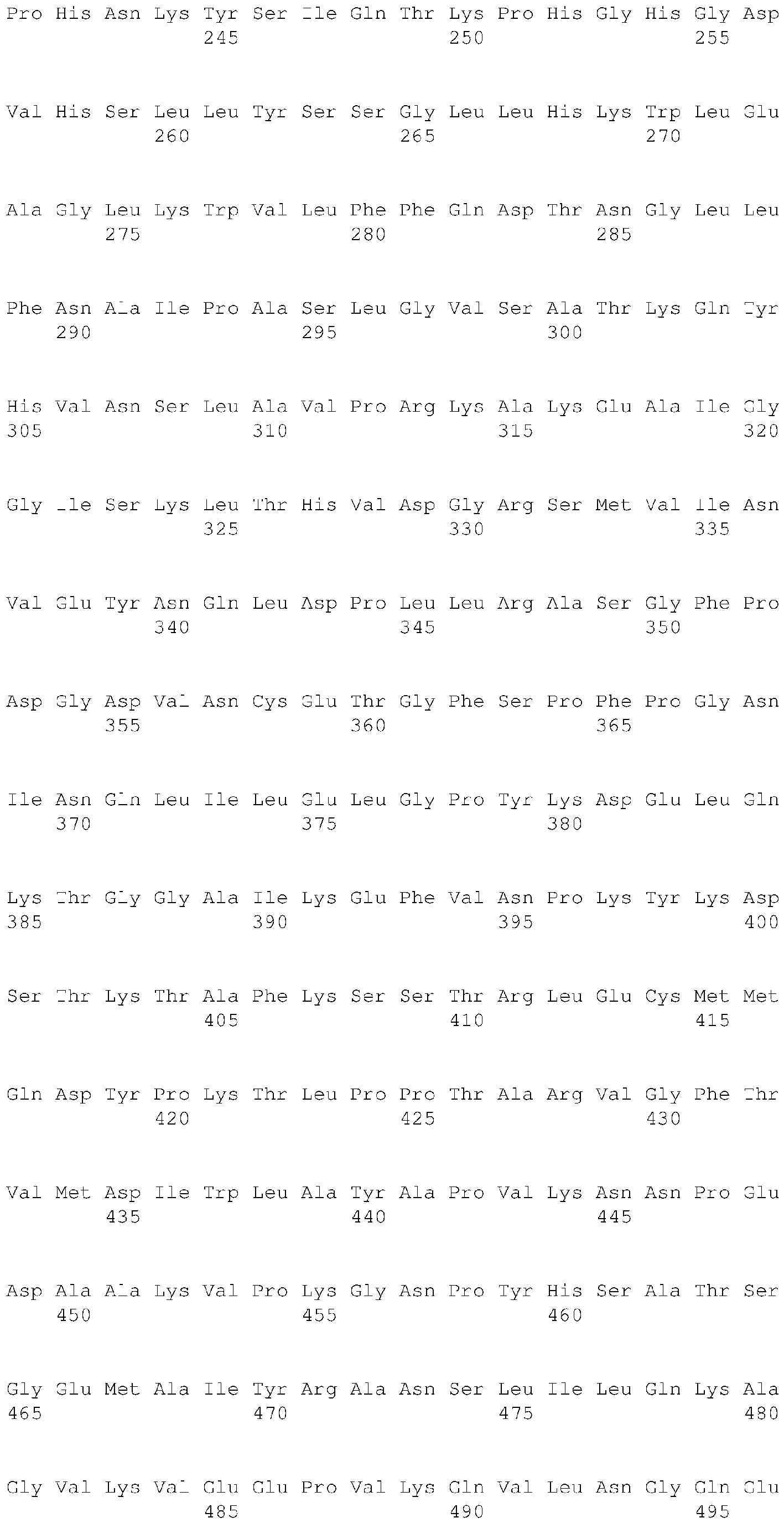


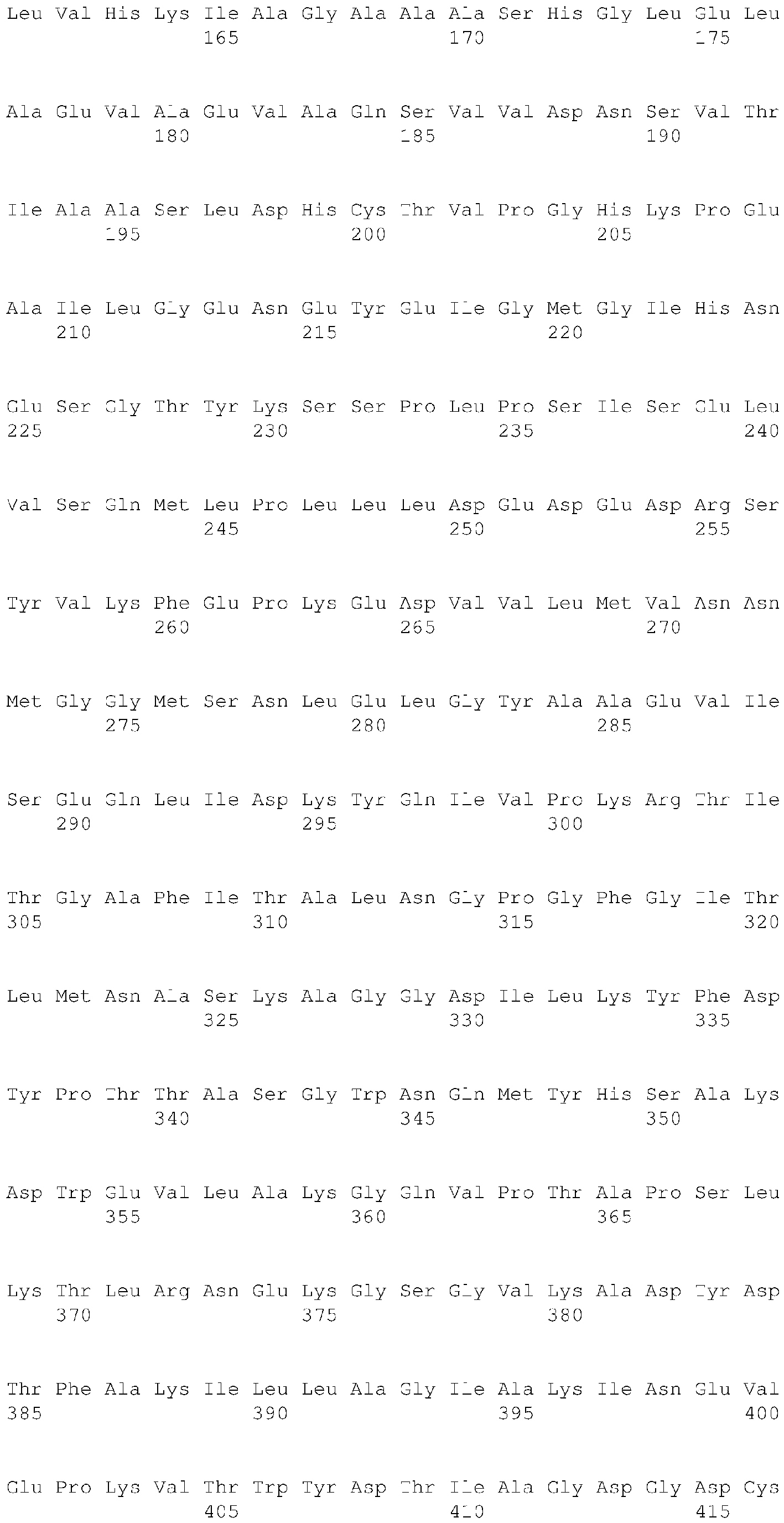


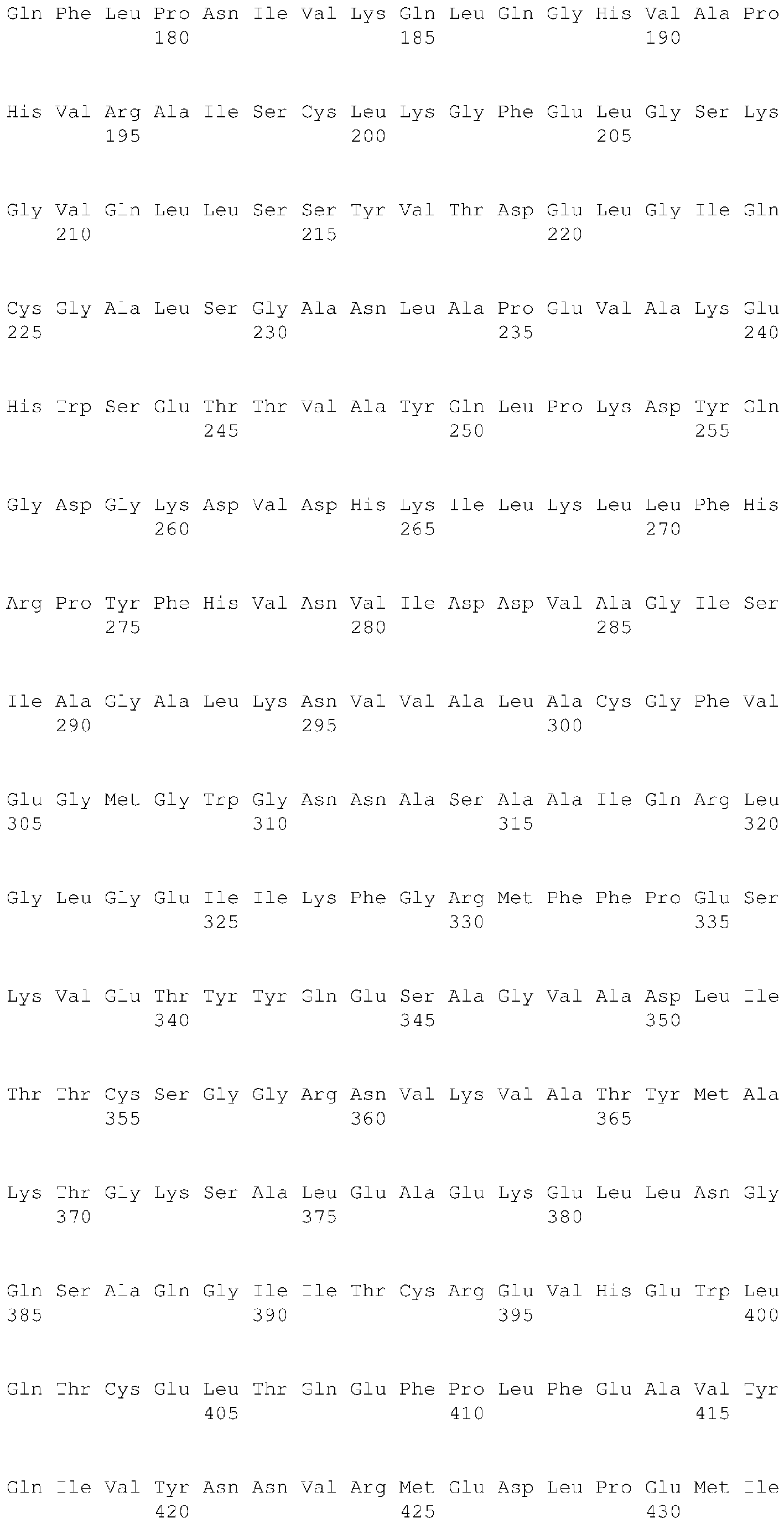


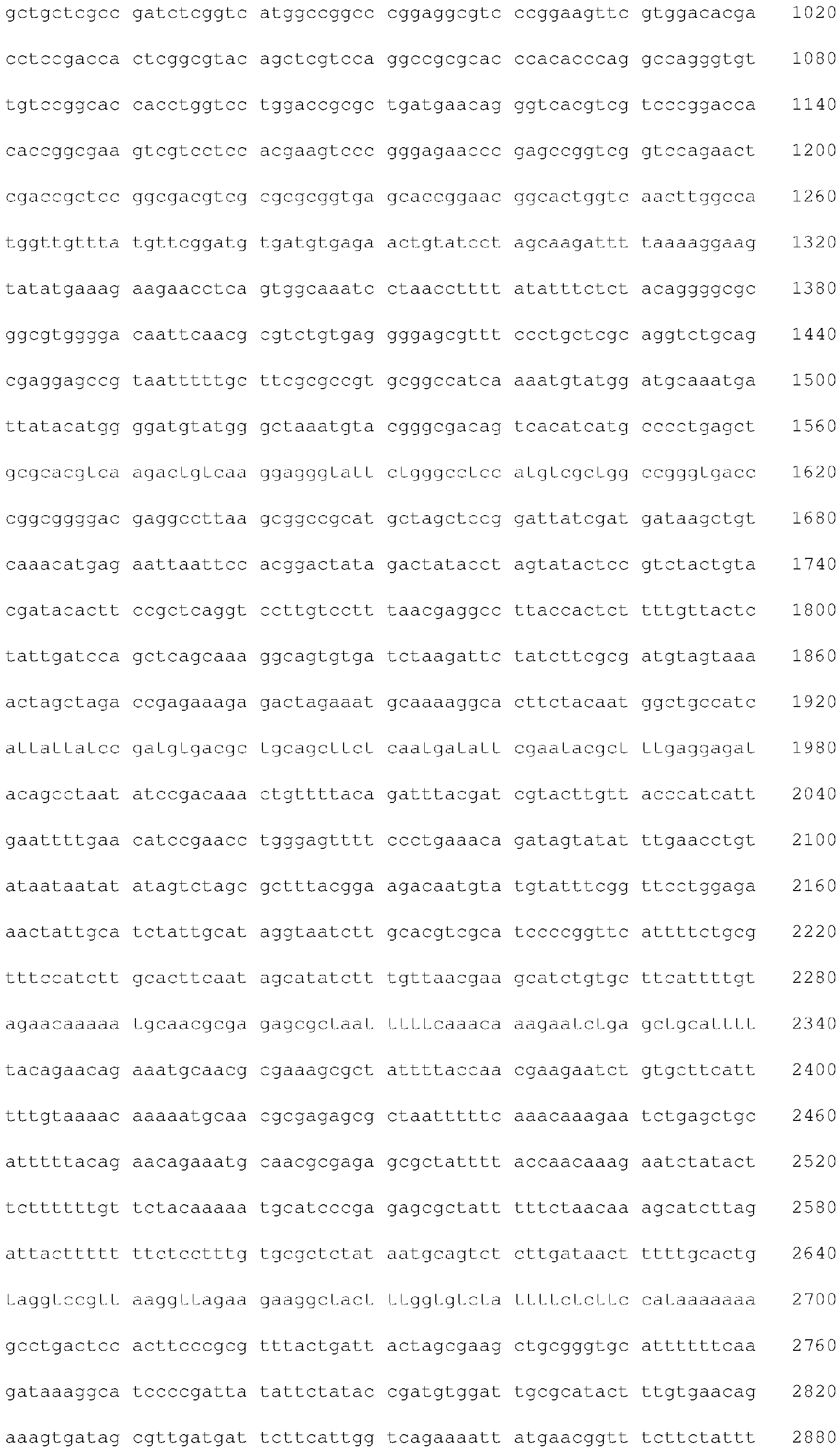

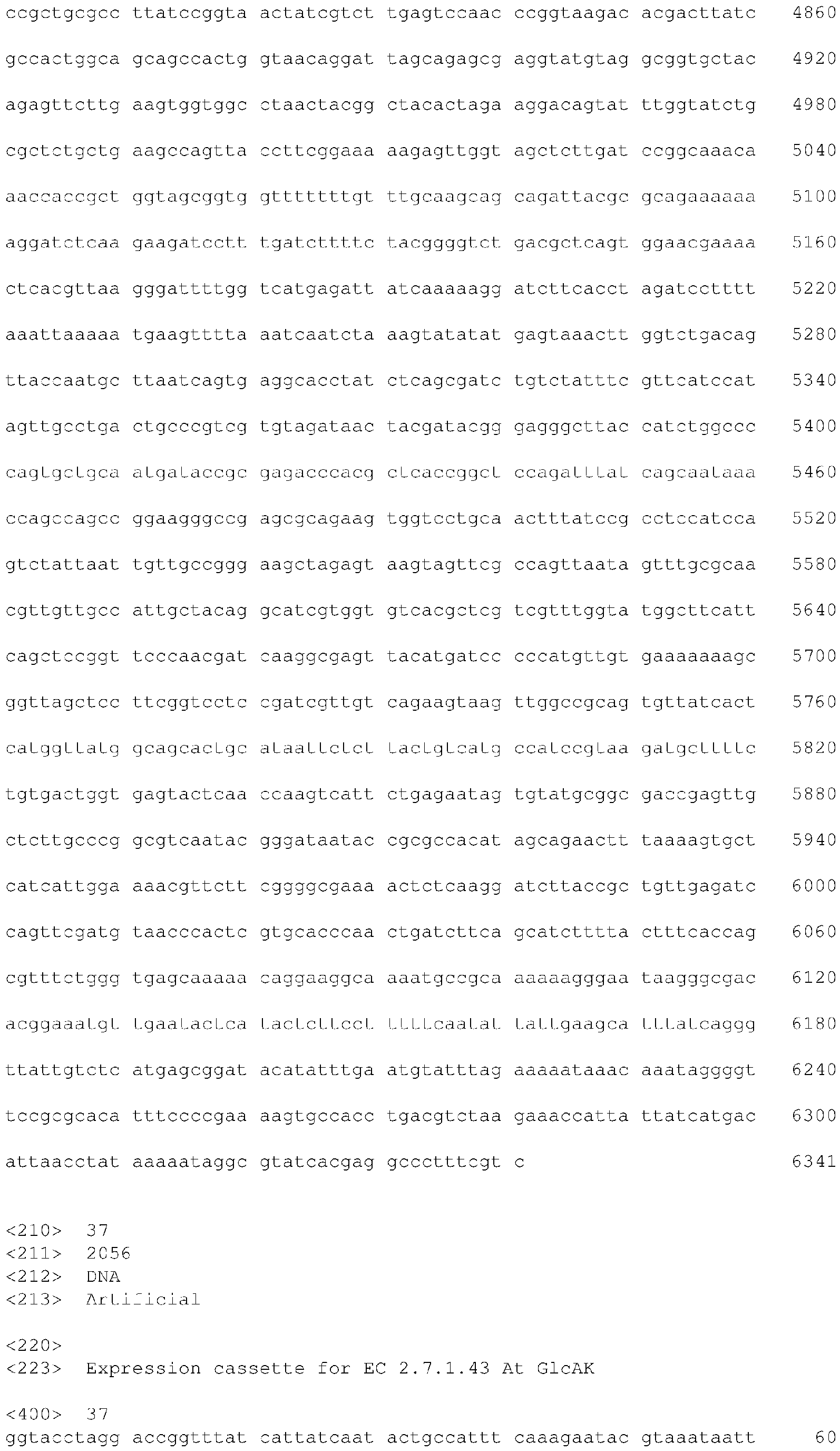


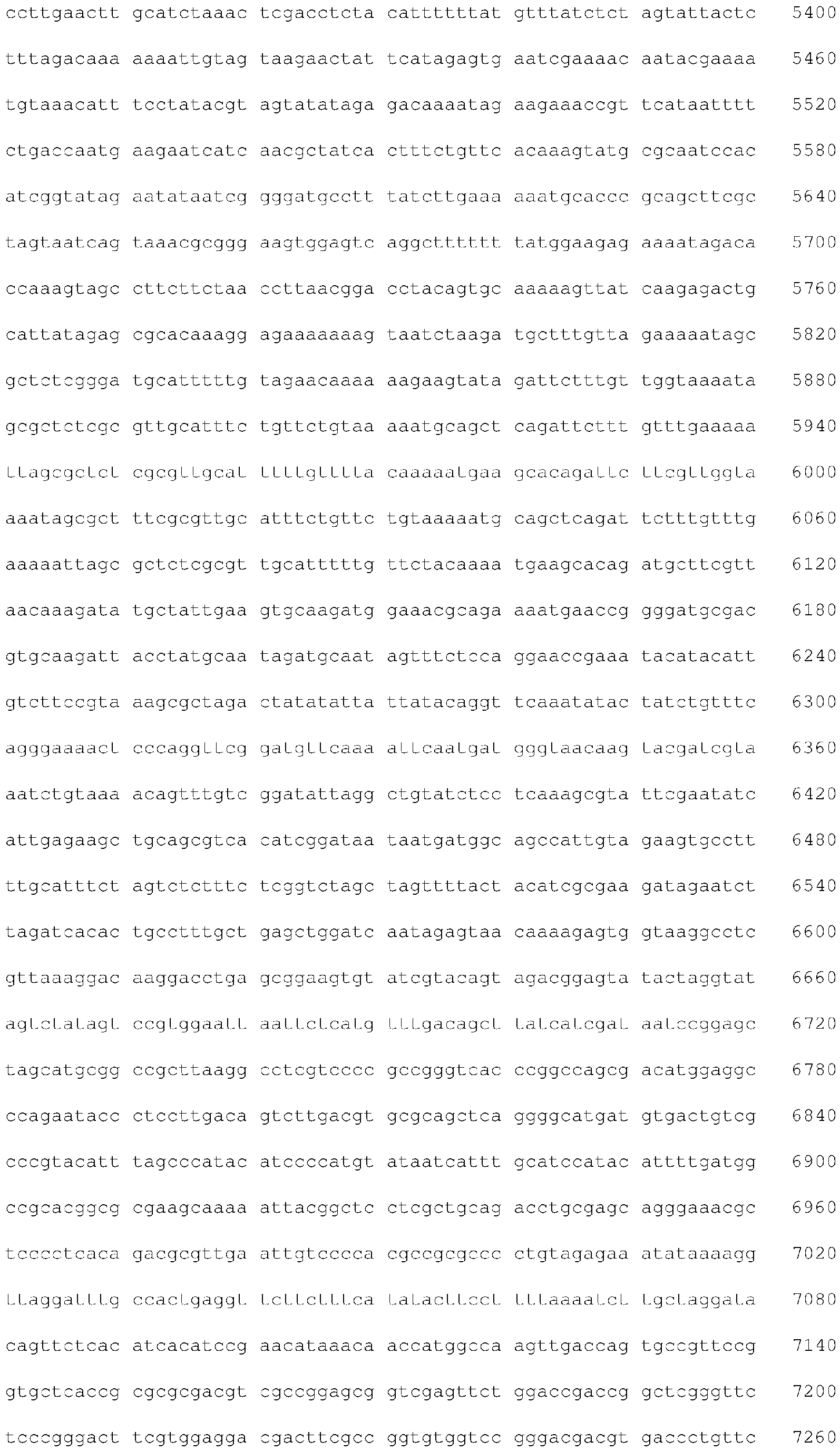


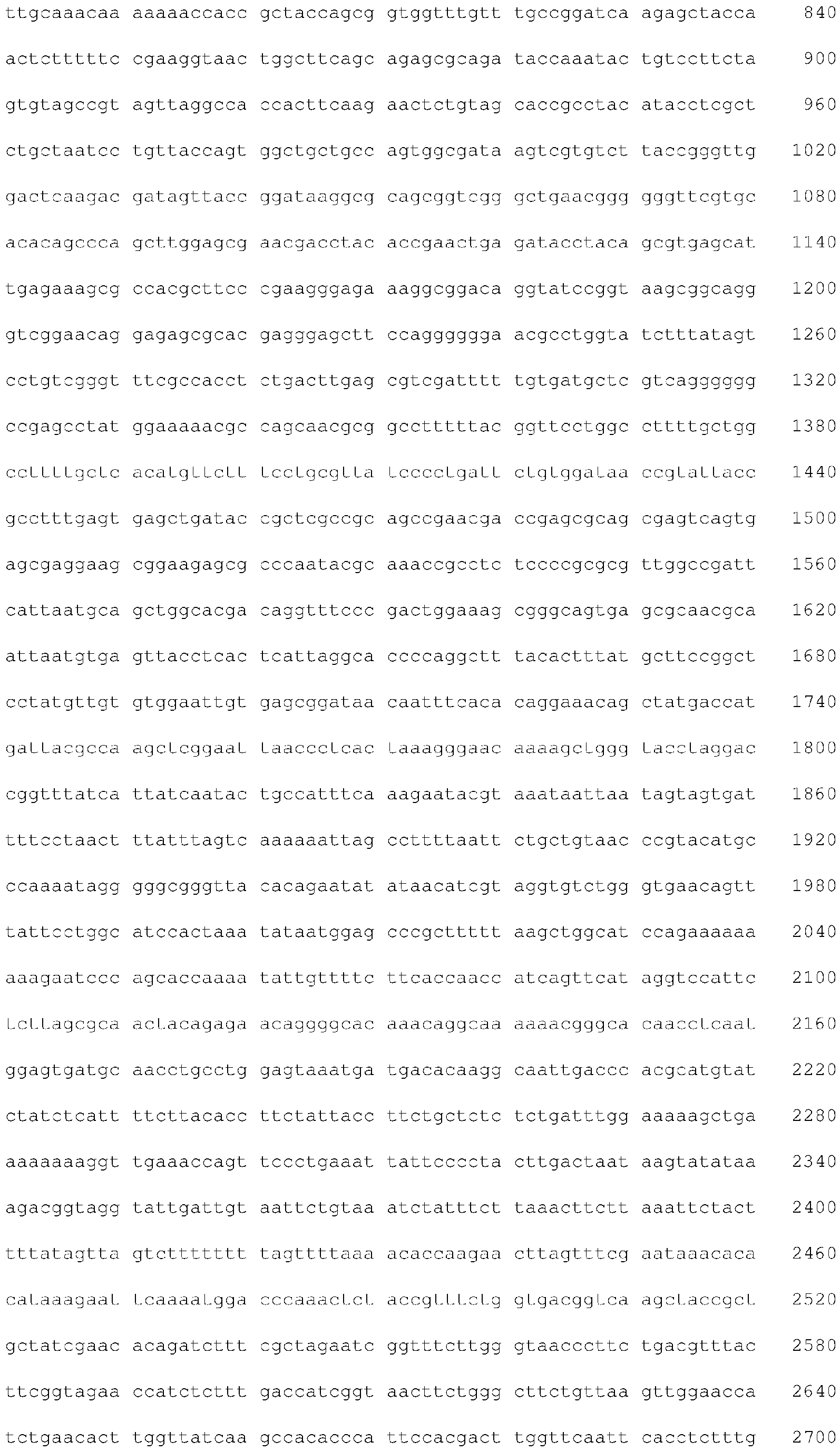


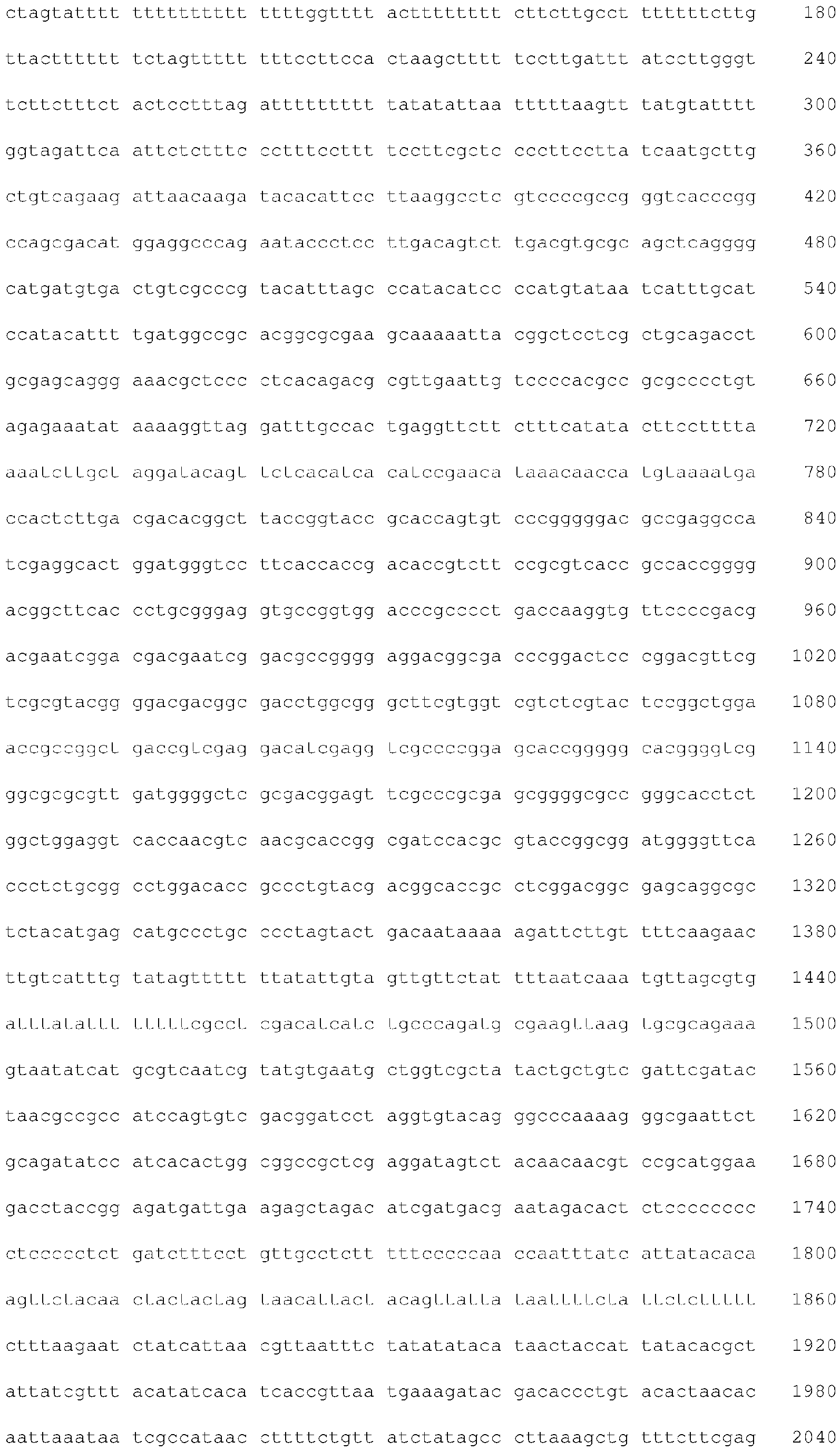

| Enzyme | phosphogluco-mutase | Galactose-1-phosphate uridyl transferase | UDP-glucose-4-epimerase | UDP-glucose pyrophospho-rylase | UDP-glucose 6-dehydrogenase | UTP-monosaccharide-1-phosphate uridyltransferase | Glucuro-kinase | Galacturo-kinase Y250F | UDP-glucuronate4-epimerase | host | Substrate | ||
| S. cerevisiae endogenous enzymes | Enzymes heterologous to S. cerevisiae | ||||||||||||
| EC number | 5.4.2.2 | 2.7.7.12 | 5.1.3.2 | 2.7.7.9 | 1.1.1.22 | 2.7.7.64 | 2.7.1.43 | 2.7.1.44 | 5.1.3.6 | ||||
| strain | PGM2 | GAL7 | GAL10 | UGP1 | PA2022 | PA3559 | |||||||
| RN1070 | wt | wt | wt | wt | - | - | - | - | - | - | - | Xylose | |
| RN1135 | constitutive | wt | wt | wt | - | - | - | - | - | - | - | RN1070 | Xylose |
| RN1136 | constitutive | wt | wt | wt | X anb1 | - | - | X | X | - | - | RN1135 | Glucuronate |
| RN1137 | constitutive | wt | wt | wt | - | - | X anb1 | X | X | - | - | RN1135 | Glucuronate |
| RN1138 | constitutive | wt | wt | wt | - | X adh1 | - | X | X | - | - | RN1135 | Glucuronate |
| RN1139 | constitutive | wt | wt | constitutive | - | X adh1 | - | X | X | - | - | RN1135 | Glucuronate |
| RN1140 | constitutive | wt | wt | constitutive | X anb1 | - | - | X | - | X | X | RN1135 | Galacturonate |
| RN1141 | constitutive | constitutive | wt | constitutive | X anb1 | - | - | X | - | X | - | RN1135 | Galacturonate |
| RN1142 | constitutive | wt | constitutive | wt | X anb1 | - | - | X | - | X | - | RN1135 | Galacturonate |
| RN1143 | constitutive | wt | constitutive | constitutive | X anb1 | - | - | X | - | X | - | RN1135 | Galacturonate |
| RN1100 | wt | wt | wt | wt | - | - | - | - | - | - | - | Arabinose | |
| RN1159 | constitutive | wt | wt | wt | - | - | - | - | - | - | - | RN1100 | Arabinose |
| RN1160 | constitutive | wt | wt | wt | X anb1 | - | - | X | X | - | - | RN1159 | Glucuronate |
| RN1161 | constitutive | wt | wt | wt | - | - | X anb1 | X | X | - | - | RN1159 | Glucuronate |
| RN1162 | constitutive | wt | wt | constitutive | X anb1 | - | - | X | - | X | X | RN1159 | Galacturonate |
| RN1163 | constitutive | wt | constitutive | constitutive | X anb1 | - | - | X | - | X | - | RN1159 | Galacturonate |
| pRN761 | pRN830 | pRN831 | pRN832 | pRN833 | pRN834 | pRN835 | pRN905 | pRN906 | pRN907 | pRN914 | basic fermentation | |
| RN1070 | - | - | - | - | - | - | - | - | - | - | - | Xylose |
| RN1135 | - | - | - | - | - | - | - | - | - | - | X | Xylose |
| R1136 | - | X | - | - | X | - | - | - | - | - | X | Xylose |
| RN1137 | - | - | - | - | X | - | - | - | X | - | X | Xylose |
| RN1138 | - | - | X | - | X | - | - | - | - | X | Xylose | |
| RN1139 | - | - | X | - | X | - | - | - | - | X | Xylose | |
| RN1140 | X | X | - | - | - | - | - | - | - | - | X | Xylose |
| RN1141 | - | X | - | - | - | - | X | - | - | X | X | Xylose |
| RN1142 | - | X | - | X | - | - | - | X | - | - | X | Xylose |
| RN1143 | - | X | - | - | - | - | - | X | - | X | X | Xylose |
| RN1100 | - | - | - | - | - | - | - | - | - | - | - | Arabinose |
| RN1159 | - | - | - | - | - | - | - | - | - | - | X | Arabinose |
| RN1160 | - | X | - | - | - | X | - | - | - | - | X | Arabinose |
| RN1161 | - | - | - | - | X | - | - | - | X | - | X | Arabinose |
| RN1162 | X | X | - | - | - | - | - | X | - | - | X | Arabinose |
| RN1163 | - | X | - | - | - | - | - | X | - | X | X | Arabinose |
| 1.1.1.22 | 2.7.7.64 | 2.7.1.43 | 2.7.1.44 | 5.1.3.6 | 2.7.7.9 | 2.7.7.12 | 5.1.3.2 | 5.4.2.2 | ||||
| PA2022 | PA3559 | UGP1 | GAL7 | GAL10 | PGM2 | |||||||
| pRN761 | X | X | pRN600 | hphMX | ||||||||
| pRN830 | x (prom anb1) | X | pRN599 | kanMX | ||||||||
| pRN831 | x (prom adh1) | X | pRN599 | kanMX | ||||||||
| pRN832 | X | pRN600 | hphMX | |||||||||
| pRN833 | X | pRN600 | hphMX | |||||||||
| pRN834 | X | X | pRN600 | hphMX | ||||||||
| pRN835 | X | tefl GAL7 | natMX | |||||||||
| pRN905 | X | tefl GAL10 | natMX | |||||||||
| pRN906 | X (prom anb1) | X | pRN599 | kanMX | ||||||||
| pRN907 | X | X | pRN600 | hphMX | ||||||||
| pRN914 | X | tefl PGM2 | natMX | |||||||||
| ugp1f | AACTGCAGAAAATGTCCACTAAGAAGCACACCA | SEQ ID NO.: 49 |
| ugp1r | TTGCGCGCTCAATGTTCCAAGATTTGCAAATTACCAGTAACGAC | SEQ ID NO.: 50 |
| gal7f | AATCTAGAAAATGACTGCTGAAGAATTTGATTTTTCTAGCC | SEQ ID NO.: 51 |
| gal7r | TTTCCGGATTCTAAGCACCAAGCTTGGCCATGTGG | SEQ ID NO.: 52 |
| Pgm2f | AATCTAGAAAAATGTCATTTCAAATTGAAACGGTTCCCACC | SEQ ID NO.: 53 |
| Pgm2r | TTTCCGGAACGAGTAATGGACCGT | SEQ ID NO.: 54 |
Claims (15)
- A yeast cell having the ability of metabolizing a uronic acid, the cell comprising genes coding for:a) a uronokinase (EC 2.7.1.43 and/or EC 2.7.1.44);b) a UTP-monosaccharide-1-phosphate uridylyltransferase (EC 2.7.7.64); and,c) a UDP-glucose 6-dehydrogenase (EC 1.1.1.22).
- A yeast cell according to claim 1, wherein the cell further comprises a gene coding for:d) a UDP-glucuronate-4-epimerase (EC 5.1.3.6).
- A yeast cell according to claim 1 or 2, wherein the cell further expresses genes coding for at least one of:i) a galactose-1-phosphate uridyltransferase (EC 2.7.7.12); andii) a UDP-glucose-4-epimerase (EC 5.1.3.2), and wherein preferably the galactose-1-phosphate uridyltransferase and the UDP-glucose-4-epimerase are expressed in a galactose-independent manner.
- A yeast cell according to any of the preceding claims, wherein the cell further comprises a genetic modification that increases the specific activity of at least one of a UDP-glucose pyrophosphorylase (EC 2.7.7.9) and a phosphoglucomutase (EC 5.4.2.2), wherein preferably the phosphoglucomutase is expressed in a galactose-independent manner.
- A yeast cell according to any of the preceding claims, wherein the yeast cell further comprises a genetic modification that increases at least one ofi) the specific activity of glycerol dehydrogenase;ii) the specific activity of dihydroxyacetone kinase; and,iii) transport of glycerol into the cell.
- A yeast cell according to any of the preceding claims, wherein the yeast cell further comprises a genetic modification that inactivates or reduces the specific activity of one or more enzymes required for NADH-dependent synthesis of glycerol, compared to a corresponding wild-type cell.
- A yeast cell according to any of the preceding claims, where the yeast cell further comprises genes coding for enzymes with at least one of the abilities to:i) directly isomerise xylose into xylulose (EC 5.3.1.5); and,ii) convert L-arabinose into D-xylulose 5-phosphate, wherein the enzymes comprise a L-arabinose isomerase (EC 5.3.1.3), a L-ribulokinase (EC 2.7.1.16) and a L-ribulose-5-phosphate 4-epimerase (EC 5.1.3.4).
- A yeast cell according to any of the preceding claims, wherein the cell is a yeast cell selected from the genera Saccharomyces, Kluyveromyces, Candida, Pichia, Schizosaccharomyces, Hansenula, Kloeckera, Schwanniomyces, Brettanomyces, and Yarrowia, in particular the cell is a yeast cell selected from the species S. cerevisiae, S. exiguus, S. bayanus, K. lactis, K. marxianus and Schizosaccharomyces pombe.
- Use of a yeast cell according to any of the preceding claims for the preparation of a fermentation product, wherein preferably the fermentation product selected from the group consisting of ethanol, lactic acid, 3-hydroxy-propionic acid, acrylic acid, 1,3-propane-diol, butanols and isoprenoid-derived products.
- A process for producing a fermentation product, whereby the process comprises the steps of:a) fermenting a medium with a yeast cell as defined in any one of claim 1-8, whereby the medium contains or is fed with a source of a uronic acid and whereby the yeast cell ferments the uronic acid to the fermentation product; and optionally,b) recovery of the fermentation product,wherein preferably the fermentation product selected from the group consisting of ethanol, lactic acid, 3-hydroxy-propionic acid, acrylic acid, 1,3-propane-diol, a butanol and an isoprenoid-derived product.
- A process according to claim 10, wherein the uronic acid is at least one of galacturonic acid and glucuronic acid.
- A process according to claim 10 or 11, wherein the medium further contains or is fed with a carbon source having a more reduced state than glucose.
- A process according to any one of the claims 10 - 12, wherein the medium contains or is fed with a source of at least one of a hexose, a pentose, and acetic acid.
- A process according to any one of the claims 10 - 13, wherein the yeast cell ferments under anaerobic conditions or under oxygen-limited aerobic conditions.
- A process according to any one of the claims 10 - 14, wherein the fermentation product is ethanol.
Priority Applications (1)
| Application Number | Priority Date | Filing Date | Title |
|---|---|---|---|
| EP11173470A EP2546336A1 (en) | 2011-07-11 | 2011-07-11 | Yeast strains that consume uronic acids and produce fermentation products such as ethanol |
Applications Claiming Priority (1)
| Application Number | Priority Date | Filing Date | Title |
|---|---|---|---|
| EP11173470A EP2546336A1 (en) | 2011-07-11 | 2011-07-11 | Yeast strains that consume uronic acids and produce fermentation products such as ethanol |
Publications (1)
| Publication Number | Publication Date |
|---|---|
| EP2546336A1 true EP2546336A1 (en) | 2013-01-16 |
Family
ID=44508784
Family Applications (1)
| Application Number | Title | Priority Date | Filing Date |
|---|---|---|---|
| EP11173470A Withdrawn EP2546336A1 (en) | 2011-07-11 | 2011-07-11 | Yeast strains that consume uronic acids and produce fermentation products such as ethanol |
Country Status (1)
| Country | Link |
|---|---|
| EP (1) | EP2546336A1 (en) |
Cited By (4)
| Publication number | Priority date | Publication date | Assignee | Title |
|---|---|---|---|---|
| WO2014144135A3 (en) * | 2013-03-15 | 2014-10-23 | Amyris, Inc. | Use of phosphoketolase and phosphotransacetylase for production of acetyl-coenzyme a derived compounds |
| CN106191017A (en) * | 2015-05-25 | 2016-12-07 | 中国医学科学院药物研究所 | A kind of UDP apiose/xylose synzyme deriving from Herba Phyllanthi Urinariae, its nucleotide sequence and application |
| WO2018012426A1 (en) * | 2016-07-13 | 2018-01-18 | 三菱ケミカル株式会社 | Microorganism having mucic acid-producing ability, and methods for producing mucic acid, 2,5-furandicarboxylic acid, and 2,5-furandicarboxylic acid diester |
| CN108949851A (en) * | 2018-08-14 | 2018-12-07 | 江南大学 | A method of passing through Lu Shi Zygosaccharomyces fermentation malaga uronic acid |
Citations (15)
| Publication number | Priority date | Publication date | Assignee | Title |
|---|---|---|---|---|
| US178642A (en) | 1876-06-13 | Improvement in soldering-machines | ||
| WO1993003159A1 (en) | 1991-08-02 | 1993-02-18 | Rhone-Poulenc Rorer S.A. | Highly stable recombinant yeasts for the production of recombinant proteins |
| WO2003062430A1 (en) | 2002-01-23 | 2003-07-31 | Royal Nedalco B.V. | Fermentation of pentose sugars |
| EP1499708A1 (en) | 2002-05-08 | 2005-01-26 | Forskarpatent i Syd AB | A modified yeast consuming l-arabinose |
| WO2005023998A1 (en) | 2003-09-11 | 2005-03-17 | Forskarpatent I Syd Ab | Construction of new xylose utilizing saccharomyces cerevisiae strain |
| WO2005091733A2 (en) | 2004-03-26 | 2005-10-06 | Forskarpatent I Syd Ab | Traits in recombinant xylose-growing saccharomyces cerevisiae strains using genome-wide transcription analysis |
| WO2005111214A1 (en) | 2004-05-19 | 2005-11-24 | Forskarpatent I Syd Ab | Ethanol productivities of saccharomyces cerevisiae strains in fermentation of dilute-acid hydrolyzates depend on their furan reduction capacities |
| WO2006009434A1 (en) | 2004-07-16 | 2006-01-26 | Technische Universiteit Delft | Metabolic engineering of xylose fermenting eukaryotic cells |
| US20060234364A1 (en) | 2003-05-02 | 2006-10-19 | Vineet Rajgarhia | Genetically modified yeast species and fermenation processes using genetically modified yeast |
| WO2009011591A2 (en) | 2007-07-19 | 2009-01-22 | Royal Nedalco B.V. | Novel arabinose-fermenting eukaryotic cells |
| WO2009109633A1 (en) | 2008-03-07 | 2009-09-11 | Dsm Ip Assets B.V. | A pentose sugar fermenting cell |
| WO2010070549A1 (en) | 2008-12-16 | 2010-06-24 | Terranol A/S | Microorganism expressing xylose isomerase |
| WO2010074577A1 (en) | 2008-12-24 | 2010-07-01 | Royal Nedalco B.V. | Xylose isomerase genes and their use in fermentation of pentose sugars |
| WO2011001092A2 (en) | 2009-06-30 | 2011-01-06 | Zf Systemes De Direction Nacam S.A.S. | System for electrically locking a steering column, and steering column including such a locking system |
| WO2011006136A2 (en) | 2009-07-09 | 2011-01-13 | Verdezyne, Inc. | Engineered microorganisms with enhanced fermentation activity |
-
2011
- 2011-07-11 EP EP11173470A patent/EP2546336A1/en not_active Withdrawn
Patent Citations (15)
| Publication number | Priority date | Publication date | Assignee | Title |
|---|---|---|---|---|
| US178642A (en) | 1876-06-13 | Improvement in soldering-machines | ||
| WO1993003159A1 (en) | 1991-08-02 | 1993-02-18 | Rhone-Poulenc Rorer S.A. | Highly stable recombinant yeasts for the production of recombinant proteins |
| WO2003062430A1 (en) | 2002-01-23 | 2003-07-31 | Royal Nedalco B.V. | Fermentation of pentose sugars |
| EP1499708A1 (en) | 2002-05-08 | 2005-01-26 | Forskarpatent i Syd AB | A modified yeast consuming l-arabinose |
| US20060234364A1 (en) | 2003-05-02 | 2006-10-19 | Vineet Rajgarhia | Genetically modified yeast species and fermenation processes using genetically modified yeast |
| WO2005023998A1 (en) | 2003-09-11 | 2005-03-17 | Forskarpatent I Syd Ab | Construction of new xylose utilizing saccharomyces cerevisiae strain |
| WO2005091733A2 (en) | 2004-03-26 | 2005-10-06 | Forskarpatent I Syd Ab | Traits in recombinant xylose-growing saccharomyces cerevisiae strains using genome-wide transcription analysis |
| WO2005111214A1 (en) | 2004-05-19 | 2005-11-24 | Forskarpatent I Syd Ab | Ethanol productivities of saccharomyces cerevisiae strains in fermentation of dilute-acid hydrolyzates depend on their furan reduction capacities |
| WO2006009434A1 (en) | 2004-07-16 | 2006-01-26 | Technische Universiteit Delft | Metabolic engineering of xylose fermenting eukaryotic cells |
| WO2009011591A2 (en) | 2007-07-19 | 2009-01-22 | Royal Nedalco B.V. | Novel arabinose-fermenting eukaryotic cells |
| WO2009109633A1 (en) | 2008-03-07 | 2009-09-11 | Dsm Ip Assets B.V. | A pentose sugar fermenting cell |
| WO2010070549A1 (en) | 2008-12-16 | 2010-06-24 | Terranol A/S | Microorganism expressing xylose isomerase |
| WO2010074577A1 (en) | 2008-12-24 | 2010-07-01 | Royal Nedalco B.V. | Xylose isomerase genes and their use in fermentation of pentose sugars |
| WO2011001092A2 (en) | 2009-06-30 | 2011-01-06 | Zf Systemes De Direction Nacam S.A.S. | System for electrically locking a steering column, and steering column including such a locking system |
| WO2011006136A2 (en) | 2009-07-09 | 2011-01-13 | Verdezyne, Inc. | Engineered microorganisms with enhanced fermentation activity |
Non-Patent Citations (53)
| Title |
|---|
| "Guide To Yeast Genetics and Molecular Biology", vol. 194, 1991, ACADEMIC PRESS |
| "The yeasts", 1998, ELSEVIER SCIENCE PUBL. B.V. |
| A. M. PIESLINGER ET AL: "Cloning of Glucuronokinase from Arabidopsis thaliana, the Last Missing Enzyme of the myo-Inositol Oxygenase Pathway to Nucleotide Sugars", JOURNAL OF BIOLOGICAL CHEMISTRY, vol. 285, no. 5, 29 January 2010 (2010-01-29), pages 2902 - 2910, XP055014095, ISSN: 0021-9258, DOI: 10.1074/jbc.M109.069369 * |
| ALBERTYN ET AL., MOL. CELL. BIOL., vol. 14, 1994, pages 4135 - 4144 |
| ANTONIUS J A VAN MARIS ET AL: "Alcoholic fermentation of carbon sources in biomass hydrolysates by Saccharomyces cerevisiae: current status", ANTONIE VAN LEEUWENHOEK, KLUWER ACADEMIC PUBLISHERS, DO, vol. 90, no. 4, 11 October 2006 (2006-10-11), pages 391 - 418, XP019446684, ISSN: 1572-9699, DOI: 10.1007/S10482-006-9085-7 * |
| AUSUBEL ET AL.: "Current protocols in molecular biology", 1987, GREEN PUBLISHING AND WILEY INTERSCIENCE |
| BACIU, JORDENING, ENZYME MICROB. TECHNOL., vol. 34, 2004, pages 505 - 512 |
| BRAT ET AL., APPL. ENVIRON. MICROBIOL., vol. 75, 2009, pages 2304 - 2311 |
| CAMPBELL ET AL., BIOCHEMISTRY, vol. 39, 2000, pages 7012 - 7023 |
| DENG, HO, APPL. BIOCHEM. BIOTECHNOL., vol. 24, no. 25, 1990, pages 193 - 199 |
| DIDERICH ET AL., APPL. ENVIRON. MICROBIOL., vol. 67, 2001, pages 1587 - 1593 |
| ERIKSSON ET AL., MOL. MICROBIOL., vol. 17, 1995, pages 95 - 107 |
| GIET ET AL., NUCLEIC ACIDS RES., vol. 20, 1992, pages 1425 |
| HENIKOFF, HENIKOFF, PNAS, vol. 89, 1992, pages 915 - 919 |
| HILDITCH: "Thesis", 2010, VTT PUBLICATIONS 739 |
| HOONDAL ET AL., APPL MICROBIOL BIOTECHNOL, vol. 59, 2002, pages 409 - 418 |
| HUNG ET AL., J. BIOL. CHEM., vol. 282, 2007, pages 17738 - 17748 |
| J.A. BARNETT, R.W. PAYNE: "D. Yarrow", 2000, CAMBRIDGE UNIVERSITY PRESS |
| JANSEN ET AL., NUCLEIC ACIDS RES., vol. 31, no. 8, 2003, pages 2242 - 51 |
| JAYANI ET AL., PROCESS BIOCHEM, vol. 40, 2005, pages 2931 - 2944 |
| KASHYAP ET AL., BIORESOUR TECHNOL., vol. 77, 2001, pages 215 - 227 |
| KATAHIRA ET AL., ENZYME MICROB. TECHNOL., vol. 43, 2008, pages 115 - 119 |
| KOTAKE ET AL., BIOSCI. BIOTECHNOL. BIOCHEM., vol. 71, 2007, pages 761 - 771 |
| KOTAKE ET AL., J. BIOL. CHEM., vol. 279, 2004, pages 45728 - 45736 |
| LITTERER ET AL., PLANT PHYSIOL. BIOCHEM., vol. 44, 2006, pages 171 - 180 |
| LUTTIK ET AL., J BACTERIOL., vol. 182, 2000, pages 7007 - 7013 |
| LUYTEN ET AL., EMBO J., vol. 14, 1995, pages 1360 - 1371 |
| MOLHO ET AL., PLANT PHYSIOL., vol. 135, 2004, pages 1221 - 1230 |
| MOLIN ET AL., J. BIOL. CHEM., vol. 278, 2003, pages 1415 - 1423 |
| MUNOZ ET AL., MOL. MICROBIOL., vol. 31, 1999, pages 703 - 713 |
| NEVES ET AL., FEMS YEAST RES., vol. 5, 2004, pages 51 - 62 |
| OECHSNER ET AL., FEBS LETT., vol. 238, 1988, pages 123 - 128 |
| PIESLINGER ET AL., J. BIOL CHEM., vol. 285, 2010, pages 2902 - 2910 |
| POSTMA ET AL., APPL ENVIRON MICROBIOL., vol. 55, 1989, pages 3214 - 3220 |
| REIZER ET AL., CRC CRIT. REV. BIOCHEM. MOL. BIOL., vol. 28, 1993, pages 235 - 257 |
| RICHARD P ET AL: "d-Galacturonic acid catabolism in microorganisms and its biotechnological relevance", APPLIED MICROBIOLOGY AND BIOTECHNOLOGY, SPRINGER VERLAG, BERLIN, DE, vol. 82, no. 4, 1 March 2009 (2009-03-01), pages 597 - 604, XP002575770, ISSN: 0175-7598, [retrieved on 20090122], DOI: 10.1007/S00253-009-1870-6 * |
| RICHARD, HILDITCH, APPL MICROBIOL BIOTECHNOL, vol. 82, 2009, pages 597 - 604 |
| SAMBROOK, RUSSELL: "Molecular cloning: a laboratory manual", 2001, COLD SPRING HARBOR LABORATORY PRESS |
| SEDLACK, HO, YEAST, vol. 21, 2004, pages 671 - 684 |
| SHARP, LI, NUCLEIC ACIDS RESEARCH, vol. 15, 1987, pages 1281 - 1295 |
| SHERMAN ET AL.: "Methods Yeast Genetics, Cold Spring Harbor Laboratory", 1978 |
| T. KOTAKE: "UDP-sugar Pyrophosphorylase with Broad Substrate Specificity Toward Various Monosaccharide 1-Phosphates from Pea Sprouts", JOURNAL OF BIOLOGICAL CHEMISTRY, vol. 279, no. 44, 1 January 2004 (2004-01-01), pages 45728 - 45736, XP055014178, ISSN: 0021-9258, DOI: 10.1074/jbc.M408716200 * |
| T. YANG ET AL: "Identification of Galacturonic Acid-1-phosphate Kinase, a New Member of the GHMP Kinase Superfamily in Plants, and Comparison with Galactose-1-phosphate Kinase", JOURNAL OF BIOLOGICAL CHEMISTRY, vol. 284, no. 32, 9 June 2009 (2009-06-09), pages 21526 - 21535, XP055014094, ISSN: 0021-9258, DOI: 10.1074/jbc.M109.014761 * |
| TEUNISSEN ET AL., APPL. ENVIRON. MICROBIOL., vol. 68, 2002, pages 4780 - 4787 |
| TOSHIHISA KOTAKE ET AL.: "Generation of nucleotide sugars for biomass formation in plants", PLANT BIOTECHNOLOGY, 2010, XP055013839, Retrieved from the Internet <URL:http://www.wdc-jp.biz/pdf_store/jspcmb/pdf/pb27_3/27_231.pdf> [retrieved on 20111202] * |
| TRAFF ET AL., APPL. ENVIRONM. MICROBIOL., vol. 67, 2001, pages 5668 - 5674 |
| VAN AELST ET AL., EMBO J., vol. 10, 1991, pages 2095 - 2104 |
| VAN MARIS ET AL., ANTONIE VAN LEEUWENHOEK, vol. 90, 2006, pages 391 - 418 |
| VERDUYN ET AL., YEAST, vol. 8, 1992, pages 501 - 517 |
| VOSS ET AL., YEAST, vol. 13, 1997, pages 655 - 672 |
| WAKS, SILVER, APPL. ENVIRON. MICROBIOL., vol. 75, 2009, pages 1867 - 1875 |
| WISSELINK ET AL.: "AEM Accepts", APPL. ENVIRON. MICROBIOL., 1 June 2007 (2007-06-01) |
| YANG ET AL., J. BIOL CHEM., vol. 284, 2009, pages 21526 - 21535 |
Cited By (15)
| Publication number | Priority date | Publication date | Assignee | Title |
|---|---|---|---|---|
| CN105189772B (en) * | 2013-03-15 | 2019-09-13 | 阿迈瑞斯公司 | Use of phosphoketolase and phosphotransacetylase to produce acetyl-CoA derivative compounds |
| KR20150132310A (en) * | 2013-03-15 | 2015-11-25 | 아미리스 인코퍼레이티드 | Use of phosphoketolase and phosphotransacetylase for production of acetyl-coenzyme a derived compounds |
| CN105189772A (en) * | 2013-03-15 | 2015-12-23 | 阿迈瑞斯公司 | Use of phosphoketolase and phosphotransacetylase for production of acetyl-coenzyme a derived compounds |
| JP2016512047A (en) * | 2013-03-15 | 2016-04-25 | アミリス, インコーポレイテッド | Use of phosphoketolase and phosphotransacetylase to produce acetyl coenzyme A derived compounds |
| US9410214B2 (en) | 2013-03-15 | 2016-08-09 | Amyris, Inc. | Use of phosphoketolase and phosphotransacetylase for production of acetyl-coenzyme A derived compounds |
| WO2014144135A3 (en) * | 2013-03-15 | 2014-10-23 | Amyris, Inc. | Use of phosphoketolase and phosphotransacetylase for production of acetyl-coenzyme a derived compounds |
| AU2014227811B2 (en) * | 2013-03-15 | 2018-03-22 | Amyris, Inc. | Use of phosphoketolase and phosphotransacetylase for production of acetyl-coenzyme a derived compounds |
| AU2014227811C1 (en) * | 2013-03-15 | 2018-09-27 | Amyris, Inc. | Use of phosphoketolase and phosphotransacetylase for production of acetyl-coenzyme a derived compounds |
| CN106191017A (en) * | 2015-05-25 | 2016-12-07 | 中国医学科学院药物研究所 | A kind of UDP apiose/xylose synzyme deriving from Herba Phyllanthi Urinariae, its nucleotide sequence and application |
| CN106191017B (en) * | 2015-05-25 | 2021-12-07 | 中国医学科学院药物研究所 | Uridine-5' -diphosphate apiose/xylose synthetase derived from ornithogalum caudatum, nucleotide sequence and application thereof |
| WO2018012426A1 (en) * | 2016-07-13 | 2018-01-18 | 三菱ケミカル株式会社 | Microorganism having mucic acid-producing ability, and methods for producing mucic acid, 2,5-furandicarboxylic acid, and 2,5-furandicarboxylic acid diester |
| EP3486323A4 (en) * | 2016-07-13 | 2019-08-14 | Mitsubishi Chemical Corporation | MICROORGANISM HAVING MUCIC ACID PRODUCTION CAPACITY AND METHODS FOR PRODUCING MUCIC ACID, 2,5-FURANNEDICARBOXYLIC ACID, AND 2,5-FURANNEDICARBOXYLIC ACID DIESTER |
| JPWO2018012426A1 (en) * | 2016-07-13 | 2019-04-18 | 三菱ケミカル株式会社 | Process for producing a microorganism capable of producing mucinic acid and mucinic acid, 2,5-furandicarboxylic acid and 2,5-furandicarboxylic acid diester |
| CN108949851B (en) * | 2018-08-14 | 2021-03-02 | 江南大学 | A kind of method for producing glucuronic acid by fermentation of Zygosaccharomyces routii |
| CN108949851A (en) * | 2018-08-14 | 2018-12-07 | 江南大学 | A method of passing through Lu Shi Zygosaccharomyces fermentation malaga uronic acid |
Similar Documents
| Publication | Publication Date | Title |
|---|---|---|
| US10941421B2 (en) | Yeast strains engineered to produce ethanol from acetic acid and glycerol | |
| EP2367928B1 (en) | Xylose isomerase genes and their use in fermentation of pentose sugars | |
| EP2663645B1 (en) | Yeast strains engineered to produce ethanol from glycerol | |
| WO2011149353A1 (en) | Yeast strains engineered to produce ethanol from acetic acid and glycerol | |
| WO2009011591A2 (en) | Novel arabinose-fermenting eukaryotic cells | |
| CA2474033A1 (en) | Fermentation of pentose sugars | |
| EP2250262A1 (en) | A pentose sugar fermenting cell | |
| US10100320B2 (en) | Pentose sugar fermenting cell | |
| EP2250263A1 (en) | A pentose sugar fermenting cell | |
| WO2012125027A1 (en) | Yeast strains that ferment uronic acids | |
| EP2546336A1 (en) | Yeast strains that consume uronic acids and produce fermentation products such as ethanol | |
| WO2014033019A1 (en) | Yeast strains engineered to produce ethanol from acetate | |
| EP2554668A1 (en) | A pentose sugar fermenting cell | |
| WO2014033018A1 (en) | Yeast strains engineered to produce ethanol from acetate |
Legal Events
| Date | Code | Title | Description |
|---|---|---|---|
| PUAI | Public reference made under article 153(3) epc to a published international application that has entered the european phase |
Free format text: ORIGINAL CODE: 0009012 |
|
| AK | Designated contracting states |
Kind code of ref document: A1 Designated state(s): AL AT BE BG CH CY CZ DE DK EE ES FI FR GB GR HR HU IE IS IT LI LT LU LV MC MK MT NL NO PL PT RO RS SE SI SK SM TR |
|
| AX | Request for extension of the european patent |
Extension state: BA ME |
|
| STAA | Information on the status of an ep patent application or granted ep patent |
Free format text: STATUS: THE APPLICATION HAS BEEN WITHDRAWN |
|
| 18W | Application withdrawn |
Effective date: 20130205 |