EP2540608A2 - Assisting force control device for bicycle - Google Patents
Assisting force control device for bicycle Download PDFInfo
- Publication number
- EP2540608A2 EP2540608A2 EP12174448A EP12174448A EP2540608A2 EP 2540608 A2 EP2540608 A2 EP 2540608A2 EP 12174448 A EP12174448 A EP 12174448A EP 12174448 A EP12174448 A EP 12174448A EP 2540608 A2 EP2540608 A2 EP 2540608A2
- Authority
- EP
- European Patent Office
- Prior art keywords
- crankshaft
- force control
- control device
- rotational speed
- module
- Prior art date
- Legal status (The legal status is an assumption and is not a legal conclusion. Google has not performed a legal analysis and makes no representation as to the accuracy of the status listed.)
- Granted
Links
- 238000001514 detection method Methods 0.000 claims abstract description 12
- 230000004044 response Effects 0.000 claims description 15
- 239000004020 conductor Substances 0.000 claims description 11
- 230000005540 biological transmission Effects 0.000 claims description 6
- 239000012212 insulator Substances 0.000 claims description 4
- 230000008878 coupling Effects 0.000 claims description 2
- 238000010168 coupling process Methods 0.000 claims description 2
- 238000005859 coupling reaction Methods 0.000 claims description 2
- 238000009434 installation Methods 0.000 claims description 2
- 230000013011 mating Effects 0.000 description 2
- 230000021715 photosynthesis, light harvesting Effects 0.000 description 2
- 230000009118 appropriate response Effects 0.000 description 1
- 238000010586 diagram Methods 0.000 description 1
- 238000005259 measurement Methods 0.000 description 1
Images

Classifications
-
- B—PERFORMING OPERATIONS; TRANSPORTING
- B62—LAND VEHICLES FOR TRAVELLING OTHERWISE THAN ON RAILS
- B62M—RIDER PROPULSION OF WHEELED VEHICLES OR SLEDGES; POWERED PROPULSION OF SLEDGES OR SINGLE-TRACK CYCLES; TRANSMISSIONS SPECIALLY ADAPTED FOR SUCH VEHICLES
- B62M6/00—Rider propulsion of wheeled vehicles with additional source of power, e.g. combustion engine or electric motor
- B62M6/40—Rider propelled cycles with auxiliary electric motor
- B62M6/45—Control or actuating devices therefor
- B62M6/50—Control or actuating devices therefor characterised by detectors or sensors, or arrangement thereof
-
- B—PERFORMING OPERATIONS; TRANSPORTING
- B60—VEHICLES IN GENERAL
- B60L—PROPULSION OF ELECTRICALLY-PROPELLED VEHICLES; SUPPLYING ELECTRIC POWER FOR AUXILIARY EQUIPMENT OF ELECTRICALLY-PROPELLED VEHICLES; ELECTRODYNAMIC BRAKE SYSTEMS FOR VEHICLES IN GENERAL; MAGNETIC SUSPENSION OR LEVITATION FOR VEHICLES; MONITORING OPERATING VARIABLES OF ELECTRICALLY-PROPELLED VEHICLES; ELECTRIC SAFETY DEVICES FOR ELECTRICALLY-PROPELLED VEHICLES
- B60L15/00—Methods, circuits, or devices for controlling the traction-motor speed of electrically-propelled vehicles
- B60L15/20—Methods, circuits, or devices for controlling the traction-motor speed of electrically-propelled vehicles for control of the vehicle or its driving motor to achieve a desired performance, e.g. speed, torque, programmed variation of speed
-
- B—PERFORMING OPERATIONS; TRANSPORTING
- B60—VEHICLES IN GENERAL
- B60L—PROPULSION OF ELECTRICALLY-PROPELLED VEHICLES; SUPPLYING ELECTRIC POWER FOR AUXILIARY EQUIPMENT OF ELECTRICALLY-PROPELLED VEHICLES; ELECTRODYNAMIC BRAKE SYSTEMS FOR VEHICLES IN GENERAL; MAGNETIC SUSPENSION OR LEVITATION FOR VEHICLES; MONITORING OPERATING VARIABLES OF ELECTRICALLY-PROPELLED VEHICLES; ELECTRIC SAFETY DEVICES FOR ELECTRICALLY-PROPELLED VEHICLES
- B60L50/00—Electric propulsion with power supplied within the vehicle
- B60L50/20—Electric propulsion with power supplied within the vehicle using propulsion power generated by humans or animals
-
- B—PERFORMING OPERATIONS; TRANSPORTING
- B62—LAND VEHICLES FOR TRAVELLING OTHERWISE THAN ON RAILS
- B62M—RIDER PROPULSION OF WHEELED VEHICLES OR SLEDGES; POWERED PROPULSION OF SLEDGES OR SINGLE-TRACK CYCLES; TRANSMISSIONS SPECIALLY ADAPTED FOR SUCH VEHICLES
- B62M6/00—Rider propulsion of wheeled vehicles with additional source of power, e.g. combustion engine or electric motor
- B62M6/40—Rider propelled cycles with auxiliary electric motor
- B62M6/45—Control or actuating devices therefor
-
- B—PERFORMING OPERATIONS; TRANSPORTING
- B60—VEHICLES IN GENERAL
- B60L—PROPULSION OF ELECTRICALLY-PROPELLED VEHICLES; SUPPLYING ELECTRIC POWER FOR AUXILIARY EQUIPMENT OF ELECTRICALLY-PROPELLED VEHICLES; ELECTRODYNAMIC BRAKE SYSTEMS FOR VEHICLES IN GENERAL; MAGNETIC SUSPENSION OR LEVITATION FOR VEHICLES; MONITORING OPERATING VARIABLES OF ELECTRICALLY-PROPELLED VEHICLES; ELECTRIC SAFETY DEVICES FOR ELECTRICALLY-PROPELLED VEHICLES
- B60L2200/00—Type of vehicles
- B60L2200/12—Bikes
-
- B—PERFORMING OPERATIONS; TRANSPORTING
- B60—VEHICLES IN GENERAL
- B60L—PROPULSION OF ELECTRICALLY-PROPELLED VEHICLES; SUPPLYING ELECTRIC POWER FOR AUXILIARY EQUIPMENT OF ELECTRICALLY-PROPELLED VEHICLES; ELECTRODYNAMIC BRAKE SYSTEMS FOR VEHICLES IN GENERAL; MAGNETIC SUSPENSION OR LEVITATION FOR VEHICLES; MONITORING OPERATING VARIABLES OF ELECTRICALLY-PROPELLED VEHICLES; ELECTRIC SAFETY DEVICES FOR ELECTRICALLY-PROPELLED VEHICLES
- B60L2240/00—Control parameters of input or output; Target parameters
- B60L2240/40—Drive Train control parameters
- B60L2240/42—Drive Train control parameters related to electric machines
- B60L2240/421—Speed
-
- B—PERFORMING OPERATIONS; TRANSPORTING
- B60—VEHICLES IN GENERAL
- B60L—PROPULSION OF ELECTRICALLY-PROPELLED VEHICLES; SUPPLYING ELECTRIC POWER FOR AUXILIARY EQUIPMENT OF ELECTRICALLY-PROPELLED VEHICLES; ELECTRODYNAMIC BRAKE SYSTEMS FOR VEHICLES IN GENERAL; MAGNETIC SUSPENSION OR LEVITATION FOR VEHICLES; MONITORING OPERATING VARIABLES OF ELECTRICALLY-PROPELLED VEHICLES; ELECTRIC SAFETY DEVICES FOR ELECTRICALLY-PROPELLED VEHICLES
- B60L2240/00—Control parameters of input or output; Target parameters
- B60L2240/40—Drive Train control parameters
- B60L2240/42—Drive Train control parameters related to electric machines
- B60L2240/423—Torque
-
- Y—GENERAL TAGGING OF NEW TECHNOLOGICAL DEVELOPMENTS; GENERAL TAGGING OF CROSS-SECTIONAL TECHNOLOGIES SPANNING OVER SEVERAL SECTIONS OF THE IPC; TECHNICAL SUBJECTS COVERED BY FORMER USPC CROSS-REFERENCE ART COLLECTIONS [XRACs] AND DIGESTS
- Y02—TECHNOLOGIES OR APPLICATIONS FOR MITIGATION OR ADAPTATION AGAINST CLIMATE CHANGE
- Y02T—CLIMATE CHANGE MITIGATION TECHNOLOGIES RELATED TO TRANSPORTATION
- Y02T10/00—Road transport of goods or passengers
- Y02T10/60—Other road transportation technologies with climate change mitigation effect
- Y02T10/64—Electric machine technologies in electromobility
-
- Y—GENERAL TAGGING OF NEW TECHNOLOGICAL DEVELOPMENTS; GENERAL TAGGING OF CROSS-SECTIONAL TECHNOLOGIES SPANNING OVER SEVERAL SECTIONS OF THE IPC; TECHNICAL SUBJECTS COVERED BY FORMER USPC CROSS-REFERENCE ART COLLECTIONS [XRACs] AND DIGESTS
- Y02—TECHNOLOGIES OR APPLICATIONS FOR MITIGATION OR ADAPTATION AGAINST CLIMATE CHANGE
- Y02T—CLIMATE CHANGE MITIGATION TECHNOLOGIES RELATED TO TRANSPORTATION
- Y02T10/00—Road transport of goods or passengers
- Y02T10/60—Other road transportation technologies with climate change mitigation effect
- Y02T10/72—Electric energy management in electromobility
Definitions
- the invention relates to an assisting force control device, and more particularly to an assisting force control device using a rotational speed detecting signal and a torque signal to control the assisting force for a bicycle.
- a conventional electric bicycle which is disclosed in Taiwanese utility model No. M326504 , includes a treading force sensing module disposed on a pedal member to sense the treading force by direct contact with rider's feet.
- the bicycle uses a sensed signal to control rotation of a driving motor, so as to provide force to assist driving of the bicycle, and to reduce the rider's driving loading.
- the treading power provided by the rider is related to the treading force and speed, an accurate representation of the rider's effort is not obtained by measuring only the treading force, so that the electric bicycle cannot provide a comfortable ride to the rider under different road conditions, such as uphill, downhill, and flat terrain.
- an object of the present invention is to provide an assisting force control device that is for use in a bicycle including an electric motor and that is capable of providing an appropriate response to a force from a user.
- an assisting force control device comprises:
- the preferred embodiment of the assisting force control device is for use in a bicycle.
- the bicycle includes a crankshaft 11, a first ring 12 and a second ring 13 respectively disposed at two sides of the crankshaft 11, two cranks (not shown) respectively disposed at outer sides of the first ring 12 and the second ring 13, a first bearing 14 and a second bearing 15 respectively disposed in the first ring 12 and the second ring 13, a circuit board mounting base 16 sleeved on the crankshaft 11, and an electric motor (not shown) connected to the bicycle for providing the assisting force thereto.
- the assisting force control device comprises a driving member 2, a driven member 3, a strain sensor 4, a torque calculation unit 5, a circuit board 6, a rotational speed detection unit 7, a control unit 8, an electrical brush module 53, and a power supply module 54.
- the driving member 2 is coupled and sleeved co-rotatably to the crankshaft 11.
- the driven member 3 is sleeved on the crankshaft 11 and is connected to the driving member 2 for co-rotation therewith.
- the driving member 2 and the driven member 3 have two pairs of mating parts that surround the crankshaft 11. When the driving member 2 is co-rotated with the crankshaft 11, the driven member 3 is co-rotated through the mating parts.
- the strain sensor 4 is disposed on the driving member 2, and is operable to output a response signal 92 corresponding to a deformation amount of the driving member 2.
- the strain sensor 4 is a resistive strain sensor having one end for receiving an initial signal 91 and another end for outputting the response signal 92.
- the torque calculation unit 5 is coupled to the strain sensor 4 for calculating and outputting a torque signal 93 according to the response signal 92, and includes: a calculation module 51 coupled to the strain sensor 4, and operable to calculate and to output the torque signal 93 according to the response signal 92; and a wireless transmission module 52 coupled to the the calculation module 51 for wireless transmission of the torque signal 93.
- the torque signal 93 transmitted by the wireless transmission module 52 is a wireless radio frequency signal.
- the power supply module 54 in this embodiment is a battery, and the electrical brush module 53 is for coupling the power supply module 54 to the torque calculation unit 5.
- the electrical brush module 53 includes:
- the power supply module 54 is coupled to the first and second electrical brushes 533, 534 of the electrical brush module 53 for providing electrical power to the calculation module 51 via the first and second electrical brushes 533, 534, and the first and second conductor rings 531, 532.
- the calculation module 51 thereby provides the initial signal 91 to the strain sensor 4 for enabling the latter to sense the deformation amount of the driving member 2.
- the circuit board 6 is disposed on the crankshaft 11 and is mounted on the circuit board mounting base 16.
- the torque calculation unit 5 is disposed on the circuit board 6.
- the rotational speed detection unit 7 is mounted on the crankshaft 11 and is operable to output a rotational speed detecting signal 96 based on a rotational speed of the crankshaft 11.
- the rotational speed detection unit 7 includes a light emitter 71 connected to the crankshaft 11, and a light sensor 72 disposed to surround the crankshaft 11 non-rotatably.
- the light sensor 72 is operable to output the rotational speed detecting signal 96 in response to receipt of light from the light emitter 71.
- the light sensor 72 is operable to calculate the rotational speed detecting signal 96 in response to receipt of moving light.
- the light emitter 71 includes a ring-shaped board 711 equipped with a plurality of light sources that are operable to emit light within a wavelength range of 800nm to 950nm for receipt by the light sensor 72.
- the control unit 8 includes a receiving module 81 for receiving the rotational speed detecting signal 96 and the torque signal 93 from the rotational speed detection unit 7 and the torque calculation unit 5, respectively, and a processing module 82 coupled to the receiving module 81 for generating a force control signal 97 to control the electric motor such that the electric motor is able to provide an appropriate assisting force to the bicycle according to the rotational speed detecting signal 96 and the torque signal 93.
- the receiving module 81 includes a receiving coil 811 for receiving the torque signal 93 in this embodiment.
- the driven member 3 becomes a load to the driving member 2 to result in slight deformation of the driving member 2.
- the strain sensor 4 is thus deformed and outputs the response signal 92, which corresponds to the deformation, to the calculation module 51.
- the calculation module 51 calculates the torque signal 93 that corresponds to the torque experienced by the crankshaft 11 according to the response signal 92, and the torque signal 93 is outputted to the receiving module 81 of the control unit 8 by wireless transmission.
- the light emitter 71 disposed on the crankshaft 11 is co-rotated, and the light sensor 72 is operable to calculate the rotational speed of the crankshaft 11 from received light emitted from the light emitter 71 with a specific wavelength, and to output the rotational speed detecting signal 96 to the receiving module 81 of the control unit 8.
- the probable road condition can be judged (such as uphill, downhill, or flat terrain).
- the control module 8 Since the torque experienced by the crankshaft 11 is proportional to the output force T, the control module 8 is operable to calculate the energy dissipation from the user's treading based the received rotational speed detecting signal 96 and the torque signal 93. Through judging the road condition, the processing module 82 is operable to calculate an optimal force control signal 97 for the electric motor. Compared to the conventional electric bicycle, the present invention makes it possible for the electric motor to provide the force responsive to actual work performed by the user, so as to ease the user's driving load.
- the torque applied on the crankshaft 11 is calculated.
- the force control signal 97 which is precisely responsive to user's applied force is calculated to drive the electric motor, such that the assisting force is adjustable according to actual road and riding conditions.
Landscapes
- Engineering & Computer Science (AREA)
- Transportation (AREA)
- Mechanical Engineering (AREA)
- Chemical & Material Sciences (AREA)
- Combustion & Propulsion (AREA)
- Power Engineering (AREA)
- Force Measurement Appropriate To Specific Purposes (AREA)
- Electric Propulsion And Braking For Vehicles (AREA)
Abstract
Description
- The invention relates to an assisting force control device, and more particularly to an assisting force control device using a rotational speed detecting signal and a torque signal to control the assisting force for a bicycle.
- A conventional electric bicycle, which is disclosed in Taiwanese utility model No.
M326504 - Since the treading power provided by the rider is related to the treading force and speed, an accurate representation of the rider's effort is not obtained by measuring only the treading force, so that the electric bicycle cannot provide a comfortable ride to the rider under different road conditions, such as uphill, downhill, and flat terrain.
- Therefore, an object of the present invention is to provide an assisting force control device that is for use in a bicycle including an electric motor and that is capable of providing an appropriate response to a force from a user.
- According to the present invention, an assisting force control device comprises:
- a driving member to be coupled co-rotatably to a crankshaft of the bicycle;
- a strain sensor disposed on the driving member, and operable to output a response signal corresponding to a deformation amount of the driving member;
- a torque calculation unit coupled to the strain sensor for calculating and outputting a torque signal according to the response signal;
- a rotational speed detection unit to be mounted on the crankshaft and operable to output a rotational speed detecting signal based on a rotational speed of the crankshaft; and
- a control unit including
a receiving module for receiving the rotational speed detecting signal and the torque signal from the rotational speed detection unit and the torque calculation unit, respectively, and
a processing module coupled to the receiving module for generating a force control signal to control the electric motor according to the rotational speed detecting signal and the torque signal. - Other features and advantages of the present invention will become apparent in the following detailed description of the preferred embodiment with reference to the accompanying drawings, of which:
-
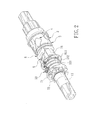
Figure 1 is an assembled perspective view showing a preferred embodiment of the assisting force control device for a bicycle according to the present invention; -
Figure 2 is a fragmentary perspective view of the preferred embodiment; -
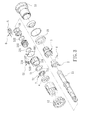
Figure 3 is an exploded perspective view of the preferred embodiment; and -
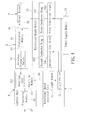
Figure 4 is a block diagram of the preferred embodiment. - Referring to
Figures 1 ,2 , and3 , the preferred embodiment of the assisting force control device according to this invention is for use in a bicycle. The bicycle includes acrankshaft 11, afirst ring 12 and asecond ring 13 respectively disposed at two sides of thecrankshaft 11, two cranks (not shown) respectively disposed at outer sides of thefirst ring 12 and thesecond ring 13, a first bearing 14 and a second bearing 15 respectively disposed in thefirst ring 12 and thesecond ring 13, a circuitboard mounting base 16 sleeved on thecrankshaft 11, and an electric motor (not shown) connected to the bicycle for providing the assisting force thereto. - Referring to
Figures 2 ,3 ,4 , the assisting force control device comprises adriving member 2, a drivenmember 3, astrain sensor 4, atorque calculation unit 5, acircuit board 6, a rotational speed detection unit 7, a control unit 8, anelectrical brush module 53, and apower supply module 54. - The driving
member 2 is coupled and sleeved co-rotatably to thecrankshaft 11. The drivenmember 3 is sleeved on thecrankshaft 11 and is connected to the drivingmember 2 for co-rotation therewith. In this embodiment, thedriving member 2 and the drivenmember 3 have two pairs of mating parts that surround thecrankshaft 11. When the drivingmember 2 is co-rotated with thecrankshaft 11, the drivenmember 3 is co-rotated through the mating parts. - The
strain sensor 4 is disposed on thedriving member 2, and is operable to output aresponse signal 92 corresponding to a deformation amount of thedriving member 2. In this embodiment, thestrain sensor 4 is a resistive strain sensor having one end for receiving aninitial signal 91 and another end for outputting theresponse signal 92. - The
torque calculation unit 5 is coupled to thestrain sensor 4 for calculating and outputting atorque signal 93 according to theresponse signal 92, and includes: acalculation module 51 coupled to thestrain sensor 4, and operable to calculate and to output thetorque signal 93 according to theresponse signal 92; and awireless transmission module 52 coupled to the thecalculation module 51 for wireless transmission of thetorque signal 93. In this embodiment, thetorque signal 93 transmitted by thewireless transmission module 52 is a wireless radio frequency signal. - The
power supply module 54 in this embodiment is a battery, and theelectrical brush module 53 is for coupling thepower supply module 54 to thetorque calculation unit 5. In this embodiment, theelectrical brush module 53 includes: - first and
second conductor rings crankshaft 11 and coupled to thetorque calculation unit 5; - a first
electrical brush 533 slidably contacting thefirst conductor ring 531; - a second
electrical brush 534 slidably contacting thesecond conductor ring 532; - an
insulator ring 535 sleeved on thecrankshaft 11, the first andsecond conductor rings insulator ring 535; - a
sleeve 536 disposed to surround the first andsecond conductor rings - an
installation base 537 disposed on thesleeve 536 and through which the first and secondelectrical brushes - The
power supply module 54 is coupled to the first and secondelectrical brushes electrical brush module 53 for providing electrical power to thecalculation module 51 via the first and secondelectrical brushes second conductor rings calculation module 51 thereby provides theinitial signal 91 to thestrain sensor 4 for enabling the latter to sense the deformation amount of the drivingmember 2. - The
circuit board 6 is disposed on thecrankshaft 11 and is mounted on the circuitboard mounting base 16. Thetorque calculation unit 5 is disposed on thecircuit board 6. - The rotational speed detection unit 7 is mounted on the
crankshaft 11 and is operable to output a rotationalspeed detecting signal 96 based on a rotational speed of thecrankshaft 11. - In this embodiment, the rotational speed detection unit 7 includes a
light emitter 71 connected to thecrankshaft 11, and alight sensor 72 disposed to surround thecrankshaft 11 non-rotatably. Thelight sensor 72 is operable to output the rotationalspeed detecting signal 96 in response to receipt of light from thelight emitter 71. In this embodiment, when thelight emitter 71 is co-rotated with thecrankshaft 11, thelight sensor 72 is operable to calculate the rotationalspeed detecting signal 96 in response to receipt of moving light. - In this embodiment, the
light emitter 71 includes a ring-shaped board 711 equipped with a plurality of light sources that are operable to emit light within a wavelength range of 800nm to 950nm for receipt by thelight sensor 72. - The control unit 8 includes a
receiving module 81 for receiving the rotationalspeed detecting signal 96 and thetorque signal 93 from the rotational speed detection unit 7 and thetorque calculation unit 5, respectively, and aprocessing module 82 coupled to the receivingmodule 81 for generating aforce control signal 97 to control the electric motor such that the electric motor is able to provide an appropriate assisting force to the bicycle according to the rotationalspeed detecting signal 96 and thetorque signal 93. The receivingmodule 81 includes areceiving coil 811 for receiving thetorque signal 93 in this embodiment. - When a user rides the bicycle equipped with the assisting force control device and rotates the cranks, the
crankshaft 11, and thedriving member 2, the drivenmember 3 becomes a load to the drivingmember 2 to result in slight deformation of thedriving member 2. Thestrain sensor 4 is thus deformed and outputs theresponse signal 92, which corresponds to the deformation, to thecalculation module 51. Thecalculation module 51 calculates thetorque signal 93 that corresponds to the torque experienced by thecrankshaft 11 according to theresponse signal 92, and thetorque signal 93 is outputted to thereceiving module 81 of the control unit 8 by wireless transmission. - At the same time, the
light emitter 71 disposed on thecrankshaft 11 is co-rotated, and thelight sensor 72 is operable to calculate the rotational speed of thecrankshaft 11 from received light emitted from thelight emitter 71 with a specific wavelength, and to output the rotationalspeed detecting signal 96 to the receivingmodule 81 of the control unit 8. By taking into account thetorque signal 93 and the rotationalspeed detecting signal 96, the probable road condition can be judged (such as uphill, downhill, or flat terrain). - Since the work P produced from user's treading (i.e., the energy dissipation) is proportional to the rotational speed ω and the output force T, the relationship can be described using the following equation:

where f represents number of rotations per second. - Since the torque experienced by the
crankshaft 11 is proportional to the output force T, the control module 8 is operable to calculate the energy dissipation from the user's treading based the received rotationalspeed detecting signal 96 and thetorque signal 93. Through judging the road condition, theprocessing module 82 is operable to calculate an optimalforce control signal 97 for the electric motor. Compared to the conventional electric bicycle, the present invention makes it possible for the electric motor to provide the force responsive to actual work performed by the user, so as to ease the user's driving load. - To sum up, by measuring deformation from co-rotation of the driving
member 2 and the drivenmember 3, the torque applied on thecrankshaft 11 is calculated. With cooperation from the rotational speed measurement by the rotational speed detection unit 7, theforce control signal 97 which is precisely responsive to user's applied force is calculated to drive the electric motor, such that the assisting force is adjustable according to actual road and riding conditions.
Claims (11)
- An assisting force control device adapted for use in a bicycle including an electric motor and a crankshaft (11), said assisting force control device comprising:a driving member (2) to be coupled co-rotatably to the crankshaft (11);a strain sensor (4) disposed on said driving member (2), and operable to output a response signal (92) corresponding to a deformation amount of said driving member (2);a torque calculation unit (5) coupled to said strain sensor (4) for calculating and outputting a torque signal (93) according to the response signal (92);a rotational speed detection unit (7) to be mounted on the crankshaft (11) and operable to output a rotational speed detecting signal (96) based on a rotational speed of the crankshaft (11); anda control unit (8) including
a receiving module (81) for receiving the rotational speed detecting signal (96) and the torque signal (93) from said rotational speed detection unit (7) and said torque calculation unit (5), respectively, and
a processing module (82) coupled to said receiving module (81) for generating a force control signal (97) to control the electric motor according to the rotational speed detecting signal (96) and the torque signal (93). - The assisting force control device as claimed in Claim 1, wherein said driving member (2) is to be sleeved co-rotatably on the crankshaft (11), and said assisting force control device further comprises a driven member (3) to be sleeved on the crankshaft (11) and connected to said driving member (2) for co-rotation therewith.
- The assisting force control device as claimed in Claim 1, further comprising a circuit board (6) to be disposed on the crankshaft (11), said torque calculation unit (5) being disposed on said circuit board (6).
- The assisting force control device as claimed in Claim 3, wherein said torque calculation unit (5) includes:a calculation module (51) coupled to said strain sensor (4), and operable to calculate and to output the torque signal (93) according to the response signal (92); anda wireless transmission module (52) coupled to said calculation module (51) for wireless transmission of the torque signal (93) to said receiving module (81).
- The assisting force control device as claimed in Claim 4, further comprising a power supply module (54), and an electrical brush module (53) for coupling said power supply module (54) to said torque calculation unit (5).
- The assisting force control device as claimed in Claim 5, wherein said electrical brush module (53) includes:first and second conductor rings (531, 532) to be disposed spacedly along length of the crankshaft (11) and coupled to said torque calculation unit (5);a first electrical brush (533) slidably contacting said first conductor ring (531); anda second electrical brush (534) slidably contacting said second conductor ring (532);said power supply module (54) being coupled to said first and second electrical brushes (533, 534) of said electrical brush module (53).
- The assisting force control device as claimed in Claim 6, wherein said electrical brush module (53) further includes an insulator ring (535) to be sleeved on the crankshaft (11), said first and second conductor rings (531, 532) being disposed on said insulator ring (535).
- The assisting force control device as claimed in Claim 7, wherein said electrical brush module (53) further includes a sleeve (536) disposed to surround said first and second conductor rings (531, 532), and an installation base (537) disposed on said sleeve (536) and through which said first and second electrical brushes (533, 534) extend.
- The assisting force control device as claimed in Claim 8, wherein said rotational speed detection unit (7) includes a light emitter (71) to be connected to the crankshaft (11), and a light sensor (72) to be disposed to surround the crankshaft (11) and coupled to said receiving module (81), said light sensor (72) being operable to output the rotational speed detecting signal (96) in response to receipt of light from said light emitter (71).
- The assisting force control device as claimed in Claim 9, wherein said light emitter (71) includes a ring-shaped board equipped with a plurality of light sources that are operable to emit light within a wavelength range of 800nm to 950nm for receipt by said light sensor (72).
- The assisting force control device as claimed in Claim 1, wherein said rotational speed detection unit (7) includes a light emitter (71) to be connected to the crankshaft (11), and a light sensor (72) to be disposed to surround the crankshaft (11) and coupled to said receiving module (81), said light sensor (72) being operable to output the rotational speed detecting signal (96) in response to receipt of light from said light emitter (71).
Applications Claiming Priority (1)
| Application Number | Priority Date | Filing Date | Title |
|---|---|---|---|
| TW100212013U TWM417321U (en) | 2011-06-30 | 2011-06-30 | Force assistant control device for bicycle |
Publications (3)
| Publication Number | Publication Date |
|---|---|
| EP2540608A2 true EP2540608A2 (en) | 2013-01-02 |
| EP2540608A3 EP2540608A3 (en) | 2013-11-27 |
| EP2540608B1 EP2540608B1 (en) | 2015-08-12 |
Family
ID=46449569
Family Applications (1)
| Application Number | Title | Priority Date | Filing Date |
|---|---|---|---|
| EP12174448.6A Not-in-force EP2540608B1 (en) | 2011-06-30 | 2012-06-29 | Assisting force control device for bicycle |
Country Status (3)
| Country | Link |
|---|---|
| US (1) | US8655534B2 (en) |
| EP (1) | EP2540608B1 (en) |
| TW (1) | TWM417321U (en) |
Cited By (1)
| Publication number | Priority date | Publication date | Assignee | Title |
|---|---|---|---|---|
| CN104787223A (en) * | 2015-03-20 | 2015-07-22 | 北京轻客智能科技有限责任公司 | Electric power assisting device |
Families Citing this family (15)
| Publication number | Priority date | Publication date | Assignee | Title |
|---|---|---|---|---|
| KR101366557B1 (en) * | 2012-09-19 | 2014-02-26 | 주식회사 만도 | Apparatus for driving electric bicycle |
| DE102013211436B4 (en) * | 2013-06-18 | 2016-06-23 | Ovalo Gmbh | Bottom bracket for a bicycle and a bicycle |
| DE102013216723A1 (en) * | 2013-08-22 | 2015-02-26 | Robert Bosch Gmbh | Muscle and / or engine power operable vehicle and method of operating the vehicle |
| KR20150083640A (en) * | 2014-01-10 | 2015-07-20 | 삼성전기주식회사 | Insulator and torque sensin device having the same |
| US9561836B2 (en) * | 2014-07-16 | 2017-02-07 | Ford Global Technologies, Llc | Bicycle control system |
| DE102015100676B3 (en) * | 2015-01-19 | 2016-06-09 | Unicorn Energy GmbH | Drive assembly for a manually driven vehicle with an electric auxiliary drive, method for controlling such a drive assembly and use, method for controlling a vehicle and vehicle |
| CN111268019A (en) * | 2020-03-12 | 2020-06-12 | 江苏创斯达科技有限公司 | A strain gauge and differential sensor integrated module |
| FR3112524B1 (en) * | 2020-07-20 | 2024-02-23 | Moving Magnet Tech | CYCLE DRIVE COMPONENT HAVING A TORQUE SENSOR |
| TWI737418B (en) * | 2020-07-21 | 2021-08-21 | 介隆興齒輪股份有限公司 | Independent enclosed torque sensor |
| CN112550546B (en) * | 2020-11-23 | 2022-04-15 | 江苏科技大学 | Electric vehicle power-assisted operation control system and control method thereof |
| TWI753698B (en) | 2020-12-11 | 2022-01-21 | 財團法人工業技術研究院 | Spindle apparatus with torque sensor |
| DE102022102070A1 (en) * | 2022-01-28 | 2023-08-03 | Brose Antriebstechnik GmbH & Co. Kommanditgesellschaft, Berlin | Drive system for an electric bicycle with calculation of a torque at the bottom bracket shaft for controlling the power assist |
| TWI803196B (en) * | 2022-02-15 | 2023-05-21 | 介隆興齒輪股份有限公司 | Bicycle bottom bracket torque detection mechanism |
| WO2023245506A1 (en) * | 2022-06-22 | 2023-12-28 | Chan Yuk Chun Jon | A torque sensing system, a power control system, a conversion kit with a torque sensing system, and a vehicle with a torque sensing system |
| TWI829485B (en) * | 2022-12-23 | 2024-01-11 | 賴士豪 | Torque sensing device for electric assisted bicycle |
Citations (1)
| Publication number | Priority date | Publication date | Assignee | Title |
|---|---|---|---|---|
| TWM326504U (en) | 2007-08-20 | 2008-02-01 | J D Components Co Ltd | Force detection system of electric bike |
Family Cites Families (8)
| Publication number | Priority date | Publication date | Assignee | Title |
|---|---|---|---|---|
| JP3276781B2 (en) * | 1994-08-18 | 2002-04-22 | 本田技研工業株式会社 | Electric assisted bicycle |
| JP2001151184A (en) * | 1999-11-22 | 2001-06-05 | Nippon Recycling Syst:Kk | Power assisted bicycle and its drive control method |
| JP2003231491A (en) * | 2002-02-08 | 2003-08-19 | Sunstar Eng Inc | Power-assisted bicycle providing aerobic exercise |
| US7549902B2 (en) * | 2006-11-02 | 2009-06-23 | Patrick Lee Jansen | Electric motor assisted propulsion system for human-powered watercraft |
| US7806006B2 (en) * | 2007-11-08 | 2010-10-05 | Grand Valley State University | Bicycle torque measuring system |
| JP5641730B2 (en) * | 2009-04-02 | 2014-12-17 | 株式会社東芝 | Regenerative brake device and vehicle equipped with regenerative brake device |
| JP5395603B2 (en) * | 2009-10-05 | 2014-01-22 | 太陽誘電株式会社 | Regenerative brake device and electric assist vehicle equipped with the same |
| CN101817388B (en) * | 2010-05-04 | 2012-07-25 | 陈戈平 | Power-assisted transmission mechanism for electric power-assisted bicycle |
-
2011
- 2011-06-30 TW TW100212013U patent/TWM417321U/en not_active IP Right Cessation
-
2012
- 2012-06-29 US US13/537,120 patent/US8655534B2/en not_active Expired - Fee Related
- 2012-06-29 EP EP12174448.6A patent/EP2540608B1/en not_active Not-in-force
Patent Citations (1)
| Publication number | Priority date | Publication date | Assignee | Title |
|---|---|---|---|---|
| TWM326504U (en) | 2007-08-20 | 2008-02-01 | J D Components Co Ltd | Force detection system of electric bike |
Cited By (1)
| Publication number | Priority date | Publication date | Assignee | Title |
|---|---|---|---|---|
| CN104787223A (en) * | 2015-03-20 | 2015-07-22 | 北京轻客智能科技有限责任公司 | Electric power assisting device |
Also Published As
| Publication number | Publication date |
|---|---|
| US20130006463A1 (en) | 2013-01-03 |
| TWM417321U (en) | 2011-12-01 |
| US8655534B2 (en) | 2014-02-18 |
| EP2540608B1 (en) | 2015-08-12 |
| EP2540608A3 (en) | 2013-11-27 |
Similar Documents
| Publication | Publication Date | Title |
|---|---|---|
| EP2540608B1 (en) | Assisting force control device for bicycle | |
| EP2578484B1 (en) | Torque sensor assembly for a power-assisted bicycle | |
| US8965610B2 (en) | Pedal assist sensor | |
| JP5490916B2 (en) | Pedaling state detection device, pedaling state detection method, pedaling state detection program, medium recording pedaling state detection program | |
| EP2860096A1 (en) | Apparatus and method for controlling motor of electrical powered cycle | |
| EP2806256A1 (en) | System for speed-based power calculation | |
| ATE512700T1 (en) | METHOD AND DEVICE FOR MEASURING FORCE, TORQUE AND POWER ON AN ERGOMETER OR BICYCLE | |
| US10994805B2 (en) | Human-powered vehicle control device | |
| CN108725679A (en) | bicycle electric device | |
| CN103257011B (en) | Crank torque measurement device, electric bicycle and intelligent bicycle | |
| CN205785619U (en) | Crank torque measuring device and electric bicycle and intelligent bicycle | |
| US10604210B2 (en) | Human-powered vehicle control device | |
| EP2869048A1 (en) | Torque sensing device | |
| US20190202424A1 (en) | Brake power measuring device | |
| CN202201119U (en) | Power assist control device for bicycle | |
| CN203231846U (en) | Crank torque measuring device and electric bicycle and intelligent bicycle | |
| KR20170022179A (en) | Driving apparatus for electronic bike and electronic bike having thereof | |
| TWI410350B (en) | ||
| TWI626189B (en) | Power sensing system for bicycles | |
| US11325673B2 (en) | Power sensing system for bicycles | |
| CN106956553B (en) | Dynamic air pressure sensing system for bicycle | |
| JP3872660B2 (en) | Electric assist bicycle | |
| CN207600637U (en) | Foil gauge type torque sensor and motor | |
| CN219077405U (en) | Driving device capable of measuring physical energy consumption for electric auxiliary power assisting bicycle | |
| US12441427B2 (en) | Electrical device and rotational device for human-powered vehicle |
Legal Events
| Date | Code | Title | Description |
|---|---|---|---|
| PUAI | Public reference made under article 153(3) epc to a published international application that has entered the european phase |
Free format text: ORIGINAL CODE: 0009012 |
|
| AK | Designated contracting states |
Kind code of ref document: A2 Designated state(s): AL AT BE BG CH CY CZ DE DK EE ES FI FR GB GR HR HU IE IS IT LI LT LU LV MC MK MT NL NO PL PT RO RS SE SI SK SM TR |
|
| AX | Request for extension of the european patent |
Extension state: BA ME |
|
| RIN1 | Information on inventor provided before grant (corrected) |
Inventor name: HUANG, KUO-WEI Inventor name: YANG, HUNG-CHING Inventor name: YEN, WEI-FENG Inventor name: SUNG, YUN-SHENG Inventor name: LIN, CHANG-YUAN Inventor name: CHENG, SHI-CHUAN |
|
| PUAL | Search report despatched |
Free format text: ORIGINAL CODE: 0009013 |
|
| AK | Designated contracting states |
Kind code of ref document: A3 Designated state(s): AL AT BE BG CH CY CZ DE DK EE ES FI FR GB GR HR HU IE IS IT LI LT LU LV MC MK MT NL NO PL PT RO RS SE SI SK SM TR |
|
| AX | Request for extension of the european patent |
Extension state: BA ME |
|
| RIC1 | Information provided on ipc code assigned before grant |
Ipc: B62M 6/45 20100101AFI20131022BHEP Ipc: B62M 3/00 20060101ALI20131022BHEP Ipc: B62M 6/50 20100101ALI20131022BHEP |
|
| 17P | Request for examination filed |
Effective date: 20140415 |
|
| RBV | Designated contracting states (corrected) |
Designated state(s): AL AT BE BG CH CY CZ DE DK EE ES FI FR GB GR HR HU IE IS IT LI LT LU LV MC MK MT NL NO PL PT RO RS SE SI SK SM TR |
|
| 17Q | First examination report despatched |
Effective date: 20140806 |
|
| REG | Reference to a national code |
Ref country code: DE Ref legal event code: R079 Ref document number: 602012009471 Country of ref document: DE Free format text: PREVIOUS MAIN CLASS: B62M0006450000 Ipc: B60L0015200000 |
|
| GRAP | Despatch of communication of intention to grant a patent |
Free format text: ORIGINAL CODE: EPIDOSNIGR1 |
|
| RIC1 | Information provided on ipc code assigned before grant |
Ipc: B62M 6/60 20100101ALI20150325BHEP Ipc: B62M 6/45 20100101ALI20150325BHEP Ipc: B60L 15/20 20060101AFI20150325BHEP |
|
| INTG | Intention to grant announced |
Effective date: 20150409 |
|
| GRAS | Grant fee paid |
Free format text: ORIGINAL CODE: EPIDOSNIGR3 |
|
| GRAA | (expected) grant |
Free format text: ORIGINAL CODE: 0009210 |
|
| AK | Designated contracting states |
Kind code of ref document: B1 Designated state(s): AL AT BE BG CH CY CZ DE DK EE ES FI FR GB GR HR HU IE IS IT LI LT LU LV MC MK MT NL NO PL PT RO RS SE SI SK SM TR |
|
| REG | Reference to a national code |
Ref country code: GB Ref legal event code: FG4D |
|
| REG | Reference to a national code |
Ref country code: CH Ref legal event code: EP |
|
| REG | Reference to a national code |
Ref country code: AT Ref legal event code: REF Ref document number: 741818 Country of ref document: AT Kind code of ref document: T Effective date: 20150815 |
|
| REG | Reference to a national code |
Ref country code: IE Ref legal event code: FG4D |
|
| REG | Reference to a national code |
Ref country code: DE Ref legal event code: R096 Ref document number: 602012009471 Country of ref document: DE |
|
| REG | Reference to a national code |
Ref country code: CH Ref legal event code: NV Representative=s name: MICHELI AND CIE SA, CH |
|
| REG | Reference to a national code |
Ref country code: LT Ref legal event code: MG4D |
|
| REG | Reference to a national code |
Ref country code: AT Ref legal event code: MK05 Ref document number: 741818 Country of ref document: AT Kind code of ref document: T Effective date: 20150812 |
|
| REG | Reference to a national code |
Ref country code: NL Ref legal event code: FP |
|
| PG25 | Lapsed in a contracting state [announced via postgrant information from national office to epo] |
Ref country code: NO Free format text: LAPSE BECAUSE OF FAILURE TO SUBMIT A TRANSLATION OF THE DESCRIPTION OR TO PAY THE FEE WITHIN THE PRESCRIBED TIME-LIMIT Effective date: 20151112 Ref country code: LV Free format text: LAPSE BECAUSE OF FAILURE TO SUBMIT A TRANSLATION OF THE DESCRIPTION OR TO PAY THE FEE WITHIN THE PRESCRIBED TIME-LIMIT Effective date: 20150812 Ref country code: LT Free format text: LAPSE BECAUSE OF FAILURE TO SUBMIT A TRANSLATION OF THE DESCRIPTION OR TO PAY THE FEE WITHIN THE PRESCRIBED TIME-LIMIT Effective date: 20150812 Ref country code: GR Free format text: LAPSE BECAUSE OF FAILURE TO SUBMIT A TRANSLATION OF THE DESCRIPTION OR TO PAY THE FEE WITHIN THE PRESCRIBED TIME-LIMIT Effective date: 20151113 Ref country code: FI Free format text: LAPSE BECAUSE OF FAILURE TO SUBMIT A TRANSLATION OF THE DESCRIPTION OR TO PAY THE FEE WITHIN THE PRESCRIBED TIME-LIMIT Effective date: 20150812 |
|
| PG25 | Lapsed in a contracting state [announced via postgrant information from national office to epo] |
Ref country code: RS Free format text: LAPSE BECAUSE OF FAILURE TO SUBMIT A TRANSLATION OF THE DESCRIPTION OR TO PAY THE FEE WITHIN THE PRESCRIBED TIME-LIMIT Effective date: 20150812 Ref country code: HR Free format text: LAPSE BECAUSE OF FAILURE TO SUBMIT A TRANSLATION OF THE DESCRIPTION OR TO PAY THE FEE WITHIN THE PRESCRIBED TIME-LIMIT Effective date: 20150812 Ref country code: IS Free format text: LAPSE BECAUSE OF FAILURE TO SUBMIT A TRANSLATION OF THE DESCRIPTION OR TO PAY THE FEE WITHIN THE PRESCRIBED TIME-LIMIT Effective date: 20151212 Ref country code: PL Free format text: LAPSE BECAUSE OF FAILURE TO SUBMIT A TRANSLATION OF THE DESCRIPTION OR TO PAY THE FEE WITHIN THE PRESCRIBED TIME-LIMIT Effective date: 20150812 Ref country code: SE Free format text: LAPSE BECAUSE OF FAILURE TO SUBMIT A TRANSLATION OF THE DESCRIPTION OR TO PAY THE FEE WITHIN THE PRESCRIBED TIME-LIMIT Effective date: 20150812 Ref country code: ES Free format text: LAPSE BECAUSE OF FAILURE TO SUBMIT A TRANSLATION OF THE DESCRIPTION OR TO PAY THE FEE WITHIN THE PRESCRIBED TIME-LIMIT Effective date: 20150812 Ref country code: AT Free format text: LAPSE BECAUSE OF FAILURE TO SUBMIT A TRANSLATION OF THE DESCRIPTION OR TO PAY THE FEE WITHIN THE PRESCRIBED TIME-LIMIT Effective date: 20150812 Ref country code: PT Free format text: LAPSE BECAUSE OF FAILURE TO SUBMIT A TRANSLATION OF THE DESCRIPTION OR TO PAY THE FEE WITHIN THE PRESCRIBED TIME-LIMIT Effective date: 20151214 |
|
| PG25 | Lapsed in a contracting state [announced via postgrant information from national office to epo] |
Ref country code: IT Free format text: LAPSE BECAUSE OF FAILURE TO SUBMIT A TRANSLATION OF THE DESCRIPTION OR TO PAY THE FEE WITHIN THE PRESCRIBED TIME-LIMIT Effective date: 20150812 Ref country code: SK Free format text: LAPSE BECAUSE OF FAILURE TO SUBMIT A TRANSLATION OF THE DESCRIPTION OR TO PAY THE FEE WITHIN THE PRESCRIBED TIME-LIMIT Effective date: 20150812 Ref country code: DK Free format text: LAPSE BECAUSE OF FAILURE TO SUBMIT A TRANSLATION OF THE DESCRIPTION OR TO PAY THE FEE WITHIN THE PRESCRIBED TIME-LIMIT Effective date: 20150812 Ref country code: CZ Free format text: LAPSE BECAUSE OF FAILURE TO SUBMIT A TRANSLATION OF THE DESCRIPTION OR TO PAY THE FEE WITHIN THE PRESCRIBED TIME-LIMIT Effective date: 20150812 Ref country code: EE Free format text: LAPSE BECAUSE OF FAILURE TO SUBMIT A TRANSLATION OF THE DESCRIPTION OR TO PAY THE FEE WITHIN THE PRESCRIBED TIME-LIMIT Effective date: 20150812 |
|
| REG | Reference to a national code |
Ref country code: DE Ref legal event code: R097 Ref document number: 602012009471 Country of ref document: DE |
|
| PG25 | Lapsed in a contracting state [announced via postgrant information from national office to epo] |
Ref country code: RO Free format text: LAPSE BECAUSE OF FAILURE TO SUBMIT A TRANSLATION OF THE DESCRIPTION OR TO PAY THE FEE WITHIN THE PRESCRIBED TIME-LIMIT Effective date: 20150812 |
|
| PLBE | No opposition filed within time limit |
Free format text: ORIGINAL CODE: 0009261 |
|
| STAA | Information on the status of an ep patent application or granted ep patent |
Free format text: STATUS: NO OPPOSITION FILED WITHIN TIME LIMIT |
|
| 26N | No opposition filed |
Effective date: 20160513 |
|
| PG25 | Lapsed in a contracting state [announced via postgrant information from national office to epo] |
Ref country code: SI Free format text: LAPSE BECAUSE OF FAILURE TO SUBMIT A TRANSLATION OF THE DESCRIPTION OR TO PAY THE FEE WITHIN THE PRESCRIBED TIME-LIMIT Effective date: 20150812 |
|
| PG25 | Lapsed in a contracting state [announced via postgrant information from national office to epo] |
Ref country code: BE Free format text: LAPSE BECAUSE OF FAILURE TO SUBMIT A TRANSLATION OF THE DESCRIPTION OR TO PAY THE FEE WITHIN THE PRESCRIBED TIME-LIMIT Effective date: 20150812 |
|
| PG25 | Lapsed in a contracting state [announced via postgrant information from national office to epo] |
Ref country code: MC Free format text: LAPSE BECAUSE OF FAILURE TO SUBMIT A TRANSLATION OF THE DESCRIPTION OR TO PAY THE FEE WITHIN THE PRESCRIBED TIME-LIMIT Effective date: 20150812 |
|
| GBPC | Gb: european patent ceased through non-payment of renewal fee |
Effective date: 20160629 |
|
| REG | Reference to a national code |
Ref country code: IE Ref legal event code: MM4A |
|
| REG | Reference to a national code |
Ref country code: FR Ref legal event code: ST Effective date: 20170228 |
|
| PG25 | Lapsed in a contracting state [announced via postgrant information from national office to epo] |
Ref country code: FR Free format text: LAPSE BECAUSE OF NON-PAYMENT OF DUE FEES Effective date: 20160630 |
|
| PG25 | Lapsed in a contracting state [announced via postgrant information from national office to epo] |
Ref country code: IE Free format text: LAPSE BECAUSE OF NON-PAYMENT OF DUE FEES Effective date: 20160629 Ref country code: GB Free format text: LAPSE BECAUSE OF NON-PAYMENT OF DUE FEES Effective date: 20160629 |
|
| PGFP | Annual fee paid to national office [announced via postgrant information from national office to epo] |
Ref country code: DE Payment date: 20170616 Year of fee payment: 6 Ref country code: CH Payment date: 20170627 Year of fee payment: 6 |
|
| PGFP | Annual fee paid to national office [announced via postgrant information from national office to epo] |
Ref country code: NL Payment date: 20170627 Year of fee payment: 6 |
|
| PG25 | Lapsed in a contracting state [announced via postgrant information from national office to epo] |
Ref country code: SM Free format text: LAPSE BECAUSE OF FAILURE TO SUBMIT A TRANSLATION OF THE DESCRIPTION OR TO PAY THE FEE WITHIN THE PRESCRIBED TIME-LIMIT Effective date: 20150812 Ref country code: HU Free format text: LAPSE BECAUSE OF FAILURE TO SUBMIT A TRANSLATION OF THE DESCRIPTION OR TO PAY THE FEE WITHIN THE PRESCRIBED TIME-LIMIT; INVALID AB INITIO Effective date: 20120629 Ref country code: CY Free format text: LAPSE BECAUSE OF FAILURE TO SUBMIT A TRANSLATION OF THE DESCRIPTION OR TO PAY THE FEE WITHIN THE PRESCRIBED TIME-LIMIT Effective date: 20150812 |
|
| PG25 | Lapsed in a contracting state [announced via postgrant information from national office to epo] |
Ref country code: MK Free format text: LAPSE BECAUSE OF FAILURE TO SUBMIT A TRANSLATION OF THE DESCRIPTION OR TO PAY THE FEE WITHIN THE PRESCRIBED TIME-LIMIT Effective date: 20150812 Ref country code: TR Free format text: LAPSE BECAUSE OF FAILURE TO SUBMIT A TRANSLATION OF THE DESCRIPTION OR TO PAY THE FEE WITHIN THE PRESCRIBED TIME-LIMIT Effective date: 20150812 Ref country code: LU Free format text: LAPSE BECAUSE OF NON-PAYMENT OF DUE FEES Effective date: 20160629 Ref country code: MT Free format text: LAPSE BECAUSE OF NON-PAYMENT OF DUE FEES Effective date: 20160630 |
|
| PG25 | Lapsed in a contracting state [announced via postgrant information from national office to epo] |
Ref country code: BG Free format text: LAPSE BECAUSE OF FAILURE TO SUBMIT A TRANSLATION OF THE DESCRIPTION OR TO PAY THE FEE WITHIN THE PRESCRIBED TIME-LIMIT Effective date: 20150812 |
|
| PG25 | Lapsed in a contracting state [announced via postgrant information from national office to epo] |
Ref country code: AL Free format text: LAPSE BECAUSE OF FAILURE TO SUBMIT A TRANSLATION OF THE DESCRIPTION OR TO PAY THE FEE WITHIN THE PRESCRIBED TIME-LIMIT Effective date: 20150812 |
|
| REG | Reference to a national code |
Ref country code: DE Ref legal event code: R119 Ref document number: 602012009471 Country of ref document: DE |
|
| REG | Reference to a national code |
Ref country code: CH Ref legal event code: PL |
|
| REG | Reference to a national code |
Ref country code: NL Ref legal event code: MM Effective date: 20180701 |
|
| PG25 | Lapsed in a contracting state [announced via postgrant information from national office to epo] |
Ref country code: NL Free format text: LAPSE BECAUSE OF NON-PAYMENT OF DUE FEES Effective date: 20180701 |
|
| PG25 | Lapsed in a contracting state [announced via postgrant information from national office to epo] |
Ref country code: DE Free format text: LAPSE BECAUSE OF NON-PAYMENT OF DUE FEES Effective date: 20190101 Ref country code: CH Free format text: LAPSE BECAUSE OF NON-PAYMENT OF DUE FEES Effective date: 20180630 Ref country code: LI Free format text: LAPSE BECAUSE OF NON-PAYMENT OF DUE FEES Effective date: 20180630 |