EP2540325A1 - Peptide based antimicrobial coating - Google Patents
Peptide based antimicrobial coating Download PDFInfo
- Publication number
- EP2540325A1 EP2540325A1 EP12173879A EP12173879A EP2540325A1 EP 2540325 A1 EP2540325 A1 EP 2540325A1 EP 12173879 A EP12173879 A EP 12173879A EP 12173879 A EP12173879 A EP 12173879A EP 2540325 A1 EP2540325 A1 EP 2540325A1
- Authority
- EP
- European Patent Office
- Prior art keywords
- antimicrobial
- hydrophilic side
- side chains
- side chain
- surfactant
- Prior art date
- Legal status (The legal status is an assumption and is not a legal conclusion. Google has not performed a legal analysis and makes no representation as to the accuracy of the status listed.)
- Granted
Links
- 230000000845 anti-microbial effect Effects 0.000 title claims abstract description 73
- 238000000576 coating method Methods 0.000 title description 21
- 239000011248 coating agent Substances 0.000 title description 10
- 108090000765 processed proteins & peptides Proteins 0.000 title description 7
- 239000004094 surface-active agent Substances 0.000 claims abstract description 109
- 229920000642 polymer Polymers 0.000 claims abstract description 79
- 239000004599 antimicrobial Substances 0.000 claims abstract description 52
- 125000000524 functional group Chemical group 0.000 claims abstract description 37
- 230000002209 hydrophobic effect Effects 0.000 claims abstract description 31
- 108010053775 Nisin Proteins 0.000 claims description 62
- NVNLLIYOARQCIX-MSHCCFNRSA-N Nisin Chemical compound N1C(=O)[C@@H](CC(C)C)NC(=O)C(=C)NC(=O)[C@@H]([C@H](C)CC)NC(=O)[C@@H](NC(=O)C(=C/C)/NC(=O)[C@H](N)[C@H](C)CC)CSC[C@@H]1C(=O)N[C@@H]1C(=O)N2CCC[C@@H]2C(=O)NCC(=O)N[C@@H](C(=O)N[C@H](CCCCN)C(=O)N[C@@H]2C(NCC(=O)N[C@H](C)C(=O)N[C@H](CC(C)C)C(=O)N[C@H](CCSC)C(=O)NCC(=O)N[C@H](CS[C@@H]2C)C(=O)N[C@H](CC(N)=O)C(=O)N[C@H](CCSC)C(=O)N[C@H](CCCCN)C(=O)N[C@@H]2C(N[C@H](C)C(=O)N[C@@H]3C(=O)N[C@@H](C(N[C@H](CC=4NC=NC=4)C(=O)N[C@H](CS[C@@H]3C)C(=O)N[C@H](CO)C(=O)N[C@H]([C@H](C)CC)C(=O)N[C@H](CC=3NC=NC=3)C(=O)N[C@H](C(C)C)C(=O)NC(=C)C(=O)N[C@H](CCCCN)C(O)=O)=O)CS[C@@H]2C)=O)=O)CS[C@@H]1C NVNLLIYOARQCIX-MSHCCFNRSA-N 0.000 claims description 62
- 239000004309 nisin Substances 0.000 claims description 62
- 235000010297 nisin Nutrition 0.000 claims description 62
- 239000002202 Polyethylene glycol Substances 0.000 claims description 50
- 238000000034 method Methods 0.000 claims description 50
- 229920001223 polyethylene glycol Polymers 0.000 claims description 50
- 108700042778 Antimicrobial Peptides Proteins 0.000 claims description 42
- 102000044503 Antimicrobial Peptides Human genes 0.000 claims description 42
- 239000007943 implant Substances 0.000 claims description 34
- 239000003910 polypeptide antibiotic agent Substances 0.000 claims description 34
- 239000000758 substrate Substances 0.000 claims description 18
- XLYOFNOQVPJJNP-UHFFFAOYSA-N water Chemical compound O XLYOFNOQVPJJNP-UHFFFAOYSA-N 0.000 claims description 15
- 150000001408 amides Chemical class 0.000 claims description 13
- 150000003335 secondary amines Chemical class 0.000 claims description 13
- 229920002554 vinyl polymer Polymers 0.000 claims description 13
- 150000001412 amines Chemical class 0.000 claims description 12
- 150000002148 esters Chemical class 0.000 claims description 12
- 125000001570 methylene group Chemical group [H]C([H])([*:1])[*:2] 0.000 claims description 11
- 239000008367 deionised water Substances 0.000 claims description 8
- 229910021641 deionized water Inorganic materials 0.000 claims description 8
- 230000000399 orthopedic effect Effects 0.000 claims description 7
- 230000000747 cardiac effect Effects 0.000 claims description 6
- 238000004519 manufacturing process Methods 0.000 claims description 4
- 239000003814 drug Substances 0.000 claims description 3
- 229940079593 drug Drugs 0.000 claims description 3
- 125000002485 formyl group Chemical class [H]C(*)=O 0.000 claims 2
- 239000012620 biological material Substances 0.000 abstract description 11
- 230000002965 anti-thrombogenic effect Effects 0.000 abstract description 9
- 244000005700 microbiome Species 0.000 abstract description 4
- OKKJLVBELUTLKV-UHFFFAOYSA-N Methanol Chemical compound OC OKKJLVBELUTLKV-UHFFFAOYSA-N 0.000 description 81
- JARKCYVAAOWBJS-UHFFFAOYSA-N hexanal Chemical compound CCCCCC=O JARKCYVAAOWBJS-UHFFFAOYSA-N 0.000 description 32
- 239000000203 mixture Substances 0.000 description 29
- HEMHJVSKTPXQMS-UHFFFAOYSA-M Sodium hydroxide Chemical compound [OH-].[Na+] HEMHJVSKTPXQMS-UHFFFAOYSA-M 0.000 description 21
- 150000001299 aldehydes Chemical group 0.000 description 21
- VEXZGXHMUGYJMC-UHFFFAOYSA-N Hydrochloric acid Chemical compound Cl VEXZGXHMUGYJMC-UHFFFAOYSA-N 0.000 description 18
- 208000007536 Thrombosis Diseases 0.000 description 18
- -1 silver ions Chemical class 0.000 description 17
- RTZKZFJDLAIYFH-UHFFFAOYSA-N Diethyl ether Chemical compound CCOCC RTZKZFJDLAIYFH-UHFFFAOYSA-N 0.000 description 15
- 239000000047 product Substances 0.000 description 15
- 238000000502 dialysis Methods 0.000 description 13
- 241000894006 Bacteria Species 0.000 description 12
- 229920000669 heparin Polymers 0.000 description 11
- 229960002897 heparin Drugs 0.000 description 11
- 208000015181 infectious disease Diseases 0.000 description 11
- 210000004369 blood Anatomy 0.000 description 10
- 239000008280 blood Substances 0.000 description 10
- 238000006243 chemical reaction Methods 0.000 description 10
- HTTJABKRGRZYRN-UHFFFAOYSA-N Heparin Chemical compound OC1C(NC(=O)C)C(O)OC(COS(O)(=O)=O)C1OC1C(OS(O)(=O)=O)C(O)C(OC2C(C(OS(O)(=O)=O)C(OC3C(C(O)C(O)C(O3)C(O)=O)OS(O)(=O)=O)C(CO)O2)NS(O)(=O)=O)C(C(O)=O)O1 HTTJABKRGRZYRN-UHFFFAOYSA-N 0.000 description 9
- 239000003242 anti bacterial agent Substances 0.000 description 9
- BEOOHQFXGBMRKU-UHFFFAOYSA-N sodium cyanoborohydride Chemical compound [Na+].[B-]C#N BEOOHQFXGBMRKU-UHFFFAOYSA-N 0.000 description 9
- 239000000126 substance Substances 0.000 description 9
- 239000012901 Milli-Q water Substances 0.000 description 8
- 229940088710 antibiotic agent Drugs 0.000 description 8
- 239000000463 material Substances 0.000 description 8
- 230000008569 process Effects 0.000 description 8
- 125000003277 amino group Chemical group 0.000 description 7
- 238000004108 freeze drying Methods 0.000 description 7
- 108090000623 proteins and genes Proteins 0.000 description 7
- 102000004169 proteins and genes Human genes 0.000 description 7
- WFDIJRYMOXRFFG-UHFFFAOYSA-N Acetic anhydride Chemical compound CC(=O)OC(C)=O WFDIJRYMOXRFFG-UHFFFAOYSA-N 0.000 description 6
- YMWUJEATGCHHMB-UHFFFAOYSA-N Dichloromethane Chemical compound ClCCl YMWUJEATGCHHMB-UHFFFAOYSA-N 0.000 description 6
- IAZDPXIOMUYVGZ-UHFFFAOYSA-N Dimethylsulphoxide Chemical compound CS(C)=O IAZDPXIOMUYVGZ-UHFFFAOYSA-N 0.000 description 6
- 230000015572 biosynthetic process Effects 0.000 description 6
- 238000004090 dissolution Methods 0.000 description 6
- 230000005661 hydrophobic surface Effects 0.000 description 6
- 125000002887 hydroxy group Chemical group [H]O* 0.000 description 6
- 238000003760 magnetic stirring Methods 0.000 description 6
- 239000012528 membrane Substances 0.000 description 6
- 230000001453 nonthrombogenic effect Effects 0.000 description 6
- 229920001542 oligosaccharide Polymers 0.000 description 6
- 238000006268 reductive amination reaction Methods 0.000 description 6
- 238000001228 spectrum Methods 0.000 description 6
- 238000003756 stirring Methods 0.000 description 6
- KFZMGEQAYNKOFK-UHFFFAOYSA-N Isopropanol Chemical compound CC(C)O KFZMGEQAYNKOFK-UHFFFAOYSA-N 0.000 description 5
- 210000004517 glycocalyx Anatomy 0.000 description 5
- 230000002885 thrombogenetic effect Effects 0.000 description 5
- OZAIFHULBGXAKX-UHFFFAOYSA-N 2-(2-cyanopropan-2-yldiazenyl)-2-methylpropanenitrile Chemical compound N#CC(C)(C)N=NC(C)(C)C#N OZAIFHULBGXAKX-UHFFFAOYSA-N 0.000 description 4
- 229920002306 Glycocalyx Polymers 0.000 description 4
- 210000001124 body fluid Anatomy 0.000 description 4
- 230000008878 coupling Effects 0.000 description 4
- 238000010168 coupling process Methods 0.000 description 4
- 238000005859 coupling reaction Methods 0.000 description 4
- 150000002482 oligosaccharides Chemical class 0.000 description 4
- SBHRWOBHKASWGU-UHFFFAOYSA-M tridodecyl(methyl)azanium;chloride Chemical compound [Cl-].CCCCCCCCCCCC[N+](C)(CCCCCCCCCCCC)CCCCCCCCCCCC SBHRWOBHKASWGU-UHFFFAOYSA-M 0.000 description 4
- 102000004506 Blood Proteins Human genes 0.000 description 3
- 108010017384 Blood Proteins Proteins 0.000 description 3
- 241001465754 Metazoa Species 0.000 description 3
- 229920003171 Poly (ethylene oxide) Polymers 0.000 description 3
- FOIXSVOLVBLSDH-UHFFFAOYSA-N Silver ion Chemical compound [Ag+] FOIXSVOLVBLSDH-UHFFFAOYSA-N 0.000 description 3
- 230000003115 biocidal effect Effects 0.000 description 3
- 210000004027 cell Anatomy 0.000 description 3
- 229920001519 homopolymer Polymers 0.000 description 3
- 210000000056 organ Anatomy 0.000 description 3
- 230000002829 reductive effect Effects 0.000 description 3
- 239000004332 silver Substances 0.000 description 3
- 229910052709 silver Inorganic materials 0.000 description 3
- 238000001179 sorption measurement Methods 0.000 description 3
- QWWVBNODQCWBAZ-WHFBIAKZSA-N (2r)-2-amino-3-[(2r)-2-carboxy-2-(methylamino)ethyl]sulfanylpropanoic acid Chemical compound CN[C@H](C(O)=O)CSC[C@H](N)C(O)=O QWWVBNODQCWBAZ-WHFBIAKZSA-N 0.000 description 2
- JPOKAKNGULMYHZ-UILVTTEASA-N (2s)-6-amino-2-[[(2s)-2-[[(2s)-2-[[(2s)-2-[[(2s)-6-amino-2-[[(2s)-2-[[(2s)-6-amino-2-[[(2s)-6-amino-2-[[(2s)-2-amino-5-(diaminomethylideneamino)pentanoyl]amino]hexanoyl]amino]hexanoyl]amino]-3-(4-hydroxyphenyl)propanoyl]amino]hexanoyl]amino]-3-(4-hydroxyp Chemical compound C([C@@H](C(=O)N[C@@H](CCCN=C(N)N)C(=O)N[C@@H](CCCN=C(N)N)C(=O)N[C@@H](CCCCN)C(N)=O)NC(=O)[C@H](CCCCN)NC(=O)[C@H](CC=1C=CC(O)=CC=1)NC(=O)[C@H](CCCCN)NC(=O)[C@H](CCCCN)NC(=O)[C@@H](N)CCCN=C(N)N)C1=CC=C(O)C=C1 JPOKAKNGULMYHZ-UILVTTEASA-N 0.000 description 2
- 208000035143 Bacterial infection Diseases 0.000 description 2
- HEDRZPFGACZZDS-UHFFFAOYSA-N Chloroform Chemical compound ClC(Cl)Cl HEDRZPFGACZZDS-UHFFFAOYSA-N 0.000 description 2
- 229920002307 Dextran Polymers 0.000 description 2
- 208000005189 Embolism Diseases 0.000 description 2
- 108010010803 Gelatin Proteins 0.000 description 2
- 208000010378 Pulmonary Embolism Diseases 0.000 description 2
- 206010040047 Sepsis Diseases 0.000 description 2
- 208000001435 Thromboembolism Diseases 0.000 description 2
- 125000000217 alkyl group Chemical group 0.000 description 2
- 150000001413 amino acids Chemical class 0.000 description 2
- 150000008064 anhydrides Chemical class 0.000 description 2
- 208000022362 bacterial infectious disease Diseases 0.000 description 2
- 208000037815 bloodstream infection Diseases 0.000 description 2
- 210000000170 cell membrane Anatomy 0.000 description 2
- 229920001577 copolymer Polymers 0.000 description 2
- 229960002086 dextran Drugs 0.000 description 2
- 229920000159 gelatin Polymers 0.000 description 2
- 239000008273 gelatin Substances 0.000 description 2
- 235000019322 gelatine Nutrition 0.000 description 2
- 235000011852 gelatine desserts Nutrition 0.000 description 2
- 230000036541 health Effects 0.000 description 2
- 230000003993 interaction Effects 0.000 description 2
- JVTAAEKCZFNVCJ-UHFFFAOYSA-N lactic acid Chemical compound CC(O)C(O)=O JVTAAEKCZFNVCJ-UHFFFAOYSA-N 0.000 description 2
- DWPCPZJAHOETAG-UHFFFAOYSA-N meso-lanthionine Natural products OC(=O)C(N)CSCC(N)C(O)=O DWPCPZJAHOETAG-UHFFFAOYSA-N 0.000 description 2
- 230000003647 oxidation Effects 0.000 description 2
- 238000007254 oxidation reaction Methods 0.000 description 2
- 239000002244 precipitate Substances 0.000 description 2
- 102000004196 processed proteins & peptides Human genes 0.000 description 2
- 239000011541 reaction mixture Substances 0.000 description 2
- 238000011160 research Methods 0.000 description 2
- 230000002792 vascular Effects 0.000 description 2
- 230000002861 ventricular Effects 0.000 description 2
- LKAPTZKZHMOIRE-KVTDHHQDSA-N (2s,3s,4s,5r)-3,4-dihydroxy-5-(hydroxymethyl)oxolane-2-carbaldehyde Chemical compound OC[C@H]1O[C@H](C=O)[C@@H](O)[C@@H]1O LKAPTZKZHMOIRE-KVTDHHQDSA-N 0.000 description 1
- 238000005160 1H NMR spectroscopy Methods 0.000 description 1
- QCQCHGYLTSGIGX-GHXANHINSA-N 4-[[(3ar,5ar,5br,7ar,9s,11ar,11br,13as)-5a,5b,8,8,11a-pentamethyl-3a-[(5-methylpyridine-3-carbonyl)amino]-2-oxo-1-propan-2-yl-4,5,6,7,7a,9,10,11,11b,12,13,13a-dodecahydro-3h-cyclopenta[a]chrysen-9-yl]oxy]-2,2-dimethyl-4-oxobutanoic acid Chemical compound N([C@@]12CC[C@@]3(C)[C@]4(C)CC[C@H]5C(C)(C)[C@@H](OC(=O)CC(C)(C)C(O)=O)CC[C@]5(C)[C@H]4CC[C@@H]3C1=C(C(C2)=O)C(C)C)C(=O)C1=CN=CC(C)=C1 QCQCHGYLTSGIGX-GHXANHINSA-N 0.000 description 1
- 102000009027 Albumins Human genes 0.000 description 1
- 108010088751 Albumins Proteins 0.000 description 1
- 239000004475 Arginine Substances 0.000 description 1
- 241000193755 Bacillus cereus Species 0.000 description 1
- 108010062877 Bacteriocins Proteins 0.000 description 1
- 241000193155 Clostridium botulinum Species 0.000 description 1
- 229920000045 Dermatan sulfate Polymers 0.000 description 1
- 208000036828 Device occlusion Diseases 0.000 description 1
- 206010016654 Fibrosis Diseases 0.000 description 1
- 241000192125 Firmicutes Species 0.000 description 1
- 241000233866 Fungi Species 0.000 description 1
- 206010061218 Inflammation Diseases 0.000 description 1
- DWPCPZJAHOETAG-IMJSIDKUSA-N L-lanthionine Chemical compound OC(=O)[C@@H](N)CSC[C@H](N)C(O)=O DWPCPZJAHOETAG-IMJSIDKUSA-N 0.000 description 1
- 241000186779 Listeria monocytogenes Species 0.000 description 1
- KDXKERNSBIXSRK-UHFFFAOYSA-N Lysine Natural products NCCCCC(N)C(O)=O KDXKERNSBIXSRK-UHFFFAOYSA-N 0.000 description 1
- 239000004472 Lysine Substances 0.000 description 1
- 241000187479 Mycobacterium tuberculosis Species 0.000 description 1
- 108010039918 Polylysine Proteins 0.000 description 1
- 239000004793 Polystyrene Substances 0.000 description 1
- 241000191967 Staphylococcus aureus Species 0.000 description 1
- 208000004519 Upper Extremity Deep Vein Thrombosis Diseases 0.000 description 1
- 206010053648 Vascular occlusion Diseases 0.000 description 1
- 241000700605 Viruses Species 0.000 description 1
- CKUAXEQHGKSLHN-UHFFFAOYSA-N [C].[N] Chemical compound [C].[N] CKUAXEQHGKSLHN-UHFFFAOYSA-N 0.000 description 1
- 239000002253 acid Substances 0.000 description 1
- 230000002378 acidificating effect Effects 0.000 description 1
- 230000009471 action Effects 0.000 description 1
- 230000004913 activation Effects 0.000 description 1
- 125000004423 acyloxy group Chemical group 0.000 description 1
- 239000000853 adhesive Substances 0.000 description 1
- 230000001070 adhesive effect Effects 0.000 description 1
- 238000013019 agitation Methods 0.000 description 1
- 125000000539 amino acid group Chemical group 0.000 description 1
- 125000000129 anionic group Chemical group 0.000 description 1
- 239000003146 anticoagulant agent Substances 0.000 description 1
- 229940127219 anticoagulant drug Drugs 0.000 description 1
- ODKSFYDXXFIFQN-UHFFFAOYSA-N arginine Natural products OC(=O)C(N)CCCNC(N)=N ODKSFYDXXFIFQN-UHFFFAOYSA-N 0.000 description 1
- 230000001580 bacterial effect Effects 0.000 description 1
- 230000007227 biological adhesion Effects 0.000 description 1
- 230000003592 biomimetic effect Effects 0.000 description 1
- 230000023555 blood coagulation Effects 0.000 description 1
- 210000005242 cardiac chamber Anatomy 0.000 description 1
- 230000001413 cellular effect Effects 0.000 description 1
- 230000008614 cellular interaction Effects 0.000 description 1
- 230000008859 change Effects 0.000 description 1
- 239000003153 chemical reaction reagent Substances 0.000 description 1
- 239000003795 chemical substances by application Substances 0.000 description 1
- LKAPTZKZHMOIRE-UHFFFAOYSA-N chitose Natural products OCC1OC(C=O)C(O)C1O LKAPTZKZHMOIRE-UHFFFAOYSA-N 0.000 description 1
- 238000003776 cleavage reaction Methods 0.000 description 1
- 230000035602 clotting Effects 0.000 description 1
- 239000011247 coating layer Substances 0.000 description 1
- 239000000356 contaminant Substances 0.000 description 1
- 239000007822 coupling agent Substances 0.000 description 1
- 230000034994 death Effects 0.000 description 1
- 231100000517 death Toxicity 0.000 description 1
- 230000001419 dependent effect Effects 0.000 description 1
- AVJBPWGFOQAPRH-FWMKGIEWSA-L dermatan sulfate Chemical compound CC(=O)N[C@H]1[C@H](O)O[C@H](CO)[C@H](OS([O-])(=O)=O)[C@@H]1O[C@H]1[C@H](O)[C@@H](O)[C@H](O)[C@H](C([O-])=O)O1 AVJBPWGFOQAPRH-FWMKGIEWSA-L 0.000 description 1
- 229940051593 dermatan sulfate Drugs 0.000 description 1
- 229960000633 dextran sulfate Drugs 0.000 description 1
- 238000003745 diagnosis Methods 0.000 description 1
- 238000010586 diagram Methods 0.000 description 1
- KZNICNPSHKQLFF-UHFFFAOYSA-N dihydromaleimide Natural products O=C1CCC(=O)N1 KZNICNPSHKQLFF-UHFFFAOYSA-N 0.000 description 1
- 230000003292 diminished effect Effects 0.000 description 1
- 201000010099 disease Diseases 0.000 description 1
- 230000006806 disease prevention Effects 0.000 description 1
- 208000037265 diseases, disorders, signs and symptoms Diseases 0.000 description 1
- 230000002526 effect on cardiovascular system Effects 0.000 description 1
- 230000000694 effects Effects 0.000 description 1
- 238000010828 elution Methods 0.000 description 1
- 230000010102 embolization Effects 0.000 description 1
- 230000004761 fibrosis Effects 0.000 description 1
- 235000019249 food preservative Nutrition 0.000 description 1
- 239000005452 food preservative Substances 0.000 description 1
- 238000009472 formulation Methods 0.000 description 1
- 150000004676 glycans Chemical class 0.000 description 1
- 125000003827 glycol group Chemical group 0.000 description 1
- 210000002216 heart Anatomy 0.000 description 1
- 210000003709 heart valve Anatomy 0.000 description 1
- HNDVDQJCIGZPNO-UHFFFAOYSA-N histidine Natural products OC(=O)C(N)CC1=CN=CN1 HNDVDQJCIGZPNO-UHFFFAOYSA-N 0.000 description 1
- 125000001165 hydrophobic group Chemical group 0.000 description 1
- 229920001600 hydrophobic polymer Polymers 0.000 description 1
- 230000008105 immune reaction Effects 0.000 description 1
- 238000000338 in vitro Methods 0.000 description 1
- 238000010348 incorporation Methods 0.000 description 1
- 230000004054 inflammatory process Effects 0.000 description 1
- 239000003999 initiator Substances 0.000 description 1
- 238000003780 insertion Methods 0.000 description 1
- 230000037431 insertion Effects 0.000 description 1
- 238000005342 ion exchange Methods 0.000 description 1
- 239000004310 lactic acid Substances 0.000 description 1
- 235000014655 lactic acid Nutrition 0.000 description 1
- 230000000813 microbial effect Effects 0.000 description 1
- 230000003278 mimic effect Effects 0.000 description 1
- 230000000116 mitigating effect Effects 0.000 description 1
- 125000000896 monocarboxylic acid group Chemical group 0.000 description 1
- 230000014508 negative regulation of coagulation Effects 0.000 description 1
- 230000001590 oxidative effect Effects 0.000 description 1
- 244000052769 pathogen Species 0.000 description 1
- 230000001717 pathogenic effect Effects 0.000 description 1
- 229920003023 plastic Polymers 0.000 description 1
- 239000004033 plastic Substances 0.000 description 1
- 229920000515 polycarbonate Polymers 0.000 description 1
- 239000004417 polycarbonate Substances 0.000 description 1
- 125000003367 polycyclic group Chemical group 0.000 description 1
- 229920000656 polylysine Polymers 0.000 description 1
- 229920001282 polysaccharide Polymers 0.000 description 1
- 239000005017 polysaccharide Substances 0.000 description 1
- 229920002223 polystyrene Polymers 0.000 description 1
- 229920002635 polyurethane Polymers 0.000 description 1
- 239000004814 polyurethane Substances 0.000 description 1
- 229920002451 polyvinyl alcohol Polymers 0.000 description 1
- 230000002035 prolonged effect Effects 0.000 description 1
- 230000002685 pulmonary effect Effects 0.000 description 1
- 238000010526 radical polymerization reaction Methods 0.000 description 1
- 239000000376 reactant Substances 0.000 description 1
- 239000011347 resin Substances 0.000 description 1
- 229920005989 resin Polymers 0.000 description 1
- 230000004044 response Effects 0.000 description 1
- 150000003839 salts Chemical class 0.000 description 1
- 230000007017 scission Effects 0.000 description 1
- 239000002904 solvent Substances 0.000 description 1
- 239000007921 spray Substances 0.000 description 1
- 238000010561 standard procedure Methods 0.000 description 1
- 229960002317 succinimide Drugs 0.000 description 1
- 239000013589 supplement Substances 0.000 description 1
- 238000003786 synthesis reaction Methods 0.000 description 1
- 230000002194 synthesizing effect Effects 0.000 description 1
- 230000009897 systematic effect Effects 0.000 description 1
- 238000002560 therapeutic procedure Methods 0.000 description 1
- 230000001732 thrombotic effect Effects 0.000 description 1
- 208000021331 vascular occlusion disease Diseases 0.000 description 1
- 210000005166 vasculature Anatomy 0.000 description 1
Images



Classifications
-
- A—HUMAN NECESSITIES
- A61—MEDICAL OR VETERINARY SCIENCE; HYGIENE
- A61L—METHODS OR APPARATUS FOR STERILISING MATERIALS OR OBJECTS IN GENERAL; DISINFECTION, STERILISATION OR DEODORISATION OF AIR; CHEMICAL ASPECTS OF BANDAGES, DRESSINGS, ABSORBENT PADS OR SURGICAL ARTICLES; MATERIALS FOR BANDAGES, DRESSINGS, ABSORBENT PADS OR SURGICAL ARTICLES
- A61L33/00—Antithrombogenic treatment of surgical articles, e.g. sutures, catheters, prostheses, or of articles for the manipulation or conditioning of blood; Materials for such treatment
- A61L33/06—Use of macromolecular materials
- A61L33/12—Polypeptides, proteins or derivatives thereof, e.g. degradation products thereof
-
- A—HUMAN NECESSITIES
- A61—MEDICAL OR VETERINARY SCIENCE; HYGIENE
- A61L—METHODS OR APPARATUS FOR STERILISING MATERIALS OR OBJECTS IN GENERAL; DISINFECTION, STERILISATION OR DEODORISATION OF AIR; CHEMICAL ASPECTS OF BANDAGES, DRESSINGS, ABSORBENT PADS OR SURGICAL ARTICLES; MATERIALS FOR BANDAGES, DRESSINGS, ABSORBENT PADS OR SURGICAL ARTICLES
- A61L27/00—Materials for grafts or prostheses or for coating grafts or prostheses
- A61L27/50—Materials characterised by their function or physical properties, e.g. injectable or lubricating compositions, shape-memory materials, surface modified materials
- A61L27/54—Biologically active materials, e.g. therapeutic substances
-
- A—HUMAN NECESSITIES
- A61—MEDICAL OR VETERINARY SCIENCE; HYGIENE
- A61L—METHODS OR APPARATUS FOR STERILISING MATERIALS OR OBJECTS IN GENERAL; DISINFECTION, STERILISATION OR DEODORISATION OF AIR; CHEMICAL ASPECTS OF BANDAGES, DRESSINGS, ABSORBENT PADS OR SURGICAL ARTICLES; MATERIALS FOR BANDAGES, DRESSINGS, ABSORBENT PADS OR SURGICAL ARTICLES
- A61L28/00—Materials for colostomy devices
- A61L28/0034—Use of materials characterised by their function or physical properties
- A61L28/0038—Medicaments; Biocides
-
- A—HUMAN NECESSITIES
- A61—MEDICAL OR VETERINARY SCIENCE; HYGIENE
- A61L—METHODS OR APPARATUS FOR STERILISING MATERIALS OR OBJECTS IN GENERAL; DISINFECTION, STERILISATION OR DEODORISATION OF AIR; CHEMICAL ASPECTS OF BANDAGES, DRESSINGS, ABSORBENT PADS OR SURGICAL ARTICLES; MATERIALS FOR BANDAGES, DRESSINGS, ABSORBENT PADS OR SURGICAL ARTICLES
- A61L29/00—Materials for catheters, medical tubing, cannulae, or endoscopes or for coating catheters
- A61L29/14—Materials characterised by their function or physical properties, e.g. lubricating compositions
- A61L29/16—Biologically active materials, e.g. therapeutic substances
-
- A—HUMAN NECESSITIES
- A61—MEDICAL OR VETERINARY SCIENCE; HYGIENE
- A61L—METHODS OR APPARATUS FOR STERILISING MATERIALS OR OBJECTS IN GENERAL; DISINFECTION, STERILISATION OR DEODORISATION OF AIR; CHEMICAL ASPECTS OF BANDAGES, DRESSINGS, ABSORBENT PADS OR SURGICAL ARTICLES; MATERIALS FOR BANDAGES, DRESSINGS, ABSORBENT PADS OR SURGICAL ARTICLES
- A61L31/00—Materials for other surgical articles, e.g. stents, stent-grafts, shunts, surgical drapes, guide wires, materials for adhesion prevention, occluding devices, surgical gloves, tissue fixation devices
- A61L31/14—Materials characterised by their function or physical properties, e.g. injectable or lubricating compositions, shape-memory materials, surface modified materials
- A61L31/16—Biologically active materials, e.g. therapeutic substances
-
- A—HUMAN NECESSITIES
- A61—MEDICAL OR VETERINARY SCIENCE; HYGIENE
- A61L—METHODS OR APPARATUS FOR STERILISING MATERIALS OR OBJECTS IN GENERAL; DISINFECTION, STERILISATION OR DEODORISATION OF AIR; CHEMICAL ASPECTS OF BANDAGES, DRESSINGS, ABSORBENT PADS OR SURGICAL ARTICLES; MATERIALS FOR BANDAGES, DRESSINGS, ABSORBENT PADS OR SURGICAL ARTICLES
- A61L2300/00—Biologically active materials used in bandages, wound dressings, absorbent pads or medical devices
- A61L2300/20—Biologically active materials used in bandages, wound dressings, absorbent pads or medical devices containing or releasing organic materials
- A61L2300/25—Peptides having up to 20 amino acids in a defined sequence
-
- A—HUMAN NECESSITIES
- A61—MEDICAL OR VETERINARY SCIENCE; HYGIENE
- A61L—METHODS OR APPARATUS FOR STERILISING MATERIALS OR OBJECTS IN GENERAL; DISINFECTION, STERILISATION OR DEODORISATION OF AIR; CHEMICAL ASPECTS OF BANDAGES, DRESSINGS, ABSORBENT PADS OR SURGICAL ARTICLES; MATERIALS FOR BANDAGES, DRESSINGS, ABSORBENT PADS OR SURGICAL ARTICLES
- A61L2300/00—Biologically active materials used in bandages, wound dressings, absorbent pads or medical devices
- A61L2300/40—Biologically active materials used in bandages, wound dressings, absorbent pads or medical devices characterised by a specific therapeutic activity or mode of action
- A61L2300/404—Biocides, antimicrobial agents, antiseptic agents
Definitions
- This invention relates generally to a surfactant polymer that comprises both non-thrombogenic and antimicrobial properties. More specifically, this invention relates to a surfactant polymer comprising a polymeric backbone of repeating monomeric units having functional groups for coupling with side chains, a plurality of hydrophobic side chains linked to the backbone via the functional groups, and a peptide based antimicrobial component linked to the backbone via the hydrophilic side chain.
- the antimicrobial surfactant may be applied to a surface of a medical device to impart the surfactant's non-thrombogenic and antimicrobial properties to the medical device surface.
- Synthetic biomaterials are used in synthetic implants such as vascular grafts, heart valves, catheters and ventricular assist devices that have cardiovascular applications. Synthetic biomaterials are also used in extracorporeal systems and a wide range of invasive treatment, therapy delivery, and diagnostic systems. Unfortunately, existing biomaterials, suffer from well-known problems associated with surface-induced thrombosis or clot formation, such as thrombotic occlusion, thromboemboli, and infection.
- implanted medical devices may trigger a variety of other reactions, including inflammation, fibrosis and thrombosis.
- Undesired tissue responses can occur such as implant-associated protein adsorption and conformational changes which have been shown to promote blood coagulation and immune reactions.
- research efforts have been directed to reduce protein adsorption and cell interactions which subsequently improve biocompatibility.
- CVCs central venous catheters
- thrombosis may not only result in vascular and catheter occlusion but also infection, pulmonary embolism, and formation of right heart thromboemboli.
- Thrombi within cardiac chambers are associated with an increased risk of mortality due to their potential for embolization to the pulmonary vasculature.
- CVC thrombosis may also result in thrombo embolism of major organs.
- CVC-related thrombosis vary depending on the site of insertion. For example, the incidence of thrombosis resulting from a peripherally inserted central catheter (PICC), in general, ranges from about 2% to about 4%. Pulmonary embolism is known to occur in approximately 15% of individuals with CVC related upper extremity deep vein thrombosis.
- PICC peripherally inserted central catheter
- TDMAC tridodecylmethylammonium chloride
- antimicrobial coatings there have been many attempts to develop antimicrobial coatings.
- silver ion and antibiotic agent eluting mechanized coatings comprise either an antibiotic agent or have been impregnated with silver ions. These coatings are designed such that the antibiotic agent or the silver ions are released from the host coating material over a period of time.
- Silver ion eluting coatings generally provide antimicrobial properties to a surface of a medical device. However, these coatings are known to increase thrombogenicity of a surface and thus, could promote the formation of blood clots within the body. In addition, there has been concern about the potential negative side effects attributed to the elution of silver ions within the body.
- Antimicrobial peptides naturally reside within many living organisms and are known to be generally biocompatible. Unlike anti-biotic and silver ion eluting coatings of the prior art, the present invention comprises a surfactant material within which the antimicrobial peptide resides within a localized area of the coating material and is not eluted further throughout the body.
- the antimicrobial properties of these peptides result from the peptide's ability to disrupt the cell membrane of various bacteria.
- an antimicrobial peptide comes into contact with a bacterial microorganism, the peptide renders the bacteria's cell membrane permeable, thus disrupting the cell structure such that the bacteria microorganism expires.
- the present invention addresses both of the above issues, namely, protection of the patient from infection and thrombosis, resulting from the introduction of a medical device or implant within the body.
- the present invention provides a surfactant polymer comprising antithrombogenic properties that includes an antibacterial agent therewithin.
- the surfactant is designed to be applied onto a surface of a medical device, particularly an implantable medical device or implant, that is intended to be in contact with blood or other bodily fluids. More specifically, the surfactant of the present invention is designed to be applied to an exterior surface of a medical device or implant thereof, thus imparting the surfactant's antimicrobial and antithrombogenic properties to the coated surface.
- the antimicrobial surfactant polymer of the present invention When applied to a surface of a medical device or implant, the antimicrobial surfactant polymer of the present invention eliminates bacteria on contact, thus reducing the likelihood of contracting an infection from the introduction of the device or implant within the body. More specifically, the antimicrobial surfactant of the present invention inhibits the formation of a biofilm on the surface of the medical device or implant which could be a source of a systematic infection. At the same time, by improving the surfactant's antithromobogenic properties, implant fouling and implant related thromboembolism are reduced. Other advantages relate to the coating process, wherein the coating process for the present invention is compatible with different types of plastics used to fabricate various medical devices. Additionally, the surfactant does not require chemical activation of the surface that is being coated.
- hydrophobic surface such as polyurethane, polycarbonate, polystyrene and the like
- the surfactant attaches itself to the hydrophobic surface through hydrophobic moieties that are also attached to the backbone of the surfactant.
- hydrophilic moieties such as polyethylene glycol, dextran, or combinations thereof may also be attached to the backbone of the surfactant polymer, thus providing antithrombogenic properties.
- An antimicrobial agent such as an antimicrobial peptide moiety, is attached to the ends of selected hydrophilic side chains, thereby imparting both antithrombogenic and antimicrobial properties to the surfactant.
- the antimicrobial peptide moieties are preferably attached via a tether and are oriented outwardly from the polymeric backbone.
- the tether, and outwardly extending orientation of the antimicrobial peptide from the backbone, increases the effectiveness of the surfactant's antimicrobial properties.
- the tether allows the antimicrobial peptide to intercept bacteria at a distance from the surface to which the peptide is applied.
- novel, comblike, surfactant polymers useful for reducing the presence of microbials and thrombogenic effects on a surface, particularly, that of an external surface of an implanted medical device is provided.
- Such surfactant polymers comprise a polymeric backbone of repeating monomeric units having functional groups for coupling with side chains, a plurality of hydrophobic side chains linked to the polymeric backbone via the functional groups, and a plurality of hydrophilic side chains linked to the backbone via the functional groups.
- the hydrophobic side chains comprise an alkyl group (CH 3 (CH 2 --) n ) comprising from about 2 to 18 methylene groups.
- the alkyl groups are linked to the polymeric backbone through ester linkages, secondary amine linkages, or, amide linkages.
- the hydrophilic side chain comprises molecules of polyethylene glycol, preferably dialdehyde-terminated polyethylene glycol, having an average molecular weight of less than 8,000 daltons, attached to the polymer backbone.
- an antimicrobial agent such as an antimicrobial peptide
- an antimicrobial peptide is attached to an end of the hydrophilic chain.
- Nisin and the Nisin family of antimicrobial peptides are preferably attached to the distal end of the hydrophilic polyethylene glycol hydrophilic chain.
- the Nisin antimicrobial peptide is not attached to all hydrophilic chains.
- the antimicrobial peptide moieties are selectively attached to the ends of the hydrophilic chains such that both antithrombogenic properties stemming from the non attached hydrophilic chains coexist with the antimicrobial properties provided by the antimicrobial peptide.
- the antimicrobial peptide attaches to the distal end of the hydrophilic side chain via a functional group, preferably an aldehyde functional group.
- the present invention provides novel comblike surfactant polymers that mimic the glycocalyx.
- the glycocalyx is the oligosaccharide-rich region on the surface of living cells.
- the glycocalyx serves to prevent undesirable biological adhesions, while proteins embedded in the cell membrane glycocalyx serve to promote desirable specific adhesions.
- an antimicrobial peptide is incorporated with the chemical structure of the glycocalyx mimicking surfactant polymer to provide additional antimicrobial properties to the surfactant.
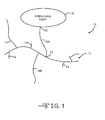
- FIGS. 1-3 provide illustrations of embodiments of an antimicrobial surfactant polymer 10 of the present invention.
- FIG. 1 shows a generalized representation of the structure of the surfactant polymer of the present invention.
- the antimicrobial surfactant 10 comprises a polymeric backbone 12 preferably comprising polyvinyl amine (PVAm).
- PVAm polyvinyl amine
- a series of hydrophobic and hydrophilic molecular chains 14, 16 are attached to the backbone 12.
- the hydrophobic molecular chains 14 are provided as a means of attachment of the surfactant 10 to a hydrophobic surface such as a polymeric material through hydrophobic-to-hydrophobic interactions.
- the hydrophilic molecular chains 16 are chemically attached to the backbone 12 and provide antithrombogenic properties to the surfactant 10. In general, these hydrophilic chains 16 block adhesion of nonspecific plasma proteins on the surface of the substrate. Furthermore, these hydrophilic chains 16 encourage anti-thrombogenity within the body. Thrombogenicity is a tendency of a material, such as the surface of an implanted medical device, that is in contact with blood, to produce a thrombosis or blood clot. As such, these blood clots may become detached and travel through the blood stream. Blood clots, therefore, could become dislodged in the blood stream and impede the flow of blood to vital organs. Examples of these hydrophilic chains 16 may comprise polyethylene glycol (PEG), dextran, and polysaccharide.
- PEG polyethylene glycol
- dextran dextran
- polysaccharide polysaccharide
- an antimicrobial agent 18, such as an antimicrobial peptide is selectively attached to an end of the hydrophilic chain 16.
- antimicrobial agents 18, particularly antimicrobial peptides are designed to eliminate bacteria on contact.
- the surfactant polymer 10 of the present invention comprises a plurality of hydrophilic chains 16, a certain percentage of which are chemically attached to the antimicrobial peptide agent 18. Therefore, the surfactant polymer 10 of the present invention comprises both anti-thrombogenic and anti-microbial properties.
- the polymeric backbone 12 is conformationally flexible.
- the polymeric backbone 12 is formed from a homopolymer that contains a plurality of functional side groups such as, for example, OH groups, COOH groups, or NH 2 groups.
- the polymeric backbone may be formed from a copolymer which has a combination of functional side groups.
- the copolymer may have OH side groups and NH 2 side groups.
- Suitable homopolymers for forming the comblike surfactant polymer are, by way of example, polylysine, poly(vinyl alcohol) or poly (vinyl amine).
- the polymeric backbone 12 is formed from a poly (vinyl amine) (PVAm) .
- the hydrophobic side chain 14 comprises an amine or aldehyde functional group containing molecule.
- the hydrophobic side chain 14 preferably comprises from about 2 to 18 methylene groups, preferably from about 4 to about 12 methylene groups, more preferably from about 4 to about 10 methylene groups, and are linked to the polymeric backbone via an ester linkage, amide linkage, or, preferably, a secondary amine linkage.
- the hydrophobic side chains are attached to the polymeric backbone by reacting an alkanoyloxy (CH 3 (-CH 2 --) n -CO--) or an alkanal (CH 3 (C H 2--) n CHO) with the homopolymer of the backbone using conventional procedures.
- a plurality of hydrophobic side chains may be linked to poly(vinyl amine) by standard procedures that use the corresponding N-alkanoyloxy succinimide and poly(vinyl amine) as reactants.
- the hydrophilic side chain 16 is selected from hydrophilic moieties comprising amine, amide, or, more preferably, aldehyde functional groups.
- the hydrophilic side chain 16 comprises polyethylene glycol, and most preferably, dialdehyde-terminated polyethylene glycol (PEG-diCHO).
- PEG-diCHO hydrophilic side chain 16 is prepared by oxidation of the terminal hydroxyl group of the polyethylene glycol.
- the hydrophilic side chains 16 are linked to the polymeric backbone 12 through an ester linkage, an aldehyde linkage, an amide linkage or preferably a secondary amine linkage.
- a plurality of PEG or PEG-diCHO hydrophilic chains 16 are attached to the polymeric backbone 12 via a secondary amine linkage.
- the hydrophilic side chains 16 may also be formed from oligosaccharides such as, for example, the oligosaccharides that are obtained from heparin.
- the heparin oligosaccharides are hydrated and negatively charged which provides an additional electrostatic repulsive force that further repels plasma proteins and cellular elements such as platelets.
- the heparin oligosaccharide contains the unique pentasaccharide sequence that is essential for heparin's anticoagulant activity.
- the heparin product of deaminative cleavage of heparin may possess a terminal 2,5 anhydromanose unit.
- the terminal aldehyde of the 2,5 anhydromannose is reacted with the amines on the polymeric backbone to form a chemical bond.
- suitable charged oligosaccharides for forming coatings which are non-adhesive for plasma proteins include dermatan sulfate, and dextran sulfate, which are hydrated and negatively charged and serve to repulse proteins and platelets.
- an antimicrobial agent 18 is attached to a distal end 20 of the hydrophilic chain 16. More specifically, an antimicrobial peptide is selectively attached to the functional group, located at the distal end 20 of the hydrophilic moiety 16. At the opposite end of the chain, the polymeric backbone 12 is attached at a proximal end 22 of the hydrophilic side chain 16. Antimicrobial peptides have been demonstrated to kill Gram negative and Gram positive bacteria (including strains that are resistant to conventional antibiotics), mycobacteria (including mycobacterium tuberculosis), enveloped viruses, fungi and even transformed or cancerous cells. Antimicrobial peptides generally comprise between 12 and 50 amino acids. These peptides generally include two or more positively charged residues provided by arginine, lysine or, in acidic environments, histidine, and a large proportion (generally >50%) of hydrophobic residues.
- a preferred antimicrobial peptide 18 comprises Nisin and the Nisin family of antimicrobial peptides.
- Nisin is an example of a "broad-spectrum" bacteriocin that is effective in eliminating many Gram-positive organisms, including lactic acid bacteria (commonly associated with spoilage), listeria monocytogenes (a known pathogen), staphylococcus aureus, bacillus cereus, and Clostridium botulinum.
- Nisin is a polycyclic antibacterial peptide comprising 34 amino acid residues that are commonly used as a food preservative.
- Nisin contains the uncommon amino acids lanthionine (Lan), methyllanthionine (MeLan), didehydroalanine (Dha) and didehydroaminobutyric acid (Dhb).
- the Nisin family of antimicrobial peptides comprises Nisin A, Nisin Q, Nisin F, Nisin Z, Nisin Q, Nisin F, and Nisin U.
- Nisin is a preferred antimicrobial agent 18, other antimicrobial peptides may also be used.
- the antimicrobial agent 18 may be selected from a multitude of antimicrobial peptides that are linkable to a polyethylene glycol molecular chain comprising an aldehyde terminal functional group.
- the antimicrobial agent 18 is chemically attached to the distal end 20 of the hydrophilic chain 16 via the hydrophilic chain's functional group.
- the antimicrobial peptide particularly Nisin, is attached to an aldehyde functional group.
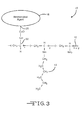
- the antimicrobial surfactant polymer 10 of the present invention comprises a first polyethylene glycol polymer hydrophilic chain 16A, in which an aldehyde functional group resides at both the distal and proximal ends 20, 22 of the hydrophilic chain 16.
- the proximal hydrophilic end 22, is attached to the PVAm backbone 12, via a first aldehyde functional group, and the hydrophilic chain distal end 20, is attached to Nisin via a second aldehyde functional group.
- a second polyethylene glycol polymer hydrophilic chain 16B comprising various function groups, particularly an aldehyde functional group, at both distal and proximal ends 20, 22 may be attached to the backbone 12 of the polymer 10.
- the distal end 20 of this second polyethylene glycol polymer hydrophilic chain 16B may or may not be attached to the antimicrobial agent 18, such as a Nisin antimicrobial peptide moiety.
- the antimicrobial agent 18, such as Nisin may be attached to a tether 24 that is attached to the backbone 12 of the surfactant polymer 10.
- the tether 24 may comprise an elongated hydrophilic chain 16 that preferably comprises an aldehyde functional group at both proximal and distal ends. The tether 24 enables the antimicrobial agent 18 to be spaced away from the surface of the medical device or implant (not shown).
- This embodiment is preferred in that it enables the antimicrobial agent 18 to eliminate bacteria and other undesirable organisms before they come near to the surface of the substrate, such as the exterior surface of a medical device, particularly an implantable medical device, or implant.
- the tether 24 allows the antimicrobial agent 18, particularly Nisin, to freely move within the surrounding blood and bodily fluids.
- the antimicrobial agent 18 is enabled to float freely within the blood stream near the substrate surface and eliminate bacteria therewithin.
- the tether 24 allows the antimicrobial peptide 18 to intercept bacteria sooner before coming into contact with the surface of the device or implant.
- medical device is defined herein as an instrument, apparatus, implement, machine, contrivance, implant, in vitro reagent, or other similar or related article, including a component part, or accessory which is: recognized in the official National Formulary, or the United States Pharmacopoeia, or any supplement to them, intended for use in the diagnosis of disease or other conditions, or in the cure, mitigation, treatment, or prevention of disease, in man or other animals, or intended to affect the structure or any function of the body of man or other animals, and which does not achieve any of it's primary intended purposes through chemical action within or on the body of man or other animals and which is not dependent upon being metabolized for the achievement of any of its primary intended purposes.
- the ratio of hydrophobic side chains 14 to hydrophilic polyethylene glycol chains 16 on the polymer backbone 12 is designed to achieve a hydrophilic to hydrophobic balance that allows the surfactant 10 to adsorb onto the hydrophobic surface of the biomaterial.
- the hydrophilic to hydrophobic balance depends on the density of the hydrophobic and hydrophilic side chains 14, 16 and the length of the hydrophobic side chains 14 and hydrophilic side chains 16.
- Adhesion of the adsorbing polymer onto the hydrophobic surface of the biomaterial is enhanced by increasing the length, i.e., the number of methylene groups of the hydrophobic side chain 14, by increasing the density of the hydrophobic side chains relative to the hydrophilic side chains, and/or by reducing the length of the hydrophilic side chains.
- the ratio of antimicrobial agent 18 terminated to non-antimicrobial agent terminated hydrophilic molecular side chains 16 can also be adjusted. By adjusting the ratio of hydrophilic side chains comprising the antimicrobial agent to those that do not, the balance of anti-thrombogenic and antimicrobial properties can be modified. For example, increasing the amount of antimicrobial agent 18 within a given number of hydrophilic side chains 16 within the surfactant 10 increases the surfactant's antimicrobial properties. Likewise, reducing the number of antimicrobial agents 18 within a given amount of hydrophilic chains 16 generally increases the surfactant's antithombogenic properties.
- Synthesis of the surfactant polymer 10 of the present invention generally comprises the steps of first synthesizing the polyvinylamine (PVAm) polymer from poly(N-vinyl formamide).
- PVAm polyvinylamine
- the poly(N-vinyl formamide) is prepared through a free radical polymerization process using azobisisobutyronitrile (AIBN) as an initiator and isopropanol as the solvent.
- the poly(N-vinyl formamide) is then hydrolyzed in a basic condition.
- Hydrochloric acid (HC1) is then added to form a polyvinyl amine hydrochloride salt. This salt is then converted to polyvinyl amine through ion exchange using a strong anionic resin.
- the final PVAm polymer was obtained through extensive dialysis against water, preferably deionized water, followed by lyophilization.
- dialdehyde-terminated polyethylene glycol (PEG-diCHO) is prepared by oxidation of the terminal hydroxyl group of the polyethylene glycol.
- PEG-diCHO dialdehyde-terminated polyethylene glycol
- DMSO dimethyl sulfoxide
- Acetic anhydride preferably of a 40:1 mol ratio of anhydride to hydroxyl, is added to the PEG at room temperature.
- the mixture is precipitated in diethyl ether.
- the precipitate is dissolved in methylene chloride and then re-preciptated in diethyl ether.
- the product is then filtered and vacuum dried overnight at room temperature to yield PEG-diCHO.
- the final antimicrobial surfactant (PVAm/PEG:Hex:Nisin) of the present invention is formulated.
- the previously prepared dialdehyde-terminated polyethylene glycol and polyvinylamine is combined with hexanal in the presence of sodium cyanoborohydride using reductive amination.
- Nisin is then attached to the polyethylene glycol segment to the unreacted aldehyde end groups utilizing reductive amination.
- acetic ahydride, dimethyl sulfoxide and chloroform were obtained from Sigma Aldrich and were used as received.
- Hexanal and polyethylene glycol 2000 were obtained from Alfa Aesar and used as received.
- Diethyl ether, sodium hydroxide and hydrochloric acid were obtained from Fisher Scientific and were used as received.
- Nisin ZP ® received from Handary S.A. Belgium, was used as received.
- the surfactant polymers were synthesized by first linking dialdehyde-terminated polyethylene oxide (PEG-diCHO) and hexanal to polyvinyl amine simultaneously in the presence of sodium cyanoborohydride, using the method of reductive amination.
- PEG-diCHO dialdehyde-terminated polyethylene oxide
- the PEG-diCHO was prepared by oxidizing the terminal hydroxyl groups of polyethylene glycol molecules using a modified process published in the J. Polym. Sci. Polym. Chem. 1984, vol. 22, p. 341 by Harris et al.
- Reductive amination is a process by which an amine group is introduced into an organic molecule. More specifically, reductive amination is a process in which an imine double bond is reduced to a carbon-nitrogen single bond. It is noted that the amounts of the chemical components described in the examples herein may be proportionally increased to increase the volume and yield of the final surfactant polymer produced.
- Antimicrobial surfactant polymer (PVAm/PEG:Hex:Nisin) with a mole feed ratio of PEG-diCHO to hexanal of 1:2 and a mole feed ratio of Nisin to PEG-diCHO of 1:10 was prepared.
- Antimicrobial surfactant polymer (PVAm/PEG:Hex:Nisin) with a mole feed ratio of PEG-diCHO to hexanal of 1:1 and a mole feed ratio of Nisin to PEG-diCHO of 1:10 was prepared.
- Antimicrobial surfactant polymer (PVAm/PEG:Hex:Nisin) with a mole feed ratio of PEG-diCHO to hexanal of 1:1 and a mole feed ratio of Nisin to PEG-diCHO of 1:2 was prepared.
- Antimicrobial surfactant polymer (PVAm/PEG:Hex:Nisin) with a mole feed ratio of PEG-diCHO to hexanal of 1:2 and a mole feed ratio of Nisin to PEG-diCHO of 3:4 was prepared.
- Antimicrobial surfactant polymer (PVAm/PEG:Hex:Nisin) with a mole feed ratio of PEG-diCHO to hexanal of 2:3 and a mole feed ratio of Nisin to PEG-diCHO of 1:4 was prepared.
- Antimicrobial surfactant polymer (PVAm/PEG:Hex:Nisin) with a mole feed ratio of PEG-diCHO to hexanal of 1:2 and a mole feed ratio of Nisin to PEG-diCHO of 3:10 was prepared.
- the antimicrobial surfactant 10 is then preferably applied to a surface 26 of a substrate 28.
- the surfactant 10 is applied as a coating layer 25 to the surface 26 of the substrate.
- the surface 26 of the substrate 28 may comprise the surface of a medical device, particularly the exterior surface of the medical device that is in contact with blood and/or other bodily fluids.
- the medical device is non-limiting and may comprise a catheter, an introducer, a medical lead, a cardiac defibrillator, a cardiac pacemaker, a neuro-stimulator, a drug pump, an orthopedic implant, an orthopedic tool, and the like.
- the antimicrobial surfactant of the present invention 10 is applied to a surface 26 that is hydrophobic.
- a hydrophobic surface encourages a hydrophobic-to-hydrophobic interaction with the hydrophobic polymer chains 14 of the surfactant 10.
- the antimicrobial surfactant 10 is applied to the surface 26 of the substrate 28 by exposing the surface to a solution comprising the surfactant 10 and water.
- FIG. 7 illustrates a flow chart of the surfactant application process.
- a surfactant solution is first prepared by dissolving the surfactant polymer in water, preferably deionized water, to a concentration ranging from about 0.1 percent to about 1.0 percent, preferably about 0.2 percent, by volume.
- the surface 26 to which the surfactant is to be coated is prepared by rinsing the surface 26 in a mixture of about 10 percent isopropyl alcohol deionized water solution. Agitation may be used to remove undesired surface contaminants if desired.
- the surface is dried and exposed to the surfactant water solution.
- the surface 26 is exposed to the surfactant water solution for about 10 to about 20 hours at a temperature ranging from about 35°C to about 45°C.
- the surfactant solution may be applied to the surface 26 in a multitude of ways.
- the surface 26 may be dipped coated, spray coated, spin coated, or applied with a brush. After the coating 25 has adhered to the surface 26, it is dried and rinsed thoroughly in deionized water.
- the present invention teaches various formulations and methods of incorporation of a biomimetic surfactant comprising an antimicrobial peptide onto the substrate of a medical device.
- the thusly modified substrate has improved infacial blood compatibility including the ability to prevent blood clots and minimize bacterial infection. This makes the polymeric material a desirable candidate for use in the manufacture of implantable medical devices.
Landscapes
- Health & Medical Sciences (AREA)
- Life Sciences & Earth Sciences (AREA)
- Epidemiology (AREA)
- Chemical & Material Sciences (AREA)
- Veterinary Medicine (AREA)
- Public Health (AREA)
- General Health & Medical Sciences (AREA)
- Animal Behavior & Ethology (AREA)
- Medicinal Chemistry (AREA)
- Engineering & Computer Science (AREA)
- Biomedical Technology (AREA)
- Molecular Biology (AREA)
- Surgery (AREA)
- Heart & Thoracic Surgery (AREA)
- Dermatology (AREA)
- Transplantation (AREA)
- Oral & Maxillofacial Surgery (AREA)
- Vascular Medicine (AREA)
- Materials Engineering (AREA)
- Hematology (AREA)
- Materials For Medical Uses (AREA)
- Agricultural Chemicals And Associated Chemicals (AREA)
Abstract
Description
- This application claims priority to
U.S. provisional application Serial No. 61/501,525, filed on June 27, 2011 - This invention relates generally to a surfactant polymer that comprises both non-thrombogenic and antimicrobial properties. More specifically, this invention relates to a surfactant polymer comprising a polymeric backbone of repeating monomeric units having functional groups for coupling with side chains, a plurality of hydrophobic side chains linked to the backbone via the functional groups, and a peptide based antimicrobial component linked to the backbone via the hydrophilic side chain. The antimicrobial surfactant may be applied to a surface of a medical device to impart the surfactant's non-thrombogenic and antimicrobial properties to the medical device surface.
- The use of synthetic biomaterials to sustain, augment, or completely replace diseased human organs has increased tremendously over the past thirty years. Synthetic biomaterials are used in synthetic implants such as vascular grafts, heart valves, catheters and ventricular assist devices that have cardiovascular applications. Synthetic biomaterials are also used in extracorporeal systems and a wide range of invasive treatment, therapy delivery, and diagnostic systems. Unfortunately, existing biomaterials, suffer from well-known problems associated with surface-induced thrombosis or clot formation, such as thrombotic occlusion, thromboemboli, and infection.
- Although the rate of infection is relatively low, the sheer volume of medical devices accounts for a large number of infections. For instance, for orthopedic implants, it has been reported that from the approximately 800,000 annually implanted devices in Europe, at least 1.5%, i.e., 12,000, peri-prosthetic infections will occur. Another device that has been associated with a high number of bloodstream infections is the central venous catheter. It is estimated that in the United States alone, at least 80,000 catheter related bloodstream infections (CRBSI) occur annually in intensive care units. Reports indicate that these CRBSIs are associated with as many as 24,000 patient deaths and increased health care costs ranging from approximately $10,000 to $30,000 per incidence. In many cases, the mean hospital stay is prolonged by at least 12 days, putting a heavy burden on the health care system as well as on patients and their families.
- Besides infections, implanted medical devices may trigger a variety of other reactions, including inflammation, fibrosis and thrombosis. Undesired tissue responses can occur such as implant-associated protein adsorption and conformational changes which have been shown to promote blood coagulation and immune reactions. As a result, research efforts have been directed to reduce protein adsorption and cell interactions which subsequently improve biocompatibility.
- One of the issues associated with catheters is thrombus formation on the surface of these devices. For example, central venous catheters (CVCs) are commonly used in blood and other bodily fluid exposed clinical practices. One of the foremost complications associated with their use is the potential for symptomatic or asymptomatic thrombosis. CVC thrombosis, in turn, may not only result in vascular and catheter occlusion but also infection, pulmonary embolism, and formation of right heart thromboemboli. Thrombi within cardiac chambers are associated with an increased risk of mortality due to their potential for embolization to the pulmonary vasculature. CVC thrombosis may also result in thrombo embolism of major organs. Estimates of CVC-related thrombosis vary depending on the site of insertion. For example, the incidence of thrombosis resulting from a peripherally inserted central catheter (PICC), in general, ranges from about 2% to about 4%. Pulmonary embolism is known to occur in approximately 15% of individuals with CVC related upper extremity deep vein thrombosis.
- There have been several attempts to create nonthrombogenic surfaces on synthetic implants thereby increasing the blood-biocompatibility of implants. Early attempts included precoating the implants with proteins not involved in thrombosis, such as albumin, to mask the thrombogenic surface of the implant. However, such implants lose their non-thrombogenic properties within a short time. Attempts have been made to mask the thrombogenic surface by coating gelatin onto implants such as ventricular assist devices. While the gelatin coating reduced the thrombus formation, it did not adhere to the implant and it did not prevent thromboemboli and infection.
- Attempts have also been made to render implants non-thrombogenic by coating the surface of the implant with polyethylene oxide to mask the thrombogenic surface of the implant. At times, this treatment has been known to reduce protein adsorption and thrombogenesis. However, the coupling of polyethylene glycol to the surface of the implant involves complex chemical immobilization procedures. Moreover, the coated implants do not consistently exhibit protein resistance because of the lack of control over the density of immobilized polyethylene oxide.
- In addition, there have been many attempts to prepare non-thrombogenic surfaces by attaching anticoagulants such as heparin to biomaterials. However, each method requires complex immobilization procedures such that the implant surface is first modified by attachment of a coupling molecule before heparin can be attached. For example, the positively charged coupling agent tridodecylmethylammonium chloride (TDMAC) is coated onto an implant, which provides a positively charged surface and allows heparin, which has a high negative charge density, to be attached. However, the heparin slowly dissociates from the surface, to expose the positively charged TDMAC surface, which is particularly thrombogenic. Thus, the TDMAC heparin coated implant is successful only for short term implants such as catheters.
- Furthermore, there have been many attempts to develop antimicrobial coatings. Among them are silver ion and antibiotic agent eluting mechanized coatings. These coating comprise either an antibiotic agent or have been impregnated with silver ions. These coatings are designed such that the antibiotic agent or the silver ions are released from the host coating material over a period of time.
- Silver ion eluting coatings generally provide antimicrobial properties to a surface of a medical device. However, these coatings are known to increase thrombogenicity of a surface and thus, could promote the formation of blood clots within the body. In addition, there has been concern about the potential negative side effects attributed to the elution of silver ions within the body.
- Likewise, there is concern that microorganisms, such as bacteria, might become resistant to the antibiotic agent, thus reducing the effectiveness of such antibiotic eluting coatings. Antibiotic eluting coatings are also constrained by the volume of the antibiotic agent therewithin. Therefore, once the antibiotic agent is exhausted from the host coating material, the antimicrobial properties of the coating are greatly diminished.
- Antimicrobial peptides, on the other hand, naturally reside within many living organisms and are known to be generally biocompatible. Unlike anti-biotic and silver ion eluting coatings of the prior art, the present invention comprises a surfactant material within which the antimicrobial peptide resides within a localized area of the coating material and is not eluted further throughout the body.
- The antimicrobial properties of these peptides result from the peptide's ability to disrupt the cell membrane of various bacteria. When an antimicrobial peptide comes into contact with a bacterial microorganism, the peptide renders the bacteria's cell membrane permeable, thus disrupting the cell structure such that the bacteria microorganism expires.
- Despite these considerable research efforts, synthetic biomaterials, and medical devices made from such biomaterials, still suffer well-known problems associated with bacteria surface-induced thrombosis and bacterial infection. Accordingly, it is desirable to have new materials that can be used to coat biomaterials and to change their surface properties such that they are less likely to promote thrombogenicity and infection within the human body.
- The present invention addresses both of the above issues, namely, protection of the patient from infection and thrombosis, resulting from the introduction of a medical device or implant within the body. The present invention provides a surfactant polymer comprising antithrombogenic properties that includes an antibacterial agent therewithin. The surfactant is designed to be applied onto a surface of a medical device, particularly an implantable medical device or implant, that is intended to be in contact with blood or other bodily fluids. More specifically, the surfactant of the present invention is designed to be applied to an exterior surface of a medical device or implant thereof, thus imparting the surfactant's antimicrobial and antithrombogenic properties to the coated surface.
- When applied to a surface of a medical device or implant, the antimicrobial surfactant polymer of the present invention eliminates bacteria on contact, thus reducing the likelihood of contracting an infection from the introduction of the device or implant within the body. More specifically, the antimicrobial surfactant of the present invention inhibits the formation of a biofilm on the surface of the medical device or implant which could be a source of a systematic infection. At the same time, by improving the surfactant's antithromobogenic properties, implant fouling and implant related thromboembolism are reduced. Other advantages relate to the coating process, wherein the coating process for the present invention is compatible with different types of plastics used to fabricate various medical devices. Additionally, the surfactant does not require chemical activation of the surface that is being coated.
- When a hydrophobic surface, such as polyurethane, polycarbonate, polystyrene and the like, is exposed to the surfactant polymer of the present invention, the surfactant attaches itself to the hydrophobic surface through hydrophobic moieties that are also attached to the backbone of the surfactant. Additionally, hydrophilic moieties such as polyethylene glycol, dextran, or combinations thereof may also be attached to the backbone of the surfactant polymer, thus providing antithrombogenic properties.
- An antimicrobial agent, such as an antimicrobial peptide moiety, is attached to the ends of selected hydrophilic side chains, thereby imparting both antithrombogenic and antimicrobial properties to the surfactant. The antimicrobial peptide moieties are preferably attached via a tether and are oriented outwardly from the polymeric backbone. The tether, and outwardly extending orientation of the antimicrobial peptide from the backbone, increases the effectiveness of the surfactant's antimicrobial properties. The tether allows the antimicrobial peptide to intercept bacteria at a distance from the surface to which the peptide is applied.
- In accordance with the present invention, novel, comblike, surfactant polymers useful for reducing the presence of microbials and thrombogenic effects on a surface, particularly, that of an external surface of an implanted medical device, is provided. Such surfactant polymers comprise a polymeric backbone of repeating monomeric units having functional groups for coupling with side chains, a plurality of hydrophobic side chains linked to the polymeric backbone via the functional groups, and a plurality of hydrophilic side chains linked to the backbone via the functional groups.
- The hydrophobic side chains comprise an alkyl group (CH3(CH2--)n) comprising from about 2 to 18 methylene groups. The alkyl groups are linked to the polymeric backbone through ester linkages, secondary amine linkages, or, amide linkages. The hydrophilic side chain comprises molecules of polyethylene glycol, preferably dialdehyde-terminated polyethylene glycol, having an average molecular weight of less than 8,000 daltons, attached to the polymer backbone.
- In addition, an antimicrobial agent, such as an antimicrobial peptide, is attached to an end of the hydrophilic chain. Nisin and the Nisin family of antimicrobial peptides are preferably attached to the distal end of the hydrophilic polyethylene glycol hydrophilic chain. In a preferred embodiment, the Nisin antimicrobial peptide is not attached to all hydrophilic chains. The antimicrobial peptide moieties are selectively attached to the ends of the hydrophilic chains such that both antithrombogenic properties stemming from the non attached hydrophilic chains coexist with the antimicrobial properties provided by the antimicrobial peptide. The antimicrobial peptide attaches to the distal end of the hydrophilic side chain via a functional group, preferably an aldehyde functional group.
-
-
FIG. 1 illustrates a diagram of the antimicrobial surfactant of the present invention. -
FIG. 2 shows an embodiment of the antimicrobial surfactant of the present invention. -
FIG. 3 illustrates an alternate embodiment of the chemical structure of the antimicrobial surfactant of the present invention. -
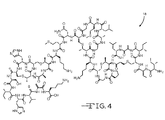
FIG. 4 shows a chemical model of an embodiment of an antimicrobial agent according to the present invention. -
FIG. 5 illustrates a flow chart of the fabrication of the antimicrobial surfactant of the present invention. -
FIG. 6 shows an embodiment of the antimicrobial surfactant applied to a surface of a substrate. -
FIG. 7 illustrates a flow chart of an embodiment of the application process of the surfactant. - The present invention provides novel comblike surfactant polymers that mimic the glycocalyx. The glycocalyx is the oligosaccharide-rich region on the surface of living cells. The glycocalyx serves to prevent undesirable biological adhesions, while proteins embedded in the cell membrane glycocalyx serve to promote desirable specific adhesions. In addition, an antimicrobial peptide is incorporated with the chemical structure of the glycocalyx mimicking surfactant polymer to provide additional antimicrobial properties to the surfactant.
- Now referring to the figures,
FIGS. 1-3 provide illustrations of embodiments of anantimicrobial surfactant polymer 10 of the present invention.FIG. 1 shows a generalized representation of the structure of the surfactant polymer of the present invention. As illustrated, theantimicrobial surfactant 10 comprises apolymeric backbone 12 preferably comprising polyvinyl amine (PVAm). A series of hydrophobic and hydrophilicmolecular chains backbone 12. The hydrophobicmolecular chains 14 are provided as a means of attachment of thesurfactant 10 to a hydrophobic surface such as a polymeric material through hydrophobic-to-hydrophobic interactions. - The hydrophilic
molecular chains 16 are chemically attached to thebackbone 12 and provide antithrombogenic properties to thesurfactant 10. In general, thesehydrophilic chains 16 block adhesion of nonspecific plasma proteins on the surface of the substrate. Furthermore, thesehydrophilic chains 16 encourage anti-thrombogenity within the body. Thrombogenicity is a tendency of a material, such as the surface of an implanted medical device, that is in contact with blood, to produce a thrombosis or blood clot. As such, these blood clots may become detached and travel through the blood stream. Blood clots, therefore, could become dislodged in the blood stream and impede the flow of blood to vital organs. Examples of thesehydrophilic chains 16 may comprise polyethylene glycol (PEG), dextran, and polysaccharide. - In a preferred embodiment of the present invention, an
antimicrobial agent 18, such as an antimicrobial peptide, is selectively attached to an end of thehydrophilic chain 16. Theseantimicrobial agents 18, particularly antimicrobial peptides, are designed to eliminate bacteria on contact. Thus, thesurfactant polymer 10 of the present invention comprises a plurality ofhydrophilic chains 16, a certain percentage of which are chemically attached to theantimicrobial peptide agent 18. Therefore, thesurfactant polymer 10 of the present invention comprises both anti-thrombogenic and anti-microbial properties. - The
polymeric backbone 12 is conformationally flexible. Preferably, thepolymeric backbone 12 is formed from a homopolymer that contains a plurality of functional side groups such as, for example, OH groups, COOH groups, or NH2 groups. Although less preferred, the polymeric backbone may be formed from a copolymer which has a combination of functional side groups. For example, the copolymer may have OH side groups and NH2 side groups. Suitable homopolymers for forming the comblike surfactant polymer are, by way of example, polylysine, poly(vinyl alcohol) or poly (vinyl amine). Preferably, thepolymeric backbone 12 is formed from a poly (vinyl amine) (PVAm) . - In a preferred embodiment, the
hydrophobic side chain 14 comprises an amine or aldehyde functional group containing molecule. Thehydrophobic side chain 14 preferably comprises from about 2 to 18 methylene groups, preferably from about 4 to about 12 methylene groups, more preferably from about 4 to about 10 methylene groups, and are linked to the polymeric backbone via an ester linkage, amide linkage, or, preferably, a secondary amine linkage. Preferably, the hydrophobic side chains are attached to the polymeric backbone by reacting an alkanoyloxy (CH3(-CH2--)n-CO--) or an alkanal (CH3 (C H2--) nCHO) with the homopolymer of the backbone using conventional procedures. For example, a plurality of hydrophobic side chains may be linked to poly(vinyl amine) by standard procedures that use the corresponding N-alkanoyloxy succinimide and poly(vinyl amine) as reactants. - The
hydrophilic side chain 16 is selected from hydrophilic moieties comprising amine, amide, or, more preferably, aldehyde functional groups. In an embodiment, thehydrophilic side chain 16 comprises polyethylene glycol, and most preferably, dialdehyde-terminated polyethylene glycol (PEG-diCHO). The PEG-diCHOhydrophilic side chain 16 is prepared by oxidation of the terminal hydroxyl group of the polyethylene glycol. Thehydrophilic side chains 16 are linked to thepolymeric backbone 12 through an ester linkage, an aldehyde linkage, an amide linkage or preferably a secondary amine linkage. In a preferred embodiment a plurality of PEG or PEG-diCHOhydrophilic chains 16 are attached to thepolymeric backbone 12 via a secondary amine linkage. - The
hydrophilic side chains 16 may also be formed from oligosaccharides such as, for example, the oligosaccharides that are obtained from heparin. The heparin oligosaccharides are hydrated and negatively charged which provides an additional electrostatic repulsive force that further repels plasma proteins and cellular elements such as platelets. The heparin oligosaccharide contains the unique pentasaccharide sequence that is essential for heparin's anticoagulant activity. The heparin product of deaminative cleavage of heparin may possess aterminal - As shown in
FIGS. 1-3 anantimicrobial agent 18 is attached to adistal end 20 of thehydrophilic chain 16. More specifically, an antimicrobial peptide is selectively attached to the functional group, located at thedistal end 20 of thehydrophilic moiety 16. At the opposite end of the chain, thepolymeric backbone 12 is attached at aproximal end 22 of thehydrophilic side chain 16. Antimicrobial peptides have been demonstrated to kill Gram negative and Gram positive bacteria (including strains that are resistant to conventional antibiotics), mycobacteria (including mycobacterium tuberculosis), enveloped viruses, fungi and even transformed or cancerous cells. Antimicrobial peptides generally comprise between 12 and 50 amino acids. These peptides generally include two or more positively charged residues provided by arginine, lysine or, in acidic environments, histidine, and a large proportion (generally >50%) of hydrophobic residues. - A preferred
antimicrobial peptide 18 comprises Nisin and the Nisin family of antimicrobial peptides. Nisin is an example of a "broad-spectrum" bacteriocin that is effective in eliminating many Gram-positive organisms, including lactic acid bacteria (commonly associated with spoilage), listeria monocytogenes (a known pathogen), staphylococcus aureus, bacillus cereus, and Clostridium botulinum. Nisin is a polycyclic antibacterial peptide comprising 34 amino acid residues that are commonly used as a food preservative. Nisin contains the uncommon amino acids lanthionine (Lan), methyllanthionine (MeLan), didehydroalanine (Dha) and didehydroaminobutyric acid (Dhb). A representative embodiment of the chemical structure of a Nisin molecule is shown inFIG. 4 . The Nisin family of antimicrobial peptides comprises Nisin A, Nisin Q, Nisin F, Nisin Z, Nisin Q, Nisin F, and Nisin U. Although Nisin is a preferredantimicrobial agent 18, other antimicrobial peptides may also be used. For example, theantimicrobial agent 18 may be selected from a multitude of antimicrobial peptides that are linkable to a polyethylene glycol molecular chain comprising an aldehyde terminal functional group. - As shown in
FIGS. 1-3 , theantimicrobial agent 18 is chemically attached to thedistal end 20 of thehydrophilic chain 16 via the hydrophilic chain's functional group. In a preferred embodiment, the antimicrobial peptide, particularly Nisin, is attached to an aldehyde functional group. - In a preferred embodiment, the
antimicrobial surfactant polymer 10 of the present invention comprises a first polyethylene glycol polymerhydrophilic chain 16A, in which an aldehyde functional group resides at both the distal and proximal ends 20, 22 of thehydrophilic chain 16. The proximalhydrophilic end 22, is attached to thePVAm backbone 12, via a first aldehyde functional group, and the hydrophilic chaindistal end 20, is attached to Nisin via a second aldehyde functional group. A second polyethylene glycol polymerhydrophilic chain 16B, comprising various function groups, particularly an aldehyde functional group, at both distal and proximal ends 20, 22 may be attached to thebackbone 12 of thepolymer 10. However, thedistal end 20 of this second polyethylene glycol polymerhydrophilic chain 16B may or may not be attached to theantimicrobial agent 18, such as a Nisin antimicrobial peptide moiety. - As illustrated in
FIG. 2 , theantimicrobial agent 18, such as Nisin, may be attached to atether 24 that is attached to thebackbone 12 of thesurfactant polymer 10. Thetether 24 may comprise an elongatedhydrophilic chain 16 that preferably comprises an aldehyde functional group at both proximal and distal ends. Thetether 24 enables theantimicrobial agent 18 to be spaced away from the surface of the medical device or implant (not shown). - This embodiment is preferred in that it enables the
antimicrobial agent 18 to eliminate bacteria and other undesirable organisms before they come near to the surface of the substrate, such as the exterior surface of a medical device, particularly an implantable medical device, or implant. In addition, thetether 24 allows theantimicrobial agent 18, particularly Nisin, to freely move within the surrounding blood and bodily fluids. Thus, theantimicrobial agent 18 is enabled to float freely within the blood stream near the substrate surface and eliminate bacteria therewithin. In other words, thetether 24 allows theantimicrobial peptide 18 to intercept bacteria sooner before coming into contact with the surface of the device or implant. - The term "medical device" is defined herein as an instrument, apparatus, implement, machine, contrivance, implant, in vitro reagent, or other similar or related article, including a component part, or accessory which is: recognized in the official National Formulary, or the United States Pharmacopoeia, or any supplement to them, intended for use in the diagnosis of disease or other conditions, or in the cure, mitigation, treatment, or prevention of disease, in man or other animals, or intended to affect the structure or any function of the body of man or other animals, and which does not achieve any of it's primary intended purposes through chemical action within or on the body of man or other animals and which is not dependent upon being metabolized for the achievement of any of its primary intended purposes.
- The ratio of
hydrophobic side chains 14 to hydrophilicpolyethylene glycol chains 16 on thepolymer backbone 12 is designed to achieve a hydrophilic to hydrophobic balance that allows thesurfactant 10 to adsorb onto the hydrophobic surface of the biomaterial. The hydrophilic to hydrophobic balance depends on the density of the hydrophobic andhydrophilic side chains hydrophobic side chains 14 andhydrophilic side chains 16. Adhesion of the adsorbing polymer onto the hydrophobic surface of the biomaterial is enhanced by increasing the length, i.e., the number of methylene groups of thehydrophobic side chain 14, by increasing the density of the hydrophobic side chains relative to the hydrophilic side chains, and/or by reducing the length of the hydrophilic side chains. - The ratio of
antimicrobial agent 18 terminated to non-antimicrobial agent terminated hydrophilicmolecular side chains 16 can also be adjusted. By adjusting the ratio of hydrophilic side chains comprising the antimicrobial agent to those that do not, the balance of anti-thrombogenic and antimicrobial properties can be modified. For example, increasing the amount ofantimicrobial agent 18 within a given number ofhydrophilic side chains 16 within thesurfactant 10 increases the surfactant's antimicrobial properties. Likewise, reducing the number ofantimicrobial agents 18 within a given amount ofhydrophilic chains 16 generally increases the surfactant's antithombogenic properties. - Synthesis of the
surfactant polymer 10 of the present invention generally comprises the steps of first synthesizing the polyvinylamine (PVAm) polymer from poly(N-vinyl formamide). As shown in the flow chart ofFIG. 5 , the poly(N-vinyl formamide) is prepared through a free radical polymerization process using azobisisobutyronitrile (AIBN) as an initiator and isopropanol as the solvent. The poly(N-vinyl formamide) is then hydrolyzed in a basic condition. Hydrochloric acid (HC1) is then added to form a polyvinyl amine hydrochloride salt. This salt is then converted to polyvinyl amine through ion exchange using a strong anionic resin. The final PVAm polymer was obtained through extensive dialysis against water, preferably deionized water, followed by lyophilization. - Second, the
hydrophilic chain 14 is formulated. In an embodiment, dialdehyde-terminated polyethylene glycol (PEG-diCHO) is prepared by oxidation of the terminal hydroxyl group of the polyethylene glycol. In a preferred embodiment, 2,000 molecular weight polyethylene glycol (PEG) is dissolved in dimethyl sulfoxide (DMSO). Acetic anhydride, preferably of a 40:1 mol ratio of anhydride to hydroxyl, is added to the PEG at room temperature. When fully reacted, the mixture is precipitated in diethyl ether. The precipitate is dissolved in methylene chloride and then re-preciptated in diethyl ether. The product is then filtered and vacuum dried overnight at room temperature to yield PEG-diCHO. - Third, the final antimicrobial surfactant (PVAm/PEG:Hex:Nisin) of the present invention is formulated. The previously prepared dialdehyde-terminated polyethylene glycol and polyvinylamine is combined with hexanal in the presence of sodium cyanoborohydride using reductive amination. Nisin is then attached to the polyethylene glycol segment to the unreacted aldehyde end groups utilizing reductive amination.
- For the following surfactant examples, acetic ahydride, dimethyl sulfoxide and chloroform were obtained from Sigma Aldrich and were used as received. Hexanal and polyethylene glycol 2000 were obtained from Alfa Aesar and used as received. Sodium cyanoborohydride, received from ACROS organics, was used as received. Diethyl ether, sodium hydroxide and hydrochloric acid were obtained from Fisher Scientific and were used as received. Nisin ZP®, received from Handary S.A. Belgium, was used as received.
- The surfactant polymers were synthesized by first linking dialdehyde-terminated polyethylene oxide (PEG-diCHO) and hexanal to polyvinyl amine simultaneously in the presence of sodium cyanoborohydride, using the method of reductive amination. The PEG-diCHO was prepared by oxidizing the terminal hydroxyl groups of polyethylene glycol molecules using a modified process published in the J. Polym. Sci. Polym. Chem. 1984, vol. 22, p. 341 by Harris et al.
- In the process, about 10 g. of polyethylene glycol 2000 (5 mmol) was dissolved in about 17 ml of DSMO. Next, about 20 g. of acetic anhydride (40:1 mol ratio of anhydride to hydroxyl) was added to the mixture and stirred for about 8 hours at room temperature. At the end of the reaction, the solution was precipitated in about 700ml of diethyl ether. The precipitate was re-dissolved in methylene chloride and re-precipitated in about 200ml of diethyl ether, three consecutive times. The product was vacuum dried for about 8 to 12 hours to yield PEG-diCHO having an 1H-NMR (ppm) of 3.2 to 3.6 (CH2CH2O).
- After the PVAm/PEG:Hex was prepared, Nisin was then attached to the unreacted aldehyde end groups of the polyethylene glycol segment by reductive amination. Reductive amination is a process by which an amine group is introduced into an organic molecule. More specifically, reductive amination is a process in which an imine double bond is reduced to a carbon-nitrogen single bond. It is noted that the amounts of the chemical components described in the examples herein may be proportionally increased to increase the volume and yield of the final surfactant polymer produced.
- Antimicrobial surfactant polymer (PVAm/PEG:Hex:Nisin) with a mole feed ratio of PEG-diCHO to hexanal of 1:2 and a mole feed ratio of Nisin to PEG-diCHO of 1:10 was prepared.
- In this example, 1.55 grams of PEG-diCHO (0.775 mmol) was dissolved in 15 mL of methanol at room temperature. In a separate container, 100 mg of PVAm (2.32 mmol amino group) was dissolved in 15 mL of methanol. 0.1552g of hexanal (1.55 mmol) was then added to the PVAm mixture at room temperature with constant stirring for about an hour. The resulting solution was then mixed with the PEG-diCHO solution, the resulting mixture was left to react for 24 hours at room temperature. Next, 0.26 g of Nisin (0.077 mmol) was mixed with 200 mL of methanol under magnetic stirring. 4 M HC1 was slowly added to the Nisin methanol mixture to aid in the dissolution of the Nisin in the methanol. 5 M NaOH was subsequently added to neutralize the Nisin solution to a pH of about 5∼6. The neutralized Nisin solution was then added in a drop wise manner to the PVAm-PEG-Hex solution. 0.1656 g of sodium cyanoborohydride (2.64 mmol), dissolved in 1 mL of methanol, was added to the mixture. The mixture was allowed to react for 24 hours. The polymer product was purified by dialysis using a Spectra/Por® dialysis membrane (MWCO 25K) for 2 days against fresh Milli-Q water. The final polymer product was obtained by lyophilization.
- Antimicrobial surfactant polymer (PVAm/PEG:Hex:Nisin) with a mole feed ratio of PEG-diCHO to hexanal of 1:1 and a mole feed ratio of Nisin to PEG-diCHO of 1:10 was prepared.
- In this example, 2.325g of PEG-diCHO (1.16 mmol) was dissolved in 15 mL of methanol at room temperature. In a separate container, 100 mg of PVAm (2.32 mmol amino group) was added to 15 mL of methanol, 0.1161g of hexanal (1.16 mmol) was added at room temperature with constant stirring for an hour. The two mixtures were combined and left to react for 24 hours at room temperature. Next, 0.39g of Nisin (0.116 mmol) was mixed with 200 mL of methanol under magnetic stirring. 4 M HC1 was added to the solution to aid the dissolution of Nisin in the methanol. 5 M NaOH was added to the Nisin solution to neutralize the Nisin solution to a pH of 5∼6. The Nisin solution was then added to the PVAm-PEG-Hex mixture in a drop wise manner. 0.1753 g of sodium cyanoborohydride (2.79 mmol), mixed with 1 mL of methanol, was added into the above mixture to adjust the reaction of the mixture to a pH of 5∼6. The reaction was allowed to proceed for 24 hours at room temperature. The polymer product was purified by dialysis using Spectra/Por® dialysis membrane (MWCO 25K) for 2 days against fresh Milli-Q water. The final polymer product was obtained by lyophilization.
- Antimicrobial surfactant polymer (PVAm/PEG:Hex:Nisin) with a mole feed ratio of PEG-diCHO to hexanal of 1:1 and a mole feed ratio of Nisin to PEG-diCHO of 1:2 was prepared.
- In this example, 2.325g of PEG-diCHO (1.16 mmol) was dissolved in 15 mL of methanol at room temperature. In a separate container, 100 mg of PVAm (2.32 mmol amino group) was dissolved in 15 mL of methanol. Next, 0.1164g of hexanal (1.16 mmol) was added to the PVAm mixture at room temperature with constant stirring for an hour. The PVAm hexanal mixture was then combined with the PEG-diCHO solution, allowing the reaction to proceed for 24 hours at room temperature. Next, 1.9491 g of Nisin (0.58 mmol), was mixed with 200 mL of methanol under magnetic stirring. 4 M HC1 was then added to aid in the dissolution of the Nisin in the methanol. 5 M NaOH was then added to neutralize the Nisin solution back to a pH of 5∼6. The Nisin solution was then added to the PVAm-PEG-Hex mixture in a drop wise manner. Next, 0.2178 g of sodium cyanoborohydride (3.48 mmol), dissolved in 1 mL of methanol, was added to the mixture to adjust the mixture to a pH of 5∼6. The mixture was left to react for 24 hours. The polymer product was purified by dialysis using Spectra/Por® dialysis membrane (MWCO 25K) for 2 days against fresh Milli-Q water. The final polymer product was obtained by lyophilization.
- Antimicrobial surfactant polymer (PVAm/PEG:Hex:Nisin) with a mole feed ratio of PEG-diCHO to hexanal of 1:2 and a mole feed ratio of Nisin to PEG-diCHO of 3:4 was prepared.
- In this example, 1.55g of PEG-diCHO (0.775 mmol) was dissolved in 15 mL of methanol at room temperature. In a separate container 100 mg of PVAm (2.32 mmol amino group) was added to 15 mL of methanol, to which 0.1552 g of hexanal (1.55 mmol) was added at room temperature with constant stirring for about an hour. The solution was combined with the PEG-diCHO solution allowing the reaction to proceed for 24 hours at room temperature. In a separate container, 1.9491 g of Nisin (0.58 mmol) was mixed with 200 mL of methanol under magnetic stirring. 4 M HC1 was added to aid the dissolution of Nisin in the methanol. 5 M NaOH was added to neutralize the Nisin solution back to a
pH 5∼6. The Nisin solution was added in a dropwise manner to the PVAm-PEG-Hex mixture. Next, 0.1948 g of sodium cyanoborohydride (3.1 mmol), mixed in 1 mL methanol, was added to the mixture to further adjust the reaction mixture pH to 5∼6. The reaction was allowed to proceed for 24 hours. The polymer product was purified by dialysis using Spectra/Por® dialysis membrane (MWCO 25K) for 2 days against fresh Milli-Q water. The final polymer product was obtained by lyophilization. - Antimicrobial surfactant polymer (PVAm/PEG:Hex:Nisin) with a mole feed ratio of PEG-diCHO to hexanal of 2:3 and a mole feed ratio of Nisin to PEG-diCHO of 1:4 was prepared.
- In this example, 1.86g of PEG-diCHO (0.93 mmol) was added to 15 mL of methanol at room temperature. In a separate container, 100 mg of PVAm (2.32 mmol amino group) was mixed with 15 mL of methanol. 0.1397 g of hexanal (1.39 mmol) was then added to the PVAm mixture at room temperature under constant stirring for about an hour. The PVAm-hexanal mixture was then combined with PEG-diCHO solution and allowed to react for 24 hours at room temperature. In another separate container, 0.7796g of Nisin (0.23 mmol) was mixed with 200 mL of Milli-Q water under magnetic stirring. 4 M HC1 was added to aid the dissolution of Nisin in the water. 5 M NaOH was then added to the Nisin solution to neutralize the solution back to a pH of 5∼6. The neutralized Nisin was then added to the PVAm-PEG-Hex mixture in a drop wise manner. Then 0.2045g of sodium cyanoborohydride (3.26 mmol), mixed in 1 mL of methanol, was added to the above mixture. The reaction was allowed to proceed for 24 hours. The polymer product was purified by dialysis using Spectra/Por® dialysis membrane (MWCO 25K) for 2 days against fresh Milli-Q water. The final polymer product was obtained by lyophilization.
- Antimicrobial surfactant polymer (PVAm/PEG:Hex:Nisin) with a mole feed ratio of PEG-diCHO to hexanal of 1:2 and a mole feed ratio of Nisin to PEG-diCHO of 3:10 was prepared.
- In this example, 1.55g of PEG-diCHO (0.775 mmol) was added to 15 mL of methanol at room temperature. In a separate container, 100 mg of PVAm (2.32 mmol amino groups) was added to 15 mL of methanol. 0.1552g of hexanal (1.55 mmol) was added to the PVAm mixture at room temperature under constant stirring for about an hour. The PVAm-hexanal mixture was then combined with PEG-diCHO soltuion, allowing the reaction to proceed for 24 hours at room temperature. In a separate container, 0.7796g of Nisin (0.23 mmol) was mixed with 200 mL Milli-Q water under magnetic stirring. 4 M HC1 was added to aid in the dissolution of Nisin in the water. 5 M NaOH was then added to neutralize the Nisin solution back to a
pH 5∼6. The neutralized Nisin solution was then added to the PVAm-PEG-Hex mixture in a drop wise manner. 0.195 g of sodium cyanoborohydride (3.1 mmol), mixed in 1 mL of methanol was then added to the above mixture to adjust the reaction mixture to a pH of 5∼6. The reaction was then allowed to proceed for 24 hours. The polymer product was purified by dialysis using Spectra/Por® dialysis membrane (MWCO 25K) for 2 days against fresh Milli-Q water. The final polymer product was obtained by lyophilization. - Once the
antimicrobial surfactant 10 has been formulated, as shown and described, it is then preferably applied to asurface 26 of asubstrate 28. As shown inFIG. 6 , thesurfactant 10 is applied as acoating layer 25 to thesurface 26 of the substrate. In a preferred embodiment, thesurface 26 of thesubstrate 28 may comprise the surface of a medical device, particularly the exterior surface of the medical device that is in contact with blood and/or other bodily fluids. - The medical device is non-limiting and may comprise a catheter, an introducer, a medical lead, a cardiac defibrillator, a cardiac pacemaker, a neuro-stimulator, a drug pump, an orthopedic implant, an orthopedic tool, and the like.
- In a preferred embodiment, the antimicrobial surfactant of the
present invention 10 is applied to asurface 26 that is hydrophobic. A hydrophobic surface encourages a hydrophobic-to-hydrophobic interaction with thehydrophobic polymer chains 14 of thesurfactant 10. - In a preferred embodiment, the
antimicrobial surfactant 10 is applied to thesurface 26 of thesubstrate 28 by exposing the surface to a solution comprising thesurfactant 10 and water.FIG. 7 illustrates a flow chart of the surfactant application process. In an embodiment of the antimicrobial surfactant application process, a surfactant solution is first prepared by dissolving the surfactant polymer in water, preferably deionized water, to a concentration ranging from about 0.1 percent to about 1.0 percent, preferably about 0.2 percent, by volume. Second, thesurface 26 to which the surfactant is to be coated, is prepared by rinsing thesurface 26 in a mixture of about 10 percent isopropyl alcohol deionized water solution. Agitation may be used to remove undesired surface contaminants if desired. After the surface is rinsed, the surface is dried and exposed to the surfactant water solution. - In a preferred embodiment, the
surface 26 is exposed to the surfactant water solution for about 10 to about 20 hours at a temperature ranging from about 35°C to about 45°C. The surfactant solution may be applied to thesurface 26 in a multitude of ways. For example, thesurface 26 may be dipped coated, spray coated, spin coated, or applied with a brush. After thecoating 25 has adhered to thesurface 26, it is dried and rinsed thoroughly in deionized water. - Thus, the present invention teaches various formulations and methods of incorporation of a biomimetic surfactant comprising an antimicrobial peptide onto the substrate of a medical device. The thusly modified substrate has improved infacial blood compatibility including the ability to prevent blood clots and minimize bacterial infection. This makes the polymeric material a desirable candidate for use in the manufacture of implantable medical devices.
- Preferred embodiments of the present invention are described below and are referred to as embodiments E1-E33:
- E1. An antimicrobial surfactant polymer, comprising:
- a) a polymeric backbone of repeating monomeric units;
- b) a plurality of hydrophobic side chains comprising from about 2 to about 18 methylene groups, the plurality of hydrophobic side chains being linked to the polymeric backbone;
- c) an antimicrobial agent;
- d) a first hydrophilic side chain and a second hydrophilic side chain, the first and second side chains each having a proximal hydrophilic side chain end spaced from a distal hydrophilic side chain end, the proximal hydrophilic side chain ends comprising a first functional group and the distal hydrophilic side chains comprising a second functional group; and
- e) wherein the first functional group of the first and second hydrophilic side chains are chemically linked to the polymeric backbone and the second functional group of the first hydrophilic side chain is chemically linked to the antimicrobial agent.
- E2. The antimicrobial surfactant polymer of E1 wherein the first and second hydrophilic side chains comprise polyethylene glycol molecules.
- E3. The antimicrobial surfactant polymer of E2 wherein the polyethylene glycol comprises dialdehyde-terminated polyethylene glycol molecules.
- E4. The antimicrobial surfactant polymer of E1 wherein the antimicrobial agent comprises an antimicrobial peptide.
- E5. The antimicrobial surfactant polymer of E4 wherein the antimicrobial peptide comprises Nisin.
- E6. The antimicrobial surfactant polymer of E4 wherein the antimicrobial peptide is selected from the group consisting of Nisin A, Nisin Z, Nisin Q, Nisin F, Nisin U, and combinations thereof.
- E7. The antimicrobial surfactant polymer of E1 wherein the polymer backbone comprises polyvinyl amine.
- E8. The antimicrobial surfactant of E1 wherein the first and second functional groups of the first and second hydrophilic side chains comprise an ester linkage, a secondary amine linkage, an aldehyde linkage, an amide linkages, or combinations thereof.
- E9. The antimicrobial surfactant of E1 wherein the antimicrobial agent comprises an ester linkage, a secondary amine linkage, an aldehyde linkage, an amide linkages, or combinations thereof.
- E10. The antimicrobial surfactant of E1 wherein the polymeric backbone comprises an ester linkage, a secondary amine linkage, an aldehyde linkage, an amide linkages, or combinations thereof.
- E11. The antimicrobial surfactant of E1 wherein the hydrophilic side chain comprises an average molecular weight of less than 8,000 daltons.
- E12. A method of making an antimicrobial surfactant polymer, the method comprising:
- a) providing a polymeric backbone of repeating monomeric units;
- b) providing a plurality of hydrophobic side chains comprising from about 2 to about 18 methylene groups;
- c) providing an antimicrobial agent;
- d) providing a first hydrophilic side chain and a second hydrophilic side chain, the first and second side chains each having a proximal hydrophilic side chain end spaced from a distal hydrophilic side chain end, the proximal hydrophilic side chain ends comprising a first functional group and the distal hydrophilic side chains comprising a second functional group;
- e) attaching the plurality of hydrophobic side chains to the polymeric backbone;
- f) attaching the first functional groups of the first and second hydrophilic side chains to the polymeric backbone; and
- g) attaching the second functional group of the first hydrophilic side chain to the antimicrobial agent.
- E13. The method of E12 including providing the first and second hydrophilic side chains comprising polyethylene glycol molecules.
- E14. The method of E13 including providing the polyethylene glycol comprising dialdehyde-terminated polyethylene glycol molecules.
- E15. The method of E12 including providing the antimicrobial agent comprising an antimicrobial peptide.
- E16. The method of E15 including providing the antimicrobial peptide of Nisin.
- E17. The method of E15 including providing the antimicrobial peptide selected from the group consisting of Nisin A, Nisin Z, Nisin Q, Nisin F, Nisin U, and combinations thereof.
- E18. The method of E12 including providing the polymer backbone comprising polyvinyl amine.
- E19. The method of E12 including providing the first and second functional groups of the first and second hydrophilic side chains comprise an ester linkage, a secondary amine linkage, an aldehyde linkage, an amide linkages, or combinations thereof.
- E20. The method of E12 including providing the antimicrobial agent comprising an ester linkage, a secondary amine linkage, an aldehyde linkage, an amide linkages, or combinations thereof.
- E21. A method of applying an antimicrobial surfactant polymer to a substrate surface, the method comprising:
- a) providing an antimicrobial surfactant polymer, comprising:
- i) a polymeric backbone of repeating monomeric units;
- ii) a plurality of hydrophobic side chains comprising from about 2 to about 18 methylene groups, the plurality of hydrophobic side chains being linked to the polymeric backbone;
- iii) an antimicrobial agent;
- iv) a first hydrophilic side chain and a second hydrophilic side chain, the first and second side chains each having a proximal hydrophilic side chain end spaced from a distal hydrophilic side chain end, the proximal hydrophilic side chain ends comprising a first functional group and the distal hydrophilic side chains comprising a second functional group; and
- b) dissolving the antimicrobial surfactant polymer in deionized water to form an antimicrobial surfactant solution; and
- c) exposing a surface of a substrate to the antimicrobial surfactant solution.
- a) providing an antimicrobial surfactant polymer, comprising:
- E22. The method of E21 including dissolving the antimicrobial surfactant polymer in deionized water to a concentration of about 0.2% by volume.
- E23. The method of E21 including exposing the surface of the substrate to the antimicrobial surfactant solution for about 10 to about 20 hours at a temperature ranging from about 35°C to about 45°C.
- E24. The method of E21 including providing the substrate to comprise an exterior surface of a medical device.
- E25. The method of E24 including providing the medical device comprising a catheter, an introducer, a medical lead, a cardiac defibrillator, a cardiac pacemaker, a neuro-stimulator, a drug pump, an orthopedic implant, or an orthopedic tool.
- E26. The method of E21 including providing the first and second hydrophilic side chains comprising polyethylene glycol molecules.
- E27. The method of E26 including providing the polyethylene glycol comprising dialdehyde-terminated polyethylene glycol molecules.
- E28. The method of E21 including providing the antimicrobial agent comprising an antimicrobial peptide.
- E29. The method of E28 including providing the antimicrobial peptide of Nisin.
- E30. The method of E28 including providing the antimicrobial peptide selected from the group consisting of Nisin A, Nisin Z, Nisin Q, Nisin F, Nisin U, and combinations thereof.
- E31. The method of E21 including providing the polymer backbone comprising polyvinyl amine.
- E32. The method of E21 including providing the first and second functional groups of the first and second hydrophilic side chains comprise an ester linkage, a secondary amine linkage, an aldehyde linkage, an amide linkages, or combinations thereof.
- E33. The method of E21 including providing the antimicrobial agent comprising an ester linkage, a secondary amine linkage, an aldehyde linkage, an amide linkages, or combinations thereof.
Claims (19)
- An antimicrobial surfactant polymer, comprising:a) a polymeric backbone of repeating monomeric units;b) a plurality of hydrophobic side chains comprising from about 2 to about 18 methylene groups, the plurality of hydrophobic side chains being linked to the polymeric backbone;c) an antimicrobial agent;d) a first hydrophilic side chain and a second hydrophilic side chain, the first and second side chains each having a proximal hydrophilic side chain end spaced from a distal hydrophilic side chain end, the proximal hydrophilic side chain ends comprising a first functional group and the distal hydrophilic side chains comprising a second functional group; ande) wherein the first functional group of the first and second hydrophilic side chains are chemically linked to the polymeric backbone and the second functional group of the first hydrophilic side chain is chemically linked to the antimicrobial agent.
- The antimicrobial surfactant polymer of claim 1 wherein the first and second hydrophilic side chains comprise polyethylene glycol molecules.
- The antimicrobial surfactant polymer of claim 2 wherein the polyethylene glycol comprises dialdehyde-terminated polyethylene glycol molecules.
- The antimicrobial surfactant polymer of any of claims 1-3 wherein the antimicrobial agent comprises an antimicrobial peptide.
- The antimicrobial surfactant polymer of claim 4 wherein the antimicrobial peptide comprises Nisin.
- The antimicrobial surfactant polymer of any of claims 1-5 wherein the polymer backbone comprises polyvinyl amine.
- The antimicrobial surfactant of any of claims 1-6 wherein the first and second functional groups of the first and second hydrophilic side chains, the antimicrobial agent, and the polymeric backbone comprise an ester linkage, a secondary amine linkage, an aldehyde linkage, an amide linkage, or combinations thereof.
- A method of making an antimicrobial surfactant polymer, the method comprising:a) providing a polymeric backbone of repeating monomeric units;b) providing a plurality of hydrophobic side chains comprising from about 2 to about 18 methylene groups;c) providing an antimicrobial agent;d) providing a first hydrophilic side chain and a second hydrophilic side chain, the first and second side chains each having a proximal hydrophilic side chain end spaced from a distal hydrophilic side chain end, the proximal hydrophilic side chain ends comprising a first functional group and the distal hydrophilic side chains comprising a second functional group;e) attaching the plurality of hydrophobic side chains to the polymeric backbone;f) attaching the first functional groups of the first and second hydrophilic side chains to the polymeric backbone; andg) attaching the second functional group of the first hydrophilic side chain to the antimicrobial agent.
- A method of applying an antimicrobial surfactant polymer to a substrate surface, the method comprising:a) providing an antimicrobial surfactant polymer, comprising:i) a polymeric backbone of repeating monomeric units;ii) a plurality of hydrophobic side chains comprising from about 2 to about 18 methylene groups, the plurality of hydrophobic side chains being linked to the polymeric backbone;iii) an antimicrobial agent;iv) a first hydrophilic side chain and a second hydrophilic side chain, the first and second side chains each having a proximal hydrophilic side chain end spaced from a distal hydrophilic side chain end, the proximal hydrophilic side chain ends comprising a first functional group and the distal hydrophilic side chains comprising a second functional group; andb) dissolving the antimicrobial surfactant polymer in deionized water to form an antimicrobial surfactant solution; andc) exposing a surface of a substrate to the antimicrobial surfactant solution.
- The method of claim 8 or claim 9 including providing the first and second hydrophilic side chains comprising polyethylene glycol molecules.
- The method of claim 10 including providing the polyethylene glycol comprising dialdehyde-terminated polyethylene glycol molecules.
- The method of any of claims 8-11 including providing the antimicrobial agent comprising an antimicrobial peptide.
- The method of claim 12 including providing the antimicrobial peptide of Nisin.
- The method of any of claims 8-13 including providing the polymer backbone comprising polyvinyl amine.
- The method of any of claims 8-14 including providing the first and second functional groups of the first and second hydrophilic side chains, the antimicrobial agent, and the polymeric backbone comprising an ester linkage, a secondary amine linkage, an aldehyde linkage, an amide linkage, or combinations thereof.
- The method of claim 9 including dissolving the antimicrobial surfactant polymer in deionized water to a concentration of about 0.2% by volume.
- The method of claim 9 or claim 16 including exposing the surface of the substrate to the antimicrobial surfactant solution for about 10 to about 20 hours at a temperature ranging from about 35°C to about 45°C.
- The method of any of claims 9, 16 and 17 including providing the substrate to comprise an exterior surface of a medical device.
- The method of any of claims 9 and 16-18 including providing the medical device comprising a catheter, an introducer, a medical lead, a cardiac defibrillator, a cardiac pacemaker, a neuro-stimulator, a drug pump, an orthopedic implant, or an orthopedic tool.
Applications Claiming Priority (1)
| Application Number | Priority Date | Filing Date | Title |
|---|---|---|---|
| US201161501525P | 2011-06-27 | 2011-06-27 |
Publications (2)
| Publication Number | Publication Date |
|---|---|
| EP2540325A1 true EP2540325A1 (en) | 2013-01-02 |
| EP2540325B1 EP2540325B1 (en) | 2016-08-10 |
Family
ID=46419944
Family Applications (1)
| Application Number | Title | Priority Date | Filing Date |
|---|---|---|---|
| EP12173879.3A Not-in-force EP2540325B1 (en) | 2011-06-27 | 2012-06-27 | Peptide based antimicrobial coating |
Country Status (2)
| Country | Link |
|---|---|
| US (1) | US8765113B2 (en) |
| EP (1) | EP2540325B1 (en) |
Families Citing this family (5)
| Publication number | Priority date | Publication date | Assignee | Title |
|---|---|---|---|---|
| US9883759B2 (en) | 2014-01-09 | 2018-02-06 | Goverre, Inc. | Closeable beverage lid |
| CA2995616A1 (en) * | 2015-08-14 | 2017-02-23 | Worcester Polytechnic Institute | Anti-microbial coatings and devices |
| CN117425057A (en) | 2022-07-07 | 2024-01-19 | 抖音视界(北京)有限公司 | Method, apparatus, device and storage medium for image shooting |
| CN117407596A (en) | 2022-07-07 | 2024-01-16 | 抖音视界(北京)有限公司 | Methods, devices, equipment and storage media for content presentation |
| CN115334246B (en) * | 2022-09-06 | 2025-07-01 | 抖音视界有限公司 | Method, device, equipment and storage medium for image capture |
Citations (1)
| Publication number | Priority date | Publication date | Assignee | Title |
|---|---|---|---|---|
| WO2004022630A2 (en) * | 2002-09-09 | 2004-03-18 | Nektar Therapeutics Al, Corporation | Water-soluble polymer alkanals |
Family Cites Families (10)
| Publication number | Priority date | Publication date | Assignee | Title |
|---|---|---|---|---|
| US7282214B2 (en) | 2002-12-19 | 2007-10-16 | Johnson & Johnson Vision Care, Inc. | Biomedical devices with antimicrobial coatings |
| US20050107870A1 (en) | 2003-04-08 | 2005-05-19 | Xingwu Wang | Medical device with multiple coating layers |
| US9034309B2 (en) | 2003-09-04 | 2015-05-19 | Wisconsin Alumni Research Foundation | Biocidal polymers |
| US7306777B2 (en) | 2003-12-16 | 2007-12-11 | Eastman Kodak Company | Antimicrobial composition |
| US20060083772A1 (en) | 2004-04-06 | 2006-04-20 | Dewitt David M | Coating compositions for bioactive agents |
| WO2006021001A2 (en) * | 2004-08-18 | 2006-02-23 | Polymedix, Inc. | Amphiphilic polynorbornene derivatives and methods of using the same |
| EP1885403B1 (en) * | 2005-04-12 | 2013-05-08 | Nektar Therapeutics | Poly(ethyleneglycol) conjugates of Lysostaphin |
| CA2696996C (en) | 2007-07-16 | 2016-03-22 | The State Of Oregon Acting By And Through The State Board Of Higher Education On Behalf Of Oregon State University | Antimicrobial constructs |
| US20090155335A1 (en) | 2007-12-05 | 2009-06-18 | Semprus Biosciences Corp. | Non-leaching non-fouling antimicrobial coatings |
| US20110293522A1 (en) | 2008-11-17 | 2011-12-01 | Dsm Ip Assets B.V. | Surface modification of polymers via surface active and reactive end groups |
-
2012
- 2012-06-27 US US13/534,164 patent/US8765113B2/en active Active
- 2012-06-27 EP EP12173879.3A patent/EP2540325B1/en not_active Not-in-force
Patent Citations (1)
| Publication number | Priority date | Publication date | Assignee | Title |
|---|---|---|---|---|
| WO2004022630A2 (en) * | 2002-09-09 | 2004-03-18 | Nektar Therapeutics Al, Corporation | Water-soluble polymer alkanals |
Non-Patent Citations (4)
| Title |
|---|
| HARRIS, J. POLYM. SCI. POLYM. CHEM., vol. 22, 1984, pages 341 |
| KATANCHALEE VACHEETHASANEE, SHUWU WANG, YONGXING QIU AND ROGER E. MARCHANT: "Poly(ethylene oxide) surfactant polymers", J. BIOMAT. SCI. POLYM. ED., 2004, pages 1 - 17, XP002684523, Retrieved from the Internet <URL:http://www.ncbi.nlm.nih.gov/pmc/articles/PMC1307518/pdf/nihms2965.pdf> [retrieved on 20121004] * |
| TAI Y C ET AL: "Nisin antimicrobial activity and structural characteristics at hydrophobic surfaces coated with the PEO-PPO-PEO triblock surfactant Pluronic<(>R) F108", JOURNAL OF COLLOID AND INTERFACE SCIENCE, vol. 322, no. 1, 1 June 2008 (2008-06-01), ACADEMIC PRESS, NEW YORK, NY, US, pages 104 - 111, XP022649506, ISSN: 0021-9797, [retrieved on 20080306], DOI: 10.1016/J.JCIS.2008.02.062 * |
| VACHEETHASANEE K., MARCHANT R.E.: "Surfactant polymers designed to suppress bacterial (staphylococcus epidermidis) adhesion on biomaterials", J. BIOMED. MATER. RES., vol. 50, no. 3, 5 June 2000 (2000-06-05), pages 302 - 312, XP002684524 * |
Also Published As
| Publication number | Publication date |
|---|---|
| EP2540325B1 (en) | 2016-08-10 |
| US20120328556A1 (en) | 2012-12-27 |
| US8765113B2 (en) | 2014-07-01 |
Similar Documents
| Publication | Publication Date | Title |
|---|---|---|
| US4950256A (en) | Non-thrombogenic intravascular time release catheter | |
| Neoh et al. | Surface modification strategies for combating catheter-related complications: recent advances and challenges | |
| CN112587734A (en) | Multifunctional coating based on bionic dopamine and preparation method and application thereof | |
| EP0781566B1 (en) | Organic solvent-soluble mucopolysaccharide, antibacterial antithrombogenic composition and medical material | |
| CN109789244B (en) | Polypeptide and hyaluronic acid coating | |
| Jennings et al. | Chitosan Based Biomaterials Volume 1: Fundamentals | |
| US20090155335A1 (en) | Non-leaching non-fouling antimicrobial coatings | |
| US20100179284A1 (en) | Polymers with bio-functional self assembling monolayer endgroups for therapeutic applications and blood filtration | |
| EP2540325B1 (en) | Peptide based antimicrobial coating | |
| EP1357952A2 (en) | Method for coating medical device surfaces | |
| EP0362370A1 (en) | Non-thrombogenic intravascular time release catheter | |
| JPH10230569A (en) | Article having microbe-excluding coat, preparation of microbe-excluding coat, and usage of article having the coat | |
| WO2007084452A2 (en) | Non-leaching surface-active film compositions for microbial adhesion prevention | |
| EP2749302B1 (en) | Antithrombogenic material and medical device | |
| US20190083682A1 (en) | Method for coating catheters with a layer of antimicrobial agent | |
| JP4273965B2 (en) | Antithrombotic composition and medical device having the same | |
| IL323346A (en) | A method for imparting antimicrobial properties to a synthetic substrate | |
| EP3817784A1 (en) | Crosslinkable polypeptide and hyaluronic acid coatings | |
| CN120769755A (en) | Polyethyleneimine copolymer compositions and methods for enhancing the antiviral and antibacterial properties of medical devices and medical tools | |
| CN105555806B (en) | Medical or beast medical apparatus surface modification | |
| JP2008533197A (en) | In particular, an antibacterial agent comprising a cysteine compound covalently bonded to a substrate by bonding by S—S crosslinking via a spacer molecule | |
| Zhang et al. | Antimicrobial modifications on critical care implants | |
| JP3422151B2 (en) | Antibacterial material and antibacterial molded product using the same | |
| Lemos | Antifouling strategies to prevent catheters-associated medical infections | |
| Hendriks et al. | Historical Perspectives on Biomedical Coatings in Medical Devices |
Legal Events
| Date | Code | Title | Description |
|---|---|---|---|
| PUAI | Public reference made under article 153(3) epc to a published international application that has entered the european phase |
Free format text: ORIGINAL CODE: 0009012 |
|
| AK | Designated contracting states |
Kind code of ref document: A1 Designated state(s): AL AT BE BG CH CY CZ DE DK EE ES FI FR GB GR HR HU IE IS IT LI LT LU LV MC MK MT NL NO PL PT RO RS SE SI SK SM TR |
|
| AX | Request for extension of the european patent |
Extension state: BA ME |
|
| 17P | Request for examination filed |
Effective date: 20130627 |
|
| RBV | Designated contracting states (corrected) |
Designated state(s): AL AT BE BG CH CY CZ DE DK EE ES FI FR GB GR HR HU IE IS IT LI LT LU LV MC MK MT NL NO PL PT RO RS SE SI SK SM TR |
|
| 17Q | First examination report despatched |
Effective date: 20130917 |
|
| GRAP | Despatch of communication of intention to grant a patent |
Free format text: ORIGINAL CODE: EPIDOSNIGR1 |
|
| INTG | Intention to grant announced |
Effective date: 20160226 |
|
| GRAS | Grant fee paid |
Free format text: ORIGINAL CODE: EPIDOSNIGR3 |
|
| GRAA | (expected) grant |
Free format text: ORIGINAL CODE: 0009210 |
|
| AK | Designated contracting states |
Kind code of ref document: B1 Designated state(s): AL AT BE BG CH CY CZ DE DK EE ES FI FR GB GR HR HU IE IS IT LI LT LU LV MC MK MT NL NO PL PT RO RS SE SI SK SM TR |
|
| REG | Reference to a national code |
Ref country code: GB Ref legal event code: FG4D |
|
| REG | Reference to a national code |
Ref country code: CH Ref legal event code: EP Ref country code: AT Ref legal event code: REF Ref document number: 818393 Country of ref document: AT Kind code of ref document: T Effective date: 20160815 |
|
| REG | Reference to a national code |
Ref country code: IE Ref legal event code: FG4D |
|
| REG | Reference to a national code |
Ref country code: DE Ref legal event code: R096 Ref document number: 602012021396 Country of ref document: DE |
|
| REG | Reference to a national code |
Ref country code: LT Ref legal event code: MG4D |
|
| REG | Reference to a national code |
Ref country code: NL Ref legal event code: MP Effective date: 20160810 |
|
| REG | Reference to a national code |
Ref country code: AT Ref legal event code: MK05 Ref document number: 818393 Country of ref document: AT Kind code of ref document: T Effective date: 20160810 |
|
| PG25 | Lapsed in a contracting state [announced via postgrant information from national office to epo] |
Ref country code: LT Free format text: LAPSE BECAUSE OF FAILURE TO SUBMIT A TRANSLATION OF THE DESCRIPTION OR TO PAY THE FEE WITHIN THE PRESCRIBED TIME-LIMIT Effective date: 20160810 Ref country code: FI Free format text: LAPSE BECAUSE OF FAILURE TO SUBMIT A TRANSLATION OF THE DESCRIPTION OR TO PAY THE FEE WITHIN THE PRESCRIBED TIME-LIMIT Effective date: 20160810 Ref country code: IT Free format text: LAPSE BECAUSE OF FAILURE TO SUBMIT A TRANSLATION OF THE DESCRIPTION OR TO PAY THE FEE WITHIN THE PRESCRIBED TIME-LIMIT Effective date: 20160810 Ref country code: NO Free format text: LAPSE BECAUSE OF FAILURE TO SUBMIT A TRANSLATION OF THE DESCRIPTION OR TO PAY THE FEE WITHIN THE PRESCRIBED TIME-LIMIT Effective date: 20161110 Ref country code: IS Free format text: LAPSE BECAUSE OF FAILURE TO SUBMIT A TRANSLATION OF THE DESCRIPTION OR TO PAY THE FEE WITHIN THE PRESCRIBED TIME-LIMIT Effective date: 20161210 Ref country code: NL Free format text: LAPSE BECAUSE OF FAILURE TO SUBMIT A TRANSLATION OF THE DESCRIPTION OR TO PAY THE FEE WITHIN THE PRESCRIBED TIME-LIMIT Effective date: 20160810 Ref country code: RS Free format text: LAPSE BECAUSE OF FAILURE TO SUBMIT A TRANSLATION OF THE DESCRIPTION OR TO PAY THE FEE WITHIN THE PRESCRIBED TIME-LIMIT Effective date: 20160810 Ref country code: HR Free format text: LAPSE BECAUSE OF FAILURE TO SUBMIT A TRANSLATION OF THE DESCRIPTION OR TO PAY THE FEE WITHIN THE PRESCRIBED TIME-LIMIT Effective date: 20160810 |
|
| PG25 | Lapsed in a contracting state [announced via postgrant information from national office to epo] |
Ref country code: PT Free format text: LAPSE BECAUSE OF FAILURE TO SUBMIT A TRANSLATION OF THE DESCRIPTION OR TO PAY THE FEE WITHIN THE PRESCRIBED TIME-LIMIT Effective date: 20161212 Ref country code: LV Free format text: LAPSE BECAUSE OF FAILURE TO SUBMIT A TRANSLATION OF THE DESCRIPTION OR TO PAY THE FEE WITHIN THE PRESCRIBED TIME-LIMIT Effective date: 20160810 Ref country code: SE Free format text: LAPSE BECAUSE OF FAILURE TO SUBMIT A TRANSLATION OF THE DESCRIPTION OR TO PAY THE FEE WITHIN THE PRESCRIBED TIME-LIMIT Effective date: 20160810 Ref country code: ES Free format text: LAPSE BECAUSE OF FAILURE TO SUBMIT A TRANSLATION OF THE DESCRIPTION OR TO PAY THE FEE WITHIN THE PRESCRIBED TIME-LIMIT Effective date: 20160810 Ref country code: AT Free format text: LAPSE BECAUSE OF FAILURE TO SUBMIT A TRANSLATION OF THE DESCRIPTION OR TO PAY THE FEE WITHIN THE PRESCRIBED TIME-LIMIT Effective date: 20160810 Ref country code: PL Free format text: LAPSE BECAUSE OF FAILURE TO SUBMIT A TRANSLATION OF THE DESCRIPTION OR TO PAY THE FEE WITHIN THE PRESCRIBED TIME-LIMIT Effective date: 20160810 Ref country code: GR Free format text: LAPSE BECAUSE OF FAILURE TO SUBMIT A TRANSLATION OF THE DESCRIPTION OR TO PAY THE FEE WITHIN THE PRESCRIBED TIME-LIMIT Effective date: 20161111 |
|
| PG25 | Lapsed in a contracting state [announced via postgrant information from national office to epo] |
Ref country code: EE Free format text: LAPSE BECAUSE OF FAILURE TO SUBMIT A TRANSLATION OF THE DESCRIPTION OR TO PAY THE FEE WITHIN THE PRESCRIBED TIME-LIMIT Effective date: 20160810 Ref country code: RO Free format text: LAPSE BECAUSE OF FAILURE TO SUBMIT A TRANSLATION OF THE DESCRIPTION OR TO PAY THE FEE WITHIN THE PRESCRIBED TIME-LIMIT Effective date: 20160810 |
|
| REG | Reference to a national code |
Ref country code: FR Ref legal event code: PLFP Year of fee payment: 6 Ref country code: DE Ref legal event code: R097 Ref document number: 602012021396 Country of ref document: DE |
|
| PG25 | Lapsed in a contracting state [announced via postgrant information from national office to epo] |
Ref country code: BE Free format text: LAPSE BECAUSE OF FAILURE TO SUBMIT A TRANSLATION OF THE DESCRIPTION OR TO PAY THE FEE WITHIN THE PRESCRIBED TIME-LIMIT Effective date: 20160810 Ref country code: SM Free format text: LAPSE BECAUSE OF FAILURE TO SUBMIT A TRANSLATION OF THE DESCRIPTION OR TO PAY THE FEE WITHIN THE PRESCRIBED TIME-LIMIT Effective date: 20160810 Ref country code: BG Free format text: LAPSE BECAUSE OF FAILURE TO SUBMIT A TRANSLATION OF THE DESCRIPTION OR TO PAY THE FEE WITHIN THE PRESCRIBED TIME-LIMIT Effective date: 20161110 Ref country code: SK Free format text: LAPSE BECAUSE OF FAILURE TO SUBMIT A TRANSLATION OF THE DESCRIPTION OR TO PAY THE FEE WITHIN THE PRESCRIBED TIME-LIMIT Effective date: 20160810 Ref country code: DK Free format text: LAPSE BECAUSE OF FAILURE TO SUBMIT A TRANSLATION OF THE DESCRIPTION OR TO PAY THE FEE WITHIN THE PRESCRIBED TIME-LIMIT Effective date: 20160810 Ref country code: CZ Free format text: LAPSE BECAUSE OF FAILURE TO SUBMIT A TRANSLATION OF THE DESCRIPTION OR TO PAY THE FEE WITHIN THE PRESCRIBED TIME-LIMIT Effective date: 20160810 |
|
| PLBE | No opposition filed within time limit |
Free format text: ORIGINAL CODE: 0009261 |
|
| STAA | Information on the status of an ep patent application or granted ep patent |
Free format text: STATUS: NO OPPOSITION FILED WITHIN TIME LIMIT |
|
| 26N | No opposition filed |
Effective date: 20170511 |
|
| PG25 | Lapsed in a contracting state [announced via postgrant information from national office to epo] |
Ref country code: SI Free format text: LAPSE BECAUSE OF FAILURE TO SUBMIT A TRANSLATION OF THE DESCRIPTION OR TO PAY THE FEE WITHIN THE PRESCRIBED TIME-LIMIT Effective date: 20160810 |
|
| PG25 | Lapsed in a contracting state [announced via postgrant information from national office to epo] |
Ref country code: MC Free format text: LAPSE BECAUSE OF FAILURE TO SUBMIT A TRANSLATION OF THE DESCRIPTION OR TO PAY THE FEE WITHIN THE PRESCRIBED TIME-LIMIT Effective date: 20160810 |
|
| REG | Reference to a national code |
Ref country code: CH Ref legal event code: PL |
|
| GBPC | Gb: european patent ceased through non-payment of renewal fee |
Effective date: 20170627 |
|
| REG | Reference to a national code |
Ref country code: IE Ref legal event code: MM4A |
|
| PG25 | Lapsed in a contracting state [announced via postgrant information from national office to epo] |
Ref country code: IE Free format text: LAPSE BECAUSE OF NON-PAYMENT OF DUE FEES Effective date: 20170627 Ref country code: LU Free format text: LAPSE BECAUSE OF NON-PAYMENT OF DUE FEES Effective date: 20170627 Ref country code: GB Free format text: LAPSE BECAUSE OF NON-PAYMENT OF DUE FEES Effective date: 20170627 Ref country code: CH Free format text: LAPSE BECAUSE OF NON-PAYMENT OF DUE FEES Effective date: 20170630 Ref country code: LI Free format text: LAPSE BECAUSE OF NON-PAYMENT OF DUE FEES Effective date: 20170630 |
|
| REG | Reference to a national code |
Ref country code: FR Ref legal event code: PLFP Year of fee payment: 7 |
|
| PG25 | Lapsed in a contracting state [announced via postgrant information from national office to epo] |
Ref country code: MT Free format text: LAPSE BECAUSE OF NON-PAYMENT OF DUE FEES Effective date: 20170627 |
|
| PG25 | Lapsed in a contracting state [announced via postgrant information from national office to epo] |
Ref country code: AL Free format text: LAPSE BECAUSE OF FAILURE TO SUBMIT A TRANSLATION OF THE DESCRIPTION OR TO PAY THE FEE WITHIN THE PRESCRIBED TIME-LIMIT Effective date: 20160810 |
|
| PG25 | Lapsed in a contracting state [announced via postgrant information from national office to epo] |
Ref country code: HU Free format text: LAPSE BECAUSE OF FAILURE TO SUBMIT A TRANSLATION OF THE DESCRIPTION OR TO PAY THE FEE WITHIN THE PRESCRIBED TIME-LIMIT; INVALID AB INITIO Effective date: 20120627 |
|
| PG25 | Lapsed in a contracting state [announced via postgrant information from national office to epo] |
Ref country code: CY Free format text: LAPSE BECAUSE OF NON-PAYMENT OF DUE FEES Effective date: 20160810 |
|
| PG25 | Lapsed in a contracting state [announced via postgrant information from national office to epo] |
Ref country code: MK Free format text: LAPSE BECAUSE OF FAILURE TO SUBMIT A TRANSLATION OF THE DESCRIPTION OR TO PAY THE FEE WITHIN THE PRESCRIBED TIME-LIMIT Effective date: 20160810 |
|
| PG25 | Lapsed in a contracting state [announced via postgrant information from national office to epo] |
Ref country code: TR Free format text: LAPSE BECAUSE OF FAILURE TO SUBMIT A TRANSLATION OF THE DESCRIPTION OR TO PAY THE FEE WITHIN THE PRESCRIBED TIME-LIMIT Effective date: 20160810 |
|
| PGFP | Annual fee paid to national office [announced via postgrant information from national office to epo] |
Ref country code: FR Payment date: 20220510 Year of fee payment: 11 |
|
| PGFP | Annual fee paid to national office [announced via postgrant information from national office to epo] |
Ref country code: DE Payment date: 20230502 Year of fee payment: 12 |
|
| PG25 | Lapsed in a contracting state [announced via postgrant information from national office to epo] |
Ref country code: FR Free format text: LAPSE BECAUSE OF NON-PAYMENT OF DUE FEES Effective date: 20230630 |
|
| REG | Reference to a national code |
Ref country code: DE Ref legal event code: R119 Ref document number: 602012021396 Country of ref document: DE |
|
| PG25 | Lapsed in a contracting state [announced via postgrant information from national office to epo] |
Ref country code: DE Free format text: LAPSE BECAUSE OF NON-PAYMENT OF DUE FEES Effective date: 20250101 |