EP2540313A1 - Adaptation of pitman moore strain of rabies virus to primary chick embryo fibroblast cell cultures - Google Patents
Adaptation of pitman moore strain of rabies virus to primary chick embryo fibroblast cell cultures Download PDFInfo
- Publication number
- EP2540313A1 EP2540313A1 EP12180713A EP12180713A EP2540313A1 EP 2540313 A1 EP2540313 A1 EP 2540313A1 EP 12180713 A EP12180713 A EP 12180713A EP 12180713 A EP12180713 A EP 12180713A EP 2540313 A1 EP2540313 A1 EP 2540313A1
- Authority
- EP
- European Patent Office
- Prior art keywords
- rabies
- virus
- vaccine
- embryo fibroblast
- rabies vaccine
- Prior art date
- Legal status (The legal status is an assumption and is not a legal conclusion. Google has not performed a legal analysis and makes no representation as to the accuracy of the status listed.)
- Withdrawn
Links
- 210000002950 fibroblast Anatomy 0.000 title claims abstract description 58
- 241000711798 Rabies lyssavirus Species 0.000 title claims abstract description 43
- 230000006978 adaptation Effects 0.000 title claims abstract description 30
- 210000003837 chick embryo Anatomy 0.000 title claims description 42
- 238000004113 cell culture Methods 0.000 title claims description 24
- 238000000034 method Methods 0.000 claims abstract description 64
- 229960003127 rabies vaccine Drugs 0.000 claims abstract description 51
- 238000004519 manufacturing process Methods 0.000 claims abstract description 17
- 241000700605 Viruses Species 0.000 claims description 72
- 241000272525 Anas platyrhynchos Species 0.000 claims description 44
- 210000004027 cell Anatomy 0.000 claims description 37
- 206010037742 Rabies Diseases 0.000 claims description 24
- 210000001161 mammalian embryo Anatomy 0.000 claims description 22
- 239000002609 medium Substances 0.000 claims description 16
- 239000001963 growth medium Substances 0.000 claims description 11
- UIIMBOGNXHQVGW-UHFFFAOYSA-M Sodium bicarbonate Chemical compound [Na+].OC([O-])=O UIIMBOGNXHQVGW-UHFFFAOYSA-M 0.000 claims description 10
- 208000015181 infectious disease Diseases 0.000 claims description 10
- 241001465754 Metazoa Species 0.000 claims description 8
- 102000008100 Human Serum Albumin Human genes 0.000 claims description 6
- 108091006905 Human Serum Albumin Proteins 0.000 claims description 6
- 238000002360 preparation method Methods 0.000 claims description 6
- FAPWRFPIFSIZLT-UHFFFAOYSA-M Sodium chloride Chemical compound [Na+].[Cl-] FAPWRFPIFSIZLT-UHFFFAOYSA-M 0.000 claims description 5
- 229920000159 gelatin Polymers 0.000 claims description 5
- 235000019322 gelatine Nutrition 0.000 claims description 5
- 235000017557 sodium bicarbonate Nutrition 0.000 claims description 5
- 229910000030 sodium bicarbonate Inorganic materials 0.000 claims description 5
- MTCFGRXMJLQNBG-REOHCLBHSA-N (2S)-2-Amino-3-hydroxypropansäure Chemical compound OC[C@H](N)C(O)=O MTCFGRXMJLQNBG-REOHCLBHSA-N 0.000 claims description 4
- DHMQDGOQFOQNFH-UHFFFAOYSA-N Glycine Chemical compound NCC(O)=O DHMQDGOQFOQNFH-UHFFFAOYSA-N 0.000 claims description 4
- ROHFNLRQFUQHCH-YFKPBYRVSA-N L-leucine Chemical compound CC(C)C[C@H](N)C(O)=O ROHFNLRQFUQHCH-YFKPBYRVSA-N 0.000 claims description 4
- COLNVLDHVKWLRT-QMMMGPOBSA-N L-phenylalanine Chemical compound OC(=O)[C@@H](N)CC1=CC=CC=C1 COLNVLDHVKWLRT-QMMMGPOBSA-N 0.000 claims description 4
- AYFVYJQAPQTCCC-GBXIJSLDSA-N L-threonine Chemical compound C[C@@H](O)[C@H](N)C(O)=O AYFVYJQAPQTCCC-GBXIJSLDSA-N 0.000 claims description 4
- QIVBCDIJIAJPQS-VIFPVBQESA-N L-tryptophane Chemical compound C1=CC=C2C(C[C@H](N)C(O)=O)=CNC2=C1 QIVBCDIJIAJPQS-VIFPVBQESA-N 0.000 claims description 4
- OUYCCCASQSFEME-QMMMGPOBSA-N L-tyrosine Chemical compound OC(=O)[C@@H](N)CC1=CC=C(O)C=C1 OUYCCCASQSFEME-QMMMGPOBSA-N 0.000 claims description 4
- KZSNJWFQEVHDMF-BYPYZUCNSA-N L-valine Chemical compound CC(C)[C@H](N)C(O)=O KZSNJWFQEVHDMF-BYPYZUCNSA-N 0.000 claims description 4
- DFPAKSUCGFBDDF-UHFFFAOYSA-N Nicotinamide Chemical compound NC(=O)C1=CC=CN=C1 DFPAKSUCGFBDDF-UHFFFAOYSA-N 0.000 claims description 4
- WCUXLLCKKVVCTQ-UHFFFAOYSA-M Potassium chloride Chemical compound [Cl-].[K+] WCUXLLCKKVVCTQ-UHFFFAOYSA-M 0.000 claims description 4
- AUNGANRZJHBGPY-SCRDCRAPSA-N Riboflavin Chemical compound OC[C@@H](O)[C@@H](O)[C@@H](O)CN1C=2C=C(C)C(C)=CC=2N=C2C1=NC(=O)NC2=O AUNGANRZJHBGPY-SCRDCRAPSA-N 0.000 claims description 4
- OVBPIULPVIDEAO-LBPRGKRZSA-N folic acid Chemical compound C=1N=C2NC(N)=NC(=O)C2=NC=1CNC1=CC=C(C(=O)N[C@@H](CCC(O)=O)C(O)=O)C=C1 OVBPIULPVIDEAO-LBPRGKRZSA-N 0.000 claims description 4
- 239000004615 ingredient Substances 0.000 claims description 4
- DAEPDZWVDSPTHF-UHFFFAOYSA-M sodium pyruvate Chemical compound [Na+].CC(=O)C([O-])=O DAEPDZWVDSPTHF-UHFFFAOYSA-M 0.000 claims description 4
- 108010010803 Gelatin Proteins 0.000 claims description 3
- 239000003242 anti bacterial agent Substances 0.000 claims description 3
- 229940088710 antibiotic agent Drugs 0.000 claims description 3
- 239000008273 gelatin Substances 0.000 claims description 3
- 235000011852 gelatine desserts Nutrition 0.000 claims description 3
- 239000011777 magnesium Substances 0.000 claims description 3
- 239000011780 sodium chloride Substances 0.000 claims description 3
- QZNNVYOVQUKYSC-JEDNCBNOSA-N (2s)-2-amino-3-(1h-imidazol-5-yl)propanoic acid;hydron;chloride Chemical compound Cl.OC(=O)[C@@H](N)CC1=CN=CN1 QZNNVYOVQUKYSC-JEDNCBNOSA-N 0.000 claims description 2
- 239000001763 2-hydroxyethyl(trimethyl)azanium Substances 0.000 claims description 2
- 206010002515 Animal bite Diseases 0.000 claims description 2
- KWTQSFXGGICVPE-WCCKRBBISA-N Arginine hydrochloride Chemical compound Cl.OC(=O)[C@@H](N)CCCN=C(N)N KWTQSFXGGICVPE-WCCKRBBISA-N 0.000 claims description 2
- UXVMQQNJUSDDNG-UHFFFAOYSA-L Calcium chloride Chemical compound [Cl-].[Cl-].[Ca+2] UXVMQQNJUSDDNG-UHFFFAOYSA-L 0.000 claims description 2
- 235000019743 Choline chloride Nutrition 0.000 claims description 2
- AUNGANRZJHBGPY-UHFFFAOYSA-N D-Lyxoflavin Natural products OCC(O)C(O)C(O)CN1C=2C=C(C)C(C)=CC=2N=C2C1=NC(=O)NC2=O AUNGANRZJHBGPY-UHFFFAOYSA-N 0.000 claims description 2
- 239000004471 Glycine Substances 0.000 claims description 2
- FFEARJCKVFRZRR-UHFFFAOYSA-N L-Methionine Natural products CSCCC(N)C(O)=O FFEARJCKVFRZRR-UHFFFAOYSA-N 0.000 claims description 2
- LEVWYRKDKASIDU-IMJSIDKUSA-N L-cystine Chemical compound [O-]C(=O)[C@@H]([NH3+])CSSC[C@H]([NH3+])C([O-])=O LEVWYRKDKASIDU-IMJSIDKUSA-N 0.000 claims description 2
- 239000004158 L-cystine Substances 0.000 claims description 2
- 235000019393 L-cystine Nutrition 0.000 claims description 2
- ZDXPYRJPNDTMRX-VKHMYHEASA-N L-glutamine Chemical compound OC(=O)[C@@H](N)CCC(N)=O ZDXPYRJPNDTMRX-VKHMYHEASA-N 0.000 claims description 2
- 229930182816 L-glutamine Natural products 0.000 claims description 2
- AGPKZVBTJJNPAG-WHFBIAKZSA-N L-isoleucine Chemical compound CC[C@H](C)[C@H](N)C(O)=O AGPKZVBTJJNPAG-WHFBIAKZSA-N 0.000 claims description 2
- 229930182844 L-isoleucine Natural products 0.000 claims description 2
- 239000004395 L-leucine Substances 0.000 claims description 2
- 235000019454 L-leucine Nutrition 0.000 claims description 2
- BVHLGVCQOALMSV-JEDNCBNOSA-N L-lysine hydrochloride Chemical compound Cl.NCCCC[C@H](N)C(O)=O BVHLGVCQOALMSV-JEDNCBNOSA-N 0.000 claims description 2
- FFEARJCKVFRZRR-BYPYZUCNSA-N L-methionine Chemical compound CSCC[C@H](N)C(O)=O FFEARJCKVFRZRR-BYPYZUCNSA-N 0.000 claims description 2
- 229930195722 L-methionine Natural products 0.000 claims description 2
- CSNNHWWHGAXBCP-UHFFFAOYSA-L Magnesium sulfate Chemical compound [Mg+2].[O-][S+2]([O-])([O-])[O-] CSNNHWWHGAXBCP-UHFFFAOYSA-L 0.000 claims description 2
- OVBPIULPVIDEAO-UHFFFAOYSA-N N-Pteroyl-L-glutaminsaeure Natural products C=1N=C2NC(N)=NC(=O)C2=NC=1CNC1=CC=C(C(=O)NC(CCC(O)=O)C(O)=O)C=C1 OVBPIULPVIDEAO-UHFFFAOYSA-N 0.000 claims description 2
- 229910002651 NO3 Inorganic materials 0.000 claims description 2
- BELBBZDIHDAJOR-UHFFFAOYSA-N Phenolsulfonephthalein Chemical compound C1=CC(O)=CC=C1C1(C=2C=CC(O)=CC=2)C2=CC=CC=C2S(=O)(=O)O1 BELBBZDIHDAJOR-UHFFFAOYSA-N 0.000 claims description 2
- 239000004473 Threonine Substances 0.000 claims description 2
- FAPWYRCQGJNNSJ-UBKPKTQASA-L calcium D-pantothenic acid Chemical compound [Ca+2].OCC(C)(C)[C@@H](O)C(=O)NCCC([O-])=O.OCC(C)(C)[C@@H](O)C(=O)NCCC([O-])=O FAPWYRCQGJNNSJ-UBKPKTQASA-L 0.000 claims description 2
- 229940050560 calcium chloride anhydrous Drugs 0.000 claims description 2
- 229960003178 choline chloride Drugs 0.000 claims description 2
- SGMZJAMFUVOLNK-UHFFFAOYSA-M choline chloride Chemical compound [Cl-].C[N+](C)(C)CCO SGMZJAMFUVOLNK-UHFFFAOYSA-M 0.000 claims description 2
- 229960003067 cystine Drugs 0.000 claims description 2
- 229960000304 folic acid Drugs 0.000 claims description 2
- 235000019152 folic acid Nutrition 0.000 claims description 2
- 239000011724 folic acid Substances 0.000 claims description 2
- WQZGKKKJIJFFOK-UHFFFAOYSA-N hexopyranose Chemical compound OCC1OC(O)C(O)C(O)C1O WQZGKKKJIJFFOK-UHFFFAOYSA-N 0.000 claims description 2
- 230000000415 inactivating effect Effects 0.000 claims description 2
- 229960000367 inositol Drugs 0.000 claims description 2
- CDAISMWEOUEBRE-GPIVLXJGSA-N inositol Chemical compound O[C@H]1[C@H](O)[C@@H](O)[C@H](O)[C@H](O)[C@@H]1O CDAISMWEOUEBRE-GPIVLXJGSA-N 0.000 claims description 2
- 229960000310 isoleucine Drugs 0.000 claims description 2
- 229960003136 leucine Drugs 0.000 claims description 2
- 229960004452 methionine Drugs 0.000 claims description 2
- 229960003966 nicotinamide Drugs 0.000 claims description 2
- 235000005152 nicotinamide Nutrition 0.000 claims description 2
- 239000011570 nicotinamide Substances 0.000 claims description 2
- 230000001717 pathogenic effect Effects 0.000 claims description 2
- 239000008194 pharmaceutical composition Substances 0.000 claims description 2
- 239000000546 pharmaceutical excipient Substances 0.000 claims description 2
- 229960003531 phenolsulfonphthalein Drugs 0.000 claims description 2
- 229960005190 phenylalanine Drugs 0.000 claims description 2
- 239000001103 potassium chloride Substances 0.000 claims description 2
- 235000011164 potassium chloride Nutrition 0.000 claims description 2
- FCHXJFJNDJXENQ-UHFFFAOYSA-N pyridoxal hydrochloride Chemical compound Cl.CC1=NC=C(CO)C(C=O)=C1O FCHXJFJNDJXENQ-UHFFFAOYSA-N 0.000 claims description 2
- 229960002477 riboflavin Drugs 0.000 claims description 2
- 235000019192 riboflavin Nutrition 0.000 claims description 2
- 239000002151 riboflavin Substances 0.000 claims description 2
- CDAISMWEOUEBRE-UHFFFAOYSA-N scyllo-inosotol Natural products OC1C(O)C(O)C(O)C(O)C1O CDAISMWEOUEBRE-UHFFFAOYSA-N 0.000 claims description 2
- 229960001153 serine Drugs 0.000 claims description 2
- 229940054269 sodium pyruvate Drugs 0.000 claims description 2
- 229960003495 thiamine Drugs 0.000 claims description 2
- DPJRMOMPQZCRJU-UHFFFAOYSA-M thiamine hydrochloride Chemical compound Cl.[Cl-].CC1=C(CCO)SC=[N+]1CC1=CN=C(C)N=C1N DPJRMOMPQZCRJU-UHFFFAOYSA-M 0.000 claims description 2
- 229960002898 threonine Drugs 0.000 claims description 2
- 229960004799 tryptophan Drugs 0.000 claims description 2
- 229960004441 tyrosine Drugs 0.000 claims description 2
- 229960004295 valine Drugs 0.000 claims description 2
- DGAQECJNVWCQMB-PUAWFVPOSA-M Ilexoside XXIX Chemical compound C[C@@H]1CC[C@@]2(CC[C@@]3(C(=CC[C@H]4[C@]3(CC[C@@H]5[C@@]4(CC[C@@H](C5(C)C)OS(=O)(=O)[O-])C)C)[C@@H]2[C@]1(C)O)C)C(=O)O[C@H]6[C@@H]([C@H]([C@@H]([C@H](O6)CO)O)O)O.[Na+] DGAQECJNVWCQMB-PUAWFVPOSA-M 0.000 claims 1
- 229910019142 PO4 Inorganic materials 0.000 claims 1
- NBIIXXVUZAFLBC-UHFFFAOYSA-K phosphate Chemical compound [O-]P([O-])([O-])=O NBIIXXVUZAFLBC-UHFFFAOYSA-K 0.000 claims 1
- 239000010452 phosphate Substances 0.000 claims 1
- 239000011734 sodium Substances 0.000 claims 1
- 229910052708 sodium Inorganic materials 0.000 claims 1
- 229960005486 vaccine Drugs 0.000 description 72
- 238000003306 harvesting Methods 0.000 description 27
- 238000012360 testing method Methods 0.000 description 23
- 235000013601 eggs Nutrition 0.000 description 19
- 241000699670 Mus sp. Species 0.000 description 18
- 238000010790 dilution Methods 0.000 description 13
- 239000012895 dilution Substances 0.000 description 13
- 241000283973 Oryctolagus cuniculus Species 0.000 description 11
- 238000002474 experimental method Methods 0.000 description 11
- 239000006285 cell suspension Substances 0.000 description 10
- XLYOFNOQVPJJNP-UHFFFAOYSA-N water Chemical compound O XLYOFNOQVPJJNP-UHFFFAOYSA-N 0.000 description 8
- 241000287828 Gallus gallus Species 0.000 description 7
- 229930006000 Sucrose Natural products 0.000 description 7
- CZMRCDWAGMRECN-UGDNZRGBSA-N Sucrose Chemical compound O[C@H]1[C@H](O)[C@@H](CO)O[C@@]1(CO)O[C@@H]1[C@H](O)[C@@H](O)[C@H](O)[C@@H](CO)O1 CZMRCDWAGMRECN-UGDNZRGBSA-N 0.000 description 7
- 239000012141 concentrate Substances 0.000 description 7
- 210000002257 embryonic structure Anatomy 0.000 description 7
- 230000005847 immunogenicity Effects 0.000 description 7
- 239000000047 product Substances 0.000 description 7
- 239000000243 solution Substances 0.000 description 7
- 238000003756 stirring Methods 0.000 description 7
- 239000005720 sucrose Substances 0.000 description 7
- 101100520094 Methanosarcina acetivorans (strain ATCC 35395 / DSM 2834 / JCM 12185 / C2A) pcm2 gene Proteins 0.000 description 6
- 101150090128 PCM1 gene Proteins 0.000 description 6
- HEMHJVSKTPXQMS-UHFFFAOYSA-M Sodium hydroxide Chemical compound [OH-].[Na+] HEMHJVSKTPXQMS-UHFFFAOYSA-M 0.000 description 6
- 230000003053 immunization Effects 0.000 description 6
- 238000002649 immunization Methods 0.000 description 6
- 230000002163 immunogen Effects 0.000 description 6
- 239000000725 suspension Substances 0.000 description 6
- 238000000338 in vitro Methods 0.000 description 5
- 238000011534 incubation Methods 0.000 description 5
- 239000003381 stabilizer Substances 0.000 description 5
- 210000003501 vero cell Anatomy 0.000 description 5
- 241000894006 Bacteria Species 0.000 description 4
- 241000233866 Fungi Species 0.000 description 4
- 238000003556 assay Methods 0.000 description 4
- 229940030156 cell vaccine Drugs 0.000 description 4
- 102000006386 Myelin Proteins Human genes 0.000 description 3
- 108010083674 Myelin Proteins Proteins 0.000 description 3
- 102000004142 Trypsin Human genes 0.000 description 3
- 108090000631 Trypsin Proteins 0.000 description 3
- 239000008186 active pharmaceutical agent Substances 0.000 description 3
- VEZXCJBBBCKRPI-UHFFFAOYSA-N beta-propiolactone Chemical compound O=C1CCO1 VEZXCJBBBCKRPI-UHFFFAOYSA-N 0.000 description 3
- 210000004369 blood Anatomy 0.000 description 3
- 239000008280 blood Substances 0.000 description 3
- 239000000356 contaminant Substances 0.000 description 3
- 210000001840 diploid cell Anatomy 0.000 description 3
- 238000005516 engineering process Methods 0.000 description 3
- 230000002779 inactivation Effects 0.000 description 3
- 230000036512 infertility Effects 0.000 description 3
- 238000002941 microtiter virus yield reduction assay Methods 0.000 description 3
- 239000000203 mixture Substances 0.000 description 3
- 210000005012 myelin Anatomy 0.000 description 3
- 238000005457 optimization Methods 0.000 description 3
- 229960000380 propiolactone Drugs 0.000 description 3
- 102000004169 proteins and genes Human genes 0.000 description 3
- 108090000623 proteins and genes Proteins 0.000 description 3
- 238000001179 sorption measurement Methods 0.000 description 3
- 239000008227 sterile water for injection Substances 0.000 description 3
- 208000024891 symptom Diseases 0.000 description 3
- 239000012588 trypsin Substances 0.000 description 3
- 229940124974 vaccine stabilizer Drugs 0.000 description 3
- 230000003612 virological effect Effects 0.000 description 3
- 238000002965 ELISA Methods 0.000 description 2
- 239000001828 Gelatine Substances 0.000 description 2
- 241000282412 Homo Species 0.000 description 2
- 238000010171 animal model Methods 0.000 description 2
- 239000000427 antigen Substances 0.000 description 2
- 230000000890 antigenic effect Effects 0.000 description 2
- 102000036639 antigens Human genes 0.000 description 2
- 108091007433 antigens Proteins 0.000 description 2
- 210000004556 brain Anatomy 0.000 description 2
- 210000005013 brain tissue Anatomy 0.000 description 2
- 238000006243 chemical reaction Methods 0.000 description 2
- 230000034994 death Effects 0.000 description 2
- 231100000517 death Toxicity 0.000 description 2
- 238000011161 development Methods 0.000 description 2
- 201000010099 disease Diseases 0.000 description 2
- 208000037265 diseases, disorders, signs and symptoms Diseases 0.000 description 2
- 239000002158 endotoxin Substances 0.000 description 2
- 238000000799 fluorescence microscopy Methods 0.000 description 2
- 238000009472 formulation Methods 0.000 description 2
- 239000011521 glass Substances 0.000 description 2
- 238000007918 intramuscular administration Methods 0.000 description 2
- 238000011005 laboratory method Methods 0.000 description 2
- 239000013028 medium composition Substances 0.000 description 2
- 210000000944 nerve tissue Anatomy 0.000 description 2
- 239000008188 pellet Substances 0.000 description 2
- 230000000644 propagated effect Effects 0.000 description 2
- 235000018102 proteins Nutrition 0.000 description 2
- 210000002966 serum Anatomy 0.000 description 2
- 238000002415 sodium dodecyl sulfate polyacrylamide gel electrophoresis Methods 0.000 description 2
- 159000000000 sodium salts Chemical class 0.000 description 2
- 239000000758 substrate Substances 0.000 description 2
- 239000006228 supernatant Substances 0.000 description 2
- 229960004906 thiomersal Drugs 0.000 description 2
- 210000001519 tissue Anatomy 0.000 description 2
- 238000005199 ultracentrifugation Methods 0.000 description 2
- 230000009385 viral infection Effects 0.000 description 2
- 239000008215 water for injection Substances 0.000 description 2
- 206010002091 Anaesthesia Diseases 0.000 description 1
- 206010003805 Autism Diseases 0.000 description 1
- 208000020706 Autistic disease Diseases 0.000 description 1
- 241000699800 Cricetinae Species 0.000 description 1
- 206010020751 Hypersensitivity Diseases 0.000 description 1
- 241000699666 Mus <mouse, genus> Species 0.000 description 1
- 239000004677 Nylon Substances 0.000 description 1
- 235000014676 Phragmites communis Nutrition 0.000 description 1
- 101000578768 Pneumocystis carinii Mitogen-activated protein kinase 2 Proteins 0.000 description 1
- 208000027418 Wounds and injury Diseases 0.000 description 1
- 230000004913 activation Effects 0.000 description 1
- 208000030961 allergic reaction Diseases 0.000 description 1
- 229940024606 amino acid Drugs 0.000 description 1
- 235000001014 amino acid Nutrition 0.000 description 1
- 150000001413 amino acids Chemical class 0.000 description 1
- 239000003708 ampul Substances 0.000 description 1
- 238000001949 anaesthesia Methods 0.000 description 1
- 230000037005 anaesthesia Effects 0.000 description 1
- 238000004458 analytical method Methods 0.000 description 1
- 230000002421 anti-septic effect Effects 0.000 description 1
- 230000002238 attenuated effect Effects 0.000 description 1
- 239000012620 biological material Substances 0.000 description 1
- 230000005540 biological transmission Effects 0.000 description 1
- 230000015572 biosynthetic process Effects 0.000 description 1
- 238000004364 calculation method Methods 0.000 description 1
- 239000013553 cell monolayer Substances 0.000 description 1
- 230000001413 cellular effect Effects 0.000 description 1
- 238000005119 centrifugation Methods 0.000 description 1
- 230000002490 cerebral effect Effects 0.000 description 1
- 239000007795 chemical reaction product Substances 0.000 description 1
- 239000003795 chemical substances by application Substances 0.000 description 1
- 238000004140 cleaning Methods 0.000 description 1
- 239000012297 crystallization seed Substances 0.000 description 1
- 230000036576 dermal application Effects 0.000 description 1
- LOKCTEFSRHRXRJ-UHFFFAOYSA-I dipotassium trisodium dihydrogen phosphate hydrogen phosphate dichloride Chemical compound P(=O)(O)(O)[O-].[K+].P(=O)(O)([O-])[O-].[Na+].[Na+].[Cl-].[K+].[Cl-].[Na+] LOKCTEFSRHRXRJ-UHFFFAOYSA-I 0.000 description 1
- 238000001035 drying Methods 0.000 description 1
- 239000004744 fabric Substances 0.000 description 1
- 238000011049 filling Methods 0.000 description 1
- MHMNJMPURVTYEJ-UHFFFAOYSA-N fluorescein-5-isothiocyanate Chemical compound O1C(=O)C2=CC(N=C=S)=CC=C2C21C1=CC=C(O)C=C1OC1=CC(O)=CC=C21 MHMNJMPURVTYEJ-UHFFFAOYSA-N 0.000 description 1
- 238000004108 freeze drying Methods 0.000 description 1
- PCHJSUWPFVWCPO-UHFFFAOYSA-N gold Chemical compound [Au] PCHJSUWPFVWCPO-UHFFFAOYSA-N 0.000 description 1
- 238000010166 immunofluorescence Methods 0.000 description 1
- 238000001727 in vivo Methods 0.000 description 1
- 238000011065 in-situ storage Methods 0.000 description 1
- 238000013383 initial experiment Methods 0.000 description 1
- 238000011081 inoculation Methods 0.000 description 1
- 238000007912 intraperitoneal administration Methods 0.000 description 1
- 238000001990 intravenous administration Methods 0.000 description 1
- 210000003292 kidney cell Anatomy 0.000 description 1
- 238000011031 large-scale manufacturing process Methods 0.000 description 1
- 231100000518 lethal Toxicity 0.000 description 1
- 230000001665 lethal effect Effects 0.000 description 1
- 229940073640 magnesium sulfate anhydrous Drugs 0.000 description 1
- 239000003550 marker Substances 0.000 description 1
- 239000000463 material Substances 0.000 description 1
- 238000002156 mixing Methods 0.000 description 1
- 238000012986 modification Methods 0.000 description 1
- 230000004048 modification Effects 0.000 description 1
- 229910000403 monosodium phosphate Inorganic materials 0.000 description 1
- 235000019799 monosodium phosphate Nutrition 0.000 description 1
- 230000001537 neural effect Effects 0.000 description 1
- 238000011587 new zealand white rabbit Methods 0.000 description 1
- 229920001778 nylon Polymers 0.000 description 1
- 239000008363 phosphate buffer Substances 0.000 description 1
- 239000002953 phosphate buffered saline Substances 0.000 description 1
- 239000003755 preservative agent Substances 0.000 description 1
- 230000002335 preservative effect Effects 0.000 description 1
- 238000012545 processing Methods 0.000 description 1
- 230000001681 protective effect Effects 0.000 description 1
- 238000000746 purification Methods 0.000 description 1
- 150000003839 salts Chemical class 0.000 description 1
- 238000000926 separation method Methods 0.000 description 1
- 238000007086 side reaction Methods 0.000 description 1
- AJPJDKMHJJGVTQ-UHFFFAOYSA-M sodium dihydrogen phosphate Chemical compound [Na+].OP(O)([O-])=O AJPJDKMHJJGVTQ-UHFFFAOYSA-M 0.000 description 1
- 238000010186 staining Methods 0.000 description 1
- 238000010561 standard procedure Methods 0.000 description 1
- 238000006467 substitution reaction Methods 0.000 description 1
- 239000013589 supplement Substances 0.000 description 1
- RTKIYNMVFMVABJ-UHFFFAOYSA-L thimerosal Chemical compound [Na+].CC[Hg]SC1=CC=CC=C1C([O-])=O RTKIYNMVFMVABJ-UHFFFAOYSA-L 0.000 description 1
- AWLILQARPMWUHA-UHFFFAOYSA-M thiopental sodium Chemical compound [Na+].CCCC(C)C1(CC)C(=O)NC([S-])=NC1=O AWLILQARPMWUHA-UHFFFAOYSA-M 0.000 description 1
- 238000004448 titration Methods 0.000 description 1
- 238000002255 vaccination Methods 0.000 description 1
- 210000003462 vein Anatomy 0.000 description 1
- 229940088594 vitamin Drugs 0.000 description 1
- 235000013343 vitamin Nutrition 0.000 description 1
- 239000011782 vitamin Substances 0.000 description 1
- 229930003231 vitamin Natural products 0.000 description 1
- 238000005303 weighing Methods 0.000 description 1
Images



Classifications
-
- A—HUMAN NECESSITIES
- A61—MEDICAL OR VETERINARY SCIENCE; HYGIENE
- A61K—PREPARATIONS FOR MEDICAL, DENTAL OR TOILETRY PURPOSES
- A61K39/00—Medicinal preparations containing antigens or antibodies
- A61K39/12—Viral antigens
- A61K39/205—Rhabdoviridae, e.g. rabies virus
-
- A—HUMAN NECESSITIES
- A61—MEDICAL OR VETERINARY SCIENCE; HYGIENE
- A61K—PREPARATIONS FOR MEDICAL, DENTAL OR TOILETRY PURPOSES
- A61K39/00—Medicinal preparations containing antigens or antibodies
- A61K39/12—Viral antigens
-
- A—HUMAN NECESSITIES
- A61—MEDICAL OR VETERINARY SCIENCE; HYGIENE
- A61P—SPECIFIC THERAPEUTIC ACTIVITY OF CHEMICAL COMPOUNDS OR MEDICINAL PREPARATIONS
- A61P31/00—Antiinfectives, i.e. antibiotics, antiseptics, chemotherapeutics
- A61P31/12—Antivirals
- A61P31/14—Antivirals for RNA viruses
-
- A—HUMAN NECESSITIES
- A61—MEDICAL OR VETERINARY SCIENCE; HYGIENE
- A61P—SPECIFIC THERAPEUTIC ACTIVITY OF CHEMICAL COMPOUNDS OR MEDICINAL PREPARATIONS
- A61P37/00—Drugs for immunological or allergic disorders
- A61P37/02—Immunomodulators
- A61P37/04—Immunostimulants
-
- A—HUMAN NECESSITIES
- A61—MEDICAL OR VETERINARY SCIENCE; HYGIENE
- A61K—PREPARATIONS FOR MEDICAL, DENTAL OR TOILETRY PURPOSES
- A61K39/00—Medicinal preparations containing antigens or antibodies
- A61K2039/51—Medicinal preparations containing antigens or antibodies comprising whole cells, viruses or DNA/RNA
- A61K2039/525—Virus
- A61K2039/5252—Virus inactivated (killed)
-
- C—CHEMISTRY; METALLURGY
- C12—BIOCHEMISTRY; BEER; SPIRITS; WINE; VINEGAR; MICROBIOLOGY; ENZYMOLOGY; MUTATION OR GENETIC ENGINEERING
- C12N—MICROORGANISMS OR ENZYMES; COMPOSITIONS THEREOF; PROPAGATING, PRESERVING, OR MAINTAINING MICROORGANISMS; MUTATION OR GENETIC ENGINEERING; CULTURE MEDIA
- C12N2760/00—MICROORGANISMS OR ENZYMES; COMPOSITIONS THEREOF; PROPAGATING, PRESERVING, OR MAINTAINING MICROORGANISMS; MUTATION OR GENETIC ENGINEERING; CULTURE MEDIA ssRNA viruses negative-sense
- C12N2760/00011—Details
- C12N2760/20011—Rhabdoviridae
- C12N2760/20111—Lyssavirus, e.g. rabies virus
- C12N2760/20134—Use of virus or viral component as vaccine, e.g. live-attenuated or inactivated virus, VLP, viral protein
Definitions
- the present invention relates to the field of vaccine, in particular, the adaptation of Pitman Moore rabies virus strain (PM strain) into Purified Chick Embryo Fibroblast Cell culture for producing an improved and highly purified vaccine.
- PM strain Pitman Moore rabies virus strain
- the adapted PM rabies virus strain gives a high virus titer, which in turn gives high yields in terms of vaccine doses per egg and is also highly immunogenic.
- Rabies is a zoonotic viral disease which infects domestic and wild animals. Once symptoms of the disease develop, rabies is fatal to both animals and humans. However, when individuals are vaccinated with a rabies vaccine either prior to the virus exposure or after the exposure when combined with thorough cleaning of the wound with antiseptic and anti-rabies antibodies, the individuals are generally well protected. Human rabies vaccines are made from inactivated or attenuated rabies virus and have gone through successive improvements since the time of Pasteur. The first rabies vaccine was developed by Pasteur which was nerve tissue based and virus was inactivated by drying but this vaccine had a risk of activation of the virus and allergic reaction due to the presence of nerve tissue or myelin. Myelin free vaccines prepared from neonatal mouse brains were introduced by Fuenzalida et. al. (Vaccines: Fourth edition, chapter 3 7, Plotkin, Rupprecht and Koprowski ).
- DEV Duck Embryo Vaccine
- rabies was prepared from virus propagated in embryonated duck eggs. It was less immunogenic than the brain tissue vaccine. Fourteen to twenty three daily inoculations were recommended for DEV and sometime such high dosages also did not protect against rabies after severe exposure. ( Vaccines: Fourth edition, chapter 37, Page number 1018, Plotkin, Rupprecht and Koprowski ). The other drawback associated with DEV was that it also had myelin based proteins, which caused side reactions so later on it was banned by the WHO. Thus there was a long need for highly immunogenic rabies vaccine that could be used safely and effectively at low doses, both for primary immunization and for treatment after exposure. These vaccines would also greatly reduce the number and severity of post vaccinal reactions.
- the cell culture vaccine is not only safer compared to the former brain tissue vaccines by virtue of the absence of neuronal tissue but also is more efficacious.
- Several cell culture based vaccines have been developed in order to achieve high immunogenicity and safety like Purified Duck Embryo Vaccine (PDEV), 1 st generation vaccines like Human Diploid Cell Vaccine ( Wiktor et al., 1964.
- PDEV Purified Duck Embryo Vaccine
- 1 st generation vaccines like Human Diploid Cell Vaccine ( Wiktor et al., 1964.
- Vero and MRC-5 cell lines are continuous cell lines, and hence necessitate the testing of cellular residual DNA in the finished product (Ref. European Pharmacopoeia, 2004) which may be due to risk of either transmission of latent viruses & other agents.
- the yields obtained with Vero cells are substantially low even when PM strain is used for preparing the vaccine.
- PDEV is a suspension vaccine and hence this vaccine does not qualify for Intra-dermal (ID) application.
- ID Intra-dermal
- the technology suffers from attaining low yields (1.8 - 2.2 doses/egg).
- the process time is also of 88 days which is too long.
- the commercially available PDEV vaccine uses a preservative thiomersal, which has been linked to possible Autism in young children (Ref: http://www.ncirs.usyd.edu.au/facts/f-thiomersal.html ). Additionally, the process for production of PDEV is long, cumbersome and not preferred for large scale production because it gives low yield. HDCV is considered gold standards vaccine but it is highly expensive. Therefore, there is a need to provide an improved and highly immunogenic rabies vaccine which provides better yield as well as is less expensive using cell culture based technology.
- the present inventors have surprisingly found that the Pitman Moore strain could be adapted to Primary chick fibroblast cell culture. Such adaptation has provides a method of preparing the rabies vaccine in large quantities, having excellent yield, with low throughput time and easily scalable.
- the vaccine produced will be suitable for Intra Dermal application in addition to intramuscular (IM) application, since the vaccine is not a suspension.
- the rabies vaccine prepared by adaptation of Pitman Moore to primary chick fibroblast cell culture is more advantageous than many other continuous cell lines based rabies vaccine and is more readily scalable to large scale commercial vaccine production.
- the vaccine produced by the present process has a very high yield, efficacy, safety as well as the process is much cost effective than many of the other processes known for preparation of rabies vaccine, preferably when the process is carried out using PET TC Roller bottles.
- the present inventors have surprisingly found that Pitman Moore virus can be severely infected in Primary chick fibroblast cell culture with unique combination medium as described elsewhere, under suitable process conditions as hereinafter described in details, using PET TC Roller bottles.
- Such preferred embodiments provide vaccine with high yield, greater potency and immunogenicity which makes the vaccine comparatively cost effective.
- the primary objective of the present invention is the adaptation of the Pitman Moore rabies virus strain to Chick Embryo Fibroblast cell culture in order to obtain a rabies vaccine.
- a process for the production of an immunogenic and highly Purified Chick Embryo Cell Vaccine PM (henceforth called PCECV PM ) using Pitman Moore strain for active immunization against Rabies.
- PCECV PM Chick Embryo Cell Vaccine PM
- a further embodiment of the invention is to develop a high yielding unique process for obtaining the vaccine by a simpler process.
- a suitable medium composition in order to achieve high infectivity of Pitman Moore strain rabies virus into Chick Embryo Fibroblast Cells.
- the present invention provides a process for the adaptation of Pitman Moore rabies virus strain to Chick Embryo Fibroblast cell culture.
- the original Pitman Moore strain (Wistar strain PM-HDCS, 1503-3M) is first adapted to mice via one intracerebral passage and subsequently in duck eggs by repeated passages which the present inventors have further adapted to the duck embryo fibroblast cells by successive passages, followed by adaptation to Primary chick embryo fibroblast cells by further serial passages using suitable medium and other suitable culture parameters to obtain the rabies vaccine.
- Another aspect of the present invention provides a unique combination medium in order to achieve high and severe infectivity of Pitman Moore rabies virus strain into Purified Chick Embryo Fibroblast Cells.
- an inactivated Purified Chick Embryo Cell Rabies Vaccine using PM rabies virus Strain having high purity and immunogenicity is provided.
- the present invention relates to the adaptation of Pitman Moore rabies virus strain in primary cultures of Chick/Duck fibroblast cells.
- the eggs used are SPF quality chicken eggs.
- SPF chicken eggs and Pitman Moore rabies virus strain are approved substrate and approved virus strain by WHO for the manufacturing of the rabies vaccine for humans.
- the PM rabies virus strain is adapted to chick fibroblast cells in roller cultures using PET TC roller bottles which gives higher yield compared to several other technologies.
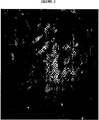
- the original Pitman Moore strain (Wistar strain PM-HDCS, 1503-3M) is first adapted to mice via one intracerebral passage and subsequently in duck eggs by repeated passages. Subsequently, the present inventors attempted to develop an adaptation process of PM rabies virus strain to Primary Duck Embryo Fibroblast Cells, only some cells were found to be infected ( Figure 1 ). Over several passages, the infectivity was not increased to the satisfactory extent.
- the original "Wistar strain PM-HDCS, 1503-3M'' adapted to duck embryo is herein referred to as "Master Seed DE 42/74 Pas. 12 12.11.1974" which is a master seed for production of PDEV vaccine.
- This "Master Seed DE 42/74 Pas. 12 12.11.1974" rabies virus is adapted and propagated initially in duck embryo cells then to Primary Chick Embryo Fibroblast Cell Cultures to produce cell culture PCEC Vaccine (PCECV PM ) for rabies according to the present invention.
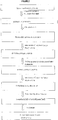
- the "Master Seed virus DE 42/74 Pas.12 12.11.1974" was adapted to Primary Duck Embryo Fibroblast Cells, and then to Primary Chick Embryo Fibroblast Cells by repeated passages as described in Figure 7 .
- the adapted Pitman Moore strain which is used as a master seed or working seed is obtained by infecting PM virus (DE 42/74 Pas. 12 12.11.1974) to Primary Duck Embryo Fibroblast Cells and 7 passages were performed at temperature at 33-36 °C in order to adapt the strain in the Primary Duck Embryo Fibroblast Cells and obtained "03 PM/Duck/S Pas.07 18.12.03".
- the "03 PM/Duck/S Pas.07 18.12.03" strain was further infected in to Primary Chick Embryo Fibroblast Cells by at least 4 passages to obtain the master seed "04 PM/Chick/S Pas.11 04.08.04".
- One Example of working seed lot prepared according to the above process was named as "04 PM/Chick/S Pas.12 25.12.04".
- the virus obtained from the Master seed "04 PM/Chick/S Pas.11 4.08.04" has a peak titer of at least 10 6.5 TCID 50% per m l.
- the virus titer was in increasing log at successive passages in chick embryo cell, suggesting that the virus has stable phenotypic character.
- the adaptation of the virus is preferably carried out using PET TC roller bottles or multi layered TC flasks.
- Example 1 Selection of medium for virus adaptation and process optimization
- the above mentioned medium comprises below ingredients: MEDIUM COMPOSITION PCM 1 PCM 2 PCM Mg/L Mg/L Mg/L INORGANIC SALTS Calcium chloride anhydrous 200 200 175-225 Ferric (III)-Nitrate. 9H2O 0.1 0.02-0.07 Magnesium sulfate anhydrous 97.7 97.7 72.7-122.7 Potassium chloride 400 400 375-425 Sodium chloride 6400 - 3175-3225 Sodium Dihydrogen phosphate.
- the above media were further supplemented with human serum albumin, hydrolyzed gelatin, sodium bicarbonate and antibiotics solution at suitable concentrations.
- the TC flask & Roller bottles were incubated at 34 °C ⁇ 1°C for 5 days.
- the 24 well plate was incubated in 3 % CO 2 environment at 34 °C ⁇ 1°C and was stained with FITC conjugate on 3 rd day to check degree of virus infection which was rated by Rabies specific fluorescence as good (+), very good (++), excellent (+++) or extraordinary (++++).
- cell supernatant was harvested from each set of experiment as first harvest and replenished with fresh respective culture medium. After further incubation, On day 2 nd , 3 rd or 4 th from the first harvest, second harvest were taken from each set. The first harvest and second harvest were tested for virus titration and sterility.
- the medium PCM was chosen for adaptation in Primary chicken embryo fibroblast cells and subsequent vaccine preparation which was further optimized by various process parameters which are within the scope of persons skilled in the art and by further selection of suitable TC roller bottle.
- the chicken eggs were incubated for 8 -11 days at a temperature 35° C - 37° C with 70 - 90 % RH. After incubation, the eggs were candled for live and healthy embryos. After candling, the embryos were removed from each egg under aseptic conditions then the heads and bodies were separated by pulling method. The heads were then immediately discarded while the body part of embryos were pooled in a bottle, washed three to four times with sterile PBS and trypsinized with trypsin prewarmed at 35 ⁇ 2 °C for 10-40 minutes.
- Trypsinized cell suspension was filtered through a nylon muslin cloth followed by centrifugation at 1000 to 1500 rpm for 10 to 15 min in refrigerated centrifuge.
- the cell pellet is suspended in fresh growth medium, mixed well and again this cell suspension was centrifuged in the same manner.
- the cell pellet was suspended in fresh growth medium and mixed thoroughly.
- the cell suspension was transferred into a sterile glass bottle containing above said culture medium and stirred for 5-10 minutes at 35 ⁇ 2 °C.
- the final cell counts were adjusted in the range of 1.4 - 2.2 X 10 6 /ml using culture medium in 20 L glass bottle.
- the cell suspension was inoculated with pre-determined optimum master or working seed virus dilution and incubated under slow stirring at 35 ⁇ 2 °C for 90-120 minutes for adsorption of virus to cells.
- infected virus suspension were distributed either in PET TC roller bottles ( 300 ⁇ 50 ml per TC Roller bottle ) or in multilayerTC flask such as cell factories or cell stacks ( 3000 ⁇ 500 ml ) or combination of both. They were then incubated at 34.5 ⁇ 0.5 °C for 4 to 6 days. On day 4 th or 5 th , cell supernatant was harvested as first harvest and replenished with fresh culture medium. After further incubation, second was taken on day 7 th or 8 th . Third harvest is optional. Various virus harvests were stored at 2°-8 °C. Multiple harvest make the invention cost effective by getting more harvest with good titers
- the pooled virus harvest were purified and concentrated by ultracentrifugation in a sucrose density gradient zonal centrifuge at 35000 rpm. Banding of the rabies virus takes place best between a sucrose concentration of approximately 35 - 40% and the sucrose gradient / bands having active live rabies Virus were collected as product fractions.
- the product fraction virus concentrates from various pooled harvests were stored below - 60° C until results of various test like In-vitro Ag assay, sterility test and Bacterial endotoxin tests were clear.
- the present invention also provides a method of inactivating PM virus to destroy its infectivity while preserving its antigenicity.
- the concentrates were thawed at 37 °C and cooled at 4 ⁇ 2 °C.
- the concentrates were diluted by vaccine stabilizer to achieve appropriate antigen content of 8.5 IU/ml and sample were withdrawn for In-vitro Ag assay like ABT, ELISA and SRD test.
- the pH of the blended bulk was measured and adjusted to 8.0 ⁇ 1 with 10% w/v pre-sterilized NaOH solution.
- Betapropiolactone diluted 1:100 in PBS was slowly added into the blended bulk so as to reach a final concentration of 1: 4000 (0.025%) and the content of vessel was transferred into another pre-sterilized inactivation vessel.
- the incubation with Betapropiolactone was performed at 2° to 6 °C under constant stirring. At least 48 hours were required to fully inactivate viral infectivity without losing viral antigenicity.
- the inactivation process of PM virus at 2 °C 6 °C was preferably chosen for simplicity in large scale culture.
- the inactivated bulk was Stored at 5° ⁇ 3°C until further processing under continuous stirring.
- the inactivated bulk was diluted with suitable stabilizer solution to adjust antigenic value of atleast 5 1U/ml During the blending process, the blended bulk was maintained at 5° ⁇ 3 °C under stirring.
- the blended vaccine was stirred for 30 minutes prior to filling. Lyophilisation was done by standard methods known in the art.
- Vaccine stabilizer used contains sucrose, hydrolyzed gelatine, human albumin and sodium salts. The vaccine is prepared as a freeze-dried formulation to be reconstituted with sterile water for injection.
- the efficacy and immunogenicity of vaccine prepared using chick fibroblast cells is same as International Reference Vaccine ( WHO 5 th IRM ) which has been evaluated by various animal safety, efficacy and seroconversion studied. Further, the end product purity is verified and compared by SDS page which is similar to other marketed products ( Figure 6 ). The product is also very stable when stored at 2° to 8 °C .It also retains potency and other critical parameters when exposure at accelerated and stressed temperatures as per ICH guidelines for stability of Biotechnological and biological materials.
- Example 2 Adaptation of Pitman Moore Rabies Virus Strain to Primary Duck Embryo Fibroblast cells and successive adaptation of the virus obtained therein to Primary Chick Embryo fibroblast Cells.
- the original Pitman Moore rabies virus strain (Wistar strain PM-HDCS, 1503-3M) was first adapted by 1 cerebral passage in Swiss Albino Mice followed by 12 passages in embryonated Duck eggs, and the virus obtained was named as DE 42/74 Pas. 12 12.11.1974.
- the present invention uses this virus for further adaptation to primary duck embryo fibroblast cells and subsequently chick embryo fibroblast cells.
- the experiment was carried out by using 11-12 days old SPF duck eggs.
- the cell count was set at 1.8 X 10 6 cell/ml as per techniques known
- cell suspension was prepared by using Production Culture Medium I (PCM I, described above) with supplement of 1.5% human albumin.
- 5ml frozen aliquot of above named virus "DE 42/74 Pas. 12 12.11.1974" was thawed at 37 °C and diluted in cell culture stabilizer, and was used for infecting the duck embryo cell suspension.
- the infected cell suspension was filled into TC PET roller bottles and incubated at 34 °C.
- the harvest was collected from the roller bottles and tested for virus titer in mice and for absence of contaminants like bacteria and fungi. These harvested virus was named as "02 PM/DUCK/S Pas.01"
- the infected cells were distributed into roller bottle as well as in multilayered TC flasks, and incubated at 34 °C. On day five of the infection, the harvest was collected from the roller bottles and multilayered TC flasks, approximately 7 ltrs of harvest was collected and was distributed in suitable aliquots and from these aliquots few aliquots of 5 ml were used for testing virus titer in mice and for absence of contaminants like bacteria and fungi.
- the seed Virus "04 PM / Chick / S Pas. 12 25.12.04" was infected in chicken fibroblast cell by a process similar to that described in step 1(b) above, and first harvest was obtained on or after 4 days and the second harvest was obtained after 2-3 days of the first harvest.
- the pooled virus harvest were purified and concentrated by ultracentrifugation by a sucrose density gradient zonal centrifuge at 35000 rpm. Banding of the rabies virus was carried out at approx. 35 - 40% of sucrose concentration and the active live rabies Virus were collected as product fractions.
- the virus concentrates from various pooled harvests were stored below - 60° C until results of various test like in-vitro Ag assay, sterility test and bacterial endotoxin tests were clear.
- the concentrates were thawed at 37 °C and cooled at 4 ⁇ 2°C.
- the concentrates were diluted by vaccine stabilizer to achieve appropriate antigen content of 8.5 IU/ml and sample were withdrawn for In-vitro Ag assay like ABT, ELISA and SRD test.
- the pH of the blended bulk was measured and adjusted to 8.0 ⁇ 1 with 10% w/v pre-sterilized NaOH solution.
- the blended bulk was then inactivated by addition of suitable concentration of Betapropiolactone, by known techniques.
- inactivated bulk was stored at 5° ⁇ 3°C under continuous stirring and was diluted with suitable stabilizer solution to adjust antigenic value at ⁇ 5 IU/ml and blended bulk was maintained at 5° ⁇ 3°C under stirring for 30 minutes.
- suitable stabilizer composition comprising sucrose, hydrolyzed gelatine, human albumin and sodium salts.
- the vaccine is made available as a freeze-dried formulation to be reconstituted with sterile water for injection prior to use.
- the immunogenicity and potency of the vaccine were tested as follows:
- mice The NIH Potency test in mice is carried out as per Laboratory Techniques in Rabies, 4th ED. WHO'1996 and Indian Pharmacopoeia.
- the potency of rabies vaccine is determined by comparing the dose of the experimental vaccine necessary to protect mice against a lethal intra-cerebral dose of rabies virus with the corresponding dose of reference vaccine (WHO 5 th IRM, 16.0 IU per Ampoule) necessary to give the same protection.
- mice 8 Males + 8 Females
- second immunization was done after seven days from the day of first immunization, repeating the steps as that of first vaccination.
- mice Fourteen days after I st immunization, all mice were infected with Brain Suspension of Challenge Virus Standard (CVS); dose of which adjusted between 10 - 50 LD 50 .
- CVS Brain Suspension of Challenge Virus Standard
- Infected mice are observed for 14 days. Mice deaths are noted after fifth day of infection.
- the mean potency of the experimental vaccine is 5.43 IU/dose.
- the 95% confidence limit of each test is between 25-400% of the calculated potency.
- the challenge virus dose (CVD) used in each test was between 10-50 LD 50 .
- ED 50 of standard and test vaccine in each test was between the highest and lowest dilution. Hence it can be concluded that the vaccine is immunoprotected and NIH potency value is well above the minimum requirement of 2.5 IU/dose.
- mice From the positive results obtained in mice in terms of seroconversion/challenge study, a combined study was designed to ascertain seroconversion and protection in rabbits. New Zealand White Rabbits having weight within 1.5 - 2.5 Kgs were used, 5 males & 5 females rabbits were taken per group,
- All the rabbits in each group were injected intra-muscularly with 0.5 ml of respective vaccines on day 0 and on day 7 and were observed for 14 days.
- 2 ml of blood was collected aseptically from Marginal Ear vein of each rabbit and blood was allowed to clot by incubation at 37 °C for 1 hour.
- the blood samples were centrifuged at 1,500 rpm / 10 mins for serum separation and serum was collected aseptically in pre-sterilized tubes/cryovials.
- the samples were heat-inactivated at 56°C for 30 minutes and stored below -60 °C for further titer determination.
- the antibody titer in each sample was determined by RFFIT & MNT. Subsequently, all rabbits were challenged intra-cerebrally with 30MLD 50 /0.3ml of
- test vaccine was similar in immunogenicity with respect to reference vaccine as can be inferred from the table.
- PCEC vaccine Extra vaccine prepared according to the process of the present invention is equally protective as the reference standard in terms of immunogenicity and potency.
- Example 6 Comparision of Experimental Vaccine of the present invention with various Marketed Rabies Vaccines
Landscapes
- Health & Medical Sciences (AREA)
- Life Sciences & Earth Sciences (AREA)
- Virology (AREA)
- Immunology (AREA)
- Pharmacology & Pharmacy (AREA)
- General Health & Medical Sciences (AREA)
- Chemical & Material Sciences (AREA)
- Medicinal Chemistry (AREA)
- Veterinary Medicine (AREA)
- Public Health (AREA)
- Animal Behavior & Ethology (AREA)
- Epidemiology (AREA)
- Mycology (AREA)
- Microbiology (AREA)
- Nuclear Medicine, Radiotherapy & Molecular Imaging (AREA)
- Organic Chemistry (AREA)
- Tropical Medicine & Parasitology (AREA)
- General Chemical & Material Sciences (AREA)
- Chemical Kinetics & Catalysis (AREA)
- Communicable Diseases (AREA)
- Molecular Biology (AREA)
- Engineering & Computer Science (AREA)
- Bioinformatics & Cheminformatics (AREA)
- Oncology (AREA)
- Medicines Containing Antibodies Or Antigens For Use As Internal Diagnostic Agents (AREA)
- Micro-Organisms Or Cultivation Processes Thereof (AREA)
Abstract
Description
- The present invention relates to the field of vaccine, in particular, the adaptation of Pitman Moore rabies virus strain (PM strain) into Purified Chick Embryo Fibroblast Cell culture for producing an improved and highly purified vaccine. Specifically the adapted PM rabies virus strain gives a high virus titer, which in turn gives high yields in terms of vaccine doses per egg and is also highly immunogenic.
- Rabies is a zoonotic viral disease which infects domestic and wild animals. Once symptoms of the disease develop, rabies is fatal to both animals and humans. However, when individuals are vaccinated with a rabies vaccine either prior to the virus exposure or after the exposure when combined with thorough cleaning of the wound with antiseptic and anti-rabies antibodies, the individuals are generally well protected. Human rabies vaccines are made from inactivated or attenuated rabies virus and have gone through successive improvements since the time of Pasteur. The first rabies vaccine was developed by Pasteur which was nerve tissue based and virus was inactivated by drying but this vaccine had a risk of activation of the virus and allergic reaction due to the presence of nerve tissue or myelin. Myelin free vaccines prepared from neonatal mouse brains were introduced by Fuenzalida et. al. (Vaccines: Fourth edition, ).
- Subsequently, Duck Embryo Vaccine (DEV) for rabies was developed. DEV for rabies was prepared from virus propagated in embryonated duck eggs. It was less immunogenic than the brain tissue vaccine. Fourteen to twenty three daily inoculations were recommended for DEV and sometime such high dosages also did not protect against rabies after severe exposure. ( Vaccines: Fourth edition, chapter 37, Page number 1018, Plotkin, Rupprecht and Koprowski ). The other drawback associated with DEV was that it also had myelin based proteins, which caused side reactions so later on it was banned by the WHO. Thus there was a long need for highly immunogenic rabies vaccine that could be used safely and effectively at low doses, both for primary immunization and for treatment after exposure. These vaccines would also greatly reduce the number and severity of post vaccinal reactions.
- Such a need was satisfied by the development of tissue/cell culture vaccines. The cell culture vaccine is not only safer compared to the former brain tissue vaccines by virtue of the absence of neuronal tissue but also is more efficacious. Several cell culture based vaccines have been developed in order to achieve high immunogenicity and safety like Purified Duck Embryo Vaccine (PDEV), 1st generation vaccines like Human Diploid Cell Vaccine ( Wiktor et al., 1964. J.Immunol.93:353-366 ) and 2nd generation vaccines like Purified Chick Embryo Cell Vaccine (PCECV), Purified Vero Cell Rabies Vaccine, Rabies Vaccine Adsorbed (RVA), and Primary Hamster Kidney Cell Vaccine (PHKCV) etc. (Ref: JIACM 2006; 7(1): 39-46 ).
- The technical advancement leading to the development of the above vaccines included the adaptation of Pitman Moore strain of rabies virus to continuous cell lines such as Vero cells (e.g. Purified Vero Cell Rabies Vaccine - Abhayrab™ & Verorab™) and MRC-5 human diploid cell culture line [e.g. Human Diploid Cell Vaccine (HDCV) - MIRV-HDC in India] [Ref: JIACM 2006; 7(1): 39-46] or in Duck Embryos in situ (e.g. Purified Duck Embryo Vaccine-PDEV-Lyssavac N) (Ref: Laboratory Techniques in Rabies; Fourth Edition, Edi. by F.X Meslin, M. M Kaplan & H. Koprowski, WHO Geneva-1996 ).
- Both Vero and MRC-5 cell lines are continuous cell lines, and hence necessitate the testing of cellular residual DNA in the finished product (Ref. European Pharmacopoeia, 2004) which may be due to risk of either transmission of latent viruses & other agents. Moreover, the yields obtained with Vero cells are substantially low even when PM strain is used for preparing the vaccine. PDEV is a suspension vaccine and hence this vaccine does not qualify for Intra-dermal (ID) application. Moreover, the technology suffers from attaining low yields (1.8 - 2.2 doses/egg). The process time is also of 88 days which is too long. The commercially available PDEV vaccine uses a preservative thiomersal, which has been linked to possible Autism in young children (Ref: http://www.ncirs.usyd.edu.au/facts/f-thiomersal.html). Additionally, the process for production of PDEV is long, cumbersome and not preferred for large scale production because it gives low yield. HDCV is considered gold standards vaccine but it is highly expensive. Therefore, there is a need to provide an improved and highly immunogenic rabies vaccine which provides better yield as well as is less expensive using cell culture based technology.
-
US 4115195 (Rudolph Barth et al. ) describes a process to manufacture rabies vaccine. It teaches that Chick Embryo Fibroblast cells, along with other cultures of cell strains can be used to make rabies vaccine with various viruses like viruses ofstrain VP 11, strain Pasteur, PM strain, or homogenized Chick-Embryo material containing viruses of strain Flury LEP (Low egg passage) or Flury HEP(High egg passage). The patent also specifically provides examples for use of rabies virus fixedstrain VP 11, Flury HEP and Flury LEP to infect Chick Embryo Fibroblast cells. However, this document does not teach the adaptation of Pitman Moore strain (Wistar strain PM-HDCS, 1503-3M) either to Primary Duck Embryo Fibroblast Cells or to Primary Chick Embryo Fibroblast cells. Also, the media used in the present invention is a unique combination medium, which is not taught inUS 4115195 , and is exclusively designed for PM rabies virus to infect Primary Chick Embryo Fibroblast Cells. - The present inventors have surprisingly found that the Pitman Moore strain could be adapted to Primary chick fibroblast cell culture. Such adaptation has provides a method of preparing the rabies vaccine in large quantities, having excellent yield, with low throughput time and easily scalable. The vaccine produced will be suitable for Intra Dermal application in addition to intramuscular (IM) application, since the vaccine is not a suspension.
- According to the present invention, the rabies vaccine prepared by adaptation of Pitman Moore to primary chick fibroblast cell culture is more advantageous than many other continuous cell lines based rabies vaccine and is more readily scalable to large scale commercial vaccine production. The vaccine produced by the present process has a very high yield, efficacy, safety as well as the process is much cost effective than many of the other processes known for preparation of rabies vaccine, preferably when the process is carried out using PET TC Roller bottles.
- The present inventors have surprisingly found that Pitman Moore virus can be severely infected in Primary chick fibroblast cell culture with unique combination medium as described elsewhere, under suitable process conditions as hereinafter described in details, using PET TC Roller bottles. Such preferred embodiments provide vaccine with high yield, greater potency and immunogenicity which makes the vaccine comparatively cost effective.
- The primary objective of the present invention is the adaptation of the Pitman Moore rabies virus strain to Chick Embryo Fibroblast cell culture in order to obtain a rabies vaccine.
- In an embodiment of present invention is provided a process for the production of an immunogenic and highly Purified Chick Embryo Cell VaccinePM (henceforth called PCECVPM) using Pitman Moore strain for active immunization against Rabies.
A further embodiment of the invention is to develop a high yielding unique process for obtaining the vaccine by a simpler process. - In a still further embodiment of the present invention is provided a suitable medium composition in order to achieve high infectivity of Pitman Moore strain rabies virus into Chick Embryo Fibroblast Cells.
- The present invention provides a process for the adaptation of Pitman Moore rabies virus strain to Chick Embryo Fibroblast cell culture. The original Pitman Moore strain (Wistar strain PM-HDCS, 1503-3M) is first adapted to mice via one intracerebral passage and subsequently in duck eggs by repeated passages which the present inventors have further adapted to the duck embryo fibroblast cells by successive passages, followed by adaptation to Primary chick embryo fibroblast cells by further serial passages using suitable medium and other suitable culture parameters to obtain the rabies vaccine.
- Another aspect of the present invention provides a unique combination medium in order to achieve high and severe infectivity of Pitman Moore rabies virus strain into Purified Chick Embryo Fibroblast Cells.
- In another aspect of the invention is provided an inactivated Purified Chick Embryo Cell Rabies Vaccine using PM rabies virus Strain having high purity and immunogenicity.
-
- Figure 1:
- Shows rabies specific fluorescence of 03PM/Duck/S.Pas.07 in duck culture on day 5th
- Figure 2:
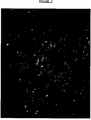
- Shows rabies specific fluorescence of 04PM/Chick/S.Pas.09 in Chick Embryo Culture (CEC) on day 5th
- Figure 3:
- Shows rabies specific fluorescence of 04PM/Chick/S.Pas.10 in Chick Embryo Culture (CEC) on
day 3rd - Figure 4:
- Shows rabies specific fluorescence of 04PM/Chick/S.Pas.11 in Chick Embryo Culture (CEC) on
day 3rd - Figure 5:
- Shows rabies specific fluorescence of 04PM/Chick/S.Pas.12 in Chick Embryo.Culture (CEC) on
day 3rd - Figure 6:
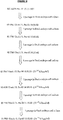
- Comparison of Experimental Vaccine of the present invention with various Marketed rabies Vaccines.
- The present invention relates to the adaptation of Pitman Moore rabies virus strain in primary cultures of Chick/Duck fibroblast cells. The eggs used are SPF quality chicken eggs. SPF chicken eggs and Pitman Moore rabies virus strain are approved substrate and approved virus strain by WHO for the manufacturing of the rabies vaccine for humans. In a preferred embodiment, the PM rabies virus strain is adapted to chick fibroblast cells in roller cultures using PET TC roller bottles which gives higher yield compared to several other technologies.
- The original Pitman Moore strain (Wistar strain PM-HDCS, 1503-3M) is first adapted to mice via one intracerebral passage and subsequently in duck eggs by repeated passages. Subsequently, the present inventors attempted to develop an adaptation process of PM rabies virus strain to Primary Duck Embryo Fibroblast Cells, only some cells were found to be infected (
Figure 1 ). Over several passages, the infectivity was not increased to the satisfactory extent. - It is known, for e.g. in
US 4115195 , that a sufficiently high virus titer is a pre-requisite for an effective rabies vaccine Hence, the inventors changed their focus to give passages of the virus into Chick Embryo Fibroblast cell culture. After several experiments for infectivity and adaptation, in chick embryo cells, successful results of virus titration were obtained (Figure 2 to 5 ). - The original "Wistar strain PM-HDCS, 1503-3M'' adapted to duck embryo is herein referred to as "Master Seed DE 42/74 Pas. 12 12.11.1974" which is a master seed for production of PDEV vaccine. This "Master Seed DE 42/74 Pas. 12 12.11.1974" rabies virus is adapted and propagated initially in duck embryo cells then to Primary Chick Embryo Fibroblast Cell Cultures to produce cell culture PCEC Vaccine (PCECVPM) for rabies according to the present invention.
- Initially, the inventors attempted to adapt the "Master Seed DE 42/74 Pas. 12 12.11.1974" virus to Primary Duck Embryo Fibroblast Cells by repeated passages. But, since Primary Duck Embryo Fibroblast cells are not a 'natural' host for the PM rabies virus, the inventors could not get any infection in the initial experiments, and further optimizations only resulted in very little infection in subsequent experiments. Hence, the process was significantly modified and the passaging in Primary Duck Embryo Fibroblast cells was shifted to passaging in Primary Chick Embryo Fibroblast cells under suitable medium and culture parameters. Such passaging of PM strain of rabies virus into Primary Chick Embryo Fibroblast cells is a unique and not a routine substitution which is neither reported in the art nor can be extrapolated by a person skilled in the art as routine, since these cells are also not a 'natural' host to the PM strain of Rabies virus.
- In the present invention, the "Master Seed virus DE 42/74 Pas.12 12.11.1974" was adapted to Primary Duck Embryo Fibroblast Cells, and then to Primary Chick Embryo Fibroblast Cells by repeated passages as described in
Figure 7 .

- The nomenclature for the various strains obtained during passaging are in the following general format:
"year of preparation (e.g. '04' for 2004)/Pitman Moore strain(PM)/substrate in which passaging took place (duck or chick)/serial passage number/date of culture" - The adapted Pitman Moore strain which is used as a master seed or working seed is obtained by infecting PM virus (DE 42/74 Pas. 12 12.11.1974) to Primary Duck Embryo Fibroblast Cells and 7 passages were performed at temperature at 33-36 °C in order to adapt the strain in the Primary Duck Embryo Fibroblast Cells and obtained "03 PM/Duck/S Pas.07 18.12.03". The "03 PM/Duck/S Pas.07 18.12.03" strain was further infected in to Primary Chick Embryo Fibroblast Cells by at least 4 passages to obtain the master seed "04 PM/Chick/S Pas.11 04.08.04". One can give 1-5 passages from Master seed to prepare the working seed for commercial vaccine production. One Example of working seed lot prepared according to the above process was named as "04 PM/Chick/S Pas.12 25.12.04".
- The virus obtained from the Master seed "04 PM/Chick/S Pas.11 4.08.04" has a peak titer of at least 106.5 TCID50% per m l.
The virus titer was in increasing log at successive passages in chick embryo cell, suggesting that the virus has stable phenotypic character. - At every stage of passage, infectivity was checked by staining culture with Ab tagged- FITC conjugate using fluorescence microscopy. After getting optimum and reproducible conditions for infectivity and culture, the results were confirmed primarily by Fluorescence Microscopy and then by several in-vitro as well as in-vivo tests as described in various Pharmacopoeia.
- The adaptation of the virus is preferably carried out using PET TC roller bottles or multi layered TC flasks.
- For proper adaptation, several medium and their combinations of ingredients were employed in described below with the help of Example 1. The present invention is further illustrated by the following non-limiting examples which represent one of the preferred mode of carrying out the invention. It will be appreciated that several non-inventive modifications, which are within the scope of a person skilled in the art are possible which are considered to be within the scope of the present invention.
- Following media were chosen for virus adaptation and process parameters optimization.
- Production Culture Medium 1(PCM 1)
- Production Culture Medium 2 (PCM 2)
- Production Culture Medium (PCM)
- The above mentioned medium comprises below ingredients:
MEDIUM COMPOSITION PCM 1 PCM 2 PCM Mg/L Mg/L Mg/L INORGANIC SALTS Calcium chloride anhydrous 200 200 175-225 Ferric (III)-Nitrate. 9H2O 0.1 0.02-0.07 Magnesium sulfate anhydrous 97.7 97.7 72.7-122.7 Potassium chloride 400 400 375-425 Sodium chloride 6400 - 3175-3225 Sodium Dihydrogen phosphate. H2O 125 140 107.5-157.5 Sodium hydrogen Carbonate 3700 2200 2925-2975 VITAMINS D-calcium pantothenate 4 1 0.5-5.0 Choline chloride 4 1 0.5-5.0 Folic acid 4 1 0.5-5.0 Myo-Inositol 7.2 2 0.6-8.6 Nicotinamide 4 1 0.5-5.0 Pyridoxal HCl 4 1 0.5-5.0 Riboflavin 0.4 0.1 0.01-0.5 Thiamine HCl 4 1 0.5-5.0 AMINO ACIDS L-arginine HCl 84 126 80-130 L-cystine 48 24 5-30 L-glutamine 584 292 413-463 Glycine 30 - 20-40 L-histidine HCl. H2O 42 42 17-67 L-isoleucine 105 52 53.5-103.5 L-leucine 105 52 53.5-103.5 L-lysine HCl 146 72.5 84.25-134.25 L-methionine 30 15 2.5-42.5 L-phenylalanine 66 32 24-74 L-serine 42 - 16-26 L-threonine 95 48 46.5-96.5 L-tryptophan 16 10 10-30 L-tyrosine 72 36 29-79 L-valine 94 46 45-95 OTHER D-Glucose anhydrous 4500 1000 2725-2775 Phenol red 15 11 10-30 Sodium pyruvate 110 - 30-80 - The above media were further supplemented with human serum albumin, hydrolyzed gelatin, sodium bicarbonate and antibiotics solution at suitable concentrations.
- Following experiments were carried out using different mediums and their effectiveness were compared for formation of cell monolayer and degree of virus infection.
- 9-11 days old embryos were taken and trypsinized 10-10-20 minutes steps. The cells were centrifuged to remove trypsin and re-suspended equally in
PCM 1, PCM 2 and PCM. Cell counts were adjusted to approx. 1.7 x 10⁶ cells per ml in all the three medium in different experiments. The virus "03 PM / Duck / S. Pas. 07" virus at 1:1200 dilution were used in all experiments. Adsorption time was 90 minutes for every experiments. The infected cells were seeded in Greiner TC flasks and PET Roller bottles. Representative infected cells from the TC flask/roller bottles were also seeded in 24 well TC plates. The TC flask & Roller bottles were incubated at 34 °C ± 1°C for 5 days. The 24 well plate was incubated in 3 % CO2 environment at 34 °C ± 1°C and was stained with FITC conjugate on 3rd day to check degree of virus infection which was rated by Rabies specific fluorescence as good (+), very good (++), excellent (+++) or extraordinary (++++). - On day 4th or 5th, cell supernatant was harvested from each set of experiment as first harvest and replenished with fresh respective culture medium. After further incubation, On
day 2nd, 3rd or 4th from the first harvest, second harvest were taken from each set. The first harvest and second harvest were tested for virus titration and sterility. - It was found that:
- In 24 well plate, cell seeded
PCM 1 and PCM 2 showed poor to good infection while cell seeded in PCM showed excellent to extraordinary infection, evaluated by rabies specific immunofluorescence. - TC flask / roller bottles seeded with PCM had shown good titers compared to
PCM 1 and PCM 2 alone. Titer values, 10 5.6, 105.8 and 10 7.7 TCID50% are found inPCM 1, PCM 2 and " PCM " respectively. - From the above results in various experiments, the medium PCM was chosen for adaptation in Primary chicken embryo fibroblast cells and subsequent vaccine preparation which was further optimized by various process parameters which are within the scope of persons skilled in the art and by further selection of suitable TC roller bottle.
General cell culture procedure used for preparing the Master seed, Working seed and rabies vaccine production: - The chicken eggs were incubated for 8 -11 days at a temperature 35° C - 37° C with 70 - 90 % RH. After incubation, the eggs were candled for live and healthy embryos. After candling, the embryos were removed from each egg under aseptic conditions then the heads and bodies were separated by pulling method. The heads were then immediately discarded while the body part of embryos were pooled in a bottle, washed three to four times with sterile PBS and trypsinized with trypsin prewarmed at 35 ± 2 °C for 10-40 minutes.
- Trypsinized cell suspension was filtered through a nylon muslin cloth followed by centrifugation at 1000 to 1500 rpm for 10 to 15 min in refrigerated centrifuge. The cell pellet is suspended in fresh growth medium, mixed well and again this cell suspension was centrifuged in the same manner. The cell pellet was suspended in fresh growth medium and mixed thoroughly. The cell suspension was transferred into a sterile glass bottle containing above said culture medium and stirred for 5-10 minutes at 35 ± 2 °C. The final cell counts were adjusted in the range of 1.4 - 2.2
X 106/ml using culture medium in 20 L glass bottle. - The cell suspension was inoculated with pre-determined optimum master or working seed virus dilution and incubated under slow stirring at 35 ± 2 °C for 90-120 minutes for adsorption of virus to cells. At the end of adsorption, infected virus suspension were distributed either in PET TC roller bottles ( 300 ± 50 ml per TC Roller bottle ) or in multilayerTC flask such as cell factories or cell stacks ( 3000 ± 500 ml ) or combination of both. They were then incubated at 34.5 ± 0.5 °C for 4 to 6 days. On day 4th or 5th, cell supernatant was harvested as first harvest and replenished with fresh culture medium. After further incubation, second was taken on day 7th or 8th. Third harvest is optional. Various virus harvests were stored at 2°-8 °C. Multiple harvest make the invention cost effective by getting more harvest with good titers
- The pooled virus harvest were purified and concentrated by ultracentrifugation in a sucrose density gradient zonal centrifuge at 35000 rpm. Banding of the rabies virus takes place best between a sucrose concentration of approximately 35 - 40% and the sucrose gradient / bands having active live rabies Virus were collected as product fractions. The product fraction virus concentrates from various pooled harvests were stored below - 60° C until results of various test like In-vitro Ag assay, sterility test and Bacterial endotoxin tests were clear.
- The present invention also provides a method of inactivating PM virus to destroy its infectivity while preserving its antigenicity. The concentrates were thawed at 37 °C and cooled at 4 ± 2 °C. The concentrates were diluted by vaccine stabilizer to achieve appropriate antigen content of 8.5 IU/ml and sample were withdrawn for In-vitro Ag assay like ABT, ELISA and SRD test. The pH of the blended bulk was measured and adjusted to 8.0 ±1 with 10% w/v pre-sterilized NaOH solution. Then effective quantity of Betapropiolactone diluted 1:100 in PBS was slowly added into the blended bulk so as to reach a final concentration of 1: 4000 (0.025%) and the content of vessel was transferred into another pre-sterilized inactivation vessel. The incubation with Betapropiolactone was performed at 2° to 6 °C under constant stirring. At least 48 hours were required to fully inactivate viral infectivity without losing viral antigenicity. The inactivation process of PM virus at 2 °C 6 °C was preferably chosen for simplicity in large scale culture.
- Finally the inactivated bulk was Stored at 5° ± 3°C until further processing under continuous stirring. The inactivated bulk was diluted with suitable stabilizer solution to adjust antigenic value of atleast 5 1U/ml During the blending process, the blended bulk was maintained at 5° ± 3 °C under stirring. The blended vaccine was stirred for 30 minutes prior to filling. Lyophilisation was done by standard methods known in the art. Vaccine stabilizer used contains sucrose, hydrolyzed gelatine, human albumin and sodium salts. The vaccine is prepared as a freeze-dried formulation to be reconstituted with sterile water for injection.
- The efficacy and immunogenicity of vaccine prepared using chick fibroblast cells is same as International Reference Vaccine ( WHO 5th IRM ) which has been evaluated by various animal safety, efficacy and seroconversion studied. Further, the end product purity is verified and compared by SDS page which is similar to other marketed products (
Figure 6 ). The product is also very stable when stored at 2° to 8 °C .It also retains potency and other critical parameters when exposure at accelerated and stressed temperatures as per ICH guidelines for stability of Biotechnological and biological materials. - (A) The original Pitman Moore rabies virus strain (Wistar strain PM-HDCS, 1503-3M) was first adapted by 1 cerebral passage in Swiss Albino Mice followed by 12 passages in embryonated Duck eggs, and the virus obtained was named as DE 42/74 Pas. 12 12.11.1974. The present invention uses this virus for further adaptation to primary duck embryo fibroblast cells and subsequently chick embryo fibroblast cells.
- The experiment was carried out by using 11-12 days old SPF duck eggs. The cell count was set at 1.8 X 10⁶ cell/ml as per techniques known, cell suspension was prepared by using Production Culture Medium I (PCM I, described above) with supplement of 1.5% human albumin. 5ml frozen aliquot of above named virus "DE 42/74 Pas. 12 12.11.1974" was thawed at 37 °C and diluted in cell culture stabilizer, and was used for infecting the duck embryo cell suspension. The infected cell suspension was filled into TC PET roller bottles and incubated at 34 °C. On day five after the infection, the harvest was collected from the roller bottles and tested for virus titer in mice and for absence of contaminants like bacteria and fungi. These harvested virus was named as "02 PM/DUCK/S Pas.01"
- Like wise six such passages were further done in duck embryo cell culture and after each passage, harvest of approximately 7.0 liters. After each passage the harvest was collected and tested for virus titer in mice and for absence of contaminants like bacteria and fungi. The harvest from each passage was further distributed in 5ml aliquots. They were named as follows.
Culture date. No of eggs Approximate Vol. of harvest Ex. 1: Nomenclature 14.04.02 180 07 ltrs 02 PM / Duck / S. Pas. 01 27.07.02 180 07 ltrs 02 PM / Duck / S. Pas. 02 30.11.02 180 07 ltrs 02 PM / Duck / S. Pas. 03 11.01.03 180 07 ltrs 03 PM / Duck / S. Pas. 04 04.10.03 180 07 ltrs 03 PM / Duck / S. Pas. 05 17.11.03 180 07 ltrs 03 PM / Duck / S. Pas. 06 18.12.03 180 07 ltrs 03 PM / Duck / S. Pas. 07 - During the above experiments, after initial passage, only few cells were found infected and showed rabies specific fluorescence. The infectivity of virus gradually and significantly increased from the fourth passage onwards. This can be shown as in
Figure 8 . - After seventh passage infectivity was almost constant. Several alternatives were tried with very little success. Surprisingly, when the virus "03 PM / Duck S. Pas 07 18.02.03" was infected into chick embryo fibroblast cells, the infectivity increased significantly. Based on this findings, the virus strain was further passaged in chick embryo fibroblast cells in order to achieve required infectivity and virus titer as follows.
- (B) Approximately 9-11 days old (180 embryos) fertilized SPF chicken eggs was used for the process and the head part was separated from the body part, the body part only was processed, while the head part was discarded. The pooled body parts were given repeated phosphate buffered saline wash and subsequently the embryos were trypsinized using trypsin solution. Cell suspension was prepared in PCM, the cell count was set at 1.6 x 10⁶ cells/ml. The 5ml frozen aliquot of "03 PM / Duck/S. Pas. 07" was thawed at 37 °C and diluted in stabilizer. This was used for infecting the chick embryo cell suspension. This infected cell suspension was incubated at 37 °C for 1.5 hrs with slow stirring. The infected cells were distributed into roller bottle as well as in multilayered TC flasks, and incubated at 34 °C. On day five of the infection, the harvest was collected from the roller bottles and multilayered TC flasks, approximately 7 ltrs of harvest was collected and was distributed in suitable aliquots and from these aliquots few aliquots of 5 ml were used for testing virus titer in mice and for absence of contaminants like bacteria and fungi.
- These virus harvest was given nomenclature as" 04 PM / Chick / S. pas .08"
Culture date No of eggs Approximate Vol. of harvest Nomenclature 27.04.04 180 07 ltrs 04 PM / Chick / S. Pas. 08 11.05.04 180 07 ltrs 04 PM / Chick / S. Pas. 09 16.07.04 180 07 ltrs 04 PM / Chick / S. Pas. 10 04.08.04 180 07 ltrs 04 PM / Chick / S. Pas. 11 25.12.04 180 07 ltrs 04 PM / Chick / S. Pas. 12 - Subsequently, 3 further successive passages of the virus were given in chicken fibroblast cells, aliquots from each harvest were collected and distributed in 5 ml aliquots and were given the nomenclature as mentioned above. All the passage were tested for virus titer and absence of bacteria and fungi.
Based on data obtained, the virus obtained after the 4th passage named "04 PM /Chick / S Pas. 11 04.08.04" has 1077 LD50% virus titer per ml which was herein considered as Master Seed Virus. This virus was given 1 further passage to produce the Working Seed Virus "04 PM / Chick / S Pas. 12 25.12.04" - The seed Virus "04 PM / Chick / S Pas. 12 25.12.04" was infected in chicken fibroblast cell by a process similar to that described in step 1(b) above, and first harvest was obtained on or after 4 days and the second harvest was obtained after 2-3 days of the first harvest. The pooled virus harvest were purified and concentrated by ultracentrifugation by a sucrose density gradient zonal centrifuge at 35000 rpm. Banding of the rabies virus was carried out at approx. 35 - 40% of sucrose concentration and the active live rabies Virus were collected as product fractions. The virus concentrates from various pooled harvests were stored below - 60° C until results of various test like in-vitro Ag assay, sterility test and bacterial endotoxin tests were clear.
- The concentrates were thawed at 37 °C and cooled at 4 ± 2°C. The concentrates were diluted by vaccine stabilizer to achieve appropriate antigen content of 8.5 IU/ml and sample were withdrawn for In-vitro Ag assay like ABT, ELISA and SRD test. The pH of the blended bulk was measured and adjusted to 8.0±1 with 10% w/v pre-sterilized NaOH solution. The blended bulk was then inactivated by addition of suitable concentration of Betapropiolactone, by known techniques.
- Finally the inactivated bulk was stored at 5° ± 3°C under continuous stirring and was diluted with suitable stabilizer solution to adjust antigenic value at ≥ 5 IU/ml and blended bulk was maintained at 5° ± 3°C under stirring for 30 minutes. The blended bulk was filled in vials and using suitable stabilizer composition comprising sucrose, hydrolyzed gelatine, human albumin and sodium salts. The vaccine is made available as a freeze-dried formulation to be reconstituted with sterile water for injection prior to use.
- The immunogenicity and potency of the vaccine were tested as follows:
- The NIH Potency test in mice is carried out as per Laboratory Techniques in Rabies, 4th ED. WHO'1996 and Indian Pharmacopoeia.
- The potency of rabies vaccine is determined by comparing the dose of the experimental vaccine necessary to protect mice against a lethal intra-cerebral dose of rabies virus with the corresponding dose of reference vaccine (WHO 5th IRM, 16.0 IU per Ampoule) necessary to give the same protection.
- Swiss Albino Mice weighing approximately 12-15 grams were used.
No. of Mice Required Standard Vaccine 64 (16 x 4 Dilutions) Test Vaccine 64 (16 x 4 Dilutions) Virus Titration ( 10 x 4 Dilutions) - One dose of International Reference vaccine was reconstituted in 2.0 ml of water for injection, and 0.5 ml of it was mixed thoroughly with 12 ml of Phosphate Buffer Saline (PBS) to make 25 fold dilution.
- One dose from at-least each shelves of freeze dried lots of the experimental vaccine of the invention were reconstituted separately in 1.0 ml of water for injection, and then pooled together.Take out 0.5 ml which was mixed thoroughly with 12 ml of PBS thereby making a 25 fold dilution.
- Subsequently, three five fold dilutions of both International Standard and Experimental vaccines were prepared in PBS (pH 7.4). The range of dilutions were so selected that the middle dilution contained enough vaccine to protect 50 % of total number of mice taken for the study, with the challenge dose of virus of 10-50 LD50.The dilution range of 1:25, 1:125, 1:625, 1:3125 worked well for both, standard as well as experimental vaccine.
- During first immunization sixteen mice (8 Males + 8 Females) were injected with 0.5 ml of each dilution, by intraperitoneal route and second immunization was done after seven days from the day of first immunization, repeating the steps as that of first vaccination.
- Fourteen days after Ist immunization, all mice were infected with Brain Suspension of Challenge Virus Standard (CVS); dose of which adjusted between 10 - 50 LD50.
- Infected mice are observed for 14 days. Mice deaths are noted after fifth day of infection.
- The potency was calculated by REED and MUENCH method. It was found that:
- The ED50 values of the Test as well as Standard Vaccines were between the highest and the lowest dose administered to the experimental animals.
- The titration of the challenge suspension showed that 0.03 ml. of it contained between 10 to 50 LD50 and all the animals should die which received the suspension of this strength.
- The confidence limits of the level of significance (p = 0.95) were not less than 25% and not more than 400% of the calculated potency.
- The final result is tabulated below:
Lot No. Test Potency (IU/dose) Confidence Limit (95%) Challenge Virus Dose Mean Potency (IU/dose) 1 I 5.42 2.667 - 10.928 26.30 5.43 II 5.50 2.541 - 11.928 26.92 - From the above experiment, it can be concluded that the mean potency of the experimental vaccine is 5.43 IU/dose. The 95% confidence limit of each test is between 25-400% of the calculated potency. The challenge virus dose (CVD) used in each test was between 10-50 LD50. ED50 of standard and test vaccine in each test was between the highest and lowest dilution. Hence it can be concluded that the vaccine is immunoprotected and NIH potency value is well above the minimum requirement of 2.5 IU/dose.
- From the positive results obtained in mice in terms of seroconversion/challenge study, a combined study was designed to ascertain seroconversion and protection in rabbits. New Zealand White Rabbits having weight within 1.5 - 2.5 Kgs were used, 5 males & 5 females rabbits were taken per group,
- WHO 5th IRM, reconstituted in 2 ml of Sterile Water for Injections to get 8 IU/ml was used as Reference vaccine. The Experimental vaccine of the present invention was reconstituted in 1 ml of Sterile Water for injection.
- All the rabbits in each group were injected intra-muscularly with 0.5 ml of respective vaccines on day 0 and on day 7 and were observed for 14 days. On day 14, 2 ml of blood was collected aseptically from Marginal Ear vein of each rabbit and blood was allowed to clot by incubation at 37 °C for 1 hour. The blood samples were centrifuged at 1,500 rpm / 10 mins for serum separation and serum was collected aseptically in pre-sterilized tubes/cryovials. The samples were heat-inactivated at 56°C for 30 minutes and stored below -60 °C for further titer determination.
- The antibody titer in each sample was determined by RFFIT & MNT. Subsequently, all rabbits were challenged intra-cerebrally with 30MLD50/0.3ml of
- Challenge Virus Standard (CVS-27) under Intravenous anaesthesia (Thiopentone sodium). The rabbits were observed for 14 days for Rabies specific symptoms and mortality. The mortality upto day 5th was considered non-specific death.
- It was observed that none of the rabbit in any group exhibited Rabies specific symptoms or died. The test vaccine was similar in immunogenicity with respect to reference vaccine as can be inferred from the table.
-
Rabbit No. Sex Antibody titer (IU/ml) RFFIT MNT 1 Male 4.65 9.6 2 Male 7.39 11.5 3 Male 8.10 10.0 4 Male 6.92 11.5 5 Male 8.10 8.91 6 Female 5.86 11.0 7 Female 11.73 10.0 8 Female 12.53 8.91 9 Female 8.10 6.0 10 Female 11.73 13.2 Mean - 8.51 10.06 S.D. - 2.65 1.95 -
Rabbit No. Sex Antibody titer (IU/ml) RFFIT MNT 1 Male 11.73 9.12 2 Male 8.10 9.14 3 Male 5.86 8.91 4 Male 6.92 11.48 5 Male 7.39 12.88 6 Female 8.10 13.80 7 Female 4.65 13.20 8 Female 6.92 11.48 9 Female 12.53 12.0 10 Female 8.10 6.70 Mean - 8.2 10.87 S.D. - 3.2 2.29 - From the antibody titer obtained for experimental test vaccine (Mean: 8.2 & 10.87 by RFFIT & MNT respectively) as well as reference vaccine (Mean: 8.51 & 10.06 by RFFIT & MNT respectively), it was concluded that the Experimental vaccine of the present invention is equally immunogenic as the reference vaccine.
- Therefore, one can conclude from the results obtained after challenge, that the PCEC vaccine (Experimental vaccine) prepared according to the process of the present invention is equally protective as the reference standard in terms of immunogenicity and potency.
- The SDS page analysis was carried out to check and compare the protein banding of the Experimental rabies vaccine with those of other marketed products using known markers.
From the study it was observed (Figure 6 ) that the virus concentrate of the present invention when formulated like other marketed rabies vaccines showed identical protein bands.
In theFigure 6 , -
Lane 1 - : Low molecular weight marker;
- Lane 2
- : API of the present invention;
-
Lane 3 - : API of the present invention formulated like other marketed PCEC rabies vaccine;
- Lane 4
- : Marketed PCEC rabies vaccine;
- Lane 5
- : Vero cell line based marketed rabies vaccine;
- Lane 6
- : API of the present invention formulated like other marketed Vero rabies vaccine.
- Preferred embodiments of the present invention are described below and are referred to as embodiments E1 to E22.
- E1. A process of adaptation of Pitman Moore strain of rabies virus to Primary chick fibroblast cells for the production of rabies vaccine.
- E2. The adaptation process according to E1 wherein the process comprises the steps of
- a) adapting the Pitman Moore rabies virus strain in a Primary Duck embryo fibroblast cell culture in a suitable medium by suitable number of passages;
- b) subsequently, adapting the viruses in a Primary chick fibroblast cell culture by suitable number of passages in a suitable medium.
-
E 3. The process of adaptation ofE 1 wherein the Pitman Moore rabies virus strain is "DE 42/74 Pas. 12 12.11.1974". - E4. The Pitman Moore rabies virus strain of E3 which is obtained by passaging Wistar strain PM-HDCS, 1503-3M, in duck eggs.
- E5. The adaptation process according to E2 (a) wherein the Pitman Moore rabies virus strain is first adapted to Primary Duck embryo fibroblast cell culture by at least 7 passages.
- E6. The adaptation process according to E2 (b) wherein the Pitman Moore rabies virus strain is adapted to Primary Chick embryo fibroblast cell culture by at least 4 passages.
- E 7. The process of
E 1 and 2 wherein the medium used is PCM as described in the specification. - E8. The process as claimed in E7 wherein the medium further comprises human serum albumin, hydrolysed gelatin, sodium bicarbonate and suitable antibiotics solution.
- E9. The process of adaptation of any one of E1 to E8 wherein the cell count is maintained in the range of 1.4-2.2
x 106 cells per ml. - E10. The process of adaptation according to any one of E1 to E9 wherein the adaptation is done in PET TC Roller bottles or Multilayered TC flask.
- E11. A Primary chick fibroblast cell adapted with the Pitman Moore rabies virus by the process as claimed in E1.
-
E 12. The process of preparation of rabies vaccine from the Pitman Moore strain adapted in primary chick embryo fibroblast cell by the process as claimed in E1 and 2. - E 13. The process of E12 comprising the steps of
- adapting the Pitman Moore rabies virus strain into Primary chick embryo fibroblast cell by the process as claimed in E1 and 2 to obtain the Master seed;
- preparing the working seed by further 1 to 5 passaging of the Master seed in Primary chick embryo fibroblast cell;
- production of virus from the working seed in PCEC cultures;
- concentration and purification of the virus;
- inactivation of the virus.
- E 14. The rabies vaccine prepared according to the process of
E 12, which is further lyophilized. - E15. A rabies vaccine comprising the inactivated Pitman Moore virus prepared according to the process of E12.
- E16. A pharmaceutical composition comprising the inactivated rabies vaccine prepared according to the process of
E 12 along with suitable excipients. - E17. A method of vaccinating a mammalian subject comprising administering to the mammalian subject the vaccine prepared according to the preceding claims.
- E 18. The method of E17 wherein the vaccine is administered prior to exposure to a pathogenic rabies virus.
- E19. The method of E17 wherein the vaccine is administered after the exposure to animal bite which can cause rabies infection.
- E20. The method of E17 wherein the subject is a human.
- E21. The method of E17 wherein the subject is a domestic or wild animal.
- E22. Use of the vaccine prepared according to the process of E12 for the treatment of rabies in human and animals.
Claims (17)
- A Primary chick embryo fibroblast cell adapted with the Pitman Moore strain of rabies virus.
- A process of adapting a Pitman Moore strain of rabies virus to Primary chick embryo fibroblast cells for the production of rabies vaccine, wherein the process comprises the steps of:a) adapting the Pitman Moore strain of rabies virus in a Primary Duck embryo fibroblast cell culture by at least seven passages;b) adapting the virus obtained from step (a) in a Primary chick embryo fibroblast cell culture by at least four passages.
- The process of claim 2, wherein the medium used for adapting the virus in step (a) and step (b) is Production Culture Medium (PCM), which comprises the following ingredients:
Ingredient Concentration (Mg/L) Calcium chloride anhydrous 175-225 Ferric (III)-Nitrate.9H2O 0.02-0.07 Magnesium sulphate anhydrous 72.7-122.7 Potassium chloride 375-425 Sodium chloride 3175-3225 Sodium Dihyrdogen phosphate.H2O 107.5-157.5 Sodium hydrogen carbonate 2925-2975 D-calcium pantothenate 0.5-5.0 Choline chloride 0.5-5.0 Folic acid 0.5-5.0 Myo-Inositol 0.6-8.6 Nicotinamide 0.5-5.0 Pyridoxal HCl 0.5-5.0 Riboflavin 0.01-0.5 Thiamine HCl 0.5-5.0 L-arginine HCl 80-130 L-cystine 5-30 L-glutamine 413-463 Glycine 20-40 L-histidine HCl.H2O 17-67 L-isoleucine 53.5-103.5 L-leucine 53.5-103.5 L-lysine HCl 84.25-134.25 L-methionine 2.5-42.5 L-phenylalanine 29-74 L-serine 16-26 L-threonine 46.5-96.5 L-tryptophan 10-30 L-tyrosine 29-79 L-valine 45-95 D-glucose anhydrous 2725-2775 Phenol red 10-30 Sodium pyruvate 30-80 - The process of claim 3, wherein the medium further comprises human serum albumin, hydrolysed gelatin, sodium bicarbonate and suitable antibiotics solution.
- The process of any of claims 2-4, wherein the cell count is maintained in the range of 1.4-2.2 x 10⁶ cells per ml.
- The process of any of claims 2-5, wherein the adaptation is done in PET TC Roller bottles or Multilayered TC flask.
- Use of the Primary chick embryo fibroblast cell of claim 1 in the preparation of a rabies vaccine.
- A process of preparing a rabies vaccine comprising the steps of -- obtaining a Master seed by adapting the Pitman Moore rabies virus strain of rabies virus into Primary chick embryo fibroblast cell in accordance with the process of claim 2;- preparing the Working seed by a further 1 to 5 passaging of the Master seed in Primary chick embryo fibroblast cell;- producing the virus from the working seed in PCEC cultures;- concentrating and purifying the virus;- inactivating the virus.
- The process of claim 8, wherein the rabies vaccine is further lyophilized.
- A rabies vaccine obtainable according to the process of claim 8 or claim 9.
- A pharmaceutical composition comprising the rabies vaccine of claim 10 along with suitable excipients.
- The rabies vaccine of claim 10, for use in vaccinating a mammalian subject.
- The rabies vaccine of claim 12, wherein the rabies vaccine is to be administered prior to exposure to a pathogenic rabies virus.
- The rabies vaccine of claim 12, wherein the rabies vaccine is to be administered after the exposure to animal bite which can cause rabies infection.
- The rabies vaccine of claim 12, wherein the subject is a human.
- The rabies vaccine of claim 12, wherein the subject is a domestic or wild animal.
- The rabies vaccine of claim 10, for use in the treatment of rabies in human and animals.
Applications Claiming Priority (2)
| Application Number | Priority Date | Filing Date | Title |
|---|---|---|---|
| IN1275MU2007 | 2007-07-03 | ||
| EP08826035.1A EP2187962B1 (en) | 2007-07-03 | 2008-04-24 | Adaptation of pitman moore strain of rabies virus to primary chick embryo fibroblast cell cultures |
Related Parent Applications (2)
| Application Number | Title | Priority Date | Filing Date |
|---|---|---|---|
| EP08826035.1A Division-Into EP2187962B1 (en) | 2007-07-03 | 2008-04-24 | Adaptation of pitman moore strain of rabies virus to primary chick embryo fibroblast cell cultures |
| EP08826035.1 Division | 2008-04-24 |
Publications (1)
| Publication Number | Publication Date |
|---|---|
| EP2540313A1 true EP2540313A1 (en) | 2013-01-02 |
Family
ID=54252438
Family Applications (2)
| Application Number | Title | Priority Date | Filing Date |
|---|---|---|---|
| EP08826035.1A Active EP2187962B1 (en) | 2007-07-03 | 2008-04-24 | Adaptation of pitman moore strain of rabies virus to primary chick embryo fibroblast cell cultures |
| EP12180713A Withdrawn EP2540313A1 (en) | 2007-07-03 | 2008-04-24 | Adaptation of pitman moore strain of rabies virus to primary chick embryo fibroblast cell cultures |
Family Applications Before (1)
| Application Number | Title | Priority Date | Filing Date |
|---|---|---|---|
| EP08826035.1A Active EP2187962B1 (en) | 2007-07-03 | 2008-04-24 | Adaptation of pitman moore strain of rabies virus to primary chick embryo fibroblast cell cultures |
Country Status (9)
| Country | Link |
|---|---|
| US (1) | US8361776B2 (en) |
| EP (2) | EP2187962B1 (en) |
| CN (1) | CN101730544B (en) |
| AU (1) | AU2008272428B2 (en) |
| BR (1) | BRPI0812612A2 (en) |
| CA (1) | CA2691629C (en) |
| EA (1) | EA020998B1 (en) |
| IL (1) | IL202925A (en) |
| WO (1) | WO2009004641A2 (en) |
Families Citing this family (6)
| Publication number | Priority date | Publication date | Assignee | Title |
|---|---|---|---|---|
| CN102988974B (en) * | 2012-12-14 | 2015-05-20 | 山东滨州沃华生物工程有限公司 | Method for preparing porcine pseudorabies live vaccine by using passage CEF (chicken embryo fibroblast) |
| CN103468649B (en) * | 2013-10-08 | 2015-04-08 | 云南沃森生物技术股份有限公司 | Rapid adaptation method of rabies vaccine virus strains for human body on diploid cells of human body |
| CN103865888B (en) * | 2014-04-03 | 2016-03-23 | 深圳市卫光生物制品股份有限公司 | Rabies virus CTN-1 strain is to the adaptive method of primary chick embryo fibroblast |
| CN103865889B (en) * | 2014-04-03 | 2015-02-25 | 深圳市卫光生物制品股份有限公司 | Rabies virus CTN chick-embryo cell adaptive strain |
| CN109119168B (en) * | 2018-06-28 | 2022-03-22 | 中国农业科学院特产研究所 | A kind of chicken embryo testing method and system, storage medium |
| CN118076751A (en) * | 2021-05-21 | 2024-05-24 | 韦瑞德米克斯公司 | Microneedle patch for immunostimulatory drug delivery |
Citations (2)
| Publication number | Priority date | Publication date | Assignee | Title |
|---|---|---|---|---|
| US4115195A (en) | 1976-04-14 | 1978-09-19 | Behringwerke Aktiengesellschaft | Rabies vaccine preparation |
| US20060275776A1 (en) * | 2005-06-01 | 2006-12-07 | Angelika Banzhoff | Rabies vaccine |
-
2008
- 2008-04-24 BR BRPI0812612A patent/BRPI0812612A2/en not_active IP Right Cessation
- 2008-04-24 EP EP08826035.1A patent/EP2187962B1/en active Active
- 2008-04-24 EP EP12180713A patent/EP2540313A1/en not_active Withdrawn
- 2008-04-24 CN CN200880023072.0A patent/CN101730544B/en not_active Expired - Fee Related
- 2008-04-24 CA CA2691629A patent/CA2691629C/en not_active Expired - Fee Related
- 2008-04-24 US US12/667,090 patent/US8361776B2/en not_active Expired - Fee Related
- 2008-04-24 AU AU2008272428A patent/AU2008272428B2/en not_active Ceased
- 2008-04-24 EA EA201070092A patent/EA020998B1/en not_active IP Right Cessation
- 2008-04-24 WO PCT/IN2008/000262 patent/WO2009004641A2/en not_active Ceased
-
2009
- 2009-12-23 IL IL202925A patent/IL202925A/en not_active IP Right Cessation
Patent Citations (2)
| Publication number | Priority date | Publication date | Assignee | Title |
|---|---|---|---|---|
| US4115195A (en) | 1976-04-14 | 1978-09-19 | Behringwerke Aktiengesellschaft | Rabies vaccine preparation |
| US20060275776A1 (en) * | 2005-06-01 | 2006-12-07 | Angelika Banzhoff | Rabies vaccine |
Non-Patent Citations (7)
| Title |
|---|
| "Laboratory Techniques in Rabies", 1996, WHO |
| AMBROZAITIS ET AL: "Rabies post-exposure prophylaxis vaccination with purified chick embryo cell vaccine (PCECV) and purified vero cell rabies vaccine (PVRV) in a four-site intradermal schedule (4-0-2-0-1-1): An immunogenic, cost-effective and practical regimen", VACCINE, vol. 24, no. 19, 8 May 2006 (2006-05-08), pages 4116 - 4121, XP005421555, ISSN: 0264-410X * |
| EUROPEAN PHARMACOPOEIA, 2004 |
| JIACM, vol. 7, no. 1, 2006, pages 39 - 46 |
| PLOTKIN; RUPPRECHT; KOPROWSKI: "Vaccines", pages: 1018 |
| WIKTOR ET AL., J.IMMUNOL., vol. 93, 1964, pages 353 - 366 |
| WUNDERLI ET AL: "The rabies peripheral challenge test: More accurate determination of vaccine potency", VACCINE, vol. 24, no. 49-50, 9 November 2006 (2006-11-09), pages 7115 - 7123, XP005755630, ISSN: 0264-410X * |
Also Published As
| Publication number | Publication date |
|---|---|
| CA2691629C (en) | 2014-07-08 |
| CA2691629A1 (en) | 2009-01-08 |
| EP2187962A2 (en) | 2010-05-26 |
| AU2008272428B2 (en) | 2012-08-30 |
| EA201070092A1 (en) | 2010-06-30 |
| EA020998B1 (en) | 2015-03-31 |
| CN101730544A (en) | 2010-06-09 |
| IL202925A (en) | 2015-09-24 |
| US20100189746A1 (en) | 2010-07-29 |
| EP2187962B1 (en) | 2015-03-11 |
| WO2009004641A2 (en) | 2009-01-08 |
| WO2009004641A3 (en) | 2009-02-26 |
| AU2008272428A1 (en) | 2009-01-08 |
| BRPI0812612A2 (en) | 2015-12-22 |
| US8361776B2 (en) | 2013-01-29 |
| CN101730544B (en) | 2014-07-30 |
Similar Documents
| Publication | Publication Date | Title |
|---|---|---|
| US9028839B2 (en) | Stabilizing excipient for inactivated whole virus vaccine | |
| EP2187962B1 (en) | Adaptation of pitman moore strain of rabies virus to primary chick embryo fibroblast cell cultures | |
| CN107250353A (en) | Bivalent Swine Influenza Virus Vaccine | |
| JP2005510249A (en) | Attenuated rabies virus with mutated nuclear protein at the phosphorylation site for vaccination against rabies and gene therapy in the central nervous system | |
| JP2021501757A (en) | Rabies virus vaccine | |
| US9872897B2 (en) | Schmallenberg virus (SBV) vaccine, methods of production, and uses thereof | |
| Klockmann et al. | Preclinical investigations of the safety, immunogenicity and efficacy of a purified, inactivated tick-borne encephalitis vaccine | |
| CN112569349A (en) | Combined attenuated live vaccine for treating acne | |
| US8282939B2 (en) | Attenuated live triple G protein recombinant rabies virus vaccine for pre- and post-exposure prophylaxis of rabies | |
| ZA200700323B (en) | Recombinant rabies virus compositions | |
| Perez et al. | Production methods for rabies vaccine | |
| IE46498B1 (en) | New vaccine | |
| JP5946453B2 (en) | Mutant rabies virus and vaccine | |
| US20120107354A1 (en) | Viral vaccine and process for preparing the same | |
| CN103865889B (en) | Rabies virus CTN chick-embryo cell adaptive strain | |
| KR102320271B1 (en) | Suspension Cell Culture Adapted Vaccine Strain Derived from Foot-and-mouth disease virus of A/ASIA/Sea-97 Lineage and the Viral Vaccine Composition Containing the Same | |
| US4255520A (en) | Process for the preparation of a rabies vaccine and vaccine obtained by this process | |
| RU2817255C1 (en) | Associated vaccine against distemper, parvovirus and coronavirus enteritis, adenovirus infection and canine rabies | |
| Krasnopolsky et al. | Biotechnological research in the creation and production of antirabic vaccines | |
| Gupta et al. | Molecular pharmaceutics and nano drug delivery: fundamentals and challenges | |
| Frazatti-Gallina | Purified Vero-cell rabies vaccine | |
| Ramya et al. | Rabies prophylactic approaches | |
| CA2081638A1 (en) | Preparation of antigens of and of vaccines for the virus of mystery disease, antigens and vaccines obtained for the prevention of this disease | |
| Garg | Vaccines and Other Biologicals | |
| WO2025147639A1 (en) | Improved formulation providing increased stability for vaccines composition |
Legal Events
| Date | Code | Title | Description |
|---|---|---|---|
| PUAI | Public reference made under article 153(3) epc to a published international application that has entered the european phase |
Free format text: ORIGINAL CODE: 0009012 |
|
| AC | Divisional application: reference to earlier application |
Ref document number: 2187962 Country of ref document: EP Kind code of ref document: P |
|
| AK | Designated contracting states |
Kind code of ref document: A1 Designated state(s): AT BE BG CH CY CZ DE DK EE ES FI FR GB GR HR HU IE IS IT LI LT LU LV MC MT NL NO PL PT RO SE SI SK TR |
|
| AX | Request for extension of the european patent |
Extension state: AL BA MK RS |
|
| RIC1 | Information provided on ipc code assigned before grant |
Ipc: A61K 39/205 20060101AFI20121203BHEP Ipc: C12N 5/07 20100101ALI20121203BHEP |
|
| 17P | Request for examination filed |
Effective date: 20130626 |
|
| RBV | Designated contracting states (corrected) |
Designated state(s): AT BE BG CH CY CZ DE DK EE ES FI FR GB GR HR HU IE IS IT LI LT LU LV MC MT NL NO PL PT RO SE SI SK TR |
|
| 17Q | First examination report despatched |
Effective date: 20140327 |
|
| STAA | Information on the status of an ep patent application or granted ep patent |
Free format text: STATUS: THE APPLICATION IS DEEMED TO BE WITHDRAWN |
|
| 18D | Application deemed to be withdrawn |
Effective date: 20140807 |