EP2538635A1 - Method of delivering content from a content delivery protocol server to a client, and device for use in such a method - Google Patents
Method of delivering content from a content delivery protocol server to a client, and device for use in such a method Download PDFInfo
- Publication number
- EP2538635A1 EP2538635A1 EP11290281A EP11290281A EP2538635A1 EP 2538635 A1 EP2538635 A1 EP 2538635A1 EP 11290281 A EP11290281 A EP 11290281A EP 11290281 A EP11290281 A EP 11290281A EP 2538635 A1 EP2538635 A1 EP 2538635A1
- Authority
- EP
- European Patent Office
- Prior art keywords
- content
- protocol
- application layer
- content delivery
- server
- Prior art date
- Legal status (The legal status is an assumption and is not a legal conclusion. Google has not performed a legal analysis and makes no representation as to the accuracy of the status listed.)
- Granted
Links
- 238000000034 method Methods 0.000 title claims abstract description 31
- 230000004044 response Effects 0.000 claims abstract description 11
- 230000003993 interaction Effects 0.000 claims description 7
- 239000003795 chemical substances by application Substances 0.000 description 7
- 230000006870 function Effects 0.000 description 5
- 230000008901 benefit Effects 0.000 description 3
- 238000010586 diagram Methods 0.000 description 3
- 238000013515 script Methods 0.000 description 3
- 238000006243 chemical reaction Methods 0.000 description 2
- 238000005516 engineering process Methods 0.000 description 2
- 239000000284 extract Substances 0.000 description 2
- 238000013507 mapping Methods 0.000 description 2
- 230000007246 mechanism Effects 0.000 description 2
- 230000003139 buffering effect Effects 0.000 description 1
- 238000004422 calculation algorithm Methods 0.000 description 1
- 238000004891 communication Methods 0.000 description 1
- 230000001419 dependent effect Effects 0.000 description 1
- 238000001914 filtration Methods 0.000 description 1
- 239000012634 fragment Substances 0.000 description 1
- 230000007774 longterm Effects 0.000 description 1
- 238000007726 management method Methods 0.000 description 1
- 230000006855 networking Effects 0.000 description 1
- 230000000750 progressive effect Effects 0.000 description 1
Images

Classifications
-
- H—ELECTRICITY
- H04—ELECTRIC COMMUNICATION TECHNIQUE
- H04L—TRANSMISSION OF DIGITAL INFORMATION, e.g. TELEGRAPHIC COMMUNICATION
- H04L67/00—Network arrangements or protocols for supporting network services or applications
- H04L67/01—Protocols
- H04L67/02—Protocols based on web technology, e.g. hypertext transfer protocol [HTTP]
-
- H—ELECTRICITY
- H04—ELECTRIC COMMUNICATION TECHNIQUE
- H04L—TRANSMISSION OF DIGITAL INFORMATION, e.g. TELEGRAPHIC COMMUNICATION
- H04L65/00—Network arrangements, protocols or services for supporting real-time applications in data packet communication
- H04L65/60—Network streaming of media packets
- H04L65/61—Network streaming of media packets for supporting one-way streaming services, e.g. Internet radio
- H04L65/612—Network streaming of media packets for supporting one-way streaming services, e.g. Internet radio for unicast
-
- H—ELECTRICITY
- H04—ELECTRIC COMMUNICATION TECHNIQUE
- H04L—TRANSMISSION OF DIGITAL INFORMATION, e.g. TELEGRAPHIC COMMUNICATION
- H04L67/00—Network arrangements or protocols for supporting network services or applications
- H04L67/50—Network services
- H04L67/56—Provisioning of proxy services
- H04L67/565—Conversion or adaptation of application format or content
Definitions
- the present invention relates to the field of content delivery.
- the invention relates to a method for delivering content from a content delivery protocol server, such as a Shared Content Addressing Protocol (SCAP) server, to a client such as an HTTP client; and to a device for use in such a method.
- a content delivery protocol server such as a Shared Content Addressing Protocol (SCAP) server
- SCAP Shared Content Addressing Protocol
- SCAP Shared Content Addressing Protocol
- NAT Network Address Translation
- An object of embodiments of the invention is to overcome the problem of the lack of content delivery protocol enabled clients and browsers and/or problems related to firewall traversal when using those content delivery protocols.
- This content delivery and caching protocol is typically specially adapted for the transport of time-critical content such as video content.
- the following steps are performed at a gateway between the client and the content delivery protocol server, typically a gateway near the client.
- the gateway receives an Application Layer protocol get message including identification information concerning content to be delivered by the content delivery protocol server.
- the gateway extracts received identification information and requests the content from the content delivery protocol server though the content delivery protocol using the extracted identification information.
- the received identification information may contain all parameters required by the content delivery and caching protocol, but could also contain identification information allowing the gateway to obtain the required parameters in a local database or in a remote database, e.g. in a Application Layer server.
- the gateway receives from the content delivery protocol server the content - said content being delivered using the content delivery protocol - and sends the received content using the Application Layer protocol to the client.
- firewall traversal problems can be avoided by placing the gateway between the firewall and the content delivery protocol server. Also there is no special content delivery protocol stack needed at the client, and no adapted browser plug-ins are required.
- content delivery protocol server as used in the context of the present application can also refer to an intermediate content delivery protocol gateway where the content is stored in the cache, and does not necessarily refer to a server at the edge of a content delivery protocol network where all content is stored.
- the content delivery and caching protocol is a Transport Layer protocol such as a shared content addressing protocol (SCAP) disclosed in EP 2 173 077 .
- SCAP shared content addressing protocol
- the content delivery and caching protocol is adapted for deadline scheduling, i.e. for delivering content taking into account the deadline information associated with the content.
- the content delivery protocol may be configured to allow:
- the identification information includes addressing information as used by the content delivery protocol.
- the gateway can easily extract the addressing information and use it for requesting the content using the content delivery protocol.
- the gateway also obtains deadline information associated with the content.
- the requesting and receiving of the content may then use deadline scheduling based on the obtained deadline information.
- deadline information may be obtained through the received get message but could also be obtained through other means. It could e.g. be obtained using the identification information through a database linked to the gateway.
- the method comprises obtaining by the gateway of addressing information and/or deadline information through the sending of an Application Layer request containing the identification information to an Application Layer server adapted for performing address mapping and/or deadline assignment.
- a method for delivering content from a content delivery and caching protocol server to a client adapted to communicate through an Application Layer protocol comprising the following steps performed by the client.
- the client sends an Application Layer protocol request message to an Application Layer protocol server, said request message containing a request for content available from the content delivery protocol server.
- the client receiving an Application Layer protocol response message containing identification data related to the requested content.
- the client sends an Application Layer protocol get message including identification information associated with said identification data to a gateway configured to request and receive the requested content from the content delivery protocol server using said information.
- the client Upon receiving the requested content at the gateway the client receives from this gateway the requested content using the Application Layer protocol.
- deadline information of the content is received from the Application Layer server.
- This deadline information may optionally be modified by the client based on user interaction timing information and this (modified) deadline information is then included in the Application Layer get message sent to the gateway.
- the Application Layer protocol is any one of the following protocols: HTTP, SIP, SNMP, FTP.
- a device typically included in a gateway for use in an embodiment of the method of the invention, for use in the delivery of content from a content delivery and caching protocol server to a client adapted to communicate through an Application Layer protocol.
- the device comprises an Application Layer protocol component adapted for receiving an Application Layer protocol get message including identification information for content available from the content delivery protocol server; a converter adapted for extracting the identification information from the get message and for converting said identification information in a format recognised by the content delivery protocol; a content delivery protocol component adapted for requesting said content from the content delivery protocol server using said converted identification information; and for receiving from said content delivery protocol server said content delivered using the content delivery protocol.
- the Application Layer protocol component is further adapted for sending the received content using the Application Layer protocol to the client.
- the Application Layer protocol component is further adapted to obtain deadline information for said content.
- This deadline information could e.g. be included in a get message received by the Application Layer protocol component and could be extracted by the converter.
- the content delivery protocol component is then preferably adapted for requesting and receiving the content using deadline scheduling based on the obtained deadline information.
- the device may comprise a scheduler adapted for scheduling the sending of the received content to the client taking into account the deadline information.
- the converter is,further adapted to extract Application Layer parameters from the get message and to use those parameters for sending the received content using the Application Layer protocol to the client.
- a system comprising an embodiment of a device as disclosed above, a client having a firewall, and a content delivery protocol server.
- the device is located in a gateway between the client and the content delivery protocol server, after the firewall of the client.
- the system may comprise an Application Layer server.
- the Application Layer server is preferably adapted for providing the client with identification information concerning content available on the content delivery protocol server.
- the device could e.g. be located at the access node of the client or in the residential gateway of the client.
- an Application Layer server adapted for providing a client with identification information concerning content available on a content delivery protocol server.
- an HTTP/SCAP gateway/converter is provided in the network.
- the HTTP client can address the HTTP/SCAP gateway/converter using HTTP in order to obtain SCAP content from a SCAP origin server, such that the HTTP client must not be replaced by a SCAP client and firewall/NAT traversal problems are avoided.
- From the gateway up to the SCAP origin server it is then possible to use the enhanced content delivery capabilities of SCAP.
- the HTTP client In order for the gateway to know the required SCAP information for being able to send a specific SCAP request including e.g. request deadlines, etc., the HTTP client first obtains identification data regarding the SCAP content from an HTTP server and sends this data or associated information to the HTTP/SCAP gateway.
- the HTTP/SCAP gateway translates HTTP messages from the HTTP client to SCAP messages and vice versa.
- a modified origin HTTP server adapted to provide the identification information of content that is available through SCAP.
- a client applet or a script or an algorithm to add user interaction timing information to an HTTP request that is sent to the HTTP/SCAP gateway or to modify certain information received from the HTTP server.
- a video with trick play there could be added adapted user interaction timing information depending on whether the video is played normally or whether a fast forward, a rewind, a pause or a skip function is used.
- this information may be modified by the HTTP client based on the status of the client and/or on certain actions taking place at the client, etc.
- Embodiments of the invention can be implemented by making a gateway network element act as an "HTTP to content delivery protocol" gateway/proxy. This enables the deployment of more efficient and scalable content delivery protocols in the network with little or no impact on the existing HTTP client applications, web browsers, residential gateways and/or firewalls.
- Embodiments of the method will allow the HTTP server which is adapted to give the required information, to steer the HTTP to content delivery protocol gateways via the client, with optionally extra logic in the client via scripts or applets.
- the HTTP to content delivery gateway is located close to the end users.
- Such a gateway is adapted to act as an HTTP server for the client and as a content delivery protocol client towards the network. In that way, client applications can use standard supported HTTP requests to fetch content via the content delivery protocol network.
- the content delivery protocol is a Shared Content Addressing Protocol (SCAP), but the skilled person will understand that the method of the invention can also be used for other new content delivery protocols which require especially adapted protocol stack and browser plug-ins, and in particular content delivery protocols using the Transport Layer and/or the Network Layer.
- SCAP Shared Content Addressing Protocol
- An example of another protocol that can be used in the context of the present invention is a Content-Centric Networking (CCNx) protocol or a multicasting protocol such as an Internet Group Management Protocol (IGMP).
- CCNx Content-Centric Networking
- IGMP Internet Group Management Protocol
- an HTTP client 1 sends an HTTP GET request 11 for content.
- This is assumed to be a request referring to content which is available at a SCAP server 3 and which needs to be transported over a SCAP network 4.
- This request 11 is sent to an HTTP server 2.
- the HTTP server 2 is associated with a database storing SCAP content identification information, in the present example addressing information and deadline information.
- the HTTP server 2 comprises a SCAP address mapping and deadline assignment component 5 adapted to provide a SCAP URL containing e.g. the information required by the SCAP protocol to successfully send a SCAP request towards a SCAP server 3.
- the SCAP URL can be embedded as a reference in a top-level webpage, or can be the target of a redirect message.
- An example of a SCAP encoded HTTP URL for a video fragment is: http://scapproxy.net/video/x-ms-wmv/172.31.206.221:649398 ⁇ 502490@100-2000 and for a XML text file:
- step 12 the HTTP server 2 sends a response containing the SCAP URL.
- step 13 the HTTP client 1 requests the SCAP URL as a normal HTTP GET request towards a HTTP/SCAP gateway 6.
- extra client dependent parameters could be added to the request, as will be explained in detail below.
- the HTTP GET request is received by the HTTP/SCAP gateway 6 and converted to a SCAP request by extracting the SCAP required parameters from the SCAP URL.
- step 14 a SCAP request including the SCAP required parameters is sent to a SCAP server 3 where the required SCAP content is available.
- step 15 the SCAP server 3 delivers the content to the HTTP/SCAP gateway 6.
- the HTTP/SCAP gateway 6 then delivers the content to the HTTP client 1 using HTTP in step 16.
- information previously extracted from the SCAP URL may be added to the response message together with the content.
- the HTTP server could also be adapted to return a different type of identification data of the SCAP content to the client.
- the data in the response message does not contain addressing and deadline information, but allows the HTTP/SCAP gateway 6 to obtain the required addressing and deadline information using the received data.
- the data only contains addressing information (e.g. http://scapproxy.net/video/x-ms-wmv/172.31.206.221:649398-502490) , and the deadline information is determined at the gateway 6.
- the HTTP server could return a native SCAP URL, e.g. scap://172.31.206.221:649398 ⁇ 502490@100-2000 .
- This native SCAP URL could then be transformed by the client into an HTTP encoded SCAP URL which can be used to contact the gateway 6 in a situation where the client cannot retrieve the content using SCAP e.g. because of the presence of a firewall.
- the HTTP/SCAP gateway 6 may be provided as an outbound proxy configured at the client side, optionally via DHCP or another configuration protocol.
- the HTTP client 1 will address its HTTP requests towards the HTTP/SCAP gateway 6.
- a client request 13 is intercepted by an HTTP/SCAP gateway 6 located on the path from the client to the HTTP server 2. This location could e.g. be the residential gateway of the client, the access node, etc. Upon interception, the gateway 6 will then convert the original HTTP into a SCAP request.
- the HTTP/SCAP gateway 6 When receiving the requested content, the HTTP/SCAP gateway 6 will send the content to the client 1 using a conventional HTTP reply, in that way spoofing the identity of the original HTTP server.
- the original HTTP server 2 redirects the HTTP GET request 13 of the client to an HTTP/SCAP gateway.
- the HTTP server will typically have topology information and is adapted to find the corresponding gateway 6 best suited to handle the client request.
- DNS redirection is used, where there is provided a DNS server adapted to redirect client requests by resolving a gateway name or the origin HTTP server name to the IP address of the HTTP/SCAP gateway 6.
- This redirection by a DNS server can e.g. be based on resource location, network conditions, content type, etc.
- Such a DNS server could be adapted to perform any or more of the following redirect mechanisms:
- the gateway 6 When the content is received from the SCAP network 4, the gateway 6 provides a conventional HTTP response towards the client. This HTTP response contains a number of parameters embedded in the HTTP header. Because SCAP is an application agnostic transport protocol that does not allow application level meta data (other than the generic SCAP parameters, and the content itself) to be passed from the server to the client, the HTTP/SCAP gateway 6 is adapted to include extra HTTP parameters to be echoed in the HTTP response:
- FIG. 2 illustrates a second embodiment of the method of the invention.
- a HTTP video client 1 sends a request for a video webpage to the HTTP server 2.
- the HTTP server 2 provides the requested webpage to the client.
- the URL to the video media sent in step 22 is encoded as a SCAP URL, and contains the correct SCAP information, i.e. the content address range and deadlines as defined above, and HTTP response information (mime-type), encoded in a predetermined way that is understood by the HTTP/SCAP gateway 6.
- SCAP information i.e. the content address range and deadlines as defined above
- HTTP response information mimime-type
- DNS servers 9 are used to map a single name (e.g. scapproxy) to the correct local HTTP/SCAP gateway 6.
- the URLs to the video media can have a single name for all HTTP/SCAP gateways in the network, see also the fourth embodiment for directing the HTTP message to the SCAP network discussed above in connection with figure 1 .
- a RESOLVE scapproxy request is sent to the DNS server 9 which responds in step 24 with the IP address of the HTTP/SCAP gateway 6 to be used by the client 1, e.g. the closest HTTP/SCAP gateway for this client 1.
- a user interaction timing component 8 at the client 1. Through this component the client can optionally include or modify for example timing parameters based on for example user interaction.
- such a user interaction timing component 8 is provided by a server in the form of a script or applet adapted to control the manipulation of the timing parameters.
- the client requests the video media URL to the closest HTTP/SCAP gateway 6, using a GET SCAP URL message.
- the gateway 6 decodes the video media URL to the unique content identification address, server and deadlines for the SCAP protocol. If the gateway 6 does not have the content in its local cache, in step 26 it will forward the request to the SCAP server using the SCAP protocol. Based on the deadlines, the server evaluates all incoming requests 26 and will start scheduling the replies based on the provided deadline(s). Requests with an early deadline will be scheduled first.
- step 28 the gateway 6 starts to send the HTTP reply header with the mime-type and content length fields decoded from the request URL, and when SCAP content replies are received in step 27, the content in SCAP replies will be passed on to the HTTP connection to the client. Because the gateway 6 is SCAP-aware and knows the deadlines for the content, it can optionally be adapted to also schedule the reply messages to the HTTP client in step 27. Such a scheduling by the gateway 6 assures a high rate for initial buffer filling such that the deadline unaware delivery when using HTTP is made to be at least partly deadline aware.
- the client 1 receives the content via a standard HTTP connection (step 27) and can render the video to the screen as a normal progressive download client. Because of the high priority of urgent content, the client can receive the first urgent bytes of data with a higher rate, reducing the required buffering time of the client.
- FIG 3 illustrates an embodiment of a device of the invention, typically included in a HTTP/SCAP gateway 6 disclosed in figures 1 and 2 .
- the device 30 comprises an HTTP agent 31 adapted for receiving an HTTP GET message, see arrow 41, including identification information for content available from a SCAP server, an extractor/converter 32 adapted for extracting the identification information from the GET message and for converting the identification information in a format recognised by SCAP, and a SCAP agent 33 adapted for requesting the content from the SCAP server using the converted identification information and for receiving said content from the SCAP server, see arrows 43 and 44.
- the extractor/converter 32 is further adapted to extract the content from the received SCAP messages and to pass it in a format suitable for sending through HTTP to the HTTP agent 31.
- the extractor/converter could have a protocol conversion function and/or a content conversion function.
- the HTTP agent 31 is further adapted for sending the converted content using HTTP to the client, see arrow 42.
- the extractor/converter 32 is further adapted to extract deadline information from the received HTTP GET message, and the SCAP component is adapted for requesting and receiving of the content using deadline scheduling based on the obtained deadline information.
- the device 30 may further comprise a scheduler 34 adapted for scheduling the sending of the received content to the client using HTTP taking into account the deadline information extracted by the extractor/converter 32, see arrows 45 and 46. It is further noted that the device 30 may store the received content in a cache memory 36.
- the SCAP agent Before sending a request for content to the SCAP server, the SCAP agent will check whether the content is available in the cache 36 and if available, the SCAP agent retrieves the content from the cache 36. Only if the content is not available or only partially available; the SCAP agent will send one or more requests for the content or parts of the content.
- the converter 32 may be further adapted to extract HTTP parameters such as the mime-type, from the HTTP GET message and to use those parameters for sending the received content using HTTP to the client.
- Embodiments of the invention will lower dramatically the threshold for deploying the new delivery technology without major impact and investments in existing deployments.
- An existing HTTP delivery system can be enhanced using the SCAP content distribution techniques. Once the HTTP/SCAP gateways are in place, gradual deployment of transparent SCAP network functions can be done, where most appropriate.
- HTTP video applications embodiments of the invention reduce the global amount of picture freezes for the users, improving the QoE.
- HTTP embodiments of the invention have the advantage that time-critical data can be delivered with the correct priority.
- Embodiments of the invention enable to rapidly deploy the SCAP technology with minimal impact on the existing infrastructure.
Landscapes
- Engineering & Computer Science (AREA)
- Computer Networks & Wireless Communication (AREA)
- Signal Processing (AREA)
- Multimedia (AREA)
- Computer And Data Communications (AREA)
- Information Transfer Between Computers (AREA)
- Data Exchanges In Wide-Area Networks (AREA)
Abstract
Description
- The present invention relates to the field of content delivery. According to embodiments, the invention relates to a method for delivering content from a content delivery protocol server, such as a Shared Content Addressing Protocol (SCAP) server, to a client such as an HTTP client; and to a device for use in such a method.
- For the distribution of content, such as video or audio content, application layer protocols such as HTTP can be used. The disadvantage of such protocols is that they are not particularly suited to deliver streaming content. To address this problem, new content delivery mechanisms have been developed. An example of a new transport protocol allowing end user applications to delegate scalable, reliable content distribution to the transport layer using delivery deadlines, is disclosed in
EP 2 173 077 - An object of embodiments of the invention is to overcome the problem of the lack of content delivery protocol enabled clients and browsers and/or problems related to firewall traversal when using those content delivery protocols.
- According to an embodiment of the invention there is provided a method for delivering content from a content delivery protocol server adapted to deliver content using a content delivery and caching protocol, to a client adapted to communicate through an Application Layer protocol, such as HTTP. This content delivery and caching protocol is typically specially adapted for the transport of time-critical content such as video content. According to the method the following steps are performed at a gateway between the client and the content delivery protocol server, typically a gateway near the client. The gateway receives an Application Layer protocol get message including identification information concerning content to be delivered by the content delivery protocol server. Upon receiving this get message, the gateway extracts received identification information and requests the content from the content delivery protocol server though the content delivery protocol using the extracted identification information. Note that the received identification information may contain all parameters required by the content delivery and caching protocol, but could also contain identification information allowing the gateway to obtain the required parameters in a local database or in a remote database, e.g. in a Application Layer server. After sending of the request, the gateway receives from the content delivery protocol server the content - said content being delivered using the content delivery protocol - and sends the received content using the Application Layer protocol to the client.
- Through the use of such a method where at a gateway application later messages are transformed in content delivery protocol messages and vice versa, firewall traversal problems can be avoided by placing the gateway between the firewall and the content delivery protocol server. Also there is no special content delivery protocol stack needed at the client, and no adapted browser plug-ins are required.
- Note that the term content delivery protocol server as used in the context of the present application can also refer to an intermediate content delivery protocol gateway where the content is stored in the cache, and does not necessarily refer to a server at the edge of a content delivery protocol network where all content is stored.
- According to a preferred embodiment the content delivery and caching protocol is a Transport Layer protocol such as a shared content addressing protocol (SCAP) disclosed in
EP 2 173 077 . Preferably the content delivery and caching protocol is adapted for deadline scheduling, i.e. for delivering content taking into account the deadline information associated with the content. Further the content delivery protocol may be configured to allow: - flexible content addressing, i.e. partial content retrieval using addressing ranges; and/or
- priority scheduling, i.e. allowing to assign different priority levels to content to be retrieved; and/or
- secure communication using security information.
- According to a preferred embodiment the identification information includes addressing information as used by the content delivery protocol. In that way the gateway can easily extract the addressing information and use it for requesting the content using the content delivery protocol.
- Preferably the gateway also obtains deadline information associated with the content. The requesting and receiving of the content may then use deadline scheduling based on the obtained deadline information. Note that deadline information may be obtained through the received get message but could also be obtained through other means. It could e.g. be obtained using the identification information through a database linked to the gateway. According to another possibility the method comprises obtaining by the gateway of addressing information and/or deadline information through the sending of an Application Layer request containing the identification information to an Application Layer server adapted for performing address mapping and/or deadline assignment.
- According to another aspect of the invention there is provided a method for delivering content from a content delivery and caching protocol server to a client adapted to communicate through an Application Layer protocol, the method comprising the following steps performed by the client. The client sends an Application Layer protocol request message to an Application Layer protocol server, said request message containing a request for content available from the content delivery protocol server. The client receiving an Application Layer protocol response message containing identification data related to the requested content. Next the client sends an Application Layer protocol get message including identification information associated with said identification data to a gateway configured to request and receive the requested content from the content delivery protocol server using said information. Upon receiving the requested content at the gateway the client receives from this gateway the requested content using the Application Layer protocol.
- According to a preferred embodiment also deadline information of the content is received from the Application Layer server. This deadline information may optionally be modified by the client based on user interaction timing information and this (modified) deadline information is then included in the Application Layer get message sent to the gateway.
- According to an embodiment of the invention the Application Layer protocol is any one of the following protocols: HTTP, SIP, SNMP, FTP.
- According to a further embodiment of the invention there is provided a device, typically included in a gateway for use in an embodiment of the method of the invention, for use in the delivery of content from a content delivery and caching protocol server to a client adapted to communicate through an Application Layer protocol. The device comprises an Application Layer protocol component adapted for receiving an Application Layer protocol get message including identification information for content available from the content delivery protocol server; a converter adapted for extracting the identification information from the get message and for converting said identification information in a format recognised by the content delivery protocol; a content delivery protocol component adapted for requesting said content from the content delivery protocol server using said converted identification information; and for receiving from said content delivery protocol server said content delivered using the content delivery protocol. The Application Layer protocol component is further adapted for sending the received content using the Application Layer protocol to the client.
- According to a preferred embodiment the Application Layer protocol component is further adapted to obtain deadline information for said content. This deadline information could e.g. be included in a get message received by the Application Layer protocol component and could be extracted by the converter. The content delivery protocol component is then preferably adapted for requesting and receiving the content using deadline scheduling based on the obtained deadline information.
- According to a further developed embodiment the device may comprise a scheduler adapted for scheduling the sending of the received content to the client taking into account the deadline information.
- According to a preferred embodiment the converter is,further adapted to extract Application Layer parameters from the get message and to use those parameters for sending the received content using the Application Layer protocol to the client.
- According to another aspect of the invention there is provided a system comprising an embodiment of a device as disclosed above, a client having a firewall, and a content delivery protocol server. The device is located in a gateway between the client and the content delivery protocol server, after the firewall of the client. Further the system may comprise an Application Layer server. The Application Layer server is preferably adapted for providing the client with identification information concerning content available on the content delivery protocol server. The device could e.g. be located at the access node of the client or in the residential gateway of the client.
- According to yet another aspect of the client there is provided an Application Layer server adapted for providing a client with identification information concerning content available on a content delivery protocol server. This could e.g. be an HTTP server which is adapted to respond to an HTTP GET message with identification data, and in particular with addressing and deadline information, associated with content available on a content delivery protocol server, e.g. a SCAP server.
- The accompanying drawings are used to illustrate presently preferred non-limiting exemplary embodiments of methods and devices of the present invention. The above and other advantages of features and objects of the invention will become more apparent and the invention will be better understood from the following detailed description when read in conjunction with the accompanying drawings, in which:
-
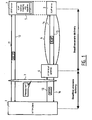
Figure 1 is a schematic diagram illustrating a first embodiment of the method of the invention; -
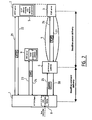
Figure 2 is a schematic diagram illustrating a second embodiment of the method of the invention; and -
Figure 3 is a schematic diagram illustrating an embodiment of the device of the invention. - According to an embodiment of the invention an HTTP/SCAP gateway/converter is provided in the network. In that way, the HTTP client can address the HTTP/SCAP gateway/converter using HTTP in order to obtain SCAP content from a SCAP origin server, such that the HTTP client must not be replaced by a SCAP client and firewall/NAT traversal problems are avoided. From the gateway up to the SCAP origin server, it is then possible to use the enhanced content delivery capabilities of SCAP. In order for the gateway to know the required SCAP information for being able to send a specific SCAP request including e.g. request deadlines, etc., the HTTP client first obtains identification data regarding the SCAP content from an HTTP server and sends this data or associated information to the HTTP/SCAP gateway. With this identification information the HTTP/SCAP gateway translates HTTP messages from the HTTP client to SCAP messages and vice versa. In other words, according to this embodiment, use is made of a modified origin HTTP server adapted to provide the identification information of content that is available through SCAP. Further, optionally, at the HTTP client there may be provided a client applet or a script or an algorithm to add user interaction timing information to an HTTP request that is sent to the HTTP/SCAP gateway or to modify certain information received from the HTTP server. E.g. in case of a video with trick play, there could be added adapted user interaction timing information depending on whether the video is played normally or whether a fast forward, a rewind, a pause or a skip function is used. Also, if addressing and deadline information concerning the content are received from the HTTP server, this information may be modified by the HTTP client based on the status of the client and/or on certain actions taking place at the client, etc.
- Embodiments of the invention can be implemented by making a gateway network element act as an "HTTP to content delivery protocol" gateway/proxy. This enables the deployment of more efficient and scalable content delivery protocols in the network with little or no impact on the existing HTTP client applications, web browsers, residential gateways and/or firewalls. Embodiments of the method will allow the HTTP server which is adapted to give the required information, to steer the HTTP to content delivery protocol gateways via the client, with optionally extra logic in the client via scripts or applets. According to preferred embodiments the HTTP to content delivery gateway is located close to the end users. Such a gateway is adapted to act as an HTTP server for the client and as a content delivery protocol client towards the network. In that way, client applications can use standard supported HTTP requests to fetch content via the content delivery protocol network.
- In the examples disclosed below, the content delivery protocol is a Shared Content Addressing Protocol (SCAP), but the skilled person will understand that the method of the invention can also be used for other new content delivery protocols which require especially adapted protocol stack and browser plug-ins, and in particular content delivery protocols using the Transport Layer and/or the Network Layer. An example of another protocol that can be used in the context of the present invention is a Content-Centric Networking (CCNx) protocol or a multicasting protocol such as an Internet Group Management Protocol (IGMP).
- Now a first embodiment of the invention will be set out in detail referring to
figure 1 . In afirst step 11, an HTTP client 1 sends anHTTP GET request 11 for content. This is assumed to be a request referring to content which is available at aSCAP server 3 and which needs to be transported over aSCAP network 4. Thisrequest 11 is sent to anHTTP server 2. TheHTTP server 2 is associated with a database storing SCAP content identification information, in the present example addressing information and deadline information. TheHTTP server 2 comprises a SCAP address mapping anddeadline assignment component 5 adapted to provide a SCAP URL containing e.g. the information required by the SCAP protocol to successfully send a SCAP request towards aSCAP server 3. The SCAP URL can be embedded as a reference in a top-level webpage, or can be the target of a redirect message. An example of a SCAP encoded HTTP URL for a video fragment is: http://scapproxy.net/video/x-ms-wmv/172.31.206.221:649398∼502490@100-2000 and for a XML text file: - http://scapproxy.net/text/xml/172.31.206.221:564747983-11996 2@100-200. The structure is as follows:
- http://<scap proxy ip or name>/<mime-type>/<content ip address>:<content address>-<content size>@<deadline begin>-<deadline end>,
- In
step 12 theHTTP server 2 sends a response containing the SCAP URL. Instep 13 the HTTP client 1 requests the SCAP URL as a normal HTTP GET request towards a HTTP/SCAP gateway 6. Optionally, extra client dependent parameters could be added to the request, as will be explained in detail below. The HTTP GET request is received by the HTTP/SCAP gateway 6 and converted to a SCAP request by extracting the SCAP required parameters from the SCAP URL. In step 14 a SCAP request including the SCAP required parameters is sent to aSCAP server 3 where the required SCAP content is available. Instep 15 theSCAP server 3 delivers the content to the HTTP/SCAP gateway 6. The HTTP/SCAP gateway 6 then delivers the content to the HTTP client 1 using HTTP instep 16. Optionally, information previously extracted from the SCAP URL may be added to the response message together with the content. - Note that the HTTP server could also be adapted to return a different type of identification data of the SCAP content to the client. In a possible embodiment the data in the response message does not contain addressing and deadline information, but allows the HTTP/
SCAP gateway 6 to obtain the required addressing and deadline information using the received data. According to another example the data only contains addressing information (e.g. http://scapproxy.net/video/x-ms-wmv/172.31.206.221:649398-502490), and the deadline information is determined at thegateway 6. Also, in the event that the client has certain SCAP functionalities, the HTTP server could return a native SCAP URL, e.g. scap://172.31.206.221:649398∼502490@100-2000. This native SCAP URL could then be transformed by the client into an HTTP encoded SCAP URL which can be used to contact thegateway 6 in a situation where the client cannot retrieve the content using SCAP e.g. because of the presence of a firewall. - In connection with the embodiment of
figure 1 , a number of possible methods for directing the HTTP message to the SCAP network will be discussed. According to a first embodiment the HTTP/SCAP gateway 6 may be provided as an outbound proxy configured at the client side, optionally via DHCP or another configuration protocol. As a result, the HTTP client 1 will address its HTTP requests towards the HTTP/SCAP gateway 6. According to a second embodiment aclient request 13 is intercepted by an HTTP/SCAP gateway 6 located on the path from the client to theHTTP server 2. This location could e.g. be the residential gateway of the client, the access node, etc. Upon interception, thegateway 6 will then convert the original HTTP into a SCAP request. When receiving the requested content, the HTTP/SCAP gateway 6 will send the content to the client 1 using a conventional HTTP reply, in that way spoofing the identity of the original HTTP server. According to a third embodiment theoriginal HTTP server 2 redirects theHTTP GET request 13 of the client to an HTTP/SCAP gateway. In this case, the HTTP server will typically have topology information and is adapted to find thecorresponding gateway 6 best suited to handle the client request. According to a fourth embodiment DNS redirection is used, where there is provided a DNS server adapted to redirect client requests by resolving a gateway name or the origin HTTP server name to the IP address of the HTTP/SCAP gateway 6. This redirection by a DNS server can e.g. be based on resource location, network conditions, content type, etc. Such a DNS server could be adapted to perform any or more of the following redirect mechanisms: - any identification data indicating SCAP only content could be redirected by the local DNS towards the closest HTTP/
SCAP proxy 6; - the generic SCAP proxy name (e.g. http://scapproxy/...) can be configured in the local DNS for redirection to the closest SCAP proxy;
- any identification data with an extra DNS service/application indicator (e.g. "scap:") could be redirected to an appropriate HTTP/SCAP proxy, e.g. a proxy having a contact IP address next to the origin content IP address (please explain).
- Now a number of possible embodiments for generating and converting identification information will be discussed. This explanation will be given for the SCAP protocol as disclosed in
EP 2 173 077EP 2 173 077SCAP gateway 6 uses a number of parameters to perform a SCAP request towards the SCAP network: - a SCAP content IP address referring to the IP address of the SCAP
content origin server 3; - a SCAP content address referring to the first requested byte identified by a unique content-identification-address in the SCAP system;
- a SCAP content size indicating how many bytes must be retrieved. Together with the SCAP content address, the SCAP content size indicates the last byte to be requested.
- a SCAP deadline begin indicating towards the SCAP system the latest acceptable content delivery time for the first byte
- a SCAP deadline end indicating towards the SCAP system the latest acceptable content delivery time for the last byte.
- When the content is received from the
SCAP network 4, thegateway 6 provides a conventional HTTP response towards the client. This HTTP response contains a number of parameters embedded in the HTTP header. Because SCAP is an application agnostic transport protocol that does not allow application level meta data (other than the generic SCAP parameters, and the content itself) to be passed from the server to the client, the HTTP/SCAP gateway 6 is adapted to include extra HTTP parameters to be echoed in the HTTP response: - HTTP mime-type;
- HTTP content encoding;
- other specific HTTP headers that may be needed by intermediate HTTP functions or layers.
- There are different ways to embed parameters such as the parameters needed for the
SCAP request message 14 and the parameters needed for theHTTP response message 16, in the HTTP request: - as part of the URL name;
- embedded as parameters in the URL request;
(GET /scapcontent?ipaddr=172.31.206.221&contentaddr=64998& etc) - using a POST request with parameters in the content body;
- encoded in the HTTP header (possibly reusing the range and/or other headers for the SCAP content addresses).
-
Figure 2 illustrates a second embodiment of the method of the invention. In a first step 21 a HTTP video client 1 sends a request for a video webpage to theHTTP server 2. Instep 22 theHTTP server 2 provides the requested webpage to the client. In the illustrated embodiment the URL to the video media sent instep 22 is encoded as a SCAP URL, and contains the correct SCAP information, i.e. the content address range and deadlines as defined above, and HTTP response information (mime-type), encoded in a predetermined way that is understood by the HTTP/SCAP gateway 6. In the illustrated embodiment it is assumed that there are different HTTP/SCAP gateways 6 in the network and that theHTTP server 2 is unaware of the topology of the different HTTP/SCAP gateways.DNS servers 9 are used to map a single name (e.g. scapproxy) to the correct local HTTP/SCAP gateway 6. The URLs to the video media can have a single name for all HTTP/SCAP gateways in the network, see also the fourth embodiment for directing the HTTP message to the SCAP network discussed above in connection withfigure 1 . In step 23 a RESOLVE scapproxy request is sent to theDNS server 9 which responds instep 24 with the IP address of the HTTP/SCAP gateway 6 to be used by the client 1, e.g. the closest HTTP/SCAP gateway for this client 1. Optionally there may be provided a userinteraction timing component 8 at the client 1. Through this component the client can optionally include or modify for example timing parameters based on for example user interaction. According to a possible embodiment such a userinteraction timing component 8 is provided by a server in the form of a script or applet adapted to control the manipulation of the timing parameters. Instep 25 the client requests the video media URL to the closest HTTP/SCAP gateway 6, using a GET SCAP URL message. Thegateway 6 decodes the video media URL to the unique content identification address, server and deadlines for the SCAP protocol. If thegateway 6 does not have the content in its local cache, instep 26 it will forward the request to the SCAP server using the SCAP protocol. Based on the deadlines, the server evaluates allincoming requests 26 and will start scheduling the replies based on the provided deadline(s). Requests with an early deadline will be scheduled first. Instep 28 thegateway 6 starts to send the HTTP reply header with the mime-type and content length fields decoded from the request URL, and when SCAP content replies are received instep 27, the content in SCAP replies will be passed on to the HTTP connection to the client. Because thegateway 6 is SCAP-aware and knows the deadlines for the content, it can optionally be adapted to also schedule the reply messages to the HTTP client instep 27. Such a scheduling by thegateway 6 assures a high rate for initial buffer filling such that the deadline unaware delivery when using HTTP is made to be at least partly deadline aware. The client 1 receives the content via a standard HTTP connection (step 27) and can render the video to the screen as a normal progressive download client. Because of the high priority of urgent content, the client can receive the first urgent bytes of data with a higher rate, reducing the required buffering time of the client. -
Figure 3 illustrates an embodiment of a device of the invention, typically included in a HTTP/SCAP gateway 6 disclosed infigures 1 and2 . Thedevice 30 comprises anHTTP agent 31 adapted for receiving an HTTP GET message, seearrow 41, including identification information for content available from a SCAP server, an extractor/converter 32 adapted for extracting the identification information from the GET message and for converting the identification information in a format recognised by SCAP, and aSCAP agent 33 adapted for requesting the content from the SCAP server using the converted identification information and for receiving said content from the SCAP server, seearrows converter 32 is further adapted to extract the content from the received SCAP messages and to pass it in a format suitable for sending through HTTP to theHTTP agent 31. In other words the extractor/converter could have a protocol conversion function and/or a content conversion function. TheHTTP agent 31 is further adapted for sending the converted content using HTTP to the client, see arrow 42. The extractor/converter 32 is further adapted to extract deadline information from the received HTTP GET message, and the SCAP component is adapted for requesting and receiving of the content using deadline scheduling based on the obtained deadline information. Optionally thedevice 30 may further comprise ascheduler 34 adapted for scheduling the sending of the received content to the client using HTTP taking into account the deadline information extracted by the extractor/converter 32, seearrows device 30 may store the received content in acache memory 36. Before sending a request for content to the SCAP server, the SCAP agent will check whether the content is available in thecache 36 and if available, the SCAP agent retrieves the content from thecache 36. Only if the content is not available or only partially available; the SCAP agent will send one or more requests for the content or parts of the content. Theconverter 32 may be further adapted to extract HTTP parameters such as the mime-type, from the HTTP GET message and to use those parameters for sending the received content using HTTP to the client. - Embodiments of the invention will lower dramatically the threshold for deploying the new delivery technology without major impact and investments in existing deployments. An existing HTTP delivery system can be enhanced using the SCAP content distribution techniques. Once the HTTP/SCAP gateways are in place, gradual deployment of transparent SCAP network functions can be done, where most appropriate. For HTTP video applications embodiments of the invention reduce the global amount of picture freezes for the users, improving the QoE. For other application using HTTP embodiments of the invention have the advantage that time-critical data can be delivered with the correct priority. Embodiments of the invention enable to rapidly deploy the SCAP technology with minimal impact on the existing infrastructure.
- While the principles of the invention have been set out above in connection with specific embodiments, it is to be clearly understood that this description is merely made by way of example and not as limitation of the scope of protection which is determined by the appended claims.
Claims (15)
- Method for delivering content from a content delivery protocol server adapted to deliver content using a content delivery and caching protocol, to a client adapted to communicate through an Application Layer protocol, said content delivery and caching protocol being different from the Application Layer protocol, the method comprising the following steps performed by the client:- sending an Application Layer protocol request message to a server adapted to communicate through Application Layer protocol, said request message containing a request for content available from the content delivery protocol server;- receiving an Application Layer protocol response message containing identification data related to the requested content;- sending an Application Layer protocol get message including information associated with said identification data to a gateway configured to request and receive the requested content from the content delivery protocol server using said information; and- receiving from said gateway the requested content using the Application Layer protocol.
- Method of claim 1, wherein deadline information is included in the Application Layer get message sent to the gateway, said deadline information optionally being determined based on user interaction timing information and/or on deadline information received from the Application Layer server.
- Method for delivering content from a content delivery protocol server adapted to deliver content using a content delivery and caching protocol, to a client adapted to communicate through an Application Layer protocol, said content delivery and caching protocol being different from the Application Layer protocol, the method comprising the following steps performed at a gateway, typically a gateway near the client:- receiving an Application Layer protocol get message including identification information for content available from the content delivery protocol server;- requesting said content from the content delivery protocol server using said identification information;- receiving from said content delivery protocol server said content delivered using the content delivery protocol; and- sending the received content using the Application Layer protocol to the client.
- Method of claim 3, wherein said Application Layer protocol get message includes deadline information, and wherein said deadline information is used for the requesting and receiving of the content using the content delivery protocol.
- Method of any of the previous claims, wherein said content delivery and caching protocol is adapted for deadline scheduling and/or for partial retrieval of the content and/or is a Transport layer protocol.
- Method of any of the previous claims, wherein said identification information includes addressing information as used by the content delivery protocol.
- Method of any of the previous claims, wherein said content delivery and caching protocol is a shared content addressing protocol (SCAP) ; and/or wherein said Application Layer protocol is any one of the following protocols: HTTP, SIP, SNMP, FTP.
- Device, typically included in a gateway, for use in the delivery of content from a content delivery protocol server adapted to deliver content using a content delivery and caching protocol, to a client adapted to communicate through an Application Layer protocol, said content delivery and caching protocol being different from the Application Layer protocol, the device comprising:- an Application Layer protocol component adapted for receiving an Application Layer protocol get message including identification information for content available from the content delivery protocol server;- a converter adapted for extracting the identification information from the get message and for converting said identification information in a format recognised by the content delivery protocol;- a content delivery protocol component adapted for requesting said content from the content delivery protocol server using said converted identification information; and for receiving from said content delivery protocol server said content delivered using the content delivery protocol; said Application Layer protocol component being further adapted for sending the received content using the Application Layer protocol to the client.
- Device of claim 8, wherein the Application Layer protocol component is adapted to obtain deadline information for said content, and wherein the content delivery protocol component is adapted for requesting and receiving of said content using deadline scheduling based on the obtained deadline information.
- Device of claim 8 or 9, further comprising a scheduler adapted for scheduling the sending of the received content to the client taking into account the deadline information.
- Device of any of the claims 8-10, wherein said content delivery and caching protocol is a shared content addressing protocol (SCAP) ; and/or wherein said Application Layer protocol is any one of the following protocols: HTTP, SIP, SNMP, FTP.
- Device of any of the claims 8-11, wherein the converter is further adapted to extract Application Layer parameters from the get message and to use those parameters for sending the received content using the Application Layer protocol to the client.
- Application Layer server for use in the method of any of the claims 1-7, said application layer server being adapted for providing a client requesting content using the Application Layer protocol with identification information, and preferably with addressing information and deadline information, concerning the requested content, which requested content is available at the delivery protocol server.
- System comprising a device as claimed in any of the claims 8-12, further comprising a client having a firewall, and a content delivery protocol server, wherein said device is located between the firewall and the content delivery protocol server.
- System of claim 14, further comprising an Application Layer server, said Application Layer server being adapted for providing the client with identification information concerning content available on the content delivery protocol server.
Priority Applications (1)
| Application Number | Priority Date | Filing Date | Title |
|---|---|---|---|
| EP11290281.2A EP2538635B1 (en) | 2011-06-21 | 2011-06-21 | Method of delivering content from a content delivery protocol server to a client, and device for use in such a method |
Applications Claiming Priority (1)
| Application Number | Priority Date | Filing Date | Title |
|---|---|---|---|
| EP11290281.2A EP2538635B1 (en) | 2011-06-21 | 2011-06-21 | Method of delivering content from a content delivery protocol server to a client, and device for use in such a method |
Publications (2)
| Publication Number | Publication Date |
|---|---|
| EP2538635A1 true EP2538635A1 (en) | 2012-12-26 |
| EP2538635B1 EP2538635B1 (en) | 2014-11-05 |
Family
ID=44584084
Family Applications (1)
| Application Number | Title | Priority Date | Filing Date |
|---|---|---|---|
| EP11290281.2A Not-in-force EP2538635B1 (en) | 2011-06-21 | 2011-06-21 | Method of delivering content from a content delivery protocol server to a client, and device for use in such a method |
Country Status (1)
| Country | Link |
|---|---|
| EP (1) | EP2538635B1 (en) |
Families Citing this family (1)
| Publication number | Priority date | Publication date | Assignee | Title |
|---|---|---|---|---|
| WO2017063189A1 (en) * | 2015-10-16 | 2017-04-20 | Qualcomm Incorporated | Deadline signaling for streaming of media data |
Citations (4)
| Publication number | Priority date | Publication date | Assignee | Title |
|---|---|---|---|---|
| US20030187631A1 (en) * | 2002-03-29 | 2003-10-02 | Fujitsu Limited | Host-terminal emulation program, a relay program, a host-terminal emulation method, a communication program, a communication method, and a client computer |
| US20050229243A1 (en) * | 2004-03-31 | 2005-10-13 | Svendsen Hugh B | Method and system for providing Web browsing through a firewall in a peer to peer network |
| US20050257258A1 (en) * | 2004-05-14 | 2005-11-17 | International Business Machines Corporation | Information processing apparatus, information system, proxy processing method, and program and recording medium therefor |
| EP2173077A1 (en) | 2008-10-06 | 2010-04-07 | Alcatel, Lucent | Shared content addressing protocol |
-
2011
- 2011-06-21 EP EP11290281.2A patent/EP2538635B1/en not_active Not-in-force
Patent Citations (4)
| Publication number | Priority date | Publication date | Assignee | Title |
|---|---|---|---|---|
| US20030187631A1 (en) * | 2002-03-29 | 2003-10-02 | Fujitsu Limited | Host-terminal emulation program, a relay program, a host-terminal emulation method, a communication program, a communication method, and a client computer |
| US20050229243A1 (en) * | 2004-03-31 | 2005-10-13 | Svendsen Hugh B | Method and system for providing Web browsing through a firewall in a peer to peer network |
| US20050257258A1 (en) * | 2004-05-14 | 2005-11-17 | International Business Machines Corporation | Information processing apparatus, information system, proxy processing method, and program and recording medium therefor |
| EP2173077A1 (en) | 2008-10-06 | 2010-04-07 | Alcatel, Lucent | Shared content addressing protocol |
Also Published As
| Publication number | Publication date |
|---|---|
| EP2538635B1 (en) | 2014-11-05 |
Similar Documents
| Publication | Publication Date | Title |
|---|---|---|
| US9485299B2 (en) | Progressive download gateway | |
| US12003788B2 (en) | Method and system for audio-visual live content delivery | |
| JP6316781B2 (en) | Network streaming of video data using byte range requests | |
| US8046432B2 (en) | Network caching for multiple contemporaneous requests | |
| CN102790808B (en) | A kind of domain name analytic method and system, a kind of client | |
| US10313478B2 (en) | Redirection in a content delivery network | |
| US20140074961A1 (en) | Efficiently Delivering Time-Shifted Media Content via Content Delivery Networks (CDNs) | |
| RU2647654C2 (en) | System and method of delivering audio-visual content to client device | |
| US10554773B2 (en) | Adaptive persistent push | |
| US20100121914A1 (en) | Contents delivery system and method based on content delivery network provider and replication server thereof | |
| EP3322156A1 (en) | 302 jump method, url generation method and system, and domain name resolution method and system | |
| WO2019153930A1 (en) | Method and device for realizing video service, and communication system and computer-readable storage medium | |
| US20150113101A1 (en) | Method and apparatus for providing streaming content | |
| EP2538635B1 (en) | Method of delivering content from a content delivery protocol server to a client, and device for use in such a method | |
| US20140189793A1 (en) | Virtual file system for interworking between content server and information-centric network server and operating method thereof | |
| US20100034209A1 (en) | Communication system and home gateway | |
| CN107070970B (en) | Method and device for closing Transmission Control Protocol (TCP) connection | |
| CN113285920B (en) | Service access method, device, equipment and storage medium | |
| CN119697281B (en) | Source information transparent transmission method, message processing method, device, equipment and medium | |
| RU2791242C2 (en) | Method and system for real-time delivery of audiovisual content | |
| CA2657426C (en) | Progressive download gateway | |
| KR20140090428A (en) | Apparatus and method for transmitting an optimized data in a mobile terminal | |
| CN115604248A (en) | File transfer method and device | |
| Ciubotaru et al. | Network communications protocols and services |
Legal Events
| Date | Code | Title | Description |
|---|---|---|---|
| PUAI | Public reference made under article 153(3) epc to a published international application that has entered the european phase |
Free format text: ORIGINAL CODE: 0009012 |
|
| AK | Designated contracting states |
Kind code of ref document: A1 Designated state(s): AL AT BE BG CH CY CZ DE DK EE ES FI FR GB GR HR HU IE IS IT LI LT LU LV MC MK MT NL NO PL PT RO RS SE SI SK SM TR |
|
| AX | Request for extension of the european patent |
Extension state: BA ME |
|
| 17P | Request for examination filed |
Effective date: 20130626 |
|
| RBV | Designated contracting states (corrected) |
Designated state(s): AL AT BE BG CH CY CZ DE DK EE ES FI FR GB GR HR HU IE IS IT LI LT LU LV MC MK MT NL NO PL PT RO RS SE SI SK SM TR |
|
| 111Z | Information provided on other rights and legal means of execution |
Free format text: AL AT BE BG CH CY CZ DE DK EE ES FI FR GB GR HR HU IE IS IT LI LT LU LV MC MK MT NL NO PL PT RO RS SE SI SK SM TR Effective date: 20130410 |
|
| GRAP | Despatch of communication of intention to grant a patent |
Free format text: ORIGINAL CODE: EPIDOSNIGR1 |
|
| INTG | Intention to grant announced |
Effective date: 20140416 |
|
| RAP1 | Party data changed (applicant data changed or rights of an application transferred) |
Owner name: ALCATEL LUCENT |
|
| GRAS | Grant fee paid |
Free format text: ORIGINAL CODE: EPIDOSNIGR3 |
|
| RIN1 | Information on inventor provided before grant (corrected) |
Inventor name: DE SCHEPPER, KOEN Inventor name: HUYSEGEMS, RAFAEL |
|
| GRAA | (expected) grant |
Free format text: ORIGINAL CODE: 0009210 |
|
| AK | Designated contracting states |
Kind code of ref document: B1 Designated state(s): AL AT BE BG CH CY CZ DE DK EE ES FI FR GB GR HR HU IE IS IT LI LT LU LV MC MK MT NL NO PL PT RO RS SE SI SK SM TR |
|
| REG | Reference to a national code |
Ref country code: GB Ref legal event code: FG4D |
|
| REG | Reference to a national code |
Ref country code: CH Ref legal event code: EP |
|
| REG | Reference to a national code |
Ref country code: AT Ref legal event code: REF Ref document number: 695109 Country of ref document: AT Kind code of ref document: T Effective date: 20141115 |
|
| D11X | Information provided on other rights and legal means of execution (deleted) | ||
| REG | Reference to a national code |
Ref country code: IE Ref legal event code: FG4D |
|
| REG | Reference to a national code |
Ref country code: DE Ref legal event code: R096 Ref document number: 602011011072 Country of ref document: DE Effective date: 20141218 |
|
| REG | Reference to a national code |
Ref country code: AT Ref legal event code: MK05 Ref document number: 695109 Country of ref document: AT Kind code of ref document: T Effective date: 20141105 |
|
| REG | Reference to a national code |
Ref country code: NL Ref legal event code: VDEP Effective date: 20141105 |
|
| REG | Reference to a national code |
Ref country code: LT Ref legal event code: MG4D |
|
| PG25 | Lapsed in a contracting state [announced via postgrant information from national office to epo] |
Ref country code: PT Free format text: LAPSE BECAUSE OF FAILURE TO SUBMIT A TRANSLATION OF THE DESCRIPTION OR TO PAY THE FEE WITHIN THE PRESCRIBED TIME-LIMIT Effective date: 20150305 Ref country code: LT Free format text: LAPSE BECAUSE OF FAILURE TO SUBMIT A TRANSLATION OF THE DESCRIPTION OR TO PAY THE FEE WITHIN THE PRESCRIBED TIME-LIMIT Effective date: 20141105 Ref country code: NL Free format text: LAPSE BECAUSE OF FAILURE TO SUBMIT A TRANSLATION OF THE DESCRIPTION OR TO PAY THE FEE WITHIN THE PRESCRIBED TIME-LIMIT Effective date: 20141105 Ref country code: FI Free format text: LAPSE BECAUSE OF FAILURE TO SUBMIT A TRANSLATION OF THE DESCRIPTION OR TO PAY THE FEE WITHIN THE PRESCRIBED TIME-LIMIT Effective date: 20141105 Ref country code: IS Free format text: LAPSE BECAUSE OF FAILURE TO SUBMIT A TRANSLATION OF THE DESCRIPTION OR TO PAY THE FEE WITHIN THE PRESCRIBED TIME-LIMIT Effective date: 20150305 Ref country code: NO Free format text: LAPSE BECAUSE OF FAILURE TO SUBMIT A TRANSLATION OF THE DESCRIPTION OR TO PAY THE FEE WITHIN THE PRESCRIBED TIME-LIMIT Effective date: 20150205 Ref country code: ES Free format text: LAPSE BECAUSE OF FAILURE TO SUBMIT A TRANSLATION OF THE DESCRIPTION OR TO PAY THE FEE WITHIN THE PRESCRIBED TIME-LIMIT Effective date: 20141105 |
|
| PG25 | Lapsed in a contracting state [announced via postgrant information from national office to epo] |
Ref country code: GR Free format text: LAPSE BECAUSE OF FAILURE TO SUBMIT A TRANSLATION OF THE DESCRIPTION OR TO PAY THE FEE WITHIN THE PRESCRIBED TIME-LIMIT Effective date: 20150206 Ref country code: CY Free format text: LAPSE BECAUSE OF FAILURE TO SUBMIT A TRANSLATION OF THE DESCRIPTION OR TO PAY THE FEE WITHIN THE PRESCRIBED TIME-LIMIT Effective date: 20141105 Ref country code: SE Free format text: LAPSE BECAUSE OF FAILURE TO SUBMIT A TRANSLATION OF THE DESCRIPTION OR TO PAY THE FEE WITHIN THE PRESCRIBED TIME-LIMIT Effective date: 20141105 Ref country code: HR Free format text: LAPSE BECAUSE OF FAILURE TO SUBMIT A TRANSLATION OF THE DESCRIPTION OR TO PAY THE FEE WITHIN THE PRESCRIBED TIME-LIMIT Effective date: 20141105 Ref country code: RS Free format text: LAPSE BECAUSE OF FAILURE TO SUBMIT A TRANSLATION OF THE DESCRIPTION OR TO PAY THE FEE WITHIN THE PRESCRIBED TIME-LIMIT Effective date: 20141105 Ref country code: PL Free format text: LAPSE BECAUSE OF FAILURE TO SUBMIT A TRANSLATION OF THE DESCRIPTION OR TO PAY THE FEE WITHIN THE PRESCRIBED TIME-LIMIT Effective date: 20141105 Ref country code: AT Free format text: LAPSE BECAUSE OF FAILURE TO SUBMIT A TRANSLATION OF THE DESCRIPTION OR TO PAY THE FEE WITHIN THE PRESCRIBED TIME-LIMIT Effective date: 20141105 Ref country code: LV Free format text: LAPSE BECAUSE OF FAILURE TO SUBMIT A TRANSLATION OF THE DESCRIPTION OR TO PAY THE FEE WITHIN THE PRESCRIBED TIME-LIMIT Effective date: 20141105 |
|
| REG | Reference to a national code |
Ref country code: FR Ref legal event code: PLFP Year of fee payment: 5 |
|
| PG25 | Lapsed in a contracting state [announced via postgrant information from national office to epo] |
Ref country code: CZ Free format text: LAPSE BECAUSE OF FAILURE TO SUBMIT A TRANSLATION OF THE DESCRIPTION OR TO PAY THE FEE WITHIN THE PRESCRIBED TIME-LIMIT Effective date: 20141105 Ref country code: SK Free format text: LAPSE BECAUSE OF FAILURE TO SUBMIT A TRANSLATION OF THE DESCRIPTION OR TO PAY THE FEE WITHIN THE PRESCRIBED TIME-LIMIT Effective date: 20141105 Ref country code: DK Free format text: LAPSE BECAUSE OF FAILURE TO SUBMIT A TRANSLATION OF THE DESCRIPTION OR TO PAY THE FEE WITHIN THE PRESCRIBED TIME-LIMIT Effective date: 20141105 Ref country code: EE Free format text: LAPSE BECAUSE OF FAILURE TO SUBMIT A TRANSLATION OF THE DESCRIPTION OR TO PAY THE FEE WITHIN THE PRESCRIBED TIME-LIMIT Effective date: 20141105 |
|
| REG | Reference to a national code |
Ref country code: DE Ref legal event code: R097 Ref document number: 602011011072 Country of ref document: DE |
|
| PLBE | No opposition filed within time limit |
Free format text: ORIGINAL CODE: 0009261 |
|
| STAA | Information on the status of an ep patent application or granted ep patent |
Free format text: STATUS: NO OPPOSITION FILED WITHIN TIME LIMIT |
|
| 26N | No opposition filed |
Effective date: 20150806 |
|
| PG25 | Lapsed in a contracting state [announced via postgrant information from national office to epo] |
Ref country code: IT Free format text: LAPSE BECAUSE OF FAILURE TO SUBMIT A TRANSLATION OF THE DESCRIPTION OR TO PAY THE FEE WITHIN THE PRESCRIBED TIME-LIMIT Effective date: 20141105 |
|
| PG25 | Lapsed in a contracting state [announced via postgrant information from national office to epo] |
Ref country code: MC Free format text: LAPSE BECAUSE OF FAILURE TO SUBMIT A TRANSLATION OF THE DESCRIPTION OR TO PAY THE FEE WITHIN THE PRESCRIBED TIME-LIMIT Effective date: 20141105 |
|
| REG | Reference to a national code |
Ref country code: CH Ref legal event code: PL |
|
| PG25 | Lapsed in a contracting state [announced via postgrant information from national office to epo] |
Ref country code: LU Free format text: LAPSE BECAUSE OF FAILURE TO SUBMIT A TRANSLATION OF THE DESCRIPTION OR TO PAY THE FEE WITHIN THE PRESCRIBED TIME-LIMIT Effective date: 20150621 Ref country code: SI Free format text: LAPSE BECAUSE OF FAILURE TO SUBMIT A TRANSLATION OF THE DESCRIPTION OR TO PAY THE FEE WITHIN THE PRESCRIBED TIME-LIMIT Effective date: 20141105 |
|
| REG | Reference to a national code |
Ref country code: IE Ref legal event code: MM4A |
|
| PG25 | Lapsed in a contracting state [announced via postgrant information from national office to epo] |
Ref country code: CH Free format text: LAPSE BECAUSE OF NON-PAYMENT OF DUE FEES Effective date: 20150630 Ref country code: LI Free format text: LAPSE BECAUSE OF NON-PAYMENT OF DUE FEES Effective date: 20150630 Ref country code: IE Free format text: LAPSE BECAUSE OF NON-PAYMENT OF DUE FEES Effective date: 20150621 |
|
| PG25 | Lapsed in a contracting state [announced via postgrant information from national office to epo] |
Ref country code: RO Free format text: LAPSE BECAUSE OF FAILURE TO SUBMIT A TRANSLATION OF THE DESCRIPTION OR TO PAY THE FEE WITHIN THE PRESCRIBED TIME-LIMIT Effective date: 20141105 |
|
| REG | Reference to a national code |
Ref country code: FR Ref legal event code: PLFP Year of fee payment: 6 |
|
| PG25 | Lapsed in a contracting state [announced via postgrant information from national office to epo] |
Ref country code: MT Free format text: LAPSE BECAUSE OF FAILURE TO SUBMIT A TRANSLATION OF THE DESCRIPTION OR TO PAY THE FEE WITHIN THE PRESCRIBED TIME-LIMIT Effective date: 20141105 |
|
| PG25 | Lapsed in a contracting state [announced via postgrant information from national office to epo] |
Ref country code: SM Free format text: LAPSE BECAUSE OF FAILURE TO SUBMIT A TRANSLATION OF THE DESCRIPTION OR TO PAY THE FEE WITHIN THE PRESCRIBED TIME-LIMIT Effective date: 20141105 Ref country code: BG Free format text: LAPSE BECAUSE OF FAILURE TO SUBMIT A TRANSLATION OF THE DESCRIPTION OR TO PAY THE FEE WITHIN THE PRESCRIBED TIME-LIMIT Effective date: 20141105 Ref country code: HU Free format text: LAPSE BECAUSE OF FAILURE TO SUBMIT A TRANSLATION OF THE DESCRIPTION OR TO PAY THE FEE WITHIN THE PRESCRIBED TIME-LIMIT; INVALID AB INITIO Effective date: 20110621 |
|
| REG | Reference to a national code |
Ref country code: FR Ref legal event code: PLFP Year of fee payment: 7 |
|
| PGFP | Annual fee paid to national office [announced via postgrant information from national office to epo] |
Ref country code: DE Payment date: 20170621 Year of fee payment: 7 Ref country code: GB Payment date: 20170620 Year of fee payment: 7 Ref country code: FR Payment date: 20170621 Year of fee payment: 7 |
|
| PG25 | Lapsed in a contracting state [announced via postgrant information from national office to epo] |
Ref country code: TR Free format text: LAPSE BECAUSE OF FAILURE TO SUBMIT A TRANSLATION OF THE DESCRIPTION OR TO PAY THE FEE WITHIN THE PRESCRIBED TIME-LIMIT Effective date: 20141105 |
|
| PG25 | Lapsed in a contracting state [announced via postgrant information from national office to epo] |
Ref country code: BE Free format text: LAPSE BECAUSE OF FAILURE TO SUBMIT A TRANSLATION OF THE DESCRIPTION OR TO PAY THE FEE WITHIN THE PRESCRIBED TIME-LIMIT Effective date: 20141105 |
|
| PG25 | Lapsed in a contracting state [announced via postgrant information from national office to epo] |
Ref country code: MK Free format text: LAPSE BECAUSE OF FAILURE TO SUBMIT A TRANSLATION OF THE DESCRIPTION OR TO PAY THE FEE WITHIN THE PRESCRIBED TIME-LIMIT Effective date: 20141105 |
|
| PG25 | Lapsed in a contracting state [announced via postgrant information from national office to epo] |
Ref country code: AL Free format text: LAPSE BECAUSE OF FAILURE TO SUBMIT A TRANSLATION OF THE DESCRIPTION OR TO PAY THE FEE WITHIN THE PRESCRIBED TIME-LIMIT Effective date: 20141105 |
|
| REG | Reference to a national code |
Ref country code: DE Ref legal event code: R119 Ref document number: 602011011072 Country of ref document: DE |
|
| GBPC | Gb: european patent ceased through non-payment of renewal fee |
Effective date: 20180621 |
|
| PG25 | Lapsed in a contracting state [announced via postgrant information from national office to epo] |
Ref country code: DE Free format text: LAPSE BECAUSE OF NON-PAYMENT OF DUE FEES Effective date: 20190101 Ref country code: GB Free format text: LAPSE BECAUSE OF NON-PAYMENT OF DUE FEES Effective date: 20180621 Ref country code: FR Free format text: LAPSE BECAUSE OF NON-PAYMENT OF DUE FEES Effective date: 20180630 |