EP2537855A1 - Analogues of NADP+ or NADPH for use as inhibitors of NADP+ or NADPH-dependent enzymes - Google Patents
Analogues of NADP+ or NADPH for use as inhibitors of NADP+ or NADPH-dependent enzymes Download PDFInfo
- Publication number
- EP2537855A1 EP2537855A1 EP11305779A EP11305779A EP2537855A1 EP 2537855 A1 EP2537855 A1 EP 2537855A1 EP 11305779 A EP11305779 A EP 11305779A EP 11305779 A EP11305779 A EP 11305779A EP 2537855 A1 EP2537855 A1 EP 2537855A1
- Authority
- EP
- European Patent Office
- Prior art keywords
- group
- chosen
- compound
- formula
- linear
- Prior art date
- Legal status (The legal status is an assumption and is not a legal conclusion. Google has not performed a legal analysis and makes no representation as to the accuracy of the status listed.)
- Granted
Links
- 102000004190 Enzymes Human genes 0.000 title claims description 14
- 108090000790 Enzymes Proteins 0.000 title claims description 14
- XJLXINKUBYWONI-DQQFMEOOSA-N [[(2r,3r,4r,5r)-5-(6-aminopurin-9-yl)-3-hydroxy-4-phosphonooxyoxolan-2-yl]methoxy-hydroxyphosphoryl] [(2s,3r,4s,5s)-5-(3-carbamoylpyridin-1-ium-1-yl)-3,4-dihydroxyoxolan-2-yl]methyl phosphate Chemical class NC(=O)C1=CC=C[N+]([C@@H]2[C@H]([C@@H](O)[C@H](COP([O-])(=O)OP(O)(=O)OC[C@@H]3[C@H]([C@@H](OP(O)(O)=O)[C@@H](O3)N3C4=NC=NC(N)=C4N=C3)O)O2)O)=C1 XJLXINKUBYWONI-DQQFMEOOSA-N 0.000 title abstract description 35
- 229930027945 nicotinamide-adenine dinucleotide Natural products 0.000 title abstract description 29
- 239000003112 inhibitor Substances 0.000 title description 13
- 230000001419 dependent effect Effects 0.000 title description 5
- 150000001875 compounds Chemical class 0.000 claims description 115
- 206010028980 Neoplasm Diseases 0.000 claims description 32
- 229910052739 hydrogen Inorganic materials 0.000 claims description 31
- 239000000203 mixture Substances 0.000 claims description 30
- 102000008299 Nitric Oxide Synthase Human genes 0.000 claims description 24
- 108010021487 Nitric Oxide Synthase Proteins 0.000 claims description 24
- 125000003118 aryl group Chemical group 0.000 claims description 23
- 239000001257 hydrogen Substances 0.000 claims description 21
- 125000006273 (C1-C3) alkyl group Chemical group 0.000 claims description 19
- 102100028452 Nitric oxide synthase, endothelial Human genes 0.000 claims description 14
- 150000003839 salts Chemical class 0.000 claims description 14
- 229910019142 PO4 Inorganic materials 0.000 claims description 12
- ZVQOOHYFBIDMTQ-UHFFFAOYSA-N [methyl(oxido){1-[6-(trifluoromethyl)pyridin-3-yl]ethyl}-lambda(6)-sulfanylidene]cyanamide Chemical compound N#CN=S(C)(=O)C(C)C1=CC=C(C(F)(F)F)N=C1 ZVQOOHYFBIDMTQ-UHFFFAOYSA-N 0.000 claims description 12
- 125000004178 (C1-C4) alkyl group Chemical group 0.000 claims description 11
- 238000000034 method Methods 0.000 claims description 11
- 239000000523 sample Substances 0.000 claims description 11
- 102000016938 Catalase Human genes 0.000 claims description 9
- 108010053835 Catalase Proteins 0.000 claims description 9
- GFFGJBXGBJISGV-UHFFFAOYSA-N Adenine Chemical compound NC1=NC=NC2=C1N=CN2 GFFGJBXGBJISGV-UHFFFAOYSA-N 0.000 claims description 8
- 102000004316 Oxidoreductases Human genes 0.000 claims description 8
- 108090000854 Oxidoreductases Proteins 0.000 claims description 8
- 201000011510 cancer Diseases 0.000 claims description 8
- 150000002431 hydrogen Chemical class 0.000 claims description 8
- 125000004435 hydrogen atom Chemical group [H]* 0.000 claims description 8
- UFHFLCQGNIYNRP-UHFFFAOYSA-N Hydrogen Chemical compound [H][H] UFHFLCQGNIYNRP-UHFFFAOYSA-N 0.000 claims description 7
- 125000003178 carboxy group Chemical group [H]OC(*)=O 0.000 claims description 7
- 229930024421 Adenine Natural products 0.000 claims description 6
- 108091007187 Reductases Proteins 0.000 claims description 6
- ISAKRJDGNUQOIC-UHFFFAOYSA-N Uracil Chemical compound O=C1C=CNC(=O)N1 ISAKRJDGNUQOIC-UHFFFAOYSA-N 0.000 claims description 6
- 229960000643 adenine Drugs 0.000 claims description 6
- 239000004037 angiogenesis inhibitor Substances 0.000 claims description 6
- OPTASPLRGRRNAP-UHFFFAOYSA-N cytosine Chemical compound NC=1C=CNC(=O)N=1 OPTASPLRGRRNAP-UHFFFAOYSA-N 0.000 claims description 6
- ZUOUZKKEUPVFJK-UHFFFAOYSA-N diphenyl Chemical compound C1=CC=CC=C1C1=CC=CC=C1 ZUOUZKKEUPVFJK-UHFFFAOYSA-N 0.000 claims description 6
- UYTPUPDQBNUYGX-UHFFFAOYSA-N guanine Chemical compound O=C1NC(N)=NC2=C1N=CN2 UYTPUPDQBNUYGX-UHFFFAOYSA-N 0.000 claims description 6
- FDGQSTZJBFJUBT-UHFFFAOYSA-N hypoxanthine Chemical compound O=C1NC=NC2=C1NC=N2 FDGQSTZJBFJUBT-UHFFFAOYSA-N 0.000 claims description 6
- 125000004430 oxygen atom Chemical group O* 0.000 claims description 6
- RWQNBRDOKXIBIV-UHFFFAOYSA-N thymine Chemical compound CC1=CNC(=O)NC1=O RWQNBRDOKXIBIV-UHFFFAOYSA-N 0.000 claims description 6
- 125000000217 alkyl group Chemical group 0.000 claims description 5
- 125000001495 ethyl group Chemical group [H]C([H])([H])C([H])([H])* 0.000 claims description 5
- 125000001997 phenyl group Chemical group [H]C1=C([H])C([H])=C(*)C([H])=C1[H] 0.000 claims description 5
- NBIIXXVUZAFLBC-UHFFFAOYSA-K phosphate Chemical compound [O-]P([O-])([O-])=O NBIIXXVUZAFLBC-UHFFFAOYSA-K 0.000 claims description 5
- 239000010452 phosphate Substances 0.000 claims description 5
- 125000003831 tetrazolyl group Chemical group 0.000 claims description 5
- 125000004209 (C1-C8) alkyl group Chemical group 0.000 claims description 4
- 108010076864 Nitric Oxide Synthase Type II Proteins 0.000 claims description 4
- 239000004305 biphenyl Substances 0.000 claims description 4
- 238000002512 chemotherapy Methods 0.000 claims description 4
- QAOWNCQODCNURD-UHFFFAOYSA-L sulfate group Chemical group S(=O)(=O)([O-])[O-] QAOWNCQODCNURD-UHFFFAOYSA-L 0.000 claims description 4
- KDCGOANMDULRCW-UHFFFAOYSA-N 7H-purine Chemical group N1=CNC2=NC=NC2=C1 KDCGOANMDULRCW-UHFFFAOYSA-N 0.000 claims description 3
- UGQMRVRMYYASKQ-UHFFFAOYSA-N Hypoxanthine nucleoside Natural products OC1C(O)C(CO)OC1N1C(NC=NC2=O)=C2N=C1 UGQMRVRMYYASKQ-UHFFFAOYSA-N 0.000 claims description 3
- 102000006538 Nitric Oxide Synthase Type I Human genes 0.000 claims description 3
- 108010008858 Nitric Oxide Synthase Type I Proteins 0.000 claims description 3
- 102000011779 Nitric Oxide Synthase Type II Human genes 0.000 claims description 3
- 108010075520 Nitric Oxide Synthase Type III Proteins 0.000 claims description 3
- 101150053185 P450 gene Proteins 0.000 claims description 3
- CZPWVGJYEJSRLH-UHFFFAOYSA-N Pyrimidine Chemical group C1=CN=CN=C1 CZPWVGJYEJSRLH-UHFFFAOYSA-N 0.000 claims description 3
- 239000012472 biological sample Substances 0.000 claims description 3
- 235000010290 biphenyl Nutrition 0.000 claims description 3
- 229940104302 cytosine Drugs 0.000 claims description 3
- 238000002156 mixing Methods 0.000 claims description 3
- 125000001624 naphthyl group Chemical group 0.000 claims description 3
- 125000000962 organic group Chemical group 0.000 claims description 3
- 229940113082 thymine Drugs 0.000 claims description 3
- 229940035893 uracil Drugs 0.000 claims description 3
- NINIDFKCEFEMDL-UHFFFAOYSA-N Sulfur Chemical group [S] NINIDFKCEFEMDL-UHFFFAOYSA-N 0.000 claims description 2
- 239000012216 imaging agent Substances 0.000 claims description 2
- 230000001678 irradiating effect Effects 0.000 claims description 2
- 201000001441 melanoma Diseases 0.000 claims description 2
- 210000002345 respiratory system Anatomy 0.000 claims description 2
- 125000006850 spacer group Chemical group 0.000 claims description 2
- 208000024891 symptom Diseases 0.000 claims 1
- 239000003814 drug Substances 0.000 abstract description 4
- 238000002360 preparation method Methods 0.000 abstract description 2
- MWUXSHHQAYIFBG-UHFFFAOYSA-N Nitric oxide Chemical compound O=[N] MWUXSHHQAYIFBG-UHFFFAOYSA-N 0.000 description 44
- 210000004027 cell Anatomy 0.000 description 30
- 102100022397 Nitric oxide synthase, brain Human genes 0.000 description 26
- 101710111444 Nitric oxide synthase, brain Proteins 0.000 description 26
- 230000015572 biosynthetic process Effects 0.000 description 26
- IAZDPXIOMUYVGZ-UHFFFAOYSA-N Dimethylsulphoxide Chemical compound CS(C)=O IAZDPXIOMUYVGZ-UHFFFAOYSA-N 0.000 description 21
- YMWUJEATGCHHMB-UHFFFAOYSA-N Dichloromethane Chemical compound ClCCl YMWUJEATGCHHMB-UHFFFAOYSA-N 0.000 description 18
- IAZDPXIOMUYVGZ-WFGJKAKNSA-N Dimethyl sulfoxide Chemical compound [2H]C([2H])([2H])S(=O)C([2H])([2H])[2H] IAZDPXIOMUYVGZ-WFGJKAKNSA-N 0.000 description 18
- WCUXLLCKKVVCTQ-UHFFFAOYSA-M Potassium chloride Chemical compound [Cl-].[K+] WCUXLLCKKVVCTQ-UHFFFAOYSA-M 0.000 description 17
- 230000005284 excitation Effects 0.000 description 17
- ZMXDDKWLCZADIW-UHFFFAOYSA-N N,N-Dimethylformamide Chemical compound CN(C)C=O ZMXDDKWLCZADIW-UHFFFAOYSA-N 0.000 description 16
- XLYOFNOQVPJJNP-UHFFFAOYSA-N water Substances O XLYOFNOQVPJJNP-UHFFFAOYSA-N 0.000 description 15
- -1 -CHO Chemical group 0.000 description 14
- 230000000694 effects Effects 0.000 description 14
- 238000002474 experimental method Methods 0.000 description 13
- HEDRZPFGACZZDS-MICDWDOJSA-N Trichloro(2H)methane Chemical compound [2H]C(Cl)(Cl)Cl HEDRZPFGACZZDS-MICDWDOJSA-N 0.000 description 12
- 238000011534 incubation Methods 0.000 description 12
- 230000005764 inhibitory process Effects 0.000 description 12
- 238000004435 EPR spectroscopy Methods 0.000 description 11
- 101710090055 Nitric oxide synthase, endothelial Proteins 0.000 description 11
- 239000000243 solution Substances 0.000 description 11
- MHAJPDPJQMAIIY-UHFFFAOYSA-N Hydrogen peroxide Chemical compound OO MHAJPDPJQMAIIY-UHFFFAOYSA-N 0.000 description 10
- 125000002496 methyl group Chemical group [H]C([H])([H])* 0.000 description 10
- 102000005789 Vascular Endothelial Growth Factors Human genes 0.000 description 9
- 108010019530 Vascular Endothelial Growth Factors Proteins 0.000 description 9
- 239000007787 solid Substances 0.000 description 9
- 238000005160 1H NMR spectroscopy Methods 0.000 description 8
- ODKSFYDXXFIFQN-BYPYZUCNSA-N L-arginine Chemical compound OC(=O)[C@@H](N)CCCN=C(N)N ODKSFYDXXFIFQN-BYPYZUCNSA-N 0.000 description 8
- 235000014852 L-arginine Nutrition 0.000 description 8
- 229930064664 L-arginine Natural products 0.000 description 8
- CSNNHWWHGAXBCP-UHFFFAOYSA-L Magnesium sulfate Chemical compound [Mg+2].[O-][S+2]([O-])([O-])[O-] CSNNHWWHGAXBCP-UHFFFAOYSA-L 0.000 description 8
- VYPSYNLAJGMNEJ-UHFFFAOYSA-N Silicium dioxide Chemical compound O=[Si]=O VYPSYNLAJGMNEJ-UHFFFAOYSA-N 0.000 description 8
- 238000006243 chemical reaction Methods 0.000 description 8
- 210000002889 endothelial cell Anatomy 0.000 description 8
- 239000001103 potassium chloride Substances 0.000 description 8
- 235000011164 potassium chloride Nutrition 0.000 description 8
- 238000001644 13C nuclear magnetic resonance spectroscopy Methods 0.000 description 7
- OUUQCZGPVNCOIJ-UHFFFAOYSA-M Superoxide Chemical compound [O-][O] OUUQCZGPVNCOIJ-UHFFFAOYSA-M 0.000 description 7
- OIPILFWXSMYKGL-UHFFFAOYSA-N acetylcholine Chemical compound CC(=O)OCC[N+](C)(C)C OIPILFWXSMYKGL-UHFFFAOYSA-N 0.000 description 7
- 239000000741 silica gel Substances 0.000 description 7
- 229910002027 silica gel Inorganic materials 0.000 description 7
- JKMHFZQWWAIEOD-UHFFFAOYSA-N 2-[4-(2-hydroxyethyl)piperazin-1-yl]ethanesulfonic acid Chemical compound OCC[NH+]1CCN(CCS([O-])(=O)=O)CC1 JKMHFZQWWAIEOD-UHFFFAOYSA-N 0.000 description 6
- 241000699670 Mus sp. Species 0.000 description 6
- YXFVVABEGXRONW-UHFFFAOYSA-N Toluene Chemical compound CC1=CC=CC=C1 YXFVVABEGXRONW-UHFFFAOYSA-N 0.000 description 6
- 238000003556 assay Methods 0.000 description 6
- 239000012043 crude product Substances 0.000 description 6
- 238000000132 electrospray ionisation Methods 0.000 description 6
- 230000003511 endothelial effect Effects 0.000 description 6
- 230000002349 favourable effect Effects 0.000 description 6
- 238000004519 manufacturing process Methods 0.000 description 6
- QTBSBXVTEAMEQO-UHFFFAOYSA-N Acetic acid Chemical compound CC(O)=O QTBSBXVTEAMEQO-UHFFFAOYSA-N 0.000 description 5
- UXVMQQNJUSDDNG-UHFFFAOYSA-L Calcium chloride Chemical compound [Cl-].[Cl-].[Ca+2] UXVMQQNJUSDDNG-UHFFFAOYSA-L 0.000 description 5
- 102000001708 Protein Isoforms Human genes 0.000 description 5
- 108010029485 Protein Isoforms Proteins 0.000 description 5
- 238000002835 absorbance Methods 0.000 description 5
- 239000001110 calcium chloride Substances 0.000 description 5
- 229910001628 calcium chloride Inorganic materials 0.000 description 5
- 238000004587 chromatography analysis Methods 0.000 description 5
- 230000001965 increasing effect Effects 0.000 description 5
- 150000003254 radicals Chemical class 0.000 description 5
- 239000003642 reactive oxygen metabolite Substances 0.000 description 5
- 238000013319 spin trapping Methods 0.000 description 5
- 238000003786 synthesis reaction Methods 0.000 description 5
- 238000011282 treatment Methods 0.000 description 5
- LMRDBJZQDUVCQH-UHFFFAOYSA-N 2-(1,3-dioxoisoindol-2-yl)acetaldehyde Chemical compound C1=CC=C2C(=O)N(CC=O)C(=O)C2=C1 LMRDBJZQDUVCQH-UHFFFAOYSA-N 0.000 description 4
- IJGRMHOSHXDMSA-UHFFFAOYSA-N Atomic nitrogen Chemical compound N#N IJGRMHOSHXDMSA-UHFFFAOYSA-N 0.000 description 4
- 101001046870 Homo sapiens Hypoxia-inducible factor 1-alpha Proteins 0.000 description 4
- 206010021143 Hypoxia Diseases 0.000 description 4
- 102100022875 Hypoxia-inducible factor 1-alpha Human genes 0.000 description 4
- KFZMGEQAYNKOFK-UHFFFAOYSA-N Isopropanol Chemical compound CC(C)O KFZMGEQAYNKOFK-UHFFFAOYSA-N 0.000 description 4
- OJGMBLNIHDZDGS-UHFFFAOYSA-N N-Ethylaniline Chemical compound CCNC1=CC=CC=C1 OJGMBLNIHDZDGS-UHFFFAOYSA-N 0.000 description 4
- BAWFJGJZGIEFAR-NNYOXOHSSA-O NAD(+) Chemical compound NC(=O)C1=CC=C[N+]([C@H]2[C@@H]([C@H](O)[C@@H](COP(O)(=O)OP(O)(=O)OC[C@@H]3[C@H]([C@@H](O)[C@@H](O3)N3C4=NC=NC(N)=C4N=C3)O)O2)O)=C1 BAWFJGJZGIEFAR-NNYOXOHSSA-O 0.000 description 4
- UIIMBOGNXHQVGW-UHFFFAOYSA-M Sodium bicarbonate Chemical compound [Na+].OC([O-])=O UIIMBOGNXHQVGW-UHFFFAOYSA-M 0.000 description 4
- 230000033115 angiogenesis Effects 0.000 description 4
- 210000000709 aorta Anatomy 0.000 description 4
- 230000008033 biological extinction Effects 0.000 description 4
- 210000004204 blood vessel Anatomy 0.000 description 4
- 239000000872 buffer Substances 0.000 description 4
- 229940125782 compound 2 Drugs 0.000 description 4
- 229940126214 compound 3 Drugs 0.000 description 4
- 238000000295 emission spectrum Methods 0.000 description 4
- 238000003384 imaging method Methods 0.000 description 4
- 238000000338 in vitro Methods 0.000 description 4
- 229910052943 magnesium sulfate Inorganic materials 0.000 description 4
- 108010082117 matrigel Proteins 0.000 description 4
- 238000005259 measurement Methods 0.000 description 4
- 238000000386 microscopy Methods 0.000 description 4
- XHXFXVLFKHQFAL-UHFFFAOYSA-N phosphoryl trichloride Chemical compound ClP(Cl)(Cl)=O XHXFXVLFKHQFAL-UHFFFAOYSA-N 0.000 description 4
- 108090000623 proteins and genes Proteins 0.000 description 4
- 230000009467 reduction Effects 0.000 description 4
- 238000001228 spectrum Methods 0.000 description 4
- 230000008685 targeting Effects 0.000 description 4
- 230000002792 vascular Effects 0.000 description 4
- AVXURJPOCDRRFD-UHFFFAOYSA-N Hydroxylamine Chemical class ON AVXURJPOCDRRFD-UHFFFAOYSA-N 0.000 description 3
- OKKJLVBELUTLKV-UHFFFAOYSA-N Methanol Chemical compound OC OKKJLVBELUTLKV-UHFFFAOYSA-N 0.000 description 3
- 102100029438 Nitric oxide synthase, inducible Human genes 0.000 description 3
- 108010064719 Oxyhemoglobins Proteins 0.000 description 3
- 229910006069 SO3H Inorganic materials 0.000 description 3
- ZMANZCXQSJIPKH-UHFFFAOYSA-N Triethylamine Chemical compound CCN(CC)CC ZMANZCXQSJIPKH-UHFFFAOYSA-N 0.000 description 3
- 239000007983 Tris buffer Substances 0.000 description 3
- 238000010521 absorption reaction Methods 0.000 description 3
- 229960004373 acetylcholine Drugs 0.000 description 3
- 230000001772 anti-angiogenic effect Effects 0.000 description 3
- 125000004429 atom Chemical group 0.000 description 3
- 239000003153 chemical reaction reagent Substances 0.000 description 3
- 229940125904 compound 1 Drugs 0.000 description 3
- 229940125898 compound 5 Drugs 0.000 description 3
- 230000008602 contraction Effects 0.000 description 3
- 239000013078 crystal Substances 0.000 description 3
- 230000002255 enzymatic effect Effects 0.000 description 3
- 230000007954 hypoxia Effects 0.000 description 3
- 230000002401 inhibitory effect Effects 0.000 description 3
- 230000003993 interaction Effects 0.000 description 3
- XEEYBQQBJWHFJM-UHFFFAOYSA-N iron Substances [Fe] XEEYBQQBJWHFJM-UHFFFAOYSA-N 0.000 description 3
- 238000000302 molecular modelling Methods 0.000 description 3
- 239000012074 organic phase Substances 0.000 description 3
- 230000003647 oxidation Effects 0.000 description 3
- 238000007254 oxidation reaction Methods 0.000 description 3
- 239000000825 pharmaceutical preparation Substances 0.000 description 3
- 239000002504 physiological saline solution Substances 0.000 description 3
- 239000002244 precipitate Substances 0.000 description 3
- 239000002904 solvent Substances 0.000 description 3
- 239000000725 suspension Substances 0.000 description 3
- 238000012360 testing method Methods 0.000 description 3
- LENZDBCJOHFCAS-UHFFFAOYSA-N tris Chemical compound OCC(N)(CO)CO LENZDBCJOHFCAS-UHFFFAOYSA-N 0.000 description 3
- YBADLXQNJCMBKR-UHFFFAOYSA-N (4-nitrophenyl)acetic acid Chemical compound OC(=O)CC1=CC=C([N+]([O-])=O)C=C1 YBADLXQNJCMBKR-UHFFFAOYSA-N 0.000 description 2
- 125000006274 (C1-C3)alkoxy group Chemical group 0.000 description 2
- LRFVTYWOQMYALW-UHFFFAOYSA-N 9H-xanthine Chemical compound O=C1NC(=O)NC2=C1NC=N2 LRFVTYWOQMYALW-UHFFFAOYSA-N 0.000 description 2
- VHUUQVKOLVNVRT-UHFFFAOYSA-N Ammonium hydroxide Chemical compound [NH4+].[OH-] VHUUQVKOLVNVRT-UHFFFAOYSA-N 0.000 description 2
- CPELXLSAUQHCOX-UHFFFAOYSA-M Bromide Chemical compound [Br-] CPELXLSAUQHCOX-UHFFFAOYSA-M 0.000 description 2
- 238000011740 C57BL/6 mouse Methods 0.000 description 2
- 101100494773 Caenorhabditis elegans ctl-2 gene Proteins 0.000 description 2
- 102100030497 Cytochrome c Human genes 0.000 description 2
- 108010075031 Cytochromes c Proteins 0.000 description 2
- AOJJSUZBOXZQNB-TZSSRYMLSA-N Doxorubicin Chemical compound O([C@H]1C[C@@](O)(CC=2C(O)=C3C(=O)C=4C=CC=C(C=4C(=O)C3=C(O)C=21)OC)C(=O)CO)[C@H]1C[C@H](N)[C@H](O)[C@H](C)O1 AOJJSUZBOXZQNB-TZSSRYMLSA-N 0.000 description 2
- XEKOWRVHYACXOJ-UHFFFAOYSA-N Ethyl acetate Chemical compound CCOC(C)=O XEKOWRVHYACXOJ-UHFFFAOYSA-N 0.000 description 2
- 101100112369 Fasciola hepatica Cat-1 gene Proteins 0.000 description 2
- PEDCQBHIVMGVHV-UHFFFAOYSA-N Glycerine Chemical compound OCC(O)CO PEDCQBHIVMGVHV-UHFFFAOYSA-N 0.000 description 2
- 241000124008 Mammalia Species 0.000 description 2
- 102000014415 Muscarinic acetylcholine receptor Human genes 0.000 description 2
- 108050003473 Muscarinic acetylcholine receptor Proteins 0.000 description 2
- 101100005271 Neurospora crassa (strain ATCC 24698 / 74-OR23-1A / CBS 708.71 / DSM 1257 / FGSC 987) cat-1 gene Proteins 0.000 description 2
- 101710089543 Nitric oxide synthase, inducible Proteins 0.000 description 2
- 108090000417 Oxygenases Proteins 0.000 description 2
- 102000004020 Oxygenases Human genes 0.000 description 2
- NQRYJNQNLNOLGT-UHFFFAOYSA-N Piperidine Chemical compound C1CCNCC1 NQRYJNQNLNOLGT-UHFFFAOYSA-N 0.000 description 2
- ZLMJMSJWJFRBEC-UHFFFAOYSA-N Potassium Chemical compound [K] ZLMJMSJWJFRBEC-UHFFFAOYSA-N 0.000 description 2
- JUJWROOIHBZHMG-UHFFFAOYSA-N Pyridine Chemical compound C1=CC=NC=C1 JUJWROOIHBZHMG-UHFFFAOYSA-N 0.000 description 2
- FAPWRFPIFSIZLT-UHFFFAOYSA-M Sodium chloride Chemical compound [Na+].[Cl-] FAPWRFPIFSIZLT-UHFFFAOYSA-M 0.000 description 2
- 108091008605 VEGF receptors Proteins 0.000 description 2
- LCCLUOXEZAHUNS-UHFFFAOYSA-N [4-(6-aminopurin-9-yl)-2,2-dimethyl-3a,4,6,6a-tetrahydrofuro[3,4-d][1,3]dioxol-6-yl]methanol Chemical compound C1=NC2=C(N)N=CN=C2N1C1OC(CO)C2OC(C)(C)OC21 LCCLUOXEZAHUNS-UHFFFAOYSA-N 0.000 description 2
- 238000000862 absorption spectrum Methods 0.000 description 2
- 238000000540 analysis of variance Methods 0.000 description 2
- 238000004458 analytical method Methods 0.000 description 2
- 230000003527 anti-angiogenesis Effects 0.000 description 2
- 210000001367 artery Anatomy 0.000 description 2
- 239000012298 atmosphere Substances 0.000 description 2
- QVGXLLKOCUKJST-UHFFFAOYSA-N atomic oxygen Chemical compound [O] QVGXLLKOCUKJST-UHFFFAOYSA-N 0.000 description 2
- 125000001797 benzyl group Chemical group [H]C1=C([H])C([H])=C(C([H])=C1[H])C([H])([H])* 0.000 description 2
- 125000004432 carbon atom Chemical group C* 0.000 description 2
- 239000000969 carrier Substances 0.000 description 2
- 239000012876 carrier material Substances 0.000 description 2
- 230000003833 cell viability Effects 0.000 description 2
- 238000003570 cell viability assay Methods 0.000 description 2
- 150000005829 chemical entities Chemical class 0.000 description 2
- 229940125773 compound 10 Drugs 0.000 description 2
- 230000008878 coupling Effects 0.000 description 2
- 238000010168 coupling process Methods 0.000 description 2
- 238000005859 coupling reaction Methods 0.000 description 2
- LNZMEOLVTKHUAS-UHFFFAOYSA-N cyclohexane;dichloromethane Chemical compound ClCCl.C1CCCCC1 LNZMEOLVTKHUAS-UHFFFAOYSA-N 0.000 description 2
- 238000001514 detection method Methods 0.000 description 2
- 239000012153 distilled water Substances 0.000 description 2
- 231100000673 dose–response relationship Toxicity 0.000 description 2
- 229940079593 drug Drugs 0.000 description 2
- 239000003995 emulsifying agent Substances 0.000 description 2
- 150000003278 haem Chemical class 0.000 description 2
- 125000002887 hydroxy group Chemical group [H]O* 0.000 description 2
- 238000011065 in-situ storage Methods 0.000 description 2
- CGIGDMFJXJATDK-UHFFFAOYSA-N indomethacin Chemical compound CC1=C(CC(O)=O)C2=CC(OC)=CC=C2N1C(=O)C1=CC=C(Cl)C=C1 CGIGDMFJXJATDK-UHFFFAOYSA-N 0.000 description 2
- 230000000977 initiatory effect Effects 0.000 description 2
- 239000007924 injection Substances 0.000 description 2
- 238000002347 injection Methods 0.000 description 2
- SUBFIBLJQMMKBK-UHFFFAOYSA-K iron(3+);trithiocyanate Chemical compound [Fe+3].[S-]C#N.[S-]C#N.[S-]C#N SUBFIBLJQMMKBK-UHFFFAOYSA-K 0.000 description 2
- 125000000654 isopropylidene group Chemical group C(C)(C)=* 0.000 description 2
- ZLVXBBHTMQJRSX-VMGNSXQWSA-N jdtic Chemical compound C1([C@]2(C)CCN(C[C@@H]2C)C[C@H](C(C)C)NC(=O)[C@@H]2NCC3=CC(O)=CC=C3C2)=CC=CC(O)=C1 ZLVXBBHTMQJRSX-VMGNSXQWSA-N 0.000 description 2
- HQKMJHAJHXVSDF-UHFFFAOYSA-L magnesium stearate Chemical compound [Mg+2].CCCCCCCCCCCCCCCCCC([O-])=O.CCCCCCCCCCCCCCCCCC([O-])=O HQKMJHAJHXVSDF-UHFFFAOYSA-L 0.000 description 2
- 238000001819 mass spectrum Methods 0.000 description 2
- 238000000329 molecular dynamics simulation Methods 0.000 description 2
- 238000012544 monitoring process Methods 0.000 description 2
- VMGAPWLDMVPYIA-HIDZBRGKSA-N n'-amino-n-iminomethanimidamide Chemical compound N\N=C\N=N VMGAPWLDMVPYIA-HIDZBRGKSA-N 0.000 description 2
- BOPGDPNILDQYTO-NNYOXOHSSA-N nicotinamide-adenine dinucleotide Chemical compound C1=CCC(C(=O)N)=CN1[C@H]1[C@H](O)[C@H](O)[C@@H](COP(O)(=O)OP(O)(=O)OC[C@@H]2[C@H]([C@@H](O)[C@@H](O2)N2C3=NC=NC(N)=C3N=C2)O)O1 BOPGDPNILDQYTO-NNYOXOHSSA-N 0.000 description 2
- 229910052757 nitrogen Inorganic materials 0.000 description 2
- 235000015097 nutrients Nutrition 0.000 description 2
- 229910052760 oxygen Inorganic materials 0.000 description 2
- 239000001301 oxygen Substances 0.000 description 2
- 239000012071 phase Substances 0.000 description 2
- 229910052700 potassium Inorganic materials 0.000 description 2
- 239000011591 potassium Substances 0.000 description 2
- BWHMMNNQKKPAPP-UHFFFAOYSA-L potassium carbonate Chemical compound [K+].[K+].[O-]C([O-])=O BWHMMNNQKKPAPP-UHFFFAOYSA-L 0.000 description 2
- 239000003755 preservative agent Substances 0.000 description 2
- 235000018102 proteins Nutrition 0.000 description 2
- 102000004169 proteins and genes Human genes 0.000 description 2
- 239000011541 reaction mixture Substances 0.000 description 2
- BOLDJAUMGUJJKM-LSDHHAIUSA-N renifolin D Natural products CC(=C)[C@@H]1Cc2c(O)c(O)ccc2[C@H]1CC(=O)c3ccc(O)cc3O BOLDJAUMGUJJKM-LSDHHAIUSA-N 0.000 description 2
- 229910052708 sodium Inorganic materials 0.000 description 2
- 239000011734 sodium Substances 0.000 description 2
- 229910000030 sodium bicarbonate Inorganic materials 0.000 description 2
- 239000003381 stabilizer Substances 0.000 description 2
- 230000000638 stimulation Effects 0.000 description 2
- 239000000758 substrate Substances 0.000 description 2
- 230000005751 tumor progression Effects 0.000 description 2
- 210000003606 umbilical vein Anatomy 0.000 description 2
- 210000005166 vasculature Anatomy 0.000 description 2
- FHPNXCDFPQDEBK-UHFFFAOYSA-M (1-hydroxy-2,2,6,6-tetramethylpiperidin-4-yl)-trimethylazanium;chloride Chemical compound [Cl-].CC1(C)CC([N+](C)(C)C)CC(C)(C)N1O FHPNXCDFPQDEBK-UHFFFAOYSA-M 0.000 description 1
- ZROHGHOFXNOHSO-BNTLRKBRSA-N (1r,2r)-cyclohexane-1,2-diamine;oxalic acid;platinum(2+) Chemical compound [Pt+2].OC(=O)C(O)=O.N[C@@H]1CCCC[C@H]1N ZROHGHOFXNOHSO-BNTLRKBRSA-N 0.000 description 1
- FDKXTQMXEQVLRF-ZHACJKMWSA-N (E)-dacarbazine Chemical compound CN(C)\N=N\c1[nH]cnc1C(N)=O FDKXTQMXEQVLRF-ZHACJKMWSA-N 0.000 description 1
- DYLIWHYUXAJDOJ-OWOJBTEDSA-N (e)-4-(6-aminopurin-9-yl)but-2-en-1-ol Chemical compound NC1=NC=NC2=C1N=CN2C\C=C\CO DYLIWHYUXAJDOJ-OWOJBTEDSA-N 0.000 description 1
- HJTAZXHBEBIQQX-UHFFFAOYSA-N 1,5-bis(chloromethyl)naphthalene Chemical compound C1=CC=C2C(CCl)=CC=CC2=C1CCl HJTAZXHBEBIQQX-UHFFFAOYSA-N 0.000 description 1
- GEFXJJJQUSEHLV-UHFFFAOYSA-N 2-(2,2-diethoxyethyl)isoindole-1,3-dione Chemical compound C1=CC=C2C(=O)N(CC(OCC)OCC)C(=O)C2=C1 GEFXJJJQUSEHLV-UHFFFAOYSA-N 0.000 description 1
- UEJJHQNACJXSKW-UHFFFAOYSA-N 2-(2,6-dioxopiperidin-3-yl)-1H-isoindole-1,3(2H)-dione Chemical compound O=C1C2=CC=CC=C2C(=O)N1C1CCC(=O)NC1=O UEJJHQNACJXSKW-UHFFFAOYSA-N 0.000 description 1
- 101710157142 2-methylene-furan-3-one reductase Proteins 0.000 description 1
- AZKSAVLVSZKNRD-UHFFFAOYSA-M 3-(4,5-dimethylthiazol-2-yl)-2,5-diphenyltetrazolium bromide Chemical compound [Br-].S1C(C)=C(C)N=C1[N+]1=NC(C=2C=CC=CC=2)=NN1C1=CC=CC=C1 AZKSAVLVSZKNRD-UHFFFAOYSA-M 0.000 description 1
- MCSXGCZMEPXKIW-UHFFFAOYSA-N 3-hydroxy-4-[(4-methyl-2-nitrophenyl)diazenyl]-N-(3-nitrophenyl)naphthalene-2-carboxamide Chemical compound Cc1ccc(N=Nc2c(O)c(cc3ccccc23)C(=O)Nc2cccc(c2)[N+]([O-])=O)c(c1)[N+]([O-])=O MCSXGCZMEPXKIW-UHFFFAOYSA-N 0.000 description 1
- STQGQHZAVUOBTE-UHFFFAOYSA-N 7-Cyan-hept-2t-en-4,6-diinsaeure Natural products C1=2C(O)=C3C(=O)C=4C(OC)=CC=CC=4C(=O)C3=C(O)C=2CC(O)(C(C)=O)CC1OC1CC(N)C(O)C(C)O1 STQGQHZAVUOBTE-UHFFFAOYSA-N 0.000 description 1
- 108010006654 Bleomycin Proteins 0.000 description 1
- COVZYZSDYWQREU-UHFFFAOYSA-N Busulfan Chemical compound CS(=O)(=O)OCCCCOS(C)(=O)=O COVZYZSDYWQREU-UHFFFAOYSA-N 0.000 description 1
- 0 C*(CC(C)(C)NC([C@]([C@@](C)C1)O[C@]1[n]1c(ncnc2N*)c2nc1)=O)N(C)c1c(C)c(*)c(*c2c(C)c(*)c(*)c(*)c2C)c(C)c1* Chemical compound C*(CC(C)(C)NC([C@]([C@@](C)C1)O[C@]1[n]1c(ncnc2N*)c2nc1)=O)N(C)c1c(C)c(*)c(*c2c(C)c(*)c(*)c(*)c2C)c(C)c1* 0.000 description 1
- DCERHCFNWRGHLK-UHFFFAOYSA-N C[Si](C)C Chemical compound C[Si](C)C DCERHCFNWRGHLK-UHFFFAOYSA-N 0.000 description 1
- 208000005623 Carcinogenesis Diseases 0.000 description 1
- DLGOEMSEDOSKAD-UHFFFAOYSA-N Carmustine Chemical compound ClCCNC(=O)N(N=O)CCCl DLGOEMSEDOSKAD-UHFFFAOYSA-N 0.000 description 1
- VEXZGXHMUGYJMC-UHFFFAOYSA-M Chloride anion Chemical compound [Cl-] VEXZGXHMUGYJMC-UHFFFAOYSA-M 0.000 description 1
- 229940126062 Compound A Drugs 0.000 description 1
- CMSMOCZEIVJLDB-UHFFFAOYSA-N Cyclophosphamide Chemical compound ClCCN(CCCl)P1(=O)NCCCO1 CMSMOCZEIVJLDB-UHFFFAOYSA-N 0.000 description 1
- RTZKZFJDLAIYFH-UHFFFAOYSA-N Diethyl ether Chemical compound CCOCC RTZKZFJDLAIYFH-UHFFFAOYSA-N 0.000 description 1
- MYMOFIZGZYHOMD-UHFFFAOYSA-N Dioxygen Chemical compound O=O MYMOFIZGZYHOMD-UHFFFAOYSA-N 0.000 description 1
- GHASVSINZRGABV-UHFFFAOYSA-N Fluorouracil Chemical compound FC1=CNC(=O)NC1=O GHASVSINZRGABV-UHFFFAOYSA-N 0.000 description 1
- 108010010803 Gelatin Proteins 0.000 description 1
- WQZGKKKJIJFFOK-GASJEMHNSA-N Glucose Natural products OC[C@H]1OC(O)[C@H](O)[C@@H](O)[C@@H]1O WQZGKKKJIJFFOK-GASJEMHNSA-N 0.000 description 1
- 239000007995 HEPES buffer Substances 0.000 description 1
- 229910004373 HOAc Inorganic materials 0.000 description 1
- 102000008015 Hemeproteins Human genes 0.000 description 1
- 108010089792 Hemeproteins Proteins 0.000 description 1
- NLDMNSXOCDLTTB-UHFFFAOYSA-N Heterophylliin A Natural products O1C2COC(=O)C3=CC(O)=C(O)C(O)=C3C3=C(O)C(O)=C(O)C=C3C(=O)OC2C(OC(=O)C=2C=C(O)C(O)=C(O)C=2)C(O)C1OC(=O)C1=CC(O)=C(O)C(O)=C1 NLDMNSXOCDLTTB-UHFFFAOYSA-N 0.000 description 1
- DGAQECJNVWCQMB-PUAWFVPOSA-M Ilexoside XXIX Chemical compound C[C@@H]1CC[C@@]2(CC[C@@]3(C(=CC[C@H]4[C@]3(CC[C@@H]5[C@@]4(CC[C@@H](C5(C)C)OS(=O)(=O)[O-])C)C)[C@@H]2[C@]1(C)O)C)C(=O)O[C@H]6[C@@H]([C@H]([C@@H]([C@H](O6)CO)O)O)O.[Na+] DGAQECJNVWCQMB-PUAWFVPOSA-M 0.000 description 1
- 239000007836 KH2PO4 Substances 0.000 description 1
- YQEZLKZALYSWHR-UHFFFAOYSA-N Ketamine Chemical compound C=1C=CC=C(Cl)C=1C1(NC)CCCCC1=O YQEZLKZALYSWHR-UHFFFAOYSA-N 0.000 description 1
- FBOZXECLQNJBKD-ZDUSSCGKSA-N L-methotrexate Chemical compound C=1N=C2N=C(N)N=C(N)C2=NC=1CN(C)C1=CC=C(C(=O)N[C@@H](CCC(O)=O)C(O)=O)C=C1 FBOZXECLQNJBKD-ZDUSSCGKSA-N 0.000 description 1
- 239000002118 L01XE12 - Vandetanib Substances 0.000 description 1
- GUBGYTABKSRVRQ-QKKXKWKRSA-N Lactose Natural products OC[C@H]1O[C@@H](O[C@H]2[C@H](O)[C@@H](O)C(O)O[C@@H]2CO)[C@H](O)[C@@H](O)[C@H]1O GUBGYTABKSRVRQ-QKKXKWKRSA-N 0.000 description 1
- 206010027476 Metastases Diseases 0.000 description 1
- 241001465754 Metazoa Species 0.000 description 1
- 108010061951 Methemoglobin Proteins 0.000 description 1
- 102000008109 Mixed Function Oxygenases Human genes 0.000 description 1
- 108010074633 Mixed Function Oxygenases Proteins 0.000 description 1
- NWIBSHFKIJFRCO-WUDYKRTCSA-N Mytomycin Chemical compound C1N2C(C(C(C)=C(N)C3=O)=O)=C3[C@@H](COC(N)=O)[C@@]2(OC)[C@@H]2[C@H]1N2 NWIBSHFKIJFRCO-WUDYKRTCSA-N 0.000 description 1
- QPCDCPDFJACHGM-UHFFFAOYSA-N N,N-bis{2-[bis(carboxymethyl)amino]ethyl}glycine Chemical compound OC(=O)CN(CC(O)=O)CCN(CC(=O)O)CCN(CC(O)=O)CC(O)=O QPCDCPDFJACHGM-UHFFFAOYSA-N 0.000 description 1
- ZDZOTLJHXYCWBA-VCVYQWHSSA-N N-debenzoyl-N-(tert-butoxycarbonyl)-10-deacetyltaxol Chemical compound O([C@H]1[C@H]2[C@@](C([C@H](O)C3=C(C)[C@@H](OC(=O)[C@H](O)[C@@H](NC(=O)OC(C)(C)C)C=4C=CC=CC=4)C[C@]1(O)C3(C)C)=O)(C)[C@@H](O)C[C@H]1OC[C@]12OC(=O)C)C(=O)C1=CC=CC=C1 ZDZOTLJHXYCWBA-VCVYQWHSSA-N 0.000 description 1
- 102000004722 NADPH Oxidases Human genes 0.000 description 1
- 108010002998 NADPH Oxidases Proteins 0.000 description 1
- 102100031887 Nanos homolog 1 Human genes 0.000 description 1
- 101710196788 Nanos homolog 1 Proteins 0.000 description 1
- 102100031892 Nanos homolog 2 Human genes 0.000 description 1
- 101710196785 Nanos homolog 2 Proteins 0.000 description 1
- 102100031893 Nanos homolog 3 Human genes 0.000 description 1
- 101710196784 Nanos homolog 3 Proteins 0.000 description 1
- 206010061309 Neoplasm progression Diseases 0.000 description 1
- 206010029113 Neovascularisation Diseases 0.000 description 1
- 229910019213 POCl3 Inorganic materials 0.000 description 1
- 229930012538 Paclitaxel Natural products 0.000 description 1
- 230000010748 Photoabsorption Effects 0.000 description 1
- 102100034576 Quinone oxidoreductase Human genes 0.000 description 1
- 101710189291 Quinone oxidoreductase Proteins 0.000 description 1
- 230000006295 S-nitrosylation Effects 0.000 description 1
- 108020004459 Small interfering RNA Proteins 0.000 description 1
- 229920002472 Starch Polymers 0.000 description 1
- BPEGJWRSRHCHSN-UHFFFAOYSA-N Temozolomide Chemical compound O=C1N(C)N=NC2=C(C(N)=O)N=CN21 BPEGJWRSRHCHSN-UHFFFAOYSA-N 0.000 description 1
- FOCVUCIESVLUNU-UHFFFAOYSA-N Thiotepa Chemical compound C1CN1P(N1CC1)(=S)N1CC1 FOCVUCIESVLUNU-UHFFFAOYSA-N 0.000 description 1
- 108010073929 Vascular Endothelial Growth Factor A Proteins 0.000 description 1
- 102000009484 Vascular Endothelial Growth Factor Receptors Human genes 0.000 description 1
- 102100033177 Vascular endothelial growth factor receptor 2 Human genes 0.000 description 1
- JXLYSJRDGCGARV-WWYNWVTFSA-N Vinblastine Natural products O=C(O[C@H]1[C@](O)(C(=O)OC)[C@@H]2N(C)c3c(cc(c(OC)c3)[C@]3(C(=O)OC)c4[nH]c5c(c4CCN4C[C@](O)(CC)C[C@H](C3)C4)cccc5)[C@@]32[C@H]2[C@@]1(CC)C=CCN2CC3)C JXLYSJRDGCGARV-WWYNWVTFSA-N 0.000 description 1
- 102100033220 Xanthine oxidase Human genes 0.000 description 1
- 108010093894 Xanthine oxidase Proteins 0.000 description 1
- 235000010489 acacia gum Nutrition 0.000 description 1
- 239000001785 acacia senegal l. willd gum Substances 0.000 description 1
- 238000009825 accumulation Methods 0.000 description 1
- 239000002253 acid Substances 0.000 description 1
- 238000005903 acid hydrolysis reaction Methods 0.000 description 1
- 230000002378 acidificating effect Effects 0.000 description 1
- 239000004480 active ingredient Substances 0.000 description 1
- 239000000654 additive Substances 0.000 description 1
- 150000003835 adenosine derivatives Chemical class 0.000 description 1
- 239000002671 adjuvant Substances 0.000 description 1
- 125000006241 alcohol protecting group Chemical group 0.000 description 1
- 239000003513 alkali Substances 0.000 description 1
- 229910052783 alkali metal Inorganic materials 0.000 description 1
- 125000003545 alkoxy group Chemical group 0.000 description 1
- 229940100198 alkylating agent Drugs 0.000 description 1
- 239000002168 alkylating agent Substances 0.000 description 1
- 150000003863 ammonium salts Chemical class 0.000 description 1
- SOIFLUNRINLCBN-UHFFFAOYSA-N ammonium thiocyanate Chemical compound [NH4+].[S-]C#N SOIFLUNRINLCBN-UHFFFAOYSA-N 0.000 description 1
- 230000002491 angiogenic effect Effects 0.000 description 1
- 238000011122 anti-angiogenic therapy Methods 0.000 description 1
- 230000000844 anti-bacterial effect Effects 0.000 description 1
- 230000000259 anti-tumor effect Effects 0.000 description 1
- 230000000840 anti-viral effect Effects 0.000 description 1
- 239000002256 antimetabolite Substances 0.000 description 1
- 239000003972 antineoplastic antibiotic Substances 0.000 description 1
- 210000002376 aorta thoracic Anatomy 0.000 description 1
- 230000006907 apoptotic process Effects 0.000 description 1
- 238000013459 approach Methods 0.000 description 1
- GOLCXWYRSKYTSP-UHFFFAOYSA-N arsenic trioxide Inorganic materials O1[As]2O[As]1O2 GOLCXWYRSKYTSP-UHFFFAOYSA-N 0.000 description 1
- 229960002594 arsenic trioxide Drugs 0.000 description 1
- 239000002585 base Chemical class 0.000 description 1
- 229960002707 bendamustine Drugs 0.000 description 1
- YTKUWDBFDASYHO-UHFFFAOYSA-N bendamustine Chemical compound ClCCN(CCCl)C1=CC=C2N(C)C(CCCC(O)=O)=NC2=C1 YTKUWDBFDASYHO-UHFFFAOYSA-N 0.000 description 1
- 230000009286 beneficial effect Effects 0.000 description 1
- 125000003236 benzoyl group Chemical group [H]C1=C([H])C([H])=C(C([H])=C1[H])C(*)=O 0.000 description 1
- 229960000397 bevacizumab Drugs 0.000 description 1
- 229960001561 bleomycin Drugs 0.000 description 1
- OYVAGSVQBOHSSS-UAPAGMARSA-O bleomycin A2 Chemical compound N([C@H](C(=O)N[C@H](C)[C@@H](O)[C@H](C)C(=O)N[C@@H]([C@H](O)C)C(=O)NCCC=1SC=C(N=1)C=1SC=C(N=1)C(=O)NCCC[S+](C)C)[C@@H](O[C@H]1[C@H]([C@@H](O)[C@H](O)[C@H](CO)O1)O[C@@H]1[C@H]([C@@H](OC(N)=O)[C@H](O)[C@@H](CO)O1)O)C=1N=CNC=1)C(=O)C1=NC([C@H](CC(N)=O)NC[C@H](N)C(N)=O)=NC(N)=C1C OYVAGSVQBOHSSS-UAPAGMARSA-O 0.000 description 1
- 230000017531 blood circulation Effects 0.000 description 1
- 230000036770 blood supply Effects 0.000 description 1
- UBJAHGAUPNGZFF-XOVTVWCYSA-N bms-184476 Chemical compound O([C@H]1[C@@H]2[C@]3(OC(C)=O)CO[C@@H]3C[C@@H]([C@]2(C(=O)[C@H](OC(C)=O)C2=C(C)[C@@H](OC(=O)[C@H](O)[C@@H](NC(=O)C=3C=CC=CC=3)C=3C=CC=CC=3)C[C@]1(O)C2(C)C)C)OCSC)C(=O)C1=CC=CC=C1 UBJAHGAUPNGZFF-XOVTVWCYSA-N 0.000 description 1
- 229960002092 busulfan Drugs 0.000 description 1
- 238000011088 calibration curve Methods 0.000 description 1
- 230000036952 cancer formation Effects 0.000 description 1
- 239000002775 capsule Substances 0.000 description 1
- 229910052799 carbon Inorganic materials 0.000 description 1
- 238000001460 carbon-13 nuclear magnetic resonance spectrum Methods 0.000 description 1
- 150000001732 carboxylic acid derivatives Chemical class 0.000 description 1
- 231100000504 carcinogenesis Toxicity 0.000 description 1
- 210000000748 cardiovascular system Anatomy 0.000 description 1
- 229960005243 carmustine Drugs 0.000 description 1
- 238000006555 catalytic reaction Methods 0.000 description 1
- 230000010261 cell growth Effects 0.000 description 1
- 238000012512 characterization method Methods 0.000 description 1
- 239000003795 chemical substances by application Substances 0.000 description 1
- 229950009003 cilengitide Drugs 0.000 description 1
- AMLYAMJWYAIXIA-VWNVYAMZSA-N cilengitide Chemical compound N1C(=O)[C@H](CC(O)=O)NC(=O)CNC(=O)[C@H](CCCN=C(N)N)NC(=O)[C@H](C(C)C)N(C)C(=O)[C@H]1CC1=CC=CC=C1 AMLYAMJWYAIXIA-VWNVYAMZSA-N 0.000 description 1
- 230000009918 complex formation Effects 0.000 description 1
- 238000013329 compounding Methods 0.000 description 1
- 238000009833 condensation Methods 0.000 description 1
- 230000005494 condensation Effects 0.000 description 1
- 210000002808 connective tissue Anatomy 0.000 description 1
- 239000013068 control sample Substances 0.000 description 1
- 239000012050 conventional carrier Substances 0.000 description 1
- IDLFZVILOHSSID-OVLDLUHVSA-N corticotropin Chemical compound C([C@@H](C(=O)N[C@@H](CO)C(=O)N[C@@H](CCSC)C(=O)N[C@@H](CCC(O)=O)C(=O)N[C@@H](CC=1NC=NC=1)C(=O)N[C@@H](CC=1C=CC=CC=1)C(=O)N[C@@H](CCCNC(N)=N)C(=O)N[C@@H](CC=1C2=CC=CC=C2NC=1)C(=O)NCC(=O)N[C@@H](CCCCN)C(=O)N1[C@@H](CCC1)C(=O)N[C@@H](C(C)C)C(=O)NCC(=O)N[C@@H](CCCCN)C(=O)N[C@@H](CCCCN)C(=O)N[C@@H](CCCNC(N)=N)C(=O)N[C@@H](CCCNC(N)=N)C(=O)N1[C@@H](CCC1)C(=O)N[C@@H](C(C)C)C(=O)N[C@@H](CCCCN)C(=O)N[C@@H](C(C)C)C(=O)N[C@@H](CC=1C=CC(O)=CC=1)C(=O)N1[C@@H](CCC1)C(=O)N[C@@H](CC(N)=O)C(=O)NCC(=O)N[C@@H](C)C(=O)N[C@@H](CCC(O)=O)C(=O)N[C@@H](CC(O)=O)C(=O)N[C@@H](CCC(O)=O)C(=O)N[C@@H](CO)C(=O)N[C@@H](C)C(=O)N[C@@H](CCC(O)=O)C(=O)N[C@@H](C)C(=O)N[C@@H](CC=1C=CC=CC=1)C(=O)N1[C@@H](CCC1)C(=O)N[C@@H](CC(C)C)C(=O)N[C@@H](CCC(O)=O)C(=O)N[C@@H](CC=1C=CC=CC=1)C(O)=O)NC(=O)[C@@H](N)CO)C1=CC=C(O)C=C1 IDLFZVILOHSSID-OVLDLUHVSA-N 0.000 description 1
- 238000003235 crystal violet staining Methods 0.000 description 1
- 125000004122 cyclic group Chemical group 0.000 description 1
- 229960004397 cyclophosphamide Drugs 0.000 description 1
- 210000000805 cytoplasm Anatomy 0.000 description 1
- 230000001086 cytosolic effect Effects 0.000 description 1
- STQGQHZAVUOBTE-VGBVRHCVSA-N daunorubicin Chemical compound O([C@H]1C[C@@](O)(CC=2C(O)=C3C(=O)C=4C=CC=C(C=4C(=O)C3=C(O)C=21)OC)C(C)=O)[C@H]1C[C@H](N)[C@H](O)[C@H](C)O1 STQGQHZAVUOBTE-VGBVRHCVSA-N 0.000 description 1
- 229960000975 daunorubicin Drugs 0.000 description 1
- 238000010511 deprotection reaction Methods 0.000 description 1
- 238000011161 development Methods 0.000 description 1
- 238000003745 diagnosis Methods 0.000 description 1
- 238000010586 diagram Methods 0.000 description 1
- WBKFWQBXFREOFH-UHFFFAOYSA-N dichloromethane;ethyl acetate Chemical compound ClCCl.CCOC(C)=O WBKFWQBXFREOFH-UHFFFAOYSA-N 0.000 description 1
- LGTLXDJOAJDFLR-UHFFFAOYSA-N diethyl chlorophosphate Chemical compound CCOP(Cl)(=O)OCC LGTLXDJOAJDFLR-UHFFFAOYSA-N 0.000 description 1
- 239000003085 diluting agent Substances 0.000 description 1
- 229910001882 dioxygen Inorganic materials 0.000 description 1
- KPUWHANPEXNPJT-UHFFFAOYSA-N disiloxane Chemical compound [SiH3]O[SiH3] KPUWHANPEXNPJT-UHFFFAOYSA-N 0.000 description 1
- 229960003668 docetaxel Drugs 0.000 description 1
- 230000002526 effect on cardiovascular system Effects 0.000 description 1
- 238000000804 electron spin resonance spectroscopy Methods 0.000 description 1
- 238000001362 electron spin resonance spectrum Methods 0.000 description 1
- 230000009881 electrostatic interaction Effects 0.000 description 1
- 238000000921 elemental analysis Methods 0.000 description 1
- 230000009771 endothelial network formation Effects 0.000 description 1
- 238000005516 engineering process Methods 0.000 description 1
- 238000007824 enzymatic assay Methods 0.000 description 1
- 238000011067 equilibration Methods 0.000 description 1
- 235000019439 ethyl acetate Nutrition 0.000 description 1
- 238000001704 evaporation Methods 0.000 description 1
- 230000008020 evaporation Effects 0.000 description 1
- 238000000695 excitation spectrum Methods 0.000 description 1
- FVTCRASFADXXNN-SCRDCRAPSA-N flavin mononucleotide Chemical compound OP(=O)(O)OC[C@@H](O)[C@@H](O)[C@@H](O)CN1C=2C=C(C)C(C)=CC=2N=C2C1=NC(=O)NC2=O FVTCRASFADXXNN-SCRDCRAPSA-N 0.000 description 1
- 150000002211 flavins Chemical class 0.000 description 1
- 239000000796 flavoring agent Substances 0.000 description 1
- 229960000961 floxuridine Drugs 0.000 description 1
- ODKNJVUHOIMIIZ-RRKCRQDMSA-N floxuridine Chemical compound C1[C@H](O)[C@@H](CO)O[C@H]1N1C(=O)NC(=O)C(F)=C1 ODKNJVUHOIMIIZ-RRKCRQDMSA-N 0.000 description 1
- 238000002189 fluorescence spectrum Methods 0.000 description 1
- 229960002949 fluorouracil Drugs 0.000 description 1
- 235000013355 food flavoring agent Nutrition 0.000 description 1
- 230000022244 formylation Effects 0.000 description 1
- 238000006170 formylation reaction Methods 0.000 description 1
- 238000004108 freeze drying Methods 0.000 description 1
- 239000008273 gelatin Substances 0.000 description 1
- 229920000159 gelatin Polymers 0.000 description 1
- 235000019322 gelatine Nutrition 0.000 description 1
- 235000011852 gelatine desserts Nutrition 0.000 description 1
- 238000001415 gene therapy Methods 0.000 description 1
- 239000008103 glucose Substances 0.000 description 1
- 235000011187 glycerol Nutrition 0.000 description 1
- 239000008187 granular material Substances 0.000 description 1
- 239000003102 growth factor Substances 0.000 description 1
- 125000000623 heterocyclic group Chemical group 0.000 description 1
- 210000000987 immune system Anatomy 0.000 description 1
- 238000001727 in vivo Methods 0.000 description 1
- 229960000905 indomethacin Drugs 0.000 description 1
- 230000001939 inductive effect Effects 0.000 description 1
- 230000003834 intracellular effect Effects 0.000 description 1
- 238000010255 intramuscular injection Methods 0.000 description 1
- 239000007927 intramuscular injection Substances 0.000 description 1
- 238000007912 intraperitoneal administration Methods 0.000 description 1
- 238000001990 intravenous administration Methods 0.000 description 1
- 229910052742 iron Inorganic materials 0.000 description 1
- DXTCFKRAUYBHRC-UHFFFAOYSA-L iron(2+);dithiocyanate Chemical compound [Fe+2].[S-]C#N.[S-]C#N DXTCFKRAUYBHRC-UHFFFAOYSA-L 0.000 description 1
- 125000000959 isobutyl group Chemical group [H]C([H])([H])C([H])(C([H])([H])[H])C([H])([H])* 0.000 description 1
- 125000001972 isopentyl group Chemical group [H]C([H])([H])C([H])(C([H])([H])[H])C([H])([H])C([H])([H])* 0.000 description 1
- 125000001449 isopropyl group Chemical group [H]C([H])([H])C([H])(*)C([H])([H])[H] 0.000 description 1
- 229940043355 kinase inhibitor Drugs 0.000 description 1
- 239000008101 lactose Substances 0.000 description 1
- 229960004942 lenalidomide Drugs 0.000 description 1
- GOTYRUGSSMKFNF-UHFFFAOYSA-N lenalidomide Chemical compound C1C=2C(N)=CC=CC=2C(=O)N1C1CCC(=O)NC1=O GOTYRUGSSMKFNF-UHFFFAOYSA-N 0.000 description 1
- 239000003446 ligand Substances 0.000 description 1
- 239000007788 liquid Substances 0.000 description 1
- 235000019359 magnesium stearate Nutrition 0.000 description 1
- 230000005291 magnetic effect Effects 0.000 description 1
- 239000002122 magnetic nanoparticle Substances 0.000 description 1
- 239000003550 marker Substances 0.000 description 1
- 239000000463 material Substances 0.000 description 1
- 230000007246 mechanism Effects 0.000 description 1
- 229960004961 mechlorethamine Drugs 0.000 description 1
- HAWPXGHAZFHHAD-UHFFFAOYSA-N mechlorethamine Chemical compound ClCCN(C)CCCl HAWPXGHAZFHHAD-UHFFFAOYSA-N 0.000 description 1
- 230000001404 mediated effect Effects 0.000 description 1
- GLVAUDGFNGKCSF-UHFFFAOYSA-N mercaptopurine Chemical compound S=C1NC=NC2=C1NC=N2 GLVAUDGFNGKCSF-UHFFFAOYSA-N 0.000 description 1
- 229960001428 mercaptopurine Drugs 0.000 description 1
- QSHDDOUJBYECFT-UHFFFAOYSA-N mercury Chemical compound [Hg] QSHDDOUJBYECFT-UHFFFAOYSA-N 0.000 description 1
- 229910052753 mercury Inorganic materials 0.000 description 1
- 230000009401 metastasis Effects 0.000 description 1
- 229960000485 methotrexate Drugs 0.000 description 1
- 150000007522 mineralic acids Chemical class 0.000 description 1
- CFCUWKMKBJTWLW-BKHRDMLASA-N mithramycin Chemical compound O([C@@H]1C[C@@H](O[C@H](C)[C@H]1O)OC=1C=C2C=C3C[C@H]([C@@H](C(=O)C3=C(O)C2=C(O)C=1C)O[C@@H]1O[C@H](C)[C@@H](O)[C@H](O[C@@H]2O[C@H](C)[C@H](O)[C@H](O[C@@H]3O[C@H](C)[C@@H](O)[C@@](C)(O)C3)C2)C1)[C@H](OC)C(=O)[C@@H](O)[C@@H](C)O)[C@H]1C[C@@H](O)[C@H](O)[C@@H](C)O1 CFCUWKMKBJTWLW-BKHRDMLASA-N 0.000 description 1
- 230000006677 mitochondrial metabolism Effects 0.000 description 1
- 229960001156 mitoxantrone Drugs 0.000 description 1
- KKZJGLLVHKMTCM-UHFFFAOYSA-N mitoxantrone Chemical compound O=C1C2=C(O)C=CC(O)=C2C(=O)C2=C1C(NCCNCCO)=CC=C2NCCNCCO KKZJGLLVHKMTCM-UHFFFAOYSA-N 0.000 description 1
- 229910000402 monopotassium phosphate Inorganic materials 0.000 description 1
- 125000004108 n-butyl group Chemical group [H]C([H])([H])C([H])([H])C([H])([H])C([H])([H])* 0.000 description 1
- 125000003136 n-heptyl group Chemical group [H]C([H])([H])C([H])([H])C([H])([H])C([H])([H])C([H])([H])C([H])([H])C([H])([H])* 0.000 description 1
- 125000001280 n-hexyl group Chemical group C(CCCCC)* 0.000 description 1
- SQDFHQJTAWCFIB-UHFFFAOYSA-N n-methylidenehydroxylamine Chemical compound ON=C SQDFHQJTAWCFIB-UHFFFAOYSA-N 0.000 description 1
- 125000000740 n-pentyl group Chemical group [H]C([H])([H])C([H])([H])C([H])([H])C([H])([H])C([H])([H])* 0.000 description 1
- 210000000653 nervous system Anatomy 0.000 description 1
- 230000001537 neural effect Effects 0.000 description 1
- 230000007935 neutral effect Effects 0.000 description 1
- 238000010606 normalization Methods 0.000 description 1
- 230000007959 normoxia Effects 0.000 description 1
- 150000007523 nucleic acids Chemical group 0.000 description 1
- 239000013307 optical fiber Substances 0.000 description 1
- 150000007524 organic acids Chemical class 0.000 description 1
- 230000003204 osmotic effect Effects 0.000 description 1
- 229940127084 other anti-cancer agent Drugs 0.000 description 1
- 229960001592 paclitaxel Drugs 0.000 description 1
- 230000005298 paramagnetic effect Effects 0.000 description 1
- 239000002245 particle Substances 0.000 description 1
- QOFFJEBXNKRSPX-ZDUSSCGKSA-N pemetrexed Chemical compound C1=N[C]2NC(N)=NC(=O)C2=C1CCC1=CC=C(C(=O)N[C@@H](CCC(O)=O)C(O)=O)C=C1 QOFFJEBXNKRSPX-ZDUSSCGKSA-N 0.000 description 1
- 229960005079 pemetrexed Drugs 0.000 description 1
- 230000035515 penetration Effects 0.000 description 1
- FPVKHBSQESCIEP-JQCXWYLXSA-N pentostatin Chemical compound C1[C@H](O)[C@@H](CO)O[C@H]1N1C(N=CNC[C@H]2O)=C2N=C1 FPVKHBSQESCIEP-JQCXWYLXSA-N 0.000 description 1
- 235000019271 petrolatum Nutrition 0.000 description 1
- 239000008194 pharmaceutical composition Substances 0.000 description 1
- 239000000546 pharmaceutical excipient Substances 0.000 description 1
- 238000006366 phosphorylation reaction Methods 0.000 description 1
- 239000003757 phosphotransferase inhibitor Substances 0.000 description 1
- 125000000612 phthaloyl group Chemical group C(C=1C(C(=O)*)=CC=CC1)(=O)* 0.000 description 1
- 230000035790 physiological processes and functions Effects 0.000 description 1
- 239000006187 pill Substances 0.000 description 1
- 238000007747 plating Methods 0.000 description 1
- 229960003171 plicamycin Drugs 0.000 description 1
- 229920001515 polyalkylene glycol Polymers 0.000 description 1
- 235000020004 porter Nutrition 0.000 description 1
- 229910000027 potassium carbonate Inorganic materials 0.000 description 1
- GNSKLFRGEWLPPA-UHFFFAOYSA-M potassium dihydrogen phosphate Chemical compound [K+].OP(O)([O-])=O GNSKLFRGEWLPPA-UHFFFAOYSA-M 0.000 description 1
- 230000003389 potentiating effect Effects 0.000 description 1
- 239000000843 powder Substances 0.000 description 1
- 230000001023 pro-angiogenic effect Effects 0.000 description 1
- 230000008569 process Effects 0.000 description 1
- 239000000047 product Substances 0.000 description 1
- 230000001737 promoting effect Effects 0.000 description 1
- 125000001436 propyl group Chemical group [H]C([*])([H])C([H])([H])C([H])([H])[H] 0.000 description 1
- 125000006239 protecting group Chemical group 0.000 description 1
- 238000000425 proton nuclear magnetic resonance spectrum Methods 0.000 description 1
- UMJSCPRVCHMLSP-UHFFFAOYSA-N pyridine Natural products COC1=CC=CN=C1 UMJSCPRVCHMLSP-UHFFFAOYSA-N 0.000 description 1
- 239000010453 quartz Substances 0.000 description 1
- 230000035484 reaction time Effects 0.000 description 1
- 230000009257 reactivity Effects 0.000 description 1
- 108020003175 receptors Proteins 0.000 description 1
- 102000005962 receptors Human genes 0.000 description 1
- 238000011084 recovery Methods 0.000 description 1
- 239000006215 rectal suppository Substances 0.000 description 1
- 230000008521 reorganization Effects 0.000 description 1
- 230000003252 repetitive effect Effects 0.000 description 1
- 230000004044 response Effects 0.000 description 1
- VHXNKPBCCMUMSW-FQEVSTJZSA-N rubitecan Chemical compound C1=CC([N+]([O-])=O)=C2C=C(CN3C4=CC5=C(C3=O)COC(=O)[C@]5(O)CC)C4=NC2=C1 VHXNKPBCCMUMSW-FQEVSTJZSA-N 0.000 description 1
- 229950009213 rubitecan Drugs 0.000 description 1
- 229910052594 sapphire Inorganic materials 0.000 description 1
- 239000010980 sapphire Substances 0.000 description 1
- 229930195734 saturated hydrocarbon Natural products 0.000 description 1
- 125000002914 sec-butyl group Chemical group [H]C([H])([H])C([H])([H])C([H])(*)C([H])([H])[H] 0.000 description 1
- 230000009291 secondary effect Effects 0.000 description 1
- 238000013207 serial dilution Methods 0.000 description 1
- 210000000329 smooth muscle myocyte Anatomy 0.000 description 1
- 239000012279 sodium borohydride Substances 0.000 description 1
- 229910000033 sodium borohydride Inorganic materials 0.000 description 1
- 239000011780 sodium chloride Substances 0.000 description 1
- 241000894007 species Species 0.000 description 1
- 238000004611 spectroscopical analysis Methods 0.000 description 1
- 229910001220 stainless steel Inorganic materials 0.000 description 1
- 239000010935 stainless steel Substances 0.000 description 1
- 238000010561 standard procedure Methods 0.000 description 1
- 239000008107 starch Substances 0.000 description 1
- 235000019698 starch Nutrition 0.000 description 1
- 239000011550 stock solution Substances 0.000 description 1
- 238000007920 subcutaneous administration Methods 0.000 description 1
- 239000000126 substance Substances 0.000 description 1
- 125000001424 substituent group Chemical group 0.000 description 1
- 150000003467 sulfuric acid derivatives Chemical class 0.000 description 1
- 239000006228 supernatant Substances 0.000 description 1
- 239000003826 tablet Substances 0.000 description 1
- 239000000454 talc Substances 0.000 description 1
- 235000012222 talc Nutrition 0.000 description 1
- 229910052623 talc Inorganic materials 0.000 description 1
- RCINICONZNJXQF-MZXODVADSA-N taxol Chemical compound O([C@@H]1[C@@]2(C[C@@H](C(C)=C(C2(C)C)[C@H](C([C@]2(C)[C@@H](O)C[C@H]3OC[C@]3([C@H]21)OC(C)=O)=O)OC(=O)C)OC(=O)[C@H](O)[C@@H](NC(=O)C=1C=CC=CC=1)C=1C=CC=CC=1)O)C(=O)C1=CC=CC=C1 RCINICONZNJXQF-MZXODVADSA-N 0.000 description 1
- LMBFAGIMSUYTBN-MPZNNTNKSA-N teixobactin Chemical compound C([C@H](C(=O)N[C@@H]([C@@H](C)CC)C(=O)N[C@@H](CO)C(=O)N[C@H](CCC(N)=O)C(=O)N[C@H]([C@@H](C)CC)C(=O)N[C@@H]([C@@H](C)CC)C(=O)N[C@@H](CO)C(=O)N[C@H]1C(N[C@@H](C)C(=O)N[C@@H](C[C@@H]2NC(=N)NC2)C(=O)N[C@H](C(=O)O[C@H]1C)[C@@H](C)CC)=O)NC)C1=CC=CC=C1 LMBFAGIMSUYTBN-MPZNNTNKSA-N 0.000 description 1
- 229960004964 temozolomide Drugs 0.000 description 1
- MDMUYJRRYYXDLZ-UHFFFAOYSA-N tert-butyl 2-methyl-1-oxido-3,4-dihydropyrrol-1-ium-2-carboxylate Chemical compound CC(C)(C)OC(=O)C1(C)CCC=[N+]1[O-] MDMUYJRRYYXDLZ-UHFFFAOYSA-N 0.000 description 1
- 125000000999 tert-butyl group Chemical group [H]C([H])([H])C(*)(C([H])([H])[H])C([H])([H])[H] 0.000 description 1
- 125000005931 tert-butyloxycarbonyl group Chemical group [H]C([H])([H])C(OC(*)=O)(C([H])([H])[H])C([H])([H])[H] 0.000 description 1
- CZDYPVPMEAXLPK-UHFFFAOYSA-N tetramethylsilane Chemical compound C[Si](C)(C)C CZDYPVPMEAXLPK-UHFFFAOYSA-N 0.000 description 1
- 229960003433 thalidomide Drugs 0.000 description 1
- 230000001225 therapeutic effect Effects 0.000 description 1
- 229960001196 thiotepa Drugs 0.000 description 1
- 230000036962 time dependent Effects 0.000 description 1
- 210000001519 tissue Anatomy 0.000 description 1
- 238000004448 titration Methods 0.000 description 1
- 230000000699 topical effect Effects 0.000 description 1
- 230000001988 toxicity Effects 0.000 description 1
- 231100000419 toxicity Toxicity 0.000 description 1
- 230000009466 transformation Effects 0.000 description 1
- 125000000026 trimethylsilyl group Chemical group [H]C([H])([H])[Si]([*])(C([H])([H])[H])C([H])([H])[H] 0.000 description 1
- 210000004881 tumor cell Anatomy 0.000 description 1
- 229960000241 vandetanib Drugs 0.000 description 1
- UHTHHESEBZOYNR-UHFFFAOYSA-N vandetanib Chemical compound COC1=CC(C(/N=CN2)=N/C=3C(=CC(Br)=CC=3)F)=C2C=C1OCC1CCN(C)CC1 UHTHHESEBZOYNR-UHFFFAOYSA-N 0.000 description 1
- 230000024883 vasodilation Effects 0.000 description 1
- 235000015112 vegetable and seed oil Nutrition 0.000 description 1
- 239000008158 vegetable oil Substances 0.000 description 1
- 230000035899 viability Effects 0.000 description 1
- 238000010865 video microscopy Methods 0.000 description 1
- 229960003048 vinblastine Drugs 0.000 description 1
- JXLYSJRDGCGARV-XQKSVPLYSA-N vincaleukoblastine Chemical compound C([C@@H](C[C@]1(C(=O)OC)C=2C(=CC3=C([C@]45[C@H]([C@@]([C@H](OC(C)=O)[C@]6(CC)C=CCN([C@H]56)CC4)(O)C(=O)OC)N3C)C=2)OC)C[C@@](C2)(O)CC)N2CCC2=C1NC1=CC=CC=C21 JXLYSJRDGCGARV-XQKSVPLYSA-N 0.000 description 1
- AQTQHPDCURKLKT-JKDPCDLQSA-N vincristine sulfate Chemical compound OS(O)(=O)=O.C([C@@H](C[C@]1(C(=O)OC)C=2C(=CC3=C([C@]45[C@H]([C@@]([C@H](OC(C)=O)[C@]6(CC)C=CCN([C@H]56)CC4)(O)C(=O)OC)N3C=O)C=2)OC)C[C@@](C2)(O)CC)N2CCC2=C1NC1=CC=CC=C21 AQTQHPDCURKLKT-JKDPCDLQSA-N 0.000 description 1
- 229960002110 vincristine sulfate Drugs 0.000 description 1
- GBABOYUKABKIAF-GHYRFKGUSA-N vinorelbine Chemical compound C1N(CC=2C3=CC=CC=C3NC=22)CC(CC)=C[C@H]1C[C@]2(C(=O)OC)C1=CC([C@]23[C@H]([C@]([C@H](OC(C)=O)[C@]4(CC)C=CCN([C@H]34)CC2)(O)C(=O)OC)N2C)=C2C=C1OC GBABOYUKABKIAF-GHYRFKGUSA-N 0.000 description 1
- 229960002066 vinorelbine Drugs 0.000 description 1
- 238000005406 washing Methods 0.000 description 1
- 239000000080 wetting agent Substances 0.000 description 1
- 238000010626 work up procedure Methods 0.000 description 1
- 229940075420 xanthine Drugs 0.000 description 1
Images



Classifications
-
- C—CHEMISTRY; METALLURGY
- C07—ORGANIC CHEMISTRY
- C07F—ACYCLIC, CARBOCYCLIC OR HETEROCYCLIC COMPOUNDS CONTAINING ELEMENTS OTHER THAN CARBON, HYDROGEN, HALOGEN, OXYGEN, NITROGEN, SULFUR, SELENIUM OR TELLURIUM
- C07F9/00—Compounds containing elements of Groups 5 or 15 of the Periodic Table
- C07F9/02—Phosphorus compounds
- C07F9/547—Heterocyclic compounds, e.g. containing phosphorus as a ring hetero atom
- C07F9/6561—Heterocyclic compounds, e.g. containing phosphorus as a ring hetero atom containing systems of two or more relevant hetero rings condensed among themselves or condensed with a common carbocyclic ring or ring system, with or without other non-condensed hetero rings
- C07F9/65616—Heterocyclic compounds, e.g. containing phosphorus as a ring hetero atom containing systems of two or more relevant hetero rings condensed among themselves or condensed with a common carbocyclic ring or ring system, with or without other non-condensed hetero rings containing the ring system having three or more than three double bonds between ring members or between ring members and non-ring members, e.g. purine or analogs
-
- C—CHEMISTRY; METALLURGY
- C07—ORGANIC CHEMISTRY
- C07H—SUGARS; DERIVATIVES THEREOF; NUCLEOSIDES; NUCLEOTIDES; NUCLEIC ACIDS
- C07H19/00—Compounds containing a hetero ring sharing one ring hetero atom with a saccharide radical; Nucleosides; Mononucleotides; Anhydro-derivatives thereof
- C07H19/02—Compounds containing a hetero ring sharing one ring hetero atom with a saccharide radical; Nucleosides; Mononucleotides; Anhydro-derivatives thereof sharing nitrogen
- C07H19/04—Heterocyclic radicals containing only nitrogen atoms as ring hetero atom
- C07H19/16—Purine radicals
-
- A—HUMAN NECESSITIES
- A61—MEDICAL OR VETERINARY SCIENCE; HYGIENE
- A61K—PREPARATIONS FOR MEDICAL, DENTAL OR TOILETRY PURPOSES
- A61K49/00—Preparations for testing in vivo
-
- C—CHEMISTRY; METALLURGY
- C07—ORGANIC CHEMISTRY
- C07H—SUGARS; DERIVATIVES THEREOF; NUCLEOSIDES; NUCLEOTIDES; NUCLEIC ACIDS
- C07H19/00—Compounds containing a hetero ring sharing one ring hetero atom with a saccharide radical; Nucleosides; Mononucleotides; Anhydro-derivatives thereof
- C07H19/02—Compounds containing a hetero ring sharing one ring hetero atom with a saccharide radical; Nucleosides; Mononucleotides; Anhydro-derivatives thereof sharing nitrogen
- C07H19/04—Heterocyclic radicals containing only nitrogen atoms as ring hetero atom
- C07H19/16—Purine radicals
- C07H19/167—Purine radicals with ribosyl as the saccharide radical
Definitions
- the present invention concerns a new family of analogues of NADP + or NADPH, their preparation and their application in therapeutics.
- Blood supply is essential to most solid tumors since nutrients are brought by blood vessels developed around and inside the tumors.
- the formation of neo-vasculature by angiogenesis is necessary for solid tumor progression and metastasis.
- tumor blood vessels differ in their morphology from their normal counterparts.
- tumor vasculature usually fails to meet the demands of the tumor cells for oxygen and nutrients; this failure results in tumor blood flow heterogeneity often inducing intermittent hypoxia, and acidic conditions within the tumor ( Ingram et Porter, Gene Ther 2005, 12, 1058-69 ).
- HIF-1 ⁇ hypoxia-inducible factor-1 ⁇ , in turn promoting VEGF-associated angiogenesis (VEGF: Vascular Endothelial Growth Factor).
- HIF-1 ⁇ acts as an oxygen sensor forming together with the associated O 2 -dependent HIF-prolyl hydroxylase an auto-regulating loop ( Berchner-Pfannschnidt et al., J Biol Chem 2007, 282,1788-96 ).
- anti-angiogenic agents have been developed to target VEGF, one of the main proteins involved in neovascularization.
- VEGF one of the main proteins involved in neovascularization.
- anti-antiogenic agents are, for example, anti-VEGF antibodies, VEGF receptors inhibitors or VEGFR kinase inhibitors.
- NO nitric oxide
- HIF-1 ⁇ hypoxia
- S-nitrosylation stabilizes HIF-1 ⁇ under normoxia
- NO is synthesized by heme-proteins called NO synthases (NOS) that oxidize L-arginine to NO.
- NOS NO synthases
- nNOS or NOS-1 neuronal NOS
- iNOS or NOS-2 inducible NOS
- eNOS or NOS-3 endothelial NOS
- the main source of NO in the vasculature is eNOS.
- NO synthases provides another anti-angiogenesis therapeutic approach which is different from herein before mentioned conventional anti-angiogenic agents targeting VEGF proteins.
- NO synthases inhibitors are already known in the prior art, such as analogues of substrate L-arginine, analogues of cofactor tetrahydrobiopterine, heme ligands, or dimerisation inhibitors.
- NO synthases inhibitors described in the literature could not specifically inhibit one isoform of NO synthase, in particular eNOS.
- these inhibitors all target the oxygenase domain of NO synthases.
- the great similarity among the oxygenase domains in different NO-synthases isoforms makes it difficult to specifically inhibit one isoform without inhibition of another isoform.
- the French patent application FR 2 893 617 discloses photoactivable analogues of NADPH or NADP+, NAD, NAD+, NADH.
- the compounds disclosed in FR 2 893 617 are able to initiate the enzymatic catalysis of NADPH or NADP+, NAD, NAD+, NADH dependent-enzymes and are useful to study the mechanism of said enzymes. However, said compounds can not inhibit NADPH dependant enzymes activity.
- the present invention provides new compounds which could inhibit the activity of NADP + -, or NADPH-dependent enzymes, in particular eNOS.
- the present invention also provides new compounds which could be used as antitumoral drugs.
- the present invention also provides new compounds which could be useful for in vitro cancer diagnosis.
- the present invention relates to compounds of formula (I) : wherein:
- alkyl refers to a linear or branched chain, saturated hydrocarbon having the indicated number of carbon atoms.
- a (C 1 -C 3 ) alkyl is meant to include but is not limited to methyl, ethyl, propyl, isopropyl.
- An alkyl group can be unsubstituted or optionally substituted with one or more substituents.
- a (C 1 -C 4 ) alkyl group further comprises n-butyl, isobutyl, secbutyl, tert-butyl.
- a (C 1 -C 8 ) alkyl group further comprises n-pentyl, isopentyl, n-hexyl, n-heptyl, n-octyl.
- aryl refers to an unsubstituted aromatic system, such as a phenyl, or substituted aromatic system by at least one OH group, at least one (C 1 -C 3 ) alkyl group, or at least one (C 1 -C 3 ) alkoxy group.
- An alkoxy group is meant to include but is not limited to methoxy, ethoxy, propoxy.
- tetrazolyl group refers to a heterocyclic group, having five atoms ring consisting of four nitrogen and a carbon atom, said ring being unsubstituted or optionally substituted by at least one of a OH group, a (C 1 -C 3 ) alkyl group, or a C 1 -C 3 alkoxy group, as defined above.
- electron acceptor means a chemical entity that accepts electrons transferred to it from another compound. In the context of a push-pull compound, an electron acceptor group withdraws electronic density to the conjugated linker.
- electron donor means a chemical entity that donates electrons to another compound.
- an electron donor group adds electronic density to the conjugated linker.
- a push-pull compound is a compound constituted of a donor group at one side and an acceptor group at the other side.
- a "pharmaceutically acceptable salt” is a pharmaceutically acceptable, organic or inorganic acid or base salt of a compound of the invention.
- Representative pharmaceutically acceptable salts include, e.g., alkali metal salts, alkali earth salts, ammonium salts, water-soluble and water-insoluble salts.
- the present invention is based on the inhibitory effect of the compounds of the formula (I) on the enzymatic activity of nNOS, a NADPH dependent-enzyme; the inhibitory effect originates from its competition with NADPH binding.
- the Inventors of the present invention provide an inhibitor of NADPH dependent enzymes, which targets the reductase domain of NADPH dependent-enzymes, for example nitric oxide synthase, quinone oxido-reductases, and NADPH oxidases.
- radicals R 1 , R 2 , R 3 , R 4 , R 5 , R 6 , R 7 or R 8 confer different electronic and binding properties to the compound of formula (I).
- the radical R 19 confers to the compound of formula (I) a better interaction with variable residues in reductase domain of NADPH dependent-enzymes, thus conferring specificity.
- the length of the bond A between the two aryl groups determines the total length of the compounds of the invention. Increasing the number of C-C double bonds between the two aryl groups can shift the maximum absorption to higher wavelengths, and increases significantly the two photo absorption cross-sections in the red-NIR region. However, the total length of the compounds of formula (I) must be controlled for efficient enzymatic site binding. If the double bond length is too important, then the compound does not fit within the active site of the enzyme.
- the present invention relates to compounds of formula (I) wherein X represents CN and A represents n being an integer chosen from 1 to 3,
- the present invention provides compounds of formula (I), wherein:
- the present invention provides compounds of formula (Ia), wherein:
- the present invention provides compounds of formula (Ia), wherein:
- the present invention provides compounds of formula (Ib), wherein :
- the present invention provides compounds of formula (Ic), wherein:
- the present invention provides compounds of formula (Id), wherein:
- the present invention provides compounds of formula (Id), wherein:
- the present invention provides compounds of formula (Id), wherein:
- the present invention provides compounds of formula (Ig 1 ), wherein:
- the present invention provides compounds of formula (Ig 2 ), wherein:
- the compounds of the represent invention of formula (Ia) are selected from the group comprising:
- the present invention provides also a method for preparing a compound of formula (Ia) comprising:
- R 16 or R 17 is H 2 PO 4 , HSO 4 or OPO 3 (NH 4 ) 2 .
- step (ii) can be carried out, for example, in anhydrous DMF (dimethylformamide) in presence of HBTU (1H-benzotriazol-l-yl)-1,1,3,3-tetramethyluronium hexafluorophosphate).
- the compound of formula III is a chromophore having an absorption maximum at a wavelength found in the range 300 and 700 nm with a molar extinction coefficient higher than 10 000M -1 .cm -1 and it can emit fluorescence under a two photon excitation at a wavelength between 700 et 1100 nm, with a two-photon cross section ⁇ 2 larger than 30 GM, preferentially larger than 100 GM.
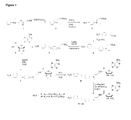
- a mixture of compounds 9 and 10 may be synthesized according to the scheme represented in Figure 1 .
- the compound of formula I may be considered as a stillbene derivative, wherein the double bond between the two phenyl group can be either in cis form or in trans form.
- the compounds of the present invention prepared as a mixture of cis and trans isomers or as pure cis isomer can be transformed to the active trans form following two photons excitation.
- This cis-trans mixture could be obtained following a distinct synthesis route involving Wittig coupling as the key step.
- Molecular modeling shows that the cis isomer can not bind to the NADPH site and is inactive.
- the following scheme represents the transformation of cis isomer of compound A to trans isomer under visible light irradiation.
- the present invention provides the aforementioned compounds of formula (I) in trans form, wherein the bond A between two aryls of the aforementioned compounds is represented by wherein M 1 and M 2 represent independently of each other H, F, Cl, Br or I.
- the present invention provides the aforementioned compounds of formula (I), (Ia), (Ii), when the bond between two aryls of the aforementioned compounds is a double bond, (Ib), (Ic), (Id), (Ie), (If), (Ig 1 ), (Ig 2 ), (Ih 1 ), (Ih 2 ) and compounds 9, 10, 11 or 12 in biological active trans form.
- the present invention provides the aforementioned compounds of formula (I) in cis form, wherein the bond A between two aryls of the aforementioned compounds is represented by wherein M 1 and M 2 represent independently of each other H, F, Cl, Br or I.
- the present invention provides the aforementioned compounds of formula (I), (Ia), (Ii), when the bond between two aryls of the aforementioned compounds is a double bond, (Ib), (Ic), (Id), (Ie), (If), (Ig 1 ), (Ig 2 ), (Ih 1 ), (Ih 2 ) and compounds 9, 10, 11 or 12 in cis form.
- the present invention still provides compounds of formula (I) as a drug for its use in chemotherapy.
- the present invention provides for the use of a compound of formula (I) as an anti-angiogenic agent in chemotherapy for treating cancers, particularly for treating superficial cancers, such as melanomas, upper respiratory tract cancers, or upper aerodigestive tract cancers.
- the present invention provides also photoactivable compounds of formula (I), wherein the bond A between two aryls of the aforementioned compounds is a double bond.
- the present invention provides for use of a compound of formula (I) as an imaging agent in cancer diagnostic, particularly in superficial cancer diagnostic.
- the present invention provides also photoactivable composition
- photoactivable composition comprising at least a compound of formula (I), wherein the bond A is represented by and is under cis form, or bond A is under both cis and trans form, wherein M 1 and M 2 represent independently of each other H, F, Cl, Br or I.
- the compounds of formula (I) or their pharmaceutically acceptable salts are useful in pharmaceutically acceptable compositions.
- the pharmaceutical compositions according to the invention comprise as active ingredient one or more of the compounds of formula (I) or its pharmaceutically acceptable salts, in combination with excipients and/or pharmaceutically acceptable diluents or carriers.
- Any conventional carrier material can be utilized.
- the carrier material can be an organic or inorganic inert carrier material, for example one that is suitable for oral administration or in situ injection.
- Suitable carriers include water, gelatin, arabic gum, lactose, starch, magnesium stearate, talc, vegetable oils, polyalkylene-glycols, glycerine and petroleum jelly. Additional additives such as flavoring agents, preservatives, stabilizers, emulsifying agents, buffers and the like may be added in accordance with accepted practices of pharmaceutical compounding.
- the pharmaceutical preparations can be made up in any conventional form including a solid form for oral administration such as tablets, capsules, pills, powders, granules, and rectal suppositories.
- the pharmaceutical preparations may be sterilized and/or may contain adjuvants such as preservatives, stabilizers, wetting agents, emulsifiers, salts for varying the osmotic pressure and/or buffers.
- the compounds of the invention can also be administered to a patient in accordance with the invention by topical (including transdermal, buccal or sublingual), or parenteral (including intraperitoneal, subcutaneous, intravenous, intradermal or intramuscular injection) routes.
- topical including transdermal, buccal or sublingual
- parenteral including intraperitoneal, subcutaneous, intravenous, intradermal or intramuscular injection
- compositions may also contain one compound of formula (I), in particular of formula (Ia), and other anti-cancer agents, chosen from the group comprising:
- the present invention provides a method to inhibit an enzyme chosen from nitric oxide synthase, in particular endothelial nitric oxide synthase, neuronal nitric oxide synthase, inducible nitric oxide synthase, reductases, in particular P450 reductases, catalases and NADHP oxydases comprising the step of:
- the present invention provides still a method to inhibit an enzyme chosen from nitric oxide synthase, in particular endothelial nitric oxide synthase, neuronal nitric oxide synthase, inducible nitric oxide synthase, reductases, in particular P450 reductases, catalases and NADHP oxydases comprising the step of:
- Figure 1 illustrates the synthetic route of example 1 to obtain compound 9 and compound 10, said mixture designed herein after YL3.
- N-Ethyl aniline is reacted with compound 1 in the presence of NaBH(OAc) 3 to obtain compound 2.
- Compound 2 is transformed to compound 3 in a Vilsmeier's formylation.
- the Knoevnagel's condensation between 4-nitrophenyl-acetic acid and compound 3 leads to the stilbene derivative compound 4.
- Compound 5 is obtained from compound 4 by treatment in the presence of NaBH 4 -HOAc.
- Compound 6 is an adenosine derivative obtained by oxidation of commercially available 2',3'-isopropylideneadenosine.
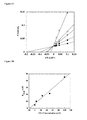
- Figure 2A illustrates the competition between YL3 and NADPH in the inhibition of the formation of NO synthesized by neuronal NO-synthase, according to example 2.1.
- the formation of NO was measured in the presence of various concentrations of NADPH (10, 25, 50 and 100 ⁇ M) and in the absence ( ⁇ ), or in the presence of 5 ( ⁇ ), 25 ( ⁇ ), 50 (D) or 100 ( ⁇ ) ⁇ M YL3.
- Figure 2B shows the linear dependence between K m app (coordinate axis) and the concentration of YL3 (horizontal axis). Intercept with the x-axis indicates a K i value of 17 ⁇ M. These data are representative of a typical experiemnt. These data show that the inhibition of the formation of NO catalysed by neuronal NOS is competititve versus cofactor NADPH.
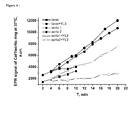
- Figure 3A illustrates the effects of YL3 on the rates of formation of the BocMPO-OOH spin-adduct, according to example 2.4.
- Productions of O 2 .- by nNOS in the absence of L-arginine and H 4 B) were measured by spin-trapping in the presence of BocMPO followed by EPR spectroscopy.
- the intensities of the second line of the BocMPO-OOH spin-adduct (arrows in Figure 3B ) were reported as a function of time from incubations performed in buffer alone ( ⁇ , without YL3), or in the presence of 15 ⁇ M ( ⁇ ) or 100 ⁇ M YL3 (D).
- Figure 4 displays the measurements of superoxide anion production from isolated aortic rings after addition of YL3 (10 ⁇ M) or vehicle by the EPR spin probe (Catl-H), according to example 3. Measurements were performed at 37°C directly in capillary in the resonator of CW X-band EPR Spectrometer Magnettech MiniScope MS200 equipped with temperature controller. Aortic rings (about 2-mm-long) were obtained from isolated aorta of C57BL/6 mice, male, 15 weeks old. The level of superoxide ions produced extracellularly by isolated aortic rings and detected by the formation of the Catl. radicals, was monitored in the presence ( ⁇ ) or absence (o) of YL3; the basal level corresponds to the vehicle alone in the absence of aortic rings with or without YL3.
- Horizontal axis represents fluorescence emission wavelength of samples. Coordinate axis represents fluorescence emission intensity.
- Figure 5B displays the titration study of YL3-nNOS complex, as typically shown in Fig 5A .
- Horizontal axis represents the concentration of YL3 in a sample containing nNOS.
- Figure 6A displays the fluorescence emitted by HUVEC cells observed by two-photons microscopy, according to example 5.
- the cells are incubated with 1 or 5 ⁇ M YL3.
- the cells culture without YL3 is used as control.
- the excitation wavelength was 840 nm (Emission: 500-650 nm).
- FIG. 6B The photo at left illustrates epifluorescence imaging obtained in HUVEC cells incubated with YL3.
- the diagram at right displays fluorescence emission spectra from bright zones ( ⁇ ) or from cytoplasm ( ⁇ ).
- Horizontal axis represents the wave length (nm) of fluorescence. Coordinate axis represents fluorescence intensity.
- Figure 7 represents the effect of YL3 (10 ⁇ M) on the endothelium-dependant relaxation of mice aorta pre-contracted by KCl.
- YL3 In the presence of catalase, cycloxygenase inhibitor and a high potassium extra cell concentration, the relaxation of mice aortic rings, induced by muscarinic receptors stimulation uniquely rest on NO produced by endothelial cells.
- YL3 inhibits the relaxation induced by acetylcholine, as what is expected for an eNOS inhibitor.
- Figure 8 shows the effect of YL3 (0, 3 or 100 ⁇ M) inhibiting the formation of endothelial tube promoted by VEGF treatment, according to example 8.
- the extent of the endothelial network in the different conditions tested was always compared within a same set of experiments and relative values were used for inter-assays comparisons.
- Human Umbilical Vein Endothelial Cells (HUVECs) passage 3-5 plated on Matrigel were used in these experiments.
- the photos of left column show cells before the treatment by different concentration of YL3.
- the photos of right column show cells after 48 hours treatment by 3 ⁇ M or 100 ⁇ M YL3, and control sample with VEGF treatment alone.
- nNOS-YL3 complex was carried out using the program NAMD ( Phillips et al., J Comput Chem 2005, 26, 1781-802 ) with the CHARMM27 force field.
- NAMD Phillips et al., J Comput Chem 2005, 26, 1781-802
- the molecular system formed by nNOS rat dimeric enzyme, FAD, FMN (PDB ID 1TLL) and YL3 was centered in a cubic cell of pre-equilibrated TIP3P water model ( Jorgensen et al., J. Chem. Physiol. 1983, 79, 926-35 ) molecules.
- the electrostatic interactions were calculated with no truncation, using the particle mesh Ewald summation algorithm.
- the system was made electrostatically neutral by randomly adding 20 sodium cations.
- the van der Waals interactions were smoothly shifted to zero between 10.0 ⁇ and 12.0 ⁇ .
- the ionic concentration of the system was set to 0.15 M by adding randomly sodium and chloride ions.
- the list of the non-bonded interactions was truncated at 13.5 ⁇ .
- the energy of the system was minimized during 5000 steps using the conjugate gradient energy minimization algorithm while the solute atoms were harmonically restraint to their initial positions with a force constant of 50.0 kcal/mol/ ⁇ 2 .
- the system was further heated linearly to 300 K over 60 ps.
- the lengths of the bonds containing hydrogen atoms were fixed with the SHAKE algorithm ( Ryckaert et al., J. Comp. Phys.
- Elemental analyses were performed at ICSN (Gif sur Yvette, France) and high-resolution mass spectra (HRMS) were obtained by ESI in time-of-flight (TOF) detection mode on a LCT (Waters-Micromass) spectrometer at ICSN (Gif sur Yvette, France).
- Phthalimidoacetaldehyde (compound 1) was prepared according to a known procedure ( Safavy et al., Bioconjugate Chem 2002, 13, 317-26 ).
- the carboxylic acid 6 was prepared from 2',3'-isopropylidene adenosine as reported previously ( Ha and Nair, Tetrahedron Lett 1996, 37, 1567-70 ).
- the initial rates of NO synthesis were determined at 37°C in 1-cm pathlength cuvettes using the oxyhemoglobin assay for NO ( Murphy et Noack, Methods Enzymol. 1994, 233, 240-50 ). Usual incubation mixtures were performed in a total volume of 150 ⁇ L containing 50 mM Hepes buffer (pH 7.4), 0.1 M KCl supplemented with DTT (5 mM), oxyhemoglobin (10-20 ⁇ M), 1000 U/mL each of SOD and catalase, H 4 B (10 ⁇ M), L-arginine (100 ⁇ M), CaCl 2 (1 mM), CaM (10 ⁇ g/mL), NADPH (usually 1 mM), and increasing concentration of YL3 (0-100 ⁇ M).
- the mixtures were preincubated for 2 min at 37°C prior to initiation of the reaction by the addition of 2-5 ⁇ L aliquots of nNOS (50-70 nM) to the sample cuvette.
- nNOS 50-70 nM
- the NO-mediated conversion of oxyhemoglobin to methemoglobin was monitored on a Uvikon 941 spectrophotometer by repetitive scanning between 380 and 480 nm every 0.2 min and quantitated using an extinction coefficient of 77 mM -1 .cm -1 between peak at 401 nm and valley at 420 nm ( Murphy et Noack, Methods Enzymol. 1994, 233, 240-50 ).
- the production of NO was linear over all the entire reaction time.
- Control incubations were performed in the presence of similar amounts of buffer without inhibitor, or in the presence of 100 ⁇ M N ⁇ -NO 2 -L-arginine (a potent inhibitor of NOS) for background determinations. All values are expressed relative to the control and as the mean ⁇ S.D. from 3-4 experiments.
- YL3 The effects of YL3 on the initial rates of cytochrome c reduction catalyzed by nNOS were spectrophotometrically quantified by measuring the increase in the absorbance at 550 nm, using an extinction coefficient of 21 mM -1 .cm -1 .
- Standard incubation conditions were performed in 1-cm path length cuvettes (total volume of 150 ⁇ L) containing 50 mM Hepes buffer (pH 7.4), 0.1 M KCl, L-arginine (100 ⁇ M), CaCl 2 (1 mM), CaM (10 ⁇ g/mL), NADPH (100 ⁇ M), and increasing concentration of YL3 (0-100 ⁇ M) dissolved in Hepes buffer.
- the mixtures were preincubated for 2 min at 37°C before the initiation of the reaction by addition of 2-5 ⁇ L aliquots of nNOS.
- H 2 O 2 released by nNOS was determined by measuring the oxidation of ferrous thiocyanate to ferric thiocyanate as previously described ( Heinzel et al., Biochem J 1992, 281, 627-30 ).
- the reaction mixture (final volume 100 ⁇ L) contained NADPH (200 ⁇ M), CaCl 2 (1.0 mM), and CaM (10 ⁇ g/mL) in 50 mM Hepes buffer pH 7.4.
- the incubation was initiated by the addition of 2-5 ⁇ L aliquots of nNOS (50-70 nM) and stopped after 10 min at 37°C by the addition of 20 ⁇ L of 6M HCl.
- nNOS generates reactive oxygen species (ROS) such as H 2 O 2 and superoxide anion that result from dioxygen reduction by flavins and by iron of the heme without formation of NO (uncoupling).
- ROS reactive oxygen species
- the spin trap 5- tert -butyloxycarbonyl 5-methyl-1-pyrroline N -oxide was synthesized using a described procedure ( Zhao et al., Free Radic Biol Med 2001, 31, 599-606 ).
- a typical incubation mixture contained 1 mM NADPH, 1.0 mM CaCl 2 , CaM (10 ⁇ g/mL), and 50 mM BocMPO in 50 mM Hepes buffer pH 7.4. 5-10 ⁇ L of nNOS (100-150 nM) were mixed with the previous mixture that was rapidly transferred into an Aqua-X sample cell fitted in an shq001 cavity (Bruker, Wissembourg, France). Data accumulation was started immediately.
- BocMPO-OOH spin adduct spontaneously decomposed to the BocMPO-OH spin adduct with a half-life of about 15 min, and its formation was completely abolished in the presence of SOD.
- the relative amounts of BocMPO-OOH and BocMPO-OH adducts observed in the incubation mixtures were estimated by X-sophe software simulations (Bruker).
- the second peaks of the BocMPO-OOH and BocMPO-OH adducts are superimposed (maximum, 348.8 mT; minimum, 349.2 mT), and the amplitude of this peak was used to quantify the amounts of superoxide generated in our incubations.
- the term "BocMPO-OOH spin adduct" will be used instead of "BocMPO-OOH and BocMPO-OH spin adducts" for sake of brevity.
- Aortic rings were preincubated in KREBS-DTPA-Hepes buffer (0.1 mmol/liter DTPA, 10 mmol/liter HEPES, pH 7.5), and, after addition of CAT1-H (5 mM) and YL-3 (10 ⁇ M) or vehicle, were inserted into capillary (micropipettes, 50 ⁇ L, Blaubrand ®) which were placed directly in the resonator of CW X-band EPR spectrometer (Magnettech MiniScope MS200), equipped with a temperature controller (37°C). The formation of the radical (CAT1) was monitored for 20 minutes and rate of superoxide anion formation was quantified after subtraction of basal signal and normalization to weight of dry tissue.
- UV-visible absorption spectrum was carried out with a Uvikon XL spectrophotometer.
- Two-photon excitation and emission spectra were recorded using a home-built set-up consisting of a 80-MHz mode-locked Mai Tai® Ti:Sapphire tunable laser (690-1040 nm, 100 fs laser pulse, Spectra Physics, Mountain View, California) focused on the sample (80 ⁇ l placed into a quartz micro cell).
- the two-photon fluorescence was collected at 90 degrees and was further filtered by a Semrock FF01-842/SP filter - to reject the residual excitation light —.
- the fluorescence signal was focused into an optical fiber connected to a SpectraPro-275 digital spectrograph (300 lines/mm) coupled to a liquid nitrogen cooled CCD detector (1024 x 256 pixels; Princeton Instruments, Acton, Massachusetts).
- the wavelength calibration of the spectrograph was done using a high pressure mercury lamp.
- Excitation power was set between 50 and 100 mW and the acquisition time was between 1 and 60 s.
- Spectroscopic and fluorescence properties of YL3- YL3 dissolved in DMSO was characterized by an absorption maximum at 460 nm (molar extinction coefficient, 21,000 M- 1 . cm -1 ).
- YL3 was found to be fluorescent in DMSO with an emission peak centered at 740 nm.
- the fluorescence emission was strongly sensitive to solvent polarity and in water or Tris buffer pH 7.5, the fluorescence emission was very weak.
- Two-photon microscopy was performed using the Leica TCS-SP2 confocal microscope equipped with a 10 watt Spectra-Physics Mai-Tai femtosecond pulsed infra-red laser (720-920 nm) as the excitation source.
- the excitation wavelength was 840 nm (Emission: 500-650 nm).
- Epifluorescence imaging was performed using the Hg lamp of the Leica TCS-SP2 confocal microscope (Excitation: 450-490 nm — Emission: 500-650 nm).
- Example 6 Cell viability and vascular studies
- HUVEC endothelial
- A7r5 smooth vascular cells (3x10 4 cells/well) were cultured in 12-well plates at 37 °C for 1 day in MEM.
- Serial dilutions of YL3 (1 ⁇ M- 1mM) were added to the cells that were further incubated at 37°C for 24 or 48 hours.
- MTT analysis was performed based on the standard method, as described previously [see below].
- 20 ⁇ l of MTT reagent 3-[4,5-dimethylthiazol-2-yl]-2,5-diphenyl tetrazolium bromide, 7.5 mg/ml, Sigma was added to the cells and further incubated at 37 °C for 1 h.
- the number of cells was evaluated using the following equation: OD ⁇ ⁇ 570 sample - OD ⁇ ⁇ 630 sample + OD ⁇ ⁇ 570 blank ; and the results were expressed as percentage versus control condition .
- the number of cells was evaluated by crystal violet staining.
- Cells were plated in 96-well plates and cultured with various concentrations of YL3 (l, 3, 10, 30, or 100 ⁇ mol/L). After 2-h incubation, cells were stained for 15 min with 100 ⁇ L of a 2mg/ml crystal violet solution (in distilled water). After careful aspiration of the crystal violet solution, the plates were extensively washed with water, and air-dried prior to solubilisation of the bound dye with 100 ⁇ L of DMSO for 10 min in darkness. The absorbance was measured at 570 nm and 630 nm using a multi-well plate reader (Model VICTOR TM X4, PerkinElmer).
- the number of cells was evaluated using the following equation: OD ⁇ ⁇ 570 sample - OD ⁇ ⁇ 630 sample + OD ⁇ ⁇ 570 blank ; and the results were expressed as percentage versus control condition .
- KCl Potassium chloride
- Acetylcholine Ach
- CAT Catalase
- mice Male 15 weeks-old C57B1/6J mice (Elevage Janvier, Le Genest-St-Isle, France) were used in these experiments. Mice were anesthetized with Ketamin/xylasin injection before sacrificing them and aorta arteries were removed and mounted onto wire myograph.
- vessels were mounted on two 40 mm stainless steel wires in the jaws of a multi wire myograph system (Model 610M, Danish Myo Technology A/S, Aarhus , Denmark) and the myograph baths filled with physiological saline solution (PSS) with the following composition: 130 mM NaCl, 4.5 mM KCl, 1.05 mM MgSO 4 , 20.2 mM NaHCO 3 , 1.35 mM CaCl 2 , 0.35 mM KH 2 PO 4 and 11 mM glucose. PSS was heated to 37 °C and bubbled with 95% O 2 /5% CO 2 to maintain a physiological pH of 7.4.
- PSS physiological saline solution
- Length-tension characteristics were obtained via the myograph software (Myodaq 2.01) and on the basis of these, aorta arteries were loaded to a tension equivalent to an in vivo pressure. The vessels were then left to equilibrate under these conditions for 1 h, after which they were stimulated with 50 mmol/l KCl and a concentration-response curve was constructed by a single dose of Ach (10 ⁇ M). Then vessels were washed and pre-incubated in presence or absence of catalase 500U/ml during 20 minutes. A new contraction curve with 50mmol/l KCl was performed and once a maximal contraction had been achieved, a single dose of YL3 (10 ⁇ M) was added and changes in tension recorded during 2 hours. At the end, a concentration-response curve was constructed by a single dose of Ach (10 ⁇ M). Ach relaxation responses were expressed as percentage relaxation to KCl contraction.
- Results are expressed as means ⁇ SEM and n reflects the number of animals.
- Results are expressed as endothelial network percentage ⁇ SEM versus control condition and n reflects the number of experiments.
Landscapes
- Chemical & Material Sciences (AREA)
- Organic Chemistry (AREA)
- Health & Medical Sciences (AREA)
- General Health & Medical Sciences (AREA)
- Life Sciences & Earth Sciences (AREA)
- Molecular Biology (AREA)
- Biochemistry (AREA)
- Biotechnology (AREA)
- Genetics & Genomics (AREA)
- Engineering & Computer Science (AREA)
- Epidemiology (AREA)
- Animal Behavior & Ethology (AREA)
- Public Health (AREA)
- Veterinary Medicine (AREA)
- Pharmaceuticals Containing Other Organic And Inorganic Compounds (AREA)
- Acyclic And Carbocyclic Compounds In Medicinal Compositions (AREA)
Abstract
Description
- The present invention concerns a new family of analogues of NADP+ or NADPH, their preparation and their application in therapeutics.
- Blood supply is essential to most solid tumors since nutrients are brought by blood vessels developed around and inside the tumors. The formation of neo-vasculature by angiogenesis is necessary for solid tumor progression and metastasis. However, tumor blood vessels differ in their morphology from their normal counterparts. In particular, tumor vasculature usually fails to meet the demands of the tumor cells for oxygen and nutrients; this failure results in tumor blood flow heterogeneity often inducing intermittent hypoxia, and acidic conditions within the tumor ( Ingram et Porter, Gene Ther 2005, 12, 1058-69).
- Hypoxia often found in solid tumors induces the hypoxia-inducible factor HIF-1α, in turn promoting VEGF-associated angiogenesis (VEGF: Vascular Endothelial Growth Factor). HIF-1α acts as an oxygen sensor forming together with the associated O2-dependent HIF-prolyl hydroxylase an auto-regulating loop (Berchner-Pfannschnidt et al., J Biol Chem 2007, 282,1788-96).
- The recognition of the vascular bed as an important target leads to the development of the anti-angiogenesis strategy that prevents the formation of new blood vessels and normalizes the remaining vessels. In the context of anti-angiogenic therapies, some anti-angiogenic agents have been developed to target VEGF, one of the main proteins involved in neovascularization. These anti-antiogenic agents are, for example, anti-VEGF antibodies, VEGF receptors inhibitors or VEGFR kinase inhibitors.
- However, it was observed that these compounds could not target tumors efficiently without being co-delivered with a "vehicle" (Chen et al., J Biol Chem 2010, 285, 22639-50). Such "vehicle" for tumor targeting of a pharmaceutical compound could be fluorescent or magnetic nanoparticles, which have often considerable side effect because of their toxicity, short half-life time, or poor bioavailability
- Specific antibodies which recognize some over-expressed receptors in a tumor can also be used for delivery of a gene or a siRNA in gene therapy. However, since tumors could not always be well vascularized, nucleic acids fragments often could not well penetrate into cells located at the core of a solid tumor.
- Since the inhibition of VEGF activity is not always beneficial to tumor inhibition, and anti-angiogenic agents targeting VEGF could not always be efficaciously delivered into tumors, it is necessary to develop new anti-angiogenic compounds targeting other proteins involved in tumor vascularization.
- In mammals, nitric oxide (NO) is an endogenously produced free radical. It is involved in many (patho)physiological processes in the cardiovascular, nervous and immune systems. It displays both anti-viral and anti-bacterial properties and exerts important roles in apoptosis. NO can also promote vasodilation of blood vessel. NO modulates oxygen-sensing by HIF-1α under hypoxia but S-nitrosylation stabilizes HIF-1α under normoxia (Sonveaux et al., Int J radiat Oncol Biol Phys 2007, 67, 1155-62).
- NO is synthesized by heme-proteins called NO synthases (NOS) that oxidize L-arginine to NO. There are three isoforms of NO-synthases in mammal: neuronal NOS (nNOS or NOS-1), inducible NOS (iNOS or NOS-2) and endothelial NOS (eNOS or NOS-3). The main source of NO in the vasculature is eNOS.
- Although two conflicting views relating to the role of NO in carcinogenesis and tumor progression exist, recent studies show that there is a positive correlation between the expression of iNOS or eNOS and progression of several human cancers (Muntane et Iamata, World J. Hepatol 2010, 2, 337-344 ; Jadeski et al., Int. J. Cancer 2003, 106, 496-504).
- The inhibition of NO synthases provides another anti-angiogenesis therapeutic approach which is different from herein before mentioned conventional anti-angiogenic agents targeting VEGF proteins.
- Many NO synthases inhibitors are already known in the prior art, such as analogues of substrate L-arginine, analogues of cofactor tetrahydrobiopterine, heme ligands, or dimerisation inhibitors. However, most of NO synthases inhibitors described in the literature could not specifically inhibit one isoform of NO synthase, in particular eNOS. In fact, these inhibitors all target the oxygenase domain of NO synthases. The great similarity among the oxygenase domains in different NO-synthases isoforms makes it difficult to specifically inhibit one isoform without inhibition of another isoform.
- The French
patent application FR 2 893 617 FR 2 893 617 - The present invention provides new compounds which could inhibit the activity of NADP+-, or NADPH-dependent enzymes, in particular eNOS.
- The present invention also provides new compounds which could be used as antitumoral drugs.
- The present invention also provides new compounds which could be useful for in vitro cancer diagnosis.
- The present invention relates to compounds of formula (I) :

- (i) X represents an electron acceptor group, chosen from the group comprising:
-NO2,
-CN,
-CHO,
-COOH,
-CF3,
-F,
-CHC(CN)2,
-SO3H,
- CONR9R10 or SO2NR9R10, in which R9 and R10 represent each independently of each other an hydrogen, a linear or branched (C1-C3) alkyl group, or an aryl group,
- COR9, in which R9 represents an hydrogen, a linear or branched (C1-C3) alkyl group, or an aryl group, or
- a tetrazolyl group, - (ii) Y represents an electron donor group, chosen from the group comprising -NR19-, -OC(R19R14)-, or -SC (R19R14)-, in which:
- R19 is chosen from:
- a hydrogen,
- a linear (C1-C8) alkyl group, in particular an ethyl, said alkyl group being optionally substituted by one or more group selected from: -OH group, - NH2 group, -COOH group, CONH-arylCOOH group or NHCO-arylCOOH group or NHCOarylsulfate group , or NHCOarylsulfonate group, wherein the aryl group is chosen from phenyl, naphtyl or biphenyl,
- a hydrosoluble organic group, in particular PEG,
- R14 represents a hydrogen or a linear or branched (C1-C4) alkyl group, optionally substituted by -OH.
- R19 is chosen from:
- (iii) A represents a bond chosen from the group comprising:
- (a) -CΞC-, or
- (b)

- M1 and M2 represent independently of each other H, F, Cl, Br or I,
- n is an integer chosen from 1, 2, or 3,
- (iv) R1, R2, R3, R4, R5, R6, R7 or R8 are each independently selected from the group comprising:
-H,
- F, Cl, Br, I,
- a linear or branched (C1-C4) alkyl, optionally substituted by one or more substituants chosen from:
- OH,
- NR11R12, in which R11 and R12 represent each independently of each other an hydrogen or a linear or branched (C1-C3) alkyl group, or
- COOR11, in which R11 represents hydrogen or a linear or branched (C1-C3) alkyl group,
- CONHR13 or NHCOR13, in which R13 represents a linear or branched (C1-C4) alkyl group,
- a linear or branched (C1-C4) alkyl, optionally substituted by one or more substituants chosen from:
- (v) L represents a spacer group selected from the group comprising:

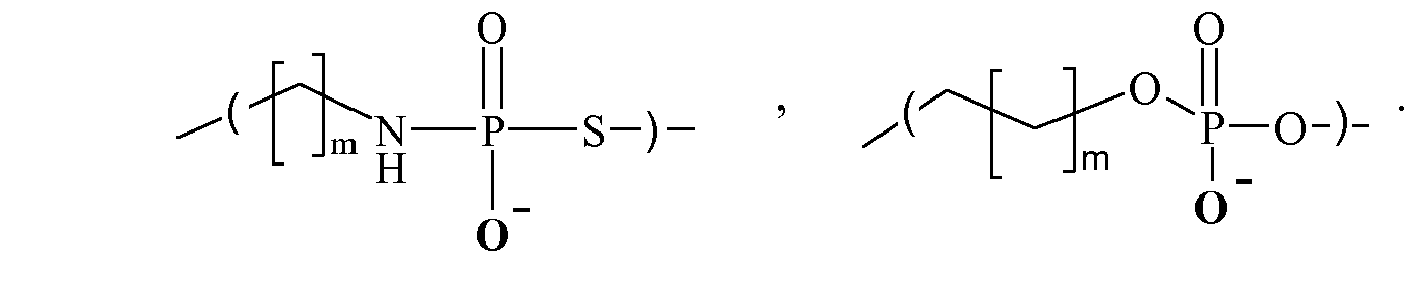
wherein:
- T represents an oxygen atom, or a sulphur atom, preferably an oxygen atom;
- R16 and R17 represent each independently of each other OH, H2PO4, HSO4, OPO3(NH4)2, or any salt of these phosphate or sulphate groups,
- R18 represents a purine-base or a pyrimidine-base, in particular adenine, guanine, hypoxanthine, thymine, uracil or cytosine, preferably adenine, under racemate or isomeric forms, and pharmaceutically acceptable salts thereof.
- The term "alkyl" refers to a linear or branched chain, saturated hydrocarbon having the indicated number of carbon atoms. A (C1-C3) alkyl is meant to include but is not limited to methyl, ethyl, propyl, isopropyl. An alkyl group can be unsubstituted or optionally substituted with one or more substituents. A (C1-C4) alkyl group further comprises n-butyl, isobutyl, secbutyl, tert-butyl. A (C1-C8) alkyl group further comprises n-pentyl, isopentyl, n-hexyl, n-heptyl, n-octyl.
- Without other specification, the term "aryl" refers to an unsubstituted aromatic system, such as a phenyl, or substituted aromatic system by at least one OH group, at least one (C1-C3) alkyl group, or at least one (C1-C3) alkoxy group. An alkoxy group is meant to include but is not limited to methoxy, ethoxy, propoxy.
- The term "tetrazolyl group" refers to a heterocyclic group, having five atoms ring consisting of four nitrogen and a carbon atom, said ring being unsubstituted or optionally substituted by at least one of a OH group, a (C1-C3) alkyl group, or a C1-C3 alkoxy group, as defined above.
- The term "electron acceptor" means a chemical entity that accepts electrons transferred to it from another compound. In the context of a push-pull compound, an electron acceptor group withdraws electronic density to the conjugated linker.
- The term "electron donor" means a chemical entity that donates electrons to another compound. In the context of a push-pull compound, an electron donor group adds electronic density to the conjugated linker.
- A push-pull compound is a compound constituted of a donor group at one side and an acceptor group at the other side.
- According to the present invention, a "pharmaceutically acceptable salt" is a pharmaceutically acceptable, organic or inorganic acid or base salt of a compound of the invention. Representative pharmaceutically acceptable salts include, e.g., alkali metal salts, alkali earth salts, ammonium salts, water-soluble and water-insoluble salts.
- The present invention is based on the inhibitory effect of the compounds of the formula (I) on the enzymatic activity of nNOS, a NADPH dependent-enzyme; the inhibitory effect originates from its competition with NADPH binding.
- For the first time, the Inventors of the present invention provide an inhibitor of NADPH dependent enzymes, which targets the reductase domain of NADPH dependent-enzymes, for example nitric oxide synthase, quinone oxido-reductases, and NADPH oxidases.
- The radicals R1, R2, R3, R4, R5, R6, R7 or R8 confer different electronic and binding properties to the compound of formula (I).
- The radical R19 confers to the compound of formula (I) a better interaction with variable residues in reductase domain of NADPH dependent-enzymes, thus conferring specificity.
- The length of the bond A between the two aryl groups determines the total length of the compounds of the invention. Increasing the number of C-C double bonds between the two aryl groups can shift the maximum absorption to higher wavelengths, and increases significantly the two photo absorption cross-sections in the red-NIR region. However, the total length of the compounds of formula (I) must be controlled for efficient enzymatic site binding. If the double bond length is too important, then the compound does not fit within the active site of the enzyme.
- In one embodiment, the present invention relates to compounds of formula (I) wherein X represents CN and A represents

- R1, R2, R3, R4, R5, R6, R7 or R8 are each independently selected from the group comprising:
- H, F, Cl, Br, I,
- a branched (C1-C4) alkyl, optionally substituted by one or more substituants chosen from:
- OH,
- NR11R12, in which R11 and R12 represent each independently of each other an hydrogen or a linear or branched (C1-C3) alkyl group, or
- COOR11, in which R11 represents hydrogen or a linear or branched (C1-C3) alkyl group,
- CONHR13 or NH CO R13, in which R13 represents a linear or branched (C1-C4) alkyl group.
- Y is as defined herein before.
- In a particular embodiment, the present invention provides compounds of formula (I), wherein:
- X represents an electron acceptor group, chosen from the group comprising:
-NO2,
-CN,
-CHO,
-COOH,
-CF3,
-F,
-CHC(CN)2,
-SO3H,
- CONR9R10 or SO2NR9R10, in which R9 and R10 represent each independently of each other an hydrogen, a linear or branched (C1-C3) alkyl group, or an aryl group,
- COR9, in which R9 represents an hydrogen, a linear or branched (C1-C3) alkyl group, or an aryl group, or
- a tetrazolyl group,
- Y represents -NR19-,
- R1, R2, R3, R4, R5, R6, R7, R8, L, R18, R16, R17 and R19 are as defined herein before, said compounds responding to the following formula (Ia):

- In a more particular embodiment, the present invention provides compounds of formula (Ia), wherein:
- T represents an oxygen atom,
- R18 represents an adenine group,
- R1, R2, R3, R4, R5, R6, R7, R8, X, L, R16, R17 and R19 are as defined herein before,
- L represents


- In a more particular embodiment, the present invention provides compounds of formula (Ia), wherein:
- A represents :

- T represents an oxygen atom,
- R18 represents an adenine group,
- R1, R2, R3, R4, R5, R6, R7, R8, X, L, R16, R17 and R19 are as defined herein before, said compounds responding to following formula (Ib):

- In a more particular embodiment, the present invention provides compounds of formula (Ib), wherein :
- L represents

- X, n, R1, R2, R3, R4, R5, R6, R7, R8, R16, R17 and R19 are as defined herein before, said compounds responding to following formula (Ic):

- In a still more particular embodiment, the present invention provides compounds of formula (Ic), wherein:
- R1, R2, R3, R4, R5, R6, R7, R8 respectively represents a hydrogen atom,
- R19 represents an ethyl group,
- R16, R17, X are as defined herein before,
- n represents an integer chosen from 1, 2 or 3,
- m represents an integer chosen from 0 to 5,
- In a favourable embodiment, the present invention provides compounds of formula (Id), wherein:
- m represents the
integer 2, - R16, R17, X are as defined herein before,
- n represents 1, 2 or 3, said compounds responding to following formula (Ie)

- In another favourable embodiment, the present invention provides compounds of formula (Id), wherein:
- n represents the
integer 1, - R16, R17, X are as defined herein before,
- m represents an integer chosen from 0 to 5, said compounds responding to following

- In another favourable embodiment, the present invention provides compounds of formula (Id), wherein:
- X represents -NO2 or CN group,
- R16, R17 are as defined herein before,
- n represents an integer selected from 1, 2 or 3,
- m represents an integer chosen from 0 to 5, said compounds responding to following formula (Ig1):


- In a more favourable embodiment, the present invention provides compounds of formula (Ig1), wherein:
- n represents
integer 1, - m represents
integer 2, - R16, R17 represent each independently of each other OH, H2PO4, HSO4, OPO3(NH4)2, or any salt of these phosphate or sulphate groups,
said compounds responding to following formula (Ih1):
- In a more favourable embodiment, the present invention provides compounds of formula (Ig2), wherein:
- n represents
integer 1, - m represents
integer 2, - R16, R17 represent each independently of each other OH, H2PO4, HSO4, OPO3(NH4)2, or any salt of these phosphate or sulphate groups,
- In a particularly favourable embodiment, the compounds of the represent invention of formula (Ia) are selected from the group comprising:


- Compounds according to the invention can be prepared according to methods well known for one skilled in the art which are described in the literature.
- The present invention provides also a method for preparing a compound of formula (Ia) comprising:
- (i) preparing a compound of formula III

wherein :- X represents an electron acceptor group, chosen from the group comprising:
-NO2,
-CN,
-CHO,
-COOH,
-CF3,
-F,
-CHC(CN)2,
-SO3H,
- CONR9R10 or SO2NR9R10, in which R9 and R10 represent each independently of each other an hydrogen, a linear or branched (C1-C3) alkyl group, or an aryl group,
- COR9, in which R9 represents an hydrogen, a linear or branched (C1-C3) alkyl group, or an aryl group, or
- a tetrazolyl group,
- A represents a bond chosen from the group comprising:
- (a) -CΞC-, or
- (b)

- M1 and M2 represent independently of each other H, F, Cl, Br or I,
- n is an integer chosen from 1, 2, or 3,
- R1, R2, R3, R4, R5, R6, R7 or R8 are each independently selected from the group comprising:
-H,
- F, Cl, Br, I,
- a linear or branched (C1-C4) alkyl, optionally substituted by one or more substituants chosen from:
- OH,
- NR11R12, in which R11 and R12 represent each independently of each other an hydrogen or a linear or branched (C1-C3) alkyl group, or
- COOR11, in which R11 represents hydrogen or a linear or branched (C1-C3) alkyl group,
- CONHR13 or NH CO R13, in which R13 represents a linear or branched (C1-C4) alkyl group,
- a linear or branched (C1-C4) alkyl, optionally substituted by one or more substituants chosen from:
- E represents -NR19R15, wherein: - R19 is chosen from:
- a hydrogen,
- a linear (C1-C8) alkyl group, in particular an ethyl, said alkyl group being optionally substituted by one or more group selected from: - OH group, -NH2 group, -COOH group, CONH-arylCOOH (aryl = phenyl, naphtyl, biphenyl), NHCOarylCOOH, NHCOarylOSO3H, or NHCOarylSO3H,
- a hydrosoluble organic group, in particular PEG,
- R15 represents

- X represents an electron acceptor group, chosen from the group comprising:
- (ii) reacting said compound of formula III with a compound of formula II(a)

- Z1 and Z2 represent alcohol protecting group chosen from benzyl, benzoyl, silyl ether like TMS (trimethylsilyl) or OZ1 and OZ2 forming together an isopropylidene group,
- R18 represents a purine-base or a pyrimidine-base, in particular adenine, guanine, hypoxanthine, thymine, uracil or cytosine, preferably adenine,
- Said compound being treated with a phosphate or a sulphate derivative to yield compound of the invention, wherein R16 or R17 is H2PO4, HSO4 or OPO3(NH4)2.
- The reaction in step (ii) can be carried out, for example, in anhydrous DMF (dimethylformamide) in presence of HBTU (1H-benzotriazol-l-yl)-1,1,3,3-tetramethyluronium hexafluorophosphate).
- The compound of formula III is a chromophore having an absorption maximum at a wavelength found in the
range - As for example, a mixture of
compounds Figure 1 . - When A represents

- Interestingly, since they are not active under the cis form, they are devoid of secondary effects and they can be administrated under inactive form and transformed into the active form directly in situ after irradiation.
- Under laser irradiation at a wavelength between 300 and 700 nm, the compounds of the present invention prepared as a mixture of cis and trans isomers or as pure cis isomer can be transformed to the active trans form following two photons excitation. This cis-trans mixture could be obtained following a distinct synthesis route involving Wittig coupling as the key step. Molecular modeling shows that the cis isomer can not bind to the NADPH site and is inactive.
- As an example, the following scheme represents the transformation of cis isomer of compound A to trans isomer under visible light irradiation.

- In an embodiment, the present invention provides the aforementioned compounds of formula (I) in trans form, wherein the bond A between two aryls of the aforementioned compounds is represented by

- In a particular embodiment, the present invention provides the aforementioned compounds of formula (I), (Ia), (Ii), when the bond between two aryls of the aforementioned compounds is a double bond, (Ib), (Ic), (Id), (Ie), (If), (Ig1), (Ig2), (Ih1), (Ih2) and compounds 9, 10, 11 or 12 in biological active trans form.
- In another embodiment, the present invention provides the aforementioned compounds of formula (I) in cis form, wherein the bond A between two aryls of the aforementioned compounds is represented by

- In a particular embodiment, the present invention provides the aforementioned compounds of formula (I), (Ia), (Ii), when the bond between two aryls of the aforementioned compounds is a double bond, (Ib), (Ic), (Id), (Ie), (If), (Ig1), (Ig2), (Ih1), (Ih2) and compounds 9, 10, 11 or 12 in cis form.
- The present invention still provides compounds of formula (I) as a drug for its use in chemotherapy.
- In an embodiment, the present invention provides for the use of a compound of formula (I) as an anti-angiogenic agent in chemotherapy for treating cancers, particularly for treating superficial cancers, such as melanomas, upper respiratory tract cancers, or upper aerodigestive tract cancers.
- The present invention provides also photoactivable compounds of formula (I), wherein the bond A between two aryls of the aforementioned compounds is a double bond.
- In an embodiment, the present invention provides for use of a compound of formula (I) as an imaging agent in cancer diagnostic, particularly in superficial cancer diagnostic.
- The present invention provides also photoactivable composition comprising at least a compound of formula (I), wherein the bond A is represented by

- In accordance with this invention, the compounds of formula (I) or their pharmaceutically acceptable salts are useful in pharmaceutically acceptable compositions. The pharmaceutical compositions according to the invention comprise as active ingredient one or more of the compounds of formula (I) or its pharmaceutically acceptable salts, in combination with excipients and/or pharmaceutically acceptable diluents or carriers. Any conventional carrier material can be utilized. The carrier material can be an organic or inorganic inert carrier material, for example one that is suitable for oral administration or in situ injection. Suitable carriers include water, gelatin, arabic gum, lactose, starch, magnesium stearate, talc, vegetable oils, polyalkylene-glycols, glycerine and petroleum jelly. Additional additives such as flavoring agents, preservatives, stabilizers, emulsifying agents, buffers and the like may be added in accordance with accepted practices of pharmaceutical compounding.
- The pharmaceutical preparations can be made up in any conventional form including a solid form for oral administration such as tablets, capsules, pills, powders, granules, and rectal suppositories. The pharmaceutical preparations may be sterilized and/or may contain adjuvants such as preservatives, stabilizers, wetting agents, emulsifiers, salts for varying the osmotic pressure and/or buffers.
- The compounds of the invention can also be administered to a patient in accordance with the invention by topical (including transdermal, buccal or sublingual), or parenteral (including intraperitoneal, subcutaneous, intravenous, intradermal or intramuscular injection) routes.
- Furthermore, the pharmaceutical preparations may also contain one compound of formula (I), in particular of formula (Ia), and other anti-cancer agents, chosen from the group comprising:
- an anti-angiogenic agent, selected from Cilengitide, Vandetanib, Lenalidomide, Thalidomide, Arsenic Trioxide, Bevacizumab, anti-VEGFR-1, anti-VEGFR-2, anti-PDGFR, anti-FMS-FLT-3, anti-TKl,
- alkylating agents, selected from Bendamustine, Temozolomide, Mechlorethamine, Cyclophosphamide, Carmustine, Cisplatine, Busulfan, Thiotepa, or Decarbazine,
- anti-metabolite agents, selected from Pentostatine, Methotrexate, Pemetrexed, Floxuridine, Fluorouracil, Cytaraine, Mercaptopurine or Thiguanine,
- cytotoxic antibiotics selected from Rubitecan, Mitomycine C, Daunorubicin, Doxorubicine, Bleomycin, Plicamycin, Mitoxantrone HCl, or Oxaliplatine, or
- plant derivatives, selected from Vinorelbine, BMS 184476, Vincristine sulfate, Vinblastine, Docetaxel taxol,
- The present invention provides a method to inhibit an enzyme chosen from nitric oxide synthase, in particular endothelial nitric oxide synthase, neuronal nitric oxide synthase, inducible nitric oxide synthase, reductases, in particular P450 reductases, catalases and NADHP oxydases comprising the step of:
- mixing a compound of formula (I), wherein the bond A between two aryls of the aforementioned compounds is represented by triple bond, with a biological sample containing said enzyme.
- The present invention provides still a method to inhibit an enzyme chosen from nitric oxide synthase, in particular endothelial nitric oxide synthase, neuronal nitric oxide synthase, inducible nitric oxide synthase, reductases, in particular P450 reductases, catalases and NADHP oxydases comprising the step of:
- (a) Mixing a compound of formula (I), wherein the bond A between two aryls of the aforementioned compounds is represented by
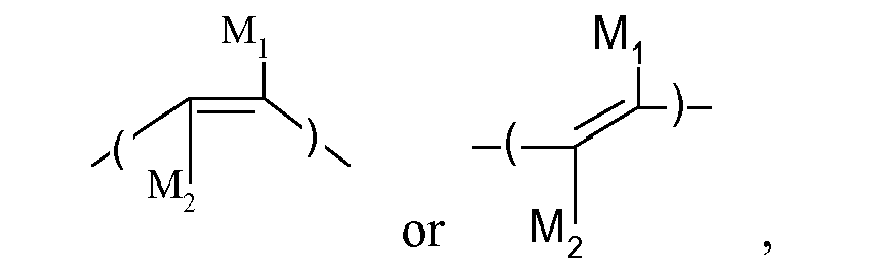
- (b) Light irradiating the sample under appropriate conditions to transform the cis form into active compound said trans form.
- The present invention is illustrated by the following figures and examples.
-
Figure 1 illustrates the synthetic route of example 1 to obtaincompound 9 andcompound 10, said mixture designed herein after YL3. N-Ethyl aniline is reacted withcompound 1 in the presence of NaBH(OAc)3 to obtaincompound 2.Compound 2 is transformed tocompound 3 in a Vilsmeier's formylation. The Knoevnagel's condensation between 4-nitrophenyl-acetic acid andcompound 3 leads to the stilbenederivative compound 4.Compound 5 is obtained fromcompound 4 by treatment in the presence of NaBH4-HOAc.Compound 6 is an adenosine derivative obtained by oxidation of commercially available 2',3'-isopropylideneadenosine. The coupling betweencompound 5 andcompound 6 to obtain compound 7 is carried out in anhydrous DMF in the presence of HBTU. After deprotection of the isopropylidene motif of compound 7, phosphorylation reaction is carried out in the presence of chlorodiethylphosphate and is followed by an acid hydrolysis reaction to obtainisomeric compounds -
Figure 2A illustrates the competition between YL3 and NADPH in the inhibition of the formation of NO synthesized by neuronal NO-synthase, according to example 2.1. The formation of NO was measured in the presence of various concentrations of NADPH (10, 25, 50 and 100 µM) and in the absence (●), or in the presence of 5 (■), 25 (▼), 50 (D) or 100 (○)µM YL3. -
Figure 2B shows the linear dependence between Km app (coordinate axis) and the concentration of YL3 (horizontal axis). Intercept with the x-axis indicates a Ki value of 17 µM. These data are representative of a typical experiemnt. These data show that the inhibition of the formation of NO catalysed by neuronal NOS is competititve versus cofactor NADPH. -
Figure 3A illustrates the effects of YL3 on the rates of formation of the BocMPO-OOH spin-adduct, according to example 2.4. Productions of O2 .- by nNOS (in the absence of L-arginine and H4B) were measured by spin-trapping in the presence of BocMPO followed by EPR spectroscopy. The intensities of the second line of the BocMPO-OOH spin-adduct (arrows inFigure 3B ) were reported as a function of time from incubations performed in buffer alone (●, without YL3), or in the presence of 15 µM (▲) or 100 µM YL3 (D). Linear fitting of the data points are shown as (—), (—-) and ( - - ) respectively. Horizontal axis represents magnetic field intensity. Coordinate axis represents EPR signal intensity. These results show that YL3 inhibits the formation of superoxide anions by nNOS under uncoupling conditions.Figure 3B shows the EPR spectrum of a Boc-MPOOH spin adduct. -
Figure 4 displays the measurements of superoxide anion production from isolated aortic rings after addition of YL3 (10 µM) or vehicle by the EPR spin probe (Catl-H), according to example 3. Measurements were performed at 37°C directly in capillary in the resonator of CW X-band EPR Spectrometer Magnettech MiniScope MS200 equipped with temperature controller. Aortic rings (about 2-mm-long) were obtained from isolated aorta of C57BL/6 mice, male, 15 weeks old. The level of superoxide ions produced extracellularly by isolated aortic rings and detected by the formation of the Catl. radicals, was monitored in the presence (Δ) or absence (o) of YL3; the basal level corresponds to the vehicle alone in the absence of aortic rings with or without YL3. -
Figure 5A represents the spectrum of neuronal NOS alone (5 µM) (line with open triangle), or of YL3 alone (30 µM) (line with black circle), or of NOS binding YL3 (using varying concentrations of YL3, from 0 to 30 µM, in the presence of 5 µM NOS) (lines without marker) under two-photons excitation condition (λex, 2-photons = 940 nm; the measurements were performed according to the method described in example 4 (part 4.1). Horizontal axis represents fluorescence emission wavelength of samples. Coordinate axis represents fluorescence emission intensity. -
Figure 5B displays the titration study of YL3-nNOS complex, as typically shown inFig 5A . Horizontal axis represents the concentration of YL3 in a sample containing nNOS. Coordinate axis represents YL3-nNOS complex fluorescence emission at 630 nm under two-photons excitation condition (λex, 2-photons = 940 nm). -
Figure 6A displays the fluorescence emitted by HUVEC cells observed by two-photons microscopy, according to example 5. The cells are incubated with 1 or 5 µM YL3. The cells culture without YL3 is used as control. The excitation wavelength was 840 nm (Emission: 500-650 nm). -
Figure 6B : The photo at left illustrates epifluorescence imaging obtained in HUVEC cells incubated with YL3. The diagram at right displays fluorescence emission spectra from bright zones (●) or from cytoplasm (▲). Horizontal axis represents the wave length (nm) of fluorescence. Coordinate axis represents fluorescence intensity. -
Figure 7 represents the effect of YL3 (10 µM) on the endothelium-dependant relaxation of mice aorta pre-contracted by KCl. In the presence of catalase, cycloxygenase inhibitor and a high potassium extra cell concentration, the relaxation of mice aortic rings, induced by muscarinic receptors stimulation uniquely rest on NO produced by endothelial cells. In this situation, YL3 inhibits the relaxation induced by acetylcholine, as what is expected for an eNOS inhibitor. -
Figure 8 : shows the effect of YL3 (0, 3 or 100 µM) inhibiting the formation of endothelial tube promoted by VEGF treatment, according to example 8. The extent of the endothelial network in the different conditions tested was always compared within a same set of experiments and relative values were used for inter-assays comparisons. Human Umbilical Vein Endothelial Cells (HUVECs) passage 3-5 plated on Matrigel were used in these experiments. The photos of left column show cells before the treatment by different concentration of YL3. The photos of right column show cells after 48 hours treatment by 3 µM or 100 µM YL3, and control sample with VEGF treatment alone. - MD simulation of nNOS-YL3 complex was carried out using the program NAMD (Phillips et al., J Comput Chem 2005, 26, 1781-802) with the CHARMM27 force field. The molecular system formed by nNOS rat dimeric enzyme, FAD, FMN (PDB ID 1TLL) and YL3 was centered in a cubic cell of pre-equilibrated TIP3P water model (Jorgensen et al., J. Chem. Physiol. 1983, 79, 926-35) molecules. The electrostatic interactions were calculated with no truncation, using the particle mesh Ewald summation algorithm. The system was made electrostatically neutral by randomly adding 20 sodium cations. The van der Waals interactions were smoothly shifted to zero between 10.0 Å and 12.0 Å. The ionic concentration of the system was set to 0.15 M by adding randomly sodium and chloride ions. The list of the non-bonded interactions was truncated at 13.5 Å. The energy of the system was minimized during 5000 steps using the conjugate gradient energy minimization algorithm while the solute atoms were harmonically restraint to their initial positions with a force constant of 50.0 kcal/mol/Å2. The system was further heated linearly to 300 K over 60 ps. The lengths of the bonds containing hydrogen atoms were fixed with the SHAKE algorithm (Ryckaert et al., J. Comp. Phys. 1977, 23, 327-41) and the equations of motion were iterated using a time step of 2 fs in the velocity Verlet integrator. Molecular dynamics simulation in standard conditions (NPT) was further used to equilibrate the system and for production run. During the equilibration phase, the restrains applied on the solute atoms were gradually reduced from 5.0 kcal/mol/Å2 to zero. The pressure and temperature were restrained to 1 atm and 300 K, respectively. Two trajectories of 10 ns each were produced for the YL3 complexed to nNOS.
- TLC was performed on precoated plates of Silica Gel 60F-254 (Merck); components were detected by UV light. 1H and 13C NMR spectra were recorded with a Bruker Biospin Avance II 250 MHz spectrometer, and chemical shifts refer to an internal standard of Me4Si (δ = 0.00). Mass spectra were recorded by electrospray ionization (ESI) in both positive (ESI+) and negative (ESI-) ionization detection modes. Elemental analyses were performed at ICSN (Gif sur Yvette, France) and high-resolution mass spectra (HRMS) were obtained by ESI in time-of-flight (TOF) detection mode on a LCT (Waters-Micromass) spectrometer at ICSN (Gif sur Yvette, France). Phthalimidoacetaldehyde (compound 1) was prepared according to a known procedure (Safavy et al., Bioconjugate Chem 2002, 13, 317-26). The
carboxylic acid 6 was prepared from 2',3'-isopropylidene adenosine as reported previously (Ha and Nair, Tetrahedron Lett 1996, 37, 1567-70 ). - Compound 1: HCl (0.1 N, 42 mL) was added to a solution of phthalimidoacetaldehyde diethyl acetal (4.18 g, 15.1 mmol) in AcOH (42 mL). The resulting suspension was heated at 60°C for 24 h. The solvent was evaporated and the mixture was dissolved in CH2Cl2. The organic phase was washed with sat. aq NaHCO3, H2O, dried over MgSO4 and evaporated to afford the title compound as a brown solid (2.72 g, 95 %). The physical data are consistent with the previously reported ones.
- Compound 2: NaBH(OAc)3 (3,05 g ;14,4 mmol) was added to a solution of N-ethylaniline (1,16 g ; 9,6 mmol) and 2-phthalimidoacetaldehyde (1) (2,72 g, 14,4 mmol) in CH2Cl2 (28 mL). After 24 h at 20°C, CH2Cl2 was added and the organic phase was washed with H2O, dried (MgSO4) and evaporated. The crude product was purified by chromatography over silica gel (80:20 CH2Cl2-cyclohexane) to afford 2 as a yellow solid (2,71 g, 96 %). 1H NMR (250 MHz, CDCl3): δ 7,85 (m, 2H), 7,71 (m, 2H), 7.24 (t, J = 7,8 Hz, 2H), 6,86 (d, J = 7,8 Hz, 2H), 6.67 (t, J = 7,8 Hz, 1H), 3.91 (dd, J = 6,5, 8,1 Hz, 2H), 3,58 (dd, J = 6,5, 8,1 Hz, 2H), 3,46 (q, J = 6,9 Hz, 2H), 1.22 (t, J = 7,0 Hz, 3H). 13C NMR (63 MHz, CDCl3): δ 168,0 (C), 147,2 (C), 133,7 (CH), 131,8 (C), 129,2 (CH), 123,0 (CH), 116,0 (CH), 111,9 (CH), 47,8 (CH2), 44,6 (CH2), 35,0 (CH2), 12,2 (CH3). MS: m/z = 295 (MH+). Anal. calcd for C18H18N2O2 (294,14), C 73.45,
H N 9,52. Found C 73,33,H 6,17,N 9,62. - Compound 3: Phosphorus oxychloride (POCl3, 5,24 mL) was added dropwise to a solution of compound 2 (2,71 g, 9,2 mmol) in anhydrous pyridine (4,50 mL) and DMF (55 mL), at 0 °C under an Ar atmosphere. After 24 h at RT, ice (- 600 g) was added and stirred for 30 min. The precipitate was filtered, washed and dissolved with CH2Cl2. The organic phase was separated from H2O, dried (MgSO4) and evaporated. The crude product was filtered over silica gel (Et2O) to afford 3 as a pale yellow solid after evaporation of the solvent (2,84 g, 96 %). 1H NMR (250 MHz, CDCl3):
δ 9,67 (s, 1H), 7,82 (m, 2H), 7,69 (m, 4H), 6,81 (d, J = 8,9 Hz, 2H), 3,89 (dd, J = 6,6, 7,3 Hz, 2H), 3,63 (dd, J = 6.6, 7,3 Hz, 2H), 3,50 (q, J = 7,3 Hz, 2H), 1,21 (t, J = 7,3 Hz, 3H). 13C NMR (63 MHz, CDCl3): δ 189,9 (CH), 168,0 (C), 152,0 (C), 134,0 (CH), 132,1 (CH), 131,6 (C), 125,2 (C), 123,2 (CH), 111,8 (CH), 47,6 (CH2), 44,9 (CH2), 34,6 (CH2), 12,1 (CH3). MS: m/z = 323 (MH+). Anal. calcd for C19H18N2O3 (322,13), C 70,79,H 5,63,N 8,69. Found C 70,28,H 5,62,N 8,62. - Compound 4: A solution of 4-nitrophenyl acetic acid (1,55 g, 8,6 mmol) and piperidine (655 mg, 7,7 mmol) in CH2Cl2 (- 10 mL) was stirred at RT for 10 min, and compound 3 (2,48 g, 7,7 mmol) was added to the mixture. After 10 min at RT, CH2Cl2 was evaporated and the reaction was heated at 100°C under vacuum (15 mmHg) for 3 h, then at 150°C / 15 mmHg for 3 h. The crude product was purified by chromatography over silica gel (80:20 CH2Cl2-cyclohexane) to afford 4 as a red solid (2,21 g, 65 %). 1H NMR (500 MHz, CDCl3):δ8.16 (d, J = 8,9 Hz, 2H), 7,83 (m, 2H), 7,70 (m, 2H), 7,53 (d, J = 8,9 Hz, 2H), 7.40 (d, J = 8,8 Hz, 2H), 7,14 (d, J = 16,2 Hz, 1H), 6,87 (d, J = 16,2 Hz, 1H), 6,80 (d, J = 8,9 Hz, 2H), 3,88 (dd, J = 6,7, 8,1 Hz, 2H), 3,58 (dd, J = 6,7, 8,1 Hz, 2H), 3,46 (q, J = 7,0 Hz, 2H), 1,20 (t, J = 7,0 Hz, 3H). 13C NMR (63 MHz, CDCl3): δ 168,3 (C), 148,0 (C), 145,9 (C), 145,0 (C), 134,1 (CH), 133,5 (CH), 132,0 (C), 128,7 (CH), 126,1 (CH), 124,5 (C), 124,1 (CH), 123,3 (CH), 121,7 (CH), 112,1 (CH), 48,0 (CH2), 45,1 (CH2), 35,1 (CH2), 12,4 (CH3). MS: m/z = 442 (MH+). Anal. calcd for C26H23N3O4 (441,17), C 70,73,
H N 9,52. Found C 70,19,H 5,13,N 9,53. - Compound 5: NaBH4 (806 mg, 21,5 mmol) was added to a suspension of 4 (1,88 g, 4,3 mmol) in isopropanol / water (6/1, 120 mL). After 1 h at 60°C, acetic acid (8 mL) was added at RT and the reaction was kept at 80°C for 48 h. Isopropanol was evaporated and the precipitate was filtered. The crude product was purified by chromatography over silica gel (MeOH:CH2Cl2: NH4OH = 3:97:0.25) to afford 5 as a red solid (1,02 g, 77%). 1H NMR (250 MHz, DMSO-d6):
δ 8,17 (d, J = 8,9 Hz, 2H), 7,75 (d, J = 8,9 Hz, 2H), 7,49 (d, J = 8,9 Hz, 2H), 7,41 (d, J = 16,4 Hz, 1H), 7,10 (d, J = 16,4 Hz, 1H), 6,76 (d, J = 8,9 Hz, 2H), 3,42 (m, 4H), 2,83 (t, J = 6,6 Hz, 2H), 1.09 (t, J = 7,0 Hz, 3H). 13C NMR (63 MHz, DMSO-d6): δ 148,1 (C), 145,2 (C), 145,1 (C), 133,9 (CH), 128,7 (CH), 126,3 (CH), 124,0 (CH), 123,6 (C), 120,9 (CH), 111,6 (CH), 49,8 (CH2), 44,4 (CH2), 37,8 (CH2), 12,0 (CH3). HRMS (ESI) calculated for C18H22N3O2 (MH+) m/z 312,1712, found 312,1701. - Compound 7: Et3N (0,8 mL) and HBTU (2,18 g, 5,7 mmol) were added to a solution of 5 (1,19 g, 3,8 mmol) and uronic acid 6 (1,23 g, 3,8 mmol) in anhydrous DMF (130 mL). After 48 h at RT under an Ar atomsphere, DMF was evaporated and the usually work-up with EtOAc / H2O gave the crude product which was purified by chromatography over silica gel (60:40 EtOAc-CH2Cl2) to afford 7 as a red solid (1,64 g, 70 %). 1H NMR (250 MHz, DMSO-d6):
δ 8,29 (s, 1H), 8,17 (d, J = 8,8 Hz, 2H), 8.11 (s,1H), 7,75 (d, J = 8,8 Hz, 2H), 7,72 (s, 1H, D2O exchangeable), 7,45 (d, J = 8,8 Hz, 2H), 7,39 (d, J = 16,4 Hz, 1H), 7,33 (s, 2H, D2O exchangeable), 7,08 (d, J = 16,4 Hz, 1H), 6,67 (d, J = 8,8 Hz, 2H), 6,37 (d, J = 1,6 Hz, 1H), 5,43 (dd, 1H, J = 1,9, 6.1 Hz, 1H), 5.40 (dd, 1H, J = 1.6, 6.1 Hz, 1H), 4.57 (d, J =1.9 Hz, 1H), 3.31-3.24 (m, 6H), 1.54 (s, 3H), 1.34 (s, 3H), 1.03 (t, J = 7.0 Hz, 3H). 13C NMR (63 MHz, DMSO-d6 ): & 168.9 (C), 156.0 (C), 152.4 (CH), 148.8 (C), 148.1 (C), 145.3 (C), 145.1 (C), 140.5 (CH), 133.9 (CH), 128.7 (CH), 126.2 (CH), 124.0 (CH), 123.4 (C), 120.7 (CH), 118.9 (C), 112.9 (C), 111.3 (CH), 89.5 (CH), 86.0 (CH), 83.2 (CH), 83.1 (CH), 47.7 (CH2), 44.2 (CH2), 35.7 (CH2), 26.7 (CH3), 25.0 (CH3), 12.0 (CH3). MS: m/z = 615 (MH+). Anal. calcd for C31H34NsO6 (614.26), C 60.58, H 5.58, N 18.23. Found C 59.98, H 5.53, N 18.11. - Compound 8: HCl (1M, 20 mL) was added to a solution of 7 (0.75 g, 1.2 mmol) in THF (30 mL). After 24 h at 60°C, sat. K2CO3 was added up to pH - 10 and THF was evaporated off. The precipitate was filtered, washed (pH - 7) and dried to afford 8 as a red solid (0.67 g, 96 %). 1H NMR (250 MHz, DMSO-d6): 8 9.16 (bt, 1H, D2O exchangeable), 8.37 (s, 1H), 8.18 (d, J = 8.9 Hz, 2H), 8.08 (s, 1H), 7.76 (d, J = 8.9 Hz, 2H), 7.48 (d, J = 8.5 Hz, 2H), 7.41 (d, J = 16.3 Hz, 2H), 7.09 (d, J = 16.3 Hz, 2H), 6.78 (d, J = 8.5 Hz, 2H), 5.97 (d, J = 7.3 Hz, 1H), 5.78 (d, J = 4.3 Hz, 1H, D2O exchangeable), 5.57 (d, J = 6.2 Hz, 1H, D2O exchangeable), 4.62 (m, 1H), 4.33 (bs, 1H), 4.17 (dd, J = 4.3, 3.5 Hz, 1H), 3.42 (m, 6H), 1.08 (t, J = 6.9 Hz, 3H). 13C NMR (125 MHz, DMSO-d6): 170.0 (C), 161.8 (C), 156.2 (C), 152.6 (CH), 149.0 (C), 148.2 (C), 145.4 (C), 145.3 (C), 140.8 (CH), 134.1 (CH), 128.9 (CH), 126.4 (CH), 124.2 (C), 123.6 (CH), 120.9 (CH), 111.6 (CH), 87.9 (CH), 84.7 (CH), 73.0 (CH), 71.9 (CH), 48.7 (CH2), 44.6 (CH2), 36.5 (CH2), 12.1 (CH3). HRMS (ESI) calculated for C28H3lN8O6 (MH+) m/z 575.2367, found 575.2386.
- Mixture YL3 (
Compounds 9 + 10): nBu2SnO (52 mg, 0.21 mmol) was added to a suspension of 8 (93 mg, 0.16 mmol) in anhydrous toluene (10 mL). After 2 h at 130°C under an Ar atmosphere, toluene was evaporated. Anhydrous CH2Cl2 (10 mL) and CIP(O)(OEt)2 (47 µL, 0.32 mmol) were added to the reaction. After 48 h at RT, CH2Cl2 was evaporated off. THF (3 mL) and HCl (37%, 1.5 mL) were added and the mixture was stirred at RT for 2.5 h (TLC monitoring: 30:65:4:1 CH3OH-CH2Cl2-H2O-Et3N). After addition of an aq. NH3 solution (2%, until pH - 7), the deep-red solid was filtered, washed with H2O. The crude product was dissolved in DMF and purified by chromatography over C18 silica gel (25:75:1 CH3CN-H2O-2% NH4OH) to provide a mixture of the twoisomeric compounds - 2-PO4H2 (compound 9): 1H NMR (500 MHz, DMSO-d6): & 9.16 (bt, 1H), 8.40 (s, 1H), 8.17 (d, 2H, J = 8.9 Hz), 8.02 (s, 1H), 7.76 (d, 2H, J = 8.9 Hz), 7.48 (d, 2H, J = 9.1 Hz), 7.40 (m, 3H), 7.10 (d, 2H, J = 16.4 Hz), 6.78 (d, 2H, J = 9.1 Hz), 6.07 (d, 1H, J = 7.1 Hz), 4.83 (m, 1H), 4.49 (d, 1H, J = 3.8 Hz), 4.45 (bs, 1H), 3.44-3.35 (m, 6H), 1.09 (t, 3H, J = 7.0 Hz).
- 3-PO4H2 (compound 10): 1H NMR (500 MHz, DMSO-d6): & 9.26 (bt, 1H), 8.40 (s, 1H), 8.17 (d, 2H, J = 8.9 Hz), 8.02 (s, 1H), 7.76 (d, 2H, J = 8.9 Hz), 7.48 (d, 2H, J = 9.1 Hz), 7.40 (m, 3H), 7.10 (d, 2H, J = 16.4 Hz), 6.78 (d, 2H, J = 9.1 Hz), 5.97 (d, 1H, J = 8.2 Hz), 4.62 (m, 1H), 4.71 (m, 1H), 4.36 (bs, 1H), 3.44-3.35 (m, 6H), 1.09 (t, 3H, J = 7.0 Hz).
- 13C NMR (125 MHz, DMSO-d6): & 169.9 (C), 169.5 (C), 156.2 (C), 152.4 (CH), 148.9 (C), 148.0 (C), 145.3 (C), 145.0 (C), 140.5 (CH), 134.0 (CH), 128.8 (CH), 126.2 (CH), 124.0 (CH), 123.4 (C), 120.8 (CH), 111.4 (CH), 88.3 (CH), 83.9 + 83.6 (CH), 75.7 (CH), 72.3 (CH), 48.7 + 48.6 (CH2), 44.8 + 44.5 (CH2), 36.4 (CH2), 12.0 (CH3). HRMS (ESI-) calculated for C2sH30NsO9P [M-H]-653.1873, found 653.1877.
- The initial rates of NO synthesis were determined at 37°C in 1-cm pathlength cuvettes using the oxyhemoglobin assay for NO ( Murphy et Noack, Methods Enzymol. 1994, 233, 240-50 ). Usual incubation mixtures were performed in a total volume of 150 µL containing 50 mM Hepes buffer (pH 7.4), 0.1 M KCl supplemented with DTT (5 mM), oxyhemoglobin (10-20 µM), 1000 U/mL each of SOD and catalase, H4B (10 µM), L-arginine (100 µM), CaCl2 (1 mM), CaM (10 µg/mL), NADPH (usually 1 mM), and increasing concentration of YL3 (0-100 µM). The mixtures were preincubated for 2 min at 37°C prior to initiation of the reaction by the addition of 2-5 µL aliquots of nNOS (50-70 nM) to the sample cuvette. The NO-mediated conversion of oxyhemoglobin to methemoglobin was monitored on a Uvikon 941 spectrophotometer by repetitive scanning between 380 and 480 nm every 0.2 min and quantitated using an extinction coefficient of 77 mM-1.cm-1 between peak at 401 nm and valley at 420 nm ( Murphy et Noack, Methods Enzymol. 1994, 233, 240-50 ). The production of NO was linear over all the entire reaction time. Control incubations were performed in the presence of similar amounts of buffer without inhibitor, or in the presence of 100 µM N ω-NO2-L-arginine (a potent inhibitor of NOS) for background determinations. All values are expressed relative to the control and as the mean ± S.D. from 3-4 experiments.
- Kinetic study performed in the presence of several concentrations of NADPH (10, 25, 50 and 100 µM) and YL3 (0, 5, 25, 50 and 100 µM) shows that mixture YL3 modifies NADPH apparent Km value without significant effect on apparent Vm (
Figures 2A, 2B ). In a typical experiment shown onFigure 2 , a Ki value of 17 µM has been obtained for this inhibition. - The effects of YL3 on the initial rates of cytochrome c reduction catalyzed by nNOS were spectrophotometrically quantified by measuring the increase in the absorbance at 550 nm, using an extinction coefficient of 21 mM-1.cm-1. Standard incubation conditions were performed in 1-cm path length cuvettes (total volume of 150 µL) containing 50 mM Hepes buffer (pH 7.4), 0.1 M KCl, L-arginine (100 µM), CaCl2 (1 mM), CaM (10 µg/mL), NADPH (100 µM), and increasing concentration of YL3 (0-100 µM) dissolved in Hepes buffer. The mixtures were preincubated for 2 min at 37°C before the initiation of the reaction by addition of 2-5 µL aliquots of nNOS.
- Experiments performed in the presence of several concentrations of NADPH (10, 25, 50 and 100 µM) and YL3 (0, 5, 25, 50 and 100 µM) show that mixture YL3 modifies NADPH apparent Km value without significant effect on apparent Vm and Ki values of 25 ± 5 µM have been obtained (data not shown).
- H2O2 released by nNOS was determined by measuring the oxidation of ferrous thiocyanate to ferric thiocyanate as previously described ( Heinzel et al., Biochem J 1992, 281, 627-30 ). The reaction mixture (
final volume 100 µL) contained NADPH (200 µM), CaCl2 (1.0 mM), and CaM (10 µg/mL) in 50 mM Hepes buffer pH 7.4. The incubation was initiated by the addition of 2-5 µL aliquots of nNOS (50-70 nM) and stopped after 10 min at 37°C by the addition of 20 µL of 6M HCl. 10 µL of 0.5 M NH4SCN (in water) and 50 µL of Fe(SO4)2 (freshly prepared in deoxygenated water) were added to the mixture. After 10 min at room temperature, the absorbance at 492 nm of the ferric thiocyanate complex formed via H2O2 oxidation was read on a microplate reader. The H2O2 release was determined by comparison with a calibration curve using known amounts of H2O2 (0-25 µM) under the same conditions, except for the absence of nNOS. The concentration of H2O2 was spectrophotometrically determined using ε240 nm = 39.4 M-1.cm-1. - Experiments show that mixture YL3 inhibits the formation of hydrogen peroxide under the conditions of nNOS uncoupling (data not shown).
- In the absence of substrate L-arginine and cofactor H4B, nNOS generates reactive oxygen species (ROS) such as H2O2 and superoxide anion that result from dioxygen reduction by flavins and by iron of the heme without formation of NO (uncoupling). The generation of O2 - by nNOS under several conditions was monitored by EPR spectroscopy using spin-trapping experiments in the presence of the cyclic nitrone BocMPO.
- The spin trap 5-tert-butyloxycarbonyl 5-methyl-1-pyrroline N-oxide (BocMPO) was synthesized using a described procedure ( Zhao et al., Free Radic Biol Med 2001, 31, 599-606 ). A typical incubation mixture contained 1 mM NADPH, 1.0 mM CaCl2 , CaM (10 µg/mL), and 50 mM BocMPO in 50 mM Hepes buffer pH 7.4. 5-10 µL of nNOS (100-150 nM) were mixed with the previous mixture that was rapidly transferred into an Aqua-X sample cell fitted in an shq001 cavity (Bruker, Wissembourg, France). Data accumulation was started immediately. All measurements were carried out at 21°C in a
Bruker EPR Elexsys 500 spectrometer operating at X-band frequency (9.82 GHz). The following instrument settings were used: field modulation frequency, 100 kHz; field modulation amplitude, 0.2 mT; time constant, 0.081 s; microwave power, 5.1 mW; scan time, 41.9 s; number of scans, 27. BocMPO-OOH and BocMPO-OH spectra were identified by comparison with incubations performed in the presence of xanthine/xanthine oxidase (for BMPO-OOH) as previously described ( Zhao et al., Free Radic Biol Med 2001, 31, 599-606 ). As expected, the BocMPO-OOH spin adduct spontaneously decomposed to the BocMPO-OH spin adduct with a half-life of about 15 min, and its formation was completely abolished in the presence of SOD. The relative amounts of BocMPO-OOH and BocMPO-OH adducts observed in the incubation mixtures were estimated by X-sophe software simulations (Bruker). The second peaks of the BocMPO-OOH and BocMPO-OH adducts are superimposed (maximum, 348.8 mT; minimum, 349.2 mT), and the amplitude of this peak was used to quantify the amounts of superoxide generated in our incubations. The term "BocMPO-OOH spin adduct" will be used instead of "BocMPO-OOH and BocMPO-OH spin adducts" for sake of brevity. - In the absence of L-arginine and H4B, the characteristic 4-line features corresponding to the BocMPO-OOH spin-adduct (a nitroxide) were clearly observed (
Figure 3B ) and their intensity increased in a time-dependent manner (Figure 3A ). The rate of formation of the BocMPO-OOH spin-adduct was strongly reduced by the addition of 100 µM L-arginine and 10 µM H4B (data not shown). As observed onFigure 3A , the addition of 15 µM YL3 to the reaction mixture significantly reduced the rate of formation of the EPR signal of the BocMPO-OOH spin-adduct and the addition of 100 µM YL3 fully abolished its EPR signal without formation of other paramagnetic species. - Formation of O2 -. from isolated aortic rings was assayed by EPR spin trapping using 1-Hydroxy-2,2,6,6-tetramethylpiperidin-4-yl-trimethylammonium chloride (CAT1-H, Alexis Biochemical Inc.). Thoracic aortas were dissected from anesthetized C57BL/6 mice (male, 15 weeks old), cleaned from connective tissues and fat, and cut into small rings (about 2-mm-long). Aortic rings were preincubated in KREBS-DTPA-Hepes buffer (0.1 mmol/liter DTPA, 10 mmol/liter HEPES, pH 7.5), and, after addition of CAT1-H (5 mM) and YL-3 (10 µM) or vehicle, were inserted into capillary (micropipettes, 50 µL, Blaubrand ®) which were placed directly in the resonator of CW X-band EPR spectrometer (Magnettech MiniScope MS200), equipped with a temperature controller (37°C). The formation of the radical (CAT1) was monitored for 20 minutes and rate of superoxide anion formation was quantified after subtraction of basal signal and normalization to weight of dry tissue.
- The ex vivo experiments carried out in mice aortic ring show that mixture YL3 (10 µM) inhibits the synthesis of reactive oxygen species (ROS). The synthesized ROS can be detected after the reaction with hydroxylamine CAT1-H which is oxidized to nitroxide CAT1 measured by EPR. The result displayed in
Figure 4 shows that YL3 inhibits NADPH-dependent superoxide production from NOS NADPH oxydase activity of NO-synthases and of other enzymes which depend on the presence of NADPH in vessels. - UV-visible absorption spectrum was carried out with a Uvikon XL spectrophotometer.
- One-photon fluorescence excitation and emission spectra were recorded on a Eclipse (Varian) spectrofluorimeter, equipped with a thermostated cell holder, using aerated 80 µI solutions placed in micro cells (Hellma, France). The emission spectra were recorded with excitation and emission slits set of 5 nm.
- Two-photon excitation and emission spectra were recorded using a home-built set-up consisting of a 80-MHz mode-locked Mai Tai® Ti:Sapphire tunable laser (690-1040 nm, 100 fs laser pulse, Spectra Physics, Mountain View, California) focused on the sample (80 µl placed into a quartz micro cell). The two-photon fluorescence was collected at 90 degrees and was further filtered by a Semrock FF01-842/SP filter - to reject the residual excitation light —. The fluorescence signal was focused into an optical fiber connected to a SpectraPro-275 digital spectrograph (300 lines/mm) coupled to a liquid nitrogen cooled CCD detector (1024 x 256 pixels; Princeton Instruments, Acton, Massachusetts). The wavelength calibration of the spectrograph was done using a high pressure mercury lamp. Excitation power was set between 50 and 100 mW and the acquisition time was between 1 and 60 s.
- Spectroscopic and fluorescence properties of YL3- YL3 dissolved in DMSO was characterized by an absorption maximum at 460 nm (molar extinction coefficient, 21,000 M-1. cm-1). Upon excitation at 460 nm, YL3 was found to be fluorescent in DMSO with an emission peak centered at 740 nm. However, the fluorescence emission was strongly sensitive to solvent polarity and in water or Tris buffer pH 7.5, the fluorescence emission was very weak. The same behaviour was observed under two-photon excitation (λex = 940 nm) with a significant two-photon fluorescence emission of YL3 centered at 740 nm, observed only in DMSO while no emission was evidenced in Tris buffer pH 7.5. The two-photon cross-section was found to be equal to 50 GM in DMSO (data not shown).
- Fluorescence properties of the YL3-NOS complex- Under one-photon excitation conditions, the emission properties of the YL3-NOS complex was rather difficult to interpret due to the overlapping between the intrinsic fluorescence of NOS and the fluorescence of YL3. As the two-photons fluorescence of NOS protein is intrinsically weak, the two-photon emission was more appropriate for monitoring the fluorescence recovery of YL3 upon binding to NOS. Indeed, as shown in
Figure 5A , the fluorescence of NOS was non detectable upon two-photon excitation.Figure 5A also confirms that YL3 is not fluorescent in Tris buffer. However, the fluorescence emission of YL3 continuously increased in the presence of nNOS. As the contribution of nNOS to the overall spectrum is negligible, the emission intensity actually accounts for the YL3-NOS complex formation. - Two-photon microscopy was performed using the Leica TCS-SP2 confocal microscope equipped with a 10 watt Spectra-Physics Mai-Tai femtosecond pulsed infra-red laser (720-920 nm) as the excitation source. The excitation wavelength was 840 nm (Emission: 500-650 nm).
- Epifluorescence imaging was performed using the Hg lamp of the Leica TCS-SP2 confocal microscope (Excitation: 450-490 nm — Emission: 500-650 nm).
- The penetration of YL3 in HUVEC cells can be observed very quickly, just a few minutes after incubation of cells with YL3 compound and the optimal intracellular signal was obtained with 5 µM YL3 (
Figure 6A ). Cytoplasmic fluorescence signal is heterogeneous. The heterogeneity of fluorescent signal can be confirmed by distinct emission spectra which are obtained according to observed zones (figure 6B ). - HUVEC (endothelial) and A7r5 (smooth vascular) cells (3x10⁴cells/well) were cultured in 12-well plates at 37 °C for 1 day in MEM. Serial dilutions of YL3 (1µM- 1mM) were added to the cells that were further incubated at 37°C for 24 or 48 hours. MTT analysis was performed based on the standard method, as described previously [see below]. At the end of the kinetics, 20 µl of MTT reagent (3-[4,5-dimethylthiazol-2-yl]-2,5-diphenyl tetrazolium bromide, 7.5 mg/ml, Sigma) was added to the cells and further incubated at 37 °C for 1 h. After cell washing, 100 µl of DMSO was added in each well. The absorbance was measured at 560 nm with subtraction of the blank value at 670 nm using a Wallac Plate Reader (PerkinElmer). In addition, tests using the crystal violet reagent detecting living cells were also performed and cell growth (thermostated at 37°C) was recorded by videomicroscopy (Axiocam). Cell viability was determined using the 3-(4,5-dimethylthiazoil-2-yl)-2,5-diphenyl tentrazolium bromide (MTT) reduction assay. MTT is reduced in metabolically active cells to yield an insoluble purple formazan product. Cells were cultured in 96-well culture dishes with various concentrations of YL3 (1, 3, 10, 30, or 100 µmol/L). After 2-h incubation, 100 µL per well of a MTT solution (5 mg/mL) was added and incubated at 37 °C in darkness. Four hours later, the supernatants were discarded and 100 µL of DMSO per well were added to dissolve the formazan during 10 minutes. The absorbance was measured at 570 nm and 630 nm using a multi-well plate reader (Model VICTORTM X4, PerkinElmer).
- For each condition, the number of cells was evaluated using the following equation:

- The number of cells was evaluated by crystal violet staining. Cells were plated in 96-well plates and cultured with various concentrations of YL3 (l, 3, 10, 30, or 100 µmol/L). After 2-h incubation, cells were stained for 15 min with 100 µL of a 2mg/ml crystal violet solution (in distilled water). After careful aspiration of the crystal violet solution, the plates were extensively washed with water, and air-dried prior to solubilisation of the bound dye with 100 µL of DMSO for 10 min in darkness. The absorbance was measured at 570 nm and 630 nm using a multi-well plate reader (Model VICTORTM X4, PerkinElmer).
- For each condition, the number of cells was evaluated using the following equation:

- Potassium chloride (KCl), Acetylcholine (Ach), and Catalase (CAT) were obtained from Sigma-Aldrich and dissolved in distilled water to make stock solutions.
-
Male 15 weeks-old C57B1/6J mice (Elevage Janvier, Le Genest-St-Isle, France) were used in these experiments. Mice were anesthetized with Ketamin/xylasin injection before sacrificing them and aorta arteries were removed and mounted onto wire myograph. Briefly, vessels were mounted on two 40 mm stainless steel wires in the jaws of a multi wire myograph system (Model 610M, Danish Myo Technology A/S, Aarhus , Denmark) and the myograph baths filled with physiological saline solution (PSS) with the following composition: 130 mM NaCl, 4.5 mM KCl, 1.05 mM MgSO4, 20.2 mM NaHCO3, 1.35 mM CaCl2, 0.35 mM KH2PO4 and 11 mM glucose. PSS was heated to 37 °C and bubbled with 95% O2/5% CO2 to maintain a physiological pH of 7.4. Length-tension characteristics were obtained via the myograph software (Myodaq 2.01) and on the basis of these, aorta arteries were loaded to a tension equivalent to an in vivo pressure. The vessels were then left to equilibrate under these conditions for 1 h, after which they were stimulated with 50 mmol/l KCl and a concentration-response curve was constructed by a single dose of Ach (10µM). Then vessels were washed and pre-incubated in presence or absence of catalase 500U/ml during 20 minutes. A new contraction curve with 50mmol/l KCl was performed and once a maximal contraction had been achieved, a single dose of YL3 (10µM) was added and changes in tension recorded during 2 hours. At the end, a concentration-response curve was constructed by a single dose of Ach (10µM). Ach relaxation responses were expressed as percentage relaxation to KCl contraction. - All experiments were performed in the presence of indomethacin (10 µmol/L).
- Results are expressed as means ± SEM and n reflects the number of animals.
- Significant differences between groups were calculated by ANOVA followed by a Bonferroni test. p < 0.05 was considered significant.
- In the presence of catalase, cycloxygenase inhibitor and a high potassium extra cell concentration, the relaxation of mice aortic rings, induced by muscarinic receptors stimulation uniquely rest on NO produced by endothelial cells. In this situation, YL3 inhibits the relaxation induced by acetylcholine, as what is hoped for an eNOS inhibitor (
Figure 7 ). YL3 can not modify the viability of endothelial cells (HUVEC).A weak inhibition of mitochondrial metabolism of smooth muscle cells can be detected. - 7.1: protocol: To assess in vitro the angiogenic process, an assay of endothelial network formation (eg, plating of endothelial cell (EC) on Matrigel) was used as previously reported (14,20). EC reorganization in capillary-like structures was observed using an inverted phase contrast microscope and the length of the endothelial network quantified by analysis of images randomly captured by a video-camera system. Because inevitable interlot differences in the composition of growth-factor deprived Matrigel (eg, in the basal proangiogenic capability of Matrigel), the extent of the endothelial network in the different conditions tested was always compared within a same set of experiments and relative values were used for interassay comparisons.
- Human Umbilical Vein Endothelial Cells (HUVECS) passage 3-5 were used in these experiments.
- Results are expressed as endothelial network percentage ± SEM versus control condition and n reflects the number of experiments.
- Significant differences between groups were calculated by ANOVA followed by a Bonferroni test.
- P < 0.05 was considered significant.
- 7.2 Results: Significant differences between groups showed the anti-angiogenic effect of YL3 on a angiogenesis assay (
Figure 8 ).


Claims (14)
- Compounds of formula I:
 (i) X represents an electron acceptor group, chosen from the group comprising:
-NO2
-CN,
-CHO,
-COOH,
-CF3,
-F,
-CHC(CN)2,
-SO3H5
- CONR9R10 or SO2NR9R10, in which R9 and R10 represent each independently of each other an hydrogen, a linear or branched (C1-C3) alkyl group, or an aryl group,
- COR9, in which R9 represents an hydrogen, a linear or branched (C1-C3) alkyl group, or an aryl group, or
- a tetrazolyl group,(ii) Y represents an electron donor group, chosen from the group comprising -NR19-, -OC(R19R14)-, or -SC(R19R14)-, in which:- R19 is chosen from:- a hydrogen,- a linear (C1-C8) alkyl group, in particular an ethyl, said alkyl group being optionally substituted by one or more group selected from: -OH group, - NH2 group, -COOH group, CONH-arylCOOH group or NHCOarylCOOH group or NHCOarylsulfate group , or NHCOarylsulfonate group, wherein the aryl group is chosen from phenyl, naphtyl or biphenyl, or- a hydrosoluble organic group, in particular PEG,- R14 represents a hydrogen or a linear or branched (C1-C4) alkyl group, optionally substituted by -OH.(iii) A represents a bond chosen from the group comprising:(a) -C≡C-, or(b) - M1 and M2 represent independently of each other H, F, Cl, Br or I,- n is an integer chosen from 1, 2, or 3,(iv) R1, R2, R3, R4, R5, R6, R7 or R8 are each independently selected from the group comprising:- H,- F, Cl, Br, I,- a linear or branched (C1-C4) alkyl, optionally substituted by one or more substituants chosen from:- OH,- NR11R12, in which R11 and R12 represent each independently of each other an hydrogen or a linear or branched (C1-C3) alkyl group, or- COOR11, in which R1 represents hydrogen or a linear or branched (C1-C3) alkyl group,- CONHR13 or NHCOR13, in which R13 represents a linear or branched (C1-C4) alkyl group,(v) L represents a spacer group selected from the group comprising:
 (vi)B represents the following formula II:
 - T represents an oxygen atom, or a sulphur atom, preferably an oxygen atom;- R16 and R17 represent each independently of each other OH, H2PO4, HSO4, OPO3(NH4)2, or any salt of these phosphate or sulphate groups- R18 represents a purine-base or a pyrimidine-base, in particular adenine, guanine, hypoxanthine, thymine, uracil or cytosine, preferably adenine,under racemate or isomeric forms, and pharmaceutically acceptable salts thereof.
 - Compound according to claim 1, of formula (la):
 - R1, R2, R3, R4, R5, R6, R7, R8, X, A, L, T, R16, R17, P18 R19 are as defined in claim 1.
 - Compounds according to claim 1 or 2, of formula (Ib):
 - R1, R2, R3, R4, R5, R6, R7, R8, X, L, n, R16, R17, R19 are as defined in claim 1,
 - Compounds according to any one of claim 1 to 3, of formula (Ic):
 - R1, R2, R3, R4, R5, R6, R7, R8, X, n, m, R16,R17, R19 are as defined in claim 1.
 - Compounds according to any one of claims 1-4, of formula (Id):
 - R16, R17, X, n, m are as defined in claim 1.
 - Compounds according to any of claims 1 to 5, characterised in that when the bond A is represented by

- Compounds according to any of claims 1 to 5, characterised in that when the bond A is represented by

- Compound according to one of claims 1-7, for its use as an anti-angiogenic agent in chemotherapy for treating cancers.
- Use of at least one compound according to one of claims 1-7, as an imaging agent in cancer diagnostic.
- Compound according to claim 8 or use of a compound according to claim 7, wherein the cancer is a superficial cancer, in particular chosen from melanomas, upper respiratory tract cancers, and upper aero-digestive tract cancers.
- Photoactivable composition comprising a compound according to one of claims 1-7, when the bond A is represented by

- Composition according to claim 11 for its use in chemotherapy.
- Composition according to claim 12 for its use in alleviating one symptom of superficial cancer.
- Method to inhibit an enzyme chosen from nitric oxide synthase, in particular endothelial nitric oxide synthase, neuronal nitric oxide synthase, inducible nitric oxide synthase, reductases, in particular P450 reductases, catalases and NADHP oxydases comprising the step of :(a) mixing a compound of formula (Ia), wherein the bond A is represented
 (b) light irradiating the sample under appropriate conditions to transform the cis form into active compound said trans form.
Priority Applications (8)
| Application Number | Priority Date | Filing Date | Title |
|---|---|---|---|
| EP11305779.8A EP2537855B1 (en) | 2011-06-21 | 2011-06-21 | Analogues of NADP+ or NADPH for use as inhibitors of NADP+ or NADPH-dependent enzymes |
| EP12729546.7A EP2723755B1 (en) | 2011-06-21 | 2012-06-19 | New family of analogues and nadp+ or nadph, their preparation and their application in therapeutics |
| PCT/EP2012/061744 WO2012175516A1 (en) | 2011-06-21 | 2012-06-19 | New family of analogues and nadp+ or nadph, their preparation and their application in therapeutics |
| NZ620088A NZ620088B2 (en) | 2011-06-21 | 2012-06-19 | New family of analogues and nadp+ or nadph, their preparation and their application in therapeutics |
| US14/128,161 US9409937B2 (en) | 2011-06-21 | 2012-06-19 | Family of analogues and NADP+ or NADPH, their preparation and their application in therapeutics |
| ES12729546.7T ES2555454T3 (en) | 2011-06-21 | 2012-06-19 | New family of analogues of NADP + or NADPH, its preparation and its application in therapeutic agents |
| AU2012274135A AU2012274135A1 (en) | 2011-06-21 | 2012-06-19 | New family of analogues and NADP+ or NADPH, their preparation and their application in therapeutics |
| CA2839827A CA2839827A1 (en) | 2011-06-21 | 2012-06-19 | New family of analogues and nadp+ or nadph, their preparation and their application in therapeutics |
Applications Claiming Priority (1)
| Application Number | Priority Date | Filing Date | Title |
|---|---|---|---|
| EP11305779.8A EP2537855B1 (en) | 2011-06-21 | 2011-06-21 | Analogues of NADP+ or NADPH for use as inhibitors of NADP+ or NADPH-dependent enzymes |
Publications (2)
| Publication Number | Publication Date |
|---|---|
| EP2537855A1 true EP2537855A1 (en) | 2012-12-26 |
| EP2537855B1 EP2537855B1 (en) | 2014-02-12 |
Family
ID=46354294
Family Applications (2)
| Application Number | Title | Priority Date | Filing Date |
|---|---|---|---|
| EP11305779.8A Not-in-force EP2537855B1 (en) | 2011-06-21 | 2011-06-21 | Analogues of NADP+ or NADPH for use as inhibitors of NADP+ or NADPH-dependent enzymes |
| EP12729546.7A Not-in-force EP2723755B1 (en) | 2011-06-21 | 2012-06-19 | New family of analogues and nadp+ or nadph, their preparation and their application in therapeutics |
Family Applications After (1)
| Application Number | Title | Priority Date | Filing Date |
|---|---|---|---|
| EP12729546.7A Not-in-force EP2723755B1 (en) | 2011-06-21 | 2012-06-19 | New family of analogues and nadp+ or nadph, their preparation and their application in therapeutics |
Country Status (6)
| Country | Link |
|---|---|
| US (1) | US9409937B2 (en) |
| EP (2) | EP2537855B1 (en) |
| AU (1) | AU2012274135A1 (en) |
| CA (1) | CA2839827A1 (en) |
| ES (1) | ES2555454T3 (en) |
| WO (1) | WO2012175516A1 (en) |
Citations (1)
| Publication number | Priority date | Publication date | Assignee | Title |
|---|---|---|---|---|
| FR2893617A1 (en) | 2005-11-24 | 2007-05-25 | Inst Nat Sante Rech Med | PHOTOACTIVABLE ANALOGS OF NADH, NADPH, NAD + OR NADP + |
-
2011
- 2011-06-21 EP EP11305779.8A patent/EP2537855B1/en not_active Not-in-force
-
2012
- 2012-06-19 WO PCT/EP2012/061744 patent/WO2012175516A1/en not_active Ceased
- 2012-06-19 ES ES12729546.7T patent/ES2555454T3/en active Active
- 2012-06-19 CA CA2839827A patent/CA2839827A1/en not_active Abandoned
- 2012-06-19 EP EP12729546.7A patent/EP2723755B1/en not_active Not-in-force
- 2012-06-19 AU AU2012274135A patent/AU2012274135A1/en not_active Abandoned
- 2012-06-19 US US14/128,161 patent/US9409937B2/en not_active Expired - Fee Related
Patent Citations (1)
| Publication number | Priority date | Publication date | Assignee | Title |
|---|---|---|---|---|
| FR2893617A1 (en) | 2005-11-24 | 2007-05-25 | Inst Nat Sante Rech Med | PHOTOACTIVABLE ANALOGS OF NADH, NADPH, NAD + OR NADP + |
Non-Patent Citations (17)
| Title |
|---|
| BERCHNER-PFANNSCHNIDT ET AL., JBIOL CHEM, vol. 282, 2007, pages 1788 - 96 |
| CHEN ET AL., JBIOL CHEM, vol. 285, 2010, pages 22639 - 50 |
| EDWARD BEAUMONT ET AL: "NO Formation by Neuronal NO-Synthase can be Controlled by Ultrafast Electron Injection from a Nanotrigger", CHEMBIOCHEM, vol. 10, no. 4, 2 March 2009 (2009-03-02), pages 690 - 701, XP055008985, ISSN: 1439-4227, DOI: 10.1002/cbic.200800721 * |
| EDWARD BEAUMONT ET AL: "Synchronous Photoinitiation of Endothelial NO Synthase Activity by a Nanotrigger Targeted at Its NADPH Site", JOURNAL OF THE AMERICAN CHEMICAL SOCIETY, vol. 129, no. 7, 1 February 2007 (2007-02-01), pages 2178 - 2186, XP055008982, ISSN: 0002-7863, DOI: 10.1021/ja067543e * |
| HA, NAIR, TETRAHEDRON LETT, vol. 37, 1996, pages 1567 - 70 |
| HEINZEL ET AL., BIOCHEM J, vol. 281, 1992, pages 627 - 30 |
| INGRAM, PORTER, GENE THER, vol. 12, 2005, pages 1058 - 69 |
| JADESKI ET AL., INT. J. CANCER, vol. 106, 2003, pages 496 - 504 |
| JEAN-CHRISTOPHE LAMBRY ET AL: "Selective probing of a NADPH site controlled light-induced enzymatic catalysis", JOURNAL OF MOLECULAR RECOGNITION, vol. 23, no. 4, 1 July 2010 (2010-07-01), pages 379 - 388, XP055008977, ISSN: 0952-3499, DOI: 10.1002/jmr.1009 * |
| JORGENSEN ET AL., J. CHEM. PHYSIOL, vol. 79, 1983, pages 926 - 35 |
| MUNTANE, IAMATA, WORLD J. HEPATOL, vol. 2, 2010, pages 337 - 344 |
| MURPHY, NOACK, METHODS ENZYMOL., vol. 233, 1994, pages 240 - 50 |
| PHILLIPS ET AL., J COMPUT CHEM, vol. 26, 2005, pages 1781 - 802 |
| RYCKAERT ET AL., J. COMP. PHYS., vol. 23, 1977, pages 327 - 41 |
| SAFAVY ET AL., BIOCONJUGATE CHEM, vol. 13, 2002, pages 317 - 26 |
| SONVEAUX ET AL., INT J RADIAT ONCOL BIOL PHYS, vol. 67, 2007, pages 1155 - 62 |
| ZHAO ET AL., FREE RADIC BIOL MED, vol. 31, 2001, pages 599 - 606 |
Also Published As
| Publication number | Publication date |
|---|---|
| US9409937B2 (en) | 2016-08-09 |
| EP2537855B1 (en) | 2014-02-12 |
| WO2012175516A1 (en) | 2012-12-27 |
| AU2012274135A1 (en) | 2014-01-16 |
| CA2839827A1 (en) | 2012-12-27 |
| US20140193339A1 (en) | 2014-07-10 |
| ES2555454T3 (en) | 2016-01-04 |
| EP2723755B1 (en) | 2015-09-09 |
| EP2723755A1 (en) | 2014-04-30 |
| NZ620088A (en) | 2015-08-28 |
Similar Documents
| Publication | Publication Date | Title |
|---|---|---|
| JP2023536320A (en) | Modified siRNA with reduced off-target activity | |
| Pevet et al. | Synthesis and pharmacological evaluation of thieno [2, 3-b] pyridine derivatives as novel c-Src inhibitors | |
| Park et al. | A coumarin-naphthalimide hybrid as a dual emissive fluorescent probe for hNQO1 | |
| CA2950305C (en) | Texaphyrin-pt(iv) conjugates and compositions for use in overcoming platinum resistance | |
| Cheng et al. | Design, synthesis and biological evaluation of 6-(nitroimidazole-1H-alkyloxyl)-4-anilinoquinazolines as efficient EGFR inhibitors exerting cytotoxic effects both under normoxia and hypoxia | |
| US20080275019A1 (en) | Metal complex protein kinase inhibitors | |
| Dalla Via et al. | New trans dichloro (triphenylphosphine) platinum (II) complexes containing N-(butyl), N-(arylmethyl) amino ligands: Synthesis, cytotoxicity and mechanism of action | |
| Li et al. | NQO-1 activatable NIR photosensitizer for visualization and selective killing of breast cancer cells | |
| Baygu et al. | Synthesis, characterization and investigation of photochemical and in vitro antiproliferative properties of novel Zn (II) phthalocyanine | |
| Chen et al. | An activatable near-infrared fluorescent probe with large Stokes shift for visualizing peroxynitrite in Alzheimer’s disease models | |
| Zaki et al. | Synthesis and crystal structure elucidation of new copper (II)-based chemotherapeutic agent coupled with 1, 2-DACH and orthovanillin: Validated by in vitro DNA/HSA binding profile and pBR322 cleavage pathway | |
| EP2537855B1 (en) | Analogues of NADP+ or NADPH for use as inhibitors of NADP+ or NADPH-dependent enzymes | |
| Claessens et al. | Optically active Ru (II) complexes with a chiral Tröger’s base ligand and their interactions with DNA | |
| Bartos et al. | The influence of the C5 substituent on the 2-thiouridine desulfuration pathway and the conformational analysis of the resulting 4-pyrimidinone products | |
| Kong et al. | Rhodamine based colorimetric and fluorescent probe for recognition of nucleoside polyphosphates through multi-hydrogen bond | |
| Yao et al. | Soluble precipitable porphyrins for use in targeted molecular brachytherapy | |
| WO2020042729A1 (en) | 6-disulfide-substituted-2'-deoxyguanosine compound and preparation method therefor and use thereof | |
| NZ620088B2 (en) | New family of analogues and nadp+ or nadph, their preparation and their application in therapeutics | |
| de Fallois et al. | Synthesis of 2′-thio-uridine and-cytidine derivatives as potential inhibitors of ribonucleoside diphosphate reductase: thionitrites, disulfides and 2′-thiouridine 5′-diphosphate | |
| Harry et al. | The synthesis, structural characterization and biological evaluation of novel N-{para-(ferrocenyl) ethynyl benzoyl} amino acid and dipeptide methyl and ethyl esters as anticancer agents | |
| Chavda et al. | A novel achiral seco-cyclopropylpyrido [e] indolone (CPyI) analog of CC-1065 and the duocarmycins: synthesis, DNA interactions, in vivo anticancer and anti-parasitic evaluation | |
| Wang et al. | Novel phosphoramidates with porphine and nitrogenous drug: One-pot synthesis and orientation to cancer cells | |
| Tabassum et al. | Synthesis and crystal structure determination of cobalt (II) mixed-ligand complex containing 1, 10-phenanthroline and 5-(2-carboxybenzyloxy) isophthalic acid: Their biological evaluation viz. DNA/protein binding profile, pBR322 DNA cleavage activity | |
| WO2026053244A1 (en) | Phosphorus-containing rucaparib as parp inhibitor | |
| Mannella | Green technology transfer of new drug candidates based on hydroxyazole structure in advanced preclinical phase for the treatment of Acute Myeloid Leukaemia (AML) and Covid 19 |
Legal Events
| Date | Code | Title | Description |
|---|---|---|---|
| PUAI | Public reference made under article 153(3) epc to a published international application that has entered the european phase |
Free format text: ORIGINAL CODE: 0009012 |
|
| AK | Designated contracting states |
Kind code of ref document: A1 Designated state(s): AL AT BE BG CH CY CZ DE DK EE ES FI FR GB GR HR HU IE IS IT LI LT LU LV MC MK MT NL NO PL PT RO RS SE SI SK SM TR |
|
| AX | Request for extension of the european patent |
Extension state: BA ME |
|
| 17P | Request for examination filed |
Effective date: 20130207 |
|
| 17Q | First examination report despatched |
Effective date: 20130619 |
|
| GRAP | Despatch of communication of intention to grant a patent |
Free format text: ORIGINAL CODE: EPIDOSNIGR1 |
|
| INTG | Intention to grant announced |
Effective date: 20130828 |
|
| GRAS | Grant fee paid |
Free format text: ORIGINAL CODE: EPIDOSNIGR3 |
|
| GRAA | (expected) grant |
Free format text: ORIGINAL CODE: 0009210 |
|
| AK | Designated contracting states |
Kind code of ref document: B1 Designated state(s): AL AT BE BG CH CY CZ DE DK EE ES FI FR GB GR HR HU IE IS IT LI LT LU LV MC MK MT NL NO PL PT RO RS SE SI SK SM TR |
|
| REG | Reference to a national code |
Ref country code: GB Ref legal event code: FG4D |
|
| REG | Reference to a national code |
Ref country code: CH Ref legal event code: EP |
|
| REG | Reference to a national code |
Ref country code: AT Ref legal event code: REF Ref document number: 652117 Country of ref document: AT Kind code of ref document: T Effective date: 20140215 |
|
| REG | Reference to a national code |
Ref country code: IE Ref legal event code: FG4D |
|
| REG | Reference to a national code |
Ref country code: DE Ref legal event code: R096 Ref document number: 602011004938 Country of ref document: DE Effective date: 20140327 |
|
| REG | Reference to a national code |
Ref country code: CH Ref legal event code: NV Representative=s name: ABREMA AGENCE BREVET ET MARQUES, GANGUILLET, CH |
|
| REG | Reference to a national code |
Ref country code: NL Ref legal event code: VDEP Effective date: 20140212 |
|
| REG | Reference to a national code |
Ref country code: AT Ref legal event code: MK05 Ref document number: 652117 Country of ref document: AT Kind code of ref document: T Effective date: 20140212 |
|
| REG | Reference to a national code |
Ref country code: LT Ref legal event code: MG4D |
|
| PG25 | Lapsed in a contracting state [announced via postgrant information from national office to epo] |
Ref country code: LT Free format text: LAPSE BECAUSE OF FAILURE TO SUBMIT A TRANSLATION OF THE DESCRIPTION OR TO PAY THE FEE WITHIN THE PRESCRIBED TIME-LIMIT Effective date: 20140212 Ref country code: NO Free format text: LAPSE BECAUSE OF FAILURE TO SUBMIT A TRANSLATION OF THE DESCRIPTION OR TO PAY THE FEE WITHIN THE PRESCRIBED TIME-LIMIT Effective date: 20140512 Ref country code: IS Free format text: LAPSE BECAUSE OF FAILURE TO SUBMIT A TRANSLATION OF THE DESCRIPTION OR TO PAY THE FEE WITHIN THE PRESCRIBED TIME-LIMIT Effective date: 20140612 |
|
| PG25 | Lapsed in a contracting state [announced via postgrant information from national office to epo] |
Ref country code: AT Free format text: LAPSE BECAUSE OF FAILURE TO SUBMIT A TRANSLATION OF THE DESCRIPTION OR TO PAY THE FEE WITHIN THE PRESCRIBED TIME-LIMIT Effective date: 20140212 Ref country code: NL Free format text: LAPSE BECAUSE OF FAILURE TO SUBMIT A TRANSLATION OF THE DESCRIPTION OR TO PAY THE FEE WITHIN THE PRESCRIBED TIME-LIMIT Effective date: 20140212 Ref country code: ES Free format text: LAPSE BECAUSE OF FAILURE TO SUBMIT A TRANSLATION OF THE DESCRIPTION OR TO PAY THE FEE WITHIN THE PRESCRIBED TIME-LIMIT Effective date: 20140212 Ref country code: SE Free format text: LAPSE BECAUSE OF FAILURE TO SUBMIT A TRANSLATION OF THE DESCRIPTION OR TO PAY THE FEE WITHIN THE PRESCRIBED TIME-LIMIT Effective date: 20140212 Ref country code: CY Free format text: LAPSE BECAUSE OF FAILURE TO SUBMIT A TRANSLATION OF THE DESCRIPTION OR TO PAY THE FEE WITHIN THE PRESCRIBED TIME-LIMIT Effective date: 20140212 Ref country code: FI Free format text: LAPSE BECAUSE OF FAILURE TO SUBMIT A TRANSLATION OF THE DESCRIPTION OR TO PAY THE FEE WITHIN THE PRESCRIBED TIME-LIMIT Effective date: 20140212 Ref country code: PT Free format text: LAPSE BECAUSE OF FAILURE TO SUBMIT A TRANSLATION OF THE DESCRIPTION OR TO PAY THE FEE WITHIN THE PRESCRIBED TIME-LIMIT Effective date: 20140612 |
|
| PG25 | Lapsed in a contracting state [announced via postgrant information from national office to epo] |
Ref country code: BE Free format text: LAPSE BECAUSE OF FAILURE TO SUBMIT A TRANSLATION OF THE DESCRIPTION OR TO PAY THE FEE WITHIN THE PRESCRIBED TIME-LIMIT Effective date: 20140212 Ref country code: LV Free format text: LAPSE BECAUSE OF FAILURE TO SUBMIT A TRANSLATION OF THE DESCRIPTION OR TO PAY THE FEE WITHIN THE PRESCRIBED TIME-LIMIT Effective date: 20140212 Ref country code: HR Free format text: LAPSE BECAUSE OF FAILURE TO SUBMIT A TRANSLATION OF THE DESCRIPTION OR TO PAY THE FEE WITHIN THE PRESCRIBED TIME-LIMIT Effective date: 20140212 Ref country code: RS Free format text: LAPSE BECAUSE OF FAILURE TO SUBMIT A TRANSLATION OF THE DESCRIPTION OR TO PAY THE FEE WITHIN THE PRESCRIBED TIME-LIMIT Effective date: 20140212 |
|
| PG25 | Lapsed in a contracting state [announced via postgrant information from national office to epo] |
Ref country code: DK Free format text: LAPSE BECAUSE OF FAILURE TO SUBMIT A TRANSLATION OF THE DESCRIPTION OR TO PAY THE FEE WITHIN THE PRESCRIBED TIME-LIMIT Effective date: 20140212 Ref country code: EE Free format text: LAPSE BECAUSE OF FAILURE TO SUBMIT A TRANSLATION OF THE DESCRIPTION OR TO PAY THE FEE WITHIN THE PRESCRIBED TIME-LIMIT Effective date: 20140212 Ref country code: CZ Free format text: LAPSE BECAUSE OF FAILURE TO SUBMIT A TRANSLATION OF THE DESCRIPTION OR TO PAY THE FEE WITHIN THE PRESCRIBED TIME-LIMIT Effective date: 20140212 Ref country code: RO Free format text: LAPSE BECAUSE OF FAILURE TO SUBMIT A TRANSLATION OF THE DESCRIPTION OR TO PAY THE FEE WITHIN THE PRESCRIBED TIME-LIMIT Effective date: 20140212 |
|
| REG | Reference to a national code |
Ref country code: DE Ref legal event code: R097 Ref document number: 602011004938 Country of ref document: DE |
|
| PG25 | Lapsed in a contracting state [announced via postgrant information from national office to epo] |
Ref country code: SK Free format text: LAPSE BECAUSE OF FAILURE TO SUBMIT A TRANSLATION OF THE DESCRIPTION OR TO PAY THE FEE WITHIN THE PRESCRIBED TIME-LIMIT Effective date: 20140212 Ref country code: PL Free format text: LAPSE BECAUSE OF FAILURE TO SUBMIT A TRANSLATION OF THE DESCRIPTION OR TO PAY THE FEE WITHIN THE PRESCRIBED TIME-LIMIT Effective date: 20140212 |
|
| PLBE | No opposition filed within time limit |
Free format text: ORIGINAL CODE: 0009261 |
|
| STAA | Information on the status of an ep patent application or granted ep patent |
Free format text: STATUS: NO OPPOSITION FILED WITHIN TIME LIMIT |
|
| 26N | No opposition filed |
Effective date: 20141113 |
|
| PG25 | Lapsed in a contracting state [announced via postgrant information from national office to epo] |
Ref country code: MC Free format text: LAPSE BECAUSE OF FAILURE TO SUBMIT A TRANSLATION OF THE DESCRIPTION OR TO PAY THE FEE WITHIN THE PRESCRIBED TIME-LIMIT Effective date: 20140212 Ref country code: LU Free format text: LAPSE BECAUSE OF FAILURE TO SUBMIT A TRANSLATION OF THE DESCRIPTION OR TO PAY THE FEE WITHIN THE PRESCRIBED TIME-LIMIT Effective date: 20140621 |
|
| REG | Reference to a national code |
Ref country code: DE Ref legal event code: R097 Ref document number: 602011004938 Country of ref document: DE Effective date: 20141113 |
|
| REG | Reference to a national code |
Ref country code: IE Ref legal event code: MM4A |
|
| PG25 | Lapsed in a contracting state [announced via postgrant information from national office to epo] |
Ref country code: IT Free format text: LAPSE BECAUSE OF FAILURE TO SUBMIT A TRANSLATION OF THE DESCRIPTION OR TO PAY THE FEE WITHIN THE PRESCRIBED TIME-LIMIT Effective date: 20140212 |
|
| PG25 | Lapsed in a contracting state [announced via postgrant information from national office to epo] |
Ref country code: IE Free format text: LAPSE BECAUSE OF NON-PAYMENT OF DUE FEES Effective date: 20140621 |
|
| PG25 | Lapsed in a contracting state [announced via postgrant information from national office to epo] |
Ref country code: SI Free format text: LAPSE BECAUSE OF FAILURE TO SUBMIT A TRANSLATION OF THE DESCRIPTION OR TO PAY THE FEE WITHIN THE PRESCRIBED TIME-LIMIT Effective date: 20140212 |
|
| REG | Reference to a national code |
Ref country code: FR Ref legal event code: PLFP Year of fee payment: 5 |
|
| PGFP | Annual fee paid to national office [announced via postgrant information from national office to epo] |
Ref country code: GB Payment date: 20150618 Year of fee payment: 5 |
|
| PGFP | Annual fee paid to national office [announced via postgrant information from national office to epo] |
Ref country code: CH Payment date: 20150728 Year of fee payment: 5 Ref country code: DE Payment date: 20150701 Year of fee payment: 5 |
|
| PGFP | Annual fee paid to national office [announced via postgrant information from national office to epo] |
Ref country code: FR Payment date: 20150626 Year of fee payment: 5 |
|
| PG25 | Lapsed in a contracting state [announced via postgrant information from national office to epo] |
Ref country code: MT Free format text: LAPSE BECAUSE OF FAILURE TO SUBMIT A TRANSLATION OF THE DESCRIPTION OR TO PAY THE FEE WITHIN THE PRESCRIBED TIME-LIMIT Effective date: 20140212 |
|
| PG25 | Lapsed in a contracting state [announced via postgrant information from national office to epo] |
Ref country code: SM Free format text: LAPSE BECAUSE OF FAILURE TO SUBMIT A TRANSLATION OF THE DESCRIPTION OR TO PAY THE FEE WITHIN THE PRESCRIBED TIME-LIMIT Effective date: 20140212 |
|
| PG25 | Lapsed in a contracting state [announced via postgrant information from national office to epo] |
Ref country code: GR Free format text: LAPSE BECAUSE OF FAILURE TO SUBMIT A TRANSLATION OF THE DESCRIPTION OR TO PAY THE FEE WITHIN THE PRESCRIBED TIME-LIMIT Effective date: 20140513 Ref country code: BG Free format text: LAPSE BECAUSE OF FAILURE TO SUBMIT A TRANSLATION OF THE DESCRIPTION OR TO PAY THE FEE WITHIN THE PRESCRIBED TIME-LIMIT Effective date: 20140212 |
|
| PG25 | Lapsed in a contracting state [announced via postgrant information from national office to epo] |
Ref country code: TR Free format text: LAPSE BECAUSE OF FAILURE TO SUBMIT A TRANSLATION OF THE DESCRIPTION OR TO PAY THE FEE WITHIN THE PRESCRIBED TIME-LIMIT Effective date: 20140212 Ref country code: HU Free format text: LAPSE BECAUSE OF FAILURE TO SUBMIT A TRANSLATION OF THE DESCRIPTION OR TO PAY THE FEE WITHIN THE PRESCRIBED TIME-LIMIT; INVALID AB INITIO Effective date: 20110621 |
|
| REG | Reference to a national code |
Ref country code: DE Ref legal event code: R119 Ref document number: 602011004938 Country of ref document: DE |
|
| REG | Reference to a national code |
Ref country code: CH Ref legal event code: PL |
|
| GBPC | Gb: european patent ceased through non-payment of renewal fee |
Effective date: 20160621 |
|
| REG | Reference to a national code |
Ref country code: FR Ref legal event code: ST Effective date: 20170228 |
|
| PG25 | Lapsed in a contracting state [announced via postgrant information from national office to epo] |
Ref country code: FR Free format text: LAPSE BECAUSE OF NON-PAYMENT OF DUE FEES Effective date: 20160630 Ref country code: CH Free format text: LAPSE BECAUSE OF NON-PAYMENT OF DUE FEES Effective date: 20160630 Ref country code: LI Free format text: LAPSE BECAUSE OF NON-PAYMENT OF DUE FEES Effective date: 20160630 Ref country code: DE Free format text: LAPSE BECAUSE OF NON-PAYMENT OF DUE FEES Effective date: 20170103 |
|
| PG25 | Lapsed in a contracting state [announced via postgrant information from national office to epo] |
Ref country code: GB Free format text: LAPSE BECAUSE OF NON-PAYMENT OF DUE FEES Effective date: 20160621 |
|
| PG25 | Lapsed in a contracting state [announced via postgrant information from national office to epo] |
Ref country code: MK Free format text: LAPSE BECAUSE OF FAILURE TO SUBMIT A TRANSLATION OF THE DESCRIPTION OR TO PAY THE FEE WITHIN THE PRESCRIBED TIME-LIMIT Effective date: 20140212 |
|
| PG25 | Lapsed in a contracting state [announced via postgrant information from national office to epo] |
Ref country code: AL Free format text: LAPSE BECAUSE OF FAILURE TO SUBMIT A TRANSLATION OF THE DESCRIPTION OR TO PAY THE FEE WITHIN THE PRESCRIBED TIME-LIMIT Effective date: 20140212 |