EP2533809B1 - Lipidated antigens and use thereof for enhancing an immunological response - Google Patents
Lipidated antigens and use thereof for enhancing an immunological response Download PDFInfo
- Publication number
- EP2533809B1 EP2533809B1 EP11741776.6A EP11741776A EP2533809B1 EP 2533809 B1 EP2533809 B1 EP 2533809B1 EP 11741776 A EP11741776 A EP 11741776A EP 2533809 B1 EP2533809 B1 EP 2533809B1
- Authority
- EP
- European Patent Office
- Prior art keywords
- rlipo
- cells
- tlr2
- antigen
- pam3
- Prior art date
- Legal status (The legal status is an assumption and is not a legal conclusion. Google has not performed a legal analysis and makes no representation as to the accuracy of the status listed.)
- Not-in-force
Links
Images





Classifications
-
- C—CHEMISTRY; METALLURGY
- C07—ORGANIC CHEMISTRY
- C07K—PEPTIDES
- C07K14/00—Peptides having more than 20 amino acids; Gastrins; Somatostatins; Melanotropins; Derivatives thereof
- C07K14/195—Peptides having more than 20 amino acids; Gastrins; Somatostatins; Melanotropins; Derivatives thereof from bacteria
-
- A—HUMAN NECESSITIES
- A61—MEDICAL OR VETERINARY SCIENCE; HYGIENE
- A61P—SPECIFIC THERAPEUTIC ACTIVITY OF CHEMICAL COMPOUNDS OR MEDICINAL PREPARATIONS
- A61P31/00—Antiinfectives, i.e. antibiotics, antiseptics, chemotherapeutics
-
- A—HUMAN NECESSITIES
- A61—MEDICAL OR VETERINARY SCIENCE; HYGIENE
- A61P—SPECIFIC THERAPEUTIC ACTIVITY OF CHEMICAL COMPOUNDS OR MEDICINAL PREPARATIONS
- A61P35/00—Antineoplastic agents
-
- A—HUMAN NECESSITIES
- A61—MEDICAL OR VETERINARY SCIENCE; HYGIENE
- A61P—SPECIFIC THERAPEUTIC ACTIVITY OF CHEMICAL COMPOUNDS OR MEDICINAL PREPARATIONS
- A61P37/00—Drugs for immunological or allergic disorders
- A61P37/02—Immunomodulators
- A61P37/04—Immunostimulants
-
- C—CHEMISTRY; METALLURGY
- C07—ORGANIC CHEMISTRY
- C07K—PEPTIDES
- C07K14/00—Peptides having more than 20 amino acids; Gastrins; Somatostatins; Melanotropins; Derivatives thereof
- C07K14/195—Peptides having more than 20 amino acids; Gastrins; Somatostatins; Melanotropins; Derivatives thereof from bacteria
- C07K14/22—Peptides having more than 20 amino acids; Gastrins; Somatostatins; Melanotropins; Derivatives thereof from bacteria from Neisseriaceae (F)
-
- C—CHEMISTRY; METALLURGY
- C12—BIOCHEMISTRY; BEER; SPIRITS; WINE; VINEGAR; MICROBIOLOGY; ENZYMOLOGY; MUTATION OR GENETIC ENGINEERING
- C12P—FERMENTATION OR ENZYME-USING PROCESSES TO SYNTHESISE A DESIRED CHEMICAL COMPOUND OR COMPOSITION OR TO SEPARATE OPTICAL ISOMERS FROM A RACEMIC MIXTURE
- C12P21/00—Preparation of peptides or proteins
- C12P21/02—Preparation of peptides or proteins having a known sequence of two or more amino acids, e.g. glutathione
Definitions
- Vaccination is considered to be the most effective and efficient approach to prevent pathogen infection.
- infectious diseases for which no vaccine is yet available or adequate immunization cannot be achieved.
- vaccines are inadequate because of low efficiency, serious side effects, low stability or high costs.
- a vaccine contains a pathogen-derived antigenic material, e.g., protein, for inducing protective immune responses.
- modified proteins such as lipidated proteins
- lipidated proteins are more immunogenic than unmodified proteins ( Moyle et al. (2008) Current Medicinal Chemistry 15(5): 506-516 ).
- Proteins in certain vaccine products have been prepared by expression in E. coli using recombinant technology.
- E. coli is generally viewed as not suitable for producing modified proteins, particularly, lipidated proteins. More specifically, E . coli cells lipidate poorly naturally lipidated proteins and do not produce non-naturally lipidated proteins in lipidated form.
- This invention is based, at least in part, on unexpected discoveries (1) that a lipidating sequence of Ag473 led to lipidatation of a fusion protein having the lipidating sequence and (2) that the lipidated fusion protein and its fragment as disclosed in the claims were not only highly immunogenic itself but also can enhance the immunogenicity of other antigens.
- the above-mentioned Ag473 is a Neisseria Mengitidis lipoprotein consisting of four domains, SP and Domains 1-3. Shown below is the lipidating sequence in the amino acid sequence of this protein (SEQ ID NO: 1) with the four domains identified:
- R 1 , R 2 , and R 3 is C 14-20 alkenyl, and each of the others, independently is C 14-20 alkyl or C 14-20 alkenyl; and X is an amino acid sequence, wherein X has the sequence SQEAK (SEQ ID NO: 7) or SQEAKQEVK (SEQ ID NO: 8).
- R 2 can be C 14-20 .
- Each of R 1 and R 3 can be C 14-20 .
- each of R 1 and R 3 is -(CH 2 ) 14 CH 3 .
- the lipopeptide is N-(2-aminoethyl)-2-aminoethyl-N-(2-aminoethyl)-2-aminoethyl-N-(2-aminoethyl)-2-aminoethyl-N-(2-aminoethyl)-2-aminoethyl-N-(2-aminoethyl)-2-aminoe
- the lipopeptide can be Lipo-CSQEAK or Lipo-CSQEAKQEVK (SEQ ID NO: 11 or 10)
- one of R 1 , R 2 , and R 3 is C 14-20 alkenyl, and each of the others, independently is C 16-20 alkyl or C 16-20 alkenyl.
- one of R2 or R3 is C 14-20 alkenyl, and R1 is C 16 alkyl.
- alkyl refers to a saturated, linear or branched hydrocarbon moiety. Unless specified otherwise, it includes 1-30 carbon atoms. Examples of alkyl includes, but are not limited to, -(CH 2 ) 13 CH 3 , -(CH 2 ) 15 CH 3 , -(CH 2 ) 17 CH 3 , and-(CH 2 ) 19 CH 3 .
- Alkyl and alkenyl mentioned herein include both substituted and unsubstituted moieties.
- Possible substituents include, but are not limited to, C 3 -C 20 cycloalkyl, C 3 -C 20 cycloalkenyl, C 1 -C 20 heterocycloalkyl, C 1 -C 20 heterocycloalkenyl, C 1 -C 10 alkoxy, aryl, aryloxy, heteroaryl, heteroaryloxy, amino, C 1 -C 10 alkylamino, C 1 -C 20 dialkylamino, arylamino, diarylamino, C 1 -C 10 alkylsulfonamino, arylsulfonamino, C 1 -C 10 alkylimino, arylimino, C 1 -C 10 alkylsulfonimino, arylsulfonimino, hydroxyl, halo, thio, C 1 -C 10 alkyl
- This invention features an immunogenic formulation containing an antigen and the above-mentioned lipopeptide. Also featured is a method of inducing an immunological response in a subject by administering to a subject in need thereof an antigen and the lipopeptide or lipoprotein.
- a “subject” refers to a human and a non-human animal.
- a non-human animal include all vertebrates, e.g., mammals, such as non-human primates (particularly higher primates), dog, rodent (e.g., mouse or rat), guinea pig, cat, and non-mammals, such as birds.
- the subject is a human.
- the subject is an experimental animal or animal suitable as a disease model.
- the method includes providing a host E. coli cell containing a nucleic acid encoding a protein that has a first segment having a lipidating sequence that includes the sequence of SEQ ID NO: 3 or SEQ ID NO: 1, 6, 7, 8, 9, 10, or 11; cultivating the E . coli cell in a medium under condition permitting expression of the protein in lipidated form; and purifying the lipidated form of the protein from the cell or the medium.
- the nucleic acid can be transcribed and translated in vitro , for example, using T7 promoter regulatory sequences and T7 polymerase in cell lysate from, e.g., E.
- One exemplary lipidated fusion protein can include, from N-terminus to C-terminus, SP and D1 domains of Ag473 (D1) and dengue envelope protein domain III (E3).
- This recombinant lipid protein is named rlipo-D1E3.
- the method can further include a step of incubating the lipidated form of the protein with a protease to generate the lipopeptide, e.g., lipo-Nter as descried in the examples below.
- the nucleic acid can be heterologous to the cell.
- An isolated protein, polypeptide or peptide refers to a protein, polypeptide, or peptide substantially free from naturally associated molecules, i.e., it is at least 75% (i.e., any number between 75% and 100%, inclusive) pure by dry weight. Purity can be measured by any appropriate standard method, e.g., by column chromatography, polyacrylamide gel electrophoresis, or HPLC analysis. An isolated peptide, polypeptide or protein can be purified from a natural source, produced by recombinant DNA techniques, or by chemical methods.
- polypeptides of the invention includes: full-length, naturally occurring proteins of the invention; recombinantly or synthetically produced polypeptides that correspond to full-length naturally occurring proteins of the invention; or particular domains or portions of the naturally occurring proteins.
- the term also encompasses mature polypeptides that have an added amino-terminal methionine (useful for expression in prokaryotic cells).
- a peptide refers to chains that are short enough to be made synthetically from the constituent amino acids. Generally, a peptide is 50 amino acid residues in length or shorter (e.g., 50, 40, 30, 20, 10, or 5 residues in length).
- a heterologous polypeptide, nucleic acid, or gene is one that originates from a foreign species, or, if from the same species, is substantially modified from its original form. Two fused domains or sequences are heterologous to each other if they are not adjacent to each other in a naturally occurring protein or nucleic acid.
- This invention relates to novel lipopeptides, which can be used as an adjuvant for enhancing the efficacy of a vaccine.
- Lipid moieties at the N-terminals of the lipopeptides contribute to the adjuvant activity.
- the lipid moieties could be a diacyl or triacyl lipid.
- the lipopeptide can be made using a lipidating sequence.
- lipidating sequence refers to a non-naturally occurring amino acid sequence that (a) includes a first fragment that is at least 80% (85%, 90%, 95%, or 99%) identical to SP of Ag473 and a second fragment at least 80% (85%, 90%, 95%, or 99%) identical to Domain 1 of Ag473, the first fragment being at the N-terminus of the lipidating sequence, and (b) facilitates lipidation in E. coli of a polypeptide or protein carrying the lipidating sequence at its N-terminus (i.e., a fusion protein).
- the first fragment is linked to the second fragment either directly or via a peptide linker.
- this sequence has a maximum length of 40-100 (e.g., 40-80) amino acids.
- the lipidating sequence described herein includes SP and Domain 1.
- percent homology of two amino acid sequences is determined using the algorithm described in Karlin and Altschul, Proc, Natl. Acad. Sci. USA 87:2264-2268, 1990 , modified as described in Karlin and Altschul, Proc, Natl. Acad. Sci. USA 90:5873-5877, 1993 .
- Such an algorithm is incorporated into the NBLAST and XBLAST programs of Altschul et al., J. Mol. Biol. 215:403-410, 1990 .
- Gapped BLAST is utilized as described in Altschul et al., Nucleic Acids Res. 25:3389-3402, 1997 .
- the default parameters of the respective programs e.g., XBLAST and NBLAST. See www.ncbi.nlm.nih.gov.
- a “peptide” refers to the arrangement of amino acid residues in a polymer.
- a peptide can be composed of the standard 20 naturally occurring amino acid, in addition to rare amino acids and synthetic amino acid analogs.
- a “recombinant peptide” refers to a peptide produced by recombinant DNA techniques; i.e., produced from cells transformed by an exogenous DNA construct encoding the desired peptide.
- a “synthetic peptide” refers to a peptide prepared by chemical synthesis.
- the above-mentioned fusion protein can be obtained as a synthetic polypeptide or a recombinant polypeptide.
- a nucleic acid encoding it can be linked to another nucleic acid encoding a fusion partner, e.g., Glutathione-S-Transferase (GST), 6x-His epitope tag, or M13 Gene 3 protein.
- GST Glutathione-S-Transferase
- 6x-His epitope tag or M13 Gene 3 protein.
- the resultant fusion nucleic acid expresses in suitable host cells a fusion protein that can be isolated by methods known in the art.
- the isolated fusion protein can be further treated, e.g., by enzymatic digestion, to remove the fusion partner and obtain the recombinant lipoprotein or lipopeptide of this invention.
- the lipidating sequence mentioned above is linked to dengue cED III to form a fusion protein, rlipo-D1E3, which is in lipidated form when expressed in E. coli by conventional recombinant technology.
- a DNA fragment encoding the lipidating sequence and a DNA fragment encoding the dengue cED III are inserted into an expression vector, preferably carrying a strong promoter (e.g., T7, T5, T3, or SP6), to construct an expression plasmid.
- the strong promoter can be inducible, e.g., by isopropyl ⁇ -D-thiogalactoside (IPTG).
- IPTG isopropyl ⁇ -D-thiogalactoside
- E. coli host strain and positive transformants are cultured under suitable conditions for protein expression. It is preferred that the E. coli host strain be resistant to the toxic effects induced by over-expression of exogenous proteins.
- E. coli strains can be identified/generated by the methods described in US Patent No. 6,361,966 . Examples of these E. coli strains include, but are not limited to, C43(DE3) (ECCC B96070445), C41(DE3) (ECCC B96070444), C0214(DE3), DK8(DE3)S (NCIMB 40885), and C2014(DE3) (NCIMB 40884).
- the fusion protein thus expressed is isolated from the E. coli host cells and its lipidation status is confirmed via methods known in the art, e.g., immunoblotting with an anti-lipoprotein antibody or mass spectrometry.
- the fusion protein can be further subject to protease treatment to generate smaller lipid proteins or peptides.
- These lipid proteins or peptides can used as adjuvant in an immunogenic composition (e.g., a vaccine) for generating antibodies against various antigens in a subject (e.g., a human subject).
- an immunogenic composition e.g., a vaccine
- Such compositions can be prepared, e.g., in the manners described below, or by any other equivalent methods known in the art.
- Mycobacterial lipoproteins affect both innate and adaptive immunities. They have been shown to induce antimicrobial activity and trigger host defense mechanisms through Toll-like receptors. Furthermore, several mycobacterial lipoproteins, have been demonstrated to be an important inducers of activation of humoral and cellular immune responses against mycobacteria. Besides eliciting the activation of the immune system, lipoproteins have been identified as major antigens of M. tuberculosis , Mycoplasma hyorhinis , and Treponema pallidum.
- OspA outer surface protein of Borrelia burgdorferi
- BLP Braun lipoprotein
- OspA is a 31 kDa monomeric protein anchored to the membrane via a lipidated N-terminal cysteine. It has been shown that immunization with full-length OspA can protect mice, dogs, and rhesus monkeys against B. burgdorferi. However, the protection of nonlipidated OspA protein was incomplete and unable to elicit protective immunity to B. burgdorferi ( Bockenstedt et al. 1993, J Immunol 151: 900-906 ; Johnson et al. 1995, Vaccine 13: 1086-1094 ).
- OspA recombinant lipoprotein
- US FDA the first Lyme disease vaccine
- OspA is an effective vaccine
- the use of full-length Osp A as a vaccine raised concerns about the risk of autoimmune responses ( Gross et al. 1998, Science 281: 703-706 ) and the vaccine was discontinued.
- BLPs are as active as lipoppolysaccharide (LPS) in stimulating human endothelial cell to an inflammatory phenotype.
- LPS lipoppolysaccharide
- the tolerance induced by BLP protects mice against LPS, live bacteria, and polymicrobial sepsis induced lethality.
- the LPS tolerance affords protection only against the lethal effects of LPS.
- N-acyl-S-diacylglyceryl-cystinyl modification of bacterial protein has been elucidated by Braun in 1973. Subsequently, the Braun lipoproteins (BLP) have been identified in all bacteria ( Madan Babu and Sankaran 2002, Bioinformatics ) and could be the structural proteins, enzymes, receptors or transporters performing essential functions at the membrane-aqueous interfaces. However, many lipoproteins have been identified in various bacteria that lost their N-terminal fatty acid to produce di-acylated lipid. Both di- or tri-acylated lipoprotein have been shown that can activate Immune responses through TLR2-mediated signaling pathway.
- TLR2 forms heterodimers with either TLR1 or TLR6 according to the length of N-terminal fatty acid chain and the charge of the C-terminal amino acid, indicating that different lipid structures of the N-terminal portions of bacterial lipoproteins could induce differential down-stream gene expression and lead to regulate immune responses.
- E. coli expression systems including kinds of variant strains, have been widely used in producing homologous and/or heterlogous proteins.
- the over-expression of lipoproteins in E. coli with divergent lipoprotein signal peptides often results in incomplete modification or entirely absence of lipid moiety. Poor lipid modification could be improved by fusing the target gene with different signal peptides.
- These approaches could increase the expression level of lipoprotein to being detected by immunoblot or to 3% of total cell protein.
- to over-express recombinant lipoproteins at high level is still a challenge and hurdle for producing recombinant lipidated immunogens (lipo-immunogens).
- This recombinant lipo-D1E3 (rlipo-D1E3) was produced and its biological function was characterized.
- the putative structure of lipid moiety contains a palmitoyl moiety at the N-terminal position, a palmitoyl, and an unsaturated fatty acid on the diacylglyerol residue.
- the rlipo-D1E3 could activate bone marrow derived dendritic cells to increase cytokines (IL-1 ⁇ , IL-23, and IL-27) and chemokines (MIP ⁇ and MCP) RNA transcripts.
- the different gene expression profile could reflect the different immune regulatory effects.
- the N-terminal portion of the rlipo-D1E3 (lipo-Nter) was obtained by digestion with trypsin and purification using liquid chromatography.
- the purified lipo-Nter was found to be able to activate bone marrow derived dendritic cells and activate NF- ⁇ B signaling through TLR2.
- the mutant (or detoxic) HPV E7 protein immunization with mice could enhance both humoral (antibody titer) and cellular immune responses (anti-tumor effect).
- lipo-Nter could enhance anti-tumor effect of a CTL epitope peptide (derived from HPV E7 protein), its anti-tumor effects are stronger than the synthetic tripalmitoyl lipopeptide.
- CTL epitope peptide derived from HPV E7 protein
- the purified lipo-Nter could be used as adjuvant to enhance both antigen-specific humoral and cellular immunity.
- the purified N-terminal fragment could be used as an adjuvant to enhance antibody titer and cytotoxic T lymphocytes killing effect.
- this invention features an adjuvant that contains the N-terminal lipid moiety of the recombinant lipoprotein.
- a lipoprotein/polypeptide of this disclosure one can culture a host cell in a medium under conditions permitting expression of a fusion protein/polypeptide encoded by a nucleic acid of this invention, and purify the fusion protein/polypeptide from the cultured cell or the medium of the cell.
- the nucleic acid of this invention can be transcribed and translated in vitro , for example, using T7 promoter regulatory sequences and T7 polymerase in cell lysate from, e.g., E. coli.
- the lipidated fusion protein can include, from N-terminus to C-terminus, D1 domain of Ag473 and dengue envelope protein domain III.
- the N-terminal lipid moiety can be obtained by digesting the rlipo-D1E3 using trypsin, and then purifying using reversed phase liquid chromatography (LC). It was found that the LC method was capable of separating lipopeptides differed by 14 amu using on-line mass analysis.
- lipidated protein/peptide can be mixed with a pharmaceutically acceptable carrier such as a phosphate buffered saline, a bicarbonate solution to produce an adjuvant composition.
- a pharmaceutically acceptable carrier such as a phosphate buffered saline, a bicarbonate solution to produce an adjuvant composition.
- adjuvant agent or “adjuvant” means a substance added to an immunogenic composition or a vaccine to increase the immunogenic composition or the vaccine's immunogenicity.
- vaccine refers to any preparation intended for administration to a subject to produce or artificially increase immune response to a particular disease in the subject. Examples of vaccines include those described below.
- the adjuvant of the invention can be used to enhance the immune response to an antigen of a vaccine formulation.
- the adjuvant of the invention can be used with antigens derived from any bacteria or from any virus, provided the antigen does not get destroyed or denatured.
- the adjuvant is also useful in vaccine compositions that contain an antigen as described in U.S. Pat. Nos. 5,616,328 and 5,084,269 .
- any material that raises either humoral and/or cell mediated immune response such as, for example, live viral, bacterial, or parasitic antigens; inactivated viral, tumor-derived, protozoal, organism-derived, fungal, or bacterial antigens, toxoids, toxins; self-antigens; polysaccharides; proteins; glycoproteins; peptides; cellular vaccines; DNA vaccines; recombinant proteins; glycoproteins; and the like, for use in connection with, for example, BCG, cholera, plague, typhoid, hepatitis A, hepatitis B, hepatitis C, influenza A, influenza B, parainfluenza, polio, rabies, measles, mumps, rubella, yellow fever, tetanus, diphtheria, hemophilus influenza b, tuberculosis, meningococcal and pneumococcal vaccines, adenovirus, HIV
- the antigen may be a cancer antigen or a tumor antigen.
- cancer antigen and tumor antigen are used interchangeably and refer to an antigen that is differentially expressed by cancer cells. Therefore, cancer antigens can be exploited to differentially target an immune response against cancer cells. Cancer antigens may thus potentially stimulate tumor-specific immune responses.
- Certain cancer antigens are encoded, though not necessarily expressed, by normal cells. Some of these antigens may be characterized as normally silent (i.e., not expressed) in normal cells, those that are expressed only at certain stages of differentiation, and those that are temporally expressed (e.g., embryonic and fetal antigens).
- cancer antigens can be encoded by mutant cellular genes such as, for example, oncogenes (e.g., activated ras oncogene), suppressor genes (e.g., mutant p53), or fusion proteins resulting from internal deletions or chromosomal translocations.
- oncogenes e.g., activated ras oncogene
- suppressor genes e.g., mutant p53
- fusion proteins resulting from internal deletions or chromosomal translocations e.g., p53
- Still other cancer antigens can be encoded by viral genes such as those carried by RNA and DNA tumor viruses.
- tumor antigens examples include MAGE, MART-1/Melan-A, gp 100, Dipeptidyl peptidase IV (DPPUV), adenosine deaminase-binding protein (ADAbp), cyclophilin b, Colorectal associated antigen (CRC)-C017-1A/GA733, Carcinoembryonic Antigen (CEA) and its antigenic epitopes CAP-1 and CAP-2, etv6, aml1, Prostate Specific Antigen (PSA) and its antigenic epitopes PSA-1, PSA-2, and PSA-3, prostate-specific membrane antigen (PSMA), T-cell receptor/CD3-.zeta.
- DPPUV Dipeptidyl peptidase IV
- ADAbp adenosine deaminase-binding protein
- CEA Carcinoembryonic Antigen
- PSA Prostate Specific Antigen
- PSMA prostate-specific membrane antigen
- MAGE-family of tumor antigens e.g., MAGE-A1, MAGE-A2, MAGE-A3, MAGE-A4, MAGE-A5, MAGE-A6, MAGE-A7, MAGE-A8, MAGE-A9, MAGE-A10, MAGE-A11, MAGE-A12, MAGE-Xp2 (MAGE-B2), MAGE-Xp3 (MAGE-B3), MAGE-Xp4 (MAGE-B4), MAGE-C1, MAGE-C2, MAGE-C3, MAGE-C4, MAGE-C5), GAGE-family of tumor antigens (e.g., GAGE-1, GAGE-2, GAGE-3, GAGE-4, GAGE-5, GAGE-6, GAGE-7, GAGE-8, GAGE-9), BAGE, RAGE, LAGE-1, NAG, GnT-V, MUM-1, CDK4, tyrosinase, p53, MUC family, HER2/neu, p21ras, RCAS
- Cancers or tumors and specific tumor antigens associated with such tumors include acute lymphoblastic leukemia (etv6, aml1, cyclophilin b), B cell lymphoma (Ig-idiotype), glioma (E-cadherin, ⁇ -catenin, ⁇ -catenin, ⁇ .-catenin, p120ctn), bladder cancer (p21ras), biliary cancer (p21ras), breast cancer (MUC family, HER2/neu, c-erbB-2), cervical carcinoma (p53, p21ras), colon carcinoma (p21ras, HER2/neu, c-erbB-2, MUC family), colorectal cancer (Colorectal associated antigen (CRC)-CO17-1A/GA733, APC), choriocarcinoma (CEA), epithelial cell cancer (cyclophilin b), gastric cancer (HER2/neu, c-erbB-2, ga733 glycoprotein
- the adjuvant of the invention may be used in a vaccine formulation to immunize an animal.
- an immunogenic or vaccine composition containing an antigenic agent and an adjuvant agent.
- the adjuvant agent contains the above-described lipoprotein/peptide and, once administered to a subject, enhances the subject's immune response to the antigenic agent.
- the term "immunogenic” refers to a capability of producing an immune response in a host animal against an antigen or antigens. This immune response forms the basis of the protective immunity elicited by a vaccine against a specific infectious organism.
- Immunune response refers to a response elicited in an animal, which may refer to cellular immunity (CMI); humoral immunity or both.
- Antigenic agent means a substance that induces a specific immune response in a host animal.
- the antigen may contain a whole organism, killed, attenuated or live; a subunit or portion of an organism; a recombinant vector containing an insert with immunogenic properties; a piece or fragment of DNA capable of inducing an immune response upon presentation to a host animal; a protein, a polypeptide, a peptide, an epitope, a hapten, or any combination thereof.
- the immunogen or antigen may comprise a toxin or antitoxin.
- the term "animal" includes all vertebrate animals including humans.
- vertebrate animal includes, but not limited to, humans, canines (e.g., dogs), felines (e.g., cats); equines (e.g., horses), bovines (e.g., cattle), porcine (e.g., pigs), as well as in avians.
- avian refers to any species or subspecies of the taxonomic class ava, such as, but not limited to, chickens (breeders, broilers and layers), turkeys, ducks, a goose, a quail, pheasants, parrots, finches, hawks, crows and ratites including ostrich, emu and cassowary.
- the vaccine formulation contains the adjuvant of the invention and an antigen.
- the optimal ratios of each component in the vaccine formulation may be determined by techniques well known to those skilled in the art.
- a vaccine formulation may be administered to a subject per se or in the form of a pharmaceutical or therapeutic composition.
- Pharmaceutical compositions comprising the adjuvant of the invention and an antigen may be manufactured by means of conventional mixing, dissolving, granulating, dragee-making, levigating, emulsifying, encapsulating, entrapping or lyophilizing processes.
- Pharmaceutical compositions may be formulated in conventional manner using one or more physiologically acceptable carriers, diluents, excipients or auxiliaries which facilitate processing of the antigens of the invention into preparations which can be used pharmaceutically. Proper formulation is dependent upon the route of administration chosen.
- physiologically acceptable carrier encompasses carriers that are acceptable for human or animal use without relatively harmful side effects (relative to the condition being treated), as well as diluents, excipients or auxiliaries that are likewise acceptable.
- the carrier must be “acceptable” also in the sense that it is compatible with the active ingredient of the composition, and preferably, capable of stabilizing the active ingredient and not deleterious to the subject to be treated.
- the carrier is selected on the basis of the mode and route of administration, and standard pharmaceutical practice. Suitable pharmaceutical carriers and diluents, as well as pharmaceutical necessities for their use, are described in Remington's Pharmaceutical Sciences.
- the lipidated protein is mixed with an antigen to form a composition useful for immune modulation. This composition may be prepared as injectables, as liquid solutions or emulsions. See U.S. Patents 4,601,903 ; 4,599,231 ; 4,599,230 ; and 4,596,792 .
- Systemic formulations include those designed for administration by injection, e.g. subcutaneous, intradermal, intramuscular or intraperitoneal injection.
- the vaccine preparations may be formulated in aqueous solutions, preferably in physiologically compatible buffers such as Hanks's solution, Ringer's solution, phosphate buffered saline, or any other physiological saline buffer.
- physiologically compatible buffers such as Hanks's solution, Ringer's solution, phosphate buffered saline, or any other physiological saline buffer.
- the solution may contain formulatory agents such as suspending, stabilizing and/or dispersing agents.
- the proteins may be in powder form for constitution with a suitable vehicle, e.g., sterile pyrogen-free water, before use.
- an effective amount of the vaccine formulation for administration is well within the capabilities of those skilled in the art, especially in light of the detailed disclosure provided herein.
- An effective dose can be estimated initially from in vitro assays.
- a dose can be formulated in animal models to achieve an induction of an immune response using techniques that are well known in the art.
- Dosage amount and interval may be adjusted individually.
- the vaccine formulations of the invention may be administered in about 1 to 3 doses for a 1-36 week period.
- 1 or 2 doses are administered, at intervals of about 3 weeks to about 4 months, and booster vaccinations may be given periodically thereafter.
- a suitable dose is an amount of the vaccine formulation that, when administered as described above, is capable of raising an immune response in an immunized animal sufficient to protect the animal from an infection for at least 4 to 12 months.
- the amount of the antigen present in a dose ranges from about 1 pg to about 100 mg per kg of host, typically from about 10 pg to about 1 mg, and preferably from about 100 pg to about 1 ⁇ g.
- Suitable dose range will vary with the route of injection and the size of the patient, but will typically range from about 0.1 mL to about 5 mL.
- adjuvant composition can also be included in the adjuvant composition.
- adjuvant examples include, but are not limited to, cholera toxin, E. coli heat-labile enterotoxin, liposome, immune-stimulating complex (ISCOM), immunostimulatory sequences oligodeoxynucleotide, and aluminum hydroxide.
- the composition can also include a polymer that facilitates in vivo delivery. See Audran R. et al. Vaccine 21:1250-5, 2003 ; and Denis-Mize et al. Cell Immunol., 225:12-20, 2003 .
- compositions may be administered parenterally, e.g., subcutaneous injection or intramuscular injection.
- other modes of administration including suppositories and oral formulations may be desirable.
- binders and carriers may include, for example, polyalkalene glycols or triglycerides.
- Oral formulations may include normally employed incipients such as pharmaceutical grades of saccharine, cellulose, magnesium carbonate and the like. These compositions take the form of solutions, suspensions, tablets, pills, capsules, sustained release formulations or powders.
- the above-described fusion proteins can be used in an immunogenic composition, e.g., a vaccine for generating antibodies and immune response against an antigen in a subject.
- a vaccine can be administered in a manner compatible with the dosage formulation, and in an amount that is therapeutically effective, protective and immuno-genic.
- the quantity to be administered depends on the subject to be treated, including, for example, the capacity of the individual's immune system to synthesize antibodies, and if needed, to produce a cell-mediated immune response. Precise amounts of active ingredient required to be administered depend on the judgment of the practitioner. However, suitable dosage ranges are readily determinable by one skilled in the art and may be of the order of micrograms of the polypeptide of this invention. Suitable regimes for initial administration and booster doses are also variable, but may include an initial administration followed by subsequent administrations.
- the dosage of the vaccine may also depend on the route of administration and varies according to the size of the host.
- the dose of the composition depends, for example, on the particular polypeptide/protein, whether an additional adjuvant is co-administered, the type of adjuvant co-administered, the mode and frequency of administration, as can be determined by one skilled in the art. Administration is repeated as necessary, as can be determined by one skilled in the art.
- Sera or T-cells can be taken from the subject for testing the immune response elicited by the composition against the antigen of interest. Methods of assaying antibodies or cytotoxic T cells against a protein or infection are well known in the art. Additional boosters can be given as needed.
- the immunization protocol can be optimized for eliciting a maximal immune response.
- efficacy testing is desirable.
- a non-human subject e.g., mouse, rat, rabbit, house, pig, cow, or monkey
- both the test subject and the control subject can be challenged with the antigen of interest to test the efficacy of the composition.
- TLR2 knockout mice and TLR4-deficient mice were used to study the effector mechanisms and signaling pathways of a prototypic dengue vaccine lipo-immunogen (rlipo-D1E3) that has intrinsic adjuvant properties.
- rlipo-D1E3 activates antigen-presenting cells through TLR2, but not through TLR4, and that the rlipo-D1E3-mediated initiation of the signaling pathway is similar to that of two other TLR2 agonists, Pam3 and the MALP-2 derivative, bisacyloxypropy-cystein (BPPcysPEG) ( Basinski et al.
- the synthetic lipopeptide S-[2,3-bispalmitoyloxy-[2R]-propyl-[R]-cysteinyl-amido polyethyleneglycol (BPPcysPEGdefl375; BPPcysPEG) was a kind gift from Dr. M. Klein (AmVac, Switzerland) and Pam3CSK4 (N-palmitoyl-S-[2,3-bispalmitoyloxypropyl]cysteinyl-SKKKK) (Pam3) was purchased from InvivoGen (San Diego, CA).
- NF- ⁇ B-dependent promoter firefly luciferase was a kind gift from Dr. S.-F. Huang (National Health Research Institutes (NHRI), Taiwan).
- pRL-TK a reporter plasmid that constitutively expresses Renilla luciferase was purchased from Promega Co. (Madison, WI), and Plasmid phTLR2flag was purchased from Addgene (Cambridge, MA).
- HEK293 cells (a human embryonic kidney cell line) were culture in DMEM supplemented with 10% FBS, 1% PS.
- TLR-4-deficient mice (C3H/HeJ) and TLR-2 knockout mice were purchased from Jackson Laboratory and held in Animal Center of NHRI.
- C57BL/6 and C3H/HeN were purchased from National Animal Center in Taiwan. All studies were approved by the Institutional Animal Care and Use Committee of the NHRI.
- the recombinant lipidated E3 immunogen (rlipo-D1E3) and its recombinant non-lipidated E3 (rE3) counterpart were prepared as described in Chen et al. (2009) Vaccine 27, 1400-1409 and Leng et al., (2009) Microbes and Infection 11, 288-295 .
- the E3 gene either alone, or fused with a lipidation signal DNA sequence that encodes amino acid residues 1-40 in SEQ ID NO: 1 (SEQ ID NO: 6), was cloned into the vector pET-22b (+) and expressed in E. coli C43 (DE3) or BL21 (DE3).
- rlipo-D1E3 and rE3 were purified by immobilized metal affinity chromatography (IMAC), and the amount of residual lipopolysaccharide (LPS) was negligible ( ⁇ 3 EU/mg) in both preparations.
- IMAC immobilized metal affinity chromatography
- the reaction was allowed to continue for 2 minutes at room temper-ature and was stopped by adding formic acid to a final concentration of 1.2%.
- the tryptic peptides were loaded into a ziptip that was washed with 100% ACN and pre-equilibrated with 0.1% TFA.
- the ziptip was washed stepwise with 0.1 % TFA, 70% ACN/0.1% TFA, 100% ACN/0.1% TFA , and 100% ACN, by pipetting several times.
- the tryptic frag-ments were then eluted using 5ul of 100% isopropanol and adjusted to a concentration of isopropanol of 50% after elution.
- MALDI-TOF-TOF mass spectrometer Bruker AutoFlex III smartbeam TOF/TOF200, Bruker Daltonics Inc. Billerica, MA
- TLR2-/- mice Splenocytes from C57BL6, TLR4-deficient C3H/HeJ, or TLR2-knockout (TLR2-/-) mice were suspended at a concentration of 2 x10⁵/well in 96-well plates and stimu-lated with lipopeptides or lipoproteins for 48 h at 37°C, 5% CO2 in a humidified incubator. During the final 24 h of culture, 1 ⁇ Ci of [3H]-thymidine was added to each well measure the synthesis of DNA., and the cells were harvested using a FilterMate automatic cell harvester (Packard, Meriden, CT). The radioactivity incorporated was determined in a TopCount microplate scintillation counter (Packard, Meriden, CT, USA). LPS (0.01 ⁇ g/ml) was included in the assay as a positive control.
- BM-DCs were harvested as previously described in Lutz et al., (1999) Journal of Immunological Methods 223, 77-92 . Briefly, femurs and tibiae of 6-8 week old female mice were removed, and the bone marrow cells were dispersed by vigorous pipetting.
- the isolated bone marrow cells were resuspended to a density of 2-5 ⁇ 105 /ml cells with RPMI-10: RPMI-1640 (GIBCO BRL, Grand Island, NY) supplemented with penicillin (100 U/mL, Sigma, St Louis, MO), streptomycin (100 ⁇ g/ml, Sigma), L-glutamine (2 mM, Sigma), 2-mercaptoethanol (50 ⁇ M, Sigma), and 10% heat-inactivated FBS.
- RPMI-10 RPMI-1640 (GIBCO BRL, Grand Island, NY) supplemented with penicillin (100 U/mL, Sigma, St Louis, MO), streptomycin (100 ⁇ g/ml, Sigma), L-glutamine (2 mM, Sigma), 2-mercaptoethanol (50 ⁇ M, Sigma), and 10% heat-inactivated FBS.
- bone marrow cells were added to Petri dishes containing 200 U/mL (20 ng/ml) of recombinant granulocyte macrophage colony stimulating factor (MoGM-CSF, Peprotech, Rocky Hill, NJ) in RPMI-10.
- MoGM-CSF granulocyte macrophage colony stimulating factor
- rE3, rlipo-D1E3 or CpG was added at the indicated concentrations.
- immature dendritic cells made up 70% of the total cell population. Up-regulation of cell surface markers was analyzed using flow cytometry on a FACSCalibur (BD Biosciences, Franklin Lakes, NJ) on gated CD11c+ cell populations.
- BM-DCs were cultured either in medium alone, or in medium supplemented with LPS (100 nM), rlipo-D1E3 (100 nM), Pam3 (100 nM) or CpG (10 ⁇ g/mL). After a 24-hr incubation, the supernatants were harvested and analyzed for (a) TNF- ⁇ , (b) IL-6 and (c) IL-12 (p40) using ELISA. Briefly, 100 ⁇ L of anti-cytokine (10 ⁇ g/ml of IL-6, IL-12p40, TNF- ⁇ ) antibodies (R&D system Inc.
- HEK293 cells were plated onto 24-well plates (2 x 10⁵ cells/well) and cotransfected with 0.1 ⁇ g of pFLAG-TLR2, 0.01 ⁇ g of pNF-kB-luc, and 0.01 ⁇ g of the pRL-TK internal control plasmid (Promega, Madison, WI) using lipofectamine 2000 (Invitrogen, Carlsbad, CA). After 24 h, the transfected cells were stimulated with various synthetic lipopeptide or recombinant proteins for 24 h. The cells were lysed so that the luciferase activity could be measured using a dual-luciferase reporter assay system (Promega Co., Madison, WI).
- Firefly-luciferase activities were related to Renilla-luciferase activities for the purposes of normalization. Both firefly and Renilla luciferase activities were monitored using a Berthold Orion II luminometer (Pforzheim, Germany).
- the BM-DCs were grown in DMEM or RPMI medium without FBS for 16-18 h and then stimulated with 100 nM of the indicated lipopeptides or lipoprotein for 10, 20, 40, 60, 90, or 120 minutes at 37°C. These treated BM-DCs were then lysed in 25 mM HEPES, 150 mM NaCl, 1 mM EDTA, 1 mM EGTA, 10% glycerol, 1% Triton X-100, 10 mM sodium pyrophosphate, 20 mM b-glycerophosphate, Na3VO4, 10 mM NaF, 10 mg/ml leupeptin, and 1 mM PMSF.
- the concentration of the protein lysates was determined using the BCA protein assay kit (Pierce, Rockford, IL). Fifty microgram of lysates were electrophoresed per lane of a 10% SDS-PAGE gel. After the resolved lysates in the gel were transferred to a PVDF membrane, the membranes were blocked with 5% milk and 0.05% Tween-20. The membranes were incubated with antibodies against p38, pp38, pERK1/2, or pJNK1/2 in 5% w/v BSA, 1 x PBS and 0.1% Tween-20. Anti-p38 antibody was used as a control for the protein loading level in each lane.
- the membrane was developed using the LumiGLO® Chemiluminescent Substrate system (Millipore, Billerica, MA). The total p38 level was used for normalization, and the induction of pp38 was determined using image analysis software (Image J 1.41, NIH, Bethesda, Maryland). Relative phosphorylation was calculated as the (density of pp38/density of p38) x 100.
- BM-DCs were purified using the Dynabeads® Mouse DC Enrichment Kit (Invitrogen Dynal AS, Oslo, Norway) according to the manufacturer's instructions to 60 90%.
- the purified BM-DCs were stimulated using medium alone, or with 100 nM of Pam3, BPPcysPEG or rlipo-D1E3, at 37°C for 2 or 4 hours.
- Total RNA was extracted from the isolated cells using the RNeasy mini kit (Qiagen, Valencia, CA) following the manufacturer's instructions.
- RNA (0.5-1 ⁇ g) was reverse-transcribed to cDNA using an oligo-dT primer in a 20 ⁇ l volume and SuperScript III RT (Invitrogen, Carlsbad, CA).
- the mouse Universal Probe Library (UPL) set (Roche, Mannheim, Germany) was used to perform the real-time qPCR assay for gene expression in isolated cell populations ( Liu et al. (2007) J Leukoc Biol 82, 354-360 .).
- the specific primers and the UPL number were used as listed in the table below. Table. 1.
- the reaction mixture contained 5 ng cDNA, 0.2 ⁇ M primers, and LightCycler 480 Probe Master (Roche), and the reagents were reacted in a LightCycler 480 system (Roche). All qPCRs were carried out using an initial denaturation step at 95°C for 10 min, followed by 45 cycles of 95°C for 10 s, 60°C for 20 s, and 72°C for 2 s. Target gene expression was normalization to HPRT gene expression. The relative gene expression levels were calculated by comparing the expression levels after treatment with various stimulators to those obtained using medium alone. To compare the gene expression among the stimulators, the gene expression level was set as 1 for the control (medium alone) group.
- Lipid moieties of rlipo-D1E3 and Pam3 are different
- lipid modifications of rlipo-D1E3 were identified by mass spectrometry ( Chen et al. (2009) Vaccine 27,1400-1409 .) In order to get more information about the lipid modifications, tryptic fragments of rlipo-D1E3 were further purified and analyzed by MS/MS spectrometry. The masses of the lipid moieties in Pam3 and the purified fragments of rlipo-D1E3 were calculated to analyze the differences in their lipid moieties. The molecular weight of Pam3 is 1509.6, and the y-ions could be identified after MS/MS analysis ( Figure 2a ).
- the mass of the lipid-cysteinyl residue of Pam3 is 892.2 atomic mass units (amu), which confirms that the lipid moiety of Pam3 is palmitoyl-3-Cysteinyl (SNO6C54H102).
- amu atomic mass units
- five major peaks with m/z values of 1452.1, 1466.1, 1480.1, 1494.1 and 1502.1 were identified from the purified tryptic fragments of rlipo-D1E3 ( Figure 2b ). Except for the peak with a value of 1502.1, the y-ions were determined after MS/MS analysis ( Figures 2c - 2f ).
- the masses of the lipid-cysteinyl residues in the peaks of m/z 1452.1, 1466.1, 1480.1, and 1494.1 are found to be 890, 904, 918, and 932 amu, respectively.
- the mass of lipid-cysteinyl residue is 890 amu, 2 amu less than that of Pam3. This suggested that there is a double bond in its lipid moiety.
- the remaining peaks of rlipo-D1E3 are increased by 14 amu, indicating that although there are several lipid modifications, all of them contain a double bond in their lipid moieties.
- rlipo-D1E3 stimulates spleen cells to proliferate through TLR2
- TLR2-/- and TLR4-deficient mice were used to study the effector mechanism of rlipo-D1E3.
- LPS a TLR4 agonist
- Pam3 a TLR2 agonist
- rlipo-D1E3 non-lipidated E3
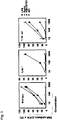
- Figure 3a LPS, Pam3 and rlipo-D1E3 could stimulate the proliferation of wild type mouse-derived spleen cells, but rE3 failed to induce proliferation
- rlipo-D1E3-induced cytokine production from BM-DCs is mediated by TLR2
- BM-DCs derived from wild type, TLR2-/- and TLR4-deficient mice were used as a model to study the activation of antigen-presenting cells.
- rlipo-D1E3 was capable of stimulating the production of TNF- ⁇ (Figure 4a), IL-6 ( Figure 4b) and IL-12p40 (Figure 4c) from the BM-DCs of wild type and TLR4-deficient mice, but not from the BM-DCs of TLR2-/- mice.
- the stimulation profile of rlipo-D1E3 was found to be similar to that obtained with the TLR2 agonist Pam3.
- rlipo-D1E3 immunogen activates the NF- ⁇ B signaling pathway through TLR2
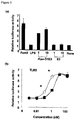
- HEK293 cells are known to express TLR2 poorly or not at all. HEK293 cells could therefore be used for TLR2-dependent signaling assays when cotransfected with the TLR2 receptor and NF- ⁇ B reporter genes.
- the thymidine kinase (TK)-derived Renilla luciferase gene was used to normalize the transfection efficiency.
- rlipo-D1E3 activates TLR downstream signaling in the same way as do Pam3 and BPPcysPEG, but with different kinetics
- BM-DCs antigen-presenting cells
- rlipo-D1E3 The stimulation of antigen-presenting cells (BM-DCs) by rlipo-D1E3 could induce the same MAPK phosphorylation as do Pam3 (a TLR2/1 agonist) and BPPcysPEG (a TLR2/6 agonist), but the kinetic profiles induced by these agonists were different. Induction of phosphorylation by rlipo-D1E3 occurs earlier than with Pam3, and is sustained longer with BPPcysPEG.
- rlipo-D1E3 induces different cytokine and chemokine gene expression in BM-DCs
- rlipo-D1E3 elicits different downstream gene expression than Pam3 and BPPcysPEG
- the gene expression of the control group was set as 1 when normalizing the gene expression levels after stimulation.
- rlipo-D1E3 induced higher expression levels of IL-1 ⁇ , IL-23, IL-27, MCP-1 and MIP-1 ⁇ .
- rlipo-D1E3 and BPPcysPEG induced higher expression levels of IL-13 compared to Pam3.
- IL-10, TGF ⁇ and CXCL1 expression levels were similar after Pam3, BPPcysPEG or rlipo-D1E3 stimulation ( Figure 7 ). These results suggest that while rlipo-D1E3, Pam3 and BPPcysPEG activate BM-DCs through the same receptor (TLR2), and a similar MAPK signaling pathway. However, they may induce different gene expression levels.
- lipid moiety of a 30-35 kDa lipoprotein derived from Staphylococcus aureus that stimulates cells through TLR2 was identified as a diacylated protein by tandem mass (MS/MS) spectrometry.
- Post-translational lipid modifications in lipoproteins vary among bacteria.
- the lipidation signal sequence that we used to engineer the rlipo-D1E3 immunogen is derived from Neisseria meningiditis, and the lipoprotein was over-expressed in E. coli.
- the lipo-immunogen was shown to have strong intrinsic adjuvant activity.
- rlipo-D1E3 is triacylated with unsaturated fatty acids.
- Three tryptic peptide peaks can be observed using MS/MS following liquid-phase tryptic digestion of rlipo-D1E3.
- five lipid modifications were observed, and each modification corresponds to a 14 amu difference in atomic mass ( Figures 2c, d, e, and f ).
- fatty acids of rlipo-D1E3 exist as lipid moieties containing different numbers of methylene (CH2) groups. From our results, we estimated that one of the fatty acids from rlipo-D1E3 may be unsaturated (one double bond). This type of lipid modification may result in different effector mechanisms for activating innate immunity.
- the recombinant lipoprotein activate TLR2 may have different effects with other TLR2 agonists on APC.
- TLR2 TLR1 or TLR6
- the Pam3, rlipo-D1E3 and BPPcysPEG could induce signal transduction through NF-kB pathway.
- the BPPcysPEG induce highest NF- ⁇ B signaling activities ( Figure 5b ).
- rlipo-D1E3 induces higher levels of inflammatory cytokine and chemokine RNA transcripts (IL-1 ⁇ , IL-23, IL-27, MCP-1, MIP-1 ⁇ ) ( Figure 7 ).
- TLR2 agonists Pam3 or BPPcysPEG
- TLR6-dependent FSL-1 (TLR1-dependent), Pam2C-SK4 (TLR1- and TLR6-dependent), or PamOct2C0 (VPGVG)- 4VPGKG (TLR6-dependent) to stimulate murine dendritic cells, and analyzed the phosphorylation of MAPK and the gene expression profiles. They concluded that the lipoproteins that are present in different pathogens might activate different TLR dimers, but use the same signaling cascade for gene activation ( J Leukoc Biol 83, 692-701 .). We wonder whether the unique double bond of lipid moiety or the D1E3 domain of rlipo-D1E3 contributed the induction of higher level of cytokine and chemokine genes expression.
- assays were conducted for digestion of rlipo-D1E3 and purification of lipidated N-terminal fragments (lipo-Nter). Briefly, 100 mg of purified rlipo-D1E3 were digested with typsin by a ratio of 50:1 at room temperature for 4 hours. Then, the reaction mixture was stopped by adding 100% formic acid to a ratio of 100:3. Then, 7.2 g of C18 silica gel (Fluka (Buchs, Switzerland), reversed phase silica gel 100 C18) was dissolved in 200ml of 100% acetonitrile (CAN) and pre-equilibrated with 80 ml of 0.1% Trifluoroacetic acid (TFA).
- CAN acetonitrile
- the results are shown in Figures 1 and 2 .
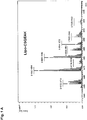
- the MALDI-TOF mass spectrum results indicated that the molecular ion mass (m/z) matched that of predict N-acyl-S-diacylglyceryl-CSQEAK.
- the molecular ion mass 1452, 1466, 1480 and 1494 imply that fatty acids at position R1 (or at R2), are of the same number of carbon (C16:0), or the same mixture of (C16:1), (C17:1) and (C18:1), and that B), the neutral lose of the unsaturated fatty acid is from the same R1 or R2 position.
- the molecular mass of Pam3 is 1509.6 daltons and the sequence is lipid-Cys-Ser-Lys-Lys-Lys-Lys.
- the y-ions of y1-y5 have been identified, and they confirm that the sequence has no further modifications.
- the mass of N-acyl-S-diacylglyceryl-cysteinyl from Pam3 is 892.2, which agrees with the expected composition: SNO6C54H102.
- the y-ions of yl-y5 have been identified, and they confirm that the sequence has no further modifications.
- the mass of N-acyl-S-diacylglyceryl-cysteinyl of peak 1452.2 is 890.0.
- the y-ions of yl-y5 have been identified, and they confirm that the sequence has no further modifications.
- the mass of N-acyl-S-diacylglyceryl-cysteinyl of peak 1466.2 is 904.0.
- the y-ions of y1-y5 have been identified, confirming that the sequence has no further modifications.
- the mass of N-acyl-S-diacylglyceryl-cysteinyl of peak 1480.2 is 918.0.
- the y-ions of y1-y5 have been identified, confirming that the sequence has no further modifications.
- the mass of N-acyl-S-diacylglyceryl-cysteinyl of peak 1494.2 is 932.0.
- This example describes separation of lipidated N-terminal fragments (lipo-Nter).
- the above-described tryptic digested rlipo-D1E3 were firstly added into, mixed and incubated with 50 uL of POROS resin (Applied Biosystems, CA), which was pre-wetted with (100 %) of acetonitrile, for at least 2 hours.
- POROS resin Applied Biosystems, CA
- the POROS resin mixture was loaded on to a 0.6 mL Eppendorf tube with a small opening at the bottom created by inserting a 22 gauge needle, was placed on top of a 1.5 mL Eppendorf tube.
- the wasted liquid was filtered and collected by quick centrifugation using a table-top microfuge.
- the POROS resin was washed with (0.2 mL 3 to 5 times) of 0.1% TFA water, then eluted first with 0.05 mL of 100% acetonitrile and followed with 0.05 mL of 100% isopropanol.
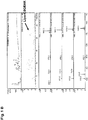
- the lipo-Nter with molecular ion mass (m/z) matched that of predict N-acyl-S-diacylglyceryl-CSQEAK were found in the sequential elution of 100% isopropanol.
- assays were conducted to examine whether lipo-Nter could stimulate bone marrow-derived dendritic cells to secrete TNF- ⁇ and IL-12p40.
- BM-DCs were harvested as previously described (Lutz et al., 1999). Briefly, femurs and tibiae of 6-8 week old female mice were removed, and the bone marrow cells were dispersed by vigorous pipetting. After removing red blood cells with lysis buffer, the isolated bone marrow cells were resuspended to a density of 2-5 x 10 5 /ml cells with RPMI-10: RPMI-1640 (GIBCO BRL, Grand Island, NY) supplemented with 10 % P/S, L-glutamine (2 mM, Sigma), 2-mercaptoethanol (5.0 ⁇ M, Sigma), and 10% heat-inactivated FBS.
- RPMI-10 RPMI-1640 (GIBCO BRL, Grand Island, NY) supplemented with 10 % P/S, L-glutamine (2 mM, Sigma), 2-mercaptoethanol (5.0 ⁇ M, Sigma), and 10% heat-inactivated FBS.
- bone marrow cells were added to Petri dishes containing 200 U/mL (20 ng/ml) of recombinant mouse granulocyte macrophage colony stimulating factor (MoGM-CSF, Peprotech, Rocky Hill, NJ) in RPMI-10.
- mouse granulocyte macrophage colony stimulating factor MoGM-CSF, Peprotech, Rocky Hill, NJ
- LPS low-density protein
- lipo-Nter 100 nM
- immature dendritic cells made up 70% of the total cell population.
- cytokines by BM-DCs were determined using ELISA. Briefly, 100 ⁇ L of anti-cytokine (10 ⁇ g/ml of IL-12p40, TNF- ⁇ ) antibodies (R&D system Inc. Minneapolis, MN) were coated onto 96-well microtiter plates with 0.1 M carbonate buffer, pH 9.6, following overnight incubation at 4°C. The coated plates were washed twice with 0.05% Tween 20 in PBS and then blocked with 5% non-fat milk in PBS at room temperature for 2 hours. Diluted supernatants from stimulated BM-DCs were applied to the coated wells at room temperature for 2 hours. Following the addition of biotin-conjugated, anti-cytokine antibodies (R&D system Inc.
- the assay was developed with 3,3',5,5'-tetramethylbenzidine (TMB), and the reaction was stopped by adding 100 ⁇ l of 1 M H 2 SO 4 per well.
- the plates were read at 450 nm using an ELISA plate reader (Molecular Devices, CA).
- the production levels of the cytokines were calculated by subtracting the values obtained for non-stimulated groups.
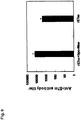
- mice Five mice (6-8 weeks old) were immunized subcutaneously with 20 ⁇ g of rE7m with or without lipo-Nter. The mice were given two immunizations at two-week intervals. Blood was collected from each mouse at different time points as indicated. Sera were prepared and stored at -80°C until use. The level of anti-E7m IgG in the serum samples was determined by titrating the samples in 96-well plates coated with purified rE7m. Bound IgG was detected with horseradish peroxidase-conjugated goat anti-mouse IgG Fc. After the addition of TMB, the absorbance was measured with an ELISA reader at 450 nm. As shown in Figure 9 , the results indicated that lipo-Nter combined with recombinant mutant E7 (rE7m) enhanced anti-E7 antibody.
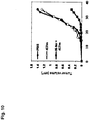
- mice Six mice (6-8 weeks old) were inoculated with 2 x 10 5 TC-1 cells (expressed HPVE7 cells) at day 0. After 7 days, mice were immunized once subcutaneously with 20 ⁇ g of E7-derived peptide in the presence of tripamitoylated peptide Pam3 or lipo-Nter. The tumor size was monitored every 2-3 days until tumor volumes higher than 3000 mm 3 . The tumor volumes were calculated based on the formula length x width x width/2. The results indicated that lipo-Nter enhanced anti-tumor effect of synthetic peptide-based immunothepapy.
- assays were conducted to examine whether lipo-Nter could enhance peptide-pulsed dendritic cells (DCs) response to CD8+ T cells.
- DCs dendritic cells
- CD8+ T cells were purified from spleen of immunized mice. Purified CD8+ cells were co-cultured with or without DCs and stimulated with PBS, with 1 ⁇ M RAH/PBS, or with 1 ⁇ M RAH/200 nM lipo-Nter /PBS for 72 hours. Proliferation of T lymphocytes was measured by uptake of (3)H-thymidine. The results indicated that lipo-Nter increased unexpectedly RAH-induced proliferation of CD8+ T cells by 6 folds.
- Purified CD8+ cells were also co-cultured with DCs and stimulated with 1 ⁇ M RAH and/or 200 nM N-ter or with a control peptide in an anti-IFN- ⁇ -coated PVDF plate for 48 h.
- the response of IFN- ⁇ -secreting cells was determined by the ELISPOT assay.
Landscapes
- Health & Medical Sciences (AREA)
- Chemical & Material Sciences (AREA)
- Organic Chemistry (AREA)
- Life Sciences & Earth Sciences (AREA)
- General Health & Medical Sciences (AREA)
- Medicinal Chemistry (AREA)
- Proteomics, Peptides & Aminoacids (AREA)
- Biochemistry (AREA)
- Genetics & Genomics (AREA)
- Molecular Biology (AREA)
- Chemical Kinetics & Catalysis (AREA)
- Engineering & Computer Science (AREA)
- General Chemical & Material Sciences (AREA)
- Wood Science & Technology (AREA)
- Biophysics (AREA)
- Gastroenterology & Hepatology (AREA)
- Zoology (AREA)
- Veterinary Medicine (AREA)
- Animal Behavior & Ethology (AREA)
- Bioinformatics & Cheminformatics (AREA)
- Public Health (AREA)
- Immunology (AREA)
- Nuclear Medicine, Radiotherapy & Molecular Imaging (AREA)
- Pharmacology & Pharmacy (AREA)
- Microbiology (AREA)
- General Engineering & Computer Science (AREA)
- Biotechnology (AREA)
- Communicable Diseases (AREA)
- Oncology (AREA)
- Peptides Or Proteins (AREA)
- Medicines Containing Antibodies Or Antigens For Use As Internal Diagnostic Agents (AREA)
Description
- Vaccination is considered to be the most effective and efficient approach to prevent pathogen infection. However, there are still many infectious diseases for which no vaccine is yet available or adequate immunization cannot be achieved. In addition, many vaccines are inadequate because of low efficiency, serious side effects, low stability or high costs. Thus, there is a great need for more effective vaccines and related reagents.
- A vaccine contains a pathogen-derived antigenic material, e.g., protein, for inducing protective immune responses. In general, modified proteins, such as lipidated proteins, are more immunogenic than unmodified proteins (Moyle et al. (2008) Current Medicinal Chemistry 15(5): 506-516). Proteins in certain vaccine products have been prepared by expression in E. coli using recombinant technology. However, E. coli is generally viewed as not suitable for producing modified proteins, particularly, lipidated proteins. More specifically, E. coli cells lipidate poorly naturally lipidated proteins and do not produce non-naturally lipidated proteins in lipidated form.
- This invention is based, at least in part, on unexpected discoveries (1) that a lipidating sequence of Ag473 led to lipidatation of a fusion protein having the lipidating sequence and (2) that the lipidated fusion protein and its fragment as disclosed in the claims were not only highly immunogenic itself but also can enhance the immunogenicity of other antigens.
- The above-mentioned Ag473 is a Neisseria Mengitidis lipoprotein consisting of four domains, SP and Domains 1-3. Shown below is the lipidating sequence in the amino acid sequence of this protein (SEQ ID NO: 1) with the four domains identified:

- SP: amino acid residues 1-17 in SEQ ID NO:1 (underlined, SEQ ID NO: 2)
- Domain 1: amino acid residues 18-40 in SEQ ID NO:1 (highlited, SEQ ID NO: 3)
- Domain 2: amino acid residues 41-71 in SEQ ID NO:1 (bold face, SEQ ID NO: 4)
- Domain 3: amino acid residues 72-121 in SEQ ID NO:1 (italic, SEQ ID NO: 5)
- D1: amino acid residues 1-40 in SEQ ID NO:1 (SEQ ID NO: 6)
- D2: amino acid residues 1-71 in SEQ ID NO:1 (SEQ ID NO: 9)
- D3: amino acid residues 1-121 in SEQ ID NO:1 (SEQ ID NO: 1)
- One aspect of this invention features an isolated lipopeptide, having the structure:

- In particular, the lipopeptide is

- The lipopeptide can be Lipo-CSQEAK or Lipo-CSQEAKQEVK (SEQ ID NO: 11 or 10)
- In one embodiment, one of R1, R2, and R3 is C14-20 alkenyl, and each of the others, independently is C16-20 alkyl or C16-20 alkenyl. For example, one of R2 or R3 is C14-20 alkenyl, and R1 is C16 alkyl.
- The term "alkyl" refers to a saturated, linear or branched hydrocarbon moiety. Unless specified otherwise, it includes 1-30 carbon atoms. Examples of alkyl includes, but are not limited to, -(CH2)13CH3, -(CH2)15CH3, -(CH2)17CH3, and-(CH2)19CH3.
- The term "alkenyl" refers to a linear or branched hydrocarbon moiety that contains one, two, three, or even more double bonds. Unless specified otherwise, alkenyl includes 2-30 carbon atoms. Examples of alkyl includes, but are not limited to, -(CH2)7-CH=CH-(CH2)5CH3.
- Alkyl and alkenyl mentioned herein include both substituted and unsubstituted moieties. Possible substituents include, but are not limited to, C3-C20 cycloalkyl, C3-C20 cycloalkenyl, C1-C20 heterocycloalkyl, C1-C20 heterocycloalkenyl, C1-C10 alkoxy, aryl, aryloxy, heteroaryl, heteroaryloxy, amino, C1-C10 alkylamino, C1-C20 dialkylamino, arylamino, diarylamino, C1-C10 alkylsulfonamino, arylsulfonamino, C1-C10 alkylimino, arylimino, C1-C10 alkylsulfonimino, arylsulfonimino, hydroxyl, halo, thio, C1-C10 alkylthio, arylthio, C1-C10 alkylsulfonyl, arylsulfonyl, acylamino, aminoacyl, aminothioacyl, amidino, guanidine, ureido, cyano, nitro, nitroso, azido, acyl, thioacyl, acyloxy, carboxyl, and carboxylic ester.
- This invention features an immunogenic formulation containing an antigen and the above-mentioned lipopeptide. Also featured is a method of inducing an immunological response in a subject by administering to a subject in need thereof an antigen and the lipopeptide or lipoprotein.
- A "subject" refers to a human and a non-human animal. Examples of a non-human animal include all vertebrates, e.g., mammals, such as non-human primates (particularly higher primates), dog, rodent (e.g., mouse or rat), guinea pig, cat, and non-mammals, such as birds. In a preferred embodiment, the subject is a human. In another embodiment, the subject is an experimental animal or animal suitable as a disease model.
- Within the scope of this disclosure is a method of preparing the above-mentioned lipopeptide or lipoprotein. The method includes providing a host E. coli cell containing a nucleic acid encoding a protein that has a first segment having a lipidating sequence that includes the sequence of SEQ ID NO: 3 or SEQ ID NO: 1, 6, 7, 8, 9, 10, or 11; cultivating the E. coli cell in a medium under condition permitting expression of the protein in lipidated form; and purifying the lipidated form of the protein from the cell or the medium. Alternatively, the nucleic acid can be transcribed and translated in vitro, for example, using T7 promoter regulatory sequences and T7 polymerase in cell lysate from, e.g., E. coli. One exemplary lipidated fusion protein can include, from N-terminus to C-terminus, SP and D1 domains of Ag473 (D1) and dengue envelope protein domain III (E3). This recombinant lipid protein is named rlipo-D1E3. The method can further include a step of incubating the lipidated form of the protein with a protease to generate the lipopeptide, e.g., lipo-Nter as descried in the examples below. The nucleic acid can be heterologous to the cell.
- An isolated protein, polypeptide or peptide refers to a protein, polypeptide, or peptide substantially free from naturally associated molecules, i.e., it is at least 75% (i.e., any number between 75% and 100%, inclusive) pure by dry weight. Purity can be measured by any appropriate standard method, e.g., by column chromatography, polyacrylamide gel electrophoresis, or HPLC analysis. An isolated peptide, polypeptide or protein can be purified from a natural source, produced by recombinant DNA techniques, or by chemical methods.
- The terms "protein" and "polypeptide" are used herein interchangably to describe any chain of amino acids, regardless of length or post-translational modification (for example, glycosylation or phosphorylation). Thus, the term "polypeptides of the invention" includes: full-length, naturally occurring proteins of the invention; recombinantly or synthetically produced polypeptides that correspond to full-length naturally occurring proteins of the invention; or particular domains or portions of the naturally occurring proteins. The term also encompasses mature polypeptides that have an added amino-terminal methionine (useful for expression in prokaryotic cells). A peptide refers to chains that are short enough to be made synthetically from the constituent amino acids. Generally, a peptide is 50 amino acid residues in length or shorter (e.g., 50, 40, 30, 20, 10, or 5 residues in length).
- A heterologous polypeptide, nucleic acid, or gene is one that originates from a foreign species, or, if from the same species, is substantially modified from its original form. Two fused domains or sequences are heterologous to each other if they are not adjacent to each other in a naturally occurring protein or nucleic acid.
- The details of one or more embodiments of the invention are set forth in the accompanying drawings and the description below. Other features, objects, and advantages of the invention will be apparent from the description and drawings, and from the claims.
-
-
Figures 1a and b are diagrams showing identification (a) and separation (b) of lipo-Nter (Lipo-CSQEAK, SEQ ID NO: 11) derived from rlipo-D1E3 using MALDI-TOF mass spectrum. -
Figures 2a-f are diagrams showing identification of the synthetic lipopeptide and purified N-terminal fragments of rlipo-D1E3. - Figures 3a-3b are diagrams showing DNA synthesis in splenocytes from TLR2-/-, TLR4-deficient and wild-type mice after stimulation with rlipo-D1E3. The data represent the mean ± SD of triplicate samples.
- Figures 4a-4c are diagrams showing the effect of rlipo-D1E3 on dendritic cells derived from wild type, TLR2-deficient and TLR4-deficient mice. The data are expressed as the mean ± SD from three independent experiments. □, wild-type mice; ■, TLR4-deficient mice; ■, TLR2-deficient mice.
-
Figures 5a and 5b are diagrams showing induction of NF-kB signaling through TLR2. The data represent the mean ± SD from triplicate samples. -
Figures 6a and 6b are diagrams showing activation of p38, ERK1/2, JNK1/2 in murine bone marrow-derived dendritic cells (BM-DCs). -
Figure 7 is a set of diagrams showing gene expression profile of cytokines or chemokines in murine BM-DCs. The data shown are representative of two independent experiments. -
Figure 8 is a set of diagrams showing that lipo-Nter can stimulate bone marrow-derived dendritic cells to secrete TNF-α and IL-12p40. -
Figure 9 is a diagram showing that lipo-Nter combined with recombinant mutant E7 (rE7m) can enhance anti-E7 antibody. -
Figure 10 is a diagram showing that lipo-Nter combined with rE7m can increase the tumor growth inhibition ability. -
Figure 11 is a diagram showing that lipo-Nter combined with rE7m can increase the tumor growth inhibition ability, but the synthetic lipopeptide Pam3 cannot. Inhibit tumor growth. - This invention relates to novel lipopeptides, which can be used as an adjuvant for enhancing the efficacy of a vaccine. Lipid moieties at the N-terminals of the lipopeptides contribute to the adjuvant activity. The lipid moieties could be a diacyl or triacyl lipid.
- The lipopeptide can be made using a lipidating sequence. The term "lipidating sequence" refers to a non-naturally occurring amino acid sequence that (a) includes a first fragment that is at least 80% (85%, 90%, 95%, or 99%) identical to SP of Ag473 and a second fragment at least 80% (85%, 90%, 95%, or 99%) identical to
Domain 1 of Ag473, the first fragment being at the N-terminus of the lipidating sequence, and (b) facilitates lipidation in E. coli of a polypeptide or protein carrying the lipidating sequence at its N-terminus (i.e., a fusion protein). In the lipidating sequence, the first fragment is linked to the second fragment either directly or via a peptide linker. Preferably, this sequence has a maximum length of 40-100 (e.g., 40-80) amino acids. In one example, the lipidating sequence described herein includes SP andDomain 1. - As used herein, "percent homology" of two amino acid sequences is determined using the algorithm described in Karlin and Altschul, Proc, Natl. Acad. Sci. USA 87:2264-2268, 1990, modified as described in Karlin and Altschul, Proc, Natl. Acad. Sci. USA 90:5873-5877, 1993. Such an algorithm is incorporated into the NBLAST and XBLAST programs of Altschul et al., J. Mol. Biol. 215:403-410, 1990. BLAST protein searches are performed with the XBLAST program, score = 50, wordlength = 3, to obtain amino acid sequences homologous to a reference polypeptide. To obtain gapped alignments for comparison purposes, Gapped BLAST is utilized as described in Altschul et al., Nucleic Acids Res. 25:3389-3402, 1997. When utilizing the BLAST and Gapped BLAST programs, the default parameters of the respective programs (e.g., XBLAST and NBLAST) are used. See www.ncbi.nlm.nih.gov.
- A "peptide" refers to the arrangement of amino acid residues in a polymer. A peptide can be composed of the standard 20 naturally occurring amino acid, in addition to rare amino acids and synthetic amino acid analogs. A "recombinant peptide" refers to a peptide produced by recombinant DNA techniques; i.e., produced from cells transformed by an exogenous DNA construct encoding the desired peptide. A "synthetic peptide" refers to a peptide prepared by chemical synthesis.
- The above-mentioned fusion protein can be obtained as a synthetic polypeptide or a recombinant polypeptide. To prepare a recombinant polypeptide, a nucleic acid encoding it can be linked to another nucleic acid encoding a fusion partner, e.g., Glutathione-S-Transferase (GST), 6x-His epitope tag, or
M13 Gene 3 protein. The resultant fusion nucleic acid expresses in suitable host cells a fusion protein that can be isolated by methods known in the art. The isolated fusion protein can be further treated, e.g., by enzymatic digestion, to remove the fusion partner and obtain the recombinant lipoprotein or lipopeptide of this invention. - In one embodiment of the present disclosure, the lipidating sequence mentioned above is linked to dengue cED III to form a fusion protein, rlipo-D1E3, which is in lipidated form when expressed in E. coli by conventional recombinant technology. An example follows. A DNA fragment encoding the lipidating sequence and a DNA fragment encoding the dengue cED III are inserted into an expression vector, preferably carrying a strong promoter (e.g., T7, T5, T3, or SP6), to construct an expression plasmid. The strong promoter can be inducible, e.g., by isopropyl β-D-thiogalactoside (IPTG). The expression plasmid is then introduced into an E. coli host strain and positive transformants are cultured under suitable conditions for protein expression. It is preferred that the E. coli host strain be resistant to the toxic effects induced by over-expression of exogenous proteins. Such E. coli strains can be identified/generated by the methods described in
US Patent No. 6,361,966 . Examples of these E. coli strains include, but are not limited to, C43(DE3) (ECCC B96070445), C41(DE3) (ECCC B96070444), C0214(DE3), DK8(DE3)S (NCIMB 40885), and C2014(DE3) (NCIMB 40884). - Preferably, the fusion protein thus expressed is isolated from the E. coli host cells and its lipidation status is confirmed via methods known in the art, e.g., immunoblotting with an anti-lipoprotein antibody or mass spectrometry.
- The fusion protein can be further subject to protease treatment to generate smaller lipid proteins or peptides. These lipid proteins or peptides can used as adjuvant in an immunogenic composition (e.g., a vaccine) for generating antibodies against various antigens in a subject (e.g., a human subject). Such compositions can be prepared, e.g., in the manners described below, or by any other equivalent methods known in the art.
- Mycobacterial lipoproteins affect both innate and adaptive immunities. They have been shown to induce antimicrobial activity and trigger host defense mechanisms through Toll-like receptors. Furthermore, several mycobacterial lipoproteins, have been demonstrated to be an important inducers of activation of humoral and cellular immune responses against mycobacteria. Besides eliciting the activation of the immune system, lipoproteins have been identified as major antigens of M. tuberculosis, Mycoplasma hyorhinis, and Treponema pallidum.
- An outer surface protein (OspA) of Borrelia burgdorferi is a Braun lipoprotein (BLP). OspA is a 31 kDa monomeric protein anchored to the membrane via a lipidated N-terminal cysteine. It has been shown that immunization with full-length OspA can protect mice, dogs, and rhesus monkeys against B. burgdorferi. However, the protection of nonlipidated OspA protein was incomplete and unable to elicit protective immunity to B. burgdorferi (Bockenstedt et al. 1993, J Immunol 151: 900-906; Johnson et al. 1995, Vaccine 13: 1086-1094). In 1998, the recombinant lipoprotein, OspA was approved by US FDA as the first Lyme disease vaccine (LYMErix, SmithKline Beecham). Although OspA is an effective vaccine, the use of full-length Osp A as a vaccine raised concerns about the risk of autoimmune responses (Gross et al. 1998, Science 281: 703-706) and the vaccine was discontinued.
- Besides the OspA, it has been demonstrated that BLPs are as active as lipoppolysaccharide (LPS) in stimulating human endothelial cell to an inflammatory phenotype. However, unlike the LPS, the tolerance induced by BLP protects mice against LPS, live bacteria, and polymicrobial sepsis induced lethality. In contrast, the LPS tolerance affords protection only against the lethal effects of LPS.
- N-acyl-S-diacylglyceryl-cystinyl modification of bacterial protein has been elucidated by Braun in 1973. Subsequently, the Braun lipoproteins (BLP) have been identified in all bacteria (Madan Babu and Sankaran 2002, Bioinformatics) and could be the structural proteins, enzymes, receptors or transporters performing essential functions at the membrane-aqueous interfaces. However, many lipoproteins have been identified in various bacteria that lost their N-terminal fatty acid to produce di-acylated lipid. Both di- or tri-acylated lipoprotein have been shown that can activate Immune responses through TLR2-mediated signaling pathway. TLR2 forms heterodimers with either TLR1 or TLR6 according to the length of N-terminal fatty acid chain and the charge of the C-terminal amino acid, indicating that different lipid structures of the N-terminal portions of bacterial lipoproteins could induce differential down-stream gene expression and lead to regulate immune responses.
- E. coli expression systems, including kinds of variant strains, have been widely used in producing homologous and/or heterlogous proteins. However, the over-expression of lipoproteins in E. coli with divergent lipoprotein signal peptides often results in incomplete modification or entirely absence of lipid moiety. Poor lipid modification could be improved by fusing the target gene with different signal peptides. These approaches could increase the expression level of lipoprotein to being detected by immunoblot or to 3% of total cell protein. Yet, to over-express recombinant lipoproteins at high level is still a challenge and hurdle for producing recombinant lipidated immunogens (lipo-immunogens).
- To deal with the above-discussed challenge and hurdle, we developed a high-yield lipoprotein expression system and an essential leader sequence was also identified (see
US Application 20090176273 ). This expression system was used to express heterogeneous lipoprotein that contains a dengue viralenvelope protein domain 3. - This recombinant lipo-D1E3 (rlipo-D1E3) was produced and its biological function was characterized. The predicted N-terminal lipid structure that contains unsaturated fatty acid that is different from the well-known bacterial lipoproteins. The putative structure of lipid moiety contains a palmitoyl moiety at the N-terminal position, a palmitoyl, and an unsaturated fatty acid on the diacylglyerol residue. The rlipo-D1E3 could activate bone marrow derived dendritic cells to increase cytokines (IL-1α, IL-23, and IL-27) and chemokines (MIPα and MCP) RNA transcripts. The different gene expression profile could reflect the different immune regulatory effects.
- As describe herein, the N-terminal portion of the rlipo-D1E3 (lipo-Nter) was obtained by digestion with trypsin and purification using liquid chromatography. The purified lipo-Nter was found to be able to activate bone marrow derived dendritic cells and activate NF-κB signaling through TLR2. In the presence of lipo-Nter, the mutant (or detoxic) HPV E7 protein immunization with mice could enhance both humoral (antibody titer) and cellular immune responses (anti-tumor effect). It was also found that lipo-Nter could enhance anti-tumor effect of a CTL epitope peptide (derived from HPV E7 protein), its anti-tumor effects are stronger than the synthetic tripalmitoyl lipopeptide. These data show the purified lipo-Nter could be used as adjuvant to enhance both antigen-specific humoral and cellular immunity. In other words, the purified N-terminal fragment could be used as an adjuvant to enhance antibody titer and cytotoxic T lymphocytes killing effect.
- It was unexpected that the lipid moiety of rlipo-D1E3 contains adjuvant activity. It was even more surprising that the purified N-terminal of rlipo-D1E3 could be combined with potential vaccine candidates to enhance either T or B cell immune responses. Therefore, this invention features an adjuvant that contains the N-terminal lipid moiety of the recombinant lipoprotein.
- To produce a lipoprotein/polypeptide of this disclosure one can culture a host cell in a medium under conditions permitting expression of a fusion protein/polypeptide encoded by a nucleic acid of this invention, and purify the fusion protein/polypeptide from the cultured cell or the medium of the cell. Alternatively, the nucleic acid of this invention can be transcribed and translated in vitro, for example, using T7 promoter regulatory sequences and T7 polymerase in cell lysate from, e.g., E. coli. The lipidated fusion protein can include, from N-terminus to C-terminus, D1 domain of Ag473 and dengue envelope protein domain III. The N-terminal lipid moiety can be obtained by digesting the rlipo-D1E3 using trypsin, and then purifying using reversed phase liquid chromatography (LC). It was found that the LC method was capable of separating lipopeptides differed by 14 amu using on-line mass analysis.
- This above-described lipidated protein/peptide can be mixed with a pharmaceutically acceptable carrier such as a phosphate buffered saline, a bicarbonate solution to produce an adjuvant composition. As used herein, the term "adjuvant agent" or "adjuvant" means a substance added to an immunogenic composition or a vaccine to increase the immunogenic composition or the vaccine's immunogenicity. The term "vaccine" refers to any preparation intended for administration to a subject to produce or artificially increase immune response to a particular disease in the subject. Examples of vaccines include those described below.
- The adjuvant of the invention can be used to enhance the immune response to an antigen of a vaccine formulation. The adjuvant of the invention can be used with antigens derived from any bacteria or from any virus, provided the antigen does not get destroyed or denatured. The adjuvant is also useful in vaccine compositions that contain an antigen as described in
U.S. Pat. Nos. 5,616,328 and5,084,269 . It may be useful in conjunction with any material that raises either humoral and/or cell mediated immune response, such as, for example, live viral, bacterial, or parasitic antigens; inactivated viral, tumor-derived, protozoal, organism-derived, fungal, or bacterial antigens, toxoids, toxins; self-antigens; polysaccharides; proteins; glycoproteins; peptides; cellular vaccines; DNA vaccines; recombinant proteins; glycoproteins; and the like, for use in connection with, for example, BCG, cholera, plague, typhoid, hepatitis A, hepatitis B, hepatitis C, influenza A, influenza B, parainfluenza, polio, rabies, measles, mumps, rubella, yellow fever, tetanus, diphtheria, hemophilus influenza b, tuberculosis, meningococcal and pneumococcal vaccines, adenovirus, HIV, chicken pox, cytomegalovirus, dengue, feline leukemia, fowl plague, HSV-1 and HSV-2, hog cholera, Japanese encephalitis, respiratory syncytial virus, rotavirus, papilloma virus, yellow fever, and Alzheimer's Disease. Especially, materials such as recombinant proteins, glycoproteins, and peptides that do not raise a strong immune response can be used in connection with the adjuvant of the invention. - In certain embodiments, the antigen may be a cancer antigen or a tumor antigen. The terms cancer antigen and tumor antigen are used interchangeably and refer to an antigen that is differentially expressed by cancer cells. Therefore, cancer antigens can be exploited to differentially target an immune response against cancer cells. Cancer antigens may thus potentially stimulate tumor-specific immune responses. Certain cancer antigens are encoded, though not necessarily expressed, by normal cells. Some of these antigens may be characterized as normally silent (i.e., not expressed) in normal cells, those that are expressed only at certain stages of differentiation, and those that are temporally expressed (e.g., embryonic and fetal antigens). Other cancer antigens can be encoded by mutant cellular genes such as, for example, oncogenes (e.g., activated ras oncogene), suppressor genes (e.g., mutant p53), or fusion proteins resulting from internal deletions or chromosomal translocations. Still other cancer antigens can be encoded by viral genes such as those carried by RNA and DNA tumor viruses.
- Examples of tumor antigens include MAGE, MART-1/Melan-A,
gp 100, Dipeptidyl peptidase IV (DPPUV), adenosine deaminase-binding protein (ADAbp), cyclophilin b, Colorectal associated antigen (CRC)-C017-1A/GA733, Carcinoembryonic Antigen (CEA) and its antigenic epitopes CAP-1 and CAP-2, etv6, aml1, Prostate Specific Antigen (PSA) and its antigenic epitopes PSA-1, PSA-2, and PSA-3, prostate-specific membrane antigen (PSMA), T-cell receptor/CD3-.zeta. chain, MAGE-family of tumor antigens (e.g., MAGE-A1, MAGE-A2, MAGE-A3, MAGE-A4, MAGE-A5, MAGE-A6, MAGE-A7, MAGE-A8, MAGE-A9, MAGE-A10, MAGE-A11, MAGE-A12, MAGE-Xp2 (MAGE-B2), MAGE-Xp3 (MAGE-B3), MAGE-Xp4 (MAGE-B4), MAGE-C1, MAGE-C2, MAGE-C3, MAGE-C4, MAGE-C5), GAGE-family of tumor antigens (e.g., GAGE-1, GAGE-2, GAGE-3, GAGE-4, GAGE-5, GAGE-6, GAGE-7, GAGE-8, GAGE-9), BAGE, RAGE, LAGE-1, NAG, GnT-V, MUM-1, CDK4, tyrosinase, p53, MUC family, HER2/neu, p21ras, RCAS1, α-fetoprotein, E-cadherin, α-catenin, β-catenin, γ catenin, p120ctn, PRAME, NY-ESO-1, cdc27, adenomatous polyposis coli protein (APC), fodrin, Connexin 37, Ig-idiotype, p15, gp75, GM2 and GD2 gangliosides, viral products such as human papilloma virus proteins, Smad family of tumor antigens, Imp-1, P1A, EBV-encoded nuclear antigen (EBNA)-1, brain glycogen phosphorylase, SSX-1, SSX-2 (HOM-MEL-40), SSX-3, SSX-4, SSX-5, SCP-1 and CT-7, and c-erbB-2. - Cancers or tumors and specific tumor antigens associated with such tumors (but not exclusively), include acute lymphoblastic leukemia (etv6, aml1, cyclophilin b), B cell lymphoma (Ig-idiotype), glioma (E-cadherin, α-catenin, β-catenin, γ.-catenin, p120ctn), bladder cancer (p21ras), biliary cancer (p21ras), breast cancer (MUC family, HER2/neu, c-erbB-2), cervical carcinoma (p53, p21ras), colon carcinoma (p21ras, HER2/neu, c-erbB-2, MUC family), colorectal cancer (Colorectal associated antigen (CRC)-CO17-1A/GA733, APC), choriocarcinoma (CEA), epithelial cell cancer (cyclophilin b), gastric cancer (HER2/neu, c-erbB-2, ga733 glycoprotein), hepatocellular cancer (α-fetoprotein), Hodgkins lymphoma (Imp-1, EBNA-1), lung cancer (CEA, MAGE-3, NY-ESO-1), lymphoid cell-derived leukemia (cyclophilin b), melanoma (p5 protein, gp75, oncofetal antigen, GM2 and GD2 gangliosides, Melan-A/MART-1, cdc27, MAGE-3, p21ras, gp100), myeloma (MUC family, p21ras), non-small cell lung carcinoma (HER2/neu, c-erbB-2), nasopharyngeal cancer (Imp-1, EBNA-1), ovarian cancer (MUC family, HER2/neu, c-erbB-2), prostate cancer (Prostate Specific Antigen (PSA) and its antigenic epitopes PSA-1, PSA-2, and PSA-3, PSMA, HER2/neu, c-erbB-2, ga733 glycoprotein), renal cancer (HER2/neu, c-erbB-2), squamous cell cancers of the cervix and esophagus (viral products such as human papilloma virus proteins), testicular cancer (NY-ESO-1), and T cell leukemia (HTLV-1 epitopes).
- The adjuvant of the invention may be used in a vaccine formulation to immunize an animal. Thus, within the scope of this invention is an immunogenic or vaccine composition containing an antigenic agent and an adjuvant agent. The adjuvant agent contains the above-described lipoprotein/peptide and, once administered to a subject, enhances the subject's immune response to the antigenic agent. The term "immunogenic" refers to a capability of producing an immune response in a host animal against an antigen or antigens. This immune response forms the basis of the protective immunity elicited by a vaccine against a specific infectious organism. "Immune response" refers to a response elicited in an animal, which may refer to cellular immunity (CMI); humoral immunity or both. "Antigenic agent," "antigen," or "immunogen" means a substance that induces a specific immune response in a host animal. The antigen may contain a whole organism, killed, attenuated or live; a subunit or portion of an organism; a recombinant vector containing an insert with immunogenic properties; a piece or fragment of DNA capable of inducing an immune response upon presentation to a host animal; a protein, a polypeptide, a peptide, an epitope, a hapten, or any combination thereof. Alternately, the immunogen or antigen may comprise a toxin or antitoxin. The term "animal" includes all vertebrate animals including humans. In particular, the term "vertebrate animal" includes, but not limited to, humans, canines (e.g., dogs), felines (e.g., cats); equines (e.g., horses), bovines (e.g., cattle), porcine (e.g., pigs), as well as in avians. The term "avian" as used herein refers to any species or subspecies of the taxonomic class ava, such as, but not limited to, chickens (breeders, broilers and layers), turkeys, ducks, a goose, a quail, pheasants, parrots, finches, hawks, crows and ratites including ostrich, emu and cassowary.
- In one embodiment, the vaccine formulation contains the adjuvant of the invention and an antigen. The optimal ratios of each component in the vaccine formulation may be determined by techniques well known to those skilled in the art.
- A vaccine formulation may be administered to a subject per se or in the form of a pharmaceutical or therapeutic composition. Pharmaceutical compositions comprising the adjuvant of the invention and an antigen may be manufactured by means of conventional mixing, dissolving, granulating, dragee-making, levigating, emulsifying, encapsulating, entrapping or lyophilizing processes. Pharmaceutical compositions may be formulated in conventional manner using one or more physiologically acceptable carriers, diluents, excipients or auxiliaries which facilitate processing of the antigens of the invention into preparations which can be used pharmaceutically. Proper formulation is dependent upon the route of administration chosen.
- For purposes of this application, "physiologically acceptable carrier" encompasses carriers that are acceptable for human or animal use without relatively harmful side effects (relative to the condition being treated), as well as diluents, excipients or auxiliaries that are likewise acceptable. The carrier must be "acceptable" also in the sense that it is compatible with the active ingredient of the composition, and preferably, capable of stabilizing the active ingredient and not deleterious to the subject to be treated. The carrier is selected on the basis of the mode and route of administration, and standard pharmaceutical practice. Suitable pharmaceutical carriers and diluents, as well as pharmaceutical necessities for their use, are described in Remington's Pharmaceutical Sciences. In one example, the lipidated protein is mixed with an antigen to form a composition useful for immune modulation. This composition may be prepared as injectables, as liquid solutions or emulsions. See
U.S. Patents 4,601,903 ;4,599,231 ;4,599,230 ; and4,596,792 . - Systemic formulations include those designed for administration by injection, e.g. subcutaneous, intradermal, intramuscular or intraperitoneal injection. For injection, the vaccine preparations may be formulated in aqueous solutions, preferably in physiologically compatible buffers such as Hanks's solution, Ringer's solution, phosphate buffered saline, or any other physiological saline buffer. The solution may contain formulatory agents such as suspending, stabilizing and/or dispersing agents. Alternatively, the proteins may be in powder form for constitution with a suitable vehicle, e.g., sterile pyrogen-free water, before use.
- Determination of an effective amount of the vaccine formulation for administration is well within the capabilities of those skilled in the art, especially in light of the detailed disclosure provided herein. An effective dose can be estimated initially from in vitro assays. For example, a dose can be formulated in animal models to achieve an induction of an immune response using techniques that are well known in the art. One having ordinary skill in the art could readily optimize administration to all animal species based on results described herein. Dosage amount and interval may be adjusted individually. For example, when used as a vaccine, the vaccine formulations of the invention may be administered in about 1 to 3 doses for a 1-36 week period. Preferably, 1 or 2 doses are administered, at intervals of about 3 weeks to about 4 months, and booster vaccinations may be given periodically thereafter. Alternative protocols may be appropriate for individual animals. A suitable dose is an amount of the vaccine formulation that, when administered as described above, is capable of raising an immune response in an immunized animal sufficient to protect the animal from an infection for at least 4 to 12 months. In general, the amount of the antigen present in a dose ranges from about 1 pg to about 100 mg per kg of host, typically from about 10 pg to about 1 mg, and preferably from about 100 pg to about 1 µg. Suitable dose range will vary with the route of injection and the size of the patient, but will typically range from about 0.1 mL to about 5 mL.
- Other adjuvant can also be included in the adjuvant composition. Examples of such an adjuvant include, but are not limited to, cholera toxin, E. coli heat-labile enterotoxin, liposome, immune-stimulating complex (ISCOM), immunostimulatory sequences oligodeoxynucleotide, and aluminum hydroxide. The composition can also include a polymer that facilitates in vivo delivery. See Audran R. et al. Vaccine 21:1250-5, 2003; and Denis-Mize et al. Cell Immunol., 225:12-20, 2003.
- Any of the above compositions may be administered parenterally, e.g., subcutaneous injection or intramuscular injection. Alternatively, other modes of administration including suppositories and oral formulations may be desirable. For suppositories, binders and carriers may include, for example, polyalkalene glycols or triglycerides. Oral formulations may include normally employed incipients such as pharmaceutical grades of saccharine, cellulose, magnesium carbonate and the like. These compositions take the form of solutions, suspensions, tablets, pills, capsules, sustained release formulations or powders.
- The above-described fusion proteins can be used in an immunogenic composition, e.g., a vaccine for generating antibodies and immune response against an antigen in a subject. A vaccine can be administered in a manner compatible with the dosage formulation, and in an amount that is therapeutically effective, protective and immuno-genic. The quantity to be administered depends on the subject to be treated, including, for example, the capacity of the individual's immune system to synthesize antibodies, and if needed, to produce a cell-mediated immune response. Precise amounts of active ingredient required to be administered depend on the judgment of the practitioner. However, suitable dosage ranges are readily determinable by one skilled in the art and may be of the order of micrograms of the polypeptide of this invention. Suitable regimes for initial administration and booster doses are also variable, but may include an initial administration followed by subsequent administrations. The dosage of the vaccine may also depend on the route of administration and varies according to the size of the host.
- The dose of the composition depends, for example, on the particular polypeptide/protein, whether an additional adjuvant is co-administered, the type of adjuvant co-administered, the mode and frequency of administration, as can be determined by one skilled in the art. Administration is repeated as necessary, as can be determined by one skilled in the art. Sera or T-cells can be taken from the subject for testing the immune response elicited by the composition against the antigen of interest. Methods of assaying antibodies or cytotoxic T cells against a protein or infection are well known in the art. Additional boosters can be given as needed. By varying the amount of polypeptide/protein, the dose of the composition, and frequency of administration, the immunization protocol can be optimized for eliciting a maximal immune response. Before a large scale administering, efficacy testing is desirable. In an efficacy testing, a non-human subject (e.g., mouse, rat, rabbit, house, pig, cow, or monkey) can be administered via an oral or parenteral route with a composition of the invention. After the initial administration or after optional booster administration, both the test subject and the control subject (receiving mock administration) can be challenged with the antigen of interest to test the efficacy of the composition.
- The specific examples below are to be construed as merely illustrative, and not limitative of the remainder of the disclosure in any way whatsoever. Without further elaboration, it is believed that one skilled in the art can, based on the description herein, utilize the present invention to its fullest extent.
- In this example, TLR2 knockout (TLR2-/-) mice and TLR4-deficient mice were used to study the effector mechanisms and signaling pathways of a prototypic dengue vaccine lipo-immunogen (rlipo-D1E3) that has intrinsic adjuvant properties. Our results show that rlipo-D1E3 activates antigen-presenting cells through TLR2, but not through TLR4, and that the rlipo-D1E3-mediated initiation of the signaling pathway is similar to that of two other TLR2 agonists, Pam3 and the MALP-2 derivative, bisacyloxypropy-cystein (BPPcysPEG) (Basinski et al. (2007) Int Arch Allergy Immunol 142, 91-8.). Interestingly, we found that rlipo-D1E3 stimulated antigen-presenting cells could induce higher gene expression of cytokines and chemokines than Pam3 and BPPcysPEG. These data indicated that different lipid moieties of TLR2 agonists may induce different cytokines or chemokines expression to regulate immune responses.
- All chemicals were from Sigma (St. Louis, MO) or Merck (Darmstadt, Germany). Restriction enzymes and ligase were from New England Biolabs, Inc. (Beverly, MA). Primers used for cloning came from Mission Biotech. Inc. (Taipei, Taiwan). Trypsin was purchased from Promega Co. (Madison, WI) and the matrix used for the mass spectrometry analysis was from Promega Co. (Madison, WI). The synthetic lipopeptide S-[2,3-bispalmitoyloxy-[2R]-propyl-[R]-cysteinyl-amido polyethyleneglycol (BPPcysPEGdefl375; BPPcysPEG) was a kind gift from Dr. M. Klein (AmVac, Switzerland) and Pam3CSK4 (N-palmitoyl-S-[2,3-bispalmitoyloxypropyl]cysteinyl-SKKKK) (Pam3) was purchased from InvivoGen (San Diego, CA). NF-κB-dependent promoter firefly luciferase was a kind gift from Dr. S.-F. Huang (National Health Research Institutes (NHRI), Taiwan). pRL-TK, a reporter plasmid that constitutively expresses Renilla luciferase was purchased from Promega Co. (Madison, WI), and Plasmid phTLR2flag was purchased from Addgene (Cambridge, MA).
- HEK293 cells (a human embryonic kidney cell line) were culture in DMEM supplemented with 10% FBS, 1% PS. TLR-4-deficient mice (C3H/HeJ) and TLR-2 knockout mice were purchased from Jackson Laboratory and held in Animal Center of NHRI. C57BL/6 and C3H/HeN were purchased from National Animal Center in Taiwan. All studies were approved by the Institutional Animal Care and Use Committee of the NHRI.
- Based on the consensus domain III of the dengue virus envelope protein (E3), the recombinant lipidated E3 immunogen (rlipo-D1E3) and its recombinant non-lipidated E3 (rE3) counterpart were prepared as described in Chen et al. (2009) and Leng et al., (2009) Microbes and Infection 11, 288-295. Briefly, the E3 gene, either alone, or fused with a lipidation signal DNA sequence that encodes amino acid residues 1-40 in SEQ ID NO: 1 (SEQ ID NO: 6), was cloned into the vector pET-22b (+) and expressed in E. coli C43 (DE3) or BL21 (DE3). rlipo-D1E3 and rE3 were purified by immobilized metal affinity chromatography (IMAC), and the amount of residual lipopolysaccharide (LPS) was negligible (< 3 EU/mg) in both preparations.
- To analyze the Pam3 sample, 1 µl was mixed with an equal volume of a saturated solution of α-cyano-4-hydroxycinnamic acid (Sigma, St. Louis, MO) in acetonitrile (ACN) /0.1% trifluoroacetic acid (TFA) 1:3 (vol/vol). One microliter of the mixture was deposited on the target plate for further analysis. Purified rE3 and rlipo-D1E3 were dialyzed against 25 mM ammonium bicarbonate, pH 8.5. Dialyzed samples were mixed with trypsin (Promega Co., Madison, WI) at a 50:1 ratio (wt/wt) in 25 mM ammonium bicarbonate, pH 8.5. The reaction was allowed to continue for 2 minutes at room temper-ature and was stopped by adding formic acid to a final concentration of 1.2%. The tryptic peptides were loaded into a ziptip that was washed with 100% ACN and pre-equilibrated with 0.1% TFA. The ziptip was washed stepwise with 0.1 % TFA, 70% ACN/0.1% TFA, 100% ACN/0.1% TFA , and 100% ACN, by pipetting several times. The tryptic frag-ments were then eluted using 5ul of 100% isopropanol and adjusted to a concentration of isopropanol of 50% after elution. One microliter of the eluted fragments was mixed with CHCA matrix and analyzed using a MALDI-TOF-TOF mass spectrometer (Bruker AutoFlex III smartbeam TOF/TOF200, Bruker Daltonics Inc. Billerica, MA)
- Splenocytes from C57BL6, TLR4-deficient C3H/HeJ, or TLR2-knockout (TLR2-/-) mice were suspended at a concentration of 2 x10⁵/well in 96-well plates and stimu-lated with lipopeptides or lipoproteins for 48 h at 37°C, 5% CO2 in a humidified incubator. During the final 24 h of culture, 1 µCi of [3H]-thymidine was added to each well measure the synthesis of DNA., and the cells were harvested using a FilterMate automatic cell harvester (Packard, Meriden, CT). The radioactivity incorporated was determined in a TopCount microplate scintillation counter (Packard, Meriden, CT, USA). LPS (0.01 µg/ml) was included in the assay as a positive control.
- BM-DCs were harvested as previously described in Lutz et al., (1999) Journal of Immunological Methods 223, 77-92. Briefly, femurs and tibiae of 6-8 week old female mice were removed, and the bone marrow cells were dispersed by vigorous pipetting. After removing red blood cells with lysis buffer, the isolated bone marrow cells were resuspended to a density of 2-5 × 10⁵ /ml cells with RPMI-10: RPMI-1640 (GIBCO BRL, Grand Island, NY) supplemented with penicillin (100 U/mL, Sigma, St Louis, MO), streptomycin (100 µg/ml, Sigma), L-glutamine (2 mM, Sigma), 2-mercaptoethanol (50 µM, Sigma), and 10% heat-inactivated FBS. On
days day 6, either LPS, rE3, rlipo-D1E3 or CpG was added at the indicated concentrations. Generally, immature dendritic cells made up 70% of the total cell population. Up-regulation of cell surface markers was analyzed using flow cytometry on a FACSCalibur (BD Biosciences, Franklin Lakes, NJ) on gated CD11c+ cell populations. - The production of cytokines by BM-DCs was determined using ELISA. BM-DCs were cultured either in medium alone, or in medium supplemented with LPS (100 nM), rlipo-D1E3 (100 nM), Pam3 (100 nM) or CpG (10 µg/mL). After a 24-hr incubation, the supernatants were harvested and analyzed for (a) TNF-α, (b) IL-6 and (c) IL-12 (p40) using ELISA. Briefly, 100 µL of anti-cytokine (10 µg/ml of IL-6, IL-12p40, TNF-α) antibodies (R&D system Inc. Minneapolis, MN) were coated onto 96-well microtiter plates with 0.1 M carbonate buffer, pH 9.6, following overnight incubation at 4oC. The coated plates were washed twice with 0.05
% Tween 20 in PBS and then blocked with 5% non-fat milk in PBS at room temperature for 2 hours. Diluted supernatants from stimulated BM-DCs were applied to the coated wells at room temperature for 2 hours. Following the addition of biotin-conjugated, anti-cytokine antibodies (R&D system Inc. Minneapolis, MN), the assay was developed with 3,3',5,5'-tetramethylbenzidine (TMB), and the reaction was stopped by adding 100 µl of 1 M H2SO4 per well. The plates were read at 450 nm using an ELISA plate reader (Molecular Devices, CA). The production levels of the cytokines were calculated by subtracting the values obtained for non-stimulated groups. - HEK293 cells were plated onto 24-well plates (2 x 10⁵ cells/well) and cotransfected with 0.1 µg of pFLAG-TLR2, 0.01 µg of pNF-kB-luc, and 0.01 µg of the pRL-TK internal control plasmid (Promega, Madison, WI) using lipofectamine 2000 (Invitrogen, Carlsbad, CA). After 24 h, the transfected cells were stimulated with various synthetic lipopeptide or recombinant proteins for 24 h. The cells were lysed so that the luciferase activity could be measured using a dual-luciferase reporter assay system (Promega Co., Madison, WI). Firefly-luciferase activities were related to Renilla-luciferase activities for the purposes of normalization. Both firefly and Renilla luciferase activities were monitored using a Berthold Orion II luminometer (Pforzheim, Germany).
- The BM-DCs were grown in DMEM or RPMI medium without FBS for 16-18 h and then stimulated with 100 nM of the indicated lipopeptides or lipoprotein for 10, 20, 40, 60, 90, or 120 minutes at 37°C. These treated BM-DCs were then lysed in 25 mM HEPES, 150 mM NaCl, 1 mM EDTA, 1 mM EGTA, 10% glycerol, 1% Triton X-100, 10 mM sodium pyrophosphate, 20 mM b-glycerophosphate, Na3VO4, 10 mM NaF, 10 mg/ml leupeptin, and 1 mM PMSF. The concentration of the protein lysates was determined using the BCA protein assay kit (Pierce, Rockford, IL). Fifty microgram of lysates were electrophoresed per lane of a 10% SDS-PAGE gel. After the resolved lysates in the gel were transferred to a PVDF membrane, the membranes were blocked with 5% milk and 0.05% Tween-20. The membranes were incubated with antibodies against p38, pp38, pERK1/2, or pJNK1/2 in 5% w/v BSA, 1 x PBS and 0.1% Tween-20. Anti-p38 antibody was used as a control for the protein loading level in each lane. The membrane was developed using the LumiGLO® Chemiluminescent Substrate system (Millipore, Billerica, MA). The total p38 level was used for normalization, and the induction of pp38 was determined using image analysis software (Image J 1.41, NIH, Bethesda, Maryland). Relative phosphorylation was calculated as the (density of pp38/density of p38) x 100.
- The BM-DCs were purified using the Dynabeads® Mouse DC Enrichment Kit (Invitrogen Dynal AS, Oslo, Norway) according to the manufacturer's instructions to 60 90%. The purified BM-DCs were stimulated using medium alone, or with 100 nM of Pam3, BPPcysPEG or rlipo-D1E3, at 37°C for 2 or 4 hours. Total RNA was extracted from the isolated cells using the RNeasy mini kit (Qiagen, Valencia, CA) following the manufacturer's instructions. RNA (0.5-1 µg) was reverse-transcribed to cDNA using an oligo-dT primer in a 20 µl volume and SuperScript III RT (Invitrogen, Carlsbad, CA). The mouse Universal Probe Library (UPL) set (Roche, Mannheim, Germany) was used to perform the real-time qPCR assay for gene expression in isolated cell populations (Liu et al. (2007) J Leukoc Biol 82, 354-360.). The specific primers and the UPL number were used as listed in the table below.
Table. 1. The UPL number and primer sequences for mRNA analysis by real-time PCR. Sequences designed for the detection of indicated gene products by real-time PCR are presented. Gene name UPL No. Primers GADPH 69 Forward 5'-ggagcggtagcacctcct-3' Reverse: 5'-ctggttcatcatcgctaatcac-3' IL-1α 52 Forward: 5'-ttggttaaatgacctgcaaca-3' Reverse: 5'-gagcgctcacgaacagttg-3' IL-23 6 Forward: 5'-gagacactgatttgtgggaaaga-3' Reverse: 5'-aaatgacacatgtcagattgctg-3' IL-27 38 Forward: 5'-catggcatcacctctctgac-3' Reverse: 5'-aagggccgaagtgtggta-3' IL-10 3 Forward: 5'-gctgccgtcattttctgc-3' Reverse: 5'-tctcactggcccgtcatc-3' IL-13 17 Forward: 5'-cctctgacccttaaggagcttat-3' Reverse: 5'-cgttgcacaggggagtct-3' TGF-β1 72 Forward: 5'-tggagcaacatgtggaactc-3' Reverse: 5'-cagcagccggttaccaag-3' MCP-1 62 Forward: 5'-catccacgtgttggctca-3' Reverse: 5'-gatcatcttgctggtgaatgagt-3' MIP-1α 40 Forward: 5'-caagtcttctcagcgccata-3' Reverse: 5'-ggaatcttccggctgtagg-3' CXCL1 75 Forward: 5'-ttttgtatgtattagggtgaggacat-3' Reverse: 5'-gcgtgttgaccatacaatatgaa-3' - The reaction mixture contained 5 ng cDNA, 0.2 µM primers, and LightCycler 480 Probe Master (Roche), and the reagents were reacted in a LightCycler 480 system (Roche). All qPCRs were carried out using an initial denaturation step at 95°C for 10 min, followed by 45 cycles of 95°C for 10 s, 60°C for 20 s, and 72°C for 2 s. Target gene expression was normalization to HPRT gene expression. The relative gene expression levels were calculated by comparing the expression levels after treatment with various stimulators to those obtained using medium alone. To compare the gene expression among the stimulators, the gene expression level was set as 1 for the control (medium alone) group.
- The statistical significance of differences between the experimental groups was determined using Student's t-test. The differences were considered statistically significant if the p value was < 0.05.
- Three major lipid modifications of rlipo-D1E3 were identified by mass spectrometry (Chen et al. (2009) .) In order to get more information about the lipid modifications, tryptic fragments of rlipo-D1E3 were further purified and analyzed by MS/MS spectrometry. The masses of the lipid moieties in Pam3 and the purified fragments of rlipo-D1E3 were calculated to analyze the differences in their lipid moieties. The molecular weight of Pam3 is 1509.6, and the y-ions could be identified after MS/MS analysis (
Figure 2a ). Thus, the mass of the lipid-cysteinyl residue of Pam3 is 892.2 atomic mass units (amu), which confirms that the lipid moiety of Pam3 is palmitoyl-3-Cysteinyl (SNO6C54H102). On the other hand, five major peaks with m/z values of 1452.1, 1466.1, 1480.1, 1494.1 and 1502.1 were identified from the purified tryptic fragments of rlipo-D1E3 (Figure 2b ). Except for the peak with a value of 1502.1, the y-ions were determined after MS/MS analysis (Figures 2c - 2f ). The masses of the lipid-cysteinyl residues in the peaks of m/z 1452.1, 1466.1, 1480.1, and 1494.1 are found to be 890, 904, 918, and 932 amu, respectively. For the peak of m/z 1452.1, the mass of lipid-cysteinyl residue is 890 amu, 2 amu less than that of Pam3. This suggested that there is a double bond in its lipid moiety. Moreover, the remaining peaks of rlipo-D1E3 are increased by 14 amu, indicating that although there are several lipid modifications, all of them contain a double bond in their lipid moieties. These data clearly demonstrate that the lipid moieties of rlipo-D1E3 may have various lipid modifications that differ from those of Pam3. - TLR2-/- and TLR4-deficient mice were used to study the effector mechanism of rlipo-D1E3. As the lipopeptides have been shown to stimulate the proliferation of spleen cells, we isolated spleen cells from wild type, TLR2-/- and TLR4-deficient mice and stimulated them with LPS (a TLR4 agonist), Pam3 (a TLR2 agonist), rlipo-D1E3 and non-lipidated E3 (rE3). We found that LPS, Pam3 and rlipo-D1E3 could stimulate the proliferation of wild type mouse-derived spleen cells, but rE3 failed to induce proliferation (Figure 3a). The spleen cells from TLR22-/- mice did not proliferate on stimulation with Pam3 and rlipo-D1E3 (Figure 3b). In contrast, spleen cells from TLR4-deficient mice still responded to Pam3 and rlipo-D1E3 (Figure 3c). These results indicate that the major receptor responsible for the rlipo-D1E3-induced proliferation of spleen cells may be TLR2.
- BM-DCs derived from wild type, TLR2-/- and TLR4-deficient mice were used as a model to study the activation of antigen-presenting cells. As shown in
Figure 4 , rlipo-D1E3 was capable of stimulating the production of TNF-α (Figure 4a), IL-6 (Figure 4b) and IL-12p40 (Figure 4c) from the BM-DCs of wild type and TLR4-deficient mice, but not from the BM-DCs of TLR2-/- mice. The stimulation profile of rlipo-D1E3 was found to be similar to that obtained with the TLR2 agonist Pam3. In contrast, the stimulating effect of LPS was lost in TLR4-deficient mice, but remained in TLR2-/- and in wild type mice. Unmethylated CpGs (a TLR9 agonist), was also used as a comparison. CpG could stimulate BM-DCs to secrete cytokine release from wild type, TLR2-/- and TLR4-deficient mice (Figure 4 ). These results clearly confirm that the activation of BM-DCs by rlipo-D1E3 is due to the TLR2 activating function, and not to the activation of TLR4. - It has been shown that Pam3 triggers the NF-κB signaling pathway through human TLR2 (Morr et al. (2002) European Journal of ). In this study, we examined whether rlipo-D1E3 could trigger the NF-κB cascade through TLR2. HEK293 cells are known to express TLR2 poorly or not at all. HEK293 cells could therefore be used for TLR2-dependent signaling assays when cotransfected with the TLR2 receptor and NF-κB reporter genes. The thymidine kinase (TK)-derived Renilla luciferase gene was used to normalize the transfection efficiency. As shown in
Figure 5a , stimulation of TLR2-transfected HEK293 cells by Pam3 or rlipo-D1E3 (1 and 10 nM, respectively) triggered the NF-κB signaling pathway. In contrast, stimulation with LPS and recombinant E3 (1 and 10 nM, respectively) was ineffective (Figure 5a ). Since it was suggested that the triacylated lipopeptide, Pam3, and the diacylated lipopeptide, BPPcysPEG (a MALP-2 derivative), were recognized by different TLR2 heterodimers, TLR2/TLR1 (Takeuchi et al., (2002) J Immunol 169, 10-4.) and TLR2/TLR6 (Basinski et al. (2007) Int Arch Allergy Immunol 142, 91-8.), respectively, we performed dose-response studies to elucidate whether the signaling pathways of the TLR2-dependent responses differ depending on the TLR2 ligands used. The results demonstrated that the dose responses of rlipo-D1E3 and Pam3 are similar over the range from 1 pM to 100 nM. In contrast, BPPcysPEG exhibited a stronger activation of TLR2 (* inFigure 5b ). - In order to study the intracellular signaling pathways of antigen presenting cells after stimulation with either Pam3, rlipo-D1E3, or BPPcysPEG, the phosphorylation of p38, ERK1/2 and JNK1/2 in BM-DCs were measured at different time intervals (0, 10, 20, 40, 60, 90, and 120 min) using phosphospecific antibodies. The BPPcysPEG could induce higher level of the phosphorylation of p38, ERK1/2, JNK1/2 than Pam3 and rlipo-D1E3. This result is consistent with the NF-κB activity assay that showed BPPcysPEG could activate NF-κB in lower dose (
Figures 5 and6a ). The highest Pam3-induced levels of the phosphorylation of p38, ERK1/2 and JNK1/2, were observed at 40 min and 120 min in BM-DCs (Figure 6a ). The highest BPPcysPEG-induced level of phosphorylation of p38, ERK1/2 and JNK1/2 was at 10 min, but this dropped down to basal levels after 60 min. In contrast, the phosphorylation level induced by rlipo-D1E3 remained at 120 min. The stimulation of antigen-presenting cells (BM-DCs) by rlipo-D1E3 could induce the same MAPK phosphorylation as do Pam3 (a TLR2/1 agonist) and BPPcysPEG (a TLR2/6 agonist), but the kinetic profiles induced by these agonists were different. Induction of phosphorylation by rlipo-D1E3 occurs earlier than with Pam3, and is sustained longer with BPPcysPEG. - In order to elaborate whether rlipo-D1E3 elicits different downstream gene expression than Pam3 and BPPcysPEG, we examined the gene expression profile of cytokines and chemokines in BM-DCs after stimulation with Pam3, BPPcysPEG or rlipo-D1E3. The gene expression of the control group (medium alone) was set as 1 when normalizing the gene expression levels after stimulation. rlipo-D1E3 induced higher expression levels of IL-1α, IL-23, IL-27, MCP-1 and MIP-1α. rlipo-D1E3 and BPPcysPEG induced higher expression levels of IL-13 compared to Pam3. In contrast, IL-10, TGFβ and CXCL1 expression levels were similar after Pam3, BPPcysPEG or rlipo-D1E3 stimulation (
Figure 7 ). These results suggest that while rlipo-D1E3, Pam3 and BPPcysPEG activate BM-DCs through the same receptor (TLR2), and a similar MAPK signaling pathway. However, they may induce different gene expression levels. - Most native bacterial lipoproteins activate innate immune responses through the TLR2/1 or TLR2/6 heterodimeric receptors that are present on antigen-presenting cells. However, the recombinant lipoprotein OprI from Pseudomonas aeruginosa when expressed in E. coli was shown to stimulate dendritic cells through TLR2/4 ligation. These controversial results led us to analyze the lipid structures and the effector mechanisms of a recombinant dengue virus vaccine, rlipo-D1E3, that exhibits intrinsic adjuvant properties, specifically because the information on the structure of lipid moieties in bacterial derived lipoproteins are very limited. Recently, the lipid moiety of a 30-35 kDa lipoprotein derived from Staphylococcus aureus that stimulates cells through TLR2 was identified as a diacylated protein by tandem mass (MS/MS) spectrometry. Post-translational lipid modifications in lipoproteins vary among bacteria. The lipidation signal sequence that we used to engineer the rlipo-D1E3 immunogen is derived from Neisseria meningiditis, and the lipoprotein was over-expressed in E. coli. The lipo-immunogen was shown to have strong intrinsic adjuvant activity. We were therefore interested in establishing the specificity of the TLRs and the underlying intracellular signaling mechanisms that are responsible for the immunomodulatory activity of rlipo-D1E3. We have shown that rlipo-D1E3 is triacylated with unsaturated fatty acids. Three tryptic peptide peaks can be observed using MS/MS following liquid-phase tryptic digestion of rlipo-D1E3. However, after purifying the tryptic fragments of rlipo-D1E3, five lipid modifications were observed, and each modification corresponds to a 14 amu difference in atomic mass (
Figures 2c, d, e, and f ). These data suggest that the fatty acids of rlipo-D1E3 exist as lipid moieties containing different numbers of methylene (CH2) groups. From our results, we estimated that one of the fatty acids from rlipo-D1E3 may be unsaturated (one double bond). This type of lipid modification may result in different effector mechanisms for activating innate immunity. - To understand the effector stimulation mechanisms, we have studied the binding specificity of the receptors and the intracellular signaling of rlipo-D1E3. We found that rlipo-D1E3 did not have any effect on TLR2-deficient mice, while retaining stimulatory activity for cells from wild type and TLR4-deficient mice (
Figure 3 andFigure 4 ). These data demonstrated that the major receptor used by rlipo-D1E3 is TLR2, but not TLR4. These results differ from those from a previous report on recombinant OprI, which uses TLR2/4. This might be due to the differences in the lipid composition of the two lipoproteins or due to different production methods. Therefore, the recombinant lipoprotein activate TLR2 may have different effects with other TLR2 agonists on APC. Although it was found that the heterodimerization of TLR2 with TLR1 or TLR6 does not lead to differential intracellular signaling, we interested to investigate whether the recombinant lipoprotein rlipo-D1E3 showed different intracellular signaling. In NF-κB reporter assay, the Pam3, rlipo-D1E3 and BPPcysPEG could induce signal transduction through NF-kB pathway. However, at 0.1 or 1 nM concentration, the BPPcysPEG induce highest NF-κB signaling activities (Figure 5b ). Furthermore, we found here that stimulation with either rlipo-D1E3, Pam3, or BPPcysPEG on BM-DCs induced similar pattern of phosphorylation on p38, ERK1/2, and JNK1/2 in BM-DCs (Figure 6a ), but the phosphorylation level of p38, ERK1/2 and JNK1/2 induced by BPPcysPEG was stronger and earlier than that of Pam3 or rlipo-D1E3. Interestingly, we noted that rlipo-D1E3 looks have a prolonged signaling of p38 phosphorylation (Figure 6b ). We did not know whether the prolonged signaling have any impact on activation of antigen-presenting cells. Therefore, we used the same amount of the Pam3, BPPcysPEG and rlipo-D1E3 to stimulate BMDCs, we found that rlipo-D1E3 induces higher levels of inflammatory cytokine and chemokine RNA transcripts (IL-1α, IL-23, IL-27, MCP-1, MIP-1α) (Figure 7 ). The up-regulation of cytokines and chemokines after stimulation with rlipo-D1E3 indicated the recombinant lipoprotein may have different effector function compare to other TLR2 agonists (Pam3 or BPPcysPEG). Moreover, Farhat et al. used either FSL-1 (TLR1-dependent), Pam2C-SK4 (TLR1- and TLR6-dependent), or PamOct2C0 (VPGVG)- 4VPGKG (TLR6-dependent) to stimulate murine dendritic cells, and analyzed the phosphorylation of MAPK and the gene expression profiles. They concluded that the lipoproteins that are present in different pathogens might activate different TLR dimers, but use the same signaling cascade for gene activation (J Leukoc Biol 83, 692-701.). We wonder whether the unique double bond of lipid moiety or the D1E3 domain of rlipo-D1E3 contributed the induction of higher level of cytokine and chemokine genes expression. Currently, we are trying to isolate and purify the N-terminal lipid moiety of rlipo-D1E3 for further studies. Taken together, the elevated expression levels of cytokines and chemokines imply that the effector mechanisms of rlipo-D1E3 are different from that of Pam3 or BPPcysPEG. Its N-terminal lipid moiety could be used as novel adjuvants to modulate immune responses for future vaccine development. - In this example, assays were conducted for digestion of rlipo-D1E3 and purification of lipidated N-terminal fragments (lipo-Nter). Briefly, 100 mg of purified rlipo-D1E3 were digested with typsin by a ratio of 50:1 at room temperature for 4 hours. Then, the reaction mixture was stopped by adding 100% formic acid to a ratio of 100:3. Then, 7.2 g of C18 silica gel (Fluka (Buchs, Switzerland), reversed
phase silica gel 100 C18) was dissolved in 200ml of 100% acetonitrile (CAN) and pre-equilibrated with 80 ml of 0.1% Trifluoroacetic acid (TFA). After that, 100 mg of digested rlipo-D1E3 were loaded into C18 column. The column was washed with 200 ml of 0.1% TFA and was further washed with 400 ml of 70% ACN/0.1%TFA. The final washing was performed by using 120 ml of 100% ACN. The lipidated N-terminal fragments was then eluted by using 40 ml of isopropanol and subject to MALDI-TOF mass spectrum. - The results are shown in
Figures 1 and2 . As shown in the figures, the MALDI-TOF mass spectrum results indicated that the molecular ion mass (m/z) matched that of predict N-acyl-S-diacylglyceryl-CSQEAK. Themolecular ion mass - As shown in
Figures 2a , the molecular mass of Pam3 is 1509.6 daltons and the sequence is lipid-Cys-Ser-Lys-Lys-Lys-Lys. The y-ions of y1-y5 have been identified, and they confirm that the sequence has no further modifications. The mass of N-acyl-S-diacylglyceryl-cysteinyl from Pam3 is 892.2, which agrees with the expected composition: SNO6C54H102. As shown inFigure 2b , there are five major peaks that can be identified in the mass spectrum of rlipo-D1E3. As shown inFigure 2c , the y-ions of yl-y5 have been identified, and they confirm that the sequence has no further modifications. The mass of N-acyl-S-diacylglyceryl-cysteinyl of peak 1452.2 is 890.0. As shown inFigure 2d , the y-ions of yl-y5 have been identified, and they confirm that the sequence has no further modifications. The mass of N-acyl-S-diacylglyceryl-cysteinyl of peak 1466.2 is 904.0. As shown inFigure 2e , the y-ions of y1-y5 have been identified, confirming that the sequence has no further modifications. The mass of N-acyl-S-diacylglyceryl-cysteinyl of peak 1480.2 is 918.0. As shown inFigure 2f , the y-ions of y1-y5 have been identified, confirming that the sequence has no further modifications. The mass of N-acyl-S-diacylglyceryl-cysteinyl of peak 1494.2 is 932.0. - This example describes separation of lipidated N-terminal fragments (lipo-Nter). The above-described tryptic digested rlipo-D1E3 were firstly added into, mixed and incubated with 50 uL of POROS resin (Applied Biosystems, CA), which was pre-wetted with (100 %) of acetonitrile, for at least 2 hours. The POROS resin mixture was loaded on to a 0.6 mL Eppendorf tube with a small opening at the bottom created by inserting a 22 gauge needle, was placed on top of a 1.5 mL Eppendorf tube. The wasted liquid was filtered and collected by quick centrifugation using a table-top microfuge. The POROS resin was washed with (0.2
mL 3 to 5 times) of 0.1% TFA water, then eluted first with 0.05 mL of 100% acetonitrile and followed with 0.05 mL of 100% isopropanol. The lipo-Nter with molecular ion mass (m/z) matched that of predict N-acyl-S-diacylglyceryl-CSQEAK were found in the sequential elution of 100% isopropanol. - The results are shown in
Figure 1B . As shown in the figure, lipo-Nter was actually separated and eluted out at different time according the mass, even with 14 amu difference. - In this example, assays were conducted to examine whether lipo-Nter could stimulate bone marrow-derived dendritic cells to secrete TNF-α and IL-12p40.
- BM-DCs were harvested as previously described (Lutz et al., 1999). Briefly, femurs and tibiae of 6-8 week old female mice were removed, and the bone marrow cells were dispersed by vigorous pipetting. After removing red blood cells with lysis buffer, the isolated bone marrow cells were resuspended to a density of 2-5
x 105 /ml cells with RPMI-10: RPMI-1640 (GIBCO BRL, Grand Island, NY) supplemented with 10 % P/S, L-glutamine (2 mM, Sigma), 2-mercaptoethanol (5.0 µM, Sigma), and 10% heat-inactivated FBS. Ondays day 6, either LPS (0.01 µg/ml), lipo-Nter (100 nM) was added. Generally, immature dendritic cells made up 70% of the total cell population. - The production of cytokines by BM-DCs was determined using ELISA. Briefly, 100 µL of anti-cytokine (10 µg/ml of IL-12p40, TNF-α) antibodies (R&D system Inc. Minneapolis, MN) were coated onto 96-well microtiter plates with 0.1 M carbonate buffer, pH 9.6, following overnight incubation at 4°C. The coated plates were washed twice with 0.05
% Tween 20 in PBS and then blocked with 5% non-fat milk in PBS at room temperature for 2 hours. Diluted supernatants from stimulated BM-DCs were applied to the coated wells at room temperature for 2 hours. Following the addition of biotin-conjugated, anti-cytokine antibodies (R&D system Inc. Minneapolis, MN), the assay was developed with 3,3',5,5'-tetramethylbenzidine (TMB), and the reaction was stopped by adding 100 µl of 1 M H2SO4 per well. The plates were read at 450 nm using an ELISA plate reader (Molecular Devices, CA). The production levels of the cytokines were calculated by subtracting the values obtained for non-stimulated groups. - As shown in
Figure 8 . the results indicated that lipo-Nter stimulated bone marrow-derived dendritic cells to secrete TNF-α and IL-12p40. - In this example, assays were conducted to examine whether lipo-Nter combined with recombinant mutant E7 (rE7m) could enhance anti-E7 antibody.
- Five mice (6-8 weeks old) were immunized subcutaneously with 20 µg of rE7m with or without lipo-Nter. The mice were given two immunizations at two-week intervals. Blood was collected from each mouse at different time points as indicated. Sera were prepared and stored at -80°C until use. The level of anti-E7m IgG in the serum samples was determined by titrating the samples in 96-well plates coated with purified rE7m. Bound IgG was detected with horseradish peroxidase-conjugated goat anti-mouse IgG Fc. After the addition of TMB, the absorbance was measured with an ELISA reader at 450 nm. As shown in
Figure 9 , the results indicated that lipo-Nter combined with recombinant mutant E7 (rE7m) enhanced anti-E7 antibody. - In this example, assays were conducted to examine whether lipo-Nter combined with rE7m could increase the tumor growth inhibition ability. Six mice (6-8 weeks old) were inoculated with 2 x 10⁵ TC-1 cells (expressed HPVE7 cells) at
day 0. After 7 days, mice were immunized once subcutaneously with 20 µg of rE7m with or without lipo-Nter. The tumor size was monitored every 2-3 days until tumor volumes higher than 3000 mm3. The tumor volumes were calculated based on the formula length x width x width/2. As shown inFigure 10 , the results indicated that rE7m could induce anti-tumor effect in the presence of lipo-Nter. In other words, rE7m and lipo-Nter, in combination, unexpectedly has an anti-tumor activity stronger than that of rE7m alone. - To determine which type of immune response was enhanced by lipo-Nter, wild type C57BL/6 mice were immunized, twice at a two week interval, with phosphate buffered saline (PBS), 30 µM rE7m/PBS or 30 µM rE7m/3 µM lipo-Nter /PBS. Splenocytes were stimulated with the rE7m (100nM) and the levels of IL2 (Day 3), IFN-γ (Day 4) and IL-5 (Day 5) in the culture supernatant were measured by ELISA. The results indicated that lipo-Nter enhanced IL-2-mediated immune response.
- In this example, assays were conducted to examine whether lipo-Nter combined with E7-derived CTL epitope peptide RAH (RAHYNIVTF) could increase the tumor growth inhibition ability, but not the synthetic lipopeptide Pam3.
- Six mice (6-8 weeks old) were inoculated with 2 x 10⁵ TC-1 cells (expressed HPVE7 cells) at
day 0. After 7 days, mice were immunized once subcutaneously with 20 µg of E7-derived peptide in the presence of tripamitoylated peptide Pam3 or lipo-Nter. The tumor size was monitored every 2-3 days until tumor volumes higher than 3000 mm3. The tumor volumes were calculated based on the formula length x width x width/2. The results indicated that lipo-Nter enhanced anti-tumor effect of synthetic peptide-based immunothepapy. - Furthermore, it was found that E7-drived peptide RAH combined with lipo-Nter could inhibit tumor growth in mice. In contrast, the combination RAH with synthetic lipopeptide Pam3 failed to inhibit tumor growth. See
Figure 11 . - In this example, assays were conducted to examine whether lipo-Nter could enhance peptide-pulsed dendritic cells (DCs) response to CD8+ T cells.
- Mice were subcutaneously administered, twice at a one-week interval, with a mixture of RAH and PADRE (30 µg) in IFA. CD8+ T cells were purified from spleen of immunized mice. Purified CD8+ cells were co-cultured with or without DCs and stimulated with PBS, with 1 µM RAH/PBS, or with 1 µM RAH/200 nM lipo-Nter /PBS for 72 hours. Proliferation of T lymphocytes was measured by uptake of (3)H-thymidine. The results indicated that lipo-Nter increased unexpectedly RAH-induced proliferation of CD8+ T cells by 6 folds.
- Purified CD8+ cells were also co-cultured with DCs and stimulated with 1 µM RAH and/or 200 nM N-ter or with a control peptide in an anti-IFN-γ-coated PVDF plate for 48 h. The response of IFN-γ-secreting cells was determined by the ELISPOT assay. The results indicated that RAH and lipo-Nter had synergistic effects on proliferation of IFN-γ-secreting cells. More specifically, RAH and lipo-Nter, when combined, promoted proliferation of IFN-γ-secreting cells, unexpectedly 3 times as much as those induced by either peptide alone.
- Other embodiments are within the scope of the following claims.
-
- <110> Liu, Shih-Jen
Liu, Hsueh-Hung
Leng, Chih-Hsiang
Chen, Hsin-Wei
Kwok, Yan chak - <120> ADJUVANTS
- <130> K8000841PCT
- <140>
12/702,567
<141> 2010-02-09 - <150>
12/329,026
<151> 2008-12-05 - <150>
61/012,263
<151> 2007-12-07 - <150>
12/331,576
<151> 2008-12-10 - <150>
61/013,206
<151> 2007-12-12 - <160> 11
- <170> PatentIn version 3.5
- <210> 1
<211> 121
<212> PRT
<213> Neisseria Mengitidis - <400> 1


- <210> 2
<211> 17
<212> PRT
<213> Artificial sequence - <220>
<223> amino acid residues 1-17 of Ag473 - <400> 2

- <210> 3
<211> 23
<212> PRT
<213> Artificial Sequence - <220>
<223> amino acid residues 18-40 of Ag473 - <400> 3

- <210> 4
<211> 31
<212> PRT
<213> Artificial Sequence - <220>
<223> amino acid residues 41-71 of Ag473 - <400> 4

- <210> 5
<211> 50
<212> PRT
<213> Artificial Sequence - <220>
<223> amino acid residues 72-121 of Ag473 - <400> 5

- <210> 6
<211> 40
<212> PRT
<213> Artificial Sequence - <220>
<223> amino acid residues 1-40 of Ag473 - <400> 6

- <210> 7
<211> 5
<212> PRT
<213> Artificial Sequence - <220>
<223> amino acid residues 18-22 of Ag473 - <400> 7

- <210> 8
<211> 9
<212> PRT
<213> Artificial sequence - <220>
<223> amino acid residues 18-26 of Ag473 - <400> 8

- <210> 9
<211> 71
<212> PRT
<213> Artificial Sequence - <220>
<223> amino acid residues 1-71 of Ag473 - <400> 9

- <210> 10
<211> 10
<212> PRT
<213> Artificial Sequence - <220>
<223> amino acid residues 17-26 of Ag473 - <400> 10

- <210> 11
<211> 6
<212> PRT
<213> Artificial Sequence - <220>
<223> amino acid residues 17-22 of Ag473 - <400> 11

Claims (10)
- An immunogenic formulation comprising an antigen and an adjuvant composition including a lipopeptide, the lipopeptide having the structure of:
 one of R1, R2, and R3 is C14-20 alkenyl, and each of the others, independently is C14-20 alkyl or C14-20 alkenyl; andX is an amino acid sequence, wherein X is SEQ ID NO:7 or 8.
 - The formulation of claim 1, wherein X is SEQ ID NO: 8.
- The formulation of claim 1, wherein X is SEQ ID NO: 7.
- The formulation of any one of claims 1-3, wherein each of R1 and R3 is C14-20 alkyl.
- The formulation of any one of claims 1-4, wherein R2 is C14-20 alkenyl.
- The formulation of any one of claims 1-5, wherein R2 is
-(CH2)7-CH=CH-(CH2)5CH3.
- The formulation of any one of claims 1-6, wherein each of R1 and R3 is
-(CH2)14CH3.
- The formulation of any one of claims 1-6, for use in enhancing an immunological response to an antigen in a subject.
- The formulation of any one of claims 1-6, wherein the antigen contains a cytotoxic T lymphocyte epitope.
- The formulation of any one of claims 1-6, wherein the antigen is a tumor antigen.
Applications Claiming Priority (2)
| Application Number | Priority Date | Filing Date | Title |
|---|---|---|---|
| US12/702,567 US8466259B2 (en) | 2007-12-07 | 2010-02-09 | Adjuvants |
| PCT/CA2011/000157 WO2011097708A1 (en) | 2010-02-09 | 2011-02-09 | Lipidated antigens and use thereof for enhancing an immunological response |
Publications (3)
| Publication Number | Publication Date |
|---|---|
| EP2533809A1 EP2533809A1 (en) | 2012-12-19 |
| EP2533809A4 EP2533809A4 (en) | 2013-07-17 |
| EP2533809B1 true EP2533809B1 (en) | 2017-05-24 |
Family
ID=44367081
Family Applications (1)
| Application Number | Title | Priority Date | Filing Date |
|---|---|---|---|
| EP11741776.6A Not-in-force EP2533809B1 (en) | 2010-02-09 | 2011-02-09 | Lipidated antigens and use thereof for enhancing an immunological response |
Country Status (5)
| Country | Link |
|---|---|
| US (1) | US8466259B2 (en) |
| EP (1) | EP2533809B1 (en) |
| CN (1) | CN104220092B (en) |
| TW (1) | TWI483735B (en) |
| WO (1) | WO2011097708A1 (en) |
Families Citing this family (7)
| Publication number | Priority date | Publication date | Assignee | Title |
|---|---|---|---|---|
| CN107126557A (en) * | 2009-06-29 | 2017-09-05 | 健诺西生物科学公司 | Vaccines and compositions against streptococcus pneumoniae |
| WO2012100234A1 (en) | 2011-01-20 | 2012-07-26 | Genocea Biosciences, Inc. | Vaccines and compositions against streptococcus pneumoniae |
| WO2013134656A1 (en) * | 2012-03-09 | 2013-09-12 | Genocea Biosciences, Inc. | Induction of th17 immune response |
| US8986704B2 (en) | 2012-07-06 | 2015-03-24 | Valneva Austria Gmbh | Mutant fragments of OspA and methods and uses relating thereto |
| EP3609911B1 (en) | 2017-04-13 | 2023-07-05 | Valneva Austria GmbH | Multivalent ospa polypeptides and methods and uses relating thereto |
| EP4132950A1 (en) | 2020-04-09 | 2023-02-15 | Valneva Austria GmbH | Compositions comprising three ospa fusion proteins for medical use |
| US20230398210A1 (en) * | 2020-04-09 | 2023-12-14 | Valneva Austria Gmbh | Improvements in vaccine formulations for medical use |
Family Cites Families (36)
| Publication number | Priority date | Publication date | Assignee | Title |
|---|---|---|---|---|
| US4745069A (en) | 1982-05-25 | 1988-05-17 | Eli Lilly And Company | Cloning vectors for expression of exogenous protein |
| WO1992005248A1 (en) | 1990-09-26 | 1992-04-02 | Bristol-Myers Squibb Company | Human papilloma viral protein expression for use in vaccine compositions |
| GB9105383D0 (en) | 1991-03-14 | 1991-05-01 | Immunology Ltd | An immunotherapeutic for cervical cancer |
| US6113914A (en) | 1991-08-15 | 2000-09-05 | Smithkline Beecham Biologicals (S.A.) | Osp A proteins of Borrelia burgdorferi subgroups, encoding genes and vaccines |
| US6419931B1 (en) | 1991-08-26 | 2002-07-16 | Epimmune Inc. | Compositions and methods for eliciting CTL immunity |
| ZA964896B (en) | 1995-06-07 | 1997-01-08 | Connaught Lab | Expression of lipoproteins |
| US6251405B1 (en) | 1995-06-07 | 2001-06-26 | Connaught Laboratories, Inc. | Immunological combination compositions and methods |
| GB9614700D0 (en) | 1996-07-12 | 1996-09-04 | Medical Res Council | Over-expression of proteins in E.Coli |
| GB9717953D0 (en) | 1997-08-22 | 1997-10-29 | Smithkline Beecham Biolog | Vaccine |
| US6013258A (en) | 1997-10-09 | 2000-01-11 | Zycos Inc. | Immunogenic peptides from the HPV E7 protein |
| US6183746B1 (en) | 1997-10-09 | 2001-02-06 | Zycos Inc. | Immunogenic peptides from the HPV E7 protein |
| EP2261347A3 (en) | 1998-05-01 | 2012-01-11 | Novartis Vaccines and Diagnostics, Inc. | Neisseria meningitidis antigens and compositions |
| ES2343304T3 (en) | 1999-06-25 | 2010-07-28 | Wyeth Holdings Corporation | PRODUCTION OF THE LIPID FORM OF LIPOPROTEINS ASSOCIATED WITH PEPTIDOGLICAN GRAM-NEGATIVE BACTERIA. |
| AU2001248314B2 (en) | 2000-02-18 | 2004-08-19 | Vlaams Interuniversitair Instituut Voor Biotechnologie Vzw | Use of Oprl lipoprotein from pseudomonas as a Th1 inducing natural adjuvant for heterologous antigens |
| EP1987841A1 (en) | 2002-04-04 | 2008-11-05 | Helmholtz-Zentrum für Infektionsforschung GmbH | Use of a lipopeptide or lipoprotein as adjuvans in therapeutic or prophylactic vaccination |
| FR2839072A1 (en) | 2002-04-24 | 2003-10-31 | Neovacs | PRODUCT FOR EXPRESSION OF DNA ENCODING HPV-16 MUTETED E7 PROTEIN, IMMUNOGENIC COMPOSITION CONTAINING SAID EXPRESSION PRODUCT AND PROCESS FOR PREPARING THE SAME |
| BR0313154A (en) | 2002-08-12 | 2005-08-02 | Council The Queensland Inst Of | New immunogenic lipopeptides comprising t-helper and b-cell epitopes |
| GB0228715D0 (en) | 2002-12-09 | 2003-01-15 | Glaxosmithkline Biolog Sa | Vaccine |
| US7357932B2 (en) * | 2004-06-16 | 2008-04-15 | Center Of Disease Control Department Of Health | Surface protein of Neisseria bacteria |
| ATE395356T1 (en) | 2004-06-29 | 2008-05-15 | Ct For Disease Control Dept Of | SURFACE PROTEIN FROM NEISSERIES |
| PE20061428A1 (en) | 2005-03-23 | 2007-01-16 | Glaxosmithkline Biolog Sa | VACCINE FORMULATION INCLUDING AN OIL EMULSION ADJUVANT IN WATER AND 3D-MPL |
| CN1793335A (en) | 2005-11-16 | 2006-06-28 | 上海美迪西生物医药有限公司 | Protein high yield expressing culture medium with celeno methionine mark and appalication thereof |
| US8137674B2 (en) | 2006-04-19 | 2012-03-20 | Postech Foundation | Compositions comprising HPV polypeptides and immunoenhancement peptides for the treatment and prevention of cervical cancer |
| WO2008046251A1 (en) | 2006-10-19 | 2008-04-24 | Sunbio Biotech Pharmaceuticals(Tianjin) Co., Ltd. | Fusion proteins containing n domain of human calreticulin and human papillomavirus type 16 e6 or e7 and uses thereof |
| JP2008113608A (en) | 2006-11-06 | 2008-05-22 | Yokohama City Univ | Medium and method for labeling target polypeptide with 15N using the same |
| AR064642A1 (en) | 2006-12-22 | 2009-04-15 | Wyeth Corp | POLINUCLEOTIDE VECTOR THAT INCLUDES IT RECOMBINATING CELL THAT UNDERSTANDS THE VECTOR POLYPEPTIDE, ANTIBODY, COMPOSITION THAT UNDERSTANDS THE POLINUCLEOTIDE, VECTOR, RECOMBINATING CELL POLYPEPTIDE OR ANTIBODY, USE OF THE COMPOSITION AND A COMPOSITION AND A METHOD |
| TWI445547B (en) | 2007-06-08 | 2014-07-21 | Nat Health Research Institutes | Dengue virus peptide vaccine and methods of preparing and using the same |
| CA2696068A1 (en) * | 2007-08-14 | 2009-02-19 | Thymon, L.L.C. | Compositions and methods for the treatment and prophylaxis of hypertension |
| EP2058002A1 (en) | 2007-10-31 | 2009-05-13 | Bestewil Holding B.V. | Reconstituted respiratory syncytial virus membranes and use as respiratory syncytial virus vaccine |
| US7833776B2 (en) * | 2007-12-12 | 2010-11-16 | National Health Research Institutes | Lipidating sequences and use thereof for producing lipidated proteins in E. coli |
| US8426163B2 (en) | 2007-12-07 | 2013-04-23 | National Health Research Institutes | Production of lipidated proteins in E. coli |
| KR100900837B1 (en) | 2007-12-07 | 2009-06-04 | (주)두비엘 | Potent vaccine composition comprising lipopeptides and poly (I: C) as adjuvant |
| US20110262473A1 (en) * | 2008-07-07 | 2011-10-27 | The University Of Melbourne | Synthetic vaccine component |
| US8287880B2 (en) * | 2009-06-02 | 2012-10-16 | National Health Research Institutes | Lipidated vaccine against dengue virus infection |
| WO2010148496A1 (en) | 2009-06-22 | 2010-12-29 | National Health Research Institutes | Lipidated tumor- associated antigens and immunotherapeutic compositions |
| TWI503411B (en) * | 2010-08-11 | 2015-10-11 | Nat Health Research Institutes | Preparation and purification of subunit vaccine for neisseria meningitidis (nm) group b isolates |
-
2010
- 2010-02-09 US US12/702,567 patent/US8466259B2/en not_active Expired - Fee Related
- 2010-05-06 TW TW099114518A patent/TWI483735B/en not_active IP Right Cessation
-
2011
- 2011-02-09 WO PCT/CA2011/000157 patent/WO2011097708A1/en not_active Ceased
- 2011-02-09 CN CN201180008771.XA patent/CN104220092B/en not_active Expired - Fee Related
- 2011-02-09 EP EP11741776.6A patent/EP2533809B1/en not_active Not-in-force
Non-Patent Citations (1)
| Title |
|---|
| PETROVSKY NIKOLAI ET AL: "VACCINE ADJUVANTS: CURRENT STATE AND FUTURE TRENDS", IMMUNOLOGY AND CELL BIOLOGY, CARLTON, AU, vol. 82, no. 5, 1 October 2004 (2004-10-01), pages 488 - 496, XP009078668, ISSN: 0818-9641, DOI: 10.1111/J.0818-9641.2004.01272.X * |
Also Published As
| Publication number | Publication date |
|---|---|
| EP2533809A4 (en) | 2013-07-17 |
| WO2011097708A1 (en) | 2011-08-18 |
| US8466259B2 (en) | 2013-06-18 |
| TW201127399A (en) | 2011-08-16 |
| US20100166785A1 (en) | 2010-07-01 |
| EP2533809A1 (en) | 2012-12-19 |
| CN104220092B (en) | 2016-10-26 |
| CN104220092A (en) | 2014-12-17 |
| TWI483735B (en) | 2015-05-11 |
Similar Documents
| Publication | Publication Date | Title |
|---|---|---|
| US8658176B2 (en) | Lipidated tumor-associated antigens and immunotherapeutic compositions | |
| US8466259B2 (en) | Adjuvants | |
| CA2511538C (en) | Immunostimulatory combinations | |
| US9481724B2 (en) | hDC-sign binding peptides | |
| US20170252417A1 (en) | Protein-chaperoned t-cell vaccines | |
| JP6400687B2 (en) | Protein-cell conjugates, their preparation and use | |
| US11547672B2 (en) | Nanoparticle vaccine adjuvant and methods of use thereof | |
| WO2011020604A1 (en) | Multiepitope vaccine for her2/neu-associated cancers | |
| Chen et al. | A novel technology for the production of a heterologous lipoprotein immunogen in high yield has implications for the field of vaccine design | |
| US20260041748A1 (en) | Recombinant fusion protein for antigen delivery and uses thereof | |
| CN120418278A (en) | Recombinant fusion proteins with modified cysteine residues for antigen delivery and uses thereof | |
| US12472247B2 (en) | Immune adjuvant comprising hepatitis B virus-derived polypeptide | |
| EP1834650A1 (en) | Cancer vaccine preparation | |
| WO2024107477A1 (en) | Compositions and methods for antibody mediated delivery of antigen to b cell follicles | |
| US20130224249A1 (en) | Recombinant trypanosoma cruzi cells useful as anti-cancer immune agents | |
| HK1171457B (en) | Lipidated tumor-associated antigens and immunotherapeutic compositions |
Legal Events
| Date | Code | Title | Description |
|---|---|---|---|
| PUAI | Public reference made under article 153(3) epc to a published international application that has entered the european phase |
Free format text: ORIGINAL CODE: 0009012 |
|
| 17P | Request for examination filed |
Effective date: 20120821 |
|
| AK | Designated contracting states |
Kind code of ref document: A1 Designated state(s): AL AT BE BG CH CY CZ DE DK EE ES FI FR GB GR HR HU IE IS IT LI LT LU LV MC MK MT NL NO PL PT RO RS SE SI SK SM TR |
|
| DAX | Request for extension of the european patent (deleted) | ||
| RIC1 | Information provided on ipc code assigned before grant |
Ipc: A61K 39/39 20060101AFI20130605BHEP Ipc: A61P 37/04 20060101ALI20130605BHEP |
|
| A4 | Supplementary search report drawn up and despatched |
Effective date: 20130614 |
|
| 17Q | First examination report despatched |
Effective date: 20150224 |
|
| GRAP | Despatch of communication of intention to grant a patent |
Free format text: ORIGINAL CODE: EPIDOSNIGR1 |
|
| STAA | Information on the status of an ep patent application or granted ep patent |
Free format text: STATUS: GRANT OF PATENT IS INTENDED |
|
| INTG | Intention to grant announced |
Effective date: 20161216 |
|
| GRAS | Grant fee paid |
Free format text: ORIGINAL CODE: EPIDOSNIGR3 |
|
| GRAA | (expected) grant |
Free format text: ORIGINAL CODE: 0009210 |
|
| STAA | Information on the status of an ep patent application or granted ep patent |
Free format text: STATUS: THE PATENT HAS BEEN GRANTED |
|
| AK | Designated contracting states |
Kind code of ref document: B1 Designated state(s): AL AT BE BG CH CY CZ DE DK EE ES FI FR GB GR HR HU IE IS IT LI LT LU LV MC MK MT NL NO PL PT RO RS SE SI SK SM TR |
|
| REG | Reference to a national code |
Ref country code: GB Ref legal event code: FG4D |
|
| REG | Reference to a national code |
Ref country code: CH Ref legal event code: EP |
|
| REG | Reference to a national code |
Ref country code: IE Ref legal event code: FG4D |
|
| REG | Reference to a national code |
Ref country code: AT Ref legal event code: REF Ref document number: 895677 Country of ref document: AT Kind code of ref document: T Effective date: 20170615 |
|
| REG | Reference to a national code |
Ref country code: DE Ref legal event code: R096 Ref document number: 602011038202 Country of ref document: DE |
|
| REG | Reference to a national code |
Ref country code: NL Ref legal event code: MP Effective date: 20170524 |
|
| REG | Reference to a national code |
Ref country code: LT Ref legal event code: MG4D |
|
| REG | Reference to a national code |
Ref country code: AT Ref legal event code: MK05 Ref document number: 895677 Country of ref document: AT Kind code of ref document: T Effective date: 20170524 |
|
| PG25 | Lapsed in a contracting state [announced via postgrant information from national office to epo] |
Ref country code: FI Free format text: LAPSE BECAUSE OF FAILURE TO SUBMIT A TRANSLATION OF THE DESCRIPTION OR TO PAY THE FEE WITHIN THE PRESCRIBED TIME-LIMIT Effective date: 20170524 Ref country code: ES Free format text: LAPSE BECAUSE OF FAILURE TO SUBMIT A TRANSLATION OF THE DESCRIPTION OR TO PAY THE FEE WITHIN THE PRESCRIBED TIME-LIMIT Effective date: 20170524 Ref country code: LT Free format text: LAPSE BECAUSE OF FAILURE TO SUBMIT A TRANSLATION OF THE DESCRIPTION OR TO PAY THE FEE WITHIN THE PRESCRIBED TIME-LIMIT Effective date: 20170524 Ref country code: NO Free format text: LAPSE BECAUSE OF FAILURE TO SUBMIT A TRANSLATION OF THE DESCRIPTION OR TO PAY THE FEE WITHIN THE PRESCRIBED TIME-LIMIT Effective date: 20170824 Ref country code: GR Free format text: LAPSE BECAUSE OF FAILURE TO SUBMIT A TRANSLATION OF THE DESCRIPTION OR TO PAY THE FEE WITHIN THE PRESCRIBED TIME-LIMIT Effective date: 20170825 Ref country code: AT Free format text: LAPSE BECAUSE OF FAILURE TO SUBMIT A TRANSLATION OF THE DESCRIPTION OR TO PAY THE FEE WITHIN THE PRESCRIBED TIME-LIMIT Effective date: 20170524 Ref country code: HR Free format text: LAPSE BECAUSE OF FAILURE TO SUBMIT A TRANSLATION OF THE DESCRIPTION OR TO PAY THE FEE WITHIN THE PRESCRIBED TIME-LIMIT Effective date: 20170524 |
|
| PG25 | Lapsed in a contracting state [announced via postgrant information from national office to epo] |
Ref country code: BG Free format text: LAPSE BECAUSE OF FAILURE TO SUBMIT A TRANSLATION OF THE DESCRIPTION OR TO PAY THE FEE WITHIN THE PRESCRIBED TIME-LIMIT Effective date: 20170824 Ref country code: SE Free format text: LAPSE BECAUSE OF FAILURE TO SUBMIT A TRANSLATION OF THE DESCRIPTION OR TO PAY THE FEE WITHIN THE PRESCRIBED TIME-LIMIT Effective date: 20170524 Ref country code: IS Free format text: LAPSE BECAUSE OF FAILURE TO SUBMIT A TRANSLATION OF THE DESCRIPTION OR TO PAY THE FEE WITHIN THE PRESCRIBED TIME-LIMIT Effective date: 20170924 Ref country code: RS Free format text: LAPSE BECAUSE OF FAILURE TO SUBMIT A TRANSLATION OF THE DESCRIPTION OR TO PAY THE FEE WITHIN THE PRESCRIBED TIME-LIMIT Effective date: 20170524 Ref country code: NL Free format text: LAPSE BECAUSE OF FAILURE TO SUBMIT A TRANSLATION OF THE DESCRIPTION OR TO PAY THE FEE WITHIN THE PRESCRIBED TIME-LIMIT Effective date: 20170524 Ref country code: LV Free format text: LAPSE BECAUSE OF FAILURE TO SUBMIT A TRANSLATION OF THE DESCRIPTION OR TO PAY THE FEE WITHIN THE PRESCRIBED TIME-LIMIT Effective date: 20170524 |
|
| PG25 | Lapsed in a contracting state [announced via postgrant information from national office to epo] |
Ref country code: SK Free format text: LAPSE BECAUSE OF FAILURE TO SUBMIT A TRANSLATION OF THE DESCRIPTION OR TO PAY THE FEE WITHIN THE PRESCRIBED TIME-LIMIT Effective date: 20170524 Ref country code: RO Free format text: LAPSE BECAUSE OF FAILURE TO SUBMIT A TRANSLATION OF THE DESCRIPTION OR TO PAY THE FEE WITHIN THE PRESCRIBED TIME-LIMIT Effective date: 20170524 Ref country code: CZ Free format text: LAPSE BECAUSE OF FAILURE TO SUBMIT A TRANSLATION OF THE DESCRIPTION OR TO PAY THE FEE WITHIN THE PRESCRIBED TIME-LIMIT Effective date: 20170524 Ref country code: EE Free format text: LAPSE BECAUSE OF FAILURE TO SUBMIT A TRANSLATION OF THE DESCRIPTION OR TO PAY THE FEE WITHIN THE PRESCRIBED TIME-LIMIT Effective date: 20170524 Ref country code: DK Free format text: LAPSE BECAUSE OF FAILURE TO SUBMIT A TRANSLATION OF THE DESCRIPTION OR TO PAY THE FEE WITHIN THE PRESCRIBED TIME-LIMIT Effective date: 20170524 |
|
| REG | Reference to a national code |
Ref country code: DE Ref legal event code: R097 Ref document number: 602011038202 Country of ref document: DE |
|
| PG25 | Lapsed in a contracting state [announced via postgrant information from national office to epo] |
Ref country code: SM Free format text: LAPSE BECAUSE OF FAILURE TO SUBMIT A TRANSLATION OF THE DESCRIPTION OR TO PAY THE FEE WITHIN THE PRESCRIBED TIME-LIMIT Effective date: 20170524 Ref country code: IT Free format text: LAPSE BECAUSE OF FAILURE TO SUBMIT A TRANSLATION OF THE DESCRIPTION OR TO PAY THE FEE WITHIN THE PRESCRIBED TIME-LIMIT Effective date: 20170524 Ref country code: PL Free format text: LAPSE BECAUSE OF FAILURE TO SUBMIT A TRANSLATION OF THE DESCRIPTION OR TO PAY THE FEE WITHIN THE PRESCRIBED TIME-LIMIT Effective date: 20170524 |
|
| PLBE | No opposition filed within time limit |
Free format text: ORIGINAL CODE: 0009261 |
|
| STAA | Information on the status of an ep patent application or granted ep patent |
Free format text: STATUS: NO OPPOSITION FILED WITHIN TIME LIMIT |
|
| 26N | No opposition filed |
Effective date: 20180227 |
|
| PG25 | Lapsed in a contracting state [announced via postgrant information from national office to epo] |
Ref country code: SI Free format text: LAPSE BECAUSE OF FAILURE TO SUBMIT A TRANSLATION OF THE DESCRIPTION OR TO PAY THE FEE WITHIN THE PRESCRIBED TIME-LIMIT Effective date: 20170524 |
|
| REG | Reference to a national code |
Ref country code: DE Ref legal event code: R119 Ref document number: 602011038202 Country of ref document: DE |
|
| REG | Reference to a national code |
Ref country code: CH Ref legal event code: PL |
|
| PG25 | Lapsed in a contracting state [announced via postgrant information from national office to epo] |
Ref country code: MC Free format text: LAPSE BECAUSE OF FAILURE TO SUBMIT A TRANSLATION OF THE DESCRIPTION OR TO PAY THE FEE WITHIN THE PRESCRIBED TIME-LIMIT Effective date: 20170524 |
|
| GBPC | Gb: european patent ceased through non-payment of renewal fee |
Effective date: 20180209 |
|
| REG | Reference to a national code |
Ref country code: IE Ref legal event code: MM4A |
|
| REG | Reference to a national code |
Ref country code: BE Ref legal event code: MM Effective date: 20180228 |
|
| PG25 | Lapsed in a contracting state [announced via postgrant information from national office to epo] |
Ref country code: LI Free format text: LAPSE BECAUSE OF NON-PAYMENT OF DUE FEES Effective date: 20180228 Ref country code: CH Free format text: LAPSE BECAUSE OF NON-PAYMENT OF DUE FEES Effective date: 20180228 Ref country code: LU Free format text: LAPSE BECAUSE OF NON-PAYMENT OF DUE FEES Effective date: 20180209 |
|
| REG | Reference to a national code |
Ref country code: FR Ref legal event code: ST Effective date: 20181031 |
|
| PG25 | Lapsed in a contracting state [announced via postgrant information from national office to epo] |
Ref country code: IE Free format text: LAPSE BECAUSE OF NON-PAYMENT OF DUE FEES Effective date: 20180209 Ref country code: DE Free format text: LAPSE BECAUSE OF NON-PAYMENT OF DUE FEES Effective date: 20180901 |
|
| PG25 | Lapsed in a contracting state [announced via postgrant information from national office to epo] |
Ref country code: GB Free format text: LAPSE BECAUSE OF NON-PAYMENT OF DUE FEES Effective date: 20180209 Ref country code: FR Free format text: LAPSE BECAUSE OF NON-PAYMENT OF DUE FEES Effective date: 20180228 Ref country code: BE Free format text: LAPSE BECAUSE OF NON-PAYMENT OF DUE FEES Effective date: 20180228 |
|
| PG25 | Lapsed in a contracting state [announced via postgrant information from national office to epo] |
Ref country code: MT Free format text: LAPSE BECAUSE OF NON-PAYMENT OF DUE FEES Effective date: 20180209 |
|
| PG25 | Lapsed in a contracting state [announced via postgrant information from national office to epo] |
Ref country code: TR Free format text: LAPSE BECAUSE OF FAILURE TO SUBMIT A TRANSLATION OF THE DESCRIPTION OR TO PAY THE FEE WITHIN THE PRESCRIBED TIME-LIMIT Effective date: 20170524 |
|
| PG25 | Lapsed in a contracting state [announced via postgrant information from national office to epo] |
Ref country code: PT Free format text: LAPSE BECAUSE OF FAILURE TO SUBMIT A TRANSLATION OF THE DESCRIPTION OR TO PAY THE FEE WITHIN THE PRESCRIBED TIME-LIMIT Effective date: 20170524 Ref country code: HU Free format text: LAPSE BECAUSE OF FAILURE TO SUBMIT A TRANSLATION OF THE DESCRIPTION OR TO PAY THE FEE WITHIN THE PRESCRIBED TIME-LIMIT; INVALID AB INITIO Effective date: 20110209 |
|
| PG25 | Lapsed in a contracting state [announced via postgrant information from national office to epo] |
Ref country code: CY Free format text: LAPSE BECAUSE OF FAILURE TO SUBMIT A TRANSLATION OF THE DESCRIPTION OR TO PAY THE FEE WITHIN THE PRESCRIBED TIME-LIMIT Effective date: 20170524 Ref country code: MK Free format text: LAPSE BECAUSE OF NON-PAYMENT OF DUE FEES Effective date: 20170524 |
|
| PG25 | Lapsed in a contracting state [announced via postgrant information from national office to epo] |
Ref country code: AL Free format text: LAPSE BECAUSE OF FAILURE TO SUBMIT A TRANSLATION OF THE DESCRIPTION OR TO PAY THE FEE WITHIN THE PRESCRIBED TIME-LIMIT Effective date: 20170524 |