EP2524926B1 - Anticancer peptide sequence - Google Patents
Anticancer peptide sequence Download PDFInfo
- Publication number
- EP2524926B1 EP2524926B1 EP10843287.3A EP10843287A EP2524926B1 EP 2524926 B1 EP2524926 B1 EP 2524926B1 EP 10843287 A EP10843287 A EP 10843287A EP 2524926 B1 EP2524926 B1 EP 2524926B1
- Authority
- EP
- European Patent Office
- Prior art keywords
- rorα
- seq
- cells
- anticancer
- anticancer peptide
- Prior art date
- Legal status (The legal status is an assumption and is not a legal conclusion. Google has not performed a legal analysis and makes no representation as to the accuracy of the status listed.)
- Active
Links
Images


Classifications
-
- C—CHEMISTRY; METALLURGY
- C07—ORGANIC CHEMISTRY
- C07K—PEPTIDES
- C07K14/00—Peptides having more than 20 amino acids; Gastrins; Somatostatins; Melanotropins; Derivatives thereof
- C07K14/435—Peptides having more than 20 amino acids; Gastrins; Somatostatins; Melanotropins; Derivatives thereof from animals; from humans
- C07K14/705—Receptors; Cell surface antigens; Cell surface determinants
- C07K14/70567—Nuclear receptors, e.g. retinoic acid receptor [RAR], RXR, nuclear orphan receptors
-
- A—HUMAN NECESSITIES
- A61—MEDICAL OR VETERINARY SCIENCE; HYGIENE
- A61P—SPECIFIC THERAPEUTIC ACTIVITY OF CHEMICAL COMPOUNDS OR MEDICINAL PREPARATIONS
- A61P35/00—Antineoplastic agents
Definitions
- the present invention relates to a novel peptide effective in the treatment of colorectal cancer and prostate cancer, a gene encoding the same, and a method of producing the peptide in large amounts.
- Wnt genes encode a large family of cysteine-rich secreted polypeptides that mediate diverse signaling processes. Aberrant activation of Wnt signaling plays important roles as a major driving leading to developmental defects and tumorigenesis (Klaus, Birchmeier, 2008; Kounek et al., 1997; Morin et al., 1997; Willert et al., 2003). Wnt signaling pathways are divided into two categories: normal Wnt/ ⁇ -catenin signaling pathway, and abnormal Wnt/Ca 2+ signaling pathway (Kuhl et al., 2000; Liang et al., 2007; Liu et al., 2005).
- T-cell factor TNF
- LEF lymphoid enhancer factor
- Non-canonical Wnt signaling pathways affected by Wnt ligands such as Wnt5a have diverse and occasionally opposing roles (Slusarski et al., 1997; Tones et al., 1996).
- Non-canonical Wnts are both antagonistic and synergistic to canonical Wnt signaling pathway depending on their receptor context.
- Wnt5a-deficient mice show increased ⁇ -catenin signaling in the distal limb, indicating that Wnt5a is involved in the negative regulation of the Wnt/ ⁇ -catenin signaling pathway (Nemeth et al., 2007).
- Wnt5a has been shown to activate Wnt/ ⁇ -catenin signaling in the presence of Frz4 and LRP5 (Mikels and Nusse, 2006).
- the activation of the non-canonical Wnt signaling pathway results in intracellular Ca 2+ release and activation of Ca 2+ sensitive enzymes such as Ca 2+ /calmodulin-dependent kinase II (CaMKII) and protein kinase C (PKC)
- CaMKII Ca 2+ /calmodulin-dependent kinase II
- PKC protein kinase C
- the present invention provides a novel anticancer peptide.
- the present invention provides a gene encoding the novel anticancer peptide.
- the present invention provides a method for producing the novel anticancer peptide.
- ROR ⁇ SEQ ID NO: 1
- ⁇ -catenin is a component of the complex and provides a novel link between ROR ⁇ and the Wnt signaling pathway.
- ROR ⁇ interactions with ⁇ -catenin revealed that the ROR ⁇ -mediated inhibition of Wnt/ ⁇ -catenin signaling requires Wnt5a/PKC ⁇ -induced phosphorylation at serine residue 35 of ROR ⁇ , and the binding of ROR ⁇ to ⁇ -catenin is triggered and enhanced by phosphoiylation of ROR ⁇ .
- a reduction in phosphorylation of ROR ⁇ together with down-regulation of PKC ⁇ is associated with the activation of Wnt target genes and the progression of tumors in colorectal cancer tissues.
- the present inventors found that ROR ⁇ plays a role in inhibiting the Wnt/ ⁇ -catenin signaling pathway in a pathophysiological model to regulate cell proliferation and tumor progression.
- the present inventors developed a method of screening an anticancer agent using ROR ⁇ , and this method is disclosed in Korean Patent Application No. 10-2009-0001519 (January 8, 2009 ).
- the present invention provides anticancer peptides as defined in the following claims and nucleotide sequences encoding the same.
- the present invention also provides a recombinant vector containing a DNA sequence that encodes such anticancer peptides.
- the present invention also provides a method of producing an anticancer peptide in large amounts using the recombinant vector containing a DNA sequence that encodes the anticancer peptides as defined above.
- the present invention provides anticancer peptides as defined in claims 1-4, which are effective in the treatment of prostate cancer, and a gene encoding the same.
- the present invention also provides a method for producing the anticancer peptide.
- the production method is preferably performed by a genetic engineering method, but is not limited.
- the present invention provides an anticancer peptide consisting of amino acid residues 31 to 40 of SEQ ID NO: 1 and having a phosphorylated serine at position 35 of SEQ ID NO:1, or a functional equivalent thereof.
- the term "functional equivalent” is intended to include all amino acid sequence variants having amino acid substitutions in some or all of the anticancer peptide of SEQ ID NO: 1 or amino acid additions or deletions in some of the anticancer peptide and having substantially the same physiological activity as the anticancer peptide of SEQ ID NO:1.
- the amino acid substitutions are preferably conservative substitutions.
- Examples of the conservative substitutions of naturally occurring amino acids include aliphatic amino acids (Gly, Ala, Pro), hydrophobic amino acids (Ile, Leu, Val), aromatic amino acids (Phe, Tyr, Trp), acidic amino acids (Asp, Glu), basic amino acids (His, Lys, Arg, Gln, Asn) and sulfur-containing amino acids (Cys, Met).
- Deletions of the amino acids are preferably located at portions that are not involved directly in the physiological activity of the anticancer peptide.
- the anticancer peptide of the present invention may be a portion of a peptide consisting of the entire sequence of SEQ ID NO: 1.
- the functional equivalent of the anticancer peptide of the present invention is either a peptide of SEQ ID NO 2 having a serine-to-aspartic acid substitution at position 35 of SEQ ID NO: 1 or a peptide of SEQ NO: 3 having a serine-to-glutamic acid substitution at position 35 of SEQ ID NO:1.
- the aspartic acid and glutamic acid substitutions have properties similar to phosphorylated serine, and thus exhibit effective anticancer activity.
- the functional equivalent may be a portion of a peptide consisting of the entire sequence of SEQ ID NO: 2 or SEQ ID NO: 3.
- the functional equivalent is a peptide consisting of amino acid residues 31 to 40 of SEQ ID NO: 2,, a peptide consisting of amino acid residues 31 to 40 of SEQ ID NO: 3, or a peptide comprising amino acid residues 31 to 40 of SEQ ID NO: 3.
- the present invention a nucleotide sequence, which encodes the anticancer peptide according to claims 1, 3 and 4, and nucleotide sequences equivalent thereto.
- nucleotide sequences equivalent include the codon degenerate sequence of the anticancer peptide.
- cognate sequence means a nucleotide sequence which differs from the naturally occurring sequence, but encodes a peptide having the same sequence as that of the anticancer peptide disclosed in the present invention.
- the present invention provides a recombinant vector comprising a DNA fragment which encodes any one of the anticancer peptides of claims 1-4 or functional equivalents thereof.
- vector means a nucleic acid molecule that can carry another nucleic acid bound thereto.
- expression vector is intended to include a plasmid, cosmid or phage, which can be used to synthesize a protein encoded by a recombinant gene carried by said vector.
- a preferred vector is a vector that can self-replicate and express a nucleic acid bound thereto.
- the present invention provides a cell transformed with a recombinant vector as defined above.
- transformation means that foreign DNA or RNA is absorbed into a cell to change the genotype of the cell.
- Cells suitable for transformation include, but are not limited to, prokaryotic cells, fungal cells, plant cells and animal cells.
- the present invention provides a method of producing an anticancer peptide using a cell transformed with a recombinant vector as defined above.
- HCT116 cells which stably express ROR ⁇ (SEQ ID NO: 1), ROR ⁇ S35A or ROR ⁇ S35D (SEQ ID NO: 2) were used in a transwell cell migration assay.
- the transwell cell migration assay was carried out according to the method of Kim et al. (Roles of SUMOylation of a reptin chromatin remodeling complex in cancer metastasis," Nat. Cell Biol. 8, 631-639 ). Cultured cells were pretreated with Wnt5a protein (100 ng/ml) for 2 hours, and 2.5 x 10 4 HCT 116 cells were placed on a 24-well transwell chamber assay plate (BD Biocoat, BD Biosciences).
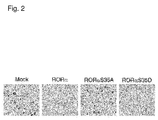
- HCT116 cells which stably express ROR ⁇ (SEQ ID NO:1), ROR ⁇ S35A or ROR ⁇ S35D (SEQ ID NO: 2) was analyzed on semisolid medium. Specifically, 10 5 cells were placed on McCoy's 5A medium containing 0.4% noble agar and 10% FBS. The cells were incubated in 5% CO 2 for 3 weeks, and the formation of colonies containing more than 50 cells was analyzed. As a result, the anchorage-independent growth of the ROR ⁇ S35D-expressing cells was significantly inhibited compared to a control group ( FIG. 2 ).
- Example 4 Inhibition of growth of prostate cancer cells using the PC3 cell line that stably expresses ROR ⁇
- PC3 is a prostate tissue cell line in which cancer is activated to the metastatic process.
- PC3 cells are available from ATCC (ATCC ® Number: CRL-1435TM). Using this cell line, a stable cell line was constructed such that it can stably express the ROR ⁇ protein.
- an expression plasmid having a DNA sequence which can be expressed as the ROR ⁇ protein was constructed using a p3XFlag-CMV10 vector (produced by Sigma-Aldrich) and transfected into cells. Then, cells having the ROR ⁇ DNA sequence stably transfected in the intracellular chromosome were selected using the antibiotic present in the plasmid, thereby constructing a cell line that constitutively expresses ROR ⁇ .
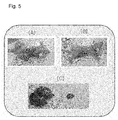
- FIGS. 5(A) and 5(C) show a cancer mass extracted 4 weeks after injection of the cell line (left: MOCK; right: cell line stably expressed in ROR ⁇ cells).
- Example 5 Inhibition of growth of prostate cancer cells using the LNCaP cell line that stably expresses ROR ⁇
- LNCaP is also a prostate tissue cell line in which cancer is activated to the metastatic process.
- LNCaP cells are available from ATCC (ATCC® Number: CRL-1740TM). Using this cell line, stable cell lines were constructed such that they can stably express proteins of ROR ⁇ 1 (SEQ ID NO: 4) and ROR ⁇ 4 (SEQ ID NO: 5), respectively.
- ROR ⁇ 4 is a protein of a ROR ⁇ 1 isotype family, which does not contain a peptide sequence important in a cancer inhibition process, unlike ROR ⁇ 1.
- Expression plasmids having DNA sequences that can be expressed as ROR ⁇ 1 and ROR ⁇ 4, respectively, were constructed using a p3XFlag-CMV10 vector (produced by Sigma-Aldrich) and transfected into cells. Then, cells having each of the ROR ⁇ 1 and ROR ⁇ 4 DNA sequences stably transfected in the intracellular chromosome were selected using the antibiotic present in the plasmid, thereby constructing cell lines that constitutively express ROR ⁇ .
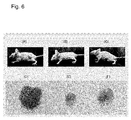
- LNCaP also has high cancer activity, and thus when it is subcutaneously injected into 6-week old nude mice (Orient Bio Inc.), cancer is easily formed as shown in a PC3 mock ( FIGS. 6(A) and 6(C) ).
- FIGS. 6(B) and 6(E) show cancer masses extracted from LNCap mock, LNCaP/ROR ⁇ 1 and LNCaP/ROR ⁇ 4, respectively, 10 weeks after injection of the cell lines.
- the anticancer peptide according to the present invention is ROR ⁇ having a phosphorylated serine at position 35 of SEQ ID NO: 2, or a functional equivalent, and specifically inhibits ⁇ -catenin transcriptional activity.
- the anticancer peptide can be effectively used for the prevention and treatment of cancer mediated by the Wnt/ ⁇ -catenin signaling pathway.
- the anticancer peptide can be effectively used for colorectal cancer and prostate cancer.
Landscapes
- Health & Medical Sciences (AREA)
- Chemical & Material Sciences (AREA)
- Life Sciences & Earth Sciences (AREA)
- Organic Chemistry (AREA)
- General Health & Medical Sciences (AREA)
- Medicinal Chemistry (AREA)
- High Energy & Nuclear Physics (AREA)
- Toxicology (AREA)
- Nuclear Medicine, Radiotherapy & Molecular Imaging (AREA)
- Animal Behavior & Ethology (AREA)
- General Chemical & Material Sciences (AREA)
- Public Health (AREA)
- Veterinary Medicine (AREA)
- Physics & Mathematics (AREA)
- Chemical Kinetics & Catalysis (AREA)
- Cell Biology (AREA)
- Immunology (AREA)
- Pharmacology & Pharmacy (AREA)
- Zoology (AREA)
- Gastroenterology & Hepatology (AREA)
- Biochemistry (AREA)
- Biophysics (AREA)
- Genetics & Genomics (AREA)
- Molecular Biology (AREA)
- Proteomics, Peptides & Aminoacids (AREA)
- Micro-Organisms Or Cultivation Processes Thereof (AREA)
- Medicines That Contain Protein Lipid Enzymes And Other Medicines (AREA)
- Peptides Or Proteins (AREA)
Description
- The present invention relates to a novel peptide effective in the treatment of colorectal cancer and prostate cancer, a gene encoding the same, and a method of producing the peptide in large amounts.
- Wnt genes encode a large family of cysteine-rich secreted polypeptides that mediate diverse signaling processes. Aberrant activation of Wnt signaling plays important roles as a major driving leading to developmental defects and tumorigenesis (Klaus, Birchmeier, 2008; Kounek et al., 1997; Morin et al., 1997; Willert et al., 2003). Wnt signaling pathways are divided into two categories: normal Wnt/β-catenin signaling pathway, and abnormal Wnt/Ca2+ signaling pathway (Kuhl et al., 2000; Liang et al., 2007; Liu et al., 2005). In the absence of Wnt activity, the level of β-catenin in the cytoplasm remains low due to the degradation of β-catenin by 26S proteasome after paired phosphorylation through casein kinase I (CKI) and glycogen synthase kinase-3β (GSK-3β) (Orford et al., 1997; Salic et al., 2000). The canonical Wnts bind to the Frizzled (Fiz) family proteins and low-density lipoprotein receptor-related (LRP) 5 or 6, and this binding activates disheveled (Dvl) and inhibits the activity of GSK-3β. This inhibition results in the stabilization and subsequent translocation of β-catenin to the nucleus for the regulation of target gene expression with T-cell factor (TCF)/lymphoid enhancer factor (LEF) (Behrens et al., 1996; Giles et al., 2003; Molenaar et al., 1996; Moon et al., 2002).
- Non-canonical Wnt signaling pathways affected by Wnt ligands such as Wnt5a have diverse and occasionally opposing roles (Slusarski et al., 1997; Tones et al., 1996). Non-canonical Wnts are both antagonistic and synergistic to canonical Wnt signaling pathway depending on their receptor context. Wnt5a-deficient mice show increased β-catenin signaling in the distal limb, indicating that Wnt5a is involved in the negative regulation of the Wnt/β-catenin signaling pathway (Nemeth et al., 2007). In contrast, Wnt5a has been shown to activate Wnt/β-catenin signaling in the presence of Frz4 and LRP5 (Mikels and Nusse, 2006). Given that the activation of the non-canonical Wnt signaling pathway results in intracellular Ca2+ release and activation of Ca2+ sensitive enzymes such as Ca2+/calmodulin-dependent kinase II (CaMKII) and protein kinase C (PKC), the non-canonical Wnt pathways are apparently different from the canonical Wnt pathway.
- The present invention provides a novel anticancer peptide.
- The present invention provides a gene encoding the novel anticancer peptide.
- The present invention provides a method for producing the novel anticancer peptide. Based on the cell culture, colorectal cancer tissue and mouse model studies, the present inventors found that RORα (SEQ ID NO: 1) plays an important role at the point of intersection between the canonical and non-canonical Wnt signaling pathways in attenuating β-catenin transcriptional activity in a phosphorylation-dependent manner in colorectal cancer. As a result of biochemical purification of a RORα-containing complex, it was found that β-catenin is a component of the complex and provides a novel link between RORα and the Wnt signaling pathway. Analysis of RORα interactions with β-catenin revealed that the RORα-mediated inhibition of Wnt/β-catenin signaling requires Wnt5a/PKCα-induced phosphorylation at serine residue 35 of RORα, and the binding of RORα to β-catenin is triggered and enhanced by phosphoiylation of RORα. Interestingly, a reduction in phosphorylation of RORα together with down-regulation of PKCα is associated with the activation of Wnt target genes and the progression of tumors in colorectal cancer tissues. The present inventors found that RORα plays a role in inhibiting the Wnt/β-catenin signaling pathway in a pathophysiological model to regulate cell proliferation and tumor progression. The present inventors developed a method of screening an anticancer agent using RORα, and this method is disclosed in Korean Patent Application No.
10-2009-0001519 (January 8, 2009 - The present invention provides anticancer peptides as defined in the following claims and nucleotide sequences encoding the same.
- The present invention also provides a recombinant vector containing a DNA sequence that encodes such anticancer peptides.
- The present invention also provides a method of producing an anticancer peptide in large amounts using the recombinant vector containing a DNA sequence that encodes the anticancer peptides as defined above.
-
-
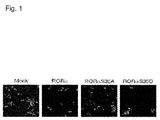
FIG. 1 shows the results of a cell migration assay for HCT116 cells which express RORα, RORαS35A or RORαS35D. -
FIG. 2 shows the inhibition of anchorage-independent growth of Wnt5a-treated HCT116 cells which express RORα, RORαS35A or RORαS35D. -
FIG. 3 shows the comparison of the ratio of phosphorylated RORα to pan-RORα between 30 human colorectal cancer tissues and normal tissues. -
FIG. 4 shows the comparison of the ratio of phosphorylated PKCα to Pan-PKCα between 30 human colorectal cancer tissues and normal tissues. -
FIG. 5 shows the inhibition of prostate cancer by the anticancer peptide RORα stably expressed in PC cells. InFIG. 5 , (A): MOCK; (B): a nude mouse injected with PC cells having RORα stably expressed therein; (C): a prostate separated from MOCK (left) andaprostate separated from the nude mouse injected with PC cells having RORα stably expressed therein. -
FIG. 6 shows the anticancer effects of RORα (SEQ ID NO: 3) and RORα (SEQ ID NO: 4) stably expressed in LNCap cells. InFIG. 6 , (A): MOCK, (B): a nude mouse injected with LNCap cells having RORα1 (SEQ ID NO: 4) stably expressed therein; (C): a nude mouse injected with LNCap cells having RORα4 (SEQ ID NO: 5) stably expressed therein; (D), (E) and (F): cancer masses extracted from LNCap Mock, LNCaP/RORα1 and LNCaP/RORα4 at 10 weeks after injection of the cells. - The present invention provides anticancer peptides as defined in claims 1-4, which are effective in the treatment of prostate cancer, and a gene encoding the same. The present invention also provides a method for producing the anticancer peptide. The production method is preferably performed by a genetic engineering method, but is not limited.
- In one aspect, the present invention provides an anticancer peptide consisting of amino acid residues 31 to 40 of SEQ ID NO: 1 and having a phosphorylated serine at position 35 of SEQ ID NO:1, or a functional equivalent thereof.
- As used herein, the term "functional equivalent" is intended to include all amino acid sequence variants having amino acid substitutions in some or all of the anticancer peptide of SEQ ID NO: 1 or amino acid additions or deletions in some of the anticancer peptide and having substantially the same physiological activity as the anticancer peptide of SEQ ID NO:1. The amino acid substitutions are preferably conservative substitutions. Examples of the conservative substitutions of naturally occurring amino acids include aliphatic amino acids (Gly, Ala, Pro), hydrophobic amino acids (Ile, Leu, Val), aromatic amino acids (Phe, Tyr, Trp), acidic amino acids (Asp, Glu), basic amino acids (His, Lys, Arg, Gln, Asn) and sulfur-containing amino acids (Cys, Met). Deletions of the amino acids are preferably located at portions that are not involved directly in the physiological activity of the anticancer peptide.
- The anticancer peptide of the present invention may be a portion of a peptide consisting of the entire sequence of SEQ ID NO: 1.
- According to the invention, the functional equivalent of the anticancer peptide of the present invention is either a peptide of SEQ ID NO 2 having a serine-to-aspartic acid substitution at position 35 of SEQ ID NO: 1 or a peptide of SEQ NO: 3 having a serine-to-glutamic acid substitution at position 35 of SEQ ID NO:1. The aspartic acid and glutamic acid substitutions have properties similar to phosphorylated serine, and thus exhibit effective anticancer activity.
- The functional equivalent may be a portion of a peptide consisting of the entire sequence of SEQ ID NO: 2 or SEQ ID NO: 3. In one aspect of the invention, the functional equivalent is a peptide consisting of amino acid residues 31 to 40 of SEQ ID NO: 2,, a peptide consisting of amino acid residues 31 to 40 of SEQ ID NO: 3, or a peptide comprising amino acid residues 31 to 40 of SEQ ID NO: 3.
- In a second aspect, the present invention a nucleotide sequence, which encodes the anticancer peptide according to claims 1, 3 and 4, and nucleotide sequences equivalent thereto.
- As used herein, "nucleotide sequences equivalent" include the codon degenerate sequence of the anticancer peptide.
- As used herein, the term "codon degenerate sequence" means a nucleotide sequence which differs from the naturally occurring sequence, but encodes a peptide having the same sequence as that of the anticancer peptide disclosed in the present invention.
- In a third aspect, the present invention provides a recombinant vector comprising a DNA fragment which encodes any one of the anticancer peptides of claims 1-4 or functional equivalents thereof.
- As used herein, the term "vector" means a nucleic acid molecule that can carry another nucleic acid bound thereto. As used herein, the term "expression vector" is intended to include a plasmid, cosmid or phage, which can be used to synthesize a protein encoded by a recombinant gene carried by said vector. A preferred vector is a vector that can self-replicate and express a nucleic acid bound thereto.
- In a fourth aspect, the present invention provides a cell transformed with a recombinant vector as defined above.
- As used herein, the term "transformation" means that foreign DNA or RNA is absorbed into a cell to change the genotype of the cell.
- Cells suitable for transformation include, but are not limited to, prokaryotic cells, fungal cells, plant cells and animal cells.
- In a fifth aspect, the present invention provides a method of producing an anticancer peptide using a cell transformed with a recombinant vector as defined above.
- Hereinafter, the present invention will be described in further detail with reference to examples. It is to be understood, however, that these examples are for illustrative purposes only and are not intended to limit the scope of the present invention.
- HCT116 cells which stably express RORα (SEQ ID NO: 1), RORαS35A or RORαS35D (SEQ ID NO: 2) were used in a transwell cell migration assay. The transwell cell migration assay was carried out according to the method of Kim et al. (Roles of SUMOylation of a reptin chromatin remodeling complex in cancer metastasis," Nat. Cell Biol. 8, 631-639). Cultured cells were pretreated with Wnt5a protein (100 ng/ml) for 2 hours, and 2.5 x 10⁴ HCT 116 cells were placed on a 24-well transwell chamber assay plate (BD Biocoat, BD Biosciences). 15% fetal bovine serum-containing McCoy's 5A medium as a chemoattractant was added below the chamber. After 22 hours of incubation, the cells that migrated to the chamber below the filter were fixed with 100% methanol, stained with DAPI, and quantified by counting the total number of cells in four different fields. All the experiments were performed according to the manufacturer's protocol. Values are expressed as means ± standard deviations for at least three independent experiments.
- In the cell migration assay, treatment with Wnt5a reduced the migration of HCT116 colorectal cancer cells compared to non-treated cells, and the migration of the RORαS3 5-expressing HCT116 colorectal cancer cells was significantly reduced (
FIG. 1 ). - In order to measure anchorage-independent growth, the growth of HCT116 cells which stably express RORα (SEQ ID NO:1), RORαS35A or RORαS35D (SEQ ID NO: 2) was analyzed on semisolid medium. Specifically, 105 cells were placed on McCoy's 5A medium containing 0.4% noble agar and 10% FBS. The cells were incubated in 5% CO2 for 3 weeks, and the formation of colonies containing more than 50 cells was analyzed. As a result, the anchorage-independent growth of the RORαS35D-expressing cells was significantly inhibited compared to a control group (
FIG. 2 ). - In order to confirm the clinical significance of RORα, the expressions of RORα in 30 human colorectal cancer tissues were examined and compared to those in normal mucous samples. In an immunoassay for anti-phospho-RORα S35D IgG, it was seen that RORα phosphorylation was reduced in 22 of 30 colorectal cancer tissues (>70%), whereas there was little or no change in the expression of pan-RORα (Table 1).
Table 1: Immunological assay for anti-phospho-ROR in colorectal cancer tissues and normal mucous sample phospho-RORαS35 pan-RORα phospho/pan-RORα No. Normal Tumor Normal Tumor Normal Tumor 1 13.57 14.74 82.27 83.43 0.1649 0.1767 2 7.37 8.75 65.72 78.45 0.1121 0.1115 3 4.05 3.02 66.22 49.42 0.0612 0.0611 4 59.22 7.68 128.94 100.10 0.4593 0.0767 5 20.86 2.93 56.03 70.64 0.3723 0.0415 6 38.53 1.38 83.76 86.27 0.4600 0.0160 7 19.97 1.30 74.14 84.14 0.2654 0.0155 8 8.83 8.52 85.61 83.76 0.1031 0.1017 9 11.65 0.69 58.82 84.46 0.1981 0.0082 10 12.59 0.32 83.98 74.36 0.1499 0.0043 11 29.65 0.09 76.82 102.68 0.3860 0.0009 12 5.21 4.19 90.59 73.12 0.0575 0.0573 13 33.98 15.34 89:36 93.76 0.3803 0.1636 14 43.75 7.74 99.04 99.81 0.4417 0.0775 15 5.12 5.07 86.61 84.67 0.0591 0.0599 16 24.74 4.37 84.46 69.23 0.2929 0.0631 17 12.05 1.51 94.36 98.01 0.1277 0,0154 18 38.84 9.03 85.65 87.52 0.4535 0.1032 19 10.78 3.56 77.58 66.82 0.1390 0.0533 20 26.59 24.88 98.26 89.21 0.2706 0.2789 21 10.41 17.38 81.78 85.73 0.1273 0.2027 22 45.71 12.38 92.06 68.92 0.4965 0.1796 23 30.08 3.69 93.84 84.05 0.3205 0.0439 24 35.70 1.69 79.64 88.45 0.4483 0.0191 25 33.39 10.17 93.99 94.16 0.3553 0.1080 26 35.33 9.86 96.75 96.96 0.3652 0.1017 27 30.92 0.94 95.62 100.75 0.3234 0.0093 28 20.45 0.48 90.98 97.66 0.2248 0.0049 29 12.42 0.08 85.30 94.22 0.1456 0.0008 30 16.03 1.21 89.73 98.67 0.1786 0.0123 - Statistical analysis showed that phosphorylated RORα and phosphorylated PKCα were significantly reduced in the cancer tissue samples compared to the normal tissues (
FIGS. 3 and4 ). These data indicate that the phosphorylation of RORα is frequent in human colorectal cancer. - PC3 is a prostate tissue cell line in which cancer is activated to the metastatic process. PC3 cells are available from ATCC (ATCC® Number: CRL-1435™). Using this cell line, a stable cell line was constructed such that it can stably express the RORα protein. Specifically, an expression plasmid having a DNA sequence which can be expressed as the RORα protein was constructed using a p3XFlag-CMV10 vector (produced by Sigma-Aldrich) and transfected into cells. Then, cells having the RORα DNA sequence stably transfected in the intracellular chromosome were selected using the antibiotic present in the plasmid, thereby constructing a cell line that constitutively expresses RORα. PC3 has high cancer activity, and thus when it is subcutaneously injected into nude mice (Orient Bio Inc.), cancer is easily formed as shown in a PC3 mock (
FIGS. 5(A) and 5(C) ). However, in the case of the stable cell line (FIG. 5(B) and 5(C) ) that stably expresses RORα, little or no cancer formation occurs due to the function of the expressed RORα protein.FIG. 5(C) shows a cancer mass extracted 4 weeks after injection of the cell line (left: MOCK; right: cell line stably expressed in RORα cells). - Like PC3, LNCaP is also a prostate tissue cell line in which cancer is activated to the metastatic process. LNCaP cells are available from ATCC (ATCC® Number: CRL-1740™). Using this cell line, stable cell lines were constructed such that they can stably express proteins of RORα1 (SEQ ID NO: 4) and RORα4 (SEQ ID NO: 5), respectively. RORα4 is a protein of a RORα1 isotype family, which does not contain a peptide sequence important in a cancer inhibition process, unlike RORα1. Expression plasmids having DNA sequences that can be expressed as RORα1 and RORα4, respectively, were constructed using a p3XFlag-CMV10 vector (produced by Sigma-Aldrich) and transfected into cells. Then, cells having each of the RORα1 and RORα4 DNA sequences stably transfected in the intracellular chromosome were selected using the antibiotic present in the plasmid, thereby constructing cell lines that constitutively express RORα. Like PC3, LNCaP also has high cancer activity, and thus when it is subcutaneously injected into 6-week old nude mice (Orient Bio Inc.), cancer is easily formed as shown in a PC3 mock (
FIGS. 6(A) and 6(C) ). However, in the case of the cell line LNCaP/RORα1 that stably expresses RORα1, little or no cancer formation occurred due to the function of RORα1 having the peptide sequence functioning to inhibit expressed cancer (FIG. 6(B) and 6(E) ). Unlike this cell line, in the case of the stable cell line LNCaP/RORα4 that stably expresses RORα4 whose N-terminal end differs from that of RORα1 and which has no serine for phosphorylation at position 35, the inhibition of cancer formation was not substantially observed (FIGS. 6(C) and 6 (F). FIGS. 6(D), 6(E) and 6(F) show cancer masses extracted from LNCap mock, LNCaP/RORα1 and LNCaP/RORα4, respectively, 10 weeks after injection of the cell lines. - As described above, the anticancer peptide according to the present invention is RORα having a phosphorylated serine at position 35 of SEQ ID NO: 2, or a functional equivalent, and specifically inhibits β-catenin transcriptional activity. Thus, the anticancer peptide can be effectively used for the prevention and treatment of cancer mediated by the Wnt/β-catenin signaling pathway. Particularly, the anticancer peptide can be effectively used for colorectal cancer and prostate cancer.
- <110> Seoul Nation University Industry Foundation
- <120> Anti-cancer peptide sequences
- <160> 5
- <170> KopatentIn 1.71
- <210> 1
<211> 523
<212> PRT
<213> Homo sapiens - <400> 1


- <210> 2
<211> 523
<212> PRT
<213> Artificial Sequence - <220>
<223> Modified RORalpha Proten in phosphorylation site from serine to Aspartate - <400> 2


- <210> 3
<211> 523
<212> PRT
<213> Artificial Sequence - <220>
<223> Mutated ROR alpha (35 serine to Glutamate) - <400> 3


- <210> 4
<211> 523
<212> PRT
<213> Homo sapiens - <400> 4


- <210> 5
<211> 466
<212> PRT
<213> Homo sapiens - <400> 5


Claims (8)
- An anticancer peptide, which comprises amino acid residues 31 to 40 of SEQ ID NO: 3.
- An anticancer peptide consisting of amino acid residues 31 to 40 of SEQ ID NO: 1 and having a phosphorylated serine at position 35 of SEQ ID NO: 1.
- An anticancer peptide consisting of amino acid residues 31 to 40 of SEQ ID NO: 2.
- An anticancer peptide consisting of amino acid residues 31 to 40 of SEQ NO: 3.
- A nucleotide sequence encoding an anticancer peptide of any one of claims 1, 3 and 4.
- A recombinant vector comprising a DNA fragment encoding an anticancer peptide of any one of claims 1-4.
- A cell transformed with the recombinant vector of claim 6.
- A method for producing an anticancer peptide, the method comprising culturing the transformed cell of claim 7 and isolating an anticancer peptide of anyone of claims 1-4 from the cultured cell.
Applications Claiming Priority (2)
| Application Number | Priority Date | Filing Date | Title |
|---|---|---|---|
| KR1020100002910A KR101815322B1 (en) | 2010-01-12 | 2010-01-12 | Anti-cancer peptide sequences |
| PCT/KR2010/009358 WO2011087222A2 (en) | 2010-01-12 | 2010-12-27 | Anticancer peptide sequence |
Publications (3)
| Publication Number | Publication Date |
|---|---|
| EP2524926A2 EP2524926A2 (en) | 2012-11-21 |
| EP2524926A4 EP2524926A4 (en) | 2013-05-22 |
| EP2524926B1 true EP2524926B1 (en) | 2016-03-09 |
Family
ID=44304765
Family Applications (1)
| Application Number | Title | Priority Date | Filing Date |
|---|---|---|---|
| EP10843287.3A Active EP2524926B1 (en) | 2010-01-12 | 2010-12-27 | Anticancer peptide sequence |
Country Status (3)
| Country | Link |
|---|---|
| EP (1) | EP2524926B1 (en) |
| KR (1) | KR101815322B1 (en) |
| WO (1) | WO2011087222A2 (en) |
Family Cites Families (8)
| Publication number | Priority date | Publication date | Assignee | Title |
|---|---|---|---|---|
| KR100426455B1 (en) * | 2000-04-25 | 2004-04-13 | 김진우 | Human cancer suppressor gene, protein encoding by same, expression vector containing same, and cell transformed by said vector |
| BRPI0408774A (en) * | 2003-03-24 | 2006-03-28 | Scripps Research Inst | dna vaccines against tumor growth and their uses |
| US20070104685A1 (en) * | 2003-05-05 | 2007-05-10 | Nicola La Monica | Synthetic gene encoding human carcinoembryonic antigen and uses thereof |
| JP2006273760A (en) * | 2005-03-29 | 2006-10-12 | Sony Corp | RORα that promotes the induction of Bmal1 expression |
| KR20090001519A (en) | 2007-04-23 | 2009-01-09 | 김광수 | How to strengthen e-mail security using S / Mime |
| KR101156602B1 (en) * | 2008-02-26 | 2012-06-15 | 영인프런티어(주) | Method of regulating a phosphorylated protein-mediated intracellular signal transduction using an antibody specifically binding to the phosphorylated protein |
| WO2009126894A2 (en) * | 2008-04-11 | 2009-10-15 | Massachusetts Eye And Ear Infirmary | Methods and compositions for the diagnosis and treatment of angiogenic disorders |
| KR101085602B1 (en) * | 2009-01-08 | 2011-11-22 | 서울대학교산학협력단 | Anticancer Screening Method Using ROC |
-
2010
- 2010-01-12 KR KR1020100002910A patent/KR101815322B1/en active Active
- 2010-12-27 WO PCT/KR2010/009358 patent/WO2011087222A2/en not_active Ceased
- 2010-12-27 EP EP10843287.3A patent/EP2524926B1/en active Active
Also Published As
| Publication number | Publication date |
|---|---|
| EP2524926A4 (en) | 2013-05-22 |
| KR101815322B1 (en) | 2018-01-05 |
| WO2011087222A3 (en) | 2011-11-10 |
| WO2011087222A2 (en) | 2011-07-21 |
| KR20110082954A (en) | 2011-07-20 |
| EP2524926A2 (en) | 2012-11-21 |
Similar Documents
| Publication | Publication Date | Title |
|---|---|---|
| KR100575251B1 (en) | Pharmaceutical composition for treatment of cancer containing p38/JTV-1 as an effective component and screening method for pharmaceutical composition for treatment of cancer | |
| Gao et al. | Mechanisms of action of angiogenin | |
| US7094569B2 (en) | Hair follicle growth factor proteins | |
| CN110244056B (en) | Application of ZNF521 gene in preparation of liver cancer treatment drug, diagnosis and prognosis evaluation reagent | |
| CN102134275B (en) | Epidermal growth factor receptor variant | |
| EP1699460B1 (en) | Use of enzymatic inhibitors of h-prune for the prevention and treatment of the metastases of tumours overexpressing h-prune | |
| EP2524926A2 (en) | Anticancer peptide sequence | |
| CN102772782B (en) | Novel lung cancer molecular marker retinoic acid receptor response protein 2 | |
| CN113164606A (en) | Use of non-IGF 1R-binding substances for preventing and/or treating inflammatory diseases | |
| TW201200151A (en) | Methods and compositions related to reduced MET phosphorylation by leukocyte cell-derived chemotaxin 2 in tumor cells | |
| AU2016343978A1 (en) | Methods for identification, assessment, prevention, and treatment of metabolic disorders using PM20D1 and N-lipidated amino acids | |
| CN118290528A (en) | Application of a MEIS1 protein and its derived peptides in the preparation of a product for increasing the content of p53 protein in cells | |
| Huang et al. | Novel C-type lectin mediated non-specific cytotoxic cells killing activity through NCCRP-1 in nile tilapia (Oreochromis niloticus) | |
| US20240124528A1 (en) | Antagonist of interleukin-17b receptor (il-17rb) and use thereof | |
| JP2002517998A (en) | Interaction of p27 (KIP1) with FKBP-12 | |
| CN116925205A (en) | Polypeptides that activate Hippo signaling pathway and their uses | |
| Wu et al. | YAP1 depletion Enhances TAZ and its complexation with TEAD4 and AP-1 heterodimer C-JUN/FOSB in gastric cancer progression and metastasis | |
| EP3265112A1 (en) | Ubiquitin ligase kpc1 promotes processing of p105 nf-kappab1 to p50, eliciting strong tumor suppression | |
| CN104961833A (en) | Human-derived NKp80-Fc fusion protein as well as preparation method and application thereof in tumor therapy | |
| WO2020165570A1 (en) | Methods relating to disrupting the binding of af9 partner proteins to af9 and/or enl | |
| CN112083166A (en) | H2A.Z-SUV420H1-H4K20me2-ORC1 pathway regulates tumor cell proliferation | |
| EP4563160A1 (en) | Treatment agent for lung adenocarcinomas | |
| EP1503780B1 (en) | Androgen-regulated pmepa1 gene and methods of using the same to inhibit cancer cell growth | |
| Mungo | ROLE OF p27Kip1 IN MAMMARY GLAND DEVELOPMENT AND TUMORIGENESIS IN Δ16HER2 MODEL | |
| Kato et al. | Exploring Macrophage Roles in Cancer Progression and Therapeutic Targeting |
Legal Events
| Date | Code | Title | Description |
|---|---|---|---|
| PUAI | Public reference made under article 153(3) epc to a published international application that has entered the european phase |
Free format text: ORIGINAL CODE: 0009012 |
|
| 17P | Request for examination filed |
Effective date: 20120810 |
|
| AK | Designated contracting states |
Kind code of ref document: A2 Designated state(s): AL AT BE BG CH CY CZ DE DK EE ES FI FR GB GR HR HU IE IS IT LI LT LU LV MC MK MT NL NO PL PT RO RS SE SI SK SM TR |
|
| DAX | Request for extension of the european patent (deleted) | ||
| A4 | Supplementary search report drawn up and despatched |
Effective date: 20130418 |
|
| RIC1 | Information provided on ipc code assigned before grant |
Ipc: C12N 15/63 20060101ALI20130412BHEP Ipc: C07K 14/465 20060101AFI20130412BHEP Ipc: A61P 35/00 20060101ALI20130412BHEP Ipc: C12N 15/11 20060101ALI20130412BHEP |
|
| 17Q | First examination report despatched |
Effective date: 20131210 |
|
| GRAP | Despatch of communication of intention to grant a patent |
Free format text: ORIGINAL CODE: EPIDOSNIGR1 |
|
| INTG | Intention to grant announced |
Effective date: 20150908 |
|
| RAP1 | Party data changed (applicant data changed or rights of an application transferred) |
Owner name: SNU R&D FOUNDATION |
|
| GRAS | Grant fee paid |
Free format text: ORIGINAL CODE: EPIDOSNIGR3 |
|
| GRAA | (expected) grant |
Free format text: ORIGINAL CODE: 0009210 |
|
| AK | Designated contracting states |
Kind code of ref document: B1 Designated state(s): AL AT BE BG CH CY CZ DE DK EE ES FI FR GB GR HR HU IE IS IT LI LT LU LV MC MK MT NL NO PL PT RO RS SE SI SK SM TR |
|
| REG | Reference to a national code |
Ref country code: GB Ref legal event code: FG4D |
|
| REG | Reference to a national code |
Ref country code: AT Ref legal event code: REF Ref document number: 779454 Country of ref document: AT Kind code of ref document: T Effective date: 20160315 Ref country code: CH Ref legal event code: EP |
|
| REG | Reference to a national code |
Ref country code: IE Ref legal event code: FG4D |
|
| REG | Reference to a national code |
Ref country code: DE Ref legal event code: R096 Ref document number: 602010031131 Country of ref document: DE |
|
| REG | Reference to a national code |
Ref country code: LT Ref legal event code: MG4D |
|
| REG | Reference to a national code |
Ref country code: NL Ref legal event code: MP Effective date: 20160309 |
|
| PG25 | Lapsed in a contracting state [announced via postgrant information from national office to epo] |
Ref country code: GR Free format text: LAPSE BECAUSE OF FAILURE TO SUBMIT A TRANSLATION OF THE DESCRIPTION OR TO PAY THE FEE WITHIN THE PRESCRIBED TIME-LIMIT Effective date: 20160610 Ref country code: ES Free format text: LAPSE BECAUSE OF FAILURE TO SUBMIT A TRANSLATION OF THE DESCRIPTION OR TO PAY THE FEE WITHIN THE PRESCRIBED TIME-LIMIT Effective date: 20160309 Ref country code: FI Free format text: LAPSE BECAUSE OF FAILURE TO SUBMIT A TRANSLATION OF THE DESCRIPTION OR TO PAY THE FEE WITHIN THE PRESCRIBED TIME-LIMIT Effective date: 20160309 Ref country code: HR Free format text: LAPSE BECAUSE OF FAILURE TO SUBMIT A TRANSLATION OF THE DESCRIPTION OR TO PAY THE FEE WITHIN THE PRESCRIBED TIME-LIMIT Effective date: 20160309 Ref country code: NO Free format text: LAPSE BECAUSE OF FAILURE TO SUBMIT A TRANSLATION OF THE DESCRIPTION OR TO PAY THE FEE WITHIN THE PRESCRIBED TIME-LIMIT Effective date: 20160609 |
|
| REG | Reference to a national code |
Ref country code: AT Ref legal event code: MK05 Ref document number: 779454 Country of ref document: AT Kind code of ref document: T Effective date: 20160309 |
|
| PG25 | Lapsed in a contracting state [announced via postgrant information from national office to epo] |
Ref country code: LV Free format text: LAPSE BECAUSE OF FAILURE TO SUBMIT A TRANSLATION OF THE DESCRIPTION OR TO PAY THE FEE WITHIN THE PRESCRIBED TIME-LIMIT Effective date: 20160309 Ref country code: LT Free format text: LAPSE BECAUSE OF FAILURE TO SUBMIT A TRANSLATION OF THE DESCRIPTION OR TO PAY THE FEE WITHIN THE PRESCRIBED TIME-LIMIT Effective date: 20160309 Ref country code: NL Free format text: LAPSE BECAUSE OF FAILURE TO SUBMIT A TRANSLATION OF THE DESCRIPTION OR TO PAY THE FEE WITHIN THE PRESCRIBED TIME-LIMIT Effective date: 20160309 Ref country code: RS Free format text: LAPSE BECAUSE OF FAILURE TO SUBMIT A TRANSLATION OF THE DESCRIPTION OR TO PAY THE FEE WITHIN THE PRESCRIBED TIME-LIMIT Effective date: 20160309 Ref country code: SE Free format text: LAPSE BECAUSE OF FAILURE TO SUBMIT A TRANSLATION OF THE DESCRIPTION OR TO PAY THE FEE WITHIN THE PRESCRIBED TIME-LIMIT Effective date: 20160309 Ref country code: PL Free format text: LAPSE BECAUSE OF FAILURE TO SUBMIT A TRANSLATION OF THE DESCRIPTION OR TO PAY THE FEE WITHIN THE PRESCRIBED TIME-LIMIT Effective date: 20160309 |
|
| PG25 | Lapsed in a contracting state [announced via postgrant information from national office to epo] |
Ref country code: IS Free format text: LAPSE BECAUSE OF FAILURE TO SUBMIT A TRANSLATION OF THE DESCRIPTION OR TO PAY THE FEE WITHIN THE PRESCRIBED TIME-LIMIT Effective date: 20160709 Ref country code: EE Free format text: LAPSE BECAUSE OF FAILURE TO SUBMIT A TRANSLATION OF THE DESCRIPTION OR TO PAY THE FEE WITHIN THE PRESCRIBED TIME-LIMIT Effective date: 20160309 |
|
| REG | Reference to a national code |
Ref country code: FR Ref legal event code: PLFP Year of fee payment: 7 |
|
| PG25 | Lapsed in a contracting state [announced via postgrant information from national office to epo] |
Ref country code: RO Free format text: LAPSE BECAUSE OF FAILURE TO SUBMIT A TRANSLATION OF THE DESCRIPTION OR TO PAY THE FEE WITHIN THE PRESCRIBED TIME-LIMIT Effective date: 20160309 Ref country code: CZ Free format text: LAPSE BECAUSE OF FAILURE TO SUBMIT A TRANSLATION OF THE DESCRIPTION OR TO PAY THE FEE WITHIN THE PRESCRIBED TIME-LIMIT Effective date: 20160309 Ref country code: AT Free format text: LAPSE BECAUSE OF FAILURE TO SUBMIT A TRANSLATION OF THE DESCRIPTION OR TO PAY THE FEE WITHIN THE PRESCRIBED TIME-LIMIT Effective date: 20160309 Ref country code: SM Free format text: LAPSE BECAUSE OF FAILURE TO SUBMIT A TRANSLATION OF THE DESCRIPTION OR TO PAY THE FEE WITHIN THE PRESCRIBED TIME-LIMIT Effective date: 20160309 Ref country code: PT Free format text: LAPSE BECAUSE OF FAILURE TO SUBMIT A TRANSLATION OF THE DESCRIPTION OR TO PAY THE FEE WITHIN THE PRESCRIBED TIME-LIMIT Effective date: 20160711 Ref country code: SK Free format text: LAPSE BECAUSE OF FAILURE TO SUBMIT A TRANSLATION OF THE DESCRIPTION OR TO PAY THE FEE WITHIN THE PRESCRIBED TIME-LIMIT Effective date: 20160309 |
|
| REG | Reference to a national code |
Ref country code: DE Ref legal event code: R097 Ref document number: 602010031131 Country of ref document: DE |
|
| PG25 | Lapsed in a contracting state [announced via postgrant information from national office to epo] |
Ref country code: BE Free format text: LAPSE BECAUSE OF FAILURE TO SUBMIT A TRANSLATION OF THE DESCRIPTION OR TO PAY THE FEE WITHIN THE PRESCRIBED TIME-LIMIT Effective date: 20160309 Ref country code: IT Free format text: LAPSE BECAUSE OF FAILURE TO SUBMIT A TRANSLATION OF THE DESCRIPTION OR TO PAY THE FEE WITHIN THE PRESCRIBED TIME-LIMIT Effective date: 20160309 |
|
| PLBE | No opposition filed within time limit |
Free format text: ORIGINAL CODE: 0009261 |
|
| STAA | Information on the status of an ep patent application or granted ep patent |
Free format text: STATUS: NO OPPOSITION FILED WITHIN TIME LIMIT |
|
| PG25 | Lapsed in a contracting state [announced via postgrant information from national office to epo] |
Ref country code: DK Free format text: LAPSE BECAUSE OF FAILURE TO SUBMIT A TRANSLATION OF THE DESCRIPTION OR TO PAY THE FEE WITHIN THE PRESCRIBED TIME-LIMIT Effective date: 20160309 |
|
| 26N | No opposition filed |
Effective date: 20161212 |
|
| PG25 | Lapsed in a contracting state [announced via postgrant information from national office to epo] |
Ref country code: BG Free format text: LAPSE BECAUSE OF FAILURE TO SUBMIT A TRANSLATION OF THE DESCRIPTION OR TO PAY THE FEE WITHIN THE PRESCRIBED TIME-LIMIT Effective date: 20160609 |
|
| PG25 | Lapsed in a contracting state [announced via postgrant information from national office to epo] |
Ref country code: SI Free format text: LAPSE BECAUSE OF FAILURE TO SUBMIT A TRANSLATION OF THE DESCRIPTION OR TO PAY THE FEE WITHIN THE PRESCRIBED TIME-LIMIT Effective date: 20160309 |
|
| REG | Reference to a national code |
Ref country code: CH Ref legal event code: PL |
|
| GBPC | Gb: european patent ceased through non-payment of renewal fee |
Effective date: 20161227 |
|
| PG25 | Lapsed in a contracting state [announced via postgrant information from national office to epo] |
Ref country code: MC Free format text: LAPSE BECAUSE OF FAILURE TO SUBMIT A TRANSLATION OF THE DESCRIPTION OR TO PAY THE FEE WITHIN THE PRESCRIBED TIME-LIMIT Effective date: 20160309 |
|
| REG | Reference to a national code |
Ref country code: IE Ref legal event code: MM4A |
|
| PG25 | Lapsed in a contracting state [announced via postgrant information from national office to epo] |
Ref country code: CH Free format text: LAPSE BECAUSE OF NON-PAYMENT OF DUE FEES Effective date: 20161231 Ref country code: LU Free format text: LAPSE BECAUSE OF NON-PAYMENT OF DUE FEES Effective date: 20161227 Ref country code: LI Free format text: LAPSE BECAUSE OF NON-PAYMENT OF DUE FEES Effective date: 20161231 |
|
| REG | Reference to a national code |
Ref country code: FR Ref legal event code: PLFP Year of fee payment: 8 |
|
| PG25 | Lapsed in a contracting state [announced via postgrant information from national office to epo] |
Ref country code: GB Free format text: LAPSE BECAUSE OF NON-PAYMENT OF DUE FEES Effective date: 20161227 Ref country code: IE Free format text: LAPSE BECAUSE OF NON-PAYMENT OF DUE FEES Effective date: 20161227 |
|
| PG25 | Lapsed in a contracting state [announced via postgrant information from national office to epo] |
Ref country code: CY Free format text: LAPSE BECAUSE OF FAILURE TO SUBMIT A TRANSLATION OF THE DESCRIPTION OR TO PAY THE FEE WITHIN THE PRESCRIBED TIME-LIMIT Effective date: 20160309 Ref country code: HU Free format text: LAPSE BECAUSE OF FAILURE TO SUBMIT A TRANSLATION OF THE DESCRIPTION OR TO PAY THE FEE WITHIN THE PRESCRIBED TIME-LIMIT; INVALID AB INITIO Effective date: 20101227 |
|
| PG25 | Lapsed in a contracting state [announced via postgrant information from national office to epo] |
Ref country code: TR Free format text: LAPSE BECAUSE OF FAILURE TO SUBMIT A TRANSLATION OF THE DESCRIPTION OR TO PAY THE FEE WITHIN THE PRESCRIBED TIME-LIMIT Effective date: 20160309 Ref country code: MK Free format text: LAPSE BECAUSE OF FAILURE TO SUBMIT A TRANSLATION OF THE DESCRIPTION OR TO PAY THE FEE WITHIN THE PRESCRIBED TIME-LIMIT Effective date: 20160309 |
|
| PG25 | Lapsed in a contracting state [announced via postgrant information from national office to epo] |
Ref country code: MT Free format text: LAPSE BECAUSE OF NON-PAYMENT OF DUE FEES Effective date: 20161227 |
|
| PG25 | Lapsed in a contracting state [announced via postgrant information from national office to epo] |
Ref country code: AL Free format text: LAPSE BECAUSE OF FAILURE TO SUBMIT A TRANSLATION OF THE DESCRIPTION OR TO PAY THE FEE WITHIN THE PRESCRIBED TIME-LIMIT Effective date: 20160309 |
|
| PGFP | Annual fee paid to national office [announced via postgrant information from national office to epo] |
Ref country code: DE Payment date: 20251120 Year of fee payment: 16 |
|
| PGFP | Annual fee paid to national office [announced via postgrant information from national office to epo] |
Ref country code: FR Payment date: 20251125 Year of fee payment: 16 |