EP2519504B1 - New secondary 8-hydroxyquinoline-7-carboxamide derivatives. - Google Patents
New secondary 8-hydroxyquinoline-7-carboxamide derivatives. Download PDFInfo
- Publication number
- EP2519504B1 EP2519504B1 EP10798129.2A EP10798129A EP2519504B1 EP 2519504 B1 EP2519504 B1 EP 2519504B1 EP 10798129 A EP10798129 A EP 10798129A EP 2519504 B1 EP2519504 B1 EP 2519504B1
- Authority
- EP
- European Patent Office
- Prior art keywords
- quinoline
- carboxamide
- hydroxy
- compounds
- methyl
- Prior art date
- Legal status (The legal status is an assumption and is not a legal conclusion. Google has not performed a legal analysis and makes no representation as to the accuracy of the status listed.)
- Active
Links
- OUQVDCHVZAXLKO-UHFFFAOYSA-N Oc(c(nccc1)c1cc1)c1C(NCc1ncccc1)=O Chemical compound Oc(c(nccc1)c1cc1)c1C(NCc1ncccc1)=O OUQVDCHVZAXLKO-UHFFFAOYSA-N 0.000 description 1
- DLCJOUSGHKVDMY-UHFFFAOYSA-N Oc(c(nccc1)c1cc1)c1C(Nc1n[o]cc1)=O Chemical compound Oc(c(nccc1)c1cc1)c1C(Nc1n[o]cc1)=O DLCJOUSGHKVDMY-UHFFFAOYSA-N 0.000 description 1
Images

Classifications
-
- C—CHEMISTRY; METALLURGY
- C07—ORGANIC CHEMISTRY
- C07D—HETEROCYCLIC COMPOUNDS
- C07D215/00—Heterocyclic compounds containing quinoline or hydrogenated quinoline ring systems
- C07D215/02—Heterocyclic compounds containing quinoline or hydrogenated quinoline ring systems having no bond between the ring nitrogen atom and a non-ring member or having only hydrogen atoms or carbon atoms directly attached to the ring nitrogen atom
- C07D215/16—Heterocyclic compounds containing quinoline or hydrogenated quinoline ring systems having no bond between the ring nitrogen atom and a non-ring member or having only hydrogen atoms or carbon atoms directly attached to the ring nitrogen atom with hetero atoms or with carbon atoms having three bonds to hetero atoms with at the most one bond to halogen, e.g. ester or nitrile radicals, directly attached to ring carbon atoms
- C07D215/48—Carbon atoms having three bonds to hetero atoms with at the most one bond to halogen
- C07D215/54—Carbon atoms having three bonds to hetero atoms with at the most one bond to halogen attached in position 3
-
- C—CHEMISTRY; METALLURGY
- C07—ORGANIC CHEMISTRY
- C07D—HETEROCYCLIC COMPOUNDS
- C07D417/00—Heterocyclic compounds containing two or more hetero rings, at least one ring having nitrogen and sulfur atoms as the only ring hetero atoms, not provided for by group C07D415/00
- C07D417/02—Heterocyclic compounds containing two or more hetero rings, at least one ring having nitrogen and sulfur atoms as the only ring hetero atoms, not provided for by group C07D415/00 containing two hetero rings
- C07D417/12—Heterocyclic compounds containing two or more hetero rings, at least one ring having nitrogen and sulfur atoms as the only ring hetero atoms, not provided for by group C07D415/00 containing two hetero rings linked by a chain containing hetero atoms as chain links
-
- A—HUMAN NECESSITIES
- A61—MEDICAL OR VETERINARY SCIENCE; HYGIENE
- A61K—PREPARATIONS FOR MEDICAL, DENTAL OR TOILETRY PURPOSES
- A61K31/00—Medicinal preparations containing organic active ingredients
- A61K31/33—Heterocyclic compounds
- A61K31/395—Heterocyclic compounds having nitrogen as a ring hetero atom, e.g. guanethidine or rifamycins
- A61K31/435—Heterocyclic compounds having nitrogen as a ring hetero atom, e.g. guanethidine or rifamycins having six-membered rings with one nitrogen as the only ring hetero atom
- A61K31/47—Quinolines; Isoquinolines
- A61K31/4709—Non-condensed quinolines and containing further heterocyclic rings
-
- A—HUMAN NECESSITIES
- A61—MEDICAL OR VETERINARY SCIENCE; HYGIENE
- A61P—SPECIFIC THERAPEUTIC ACTIVITY OF CHEMICAL COMPOUNDS OR MEDICINAL PREPARATIONS
- A61P31/00—Antiinfectives, i.e. antibiotics, antiseptics, chemotherapeutics
-
- A—HUMAN NECESSITIES
- A61—MEDICAL OR VETERINARY SCIENCE; HYGIENE
- A61P—SPECIFIC THERAPEUTIC ACTIVITY OF CHEMICAL COMPOUNDS OR MEDICINAL PREPARATIONS
- A61P31/00—Antiinfectives, i.e. antibiotics, antiseptics, chemotherapeutics
- A61P31/10—Antimycotics
-
- C—CHEMISTRY; METALLURGY
- C07—ORGANIC CHEMISTRY
- C07D—HETEROCYCLIC COMPOUNDS
- C07D215/00—Heterocyclic compounds containing quinoline or hydrogenated quinoline ring systems
- C07D215/02—Heterocyclic compounds containing quinoline or hydrogenated quinoline ring systems having no bond between the ring nitrogen atom and a non-ring member or having only hydrogen atoms or carbon atoms directly attached to the ring nitrogen atom
- C07D215/16—Heterocyclic compounds containing quinoline or hydrogenated quinoline ring systems having no bond between the ring nitrogen atom and a non-ring member or having only hydrogen atoms or carbon atoms directly attached to the ring nitrogen atom with hetero atoms or with carbon atoms having three bonds to hetero atoms with at the most one bond to halogen, e.g. ester or nitrile radicals, directly attached to ring carbon atoms
- C07D215/48—Carbon atoms having three bonds to hetero atoms with at the most one bond to halogen
-
- C—CHEMISTRY; METALLURGY
- C07—ORGANIC CHEMISTRY
- C07D—HETEROCYCLIC COMPOUNDS
- C07D401/00—Heterocyclic compounds containing two or more hetero rings, having nitrogen atoms as the only ring hetero atoms, at least one ring being a six-membered ring with only one nitrogen atom
- C07D401/02—Heterocyclic compounds containing two or more hetero rings, having nitrogen atoms as the only ring hetero atoms, at least one ring being a six-membered ring with only one nitrogen atom containing two hetero rings
- C07D401/12—Heterocyclic compounds containing two or more hetero rings, having nitrogen atoms as the only ring hetero atoms, at least one ring being a six-membered ring with only one nitrogen atom containing two hetero rings linked by a chain containing hetero atoms as chain links
-
- C—CHEMISTRY; METALLURGY
- C07—ORGANIC CHEMISTRY
- C07D—HETEROCYCLIC COMPOUNDS
- C07D405/00—Heterocyclic compounds containing both one or more hetero rings having oxygen atoms as the only ring hetero atoms, and one or more rings having nitrogen as the only ring hetero atom
- C07D405/02—Heterocyclic compounds containing both one or more hetero rings having oxygen atoms as the only ring hetero atoms, and one or more rings having nitrogen as the only ring hetero atom containing two hetero rings
- C07D405/12—Heterocyclic compounds containing both one or more hetero rings having oxygen atoms as the only ring hetero atoms, and one or more rings having nitrogen as the only ring hetero atom containing two hetero rings linked by a chain containing hetero atoms as chain links
-
- C—CHEMISTRY; METALLURGY
- C07—ORGANIC CHEMISTRY
- C07D—HETEROCYCLIC COMPOUNDS
- C07D409/00—Heterocyclic compounds containing two or more hetero rings, at least one ring having sulfur atoms as the only ring hetero atoms
- C07D409/02—Heterocyclic compounds containing two or more hetero rings, at least one ring having sulfur atoms as the only ring hetero atoms containing two hetero rings
- C07D409/12—Heterocyclic compounds containing two or more hetero rings, at least one ring having sulfur atoms as the only ring hetero atoms containing two hetero rings linked by a chain containing hetero atoms as chain links
-
- C—CHEMISTRY; METALLURGY
- C07—ORGANIC CHEMISTRY
- C07D—HETEROCYCLIC COMPOUNDS
- C07D413/00—Heterocyclic compounds containing two or more hetero rings, at least one ring having nitrogen and oxygen atoms as the only ring hetero atoms
- C07D413/02—Heterocyclic compounds containing two or more hetero rings, at least one ring having nitrogen and oxygen atoms as the only ring hetero atoms containing two hetero rings
- C07D413/12—Heterocyclic compounds containing two or more hetero rings, at least one ring having nitrogen and oxygen atoms as the only ring hetero atoms containing two hetero rings linked by a chain containing hetero atoms as chain links
Definitions
- the present invention provides new secondary 8-hydroxyquinoline-7-carboxamide derivatives and pharmaceutically acceptable salts thereof, which are useful as antifungal agents, and a process for their preparation. Specifically, these compounds were tested against Tricophyton Rubrum, Tricophyton Mentagrophytes, Aspergillus Niger and Scopulariopsis Brevicaulis. Many of these compounds are active against Candida species such as Candida Albicans and Candida Glabrata.
- Pathogenic fungi can be divided in two categories: fungi that are able to induce diseases in normal subjects and less invasive fungi that are able to produce diseases only in critically ill hosts.
- ICU intensive care units
- the UK hospitalized incidence of candidemia is about 3 per 100,000 bed days, and 40% to 52% of all cases occur in ICU ( Schelenz S., J. Antimicrob. Chemother. 2008; 61, Suppl 1, 31-34 ).
- This kind of mycoses is frequently associated with considerable morbidity and mortality.
- the attributable mortality rate is about 38%, although it can vary between 5% and 71 %.
- the disease incidence ranges from 0.3% to 5.8% with an overall mortality rate exceeding 80% ( Trof R. J.
- Candida and Aspergillus species are the most common pathogens responsible for nosocomial superficial and invasive mycoses in hematologic malignancies and bone marrow transplanted patients. In these patients the mortality associated with the systemic candidosis is very high (50-90%). Regarding solid organs transplantation, infective complications are more frequent in lung-transplanted patients. In addition to the immunosuppressive regimen, the increased susceptibility is mainly due to the constant exposure to the external environment.
- invasive fungal infection may occur during the first days after surgical operation, its frequency is highest in the first two months and decreases after 6 months but it can occur also years after transplantation ( Hamacher J. et al, Eur. Respir. J., 1999; 13, 180-186 ).
- Invasive fungal infections are also frequent in other kind of solid organ transplantation such as kidney and liver transplants for which incidence of 5 to 50% are reported ( Dictar M. O. et al, Med Mycol., 2000; 38 Suppl. 1, 251-258 ).
- Mycoses are one of the major causes of morbidity in patients with AIDS and the incidence and severity of these infections increase with disease progression and the consequent impairment of T-cell-mediated immunity.
- the incidence of the different mycoses is closely related to the endemic opportunistic fungi present in the area of residence.
- mycoses that affect AIDS patients are histoplasmosis, blastomycosis, coccidioidomycosis and paracoccidiomycosis ( Sarosi G. A., Davies S. F., West J. Med., 1996; 164, 335-340 ).
- Mucosal Candida infections are also extremely common. In normal patients all these mycosis are usually self-limited but in immunodepressed patients become highly invasive resulting in progressive and widespread dissemination.
- Azoles introduced in the second half of the 1970s, are blockers of ergosterol synthesis.
- the use of the drugs belonging to this family is limited by their narrow spectrum of activity.
- Voriconazole for example, is more active than Amphotericin B for the treatment of invasive aspergillosis but has no activity against zygomycetes ( Johnson L. B., Kauffman C. A., Clin. Infect. Dis., 2003, 36, 630-637 ).
- the azoles employment is also limited by the induction of several side effects.
- Azoles interact with mammalian p450 enzymes resulting in interference with the metabolism of other drugs and, in addition, some azoles such as ketoconazole are able to block the cardiac potassium channel Kv1.5 causing Q-T prolongation and 'torsade de pointes' ( Dumaine R., Roy M. L., Brown A. M., J. Pharmacol. Exp. Ther., 1998; 286, 727-735 ).
- This disease is characterized by the rapid occurrence of many sterile, nonfollicular pustules, usually accompanied by leucocytosis and fever.
- AGEP is generally attributed to the patient treatment with particular drugs and seems to be related to an altered T cells activity.
- Terbinafine treatment might also induce dermatomyositis, a severe autoimmune connective tissue disease characterized by erythema, muscle weakness and interstitial pulmonary fibrosis ( Magro C. M. et al, J. Cutan. Pathol., 2008; 35, 74-81 ).
- Terbinafine might cause severe liver injuries ( Perveze Z. et al, Liver Transpl., 2007; 13, 162-164 ).
- Griseofulvin is a benzofurane introduced in 1960 for the treatment of dermatophyte infections. The compound induces its fungistatic activity by interfering with microtubule production. Griseofulvin displays limited activity in the treatment of onychomycoses and frequently causes severe side effects such as nausea, diarrhea, headache, confusion and fatigue ( Korting H. C. et al, Antimicrob. Agents Chemother., 1993; 37, 2064-2068 ) that can cause the treatment discontinuation.
- N -Hydroxy pyridones Ciclopirox olamine and Octopirox, seem to mainly act by chelating polyvalent cations, resulting in the inhibition of the metal-dependent enzymes. They are employed against different fungal infections but their use is limited to topical treatment.
- the echinocandins are semisynthetic lipo-peptides and are the most recently introduced antimycotic drugs. They act by non-competitively inhibiting ⁇ -(1-3)-Dglucan synthase, an enzyme essential for the maintenance of the cell wall and are mainly used for intravenous treatment of invasive candidiasis and aspergillosis. They are fungicidal against yeast but only fungistatic against filamentous fungi; in addition, they are quite inactive against dimorphic fungi such as Blastomyces and Histoplasma. Echinocandins are generally well tolerated but animal reproduction studies showed adverse effects on fetus.
- EP1375486 discloses a generic and very broad class of compounds having HIV integrase inhibitory activity.
- This broad generic class includes 8-hydroxy-quinoline derivatives substituted by a wide variety of substituents, e.g., substituted carboxamide groups at the 7-position. None of the specific compounds disclosed in this reference are structurally similar to the compounds of the present invention.
- EP1541558 discloses a generic and very broad class of compounds having HIV integrase inhibitory activity.
- the specific compounds disclosed in this reference always bear a substituent on the pyridyl ring and preferably are 3-(4-fluorobenzyl)-8-hydroxyquinolines. None of the specific compounds disclosed in this reference are structurally similar to the compounds of the present invention.
- WO98/11073 discloses a generic class of anti-viral compounds having HIV integrase inhibitory activity. None of the specific compounds disclosed in this reference are structurally similar to the compounds of the present invention.
- WO02/30426 discloses a generic class of compounds having HIV integrase inhibitory activity. As a matter of fact, most of the specific compounds disclosed in this reference bear a naphthydrinyl residue. None of the specific compounds disclosed in this reference are structurally similar to the compounds of the present invention.
- WO02/30930 discloses a generic and very broad class of compounds having HIV integrase inhibitory activity. None of the specific compounds disclosed in this reference are structurally similar to the compounds of the present invention.
- US0326330 and US0326328 disclose fungicidal compositions comprising a combination of two fungicides, one of which is a quinoline or cinnoline compound. None of the specific compounds disclosed in this reference are structurally similar to the compounds of the present invention.
- WO96/32015 discloses synergistic fungicidal compositions made of quinoline derivatives and cytochrome complex III inhibitors. None of the specific compounds disclosed in this reference are structurally similar to the compounds of the present invention.
- EP1669348 discloses antifungal agents defined by a very broad formula which includes certain secondary amides.
- the present invention particularly provides compounds endowed with a potent antifungal activity selected from the group consisting of:
- the compounds of the present invention can be prepared by the coupling of suitable 8-hydroxyquinolin-7-carboxylic acids 1-1 (or acid derivatives such as acid halides or esters) with the appropriate amines 1-2, as represented by the following general Chart 1:
- the hydroxyl group of the carboxylic acid can be protected (as described in Bioorg.Med.Chem., 14, 2006, 5742-5755 or Synthesis, 12, 1997,1425-1428 or DE540842 ) before performing the coupling with the amine and deprotected in the final stage.
- Chart 2 illustrates and expands upon the chemistry portrayed in Chart 1.
- the carboxylic acid 2-1 is obtained by reaction of commercially available 8-hydroxyquinoline-7-carboxylic acid with one equivalent of bromine in acetic acid (International Publication WO98/11073, published 19 March 1998 ).
- the carboxylic acids 2-1 can be prepared from the corresponding commercially available starting materials 5-halo-8-hydroxyquinolines using the methods described in International Publication WO98/11073, published 19 March 1998 .
- the carboxylic acid 2-1 was prepared by reaction of the corresponding ethyl ester with a mixture of HNO 3 and H 2 SO 4 followed by alkaline hydrolysis.
- Organisms used to test antifungal activity are used to test antifungal activity
- Trichophyton Rubrum (ATCC 28188, PBI International); Trichophyton Mentagrophytes (ATCC 9533, PBI International); Aspergillus Niger (ATCC 16404, PBI International); Scopulariopsis Brevicaulis (ATCC 36840, DSMZ); Candida Albicans (ATCC 90028, PBI International); Candida Glabrata (ATCC 90030, DSMZ).
- Strains were prepared from freeze-dried ampoules or freeze-dried pellets.
- Incubation was at 30°C for 48-72Hours (Candida yeasts) and for 7-10 days (filamentous fungi).
- yeasts' colonies and the filamentous fungi's conidia were harvested with 3-5 mL of RPMI 1640 + 50% glycerol and the aliquots frozen at -80°C.
- MIC minimal inhibition concentration
- Assays were carried out in RPMI 1640 with L-glutamine medium buffered to pH 7 with 0.165M 3-(N-morpholino)propanesulfonic acid (MOPS) and 10M NaOH and supplemented with 18 g glucose/litre. The tests were performed using 96 well sterile plates (inoculum size of 1 x 10 5 CFU/mL). Compounds stock solutions were prepared at 12.8 mg/mL in 100% DMSO. A series of twofold dilutions were prepared in plate using RPMI 1640. Final concentrations ranged from 0.125 to 128 ⁇ g/mL at 1% DMSO.
- MOPS 3-(N-morpholino)propanesulfonic acid
- MIC is defined as the lowest concentration of antifungal agent which prevents any visible growth and was determined after 48h of incubation for yeasts (35°C) and after five days of incubation for filamentous fungi (35°C).
- the compound E8, disclosed in EP1669348A1 and the compound NiK-29298, characterized by the same quinoline scaffold described in EP1669348A1 , are active only on yeasts and do not display any appreciable activity against the other strains, including dermatophytes and molds.
- ciclopirox one of the most potent and broad spectrum antifungal agents, kills the fungal cells by chelating Fe 3+ , i.e. by subtracting the iron ions from the fungal cells, and its in vitro action is inhibited only by adding an adequate quantity of Fe 3+ ions to the medium.
- Ciclopirox is also known in the art to be the only antifungal agent which, due to its peculiar mechanism of action, does not induce resistances in fungal strains.
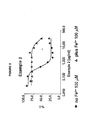
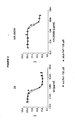
- the MIC determination with Candida glabrata (ATCC 90030) strain was performed by the addition of excessive iron ions (100 ⁇ M FeCl 3 ) in the test medium.
- the viability of cells exposed to drugs, with or without the metal ion Fe 3+ was evaluated by the OD measure at 540 nm.
- the lines and dots represent the percent inhibition of the fungal growth (in ordinate) by adding different concentrations of antifungal agents (in abscissa).
- Blue lines and dots are the experiments performed without iron supplementation, while red lines and dots represent the results of the experiments performed in presence of 100 ⁇ M Fe 3+ .
- ciclopirox effect is completely inhibited by presence of Fe 3+ and Candida glabrata is able to grow normally ( Figure 1 ).
- Fe 3+ has no effect on amphotericin, an antifungal agent known in the art to have a mechanism of action different from that of ciclopirox.
- EP1669348A1 have a narrow spectrum of action, limited to yeasts, while they do not display antifungal activity against dermatophytes or molds. Moreover, their mechanism of action is independent on iron chelation.
- the compounds of the present invention are superior to those disclosed in EP1669348A1 , In that they have a potent antifungal activity with a wide spectrum of action, extended to yeasts, dermatophytes and molds. This characteristic makes their efficacy predictable in a variety of fungal infections, including skin, scalp, nail infections, moreover vaginal, mouth and intestinal infections, finally ear, pulmonary, eye, and other systemic infections. Furthermore, the compounds of the present invention are superior to those disclosed in EP1669348A1 , in that their mechanism of action is iron chelation, a mechanism known in the art to avoid development of resistance in fungal cells.
Landscapes
- Chemical & Material Sciences (AREA)
- Organic Chemistry (AREA)
- Health & Medical Sciences (AREA)
- General Health & Medical Sciences (AREA)
- Public Health (AREA)
- Veterinary Medicine (AREA)
- Medicinal Chemistry (AREA)
- Animal Behavior & Ethology (AREA)
- Life Sciences & Earth Sciences (AREA)
- Pharmacology & Pharmacy (AREA)
- Oncology (AREA)
- Nuclear Medicine, Radiotherapy & Molecular Imaging (AREA)
- Communicable Diseases (AREA)
- Chemical Kinetics & Catalysis (AREA)
- General Chemical & Material Sciences (AREA)
- Epidemiology (AREA)
- Pharmaceuticals Containing Other Organic And Inorganic Compounds (AREA)
- Plural Heterocyclic Compounds (AREA)
- Quinoline Compounds (AREA)
Description
- The present invention provides new secondary 8-hydroxyquinoline-7-carboxamide derivatives and pharmaceutically acceptable salts thereof, which are useful as antifungal agents, and a process for their preparation. Specifically, these compounds were tested against Tricophyton Rubrum, Tricophyton Mentagrophytes, Aspergillus Niger and Scopulariopsis Brevicaulis. Many of these compounds are active against Candida species such as Candida Albicans and Candida Glabrata.
- Pathogenic fungi can be divided in two categories: fungi that are able to induce diseases in normal subjects and less invasive fungi that are able to produce diseases only in critically ill hosts. In the past two decades there was a significant increase in the incidence of invasive opportunistic fungal infections and associated morbidity and mortality. This is mainly due to the major advances in modern medicine that have increased the survival of critical patients such as those in intensive care units (ICU) with intravascular and urinary catheters, total parenteral nutrition and hemodialysis or connected to ventilatory systems.
- Candida species commonly cause nosocomial blood stream infections among patients in the ICU. The UK hospitalized incidence of candidemia is about 3 per 100,000 bed days, and 40% to 52% of all cases occur in ICU (Schelenz S., J. Antimicrob. Chemother. 2008; 61, Suppl 1, 31-34). This kind of mycoses is frequently associated with considerable morbidity and mortality. The attributable mortality rate is about 38%, although it can vary between 5% and 71 %. During recent years there was a rising incidence of invasive pulmonary aspergillosis in patients admitted to ICU. The disease incidence ranges from 0.3% to 5.8% with an overall mortality rate exceeding 80% (Trof R. J. et al, Intensive Care Med., 2007; 33, 1694-1703). Critically ill patients are at risk to develop disturbances in immunoregulation during their stay in the ICU, which render them more vulnerable to fungal infections. Risk factors such as chronic obstructive pulmonary disease, prolonged use of steroids, advanced liver disease, chronic renal replacement therapy, near-drowning and diabetes mellitus have been described.
- There was a dramatic increase also in the number of immunocompromised patients especially in the fields of solid organ and bone marrow transplantation, autoimmune syndromes, acquired immune deficiency syndrome (AIDS) and oncology.
- About 40% of bone marrow transplant population develops invasive fungal infection (Khan S. A., Wingard J. R., Natl. Cancer Inst. Monogr. 2001; 29, 31-36). Candida and Aspergillus species are the most common pathogens responsible for nosocomial superficial and invasive mycoses in hematologic malignancies and bone marrow transplanted patients. In these patients the mortality associated with the systemic candidosis is very high (50-90%). Regarding solid organs transplantation, infective complications are more frequent in lung-transplanted patients. In addition to the immunosuppressive regimen, the increased susceptibility is mainly due to the constant exposure to the external environment. Parallel to immunosuppressive treatment intensity, invasive fungal infection may occur during the first days after surgical operation, its frequency is highest in the first two months and decreases after 6 months but it can occur also years after transplantation (Hamacher J. et al, Eur. Respir. J., 1999; 13, 180-186).
- Invasive fungal infections are also frequent in other kind of solid organ transplantation such as kidney and liver transplants for which incidence of 5 to 50% are reported (Dictar M. O. et al, Med Mycol., 2000; 38 Suppl. 1, 251-258).
- Mycoses are one of the major causes of morbidity in patients with AIDS and the incidence and severity of these infections increase with disease progression and the consequent impairment of T-cell-mediated immunity. The incidence of the different mycoses is closely related to the endemic opportunistic fungi present in the area of residence. Generally speaking the most frequent mycoses that affect AIDS patients are histoplasmosis, blastomycosis, coccidioidomycosis and paracoccidiomycosis (Sarosi G. A., Davies S. F., West J. Med., 1996; 164, 335-340).
- Mucosal Candida infections are also extremely common. In normal patients all these mycosis are usually self-limited but in immunodepressed patients become highly invasive resulting in progressive and widespread dissemination.
- Moreover, the increase of mycosis caused by organism resistant to current therapies became evident over recent years. This phenomenon is particularly evident for fungal infections caused by Candida albicans and fluconazole and other azoles (Bastert J. et al, Int. J. Antimicrob. Agents, 2001; 17, 81-91). The antimycotic drugs currently available are not fully satisfactory due to their limited activity spectrum and to the heavy side effects associated to their use. The polyene drug Amphotericin B, for example, is active against Aspergillus, Zygomycete and other molds anyway, and due to its toxicity the licensed dosage for treatment of invasive mycosis is 3-5 mg/kg per day. In highly immunocompromised patients with invasive aspergillosis, liposomal encapsulated Amphotericin B, daily administered at 3 mg/kg, gave a favorable response in 50% of patients and 12-week survival rate of 72% (Cornely O. A. et al, Clin. Infect. Dis., 2007; 44, 1289-1297). The drug induced nephrotoxicity and hypokalemia in 14-16% of the patients.
- When daily administered at 10 mg/kg, Amphotericin B did not give any additional benefit and caused higher rates of nephrotoxicity (31 %).
- Azoles, introduced in the second half of the 1970s, are blockers of ergosterol synthesis. The use of the drugs belonging to this family is limited by their narrow spectrum of activity. Voriconazole, for example, is more active than Amphotericin B for the treatment of invasive aspergillosis but has no activity against zygomycetes (Johnson L. B., Kauffman C. A., Clin. Infect. Dis., 2003, 36, 630-637). The azoles employment is also limited by the induction of several side effects. Azoles interact with mammalian p450 enzymes resulting in interference with the metabolism of other drugs and, in addition, some azoles such as ketoconazole are able to block the cardiac potassium channel Kv1.5 causing Q-T prolongation and 'torsade de pointes' (Dumaine R., Roy M. L., Brown A. M., J. Pharmacol. Exp. Ther., 1998; 286, 727-735).
- Allylamines such as Terbinafine bind to and inhibit squalene epoxidase resulting in a block of ergosterol synthesis. These drugs are very potent against Dermatophytes while their activity against Candida species is very poor. In some cases treatment with allylamines is followed by severe cutaneous adverse reactions. A recent multinational case-control study (euroSCAR) (Sidoroff A. et al, Br. J. Dermatol., 2007; 15, 989-996) revealed that Terbinafine systemic treatment is strongly associated with the development of an acute generalized exanthematous pustolosis (AGEP). This disease is characterized by the rapid occurrence of many sterile, nonfollicular pustules, usually accompanied by leucocytosis and fever. AGEP is generally attributed to the patient treatment with particular drugs and seems to be related to an altered T cells activity. Terbinafine treatment might also induce dermatomyositis, a severe autoimmune connective tissue disease characterized by erythema, muscle weakness and interstitial pulmonary fibrosis (Magro C. M. et al, J. Cutan. Pathol., 2008; 35, 74-81). In addition, as a variety of antifungal medications, Terbinafine might cause severe liver injuries (Perveze Z. et al, Liver Transpl., 2007; 13, 162-164).
- Griseofulvin is a benzofurane introduced in 1960 for the treatment of dermatophyte infections. The compound induces its fungistatic activity by interfering with microtubule production. Griseofulvin displays limited activity in the treatment of onychomycoses and frequently causes severe side effects such as nausea, diarrhea, headache, confusion and fatigue (Korting H. C. et al, Antimicrob. Agents Chemother., 1993; 37, 2064-2068) that can cause the treatment discontinuation.
- The two N-Hydroxy pyridones, Ciclopirox olamine and Octopirox, seem to mainly act by chelating polyvalent cations, resulting in the inhibition of the metal-dependent enzymes. They are employed against different fungal infections but their use is limited to topical treatment.
- The echinocandins (Caspofungin, Micafungin, Anidulafungin) are semisynthetic lipo-peptides and are the most recently introduced antimycotic drugs. They act by non-competitively inhibiting β-(1-3)-Dglucan synthase, an enzyme essential for the maintenance of the cell wall and are mainly used for intravenous treatment of invasive candidiasis and aspergillosis. They are fungicidal against yeast but only fungistatic against filamentous fungi; in addition, they are quite inactive against dimorphic fungi such as Blastomyces and Histoplasma. Echinocandins are generally well tolerated but animal reproduction studies showed adverse effects on fetus. For this reason FDA lists echinocandins as a pregnancy-risk category C (http://www.fda.gov/medwatch/SAFETY/2004/mar_PI/Cancidas_PI.pdf; http://www.fda.gov/medwatch/safety/2007/Aug_PI/Mycamine_PI.pdf).
-
EP1375486 discloses a generic and very broad class of compounds having HIV integrase inhibitory activity. This broad generic class includes 8-hydroxy-quinoline derivatives substituted by a wide variety of substituents, e.g., substituted carboxamide groups at the 7-position. None of the specific compounds disclosed in this reference are structurally similar to the compounds of the present invention. -
EP1541558 discloses a generic and very broad class of compounds having HIV integrase inhibitory activity. As a matter of fact, the specific compounds disclosed in this reference always bear a substituent on the pyridyl ring and preferably are 3-(4-fluorobenzyl)-8-hydroxyquinolines. None of the specific compounds disclosed in this reference are structurally similar to the compounds of the present invention. -
WO98/11073 US6310211 ) discloses a generic class of anti-viral compounds having HIV integrase inhibitory activity. None of the specific compounds disclosed in this reference are structurally similar to the compounds of the present invention. -
WO02/30426 -
WO02/30930 -
-
WO96/32015 -
EP1669348 discloses antifungal agents defined by a very broad formula which includes certain secondary amides. - From what described above, it is evident that the clinical need for efficacious antifungal drugs has dramatically increased in the few last years. Unfortunately the drugs actually available are not satisfactory due to their narrow spectrum of action, pharmacokinetic properties and severe side effects.
- The present invention particularly provides compounds endowed with a potent antifungal activity selected from the group consisting of:
- 8-Hydroxy-N-(1,1-dioxidotetrahydrothien-3-yl)quinoline-7-carboxamide (Ex. 3);
- 8-Hydroxy-N-(tetrahydro-2H-pyran-4-yl)quinoline-7-carboxamide (Ex. 5);
- 8-Hydroxy-N-(4-morpholinophenyl)quinoline-7-carboxamide (Ex. 6);
- 8-Hydroxy-N-(thiazol-2-yl)quinoline-7-carboxamide (Ex. 8);
- 8-Hydroxy-N-(isoxazol-3-yl)quinoline-7-carboxamide (Ex. 13);
- 8-Hydroxy-N-((5-methylpyrazin-2-yl)methyl)quinoline-7-carboxamide (Ex. 15);
- 8-Hydroxy-N-((1-methyl-1H-imidazol-2-yl)methyl)quinoline-7-carboxamide (Ex. 16);
- 8-Hydroxy-N-((4-phenylthiazol-2-yl)methyl)quinoline-7-carboxamide (Ex. 17);
- 8-Hydroxy-N-(pyridin-4-ylmethyl)quinoline-7-carboxamide (Ex. 18);
- 8-Hydroxy-N-(2,3-dihydrobenzo[b][1,4]dioxin-6-yl)quinoline-7-carboxamide (Ex. 9);
- 8-Hydroxy-N-(4-(dimethylamino)benzyl)quinoline-7-carboxamide (Ex. 4);
- 8-Hydroxy-N-(4-bromobenzyl)quinoline-7-carboxamide (Ex. 2);
- 8-Hydroxy-N-(benzo[d]thiazol-2-ylmethyl)quinoline-7-carboxamide (Ex. 14);
- 8-Hydroxy-N-(4-morpholinobenzyl)quinoline-7-carboxamide (Ex. 10);
- 8-Hydroxy-N-((4-methylthiazol-2-yl)methyl)quinoline-7-carboxamide (Ex. 12);
- 8-Hydroxy-N-(pyridin-2-ylmethyl)quinoline-7-carboxamide (Ex. 1);
- 8-Hydroxy-N-(4-(1H-1,2,4-triazol-1-yl)phenyl)quinoline-7-carboxamide (Ex. 7);
- 8-Hydroxy-N-((5-methylisoxazol-3-yl)methyl)quinoline-7-carboxamide (Ex. 11).
- The compounds of the present invention can be prepared by the coupling of suitable 8-hydroxyquinolin-7-carboxylic acids 1-1 (or acid derivatives such as acid halides or esters) with the appropriate amines 1-2, as represented by the following general Chart 1:

- Alternatively the hydroxyl group of the carboxylic acid can be protected (as described in Bioorg.Med.Chem., 14, 2006, 5742-5755 or Synthesis, 12, 1997,1425-1428 or
DE540842 ) before performing the coupling with the amine and deprotected in the final stage. - Methods for coupling carboxylic acids with amines to form carboxamides are well known in the art. Suitable methods are described, for example, in Jerry March, Advanced Organic Chemistry, 4th edition, John Wiley & Sons, 1992, pp. 417-425.
- Methods for protecting and deprotecting aromatic hydroxyl groups are well known in the art. Protecting groups are manipulated according to standard methods of organic synthesis (Green T.W. and Wuts P.G.M. (1991) Protecting Groups in Organic Synthesis, John Wiley et Sons).
-
Chart 2 below illustrates and expands upon the chemistry portrayed in Chart 1.
- When R1 is Br, the carboxylic acid 2-1 is obtained by reaction of commercially available 8-hydroxyquinoline-7-carboxylic acid with one equivalent of bromine in acetic acid (International Publication
WO98/11073, published 19 March 1998 - When R1 is F or Cl, the carboxylic acids 2-1 can be prepared from the corresponding commercially available starting materials 5-halo-8-hydroxyquinolines using the methods described in International Publication
WO98/11073, published 19 March 1998 - When R1 is NO2, the carboxylic acid 2-1 was prepared by reaction of the corresponding ethyl ester with a mixture of HNO3 and H2SO4 followed by alkaline hydrolysis. Alternatively, carboxylic acid 2-1 with R1=NO2 was prepared by reaction of 3-amino-2-hydroxy-5-nitrobenzoic acid with propenal in 6N HCl.
- It will be apparent to those skilled in the art that the described synthetic procedures are merely representative in nature and that alternative synthetic processes are known to one of ordinary skill in organic chemistry.
- The following examples serve only to illustrate the invention and its practice. The examples are not to be constructed as limitation on the scope or spirit of the invention.
- Unless otherwise indicated, all the starting reagents were found to be commercially available and were used without any prior purification. The compounds of the present invention can be readily prepared using conventional synthetic procedure. In these reactions, it is also possible to make use of variants which are themselves known to those of ordinary skill in this art, but are not mentioned in greater detail. Furthermore, other methods for preparing compounds of this invention will be readily apparent to the person of ordinary skill in the art in light of the following reaction schemes and examples. Unless otherwise indicated, all variables are as defined above. Where reference is made to the use of an "analogous" procedure, as will be appreciated by those skilled in the art, such a procedure may involve minor variation, for example reaction temperature, reagent/solvent amount, reaction time, work-up conditions or chromatographic purification conditions. Abbreviations used in the instant specification, particularly in the Tables and in the Examples, are summarized in Table 1.
TABLE 1 LC-MS (Liquid Chromatography Mass Spectrum) ESI (Electro Spray Ionization) UPLC (Ultra Performance Liquid Chromatography) Rt (retention time in minutes) TFA (Trifluoroacetic acid) min (minutes) µm (micrometers) h (hours) mmol (millimoles) RT (room temperature) µL (microlitres) CH3CN (Acetonitrile) THF (Tetrahydrofuran) DCM (Dichloromethane) DMSO (Dimethyl sulfoxide) Na2SO4 (Sodium sulphate) SPE-SI (Solid phase extraction with Silica gel) CFU (Colony Forming Unit) - Except where otherwise indicated, all temperatures are expressed in °C (degrees centigrade) or K (Kelvin).
- Proton Nuclear Magnetic Resonance (1H-NMR) spectra were recorded on a Brucker 300MHz. Chemical shifts are expressed in parts of million (ppm, δ units). Splitting patterns describe apparent multiplicities and are designated as s (singlet), d (doublet), t (triplet), q (quartet), quint (quintet), sxt (sextet), m (multiplet), br. s (broad singlet).
- LC-MS were recorded under the following conditions:
- UPLC with Sample Manager and 2996 PDA Detector (Waters) interfaced with a Mass Spectrometer Single Quadrupole ZQ (Waters). ZQ interface: ESI positive mode. Full scan from 102 to 900 amu. Capillary 3.2V, cone 25V, extractor 3V, RF 0.3V, source temperature 115°C, desolvation temperature 350°C, gas flow 800 L/h,
cone 100 Uh.- Method A: Column Aquity UPLC-BEH C18 (50x2.1 mm, 1.7 µm). Flow rate 0.6 mL/min, column at 40°C,
injection 2 µL. Mobile phases: A phase = water/CH3CN 95/5 + 0.1% TFA, B phase = water/CH3CN = 5/95 + 0.1 % TFA. Gradient: 0-0.25 min (A: 95%, B: 5%), 3.30 min (A: 0%, B: 100%), 3.30-4.00 (A: 0%, B: 100%), 4.10 min (A: 95%, B: 5%), 4.10-5.00 min (A: 95%, B: 5%). - Method B: Column Atlantis dC18 (100x2.1 mm, 3.0 µm). Flow rate 0.3 mL/min, column at 40°C,
injection 2 µL. Mobile phases: A phase = water/CH3CN 95/5 + 0.1% TFA, B phase = water/CH3CN = 5/95 + 0.1% TFA. Gradient: 0-0.20 min (A: 95%, B: 5%), 5.00 min (A: 0%, B: 100%), 5.00-6.00 (A: 0%, B: 100%), 6.10 min (A: 95%, B: 5%), 6.10-7.00 min (A: 95%, B: 5%).
- Method A: Column Aquity UPLC-BEH C18 (50x2.1 mm, 1.7 µm). Flow rate 0.6 mL/min, column at 40°C,
-

- A mixture of 8-hydroxyquinoline-7-carboxylic acid (100 mg, 0.53 mmol) and di(1H-imidazol-1-yl)methanone (86 mg, 0.53 mmol) in THF (5 mL) was heated to 60°C for 3h, under nitrogen. The reaction mixture was allowed to cool to RT and pyridin-2-ylmethanamine (46 mg, 0.424 mmol) was added. The resulting mixture was heated to 40°C for 2h and then stirred at RT. The reaction mixture was quenched with H2O and an aqueous saturated solution of sodium hydrogen carbonate, and twice extracted with DCM. The separated organics were dried over Na2SO4, filtered and concentrated under reduced pressure. The residue was purified by SPE-SI cartridge (2 g, DCM to DCM:MeOH 99:1) affording the title compound (73 mg, 0.26 mmol) as a off-white solid.
LC-MS m/z (ESI+): 280.14 (MH+), Rt=0.57 min (Method A).
1H-NMR (DMSO-d6) δ: 9.46 (t, 1 H); 8.93 (dd, 1 H); 8.54 (ddd, 1 H); 8.37 (dd, 1 H); 8.06 (d, 1 H); 7.78 (td, 1 H); 7.66 (dd, 1 H); 7.45 (d, 1 H); 7.41 (d, 1 H); 7.29 (ddd, 1 H); 4.70 (d, 2 H). - Following procedures analogous to the one described above, the additional compounds of the present invention were prepared (Table 2).
TABLE 2 Ex. Chemical name 1H NMR (DMSO-d6) LC-MS method Rt; [MH+] 2 
δ: 9.35 (t, 1H); 8.92 (dd, 1H); 8.36 (dd, 1H); 8.00 (d, 1H); 7.66 (dd, 1H); 7.49-7.60 (m, 2H); 7.44 (d, 1H); 7.29-7.40 (m, 2H); 4.43-4.70 (m, 2H). A 1.74; 357.0 8-Hydroxy-N-(4-bromobenzyl)quinoline-7-carboxamide 3 
δ: 9.09 (d, 1H); 8.92 (dd, 1H); 8.37 (dd, 1H); 7.97 (d, 1H); 7.66 (dd, 1H); 7.43 (d, 1H); 4.58-4.93 (m, 1H); 3.56 (dd, 1H); 3.37 (ddd, 1H); 3.09-3.30 (m, 2H); 2.55-2.61 (m, 1H); 2.14-2.40 (m, 1H). A 0.77; 307.1 8-Hydroxy-N-(1,1-dioxidotetrahydrothien-3-yl)quinoline-7-carboxamide 4 
δ: 9.20 (t, 1H); 8.91 (dd, 1H); 8.34 (dd, 1H); 8.02 (d, 1H); 7.64 (dd, 1H); 7.41 (d, 1H); 7.21 (m, 2H); 6.71 (m, 2H); 4.46 (d, 2H); 2.86 (s, 6H). A 0.79; 322.1 8-Hydroxy-N-(4-(dimethylamino)benzyl)quinoline-7- carboxamide 5 
δ: 8.91 (dd, 1H); 8.70 (d, 1H); 8.35 (dd, 1H); 8.01 (d, 1 H); 7.64 (dd, 1H); 7.42 (d, 1H); 4.01-4.28 (m, 1H); 3.78-4.01 (m, 2H); 3.44 (td, 2H); 1.76-2.01 (m, 2H); 1.53-1.72 (m, 2H). A 0.92; 273.1 8-Hydroxy-N-(tetrahydro-2H-pyran-4-yl)quinoline-7-carboxamide 6 
δ: 10.63 (br. s, 1H); 8.93 (dd, 1H); 8.43 (dd, 1H); 8.07 (d, 1H); 7.69 (dd, 1H); 7.52-7.65 (m, 2H); 7.44 (d, 1H); 6.86-7.11 (m, 2H); 3.61-3.89 (m, 4H); 2.95-3.27 (m, 4H). A 1.05; 350.2 8-Hydroxy-N-(4-morpholinophenyl)quinoline-7-carboxamide 7 
δ: 11.28 (br. s, 1H); 9.25 (s, 1H); 8.94 (dd, 1H); 8.50 (dd, 1H); 8.22 (s, 1H); 8.05 (d, 1H); 7.90 (m, 4H); 7.74 (dd, 1H); 7.42 (d, 1H). A 1.16; 332.1 8-Hydroxy-N-(4-(1H-1,2,4-triazol-1-yl)phenyl)quinoline-7-carboxamide 8 
(353K) δ: 8.90 (dd, 1H); 8.50 (dd, 1H); 8.13 (d, 1H); 7.74 (dd, 1H); 7.51 (d, 1H); 7.31 (d, 1H); 7.19 (d, 1H). A 1.11; 272.0 8-Hydroxy-N-(thiazol-2-yl)quinoline-7-carboxamide 9 
δ: 10.72 (br. s, 1H); 8.93 (dd, 1H); 8.45 (dd, 1H); 8.03 (d, 1H); 7.70 (dd, 1H); 7.43 (d, 1H); 7.40 (d, 1H); 7.11 (dd, 1H); 6.86 (d, 1H); 4.12-4.37 (m, 4H). A 1.43; 323.2 8-Hydroxy-N-(2,3-dihydrobenzo[b][1,4]dioxin-6-yl)quinoline-7- carboxamide 10 
δ: 9.22 (t, 1H); 8.91 (dd, 1H); 8.35 (dd, 1H); 8.02 (d, 1H); 7.64 (dd, 1H); 7.42 (d, 1H); 7.25 (m, 2H); 6.92 (m, 2H); 4.49 (d, 2H); 3.60-3.90 (m, 4H); 2.93-3.18 (m, 4H). A 1.10; 364.1 8-Hydroxy-N-(4-morpholinobenzyl)quinoline-7-carboxamide 11 
δ: 9.38 (t, 1H); 8.92 (dd, 1H); 8.36 (dd, 1H); 7.99 (d, 1H); 7.66 (dd, 1H); 7.42 (d, 1H); 6.22 (s, 1H); 4.59 (d, 2H); 2.38 (s, 3H). A 1.10; 284.2 8-Hydroxy-N-((5-methylisoxazol-3-yl)methyl)quinoline-7-carboxamide 12 
δ: 9.59 (t, 1 H), 8.93 (dd, 1 H), 8.38 (dd, 1 H), 8.01 (d, 1 H), 7.67 (dd, 1H), 7.44 (d, 1 H), 7.16 (q, 1 H), 4.83 (d, 2 H), 2.35 (s, 3H) A 1.08; 300.2 8-Hydroxy-N-((4-methylthiazol-2-yl)methyl)quinoline-7-carboxamide 13 
δ: 12.50 (br. s, 1H); 8.91 (dd, 1H); 8.85 (d, 1H); 8.61 (dd, 1H); 8.09 (d, 1H); 7.81 (dd, 1H); 7.30 (d, 1H); 7.13 (d, 1H). A 1.11; 256.1 8-Hydroxy-N-(isoxazol-3-yl)quinoline-7-carboxamide 14 
5: 9.73 (t, 1H); 8.95 (dd, 1H); 8.39 (dd, 1H); 8.03-8.11 (m, 1H); 8.04 (d, 1H); 7.91-8.01 (m, 1H); 7.69 (dd, 1H); 7.35-7.58 (m, 3H); 5.02 (d, 2H). A 1.50; 336.1 8-Hydroxy-N-(benzo[d]thiazol-2-ylmethyl)quinoline-7-carboxamide 15 
δ: 9.46 (t, 1H); 8.93 (dd, 1H); 8.57 (d, 1H); 8.50 (d, 1H); 8.37 (dd, 1H); 8.02 (d, 1H); 7.66 (dd, 1H); 7.44 (d, 1H); 4.70 (d, 2H); 2.49 (br. s, 3H). A 0.98; 295.2 8-Hydroxy-N-((5-methylpyrazin-2-yl)methyl)quinoline-7-carboxamide 16 
δ: 9.28 (t, 1H); 8.92 (dd, 1H); 8.36 (dd, 1H); 8.05 (d, 1H); 7.66 (dd, 1H); 7.43 (d, 1H); 7.11 (d, 1H); 6.83 (d, 1H); 4.64 (d, 2H); 3.69 (s, 3H). B 2.39; 283.2 8-Hydroxy-N-((1-methyl-1H-imidazol-2-yl)methyl)quinoline-7-carboxamide 17 
δ: 9.75 (t, 1H); 8.94 (dd, 1H); 8.38 (dd, 1H); 8.01-8.07 (m, 2H); 7.93-8.00 (m, 2H); 7.67 (dd, 1H); 7.40-7.52 (m, 3H); 7.27-7.39 (m, 1H); 4.94 (d, 2H). A 1.74; 362.1 8-Hydroxy-N-((4-phenylthiazol-2-yl)methyl)quinoline-7-carboxamide 18 
δ: 9.40 (t, 1H); 8.93 (dd, 1H); 8.44-8.61 (m, 2H); 8.37 (dd, 1H); 8.02 (d, 1H); 7.66 (dd, 1H); 7.45 (d, 1H); 7.28-7.41 (m, 2H); 4.63 (d, 2H). B 2.04; 280.1 8-Hydroxy-N-(pyridin-4-ylmethyl)quinoline-7-carboxamide - Trichophyton Rubrum (ATCC 28188, PBI International); Trichophyton Mentagrophytes (ATCC 9533, PBI International); Aspergillus Niger (ATCC 16404, PBI International); Scopulariopsis Brevicaulis (ATCC 36840, DSMZ); Candida Albicans (ATCC 90028, PBI International); Candida Glabrata (ATCC 90030, DSMZ).
- Strains were prepared from freeze-dried ampoules or freeze-dried pellets.
- An isolation of the suspensions was made on Potato Dextrose Agar (PDA) to test the strains purity. A strains' massive growth was then made streaking microbial suspensions on PDA plates.
- Incubation was at 30°C for 48-72Hours (Candida yeasts) and for 7-10 days (filamentous fungi).
- The yeasts' colonies and the filamentous fungi's conidia were harvested with 3-5 mL of RPMI 1640 + 50% glycerol and the aliquots frozen at -80°C.
- Compounds' minimal inhibition concentration (MIC) was determined through broth micro-dilution susceptibility test using a method developed in agreement with the National Committee for Clinical Laboratory Standards (NCCLS) (National Committee for Clinical Laboratory Standards. Reference Method for Broth Dilution Antifungal Susceptibility Testing of Yeasts; Approved standard-Second Edition M27-A2. 2002; Vol. 22, No. 15) (National Committee for Clinical Laboratory Standards. Reference Method for Broth Dilution Antifungal Susceptibility Testing of Filamentous Fungi; Approved standard M38-A. 2002; Vol. 22, No. 16).
- Assays were carried out in RPMI 1640 with L-glutamine medium buffered to pH 7 with 0.165M 3-(N-morpholino)propanesulfonic acid (MOPS) and 10M NaOH and supplemented with 18 g glucose/litre. The tests were performed using 96 well sterile plates (inoculum size of 1 x 10⁵ CFU/mL). Compounds stock solutions were prepared at 12.8 mg/mL in 100% DMSO. A series of twofold dilutions were prepared in plate using RPMI 1640. Final concentrations ranged from 0.125 to 128 µg/mL at 1% DMSO.
- MIC is defined as the lowest concentration of antifungal agent which prevents any visible growth and was determined after 48h of incubation for yeasts (35°C) and after five days of incubation for filamentous fungi (35°C).
- The MIC values for the most preferable compounds, calculated as the geometric means of the values obtained in two single experiments, are reported in Table 3.
TABLE 3 Ex Trycophylon Rubrum ATCC 28188 Tricophyton Mentagrophytes ATCC 9533 Aspergillus Niger ATCC 16404 Scopulariopsis Brevicaulls ATCC 36840 Candida Albicans ATCC 90028 Candida Glabrata ATCC 90030 9 0.25 0.50 1.00 1.00 2.00 2.00 4 1.00 0.71 0.50 1.00 2.83 1.41 2 1.41 1.00 0.71 1.41 1.41 1.41 14 2.00 1.00 0.50 1.00 2.00 2.83 10 1.00 0.50 0.50 4.00 4.00 2.00 12 1.41 2.83 1.00 1.00 2.00 2.00 1 2.00 2.00 0.50 1.00 4.00 4.00 7 2.52 2.00 1.00 1.26 2.00 2.83 11 1.00 4.00 1.00 2.83 2.00 2.00 - Furthermore, the compound codified as E8 in
EP1669348A1 was synthesized together with a new compound (codified as NiK-29298), not included among those disclosed inEP1669348A1 , nor in the present invention, that can be used as a link between the class of compound described in the present application and those described inEP1669348A1 (Table 4).TABLE4 E8 
NiK-29298 
- The MIC values for these compounds, tested on the same organisms used to assess the potency of the derivatives described in the present application are reported in Table 5.
TABLE 5 Ex Trycophyton Rubrum ATCC 28188 Tricophyton Mentagrophytes ATCC 9533 Aspergillus Niger ATCC 16404 Scopulariopsis Brevicaulis ATCC 36840 Candida Albicans ATCC 90028 Candida Glabrata ATCC 90030 E8 >128 75 2-128 >128 1.41 1.00 NiK-29298 >128 128 64-128 >128 2.00 5.65 - As it can be appreciated, all the compounds listed in table 3 are active on all the 6 strains tested, including yeasts, dermatophytes and molds. This broad spectrum of the compounds of the present invention accounts for a predicted efficacy on all kinds of fungal infections in humans or in animals, including skin, scalp and nail infections, mostly caused by dermatophytes; vaginal, mouth and intestinal infections, mostly caused by yeasts; ear, pulmonary, eye, and other systemic infections, mostly caused by molds.
- Conversely, the compound E8, disclosed in
EP1669348A1 , and the compound NiK-29298, characterized by the same quinoline scaffold described inEP1669348A1 , are active only on yeasts and do not display any appreciable activity against the other strains, including dermatophytes and molds. - It is known in the art that ciclopirox, one of the most potent and broad spectrum antifungal agents, kills the fungal cells by chelating Fe3+, i.e. by subtracting the iron ions from the fungal cells, and its in vitro action is inhibited only by adding an adequate quantity of Fe3+ ions to the medium. Ciclopirox is also known in the art to be the only antifungal agent which, due to its peculiar mechanism of action, does not induce resistances in fungal strains.
- To verify if the compounds mechanism of action is the chelation of iron ions, the MIC determination with Candida glabrata (ATCC 90030) strain was performed by the addition of excessive iron ions (100 µM FeCl3) in the test medium. The viability of cells exposed to drugs, with or without the metal ion Fe3+, was evaluated by the OD measure at 540 nm.
- Compounds described in Example 2, E8 and NiK-29298 were evaluated in presence and in absence of 100 µM (100 micromoles) Fe3+.
- The results are reported in the following
Figures 1 ,2 and3 . - In all figures, the lines and dots represent the percent inhibition of the fungal growth (in ordinate) by adding different concentrations of antifungal agents (in abscissa). Blue lines and dots are the experiments performed without iron supplementation, while red lines and dots represent the results of the experiments performed in presence of 100 µM Fe3+. As known from the art, ciclopirox effect is completely inhibited by presence of Fe3+ and Candida glabrata is able to grow normally (
Figure 1 ). Conversely, Fe3+ has no effect on amphotericin, an antifungal agent known in the art to have a mechanism of action different from that of ciclopirox. - All the compounds of the present invention have similar behavior to ciclopirox, i.e. their antifungal activity is completely inhibited by presence of Fe3+ (
Figure 2 ). - On the contrary, the compound E8, disclosed by
EP1669348A1 , and the compound NiK-29298, with the quinolone scaffold described inEP1669348A1 , unlike ciclopirox and unlike the compounds of the present invention, where not inhibited by the presence of Fe3+ ions in the medium culture. - In conclusion, the compounds disclosed in
EP1669348A1 have a narrow spectrum of action, limited to yeasts, while they do not display antifungal activity against dermatophytes or molds. Moreover, their mechanism of action is independent on iron chelation. - On the contrary, the compounds of the present invention are superior to those disclosed in
EP1669348A1 , In that they have a potent antifungal activity with a wide spectrum of action, extended to yeasts, dermatophytes and molds. This characteristic makes their efficacy predictable in a variety of fungal infections, including skin, scalp, nail infections, moreover vaginal, mouth and intestinal infections, finally ear, pulmonary, eye, and other systemic infections. Furthermore, the compounds of the present invention are superior to those disclosed inEP1669348A1 , in that their mechanism of action is iron chelation, a mechanism known in the art to avoid development of resistance in fungal cells.
Claims (2)
- Compound selected from the group consisting of:8-Hydroxy-N-(1,1-dioxidotetrahydrothien-3-yl)quinoline-7-carboxamide8-Hydroxy-N-(tetrahydro-2H-pyran-4-yl)quinoline-7-carboxamide;8-Hydroxy-N-(4-morpholinophenyl)quinoline-7-carboxamide;8-Hydroxy-N-(thiazol-2-yl)quinoline-7-carboxamide;8-Hydroxy-N-(isoxazol-3-yl)quinoline-7-carboxamide;8-Hydroxy-N-((5-methylpyrazin-2-yl)methyl)quinoline-7-carboxamide;8-Hydroxy-N-((1-methyl-1H-imidazol-2-yl)methyl)quinoline-7-carboxamide;8-Hydroxy-N-((4-phenylthiazol-2-yl)methyl)quinoline-7-carboxamide;8-Hydroxy-N-(pyridin-4-ylmethyl)quinoline-7-carboxamide;8-Hydroxy-N-(2,3-dihydrobenzo[b][1,4]dioxin-6-yl)quinoline-7-carboxamide;8-Hydroxy-N-(4-(dimethylamino)benzyl)quinoline-7-carboxamide;8-Hydroxy-N-(4-bromobenzyl)quinoline-7-carboxamide;8-Hydroxy-N-(benzo[d]thiazol-2-ylmethyl)quinoline-7-carboxamide;8-Hydroxy-N-(4-morpholinobenzyl)quinoline-7-carboxamide;8-Hydroxy-N-((4-methylthiazol-2-yl)methyl}quinoline-7-carboxamide;8-Hydroxy-N-(pyridin-2-ylmethyl)quinoline-7-carboxamide;8-Hydroxy-N-(4-(1H-1,2,4-triazol-1-yl)phenyl)quinoline-7-carboxamide;8-Hydroxy-N-((5-methylisoxazol-3-yl)methyl)quinoline-7-carboxamide.
- A pharmaceutical formulation containing at least a compound according to claim 1, together with at least a pharmaceutically acceptable carrier, excipient and/or adjuvant.
Priority Applications (5)
| Application Number | Priority Date | Filing Date | Title |
|---|---|---|---|
| SI201030586T SI2519504T1 (en) | 2009-12-29 | 2010-12-28 | New secondary 8-hydroxyquinoline-7-carboxamide derivatives. |
| PL10798129T PL2519504T3 (en) | 2009-12-29 | 2010-12-28 | New secondary 8-hydroxyquinoline-7-carboxamide derivatives. |
| EP10798129.2A EP2519504B1 (en) | 2009-12-29 | 2010-12-28 | New secondary 8-hydroxyquinoline-7-carboxamide derivatives. |
| MEP-2014-36A ME01748B (en) | 2009-12-29 | 2010-12-28 | NEW SECONDARY 8-HYDROXYCHINOLINE-7 CARBOXAMIDE DERIVATIVES |
| CY20141100340T CY1115060T1 (en) | 2009-12-29 | 2014-05-13 | NEW SECOND ORIGIN 8-HYDROXYKINOLINE-7-CARBOXAMIDE PRODUCER |
Applications Claiming Priority (3)
| Application Number | Priority Date | Filing Date | Title |
|---|---|---|---|
| EP09180895A EP2345641A1 (en) | 2009-12-29 | 2009-12-29 | New secondary 8-hydroxyquinoline-7-carboxamide derivatives |
| PCT/EP2010/070793 WO2011080266A1 (en) | 2009-12-29 | 2010-12-28 | New secondary 8-hydroxyquinoline-7-carboxamide derivatives. |
| EP10798129.2A EP2519504B1 (en) | 2009-12-29 | 2010-12-28 | New secondary 8-hydroxyquinoline-7-carboxamide derivatives. |
Publications (2)
| Publication Number | Publication Date |
|---|---|
| EP2519504A1 EP2519504A1 (en) | 2012-11-07 |
| EP2519504B1 true EP2519504B1 (en) | 2014-03-19 |
Family
ID=42025709
Family Applications (2)
| Application Number | Title | Priority Date | Filing Date |
|---|---|---|---|
| EP09180895A Withdrawn EP2345641A1 (en) | 2009-12-29 | 2009-12-29 | New secondary 8-hydroxyquinoline-7-carboxamide derivatives |
| EP10798129.2A Active EP2519504B1 (en) | 2009-12-29 | 2010-12-28 | New secondary 8-hydroxyquinoline-7-carboxamide derivatives. |
Family Applications Before (1)
| Application Number | Title | Priority Date | Filing Date |
|---|---|---|---|
| EP09180895A Withdrawn EP2345641A1 (en) | 2009-12-29 | 2009-12-29 | New secondary 8-hydroxyquinoline-7-carboxamide derivatives |
Country Status (38)
| Country | Link |
|---|---|
| US (1) | US8729076B2 (en) |
| EP (2) | EP2345641A1 (en) |
| JP (1) | JP5755245B2 (en) |
| KR (1) | KR20120097407A (en) |
| CN (1) | CN102712596B (en) |
| AU (1) | AU2010338269B2 (en) |
| BR (1) | BR112012015732A2 (en) |
| CA (1) | CA2783230A1 (en) |
| CL (1) | CL2012001759A1 (en) |
| CO (1) | CO6561775A2 (en) |
| CY (1) | CY1115060T1 (en) |
| DK (1) | DK2519504T3 (en) |
| DO (1) | DOP2012000185A (en) |
| EA (1) | EA020487B1 (en) |
| EC (1) | ECSP12012008A (en) |
| ES (1) | ES2460626T3 (en) |
| GE (1) | GEP20156269B (en) |
| GT (1) | GT201200214A (en) |
| HR (1) | HRP20140348T1 (en) |
| IL (1) | IL220307A (en) |
| MA (1) | MA33830B1 (en) |
| ME (1) | ME01748B (en) |
| MX (1) | MX2012007746A (en) |
| MY (1) | MY162548A (en) |
| NI (1) | NI201200115A (en) |
| NZ (1) | NZ600782A (en) |
| PE (1) | PE20121804A1 (en) |
| PH (1) | PH12012501325A1 (en) |
| PL (1) | PL2519504T3 (en) |
| PT (1) | PT2519504E (en) |
| RS (1) | RS53303B (en) |
| SG (1) | SG181588A1 (en) |
| SI (1) | SI2519504T1 (en) |
| SM (1) | SMT201400059B (en) |
| TN (1) | TN2012000319A1 (en) |
| UA (1) | UA109422C2 (en) |
| WO (1) | WO2011080266A1 (en) |
| ZA (1) | ZA201204349B (en) |
Families Citing this family (4)
| Publication number | Priority date | Publication date | Assignee | Title |
|---|---|---|---|---|
| EP2345643A1 (en) * | 2009-12-29 | 2011-07-20 | Polichem S.A. | New tertiary 8-hydroxyquinoline-7-carboxamide derivatives and uses thereof |
| EP2345642A1 (en) * | 2009-12-29 | 2011-07-20 | Polichem S.A. | Secondary 8-hydroxyquinoline-7-carboxamide derivatives for use as antifungal agents |
| CN104805147B (en) * | 2014-01-26 | 2018-01-05 | 上海医药工业研究院 | A kind of preparation method of dioxin-like compound, purification process and application |
| KR20220148881A (en) | 2020-03-04 | 2022-11-07 | 앰플릭스 파마슈티컬스, 인크. | Use of the compounds in the treatment of fungal infections |
Family Cites Families (16)
| Publication number | Priority date | Publication date | Assignee | Title |
|---|---|---|---|---|
| US326328A (en) | 1885-09-15 | Broiler | ||
| US326330A (en) | 1885-09-15 | Harness-support | ||
| DE540842C (en) | 1930-08-06 | 1931-12-28 | Chinosol Fabrik Akt Ges | Process for the preparation of 8-acetyloxyquinoline-7-carboxylic acid |
| FR2160718A1 (en) * | 1971-11-23 | 1973-07-06 | Roussel Uclaf | 7-benzyl aminomethyl-8-hydroxy quinolines - bacteriostats and fungistats |
| DE3426995A1 (en) | 1984-07-21 | 1986-01-30 | Dr.Ing.H.C. F. Porsche Ag, 7000 Stuttgart | HOLDING A DISC, PREFERABLY A WINDSHIELD |
| HUP9801630A2 (en) | 1995-04-08 | 1998-11-30 | Basf Aktiengesellschaft | Synergistic fungicide compositions made of quinoline derivatives and cytochrom b/c inhibitors |
| US6310211B1 (en) | 1996-09-10 | 2001-10-30 | Pharmacia & Upjohn Company | 8-hydroxy-7-substituted quinolines as anti-viral agents |
| ATE430745T1 (en) | 2000-10-12 | 2009-05-15 | Merck & Co Inc | AZA- AND POLYAZA NAPHTHALENYL CARBOXAMIDES AS INHIBITORS OF HIV INTEGRASE |
| AU1532802A (en) | 2000-10-12 | 2002-04-22 | Merck & Co Inc | Aza- and polyaza-naphthalenyl-carboxamides useful as hiv integrase inhibitors |
| IL157638A0 (en) | 2001-03-01 | 2004-03-28 | Shionogi & Co | Nitrogen-containing heteroaryl compounds having hiv integrase inhibitory activity |
| DE60322920D1 (en) | 2002-08-13 | 2008-09-25 | Shionogi & Co | HETEROCYCLIC COMPOUNDS WITH HIV INTEGRATE-INHIBITOR EFFECT |
| EP1669348A4 (en) * | 2003-09-30 | 2009-03-11 | Eisai R&D Man Co Ltd | Novel antifungal agent comprising heterocyclic compound |
| FR2889192A1 (en) * | 2005-07-27 | 2007-02-02 | Cytomics Systems Sa | ANTIFUNGAL COMPOUNDS, COMPOSITIONS CONTAINING THESE COMPOUNDS, AND USES THEREOF |
| CA2658793A1 (en) * | 2006-07-25 | 2008-02-07 | Daniel Dumas | Quinoline derivatives |
| EP2345643A1 (en) * | 2009-12-29 | 2011-07-20 | Polichem S.A. | New tertiary 8-hydroxyquinoline-7-carboxamide derivatives and uses thereof |
| EP2345642A1 (en) * | 2009-12-29 | 2011-07-20 | Polichem S.A. | Secondary 8-hydroxyquinoline-7-carboxamide derivatives for use as antifungal agents |
-
2009
- 2009-12-29 EP EP09180895A patent/EP2345641A1/en not_active Withdrawn
-
2010
- 2010-12-28 BR BR112012015732A patent/BR112012015732A2/en not_active IP Right Cessation
- 2010-12-28 PL PL10798129T patent/PL2519504T3/en unknown
- 2010-12-28 NZ NZ600782A patent/NZ600782A/en not_active IP Right Cessation
- 2010-12-28 CN CN201080059735.1A patent/CN102712596B/en not_active Expired - Fee Related
- 2010-12-28 CA CA2783230A patent/CA2783230A1/en not_active Abandoned
- 2010-12-28 WO PCT/EP2010/070793 patent/WO2011080266A1/en not_active Ceased
- 2010-12-28 PT PT107981292T patent/PT2519504E/en unknown
- 2010-12-28 SI SI201030586T patent/SI2519504T1/en unknown
- 2010-12-28 UA UAA201207792A patent/UA109422C2/en unknown
- 2010-12-28 GE GEAP201012811A patent/GEP20156269B/en unknown
- 2010-12-28 ES ES10798129.2T patent/ES2460626T3/en active Active
- 2010-12-28 PH PH1/2012/501325A patent/PH12012501325A1/en unknown
- 2010-12-28 EP EP10798129.2A patent/EP2519504B1/en active Active
- 2010-12-28 RS RS20140238A patent/RS53303B/en unknown
- 2010-12-28 US US13/519,686 patent/US8729076B2/en not_active Expired - Fee Related
- 2010-12-28 PE PE2012000846A patent/PE20121804A1/en not_active Application Discontinuation
- 2010-12-28 SG SG2012042305A patent/SG181588A1/en unknown
- 2010-12-28 HR HRP20140348AT patent/HRP20140348T1/en unknown
- 2010-12-28 JP JP2012546434A patent/JP5755245B2/en not_active Expired - Fee Related
- 2010-12-28 MX MX2012007746A patent/MX2012007746A/en active IP Right Grant
- 2010-12-28 DK DK10798129.2T patent/DK2519504T3/en active
- 2010-12-28 ME MEP-2014-36A patent/ME01748B/en unknown
- 2010-12-28 AU AU2010338269A patent/AU2010338269B2/en not_active Ceased
- 2010-12-28 MY MYPI2012002954A patent/MY162548A/en unknown
- 2010-12-28 KR KR1020127019423A patent/KR20120097407A/en not_active Ceased
- 2010-12-28 EA EA201270672A patent/EA020487B1/en not_active IP Right Cessation
-
2012
- 2012-06-11 IL IL220307A patent/IL220307A/en not_active IP Right Cessation
- 2012-06-13 ZA ZA2012/04349A patent/ZA201204349B/en unknown
- 2012-06-15 MA MA34973A patent/MA33830B1/en unknown
- 2012-06-22 TN TNP2012000319A patent/TN2012000319A1/en unknown
- 2012-06-25 GT GT201200214A patent/GT201200214A/en unknown
- 2012-06-26 CO CO12106820A patent/CO6561775A2/en unknown
- 2012-06-26 CL CL2012001759A patent/CL2012001759A1/en unknown
- 2012-06-27 DO DO2012000185A patent/DOP2012000185A/en unknown
- 2012-06-28 NI NI201200115A patent/NI201200115A/en unknown
- 2012-06-28 EC ECSP12012008 patent/ECSP12012008A/en unknown
-
2014
- 2014-05-13 CY CY20141100340T patent/CY1115060T1/en unknown
- 2014-05-21 SM SM201400059T patent/SMT201400059B/en unknown
Also Published As
Similar Documents
| Publication | Publication Date | Title |
|---|---|---|
| JP5808754B2 (en) | Novel tertiary 8-hydroxyquinoline-7-carboxamide derivatives and uses thereof | |
| EP2519503B1 (en) | Secondary 8-hydroxyquinoline-7-carboxamide derivatives for use as antifungal agents | |
| US8729076B2 (en) | Secondary 8-hydroxyquinoline-7-carboxamide derivatives | |
| HK1178525B (en) | New secondary 8-hydroxyquinoline-7-carboxamide derivatives. | |
| HK1178522B (en) | Secondary 8-hydroxyquinoline-7-carboxamide derivatives for use as antifungal agents | |
| HK1178526B (en) | Tertiary 8-hydroxyquinoline-7-carboxamide derivatives and uses thereof |
Legal Events
| Date | Code | Title | Description |
|---|---|---|---|
| PUAI | Public reference made under article 153(3) epc to a published international application that has entered the european phase |
Free format text: ORIGINAL CODE: 0009012 |
|
| 17P | Request for examination filed |
Effective date: 20120612 |
|
| AK | Designated contracting states |
Kind code of ref document: A1 Designated state(s): AL AT BE BG CH CY CZ DE DK EE ES FI FR GB GR HR HU IE IS IT LI LT LU LV MC MK MT NL NO PL PT RO RS SE SI SK SM TR |
|
| AX | Request for extension of the european patent |
Extension state: BA ME |
|
| REG | Reference to a national code |
Ref country code: HK Ref legal event code: DE Ref document number: 1178525 Country of ref document: HK |
|
| GRAP | Despatch of communication of intention to grant a patent |
Free format text: ORIGINAL CODE: EPIDOSNIGR1 |
|
| INTG | Intention to grant announced |
Effective date: 20131219 |
|
| GRAS | Grant fee paid |
Free format text: ORIGINAL CODE: EPIDOSNIGR3 |
|
| GRAA | (expected) grant |
Free format text: ORIGINAL CODE: 0009210 |
|
| AK | Designated contracting states |
Kind code of ref document: B1 Designated state(s): AL AT BE BG CH CY CZ DE DK EE ES FI FR GB GR HR HU IE IS IT LI LT LU LV MC MK MT NL NO PL PT RO RS SE SI SK SM TR |
|
| AX | Request for extension of the european patent |
Extension state: BA ME |
|
| REG | Reference to a national code |
Ref country code: GB Ref legal event code: FG4D |
|
| REG | Reference to a national code |
Ref country code: CH Ref legal event code: EP |
|
| REG | Reference to a national code |
Ref country code: HR Ref legal event code: TUEP Ref document number: P20140348 Country of ref document: HR |
|
| REG | Reference to a national code |
Ref country code: PT Ref legal event code: SC4A Free format text: AVAILABILITY OF NATIONAL TRANSLATION Effective date: 20140407 |
|
| REG | Reference to a national code |
Ref country code: AT Ref legal event code: REF Ref document number: 657587 Country of ref document: AT Kind code of ref document: T Effective date: 20140415 |
|
| REG | Reference to a national code |
Ref country code: IE Ref legal event code: FG4D |
|
| REG | Reference to a national code |
Ref country code: DE Ref legal event code: R096 Ref document number: 602010014510 Country of ref document: DE Effective date: 20140430 Ref country code: CH Ref legal event code: NV Representative=s name: PATENTANWAELTE SCHAAD, BALASS, MENZL AND PARTN, CH |
|
| REG | Reference to a national code |
Ref country code: DK Ref legal event code: T3 Effective date: 20140501 |
|
| REG | Reference to a national code |
Ref country code: NL Ref legal event code: T3 |
|
| REG | Reference to a national code |
Ref country code: RO Ref legal event code: EPE |
|
| REG | Reference to a national code |
Ref country code: ES Ref legal event code: FG2A Ref document number: 2460626 Country of ref document: ES Kind code of ref document: T3 Effective date: 20140514 |
|
| REG | Reference to a national code |
Ref country code: HR Ref legal event code: T1PR Ref document number: P20140348 Country of ref document: HR |
|
| REG | Reference to a national code |
Ref country code: GR Ref legal event code: EP Ref document number: 20140400813 Country of ref document: GR Effective date: 20140515 |
|
| REG | Reference to a national code |
Ref country code: SE Ref legal event code: TRGR |
|
| REG | Reference to a national code |
Ref country code: HK Ref legal event code: GR Ref document number: 1178525 Country of ref document: HK |
|
| REG | Reference to a national code |
Ref country code: SK Ref legal event code: T3 Ref document number: E 16301 Country of ref document: SK |
|
| REG | Reference to a national code |
Ref country code: EE Ref legal event code: FG4A Ref document number: E009305 Country of ref document: EE Effective date: 20140521 |
|
| REG | Reference to a national code |
Ref country code: NO Ref legal event code: T2 Effective date: 20140319 |
|
| REG | Reference to a national code |
Ref country code: PL Ref legal event code: T3 |
|
| REG | Reference to a national code |
Ref country code: HU Ref legal event code: AG4A Ref document number: E020453 Country of ref document: HU |
|
| REG | Reference to a national code |
Ref country code: DE Ref legal event code: R097 Ref document number: 602010014510 Country of ref document: DE |
|
| PLBE | No opposition filed within time limit |
Free format text: ORIGINAL CODE: 0009261 |
|
| STAA | Information on the status of an ep patent application or granted ep patent |
Free format text: STATUS: NO OPPOSITION FILED WITHIN TIME LIMIT |
|
| 26N | No opposition filed |
Effective date: 20141222 |
|
| REG | Reference to a national code |
Ref country code: DE Ref legal event code: R097 Ref document number: 602010014510 Country of ref document: DE Effective date: 20141222 |
|
| REG | Reference to a national code |
Ref country code: FR Ref legal event code: PLFP Year of fee payment: 6 |
|
| REG | Reference to a national code |
Ref country code: HR Ref legal event code: ODRP Ref document number: P20140348 Country of ref document: HR Payment date: 20161207 Year of fee payment: 7 |
|
| REG | Reference to a national code |
Ref country code: FR Ref legal event code: PLFP Year of fee payment: 7 |
|
| PGFP | Annual fee paid to national office [announced via postgrant information from national office to epo] |
Ref country code: LT Payment date: 20161201 Year of fee payment: 7 Ref country code: MC Payment date: 20161205 Year of fee payment: 7 Ref country code: GB Payment date: 20161228 Year of fee payment: 7 Ref country code: SK Payment date: 20161202 Year of fee payment: 7 Ref country code: NL Payment date: 20161226 Year of fee payment: 7 Ref country code: FI Payment date: 20161229 Year of fee payment: 7 Ref country code: IS Payment date: 20161205 Year of fee payment: 7 Ref country code: EE Payment date: 20161206 Year of fee payment: 7 Ref country code: IE Payment date: 20161229 Year of fee payment: 7 Ref country code: CH Payment date: 20161227 Year of fee payment: 7 Ref country code: CZ Payment date: 20161208 Year of fee payment: 7 Ref country code: DK Payment date: 20161227 Year of fee payment: 7 Ref country code: HU Payment date: 20161214 Year of fee payment: 7 Ref country code: CY Payment date: 20161207 Year of fee payment: 7 |
|
| PGFP | Annual fee paid to national office [announced via postgrant information from national office to epo] |
Ref country code: FR Payment date: 20161227 Year of fee payment: 7 Ref country code: RO Payment date: 20161208 Year of fee payment: 7 Ref country code: SI Payment date: 20161205 Year of fee payment: 7 Ref country code: AT Payment date: 20161202 Year of fee payment: 7 Ref country code: HR Payment date: 20161207 Year of fee payment: 7 Ref country code: IT Payment date: 20161221 Year of fee payment: 7 Ref country code: BG Payment date: 20161228 Year of fee payment: 7 Ref country code: GR Payment date: 20161229 Year of fee payment: 7 Ref country code: PL Payment date: 20161206 Year of fee payment: 7 Ref country code: RS Payment date: 20161208 Year of fee payment: 7 Ref country code: LV Payment date: 20161207 Year of fee payment: 7 Ref country code: AL Payment date: 20161212 Year of fee payment: 7 Ref country code: ES Payment date: 20161227 Year of fee payment: 7 Ref country code: PT Payment date: 20161205 Year of fee payment: 7 Ref country code: SE Payment date: 20161129 Year of fee payment: 7 |
|
| PGFP | Annual fee paid to national office [announced via postgrant information from national office to epo] |
Ref country code: TR Payment date: 20161208 Year of fee payment: 7 Ref country code: NO Payment date: 20161229 Year of fee payment: 7 Ref country code: DE Payment date: 20161229 Year of fee payment: 7 |
|
| PGFP | Annual fee paid to national office [announced via postgrant information from national office to epo] |
Ref country code: BE Payment date: 20161227 Year of fee payment: 7 Ref country code: LU Payment date: 20161227 Year of fee payment: 7 Ref country code: SM Payment date: 20170109 Year of fee payment: 7 |
|
| PGFP | Annual fee paid to national office [announced via postgrant information from national office to epo] |
Ref country code: MK Payment date: 20161207 Year of fee payment: 7 |
|
| REG | Reference to a national code |
Ref country code: DE Ref legal event code: R119 Ref document number: 602010014510 Country of ref document: DE |
|
| REG | Reference to a national code |
Ref country code: HR Ref legal event code: PBON Ref document number: P20140348 Country of ref document: HR Effective date: 20171228 |
|
| REG | Reference to a national code |
Ref country code: EE Ref legal event code: MM4A Ref document number: E009305 Country of ref document: EE Effective date: 20171231 |
|
| REG | Reference to a national code |
Ref country code: NO Ref legal event code: MMEP |
|
| REG | Reference to a national code |
Ref country code: LT Ref legal event code: MM4D Effective date: 20171228 |
|
| REG | Reference to a national code |
Ref country code: DK Ref legal event code: EBP Effective date: 20171231 |
|
| PG25 | Lapsed in a contracting state [announced via postgrant information from national office to epo] |
Ref country code: CY Free format text: LAPSE BECAUSE OF NON-PAYMENT OF DUE FEES Effective date: 20171228 Ref country code: FI Free format text: LAPSE BECAUSE OF NON-PAYMENT OF DUE FEES Effective date: 20171228 Ref country code: PT Free format text: LAPSE BECAUSE OF NON-PAYMENT OF DUE FEES Effective date: 20180628 |
|
| REG | Reference to a national code |
Ref country code: CH Ref legal event code: PL |
|
| REG | Reference to a national code |
Ref country code: NL Ref legal event code: MM Effective date: 20180101 |
|
| REG | Reference to a national code |
Ref country code: AT Ref legal event code: MM01 Ref document number: 657587 Country of ref document: AT Kind code of ref document: T Effective date: 20171228 |
|
| GBPC | Gb: european patent ceased through non-payment of renewal fee |
Effective date: 20171228 |
|
| PG25 | Lapsed in a contracting state [announced via postgrant information from national office to epo] |
Ref country code: SE Free format text: LAPSE BECAUSE OF NON-PAYMENT OF DUE FEES Effective date: 20171229 Ref country code: RO Free format text: LAPSE BECAUSE OF NON-PAYMENT OF DUE FEES Effective date: 20171228 Ref country code: LV Free format text: LAPSE BECAUSE OF NON-PAYMENT OF DUE FEES Effective date: 20171228 |
|
| REG | Reference to a national code |
Ref country code: SK Ref legal event code: MM4A Ref document number: E 16301 Country of ref document: SK Effective date: 20171228 |
|
| REG | Reference to a national code |
Ref country code: IE Ref legal event code: MM4A |
|
| PG25 | Lapsed in a contracting state [announced via postgrant information from national office to epo] |
Ref country code: NL Free format text: LAPSE BECAUSE OF NON-PAYMENT OF DUE FEES Effective date: 20180101 Ref country code: LU Free format text: LAPSE BECAUSE OF NON-PAYMENT OF DUE FEES Effective date: 20171228 Ref country code: MT Free format text: LAPSE BECAUSE OF NON-PAYMENT OF DUE FEES Effective date: 20171228 |
|
| PGFP | Annual fee paid to national office [announced via postgrant information from national office to epo] |
Ref country code: MT Payment date: 20161228 Year of fee payment: 7 |
|
| REG | Reference to a national code |
Ref country code: SI Ref legal event code: KO00 Effective date: 20180806 Ref country code: FR Ref legal event code: ST Effective date: 20180831 |
|
| REG | Reference to a national code |
Ref country code: BE Ref legal event code: MM Effective date: 20171231 |
|
| PG25 | Lapsed in a contracting state [announced via postgrant information from national office to epo] |
Ref country code: IT Free format text: LAPSE BECAUSE OF NON-PAYMENT OF DUE FEES Effective date: 20171228 Ref country code: IE Free format text: LAPSE BECAUSE OF NON-PAYMENT OF DUE FEES Effective date: 20171228 Ref country code: EE Free format text: LAPSE BECAUSE OF NON-PAYMENT OF DUE FEES Effective date: 20171231 Ref country code: LT Free format text: LAPSE BECAUSE OF NON-PAYMENT OF DUE FEES Effective date: 20171228 Ref country code: DE Free format text: LAPSE BECAUSE OF NON-PAYMENT OF DUE FEES Effective date: 20180703 Ref country code: FR Free format text: LAPSE BECAUSE OF NON-PAYMENT OF DUE FEES Effective date: 20180102 Ref country code: NO Free format text: LAPSE BECAUSE OF NON-PAYMENT OF DUE FEES Effective date: 20171231 Ref country code: HU Free format text: LAPSE BECAUSE OF NON-PAYMENT OF DUE FEES Effective date: 20171229 |
|
| PG25 | Lapsed in a contracting state [announced via postgrant information from national office to epo] |
Ref country code: GB Free format text: LAPSE BECAUSE OF NON-PAYMENT OF DUE FEES Effective date: 20171228 Ref country code: SI Free format text: LAPSE BECAUSE OF NON-PAYMENT OF DUE FEES Effective date: 20171229 Ref country code: GR Free format text: LAPSE BECAUSE OF NON-PAYMENT OF DUE FEES Effective date: 20180705 Ref country code: LI Free format text: LAPSE BECAUSE OF NON-PAYMENT OF DUE FEES Effective date: 20171231 Ref country code: RS Free format text: LAPSE BECAUSE OF NON-PAYMENT OF DUE FEES Effective date: 20180703 Ref country code: CH Free format text: LAPSE BECAUSE OF NON-PAYMENT OF DUE FEES Effective date: 20171231 Ref country code: AT Free format text: LAPSE BECAUSE OF NON-PAYMENT OF DUE FEES Effective date: 20171228 Ref country code: SK Free format text: LAPSE BECAUSE OF NON-PAYMENT OF DUE FEES Effective date: 20171228 Ref country code: BE Free format text: LAPSE BECAUSE OF NON-PAYMENT OF DUE FEES Effective date: 20171231 Ref country code: SM Free format text: LAPSE BECAUSE OF NON-PAYMENT OF DUE FEES Effective date: 20180716 Ref country code: IS Free format text: LAPSE BECAUSE OF FAILURE TO SUBMIT A TRANSLATION OF THE DESCRIPTION OR TO PAY THE FEE WITHIN THE PRESCRIBED TIME-LIMIT Effective date: 20180731 Ref country code: CZ Free format text: LAPSE BECAUSE OF NON-PAYMENT OF DUE FEES Effective date: 20171228 Ref country code: HR Free format text: LAPSE BECAUSE OF NON-PAYMENT OF DUE FEES Effective date: 20171228 |
|
| PG25 | Lapsed in a contracting state [announced via postgrant information from national office to epo] |
Ref country code: DK Free format text: LAPSE BECAUSE OF NON-PAYMENT OF DUE FEES Effective date: 20171231 Ref country code: BG Free format text: LAPSE BECAUSE OF NON-PAYMENT OF DUE FEES Effective date: 20180706 |
|
| PG25 | Lapsed in a contracting state [announced via postgrant information from national office to epo] |
Ref country code: PL Free format text: LAPSE BECAUSE OF NON-PAYMENT OF DUE FEES Effective date: 20171228 |
|
| PG25 | Lapsed in a contracting state [announced via postgrant information from national office to epo] |
Ref country code: MC Free format text: LAPSE BECAUSE OF NON-PAYMENT OF DUE FEES Effective date: 20180102 |
|
| REG | Reference to a national code |
Ref country code: ES Ref legal event code: FD2A Effective date: 20190704 |
|
| PG25 | Lapsed in a contracting state [announced via postgrant information from national office to epo] |
Ref country code: ES Free format text: LAPSE BECAUSE OF NON-PAYMENT OF DUE FEES Effective date: 20171229 |
|
| PG25 | Lapsed in a contracting state [announced via postgrant information from national office to epo] |
Ref country code: AL Free format text: LAPSE BECAUSE OF NON-PAYMENT OF DUE FEES Effective date: 20171228 |
|
| PG25 | Lapsed in a contracting state [announced via postgrant information from national office to epo] |
Ref country code: TR Free format text: LAPSE BECAUSE OF NON-PAYMENT OF DUE FEES Effective date: 20171228 |