EP2507390B1 - Oligonucleotides and methods for detecting lavender foal syndrome - Google Patents
Oligonucleotides and methods for detecting lavender foal syndrome Download PDFInfo
- Publication number
- EP2507390B1 EP2507390B1 EP10807373.5A EP10807373A EP2507390B1 EP 2507390 B1 EP2507390 B1 EP 2507390B1 EP 10807373 A EP10807373 A EP 10807373A EP 2507390 B1 EP2507390 B1 EP 2507390B1
- Authority
- EP
- European Patent Office
- Prior art keywords
- polymorphism
- seq
- subject
- nucleic acid
- genetic
- Prior art date
- Legal status (The legal status is an assumption and is not a legal conclusion. Google has not performed a legal analysis and makes no representation as to the accuracy of the status listed.)
- Active
Links
Images
Classifications
-
- C—CHEMISTRY; METALLURGY
- C12—BIOCHEMISTRY; BEER; SPIRITS; WINE; VINEGAR; MICROBIOLOGY; ENZYMOLOGY; MUTATION OR GENETIC ENGINEERING
- C12Q—MEASURING OR TESTING PROCESSES INVOLVING ENZYMES, NUCLEIC ACIDS OR MICROORGANISMS; COMPOSITIONS OR TEST PAPERS THEREFOR; PROCESSES OF PREPARING SUCH COMPOSITIONS; CONDITION-RESPONSIVE CONTROL IN MICROBIOLOGICAL OR ENZYMOLOGICAL PROCESSES
- C12Q1/00—Measuring or testing processes involving enzymes, nucleic acids or microorganisms; Compositions therefor; Processes of preparing such compositions
- C12Q1/68—Measuring or testing processes involving enzymes, nucleic acids or microorganisms; Compositions therefor; Processes of preparing such compositions involving nucleic acids
- C12Q1/6876—Nucleic acid products used in the analysis of nucleic acids, e.g. primers or probes
- C12Q1/6883—Nucleic acid products used in the analysis of nucleic acids, e.g. primers or probes for diseases caused by alterations of genetic material
-
- C—CHEMISTRY; METALLURGY
- C12—BIOCHEMISTRY; BEER; SPIRITS; WINE; VINEGAR; MICROBIOLOGY; ENZYMOLOGY; MUTATION OR GENETIC ENGINEERING
- C12Q—MEASURING OR TESTING PROCESSES INVOLVING ENZYMES, NUCLEIC ACIDS OR MICROORGANISMS; COMPOSITIONS OR TEST PAPERS THEREFOR; PROCESSES OF PREPARING SUCH COMPOSITIONS; CONDITION-RESPONSIVE CONTROL IN MICROBIOLOGICAL OR ENZYMOLOGICAL PROCESSES
- C12Q2600/00—Oligonucleotides characterized by their use
- C12Q2600/156—Polymorphic or mutational markers
Definitions
- THIS INVENTION relates to the detection of genetic abnormalities associated with animal pathologies. More specifically, the invention provides a method for detecting a polymorphism associated with Lavender Foal Syndrome (or a predisposition thereto), to a diagnostic test for Lavender Foal Syndrome, to oligonucleotides for detecting Lavender Foal Syndrome, and to a diagnostic kit.
- Lavender Foal Syndrome is an autosomal recessive lethal disorder affecting Arabian foals which is also characterised by a dilute coat colour and severe neurological signs.
- Lavender Foal syndrome also referred to as dilute lethal (Bowling 1996), lethal LFS (Schott II & Petersen 2005), and coat colour dilution lethal (Fanelli 2005) is a condition only reported to affect Arabian foals (Bowling 1996; Fanelli 2005; Madigan 1997; Pascoe & Knottenbelt 1999) inherited in an autosomal recessive manner (Bowling 1996).
- Affected foals have an unusual dilute coat colour, demonstrate various neurological abnormalities, are not able to stand and nurse, and if the typical coat colour characteristic is overlooked may be incorrectly diagnosed as suffering from neonatal maladjustment syndrome (NMS), neonatal septicaemia or neonatal encephalopathy (Bowling 1996; Page et al. 2006).
- NMS neonatal maladjustment syndrome
- Post mortem evaluations have failed to yield any macroscopic findings, suggesting a biochemical cause for LFS.
- the prevalence of LFS remains unknown (Fanelli 2005; Page et al. 2006).
- a recent study using SNP chip technology has allowed researchers to identify a candidate region of 1 Mb containing 216 candidate genes for the disease (Gabreski et al. 2009).
- a method as defined in the appended claims for detecting a genetic polymorphism associated with Lavender Foal Syndrome or a predisposition thereto comprising the step of screening a subject for the presence of at least one polymorphism which is c.4459delC in the MYO5A gene family, or derivatives thereof.
- the method may include the steps of:
- sequencing may be performed to detect the presence of a frameshift deletion which may result in a premature stop codon. More particularly, the mutation is a c.4459delC mutation.
- the method may include the step of detecting an interaction between a target sequence present in the genomic material and an isolated molecular marker selected from the group comprising any one or more of SEQ. ID. NOs. 13, 14, and 28, sequences complementary thereto, sequences which can hybridize under strict hybridization conditions thereto, functional truncations thereof, and sequences having at least 75% or greater homology thereto.
- an isolated molecular marker selected from the group comprising any one or more of SEQ. ID. NOs. 13, 14, and 28, sequences complementary thereto, sequences which can hybridize under strict hybridization conditions thereto, functional truncations thereof, and sequences having at least 75% or greater homology thereto.
- a method as defined in the appended claims for detecting a genetic polymorphism associated with Lavender Foal Syndrome or a predisposition thereto in a subject comprising the step of screening a genomic material sample from the subject for the presence of at least one polymorphism in the MYO5A gene family, or derivatives thereof.
- a method as defined in the appended claims for detecting Lavender Foal Syndrome or a predisposition thereto or genetic carrier status thereof in a subject comprising the step of detecting in a nucleic acid sample from the subject the presence or absence of at least one genetic polymorphism in a MYO5A gene, wherein the presence of the at least one polymorphism in the MYO5A gene is indicative of Lavender Foal Syndrome or a predisposition thereto or genetic carrier status thereof in the subject.
- a method as defined in the appended claims for detecting for detecting Lavender Foal Syndrome or a predisposition thereto or genetic carrier status thereof in a subject comprising the step of detecting in a nucleic acid sample from the subject the allelic status of at least one genetic polymorphism in a MYO5A gene, wherein an allelic status of homozygosity is indicative of Lavender Foal Syndrome or a predisposition thereto in the subject, and wherein an allelic status of heterozygocity is indicative of a carrier status thereof in the subject.
- the isolated molecular marker may have at least 85%, 95%, 99%, or 100% homology to the MYO5A gene containing the c.4459delC mutation.
- the method may include hybridising any one or more of the markers of SEQ. ID. NOs. 13, 14, and 28 to the genomic complement and screening for a desired interaction, or the presence of a mutation.
- the method further may include the step of subjecting the specimen to polynucleotide amplification using a primer pair comprising at least SEQ. ID. NO. 13, or SEQ. NO. 14.
- the primer pair comprises SEQ. ID. NO. 13 and SEQ. ID. NO. 14, and screening is then done to detect the presence of a 153 bp product.
- an isolated molecular marker as defined in the appended claims for use in detecting the presence of a mutation associated with a predisposition to, or increased risk for, Lavender Foal Syndrome, the molecular marker comprising at least one isolated nucleic acid fragment derived from a MYO5A gene and containing the c.4459delC mutation, flanking sequences thereof, sequences complementary thereto, sequences which can hybridize under strict hybridization conditions thereto, functional discriminatory truncations thereof, or sequences having at least 75% or greater homology thereto.
- the isolated molecular marker may have at least 85%, 95%, 99%, or 100% homology to the MYO5A gene containing the c.4459delC mutation.
- the isolated molecular marker may be DNA-based, RNA-based, or other suitable combinations of nucleic acids or modified bases, suitably isolated or purified.
- the isolated molecular marker may be a part of, or a fragment derived from, an MYO5A gene and containing the c.4459delC mutation, the fragment being between 10 and 40, preferably between 15 and 35, more preferably between 20 and 30 nucleic acids in length, and which hybridizes under stringent hybridization conditions to at least a portion of the MYO5A gene.
- This may include sequences complementary to the marker, and sequences having substitutions, deletions or insertions, sequences which can hybridize under strict hybridization conditions thereto, functional discriminatory truncations thereof, and sequences having at least 75% or greater homology thereto.
- the fragment may be a fragment of SEQ. ID. NO.
- the isolated molecular marker may be a polymorphic marker, an SNP, short tandem repeat, microsatellite marker, or other suitable markers.
- the SNP may be an SNP comprising a c.4459delC mutation, together with any other SNP closely linked (i.e. which is in high linkage disequilibrium) with the c.4459delC mutation SNP.
- the invention extends to a primer or oligonucleotide set as defined in the appended claims for use in detecting or diagnosing a predisposition to, or increased risk for, Lavender Foal Syndrome, the primer or oligonucleotide set comprising isolated nucleic acid sequences selected from at least SEQ. ID. NO. 13 or SEQ. ID. NO. 14, preferably both SEQ. ID. NOs. 13 and 14; sequences complementary thereto, sequences which can hybridize under stringent hybridization conditions thereto, and functional discriminatory truncations thereof.
- the isolated molecular marker is an isolated nucleic acid molecule selected from the group comprising a nucleic acid fragment having a sequence derived from a MYO5A gene and containing the c.4459delC polymorphism, SEQ ID NO 13, SEQ ID NO 14, SEQ ID NO 28, and sequences complementary thereto.
- an amplified polynucleotide having a Single Nucleotide Polymorphism (SNP) at a position corresponding to the c.4459delC polymorphism in a MYO5A gene.
- SNP Single Nucleotide Polymorphism
- the amplified polynucleotide may have a length ranging from about 3 nucleotides at the position corresponding to c.4459delC where the position corresponding to c.4459delC is flanked on the 5' and 3' side by one or more nucleotides.
- the amplified polynucleotide may have a length of between about 3 to 300 nucleotides.
- the amplified polynucleotide has a length of between 153 to 154 nucleotides.
- a detection reagent capable of detecting one or more single nucleic acid polymorphisms selected from the group consisting of the SNP(s) listed hereinbefore, fragments thereof, sequences complementary thereto, sequences which can hybridize under stringent hybridization conditions thereto, and functional discriminatory truncations thereof.
- sequences and/or, molecular markers or amplified polynucleotides of the invention in other assays, such as RFLPs and AFLPs, Short Tandem Repeats, or SNPs.
- a diagnostic assay comprising any one or more of the markers described hereinbefore, fragments thereof, sequences complementary thereto, sequences which can hybridize under stringent hybridization conditions thereto, and functional discriminatory truncations thereof.
- kits as defined in the appended claims for use in detecting a mutation associated with Lavender Foal Syndrome in a subject, the kit comprising:
- the kit may further include any one or more of reagents, such as buffers, DNases, RNAses, polymerases, instructions, and the like.
- reagents such as buffers, DNases, RNAses, polymerases, instructions, and the like.
- the isolated molecular markers may be any one or more markers selected from the markers listed hereinbefore.
- a “polymorphism” may include a change or difference between two related nucleic acids.
- a “nucleotide polymorphism” refers to a nucleotide which is different in one sequence when compared to a related sequence when the two nucleic acids are aligned for maximal correspondence.
- a “probe” or “molecular marker” is an RNA sequence(s) or DNA sequence(s) or analogues, modified versions, or the complement of the sequences shown. This may include a “genetic marker”, which is a region on a genomic nucleic acid mapped by a molecular marker or probe.
- a “probe” is a composition labelled with a detectable label.
- a "probe” is typically used herein to identify a marker nucleic acid.
- a polynucleotide probe is usually a single-stranded nucleic acid sequence that can be used to identify complementary nucleic acid sequences, or may be a double-or higher order- stranded nucleic acid sequence which can be used to bind to, or associate with, a target sequence or area, generally following denaturing.
- the sequence of the polynucleotide probe may or may not be known.
- An RNA probe may hybridize with its corresponding DNA gene, or to a complementary RNA, or to other type of nucleic acid molecules.
- the term "functional discriminatory truncations” mean nucleic acid sequences, modified nucleic acid sequences, or other nucleic acid variants which, although they are truncated forms of sequences presented herein or variants thereof, can still bind in a discriminatory manner to target gene or nucleic acid sequences described herein and forming part of the present invention.
- isolated or “biologically pure” refer to material which is substantially or essentially free from components which normally accompany it as found in its native state.
- An "amplified mixture" of nucleic acids includes multiple copies of more than one (and generally several) nucleic acids.
- “Stringent hybridization conditions” in the context of nucleic acid hybridization are sequence dependent and are different under different environmental parameters.
- stringent conditions are selected to be about 5°C lower than the thermal melting point (T m ) for the specific sequence at a defined ionic strength and pH.
- T m is the temperature (under defined ionic strength and pH) at which 50% of the target sequence hybridizes to a perfectly matched probe.
- Highly stringent conditions are selected to be equal to the T m point for a particular probe.
- An example of stringent wash conditions for, say, a Southern blot of such nucleic acids is a 0.2 X SSC wash at 65°C for 15 minutes. Such a high stringency wash may be preceded by a low stringency wash to remove background probe signal.
- An example of a low stringency wash is 2 X SSC at 40°C for 15 minutes.
- an allele-specific probe is usually hybridized to a marker nucleic acid (e.g., a genomic nucleic acid, an amplicon, or the like) comprising a polymorphic nucleotide under highly stringent conditions.
- a marker nucleic acid e.g., a genomic nucleic acid, an amplicon, or the like
- MYO5A may be a possible candidate gene for Lavender Foal Syndrome. Sequencing of the coding region identified a single-base deletion in a conserved region of the tail domain. The deletion produces a truncated protein product through the insertion of a premature stop codon (p.Arg1487AlafsX12). The deletion was confirmed as the causative mutation by genotyping affected, carrier and normal individuals.
- the coding region of the MYO5A gene in normal, affected and carrier animals was sequenced. DNA was extracted from tissue and blood samples of four affected foals, their carrier sires and dams as well as four unaffected, non-carrier individuals using a phenol-chloroform DNA extraction protocol with ethanol washes. PCR amplification of the MYO5A coding region was done using 12 sets of primers (SEQ. ID. NOs. 1 to 24, also referred to as Lavender 1 to Lavender 12 in Table 1), designed to amplify 12 regions of coding sequence conserved between Mus musculus and Equus caballus .
- SEQ. ID. NOs. 1 to 24 also referred to as Lavender 1 to Lavender 12 in Table 1
- PCR amplification was performed for 35 cycles of 45 s at 95 °C, 1 min at 60 °C and 2 min at 72 °C with a final extension step of 8 min at 72 °C in 20 ⁇ l reaction volumes.
- PCR products were purified using the Invitek MSB Spin PCRapace Kit by Invisorb® and sequenced in 10 ⁇ l reactions using Bigdye v3.1 sequencing chemistry (Applied Biosystems) on the ABI 3130xl Genetic Analyzer (Applied Biosystems). Partial sequences of the MYO5A gene of normal and affected individuals are attached as Sequence 1 (also referred to as SEQ. ID. NO. 27) and Sequence 2 (also referred to as SEQ. ID. NO. 28), respectively.
- Table 1 List of primers used for sequencing and genotyping Lavender1 SEQ.ID.NO. 1 SEQ.ID.NO. 2 Lavender2 SEQ.ID.NO. 3 SEQ.ID.NO. 4 Lavender3 SEQ.ID.NO. 5 SEQ.ID.NO. 6 Lavender4 SEQ.ID.NO. 7 SEQ.ID.NO. 8 Lavender5 SEQ.ID.NO. 9 SEQ.ID.NO. 10 Lavender6 SEQ.ID.NO. 11 SEQ.ID.NO. 12 Lavender7 SEQ.ID.NO. 13 SEQ.ID.NO. 14 Lavender8 SEQ.ID.NO. 15 SEQ.ID.NO. 16 Lavender9 SEQ.ID.NO. 17 SEQ.ID.NO.
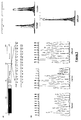
- PCR products were subjected to capillary electrophoresis using an ABI 3130xl Genetic Analyzer (Applied Biosystems). Affected individuals all showed a single peak with a fragment length of 153bp on STRand software (University of California; 2006; version 2.4.16) while normal individuals had a single peak at 154bp. Heterozygous carriers had two characteristic peaks of 153bp and 154bp ( Fig. 1 ).
- Myosins are cargo binding proteins that move along actin filaments, amongst others, driven by ATP hydrolysis (Woolner & Bement 2009).
- Myosin Va (MyoVa) is expressed in the brain and skin (Takagishi & Murata 2006) where it functions in organelle transport and membrane trafficking (Reck-Peterson et al. 2000). Diluted mouse and rat mutants have defects in melanosome transport and a failure of their release into keratinocytes (Futaki et al. 2000; Takagishi & Murata 2006).
- MyoVa also plays a role in axonal and dendritic transport in neurons (Langford & Molyneaux 1998; Reck-Peterson et al. 2000).
- Griscelli syndrome type I is an autosomal recessive genetic disorder associated with a mutation in MYO5A which is characterised by pigmentary dilution with hypotonia, marked motor developmental delay and mental retardation (Pastural et al. 1997).
- the myosin heavy chain consists of an N-terminal globular head that is conserved across the class V myosins, a neck region with an alpha-helical structure and a tail domain consisting of a helical coiled-coil interspersed with globular domains and ending in a C-terminal globular tail.
- the head of the protein contains sites for ATP hydrolysis and actin binding and is approximately 765 amino acids in length.
- the neck region of approximately 147 amino acids contains the calmodulin binding sites in the form of six IQ motifs (Sellers 2000).
- the alpha-helical tail is the site of dimerization while its distal globular segment is responsible for cargo binding and protein localization (Langford & Molyneaux 1998).
- the globular tail of MyoVa contains at least two separate binding sites with a high propensity for interacting with a wide range of different cargo molecules (Li & Mautex 2008).
- Alternative splicing in the coiled-coil of the tail region creates further cargo binding specificity in that different exons, with different binding domains, are expressed in specific tissues only.
- the brain isoform contains exon B with a binding domain for adaptors in the brain while in the skin exons D and F code for binding domains for melanophillin (Au & Huang 2002).
- the c.4459delC mutation described here lies within the globular tail domain of the MyoVa protein.
- the region where the c.4459delC mutation lies is within a deletion of a mouse mutant, D20J, which is known to occur in all splice variants (Strobel et al. 1990).
- Mice homozygous for the dilute mutation have dilute coat colour, show severe ataxia and opisthotonus and die within three weeks (Huang et al. 1998).
- the neurological aspect of the condition arises from aberrant transport of organelles in the neurons which in turn impairs synaptic regulation (Takagishi et al. 2007).
- the dilute colour observed is not due to abnormal pigment production but an abnormal dispersal of melanosomes within the hair shafts (Au & Huang 2002; Strobel et al. 1990).
- Lavender Foal Syndrome is an autosomal recessive condition caused by a single-base deletion in the MYO5A gene on chromosome 1 of equines.
- the inventors uncovered not the well known dilute mouse deletion, D20J, which one would expect to find in the coding sequence examined because it is conserved between Mus musculus and Equus caballus, but the novel c.4459delC polymorphism set out hereinbefore.
- the invention therefore provides a novel genetic marker associated with Lavender Foal Syndrome.
Landscapes
- Chemical & Material Sciences (AREA)
- Life Sciences & Earth Sciences (AREA)
- Proteomics, Peptides & Aminoacids (AREA)
- Health & Medical Sciences (AREA)
- Organic Chemistry (AREA)
- Wood Science & Technology (AREA)
- Analytical Chemistry (AREA)
- Zoology (AREA)
- Genetics & Genomics (AREA)
- Engineering & Computer Science (AREA)
- Pathology (AREA)
- Immunology (AREA)
- Microbiology (AREA)
- Molecular Biology (AREA)
- Biotechnology (AREA)
- Biophysics (AREA)
- Physics & Mathematics (AREA)
- Biochemistry (AREA)
- Bioinformatics & Cheminformatics (AREA)
- General Engineering & Computer Science (AREA)
- General Health & Medical Sciences (AREA)
- Measuring Or Testing Involving Enzymes Or Micro-Organisms (AREA)
Description
- THIS INVENTION relates to the detection of genetic abnormalities associated with animal pathologies. More specifically, the invention provides a method for detecting a polymorphism associated with Lavender Foal Syndrome (or a predisposition thereto), to a diagnostic test for Lavender Foal Syndrome, to oligonucleotides for detecting Lavender Foal Syndrome, and to a diagnostic kit.
- Lavender Foal Syndrome is an autosomal recessive lethal disorder affecting Arabian foals which is also characterised by a dilute coat colour and severe neurological signs.
- Lavender Foal syndrome (LFS), also referred to as dilute lethal (Bowling 1996), lethal LFS (Schott II & Petersen 2005), and coat colour dilution lethal (Fanelli 2005) is a condition only reported to affect Arabian foals (Bowling 1996; Fanelli 2005; Madigan 1997; Pascoe & Knottenbelt 1999) inherited in an autosomal recessive manner (Bowling 1996). Affected foals have an unusual dilute coat colour, demonstrate various neurological abnormalities, are not able to stand and nurse, and if the typical coat colour characteristic is overlooked may be incorrectly diagnosed as suffering from neonatal maladjustment syndrome (NMS), neonatal septicaemia or neonatal encephalopathy (Bowling 1996; Page et al. 2006). Post mortem evaluations have failed to yield any macroscopic findings, suggesting a biochemical cause for LFS. The prevalence of LFS remains unknown (Fanelli 2005; Page et al. 2006). A recent study using SNP chip technology has allowed researchers to identify a candidate region of 1 Mb containing 216 candidate genes for the disease (Gabreski et al. 2009). Laboklin, Dr. van haeringen laboratorium b.v and the University of Pretoria developed a genetic test for LFS already 2007-2009. Apparently, it was not made public which mutated gene or which mutation was tested for this genetic test. It is an object of the invention to locate genetic markers associated with the disease.
- Broadly, according to one aspect of the invention, there is provided a method as defined in the appended claims for detecting a genetic polymorphism associated with Lavender Foal Syndrome or a predisposition thereto, the method comprising the step of screening a subject for the presence of at least one polymorphism which is c.4459delC in the MYO5A gene family, or derivatives thereof.
- The method may include the steps of:
- obtaining a specimen from the subject, the specimen containing genomic material; and
- sequencing the specimen to detect the presence of a mutation or polymorphism which may result in the truncation or incorrect expression of the MYO5A gene.
- More particularly, sequencing may be performed to detect the presence of a frameshift deletion which may result in a premature stop codon. More particularly, the mutation is a c.4459delC mutation.
- Alternatively, or additionally, the method may include the step of detecting an interaction between a target sequence present in the genomic material and an isolated molecular marker selected from the group comprising any one or more of SEQ. ID. NOs. 13, 14, and 28, sequences complementary thereto, sequences which can hybridize under strict hybridization conditions thereto, functional truncations thereof, and sequences having at least 75% or greater homology thereto.
- In one embodiment of the invention there is provided a method as defined in the appended claims for detecting a genetic polymorphism associated with Lavender Foal Syndrome or a predisposition thereto in a subject, the method comprising the step of screening a genomic material sample from the subject for the presence of at least one polymorphism in the MYO5A gene family, or derivatives thereof.
- In another embodiment of the invention there is provided a method as defined in the appended claims for detecting Lavender Foal Syndrome or a predisposition thereto or genetic carrier status thereof in a subject, the method comprising the step of detecting in a nucleic acid sample from the subject the presence or absence of at least one genetic polymorphism in a MYO5A gene, wherein the presence of the at least one polymorphism in the MYO5A gene is indicative of Lavender Foal Syndrome or a predisposition thereto or genetic carrier status thereof in the subject.
- In a further embodiment of the invention there is provided a method as defined in the appended claims for detecting for detecting Lavender Foal Syndrome or a predisposition thereto or genetic carrier status thereof in a subject, the method comprising the step of detecting in a nucleic acid sample from the subject the allelic status of at least one genetic polymorphism in a MYO5A gene, wherein an allelic status of homozygosity is indicative of Lavender Foal Syndrome or a predisposition thereto in the subject, and wherein an allelic status of heterozygocity is indicative of a carrier status thereof in the subject.
- The isolated molecular marker may have at least 85%, 95%, 99%, or 100% homology to the MYO5A gene containing the c.4459delC mutation.
- The method may include hybridising any one or more of the markers of SEQ. ID. NOs. 13, 14, and 28 to the genomic complement and screening for a desired interaction, or the presence of a mutation. The method further may include the step of subjecting the specimen to polynucleotide amplification using a primer pair comprising at least SEQ. ID. NO. 13, or SEQ. NO. 14. Preferably, the primer pair comprises SEQ. ID. NO. 13 and SEQ. ID. NO. 14, and screening is then done to detect the presence of a 153 bp product.
- According to yet another aspect of the invention, there is provided an isolated molecular marker as defined in the appended claims for use in detecting the presence of a mutation associated with a predisposition to, or increased risk for, Lavender Foal Syndrome, the molecular marker comprising at least one isolated nucleic acid fragment derived from a MYO5A gene and containing the c.4459delC mutation, flanking sequences thereof, sequences complementary thereto, sequences which can hybridize under strict hybridization conditions thereto, functional discriminatory truncations thereof, or sequences having at least 75% or greater homology thereto.
- The isolated molecular marker may have at least 85%, 95%, 99%, or 100% homology to the MYO5A gene containing the c.4459delC mutation.
- The isolated molecular marker may be DNA-based, RNA-based, or other suitable combinations of nucleic acids or modified bases, suitably isolated or purified.
- The isolated molecular marker may be a part of, or a fragment derived from, an MYO5A gene and containing the c.4459delC mutation, the fragment being between 10 and 40, preferably between 15 and 35, more preferably between 20 and 30 nucleic acids in length, and which hybridizes under stringent hybridization conditions to at least a portion of the MYO5A gene. This may include sequences complementary to the marker, and sequences having substitutions, deletions or insertions, sequences which can hybridize under strict hybridization conditions thereto, functional discriminatory truncations thereof, and sequences having at least 75% or greater homology thereto. As such, the fragment may be a fragment of SEQ. ID. NO. 28 comprising at least the c.4459delC mutation, or flanking sequences.
In one embodiment, the isolated molecular marker may be a polymorphic marker, an SNP, short tandem repeat, microsatellite marker, or other suitable markers. The SNP may be an SNP comprising a c.4459delC mutation, together with any other SNP closely linked (i.e. which is in high linkage disequilibrium) with the c.4459delC mutation SNP. - Accordingly, the invention extends to a primer or oligonucleotide set as defined in the appended claims for use in detecting or diagnosing a predisposition to, or increased risk for, Lavender Foal Syndrome, the primer or oligonucleotide set comprising isolated nucleic acid sequences selected from at least SEQ. ID. NO. 13 or SEQ. ID. NO. 14, preferably both SEQ. ID. NOs. 13 and 14; sequences complementary thereto, sequences which can hybridize under stringent hybridization conditions thereto, and functional discriminatory truncations thereof.
- In a preferred embodiment, the isolated molecular marker is an isolated nucleic acid molecule selected from the group comprising a nucleic acid fragment having a sequence derived from a MYO5A gene and containing the c.4459delC polymorphism, SEQ ID NO 13, SEQ ID NO 14, SEQ ID NO 28, and sequences complementary thereto.
- Disclosed is an amplified polynucleotide having a Single Nucleotide Polymorphism (SNP) at a position corresponding to the c.4459delC polymorphism in a MYO5A gene.
- The amplified polynucleotide may have a length ranging from about 3 nucleotides at the position corresponding to c.4459delC where the position corresponding to c.4459delC is flanked on the 5' and 3' side by one or more nucleotides. The amplified polynucleotide may have a length of between about 3 to 300 nucleotides. Preferably, the amplified polynucleotide has a length of between 153 to 154 nucleotides.
- Disclosed is a detection reagent capable of detecting one or more single nucleic acid polymorphisms selected from the group consisting of the SNP(s) listed hereinbefore, fragments thereof, sequences complementary thereto, sequences which can hybridize under stringent hybridization conditions thereto, and functional discriminatory truncations thereof.
- Disclosed is the use of the sequences and/or, molecular markers or amplified polynucleotides of the invention in other assays, such as RFLPs and AFLPs, Short Tandem Repeats, or SNPs.
- Disclosed is a diagnostic assay comprising any one or more of the markers described hereinbefore, fragments thereof, sequences complementary thereto, sequences which can hybridize under stringent hybridization conditions thereto, and functional discriminatory truncations thereof.
- According to a still further aspect of the invention, there is provided a kit as defined in the appended claims for use in detecting a mutation associated with Lavender Foal Syndrome in a subject, the kit comprising:
- any one or more of the isolated molecular markers or oligonucleotides selected to detect a c.4459delC mutation; and suitable reaction media.
- The kit may further include any one or more of reagents, such as buffers, DNases, RNAses, polymerases, instructions, and the like.
- The isolated molecular markers may be any one or more markers selected from the markers listed hereinbefore.
- Further aspects of the invention will now be described, with reference to the following non-limiting examples and drawing.
- In the drawing:
-
Figure 1 shows a single-base deletion of MYO5A, causing the p.Arg1487AlafsX12 mutation. a) Schematic representation of myosin Va (myoVa) protein sequence. The deletion results in a frame shift with a premature stop codon 12 residues from the deletion. b) Electropherograms of sequencing data (left) show the deletion of C in affected and carrier individuals and fragment analysis (right) highlights the heterozygous nature of the carrier animals as can be seen from the two peaks. - The DNA sequences of SEQ ID NOs 1-128 are set out in Table 1 below.
- For the purposes of this specification, a "polymorphism" may include a change or difference between two related nucleic acids. A "nucleotide polymorphism" refers to a nucleotide which is different in one sequence when compared to a related sequence when the two nucleic acids are aligned for maximal correspondence. A "probe" or "molecular marker" is an RNA sequence(s) or DNA sequence(s) or analogues, modified versions, or the complement of the sequences shown. This may include a "genetic marker", which is a region on a genomic nucleic acid mapped by a molecular marker or probe. A "probe" is a composition labelled with a detectable label. A "probe" is typically used herein to identify a marker nucleic acid. A polynucleotide probe is usually a single-stranded nucleic acid sequence that can be used to identify complementary nucleic acid sequences, or may be a double-or higher order- stranded nucleic acid sequence which can be used to bind to, or associate with, a target sequence or area, generally following denaturing. The sequence of the polynucleotide probe may or may not be known. An RNA probe may hybridize with its corresponding DNA gene, or to a complementary RNA, or to other type of nucleic acid molecules. As used herein the term "functional discriminatory truncations" mean nucleic acid sequences, modified nucleic acid sequences, or other nucleic acid variants which, although they are truncated forms of sequences presented herein or variants thereof, can still bind in a discriminatory manner to target gene or nucleic acid sequences described herein and forming part of the present invention. The terms "isolated" or "biologically pure" refer to material which is substantially or essentially free from components which normally accompany it as found in its native state. An "amplified mixture" of nucleic acids includes multiple copies of more than one (and generally several) nucleic acids. "Stringent hybridization conditions" in the context of nucleic acid hybridization are sequence dependent and are different under different environmental parameters. Generally, stringent conditions are selected to be about 5°C lower than the thermal melting point (Tm) for the specific sequence at a defined ionic strength and pH. The Tm is the temperature (under defined ionic strength and pH) at which 50% of the target sequence hybridizes to a perfectly matched probe. Highly stringent conditions are selected to be equal to the Tm point for a particular probe. An example of stringent wash conditions for, say, a Southern blot of such nucleic acids is a 0.2 X SSC wash at 65°C for 15 minutes. Such a high stringency wash may be preceded by a low stringency wash to remove background probe signal. An example of a low stringency wash is 2 X SSC at 40°C for 15 minutes. In general, a signal to noise ratio of 2x (or higher) than that observed for an unrelated probe in the particular hybridization assay indicates detection of a specific hybridization event. For highly specific hybridization strategies such as allele-specific hybridization, an allele-specific probe is usually hybridized to a marker nucleic acid (e.g., a genomic nucleic acid, an amplicon, or the like) comprising a polymorphic nucleotide under highly stringent conditions.
- Preliminary investigations had indicated that MYO5A may be a possible candidate gene for Lavender Foal Syndrome. Sequencing of the coding region identified a single-base deletion in a conserved region of the tail domain. The deletion produces a truncated protein product through the insertion of a premature stop codon (p.Arg1487AlafsX12). The deletion was confirmed as the causative mutation by genotyping affected, carrier and normal individuals.
- To identify the molecular defect underlying this disorder, the coding region of the MYO5A gene in normal, affected and carrier animals was sequenced. DNA was extracted from tissue and blood samples of four affected foals, their carrier sires and dams as well as four unaffected, non-carrier individuals using a phenol-chloroform DNA extraction protocol with ethanol washes. PCR amplification of the MYO5A coding region was done using 12 sets of primers (SEQ. ID. NOs. 1 to 24, also referred to as
Lavender 1 to Lavender 12 in Table 1), designed to amplify 12 regions of coding sequence conserved between Mus musculus and Equus caballus. PCR amplification was performed for 35 cycles of 45 s at 95 °C, 1 min at 60 °C and 2 min at 72 °C with a final extension step of 8 min at 72 °C in 20 µl reaction volumes. PCR products were purified using the Invitek MSB Spin PCRapace Kit by Invisorb® and sequenced in 10 µl reactions using Bigdye v3.1 sequencing chemistry (Applied Biosystems) on the ABI 3130xl Genetic Analyzer (Applied Biosystems). Partial sequences of the MYO5A gene of normal and affected individuals are attached as Sequence 1 (also referred to as SEQ. ID. NO. 27) and Sequence 2 (also referred to as SEQ. ID. NO. 28), respectively.Table 1: List of primers used for sequencing and genotyping Lavender1 SEQ.ID.NO. 1 
SEQ.ID.NO. 2 
Lavender2 SEQ.ID.NO. 3 
SEQ.ID.NO. 4 
Lavender3 SEQ.ID.NO. 5 
SEQ.ID.NO. 6 
Lavender4 SEQ.ID.NO. 7 
SEQ.ID.NO. 8 
Lavender5 SEQ.ID.NO. 9 
SEQ.ID.NO. 10 
Lavender6 SEQ.ID.NO. 11 
SEQ.ID.NO. 12 
Lavender7 SEQ.ID.NO. 13 
SEQ.ID.NO. 14 
Lavender8 SEQ.ID.NO. 15 
SEQ.ID.NO. 16 
Lavender9 SEQ.ID.NO. 17 
SEQ.ID.NO. 18 
Lavender10 SEQ.ID.NO. 19 
SEQ.ID.NO. 20 
Lavender11 SEQ.ID.NO. 21 
SEQ.ID.NO. 22 
Lavender12 SEQ.ID.NO. 23 
SEQ.ID.NO. 24 
ACDF01 SEQ.ID.NO. 25 
SEQ.ID.NO. 26 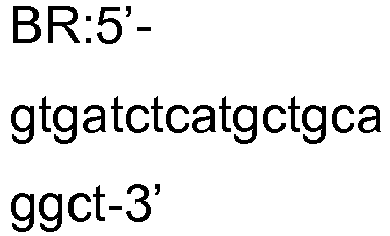
-

- Partial sequence of MYO5A gene from an affected horse with the c.4459delC mutation which causes Lavender Foal Syndrome. "-" indicates the single-base deletion of cytosine at 4459bp (c.4459delC) which produced a frameshift that resulted in a premature stop codon (p.Arg1487AlafsX12).

- Comparison of the nucleotide sequences between affected and normal individuals revealed only one sequence variation in the fragment amplified by primer set 7 ("Lavender7), i.e. SEQ. ID. NO. 13 and 14. A single-base deletion of cytosine at 4459bp (c.4459delC) produced a frameshift that resulted in a premature stop codon (p.Arg1487AlafsX12). The substituted amino acid, Arginine, is conserved between human, mouse, rat and horse sequences and the resulting truncation of almost half the protein tail (
Fig. 1 ) is the causative mutation for the disorder. Direct sequencing of the region containing the deletion confirmed that affected and carrier individuals were homozygous and heterozygous for the deletion, respectively, while the deletion did not occur in normal individuals (Fig. 1 ). In order to confirm the specificity of the mutation, 29 samples from individuals related to the four carrier foals as well as 5 unrelated control samples were genotyped. Fluorescently labelled primers were designed to amplify a 154bp fragment flanking the deletion site (ACDF01 in Table 1 of supplementary data). PCR amplification was performed for 35 cycles of 45 s at 95 °C, 45 s at 60 °C and 1 min at 72 °C with a final extension step of 8 min at 72 °C in 20 µl reaction volumes. PCR products were subjected to capillary electrophoresis using an ABI 3130xl Genetic Analyzer (Applied Biosystems). Affected individuals all showed a single peak with a fragment length of 153bp on STRand software (University of California; 2006; version 2.4.16) while normal individuals had a single peak at 154bp. Heterozygous carriers had two characteristic peaks of 153bp and 154bp (Fig. 1 ). - Myosins are cargo binding proteins that move along actin filaments, amongst others, driven by ATP hydrolysis (Woolner & Bement 2009). Myosin Va (MyoVa) is expressed in the brain and skin (Takagishi & Murata 2006) where it functions in organelle transport and membrane trafficking (Reck-Peterson et al. 2000). Diluted mouse and rat mutants have defects in melanosome transport and a failure of their release into keratinocytes (Futaki et al. 2000; Takagishi & Murata 2006). MyoVa also plays a role in axonal and dendritic transport in neurons (Langford & Molyneaux 1998; Reck-Peterson et al. 2000). In man, Griscelli syndrome type I is an autosomal recessive genetic disorder associated with a mutation in MYO5A which is characterised by pigmentary dilution with hypotonia, marked motor developmental delay and mental retardation (Pastural et al. 1997).
- The myosin heavy chain consists of an N-terminal globular head that is conserved across the class V myosins, a neck region with an alpha-helical structure and a tail domain consisting of a helical coiled-coil interspersed with globular domains and ending in a C-terminal globular tail. The head of the protein contains sites for ATP hydrolysis and actin binding and is approximately 765 amino acids in length. The neck region of approximately 147 amino acids contains the calmodulin binding sites in the form of six IQ motifs (Sellers 2000). The alpha-helical tail is the site of dimerization while its distal globular segment is responsible for cargo binding and protein localization (Langford & Molyneaux 1998). The globular tail of MyoVa contains at least two separate binding sites with a high propensity for interacting with a wide range of different cargo molecules (Li & Nebenführ 2008). Alternative splicing in the coiled-coil of the tail region creates further cargo binding specificity in that different exons, with different binding domains, are expressed in specific tissues only. The brain isoform contains exon B with a binding domain for adaptors in the brain while in the skin exons D and F code for binding domains for melanophillin (Au & Huang 2002).
- The c.4459delC mutation described here lies within the globular tail domain of the MyoVa protein. The region where the c.4459delC mutation lies is within a deletion of a mouse mutant, D20J, which is known to occur in all splice variants (Strobel et al. 1990). Mice homozygous for the dilute mutation have dilute coat colour, show severe ataxia and opisthotonus and die within three weeks (Huang et al. 1998). The neurological aspect of the condition arises from aberrant transport of organelles in the neurons which in turn impairs synaptic regulation (Takagishi et al. 2007). The dilute colour observed is not due to abnormal pigment production but an abnormal dispersal of melanosomes within the hair shafts (Au & Huang 2002; Strobel et al. 1990).
-
Griscelli syndrome type 1 in man is associated with pigment dilution and neurological symptoms (Pastural et al. 1997) while the dilute lethal mouse and dilute-opisthotonus rat mutants exhibit dilute coat colours and intermittent opisthotonus (Futaki et al. 2000; Huang et al. 1998). The present disclosure provides evidence that Lavender Foal Syndrome is an autosomal recessive condition caused by a single-base deletion in the MYO5A gene onchromosome 1 of equines. - Surprisingly, the inventors uncovered not the well known dilute mouse deletion, D20J, which one would expect to find in the coding sequence examined because it is conserved between Mus musculus and Equus caballus, but the novel c.4459delC polymorphism set out hereinbefore. The invention therefore provides a novel genetic marker associated with Lavender Foal Syndrome.
-
- Au, J.S.Y. & Huang, J.D. 2002. A tissue-specific exon of Myosin Va is responsible for selective cargo binding in melanocytes. Cell Motility and the Cytoskeleton, 53, (2) 89-102
- Bowling, A. T. 1996, "Medical genetics," In Horse Genetics, Wallingford: CAB International, pp. 105-106.
- Fanelli, H.H. 2005. Coat colour dilution lethal ('lavender foal syndrome'): A tetany syndrome of Arabian foals. Equine Veterinary Education, 17, (5) 260-263
- Futaki, S., Takagishi, Y., Hayashi, Y., Ohmori, S., Kanou, Y., Inouye, M., Oda, S.I., Seo, H., Iwaikawa, Y., & Murata, Y. 2000. Identification of a novel myosin-Va mutation in an ataxic mutant rat, dilute-opisthotonus. Mammalian Genome, 11, (8) 649-655
- Gabreski, N., Brooks, S., Miller, D., & Anczak, D. 2009. Mapping of Lavender Foal Syndrome using the EquineSNP50 Chip. Journal of Equine Veterinary Science, 29, (5) 321-322
- Huang, J.D., Mermall, V., Strobel, M.C., Russell, L.B., Mooseker, M.S., Copeland, N.G., & Jenkins, N.A. 1998. Molecular genetic dissection of mouse unconventional myosin-VA: Tail region mutations. Genetics, 148, (4) 1963-1972
- Langford, G.M. & Molyneaux, B.J. 1998. Myosin V in the brain: mutations lead to neurological defects. Brain Research Reviews, 28, 1-8
- Li, J.F. & Nebenführ, A. 2008. The tail that wags the Dog: The globular Tail Domain defines the function of Myosin V/XI. Traffic, 9, (3) 290-298
- Madigan, J. E. 1997, "Congenital anomalies and genetic disorders," In Manual of Equine Neonatal Medicine, Woodland, CA: Live Oak Publishing, pp. 210-211.
- Page, P., Parker, R., Harper, C., Guthrie, A., & Neser, J. 2006. Clinical, clinicopathologic, postmortem examination findings and familial history of 3 Arabians with lavender foal syndrome. Journal of Veterinary Internal Medicine, 20, (6) 1491-1494
- Pascoe, R. R. & Knottenbelt, D. C. 1999, "Congenital/developmental diseases," In Manual of Equine Dermatology, London: WB Saunders Co, pp. 148-149.
- Pastural, E., Barrat, F.J., Dufourcq-Lagelouse, R., Certain, S., Sanal, O., Jabado, N., Seger, R., Griscelli, C., Fischer, A., & De Saint Basile, G. 1997. Griscelli disease maps to chromosome 15q21 and is associated with mutations in the myosin-Va gene. Nature Genetics, 16, (3) 289-292
- Reck-Peterson, S.L., Provance, D.W., Mooseker, M.S., & Mercer, J.A. 2000. Class V myosins. Biochimica et Biophysica Acta (BBA) - Molecular Cell Research, 1496, (1) 36-51
- Schott II, H.C. & Petersen, A.D. 2005. Cutaneous markers of disorders affecting young horses. Clinical Techniques in Equine Practice, 4, (4) 314-323
- Sellers, J.R. 2000. Myosins: a diverse superfamily. Biochimica et Biophysica Acta, 1496, (1) 3-22
- Strobel, M.C., Seperack, P.K., Copeland, N.G., & Jenkins, N.A. 1990. Molecular analysis of two mouse dilute locus deletion mutations: spontaneous dilute lethal20J and radiation-induced dilute prenatal lethal Aa2 alleles. Molecular and Cellular Biology, 10, (2) 501-509
- Takagishi, Y., Hashimoto, K., Kayahara, T., Watanabe, M., Otsuka, H., Mizoguchi, A., Kano, M., & Murata, Y. 2007. Diminished climbing fiber innervation of Purkinje cells in the cerebellum of myosin Va mutant mice and rats. Developmental Neurobiology, 67, (7) 909-923
- Takagishi, Y. & Murata, Y. 2006. Myosin Va mutation in rats is an animal model for the human hereditary neurological disease,
- Woolner, S. & Bement, W.M. 2009. Unconventional myosins acting unconventionally. Trends in Cell Biology, 19, (6) 245-252
-
- <110> University of Pretoria
- <120> Oligonucleotides and Methods for detecting Lavender Foal Syndrome
- <130> FP12277
- <150>
ZA200908541
<151> 2009-12-02 - <160> 28
- <170> PatentIn version 3.3
- <210> 1
<211> 20
<212> DNA
<213> Artificial - <220>
<223> Primer - <400> 1
aagacaaagc gcatgccacc 20 - <210> 2
<211> 20
<212> DNA
<213> Artificial - <220>
<223> Primer - <400> 2
gccgcattct tcagcatcca 20 - <210> 3
<211> 22
<212> DNA
<213> Artificial - <220>
<223> Primer - <400> 3
tccagatgct gtgtcttgtg ca 22 - <210> 4
<211> 22
<212> DNA
<213> Artificial - <220>
<223> Primer - <400> 4
tcacagtcca ctcagacagc aa 22 - <210> 5
<211> 22
<212> DNA
<213> Artificial - <220>
<223> Primer - <400> 5
tacagtggtc agaacatggg tg 22 - <210> 6
<211> 20
<212> DNA
<213> Artificial - <220>
<223> Primer - <400> 6
aaacagagct tccaccaacc 20 - <210> 7
<211> 22
<212> DNA
<213> Artificial - <220>
<223> Primer - <400> 7
gctggaatcc ttcacttagg ca 22 - <210> 8
<211> 20
<212> DNA
<213> Artificial - <220>
<223> Primer - <400> 8
acaggtattg tgcagctgtc 20 - <210> 9
<211> 21
<212> DNA
<213> Artificial - <220>
<223> Primer - <400> 9
tgactatggg caaagtgcag g 21 - <210> 10
<211> 22
<212> DNA
<213> Artificial - <220>
<223> Primer - <400> 10
gtaggaacct ctcccatcag ga 22 - <210> 11
<211> 22
<212> DNA
<213> Artificial - <220>
<223> Primer - <400> 11
ccttgcagat actccgtgag ca 22 - <210> 12
<211> 20
<212> DNA
<213> Artificial - <220>
<223> Primer - <400> 12
atgctccact tctagggctc 20 - <210> 13
<211> 22
<212> DNA
<213> Artificial - <220>
<223> Primer - <400> 13
ctagggtcat ctccgtttcc ta 22 - <210> 14
<211> 20
<212> DNA
<213> Artificial - <220>
<223> Primer - <400> 14
ccaagttttc gttggtcagc 20 - <210> 15
<211> 22
<212> DNA
<213> Artificial - <220>
<223> Primer - <400> 15
tttagccaga tggtggctcc ac 22 - <210> 16
<211> 22
<212> DNA
<213> Artificial - <220>
<223> Primer - <400> 16
tttccactcc acagagacca gg 22 - <210> 17
<211> 22
<212> DNA
<213> Artificial - <220>
<223> Primer - <400> 17
accaggattc acatgtcccc ac 22 - <210> 18
<211> 22
<212> DNA
<213> Artificial - <220>
<223> Primer - <400> 18
aaggtgtcgg ttaagactgg ga 22 - <210> 19
<211> 22
<212> DNA
<213> Artificial - <220>
<223> Primer - <400> 19
gttgcattga cattgctgtt gg 22 - <210> 20
<211> 22
<212> DNA
<213> Artificial - <220>
<223> Primer - <400> 20
atctactggt gggcacatga gg 22 - <210> 21
<211> 22
<212> DNA
<213> Artificial - <220>
<223> Primer - <400> 21
agcacacgaa cttaaccact cg 22 - <210> 22
<211> 22
<212> DNA
<213> Artificial - <220>
<223> Primer - <400> 22
acaggtgttg gtgtttgctc ac 22 - <210> 23
<211> 22
<212> DNA
<213> Artificial - <220>
<223> Primer - <400> 23
tcagatgcgt ttacgagaca gg 22 - <210> 24
<211> 20
<212> DNA
<213> Artificial - <220>
<223> Primer - <400> 24
taactgctcg cggatgagtg 20 - <210> 25
<211> 20
<212> DNA
<213> Artificial - <220>
<223> Primer - <400> 25
agaatgaggc tgaagccctc 20 - <210> 26
<211> 20
<212> DNA
<213> Artificial - <220>
<223> Primer - <400> 26
gtgatctcat gctgcaggct 20 - <210> 27
<211> 179
<212> DNA
<213> Equus caballus - <400> 27

- <210> 28
<211> 178
<212> DNA
<213> Equus caballus - <400> 28

Claims (10)
- A method for detecting a genetic polymorphism associated with Lavender Foal Syndrome or a predisposition thereto or genetic carrier status thereof in a subject, the method comprising the step of screening a genomic material sample from the subject for the presence of at least one polymorphism in a MYO5A gene, wherein the at least one polymorphism is c.4459delC, and wherein the presence of the at least one polymorphism in the MYO5A gene is indicative of Lavender Foal Syndrome or a predisposition thereto or genetic carrier status thereof in the subject.
- The method of claim 1, wherein the polymorphism is a frameshift deletion causing a premature stop codon.
- The method of any one of claims 1 to 2, wherein the method includes the step of hybridising to the genomic material sample from the subject an isolated nucleic acid molecule having a sequence selected from the group comprising any one or more of SEQ. ID. NOs. 13, 14, and 28, sequences complementary thereto, sequences hybridising under strict hybridization conditions thereto, functional truncations thereof, and sequences having at least 75% or greater homology thereto.
- A method for detecting Lavender Foal Syndrome or a predisposition thereto or genetic carrier status thereof in a subject, the method comprising the step of detecting in a nucleic acid sample from the subject the presence or absence of at least one genetic polymorphism in a MYO5A gene, wherein the at least one polymorphism is c.4459delC, and wherein the presence of the at least one polymorphism in the MYO5A gene is indicative of Lavender Foal Syndrome or a predisposition thereto or genetic carrier status thereof in the subject.
- A method for detecting Lavender Foal Syndrome or a predisposition thereto or genetic carrier status thereof in a subject, the method comprising the step of detecting in a nucleic acid sample from the subject the allelic status of at least one genetic polymorphism in a MYO5A gene, wherein the at least one polymorphism is c.4459delC, and wherein an allelic status of homozygosity is indicative of Lavender Foal Syndrome or a predisposition thereto in the subject, and wherein an allelic status of heterozygocity is indicative of a carrier status thereof in the subject.
- The method of either claim 4 or claim 5, wherein the polymorphism is a frameshift deletion causing a premature stop codon.
- The method of any one of claims 4 to 6, wherein the method includes the step of hybridising to the nucleic acid sample from the subject an isolated nucleic acid molecule having a sequence selected from the group comprising any one or more of SEQ. ID. NOs. 13, 14, and 28, sequences complementary thereto, sequences hybridising under strict hybridization conditions thereto, functional truncations thereof, and sequences having at least 75% or greater homology thereto.
- An isolated nucleic acid molecule consisting of a sequence selected from the group comprising:a nucleic acid fragment having a sequence which is a part of a MYO5A gene and containing the c.4459delC polymorphism,SEQ ID NO 13,SEQ ID NO 14,SEQ ID NO 28,and sequences complementary thereto.
- Use of an isolated nucleic acid molecule consisting of a sequence selected from the group comprising: a nucleic acid fragment having a sequence which is a part of a MYO5A gene and containing the c.4459delC polymorphism, SEQ ID NO 13, SEQ ID NO 14, SEQ ID NO 28, and sequences complementary thereto, or an amplified polynucleotide being a fragment of a MYO5A gene containing the c.4459delC polymorphism, in a method for detecting a genetic polymorphism associated with Lavender Foal Syndrome or a predisposition thereto in a subject.
- A kit for use in a method for detecting a genetic polymorphism in a MYO5A gene, wherein the genetic polymorphism is c.4459delC, the genetic polymorphism being associated with Lavender Foal Syndrome or a predisposition thereto in a subject, the kit comprising:a. an isolated nucleic acid molecule consisting of a sequence selected from the group comprising: a nucleic acid fragment having a sequence which is a part of a MYO5A gene and containing the c.4459delC polymorphism, SEQ ID NO 13, SEQ ID NO 14, SEQ ID NO 28, and sequences complementary thereto ; andb. suitable reaction media.
Applications Claiming Priority (2)
| Application Number | Priority Date | Filing Date | Title |
|---|---|---|---|
| ZA200908541 | 2009-12-02 | ||
| PCT/IB2010/055529 WO2011067725A2 (en) | 2009-12-02 | 2010-12-01 | Oligonucleotides and methods for detecting lavender foal syndrome |
Publications (2)
| Publication Number | Publication Date |
|---|---|
| EP2507390A2 EP2507390A2 (en) | 2012-10-10 |
| EP2507390B1 true EP2507390B1 (en) | 2016-03-09 |
Family
ID=43799747
Family Applications (1)
| Application Number | Title | Priority Date | Filing Date |
|---|---|---|---|
| EP10807373.5A Active EP2507390B1 (en) | 2009-12-02 | 2010-12-01 | Oligonucleotides and methods for detecting lavender foal syndrome |
Country Status (7)
| Country | Link |
|---|---|
| US (1) | US9109253B2 (en) |
| EP (1) | EP2507390B1 (en) |
| AU (1) | AU2010325647B2 (en) |
| NZ (1) | NZ600909A (en) |
| PL (1) | PL2507390T3 (en) |
| WO (1) | WO2011067725A2 (en) |
| ZA (1) | ZA201204635B (en) |
Cited By (1)
| Publication number | Priority date | Publication date | Assignee | Title |
|---|---|---|---|---|
| CN108226534A (en) * | 2018-01-12 | 2018-06-29 | 广州市康润生物科技有限公司 | Application and its kit of a kind of biomarker in terms of antiphospholipid syndrome is judged |
Families Citing this family (2)
| Publication number | Priority date | Publication date | Assignee | Title |
|---|---|---|---|---|
| US9109253B2 (en) * | 2009-12-02 | 2015-08-18 | University Of Pretoria | Oligonucleotides and methods for detecting lavender foal syndrome |
| US8932810B2 (en) * | 2010-04-23 | 2015-01-13 | Cornell University | Identification of mutation and method for detecting lavender foal syndrome in the horse |
Family Cites Families (2)
| Publication number | Priority date | Publication date | Assignee | Title |
|---|---|---|---|---|
| US20110023157A1 (en) * | 2008-12-04 | 2011-01-27 | Sigma-Aldrich Co. | Equine genome editing with zinc finger nucleases |
| US9109253B2 (en) * | 2009-12-02 | 2015-08-18 | University Of Pretoria | Oligonucleotides and methods for detecting lavender foal syndrome |
-
2010
- 2010-12-01 US US13/512,536 patent/US9109253B2/en active Active
- 2010-12-01 PL PL10807373.5T patent/PL2507390T3/en unknown
- 2010-12-01 AU AU2010325647A patent/AU2010325647B2/en active Active
- 2010-12-01 WO PCT/IB2010/055529 patent/WO2011067725A2/en not_active Ceased
- 2010-12-01 NZ NZ600909A patent/NZ600909A/en unknown
- 2010-12-01 EP EP10807373.5A patent/EP2507390B1/en active Active
-
2012
- 2012-06-20 ZA ZA2012/04635A patent/ZA201204635B/en unknown
Non-Patent Citations (3)
| Title |
|---|
| DATABASE EMBL [online] 29 August 2008 (2008-08-29), "Homo sapiens myosin Va mRNA, exons A, C, E, and partial cds, alternatively spliced.", retrieved from EBI accession no. EM_STD:EU921839 Database accession no. EU921839 * |
| DATABASE EMBL [online] 31 March 2005 (2005-03-31), "Homo sapiens mRNA for Myosin Va variant protein.", retrieved from EBI accession no. EM_STD:AB209487 Database accession no. AB209487 * |
| GABRESKI N ET AL: "Mapping of Lavender Foal Syndrome using the EquineSNP50 Chip", JOURNAL OF EQUINE VETERINARY SCIENCE, JONES, WILDOMAR, CA, US, vol. 29, no. 5, 1 May 2009 (2009-05-01), pages 321 - 322, XP027570868, ISSN: 0737-0806, [retrieved on 20090501] * |
Cited By (2)
| Publication number | Priority date | Publication date | Assignee | Title |
|---|---|---|---|---|
| CN108226534A (en) * | 2018-01-12 | 2018-06-29 | 广州市康润生物科技有限公司 | Application and its kit of a kind of biomarker in terms of antiphospholipid syndrome is judged |
| CN108226534B (en) * | 2018-01-12 | 2020-06-30 | 广州市康润生物科技有限公司 | Application of biomarker in judging phospholipid-resistant syndrome and kit thereof |
Also Published As
| Publication number | Publication date |
|---|---|
| US20130022972A1 (en) | 2013-01-24 |
| NZ600909A (en) | 2014-09-26 |
| ZA201204635B (en) | 2013-02-27 |
| AU2010325647A1 (en) | 2012-07-19 |
| WO2011067725A2 (en) | 2011-06-09 |
| WO2011067725A3 (en) | 2011-08-04 |
| EP2507390A2 (en) | 2012-10-10 |
| PL2507390T3 (en) | 2016-10-31 |
| AU2010325647B2 (en) | 2013-06-20 |
| US9109253B2 (en) | 2015-08-18 |
Similar Documents
| Publication | Publication Date | Title |
|---|---|---|
| US20200270692A1 (en) | Predicting age-related macular degeneration with single nucleotide polymorphisms within or near the genes for complement component c2, factor b, plekha1, htra1, prelp, or loc387715 | |
| KR20200073407A (en) | SNP Markers for discriminating quality of pig semen and their uses | |
| US8206911B2 (en) | Identification of the gene and mutation responsible for progressive rod-cone degeneration in dog and a method for testing same | |
| CN103865997A (en) | Identification of group of hypertension-susceptibility genes | |
| TW201713776A (en) | Single nucleotide polymorphism in HLA-B*15:02 and use thereof | |
| US20140148344A1 (en) | Association markers for beta thalassemia trait | |
| AU2010325647B2 (en) | Oligonucleotides and methods for detecting Lavender Foal Syndrome | |
| US9228237B2 (en) | Cystic fibrosis gene mutations | |
| JP2014511691A5 (en) | ||
| Bierman et al. | Lavender foal syndrome in Arabian horses is caused by a single‐base deletion in the MYO5A gene | |
| AU2007231141B2 (en) | Hereditary cataract status in canines based on HSF4 gene marker | |
| US20030008301A1 (en) | Association between schizophrenia and a two-marker haplotype near PILB gene | |
| WO2009134226A1 (en) | Canine coat color prediction | |
| WO2006133841A1 (en) | MDRl SNP IN ACUTE RETECTION | |
| EP1896608A1 (en) | Il10 snp associated with acute rejection | |
| WO2008100244A2 (en) | Methods of detecting mutations associated with ataxia-ocular apraxia 2 (aoa2) | |
| JP2005270053A (en) | Method for examining disease caused by low uric acid level using polymorphism on URAT1 gene, and use for drug discovery | |
| EP2728016A1 (en) | Long hair phenotype in canidae |
Legal Events
| Date | Code | Title | Description |
|---|---|---|---|
| PUAI | Public reference made under article 153(3) epc to a published international application that has entered the european phase |
Free format text: ORIGINAL CODE: 0009012 |
|
| 17P | Request for examination filed |
Effective date: 20120620 |
|
| AK | Designated contracting states |
Kind code of ref document: A2 Designated state(s): AL AT BE BG CH CY CZ DE DK EE ES FI FR GB GR HR HU IE IS IT LI LT LU LV MC MK MT NL NO PL PT RO RS SE SI SK SM TR |
|
| RIN1 | Information on inventor provided before grant (corrected) |
Inventor name: BIERMAN, ANANDI Inventor name: GUTHRIE, ALAN JOHN Inventor name: HARPER, CINDY KIM |
|
| DAX | Request for extension of the european patent (deleted) | ||
| 17Q | First examination report despatched |
Effective date: 20130806 |
|
| GRAP | Despatch of communication of intention to grant a patent |
Free format text: ORIGINAL CODE: EPIDOSNIGR1 |
|
| INTG | Intention to grant announced |
Effective date: 20150911 |
|
| GRAS | Grant fee paid |
Free format text: ORIGINAL CODE: EPIDOSNIGR3 |
|
| GRAA | (expected) grant |
Free format text: ORIGINAL CODE: 0009210 |
|
| AK | Designated contracting states |
Kind code of ref document: B1 Designated state(s): AL AT BE BG CH CY CZ DE DK EE ES FI FR GB GR HR HU IE IS IT LI LT LU LV MC MK MT NL NO PL PT RO RS SE SI SK SM TR |
|
| REG | Reference to a national code |
Ref country code: GB Ref legal event code: FG4D |
|
| REG | Reference to a national code |
Ref country code: AT Ref legal event code: REF Ref document number: 779587 Country of ref document: AT Kind code of ref document: T Effective date: 20160315 Ref country code: CH Ref legal event code: EP |
|
| REG | Reference to a national code |
Ref country code: IE Ref legal event code: FG4D |
|
| REG | Reference to a national code |
Ref country code: DE Ref legal event code: R096 Ref document number: 602010031109 Country of ref document: DE |
|
| REG | Reference to a national code |
Ref country code: NL Ref legal event code: FP |
|
| REG | Reference to a national code |
Ref country code: LT Ref legal event code: MG4D |
|
| PG25 | Lapsed in a contracting state [announced via postgrant information from national office to epo] |
Ref country code: NO Free format text: LAPSE BECAUSE OF FAILURE TO SUBMIT A TRANSLATION OF THE DESCRIPTION OR TO PAY THE FEE WITHIN THE PRESCRIBED TIME-LIMIT Effective date: 20160609 Ref country code: HR Free format text: LAPSE BECAUSE OF FAILURE TO SUBMIT A TRANSLATION OF THE DESCRIPTION OR TO PAY THE FEE WITHIN THE PRESCRIBED TIME-LIMIT Effective date: 20160309 Ref country code: ES Free format text: LAPSE BECAUSE OF FAILURE TO SUBMIT A TRANSLATION OF THE DESCRIPTION OR TO PAY THE FEE WITHIN THE PRESCRIBED TIME-LIMIT Effective date: 20160309 Ref country code: FI Free format text: LAPSE BECAUSE OF FAILURE TO SUBMIT A TRANSLATION OF THE DESCRIPTION OR TO PAY THE FEE WITHIN THE PRESCRIBED TIME-LIMIT Effective date: 20160309 Ref country code: GR Free format text: LAPSE BECAUSE OF FAILURE TO SUBMIT A TRANSLATION OF THE DESCRIPTION OR TO PAY THE FEE WITHIN THE PRESCRIBED TIME-LIMIT Effective date: 20160610 |
|
| REG | Reference to a national code |
Ref country code: AT Ref legal event code: MK05 Ref document number: 779587 Country of ref document: AT Kind code of ref document: T Effective date: 20160309 |
|
| PG25 | Lapsed in a contracting state [announced via postgrant information from national office to epo] |
Ref country code: SE Free format text: LAPSE BECAUSE OF FAILURE TO SUBMIT A TRANSLATION OF THE DESCRIPTION OR TO PAY THE FEE WITHIN THE PRESCRIBED TIME-LIMIT Effective date: 20160309 Ref country code: LT Free format text: LAPSE BECAUSE OF FAILURE TO SUBMIT A TRANSLATION OF THE DESCRIPTION OR TO PAY THE FEE WITHIN THE PRESCRIBED TIME-LIMIT Effective date: 20160309 Ref country code: LV Free format text: LAPSE BECAUSE OF FAILURE TO SUBMIT A TRANSLATION OF THE DESCRIPTION OR TO PAY THE FEE WITHIN THE PRESCRIBED TIME-LIMIT Effective date: 20160309 Ref country code: RS Free format text: LAPSE BECAUSE OF FAILURE TO SUBMIT A TRANSLATION OF THE DESCRIPTION OR TO PAY THE FEE WITHIN THE PRESCRIBED TIME-LIMIT Effective date: 20160309 |
|
| PG25 | Lapsed in a contracting state [announced via postgrant information from national office to epo] |
Ref country code: IS Free format text: LAPSE BECAUSE OF FAILURE TO SUBMIT A TRANSLATION OF THE DESCRIPTION OR TO PAY THE FEE WITHIN THE PRESCRIBED TIME-LIMIT Effective date: 20160709 Ref country code: EE Free format text: LAPSE BECAUSE OF FAILURE TO SUBMIT A TRANSLATION OF THE DESCRIPTION OR TO PAY THE FEE WITHIN THE PRESCRIBED TIME-LIMIT Effective date: 20160309 |
|
| PG25 | Lapsed in a contracting state [announced via postgrant information from national office to epo] |
Ref country code: SK Free format text: LAPSE BECAUSE OF FAILURE TO SUBMIT A TRANSLATION OF THE DESCRIPTION OR TO PAY THE FEE WITHIN THE PRESCRIBED TIME-LIMIT Effective date: 20160309 Ref country code: AT Free format text: LAPSE BECAUSE OF FAILURE TO SUBMIT A TRANSLATION OF THE DESCRIPTION OR TO PAY THE FEE WITHIN THE PRESCRIBED TIME-LIMIT Effective date: 20160309 Ref country code: CZ Free format text: LAPSE BECAUSE OF FAILURE TO SUBMIT A TRANSLATION OF THE DESCRIPTION OR TO PAY THE FEE WITHIN THE PRESCRIBED TIME-LIMIT Effective date: 20160309 Ref country code: RO Free format text: LAPSE BECAUSE OF FAILURE TO SUBMIT A TRANSLATION OF THE DESCRIPTION OR TO PAY THE FEE WITHIN THE PRESCRIBED TIME-LIMIT Effective date: 20160309 Ref country code: SM Free format text: LAPSE BECAUSE OF FAILURE TO SUBMIT A TRANSLATION OF THE DESCRIPTION OR TO PAY THE FEE WITHIN THE PRESCRIBED TIME-LIMIT Effective date: 20160309 Ref country code: PT Free format text: LAPSE BECAUSE OF FAILURE TO SUBMIT A TRANSLATION OF THE DESCRIPTION OR TO PAY THE FEE WITHIN THE PRESCRIBED TIME-LIMIT Effective date: 20160711 |
|
| REG | Reference to a national code |
Ref country code: DE Ref legal event code: R097 Ref document number: 602010031109 Country of ref document: DE |
|
| REG | Reference to a national code |
Ref country code: FR Ref legal event code: PLFP Year of fee payment: 7 |
|
| PG25 | Lapsed in a contracting state [announced via postgrant information from national office to epo] |
Ref country code: IT Free format text: LAPSE BECAUSE OF FAILURE TO SUBMIT A TRANSLATION OF THE DESCRIPTION OR TO PAY THE FEE WITHIN THE PRESCRIBED TIME-LIMIT Effective date: 20160309 Ref country code: BE Free format text: LAPSE BECAUSE OF FAILURE TO SUBMIT A TRANSLATION OF THE DESCRIPTION OR TO PAY THE FEE WITHIN THE PRESCRIBED TIME-LIMIT Effective date: 20160309 |
|
| PLBE | No opposition filed within time limit |
Free format text: ORIGINAL CODE: 0009261 |
|
| STAA | Information on the status of an ep patent application or granted ep patent |
Free format text: STATUS: NO OPPOSITION FILED WITHIN TIME LIMIT |
|
| PG25 | Lapsed in a contracting state [announced via postgrant information from national office to epo] |
Ref country code: DK Free format text: LAPSE BECAUSE OF FAILURE TO SUBMIT A TRANSLATION OF THE DESCRIPTION OR TO PAY THE FEE WITHIN THE PRESCRIBED TIME-LIMIT Effective date: 20160309 |
|
| 26N | No opposition filed |
Effective date: 20161212 |
|
| PG25 | Lapsed in a contracting state [announced via postgrant information from national office to epo] |
Ref country code: BG Free format text: LAPSE BECAUSE OF FAILURE TO SUBMIT A TRANSLATION OF THE DESCRIPTION OR TO PAY THE FEE WITHIN THE PRESCRIBED TIME-LIMIT Effective date: 20160609 |
|
| PG25 | Lapsed in a contracting state [announced via postgrant information from national office to epo] |
Ref country code: SI Free format text: LAPSE BECAUSE OF FAILURE TO SUBMIT A TRANSLATION OF THE DESCRIPTION OR TO PAY THE FEE WITHIN THE PRESCRIBED TIME-LIMIT Effective date: 20160309 |
|
| REG | Reference to a national code |
Ref country code: CH Ref legal event code: PL |
|
| PG25 | Lapsed in a contracting state [announced via postgrant information from national office to epo] |
Ref country code: MC Free format text: LAPSE BECAUSE OF FAILURE TO SUBMIT A TRANSLATION OF THE DESCRIPTION OR TO PAY THE FEE WITHIN THE PRESCRIBED TIME-LIMIT Effective date: 20160309 |
|
| REG | Reference to a national code |
Ref country code: IE Ref legal event code: MM4A |
|
| PG25 | Lapsed in a contracting state [announced via postgrant information from national office to epo] |
Ref country code: LI Free format text: LAPSE BECAUSE OF NON-PAYMENT OF DUE FEES Effective date: 20161231 Ref country code: LU Free format text: LAPSE BECAUSE OF NON-PAYMENT OF DUE FEES Effective date: 20161201 Ref country code: CH Free format text: LAPSE BECAUSE OF NON-PAYMENT OF DUE FEES Effective date: 20161231 |
|
| PG25 | Lapsed in a contracting state [announced via postgrant information from national office to epo] |
Ref country code: IE Free format text: LAPSE BECAUSE OF NON-PAYMENT OF DUE FEES Effective date: 20161201 |
|
| REG | Reference to a national code |
Ref country code: FR Ref legal event code: PLFP Year of fee payment: 8 |
|
| PG25 | Lapsed in a contracting state [announced via postgrant information from national office to epo] |
Ref country code: HU Free format text: LAPSE BECAUSE OF FAILURE TO SUBMIT A TRANSLATION OF THE DESCRIPTION OR TO PAY THE FEE WITHIN THE PRESCRIBED TIME-LIMIT; INVALID AB INITIO Effective date: 20101201 Ref country code: CY Free format text: LAPSE BECAUSE OF FAILURE TO SUBMIT A TRANSLATION OF THE DESCRIPTION OR TO PAY THE FEE WITHIN THE PRESCRIBED TIME-LIMIT Effective date: 20160309 |
|
| PG25 | Lapsed in a contracting state [announced via postgrant information from national office to epo] |
Ref country code: TR Free format text: LAPSE BECAUSE OF FAILURE TO SUBMIT A TRANSLATION OF THE DESCRIPTION OR TO PAY THE FEE WITHIN THE PRESCRIBED TIME-LIMIT Effective date: 20160309 Ref country code: MK Free format text: LAPSE BECAUSE OF FAILURE TO SUBMIT A TRANSLATION OF THE DESCRIPTION OR TO PAY THE FEE WITHIN THE PRESCRIBED TIME-LIMIT Effective date: 20160309 |
|
| PG25 | Lapsed in a contracting state [announced via postgrant information from national office to epo] |
Ref country code: MT Free format text: LAPSE BECAUSE OF NON-PAYMENT OF DUE FEES Effective date: 20161201 |
|
| PG25 | Lapsed in a contracting state [announced via postgrant information from national office to epo] |
Ref country code: AL Free format text: LAPSE BECAUSE OF FAILURE TO SUBMIT A TRANSLATION OF THE DESCRIPTION OR TO PAY THE FEE WITHIN THE PRESCRIBED TIME-LIMIT Effective date: 20160309 |
|
| PGFP | Annual fee paid to national office [announced via postgrant information from national office to epo] |
Ref country code: DE Payment date: 20251211 Year of fee payment: 16 |
|
| PGFP | Annual fee paid to national office [announced via postgrant information from national office to epo] |
Ref country code: GB Payment date: 20251217 Year of fee payment: 16 |
|
| PGFP | Annual fee paid to national office [announced via postgrant information from national office to epo] |
Ref country code: NL Payment date: 20251219 Year of fee payment: 16 Ref country code: FR Payment date: 20251222 Year of fee payment: 16 |
|
| PGFP | Annual fee paid to national office [announced via postgrant information from national office to epo] |
Ref country code: PL Payment date: 20251120 Year of fee payment: 16 |