EP2503838A2 - Methods for requesting emergency bearer services for low priority devices, and apparatuses using the same - Google Patents
Methods for requesting emergency bearer services for low priority devices, and apparatuses using the same Download PDFInfo
- Publication number
- EP2503838A2 EP2503838A2 EP12001924A EP12001924A EP2503838A2 EP 2503838 A2 EP2503838 A2 EP 2503838A2 EP 12001924 A EP12001924 A EP 12001924A EP 12001924 A EP12001924 A EP 12001924A EP 2503838 A2 EP2503838 A2 EP 2503838A2
- Authority
- EP
- European Patent Office
- Prior art keywords
- request message
- bearer services
- emergency bearer
- emergency
- rrc connection
- Prior art date
- Legal status (The legal status is an assumption and is not a legal conclusion. Google has not performed a legal analysis and makes no representation as to the accuracy of the status listed.)
- Granted
Links
Images



Classifications
-
- H—ELECTRICITY
- H04—ELECTRIC COMMUNICATION TECHNIQUE
- H04W—WIRELESS COMMUNICATION NETWORKS
- H04W76/00—Connection management
- H04W76/50—Connection management for emergency connections
-
- H—ELECTRICITY
- H04—ELECTRIC COMMUNICATION TECHNIQUE
- H04W—WIRELESS COMMUNICATION NETWORKS
- H04W4/00—Services specially adapted for wireless communication networks; Facilities therefor
- H04W4/90—Services for handling of emergency or hazardous situations, e.g. earthquake and tsunami warning systems [ETWS]
Definitions
- the invention generally relates to the handling of requests for emergency bearer services, and more particularly, to methods for requesting emergency bearer services for low priority devices, and apparatuses using the same.
- MTC Machine Type Communication
- MTC sensors may be employed to monitor the operation statuses of facilities and report measurement results back to control centers using various wireless access technologies, such as the Global System for Mobile communications (GSM) technology, General Packet Radio Service (GPRS) technology, Enhanced Data rates for Global Evolution (EDGE) technology, Wideband Code Division Multiple Access (WCDMA) technology, Code Division Multiple Access 2000 (CDMA-2000) technology, Time Division-Synchronous Code Division Multiple Access (TD-SCDMA) technology, Worldwide Interoperability for Microwave Access (WiMAX) technology, Long Term Evolution (LTE) technology, LTE-Advanced technology, and others.
- GSM Global System for Mobile communications
- GPRS General Packet Radio Service
- EDGE Enhanced Data rates for Global Evolution
- WCDMA Wideband Code Division Multiple Access
- CDMA-2000 Code Division Multiple Access 2000
- TD-SCDMA Time Division-Synchronous Code Division Multiple Access
- WiMAX Worldwide Interoperability for Microwave Access
- LTE Long Term Evolution
- a low priority indicator or MTC indicator is defined for indicating that a User Equipment (UE) has low priority for Non Access Stratum (NAS) signaling and is generally tolerant to delays.
- UE User Equipment
- a UE may be configured for NAS signaling low priority when manufactured, and/or when accessing the service network, by Open Mobile Alliance (OMA) Device Management (DM) and/or Subscriber Identity Module/Universal Subscriber Identity Module (SIM/USIM) Over-The-Air (OTA).
- OMA Open Mobile Alliance
- DM Device Management
- SIM/USIM Subscriber Identity Module/Universal Subscriber Identity Module
- OTA Over-The-Air
- the RRC establishment cause used during originating an EXTENDED SERVICE REQUEST message for requesting packet services is always set to "Delay tolerant", even if the packet services are for emergency bearer services. As a result, the emergency bearer services will not be prioritized as they should be.
- the invention proposes to explicitly indicate the emergency case when originating an EXTENDED SERVICE REQUEST message for requesting emergency bearer services, so that the emergency bearer services may be prioritized in the AS layer and/or the NAS layer.
- a mobile communication device configured for NAS signaling low priority.
- the mobile communication device comprises a wireless module and a controller module.
- the wireless module performs wireless transmissions and receptions to and from a service network.
- the controller module originates an EXTENDED SERVICE REQUEST message for requesting emergency bearer services in an EMM IDLE mode, and transmits an RRC CONNECTION REQUEST message comprising an establishment cause indicating an emergency case to the service network via the wireless module in response to originating the EXTENDED SERVICE REQUEST message.
- a method for handling a request for emergency bearer services by a mobile communication device configured for NAS signaling low priority comprises the steps of originating an EXTENDED SERVICE REQUEST message for requesting emergency bearer services in an EMM IDLE mode, and transmitting an RRC CONNECTION REQUEST message comprising an establishment cause indicating an emergency case to a service network in response to originating the EXTENDED SERVICE REQUEST message.
- a mobile communication device configured for NAS signaling low priority.
- the mobile communication device comprises a wireless module and a controller module.
- the wireless module performs wireless transmissions and receptions to and from a service network.
- the controller module originates an EXTENDED SERVICE REQUEST message for requesting emergency bearer services, and includes a service type in the EXTENDED SERVICE REQUEST message to indicate that the request is for the emergency bearer services. Also, the controller module transmits the EXTENDED SERVICE REQUEST message to the service network via the wireless module.
- a method for handling a request for emergency bearer services by a mobile communication device configured for NAS signaling low priority comprises the steps of originating an EXTENDED SERVICE REQUEST message for requesting emergency bearer services, including a service type in the EXTENDED SERVICE REQUEST message to indicate that the request is for the emergency bearer services, and transmitting the EXTENDED SERVICE REQUEST message to a service network.
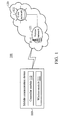
- Fig. 1 is a block diagram illustrating a mobile communication environment according to an embodiment of the invention
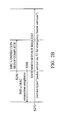
- Figs. 2A and 2B show a message sequence chart illustrating the handling of a request for emergency bearer services according to an embodiment of the invention
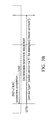
- Figs. 3A and 3B show a message sequence chart illustrating the handling of a request for emergency bearer services according to another embodiment of the invention
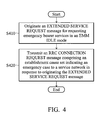
- Fig. 4 is a flow chart illustrating the method for handling a request for emergency bearer services according to an embodiment of the invention.
- Fig. 5 is a flow chart illustrating the method for handling a request for emergency bearer services according to another embodiment of the invention.
- Fig. 1 is a block diagram illustrating a mobile communication environment according to an embodiment of the invention.
- the mobile communication device 110 is configured for NAS signaling low priority, and is wirelessly connected to the service network 120 for obtaining wireless services.
- the service network 120 may comprise an access network 121 and a core network 122, wherein the access network 121 may be an Evolved Universal Mobile Telecommunications System (UMTS) Terrestrial Radio Access Network (E-UTRAN) which may comprise at least one eNode-B (eNB), and the core network 122 may be an Evolved Packet Core (EPC) in the LTE/LTE-Advanced technology.
- UMTS Evolved Universal Mobile Telecommunications System
- E-UTRAN Evolved Universal Mobile Telecommunications System
- eNB eNode-B
- EPC Evolved Packet Core
- the mobile communication device 110 comprises a wireless module 111 for performing the functionality of wireless transmissions and receptions to and from the service network 120, and a controller module 112 for controlling the operation of the wireless module 111 to carry out the communications with the service network 120 in compliance with the communication protocol in use.
- the communication protocol stack may generally comprise a NAS layer and an AS layer, wherein the NAS layer is a functional layer for providing the signaling and traffic between the mobile communication device 110 and the core network 122, and the AS layer is a functional layer for providing the signaling and traffic between the mobile communication device 110 and the access network 121.
- the controller module 112 may further control the operation of other functional components, such as a display unit and/or keypad serving as the Man-Machine Interface (MMI), a storage unit storing the program codes of applications, or others.
- the wireless module 111 may be a Radio Frequency (RF) unit
- the controller module 112 may be a general-purpose processor or a Micro-Control Unit (MCU) of a baseband unit.
- the baseband unit may contain multiple hardware devices to perform baseband signal processing, including analog to digital conversion (ADC)/digital to analog conversion (DAC), gain adjusting, modulation/demodulation, encoding/decoding, and so on.
- the RF unit may receive RF wireless signals, convert the received RF wireless signals to baseband signals, which are processed by the baseband unit, or receive baseband signals from the baseband unit and convert the received baseband signals to RF wireless signals, which are later transmitted.
- the RF unit may also contain multiple hardware devices to perform radio frequency conversion.
- the RF unit may comprise a mixer to multiply the baseband signals with a carrier oscillated in the radio frequency of the mobile communication system, wherein the radio frequency may be 900MHz, 2100MHz, or 2.6GHz utilized in LTE/LTE-Advanced systems, or others depending on the Radio Access Technology (RAT) in use.
- RAT Radio Access Technology
- the controller module 112 controls the wireless module 111 for handling a request for emergency bearer services.
- Figs. 2A and 2B show a message sequence chart illustrating the handling of a request for emergency bearer services according to an embodiment of the invention.
- the handling of the request for emergency bearer services takes place in the mobile communication device 110.
- the NAS layer and AS layer of the communication protocol at the side of the mobile communication device 110 are referred to herein as the UE NAS layer and the UE AS layer, respectively.
- the UE NAS layer is initially in the EMM IDLE mode, and then triggers to initiate emergency bearer services using an EXTENDED SERVICE REQUEST (ESR) message (step S210).
- ESR EXTENDED SERVICE REQUEST
- the UE NAS layer originates the EXTENDED SERVICE REQUEST message for requesting emergency bearer services.
- the UE NAS layer requests the UE AS layer to establish a Radio Resource Control (RRC) connection for the emergency bearer services (step S220).
- RRC Radio Resource Control
- the request comprises an RRC establishment cause which is set to "Emergency call”.
- the UE AS layer transmits to the access network 121 an RRC CONNECTION REQUEST message comprising an establishment cause which is set to "Emergency call" to indicate an emergency case according to the RRC establishment cause (step S230).
- the access network 121 When receiving the RRC CONNECTION REQUEST message, the access network 121 recognizes that the request is for an emergency case according to the received establishment cause, so it replies to the UE AS layer with an RRC CONNECTION SETUP message (step S240).
- the RRC CONNECTION SETUP message may comprise the parameters and configurations for establishing the RRC connection.
- the UE AS layer When receiving the RRC CONNECTION SETUP message, the UE AS layer establishes an RRC connection according to the received parameters and configurations, and then transmits an RRC CONNECTION SETUP COMPLETE message to the access network 121 (step S250), to complete the RRC connection establishment.
- the UE AS layer further indicates the completion of the RRC connection establishment to the UE NAS layer (step S260).
- the UE NAS layer include a service type Information Element (IE) which is set to "packet service via S1 for emergency bearer services" in the EXTENDED SERVICE REQUEST message, and then transmits the EXTENDED SERVICE REQUEST message to the core network 122 (step S270).
- IE service type Information Element
- both of the UE NAS layer and the core network 122 i.e., the NAS layer of the communication protocol at the network side
- the UE NAS layer and the core network 122 will prioritize the requested emergency bearer services.
- the service type IE in the EXTENDED SERVICE REQUEST message may be set to "packet service via S1" instead, and the prioritization of the emergency bearer services may be achieved only by the setting of the establishment cause to "Emergency call" in the UE AS layer.
- Figs. 3A and 3B show a message sequence chart illustrating the handling of a request for emergency bearer services according to another embodiment of the invention. Similar to Figs. 2A and 2B , the handling of the request for emergency bearer services takes place in the mobile communication device 110.
- the UE NAS layer may be initially in the EMM IDLE mode or the EMM CONNECTED mode, and then be triggered to establish emergency bearer services using an EXTENDED SERVICE REQUEST message (step S310).
- the UE NAS layer may request the UE AS layer to establish an RRC connection for the emergency bearer services, with an RRC establishment cause set to "Delay tolerant" (step S320), and then the UE AS layer may perform a connection establishment procedure according to the RRC establishment cause (steps S330 ⁇ S350) and indicate the completion of the connection establishment procedure to the UE NAS layer (step S360).
- the steps S320 ⁇ S360 are optional and denoted by a dotted block in Figs. 3A and 3B
- the steps S330 ⁇ S350 are similar to steps S230 ⁇ S250 in Figs. 2A and 2B except with different establishment cause.
- the UE NAS layer transmits the EXTENDED SERVICE REQUEST message to the core network 122, wherein the EXTENDED SERVICE REQUEST message comprises a service type IE which is set to "packet service via S1 for emergency bearer services" (step S370).
- the RRC connection has already been established between the UE AS layer and the access network 121 and the UE NAS layer has already been attached to the core network 122, so the steps S320 ⁇ 360 may be skipped to proceed to the step S370 directly.
- both of the UE NAS layer and the core network 122 i.e., the NAS layer of the communication protocol at the network side
- Fig. 4 is a flow chart illustrating the method for handling a request for emergency bearer services according to an embodiment of the invention.
- the method may be applied to any mobile communication device which is configured for NAS signaling low priority.
- the mobile communication device originates an EXTENDED SERVICE REQUEST message for requesting emergency bearer services in an EMM IDLE mode (step S410).
- the mobile communication device transmits an RRC CONNECTION REQUEST message comprising an establishment cause indicating an emergency case to a service network in response to originating the EXTENDED SERVICE REQUEST message (step S420).
- the origination of the EXTENDED SERVICE REQUEST message may be triggered by the NAS layer of the communication protocol in the mobile communication device, and the transmission of the RRC CONNECTION REQUEST message may be performed by the AS layer of the communication protocol in the mobile communication device in response to receiving a request from the NAS layer for establishing an RRC connection.
- the request may include an RRC establishment cause to indicate the setting of the establishment cause in the RRC CONNECTION REQUEST message to "Emergency call".
- the establishment cause indicating an emergency case
- both of the AS layers at the UE side and the network side will prioritize the RRC connection establishment, so that the requested emergency bearer services may be further prioritized.
- Fig. 5 is a flow chart illustrating the method for handling a request for emergency bearer services according to another embodiment of the invention. Similar to Fig. 4 , the method may be applied to any mobile communication device which is configured for NAS signaling low priority. To begin the method, the mobile communication device originates an EXTENDED SERVICE REQUEST message for requesting emergency bearer services (step S510). Also, the mobile communication device includes a service type in the EXTENDED SERVICE REQUEST message to indicate that the request is for the emergency bearer services (step S520), and then transmits the EXTENDED SERVICE REQUEST message to a service network (step S530).
- the mobile communication device may perform establishment of an RRC connection before the step S530.
- the origination of the EXTENDED SERVICE REQUEST message may be triggered by the NAS layer of the communication protocol in the mobile communication device, and the service type may be set to "packet service via S1 for emergency bearer services" to indicate the emergency case.
- the service type may be set to "packet service via S1 for emergency bearer services" to indicate the emergency case.
Landscapes
- Engineering & Computer Science (AREA)
- Computer Networks & Wireless Communication (AREA)
- Signal Processing (AREA)
- Business, Economics & Management (AREA)
- Health & Medical Sciences (AREA)
- Emergency Management (AREA)
- Environmental & Geological Engineering (AREA)
- Public Health (AREA)
- Mobile Radio Communication Systems (AREA)
- Telephonic Communication Services (AREA)
- Telephone Function (AREA)
Abstract
Description
- This Application claims priority of
U.S. Provisional Application No. 61/454,861, filed on March 21, 2011 U.S. Provisional Application No. 61/476,533, filed on April 18, 2011 - The invention generally relates to the handling of requests for emergency bearer services, and more particularly, to methods for requesting emergency bearer services for low priority devices, and apparatuses using the same.
- For a long time, various machines have been provided to make our lives more convenient in every way. Generally, machines, nowadays, are equipped with computing processors and software to accommodate us with more intelligence-based services. With the advancement of wireless communications, Machine Type Communication (MTC) has been developed to enable communications between remote machines for exchanging information and operating without human interaction. Especially for critical public infrastructures, such as water treatment facilities or bridges, MTC sensors may be employed to monitor the operation statuses of facilities and report measurement results back to control centers using various wireless access technologies, such as the Global System for Mobile communications (GSM) technology, General Packet Radio Service (GPRS) technology, Enhanced Data rates for Global Evolution (EDGE) technology, Wideband Code Division Multiple Access (WCDMA) technology, Code Division Multiple Access 2000 (CDMA-2000) technology, Time Division-Synchronous Code Division Multiple Access (TD-SCDMA) technology, Worldwide Interoperability for Microwave Access (WiMAX) technology, Long Term Evolution (LTE) technology, LTE-Advanced technology, and others.
- Take the LTE technology in compliance with the 3GPP TS 24.301 specification, v10.3.0 (referred to herein as the TS 24.301 specification) as an example. A low priority indicator or MTC indicator is defined for indicating that a User Equipment (UE) has low priority for Non Access Stratum (NAS) signaling and is generally tolerant to delays. A UE may be configured for NAS signaling low priority when manufactured, and/or when accessing the service network, by Open Mobile Alliance (OMA) Device Management (DM) and/or Subscriber Identity Module/Universal Subscriber Identity Module (SIM/USIM) Over-The-Air (OTA). For a UE configured for NAS signaling low priority (also referred to as a low priority device), the RRC establishment cause used during originating an EXTENDED SERVICE REQUEST message for requesting packet services is always set to "Delay tolerant", even if the packet services are for emergency bearer services. As a result, the emergency bearer services will not be prioritized as they should be.
- In order to solve the above-mentioned problem, the invention proposes to explicitly indicate the emergency case when originating an EXTENDED SERVICE REQUEST message for requesting emergency bearer services, so that the emergency bearer services may be prioritized in the AS layer and/or the NAS layer.
- In a first aspect of the invention, a mobile communication device configured for NAS signaling low priority is provided. The mobile communication device comprises a wireless module and a controller module. The wireless module performs wireless transmissions and receptions to and from a service network. The controller module originates an EXTENDED SERVICE REQUEST message for requesting emergency bearer services in an EMM IDLE mode, and transmits an RRC CONNECTION REQUEST message comprising an establishment cause indicating an emergency case to the service network via the wireless module in response to originating the EXTENDED SERVICE REQUEST message.
- In a second aspect of the invention, a method for handling a request for emergency bearer services by a mobile communication device configured for NAS signaling low priority is provided. The method comprises the steps of originating an EXTENDED SERVICE REQUEST message for requesting emergency bearer services in an EMM IDLE mode, and transmitting an RRC CONNECTION REQUEST message comprising an establishment cause indicating an emergency case to a service network in response to originating the EXTENDED SERVICE REQUEST message.
- In a third aspect of the invention, a mobile communication device configured for NAS signaling low priority is provided. The mobile communication device comprises a wireless module and a controller module. The wireless module performs wireless transmissions and receptions to and from a service network. The controller module originates an EXTENDED SERVICE REQUEST message for requesting emergency bearer services, and includes a service type in the EXTENDED SERVICE REQUEST message to indicate that the request is for the emergency bearer services. Also, the controller module transmits the EXTENDED SERVICE REQUEST message to the service network via the wireless module.
- In a fourth aspect of the invention, a method for handling a request for emergency bearer services by a mobile communication device configured for NAS signaling low priority is provided. The method comprises the steps of originating an EXTENDED SERVICE REQUEST message for requesting emergency bearer services, including a service type in the EXTENDED SERVICE REQUEST message to indicate that the request is for the emergency bearer services, and transmitting the EXTENDED SERVICE REQUEST message to a service network.
- Other aspects and features of the present invention will become apparent to those with ordinarily skill in the art upon review of the following descriptions of specific embodiments of mobile communication devices and methods for handling a request for emergency bearer services in low priority devices.
- The invention can be more fully understood by reading the subsequent detailed description and examples with references made to the accompanying drawings, wherein:
-
Fig. 1 is a block diagram illustrating a mobile communication environment according to an embodiment of the invention; -
Figs. 2A and2B show a message sequence chart illustrating the handling of a request for emergency bearer services according to an embodiment of the invention; -
Figs. 3A and3B show a message sequence chart illustrating the handling of a request for emergency bearer services according to another embodiment of the invention; -
Fig. 4 is a flow chart illustrating the method for handling a request for emergency bearer services according to an embodiment of the invention; and -
Fig. 5 is a flow chart illustrating the method for handling a request for emergency bearer services according to another embodiment of the invention. - The following description is of the best-contemplated mode of carrying out the invention. This description is made for the purpose of illustrating the general principles of the invention and should not be taken in a limiting sense. Note that the 3GPP specification(s) described herein are used to teach the spirit of the invention, and the invention is not limited thereto.
-
Fig. 1 is a block diagram illustrating a mobile communication environment according to an embodiment of the invention. In themobile communication environment 100, themobile communication device 110 is configured for NAS signaling low priority, and is wirelessly connected to theservice network 120 for obtaining wireless services. Theservice network 120 may comprise anaccess network 121 and acore network 122, wherein theaccess network 121 may be an Evolved Universal Mobile Telecommunications System (UMTS) Terrestrial Radio Access Network (E-UTRAN) which may comprise at least one eNode-B (eNB), and thecore network 122 may be an Evolved Packet Core (EPC) in the LTE/LTE-Advanced technology. Themobile communication device 110 comprises awireless module 111 for performing the functionality of wireless transmissions and receptions to and from theservice network 120, and acontroller module 112 for controlling the operation of thewireless module 111 to carry out the communications with theservice network 120 in compliance with the communication protocol in use. Taking the LTE technology for example, the communication protocol stack may generally comprise a NAS layer and an AS layer, wherein the NAS layer is a functional layer for providing the signaling and traffic between themobile communication device 110 and thecore network 122, and the AS layer is a functional layer for providing the signaling and traffic between themobile communication device 110 and theaccess network 121. Also, thecontroller module 112 may further control the operation of other functional components, such as a display unit and/or keypad serving as the Man-Machine Interface (MMI), a storage unit storing the program codes of applications, or others. To further clarify, thewireless module 111 may be a Radio Frequency (RF) unit, and thecontroller module 112 may be a general-purpose processor or a Micro-Control Unit (MCU) of a baseband unit. The baseband unit may contain multiple hardware devices to perform baseband signal processing, including analog to digital conversion (ADC)/digital to analog conversion (DAC), gain adjusting, modulation/demodulation, encoding/decoding, and so on. The RF unit may receive RF wireless signals, convert the received RF wireless signals to baseband signals, which are processed by the baseband unit, or receive baseband signals from the baseband unit and convert the received baseband signals to RF wireless signals, which are later transmitted. The RF unit may also contain multiple hardware devices to perform radio frequency conversion. For example, the RF unit may comprise a mixer to multiply the baseband signals with a carrier oscillated in the radio frequency of the mobile communication system, wherein the radio frequency may be 900MHz, 2100MHz, or 2.6GHz utilized in LTE/LTE-Advanced systems, or others depending on the Radio Access Technology (RAT) in use. - To be more specific, the
controller module 112 controls thewireless module 111 for handling a request for emergency bearer services.Figs. 2A and2B show a message sequence chart illustrating the handling of a request for emergency bearer services according to an embodiment of the invention. In this embodiment, the handling of the request for emergency bearer services takes place in themobile communication device 110. For brevity, the NAS layer and AS layer of the communication protocol at the side of themobile communication device 110 are referred to herein as the UE NAS layer and the UE AS layer, respectively. As shown inFig. 2A , the UE NAS layer is initially in the EMM IDLE mode, and then triggers to initiate emergency bearer services using an EXTENDED SERVICE REQUEST (ESR) message (step S210). In other words, the UE NAS layer originates the EXTENDED SERVICE REQUEST message for requesting emergency bearer services. Next, the UE NAS layer requests the UE AS layer to establish a Radio Resource Control (RRC) connection for the emergency bearer services (step S220). Specifically, the request comprises an RRC establishment cause which is set to "Emergency call". In response to the request, the UE AS layer transmits to theaccess network 121 an RRC CONNECTION REQUEST message comprising an establishment cause which is set to "Emergency call" to indicate an emergency case according to the RRC establishment cause (step S230). - When receiving the RRC CONNECTION REQUEST message, the
access network 121 recognizes that the request is for an emergency case according to the received establishment cause, so it replies to the UE AS layer with an RRC CONNECTION SETUP message (step S240). The RRC CONNECTION SETUP message may comprise the parameters and configurations for establishing the RRC connection. When receiving the RRC CONNECTION SETUP message, the UE AS layer establishes an RRC connection according to the received parameters and configurations, and then transmits an RRC CONNECTION SETUP COMPLETE message to the access network 121 (step S250), to complete the RRC connection establishment. - Subsequently, the UE AS layer further indicates the completion of the RRC connection establishment to the UE NAS layer (step S260). After that, the UE NAS layer include a service type Information Element (IE) which is set to "packet service via S1 for emergency bearer services" in the EXTENDED SERVICE REQUEST message, and then transmits the EXTENDED SERVICE REQUEST message to the core network 122 (step S270). Thus, with the setting of the establishment cause to "Emergency call", both of the UE AS layer and the access network 121 (i.e., the AS layer of the communication protocol at the network side) prioritize the connection establishment and so will further prioritize the requested emergency bearer services. In addition, with the setting of the service type to "packet service via S1 for emergency bearer services", both of the UE NAS layer and the core network 122 (i.e., the NAS layer of the communication protocol at the network side) will prioritize the requested emergency bearer services.
- In another embodiment, the service type IE in the EXTENDED SERVICE REQUEST message may be set to "packet service via S1" instead, and the prioritization of the emergency bearer services may be achieved only by the setting of the establishment cause to "Emergency call" in the UE AS layer.
-
Figs. 3A and3B show a message sequence chart illustrating the handling of a request for emergency bearer services according to another embodiment of the invention. Similar toFigs. 2A and2B , the handling of the request for emergency bearer services takes place in themobile communication device 110. In this embodiment, the UE NAS layer may be initially in the EMM IDLE mode or the EMM CONNECTED mode, and then be triggered to establish emergency bearer services using an EXTENDED SERVICE REQUEST message (step S310). For the case of the UE NAS layer being in the EMM IDLE mode, the UE NAS layer may request the UE AS layer to establish an RRC connection for the emergency bearer services, with an RRC establishment cause set to "Delay tolerant" (step S320), and then the UE AS layer may perform a connection establishment procedure according to the RRC establishment cause (steps S330∼S350) and indicate the completion of the connection establishment procedure to the UE NAS layer (step S360). Note that, the steps S320∼S360 are optional and denoted by a dotted block inFigs. 3A and3B , and the steps S330∼S350 are similar to steps S230∼S250 inFigs. 2A and2B except with different establishment cause. After that, the UE NAS layer transmits the EXTENDED SERVICE REQUEST message to thecore network 122, wherein the EXTENDED SERVICE REQUEST message comprises a service type IE which is set to "packet service via S1 for emergency bearer services" (step S370). - For the case of the UE NAS layer being in the EMM CONNECTED mode, the RRC connection has already been established between the UE AS layer and the
access network 121 and the UE NAS layer has already been attached to thecore network 122, so the steps S320∼360 may be skipped to proceed to the step S370 directly. Thus, with the setting of the service type to "packet service via S1 for emergency bearer services", both of the UE NAS layer and the core network 122 (i.e., the NAS layer of the communication protocol at the network side) will prioritize the requested emergency bearer services. - Note that, in
Figs. 2A ,2B ,3A , and3B , detailed descriptions of other related operations for the service request procedure are omitted herein since they are beyond the scope of the invention, and references may be made to the TS 24.301 specification. -
Fig. 4 is a flow chart illustrating the method for handling a request for emergency bearer services according to an embodiment of the invention. In this embodiment, the method may be applied to any mobile communication device which is configured for NAS signaling low priority. To begin the method, the mobile communication device originates an EXTENDED SERVICE REQUEST message for requesting emergency bearer services in an EMM IDLE mode (step S410). Next, the mobile communication device transmits an RRC CONNECTION REQUEST message comprising an establishment cause indicating an emergency case to a service network in response to originating the EXTENDED SERVICE REQUEST message (step S420). To further clarify, the origination of the EXTENDED SERVICE REQUEST message may be triggered by the NAS layer of the communication protocol in the mobile communication device, and the transmission of the RRC CONNECTION REQUEST message may be performed by the AS layer of the communication protocol in the mobile communication device in response to receiving a request from the NAS layer for establishing an RRC connection. Particularly, the request may include an RRC establishment cause to indicate the setting of the establishment cause in the RRC CONNECTION REQUEST message to "Emergency call". Thus, with the establishment cause indicating an emergency case, both of the AS layers at the UE side and the network side will prioritize the RRC connection establishment, so that the requested emergency bearer services may be further prioritized. -
Fig. 5 is a flow chart illustrating the method for handling a request for emergency bearer services according to another embodiment of the invention. Similar toFig. 4 , the method may be applied to any mobile communication device which is configured for NAS signaling low priority. To begin the method, the mobile communication device originates an EXTENDED SERVICE REQUEST message for requesting emergency bearer services (step S510). Also, the mobile communication device includes a service type in the EXTENDED SERVICE REQUEST message to indicate that the request is for the emergency bearer services (step S520), and then transmits the EXTENDED SERVICE REQUEST message to a service network (step S530). In another embodiment, if the mobile communication device is in the EMM IDLE mode when originating the EXTENDED SERVICE REQUEST message, it may perform establishment of an RRC connection before the step S530. To further clarify, the origination of the EXTENDED SERVICE REQUEST message may be triggered by the NAS layer of the communication protocol in the mobile communication device, and the service type may be set to "packet service via S1 for emergency bearer services" to indicate the emergency case. Thus, with the setting of the service type, both of the NAS layers at the UE side and the network side will prioritize the requested emergency bearer services. - While the invention has been described by way of example and in terms of preferred embodiment, it is to be understood that the invention is not limited thereto. Those who are skilled in this technology can still make various alterations and modifications without departing from the scope and spirit of this invention. For example, the method for handling a request for emergency bearer services may also be applied to any low priority devices in compliance with any evolutionary technology of the LTE/LTE-Advanced technology. Therefore, the scope of the present invention shall be defined and protected by the following claims and their equivalents.
Claims (15)
- A mobile communication device, configured for Non Access Stratum (NAS) signaling low priority, comprising:a wireless module performing wireless transmissions and receptions to and from a service network; anda controller module originating an EXTENDED SERVICE REQUEST message for requesting emergency bearer services in an EMM IDLE mode, and transmitting an RRC CONNECTION REQUEST message comprising an establishment cause indicating an emergency case to the service network via the wireless module in response to originating the EXTENDED SERVICE REQUEST message.
- The mobile communication device of claim 1, wherein the establishment cause in the RRC CONNECTION REQUEST message is set to "Emergency call" to indicate the emergency case, according to an RRC establishment cause of a NAS layer.
- The mobile communication device of claim 1, wherein the emergency bearer services are prioritized in an Access Stratum (AS) layer in response to the establishment cause indicating the emergency case.
- The mobile communication device of claim 1, wherein the controller module further receives an RRC CONNECTION SETUP message corresponding to the RRC CONNECTION REQUEST message from the service network via the wireless module, and transmits an RRC CONNECTION SETUP COMPLETE message to the service network via the wireless module in response to receiving the RRC CONNECTION SETUP message.
- The mobile communication device of claim 4, wherein the controller module further includes a service type in the EXTENDED SERVICE REQUEST message to indicate that the request is for the emergency bearer services, and transmits the EXTENDED SERVICE REQUEST message to the service network via the wireless module in response to the transmission of the RRC CONNECTION SETUP COMPLETE message.
- The mobile communication device of claim 5, wherein the emergency bearer services are prioritized in a NAS layer in response to the service type indicating that the request is for the emergency bearer services.
- A method for handling a request for emergency bearer services by a mobile communication device configured for NAS signaling low priority, comprising:originating an EXTENDED SERVICE REQUEST message for requesting emergency bearer services in an EMM IDLE mode; andtransmitting an RRC CONNECTION REQUEST message comprising an establishment cause indicating an emergency case to a service network in response to originating the EXTENDED SERVICE REQUEST message.
- The method of claim 7, wherein the establishment cause in the RRC CONNECTION REQUEST message is set to "Emergency call" to indicate the emergency case, according to an RRC establishment cause of a NAS layer.
- The method of claim 7, wherein the emergency bearer services are prioritized in an AS layer in response to the establishment cause indicating the emergency case.
- The method of claim 7, further comprising receiving an RRC CONNECTION SETUP message corresponding to the RRC CONNECTION REQUEST message from the service network, and transmitting an RRC CONNECTION SETUP COMPLETE message to the service network in response to receiving the RRC CONNECTION SETUP message.
- The method of claim 10, further comprising including a service type in the EXTENDED SERVICE REQUEST message to indicate that the request is for the emergency bearer services, and transmitting the EXTENDED SERVICE REQUEST message to the service network in response to the transmission of the RRC CONNECTION SETUP COMPLETE message.
- The method of claim 11, wherein the emergency bearer services are prioritized in a NAS layer in response to the service type indicating that the request is for the emergency bearer services.
- A mobile communication device, configured for NAS signaling low priority, comprising:a wireless module performing wireless transmissions and receptions to and from a service network; anda controller module originating an EXTENDED SERVICE REQUEST message for requesting emergency bearer services, including a service type in the EXTENDED SERVICE REQUEST message to indicate that the request is for the emergency bearer services, and transmitting the EXTENDED SERVICE REQUEST message to the service network via the wireless module.
- The mobile communication device of claim 13, wherein the emergency bearer services are prioritized in a NAS layer in response to the service type indicating that the request is for the emergency bearer services.
- A method for handling a request for emergency bearer services by a mobile communication device configured for NAS signaling low priority, comprising:originating an EXTENDED SERVICE REQUEST message for requesting emergency bearer services;including a service type in the EXTENDED SERVICE REQUEST message to indicate that the request is for the emergency bearer services; andtransmitting the EXTENDED SERVICE REQUEST message to a service network.
Applications Claiming Priority (3)
| Application Number | Priority Date | Filing Date | Title |
|---|---|---|---|
| US201161454861P | 2011-03-21 | 2011-03-21 | |
| US201161476533P | 2011-04-18 | 2011-04-18 | |
| US13/419,006 US8655305B2 (en) | 2011-03-21 | 2012-03-13 | Methods for requesting emergency bearer services for low priority devices, and apparatuses using the same |
Publications (3)
| Publication Number | Publication Date |
|---|---|
| EP2503838A2 true EP2503838A2 (en) | 2012-09-26 |
| EP2503838A3 EP2503838A3 (en) | 2012-10-24 |
| EP2503838B1 EP2503838B1 (en) | 2015-06-17 |
Family
ID=45977085
Family Applications (1)
| Application Number | Title | Priority Date | Filing Date |
|---|---|---|---|
| EP12001924.5A Active EP2503838B1 (en) | 2011-03-21 | 2012-03-20 | Methods for requesting emergency bearer services for low priority devices, and apparatuses using the same |
Country Status (6)
| Country | Link |
|---|---|
| US (2) | US8655305B2 (en) |
| EP (1) | EP2503838B1 (en) |
| JP (1) | JP5806154B2 (en) |
| KR (1) | KR101376249B1 (en) |
| CN (1) | CN102695152B (en) |
| TW (1) | TWI436666B (en) |
Cited By (6)
| Publication number | Priority date | Publication date | Assignee | Title |
|---|---|---|---|---|
| WO2015066383A1 (en) * | 2013-10-30 | 2015-05-07 | Interdigital Patent Holdings, Inc. | Systems and methods for handling priority services congestion |
| WO2016099361A1 (en) * | 2014-12-19 | 2016-06-23 | Telefonaktiebolaget Lm Ericsson (Publ) | Method for assisting a radio network node in setting up a radio resource connection |
| CN107277940A (en) * | 2016-04-01 | 2017-10-20 | 宏达国际电子股份有限公司 | Apparatus and method for handling rrc connection recovery procedure |
| EP3291625A4 (en) * | 2015-04-30 | 2018-04-25 | Samsung Electronics Co., Ltd. | Method for forming bearer for public safety in wireless communication system and device therefor |
| GB2593912A (en) * | 2020-04-08 | 2021-10-13 | Samsung Electronics Co Ltd | Emergency services for user equipment |
| WO2024250182A1 (en) * | 2023-06-06 | 2024-12-12 | Nokia Shanghai Bell Co., Ltd. | High-priority service initiation during network energy saving |
Families Citing this family (26)
| Publication number | Priority date | Publication date | Assignee | Title |
|---|---|---|---|---|
| KR101948801B1 (en) | 2011-04-11 | 2019-02-18 | 삼성전자주식회사 | Data recieving method and apparatus for user equipment supporting multimedia broadcast multicast service |
| KR101929307B1 (en) * | 2011-04-11 | 2018-12-17 | 삼성전자 주식회사 | method and apparatus to control UE Cell reselection priority while UE is in CSG cell |
| US20120289183A1 (en) * | 2011-05-13 | 2012-11-15 | Kundan Tiwari | Methods for requesting emergency bearer services for low priority devices, and apparatuses using the same |
| KR101565102B1 (en) * | 2012-04-04 | 2015-11-02 | 주식회사 케이티 | Access Control Method and Apparatus for Machine Type Communication Devices with Dual Priority Applications |
| KR20140055058A (en) * | 2012-10-30 | 2014-05-09 | 삼성전자주식회사 | Method for deactivating non-emergency bearers and maintaining forbidden ta lists when ue having both emergency and non-emergency bearer moves to a unknown forbidden ta in radio communication system |
| WO2014143776A2 (en) | 2013-03-15 | 2014-09-18 | Bodhi Technology Ventures Llc | Providing remote interactions with host device using a wireless device |
| US20160019360A1 (en) | 2013-12-04 | 2016-01-21 | Apple Inc. | Wellness aggregator |
| US12080421B2 (en) | 2013-12-04 | 2024-09-03 | Apple Inc. | Wellness aggregator |
| US9775011B2 (en) * | 2014-01-31 | 2017-09-26 | Intel Corporation | Implementations of application specific access class barring skip functionality in a wireless network |
| US10313506B2 (en) | 2014-05-30 | 2019-06-04 | Apple Inc. | Wellness aggregator |
| WO2016021922A1 (en) * | 2014-08-04 | 2016-02-11 | 엘지전자 주식회사 | Operation method of terminal in wireless communication system and terminal using method |
| CN116584928A (en) | 2014-09-02 | 2023-08-15 | 苹果公司 | Physical Activity and Fitness Monitors |
| US10776739B2 (en) | 2014-09-30 | 2020-09-15 | Apple Inc. | Fitness challenge E-awards |
| EP3484134B1 (en) | 2015-02-02 | 2022-03-23 | Apple Inc. | Device, method, and graphical user interface for establishing a relationship and connection between two devices |
| WO2016144385A1 (en) | 2015-03-08 | 2016-09-15 | Apple Inc. | Sharing user-configurable graphical constructs |
| US10275116B2 (en) | 2015-06-07 | 2019-04-30 | Apple Inc. | Browser with docked tabs |
| US10304347B2 (en) | 2015-08-20 | 2019-05-28 | Apple Inc. | Exercised-based watch face and complications |
| EP3226473B1 (en) * | 2016-04-01 | 2018-12-12 | HTC Corporation | Device and method of handling user plane evolved packet system optimization procedure |
| US11033708B2 (en) | 2016-06-10 | 2021-06-15 | Apple Inc. | Breathing sequence user interface |
| DK201770423A1 (en) | 2016-06-11 | 2018-01-15 | Apple Inc | Activity and workout updates |
| US10873786B2 (en) | 2016-06-12 | 2020-12-22 | Apple Inc. | Recording and broadcasting application visual output |
| US11216119B2 (en) | 2016-06-12 | 2022-01-04 | Apple Inc. | Displaying a predetermined view of an application |
| WO2018088756A1 (en) * | 2016-11-09 | 2018-05-17 | 엘지전자 주식회사 | Method for transmitting rrc message and wireless device |
| US12602142B2 (en) | 2018-05-07 | 2026-04-14 | Apple Inc. | User interfaces for sharing contextually relevant media content |
| DK180171B1 (en) | 2018-05-07 | 2020-07-14 | Apple Inc | USER INTERFACES FOR SHARING CONTEXTUALLY RELEVANT MEDIA CONTENT |
| CN120066649A (en) | 2021-05-15 | 2025-05-30 | 苹果公司 | User interface for community training |
Family Cites Families (19)
| Publication number | Priority date | Publication date | Assignee | Title |
|---|---|---|---|---|
| FR2854756B1 (en) * | 2003-05-07 | 2005-08-12 | Evolium Sas | METHOD FOR ESTABLISHING CONNECTION IN A MOBILE RADIOCOMMUNICATION SYSTEM |
| US7735085B2 (en) | 2004-05-26 | 2010-06-08 | Qualcomm Incorporated | System for application priority based on device operating mode |
| CN101621777A (en) * | 2008-07-04 | 2010-01-06 | 三星电子株式会社 | Method supporting emergency call in mobile communication system |
| US8625506B2 (en) * | 2009-01-15 | 2014-01-07 | Blackberry Limited | System and method for determining establishment causes |
| WO2010120689A2 (en) | 2009-04-14 | 2010-10-21 | Interdigital Patent Holdings, Inc. | Method and apparatus for processing emergency calls |
| US8351935B2 (en) * | 2009-05-04 | 2013-01-08 | Qualcomm Incorporated | Apparatus and method for using motion sensor data to select full band scans |
| WO2010146461A1 (en) * | 2009-06-16 | 2010-12-23 | Research In Motion Limited | Method for accessing a service unavailable through a network cell |
| US8811936B2 (en) * | 2009-07-30 | 2014-08-19 | Htc Corporation | Method of handling call origination and related communication device |
| EP2506632B1 (en) * | 2009-11-09 | 2016-08-17 | BlackBerry Limited | Determination of an establishment cause for transmitting in case of a circuit-switched fallback procedure |
| US9497792B2 (en) * | 2010-01-08 | 2016-11-15 | Blackberry Limited | Routing of messages for mobile communication devices during emergency calls |
| EP4213537A1 (en) * | 2010-09-28 | 2023-07-19 | BlackBerry Limited | Method in a core network, mobility management entity and non-transitory storage medium |
| EP2640152A4 (en) * | 2010-11-08 | 2016-08-24 | Lg Electronics Inc | Rrc connection method and device therefor in wireless communication system |
| US8995467B2 (en) * | 2010-11-10 | 2015-03-31 | Telefonaktiebolaget L M Ericsson (Publ) | System and method for providing information indicating the priority level of a non access stratum signaling message and for using the priority level information to select a response |
| US9072075B2 (en) * | 2011-01-19 | 2015-06-30 | Htc Corporation | Method of handling emergency bearer service in wireless communication system |
| US20120218889A1 (en) * | 2011-02-24 | 2012-08-30 | Interdigital Patent Holdings, Inc. | Handling of low priority devices |
| EP3249996A1 (en) * | 2011-04-01 | 2017-11-29 | InterDigital Patent Holdings, Inc. | Method and apparatus for controlling connectivity to a network |
| US20120289183A1 (en) * | 2011-05-13 | 2012-11-15 | Kundan Tiwari | Methods for requesting emergency bearer services for low priority devices, and apparatuses using the same |
| US20130016608A1 (en) * | 2011-07-12 | 2013-01-17 | Kundan Tiwari | Method of Reducing Signaling in Congested Network and Related Communication Device |
| US8738075B2 (en) * | 2011-08-10 | 2014-05-27 | Nokia Siemens Networks Oy | Methods and apparatus for radio resource control |
-
2012
- 2012-03-13 US US13/419,006 patent/US8655305B2/en not_active Ceased
- 2012-03-15 TW TW101108793A patent/TWI436666B/en active
- 2012-03-20 KR KR1020120028367A patent/KR101376249B1/en active Active
- 2012-03-20 EP EP12001924.5A patent/EP2503838B1/en active Active
- 2012-03-21 JP JP2012063786A patent/JP5806154B2/en active Active
- 2012-03-21 CN CN201210075212.7A patent/CN102695152B/en active Active
-
2015
- 2015-12-30 US US14/984,798 patent/USRE46885E1/en active Active
Non-Patent Citations (1)
| Title |
|---|
| None |
Cited By (14)
| Publication number | Priority date | Publication date | Assignee | Title |
|---|---|---|---|---|
| US10925067B2 (en) | 2013-10-30 | 2021-02-16 | Interdigital Patent Holdings, Inc. | System and methods for handling priority services congestion |
| US11792830B2 (en) | 2013-10-30 | 2023-10-17 | Interdigital Patent Holdings, Inc. | Systems and methods for handling priority services congestion |
| US10178678B2 (en) | 2013-10-30 | 2019-01-08 | Interdigital Patent Holdings, Inc. | System and methods for handling priority services congestion |
| WO2015066383A1 (en) * | 2013-10-30 | 2015-05-07 | Interdigital Patent Holdings, Inc. | Systems and methods for handling priority services congestion |
| WO2016099361A1 (en) * | 2014-12-19 | 2016-06-23 | Telefonaktiebolaget Lm Ericsson (Publ) | Method for assisting a radio network node in setting up a radio resource connection |
| EP3291625A4 (en) * | 2015-04-30 | 2018-04-25 | Samsung Electronics Co., Ltd. | Method for forming bearer for public safety in wireless communication system and device therefor |
| US10368263B2 (en) | 2015-04-30 | 2019-07-30 | Samsung Electronics Co., Ltd. | Method for forming bearer for public safety in wireless communication system and device therefor |
| US10912142B2 (en) | 2016-04-01 | 2021-02-02 | Htc Corporation | Device and method of handling radio resource control connection resume procedure |
| CN107277940A (en) * | 2016-04-01 | 2017-10-20 | 宏达国际电子股份有限公司 | Apparatus and method for handling rrc connection recovery procedure |
| GB2593912A (en) * | 2020-04-08 | 2021-10-13 | Samsung Electronics Co Ltd | Emergency services for user equipment |
| GB2594533A (en) * | 2020-04-08 | 2021-11-03 | Samsung Electronics Co Ltd | Emergency services for user equipment |
| GB2593912B (en) * | 2020-04-08 | 2022-09-14 | Samsung Electronics Co Ltd | Emergency services for user equipment |
| GB2594533B (en) * | 2020-04-08 | 2022-09-14 | Samsung Electronics Co Ltd | Emergency services for user equipment |
| WO2024250182A1 (en) * | 2023-06-06 | 2024-12-12 | Nokia Shanghai Bell Co., Ltd. | High-priority service initiation during network energy saving |
Also Published As
| Publication number | Publication date |
|---|---|
| EP2503838A3 (en) | 2012-10-24 |
| CN102695152A (en) | 2012-09-26 |
| CN102695152B (en) | 2015-07-22 |
| EP2503838B1 (en) | 2015-06-17 |
| US20120244828A1 (en) | 2012-09-27 |
| TW201240499A (en) | 2012-10-01 |
| TWI436666B (en) | 2014-05-01 |
| JP5806154B2 (en) | 2015-11-10 |
| US8655305B2 (en) | 2014-02-18 |
| USRE46885E1 (en) | 2018-05-29 |
| KR101376249B1 (en) | 2014-03-24 |
| JP2012199924A (en) | 2012-10-18 |
Similar Documents
| Publication | Publication Date | Title |
|---|---|---|
| EP2503838B1 (en) | Methods for requesting emergency bearer services for low priority devices, and apparatuses using the same | |
| EP2523523B1 (en) | Methods for requesting emergency bearer services for low priority devices, and apparatuses using the same | |
| US8885468B2 (en) | Apparatuses and methods for access point name (APN) based congestion control during a packet data protocol (PDP) context activation procedure | |
| US8593956B2 (en) | Methods for congestion control for machine type communication (MTC) devices or low priority devices, and apparatuses using the same | |
| US8666389B2 (en) | Method of handling system information reception with measurement gap configuration and related communication device | |
| EP2484171B1 (en) | Determining establishment causes for emergency sessions | |
| US8289926B2 (en) | Method of setting radio access capability in a wireless communications system and related communication device | |
| KR20200122231A (en) | Method and apparatus for ue reporting for multi-usim in a wireless communication | |
| EP2490463A1 (en) | Service networks and methods for handling machine type communication device triggering | |
| US8433308B2 (en) | Apparatuses and methods for updating configurations of radio resources with system information | |
| US20100184448A1 (en) | Method of Handling Radio Resource Control Connection Establishment for a Wireless Communication System and Related Communication Device | |
| EP2701449B1 (en) | Apparatuses and methods for recovering service from rejected signaling procedure due to network failure | |
| US9554259B2 (en) | Methods for handling a service request procedures, and apparatuses using the same | |
| EP2720510B1 (en) | Apparatuses and methods for camping back to LTE-based network after finishing CSFB call with non-LTE network | |
| EP2728925B1 (en) | Congestion control methods for dual priority devices and apparatuses using the same | |
| CN108882359A (en) | Apparatus and method for processing features | |
| CN117616867A (en) | Methods and UEs used to access slice-specific RACH resource pools | |
| US20150098331A1 (en) | Apparatuses and methods for handling access network discovery and selection function (andsf) rules for offloading data traffic | |
| EP3157302B1 (en) | Device and method of selecting drx mode for paging procedure | |
| US20230012119A1 (en) | Method and apparatus for data transmission | |
| EP3496456B1 (en) | Device and method of handling a system redirection procedure | |
| EP2472917B1 (en) | Method of handling an emergency bearer service for mobile station |
Legal Events
| Date | Code | Title | Description |
|---|---|---|---|
| PUAL | Search report despatched |
Free format text: ORIGINAL CODE: 0009013 |
|
| PUAI | Public reference made under article 153(3) epc to a published international application that has entered the european phase |
Free format text: ORIGINAL CODE: 0009012 |
|
| 17P | Request for examination filed |
Effective date: 20120320 |
|
| AK | Designated contracting states |
Kind code of ref document: A2 Designated state(s): AL AT BE BG CH CY CZ DE DK EE ES FI FR GB GR HR HU IE IS IT LI LT LU LV MC MK MT NL NO PL PT RO RS SE SI SK SM TR |
|
| AX | Request for extension of the european patent |
Extension state: BA ME |
|
| AK | Designated contracting states |
Kind code of ref document: A3 Designated state(s): AL AT BE BG CH CY CZ DE DK EE ES FI FR GB GR HR HU IE IS IT LI LT LU LV MC MK MT NL NO PL PT RO RS SE SI SK SM TR |
|
| AX | Request for extension of the european patent |
Extension state: BA ME |
|
| RIC1 | Information provided on ipc code assigned before grant |
Ipc: H04W 76/00 20090101AFI20120918BHEP |
|
| 17Q | First examination report despatched |
Effective date: 20121106 |
|
| GRAP | Despatch of communication of intention to grant a patent |
Free format text: ORIGINAL CODE: EPIDOSNIGR1 |
|
| GRAJ | Information related to disapproval of communication of intention to grant by the applicant or resumption of examination proceedings by the epo deleted |
Free format text: ORIGINAL CODE: EPIDOSDIGR1 |
|
| GRAP | Despatch of communication of intention to grant a patent |
Free format text: ORIGINAL CODE: EPIDOSNIGR1 |
|
| INTG | Intention to grant announced |
Effective date: 20141212 |
|
| RIN1 | Information on inventor provided before grant (corrected) |
Inventor name: TIWARI, KUNDAN |
|
| INTG | Intention to grant announced |
Effective date: 20150105 |
|
| RAP1 | Party data changed (applicant data changed or rights of an application transferred) |
Owner name: HTC CORPORATION |
|
| GRAS | Grant fee paid |
Free format text: ORIGINAL CODE: EPIDOSNIGR3 |
|
| GRAA | (expected) grant |
Free format text: ORIGINAL CODE: 0009210 |
|
| AK | Designated contracting states |
Kind code of ref document: B1 Designated state(s): AL AT BE BG CH CY CZ DE DK EE ES FI FR GB GR HR HU IE IS IT LI LT LU LV MC MK MT NL NO PL PT RO RS SE SI SK SM TR |
|
| REG | Reference to a national code |
Ref country code: GB Ref legal event code: FG4D |
|
| REG | Reference to a national code |
Ref country code: CH Ref legal event code: EP |
|
| REG | Reference to a national code |
Ref country code: AT Ref legal event code: REF Ref document number: 732497 Country of ref document: AT Kind code of ref document: T Effective date: 20150715 |
|
| REG | Reference to a national code |
Ref country code: IE Ref legal event code: FG4D |
|
| REG | Reference to a national code |
Ref country code: DE Ref legal event code: R096 Ref document number: 602012007964 Country of ref document: DE |
|
| REG | Reference to a national code |
Ref country code: NL Ref legal event code: T3 |
|
| PG25 | Lapsed in a contracting state [announced via postgrant information from national office to epo] |
Ref country code: FI Free format text: LAPSE BECAUSE OF FAILURE TO SUBMIT A TRANSLATION OF THE DESCRIPTION OR TO PAY THE FEE WITHIN THE PRESCRIBED TIME-LIMIT Effective date: 20150617 Ref country code: NO Free format text: LAPSE BECAUSE OF FAILURE TO SUBMIT A TRANSLATION OF THE DESCRIPTION OR TO PAY THE FEE WITHIN THE PRESCRIBED TIME-LIMIT Effective date: 20150917 Ref country code: LT Free format text: LAPSE BECAUSE OF FAILURE TO SUBMIT A TRANSLATION OF THE DESCRIPTION OR TO PAY THE FEE WITHIN THE PRESCRIBED TIME-LIMIT Effective date: 20150617 Ref country code: HR Free format text: LAPSE BECAUSE OF FAILURE TO SUBMIT A TRANSLATION OF THE DESCRIPTION OR TO PAY THE FEE WITHIN THE PRESCRIBED TIME-LIMIT Effective date: 20150617 |
|
| REG | Reference to a national code |
Ref country code: AT Ref legal event code: MK05 Ref document number: 732497 Country of ref document: AT Kind code of ref document: T Effective date: 20150617 |
|
| REG | Reference to a national code |
Ref country code: LT Ref legal event code: MG4D |
|
| PG25 | Lapsed in a contracting state [announced via postgrant information from national office to epo] |
Ref country code: GR Free format text: LAPSE BECAUSE OF FAILURE TO SUBMIT A TRANSLATION OF THE DESCRIPTION OR TO PAY THE FEE WITHIN THE PRESCRIBED TIME-LIMIT Effective date: 20150918 Ref country code: RS Free format text: LAPSE BECAUSE OF FAILURE TO SUBMIT A TRANSLATION OF THE DESCRIPTION OR TO PAY THE FEE WITHIN THE PRESCRIBED TIME-LIMIT Effective date: 20150617 Ref country code: BG Free format text: LAPSE BECAUSE OF FAILURE TO SUBMIT A TRANSLATION OF THE DESCRIPTION OR TO PAY THE FEE WITHIN THE PRESCRIBED TIME-LIMIT Effective date: 20150917 Ref country code: LV Free format text: LAPSE BECAUSE OF FAILURE TO SUBMIT A TRANSLATION OF THE DESCRIPTION OR TO PAY THE FEE WITHIN THE PRESCRIBED TIME-LIMIT Effective date: 20150617 |
|
| PG25 | Lapsed in a contracting state [announced via postgrant information from national office to epo] |
Ref country code: EE Free format text: LAPSE BECAUSE OF FAILURE TO SUBMIT A TRANSLATION OF THE DESCRIPTION OR TO PAY THE FEE WITHIN THE PRESCRIBED TIME-LIMIT Effective date: 20150617 |
|
| PG25 | Lapsed in a contracting state [announced via postgrant information from national office to epo] |
Ref country code: IS Free format text: LAPSE BECAUSE OF FAILURE TO SUBMIT A TRANSLATION OF THE DESCRIPTION OR TO PAY THE FEE WITHIN THE PRESCRIBED TIME-LIMIT Effective date: 20151017 Ref country code: AT Free format text: LAPSE BECAUSE OF FAILURE TO SUBMIT A TRANSLATION OF THE DESCRIPTION OR TO PAY THE FEE WITHIN THE PRESCRIBED TIME-LIMIT Effective date: 20150617 Ref country code: SK Free format text: LAPSE BECAUSE OF FAILURE TO SUBMIT A TRANSLATION OF THE DESCRIPTION OR TO PAY THE FEE WITHIN THE PRESCRIBED TIME-LIMIT Effective date: 20150617 Ref country code: PL Free format text: LAPSE BECAUSE OF FAILURE TO SUBMIT A TRANSLATION OF THE DESCRIPTION OR TO PAY THE FEE WITHIN THE PRESCRIBED TIME-LIMIT Effective date: 20150617 Ref country code: PT Free format text: LAPSE BECAUSE OF FAILURE TO SUBMIT A TRANSLATION OF THE DESCRIPTION OR TO PAY THE FEE WITHIN THE PRESCRIBED TIME-LIMIT Effective date: 20151019 Ref country code: ES Free format text: LAPSE BECAUSE OF FAILURE TO SUBMIT A TRANSLATION OF THE DESCRIPTION OR TO PAY THE FEE WITHIN THE PRESCRIBED TIME-LIMIT Effective date: 20150617 Ref country code: RO Free format text: LAPSE BECAUSE OF NON-PAYMENT OF DUE FEES Effective date: 20150617 Ref country code: CZ Free format text: LAPSE BECAUSE OF FAILURE TO SUBMIT A TRANSLATION OF THE DESCRIPTION OR TO PAY THE FEE WITHIN THE PRESCRIBED TIME-LIMIT Effective date: 20150617 |
|
| REG | Reference to a national code |
Ref country code: DE Ref legal event code: R097 Ref document number: 602012007964 Country of ref document: DE |
|
| REG | Reference to a national code |
Ref country code: FR Ref legal event code: PLFP Year of fee payment: 5 |
|
| PLBE | No opposition filed within time limit |
Free format text: ORIGINAL CODE: 0009261 |
|
| STAA | Information on the status of an ep patent application or granted ep patent |
Free format text: STATUS: NO OPPOSITION FILED WITHIN TIME LIMIT |
|
| PG25 | Lapsed in a contracting state [announced via postgrant information from national office to epo] |
Ref country code: IT Free format text: LAPSE BECAUSE OF FAILURE TO SUBMIT A TRANSLATION OF THE DESCRIPTION OR TO PAY THE FEE WITHIN THE PRESCRIBED TIME-LIMIT Effective date: 20150617 Ref country code: DK Free format text: LAPSE BECAUSE OF FAILURE TO SUBMIT A TRANSLATION OF THE DESCRIPTION OR TO PAY THE FEE WITHIN THE PRESCRIBED TIME-LIMIT Effective date: 20150617 |
|
| 26N | No opposition filed |
Effective date: 20160318 |
|
| PG25 | Lapsed in a contracting state [announced via postgrant information from national office to epo] |
Ref country code: BE Free format text: LAPSE BECAUSE OF NON-PAYMENT OF DUE FEES Effective date: 20160331 Ref country code: SI Free format text: LAPSE BECAUSE OF FAILURE TO SUBMIT A TRANSLATION OF THE DESCRIPTION OR TO PAY THE FEE WITHIN THE PRESCRIBED TIME-LIMIT Effective date: 20150617 |
|
| PG25 | Lapsed in a contracting state [announced via postgrant information from national office to epo] |
Ref country code: LU Free format text: LAPSE BECAUSE OF FAILURE TO SUBMIT A TRANSLATION OF THE DESCRIPTION OR TO PAY THE FEE WITHIN THE PRESCRIBED TIME-LIMIT Effective date: 20160320 Ref country code: MC Free format text: LAPSE BECAUSE OF FAILURE TO SUBMIT A TRANSLATION OF THE DESCRIPTION OR TO PAY THE FEE WITHIN THE PRESCRIBED TIME-LIMIT Effective date: 20150617 |
|
| REG | Reference to a national code |
Ref country code: CH Ref legal event code: PL |
|
| REG | Reference to a national code |
Ref country code: IE Ref legal event code: MM4A |
|
| PG25 | Lapsed in a contracting state [announced via postgrant information from national office to epo] |
Ref country code: BE Free format text: LAPSE BECAUSE OF FAILURE TO SUBMIT A TRANSLATION OF THE DESCRIPTION OR TO PAY THE FEE WITHIN THE PRESCRIBED TIME-LIMIT Effective date: 20150617 |
|
| PG25 | Lapsed in a contracting state [announced via postgrant information from national office to epo] |
Ref country code: LI Free format text: LAPSE BECAUSE OF NON-PAYMENT OF DUE FEES Effective date: 20160331 Ref country code: CH Free format text: LAPSE BECAUSE OF NON-PAYMENT OF DUE FEES Effective date: 20160331 Ref country code: IE Free format text: LAPSE BECAUSE OF NON-PAYMENT OF DUE FEES Effective date: 20160320 |
|
| REG | Reference to a national code |
Ref country code: FR Ref legal event code: PLFP Year of fee payment: 6 |
|
| PG25 | Lapsed in a contracting state [announced via postgrant information from national office to epo] |
Ref country code: SE Free format text: LAPSE BECAUSE OF FAILURE TO SUBMIT A TRANSLATION OF THE DESCRIPTION OR TO PAY THE FEE WITHIN THE PRESCRIBED TIME-LIMIT Effective date: 20150617 |
|
| PG25 | Lapsed in a contracting state [announced via postgrant information from national office to epo] |
Ref country code: MT Free format text: LAPSE BECAUSE OF FAILURE TO SUBMIT A TRANSLATION OF THE DESCRIPTION OR TO PAY THE FEE WITHIN THE PRESCRIBED TIME-LIMIT Effective date: 20150617 |
|
| REG | Reference to a national code |
Ref country code: FR Ref legal event code: PLFP Year of fee payment: 7 |
|
| PG25 | Lapsed in a contracting state [announced via postgrant information from national office to epo] |
Ref country code: CY Free format text: LAPSE BECAUSE OF FAILURE TO SUBMIT A TRANSLATION OF THE DESCRIPTION OR TO PAY THE FEE WITHIN THE PRESCRIBED TIME-LIMIT Effective date: 20150617 Ref country code: SM Free format text: LAPSE BECAUSE OF FAILURE TO SUBMIT A TRANSLATION OF THE DESCRIPTION OR TO PAY THE FEE WITHIN THE PRESCRIBED TIME-LIMIT Effective date: 20150617 Ref country code: HU Free format text: LAPSE BECAUSE OF FAILURE TO SUBMIT A TRANSLATION OF THE DESCRIPTION OR TO PAY THE FEE WITHIN THE PRESCRIBED TIME-LIMIT; INVALID AB INITIO Effective date: 20120320 |
|
| PG25 | Lapsed in a contracting state [announced via postgrant information from national office to epo] |
Ref country code: TR Free format text: LAPSE BECAUSE OF FAILURE TO SUBMIT A TRANSLATION OF THE DESCRIPTION OR TO PAY THE FEE WITHIN THE PRESCRIBED TIME-LIMIT Effective date: 20150617 Ref country code: MT Free format text: LAPSE BECAUSE OF FAILURE TO SUBMIT A TRANSLATION OF THE DESCRIPTION OR TO PAY THE FEE WITHIN THE PRESCRIBED TIME-LIMIT Effective date: 20160331 Ref country code: MK Free format text: LAPSE BECAUSE OF FAILURE TO SUBMIT A TRANSLATION OF THE DESCRIPTION OR TO PAY THE FEE WITHIN THE PRESCRIBED TIME-LIMIT Effective date: 20150617 |
|
| PG25 | Lapsed in a contracting state [announced via postgrant information from national office to epo] |
Ref country code: AL Free format text: LAPSE BECAUSE OF FAILURE TO SUBMIT A TRANSLATION OF THE DESCRIPTION OR TO PAY THE FEE WITHIN THE PRESCRIBED TIME-LIMIT Effective date: 20150617 |
|
| P01 | Opt-out of the competence of the unified patent court (upc) registered |
Effective date: 20230602 |
|
| PGFP | Annual fee paid to national office [announced via postgrant information from national office to epo] |
Ref country code: FR Payment date: 20251231 Year of fee payment: 15 |
|
| PGFP | Annual fee paid to national office [announced via postgrant information from national office to epo] |
Ref country code: NL Payment date: 20260106 Year of fee payment: 15 |
|
| PGFP | Annual fee paid to national office [announced via postgrant information from national office to epo] |
Ref country code: GB Payment date: 20260106 Year of fee payment: 15 |
|
| PGFP | Annual fee paid to national office [announced via postgrant information from national office to epo] |
Ref country code: DE Payment date: 20260102 Year of fee payment: 15 |