EP2502499A1 - Refined plant oils free of glycidyl esters - Google Patents
Refined plant oils free of glycidyl esters Download PDFInfo
- Publication number
- EP2502499A1 EP2502499A1 EP11159734A EP11159734A EP2502499A1 EP 2502499 A1 EP2502499 A1 EP 2502499A1 EP 11159734 A EP11159734 A EP 11159734A EP 11159734 A EP11159734 A EP 11159734A EP 2502499 A1 EP2502499 A1 EP 2502499A1
- Authority
- EP
- European Patent Office
- Prior art keywords
- oil
- plant
- accordance
- weight
- plant oil
- Prior art date
- Legal status (The legal status is an assumption and is not a legal conclusion. Google has not performed a legal analysis and makes no representation as to the accuracy of the status listed.)
- Granted
Links
- 239000010773 plant oil Substances 0.000 title claims abstract description 39
- 125000003055 glycidyl group Chemical group C(C1CO1)* 0.000 title claims abstract description 19
- 239000003921 oil Substances 0.000 claims abstract description 35
- 238000000034 method Methods 0.000 claims abstract description 18
- 230000008569 process Effects 0.000 claims abstract description 14
- 235000019198 oils Nutrition 0.000 claims description 32
- 235000019482 Palm oil Nutrition 0.000 claims description 30
- 239000002540 palm oil Substances 0.000 claims description 30
- 238000004332 deodorization Methods 0.000 claims description 22
- 235000021588 free fatty acids Nutrition 0.000 claims description 14
- 238000004061 bleaching Methods 0.000 claims description 7
- 235000012343 cottonseed oil Nutrition 0.000 claims description 6
- 239000002385 cottonseed oil Substances 0.000 claims description 6
- 239000010779 crude oil Substances 0.000 claims description 6
- 238000001256 steam distillation Methods 0.000 claims description 5
- 241000196324 Embryophyta Species 0.000 claims description 4
- 235000019483 Peanut oil Nutrition 0.000 claims description 4
- 239000000312 peanut oil Substances 0.000 claims description 4
- 238000002203 pretreatment Methods 0.000 claims description 4
- 239000002253 acid Substances 0.000 claims description 3
- 230000000274 adsorptive effect Effects 0.000 claims description 3
- 239000004927 clay Substances 0.000 claims description 3
- 238000010438 heat treatment Methods 0.000 claims description 3
- 235000019484 Rapeseed oil Nutrition 0.000 claims description 2
- 235000019486 Sunflower oil Nutrition 0.000 claims description 2
- 239000000828 canola oil Substances 0.000 claims description 2
- 235000019519 canola oil Nutrition 0.000 claims description 2
- 238000004140 cleaning Methods 0.000 claims description 2
- 239000003240 coconut oil Substances 0.000 claims description 2
- 235000019864 coconut oil Nutrition 0.000 claims description 2
- 239000003346 palm kernel oil Substances 0.000 claims description 2
- 235000019865 palm kernel oil Nutrition 0.000 claims description 2
- 239000003549 soybean oil Substances 0.000 claims description 2
- 235000012424 soybean oil Nutrition 0.000 claims description 2
- 239000002600 sunflower oil Substances 0.000 claims description 2
- 150000001982 diacylglycerols Chemical class 0.000 abstract description 12
- 239000000356 contaminant Substances 0.000 abstract description 4
- 238000005755 formation reaction Methods 0.000 description 22
- 230000015572 biosynthetic process Effects 0.000 description 21
- OKKJLVBELUTLKV-UHFFFAOYSA-N Methanol Chemical compound OC OKKJLVBELUTLKV-UHFFFAOYSA-N 0.000 description 15
- 238000002474 experimental method Methods 0.000 description 10
- 238000007670 refining Methods 0.000 description 10
- IJGRMHOSHXDMSA-UHFFFAOYSA-N Atomic nitrogen Chemical compound N#N IJGRMHOSHXDMSA-UHFFFAOYSA-N 0.000 description 8
- 238000006243 chemical reaction Methods 0.000 description 7
- 235000015112 vegetable and seed oil Nutrition 0.000 description 7
- 239000008158 vegetable oil Substances 0.000 description 7
- CSCPPACGZOOCGX-UHFFFAOYSA-N Acetone Chemical compound CC(C)=O CSCPPACGZOOCGX-UHFFFAOYSA-N 0.000 description 6
- VLKZOEOYAKHREP-UHFFFAOYSA-N n-Hexane Chemical compound CCCCCC VLKZOEOYAKHREP-UHFFFAOYSA-N 0.000 description 6
- 238000004885 tandem mass spectrometry Methods 0.000 description 6
- 238000004519 manufacturing process Methods 0.000 description 5
- 239000000126 substance Substances 0.000 description 5
- KFZMGEQAYNKOFK-UHFFFAOYSA-N Isopropanol Chemical compound CC(C)O KFZMGEQAYNKOFK-UHFFFAOYSA-N 0.000 description 4
- 235000013399 edible fruits Nutrition 0.000 description 4
- 239000011521 glass Substances 0.000 description 4
- BDAGIHXWWSANSR-UHFFFAOYSA-N methanoic acid Natural products OC=O BDAGIHXWWSANSR-UHFFFAOYSA-N 0.000 description 4
- 229910052757 nitrogen Inorganic materials 0.000 description 4
- 239000000243 solution Substances 0.000 description 4
- 239000012086 standard solution Substances 0.000 description 4
- 238000011282 treatment Methods 0.000 description 4
- WEVYAHXRMPXWCK-UHFFFAOYSA-N Acetonitrile Chemical compound CC#N WEVYAHXRMPXWCK-UHFFFAOYSA-N 0.000 description 3
- 238000000132 electrospray ionisation Methods 0.000 description 3
- 238000003306 harvesting Methods 0.000 description 3
- 125000004079 stearyl group Chemical group [H]C([*])([H])C([H])([H])C([H])([H])C([H])([H])C([H])([H])C([H])([H])C([H])([H])C([H])([H])C([H])([H])C([H])([H])C([H])([H])C([H])([H])C([H])([H])C([H])([H])C([H])([H])C([H])([H])C([H])([H])C([H])([H])[H] 0.000 description 3
- 238000001269 time-of-flight mass spectrometry Methods 0.000 description 3
- OSWFIVFLDKOXQC-UHFFFAOYSA-N 4-(3-methoxyphenyl)aniline Chemical compound COC1=CC=CC(C=2C=CC(N)=CC=2)=C1 OSWFIVFLDKOXQC-UHFFFAOYSA-N 0.000 description 2
- VWYIWOYBERNXLX-KTKRTIGZSA-N Glycidyl oleate Chemical compound CCCCCCCC\C=C/CCCCCCCC(=O)OCC1CO1 VWYIWOYBERNXLX-KTKRTIGZSA-N 0.000 description 2
- OUQGOXCIUOCDNN-UHFFFAOYSA-N Glycidyl stearate Chemical compound CCCCCCCCCCCCCCCCCC(=O)OCC1CO1 OUQGOXCIUOCDNN-UHFFFAOYSA-N 0.000 description 2
- VYPSYNLAJGMNEJ-UHFFFAOYSA-N Silicium dioxide Chemical compound O=[Si]=O VYPSYNLAJGMNEJ-UHFFFAOYSA-N 0.000 description 2
- VZTDIZULWFCMLS-UHFFFAOYSA-N ammonium formate Chemical compound [NH4+].[O-]C=O VZTDIZULWFCMLS-UHFFFAOYSA-N 0.000 description 2
- 238000004458 analytical method Methods 0.000 description 2
- 238000001514 detection method Methods 0.000 description 2
- 239000008157 edible vegetable oil Substances 0.000 description 2
- 235000013305 food Nutrition 0.000 description 2
- 235000019253 formic acid Nutrition 0.000 description 2
- 238000000338 in vitro Methods 0.000 description 2
- 239000000203 mixture Substances 0.000 description 2
- YCPXORHKIKHHHD-UHFFFAOYSA-N oxiran-2-ylmethyl heptadecanoate Chemical compound CCCCCCCCCCCCCCCCC(=O)OCC1CO1 YCPXORHKIKHHHD-UHFFFAOYSA-N 0.000 description 2
- KYVUJPJYTYQNGJ-UHFFFAOYSA-N oxiran-2-ylmethyl hexadecanoate Chemical compound CCCCCCCCCCCCCCCC(=O)OCC1CO1 KYVUJPJYTYQNGJ-UHFFFAOYSA-N 0.000 description 2
- 239000012071 phase Substances 0.000 description 2
- 238000002360 preparation method Methods 0.000 description 2
- 238000012545 processing Methods 0.000 description 2
- 239000012429 reaction media Substances 0.000 description 2
- 230000005070 ripening Effects 0.000 description 2
- 238000000926 separation method Methods 0.000 description 2
- 238000002553 single reaction monitoring Methods 0.000 description 2
- 238000009482 thermal adhesion granulation Methods 0.000 description 2
- 230000007704 transition Effects 0.000 description 2
- XLYOFNOQVPJJNP-UHFFFAOYSA-N water Substances O XLYOFNOQVPJJNP-UHFFFAOYSA-N 0.000 description 2
- 239000003643 water by type Substances 0.000 description 2
- MCSXGCZMEPXKIW-UHFFFAOYSA-N 3-hydroxy-4-[(4-methyl-2-nitrophenyl)diazenyl]-N-(3-nitrophenyl)naphthalene-2-carboxamide Chemical compound Cc1ccc(N=Nc2c(O)c(cc3ccccc23)C(=O)Nc2cccc(c2)[N+]([O-])=O)c(c1)[N+]([O-])=O MCSXGCZMEPXKIW-UHFFFAOYSA-N 0.000 description 1
- OYHQOLUKZRVURQ-HZJYTTRNSA-M 9-cis,12-cis-Octadecadienoate Chemical compound CCCCC\C=C/C\C=C/CCCCCCCC([O-])=O OYHQOLUKZRVURQ-HZJYTTRNSA-M 0.000 description 1
- CURLTUGMZLYLDI-UHFFFAOYSA-N Carbon dioxide Chemical compound O=C=O CURLTUGMZLYLDI-UHFFFAOYSA-N 0.000 description 1
- 102000004190 Enzymes Human genes 0.000 description 1
- 108090000790 Enzymes Proteins 0.000 description 1
- 238000012404 In vitro experiment Methods 0.000 description 1
- 102000004882 Lipase Human genes 0.000 description 1
- 108090001060 Lipase Proteins 0.000 description 1
- 239000004367 Lipase Substances 0.000 description 1
- 241001465754 Metazoa Species 0.000 description 1
- 230000004913 activation Effects 0.000 description 1
- 238000007792 addition Methods 0.000 description 1
- 230000002411 adverse Effects 0.000 description 1
- 235000011089 carbon dioxide Nutrition 0.000 description 1
- 235000021466 carotenoid Nutrition 0.000 description 1
- 150000001747 carotenoids Chemical group 0.000 description 1
- 230000015556 catabolic process Effects 0.000 description 1
- 238000000354 decomposition reaction Methods 0.000 description 1
- 238000006731 degradation reaction Methods 0.000 description 1
- 238000004821 distillation Methods 0.000 description 1
- 230000000694 effects Effects 0.000 description 1
- 230000007071 enzymatic hydrolysis Effects 0.000 description 1
- 238000006047 enzymatic hydrolysis reaction Methods 0.000 description 1
- 150000002148 esters Chemical class 0.000 description 1
- 238000000605 extraction Methods 0.000 description 1
- 235000021022 fresh fruits Nutrition 0.000 description 1
- 230000004345 fruit ripening Effects 0.000 description 1
- 239000007789 gas Substances 0.000 description 1
- 125000005456 glyceride group Chemical group 0.000 description 1
- -1 glycidyl ester Chemical class 0.000 description 1
- 230000008821 health effect Effects 0.000 description 1
- IPCSVZSSVZVIGE-UHFFFAOYSA-M hexadecanoate Chemical compound CCCCCCCCCCCCCCCC([O-])=O IPCSVZSSVZVIGE-UHFFFAOYSA-M 0.000 description 1
- 238000002347 injection Methods 0.000 description 1
- 239000007924 injection Substances 0.000 description 1
- 150000002500 ions Chemical class 0.000 description 1
- 229940049918 linoleate Drugs 0.000 description 1
- 229940040452 linolenate Drugs 0.000 description 1
- DTOSIQBPPRVQHS-PDBXOOCHSA-M linolenate Chemical compound CC\C=C/C\C=C/C\C=C/CCCCCCCC([O-])=O DTOSIQBPPRVQHS-PDBXOOCHSA-M 0.000 description 1
- 235000019421 lipase Nutrition 0.000 description 1
- 150000002632 lipids Chemical class 0.000 description 1
- 230000002366 lipolytic effect Effects 0.000 description 1
- 239000007788 liquid Substances 0.000 description 1
- 238000001294 liquid chromatography-tandem mass spectrometry Methods 0.000 description 1
- 239000000463 material Substances 0.000 description 1
- 238000005259 measurement Methods 0.000 description 1
- 230000007246 mechanism Effects 0.000 description 1
- DGEYTDCFMQMLTH-UHFFFAOYSA-N methanol;propan-2-ol Chemical compound OC.CC(C)O DGEYTDCFMQMLTH-UHFFFAOYSA-N 0.000 description 1
- 238000006386 neutralization reaction Methods 0.000 description 1
- LOGTZDQTPQYKEN-HZJYTTRNSA-N oxiran-2-ylmethyl (9z,12z)-octadeca-9,12-dienoate Chemical compound CCCCC\C=C/C\C=C/CCCCCCCC(=O)OCC1CO1 LOGTZDQTPQYKEN-HZJYTTRNSA-N 0.000 description 1
- SGFJJNBUMXQSMU-PDBXOOCHSA-N oxiran-2-ylmethyl (9z,12z,15z)-octadeca-9,12,15-trienoate Chemical compound CC\C=C/C\C=C/C\C=C/CCCCCCCC(=O)OCC1CO1 SGFJJNBUMXQSMU-PDBXOOCHSA-N 0.000 description 1
- PTLZMJYQEBOHHM-UHFFFAOYSA-N oxiran-2-ylmethyl dodecanoate Chemical compound CCCCCCCCCCCC(=O)OCC1CO1 PTLZMJYQEBOHHM-UHFFFAOYSA-N 0.000 description 1
- WVRMZLGUSWWTOZ-UHFFFAOYSA-N oxiran-2-ylmethyl tetradecanoate Chemical compound CCCCCCCCCCCCCC(=O)OCC1CO1 WVRMZLGUSWWTOZ-UHFFFAOYSA-N 0.000 description 1
- 238000012856 packing Methods 0.000 description 1
- 238000003825 pressing Methods 0.000 description 1
- 238000011002 quantification Methods 0.000 description 1
- 230000009467 reduction Effects 0.000 description 1
- 230000001105 regulatory effect Effects 0.000 description 1
- 239000011347 resin Substances 0.000 description 1
- 229920005989 resin Polymers 0.000 description 1
- 239000000377 silicon dioxide Substances 0.000 description 1
- 239000007790 solid phase Substances 0.000 description 1
- 150000003626 triacylglycerols Chemical class 0.000 description 1
- 238000001195 ultra high performance liquid chromatography Methods 0.000 description 1
- 239000002699 waste material Substances 0.000 description 1
Images


Classifications
-
- A—HUMAN NECESSITIES
- A23—FOODS OR FOODSTUFFS; TREATMENT THEREOF, NOT COVERED BY OTHER CLASSES
- A23D—EDIBLE OILS OR FATS, e.g. MARGARINES, SHORTENINGS OR COOKING OILS
- A23D9/00—Other edible oils or fats, e.g. shortenings or cooking oils
- A23D9/02—Other edible oils or fats, e.g. shortenings or cooking oils characterised by the production or working-up
- A23D9/04—Working-up
-
- A—HUMAN NECESSITIES
- A23—FOODS OR FOODSTUFFS; TREATMENT THEREOF, NOT COVERED BY OTHER CLASSES
- A23D—EDIBLE OILS OR FATS, e.g. MARGARINES, SHORTENINGS OR COOKING OILS
- A23D9/00—Other edible oils or fats, e.g. shortenings or cooking oils
-
- C—CHEMISTRY; METALLURGY
- C11—ANIMAL OR VEGETABLE OILS, FATS, FATTY SUBSTANCES OR WAXES; FATTY ACIDS THEREFROM; DETERGENTS; CANDLES
- C11B—PRODUCING, e.g. BY PRESSING RAW MATERIALS OR BY EXTRACTION FROM WASTE MATERIALS, REFINING OR PRESERVING FATS, FATTY SUBSTANCES, e.g. LANOLIN, FATTY OILS OR WAXES; ESSENTIAL OILS; PERFUMES
- C11B3/00—Refining fats or fatty oils
- C11B3/001—Refining fats or fatty oils by a combination of two or more of the means hereafter
-
- C—CHEMISTRY; METALLURGY
- C11—ANIMAL OR VEGETABLE OILS, FATS, FATTY SUBSTANCES OR WAXES; FATTY ACIDS THEREFROM; DETERGENTS; CANDLES
- C11B—PRODUCING, e.g. BY PRESSING RAW MATERIALS OR BY EXTRACTION FROM WASTE MATERIALS, REFINING OR PRESERVING FATS, FATTY SUBSTANCES, e.g. LANOLIN, FATTY OILS OR WAXES; ESSENTIAL OILS; PERFUMES
- C11B3/00—Refining fats or fatty oils
- C11B3/02—Refining fats or fatty oils by chemical reaction
-
- C—CHEMISTRY; METALLURGY
- C11—ANIMAL OR VEGETABLE OILS, FATS, FATTY SUBSTANCES OR WAXES; FATTY ACIDS THEREFROM; DETERGENTS; CANDLES
- C11B—PRODUCING, e.g. BY PRESSING RAW MATERIALS OR BY EXTRACTION FROM WASTE MATERIALS, REFINING OR PRESERVING FATS, FATTY SUBSTANCES, e.g. LANOLIN, FATTY OILS OR WAXES; ESSENTIAL OILS; PERFUMES
- C11B3/00—Refining fats or fatty oils
- C11B3/02—Refining fats or fatty oils by chemical reaction
- C11B3/04—Refining fats or fatty oils by chemical reaction with acids
-
- C—CHEMISTRY; METALLURGY
- C11—ANIMAL OR VEGETABLE OILS, FATS, FATTY SUBSTANCES OR WAXES; FATTY ACIDS THEREFROM; DETERGENTS; CANDLES
- C11B—PRODUCING, e.g. BY PRESSING RAW MATERIALS OR BY EXTRACTION FROM WASTE MATERIALS, REFINING OR PRESERVING FATS, FATTY SUBSTANCES, e.g. LANOLIN, FATTY OILS OR WAXES; ESSENTIAL OILS; PERFUMES
- C11B3/00—Refining fats or fatty oils
- C11B3/10—Refining fats or fatty oils by adsorption
-
- C—CHEMISTRY; METALLURGY
- C11—ANIMAL OR VEGETABLE OILS, FATS, FATTY SUBSTANCES OR WAXES; FATTY ACIDS THEREFROM; DETERGENTS; CANDLES
- C11B—PRODUCING, e.g. BY PRESSING RAW MATERIALS OR BY EXTRACTION FROM WASTE MATERIALS, REFINING OR PRESERVING FATS, FATTY SUBSTANCES, e.g. LANOLIN, FATTY OILS OR WAXES; ESSENTIAL OILS; PERFUMES
- C11B3/00—Refining fats or fatty oils
- C11B3/12—Refining fats or fatty oils by distillation
- C11B3/14—Refining fats or fatty oils by distillation with the use of indifferent gases or vapours, e.g. steam
Definitions
- the present invention generally relates to the field of oil refinement.
- the present invention relates to the field of processes to produce refined oils, substantially free of contaminants, such as glycidyl esters, for example.
- such refined plant oils free of glycidyl esters may be obtained by using plant oil or a plant oil fractions having a maximum level of 3 weight-% diacylglycerols (DAGs) in the oil refinement process.
- DAGs diacylglycerols
- Glycidyl esters are process contaminants that may be generated, e.g., during the deodorization step of edible oil refining at which oils may be heated under vacuum (3-7 mbar) up to 240-270°C.
- GE may be generated after a high temperature treatment of oils which are rich in DAGs.
- palm oil is unique in that it contains a high amount of DAGs (4-12 g per 100g of oil), with triacylglycerols ([TAGs], 88-96%) comprising the majority of its total glycerides.
- the level of DAGs in palm oil can be attributed to two main factors: the degree of ripening when the palm fruits are harvested and the time period between harvest and the production of crude palm oil (CPO).
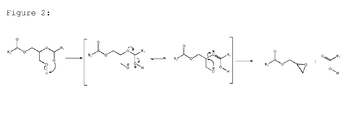
- GEs are mainly formed by thermal degradation of DAG as proposed in Figure 1 ; a reaction that is quantitatively significant at temperatures above 200°C.
- temperatures employed during vegetable oil refining do not exceed 230°C, in order to ensure a low abundance of contaminants.
- a predictive model was developed that directly correlates the level of free fatty acids (FFA) in crude palm oil (CPO) to the DAG contents of fully refined palm oil; 3% DAG in refined palm oil is equivalent to 1.2-1.3% FFA in the initial CPO.
- FFA free fatty acids
- the inventors have found that the content of DAG, and consequently of FFA in vegetable oil, such as palm oil for example, can greatly influence the formation of GEs under thermal conditions.
- the present invention relates to the use of crude plant oil or a plant oil fraction having a maximum level of 1.3 weight-% FFA in a refinement process to produce a refined plant oil substantially free of GEs.
- a plant oil is considered as "crude” for the purposes of the present invention if it the oil has not been submitted to any treatment after pressing.
- Substantially free of GEs means that the refined oil contains less than 1 ppm GEs, for example less than 0.5 ppm GEs, preferably less than 0.3 ppm glycidyl esters.
- Plant oil refinement is well known in the art and nowadays a standard industrial procedure.
- Physical refining is essentially an abridged form of chemical refining and was introduced as the preferred method of palm oil refining in 1973. It is unique in that it is a three step continuous operation where the incoming crude oil is pretreated with acid (degumming), cleansed by being passed through adsorptive bleaching clay, and then subjected to steam distillation. This process allows for the subsequent deacidification, deodorization, and decomposition of carotenoids unique to palm oil (i.e. the crude oil is deep red in color, unlike other vegetable oils). Given the lack of neutralization step in physical refining, refined bleached (RB) oil produced from a physical refinery contains nearly the same FFA levels as found in the crude oil.
- NB oil from a chemical refinery specifies a limit of 0.15% in the NB oil (0.10 in the RBD/NBD fully refined oils).
- NB and RB palm oil are very comparable pre-deodorization in every other aspect.
- the refinement process of the present invention may comprise a pre-treatment step, a bleaching step and a deodorization step.
- the pre-treatment step may comprise pre-treating the crude oil with an acid
- the bleaching step may comprise heating the oil and cleaning the oil by passing it through adsorptive bleaching clay
- the deodorization step may comprise a steam distillation.
- the crude plant oil or plant oil fraction has a maximum level of 2 weight-% weight-% FFA, or even a maximum level of 1.3 weight-% FFA.
- the plant oil or plant oil fraction may have a maximum level of 3.5 weight-% DAG before deodorization.
- the plant oil or plant oil fraction may have a maximum level of 3.3 weight-% DAG, preferably 3 weight-% before deodorization.
- DAGs are the result of the enzymatic hydrolysis of TAGs by lipases during palm fruit ripening. This reaction is particularly significant when fruits are over-ripened and fall from the plant to the ground. Upon contact the fruits become bruised and this result in an increased contact between lipolytic enzymes and newly secreted oil.
- critical parameters governing the level of DAGs in palm oil are the degree of ripening and as well time period between harvest of the fresh fruits and the production of the crude palm oil (CPO).
- the present invention is the time period from the harvest of the plant material to the production of the refined oil less than a week, preferable less than 24 hours and preferably less than 12 hours.
- the deodorization step is carried out at less than 240°C, preferably less than 230°C, even more preferred less than 220°C.
- Any plant oil may be refined in accordance with the present invention.
- the oil is intended for human or animal consumption.
- the plant oil may be selected from the group consisting of palm oil, soybean oil, rapeseed oil, canola oil, sunflower oil, coconut oil, palm kernel oil, cottonseed oil, peanut oil, groundnut oil, or combinations thereof.
- the plant or plant oil fraction is palm oil or a palm oil fraction.
- the use of the present invention allows it to significantly reduce or eliminate GEs in refined plant oils.
- the refined plant oil may comprise less than 1 ppm, preferably less than 0.3 ppm, of glycidyl esters.
- the refined plant oil may be free of GEs.
- Diheptadecanoin was obtained from Nu-Chek-Prep (Elysian, MN, USA). Native fully refined (i.e. refined-bleached-deodorized or RBD) cottonseed oil with DAG content ⁇ 1% was procured from ADM (Archer Daniels Midland Company, Decatur, IL, USA). Diheptadecanoin was diluted in cotton seed oil at concentrations ranging from 1 to 5%. In vitro thermal reaction experiments were conducted in sealed glass ampoules under nitrogen for 2 h at 235 °C in a gas chromatograph.
- Glycidyl esters were diluted in n-hexane (1 g oil in 10 mL n-hexane), and 2 mL was then added to 1 g C18 resin (Bakerbond Octadecyl 40 ⁇ m Prep LC Packing, J.T. Baker) in a beaker. Solid phase mixed with sample was dried under a stream of nitrogen and then transferred on top of a 2 g C18 SPE cartridge (Bakerbond SPE Octadecyl, J.T. Baker). Glycidyl esters were eluted with 15 mL MeOH, eluate was dried under nitrogen and resuspended in 400 ⁇ L acetonitrile prior injection into the LC-ToF-MS system.
- Mass spectrometric detection was performed with an LC-QToF Ultra High Definition 6540 from Agilent with an electrospray ionization (ESI) source operated in the positive mode. Within these conditions, different adducts were detected (H+, NH4+, Na+ and K+) with a mass accuracy below 2 ppm.
- ESI electrospray ionization
- RB Refined and bleached (RB) sustainable palm oil was procured from AarhusKarlshamn Sweden AB (AAK, Karlshamn, Sweden).
- a 500mL total capacity benchtop glass steam distillation apparatus was utilized for in vitro palm oil deodorization experiments. This apparatus was equipped with a thermal-controlled heating mantle, 500mL oil vessel, thermal-regulated water bubbler, a distillation arm with a distillate trap (kept at ⁇ -60 °C with dry ice immersed in isopropanol), and a high vacuum pump with pressure controller and safety trap (kept at ⁇ -60 °C with liquid nitrogen).
- RB palm oil samples were briefly warmed at 80°C in a convection oven to ensure homogeneity.
- 200mL volumes of RB palm oil were deodorized in the aforementioned apparatus for 2h at temperatures ranging from 180-240 °C with a constant pressure of 2mbar.
- a ThermoFisher Accela 1250 system was used to perform ultra high performance liquid chromatography.
- a silica based octadecyl phase (Waters Acquity HSS C18, 1.7 ⁇ m; 2.1x150 mm) was found adequate for the separation of analytes using a buffered methanol-isopropanol gradient, as shown in shown in Table 1 (see Appendix).
- ThermoFisher TSQ Quantum Access Max mass spectrometer was used for the relative quantification glycidyl esters. Electrospray ionization in positive-ion mode followed by triple quadrupole-based tandem mass spectrometry was used to detect glycidyl esters. Applied transitions for the Selected Reaction Monitoring (SRM) experiments are given in Table 2 (see Appendix). For all transitions, a dwell time of 150 ms and a span of 0.2 m/z were used.
- SRM Selected Reaction Monitoring
Landscapes
- Chemical & Material Sciences (AREA)
- Life Sciences & Earth Sciences (AREA)
- Chemical Kinetics & Catalysis (AREA)
- Oil, Petroleum & Natural Gas (AREA)
- Engineering & Computer Science (AREA)
- Microbiology (AREA)
- Wood Science & Technology (AREA)
- Organic Chemistry (AREA)
- General Chemical & Material Sciences (AREA)
- Polymers & Plastics (AREA)
- Food Science & Technology (AREA)
- Fats And Perfumes (AREA)
- Edible Oils And Fats (AREA)
Abstract
Description
- The present invention generally relates to the field of oil refinement. In particular, the present invention relates to the field of processes to produce refined oils, substantially free of contaminants, such as glycidyl esters, for example. In accordance with the present invention, such refined plant oils free of glycidyl esters may be obtained by using plant oil or a plant oil fractions having a maximum level of 3 weight-% diacylglycerols (DAGs) in the oil refinement process.
- Glycidyl esters (GEs) are process contaminants that may be generated, e.g., during the deodorization step of edible oil refining at which oils may be heated under vacuum (3-7 mbar) up to 240-270°C.
- It has been documented that glycidyl esters are occurring in food products resulting in human exposures. Although no evidence is available indicating any adverse health effects, their presence in food has raised some concerns (Schilter et al., Eur. J. Lipid Sci. Technol. 2011, 113, 309-313).
- If treated at too high temperatures detectable levels of GEs may be generated in some plant oils.
- Currently, the generation of GEs is avoided by avoiding the treatment of oils at very high temperatures for extended time periods.
- However, there is a need in the art for a process for oil refinement that avoids the generation of GE, even if the oil is treated at elevated temperatures for longer times.
- The present inventors have addressed this need.
- Consequently, it was the object of the present invention to provide the art with a process for plant oil refinement that eliminates the risk of GEs generation during high temperature treatments.
- The present inventors were surprised to see that they could achieve this objective by the subject matter of
claim 1. The subject matter of the dependant claims further develops the idea of the present invention. - In particular the present inventors have found that GE may be generated after a high temperature treatment of oils which are rich in DAGs.
- For example, palm oil is unique in that it contains a high amount of DAGs (4-12 g per 100g of oil), with triacylglycerols ([TAGs], 88-96%) comprising the majority of its total glycerides. The level of DAGs in palm oil can be attributed to two main factors: the degree of ripening when the palm fruits are harvested and the time period between harvest and the production of crude palm oil (CPO).
- The inventor's observations suggested that GE formation was largely independent of the reaction routes involved in the formation of MCPD esters. Based on these considerations, it was concluded that GEs could be effectively minimized by reducing the levels of DAG in oils.
- GEs are mainly formed by thermal degradation of DAG as proposed in
Figure 1 ; a reaction that is quantitatively significant at temperatures above 200°C. - The effects of DAG content and deodorization temperature on the occurrence of GEs in refined palm oil were investigated. Deodorization experiments confirmed that the formation of GEs from DAG is significant at temperatures above 230°C.
- Experimental data of the inventors show that DAG reacts to glycidyl ester and a free fatty acid at elevated temperatures and that this reaction leads to an exponentially increased generation of glycidyl esters at temperatures greater than 230°C (
Figure 1 ). - Therefore, it is preferred that the temperatures employed during vegetable oil refining do not exceed 230°C, in order to ensure a low abundance of contaminants.
- A predictive model was developed that directly correlates the level of free fatty acids (FFA) in crude palm oil (CPO) to the DAG contents of fully refined palm oil; 3% DAG in refined palm oil is equivalent to 1.2-1.3% FFA in the initial CPO.
- The inventors have found that the content of DAG, and consequently of FFA in vegetable oil, such as palm oil for example, can greatly influence the formation of GEs under thermal conditions.
- An experiment was carried out in order to better understand if there exists a critical limit of DAG that once exceeded, leads to the generation of GEs in abundance. To this end, cottonseed oil low in DAG (<1%) was procured to be used as a reaction medium. Pure diheptadecanoin (C17:0-DAG) was added to this oil in various amounts ranging from 1 to 5% of the total oil. The obtained mixtures were heated in sealed glass ampoules at 235°C for 2 h.
- The formation of glycidyl heptadecanoate from diheptadecanoin was monitored by ULC-MS/MS.
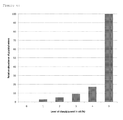
- It was found that the formation of GEs from DAG is not directly proportional to the DAG content. Above a level of 3% DAG, the formation of GEs becomes particularly dominant.
- Consequently, the present invention relates to the use of crude plant oil or a plant oil fraction having a maximum level of 1.3 weight-% FFA in a refinement process to produce a refined plant oil substantially free of GEs.
- A plant oil is considered as "crude" for the purposes of the present invention if it the oil has not been submitted to any treatment after pressing.
- "Substantially free" of GEs means that the refined oil contains less than 1 ppm GEs, for example less than 0.5 ppm GEs, preferably less than 0.3 ppm glycidyl esters.
- Plant oil refinement is well known in the art and nowadays a standard industrial procedure.
- Modern plant oil; e.g., vegetable oil; processing today consists of two predominant methods, chemical and physical refining, summarized in
figure 1 . - In efforts aimed at increased sustainability, oil refineries have modified their vegetable oil processing lines in the past few decades for the minimization of energy expenditure (economizers) and the reduction of waste; however, the steps of these two refining processes have essentially remained the same.
- Physical refining is essentially an abridged form of chemical refining and was introduced as the preferred method of palm oil refining in 1973. It is unique in that it is a three step continuous operation where the incoming crude oil is pretreated with acid (degumming), cleansed by being passed through adsorptive bleaching clay, and then subjected to steam distillation. This process allows for the subsequent deacidification, deodorization, and decomposition of carotenoids unique to palm oil (i.e. the crude oil is deep red in color, unlike other vegetable oils). Given the lack of neutralization step in physical refining, refined bleached (RB) oil produced from a physical refinery contains nearly the same FFA levels as found in the crude oil.
- Neutralized bleached (NB) oil from a chemical refinery specifies a limit of 0.15% in the NB oil (0.10 in the RBD/NBD fully refined oils). NB and RB palm oil are very comparable pre-deodorization in every other aspect.
- Consequently, the refinement process of the present invention may comprise a pre-treatment step, a bleaching step and a deodorization step.
- The pre-treatment step may comprise pre-treating the crude oil with an acid, the bleaching step may comprise heating the oil and cleaning the oil by passing it through adsorptive bleaching clay, and the deodorization step may comprise a steam distillation.
- Obviously, the lower the content of free fatty acids is in the crude oil, the less likely is the formation of GEs during refinement.
- Hence it is particularly preferred, if the crude plant oil or plant oil fraction has a maximum level of 2 weight-% weight-% FFA, or even a maximum level of 1.3 weight-% FFA.
- As the abundance of FFA in crude vegetable oil is linked to the DAG content of the refined palm oil, e.g., before deodorization, it is preferred to have a low DAG content in the oil to avoid the generation of glycidyl esters.
- Consequently, according to the present invention, the plant oil or plant oil fraction may have a maximum level of 3.5 weight-% DAG before deodorization. For example, the plant oil or plant oil fraction may have a maximum level of 3.3 weight-% DAG, preferably 3 weight-% before deodorization.
- For example in the palm oil production, DAGs are the result of the enzymatic hydrolysis of TAGs by lipases during palm fruit ripening. This reaction is particularly significant when fruits are over-ripened and fall from the plant to the ground. Upon contact the fruits become bruised and this result in an increased contact between lipolytic enzymes and newly secreted oil.
- Consequently, critical parameters governing the level of DAGs in palm oil are the degree of ripening and as well time period between harvest of the fresh fruits and the production of the crude palm oil (CPO).
- It is consequently preferred to use the fresh palm fruits for the production of palm oil without any unnecessary delay.
- In one embodiment of the present invention is the time period from the harvest of the plant material to the production of the refined oil less than a week, preferable less than 24 hours and preferably less than 12 hours.
- As elevated temperatures favour the formation of GEs exponentially, it may be preferred if the deodorization step is carried out at less than 240°C, preferably less than 230°C, even more preferred less than 220°C.
- Any plant oil may be refined in accordance with the present invention.
- Preferably, the oil is intended for human or animal consumption. For example, the plant oil may be selected from the group consisting of palm oil, soybean oil, rapeseed oil, canola oil, sunflower oil, coconut oil, palm kernel oil, cottonseed oil, peanut oil, groundnut oil, or combinations thereof.
- In a particularly preferred embodiment of the present invention the plant or plant oil fraction is palm oil or a palm oil fraction.
- The use of the present invention allows it to significantly reduce or eliminate GEs in refined plant oils.
- Consequently, the refined plant oil may comprise less than 1 ppm, preferably less than 0.3 ppm, of glycidyl esters. For example, the refined plant oil may be free of GEs.
- It is clear for those of skill in the art that they can freely combine features of the present invention without departing from the scope of the invention as disclosed.
- Further advantages and features of the present invention are apparent from the following figures and examples.
-
Figure 1 shows an outline of the processes for chemical and physical refining of vegetable oils. -
Figure 2 shows the proposed mechanism for the formation of GEs from DAGs at high temperatures. -
Figure 3 shows the influence of the deodorization temperature on the formation of GEs from DAGs in refined-bleached palm oil. The above data are a sum of the glycidyl-laurate, - linoleate, -linolenate, -myristate, -oleate, -palmitate, and - stearate. -
Figure 4 shows the nfluence of the level of DAGs on the formation of GEs (results were normalized to the level GEs found in the sample with 5% DAG). - Diheptadecanoin was obtained from Nu-Chek-Prep (Elysian, MN, USA). Native fully refined (i.e. refined-bleached-deodorized or RBD) cottonseed oil with DAG content <1% was procured from ADM (Archer Daniels Midland Company, Decatur, IL, USA). Diheptadecanoin was diluted in cotton seed oil at concentrations ranging from 1 to 5%. In vitro thermal reaction experiments were conducted in sealed glass ampoules under nitrogen for 2 h at 235 °C in a gas chromatograph.
- Pure glycidyl oleate, palmitate, linoleate and linolenate (Wako Chemicals GmbH, Neuss, Germany) were used as analytical standards to optimize the extraction method from the oil sample as well as for LC-oF-S detection. Glycidyl stearate was synthesized and purified in-house. These standards were used also to perform quantitation of glycidyl esters in the palm oil samples by the standard additions method.
- Glycidyl esters were diluted in n-hexane (1 g oil in 10 mL n-hexane), and 2 mL was then added to 1 g C18 resin (Bakerbond Octadecyl 40µm Prep LC Packing, J.T. Baker) in a beaker. Solid phase mixed with sample was dried under a stream of nitrogen and then transferred on top of a 2 g C18 SPE cartridge (Bakerbond SPE Octadecyl, J.T. Baker). Glycidyl esters were eluted with 15 mL MeOH, eluate was dried under nitrogen and resuspended in 400 µL acetonitrile prior injection into the LC-ToF-MS system.
- Chromatographic conditions were optimized using the standard solutions mentioned above. A reversed phase column (Waters Acquity HSS T3, 1.7 µm; 2.1×50 mm) was used for separation of analytes using a methanol:water (75:25, 10 mM Ammonium formate, 0.1 % formic acid) and isopropanol (10 mM ammonium formate, 0.1 % formic acid) gradient, as shown in Table 3 in the Appendix.
- Mass spectrometric detection was performed with an LC-QToF Ultra High Definition 6540 from Agilent with an electrospray ionization (ESI) source operated in the positive mode. Within these conditions, different adducts were detected (H+, NH4+, Na+ and K+) with a mass accuracy below 2 ppm.
- In the example, we set out to determine if the activation energy of the GE formation reaction is influenced by high vacuum pressures such as those employed during edible oil deodorization. To elucidate this potentiality, refined and bleached (RB) palm oils were deodorized at various temperatures using a benchtop steam distillation apparatus. The sum levels of glycidyl esters generated from these experiments were summarized and appear in
Figure 3 . These results demonstrate that significant GE formation occur above a temperature in the 220 to 230°C range. Therefore, deodorization temperatures employed during palm oil refining should not exceed 220-230°C, in order to ensure low abundance of GEs. The formation of GEs is minimal below this temperature range. - Refined and bleached (RB) sustainable palm oil was procured from AarhusKarlshamn Sweden AB (AAK, Karlshamn, Sweden). A 500mL total capacity benchtop glass steam distillation apparatus was utilized for in vitro palm oil deodorization experiments. This apparatus was equipped with a thermal-controlled heating mantle, 500mL oil vessel, thermal-regulated water bubbler, a distillation arm with a distillate trap (kept at ∼ -60 °C with dry ice immersed in isopropanol), and a high vacuum pump with pressure controller and safety trap (kept at ∼ -60 °C with liquid nitrogen).
- RB palm oil samples were briefly warmed at 80°C in a convection oven to ensure homogeneity. For deodorization experiments, 200mL volumes of RB palm oil were deodorized in the aforementioned apparatus for 2h at temperatures ranging from 180-240 °C with a constant pressure of 2mbar.
- Pure glycidyl palmitate at 5 nM concentration in methanol was used as analytical standards to optimize the LC-MS/MS system. A solution of 100 µg/mL 13C3-Sn1-palmitoyl-Sn2-stearyl-MCPD in methanol: acetone at 1 : 4 (v/v) was used as internal standard for measurements in positive ion mode.
- All samples were briefly warmed at 80°C in a convection oven in order to assure homogeneity. For all runs, a 20 µL aliquot of sample was added into 970 µL acetone : n-hexane 1 : 1 (v/v). A 10 µL internal standard solution (1 mg/10 mL equivalent to 1 µg) was then added. Next, a 100 µL volume of this solution was transferred into 900 µL acetone. A 100 µL aliquot of this solution was then transferred into 900 µL methanol. Lastly, a 25 µL from this solution was injected into the ULC-MS/MS system.
- A ThermoFisher Accela 1250 system was used to perform ultra high performance liquid chromatography. A silica based octadecyl phase (Waters Acquity HSS C18, 1.7 µm; 2.1x150 mm) was found adequate for the separation of analytes using a buffered methanol-isopropanol gradient, as shown in shown in Table 1 (see Appendix).
- A ThermoFisher TSQ Quantum Access Max mass spectrometer was used for the relative quantification glycidyl esters. Electrospray ionization in positive-ion mode followed by triple quadrupole-based tandem mass spectrometry was used to detect glycidyl esters. Applied transitions for the Selected Reaction Monitoring (SRM) experiments are given in Table 2 (see Appendix). For all transitions, a dwell time of 150 ms and a span of 0.2 m/z were used.
- The current experiment was carried out in order to better understand if there exists a critical limit of DAG that once exceeded, leads to the generation of GEs in abundance. To this end, cottonseed oil low in DAG (<1%) was procured to be used as a reaction medium. Pure diheptadecanoin (C17:0-DAG) was added to this oil in various amounts ranging from 1 to 5% of the total oil. The obtained mixtures were heated in sealed glass ampoules at 235°C for 2 h. The formation of glycidyl heptadecanoate from diheptadecanoin was monitored by ULC-MS/MS. The results of these in vitro experiments are provided in
Figure 4 . This example shows that the formation of GEs from DAG is not directly proportional to the DAG content. Above a level of 3% DAG, the formation of GEs becomes particularly dominant.
Claims (10)
- Use of crude plant oil or a plant oil fraction having a maximum level of 1.5 weight-% free fatty acids in a refinement process to produce a refined plant oil substantially free of glycidyl esters.
- Use in accordance with claim 1, wherein the refinement process comprises a pre-treatment step, a bleaching step and a deodorization step.
- Use in accordance with one of the preceding claims, characterized in that the crude plant oil or plant oil fraction has a maximum level of 1.4 weight-% weight-% free fatty acids, preferably a maximum level of 1.3 weight-% free fatty acids.
- Use in accordance with one of the preceding claims characterized in that the plant oil or plant oil fraction has a maximum level of 3.5 weight-% DAG before deodorization.
- Use in accordance with claim 3, wherein the plant oil or plant oil fraction has a maximum level of 3.3 weight-% DAG, preferably 3 weight-% before deodorization.
- Use in accordance with claim 5, wherein the pre-treatment step comprises pre-treating the crude oil with an acid, the bleaching step comprises heating the oil and cleaning the oil by passing it through adsorptive bleaching clay, and the deodorization step comprises a steam distillation.
- Use in accordance with one of the preceding claims, wherein the deodorization step is carried out at less than 240°C, preferably less than 230°C, even more preferred less than 220°C.
- Use in accordance with one of the preceding claims, wherein the plant oil is selected from the group consisting of palm oil, soybean oil, rapeseed oil, canola oil, sunflower oil, coconut oil, palm kernel oil, cottonseed oil, peanut oil, groundnut oil, or combinations thereof.
- Use in accordance with one of the preceding claims, wherein the plant or plant oil fraction is palm oil or a palm oil fraction.
- Use in accordance with one of the preceding claims, wherein the refined plant oil comprises less than 1 ppm, preferably less than 0.3 ppm of glycidyl esters.
Priority Applications (5)
| Application Number | Priority Date | Filing Date | Title |
|---|---|---|---|
| EP11159734.0A EP2502499B1 (en) | 2011-03-25 | 2011-03-25 | Refined plant oils free of glycidyl esters |
| US14/007,233 US20140018561A1 (en) | 2011-03-25 | 2012-03-23 | Refined plant oils free of glycidyl esters |
| JP2014500403A JP2014514384A (en) | 2011-03-25 | 2012-03-23 | Refined vegetable oil free of glycidyl ester |
| PCT/EP2012/055173 WO2012130745A1 (en) | 2011-03-25 | 2012-03-23 | Refined plant oils free of glycidyl esters |
| CN2012800151547A CN103442577A (en) | 2011-03-25 | 2012-03-23 | Refined plant oils free of glycidyl esters |
Applications Claiming Priority (1)
| Application Number | Priority Date | Filing Date | Title |
|---|---|---|---|
| EP11159734.0A EP2502499B1 (en) | 2011-03-25 | 2011-03-25 | Refined plant oils free of glycidyl esters |
Publications (2)
| Publication Number | Publication Date |
|---|---|
| EP2502499A1 true EP2502499A1 (en) | 2012-09-26 |
| EP2502499B1 EP2502499B1 (en) | 2014-03-12 |
Family
ID=44343254
Family Applications (1)
| Application Number | Title | Priority Date | Filing Date |
|---|---|---|---|
| EP11159734.0A Revoked EP2502499B1 (en) | 2011-03-25 | 2011-03-25 | Refined plant oils free of glycidyl esters |
Country Status (5)
| Country | Link |
|---|---|
| US (1) | US20140018561A1 (en) |
| EP (1) | EP2502499B1 (en) |
| JP (1) | JP2014514384A (en) |
| CN (1) | CN103442577A (en) |
| WO (1) | WO2012130745A1 (en) |
Families Citing this family (7)
| Publication number | Priority date | Publication date | Assignee | Title |
|---|---|---|---|---|
| DK3154374T3 (en) | 2014-05-16 | 2018-08-06 | Sime Darby Malaysia Berhad | Process for refining a crude palm fruit oil product |
| US10333840B2 (en) * | 2015-02-06 | 2019-06-25 | Cisco Technology, Inc. | System and method for on-demand content exchange with adaptive naming in information-centric networks |
| CN104762131B (en) * | 2015-03-19 | 2018-07-20 | 华南理工大学 | The deodour method that ethylene oxidic ester generates in a kind of inhibition grease |
| CN105053269A (en) * | 2015-07-28 | 2015-11-18 | 华南理工大学 | Method for reducing content of glycidyl ester in edible oil by using adsorbent |
| CN106929148A (en) * | 2015-12-29 | 2017-07-07 | 丰益(上海)生物技术研发中心有限公司 | The method of oil and fat refining |
| DK3630929T3 (en) * | 2017-05-24 | 2026-02-23 | Cargill Inc | OILS WITHOUT UNWANTED CONTAMINANTS |
| US20240400936A1 (en) * | 2023-05-30 | 2024-12-05 | Oleo-X Llc | Processing lipid-containing compounds for fuel feedstock through acid degumming and adsorptive bleaching/drying |
Citations (2)
| Publication number | Priority date | Publication date | Assignee | Title |
|---|---|---|---|---|
| US5545329A (en) * | 1995-05-08 | 1996-08-13 | Rochem Separation Systems | Method of refining oil |
| WO2011069028A1 (en) * | 2009-12-04 | 2011-06-09 | Archer Daniels Midland Company | Glycidyl ester reduction in oil |
Family Cites Families (1)
| Publication number | Priority date | Publication date | Assignee | Title |
|---|---|---|---|---|
| US5545325A (en) * | 1994-08-23 | 1996-08-13 | Bao-Lin Sun | Combined aerobic & anaerobic treating method & facility for hog wastewater |
-
2011
- 2011-03-25 EP EP11159734.0A patent/EP2502499B1/en not_active Revoked
-
2012
- 2012-03-23 US US14/007,233 patent/US20140018561A1/en not_active Abandoned
- 2012-03-23 CN CN2012800151547A patent/CN103442577A/en active Pending
- 2012-03-23 WO PCT/EP2012/055173 patent/WO2012130745A1/en not_active Ceased
- 2012-03-23 JP JP2014500403A patent/JP2014514384A/en active Pending
Patent Citations (2)
| Publication number | Priority date | Publication date | Assignee | Title |
|---|---|---|---|---|
| US5545329A (en) * | 1995-05-08 | 1996-08-13 | Rochem Separation Systems | Method of refining oil |
| WO2011069028A1 (en) * | 2009-12-04 | 2011-06-09 | Archer Daniels Midland Company | Glycidyl ester reduction in oil |
Non-Patent Citations (1)
| Title |
|---|
| SCHILTER ET AL., EUR. J. LIPID SCI. TECHNOL., vol. 113, 2011, pages 309 - 313 |
Also Published As
| Publication number | Publication date |
|---|---|
| JP2014514384A (en) | 2014-06-19 |
| CN103442577A (en) | 2013-12-11 |
| EP2502499B1 (en) | 2014-03-12 |
| WO2012130745A1 (en) | 2012-10-04 |
| US20140018561A1 (en) | 2014-01-16 |
Similar Documents
| Publication | Publication Date | Title |
|---|---|---|
| EP2502499B1 (en) | Refined plant oils free of glycidyl esters | |
| EP2502500B1 (en) | Producing refined plant oils from washed crude plant oil | |
| Destaillats et al. | Glycidyl esters in refined palm (Elaeis guineensis) oil and related fractions. Part I: Formation mechanism | |
| Craft et al. | Glycidyl esters in refined palm (Elaeis guineensis) oil and related fractions. Part II: Practical recommendations for effective mitigation | |
| Ribeiro et al. | Identification of carotenoid isomers in crude and bleached palm oils by mass spectrometry | |
| Daskalaki et al. | Evaluation of phenolic compounds degradation in virgin olive oil during storage and heating. | |
| Ramli et al. | Preliminary large scale mitigation of 3-monochloropropane-1, 2-diol (3-MCPD) esters and glycidyl esters in palm oil | |
| RU2672605C1 (en) | Removal of unwanted propanol components | |
| MX2012006335A (en) | Glycidyl ester reduction in oil. | |
| Bachari Saleh et al. | The effect of refining process on the conjugated dienes in soybean oil | |
| EP2502502B1 (en) | Refined plant oils obtained from washed plant material | |
| CN104705422A (en) | Method for preparation of grease by enzymatic method | |
| Dantas et al. | Lipid profile and high contents of cholesterol oxidation products (COPs) in different commercial brands of canned tuna | |
| Parenti et al. | The effect of malaxation temperature on the virgin olive oil phenolic profile under laboratory‐scale conditions | |
| Peng et al. | Integrated lipidomics and flavoromics approach elucidates the antioxidant-mediated preservation mechanisms in silver carp (Hypophthalmichthys molitrix) visceral fish oil during thermal processing | |
| WO2015146248A1 (en) | Production method for purified palm oil and fat | |
| EP2502501B1 (en) | Plant oil refinement in the presence of alcohol | |
| Liu et al. | Effect of roasting on the chemical profiles of white and black sesame seeds during accelerated storage | |
| Verleyen et al. | Cholesterol oxidation in tallow during processing | |
| JP5924755B2 (en) | Method for producing glyceride composition | |
| Sarungallo et al. | DETERIORATION KINETICS OF NEUTRALIZED RED FRUIT (Pandanus conoideus L.) OIL DURING STORAGE | |
| Caponio et al. | Do monoacylglycerols act as pro-oxidants in purified soybean oil? Evidence of a dose-dependent effect | |
| Suliman et al. | Zero trans fatty acids and other quality attributes during sunflower oil deodorizing compare between short path distillation and conventional method | |
| RU2812109C2 (en) | Oil processing | |
| Miao et al. | Effect of Air Frying Pretreatment on Quality and Antioxidant Activities of Rapeseed Oil |
Legal Events
| Date | Code | Title | Description |
|---|---|---|---|
| PUAI | Public reference made under article 153(3) epc to a published international application that has entered the european phase |
Free format text: ORIGINAL CODE: 0009012 |
|
| AK | Designated contracting states |
Kind code of ref document: A1 Designated state(s): AL AT BE BG CH CY CZ DE DK EE ES FI FR GB GR HR HU IE IS IT LI LT LU LV MC MK MT NL NO PL PT RO RS SE SI SK SM TR |
|
| AX | Request for extension of the european patent |
Extension state: BA ME |
|
| 17P | Request for examination filed |
Effective date: 20130326 |
|
| 17Q | First examination report despatched |
Effective date: 20130531 |
|
| GRAP | Despatch of communication of intention to grant a patent |
Free format text: ORIGINAL CODE: EPIDOSNIGR1 |
|
| INTG | Intention to grant announced |
Effective date: 20131114 |
|
| GRAP | Despatch of communication of intention to grant a patent |
Free format text: ORIGINAL CODE: EPIDOSNIGR1 |
|
| GRAS | Grant fee paid |
Free format text: ORIGINAL CODE: EPIDOSNIGR3 |
|
| GRAA | (expected) grant |
Free format text: ORIGINAL CODE: 0009210 |
|
| INTG | Intention to grant announced |
Effective date: 20140122 |
|
| AK | Designated contracting states |
Kind code of ref document: B1 Designated state(s): AL AT BE BG CH CY CZ DE DK EE ES FI FR GB GR HR HU IE IS IT LI LT LU LV MC MK MT NL NO PL PT RO RS SE SI SK SM TR |
|
| REG | Reference to a national code |
Ref country code: GB Ref legal event code: FG4D |
|
| REG | Reference to a national code |
Ref country code: CH Ref legal event code: EP |
|
| REG | Reference to a national code |
Ref country code: AT Ref legal event code: REF Ref document number: 655631 Country of ref document: AT Kind code of ref document: T Effective date: 20140315 |
|
| REG | Reference to a national code |
Ref country code: IE Ref legal event code: FG4D |
|
| REG | Reference to a national code |
Ref country code: DE Ref legal event code: R096 Ref document number: 602011005326 Country of ref document: DE Effective date: 20140424 |
|
| PGFP | Annual fee paid to national office [announced via postgrant information from national office to epo] |
Ref country code: CH Payment date: 20140326 Year of fee payment: 4 Ref country code: NL Payment date: 20140326 Year of fee payment: 4 |
|
| REG | Reference to a national code |
Ref country code: NL Ref legal event code: T3 |
|
| PG25 | Lapsed in a contracting state [announced via postgrant information from national office to epo] |
Ref country code: NO Free format text: LAPSE BECAUSE OF FAILURE TO SUBMIT A TRANSLATION OF THE DESCRIPTION OR TO PAY THE FEE WITHIN THE PRESCRIBED TIME-LIMIT Effective date: 20140612 Ref country code: LT Free format text: LAPSE BECAUSE OF FAILURE TO SUBMIT A TRANSLATION OF THE DESCRIPTION OR TO PAY THE FEE WITHIN THE PRESCRIBED TIME-LIMIT Effective date: 20140312 |
|
| REG | Reference to a national code |
Ref country code: AT Ref legal event code: MK05 Ref document number: 655631 Country of ref document: AT Kind code of ref document: T Effective date: 20140312 |
|
| REG | Reference to a national code |
Ref country code: LT Ref legal event code: MG4D |
|
| PG25 | Lapsed in a contracting state [announced via postgrant information from national office to epo] |
Ref country code: FI Free format text: LAPSE BECAUSE OF FAILURE TO SUBMIT A TRANSLATION OF THE DESCRIPTION OR TO PAY THE FEE WITHIN THE PRESCRIBED TIME-LIMIT Effective date: 20140312 Ref country code: SE Free format text: LAPSE BECAUSE OF FAILURE TO SUBMIT A TRANSLATION OF THE DESCRIPTION OR TO PAY THE FEE WITHIN THE PRESCRIBED TIME-LIMIT Effective date: 20140312 Ref country code: CY Free format text: LAPSE BECAUSE OF FAILURE TO SUBMIT A TRANSLATION OF THE DESCRIPTION OR TO PAY THE FEE WITHIN THE PRESCRIBED TIME-LIMIT Effective date: 20140312 |
|
| PGFP | Annual fee paid to national office [announced via postgrant information from national office to epo] |
Ref country code: FR Payment date: 20140324 Year of fee payment: 4 Ref country code: DE Payment date: 20140417 Year of fee payment: 4 |
|
| PG25 | Lapsed in a contracting state [announced via postgrant information from national office to epo] |
Ref country code: HR Free format text: LAPSE BECAUSE OF FAILURE TO SUBMIT A TRANSLATION OF THE DESCRIPTION OR TO PAY THE FEE WITHIN THE PRESCRIBED TIME-LIMIT Effective date: 20140312 Ref country code: LV Free format text: LAPSE BECAUSE OF FAILURE TO SUBMIT A TRANSLATION OF THE DESCRIPTION OR TO PAY THE FEE WITHIN THE PRESCRIBED TIME-LIMIT Effective date: 20140312 Ref country code: RS Free format text: LAPSE BECAUSE OF FAILURE TO SUBMIT A TRANSLATION OF THE DESCRIPTION OR TO PAY THE FEE WITHIN THE PRESCRIBED TIME-LIMIT Effective date: 20140312 |
|
| PG25 | Lapsed in a contracting state [announced via postgrant information from national office to epo] |
Ref country code: CZ Free format text: LAPSE BECAUSE OF FAILURE TO SUBMIT A TRANSLATION OF THE DESCRIPTION OR TO PAY THE FEE WITHIN THE PRESCRIBED TIME-LIMIT Effective date: 20140312 Ref country code: BE Free format text: LAPSE BECAUSE OF FAILURE TO SUBMIT A TRANSLATION OF THE DESCRIPTION OR TO PAY THE FEE WITHIN THE PRESCRIBED TIME-LIMIT Effective date: 20140312 Ref country code: RO Free format text: LAPSE BECAUSE OF FAILURE TO SUBMIT A TRANSLATION OF THE DESCRIPTION OR TO PAY THE FEE WITHIN THE PRESCRIBED TIME-LIMIT Effective date: 20140312 Ref country code: IS Free format text: LAPSE BECAUSE OF FAILURE TO SUBMIT A TRANSLATION OF THE DESCRIPTION OR TO PAY THE FEE WITHIN THE PRESCRIBED TIME-LIMIT Effective date: 20140712 Ref country code: EE Free format text: LAPSE BECAUSE OF FAILURE TO SUBMIT A TRANSLATION OF THE DESCRIPTION OR TO PAY THE FEE WITHIN THE PRESCRIBED TIME-LIMIT Effective date: 20140312 Ref country code: BG Free format text: LAPSE BECAUSE OF FAILURE TO SUBMIT A TRANSLATION OF THE DESCRIPTION OR TO PAY THE FEE WITHIN THE PRESCRIBED TIME-LIMIT Effective date: 20140612 |
|
| PG25 | Lapsed in a contracting state [announced via postgrant information from national office to epo] |
Ref country code: ES Free format text: LAPSE BECAUSE OF FAILURE TO SUBMIT A TRANSLATION OF THE DESCRIPTION OR TO PAY THE FEE WITHIN THE PRESCRIBED TIME-LIMIT Effective date: 20140312 Ref country code: AT Free format text: LAPSE BECAUSE OF FAILURE TO SUBMIT A TRANSLATION OF THE DESCRIPTION OR TO PAY THE FEE WITHIN THE PRESCRIBED TIME-LIMIT Effective date: 20140312 Ref country code: SK Free format text: LAPSE BECAUSE OF FAILURE TO SUBMIT A TRANSLATION OF THE DESCRIPTION OR TO PAY THE FEE WITHIN THE PRESCRIBED TIME-LIMIT Effective date: 20140312 Ref country code: PL Free format text: LAPSE BECAUSE OF FAILURE TO SUBMIT A TRANSLATION OF THE DESCRIPTION OR TO PAY THE FEE WITHIN THE PRESCRIBED TIME-LIMIT Effective date: 20140312 |
|
| REG | Reference to a national code |
Ref country code: DE Ref legal event code: R026 Ref document number: 602011005326 Country of ref document: DE |
|
| PLBI | Opposition filed |
Free format text: ORIGINAL CODE: 0009260 |
|
| PG25 | Lapsed in a contracting state [announced via postgrant information from national office to epo] |
Ref country code: PT Free format text: LAPSE BECAUSE OF FAILURE TO SUBMIT A TRANSLATION OF THE DESCRIPTION OR TO PAY THE FEE WITHIN THE PRESCRIBED TIME-LIMIT Effective date: 20140714 |
|
| REG | Reference to a national code |
Ref country code: IE Ref legal event code: MM4A |
|
| PLAX | Notice of opposition and request to file observation + time limit sent |
Free format text: ORIGINAL CODE: EPIDOSNOBS2 |
|
| 26 | Opposition filed |
Opponent name: SIME DARBY MALAYSIA BERHAD Effective date: 20141210 |
|
| PLAB | Opposition data, opponent's data or that of the opponent's representative modified |
Free format text: ORIGINAL CODE: 0009299OPPO |
|
| PLBB | Reply of patent proprietor to notice(s) of opposition received |
Free format text: ORIGINAL CODE: EPIDOSNOBS3 |
|
| PG25 | Lapsed in a contracting state [announced via postgrant information from national office to epo] |
Ref country code: MC Free format text: LAPSE BECAUSE OF FAILURE TO SUBMIT A TRANSLATION OF THE DESCRIPTION OR TO PAY THE FEE WITHIN THE PRESCRIBED TIME-LIMIT Effective date: 20140312 Ref country code: DK Free format text: LAPSE BECAUSE OF FAILURE TO SUBMIT A TRANSLATION OF THE DESCRIPTION OR TO PAY THE FEE WITHIN THE PRESCRIBED TIME-LIMIT Effective date: 20140312 Ref country code: IE Free format text: LAPSE BECAUSE OF NON-PAYMENT OF DUE FEES Effective date: 20140325 |
|
| R26 | Opposition filed (corrected) |
Opponent name: SIME DARBY MALAYSIA BERHAD Effective date: 20141210 |
|
| REG | Reference to a national code |
Ref country code: DE Ref legal event code: R026 Ref document number: 602011005326 Country of ref document: DE Effective date: 20141210 |
|
| PG25 | Lapsed in a contracting state [announced via postgrant information from national office to epo] |
Ref country code: RS Free format text: LAPSE BECAUSE OF FAILURE TO SUBMIT A TRANSLATION OF THE DESCRIPTION OR TO PAY THE FEE WITHIN THE PRESCRIBED TIME-LIMIT Effective date: 20140903 |
|
| PLAY | Examination report in opposition despatched + time limit |
Free format text: ORIGINAL CODE: EPIDOSNORE2 |
|
| PG25 | Lapsed in a contracting state [announced via postgrant information from national office to epo] |
Ref country code: IT Free format text: LAPSE BECAUSE OF FAILURE TO SUBMIT A TRANSLATION OF THE DESCRIPTION OR TO PAY THE FEE WITHIN THE PRESCRIBED TIME-LIMIT Effective date: 20140312 |
|
| PLBC | Reply to examination report in opposition received |
Free format text: ORIGINAL CODE: EPIDOSNORE3 |
|
| PG25 | Lapsed in a contracting state [announced via postgrant information from national office to epo] |
Ref country code: SI Free format text: LAPSE BECAUSE OF FAILURE TO SUBMIT A TRANSLATION OF THE DESCRIPTION OR TO PAY THE FEE WITHIN THE PRESCRIBED TIME-LIMIT Effective date: 20140312 |
|
| RDAF | Communication despatched that patent is revoked |
Free format text: ORIGINAL CODE: EPIDOSNREV1 |
|
| REG | Reference to a national code |
Ref country code: DE Ref legal event code: R119 Ref document number: 602011005326 Country of ref document: DE |
|
| REG | Reference to a national code |
Ref country code: CH Ref legal event code: PL |
|
| GBPC | Gb: european patent ceased through non-payment of renewal fee |
Effective date: 20150325 |
|
| REG | Reference to a national code |
Ref country code: NL Ref legal event code: MM Effective date: 20150401 |
|
| REG | Reference to a national code |
Ref country code: FR Ref legal event code: ST Effective date: 20151130 |
|
| RDAG | Patent revoked |
Free format text: ORIGINAL CODE: 0009271 |
|
| STAA | Information on the status of an ep patent application or granted ep patent |
Free format text: STATUS: PATENT REVOKED |
|
| PG25 | Lapsed in a contracting state [announced via postgrant information from national office to epo] |
Ref country code: LI Free format text: LAPSE BECAUSE OF NON-PAYMENT OF DUE FEES Effective date: 20150331 Ref country code: CH Free format text: LAPSE BECAUSE OF NON-PAYMENT OF DUE FEES Effective date: 20150331 Ref country code: GB Free format text: LAPSE BECAUSE OF NON-PAYMENT OF DUE FEES Effective date: 20150325 |
|
| 27W | Patent revoked |
Effective date: 20150926 |
|
| PG25 | Lapsed in a contracting state [announced via postgrant information from national office to epo] |
Ref country code: FR Free format text: LAPSE BECAUSE OF NON-PAYMENT OF DUE FEES Effective date: 20150331 Ref country code: MT Free format text: LAPSE BECAUSE OF FAILURE TO SUBMIT A TRANSLATION OF THE DESCRIPTION OR TO PAY THE FEE WITHIN THE PRESCRIBED TIME-LIMIT Effective date: 20140312 |
|
| PG25 | Lapsed in a contracting state [announced via postgrant information from national office to epo] |
Ref country code: GR Free format text: LAPSE BECAUSE OF FAILURE TO SUBMIT A TRANSLATION OF THE DESCRIPTION OR TO PAY THE FEE WITHIN THE PRESCRIBED TIME-LIMIT Effective date: 20140613 |
|
| PG25 | Lapsed in a contracting state [announced via postgrant information from national office to epo] |
Ref country code: LU Free format text: LAPSE BECAUSE OF NON-PAYMENT OF DUE FEES Effective date: 20140325 |
|
| PG25 | Lapsed in a contracting state [announced via postgrant information from national office to epo] |
Ref country code: NL Free format text: LAPSE BECAUSE OF NON-PAYMENT OF DUE FEES Effective date: 20150401 |
|
| PG25 | Lapsed in a contracting state [announced via postgrant information from national office to epo] |
Ref country code: AL Free format text: LAPSE BECAUSE OF FAILURE TO SUBMIT A TRANSLATION OF THE DESCRIPTION OR TO PAY THE FEE WITHIN THE PRESCRIBED TIME-LIMIT Effective date: 20140312 |
|
| PG25 | Lapsed in a contracting state [announced via postgrant information from national office to epo] |
Ref country code: TR Free format text: LAPSE BECAUSE OF FAILURE TO SUBMIT A TRANSLATION OF THE DESCRIPTION OR TO PAY THE FEE WITHIN THE PRESCRIBED TIME-LIMIT Effective date: 20140312 |