EP2495315B1 - Humanized recombinant uricase and mutants thereof - Google Patents
Humanized recombinant uricase and mutants thereof Download PDFInfo
- Publication number
- EP2495315B1 EP2495315B1 EP10825963.1A EP10825963A EP2495315B1 EP 2495315 B1 EP2495315 B1 EP 2495315B1 EP 10825963 A EP10825963 A EP 10825963A EP 2495315 B1 EP2495315 B1 EP 2495315B1
- Authority
- EP
- European Patent Office
- Prior art keywords
- uricase
- amino acids
- seq
- uhc
- chimeric protein
- Prior art date
- Legal status (The legal status is an assumption and is not a legal conclusion. Google has not performed a legal analysis and makes no representation as to the accuracy of the status listed.)
- Active
Links
Images

Classifications
-
- C—CHEMISTRY; METALLURGY
- C12—BIOCHEMISTRY; BEER; SPIRITS; WINE; VINEGAR; MICROBIOLOGY; ENZYMOLOGY; MUTATION OR GENETIC ENGINEERING
- C12Y—ENZYMES
- C12Y107/00—Oxidoreductases acting on other nitrogenous compounds as donors (1.7)
- C12Y107/03—Oxidoreductases acting on other nitrogenous compounds as donors (1.7) with oxygen as acceptor (1.7.3)
- C12Y107/03003—Factor-independent urate hydroxylase (1.7.3.3), i.e. uricase
-
- A—HUMAN NECESSITIES
- A61—MEDICAL OR VETERINARY SCIENCE; HYGIENE
- A61P—SPECIFIC THERAPEUTIC ACTIVITY OF CHEMICAL COMPOUNDS OR MEDICINAL PREPARATIONS
- A61P19/00—Drugs for skeletal disorders
- A61P19/06—Antigout agents, e.g. antihyperuricemic or uricosuric agents
-
- C—CHEMISTRY; METALLURGY
- C12—BIOCHEMISTRY; BEER; SPIRITS; WINE; VINEGAR; MICROBIOLOGY; ENZYMOLOGY; MUTATION OR GENETIC ENGINEERING
- C12N—MICROORGANISMS OR ENZYMES; COMPOSITIONS THEREOF; PROPAGATING, PRESERVING, OR MAINTAINING MICROORGANISMS; MUTATION OR GENETIC ENGINEERING; CULTURE MEDIA
- C12N9/00—Enzymes; Proenzymes; Compositions thereof; Processes for preparing, activating, inhibiting, separating or purifying enzymes
- C12N9/0004—Oxidoreductases (1.)
- C12N9/0012—Oxidoreductases (1.) acting on nitrogen containing compounds as donors (1.4, 1.5, 1.6, 1.7)
-
- C—CHEMISTRY; METALLURGY
- C12—BIOCHEMISTRY; BEER; SPIRITS; WINE; VINEGAR; MICROBIOLOGY; ENZYMOLOGY; MUTATION OR GENETIC ENGINEERING
- C12N—MICROORGANISMS OR ENZYMES; COMPOSITIONS THEREOF; PROPAGATING, PRESERVING, OR MAINTAINING MICROORGANISMS; MUTATION OR GENETIC ENGINEERING; CULTURE MEDIA
- C12N9/00—Enzymes; Proenzymes; Compositions thereof; Processes for preparing, activating, inhibiting, separating or purifying enzymes
- C12N9/0004—Oxidoreductases (1.)
- C12N9/0012—Oxidoreductases (1.) acting on nitrogen containing compounds as donors (1.4, 1.5, 1.6, 1.7)
- C12N9/0044—Oxidoreductases (1.) acting on nitrogen containing compounds as donors (1.4, 1.5, 1.6, 1.7) acting on other nitrogen compounds as donors (1.7)
- C12N9/0046—Oxidoreductases (1.) acting on nitrogen containing compounds as donors (1.4, 1.5, 1.6, 1.7) acting on other nitrogen compounds as donors (1.7) with oxygen as acceptor (1.7.3)
- C12N9/0048—Uricase (1.7.3.3)
-
- A—HUMAN NECESSITIES
- A61—MEDICAL OR VETERINARY SCIENCE; HYGIENE
- A61K—PREPARATIONS FOR MEDICAL, DENTAL OR TOILETRY PURPOSES
- A61K38/00—Medicinal preparations containing peptides
Definitions
- the present invention relates to DNA recombinant technology and drug. More specifically, the present invention provides a humanized recombinant uricase and mutants thereof, wherein the humanized recombinant uricase is a chimeric protein which comprises amino acids of dog uricase and amino acids of human uricase. Also provided are DNA sequence encoding the chimeric protein and mutants thereof, vector comprising the DNA sequence, host cell comprising the vector, method for genetic preparation of the protein, and use of the protein for the treatment of hyperuricemia and gout caused thereby.
- gout As a disease caused by purine metabolism disorder, gout is recorded at the 5th century B.C. by Hippocrates of Cos ( Emmerson B T, N Engl J Med, 1996, 334; 445-451 ), with clinical character of hyperuricemia and gouty deposition derived from the sedimentation of urates in subcutaeous, joint, and kidney.
- Uric acid the final product of purine metabolism in human bodies, may cause hyperuricemia at the concentration of over 70 mg/L; and 5%-12% of patients with hyperuricemia will eventually suffer from gout.
- Gouty arthritis is caused by sodium urate with saturated concentration in blood or bursa mucosa, wherein the sodium urate forms microcrystal ( Nancy J G et al., Arthritis Res Ther. 2006; 8(1), R12 ).
- chronic hyperuricemia may also produce crystal of uric acid sediments around joints, soft tissues as well as certain kinds of organs; thereby causing gouty acute arthritis, gouty deposition chronic arthritis and joint deformity.
- kidney damage is considered to be the second common clinical manifestation of gout.
- Chronic hyperuricemia will gradually lead to urate sediment in medulla, kidney tubule and renal interstitium, thereby provoking local inflammation, namely chronic urate nephropathy.
- Patients suffered from severe hyperuricemia may have great amount of uric acid sediments in collecting duct, pelvis, calices and ureter of the kidney in a short period of time, which will lead to lumen blockage, unuresis and acute kidney failure (also called hyperuricemic nephropathy) ( Hershfield M S. Cecil, Textbook of Medicine (20th), 1508-1515 ). Incomplete treatment of the above disease may further provoke the concurrence of gouty coronary heart disease, hyperlipidemia, etc.
- Tools for conventional clinical therapy include: anti-inflammatory and analgesic drugs, such as colchicine, buprofen, naproxen, etc., which can control cute episode of gouty arthritis and eliminate local pain, swelling and inflammation of joint; uricosuric agents promoting the excretion of uric acid (invalid for lowerred kidney function), such as probenicid, sulfinpyrazone, benzbromarone, etc .; as well as uric acid synthesis inhibitors, such as allopurinol.
- anti-inflammatory and analgesic drugs such as colchicine, buprofen, naproxen, etc.
- uricosuric agents promoting the excretion of uric acid invalid for lowerred kidney function
- probenicid sulfinpyrazone, benzbromarone, etc .
- uric acid synthesis inhibitors such as allopurinol.
- Allopurinol is most commonly used in treating patients suffering from gouty deposition, kidney insufficiency, leukemia and some genetic diseases, wherein it can inhibit xanthine oxidase and disable the transformation of hypoxanthine and xanthine into uric acid, and be oxidated in vivo to oxipurinol that is soluble and can be expelled with urine.
- chronic gout patients with gouty deposition can hardly be cured by all kinds of routine treatment.
- patients will inevitably exhibit complications such as neutropenia, impaired heart function, liver and kidney dysfunction, digestive system stimulation, glycosuria caused by aplastic anemia, as well as gout, etc.
- Human hyperuricemia is relevent to uricase gene mutation in the human evolution, wherein a terminator codon is induced in advance ( Wu X et al., Proc. Natl. Acad. Sci. USA, 1989, 86: 9412-9416 ), thus disabling the human ability to synthesize active uricase and terminating the human purine catabolism at uric acid ( Wu X et al., J. Mol. Evol., 1992, 34: 78-84 ).
- Urate with lower solubility (about 11 mg/100 mL water) can be transformed to more soluble allantoin (about 147 mg/100 mL water) by active uricase in the liver peroxisome of non-human primates and other mammals, hence being more effectively excreted by kidney ( Wortmann R L, Kelley W N, Kelley's Textbook of Rheumatology (6 th), 2001: 1339-1376 ).
- uricase prepared by Aspergillus flavus (Uricozyme) have been used in treating tumor chemotherapy-related hyperuricemia for more than 10 years ( Zittoun R et al., Ann. Med. Interne., 1978, 127: 479-482 ).
- ELITEK a drug of recombinant Aspergillus flavus uricase pruduced by Saccharomyces cerevisiae fermentation in Sanofi Corp., France, has been granted by FDA in 2002 and been used in the short-term treatment of severe hyperuricemia from tumor chemotherapy ( Pui C H et al., Leukemia, 1997, 11: 1813-1816 .). Meanwhile, ELITEK has been proved to be able to reduce the volume of gouty deposition after injection ( Potaux Let al., Nouv. Presse. Med., 1975, 4: 1109-1112 ).
- Uricase (EC 1.7.3.3) exists extensively in microorganisms (such as Bacillus fastidiosus, Candida mycoderma and Aspergillus flavus ), plants (such as beans and chickpeas), and animals (such as pigs, cows, dogs, and papios) ( Suzuki K et al., J. Biosci. Bioeng., 2004, 98: 153-158 ). It can catalyse the oxidation of uric acid to allantoin at the presence of oxygen, releasing carbon dioxide ( Retailleau P et al., Acta. Cryst. D., 2004, 60: 453-462 ).
- the active uricase is a tetramer protein with identical subunits, each having molecular weight of about 34 kD and consisting of 301-304 amino acids.
- Uricase has maximum enzymatic activity at pH 8.0 ( Bayol A et al., Biophys. Chem., 1995, 54: 229-235 ).
- uricase has the highest acitivity from Aspergillus flavus , which is up to 27 IU/mg; the second highest from Bacillus fastidiosus with 13 IU/mg ( Huang S H et al., Eur. J. Biochem., 2004, 271: 517-523 ).
- bean-origined uricases have activities of merely 2-6 IU/mg.
- the activity of pig uricase can reach 5 IU/mg, and papio uricase only 1 IU/mg ( Michael H et al., 2006, US7056713B1 ); while human uricase has no activity.
- pig-papio chimeric uricase is studied by Duke University and Sagent Corp. ( Michael H et al., 2006, US7056713B1 ), wherein 1-9 arginines is substituted with lysines in the full-length pig uricase sequence while retaining the activity, to facilitate the following PEG modification.
- the PEG-ylated pig-papio chimeric uricase achieves lower immunogenicity in human bodies.
- WO 00/08196 A2 discloses uricase protein which is a recombinant molecule which includes segments of porcine and baboon liver uricase proteins and is particularly useful as, for example, intermediates for making improved modified uricase proteins with reduced immunogenicity and increased bioavailability.
- the uricase protein may be a chimeric pig-baboon uricase (PBC uricase (SEQ ID NO:2)) which includes amino acids (aa) 1-225 of porcine uricase (SEQ ID NO:7) and aa 226-304 of baboon uricase (SEQ ID NO:6), a chimeric pig-baboon uricase (PKS uricase) which includes aa 1-288 of porcine uricase and aa 289-304 of baboon uricase (SEQ ID NO: 4), or truncated derivates of PBC and PKS (SEQ ID NO:s 8 (PBC amino truncated), 9 (PBC carboxy truncated), 10 (PKS amino truncated) and 11 (PKS carboxy truncated)).
- PBC uricase SEQ ID NO:2
- PBS chimeric pig-baboon uricase
- mammal uricase with one part of human uricase amino acid sequence introduced at the C-terminal, wherein the mammal uricase exhibits lower immunogenicity while retaining the enzymatic activity.
- a series of studies have proved that the mammal uricase and mutants thereof have improved stability in vivo and are suitable in drug compositions for the treatment of hyperuricemia-related diseases.
- the aim of the invention is to provide a novel mammal uricase, wherein the uricase is a chimeric protein that comprises amino acids of dog uricase and amino acids of human uricase, and mutants thereof.
- Another aim of the invention is to provide DNA molecule encoding said chimeric protein and mutants thereof, vector comprising the DNA sequence, and host cell comprising the vector.
- Yet another aim of the invention is to provide a cheap and/or convenient method for preparing said chimeric protein that comprises amino acids of dog uricase and amino acids of human uricase, and mutants thereof.
- Yet another aim of the invention is to provide a protein drug that can reduce the uric acid concentration in blood and can be used in the treatment of hyperuricemia and gout caused thereby.
- a chimeric protein that comprises amino acids of dog uricase and amino acids of human uricase, and mutants thereof. More specifically, the first 240 amino acids at the N-terminal of said chimeric protein are amino acids 1-240 of dog uricase of SEQ ID NO: 5; and the following 64 amino acids are amino acids 241-304 of human uricase.
- Mutants of said chimeric protein comprise at least one of the following mutations: Leu245 replaced by His, Ser246 replaced by Thr, Ser248 replaced by Gly, Arg249 replaced by Gln, Ala252 replaced by Glu, Ile253 replaced by Met, and Phe266 replaced by Leu.
- mutants are selected from sequences comprising 2-5 mutations as followings: S246T-S248G-R249Q; L245H-A252E-I253M; S246T-S248G-R249Q-F266L; and L245H-A252E-I253M- F266L (which are presented in triplet form of letter-number-letter, wherein numbers stand for locations of amino acids mutated, the former letters stand for original amino acids and the latter for amino acids substituting the former; wherein L stands for Leu, S for Ser, T for Thr, G for Gly, Q for Gln, A for Ala, E for Glu, I for Ile, M for Met, F for Phe, and R for Arg).
- N-terminal truncated form of the above chimeric protein and mutants thereof Preferably, 1-8 amino acids are truncated at the N-terminal, and 1-3 amino acids at the C-terminal, by which the protein exhibits better stability against degradation.
- DNA molecule encoding the above chimeric protein and mutants thereof.
- expression vector comprising the above DNA molecule, and method of constructing the expression vector.
- host cell comprising the above expression vector and possible method for transform or transfection thereof.
- a method for preparing the recombinant chimeric protein of the invention and mutants thereof including steps of: expressing said protein in the host cell under conditions suitable for the expression; and separating and purifying said protein.
- composition of said recombinant chimeric protein of uricase and mutants thereof comprising pharmaceutically acceptable vectors, excipients or diluents, as well as effective dose of the chimeric protein of the invention.
- a chimeric protein can be made by substituting part of non-active amino acids of human uricase into the amino acid sequence of non-human mammal uricase, to retain the original activity as well as to improve the homology with human uricase, thus reducing immunogenicity in human body.
- a humanized chimeric uricase can be made by chimerizing the above sequence with amino acids 1-240 at the N-terminal of uricase from dog.
- the enzymatic activity of the humanized chimeric uricase is no lower than that of uricase from dog, while the identities between the two can be increased to more than 91 %, thereby reducing immunogenicity.
- the inventor has found that 2-5 amino acids mutations to the amino acid sequence of forementioned humanized uricase will enhance or improve the physical and chemical instabilities (such as reducing the hydrophobic aggregation, increasing solvent compatibility, enhancing the heat stability in vitro, and extending the half-life in vivo , etc. ), while retaining the enzymatic activity.
- the last 3 amino acids (SKL or SRL) of the C-terminal of mammal uricase are known to be peroxisome recognition site ( Satoshi MIURA et al., Eur. J. Biochem, 1994, 223: 141-146 ), which is mainly used in locating the protein (in peroxisome) and contributes nothing to maintenance of the activity.
- Studies on uricase structures show that the above 3 amino acids are located at the surface of the three-dimensional structure and likely to be recognized by the immune system, thus provoking immune response. Therefore, immunogenicity of the protein can be further reduced in the invention by deleting the 3 amino acids at the C-terminal via recombinant technologies.
- the invention provides a novel chimeric protein of uricase, which comprises amino acids of dog uricase and amino acids of human uricase, and mutants thereof.
- amino acid sequence of human uricase refers to amino acids 241-304 of said chimeric protein which are derived from human (SEQ ID NO: 1).
- sequence of mammal uricase refers to amino acids 1-240 of said chimeric protein which are derived from uricase amino acid sequences of pig (SEQ ID NO: 2), dog (SEQ ID NO: 3), or cow (SEQ ID NO: 4), wherein the dog uricase is preferred.
- mutants refers to proteins with one or several amino acid substitutions, or truncations at the N- and/or C-terminal, in the above chimeric proteins; while remaining bioactivities.
- the mutant comprises at least one of the following substitutions: Leu245 replaced by His, Ser246 replaced by Thr, Ser248 replaced by Gly, Arg249 replaced by Gln, Ala252 replaced by Glu, Ile253 replaced by Met, or Phe266 replaced by Leu.
- mutants are selected from the following sequences comprising 2-5 mutations: S246T-S248G-R249Q; L245H-A252E-I253M; S246T-S248G-R249Q-F266L; or L245H-A252E-I253M-F266L (which are presented in triplet form of letter-number-letter, wherein numbers stand for locations of amino acids mutated, the former letters stand for original amino acids and the latter for amino acids substituting the former).
- C- and/or N-terminal truncated form of the above chimeric protein and mutants thereof Preferably, 1-8 amino acids are truncated at the N-terminal, and 1-3 amino acids at the C-terminal.
- a recombinant dog-human chimeric uricase (UHC), wherein the first 240 amino acids at the N-terminal of the chimeric protein (SEQ ID NO: 5) are amino acids 1-240 of dog uricase, and the following 64 amino acids are amino acids 241-304 of human uricase.
- the peptide shares 91.4% of identity with human uricase amino acid sequence (SEQ ID NO: 1), and has 112% of activity when compared to dog uricase.
- mutants refer to at least one of the following amino acid substitutions in the chimeric protein UHC, namely: Leu245 replaced by His, Ser246 replaced by Thr, Ser248 replaced by Gly, Arg249 replaced by Gin, Ala252 replaced by Glu, Ile253 replaced by Met, or Phe266 replaced by Leu.
- mutants are selected from the following sequences comprising 2-5 mutations: S246T-S248G-R249Q (SEQ ID No : 6) ; L245H-A252E-I253M (SEQ ID No: 7) ; S246T-S248G-R249Q-F266L (SEQ ID No: 8) ; or L245H-A252E-I253M- F266L (SEQ ID No: 9) (which are presented in triplet form of letter-number-letter, wherein numbers stand for locations of amino acids mutated, the former letters stand for original amino acids and the latter for amino acids substituting the former).
- the above mutants can enhance physical and chemical properties (such as reducing the hydrophobic aggregation, increasing solvent compatibility, enhancing the heat stability in vitro, and extending the half-life in vivo, etc. ).
- mutants with the N- and/or C-terminal truncated form of the above chimeric protein and mutants thereof i.e., amino acids 2-7 are truncated at the N-terminal, and Lys9 is deleted (SEQ ID NO: 10); and amino acids 302-304 at the C-terminal are truncated (SEQ ID NO: 12).
- the invention further provides polynucleotide of RNA or DNA encoding the above chimeric protein and mutants thereof, wherein the DNA includes cDNA, genomic DNA and artificially synthesized DNA.
- the DNA can be double-stranded or single-stranded. Sequences encoding chimeric protein of the invention and mutants thereof may not be the same due to the redundancy and degeneracy of the genetic code.
- Polynucleotides encoding the above chimeric protein and mutants thereof may be obtained by methods well known in the art, such as DNA recombination and PCR, etc.
- the method may include, but not limit to, double stagger extension PCR used in a preferred embodiment and site-directed mutation described in the Quickchange of Strantagene.
- Polynucleotides encoding the above chimeric protein and mutants thereof may include: encoding sequence of the chimeric protein and mutants thereof; encoding sequence of the chimeric protein and mutants thereof as well as additional encoding sequences (such as leader or secretion sequence, or proprotein sequence); encoding sequence of the chimeric protein and mutants thereof as well as non-coding sequences (such as introns or non-coding sequences at the 5' and/or 3'-terminal of the encoding sequence).
- polynucleotides encoding the chimeric protein and mutants thereof refers to polynucleotides that may not only comprise encoding sequences of the chimeric protein and mutants thereof, but also additional encoding sequences and/or non-coding sequences.
- Polynucleotide of the invention is inserted into expression vector and transformed or transducted into host cells to be expressed.
- Said vector can be replicated in the form of episome or intergrated into the chromosome of the host cell.
- the uricase chimeric protein and mutants thereof may be expressed in mammalian cells, insects, yeasts, bacteria or other cells, or be obtained from non-cell translation systems using RNAs derived from DNA constructor of the invention.
- polynucleotides of the invention are cloned in E. coli.
- Other suitable host microorganisms include Bacillus subtilis, Serratia sp., Pseudomonas sp.
- Expression vector can also be prepared in the above prokaryotic host cell, which may comprise any one of the known promotors, such as Lac promotor system, Trp promotor system, ⁇ -lactamase promotor system, or phage ⁇ or T7 promotors. Usually, promotors control the expression, and initiate and accomplish the transcription and translation with ribosome binding site sequence, etc.
- promotors control the expression, and initiate and accomplish the transcription and translation with ribosome binding site sequence, etc.
- yeast host cells are Pichia pastoris, Saccharomyces cerevisiae, Schizosaccharomyces pombe and Pichia angusta.
- Suitable fungi include Aspergillus niger, Trichoderma reesei and Schizophyllum commune, and other fungi can also be used.
- Protein of the invention may also be produced by cultivating mammalian cells.
- Preferred cells include: CHO cell line, multiple COS cell lines, NSO cell, Syrian Hamster ovary cell line, Hela cell or human embryo kidney cell line (i.e ., HEK293, HEK293EBNA).
- the vector comprising target polynucleotide can be transformed into host cell by methods known in the art, depending on the type of the host cell. For example, calcium chloride transformation is usually used for procaryotic cells, while calcium phosphate treatment or electroporation is often suitable for other host cells.
- the obtained recombinant chimeric protein of uricase and mutants thereof can be separated from inside or outside (such as culture medium) of host cell, and be purified to high purity.
- the purification method is not limited to any specific method. Actually, any one of purification methods known in the art may be used, such as column chromatography, e.g ., affinity chromatography, ion-exchange column chromatography, hydrophobic chromatography, gel filtration chromatography, reverse phase chromatography, and adsorption chromatography; filtration; ultrafiltration; salt fractionation; isoelectric point precipitation; dialysis; etc. Chromatography may be carried out with liquid chromatography such as HPLC and FPLC.
- the involved chimeric protein comprised the first 240 amino acids at the N-terminal from dog uricase sequence, and the 241-304 from human uricase amino acid sequence.
- the above nucleotide sequence was synthesized according to the code preference of E. coli by TaKaRa Biotechnology (DaLian) co., ltd.
- the nucleotide sequences were as follows: (Seq ID NO: 13):
- the recombinant plasmid was entirely synthesized and amplified, and digested with Nde I and Bam HI.
- the target fragment was recovered and inserted by T4 DNA ligase into plasmid pET-3C
- Transformants were cultured overnight in LB/AMP plates and single colony was picked to prepare the plasmid.
- Recombinant plasmid pET-3C-UHC was screened by enzymatic digestion and PCR amplification, and the sequence from positive plasmid was testified to be identical with that of chimeric protein UHC by DNA sequencing (TaKaRa, DaLian). The above plasmid was transformed into E. coli expression strain to be expressed.
- E. coli BL21 (DE3), BL21 Star (DE3) or BL21 Star (DE3) plysS were used to express UHC chimeric protein. These strains were merely some of those suitable for the expression, which were commercially available from Novagen, Invitrogen or Stratagen, respectively. Transformants could be identified by their abilities to grow at LB plates containing AMP.
- the recombinant E. coli comprising UHC recombinant plasmid was cultured overnight in liquid LB containing 50 ⁇ m/ml of AMP, and the culture solution was innoculated by 1: 25-1: 200 into a large scale culture. After cells were grown to a certain optical density at 600 nm, IPTG was added to a final concentration of 0.4 mM for induction expression, followed by further culture of 3-12 hours. Cells were harvested by centrifugation, washed with 50 mM Tris buffer, preserved at -20°C, and then subjected to SDS-PAGE assay ( Fig. 2 ).
- DNAs comprising target mutants were prepared using UHC DNA sequence as an original template by stagger extension PCR ( Fig. 3 ).
- S246T-S248G-R249Q and S246T-S248G-R249Q-F266L were prepared as examples.
- Primer 1 (Seq ID NO: 14) 5' CACGACATATGGCCCATTATCATA 3' Primer 2 (Seq ID NO: 15) 5' GGATCCTTATCACAGACGAGAA 3' Primer 3 (Seq ID NO: 16) 5' TCTCTGTCTCGTGTTCCAGAAATGGAAGATATGGAAATTTCT 3' Primer 4 (Seq ID NO: 17) 5' TTCTGGAACACGAGACAGAGAATGAACCTGAATATCATACAG 3' Primer 5 (Seq ID NO: 18) 5' TTCATTATCTGAATATTGATATGTCTAAAA 3' Primer 6 (Seq ID NO: 19) 5' ATCAATATTCAGATAATGAATATTTGGCAG 3' Primer 7 (Seq ID NO: 20) 5' CGCAT ATG TAT AAA AAT GAT GAA G 3' Primer 8 (Seq ID NO: 21) 5' GT GGA TCC TTA TCA AGA CAG TTT A
- Primer 1, 7 and Primer 2, 8 comprise restriction enzyme cutting sites of Nde I and Bam HI, respectively.
- DNA sequences comprising mutants were digested with Nde I and Bam HI, followed by enzymatic ligation, transformation and expression, with same methods as in Example 1.
- cell precipitate 50 g was added into a 500 ml lysis solution (pH 8.2, 25 mM Tris-HCl and 0.1 mg/ml lysozyme), and stirred at 37°C for 2 hours, then subjected to ultrasonic waves (500W for 4S, intervals for 6 S, 30 cycles) and centrifugation. The supernatant was abandoned and the precipite was dissolved by 2L of Na 2 CO 3 (0.1 M, pH 10.2), followed by stirring overnight at room temperature and centrifugating. The precipite was abandoned and the supernatant was supplemented with 15% saturated ammonium sulfate, precipitated at 4°C for 2 hours; and centrifugated.
- a 500 ml lysis solution pH 8.2, 25 mM Tris-HCl and 0.1 mg/ml lysozyme
- the supernatant was abandoned and the precipite was dissolved by 2L of Na 2 CO 3 (0.1M, pH 10.2), followed by stirring overnight at room temperature and centrifugating.
- the precipite was abandoned and the supernatant was subjected to QAE agarose anion-exchange column chromatography (GE).
- GE QAE agarose anion-exchange column chromatography
- the target protein was linearly eluted with 0-0.5 M of NaCl (pH 10.2, 0.1 M Na 2 CO 3 ) and washed out at 0.3 M.
- the eluted component was purified with Sephacryl S 200 molecular sieve and the main peak was collected, which was the target protein peak.
- the above component was then subjected to xanthine affinity chromatography (Sigma), wherein the component was diluted with 0.1 M Na 2 CO 3 (pH 10.2) to 0.5 mg/ml and uploaded, and eluted with 0.1 M of Na 2 CO 3 (pH 10.2) containing 60 ⁇ m of xanthine.
- xanthine affinity chromatography Sigma
- the result of SDS-PAGE and HPLC assay showed that the purity was over 95% ( Fig. 4 ).
- IU international unit
- uricase One international unit (IU) of uricase was defined as the enzyme amount that can transform 1 ⁇ mol of uric acid to allantoin in one minute under the condition of 25°C and pH 8.5.
- Uric acid has a characteristic absorption peak at 293 nm, while the product after degradation by uricase has no absorption peak. Therefore, the change of absorbance at 293 nm was detected regularly to determine the decrease of uric acid.
- Uric acid concentration was calculated from its molar extinction coefficient (1.23 ⁇ 104 M -1 ⁇ CM -1 ), and thereby determining the uricase activity.
- An ultraviolet spectrophotometer was pre-heated at 293 nm and 0.1 M of sodium tetraborate solution was used as a blank to set zero.
- roman hens with blood uric acid concentration of more than 480 ⁇ mol/L were taken as hyperuricemia models (45 hens), and were randomly devided into 3 groups, 15 hens each, comprising: UHC uricase group, with UHC subcutaneously injected by 1 mg/kg once a day; positive control group, with benzbromarone fed by 5 mg/kg once a day; and the control, with model establishing feeds.
- uric acid concentration was determined with a uric acid kit as followings: Groups Blood uric acid concentration, 0 day after drug administration ( ⁇ m/L) Blood uric acid concentration, 10 days after drug administration ( ⁇ m/L) Blood uric acid concentration, 21 days after drug administration ( ⁇ m/L) Normal 234 ⁇ 15 241 ⁇ 29 220 ⁇ 34 UHC 529 ⁇ 123 411 ⁇ 78 266 ⁇ 69 Benzbromarone 527 ⁇ 109 455 ⁇ 67 416 ⁇ 98 Control 534 ⁇ 136 551 ⁇ 121 520 ⁇ 131
- Results showed that the blood uric acid level was significantly reduced in hyperuricemia animals after UHC protein injection.
Landscapes
- Health & Medical Sciences (AREA)
- Chemical & Material Sciences (AREA)
- Life Sciences & Earth Sciences (AREA)
- Organic Chemistry (AREA)
- Engineering & Computer Science (AREA)
- Bioinformatics & Cheminformatics (AREA)
- Wood Science & Technology (AREA)
- Zoology (AREA)
- Genetics & Genomics (AREA)
- General Health & Medical Sciences (AREA)
- Biochemistry (AREA)
- General Engineering & Computer Science (AREA)
- Medicinal Chemistry (AREA)
- Molecular Biology (AREA)
- Microbiology (AREA)
- Biotechnology (AREA)
- Biomedical Technology (AREA)
- Chemical Kinetics & Catalysis (AREA)
- Veterinary Medicine (AREA)
- Public Health (AREA)
- Animal Behavior & Ethology (AREA)
- Pharmacology & Pharmacy (AREA)
- Nuclear Medicine, Radiotherapy & Molecular Imaging (AREA)
- General Chemical & Material Sciences (AREA)
- Physical Education & Sports Medicine (AREA)
- Rheumatology (AREA)
- Pain & Pain Management (AREA)
- Micro-Organisms Or Cultivation Processes Thereof (AREA)
- Enzymes And Modification Thereof (AREA)
- Medicines That Contain Protein Lipid Enzymes And Other Medicines (AREA)
Description
- The present invention relates to DNA recombinant technology and drug. More specifically, the present invention provides a humanized recombinant uricase and mutants thereof, wherein the humanized recombinant uricase is a chimeric protein which comprises amino acids of dog uricase and amino acids of human uricase. Also provided are DNA sequence encoding the chimeric protein and mutants thereof, vector comprising the DNA sequence, host cell comprising the vector, method for genetic preparation of the protein, and use of the protein for the treatment of hyperuricemia and gout caused thereby.
- As a disease caused by purine metabolism disorder, gout is recorded at the 5th century B.C. by Hippocrates of Cos (Emmerson B T, N Engl J Med, 1996, 334; 445-451), with clinical character of hyperuricemia and gouty deposition derived from the sedimentation of urates in subcutaeous, joint, and kidney. Uric acid, the final product of purine metabolism in human bodies, may cause hyperuricemia at the concentration of over 70 mg/L; and 5%-12% of patients with hyperuricemia will eventually suffer from gout. Gouty arthritis is caused by sodium urate with saturated concentration in blood or bursa mucosa, wherein the sodium urate forms microcrystal (Nancy J G et al., Arthritis Res Ther. 2006; 8(1), R12). As time passing, chronic hyperuricemia may also produce crystal of uric acid sediments around joints, soft tissues as well as certain kinds of organs; thereby causing gouty acute arthritis, gouty deposition chronic arthritis and joint deformity. Meanwhile, kidney damage is considered to be the second common clinical manifestation of gout. Chronic hyperuricemia will gradually lead to urate sediment in medulla, kidney tubule and renal interstitium, thereby provoking local inflammation, namely chronic urate nephropathy. Patients suffered from severe hyperuricemia (such as tumors, expecially leukemia and lymphoma) may have great amount of uric acid sediments in collecting duct, pelvis, calices and ureter of the kidney in a short period of time, which will lead to lumen blockage, unuresis and acute kidney failure (also called hyperuricemic nephropathy) (Hershfield M S. Cecil, Textbook of Medicine (20th), 1508-1515). Incomplete treatment of the above disease may further provoke the concurrence of gouty coronary heart disease, hyperlipidemia, etc.
- With changes in diets and living habits in recent years, the uptake of high-protein and high-purine food is increased, along with the amount of gout patients, whose number has grown twice by the last 20 years (Jones D P et al., Med Pediatr Oncol, 1990, 18: 283-286). In a survey on gout patients around the Huangpu River (in Shanghai) in 1998, the incidence rate of hyperuricemia has grown to 10.1%, and that of gout to 0.34%, which is similar with the gout incidence rate in America of last 80s to 90s (0.275%-1.000%) (Chen S et al., Clin Med J., 1998, 111 (3): 228-230). Patients with hyperuricemia only need to control their diets if no clinical symptom occurs; however, with clinical symptom caused by hyperuricemia, medication will be necessary. Tools for conventional clinical therapy include: anti-inflammatory and analgesic drugs, such as colchicine, buprofen, naproxen, etc., which can control cute episode of gouty arthritis and eliminate local pain, swelling and inflammation of joint; uricosuric agents promoting the excretion of uric acid (invalid for lowerred kidney function), such as probenicid, sulfinpyrazone, benzbromarone, etc.; as well as uric acid synthesis inhibitors, such as allopurinol. Allopurinol is most commonly used in treating patients suffering from gouty deposition, kidney insufficiency, leukemia and some genetic diseases, wherein it can inhibit xanthine oxidase and disable the transformation of hypoxanthine and xanthine into uric acid, and be oxidated in vivo to oxipurinol that is soluble and can be expelled with urine. However, chronic gout patients with gouty deposition can hardly be cured by all kinds of routine treatment. Additionally, after long-term uptake of the above medicines, patients will inevitably exhibit complications such as neutropenia, impaired heart function, liver and kidney dysfunction, digestive system stimulation, glycosuria caused by aplastic anemia, as well as gout, etc.
- Human hyperuricemia is relevent to uricase gene mutation in the human evolution, wherein a terminator codon is induced in advance (Wu X et al., Proc. Natl. Acad. Sci. USA, 1989, 86: 9412-9416), thus disabling the human ability to synthesize active uricase and terminating the human purine catabolism at uric acid (Wu X et al., J. Mol. Evol., 1992, 34: 78-84). Urate with lower solubility (about 11 mg/100 mL water) can be transformed to more soluble allantoin (about 147 mg/100 mL water) by active uricase in the liver peroxisome of non-human primates and other mammals, hence being more effectively excreted by kidney (Wortmann R L, Kelley W N, Kelley's Textbook of Rheumatology (6 th), 2001: 1339-1376). In western countries, uricase prepared by Aspergillus flavus (Uricozyme) have been used in treating tumor chemotherapy-related hyperuricemia for more than 10 years (Zittoun R et al., Ann. Med. Interne., 1978, 127: 479-482). ELITEK, a drug of recombinant Aspergillus flavus uricase pruduced by Saccharomyces cerevisiae fermentation in Sanofi Corp., France, has been granted by FDA in 2002 and been used in the short-term treatment of severe hyperuricemia from tumor chemotherapy (Pui C H et al., Leukemia, 1997, 11: 1813-1816.). Meanwhile, ELITEK has been proved to be able to reduce the volume of gouty deposition after injection (Potaux Let al., Nouv. Presse. Med., 1975, 4: 1109-1112).
- Uricase (EC 1.7.3.3) exists extensively in microorganisms (such as Bacillus fastidiosus, Candida mycoderma and Aspergillus flavus), plants (such as beans and chickpeas), and animals (such as pigs, cows, dogs, and papios) (Suzuki K et al., J. Biosci. Bioeng., 2004, 98: 153-158). It can catalyse the oxidation of uric acid to allantoin at the presence of oxygen, releasing carbon dioxide (Retailleau P et al., Acta. Cryst. D., 2004, 60: 453-462).
- The active uricase is a tetramer protein with identical subunits, each having molecular weight of about 34 kD and consisting of 301-304 amino acids. Uricase has maximum enzymatic activity at pH 8.0 (Bayol A et al., Biophys. Chem., 1995, 54: 229-235). Among all origins, uricase has the highest acitivity from Aspergillus flavus, which is up to 27 IU/mg; the second highest from Bacillus fastidiosus with 13 IU/mg (Huang S H et al., Eur. J. Biochem., 2004, 271: 517-523). Additionally, bean-origined uricases have activities of merely 2-6 IU/mg. As for recombinant expressed mammal uricases, the activity of pig uricase can reach 5 IU/mg, and papio uricase only 1 IU/mg (
Michael H et al., 2006, US7056713B1 ); while human uricase has no activity. - Studies on recombinant uricase for human application are mainly focused on high activities of microorganism uricases and low immunogenicities of mammal uricases. However, Aspergillus flavus uricase shares less than 40% of homology with hypothetic human uricase (Lee C C et al., Science, 1988, 239: 1288-1291), and easily provokes antibody from human body. Therefore, the effect of Aspergillus flavus uricase is weakened rapidly and severe anaphylactic reaction is initiated, making it impossible for long-term treatment. Although the human uricase gene is disabled by mutation, the immunogenicity of the enzyme would be reduced if the gene was reformed and the activity recovered. However, because of missense mutations accumulated during the evolution, it is difficult to recover the human uricase activity by amino acid mutations.
- Among many patent publications and literatures about mammal uricase, pig-papio chimeric uricase is studied by Duke University and Savient Corp. (
Michael H et al., 2006, US7056713B1 ), wherein 1-9 arginines is substituted with lysines in the full-length pig uricase sequence while retaining the activity, to facilitate the following PEG modification. The PEG-ylated pig-papio chimeric uricase achieves lower immunogenicity in human bodies. -
WO 00/08196 A2 - DATABASE EMBL [Online] 31 January 2005, "Canis Iupus familiaris (dog) urate oxidase"(retrieved from EBI accession no. EMBL:AAW65996) discloses a urate oxidase from dog (304 residues), and the sequence comprises L245H-A252E-I253M.
- Provided herein is another novel mammal uricase with one part of human uricase amino acid sequence introduced at the C-terminal, wherein the mammal uricase exhibits lower immunogenicity while retaining the enzymatic activity. A series of studies have proved that the mammal uricase and mutants thereof have improved stability in vivo and are suitable in drug compositions for the treatment of hyperuricemia-related diseases.
- The aim of the invention is to provide a novel mammal uricase, wherein the uricase is a chimeric protein that comprises amino acids of dog uricase and amino acids of human uricase, and mutants thereof.
- Another aim of the invention is to provide DNA molecule encoding said chimeric protein and mutants thereof, vector comprising the DNA sequence, and host cell comprising the vector.
- Yet another aim of the invention is to provide a cheap and/or convenient method for preparing said chimeric protein that comprises amino acids of dog uricase and amino acids of human uricase, and mutants thereof.
- Yet another aim of the invention is to provide a protein drug that can reduce the uric acid concentration in blood and can be used in the treatment of hyperuricemia and gout caused thereby.
- In the first aspect of the invention, provided is a chimeric protein that comprises amino acids of dog uricase and amino acids of human uricase, and mutants thereof. More specifically, the first 240 amino acids at the N-terminal of said chimeric protein are amino acids 1-240 of dog uricase of SEQ ID NO: 5; and the following 64 amino acids are amino acids 241-304 of human uricase. Mutants of said chimeric protein comprise at least one of the following mutations: Leu245 replaced by His, Ser246 replaced by Thr, Ser248 replaced by Gly, Arg249 replaced by Gln, Ala252 replaced by Glu, Ile253 replaced by Met, and Phe266 replaced by Leu. Preferably, mutants are selected from sequences comprising 2-5 mutations as followings: S246T-S248G-R249Q; L245H-A252E-I253M; S246T-S248G-R249Q-F266L; and L245H-A252E-I253M- F266L (which are presented in triplet form of letter-number-letter, wherein numbers stand for locations of amino acids mutated, the former letters stand for original amino acids and the latter for amino acids substituting the former; wherein L stands for Leu, S for Ser, T for Thr, G for Gly, Q for Gln, A for Ala, E for Glu, I for Ile, M for Met, F for Phe, and R for Arg). Also provided is the C- and/or N-terminal truncated form of the above chimeric protein and mutants thereof. Preferably, 1-8 amino acids are truncated at the N-terminal, and 1-3 amino acids at the C-terminal, by which the protein exhibits better stability against degradation.
- In the second aspect of the invention, provided is DNA molecule encoding the above chimeric protein and mutants thereof.
- In the third aspect of the invention, provided is expression vector comprising the above DNA molecule, and method of constructing the expression vector.
- In the fourth aspect of the invention, provided is host cell comprising the above expression vector and possible method for transform or transfection thereof.
- In the fifth aspect of the invention, provided is method for preparing the recombinant chimeric protein of the invention and mutants thereof, including steps of: expressing said protein in the host cell under conditions suitable for the expression; and separating and purifying said protein.
- In the sixth aspect of the invention, provided is drug composition of said recombinant chimeric protein of uricase and mutants thereof, comprising pharmaceutically acceptable vectors, excipients or diluents, as well as effective dose of the chimeric protein of the invention.
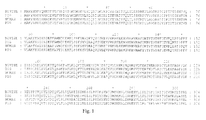
- Amino acids of mammal uricase, such as dog, pig, cow, goat etc., share more than 88% identities and highly uniformed active regions with that of human uricase (
Fig. 1 ). Therefore, a chimeric protein can be made by substituting part of non-active amino acids of human uricase into the amino acid sequence of non-human mammal uricase, to retain the original activity as well as to improve the homology with human uricase, thus reducing immunogenicity in human body. - The inventor finds that amino acids 241-304 of human uricase exhibit no significant effect towards the activity. Hence, a humanized chimeric uricase can be made by chimerizing the above sequence with amino acids 1-240 at the N-terminal of uricase from dog. The enzymatic activity of the humanized chimeric uricase is no lower than that of uricase from dog, while the identities between the two can be increased to more than 91 %, thereby reducing immunogenicity.
- It is well known in the art that physical and chemical instabilities should be avoided in developing recombinant protein drugs. The biophysical properties of uricase, such as high hydrophobicity,. etc., make it inevitable that relatively high concentration (>5mg/ml) of the protein solution will accelerate the cross-linking and aggregation under non-physiological conditions, such as high temperatures or weak acidic pH values (i.e., inferior physical stability and unsuitable for preparation). The inventor has found that 2-5 amino acids mutations to the amino acid sequence of forementioned humanized uricase will enhance or improve the physical and chemical instabilities (such as reducing the hydrophobic aggregation, increasing solvent compatibility, enhancing the heat stability in vitro, and extending the half-life in vivo, etc.), while retaining the enzymatic activity.
- The last 3 amino acids (SKL or SRL) of the C-terminal of mammal uricase are known to be peroxisome recognition site (Satoshi MIURA et al., Eur. J. Biochem, 1994, 223: 141-146), which is mainly used in locating the protein (in peroxisome) and contributes nothing to maintenance of the activity. Studies on uricase structures show that the above 3 amino acids are located at the surface of the three-dimensional structure and likely to be recognized by the immune system, thus provoking immune response. Therefore, immunogenicity of the protein can be further reduced in the invention by deleting the 3 amino acids at the C-terminal via recombinant technologies. Studies also show that the first 8 amino acids at the N-terminal of mammal uricases share low homologies and contribute nothing to maintenance of the activity. Therefore, immunogenicity of the protein can also be reduced in the invention by deleting the 8 amino acids at the N-terminal via recombinant technologies.
- In conclusion, the invention provides a novel chimeric protein of uricase, which comprises amino acids of dog uricase and amino acids of human uricase, and mutants thereof.
- As used herein, the term "amino acid sequence of human uricase" refers to amino acids 241-304 of said chimeric protein which are derived from human (SEQ ID NO: 1). The term "sequence of mammal uricase" refers to amino acids 1-240 of said chimeric protein which are derived from uricase amino acid sequences of pig (SEQ ID NO: 2), dog (SEQ ID NO: 3), or cow (SEQ ID NO: 4), wherein the dog uricase is preferred.
- As used herein, the term "mutants" refers to proteins with one or several amino acid substitutions, or truncations at the N- and/or C-terminal, in the above chimeric proteins; while remaining bioactivities.
- The mutant comprises at least one of the following substitutions: Leu245 replaced by His, Ser246 replaced by Thr, Ser248 replaced by Gly, Arg249 replaced by Gln, Ala252 replaced by Glu, Ile253 replaced by Met, or Phe266 replaced by Leu. Preferably, mutants are selected from the following sequences comprising 2-5 mutations: S246T-S248G-R249Q; L245H-A252E-I253M; S246T-S248G-R249Q-F266L; or L245H-A252E-I253M-F266L (which are presented in triplet form of letter-number-letter, wherein numbers stand for locations of amino acids mutated, the former letters stand for original amino acids and the latter for amino acids substituting the former). Also provided is the C- and/or N-terminal truncated form of the above chimeric protein and mutants thereof. Preferably, 1-8 amino acids are truncated at the N-terminal, and 1-3 amino acids at the C-terminal.
- In a preferred embodiment of the invention, provided is a recombinant dog-human chimeric uricase (UHC), wherein the first 240 amino acids at the N-terminal of the chimeric protein (SEQ ID NO: 5) are amino acids 1-240 of dog uricase, and the following 64 amino acids are amino acids 241-304 of human uricase. The peptide shares 91.4% of identity with human uricase amino acid sequence (SEQ ID NO: 1), and has 112% of activity when compared to dog uricase.
- In another preferred embodiment of the invention, mutants refer to at least one of the following amino acid substitutions in the chimeric protein UHC, namely: Leu245 replaced by His, Ser246 replaced by Thr, Ser248 replaced by Gly, Arg249 replaced by Gin, Ala252 replaced by Glu, Ile253 replaced by Met, or Phe266 replaced by Leu. Preferably, mutants are selected from the following sequences comprising 2-5 mutations: S246T-S248G-R249Q (SEQ ID No : 6) ; L245H-A252E-I253M (SEQ ID No: 7) ; S246T-S248G-R249Q-F266L (SEQ ID No: 8) ; or L245H-A252E-I253M- F266L (SEQ ID No: 9) (which are presented in triplet form of letter-number-letter, wherein numbers stand for locations of amino acids mutated, the former letters stand for original amino acids and the latter for amino acids substituting the former). The above mutants can enhance physical and chemical properties (such as reducing the hydrophobic aggregation, increasing solvent compatibility, enhancing the heat stability in vitro, and extending the half-life in vivo, etc.).
- In yet another preferred embodiment of the invention, provided are mutants with the N- and/or C-terminal truncated form of the above chimeric protein and mutants thereof, i.e., amino acids 2-7 are truncated at the N-terminal, and Lys9 is deleted (SEQ ID NO: 10); and amino acids 302-304 at the C-terminal are truncated (SEQ ID NO: 12).
- The invention further provides polynucleotide of RNA or DNA encoding the above chimeric protein and mutants thereof, wherein the DNA includes cDNA, genomic DNA and artificially synthesized DNA. The DNA can be double-stranded or single-stranded. Sequences encoding chimeric protein of the invention and mutants thereof may not be the same due to the redundancy and degeneracy of the genetic code.
- Polynucleotides encoding the above chimeric protein and mutants thereof may be obtained by methods well known in the art, such as DNA recombination and PCR, etc. For example, the method may include, but not limit to, double stagger extension PCR used in a preferred embodiment and site-directed mutation described in the Quickchange of Strantagene.
- Polynucleotides encoding the above chimeric protein and mutants thereof may include: encoding sequence of the chimeric protein and mutants thereof; encoding sequence of the chimeric protein and mutants thereof as well as additional encoding sequences (such as leader or secretion sequence, or proprotein sequence); encoding sequence of the chimeric protein and mutants thereof as well as non-coding sequences (such as introns or non-coding sequences at the 5' and/or 3'-terminal of the encoding sequence). Therefore, the term "polynucleotides encoding the chimeric protein and mutants thereof" refers to polynucleotides that may not only comprise encoding sequences of the chimeric protein and mutants thereof, but also additional encoding sequences and/or non-coding sequences.
- Polynucleotide of the invention is inserted into expression vector and transformed or transducted into host cells to be expressed. Said vector can be replicated in the form of episome or intergrated into the chromosome of the host cell. Under the control of suitable promotors, the uricase chimeric protein and mutants thereof may be expressed in mammalian cells, insects, yeasts, bacteria or other cells, or be obtained from non-cell translation systems using RNAs derived from DNA constructor of the invention. Preferably, polynucleotides of the invention are cloned in E. coli. Other suitable host microorganisms include Bacillus subtilis, Serratia sp., Pseudomonas sp. and Staphylococcus sp., etc. Expression vector can also be prepared in the above prokaryotic host cell, which may comprise any one of the known promotors, such as Lac promotor system, Trp promotor system, β-lactamase promotor system, or phage λ or T7 promotors. Usually, promotors control the expression, and initiate and accomplish the transcription and translation with ribosome binding site sequence, etc.
- Other microorganisms, such as yeasts or fungi, etc., may also be used for the expression. Preferred yeast host cells are Pichia pastoris, Saccharomyces cerevisiae, Schizosaccharomyces pombe and Pichia angusta. Suitable fungi include Aspergillus niger, Trichoderma reesei and Schizophyllum commune, and other fungi can also be used.
- Protein of the invention may also be produced by cultivating mammalian cells. Preferred cells include: CHO cell line, multiple COS cell lines, NSO cell, Syrian Hamster ovary cell line, Hela cell or human embryo kidney cell line (i.e., HEK293, HEK293EBNA).
- The vector comprising target polynucleotide (such as chimeric protein of uricase and mutants thereof, as well as control sequence) can be transformed into host cell by methods known in the art, depending on the type of the host cell. For example, calcium chloride transformation is usually used for procaryotic cells, while calcium phosphate treatment or electroporation is often suitable for other host cells.
- The obtained recombinant chimeric protein of uricase and mutants thereof can be separated from inside or outside (such as culture medium) of host cell, and be purified to high purity. The purification method is not limited to any specific method. Actually, any one of purification methods known in the art may be used, such as column chromatography, e.g., affinity chromatography, ion-exchange column chromatography, hydrophobic chromatography, gel filtration chromatography, reverse phase chromatography, and adsorption chromatography; filtration; ultrafiltration; salt fractionation; isoelectric point precipitation; dialysis; etc. Chromatography may be carried out with liquid chromatography such as HPLC and FPLC. Common protein assay methods such as HPLC, SDS-PAGE, isoelectric focusing, BCA, Lowry, and Western Blot, etc., can be used to detect the concentration and purity of proteins. Therefore, recombinant chimeric uricase and mutants thereof with high purity can be provided by the invention.
- The invention is described in details hitherto, and can be further illustrated with reference to the following examples, which are not meant to limit the present invention.
-
-
Fig. 1 : Alignment of different mammal uricase amino acid sequences. -
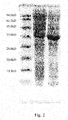
Fig. 2 : SDS-PAGE of recombinant expressed UHC chimeric protein (from left:Band 1, the marker; -
Band 2, the control; andBand 3, induction for 4 hours) -
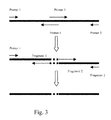
Fig. 3 : Stagger extension PCR process -
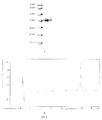
Fig. 4 : SDS-PAGE (A) (from left:Band 1, marker; andBand 2, UHC protein after purification) and RP-HPLC (B) of the purified UHC chimeric protein. -
Fig. 5 : Mass spectrum of purified UHC chimeric protein. - In this example, the involved chimeric protein comprised the first 240 amino acids at the N-terminal from dog uricase sequence, and the 241-304 from human uricase amino acid sequence. The above nucleotide sequence was synthesized according to the code preference of E. coli by TaKaRa Biotechnology (DaLian) co., ltd. The nucleotide sequences were as follows: (Seq ID NO: 13):

- The recombinant plasmid was entirely synthesized and amplified, and digested with NdeI and BamHI. The target fragment was recovered and inserted by T4 DNA ligase into plasmid pET-3C
- (Invitrogen) which was also digested with NdeI and BamHI, and resulting products were transformed into E. coli DH5α using standard methods described in, e.g., "Current Protocols in Molecular Biology".
- Transformants were cultured overnight in LB/AMP plates and single colony was picked to prepare the plasmid. Recombinant plasmid pET-3C-UHC was screened by enzymatic digestion and PCR amplification, and the sequence from positive plasmid was testified to be identical with that of chimeric protein UHC by DNA sequencing (TaKaRa, DaLian). The above plasmid was transformed into E. coli expression strain to be expressed.
- E. coli BL21 (DE3), BL21 Star (DE3) or BL21 Star (DE3) plysS were used to express UHC chimeric protein. These strains were merely some of those suitable for the expression, which were commercially available from Novagen, Invitrogen or Stratagen, respectively. Transformants could be identified by their abilities to grow at LB plates containing AMP.
- The recombinant E. coli comprising UHC recombinant plasmid was cultured overnight in liquid LB containing 50 µm/ml of AMP, and the culture solution was innoculated by 1: 25-1: 200 into a large scale culture. After cells were grown to a certain optical density at 600 nm, IPTG was added to a final concentration of 0.4 mM for induction expression, followed by further culture of 3-12 hours. Cells were harvested by centrifugation, washed with 50 mM Tris buffer, preserved at -20°C, and then subjected to SDS-PAGE assay (
Fig. 2 ). - DNAs comprising target mutants were prepared using UHC DNA sequence as an original template by stagger extension PCR (
Fig. 3 ). S246T-S248G-R249Q and S246T-S248G-R249Q-F266L were prepared as examples.Primers DNA sequences Primer 1 (Seq ID NO: 14) 5' CACGACATATGGCCCATTATCATA 3' Primer 2 (Seq ID NO: 15) 5' GGATCCTTATCACAGACGAGAA 3' Primer 3 (Seq ID NO: 16) 5' TCTCTGTCTCGTGTTCCAGAAATGGAAGATATGGAAATTTCT 3' Primer 4 (Seq ID NO: 17) 5' TTCTGGAACACGAGACAGAGAATGAACCTGAATATCATACAG 3' Primer 5 (Seq ID NO: 18) 5' TTCATTATCTGAATATTGATATGTCTAAAA 3' Primer 6 (Seq ID NO: 19) 5' ATCAATATTCAGATAATGAATATTTGGCAG 3' Primer 7 (Seq ID NO: 20) 5' CGCAT ATG TAT AAA AAT GAT GAA G 3' Primer 8 (Seq ID NO: 21) 5' GT GGA TCC TTA TCA AGA CAG TTT A 3' - Preparation of UHC245/252/253: PCR phase 1: UHC245/252/253-a fragment was obtained using the sequence synthesized in Example 1 (Seq ID NO: 8) as a template, and
Primer 1 andPrimer 3 in Table 2 as primers, wherein a PCR kit (TaKaRa, DaLian) was used according to the instruction of manufacturer under conditions of 94°C 1 min, 56°C 1 min, and 72°C 1 min for 30 cycles, with denaturation of 94°C 10 min at the first cycle, and extension of 72°C 10 min at the last; PCR phase 2: UHC245/252/253-b fragment was obtained by amplification with the above PCR process using the same template as inPCR phase 1, andPrimer 2 andPrimer 4 as primers; PCR phase 3: UHC245/252/253 (SEQ ID NO: 7) was obtained by amplification with the above PCR process using a 1: 1 mixed solution of UHC245/252/253-a fragment and UHC245/252/253-b fragment as a template, andPrimer 1 andPrimer 2 as primers. - Preparation of UHC245/252/253/266: PCR phase 1: UHC245/252/253/266-a fragment was obtained by amplification with the above PCR process using the UHC245/252/253 (SEQ ID NO: 7) as a template, and
Primer 1 and Primer 5 in Table 2 as primers; PCR phase 2: UHC245/252/253/266-b fragment was obtained by amplification with the above PCR process using the same template as inPCR phase 1, andPrimer 2 andPrimer 4 as primers; PCR phase 3: UHC245/252/253/266 (SEQ ID NO: 9) was obtained by amplification with the above PCR process using a 1: 1 mixed solution of UIHC245/252/253/266-a fragment and UHC245/252/253/266-b fragment as a template, andPrimer 1 andPrimer 2 as primers. - Preparation of ΔN- UHC245/252/253, ΔC- UHC245/252/253, and ΔNC- UHC245/252/253: ΔN-UHC245/252/253 (SEQ ID NO: 10) was obtained by amplification with the above PCR process using the UHC245/252/253 (SEQ ID NO: 9) as a template, and Primer 7 and
Primer 2 in Table 2 as primers; ΔC- UHC245/252/253 (SEQ ID NO: 11) was obtained by amplification with the above PCR process using UHC245/252/253 (SEQ ID NO: 8) as a template, andPrimer 1 and Primer 8 as primers; and ΔNC- UHC245/252/253 (SEQ ID NO: 12) was obtained by amplification with the above PCR process using ΔN- UHC245/252/253 (SEQ ID NO: 10) as a template, andPrimer 1 and Primer 8 as primers. - The 5'-terminals of
Primer 1, 7 andPrimer 2, 8 comprise restriction enzyme cutting sites of NdeI and BamHI, respectively. DNA sequences comprising mutants were digested with NdeI and BamHI, followed by enzymatic ligation, transformation and expression, with same methods as in Example 1. - 50 g of cell precipitate was added into a 500 ml lysis solution (pH 8.2, 25 mM Tris-HCl and 0.1 mg/ml lysozyme), and stirred at 37°C for 2 hours, then subjected to ultrasonic waves (500W for 4S, intervals for 6 S, 30 cycles) and centrifugation. The supernatant was abandoned and the precipite was dissolved by 2L of Na2CO3 (0.1 M, pH 10.2), followed by stirring overnight at room temperature and centrifugating. The precipite was abandoned and the supernatant was supplemented with 15% saturated ammonium sulfate, precipitated at 4°C for 2 hours; and centrifugated. The supernatant was abandoned and the precipite was dissolved by 2L of Na2CO3 (0.1M, pH 10.2), followed by stirring overnight at room temperature and centrifugating. The precipite was abandoned and the supernatant was subjected to QAE agarose anion-exchange column chromatography (GE). After entirely loaded, the target protein was linearly eluted with 0-0.5 M of NaCl (pH 10.2, 0.1 M Na2CO3) and washed out at 0.3 M. The eluted component was purified with
Sephacryl S 200 molecular sieve and the main peak was collected, which was the target protein peak. The above component was then subjected to xanthine affinity chromatography (Sigma), wherein the component was diluted with 0.1 M Na2CO3 (pH 10.2) to 0.5 mg/ml and uploaded, and eluted with 0.1 M of Na2CO3 (pH 10.2) containing 60 µm of xanthine. The result of SDS-PAGE and HPLC assay showed that the purity was over 95% (Fig. 4 ). - One international unit (IU) of uricase was defined as the enzyme amount that can transform 1 µmol of uric acid to allantoin in one minute under the condition of 25°C and pH 8.5. Uric acid has a characteristic absorption peak at 293 nm, while the product after degradation by uricase has no absorption peak. Therefore, the change of absorbance at 293 nm was detected regularly to determine the decrease of uric acid. Uric acid concentration was calculated from its molar extinction coefficient (1.23×10⁴ M-1·CM-1), and thereby determining the uricase activity. An ultraviolet spectrophotometer was pre-heated at 293 nm and 0.1 M of sodium tetraborate solution was used as a blank to set zero. 3 mL of 0.1 mM uric acid solution was added into a cuvette and 10-50 µl of UHC chimeric protein and mutants thereof were added, respectively. The absorbance was recorded every 30 seconds to detect the change at OD293 in 3 min. Concentration of uric acid at different time point was calculated according to formular C=A/Kb (C: uric acid concentration, A: absorbance in 293 nm, K: molar extinction coefficient 1.23×10⁴M-1·CM-1, b: inner diameter of the cuvette); decrease of uric acid was calculated according to formular ΔM=ΔCV (ΔM: decrease of uric acid, ΔC: change of uric acid concentration, C: volume of the solution); and uricase activity was calculated according to formular U=ΔM/TV1(U: uricase activity unit in one milliliter of plasma, T: reaction time (min), V1: volume of the UHC chimeric protein and mutants thereof).
Proteins Specific activities of enzymes (IU/mg) Dog uricase 5.6 UHC 6.3 UHC246/248/249 7.1 UHC246/248/249/266 7.3 UHC245/252/253 6.9 UHC245/252/253/266 6.8 ΔN- UHC245/252/253 6.7 ΔC- UHC245/252/253 6.8 ΔNC- UHC245/252/253 6.7 - Stablility against hydrophobic aggregation: 1 mg/ml of UHC, UHC246/248/249, UHC246/248/249/266, UHC245/252/253 and UHC245/252/253/266 were respectively incubated at 4°C for 12 hours, and the absorbance was detected at 280 nm and 350 nm. Aggregation index was calculated according to formular AI=100×OD350/ (OD280-OD350) for each protein (Table 3), and the specific activity retention was detected.
Proteins Aggregation index Specific activity retention Dog uricase 21.3 77.6% UHC 20.5 79.5% UHC246/248/249 11.3 91.2% UHC246/248/249/266 10.2 90.5% UHC245/252/253 15.7 85.3% UHC245/252/253/266 16.2 83.9% Proteins Specific activity retention Dog uricase 55.1% UHC 60.3% UHC246/248/249 65.5% UHC246/248/249/266 67.8% UHC245/252/253 71.2% UHC245/252/253/266 69.8% - 20 of eared rabbits (New Zealand) of 2.0-2.5 kg were divided randomly into 5 groups, each intravenously injected with different kinds of UHC chimeric proteins and mutants thereof, respectively, with a dosage of 1.0 mg/kg. Blood was sampled at 1, 3, 6, 12 and 24 hour, anticoagulated with 3.2% of trisodium citrate, and centrifugated at 12000 rpm for 10 min. Supernatant plasma was taken for assays of activities and pharmacokinetics. AUCs were calculated for different groups as followings.
Proteins AUC (activity × hours) Dog uricase 3.11 UHC 3.26 UHC246/248/249 4.11 UHC246/248/249/266 4.53 UHC245/252/253 4.78 UHC2451252/253/266 3.99 - From 70 roman hens of 100 days, 15 were randomly selected as blank controls (normal feed and free for water drinking), and the other 55 were fed with model establishing feeds (corn flour as bed charge, supplemented with fish flour and bone meal, wherein the protein content was over 20%, and calcium over 4%) and limited water of no more than 100 mL per day. After 2-3 weeks of model establisment, roman hens with blood uric acid concentration of more than 480 µmol/L were taken as hyperuricemia models (45 hens), and were randomly devided into 3 groups, 15 hens each, comprising: UHC uricase group, with UHC subcutaneously injected by 1 mg/kg once a day; positive control group, with benzbromarone fed by 5 mg/kg once a day; and the control, with model establishing feeds. After 3 weeks of drug administration, blood was sampled from veins of chicken wing and uric acid concentration was determined with a uric acid kit as followings:
Groups Blood uric acid concentration, 0 day after drug administration (µm/L) Blood uric acid concentration, 10 days after drug administration (µm/L) Blood uric acid concentration, 21 days after drug administration (µm/L) Normal 234±15 241±29 220±34 UHC 529±123 411±78 266±69 Benzbromarone 527±109 455±67 416±98 Control 534±136 551±121 520±131 - Results showed that the blood uric acid level was significantly reduced in hyperuricemia animals after UHC protein injection.
-
- <110> Chongqing Fagen Biomedical Inc.
- <120> HUMANIZED RECOMBINANT URICASE AND MUTANTS THEREOF
- <130>
EP81919HV240 - <140>
10825963.1
<141> 2010-03-12 - <150>
PCT/CN2010/071020
<151> 2010-03-12 - <150>
CN20091191240
<151> 2009-10-27 - <160> 21
- <210> 1
<211> 304
<212> PRT
<213> Homo sapiens - <400> 1

- <210> 2
<211> 304
<212> PRT
<213> Sus scrofa - <400> 2

- <210> 3
<211> 304
<212> PRT
<213> Canis familiaris - <400> 3


- <210> 4
<211> 304
<212> PRT
<213> Bos taurus - <400> 4


- <210> 5
<211> 304
<212> PRT
<213> Artificial Sequence - <220>
<223> Humanized Recombinant Uricase - <400> 5

- <210> 6
<211> 304
<212> PRT
<213> Artificial Sequence - <220>
<223> Humanized Recombinant Uricase - <400> 6

- <210> 7
<211> 304
<212> PRT
<213> Artificial Sequence - <220>
<223> Humanized Recombinant Uricase - <400> 7


- <210> 8
<211> 304
<212> PRT
<213> Artificial Sequence - <220>
<223> Humanized Recombinant Uricase - <400> 8


- <210> 9
<211> 304
<212> PRT
<213> Artificial Sequence - <220>
<223> Humanized Recombinant Uricase - <400> 9

- <210> 10
<211> 297
<212> PRT
<213> Artificial Sequence - <220>
<223> At N-Terminal Truncated Humanized Recombinant Uricase - <400> 10

- <210> 11
<211> 301
<212> PRT
<213> Artificial Sequence - <220>
<223> Truncated Humanized Recombinant Uricase - <400> 11


- <210> 12
<211> 294
<212> PRT
<213> Artificial Sequence - <220>
<223> At C-terminal Truncated Humanized Recombinant Uricase - <400> 12


- <210> 13
<211> 927
<212> DNA
<213> Artificial Sequence - <220>
<223> Recombinant Human-Dog Chimeric Uricase - <400> 13

- <210> 14
<211> 24
<212> DNA
<213> Artificial Sequence - <220>
<223> Synthetic Primer - <400> 14
cacgacatat ggcccattat cata 24 - <210> 15
<211> 22
<212> DNA
<213> Artificial Sequence - <220>
<223> Synthetic Primer - <400> 15
ggatccttat cacagacgag aa 22 - <210> 16
<211> 42
<212> DNA
<213> Artificial Sequence - <220>
<223> Synthetic Primer - <400> 16
tctctgtctc gtgttccaga aatggaagat atggaaattt ct 42 - <210> 17
<211> 42
<212> DNA
<213> Artificial Sequence - <220>
<223> Synthetic Primer - <400> 17
ttctggaaca cgagacagag aatgaacctg aatatcatac ag 42 - <210> 18
<211> 30
<212> DNA
<213> Artificial Sequence - <220>
<223> Synthetic Primer - <400> 18
ttcattatct gaatattgat atgtctaaaa 30 - <210> 19
<211> 30
<212> DNA
<213> Artificial Sequence - <220>
<223> Synthetic Primer - <400> 19
atcaatattc agataatgaa tatttggcag 30 - <210> 20
<211> 24
<212> DNA
<213> Artificial Sequence - <220>
<223> Synthetic Primer - <400> 20
cgcatatgta taaaaatgat gaag 24 - <210> 21
<211> 24
<212> DNA
<213> Artificial Sequence - <220>
<223> Synthetic Primer - <400> 21
gtggatcctt atcaagacag ttta 24
Claims (11)
- A humanized recombinant uricase, wherein the humanized recombinant uricase is a chimeric protein which comprises amino acids of dog uricase and amino acids of human uricase, or a mutant thereof;
in said chimeric protein, the first 240 amino acids at the N-terminal of said chimeric protein are amino acids 1-240 of dog uricase of SEQ ID NO: 5 and the following 64 amino acids are amino acids 241-304 of human uricase;
wherein the amino acids 241-304 of human uricase is the amino acids 241-304 of SEQ ID NO: 5;
said mutant of said chimeric protein is selected from proteins with substitution and/or deletion of one or several amino acids in said chimeric protein, while still maintaining active uricase activity;
wherein the substitution is one or any combination of the following mutations:- Leu245 replaced by His;- Ser246 replaced by Thr;- Ser248 replaced by Gly;- Arg249 replaced by Gln;- Ala252 replaced by Glu;- lIe253 replaced by Met; and- Phe266 replaced by Leu;wherein the deletion is a truncation of said chimeric protein at the N-terminal by 1-8 amino acids and/or at the C-terminal by 1-3 amino acids. - The humanized recombinant uricase according to claim 1, wherein the substitution is selected from one of the following mutations that are presented in triplet form of letter-number-letter, wherein numbers stand for the location of amino acids mutated, the former letters stand for original amino acids and the latter for amino acids substituting the former:S246T-S248G-R249Q;L245H-A252E-I253M;S246T-S248G-R249Q-F266L;L245H-A252E-1253M- F266L.
- The humanized recombinant uricase according to claim 1, which has an amino acid sequence selected from the group consisting of SEQ ID NO: 6, SEQ ID NO: 7, SEQ ID NO: 8 and SEQ ID NO: 9.
- The humanized recombinant uricase according to claim 1, which has an amino acid sequence selected from the group consisting of SEQ ID NO: 10, SEQ ID NO: 11 and SEQ ID NO: 12.
- A DNA molecule encoding the humanized recombinant uricase of any one of claims 1-4.
- An expression vector comprising the DNA molecule of claim 5.
- A host cell comprising the expression vector of claim 6.
- The host cell according to claim 7, wherein said host cell is selected from the group consisting of E. coli, yeast and CHO.
- A method for preparing the humanized recombinant uricase of any one of claims 1-4, comprising:expressing said recombinant uricase in a host cell of claim 7 or 8; andseparating and purifying said protein.
- A drug composition comprising:pharmaceutically acceptable vectors, excipients or diluents; andan effective dose of the humanized recombinant uricase of any one of claims 1-4.
- The humanized recombinant uricase of any one of claims 1-4 for use in the treatment of diseases including hyperuricemia and gout caused thereby.
Applications Claiming Priority (2)
| Application Number | Priority Date | Filing Date | Title |
|---|---|---|---|
| CN200910191240A CN102051348B (en) | 2009-10-27 | 2009-10-27 | Humanized recombinant uricase and mutant thereof |
| PCT/CN2010/071020 WO2011050599A1 (en) | 2009-10-27 | 2010-03-12 | Humanized recombinant uricase and mutants thereof |
Publications (3)
| Publication Number | Publication Date |
|---|---|
| EP2495315A1 EP2495315A1 (en) | 2012-09-05 |
| EP2495315A4 EP2495315A4 (en) | 2013-09-18 |
| EP2495315B1 true EP2495315B1 (en) | 2016-10-12 |
Family
ID=43921285
Family Applications (1)
| Application Number | Title | Priority Date | Filing Date |
|---|---|---|---|
| EP10825963.1A Active EP2495315B1 (en) | 2009-10-27 | 2010-03-12 | Humanized recombinant uricase and mutants thereof |
Country Status (4)
| Country | Link |
|---|---|
| US (1) | US8586535B2 (en) |
| EP (1) | EP2495315B1 (en) |
| CN (1) | CN102051348B (en) |
| WO (1) | WO2011050599A1 (en) |
Families Citing this family (21)
| Publication number | Priority date | Publication date | Assignee | Title |
|---|---|---|---|---|
| US8940861B2 (en) * | 2010-04-08 | 2015-01-27 | Georgia Tech Research Corporation | Variants of ancestral uricases and uses thereof |
| CN102634492B (en) | 2011-02-14 | 2015-06-10 | 重庆富进生物医药有限公司 | Polyethylene glycol dog source urate oxidase analogue, and preparation method and applications thereof |
| CN102260653B (en) * | 2011-06-30 | 2013-04-03 | 荣俊 | Preparation and application method of PEG recombinant pig-human urate oxidase fusion protein |
| CN103756983B (en) * | 2014-01-10 | 2014-12-10 | 临沂大学 | Preparation method of uricase of natural mammals |
| CN103773743A (en) * | 2014-01-15 | 2014-05-07 | 厦门敖依生物科技有限公司 | Recombinant uricase protein of rhesus and application thereof |
| CN103834623B (en) * | 2014-02-11 | 2017-11-07 | 中国药科大学 | People source urate oxidase with catalytic activity |
| CN104630168A (en) * | 2015-02-04 | 2015-05-20 | 中国药科大学 | Construction and expression of recombinant human/pig chimeric uricase |
| CN106554948B (en) * | 2015-09-29 | 2019-06-25 | 上海生物制品研究所有限责任公司 | Saltant type uricase, the saltant type uricase of PEG modification and its application |
| CN105838686B (en) * | 2016-05-13 | 2019-10-08 | 中国药科大学 | People pig with catalytic activity is fitted into urate oxidase |
| AU2020276510B2 (en) * | 2019-05-10 | 2024-08-01 | Hangzhou Grand Biologic Pharmaceutical Inc. | Polyethylene glycol-modified urate oxidase |
| CN113186181A (en) * | 2020-01-14 | 2021-07-30 | 天津大学 | Xanthine amide hydrolase and use thereof |
| CN113122515B (en) * | 2020-01-15 | 2025-02-18 | 鲁南制药集团股份有限公司 | A fermentation method for recombinant uricase from genetically engineered bacteria |
| CN111269899B (en) * | 2020-02-17 | 2023-01-31 | 郑州大学 | Human uric acid oxidase with catalytic activity and application thereof |
| CN113995718A (en) * | 2020-07-28 | 2022-02-01 | 鲁南制药集团股份有限公司 | Pegylated recombinant canine human uricase injection preparation |
| CN111887202B (en) * | 2020-08-26 | 2021-11-26 | 安发(福建)生物科技有限公司 | Method for constructing mouse model of acute hyperuricemia |
| CN114438047B (en) * | 2020-11-05 | 2024-11-22 | 重庆派金生物科技有限公司 | Method for preparing polyethylene glycol-modified uricase |
| US20250241999A1 (en) | 2021-10-15 | 2025-07-31 | Georgia State University Research Foundation, Inc. | Delivery of therapeutic recombinant uricase using nanoparticles |
| CN117327673B (en) * | 2023-10-16 | 2024-09-24 | 临沂大学 | A highly active mammalian urate oxidase mutant |
| CN117230034A (en) * | 2023-10-16 | 2023-12-15 | 临沂大学 | High-stability mammal urate oxidase mutant |
| CN118291413B (en) * | 2023-11-30 | 2024-12-17 | 江苏恰瑞生物科技有限公司 | Uricase purification method |
| CN119020309B (en) * | 2024-10-15 | 2025-03-14 | 杭州师范大学 | Recombinant mutant myceliophthora thermophila uricase and application thereof |
Family Cites Families (4)
| Publication number | Priority date | Publication date | Assignee | Title |
|---|---|---|---|---|
| EP2158923B1 (en) * | 1998-08-06 | 2013-02-27 | Mountain View Pharmaceuticals, Inc. | Peg-urate oxidase conjugates and use thereof |
| CA2337967C (en) * | 1998-08-06 | 2011-11-01 | Duke University | Recombinant uricase protein |
| DK3321359T3 (en) * | 2005-04-11 | 2021-03-08 | Horizon Pharma Rheumatology Llc | VARIANT FORMS OF URATOXIDASIS AND ITS USE |
| CN102807973A (en) * | 2005-04-11 | 2012-12-05 | 萨文特医药公司 | A variant form of urate oxidase and use thereof |
-
2009
- 2009-10-27 CN CN200910191240A patent/CN102051348B/en active Active
-
2010
- 2010-03-12 EP EP10825963.1A patent/EP2495315B1/en active Active
- 2010-03-12 US US13/504,065 patent/US8586535B2/en active Active
- 2010-03-12 WO PCT/CN2010/071020 patent/WO2011050599A1/en not_active Ceased
Also Published As
| Publication number | Publication date |
|---|---|
| US20120269795A1 (en) | 2012-10-25 |
| CN102051348B (en) | 2012-10-03 |
| EP2495315A4 (en) | 2013-09-18 |
| WO2011050599A1 (en) | 2011-05-05 |
| CN102051348A (en) | 2011-05-11 |
| US8586535B2 (en) | 2013-11-19 |
| EP2495315A1 (en) | 2012-09-05 |
Similar Documents
| Publication | Publication Date | Title |
|---|---|---|
| US8586535B2 (en) | Humanized recombinant uricase and mutants thereof | |
| KR100841634B1 (en) | Urate oxidase | |
| KR101304289B1 (en) | A variant form of urate oxidase and use thereof | |
| JP7404510B2 (en) | Polyethylene glycol modified urate oxidase | |
| US11021690B2 (en) | Mutant-type uricase, PEG modified mutant-type uricase, and application thereof | |
| CN111269899B (en) | Human uric acid oxidase with catalytic activity and application thereof | |
| CN101402688B (en) | Fusion protein, encoding gene and uses thereof | |
| JP7689573B2 (en) | Method for producing polyethylene glycol-modified urate oxidase | |
| CN108977455B (en) | Recombinant plasmid for producing oxalate decarboxylase, Escherichia coli expression system and method and application | |
| CN101875923A (en) | Fusion protein of human serum albumin and urate oxidase and preparation method thereof | |
| JPH08504580A (en) | Recombinant dog gastric lipase and pharmaceutical composition | |
| CN104630168A (en) | Construction and expression of recombinant human/pig chimeric uricase | |
| HK1153508B (en) | Urate oxidase | |
| HK1037214B (en) | Urate oxidase | |
| MXPA01001342A (en) | Urate oxidase |
Legal Events
| Date | Code | Title | Description |
|---|---|---|---|
| PUAI | Public reference made under article 153(3) epc to a published international application that has entered the european phase |
Free format text: ORIGINAL CODE: 0009012 |
|
| 17P | Request for examination filed |
Effective date: 20120525 |
|
| AK | Designated contracting states |
Kind code of ref document: A1 Designated state(s): AT BE BG CH CY CZ DE DK EE ES FI FR GB GR HR HU IE IS IT LI LT LU LV MC MK MT NL NO PL PT RO SE SI SK SM TR |
|
| DAX | Request for extension of the european patent (deleted) | ||
| RIC1 | Information provided on ipc code assigned before grant |
Ipc: A61K 38/44 20060101ALI20130806BHEP Ipc: C12N 15/09 20060101ALI20130806BHEP Ipc: C12N 9/06 20060101AFI20130806BHEP Ipc: A61P 19/06 20060101ALI20130806BHEP |
|
| A4 | Supplementary search report drawn up and despatched |
Effective date: 20130816 |
|
| RAP1 | Party data changed (applicant data changed or rights of an application transferred) |
Owner name: SHANDONG NEW TIME PHARMACEUTICAL CO., LTD. Owner name: LUNAN PHARMACEUTICAL GROUP CORPORATION |
|
| 17Q | First examination report despatched |
Effective date: 20140512 |
|
| GRAP | Despatch of communication of intention to grant a patent |
Free format text: ORIGINAL CODE: EPIDOSNIGR1 |
|
| INTG | Intention to grant announced |
Effective date: 20160127 |
|
| GRAP | Despatch of communication of intention to grant a patent |
Free format text: ORIGINAL CODE: EPIDOSNIGR1 |
|
| INTG | Intention to grant announced |
Effective date: 20160603 |
|
| GRAS | Grant fee paid |
Free format text: ORIGINAL CODE: EPIDOSNIGR3 |
|
| GRAA | (expected) grant |
Free format text: ORIGINAL CODE: 0009210 |
|
| AK | Designated contracting states |
Kind code of ref document: B1 Designated state(s): AT BE BG CH CY CZ DE DK EE ES FI FR GB GR HR HU IE IS IT LI LT LU LV MC MK MT NL NO PL PT RO SE SI SK SM TR |
|
| REG | Reference to a national code |
Ref country code: GB Ref legal event code: FG4D |
|
| REG | Reference to a national code |
Ref country code: CH Ref legal event code: EP |
|
| REG | Reference to a national code |
Ref country code: AT Ref legal event code: REF Ref document number: 836537 Country of ref document: AT Kind code of ref document: T Effective date: 20161015 |
|
| REG | Reference to a national code |
Ref country code: IE Ref legal event code: FG4D |
|
| REG | Reference to a national code |
Ref country code: DE Ref legal event code: R096 Ref document number: 602010037211 Country of ref document: DE |
|
| REG | Reference to a national code |
Ref country code: LT Ref legal event code: MG4D |
|
| REG | Reference to a national code |
Ref country code: NL Ref legal event code: MP Effective date: 20161012 |
|
| PG25 | Lapsed in a contracting state [announced via postgrant information from national office to epo] |
Ref country code: LV Free format text: LAPSE BECAUSE OF FAILURE TO SUBMIT A TRANSLATION OF THE DESCRIPTION OR TO PAY THE FEE WITHIN THE PRESCRIBED TIME-LIMIT Effective date: 20161012 |
|
| REG | Reference to a national code |
Ref country code: AT Ref legal event code: MK05 Ref document number: 836537 Country of ref document: AT Kind code of ref document: T Effective date: 20161012 |
|
| REG | Reference to a national code |
Ref country code: FR Ref legal event code: PLFP Year of fee payment: 8 |
|
| PG25 | Lapsed in a contracting state [announced via postgrant information from national office to epo] |
Ref country code: SE Free format text: LAPSE BECAUSE OF FAILURE TO SUBMIT A TRANSLATION OF THE DESCRIPTION OR TO PAY THE FEE WITHIN THE PRESCRIBED TIME-LIMIT Effective date: 20161012 Ref country code: GR Free format text: LAPSE BECAUSE OF FAILURE TO SUBMIT A TRANSLATION OF THE DESCRIPTION OR TO PAY THE FEE WITHIN THE PRESCRIBED TIME-LIMIT Effective date: 20170113 Ref country code: NO Free format text: LAPSE BECAUSE OF FAILURE TO SUBMIT A TRANSLATION OF THE DESCRIPTION OR TO PAY THE FEE WITHIN THE PRESCRIBED TIME-LIMIT Effective date: 20170112 Ref country code: LT Free format text: LAPSE BECAUSE OF FAILURE TO SUBMIT A TRANSLATION OF THE DESCRIPTION OR TO PAY THE FEE WITHIN THE PRESCRIBED TIME-LIMIT Effective date: 20161012 |
|
| PG25 | Lapsed in a contracting state [announced via postgrant information from national office to epo] |
Ref country code: ES Free format text: LAPSE BECAUSE OF FAILURE TO SUBMIT A TRANSLATION OF THE DESCRIPTION OR TO PAY THE FEE WITHIN THE PRESCRIBED TIME-LIMIT Effective date: 20161012 Ref country code: BE Free format text: LAPSE BECAUSE OF FAILURE TO SUBMIT A TRANSLATION OF THE DESCRIPTION OR TO PAY THE FEE WITHIN THE PRESCRIBED TIME-LIMIT Effective date: 20161012 Ref country code: FI Free format text: LAPSE BECAUSE OF FAILURE TO SUBMIT A TRANSLATION OF THE DESCRIPTION OR TO PAY THE FEE WITHIN THE PRESCRIBED TIME-LIMIT Effective date: 20161012 Ref country code: PL Free format text: LAPSE BECAUSE OF FAILURE TO SUBMIT A TRANSLATION OF THE DESCRIPTION OR TO PAY THE FEE WITHIN THE PRESCRIBED TIME-LIMIT Effective date: 20161012 Ref country code: AT Free format text: LAPSE BECAUSE OF FAILURE TO SUBMIT A TRANSLATION OF THE DESCRIPTION OR TO PAY THE FEE WITHIN THE PRESCRIBED TIME-LIMIT Effective date: 20161012 Ref country code: IS Free format text: LAPSE BECAUSE OF FAILURE TO SUBMIT A TRANSLATION OF THE DESCRIPTION OR TO PAY THE FEE WITHIN THE PRESCRIBED TIME-LIMIT Effective date: 20170212 Ref country code: NL Free format text: LAPSE BECAUSE OF FAILURE TO SUBMIT A TRANSLATION OF THE DESCRIPTION OR TO PAY THE FEE WITHIN THE PRESCRIBED TIME-LIMIT Effective date: 20161012 Ref country code: HR Free format text: LAPSE BECAUSE OF FAILURE TO SUBMIT A TRANSLATION OF THE DESCRIPTION OR TO PAY THE FEE WITHIN THE PRESCRIBED TIME-LIMIT Effective date: 20161012 Ref country code: PT Free format text: LAPSE BECAUSE OF FAILURE TO SUBMIT A TRANSLATION OF THE DESCRIPTION OR TO PAY THE FEE WITHIN THE PRESCRIBED TIME-LIMIT Effective date: 20170213 |
|
| REG | Reference to a national code |
Ref country code: DE Ref legal event code: R097 Ref document number: 602010037211 Country of ref document: DE |
|
| PG25 | Lapsed in a contracting state [announced via postgrant information from national office to epo] |
Ref country code: RO Free format text: LAPSE BECAUSE OF FAILURE TO SUBMIT A TRANSLATION OF THE DESCRIPTION OR TO PAY THE FEE WITHIN THE PRESCRIBED TIME-LIMIT Effective date: 20161012 Ref country code: CZ Free format text: LAPSE BECAUSE OF FAILURE TO SUBMIT A TRANSLATION OF THE DESCRIPTION OR TO PAY THE FEE WITHIN THE PRESCRIBED TIME-LIMIT Effective date: 20161012 Ref country code: EE Free format text: LAPSE BECAUSE OF FAILURE TO SUBMIT A TRANSLATION OF THE DESCRIPTION OR TO PAY THE FEE WITHIN THE PRESCRIBED TIME-LIMIT Effective date: 20161012 Ref country code: SK Free format text: LAPSE BECAUSE OF FAILURE TO SUBMIT A TRANSLATION OF THE DESCRIPTION OR TO PAY THE FEE WITHIN THE PRESCRIBED TIME-LIMIT Effective date: 20161012 Ref country code: DK Free format text: LAPSE BECAUSE OF FAILURE TO SUBMIT A TRANSLATION OF THE DESCRIPTION OR TO PAY THE FEE WITHIN THE PRESCRIBED TIME-LIMIT Effective date: 20161012 |
|
| PLBE | No opposition filed within time limit |
Free format text: ORIGINAL CODE: 0009261 |
|
| STAA | Information on the status of an ep patent application or granted ep patent |
Free format text: STATUS: NO OPPOSITION FILED WITHIN TIME LIMIT |
|
| PG25 | Lapsed in a contracting state [announced via postgrant information from national office to epo] |
Ref country code: SM Free format text: LAPSE BECAUSE OF FAILURE TO SUBMIT A TRANSLATION OF THE DESCRIPTION OR TO PAY THE FEE WITHIN THE PRESCRIBED TIME-LIMIT Effective date: 20161012 Ref country code: BG Free format text: LAPSE BECAUSE OF FAILURE TO SUBMIT A TRANSLATION OF THE DESCRIPTION OR TO PAY THE FEE WITHIN THE PRESCRIBED TIME-LIMIT Effective date: 20170112 |
|
| 26N | No opposition filed |
Effective date: 20170713 |
|
| REG | Reference to a national code |
Ref country code: CH Ref legal event code: PL |
|
| PG25 | Lapsed in a contracting state [announced via postgrant information from national office to epo] |
Ref country code: MC Free format text: LAPSE BECAUSE OF FAILURE TO SUBMIT A TRANSLATION OF THE DESCRIPTION OR TO PAY THE FEE WITHIN THE PRESCRIBED TIME-LIMIT Effective date: 20161012 Ref country code: SI Free format text: LAPSE BECAUSE OF FAILURE TO SUBMIT A TRANSLATION OF THE DESCRIPTION OR TO PAY THE FEE WITHIN THE PRESCRIBED TIME-LIMIT Effective date: 20161012 |
|
| REG | Reference to a national code |
Ref country code: IE Ref legal event code: MM4A |
|
| PG25 | Lapsed in a contracting state [announced via postgrant information from national office to epo] |
Ref country code: LU Free format text: LAPSE BECAUSE OF NON-PAYMENT OF DUE FEES Effective date: 20170312 |
|
| PG25 | Lapsed in a contracting state [announced via postgrant information from national office to epo] |
Ref country code: LI Free format text: LAPSE BECAUSE OF NON-PAYMENT OF DUE FEES Effective date: 20170331 Ref country code: IE Free format text: LAPSE BECAUSE OF NON-PAYMENT OF DUE FEES Effective date: 20170312 Ref country code: CH Free format text: LAPSE BECAUSE OF NON-PAYMENT OF DUE FEES Effective date: 20170331 |
|
| REG | Reference to a national code |
Ref country code: FR Ref legal event code: PLFP Year of fee payment: 9 |
|
| PG25 | Lapsed in a contracting state [announced via postgrant information from national office to epo] |
Ref country code: MT Free format text: LAPSE BECAUSE OF NON-PAYMENT OF DUE FEES Effective date: 20170312 |
|
| PG25 | Lapsed in a contracting state [announced via postgrant information from national office to epo] |
Ref country code: HU Free format text: LAPSE BECAUSE OF FAILURE TO SUBMIT A TRANSLATION OF THE DESCRIPTION OR TO PAY THE FEE WITHIN THE PRESCRIBED TIME-LIMIT; INVALID AB INITIO Effective date: 20100312 |
|
| PG25 | Lapsed in a contracting state [announced via postgrant information from national office to epo] |
Ref country code: CY Free format text: LAPSE BECAUSE OF NON-PAYMENT OF DUE FEES Effective date: 20161012 |
|
| PG25 | Lapsed in a contracting state [announced via postgrant information from national office to epo] |
Ref country code: MK Free format text: LAPSE BECAUSE OF FAILURE TO SUBMIT A TRANSLATION OF THE DESCRIPTION OR TO PAY THE FEE WITHIN THE PRESCRIBED TIME-LIMIT Effective date: 20161012 |
|
| PG25 | Lapsed in a contracting state [announced via postgrant information from national office to epo] |
Ref country code: TR Free format text: LAPSE BECAUSE OF FAILURE TO SUBMIT A TRANSLATION OF THE DESCRIPTION OR TO PAY THE FEE WITHIN THE PRESCRIBED TIME-LIMIT Effective date: 20161012 |
|
| PGFP | Annual fee paid to national office [announced via postgrant information from national office to epo] |
Ref country code: GB Payment date: 20260323 Year of fee payment: 17 |
|
| PGFP | Annual fee paid to national office [announced via postgrant information from national office to epo] |
Ref country code: DE Payment date: 20260313 Year of fee payment: 17 |
|
| PGFP | Annual fee paid to national office [announced via postgrant information from national office to epo] |
Ref country code: IT Payment date: 20260310 Year of fee payment: 17 |
|
| PGFP | Annual fee paid to national office [announced via postgrant information from national office to epo] |
Ref country code: FR Payment date: 20260330 Year of fee payment: 17 |