EP2481816A1 - Markers to predict survival of breast cancer patients and uses thereof - Google Patents
Markers to predict survival of breast cancer patients and uses thereof Download PDFInfo
- Publication number
- EP2481816A1 EP2481816A1 EP20120153511 EP12153511A EP2481816A1 EP 2481816 A1 EP2481816 A1 EP 2481816A1 EP 20120153511 EP20120153511 EP 20120153511 EP 12153511 A EP12153511 A EP 12153511A EP 2481816 A1 EP2481816 A1 EP 2481816A1
- Authority
- EP
- European Patent Office
- Prior art keywords
- seq
- genes
- signature
- score
- cancer
- Prior art date
- Legal status (The legal status is an assumption and is not a legal conclusion. Google has not performed a legal analysis and makes no representation as to the accuracy of the status listed.)
- Withdrawn
Links
- 208000026310 Breast neoplasm Diseases 0.000 title claims abstract description 31
- 206010006187 Breast cancer Diseases 0.000 title claims abstract description 30
- 230000004083 survival effect Effects 0.000 title description 38
- 108090000623 proteins and genes Proteins 0.000 claims abstract description 175
- 230000014509 gene expression Effects 0.000 claims abstract description 53
- 206010028980 Neoplasm Diseases 0.000 claims abstract description 36
- 238000000034 method Methods 0.000 claims abstract description 28
- 201000011510 cancer Diseases 0.000 claims abstract description 23
- 239000012472 biological sample Substances 0.000 claims abstract description 5
- 102100022117 Abnormal spindle-like microcephaly-associated protein Human genes 0.000 claims description 18
- -1 FRGI Proteins 0.000 claims description 18
- 101000900939 Homo sapiens Abnormal spindle-like microcephaly-associated protein Proteins 0.000 claims description 18
- 102100033393 Anillin Human genes 0.000 claims description 17
- 102100023441 Centromere protein J Human genes 0.000 claims description 17
- 101000732632 Homo sapiens Anillin Proteins 0.000 claims description 17
- 101000907924 Homo sapiens Centromere protein J Proteins 0.000 claims description 17
- 101000817237 Homo sapiens Protein ECT2 Proteins 0.000 claims description 17
- 102100040437 Protein ECT2 Human genes 0.000 claims description 17
- 102000052588 Anaphase-Promoting Complex-Cyclosome Apc5 Subunit Human genes 0.000 claims description 16
- 101000896484 Homo sapiens Mitotic checkpoint protein BUB3 Proteins 0.000 claims description 16
- 101000707567 Homo sapiens Splicing factor 3B subunit 1 Proteins 0.000 claims description 16
- 102100021718 Mitotic checkpoint protein BUB3 Human genes 0.000 claims description 16
- 102100033947 Protein regulator of cytokinesis 1 Human genes 0.000 claims description 16
- 102100031463 Serine/threonine-protein kinase PLK1 Human genes 0.000 claims description 16
- 102100031711 Splicing factor 3B subunit 1 Human genes 0.000 claims description 16
- 108010056274 polo-like kinase 1 Proteins 0.000 claims description 16
- 102100028901 Cullin-4B Human genes 0.000 claims description 15
- 102100021147 DNA mismatch repair protein Msh6 Human genes 0.000 claims description 15
- 101000916231 Homo sapiens Cullin-4B Proteins 0.000 claims description 15
- 101000868333 Homo sapiens Cyclin-dependent kinase 1 Proteins 0.000 claims description 15
- 101000968658 Homo sapiens DNA mismatch repair protein Msh6 Proteins 0.000 claims description 15
- 101000605743 Homo sapiens Kinesin-like protein KIF23 Proteins 0.000 claims description 15
- 101000957741 Homo sapiens Microtubule-associated protein RP/EB family member 3 Proteins 0.000 claims description 15
- 101000801664 Homo sapiens Nucleoprotein TPR Proteins 0.000 claims description 15
- 101000707546 Homo sapiens Splicing factor 3A subunit 1 Proteins 0.000 claims description 15
- 101000808799 Homo sapiens Splicing factor U2AF 35 kDa subunit Proteins 0.000 claims description 15
- 101000658071 Homo sapiens Splicing factor U2AF 65 kDa subunit Proteins 0.000 claims description 15
- 101000800113 Homo sapiens THO complex subunit 2 Proteins 0.000 claims description 15
- 101000639792 Homo sapiens U2 small nuclear ribonucleoprotein A' Proteins 0.000 claims description 15
- 102100038406 Kinesin-like protein KIF23 Human genes 0.000 claims description 15
- 102100038678 Microtubule-associated protein RP/EB family member 3 Human genes 0.000 claims description 15
- 102100033615 Nucleoprotein TPR Human genes 0.000 claims description 15
- 108010000598 Polycomb Repressive Complex 1 Proteins 0.000 claims description 15
- 102100037414 Rac GTPase-activating protein 1 Human genes 0.000 claims description 15
- 102100020878 SR-related and CTD-associated factor 4 Human genes 0.000 claims description 15
- 102100031713 Splicing factor 3A subunit 1 Human genes 0.000 claims description 15
- 102100038501 Splicing factor U2AF 35 kDa subunit Human genes 0.000 claims description 15
- 102100035040 Splicing factor U2AF 65 kDa subunit Human genes 0.000 claims description 15
- 102100033491 THO complex subunit 2 Human genes 0.000 claims description 15
- 102100027624 Thymidine kinase 2, mitochondrial Human genes 0.000 claims description 15
- 102100034465 U2 small nuclear ribonucleoprotein A' Human genes 0.000 claims description 15
- ZPCCSZFPOXBNDL-ZSTSFXQOSA-N [(4r,5s,6s,7r,9r,10r,11e,13e,16r)-6-[(2s,3r,4r,5s,6r)-5-[(2s,4r,5s,6s)-4,5-dihydroxy-4,6-dimethyloxan-2-yl]oxy-4-(dimethylamino)-3-hydroxy-6-methyloxan-2-yl]oxy-10-[(2r,5s,6r)-5-(dimethylamino)-6-methyloxan-2-yl]oxy-5-methoxy-9,16-dimethyl-2-oxo-7-(2-oxoe Chemical compound O([C@H]1/C=C/C=C/C[C@@H](C)OC(=O)C[C@H]([C@@H]([C@H]([C@@H](CC=O)C[C@H]1C)O[C@H]1[C@@H]([C@H]([C@H](O[C@@H]2O[C@@H](C)[C@H](O)[C@](C)(O)C2)[C@@H](C)O1)N(C)C)O)OC)OC(C)=O)[C@H]1CC[C@H](N(C)C)[C@@H](C)O1 ZPCCSZFPOXBNDL-ZSTSFXQOSA-N 0.000 claims description 15
- 102100030089 ATP-dependent RNA helicase DHX8 Human genes 0.000 claims description 14
- 102100031033 CCR4-NOT transcription complex subunit 3 Human genes 0.000 claims description 14
- 102100040795 DNA primase large subunit Human genes 0.000 claims description 14
- 102100033587 DNA topoisomerase 2-alpha Human genes 0.000 claims description 14
- 102100024469 Dephospho-CoA kinase domain-containing protein Human genes 0.000 claims description 14
- 102100034295 Eukaryotic translation initiation factor 3 subunit A Human genes 0.000 claims description 14
- 101000864666 Homo sapiens ATP-dependent RNA helicase DHX8 Proteins 0.000 claims description 14
- 101000919663 Homo sapiens CCR4-NOT transcription complex subunit 3 Proteins 0.000 claims description 14
- 101000611553 Homo sapiens DNA primase large subunit Proteins 0.000 claims description 14
- 101000832260 Homo sapiens Dephospho-CoA kinase domain-containing protein Proteins 0.000 claims description 14
- 101000721136 Homo sapiens Origin recognition complex subunit 5 Proteins 0.000 claims description 14
- 101001096541 Homo sapiens Rac GTPase-activating protein 1 Proteins 0.000 claims description 14
- 101000708766 Homo sapiens Structural maintenance of chromosomes protein 3 Proteins 0.000 claims description 14
- 101000825726 Homo sapiens Structural maintenance of chromosomes protein 4 Proteins 0.000 claims description 14
- 101000666385 Homo sapiens Transcription factor Dp-2 Proteins 0.000 claims description 14
- 101000610557 Homo sapiens U4/U6 small nuclear ribonucleoprotein Prp31 Proteins 0.000 claims description 14
- 101000659545 Homo sapiens U5 small nuclear ribonucleoprotein 200 kDa helicase Proteins 0.000 claims description 14
- 101000788741 Homo sapiens Zinc finger MYM-type protein 4 Proteins 0.000 claims description 14
- 102100025200 Origin recognition complex subunit 5 Human genes 0.000 claims description 14
- 108010038241 Protein Inhibitors of Activated STAT Proteins 0.000 claims description 14
- 102100029538 Structural maintenance of chromosomes protein 1A Human genes 0.000 claims description 14
- 102100032723 Structural maintenance of chromosomes protein 3 Human genes 0.000 claims description 14
- 102100022842 Structural maintenance of chromosomes protein 4 Human genes 0.000 claims description 14
- 102100038312 Transcription factor Dp-2 Human genes 0.000 claims description 14
- 102100040118 U4/U6 small nuclear ribonucleoprotein Prp31 Human genes 0.000 claims description 14
- 102100036230 U5 small nuclear ribonucleoprotein 200 kDa helicase Human genes 0.000 claims description 14
- 102100025418 Zinc finger MYM-type protein 4 Human genes 0.000 claims description 14
- 102100039222 5'-3' exoribonuclease 2 Human genes 0.000 claims description 13
- 102100032952 Condensin complex subunit 3 Human genes 0.000 claims description 13
- 102000012698 DDB1 Human genes 0.000 claims description 13
- 102100025450 DNA replication factor Cdt1 Human genes 0.000 claims description 13
- 102100033711 DNA replication licensing factor MCM7 Human genes 0.000 claims description 13
- 102100027617 DNA/RNA-binding protein KIN17 Human genes 0.000 claims description 13
- 102100032340 G2/mitotic-specific cyclin-B1 Human genes 0.000 claims description 13
- 102100028593 Gamma-tubulin complex component 4 Human genes 0.000 claims description 13
- 102100036531 General transcription factor 3C polypeptide 3 Human genes 0.000 claims description 13
- 101000745788 Homo sapiens 5'-3' exoribonuclease 2 Proteins 0.000 claims description 13
- 101000942622 Homo sapiens Condensin complex subunit 3 Proteins 0.000 claims description 13
- 101000914265 Homo sapiens DNA replication factor Cdt1 Proteins 0.000 claims description 13
- 101001018431 Homo sapiens DNA replication licensing factor MCM7 Proteins 0.000 claims description 13
- 101000868643 Homo sapiens G2/mitotic-specific cyclin-B1 Proteins 0.000 claims description 13
- 101001058965 Homo sapiens Gamma-tubulin complex component 4 Proteins 0.000 claims description 13
- 101000714253 Homo sapiens General transcription factor 3C polypeptide 3 Proteins 0.000 claims description 13
- 101001026582 Homo sapiens KAT8 regulatory NSL complex subunit 3 Proteins 0.000 claims description 13
- 101001122801 Homo sapiens Pre-mRNA-processing factor 17 Proteins 0.000 claims description 13
- 101001096365 Homo sapiens Replication factor C subunit 2 Proteins 0.000 claims description 13
- 101001092125 Homo sapiens Replication protein A 70 kDa DNA-binding subunit Proteins 0.000 claims description 13
- 101000575639 Homo sapiens Ribonucleoside-diphosphate reductase subunit M2 Proteins 0.000 claims description 13
- 101000653812 Homo sapiens Small nuclear ribonucleoprotein E Proteins 0.000 claims description 13
- 101000707561 Homo sapiens Splicing factor 3A subunit 2 Proteins 0.000 claims description 13
- 101000633445 Homo sapiens Structural maintenance of chromosomes protein 2 Proteins 0.000 claims description 13
- 101000773153 Homo sapiens Thioredoxin-like protein 4A Proteins 0.000 claims description 13
- 101000809797 Homo sapiens Thymidylate synthase Proteins 0.000 claims description 13
- 101000796673 Homo sapiens Transformation/transcription domain-associated protein Proteins 0.000 claims description 13
- 101000713613 Homo sapiens Tubulin beta-4B chain Proteins 0.000 claims description 13
- 101000650028 Homo sapiens WW domain-binding protein 11 Proteins 0.000 claims description 13
- 102100037489 KAT8 regulatory NSL complex subunit 3 Human genes 0.000 claims description 13
- 102100028730 Pre-mRNA-processing factor 17 Human genes 0.000 claims description 13
- 102100037851 Replication factor C subunit 2 Human genes 0.000 claims description 13
- 102100035729 Replication protein A 70 kDa DNA-binding subunit Human genes 0.000 claims description 13
- 102100026006 Ribonucleoside-diphosphate reductase subunit M2 Human genes 0.000 claims description 13
- 102100029809 Small nuclear ribonucleoprotein E Human genes 0.000 claims description 13
- 102100031712 Splicing factor 3A subunit 2 Human genes 0.000 claims description 13
- 102100030272 Thioredoxin-like protein 4A Human genes 0.000 claims description 13
- 102100038618 Thymidylate synthase Human genes 0.000 claims description 13
- 102100032762 Transformation/transcription domain-associated protein Human genes 0.000 claims description 13
- 102100036821 Tubulin beta-4B chain Human genes 0.000 claims description 13
- 102100028275 WW domain-binding protein 11 Human genes 0.000 claims description 13
- 101150077768 ddb1 gene Proteins 0.000 claims description 13
- 102100022644 26S proteasome regulatory subunit 4 Human genes 0.000 claims description 12
- 102100033973 Anaphase-promoting complex subunit 10 Human genes 0.000 claims description 12
- 102100026630 Aurora kinase C Human genes 0.000 claims description 12
- 102100039866 CTP synthase 1 Human genes 0.000 claims description 12
- 102100038902 Caspase-7 Human genes 0.000 claims description 12
- 102100039118 Centromere/kinetochore protein zw10 homolog Human genes 0.000 claims description 12
- 108050006400 Cyclin Proteins 0.000 claims description 12
- 102100028624 Cytoskeleton-associated protein 5 Human genes 0.000 claims description 12
- 102100022307 DNA polymerase alpha catalytic subunit Human genes 0.000 claims description 12
- 102100039606 DNA replication licensing factor MCM3 Human genes 0.000 claims description 12
- 101100170004 Dictyostelium discoideum repE gene Proteins 0.000 claims description 12
- 101100170005 Drosophila melanogaster pic gene Proteins 0.000 claims description 12
- 102100029776 Eukaryotic translation initiation factor 3 subunit D Human genes 0.000 claims description 12
- 102100033132 Eukaryotic translation initiation factor 3 subunit E Human genes 0.000 claims description 12
- 101000619137 Homo sapiens 26S proteasome regulatory subunit 4 Proteins 0.000 claims description 12
- 101000765862 Homo sapiens Aurora kinase C Proteins 0.000 claims description 12
- 101000741014 Homo sapiens Caspase-7 Proteins 0.000 claims description 12
- 101000743902 Homo sapiens Centromere/kinetochore protein zw10 homolog Proteins 0.000 claims description 12
- 101000710846 Homo sapiens Condensin complex subunit 1 Proteins 0.000 claims description 12
- 101000766864 Homo sapiens Cytoskeleton-associated protein 5 Proteins 0.000 claims description 12
- 101000902558 Homo sapiens DNA polymerase alpha catalytic subunit Proteins 0.000 claims description 12
- 101000909198 Homo sapiens DNA polymerase delta catalytic subunit Proteins 0.000 claims description 12
- 101000712511 Homo sapiens DNA repair and recombination protein RAD54-like Proteins 0.000 claims description 12
- 101000963174 Homo sapiens DNA replication licensing factor MCM3 Proteins 0.000 claims description 12
- 101001054651 Homo sapiens Integrator complex subunit 14 Proteins 0.000 claims description 12
- 101001006776 Homo sapiens Kinesin-like protein KIFC1 Proteins 0.000 claims description 12
- 101001006909 Homo sapiens Kinetochore-associated protein 1 Proteins 0.000 claims description 12
- 101000634707 Homo sapiens Nucleolar complex protein 3 homolog Proteins 0.000 claims description 12
- 101000613984 Homo sapiens Origin recognition complex subunit 2 Proteins 0.000 claims description 12
- 101000633869 Homo sapiens Pre-mRNA-splicing factor SLU7 Proteins 0.000 claims description 12
- 101000647571 Homo sapiens Pre-mRNA-splicing factor SYF1 Proteins 0.000 claims description 12
- 101000948265 Homo sapiens Spliceosome-associated protein CWC15 homolog Proteins 0.000 claims description 12
- 101000707569 Homo sapiens Splicing factor 3A subunit 3 Proteins 0.000 claims description 12
- 101000707770 Homo sapiens Splicing factor 3B subunit 2 Proteins 0.000 claims description 12
- 101000674710 Homo sapiens Transcription initiation factor TFIID subunit 6 Proteins 0.000 claims description 12
- 101000713623 Homo sapiens Tubulin gamma-2 chain Proteins 0.000 claims description 12
- 101000610640 Homo sapiens U4/U6 small nuclear ribonucleoprotein Prp3 Proteins 0.000 claims description 12
- 101000836268 Homo sapiens U4/U6.U5 tri-snRNP-associated protein 1 Proteins 0.000 claims description 12
- 101001017904 Homo sapiens U6 snRNA-associated Sm-like protein LSm2 Proteins 0.000 claims description 12
- 101000650009 Homo sapiens WD repeat-containing protein 46 Proteins 0.000 claims description 12
- 101000666068 Homo sapiens WD repeat-containing protein 75 Proteins 0.000 claims description 12
- 101000782174 Homo sapiens WD repeat-containing protein 82 Proteins 0.000 claims description 12
- 102100027942 Kinesin-like protein KIFC1 Human genes 0.000 claims description 12
- 102100028394 Kinetochore-associated protein 1 Human genes 0.000 claims description 12
- 102100029099 Nucleolar complex protein 3 homolog Human genes 0.000 claims description 12
- 102100040608 Origin recognition complex subunit 2 Human genes 0.000 claims description 12
- 102100029252 Pre-mRNA-splicing factor SLU7 Human genes 0.000 claims description 12
- 102100025391 Pre-mRNA-splicing factor SYF1 Human genes 0.000 claims description 12
- 102100036691 Proliferating cell nuclear antigen Human genes 0.000 claims description 12
- 108010071000 Retinoblastoma-Binding Protein 7 Proteins 0.000 claims description 12
- 102100039278 Serine/threonine-protein kinase greatwall Human genes 0.000 claims description 12
- 102100036029 Spliceosome-associated protein CWC15 homolog Human genes 0.000 claims description 12
- 102100031710 Splicing factor 3A subunit 3 Human genes 0.000 claims description 12
- 102100031436 Splicing factor 3B subunit 2 Human genes 0.000 claims description 12
- 102100021170 Transcription initiation factor TFIID subunit 6 Human genes 0.000 claims description 12
- 102100036827 Tubulin gamma-2 chain Human genes 0.000 claims description 12
- 102100040374 U4/U6 small nuclear ribonucleoprotein Prp3 Human genes 0.000 claims description 12
- 102100027244 U4/U6.U5 tri-snRNP-associated protein 1 Human genes 0.000 claims description 12
- 102100033309 U6 snRNA-associated Sm-like protein LSm2 Human genes 0.000 claims description 12
- 102100028276 WD repeat-containing protein 46 Human genes 0.000 claims description 12
- 102100038093 WD repeat-containing protein 75 Human genes 0.000 claims description 12
- 102100036550 WD repeat-containing protein 82 Human genes 0.000 claims description 12
- 238000002493 microarray Methods 0.000 claims description 12
- 101150060590 ANAPC5 gene Proteins 0.000 claims description 11
- 101150115961 Anapc10 gene Proteins 0.000 claims description 11
- 108700004604 Anaphase-Promoting Complex-Cyclosome Apc5 Subunit Proteins 0.000 claims description 11
- 108700020472 CDC20 Proteins 0.000 claims description 11
- 101710083734 CTP synthase Proteins 0.000 claims description 11
- 101150023302 Cdc20 gene Proteins 0.000 claims description 11
- 102100038099 Cell division cycle protein 20 homolog Human genes 0.000 claims description 11
- 102100033843 Condensin complex subunit 1 Human genes 0.000 claims description 11
- 101150039757 EIF3E gene Proteins 0.000 claims description 11
- 101000729474 Homo sapiens DNA-directed RNA polymerase I subunit RPA1 Proteins 0.000 claims description 11
- 101001008941 Homo sapiens DNA/RNA-binding protein KIN17 Proteins 0.000 claims description 11
- 101000959746 Homo sapiens Eukaryotic translation initiation factor 6 Proteins 0.000 claims description 11
- 101001091231 Homo sapiens Kinesin-like protein KIF18A Proteins 0.000 claims description 11
- 101001120854 Homo sapiens MKI67 FHA domain-interacting nucleolar phosphoprotein Proteins 0.000 claims description 11
- 101100203078 Homo sapiens SF3B6 gene Proteins 0.000 claims description 11
- 101000716740 Homo sapiens SR-related and CTD-associated factor 4 Proteins 0.000 claims description 11
- 101001036145 Homo sapiens Serine/threonine-protein kinase greatwall Proteins 0.000 claims description 11
- 101000633429 Homo sapiens Structural maintenance of chromosomes protein 1A Proteins 0.000 claims description 11
- 102100034895 Kinesin-like protein KIF18A Human genes 0.000 claims description 11
- 102100026050 MKI67 FHA domain-interacting nucleolar phosphoprotein Human genes 0.000 claims description 11
- 101100279491 Schizosaccharomyces pombe (strain 972 / ATCC 24843) int6 gene Proteins 0.000 claims description 11
- 101100501193 Schizosaccharomyces pombe (strain 972 / ATCC 24843) moe1 gene Proteins 0.000 claims description 11
- 101100010298 Schizosaccharomyces pombe (strain 972 / ATCC 24843) pol2 gene Proteins 0.000 claims description 11
- 102100021817 Splicing factor 3B subunit 6 Human genes 0.000 claims description 11
- 102100029540 Structural maintenance of chromosomes protein 2 Human genes 0.000 claims description 11
- 108010046308 Type II DNA Topoisomerases Proteins 0.000 claims description 11
- 101150001367 eif3d gene Proteins 0.000 claims description 11
- 102100038740 Activator of RNA decay Human genes 0.000 claims description 10
- 102100029782 Eukaryotic translation initiation factor 3 subunit I Human genes 0.000 claims description 10
- 101000741919 Homo sapiens Activator of RNA decay Proteins 0.000 claims description 10
- 101001008953 Homo sapiens Kinesin-like protein KIF11 Proteins 0.000 claims description 10
- 229940126262 KIF18A Drugs 0.000 claims description 10
- 102100027629 Kinesin-like protein KIF11 Human genes 0.000 claims description 10
- 101150004703 eIF3i gene Proteins 0.000 claims description 10
- 101001061041 Homo sapiens Protein FRG1 Proteins 0.000 claims description 9
- 101001085900 Homo sapiens Ribosomal RNA processing protein 1 homolog B Proteins 0.000 claims description 9
- 102100028387 Protein FRG1 Human genes 0.000 claims description 9
- 102100029642 Ribosomal RNA processing protein 1 homolog B Human genes 0.000 claims description 9
- 101100279513 Schizosaccharomyces pombe (strain 972 / ATCC 24843) sum1 gene Proteins 0.000 claims description 9
- 102000039446 nucleic acids Human genes 0.000 claims description 8
- 108020004707 nucleic acids Proteins 0.000 claims description 8
- 150000007523 nucleic acids Chemical class 0.000 claims description 8
- 239000000523 sample Substances 0.000 claims description 8
- 101001008959 Homo sapiens Thymidine kinase 2, mitochondrial Proteins 0.000 claims description 7
- 102100020736 Chromosome-associated kinesin KIF4A Human genes 0.000 claims description 6
- 108091059596 H3F3A Proteins 0.000 claims description 6
- 101001139157 Homo sapiens Chromosome-associated kinesin KIF4A Proteins 0.000 claims description 6
- 101000665442 Homo sapiens Serine/threonine-protein kinase TBK1 Proteins 0.000 claims description 6
- 102100027018 Integrator complex subunit 14 Human genes 0.000 claims description 6
- 102100038192 Serine/threonine-protein kinase TBK1 Human genes 0.000 claims description 6
- 230000003321 amplification Effects 0.000 claims description 5
- 238000003199 nucleic acid amplification method Methods 0.000 claims description 5
- 108091034117 Oligonucleotide Proteins 0.000 claims description 4
- 238000001514 detection method Methods 0.000 claims description 4
- 239000013060 biological fluid Substances 0.000 claims description 3
- 238000001574 biopsy Methods 0.000 claims description 3
- 210000004881 tumor cell Anatomy 0.000 claims description 3
- 210000004369 blood Anatomy 0.000 claims description 2
- 239000008280 blood Substances 0.000 claims description 2
- 239000003153 chemical reaction reagent Substances 0.000 claims description 2
- 239000007787 solid Substances 0.000 claims description 2
- 102100024829 DNA polymerase delta catalytic subunit Human genes 0.000 claims 5
- 102100035989 E3 SUMO-protein ligase PIAS1 Human genes 0.000 claims 5
- 102100023584 Histone-binding protein RBBP7 Human genes 0.000 claims 5
- 102100023931 Transcriptional regulator ATRX Human genes 0.000 claims 5
- 208000031404 Chromosome Aberrations Diseases 0.000 description 72
- 231100000005 chromosome aberration Toxicity 0.000 description 72
- 230000035755 proliferation Effects 0.000 description 40
- 208000037051 Chromosomal Instability Diseases 0.000 description 30
- 230000000394 mitotic effect Effects 0.000 description 26
- 230000021953 cytokinesis Effects 0.000 description 25
- 210000000349 chromosome Anatomy 0.000 description 19
- 241000255581 Drosophila <fruit fly, genus> Species 0.000 description 18
- 230000035945 sensitivity Effects 0.000 description 18
- 238000004458 analytical method Methods 0.000 description 15
- 206010021143 Hypoxia Diseases 0.000 description 13
- 230000007954 hypoxia Effects 0.000 description 13
- 101150094765 70 gene Proteins 0.000 description 12
- 206010052428 Wound Diseases 0.000 description 11
- 208000027418 Wounds and injury Diseases 0.000 description 11
- 210000004027 cell Anatomy 0.000 description 11
- 102100032857 Cyclin-dependent kinase 1 Human genes 0.000 description 10
- 230000004663 cell proliferation Effects 0.000 description 10
- 230000002950 deficient Effects 0.000 description 10
- 102000010635 Protein Inhibitors of Activated STAT Human genes 0.000 description 9
- 108091030071 RNAI Proteins 0.000 description 8
- 210000001671 embryonic stem cell Anatomy 0.000 description 8
- 230000009368 gene silencing by RNA Effects 0.000 description 8
- 102100033484 DNA repair and recombination protein RAD54-like Human genes 0.000 description 7
- 208000032612 Glial tumor Diseases 0.000 description 7
- 206010018338 Glioma Diseases 0.000 description 7
- 102000007503 Retinoblastoma-Binding Protein 7 Human genes 0.000 description 7
- 238000001325 log-rank test Methods 0.000 description 7
- 238000004393 prognosis Methods 0.000 description 7
- 230000005494 condensation Effects 0.000 description 6
- 238000009833 condensation Methods 0.000 description 6
- 230000002596 correlated effect Effects 0.000 description 6
- 230000001186 cumulative effect Effects 0.000 description 6
- 238000012423 maintenance Methods 0.000 description 6
- 230000008569 process Effects 0.000 description 6
- 238000012549 training Methods 0.000 description 6
- 108091032973 (ribonucleotides)n+m Proteins 0.000 description 5
- 101100494319 Caenorhabditis elegans bub-3 gene Proteins 0.000 description 5
- 101000757457 Homo sapiens Anaphase-promoting complex subunit 5 Proteins 0.000 description 5
- 206010058467 Lung neoplasm malignant Diseases 0.000 description 5
- 230000022131 cell cycle Effects 0.000 description 5
- 230000024321 chromosome segregation Effects 0.000 description 5
- 201000005202 lung cancer Diseases 0.000 description 5
- 208000020816 lung neoplasm Diseases 0.000 description 5
- 235000018102 proteins Nutrition 0.000 description 5
- 102000004169 proteins and genes Human genes 0.000 description 5
- 101150012716 CDK1 gene Proteins 0.000 description 4
- 108091060290 Chromatid Proteins 0.000 description 4
- 101100427133 Drosophila melanogaster U2af50 gene Proteins 0.000 description 4
- 101100059559 Emericella nidulans (strain FGSC A4 / ATCC 38163 / CBS 112.46 / NRRL 194 / M139) nimX gene Proteins 0.000 description 4
- 238000010824 Kaplan-Meier survival analysis Methods 0.000 description 4
- 102000042257 MAPRE family Human genes 0.000 description 4
- 108091077621 MAPRE family Proteins 0.000 description 4
- 102000009664 Microtubule-Associated Proteins Human genes 0.000 description 4
- 108010020004 Microtubule-Associated Proteins Proteins 0.000 description 4
- 101150097381 Mtor gene Proteins 0.000 description 4
- 101710120767 SR-related and CTD-associated factor 4 Proteins 0.000 description 4
- 101000916225 Schizosaccharomyces pombe (strain 972 / ATCC 24843) Cullin-4 Proteins 0.000 description 4
- 101100273808 Xenopus laevis cdk1-b gene Proteins 0.000 description 4
- 230000002159 abnormal effect Effects 0.000 description 4
- 238000013459 approach Methods 0.000 description 4
- 210000004756 chromatid Anatomy 0.000 description 4
- 230000000875 corresponding effect Effects 0.000 description 4
- 230000007547 defect Effects 0.000 description 4
- 230000006870 function Effects 0.000 description 4
- 230000004547 gene signature Effects 0.000 description 4
- 210000004072 lung Anatomy 0.000 description 4
- 238000000491 multivariate analysis Methods 0.000 description 4
- 238000000926 separation method Methods 0.000 description 4
- 238000013517 stratification Methods 0.000 description 4
- 101100284556 Dictyostelium discoideum ascc3l gene Proteins 0.000 description 3
- 101000801505 Homo sapiens DNA topoisomerase 2-alpha Proteins 0.000 description 3
- 238000000585 Mann–Whitney U test Methods 0.000 description 3
- 101150106197 ORC5 gene Proteins 0.000 description 3
- 101150107801 Top2a gene Proteins 0.000 description 3
- HCHKCACWOHOZIP-UHFFFAOYSA-N Zinc Chemical compound [Zn] HCHKCACWOHOZIP-UHFFFAOYSA-N 0.000 description 3
- 101150003965 eIF3-S10 gene Proteins 0.000 description 3
- 101150087611 eIF3a gene Proteins 0.000 description 3
- 230000028993 immune response Effects 0.000 description 3
- 210000001165 lymph node Anatomy 0.000 description 3
- 230000002018 overexpression Effects 0.000 description 3
- 210000002966 serum Anatomy 0.000 description 3
- 108010004731 structural maintenance of chromosome protein 1 Proteins 0.000 description 3
- 210000001519 tissue Anatomy 0.000 description 3
- 239000011701 zinc Substances 0.000 description 3
- 229910052725 zinc Inorganic materials 0.000 description 3
- 208000037088 Chromosome Breakage Diseases 0.000 description 2
- 208000036086 Chromosome Duplication Diseases 0.000 description 2
- 102100025567 Citron Rho-interacting kinase Human genes 0.000 description 2
- 101100282466 Drosophila melanogaster Grip75 gene Proteins 0.000 description 2
- 101100153807 Drosophila melanogaster Nipped-A gene Proteins 0.000 description 2
- 101100199751 Drosophila melanogaster Nnp-1 gene Proteins 0.000 description 2
- 101100353172 Drosophila melanogaster Prim2 gene Proteins 0.000 description 2
- 101100301751 Drosophila melanogaster RfC4 gene Proteins 0.000 description 2
- 101100087841 Drosophila melanogaster RnrS gene Proteins 0.000 description 2
- 101100033857 Drosophila melanogaster RpA-70 gene Proteins 0.000 description 2
- 101100427126 Drosophila melanogaster U2af38 gene Proteins 0.000 description 2
- 108010034791 Heterochromatin Proteins 0.000 description 2
- 102100039236 Histone H3.3 Human genes 0.000 description 2
- 241000282412 Homo Species 0.000 description 2
- 101000856200 Homo sapiens Citron Rho-interacting kinase Proteins 0.000 description 2
- 101150023098 Mcm7 gene Proteins 0.000 description 2
- 206010027476 Metastases Diseases 0.000 description 2
- 101100059444 Mus musculus Ccnb1 gene Proteins 0.000 description 2
- 102000015097 RNA Splicing Factors Human genes 0.000 description 2
- 108010039259 RNA Splicing Factors Proteins 0.000 description 2
- 230000001594 aberrant effect Effects 0.000 description 2
- 230000031016 anaphase Effects 0.000 description 2
- 230000002927 anti-mitotic effect Effects 0.000 description 2
- 210000000481 breast Anatomy 0.000 description 2
- 230000032823 cell division Effects 0.000 description 2
- 230000005886 chromosome breakage Effects 0.000 description 2
- 210000001726 chromosome structure Anatomy 0.000 description 2
- 230000002068 genetic effect Effects 0.000 description 2
- 230000000762 glandular Effects 0.000 description 2
- 210000004458 heterochromatin Anatomy 0.000 description 2
- 239000000463 material Substances 0.000 description 2
- 108020004999 messenger RNA Proteins 0.000 description 2
- 230000002438 mitochondrial effect Effects 0.000 description 2
- 230000011278 mitosis Effects 0.000 description 2
- 230000002611 ovarian Effects 0.000 description 2
- 238000010837 poor prognosis Methods 0.000 description 2
- 230000002062 proliferating effect Effects 0.000 description 2
- 230000001105 regulatory effect Effects 0.000 description 2
- 230000004044 response Effects 0.000 description 2
- 238000012502 risk assessment Methods 0.000 description 2
- 230000018381 sister chromatid cohesion Effects 0.000 description 2
- 230000020347 spindle assembly Effects 0.000 description 2
- 230000002269 spontaneous effect Effects 0.000 description 2
- 238000002560 therapeutic procedure Methods 0.000 description 2
- 102000040650 (ribonucleotides)n+m Human genes 0.000 description 1
- 102000052567 Anaphase-Promoting Complex-Cyclosome Apc1 Subunit Human genes 0.000 description 1
- 108700004581 Anaphase-Promoting Complex-Cyclosome Apc1 Subunit Proteins 0.000 description 1
- 101710155995 Anaphase-promoting complex subunit 10 Proteins 0.000 description 1
- 101100065701 Arabidopsis thaliana ETC2 gene Proteins 0.000 description 1
- 239000004475 Arginine Substances 0.000 description 1
- 108700020463 BRCA1 Proteins 0.000 description 1
- 102000036365 BRCA1 Human genes 0.000 description 1
- 101150072950 BRCA1 gene Proteins 0.000 description 1
- 230000033616 DNA repair Effects 0.000 description 1
- 241000255601 Drosophila melanogaster Species 0.000 description 1
- 101100273028 Drosophila melanogaster Caf1-55 gene Proteins 0.000 description 1
- 101100494767 Drosophila melanogaster Dcp-1 gene Proteins 0.000 description 1
- 101100181069 Drosophila melanogaster Klp61F gene Proteins 0.000 description 1
- 101100028855 Drosophila melanogaster PCNA gene Proteins 0.000 description 1
- 101100191593 Drosophila melanogaster Rpt2 gene Proteins 0.000 description 1
- 101100054023 Drosophila melanogaster Zw10 gene Proteins 0.000 description 1
- 101100536496 Drosophila melanogaster gammaTub23C gene Proteins 0.000 description 1
- 101100458289 Drosophila melanogaster msps gene Proteins 0.000 description 1
- 101000884317 Homo sapiens Cell division cycle protein 20 homolog Proteins 0.000 description 1
- 102100039133 Integrator complex subunit 6 Human genes 0.000 description 1
- 101710092889 Integrator complex subunit 6 Proteins 0.000 description 1
- 101150004492 Mcm3 gene Proteins 0.000 description 1
- 241001599018 Melanogaster Species 0.000 description 1
- 101150053401 ORC2 gene Proteins 0.000 description 1
- 206010033128 Ovarian cancer Diseases 0.000 description 1
- 206010061535 Ovarian neoplasm Diseases 0.000 description 1
- 108090000506 Protein phosphatase inhibitor 1 Proteins 0.000 description 1
- 102000004097 Protein phosphatase inhibitor 1 Human genes 0.000 description 1
- 101710196218 Rac GTPase-activating protein 1 Proteins 0.000 description 1
- MTCFGRXMJLQNBG-UHFFFAOYSA-N Serine Natural products OCC(N)C(O)=O MTCFGRXMJLQNBG-UHFFFAOYSA-N 0.000 description 1
- 210000001744 T-lymphocyte Anatomy 0.000 description 1
- 101150019484 Taf6 gene Proteins 0.000 description 1
- 102000006275 Ubiquitin-Protein Ligases Human genes 0.000 description 1
- 108010083111 Ubiquitin-Protein Ligases Proteins 0.000 description 1
- 101150072346 anapc1 gene Proteins 0.000 description 1
- 208000036878 aneuploidy Diseases 0.000 description 1
- 231100001075 aneuploidy Toxicity 0.000 description 1
- 230000033115 angiogenesis Effects 0.000 description 1
- 230000006907 apoptotic process Effects 0.000 description 1
- ODKSFYDXXFIFQN-UHFFFAOYSA-N arginine Natural products OC(=O)C(N)CCCNC(N)=N ODKSFYDXXFIFQN-UHFFFAOYSA-N 0.000 description 1
- 238000003556 assay Methods 0.000 description 1
- 230000008901 benefit Effects 0.000 description 1
- 230000008827 biological function Effects 0.000 description 1
- 230000031018 biological processes and functions Effects 0.000 description 1
- 230000005540 biological transmission Effects 0.000 description 1
- 230000003197 catalytic effect Effects 0.000 description 1
- 230000033366 cell cycle process Effects 0.000 description 1
- 230000006369 cell cycle progression Effects 0.000 description 1
- 230000003915 cell function Effects 0.000 description 1
- 230000010261 cell growth Effects 0.000 description 1
- 230000033077 cellular process Effects 0.000 description 1
- 230000002759 chromosomal effect Effects 0.000 description 1
- 230000004186 co-expression Effects 0.000 description 1
- 208000029742 colonic neoplasm Diseases 0.000 description 1
- 239000003086 colorant Substances 0.000 description 1
- 238000010835 comparative analysis Methods 0.000 description 1
- 238000010276 construction Methods 0.000 description 1
- 210000004748 cultured cell Anatomy 0.000 description 1
- 230000002380 cytological effect Effects 0.000 description 1
- 238000003745 diagnosis Methods 0.000 description 1
- 201000010099 disease Diseases 0.000 description 1
- 208000037265 diseases, disorders, signs and symptoms Diseases 0.000 description 1
- 101150018333 eIF3d1 gene Proteins 0.000 description 1
- 238000011156 evaluation Methods 0.000 description 1
- 230000007717 exclusion Effects 0.000 description 1
- 210000002950 fibroblast Anatomy 0.000 description 1
- 210000001650 focal adhesion Anatomy 0.000 description 1
- 230000030279 gene silencing Effects 0.000 description 1
- 210000005260 human cell Anatomy 0.000 description 1
- 201000010759 hypertrophy of breast Diseases 0.000 description 1
- 230000003455 independent Effects 0.000 description 1
- 230000009545 invasion Effects 0.000 description 1
- 208000030776 invasive breast carcinoma Diseases 0.000 description 1
- 238000013507 mapping Methods 0.000 description 1
- 239000003550 marker Substances 0.000 description 1
- 230000001404 mediated effect Effects 0.000 description 1
- 230000009401 metastasis Effects 0.000 description 1
- 101150118859 mit(1)15 gene Proteins 0.000 description 1
- 238000010369 molecular cloning Methods 0.000 description 1
- 231100000590 oncogenic Toxicity 0.000 description 1
- 230000002246 oncogenic effect Effects 0.000 description 1
- 239000013610 patient sample Substances 0.000 description 1
- 230000000737 periodic effect Effects 0.000 description 1
- 230000020874 response to hypoxia Effects 0.000 description 1
- 238000001228 spectrum Methods 0.000 description 1
- 108010088201 squamous cell carcinoma-related antigen Proteins 0.000 description 1
- 210000000130 stem cell Anatomy 0.000 description 1
- 230000010741 sumoylation Effects 0.000 description 1
- 238000009121 systemic therapy Methods 0.000 description 1
- 230000001225 therapeutic effect Effects 0.000 description 1
- 238000013518 transcription Methods 0.000 description 1
- 230000035897 transcription Effects 0.000 description 1
- 230000002103 transcriptional effect Effects 0.000 description 1
- 238000013519 translation Methods 0.000 description 1
- 231100000588 tumorigenic Toxicity 0.000 description 1
- 230000000381 tumorigenic effect Effects 0.000 description 1
- 239000013026 undiluted sample Substances 0.000 description 1
- 238000010200 validation analysis Methods 0.000 description 1
- 230000029663 wound healing Effects 0.000 description 1
Images







Classifications
-
- C—CHEMISTRY; METALLURGY
- C12—BIOCHEMISTRY; BEER; SPIRITS; WINE; VINEGAR; MICROBIOLOGY; ENZYMOLOGY; MUTATION OR GENETIC ENGINEERING
- C12Q—MEASURING OR TESTING PROCESSES INVOLVING ENZYMES, NUCLEIC ACIDS OR MICROORGANISMS; COMPOSITIONS OR TEST PAPERS THEREFOR; PROCESSES OF PREPARING SUCH COMPOSITIONS; CONDITION-RESPONSIVE CONTROL IN MICROBIOLOGICAL OR ENZYMOLOGICAL PROCESSES
- C12Q1/00—Measuring or testing processes involving enzymes, nucleic acids or microorganisms; Compositions therefor; Processes of preparing such compositions
- C12Q1/68—Measuring or testing processes involving enzymes, nucleic acids or microorganisms; Compositions therefor; Processes of preparing such compositions involving nucleic acids
- C12Q1/6876—Nucleic acid products used in the analysis of nucleic acids, e.g. primers or probes
- C12Q1/6883—Nucleic acid products used in the analysis of nucleic acids, e.g. primers or probes for diseases caused by alterations of genetic material
- C12Q1/6886—Nucleic acid products used in the analysis of nucleic acids, e.g. primers or probes for diseases caused by alterations of genetic material for cancer
-
- C—CHEMISTRY; METALLURGY
- C12—BIOCHEMISTRY; BEER; SPIRITS; WINE; VINEGAR; MICROBIOLOGY; ENZYMOLOGY; MUTATION OR GENETIC ENGINEERING
- C12Q—MEASURING OR TESTING PROCESSES INVOLVING ENZYMES, NUCLEIC ACIDS OR MICROORGANISMS; COMPOSITIONS OR TEST PAPERS THEREFOR; PROCESSES OF PREPARING SUCH COMPOSITIONS; CONDITION-RESPONSIVE CONTROL IN MICROBIOLOGICAL OR ENZYMOLOGICAL PROCESSES
- C12Q2600/00—Oligonucleotides characterized by their use
- C12Q2600/118—Prognosis of disease development
-
- C—CHEMISTRY; METALLURGY
- C12—BIOCHEMISTRY; BEER; SPIRITS; WINE; VINEGAR; MICROBIOLOGY; ENZYMOLOGY; MUTATION OR GENETIC ENGINEERING
- C12Q—MEASURING OR TESTING PROCESSES INVOLVING ENZYMES, NUCLEIC ACIDS OR MICROORGANISMS; COMPOSITIONS OR TEST PAPERS THEREFOR; PROCESSES OF PREPARING SUCH COMPOSITIONS; CONDITION-RESPONSIVE CONTROL IN MICROBIOLOGICAL OR ENZYMOLOGICAL PROCESSES
- C12Q2600/00—Oligonucleotides characterized by their use
- C12Q2600/158—Expression markers
Definitions
- the present invention relates to the construction of a gene expression signature that is highly predictive of survival in breast cancer.
- a reliable prediction of the outcome of a breast cancer is extremely valuable information for deciding a therapeutic strategy.
- the analysis of gene expression profiles obtained with microarrays has allowed identification of gene sets, or genetic "signatures", that are strongly predictive of poor prognosis (see [1,2] for a recent survey).
- two types of cancer signatures have been developed commonly designated as “bottom-up” or “top-down”.
- top-down (or supervised) signatures the risk-predicting genes are selected by correlating the tumor's gene expression profiles with the patients' clinical outcome.
- 70-gene signature which includes genes regulating cell cycle, invasion, metastasis and angiogenesis [3].
- Bottom-up (or unsupervised) signatures are developed using sets of genes thought to be involved in specific cancer-related processes and do not rely on patients' gene expression data. Examples of these signatures are the "Wound signature” that includes genes expressed in fibroblasts after serum addition with a pattern reminiscent of the wound healing process [5,6], the "Hypoxia signatures” that contains genes involved in the transcriptional response to hypoxia [7-9], and the “Proliferation signatures” that include genes expressed in actively proliferating cells [10,11].
- ES signature [12]
- MCS RNA splicing modules signature
- CIN chromosomal instability signature
- the “ES signature” is based on the assumption that cells with tumor-initiating capability derive from normal stem cells. This signature reflects the gene expression pattern of embryonic stem cells (ES) and includes genes that are preferentially expressed or repressed in this type of cells [12].
- the "Module signature” was generated by selecting gene sets that were enriched in nine pre-existing signatures, and consists of gene modules involved in 11 different processes including the immune response, cell proliferation, RNA splicing, focal adhesion, and apoptosis [13].
- the IGS signature includes genes that are differentially expressed in tumorigenic breast cancer cells compared to normal breast-epithelium cells; the 186 genes of this signature are involved in a large variety of cellular functions and processes [14].
- the CIN signature has features of both top-down and bottom-up signatures; it was developed by selecting genes with variations in the expression level correlated with the overall chromosomal aneuploidy of tumor samples [15].
- Tumors are characterized by frequent mitotic divisions and chromosome instability. The authors thus reasoned that genes required for mitotic cell division and genes involved in the maintenance of chromosome integrity could be used to develop a new cancer signature.
- the authors thus constructed a gene expression signature (the DM signature) using the human orthologues of 108 Drosophila melanogaster genes required for either the maintenance of chromosome integrity (36 genes) or mitotic division (72 genes).
- the DM signature has minimal overlap with the extant signatures and is highly predictive of survival in 5 large breast cancer datasets.
- the authors show that the DM signature outperforms other widely used cancer signatures in predictive power, and performs comparably to other proliferation-based signatures.
- an increased expression is negatively correlated with patient survival.
- the genes that provide the highest contribution to the predictive power of the DM signature are those involved in cytokinesis. This finding highlights cytokinesis as an important marker in breast cancer prognosis and as a possible target for antimitotic therapies.
- an obj ect of the invention a method to predict the mortality risk of a subj ect (p) affected of breast cancer comprising:
- the expression level of said genes is measured by means of quantitative detection of the transcript sequences selected from the group SEQ ID No 1 to SEQ ID No. 217.
- the expression level of said genes is detected by means of microarray.
- the biological sample is selected from the group of: blood, tumour cell, frozen or fixed tissue sections, biopsy, biological fluid.
- the mortality risk is assigned as follows:
- the z-score for each probe is the one calculated in the Pawitan database reported in table II.
- CKAP5 EIF3A , EIF3D , EIF3E , EIF3I , GTF3C3 , MAPRE3 , NOC3L , RRP1B , TBKI , THOC2 , TUBB2C , WDR82 , TRRAP , TUBGCP4 , TUBG2 , ASPM , CENPJ , MKI67IP , PPP1R8 , CDC2 , KIFC1 , KIF11 , KIF18A , AURKC , RBBP7 , PLK1 , ECT2 , KIF23 , PRC1 , RACGAP1, ANLN, CIT, comprising:
- amplified nucleic acids consist of :
- the kit further comprises sequence specific amplification means to obtain amplified nucleic acids having sequences comprised in the transcribed region of genes H3F3A and/or PPAN-P2RY11 and/or KIF4.
- microarray consisting of:
- the microarray further comprises at least one oligonucleotide able to specifically hybridize to a sequence comprised in the transcribed region of genes H3F3A and/or PPAN-P2RY11 and/or KIF4.
- the method to predict the mortality risk of a subject affected of breast cancer is also a method to predict the survival of a subject affected of breast cancer.
- the genes of the DM signature could be merged with those of other signatures to further improve risk stratification.
- 3 cutoff values are provided, corresponding to 90%, 70% and 50% sensitivity on Miller dataset.
- the 142 D. melanogaster mitotic genes described in [16] were first converted into Entrez gene ids (file gene_info.gz downloaded from the Entrez Gene ftp site in June 2008). The authors then used Homologene, build 62, to obtain the 108 human orthologues that compose the DM signature. The authors considered only one-to-one orthology relationships reported in Homologene. This criterion led to the exclusion from the DM signature of several human genes that are commonly considered homologous to the Drosophila genes. However, the degree of homology between these human genes and their Drosophila counterparts was not sufficient for inclusion in Homologene.
- the expression data of patient with lung glandular cancer [18] were obtained from the caArray database, (https://array.nci.nih.gov/caarray) identification "jacobs-00182".
- the expression data of patients with glioma [19] were obtained by the GEO database, accession GSE4271. In both cases data were treated as described for the breast cancer dataset on Affymetrix platform.
- the Large lung cancer dataset refers to bibliographic reference [18].
- Other lung cancer dataset and also ovarian cancer refer to bibliographic reference [27].
- the authors divided the patients into two groups (good- and poor-outcome) based on their status at five years. The authors then calculated the prognostic scores for outcome prediction at five years using the following procedures.
- the score of a patient is the cosine-correlation of the expression profile of genes with good-prognosis found in http://www.rii.com/publications/2002/nejm.html [4].
- the genes in the signature given at as accession numbers, were translated into Entrez gene IDs and then into Affymetrix probesets using Affymetrix annotation files, version 25.
- probesets for the HG-U133A platform were assigned the same coefficient in the good-prognosis profile.
- the score of a patient is given by the Pearson correlation of the expression profile of the signature genes.
- the core serum response centroid is available at http://microarray-pubs.stanford.edu/wound [5].
- the genes in the signature were translated into Entrez gene ids and then into Affymetrix probesets using the procedure described above. The authors obtained 493 probesets for the HG-U133A platform, and 667 probesets for the HG-U133A and HG-U133B platforms considered together. Probesets corresponding to the same gene were assigned the same expression value in the core serum response centroid. The centroid for the IGS signature is directly given in Affymetrix probesets [14].
- the score of a patient is the sum of the logarithmic expression of the signature genes in the patient sample.
- the gene symbols were translated first into Entrez gene ids and then into Affymetrix probesets as described above.
- the Hypoxia signature is directly given in terms of Affymetrix probesets.
- the Affymetrix probesets that comprise the DM signature together with their z-scores are reported in Table II.
- the authors Given a subset of the DM signature (e.g. cytokinesis-related genes), the authors used a Mann-Whitney U test to compare the contribution of the probesets included in the subset to the contribution of all the other probesets.
- the RNA can be isolated from samples of tumor tissue, frozen or fixed tumor tissue sections, biopsy, biological fluid or tumor cell.
- sequence can be in any part of the transcript as indicated in Table II.
- RNAi-based screen to detect Drosophila genes required for chromosome integrity and for the fidelity of mitotic division [16]. Since these types of genes tend to be transcriptionally co-expressed, the authors first used a co-expression-based bioinformatic procedure to select a group of 1,000 genes highly enriched in mitotic functions. The authors then performed RNAi against each of these genes in Drosophila S2 cultured cells. Phenotypic analysis of dsRNA-treated cells allowed the identification of 142 genes representative of the entire spectrum of functions required for proper transmission of genetic information. 44 of these genes were required to prevent spontaneous chromosome breakage.
- the remaining 98 genes specified a variety of mitotic functions including those required for spindle assembly, chromosome segregation and cytokinesis [16]. Based on the observed RNAi phenotypes, these 142 genes were subdivided into 18 phenoclusters [16].
- RNAi phenotypes elicited by the Drosophila genes Names of the human orthologues Chromosome integrity genes Chromosome aberrations (CA) C15orf44 , CASP7 , CNOT3 , CTPS , CUL4B , CWC15 , DCAKD , DDB1 , FRGI , H3F3A , MSH6 , ORC5L , PCNA , PIAS1 , PPAN-P2RY11 , POLA1 , PRIM2 , PRPF3 , RAD54L , RFC2 , RPA1 , RRM2 , SART1 , SF3A3 , SMC1A , TAF6 , TFDP2 , TK2 , TPR , TYMS , WBP11 , WDR46 , WDR75 , XAB2 , XRN2
- Mitotic genes Abnormal chromosome structure. CC1, loss of sister chromatid cohesion in heterochromatin; CC2 and CC3, defective lateral and longitudinal chromosome condensation, respectively CC1: MCM3 , MCM7 , SMC3 . CC2: NCAPD2 , NCAPG , SMC4 , SMC2 . CC3: MASTL , ORC2L , TOP2A .
- Abnormal chromosome segregation CS1, defective chromosome duplication; CS2, precocious sister chromatid separation; CS3 and CS4, lack of sister chromatid separation; CS5, defective chromosome segregation during anaphase CS1: CDT1 .
- CS2 BUB3 , KNTC1 , ZW10 .
- CS3 and CS4 ASCC3L1 , CCNB1 , CDC40 , DHX8 , KIM1310 , LSM2 , PRPF31 , SF3A1 , SF3A2 , SF3B1 , SF3B2 , SF3B14 , SLU7 , SNRPA1 , SNRPE , TXNL4A , U2AF1 , U2AF2 .
- CS5 ANAPC5 , ANAPC10 , CDC20 , KIF4A , KIN, PSMC1, SFRS15.
- SA1 short spindles; SA2, spindles with a low MT density; SA3, poorly focused spindle poles, SA4 miscellaneous spindle defects
- SA1 CKAP5, EIF3A, EIF3D, EIF3E, EIF3I, GTF3C3, MAPRE3, NOC3L, RRP1B, TBK1, THOC2, TUBB2C, WDR82.
- SA2 TRRAP, TUBGCP4, TUBG2.
- SA3 ASPM, CENPJ, MKI67IP, PPP1R8.
- SA4 CDC2, KIFC1, KIF11, KIF18A.
- Abnormal spindle and chromosome structure SC1, defective chromosome condensation and cytokinesis; SC2, multiple mitotic defects SC1: AURKC , RBBP7. SC2: PLK1. Frequent cytokinesis failures: CY1 and CY2, defective in early and late cytokinesis, respectively CY1: ECT2, KIF23, PRC1, RACGAP1. CY2: ANLN, CIT. Table II - Ranking of the Affymetrix probesets of the DM signature according to their z -scores. The Affymetrix probesets associated with the DM signature genes are ranked according to their Cox z-score computed on the training dataset (Pawitan).
- the contribution to the difference in score between poor and good prognosis patients in the other datesets is also reported.
- the phenoclusters associated with the Drosophila genes [16] are abbreviated as follows: CA, chromosome aberrations; CC1, loss of sister chromatid cohesion in heterochromatin; CC2 aberrant lateral chromosome condensation; CC3, aberrant longitudinal chromosome condensation; CS1, defective chromosome duplication; CS2, precocious sister chromatid separation; CS3 and CS4, lack of sister chromatid separation; CS5, defective chromosome segregation during anaphase; SA1, short spindles; SA2, spindles with a low MT density; SA3, poorly focused spindle poles; SA4 miscellaneous spindle defects; SC1, defective chromosome condensation and cytokinesis; SC2, multiple mitotic defects; SC1, defective in early cytokinesis; SC2, defective in late cytokinesis.
- the relative transcripts of the gene of the DM signature are also indicated according to their SEQ ID No. Contribution to the difference in score Drosop hila gene symbol Phenocluster Human gene symbol Human Gene name Entrez Gene ID Probeset Transcri pt sequence ID No. Pawitan z-score Miller Sotiriou-Desmedt Wang scra CY2 ANLN Anillin, actin binding protein 54443 222608_s_at SEQ ID No. 1 4,39 2,35 - - dup CS1 CDT1 Chromatin licensing and DNA replication factor 1 81620 228868_ x_at SEQ ID No.
- Eb1 SA1 MAPRE3 Microtubule-associated protein, RP/EB family, member 3 22924 214270_s_at SEQ ID No. 128 -0,05 0,01 0 0 CG1141 9 CS5 ANAPC1 0 Anaphase promoting complex subunit 10 10393 207845_s_at SEQ ID No.
- the genes in Table I constitute the DM signature.
- the remaining 34 Drosophila genes identified in the screen [16] were not included in the DM signature because they did not have an unambiguous human homologue in Homologene (Release 62).
- the DM signature shares very few genes with pre-existing signatures.
- the DM signature shares very few genes with other major cancer signatures Signature # of genes in the signature Genes in common with the DM signature Module 261 18 (6.9%) CIN 71 14 (19.7) ES 1029 14 (1.4%) Wound 371 6 (1.6%) Proliferation 52 6 (11.5%) 70-gene 61 2 (3.3%) Hypoxia (Winter) 92 2 (2.2%) IGS 175 2 (1,1%) Hypoxia (Sung) 126 1 (0.8%)
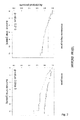
- the same analysis as the one shown in Fig. 1 was performed and the value of P log-rank was compared to that calculated for the DM signature.
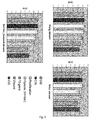
- the vast majority of the signatures show a good predictive value in the majority of the datasets ( Fig. 3 ).
- the signature DM has a higher performance (in terms of P-value in the log-rank test) when compared to all other signatures in the majority of datasets ( Fig. 3 ). Further, the DM signature has a statistically significant predictive power in all datasets and the lower overall P-value.
- NKI which contains expression data from primary breast tumors for 295 consecutive, relatively young (age ⁇ 52 yrs) patients [4]
- Pawitan which includes data from 159 consecutive breast cancer patients [20]
- Miller with data from 251 patients selected from a consecutive series based on the quality of the material [21]
- Desmedt and (v) Wang which contains expression data from 198 and 286 lymph-node negative, systemically untreated patients, respectively [22,23]
- Sotiriou which includes 189 invasive breast carcinomas [24]. Due to the presence of common samples, the authors merged the Desmedt and Sotiriou datasets into a single one and removed from it the patients that were also included in the Miller dataset. All datasets contain both ER-positive and ER-negative samples.
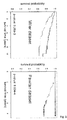
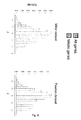
- the DM signature contains two broad classes of genes, namely 72 mitotic genes (71 in platform) and 36 genes required for the maintenance of chromosome integrity (34 in platform). To determine the relative contribution of these two gene classes to the predictive power of the DM signature, the authors performed the analysis using the two categories of genes separately. Both gene groups turned out to be independently predictive of survival ( Fig. 2 ). However the predictive power of the global signature was higher in all cases.
- Subdivision of patients into risk groups using the unsupervised clustering-based approach described above allows assessment of the predictive power of a gene signature, but does not allow specificity (fraction of low-risk patients correctly classified) and sensitivity (fraction of high-risk patients correctly classified) to be tuned according to specific requirements.
- tuning is important in clinical applications, because the misclassification of a high-risk patient is potentially more harmful than the misclassification of a low-risk patient.
- the 70-gene signature [3] which is used in clinical practice, assigns a risk score to each patient; patients are then classified based on a score threshold that can be tuned to obtain the desired compromise between specificity and sensitivity.
- Scalable prognostic scores each computed from gene expression data with a specific algorithm, have been previously defined also for the Wound [6], IGS [14], Proliferation [11], CIN [15] and Hypoxia [9] signatures.
- the Cox z-score measures the correlation between the expression pattern of a gene and survival of the patient.
- a positive (negative) z-score indicates negative (positive) correlation between the gene expression level and patient's survival time.
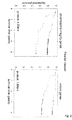
- the authors used the Pawitan dataset as training set and computed the Cox z-scores for the Affymetrix probesets associated to the DM signature (the z-scores of all probesets are shown in Table II). The distribution of these z-scores is consistently shifted towards positive values compared to the distribution of the z-scores of all genes represented on the microarrays (P-values between 1.1e-6 and 3.3e-15 from one-sided Mann-Whitney U test) ( Fig. 4 ). Thus, as expected for proliferation-related genes, for most genes in the DM signature an increased expression level is negatively correlated with survival.
- the authors then compared the DM signature score with the scores of 6 other scalable signatures for performance in predicting cancer outcome at 5 years.
- the authors used ROC curves generated with the Affymetrix datasets not employed for training (Miller, Sotiriou-Desmedt and Wang).
- the scores of the CIN [15], Proliferation [11], 70-gene [3], Wound [6], IGS [14], and Hypoxia [9] signatures were computed as described in the respective references, after mapping the genes to the Affymetrix platform (see Methods for details). As shown in Fig.
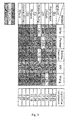
- the predictive power of the 3 proliferation-based signatures (DM, CIN and Proliferation), measured by the Area Under ROC Curves (AUC), is very similar in all datasets and systematically higher than that of the 70-gene, Wound, IGS, or Hypoxia signature.
- Table VIII Number of patients discordantly classified by the three proliferation-based signatures. For each dataset and pair of proliferation-based signatures, the authors report the number of patients classified in different outcome groups, using score cutoffs corresponding to the same sensitivity.
- Lymph-node negative patients are a group of particular clinical significance: therefore the authors computed the AUC under ROC curves for the DM signature as a predictor of 5-year survival in the Miller and Sotiriou-Desmedt datasets limited to this subgroup. In both cases the authors find AUC values similar to the ones found for the entire dataset (AUC resp. 0.616 and 0.678).
- the Wang dataset includes lymph-node negative patients only.
- RNAi screen chromosome condensation, chromosome integrity, chromosome segregation, spindle assembly and cytokinesis
- the authors computed the contribution of each probeset in the DM signature to the difference in score between poor- and good-outcome patients (see Methods); the authors then compared the contribution of specific gene classes to the total score of the 105 genes of the DM signature.
- the cytokinesis genes (ANLN, CIT, ECT2, KIF23, PRC1, RACGAP1 ) turned out to contribute, as a group, significantly more than other genes to the difference in score (P-values between 0.0025 and 0.012, two-sided Mann-Whitney U test).
- the function of these genes is highly conserved, as they are required for cytokinesis in both Drosophila and humans (reviewed in [30]).
- high z-scores were also observed for ASPM, KIF18A and PLK1 (respectively, 3.99, 3.49 and 3.14).
- cytokinesis genes have higher prognostic value than other mitotic genes and genes required for chromosome integrity.
- the authors have shown that the DM signature is highly predictive of survival in five major breast cancer datasets.
- the DM signature contains two classes of genes required for cell proliferation: genes that maintain the integrity of mitotic chromosomes and genes that mediate mitotic division.
- Cell proliferation-associated genes have been previously used to construct several unsupervised signatures, and large subsets of this type of genes are included in most supervised signatures [33].
- genes required for cell proliferation may underlie the prognostic power of many cancer signatures [33].
- the DM signature has a predictive power for breast cancer outcome similar to two other proliferation-based signatures (the CIN signature [15] and the Proliferation signature of Starmans et al. [11]), and outperforms 4 additional published signatures that contain different proportions of proliferation-related genes, including the supervised 70-gene signature, which is currently used in clinical practice for breast cancer patients [3].
- these results indicate that signatures enriched in proliferation genes are the most powerful predictors of breast cancer outcome.
- High performance of the DM signature may reflect its specifically high content in genes truly involved in cell proliferation.
- the proliferation-associated genes in the other signatures have been selected on the basis of their periodic expression pattern during the cell cycle and include several genes that, although periodically expressed, are not involved in basic cell cycle processes [10,33].
- genes underlying either the maintenance of chromosome integrity or mitosis are expected to play essential roles in cell cycle progression and cell proliferation.
- the DM signature is a strong predictor of survival in breast cancer because it contains a relatively undiluted sample of genes essential for cell proliferation. The expression of these genes should therefore reflect the cell proliferation rate within a cancer better than the gene sets of the other signatures. Consistent with this idea, the authors have shown that most of the DM signature genes with a high predictive power of poor outcome in patients display increased expression ( Fig. 4 ).
- the frequency of mitotic cells is one of the criteria used to classify breast cancers in low versus high grade.
- cytological analysis of mitosis proved to be a rather subjective assay with significant inter-observer variations [34].
- the analysis of gene expression using the DM signature provides reliable quantitative information on cell proliferation within a breast cancer sample, allowing risk assessments in individual patients.
- cytokinesis ANLN, CIT, ECT2, KIF23, PRC1, RACGAP1, ASPM, KJF18A and PLK1 .
- All cytokinesis genes display high positive z-scores, indicating that an increased expression level of these genes is negatively correlated with survival.
- cytokinesis genes have a higher prognostic value and tend to be more upregulated in cancers compared to other mitotic genes. It is possible that overexpression of cytokinesis genes is an oncogenic factor per se. However, the finding that PRC1 overexpression does not result in cell growth enhancement [41] argues against this possibility. Another possibility is that cytokinesis proteins are limited in amount or stability compared to other mitotic proteins. That is, when cell proliferation is strongly enhanced, normal levels of gene transcription and translation would not be sufficient to produce the amounts of cytokinesis proteins required for proper execution of the process. As a result, cancers cell clones overexpressing cytokinesis genes would be favoured over clones in which these genes are normally expressed.
- the present invention indicates that the DM signature improves risk stratification for breast cancer patients compared to the major extant signatures.
- the identification of new cancer prognostic genes with well-defined biological functions, such as those of the DM signature provides new prognostic tools based on gene expression.
- the genes of the DM signature could be merged with those of other signatures to further improve risk stratification.
- the authors' finding that cytokinesis genes tend to be overexpressed in patients with poor prognosis sets forth this class of genes and their protein products as targets for antimitotic therapies.
Landscapes
- Chemical & Material Sciences (AREA)
- Life Sciences & Earth Sciences (AREA)
- Health & Medical Sciences (AREA)
- Organic Chemistry (AREA)
- Proteomics, Peptides & Aminoacids (AREA)
- Engineering & Computer Science (AREA)
- Immunology (AREA)
- Pathology (AREA)
- Analytical Chemistry (AREA)
- Zoology (AREA)
- Genetics & Genomics (AREA)
- Wood Science & Technology (AREA)
- Physics & Mathematics (AREA)
- Biotechnology (AREA)
- Microbiology (AREA)
- Molecular Biology (AREA)
- Hospice & Palliative Care (AREA)
- Biophysics (AREA)
- Oncology (AREA)
- Biochemistry (AREA)
- Bioinformatics & Cheminformatics (AREA)
- General Engineering & Computer Science (AREA)
- General Health & Medical Sciences (AREA)
- Measuring Or Testing Involving Enzymes Or Micro-Organisms (AREA)
- Medicines Containing Material From Animals Or Micro-Organisms (AREA)
Abstract
Description
- The present invention relates to the construction of a gene expression signature that is highly predictive of survival in breast cancer.
- A reliable prediction of the outcome of a breast cancer is extremely valuable information for deciding a therapeutic strategy. The analysis of gene expression profiles obtained with microarrays has allowed identification of gene sets, or genetic "signatures", that are strongly predictive of poor prognosis (see [1,2] for a recent survey). In the past few years, two types of cancer signatures have been developed commonly designated as "bottom-up" or "top-down". In top-down (or supervised) signatures, the risk-predicting genes are selected by correlating the tumor's gene expression profiles with the patients' clinical outcome. One of the most powerful top-down signatures is the so-called 70-gene signature, which includes genes regulating cell cycle, invasion, metastasis and angiogenesis [3]. This signature outperforms standard clinical and histological criteria in predicting the likelihood of distant metastases within five years [4]. Although highly predictive of cancer outcome, top-down signatures have the drawback of including different gene types, thereby preventing precise definition of the biological processes altered in the tumor.
- Bottom-up (or unsupervised) signatures are developed using sets of genes thought to be involved in specific cancer-related processes and do not rely on patients' gene expression data. Examples of these signatures are the "Wound signature" that includes genes expressed in fibroblasts after serum addition with a pattern reminiscent of the wound healing process [5,6], the "Hypoxia signatures" that contains genes involved in the transcriptional response to hypoxia [7-9], and the "Proliferation signatures" that include genes expressed in actively proliferating cells [10,11]. Other bottom-up signatures are the "ES signature" [12], the proliferation, immune response and RNA splicing modules signature [13] (henceforth abbreviated as "Module signature") the "invasiveness gene signature" (IGS) [14] and the chromosomal instability signature (CIN) [15]. The "ES signature" is based on the assumption that cells with tumor-initiating capability derive from normal stem cells. This signature reflects the gene expression pattern of embryonic stem cells (ES) and includes genes that are preferentially expressed or repressed in this type of cells [12]. The "Module signature" was generated by selecting gene sets that were enriched in nine pre-existing signatures, and consists of gene modules involved in 11 different processes including the immune response, cell proliferation, RNA splicing, focal adhesion, and apoptosis [13]. The IGS signature includes genes that are differentially expressed in tumorigenic breast cancer cells compared to normal breast-epithelium cells; the 186 genes of this signature are involved in a large variety of cellular functions and processes [14]. The CIN signature has features of both top-down and bottom-up signatures; it was developed by selecting genes with variations in the expression level correlated with the overall chromosomal aneuploidy of tumor samples [15].
- Tumors are characterized by frequent mitotic divisions and chromosome instability. The authors thus reasoned that genes required for mitotic cell division and genes involved in the maintenance of chromosome integrity could be used to develop a new cancer signature.
- In a recent RNAi-based screen performed in Drosophila S2 cells [16], the authors of the instant invention identified 44 genes required to prevent spontaneous chromosome breakage and 98 genes that control mitotic division. Thus, considering the strong phylogenetic conservation of the mitotic process, rather than relying on functional annotation databases, the authors used the 142 Drosophila genes identified in the screen [16] to develop a new bottom-up signature that includes genes involved in cell division but not yet annotated in the literature. 108 of these 142 Drosophila genes have unambiguous human orthologs [17]. Here the authors show that these 108 human genes constitute an excellent signature to predict breast cancer outcome. This Drosophila mitotic signature, or "DM signature", has minimal overlap with pre-existing gene signatures and outperforms them in predictive power.
- The classification of patients with breast cancer into risk groups represents a very valuable tool for the identification of subjects who would benefit from an aggressive systemic therapy. The analysis of microarray's data allowed to generate many signatures of gene expression improving the diagnosis and allowing the risk assessment. There is also evidence that specific genes of a proliferative state would have an high predictive value within these signatures.
- Thus, the authors thus constructed a gene expression signature (the DM signature) using the human orthologues of 108 Drosophila melanogaster genes required for either the maintenance of chromosome integrity (36 genes) or mitotic division (72 genes). The DM signature has minimal overlap with the extant signatures and is highly predictive of survival in 5 large breast cancer datasets. In addition, the authors show that the DM signature outperforms other widely used cancer signatures in predictive power, and performs comparably to other proliferation-based signatures. For most genes of the DM signature, an increased expression is negatively correlated with patient survival. The genes that provide the highest contribution to the predictive power of the DM signature are those involved in cytokinesis. This finding highlights cytokinesis as an important marker in breast cancer prognosis and as a possible target for antimitotic therapies.
- It is therefore, an obj ect of the invention a method to predict the mortality risk of a subj ect (p) affected of breast cancer comprising:
- a) measuring the expression level of the genes C15orf44, CASP7, CNOT3, CTPS, CUL4B, CWC15, DCAKD, DDB1, FRGI, MSH6, ORC5L, PCNA, PIAS1, POLA1, PRIM2, PRPF3, RAD54L, RFC2, RPA1, RRM2, SART1, SF3A3, SMC1A, TAF6, TFDP2, TK2, TPR, TYMS, WBP11, WDR46, WDR75, XAB2, XRN2, ZMYM4, MCM3, MCM7, SMC3, NCAPD2, NCAPG, SMC4, SMC2, MASTL, ORC2L, TOP2A, CDT1, BUB3, KNTC1, ZW10, ASCC3L1, CCNB1, CDC40, DHX8, KIAA1310, LSM2, PRPF31, SF3A1, SF3A2, SF3B1, SF3B2, SF3B14, SLU7, SNRPA1, SNRPE, TXNL4A, U2AF1, U2AF2, ANAPC5, ANAPC10, CDC20,, KIN, PSMC1, SFRS15. CKAP5, EIF3A, EIF3D, EIF3E, EIF31, GTF3C3, MAPRE3, NOC3L, RRP1B, TBK1, THOC2, TUBB2C, WDR82, TRRAP, TUBGCP4, TUBG2, ASPM, CENPJ, MKI671P, PPP1R8, CDC2, KIFC1, KIF11, KIF18A, AURKC, RBBP7, PLK1, ECT2, KIF23, PRC1, RACGAP1, ANLN, CIT in a biological sample, obtaining the prognostic score, S(p), that indicates the expression levels of said genes in said subj ect (p) affected of cancer, and
- b) predicting the mortality risk of said subject (p) affected of cancer comparing said prognostic score, S(p), to a cut off value (cut off threshold).
- Preferably the expression level of said genes is measured by means of quantitative detection of the transcript sequences selected from the group
SEQ ID No 1 to SEQ ID No. 217. - Still preferably the expression level of said genes is detected by means of microarray. In a preferred embodiment the biological sample is selected from the group of: blood, tumour cell, frozen or fixed tissue sections, biopsy, biological fluid. In a still preferred embodiment the mortality risk is assigned as follows:
- i) to the class "low risk" if the prognostic score, S(p), is lower than the cut off threshold, or
- ii) to the class "high risk" if the prognostic score, S(p), is greater than the cut off threshold, and optionally
- iii) to the class "intermediate" if the prognostic score, S(p), is between two cut off threshold values.
- Still preferably the prognostic score, S(p), is calculated according to the following formula:

wherein
x(g,p) is the expression level expressed inlogarithmic base 2 of the probeset g in the patient p;
z(g) is the z-score of the probeset g calculated in the Pawitan dataset;
wherein the probeset g comprises a group of 217 probes, each one being specific and selective for one of the gene transcript belonging to the group of SEQ ID No. 1 to SEQ ID No. 217. - Yet preferably the z-score for each probe is the one calculated in the Pawitan database reported in table II.
- It is a further object of the invention a kit to detect the transcript expression level of genes C15orf44, CASP7, CNOT3, CTPS, CUL4B, CWC15, DCAKD, DDB1, FRG1, MSH6, ORC5L, PCNA, PIAS1, POLA1, PRIM2, PRPF3, RAD54L, RFC2, RPA1, RRM2, SART1, SF3A3, SMC1A, TAF6, TFDP2, TK2, TPR, TYMS, WBP11, WDR46, WDR75, XAB2, XRN2, ZMYM4, MCM3, MCM7, SMC3, NCAPD2, NCAPG, SMC4, SMC2, MASTL, ORC2L, TOP2A, CDT1, BUB3, KNTC1, ZW10, ASCC3L1, CCNB1, CDC40, DHX8, KIAA1310, LSM2, PRPF31, SF3A1, SF3A2, SF3B1, SF3B2, SF3B14, SLU7, SNRPA1, SNRPE, TXNL4A, U2AF1, U2AF2, ANAPC5, ANAPC10, CDC20,, KIN, PSMC1, SFRS15. CKAP5, EIF3A, EIF3D, EIF3E, EIF3I, GTF3C3, MAPRE3, NOC3L, RRP1B, TBKI, THOC2, TUBB2C, WDR82, TRRAP, TUBGCP4, TUBG2, ASPM, CENPJ, MKI67IP, PPP1R8, CDC2, KIFC1, KIF11, KIF18A, AURKC, RBBP7, PLK1, ECT2, KIF23, PRC1, RACGAP1, ANLN, CIT,
comprising: - for each of said genes, sequence specific amplification means to obtain amplified nucleic acids having sequences comprised in the transcribed region thereof;
- quantitative detection means of said amplified nucleic acids;
- appropriate reagents.
- Preferably said amplified nucleic acids consist of :
- for C15orf44, SEQ ID No. 145; for CASP7, SEQ ID No. 189; for CNOT3, SEQ ID No. 66 and/or SEQ ID No. 138 and/or SEQ ID No.167; for CTPS, SEQ ID No. 39; for CUL4B, SEQ ID No. 113 and/or SEQ ID No. 152 and/or SEQ ID No. 165 and/or SEQ ID No. 212; for CWC15, SEQ ID No. 159; for DCAKD, SEQ ID No. 126 and/or SEQ ID No. 140 and/or SEQ ID No. 190; for DDB1, SEQ ID No. 38; for FRG1, SEQ ID No. 195; for MSH6, SEQ ID No. 46 and/or SEQ ID No. 61 and /or SEQ ID No. 153 and/or SEQ ID No. 187; for ORC5L, SEQ ID No. 70 and/or SEQ ID No. 79 and/or SEQ ID No. 109; for PCNA, SEQ ID No. 51; for PIAS1, SEQ ID No. 211 and/or SEQ ID No. 216 and/or SEQ ID No. 217; for POLA1, SEQ ID No. 147; for PRIM2, SEQ ID No. 43 and/or SEQ ID No. 56 and/or SEQ ID No. 88; for PRPF3, SEQ ID No. 170; for RAD54L, SEQ ID No. 75; for RFC2, SEQ ID No. 42 and/or SEQ ID No. 48; for RPA1, SEQ ID No. 64 and/or SEQ ID No. 103; for RRM2, SEQ ID No. 3 and/or SEQ ID No. 9; for SART1, SEQ ID No. 124; for SF3A3, SEQ ID No. 201; for SMC1A, SEQ ID No. 115 and/or SEQ ID No. 179 and/or SEQ ID No. 207; for TAF6, SEQ ID No. 68;
- for TFDP2, SEQ ID No. 86 and/or SEQ ID No. 118 and/or SEQ ID No. 210; for TK2, SEQ ID No. 37 and/or SEQ ID No. 156 and/or SEQ ID No. 171 and/or SEQ ID No. 172; for TPR, SEQ ID No. 99 and/or SEQ ID No. 108 and/or SEQ ID No. 182 and/or SEQ ID No. 204; for TYMS, SEQ ID No. 32 and/or SEQ ID No. 125; for WBP11, SEQ ID No. 65 and/or SEQ ID No. 67; for WDR46, SEQ ID No. 93; for WDR75, SEQ ID No. 158; for XAB2, SEQ ID No. 180; for XRN2, SEQ ID No. 81 and/or SEQ ID No. 84; for ZMYM4, SEQ ID No. 192 and/or SEQ ID No. 196 and/or SEQ ID No. 213; for MCM3, SEQ ID No. 34; for MCM7, SEQ ID No. 28 and/or SEQ ID No. 52; for SMC3, SEQ ID No. 185 and/or SEQ ID No. 193 and/or SEQ ID No. 209; for NCAPD2, SEQ ID No. 106; for NCAPG, SEQ ID No.22 and/or SEQ ID No. 24; for SMC4, SEQ ID No. 33 and/or SEQ ID No. 54 and/or SEQ ID No. 141; for SMC2, SEQ ID No. 45 and/or SEQ ID No. 127; for MASTL, SEQ ID No. 11; for ORC2L, SEQ ID No. 104; for TOP2A, SEQ ID No. 20 and/or SEQ ID No. 62 and/or SEQ ID No. 96; for CDT1, SEQ ID No. 2 and/or SEQ ID No. 36; for BUB3, SEQ ID No. 57 and/or SEQ ID No. 139 and/or SEQ ID No. 148 and/or SEQ ID No. 174 and/or SEQ ID No. 178; for KNTC1, SEQ ID No. 35; for ZW10, SEQ ID No. 143; for ASCC3L1, SEQ ID No. 55 and/or SEQ ID No. 135 and/or SEQ ID No. 150; for CCNB1, SEQ ID No. 7 and/or SEQ ID No. 14; for CDC40, SEQ ID No. 100 and/or SEQ ID No. 177; for DHX8, SEQ ID No. 58 and/or SEQ ID No. 120 and/or SEQ ID No. 121; for KIAA1310, SEQ ID No. 160 and/or SEQ ID No. 183 and/or SEQ ID No. 188; for LSM2, SEQ ID No. 137; for PRPF31, SEQ ID No. 60 and/or SEQ ID No. 91 and/or SEQ ID No. 184; for SF3A1, SEQ ID No. 98 and/or SEQ ID No. 119 and/or SEQ ID No. 162 and/or SEQ ID No. 173; for SF3A2, SEQ ID No. 169 and/or SEQ ID No. 176; for SF3B1, SEQ ID No. 194 and/or SEQ ID No. 203 and/or SEQ ID No. 208 and/or SEQ ID No. 214; for SF3B2, SEQ ID No. 77; for SF3B14, SEQ ID No. 10; for SLU7, SEQ ID No. 149 and/or SEQ ID No. 151; for SNRPA1, SEQ ID No. 23 and/or SEQ ID No. 49 and/or SEQ ID No. 71 and/or SEQ ID No. 181; for SNRPE, SEQ ID No. 72 and/or SEQ ID No. 136; for TXNL4A, SEQ ID No. 26 and/or SEQ ID No. 134; for U2AF1, SEQ ID No. 30 and/or SEQ ID No. 82 and/or SEQ ID No. 102 and/or SEQ ID No. 131; for U2AF2, SEQ ID No. 94 and/or SEQ ID No. 146 and/or SEQ ID No. 155 and/or SEQ ID No. 161; for ANAPC5, SEQ ID No. 85 and/or SEQ ID No. 95 and/or SEQ ID No. 97 and/or SEQ ID No. 112 and/or SEQ ID No. 117; for ANAPC10, SEQ ID No. 129; for CDC20, SEQ ID No. 17; for KIN, SEQ ID No. 111 and/or SEQ ID No. 144; for PSMC1, SEQ ID No. 25; for SFRS15, SEQ ID No. 50 and/or SEQ ID No. 63 and/or SEQ ID No. 80 and/or SEQ ID No. 142 and/or SEQ ID No. 197; for CKAP5, SEQ ID No. 21; for EIF3A, SEQ ID No. 175 and/or SEQ ID No. 186 and/or SEQ ID No. 202; for EIF3D, SEQ ID No. 101; for EIF3E, SEQ ID No. 154; for EIF3I, SEQ ID No. 114; for GTF3C3, SEQ ID No. 74 and/or SEQ ID No. 163; for MAPRE3, SEQ ID No. 116 and/or SEQ ID No. 128 and/or SEQ ID No. 130 and/or SEQ ID No. 133; for NOC3L, SEQ ID No. 164; for RRP1B, SEQ ID No. 105 and/or SEQ ID No. 123; for TBK1, SEQ ID No. 198; for THOC2, SEQ ID No. 110 and/or SEQ ID No. 132 and/or SEQ ID No. 199 and/or SEQ ID No. 205; for TUBB2C, SEQ ID No. 4 and/or SEQ ID No. 5; for WDR82, SEQ ID No. 191; for TRRAP, SEQ ID No. 69 and/or SEQ ID No. 73; for TUBGCP4, SEQ ID No. 76 and/or SEQ ID No. 215; for TUBG2, SEQ ID No. 157; for ASPM, SEQ ID No. 6 and/or SEQ ID No. 47 and/or SEQ ID No. 53; for CENPJ, SEQ ID No. 87 and/or SEQ ID No. 92 and/or SEQ ID No. 107; for MKI67IP, SEQ ID No. 41 and/or SEQ ID No. 89 and/or SEQ ID No. 200; for PPP1R8, SEQ ID No. 168; for CDC2, SEQ ID No. 15 and/or SEQ ID No. 16 and/or SEQ ID No. 31 and/or SEQ ID No. 206; for KIFC1, SEQ ID No. 19; for KIF11, SEQ ID No. 29; for KIF18A, SEQ ID No. 18; for AURKC, SEQ ID No. 90; for RBBP7, SEQ ID No. 166; for PLK1, SEQ ID No. 27; for ECT2, SEQ ID No. 40 and/or SEQ ID No. 59 and/or SEQ ID No. 83; for KIF23, SEQ ID No. 8 and/or SEQ ID No. 44; for PRC1, SEQ ID No. 13; for RACGAP1, SEQ ID No. 12; for ANLN, SEQ ID No. 1; for CIT, SEQ ID No. 78 and/or SEQ ID No. 122.
- Still preferably, the kit further comprises sequence specific amplification means to obtain amplified nucleic acids having sequences comprised in the transcribed region of genes H3F3A and/or PPAN-P2RY11 and/or KIF4.
- It is a further object of the invention a microarray consisting of:
- a) solid supporting means, and
- b) for each of the genes C15orf44, CASP7, CNOT3, CTPS, CUL4B, CWC15, DCAKD, DDB1, FRG1, MSH6, ORC5L, PCNA, PIAS1, POLA1, PRIM2, PRPF3, RAD54L, RFC2, RPA1, RRM2, SART1, SF3A3, SMC1A, TAF6, TFDP2, TK2, TPR, TYMS, WBP11, WDR46, WDR75, XAB2, XRN2, ZMYM4, MCM3, MCM7, SMC3, NCAPD2, NCAPG, SMC4, SMC2, MASTL, ORC2L, TOP2A, CDT1, BUB3, KNTC1, ZW10, ASCC3L1, CCNB1, CDC40, DHX8, KIAA1310, LSM2, PRPF31, SF3A1, SF3A2, SF3B1, SF3B2, SF3B14, SLU7, SNRPA1, SNRPE, TXNL4A, U2AF1, U2AF2, ANAPC5, ANAPC10, CDC20, KIN, PSMC1, SFRS15. CKAP5, EIF3A, EIF3D, EIF3E, EIF3I, GTF3C3, MAPRE3, NOC3L, RRP1B, TBKI, THOC2, TUBB2C, WDR82, TRRAP, TUBGCP4, TUBG2, ASPM, CENPJ, MKI67IP, PPP1R8, CDC2, KIFC1, KIF11, KJF18A, AURKC, RBBP7, PLK1, ECT2, KIF23, PRC1, RACGAP1, ANLN, CIT, at least one oligonucleotide able to specifically hybridize to a sequence comprised in the transcribed region thereof. Preferably wherein the sequences comprised in the transcribed region of said genes consist of: for C15orf44, SEQ ID No. 145; for CASP7, SEQ ID No. 189; for CNOT3, SEQ ID No. 66 and/or SEQ ID No. 138 and/or SEQ ID No.167; for CTPS, SEQ ID No. 39; for CUL4B, SEQ ID No. 113 and/or SEQ ID No. 152 and/or SEQ ID No. 165 and/or SEQ ID No. 212; for CWC15, SEQ ID No. 159; for DCAKD, SEQ ID No. 126 and/or SEQ ID No. 140 and/or SEQ ID No. 190; for DDB1, SEQ ID No. 38; for FRG1, SEQ ID No. 195; for MSH6, SEQ ID No. 46 and/or SEQ ID No. 61 and /or SEQ ID No. 153 and/or SEQ ID No. 187; for ORC5L, SEQ ID No. 70 and/or SEQ ID No. 79 and/or SEQ ID No. 109; for PCNA, SEQ ID No. 51; for PIAS1, SEQ ID No. 211 and/or SEQ ID No. 216 and/or SEQ ID No. 217; for POLA1, SEQ ID No. 147; for PRIM2, SEQ ID No. 43 and/or SEQ ID No. 56 and/or SEQ ID No. 88; for PRPF3, SEQ ID No. 170; for RAD54L, SEQ ID No. 75; for RFC2, SEQ ID No. 42 and/or SEQ ID No. 48; for RPA1, SEQ ID No. 64 and/or SEQ ID No. 103; for RRM2, SEQ ID No. 3 and/or SEQ ID No. 9; for SART1, SEQ ID No. 124; for SF3A3, SEQ ID No. 201; for SMC1A, SEQ ID No. 115 and/or SEQ ID No. 179 and/or SEQ ID No. 207; for TAF6, SEQ ID No. 68; for TFDP2, SEQ ID No. 86 and/or SEQ ID No. 118 and/or SEQ ID No. 210; for TK2, SEQ ID No. 37 and/or SEQ ID No. 156 and/or SEQ ID No. 171 and/or SEQ ID No. 172; for TPR, SEQ ID No. 99 and/or SEQ ID No. 108 and/or SEQ ID No. 182 and/or SEQ ID No. 204; for TYMS, SEQ ID No. 32 and/or SEQ ID No. 125; for WBP11, SEQ ID No. 65 and/or SEQ ID No. 67; for WDR46, SEQ ID No. 93; for WDR75, SEQ ID No. 158; for XAB2, SEQ ID No. 180; for XRN2, SEQ ID No. 81 and/or SEQ ID No. 84; for ZMYM4, SEQ ID No. 192 and/or SEQ ID No. 196 and/or SEQ ID No. 213; for MCM3, SEQ ID No. 34; for MCM7, SEQ ID No. 28 and/or SEQ ID No. 52; for SMC3, SEQ ID No. 185 and/or SEQ ID No. 193 and/or SEQ ID No. 209; for NCAPD2, SEQ ID No. 106; for NCAPG, SEQ ID No.22 and/or SEQ ID No. 24; for SMC4, SEQ ID No. 33 and/or SEQ ID No. 54 and/or SEQ ID No. 141; for SMC2, SEQ ID No. 45 and/or SEQ ID No. 127; for MASTL, SEQ ID No. 11; for ORC2L, SEQ ID No. 104; for TOP2A, SEQ ID No. 20 and/or SEQ ID No. 62 and/or SEQ ID No. 96; for CDT1, SEQ ID No. 2 and/or SEQ ID No. 36; for BUB3, SEQ ID No. 57 and/or SEQ ID No. 139 and/or SEQ ID No. 148 and/or SEQ ID No. 174 and/or SEQ ID No. 178; for KNTC1, SEQ ID No. 35; for ZW10, SEQ ID No. 143; for ASCC3L1, SEQ ID No. 55 and/or SEQ ID No. 135 and/or SEQ ID No. 150; for CCNB1, SEQ ID No. 7 and/or SEQ ID No. 14; for CDC40, SEQ ID No. 100 and/or SEQ ID No. 177; for DHX8, SEQ ID No. 58 and/or SEQ ID No. 120 and/or SEQ ID No. 121; for KIAA1310, SEQ ID No. 160 and/or SEQ ID No. 183 and/or SEQ ID No. 188; for LSM2, SEQ ID No. 137; for PRPF31, SEQ ID No. 60 and/or SEQ ID No. 91 and/or SEQ ID No. 184; for SF3A1, SEQ ID No. 98 and/or SEQ ID No. 119 and/or SEQ ID No. 162 and/or SEQ ID No. 173; for SF3A2, SEQ ID No. 169 and/or SEQ ID No. 176; for SF3B1, SEQ ID No. 194 and/or SEQ ID No. 203 and/or SEQ ID No. 208 and/or SEQ ID No. 214; for SF3B2, SEQ ID No. 77; for SF3B14, SEQ ID No. 10; for SLU7, SEQ ID No. 149 and/or SEQ ID No. 151; for SNRPA1, SEQ ID No. 23 and/or SEQ ID No. 49 and/or SEQ ID No. 71 and/or SEQ ID No. 181; for SNRPE, SEQ ID No. 72 and/or SEQ ID No. 136; for TXNL4A, SEQ ID No. 26 and/or SEQ ID No. 134; for U2AF1, SEQ ID No. 30 and/or SEQ ID No. 82 and/or SEQ ID No. 102 and/or SEQ ID No. 131; for U2AF2, SEQ ID No. 94 and/or SEQ ID No. 146 and/or SEQ ID No. 155 and/or SEQ ID No. 161; for ANAPC5, SEQ ID No. 85 and/or SEQ ID No. 95 and/or SEQ ID No. 97 and/or SEQ ID No. 112 and/or SEQ ID No. 117; for ANAPC10, SEQ ID No. 129; for CDC20, SEQ ID No. 17; for KIN, SEQ ID No. 111 and/or SEQ ID No. 144; for PSMC1, SEQ ID No. 25; for SFRS15, SEQ ID No. 50 and/or SEQ ID No. 63 and/or SEQ ID No. 80 and/or SEQ ID No. 142 and/or SEQ ID No. 197; for CKAP5, SEQ ID No. 21; for EIF3A, SEQ ID No. 175 and/or SEQ ID No. 186 and/or SEQ ID No. 202; for EIF3D, SEQ ID No. 101; for EIF3E, SEQ ID No. 154; for EIF3I, SEQ ID No. 114; for GTF3C3, SEQ ID No. 74 and/or SEQ ID No. 163; for MAPRE3, SEQ ID No. 116 and/or SEQ ID No. 128 and/or SEQ ID No. 130 and/or SEQ ID No. 133; for NOC3L, SEQ ID No. 164; for RRP1B, SEQ ID No. 105 and/or SEQ ID No. 123; for TBK1, SEQ ID No. 198; for THOC2, SEQ ID No. 110 and/or SEQ ID No. 132 and/or SEQ ID No. 199 and/or SEQ ID No. 205; for TUBB2C, SEQ ID No. 4 and/or SEQ ID No. 5; for WDR82, SEQ ID No. 191; for TRRAP, SEQ ID No. 69 and/or SEQ ID No. 73; for TUBGCP4, SEQ ID No. 76 and/or SEQ ID No. 215; for TUBG2, SEQ ID No. 157; for ASPM, SEQ ID No. 6 and/or SEQ ID No. 47 and/or SEQ ID No. 53; for CENPJ, SEQ ID No. 87 and/or SEQ ID No. 92 and/or SEQ ID No. 107; for MKI67IP, SEQ ID No. 41 and/or SEQ ID No. 89 and/or SEQ ID No. 200; for PPP1R8, SEQ ID No. 168; for CDC2, SEQ ID No. 15 and/or SEQ ID No. 16 and/or SEQ ID No. 31 and/or SEQ ID No. 206; for KIFC1, SEQ ID No. 19; for KIF11, SEQ ID No. 29; for KIF18A, SEQ ID No. 18; for AURKC, SEQ ID No. 90; for RBBP7, SEQ ID No. 166; for PLK1, SEQ ID No. 27; for ECT2, SEQ ID No. 40 and/or SEQ ID No. 59 and/or SEQ ID No. 83; for KIF23, SEQ ID No. 8 and/or SEQ ID No. 44; for PRC1, SEQ ID No. 13; for RACGAP1, SEQ ID No. 12; for ANLN, SEQ ID No. 1; for CIT, SEQ ID No. 78 and/or SEQ ID No. 122.
- Preferably the microarray further comprises at least one oligonucleotide able to specifically hybridize to a sequence comprised in the transcribed region of genes H3F3A and/or PPAN-P2RY11 and/or KIF4.
- In the present invention the method to predict the mortality risk of a subject affected of breast cancer is also a method to predict the survival of a subject affected of breast cancer. Further the genes of the DM signature could be merged with those of other signatures to further improve risk stratification.
- In the present invention, 3 cutoff values are provided, corresponding to 90%, 70% and 50% sensitivity on Miller dataset.
- The cut off threshold on the prognostic score were calculated on the Miller dataset (a dataset independent from that used to develop the signature, but built on a consecutive series of patients and therefore representative of the population), and corresponds, on this dataset, to 90%, 70% and 50% sensitivity. Sensitivity is defined as the fraction of high-risk patients correctly identified by the predictor. For each cut off, the specificity is reported. The specificity was calculated on the Miller dataset and is defined as the fraction of low-risk patients correctly identified by the predictor. The cut off of 90% sensitivity = 798 (32% specificity), the cut off of 70% sensitivity = 921.8 (57% specificity) and the cut off of 50% sensitivity = 928.5 (73% specificity). These values are non-limitative example and may vary.
- The present invention is illustrated by the following non limiting examples and figures.
-
Fig. 1 - Predictive power of the DM signature. Kaplan-Meier analysis using the DM signature shows significant differences in survival of patients from five independents breast cancer datasets. The curves represent the cumulative chances of survival of patients classified within two groups by the hierarchic clustering algorithm based on the correlation coefficient: lower curve - high risk patients; top curve - low risk patients. -
Fig. 2 - Predictive power of the mitotic and chromosome-integrity genes of the DM signature. Kaplan-Meier survival analysis was performed on five breast cancer datasets using either the 34 chromosome integrity genes or the 71 mitotic genes of the DM signature represented in the Affymetrix platform. The curves represent the cumulative probabilities of survival of patients classified within two groups by the hierarchic clustering algorithm based on the correlation coefficient: lower curve - high risk patients; top curve - low risk patients. -
Fig. 3 - The DM signature outperforms 9 major signatures in predictive power. The predictive power of signature is expressed with P; P is the P-value of the log-rank test for difference in survival probability of the two groups of patients obtained by hierarchical clustering using the genes of each signature. Colours correspond to the statistical significance: red, P >= 0.05; yellow, 0.05>P >= 0.01; green, P<0.01. The signatures compared (DM; Proliferation of Starmans et al. [11], Module [13], CIN [15], Hypoxia of Sung et al. [8], Hypoxia of Winter et al. [9], ES [12]; 70-gene [3]; IGS [14]; Wound [5,6] are described in the text. -
Fig. 4 - Distribution of the z-scores of the genes of the DM signature compared to the distribution of z-scores of all genes represented in five breast cancer datasets. Density = ratio between the number of the genes in a given z-score and the total number of genes. -
Fig. 5 - Comparative evaluation of the prognostic score of the DM signature. The prognostic score of the DM signature is compared to those obtained from the CIN [15], Proliferation [11], IGS [14], Hypoxia [9], 70-gene [3], and Wound [5] signatures in the three datasets not used for training. The scores are used to predict outcome at five years. The bars show the areas under the ROC curves (AUC). -
Fig. 6 - Predictive power of the DM signature on a dataset of lung cancer [18]: Kaplan-Meier survival analysis. The curves represent the cumulative probabilities of survival of patients classified within two groups by the hierarchic clustering algorithm based on the correlation coefficient: lower curve - high risk patients; top curve - low risk patients. -
Fig. 7 - Predictive power of the DM signature on a dataset of glioma [19]: Kaplan-Meier survival analysis. The curves represent the cumulative probabilities of survival of patients classified within two groups by the hierarchic clustering algorithm based on the correlation coefficient: lower curve - high risk patients; top curve - low risk patients. - The 142 D. melanogaster mitotic genes described in [16] were first converted into Entrez gene ids (file gene_info.gz downloaded from the Entrez Gene ftp site in June 2008). The authors then used Homologene, build 62, to obtain the 108 human orthologues that compose the DM signature. The authors considered only one-to-one orthology relationships reported in Homologene. This criterion led to the exclusion from the DM signature of several human genes that are commonly considered homologous to the Drosophila genes. However, the degree of homology between these human genes and their Drosophila counterparts was not sufficient for inclusion in Homologene.
- The authors used the following publicly available breast cancer datasets: NKI [4]; Pawitan [20] - Gene Expression Omnibus (GEO-) series GSE1456; Miller [21] - GEO series GSE3494; Wang [22] - GEO series GSE2034; Desmedt [23] - GEO series GSE7390; and Sotiriou [24] - GEO series GSE2990. The authors used relapse-free survival times when available, and overall survival times otherwise. Since the Sotiriou, Desmedt and Miller datasets have some patients in common, the authors merged the Sotiriou and Desmedt datasets in a single dataset, from which the authors removed the patients included in the Miller dataset. The authors refer to this combined dataset as the Sotiriou-Desmedt dataset. Normalized expression data and clinical data for the NKI dataset were obtained from http://www.rii.com/publications/2002/nejm.html. For the Affymetrix-based datasets, the authors obtained gene expression values from the raw data, using MAS 5.0 algorithm as implemented in the simpleaffy [25] package of Bioconductor [26]. For all datasets the authors considered only the probesets unambiguously assigned to one Entrez Gene ID in the platform annotation. For the Affymetrix platform, the authors used the annotation provided by the manufacturer, version 25, which allowed them to identify single or multiple probesets for 105 of the 108 DM signature genes. For the NKI dataset the authors used the annotation file provided in the website mentioned above; the correspondence between sequence accession number and Entrez gene was obtained from the Entrez gene ftp site; 98 of the 108 DM genes were thus associated with one or multiple probes.
- The expression data of patient with lung glandular cancer [18] were obtained from the caArray database, (https://array.nci.nih.gov/caarray) identification "jacobs-00182". The expression data of patients with glioma [19] were obtained by the GEO database, accession GSE4271. In both cases data were treated as described for the breast cancer dataset on Affymetrix platform.
- The Large lung cancer dataset refers to bibliographic reference [18]. Other lung cancer dataset and also ovarian cancer refer to bibliographic reference [27].
- To determine whether the expression profiles of the genes included in the DM signature are significantly and robustly correlated with the disease outcome the authors used the following procedure on the datasets mentioned above: (a) select the microarray probes unambiguously associated to the signature genes; (b) creating two groups of patients by Pearson correlation-based hierarchical clustering, using only the expression profiles of the probes selected in step a; (c) determining by a standard log-rank test, as implemented in the survival library of R, whether the cumulative probability of survival is significantly different between the two groups.
- For all datasets the authors divided the patients into two groups (good- and poor-outcome) based on their status at five years. The authors then calculated the prognostic scores for outcome prediction at five years using the following procedures. For the 70-gene signature, the score of a patient is the cosine-correlation of the expression profile of genes with good-prognosis found in http://www.rii.com/publications/2002/nejm.html [4]. The genes in the signature, given at as accession numbers, were translated into Entrez gene IDs and then into Affymetrix probesets using Affymetrix annotation files, version 25. The authors obtained 76 probesets for the HG-U133A platform, and 109 probesets for the HG-U133A and HG-U133B platforms considered together. Probesets corresponding to the same gene were assigned the same coefficient in the good-prognosis profile.
- For the Wound and IGS signatures, the score of a patient is given by the Pearson correlation of the expression profile of the signature genes. For the Wound signature the core serum response centroid is available at http://microarray-pubs.stanford.edu/wound [5]. The genes in the signature were translated into Entrez gene ids and then into Affymetrix probesets using the procedure described above. The authors obtained 493 probesets for the HG-U133A platform, and 667 probesets for the HG-U133A and HG-U133B platforms considered together. Probesets corresponding to the same gene were assigned the same expression value in the core serum response centroid. The centroid for the IGS signature is directly given in Affymetrix probesets [14].
- For the CIN [15], Proliferation [11] and Hypoxia [9] signatures, the score of a patient is the sum of the logarithmic expression of the signature genes in the patient sample. For the CIN and Proliferation signatures, the gene symbols, were translated first into Entrez gene ids and then into Affymetrix probesets as described above. The Hypoxia signature is directly given in terms of Affymetrix probesets.
- For the DM signature, the prognostic score of a patient is given by:

where the sum is over all the probesets associated to the signature, z(g) is the z-score of probeset g computed in the Pawitan dataset and x(g,p) is the logarithmic expression level of probeset g in patient p. The Affymetrix probesets that comprise the DM signature together with their z-scores are reported in Table II. - The authors used ROC curves to compare the scalable scores on three datasets (Miller, Wang and Sotiriou-Desmedet). The area under the curves and the related standard error were computed using the Hmisc library and programs available at http://biostat.mc.vanderbilt.edu/s/Hmisc. The Pawitan and NKI datasets were not used in this comparison because they were involved in the training of the DM and 70-gene signatures, respectively.
- The contribution of each probeset g to the difference in score between poor- and good-prognosis patients is defined as:

where P(g) (G(g)) is the logarithmic expression of the probeset averaged on all poor (good) prognosis patients and z(g) is the z-score of the probeset. Given a subset of the DM signature (e.g. cytokinesis-related genes), the authors used a Mann-Whitney U test to compare the contribution of the probesets included in the subset to the contribution of all the other probesets. - The methods for obtaining and amplifying mRNA are known in the art and described for example in Sambrook et al., Molecular Cloning - A laboratory manual (2nd Ed.), vols. 1-3, Cold Spring Harbor Laboratory, Cold Spring Harbor, New York (1989) and Ausubel et al. Current Protocols in Molecular Biology vol.2, Current Protocol Publishing, New York (1994).
- The RNA can be isolated from samples of tumor tissue, frozen or fixed tumor tissue sections, biopsy, biological fluid or tumor cell.
- In the method, the sequence can be in any part of the transcript as indicated in Table II.
- The authors have recently carried out an RNAi-based screen to detect Drosophila genes required for chromosome integrity and for the fidelity of mitotic division [16]. Since these types of genes tend to be transcriptionally co-expressed, the authors first used a co-expression-based bioinformatic procedure to select a group of 1,000 genes highly enriched in mitotic functions. The authors then performed RNAi against each of these genes in Drosophila S2 cultured cells. Phenotypic analysis of dsRNA-treated cells allowed the identification of 142 genes representative of the entire spectrum of functions required for proper transmission of genetic information. 44 of these genes were required to prevent spontaneous chromosome breakage. The remaining 98 genes specified a variety of mitotic functions including those required for spindle assembly, chromosome segregation and cytokinesis [16]. Based on the observed RNAi phenotypes, these 142 genes were subdivided into 18 phenoclusters [16].
- To construct the DM signature the authors identified the human homologues of these Drosophila genes, according to Homologene [17]. Both the genes required for chromosome integrity and those involved in the mitotic process turned out to be highly conserved in humans. 36 of the 44 chromosome-integrity genes and 72 of the 98 mitotic genes had clear human orthologues. These 108 human genes, and their classification according to the phenotypes associated with RNAi-mediated silencing of their Drosophila counterparts, are listed in Tables I and II.
Table I. Classification of the 108 genes of the DM signature according to the RNAi phenotypes of their Drosophila orthologues. The phenoclusters, indicated in bold characters, are described in detail in [16] RNAi phenotypes elicited by the Drosophila genes Names of the human orthologues Chromosome integrity genes Chromosome aberrations (CA) C15orf44, CASP7, CNOT3, CTPS, CUL4B, CWC15, DCAKD, DDB1, FRGI, H3F3A, MSH6, ORC5L, PCNA, PIAS1, PPAN-P2RY11, POLA1, PRIM2, PRPF3, RAD54L, RFC2, RPA1, RRM2, SART1, SF3A3, SMC1A, TAF6, TFDP2, TK2, TPR, TYMS, WBP11, WDR46, WDR75, XAB2, XRN2, ZMYM4. Mitotic genes Abnormal chromosome structure. CC1, loss of sister chromatid cohesion in heterochromatin; CC2 and CC3, defective lateral and longitudinal chromosome condensation, respectively CC1: MCM3, MCM7, SMC3. CC2: NCAPD2, NCAPG, SMC4, SMC2. CC3: MASTL, ORC2L, TOP2A. Abnormal chromosome segregation. CS1, defective chromosome duplication; CS2, precocious sister chromatid separation; CS3 and CS4, lack of sister chromatid separation; CS5, defective chromosome segregation during anaphase CS1: CDT1. CS2: BUB3, KNTC1, ZW10. CS3 and CS4: ASCC3L1, CCNB1, CDC40, DHX8, KIM1310, LSM2, PRPF31, SF3A1, SF3A2, SF3B1, SF3B2, SF3B14, SLU7, SNRPA1, SNRPE, TXNL4A, U2AF1, U2AF2. CS5: ANAPC5, ANAPC10, CDC20, KIF4A, KIN, PSMC1, SFRS15. Abnormal spindle morphology: SA1, short spindles; SA2, spindles with a low MT density; SA3, poorly focused spindle poles, SA4 miscellaneous spindle defects SA1: CKAP5, EIF3A, EIF3D, EIF3E, EIF3I, GTF3C3, MAPRE3, NOC3L, RRP1B, TBK1, THOC2, TUBB2C, WDR82. SA2: TRRAP, TUBGCP4, TUBG2. SA3: ASPM, CENPJ, MKI67IP, PPP1R8. SA4: CDC2, KIFC1, KIF11, KIF18A. Abnormal spindle and chromosome structure: SC1, defective chromosome condensation and cytokinesis; SC2, multiple mitotic defects SC1: AURKC, RBBP7. SC2: PLK1. Frequent cytokinesis failures: CY1 and CY2, defective in early and late cytokinesis, respectively CY1: ECT2, KIF23, PRC1, RACGAP1. CY2: ANLN, CIT. Table II - Ranking of the Affymetrix probesets of the DM signature according to their z-scores. The Affymetrix probesets associated with the DM signature genes are ranked according to their Cox z-score computed on the training dataset (Pawitan). The contribution to the difference in score between poor and good prognosis patients in the other datesets is also reported. The phenoclusters associated with the Drosophila genes [16] are abbreviated as follows: CA, chromosome aberrations; CC1, loss of sister chromatid cohesion in heterochromatin; CC2 aberrant lateral chromosome condensation; CC3, aberrant longitudinal chromosome condensation; CS1, defective chromosome duplication; CS2, precocious sister chromatid separation; CS3 and CS4, lack of sister chromatid separation; CS5, defective chromosome segregation during anaphase; SA1, short spindles; SA2, spindles with a low MT density; SA3, poorly focused spindle poles; SA4 miscellaneous spindle defects; SC1, defective chromosome condensation and cytokinesis; SC2, multiple mitotic defects; SC1, defective in early cytokinesis; SC2, defective in late cytokinesis. The relative transcripts of the gene of the DM signature are also indicated according to their SEQ ID No. Contribution to the difference in score Drosop hila gene symbol Phenocluster Human gene symbol Human Gene name Entrez Gene ID Probeset Transcri pt sequence ID No. Pawitan z-score Miller Sotiriou-Desmedt Wang scra CY2 ANLN Anillin, actin binding protein 54443 222608_s_at SEQ ID No. 1 4,39 2,35 - - dup CS1 CDT1 Chromatin licensing and DNA replication factor 1 81620 228868_ x_at SEQ ID No. 2 4,17 2,54 - - RnrS CA RRM2 Ribonucleotide reductase M2 polypeptide 6241 209773_s_at SEQ ID No. 3 4,12 2,26 2,35 1,8 betaTub 56D SA1 TUBB2C Tubulin, beta 2C 10383 213726_x_at SEQ ID No.4 4,06 0,69 0,54 0,34 betaTub 56D SA1 TUBB2C Tubulin, beta 2C 10383 208977_x_at SEQ ID No.5 4,06 0,47 0,49 0,27 asp SA3 ASPM Asp (abnormal spindle) homolog, microcephaly associated (Drosophila) 259266 219918_s_at SEQ ID No.6 3,99 2,56 1,66 1,93 CycB CS3 & CS4 CCNB1 Cyclin B1 891 214710_s_at SEQ ID No.7 3,95 2,43 2,32 1,18 pav CY1 KIF23 Kinesin family member 23 9493 204709_s_at SEQ ID No.8 3,91 2,51 1,23 0,98 RnrS CA RRM2 Ribonucleotide reductase M2 polypeptide 6241 201890_at SEQ ID No.9 3,91 2,7 2,64 1,95 CG13298 CS3 & CS4 SF3B 14 Splicing factor 3B, 14 kDa subunit 51639 223416_at SEQ ID No.10 3,85 0,38 - - gwl CC3 MASTL Microtubule associated serine/threonine kinase-like 84930 228468_at SEQ ID No.11 3,73 0,69 - - tum CY1 RACGAP 1 Rac GTPase activating protein 1 29127 222077_s_at SEQ ID No.12 3,69 1,88 1,6 1,7 feo CY1 PRC1 Protein regulator of cytokinesis 1 9055 218009_s_at SEQ ID No.13 3,68 1,65 2,11 1,45 CycB CS3 &CS4 CCNB1 Cyclin B1 891 228729_at SEQ ID No.14 3,64 2,7 - - cdc2 SA4 CDC2 Cell division cycle 2, G1 to S and G2 to M 983 210559_s_at SEQ ID No.15 3,57 1,76 2,08 0,77 cdc2 SA4 CDC2 Cell division cycle 2, G1 to S and G2 to M 983 203213_ at SEQ ID No.16 3,55 2,79 1,9 1,36 fzy CS5 CDC20 Cell division cycle 20 homolog (S. cerevisiae) 991 202870_s_at SEQ ID No.17 3,52 2,14 2,04 1,38 Klp67A SA4 KIF18A Kinesin family member 18A 81930 221258_s_at SEQ ID No.18 3,49 2,6 0,51 0,56 ncd SA4 KIFC1 Kinesin family member C1 3833 209680_s_at SEQ ID No.19 3,43 2,36 0,54 1,08 Top2 CC3 TOP2A Topoisomerase (DNA) II alpha 170kDa 7153 201292_at SEQ ID No.20 3,43 1,54 1,99 1,4 msps SA1 CKAP5 Cytoskeleton associated protein 5 9793 212832_s_at SEQ ID No.21 3,38 0,11 0,26 0,31 CG34438 CC2 NCAPG Non-SMC condensin I complex, subunit G 64151 218662_s_at SEQ ID No.22 3,37 1,54 1,79 0,72 U2A CS3 & CS4 SNRPA1 Small nuclear ribonucleoprotein polypeptide A' 6627 216977_x_at SEQ ID No.23 3,36 -0,09 0,82 0,43 CG34438 CC2 NCAPG Non-SMC condensin I complex, subunit G 64151 218663_ at SEQ ID No.24 3,36 2,03 1,57 1,06 Pros26.4 CS5 PSMC1 Proteasome (prosome, macropain) 26S subunit, ATPase, 1 5700 204219_s_at SEQ ID No.25 3,35 0,36 0,37 0,18 CG3058 CS3 & CS4 TXNL4A Thioredoxin-like 4A 10907 202836_s_at SEQ ID No.26 3,27 0,91 0,52 0,12 polo SC2 PLK1 Polo-like kinase 1 (Drosophila) 5347 202240 at SEQ ID No.27 3,14 1,18 0,94 0,4 Mcm7 CC1 MCM7 Minichromosome maintenance complex component 7 4176 208795_s_at SEQ ID No.28 3,13 0,51 0,6 0,38 Klp61F SA4 KIF11 Kinesin family member 11 3832 204444_at SEQ ID No.29 3,12 1,46 1,25 0,91 U2af38 CS3 & CS4 U2AF1 U2 small nuclear RNA auxiliary factor 1 7307 202858_at SEQ ID No.30 3,08 0,94 0,33 0,23 cdc2 SA4 CDC2 Cell division cycle 2, G1 to S and G2 to M 983 203214_x_at SEQ ID No.31 3,04 1,29 1,6 0,61 Ts CA TYMS Thymidylate synthetase 7298 202589_ at SEQ ID No.32 3,04 1,07 1,24 0,56 glu CC2 SMC4 Structural maintenance of chromosomes 4 10051 201663_s_at SEQ ID No.33 2,98 0,08 1,06 0,69 Mcm3 CC1 MCM3 Minichromosome maintenance complex component 3 4172 201555_at SEQ ID No.34 2,90 0,45 0,33 -0,12 rod CS2 KNTC1 Kinetochore associated 1 9735 206316_s_at SEQ ID No.3 5 2,89 -0,29 0,49 0,7 dup CS1 CDT1 Chromatin licensing and DNA replication factor 1 81620 209832_s_at SEQ ID No.36 2,87 0,64 0,62 0,24 dnk CA TK2 Thymidine kinase 2, 7084 204227_s_at SEQ ID 2,82 -0,13 -0,13 0,04 mitochondrial No.37 DDB1 CA DDB1 Damage-specific DNA binding protein 1, 127kDa 1642 208619_ at SEQ ID No.3 8 2,81 0,29 -0,11 0,17 CG6854 CA CTPS CTP synthase 1503 202613_ at SEQ ID No.39 2,80 0,34 0,79 0,46 pbl CY1 ECT2 Epithelial cell transforming sequence 2 oncogene 1894 234992_x_at SEQ ID No.40 2,79 1,42 - - CG6937 SA3 MKI67IP MKI67 (FHA domain) interacting nucleolar phosphoprotein 84365 224714_at SEQ ID No.41 2,73 0,41 - - RfC40 CA RFC2 Replication factor C (activator 1) 2, 40kDa 5982 203696_s_at SEQ ID No.42 2,70 0,24 0,19 0,01 DNAprim CA PRIM2 Primase, DNA, polypeptide 2 (58kDa) 5558 205628_ at SEQ ID No.43 2,68 1 0,02 0,14 pav CY1 KIF23 Kinesin family member 23 9493 244427_at SEQ ID No.44 2,49 0,31 - - SMC2 CC2 SMC2 Structural maintenance of chromosomes 2 10592 204240_s_at SEQ ID No.45 2,46 0,22 0,92 0,28 CG7003 CA MSH6 MutS homolog 6 (E. coli) 2956 202911_at SEQ ID No.46 2,38 0,24 0,64 0,29 asp SA3 ASPM Asp (abnormal spindle) homolog, microcephaly associated (Drosophila) 259266 239002_at SEQ ID No.47 2,37 1,35 - - RfC40 CA RFC2 Replication factor C (activator 1) 2, 40kDa 5982 1053_at SEQ ID No.48 2,33 0,11 0,22 -0,28 U2A CS3 & CS4 SNRPA1 Small nuclear ribonucleoprotein polypeptide A' 6627 215722_s_at SEQ ID No.49 2,33 0,13 0,57 0,12 CG4266 CS5 SFRS 15 Splicing factor, arginine/serine-rich 15 57466 226082_s_at SEQ ID No.50 2,27 0,28 - - mus209 CA PCNA Proliferating cell nuclear antigen 5111 201202_at SEQ ID 2,27 0,38 0,67 0,64 No.51 Mcm7 CC1 MCM7 Minichromosome maintenance complex component 7 4176 210983_s_at SEQ ID No.52 2,25 0,18 0,52 -0,07 asp SA3 ASPM Asp (abnormal spindle) homolog, microcephaly associated (Drosophila) 259266 232238_at SEQ ID No.53 2,19 1,03 - - glu CC2 SMC4 Structural maintenance of chromosomes 10051 201664_at SEQ ID No.54 2,19 0,32 0,62 0,62 CG5931 CS3 & CS4 ASCC3L 1 Activating signal cointegrator 1 complex subunit 3-like 1 23020 200058_s_at SEQ ID No.55 2,19 0,2 0,02 -0,09 DNAprim CA PRIM2 Primase, DNA, polypeptide 2 (58kDa) 5558 215708_s_at SEQ ID No.56 2,16 0,06 0,11 -0,06 Bub3 CS2 BUB3 BUB3 budding uninhibited by benzimidazoles 3 homolog (yeast) 9184 201457_x_at SEQ ID No.57 2,13 0,49 -0,02 -0,02 CG8241 CS3 & CS4 DHX8 DEAH (Asp-Glu-Ala-His) box polypeptide 8 1659 231184_at SEQ ID No.58 1,94 -0,05 - - pbl CY1 ECT2 Epithelial cell transforming sequence 2 oncogene 1894 219787_s_at SEQ ID No.59 1,94 0,73 0,55 0,48 CG6876 CS3 &CS4 PRPF31 PRP31 pre-mRNA processing factor 31 homolog (S. cerevisiae) 26121 202407_s_at SEQ ID No.60 1,90 0,33 0,37 -0,4 CG7003 CA MSH6 MutS homolog 6 (E. coli) 2956 211450_s_at SEQ ID No.61 1,88 0,29 0,61 -0,12 Top2 CC3 TOP2A Topoisomerase (DNA) II alpha 170kDa 7153 201291_s_at SEQ ID No.62 1,78 1,1 1,3 0,81 CG4266 CS5 SFRS 15 Splicing factor, arginine/serine-rich 15 57466 233753_at SEQ ID No.63 1,76 0,33 - - RpA-70 CA RPA1 Replication protein A1, 70kDa 6117 201529_s_at SEQ ID No.64 1,73 -0,24 -0,06 -0,21 CG2685 CA WBP11 WW domain binding protein 11 51729 217821_s_at SEQ ID 1,72 -0,43 0,05 -0,24 No.65 1(2)NC1 36 CA CNOT3 CCR4-NOT transcription complex, subunit 3 4849 211141_s_at SEQ ID No.66 1,68 0,5 -0,03 0,01 CG2685 CA WBP11 WW domain binding protein 11 51729 217822_ at SEQ ID No.67 1,64 -0,03 0,04 0,14 Taf6 CA TAF6 TAF6 RNA polymerase II, TATA box binding protein (TBP)-associated factor, 80kDa 6878 203572_s_at SEQ ID No.68 1,62 -0,06 -0,05 0,06 Nipped-A SA2 TRRAP Transformation/transcription domain-associated protein 8295 202642_s_at SEQ ID No.69 1,61 0,02 0,01 0,28 Orc5 CA ORC5L Origin recognition complex, subunit 5-like (yeast) 5001 211212_s_at SEQ ID No.70 1,58 -0,02 0,08 0,07 U2A CS3 & CS4 SNRPA1 Small nuclear ribonucleoprotein polypeptide A' 6627 206055_s_at SEQ ID No.71 1,56 0,24 0,24 0,3 CG1859 1 CS3 & CS4 SNRPE Small nuclear ribonucleoprotein polypeptide E 6635 203316_s_at SEQ ID No.72 1,54 0,28 0,05 0,16 Nipped-A SA2 TRRAP Transformation/transcription domain-associated protein 8295 214908_s_at SEQ ID No.73 1,52 -0,14 -0,05 -0,14 CG8950 SA1 GTF3C3 General transcription factor IIIC, polypeptide 3, 102kDa 9330 218343_s_at SEQ ID No.74 1,50 0,07 0,15 0,06 okr CA RAD54L RAD54-like (S. cerevisiae) 8438 204558_at SEQ ID No.75 1,49 0,05 0,26 0,64 Grip75 SA2 TUBGCP 4 Tubulin, gamma complex associated protein 4 27229 211337_s_at SEQ ID No.76 1,47 -0,1 0,22 0,01 CG3605 CS3 &CS4 SF3B2 Splicing factor 3b, subunit 2, 145kDa 10992 200619_at SEQ ID No.77 1,44 0,07 0,05 0,07 sti CY2 CIT Citron (rho-interacting, serine/threonine kinase 21) 11113 212801_at SEQ ID No.78 1,43 0,01 0,02 0,07 Orc5 CA ORC5L Origin recognition complex, subunit 5-like (yeast) 5001 204957_at SEQ ID No.79 1,36 0,05 0,12 0,1 CG4266 CS5 SFRS 15 Splicing factor, arginine/serine-rich 15 57466 222311 _s_at SEQ ID No.80 1,36 -0,1 0,12 0,02 CG1035 4 CA XRN2 5'-3' exoribonuclease 2 22803 233878_s_at SEQ ID No.81 1,30 -0,08 - - U2af3 8 CS3 & CS4 U2AF1 U2 small nuclearRNA auxiliary factor 1 7307 242499_at SEQ ID No.82 1,27 0,11 - - pbl CY1 ECT2 Epithelial cell transforming sequence 2 oncogene 1894 237241_at SEQ ID No.83 1,23 0,05 - - CG1035 4 CA XRN2 5'-3' exoribonuclease 2 22803 223002_s_at SEQ ID No.84 1,21 -0,07 - - ida CS5 ANAPC5 Anaphase promoting complex subunit 5 51433 208721_s_at SEQ ID No.85 1,14 0,03 0,09 -0,15 Dp CA TFDP2 Transcription factor Dp-2 (E2F dimerization partner 2) 7029 203588_s_at SEQ ID No.86 1,14 0,16 0,24 -0,13 Sas-4 SA3 CENPJ Centromere protein J 55835 220885_s_at SEQ ID No.87 1,12 0,03 0,05 -0,05 DNApri m CA PRIM2 Primase, DNA, polypeptide 2 (58kDa) 5558 215709_at SEQ ID No.88 1,10 0,02 -0,01 0,04 CG6937 SA3 MKI67IP MKI67 (FHA domain) interacting nucleolar phosphoprotein 84365 224713_at SEQ ID No.89 1,04 0,06 - - ial SC1 AURKC Aurora kinase C 6795 211107_s_at SEQ ID No.90 1,02 0,1 -0,02 -0,08 CG6876 CS3 & CS4 PRPF31 PRP31 pre-mRNA processing factor 31 homolog (S. cerevisiae) 26121 202408_s_at SEQ ID No.91 1,01 0,29 0,1 0,08 Sas-4 SA3 CENPJ Centromere protein J 55835 223513_at SEQ ID No.92 0,94 0,03 - - CG2260 CA WDR46 WD repeat domain 46 9277 209196_at SEQ ID No.93 0,91 0,21 0,01 -0,15 U2af50 CS3 & CS4 U2AF2 U2 small nuclear RNA auxiliary factor 2 11338 218382_s_at SEQ ID No.94 0,82 0,07 0,02 -0,21 ida CS5 ANAPC5 Anaphase promoting complex subunit 5 51433 200098_s_at SEQ ID No.95 0,82 0,01 1 0,02 0,09 Top2 CC3 TOP2A Topoisomerase (DNA) II alpha 170kDa 7153 237469_at SEQ ID No.96 0,79 0,24 - - ida CS5 ANAPC5 Anaphase promoting complex subunit 5 51433 208722_s_at SEQ ID No.97 0,77 -0,1 -0,01 0,06 CG1694 1 CS3 & CS4 SF3A1 Splicing factor 3a, subunit 1, 120kDa 10291 201357_s_at SEQ ID No.98 0,71 -0,09 -0,01 -0,11 Mtor CA TPR Translocated promoter region (to activated MET oncogene) 7175 215220_s_at SEQ ID No.99 0,68 -0,16 -0,02 -0,12 CG6015 CS3 &CS4 CDC40 Cell division cycle 40 homolog (S. cerevisiae) 51362 203377_s_at SEQ ID No.100 0,65 0,02 0 0,1 eIF-3p66 SA1 EIF3D Eukaryotic translation initiation factor 3, subunit D 8664 200005_at SEQ ID No.101 0,63 0,05 -0,04 -0,04 U2af3 8 CS3 & CS4 U2AF1 U2 small nuclear RNA auxiliary factor 1 7307 232141_at SEQ ID No.102 0,58 0,03 - - RpA-70 CA RPA1 Replication protein A1, 70kDa 6117 201528_at SEQ ID No.103 0,57 -0,03 0,01 0,07 Orc2 CC3 ORC2L Origin recognition complex, subunit 2-like (yeast) 4999 204853_at SEQ ID No.104 0,56 0,05 0,01 0,03 Nnp-1 SA1 RRP1B Ribosomal RNA processing 1 homolog B (S. cerevisiae) 23076 212844_at SEQ ID No.105 0,54 0,05 0,04 0,01 CAP-D2 CC2 NCAPD2 Non-SMC condensin I complex, subunit D2 9918 201774_s_at SEQ ID No.106 0,52 0,03 0,12 -0,03 Sas-4 SA3 CENPJ Centromere protein J 55835 234023_s_at SEQ ID No.107 0,44 0,06 - - Mtor CA TPR Translocated promoter region (to activated MET oncogene) 7175 201731_s_at SEQ ID No.108 0,44 0 -0,07 0,01 Orc5 CA ORC5L Origin recognition complex, subunit 5-like (yeast) 5001 211213_at SEQ ID No.109 0,44 0,09 0 -0,01 tho2 SA1 THOC2 THO complex 2 57187 226628_at SEQ ID No.110 0,40 0 - - kin17 CS5 KIN KIN, antigenic determinant of recA protein homolog (mouse) 22944 205664_at SEQ ID No.111 0,34 0,03 0,04 0,01 ida CS5 ANAPC5 Anaphase promoting complex subunit 5 51433 211036_x_at SEQ ID No.112 0,33 -0,02 0 0,06 cul-4 CA CUL4B Cullin 4B 8450 210257_x_at SEQ ID No.113 0,29 -0,03 0,03 0 Trip1 SA1 EIF3I Eukaryotic translation initiation factor 3, subunit I 8668 208756_at SEQ ID No.114 0,26 0,01 -0,01 -0,04 SMC1 CA SMC1A Structural maintenance of chromosomes 1A 8243 201589_at SEQ ID No.115 0,26 0,03 0,05 0,05 Eb1 SA1 MAPRE3 Microtubule-associated protein, RP/EB family, member 3 22924 203842_s_at SEQ ID No.116 0,25 -0,01 0,01 -0,02 ida CS5 ANAPC5 Anaphase promoting complex subunit 5 51433 239651_at SEQ ID No.117 0,25 -0,01 - - Dp CA TFDP2 Transcription factor Dp-2 (E2F dimerization partner 2) 7029 203589_s_at SEQ ID No.118 0,25 -0,03 0,01 -0,01 CG1694 1 CS3 & CS4 SF3A1 Splicing factor 3a, subunit 1, 120kDa 10291 227516_at SEQ ID No.119 0,19 -0,06 - - CG8241 CS3 &CS4 DHX8 DEAH (Asp-Glu-Ala-His) box polypeptide 8 1659 227079 at SEQ ID No.120 0,15 0 - - CG8241 CS3 & CS4 DHX8 DEAH (Asp-Glu-Ala-His) box polypeptide 8 1659 203334_at SEQ ID No.121 0,08 -0,03 0 0 sti CY2 CIT Citron (rho-interacting, serine/threonine kinase 21) 11113 242872_at SEQ ID No.122 0,07 0,02 - - Nnp-1 SA1 RRP1B Ribosomal RNA processing 1 homolog B (S. cerevisiae) 23076 212846_at SEQ ID No.123 0,06 0,02 0,01 0,01 CG6686 CA SART1 Squamous cell carcinoma antigen recognized by T cells 9092 200051_at SEQ ID No.124 0,02 0 0 Ts CA TYMS Thymidylate synthetase 7298 217684_at SEQ ID No. 125 0,01 0 0 0 CG1939 CA DCAKD Dephospho-CoA kinase domain containing 79877 221225_at SEQ ID No.126 0,01 0 2,29E-05 0 SMC2 CC2 SMC2 Structural maintenance of chromosomes 2 10592 213253_ at SEQ ID No. 127 -0,03 -0,01 -0,01 0 Eb1 SA1 MAPRE3 Microtubule-associated protein, RP/EB family, member 3 22924 214270_s_at SEQ ID No. 128 -0,05 0,01 0 0 CG1141 9 CS5 ANAPC1 0 Anaphase promoting complex subunit 10 10393 207845_s_at SEQ ID No. 129 -0,07 0 -0,01 -0,01 Eb1 SA1 MAPRE3 Microtubule-associated protein, RP/EB family, member 3 22924 203841_x_at SEQ ID No.130 -0,08 0,01 0 0 U2af38 8 CS3 & CS4 U2AF1 U2 small nuclear RNA auxiliary factor 1 7307 231904_at SEQ ID No. 131 -0,10 -0,01 - - tho2 SA1 THOC2 THO complex 2 57187 226626_ at SEQ ID No.132 -0,11 0 - - Eb1 SA1 MAPRE3 Microtubule-associated protein, RP/EB family, member 3 22924 229682_at SEQ ID No.133 -0,13 -0,03 - - CG3058 CS3 & CS4 TXNL4A Thioredoxin-like 4A 10907 202835_ at SEQ ID No.134 -0,13 -0,02 -0,01 -0,01 CG5931 CS3 & CS4 ASCC3L 1 Activating signal cointegrator 1 complex subunit 3-like 1 23020 232931_at SEQ ID No.135 -0,15 -0,02 - - CG1859 1 CS3 & CS4 SNRPE Small nuclear ribonucleoprotein polypeptide E 6635 231112_at SEQ ID No.136 -0,15 0,03 - - CG1041 8 CS3 & CS4 LSM2 LSM2 homolog, U6 small nuclear RNA associated (S. cerevisiae) 57819 209449_at SEQ ID No.137 -0,19 -0,01 -0,01 0,01 1(2)NC1 36 CA CNOT3 CCR4-NOT transcription complex, subunit 3 4849 203239_s_at SEQ ID No.138 -0,20 -0,03 0,01 0,01 Bub3 CS2 BUB3 BUB3 budding uninhibited by benzimidazoles 3 homolog (yeast) 9184 209974_s_at SEQ ID No.139 -0,21 -0,05 0,01 -0,03 CG1939 CA DCAKD Dephospho-CoA kinase domain containing 79877 221224_s_at SEQ ID No.140 -0,24 0,06 -0,01 0,09 glu CC2 SMC4 Structural maintenance of chromosomes 4 10051 215623_x_at SEQ ID No.141 -0,24 -0,02 -0,03 -0,05 CG4266 CS5 SFRS 15 Splicing factor, arginine/serine-rich 15 57466 243759_at SEQ ID No.142 -0,28 -0,02 - - mit(1)15 CS2 ZW10 ZW10, kinetochore associated, homolog (Drosophila) 9183 204812_at SEQ ID No.143 -0,32 0,01 0,01 0 kin17 CS5 KIN KIN, antigenic determinant of recA protein homolog (mouse) 22944 236887_at SEQ ID No.144 -0,34 0,03 - - CG4785 CA C15orf44 Chromosome 15 open reading frame 44 81556 221265_s_at SEQ ID No.145 -0,34 -0,02 0 0 U2af50 CS3 & CS4 U2AF2 U2 small nuclear RNA auxiliary factor 2 11338 229508_at SEQ ID No.146 -0,35 -0,08 - - DNApol alpha18 0 CA POLA1 Polymerase (DNA directed), alpha 1, catalytic subunit 5422 204835_at SEQ ID No.147 -0,37 0,05 -0,03 -0,01 Bub3 CS2 BUB3 BUB3 budding uninhibited by benzimidazoles 3 homolog (yeast) 9184 229827_at SEQ ID No.148 -0,37 -0,09 - - CG1420 CS3 & CS4 SLU7 SLU7 splicing factor homolog (S. cerevisiae) 10569 231718_at SEQ ID No.149 -0,38 -0,02 - - CG5931 CS3 & CS4 ASCC3L 1 Activating signal cointegrator 1 complex subunit 3-like 1 23020 214982_at SEQ ID No.150 -0,38 0,1 -0,01 -0,02 CG1420 CS3 & CS4 SLU7 SLU7 splicing factor homolog (S. cerevisiae) 10569 227990_at SEQ ID No.151 -0,41 0,03 - - cul-4 CA CUL4B Cullin 4B 8450 202213_s_at SEQ ID No.152 -0,43 0,03 -0,02 0,01 CG7003 CA MSH6 MutS homolog 6 (E. coli) 2956 240148_at SEQ ID No.153 -0,45 -0,05 - - Int6 SA1 EIF3E Eukaryotic translation initiation factor 3, subunit E 3646 208697_s_at SEQ ID No.154 -0,45 -0,03 -0,03 -0,03 U2af50 CS3 & CS4 U2AF2 U2 small nuclear RNA auxiliary factor 2 11338 214171_s_at SEQ ID No.155 -0,48 0,05 -0,01 0,02 dnk CA TK2 Thymidine kinase 2, mitochondrial 7084 204277_s_at SEQ ID No.156 -0,49 0,11 0,01 0,07 gamma Tub23C SA2 TUBG2 Tubulin, gamma 2 27175 203894_at SEQ ID No.157 -0,53 0,02 0 0,01 CG1205 0 CA WDR75 WD repeat domain 75 84128 224721_at SEQ ID No.158 -0,54 -0,02 - - C12.1 CA CWC15 CWC15 homolog (S. cerevisiae) 51503 223067_at SEQ ID No.159 -0,55 -0,03 - - CG8233 CS3 & CS4 KIAA131 0 KIAA1310 55683 224318_s_at SEQ ID No.160 -0,56 0,05 - - U2af50 CS3 & CS4 U2AF2 U2 small nuclear RNA auxiliary factor 2 11338 218381_s_at SEQ ID No.161 -0,56 -0,14 0 -0,08 CG1694 1 CS3 & CS4 SF3A1 Splicing factor 3a, subunit 1, 120kDa 10291 216457_s_at SEQ ID No.162 -0,56 0,05 0 -0,01 CG8950 SA1 GTF3C3 General transcription factor IIIC, polypeptide 3, 102kDa 9330 222604_at SEQ ID No.163 -0,57 0,01 - - CG1234 SA1 NOC3L Nucleolar complex associated 3 homolog (S. cerevisiae) 64318 218889_at SEQ ID No.164 -0,57 -0,04 -0,02 0,03 cul-4 CA CUL4B Cullin 4B 8450 215997_s_at SEQ ID No.165 -0,63 0 -0,01 0 Caf1 SC1 RBBP7 Retinoblastoma binding protein 7 5931 201092_at SEQ ID No.166 -0,64 -0,08 -0,07 -0,06 1(2)NC1 36 CA CNOT3 CCR4-NOT transcription complex, subunit 3 4849 229143_at SEQ ID No.167 -0,71 -0,07 - - NiPp1 SA3 PPP1R8 Protein phosphatase 1, regulatory (inhibitor) subunit 8 5511 207830_s_at SEQ ID No.168 -0,71 0,02 0 0 CG1075 4 CS3 & CS4 SF3A2 Splicing factor 3a, subunit 2, 66kDa 8175 209381_x_at SEQ ID No.169 -0,73 -0,14 0,06 0,07 CG7757 CA PRPF3 PRP3 pre-mRNA processing factor 3 homolog (S. cerevisiae) 9129 202251_at SEQ ID No.170 -0,74 0,13 -0,04 -0,11 dnk CA TK2 Thymidine kinase 2, mitochondrial 7084 240300_at SEQ ID No.171 -0,76 -0,04 - - dnk CA TK2 Thymidine kinase 2, mitochondrial 7084 204276_at SEQ ID No.172 -0,76 0,17 0,02 0,05 CG1694 1 CS3 & CS4 SF3A1 Splicing factor 3a, subunit 1, 120kDa 10291 201356_at SEQ ID No.173 -0,77 0,11 -0,01 0,04 Bub3 CS2 BUB3 BUB3 budding uninhibited by benzimidazoles 3 homolog (yeast) 9184 201458_s_at SEQ ID No.174 -0,83 -0,06 0,04 -0,08 eIF3-S10 SA1 EIF3A Eukaryotic translation initiation factor 3, subunit A 8661 200595_s_at SEQ ID No.175 -0,84 0 0,04 0 CG1075 4 CS3 &CS4 SF3A2 Splicing factor 3a, subunit 2, 66kDa 8175 37462_i_at at SEQ ID No.176 -0,84 -0,09 0,1 0,02 CG6015 CS3 &CS4 CDC40 Cell division cycle 40 homolog (S. cerevisiae) 51362 203376_at SEQ ID No.177 -0,93 0 0,09 -0,09 Bub3 CS2 BUB3 BUB3 budding uninhibited by benzimidazoles 3 homolog (yeast) 9184 201456_s_at SEQ ID No.178 -0,96 -0,03 0,1 -0,08 SMC1 CA SMC1A Structural maintenance of chromosomes 1A 8243 239688_at SEQ ID No.179 -1,01 -0,21 - - CG6197 CA XAB2 XPA binding protein 2 56949 218110_at SEQ ID No.180 -1,05 -0,1 0,12 0,11 U2A CS3 & CS4 SNRPA1 Small nuclear ribonucleoprotein polypeptide A' 6627 242146_at SEQ ID No.181 -1,11 0,06 - - Mtor CA TPR Translocated promoter region (to activated MET oncogene) 7175 228709_at SEQ ID No.182 -1,16 -0,03 - - CG8233 CS3 & CS4 KIAA131 0 KIAA1310 55683 220950_s_at SEQ ID No.183 -1,18 -0,18 0,09 0,09 CG6876 CS3 & CS4 PRPF31 PRP31 pre-mRNA processing factor 31 homolog (S. cerevisiae) 26121 214380_at SEQ ID No.184 -1,19 0,17 -0,04 0,01 Cap CC1 SMC3 Structural maintenance of chromosomes 9126 209259_s_at SEQ ID No.185 -1,26 -0,04 -0,09 -0,09 eIF3-S10 SA1 EIF3A Eukaryotic translation initiation factor 3, subunit A 8661 200597_at SEQ ID No.186 -1,36 0,06 0,14 -0,03 CG7003 CA MSH6 MutS homolog 6 (E. coli) 2956 211449_at SEQ ID No.187 -1,38 -0,2 0,01 0,02 CG8233 CS3 & CS4 KIAA131 0 KIAA1310 55683 223756_at SEQ ID No.188 -1,39 -0,27 - - Dcp-1 CA CASP7 Caspase 7, apoptosis-related cysteine peptidase 840 207181_s_at SEQ ID No.189 -1,47 -0,11 0,15 0,14 CG1939 CA DCAKD Dephospho-CoA kinase domain containing 79877 224522_s_at SEQ ID No.190 -1,54 0,17 - - CG1729 3 SA1 WDR82 WD repeat domain 82 80335 201934_at SEQ ID No.191 -1,55 -0,1 0,24 0,02 woc CA ZMYM4 Zinc finger, MYM-type 4 9202 202049_s_at SEQ ID No.192 -1,58 0,01 0,1 0,1 Cap CC1 SMC3 Structural maintenance of chromosomes 3 9126 209257_s_at SEQ ID No.193 -1,62 0,18 -0,1 0,04 CG2807 CS3 & CS4 SF3B1 1 Splicing factor 3b, subunit 1, 155kDa 23451 201071_x_at SEQ ID No.194 -1,63 0,16 0,03 -0,02 CG6480 CA FRG1 FSHD region gene 1 2483 204145_at SEQ ID No.195 -1,69 -0,19 -0,13 -0,01 WOC CA ZMYM4 Zinc finger, MYM-type 4 9202 202050_s_at SEQ ID No.196 -1,69 0,14 0,15 -0,03 CG4266 CS5 SFRS 15 Splicing factor, arginine/serine-rich 15 57466 222310_at SEQ ID No.197 -1,71 -0,14 -0,09 -0,15 ik2 SA1 TBK1 TANK-binding kinase 1 29110 218520_at SEQ ID No.198 -1,71 0,15 -0,22 -0,1 tho2 SA1 THOC2 THO complex 2 57187 212994_at SEQ ID No.199 -1,75 -0,01 -0,1 0,29 CG6937 SA3 MKI67IP MKI67 (FHA domain) interacting nucleolar phosphoprotein 84365 234167_at SEQ ID No.200 -1,76 0,44 - - noi CA SF3A3 Splicing factor 3a, subunit 3, 60kDa 10946 203818_s_at SEQ ID No.201 -1,92 0,02 -0,03 0,17 eIF3-S10 SA1 EIF3A Eukaryotic translation initiation factor 3, subunit A 8661 200596_s_at SEQ ID No.202 -1,95 -0,09 0,09 0,34 CG2807 CS3 & CS4 SF3B1 Splicing factor 3b, subunit 1, 155kDa 23451 214305_s_at SEQ ID No.203 -2,14 0,13 0,1 0,11 Mtor CA TPR Translocated promoter region (to activated MET oncogene) 7175 201730_s_at SEQ ID No.204 -2,29 -0,01 0,13 -0,02 tho2 SA1 THOC2 THO complex 2 57187 222122_s_at SEQ ID No.205 -2,29 0,06 -0,23 -0,03 cdc2 SA4 CDC2 Cell division cycle 2, G1 to S and G2 to M 983 231534_at SEQ ID No.206 -2,31 -0,02 - - SMC1 CA SMC1A Structural maintenance of chromosomes 1A 8243 217555_at SEQ ID No.207 -2,31 -0,11 -0,05 0,06 CG2807 CS3 & CS4 SF3B1 Splicing factor 3b, subunit 1, 155kDa 23451 211185_s_at SEQ ID No.208 -2,57 0,08 0,06 -0,03 Cap CC1 SMC3 Structural maintenance of chromosomes 3 9126 209258_s_at SEQ ID No.209 -2,62 -0,09 -0,2 0,26 Dp CA TFDP2 Transcription factor Dp-2 (E2F dimerization partner 2) 7029 226157_at SEQ ID No.210 -2,67 0,5 - - Su(var)2 -10 CA PIAS1 Protein inhibitor of activated STAT, 1 8554 217864_s_at SEQ ID No.211 -2,71 0,13 0,05 0,36 cul-4 CA CUL4B Cullin 4B 8450 202214_s_at SEQ ID No.212 -2,96 0,29 -0,17 0,27 woc CA ZMYM4 Zinc finger, MYM-type 4 9202 202051_s_at SEQ ID No.213 -3,10 -0,04 0,22 -0,09 CG2807 CS3 &CS4 SF3B1 Splicing factor 3b, subunit 1, 155kDa 23451 201070_x_at SEQ ID No.214 -3,46 0,27 0,04 0,22 Grip75 SA2 TUBGCP 4 Tubulin, gamma complex associated protein 4 27229 213266_at SEQ ID No.215 -3,56 0,68 0,52 -0,01 Su(var)2 -10 CA PIAS1 Protein inhibitor of activated STAT, 1 8554 217862_at SEQ ID No.216 -3,84 0,45 0,09 0,35 Su(var)2 -10 CA PIAS1 Protein inhibitor of activated STAT, 1 8554 217863_at SEQ ID No.217 -4,30 0,2 0 -0,15 - Collectively, the genes in Table I constitute the DM signature. The remaining 34 Drosophila genes identified in the screen [16] were not included in the DM signature because they did not have an unambiguous human homologue in Homologene (Release 62). The DM signature shares very few genes with pre-existing signatures. We considered the top-down 70-gene signature [3] and several bottom-up signatures based on various aspects of cancer biology: the Wound signature [5,6]: the ES signature [12]; the IGS signature [14] the Hypoxia signatures of Sung et al. [8] and Winter et al. [9]; the Proliferation signature of Starmans et al. [11]; the proliferation/immune response/RNA splicing (Module) signature [13] and the chromosomal instability (CIN) signature [15]. The number of genes that the DM signature shares with the 70-gene, ES, IGS, Wound and Hypoxia signatures is extremely small. The overlap is higher with the Module, Proliferation and CIN signatures, but none of these signatures shares more that 20% of its genes with the DM signature (Table III).
Table III. The DM signature shares very few genes with other major cancer signatures Signature # of genes in the signature Genes in common with the DM signature Module 261 18 (6.9%) CIN 71 14 (19.7) ES 1029 14 (1.4%) Wound 371 6 (1.6%) Proliferation 52 6 (11.5%) 70-gene 61 2 (3.3%) Hypoxia (Winter) 92 2 (2.2%) IGS 175 2 (1,1%) Hypoxia (Sung) 126 1 (0.8%) - Of the 108 human genes, 25 are included in the list of genes periodically expressed during the cell cycle in HeLa cells {pmid: 12058064}, compared to 5.8 expected by chance (P=2.2E-10): therefore, as expected, the human orthologs of genes that display a mitotic phenotype in the fly tend to be regulated by the cell cycle also in human.
- For each dataset and each signature the same analysis as the one shown in
Fig. 1 was performed and the value of P log-rank was compared to that calculated for the DM signature. In agreement with previous studies, the vast majority of the signatures show a good predictive value in the majority of the datasets (Fig. 3 ). The signature DM has a higher performance (in terms of P-value in the log-rank test) when compared to all other signatures in the majority of datasets (Fig. 3 ). Further, the DM signature has a statistically significant predictive power in all datasets and the lower overall P-value. - For assessment of the predictive power and robustness of the DM signature the authors used six publicly available breast cancer datasets: (i) NKI, which contains expression data from primary breast tumors for 295 consecutive, relatively young (age < 52 yrs) patients [4]; (ii) Pawitan, which includes data from 159 consecutive breast cancer patients [20]; (iii) Miller, with data from 251 patients selected from a consecutive series based on the quality of the material [21]; (iv) Desmedt and (v) Wang, which contains expression data from 198 and 286 lymph-node negative, systemically untreated patients, respectively [22,23]; (vi) Sotiriou, which includes 189 invasive breast carcinomas [24]. Due to the presence of common samples, the authors merged the Desmedt and Sotiriou datasets into a single one and removed from it the patients that were also included in the Miller dataset. All datasets contain both ER-positive and ER-negative samples.
- Although most of these gene expression data were generated using the same microarray platform, and could in principle be merged in a single dataset as recently described [13], the authors evaluated the DM signature on the individual datasets. The authors chose this approach because the robustness of a gene signature on independent datasets is an important criterion for validation of its predictive power. In the authors' prognostic power analysis, they used relapse-free survival times when available, or overall survival times otherwise. Because three genes of the DM signature (H3F3A, PPAN-P2RY11 and KIF4) were not represented in the Affymetrix platform, the authors performed their analyses on 105 genes. For each dataset, patients were divided into two groups based on the expression profiles of the genes in the DM signature using hierarchical clustering. Differences in survival probability between the two groups were then evaluated with a standard log-rank test on Kaplan-Meier curves.
Fig. 1 shows that the differences in survival are statistically significant for all datasets considered. - As mentioned above, the DM signature contains two broad classes of genes, namely 72 mitotic genes (71 in platform) and 36 genes required for the maintenance of chromosome integrity (34 in platform). To determine the relative contribution of these two gene classes to the predictive power of the DM signature, the authors performed the analysis using the two categories of genes separately. Both gene groups turned out to be independently predictive of survival (
Fig. 2 ). However the predictive power of the global signature was higher in all cases. - The authors also asked whether the DM signature is predictive of survival in other tumors besides breast cancer. Using the hierarchical clustering approach described above, the authors found that the DM signature is predictive of survival in a large lung cancer dataset [18] (P=3e-6,
Fig. 6 ) and in a glioma dataset [19] (P=0.0170,Fig. 7 ). However, the DM signature is not significantly predictive in other lung cancer [27] and glioma [28] datasets, or in renal [29] and ovarian [27] cancer datasets. The p-values of the log-rank tests for non-breast datasets are reported in Table IV.Table IV - Predictive power of the DM signature in cancers other than breast. The p-values obtained from the log-rank test when comparing the cumulative probability of survival of clusters of patients in other types of cancer. dataset Log (p-value) Glioma (Freij e) 1,77 ** * P > 0.05 Glioma (Phillips) 0,27 * ** 0.05 > P > 0.01 Lung (Bild) 0,21 * ***P<0.01 Lung (Shedden) 3,52 *** Ovarian (Bild) 0,57 * Renal (Zhao) 1,12 * - Subdivision of patients into risk groups using the unsupervised clustering-based approach described above allows assessment of the predictive power of a gene signature, but does not allow specificity (fraction of low-risk patients correctly classified) and sensitivity (fraction of high-risk patients correctly classified) to be tuned according to specific requirements. However, such tuning is important in clinical applications, because the misclassification of a high-risk patient is potentially more harmful than the misclassification of a low-risk patient. Indeed, the 70-gene signature [3], which is used in clinical practice, assigns a risk score to each patient; patients are then classified based on a score threshold that can be tuned to obtain the desired compromise between specificity and sensitivity. Scalable prognostic scores, each computed from gene expression data with a specific algorithm, have been previously defined also for the Wound [6], IGS [14], Proliferation [11], CIN [15] and Hypoxia [9] signatures.
- The authors determined a scalable prognostic score for the DM signature, using a procedure similar to that employed by Wang and co-workers [22]. The authors define the DM prognostic score as the sum of the logarithmic expression values of the signature genes, each multiplied by its z-score. The Cox z-score measures the correlation between the expression pattern of a gene and survival of the patient. A positive (negative) z-score indicates negative (positive) correlation between the gene expression level and patient's survival time.
- The authors used the Pawitan dataset as training set and computed the Cox z-scores for the Affymetrix probesets associated to the DM signature (the z-scores of all probesets are shown in Table II). The distribution of these z-scores is consistently shifted towards positive values compared to the distribution of the z-scores of all genes represented on the microarrays (P-values between 1.1e-6 and 3.3e-15 from one-sided Mann-Whitney U test) (
Fig. 4 ). Thus, as expected for proliferation-related genes, for most genes in the DM signature an increased expression level is negatively correlated with survival. - The authors then compared the DM signature score with the scores of 6 other scalable signatures for performance in predicting cancer outcome at 5 years. For this analysis the authors used ROC curves generated with the Affymetrix datasets not employed for training (Miller, Sotiriou-Desmedt and Wang). The scores of the CIN [15], Proliferation [11], 70-gene [3], Wound [6], IGS [14], and Hypoxia [9] signatures were computed as described in the respective references, after mapping the genes to the Affymetrix platform (see Methods for details). As shown in
Fig. 5 , the predictive power of the 3 proliferation-based signatures (DM, CIN and Proliferation), measured by the Area Under ROC Curves (AUC), is very similar in all datasets and systematically higher than that of the 70-gene, Wound, IGS, or Hypoxia signature. - Since the DM signature and the two other proliferation-based signatures perform similarly in predicting outcome at 5 years, as shown by the AUC values in
Fig. 5 , the authors compared their performance in greater detail at three values of the sensitivity (percentage of poor-outcome patients that are classified correctly by the signature). The results are shown in Tab. V.Table V. Comparison of the performance of the proliferation-based signatures 90% sensitivity DM CIN Proliferation P value Spec. P value Spec. P value Spec. Miller 2.26E-04 0.318 5.44E-04 0.352 4.89E-04 0.352 Sotiriou-Desmedt 4.44E-03 0.335 0.0312 0.329 0.0124 0.329 Wang 4.08E-03 0.226 0.0114 0.260 0.015 0.227 70% sensitivity DM CIN Proliferation P value Spec. P value Spec. P value Spec. Miller 1.77E-04 0.614 7.63E-03 0.523 3.02E-03 0.562 Sotiriou-Desmedt 4.51E-04 0.613 4.25E-04 0.600 1.24E-03 0.574 Wang 4.25E-04 0.547 5.58E-04 0.547 1.19E-03 0.536 50% sensitivity DM CIN Proliferation P value Spec. P value Spec. P value Spec. Miller 3.91E-04 0.733 8.81E-04 0.705 1.42E-03 0.716 Sotiriou-Desmedt 0.138 0.697 0.134 0.722 0.161 0.690 Wang 6.85E-03 0.669 2.41E-03 0.691 0.022 0.641 - Tab. V reports for each signature and each dataset the specificity (percentage of correct classifications among patients classified as poor-outcome), and the P-value of the log-rank test between the two groups of patients. These two parameters have different interpretations: while the specificity refers to the ability of the signature to predict the outcome specifically at the 5-years endpoint, the P-value takes into account the complete survival data, and thus measures the ability to stratify the patients over the whole time range.
- The results show that the DM and CIN signatures tend to perform better than the Proliferation one at all tested sensitivity values. DM performs slightly better than CIN at higher sensitivities, especially in terms of P-value. These differences in performance between the three signatures are driven by percentages of discordantly classified patients ranging from ∼2% to ∼10%. The number of discordantly classified patients in the three datasets is reported in Table VI.
Table VI: Cox multivariate analysis for various breast cancer datasets. The DM score is a predictor of survival independent of clinical and histological parameters commonly used in patient stratification. The table shows the odd-ratio and P-value obtained from a Cox multivariate analysis of survival including the DM score and several other predictors of survival as covariates. NKI dataset Covariate Odd ratio (95% C.I.) P-value DM score (range 0-10) 1.27 (1.13-1.43) 9,84E-005 ER (pos=1, neg=0) 0.56 (0.33-0.96) 0,036 St Gallen (1=low risk, 0-high risk) 0.33 (0.04-2.51) 0,28 LN (positive =1, negative = 0) 0.84 (0.53-1.32) 0,45 NIH (1=low risk, 0-high risk) 0.60 (0.08-4.52) 0,62 -
Covariate Odd ratio (95% C.I.) P-value DM score (range 0-10) 1.25 (1.08-1.46) 3,00E-003 Size (cm) 1.23 (0.97-1.57) 0,093 Grade (1-3) 0.79 (0.56-1.09) 0,15 ER (pos=1, neg=0) 1.16 (0.67-2.00) 0,58 Age (years) 1.00 (0.97-1.02) 0,72 LN (positive =1, negative = 0) 1.13 (0.34-3.74) 0,84 Wang dataset DM score (range 0-10) 1.23 (1.09-1.38) 9,80E-004 ER (pos=1, neg=0) 1.31 (0.81-2.11) 0,27 - The authors also performed multivariate Cox analysis to ascertain whether the DM score predicts survival independently of other molecular and histological tumor markers. In all datasets, the DM score is a predictor independent of the available clinical parameters. The results for the Miller dataset, which is the richest in clinical annotation, are reported in Table VII, and the ones for the other datasets in Tables VIII.
Table VII: Multivariate Cox analysis for Miller dataset Covariate Odd ratio (95% C.I.) P-value LN (positive=1, negative=0) 2.82 (1.53-5.21) 8.95E-04 DM score (range 0-10) 1.32 (1.08-1.60) 0.0057 Size (mm) 1.04 (1.01-1.06) 0.0065 ER (positive=1, negative=0) 3.34 (1.11-10.00) 0.031 Age (years) 1.02 (1.00-1.04) 0.057 PGR (positive=1, negative=0) 0.53 (0.23-1.23)) 0.14 P53 (mutant=1, wt=0) 0.97 (0.49-1.95)) 0.95 Grade (1-3) 0.99 (0.56-1.75) 0.96 Multivariate Cox analysis for the Miller dataset shows that the DM score is predictive of survival independently of several other predictors. Table VIII: Number of patients discordantly classified by the three proliferation-based signatures. For each dataset and pair of proliferation-based signatures, the authors report the number of patients classified in different outcome groups, using score cutoffs corresponding to the same sensitivity. 90% sensitivity DM CIN Proliferation DM 0 20 (7.25%) 24 (8.7%) CIN 0 14 (5.1%) Proliferation 0 70% sensitivity DM CIN Proliferation DM 0 24 (8.7%) 30 (10.9%) CIN 0 24 (8.7%) Proliferation 0 50% sensitivity DM CIN Proliferation DM 0 10 (3.62%) 23 (8.33%) CIN 0 21 (7.61 %) Proliferation 0 - Multivariate Cox analysis on the Miller dataset using the other proliferation-based signatures gives very similar results, shown in Table IX.
Table IX: Cox multivariate analysis for other proliferation-based signatures. For the CIN and proliferation signature we report the results of the Cox multivariate analysis using the signature score and various other predictors of survival as covariates. CIN signature Covariate Odd ratio (95% C.I.) P-value LN 2.86 (1.54-5.29) 8,64E-004 Size 1.04 (1.01-1.06) 5,09E-003 CIN score 1.26 (1.07-1.49) 6,29E-003 ER 3.26 (1.09-9.74) 0,034 Age 1.02 (1.00-1.04) 0,055 PGR 0.54 (0.23-1.26) 0,16 Grade 1.01 (0.57-1.79) 0,98 P53 1.00 (0.51-1.99) 0,99 Proliferation signature Covariate Odd ratio (95% C.I.) P-value LN 2.78 (1.51-5.15) 1,08E-003 Size 1.04 (1.01-1.07) 5,00E-003 Proliferation score 1.28 (1.07-1.53) 6,65E-003 ER 3.39 (1.13-10.19) 0,03 Age 1.02 (1.00-1.04) 0,072 PGR 0.53 (0.23-1.24) 0,14 P53 0.97 (0.49-1.93) 0,93 Grade 0.98 (0.55-1.75) 0,95 - Lymph-node negative patients are a group of particular clinical significance: therefore the authors computed the AUC under ROC curves for the DM signature as a predictor of 5-year survival in the Miller and Sotiriou-Desmedt datasets limited to this subgroup. In both cases the authors find AUC values similar to the ones found for the entire dataset (AUC resp. 0.616 and 0.678). The Wang dataset includes lymph-node negative patients only.
- The authors next asked whether any of the phenotypic class identified by the RNAi screen (chromosome condensation, chromosome integrity, chromosome segregation, spindle assembly and cytokinesis) [6] is especially relevant in separating poor- from good-prognosis patients. The authors computed the contribution of each probeset in the DM signature to the difference in score between poor- and good-outcome patients (see Methods); the authors then compared the contribution of specific gene classes to the total score of the 105 genes of the DM signature. For the three Affymetrix datasets not used as training, the cytokinesis genes (ANLN, CIT, ECT2, KIF23, PRC1, RACGAP1) turned out to contribute, as a group, significantly more than other genes to the difference in score (P-values between 0.0025 and 0.012, two-sided Mann-Whitney U test). The function of these genes is highly conserved, as they are required for cytokinesis in both Drosophila and humans (reviewed in [30]). Interestingly, high z-scores were also observed for ASPM, KIF18A and PLK1 (respectively, 3.99, 3.49 and 3.14). The Drosophila homologues of these genes (asp, Klp67 and polo) play role in multiple mitotic stages and are required for cytokinesis [30]. In addition there is evidence that ASPM and PLK1 are involved in human cell cytokinesis [30]. Thus, it appears that cytokinesis genes have higher prognostic value than other mitotic genes and genes required for chromosome integrity.
- In the DM signature, there are a few genes whose reduced expression is negatively correlated with survival (Table II). The gene with the most negative z-score is PIASl (z = - 4.07, averaged on two probesets), an E3 ligase involved in sumoylation of DNA repair proteins including BRCA1 [31]. Remarkably, the expression of this gene is substantially reduced in colon cancers [32].
- The authors have shown that the DM signature is highly predictive of survival in five major breast cancer datasets. The DM signature contains two classes of genes required for cell proliferation: genes that maintain the integrity of mitotic chromosomes and genes that mediate mitotic division. Cell proliferation-associated genes have been previously used to construct several unsupervised signatures, and large subsets of this type of genes are included in most supervised signatures [33]. Thus, it has been suggested that genes required for cell proliferation may underlie the prognostic power of many cancer signatures [33].
- In agreement with such expectations the authors found that the DM signature has a predictive power for breast cancer outcome similar to two other proliferation-based signatures (the CIN signature [15] and the Proliferation signature of Starmans et al. [11]), and outperforms 4 additional published signatures that contain different proportions of proliferation-related genes, including the supervised 70-gene signature, which is currently used in clinical practice for breast cancer patients [3]. Altogether, these results indicate that signatures enriched in proliferation genes are the most powerful predictors of breast cancer outcome.
- High performance of the DM signature may reflect its specifically high content in genes truly involved in cell proliferation. The proliferation-associated genes in the other signatures have been selected on the basis of their periodic expression pattern during the cell cycle and include several genes that, although periodically expressed, are not involved in basic cell cycle processes [10,33]. In contrast, genes underlying either the maintenance of chromosome integrity or mitosis are expected to play essential roles in cell cycle progression and cell proliferation. Thus the DM signature is a strong predictor of survival in breast cancer because it contains a relatively undiluted sample of genes essential for cell proliferation. The expression of these genes should therefore reflect the cell proliferation rate within a cancer better than the gene sets of the other signatures. Consistent with this idea, the authors have shown that most of the DM signature genes with a high predictive power of poor outcome in patients display increased expression (
Fig. 4 ). - The frequency of mitotic cells is one of the criteria used to classify breast cancers in low versus high grade. However, cytological analysis of mitosis proved to be a rather subjective assay with significant inter-observer variations [34]. The analysis of gene expression using the DM signature provides reliable quantitative information on cell proliferation within a breast cancer sample, allowing risk assessments in individual patients.
- The authors have shown that a group of genes required for cytokinesis (ANLN, CIT, ECT2, KIF23, PRC1, RACGAP1, ASPM, KJF18A and PLK1) contributes to the predictive power of the DM signature significantly more than the other genes in the signature. All cytokinesis genes display high positive z-scores, indicating that an increased expression level of these genes is negatively correlated with survival. Strikingly, there is evidence that ANLN, ECT2, PRC1, RACGAP1, ASPM, and PLK1 are upregulated in a variety of human cancers and that the overexpression levels of these genes often correlate with poor outcomes in patients (see for example [35-43] and references therein). In addition, it has been shown that two of these cytokinesis genes, ETC2 and ANLN, are amplified in cancer cells [38,44]. These findings raise the questions of why cytokinesis genes have a higher prognostic value and tend to be more upregulated in cancers compared to other mitotic genes. It is possible that overexpression of cytokinesis genes is an oncogenic factor per se. However, the finding that PRC1 overexpression does not result in cell growth enhancement [41] argues against this possibility. Another possibility is that cytokinesis proteins are limited in amount or stability compared to other mitotic proteins. That is, when cell proliferation is strongly enhanced, normal levels of gene transcription and translation would not be sufficient to produce the amounts of cytokinesis proteins required for proper execution of the process. As a result, cancers cell clones overexpressing cytokinesis genes would be favoured over clones in which these genes are normally expressed.
- In conclusion, the present invention indicates that the DM signature improves risk stratification for breast cancer patients compared to the major extant signatures. In addition, the identification of new cancer prognostic genes with well-defined biological functions, such as those of the DM signature, provides new prognostic tools based on gene expression. For example, according to a previous approach [6,11,13] the genes of the DM signature could be merged with those of other signatures to further improve risk stratification. Finally, the authors' finding that cytokinesis genes tend to be overexpressed in patients with poor prognosis sets forth this class of genes and their protein products as targets for antimitotic therapies.
-
- 1.
- Dupuy A, Simon RM (2007) J Natl Cancer Inst 99: 147-157.
- 2.
- Wirapati P, et al. (2008) Breast Cancer Res 10: R65.
- 3.
- van't Veer LJ, et al. (2002) Nature 415: 530-536.
- 4.
- van de Vijver MJ, et al. (2002) N Engl J Med 347: 1999-2009.
- 5.
- Chang HY, et al. (2004) PLoS Biol 2: E7.
- 6.
- Chang HY, et al. (2005) Proc Natl Acad Sci USA 102: 3738-3743.
- 7.
- Chi JT, et al. (2006) PLoS Med 3: e47.
- 8.
- Sung FL, et al. (2007) Cancer Lett 253: 74-88.
- 9.
- Winter SC, et al. (2007) Cancer Res 67: 3441-3449.
- 10.
- Whitfield ML, et al. (2002) Mol Biol Cell 13: 1977-2000.
- 11.
- Starmans MH, et al. (2008) Br J Cancer 99: 1884-1890.
- 12.
- Ben-Porath I, et al. (2008) Nat Genet 40: 499-507.
- 13.
- Reyal F, et al. (2008) Breast Cancer Res 10: R93.
- 14.
- Liu R, et al. (2007) N Engl J Med 356: 217-226.
- 15.
- Carter SL, et al. (2006) Nat Genet 38: 1043-1048.
- 16.
- Somma MP, et al. (2008) PLoS Genet 4: e1000126.
- 17.
- Sayers EW, et al. (2010) Nucleic Acids Res 38: D5-16.
- 18.
- Shedden K, et al. (2008) Nat Med 14: 822-827.
- 19.
- Phillips HS, et al. (2006) Cancer Cell 9: 157-173.
- 20.
- Pawitan Y, et al. (2005) Breast Cancer Res 7: R953-964.
- 21.
- Miller LD, et al. (2005) Proc Natl Acad Sci USA 102: 13550-13555.
- 22.
- Wang Y, et al. (2005) Lancet 365: 671-679.
- 23.
- Desmedt C, et al. (2007) Clin Cancer Res 13: 3207-3214.
- 24.
- Sotiriou C, et al. (2006) J Natl Cancer Inst 98: 262-272.
- 25.
- Wilson CL,Miller CJ (2005) Bioinformatics 21: 3683-3685.
- 26.
- Gentleman RC, et al. (2004) Genome Biol 5: R80.
- 27.
- Bild AH, et al. (2006) Nature 439: 353-357.
- 28.
- Freije WA, et al. (2004) CancerRes 64: 6503-6510.
- 29.
- Zhao H, et al. (2006) PLoS Med 3: e13.
- 30.
- Eggert US, Mitchison TJ,Field CM (2006) Annu Rev Biochem 75: 543-566.
- 31.
- Galanty Y, et al. (2009) Nature 462: 935-939.
- 32.
- Coppola D, et al. (2009) J Cancer Res Clin Oncol 135: 1287-1291.
- 33.
- Whitfield ML, George LK, Grant GD,Perou CM (2006) Nat Rev Cancer 6: 99-106.
- 34.
- Paik S, et al. (2004) N Engl J Med 351: 2817-2826.
- 35.
- Suzuki C, et al. (2005) Cancer Res 65: 11314-11325.
- 36.
- Tamura K, et al. (2007) Cancer Res 67: 5117-5125.
- 37.
- Skrzypski M, et al. (2008) Clin Cancer Res 14: 4794-4799.
- 38.
- Fields AP, Justilien V (2009) Adv Enzyme Regul.
- 39.
- Horvath S, et al. (2006) Proc Natl Acad Sci USA 103: 17402-17407.
- 40.
- Lin SY, et al. (2008) Clin Cancer Res 14: 4814-4820.
- 41.
- Shimo A, et al. (2007) Cancer Sci 98: 174-181.
- 42.
- Pellegrino R, et al. (2009) Hepatology .
- 43.
- Schmit TL, et al. (2009) J Invest Dermatol 129: 2843-2853.
- 44.
- Shimizu S, et al. (2007) Oncol Rep 18: 1489-1497.






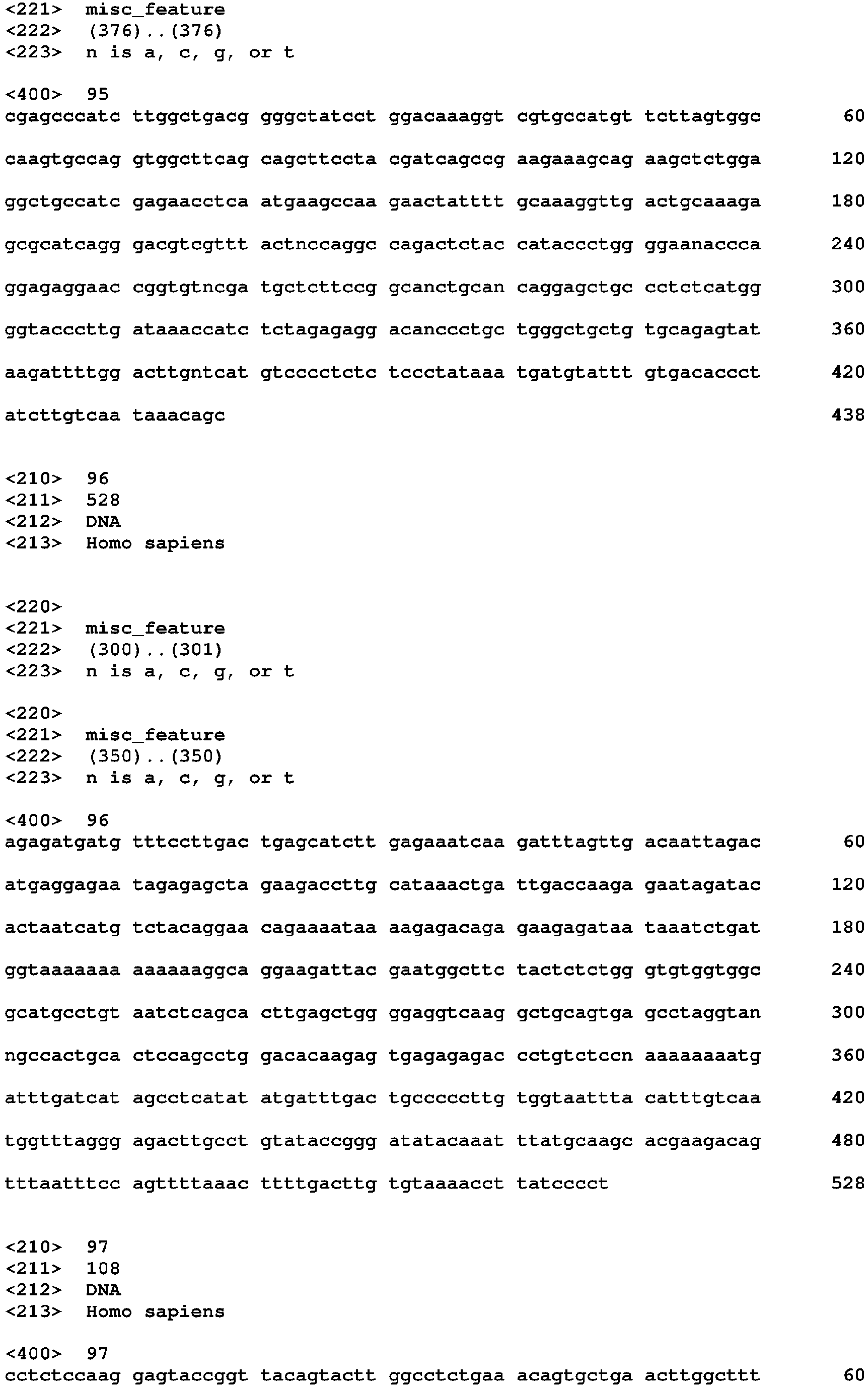

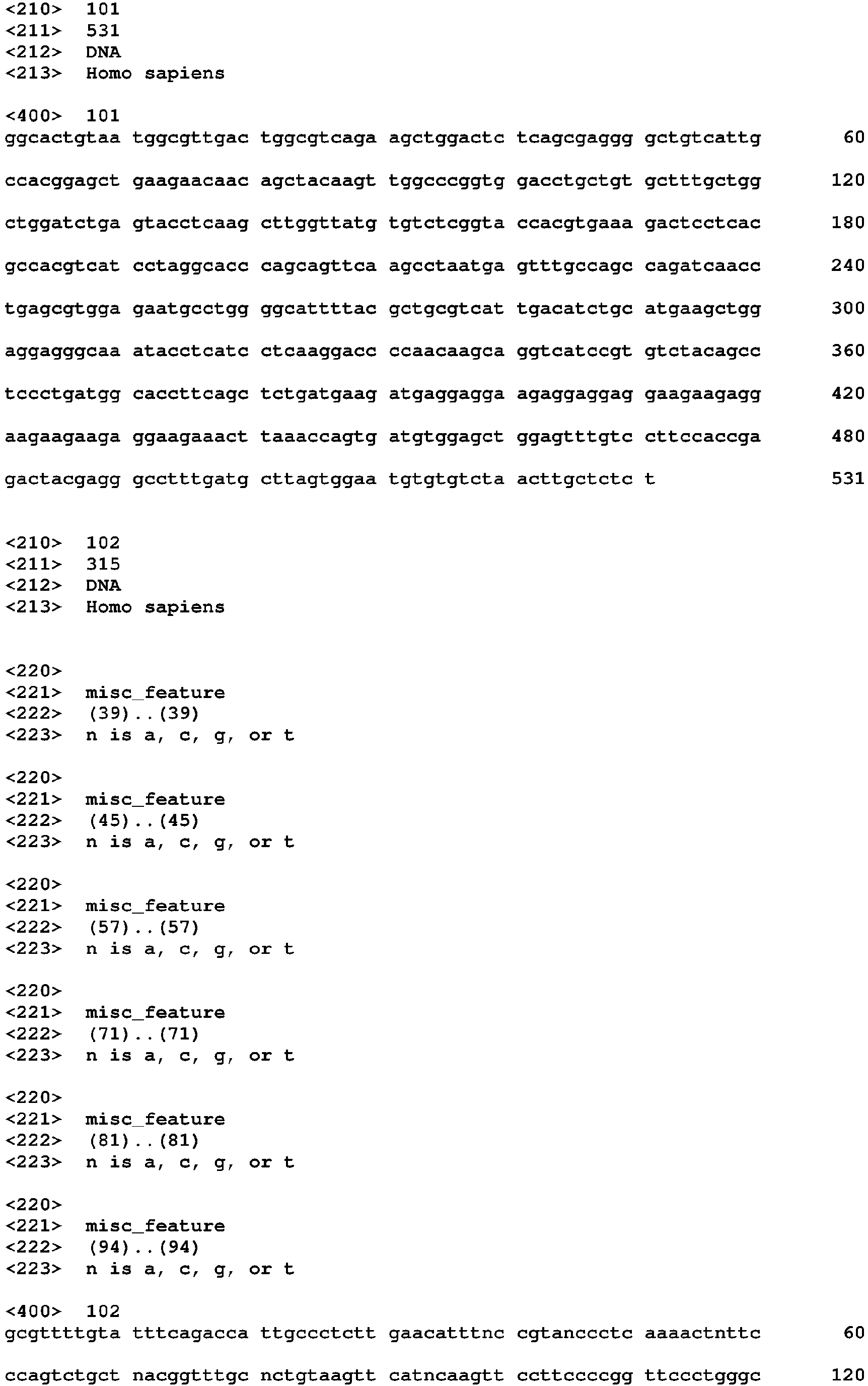


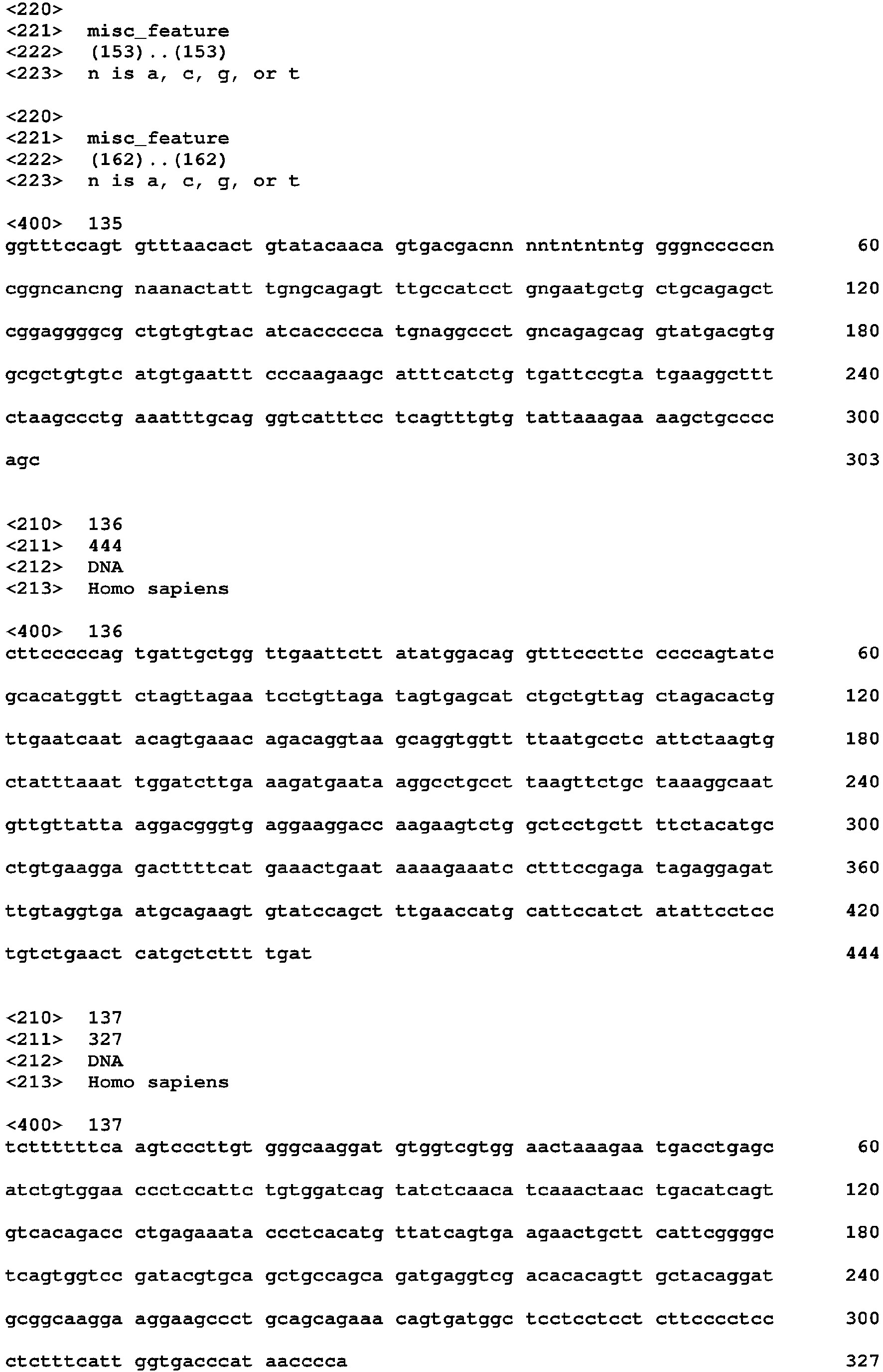
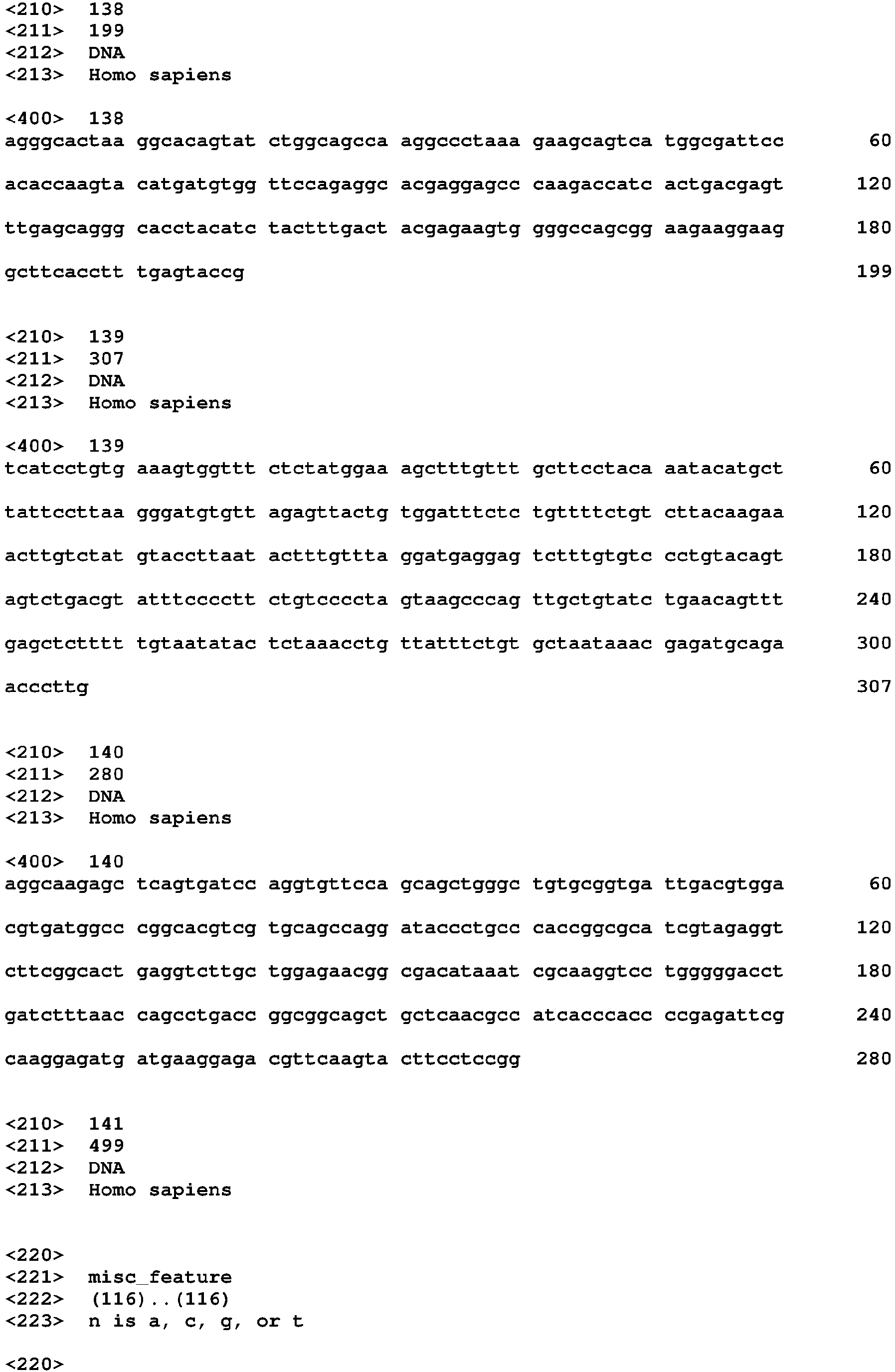




Claims (13)
- A method to predict the mortality risk of a subject (p) affected of breast cancer comprising:a) measuring the expression level of the genes C15orf44, CASP7, CNOT3, CTPS, CUL4B, CWC15, DCAKD, DDB1, FRGI, MSH6, ORC5L, PCNA, PIAS1, POLA1, PRIM2, PRPF3, RAD54L, RFC2, RPA1, RRM2, SART1, SF3A3, SMCIA, TAF6, TFDP2, TK2, TPR, TYMS, WBP11, WDR46, WDR75, XAB2, XRN2, ZMYM4, MCM3, MCM7, SMC3, NCAPD2, NCAPG, SMC4, SMC2, MASTL, ORC2L, TOP2A, CDT1, BUB3, KNTC1, ZW10, ASCC3L1, CCNB1, CDC40, DHX8, KIAA1310, LSM2, PRPF31, SF3A1, SF3A2, SF3B1, SF3B2, SF3B14, SLU7, SNRPA1, SNRPE, TXNL4A, U2AF1, U2AF2, ANAPC5, ANAPC10, CDC20" KIN, PSMC1, SFRS15. CKAP5, EIF3A, EIF3D, EIF3E, EIF3I, GTF3C3, MAPRE3, NOC3L, RRPIB, TBKI, THOC2, TUBB2C, WDR82, TRRAP, TUBGCP4, TUBG2, ASPM, CENPJ, MKI67IP, PPP1R8, CDC2, KIFC1, KJF11, KIF18A, AURKC, RBBP7, PLK1, ECT2, KIF23, PRC1, RACGAP1, ANLN, CIT in a biological sample, obtaining the prognostic score, S(p), that indicates the expression levels of said genes in said subject (p) affected of cancer, andb) predicting the mortality risk of said subject (p) affected of cancer comparing said prognostic score, S(p), to a cut off value (cut off threshold).
- The method according to claim 1 wherein the expression level of said genes is measured by means of quantitative detection of the transcript sequences selected from the group SEQ ID No 1 to SEQ ID No. 217.
- The method according to any one of previous claim wherein the expression level of said genes is detected by means of microarray.
- The method according to any one of previous claim wherein the biological sample is selected from the group of: blood, tumour cell, frozen or fixed tissue sections, biopsy, biological fluid.
- The method according to any one of previous claim wherein the mortality risk is assigned as follows:iv) to the class "low risk" if the prognostic score, S(p), is lower than the cut off threshold, orv) to the class "high risk" if the prognostic score, S(p), is greater than the cut off threshold, and optionallyvi) to the class "intermediate" if the prognostic score, S(p), is between two cut off threshold values.
- The method according to any one of previous claim wherein the prognostic score, S(p), is calculated according to the following formula:

wherein
x(g,p) is the expression level expressed in logarithmic base 2 of the probeset g in the patient p;
z(g) is the z-score of the probeset g calculated in the Pawitan dataset;
wherein the probeset g comprises a group of 217 probes, each one being specific and selective for one of the gene transcript belonging to the group of SEQ ID No. 1 to SEQ ID No. 217. - The method according to claim 6 wherein the z-score for each probe is the one calculated in the Pawitan database reported in table II.
- A kit to detect the transcript expression level of genes C15orf44, CASP7, CNOT3, CTPS, CUL4B, CWC15, DCAKD, DDB1, FRG1, MSH6, ORC5L, PCNA, PIAS1, POLA1, PRIM2, PRPF3, RAD54L, RFC2, RPA1, RRM2, SART1, SF3A3, SMC1A, TAF6, TFDP2, TK2, TPR, TYMS, WBP11, WDR46, WDR75, XAB2, XRN2, ZMYM4, MCM3, MCM7, SMC3, NCAPD2, NCAPG, SMC4, SMC2, MASTL, ORC2L, TOP2A, CDT1, BUB3, KNTC1, ZW10, ASCC3L1, CCNB1, CDC40, DHX8, KIAA1310, LSM2, PRPF31, SF3A1, SF3A2, SF3B1, SF3B2, SF3B14, SLU7, SNRPA1, SNRPE, TXNL4A, U2AF1, U2AF2, ANAPC5, ANAPC10, CDC20" KIN, PSMC1, SFRS15. CKAP5, EIF3A, EIF3D, EIF3E, EIF3I, GTF3C3, MAPRE3, NOC3L, RRPIB, TBKI, THOC2, TUBB2C, WDR82, TRRAP, TUBGCP4, TUBG2, ASPM, CENPJ, MK167IP, PPP1R8, CDC2, KIFC1, KIF11, KIF18A, AURKC, RBBP7, PLK1, ECT2, KIF23, PRC1, RACGAP1, ANLN, CIT,
comprising:- for each of said genes, sequence specific amplification means to obtain amplified nucleic acids having sequences comprised in the transcribed region thereof;- quantitative detection means of said amplified nucleic acids;- appropriate reagents. - The kit according to claim 8 wherein said amplified nucleic acids consist of :
for C15orf44, SEQ ID No. 145; for CASP7, SEQ ID No. 189; for CNOT3, SEQ ID No. 66 and/or SEQ ID No. 138 and/or SEQ ID No.167; for CTPS, SEQ ID No. 39; for CUL4B, SEQ ID No. 113 and/or SEQ ID No. 152 and/or SEQ ID No. 165 and/or SEQ ID No. 212; for CWC15, SEQ ID No. 159; for DCAKD, SEQ ID No. 126 and/or SEQ ID No. 140 and/or SEQ ID No. 190; for DDB1, SEQ ID No. 38; for FRG1, SEQ ID No. 195; for MSH6, SEQ ID No. 46 and/or SEQ ID No. 61 and /or SEQ ID No. 153 and/or SEQ ID No. 187; for ORC5L, SEQ ID No. 70 and/or SEQ ID No. 79 and/or SEQ ID No. 109; for PCNA, SEQ ID No. 51; for PIAS1, SEQ ID No. 211 and/or SEQ ID No. 216 and/or SEQ ID No. 217; for POLA1, SEQ ID No. 147; for PRIM2, SEQ ID No. 43 and/or SEQ ID No. 56 and/or SEQ ID No. 88; for PRPF3, SEQ ID No. 170; for RAD54L, SEQ ID No. 75; for RFC2, SEQ ID No. 42 and/or SEQ ID No. 48; for RPA1, SEQ ID No. 64 and/or SEQ ID No. 103; for RRM2, SEQ ID No. 3 and/or SEQ ID No. 9; for SART1, SEQ ID No. 124; for SF3A3, SEQ ID No. 201; for SMC1A, SEQ ID No. 115 and/or SEQ ID No. 179 and/or SEQ ID No. 207; for TAF6, SEQ ID No. 68; for TFDP2, SEQ ID No. 86 and/or SEQ ID No. 118 and/or SEQ ID No. 210; for TK2, SEQ ID No. 37 and/or SEQ ID No. 156 and/or SEQ ID No. 171 and/or SEQ ID No. 172; for TPR, SEQ ID No. 99 and/or SEQ ID No. 108 and/or SEQ ID No. 182 and/or SEQ ID No. 204; for TYMS, SEQ ID No. 32 and/or SEQ ID No. 125; for WBP11, SEQ ID No. 65 and/or SEQ ID No. 67; for WDR46, SEQ ID No. 93; for WDR75, SEQ ID No. 158; for XAB2, SEQ ID No. 180; for XRN2, SEQ ID No. 81 and/or SEQ ID No. 84; for ZMYM4, SEQ ID No. 192 and/or SEQ ID No. 196 and/or SEQ ID No. 213; for MCM3, SEQ ID No. 34; for MCM7, SEQ ID No. 28 and/or SEQ ID No. 52; for SMC3, SEQ ID No. 185 and/or SEQ ID No. 193 and/or SEQ ID No. 209; for NCAPD2, SEQ ID No. 106; for NCAPG, SEQ ID No.22 and/or SEQ ID No. 24; for SMC4, SEQ ID No. 33 and/or SEQ ID No. 54 and/or SEQ ID No. 141; for SMC2, SEQ ID No. 45 and/or SEQ ID No. 127; for MASTL, SEQ ID No. 11; for ORC2L, SEQ ID No. 104; for TOP2A, SEQ ID No. 20 and/or SEQ ID No. 62 and/or SEQ ID No. 96; for CDT1, SEQ ID No. 2 and/or SEQ ID No. 36; for BUB3, SEQ ID No. 57 and/or SEQ ID No. 139 and/or SEQ ID No. 148 and/or SEQ ID No. 174 and/or SEQ ID No. 178; for KNTC1, SEQ ID No. 35; for ZW10, SEQ ID No. 143; for ASCC3L1, SEQ ID No. 55 and/or SEQ ID No. 135 and/or SEQ ID No. 150; for CCNB1, SEQ ID No. 7 and/or SEQ ID No. 14; for CDC40, SEQ ID No. 100 and/or SEQ ID No. 177; for DHX8, SEQ ID No. 58 and/or SEQ ID No. 120 and/or SEQ ID No. 121; for KIAA1310, SEQ ID No. 160 and/or SEQ ID No. 183 and/or SEQ ID No. 188; for LSM2, SEQ ID No. 137; for PRPF31, SEQ ID No. 60 and/or SEQ ID No. 91 and/or SEQ ID No. 184; for SF3A1, SEQ ID No. 98 and/or SEQ ID No. 119 and/or SEQ ID No. 162 and/or SEQ ID No. 173; for SF3A2, SEQ ID No. 169 and/or SEQ ID No. 176; for SF3B1, SEQ ID No. 194 and/or SEQ ID No. 203 and/or SEQ ID No. 208 and/or SEQ ID No. 214; for SF3B2, SEQ ID No. 77; for SF3B14, SEQ ID No. 10; for SLU7, SEQ ID No. 149 and/or SEQ ID No. 151; for SNRPA1, SEQ ID No. 23 and/or SEQ ID No. 49 and/or SEQ ID No. 71 and/or SEQ ID No. 181; for SNRPE, SEQ ID No. 72 and/or SEQ ID No. 136; for TXNL4A, SEQ ID No. 26 and/or SEQ ID No. 134; for U2AF1, SEQ ID No. 30 and/or SEQ ID No. 82 and/or SEQ ID No. 102 and/or SEQ ID No. 131; for U2AF2, SEQ ID No. 94 and/or SEQ ID No. 146 and/or SEQ ID No. 155 and/or SEQ ID No. 161; for ANAPC5, SEQ ID No. 85 and/or SEQ ID No. 95 and/or SEQ ID No. 97 and/or SEQ ID No. 112 and/or SEQ ID No. 117; for ANAPC10, SEQ ID No. 129; for CDC20, SEQ ID No. 17; for KIN, SEQ ID No. 111 and/or SEQ ID No. 144; for PSMC1, SEQ ID No. 25; for SFRS15, SEQ ID No. 50 and/or SEQ ID No. 63 and/or SEQ ID No. 80 and/or SEQ ID No. 142 and/or SEQ ID No. 197; for CKAP5, SEQ ID No. 21; for EIF3A, SEQ ID No. 175 and/or SEQ ID No. 186 and/or SEQ ID No. 202; for EIF3D, SEQ ID No. 101; for EIF3E, SEQ ID No. 154; for EIF31, SEQ ID No. 114; for GTF3C3, SEQ ID No. 74 and/or SEQ ID No. 163; for MAPRE3, SEQ ID No. 116 and/or SEQ ID No. 128 and/or SEQ ID No. 130 and/or SEQ ID No. 133; for NOC3L, SEQ ID No. 164; for RRPIB, SEQ ID No. 105 and/or SEQ ID No. 123; for TBKI, SEQ ID No. 198; for THOC2, SEQ ID No. 110 and/or SEQ ID No. 132 and/or SEQ ID No. 199 and/or SEQ ID No. 205; for TUBB2C, SEQ ID No. 4 and/or SEQ ID No. 5; for WDR82, SEQ ID No. 191; for TRRAP, SEQ ID No. 69 and/or SEQ ID No. 73; for TUBGCP4, SEQ ID No. 76 and/or SEQ ID No. 215; for TUBG2, SEQ ID No. 157; for ASPM, SEQ ID No. 6 and/or SEQ ID No. 47 and/or SEQ ID No. 53; for CENPJ, SEQ ID No. 87 and/or SEQ ID No. 92 and/or SEQ ID No. 107; for MK167IP, SEQ ID No. 41 and/or SEQ ID No. 89 and/or SEQ ID No. 200; for PPPIR8, SEQ ID No. 168; for CDC2, SEQ ID No. 15 and/or SEQ ID No. 16 and/or SEQ ID No. 31 and/or SEQ ID No. 206; for KIFC1, SEQ ID No. 19; for KIF11, SEQ ID No. 29; for KIF18A, SEQ ID No. 18; for AURKC, SEQ ID No. 90; for RBBP7, SEQ ID No. 166; for PLK1, SEQ ID No. 27; for ECT2, SEQ ID No. 40 and/or SEQ ID No. 59 and/or SEQ ID No. 83; for KIF23, SEQ ID No. 8 and/or SEQ ID No. 44; for PRC1, SEQ ID No. 13; for RACGAP1, SEQ ID No. 12; for ANLN, SEQ ID No. 1; for CIT, SEQ ID No. 78 and/or SEQ ID No. 122. - The kit according to claim 8 or 9 further comprising sequence specific amplification means to obtain amplified nucleic acids having sequences comprised in the transcribed region of genes H3F3A and/or PPAN-P2RY11 and/or KIF4.
- A microarray consisting of:a) solid supporting means, andb) for each of the genes C15orf44, CASP7, CNOT3, CTPS, CUL4B, CWC15, DCAKD, DDB1, FRG1, MSH6, ORC5L, PCNA, PIAS1, POLA1, PRIM2, PRPF3, RAD54L, RFC2, RPA1, RRM2, SART1, SF3A3, SMCIA, TAF6, TFDP2, TK2, TPR, TYMS, WBP11, WDR46, WDR75, XAB2, XRN2, ZMYM4, MCM3, MCM7, SMC3, NCAPD2, NCAPG, SMC4, SMC2, MASTL, ORC2L, TOP2A, CDT1, BUB3, KNTC1, ZW10, ASCC3L1, CCNB1, CDC40, DHX8, KIAA1310, LSM2, PRPF31, SF3A1, SF3A2, SF3B1, SF3B2, SF3B14, SL U7, SNRPA1, SNRPE, TXNL4A, U2AF1, U2AF2, ANAPC5, ANAPC10, CDC20" KIN, PSMC1, SFRS15. CKAP5, EIF3A, EIF3D, EIF3E, EIF3I, GTF3C3, MAPRE3, NOC3L, RRPIB, TBKI, THOC2, TUBB2C, WDR82, TRRAP, TUBGCP4, TUBG2, ASPM, CENPJ, MKI67IP, PPPIR8, CDC2, KIFC1, KJF11, KJF18A, AURKC, RBBP7, PLK1, ECT2, KIF23, PRC1, RACGAP1, ANLN, CIT, at least one oligonucleotide able to specifically hybridize to a sequence comprised in the transcribed region thereof.
- The microarray according to claim 11 wherein the sequences comprised in the transcribed region of said genes consist of : for C15orf44, SEQ ID No. 145; for CASP7, SEQ ID No. 189; for CNOT3, SEQ ID No. 66 and/or SEQ ID No. 138 and/or SEQ ID No.167; for CTPS, SEQ ID No. 39; for CUL4B, SEQ ID No. 113 and/or SEQ ID No. 152 and/or SEQ ID No. 165 and/or SEQ ID No. 212; for CWC15, SEQ ID No. 159; for DCAKD, SEQ ID No. 126 and/or SEQ ID No. 140 and/or SEQ ID No. 190; for DDB1, SEQ ID No. 38; for FRG1, SEQ ID No. 195; for MSH6, SEQ ID No. 46 and/or SEQ ID No. 61 and /or SEQ ID No. 153 and/or SEQ ID No. 187; for ORC5L, SEQ ID No. 70 and/or SEQ ID No. 79 and/or SEQ ID No. 109; for PCNA, SEQ ID No. 51; for PIAS1, SEQ ID No. 211 and/or SEQ ID No. 216 and/or SEQ ID No. 217; for POLA1, SEQ ID No. 147; for PRIM2, SEQ ID No. 43 and/or SEQ ID No. 56 and/or SEQ ID No. 88; for PRPF3, SEQ ID No. 170; for RAD54L, SEQ ID No. 75; for RFC2, SEQ ID No. 42 and/or SEQ ID No. 48; for RPA1, SEQ ID No. 64 and/or SEQ ID No. 103; for RRM2, SEQ ID No. 3 and/or SEQ ID No. 9; for SART1, SEQ ID No. 124; for SF3A3, SEQ ID No. 201; for SMCIA, SEQ ID No. 115 and/or SEQ ID No. 179 and/or SEQ ID No. 207; for TAF6, SEQ ID No. 68; for TFDP2, SEQ ID No. 86 and/or SEQ ID No. 118 and/or SEQ ID No. 210; for TK2, SEQ ID No. 37 and/or SEQ ID No. 156 and/or SEQ ID No. 171 and/or SEQ ID No. 172; for TPR, SEQ ID No. 99 and/or SEQ ID No. 108 and/or SEQ ID No. 182 and/or SEQ ID No. 204; for TYMS, SEQ ID No. 32 and/or SEQ ID No. 125; for WBP11, SEQ ID No. 65 and/or SEQ ID No. 67; for WDR46, SEQ ID No. 93; for WDR75, SEQ ID No. 158; for XAB2, SEQ ID No. 180; for XRN2, SEQ ID No. 81 and/or SEQ ID No. 84; for ZMYM4, SEQ ID No. 192 and/or SEQ ID No. 196 and/or SEQ ID No. 213; for MCM3, SEQ ID No. 34; for MCM7, SEQ ID No. 28 and/or SEQ ID No. 52; for SMC3, SEQ ID No. 185 and/or SEQ ID No. 193 and/or SEQ ID No. 209; for NCAPD2, SEQ ID No. 106; for NCAPG, SEQ ID No.22 and/or SEQ ID No. 24; for SMC4, SEQ ID No. 33 and/or SEQ ID No. 54 and/or SEQ ID No. 141; for SMC2, SEQ ID No. 45 and/or SEQ ID No. 127; for MASTL, SEQ ID No. 11; for ORC2L, SEQ ID No. 104; for TOP2A, SEQ ID No. 20 and/or SEQ ID No. 62 and/or SEQ ID No. 96; for CDT1, SEQ ID No. 2 and/or SEQ ID No. 36; for BUB3, SEQ ID No. 57 and/or SEQ ID No. 139 and/or SEQ ID No. 148 and/or SEQ ID No. 174 and/or SEQ ID No. 178; for KNTC1, SEQ ID No. 35; for ZW10, SEQ ID No. 143; for ASCC3L1, SEQ ID No. 55 and/or SEQ ID No. 135 and/or SEQ ID No. 150; for CCNB1, SEQ ID No. 7 and/or SEQ ID No. 14; for CDC40, SEQ ID No. 100 and/or SEQ ID No. 177; for DHX8, SEQ ID No. 58 and/or SEQ ID No. 120 and/or SEQ ID No. 121; for KIAA1310, SEQ ID No. 160 and/or SEQ ID No. 183 and/or SEQ ID No. 188; for LSM2, SEQ ID No. 137; for PRPF31, SEQ ID No. 60 and/or SEQ ID No. 91 and/or SEQ ID No. 184; for SF3A1, SEQ ID No. 98 and/or SEQ ID No. 119 and/or SEQ ID No. 162 and/or SEQ ID No. 173; for SF3A2, SEQ ID No. 169 and/or SEQ ID No. 176; for SF3B1, SEQ ID No. 194 and/or SEQ ID No. 203 and/or SEQ ID No. 208 and/or SEQ ID No. 214; for SF3B2, SEQ ID No. 77; for SF3B14, SEQ ID No. 10; for SLU7, SEQ ID No. 149 and/or SEQ ID No. 151; for SNRPA1, SEQ ID No. 23 and/or SEQ ID No. 49 and/or SEQ ID No. 71 and/or SEQ ID No. 181; for SNRPE, SEQ ID No. 72 and/or SEQ ID No. 136; for TXNL4A, SEQ ID No. 26 and/or SEQ ID No. 134; for U2AF1, SEQ ID No. 30 and/or SEQ ID No. 82 and/or SEQ ID No. 102 and/or SEQ ID No. 131; for U2AF2, SEQ ID No. 94 and/or SEQ ID No. 146 and/or SEQ ID No. 155 and/or SEQ ID No. 161; for ANAPC5, SEQ ID No. 85 and/or SEQ ID No. 95 and/or SEQ ID No. 97 and/or SEQ ID No. 112 and/or SEQ ID No. 117; for ANAPC10, SEQ ID No. 129; for CDC20, SEQ ID No. 17; for KIN, SEQ ID No. 111 and/or SEQ ID No. 144; for PSMC1, SEQ ID No. 25; for SFRS15, SEQ ID No. 50 and/or SEQ ID No. 63 and/or SEQ ID No. 80 and/or SEQ ID No. 142 and/or SEQ ID No. 197; for CKAP5, SEQ ID No. 21; for EIF3A, SEQ ID No. 175 and/or SEQ ID No. 186 and/or SEQ ID No. 202; for EIF3D, SEQ ID No. 101; for EIF3E, SEQ ID No. 154; for EIF3I, SEQ ID No. 114; for GTF3C3, SEQ ID No. 74 and/or SEQ ID No. 163; for MAPRE3, SEQ ID No. 116 and/or SEQ ID No. 128 and/or SEQ ID No. 130 and/or SEQ ID No. 133; for NOC3L, SEQ ID No. 164; for RRP1B, SEQ ID No. 105 and/or SEQ ID No. 123; for TBK1, SEQ ID No. 198; for THOC2, SEQ ID No. 110 and/or SEQ ID No. 132 and/or SEQ ID No. 199 and/or SEQ ID No. 205; for TUBB2C, SEQ ID No. 4 and/or SEQ ID No. 5; for WDR82, SEQ ID No. 191; for TRRAP, SEQ ID No. 69 and/or SEQ ID No. 73; for TUBGCP4, SEQ ID No. 76 and/or SEQ ID No. 215; for TUBG2, SEQ ID No. 157; for ASPM, SEQ ID No. 6 and/or SEQ ID No. 47 and/or SEQ ID No. 53; for CENPJ, SEQ ID No. 87 and/or SEQ ID No. 92 and/or SEQ ID No. 107; for MKI67IP, SEQ ID No. 41 and/or SEQ ID No. 89 and/or SEQ ID No. 200; for PPP1R8, SEQ ID No. 168; for CDC2, SEQ ID No. 15 and/or SEQ ID No. 16 and/or SEQ ID No. 31 and/or SEQ ID No. 206; for KIFC1, SEQ ID No. 19; for KIF11, SEQ ID No. 29; for KIF18A, SEQ ID No. 18; for AURKC, SEQ ID No. 90; for RBBP7, SEQ ID No. 166; for PLK1, SEQ ID No. 27; for ECT2, SEQ ID No. 40 and/or SEQ ID No. 59 and/or SEQ ID No. 83; for KIF23, SEQ ID No. 8 and/or SEQ ID No. 44; for PRC1, SEQ ID No. 13; for RACGAP1, SEQ ID No. 12; for ANLN, SEQ ID No. 1; for CIT, SEQ ID No. 78 and/or SEQ ID No. 122.
- The microarray according to claim 11 or 12 further comprising at least one oligonucleotide able to specifically hybridize to a sequence comprised in the transcribed region of genes H3F3A and/or PPAN-P2RY11 and/or KIF4.
Applications Claiming Priority (1)
| Application Number | Priority Date | Filing Date | Title |
|---|---|---|---|
| ITRM2011A000044A IT1406754B1 (en) | 2011-02-01 | 2011-02-01 | SURVIVAL MARKERS FOR CANCER AND USE OF THEM |
Publications (1)
| Publication Number | Publication Date |
|---|---|
| EP2481816A1 true EP2481816A1 (en) | 2012-08-01 |
Family
ID=43976346
Family Applications (1)
| Application Number | Title | Priority Date | Filing Date |
|---|---|---|---|
| EP20120153511 Withdrawn EP2481816A1 (en) | 2011-02-01 | 2012-02-01 | Markers to predict survival of breast cancer patients and uses thereof |
Country Status (3)
| Country | Link |
|---|---|
| US (1) | US20120197540A1 (en) |
| EP (1) | EP2481816A1 (en) |
| IT (1) | IT1406754B1 (en) |
Cited By (3)
| Publication number | Priority date | Publication date | Assignee | Title |
|---|---|---|---|---|
| EP2997181A4 (en) * | 2013-05-17 | 2017-04-12 | National Health Research Institutes | Methods of prognostically classifying and treating glandular cancers |
| CN110734977A (en) * | 2019-11-12 | 2020-01-31 | 山西医科大学 | Application of SF3B1 as target in preparation of medicine for preventing or treating breast cancer |
| GB2613386A (en) * | 2021-12-02 | 2023-06-07 | Apis Assay Tech Limited | Diagnostic test |
Families Citing this family (9)
| Publication number | Priority date | Publication date | Assignee | Title |
|---|---|---|---|---|
| US9970012B2 (en) | 2013-03-14 | 2018-05-15 | Raadysan Biotech, Inc. | Replication factor C-40 (RFC40/RFC2) as a prognostic marker and target in estrogen positive and negative and triple negative breast cancer |
| US9546366B2 (en) | 2013-03-14 | 2017-01-17 | Raadysan Biotech, Inc. | Replication factor C-40 (RFC40/RFC2) as a prognostic marker and target in estrogen positive and negative and triple negative breast cancer |
| WO2017091196A1 (en) * | 2015-11-23 | 2017-06-01 | Raadysan Biotech, Inc. | Replication factor c-40 as a prognostic marker and target in breast cancer |
| US11078542B2 (en) * | 2017-05-12 | 2021-08-03 | Decipher Biosciences, Inc. | Genetic signatures to predict prostate cancer metastasis and identify tumor aggressiveness |
| CN108424969B (en) * | 2018-06-06 | 2022-07-15 | 深圳市颐康生物科技有限公司 | Biomarker, method for diagnosing or predicting death risk |
| CN111317820B (en) * | 2020-04-10 | 2021-06-11 | 中国药科大学 | Use of splicing factor PRPF31 inhibitor for preparing medicine |
| CN115216543A (en) * | 2021-04-20 | 2022-10-21 | 安智生医私人有限公司 | Application of nucleic acid probes or primers in the preparation of a kit for assessing the risk of breast cancer recurrence and metastasis |
| CN116254341A (en) * | 2023-01-03 | 2023-06-13 | 复旦大学附属肿瘤医院 | Application of SF3A2 in the treatment of triple-negative breast cancer and evaluation of chemotherapy efficacy |
| WO2024192340A2 (en) * | 2023-03-15 | 2024-09-19 | The Johns Hopkins University | Targeting sf3b2 for axonal protection in central nervous system neurodegenerative diseases |
Citations (2)
| Publication number | Priority date | Publication date | Assignee | Title |
|---|---|---|---|---|
| WO2009067611A1 (en) | 2007-11-20 | 2009-05-28 | University Of South Florida | Seven gene breast cancer predictor |
| WO2010129965A1 (en) | 2009-05-08 | 2010-11-11 | The Regents Of The University Of California | Cancer specific mitotic network |
Family Cites Families (1)
| Publication number | Priority date | Publication date | Assignee | Title |
|---|---|---|---|---|
| US6582908B2 (en) * | 1990-12-06 | 2003-06-24 | Affymetrix, Inc. | Oligonucleotides |
-
2011
- 2011-02-01 IT ITRM2011A000044A patent/IT1406754B1/en active
-
2012
- 2012-02-01 US US13/363,578 patent/US20120197540A1/en not_active Abandoned
- 2012-02-01 EP EP20120153511 patent/EP2481816A1/en not_active Withdrawn
Patent Citations (2)
| Publication number | Priority date | Publication date | Assignee | Title |
|---|---|---|---|---|
| WO2009067611A1 (en) | 2007-11-20 | 2009-05-28 | University Of South Florida | Seven gene breast cancer predictor |
| WO2010129965A1 (en) | 2009-05-08 | 2010-11-11 | The Regents Of The University Of California | Cancer specific mitotic network |
Non-Patent Citations (3)
| Title |
|---|
| "GeneChip Human Genome U133 Set", 26 February 2003 (2003-02-26), XP002232760, Retrieved from the Internet <URL:http://www.affymetrix.com/support/technical/datasheets/hgu133_datashe et.pdf> * |
| CARTER SCOTT L ET AL: "A signature of chromosomal instability inferred from gene expression profiles predicts clinical outcome in multiple human cancers", NATURE GENETICS, NATURE PUBLISHING GROUP, NEW YORK, US, vol. 38, no. 9, 1 September 2006 (2006-09-01), pages 1043 - 1048, XP002445768, ISSN: 1061-4036, DOI: 10.1038/NG1861 * |
| CHRISTIAN DAMASCO ET AL: "A Signature Inferred from Drosophila Mitotic Genes Predicts Survival of Breast Cancer Patients", PLOS ONE, vol. 6, no. 2, 28 February 2011 (2011-02-28), pages E14737, XP055005383, ISSN: 1932-6203, DOI: 10.1371/journal.pone.0014737 * |
Cited By (3)
| Publication number | Priority date | Publication date | Assignee | Title |
|---|---|---|---|---|
| EP2997181A4 (en) * | 2013-05-17 | 2017-04-12 | National Health Research Institutes | Methods of prognostically classifying and treating glandular cancers |
| CN110734977A (en) * | 2019-11-12 | 2020-01-31 | 山西医科大学 | Application of SF3B1 as target in preparation of medicine for preventing or treating breast cancer |
| GB2613386A (en) * | 2021-12-02 | 2023-06-07 | Apis Assay Tech Limited | Diagnostic test |
Also Published As
| Publication number | Publication date |
|---|---|
| IT1406754B1 (en) | 2014-03-07 |
| US20120197540A1 (en) | 2012-08-02 |
| ITRM20110044A1 (en) | 2012-08-02 |
Similar Documents
| Publication | Publication Date | Title |
|---|---|---|
| US20120197540A1 (en) | Markers to predict survival of breast cancer patients and uses thereof | |
| Kodahl et al. | Novel circulating microRNA signature as a potential non-invasive multi-marker test in ER-positive early-stage breast cancer: a case control study | |
| EP2553118B1 (en) | Method for breast cancer recurrence prediction under endocrine treatment | |
| CN102346816B (en) | Gene expression profiles for identifying prognostic subclasses in nasopharyngeal carcinoma | |
| Rahbari et al. | Identification of differentially expressed microRNA in parathyroid tumors | |
| US20120071346A1 (en) | Gene-based algorithmic cancer prognosis | |
| Gao et al. | A systematic-analysis of predicted miR-21 targets identifies a signature for lung cancer | |
| SG192108A1 (en) | Colon cancer gene expression signatures and methods of use | |
| WO2006052218A1 (en) | Methods, systems, and arrays based on correlating p53 status with gene expression profiles, for classification, prognosis, and diagnosis of cancers | |
| AU2006246241A1 (en) | Gene-based algorithmic cancer prognosis | |
| US20170211155A1 (en) | Method for predicting risk of metastasis | |
| EP2240609A2 (en) | Molecular staging of stage ii and iii colon cancer and prognosis | |
| WO2016044330A1 (en) | Compositions, methods and kits for diagnosis of a gastroenteropancreatic neuroendocrine neoplasm | |
| WO2021048445A1 (en) | Novel biomarkers and diagnostic profiles for prostate cancer integrating clinical variables and gene expression data | |
| EP2780476B1 (en) | Methods for diagnosis and/or prognosis of gynecological cancer | |
| US9195796B2 (en) | Malignancy-risk signature from histologically normal breast tissue | |
| EP2808815A2 (en) | Identification of biologically and clinically essential genes and gene pairs, and methods employing the identified genes and gene pairs | |
| US20080286273A1 (en) | Knowledge-Based Proliferation Signatures and Methods of Use | |
| EP3677694B1 (en) | Compositions and methods for the analysis of radiosensitivity | |
| WO2020178399A1 (en) | Breast cancer signature genes | |
| EP2550534A1 (en) | Prognosis of oesophageal and gastro-oesophageal junctional cancer | |
| US20150329911A1 (en) | Nucleic acid biomarkers for prostate cancer | |
| US20210147944A1 (en) | Methods for monitoring and treating prostate cancer | |
| CN112877435B (en) | Oral squamous carcinoma biomarker and application thereof | |
| KR101825369B1 (en) | Genetic Bio-marker for Predicting Prognosis in Cancer and Use thereof |
Legal Events
| Date | Code | Title | Description |
|---|---|---|---|
| PUAI | Public reference made under article 153(3) epc to a published international application that has entered the european phase |
Free format text: ORIGINAL CODE: 0009012 |
|
| AK | Designated contracting states |
Kind code of ref document: A1 Designated state(s): AL AT BE BG CH CY CZ DE DK EE ES FI FR GB GR HR HU IE IS IT LI LT LU LV MC MK MT NL NO PL PT RO RS SE SI SK SM TR |
|
| AX | Request for extension of the european patent |
Extension state: BA ME |
|
| 17P | Request for examination filed |
Effective date: 20130130 |
|
| 17Q | First examination report despatched |
Effective date: 20130823 |
|
| GRAP | Despatch of communication of intention to grant a patent |
Free format text: ORIGINAL CODE: EPIDOSNIGR1 |
|
| INTG | Intention to grant announced |
Effective date: 20150416 |
|
| STAA | Information on the status of an ep patent application or granted ep patent |
Free format text: STATUS: THE APPLICATION IS DEEMED TO BE WITHDRAWN |
|
| 18D | Application deemed to be withdrawn |
Effective date: 20150901 |