EP2479165A1 - Glycine compound - Google Patents
Glycine compound Download PDFInfo
- Publication number
- EP2479165A1 EP2479165A1 EP10817191A EP10817191A EP2479165A1 EP 2479165 A1 EP2479165 A1 EP 2479165A1 EP 10817191 A EP10817191 A EP 10817191A EP 10817191 A EP10817191 A EP 10817191A EP 2479165 A1 EP2479165 A1 EP 2479165A1
- Authority
- EP
- European Patent Office
- Prior art keywords
- substituted
- compound
- esi
- lower alkyl
- methyl
- Prior art date
- Legal status (The legal status is an assumption and is not a legal conclusion. Google has not performed a legal analysis and makes no representation as to the accuracy of the status listed.)
- Granted
Links
- 0 CCCNc(cc1CC(C)=C(C)C(C*CN)=O)ccc1N Chemical compound CCCNc(cc1CC(C)=C(C)C(C*CN)=O)ccc1N 0.000 description 29
- HUENLFVXXSYIDU-UHFFFAOYSA-N CC(C)(C)OC(N(CC1)CCN1C1=NC=CCC1CO)=O Chemical compound CC(C)(C)OC(N(CC1)CCN1C1=NC=CCC1CO)=O HUENLFVXXSYIDU-UHFFFAOYSA-N 0.000 description 1
- CCMPJUBDNOVOAR-UHFFFAOYSA-N CC(C)(C)OC(NCC(N(C)CC(C1)C=CC=C1c1cnc(N2CCN(Cc3ccncc3)CC2)nc1)=O)=O Chemical compound CC(C)(C)OC(NCC(N(C)CC(C1)C=CC=C1c1cnc(N2CCN(Cc3ccncc3)CC2)nc1)=O)=O CCMPJUBDNOVOAR-UHFFFAOYSA-N 0.000 description 1
- WXQXJEAPWCWVAM-UHFFFAOYSA-N CC(C)(C)OC(NCC(N(C)Cc1cc(-c(cc2)ccc2NC(Oc(cc2)ccc2[N+]([O-])=O)=O)ccc1)=O)=O Chemical compound CC(C)(C)OC(NCC(N(C)Cc1cc(-c(cc2)ccc2NC(Oc(cc2)ccc2[N+]([O-])=O)=O)ccc1)=O)=O WXQXJEAPWCWVAM-UHFFFAOYSA-N 0.000 description 1
- RNBGRVJMTVOSQI-UHFFFAOYSA-N CC(C)(C)OC(NCC(N(C)Cc1cc(-c2cnc(N(CC3)CCC3c3ccncc3)nc2)ccc1)=O)=O Chemical compound CC(C)(C)OC(NCC(N(C)Cc1cc(-c2cnc(N(CC3)CCC3c3ccncc3)nc2)ccc1)=O)=O RNBGRVJMTVOSQI-UHFFFAOYSA-N 0.000 description 1
- RPDIXEBPEDCLGI-UHFFFAOYSA-N CC(C)(C)OC(NCC(N(C)Cc1cc(-c2cnc(N(CC3)CCN3C(N3CCOCC3)=O)nc2)ccc1)=O)=O Chemical compound CC(C)(C)OC(NCC(N(C)Cc1cc(-c2cnc(N(CC3)CCN3C(N3CCOCC3)=O)nc2)ccc1)=O)=O RPDIXEBPEDCLGI-UHFFFAOYSA-N 0.000 description 1
- RYLAGSKYRPZCMI-UHFFFAOYSA-N CC(C)(C)OC(NCC(N(C)Cc1cc(-c2cnc(N(CC3)CCN3c3cc(C)nc(C)c3)nc2)ccc1)=O)=O Chemical compound CC(C)(C)OC(NCC(N(C)Cc1cc(-c2cnc(N(CC3)CCN3c3cc(C)nc(C)c3)nc2)ccc1)=O)=O RYLAGSKYRPZCMI-UHFFFAOYSA-N 0.000 description 1
- PIEQDQGVPYFZNI-UHFFFAOYSA-N CC(C)(C)OC(NCC(N(C)Cc1cc(-c2cnc(N3CCC(CCC(OC)=O)CC3)nc2)ccc1)=O)=O Chemical compound CC(C)(C)OC(NCC(N(C)Cc1cc(-c2cnc(N3CCC(CCC(OC)=O)CC3)nc2)ccc1)=O)=O PIEQDQGVPYFZNI-UHFFFAOYSA-N 0.000 description 1
- SNRZSLYRBBTIKW-UHFFFAOYSA-N CC(C)(C)OC(NCC(N(C)Cc1cc(-c2cnc(NCc3ccncc3)nc2)ccc1)=O)=O Chemical compound CC(C)(C)OC(NCC(N(C)Cc1cc(-c2cnc(NCc3ccncc3)nc2)ccc1)=O)=O SNRZSLYRBBTIKW-UHFFFAOYSA-N 0.000 description 1
- UYZFZPXAHOXPQI-UHFFFAOYSA-N CC(C)(C)OC(NCC(N(Cc1cc(-c2cnc(N(CC3)CCN3c3ncncc3C)nc2)ccc1)C=[IH])=O)=O Chemical compound CC(C)(C)OC(NCC(N(Cc1cc(-c2cnc(N(CC3)CCN3c3ncncc3C)nc2)ccc1)C=[IH])=O)=O UYZFZPXAHOXPQI-UHFFFAOYSA-N 0.000 description 1
- WZGVQBHMSZBBRY-UHFFFAOYSA-N CC(C)(C)OC(NCC(N(Cc1cc(C2C=NC(N3CCN(CCF)CC3)=CC2)ccc1)CI)=O)=O Chemical compound CC(C)(C)OC(NCC(N(Cc1cc(C2C=NC(N3CCN(CCF)CC3)=CC2)ccc1)CI)=O)=O WZGVQBHMSZBBRY-UHFFFAOYSA-N 0.000 description 1
- OEXDBRUBXSIXMQ-UHFFFAOYSA-N CC(C)(C)OC(NCCNc1ncccc1CO)=O Chemical compound CC(C)(C)OC(NCCNc1ncccc1CO)=O OEXDBRUBXSIXMQ-UHFFFAOYSA-N 0.000 description 1
- TXUIUPGTRNFYGD-UHFFFAOYSA-N CCC1=C(N(CC2)CCN2c2ccc(C)nc2)N=CC(c2cccc(CN(C)C(CN)=O)c2)=CC1 Chemical compound CCC1=C(N(CC2)CCN2c2ccc(C)nc2)N=CC(c2cccc(CN(C)C(CN)=O)c2)=CC1 TXUIUPGTRNFYGD-UHFFFAOYSA-N 0.000 description 1
- UXLYRLNWIKERFR-UHFFFAOYSA-N CCN(CC1)CCN1C(C=C1)=CCCC1c1cccc(CN(C)C(CNC(OC(C)(C)C)=O)=O)c1 Chemical compound CCN(CC1)CCN1C(C=C1)=CCCC1c1cccc(CN(C)C(CNC(OC(C)(C)C)=O)=O)c1 UXLYRLNWIKERFR-UHFFFAOYSA-N 0.000 description 1
- QNKOYNHIJOPRSW-UHFFFAOYSA-N CN(C)C(CC1)CCN1C(c(cc1)ccc1-c1cccc(CN(C)C(CN)=O)c1)=O Chemical compound CN(C)C(CC1)CCN1C(c(cc1)ccc1-c1cccc(CN(C)C(CN)=O)c1)=O QNKOYNHIJOPRSW-UHFFFAOYSA-N 0.000 description 1
- ZDNQLDUFJOCJPS-UHFFFAOYSA-N CN(CCc1ccccc1)C(c(cc1)ccc1-c1cccc(CN(C)C(CN)=O)c1)=O Chemical compound CN(CCc1ccccc1)C(c(cc1)ccc1-c1cccc(CN(C)C(CN)=O)c1)=O ZDNQLDUFJOCJPS-UHFFFAOYSA-N 0.000 description 1
- LXTKUOZMSRSARV-UHFFFAOYSA-N CN(Cc1cc(-c(cc2)ccc2C(N2CCOCC2)=O)ccc1)C(CN)=O Chemical compound CN(Cc1cc(-c(cc2)ccc2C(N2CCOCC2)=O)ccc1)C(CN)=O LXTKUOZMSRSARV-UHFFFAOYSA-N 0.000 description 1
- HJFRYLPPXQRAGT-UHFFFAOYSA-N CN(Cc1cc(-c(cc2)ccc2NC(C2CCCCC2)=C)ccc1)C(CN)=C Chemical compound CN(Cc1cc(-c(cc2)ccc2NC(C2CCCCC2)=C)ccc1)C(CN)=C HJFRYLPPXQRAGT-UHFFFAOYSA-N 0.000 description 1
- BTHDNYDJCHFYEA-UHFFFAOYSA-N CN(Cc1cc(C(CC2)=CC=C2C(N(CCC2)CC2O)=O)ccc1)C(CN)=O Chemical compound CN(Cc1cc(C(CC2)=CC=C2C(N(CCC2)CC2O)=O)ccc1)C(CN)=O BTHDNYDJCHFYEA-UHFFFAOYSA-N 0.000 description 1
- XCUWWGSBEROVAG-UHFFFAOYSA-N COc1cc(N2CCOCC2)ccc1Br Chemical compound COc1cc(N2CCOCC2)ccc1Br XCUWWGSBEROVAG-UHFFFAOYSA-N 0.000 description 1
- HGYGEPLLLYWVCN-UHFFFAOYSA-N C[O](C(CC1)CCC1=C)=C Chemical compound C[O](C(CC1)CCC1=C)=C HGYGEPLLLYWVCN-UHFFFAOYSA-N 0.000 description 1
Classifications
-
- C—CHEMISTRY; METALLURGY
- C07—ORGANIC CHEMISTRY
- C07C—ACYCLIC OR CARBOCYCLIC COMPOUNDS
- C07C237/00—Carboxylic acid amides, the carbon skeleton of the acid part being further substituted by amino groups
- C07C237/28—Carboxylic acid amides, the carbon skeleton of the acid part being further substituted by amino groups having the carbon atom of at least one of the carboxamide groups bound to a carbon atom of a non-condensed six-membered aromatic ring of the carbon skeleton
- C07C237/40—Carboxylic acid amides, the carbon skeleton of the acid part being further substituted by amino groups having the carbon atom of at least one of the carboxamide groups bound to a carbon atom of a non-condensed six-membered aromatic ring of the carbon skeleton having the nitrogen atom of the carboxamide group bound to a carbon atom of a six-membered aromatic ring
-
- C—CHEMISTRY; METALLURGY
- C07—ORGANIC CHEMISTRY
- C07D—HETEROCYCLIC COMPOUNDS
- C07D401/00—Heterocyclic compounds containing two or more hetero rings, having nitrogen atoms as the only ring hetero atoms, at least one ring being a six-membered ring with only one nitrogen atom
- C07D401/02—Heterocyclic compounds containing two or more hetero rings, having nitrogen atoms as the only ring hetero atoms, at least one ring being a six-membered ring with only one nitrogen atom containing two hetero rings
- C07D401/06—Heterocyclic compounds containing two or more hetero rings, having nitrogen atoms as the only ring hetero atoms, at least one ring being a six-membered ring with only one nitrogen atom containing two hetero rings linked by a carbon chain containing only aliphatic carbon atoms
-
- A—HUMAN NECESSITIES
- A61—MEDICAL OR VETERINARY SCIENCE; HYGIENE
- A61K—PREPARATIONS FOR MEDICAL, DENTAL OR TOILETRY PURPOSES
- A61K31/00—Medicinal preparations containing organic active ingredients
- A61K31/16—Amides, e.g. hydroxamic acids
- A61K31/165—Amides, e.g. hydroxamic acids having aromatic rings, e.g. colchicine, atenolol, progabide
-
- A—HUMAN NECESSITIES
- A61—MEDICAL OR VETERINARY SCIENCE; HYGIENE
- A61P—SPECIFIC THERAPEUTIC ACTIVITY OF CHEMICAL COMPOUNDS OR MEDICINAL PREPARATIONS
- A61P1/00—Drugs for disorders of the alimentary tract or the digestive system
-
- A—HUMAN NECESSITIES
- A61—MEDICAL OR VETERINARY SCIENCE; HYGIENE
- A61P—SPECIFIC THERAPEUTIC ACTIVITY OF CHEMICAL COMPOUNDS OR MEDICINAL PREPARATIONS
- A61P1/00—Drugs for disorders of the alimentary tract or the digestive system
- A61P1/02—Stomatological preparations, e.g. drugs for caries, aphtae, periodontitis
-
- A—HUMAN NECESSITIES
- A61—MEDICAL OR VETERINARY SCIENCE; HYGIENE
- A61P—SPECIFIC THERAPEUTIC ACTIVITY OF CHEMICAL COMPOUNDS OR MEDICINAL PREPARATIONS
- A61P1/00—Drugs for disorders of the alimentary tract or the digestive system
- A61P1/04—Drugs for disorders of the alimentary tract or the digestive system for ulcers, gastritis or reflux esophagitis, e.g. antacids, inhibitors of acid secretion, mucosal protectants
-
- A—HUMAN NECESSITIES
- A61—MEDICAL OR VETERINARY SCIENCE; HYGIENE
- A61P—SPECIFIC THERAPEUTIC ACTIVITY OF CHEMICAL COMPOUNDS OR MEDICINAL PREPARATIONS
- A61P1/00—Drugs for disorders of the alimentary tract or the digestive system
- A61P1/16—Drugs for disorders of the alimentary tract or the digestive system for liver or gallbladder disorders, e.g. hepatoprotective agents, cholagogues, litholytics
-
- A—HUMAN NECESSITIES
- A61—MEDICAL OR VETERINARY SCIENCE; HYGIENE
- A61P—SPECIFIC THERAPEUTIC ACTIVITY OF CHEMICAL COMPOUNDS OR MEDICINAL PREPARATIONS
- A61P11/00—Drugs for disorders of the respiratory system
-
- A—HUMAN NECESSITIES
- A61—MEDICAL OR VETERINARY SCIENCE; HYGIENE
- A61P—SPECIFIC THERAPEUTIC ACTIVITY OF CHEMICAL COMPOUNDS OR MEDICINAL PREPARATIONS
- A61P11/00—Drugs for disorders of the respiratory system
- A61P11/06—Antiasthmatics
-
- A—HUMAN NECESSITIES
- A61—MEDICAL OR VETERINARY SCIENCE; HYGIENE
- A61P—SPECIFIC THERAPEUTIC ACTIVITY OF CHEMICAL COMPOUNDS OR MEDICINAL PREPARATIONS
- A61P13/00—Drugs for disorders of the urinary system
- A61P13/12—Drugs for disorders of the urinary system of the kidneys
-
- A—HUMAN NECESSITIES
- A61—MEDICAL OR VETERINARY SCIENCE; HYGIENE
- A61P—SPECIFIC THERAPEUTIC ACTIVITY OF CHEMICAL COMPOUNDS OR MEDICINAL PREPARATIONS
- A61P17/00—Drugs for dermatological disorders
-
- A—HUMAN NECESSITIES
- A61—MEDICAL OR VETERINARY SCIENCE; HYGIENE
- A61P—SPECIFIC THERAPEUTIC ACTIVITY OF CHEMICAL COMPOUNDS OR MEDICINAL PREPARATIONS
- A61P17/00—Drugs for dermatological disorders
- A61P17/02—Drugs for dermatological disorders for treating wounds, ulcers, burns, scars, keloids, or the like
-
- A—HUMAN NECESSITIES
- A61—MEDICAL OR VETERINARY SCIENCE; HYGIENE
- A61P—SPECIFIC THERAPEUTIC ACTIVITY OF CHEMICAL COMPOUNDS OR MEDICINAL PREPARATIONS
- A61P17/00—Drugs for dermatological disorders
- A61P17/06—Antipsoriatics
-
- A—HUMAN NECESSITIES
- A61—MEDICAL OR VETERINARY SCIENCE; HYGIENE
- A61P—SPECIFIC THERAPEUTIC ACTIVITY OF CHEMICAL COMPOUNDS OR MEDICINAL PREPARATIONS
- A61P19/00—Drugs for skeletal disorders
-
- A—HUMAN NECESSITIES
- A61—MEDICAL OR VETERINARY SCIENCE; HYGIENE
- A61P—SPECIFIC THERAPEUTIC ACTIVITY OF CHEMICAL COMPOUNDS OR MEDICINAL PREPARATIONS
- A61P19/00—Drugs for skeletal disorders
- A61P19/02—Drugs for skeletal disorders for joint disorders, e.g. arthritis, arthrosis
-
- A—HUMAN NECESSITIES
- A61—MEDICAL OR VETERINARY SCIENCE; HYGIENE
- A61P—SPECIFIC THERAPEUTIC ACTIVITY OF CHEMICAL COMPOUNDS OR MEDICINAL PREPARATIONS
- A61P19/00—Drugs for skeletal disorders
- A61P19/06—Antigout agents, e.g. antihyperuricemic or uricosuric agents
-
- A—HUMAN NECESSITIES
- A61—MEDICAL OR VETERINARY SCIENCE; HYGIENE
- A61P—SPECIFIC THERAPEUTIC ACTIVITY OF CHEMICAL COMPOUNDS OR MEDICINAL PREPARATIONS
- A61P21/00—Drugs for disorders of the muscular or neuromuscular system
-
- A—HUMAN NECESSITIES
- A61—MEDICAL OR VETERINARY SCIENCE; HYGIENE
- A61P—SPECIFIC THERAPEUTIC ACTIVITY OF CHEMICAL COMPOUNDS OR MEDICINAL PREPARATIONS
- A61P25/00—Drugs for disorders of the nervous system
-
- A—HUMAN NECESSITIES
- A61—MEDICAL OR VETERINARY SCIENCE; HYGIENE
- A61P—SPECIFIC THERAPEUTIC ACTIVITY OF CHEMICAL COMPOUNDS OR MEDICINAL PREPARATIONS
- A61P25/00—Drugs for disorders of the nervous system
- A61P25/02—Drugs for disorders of the nervous system for peripheral neuropathies
-
- A—HUMAN NECESSITIES
- A61—MEDICAL OR VETERINARY SCIENCE; HYGIENE
- A61P—SPECIFIC THERAPEUTIC ACTIVITY OF CHEMICAL COMPOUNDS OR MEDICINAL PREPARATIONS
- A61P25/00—Drugs for disorders of the nervous system
- A61P25/04—Centrally acting analgesics, e.g. opioids
-
- A—HUMAN NECESSITIES
- A61—MEDICAL OR VETERINARY SCIENCE; HYGIENE
- A61P—SPECIFIC THERAPEUTIC ACTIVITY OF CHEMICAL COMPOUNDS OR MEDICINAL PREPARATIONS
- A61P25/00—Drugs for disorders of the nervous system
- A61P25/28—Drugs for disorders of the nervous system for treating neurodegenerative disorders of the central nervous system, e.g. nootropic agents, cognition enhancers, drugs for treating Alzheimer's disease or other forms of dementia
-
- A—HUMAN NECESSITIES
- A61—MEDICAL OR VETERINARY SCIENCE; HYGIENE
- A61P—SPECIFIC THERAPEUTIC ACTIVITY OF CHEMICAL COMPOUNDS OR MEDICINAL PREPARATIONS
- A61P27/00—Drugs for disorders of the senses
- A61P27/02—Ophthalmic agents
-
- A—HUMAN NECESSITIES
- A61—MEDICAL OR VETERINARY SCIENCE; HYGIENE
- A61P—SPECIFIC THERAPEUTIC ACTIVITY OF CHEMICAL COMPOUNDS OR MEDICINAL PREPARATIONS
- A61P29/00—Non-central analgesic, antipyretic or antiinflammatory agents, e.g. antirheumatic agents; Non-steroidal antiinflammatory drugs [NSAID]
-
- A—HUMAN NECESSITIES
- A61—MEDICAL OR VETERINARY SCIENCE; HYGIENE
- A61P—SPECIFIC THERAPEUTIC ACTIVITY OF CHEMICAL COMPOUNDS OR MEDICINAL PREPARATIONS
- A61P3/00—Drugs for disorders of the metabolism
- A61P3/04—Anorexiants; Antiobesity agents
-
- A—HUMAN NECESSITIES
- A61—MEDICAL OR VETERINARY SCIENCE; HYGIENE
- A61P—SPECIFIC THERAPEUTIC ACTIVITY OF CHEMICAL COMPOUNDS OR MEDICINAL PREPARATIONS
- A61P3/00—Drugs for disorders of the metabolism
- A61P3/08—Drugs for disorders of the metabolism for glucose homeostasis
- A61P3/10—Drugs for disorders of the metabolism for glucose homeostasis for hyperglycaemia, e.g. antidiabetics
-
- A—HUMAN NECESSITIES
- A61—MEDICAL OR VETERINARY SCIENCE; HYGIENE
- A61P—SPECIFIC THERAPEUTIC ACTIVITY OF CHEMICAL COMPOUNDS OR MEDICINAL PREPARATIONS
- A61P37/00—Drugs for immunological or allergic disorders
- A61P37/02—Immunomodulators
-
- A—HUMAN NECESSITIES
- A61—MEDICAL OR VETERINARY SCIENCE; HYGIENE
- A61P—SPECIFIC THERAPEUTIC ACTIVITY OF CHEMICAL COMPOUNDS OR MEDICINAL PREPARATIONS
- A61P37/00—Drugs for immunological or allergic disorders
- A61P37/08—Antiallergic agents
-
- A—HUMAN NECESSITIES
- A61—MEDICAL OR VETERINARY SCIENCE; HYGIENE
- A61P—SPECIFIC THERAPEUTIC ACTIVITY OF CHEMICAL COMPOUNDS OR MEDICINAL PREPARATIONS
- A61P43/00—Drugs for specific purposes, not provided for in groups A61P1/00-A61P41/00
-
- A—HUMAN NECESSITIES
- A61—MEDICAL OR VETERINARY SCIENCE; HYGIENE
- A61P—SPECIFIC THERAPEUTIC ACTIVITY OF CHEMICAL COMPOUNDS OR MEDICINAL PREPARATIONS
- A61P9/00—Drugs for disorders of the cardiovascular system
-
- A—HUMAN NECESSITIES
- A61—MEDICAL OR VETERINARY SCIENCE; HYGIENE
- A61P—SPECIFIC THERAPEUTIC ACTIVITY OF CHEMICAL COMPOUNDS OR MEDICINAL PREPARATIONS
- A61P9/00—Drugs for disorders of the cardiovascular system
- A61P9/10—Drugs for disorders of the cardiovascular system for treating ischaemic or atherosclerotic diseases, e.g. antianginal drugs, coronary vasodilators, drugs for myocardial infarction, retinopathy, cerebrovascula insufficiency, renal arteriosclerosis
-
- A—HUMAN NECESSITIES
- A61—MEDICAL OR VETERINARY SCIENCE; HYGIENE
- A61P—SPECIFIC THERAPEUTIC ACTIVITY OF CHEMICAL COMPOUNDS OR MEDICINAL PREPARATIONS
- A61P9/00—Drugs for disorders of the cardiovascular system
- A61P9/12—Antihypertensives
-
- C—CHEMISTRY; METALLURGY
- C07—ORGANIC CHEMISTRY
- C07C—ACYCLIC OR CARBOCYCLIC COMPOUNDS
- C07C237/00—Carboxylic acid amides, the carbon skeleton of the acid part being further substituted by amino groups
- C07C237/02—Carboxylic acid amides, the carbon skeleton of the acid part being further substituted by amino groups having the carbon atoms of the carboxamide groups bound to acyclic carbon atoms of the carbon skeleton
- C07C237/04—Carboxylic acid amides, the carbon skeleton of the acid part being further substituted by amino groups having the carbon atoms of the carboxamide groups bound to acyclic carbon atoms of the carbon skeleton the carbon skeleton being acyclic and saturated
- C07C237/06—Carboxylic acid amides, the carbon skeleton of the acid part being further substituted by amino groups having the carbon atoms of the carboxamide groups bound to acyclic carbon atoms of the carbon skeleton the carbon skeleton being acyclic and saturated having the nitrogen atoms of the carboxamide groups bound to hydrogen atoms or to acyclic carbon atoms
-
- C—CHEMISTRY; METALLURGY
- C07—ORGANIC CHEMISTRY
- C07C—ACYCLIC OR CARBOCYCLIC COMPOUNDS
- C07C237/00—Carboxylic acid amides, the carbon skeleton of the acid part being further substituted by amino groups
- C07C237/02—Carboxylic acid amides, the carbon skeleton of the acid part being further substituted by amino groups having the carbon atoms of the carboxamide groups bound to acyclic carbon atoms of the carbon skeleton
- C07C237/04—Carboxylic acid amides, the carbon skeleton of the acid part being further substituted by amino groups having the carbon atoms of the carboxamide groups bound to acyclic carbon atoms of the carbon skeleton the carbon skeleton being acyclic and saturated
- C07C237/08—Carboxylic acid amides, the carbon skeleton of the acid part being further substituted by amino groups having the carbon atoms of the carboxamide groups bound to acyclic carbon atoms of the carbon skeleton the carbon skeleton being acyclic and saturated having the nitrogen atom of at least one of the carboxamide groups bound to an acyclic carbon atom of a hydrocarbon radical substituted by singly-bound oxygen atoms
-
- C—CHEMISTRY; METALLURGY
- C07—ORGANIC CHEMISTRY
- C07C—ACYCLIC OR CARBOCYCLIC COMPOUNDS
- C07C237/00—Carboxylic acid amides, the carbon skeleton of the acid part being further substituted by amino groups
- C07C237/02—Carboxylic acid amides, the carbon skeleton of the acid part being further substituted by amino groups having the carbon atoms of the carboxamide groups bound to acyclic carbon atoms of the carbon skeleton
- C07C237/04—Carboxylic acid amides, the carbon skeleton of the acid part being further substituted by amino groups having the carbon atoms of the carboxamide groups bound to acyclic carbon atoms of the carbon skeleton the carbon skeleton being acyclic and saturated
- C07C237/10—Carboxylic acid amides, the carbon skeleton of the acid part being further substituted by amino groups having the carbon atoms of the carboxamide groups bound to acyclic carbon atoms of the carbon skeleton the carbon skeleton being acyclic and saturated having the nitrogen atom of at least one of the carboxamide groups bound to an acyclic carbon atom of a hydrocarbon radical substituted by nitrogen atoms not being part of nitro or nitroso groups
-
- C—CHEMISTRY; METALLURGY
- C07—ORGANIC CHEMISTRY
- C07C—ACYCLIC OR CARBOCYCLIC COMPOUNDS
- C07C237/00—Carboxylic acid amides, the carbon skeleton of the acid part being further substituted by amino groups
- C07C237/02—Carboxylic acid amides, the carbon skeleton of the acid part being further substituted by amino groups having the carbon atoms of the carboxamide groups bound to acyclic carbon atoms of the carbon skeleton
- C07C237/04—Carboxylic acid amides, the carbon skeleton of the acid part being further substituted by amino groups having the carbon atoms of the carboxamide groups bound to acyclic carbon atoms of the carbon skeleton the carbon skeleton being acyclic and saturated
- C07C237/12—Carboxylic acid amides, the carbon skeleton of the acid part being further substituted by amino groups having the carbon atoms of the carboxamide groups bound to acyclic carbon atoms of the carbon skeleton the carbon skeleton being acyclic and saturated having the nitrogen atom of at least one of the carboxamide groups bound to an acyclic carbon atom of a hydrocarbon radical substituted by carboxyl groups
-
- C—CHEMISTRY; METALLURGY
- C07—ORGANIC CHEMISTRY
- C07C—ACYCLIC OR CARBOCYCLIC COMPOUNDS
- C07C237/00—Carboxylic acid amides, the carbon skeleton of the acid part being further substituted by amino groups
- C07C237/28—Carboxylic acid amides, the carbon skeleton of the acid part being further substituted by amino groups having the carbon atom of at least one of the carboxamide groups bound to a carbon atom of a non-condensed six-membered aromatic ring of the carbon skeleton
- C07C237/42—Carboxylic acid amides, the carbon skeleton of the acid part being further substituted by amino groups having the carbon atom of at least one of the carboxamide groups bound to a carbon atom of a non-condensed six-membered aromatic ring of the carbon skeleton having nitrogen atoms of amino groups bound to the carbon skeleton of the acid part, further acylated
-
- C—CHEMISTRY; METALLURGY
- C07—ORGANIC CHEMISTRY
- C07C—ACYCLIC OR CARBOCYCLIC COMPOUNDS
- C07C255/00—Carboxylic acid nitriles
- C07C255/49—Carboxylic acid nitriles having cyano groups bound to carbon atoms of six-membered aromatic rings of a carbon skeleton
- C07C255/58—Carboxylic acid nitriles having cyano groups bound to carbon atoms of six-membered aromatic rings of a carbon skeleton containing cyano groups and singly-bound nitrogen atoms, not being further bound to other hetero atoms, bound to the carbon skeleton
- C07C255/60—Carboxylic acid nitriles having cyano groups bound to carbon atoms of six-membered aromatic rings of a carbon skeleton containing cyano groups and singly-bound nitrogen atoms, not being further bound to other hetero atoms, bound to the carbon skeleton at least one of the singly-bound nitrogen atoms being acylated
-
- C—CHEMISTRY; METALLURGY
- C07—ORGANIC CHEMISTRY
- C07C—ACYCLIC OR CARBOCYCLIC COMPOUNDS
- C07C271/00—Derivatives of carbamic acids, i.e. compounds containing any of the groups, the nitrogen atom not being part of nitro or nitroso groups
- C07C271/06—Esters of carbamic acids
- C07C271/08—Esters of carbamic acids having oxygen atoms of carbamate groups bound to acyclic carbon atoms
- C07C271/26—Esters of carbamic acids having oxygen atoms of carbamate groups bound to acyclic carbon atoms with the nitrogen atom of at least one of the carbamate groups bound to a carbon atom of a six-membered aromatic ring
- C07C271/28—Esters of carbamic acids having oxygen atoms of carbamate groups bound to acyclic carbon atoms with the nitrogen atom of at least one of the carbamate groups bound to a carbon atom of a six-membered aromatic ring to a carbon atom of a non-condensed six-membered aromatic ring
-
- C—CHEMISTRY; METALLURGY
- C07—ORGANIC CHEMISTRY
- C07C—ACYCLIC OR CARBOCYCLIC COMPOUNDS
- C07C275/00—Derivatives of urea, i.e. compounds containing any of the groups, the nitrogen atoms not being part of nitro or nitroso groups
- C07C275/28—Derivatives of urea, i.e. compounds containing any of the groups, the nitrogen atoms not being part of nitro or nitroso groups having nitrogen atoms of urea groups bound to carbon atoms of six-membered aromatic rings of a carbon skeleton
- C07C275/40—Derivatives of urea, i.e. compounds containing any of the groups, the nitrogen atoms not being part of nitro or nitroso groups having nitrogen atoms of urea groups bound to carbon atoms of six-membered aromatic rings of a carbon skeleton being further substituted by nitrogen atoms not being part of nitro or nitroso groups
-
- C—CHEMISTRY; METALLURGY
- C07—ORGANIC CHEMISTRY
- C07C—ACYCLIC OR CARBOCYCLIC COMPOUNDS
- C07C311/00—Amides of sulfonic acids, i.e. compounds having singly-bound oxygen atoms of sulfo groups replaced by nitrogen atoms, not being part of nitro or nitroso groups
- C07C311/01—Sulfonamides having sulfur atoms of sulfonamide groups bound to acyclic carbon atoms
- C07C311/02—Sulfonamides having sulfur atoms of sulfonamide groups bound to acyclic carbon atoms of an acyclic saturated carbon skeleton
- C07C311/03—Sulfonamides having sulfur atoms of sulfonamide groups bound to acyclic carbon atoms of an acyclic saturated carbon skeleton having the nitrogen atoms of the sulfonamide groups bound to hydrogen atoms or to acyclic carbon atoms
- C07C311/05—Sulfonamides having sulfur atoms of sulfonamide groups bound to acyclic carbon atoms of an acyclic saturated carbon skeleton having the nitrogen atoms of the sulfonamide groups bound to hydrogen atoms or to acyclic carbon atoms to acyclic carbon atoms of hydrocarbon radicals substituted by nitrogen atoms, not being part of nitro or nitroso groups
-
- C—CHEMISTRY; METALLURGY
- C07—ORGANIC CHEMISTRY
- C07C—ACYCLIC OR CARBOCYCLIC COMPOUNDS
- C07C311/00—Amides of sulfonic acids, i.e. compounds having singly-bound oxygen atoms of sulfo groups replaced by nitrogen atoms, not being part of nitro or nitroso groups
- C07C311/15—Sulfonamides having sulfur atoms of sulfonamide groups bound to carbon atoms of six-membered aromatic rings
- C07C311/21—Sulfonamides having sulfur atoms of sulfonamide groups bound to carbon atoms of six-membered aromatic rings having the nitrogen atom of at least one of the sulfonamide groups bound to a carbon atom of a six-membered aromatic ring
-
- C—CHEMISTRY; METALLURGY
- C07—ORGANIC CHEMISTRY
- C07C—ACYCLIC OR CARBOCYCLIC COMPOUNDS
- C07C311/00—Amides of sulfonic acids, i.e. compounds having singly-bound oxygen atoms of sulfo groups replaced by nitrogen atoms, not being part of nitro or nitroso groups
- C07C311/30—Sulfonamides, the carbon skeleton of the acid part being further substituted by singly-bound nitrogen atoms, not being part of nitro or nitroso groups
- C07C311/45—Sulfonamides, the carbon skeleton of the acid part being further substituted by singly-bound nitrogen atoms, not being part of nitro or nitroso groups at least one of the singly-bound nitrogen atoms being part of any of the groups, X being a hetero atom, Y being any atom, e.g. N-acylaminosulfonamides
- C07C311/46—Y being a hydrogen or a carbon atom
-
- C—CHEMISTRY; METALLURGY
- C07—ORGANIC CHEMISTRY
- C07C—ACYCLIC OR CARBOCYCLIC COMPOUNDS
- C07C317/00—Sulfones; Sulfoxides
- C07C317/26—Sulfones; Sulfoxides having sulfone or sulfoxide groups and nitrogen atoms, not being part of nitro or nitroso groups, bound to the same carbon skeleton
- C07C317/32—Sulfones; Sulfoxides having sulfone or sulfoxide groups and nitrogen atoms, not being part of nitro or nitroso groups, bound to the same carbon skeleton with sulfone or sulfoxide groups bound to carbon atoms of six-membered aromatic rings of the carbon skeleton
-
- C—CHEMISTRY; METALLURGY
- C07—ORGANIC CHEMISTRY
- C07D—HETEROCYCLIC COMPOUNDS
- C07D207/00—Heterocyclic compounds containing five-membered rings not condensed with other rings, with one nitrogen atom as the only ring hetero atom
- C07D207/02—Heterocyclic compounds containing five-membered rings not condensed with other rings, with one nitrogen atom as the only ring hetero atom with only hydrogen or carbon atoms directly attached to the ring nitrogen atom
- C07D207/04—Heterocyclic compounds containing five-membered rings not condensed with other rings, with one nitrogen atom as the only ring hetero atom with only hydrogen or carbon atoms directly attached to the ring nitrogen atom having no double bonds between ring members or between ring members and non-ring members
- C07D207/08—Heterocyclic compounds containing five-membered rings not condensed with other rings, with one nitrogen atom as the only ring hetero atom with only hydrogen or carbon atoms directly attached to the ring nitrogen atom having no double bonds between ring members or between ring members and non-ring members with hydrocarbon radicals, substituted by hetero atoms, attached to ring carbon atoms
- C07D207/09—Radicals substituted by nitrogen atoms, not forming part of a nitro radical
-
- C—CHEMISTRY; METALLURGY
- C07—ORGANIC CHEMISTRY
- C07D—HETEROCYCLIC COMPOUNDS
- C07D401/00—Heterocyclic compounds containing two or more hetero rings, having nitrogen atoms as the only ring hetero atoms, at least one ring being a six-membered ring with only one nitrogen atom
- C07D401/02—Heterocyclic compounds containing two or more hetero rings, having nitrogen atoms as the only ring hetero atoms, at least one ring being a six-membered ring with only one nitrogen atom containing two hetero rings
- C07D401/12—Heterocyclic compounds containing two or more hetero rings, having nitrogen atoms as the only ring hetero atoms, at least one ring being a six-membered ring with only one nitrogen atom containing two hetero rings linked by a chain containing hetero atoms as chain links
-
- C—CHEMISTRY; METALLURGY
- C07—ORGANIC CHEMISTRY
- C07D—HETEROCYCLIC COMPOUNDS
- C07D401/00—Heterocyclic compounds containing two or more hetero rings, having nitrogen atoms as the only ring hetero atoms, at least one ring being a six-membered ring with only one nitrogen atom
- C07D401/14—Heterocyclic compounds containing two or more hetero rings, having nitrogen atoms as the only ring hetero atoms, at least one ring being a six-membered ring with only one nitrogen atom containing three or more hetero rings
-
- C—CHEMISTRY; METALLURGY
- C07—ORGANIC CHEMISTRY
- C07D—HETEROCYCLIC COMPOUNDS
- C07D403/00—Heterocyclic compounds containing two or more hetero rings, having nitrogen atoms as the only ring hetero atoms, not provided for by group C07D401/00
- C07D403/02—Heterocyclic compounds containing two or more hetero rings, having nitrogen atoms as the only ring hetero atoms, not provided for by group C07D401/00 containing two hetero rings
- C07D403/04—Heterocyclic compounds containing two or more hetero rings, having nitrogen atoms as the only ring hetero atoms, not provided for by group C07D401/00 containing two hetero rings directly linked by a ring-member-to-ring-member bond
-
- C—CHEMISTRY; METALLURGY
- C07—ORGANIC CHEMISTRY
- C07D—HETEROCYCLIC COMPOUNDS
- C07D403/00—Heterocyclic compounds containing two or more hetero rings, having nitrogen atoms as the only ring hetero atoms, not provided for by group C07D401/00
- C07D403/02—Heterocyclic compounds containing two or more hetero rings, having nitrogen atoms as the only ring hetero atoms, not provided for by group C07D401/00 containing two hetero rings
- C07D403/12—Heterocyclic compounds containing two or more hetero rings, having nitrogen atoms as the only ring hetero atoms, not provided for by group C07D401/00 containing two hetero rings linked by a chain containing hetero atoms as chain links
-
- C—CHEMISTRY; METALLURGY
- C07—ORGANIC CHEMISTRY
- C07D—HETEROCYCLIC COMPOUNDS
- C07D403/00—Heterocyclic compounds containing two or more hetero rings, having nitrogen atoms as the only ring hetero atoms, not provided for by group C07D401/00
- C07D403/14—Heterocyclic compounds containing two or more hetero rings, having nitrogen atoms as the only ring hetero atoms, not provided for by group C07D401/00 containing three or more hetero rings
-
- C—CHEMISTRY; METALLURGY
- C07—ORGANIC CHEMISTRY
- C07D—HETEROCYCLIC COMPOUNDS
- C07D405/00—Heterocyclic compounds containing both one or more hetero rings having oxygen atoms as the only ring hetero atoms, and one or more rings having nitrogen as the only ring hetero atom
- C07D405/02—Heterocyclic compounds containing both one or more hetero rings having oxygen atoms as the only ring hetero atoms, and one or more rings having nitrogen as the only ring hetero atom containing two hetero rings
- C07D405/12—Heterocyclic compounds containing both one or more hetero rings having oxygen atoms as the only ring hetero atoms, and one or more rings having nitrogen as the only ring hetero atom containing two hetero rings linked by a chain containing hetero atoms as chain links
-
- C—CHEMISTRY; METALLURGY
- C07—ORGANIC CHEMISTRY
- C07D—HETEROCYCLIC COMPOUNDS
- C07D407/00—Heterocyclic compounds containing two or more hetero rings, at least one ring having oxygen atoms as the only ring hetero atoms, not provided for by group C07D405/00
- C07D407/14—Heterocyclic compounds containing two or more hetero rings, at least one ring having oxygen atoms as the only ring hetero atoms, not provided for by group C07D405/00 containing three or more hetero rings
-
- C—CHEMISTRY; METALLURGY
- C07—ORGANIC CHEMISTRY
- C07D—HETEROCYCLIC COMPOUNDS
- C07D413/00—Heterocyclic compounds containing two or more hetero rings, at least one ring having nitrogen and oxygen atoms as the only ring hetero atoms
- C07D413/02—Heterocyclic compounds containing two or more hetero rings, at least one ring having nitrogen and oxygen atoms as the only ring hetero atoms containing two hetero rings
- C07D413/04—Heterocyclic compounds containing two or more hetero rings, at least one ring having nitrogen and oxygen atoms as the only ring hetero atoms containing two hetero rings directly linked by a ring-member-to-ring-member bond
-
- C—CHEMISTRY; METALLURGY
- C07—ORGANIC CHEMISTRY
- C07D—HETEROCYCLIC COMPOUNDS
- C07D413/00—Heterocyclic compounds containing two or more hetero rings, at least one ring having nitrogen and oxygen atoms as the only ring hetero atoms
- C07D413/02—Heterocyclic compounds containing two or more hetero rings, at least one ring having nitrogen and oxygen atoms as the only ring hetero atoms containing two hetero rings
- C07D413/12—Heterocyclic compounds containing two or more hetero rings, at least one ring having nitrogen and oxygen atoms as the only ring hetero atoms containing two hetero rings linked by a chain containing hetero atoms as chain links
-
- C—CHEMISTRY; METALLURGY
- C07—ORGANIC CHEMISTRY
- C07D—HETEROCYCLIC COMPOUNDS
- C07D417/00—Heterocyclic compounds containing two or more hetero rings, at least one ring having nitrogen and sulfur atoms as the only ring hetero atoms, not provided for by group C07D415/00
- C07D417/02—Heterocyclic compounds containing two or more hetero rings, at least one ring having nitrogen and sulfur atoms as the only ring hetero atoms, not provided for by group C07D415/00 containing two hetero rings
- C07D417/04—Heterocyclic compounds containing two or more hetero rings, at least one ring having nitrogen and sulfur atoms as the only ring hetero atoms, not provided for by group C07D415/00 containing two hetero rings directly linked by a ring-member-to-ring-member bond
-
- C—CHEMISTRY; METALLURGY
- C07—ORGANIC CHEMISTRY
- C07D—HETEROCYCLIC COMPOUNDS
- C07D471/00—Heterocyclic compounds containing nitrogen atoms as the only ring hetero atoms in the condensed system, at least one ring being a six-membered ring with one nitrogen atom, not provided for by groups C07D451/00 - C07D463/00
- C07D471/02—Heterocyclic compounds containing nitrogen atoms as the only ring hetero atoms in the condensed system, at least one ring being a six-membered ring with one nitrogen atom, not provided for by groups C07D451/00 - C07D463/00 in which the condensed system contains two hetero rings
- C07D471/04—Ortho-condensed systems
-
- C—CHEMISTRY; METALLURGY
- C07—ORGANIC CHEMISTRY
- C07D—HETEROCYCLIC COMPOUNDS
- C07D487/00—Heterocyclic compounds containing nitrogen atoms as the only ring hetero atoms in the condensed system, not provided for by groups C07D451/00 - C07D477/00
- C07D487/02—Heterocyclic compounds containing nitrogen atoms as the only ring hetero atoms in the condensed system, not provided for by groups C07D451/00 - C07D477/00 in which the condensed system contains two hetero rings
- C07D487/04—Ortho-condensed systems
-
- C—CHEMISTRY; METALLURGY
- C07—ORGANIC CHEMISTRY
- C07D—HETEROCYCLIC COMPOUNDS
- C07D513/00—Heterocyclic compounds containing in the condensed system at least one hetero ring having nitrogen and sulfur atoms as the only ring hetero atoms, not provided for in groups C07D463/00, C07D477/00 or C07D499/00 - C07D507/00
- C07D513/02—Heterocyclic compounds containing in the condensed system at least one hetero ring having nitrogen and sulfur atoms as the only ring hetero atoms, not provided for in groups C07D463/00, C07D477/00 or C07D499/00 - C07D507/00 in which the condensed system contains two hetero rings
- C07D513/04—Ortho-condensed systems
-
- C—CHEMISTRY; METALLURGY
- C07—ORGANIC CHEMISTRY
- C07C—ACYCLIC OR CARBOCYCLIC COMPOUNDS
- C07C2601/00—Systems containing only non-condensed rings
- C07C2601/02—Systems containing only non-condensed rings with a three-membered ring
-
- C—CHEMISTRY; METALLURGY
- C07—ORGANIC CHEMISTRY
- C07C—ACYCLIC OR CARBOCYCLIC COMPOUNDS
- C07C2601/00—Systems containing only non-condensed rings
- C07C2601/04—Systems containing only non-condensed rings with a four-membered ring
-
- C—CHEMISTRY; METALLURGY
- C07—ORGANIC CHEMISTRY
- C07C—ACYCLIC OR CARBOCYCLIC COMPOUNDS
- C07C2601/00—Systems containing only non-condensed rings
- C07C2601/06—Systems containing only non-condensed rings with a five-membered ring
- C07C2601/08—Systems containing only non-condensed rings with a five-membered ring the ring being saturated
-
- C—CHEMISTRY; METALLURGY
- C07—ORGANIC CHEMISTRY
- C07C—ACYCLIC OR CARBOCYCLIC COMPOUNDS
- C07C2601/00—Systems containing only non-condensed rings
- C07C2601/12—Systems containing only non-condensed rings with a six-membered ring
- C07C2601/14—The ring being saturated
-
- C—CHEMISTRY; METALLURGY
- C07—ORGANIC CHEMISTRY
- C07C—ACYCLIC OR CARBOCYCLIC COMPOUNDS
- C07C2602/00—Systems containing two condensed rings
- C07C2602/02—Systems containing two condensed rings the rings having only two atoms in common
- C07C2602/04—One of the condensed rings being a six-membered aromatic ring
- C07C2602/08—One of the condensed rings being a six-membered aromatic ring the other ring being five-membered, e.g. indane
-
- C—CHEMISTRY; METALLURGY
- C07—ORGANIC CHEMISTRY
- C07C—ACYCLIC OR CARBOCYCLIC COMPOUNDS
- C07C2602/00—Systems containing two condensed rings
- C07C2602/02—Systems containing two condensed rings the rings having only two atoms in common
- C07C2602/04—One of the condensed rings being a six-membered aromatic ring
- C07C2602/10—One of the condensed rings being a six-membered aromatic ring the other ring being six-membered, e.g. tetraline
Definitions
- the present invention relates to a glycine compound which is useful as an active ingredient of a pharmaceutical composition, in particular, a pharmaceutical composition for preventing and/or treating vascular adhesion protein-1 (which will be hereinafter abbreviated as VAP-1)-related diseases.
- a pharmaceutical composition for preventing and/or treating vascular adhesion protein-1 which will be hereinafter abbreviated as VAP-1)-related diseases.
- VAP-1 is an amine oxidase (semicarbazide sensitive amine oxidase, SSAO) which is abundant in human plasma (Non-Patent Document 1), and shows remarkably increased expression in vascular endothelium and vascular smooth muscle of the inflammatory region. While the physiological role of VAP-1 has not been clarified until recently, VAP-1 gene was cloned in 1998, and VAP-1 has been reported to be a membrane protein that regulates rolling and migration of lymphocytes and NK cells as an adhesion molecule under regulation of expression by inflammatory cytokines. Although the amine as a substrate is unknown, it is considered to be methylamine generated in any part of biological body. It is also known that hydrogen peroxide and aldehydes produced due to the amine oxidase activity in the molecule are important factors of adhesion activity.
- SSAO amine sensitive amine oxidase
- Non-Patent Documents 2 and 3 A recent report has documented that the VAP-1 enzyme activity in plasma increases in patients with diabetes mellitus, whether type I or type II, and the increase is particularly remarkable in the patients with diabetes mellitus suffering from retinopathy complications.
- VAP-1 is related to the following diseases:
- Patent Document 9 discloses that a compound represented by the formula (A) has a VAP-1 inhibitory activity.
- Patent Document 10 discloses that a compound represented by the formula (B) has a VAP-1 inhibitory activity.
- the present invention provides a compound which is useful as an active ingredient of a pharmaceutical composition, in particular, a pharmaceutical composition for preventing and/or treating VAP-1-related diseases.
- the present inventors have conducted intensive studies on a compound having a VAP-1 inhibitory activity, and as a result, they have found that a compound of the formula (I) or a salt thereof exhibits an excellent VAP-1 inhibitory activity and is useful for preventing and/or treating VAP-1-related diseases, in particular, diabetic nephropathy or diabetic macular edema, thereby completing the present invention. That is, the present invention relates to the compound of the formula (I) or a salt thereof, and a pharmaceutical composition comprising the compound of the formula (I) or a salt thereof, and an excipient.
- R 1 is H or lower alkyl which may be substituted
- R 2 is halogen
- R 3 and R 4 are the same as or different from each other, and are H or halogen
- m is 0, 1, 2, 3, or 4
- Y 1 and Y 2 are the same as or different from each other, and are N or CR Y
- R Y is H or halogen
- X is H, halogen, Z-(CR 11 R 12 ) n -, R 13 R 14 N-SO 2 -, or lower alkenyl which may be substituted
- n is 0 or 1
- R 13 and R 14 are the same as or different from each other, and are H or lower alkyl
- Z is R Z1 R Z2 N-, R Z3 O-, or R Z1 and R Z2 are the same as or different from each other, and
- the present invention relates to a pharmaceutical composition comprising the compound of the formula (I) or a salt thereof, and an excipient. Furthermore, the present invention relates to pharmaceutical composition, in particular, a pharmaceutical composition for preventing and/or treating VAP-1-related diseases, which includes the compound of the formula (I) or a salt thereof, and an excipient.
- the present invention relates to use of the compound of the formula (I) or a salt thereof for the preparation of a pharmaceutical composition for preventing and/or treating VAP-1-related diseases, use of the compound of the formula (I) or a salt thereof for preventing and/or treating VAP-1-related diseases, the compound of the formula (I) or a salt thereof for preventing and/or treating VAP-1-related diseases, and a method for preventing and/or treating VAP-1-related diseases, including administering to a patient an effective amount of the compound of the formula (I) or a salt thereof.
- the compound of the formula (I) or a salt thereof has a VAP-1 inhibitory action, and can be used as an agent for preventing and/or treating VAP-1-related diseases.
- the VAP-1-related diseases refer to diseases selected from the group consisting of:
- lower alkyl refers to linear or branched alkyl having 1 to 6 carbon atoms (which is hereinafter simply referred to as C 1-6 ), for example, methyl, ethyl, n-propyl, isopropyl, n-butyl, isobutyl, sec-butyl, tert-butyl, n-pentyl, n-hexyl, or the like. In another embodiment, it is C 1-4 alkyl, and in a still another embodiment, C 1-3 alkyl.
- lower alkenyl refers to linear or branched C 2-6 alkenyl, for example, vinyl, propenyl, butenyl, pentenyl, 1-methylvinyl, 1-methyl-2-propenyl, 1,3-butadienyl, 1,3-pentadienyl, or the like. In another embodiment, it is C 2-4 alkenyl, and in a still embodiment, C 2-3 alkenyl.
- cycloalkyl refers to a C 3-10 saturated hydrocarbon ring group, which may have a bridge. It is, for example, cyclopropyl, cyclobutyl, cyclopentyl, cyclohexyl, cycloheptyl, cyclooctyl, adamantyl, or the like. In another embodiment, it is C 3-8 cycloalkyl, and in a still another embodiment, C 3-6 cycloalkyl.
- aryl refers to a C 6-14 monocyclic to tricyclic aromatic hydrocarbon ring group, and includes a ring group fused with C 5-8 cycloalkene at its double bond site. It is, for example, phenyl, naphthyl, 5-tetrahydronaphthyl, 4-indenyl, 1-fluorenyl, or the like. In an embodiment, it is phenyl.
- hetero ring means a ring group selected from i) a monocyclic 3- to 8-membered, and in another embodiment, 5- to 7-membered hetero ring, containing 1 to 4 hetero atoms selected from oxygen, sulfur, and nitrogen, and ii) a bi- to tricyclic hetero ring containing 1 to 5 hetero atoms selected from oxygen, sulfur, and nitrogen, formed by condensation with one or two rings in which the monocyclic hetero ring is selected from a monocyclic hetero ring, a benzene ring, C 5-8 cycloalkane, and C 5-8 cycloalkene.
- the ring atom, sulfur or nitrogen may be oxidized to form an oxide or a dioxide.
- hetero ring group examples include the following embodiments:
- hetero ring group in (1) to (4) above is described as a monovalent group, but this may represent a divalent or higher group in some cases.
- the "monocyclic hetero ring group” refers to a hetero ring group which has one ring structure not fused with other rings as in (1) and (2), among the “hetero ring groups above.
- nitrogen-containing hetero ring group refers to one containing at least one nitrogen atom, as in (1)(a), (1)(b), (2)(a), (2)(b), (3)(a), (3)(b), (4)(a), (4)(b), and the like, among the “hetero ring groups" above.
- R G1 , R G2 , R 21 , and R 22 are combined together to a form a nitrogen-containing hetero ring group.
- nitrogen-containing hetero ring group examples include:
- R G3 , R 21 , and R 22 are combined together to form a nitrogen-containing hetero ring group
- R G3 , R 21 , and R 22 are combined with carbon atoms and nitrogen atoms to which they are bonded to form a nitrogen-containing hetero ring group.
- nitrogen-containing hetero ring group examples include:
- R G1 or R G2 may be combined with either R 21 or R 22 to form a new bond
- R G1 or R G2 of is combined with either R 21 or R 22 to form a new bond, thereby forming a double bond
- halogen means F, Cl, Br, or I, and preferably F.
- the expression "which may be substituted” represents non-substitution or substitution with 1 to 5 substituents". Further, if it has a plurality of substituents, the substituents may be the same as or different from one other.
- R G1 and R G2 include the groups shown in (j) above.
- the substituents that can be used in the "aryl which may be substituted" in R G1 and R G2 include the groups shown in (a) to (j) above, and in another embodiment, the groups shown in (a), (b), (c), (f), (g), and (j).
- R G1 , R G2 , R 21 , and R 22 which may be substituted are combined together to form a nitrogen-containing hetero ring group
- R G3 , R 21 , and R 22 which may be substituted are combined together to form a nitrogen-containing hetero ring group
- the substituents that can be used in the "aryl which may be substituted" in R G31 include the groups shown in (a) to (j) above, and in another embodiment, the groups shown in (a), (b), (d), (g), (f), and (j).
- R 21 , R 22 , R 23 , R 24 , R 25 , and R 26 include the groups shown in (j) above.
- Embodiments of the compound (I) include the following compounds or salts thereof.
- the compound of the formula (I) may exist in the form of tautomers or geometrical isomers depending on the kind of substituents.
- the compound of the formula (I) shall be described in only one form of isomer, yet the present invention includes other isomers, isolated forms of the isomers, or a mixture thereof.
- the compound of the formula (I) may have asymmetric carbon atoms or axial asymmetry in some cases, and correspondingly, it may exist in the form of optical isomers based thereon.
- the present invention includes both an isolated form of the optical isomers of the compound of the formula (I) or a mixture thereof.
- the present invention also includes a pharmaceutically acceptable prodrug of the compound represented by the formula (I).
- the pharmaceutically acceptable prodrug is a compound having a group that can be converted into an amino group, a hydroxyl group, a carboxyl group, or the like through solvolysis or under physiological conditions. Examples of the group forming the prodrug include the groups described in Prog. Med., 5, 2157-2161 (1985 ) and " Pharmaceutical Research and Development” (Hirokawa Publishing Company, 1990), Vol. 7, Drug Design, 163-198 .
- the salt of the compound of the formula (I) is a pharmaceutically acceptable salt of the compound of the formula (I) and may form an acid addition salt or a salt with a base depending on the kind of substituents.
- Specific examples thereof include acid addition salts with inorganic acids such as hydrochloric acid, hydrobromic acid, hydroiodic acid, sulfuric acid, nitric acid, phosphoric acid, and the like, and with organic acids such as formic acid, acetic acid, propionic acid, oxalic acid, malonic acid, succinic acid, fumaric acid, maleic acid, lactic acid, malic acid, mandelic acid, tartaric acid, dibenzoyltartaric acid, ditolyltartaric acid, citric acid, methanesulfonic acid, ethanesulfonic acid, benzenesulfonic acid, p-toluenesulfonic acid, aspartic acid, glutamic acid, and the like, and salts with inorganic
- the present invention also includes various hydrates or solvates, and polymorphic crystalline substances of the compound of the formula (I) and a salt thereof.
- the present invention also includes compounds labeled with various radioactive or non-radioactive isotopes.
- the compound of the formula (I) and a salt thereof can be prepared using the characteristics based on the basic structure or the type of substituents thereof and by applying various known synthesis methods.
- a suitable protective group a group that can be easily converted into the relevant functional group
- the protective group for such a functional group may include, for example, the protective groups described in " Greene's Protective Groups in Organic Synthesis (4th Ed., 2006)", P. G. M. Wuts and T. W. Greene , and one of these may be selected and used as necessary depending on the reaction conditions.
- a desired compound can be obtained by introducing the protective group, by carrying out the reaction and by eliminating the protective group as necessary.
- the prodrug of the compound of the formula (I) can be prepared by introducing a specific group or by carrying out the reaction using the obtained compound of the formula (I) at the stage from a starting material to an intermediate, just as in the case of the above-mentioned protective group.
- the reaction can be carried out using methods known to those skilled in the art, such as ordinary esterification, amidation, dehydration, and the like.
- the representative preparation methods for the compound of the formula (I) will be described. Each of the production processes may also be carried out with reference to the References appended in the present description. Further, the preparation methods of the present invention are not limited to the examples as shown below.
- X is R Z1 R Z2 N-, R Z3 O-, or the compound (Ia) of the present invention can be obtained by reaction of a compound (6) with X-H (7), followed by a deprotection reaction.
- the leaving group W include halogen, a methanesulfonyloxy group, a p-toluenesulfonyloxy group, a methoxy group, an ethoxy group, and the like
- examples of the protective group R Prot include a tert-butoxycarbonyl group, a benzyloxycarbonyl group, and the like.
- the compound (8) can be obtained by the reaction of the compound (6) with X-H (7).
- a mixture of the compound (6) and the compound (7) in an equivalent amount or in an excess amount is stirred in a range of from cooling to heating and refluxing, and preferably at 0°C to 80°C, usually for 0.1 hours to 5 days in a solvent which is inert to the reaction or without a solvent.
- the solvent used herein is not particularly limited, but examples thereof include aromatic hydrocarbons such as benzene, toluene, xylene, and the like, ethers such as diethyl ether, tetrahydrofuran, dioxane, dimethoxyethane, and the like, halogenated hydrocarbons such as dichloromethane, 1,2-dichloroethane, chloroform, and the like, N,N-dimethylformamide, dimethylsulfoxide, ethyl acetate, acetonitrile and a mixture thereof.
- aromatic hydrocarbons such as benzene, toluene, xylene, and the like
- ethers such as diethyl ether, tetrahydrofuran, dioxane, dimethoxyethane, and the like
- halogenated hydrocarbons such as dichloromethane, 1,2-dichloroethane, chloroform, and the like, N,
- reaction may be carried out using a catalyst which is not particularly limited, but includes catalysts used for an Ullmann reaction, a Buchwald-Hartwig reaction, or the like.
- the catalyst as used herein is not particularly limited, but a suitable combination of tris(dibenzylideneacetone)palladium, tetrakis(triphenylphosphine) palladium, or the like with 4,5-bis(diphenylphosphino)-9,9'-dimethylxanthene (Xantphos), 2-dicyclohexylphosphino-2',6'-dimethoxybiphenyl (SPhos), 2-dicyclohexylphosphino-2',4',6'-triisopropylbiphenyl (XPhos), and the like can be used.
- the deprotection reaction of the compound (8) can be carried out with reference to, for example, the method as described in " Greene's Protective Groups in Organic Synthesis (4th edition, 2006 )" above.
- the compound (I) of the present invention can be obtained by the coupling reaction of a compound (4) with a compound (9), followed by a deprotection reaction.
- the present reaction can be carried out under the same reaction condition as for the coupling reaction described in (Starting Material Synthesis 1) as described later.
- the compound (8) can be obtained by the coupling reaction of a compound (3) with a compound (10), followed by a deprotection reaction.
- the present reaction can be carried out under the same reaction condition as for the coupling reaction described in (Starting Material Synthesis 1) as described later.
- the compound (6) can be prepared by the compound (1).
- the leaving group P include halogen, a methanesulfonyloxy group, a p-toluenesulfonyloxy group, and the like.
- the compound (2) can be obtained by the reaction of the compound (1) with amines (11).
- the present reaction can be carried out under the same reaction condition for the preparation method (Production Process 1).
- the compound (3) can be obtained by the condensation reaction between the compound (2) and carboxylic acid (12).
- the step is carried out by using the compound (2) with the carboxylic acid (12) in an equivalent amount or in an excess amount, and stirring the mixture thereof in a range of from cooling to heating, preferably at a temperature from -20°C to 60°C, usually for about 0.1 hours to 5 days, in a solvent which is inert to the reaction, in the presence of a condensing agent.
- the solvent as used herein is not particularly limited, but examples thereof include aromatic hydrocarbons such as benzene, toluene, xylene, and the like, halogenated hydrocarbons such as dichloromethane, 1,2-dichloroethane, chloroform, and the like, ethers such as diethyl ether, tetrahydrofuran, dioxane, dimethoxyethane, and the like, DMF, DMSO, EtOAc, acetonitrile or water, and a mixture thereof.
- aromatic hydrocarbons such as benzene, toluene, xylene, and the like
- halogenated hydrocarbons such as dichloromethane, 1,2-dichloroethane, chloroform, and the like
- ethers such as diethyl ether, tetrahydrofuran, dioxane, dimethoxyethane, and the like
- DMF dioxane
- DMSO
- condensing agent examples include, but are not limited to, 1-(3-dimethylaminopropyl)-3-ethylcarbodiimide, dicyclohexylcarbodiimide, carbonyldiimidazole, diphenylphosphonyl azide, and phosphorus oxychloride. It may be sometimes preferable for the reaction to use an additive (for example, 1-hydroxybenzotriazole).
- Examples of the reactive derivative of the carboxylic acid include acid halides that can be obtained by the reaction with a halogenating agent such as phosphorus oxychloride, thionyl chloride, and the like, mixed acid anhydrides that can be obtained by the reaction with isobutyl chloroformate or the like, active esters that can be obtained by condensation with 1-hydroxybenzotriazole or the like, etc.
- the reaction of the reactive derivative with the benzyl amine derivative (2) can be carried out in a range of from cooling to heating, and preferably from -20°C to 60°C, in a solvent which is inert to the reaction, such as halogenated hydrocarbons, aromatic hydrocarbons, ethers, and the like.
- the compound (4) can be prepared by subjecting the compound (3) to a boronic acid esterification reaction.
- a mixture of the compound (3) and a boric ester reagent in an equivalent amount or in an excess amount is stirred in a range of from cooling to heating, and preferably -20°C to 60°C, in a solvent which is inert to the reaction, usually for 0.1 hours to 5 days, in the presence of an organic metal compound.
- the solvent as used herein is not particularly limited, but examples thereof include aromatic hydrocarbons such as benzene, toluene, xylene, and the like, halogenated hydrocarbons such as dichloromethane, 1,2-dichloroethane or chloroform, and the like, ethers such as diethyl ether, tetrahydrofuran, dioxane, dimethoxyethane, and the like, DMF, DMSO, EtOAc, acetonitrile, or water, and a mixture thereof.
- the boronic acid esterification reagent include triisopropyl borate, tributyl borate, and the like.
- the organic metal compound used in the present reaction examples include organic lithium compounds such as n-butyl lithium and the like.
- the compound (6) can be obtained by subjecting the compound (4) to a coupling reaction. In this reaction, a mixture of the compound (4) and the compound (5) in an equivalent amount or in an excess amount is stirred in a range of from cooling to heating under reflux, and preferably 0°C to 80°C, in a solvent which is inert to the reaction or without a solvent, usually for 0.1 hours to 5 days.
- the solvent as used herein is not particularly limited, but examples thereof include aromatic hydrocarbons such as benzene, toluene, xylene, and the like, ethers such as dimethyl ether, diethyl ether, tetrahydrofuran, dioxane, dimethoxyethane, and the like, halogenated hydrocarbons such as dichloromethane, 1,2-dichloroethane, chloroform, and the like, N,N-dimethylformamide, dimethylsulfoxide, ethyl acetate, acetonitrile and a mixture thereof.
- aromatic hydrocarbons such as benzene, toluene, xylene, and the like
- ethers such as dimethyl ether, diethyl ether, tetrahydrofuran, dioxane, dimethoxyethane, and the like
- halogenated hydrocarbons such as dichloromethane, 1,2-dichloroethane
- Suzuki-Miyaura cross-coupling reaction can also be carried out using, for example, a catalyst used for the Suzuki-Miyaura cross-coupling reaction, but is not limited thereto.
- the catalyst as used herein is not particularly limited, but may be tetrakis(triphenylphosphine)palladium(0), palladium(II) acetate, dichloro[1,1'-bis(diphenylphosphenylphosphino)ferrocene]palladium (II), bistriphenylphosphine palladium(II) chloride, or the like. Further, the coupling reaction can also be carried out using metal palladium(0).
- the compound (10) can be prepared by the reaction of a compound (7) with a compound (5), followed by a boronic acid esterification reaction.
- the present reaction can be carried out by the method as in Starting Material Synthesis 1 as described above.
- the compounds of the formula (I) can be isolated and purified as their free compounds, salts, hydrates, solvates, or polymorphic crystalline substances thereof.
- the salts of the compound of the formula (I) can be prepared by carrying out the treatment of a conventional salt forming reaction. Isolation and purification are carried out by employing ordinary chemical operations such as extraction, fractional crystallization, various types of fractional chromatography, and the like.
- Various isomers can be prepared by selecting an appropriate starting compound or separated by using the difference in the physicochemical properties between the isomers.
- the optical isomers can be obtained by means of a general method for designing optical resolution of racemic products (for example, fractional crystallization for inducing diastereomer salts with optically active bases or acids, chromatography using a chiral column or the like, and others), and further, the isomers can also be prepared from an appropriate optically active starting compound.
- a general method for designing optical resolution of racemic products for example, fractional crystallization for inducing diastereomer salts with optically active bases or acids, chromatography using a chiral column or the like, and others
- the isomers can also be prepared from an appropriate optically active starting compound.
- a human VAP-1 enzyme (SSAO) activity was measured by a radiochemistry-enzymatic assay using 14 C-benzylamine as an artificial substrate.
- An enzyme suspension prepared from CHO (Chinese Hamster Ovary) cells stably expressing a human VAP-1 enzyme (SSAO) was preincubated with the compound of the present invention in a 96-well microplate at room temperature for 30 minutes. Subsequently, the enzyme suspension was incubated with 14 C-benzylamine (a final concentration of 1 ⁇ 10 -5 mol/L) to a final volume of 50 mL at 37°C for 1 hour. The enzymatic reaction was stopped by the addition of 2 mol/L (50 ⁇ L) of citric acid. The oxidation products were extracted directly in a 200- ⁇ L toluene scintillator, and the radioactivity was measured with a scintillation spectrometer.
- a rat VAP-enzyme 1 (SSAO) activity was measured by a radiochemistry-enzymatic assay using 14 C-benzylamine as an artificial substrate.
- An enzyme suspension prepared from CHO (Chinese Hamster Ovary) cells stably expressing a rat VAP-enzyme 1 (SSAO) was preincubated with the compound of the present invention in a 96-well microplate at room temperature for 30 minutes. Subsequently, the enzyme suspension was incubated with 14 C-benzylamine (a final concentration of 1 ⁇ 10 -5 mol/L) to a final volume of 50 mL at 37°C for 1 hour. The enzymatic reaction was stopped by the addition of 2 mol/L (50 ⁇ L) of citric acid.
- the oxidation products were extracted directly in a 200- ⁇ L toluene scintillator, and the radioactivity was measured with a scintillation spectrometer. The results are shown in Table 1. In addition, the inhibitory activity is expressed in IC 50 (nmol/L).
- mice having weights up to 200 to 250 g during fasting were used and fasted for 20 hours and then intraperitoneally administered with 60 mg/ml/kg of streptozotocin (STZ) prepared from a 2 mmol/l citric acid buffer ( ⁇ H 4.5).
- STZ streptozotocin
- the control rats were injected with the same amount of a 2 mmol/l citric acid buffer (pH 4.5).
- the blood glucose value was measured using a colorimetric method, and the rats that had showed a value of 350 mg/dl blood glucose levels on day 3 after the treatment with STZ was diagnosed with diabetes mellitus.
- the test substance was given daily for 4 weeks after the treatment with STZ. After 4 weeks of the treatment with the test substance, 24-hour urine collection was performed using metabolic cages.
- the eye vascular permeability was examined after 24 hours from the date of the final administration.
- the eye permeability was examined on the basis of the colorant leakage into the vitreous body in the eye after 30 minutes from the tail vein administration of 40 mg/ml/kg of a sodium fluorescein solution.
- the permeability as an index of the evaluation was expressed in the intravitreal concentration/plasma concentration of the fluorescein. Measurement of the fluorescein was carried out using a fluorescent plate reader.
- the compound of the formula (I) constantly exhibits a VAP-1 activity in blood even in the oral administration test with rats. Therefore, the compound can be used for treatment of VAP-1-related diseases or the like.
- a pharmaceutical composition containing one or more kinds of the compound of the formula (I) or a salt thereof as an active ingredient can be prepared using excipients that are usually used in the art, that is, excipients for pharmaceutical preparation, carriers for pharmaceutical preparation, and the like according to the methods usually used.
- Administration can be accomplished either by oral administration via tablets, pills, capsules, granules, powders, solutions, and the like, or parenteral administration, such as injections such as intraarticular, intravenous, and intramuscular injections, suppositories, ophthalmic solutions, eye ointments, transdermal liquid preparations, ointments, transdermal patches, transmucosal liquid preparations, transmucosal patches, inhalers, and the like.
- the solid composition for use in the oral administration is used in the form of tablets, powders, granules, or the like.
- one or more active ingredient(s) are mixed with at least one inactive excipient.
- the composition may contain inactive additives, such as a lubricant, a disintegrating agent, a stabilizer, or a solubilization assisting agent. If necessary, tablets or pills may be coated with sugar or a film of a gastric or enteric coating substance.
- the liquid composition for oral administration contains pharmaceutically acceptable emulsions, solutions, suspensions, syrups, elixirs, or the like, and also contains generally used inert diluents, for example, purified water or ethanol.
- the liquid composition may also contain auxiliary agents, such as a solubilization assisting agent, a moistening agent, and a suspending agent, sweeteners, flavors, aromatics, or antiseptics.
- auxiliary agents such as a solubilization assisting agent, a moistening agent, and a suspending agent, sweeteners, flavors, aromatics, or antiseptics.
- the injections for parenteral administration include sterile aqueous or non-aqueous solutions, suspensions and emulsions.
- the aqueous solvent includes, for example, distilled water for injection and physiological saline.
- the non-aqueous solvent include alcohols such as ethanol.
- Such a composition may further contain a tonicity agent, an antiseptic, a moistening agent, an emulsifying agent, a dispersing agent, a stabilizer, or a solubilizing aid. These are sterilized, for example, by filtration through a bacteria retaining filter, blending of a bactericide, or irradiation. In addition, these can also be used by preparing a sterile solid composition, and dissolving or suspending it in sterile water or a sterile solvent for injection prior to its use.
- the agent for external use includes ointments, plasters, creams, jellies, poultices, sprays, lotions, eye drops, eye ointments, and the like.
- the agents contain generally used ointment bases, lotion bases, aqueous or non-aqueous liquid preparations, suspensions, emulsions, and the like.
- transmucosal agents such as an inhaler, a transnasal agent, and the like, those in the form of a solid, liquid, or semi-solid state are used, and can be prepared in accordance with a conventionally known method.
- a known excipient and also a pH adjusting agent, an antiseptic, a surfactant, a lubricant, a stabilizer, a thickening agent, or the like may be appropriately added thereto.
- an appropriate device for inhalation or blowing can be used.
- a compound may be administered alone or as a powder of formulated mixture, or as a solution or suspension in combination with a pharmaceutically acceptable carrier, using a known device or sprayer, such as a measured administration inhalation device, and the like.
- a dry powder inhaler or the like may be for single or multiple administration use, and a dry powder or a powder-containing capsule may be used.
- this may be in a form such as a pressurized aerosol spray which uses an appropriate ejection agent, for example, a suitable gas such as chlorofluoroalkane, carbon dioxide, and the like.
- the daily dose is generally from about 0.001 to 100 mg/kg, preferably from 0.1 to 30 mg/kg, and more preferably 0.1 to 10 mg/kg, per body weight, administered in one portion or in 2 to 4 divided portions.
- the daily dose is suitably administered from about 0.0001 to 10 mg/kg per body weight, once a day or two or more times a day.
- a transmucosal agent is administered at a dose from about 0.001 to 100 mg/kg per body weight, once a day or two or more times a day.
- the dose is appropriately decided in response to the individual case by taking the symptoms, the age, and the gender, and the like into consideration.
- the compound of the formula (I) can be used in combination with various agents for treating the diseases for which the compound of the formula (I) is considered to be effective.
- the combined preparation may be administered simultaneously, or separately and continuously, or at a desired time interval.
- the preparations to be administered simultaneously may be a blend, or may be prepared individually.
- 1/2FA means formation of a hemifumarate
- 2HCl means formation of dihydrochloride
- L-TA L-tartaric acid
- OA oxalic acid
- FA fumaric acid
- 1/2FA hemifumaric acid
- SA succinic acid
- AA acetic acid
- HCl hydrochloric acid
- HBr hydrobromic acid
- Boc tert-butoxycarbonyl group
- DMSO dimethylsulfoxide
- THF tetrahydrofuran
- EtOAc ethyl acetate
- MgSO 4 anhydrous magnesium sulfate
- DMF N,N-dimethylformamide
- Na 2 S0 4 anhydrous sodium sulfate
- MeOH methanol
- EtOH ethanol
- CHCl 3 chloroform
- K 2 CO 3 potassium carbonate
- NaH sodium hydride (60% mineral oil suspension)
- NMP N-methyl-2-pyrrolidon
- tert-butyl ⁇ 2-[(3-bromobenzyl)amino]-2-oxoethyl ⁇ carbamate (237 mg) and 4-[4-(4,4,5,5-tetramethyl-1,3,2-dioxaborolan-2-yl)phenyl]pyrrolidine (275 mg) were dissolved in DME (3 ml) and water (1.5 ml), and tetrakis(triphenylphosphine)palladium (23 mg) and sodium carbonate (210 mg) were added thereto, followed by stirring at 90°C for 36 hours.
- the reaction mixture was concentrated under reduced pressure, and the obtained residue was subjected to liquid separation with CHCl 3 and water.
- 3-Bromo-2-methylpyridine (500 mg) and tert-butyl piperazine-1-carboxylate (650 mg) were dissolved in toluene (7.5 ml), and (1E, 4E)-1,5-diphenylpenta-1,4-dien-3-one_palladium (3:2) (40 mg), 1,1'-binaphthalene-2,2'-diylbis(diphenylphosphine) (18 mg), and 2-methylpropan-2-ol sodium (391 mg) were added thereto in this order under a nitrogen atmosphere, followed by warming to 100°C and stirring overnight.
- the reaction mixture was subjected to liquid separation with CHCl 3 and water, the organic layer was dried over Na 2 SO 4 , and then the solvent was evaporated.
- the obtained residue was purified by silica gel column chromatography (CHCl 3 to 5% MeOH/CHCl 3 ) to obtain tert-butyl 4-(2-methylpyridin-3-yl)piperazine-1-carboxylate (790 mg) as a pale yellow oil.
- tert-butyl piperazine-1-carboxylate (10 g) and 2-bromo-3-methylpyridine were dissolved in toluene (150 ml), and tris(dibenzyiideneacetone) dipalladium (1.25 g), 1,1'-binaphthalene-2,2'-diylbis(diphenylphosphine) (2.5 g), and 2-methylpropan-2-ol sodium (6.5 g) were added thereto, followed by stirring at 100°C for 5 hours.
- To the reaction mixture was added a saturated aqueous sodium hydrogen carbonate solution, followed by extraction with EtOAc. The organic layer was dried over Na 2 SO 4 and the solvent was concentrated under reduced pressure.
- 6-[4-(tert-Butoxycarbonyl)piperazin-1-yl]nicotinic acid 934 mg was dissolved in dioxane (12 ml), and 4 M hydrogen chloride/dioxane (7 ml) was added thereto, followed by stirring at room temperature overnight. The precipitated solid was collected by filtration to obtain 6-piperazin-1-yl nicotinic acid dihydrochloride (850 mg).
- reaction mixture was concentrated under reduced pressure and then suspended in DMF (4 ml), and K 2 CO 3 (636 mg) and tert-butyl (2- ⁇ [3-(2-chloropyrimidin-5-yl)benzyl](methyl)amino ⁇ -2-oxoethyl)carbamate (300 mg) were added thereto, followed by stirring at 80°C overnight.
- the reaction mixture was concentrated under reduced pressure, and then a saturated aqueous sodium hydrogen carbonate solution was added thereto, followed by extraction with CHCl 3 .
- the organic layer was dried over Na 2 SO 4 and the solvent was concentrated under reduced pressure.
- tert-Butyl 3',6'-dihydro-3,4'-bipyridine-1'(2'H)-carboxylate (606 mg) was dissolved in MeOH (15 ml), and 4 M hydrogen chloride/EtOAc (6 ml) was added thereto, followed by stirring at room temperature for 5 hours.
- the reaction mixture was concentrated under reduced pressure and then suspended in DMF (8 ml), and K 2 CO 3 (2.5 g) and 5-bromo-2-fluoropyridine (400 mg) were added thereto, followed by stirring at 80°C overnight.
- the reaction mixture was concentrated under reduced pressure, and then a saturated aqueous sodium hydrogen carbonate solution was added thereto, followed by extraction with CHCl 3 .
- the obtained residue was subjected to liquid separation with CHCl 3 and water.
- the organic layer was separated, and then the aqueous layer was extracted with CHCl 3 again. These organic layers were combined, dried over Na 2 SO 4 and then concentrated under reduced pressure.
- the obtained residue was purified by silica gel column chromatography (2% MeOH/CHCl 3 ) to obtain tert-butyl (2- ⁇ methyl[(4'-morpholin-4-ylbiphenyl-3-yl)methyl]amino ⁇ -2-oxoethyl)carbamate (270 mg) as a pale yellow oil.
- tert-Butyl (2- ⁇ [(4'-aminobiphenyl-3-yl)methyl](methyl)amino ⁇ -2-oxoethyl)carbamate 300 mg was dissolved in DMF (6 ml), and nicotinic acid (150 mg), WSC hydrochloride (233 mg), and HOBt (165 mg) were added thereto, followed by stirring at room temperature for 20 hours. Water was added thereto, followed by extraction with EtOAc. The organic layer was dried over MgSO 4 , and then the solvent was evaporated under reduced pressure.
- tert-Butyl (2- ⁇ [(4'-aminobiphenyl-3-yl)methyl](methyl)amino ⁇ -2-oxoethyl)carbamate (200 mg) and pyridine (64 mg) were dissolved in methylene chloride (6 ml), followed by ice-cooling. Dimethylcarbamoylchloride (64 mg) was added thereto, followed by warming to room temperature and stirring for 1 hour. The reaction mixture was subjected to liquid separation with CHCl 3 and water. The organic layer was separated, and then the aqueous layer was extracted with CHCl 3 again. These organic layers were combined and dried over sodium sulfate, and the solvent was evaporated.
- tert-Butyl 4-(5-bromopyridin-2-yl)piperazine-1-carboxylate 800 mg was dissolved in DMF (4 ml), and ethyl acrylate (368 mg), palladium(II) acetate (27 mg), tris(2-methylphenyl)phosphine (290 mg), and DIPEA (1.26 g) were added thereto, followed by stirring at 100°C for 3 hours. The reaction mixture was concentrated under reduced pressure, and then EtOAc was added thereto. The insoluble material was removed by filtration.
- tert-Butyl (2- ⁇ [(4'-cyanobiphenyl-3-yl)methyl](methyl)amino ⁇ -2-oxoethyl)carbamate (1.3 g) was dissolved in MeOH (20 ml), and a 28% aqueous ammonia solution (2 ml) was added thereto. Then, Raney nickel (205 mg) was added thereto under an argon atmosphere, followed by stirring at room temperature overnight under a hydrogen atmosphere at 1 atm. The reaction mixture was filtered and washed with water, and then the filtrate was extracted with CHCl 3 .
- tert-butyl (2- ⁇ methyl[3-(2-piperazin-1-ylpyrimidin-5-yl)benzyl]amino ⁇ -2-oxoethyl)carbamate (200 mg) and 6-bromonicotinonitrile (124 mg) were dissolved in toluene (6 ml), and tris(dibenzylideneacetone) dipalladium (124 mg), 1,1'-binaphthalene-2,2'-diylbis(diphenylphosphine) (169 mg), and cesium carbonate (222 mg) were added thereto, followed by stirring at 100°C for 6 hours.
- 6-Chloronicotinic acid was dissolved in N,N-dimethylacetamide (10 ml), and tert-butyl piperazine-1-carboxylate (1.2 g) and DIPEA (1.6 g) were added thereto, followed by stirring at 130°C for 3 days.
- the reaction mixture was concentrated under reduced pressure, and to the obtained residue was added a 1 M aqueous NaOH solution, followed by washing with CHCl 3 .
- the pH of the aqueous layer was adjusted to around 6 to 7 by the addition of 1 M hydrochloric acid, followed by extraction with CHCl 3 .
- the organic layer was dried over Na 2 SO 4 and the solvent was concentrated under reduced pressure.
- the obtained residue was purified by silica gel column chromatography (CHCl 3 /MeOH) to obtain 6-[4-(tert-butoxycarbonyl)piperazin-1-yl]nicotinic acid (934 mg).
- 3-Chloro-4-fluorobenzoic acid (1 g) was dissolved in N,N-dimethylacetamide (10 ml), and tert-butyl piperazine-1-carboxylate (1.3 g) and DIPEA (1.9 g) were added thereto, followed by stirring at 130°C overnight.
- the reaction mixture was concentrated under reduced pressure, and a 1 M aqueous NaOH solution was added thereto, followed by washing with EtOAc.
- the pH of the aqueous layer was adjusted to around 6 to 7 by the addition of 1 M hydrochloric acid, followed by extraction with CHCl 3 .
- the organic layer was dried over Na 2 SO 4 and the solvent was concentrated under reduced pressure.
- tert-Butyl 4-(4-nitrophenyl)piperazine-1-carboxylate 500 mg was dissolved in EtOH (5 ml), and THF (5 ml) and 10% Pd/C (25 mg) was added thereto, followed by stirring for 4 hours under a hydrogen atmosphere. After filtration using Celite as a filtration assistant, the filtrate was concentrated under reduced pressure. The obtained residue was dissolved in MeOH, and 4 M hydrogen chloride/EtOAc (3.8 ml) was added thereto. After stirring at room temperature overnight, the solvent was evaporated under reduced pressure.
- Ethyl (2E)-3-[6-(4- ⁇ 5-[3-([N-(tert-butoxycarbonyl)glycyl] (methyl)amino ⁇ methyl)phenyl]pyrimidin-2-yl ⁇ piperazin-1-yl)-5-methylpyridin-3-yl]acrylate 250 mg was dissolved in EtOH (4 ml), and 10% Pd/C (80 mg) was added thereto under a hydrogen atmosphere at 1 atm, followed by stirring at room temperature overnight. The mixture was filtrated using Celite as a filtration assistant to remove the catalyst, and then the filtrate was concentrated under reduced pressure.
- tert-Butyl3',6'-dihydro-4,4'-bipyridine-1'(2'H)-carboxylate (213 mg) was dissolved in EtOH (4 ml), and 10% Pd/C (20 mg) was added thereto, followed by stirring for 4 hours under a hydrogen atmosphere. The mixture was filtered using Celite as a filtration assistant and the solvent was evaporated under reduced pressure. The obtained residue was purified by silica gel column chromatography. The obtained oily substance was dissolved in MeOH (4 ml), and 4 M hydrogen chloride/EtOAc (2 ml) was added thereto. After stirring at room temperature overnight, the solvent was evaporated under reduced pressure.
- tert-Butyl (2- ⁇ [3-(2-chloropyrimidin-5-yl)benzyl](methyl)amino ⁇ -2-oxoethyl)carbamate (2.35 g) was dissolved in DMF (50 ml), and piperazine was added thereto, followed by stirring at room temperature overnight. To the reaction mixture was added water, followed by extraction with EtOAc, and then the organic layer was dried over MgSO 4 and evaporated under reduced pressure.
- tert-Butyl ⁇ 2- ⁇ [(4'-aminobiphenyl-3-yl)methyl] (methyl)amino]-2-oxoethyl ⁇ carbamate (240 mg) was dissolved in a mixed solution of EtOAc (10 ml)/saturated aqueous sodium hydrogen carbonate solution (10 ml), followed by ice-cooling. A solution of cyclohexanecarbonyl chloride (142 mg) in EtOAc (5 ml) was added dropwise thereto. The reaction mixture was returned to room temperature and stirred for 24 hours, and then to the reaction mixture was added water, followed by extraction with EtOAc. The organic layer was dried over MgSO 4 and evaporated under reduced pressure.
- tert-Butyl piperazine-1-carboxylate 500 mg was dissolved in NMP (10 ml), and 4-chloro-2-methylpyridine (685 mg) and tri-n-butylamine (498 mg) were added thereto, followed by stirring at 150°C overnight. To the reaction mixture was added water, followed by extraction with EtOAc. The organic layer was dried over MgSO 4 , and then the solvent was evaporated under reduced pressure. The obtained residue was purified by silica gel column chromatography to obtain tert-butyl 4-(2-methylpyridin-4-yl)piperazine-1-carboxylate (667 mg).
- tert-Butyl 4-(6-chloro-5-methylpyrimidin-4-yl)piperazine-1-carboxylate 400 mg was dissolved in EtOH (8 ml), and 10% Pd/C (40 mg) was added thereto, followed by stirring at room temperature overnight under a hydrogen atmosphere.
- TEA 129 mg
- Celite Celite as a filtration assistant
- the obtained residue was purified by silica gel column chromatography (10% to 80% EtOAc/hexane) to obtain tert-butyl 4-(5-methylpyrimidin-4-yl)piperazine-1-carboxylate (255 mg).
- tert-Butyl (2- ⁇ methyl[3-(2-piperazin-1-ylpyrimidin-5-yl)benzyl]amino ⁇ -2-oxoethyl)carbamate 200 mg was dissolved in DMF (4 ml), and dihydrofuran-2,5-dione (50 mg) and K 2 CO 3 (125 mg) were added thereto, followed by stirring at room temperature for 1 hour. Water and 1 M hydrochloric acid were added thereto, followed by extraction with EtOAc. The organic layer was dried over MgS0 4 , and then the solvent was evaporated under reduced pressure.
- tert-Butyl 4-(2-hydroxyethyl ⁇ piperidine-1-carboxylate (500 mg) was dissolved in THF (5 ml), and NaH (174 mg) was added thereto under ice-cooling, and subsequently, ethyl iodide (680 mg) was added thereto, followed by elevating the temperature to room temperature and stirring overnight.
- ethyl iodide 680 mg was added thereto, followed by elevating the temperature to room temperature and stirring overnight.
- To the reaction mixture was added water, followed by extraction with EtOAc.
- the organic layer was dried over MgSO 4 and the solvent was evaporated under reduced pressure.
- the obtained residue was purified by silica gel column chromatography (5% to 20% EtOAc/hexane) to obtain tert-butyl 4-(2-ethoxyethyl)piperidine-1-carboxylate (496 mg).
- tert-Butyl (2- ⁇ methyl[(4'-piperazin-1-ylbiphenyl-3-yl)methyl]amino ⁇ -2-oxoethyl)carbamate 180 mg was dissolved in dichloromethane (3.6 ml), and TEA (125 mg) was added thereto under ice-cooling. Subsequently, ethyl iodide (128 mg) was added thereto, followed by stirring at room temperature overnight. To the reaction mixture was added water, followed by extraction with CHCl 3 . The organic layer was dried over MgS0 4 , and then the solvent was evaporated under reduced pressure.
- tert-Butyl 4-(3-formylpyridin-2-yl)piperazine-1-carboxylate (1.88 g) was dissolved in acetic acid (20 ml), and bromine (1.03 g) was added dropwise thereto, followed by stirring at room temperature for 30 minutes. The solvent was evaporated under reduced pressure. The obtained residue was subjected to liquid separation by the addition of CHCl 3 and a 1 M aqueous NaOH solution. The organic layer was dried over MgSO 4 and the solvent was evaporated under reduced pressure. The obtained residue was purified by silica gel column chromatography to obtain tert-butyl 4-(5-bromo-3-formylpyridin-2-yl)piperazine-1-carboxylate (2.05 g).
- tert-Butyl (2- ⁇ methyl[3-(2-piperazin-1-ylpyrimidin-5-yl)benzyl]amino ⁇ -2-oxoethyl)carbamate (2.18 g) was dissolved in dioxane (50 ml), and a 1 M aqueous sodium hydrogen carbonate solution (19.8 ml) was added thereto. 4-Nitrophenylchlorocarbonate (1.10 g) was added thereto, followed by stirring at room temperature for 3 hours. The reaction mixture was concentrated under reduced pressure, and then the organic layer was extracted by the addition of CHCl 3 and water. The organic layer was dried over Na 2 SO 4 and the solvent was concentrated under reduced pressure.
- Benzyl 4-phenylpiperazine-1-carboxylate (2.1 g) was dissolved in DMF (80 ml), and N-bromosuccinimide (1.4 g) was added thereto, followed by stirring at room temperature for 2 hours.
- the reaction mixture was concentrated under reduced pressure and subjected to liquid separation by the addition of CHCl 3 and a saturated aqueous sodium hydrogen carbonate solution.
- the organic layer was separated and dried over Na 2 SO 4 and then the solvent was evaporated under reduced pressure.
- the obtained residue was purified by silica gel column chromatography (hexane/EtOAc) to obtain benzyl 4-(4-bromophenyl)piperazine-1-carboxylate (2.3 g).
- Benzyl 4-[3'-( ⁇ [N-(tert-butoxycarbonyl)glycyl](methyl)amino ⁇ methyl)biphenyl-4-yl]piperazine-1-carboxylate (1.5 g) was dissolved in a mixed solution of MeOH (15 ml) and THF (15 ml). 10% Pd-C (150 mg) was added thereto, followed by stirring at room temperature for 1 day under a hydrogen atmosphere. The reaction mixture was filtered using Celite as a filtration assistant, and the filtrate was concentrated under reduced pressure.
- the obtained residue was purified by silica gel column chromatography (CHCl 3 /MeOH).
- the product was dissolved in MeOH (3.5 ml), and 4 M hydrogen chloride/EtOAc (2.0 ml) was added thereto, followed by stirring at room temperature for one day.
- the reaction mixture was concentrated under reduced pressure, and a saturated aqueous sodium hydrogen carbonate solution was added thereto, followed by extraction with CHCl 3 .
- the organic layer was dried over Na 2 SO 4 and concentrated under reduced pressure.
- the obtained residue was purified by silica gel column chromatography (CHCl 3 /MeOH).
- the product was dissolved in EtOH (3 ml), and L-tartaric acid (126 mg) was added thereto, followed by stirring at room temperature for 2 hours.
- the precipitated solid was collected by filtration to obtain N-[3-(2,3-dihydro-1,4-benzodioxin-6-yl)benzyl]-N-methylglycinamide
- Azetidine hydrochloride (287 mg) was suspended in DMF (5 ml), and tert-butyl (2- ⁇ [3-(2-chloropyrimidin-5-yl)benzyl](methyl)amino ⁇ -2-oxoethyl)carbamate (300 mg) and K 2 CO 3 (849 mg) were added thereto, followed by stirring at 80°C overnight.
- the reaction mixture was concentrated under reduced pressure, and then a saturated aqueous sodium hydrogen carbonate solution was added thereto, followed by extraction with CHCl 3 .
- the organic layer was dried over Na 2 SO 4 and the solvent was concentrated under reduced pressure.
- the obtained residue was purified by silica gel column chromatography (hexane/EtOAc).
- (2E)-3-[6-(4- ⁇ 5-[3-( ⁇ [N-(tert-Butoxycarbonyl)glycyl](methyl)amino ⁇ methyl)phenyl]pyrimidin-2-yl ⁇ piperazin-1-yl)-5-methylpyridin-3-yl]acrylic acid 147 mg was dissolved in dioxane (3 ml), and CHCl 3 (1 ml) and 4 M hydrogen chloride/dioxane (1 ml) was added thereto, followed by stirring at room temperature overnight.
- tert-Butyl 4-(5-methylpyridin-2-yl)piperazine-1-carboxylate (200 mg) was dissolved in MeOH (4 ml), and 4 M hydrogen chloride/EtOAc (2 ml) was added thereto, followed by stirring at room temperature for 5 hours.
- the reaction mixture was concentrated under reduced pressure and then suspended in DMF (4 ml), and K 2 CO 3 (500 mg) was added thereto, followed by stirring at 80°C for 10 minutes.
- tert-Butyl (2- ⁇ [3-(2-chloropyrimidin-5-yl)benzyl](methyl)amino ⁇ -2-oxoethyl)carbamate (200 mg) was added thereto, followed by stirring at 80°C overnight.
- the reaction mixture was concentrated under reduced pressure, and then a saturated aqueous sodium hydrogen carbonate solution was added thereto, followed by extraction with CHCl 3 .
- the organic layer was dried over Na 2 SO 4 and the solvent was concentrated under reduced pressure.
- the obtained residue was purified by silica gel column chromatography (CHCl 3 /MeOH).
- the product was dissolved in MeOH (3 ml), and 4 M hydrogen chloride/EtOAc (1.5 ml) was added thereto, followed by stirring at room temperature overnight.
- the reaction mixture was concentrated under reduced pressure, and then a saturated aqueous sodium hydrogen carbonate solution was added thereto, followed by extraction with CHCl 3 .
- the organic layer was dried over Na 2 SO 4 and the solvent was concentrated under reduced pressure.
- the reaction mixture was concentrated under reduced pressure, and then a saturated aqueous sodium hydrogen carbonate solution was added thereto, followed by extraction with CHCl 3 .
- the organic layer was dried over Na 2 SO 4 and the solvent was concentrated under reduced pressure.
- the obtained residue was purified by silica gel column chromatography (CHCl 3 /MeOH). The product was dissolved in dioxane, and 4 M hydrogen chloride/EtOAc (1.5 ml) was added thereto, followed by stirring at room temperature overnight.
- the obtained solid was dissolved in 4 M hydrogen chloride/EtOAc, followed by stirring at room temperature for 1 hour.
- the solvent was evaporated under reduced pressure, and to the residue was added a 1 M aqueous sodium hydrogen carbonate solution, followed by extraction with CHCl 3 .
- the organic layer was dried over MgSO 4 , and then the solvent was evaporated under reduced pressure.
- the obtained residue was dissolved in EtOH, and oxalic acid (52 mg) was added thereto.
- the precipitated solid was collected by filtration to obtain N-[(4'-morpholin-4-ylbiphenyl-3-yl)methyl]glycinamide oxalate (126 mg).
- tert-butyl (2- ⁇ methyl[3-(2-piperazin-1-ylpyrimidin-5-yl)benzyl]amino ⁇ -2-oxoethyl)carbamate (200 mg) and 2-bromo-6-methylpyridine (94 mg) were dissolved in toluene (3 ml), and tris(dibenzylideneacetone) dipalladium (12 mg), 1,1'-binaphthalene-2,2'-diylbis(diphenylphosphine) (25 mg), and cesium carbonate (444 mg) were added thereto, followed by stirring at 100°C for 5 hours.
- the reaction mixture was concentrated under reduced pressure, and the obtained residue was purified by silica gel column chromatography (CHCl 3 /MeOH).
- the product was dissolved in MeOH (3 ml), and 4 M hydrogen chloride/EtOAc was added thereto, followed by stirring at room temperature overnight.
- To the reaction mixture was added a saturated aqueous sodium hydrogen carbonate solution, followed by extraction with CHCl 3 .
- the organic layer was dried over Na 2 SO 4 , and concentrated under reduced pressure.
- the obtained residue was purified by silica gel column chromatography (CHCl 3 /MeOH).
- the product was dissolved in EtOH (2 ml), and L-tartaric acid (15 mg) was added thereto, followed by stirring at room temperature for 1 hour.
- the obtained residue was purified by silica gel column chromatography (2% MeOH/ CHCl 3 ).
- the product was dissolved in MeOH (4 ml), and 4 N hydrogen chloride/EtOAc (1 ml) was added thereto, followed by stirring at room temperature for 4 hours.
- the reaction mixture was concentrated under reduced pressure.
- CHCl 3 and an aqueous sodium hydrogen carbonate solution were added to the obtained residue, and the organic layer was dried over Na 2 SO 4 and then concentrated under reduced pressure.
- the obtained residue was dissolved in EtOH (3 ml), and oxalic acid (90 mg) was added thereto.
- the product was dissolved in EtOH (3 ml), and 4 M hydrogen chloride/EtOAc (1 ml) was added thereto, followed by stirring at room temperature overnight.
- the reaction mixture was concentrated under reduced pressure, and then a saturated aqueous sodium hydrogen carbonate solution was added thereto, followed by extraction with CHCl 3 .
- the organic layer was dried over Na 2 SO 4 and the solvent was concentrated under reduced pressure.
- the obtained residue was purified by silica gel column chromatography (CHCl 3 /MeOH).
- the product was dissolved in EtOH (3 ml), and L-tartaric acid (27 mg) was added thereto, followed by stirring at room temperature overnight.
- the obtained residue was purified by silica gel column chromatography (CHCl 3 /MeOH).
- the product was dissolved in MeOH (5 ml), and 4 M hydrogen chloride/EtOAc (2 ml) was added thereto, followed by stirring at room temperature overnight.
- the reaction mixture was concentrated under reduced pressure, and then a saturated aqueous sodium hydrogen carbonate solution was added thereto, followed by extraction with CHCl 3 .
- the organic layer was dried over Na 2 SO 4 and then concentrated under reduced pressure.
- the obtained residue was purified by silica gel column chromatography (CHCl 3 /MeOH).
- the product was dissolved in EtOH (5 ml), and L-tartaric acid (117 mg) was added thereto, followed by stirring at room temperature for 1 hour.
- the reaction mixture was concentrated under reduced pressure, and then a saturated aqueous sodium hydrogen carbonate solution was added thereto, followed by extraction with CHCl 3 .
- the organic layer was dried over Na 2 SO 4 and concentrated under reduced pressure.
- the obtained residue was purified by silica gel column chromatography (CHCl 3 /MeOH).
- the product was dissolved in EtOH (2 ml), and L-tartaric acid (9 mg) was added thereto, followed by stirring at room temperature for 1 hour.
- the reaction mixture was concentrated under reduced pressure, and then EtOAc was added thereto.
- the product was dissolved in MeOH, and 4 M hydrogen chloride/EtOAc (1 ml) was added thereto, followed by stirring at room temperature overnight.
- the reaction mixture was concentrated under reduced pressure, and then a saturated aqueous sodium hydrogen carbonate solution was added thereto, followed by extraction with CHCl 3 .
- the organic layer was dried over Na 2 SO 4 and the solvent was concentrated under reduced pressure.
- the obtained residue was dissolved in EtOH, and L-tartaric acid (13 mg) was added thereto, followed by stirring at room temperature for 5 hours.
- the product was dissolved in EtOH, and 4 M hydrogen chloride/EtOAc was added thereto, followed by stirring at room temperature overnight.
- the reaction mixture was concentrated under reduced pressure, and then a saturated aqueous sodium hydrogen carbonate solution was added thereto, followed by extraction with CHCl 3 .
- the organic layer was dried over Na 2 SO 4 and the solvent was concentrated under reduced pressure.
- the residue was purified by silica gel column chromatography (CHCl 3 /MeOH). The obtained residue was dissolved in EtOH, and L-tartaric acid (26 mg) was added thereto, followed by stirring at room temperature overnight.
- Example Compounds as shown in Tables below were prepared in the same manner as the methods of Examples above, using each of the corresponding starting materials.
- the structures, the preparation methods, and the physicochemical data of Example Compounds are shown in Tables below.
- the compound of the formula (I) or a salt thereof has a VAP-1 inhibitory action, and it can be used as an agent for preventing and/or treating VAP-1-related diseases.
Landscapes
- Chemical & Material Sciences (AREA)
- Organic Chemistry (AREA)
- Health & Medical Sciences (AREA)
- Engineering & Computer Science (AREA)
- General Health & Medical Sciences (AREA)
- Veterinary Medicine (AREA)
- Public Health (AREA)
- Bioinformatics & Cheminformatics (AREA)
- Medicinal Chemistry (AREA)
- Pharmacology & Pharmacy (AREA)
- Life Sciences & Earth Sciences (AREA)
- Animal Behavior & Ethology (AREA)
- Chemical Kinetics & Catalysis (AREA)
- General Chemical & Material Sciences (AREA)
- Nuclear Medicine, Radiotherapy & Molecular Imaging (AREA)
- Neurology (AREA)
- Biomedical Technology (AREA)
- Neurosurgery (AREA)
- Diabetes (AREA)
- Physical Education & Sports Medicine (AREA)
- Pulmonology (AREA)
- Immunology (AREA)
- Cardiology (AREA)
- Pain & Pain Management (AREA)
- Rheumatology (AREA)
- Dermatology (AREA)
- Heart & Thoracic Surgery (AREA)
- Orthopedic Medicine & Surgery (AREA)
- Urology & Nephrology (AREA)
- Obesity (AREA)
- Hematology (AREA)
- Vascular Medicine (AREA)
- Hospice & Palliative Care (AREA)
- Child & Adolescent Psychology (AREA)
- Ophthalmology & Optometry (AREA)
- Endocrinology (AREA)
- Emergency Medicine (AREA)
- Gastroenterology & Hepatology (AREA)
- Epidemiology (AREA)
- Psychiatry (AREA)
Abstract
Description
- The present invention relates to a glycine compound which is useful as an active ingredient of a pharmaceutical composition, in particular, a pharmaceutical composition for preventing and/or treating vascular adhesion protein-1 (which will be hereinafter abbreviated as VAP-1)-related diseases.
- VAP-1 is an amine oxidase (semicarbazide sensitive amine oxidase, SSAO) which is abundant in human plasma (Non-Patent Document 1), and shows remarkably increased expression in vascular endothelium and vascular smooth muscle of the inflammatory region. While the physiological role of VAP-1 has not been clarified until recently, VAP-1 gene was cloned in 1998, and VAP-1 has been reported to be a membrane protein that regulates rolling and migration of lymphocytes and NK cells as an adhesion molecule under regulation of expression by inflammatory cytokines. Although the amine as a substrate is unknown, it is considered to be methylamine generated in any part of biological body. It is also known that hydrogen peroxide and aldehydes produced due to the amine oxidase activity in the molecule are important factors of adhesion activity.
- A recent report has documented that the VAP-1 enzyme activity in plasma increases in patients with diabetes mellitus, whether type I or type II, and the increase is particularly remarkable in the patients with diabetes mellitus suffering from retinopathy complications (Non-Patent Documents 2 and 3).
- In addition, it has been reported that VAP-1 is related to the following diseases:
- (1) cirrhosis, essential stabilized hypertension, diabetes mellitus, and arthrosis (Patent Documents 1 and 2);
- (2) endothelium damage (in diabetes mellitus, arteriosclerosis, and hypertension), cardiovascular diseases related to diabetes mellitus and uremia, pain related to gout and arthritis, and retinopathy (in diabetes mellitus patients) (Patent Document 3);
- (3) (connective tissue) inflammatory diseases or conditions (rheumatoid arthritis, ankylosing spondylitis, psoriatic arthritis and osteoarthritis or degenerative joint disease, Reiter's syndrome, Sjogren's syndrome, Behcet's syndrome, relapsing polychondritis, systemic lupus erythematosus, discoid lupus erythematosus, systemic sclerosis, eosinophilic fasciitis, polymyositis, dermatomyositis, polymyalgia rheumatica, vasculitis, temporal arteritis, polyarteritis nodosa, Wegener's granulomatosis, mixed connective tissue disease, and juvenile rheumatoid arthritis); gastrointestinal inflammatory diseases or conditions [Crohn's disease, ulcerative colitis, irritable bowel syndrome (spastic colon), fibrotic conditions of the liver, inflammation of the oral mucosa (stomatitis), and recurrent aphtous stomatitis]; central nervous system inflammatory diseases or conditions (multiple sclerosis, Alzheimer's disease, and ischemia-reperfusion injury related to ischemic stroke); pulmonary inflammatory diseases or conditions (asthma, adult respiratory distress syndrome, and chronic obstructive pulmonary disease); (chronic) skin inflammatory diseases or conditions (psoriasis, allergic lesions, lichen planus, pityriasis rosea, contact dermatitis, atopic dermatitis, and pityriasis rubra pilaris); diseases related to carbohydrate metabolism (diabetes mellitus and complications from diabetes mellitus) including microvascular and macrovascular diseases (arteriosclerosis, vascular retinopathies, retinopathy, nephropathy, nephrotic syndrome and neuropathy (polyneuropathy, mononeuropathies and autonomic neuropathy), foot ulcers, joint problems, and increased risk of infection); diseases related to aberrations in adipocyte differentiation or function or smooth muscle cell function (arteriosclerosis and obesity); vascular diseases [atheromatous arteriosclerosis, nonatheromatous arteriosclerosis, ischemic heart disease including myocardial infarction and peripheral arterial occlusion, Raynaud's disease and phenomenon, and thromboangiitis obliterans (Buerger's disease)]; chronic arthritis; inflammatory bowel diseases; and skin dermatoses (Patent Documents 4, 5, and 6, and Non-Patent Documents 4 and 5);
- (4) diabetes mellitus (Patent Document 7);
- (5) SSAO-mediated complications [diabetes mellitus (insulin dependent diabetes mellitus (IDDM) and non-insulin dependent diabetes mellitus (NIDDM)) and vascular complications (heart attack, angina, strokes, amputations, blindness, and renal insufficiency)], and macular edema (for example, diabetic and non-diabetic macular edema) (Patent Documents 8 and 11); and
- (6) hepatitis, transplantation, and the like.
- Under the present circumstances, a drug for treating or preventing the above diseases has been demanded.
- Furthermore, Patent Document 9 discloses that a compound represented by the formula (A) has a VAP-1 inhibitory activity.

- In addition, Patent Document 10 discloses that a compound represented by the formula (B) has a VAP-1 inhibitory activity.

-
- [Patent Document 1]
JP-A-61-239891 - [Patent Document 2]
U. S. Patent No. 4,888,283 - [Patent Document 3] Pamphlet of International Publication
WO 93/23023 - [Patent Document 4] Pamphlet of International Publication
WO 02/02090 - [Patent Document 5] Pamphlet of International Publication
WO 02/02541 - [Patent Document 6]
U. S. Unexamined Patent Application Publication No. 200210173521 - [Patent Document 7] Pamphlet of International Publication
WO 02/38152 - [Patent Document 8] Pamphlet of International Publication
WO 02/38153 - [Patent Document 9] Pamphlet of International Publication
WO 05/082343 - [Patent Document 10] Pamphlet of International Publication
WO 09/055002 - [Patent Document 11] Pamphlet of International Publication
WO 04/067521 -
- [Non-Patent Document 1] J Neural Transm, Vol. 114, pp. 747-749, 2007
- [Non-Patent Document 2] Diabetologia, Vol. 42, pp. 233-237, 1999
- [Non-Patent Document 3] Diabetic Medicine, Vol. 16, pp. 514-521, 1999
- [Non-Patent Document 4] Diabetologia, Vol. 40, pp. 1243-1250, 1997
- [Non-Patent Document 5] J Neural Transm, Vol. 114, pp. 841-843, 2007
- The present invention provides a compound which is useful as an active ingredient of a pharmaceutical composition, in particular, a pharmaceutical composition for preventing and/or treating VAP-1-related diseases.
- The present inventors have conducted intensive studies on a compound having a VAP-1 inhibitory activity, and as a result, they have found that a compound of the formula (I) or a salt thereof exhibits an excellent VAP-1 inhibitory activity and is useful for preventing and/or treating VAP-1-related diseases, in particular, diabetic nephropathy or diabetic macular edema, thereby completing the present invention.
That is, the present invention relates to the compound of the formula (I) or a salt thereof, and a pharmaceutical composition comprising the compound of the formula (I) or a salt thereof, and an excipient.
R1 is H or lower alkyl which may be substituted,
R2 is halogen,
R3 and R4 are the same as or different from each other, and are H or halogen,
m is 0, 1, 2, 3, or 4,
Y1 and Y2 are the same as or different from each other, and are N or CRY, RY is H or halogen,
X is H, halogen, Z-(CR11R12)n-, R13R14N-SO2-, or lower alkenyl which may be substituted,
n is 0 or 1,
R11 and R12 are the same as or different from each other, and are H, or R11 and R12 are combined together to form oxo (=O),
R13 and R14 are the same as or different from each other, and are H or lower alkyl,
Z is RZ1RZ2N-, RZ3O-, or
RZ11,s are the same as or different from each other, and are lower alkyl which may be substituted, cycloalkyl which may be substituted, or a hetero ring group which may be substituted,
RZ3 is lower alkyl which may be substituted or a hetero ring group which may be substituted,
p is 0, 1, or 2,
q is 1 or 2,
E is CH or N,
G is CRG1RG2 , NRG3 O, or SO2,
RG1 and RG2 are the same as or different from each other, and are H, OH, NH2, - C(=O)-RG31, -C(=O)-O-RG31, -C(=O)-NHRG31, C(=O)-N(RG31)2, -SO2-RG31, amino which may be substituted, or lower alkyl which may be substituted, cycloalkyl which may be substituted, aryl which may be substituted, or a hetero ring group which may be substituted,
RG3 is H, NH2, -C(=O)-RG31, -C(=O)-O-RG31, -C(=O)-NHRG31, -C(=O)-N(RG31)2,-SO2-RG31, or lower alkyl which may be substituted, cycloalkyl which may be substituted, aryl which may be substituted, or a hetero ring group which may be substituted,
RG31,s are the same as or different from each other, and are lower alkyl which may be substituted, cycloalkyl which may be substituted, aryl which may be substituted, or a hetero ring group which may be substituted, and
R21, R22, R23, R24, R25 , and R26 are the same as or different from each other, and are H, OH, halogen, NH2, amino which may be substituted, or lower alkyl which may be substituted,
in which RG1 or RG2 may be combined with either R21 or R22 to form a new bond, or
RG1, RG2, R21, and R22 may be combined together to form a nitrogen-containing hetero ring group which may be substituted, and
RG3, R21, and R22 may be combined together to form a nitrogen-containing hetero ring group which may be substituted.)
Moreover, unless specified otherwise, in the case where the symbols of the chemical formulae in the present specification are also used in other chemical formulae, the same symbols denote the same meanings. - The present invention relates to a pharmaceutical composition comprising the compound of the formula (I) or a salt thereof, and an excipient.
Furthermore, the present invention relates to pharmaceutical composition, in particular, a pharmaceutical composition for preventing and/or treating VAP-1-related diseases, which includes the compound of the formula (I) or a salt thereof, and an excipient.
In addition, the present invention relates to use of the compound of the formula (I) or a salt thereof for the preparation of a pharmaceutical composition for preventing and/or treating VAP-1-related diseases, use of the compound of the formula (I) or a salt thereof for preventing and/or treating VAP-1-related diseases, the compound of the formula (I) or a salt thereof for preventing and/or treating VAP-1-related diseases, and a method for preventing and/or treating VAP-1-related diseases, including administering to a patient an effective amount of the compound of the formula (I) or a salt thereof. - The compound of the formula (I) or a salt thereof has a VAP-1 inhibitory action, and can be used as an agent for preventing and/or treating VAP-1-related diseases.
Further, the VAP-1-related diseases refer to diseases selected from the group consisting of: - (1) cirrhosis, essential stabilized hypertension, diabetes mellitus, and arthrosis;
- (2) endothelium damage (in diabetes mellitus, arteriosclerosis, and hypertension), cardiovascular diseases related to diabetes mellitus and uremia, pain related to gout and arthritis, and retinopathy (in diabetes mellitus patients);
- (3) (connective tissue) inflammatory diseases or conditions (rheumatoid arthritis, ankylosing spondylitis, psoriatic arthritis and osteoarthritis or degenerative joint disease, Reiter's syndrome, Sjogren's syndrome, Behcet's syndrome, relapsing polychondritis, systemic lupus erythematosus, discoid lupus erythematosus, systemic sclerosis, eosinophilic fasciitis, polymyositis, dermatomyositis, polymyalgia rheumatica, vasculitis, temporal arteritis, polyarteritis nodosa, Wegener's granulomatosis, mixed connective tissue disease, and juvenile rheumatoid arthritis); gastrointestinal inflammatory diseases or conditions [Crohn's disease, ulcerative colitis, irritable bowel syndrome (spastic colon), fibrotic conditions of the liver, inflammation of the oral mucosa (stomatitis), and recurrent aphtous stomatitis]; central nervous system inflammatory diseases or conditions (multiple sclerosis, Alzheimer's disease, and ischemia-reperfusion injury related to ischemic stroke); pulmonary inflammatory diseases or conditions (asthma, adult respiratory distress syndrome, and chronic obstructive pulmonary disease); (chronic) skin inflammatory diseases or conditions (psoriasis, allergic lesions, lichen planus, pityriasis rosea, contact dermatitis, atopic dermatitis, and pityriasis rubra pilaris); diseases related to carbohydrate metabolism (diabetes mellitus and complications from diabetes mellitus) including microvascular and macrovascular diseases (arteriosclerosis, vascular retinopathies, retinopathy, nephropathy, nephrotic syndrome and neuropathy (polyneuropathy, mononeuropathies and autonomic neuropathy), foot ulcers, joint problems, and increased risk of infection); diseases related to aberrations in adipocyte differentiation or function or smooth muscle cell function (arteriosclerosis and obesity); vascular diseases [atheromatous arteriosclerosis, nonatheromatous arteriosclerosis, ischemic heart disease including myocardial infarction and peripheral arterial occlusion, Raynaud's disease and phenomenon, and thromboangiitis obliterans (Buerger's disease)]; chronic arthritis; inflammatory bowel diseases; and skin dermatoses;
- (4) diabetes mellitus;
- (5) SSAO-mediated complications [diabetes mellitus (insulin dependent diabetes mellitus (IDDM) and non-insulin dependent diabetes mellitus (NIDDM)) and vascular complications (heart attack, angina, strokes, amputations, blindness, and renal insufficiency)], macular edema (for example, diabetic and non-diabetic macular edema); and
- (6) hepatitis, transplantation, and the like.
- Hereinafter, the present invention will be described in detail.
- In the present specification, the "lower alkyl" refers to linear or branched alkyl having 1 to 6 carbon atoms (which is hereinafter simply referred to as C1-6), for example, methyl, ethyl, n-propyl, isopropyl, n-butyl, isobutyl, sec-butyl, tert-butyl, n-pentyl, n-hexyl, or the like. In another embodiment, it is C1-4 alkyl, and in a still another embodiment, C1-3 alkyl.
- The "lower alkenyl" refers to linear or branched C2-6 alkenyl, for example, vinyl, propenyl, butenyl, pentenyl, 1-methylvinyl, 1-methyl-2-propenyl, 1,3-butadienyl, 1,3-pentadienyl, or the like. In another embodiment, it is C2-4 alkenyl, and in a still embodiment, C2-3 alkenyl.
- The "cycloalkyl" refers to a C3-10 saturated hydrocarbon ring group, which may have a bridge. It is, for example, cyclopropyl, cyclobutyl, cyclopentyl, cyclohexyl, cycloheptyl, cyclooctyl, adamantyl, or the like. In another embodiment, it is C3-8 cycloalkyl, and in a still another embodiment, C3-6 cycloalkyl.
- The "aryl" refers to a C6-14 monocyclic to tricyclic aromatic hydrocarbon ring group, and includes a ring group fused with C5-8 cycloalkene at its double bond site. It is, for example, phenyl, naphthyl, 5-tetrahydronaphthyl, 4-indenyl, 1-fluorenyl, or the like. In an embodiment, it is phenyl.
- The "hetero ring" means a ring group selected from i) a monocyclic 3- to 8-membered, and in another embodiment, 5- to 7-membered hetero ring, containing 1 to 4 hetero atoms selected from oxygen, sulfur, and nitrogen, and ii) a bi- to tricyclic hetero ring containing 1 to 5 hetero atoms selected from oxygen, sulfur, and nitrogen, formed by condensation with one or two rings in which the monocyclic hetero ring is selected from a monocyclic hetero ring, a benzene ring, C5-8 cycloalkane, and C5-8 cycloalkene. The ring atom, sulfur or nitrogen, may be oxidized to form an oxide or a dioxide.
- Examples of the "hetero ring group" include the following embodiments:
- (1) Monocyclic saturated hetero ring groups
- (a) those containing 1 to 4 nitrogen atoms, for example, azepanyl, diazepanyl, aziridinyl, azetidinyl, pyrrolidinyl, imidazolidinyl, piperidyl, pyrazolidinyl, piperazinyl, azocanyl, hexamethyleneimino, homopiperazinyl, and the like;
- (b) those containing 1 to 3 nitrogen atoms and 1 to 2 sulfur atoms and/or 1 to 2 oxygen atoms, for example, thiomorpholinyl, thiazolidinyl, isothiazolidinyl, oxazolidinyl, morpholinyl, and the like;
- (c) those containing 1 to 2 sulfur atoms, for example, tetrahydropyranyl and the like;
- (d) those containing 1 to 2 sulfur atoms and 1 to 2 oxygen atoms, for example, oxathiolanyl and the like;
- (e) those containing 1 to 2 oxygen atoms, for example, oxiranyl, oxetanyl, dioxolanyl, tetrahydrofuranyl, tetrahydropyranyl, 1,4-dioxanyl, and the like;
-
- (2) Monocyclic unsaturated hetero ring groups
- (a) those containing 1 to 4 nitrogen atoms, for example, pyrrolyl, 2-pyrrolinyl, imidazolyl, 2-imidazolinyl, pyrazolyl, 2-pyrazolinyl, pyridyl, dihydropyridyl, tetrahydropyridinyl, pyrimidinyl, pyrazinyl, pyridazinyl, triazolyl, tetrazolyl, triazinyl, dihydrotriazinyl, azepinyl, and the like;
- (b) those containing 1 to 3 nitrogen atoms and 1 to 2 sulfur atoms and/or 1 to 2 oxygen atoms, for example, thiazolyl, isothiazolyl, thiadiazolyl, dihydrothiazinyl, oxazolyl, isoxazolyl, oxadiazolyl, oxazinyl, and the like;
- (c) those containing 1 to 2 sulfur atoms, for example, thienyl, thiepinyl, dihydrodithiopyranyl, dihydrodithionyl, 2H-thiopyranyl, and the like;
- (d) those containing 1 to 2 sulfur atoms and 1 to 2 oxygen atoms, for example, dihydroxathiopyranyl and the like;
- (e) those containing 1 to 2 oxygen atoms, for example, furyl, dihydrofuryl, pyranyl, 2H-pyranyl, oxepinyl, dioxolyl, and the like;
-
- (3) Fused polycyclic saturated hetero ring groups
- (a) those containing 1 to 5 nitrogen atoms, for example, quinuclidinyl, 7-azabicyclo[2.2.1]heptyl, 3-azabicyclo[3.2.2]nonanyl, and the like;
- (b) those containing 1 to 4 nitrogen atoms and 1 to 3 sulfur atoms and/or 1 to 3 oxygen atoms, for example, trithiadiazaindenyl, dioxoloimidazolidinyl, and the like;
- (c) those containing 1 to 3 sulfur atoms and/or 1 to 3 oxygen atoms, for example, 2,6-dioxabicyclo[3.2.2]oct-7-yl and the like;
-
- (4) Fused polycyclic unsaturated hetero ring groups
- (a) those containing 1 to 5 nitrogen atoms, for example, indolyl, isoindolyl, indolinyl, indolidinyl, benzoimidazolyl, dihydrobenzoimidazolyl, tetrahydrobenzoimidazolyl, quinolyl, tetrahydroquinolyl, isoquinolyl, tetrahydroisoquinolyl, indazolyl, imidazopyridyl, benzotriazolyl, tetrazolopyridazinyl, carbazolyl, acridinyl, quinoxalinyl, dihydroquinoxalinyl, tetrahydroquinoxalinyl, phthalazinyl, dihydroindazolyl, benzopyrimidinyl, naphthyridinyl, quinazolinyl, cinnolinyl, pyridopyrrolidinyl, triazolopiperidinyl, 9,10-dihydroacridine, and the like;
- (b) those containing 1 to 4 nitrogen atoms and 1 to 3 sulfur atoms and/or 1 to 3 oxygen atoms, for example, benzothiazolyl, dihydrobenzothiazolyl, benzothiadiazolyl, imidazothiazolyl, imidazothiadiazolyl, benzoxazolyl, dihydrobenzoxazolyl, dihydrobenzoxadinyl, benzoxadiazolyl, benzoisothiazolyl, benzoisoxazolyl, thiazolopiperidinyl, 5,6-dihydro-4H-pyrrolo[3,4-d][1,3]thiazol-2-yl, 10H-phenothiazine, and the like;
- (c) those containing 1 to 3 sulfur atoms, for example, benzothienyl, benzodithiopyranyl, chromanyl, dibenzo[b,d]thienyl, and the like;
- (d) those containing 1 to 3 sulfur atoms and 1 to 3 oxygen atoms, for example, benzoxathiopyranyl, phenoxazinyl, and the like;
- (e) those containing 1 to 3 oxygen atoms, for example, benzodioxolyl, benzofuranyl, dihydrobenzofuryl, isobenzofuranyl, chromanyl, chromenyl, isochromenyl, dibenzo[b,d]furanyl, methylenedioxyphenyl, ethylenedioxyphenyl, xanthenyl, and the like;
- Further, the "hetero ring group" in (1) to (4) above is described as a monovalent group, but this may represent a divalent or higher group in some cases.
- The "monocyclic hetero ring group" refers to a hetero ring group which has one ring structure not fused with other rings as in (1) and (2), among the "hetero ring groups above.
- The "nitrogen-containing hetero ring group" refers to one containing at least one nitrogen atom, as in (1)(a), (1)(b), (2)(a), (2)(b), (3)(a), (3)(b), (4)(a), (4)(b), and the like, among the "hetero ring groups" above.
- The expression "RG1, RG2, R21, and R22 are combined together to a form a nitrogen-containing hetero ring group" indicates that RG1, RG2, R21, and R22 are combined with carbon atoms to which they are bonded to form a nitrogen-containing hetero ring group.
-


- The expression "RG3, R21, and R22 are combined together to form a nitrogen-containing hetero ring group" indicates that RG3, R21, and R22 are combined with carbon atoms and nitrogen atoms to which they are bonded to form a nitrogen-containing hetero ring group.
-


- The expression "RG1 or RG2 may be combined with either R21 or R22 to form a new bond" indicates that RG1 or RG2 of


- The "halogen" means F, Cl, Br, or I, and preferably F.
- The expression "which may be substituted" represents non-substitution or substitution with 1 to 5 substituents". Further, if it has a plurality of substituents, the substituents may be the same as or different from one other.
- Examples of the substituents in "aryl which may be substituted", "cycloalkyl which may be substituted", and "hetero ring group which may be substituted" in RG3 include the groups shown in (a) to (j) below and oxo (=O); in another embodiment, the groups shown in (a) to (j) below; and in a still another embodiment, the groups shown in (a), (b), (d), (g), (f), and (j) below, and oxo (=O).
- (a) halogen.
- (b) -OH, -O-lower alkyl (in which the lower alkyl may be substituted with 1 to 3 OH, halogen, -O-lower alkyl (in which the lower alkyl may be substituted with one or more -COOH groups), or aryl groups).
- (c) amino which may be substituted with one or more lower alkyl groups (in which the lower alkyl may be substituted with one or more aryl groups), or nitro.
- (d) -CHO, -CO-lower alkyl (in which the lower alkyl may be substituted with 1 to 3 halogen atoms), -CO-cycloalkyl (in which cycloalkyl may be substituted with one or more -O-lower alkyl groups), -CO-aryl, a -CO-monocyclic saturated hetero ring group, or cyano.
- (e) aryl or cycloalkyl; further, these groups may be substituted with 1 to 5 halogen atoms.
- (f) a hetero ring group, and in another embodiment, a monocyclic hetero ring group; further, these hetero ring groups and monocyclic hetero ring groups may be substituted with halogen or lower alkyl (in which the lower alkyl may be substituted with one or more aryl groups).
- (g) -COOH, -COO-lower alkyl (in which the lower alkyl may be substituted with 1 to 3 halogen atoms).
- (h) -CONH2, -CONH(lower alkyl) (in which the lower alkyl may be substituted with 1 to 3 halogen atoms), -CONH(lower alkyl)2 (in which the lower alkyl may be substituted with 1 to 3 halogen atoms).
- (i) -O-CO-lower alkyl (in which the lower alkyl may be substituted with 1 to 3 halogen atoms or aryl groups), -O-CO-O-lower alkyl (in which the lower alkyl may be substituted with 1 to 3 halogen atoms).
- (j) lower alkyl or lower alkenyl, which may be each substituted with one or more groups selected from the substituents shown in (a) to (i) above.
- The substituents that can be used in the "lower alkyl which may be substituted" in R1 include the groups shown in (a) to (i) above and oxo (=O), and in another embodiment, the groups shown in (a) above.
- The substituents that can be used in the "lower alkenyl which may be substituted" in X include the groups shown in (a) to (i) above and oxo (=O), and in another embodiment, the groups shown in (g) above.
- The substituents that can be used in the "lower alkyl which may be substituted" in RZ1 and RZ2 include the groups shown in (a) to (i) above and oxo (=O), and in another embodiment, the groups shown in (a) and (b) above.
- The substituents that can be used in the "aryl which may be substituted" in RZ1 and RZ2 include the groups shown in (a) to (j) above and oxo (=O), and in another embodiment, the groups shown in (a), (b), and (j) above.
- The substituents that can be used in the "hetero ring group which may be substituted" in RZ1 and RZ2 include the groups shown in (a) to (j) above and oxo (=O), and in another embodiment, the groups shown in (j) above and oxo (=O).
- The substituents that can be used in the "lower alkyl which may be substituted" in RZ3 include the groups shown in (a) to (i) above and oxo (=O), and in another embodiment, the groups shown in (a) and (b) above.
- The substituents that can be used in the "hetero ring group which may be substituted" in RZ3 include the groups shown in (a) to (j) above and oxo (=O), and in another embodiment, the groups shown in (f) and (j) above and oxo (=O).
- The substituents that can be used in the "lower alkyl which may be substituted" in RZ11 include the groups shown in (a) to (i) above and oxo (=O), and in another embodiment, the groups shown in (b), (c), (f), and (i) above.
- The substituents that can be used in the "cycloalkyl which may be substituted" and the "hetero ring group which may be substituted" in RZ11 include the groups shown in (a) to (j) above and oxo (=O), and in another embodiment, the groups shown in (b), (c), (d), (f), (i), and (j) above and oxo (=O).
- The substituents that can be used in the "lower alkyl which may be substituted" in RG1 and RG2 include the groups shown in (a) to (i) above and oxo (=O), and in another embodiment, the groups shown in (a), (b), (c), (g), and (i).
- The substituents that can be used in the "amino which may be substituted" in RG1 and RG2 include the groups shown in (j) above.
- The substituents that can be used in the "aryl which may be substituted" in RG1 and RG2 include the groups shown in (a) to (j) above, and in another embodiment, the groups shown in (a), (b), (c), (f), (g), and (j).
- The substituents that can be used in the "cycloalkyl which may be substituted", the "hetero ring group which may be substituted", "RG1 , RG2, R21, and R22 which may be substituted are combined together to form a nitrogen-containing hetero ring group" and "RG3, R21, and R22 which may be substituted are combined together to form a nitrogen-containing hetero ring group" in RG1 and RG2 include the groups shown in (a) to (j) above and oxo (=O), and in another embodiment, the groups shown in (a), (b), (c), (f), (g), and (j) and oxo (=O).
- The substituents that can be used in the "lower alkyl which may be substituted" in RG3 include the groups shown in (a) to (i) above and oxo (=O), and in another embodiment, the groups shown in (a), (c), (b), and (f).
- The substituents that can be used in the "lower alkyl which may be substituted" in RG31 include the groups shown in (a) to (i) above and oxo (=O), and in another embodiment, the groups shown in (a), (b), (d), and (g).
- The substituents that can be used in the "aryl which may be substituted" in RG31 include the groups shown in (a) to (j) above, and in another embodiment, the groups shown in (a), (b), (d), (g), (f), and (j).
- The substituents that can be used in the "cycloalkyl which may be substituted" and the "hetero ring group which may be substituted" in RG31 include the groups shown in (a) to (j) above and oxo (=O), and in another embodiment, the groups shown in (a), (b), (d), (g), (f), and (j), and oxo (=O).
- The substituents that can be used in the "lower alkyl which may be substituted" in R21, R22, R23, R24, R25, and R26 include the groups shown in (a) to (j) above and oxo (=O), and in another embodiment, the groups shown in (a), (b), (c), (g), and (j).
- The substituents that can be used in the "amino which may be substituted" in R21, R22, R23, R24, R25, and R26 include the groups shown in (j) above.
- Embodiments of the compound (I) include the following compounds or salts thereof.
- (1) The compound, wherein Y1 and Y2 are both CRY, and RY's are both H.
- (2) The compound, wherein Y1 and Y2 are both N.
- (3) The compound, wherein Y1 is N, Y2 is CRY, and RY is H.
- (4) The compound, wherein R1 is lower alkyl which may be substituted.
- (5) The compound, wherein R1 is methyl, ethyl, propyl, or isopropyl.
- (6) The compound, wherein X is Z-(CR11R12)n-, n is 0, and Z is

- (7) The compound as described in (6), wherein E is N, G is, CRG1RG2, O, or SO2, p is 1, and q is 1 or 2.
- (8) The compound, wherein X is Z-(CR11R12)n-, n is 0, Z is

- (9) The compound as described in (8), wherein G is O or SO2 and R21, R22, R23, R24 R25 and R26 are the same as or different from each other, and are H, methyl, or hydroxymethyl.
- (10) The compound, wherein X is Z-(CR11R12)n-, n is 0, Z is

- (11) The compound as described in (10), wherein RG1 and RG2 are the same as or different from each other, and are H, OH, or a hetero ring group which may be substituted,
R21, R22, R23, R24, R25, and R26 are H, or
RG1, RG2, R21, and R22 are combined together to form a nitrogen-containing hetero ring group which may be substituted, and
RG1 or RG2 may be combined with either R21 or R22 to form a new bond. - (12) The compound as described in (10), wherein RG1 and RG2 are the same as or different from each other, and are H, OH, or pyridine or morpholine which may be substituted,
R21, R22, R23, R24, R25, and R26 are H or F, or
RG1, RG2, R21 and R22 are combined together to form pyridine or thiazole which may be substituted, and
RG1 or RG2 may be combined with either R21 or R22 to form a new bond. - (13) The compound as described in (10), wherein RG1 and RG2 are the same as or different from each other, and are H, OH, pyridin-3-yl or morpholin-4-yl, or, RG1, RG2, R21 and R22 are combined with carbon atoms to which they are bonded to form

- (14) The compound as described in (6), wherein E is, N, G is NRG3, p is 1, and q is 2.
- (15) The compound as described in (6), wherein Z is

- (16) The compound as described in (6), wherein Z is

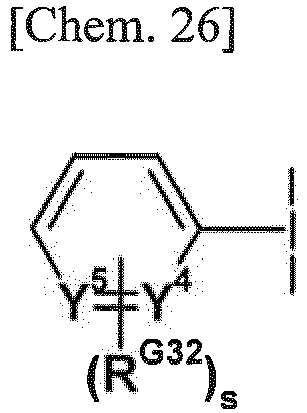
- (17) The compound, wherein R3 and R4 are H.
- (18) The compound, wherein m is 0.
Furthermore, other embodiments of the compound (I) of the present invention include the compounds or salts thereof including the combinations of two or more of the groups as described in (1) to (18), and specifically the following compounds or salts thereof. - (19) The compound as described in (6) to (9) and (14) to (16), wherein Y1 and Y2 are both CRY, and RY's are both H.
- (20) The compound as described in (19), wherein m is O.
- (21) The compound as described in (19), wherein R3 and R4 are H.
- (22) The compound as described in (19), wherein R3 and R4 are H, and m is O.
- (23) The compound as described in (6) to (16), wherein Y1 and Y2 are both N.
- (24) The compound as described in (23), wherein m is O.
- (25) The compound as described in (23), wherein R3 and R4 are H.
- (26) The compound as described in (23), wherein R3 and R4 are H, and m is 0.
- (27) The compound as described in (6) to (9) and (14) to (16), wherein Y1 is N, Y2 is CRY, and RY is H.
- (28) The compound as described in (26), wherein m is 0.
- (29) The compound as described in (26), wherein R3 and R4 are H.
- (30) The compound as described in (26), wherein R3 and R4 are H, and m is 0.
Still further embodiments of the compound of the present invention are shown below. - (31) The compound as described in (6), wherein Z is

- (32) The compound as described in (31), wherein Y4 is N or CRY41, Y5 is N or CRY51, RY41, RY51 and RG32 are H, halogen, -COOH, lower alkyl, -O-lower alkyl, cyano, -COOH, -COO-lower alkyl, -NH2, NH(lower alkyl), N(lower alkyl)2, or lower alkyl which may be substituted with halogen, OH, -COOH, or -O-lower alkyl (in which the lower alkyl may be substituted with -COOH groups), or lower alkenyl which may be substituted with halogen, OH, -COOH, or -O-lower alkyl, and s is 0, 1, 2, or 3.
- (33) The compound as described in (31), wherein Y4 is N or CRY41, Y5 is N or CRY51, RY41, RY51, and RG32 are H, F, Cl, Br, methyl, methoxy, -COOH, -NH2, -N(CH3)2, ethoxycarbonyl, hydroxymethyl, 2-carboxyethyl, trifluoromethyl, carboxymethoxymethyl, or cyano.
- (34) The compound as described in (6), wherein Z is


- (35) The compound as described in (31), wherein Y4 is CRY41, Y5 is CRY51, RY41, RY51, and RG32 are H, halogen, -COOH, lower alkyl, -O-lower alkyl, -COOH, -COO-lower alkyl, -NH2, NH(lower alkyl), or N(lower alkyl)2, and s is 0, 1, 2, or 3.
- (36) The compound as described in (31), wherein Y4 is CRY41, Y5 is CRY51, RY41, RY51, and RG32 are H, F, Cl, methyl, methoxy, -COOH, -NH2, or -N(CH3)2, and s is 0, 1, 2, or 3.
- (37) The compound as described in (34), wherein

- (38) The compound as described in (31), wherein Y4 is N, Y5 is CRY51, RY51 and RG32 are H, halogen, -O-lower alkyl (in which the lower alkyl may be substituted with 1 to 3 OH, halogen, -O-lower alkyl (in which the lower alkyl may be substituted with one or more -COOH groups), or aryl groups), cyano, -COOH, -COO-lower alkyl (in which the lower alkyl may be substituted with 1 to 3 halogen atoms), lower alkyl which may be substituted with halogen, OH, -COOH or -O-lower alkyl (in which the lower alkyl may be substituted with one or more -COOH groups), lower alkenyl which may be substituted with halogen, OH, -COOH or -O-lower alkyl (in which the lower alkyl may be substituted with one or more -COOH groups), and s is 0, 1, 2, or 3.
- (39) The compound as described in (31), wherein Y4 is N, Y5 is CRY51, RY51 and RG32 are H, halogen, -O-lower alkyl, cyano, -COOH, -COO-lower alkyl, lower alkyl which may be substituted with halogen, OH, -COOH, or -O-lower alkyl (in which the lower alkyl may be substituted with -COOH groups), or lower alkenyl which may be substituted with halogen, OH, -COOH, or -O-lower alkyl, and s is 0, 1, 2, or 3.
- (40) The compound as described in (31), wherein Y4 is N, Y5 is CRY51, RY51 and RG32 are H, F, Cl, Br, methoxy, cyano, -COOH, ethoxycarbonyl, hydroxymethyl, 2-carboxyethyl, trifluoromethyl, carboxymethoxymethyl, or 2-carboxyvinyl, and s is 0, 1, 2, or 3.
- (41) The compound as described in (34), wherein

- (42) The compound as described in (31), wherein Y4 is CRY41, Y5 is N, RY41 and RG32 are H, halogen, cyano, -COOH, -COO-lower alkyl (in which the lower alkyl may be substituted with 1 to 3 halogen atoms), or lower alkyl which may be substituted with - COOH or -O-lower alkyl (in which the lower alkyl may be substituted with one or more - COOH groups), and s is 0, 1, 2, or 3.
- (43) The compound as described in (31), wherein Y4 is CRY41, Y5 is N, RY41 and RG32 are H, halogen, cyano, -COOH, -COO-lower alkyl, -NH2, NH(lower alkyl), N(lower alkyl)2, or lower alkyl, and s is 0, 1, 2, or 3.
- (44) The compound as described in (31), wherein Y4 is CRY41, Y5 is N, RY41 and RG32 are H, chloro, cyano, -COOH, ethoxycarbonyl, -NH2, or methyl, and s is 0, 1, 2, or 3.
- (45) The compound as described in (34), wherein

- (46) The compound as described in (31), wherein Y4 is N, Y5 is N, RG32 is H, halogen, and s is 0, 1, 2, or 3.
- (47) The compound as described in (31), wherein Y4 is N, Y5 is N, RG32 is H, Cl, and s is 0, 1, 2, or 3.
- (48) The compound as described in (34), wherein

- (49) The compound as described in (19) to (30), or (31) to (48), wherein R1 is lower alkyl which may be substituted.
- (50) The compound as described in (19) to (30), or (31) to (48), wherein R1 is methyl, ethyl, propyl, or isopropyl.
- (51) The compound as described in (31) to (50), wherein m is 0.
- (52) The compound as described in (31) to (51), wherein R3 and R4 are H.
- (53) The compound as described in (31) to (51), wherein R3 and R4 are H, and m is 0.
- Specific examples of the compound included in the present invention include the following compounds or salts thereof.
N-methyl-N-[3-(2-morpholin-4-ylpyrimidin-5-yl)benzyl]glycinamide,
N-methyl-N-[3-(2-pyrrolidin-1-ylpyrimidin-5-yl)benzyl]glycinamide,
N-(3-{2-[(2R,6S)-2,6-dimethylmorpholin-4-yl]pyrimidin-5-yl}benzyl)-N-methylglycinamide,
N-(3- {2-[2-(hydroxymethyl)morpholin-4-yl]pyrimidin-5-yl}benzyl)-N-methylglycinamide,
N-(3-{6-[(2R,6S)-2,6-dimethylmorpholin-4-yl]pyridin-3-yl}benzyl)-N-methylglycinamide,
N- {3-[2-(4-hydroxypiperidin-1-yl)pyrimidin-5-yl]benzyl}-N-methylglycinamide,
N-{3-[2-(1,1-dioxidothiomorpholin-4-yl)pyrimidin-5-yl]benzyl}-N-methylglycinamide,
N-methyl-N-{3-[2-(4-morpholin-4-yl-piperidin-1-yl)pyrimidin-5-yl]benzyl} glycinamide,
N-{3-[2-(3',6'-dihydro-3,4'-bipyridin-1'(2'H)-yl)pyrimidin-5-yl]benzyl}-N-methylglycinamide,
N-methyl-N-{3-[2-(4-pyridin-3-ylpiperidin-1-yl)pyrimidin-5-yl]benzyl}glycinamide,
N-methyl-N-(3-{2-[4-(3-methylpyridin-2-yl)piperazin-1-yl]pyrimidin-5-yl}benzyl)glycinamide,
(2E)-3-(6-{4-[5-(3-{[glycyl(methyl)amino]methyl}phenyl)pyrimidin-2-yl]piperazin-1-yl}-5-methylpyridin-3-yl)acrylic acid,
3-(6-{4-[5-(3-{[glycyl(methyl)amino]methyl}phenyl)pyrimidin-2-yl]piperazin-1-yl}-5-methylpyridin-3-yl)propionic acid,
5-chloro-6-{4-[5-(3-{glycyl(methyl)amino]methyl}phenyl)pyrimidin-2-yl]piperazin-1-yl}nicotinic acid,
(2E)-3-(5-chloro-6-{4-[5-(3-{[glycyl(methyl)amino]methyl}phenyl)pyrimidin-2-yl]piperazin-1-yl}pyridin-3-yl)acrylic acid,
3-chloro-4-{4-[5-(3-{[glycyl(methyl)amino]methyl}phenyl)pyrimidin-2-yl]piperazin-1-yl}benzoic acid,
N-(3-{2-[4-(6-cyanopyridin-3-yl)piperidin-1-yl]pyrimidin-5-yl}benzyl)-N-methylglycinamide,
N-methyl-N-(3-{2-[4-(2-methylpyridin-3-yl)piperidin-1-yl]pyrimidin-5-yl}benzyl)glycinamide,
N-(3-{2-[4-(3-chloropyridin-2-yl)piperazin-1-yl]pyrimidin-5-yl}benzyl)-N-methylglycinamide,
N-methyl-N-{3-[2-(2-methyl-6,7-dihydro[1,3]thiazolo[5,4-c]pyridin-5(4H)-yl)pyrimidin-5-yl]benzyl}glycinamide,
N-{3-[2-(5,7-dihydro-6H-pyrrolo[3,4-b]pyridin-6-yl)pyrimidin-5-yl]benzyl}-N-methylglycinamide, or
N-(3-{2-[(3S)-3-fluoropyrrolidin-1-yl]pyrimidin-5-yl}benzyl)-N-methylglycinamide. - The compound of the formula (I) may exist in the form of tautomers or geometrical isomers depending on the kind of substituents. In the present specification, the compound of the formula (I) shall be described in only one form of isomer, yet the present invention includes other isomers, isolated forms of the isomers, or a mixture thereof.
In addition, the compound of the formula (I) may have asymmetric carbon atoms or axial asymmetry in some cases, and correspondingly, it may exist in the form of optical isomers based thereon. The present invention includes both an isolated form of the optical isomers of the compound of the formula (I) or a mixture thereof. - Moreover, the present invention also includes a pharmaceutically acceptable prodrug of the compound represented by the formula (I). The pharmaceutically acceptable prodrug is a compound having a group that can be converted into an amino group, a hydroxyl group, a carboxyl group, or the like through solvolysis or under physiological conditions. Examples of the group forming the prodrug include the groups described in Prog. Med., 5, 2157-2161 (1985) and "Pharmaceutical Research and Development" (Hirokawa Publishing Company, 1990), Vol. 7, Drug Design, 163-198.
- Furthermore, the salt of the compound of the formula (I) is a pharmaceutically acceptable salt of the compound of the formula (I) and may form an acid addition salt or a salt with a base depending on the kind of substituents. Specific examples thereof include acid addition salts with inorganic acids such as hydrochloric acid, hydrobromic acid, hydroiodic acid, sulfuric acid, nitric acid, phosphoric acid, and the like, and with organic acids such as formic acid, acetic acid, propionic acid, oxalic acid, malonic acid, succinic acid, fumaric acid, maleic acid, lactic acid, malic acid, mandelic acid, tartaric acid, dibenzoyltartaric acid, ditolyltartaric acid, citric acid, methanesulfonic acid, ethanesulfonic acid, benzenesulfonic acid, p-toluenesulfonic acid, aspartic acid, glutamic acid, and the like, and salts with inorganic bases such as sodium, potassium, magnesium, calcium, aluminum, and the like or organic bases such as methylamine, ethylamine, ethanolamine, lysine, ornithine, and the like, salts with various amino acids or amino acid derivatives such as acetylleucine and the like, ammonium salts, etc.
- In addition, the present invention also includes various hydrates or solvates, and polymorphic crystalline substances of the compound of the formula (I) and a salt thereof. In addition, the present invention also includes compounds labeled with various radioactive or non-radioactive isotopes.
- The compound of the formula (I) and a salt thereof can be prepared using the characteristics based on the basic structure or the type of substituents thereof and by applying various known synthesis methods. During the preparation, replacing the relevant functional group with a suitable protective group (a group that can be easily converted into the relevant functional group) at the stage from starting material to an intermediate may be effective depending on the type of the functional group in the production technology in some cases. The protective group for such a functional group may include, for example, the protective groups described in "Greene's Protective Groups in Organic Synthesis (4th Ed., 2006)", P. G. M. Wuts and T. W. Greene, and one of these may be selected and used as necessary depending on the reaction conditions. In this kind of method, a desired compound can be obtained by introducing the protective group, by carrying out the reaction and by eliminating the protective group as necessary.
In addition, the prodrug of the compound of the formula (I) can be prepared by introducing a specific group or by carrying out the reaction using the obtained compound of the formula (I) at the stage from a starting material to an intermediate, just as in the case of the above-mentioned protective group. The reaction can be carried out using methods known to those skilled in the art, such as ordinary esterification, amidation, dehydration, and the like.
Hereinbelow, the representative preparation methods for the compound of the formula (I) will be described. Each of the production processes may also be carried out with reference to the References appended in the present description. Further, the preparation methods of the present invention are not limited to the examples as shown below. -

When X is RZ1RZ2N-, RZ3O-, or
First, the compound (8) can be obtained by the reaction of the compound (6) with X-H (7).
In this reaction, a mixture of the compound (6) and the compound (7) in an equivalent amount or in an excess amount is stirred in a range of from cooling to heating and refluxing, and preferably at 0°C to 80°C, usually for 0.1 hours to 5 days in a solvent which is inert to the reaction or without a solvent. The solvent used herein is not particularly limited, but examples thereof include aromatic hydrocarbons such as benzene, toluene, xylene, and the like, ethers such as diethyl ether, tetrahydrofuran, dioxane, dimethoxyethane, and the like, halogenated hydrocarbons such as dichloromethane, 1,2-dichloroethane, chloroform, and the like, N,N-dimethylformamide, dimethylsulfoxide, ethyl acetate, acetonitrile and a mixture thereof. It may be advantageous in some cases for the smooth progress of the reaction to carry out the reaction in the presence of an organic base such as triethylamine, N,N-diisopropylethylamine, N-methylmorpholine, and the like, or an inorganic base such as potassium carbonate, sodium carbonate, potassium hydroxide, and the like.
Furthermore, the reaction may be carried out using a catalyst which is not particularly limited, but includes catalysts used for an Ullmann reaction, a Buchwald-Hartwig reaction, or the like. The catalyst as used herein is not particularly limited, but a suitable combination of tris(dibenzylideneacetone)palladium, tetrakis(triphenylphosphine) palladium, or the like with 4,5-bis(diphenylphosphino)-9,9'-dimethylxanthene (Xantphos), 2-dicyclohexylphosphino-2',6'-dimethoxybiphenyl (SPhos), 2-dicyclohexylphosphino-2',4',6'-triisopropylbiphenyl (XPhos), and the like can be used.
Next, the deprotection reaction of the compound (8) can be carried out with reference to, for example, the method as described in "Greene's Protective Groups in Organic Synthesis (4th edition, 2006)" above. -

The compound (I) of the present invention can be obtained by the coupling reaction of a compound (4) with a compound (9), followed by a deprotection reaction.
The present reaction can be carried out under the same reaction condition as for the coupling reaction described in (Starting Material Synthesis 1) as described later. -

The present reaction can be carried out under the same reaction condition as for the coupling reaction described in (Starting Material Synthesis 1) as described later. -

The compound (6) can be prepared by the compound (1). Herein, examples of the leaving group P include halogen, a methanesulfonyloxy group, a p-toluenesulfonyloxy group, and the like.
First, the compound (2) can be obtained by the reaction of the compound (1) with amines (11). The present reaction can be carried out under the same reaction condition for the preparation method (Production Process 1).
Next, the compound (3) can be obtained by the condensation reaction between the compound (2) and carboxylic acid (12).
In the case where the carboxylic acid (12) is used as the carboxylic acid derivative, the step is carried out by using the compound (2) with the carboxylic acid (12) in an equivalent amount or in an excess amount, and stirring the mixture thereof in a range of from cooling to heating, preferably at a temperature from -20°C to 60°C, usually for about 0.1 hours to 5 days, in a solvent which is inert to the reaction, in the presence of a condensing agent. The solvent as used herein is not particularly limited, but examples thereof include aromatic hydrocarbons such as benzene, toluene, xylene, and the like, halogenated hydrocarbons such as dichloromethane, 1,2-dichloroethane, chloroform, and the like, ethers such as diethyl ether, tetrahydrofuran, dioxane, dimethoxyethane, and the like, DMF, DMSO, EtOAc, acetonitrile or water, and a mixture thereof. Examples of the condensing agent include, but are not limited to, 1-(3-dimethylaminopropyl)-3-ethylcarbodiimide, dicyclohexylcarbodiimide, carbonyldiimidazole, diphenylphosphonyl azide, and phosphorus oxychloride. It may be sometimes preferable for the reaction to use an additive (for example, 1-hydroxybenzotriazole). It is sometimes advantageous for smooth progress of the reaction to carry out the reaction in the presence of organic bases such as triethylamine, N,N-diisopropylethylamine, N-methylmorpholine, DBU, and the like, or inorganic bases such as potassium carbonate, sodium carbonate, potassium hydroxide, and the like.
Furthermore, it is also possible to use a method in which a reactive derivative of the carboxylic acid (12) is used, and reacted with the compound (2). Examples of the reactive derivative of the carboxylic acid include acid halides that can be obtained by the reaction with a halogenating agent such as phosphorus oxychloride, thionyl chloride, and the like, mixed acid anhydrides that can be obtained by the reaction with isobutyl chloroformate or the like, active esters that can be obtained by condensation with 1-hydroxybenzotriazole or the like, etc. The reaction of the reactive derivative with the benzyl amine derivative (2) can be carried out in a range of from cooling to heating, and preferably from -20°C to 60°C, in a solvent which is inert to the reaction, such as halogenated hydrocarbons, aromatic hydrocarbons, ethers, and the like.
In addition, the compound (4) can be prepared by subjecting the compound (3) to a boronic acid esterification reaction.
In this reaction, a mixture of the compound (3) and a boric ester reagent in an equivalent amount or in an excess amount is stirred in a range of from cooling to heating, and preferably -20°C to 60°C, in a solvent which is inert to the reaction, usually for 0.1 hours to 5 days, in the presence of an organic metal compound. The solvent as used herein is not particularly limited, but examples thereof include aromatic hydrocarbons such as benzene, toluene, xylene, and the like, halogenated hydrocarbons such as dichloromethane, 1,2-dichloroethane or chloroform, and the like, ethers such as diethyl ether, tetrahydrofuran, dioxane, dimethoxyethane, and the like, DMF, DMSO, EtOAc, acetonitrile, or water, and a mixture thereof. Examples of the boronic acid esterification reagent include triisopropyl borate, tributyl borate, and the like. Examples of the organic metal compound used in the present reaction include organic lithium compounds such as n-butyl lithium and the like.
Next, the compound (6) can be obtained by subjecting the compound (4) to a coupling reaction.
In this reaction, a mixture of the compound (4) and the compound (5) in an equivalent amount or in an excess amount is stirred in a range of from cooling to heating under reflux, and preferably 0°C to 80°C, in a solvent which is inert to the reaction or without a solvent, usually for 0.1 hours to 5 days. The solvent as used herein is not particularly limited, but examples thereof include aromatic hydrocarbons such as benzene, toluene, xylene, and the like, ethers such as dimethyl ether, diethyl ether, tetrahydrofuran, dioxane, dimethoxyethane, and the like, halogenated hydrocarbons such as dichloromethane, 1,2-dichloroethane, chloroform, and the like, N,N-dimethylformamide, dimethylsulfoxide, ethyl acetate, acetonitrile and a mixture thereof. It is sometimes advantageous for smooth progress of the reaction to carry out the reaction in the presence of organic bases such as triethylamine, N,N-diisopropylethylamine, N-methylmorpholine, and the like, or inorganic bases such as potassium carbonate, sodium carbonate, potassium hydroxide, and the like.
Furthermore, the Suzuki-Miyaura cross-coupling reaction can also be carried out using, for example, a catalyst used for the Suzuki-Miyaura cross-coupling reaction, but is not limited thereto. The catalyst as used herein is not particularly limited, but may be tetrakis(triphenylphosphine)palladium(0), palladium(II) acetate, dichloro[1,1'-bis(diphenylphosphenylphosphino)ferrocene]palladium (II), bistriphenylphosphine palladium(II) chloride, or the like. Further, the coupling reaction can also be carried out using metal palladium(0). - "Organic Functional Group Preparations", S. R. Sandler and W. Karo, 2nd edition, Vol. 1, Academic Press Inc., 1991
- The Chemical Society of Japan, "Courses in Experimental Chemistry (5th edition)" Vol. 14 (2005) (Maruzen)
-

The present reaction can be carried out by the method as in Starting Material Synthesis 1 as described above. - The compounds of the formula (I) can be isolated and purified as their free compounds, salts, hydrates, solvates, or polymorphic crystalline substances thereof. The salts of the compound of the formula (I) can be prepared by carrying out the treatment of a conventional salt forming reaction.
Isolation and purification are carried out by employing ordinary chemical operations such as extraction, fractional crystallization, various types of fractional chromatography, and the like.
Various isomers can be prepared by selecting an appropriate starting compound or separated by using the difference in the physicochemical properties between the isomers. For example, the optical isomers can be obtained by means of a general method for designing optical resolution of racemic products (for example, fractional crystallization for inducing diastereomer salts with optically active bases or acids, chromatography using a chiral column or the like, and others), and further, the isomers can also be prepared from an appropriate optically active starting compound. - The pharmacological activity of the compound of the formula (I) was confirmed by the tests shown below.
- A human VAP-1 enzyme (SSAO) activity was measured by a radiochemistry-enzymatic assay using 14C-benzylamine as an artificial substrate. An enzyme suspension prepared from CHO (Chinese Hamster Ovary) cells stably expressing a human VAP-1 enzyme (SSAO) was preincubated with the compound of the present invention in a 96-well microplate at room temperature for 30 minutes. Subsequently, the enzyme suspension was incubated with 14C-benzylamine (a final concentration of 1 ×10⁻⁵ mol/L) to a final volume of 50 mL at 37°C for 1 hour. The enzymatic reaction was stopped by the addition of 2 mol/L (50 µL) of citric acid. The oxidation products were extracted directly in a 200-µL toluene scintillator, and the radioactivity was measured with a scintillation spectrometer.
- A rat VAP-enzyme 1 (SSAO) activity was measured by a radiochemistry-enzymatic assay using 14C-benzylamine as an artificial substrate. An enzyme suspension prepared from CHO (Chinese Hamster Ovary) cells stably expressing a rat VAP-enzyme 1 (SSAO) was preincubated with the compound of the present invention in a 96-well microplate at room temperature for 30 minutes. Subsequently, the enzyme suspension was incubated with 14C-benzylamine (a final concentration of 1 ×10⁻⁵ mol/L) to a final volume of 50 mL at 37°C for 1 hour. The enzymatic reaction was stopped by the addition of 2 mol/L (50 µL) of citric acid. The oxidation products were extracted directly in a 200-µL toluene scintillator, and the radioactivity was measured with a scintillation spectrometer.
The results are shown in Table 1. In addition, the inhibitory activity is expressed in IC50 (nmol/L). -
[Table 1] Ex Human (nM) Rat (nM) Ex Human (nM) Rat (nM) 3 32 22 80 81 39 16 49 7.4 84 140 15 19 6.9 6.9 91 18 12 32 18 10 95 11 5.8 33 31 21 102 20 12 51 48 21 147 72 44 66 9.4 5.2 190 23 19 69 32 9.8 191 7 14 75 49 3.6 261 17 21 78 61 61 216 90 40 79 66 34 263 25 15 - Eight-week to twelve-week Wistar male rats were fasted for 20 hours, and orally administered with a test drug (1 mg/1 kg). Heparin blood collection from the tail vein was performed immediately before the administration, and at 1 h, 3 h, 6 h, and 12 h after the administration. The resulting blood was subjected to centrifugation at 14000 rpm for 5 minutes to separate plasma, and the VAP-1 enzyme activity in the resulting plasma was measured by a radio-enzyme assay method.
For the radio-enzyme assay method, 14C-benzylamine which is a synthetic substrate (10 µM) was reacted with the resulting plasma at 37°C, and the resulting metabolite was extracted with a mixture of toluene/ethyl acetate. The radioactivity was measured and taken as a VAP-1 enzyme activity in the plasma. The effect of the test drug was calculated from the ratio (%) of the VAP-1 activity after the administration of the test drug relative to the VAP-1 activity in the plasma immediately before the administration (100%).
Reference Document: Diabetologia (1997) 40 1243-1250 -
[Table 2] Ex Inhibition Ratio (%) 1 h 3h 6h 12 h 3 65 77 71 47 16 83 83 53 42 19 84 79 75 63 32 68 70 58 45 33 84 87 97 83 51 30 37 43 32 66 78 81 74 67 69 72 56 39 24 75 78 58 38 24 78 31 18 3 -4 79 24 21 15 14 80 48 43 26 21 84 16 20 17 NT 91 68 68 68 44 95 70 67 71 21 102 65 62 71 40 147 70 79 75 66 190 42 48 41 11 191 35 43 48 20 216 25 -7 15 25 261 36 44 45 32 263 97 95 80 75 - Seven- to eight-week SD rats (having weights up to 200 to 250 g) during fasting were used and fasted for 20 hours and then intraperitoneally administered with 60 mg/ml/kg of streptozotocin (STZ) prepared from a 2 mmol/l citric acid buffer (µH 4.5). At the same time, the control rats were injected with the same amount of a 2 mmol/l citric acid buffer (pH 4.5). The blood glucose value was measured using a colorimetric method, and the rats that had showed a value of 350 mg/dl blood glucose levels on day 3 after the treatment with STZ was diagnosed with diabetes mellitus.
The test substance was given daily for 4 weeks after the treatment with STZ. After 4 weeks of the treatment with the test substance, 24-hour urine collection was performed using metabolic cages. - Seven- to eight-week SD rats (having weights up to 200 to 250 g) during fasting were used and fasted for 20 hours and then intraperitoneally administered with 60 mg/ml/kg of streptozotocin (STZ) prepared from a 2 mmol/l citric acid buffer (pH 4.5). At the same time, the control rats were injected with the same amount of a 2 mmol/l citric acid buffer (pH 4.5). The blood glucose value was measured using a colorimetric method, and the rats that had showed a value of 350 mg/dl blood glucose levels on day 3 after the treatment with STZ was diagnosed with diabetes mellitus.
The test substance was given daily for 4 weeks after the treatment with STZ. After 4 weeks of the treatment with the test substance, the eye vascular permeability was examined after 24 hours from the date of the final administration. The eye permeability was examined on the basis of the colorant leakage into the vitreous body in the eye after 30 minutes from the tail vein administration of 40 mg/ml/kg of a sodium fluorescein solution. The permeability as an index of the evaluation was expressed in the intravitreal concentration/plasma concentration of the fluorescein. Measurement of the fluorescein was carried out using a fluorescent plate reader. - After the result of the tests above, it was confirmed that the compound of the formula (I) constantly exhibits a VAP-1 activity in blood even in the oral administration test with rats. Therefore, the compound can be used for treatment of VAP-1-related diseases or the like.
- A pharmaceutical composition containing one or more kinds of the compound of the formula (I) or a salt thereof as an active ingredient can be prepared using excipients that are usually used in the art, that is, excipients for pharmaceutical preparation, carriers for pharmaceutical preparation, and the like according to the methods usually used.
Administration can be accomplished either by oral administration via tablets, pills, capsules, granules, powders, solutions, and the like, or parenteral administration, such as injections such as intraarticular, intravenous, and intramuscular injections, suppositories, ophthalmic solutions, eye ointments, transdermal liquid preparations, ointments, transdermal patches, transmucosal liquid preparations, transmucosal patches, inhalers, and the like. - The solid composition for use in the oral administration is used in the form of tablets, powders, granules, or the like. In such a solid composition, one or more active ingredient(s) are mixed with at least one inactive excipient. In a conventional method, the composition may contain inactive additives, such as a lubricant, a disintegrating agent, a stabilizer, or a solubilization assisting agent. If necessary, tablets or pills may be coated with sugar or a film of a gastric or enteric coating substance.
The liquid composition for oral administration contains pharmaceutically acceptable emulsions, solutions, suspensions, syrups, elixirs, or the like, and also contains generally used inert diluents, for example, purified water or ethanol. In addition to the inert diluent, the liquid composition may also contain auxiliary agents, such as a solubilization assisting agent, a moistening agent, and a suspending agent, sweeteners, flavors, aromatics, or antiseptics. - The injections for parenteral administration include sterile aqueous or non-aqueous solutions, suspensions and emulsions. The aqueous solvent includes, for example, distilled water for injection and physiological saline. Examples of the non-aqueous solvent include alcohols such as ethanol. Such a composition may further contain a tonicity agent, an antiseptic, a moistening agent, an emulsifying agent, a dispersing agent, a stabilizer, or a solubilizing aid. These are sterilized, for example, by filtration through a bacteria retaining filter, blending of a bactericide, or irradiation. In addition, these can also be used by preparing a sterile solid composition, and dissolving or suspending it in sterile water or a sterile solvent for injection prior to its use.
- The agent for external use includes ointments, plasters, creams, jellies, poultices, sprays, lotions, eye drops, eye ointments, and the like. The agents contain generally used ointment bases, lotion bases, aqueous or non-aqueous liquid preparations, suspensions, emulsions, and the like.
- As the transmucosal agents such as an inhaler, a transnasal agent, and the like, those in the form of a solid, liquid, or semi-solid state are used, and can be prepared in accordance with a conventionally known method. For example, a known excipient, and also a pH adjusting agent, an antiseptic, a surfactant, a lubricant, a stabilizer, a thickening agent, or the like may be appropriately added thereto. For their administration, an appropriate device for inhalation or blowing can be used. For example, a compound may be administered alone or as a powder of formulated mixture, or as a solution or suspension in combination with a pharmaceutically acceptable carrier, using a known device or sprayer, such as a measured administration inhalation device, and the like. A dry powder inhaler or the like may be for single or multiple administration use, and a dry powder or a powder-containing capsule may be used. Alternatively, this may be in a form such as a pressurized aerosol spray which uses an appropriate ejection agent, for example, a suitable gas such as chlorofluoroalkane, carbon dioxide, and the like.
- In oral administration, the daily dose is generally from about 0.001 to 100 mg/kg, preferably from 0.1 to 30 mg/kg, and more preferably 0.1 to 10 mg/kg, per body weight, administered in one portion or in 2 to 4 divided portions. In the case of intravenous administration, the daily dose is suitably administered from about 0.0001 to 10 mg/kg per body weight, once a day or two or more times a day. In addition, a transmucosal agent is administered at a dose from about 0.001 to 100 mg/kg per body weight, once a day or two or more times a day. The dose is appropriately decided in response to the individual case by taking the symptoms, the age, and the gender, and the like into consideration.
- The compound of the formula (I) can be used in combination with various agents for treating the diseases for which the compound of the formula (I) is considered to be effective. The combined preparation may be administered simultaneously, or separately and continuously, or at a desired time interval. The preparations to be administered simultaneously may be a blend, or may be prepared individually.
- Hereinbelow, the preparation methods for the compound of the formula (I) will be described in more detail with reference to Examples. Further, the present invention is not limited to only the preparation methods of the specific Examples and Preparation Examples below, but the compound of the formula (I) can be prepared by any combination of the preparation methods or the methods that are apparent to a person skilled in the art.
- Furthermore, the following abbreviations may be used in some cases in the Examples, Preparation Examples, and Tables below.
Rf: Preparation Example No.,
Ex: Example No.,
Data: Physicochemical data,
ESI+: representing m/z values in ESI-MS (positive ions), and representing [M+H]+ peaks unless otherwise specified,
ESI-: representing m/z values in ESI-MS (negative ions), and representing [M-H]- peaks unless otherwise specified,
APCI+: representing m/z values in APCI-MS (positive ions), and representing [M+H]+ peaks unless otherwise specified,
APCI-: representing m/z values in APCI-MS (negative ions), and representing [M-H]- peaks unless otherwise specified,
FAB+: representing m/z values in FAB-MS (positive ions), and representing [M+H]+ peaks unless otherwise specified,
FAB-: representing m/z values in FAB-MS (negative ions), and representing [M-H]- peaks unless otherwise specified,
EI+: representing m/z values in EI-MS (positive ions), and representing [M]+ peaks unless otherwise specified,
EI-: representing m/z values in EI-MS (negative ions), and representing [M]- peaks unless otherwise specified,
NMR-DMSO-d6: δ (ppm) in 1H-NMR in DMSO-d6,
NMR-CDCl3: δ (ppm) in 1H-NMR in CDCl3,
Powder X-ray diffraction curve using Cu-Kα rays: measured under the condition of using MAC Science MXP18TAHF22, tube: Cu, tube current: 200 mA, tube voltage: 40 kV sampling interval: 0.020°, scanning rate: 3°/min, wavelength: 1.54056 Angstrom, measurement diffraction angle range (2θ): 3 to 40°, or using RIGAKU RINT-TTRII, tube: Cu, tube current: 50 mA, tube voltage: 300 kV, sampling interval: 0.020°, scanning rate: 4°/min, wavelength: 1.54056 Angstrom, measurement diffraction angle range (2θ): 2.5 to 40°,
Structure: Structural formula,
Syn: Preparation method (in which the numeral shows that the compound is prepared by the same preparation method as the compound having the Example No. and R prefixed before the numeral shows that the compound is prepared by the same preparation method as the compound having the Preparation Example No.),
Acid: indicating that the compound represented by a structural formula forms a salt with an acid as described, and the numeral before the acid mean the ratio of the acid. For example, 1/2FA means formation of a hemifumarate, and 2HCl means formation of dihydrochloride,
L-TA: L-tartaric acid,
OA: oxalic acid,
FA: fumaric acid,
1/2FA: hemifumaric acid,
SA: succinic acid,
AA: acetic acid,
HCl: hydrochloric acid,
HBr: hydrobromic acid,
Boc: tert-butoxycarbonyl group,
DMSO: dimethylsulfoxide, THF: tetrahydrofuran,
EtOAc: ethyl acetate,
MgSO4: anhydrous magnesium sulfate,
DMF: N,N-dimethylformamide,
Na2S04: anhydrous sodium sulfate,
MeOH: methanol,
EtOH: ethanol
CHCl3: chloroform,
K2CO3: potassium carbonate,
NaH: sodium hydride (60% mineral oil suspension),
NMP: N-methyl-2-pyrrolidone,
WSC: 1-(3-dimethylaminopropyl)-3-ethylcarbodiimide,
HOBt: 1-hydroxybenzotriazole,
TEA: triethylamine,
DIPEA: diisopropylethylamine,
MeCN: acetonitrile,
TFA: trifluoroacetic acid,
DME: 1,2-dimethoxyethane,
M: mol/L. - To 80% ethylamine/MeOH (1.1 g) was added 1-bromo-3-(bromomethyl)benzene (1 g) in five divided portions at room temperature, followed by stirring at room temperature overnight. The reaction mixture was concentrated under reduced pressure, and the obtained residue was subjected to liquid separation with chloroform and a saturated aqueous sodium hydrogen carbonate solution. The organic layer was separated, and then the aqueous layer was extracted with CHCl3 again. These organic layers were combined, dried over Na2SO4 and then concentrated under reduced pressure. The obtained residue was purified by silica gel column chromatography (NH silica, 3% MeOH/CHCl3) to obtain N-(3-bromobenzyl)ethanamine (610 mg) as a colorless oil.
- To a solution of 1-(3-bromophenyl)-N-methylmethanamine (12.0 g) and N-(tert-butoxycarbonyl)glycine (11.5 g) in dichloroethane (80 ml) were added HOBt (9.7 g) and WSC hydrochloride (13.7 g), followed by stirring at room temperature overnight. To the reaction mixture was added a saturated aqueous sodium hydrogen carbonate solution, followed by extraction with CHCl3. The mixture was dried over Na2SO4 and then concentrated under reduced pressure. The obtained residue was purified by silica gel column chromatography (CHCl3/MeOH) to obtain tert-butyl {2-[(3-bromobenzyl)amino]-2-oxoethyl}carbamate (21.3 g).
- To a solution of tert-butyl {2-[(3-bromobenzyl)amino]-2-oxoethyl}carbamate (1.0 g) and bis(pinacolato)diboron (777 mg) in dioxane (15 ml) were added potassium acetate (858 mg) and dichlorobis(triphenylphosphine)palladium(II) (102 mg), followed by stirring at 80°C overnight. The reaction mixture was filtrated and the solvent was concentrated under reduced pressure. The obtained residue was purified by silica gel column chromatography (hexane/EtOAc=10/1 to 1/9) to obtain tert-butyl (2-oxo-2-{[3-(4,4,5,5-tetramethyl-1,3,2-dioxaborolan-2-yl)benzyl]amino}ethyl)carbamate (1.06 g) as a colorless oil.
- Under a nitrogen atmosphere, tert-butyl {2-[(3-bromobenzyl)amino]-2-oxoethyl}carbamate (237 mg) and 4-[4-(4,4,5,5-tetramethyl-1,3,2-dioxaborolan-2-yl)phenyl]pyrrolidine (275 mg) were dissolved in DME (3 ml) and water (1.5 ml), and tetrakis(triphenylphosphine)palladium (23 mg) and sodium carbonate (210 mg) were added thereto, followed by stirring at 90°C for 36 hours. The reaction mixture was concentrated under reduced pressure, and the obtained residue was subjected to liquid separation with CHCl3 and water. The organic layer was separated, and then the aqueous layer was extracted with CHCl3 again. These organic layers were combined and dried over Na2S04, and then the solvent was evaporated under reduced pressure. The obtained residue was purified by silica gel column chromatography (2% MeOH/CHCl3) to obtain tert-butyl (2-{methyl[3-(2-pyrrolidin-1-ylpyrimidin-5-yl)benzyl]amino}-2-oxoethyl)carbamate (260 mg) as a colorless oil.
- Under an argon atmosphere, (4-bromophenyl) methanol (3.0 g) and bis(pinacolato)diboron (4.5 g) was dissolved in dioxane (35 ml), and dichlorobis(triphenylphosphine)palladium(II) (567 mg) and potassium acetate (4.7 g) were added thereto, followed by stirring at 80°C for 1 day. The reaction mixture was concentrated under reduced pressure, and then a saturated aqueous sodium hydrogen carbonate solution was added thereto, followed by extraction with CHCl3). The organic layer was dried over Na2SO4 and concentrated under reduced pressure. The obtained residue was dissolved in DME (35 ml) and water (18 ml), and tert-butyl {2-[(3-bromobenzyl)(methyl)amino]-2-oxoethyl}carbamate (3.5 g) was added thereto under an argon atmosphere. In addition, sodium carbonate (3.1 g) and tetrakis(triphenylphosphine)palladium (339 mg) were added thereto, followed by stirring at 70°C for 1 day. The reaction mixture was concentrated under reduced pressure, and then a saturated aqueous sodium hydrogen carbonate solution was added thereto, followed by extraction with CHCl3. The organic layer was dried over Na2SO4 and concentrated under reduced pressure. The obtained residue was purified by silica gel column chromatography (hexane/EtOAc) to obtain tert-butyl {2-[{[4'-(hydroxymethyl)biphenyl-3-yl]methyl}(methyl)amino]-2-oxoethyl}carbamate (2.8 g).
- (2-{[3-(2-Chloropyrimidin-5-yl)benzyl](methyl)amino}-2-oxoethyl)carbamate (250 mg) was dissolved in DMF (5 ml), and 4-piperidin-4-ylmorpholine (218 mg) and K2CO3 (265 mg) were added thereto, followed by stirring at room temperature for 3 days. To the reaction mixture was added water, followed by extraction with EtOAc, and then the organic layer was dried over MgSO4 and evaporated under reduced pressure. The obtained residue was purified by silica gel column chromatography (0% to 5% MeOH/CHCl3) to obtain tert-butyl [2-(methyl{3-[2-(4-morpholin-4-ylpiperidin-1-yl)pyrimidin-5-yl]benzyl}amino)-2-oxoethyl]carbamate (285 mg).
- tert-Butyl 4-(2-fluoroethyl)piperazine-1-carboxylate (460 mg) was dissolved in EtOAc (5 ml), and 4 M hydrogen chloride/EtOAc (2.5 ml) was added thereto. After stirring at room temperature for 7 hours, the precipitated solid was collected by filtration to obtain 1-(2-fluoroethyl)piperazine dihydrochloride (406 mg).
- 3-Bromo-2-methylpyridine (500 mg) and tert-butyl piperazine-1-carboxylate (650 mg) were dissolved in toluene (7.5 ml), and (1E, 4E)-1,5-diphenylpenta-1,4-dien-3-one_palladium (3:2) (40 mg), 1,1'-binaphthalene-2,2'-diylbis(diphenylphosphine) (18 mg), and 2-methylpropan-2-ol sodium (391 mg) were added thereto in this order under a nitrogen atmosphere, followed by warming to 100°C and stirring overnight. The reaction mixture was subjected to liquid separation with CHCl3 and water, the organic layer was dried over Na2SO4, and then the solvent was evaporated. The obtained residue was purified by silica gel column chromatography (CHCl3 to 5% MeOH/CHCl3) to obtain tert-butyl 4-(2-methylpyridin-3-yl)piperazine-1-carboxylate (790 mg) as a pale yellow oil.
- Under an argon atmosphere, tert-butyl piperazine-1-carboxylate (10 g) and 2-bromo-3-methylpyridine were dissolved in toluene (150 ml), and tris(dibenzyiideneacetone) dipalladium (1.25 g), 1,1'-binaphthalene-2,2'-diylbis(diphenylphosphine) (2.5 g), and 2-methylpropan-2-ol sodium (6.5 g) were added thereto, followed by stirring at 100°C for 5 hours. To the reaction mixture was added a saturated aqueous sodium hydrogen carbonate solution, followed by extraction with EtOAc. The organic layer was dried over Na2SO4 and the solvent was concentrated under reduced pressure. The obtained residue was purified by silica gel column chromatography (hexane/EtOAc). The product was dissolved in MeOH, and 4 M hydrogen chloride/EtOAc was added thereto, followed by stirring at room temperature overnight. The reaction mixture was concentrated under reduced pressure, and then EtOAc was added thereto. The obtained solid was collected by filtration to obtain 1-(3-methylpyridin-2-yl)piperazine dihydrochloride (8.3 g).
- 5-Bromo-2-fluoropyridine (3.0 g) was dissolved in DMF (18 ml), and K2CO3 (1.31 g) and tert-butyl piperazine-1-carboxylate (1.76 g) were added thereto, followed by stirring at 130°C for 3 days. The reaction mixture was concentrated under reduced pressure, and then a saturated aqueous sodium hydrogen carbonate solution was added thereto, followed by extraction with CHCl3. The organic layer was dried over Na2SO4 and the solvent was concentrated under reduced pressure. The obtained residue was purified by silica gel column chromatography (hexane/EtOAc) to obtain tert-butyl 4-(5-bromopyridin-2-yl)piperazine-1-carboxylate (1.21 g).
- 2-Chloro-3-(trifluoromethyl)pyridine (1.07 g) and tert-butyl piperazine-1-carboxylate (1.0 g) was dissolved in DMF (10 ml), and K2CO3 (3.0 g) was added thereto, followed by stirring at 80°C overnight. The reaction mixture was concentrated under reduced pressure, and then a saturated aqueous sodium hydrogen carbonate solution was added thereto, followed by extraction with CHCl3. The organic layer was dried over Na2SO4 and the solvent was concentrated under reduced pressure. The obtained residue was purified by silica gel column chromatography (hexane/EtOAc). The product was dissolved in MeOH (16 ml), and 4 M hydrogen chloride/EtOAc (8 ml) was added thereto, followed by stirring at room temperature overnight. The reaction mixture was concentrated under reduced pressure, then EtOAc was added thereto, and the solid was collected by filtration to obtain 1-[3-(trifluoromethyl)pyridin-2-yl]piperazine dihydrochloride (858 mg).
- 6-[4-(tert-Butoxycarbonyl)piperazin-1-yl]nicotinic acid (934 mg) was dissolved in dioxane (12 ml), and 4 M hydrogen chloride/dioxane (7 ml) was added thereto, followed by stirring at room temperature overnight. The precipitated solid was collected by filtration to obtain 6-piperazin-1-yl nicotinic acid dihydrochloride (850 mg).
- tert-Butyl 4-{5-[(1E)-3-ethoxy-3-oxoprop-1-en-1-yl]-3-methylpyridin-2-yl}piperazine-1-carboxylate (305 mg) was dissolved in EtOH (4 ml), and 4 M hydrogen chloride/EtOAc (2 ml) was added thereto, followed by stirring at room temperature overnight. The reaction mixture was concentrated under reduced pressure and then suspended in DMF (4 ml), and K2CO3 (636 mg) and tert-butyl (2-{[3-(2-chloropyrimidin-5-yl)benzyl](methyl)amino}-2-oxoethyl)carbamate (300 mg) were added thereto, followed by stirring at 80°C overnight. The reaction mixture was concentrated under reduced pressure, and then a saturated aqueous sodium hydrogen carbonate solution was added thereto, followed by extraction with CHCl3. The organic layer was dried over Na2SO4 and the solvent was concentrated under reduced pressure. The obtained residue was purified by silica gel column chromatography (CHCl3/MeOH) to obtain ethyl (2E)-3-[6-(4-{5-[3-({[N-(tert-butoxycarbonyl)glycyl](methyl)amino}methyl)phenyl]pyrimidin-2-yl}piperazin-1-yl)-5-methylpyridin-3-yl]acrylate (451 mg).
- tert-Butyl 3',6'-dihydro-3,4'-bipyridine-1'(2'H)-carboxylate (606 mg) was dissolved in MeOH (15 ml), and 4 M hydrogen chloride/EtOAc (6 ml) was added thereto, followed by stirring at room temperature for 5 hours. The reaction mixture was concentrated under reduced pressure and then suspended in DMF (8 ml), and K2CO3 (2.5 g) and 5-bromo-2-fluoropyridine (400 mg) were added thereto, followed by stirring at 80°C overnight. The reaction mixture was concentrated under reduced pressure, and then a saturated aqueous sodium hydrogen carbonate solution was added thereto, followed by extraction with CHCl3. The organic layer was dried over Na2SO4 and the solvent was concentrated under reduced pressure. The obtained residue was purified by silica gel column chromatography (CHCl3/MeOH) to obtain 5-bromo-3',6'-dihydro-2'H-2,1':4',3"-terpyridine (170 mg).
- tert-Butyl 4-pyridin-3-ylpiperazine-1-carboxylate (680 mg) was dissolved in MeOH (15 ml), and 4 M hydrogen chloride/EtOAc (6.5 ml) was added thereto, followed by stirring at room temperature overnight. Then, the solvent was evaporated under reduced pressure. To a mixture of the obtained residue and DMF (20 ml) was added K2CO3 (1.8 g), and then 5-bromo-2-fluoropyridine (910 mg) was added thereto. After stirring at 60°C overnight, water was added thereto, followed by extraction with EtOAc. The organic layer was dried over MgSO4 and then evaporated under reduced pressure. The obtained residue was purified by silica gel column chromatography (0% to 5% MeOH/CHCl3) to obtain 1-(5-bromopyridin-2-yl)-4-pyridin-3-ylpiperazine (173 mg).
- Piperazine (1.13 g) and 2-chloro-6-methylnicotinonitrile (500 mg) were dissolved in DMF (15 ml), and K2CO3 (1.36 g) was added thereto, followed by stirring at 60°C overnight. The reaction mixture was concentrated under reduced pressure, and then a saturated aqueous sodium hydrogen carbonate solution was added thereto, followed by extraction with CHCl3. The organic layer was dried over Na2SO4, and the solvent was concentrated under reduced pressure. The obtained residue was purified by silica gel column chromatography (CHCl3/MeOH) to obtain 6-methyl-2-piperazin-1-ylnicotinonitrile (628 mg).
- 5-Bromo-2-chloropyrimidine (400 mg) was dissolved in DMF (4 ml), and thiomorpholine 1,1-dioxide (308 mg) and K2CO3 (857 mg) were added thereto, followed by stirring at room temperature for 2 hours. The reaction mixture was concentrated under reduced pressure, and then a saturated aqueous sodium hydrogen carbonate solution was added thereto, followed by extraction with CHCl3. The organic layer was dried over Na2SO4 and then concentrated under reduced pressure. The obtained residue was purified by silica gel column chromatography (CHCl3/MeOH) to obtain 4-(5-bromopyrimidin-2-yl)thiomorpholine 1,1-dioxide (191 mg).
- Under an argon atmosphere, to a solution of tert-butyl 4-(4-bromophenyl)piperazine-1-carboxylate (993 mg) and bis(pinacolato)diboron (813 mg) in dioxane (20 ml) were added potassium acetate (1.03 g) and dichlorobis(triphenylphosphine)palladium(II) (102 mg), followed by stirring at 80°C for 24 hours. To the reaction mixture was added a saturated aqueous sodium hydrogen carbonate solution, followed by extraction with CHCl3. The organic layer was dried over Na2SO4, and the solvent was concentrated under reduced pressure. The obtained residue was purified by silica gel column chromatography (CHCl3/MeOH) to obtain tert-butyl 4-[4-(4,4,5,5-tetramethyl-1,3,2-dioxaborolan-2-yl)phenyl]piperazine-1-carboxylate (900 mg).
- tert-Butyl {2-[(3-bromobenzyl)amino]-2-oxoethyl}carbamate (274 mg), 4-[4-(4,4,5,5-tetrainethyl-1,3,2-dioxaborolan-2-yl)phenyl]morpholine (222 mg), sodium carbonate (81 mg), tetrakis(triphenylphosphine)palladium (88 mg), DME (5 ml), and water (2.5 ml) were put into a 50-ml recovery flask, followed by stirring at 80°C for 10 hours under a nitrogen atmosphere. The reaction mixture was cooled to room temperature and concentrated under reduced pressure. The obtained residue was subjected to liquid separation with CHCl3 and water. The organic layer was separated, and then the aqueous layer was extracted with CHCl3 again. These organic layers were combined, dried over Na2SO4 and then concentrated under reduced pressure. The obtained residue was purified by silica gel column chromatography (2% MeOH/CHCl3) to obtain tert-butyl (2-{methyl[(4'-morpholin-4-ylbiphenyl-3-yl)methyl]amino}-2-oxoethyl)carbamate (270 mg) as a pale yellow oil.
- rel-(2R,6S)-4-(5-Bromopyrimidin-2-yl)-2,6-dimethylmorpholine (118 mg) and tert-butyl (2-{methyl[3-(4,4,5,5-tetramethyl-1,3,2-dioxabolan-2-yl)benzyl]amino}-2-oxoethyl)carbamate (175 mg) were dissolved in DME (2 ml) and water (1 ml), and tetrakis(triphenylphosphine)palladium (15 mg) and sodium carbonate (137 mg) were added thereto, followed by stirring at 80°C for 24 hours. The obtained residue was subjected to liquid separation with CHCl3 and water. The organic layer was separated, and then the aqueous layer was extracted with CHCl3 again. These organic layers were combined, dried over Na2SO4, and then concentrated under reduced pressure. The obtained residue was purified by silica gel column chromatography (2% MeOH/CHCl3) to obtain tert-butyl rel-{2-[(3-{2-[(2R,6S)-2,6-dimethylmorpholin-4-yl]pyrimidin-5-yl}benzyl)(methyl)amino]-2-oxoethyl}carbamate (190 mg) as a colorless oil.
- tert-Butyl (2-{methyl[3-(2-piperazin-1-ylpyrimidin-5-yl)benzyl]amino}-2-oxoethyl)carbamate (200 mg) and ethyl 6-chloronicotinate (169 mg) were dissolved in NMP (4 ml), and N,N-dibutylbut-1-amine (252 mg) was added thereto, followed by stirring at 100°C overnight. To the reaction mixture was added water, followed by extraction with EtOAc. The organic layer was washed with saturated brine and dried over MgSO4, and then the solvent was evaporated under reduced pressure. The obtained residue was purified by silica gel column chromatography (0% to 8% CHCl3/MeOH) to obtain ethyl 6-(4-{5-[3-({[N-(tert-butoxycarbonyl)glycyl](methyl)amino}methyl)phenyl]pyrimidin-2-yl}piperazin-1-yl)nicotinate (100 mg).
- 1-{5-[3-({[N-(tert-Butoxycarbonyl)glycyl)(methyl)amino}methyl)phenyl]pyrimidin-2-yl}piperidine-4-carboxylic acid (200 mg) and N-methylcyclohexanamine (94 mg) were suspended in methylene chloride (4 ml), and WSC hydrochloride (159 mg) and HOBt (112 mg) were added thereto, followed by stirring at room temperature for 3 hours. The reaction mixture was subjected to liquid separation with CHCl3 and a saturated aqueous sodium hydrogen carbonate solution. The organic layer was separated, and then the aqueous layer was extracted with CHCl3 again. These organic layers were combined and dried over Na2SO4, and then the solvent was evaporated under reduced pressure. The obtained residue was purified by silica gel column chromatography (0% to 5% MeOH/CHCl3) to obtain tert-butyl (2-{[3-(2-{4-[cyclohexyl(methyl)carbamoyl)piperidin-1-yl}pyrimidin-5-yl)benzyl](methyl)amino}-2-oxoethyl)carbamate (169 mg).
- tert-Butyl (2-{[(4'-aminobiphenyl-3-yl)methyl](methyl)amino}-2-oxoethyl)carbamate (300 mg) was dissolved in DMF (6 ml), and nicotinic acid (150 mg), WSC hydrochloride (233 mg), and HOBt (165 mg) were added thereto, followed by stirring at room temperature for 20 hours. Water was added thereto, followed by extraction with EtOAc. The organic layer was dried over MgSO4, and then the solvent was evaporated under reduced pressure. The obtained residue was purified by silica gel column chromatography (CHCl3/MeOH = 20/1) to obtain tert-butyl {2-[methyl({4'-[(pyridin-3-ylcarbonyl)amino]biphenyl-3-yl}methyl)amino]-2-oxoethyl}carbamate (328 mg).
- tert-Butyl (2-{[(4'-aminobiphenyl-3-yl)methyl](methyl)amino}-2-oxoethyl)carbamate (200 mg) and pyridine (64 mg) were dissolved in methylene chloride (6 ml), followed by ice-cooling. Dimethylcarbamoylchloride (64 mg) was added thereto, followed by warming to room temperature and stirring for 1 hour. The reaction mixture was subjected to liquid separation with CHCl3 and water. The organic layer was separated, and then the aqueous layer was extracted with CHCl3 again. These organic layers were combined and dried over sodium sulfate, and the solvent was evaporated. The obtained residue was purified by silica gel column chromatography (2% MeOH/CHCl3) to obtain tert-butyl {2-[({4'-[(dimethylcarbamoyl)amino]biphenyl-3-yl}methyl)(methyl)amino]-2-oxoethyl}carbamate (220 mg) as a colorless oil.
- To a mixture of 2-(methylamino)ethanol (41 mg), sodium triacetoxyborohydride (166 mg), acetic acid (9 mg), and dichloromethane (4 ml) was added tert-butyl (2-{[(4'-formylbiphenyl-3-yl)methyl](methyl)amino}-2-oxoethyl)carbamate (200 mg), followed by stirring for 5 hours. To the reaction mixture was added CHCl3-saturated aqueous sodium hydrogen carbonate solution, the organic layer was dried over Na2SO4 and then the solvent was evaporated. The obtained residue was purified by silica gel column chromatography (3% MeOH/chloroform) to obtain tert-butyl (2-{[(4'-{[(2-hydroxyethyl)(methyl)amino]methyl}biphenyl-3-yl)methyl](methyl)amino }-2-oxoethyl)carbamate (230 mg) as a colorless oil.
- tert-Butyl (2-{methyl[3-(2-piperazin-1-ylpyrimidin-5-yl)benzyl]amino}-2-oxoethyl)carbamate (200 mg) and TEA (92 mg) were dissolved in dichloromethane, followed by ice-cooling. Isopropyl chlorocarbonate (83 mg) was added thereto, followed by stirring at room temperature for 4 hours. Water was added thereto, followed by extraction with chloroform. The organic layer was dried over MgSO4, and then the solvent was evaporated under reduced pressure. The obtained residue was purified by silica gel column chromatography to obtain isopropyl 4-{5-[3-({[N-(tert-butoxycarbonyl)glycyl](methyl)amino}methyl)phenyl]pyrimidin-2-yl}piperazine-1-carboxylate (155 mg).
- Ethyl 4-(4-{5-[3-({[N-(tert-butoxycarbonyl)glycyl](methyl)amino}methyl)phenyl]pyrimidin-2-yl}piperazin-1-yl) benzoate (451 mg) was dissolved in EtOH (5 ml) and THF (5 ml), and a 1 M aqueous NaOH solution (2 ml) was added thereto, followed by stirring at room temperature for 3 hours. After neutralization with 1 M hydrochloric acid (2 ml), water was added thereto, followed by extraction with CHCl3. The organic layer was dried over Na2SO4 and the solvent was concentrated under reduced pressure. The obtained residue was purified by silica gel column chromatography (CHCl3/MeOH) to obtain 4-(4-{5-[3-({[N-(tert-butoxycarbonyl)glycyl] (methyl)amino}methyl)phenyl]pyrimidin-2-yl}piperazin-1-yl)benzoic acid (269 mg).
- tert-Butyl 4-(5-bromopyridin-2-yl)piperazine-1-carboxylate (800 mg) was dissolved in DMF (4 ml), and ethyl acrylate (368 mg), palladium(II) acetate (27 mg), tris(2-methylphenyl)phosphine (290 mg), and DIPEA (1.26 g) were added thereto, followed by stirring at 100°C for 3 hours. The reaction mixture was concentrated under reduced pressure, and then EtOAc was added thereto. The insoluble material was removed by filtration. The filtrate was concentrated under reduced pressure, and then the obtained residue was purified by silica gel column chromatography (hexane/EtOAc) to obtain tert-butyl 4-{5-[(1E)-3-ethoxy-3-oxoprop-1-en-1-yl]pyridin-2-yl}piperazine-1-carboxylate (790 mg).
- tert-Butyl (2-{[(4'-cyanobiphenyl-3-yl)methyl](methyl)amino}-2-oxoethyl)carbamate (1.3 g) was dissolved in MeOH (20 ml), and a 28% aqueous ammonia solution (2 ml) was added thereto. Then, Raney nickel (205 mg) was added thereto under an argon atmosphere, followed by stirring at room temperature overnight under a hydrogen atmosphere at 1 atm. The reaction mixture was filtered and washed with water, and then the filtrate was extracted with CHCl3. The organic layer was concentrated under reduced pressure, and then the obtained residue was purified by silica gel column chromatography (0 to 10% MeOHlCHCl3) to obtain tert-butyl {2-[{[4'-(inomethyl)biphenyl-3-yl]methyl}(methyl)amino]-2-oxoethyl}carbamate (900 mg).
- Under an argon atmosphere, 2-(4-iodophenyl)azepane (200 mg) and triisopropylborate (162 mg) were dissolved in THF (2 ml), followed by cooling to -78°C. A 1.59 M butyl lithium/hexane solution (0.5 ml) was added thereto, followed by elevating the temperature to 0°C over 1 hour, and further stirring at the same temperature for 1 hour. To the reaction mixture was added a saturated aqueous ammonium chloride solution, followed by extraction with EtOAc. The organic layer was dried over Na2SO4 and concentrated under reduced pressure. The obtained residue was purified by silica gel column chromatography (CHCl3/MeOH) to obtain (4-azepan-1-ylphenyl)boronic acid (52 mg).
- Under an argon atmosphere, 1,4-diiodiobenzene (2 g), azepane (1.2 g), and 2-(dimethylamino)ethanol (5.3 g) were mixed, and tripotassium phosphate (2.8 g) and copper (77 mg) were added thereto, followed by stirring at 60°C for 2 days. To the reaction mixture was added a saturated aqueous sodium hydrogen carbonate solution, followed by extraction with CHCl3. The organic layer was dried over Na2SO4 and concentrated under reduced pressure. The obtained residue was purified by silica gel column chromatography (hexane/EtOAc) to obtain 1-(4-iodophenyl)azepane (300 mg).
- To a solution of tert-butyl {2-[{[4'-(hydroxymethyl)]biphenyl-3-yl]methyl}(methyl)amino]-2-oxoethyl}carbamate (1.4 g) in 1,2-dichloroethane (15 ml) was added TEA (472 mg), followed by cooling at 0°C in an ice bath. Methanesulfonyl chloride (518 mg) was added dropwise, followed by warming to room temperature and stirring for 2 hours. To the reaction mixture was added saturated brine, followed by extraction with CHCl3. The organic layer was dried over Na2SO4, and concentrated under reduced pressure. The obtained residue was purified by silica gel column chromatography (hexane/EtOAc) to obtain [3'-({[N-(tert-butoxycarbonyl)glycyl](methylamino)amino}methyl)biphenyl-4-yl]methylmethanesulfonate (1.0 g).
- Under an argon atmosphere, tert-butyl (2-{methyl[3-(2-piperazin-1-ylpyrimidin-5-yl)benzyl]amino}-2-oxoethyl)carbamate (200 mg) and 6-bromonicotinonitrile (124 mg) were dissolved in toluene (6 ml), and tris(dibenzylideneacetone) dipalladium (124 mg), 1,1'-binaphthalene-2,2'-diylbis(diphenylphosphine) (169 mg), and cesium carbonate (222 mg) were added thereto, followed by stirring at 100°C for 6 hours. The solvent was evaporated under reduced pressure, and the obtained residue was purified by silica gel column chromatography (0% to 7% MeOH/CHCl3) to obtain tert-butyl {2-[(3-{2-[4-(5-cyanopyridin-2-yl)piperazin-1-yl]pyrimidin-5-yl } benzyl)(methyl)amino]-2-oxoethyl}carbamate (122 mg).
- 6-Chloronicotinic acid was dissolved in N,N-dimethylacetamide (10 ml), and tert-butyl piperazine-1-carboxylate (1.2 g) and DIPEA (1.6 g) were added thereto, followed by stirring at 130°C for 3 days. The reaction mixture was concentrated under reduced pressure, and to the obtained residue was added a 1 M aqueous NaOH solution, followed by washing with CHCl3. The pH of the aqueous layer was adjusted to around 6 to 7 by the addition of 1 M hydrochloric acid, followed by extraction with CHCl3. The organic layer was dried over Na2SO4 and the solvent was concentrated under reduced pressure. The obtained residue was purified by silica gel column chromatography (CHCl3/MeOH) to obtain 6-[4-(tert-butoxycarbonyl)piperazin-1-yl]nicotinic acid (934 mg).
- 3-Chloro-4-fluorobenzoic acid (1 g) was dissolved in N,N-dimethylacetamide (10 ml), and tert-butyl piperazine-1-carboxylate (1.3 g) and DIPEA (1.9 g) were added thereto, followed by stirring at 130°C overnight. The reaction mixture was concentrated under reduced pressure, and a 1 M aqueous NaOH solution was added thereto, followed by washing with EtOAc. The pH of the aqueous layer was adjusted to around 6 to 7 by the addition of 1 M hydrochloric acid, followed by extraction with CHCl3. The organic layer was dried over Na2SO4 and the solvent was concentrated under reduced pressure. The obtained residue was purified by silica gel column chromatography (CHCl3/MeOH). The product was dissolved in dioxane (10 ml), and 4 M hydrogen chloride/dioxane (10 ml) was added thereto, followed by stirring at room temperature overnight. The precipitated solid was collected by filtration to obtain 3-chloro-4-piperazin-1-yl benzoic acid hydrochloride (142 mg).
- Under ice-cooling, 6-(4-{5-[3-({[N-(tert-butoxycarbonyl)glycyl] (methyl)amino}methyl)phenyl]pyrimidin-2-yl}piperazin-1-yl)-5-chloronicotinic acid (303 mg), THF (9 ml), and TEA (65 mg) were mixed, and isobutyl chlorocarbonate (77 mg) was added thereto, followed by stirring at the same temperature for 1.5 hours. The reaction mixture was cooled to -78°C, and a solution of sodium borohydride (77 mg) in water (1.1 ml) was added thereto, followed by warming to 0°C and stirring for 30 minutes. To the reaction mixture was added water, followed by extraction with EtOAc, and the organic layer was washed with water and saturated brine, and dried over Na2SO4. Under reduced pressure, the solvent was evaporated, and the obtained residue was purified by silica gel column chromatography (NH silica) to obtain tert-butyl (2-{[3-(2-{4-[3-chloro-5-(hydroxymethyl)pyridin-2-yl]piperazin-1-yl}pyrimidin-5-yl)benzyl](methyl)amino}-2-oxoethyl)carbamate (296 mg).
- tert-Butyl (2-{[3-(2-{4-[3-chloro-5-(hydroxymethyl)pyridin-2-yl]piperazin-1-yl}pyrimidin-5-yl)benzyl](methyl)amino}-2-oxoethyl)carbamate (288 mg) was dissolved in dichloromethane (8 ml), and manganese dioxide (1.16 g) was added thereto, followed by stirring at room temperature for 1.5 hours. Manganese dioxide (220 mg) was added thereto, followed by additionally stirring at room temperature for 1 hour. The reaction mixture was filtered using Celite as a filtration assistant, and the filtrate was concentrated under reduced pressure. The obtained residue was purified by silica gel column chromatography (CHCl3/MeOH = 100/0 to 96/4) to obtain tert-butyl {2-[(3-{2-[4-(3-chloro-5-formylpyridin-2-yl)piperazin-1-yl]pyrimidin-5-yl}benzyl)(methyl)amino]-2-oxoethyl}carbamate (235 mg).
- Ethyl (diethylphosphoryl)acetate (471 mg) was dissolved in THF (15 ml), and NaH (98 mg) was added thereto, followed by stirring at room temperature for 30 minutes. A solution of tert-butyl 4-(5-formyl-3-methylpyridin-2-yl)piperazine-1-carboxylate (493 mg) in THF (5 ml) was added thereto, followed by stirring at room temperature for 3 hours. To the reaction mixture was added water, followed by extraction with CHCl3. The organic layer was dried over Na2SO4 and the solvent was concentrated under reduced pressure. The obtained residue was purified by silica gel column chromatography (CHCl3/MeOH) to obtain tert-butyl 4-{5-[(1E)-3-ethoxy-3-oxoprop-1-en-1-yl]-3-methylpyridin-2-yl}piperazine-1-carboxylate (305 mg).
- tert-Butyl 4-(4-nitrophenyl)piperazine-1-carboxylate (500 mg) was dissolved in EtOH (5 ml), and THF (5 ml) and 10% Pd/C (25 mg) was added thereto, followed by stirring for 4 hours under a hydrogen atmosphere. After filtration using Celite as a filtration assistant, the filtrate was concentrated under reduced pressure. The obtained residue was dissolved in MeOH, and 4 M hydrogen chloride/EtOAc (3.8 ml) was added thereto. After stirring at room temperature overnight, the solvent was evaporated under reduced pressure. To a mixture of the obtained residue and DMF (5 ml) was added K2CO3 (424 mg), and then tert-butyl (2-{[3-(2-chloropyrimidin-5-yl)benzyl](methyl)amino}-2-oxoethyl)carbamate (200 mg) was added thereto. After stirring at 60°C overnight, water was added thereto, followed by extraction with EtOAc. The organic layer was dried over MgSO4 and evaporated under reduced pressure. The obtained residue was purified by silica gel column chromatography (0% to 8% MeOH/CHCl3) to obtain tert-butyl {2-[(3-{2-[4-(4-aminophenyl)piperazin-1-yl]pyrimidin-5-yl}benzyl)(methyl)amino]-2-oxoethyl}carbamate (228 mg).
- tert-Butyl 4-(4,4,5,5-tetramethyl-1,3,2-dioxaborolan-2-yl)-3,6-dihydropyridine-1(2H)-carboxylate (400 mg) and 3-bromopyridine (226 mg) were dissolved in DMF (4 ml), and K2CO3 (536 mg) and a 1,1'-bis(diphenylphosphino)ferrocene-palladium(II) dichloride-dichloromethane complex were added, followed by stirring at 80°C overnight. The reaction mixture was concentrated under reduced pressure, and then a saturated aqueous sodium hydrogen carbonate solution was added thereto, followed by extraction with CHCl3. The organic layer was dried over Na2SO4 and the solvent was concentrated under reduced pressure. The obtained residue was purified by silica gel column chromatography (CHCl3/MeOH) to obtain tert-butyl 3',6'-dihydro-3,4'-bipyridine-1'(2'H)-carboxylate (249 mg).
- Ethyl (2E)-3-[6-(4-{5-[3-([N-(tert-butoxycarbonyl)glycyl] (methyl)amino}methyl)phenyl]pyrimidin-2-yl}piperazin-1-yl)-5-methylpyridin-3-yl]acrylate (250 mg) was dissolved in EtOH (4 ml), and 10% Pd/C (80 mg) was added thereto under a hydrogen atmosphere at 1 atm, followed by stirring at room temperature overnight. The mixture was filtrated using Celite as a filtration assistant to remove the catalyst, and then the filtrate was concentrated under reduced pressure. The obtained residue was purified by silica gel column chromatography (hexane/EtOAc) to obtain ethyl 3-[6-(4-{5-[3-({[N-(tert-butoxycarbonyl)glycyl](methyl)amino}methyl)phenyl]pyrimidin-2-yl}piperazin-1-yl)-5-methylpyridin-3-yl]propanoate (163 mg).
- tert-Butyl 4-pyrimidin-2-yl-3,6-dihydropyridine-1(2H)-carboxylate (233 mg) was dissolved in EtOH (5 ml), and 10% Pd/C was added thereto, followed by stirring for 4 hours under a hydrogen atmosphere. The mixture was filtered using Celite as a filtration assistant and the solvent was evaporated under reduced pressure. The obtained residue was purified by silica gel column chromatography (hexane/EtOAc). The obtained oily substance was dissolved in MeOH (5 ml), and 4 M hydrogen chloride/EtOAc (2.2 ml) was added thereto. After stirring at room temperature overnight, the solvent was evaporated under reduced pressure. To a mixture of the obtained residue and DMF (8 ml) was added K2CO3 (138 mg), and then tert-butyl (2-{[3-(2-chloropyrimidin-5-yl)benzyl](methyl)amino}-2-oxoethyl)carbamate (269 mg) was added thereto, followed by stirring at 60°C overnight. To the reaction mixture was added water, followed by extraction with EtOAc. The organic layer was dried over MgSO4 and evaporated under reduced pressure. The obtained residue was purified by silica gel column chromatography (0% to 5% MeOH/CHCl3) to obtain tert-butyl [2-(methyl{3-[2-(4-pyrimidin-2-ylpiperidin-1-yl)pyrimidin-5-yl]benzyl}amino)-2-oxoethyl]carbamate (361 mg).
- tert-Butyl3',6'-dihydro-4,4'-bipyridine-1'(2'H)-carboxylate (213 mg) was dissolved in EtOH (4 ml), and 10% Pd/C (20 mg) was added thereto, followed by stirring for 4 hours under a hydrogen atmosphere. The mixture was filtered using Celite as a filtration assistant and the solvent was evaporated under reduced pressure. The obtained residue was purified by silica gel column chromatography. The obtained oily substance was dissolved in MeOH (4 ml), and 4 M hydrogen chloride/EtOAc (2 ml) was added thereto. After stirring at room temperature overnight, the solvent was evaporated under reduced pressure. To a mixture of the obtained residue and DMF (4 ml) was added K2CO3 (904 mg), and then 5-bromo-2-fluoropyridine (432 mg) was added thereto, followed by stirring at 60°C overnight. To the reaction mixture was added water, followed by extraction with EtOAc. The organic layer was dried over MgSO4 and evaporated under reduced pressure. The obtained residue was purified by silica gel column chromatography to obtain 5-bromo-2-(4-pyridin-4-ylpiperidin-1-yl)pyridine (121 mg).
- NaH (230 mg) was suspended in DMF (10 ml), and a solution of 5-bromopyrimidine-2-amine in DMF (5 ml) and a solution of cyclohexyl isocyanate (791 mg) in DMF (5 ml) were added dropwise thereto in this order under ice-cooling, followed by stirring at the same temperature for 30 minutes. The obtained solid was collected by filtration and washed with diethyl ether to obtain 1-(5-bromopyrimidin-2-yl)-3-cyclohexylurea (1.47 g).
- tert-Butyl (2-{[3-(2-chloropyrimidin-5-yl)benzyl](methyl)amino}-2-oxoethyl)carbamate (2.35 g) was dissolved in DMF (50 ml), and piperazine was added thereto, followed by stirring at room temperature overnight. To the reaction mixture was added water, followed by extraction with EtOAc, and then the organic layer was dried over MgSO4 and evaporated under reduced pressure. The obtained residue was purified by silica gel column chromatography (0% to 10% MeOH/CHCl3) to obtain tert-butyl (2-{methyl[3-(2-piperazin-1-ylpyrimidin-5-yl)benzyl]amino}-2-oxoethyl)carbamate (1.8 g).
- tert-Butyl {2-{[(4'-aminobiphenyl-3-yl)methyl] (methyl)amino]-2-oxoethyl}carbamate (240 mg) was dissolved in a mixed solution of EtOAc (10 ml)/saturated aqueous sodium hydrogen carbonate solution (10 ml), followed by ice-cooling. A solution of cyclohexanecarbonyl chloride (142 mg) in EtOAc (5 ml) was added dropwise thereto. The reaction mixture was returned to room temperature and stirred for 24 hours, and then to the reaction mixture was added water, followed by extraction with EtOAc. The organic layer was dried over MgSO4 and evaporated under reduced pressure. The obtained residue was purified by silica gel column chromatography (EtOAc/hexane = 2/1) to obtain tert-butyl {2-[({4'-[(cyclohexylcarbonyl)amino]biphenyl-3-yl}methyl)(methyl)amino]-2-oxoethyl}carbamate (311mg).
- 4-Bromo-3-chloroaniline (500 mg) was dissolved in DMF (10 ml), and bis(2-bromoethyl) ether (1.12 g), K2CO3 (1.34 g), and potassium iodide (80 mg) were added thereto, followed by stirring at 80°C for 2 days. To the reaction mixture was added water, followed by extraction with EtOAc. The organic layer was dried over MgSO4 and then the solvent was evaporated under reduced pressure. The obtained residue was purified by silica gel column chromatography (0% to 20% EtOAc/hexane) to obtain 4-(4-bromo-3-chlorophenyl)morpholine (263 mg).
- 1H-Pyrazole (460 mg) was dissolved in DMF (10 ml), and NaH (118 mg) was added thereto. After 10 minutes, tert-butyl 4-{[(4-methylphenyl)sulfonyl]oxy}piperidine-1-carboxylate (800 mg) was added thereto, followed by stirring at 60°C for 5 hours. To the reaction mixture were added several drops of water, followed by concentration under reduced pressure. A saturated aqueous sodium hydrogen carbonate solution was added thereto, followed by extraction with CHCl3. The organic layer was dried over Na2SO4 and the solvent was concentrated under reduced pressure. The obtained residue was purified by silica gel column chromatography (hexane/EtOAc). The product was dissolved in EtOH (15 ml), and 4 M hydrogen chloride/EtOAc (5.6 ml) was added thereto, followed by stirring at room temperature overnight. The reaction mixture was concentrated under reduced pressure to obtain 4-(1H-pyrazol-1-yl)piperidine dihydrochloride (148 mg).
- To an ice-cooled solution of tert-butyl (2-{[(4'-aminobiphenyl-3-yl)methyl](methyl)amino]-2-oxoethyl}carbamate (200 mg) in dichloromethane (4 ml) was added 2-propyl isocyanate (55 mg), followed by stirring at room temperature for 2 hours. To the reaction mixture was added water, followed by stirring, and the organic layer was purified by silica gel column chromatography (2% MeOH/CHCl3) to obtain tert-butyl {2-[({4'-[(isopropylcarbamoyl)amino]biphenyl-3-yl}methyl)(methyl)amino]-2-oxoethyl}carbamate (240 mg) as a colorless oil.
- To a mixture of 4-nitrophenyl(3'-{[{[(tert-butoxycarbonyl)amino]acetyl}(methyl)amino]methyl}biphenyl-4-yl)carbamate (150 mg), DIPEA (36 mg), and dichloromethane (3 ml) was added 1-ethylpiperazine (28 mg), followed by stirring at 50°C for 5 hours. The reaction mixture was subjected to liquid separation with CHCl3-water, and the aqueous layer was extracted with CHCl3. The combined organic layer was dried over Na2SO4, and then the solvent was evaporated. The obtained residue was purified by silica gel column chromatography (2% MeOH/CHCl3) to obtain tert-butyl (2-{methyl[(4'-{[(4-methylpiperazin-1-yl)carbonyl]amino}biphenyl-3-yl)methyl]amino}-2-oxoethyl)carbamate (132 mg) as a pale yellow oil.
- Pyridin-4-ylmethanol (112 mg) was dissolved in DMF (4 ml), and NaH (45 mg) was added thereto under ice-cooling. After stirring at the same temperature for 30 minutes, tert-butyl {2-{[3-(2-chloropyrimidin-5-yl)benzyl](methyl)amino}-2-oxoethyl)carbamate (200 mg) was added thereto, followed by stirring at room temperature for 2 hours. To the reaction mixture was added water, followed by extraction with EtOAc. The organic layer was dried over MgSO4 and evaporated under reduced pressure. The obtained residue was purified by silica gel column chromatography (0% to 7% MeOH/CHCI3) to obtain tert-butyl [2-(methyl{3-[2-(pyridin-4-ylmethoxy)pyrimidin-5-yl]benzyl}amino)-2-oxoethyl]carbamate (237 mg).
- 2-Fluoroethyl 4-methylbenzenesulfonate (1 g) was dissolved in DMF (20 ml), and tert-butyl piperazine-1-carboxylate (939 mg) and K2CO3 (1.90 g) were added thereto, followed by stirring at 70°C overnight. To the reaction mixture was added water, followed by extraction with EtOAc. The organic layer was dried over MgSO4 and then the solvent was evaporated under reduced pressure. The obtained residue was purified by silica gel column chromatography (0% to 5% MeOH/CHCl3) to obtain tert-butyl 4-(2-fluoromethyl)piperazine-1-carboxylate (463 mg).
- A mixture of 2-bromo-1-(4-bromophenyl)ethanone (550 mg), pyridine-3-carbothioamide (273 mg), and EtOH (20 ml) was heated under reflux for 2 hours. Thereafter, the mixture was cooled to room temperature, and the precipitated crystal was collected by filtration. This was washed with EtOH to obtain 3-[4-(4-bromophenyl)-1,3-thiazol-2-yl]pyridine hydrochloride (450 mg) as a pale yellow crystal.
- tert-Butyl piperazine-1-carboxylate (500 mg) was dissolved in NMP (10 ml), and 4-chloro-2-methylpyridine (685 mg) and tri-n-butylamine (498 mg) were added thereto, followed by stirring at 150°C overnight. To the reaction mixture was added water, followed by extraction with EtOAc. The organic layer was dried over MgSO4, and then the solvent was evaporated under reduced pressure. The obtained residue was purified by silica gel column chromatography to obtain tert-butyl 4-(2-methylpyridin-4-yl)piperazine-1-carboxylate (667 mg).
- Under an argon atmosphere, to a mixture of tert-butyl 4-{[(trifluoromethyl)sulfonyl]oxy}-3,6-dihydropyridine-1(2H)-carboxylate (1.82 g), pyridin-4-yl boronic acid (473 mg), and DME (35 ml) were added tetrakis(triphenylphosphine)palladium (317 mg), cesium carbonate (5.37 g), and water (9 ml), followed by stirring at 80°C overnight. To the reaction mixture was added water, followed by extraction with EtOAc. The organic layer was dried over MgSO4 and then evaporated under reduced pressure. The obtained residue was purified by silica gel column chromatography to obtain tert-butyl 3,6-dihydro-4,4'-bipyridine-1(2H)-carboxylate (1.28 g).
- To a mixture of tert-butyl 4-(5-bromo-3-formylpyridin-2-yl)piperazine-1-carboxylate (1 g) and MeOH (20 ml) was added sodium borohydride (153 mg). After stirring at room temperature for 2 hours, the solvent was evaporated under reduced pressure. To the obtained residue was added water, followed by extraction with EtOAc. The organic layer was dried over MgSO4, and then the solvent was evaporated under reduced pressure. The obtained residue was purified by silica gel column chromatography to obtain tert-butyl 4-[5-bromo-3-(hydroxymethyl)pyridin-2-yl]piperazine-1-carboxylate (922 mg).
- tert-Butyl 4-(6-chloro-5-methylpyrimidin-4-yl)piperazine-1-carboxylate (400 mg) was dissolved in EtOH (8 ml), and 10% Pd/C (40 mg) was added thereto, followed by stirring at room temperature overnight under a hydrogen atmosphere. To the reaction mixture was added TEA (129 mg) and filtered using Celite as a filtration assistant, and the filtrate was evaporated under reduced pressure. The obtained residue was purified by silica gel column chromatography (10% to 80% EtOAc/hexane) to obtain tert-butyl 4-(5-methylpyrimidin-4-yl)piperazine-1-carboxylate (255 mg).
- tert-Butyl (2-{methyl[3-(2-piperazin-1-ylpyrimidin-5-yl)benzyl]amino}-2-oxoethyl)carbamate (200 mg) was dissolved in DMF (4 ml), and dihydrofuran-2,5-dione (50 mg) and K2CO3 (125 mg) were added thereto, followed by stirring at room temperature for 1 hour. Water and 1 M hydrochloric acid were added thereto, followed by extraction with EtOAc. The organic layer was dried over MgS04, and then the solvent was evaporated under reduced pressure. The obtained residue was purified by silica gel column chromatography to obtain 4-(4-{5-[3-({[3-(tert-butoxycaxbonyl)glycyl](methyl)amino}methyl)phenyl]pyrimidin-2-yl}piperazin-I-yl)-4-oxobutanoic acid (168 mg).
- tert-Butyl 4-(2-hydroxyethyl}piperidine-1-carboxylate (500 mg) was dissolved in THF (5 ml), and NaH (174 mg) was added thereto under ice-cooling, and subsequently, ethyl iodide (680 mg) was added thereto, followed by elevating the temperature to room temperature and stirring overnight. To the reaction mixture was added water, followed by extraction with EtOAc. The organic layer was dried over MgSO4 and the solvent was evaporated under reduced pressure. The obtained residue was purified by silica gel column chromatography (5% to 20% EtOAc/hexane) to obtain tert-butyl 4-(2-ethoxyethyl)piperidine-1-carboxylate (496 mg).
- tert-Butyl (2-{methyl[(4'-piperazin-1-ylbiphenyl-3-yl)methyl]amino}-2-oxoethyl)carbamate (180 mg) was dissolved in dichloromethane (3.6 ml), and TEA (125 mg) was added thereto under ice-cooling. Subsequently, ethyl iodide (128 mg) was added thereto, followed by stirring at room temperature overnight. To the reaction mixture was added water, followed by extraction with CHCl3. The organic layer was dried over MgS04, and then the solvent was evaporated under reduced pressure. The obtained residue was purified by silica gel column chromatography (2% MeOH/CHCl3) to obtain tert-butyl {2-[{[4'-(4-ethylpiperazin-1-yl)biphenyl-3-yl]methyl}(methyl)ammo]-2-oxoethyl}carbamate (137 mg).
- Under an argon atmosphere, a solution of 2 M isopropylmagnesium chloride in THF (5.5 ml) was cooled to -78°C, and a solution of 2,5-dibromo-3-methylpyridine (2.5 g) in THF (10 ml) was added dropwise. After stirring at the same temperature for 30 minutes, a solution of morpholine-4-carboaldehyde (1.26 g) in THF (5 ml) was added dropwise thereto, followed by elevating the temperature to 0°C over 30 minutes, followed by stirring at 0°C for 2 hours. To the reaction mixture was added water, followed by extraction with EtOAc. The organic layer was dried over Na2SO4 and the solvent was concentrated under reduced pressure. The obtained residue was purified by silica gel column chromatography (hexane/EtOAc) to obtain 6-bromo-5-methyl nicotine aldehyde (1.42 g).
- tert-Butyl 4-(3-formylpyridin-2-yl)piperazine-1-carboxylate (1.88 g) was dissolved in acetic acid (20 ml), and bromine (1.03 g) was added dropwise thereto, followed by stirring at room temperature for 30 minutes. The solvent was evaporated under reduced pressure. The obtained residue was subjected to liquid separation by the addition of CHCl3 and a 1 M aqueous NaOH solution. The organic layer was dried over MgSO4 and the solvent was evaporated under reduced pressure. The obtained residue was purified by silica gel column chromatography to obtain tert-butyl 4-(5-bromo-3-formylpyridin-2-yl)piperazine-1-carboxylate (2.05 g).
- Ethyl glycolate (116 mg) was dissolved in DMF (4 ml), and NaH (73 mg) was added thereto under ice-cooling. After stirring at the same temperature for 10 minutes, a solution of 4-nitrophenyl 4-{5-[3-({[N-(tert-butoxycarbonyl)glycyl](methyl)amino)methyl)phenyl]pyrimidin-2-yl}piperazine-1-carboxylate (340 mg) in DMF (3 ml) was added thereto, followed by stirring at room temperature overnight. To the reaction mixture was added water, followed by extraction with EtOAc. The organic layer was dried over MgSO4 and then the solvent was evaporated under reduced pressure. The obtained residue was purified by silica gel column chromatography to obtain 2-ethoxy-2-oxoethyl 4-{5-[3-({[N-(tert-butoxycarbonyl)glycyl](methyl)amino}methyl)phenyl]pyrimidin-2-yl}piperazine-1-carboxylate (35 mg).
- tert-Butyl (2-{methyl[3-(2-piperazin-1-ylpyrimidin-5-yl)benzyl]amino}-2-oxoethyl)carbamate (2.18 g) was dissolved in dioxane (50 ml), and a 1 M aqueous sodium hydrogen carbonate solution (19.8 ml) was added thereto. 4-Nitrophenylchlorocarbonate (1.10 g) was added thereto, followed by stirring at room temperature for 3 hours. The reaction mixture was concentrated under reduced pressure, and then the organic layer was extracted by the addition of CHCl3 and water. The organic layer was dried over Na2SO4 and the solvent was concentrated under reduced pressure. The obtained residue was purified by silica gel column chromatography (hexane/EtOAc) to obtain 4-nitrophenyl 4-{5-[3-({[N-(tert-butoxycarbonyl)glycyl](methyl)amino}methyl)phenyl]pyrimidin-2-yl}piperazine-1-carboxylate (2.89 g).
- Under an argon atmosphere, a solution of tert-butyl 4-(5-bromo-3-methylpyridin-2-yl)piperazine-1-carboxylate (400 mg) in THF (8 ml) was cooled to -78°C, and 1.63 M n-butyl lithium (0.9 ml) was added dropwise thereto, followed by stirring at the same temperature for 1 hour. Crushed dry ice was put into another flask, and THF (30 ml) was poured thereinto. The mixture to which n-BuLi had been added dropwise immediately before was added thereto, followed by stirring as it was for 1 hour. To the reaction mixture was added water and 1 M hydrochloric acid, and the pH of the aqueous layer was adjusted to around 5.0. The aqueous layer was extracted with EtOAc, the organic layer was separated, and then the aqueous layer was extracted with CHCl3 again. These organic layers were combined and dried over Na2SO4, and the solvent was concentrated under reduced pressure. The obtained residue was purified by silica gel column chromatography (CHCl3/MeOH) to obtain 6-[4-(tert-butoxycarbonyl)piperazine-1-yl]-5-methylnicotinic acid (169 mg).
- Benzyl 4-phenylpiperazine-1-carboxylate (2.1 g) was dissolved in DMF (80 ml), and N-bromosuccinimide (1.4 g) was added thereto, followed by stirring at room temperature for 2 hours. The reaction mixture was concentrated under reduced pressure and subjected to liquid separation by the addition of CHCl3 and a saturated aqueous sodium hydrogen carbonate solution. The organic layer was separated and dried over Na2SO4 and then the solvent was evaporated under reduced pressure. The obtained residue was purified by silica gel column chromatography (hexane/EtOAc) to obtain benzyl 4-(4-bromophenyl)piperazine-1-carboxylate (2.3 g).
- Benzyl 4-[3'-({[N-(tert-butoxycarbonyl)glycyl](methyl)amino}methyl)biphenyl-4-yl]piperazine-1-carboxylate (1.5 g) was dissolved in a mixed solution of MeOH (15 ml) and THF (15 ml). 10% Pd-C (150 mg) was added thereto, followed by stirring at room temperature for 1 day under a hydrogen atmosphere. The reaction mixture was filtered using Celite as a filtration assistant, and the filtrate was concentrated under reduced pressure. The obtained residue was purified by silica gel column chromatography to obtain tert-butyl (2-{methyl[(4'-piperazin-1-ylbiphenyl-3-yl)methyl]amino}-2-oxoethyl)carbamate (860 mg).
- The Preparation Example Compounds as shown in Tables below were prepared in the same manner as the methods of Preparation Examples above, using each of the corresponding starting materials. The structures, the preparation methods, and the physicochemical data of Preparation Example Compounds are shown in Tables below.
-
[Table 3] Rf Syn Structure Acid 1 R1 
— 2 R2 
— 3 R2 
— 4 R2 
— 5 R2 
— 6 R2 
— 7 R7 
— -
[Table 4] Rf Syn Structure Acid 8 R7 
— 9 R7 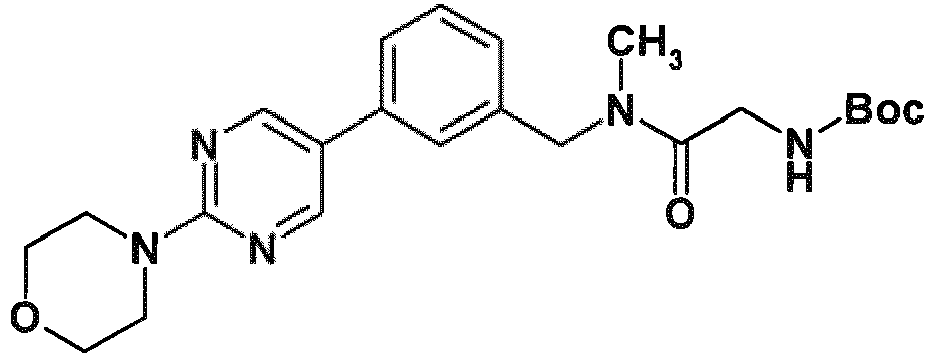
— 10 R10 
— 11 R10 
— 12 R10 
— -
[Table 5] Rf Syn Structure Acid 13 R10 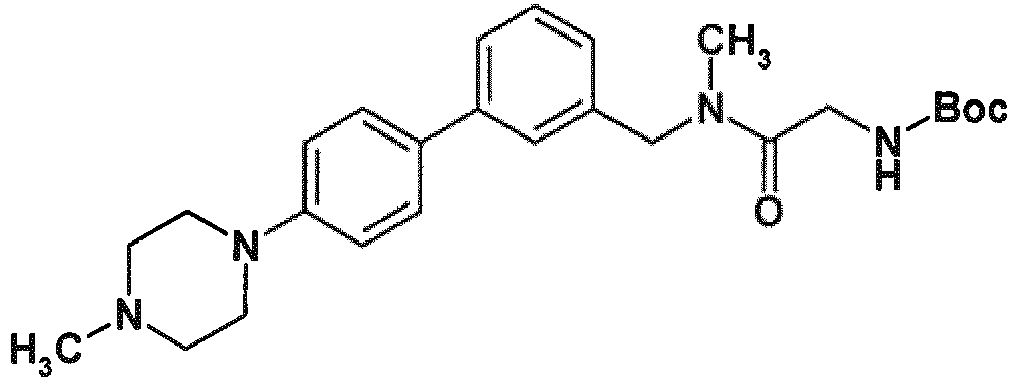
— 14 R10 
— 15 R10 
— 16 R16 
— 17 R17 
— -
[Table 6] Rf Syn Structure Acid 18 R17 
— 19 R17 
— 20 R17 
— 21 R17 
— 22 R17 
— -
[Table 7] Rf Syn Structure Acid 23 R17 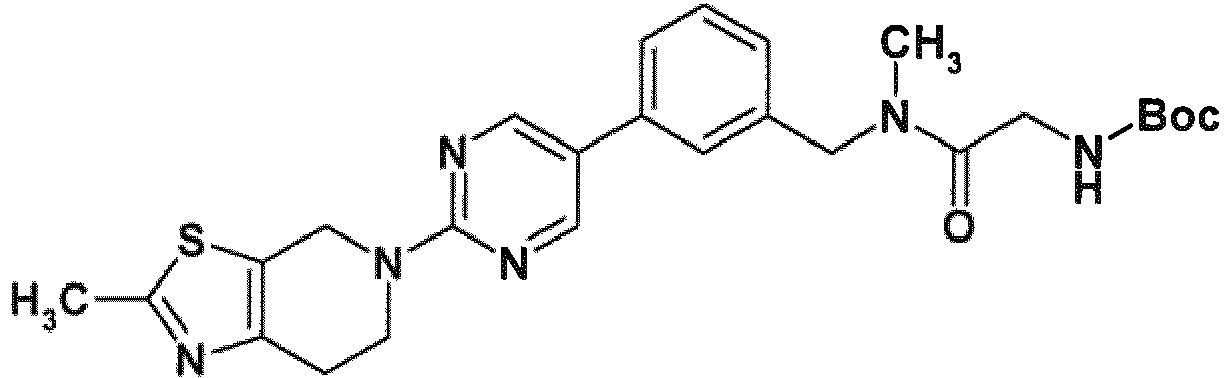
— 24 R17 
— 25 R17 
— 26 R17 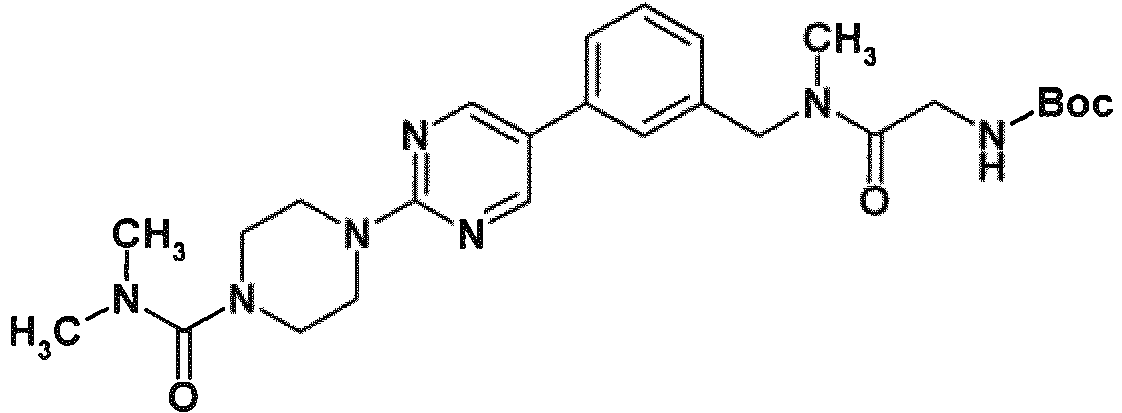
— 27 I R17 
— -
[Table 8] Rf Syn Structure Acid 28 R17 
— 29 R17 
— 30 R17 
— 31 R17 
— 32 R17 
— -
[Table 9] Rf Syn Structure Acid 33 R17 
— 34 R17 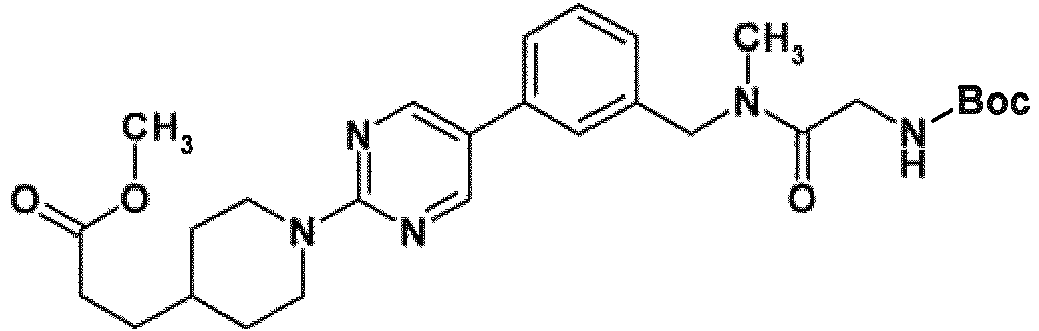
— 35 R17 
— 36 R17 
— 37 R17 
— -
[Table 10] Rf Syn Structure Acid 38 R17 
— 39 R17 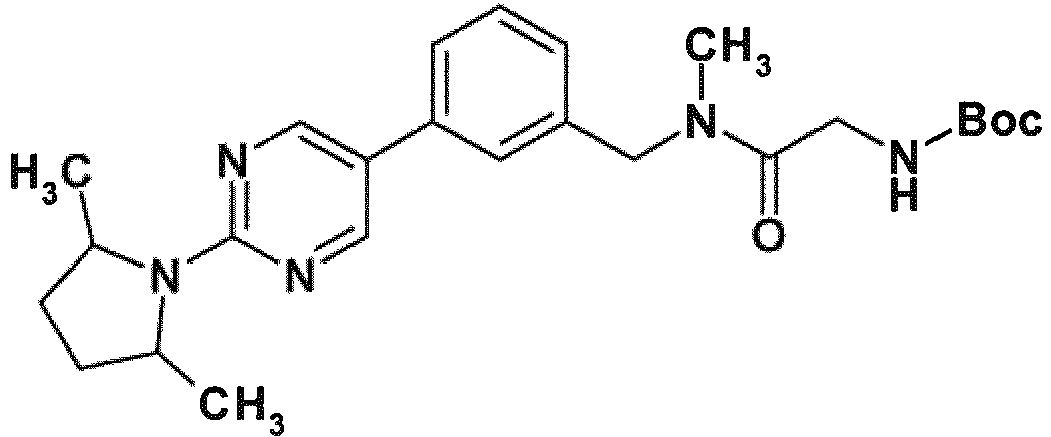
— 40 R17 
— 41 R17 
— 42 R17 
— -
[Table 11] Rf Syn Structure Acid 43 R17 
— 44 R17 
— 45 R17 
— 46 R17 
— 47 R17 
— -
[Table 12] Rf Syn Structure Acid 48 R17 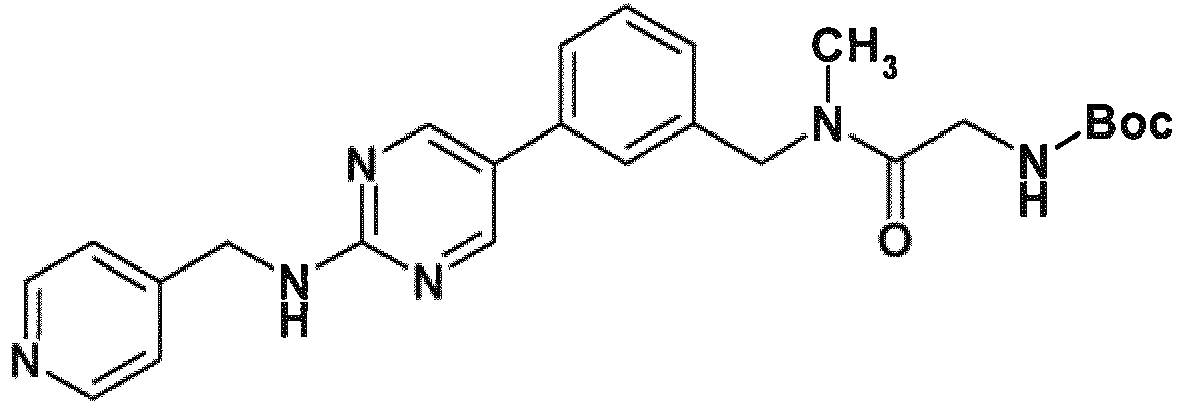
— 49 R17 
— 50 R17 
— 51 R17 
— -
[Table 13] Rf Syn Structure Acid 52 R17 
— 53 R17 
— 54 R17 
— 55 R17 I 
— 56 R17 
— -
[Table 14] Rf Syn Structure Acid 57 R17 
— 58 R17 
— 59 R17 
— 60 R17 
— 61 R17 
— 62 R17 
— -
[Table 15] Rf Syn Structure Acid 63 R17 
— 64 R17 I 
— 65 R17 
— 66 R17 
— -
[Table 16] Rf Syn Structure Acid 67 I R17 
— 68 R17 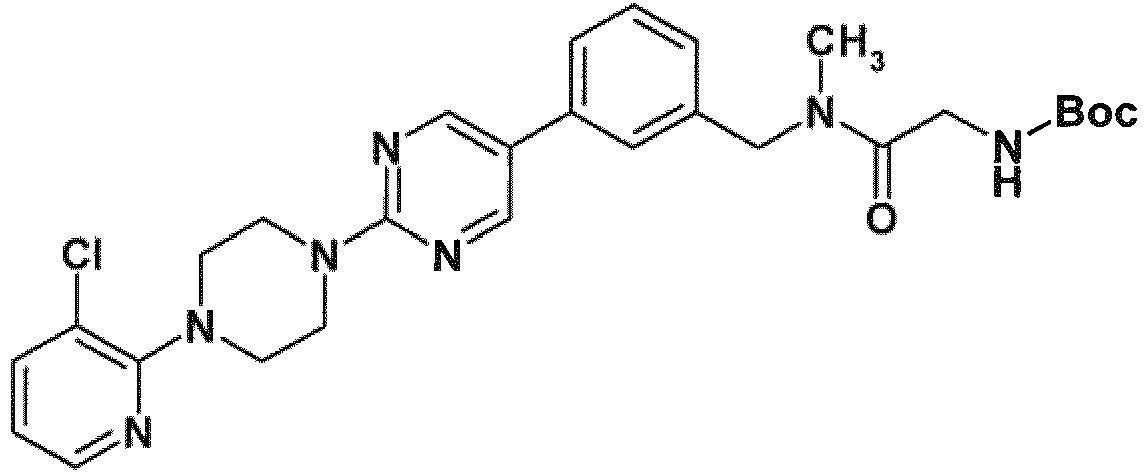
— 69 R17 
— 70 R17 
— -
[Table 17] Rf Syn Structure Acid 71 R17 
— 72 R17 
— 73 R17 
— 74 R17 
— -
[Table 18] Rf Syn Structure Acid 75 R17 
— 76 R17 
— 77 R17 
— 78 R17 
— 79 R17 
— -
[Table 19] Rf Syn Structure Acid 80 R17 
— 81 R17 
— 82 R17 
— 83 R17 
— -
[Table 20] Rf Syn Structure Acid 84 R17 
— 85 R17 
— 86 R17 
— 87 R17 
— -
[Table 21] Rf Syn Structure Acid 88 R17 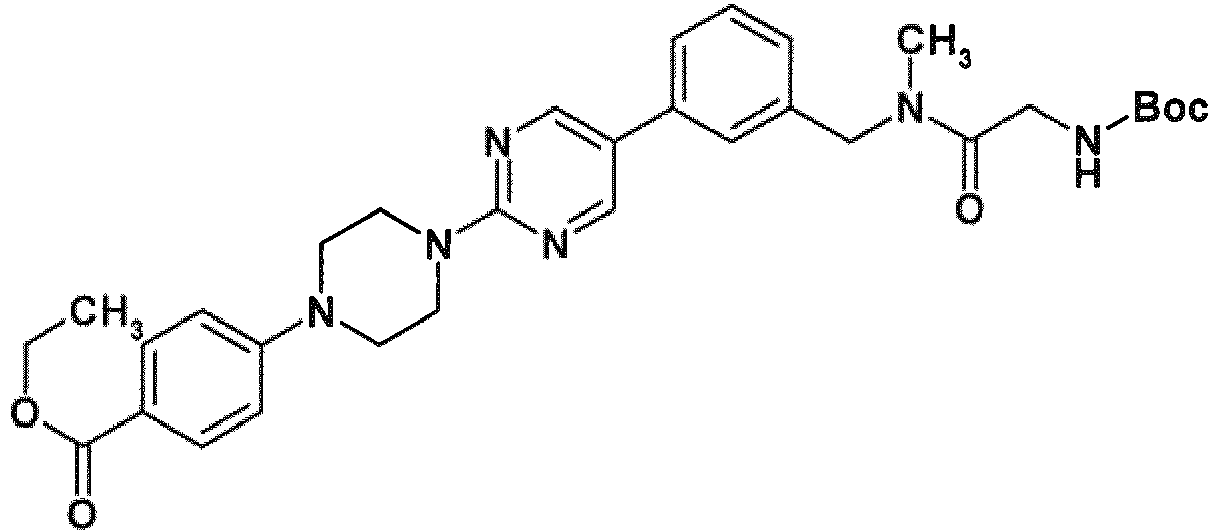
— 89 R17 
— 90 R17 
— 91 R91 
2HCl 92 R92 
— -
[Table 22] Rf Syn Structure Acid 93 R92 
— 94 R92 
— 95 R92 
— 96 R92 
— 97 R92 
— 98 R92 
— -
[Table 23] Rf Syn Structure Acid 99 R92 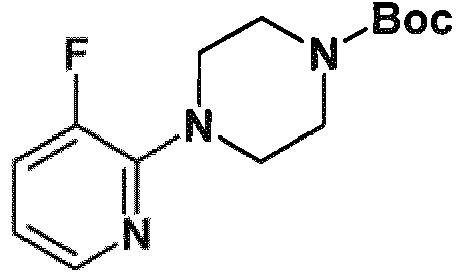
— 100 R92 
— 101 R92 
— 102 R92 
— 103 R92 
— 104 R92 
— -
[Table 24] Rf Syn Structure Acid 105 R92 
— 106 R92 
— 107 R107 
2HCl 108 R108 
— 109 R108 
— 110 R108 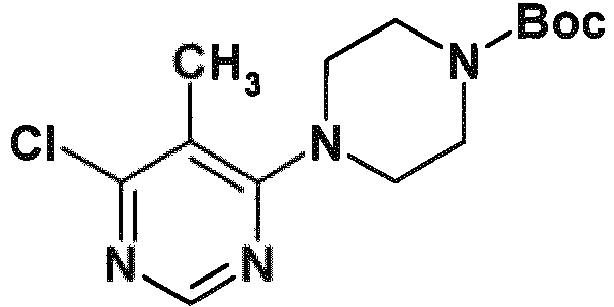
— 111 R108 
— -
[Table 25] Rf Syn Structure Acid 112 R112 
2HCl 113 R112 
— 114 R112 
— 115 R115 
— 116 R115 
3HCl 117 R115 
3HCl -
[Table 26] Rf Syn Structure Acid 118 R115 
2HCl 119 R115 
2HCl 120 R115 
2HCl 121 R115 
2HCl 122 R115 
2HCl -
[Table 27] Rf Syn Structure Acid 123 R115 
2HCl 124 R124 
— 125 R124 
— 126 R124 
— 127 R124 
— -
[Table 28] Rf Syn Structure Acid 128 R124 
— 129 R124 
— 130 R124 
— 131 R124 
— -
[Table 29] Rf Syn Structure Acid 132 R124 
— 133 R124 
— 134 R124 
— 135 R124 
— 136 R124 
— -
[Table 30] Rf Syn Structure Acid 137 R124 
— 138 R124 
— 139 R124 
— 140 R124 
— 141 R124 
— -
[Table 31] Rf Syn Structure Acid 142 R124 
— 143 R124 
— 144 R144 
— 145 R144 
— -
[Table 32] Rf Syn Structure Acid 146 R146 
— 147 R147 
— 148 R148 
— 149 R148 
— 150 R148 
— 151 R148 
— -
[Table 33] Rf Syn Structure Acid 152 R148 
— 153 R148 
— 154 R148 
— 155 R148 
— 156 R148 
— -
[Table 34] Rf Syn Structure Acid 157 R148 
— 158 R148 
— 159 R148 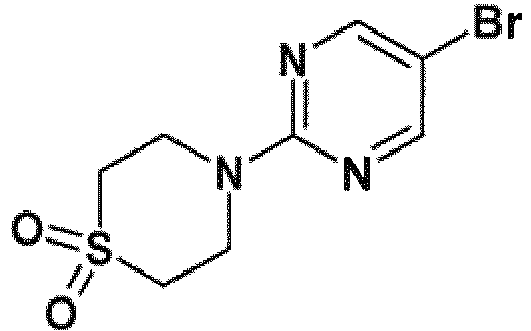
— 160 R160 
— 161 R161 
— 162 R161 
— -
[Table 35] Rf Syn Structure Acid 163 R161 
— 164 R161 
— 165 R161 
— 166 R161 
— 167 R161 
— 168 R161 
— -
[Table 36] Rf Syn Structure Acid 169 R161 
— 170 R161 
— 171 R171 
— 172 R171 
— 173 R171 
— 174 R171 
— -
[Table 37] Rf Syn Structure Acid 175 R171 
— 176 R171 
— 177 R171 
— 178 R171 
— 179 R171 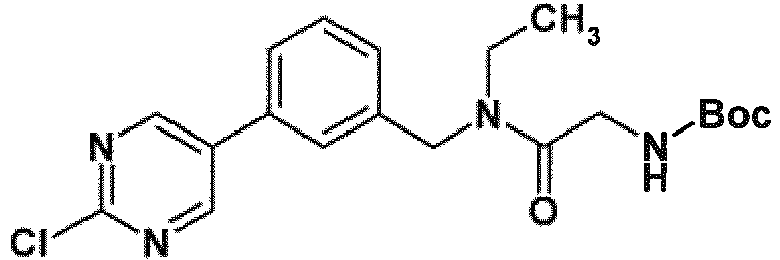
— 180 R171 
— -
[Table 38] Rf Syn Structure Acid 181 R171 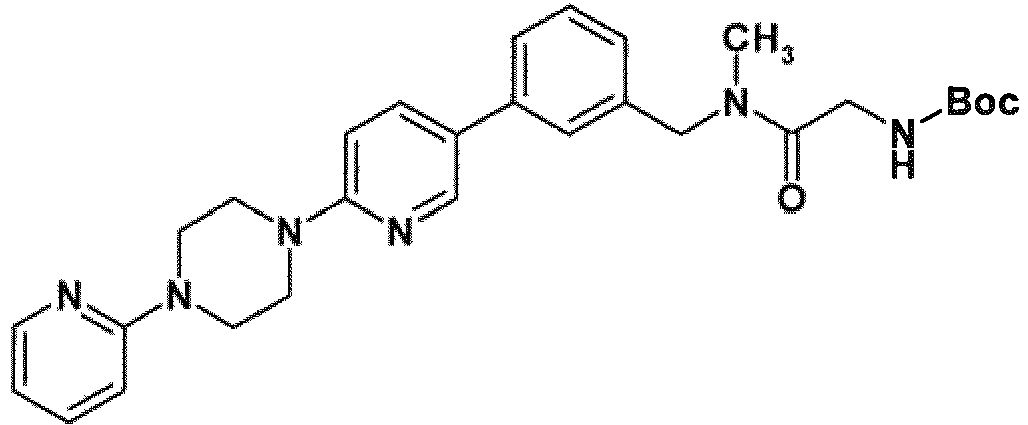
— 182 R171 
— 183 R171 
— 184 R171 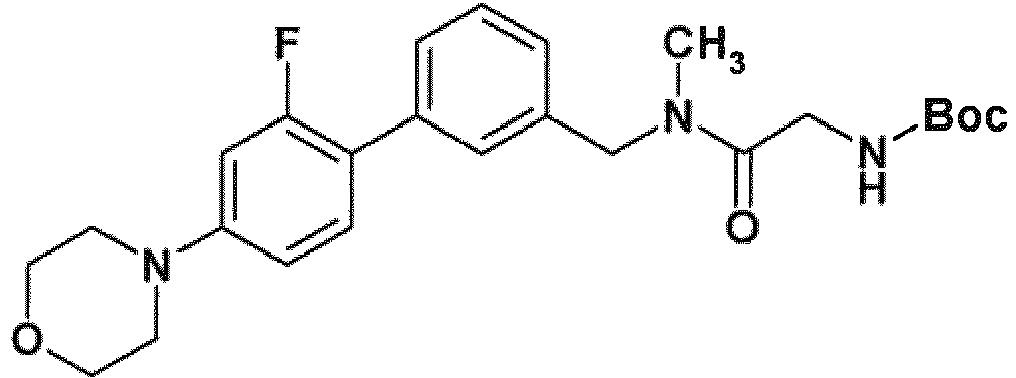
— 185 R171 
— -
[Table 39] Rf Syn Structure Acid 186 R171 
— 187 R171 
— 188 R171 
— 189 R171 
— 190 R171 
— 191 R171 
— -
[Table 40] Rf Syn Structure Acid 192 R171 
— 193 R171 
— 194 R171 
— 195 R171 
— 196 R171 
— -
[Table 41] Rf Syn Structure Acid 197 R171 
— 198 R171 
— 199 R171 
— 200 R200 
— 201 R201 
— -
[Table 42] Rf Syn Structure Acid 202 R201 
— 203 R201 
— 204 R201 
— 205 R201 
— 206 R201 
— -
[Table 43] Rf Syn Structure Acid 207 R201 
— 208 R201 
— 209 R201 
— 210 R201 
— 211 R201 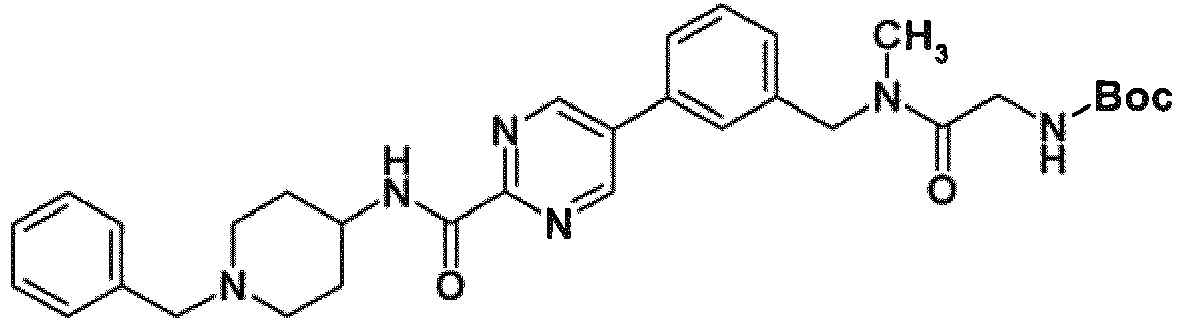
— 212 R201 
— -
[Table 44] Rf Syn Structure Acid 213 R201 
— 214 R201 
— 215 R201 
— 216 R201 
— 217 R201 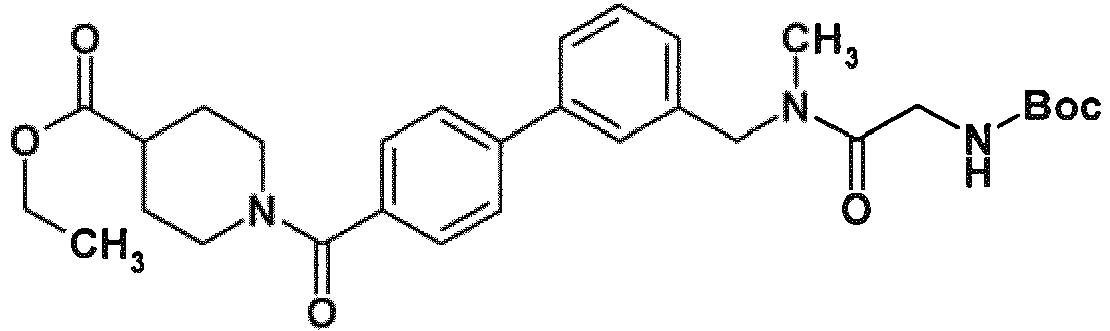
— -
[Table 45] Rf Syn Structure Acid 218 R201 
— 219 R201 
— 220 R201 
— 221 R201 
— 222 R222 
— -
[Table 46] Rf Syn Structure Acid 223 R222 
— 224 R222 
— 225 R222 
— 226 R222 
— 227 R222 
— -
[Table 47] Rf Syn Structure Acid 228 R222 
— 229 R222 
— 230 R230 
— 231 R230 
— 232 R230 
— 233 R230 
— -
[Table 48] Rf Syn Structure Acid 234 R234 
— 235 R234 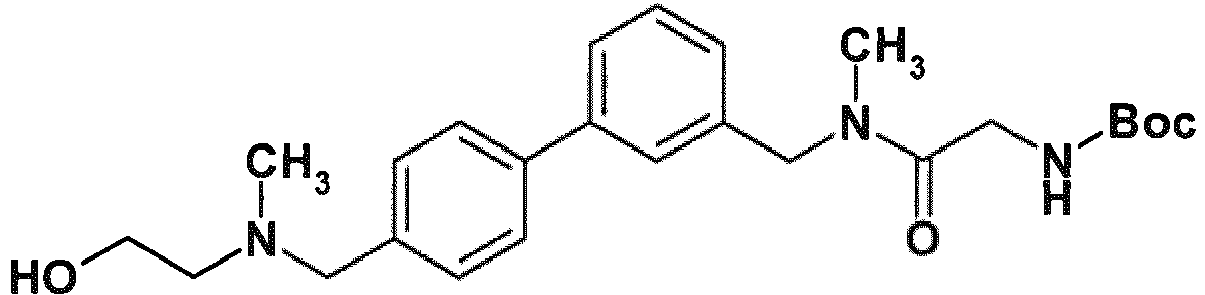
— 236 R234 
— 237 R237 
— 238 R237 
— -
[Table 49] Rf Syn Structure Acid 239 R237 
— 240 R237 
— 241 R237 
— 242 R237 
— -
[Table 50] Rf Syn Structure Acid 243 R237 
— 244 R237 
— 245 R245 
— 246 R245 
— -
[Table 51] Rf Syn Structure Acid 247 R245 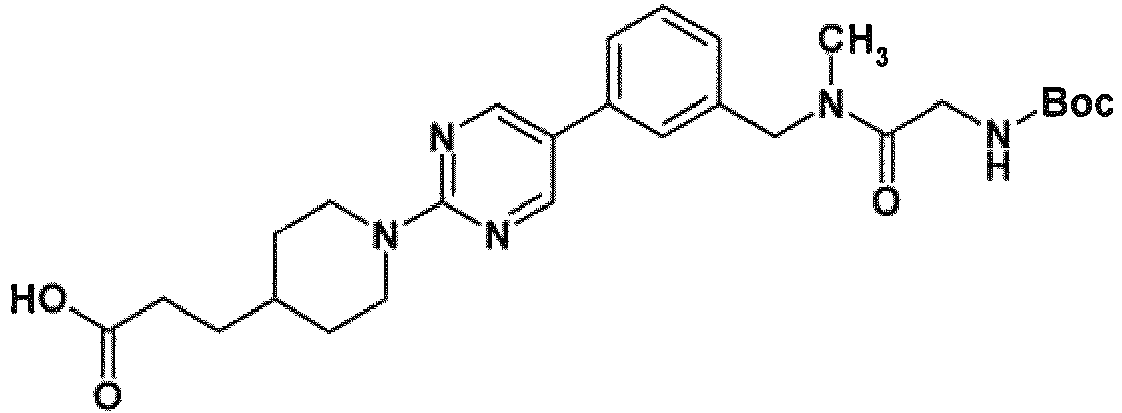
— 248 R245 
— 249 R245 
— 250 R245 
— 251 R245 
— -
[Table 52] Rf Syn Structure Acid 252 R245 
— 253 R245 
— 254 R245 
— 255 R255 
— 256 R255 
— -
[Table 53] Rf Syn Structure Acid 257 R257 
— 258 R258 
— 259 R259 
— 260 R260 
— 261 R261 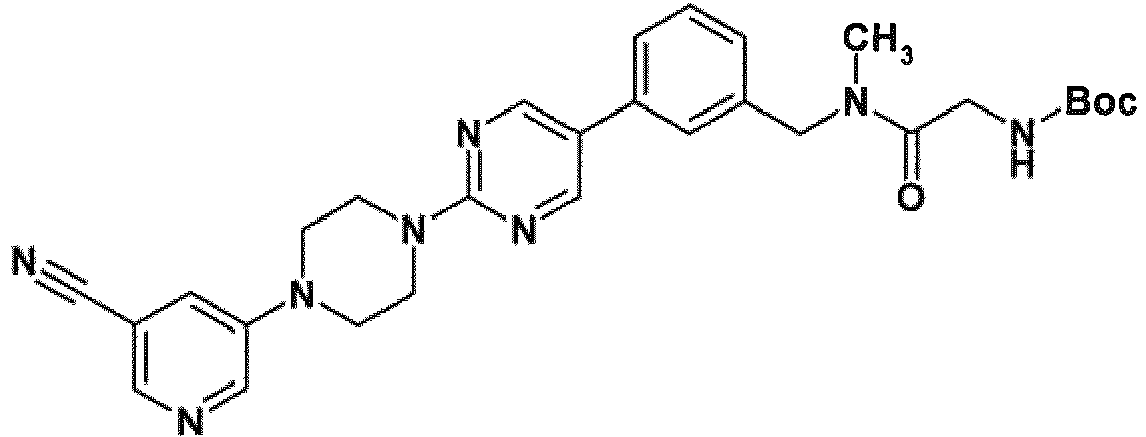
— -
[Table 54] Rf Syn Structure Acid 262 R261 
— 263 R261 
— 264 R261 
— 265 R261 
— -
[Table 55] Rf Syn Structure Acid 266 R266 
— 267 R266 
— 268 R266 
— 269 R266 
— 270 R270 
HCl -
[Table 56] Rf Syn Structure Acid 271 R271 
— 272 R272 
— 273 R273 
— 274 R274 
— 275 R274 
— -
[Table 57] Rf Syn Structure Acid 276 R276 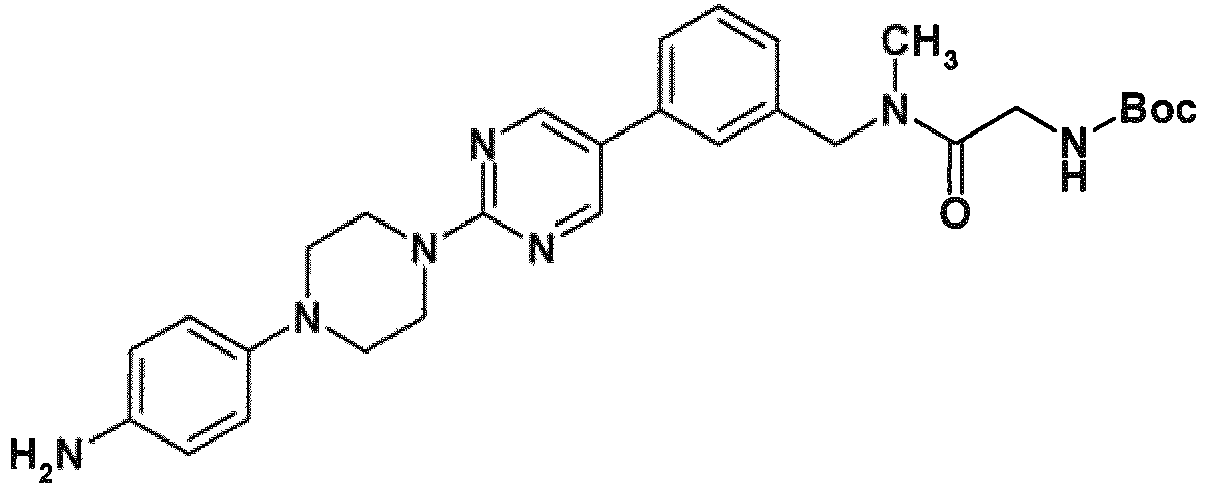
— 277 R277 
— 278 R278 
— 279 R278 
— 280 R278 
— 281 R278 
— -
[Table 58] Rf Syn Structure Acid 282 R278 
— 283 R278 
— 284 R278 
— 285 R285 
— 286 R286 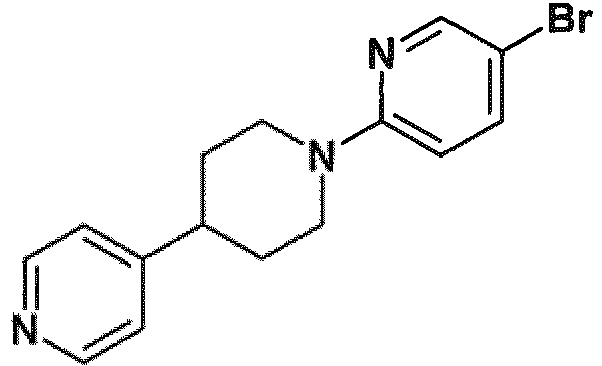
— -
[Table 59] Rf Syn Structure Acid 287 R287 
— 288 R288 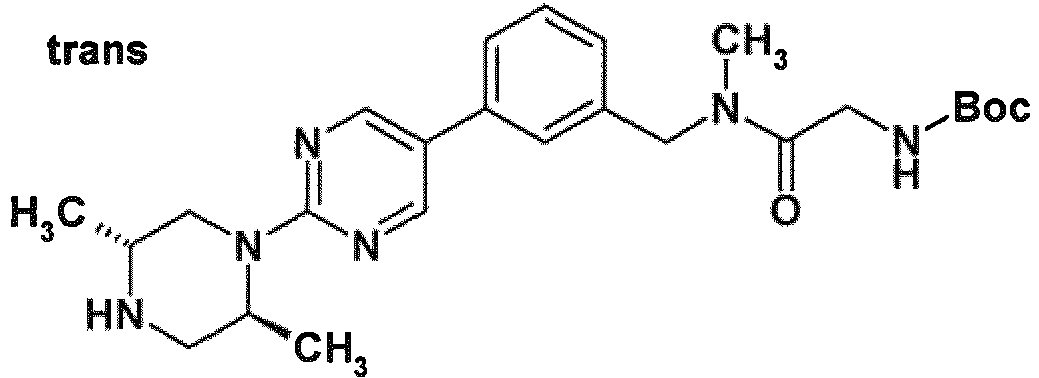
— 289 R288 
— 290 R288 
— 291 R288 
— 292 R288 
— -
[Table 60] Rf Syn Structure Acid 293 R288 
— 294 R288 
— 295 R288 
— 296 R296 
— 297 R297 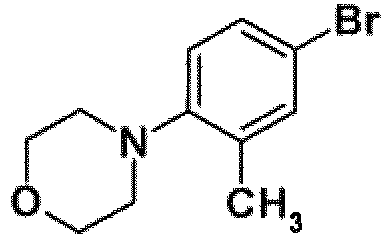
— 298 R297 
— -
[Table 61] Rf Syn Structure Acid 299 R297 
— 300 R297 
— 301 R297 
— 302 R302 
2HCl 303 R303 
— 304 R304 
— -
[Table 62] Rf Syn Structure Acid 305 R304 
— 306 R306 
— 307 R306 
— 308 R306 
— 309 R309 
— 310 R309 
— 311 R309 
— -
[Table 63] Rf Syn Structure Acid 312 R309 
— 313 R313 
HBr 314 R314 
— 315 R315 
— 316 R316 
— 317 R316 
— 318 R318 
— 319 R318 
— -
[Table 64] Rf Syn Structure Acid 320 R320 
— 321 R320 
— 322 R320 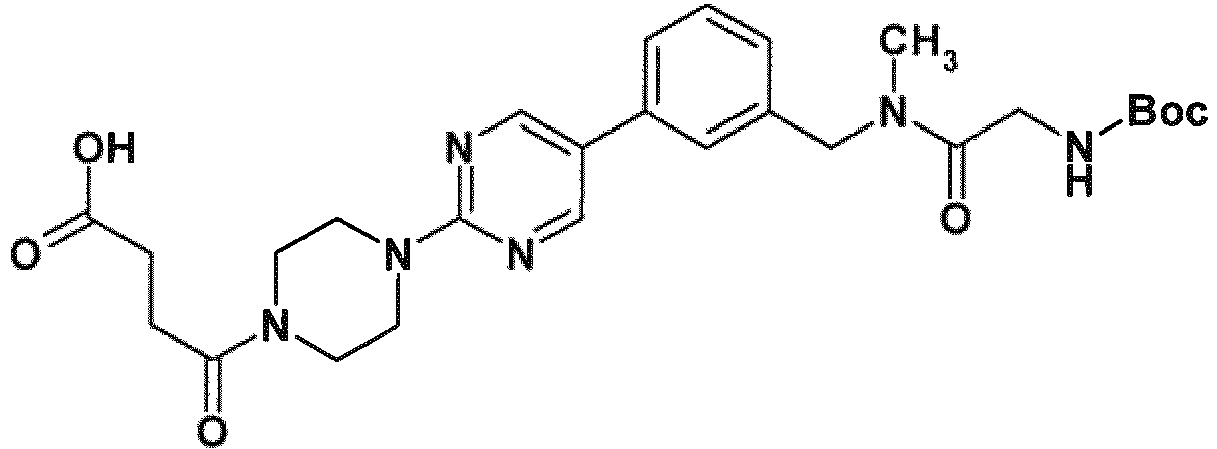
— 323 R321 
— 324 R321 
— -
[Table 65] Rf Syn Structure Acid 325 R325 
— 326 R326 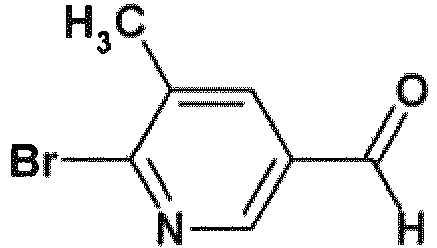
— 327 R327 
— 328 R328 
— 329 R329 
— 330 R330 
— -
[Table 66] Rf Syn Structure Acid 331 R7 
— 332 R245 
— 333 R92 
— 334 R115 
3HCl 335 R296 
— 336 R338 
— -
[Table 67] Rf Syn Structure Acid 337 R10 
— 338 R340 
— -
[Table 68] Rf Data 1 ESI+: 214 2 FAB+: 357 3 ESI+: 371 4 ESI+: 301 5 ESI+: 302 6 ESI+: 301 7 ESI+: 391 8 ESI+: 419 9 ESI+: 442 10 ESI+:426 11 ESI+: 441 12 ESI+: 468 13 ESI+: 453 14 ESI+: 370 15 ESI+: 515 16 ESI+: 385 17 ESI+: 532 18 ESI+: 590 19 ESI+: 532 20 ESI+: 532 21 ESI+: 524 22 ESI+: 484 23 ESI+: 509 24 ESI+: 533 25 ESI+: 475 26 ESI+: 512 27 ESI+: 497 28 ESI+: 470 29 ESI+: 484 30 ESI+: 502 31 ESI+: 547 32 ESI+: 616 33 ESI+: 644 34 ESI+: 526 -
[Table 69] Rf Data 35 ESI+: 456 36 ESI+: 470 37 ESI+: 456 38 ESI+: 470 39 ESI+: 454 40 ESI+: 517 41 ESI+: 483 42 ESI+: 477 43 ESI+: 491 44 ESI+: 547 45 ESI+: 561 46 ESI+: 518 47 ESI+: 477 48 ESI+: 463 49 ESI+: 538 50 ESI+: 525 51 ESI+: 519 52 ESI+: 517 53 ESI+: 531 54 ESI+: 535 55 ESI+: 551 56 ESI+: 532 57 ESI+: 485 58 ESI+: 554 59 ESI+: 513 60 ESI+: 488 61 ESI+: 469 62 ESI+: 477 63 ESI+: 532 64 ESI+: 576 65 ESI+: 552 66 ESI+: 532 67 ESI+: 543 68 ESI+: 552 -
[Table 70] Rf Data 69 ESI+: 586 70 ESI+: 531 71 ESI+: 536 72 ESI+: 553 73 ESI+: 546 74 ESI+: 552 75 ESI+: 598 76 ESI+: 484 77 ESI+: 497 78 ESI+: 483 79 ESI+: 523 80 ESI+: 482 81 ESI+: 456 82 ESI+: 456 83 ESI+: 483 84 ESI+: 512 85 ESI+: 498 86 ESI+: 554 87 ESI+: 616 88 ESI+: 589 89 ESI+: 477 90 ESI+: 536 91 ESI+: 133 92 ESI+: 336 93 ESI+: 278 94 ESI+: 278 95 ESI+: 322 96 ESI+: 298 97 ESI+: 292 98 ESI+: 292 99 ESI+: 282 100 ESI+: 282 101 ESI+: 294 102 ESI+: 306 -
[Table 71] Rf Data 103 ESI+: 336 104 ESI+: 278 105 ESI+: 278 106 NMR-CDCl3: 1.45-1.55 (9H, m), 2.33 (3H, s), 3.32-3.42 (4H, m), 3.50-3.64 (4H, m), 7.82-7.87 (1H, m), 8.51-8.56 (1H, m), 9.91 (1H, s) 107 ESI+: 178 108 ESI+: 236 ([M-tBu+H]+) 109 ESI+:308 110 ESI+: 313 111 ESI+ 342, 344 112 APCI+: 232 113 ESI+: 199. 201 114 ESI+: 198, 200 115 ESI+: 236 116 ESI+: 178 117 ESI+: 178 118 ESI+: 178 119 ESI+: 222 120 ESI+: 198 121 ESI+: 177 122 ESI+:262 123 ESI+: 208 124 ESI+: 546 125 ESI+: 546 126 ESI+: 548 127 ESI+: 536 128 ESI+: 561 129 ESI+: 548 130 ESI+: 533 131 ESI+: 568 132 ESI+: 534 133 ESI+: 567 134 ESI+: 620 -
[Table 72] Rf Data 135 ESI+: 498 136 ESI+: 553 137 ESI+: 551 138 ESI+: 537 139 ESI+: 512 140 ESI+: 590 141 ESI+: 646 142 ESI+: 517 143 ESI+: 630 144 ESI+: 316, 318 145 ESI+: 316, 318 146 ESI+: 321 147 APCI+: 203 148 ESI+:245 149 ESI+: 271 150 ESI+: 274 151 ESI+: 279 152 ESI+: 271 153 ESI+: 320 154 ESI+: 321 155 ESI+: 319 156 ESI+: 319 157 ESI+: 333, 335 158 ESI+: 332, 334 159 ESI+: 293 160 ESI+: 389 161 ESI+: 412 162 ESI+: 440 163 ESI+: 441 164 ESI+: 412 165 ESI+: 370 166 FAB+: 383 167 FAB+: 380 168 ESI+: 427 -
[Table 73] Rf Data 169 ESI+: 261 170 ESI+: 275 171 ESI+: 470 172 ESI+: 472 173 ESI+:469 174 ESI+: 444 175 ESI+: 470 176 ESI+: 456 177 ESI+: 518 178 ESI+: 519 179 ESI+: 405 180 ESI+: 377 181 ESI+: 518 182 ESI+: 518 183 ESI+: 517 184 APCI+: 458 185 ESI+: 374 ([M-Boc]+) 186 ESI-: 399 187 ESI+: 497 188 ESI+: 391 189 ESI+: 497 190 ESI+: 498 191 ESI+: 358 ([M-Boc]+) 192 ESI+: 454 193 ESI+: 517 194 ESI+:276 195 NMR-CDCl3: 1.44 (2.7H, s), 1.47 (6.3H, s), 2.79-2.87 (2H, m), 2.92 (2.1H, s), 3.02 (0.9H, s), 3.92-4.11 (4H, m), 4.24-4.31 (2H, m), 4.52 (0.6H, s), 4.66 (1.4H, s), 5.50-5.63 (1H, m), 6.73-6.82 (2H, m), 7.05-7.20 (2H, m), 7.22-7.31 (1H, m), 7.35-7.51 (3H, m), 7.64-7.76 (2H, m), 8.43-8.48 (1H, m), 8.57-8.62 (1H, m) -
[Table 74] Rf Data 196 NMR-CDCl3: 1.44 (2.7H, s), 1.47 (6.3H, s), 2.66-2.73 (2H, m), 2.92 (2.1H, s), 3.02 (0.9H, s), 3.92-4.11 (4H, m), 4.18-4.27 (2H, m), 4.52 (0.6H, s), 4.66 (1.4H, s), 5.50-5.63 (1H, m), 6.24-6.32 (1H, m), 6.75 (1H, d, J = 8.8 Hz), 7.05-7.20 (1H, m), 7.23-7.32 (1H, m), 7.35-7.51 (3H, m), 7.67-7.78 (2H, m), 8.43-8.48 (1H, m), 8.49-8.54 (1H, m), 8.69-8.74 (1H, m) 197 API-: 382 198 ESI+: 518 199 ESI-: 482 200 ESI+: 590 201 ESI+: 557 202 ESI+: 495 203 ESI+: 440 204 ESI+: 496 205 ESI+: 601 206 ESI+: 585 207 ESI+: 496 208 ESI+: 585 209 ESI+: 531 210 ESI+: 496 211 ESI+: 573 212 ESI+: 511 213 ESI+: 551 214 ESI+: 553 215 ESI+: 579 216 ESI+: 539 217 ESI-: 582 218 API+: 496 219 ESI+: 511 220 ESI+: 468 221 ESI+: 496 222 FAB-: 440 223 ESI+: 458 224 ESI-: 494 225 FAB-: 450 -
[Table 75] Rf Data 226 ESI-: 436 227 FAB+: 475 228 ESI-: 473 229 ESI+: 495 230 ESI+: 456 231 ESI+: 440 232 ESI+: 535 233 NMR-CDCl3 1.44 (3.6H, s), 1.46 (5.4H, s), 2.80 (1.2H, s), 2.90 (1.8H, s), 3.0-3.1 (6H, m), 3.99-4.09 (2H, m), 4.51 (0.8H, s), 4.66 (1.2H, s), 5.52-5.62 (1H, br), 7.05-7.55 (8H, m) 234 ESI+: 456 235 NMR-CDCl3: 1.44 (3.6H, s), 1.46 (5.4H, s), 2.27 (3H, s), 2.64 (2H, t, J = 6 Hz), 2.91 (1.8H, s), 3.02 (1.2H, s), 3.59-3.69 (4H, m), 3.99-4.09 (2H, m), 4.53 (0.8H, s), 4.67 (1.2H, s), 5.52-5.63 (1H, br), 7.10-7.23 (1H, m), 7.32-7.57 (7H, m) 236 ESI+: 557 237 ESI+: 527 238 ESI+: 499 239 ESI+: 527 240 ESI+: 527 241 ESI+: 541 242 ESI+: 554 243 ESI+: 540 244 ESI+: 552 245 ESI+: 588 246 ESI+: 616 247 ESI+: 512 248 ESI+: 596, 598 249 ESI+: 622, 624 250 ESI+: 606 251 ESI-: 397 252 ESI+: 602 253 ESI+: 604 254 ESI+: 561 -
[Table 76] Rf Data 255 ESI+: 392 256 ESI+: 362 257 FAB+: 384 258 ESI+: 220 259 ESI+: 302 260 ESI+: 463 261 ESI+: 543 262 ESI+: 543 263 ESI+: 552, 554 264 ESI+: 543 265 ESI+: 546 266 ESI+: 624, 626 267 ESI+: 356, 358 268 ESI+: 308 269 ESI+: 562 270 ESI+: 241 271 ESI+: 582, 584 272 ESI+: 580, 582 273 ESI+: 453 274 ESI+: 650, 652 275 ESI+: 376 276 ESI+: 533 277 APCI+: 261 278 ESI+: 278 279 ESI+: 648 280 ESI+: 277 281 ESI+: 263 282 ESI+: 263 283 ESI+: 632 284 ESI+: 618 285 ESI+: 518 286 ESI+: 320 287 ESI+: 301 288 ESI+: 469 -
[Table 77] Rf Data 289 ESI+: 441 290 ESI+: 286 291 ESI+: 189 292 ESI+: 198 293 ESI+: 232 294 ESI+: 198 295 ESI+: 242 296 ESI-: 478 297 ESI+: 258 298 ES+: 262 299 ESI+: 274 300 ESI+: 262 301 ESI+: 278 302 ESI+: 152 303 ESI+: 455 304 NMR-CDCl3 1.39-1.55 (11H, m), 1.92-2.03 (2H, m), 2.08-2.20 (2H, m), 2.77-2.87 (2H, m), 2.90 (1.8H, s), 3.01 (1.2H, s), 3.50 (2H, s), 3.67-3.80 (1H, m), 3.99-4.08 (2H, m), 4.50 (0.8H, s), 4.65 (1.2H, s), 4.65-4.72 (1H, m), 5.52-5.61 (1H, m), 6.39-6.46 (1H, m), 7.06-7.52 (13H, m) 305 ESI+: 496 306 ESI+: 464 307 ESI+: 533 308 ESI+: 486 309 ESI+: 233 310 ESI+: 299 311 ESI+: 297 312 ESI+: 283 313 ESI+: 316 314 ESI+: 278 315 ESI+: 261 316 ESI+: 294 317 ESI+: 375 318 ESI+: 279 319 ESI+: 519 -
[Table 78] Rf Data 320 ESI+: 481 321 ESI+: 495 322 ESI+: 541 323 ESI+: 380 324 EI: 257 325 ESI+: 467 326 ESI+: 201 327 ESI+: 370 328 ESI+: 571 329 ESI+: 606 330 ESI+: 322 331 ESI+: 405 332 ESI+: 595 333 ESI+: 278 334 ESI+: 178 335 ESI+: 297 336 ESI+: 376 337 ESI+: 573 338 ESI+: 439 - tert-Butyl {2-[(3-bromobenzyl)amino]-2-oxoethyl}carbamate (350 mg) was dissolved in DME (3 ml) and water (1.5 ml), and 1,4-benzodioxane-6-boronic acid (194 mg), sodium carbonate (313 mg), and tetrakis(triphenylphosphine)palladium (34 mg) were added thereto, followed by stirring at 80°C for 1 day. The reaction mixture was concentrated under reduced pressure, and a saturated aqueous sodium hydrogen carbonate solution was added thereto, followed by extraction with CHCl3. The organic layer was dried over Na2SO4 and concentrated under reduced pressure. The obtained residue was purified by silica gel column chromatography (CHCl3/MeOH). The product was dissolved in MeOH (3.5 ml), and 4 M hydrogen chloride/EtOAc (2.0 ml) was added thereto, followed by stirring at room temperature for one day. The reaction mixture was concentrated under reduced pressure, and a saturated aqueous sodium hydrogen carbonate solution was added thereto, followed by extraction with CHCl3. The organic layer was dried over Na2SO4 and concentrated under reduced pressure. The obtained residue was purified by silica gel column chromatography (CHCl3/MeOH). The product was dissolved in EtOH (3 ml), and L-tartaric acid (126 mg) was added thereto, followed by stirring at room temperature for 2 hours. The precipitated solid was collected by filtration to obtain N-[3-(2,3-dihydro-1,4-benzodioxin-6-yl)benzyl]-N-methylglycinamide L-tartrate (453 mg).
- Azetidine hydrochloride (287 mg) was suspended in DMF (5 ml), and tert-butyl (2-{[3-(2-chloropyrimidin-5-yl)benzyl](methyl)amino}-2-oxoethyl)carbamate (300 mg) and K2CO3 (849 mg) were added thereto, followed by stirring at 80°C overnight. The reaction mixture was concentrated under reduced pressure, and then a saturated aqueous sodium hydrogen carbonate solution was added thereto, followed by extraction with CHCl3. The organic layer was dried over Na2SO4 and the solvent was concentrated under reduced pressure. The obtained residue was purified by silica gel column chromatography (hexane/EtOAc). The product was dissolved in EtOH (4 ml), and 4 M hydrogen chloride/EtOAc (2 ml) was added thereto, followed by stirring at room temperature overnight. The precipitated solid was collected by filtration to obtain N-[3-(2-azetidin-1-ylpyrimidin-5-yl)benzyl]-N-methylglycinamide dihydrochloride (295 mg).
- 1-(3-Methylpyridin-2-yl)piperazine dihydrochloride (3.0 g) and K2CO3 (8.5 g) were suspended in DMF (100 ml), followed by stirring at 60°C for 30 minutes. tert-Butyl (2-{[3-(2-chloropyrimidin-5-yl)benzyl](methyl)amino}-2-oxoethyl)carbamate (4.0 g) was added thereto, followed by stirring at 60°C overnight. The reaction mixture was concentrated under reduced pressure, and a saturated aqueous sodium hydrogen carbonate solution was added thereto, followed by extraction with CHCl3. The organic layer was dried over Na2SO4, the solvent was concentrated under reduced pressure, and the obtained residue was purified by silica gel column chromatography (CHCl3/MeOH). The product was dissolved in EtOH (40 ml), and 4 M hydrogen chloride/EtOAc (20 ml) was added thereto, followed by stirring at room temperature overnight. The reaction mixture was concentrated under reduced pressure, and then a saturated aqueous sodium hydrogen carbonate solution was added thereto, followed by extraction with CHCl3. The organic layer was dried over Na2SO4 and the solvent was concentrated under reduced pressure. The obtained residue was purified by silica gel column chromatography (CHCl3/MeOH). The product was dissolved in EtOH (40 ml), and L-tartaric acid (960 mg) was added thereto, followed by stirring at room temperature overnight. The precipitated solid was collected by filtration to obtain N-methyl-N-(3-{2-[4-(3-methylpyridin-2-yl)piperazin-1-yl]pyrimidin-5-yl}benzyl)glycinamide L-tartrate (2.9 g).
- (2E)-3-[6-(4-{5-[3-({[N-(tert-Butoxycarbonyl)glycyl](methyl)amino}methyl)phenyl]pyrimidin-2-yl}piperazin-1-yl)-5-methylpyridin-3-yl]acrylic acid (147 mg) was dissolved in dioxane (3 ml), and CHCl3 (1 ml) and 4 M hydrogen chloride/dioxane (1 ml) was added thereto, followed by stirring at room temperature overnight. The precipitated solid was collected by filtration to obtain (2E)-3-(6-{4-[5-(3-{[glycyl(methyl)amino]methyl}phenyl)pyrimidin-2-yl]piperazin-1-yl}-5-methylpyridin-3-yl)acrylic acid dihydrochloride (130 mg).
- To a solution of tert-butyl (2-{methyl[3-(2-morpholin-4-ylpyrimidin-5-yl)benzyl]amino}-2-oxoethyl)carbamate (230 mg) in MeOH (2.3 ml) was added 4 M hydrogen chloride/EtOAc (1 ml), followed by stirring at room temperature for 4 hours. The reaction mixture was concentrated under reduced pressure, and the obtained residue was subjected to liquid separation with CHCl3 and a saturated aqueous sodium hydrogen carbonate solution. The organic layer was separated, and then the aqueous layer was extracted with CHCl3 again. These organic layers were combined, dried over Na2SO4, and then concentrated under reduced pressure. The obtained residue was purified by flash column chromatography (NH silica 20 ml, 2% MeOH/CHCl3). The product was dissolved in EtOH (5 ml), and L-tartaric acid was added thereto, followed by stirring for 3 hours. The precipitated solid was collected and washed with EtOH to obtain N-methyl-N-[3-(2-morpholin-4-ylpyrimidin-5-yl)benzyl]glycinamide L-tartrate (191 mg) as a colorless solid.
- To N-methyl-N-{3-[2-(4-pyridin-3-ylpiperazin-1-yl)pyrimidin-5-yl]benzyl}glycinamide trihydrochloride (140 mg) were added a saturated aqueous sodium hydrogen carbonate solution and CHCl3, and the organic layer was dried over MgSO4 and concentrated under reduced pressure. The mixture was dissolved in EtOH, and L-tartaric acid (40 mg) was added thereto. After stirring at room temperature for 2 hours, the precipitated solid was collected by filtration to obtain N-methyl-N-{3-[2-(4-pyridin-3-ylpiperazin-1-yl)pyrimidin-5-yl]benzyl}glycinamide L-tartrate (151 mg).
- tert-Butyl 4-(5-methylpyridin-2-yl)piperazine-1-carboxylate (200 mg) was dissolved in MeOH (4 ml), and 4 M hydrogen chloride/EtOAc (2 ml) was added thereto, followed by stirring at room temperature for 5 hours. The reaction mixture was concentrated under reduced pressure and then suspended in DMF (4 ml), and K2CO3 (500 mg) was added thereto, followed by stirring at 80°C for 10 minutes. tert-Butyl (2-{[3-(2-chloropyrimidin-5-yl)benzyl](methyl)amino}-2-oxoethyl)carbamate (200 mg) was added thereto, followed by stirring at 80°C overnight. The reaction mixture was concentrated under reduced pressure, and then a saturated aqueous sodium hydrogen carbonate solution was added thereto, followed by extraction with CHCl3. The organic layer was dried over Na2SO4 and the solvent was concentrated under reduced pressure. The obtained residue was purified by silica gel column chromatography (CHCl3/MeOH). The product was dissolved in MeOH (3 ml), and 4 M hydrogen chloride/EtOAc (1.5 ml) was added thereto, followed by stirring at room temperature overnight. The reaction mixture was concentrated under reduced pressure, and then a saturated aqueous sodium hydrogen carbonate solution was added thereto, followed by extraction with CHCl3. The organic layer was dried over Na2SO4 and the solvent was concentrated under reduced pressure. The obtained residue was purified by silica gel column chromatography (CHCl3/MeOH). The product was dissolved in EtOH (3 ml), and L-tartaric acid (35 mg) was added thereto, followed by stirring at room temperature overnight. The precipitated solid was collected by filtration to obtain N-methyl-N-(3-{2-[4-(5-methylpyridin-2-yl)piperazin-1-yl]pyrimidin-5-yl}benzyl)glycinamide L-tartrate (63 mg).
- 6-[4-(tert-Butoxycarbonyl)piperazin-1-yl]-5-methylnicotinic acid (169 mg) was dissolved in dioxane (3.6 ml), and 4 M hydrogen chloride/EtOAc (1.5 ml) was added thereto, followed by stirring at room temperature overnight. The reaction mixture was concentrated under reduced pressure and then suspended in DMF (3 ml), and tert-butyl (2-{[3-(2-chloropyrimidin-5-yl)benzyl](methyl)amino}-2-oxoethyl)carbamate (200 mg) and DIPEA (371 mg) were added thereto, followed by stirring at 130°C overnight. The reaction mixture was concentrated under reduced pressure, and then a saturated aqueous sodium hydrogen carbonate solution was added thereto, followed by extraction with CHCl3. The organic layer was dried over Na2SO4 and the solvent was concentrated under reduced pressure. The obtained residue was purified by silica gel column chromatography (CHCl3/MeOH). The product was dissolved in dioxane, and 4 M hydrogen chloride/EtOAc (1.5 ml) was added thereto, followed by stirring at room temperature overnight. The precipitated solid was collected by filtration to obtain 6-{4-[5-(3-{[glycyl(methyl)amino]methyl}phenyl)pyrimidin-2-yl]piperazin-1-yl}-5-methylnicotinic acid dihydrochloride (60 mg).
- To a suspension of tert-butyl {2-[(3-bromobenzyl)(methyl)amino]-2-oxoethyl}carbamate (293 mg) in toluene (4 ml) were added water (2 ml), (4-chlorophenyl) boronic acid (192 mg), sodium carbonate (173 mg), and tetrakis(triphenylphosphine)palladium (28 mg), followed by stirring at 80°C overnight. The reaction mixture was cooled to room temperature, and then water was added thereto, followed by extraction with EtOAc. The organic layer was concentrated under reduced pressure, and then the residue was purified by silica gel column chromatography (hexane/EtOAc = 10/0 to 1/2). The purified product was dissolved in EtOAc (5 ml), and then 4 M hydrogen chloride/EtOAc (10 ml) was added thereto, followed by stirring at room temperature for 2 hours. The reaction mixture was concentrated under reduced pressure, and then MeCN was added thereto. The precipitated solid was collected and washed with MeCN to obtain N-[(4'-chlorobiphenyl-3-yl)methyl]-N-methylglycinamide hydrochloride (267 mg).
- tert-Butyl {2-[(3-bromobenzyl)amino]-2-oxoethyl}carbamate (200 mg) was dissolved in DME (10 ml), and water (5 ml), 4-[4-(4,4,5,5-tetramethyl-1,3,2-dioxabolan-2-yl)phenyl]morpholine (219 mg), sodium carbonate (216 mg), and tetrakis(triphenylphosphine)palladium (20 mg) were added thereto, followed by stirring at 80°C overnight. The reaction mixture was cooled to room temperature, and then water was added thereto, followed by extraction with EtOAc. The organic layer was dried over MgSO4 and concentrated under reduced pressure. The obtained residue was purified by silica gel column chromatography (hexane/EtOAc=2/1). The obtained solid was dissolved in 4 M hydrogen chloride/EtOAc, followed by stirring at room temperature for 1 hour. The solvent was evaporated under reduced pressure, and to the residue was added a 1 M aqueous sodium hydrogen carbonate solution, followed by extraction with CHCl3. The organic layer was dried over MgSO4, and then the solvent was evaporated under reduced pressure. The obtained residue was dissolved in EtOH, and oxalic acid (52 mg) was added thereto. The precipitated solid was collected by filtration to obtain N-[(4'-morpholin-4-ylbiphenyl-3-yl)methyl]glycinamide oxalate (126 mg).
- 1-(5-bromopyridin-2-yl)-4-(3-methylpyridin-2-yl)piperazine (280 mg) and tert-butyl (2-{methyl[3-(4,4,5,5-tetramethyl-1,3,2-dioxabolan-2-yl)benzyl]amino}-2-oxoethyl)carbamate (292 mg) was dissolved in DME (4 ml) and water (2 ml), and tetrakis(triphenylphosphine)palladium (41 mg) and sodium carbonate (230 mg) were added thereto, followed by stirring at 80°C overnight. To the reaction mixture was added a saturated aqueous sodium hydrogen carbonate solution, followed by extraction with CHCl3. The organic layer was dried over Na2SO4, and then the solvent was concentrated under reduced pressure. The obtained residue was purified by silica gel column chromatography (hexane/EtOAc). The product was dissolved in EtOH (4 ml), and 4 M hydrogen chloride/EtOAc (2 ml) was added thereto, followed by stirring at room temperature overnight. The precipitated solid was collected by filtration to obtain N-methyl-N-(3-{6-[4-(3-methylpyridin-2-yl)piperazin-1-yl]pyridin-3-yl}benzyl)glycinamide trihydrochloride (164 mg).
- Under an argon atmosphere, tert-butyl (2-{methyl[3-(2-piperazin-1-ylpyrimidin-5-yl)benzyl]amino}-2-oxoethyl)carbamate (200 mg) and 2-bromo-6-methylpyridine (94 mg) were dissolved in toluene (3 ml), and tris(dibenzylideneacetone) dipalladium (12 mg), 1,1'-binaphthalene-2,2'-diylbis(diphenylphosphine) (25 mg), and cesium carbonate (444 mg) were added thereto, followed by stirring at 100°C for 5 hours. The reaction mixture was concentrated under reduced pressure, and the obtained residue was purified by silica gel column chromatography (CHCl3/MeOH). The product was dissolved in MeOH (3 ml), and 4 M hydrogen chloride/EtOAc was added thereto, followed by stirring at room temperature overnight. To the reaction mixture was added a saturated aqueous sodium hydrogen carbonate solution, followed by extraction with CHCl3. The organic layer was dried over Na2SO4, and concentrated under reduced pressure. The obtained residue was purified by silica gel column chromatography (CHCl3/MeOH). The product was dissolved in EtOH (2 ml), and L-tartaric acid (15 mg) was added thereto, followed by stirring at room temperature for 1 hour. The precipitated solid was collected by filtration to obtain N-methyl-N-(3-{2-[4-(6-methylpyridin-2-yl)piperazin-1-yl]pyrimidin-5-yl}benzyl)glycinamide L-tartrate (50 mg).
- 3'-({[N-(tert-Butoxycarbonyl)glycyl](methyl)amino}methyl)biphenyl-4-carboxylic acid (400 mg) and 1-benzylpiperidin-4-amine (210 mg) were suspended in methylene chloride (4 ml), and WSC hydrochloride (231 mg) and HOBt (163 mg) were added thereto, followed by stirring at room temperature for 3 hours. The reaction mixture was subjected to liquid separation with CHCl3 and water. The organic layer was separated, and then the aqueous layer was extracted with CHCl3 again. These organic layers were combined and dried over Na2SO4, and then the solvent was evaporated under reduced pressure. The obtained residue was purified by silica gel column chromatography (2% MeOH/ CHCl3). The product was dissolved in MeOH (4 ml), and 4 N hydrogen chloride/EtOAc (1 ml) was added thereto, followed by stirring at room temperature for 4 hours. The reaction mixture was concentrated under reduced pressure. To the obtained residue were added CHCl3 and an aqueous sodium hydrogen carbonate solution, and the organic layer was dried over Na2SO4 and then concentrated under reduced pressure. The obtained residue was dissolved in EtOH (3 ml), and oxalic acid (90 mg) was added thereto. The precipitated solid was collected by filtration to obtain N-(1-benzylpiperidin-4-yl)-3'-{[glycyl(methyl)amino]methyl}biphenyl-4-carboxamide oxalate (198 mg) as a colorless solid.
- tert-Butyl (2-{methyl[3-(2-piperazin-1-ylpyrimidin-5-yl)benzyl]amino}-2-oxoethyl)carbamate (250 mg) was dissolved in dichloroethane (3 ml), and 3-hydroxy-2,2-dimethylpropionic acid (74 mg), WSC hydrochloride (131 mg), and HOBt (92 mg) were added thereto, followed by stirring at 60°C for 6 hours. To the reaction mixture was added water, followed by extraction with CHCl3. After drying over Na2SO4, the solvent was concentrated under reduced pressure. The obtained residue was purified by silica gel column chromatography (CHCl3/MeOH). The product was dissolved in EtOH (3 ml), and 4 M hydrogen chloride/EtOAc (1 ml) was added thereto, followed by stirring at room temperature overnight. The reaction mixture was concentrated under reduced pressure, and then a saturated aqueous sodium hydrogen carbonate solution was added thereto, followed by extraction with CHCl3. The organic layer was dried over Na2SO4 and the solvent was concentrated under reduced pressure. The obtained residue was purified by silica gel column chromatography (CHCl3/MeOH). The product was dissolved in EtOH (3 ml), and L-tartaric acid (27 mg) was added thereto, followed by stirring at room temperature overnight. The precipitated solid was collected by filtration to obtain N-(3-{2-[4-(3-hydroxy-2,2-dimethylpropanoyl)piperazin-1-yl]pyrimidin-5-yl}benzyl)-N-methylglycinamide L-tartrate (62 mg).
- tert-Butyl {2-[{[4'-(aminomethyl)biphenyl-3-yl]methyl}(methyl)amino]-2-oxoethyl}carbamate (269 mg) was dissolved in THF (4.8 ml), and TEA (85 mg) was added thereto. Acetyl chloride (61 mg) was added thereto, followed by stirring at room temperature for 1 hour. To the reaction mixture was added water, followed by extraction with EtOAc. The organic layer was concentrated under reduced pressure, and then the residue was purified by silica gel column chromatography (NH-silica, hexane/EtOAc = 10/0 to 2/8). The purified product was dissolved in EtOAc (5 ml), and then 4 M hydrogen chloride/EtOAc (10 ml) was added thereto, followed by stirring at room temperature for 1 hour. The reaction mixture was concentrated under reduced pressure. The obtained residue was dissolved in EtOH (3 ml), and then added to and suspended in EtOAc (30 ml). The precipitated insoluble material was collected and dried at room temperature under reduced pressure to obtain N-{[4'-(acetamidemethyl)biphenyl-3-yl]methyl}-N-methylglycinamide hydrochloride (146 mg).
- tert-Butyl (2-{[(4'-aminobiphenyl-3-yl)methyl] (methyl)amino]-2-oxoethyl}carbamate (200 mg) was dissolved in CHCl3 (2 ml), and TEA (60 mg) was added thereto. 2,2-Dimethylpropanoyl chloride (73 mg) was added thereto, followed by stirring at room temperature overnight. The reaction mixture was concentrated under reduced pressure, and to the residue was added EtOAc. The mixture was washed with 0.5 M hydrochloric acid, a 1 M aqueous sodium hydrogen carbonate solution, and saturated brine in this order, dried over MgSO4, concentrated under reduced pressure, and then dissolved in EtOAc (5 ml). 4 M hydrogen chloride/EtOAc (10 ml) was added thereto, followed by stirring at room temperature for 1 hour. The reaction mixture was concentrated under reduced pressure. To the obtained residue was added a saturated aqueous sodium hydrogen carbonate solution, followed by extraction with CHCl3. The organic layer was dried over Na2SO4 and concentrated under reduced pressure. To the obtained residue was added EtOH, and subsequently, oxalic acid (49 mg) was added thereto. The precipitated solid was collected by filtration to obtain N-(3'-{[glycyl(methyl)amino]methyl}biphenyl-4-yl)-2,2-dimethylpropaneamide oxalate (205 mg).
- tert-Butyl (2-{[3-(6-formylpyridin-3-yl)benzyl](methyl)amino}-2-oxoethyl)carbamate (150 mg) and (2R)-pyrrolidin-2-ylmethanol (59 mg) was dissolved in dichloroethane (1 ml) and acetic acid (1 ml), followed by stirring at 60°C for 30 minutes. Sodium triacetoxyborohydride (166 mg) was added thereto, followed by stirring at 60°C for 3 hours. The reaction mixture was concentrated under reduced pressure, and to the obtained residue was added a saturated aqueous sodium hydrogen carbonate solution, followed by extraction with CHCl3. The organic layer was dried over Na2SO4 and concentrated under reduced pressure. The obtained residue was purified by silica gel column chromatography (CHCl3/MeOH). The product was dissolved in MeOH (3 ml), and 4 M hydrogen chloride/EtOAc (1 ml) was added thereto, followed by stirring at room temperature overnight and concentrating under reduced pressure. Then, EtOH was added thereto, and then the precipitated solid was collected by filtration to obtain N-[3-(6-{[(2S)-2-(hydroxymethyl)pyrrolidin-1-yl]methyl}pyridin-3-yl)benzyl]-N-methylglycinamide trihydrochloride (43 mg).
- tert-Butyl (2-{[3-(6-formylpyridin-3-yl)benzyl](methyl)amino}-2-oxoethyl)carbamate (300 mg) and 2-piperazin-1-ylpyrimidine (154 mg) was dissolved in dichloroethane (2 ml) and acetic acid (2 ml), followed by stirring at 60°C for 30 minutes. Sodium triacetoxyborohydride (332 mg) was added thereto, followed by stirring at 60°C for 3 hours. The reaction mixture was concentrated under reduced pressure, and a saturated aqueous sodium hydrogen carbonate solution was added thereto, followed by extraction with CHCl3. The organic layer was dried over Na2SO4 and concentrated under reduced pressure. The obtained residue was purified by silica gel column chromatography (CHCl3/MeOH). The product was dissolved in MeOH (5 ml), and 4 M hydrogen chloride/EtOAc (2 ml) was added thereto, followed by stirring at room temperature overnight. The reaction mixture was concentrated under reduced pressure, and then a saturated aqueous sodium hydrogen carbonate solution was added thereto, followed by extraction with CHCl3. The organic layer was dried over Na2SO4 and then concentrated under reduced pressure. The obtained residue was purified by silica gel column chromatography (CHCl3/MeOH). The product was dissolved in EtOH (5 ml), and L-tartaric acid (117 mg) was added thereto, followed by stirring at room temperature for 1 hour. The reaction mixture was concentrated under reduced pressure, and then EtOAc was added thereto. The precipitated solid was collected by filtration to obtain N-methyl-N-(3-{6-[(4-pyrimidin-2-ylpiperazin-1-yl)methyl]pyridin-3-yl}benzyl)glycinamide L-tartrate (34 mg).
- Ethyl 3-[6-(4-{5-[3-({[N-(tert-butoxycarbonyl)glycyl](methyl)amino}methyl)phenyl]pyrimidin-2-yl}piperazin-1-yl)-5-(hydroxymethyl)pyridin-3-yl]propanoate (222 mg) was dissolved in EtOH (1 ml) and THF (2 ml), and a 1 M aqueous NaOH solution (1 ml) was added thereto, followed by stirring at room temperature for 5 hours. To the reaction mixture was added 1 M hydrochloric acid (1 ml), and the solvent was evaporated under reduced pressure. To the obtained residue was added water, followed by extraction with CHCl3. The organic layer was dried over MgSO4, and then the solvent was evaporated under reduced pressure. The obtained residue was purified by silica gel column chromatography (CHCl3/MeOH). The product was dissolved in dioxane (2 ml), and 4 M hydrogen chloride/dioxane (0.8 ml) was added thereto. After stirring at room temperature overnight, the precipitated solid was collected by filtration to obtain 3-[6-{4-[5-(3-{[glycyl(methyl)amino]methyl}phenyl)pyrimidin-2-yl]piperazin-1-yl}-5-(hydroxymethyl)pyridin-3-yl]propionic acid dihydrochloride (203 mg).
- To a solution of [3'-({[N-(tert-butoxycarbonyl)glycyl](methyl)amino}methyl)biphenyl-4-yl]methylmethanesulfonate (163 mg) in DMF (1.6 ml) was added 1-methyl-1,4-diazepane (80 mg), followed by stirring at room temperature overnight. The reaction mixture was concentrated under reduced pressure, and then purified by silica gel column chromatography (CHCl3/MeOH). The product was dissolved in MeOH (1.6 ml), and 4 M hydrogen chloride/EtOAc (0.8 ml) was added thereto, followed by stirring at room temperature overnight. The reaction mixture was concentrated under reduced pressure, and then a saturated aqueous sodium hydrogen carbonate solution was added thereto, followed by extraction with CHCl3. The organic layer was dried over Na2SO4 and concentrated under reduced pressure. The obtained residue was purified by silica gel column chromatography (CHCl3/MeOH). The product was dissolved in EtOH (2 ml), and L-tartaric acid (9 mg) was added thereto, followed by stirring at room temperature for 1 hour. The reaction mixture was concentrated under reduced pressure, and then EtOAc was added thereto. The precipitated solid was collected by filtration to obtain N-methyl-N-({4'-[(4-methyl-1,4-diazepan-1-yl)methyl]biphenyl-3-yl}methyl)glycinamide L-tartrate (16 mg).
- To a solution of [3'-({[N-(tert-butoxycarbonyl)glycyl](methyl)amino}methyl)biphenyl-4-yl]methylmethanesulfonate (163 mg) in DMF (1.6 ml) was added 1-methylpiperazine (70 mg), followed by stirring at room temperature overnight. The reaction mixture was concentrated under reduced pressure, and then purified by silica gel column chromatography (CHCl3/MeOH). The product was dissolved in MeOH (3 ml), and 4 M hydrogen chloride/EtOAc (1 ml) was added thereto, followed by stirring at room temperature overnight. The reaction mixture was concentrated under reduced pressure, and then EtOH was added thereto. The precipitated solid was collected by filtration to obtain N-methyl-N-({4'-[(4-methylpiperazin-1-yl)methyl]biphenyl-3-yl}methyl)glycinamide trihydrochloride (168 mg).
- tert-Butyl {2-[(3-{2-[4-(6-cyanopyridin-3-yl)piperazin-1-yl]pyrimidin-5-yl}benzyl)(methyl)amino]-2-oxoethyl}carbamate (248 mg) was dissolved in dichloromethane (4 ml), and TFA (4.52 g) was added thereto, followed by stirring at room temperature for 3 hours and concentrating under reduced pressure. A saturated aqueous sodium hydrogen carbonate solution was added thereto, followed by extraction with CHCl3. The organic layer was purified by silica gel column chromatography (NH silica, CHCl3/MeOH = 100/0 to 96/4). The purified product was dissolved in EtOH (1 ml), and L-tartaric acid (17 mg) was added thereto, followed by stirring at 75°C for 10 minutes. The precipitated solid was collected by filtration to obtain N-(3-{2-[4-(6-cyanopyridin-3-yl)piperazin-1-yl]pyrimidin-5-yl}benzyl)-N-methylglycinamide L-tartrate (34 mg).
- 3-Chloro-4-piperazin-1-yl boronic acid hydrochloride (142 mg) was suspended in DMF (3 ml), and tert-butyl (2-{[3-(2-chloropyrimidin-5-yl)benzyl](methyl)amino}-2-oxoethyl)carbamate (190 mg) and DIPEA (371 mg) were added thereto, followed by stirring at 130°C overnight. The reaction mixture was concentrated under reduced pressure, and then a saturated aqueous sodium hydrogen carbonate solution was added thereto, followed by extraction with CHCl3. The organic layer was dried over Na2SO4 and the solvent was concentrated under reduced pressure. The obtained residue was purified by silica gel column chromatography (CHCl3/MeOH). The product was dissolved in dioxane, and 4 M hydrogen chloride/dioxane (1 ml) was added thereto, followed by stirring at room temperature overnight. The precipitated solid was collected by filtration to obtain 3-chloro-4-{4-[5-(3-{[glycyl(methyl)amino]methyl}phenyl)pyrimidin-2-yl]piperazin-1-yl}benzoic acid dihydrochloride (72 mg).
- To a solution of tert-butyl {2-[{[4'-(chloromethyl)biphenyl-3-yl]methyl}(methyl)amino]-2-oxoethyl}carbamate (150 mg) in DMF (2 ml) was added N,N-dimethylpiperidin-4-amine (105 mg), followed by stirring at room temperature overnight. The reaction mixture was concentrated under reduced pressure, and then a saturated aqueous sodium hydrogen carbonate solution was added thereto, followed by extraction with CHCl3. The organic layer was dried over Na2SO4 and concentrated under reduced pressure. The obtained residue was purified by silica gel column chromatography (CHCl3/MeOH). The product was dissolved in MeOH, and 4 M hydrogen chloride/EtOAc (1 ml) was added thereto, followed by stirring at room temperature overnight. The reaction mixture was concentrated under reduced pressure, and then EtOH was added thereto. The precipitated solid was collected by filtration to obtain N-[(4'-{[4-(dimethylamino)piperidin-1-yl]methyl}biphenyl-3-yl)methyl]-N-methylglycinamide trihydrochloride (188 mg).
- To a solution of tert-butyl {2-[{[4'-(chloromethyl)biphenyl-3-yl]methyl}(methyl)amino]-2-oxoethyl}carbamate (150 mg) in DMF (1.4 ml) was added piperidin-4-ylmethanol (81 mg), followed by stirring at room temperature overnight. The reaction mixture was concentrated under reduced pressure, and then a saturated aqueous sodium hydrogen carbonate solution was added thereto, followed by extraction with CHCl3. The organic layer was dried over Na2SO4 and concentrated under reduced pressure. The obtained residue was purified by silica gel column chromatography (CHCl3/MeOH). The product was dissolved in MeOH (1.4 ml), and 4 M hydrogen chloride/EtOAc (1 ml) was added thereto, followed by stirring at room temperature overnight. The reaction mixture was concentrated under reduced pressure, and then a saturated aqueous sodium hydrogen carbonate solution was added thereto, followed by extraction with CHCl3. The organic layer was dried over Na2SO4 and then concentrated under reduced pressure. The obtained residue was purified by silica gel column chromatography (CHCl3/MeOH). The product was dissolved in EtOH (1.4 ml), and L-tartaric acid (32 mg) was added thereto, followed by stirring at room temperature for 1 hour. The reaction mixture was concentrated under reduced pressure, and then EtOAc was added thereto. The precipitated solid was collected by filtration to obtain N-[(4'-{[4-(hydroxymethyl)piperidin-1-yl]methyl}biphenyl-3-yl)methyl]-N-methylglycinamide L-tartrate (69 mg).
- tert-Butyl (2-{[3-(3',6'-dihydro-2'H-2,1':4',2"-terpyridin-5-yl)benzyl](methyl)amino}-2-oxoethyl)carbamate (120 mg) was dissolved in EtOH (3 ml), and 10% Pd/C (40 mg) was added thereto, followed by stirring at room temperature for 5 hours under a hydrogen atmosphere at 1 atm. The catalyst was removed by filtration using Celite as a filtration assistant, and then reaction mixture was concentrated under reduced pressure. The obtained residue was purified by silica gel column chromatography (hexane/EtOAc). The product was dissolved in MeOH, and 4 M hydrogen chloride/EtOAc (1 ml) was added thereto, followed by stirring at room temperature overnight. The reaction mixture was concentrated under reduced pressure, and then a saturated aqueous sodium hydrogen carbonate solution was added thereto, followed by extraction with CHCl3. The organic layer was dried over Na2SO4 and the solvent was concentrated under reduced pressure. The obtained residue was dissolved in EtOH, and L-tartaric acid (13 mg) was added thereto, followed by stirring at room temperature for 5 hours. The precipitated solid was collected by filtration to obtain N-methyl-N-{3-[6-(4-pyridin-2-ylpiperidin-1-yl)pyridin-3-yl]benzyl}glycinamide L-tartrate (24 mg).
- 3-Methoxypropan-1-ol (88 mg) was dissolved in THF (3 ml), and NaH (60 mg) was added thereto, followed by stirring at room temperature for 10 minutes. 4-Nitrophenyl 4-{5-[3-({[N-(tert-butoxycarbonyl)glycyl](methyl)amino}methyl)phenyl]pyrimidin-2-yl}piperazine-1-carboxylate (250 mg) was added thereto, followed by stirring at room temperature for 1 hour. To the reaction mixture was added water, followed by extraction with EtOAc. The organic layer was dried over Na2SO4 and the solvent was concentrated under reduced pressure. The obtained residue was purified by silica gel column chromatography (hexane/EtOAc). The product was dissolved in EtOH, and 4 M hydrogen chloride/EtOAc was added thereto, followed by stirring at room temperature overnight. The reaction mixture was concentrated under reduced pressure, and then a saturated aqueous sodium hydrogen carbonate solution was added thereto, followed by extraction with CHCl3. The organic layer was dried over Na2SO4 and the solvent was concentrated under reduced pressure. The residue was purified by silica gel column chromatography (CHCl3/MeOH). The obtained residue was dissolved in EtOH, and L-tartaric acid (26 mg) was added thereto, followed by stirring at room temperature overnight. The precipitated solid was collected by filtration to obtain 3-methoxypropyl 4-[5-(3-{[glycyl(methyl)amino]methyl}phenyl)pyrimidin-2-yl]piperazine-1-carboxylate L-tartrate (60 mg).
- To a solution of 3'-({[N-(tert-butoxycarbonyl)glycyl](methyl)amino}methyl)biphenyl-4-carboxylic acid (9 mg) in DMF (1 ml) was added HOBt (2 mg) and ethylamine (2 mg), and PS-Carbodiimide (manufactured by Biotage AB) (100 mg) was added thereto, followed by shaking overnight. Thereafter, PS-Isocyanate (manufactured by Biotage AB) and MP-Carbonate (manufactured by Biotage AB) were added in an amount of 50 mg, and DMF (0.5 ml) was further added thereto, followed by shaking for 2 hours. The insoluble material was filtered and the filtrate was concentrated. To the obtained residue was added MeOH (0.5 ml), and a 4 M hydrogen chloride/EtOAc solution (0.5 ml) was added thereto, followed by shaking for 1 hour. Thereafter, the reaction mixture was concentrated to obtain N-ethyl-3'-{[glycyl(methyl)amino]methyl}biphenyl-4-carboxamide (15.4 mg).
- To a mixture of 2-(piperidin-1-yl)-5-(4,4,5,5-tetramethyl-1,3,2-dioxaborolan-2-yl)pyrimidine (14 mg), tert-butyl {2-[(3-bromobenzyl)(methyl)amino]-2-oxoethyl}carbamate (9 mg), and DMF (0.2 ml) were added tetrakis(triphenylphosphine)palladium (3 mg), sodium carbonate (5 mg), and water (0.1 ml), followed by stirring at 60°C overnight. After cooling to room temperature, to the reaction mixture was added CHCl3 (2 ml), and the reaction mixture was filtered in a column preconditioned by the addition of 0.8 ml of water to a diatomaceous earth column (manufactured by Varian Inc., ChemElute 1 ml). The obtained filtrate was concentrated, and then to the residue were added MeOH (0.5 ml) and a 4 M hydrogen chloride/EtOAc solution (0.5 ml), followed by leaving to stand for 30 minutes. Thereafter, the reaction mixture was concentrated and the compound was purified by preparative liquid chromatography (MeOH/0.1% aqueous formic acid solution) to obtain N-methyl-N-{3-[2-(piperidin-1-yl)pyrimidin-5-yl]benzyl}glycinamide (3.8 mg).
- To 3-chloro-4-{4-[5-(3-{[glycyl(methyl)amino]methyl}phenyl)pyrimidin-2-yl]piperazin-1-yl}benzoic acid dihydrochloride (3.0 g) were added THF (30 ml) and H2O (15 ml). To this mixture was added 1 N sodium hydroxide (10.6 ml), followed by stirring for 30 minutes. The precipitated solid was filtered and washed with water. The obtained product was dried at 50°C under reduced pressure to obtain 3-chloro-4-{4-[5-(3-{[glycyl(methyl)amino]methyl}phenyl)pyrimidin-2-yl]piperazin-1-yl}benzoic acid (2.1 g) as a colorless solid.
Next, 3-chloro-4- {4-[5-(3-{[glycyl(methyl)amino]methyl}phenyl)pyrimidin-2-yl]piperazin-1-yl}benzoic acid (2 g) was suspended in THF (40 ml)-H2O (40 ml), and fumaric acid (938 mg) was added thereto, followed by stirring at 90°C for 1 hour. The reaction mixture was cooled to room temperature and the solvent was evaporated under reduced pressure. To the residue was added THF (20 ml)-H2O (20 ml), followed by stirring at 90°C for 1 hour as it was suspended. The mixture was cooled to room temperature, followed by stirring overnight. After the mixture was filtered, washed with THF-H2O (1:1), and then dried at 50°C for 5 hours under reduced pressure to obtain 3-chloro-4- {4-[5-(3-{[glycyl(methyl)amino]methyl}phenyl)pyrimidin-2-yl]piperazin-1-yl}benzoic acid hemifumarate (1.7 g) as a colorless crystal. - To N-methyl-N-{[4'-(morpholin-4-yl)biphenyl-3-yl]methyl}glycinamide oxalate (100 mg) were added CHCl3 (10 ml) and a saturated aqueous sodium hydrogen carbonate solution (10 ml), followed by stirring for 10 minutes. The aqueous layer was extracted with chloroform (10 ml). The combined organic layer was dried over anhydrous sodium sulfate, and then concentrated under reduced pressure. The residue was dissolved in EtOH (2 ml), and succinic acid was added thereto, followed by stirring for 3 hours. The resulting crystal was filtered and washed with EtOH. The product residue was dried under reduced pressure and dried to obtain N-methyl-N-{[4'-(morpholin-4-yl)biphenyl-3-yl]methyl}glycinamide hemisuccinate (85 mg) as a colorless crystal.
- The Example Compounds as shown in Tables below were prepared in the same manner as the methods of Examples above, using each of the corresponding starting materials. The structures, the preparation methods, and the physicochemical data of Example Compounds are shown in Tables below.
-
[Table 79] Ex Syn Structure Acid 1 1 
L-TA 2 2 
2HCl 3 3 
L-TA 4 3 
3HCl 5 3 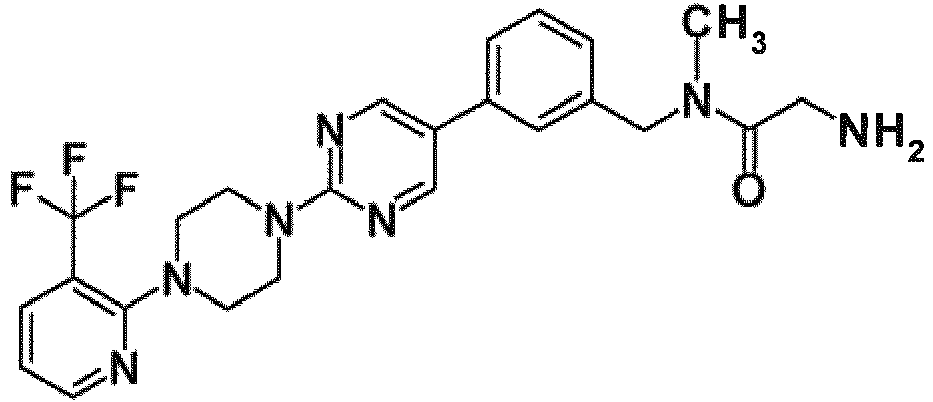
L-TA -
[Table 80] Ex Syn Structure Acid 6 3 
3HCl 7 3 
L-TA 8 3 
L-TA 9 3 
L-TA 10 3 
L-TA -
[Table 81] Ex Syn Structure Acid 11 3 
L-TA 12 3 
L-TA 13 3 
L-TA 14 3 
L-TA 15 3 
L-TA 16 3 
L-TA -
[Table 82] Ex Syn Structure Acid 17 3 
L-TA 18 3 
HCl 19 19 
2HCl 20 19 
HCl 21 19 
HCl 22 19 
HCl -
[Table 83] Ex Syn Structure Acid 23 19 
HCl 24 19 
2HCl 25 19 
HCl 26 19 
HCl 27 19 
4HCl 28 19 
4HCl -
[Table 84] Ex Syn Structure Acid 29 19 
3HCl 30 19 
2HCl 31 19 
2HCl 32 19 
2HCl 33 19 
2HCl -
[Table 85] Ex Syn Structure Acid 34 19 
HCl 35 19 
HCl 36 19 
2HCl 37 19 
2HCl 38 19 
HCl 39 19 
HCl -
[Table 86] Ex Syn Structure Acid 40 19 
3HCl 41 19 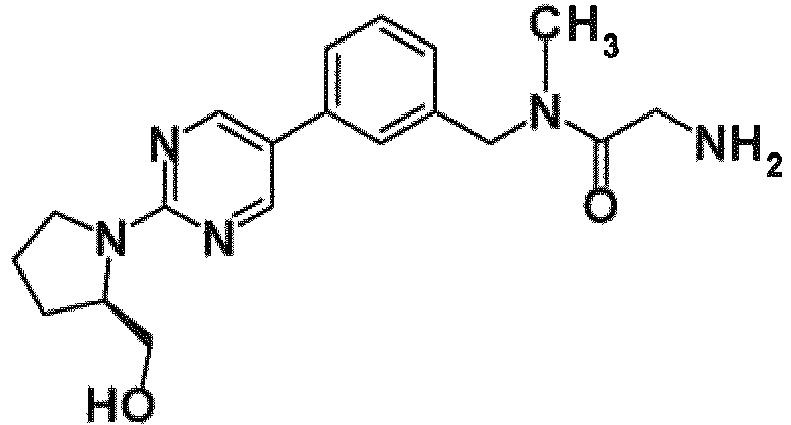
2HCl 42 19 
2HCl 43 19 
2HCl 44 19 
3HCl -
[Table 87] Ex Syn Structure Acid 45 19 
3HCl 46 19 
3HCl 47 19 
3HCl 48 19 
3HCl 49 19 
2HCl 50 19 
2HCl -
[Table 88] Ex Syn Structure Acid 51 19 
3HCl 52 19 
4HCl 53 19 
3HCl 54 19 
3HCl 55 19 
3HCl -
[Table 89] Ex Syn Structure Acid 56 19 
3HCl 57 19 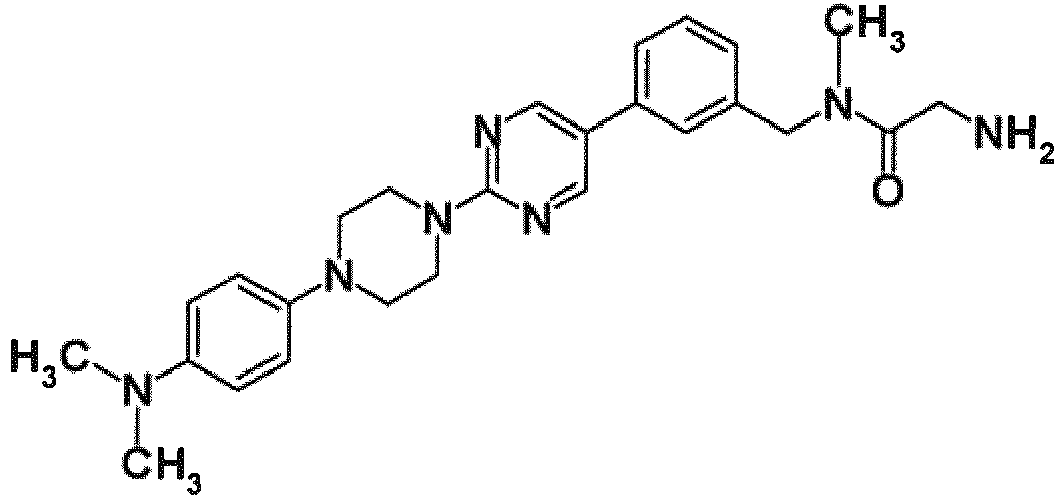
3HCl 58 19 
3HCl 59 19 
3HCl 60 19 
2HCl -
[Table 90] Ex Syn Structure Acid 61 19 
2HCl 62 19 
2HCl 63 19 
2HCl 64 19 
2HCl 65 19 
2HCl 66 19 
2HCl -
[Table 91] Ex Syn Structure Acid 67 19 
3HCl 68 19 
2HCl 69 69 
L-TA 70 69 
OA 71 69 
OA 72 69 
OA -
[Table 92] Ex Syn Structure Acid 73 69 
OA 74 69 
OA 75 69 
L-TA 76 69 
L-TA 77 69 
L-TA 78 69 
L-TA -
[Table 93] Ex Syn Structure Acid 79 69 
L-TA 80 69 
L-TA 81 69 
L-TA 82 69 
L-TA 83 69 
L-TA 84 69 
L-TA -
[Table 94] Ex Syn Structure Acid 85 69 
L-TA 86 69 
L-TA 87 69 
L-TA 88 69 
L-TA 89 69 
L-TA -
[Table 95] Ex Syn Structure Acid 90 69 
L-TA 91 69 
L-TA 92 69 
L-TA 93 69 
L-TA 94 69 
L-TA -
[Table 96] Ex Syn Structure Acid 95 69 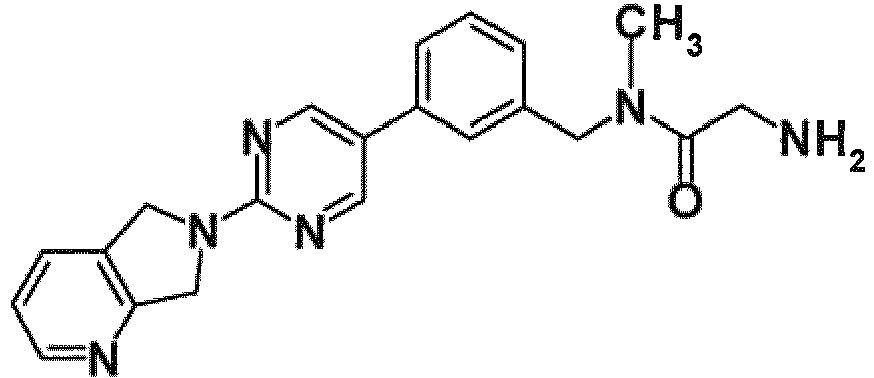
3HCl 96 69 
L-TA 97 69 
L-TA 98 69 
L-TA 99 69 
L-TA 100 69 
L-TA -
[Table 97] Ex Syn Structure Acid 101 69 
L-TA 102 69 
L-TA 103 69 
L-TA 104 69 
L-TA 105 69 
L-TA 106 69 
L-TA 107 69 
L-TA -
[Table 981 Ex Syn Structure Acid 108 69 
L-TA 109 69 
L-TA 110 69 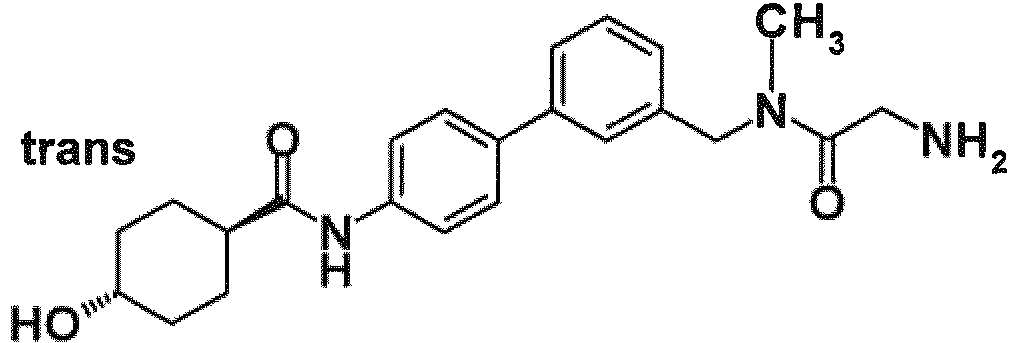
L-TA 111 69 
L-TA 112 69 
L-TA 113 69 
L-TA -
[Table 99] Ex Syn Structure Acid 114 69 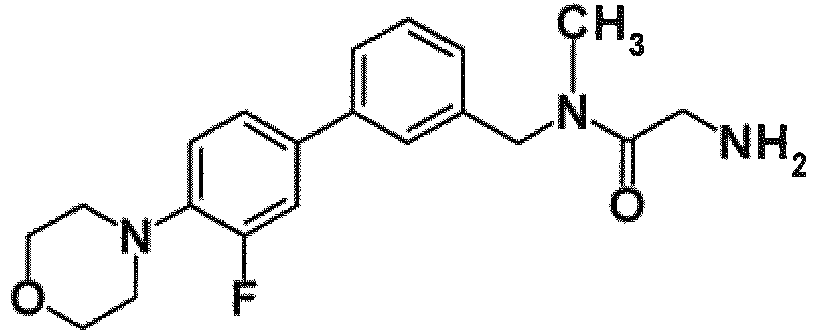
L-TA 115 69 
L-TA 116 69 
L-TA 117 69 
L-TA 118 69 
L-TA 119 69 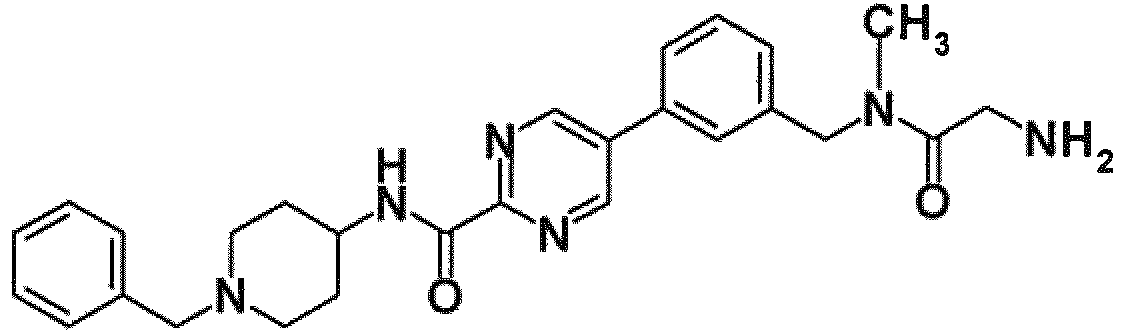
L-TA -
[Table 100] Ex Syn Structure Acid 120 69 
L-TA 121 69 
L-TA 122 69 
L-TA 123 69 
L-TA 124 69 
L-TA -
[Table 101] Ex Syn Structure Acid 125 69 
L-TA 126 69 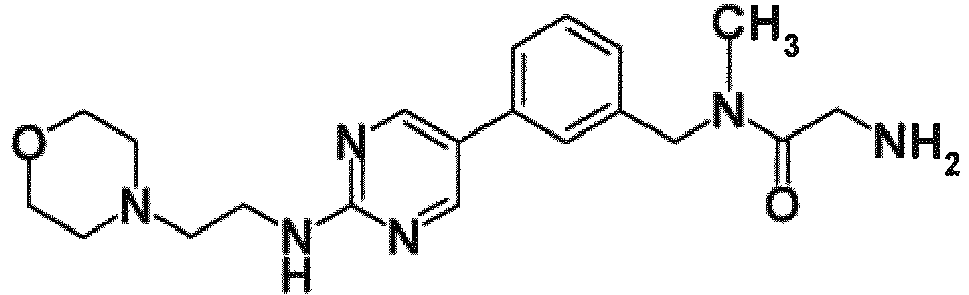
L-TA 127 69 
L-TA 128 69 
L-TA 129 69 
L-TA 130 69 
L-TA 131 69 
L-TA -
[Table 102] Ex Syn Structure Acid 132 69 
L-TA 133 69 
L-TA 134 69 
L-TA 135 69 
L-TA 136 69 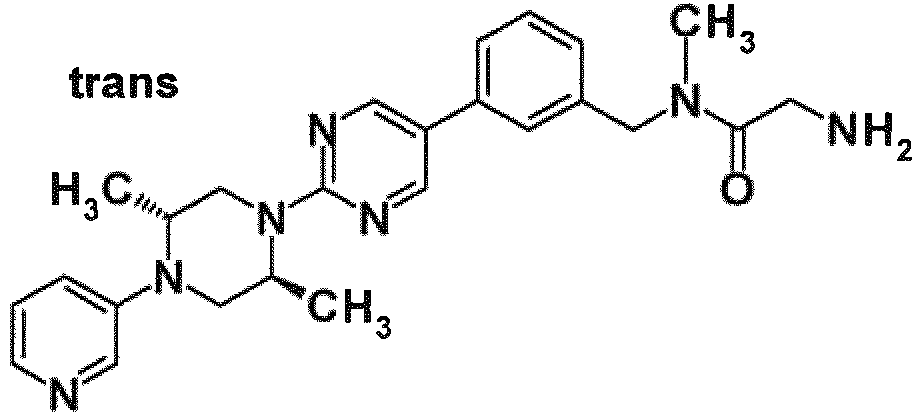
L-TA -
[Table 103] Ex Syn Structure Acid 137 69 
L-TA 138 69 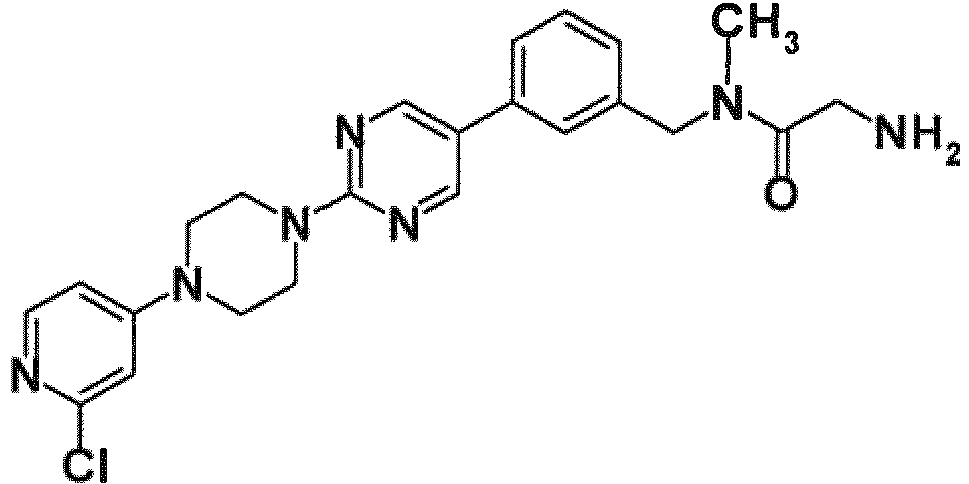
L-TA 139 69 
L-TA 140 69 
L-TA -
[Table 104] Ex Syn Structure Acid 141 69 
L-TA 142 69 
L-TA 143 69 
L-TA 144 69 
L-TA 145 69 
L-TA -
[Table 105] Ex Syn Structure Acid 146 69 
L-TA 147 69 
L-TA 148 69 
L-TA 149 69 
L-TA 150 69 
L-TA -
[Table 106] Ex Syn Structure Acid 151 69 
L-TA 152 69 
L-TA 153 69 
L-TA 154 69 
L-TA 155 69 
L-TA -
[Table 107] Ex Syn Structure Acid 156 69 
L-TA 157 69 
L-TA 158 69 
L-TA 159 69 
L-TA 160 69 
L-TA -
[Table 108] Ex Syn Structure Acid 161 69 
L-TA 162 69 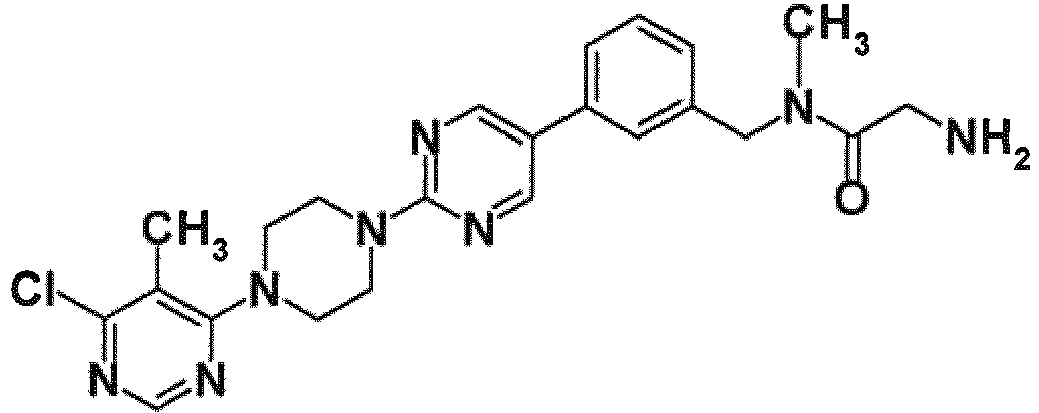
L-TA 163 69 
L-TA 164 69 
L-TA 165 69 
L-TA -
[Table 109] Ex Syn Structure Acid 166 69 
L-TA 167 69 
L-TA 168 69 
L-TA 169 69 
L-TA 170 69 
L-TA -
[Table 110] Ex Syn Structure Acid 171 69 
L-TA 172 69 
L-TA 173 69 
L-TA 174 69 
L-TA 175 69 
L-TA -
[Table 111] Ex Syn Structure Acid 176 69 
L-TA 177 69 
L-TA 178 69 
L-TA 179 69 
L-TA 180 69 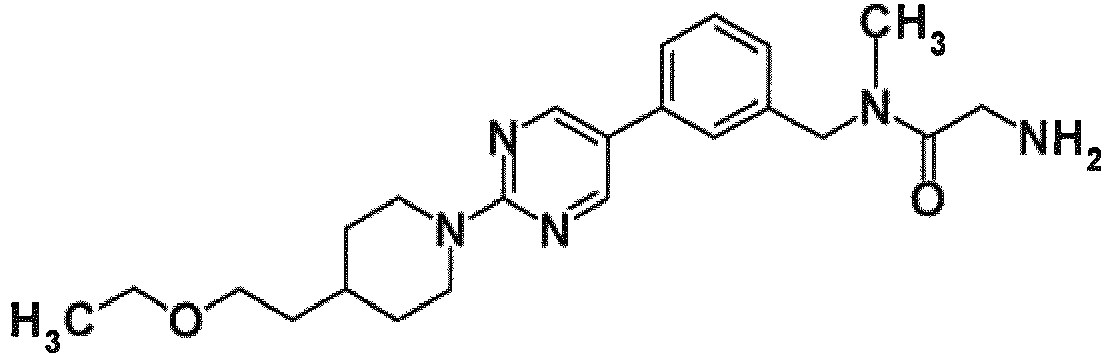
L-TA -
[Table 112] Ex Syn Structure Acid 181 69 
L-TA 182 69 
L-TA 183 69 
L-TA 184 69 
L-TA 185 69 
L-TA -
[Table 113] Ex Syn Structure Acid 186 69 
L-TA 187 69 
L-TA 188 69 
L-TA 189 69 
L-TA 190 69 
L-TA -
[Table 114] Ex Syn Structure Acid 191 69 
L-TA 192 69 
L-TA 193 69 
L-TA 194 69 
L-TA 195 69 
OA -
[Table 115] Ex Syn Structure Acid 196 69 
HCl 197 69 
OA 198 69 
OA 199 69 
3HCl 200 69 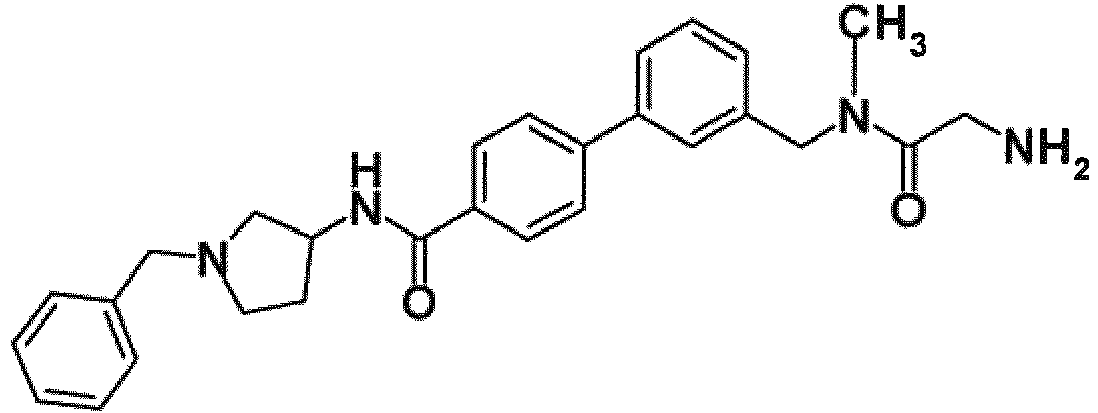
OA 201 69 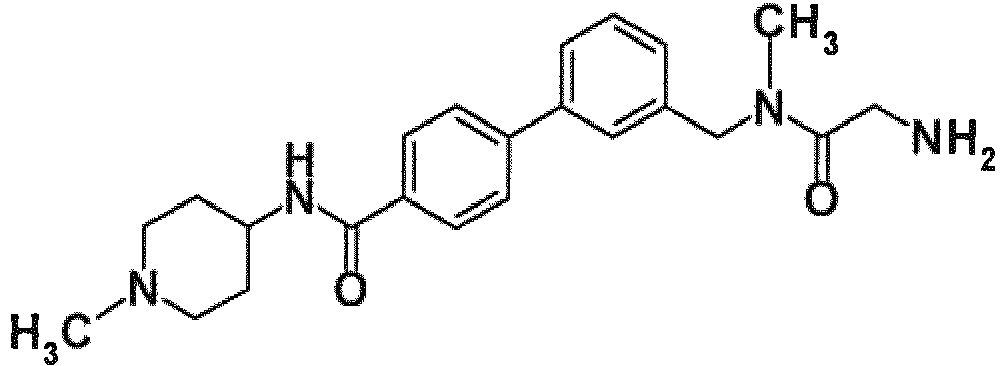
OA -
[Table 116] Ex Syn Structure Acid 202 69 
OA 203 69 
L-TA 204 69 
L-TA 205 69 
L-TA 206 69 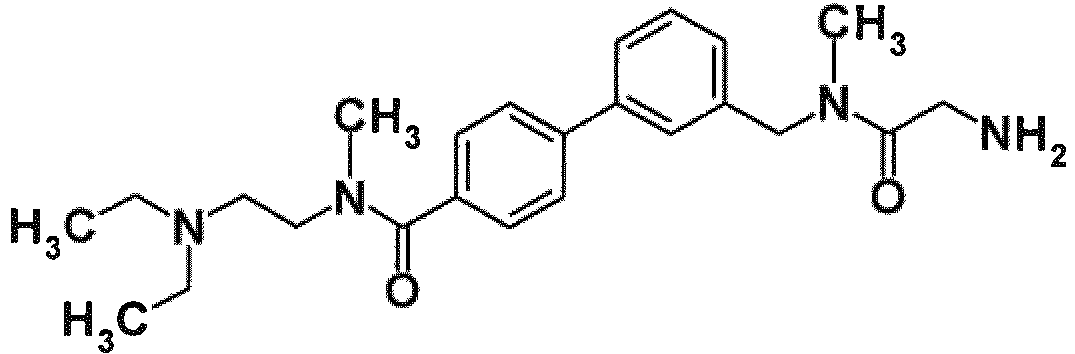
L-TA 207 69 
L-TA -
[Table 117] Ex Syn Structure Acid 208 208 
L-TA 209 209 
L-TA 210 209 
L-TA 211 209 
L-TA 212 212 
2HCl -
[Table 118] Ex Syn Structure Acid 213 213 
HCl 214 213 
HCl 215 215 
OA 216 11 
2HCl 217 217 
3HCl -
[Table 119] Ex Syn Structure Acid 218 218 
L-TA 219 219 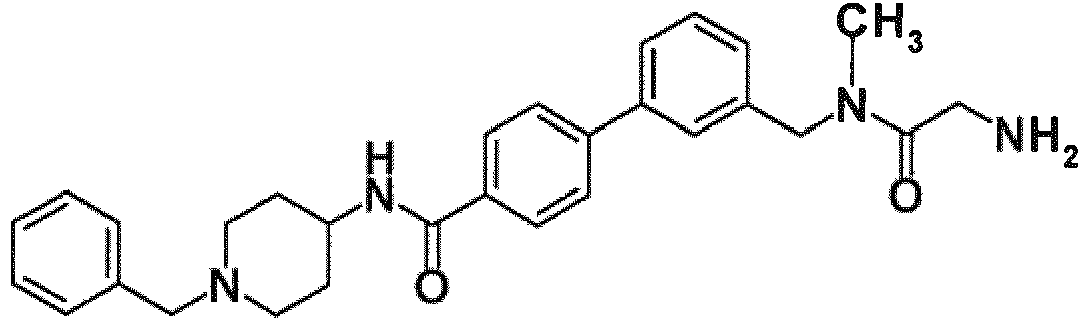
OA 220 219 
OA 221 219 
HCl 222 222 
L-TA 223 222 
L-TA -
[Table 120] Ex Syn Structure Acid 224 222 
OA 225 222 
OA 226 226 
HCl 227 226 
HCl 228 228 
OA 229 19 
3HCl -
[Table 121] Ex Syn Structure Acid 230 228 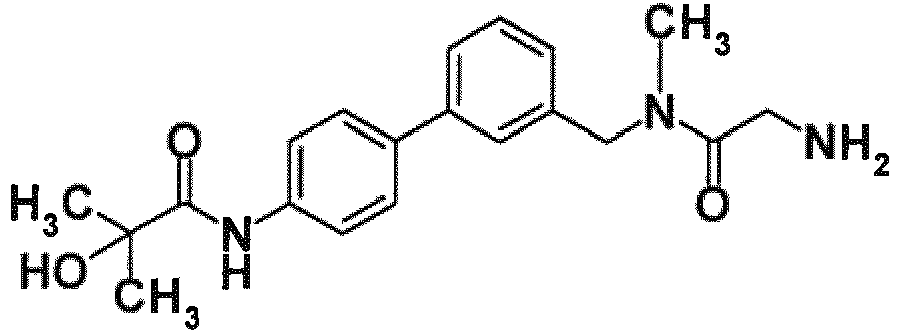
OA 231 228 
OA 232 228 
OA 233 228 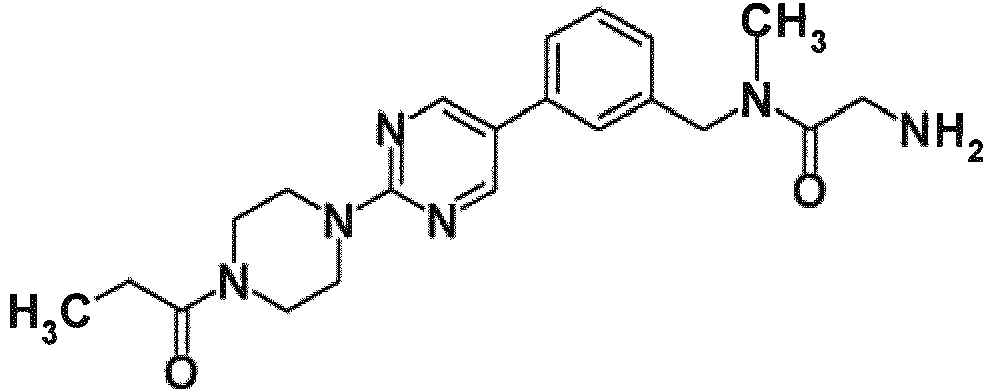
L-TA 234 228 
L-TA 235 228 
L-TA -
[Table 122] Ex Syn Structure Acid 236 228 
L-TA 237 228 
L-TA 238 228 
L-TA 239 239 
3HCl 240 239 
2HCl 241 239 
2HCl -
[Table 123] Ex Syn Structure Acid 242 239 
3HCl 243 239 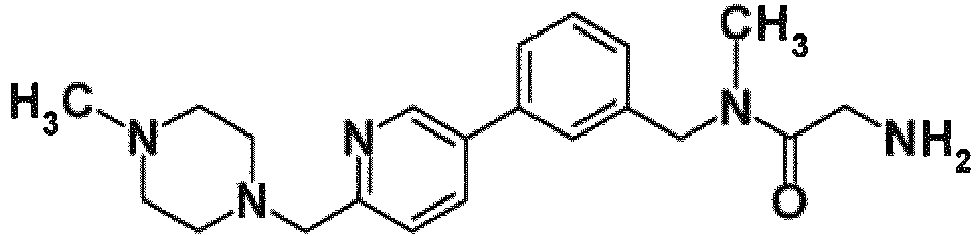
4HCl 244 244 
L-TA 245 244 
L-TA 246 244 
L-TA 247 244 
L-TA 248 248 
2HCl -
[Table 124] Ex Syn Structure Acid 249 248 
2HCl 250 248 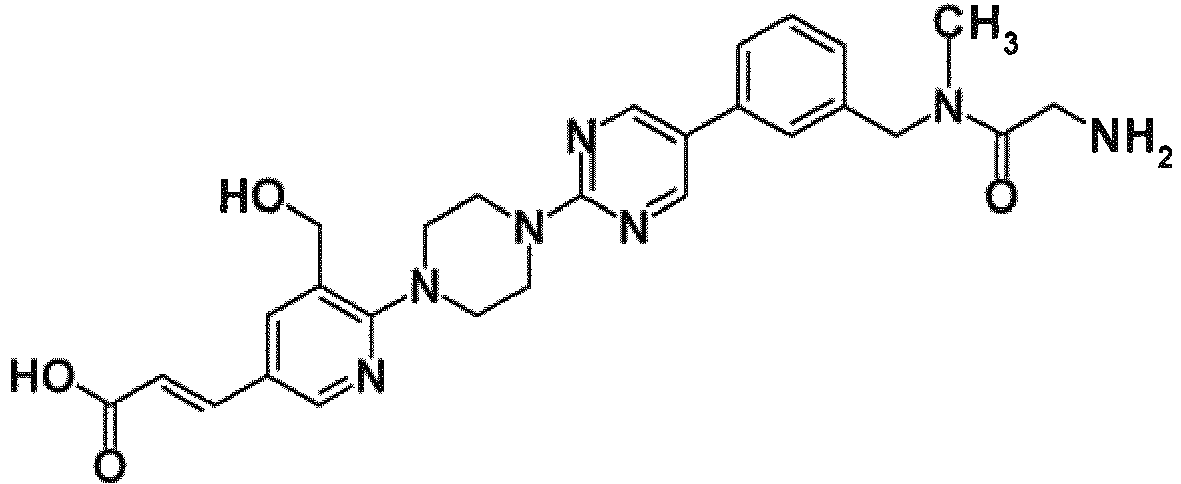
2HCl 251 248 
2HCl 252 248 
2HCl 253 248 
2HCl -
[Table 125] Ex Syn Structure Acid 254 254 
L-TA 255 254 
3HCl 256 254 
HCl 257 254 
L-TA 258 254 
L-TA 259 254 
L-TA 260 254 
L-TA -
[Table 126] Ex Syn Structure Acid 261 261 
L-TA 262 261 
L-TA 263 263 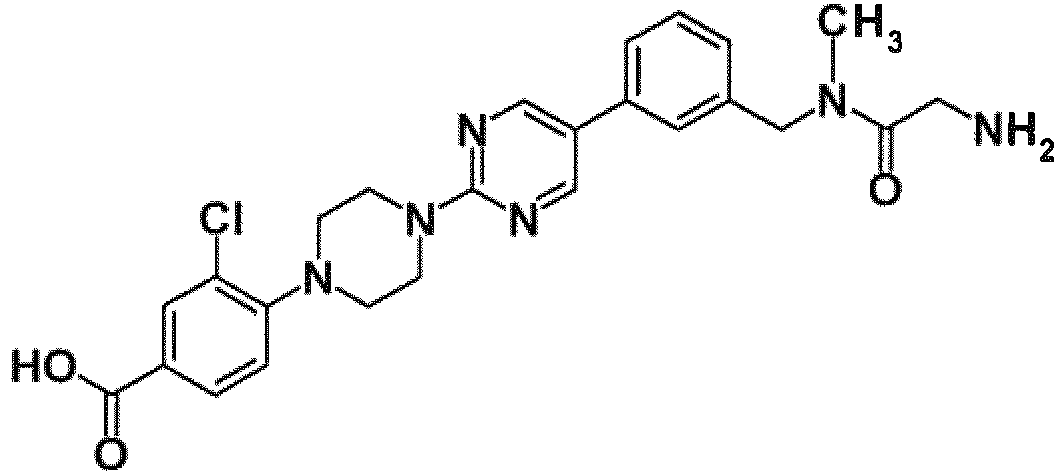
2HCl 264 264 
3HCl 265 265 
L-TA 266 265 
L-TA -
[Table 127] Ex Syn Structure Acid 267 265 
L-TA 268 265 
L-TA 269 265 
L-TA 270 270 
L-TA 271 270 
L-TA 272 272 
L-TA -
[Table 128] Ex Syn Structure Acid 273 272 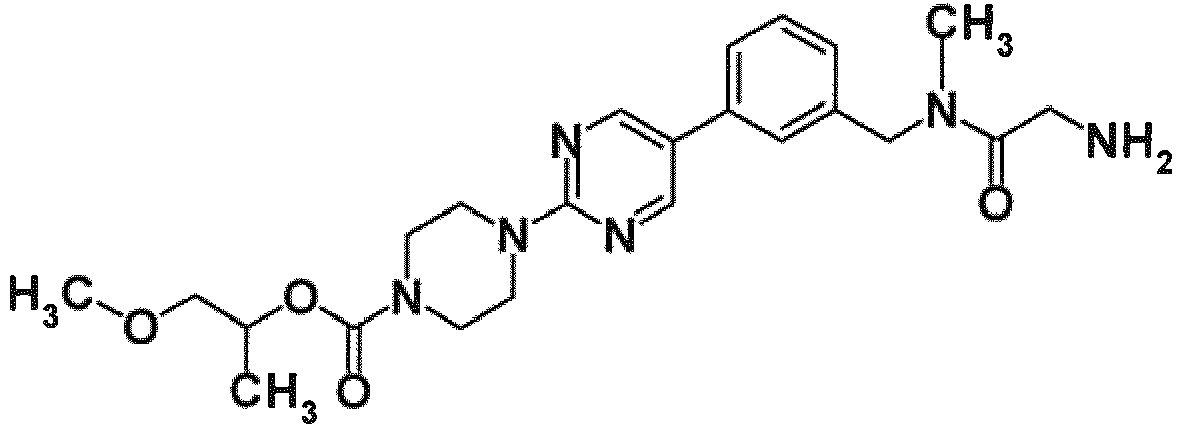
L-TA 274 272 
L-TA 275 272 
L-TA 276 272 
L-TA 277 272 
L-TA -
[Table 129] Ex Syn Structure Acid 278 272 
L-TA 279 272 
L-TA 280 272 
L-TA 281 281 
— 282 281 
— -
[Table 130] Ex Syn Structure Acid 283 281 
— 284 281 
— 285 281 
— 286 281 
— 287 281 
— -
[Table 131] Ex Syn Structure Acid 288 281 
— 289 281 
— 290 281 
— 291 281 
— 292 281 
— -
[Table 132] Ex Syn Structure Acid 293 281 
— 294 281 
— 295 281 
— 296 281 
— 297 281 
— -
[Table 133] Ex Syn Structure Acid 298 281 
— 299 281 
— 300 281 
— 301 281 
— 302 281 
— 303 281 
— -
[Table 134] Ex Syn Structure Acid 304 281 
— 305 281 
— 306 281 
— 307 281 
— 308 281 
— -
[Table 135] Ex Syn Structure Acid 309 281 
— 310 281 
— 311 281 
— 312 281 
— 313 281 
— 314 281 
— -
[Table 136] Ex Syn Structure Acid 315 281 
— 316 281 
— 317 281 
— 318 281 
— 319 281 
— -
[Table 137] Ex Syn Structure Acid 320 281 
— 321 281 
— 322 281 
— 323 281 
— 324 281 
— -
[Table 138] Ex Syn Structure Acid 325 281 
— 326 281 
— 327 281 
— 328 281 
— 329 281 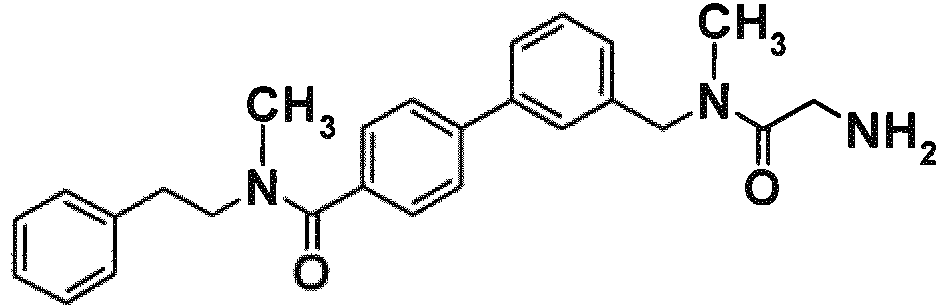
— -
[Table 139] Ex Syn Structure Acid 330 281 
— 331 281 
— 332 281 
— 333 281 
— 334 281 
— -
[Table 140] Ex Syn Structure Acid 335 281 
— 336 281 
— 337 281 
— 338 281 
— 339 281 
— -
[Table 141] Ex Syn Structure Acid 340 281 
— 341 281 
— 342 281 
— 343 281 
— 344 281 
— 345 281 
— -
[Table 142] Ex Syn Structure Acid 346 281 
— 347 281 
— 348 281 
— 349 281 
— 350 281 
— 351 281 
— -
[Table 143] Ex Syn Structure Acid 352 281 
— 353 281 
— 354 281 
— 355 281 
— 356 281 
— 357 281 
— -
[Table 144] Ex Syn Structure Acid 358 281 
— 359 281 
— 360 281 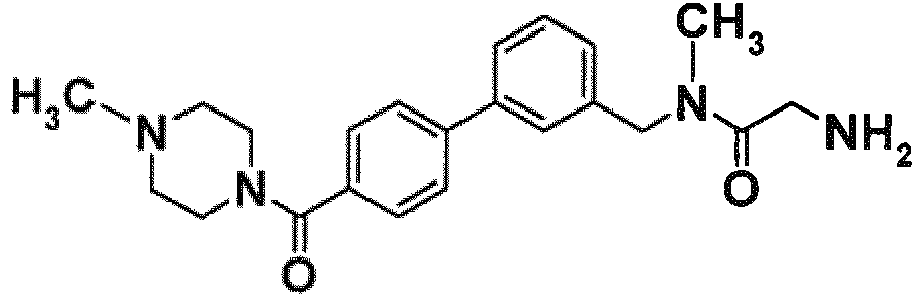
— 361 281 
— 362 281 
— 363 281 
— -
[Table 145] Ex Syn Structure Acid 364 281 
— 365 281 
— 366 281 
— 367 281 
— 368 281 
— 369 281 
— -
[Table 146] Ex Syn Structure Acid 370 281 
— 371 281 
— 372 281 
— 373 281 
— 374 374 
— 375 374 
— -
[Table 147] Ex Syn Structure Acid 376 374 
— 377 374 
— 378 374 
— 379 374 
— 380 374 
— 381 374 
— -
[Table 148] Ex Syn Structure Acid 382 374 
— 383 374 
— 384 374 
— 385 374 
— 386 374 
— 387 374 
— -
[Table 149] Ex Syn Structure Acid 388 374 
— 389 374 
— 390 374 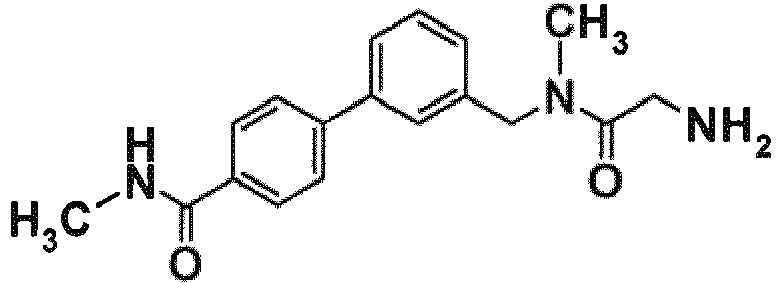
— 391 374 
— 392 374 
— 393 374 
— -
[Table 150] Ex Syn Structure Acid 394 374 
— 395 374 
— 396 374 
— 397 374 
— 398 374 
— 399 374 
— -
[Table 151] Ex Syn Structure Acid 400 374 
— 401 374 
— 402 374 
— 403 374 
— 404 374 
— 405 374 
— -
[Table 152] Ex Syn Structure Acid 406 374 
— 407 374 
— 408 374 
— 409 374 
— 410 374 
— 411 374 
— -
[Table 153] Ex Syn Structure Acid 412 374 
— 413 374 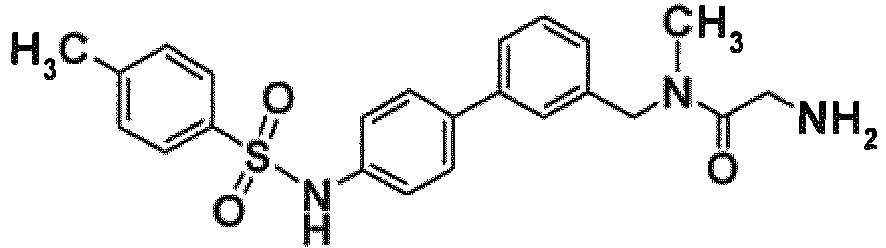
— 414 374 
— 415 374 
— 416 374 
— -
[Table 154] Ex Data 1 ESI+: 313 2 FAB+: 312 3 ESI+: 432 4 ESI+: 431 5 ESI+: 486 6 ESI+: 430 7 ESI+: 453 8 ESI+: 457 9 ESI+: 452 10 ESI+: 413 11 ESI+: 406 NMR-DMSO-d6: 1.78-1.93 (2H, m), 2.01-2.14 (2H, m), 2.90 (0.9H, s), 2.96 (2.1H, s), 3.06-3.20 (2H, m), 3.82-4.20 (4H, m), 4.47-4.68 (3H, m), 4.74-4.87 (2H, m), 6.18-6.26 (1H, m), 7.17-7.26 (1H, m), 7.37-7.52 (3H, m), 7.53-7.65 (1H, m), 7.75-7.83 (1H, m), 8.72 (1.4H, s), 8.75 (0.6H, s) 12 ESI+: 423 13 ESI+: 409 14 FAB+: 340 NMR-DMSO-d6: 1.22 (3H, d, J = 6.8 Hz), 1.63-1.75 (1H, m), 1.84-2.12 (3H, m), 2.88 (0.9H, s), 2.93 (2.1H, s), 3.39-3.69 (4H, m), 3.70-3.79 (2H, m), 4.18-4.30 (1H, m), 4.58 (0.6H, s), 4.6 (1.4H, s), 7.13-7.22 (1H, m), 7.35-7.49 (2H, m), 7.49-7.60 (1H, m), 8.67 (1.4H, s), 8.69 (0.6H, s) 15 FAB+: 344 NMR-DMSO-d6: 2.08-2.36 (2H, m), 2.88 (0.9H, s), 2.93 (2.1H, s), 3.38-3.94 (8H, m), 4.56 (0.6H, s), 4.60 (1.4H, s), 5.34-5.56 (1H, m), 7.13-7.24 (1H, m), 7.34-7.50 (2H, m), 7.50-7.62 (1H, m), 8.63-8.78 (2H, m) 16 FAB+: 344 NMR-DMSO-d6: 2.08-2.35 (2H, m), 2.88 (0.9H, s), 2.93 (2.1H, s), 3.38-3.93 (8H, m), 4.57 (0.6H, s), 4.60 (1.4H, s), 5.35-5.56 (1H, m), 7.13-7.23 (1H, m), 7.37-7.50 (2H, m), 7.50-7.62 (1H, m), 8.65-8.76 (2H, m) -
[Table 155] Ex Data 17 FAB+: 362 NMR-DMSO-d6: 2.40-2.64 (2H, m), 2.89 (0.9H, s), 2.95 (2.1H, s), 3.70-3.83 (4H, m), 3.83-4.20 (4H, m), 4.58 (0.6H, s), 4.62 (1.4H, s), 7.16-7.26 (1H, m), 7.37-7.52 (2H, m), 7.52-7.64 (1H, m), 8.68-8.81 (2H, m) 18 FAB+: 358 19 FAB+: 502 NMR-DMSO-d6: 2.39 (3H, s), 2.90 (0.9H, s), 2.97 (2.1H, s), 3.35-3.52 (4H, m), 3.87-4.04 (6H, m), 4.57-4.66 (2H, m), 6.56 (1H, d, J = 16.0 Hz), 7.18-7.27 (1H, m), 7.38-7.53 (2H, m), 7.54-7.66 (2H, m), 8.07-8.31 (4H, m), 8.34-8.41 (1H, m), 8.76 (1.6H, s), 8.79 (0.4H, s) 20 ESI+: 312 21 ESI+: 340 22 ESI+: 355 23 ESI+: 396 24 ESI+: 431 25 ESI+: 356 26 FAB+: 353 27 ESI+: 418 NMR-DMSO-d6: 2.90 (1.2H, s), 2.97 (1.8H, s), 3.78-4.15 (10H, m), 4.61 (0.8H, s), 4.63 (1.2H, s), 7.17-7.65 (6H, m), 8.18-8.33 (5H, m), 8.78 (1.2H, s), 8.80 (0.8H, s) 28 ESI+: 419 NMR-DMSO-d6: 2.90 (1.2H, s), 2.97 (1.8H, s), 3.50-4.10 (10H, m), 4.60 (0.8H, s), 4.63 (1.2H, s), 6.72 (1H, t, J = 5 Hz), 7.24 (1H, d, J = 7 Hz), 7.40-7.65 (3H, m), 8.07-8.22 (3H, m), 8.44 (2H, d, J = 5 Hz), 8.75 (1.2H, s), 8.77 (0.8H, s) 29 ESI+: 488 NMR-DMSO-d6: 2.38 (3H, s), 3.39-3.44 (4H, m), 3.93-4.04 (6H, m), 4.42 (2H, d, J = 6 Hz), 6.54 (1H, d, J = 16 Hz), 7.28 (1H, d, J = 8 Hz), 7.43 (1H, t, J = 8 Hz), 7.54-7.61 (3H, m), 8.37 (1H, d, J = 2 Hz), 8.76 (2H, s), 8.99 (1H, t, J = 5 Hz) -
[Table 156] Ex Data 30 ESI+: 516 NMR-DMSO-d6: 2.38 (3H, s), 3.39-3.44 (4H, m), 3.93-4.04 (6H, m), 4.42 (2H, d, J = 6 Hz), 6.54 (1H, d, J = 16 Hz), 7.28 (1H, d, J = 8 Hz), 7.43 (1H, t, J = 8 Hz), 7.54-7.61 (3H, m), 8.37 (1H, d, J = 2 Hz), 8.76 (2H, s), 8.99 (1H, t, J = 5 Hz) 31 ESI+: 412 32 ESI+: 496, 498 NMR-DMSO-d6: 2.90 (0.9H, s), 2.97 (2.1H, s), 3.57-3.62 (4H, m), 3.90-4.02 (6H, m), 4.60 (0.6H, s), 4.63 (1.4H, s), 7.24 (1H, d, J = 7.6 Hz), 7.41-7.65 (3H, m), 8.06-8.17 (3H, br), 8.13 (1H, d, J = 2.0 Hz), 8.69 (1H, d, J = 2.0 Hz), 8.75 (1.4H, s), 8.77 (0.6H, s) 33 ESI+: 522, 524 NMR-DMSO-d6: 2.90 (0.9H, s), 2.97 (2.1H, s), 3.46-3.51 (4H, m), 3.90-4.02 (6H, m), 4.60 (0.6H, s), 4.63 (1.4H, s), 6.60 (1H, d, J = 16.0 Hz), 7.24 (1H, d, J = 7.6 Hz), 7.41-7.65 (4H, m), 8.07-8.19 (3H, br), 8.27 (1H, d, J = 2.0 Hz), 8.50 (1H, d, J = 2.0 Hz), 8.75 (1.4H, s), 8.77 (0.6H, s) 34 ESI+: 397 35 ESI+: 338 36 ESI+: 375 37 ESI+: 375 38 ESI+: 380 39 ESI+: 396 40 FAB+: 355 41 ESI+: 356 NMR-DMSO-d6: 1.87-2.11 (4H, m), 2.90 (0.9H, s), 2.97 (2.1H, s), 3.37-3.67 (5H, m), 3.87-4.01 (2H, m), 4.12-4.24 (1H, m), 4.60 (0.6H, s), 4.62 (1.4H, s), 7.21-7.26 (1H, m), 7.40-7.52 (2H, m), 7.54-7.64 (1H, m), 8.15-8.32 (3H, br), 8.73 (1.4H, s), 8.76 (0.6H, s) 42 ESI+: 356 NMR-DMSO-d6: 1.87-2.12 (4H, m), 2.90 (0.9H, s), 2.97 (2.1H, s), 3.36-3.67 (5H, m), 3.88-4.01 (2H, m), 4.12-4.24 (1H, m), 4.60 (0.6H, s), 4.62 (1.4H, s), 7.21-7.25 (1H, m), 7.39-7.51 (2H, m), 7.54-7.64 (1H, m), 8.73 (1.4H, s), 8.14-8.30 (3H, br), 8.75 (0.6H, s) -
[Table 157] Ex Data 43 ESI+: 370 NMR-DMSO-d6: 1.87-2.10 (4H, m), 2.89 (0.9H, s), 2.95 (2.1H, s), 3.28 (3H, s), 3.31-3.37 (1H, m), 3.41-3.52 (1H, m) 3.54-3.61 (2H, m), 3.88-4.02 (2H, m), 4.23-4.31 (1H, m), 4.60 (0.6H, s), 4.62 (1.4H, s), 7.20-7.25 (1H, m), 7.39-7.51 (2H, m), 7.53-7.65 (1H, m), 8.07-8.35 (3H, br), 8.72 (1.4H, s), 8.74 (0.6H, s) 44 ESI+: 417 NMR-DMSO-d6: 2.90 (0.9H, s), 2.98 (2.1H, s), 3.35-3.56 (4H, m), 3.87-4.01 (2H, m), 4.06-4.32 (4H, m), 4.61 (0.6H, s), 4.63 (1.4H, s), 7.10-7.29 (2H, m), 7.34-7.69 (7H, m), 8.15-8.35 (3H, br), 8.79 (1.4H, s), 8.81 (0.6H, s) 45 ESI+: 461 46 ESI+: 447 47 ESI+: 377 48 ESI+: 391 49 ESI+: 383 50 ESI+: 354 51 ESI+: 425 52 ESI+: 438 53 ESI+: 363 54 ESI+: 377 55 ESI+: 446 56 ESI+: 432 57 ESI+: 460 58 ESI+: 433 59 ESI+: 467 60 ESI+: 397 61 ESI+: 506 NMR-DMSO-d6: 2.90 (0.9H, s), 2.97 (2.1H, s), 3.25-3.36 (4H, m), 3.87-4.05 (6H, m), 4.19 (2H, s), 4.57-4.66 (4H, m), 7.09-7.16 (1H, m), 7.21-7.26 (1H, m), 7.41-7.52 (2H, m), 7.55-7.65 (1H, m), 7.87-7.94 (1H, m), 8.05-8.19 (3H, br), 8.21-8.26 (1H, m), 8.75 (1.4H, s), 8.77 (0.6H, s) 62 FAB+: 386 63 ESI+: 454 64 FAB+: 452 -
[Table 158] Ex Data 65 ESI+: 441 66 FAB+: 504 NMR-DMSO-d6: 2.41 (3H, s), 2.57-2.64 (2H, m), 2.78-2.87 (2H, m), 2.90 (0.9H, s), 2.97 (2.1H, s), 3.40-3.53 (4H, m), 3.86-4.03 (6H, m), 4.58-4.66 (2H, m), 7.20-7.28 (1H, m), 7.41-7.53 (2H, m), 7.55-7.66 (1H, m), 7.97-8.07 (2H, m), 8.13-8.30 (3H, m), 8.77 (1.4H, s), 8.80 (0.6H, s) 67 ESI+: 462 NMR-DMSO-d6: 2.90 (0.9H, s), 2.97 (2.1H, s), 3.79-3.87 (4H, m), 3.89-4.02 (6H, m), 4.55-4.68 (2H, m), 7.04 (1H, d, J = 9.2 Hz), 7.24 (1H, d, J = 7.7 Hz), 7.39-7.53 (2H, m), 7.54-7.66 (1H, m), 7.98-8.07 (1H, m), 8.08-8.27 (3H, m), 8.62 (1H, d, J = 2.3 Hz), 8.76 (1.4H, s), 8.78 (0.6H, s) 68 ESI+: 461 NMR-DMSO-d6: 2.90 (0.9H, s), 2.97 (2.1H, s), 3.40-3.50 (4H, m), 3.89-4.03 (6H, m), 4.60 (0.6H, s), 4.63 (1.4H, s), 7.03 (2H, d, J = 9.1 Hz), 7.24 (1H, d, J = 7.5 Hz), 7.39-7.53 (2H, m), 7.53-7.65 (1H, m), 7.81 (2H, d, J = 9.0 Hz), 8.10-8.31 (3H, m), 8.75 (1.4H, s), 8.77 (0.6H, s) 69 ESI+: 342 NMR-DMSO-d6: 2.88 (1.2H, s), 2.93 (1.8H, s), 3.66-3.70 (4H, m), 3.73-3.77 (4H, m), 4.56 (0.8H, s), 4.60 (1.2H, s), 7.18-7.22 (1H, m), 7.40-7.61 (3H, m), 8.72 (1.2H, s), 8.74 (0.8H, s) 70 ESI+: 485 71 ESI+: 485 72 ESI+: 501.3 73 ESI+: 341 74 ESI+: 486 75 ESI+: 326 NMR-DMSO-d6: 1.85-2.04 (4H, m), 2.89 (1.2H, s), 2.96 (1.8H, s), 3.47-3.60 (4H, m), 3.88 (2H, s), 3.91 (0.8H, s), 3.96 (1.2H, s), 4.58 (0.8H, s), 4.62 (1.2H, s), 7.20 (1H, d, J = 8 Hz), 7.40-7.62 (3H, m), 8.68 (1.2H, s), 8.70 (0.8H, s) 76 ESI+: 341 -
[Table 159] Ex Data 77 ESI+: 368 78 NMR-DMSO-d6: 1.16 (3H, s), 1.17 (3H, s), 2.54-2.62 (2H, m), 2.89 (1.2H, s), 2.96 (1.8H, s), 3.51-3.61 (2H, m), 3.83 (2H, s), 3.88 (0.8H, s), 3.94 (1.2H, s), 4.55 (2H, d, J = 13 Hz), 4.58 (0.8H, s), 4.62 (1.2H, s), 7.22 (1H, d, J = 8 Hz), 7.39-7.66 (3H, m), 8.70 (1.2H, s), 8.73 (0.8H, s) 79 ESI+: 372 80 ESI+: 369 81 ESI+: 344 82 ESI+: 353 83 ESI+: 370 84 ESI+: 356 85 ESI+: 418 NMR-DMSO-d6: 2.88 (1.2H, s), 2.93 (1.8H, s), 3.58-3.65 (4H, m), 3.70-3.75 (2H, m), 3.87-3.94 (4H, m), 4.56 (0.8H, s), 4.61 (1.2H, s), 6.64-6.70 (1H, m), 6.89 (1H, d, J = 9 Hz), 7.17-7.24 (1H, m), 7.40-7.63 (4H, m), 8.13-8.16 (1H, m), 8.73 (1.2H, s), 8.75 (0.8H, s) 86 NMR-DMSO-d6: 2.21 (3H, s), 2.30-2.36 (4H, m), 2.90 (0.8H, s), 2.94 (1.2H, s), 3.43-3.48 (4H, m), 3.80 (2H, s), 3.83 (0.8H, s), 3.89 (1.2H, s), 4.59 (0.8H, s), 4.62 (1.2H, s), 7.16-7.21 (1H, m), 7.37-7.60 (7H, m), 8.60 (0.6H, s), 8.61 (0.4H, s) 87 ESI+:415 88 FAB+: 432 89 ESI+: 490 90 FAB+: 432 NMR-DMSO-d6: 2.90 (1.2H, s), 2.96 (1.8H, s), 2.26-2.32 (4H, m), 3.84-3.98 (8H, m), 4.59 (0.8H, s), 4.63 (1.2H, s), 7.20-7.25 (2H, m), 7.41-7.64 (3H, m), 7.88 (1H, s), 8.17 (1H, d, J = 3 Hz), 8.74 (1.2H, s), 8.76 (0.8H, s) 91 ESI+: 432 NMR-DMSO-d6: 2.90 (1.2H, s), 2.97 (1.8H, s), 2.92-2.99 (4H, m), 3.90-4.00 (6H, m), 4.09 (3H, s), 4.59 (0.8H, s), 4.63 (1.2H, s), 7.16-7.26 (2H, m), 7.40-7.65 (4H, m), 8.16 (1H, dd, J = 2, 5 Hz), 8.74 (1.2H, s), 8.77 (0.8H, s) 92 ESI+: 424 -
[Table 160] Ex Data 93 ESI+: 384 94 FAB+: 412 95 ESI+: 375 NMR-DMSO-d6: 2.91 (1.2H, s), 2.98 (1.8H, s), 3.89-4.04 (2H, m), 4.62 (0.8H, s), 4.64 (1.2H, s), 4.94-5.03 (4H, m), 7.23 (1H, d, J = 8 Hz), 7.46 (1H, t, J = 8 Hz), 7.49-7.68 (3H, m), 8.15-8.32 (4H, m), 8.68 (1H, d, J = 5 Hz), 8.84 (1.2H, s), 8.87 (0.8H, s) 96 FAB+: 433 NMR-DMSO-d6: 1.90-1.98 (2H, m), 2.88 (1.2H, s), 2.93 (1.8H, s), 3.64-4.03 (10H, m), 4.56 (0.8H, s), 4.60 (1.2H, s), 7.17-7.22 (1H, m), 7.37-7.58 (3H, m), 7.73 (1H, d, J = 3 Hz), 7.99-8.02 (1H, m), 8.19 (1H, d, J = 2 Hz), 8.66 (1.2H, s), 8.68 (0.8H, s) 97 ESI+: 384 98 FAB+: 402 99 ESI+: 370 NMR-DMSO-d6: 1.69-1.79 (1H, m), 2.02-2.12 (1H, m), 2.53-2.61 (1H, m), 2.89 (1.2H, s), 2.96 (1.8H, s), 3.24-3.54 (7H, m), 3.61-3.71 (2H, m), 3.84 (2H, s), 3.88 (0.8H, s), 3.95 (1.2H, s), 4.58 (0.8H, s), 4.62 (1.2H, s), 7.20 (1H, d, J = 8 Hz), 7.38-7.61 (3H, m), 8.68 (1.2H, s), 8.70 (0.8H, s) 100 ESI+: 427 101 FAB+: 397 102 ESI+: 409 103 FAB+: 447 104 ESI+: 343 105 ESI+: 398 106 ESI+: 342 107 ESI+: 358 108 ESI+: 352 109 ESI+: 396 110 ESI+: 396 111 ESI+: 384 112 ESI+: 354 113 FAB+: 395 114 FAB+: 358 -
[Table 161] Ex Data 115 ESI+: 358 116 ESI+: 374 117 ESI+: 397 118 ESI+: 370 NMR-DMSO-d6: 1.87-2.09 (4H, m), 2.89 (0.9H, s), 2.95 (2.1H, s), 3.28 (3H, s), 3.30-3.37 (1H, m), 3.42-3.51 (1H, m), 3.52-3.61 (2H, m), 3.80 (2H, s), 3.85 (0.6H, s), 3.92 (1.4H, s), 4.23-4.28 (1H, m), 4.58 (0.6H, s), 4.61 (1.4H, s), 7.18-7.24 (1H, m), 7.39-7.50 (2H, m), 7.52-7.61 (1H, m), 8.70 (1.4H, s), 8.72 (0.6H, s) 119 FAB+: 473 120 ESI+: 419 NMR-DMSO-d6: 2.90 (0.9H, s), 2.97 (2.1H, s), 3.68-3.73 (4H, m), 3.89-4.03 (8H, m), 4.59 (0.6H, s), 4.63 (1.4H, s), 7.21-7.26 (1H, m), 7.41-7.52 (2H, m), 7.55-7.65 (1H, m), 7.86-7.89 (1H, m), 8.10-8.13 (1H, m), 8.37-8.40 (1H, m), 8.75 (1.4H,s), 8.77 (0.6H, s) 121 FAB+: 431 122 FAB+: 435 123 ESI+: 451 124 ESI+: 432 125 ESI+: 454 126 ESI+: 385 127 ESI+: 413 128 ESI+: 433 129 ESI+: 364 130 ESI+: 377 131 ESI+: 369 132 ESI+: 387 133 ESI+: 432 134 ESI+: 490 135 ESI+: 443 -
[Table 162] Ex Data 136 ESI+: 446 NMR-DMSO-d6: 0.96-1.01 (3H, m), 1.22-1.29 (3H, m), 2.90 (0.9H, s), 2.97 (2.1H, s), 3.26-3.32 (1H, m), 3.41-3.56 (2H, m), 3.89-3.99 (4H, m), 4.20-4.31 (1H, m), 4.47-4.54 (1H, m), 4.59 (0.6H, s), 4.63 (1.4H, s), 4.98-5.08 (1H, m), 7.20-7.25 (2H, m), 7.30-7.35 (1H, m), 7.41-7.51 (2H, m), 7.54-7.64 (1H, m), 7.94-7.98 (1H, m), 8.29-8.33 (1H, m), 8.73 (1.4H, s), 8.75 (0.6H, s) 137 ESI+: 476 138 ESI+: 452 139 ESI+: 432 140 ESI+: 446 141 ESI+: 446 142 ESI+: 417 143 FAB+: 417 144 ESI+: 416 145 FAB+: 418 NMR-DMSO-d6: 1.66-1.79 (2H, m), 1.98-2.08 (2H, m), 2.90 (0.9H, s), 2.96 (2.1H, s), 3.09-3.24 (3H, m), 3.80 (2H, s), 3.85 (0.6H, s), 3.92 (1.4H, s), 4.58 (0.6H, s), 4.62 (1.4H, s), 4.74-4.83 (2H, m), 7.19-7.24 (1H, m), 7.34-7.37 (1H, m), 7.40-7.51 (1H, m), 7.53-7.63 (1H, m), 8.70 (1.4H, s), 8.73 (0.6H, s), 8.75 (2H, d, J = 4.9 Hz) 146 ESI+: 443 147 ESI+: 452 148 ESI+: 486 149 ESI+: 417 150 ESI+: 417 NMR-DMSO-d6: 1.52-1.66 (2H, m), 1.86-1.94 (2H, m), 2.85-3.08 (6H, m), 3.82 (2H, s), 3.87 (0.6H, s), 3.94 (1.4H, s), 4.58 (0.6H, s), 4.62 (1.4H, s), 4.84-4.92 (2H, m), 7.19-7.24 (1H, m), 7.28-7.32 (2H, m), 7.40-7.51 (2H, m), 7.54-7.63 (1H, m), 8.46-8.49 (2H, m), 8.71 (1.4H, s), 8.73 (0.6H, s) 151 ESI+: 436 152 ESI+: 431 153 ESI+: 435 154 ESI+: 453 -
[Table 163] Ex Data 155 ESI+: 436 156 ESI+: 452 157 ESI+: 496, 498 158 ESI+: 448 159 ESI+: 448 160 ESI+: 432 161 ESI+: 419 NMR-DMSO-d6: 2.90 (0.9H, s), 2.97 (2.1H, s), 3.70-3.76 (4H, m), 3.88-3.99 (8H, m), 4.59 (0.6H, s), 4.63 (1.4H, s), 7.20-7.25 (1H, m), 7.29-7.34 (1H, m), 7.39-7.52 (3H, m), 7.55-7.65 (1H, m), 8.57-8.60 (1H, m), 8.75 (1.4H, s), 8.77 (0.6H, s) 162 ESI+: 467 163 ESI+: 383 164 ESI+: 423 165 ESI+: 382 166 ESI+: 411 167 ESI+: 356 NMR-DMSO-d6: 2.00-2.14 (2H, m), 2.89 (0.9H, s), 2.96 (2.1H, s), 3.27 (3H, s), 3.45-3.53 (1H, m), 3.55-3.70 (3H, m), 3.85 (2H, s), 3.90 (0.6H, s), 3.96 (1.4H, s), 4.05-4.11 (1H, m), 4.58 (0.6H, s), 4.62 (1.4H, s), 7.17-7.24 (1H, m), 7.38-7.50 (2H, m), 7.51-7.62 (1H, m), 8.69 (1.4H, s), 8.71 (0.6H, s) 168 ESI+: 356 NMR-DMSO-d6: 2.00-2.14 (2H, m), 2.89 (0.9H, s), 2.96 (2.1H, s), 3.24 (3H, s), 3.44-3.54 (1H, m), 3.55-3.71 (3H, m), 3.83 (2H, s), 3.88 (0.6H, s), 3.95 (1.4H, s), 4.06-4.11 (1H, m), 4.58 (0.6H, s), 4.62 (1.4H, s), 7.18-7.24 (1H, m), 7.39-7.50 (2H, m), 7.51-7.62 (1H, m), 8.69 (1.4H, s), 8.71 (0.6H, s) 169 ESI+: 398 170 FAB+: 383 171 ESI+: 405 172 ESI+: 399 173 ESI+: 427 174 ESI+: 427 175 ESI+: 441 -
[Table 164] Ex Data 176 ESI+: 439 177 ESI+: 451 178 ESI+: 453 179 ESI+: 479 180 ESI+: 412 181 FAB+: 453 182 FAB+: 451 183 FAB+: 437 184 FAB+: 440 185 ESI+: 412 186 FAB+: 398 187 ESI+: 381 188 ESI+: 395 189 FAB+: 367 190 ESI+: 417 NMR-DMSO-d6: 1.52-1.72 (2H, m), 1.82-1.95 (2H, m), 2.85-3.09 (6H, m), 3.88-4.03 (4H, m), 4.59 (0.6H, s), 4.63 (1.4H, s), 4.83-4.95 (2H, m), 7.17-7.25 (1H, m), 7.29-7.35 (1H, m), 7.38-7.52 (2H, m), 7.53-7.64 (1H, m), 7.66-7.72 (1H, m), 8.38-8.46 (1H, m), 8.47-8.55 (1H, m), 8.71 (1.4H, s), 8.73 (0.6H, s) 191 ESI+: 415 192 ESI+: 414 193 ESI+: 414 194 ESI+: 377 195 ESI+: 340 196 ESI+: 340 197 ESI+: 356 198 ESI+: 342 199 ESI+: 457 200 ESI+: 457 201 ESI+: 395 202 ESI+: 396 203 FAB+: 438 204 FAB+: 396 205 ESI+ 368 -
[Table 165] Ex Data 206 ESI+: 411 207 ESI+: 452, 454 208 FAB+: 418 NMR-DMSO-d6: 2.90 (0.9H, s), 2.97 (2.1H, s), 3.26-3.35 (4H, m), 3.90-4.04 (8H, m), 4.59 (0.6H, s), 4.63 (1.4H, s), 7.20-7.28 (2H, m), 7.36-7.52 (3H, m), 7.55-7.65 (1H, m), 8.00-8.05 (1H, m), 8.34-8.39 (1H, m), 8.74 (1.4H, s), 8.77 (0.6H, s) 209 ESI+: 432 210 ESI+: 432 211 ESI+: 417 NMR-DMSO-d6 : 1.59-1.76 (2H, m), 1.84-1.97 (2H, m), 2.85-3.12 (6H, m), 3.81-3.99 (4H, m), 4.59 (0.6H, s), 4.63 (1.4H, s), 4.78-4.91 (2H, m), 7.16-7.25 (2H, m), 7.27-7.33 (1H, m), 7.38-7.51 (2H, m), 7.53-7.64 (1H, m), 7.67-7.76 (1H, m), 8.42-8.52 (1H, m), 8.71 (1.4H, s), 8.73 (0.6H, s) 212 ESI+: 476 213 FAB+: 288 214 FAB+: 298 215 ESI+: 326 216 ESI+: 390 217 FAB+: 431 218 ESI+: 432 219 ESI+: 471 220 FAB+: 354 221 ESI+: 326 222 ESI+: 441 223 ESI+: 410 224 ESI+: 471 225 ESI+: 354 226 ESI+: 366 227 ESI+: 326 228 FAB+: 354 229 ESI+: 418 230 ESI+: 356 231 ESI+: 383 -
[Table 166] Ex Data 232 FAB+: 354 233 ESI+: 397 234 ESI+: 411 235 ESI+: 451 236 FAB+: 411 237 FAB+: 445 238 ESI+: 425 239 FAB+: 369 240 ESI+: 352 241 ESI+: 354 242 FAB+: 403 243 FAB+: 368 244 ESI+: 432 245 ESI+: 431 246 ESI+: 355 247 ESI+: 369 248 ESI+: 520 NMR-DMSO-d6: 2.55-2.62 (2H, m), 2.82-2.87 (2H, m), 2.90 (0.9H, s), 2.97 (2.1H, s), 3.32-3.45 (4H, m), 3.87-4.02 (6H, m), 4.57 (2H, s), 4.60 (0.6H, s), 4.63 (1.4H, s), 7.21-7.28 (1H, m), 7.40-7.52 (2H, m), 7.55-7.65 (1H, m), 8.00-8.07 (2H, m), 8.08-8.22 (3H, br), 8.75 (1.4H, s), 8.78 (0.6H, s) 249 ESI+: 462 250 ESI+: 518 251 ESI+: 443 252 ESI+: 488 253 ESI+: 490 254 ESI+: 381 255 ESI+ 367 256 ESI+: 402 257 ESI+: 366 258 ESI+: 368 259 ESI+: 368 260 ESI+: 431 261 ESI+: 443 -
[Table 167] Ex Data 262 ESI+: 443 263 ESI+: 495, 497 NMR-DMSO-d6: 2.90 (0.9H, s), 2.97 (2.1H, s), 3.11-3.22 (4H, m), 3.88-4.02 (6H, m), 4.60 (0.6H, s), 4.63 (1.4H, s), 7.19-7.30 (2H, m), 7.40-7.53 (2H, m), 7.54-7.65 (1H, m), 7.83-8.89 (1H, m), 7.89-7.93 (1H, m), 8.05-8.25 (3H, m), 8.75 (1.4H, s), 8.77 (0.6H, s) 264 FAB+: 395 265 ESI+: 382 266 FAB+: 382 267 FAB+: 368 268 FAB+: 354 269 FAB+: 381 270 ESI+: 416 271 ESI+: 416 NMR-DMSO-d6: 1.58-1.74 (2H, m), 1.80-1.93 (2H, m), 2.80-3.00 (6H, m), 3.60-3.82 (4H, m), 4.44-4.65 (4H, m), 6.92-7.20 (1H, m), 7.11-7.21 (1H, m), 7.27-7.35 (1H, m), 7.36-7.49 (2H, m), 7.49-7.60 (1H, m), 7.64-7.72 (1H, m), 7.78-7.89 (1H, m), 8.36-8.48 (2H, m), 8.48-8.54 (1H, m) 272 ESI+: 457 273 FAB+: 457 274 FAB+: 455 275 FAB+: 443 276 FAB+: 469 277 FAB+: 469 278 ESI+: 471 279 ESI+: 443 280 ESI+: 455 281 ESI+: 326 282 ESI+: 368 283 ESI+: 356 284 ESI+: 398 285 ESI+: 370 286 ESI+: 398 -
[Table 168] Ex Data 287 ESI+: 342 288 ESI+: 356 289 ESI+: 356 290 ESI+: 370 291 ESI+: 384 292 ESI+: 369 293 ESI+: 383 294 ESI+: 383 295 ESI+: 397 296 ESI+: 411 297 ESI+: 366 298 ESI+: 396 299 ESI+: 395 300 ESI+: 380 301 ESI+: 394 302 ESI+: 382 303 ESI+: 395 304 ESI+: 409 305 ESI+: 453 306 ESI+: 409 307 ESI+: 409 308 ESI+: 409 309 ESI+: 410 310 ESI+: 395 311 ESI+: 409 312 ESI+: 411 313 ESI+: 409 314 ESI+: 423 315 ESI+: 425 316 ESI+: 388 317 ESI+: 402 318 ESI+: 432 319 ESI+: 431 320 ESI+ 431 -
[Table 169] Ex Data 321 ESI+: 406 322 ESI+: 406 323 ESI+: 406 324 ESI+: 418 325 ESI+: 418 326 ESI+: 418 327 ESI+: 389 328 ESI+: 402 329 ESI+: 416 330 ESI+: 420 331 ESI+: 420 332 ESI+: 420 333 ESI+: 432 334 ESI+: 432 335 ESI+: 432 336 ESI+: 403 337 ESI+: 416 338 ESI+: 430 339 ESI+: 414 340 ESI+: 428 341 ESI+: 471 342 ESI+: 352 343 ESI+: 366 344 ESI+: 368 345 ESI+: 384 346 ESI+: 439 347 ESI+: 382 348 ESI+: 423 349 ESI+: 425 350 ESI+: 382 351 ESI+: 382 352 ESI+: 396 353 ESI+: 396 354 ESI+: 396 -
[Table 170] Ex Data 355 ESI+: 410 356 ESI+: 410 357 ESI+: 410 358 ESI+: 395 359 ESI+: 409 360 ESI+: 381 361 ESI+: 425 362 ESI+: 439 363 ESI+: 400 364 ESI+: 414 365 ESI+: 428 366 ESI+: 442 367 ESI+: 443 368 ESI+: 435 369 ESI+: 451 370 ESI+: 443 371 ESI+: 461 372 ESI+: 461 373 ESI+: 461 374 ESI+: 340 375 ESI+: 273 376 ESI+: 289 377 ESI+: 285 378 ESI+: 285 379 ESI+: 280 380 ESI+: 312 381 ESI+: 298 382 ESI+: 340 383 ESI+: 297 384 ESI+: 299 385 ESI+: 333 386 ESI+: 326 387 ESI+: 271 388 ESI+: 361 -
[Table 171] Ex Data 389 ESI+: 299 390 ESI+: 312 391 ESI+: 326 392 ESI+: 352 393 ESI+: 366 394 ESI+: 368 395 ESI+: 348 396 ESI+: 359 397 ESI+: 274 398 ESI+: 286 399 ESI+: 290 400 ESI+: 286 401 ESI+: 299 402 ESI+: 340 403 ESI+: 354 404 ESI+: 288 405 ESI+: 292 406 ESI+: 287 407 ESI+: 300 408 ESI+: 342 409 ESI+: 326 410 ESI+: 341 411 ESI+: 359 412 ESI+: 334 413 ESI+: 424 414 ESI+: 340 415 ESI+: 362 416 ESI+: 313 -
[Table 172] Ex Syn Structure Acid 417 417 
1/2 FA 418 418 
1/2 SA 419 418 
1/2 FA 420 418 
L-TA -
[Table 173] Ex Data 417 ESI+: 495 NMR-DMSO-d6: 2.91 (3H, s), 3.18-3.22 (4H, m), 3.56(2H, s), 3.97-3.99 (4H, m), 4.58 (1H, s), 6.54(1H,s), 7.19-7.23 (2H, m), 7.40-7.57 (2H, m), 7.52-7.54 (1H, m), 7.83-7.84 (1H, m), 7.89-7.90 (1H, m), 8.69 (2H, s). Powder X-ray Diffraction using Cu-Kα: 2θ(°): 12.5, 14.8, 17.6, 18.2, 22.0 and 23.4 418 ESI+: 340 NMR-DMSO-d6: 2.26 (2H, s), 2.89 (1H, s), 2.92 (2H, s), 3.14-3.16 (4H, m), 3.64 (0.7H, s), 3.70 (1.3H, s), 3.74-3.77 (4H, m), 4.57 (0.7H, s), 4.59 (1.3H, s), 7.01-7.36 (2H, m), 7.11-7.16 (1H, m), 7.36-7.56 (5H, m). Powder X-ray Diffraction using Cu-Kα: 2θ(°): 4.9, 7.4, 15.6, 16.2, 17.7, 20.7 and 22.0 419 ESI+: 340 NMR-DMSO-d6: 2.88 (1H, s), 2.91 (2H, s), 3.14-3.16 (4H, m), 3.65 (0.7H, s), 3.70 (1.3H, s), 3.74-3.77 (4H, m), 4.56 (0.7H, s), 4.59 (1.3H, s), 6.41 (2H, s), 7.01-7.03 (2H, m), 7.12-7.16 (1H, m), 7.35-7.57 (5H, m). Powder X-ray Diffraction using Cu-Kα: 2θ(°): 4.9, 7.4, 15.8, 16.4, 17.9, 20.8 and 22.6 420 ESI+: 340 NMR-DMSO-d6: 2.90 (1H, s), 2.94 (2H, s), 3.14-3.17 (4H, m), 3.75-3.77 (4H, m), 3.83-3.91 (4H, m), 4.58 (0.7H, s), 4.61 (1.3H, s), 6.41 (2H, s), 7.01-7.04 (2H, m), 7.14-7.18 (1H, m), 7.36-7.57 (5H, m). Powder X-ray Diffraction using Cu-Kα: 2θ(°): 3.9, 18.4, 18.8, 20.0, 21.0 and 21.9 - The compound of the formula (I) or a salt thereof has a VAP-1 inhibitory action, and it can be used as an agent for preventing and/or treating VAP-1-related diseases.
Claims (25)
- A compound represented by the formula (I) or a salt thereof:

R1 is H or lower alkyl which may be substituted,
R2 is halogen,
R3 and R4 are the same as or different from each other, and are H or halogen, m is 0, 1, 2, 3, or 4,
Y1 and Y2 are the same as or different from each other, and are N or CRY, RY is H or halogen,
X is H, halogen, Z-(CR11R12)n-, R13R14N-SO2-, or lower alkenyl which may be substituted,
n is 0, or 1,
R11 and R12 are the same as or different from each other, and are H, or R11 and R12 are combined together to form oxo (=O),
R13 and R14 are the same as or different from each other, and are H, or lower alkyl, Z is RZ1RZ2N- RZ3O-, or
RZ11's are the same as or different from each other, and are lower alkyl which may be substituted, cycloalkyl which may be substituted, or a hetero ring group which may be substituted,
Rz3 is lower alkyl which may be substituted or a hetero ring group which may be substituted,
p is 0, 1, or 2,
q is 1 or 2,
E is CH or N,
G is CRG1RG2, NRG3, O, or SO2,
RG1 and RG2 are the same as or different from each other, and are H, OH, NH2, -C(=O)-RG31, -C(=O)-O-RG31, -C(=O)-NHRG31, -C(=O)-N(RG31)2, -SO2-RG31, amino which may be substituted, or lower alkyl which may be substituted, cycloalkyl which may be substituted, aryl which may be substituted, or a hetero ring group which may be substituted,
RG3 is H, NH2, -C(=O)-RG31, -C(=O)-O-RG31, -C(=O)-NHRG31, -C(=O)-N(RG31)2, -SO2-RG31, or lower alkyl which may be substituted, cycloalkyl which may be substituted, aryl which may be substituted, or a hetero ring group which may be substituted,
RG31's are the same as or different from each other, and are lower alkyl which may be substituted, cycloalkyl which may be substituted, aryl which may be substituted, or a hetero ring group which may be substituted, and
R21, R22, R23, R24, R25, and R26 are the same as or different from each other, and are H, OH, halogen, NH2, amino which may be substituted, or lower alkyl which may be substituted,
in which RG1 or RG2 may be combined with either R21 or R22 to form a new bond, or
RG1, RG2, R21, and R22 may be combined together to form a nitrogen-containing hetero ring group which may be substituted, and
RG3, R21, and R22 may be combined together to form a nitrogen-containing hetero ring group which may be substituted). - The compound or a salt thereof according to claim 1, wherein Y1 and Y2 are both CRY and RY's are both H.
- The compound or a salt thereof according to claim 1, wherein Y1 and Y2 are both N.
- The compound or a salt thereof according to claim 1, wherein Y1 is N, Y2 is CRY, and RY is H.
- The compound or a salt thereof, wherein X is Z-(CR11R12)n-, n is 0, and Z is

- The compound or a salt thereof according to claim 5, wherein E is N, G is CRG1RG2, O, or SO2, p is 1, and q is 1 or 2.
- The compound according to claim 1, wherein X is Z-(CR11R12)n-, n is 0, Z is

- The compound or a salt thereof according to claim 7, wherein G is O or SO2, and R 21, R 22, R23, R24, R25, and R26 are the same as or different from each other, and are H, methyl, or hydroxymethyl.
- The compound or a salt thereof according to claim 1, wherein X is Z-(CR11R12)n-, n is 0, and Z is

- The compound or a salt thereof according to claim 9, wherein RG1 and RG2 are the same as or different from each other, and are H, OH, or a hetero ring group which may be substituted,
R21 , R22, R23, R24, R25, and R26 are H, or
RG1, RG2, R21 and R22 may be combined together to form a nitrogen-containing hetero ring group which may be substituted, and
RG1 or RG2 may be combined with either R21 or R22 to form a new bond. - The compound or a salt thereof according to claim 9, wherein RG1 and RG2 are the same as or different from each other, and are H, OH, or pyridine or morpholine which may be substituted,
R21, R22, R23, R24, R25, and R26 are H, or F, or
RG1, RG2, R21 and R22 may be combined together to form pyridine or thiazole which may be substituted, and
RG1 or RG2 may be combined with either R21 or R22 to form a new bond. - The compound or a salt thereof according to claim 9, wherein RG1 and RG2 are the same as or different from each other, and are H, OH, or pyridin-3-yl or morpholin-4-yl, or RG1, RG2, R21, and R22 are combined with carbon atoms to which they are bonded to form

and R21, R22 R23, R24, R25, and R 26 are H or F. - The compound or a salt thereof according to claim 5, wherein E is N, G is NRG3, p is 1, and q is 2.
- The compound or a salt thereof according to claim 5, wherein Z is

- The compound or a salt thereof according to claim 6, wherein Z is


- The compound or a salt thereof according to claim 5, wherein R1 is lower alkyl which may be substituted.
- The compound or a salt thereof according to claim 1, wherein R3 and R4 are H.
- The compound or a salt thereof according to claim 1, wherein m is 0.
- The compound or a salt thereof according to claim 1, which is:N-methyl-N-[3-(2-morpholin-4-ylpyrimidin-5-yl)benzyl]glycinamide,N-methyl-N-[3-(2-pyrrolidin-1-ylpyrimidin-5-yl)benzyl]glycinamide,N-(3-{2-[(2R,6S)-2,6-dimethylmorpholin-4-yl]pyrimidin-5-yl}benzyl)-N-methylglycinamide,N-(3-{2-[2-(hydroxymethyl)morpholin-4-yl]pyrimidin-5-yl}benzyl)-N-methylglycinamide,N-(3-{6-[(2R,6S)-2,6-dimethylmorpholin-4-yl]pyridin-3-yl}benzyl)-N-methylglycinamide,N-{3-[2-(4-hydroxypiperidin-1-yl)pyrimidin-5-yl]benzyl}-N-methylglycinamide,N-{3-[2-(1,1-dioxidothiomorpholin-4-yl)pyrimidin-5-yl]benzyl}-N-methylglycinamide,N-methyl-N-{3-[2-(4-morpholin-4-ylpiperidin-1-yl)pyrimidin-5-yl]benzyl} glycinamide,N-{3-[2-(3',6'-dihydro-3,4'-bipyridin-1'(2'H)-yl)pyrimidin-5-yl]benzyl}-N-methylglycinamide,N-methyl-N-{3-[2-(4-pyridin-3-ylpiperidin-1-yl)pyrimidin-5-yl]benzyl}glycinamide,N-methyl-N-(3-{2-[4-(3-methylpyridin-2-yl)piperazin-1-yl]pyrimidin-5-yl}benzyl)glycinamide,(2E)-3-(6-{4-[5-(3-{[glycyl(methyl)amino]methyl}phenyl)pyrimidin-2-yl]piperazin-1-y}-5-methylpyridin-3-yl)acrylic acid,3-(6-{4-[5-(3-{[glycyl(methyl)amino]methyl}phenyl)pyrimidin-2-yl]piperazin-1-yl}-5-methylpyridin-3-yl)propionic acid,5-chloro-6-{4-[5-(3-{glycyl(methyl)amino]methyl}phenyl)pyrimidin-2-yl]piperazin-1-yl}nicotinic acid,(2E)-3-(5-chloro-6-{4-[5-(3-{[glycyl(methyl)amino]methyl}phenyl)pyrimidin-2-yl]piperazin-1-yl}pyridin-3-yl)acrylic acid,3-chloro-4-{4-[5-(3-{[glycyl(methyl)amino]methyl}phenyl)pyrimidin-2-yl]piperazin-1-yl}benzoic acid,N-(3-{2-[4-(6-cyanopyridin-3-yl)piperidin-1-yl]pyrimidin-5-yl}benzyl)-N-methylglycinamide,N-methyl-N-(3-{2-[4-(2-methylpyridin-3-yl)piperidin-1-yl]pyrimidin-5-yl}benzyl)glycinamide,N-(3-{2-[4-(3-chloropyridin-2-yl)piperazin-1-yl]pyrimidin-5-yl}benzyl)-N-methylglycinamide,N-methyl-N-{3-[2-(2-methyl-6,7-dihydro[1,3]thiazolo[5,4-c]pyridin-5(4H)-yl)pyrimidin-5-yl]benzyl}glycinamide,N-{3-[2-(5,7-dihydro-6H-pyrrolo[3,4-b]pyridin-6-yl)pyrimidin-5-yl]benzyl}-N-methylglycinamide, orN-(3-{2-[(3S)-3-fluoropyrrolidin-1-yl]pyrimidin-5-yl}benzyl)-N-methylglycinamide.
- A pharmaceutical composition comprising the compound or a salt thereof according to claim 1 and a pharmaceutically acceptable excipient.
- A pharmaceutical composition for preventing and/or treating VAP-1-related diseases, comprising the compound or a salt thereof according to claim 1.
- Use of the compound or a salt thereof according to claim 1 for the preparation of a pharmaceutical composition for preventing and/or treating VAP-1-related diseases.
- Use of the compound or a salt thereof according to claim 1 for preventing and/or treating VAP-1-related diseases.
- A method for preventing and/or treating VAP-1-related diseases, comprising administering to a patient an effective amount of the compound or a salt thereof according to claim 1.
- The compound or a salt thereof according to claim 1 for preventing and/or treating VAP-1-related diseases.
Priority Applications (1)
| Application Number | Priority Date | Filing Date | Title |
|---|---|---|---|
| PL10817191T PL2479165T3 (en) | 2009-09-16 | 2010-09-15 | Glycine compound |
Applications Claiming Priority (2)
| Application Number | Priority Date | Filing Date | Title |
|---|---|---|---|
| JP2009214991 | 2009-09-16 | ||
| PCT/JP2010/065918 WO2011034078A1 (en) | 2009-09-16 | 2010-09-15 | Glycine compound |
Publications (3)
| Publication Number | Publication Date |
|---|---|
| EP2479165A1 true EP2479165A1 (en) | 2012-07-25 |
| EP2479165A4 EP2479165A4 (en) | 2013-02-27 |
| EP2479165B1 EP2479165B1 (en) | 2017-10-25 |
Family
ID=43758679
Family Applications (1)
| Application Number | Title | Priority Date | Filing Date |
|---|---|---|---|
| EP10817191.9A Active EP2479165B1 (en) | 2009-09-16 | 2010-09-15 | Glycine compound |
Country Status (18)
| Country | Link |
|---|---|
| US (1) | US8802679B2 (en) |
| EP (1) | EP2479165B1 (en) |
| JP (1) | JP5640983B2 (en) |
| KR (1) | KR20120083292A (en) |
| CN (1) | CN102498091B (en) |
| AU (1) | AU2010296420A1 (en) |
| BR (1) | BR112012006010A2 (en) |
| CA (1) | CA2772689A1 (en) |
| ES (1) | ES2651690T3 (en) |
| IL (1) | IL218394A0 (en) |
| MX (1) | MX2012003324A (en) |
| PH (1) | PH12012500379A1 (en) |
| PL (1) | PL2479165T3 (en) |
| PT (1) | PT2479165T (en) |
| RU (1) | RU2012114846A (en) |
| TW (1) | TW201116276A (en) |
| WO (1) | WO2011034078A1 (en) |
| ZA (1) | ZA201201437B (en) |
Families Citing this family (14)
| Publication number | Priority date | Publication date | Assignee | Title |
|---|---|---|---|---|
| CN103221404B (en) | 2010-05-13 | 2015-12-16 | 安姆根有限公司 | Can be used as the unsaturated nitrogen heterogeneous ring compound of PDE10 inhibitor |
| KR101879011B1 (en) | 2011-03-15 | 2018-07-16 | 아스테라스 세이야쿠 가부시키가이샤 | Guanidine compound |
| CN103626722B (en) * | 2012-08-27 | 2016-06-01 | 天津药物研究院 | Nitric oxide donator type Hypoglycemics, Preparation Method And The Use |
| EP2906249B1 (en) * | 2012-10-12 | 2018-06-27 | MedImmune Limited | Synthesis and intermediates of pyrrolobenzodiazepine derivatives for conjugation |
| CA2915163A1 (en) | 2013-06-12 | 2014-12-18 | Proximagen Limited | New therapeutic uses of enzyme inhibitors |
| WO2015189534A1 (en) | 2014-06-12 | 2015-12-17 | Proximagen Limited | Vap-1 inhibitors for treating muscular dystrophy |
| EP3333163A4 (en) | 2015-08-06 | 2019-01-09 | UBE Industries, Ltd. | SUBSTITUTED GUANIDINE DERIVATIVE |
| US20180360808A1 (en) | 2015-12-07 | 2018-12-20 | Benevolentai Cambridge Limited | Vap-1 inhibitors for treating pain |
| SI3455216T1 (en) * | 2016-05-12 | 2021-02-26 | Boehringer Ingelheim International Gmbh | Pyridinyl derivatives, pharmaceutical compositions and uses thereof as aoc3 inhibitors |
| CN106008362B (en) * | 2016-05-24 | 2018-08-10 | 杰达维(上海)医药科技发展有限公司 | A kind of preparation method of pyrimidine derivatives |
| HUE058181T2 (en) | 2016-12-28 | 2022-07-28 | Ube Industries | Substituted guanidine compound |
| WO2018148856A1 (en) * | 2017-02-14 | 2018-08-23 | Eli Lilly And Company | Diazaspirodecanyl-pyrimidine compounds useful as ssao inhibitors |
| CN107082828B (en) * | 2017-05-19 | 2019-09-17 | 暨南大学 | A kind of active oxygen responsiveness macromolecule carrier and preparation method thereof |
| JP7425793B2 (en) * | 2018-10-29 | 2024-01-31 | ベーリンガー インゲルハイム インターナショナル ゲゼルシャフト ミット ベシュレンクテル ハフツング | Pyridinylsulfonamide derivatives, pharmaceutical compositions and uses thereof |
Family Cites Families (26)
| Publication number | Priority date | Publication date | Assignee | Title |
|---|---|---|---|---|
| IT1181871B (en) | 1985-04-01 | 1987-09-30 | Consiglio Nazionale Ricerche | SELECTIVE INHIBITORS OF BENZYLAMINOXIDE COMPARED TO OTHER AMINOXIDE |
| WO1993023023A1 (en) | 1992-05-15 | 1993-11-25 | University Of Saskatchewan | Method for preventing endothelium damage in mammals and for alleviating pain associated with gout and arthritis |
| EP0986384B1 (en) | 1997-05-07 | 2012-02-22 | University Of Pittsburgh | Inhibitors of protein isoprenyl transferases |
| AU2076299A (en) | 1998-01-30 | 1999-08-16 | Meiji Seika Kaisha Ltd. | Phenylpiperazine derivatives as integrin alphavbeta3 antagonists |
| JP2000178243A (en) * | 1998-12-14 | 2000-06-27 | Teijin Ltd | Biphenylamidine derivative |
| JP2002080439A (en) * | 2000-06-28 | 2002-03-19 | Takeda Chem Ind Ltd | Biphenyl compound |
| WO2002000606A1 (en) | 2000-06-28 | 2002-01-03 | Takeda Chemical Industries, Ltd. | Biphenyl compound |
| CN1450997A (en) | 2000-07-05 | 2003-10-22 | 拜奥泰治疗公司 | Inhibitors of copper-containing amine oxidases |
| ES2168084B1 (en) | 2000-11-07 | 2003-11-16 | Univ Barcelona | COMBINATION OF AMINAS AND VANADIUM COMPOUNDS (IV) (V) FOR THE TREATMENT AND / OR PREVENTION OF MELLITUS DIABETES. |
| AU2002214505A1 (en) | 2000-11-09 | 2002-05-21 | Biovitrum Ab | New use of 4, 5, 6, 7-tetrahydroimidazo-(4,5-c)pyridine derivatives |
| AU2002367427A1 (en) | 2001-12-28 | 2003-07-24 | Takeda Chemical Industries, Ltd. | Biaryl compound and use thereof |
| TWI336696B (en) | 2003-01-27 | 2011-02-01 | Astellas Pharma Inc | Thiazole derivatives |
| TWI378092B (en) | 2003-06-03 | 2012-12-01 | Rib X Pharmaceuticals Inc | Biaryl heterocyclic compounds and methods of making and using the same |
| US20070197541A1 (en) * | 2003-07-29 | 2007-08-23 | Oyelere Adegboyega K | Biaryl heterocyclic amines,amides, and sulfur-containing compounds and methods of making and using the same |
| CA2549029A1 (en) | 2004-01-30 | 2005-08-11 | Faron Pharmaceuticals Oy | Compositions for treatment or prevention of metabolic syndrome |
| WO2005082343A2 (en) | 2004-02-25 | 2005-09-09 | La Jolla Pharmaceutical Company | Amines and amides for the treatment of diseases |
| CN1921841A (en) * | 2004-02-25 | 2007-02-28 | 拉卓拉药物公司 | Amines and amides for the treatment of diseases |
| JP2007217282A (en) * | 2004-03-04 | 2007-08-30 | Astellas Pharma Inc | Substituted pyrimidine derivatives |
| WO2005087236A1 (en) | 2004-03-11 | 2005-09-22 | Glaxo Group Limited | Novel m3 muscarinic acetylcholine receptor antagonists |
| MX2007001337A (en) | 2004-08-02 | 2008-03-13 | Genmedica Therapeutics Sl | Compounds for inhibiting copper-containing amine oxidases and uses thereof. |
| CN103110635A (en) * | 2005-07-04 | 2013-05-22 | 海波因特制药有限责任公司 | Histamine H3 receptor antagonist |
| US20070066646A1 (en) * | 2005-08-02 | 2007-03-22 | Genmedica Therapeutics Sl | Compounds for Inhibiting Copper-Containing Amine Oxidases and Uses Thereof |
| EP1921066A4 (en) * | 2005-08-11 | 2010-07-07 | Takeda Pharmaceutical | PYRIDYLPHENOL COMPOUND AND USE THEREOF |
| TW200813015A (en) | 2006-03-15 | 2008-03-16 | Mitsubishi Pharma Corp | 2-(cyclic amino)-pyrimidone derivatives |
| US8338437B2 (en) | 2007-02-28 | 2012-12-25 | Methylgene Inc. | Amines as small molecule inhibitors |
| WO2009055002A1 (en) | 2007-10-24 | 2009-04-30 | La Jolla Pharmaceutical Company | Combined inhibitors of cyclooxygenase and semicarbazide-sensitive amine oxidase (ssao) (vascular adhesion protein, vap-1) |
-
2010
- 2010-09-15 EP EP10817191.9A patent/EP2479165B1/en active Active
- 2010-09-15 KR KR1020127004677A patent/KR20120083292A/en not_active Withdrawn
- 2010-09-15 MX MX2012003324A patent/MX2012003324A/en not_active Application Discontinuation
- 2010-09-15 US US13/394,505 patent/US8802679B2/en active Active
- 2010-09-15 JP JP2011531942A patent/JP5640983B2/en not_active Expired - Fee Related
- 2010-09-15 PT PT108171919T patent/PT2479165T/en unknown
- 2010-09-15 CN CN201080041470.2A patent/CN102498091B/en not_active Expired - Fee Related
- 2010-09-15 WO PCT/JP2010/065918 patent/WO2011034078A1/en not_active Ceased
- 2010-09-15 AU AU2010296420A patent/AU2010296420A1/en not_active Abandoned
- 2010-09-15 TW TW099131248A patent/TW201116276A/en unknown
- 2010-09-15 ES ES10817191.9T patent/ES2651690T3/en active Active
- 2010-09-15 BR BR112012006010A patent/BR112012006010A2/en not_active IP Right Cessation
- 2010-09-15 CA CA2772689A patent/CA2772689A1/en not_active Abandoned
- 2010-09-15 PL PL10817191T patent/PL2479165T3/en unknown
- 2010-09-15 RU RU2012114846/04A patent/RU2012114846A/en not_active Application Discontinuation
-
2011
- 2011-04-27 PH PH1/2012/500379A patent/PH12012500379A1/en unknown
-
2012
- 2012-02-27 ZA ZA2012/01437A patent/ZA201201437B/en unknown
- 2012-02-29 IL IL218394A patent/IL218394A0/en unknown
Also Published As
| Publication number | Publication date |
|---|---|
| PH12012500379A1 (en) | 2012-10-22 |
| PT2479165T (en) | 2017-12-19 |
| ES2651690T3 (en) | 2018-01-29 |
| JPWO2011034078A1 (en) | 2013-02-14 |
| JP5640983B2 (en) | 2014-12-17 |
| WO2011034078A1 (en) | 2011-03-24 |
| US8802679B2 (en) | 2014-08-12 |
| TW201116276A (en) | 2011-05-16 |
| ZA201201437B (en) | 2013-05-29 |
| MX2012003324A (en) | 2012-04-30 |
| CA2772689A1 (en) | 2011-03-24 |
| CN102498091A (en) | 2012-06-13 |
| EP2479165A4 (en) | 2013-02-27 |
| EP2479165B1 (en) | 2017-10-25 |
| AU2010296420A1 (en) | 2012-03-22 |
| CN102498091B (en) | 2014-03-05 |
| IL218394A0 (en) | 2012-04-30 |
| US20120184520A1 (en) | 2012-07-19 |
| BR112012006010A2 (en) | 2016-03-22 |
| KR20120083292A (en) | 2012-07-25 |
| RU2012114846A (en) | 2013-10-27 |
| PL2479165T3 (en) | 2018-05-30 |
Similar Documents
| Publication | Publication Date | Title |
|---|---|---|
| US8802679B2 (en) | Glycine compound | |
| EP2695881B1 (en) | Guanidine compound | |
| EP2414328B1 (en) | Dihydroorotate dehydrogenase inhibitors | |
| EP2565190B1 (en) | Tetrahydrobenzothiophene compound | |
| US20110159019A1 (en) | 2,4-diaminopyrimidine compound | |
| JPWO2010058846A1 (en) | 4,6-diaminonicotinamide compound | |
| US12234218B2 (en) | Heterocyclic compounds as modulators of mGluR7 | |
| JP2021522253A (en) | Compounds and their use | |
| EP3153511B1 (en) | 2-acylaminothiazole derivative for use in the prevention or treatment of bladder/urinary tract diseases | |
| JP2022553284A (en) | Inhibitors of TREK (TWIK-related K+ channels) channel function | |
| TWI879917B (en) | Oxadiazole derivative | |
| JP7471291B2 (en) | 5-hydroxy-7-oxabicyclo[2.2.1]heptane-2-carboxamide derivatives for inducing cartilage formation to treat joint injuries - Patents.com |
Legal Events
| Date | Code | Title | Description |
|---|---|---|---|
| PUAI | Public reference made under article 153(3) epc to a published international application that has entered the european phase |
Free format text: ORIGINAL CODE: 0009012 |
|
| 17P | Request for examination filed |
Effective date: 20120319 |
|
| AK | Designated contracting states |
Kind code of ref document: A1 Designated state(s): AL AT BE BG CH CY CZ DE DK EE ES FI FR GB GR HR HU IE IS IT LI LT LU LV MC MK MT NL NO PL PT RO SE SI SK SM TR |
|
| AX | Request for extension of the european patent |
Extension state: RS |
|
| RAX | Requested extension states of the european patent have changed |
Extension state: RS Payment date: 20120319 |
|
| A4 | Supplementary search report drawn up and despatched |
Effective date: 20130130 |
|
| 17Q | First examination report despatched |
Effective date: 20170125 |
|
| GRAP | Despatch of communication of intention to grant a patent |
Free format text: ORIGINAL CODE: EPIDOSNIGR1 |
|
| RIC1 | Information provided on ipc code assigned before grant |
Ipc: A61K 31/4545 20060101ALI20170329BHEP Ipc: A61K 31/357 20060101ALI20170329BHEP Ipc: A61K 31/454 20060101ALI20170329BHEP Ipc: A61K 31/40 20060101ALI20170329BHEP Ipc: A61K 31/4439 20060101ALI20170329BHEP Ipc: A61K 31/4402 20060101ALI20170329BHEP Ipc: A61K 31/17 20060101ALI20170329BHEP Ipc: A61K 31/167 20060101ALI20170329BHEP Ipc: A61K 31/165 20060101ALI20170329BHEP Ipc: A61K 31/216 20060101ALI20170329BHEP Ipc: A61K 31/351 20060101ALI20170329BHEP Ipc: A61K 31/4406 20060101ALI20170329BHEP Ipc: A61K 31/18 20060101ALI20170329BHEP Ipc: A61K 31/4418 20060101ALI20170329BHEP Ipc: A61K 31/277 20060101ALI20170329BHEP Ipc: A61K 31/451 20060101ALI20170329BHEP Ipc: A61K 31/27 20060101ALI20170329BHEP Ipc: A61K 31/4035 20060101ALI20170329BHEP Ipc: A61K 31/166 20060101ALI20170329BHEP Ipc: C07C 237/04 20060101AFI20170329BHEP |
|
| INTG | Intention to grant announced |
Effective date: 20170502 |
|
| GRAS | Grant fee paid |
Free format text: ORIGINAL CODE: EPIDOSNIGR3 |
|
| GRAA | (expected) grant |
Free format text: ORIGINAL CODE: 0009210 |
|
| AK | Designated contracting states |
Kind code of ref document: B1 Designated state(s): AL AT BE BG CH CY CZ DE DK EE ES FI FR GB GR HR HU IE IS IT LI LT LU LV MC MK MT NL NO PL PT RO SE SI SK SM TR |
|
| AX | Request for extension of the european patent |
Extension state: RS |
|
| REG | Reference to a national code |
Ref country code: GB Ref legal event code: FG4D |
|
| REG | Reference to a national code |
Ref country code: CH Ref legal event code: EP |
|
| REG | Reference to a national code |
Ref country code: AT Ref legal event code: REF Ref document number: 939772 Country of ref document: AT Kind code of ref document: T Effective date: 20171115 Ref country code: CH Ref legal event code: NV Representative=s name: SERVOPATENT GMBH, CH |
|
| REG | Reference to a national code |
Ref country code: IE Ref legal event code: FG4D |
|
| REG | Reference to a national code |
Ref country code: DE Ref legal event code: R096 Ref document number: 602010046267 Country of ref document: DE |
|
| REG | Reference to a national code |
Ref country code: PT Ref legal event code: SC4A Ref document number: 2479165 Country of ref document: PT Date of ref document: 20171219 Kind code of ref document: T Free format text: AVAILABILITY OF NATIONAL TRANSLATION Effective date: 20171211 |
|
| REG | Reference to a national code |
Ref country code: NL Ref legal event code: FP |
|
| REG | Reference to a national code |
Ref country code: SE Ref legal event code: TRGR |
|
| REG | Reference to a national code |
Ref country code: ES Ref legal event code: FG2A Ref document number: 2651690 Country of ref document: ES Kind code of ref document: T3 Effective date: 20180129 |
|
| REG | Reference to a national code |
Ref country code: LT Ref legal event code: MG4D |
|
| PG25 | Lapsed in a contracting state [announced via postgrant information from national office to epo] |
Ref country code: FI Free format text: LAPSE BECAUSE OF FAILURE TO SUBMIT A TRANSLATION OF THE DESCRIPTION OR TO PAY THE FEE WITHIN THE PRESCRIBED TIME-LIMIT Effective date: 20171025 Ref country code: NO Free format text: LAPSE BECAUSE OF FAILURE TO SUBMIT A TRANSLATION OF THE DESCRIPTION OR TO PAY THE FEE WITHIN THE PRESCRIBED TIME-LIMIT Effective date: 20180125 Ref country code: LT Free format text: LAPSE BECAUSE OF FAILURE TO SUBMIT A TRANSLATION OF THE DESCRIPTION OR TO PAY THE FEE WITHIN THE PRESCRIBED TIME-LIMIT Effective date: 20171025 |
|
| PG25 | Lapsed in a contracting state [announced via postgrant information from national office to epo] |
Ref country code: IS Free format text: LAPSE BECAUSE OF FAILURE TO SUBMIT A TRANSLATION OF THE DESCRIPTION OR TO PAY THE FEE WITHIN THE PRESCRIBED TIME-LIMIT Effective date: 20180225 Ref country code: HR Free format text: LAPSE BECAUSE OF FAILURE TO SUBMIT A TRANSLATION OF THE DESCRIPTION OR TO PAY THE FEE WITHIN THE PRESCRIBED TIME-LIMIT Effective date: 20171025 Ref country code: BG Free format text: LAPSE BECAUSE OF FAILURE TO SUBMIT A TRANSLATION OF THE DESCRIPTION OR TO PAY THE FEE WITHIN THE PRESCRIBED TIME-LIMIT Effective date: 20180125 Ref country code: LV Free format text: LAPSE BECAUSE OF FAILURE TO SUBMIT A TRANSLATION OF THE DESCRIPTION OR TO PAY THE FEE WITHIN THE PRESCRIBED TIME-LIMIT Effective date: 20171025 |
|
| REG | Reference to a national code |
Ref country code: GR Ref legal event code: EP Ref document number: 20170403487 Country of ref document: GR Effective date: 20180518 |
|
| REG | Reference to a national code |
Ref country code: DE Ref legal event code: R097 Ref document number: 602010046267 Country of ref document: DE |
|
| PG25 | Lapsed in a contracting state [announced via postgrant information from national office to epo] |
Ref country code: EE Free format text: LAPSE BECAUSE OF FAILURE TO SUBMIT A TRANSLATION OF THE DESCRIPTION OR TO PAY THE FEE WITHIN THE PRESCRIBED TIME-LIMIT Effective date: 20171025 Ref country code: DK Free format text: LAPSE BECAUSE OF FAILURE TO SUBMIT A TRANSLATION OF THE DESCRIPTION OR TO PAY THE FEE WITHIN THE PRESCRIBED TIME-LIMIT Effective date: 20171025 Ref country code: CY Free format text: LAPSE BECAUSE OF FAILURE TO SUBMIT A TRANSLATION OF THE DESCRIPTION OR TO PAY THE FEE WITHIN THE PRESCRIBED TIME-LIMIT Effective date: 20171025 Ref country code: CZ Free format text: LAPSE BECAUSE OF FAILURE TO SUBMIT A TRANSLATION OF THE DESCRIPTION OR TO PAY THE FEE WITHIN THE PRESCRIBED TIME-LIMIT Effective date: 20171025 Ref country code: SK Free format text: LAPSE BECAUSE OF FAILURE TO SUBMIT A TRANSLATION OF THE DESCRIPTION OR TO PAY THE FEE WITHIN THE PRESCRIBED TIME-LIMIT Effective date: 20171025 |
|
| REG | Reference to a national code |
Ref country code: FR Ref legal event code: PLFP Year of fee payment: 9 |
|
| PG25 | Lapsed in a contracting state [announced via postgrant information from national office to epo] |
Ref country code: RO Free format text: LAPSE BECAUSE OF FAILURE TO SUBMIT A TRANSLATION OF THE DESCRIPTION OR TO PAY THE FEE WITHIN THE PRESCRIBED TIME-LIMIT Effective date: 20171025 Ref country code: SM Free format text: LAPSE BECAUSE OF FAILURE TO SUBMIT A TRANSLATION OF THE DESCRIPTION OR TO PAY THE FEE WITHIN THE PRESCRIBED TIME-LIMIT Effective date: 20171025 |
|
| PLBE | No opposition filed within time limit |
Free format text: ORIGINAL CODE: 0009261 |
|
| STAA | Information on the status of an ep patent application or granted ep patent |
Free format text: STATUS: NO OPPOSITION FILED WITHIN TIME LIMIT |
|
| 26N | No opposition filed |
Effective date: 20180726 |
|
| PG25 | Lapsed in a contracting state [announced via postgrant information from national office to epo] |
Ref country code: SI Free format text: LAPSE BECAUSE OF FAILURE TO SUBMIT A TRANSLATION OF THE DESCRIPTION OR TO PAY THE FEE WITHIN THE PRESCRIBED TIME-LIMIT Effective date: 20171025 |
|
| PG25 | Lapsed in a contracting state [announced via postgrant information from national office to epo] |
Ref country code: MC Free format text: LAPSE BECAUSE OF FAILURE TO SUBMIT A TRANSLATION OF THE DESCRIPTION OR TO PAY THE FEE WITHIN THE PRESCRIBED TIME-LIMIT Effective date: 20171025 |
|
| PG25 | Lapsed in a contracting state [announced via postgrant information from national office to epo] |
Ref country code: LU Free format text: LAPSE BECAUSE OF NON-PAYMENT OF DUE FEES Effective date: 20180915 |
|
| PG25 | Lapsed in a contracting state [announced via postgrant information from national office to epo] |
Ref country code: MT Free format text: LAPSE BECAUSE OF NON-PAYMENT OF DUE FEES Effective date: 20180915 |
|
| REG | Reference to a national code |
Ref country code: AT Ref legal event code: UEP Ref document number: 939772 Country of ref document: AT Kind code of ref document: T Effective date: 20171025 |
|
| PG25 | Lapsed in a contracting state [announced via postgrant information from national office to epo] |
Ref country code: HU Free format text: LAPSE BECAUSE OF FAILURE TO SUBMIT A TRANSLATION OF THE DESCRIPTION OR TO PAY THE FEE WITHIN THE PRESCRIBED TIME-LIMIT; INVALID AB INITIO Effective date: 20100915 |
|
| REG | Reference to a national code |
Ref country code: CH Ref legal event code: PCAR Free format text: NEW ADDRESS: WANNERSTRASSE 9/1, 8045 ZUERICH (CH) |
|
| PG25 | Lapsed in a contracting state [announced via postgrant information from national office to epo] |
Ref country code: MK Free format text: LAPSE BECAUSE OF NON-PAYMENT OF DUE FEES Effective date: 20171025 |
|
| PG25 | Lapsed in a contracting state [announced via postgrant information from national office to epo] |
Ref country code: AL Free format text: LAPSE BECAUSE OF FAILURE TO SUBMIT A TRANSLATION OF THE DESCRIPTION OR TO PAY THE FEE WITHIN THE PRESCRIBED TIME-LIMIT Effective date: 20171025 |
|
| PGFP | Annual fee paid to national office [announced via postgrant information from national office to epo] |
Ref country code: NL Payment date: 20220819 Year of fee payment: 13 |
|
| PGFP | Annual fee paid to national office [announced via postgrant information from national office to epo] |
Ref country code: TR Payment date: 20220915 Year of fee payment: 13 Ref country code: SE Payment date: 20220811 Year of fee payment: 13 Ref country code: PT Payment date: 20220912 Year of fee payment: 13 Ref country code: IT Payment date: 20220811 Year of fee payment: 13 Ref country code: IE Payment date: 20220809 Year of fee payment: 13 Ref country code: GB Payment date: 20220728 Year of fee payment: 13 Ref country code: DE Payment date: 20220621 Year of fee payment: 13 Ref country code: AT Payment date: 20220825 Year of fee payment: 13 |
|
| PGFP | Annual fee paid to national office [announced via postgrant information from national office to epo] |
Ref country code: PL Payment date: 20220812 Year of fee payment: 13 Ref country code: GR Payment date: 20220816 Year of fee payment: 13 Ref country code: FR Payment date: 20220808 Year of fee payment: 13 Ref country code: BE Payment date: 20220823 Year of fee payment: 13 |
|
| PGFP | Annual fee paid to national office [announced via postgrant information from national office to epo] |
Ref country code: ES Payment date: 20221004 Year of fee payment: 13 |
|
| PGFP | Annual fee paid to national office [announced via postgrant information from national office to epo] |
Ref country code: CH Payment date: 20221001 Year of fee payment: 13 |
|
| REG | Reference to a national code |
Ref country code: DE Ref legal event code: R119 Ref document number: 602010046267 Country of ref document: DE |
|
| PG25 | Lapsed in a contracting state [announced via postgrant information from national office to epo] |
Ref country code: PT Free format text: LAPSE BECAUSE OF NON-PAYMENT OF DUE FEES Effective date: 20240315 |
|
| REG | Reference to a national code |
Ref country code: CH Ref legal event code: PL Ref country code: SE Ref legal event code: EUG |
|
| REG | Reference to a national code |
Ref country code: NL Ref legal event code: MM Effective date: 20231001 |
|
| REG | Reference to a national code |
Ref country code: AT Ref legal event code: MM01 Ref document number: 939772 Country of ref document: AT Kind code of ref document: T Effective date: 20230915 |
|
| REG | Reference to a national code |
Ref country code: BE Ref legal event code: MM Effective date: 20230930 |
|
| GBPC | Gb: european patent ceased through non-payment of renewal fee |
Effective date: 20230915 |
|
| PG25 | Lapsed in a contracting state [announced via postgrant information from national office to epo] |
Ref country code: NL Free format text: LAPSE BECAUSE OF NON-PAYMENT OF DUE FEES Effective date: 20231001 |
|
| PG25 | Lapsed in a contracting state [announced via postgrant information from national office to epo] |
Ref country code: NL Free format text: LAPSE BECAUSE OF NON-PAYMENT OF DUE FEES Effective date: 20231001 |
|
| REG | Reference to a national code |
Ref country code: IE Ref legal event code: MM4A |
|
| PG25 | Lapsed in a contracting state [announced via postgrant information from national office to epo] |
Ref country code: IE Free format text: LAPSE BECAUSE OF NON-PAYMENT OF DUE FEES Effective date: 20230915 |
|
| PG25 | Lapsed in a contracting state [announced via postgrant information from national office to epo] |
Ref country code: GB Free format text: LAPSE BECAUSE OF NON-PAYMENT OF DUE FEES Effective date: 20230915 |
|
| PG25 | Lapsed in a contracting state [announced via postgrant information from national office to epo] |
Ref country code: GR Free format text: LAPSE BECAUSE OF NON-PAYMENT OF DUE FEES Effective date: 20240408 |
|
| PG25 | Lapsed in a contracting state [announced via postgrant information from national office to epo] |
Ref country code: CH Free format text: LAPSE BECAUSE OF NON-PAYMENT OF DUE FEES Effective date: 20230930 |
|
| PG25 | Lapsed in a contracting state [announced via postgrant information from national office to epo] |
Ref country code: AT Free format text: LAPSE BECAUSE OF NON-PAYMENT OF DUE FEES Effective date: 20230915 |
|
| PG25 | Lapsed in a contracting state [announced via postgrant information from national office to epo] |
Ref country code: IE Free format text: LAPSE BECAUSE OF NON-PAYMENT OF DUE FEES Effective date: 20230915 Ref country code: GR Free format text: LAPSE BECAUSE OF NON-PAYMENT OF DUE FEES Effective date: 20240408 Ref country code: GB Free format text: LAPSE BECAUSE OF NON-PAYMENT OF DUE FEES Effective date: 20230915 Ref country code: FR Free format text: LAPSE BECAUSE OF NON-PAYMENT OF DUE FEES Effective date: 20230930 Ref country code: DE Free format text: LAPSE BECAUSE OF NON-PAYMENT OF DUE FEES Effective date: 20240403 Ref country code: CH Free format text: LAPSE BECAUSE OF NON-PAYMENT OF DUE FEES Effective date: 20230930 Ref country code: AT Free format text: LAPSE BECAUSE OF NON-PAYMENT OF DUE FEES Effective date: 20230915 |
|
| PG25 | Lapsed in a contracting state [announced via postgrant information from national office to epo] |
Ref country code: SE Free format text: LAPSE BECAUSE OF NON-PAYMENT OF DUE FEES Effective date: 20230916 Ref country code: BE Free format text: LAPSE BECAUSE OF NON-PAYMENT OF DUE FEES Effective date: 20230930 |
|
| PG25 | Lapsed in a contracting state [announced via postgrant information from national office to epo] |
Ref country code: PL Free format text: LAPSE BECAUSE OF NON-PAYMENT OF DUE FEES Effective date: 20230915 |
|
| REG | Reference to a national code |
Ref country code: ES Ref legal event code: FD2A Effective date: 20241030 |
|
| PG25 | Lapsed in a contracting state [announced via postgrant information from national office to epo] |
Ref country code: PL Free format text: LAPSE BECAUSE OF NON-PAYMENT OF DUE FEES Effective date: 20230915 |
|
| PG25 | Lapsed in a contracting state [announced via postgrant information from national office to epo] |
Ref country code: IT Free format text: LAPSE BECAUSE OF NON-PAYMENT OF DUE FEES Effective date: 20230915 |
|
| PG25 | Lapsed in a contracting state [announced via postgrant information from national office to epo] |
Ref country code: IT Free format text: LAPSE BECAUSE OF NON-PAYMENT OF DUE FEES Effective date: 20230915 |
|
| PG25 | Lapsed in a contracting state [announced via postgrant information from national office to epo] |
Ref country code: ES Free format text: LAPSE BECAUSE OF NON-PAYMENT OF DUE FEES Effective date: 20230916 |
|
| PG25 | Lapsed in a contracting state [announced via postgrant information from national office to epo] |
Ref country code: ES Free format text: LAPSE BECAUSE OF NON-PAYMENT OF DUE FEES Effective date: 20230916 |
|
| PG25 | Lapsed in a contracting state [announced via postgrant information from national office to epo] |
Ref country code: TR Free format text: LAPSE BECAUSE OF NON-PAYMENT OF DUE FEES Effective date: 20230915 |