EP2474311A2 - Method for treating th17 inflammatory disease through inhibition of vascular endothelial growth factor receptors and pharmaceutical composition therefor - Google Patents
Method for treating th17 inflammatory disease through inhibition of vascular endothelial growth factor receptors and pharmaceutical composition therefor Download PDFInfo
- Publication number
- EP2474311A2 EP2474311A2 EP10812143A EP10812143A EP2474311A2 EP 2474311 A2 EP2474311 A2 EP 2474311A2 EP 10812143 A EP10812143 A EP 10812143A EP 10812143 A EP10812143 A EP 10812143A EP 2474311 A2 EP2474311 A2 EP 2474311A2
- Authority
- EP
- European Patent Office
- Prior art keywords
- vegfr
- pathway inhibitor
- pharmaceutical composition
- disease
- inflammatory
- Prior art date
- Legal status (The legal status is an assumption and is not a legal conclusion. Google has not performed a legal analysis and makes no representation as to the accuracy of the status listed.)
- Granted
Links
Images







Classifications
-
- A—HUMAN NECESSITIES
- A61—MEDICAL OR VETERINARY SCIENCE; HYGIENE
- A61K—PREPARATIONS FOR MEDICAL, DENTAL OR TOILETRY PURPOSES
- A61K31/00—Medicinal preparations containing organic active ingredients
- A61K31/33—Heterocyclic compounds
- A61K31/335—Heterocyclic compounds having oxygen as the only ring hetero atom, e.g. fungichromin
- A61K31/365—Lactones
- A61K31/366—Lactones having six-membered rings, e.g. delta-lactones
- A61K31/37—Coumarins, e.g. psoralen
-
- A—HUMAN NECESSITIES
- A61—MEDICAL OR VETERINARY SCIENCE; HYGIENE
- A61K—PREPARATIONS FOR MEDICAL, DENTAL OR TOILETRY PURPOSES
- A61K31/00—Medicinal preparations containing organic active ingredients
- A61K31/33—Heterocyclic compounds
- A61K31/395—Heterocyclic compounds having nitrogen as a ring hetero atom, e.g. guanethidine or rifamycins
- A61K31/40—Heterocyclic compounds having nitrogen as a ring hetero atom, e.g. guanethidine or rifamycins having five-membered rings with one nitrogen as the only ring hetero atom, e.g. sulpiride, succinimide, tolmetin, buflomedil
- A61K31/403—Heterocyclic compounds having nitrogen as a ring hetero atom, e.g. guanethidine or rifamycins having five-membered rings with one nitrogen as the only ring hetero atom, e.g. sulpiride, succinimide, tolmetin, buflomedil condensed with carbocyclic rings, e.g. carbazole
- A61K31/404—Indoles, e.g. pindolol
-
- A—HUMAN NECESSITIES
- A61—MEDICAL OR VETERINARY SCIENCE; HYGIENE
- A61K—PREPARATIONS FOR MEDICAL, DENTAL OR TOILETRY PURPOSES
- A61K38/00—Medicinal preparations containing peptides
- A61K38/16—Peptides having more than 20 amino acids; Gastrins; Somatostatins; Melanotropins; Derivatives thereof
- A61K38/17—Peptides having more than 20 amino acids; Gastrins; Somatostatins; Melanotropins; Derivatives thereof from animals; from humans
- A61K38/39—Connective tissue peptides, e.g. collagen, elastin, laminin, fibronectin, vitronectin, cold insoluble globulin [CIG]
-
- A—HUMAN NECESSITIES
- A61—MEDICAL OR VETERINARY SCIENCE; HYGIENE
- A61P—SPECIFIC THERAPEUTIC ACTIVITY OF CHEMICAL COMPOUNDS OR MEDICINAL PREPARATIONS
- A61P1/00—Drugs for disorders of the alimentary tract or the digestive system
-
- A—HUMAN NECESSITIES
- A61—MEDICAL OR VETERINARY SCIENCE; HYGIENE
- A61P—SPECIFIC THERAPEUTIC ACTIVITY OF CHEMICAL COMPOUNDS OR MEDICINAL PREPARATIONS
- A61P1/00—Drugs for disorders of the alimentary tract or the digestive system
- A61P1/04—Drugs for disorders of the alimentary tract or the digestive system for ulcers, gastritis or reflux esophagitis, e.g. antacids, inhibitors of acid secretion, mucosal protectants
-
- A—HUMAN NECESSITIES
- A61—MEDICAL OR VETERINARY SCIENCE; HYGIENE
- A61P—SPECIFIC THERAPEUTIC ACTIVITY OF CHEMICAL COMPOUNDS OR MEDICINAL PREPARATIONS
- A61P11/00—Drugs for disorders of the respiratory system
-
- A—HUMAN NECESSITIES
- A61—MEDICAL OR VETERINARY SCIENCE; HYGIENE
- A61P—SPECIFIC THERAPEUTIC ACTIVITY OF CHEMICAL COMPOUNDS OR MEDICINAL PREPARATIONS
- A61P11/00—Drugs for disorders of the respiratory system
- A61P11/06—Antiasthmatics
-
- A—HUMAN NECESSITIES
- A61—MEDICAL OR VETERINARY SCIENCE; HYGIENE
- A61P—SPECIFIC THERAPEUTIC ACTIVITY OF CHEMICAL COMPOUNDS OR MEDICINAL PREPARATIONS
- A61P17/00—Drugs for dermatological disorders
-
- A—HUMAN NECESSITIES
- A61—MEDICAL OR VETERINARY SCIENCE; HYGIENE
- A61P—SPECIFIC THERAPEUTIC ACTIVITY OF CHEMICAL COMPOUNDS OR MEDICINAL PREPARATIONS
- A61P19/00—Drugs for skeletal disorders
- A61P19/02—Drugs for skeletal disorders for joint disorders, e.g. arthritis, arthrosis
-
- A—HUMAN NECESSITIES
- A61—MEDICAL OR VETERINARY SCIENCE; HYGIENE
- A61P—SPECIFIC THERAPEUTIC ACTIVITY OF CHEMICAL COMPOUNDS OR MEDICINAL PREPARATIONS
- A61P29/00—Non-central analgesic, antipyretic or antiinflammatory agents, e.g. antirheumatic agents; Non-steroidal antiinflammatory drugs [NSAID]
-
- A—HUMAN NECESSITIES
- A61—MEDICAL OR VETERINARY SCIENCE; HYGIENE
- A61P—SPECIFIC THERAPEUTIC ACTIVITY OF CHEMICAL COMPOUNDS OR MEDICINAL PREPARATIONS
- A61P35/00—Antineoplastic agents
-
- A—HUMAN NECESSITIES
- A61—MEDICAL OR VETERINARY SCIENCE; HYGIENE
- A61P—SPECIFIC THERAPEUTIC ACTIVITY OF CHEMICAL COMPOUNDS OR MEDICINAL PREPARATIONS
- A61P37/00—Drugs for immunological or allergic disorders
-
- A—HUMAN NECESSITIES
- A61—MEDICAL OR VETERINARY SCIENCE; HYGIENE
- A61P—SPECIFIC THERAPEUTIC ACTIVITY OF CHEMICAL COMPOUNDS OR MEDICINAL PREPARATIONS
- A61P37/00—Drugs for immunological or allergic disorders
- A61P37/02—Immunomodulators
-
- A—HUMAN NECESSITIES
- A61—MEDICAL OR VETERINARY SCIENCE; HYGIENE
- A61P—SPECIFIC THERAPEUTIC ACTIVITY OF CHEMICAL COMPOUNDS OR MEDICINAL PREPARATIONS
- A61P37/00—Drugs for immunological or allergic disorders
- A61P37/08—Antiallergic agents
-
- A—HUMAN NECESSITIES
- A61—MEDICAL OR VETERINARY SCIENCE; HYGIENE
- A61P—SPECIFIC THERAPEUTIC ACTIVITY OF CHEMICAL COMPOUNDS OR MEDICINAL PREPARATIONS
- A61P43/00—Drugs for specific purposes, not provided for in groups A61P1/00-A61P41/00
-
- C—CHEMISTRY; METALLURGY
- C07—ORGANIC CHEMISTRY
- C07K—PEPTIDES
- C07K16/00—Immunoglobulins [IG], e.g. monoclonal or polyclonal antibodies
- C07K16/18—Immunoglobulins [IG], e.g. monoclonal or polyclonal antibodies against material from animals or humans
- C07K16/28—Immunoglobulins [IG], e.g. monoclonal or polyclonal antibodies against material from animals or humans against receptors, cell surface antigens or cell surface determinants
- C07K16/2863—Immunoglobulins [IG], e.g. monoclonal or polyclonal antibodies against material from animals or humans against receptors, cell surface antigens or cell surface determinants against receptors for growth factors, growth regulators
-
- A—HUMAN NECESSITIES
- A61—MEDICAL OR VETERINARY SCIENCE; HYGIENE
- A61K—PREPARATIONS FOR MEDICAL, DENTAL OR TOILETRY PURPOSES
- A61K39/00—Medicinal preparations containing antigens or antibodies
- A61K2039/505—Medicinal preparations containing antigens or antibodies comprising antibodies
-
- C—CHEMISTRY; METALLURGY
- C07—ORGANIC CHEMISTRY
- C07K—PEPTIDES
- C07K2317/00—Immunoglobulins specific features
- C07K2317/70—Immunoglobulins specific features characterized by effect upon binding to a cell or to an antigen
- C07K2317/76—Antagonist effect on antigen, e.g. neutralization or inhibition of binding
Definitions
- the present invention relates to a method for the treatment or prevention of Th17 inflammatory diseases characterized by non-eosinophilic or neutrophilic inflammation, and the pharmaceutical composition therefor.
- COPD chronic obstructive pulmonary disease
- Asthma is a chronic inflammatory disease of the airways resulting from the hyper-response of the immune system.
- proliferating helper T cells which develop into effector T cells, differentiate into two major subtypes of cells known as T h 1 and T h 2 cells that act to activate cellular immune and humoral immune systems, respectively, and that Th1 and Th2 cells antagonize each other.
- asthma is now understood as a kind of inflammation which is predominantly driven by eosinophils that are elicited by Th2 cytokines stimulated by IgE in response to an allergen [ Robinson DS, Hamid Q, Ying S, Tsicopoulos A, Barkans J, Bentley AM, Corrigan C, Durham SR, Kay AB. Predominant Th2-like bronchoalveolar T-lymphocyte population in atopic asthma. N Engl J Med 1992;326:298-304 ].
- the Th2 cytokine IL-13 was identified to induce all the features of allergic asthma in mouse models [ Grunig G, Warnock M, Wakil AE, Venkayya R, Brombacher F, Rennick DM, Sheppard D, Mohrs M, Donaldson DD, Locksley RM, et al. Requirement for IL-13 independently of IL-4 in experimental asthma. Science 1998;282:2261-2263 ; Wills-Karp M, Luyimbazi J, Xu X, Schofield B, Mau TY, Karp CL, Donaldson DD. Interleukin-13: central mediator of allergic asthma. Science 1998; 282:2258-2261 ].
- non-eosinophilic asthma which accounts for a significant number of the cases of asthma, cannot be explained by the Th2-driven mechanism [ Douwes J, Gibson P, Pekkanen J, Pearce N. Non-eosinophilic asthma: importance and possible mechanisms. Thorax. 2002;57:643-8 ; Fahy JV. Eosinophilic and neutrophilic inflammation in asthma: insights from clinical studies. Proc Am Thorac Soc. 2009;6:256-9 ].
- neutrophils are much more predominant than eosinophils as is implied by the name.
- Th17 cells were discovered as a new subset of T helper cells, which are considered developmentally distinct from Th1 and Th2 cells.
- CD4+ or CD8+ T cells are known to produce IL-17 [ Langrish CL, Chen Y, Blumenschein WM, Mattson J, Basham B, Sedgwick JD, McClanahan T, Kastelein RA, Cua DJ.
- IL-23 drives a pathogenic T cell population that induces autoimmune inflammation. J Exp Med 2005; 201:233-240 ; Curtis MM, Way SS, Wilson CB.
- IL-23 promotes the production of IL-17 by antigen-specific CD8 T cells in the absence of IL-12 and type-I interferons.
- Th17-mediated inflammatory response has recently been reported to induce the onset of colon cancer in the mucosal membrane [ Wu et al. A human colonic commensal promotes colon tumorigenesis via activation of T helper type 17 T cell responses. Nat Med. 5(9):1016-22 (2009 )].
- vascular endothelial growth factor causes airway remodeling and Th2 cells, together with endothelial cells, secrete VEGF upon allergic inflammation
- VEGF vascular endothelial growth factor
- VEGFR-1 VEGFR-2
- VEGF-3 which are also designated Flt-1, KDR or Flk-1, and Flt-4, respectively.
- the present invention aims to reveal the correlation between Th17 cells and VEGF or VEGFR and the implication of Th17 cells in inflammatory diseases and to provide a method for the treatment and/or prevention of Th17-mediated inflammatory diseases.
- the present invention provides a pharmaceutical composition for the therapy and/or prophylaxis of IL(interleukin)-6- or I L(interleukin)-17-mediated Th17 (T helper type 17) inflammatory diseases, comprising as an active ingredient a VEGFR pathway inhibitor in accordance with an aspect thereof.
- the present invention provides a method for the therapy and/or prophylaxis of IL-6- or IL-17-mediated Th17 inflammatory diseases, comprising administering the pharmaceutical composition to a subject in need thereof.
- the pharmaceutical composition comprising a VEGFR pathway inhibitor as an active ingredient in accordance with the present invention is effective in the therapy or prophylaxis of IL (interleukin)-6- or I L-17-mediated Th17 inflammatory disease, particularly, asthma or chronic obstructive pulmonary disease characterized by non-eosinophilic or neutrophilic inflammation.
- composition based on a selective inhibitor against the VEGFR-2-mediated signal pathway can selectively repress Th-17 type immune responses and can be effectively applied to the therapy of non-eosinophilic or neutrophilic inflammatory diseases.
- composition is advantageous in that it has no effects on the cellular immune response of Th-1 so that it can reduce the side effects such as bacterial infection, etc.
- the present invention contemplates a pharmaceutical composition for the therapy and prophylaxis of an IL-6- or IL-17-mediated Th17 inflammatory disease, comprising as an active ingredient a VEGFR pathway inhibitor.
- VEGFR useful in the present invention may include VEGFR-1, VEGF-2 and VEGF-3 and may preferably be VEGFR-2.
- the VEGFR pathway inhibitor may preferably be selective for the VEGFR-2-mediated signal pathway.
- the Th17 inflammatory diseases include non-eosinophilic or neutrophilic asthma or chronic obstructive pulmonary disease (COPD).
- COPD chronic obstructive pulmonary disease
- the Th17 inflammatory disease may be inflammatory bowel disease, atopic dermatitis, a rheumatoid disease or an autoimmune disease, all being characterized by non-eosinophilic or neutrophilic inflammation.
- the Th17 inflammatory disease may be IL-6- or IL-17-mediated colon cancer, stomach cancer or lung cancer.
- VEGFR pathway inhibitor is intended to refer to a substance which inhibits the VEGFR-mediated signal pathway by acting on the VEGFR directly or on a downstream member of the pathway, like a kinase inhibitor.
- VEGFR-2 pathway inhibitor refers to a substance which inhibits the VEGFR-2-mediated signal pathway by acting on VEGFR-2 directly or on a downstream member of the pathway, like a kinase inhibitor.
- the VEGFR-2 pathway inhibitor may function to reduce Th-17-mediated immune responses or the secretion of IL-17 from Th-17 cells.
- the VEGFR pathway inhibitor may be a water-soluble recombinant VEGFR protein which is inhibitory of VEGFR-2.
- the VEGFR pathway inhibitor may be selected from the group consisting of semaxanib (SU5416), an anti-Flk-1 antibody, a CT-322 peptide, KR-31831, vatalanib (PTK787) and a combination thereof, and preferably the VEGFR pathway inhibitor may be selected from the group consisting of, but not limited to, an anti-Flk-1 antibody, a CT-322 peptide, KR-31831, vatalanib (PTK787) and a combination thereof, all being selectively inhibitory of the VEGFR-2 pathway.
- Semaxanib also called semaxinib or SU5416, is represented by the following Chemical Formula 1 and known to exhibit anti-tumor activity through the inhibition of angiogenesis.
- VEGFR-2 also referred to as Flk-1
- the anti-Flk-1 antibody selectively inhibits the VEGFR-2-mediated signal pathway.
- a variety of commercially available anti-Flk-1 antibodies e.g., anti-mouse VEGF R2(Flk-1) antibody, R&D systems
- CT-322 peptide a small protein derived from a specific domain of human fibronectin, is known as an anti-angiogenic therapeutic agent against tumorigenesis.
- CT-322 such as Angiocept TM (Adnexus)
- Angiocept TM Adnexus
- KR-31831 represented by the following Chemical Formula, is known as an angiogenesis inhibitor with inhibitory activity against tumorigenesis by specifically inhibiting the VEGFR-2-mediated signal pathway [ Park SY, Seo EH, Song HS, Jung SY, Lee YK, Yi KY, Yoo SE, Kim YJ. KR-31831, benzopyran derivative, inhibits VEGF-induced angiogenesis of HUVECs through suppressing KDR expression.
- VEGFR-2-mediated signal pathway Park SY, Seo EH, Song HS, Jung SY, Lee YK, Yi KY, Yoo SE, Kim YJ. KR-31831, benzopyran derivative, inhibits VEGF-induced angiogenesis of HUVECs through suppressing KDR expression.
- Vatalanib also designated PTK787 or PTK/ZK, is a kinase inhibitor represented by the following Chemical Formula 3 which is highly selective for VEGFR-2 and known as an angiogenesis inhibitor against tumorigenesis.
- Contemplated in accordance with a second aspect of the present invention is a method for treating or preventing an IL-6- or IL-17-mediated Th17 inflammatory disease, comprising administering to a mammal in need thereof a pharmaceutical composition comprising a VEGFR pathway inhibitor as an active ingredient.
- the methods of administration may be systemic administration, oral administration and inhalation through the respiratory system, but are not limited thereto. Various other administration routes may be employed.
- VEGFR the VEGFR pathway inhibitor and the selective VEGFR-2 pathway inhibitor in conjunction with the pharmaceutical composition for the therapy or prophylaxis of IL-6- or IL-17-mediated Th17 inflammatory diseases in accordance with the first aspect of the present invention are true of those in the context of the method for the therapy or prophylaxis of IL-6- or IL-17-mediated Th17 inflammatory diseases in accordance with the second aspect of the present invention.
- VEGFR inhibitors were assayed for inhibitory activity in asthma animal models suffering from Th17-mediated inflammation.
- mice C57BL/6 (female, 6 weeks old) mice were divided into groups, each consisting of five mice and sensitized with 75 ⁇ g of ovalbumn (OVA) as an allergen and 10 ⁇ g of an endotoxin (lipopolysaccharide, LPS) as an adjuvant via an intranasal route on Day 0, 1, 2 and 7.
- OVA ovalbumn
- LPS lipopolysaccharide
- Some mice in experiment groups were intraperitoneally injected with SU5416 (purchased from Sigma) at a dose of 1 mg/kg or 10 mg/kg, or anti-Flk-1 (purchased from R&D systems) at a dose of 0.1, 1 or 10 ⁇ g 30 min before the intranasal administration of OVA and LPS.
- OVA 50 ⁇ g was intranasally administered to the animals after anesthesia.
- mice were examined for pulmonary inflammation 6 hours (day 22) and 48 hours (day 24) after the last OVA administration.
- the mice were anesthetized by intraperitoneal injection of a mixture of ketamin and xylazine and allowed to undergo thoracotomy to expose the trachea into which a catheter was then inserted, followed by ligation.
- the airway was washed by injecting 1 mL of sterile saline twice to obtain bronchoalveolar lavage (BAL) fluid.
- BAL bronchoalveolar lavage
- the BAL fluid was centrifuged at 4°C at 3000 rpm for 10 min and the cell pellet thus formed was suspended in PBS (phosphate buffered saline). After cytospin, the cells thus collected were spread on a slide and stained with Diff Quick. In a 1000x magnified sight under an optical microscope, 300 or more inflammatory cells were observed and classified into macrophages, lymphocytes, neutrophils, and eosinophils which were then counted. In addition, levels of gamma interferon, responsible for Th1 inflammatory response, and IL-17 and IL-6, both responsible for Th17 inflammatory response, in the BAL fluid were quantified by ELISA.
- the excised pulmonary tissue was treated with collagenase type IV (Sigma) to isolate cells. Their surface was stained with fluorescent-conjugated anti-CD3, CD4, and CD8 antibodies (BD Pharmingen) and holes in the cell membrane were formed with formalin, followed by intracellular cytokine staining with anti-IFN- ⁇ and IL-17 antibodies. FACSCalibur TM (Becton Dickinson) was used to determine the kind of T cells introduced into the lung and the expression level of T cells.
- the cells obtained from the lymph nodes were incubated for 72 hours in RPMI (Gibco) supplemented with 100 ⁇ g/ml OVA, 10% FBS, and an antibiotic before respective cytokines responsible for Thl-, Th17- and Th2-mediated inflammatory responses were quantified using ELISA.
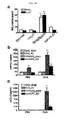
- FIG. 1a shows levels of VEGF in the BAL fluid obtained 6 and 24 hours after co-administration of OVA and LPS.
- FIG. lb shows levels of IL-6 in the BAL fluid under the same experiment conditions. When 10 ⁇ g of LPS was administered, an increase was found in the level of VEGF in the BAL fluid within as short as 6 hours ( FIG. 1a ). IL-6, serving as an inflammatory index, was also detected at increased levels in the BAL fluid both 6 and 24 hours after administration of 10 ⁇ g of LPS ( FIG. 1b ).
- mice were sensitized with OVA and LPS and then administered with OVA to construct inflammatory models.
- the models were intranasally challenged with OVA to determine levels of inflammatory cells and IL-17 in BAL fluid vs. time as shown in FIG. 4 .
- the results are plotted as a function of time in FIGS. 5a and 5b , respectively.
- the quantity of IL-17 started to increase from 4 hours after the last challenge with OVA (see FIG. 5b ).
- the number of inflammatory cells was increased from 12 hours after the last challenge (see FIG. 5a ).
- IL-17-deficient mice IL-17 -/- _OVA/LPS
- WT_OVA/LPS normal mice
- IL-6 deficient mice As for IL-6 deficient mice (IL-6 -/- -_OVA/LPS), they were allowed to increase the population of inflammatory cells to a much smaller extent compared to normal mice (WT_OVA/LPS) ( FIG. 7a ), but with no increase in the level of IL-17 ( FIG. 7b ).
- EXAMPLE 1 Assay of SU5416 for Inhibitory Activity against VEGFR-1 and VEGFR-2
- mice C57BL/6 (female, 6 weeks old) mice were classified into experimental and control groups, each composed of 5, and established into asthma models according to the protocol of FIG. 8 .
- Mice in the experimental groups were intraperitoneally injected with a solution of the VEGFR(-1 and -2) tyrosine kinase inhibitor SU5416 in DMSO (dimethyl sulfoxide) at a dose of 1 mg/kg or 10 mg/kg. They were intranasally sensitized with OVA and LPS starting 30 min after the intraperitoneal injection on days 0, 1, 2 and 7.
- Mice in the control group were intraperitoneally injected with DMSO alone and then intranasally sensitized with OVA and LPS. On days 14, 15, 21 and 22, OVA was intranasally injected into the mice under anesthesia. Inflammatory cells in BAL fluid were counted 48 hours after the last injection (day 24) and the results are shown in FIG. 9 .
- mice in which all signal pathways through vascular endothelial growth factor receptors had been blocked by sensitization with SU5416, was reduced in a dose-dependent manner.
- FIG. 10 shows immune responses six hours after the three rounds of post-sensitization OVA challenge (day 21).
- the levels of both gamma interferon and IL-17 in the BAL fluid retrieved from the mice treated with SU5416 upon sensitization (OVA/LPS_SU) were observed to significantly decrease (see FIG. 10a ).
- Immune cells isolated from local lymph nodes also had a significantly decreased level of gamma interferon and IL-17, which was secreted in response to allergen stimulus ( FIGS. 10b and 10c ).
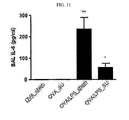
- IL-6 levels in BAL fluid obtained 6 hours after the three rounds of sensitization with OVA and LPS are shown in FIG. 11 .
- the mice administered at a dose of 10 mg/kg with SU5416 (OVA/LPS_SU) were observed to secrete lower amounts of IL-6 than did the control (OVA/LPS_sham) (see FIG. 11 ).
- EXAMPLE 2 Assay of Monoclonal Antibody for Inhibitory Activity against VEGFR-2
- mice C57BL/6 (female, 6 weeks old) mice were classified into experimental and control groups, each composed of 5, and established into asthma models according to the protocol of FIG. 12 .
- mice in the experimental groups were intraperitoneally injected with 0.1, 1.0 and 10 ⁇ g of a monoclonal antibody against VEGFR-2 (anti-Flk-1, R&D Systems) while mice in the control group were intraperitoneally injected with PBS. They were intranasally sensitized with OVA and LPS 30 min after the intraperitoneal injection of anti-Flk-1 or PBS.
- BAL fluid obtained 24 hours after the sensitization (day 1) was quantitatively analyzed for inflammatory cell and IL-6 levels and the results are shown in FIG. 13 .
- the population of inflammatory cells in the BAL fluid had decreased in an anti-Flk-1 concentration-dependent manner (see FIG. 13a ).
- the intraperitoneal injection of 10 ⁇ g of anti-Flk-1 (OVA/LPS_anti-Flk-1) reduced the level of IL-6 in BAL fluid, compared to the sham injection to the control group (OVA/LPS_sham) (see FIG. 13b ).
- mice in the experimental groups were intraperitoneally injected with 10 ⁇ g of anti-Flk-1 while mice in the control group were sham injected on days 0, 1, 2 and 7. They were intranasally sensitized with OVA and LPS 30 min after the intraperitoneal injection of anti-Flk-1 or a sham. On days 14, 15, 21 and 22, OVA was intranasally injected into the mice. Their lung inflammation and immune responses were evaluated 48 hours after the four OVA challenges and the results are shown in FIG. 14 .
- SU5416 is suppressive of Th1- and Th17-mediated immune responses while anti-Flk-1 represses Th17-mediated immune responses only.
- Th1 is responsible for cellular immunity
- the long-term administration of a drug suppressive of both Th1 and Th17-mediated immune responses would result in vulnerability to bacterial infection.
- the selective inhibition of anti-Flk-1 against VEGF-2 is advantageous in that only chronic Th17 type inflammatory responses can be reduced while Th1-mediated immune responses to bacterial infection are retained.
- VEGFR-2 be selectively inhibited in order to cure non-eosinophilic or neutrophilic respiratory inflammation.
- CT-322 which is derived from a domain of fibronectin
- KR-31831 is among selective VEGFR-2 inhibitors.
- Vatalanib, and a kinase inhibitor known as PTK787 or PTK/ZK, which show excellent selectivity for VEGFR-2 although acting on all types of VEGFR, can be employed in the present invention.
- various physiologically active substances including aptamers, siRNAs, and miRNAs, may be developed as having selective inhibitory activity against VEGFR-2 and used in the present invention.
- VEGFR or VEGFR-2 inhibitors may be administered via other routes such as orally or by inhalation or by dermal application.
- the pharmaceutical composition comprising a VEGFR pathway inhibitor as an active ingredient in accordance with the present invention is effective in the therapy of IL-6- or IL-17-mediated Th17 inflammatory disease.
- the composition based on a selective inhibitor against the VEGFR-2-mediated signal pathway can be effectively applied to the therapy of non-eosinophilic or neutrophilic inflammatory diseases.
Landscapes
- Health & Medical Sciences (AREA)
- Chemical & Material Sciences (AREA)
- Life Sciences & Earth Sciences (AREA)
- General Health & Medical Sciences (AREA)
- Medicinal Chemistry (AREA)
- Pharmacology & Pharmacy (AREA)
- Veterinary Medicine (AREA)
- Public Health (AREA)
- Animal Behavior & Ethology (AREA)
- Organic Chemistry (AREA)
- Engineering & Computer Science (AREA)
- Nuclear Medicine, Radiotherapy & Molecular Imaging (AREA)
- General Chemical & Material Sciences (AREA)
- Chemical Kinetics & Catalysis (AREA)
- Bioinformatics & Cheminformatics (AREA)
- Immunology (AREA)
- Epidemiology (AREA)
- Pulmonology (AREA)
- Proteomics, Peptides & Aminoacids (AREA)
- Genetics & Genomics (AREA)
- Biophysics (AREA)
- Gastroenterology & Hepatology (AREA)
- Biomedical Technology (AREA)
- Molecular Biology (AREA)
- Biochemistry (AREA)
- Zoology (AREA)
- Rheumatology (AREA)
- Pain & Pain Management (AREA)
- Orthopedic Medicine & Surgery (AREA)
- Physical Education & Sports Medicine (AREA)
- Dermatology (AREA)
- Medicines That Contain Protein Lipid Enzymes And Other Medicines (AREA)
- Pharmaceuticals Containing Other Organic And Inorganic Compounds (AREA)
- Medicines Containing Antibodies Or Antigens For Use As Internal Diagnostic Agents (AREA)
Abstract
Description
- The present invention relates to a method for the treatment or prevention of Th17 inflammatory diseases characterized by non-eosinophilic or neutrophilic inflammation, and the pharmaceutical composition therefor.
- It is very important to repress inflammation in the therapy of respiratory inflammatory diseases such as asthma, chronic obstructive pulmonary disease (COPD) and the like.
- Asthma is a chronic inflammatory disease of the airways resulting from the hyper-response of the immune system. In the late 1980s, it was discovered that proliferating helper T cells, which develop into effector T cells, differentiate into two major subtypes of cells known as
T h1 andT h2 cells that act to activate cellular immune and humoral immune systems, respectively, and that Th1 and Th2 cells antagonize each other. Hence, asthma is now understood as a kind of inflammation which is predominantly driven by eosinophils that are elicited by Th2 cytokines stimulated by IgE in response to an allergen [Robinson DS, Hamid Q, Ying S, Tsicopoulos A, Barkans J, Bentley AM, Corrigan C, Durham SR, Kay AB. Predominant Th2-like bronchoalveolar T-lymphocyte population in atopic asthma. N Engl J Med 1992;326:298-304]. The Th2 cytokine IL-13 was identified to induce all the features of allergic asthma in mouse models [Grunig G, Warnock M, Wakil AE, Venkayya R, Brombacher F, Rennick DM, Sheppard D, Mohrs M, Donaldson DD, Locksley RM, et al. Requirement for IL-13 independently of IL-4 in experimental asthma. Science 1998;282:2261-2263; Wills-Karp M, Luyimbazi J, Xu X, Schofield B, Neben TY, Karp CL, Donaldson DD. Interleukin-13: central mediator of allergic asthma. Science 1998; 282:2258-2261]. - However, non-eosinophilic asthma, which accounts for a significant number of the cases of asthma, cannot be explained by the Th2-driven mechanism [Douwes J, Gibson P, Pekkanen J, Pearce N. Non-eosinophilic asthma: importance and possible mechanisms. Thorax. 2002;57:643-8; Fahy JV. Eosinophilic and neutrophilic inflammation in asthma: insights from clinical studies. Proc Am Thorac Soc. 2009;6:256-9]. In non-eosinophilic or neutrophilic asthma, neutrophils are much more predominant than eosinophils as is implied by the name. Patients with non-eosinophilic asthma have been noted to have severer asthma or suffer a higher exacerbation although there is no increase in the eosinophil population in the airways compared to patients with eosinophilic asthma. A clinical study by inhalation of corticosteroids and placebos showed that non-eosinophilic asthma was distinctly different from eosinophilic asthma and showed little response to steroid treatment [Berry M, Morgan A, Shaw DE, Parker D, Green R, Brightling C, Bradding P, Wardlaw AJ, Pavord ID. Pathological features and inhaled corticosteroid response of eosinophilic and non-eosinophilic asthma. Thorax. 2007;62(12):1043-9].
- Recently, Th17 cells were discovered as a new subset of T helper cells, which are considered developmentally distinct from Th1 and Th2 cells. CD4+ or CD8+ T cells are known to produce IL-17 [Langrish CL, Chen Y, Blumenschein WM, Mattson J, Basham B, Sedgwick JD, McClanahan T, Kastelein RA, Cua DJ. IL-23 drives a pathogenic T cell population that induces autoimmune inflammation. J Exp Med 2005; 201:233-240; Curtis MM, Way SS, Wilson CB. IL-23 promotes the production of IL-17 by antigen-specific CD8 T cells in the absence of IL-12 and type-I interferons. J Immunol 2009;1:381-7; Ciric B, El-behi M, Cabrera R, Zhang GX, Rostami A. IL-23 drives pathogenic IL-17-producing CD8+ T cells. J Immunol 2009;182:5296-305]. Although there is an expectation that Th17 cells might be associated with eosinophilic inflammation, the implication of Th17 cells or their cytokine IL-17 in asthma has not been revealed [Mo, Ji Hoon. T cell differentiation and Th17. Korean Journal of Otorhinolaryngology-Head and Neck Surgery 2008;51:688-93]. More interestingly, continued Th17-mediated inflammatory response has recently been reported to induce the onset of colon cancer in the mucosal membrane [Wu et al. A human colonic commensal promotes colon tumorigenesis via activation of T helper type 17 T cell responses. Nat Med. 5(9):1016-22 (2009)].
- In the meanwhile, overexpressed vascular endothelial growth factor (VEGF) causes airway remodeling and Th2 cells, together with endothelial cells, secrete VEGF upon allergic inflammation [Lee CG, Link H, Baluk P, Homer RJ, Chapoval S, Bhandari V, Kang MJ, Cohn L, Kim YK, McDonald DM, Elias JA. Vascular endothelial growth factor (VEGF) induces remodeling and enhances TH2-mediated sensitization and inflammation in the lung. Nat Med 2004;10:1095-1103]. Nowhere has the correlation between Th17 cells and VEGF or VEGFR (vascular endothelial growth factor receptor) been revealed prior to the present invention.
- Among the main subtypes of VEGFRs are VEGFR-1, VEGFR-2 and VEGF-3, which are also designated Flt-1, KDR or Flk-1, and Flt-4, respectively.
- The present invention aims to reveal the correlation between Th17 cells and VEGF or VEGFR and the implication of Th17 cells in inflammatory diseases and to provide a method for the treatment and/or prevention of Th17-mediated inflammatory diseases.
- In order to achieve the object, the present invention provides a pharmaceutical composition for the therapy and/or prophylaxis of IL(interleukin)-6- or IL(interleukin)-17-mediated Th17 (T helper type 17) inflammatory diseases, comprising as an active ingredient a VEGFR pathway inhibitor in accordance with an aspect thereof.
- In accordance with another aspect thereof, the present invention provides a method for the therapy and/or prophylaxis of IL-6- or IL-17-mediated Th17 inflammatory diseases, comprising administering the pharmaceutical composition to a subject in need thereof.
- The pharmaceutical composition comprising a VEGFR pathway inhibitor as an active ingredient in accordance with the present invention is effective in the therapy or prophylaxis of IL (interleukin)-6- or IL-17-mediated Th17 inflammatory disease, particularly, asthma or chronic obstructive pulmonary disease characterized by non-eosinophilic or neutrophilic inflammation.
- In addition, the composition based on a selective inhibitor against the VEGFR-2-mediated signal pathway can selectively repress Th-17 type immune responses and can be effectively applied to the therapy of non-eosinophilic or neutrophilic inflammatory diseases.
- Further, the composition is advantageous in that it has no effects on the cellular immune response of Th-1 so that it can reduce the side effects such as bacterial infection, etc.
-
-
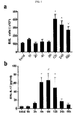
FIG. 1 shows levels of VEGF and IL-6 in the BAL fluid obtained 6 and 24 hours after intranasal sensitization with an allergen and LPS. -
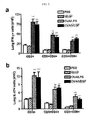
FIG. 2 shows inflammation responses in BAL fluid obtained from asthma animal models established by intranasal injection of an allergen after sensitization with an allergen in combination with an endotoxin or recombinant VEGF. -
FIG. 3 shows Th1 and Th17 type immune responses inlung tissues 6 hours after the injection of an allergen into animal models sensitized with an allergen in combination with an endotoxin or recombinant VEGF. -
FIG. 4 is a schematic view showing the evaluation of immune responses in BAL fluid obtained from asthma animal models established by allergen challenge after sensitization with an allergen in combination with an endotoxin or VEGF according to a time schedule. -
FIG. 5 shows inflammatory responses and IL-17 secretion measured in BAL fluid at the predetermined times shown inFIG. 4 . -
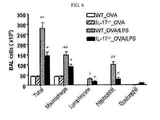
FIG. 6 shows inflammatory responses in BAL fluid from IL-17-deficient asthma animal models. -
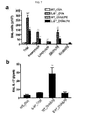
FIG. 7 shows inflammatory responses and IL-17 secretion measured in BAL fluid obtained from IL-6-deficient asthma animal models. -
FIG. 8 shows a protocol for establishing an asthma animal model of Example 1. -
FIG. 9 shows inflammatory responses in asthma animal models treated with SU5416 almost simultaneously with the sensitization. -
FIG. 10 shows the secretion of gamma interferon and IL-17 in the BAL fluid and the Th17 type immune responses in local lymph nodes, obtained 6 hours after allergen challenges to animal models treated with SU5416 almost simultaneously with sensitization. -
FIG. 11 shows the secretion of IL-6 in the BAL fluid from animal models treated with SU5416 almost simultaneously with sensitization. -
FIG. 12 is a schematic view showing a protocol for establishing an asthma animal model of Example 2. -
FIG. 13 shows inflammatory responses and IL-6 secretion in the BAL fluid obtained from animal models treated with anti-Flk-1 almost simultaneously with the sensitization. -
FIG. 14 shows the secretion of gamma interferon and IL-17 in the BAL fluid and the Th17 type immune responses in local lymph nodes, obtained 6 hours after allergen challenges to animal models treated with anti-Flk-1 almost simultaneously with sensitization. - Reference should now be made to the drawings, to explain embodiments and examples of the present invention in detail so that those of ordinary skill in the art can easily practice them.
- However, the following description is not intended to limit the present invention to specific embodiments and should be construed as including all modifications, equivalents and substituents which fall within the spirit and scope of the present invention.
- In accordance with a first aspect thereof, the present invention contemplates a pharmaceutical composition for the therapy and prophylaxis of an IL-6- or IL-17-mediated Th17 inflammatory disease, comprising as an active ingredient a VEGFR pathway inhibitor.
- VEGFR useful in the present invention may include VEGFR-1, VEGF-2 and VEGF-3 and may preferably be VEGFR-2. Hence, the VEGFR pathway inhibitor may preferably be selective for the VEGFR-2-mediated signal pathway.
- In a preferred embodiment of the present invention, the Th17 inflammatory diseases include non-eosinophilic or neutrophilic asthma or chronic obstructive pulmonary disease (COPD).
- In one embodiment of the present invention, the Th17 inflammatory disease may be inflammatory bowel disease, atopic dermatitis, a rheumatoid disease or an autoimmune disease, all being characterized by non-eosinophilic or neutrophilic inflammation.
- In one embodiment of the present invention, the Th17 inflammatory disease may be IL-6- or IL-17-mediated colon cancer, stomach cancer or lung cancer.
- As used herein, the term "VEGFR pathway inhibitor" is intended to refer to a substance which inhibits the VEGFR-mediated signal pathway by acting on the VEGFR directly or on a downstream member of the pathway, like a kinase inhibitor. Likewise, the term "VEGFR-2 pathway inhibitor," as used herein, refers to a substance which inhibits the VEGFR-2-mediated signal pathway by acting on VEGFR-2 directly or on a downstream member of the pathway, like a kinase inhibitor.
- The VEGFR-2 pathway inhibitor may function to reduce Th-17-mediated immune responses or the secretion of IL-17 from Th-17 cells.
- In accordance with one embodiment of the present invention, the VEGFR pathway inhibitor may be a water-soluble recombinant VEGFR protein which is inhibitory of VEGFR-2.
- In one embodiment of the present invention, the VEGFR pathway inhibitor may be selected from the group consisting of semaxanib (SU5416), an anti-Flk-1 antibody, a CT-322 peptide, KR-31831, vatalanib (PTK787) and a combination thereof, and preferably the VEGFR pathway inhibitor may be selected from the group consisting of, but not limited to, an anti-Flk-1 antibody, a CT-322 peptide, KR-31831, vatalanib (PTK787) and a combination thereof, all being selectively inhibitory of the VEGFR-2 pathway.
- Semaxanib, also called semaxinib or SU5416, is represented by the following
Chemical Formula 1 and known to exhibit anti-tumor activity through the inhibition of angiogenesis.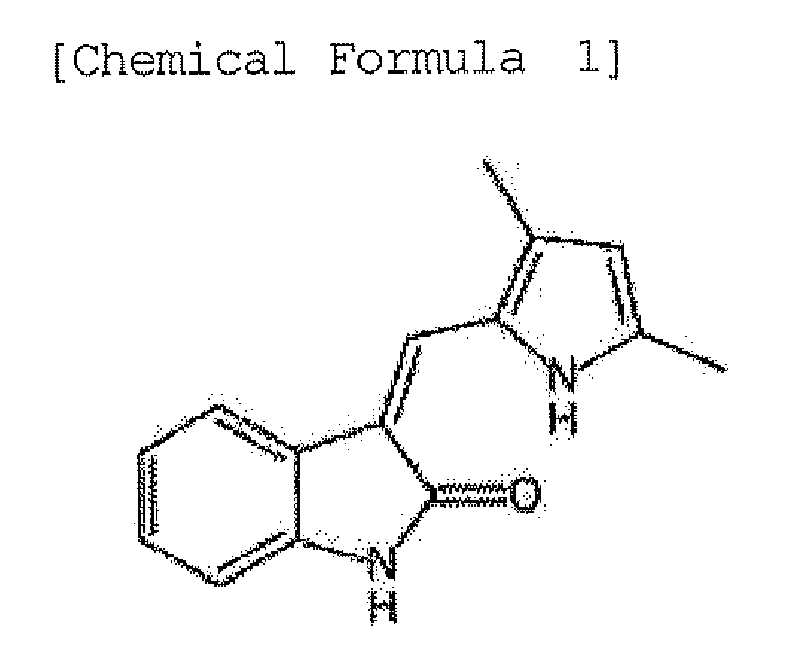
- Specific for VEGFR-2 (also referred to as Flk-1), the anti-Flk-1 antibody selectively inhibits the VEGFR-2-mediated signal pathway. In accordance with one embodiment of the present invention, a variety of commercially available anti-Flk-1 antibodies (e.g., anti-mouse VEGF R2(Flk-1) antibody, R&D systems) may be employed in the present invention.
- The CT-322 peptide, a small protein derived from a specific domain of human fibronectin, is known as an anti-angiogenic therapeutic agent against tumorigenesis. In one embodiment of the present invention, commercially available CT-322, such as Angiocept™ (Adnexus), may be used in the present invention.
- KR-31831, represented by the following Chemical Formula, is known as an angiogenesis inhibitor with inhibitory activity against tumorigenesis by specifically inhibiting the VEGFR-2-mediated signal pathway [Park SY, Seo EH, Song HS, Jung SY, Lee YK, Yi KY, Yoo SE, Kim YJ. KR-31831, benzopyran derivative, inhibits VEGF-induced angiogenesis of HUVECs through suppressing KDR expression. Int J Oncol. 2008;32:1311-5]:

- Vatalanib, also designated PTK787 or PTK/ZK, is a kinase inhibitor represented by the following
Chemical Formula 3 which is highly selective for VEGFR-2 and known as an angiogenesis inhibitor against tumorigenesis.
- Contemplated in accordance with a second aspect of the present invention is a method for treating or preventing an IL-6- or IL-17-mediated Th17 inflammatory disease, comprising administering to a mammal in need thereof a pharmaceutical composition comprising a VEGFR pathway inhibitor as an active ingredient.
- The methods of administration may be systemic administration, oral administration and inhalation through the respiratory system, but are not limited thereto. Various other administration routes may be employed.
- Descriptions of the VEGFR, the VEGFR pathway inhibitor and the selective VEGFR-2 pathway inhibitor in conjunction with the pharmaceutical composition for the therapy or prophylaxis of IL-6- or IL-17-mediated Th17 inflammatory diseases in accordance with the first aspect of the present invention are true of those in the context of the method for the therapy or prophylaxis of IL-6- or IL-17-mediated Th17 inflammatory diseases in accordance with the second aspect of the present invention.
- A better understanding of the present invention may be obtained through the following examples which are set forth to illustrate, but are not to be construed as limiting the present invention.
- VEGFR inhibitors were assayed for inhibitory activity in asthma animal models suffering from Th17-mediated inflammation.
- To construct asthma animal models, C57BL/6 (female, 6 weeks old) mice were divided into groups, each consisting of five mice and sensitized with 75 µg of ovalbumn (OVA) as an allergen and 10 µg of an endotoxin (lipopolysaccharide, LPS) as an adjuvant via an intranasal route on
Day days - The mice were examined for
pulmonary inflammation 6 hours (day 22) and 48 hours (day 24) after the last OVA administration. In this regard, the mice were anesthetized by intraperitoneal injection of a mixture of ketamin and xylazine and allowed to undergo thoracotomy to expose the trachea into which a catheter was then inserted, followed by ligation. The airway was washed by injecting 1 mL of sterile saline twice to obtain bronchoalveolar lavage (BAL) fluid. For the analysis of T lymphocytes in pulmonary tissues, cells were extracted from the local lymph nodes of the lung excised. - The BAL fluid was centrifuged at 4°C at 3000 rpm for 10 min and the cell pellet thus formed was suspended in PBS (phosphate buffered saline). After cytospin, the cells thus collected were spread on a slide and stained with Diff Quick. In a 1000x magnified sight under an optical microscope, 300 or more inflammatory cells were observed and classified into macrophages, lymphocytes, neutrophils, and eosinophils which were then counted. In addition, levels of gamma interferon, responsible for Th1 inflammatory response, and IL-17 and IL-6, both responsible for Th17 inflammatory response, in the BAL fluid were quantified by ELISA.
- The excised pulmonary tissue was treated with collagenase type IV (Sigma) to isolate cells. Their surface was stained with fluorescent-conjugated anti-CD3, CD4, and CD8 antibodies (BD Pharmingen) and holes in the cell membrane were formed with formalin, followed by intracellular cytokine staining with anti-IFN-γ and IL-17 antibodies. FACSCalibur™ (Becton Dickinson) was used to determine the kind of T cells introduced into the lung and the expression level of T cells.
- The cells obtained from the lymph nodes were incubated for 72 hours in RPMI (Gibco) supplemented with 100 µg/ml OVA, 10% FBS, and an antibiotic before respective cytokines responsible for Thl-, Th17- and Th2-mediated inflammatory responses were quantified using ELISA.
-
FIG. 1a shows levels of VEGF in the BAL fluid obtained 6 and 24 hours after co-administration of OVA and LPS. FIG. lb shows levels of IL-6 in the BAL fluid under the same experiment conditions. When 10 µg of LPS was administered, an increase was found in the level of VEGF in the BAL fluid within as short as 6 hours (FIG. 1a ). IL-6, serving as an inflammatory index, was also detected at increased levels in the BAL fluid both 6 and 24 hours after administration of 10 µg of LPS (FIG. 1b ). - For the experiment groups in which OVA had been intranasally injected after sensitization with OVA in combination with recombinant VEGF or LPS, counts were made of the inflammatory cells in the BAL fluid obtained therefrom. For control groups to which OVA was intranasally injected after sensitization with PBS or VEGF alone, counts of the inflammatory cells were also conducted. Plots of both these counts are made in
FIG. 2 . INF-γ and IL-17 in T cells isolated from the experiment groups (OVA/VEGF, OVA/LPS) and the control groups (PBS, VEGF) were quantitatively analyzed and the results are shown inFIGS. 3a and 3b , respectively. - Co-administration of recombinant VEGF and OVA (OVA/VEGF) induced an increase in the population of inflammatory cells while the population of inflammatory cells remained unchanged upon administration of VEGF alone (see
FIG. 2 ). Likewise, the quantities of INF-γ and IL-17, both accounting for inflammation, were increased upon co-administration with VEGF and OVA whereas recombinant VEGF alone induced the secretion of neither INF-γ nor IL-17 (seeFIGS. 3a and 3b ). - According to the protocol of
FIG. 4 , mice were sensitized with OVA and LPS and then administered with OVA to construct inflammatory models. Onday FIG. 4 . The results are plotted as a function of time inFIGS. 5a and 5b , respectively. - The quantity of IL-17 started to increase from 4 hours after the last challenge with OVA (see
FIG. 5b ). The number of inflammatory cells was increased from 12 hours after the last challenge (seeFIG. 5a ). - Under the same experiment condition, a much smaller population of inflammatory cells were counted in IL-17-deficient mice (IL-17-/-_OVA/LPS) than in normal mice (WT_OVA/LPS) (see
FIG. 6 ). - As for IL-6 deficient mice (IL-6-/--_OVA/LPS), they were allowed to increase the population of inflammatory cells to a much smaller extent compared to normal mice (WT_OVA/LPS) (
FIG. 7a ), but with no increase in the level of IL-17 (FIG. 7b ). - C57BL/6 (female, 6 weeks old) mice were classified into experimental and control groups, each composed of 5, and established into asthma models according to the protocol of
FIG. 8 . Mice in the experimental groups were intraperitoneally injected with a solution of the VEGFR(-1 and -2) tyrosine kinase inhibitor SU5416 in DMSO (dimethyl sulfoxide) at a dose of 1 mg/kg or 10 mg/kg. They were intranasally sensitized with OVA and LPS starting 30 min after the intraperitoneal injection ondays days FIG. 9 . - As can be seen in
FIG. 9 , the inflammatory cell count in mice, in which all signal pathways through vascular endothelial growth factor receptors had been blocked by sensitization with SU5416, was reduced in a dose-dependent manner. -
FIG. 10 shows immune responses six hours after the three rounds of post-sensitization OVA challenge (day 21). The levels of both gamma interferon and IL-17 in the BAL fluid retrieved from the mice treated with SU5416 upon sensitization (OVA/LPS_SU) were observed to significantly decrease (seeFIG. 10a ). Immune cells isolated from local lymph nodes also had a significantly decreased level of gamma interferon and IL-17, which was secreted in response to allergen stimulus (FIGS. 10b and 10c ). - In addition, IL-6 levels in BAL fluid obtained 6 hours after the three rounds of sensitization with OVA and LPS are shown in
FIG. 11 . The mice administered at a dose of 10 mg/kg with SU5416 (OVA/LPS_SU) were observed to secrete lower amounts of IL-6 than did the control (OVA/LPS_sham) (seeFIG. 11 ). - C57BL/6 (female, 6 weeks old) mice were classified into experimental and control groups, each composed of 5, and established into asthma models according to the protocol of
FIG. 12 . - Mice in the experimental groups were intraperitoneally injected with 0.1, 1.0 and 10 µg of a monoclonal antibody against VEGFR-2 (anti-Flk-1, R&D Systems) while mice in the control group were intraperitoneally injected with PBS. They were intranasally sensitized with OVA and LPS 30 min after the intraperitoneal injection of anti-Flk-1 or PBS. BAL fluid obtained 24 hours after the sensitization (day 1) was quantitatively analyzed for inflammatory cell and IL-6 levels and the results are shown in
FIG. 13 . - The population of inflammatory cells in the BAL fluid had decreased in an anti-Flk-1 concentration-dependent manner (see
FIG. 13a ). The intraperitoneal injection of 10 µg of anti-Flk-1 (OVA/LPS_anti-Flk-1) reduced the level of IL-6 in BAL fluid, compared to the sham injection to the control group (OVA/LPS_sham) (seeFIG. 13b ). - Separately, mice in the experimental groups were intraperitoneally injected with 10 µg of anti-Flk-1 while mice in the control group were sham injected on
days days FIG. 14 . - Compared to sham-administered mice (OVA/LPS_sham), the population of inflammatory cells in the BAL fluid of the mice treated with Anti-Flk-1 (OVA/LPS_anti-Flk-1) was significantly reduced (see
FIG. 14a ), and the population of IL-17 secreting CD4+ and CD8+ cells in T cells of local lymph nodes was also decreased (seeFIG. 14b ). - Taken together, the data obtained above demonstrate that both the non-specific VEGFR inhibitor SU5416 and the VEGFR-2 inhibitor anti-Flk-1 monoclonal antibody can excellently suppress inflammation in the lung.
- From an immunological perspective, SU5416 is suppressive of Th1- and Th17-mediated immune responses while anti-Flk-1 represses Th17-mediated immune responses only. Because Th1 is responsible for cellular immunity, the long-term administration of a drug suppressive of both Th1 and Th17-mediated immune responses would result in vulnerability to bacterial infection. The selective inhibition of anti-Flk-1 against VEGF-2 is advantageous in that only chronic Th17 type inflammatory responses can be reduced while Th1-mediated immune responses to bacterial infection are retained. Thus, it is preferred that VEGFR-2 be selectively inhibited in order to cure non-eosinophilic or neutrophilic respiratory inflammation.
- Although the Examples were explained using only SU5416 and anti-Flk-1, it should be understood that other inhibitory substances which act on VEGFR or VEGFR-2 directlyor on downstream members of the VEGFR or VEGFR-2 signal pathways like kinase inhibitors can be used for the purpose of the present invention. In addition to anti-Flk-1 monoclonal body, CT-322, which is derived from a domain of fibronectin, is known as a selective VEGFR-2 inhibitor. Also, KR-31831 is among selective VEGFR-2 inhibitors. Vatalanib, and a kinase inhibitor known as PTK787 or PTK/ZK, which show excellent selectivity for VEGFR-2 although acting on all types of VEGFR, can be employed in the present invention.
- Moreover, various physiologically active substances including aptamers, siRNAs, and miRNAs, may be developed as having selective inhibitory activity against VEGFR-2 and used in the present invention.
- VEGFR or VEGFR-2 inhibitors, although described for systemic administration, may be administered via other routes such as orally or by inhalation or by dermal application.
- Although the preferred embodiments of the present invention have been disclosed for illustrative purposes, those skilled in the art will appreciate that various modifications, additions and substitutions are possible, without departing from the scope and spirit of the invention as disclosed in the accompanying claims.
- As described hitherto, the pharmaceutical composition comprising a VEGFR pathway inhibitor as an active ingredient in accordance with the present invention is effective in the therapy of IL-6- or IL-17-mediated Th17 inflammatory disease. Particularly, the composition based on a selective inhibitor against the VEGFR-2-mediated signal pathway can be effectively applied to the therapy of non-eosinophilic or neutrophilic inflammatory diseases.
Claims (25)
- A pharmaceutical composition for treatment or prevention of an IL (interleukin)-6- or IL (interleukin)-17-meditated Th17 (T helper type 17) inflammatory disease, comprising a vascular endothelial growth factor receptor (VEGFR) pathway inhibitor as an active ingredient.
- The pharmaceutical composition of claim 1, wherein the Th17 inflammatory disease is non-eosinophilic or neutrophilic asthma or chronic obstructive pulmonary disease.
- The pharmaceutical composition of claim 1, wherein the Th17 inflammatory disease is inflammatory bowel disease, atopic dermatitis, a rheumatoid disease, or an autoimmune disease, all being characterized by non-eosinophilic or neutrophilic inflammation.
- The pharmaceutical composition of claim 1, wherein the Th17 inflammatory disease is colon cancer, stomach cancer or lung cancer, all being characterized by IL-6- or IL-17-mediated inflammation.
- The pharmaceutical composition of claim 1, wherein the VEGFR pathway inhibitor is semaxanib (SU5416).
- The pharmaceutical composition of claim 1, wherein the VEGFR pathway inhibitor is inhibitory of a VEGFR-2 signal pathway.
- The pharmaceutical composition of claim 6, wherein the VEGFR pathway inhibitor is an anti-Flk-1 monoclonal antibody.
- The pharmaceutical composition of claim 1, wherein the VEGFR pathway inhibitor is a CT-322 peptide.
- The pharmaceutical composition of claim 1, wherein the VEGFR pathway inhibitor is vatalanib (PTK787).
- The pharmaceutical composition of claim 1, wherein the VEGFR pathway inhibitor is a water-soluble VEGFR recombinant protein having an inhibitory activity against VEGFR-2.
- The pharmaceutical composition of claim 1, wherein the VEGFR pathway inhibitor is an aptamer having an inhibitory activity against VEGFR-2.
- The pharmaceutical composition of claim 1, wherein the VEGFR pathway inhibitor is an siRNA or miRNA having an inhibitory activity against VEGFR-2.
- A method for treating or preventing an IL (interleukin)-6- or IL (interleukin)-17-mediated Th17 (T helper type 17) disease, comprising administering to a mammal in need thereof a pharmaceutical composition comprising a vascular endothelial growth factor receptor (VEGFR) pathway inhibitor as an active ingredient.
- The method of claim 13, wherein the administering is conducted by systemic administration, oral administration or inhalation through a respiratory organ.
- The method of claim 13, wherein the Th17 inflammatory disease is non-eosinophilic or neutrophilic asthma or chronic obstructive pulmonary disease.
- The method of claim 13, wherein the Th17 inflammatory disease is inflammatory bowel disease, atopic dermatitis, a rheumatoid disease, or an autoimmune disease, all being characterized by non-eosinophilic or neutrophilic inflammation.
- The method of claim 13, wherein the Th17 inflammatory disease is colon cancer, stomach cancer or lung cancer, all being characterized by IL-6- or IL-17-mediated inflammation.
- The method of claim 13, wherein the VEGFR pathway inhibitor is semaxanib (SU5416).
- The method of claim 13, wherein the VEGFR pathway inhibitor is inhibitory of a VEGFR-2 signal pathway.
- The method of claim 19, wherein the VEGFR pathway inhibitor is an anti-Flk-1 monoclonal antibody.
- The method of claim 13, wherein the VEGFR pathway inhibitor is a CT-322 peptide.
- The method of claim 13, wherein the VEGFR pathway inhibitor is vatalanib (PTK787).
- The method of claim 13, wherein the VEGFR pathway inhibitor is a water-soluble VEGFR recombinant protein having an inhibitory activity against VEGFR-2.
- The method of claim 13, wherein the VEGFR pathway inhibitor is an aptamer having an inhibitory activity against VEGFR-2.
- The method of claim 13, wherein the VEGFR pathway inhibitor is an siRNA or miRNA having an inhibitory activity against VEGFR-2.
Applications Claiming Priority (2)
| Application Number | Priority Date | Filing Date | Title |
|---|---|---|---|
| KR20090080922 | 2009-08-31 | ||
| PCT/KR2010/003182 WO2011025128A2 (en) | 2009-08-31 | 2010-05-20 | Method for treating th17 inflammatory disease through inhibition of vascular endothelial growth factor receptors and pharmaceutical composition therefor |
Publications (3)
| Publication Number | Publication Date |
|---|---|
| EP2474311A2 true EP2474311A2 (en) | 2012-07-11 |
| EP2474311A4 EP2474311A4 (en) | 2013-03-20 |
| EP2474311B1 EP2474311B1 (en) | 2014-09-03 |
Family
ID=43628514
Family Applications (1)
| Application Number | Title | Priority Date | Filing Date |
|---|---|---|---|
| EP10812143.5A Not-in-force EP2474311B1 (en) | 2009-08-31 | 2010-05-20 | Method for treating th17 inflammatory disease through inhibition of vascular endothelial growth factor receptors and pharmaceutical composition therefor |
Country Status (6)
| Country | Link |
|---|---|
| US (1) | US8653146B2 (en) |
| EP (1) | EP2474311B1 (en) |
| JP (1) | JP5513620B2 (en) |
| KR (1) | KR101350652B1 (en) |
| CN (1) | CN102548554B (en) |
| WO (1) | WO2011025128A2 (en) |
Cited By (1)
| Publication number | Priority date | Publication date | Assignee | Title |
|---|---|---|---|---|
| EP4344700A1 (en) * | 2022-09-28 | 2024-04-03 | Liangdan Sun | Vegfr gene expression inhibitor for use in the treatment of psoriasis |
Families Citing this family (4)
| Publication number | Priority date | Publication date | Assignee | Title |
|---|---|---|---|---|
| US20140050694A1 (en) * | 2012-08-20 | 2014-02-20 | Wisconsin Alumni Research Foundation | Method of Treating Transplant Rejection and Autoimmune Diseases |
| EP2977384A1 (en) * | 2014-07-25 | 2016-01-27 | Fraunhofer Gesellschaft zur Förderung der angewandten Forschung e.V. | N-terminally truncated interleukin-38 |
| MY200134A (en) * | 2015-09-21 | 2023-12-08 | Shenzhen Evergreen Therapeutics Co Ltd | Treating auto-immune and auto-inflammatory diseases |
| CN106282212B (en) * | 2016-08-24 | 2020-03-10 | 南通大学附属医院 | Preparation and application of triple artificial miRNA (microribonucleic acid) for inhibiting VEGFRs (vascular endothelial growth factors) |
Family Cites Families (6)
| Publication number | Priority date | Publication date | Assignee | Title |
|---|---|---|---|---|
| AU779908B2 (en) * | 1999-09-10 | 2005-02-17 | Merck & Co., Inc. | Tyrosine kinase inhibitors |
| ATE369894T1 (en) * | 2000-11-22 | 2007-09-15 | Novartis Pharma Gmbh | COMBINATION CONTAINING AN AGENT FOR REDUCING VEGF ACTIVITY AND AN AGENT FOR REDUCING AGENT EGF ACTIVITY |
| US20040247597A1 (en) * | 2001-06-20 | 2004-12-09 | Peter Carmeliet | Method of treating atherosclerosis and other inflammatory diseases |
| KR100785969B1 (en) | 2004-05-12 | 2007-12-14 | 동아제약주식회사 | An agent comprising fgf2 as an effective ingredient for treatment or prevention of asthma and chronic obstructive pulmonary disease |
| US20090197794A1 (en) * | 2005-07-13 | 2009-08-06 | Aird William C | Methods of Diagnosing and Treating an Inflammatory Response |
| US20100190162A1 (en) * | 2007-02-26 | 2010-07-29 | Cedars-Sinai Medical Center | Methods of using single nucleotide polymorphisms in the tl1a gene to predict or diagnose inflammatory bowel disease |
-
2010
- 2010-05-20 CN CN201080038032.0A patent/CN102548554B/en not_active Expired - Fee Related
- 2010-05-20 JP JP2012526617A patent/JP5513620B2/en not_active Expired - Fee Related
- 2010-05-20 US US13/393,479 patent/US8653146B2/en not_active Expired - Fee Related
- 2010-05-20 KR KR1020100047241A patent/KR101350652B1/en not_active Expired - Fee Related
- 2010-05-20 WO PCT/KR2010/003182 patent/WO2011025128A2/en not_active Ceased
- 2010-05-20 EP EP10812143.5A patent/EP2474311B1/en not_active Not-in-force
Non-Patent Citations (7)
| Title |
|---|
| KEIICHI IWANAMI ET AL.: "Crucial role of the interleukin-6/interleukin-17 cytokine axis in the induction of arthritis by glucose-6-phosphate isomerase", ARTHRITIS & RHEUMATISM, vol. 58, no. 3, March 2008 (2008-03), pages 754-763, XP009166828, ISSN: 0004-3591, DOI: 10.1002/ART.23222 * |
| MAMLUK RONI ET AL: "Preclinical development of a potent VEGFR-2 antagonist based on a novel protein scaffold (AdNectin)", AMERICAN ASSOCIATION FOR CANCER RESEARCH. PROCEEDINGS OF THE ANNUAL MEETING, AMERICAN ASSOCIATION FOR CANCER RESEARCH, US, vol. 46, 1 April 2005 (2005-04-01), pages 714-715, XP009166865, ISSN: 0197-016X * |
| REICHERT FANNY ET AL: "Anti-angiogenic effects and regression of localized murine AML produced by anti-VEGF and anti-Flk-1 antibodies", EUROPEAN JOURNAL OF HAEMATOLOGY, vol. 75, no. 1, July 2005 (2005-07), pages 41-46, XP009166830, ISSN: 0902-4441 * |
| See also references of WO2011025128A2 * |
| SHAHEEN RAYMOND M ET AL: "Effects of an antibody to vascular endothelial growth factor receptor-2 on survival, tumor vascularity, and apoptosis in a murine model of colon carcinomatosis", INTERNATIONAL JOURNAL OF ONCOLOGY, LYCHNIA, GR, vol. 18, no. 2, 1 February 2001 (2001-02-01), pages 221-226, XP009119033, ISSN: 1019-6439 * |
| TUDER R M ET AL: "Vascular endothelial growth factor of the lung: friend or foe", CURRENT OPINION IN PHARMACOLOGY, ELSEVIER SCIENCE PUBLISHERS, NL, vol. 8, no. 3, 1 June 2008 (2008-06-01), pages 255-260, XP022711864, ISSN: 1471-4892, DOI: 10.1016/J.COPH.2008.03.003 [retrieved on 2008-05-28] * |
| YUK SEL H ET AL.: "Increased expression of tissue vascular endothelial growth factor and foetal liver kinase-1 receptor in seasonal allergic rhinitis and relevance to asthma component", CLINICAL AND EXPERIMENTAL ALLERGY, vol. 37, no. 8, August 2007 (2007-08), pages 1183-1188, XP009166831, ISSN: 0954-7894, DOI: 10.1111/J.1365-2222.2007.02763.X * |
Cited By (1)
| Publication number | Priority date | Publication date | Assignee | Title |
|---|---|---|---|---|
| EP4344700A1 (en) * | 2022-09-28 | 2024-04-03 | Liangdan Sun | Vegfr gene expression inhibitor for use in the treatment of psoriasis |
Also Published As
| Publication number | Publication date |
|---|---|
| WO2011025128A2 (en) | 2011-03-03 |
| US20120156213A1 (en) | 2012-06-21 |
| US8653146B2 (en) | 2014-02-18 |
| WO2011025128A3 (en) | 2011-04-21 |
| CN102548554A (en) | 2012-07-04 |
| JP2013503154A (en) | 2013-01-31 |
| KR101350652B1 (en) | 2014-01-16 |
| CN102548554B (en) | 2014-04-23 |
| EP2474311B1 (en) | 2014-09-03 |
| KR20110023718A (en) | 2011-03-08 |
| JP5513620B2 (en) | 2014-06-04 |
| WO2011025128A4 (en) | 2011-06-16 |
| EP2474311A4 (en) | 2013-03-20 |
Similar Documents
| Publication | Publication Date | Title |
|---|---|---|
| Giuffrida et al. | The role of interleukin-13 in chronic inflammatory intestinal disorders | |
| Mannon et al. | Republished: Interleukin 13 and its role in gut defence and inflammation | |
| Schuijs et al. | Cytokine targets in airway inflammation | |
| Ahluwalia et al. | Immunopathogenesis of inflammatory bowel disease and mechanisms of biological therapies | |
| Brightling et al. | Interleukin‐13: prospects for new treatments | |
| Kaur et al. | OX40/OX40 ligand interactions in T-cell regulation and asthma | |
| Rodrigues-Diez et al. | IL-17A is a novel player in dialysis-induced peritoneal damage | |
| ES2428321T3 (en) | Compositions and methods to treat inflamed lung disease | |
| EP2405928B1 (en) | Treatment and diagnostic methods for hypersensitive disorders | |
| WO2006023791A2 (en) | Methods and compositions for treating allergic inflammation | |
| Rayees et al. | Linking GATA-3 and interleukin-13: implications in asthma | |
| Park et al. | An alternative dendritic cell-induced murine model of asthma exhibiting a robust Th2/Th17-skewed response | |
| MD4327866T2 (en) | Mirikizumab in the treatment of ulcerative colitis | |
| EP2474311A2 (en) | Method for treating th17 inflammatory disease through inhibition of vascular endothelial growth factor receptors and pharmaceutical composition therefor | |
| Ying et al. | How much do we know about atopic asthma: where are we now | |
| Karabela et al. | Neutralization of tumor necrosis factor bioactivity ameliorates urethane-induced pulmonary oncogenesis in mice | |
| De Volder et al. | Trajectory of neutrophilic responses in a mouse model of pollutant-aggravated allergic asthma | |
| Akdis | New insights into mechanisms of immunoregulation in 2007 | |
| Sekine-Okano et al. | Expression and release of tumor necrosis factor-alpha by explants of mouse cornea. | |
| TW202128212A (en) | Pharmaceutical compositions and use thereof for relieving anticancer drug resistance and enhancing sensitivity of anticancer drug | |
| Summers et al. | The IL-27 receptor has biphasic effects in crescentic glomerulonephritis mediated through Th1 responses | |
| CN110573168A (en) | Methods of treating diseases associated with ILC2 cells | |
| Drygała et al. | A summary of novel biologics for asthma treatment | |
| US20070082865A1 (en) | Compositions and methods for treatment of airway hypersecretion | |
| Wills‐karp | Role of Th2 Cells in the Allergic Diathesis |
Legal Events
| Date | Code | Title | Description |
|---|---|---|---|
| PUAI | Public reference made under article 153(3) epc to a published international application that has entered the european phase |
Free format text: ORIGINAL CODE: 0009012 |
|
| 17P | Request for examination filed |
Effective date: 20120214 |
|
| AK | Designated contracting states |
Kind code of ref document: A2 Designated state(s): AL AT BE BG CH CY CZ DE DK EE ES FI FR GB GR HR HU IE IS IT LI LT LU LV MC MK MT NL NO PL PT RO SE SI SK SM TR |
|
| DAX | Request for extension of the european patent (deleted) | ||
| A4 | Supplementary search report drawn up and despatched |
Effective date: 20130215 |
|
| RIC1 | Information provided on ipc code assigned before grant |
Ipc: C07K 16/28 20060101ALI20130211BHEP Ipc: A61K 31/404 20060101AFI20130211BHEP Ipc: A61K 38/39 20060101ALI20130211BHEP Ipc: A61K 39/395 20060101ALI20130211BHEP Ipc: A61K 31/37 20060101ALI20130211BHEP Ipc: A61P 11/06 20060101ALI20130211BHEP |
|
| 17Q | First examination report despatched |
Effective date: 20130930 |
|
| REG | Reference to a national code |
Ref country code: DE Ref legal event code: R079 Ref document number: 602010018798 Country of ref document: DE Free format text: PREVIOUS MAIN CLASS: A61K0031404000 Ipc: A61P0011000000 |
|
| RIC1 | Information provided on ipc code assigned before grant |
Ipc: A61K 31/404 20060101ALI20140217BHEP Ipc: A61K 38/39 20060101ALI20140217BHEP Ipc: A61K 39/00 20060101ALI20140217BHEP Ipc: A61K 31/37 20060101ALI20140217BHEP Ipc: C07K 16/28 20060101ALI20140217BHEP Ipc: A61P 11/00 20060101AFI20140217BHEP |
|
| GRAP | Despatch of communication of intention to grant a patent |
Free format text: ORIGINAL CODE: EPIDOSNIGR1 |
|
| INTG | Intention to grant announced |
Effective date: 20140331 |
|
| GRAS | Grant fee paid |
Free format text: ORIGINAL CODE: EPIDOSNIGR3 |
|
| GRAA | (expected) grant |
Free format text: ORIGINAL CODE: 0009210 |
|
| AK | Designated contracting states |
Kind code of ref document: B1 Designated state(s): AL AT BE BG CH CY CZ DE DK EE ES FI FR GB GR HR HU IE IS IT LI LT LU LV MC MK MT NL NO PL PT RO SE SI SK SM TR |
|
| REG | Reference to a national code |
Ref country code: GB Ref legal event code: FG4D |
|
| REG | Reference to a national code |
Ref country code: AT Ref legal event code: REF Ref document number: 685239 Country of ref document: AT Kind code of ref document: T Effective date: 20140915 Ref country code: CH Ref legal event code: EP |
|
| REG | Reference to a national code |
Ref country code: IE Ref legal event code: FG4D |
|
| REG | Reference to a national code |
Ref country code: DE Ref legal event code: R096 Ref document number: 602010018798 Country of ref document: DE Effective date: 20141016 |
|
| REG | Reference to a national code |
Ref country code: AT Ref legal event code: MK05 Ref document number: 685239 Country of ref document: AT Kind code of ref document: T Effective date: 20140903 |
|
| PG25 | Lapsed in a contracting state [announced via postgrant information from national office to epo] |
Ref country code: SE Free format text: LAPSE BECAUSE OF FAILURE TO SUBMIT A TRANSLATION OF THE DESCRIPTION OR TO PAY THE FEE WITHIN THE PRESCRIBED TIME-LIMIT Effective date: 20140903 Ref country code: GR Free format text: LAPSE BECAUSE OF FAILURE TO SUBMIT A TRANSLATION OF THE DESCRIPTION OR TO PAY THE FEE WITHIN THE PRESCRIBED TIME-LIMIT Effective date: 20141204 Ref country code: ES Free format text: LAPSE BECAUSE OF FAILURE TO SUBMIT A TRANSLATION OF THE DESCRIPTION OR TO PAY THE FEE WITHIN THE PRESCRIBED TIME-LIMIT Effective date: 20140903 Ref country code: FI Free format text: LAPSE BECAUSE OF FAILURE TO SUBMIT A TRANSLATION OF THE DESCRIPTION OR TO PAY THE FEE WITHIN THE PRESCRIBED TIME-LIMIT Effective date: 20140903 Ref country code: NO Free format text: LAPSE BECAUSE OF FAILURE TO SUBMIT A TRANSLATION OF THE DESCRIPTION OR TO PAY THE FEE WITHIN THE PRESCRIBED TIME-LIMIT Effective date: 20141203 Ref country code: LT Free format text: LAPSE BECAUSE OF FAILURE TO SUBMIT A TRANSLATION OF THE DESCRIPTION OR TO PAY THE FEE WITHIN THE PRESCRIBED TIME-LIMIT Effective date: 20140903 |
|
| REG | Reference to a national code |
Ref country code: NL Ref legal event code: VDEP Effective date: 20140903 |
|
| REG | Reference to a national code |
Ref country code: LT Ref legal event code: MG4D |
|
| PG25 | Lapsed in a contracting state [announced via postgrant information from national office to epo] |
Ref country code: HR Free format text: LAPSE BECAUSE OF FAILURE TO SUBMIT A TRANSLATION OF THE DESCRIPTION OR TO PAY THE FEE WITHIN THE PRESCRIBED TIME-LIMIT Effective date: 20140903 Ref country code: CY Free format text: LAPSE BECAUSE OF FAILURE TO SUBMIT A TRANSLATION OF THE DESCRIPTION OR TO PAY THE FEE WITHIN THE PRESCRIBED TIME-LIMIT Effective date: 20140903 Ref country code: LV Free format text: LAPSE BECAUSE OF FAILURE TO SUBMIT A TRANSLATION OF THE DESCRIPTION OR TO PAY THE FEE WITHIN THE PRESCRIBED TIME-LIMIT Effective date: 20140903 Ref country code: AT Free format text: LAPSE BECAUSE OF FAILURE TO SUBMIT A TRANSLATION OF THE DESCRIPTION OR TO PAY THE FEE WITHIN THE PRESCRIBED TIME-LIMIT Effective date: 20140903 |
|
| PG25 | Lapsed in a contracting state [announced via postgrant information from national office to epo] |
Ref country code: NL Free format text: LAPSE BECAUSE OF FAILURE TO SUBMIT A TRANSLATION OF THE DESCRIPTION OR TO PAY THE FEE WITHIN THE PRESCRIBED TIME-LIMIT Effective date: 20140903 |
|
| PG25 | Lapsed in a contracting state [announced via postgrant information from national office to epo] |
Ref country code: EE Free format text: LAPSE BECAUSE OF FAILURE TO SUBMIT A TRANSLATION OF THE DESCRIPTION OR TO PAY THE FEE WITHIN THE PRESCRIBED TIME-LIMIT Effective date: 20140903 Ref country code: RO Free format text: LAPSE BECAUSE OF FAILURE TO SUBMIT A TRANSLATION OF THE DESCRIPTION OR TO PAY THE FEE WITHIN THE PRESCRIBED TIME-LIMIT Effective date: 20140903 Ref country code: PT Free format text: LAPSE BECAUSE OF FAILURE TO SUBMIT A TRANSLATION OF THE DESCRIPTION OR TO PAY THE FEE WITHIN THE PRESCRIBED TIME-LIMIT Effective date: 20150105 Ref country code: IS Free format text: LAPSE BECAUSE OF FAILURE TO SUBMIT A TRANSLATION OF THE DESCRIPTION OR TO PAY THE FEE WITHIN THE PRESCRIBED TIME-LIMIT Effective date: 20150103 Ref country code: CZ Free format text: LAPSE BECAUSE OF FAILURE TO SUBMIT A TRANSLATION OF THE DESCRIPTION OR TO PAY THE FEE WITHIN THE PRESCRIBED TIME-LIMIT Effective date: 20140903 Ref country code: SK Free format text: LAPSE BECAUSE OF FAILURE TO SUBMIT A TRANSLATION OF THE DESCRIPTION OR TO PAY THE FEE WITHIN THE PRESCRIBED TIME-LIMIT Effective date: 20140903 |
|
| PG25 | Lapsed in a contracting state [announced via postgrant information from national office to epo] |
Ref country code: PL Free format text: LAPSE BECAUSE OF FAILURE TO SUBMIT A TRANSLATION OF THE DESCRIPTION OR TO PAY THE FEE WITHIN THE PRESCRIBED TIME-LIMIT Effective date: 20140903 |
|
| REG | Reference to a national code |
Ref country code: DE Ref legal event code: R097 Ref document number: 602010018798 Country of ref document: DE |
|
| PLBE | No opposition filed within time limit |
Free format text: ORIGINAL CODE: 0009261 |
|
| STAA | Information on the status of an ep patent application or granted ep patent |
Free format text: STATUS: NO OPPOSITION FILED WITHIN TIME LIMIT |
|
| PG25 | Lapsed in a contracting state [announced via postgrant information from national office to epo] |
Ref country code: DK Free format text: LAPSE BECAUSE OF FAILURE TO SUBMIT A TRANSLATION OF THE DESCRIPTION OR TO PAY THE FEE WITHIN THE PRESCRIBED TIME-LIMIT Effective date: 20140903 |
|
| 26N | No opposition filed |
Effective date: 20150604 |
|
| PG25 | Lapsed in a contracting state [announced via postgrant information from national office to epo] |
Ref country code: IT Free format text: LAPSE BECAUSE OF FAILURE TO SUBMIT A TRANSLATION OF THE DESCRIPTION OR TO PAY THE FEE WITHIN THE PRESCRIBED TIME-LIMIT Effective date: 20140903 |
|
| PG25 | Lapsed in a contracting state [announced via postgrant information from national office to epo] |
Ref country code: SI Free format text: LAPSE BECAUSE OF FAILURE TO SUBMIT A TRANSLATION OF THE DESCRIPTION OR TO PAY THE FEE WITHIN THE PRESCRIBED TIME-LIMIT Effective date: 20140903 |
|
| REG | Reference to a national code |
Ref country code: CH Ref legal event code: PL |
|
| GBPC | Gb: european patent ceased through non-payment of renewal fee |
Effective date: 20150520 |
|
| PG25 | Lapsed in a contracting state [announced via postgrant information from national office to epo] |
Ref country code: LI Free format text: LAPSE BECAUSE OF NON-PAYMENT OF DUE FEES Effective date: 20150531 Ref country code: MC Free format text: LAPSE BECAUSE OF FAILURE TO SUBMIT A TRANSLATION OF THE DESCRIPTION OR TO PAY THE FEE WITHIN THE PRESCRIBED TIME-LIMIT Effective date: 20140903 Ref country code: LU Free format text: LAPSE BECAUSE OF FAILURE TO SUBMIT A TRANSLATION OF THE DESCRIPTION OR TO PAY THE FEE WITHIN THE PRESCRIBED TIME-LIMIT Effective date: 20150520 Ref country code: CH Free format text: LAPSE BECAUSE OF NON-PAYMENT OF DUE FEES Effective date: 20150531 |
|
| REG | Reference to a national code |
Ref country code: IE Ref legal event code: MM4A |
|
| REG | Reference to a national code |
Ref country code: FR Ref legal event code: ST Effective date: 20160129 |
|
| PG25 | Lapsed in a contracting state [announced via postgrant information from national office to epo] |
Ref country code: GB Free format text: LAPSE BECAUSE OF NON-PAYMENT OF DUE FEES Effective date: 20150520 Ref country code: IE Free format text: LAPSE BECAUSE OF NON-PAYMENT OF DUE FEES Effective date: 20150520 |
|
| PG25 | Lapsed in a contracting state [announced via postgrant information from national office to epo] |
Ref country code: FR Free format text: LAPSE BECAUSE OF NON-PAYMENT OF DUE FEES Effective date: 20150601 |
|
| PG25 | Lapsed in a contracting state [announced via postgrant information from national office to epo] |
Ref country code: BE Free format text: LAPSE BECAUSE OF FAILURE TO SUBMIT A TRANSLATION OF THE DESCRIPTION OR TO PAY THE FEE WITHIN THE PRESCRIBED TIME-LIMIT Effective date: 20140903 |
|
| PGFP | Annual fee paid to national office [announced via postgrant information from national office to epo] |
Ref country code: DE Payment date: 20160421 Year of fee payment: 7 |
|
| PG25 | Lapsed in a contracting state [announced via postgrant information from national office to epo] |
Ref country code: MT Free format text: LAPSE BECAUSE OF FAILURE TO SUBMIT A TRANSLATION OF THE DESCRIPTION OR TO PAY THE FEE WITHIN THE PRESCRIBED TIME-LIMIT Effective date: 20140903 |
|
| PG25 | Lapsed in a contracting state [announced via postgrant information from national office to epo] |
Ref country code: SM Free format text: LAPSE BECAUSE OF FAILURE TO SUBMIT A TRANSLATION OF THE DESCRIPTION OR TO PAY THE FEE WITHIN THE PRESCRIBED TIME-LIMIT Effective date: 20140903 Ref country code: BG Free format text: LAPSE BECAUSE OF FAILURE TO SUBMIT A TRANSLATION OF THE DESCRIPTION OR TO PAY THE FEE WITHIN THE PRESCRIBED TIME-LIMIT Effective date: 20140903 Ref country code: HU Free format text: LAPSE BECAUSE OF FAILURE TO SUBMIT A TRANSLATION OF THE DESCRIPTION OR TO PAY THE FEE WITHIN THE PRESCRIBED TIME-LIMIT; INVALID AB INITIO Effective date: 20100520 |
|
| PG25 | Lapsed in a contracting state [announced via postgrant information from national office to epo] |
Ref country code: TR Free format text: LAPSE BECAUSE OF FAILURE TO SUBMIT A TRANSLATION OF THE DESCRIPTION OR TO PAY THE FEE WITHIN THE PRESCRIBED TIME-LIMIT Effective date: 20140903 |
|
| REG | Reference to a national code |
Ref country code: DE Ref legal event code: R119 Ref document number: 602010018798 Country of ref document: DE |
|
| PG25 | Lapsed in a contracting state [announced via postgrant information from national office to epo] |
Ref country code: DE Free format text: LAPSE BECAUSE OF NON-PAYMENT OF DUE FEES Effective date: 20171201 |
|
| PG25 | Lapsed in a contracting state [announced via postgrant information from national office to epo] |
Ref country code: MK Free format text: LAPSE BECAUSE OF FAILURE TO SUBMIT A TRANSLATION OF THE DESCRIPTION OR TO PAY THE FEE WITHIN THE PRESCRIBED TIME-LIMIT Effective date: 20140903 |
|
| PG25 | Lapsed in a contracting state [announced via postgrant information from national office to epo] |
Ref country code: AL Free format text: LAPSE BECAUSE OF FAILURE TO SUBMIT A TRANSLATION OF THE DESCRIPTION OR TO PAY THE FEE WITHIN THE PRESCRIBED TIME-LIMIT Effective date: 20140903 |