EP2471918A1 - Screening method - Google Patents
Screening method Download PDFInfo
- Publication number
- EP2471918A1 EP2471918A1 EP10820536A EP10820536A EP2471918A1 EP 2471918 A1 EP2471918 A1 EP 2471918A1 EP 10820536 A EP10820536 A EP 10820536A EP 10820536 A EP10820536 A EP 10820536A EP 2471918 A1 EP2471918 A1 EP 2471918A1
- Authority
- EP
- European Patent Office
- Prior art keywords
- araiv
- cancer
- protein
- nucleic acid
- seq
- Prior art date
- Legal status (The legal status is an assumption and is not a legal conclusion. Google has not performed a legal analysis and makes no representation as to the accuracy of the status listed.)
- Withdrawn
Links
- 238000000034 method Methods 0.000 title claims abstract description 53
- 238000012216 screening Methods 0.000 title claims abstract description 22
- 108090000623 proteins and genes Proteins 0.000 claims abstract description 120
- 102000039446 nucleic acids Human genes 0.000 claims abstract description 106
- 108020004707 nucleic acids Proteins 0.000 claims abstract description 106
- 150000007523 nucleic acids Chemical class 0.000 claims abstract description 105
- 206010028980 Neoplasm Diseases 0.000 claims abstract description 100
- 102000004169 proteins and genes Human genes 0.000 claims abstract description 89
- 201000011510 cancer Diseases 0.000 claims abstract description 84
- 230000000694 effects Effects 0.000 claims abstract description 82
- 230000014509 gene expression Effects 0.000 claims abstract description 69
- 239000000126 substance Substances 0.000 claims abstract description 63
- 239000003098 androgen Substances 0.000 claims abstract description 61
- 150000001875 compounds Chemical class 0.000 claims abstract description 59
- 238000012360 testing method Methods 0.000 claims abstract description 39
- 238000011282 treatment Methods 0.000 claims abstract description 38
- 238000011321 prophylaxis Methods 0.000 claims abstract description 30
- 108010080146 androgen receptors Proteins 0.000 claims abstract description 25
- 102000001307 androgen receptors Human genes 0.000 claims abstract description 25
- 108020001756 ligand binding domains Proteins 0.000 claims abstract description 20
- 125000003729 nucleotide group Chemical group 0.000 claims description 89
- 239000002773 nucleotide Substances 0.000 claims description 88
- 108091032973 (ribonucleotides)n+m Proteins 0.000 claims description 49
- 108020004459 Small interfering RNA Proteins 0.000 claims description 41
- 239000002679 microRNA Substances 0.000 claims description 29
- 230000000692 anti-sense effect Effects 0.000 claims description 20
- 108091070501 miRNA Proteins 0.000 claims description 20
- 241001465754 Metazoa Species 0.000 claims description 17
- 230000012010 growth Effects 0.000 claims description 14
- 239000003153 chemical reaction reagent Substances 0.000 claims description 10
- 108700008625 Reporter Genes Proteins 0.000 claims description 9
- 230000005907 cancer growth Effects 0.000 claims description 8
- FWMNVWWHGCHHJJ-SKKKGAJSSA-N 4-amino-1-[(2r)-6-amino-2-[[(2r)-2-[[(2r)-2-[[(2r)-2-amino-3-phenylpropanoyl]amino]-3-phenylpropanoyl]amino]-4-methylpentanoyl]amino]hexanoyl]piperidine-4-carboxylic acid Chemical compound C([C@H](C(=O)N[C@H](CC(C)C)C(=O)N[C@H](CCCCN)C(=O)N1CCC(N)(CC1)C(O)=O)NC(=O)[C@H](N)CC=1C=CC=CC=1)C1=CC=CC=C1 FWMNVWWHGCHHJJ-SKKKGAJSSA-N 0.000 claims description 5
- 230000030833 cell death Effects 0.000 claims description 4
- 230000004069 differentiation Effects 0.000 claims description 4
- 125000003275 alpha amino acid group Chemical group 0.000 claims 4
- 230000035897 transcription Effects 0.000 abstract description 34
- 238000013518 transcription Methods 0.000 abstract description 34
- 230000001105 regulatory effect Effects 0.000 abstract description 9
- 210000004027 cell Anatomy 0.000 description 120
- 235000018102 proteins Nutrition 0.000 description 79
- 108020004999 messenger RNA Proteins 0.000 description 73
- 150000001413 amino acids Chemical group 0.000 description 52
- 206010060862 Prostate cancer Diseases 0.000 description 46
- 208000000236 Prostatic Neoplasms Diseases 0.000 description 46
- 239000003112 inhibitor Substances 0.000 description 37
- 108020004414 DNA Proteins 0.000 description 35
- 230000000295 complement effect Effects 0.000 description 35
- 239000003481 heat shock protein 90 inhibitor Substances 0.000 description 35
- 239000003814 drug Substances 0.000 description 25
- -1 GFP Proteins 0.000 description 24
- QTQAWLPCGQOSGP-GBTDJJJQSA-N geldanamycin Chemical compound N1C(=O)\C(C)=C/C=C\[C@@H](OC)[C@H](OC(N)=O)\C(C)=C/[C@@H](C)[C@@H](O)[C@H](OC)C[C@@H](C)CC2=C(OC)C(=O)C=C1C2=O QTQAWLPCGQOSGP-GBTDJJJQSA-N 0.000 description 24
- 230000002401 inhibitory effect Effects 0.000 description 24
- 230000014616 translation Effects 0.000 description 23
- JRZJKWGQFNTSRN-UHFFFAOYSA-N Geldanamycin Natural products C1C(C)CC(OC)C(O)C(C)C=C(C)C(OC(N)=O)C(OC)CCC=C(C)C(=O)NC2=CC(=O)C(OC)=C1C2=O JRZJKWGQFNTSRN-UHFFFAOYSA-N 0.000 description 22
- 239000003795 chemical substances by application Substances 0.000 description 22
- 230000006870 function Effects 0.000 description 22
- 239000002585 base Substances 0.000 description 21
- 239000002299 complementary DNA Substances 0.000 description 21
- 108091027967 Small hairpin RNA Proteins 0.000 description 17
- 239000004055 small Interfering RNA Substances 0.000 description 17
- 238000013519 translation Methods 0.000 description 17
- 239000013604 expression vector Substances 0.000 description 16
- 230000005764 inhibitory process Effects 0.000 description 16
- 238000002360 preparation method Methods 0.000 description 16
- 210000001519 tissue Anatomy 0.000 description 16
- 239000000523 sample Substances 0.000 description 15
- 238000001890 transfection Methods 0.000 description 15
- OOPDAHSJBRZRPH-UHFFFAOYSA-L Pyrvinium pamoate Chemical compound C1=CC2=CC(N(C)C)=CC=C2[N+](C)=C1C=CC(=C1C)C=C(C)N1C1=CC=CC=C1.C1=CC2=CC(N(C)C)=CC=C2[N+](C)=C1C=CC(=C1C)C=C(C)N1C1=CC=CC=C1.C12=CC=CC=C2C=C(C([O-])=O)C(O)=C1CC1=C(O)C(C([O-])=O)=CC2=CC=CC=C12 OOPDAHSJBRZRPH-UHFFFAOYSA-L 0.000 description 14
- 230000027455 binding Effects 0.000 description 14
- 229960001077 pyrvinium pamoate Drugs 0.000 description 14
- 241000699666 Mus <mouse, genus> Species 0.000 description 13
- 150000003384 small molecules Chemical class 0.000 description 13
- 239000002609 medium Substances 0.000 description 12
- 239000013598 vector Substances 0.000 description 12
- 102000053642 Catalytic RNA Human genes 0.000 description 11
- 108090000994 Catalytic RNA Proteins 0.000 description 11
- 108010072866 Prostate-Specific Antigen Proteins 0.000 description 11
- 108090000765 processed proteins & peptides Proteins 0.000 description 11
- 238000003757 reverse transcription PCR Methods 0.000 description 11
- 108091092562 ribozyme Proteins 0.000 description 11
- 230000009471 action Effects 0.000 description 10
- 239000002552 dosage form Substances 0.000 description 10
- 239000008194 pharmaceutical composition Substances 0.000 description 10
- 230000008685 targeting Effects 0.000 description 10
- 108020005345 3' Untranslated Regions Proteins 0.000 description 9
- 125000001433 C-terminal amino-acid group Chemical group 0.000 description 9
- 102100038358 Prostate-specific antigen Human genes 0.000 description 9
- 230000037396 body weight Effects 0.000 description 9
- 238000002347 injection Methods 0.000 description 9
- 239000007924 injection Substances 0.000 description 9
- 239000000546 pharmaceutical excipient Substances 0.000 description 9
- 208000024891 symptom Diseases 0.000 description 9
- 108091026890 Coding region Proteins 0.000 description 8
- LFQSCWFLJHTTHZ-UHFFFAOYSA-N Ethanol Chemical compound CCO LFQSCWFLJHTTHZ-UHFFFAOYSA-N 0.000 description 8
- 101100519431 Homo sapiens PDZD2 gene Proteins 0.000 description 8
- 241000124008 Mammalia Species 0.000 description 8
- 102100025646 PDZ domain-containing protein 2 Human genes 0.000 description 8
- 230000033228 biological regulation Effects 0.000 description 8
- 238000004519 manufacturing process Methods 0.000 description 8
- 239000000203 mixture Substances 0.000 description 8
- 102000005962 receptors Human genes 0.000 description 8
- 108020003175 receptors Proteins 0.000 description 8
- 230000002441 reversible effect Effects 0.000 description 8
- 239000000829 suppository Substances 0.000 description 8
- 230000005758 transcription activity Effects 0.000 description 8
- 108010004889 Heat-Shock Proteins Proteins 0.000 description 7
- 102000002812 Heat-Shock Proteins Human genes 0.000 description 7
- 210000004102 animal cell Anatomy 0.000 description 7
- 239000000051 antiandrogen Substances 0.000 description 7
- 230000015572 biosynthetic process Effects 0.000 description 7
- 238000006731 degradation reaction Methods 0.000 description 7
- 239000003085 diluting agent Substances 0.000 description 7
- 238000003197 gene knockdown Methods 0.000 description 7
- 229920001223 polyethylene glycol Polymers 0.000 description 7
- 230000029279 positive regulation of transcription, DNA-dependent Effects 0.000 description 7
- IAZDPXIOMUYVGZ-UHFFFAOYSA-N Dimethylsulphoxide Chemical compound CS(C)=O IAZDPXIOMUYVGZ-UHFFFAOYSA-N 0.000 description 6
- 108700011259 MicroRNAs Proteins 0.000 description 6
- 239000002202 Polyethylene glycol Substances 0.000 description 6
- DNIAPMSPPWPWGF-UHFFFAOYSA-N Propylene glycol Chemical compound CC(O)CO DNIAPMSPPWPWGF-UHFFFAOYSA-N 0.000 description 6
- CZPWVGJYEJSRLH-UHFFFAOYSA-N Pyrimidine Chemical compound C1=CN=CN=C1 CZPWVGJYEJSRLH-UHFFFAOYSA-N 0.000 description 6
- 241000700159 Rattus Species 0.000 description 6
- MUMGGOZAMZWBJJ-DYKIIFRCSA-N Testostosterone Chemical compound O=C1CC[C@]2(C)[C@H]3CC[C@](C)([C@H](CC4)O)[C@@H]4[C@@H]3CCC2=C1 MUMGGOZAMZWBJJ-DYKIIFRCSA-N 0.000 description 6
- 235000001014 amino acid Nutrition 0.000 description 6
- 229940024606 amino acid Drugs 0.000 description 6
- 210000004899 c-terminal region Anatomy 0.000 description 6
- 230000015556 catabolic process Effects 0.000 description 6
- HVYWMOMLDIMFJA-DPAQBDIFSA-N cholesterol Chemical compound C1C=C2C[C@@H](O)CC[C@]2(C)[C@@H]2[C@@H]1[C@@H]1CC[C@H]([C@H](C)CCCC(C)C)[C@@]1(C)CC2 HVYWMOMLDIMFJA-DPAQBDIFSA-N 0.000 description 6
- 230000001419 dependent effect Effects 0.000 description 6
- 238000005516 engineering process Methods 0.000 description 6
- 239000002502 liposome Substances 0.000 description 6
- 238000007911 parenteral administration Methods 0.000 description 6
- 239000000825 pharmaceutical preparation Substances 0.000 description 6
- 230000000069 prophylactic effect Effects 0.000 description 6
- 210000002307 prostate Anatomy 0.000 description 6
- 238000007920 subcutaneous administration Methods 0.000 description 6
- 235000000346 sugar Nutrition 0.000 description 6
- 238000003786 synthesis reaction Methods 0.000 description 6
- 230000002194 synthesizing effect Effects 0.000 description 6
- 239000003826 tablet Substances 0.000 description 6
- 229940126585 therapeutic drug Drugs 0.000 description 6
- 206010006187 Breast cancer Diseases 0.000 description 5
- 208000026310 Breast neoplasm Diseases 0.000 description 5
- 241000282693 Cercopithecidae Species 0.000 description 5
- 206010009944 Colon cancer Diseases 0.000 description 5
- 208000001333 Colorectal Neoplasms Diseases 0.000 description 5
- 241000701022 Cytomegalovirus Species 0.000 description 5
- 102000053602 DNA Human genes 0.000 description 5
- 241000588724 Escherichia coli Species 0.000 description 5
- 206010058467 Lung neoplasm malignant Diseases 0.000 description 5
- 108091034117 Oligonucleotide Proteins 0.000 description 5
- 241000283973 Oryctolagus cuniculus Species 0.000 description 5
- 206010033128 Ovarian cancer Diseases 0.000 description 5
- 206010061535 Ovarian neoplasm Diseases 0.000 description 5
- 206010061902 Pancreatic neoplasm Diseases 0.000 description 5
- KDCGOANMDULRCW-UHFFFAOYSA-N Purine Natural products N1=CNC2=NC=NC2=C1 KDCGOANMDULRCW-UHFFFAOYSA-N 0.000 description 5
- 208000024313 Testicular Neoplasms Diseases 0.000 description 5
- 206010057644 Testis cancer Diseases 0.000 description 5
- 208000002495 Uterine Neoplasms Diseases 0.000 description 5
- 239000004480 active ingredient Substances 0.000 description 5
- 239000005557 antagonist Substances 0.000 description 5
- 230000010261 cell growth Effects 0.000 description 5
- 230000003247 decreasing effect Effects 0.000 description 5
- 238000001514 detection method Methods 0.000 description 5
- 201000010099 disease Diseases 0.000 description 5
- 208000037265 diseases, disorders, signs and symptoms Diseases 0.000 description 5
- 229940079593 drug Drugs 0.000 description 5
- 239000000284 extract Substances 0.000 description 5
- 239000012634 fragment Substances 0.000 description 5
- XLXSAKCOAKORKW-AQJXLSMYSA-N gonadorelin Chemical class C([C@@H](C(=O)NCC(=O)N[C@@H](CC(C)C)C(=O)N[C@@H](CCCNC(N)=N)C(=O)N1[C@@H](CCC1)C(=O)NCC(N)=O)NC(=O)[C@H](CO)NC(=O)[C@H](CC=1C2=CC=CC=C2NC=1)NC(=O)[C@H](CC=1N=CNC=1)NC(=O)[C@H]1NC(=O)CC1)C1=CC=C(O)C=C1 XLXSAKCOAKORKW-AQJXLSMYSA-N 0.000 description 5
- 239000003446 ligand Substances 0.000 description 5
- 201000005202 lung cancer Diseases 0.000 description 5
- 208000020816 lung neoplasm Diseases 0.000 description 5
- 208000015486 malignant pancreatic neoplasm Diseases 0.000 description 5
- 238000002156 mixing Methods 0.000 description 5
- 230000005937 nuclear translocation Effects 0.000 description 5
- 210000000056 organ Anatomy 0.000 description 5
- 201000002528 pancreatic cancer Diseases 0.000 description 5
- 208000008443 pancreatic carcinoma Diseases 0.000 description 5
- 239000002243 precursor Substances 0.000 description 5
- 229940043274 prophylactic drug Drugs 0.000 description 5
- 150000003839 salts Chemical class 0.000 description 5
- 239000002904 solvent Substances 0.000 description 5
- 201000003120 testicular cancer Diseases 0.000 description 5
- 238000011144 upstream manufacturing Methods 0.000 description 5
- 206010046766 uterine cancer Diseases 0.000 description 5
- 238000001262 western blot Methods 0.000 description 5
- LKJPYSCBVHEWIU-KRWDZBQOSA-N (R)-bicalutamide Chemical compound C([C@@](O)(C)C(=O)NC=1C=C(C(C#N)=CC=1)C(F)(F)F)S(=O)(=O)C1=CC=C(F)C=C1 LKJPYSCBVHEWIU-KRWDZBQOSA-N 0.000 description 4
- 102000040650 (ribonucleotides)n+m Human genes 0.000 description 4
- 108091008721 AR-V7 Proteins 0.000 description 4
- 102000007469 Actins Human genes 0.000 description 4
- 108010085238 Actins Proteins 0.000 description 4
- ZKHQWZAMYRWXGA-UHFFFAOYSA-N Adenosine triphosphate Natural products C1=NC=2C(N)=NC=NC=2N1C1OC(COP(O)(=O)OP(O)(=O)OP(O)(O)=O)C(O)C1O ZKHQWZAMYRWXGA-UHFFFAOYSA-N 0.000 description 4
- 241000283690 Bos taurus Species 0.000 description 4
- 208000005443 Circulating Neoplastic Cells Diseases 0.000 description 4
- 108020004705 Codon Proteins 0.000 description 4
- 101150074155 DHFR gene Proteins 0.000 description 4
- AOJJSUZBOXZQNB-TZSSRYMLSA-N Doxorubicin Chemical compound O([C@H]1C[C@@](O)(CC=2C(O)=C3C(=O)C=4C=CC=C(C=4C(=O)C3=C(O)C=21)OC)C(=O)CO)[C@H]1C[C@H](N)[C@H](O)[C@H](C)O1 AOJJSUZBOXZQNB-TZSSRYMLSA-N 0.000 description 4
- 108700024394 Exon Proteins 0.000 description 4
- 101000605534 Homo sapiens Prostate-specific antigen Proteins 0.000 description 4
- 101000592517 Homo sapiens Puromycin-sensitive aminopeptidase Proteins 0.000 description 4
- 101000638154 Homo sapiens Transmembrane protease serine 2 Proteins 0.000 description 4
- FBOZXECLQNJBKD-ZDUSSCGKSA-N L-methotrexate Chemical compound C=1N=C2N=C(N)N=C(N)C2=NC=1CN(C)C1=CC=C(C(=O)N[C@@H](CCC(O)=O)C(O)=O)C=C1 FBOZXECLQNJBKD-ZDUSSCGKSA-N 0.000 description 4
- 241001494479 Pecora Species 0.000 description 4
- 238000012228 RNA interference-mediated gene silencing Methods 0.000 description 4
- 239000012980 RPMI-1640 medium Substances 0.000 description 4
- 101100221606 Saccharomyces cerevisiae (strain ATCC 204508 / S288c) COS7 gene Proteins 0.000 description 4
- 241000282898 Sus scrofa Species 0.000 description 4
- 239000002246 antineoplastic agent Substances 0.000 description 4
- 239000012736 aqueous medium Substances 0.000 description 4
- SESFRYSPDFLNCH-UHFFFAOYSA-N benzyl benzoate Chemical compound C=1C=CC=CC=1C(=O)OCC1=CC=CC=C1 SESFRYSPDFLNCH-UHFFFAOYSA-N 0.000 description 4
- 229960000997 bicalutamide Drugs 0.000 description 4
- 239000000872 buffer Substances 0.000 description 4
- 239000002775 capsule Substances 0.000 description 4
- 230000004663 cell proliferation Effects 0.000 description 4
- 210000004978 chinese hamster ovary cell Anatomy 0.000 description 4
- 238000007796 conventional method Methods 0.000 description 4
- 230000002950 deficient Effects 0.000 description 4
- 238000009261 endocrine therapy Methods 0.000 description 4
- 229940034984 endocrine therapy antineoplastic and immunomodulating agent Drugs 0.000 description 4
- 239000012091 fetal bovine serum Substances 0.000 description 4
- MKXKFYHWDHIYRV-UHFFFAOYSA-N flutamide Chemical compound CC(C)C(=O)NC1=CC=C([N+]([O-])=O)C(C(F)(F)F)=C1 MKXKFYHWDHIYRV-UHFFFAOYSA-N 0.000 description 4
- 229960002074 flutamide Drugs 0.000 description 4
- 230000009368 gene silencing by RNA Effects 0.000 description 4
- 230000003993 interaction Effects 0.000 description 4
- 239000007788 liquid Substances 0.000 description 4
- HQKMJHAJHXVSDF-UHFFFAOYSA-L magnesium stearate Chemical compound [Mg+2].CCCCCCCCCCCCCCCCCC([O-])=O.CCCCCCCCCCCCCCCCCC([O-])=O HQKMJHAJHXVSDF-UHFFFAOYSA-L 0.000 description 4
- 210000004962 mammalian cell Anatomy 0.000 description 4
- 239000002777 nucleoside Substances 0.000 description 4
- 230000036961 partial effect Effects 0.000 description 4
- 239000006187 pill Substances 0.000 description 4
- 229920000642 polymer Polymers 0.000 description 4
- 229920001184 polypeptide Polymers 0.000 description 4
- 102000004196 processed proteins & peptides Human genes 0.000 description 4
- 210000001550 testis Anatomy 0.000 description 4
- 150000005207 1,3-dihydroxybenzenes Chemical class 0.000 description 3
- NVKAWKQGWWIWPM-ABEVXSGRSA-N 17-β-hydroxy-5-α-Androstan-3-one Chemical compound C1C(=O)CC[C@]2(C)[C@H]3CC[C@](C)([C@H](CC4)O)[C@@H]4[C@@H]3CC[C@H]21 NVKAWKQGWWIWPM-ABEVXSGRSA-N 0.000 description 3
- 101150029129 AR gene Proteins 0.000 description 3
- 229940127512 Androgen Synthesis Inhibitors Drugs 0.000 description 3
- WVDDGKGOMKODPV-UHFFFAOYSA-N Benzyl alcohol Chemical compound OCC1=CC=CC=C1 WVDDGKGOMKODPV-UHFFFAOYSA-N 0.000 description 3
- 241000196324 Embryophyta Species 0.000 description 3
- 241000282326 Felis catus Species 0.000 description 3
- 108091070521 Homo sapiens let-7a-1 stem-loop Proteins 0.000 description 3
- 108091070522 Homo sapiens let-7a-2 stem-loop Proteins 0.000 description 3
- 108091070514 Homo sapiens let-7b stem-loop Proteins 0.000 description 3
- 108091070511 Homo sapiens let-7c stem-loop Proteins 0.000 description 3
- 108091070512 Homo sapiens let-7d stem-loop Proteins 0.000 description 3
- 108091070508 Homo sapiens let-7e stem-loop Proteins 0.000 description 3
- 108091070510 Homo sapiens let-7f-1 stem-loop Proteins 0.000 description 3
- 108091070526 Homo sapiens let-7f-2 stem-loop Proteins 0.000 description 3
- 108091069046 Homo sapiens let-7g stem-loop Proteins 0.000 description 3
- 108091069047 Homo sapiens let-7i stem-loop Proteins 0.000 description 3
- 108091069004 Homo sapiens miR-125a stem-loop Proteins 0.000 description 3
- 108091069094 Homo sapiens miR-134 stem-loop Proteins 0.000 description 3
- 108091069090 Homo sapiens miR-149 stem-loop Proteins 0.000 description 3
- 108091092229 Homo sapiens miR-491 stem-loop Proteins 0.000 description 3
- 108091063808 Homo sapiens miR-574 stem-loop Proteins 0.000 description 3
- 108091068856 Homo sapiens miR-98 stem-loop Proteins 0.000 description 3
- CKLJMWTZIZZHCS-REOHCLBHSA-N L-aspartic acid Chemical compound OC(=O)[C@@H](N)CC(O)=O CKLJMWTZIZZHCS-REOHCLBHSA-N 0.000 description 3
- WHUUTDBJXJRKMK-VKHMYHEASA-N L-glutamic acid Chemical compound OC(=O)[C@@H](N)CCC(O)=O WHUUTDBJXJRKMK-VKHMYHEASA-N 0.000 description 3
- 241000713666 Lentivirus Species 0.000 description 3
- 108091007771 MIRLET7A1 Proteins 0.000 description 3
- 108091007772 MIRLET7C Proteins 0.000 description 3
- 101710163270 Nuclease Proteins 0.000 description 3
- 241000009328 Perro Species 0.000 description 3
- 241000714474 Rous sarcoma virus Species 0.000 description 3
- 108091081024 Start codon Proteins 0.000 description 3
- 241000700605 Viruses Species 0.000 description 3
- 229960000853 abiraterone Drugs 0.000 description 3
- GZOSMCIZMLWJML-VJLLXTKPSA-N abiraterone Chemical compound C([C@H]1[C@H]2[C@@H]([C@]3(CC[C@H](O)CC3=CC2)C)CC[C@@]11C)C=C1C1=CC=CN=C1 GZOSMCIZMLWJML-VJLLXTKPSA-N 0.000 description 3
- PYMYPHUHKUWMLA-LMVFSUKVSA-N aldehydo-D-ribose Chemical compound OC[C@@H](O)[C@@H](O)[C@@H](O)C=O PYMYPHUHKUWMLA-LMVFSUKVSA-N 0.000 description 3
- 229940100198 alkylating agent Drugs 0.000 description 3
- 239000002168 alkylating agent Substances 0.000 description 3
- 239000003708 ampul Substances 0.000 description 3
- 229960003473 androstanolone Drugs 0.000 description 3
- 229940125644 antibody drug Drugs 0.000 description 3
- 239000012752 auxiliary agent Substances 0.000 description 3
- 235000012000 cholesterol Nutrition 0.000 description 3
- 230000000875 corresponding effect Effects 0.000 description 3
- 238000012217 deletion Methods 0.000 description 3
- 230000037430 deletion Effects 0.000 description 3
- 238000003745 diagnosis Methods 0.000 description 3
- 230000002255 enzymatic effect Effects 0.000 description 3
- 239000013613 expression plasmid Substances 0.000 description 3
- 125000000524 functional group Chemical group 0.000 description 3
- 238000010353 genetic engineering Methods 0.000 description 3
- 238000009396 hybridization Methods 0.000 description 3
- 125000002887 hydroxy group Chemical group [H]O* 0.000 description 3
- 230000003834 intracellular effect Effects 0.000 description 3
- 238000001990 intravenous administration Methods 0.000 description 3
- 238000010253 intravenous injection Methods 0.000 description 3
- GFIJNRVAKGFPGQ-LIJARHBVSA-N leuprolide Chemical compound CCNC(=O)[C@@H]1CCCN1C(=O)[C@H](CCCNC(N)=N)NC(=O)[C@H](CC(C)C)NC(=O)[C@@H](CC(C)C)NC(=O)[C@@H](NC(=O)[C@H](CO)NC(=O)[C@H](CC=1C2=CC=CC=C2NC=1)NC(=O)[C@H](CC=1N=CNC=1)NC(=O)[C@H]1NC(=O)CC1)CC1=CC=C(O)C=C1 GFIJNRVAKGFPGQ-LIJARHBVSA-N 0.000 description 3
- 229960004338 leuprorelin Drugs 0.000 description 3
- 125000005647 linker group Chemical group 0.000 description 3
- 210000005075 mammary gland Anatomy 0.000 description 3
- 230000007246 mechanism Effects 0.000 description 3
- 229910052751 metal Inorganic materials 0.000 description 3
- 239000002184 metal Substances 0.000 description 3
- 150000002739 metals Chemical class 0.000 description 3
- 229960000485 methotrexate Drugs 0.000 description 3
- 230000004048 modification Effects 0.000 description 3
- 238000012986 modification Methods 0.000 description 3
- 150000003833 nucleoside derivatives Chemical class 0.000 description 3
- 125000002467 phosphate group Chemical group [H]OP(=O)(O[H])O[*] 0.000 description 3
- 108010040003 polyglutamine Proteins 0.000 description 3
- 229920000155 polyglutamine Polymers 0.000 description 3
- 102000040430 polynucleotide Human genes 0.000 description 3
- 108091033319 polynucleotide Proteins 0.000 description 3
- 230000002265 prevention Effects 0.000 description 3
- 230000002829 reductive effect Effects 0.000 description 3
- 238000003571 reporter gene assay Methods 0.000 description 3
- 230000004044 response Effects 0.000 description 3
- 159000000000 sodium salts Chemical class 0.000 description 3
- 229960003604 testosterone Drugs 0.000 description 3
- RYYWUUFWQRZTIU-UHFFFAOYSA-K thiophosphate Chemical compound [O-]P([O-])([O-])=S RYYWUUFWQRZTIU-UHFFFAOYSA-K 0.000 description 3
- 230000001988 toxicity Effects 0.000 description 3
- 231100000419 toxicity Toxicity 0.000 description 3
- 210000004881 tumor cell Anatomy 0.000 description 3
- 241000701161 unidentified adenovirus Species 0.000 description 3
- KQJSQWZMSAGSHN-UHFFFAOYSA-N (9beta,13alpha,14beta,20alpha)-3-hydroxy-9,13-dimethyl-2-oxo-24,25,26-trinoroleana-1(10),3,5,7-tetraen-29-oic acid Natural products CC12CCC3(C)C4CC(C)(C(O)=O)CCC4(C)CCC3(C)C2=CC=C2C1=CC(=O)C(O)=C2C KQJSQWZMSAGSHN-UHFFFAOYSA-N 0.000 description 2
- NDMPLJNOPCLANR-UHFFFAOYSA-N 3,4-dihydroxy-15-(4-hydroxy-18-methoxycarbonyl-5,18-seco-ibogamin-18-yl)-16-methoxy-1-methyl-6,7-didehydro-aspidospermidine-3-carboxylic acid methyl ester Natural products C1C(CC)(O)CC(CC2(C(=O)OC)C=3C(=CC4=C(C56C(C(C(O)C7(CC)C=CCN(C67)CC5)(O)C(=O)OC)N4C)C=3)OC)CN1CCC1=C2NC2=CC=CC=C12 NDMPLJNOPCLANR-UHFFFAOYSA-N 0.000 description 2
- ODHCTXKNWHHXJC-VKHMYHEASA-N 5-oxo-L-proline Chemical compound OC(=O)[C@@H]1CCC(=O)N1 ODHCTXKNWHHXJC-VKHMYHEASA-N 0.000 description 2
- 101150076342 B5 gene Proteins 0.000 description 2
- 206010004593 Bile duct cancer Diseases 0.000 description 2
- 108091003079 Bovine Serum Albumin Proteins 0.000 description 2
- 208000003174 Brain Neoplasms Diseases 0.000 description 2
- AQKDBFWJOPNOKZ-UHFFFAOYSA-N Celastrol Natural products CC12CCC3(C)C4CC(C)(C(O)=O)CCC4(C)CCC3(C)C2=CC=C2C1=CC(=O)C(=O)C2C AQKDBFWJOPNOKZ-UHFFFAOYSA-N 0.000 description 2
- 101000904177 Clupea pallasii Gonadoliberin-1 Proteins 0.000 description 2
- CMSMOCZEIVJLDB-UHFFFAOYSA-N Cyclophosphamide Chemical compound ClCCN(CCCl)P1(=O)NCCCO1 CMSMOCZEIVJLDB-UHFFFAOYSA-N 0.000 description 2
- 230000004568 DNA-binding Effects 0.000 description 2
- 102000016928 DNA-directed DNA polymerase Human genes 0.000 description 2
- 108010014303 DNA-directed DNA polymerase Proteins 0.000 description 2
- RTZKZFJDLAIYFH-UHFFFAOYSA-N Diethyl ether Chemical compound CCOCC RTZKZFJDLAIYFH-UHFFFAOYSA-N 0.000 description 2
- 239000006144 Dulbecco’s modified Eagle's medium Substances 0.000 description 2
- KCXVZYZYPLLWCC-UHFFFAOYSA-N EDTA Chemical compound OC(=O)CN(CC(O)=O)CCN(CC(O)=O)CC(O)=O KCXVZYZYPLLWCC-UHFFFAOYSA-N 0.000 description 2
- 102000004190 Enzymes Human genes 0.000 description 2
- 108090000790 Enzymes Proteins 0.000 description 2
- 208000000461 Esophageal Neoplasms Diseases 0.000 description 2
- GHASVSINZRGABV-UHFFFAOYSA-N Fluorouracil Chemical compound FC1=CNC(=O)NC1=O GHASVSINZRGABV-UHFFFAOYSA-N 0.000 description 2
- HPXDQBYDTJMQHA-UHFFFAOYSA-N Gedunin Natural products CC1CC2C3(C)C=CC(=O)C(C)(C)C3CC(OC(=O)C)C2(C)C45OC4C(=O)OC(C15)c6cocc6 HPXDQBYDTJMQHA-UHFFFAOYSA-N 0.000 description 2
- WQZGKKKJIJFFOK-GASJEMHNSA-N Glucose Natural products OC[C@H]1OC(O)[C@H](O)[C@@H](O)[C@@H]1O WQZGKKKJIJFFOK-GASJEMHNSA-N 0.000 description 2
- WHUUTDBJXJRKMK-UHFFFAOYSA-N Glutamic acid Natural products OC(=O)C(N)CCC(O)=O WHUUTDBJXJRKMK-UHFFFAOYSA-N 0.000 description 2
- DHMQDGOQFOQNFH-UHFFFAOYSA-N Glycine Chemical compound NCC(O)=O DHMQDGOQFOQNFH-UHFFFAOYSA-N 0.000 description 2
- 239000000579 Gonadotropin-Releasing Hormone Substances 0.000 description 2
- NYHBQMYGNKIUIF-UUOKFMHZSA-N Guanosine Chemical compound C1=NC=2C(=O)NC(N)=NC=2N1[C@@H]1O[C@H](CO)[C@@H](O)[C@H]1O NYHBQMYGNKIUIF-UUOKFMHZSA-N 0.000 description 2
- 208000008839 Kidney Neoplasms Diseases 0.000 description 2
- DCXYFEDJOCDNAF-REOHCLBHSA-N L-asparagine Chemical compound OC(=O)[C@@H](N)CC(N)=O DCXYFEDJOCDNAF-REOHCLBHSA-N 0.000 description 2
- AGPKZVBTJJNPAG-WHFBIAKZSA-N L-isoleucine Chemical compound CC[C@H](C)[C@H](N)C(O)=O AGPKZVBTJJNPAG-WHFBIAKZSA-N 0.000 description 2
- KDXKERNSBIXSRK-YFKPBYRVSA-N L-lysine Chemical compound NCCCC[C@H](N)C(O)=O KDXKERNSBIXSRK-YFKPBYRVSA-N 0.000 description 2
- COLNVLDHVKWLRT-QMMMGPOBSA-N L-phenylalanine Chemical compound OC(=O)[C@@H](N)CC1=CC=CC=C1 COLNVLDHVKWLRT-QMMMGPOBSA-N 0.000 description 2
- GUBGYTABKSRVRQ-QKKXKWKRSA-N Lactose Natural products OC[C@H]1O[C@@H](O[C@H]2[C@H](O)[C@@H](O)C(O)O[C@@H]2CO)[C@H](O)[C@@H](O)[C@H]1O GUBGYTABKSRVRQ-QKKXKWKRSA-N 0.000 description 2
- 108060001084 Luciferase Proteins 0.000 description 2
- 239000005089 Luciferase Substances 0.000 description 2
- KDXKERNSBIXSRK-UHFFFAOYSA-N Lysine Natural products NCCCCC(N)C(O)=O KDXKERNSBIXSRK-UHFFFAOYSA-N 0.000 description 2
- 229930192392 Mitomycin Natural products 0.000 description 2
- 108010006519 Molecular Chaperones Proteins 0.000 description 2
- 241000699660 Mus musculus Species 0.000 description 2
- 241000699670 Mus sp. Species 0.000 description 2
- NWIBSHFKIJFRCO-WUDYKRTCSA-N Mytomycin Chemical compound C1N2C(C(C(C)=C(N)C3=O)=O)=C3[C@@H](COC(N)=O)[C@@]2(OC)[C@@H]2[C@H]1N2 NWIBSHFKIJFRCO-WUDYKRTCSA-N 0.000 description 2
- 238000000636 Northern blotting Methods 0.000 description 2
- 229910019142 PO4 Inorganic materials 0.000 description 2
- 229930012538 Paclitaxel Natural products 0.000 description 2
- ISWSIDIOOBJBQZ-UHFFFAOYSA-N Phenol Chemical compound OC1=CC=CC=C1 ISWSIDIOOBJBQZ-UHFFFAOYSA-N 0.000 description 2
- 229920003171 Poly (ethylene oxide) Polymers 0.000 description 2
- 102000007056 Recombinant Fusion Proteins Human genes 0.000 description 2
- 108010008281 Recombinant Fusion Proteins Proteins 0.000 description 2
- 206010038389 Renal cancer Diseases 0.000 description 2
- 108091081021 Sense strand Proteins 0.000 description 2
- 108050000761 Serpin Proteins 0.000 description 2
- 102000008847 Serpin Human genes 0.000 description 2
- DBMJMQXJHONAFJ-UHFFFAOYSA-M Sodium laurylsulphate Chemical compound [Na+].CCCCCCCCCCCCOS([O-])(=O)=O DBMJMQXJHONAFJ-UHFFFAOYSA-M 0.000 description 2
- 208000000277 Splenic Neoplasms Diseases 0.000 description 2
- 101000857870 Squalus acanthias Gonadoliberin Proteins 0.000 description 2
- 229920002472 Starch Polymers 0.000 description 2
- 208000005718 Stomach Neoplasms Diseases 0.000 description 2
- 229930006000 Sucrose Natural products 0.000 description 2
- CZMRCDWAGMRECN-UGDNZRGBSA-N Sucrose Chemical compound O[C@H]1[C@H](O)[C@@H](CO)O[C@@]1(CO)O[C@@H]1[C@H](O)[C@@H](O)[C@H](O)[C@@H](CO)O1 CZMRCDWAGMRECN-UGDNZRGBSA-N 0.000 description 2
- 208000024770 Thyroid neoplasm Diseases 0.000 description 2
- 208000007097 Urinary Bladder Neoplasms Diseases 0.000 description 2
- JLCPHMBAVCMARE-UHFFFAOYSA-N [3-[[3-[[3-[[3-[[3-[[3-[[3-[[3-[[3-[[3-[[3-[[5-(2-amino-6-oxo-1H-purin-9-yl)-3-[[3-[[3-[[3-[[3-[[3-[[5-(2-amino-6-oxo-1H-purin-9-yl)-3-[[5-(2-amino-6-oxo-1H-purin-9-yl)-3-hydroxyoxolan-2-yl]methoxy-hydroxyphosphoryl]oxyoxolan-2-yl]methoxy-hydroxyphosphoryl]oxy-5-(5-methyl-2,4-dioxopyrimidin-1-yl)oxolan-2-yl]methoxy-hydroxyphosphoryl]oxy-5-(6-aminopurin-9-yl)oxolan-2-yl]methoxy-hydroxyphosphoryl]oxy-5-(6-aminopurin-9-yl)oxolan-2-yl]methoxy-hydroxyphosphoryl]oxy-5-(6-aminopurin-9-yl)oxolan-2-yl]methoxy-hydroxyphosphoryl]oxy-5-(6-aminopurin-9-yl)oxolan-2-yl]methoxy-hydroxyphosphoryl]oxyoxolan-2-yl]methoxy-hydroxyphosphoryl]oxy-5-(5-methyl-2,4-dioxopyrimidin-1-yl)oxolan-2-yl]methoxy-hydroxyphosphoryl]oxy-5-(4-amino-2-oxopyrimidin-1-yl)oxolan-2-yl]methoxy-hydroxyphosphoryl]oxy-5-(5-methyl-2,4-dioxopyrimidin-1-yl)oxolan-2-yl]methoxy-hydroxyphosphoryl]oxy-5-(5-methyl-2,4-dioxopyrimidin-1-yl)oxolan-2-yl]methoxy-hydroxyphosphoryl]oxy-5-(6-aminopurin-9-yl)oxolan-2-yl]methoxy-hydroxyphosphoryl]oxy-5-(6-aminopurin-9-yl)oxolan-2-yl]methoxy-hydroxyphosphoryl]oxy-5-(4-amino-2-oxopyrimidin-1-yl)oxolan-2-yl]methoxy-hydroxyphosphoryl]oxy-5-(4-amino-2-oxopyrimidin-1-yl)oxolan-2-yl]methoxy-hydroxyphosphoryl]oxy-5-(4-amino-2-oxopyrimidin-1-yl)oxolan-2-yl]methoxy-hydroxyphosphoryl]oxy-5-(6-aminopurin-9-yl)oxolan-2-yl]methoxy-hydroxyphosphoryl]oxy-5-(4-amino-2-oxopyrimidin-1-yl)oxolan-2-yl]methyl [5-(6-aminopurin-9-yl)-2-(hydroxymethyl)oxolan-3-yl] hydrogen phosphate Chemical class Cc1cn(C2CC(OP(O)(=O)OCC3OC(CC3OP(O)(=O)OCC3OC(CC3O)n3cnc4c3nc(N)[nH]c4=O)n3cnc4c3nc(N)[nH]c4=O)C(COP(O)(=O)OC3CC(OC3COP(O)(=O)OC3CC(OC3COP(O)(=O)OC3CC(OC3COP(O)(=O)OC3CC(OC3COP(O)(=O)OC3CC(OC3COP(O)(=O)OC3CC(OC3COP(O)(=O)OC3CC(OC3COP(O)(=O)OC3CC(OC3COP(O)(=O)OC3CC(OC3COP(O)(=O)OC3CC(OC3COP(O)(=O)OC3CC(OC3COP(O)(=O)OC3CC(OC3COP(O)(=O)OC3CC(OC3COP(O)(=O)OC3CC(OC3COP(O)(=O)OC3CC(OC3COP(O)(=O)OC3CC(OC3COP(O)(=O)OC3CC(OC3CO)n3cnc4c(N)ncnc34)n3ccc(N)nc3=O)n3cnc4c(N)ncnc34)n3ccc(N)nc3=O)n3ccc(N)nc3=O)n3ccc(N)nc3=O)n3cnc4c(N)ncnc34)n3cnc4c(N)ncnc34)n3cc(C)c(=O)[nH]c3=O)n3cc(C)c(=O)[nH]c3=O)n3ccc(N)nc3=O)n3cc(C)c(=O)[nH]c3=O)n3cnc4c3nc(N)[nH]c4=O)n3cnc4c(N)ncnc34)n3cnc4c(N)ncnc34)n3cnc4c(N)ncnc34)n3cnc4c(N)ncnc34)O2)c(=O)[nH]c1=O JLCPHMBAVCMARE-UHFFFAOYSA-N 0.000 description 2
- 108010052004 acetyl-2-naphthylalanyl-3-chlorophenylalanyl-1-oxohexadecyl-seryl-4-aminophenylalanyl(hydroorotyl)-4-aminophenylalanyl(carbamoyl)-leucyl-ILys-prolyl-alaninamide Proteins 0.000 description 2
- DZBUGLKDJFMEHC-UHFFFAOYSA-N acridine Chemical compound C1=CC=CC2=CC3=CC=CC=C3N=C21 DZBUGLKDJFMEHC-UHFFFAOYSA-N 0.000 description 2
- 230000004913 activation Effects 0.000 description 2
- 229940009456 adriamycin Drugs 0.000 description 2
- 239000000556 agonist Substances 0.000 description 2
- 230000003321 amplification Effects 0.000 description 2
- 238000004458 analytical method Methods 0.000 description 2
- 238000000137 annealing Methods 0.000 description 2
- 239000003242 anti bacterial agent Substances 0.000 description 2
- 230000000259 anti-tumor effect Effects 0.000 description 2
- 229940088710 antibiotic agent Drugs 0.000 description 2
- 239000000427 antigen Substances 0.000 description 2
- 108091007433 antigens Proteins 0.000 description 2
- 102000036639 antigens Human genes 0.000 description 2
- 238000003556 assay Methods 0.000 description 2
- VSRXQHXAPYXROS-UHFFFAOYSA-N azanide;cyclobutane-1,1-dicarboxylic acid;platinum(2+) Chemical compound [NH2-].[NH2-].[Pt+2].OC(=O)C1(C(O)=O)CCC1 VSRXQHXAPYXROS-UHFFFAOYSA-N 0.000 description 2
- 229960002903 benzyl benzoate Drugs 0.000 description 2
- 239000012472 biological sample Substances 0.000 description 2
- 238000001574 biopsy Methods 0.000 description 2
- 210000004369 blood Anatomy 0.000 description 2
- 239000008280 blood Substances 0.000 description 2
- 210000004556 brain Anatomy 0.000 description 2
- 229960004562 carboplatin Drugs 0.000 description 2
- 239000004359 castor oil Substances 0.000 description 2
- 235000019438 castor oil Nutrition 0.000 description 2
- KQJSQWZMSAGSHN-JJWQIEBTSA-N celastrol Chemical compound C([C@H]1[C@]2(C)CC[C@@]34C)[C@](C)(C(O)=O)CC[C@]1(C)CC[C@]2(C)C4=CC=C1C3=CC(=O)C(O)=C1C KQJSQWZMSAGSHN-JJWQIEBTSA-N 0.000 description 2
- 229960005395 cetuximab Drugs 0.000 description 2
- 238000006243 chemical reaction Methods 0.000 description 2
- DQLATGHUWYMOKM-UHFFFAOYSA-L cisplatin Chemical compound N[Pt](N)(Cl)Cl DQLATGHUWYMOKM-UHFFFAOYSA-L 0.000 description 2
- 229960004316 cisplatin Drugs 0.000 description 2
- 230000005757 colony formation Effects 0.000 description 2
- 229960004397 cyclophosphamide Drugs 0.000 description 2
- 210000000805 cytoplasm Anatomy 0.000 description 2
- OPTASPLRGRRNAP-UHFFFAOYSA-N cytosine Chemical compound NC=1C=CNC(=O)N=1 OPTASPLRGRRNAP-UHFFFAOYSA-N 0.000 description 2
- SUYVUBYJARFZHO-RRKCRQDMSA-N dATP Chemical compound C1=NC=2C(N)=NC=NC=2N1[C@H]1C[C@H](O)[C@@H](COP(O)(=O)OP(O)(=O)OP(O)(O)=O)O1 SUYVUBYJARFZHO-RRKCRQDMSA-N 0.000 description 2
- RGWHQCVHVJXOKC-SHYZEUOFSA-N dCTP Chemical compound O=C1N=C(N)C=CN1[C@@H]1O[C@H](CO[P@](O)(=O)O[P@](O)(=O)OP(O)(O)=O)[C@@H](O)C1 RGWHQCVHVJXOKC-SHYZEUOFSA-N 0.000 description 2
- HAAZLUGHYHWQIW-KVQBGUIXSA-N dGTP Chemical compound C1=NC=2C(=O)NC(N)=NC=2N1[C@H]1C[C@H](O)[C@@H](COP(O)(=O)OP(O)(=O)OP(O)(O)=O)O1 HAAZLUGHYHWQIW-KVQBGUIXSA-N 0.000 description 2
- NHVNXKFIZYSCEB-XLPZGREQSA-N dTTP Chemical compound O=C1NC(=O)C(C)=CN1[C@@H]1O[C@H](COP(O)(=O)OP(O)(=O)OP(O)(O)=O)[C@@H](O)C1 NHVNXKFIZYSCEB-XLPZGREQSA-N 0.000 description 2
- 230000007547 defect Effects 0.000 description 2
- 229960002272 degarelix Drugs 0.000 description 2
- MEUCPCLKGZSHTA-XYAYPHGZSA-N degarelix Chemical compound C([C@H](C(=O)N[C@@H](CC(C)C)C(=O)N[C@@H](CCCCNC(C)C)C(=O)N1[C@@H](CCC1)C(=O)N[C@H](C)C(N)=O)NC(=O)[C@H](CC=1C=CC(NC(=O)[C@H]2NC(=O)NC(=O)C2)=CC=1)NC(=O)[C@H](CO)NC(=O)[C@@H](CC=1C=NC=CC=1)NC(=O)[C@@H](CC=1C=CC(Cl)=CC=1)NC(=O)[C@@H](CC=1C=C2C=CC=CC2=CC=1)NC(C)=O)C1=CC=C(NC(N)=O)C=C1 MEUCPCLKGZSHTA-XYAYPHGZSA-N 0.000 description 2
- 230000029087 digestion Effects 0.000 description 2
- 239000008298 dragée Substances 0.000 description 2
- 230000001804 emulsifying effect Effects 0.000 description 2
- 239000000839 emulsion Substances 0.000 description 2
- 201000004101 esophageal cancer Diseases 0.000 description 2
- 239000000262 estrogen Substances 0.000 description 2
- 229940011871 estrogen Drugs 0.000 description 2
- VJJPUSNTGOMMGY-MRVIYFEKSA-N etoposide Chemical compound COC1=C(O)C(OC)=CC([C@@H]2C3=CC=4OCOC=4C=C3[C@@H](O[C@H]3[C@@H]([C@@H](O)[C@@H]4O[C@H](C)OC[C@H]4O3)O)[C@@H]3[C@@H]2C(OC3)=O)=C1 VJJPUSNTGOMMGY-MRVIYFEKSA-N 0.000 description 2
- 229960005420 etoposide Drugs 0.000 description 2
- 230000001747 exhibiting effect Effects 0.000 description 2
- 239000007941 film coated tablet Substances 0.000 description 2
- 229960002949 fluorouracil Drugs 0.000 description 2
- 230000004927 fusion Effects 0.000 description 2
- 206010017758 gastric cancer Diseases 0.000 description 2
- YJXDGWUNRYLINJ-BHAPSIHVSA-N gedunin Chemical compound C=1([C@H]2[C@]3(C)CC[C@@H]4[C@@]5(C)C=CC(=O)C(C)(C)[C@@H]5C[C@H]([C@]4([C@]33O[C@@H]3C(=O)O2)C)OC(=O)C)C=COC=1 YJXDGWUNRYLINJ-BHAPSIHVSA-N 0.000 description 2
- 239000008103 glucose Substances 0.000 description 2
- ZEMPKEQAKRGZGQ-XOQCFJPHSA-N glycerol triricinoleate Natural products CCCCCC[C@@H](O)CC=CCCCCCCCC(=O)OC[C@@H](COC(=O)CCCCCCCC=CC[C@@H](O)CCCCCC)OC(=O)CCCCCCCC=CC[C@H](O)CCCCCC ZEMPKEQAKRGZGQ-XOQCFJPHSA-N 0.000 description 2
- 239000003163 gonadal steroid hormone Substances 0.000 description 2
- 239000008187 granular material Substances 0.000 description 2
- UYTPUPDQBNUYGX-UHFFFAOYSA-N guanine Chemical compound O=C1NC(N)=NC2=C1N=CN2 UYTPUPDQBNUYGX-UHFFFAOYSA-N 0.000 description 2
- 208000024200 hematopoietic and lymphoid system neoplasm Diseases 0.000 description 2
- 125000000623 heterocyclic group Chemical group 0.000 description 2
- 229940088597 hormone Drugs 0.000 description 2
- 239000005556 hormone Substances 0.000 description 2
- 229960001101 ifosfamide Drugs 0.000 description 2
- HOMGKSMUEGBAAB-UHFFFAOYSA-N ifosfamide Chemical compound ClCCNP1(=O)OCCCN1CCCl HOMGKSMUEGBAAB-UHFFFAOYSA-N 0.000 description 2
- 230000003053 immunization Effects 0.000 description 2
- 230000002163 immunogen Effects 0.000 description 2
- 238000001727 in vivo Methods 0.000 description 2
- 238000011534 incubation Methods 0.000 description 2
- 238000001802 infusion Methods 0.000 description 2
- 230000010189 intracellular transport Effects 0.000 description 2
- 239000007927 intramuscular injection Substances 0.000 description 2
- 238000010255 intramuscular injection Methods 0.000 description 2
- 238000011835 investigation Methods 0.000 description 2
- UWKQSNNFCGGAFS-XIFFEERXSA-N irinotecan Chemical compound C1=C2C(CC)=C3CN(C(C4=C([C@@](C(=O)OC4)(O)CC)C=4)=O)C=4C3=NC2=CC=C1OC(=O)N(CC1)CCC1N1CCCCC1 UWKQSNNFCGGAFS-XIFFEERXSA-N 0.000 description 2
- 229960004768 irinotecan Drugs 0.000 description 2
- 239000000644 isotonic solution Substances 0.000 description 2
- 201000010982 kidney cancer Diseases 0.000 description 2
- 239000008101 lactose Substances 0.000 description 2
- 150000002632 lipids Chemical class 0.000 description 2
- 201000007270 liver cancer Diseases 0.000 description 2
- 208000014018 liver neoplasm Diseases 0.000 description 2
- 238000003670 luciferase enzyme activity assay Methods 0.000 description 2
- 235000019359 magnesium stearate Nutrition 0.000 description 2
- 239000003550 marker Substances 0.000 description 2
- 239000012528 membrane Substances 0.000 description 2
- 210000004379 membrane Anatomy 0.000 description 2
- 230000002503 metabolic effect Effects 0.000 description 2
- 125000002496 methyl group Chemical group [H]C([H])([H])* 0.000 description 2
- YACKEPLHDIMKIO-UHFFFAOYSA-N methylphosphonic acid Chemical compound CP(O)(O)=O YACKEPLHDIMKIO-UHFFFAOYSA-N 0.000 description 2
- 229960004857 mitomycin Drugs 0.000 description 2
- 230000035772 mutation Effects 0.000 description 2
- 239000002736 nonionic surfactant Substances 0.000 description 2
- 238000003199 nucleic acid amplification method Methods 0.000 description 2
- 238000011580 nude mouse model Methods 0.000 description 2
- 210000001672 ovary Anatomy 0.000 description 2
- 229960001592 paclitaxel Drugs 0.000 description 2
- NBIIXXVUZAFLBC-UHFFFAOYSA-K phosphate Chemical compound [O-]P([O-])([O-])=O NBIIXXVUZAFLBC-UHFFFAOYSA-K 0.000 description 2
- 239000010452 phosphate Substances 0.000 description 2
- 239000002504 physiological saline solution Substances 0.000 description 2
- 210000002826 placenta Anatomy 0.000 description 2
- 239000013612 plasmid Substances 0.000 description 2
- 239000002157 polynucleotide Substances 0.000 description 2
- 235000010482 polyoxyethylene sorbitan monooleate Nutrition 0.000 description 2
- 239000000244 polyoxyethylene sorbitan monooleate Substances 0.000 description 2
- 229920000053 polysorbate 80 Polymers 0.000 description 2
- 229940068968 polysorbate 80 Drugs 0.000 description 2
- 230000004481 post-translational protein modification Effects 0.000 description 2
- 230000003389 potentiating effect Effects 0.000 description 2
- 230000008569 process Effects 0.000 description 2
- 230000001737 promoting effect Effects 0.000 description 2
- 238000000746 purification Methods 0.000 description 2
- 150000003212 purines Chemical class 0.000 description 2
- 125000003226 pyrazolyl group Chemical group 0.000 description 2
- 239000002342 ribonucleoside Substances 0.000 description 2
- 229920002477 rna polymer Polymers 0.000 description 2
- 239000003001 serine protease inhibitor Substances 0.000 description 2
- 239000008159 sesame oil Substances 0.000 description 2
- 235000011803 sesame oil Nutrition 0.000 description 2
- 239000002924 silencing RNA Substances 0.000 description 2
- 210000003491 skin Anatomy 0.000 description 2
- 239000007901 soft capsule Substances 0.000 description 2
- 239000003549 soybean oil Substances 0.000 description 2
- 235000012424 soybean oil Nutrition 0.000 description 2
- 201000002471 spleen cancer Diseases 0.000 description 2
- 235000019698 starch Nutrition 0.000 description 2
- 239000008107 starch Substances 0.000 description 2
- 210000000130 stem cell Anatomy 0.000 description 2
- 201000011549 stomach cancer Diseases 0.000 description 2
- 238000006467 substitution reaction Methods 0.000 description 2
- 229960004793 sucrose Drugs 0.000 description 2
- 150000005846 sugar alcohols Polymers 0.000 description 2
- 230000001629 suppression Effects 0.000 description 2
- 239000000725 suspension Substances 0.000 description 2
- 239000006188 syrup Substances 0.000 description 2
- 235000020357 syrup Nutrition 0.000 description 2
- AYUNIORJHRXIBJ-TXHRRWQRSA-N tanespimycin Chemical compound N1C(=O)\C(C)=C\C=C/[C@H](OC)[C@@H](OC(N)=O)\C(C)=C\[C@H](C)[C@@H](O)[C@@H](OC)C[C@H](C)CC2=C(NCC=C)C(=O)C=C1C2=O AYUNIORJHRXIBJ-TXHRRWQRSA-N 0.000 description 2
- RCINICONZNJXQF-MZXODVADSA-N taxol Chemical compound O([C@@H]1[C@@]2(C[C@@H](C(C)=C(C2(C)C)[C@H](C([C@]2(C)[C@@H](O)C[C@H]3OC[C@]3([C@H]21)OC(C)=O)=O)OC(=O)C)OC(=O)[C@H](O)[C@@H](NC(=O)C=1C=CC=CC=1)C=1C=CC=CC=1)O)C(=O)C1=CC=CC=C1 RCINICONZNJXQF-MZXODVADSA-N 0.000 description 2
- RWQNBRDOKXIBIV-UHFFFAOYSA-N thymine Chemical compound CC1=CNC(=O)NC1=O RWQNBRDOKXIBIV-UHFFFAOYSA-N 0.000 description 2
- 201000002510 thyroid cancer Diseases 0.000 description 2
- VZCYOOQTPOCHFL-UHFFFAOYSA-N trans-butenedioic acid Natural products OC(=O)C=CC(O)=O VZCYOOQTPOCHFL-UHFFFAOYSA-N 0.000 description 2
- 230000002463 transducing effect Effects 0.000 description 2
- 230000009261 transgenic effect Effects 0.000 description 2
- 230000014621 translational initiation Effects 0.000 description 2
- 230000032258 transport Effects 0.000 description 2
- 229960000575 trastuzumab Drugs 0.000 description 2
- 230000004614 tumor growth Effects 0.000 description 2
- 241001430294 unidentified retrovirus Species 0.000 description 2
- 201000005112 urinary bladder cancer Diseases 0.000 description 2
- 210000004291 uterus Anatomy 0.000 description 2
- 108700026220 vif Genes Proteins 0.000 description 2
- OGWKCGZFUXNPDA-XQKSVPLYSA-N vincristine Chemical compound C([N@]1C[C@@H](C[C@]2(C(=O)OC)C=3C(=CC4=C([C@]56[C@H]([C@@]([C@H](OC(C)=O)[C@]7(CC)C=CCN([C@H]67)CC5)(O)C(=O)OC)N4C=O)C=3)OC)C[C@@](C1)(O)CC)CC1=C2NC2=CC=CC=C12 OGWKCGZFUXNPDA-XQKSVPLYSA-N 0.000 description 2
- 229960004528 vincristine Drugs 0.000 description 2
- OGWKCGZFUXNPDA-UHFFFAOYSA-N vincristine Natural products C1C(CC)(O)CC(CC2(C(=O)OC)C=3C(=CC4=C(C56C(C(C(OC(C)=O)C7(CC)C=CCN(C67)CC5)(O)C(=O)OC)N4C=O)C=3)OC)CN1CCC1=C2NC2=CC=CC=C12 OGWKCGZFUXNPDA-UHFFFAOYSA-N 0.000 description 2
- UGGWPQSBPIFKDZ-KOTLKJBCSA-N vindesine Chemical compound C([C@@H](C[C@]1(C(=O)OC)C=2C(=CC3=C([C@]45[C@H]([C@@]([C@H](O)[C@]6(CC)C=CCN([C@H]56)CC4)(O)C(N)=O)N3C)C=2)OC)C[C@@](C2)(O)CC)N2CCC2=C1N=C1[C]2C=CC=C1 UGGWPQSBPIFKDZ-KOTLKJBCSA-N 0.000 description 2
- 229960004355 vindesine Drugs 0.000 description 2
- FDKWRPBBCBCIGA-REOHCLBHSA-N (2r)-2-azaniumyl-3-$l^{1}-selanylpropanoate Chemical compound [Se]C[C@H](N)C(O)=O FDKWRPBBCBCIGA-REOHCLBHSA-N 0.000 description 1
- BHQCQFFYRZLCQQ-UHFFFAOYSA-N (3alpha,5alpha,7alpha,12alpha)-3,7,12-trihydroxy-cholan-24-oic acid Natural products OC1CC2CC(O)CCC2(C)C2C1C1CCC(C(CCC(O)=O)C)C1(C)C(O)C2 BHQCQFFYRZLCQQ-UHFFFAOYSA-N 0.000 description 1
- KUFRQPKVAWMTJO-QSTRRNJOSA-N 17-dmag Chemical compound N1C(=O)\C(C)=C/C=C\[C@@H](OC)[C@H](OC(N)=O)\C(C)=C/[C@@H](C)[C@@H](O)[C@H](OC)C[C@@H](C)CC2=C(NCCN(C)C)C(=O)C=C1C2=O KUFRQPKVAWMTJO-QSTRRNJOSA-N 0.000 description 1
- JKMHFZQWWAIEOD-UHFFFAOYSA-N 2-[4-(2-hydroxyethyl)piperazin-1-yl]ethanesulfonic acid Chemical compound OCC[NH+]1CCN(CCS([O-])(=O)=O)CC1 JKMHFZQWWAIEOD-UHFFFAOYSA-N 0.000 description 1
- QKNYBSVHEMOAJP-UHFFFAOYSA-N 2-amino-2-(hydroxymethyl)propane-1,3-diol;hydron;chloride Chemical compound Cl.OCC(N)(CO)CO QKNYBSVHEMOAJP-UHFFFAOYSA-N 0.000 description 1
- ASJSAQIRZKANQN-CRCLSJGQSA-N 2-deoxy-D-ribose Chemical compound OC[C@@H](O)[C@@H](O)CC=O ASJSAQIRZKANQN-CRCLSJGQSA-N 0.000 description 1
- 125000004200 2-methoxyethyl group Chemical group [H]C([H])([H])OC([H])([H])C([H])([H])* 0.000 description 1
- LBLYYCQCTBFVLH-UHFFFAOYSA-M 2-methylbenzenesulfonate Chemical compound CC1=CC=CC=C1S([O-])(=O)=O LBLYYCQCTBFVLH-UHFFFAOYSA-M 0.000 description 1
- 239000002677 5-alpha reductase inhibitor Substances 0.000 description 1
- ZKHQWZAMYRWXGA-KQYNXXCUSA-J ATP(4-) Chemical compound C1=NC=2C(N)=NC=NC=2N1[C@@H]1O[C@H](COP([O-])(=O)OP([O-])(=O)OP([O-])([O-])=O)[C@@H](O)[C@H]1O ZKHQWZAMYRWXGA-KQYNXXCUSA-J 0.000 description 1
- QTBSBXVTEAMEQO-UHFFFAOYSA-M Acetate Chemical compound CC([O-])=O QTBSBXVTEAMEQO-UHFFFAOYSA-M 0.000 description 1
- 229930024421 Adenine Natural products 0.000 description 1
- GFFGJBXGBJISGV-UHFFFAOYSA-N Adenine Chemical compound NC1=NC=NC2=C1N=CN2 GFFGJBXGBJISGV-UHFFFAOYSA-N 0.000 description 1
- 102000002260 Alkaline Phosphatase Human genes 0.000 description 1
- 108020004774 Alkaline Phosphatase Proteins 0.000 description 1
- 108700028369 Alleles Proteins 0.000 description 1
- 229940123407 Androgen receptor antagonist Drugs 0.000 description 1
- 108020004491 Antisense DNA Proteins 0.000 description 1
- 239000004475 Arginine Substances 0.000 description 1
- DCXYFEDJOCDNAF-UHFFFAOYSA-N Asparagine Natural products OC(=O)C(N)CC(N)=O DCXYFEDJOCDNAF-UHFFFAOYSA-N 0.000 description 1
- 210000002237 B-cell of pancreatic islet Anatomy 0.000 description 1
- BVKZGUZCCUSVTD-UHFFFAOYSA-M Bicarbonate Chemical compound OC([O-])=O BVKZGUZCCUSVTD-UHFFFAOYSA-M 0.000 description 1
- BTBUEUYNUDRHOZ-UHFFFAOYSA-N Borate Chemical compound [O-]B([O-])[O-] BTBUEUYNUDRHOZ-UHFFFAOYSA-N 0.000 description 1
- ZOXJGFHDIHLPTG-UHFFFAOYSA-N Boron Chemical compound [B] ZOXJGFHDIHLPTG-UHFFFAOYSA-N 0.000 description 1
- 238000003737 Bright-Glo Luciferase Assay System Methods 0.000 description 1
- 241000282465 Canis Species 0.000 description 1
- 241000283707 Capra Species 0.000 description 1
- KXDHJXZQYSOELW-UHFFFAOYSA-M Carbamate Chemical compound NC([O-])=O KXDHJXZQYSOELW-UHFFFAOYSA-M 0.000 description 1
- OKTJSMMVPCPJKN-UHFFFAOYSA-N Carbon Chemical compound [C] OKTJSMMVPCPJKN-UHFFFAOYSA-N 0.000 description 1
- BVKZGUZCCUSVTD-UHFFFAOYSA-L Carbonate Chemical compound [O-]C([O-])=O BVKZGUZCCUSVTD-UHFFFAOYSA-L 0.000 description 1
- 108010035563 Chloramphenicol O-acetyltransferase Proteins 0.000 description 1
- 239000004380 Cholic acid Substances 0.000 description 1
- KRKNYBCHXYNGOX-UHFFFAOYSA-K Citrate Chemical compound [O-]C(=O)CC(O)(CC([O-])=O)C([O-])=O KRKNYBCHXYNGOX-UHFFFAOYSA-K 0.000 description 1
- 241000699802 Cricetulus griseus Species 0.000 description 1
- FDKWRPBBCBCIGA-UWTATZPHSA-N D-Selenocysteine Natural products [Se]C[C@@H](N)C(O)=O FDKWRPBBCBCIGA-UWTATZPHSA-N 0.000 description 1
- HMFHBZSHGGEWLO-SOOFDHNKSA-N D-ribofuranose Chemical compound OC[C@H]1OC(O)[C@H](O)[C@@H]1O HMFHBZSHGGEWLO-SOOFDHNKSA-N 0.000 description 1
- FMGSKLZLMKYGDP-UHFFFAOYSA-N Dehydroepiandrosterone Natural products C1C(O)CCC2(C)C3CCC(C)(C(CC4)=O)C4C3CC=C21 FMGSKLZLMKYGDP-UHFFFAOYSA-N 0.000 description 1
- 102000016911 Deoxyribonucleases Human genes 0.000 description 1
- 108010053770 Deoxyribonucleases Proteins 0.000 description 1
- FEWJPZIEWOKRBE-JCYAYHJZSA-N Dextrotartaric acid Chemical compound OC(=O)[C@H](O)[C@@H](O)C(O)=O FEWJPZIEWOKRBE-JCYAYHJZSA-N 0.000 description 1
- 238000002965 ELISA Methods 0.000 description 1
- 241000283073 Equus caballus Species 0.000 description 1
- 241000701959 Escherichia virus Lambda Species 0.000 description 1
- HKVAMNSJSFKALM-GKUWKFKPSA-N Everolimus Chemical compound C1C[C@@H](OCCO)[C@H](OC)C[C@@H]1C[C@@H](C)[C@H]1OC(=O)[C@@H]2CCCCN2C(=O)C(=O)[C@](O)(O2)[C@H](C)CC[C@H]2C[C@H](OC)/C(C)=C/C=C/C=C/[C@@H](C)C[C@@H](C)C(=O)[C@H](OC)[C@H](O)/C(C)=C/[C@@H](C)C(=O)C1 HKVAMNSJSFKALM-GKUWKFKPSA-N 0.000 description 1
- 108060002716 Exonuclease Proteins 0.000 description 1
- 241000282324 Felis Species 0.000 description 1
- KRHYYFGTRYWZRS-UHFFFAOYSA-N Fluorane Chemical compound F KRHYYFGTRYWZRS-UHFFFAOYSA-N 0.000 description 1
- VZCYOOQTPOCHFL-OWOJBTEDSA-N Fumaric acid Chemical compound OC(=O)\C=C\C(O)=O VZCYOOQTPOCHFL-OWOJBTEDSA-N 0.000 description 1
- 108700039691 Genetic Promoter Regions Proteins 0.000 description 1
- 102100031181 Glyceraldehyde-3-phosphate dehydrogenase Human genes 0.000 description 1
- 239000004471 Glycine Substances 0.000 description 1
- 239000007995 HEPES buffer Substances 0.000 description 1
- 241000238631 Hexapoda Species 0.000 description 1
- 241000282412 Homo Species 0.000 description 1
- 101100215371 Homo sapiens ACTB gene Proteins 0.000 description 1
- 101100055553 Homo sapiens AR gene Proteins 0.000 description 1
- VEXZGXHMUGYJMC-UHFFFAOYSA-N Hydrochloric acid Chemical compound Cl VEXZGXHMUGYJMC-UHFFFAOYSA-N 0.000 description 1
- CPELXLSAUQHCOX-UHFFFAOYSA-N Hydrogen bromide Chemical compound Br CPELXLSAUQHCOX-UHFFFAOYSA-N 0.000 description 1
- 102000004157 Hydrolases Human genes 0.000 description 1
- 108090000604 Hydrolases Proteins 0.000 description 1
- 206010020751 Hypersensitivity Diseases 0.000 description 1
- 206010062767 Hypophysitis Diseases 0.000 description 1
- 108020005350 Initiator Codon Proteins 0.000 description 1
- 102100034343 Integrase Human genes 0.000 description 1
- 101710203526 Integrase Proteins 0.000 description 1
- 208000027747 Kennedy disease Diseases 0.000 description 1
- 238000012218 Kunkel's method Methods 0.000 description 1
- ONIBWKKTOPOVIA-BYPYZUCNSA-N L-Proline Chemical compound OC(=O)[C@@H]1CCCN1 ONIBWKKTOPOVIA-BYPYZUCNSA-N 0.000 description 1
- QNAYBMKLOCPYGJ-REOHCLBHSA-N L-alanine Chemical compound C[C@H](N)C(O)=O QNAYBMKLOCPYGJ-REOHCLBHSA-N 0.000 description 1
- ROHFNLRQFUQHCH-YFKPBYRVSA-N L-leucine Chemical compound CC(C)C[C@H](N)C(O)=O ROHFNLRQFUQHCH-YFKPBYRVSA-N 0.000 description 1
- FFEARJCKVFRZRR-BYPYZUCNSA-N L-methionine Chemical compound CSCC[C@H](N)C(O)=O FFEARJCKVFRZRR-BYPYZUCNSA-N 0.000 description 1
- OUYCCCASQSFEME-QMMMGPOBSA-N L-tyrosine Chemical compound OC(=O)[C@@H](N)CC1=CC=C(O)C=C1 OUYCCCASQSFEME-QMMMGPOBSA-N 0.000 description 1
- 239000005517 L01XE01 - Imatinib Substances 0.000 description 1
- 239000002136 L01XE07 - Lapatinib Substances 0.000 description 1
- ROHFNLRQFUQHCH-UHFFFAOYSA-N Leucine Natural products CC(C)CC(N)C(O)=O ROHFNLRQFUQHCH-UHFFFAOYSA-N 0.000 description 1
- 239000004472 Lysine Substances 0.000 description 1
- AFVFQIVMOAPDHO-UHFFFAOYSA-N Methanesulfonic acid Chemical compound CS(O)(=O)=O AFVFQIVMOAPDHO-UHFFFAOYSA-N 0.000 description 1
- 102000005431 Molecular Chaperones Human genes 0.000 description 1
- 241001529936 Murinae Species 0.000 description 1
- NQTADLQHYWFPDB-UHFFFAOYSA-N N-Hydroxysuccinimide Chemical group ON1C(=O)CCC1=O NQTADLQHYWFPDB-UHFFFAOYSA-N 0.000 description 1
- ZDZOTLJHXYCWBA-VCVYQWHSSA-N N-debenzoyl-N-(tert-butoxycarbonyl)-10-deacetyltaxol Chemical compound O([C@H]1[C@H]2[C@@](C([C@H](O)C3=C(C)[C@@H](OC(=O)[C@H](O)[C@@H](NC(=O)OC(C)(C)C)C=4C=CC=CC=4)C[C@]1(O)C3(C)C)=O)(C)[C@@H](O)C[C@H]1OC[C@]12OC(=O)C)C(=O)C1=CC=CC=C1 ZDZOTLJHXYCWBA-VCVYQWHSSA-N 0.000 description 1
- 229930182474 N-glycoside Natural products 0.000 description 1
- 229910002651 NO3 Inorganic materials 0.000 description 1
- 241000244206 Nematoda Species 0.000 description 1
- 229930193140 Neomycin Natural products 0.000 description 1
- NHNBFGGVMKEFGY-UHFFFAOYSA-N Nitrate Chemical compound [O-][N+]([O-])=O NHNBFGGVMKEFGY-UHFFFAOYSA-N 0.000 description 1
- 108020005497 Nuclear hormone receptor Proteins 0.000 description 1
- 229940122426 Nuclease inhibitor Drugs 0.000 description 1
- 108091028043 Nucleic acid sequence Proteins 0.000 description 1
- MUBZPKHOEPUJKR-UHFFFAOYSA-N Oxalic acid Chemical compound OC(=O)C(O)=O MUBZPKHOEPUJKR-UHFFFAOYSA-N 0.000 description 1
- 102000003992 Peroxidases Human genes 0.000 description 1
- 206010035226 Plasma cell myeloma Diseases 0.000 description 1
- 239000004698 Polyethylene Substances 0.000 description 1
- 108010039918 Polylysine Proteins 0.000 description 1
- ONIBWKKTOPOVIA-UHFFFAOYSA-N Proline Natural products OC(=O)C1CCCN1 ONIBWKKTOPOVIA-UHFFFAOYSA-N 0.000 description 1
- 108010029485 Protein Isoforms Proteins 0.000 description 1
- 102000001708 Protein Isoforms Human genes 0.000 description 1
- 102000001253 Protein Kinase Human genes 0.000 description 1
- 108010076504 Protein Sorting Signals Proteins 0.000 description 1
- ODHCTXKNWHHXJC-GSVOUGTGSA-N Pyroglutamic acid Natural products OC(=O)[C@H]1CCC(=O)N1 ODHCTXKNWHHXJC-GSVOUGTGSA-N 0.000 description 1
- 108090000944 RNA Helicases Proteins 0.000 description 1
- 102000004409 RNA Helicases Human genes 0.000 description 1
- 238000011530 RNeasy Mini Kit Methods 0.000 description 1
- 108020005091 Replication Origin Proteins 0.000 description 1
- 102000006382 Ribonucleases Human genes 0.000 description 1
- 108010083644 Ribonucleases Proteins 0.000 description 1
- MTCFGRXMJLQNBG-UHFFFAOYSA-N Serine Natural products OCC(N)C(O)=O MTCFGRXMJLQNBG-UHFFFAOYSA-N 0.000 description 1
- 108020004682 Single-Stranded DNA Proteins 0.000 description 1
- QAOWNCQODCNURD-UHFFFAOYSA-L Sulfate Chemical compound [O-]S([O-])(=O)=O QAOWNCQODCNURD-UHFFFAOYSA-L 0.000 description 1
- NINIDFKCEFEMDL-UHFFFAOYSA-N Sulfur Chemical compound [S] NINIDFKCEFEMDL-UHFFFAOYSA-N 0.000 description 1
- 210000001744 T-lymphocyte Anatomy 0.000 description 1
- 108700026226 TATA Box Proteins 0.000 description 1
- CBPNZQVSJQDFBE-FUXHJELOSA-N Temsirolimus Chemical compound C1C[C@@H](OC(=O)C(C)(CO)CO)[C@H](OC)C[C@@H]1C[C@@H](C)[C@H]1OC(=O)[C@@H]2CCCCN2C(=O)C(=O)[C@](O)(O2)[C@H](C)CC[C@H]2C[C@H](OC)/C(C)=C/C=C/C=C/[C@@H](C)C[C@@H](C)C(=O)[C@H](OC)[C@H](O)/C(C)=C/[C@@H](C)C(=O)C1 CBPNZQVSJQDFBE-FUXHJELOSA-N 0.000 description 1
- 108091036066 Three prime untranslated region Proteins 0.000 description 1
- AYFVYJQAPQTCCC-UHFFFAOYSA-N Threonine Natural products CC(O)C(N)C(O)=O AYFVYJQAPQTCCC-UHFFFAOYSA-N 0.000 description 1
- 239000004473 Threonine Substances 0.000 description 1
- 108010022394 Threonine synthase Proteins 0.000 description 1
- 102000006601 Thymidine Kinase Human genes 0.000 description 1
- 108020004440 Thymidine kinase Proteins 0.000 description 1
- 102000040945 Transcription factor Human genes 0.000 description 1
- 108091023040 Transcription factor Proteins 0.000 description 1
- DTQVDTLACAAQTR-UHFFFAOYSA-M Trifluoroacetate Chemical compound [O-]C(=O)C(F)(F)F DTQVDTLACAAQTR-UHFFFAOYSA-M 0.000 description 1
- QIVBCDIJIAJPQS-UHFFFAOYSA-N Tryptophan Natural products C1=CC=C2C(CC(N)C(O)=O)=CNC2=C1 QIVBCDIJIAJPQS-UHFFFAOYSA-N 0.000 description 1
- 241000700618 Vaccinia virus Species 0.000 description 1
- KZSNJWFQEVHDMF-UHFFFAOYSA-N Valine Chemical compound CC(C)C(N)C(O)=O KZSNJWFQEVHDMF-UHFFFAOYSA-N 0.000 description 1
- 241000726445 Viroids Species 0.000 description 1
- 208000006269 X-Linked Bulbo-Spinal Atrophy Diseases 0.000 description 1
- QNEPTKZEXBPDLF-JDTILAPWSA-N [(3s,8s,9s,10r,13r,14s,17r)-10,13-dimethyl-17-[(2r)-6-methylheptan-2-yl]-2,3,4,7,8,9,11,12,14,15,16,17-dodecahydro-1h-cyclopenta[a]phenanthren-3-yl] carbonochloridate Chemical compound C1C=C2C[C@@H](OC(Cl)=O)CC[C@]2(C)[C@@H]2[C@@H]1[C@@H]1CC[C@H]([C@H](C)CCCC(C)C)[C@@]1(C)CC2 QNEPTKZEXBPDLF-JDTILAPWSA-N 0.000 description 1
- 239000008351 acetate buffer Substances 0.000 description 1
- 239000002253 acid Substances 0.000 description 1
- ODHCTXKNWHHXJC-UHFFFAOYSA-N acide pyroglutamique Natural products OC(=O)C1CCC(=O)N1 ODHCTXKNWHHXJC-UHFFFAOYSA-N 0.000 description 1
- 229960000643 adenine Drugs 0.000 description 1
- 150000003835 adenosine derivatives Chemical class 0.000 description 1
- 210000001789 adipocyte Anatomy 0.000 description 1
- 210000000577 adipose tissue Anatomy 0.000 description 1
- 210000003486 adipose tissue brown Anatomy 0.000 description 1
- 210000000593 adipose tissue white Anatomy 0.000 description 1
- 210000004404 adrenal cortex Anatomy 0.000 description 1
- 239000003470 adrenal cortex hormone Substances 0.000 description 1
- 210000004100 adrenal gland Anatomy 0.000 description 1
- 230000002411 adverse Effects 0.000 description 1
- 238000005273 aeration Methods 0.000 description 1
- 239000000443 aerosol Substances 0.000 description 1
- 235000004279 alanine Nutrition 0.000 description 1
- 125000003172 aldehyde group Chemical group 0.000 description 1
- 125000001931 aliphatic group Chemical group 0.000 description 1
- 229910052783 alkali metal Inorganic materials 0.000 description 1
- 229910052784 alkaline earth metal Inorganic materials 0.000 description 1
- 125000003282 alkyl amino group Chemical group 0.000 description 1
- 208000026935 allergic disease Diseases 0.000 description 1
- HMFHBZSHGGEWLO-UHFFFAOYSA-N alpha-D-Furanose-Ribose Natural products OCC1OC(O)C(O)C1O HMFHBZSHGGEWLO-UHFFFAOYSA-N 0.000 description 1
- 150000001412 amines Chemical class 0.000 description 1
- 229960000723 ampicillin Drugs 0.000 description 1
- AVKUERGKIZMTKX-NJBDSQKTSA-N ampicillin Chemical compound C1([C@@H](N)C(=O)N[C@H]2[C@H]3SC([C@@H](N3C2=O)C(O)=O)(C)C)=CC=CC=C1 AVKUERGKIZMTKX-NJBDSQKTSA-N 0.000 description 1
- 230000008485 antagonism Effects 0.000 description 1
- 230000002280 anti-androgenic effect Effects 0.000 description 1
- 230000000890 antigenic effect Effects 0.000 description 1
- 239000003816 antisense DNA Substances 0.000 description 1
- 239000000074 antisense oligonucleotide Substances 0.000 description 1
- 238000012230 antisense oligonucleotides Methods 0.000 description 1
- PYMYPHUHKUWMLA-UHFFFAOYSA-N arabinose Natural products OCC(O)C(O)C(O)C=O PYMYPHUHKUWMLA-UHFFFAOYSA-N 0.000 description 1
- ODKSFYDXXFIFQN-UHFFFAOYSA-N arginine Natural products OC(=O)C(N)CCCNC(N)=N ODKSFYDXXFIFQN-UHFFFAOYSA-N 0.000 description 1
- 235000009582 asparagine Nutrition 0.000 description 1
- 229960001230 asparagine Drugs 0.000 description 1
- 229940009098 aspartate Drugs 0.000 description 1
- 235000003704 aspartic acid Nutrition 0.000 description 1
- 210000003719 b-lymphocyte Anatomy 0.000 description 1
- 210000004227 basal ganglia Anatomy 0.000 description 1
- 238000002869 basic local alignment search tool Methods 0.000 description 1
- 210000003651 basophil Anatomy 0.000 description 1
- 230000006399 behavior Effects 0.000 description 1
- 230000008901 benefit Effects 0.000 description 1
- SRSXLGNVWSONIS-UHFFFAOYSA-M benzenesulfonate Chemical compound [O-]S(=O)(=O)C1=CC=CC=C1 SRSXLGNVWSONIS-UHFFFAOYSA-M 0.000 description 1
- 229940077388 benzenesulfonate Drugs 0.000 description 1
- 235000019445 benzyl alcohol Nutrition 0.000 description 1
- SRBFZHDQGSBBOR-UHFFFAOYSA-N beta-D-Pyranose-Lyxose Natural products OC1COC(O)C(O)C1O SRBFZHDQGSBBOR-UHFFFAOYSA-N 0.000 description 1
- 102000005936 beta-Galactosidase Human genes 0.000 description 1
- 108010005774 beta-Galactosidase Proteins 0.000 description 1
- OQFSQFPPLPISGP-UHFFFAOYSA-N beta-carboxyaspartic acid Natural products OC(=O)C(N)C(C(O)=O)C(O)=O OQFSQFPPLPISGP-UHFFFAOYSA-N 0.000 description 1
- 210000004204 blood vessel Anatomy 0.000 description 1
- 210000000988 bone and bone Anatomy 0.000 description 1
- 210000002449 bone cell Anatomy 0.000 description 1
- 210000001185 bone marrow Anatomy 0.000 description 1
- 229910052796 boron Inorganic materials 0.000 description 1
- 239000007853 buffer solution Substances 0.000 description 1
- 239000001506 calcium phosphate Substances 0.000 description 1
- 229910000389 calcium phosphate Inorganic materials 0.000 description 1
- 235000011010 calcium phosphates Nutrition 0.000 description 1
- 159000000007 calcium salts Chemical class 0.000 description 1
- MIOPJNTWMNEORI-UHFFFAOYSA-N camphorsulfonic acid Chemical compound C1CC2(CS(O)(=O)=O)C(=O)CC1C2(C)C MIOPJNTWMNEORI-UHFFFAOYSA-N 0.000 description 1
- 229940022399 cancer vaccine Drugs 0.000 description 1
- 238000009566 cancer vaccine Methods 0.000 description 1
- 229910052799 carbon Inorganic materials 0.000 description 1
- 125000002915 carbonyl group Chemical group [*:2]C([*:1])=O 0.000 description 1
- 125000003178 carboxy group Chemical group [H]OC(*)=O 0.000 description 1
- 150000001734 carboxylic acid salts Chemical class 0.000 description 1
- 125000002091 cationic group Chemical group 0.000 description 1
- 238000004113 cell culture Methods 0.000 description 1
- 230000001413 cellular effect Effects 0.000 description 1
- 210000001638 cerebellum Anatomy 0.000 description 1
- 210000003710 cerebral cortex Anatomy 0.000 description 1
- 239000013522 chelant Substances 0.000 description 1
- 238000007385 chemical modification Methods 0.000 description 1
- 235000019416 cholic acid Nutrition 0.000 description 1
- BHQCQFFYRZLCQQ-OELDTZBJSA-N cholic acid Chemical compound C([C@H]1C[C@H]2O)[C@H](O)CC[C@]1(C)[C@@H]1[C@@H]2[C@@H]2CC[C@H]([C@@H](CCC(O)=O)C)[C@@]2(C)[C@@H](O)C1 BHQCQFFYRZLCQQ-OELDTZBJSA-N 0.000 description 1
- 229960002471 cholic acid Drugs 0.000 description 1
- 210000001612 chondrocyte Anatomy 0.000 description 1
- 238000003776 cleavage reaction Methods 0.000 description 1
- 238000010367 cloning Methods 0.000 description 1
- 238000000975 co-precipitation Methods 0.000 description 1
- 238000010293 colony formation assay Methods 0.000 description 1
- 238000002648 combination therapy Methods 0.000 description 1
- 230000002596 correlated effect Effects 0.000 description 1
- 210000004748 cultured cell Anatomy 0.000 description 1
- 238000005520 cutting process Methods 0.000 description 1
- 235000018417 cysteine Nutrition 0.000 description 1
- XUJNEKJLAYXESH-UHFFFAOYSA-N cysteine Natural products SCC(N)C(O)=O XUJNEKJLAYXESH-UHFFFAOYSA-N 0.000 description 1
- 229940104302 cytosine Drugs 0.000 description 1
- SUYVUBYJARFZHO-UHFFFAOYSA-N dATP Natural products C1=NC=2C(N)=NC=NC=2N1C1CC(O)C(COP(O)(=O)OP(O)(=O)OP(O)(O)=O)O1 SUYVUBYJARFZHO-UHFFFAOYSA-N 0.000 description 1
- FMGSKLZLMKYGDP-USOAJAOKSA-N dehydroepiandrosterone Chemical compound C1[C@@H](O)CC[C@]2(C)[C@H]3CC[C@](C)(C(CC4)=O)[C@@H]4[C@@H]3CC=C21 FMGSKLZLMKYGDP-USOAJAOKSA-N 0.000 description 1
- KXGVEGMKQFWNSR-UHFFFAOYSA-N deoxycholic acid Natural products C1CC2CC(O)CCC2(C)C2C1C1CCC(C(CCC(O)=O)C)C1(C)C(O)C2 KXGVEGMKQFWNSR-UHFFFAOYSA-N 0.000 description 1
- 238000010586 diagram Methods 0.000 description 1
- 235000013681 dietary sucrose Nutrition 0.000 description 1
- NAGJZTKCGNOGPW-UHFFFAOYSA-K dioxido-sulfanylidene-sulfido-$l^{5}-phosphane Chemical compound [O-]P([O-])([S-])=S NAGJZTKCGNOGPW-UHFFFAOYSA-K 0.000 description 1
- LOKCTEFSRHRXRJ-UHFFFAOYSA-I dipotassium trisodium dihydrogen phosphate hydrogen phosphate dichloride Chemical compound P(=O)(O)(O)[O-].[K+].P(=O)(O)([O-])[O-].[Na+].[Na+].[Cl-].[K+].[Cl-].[Na+] LOKCTEFSRHRXRJ-UHFFFAOYSA-I 0.000 description 1
- 230000008034 disappearance Effects 0.000 description 1
- 238000007876 drug discovery Methods 0.000 description 1
- JWJOTENAMICLJG-QWBYCMEYSA-N dutasteride Chemical compound O=C([C@H]1CC[C@H]2[C@H]3[C@@H]([C@]4(C=CC(=O)N[C@@H]4CC3)C)CC[C@@]21C)NC1=CC(C(F)(F)F)=CC=C1C(F)(F)F JWJOTENAMICLJG-QWBYCMEYSA-N 0.000 description 1
- 229960004199 dutasteride Drugs 0.000 description 1
- 238000004520 electroporation Methods 0.000 description 1
- 210000002889 endothelial cell Anatomy 0.000 description 1
- 239000003623 enhancer Substances 0.000 description 1
- 210000003979 eosinophil Anatomy 0.000 description 1
- 210000001339 epidermal cell Anatomy 0.000 description 1
- 210000002919 epithelial cell Anatomy 0.000 description 1
- 125000004185 ester group Chemical group 0.000 description 1
- CCIVGXIOQKPBKL-UHFFFAOYSA-M ethanesulfonate Chemical compound CCS([O-])(=O)=O CCIVGXIOQKPBKL-UHFFFAOYSA-M 0.000 description 1
- 238000011156 evaluation Methods 0.000 description 1
- 229960005167 everolimus Drugs 0.000 description 1
- 102000013165 exonuclease Human genes 0.000 description 1
- 238000000855 fermentation Methods 0.000 description 1
- 230000004151 fermentation Effects 0.000 description 1
- 210000002950 fibroblast Anatomy 0.000 description 1
- 210000000630 fibrocyte Anatomy 0.000 description 1
- 238000001914 filtration Methods 0.000 description 1
- 238000000684 flow cytometry Methods 0.000 description 1
- 108020001507 fusion proteins Proteins 0.000 description 1
- 102000037865 fusion proteins Human genes 0.000 description 1
- 210000000232 gallbladder Anatomy 0.000 description 1
- 210000001035 gastrointestinal tract Anatomy 0.000 description 1
- 239000000499 gel Substances 0.000 description 1
- 238000003633 gene expression assay Methods 0.000 description 1
- 239000003862 glucocorticoid Substances 0.000 description 1
- 229930195712 glutamate Natural products 0.000 description 1
- 235000013922 glutamic acid Nutrition 0.000 description 1
- 239000004220 glutamic acid Substances 0.000 description 1
- ZDXPYRJPNDTMRX-UHFFFAOYSA-N glutamine Natural products OC(=O)C(N)CCC(N)=O ZDXPYRJPNDTMRX-UHFFFAOYSA-N 0.000 description 1
- 108020004445 glyceraldehyde-3-phosphate dehydrogenase Proteins 0.000 description 1
- 150000002334 glycols Chemical class 0.000 description 1
- 210000002175 goblet cell Anatomy 0.000 description 1
- 210000002149 gonad Anatomy 0.000 description 1
- 230000009422 growth inhibiting effect Effects 0.000 description 1
- 230000009036 growth inhibition Effects 0.000 description 1
- 239000003966 growth inhibitor Substances 0.000 description 1
- 229910052736 halogen Inorganic materials 0.000 description 1
- 150000002367 halogens Chemical class 0.000 description 1
- 210000002216 heart Anatomy 0.000 description 1
- 210000003494 hepatocyte Anatomy 0.000 description 1
- 210000001320 hippocampus Anatomy 0.000 description 1
- 210000003630 histaminocyte Anatomy 0.000 description 1
- HNDVDQJCIGZPNO-UHFFFAOYSA-N histidine Natural products OC(=O)C(N)CC1=CN=CN1 HNDVDQJCIGZPNO-UHFFFAOYSA-N 0.000 description 1
- 108091008039 hormone receptors Proteins 0.000 description 1
- 210000005260 human cell Anatomy 0.000 description 1
- 210000004408 hybridoma Anatomy 0.000 description 1
- 239000000017 hydrogel Substances 0.000 description 1
- XMBWDFGMSWQBCA-UHFFFAOYSA-N hydrogen iodide Chemical compound I XMBWDFGMSWQBCA-UHFFFAOYSA-N 0.000 description 1
- 230000002209 hydrophobic effect Effects 0.000 description 1
- 230000009610 hypersensitivity Effects 0.000 description 1
- 210000003016 hypothalamus Anatomy 0.000 description 1
- KTUFNOKKBVMGRW-UHFFFAOYSA-N imatinib Chemical compound C1CN(C)CCN1CC1=CC=C(C(=O)NC=2C=C(NC=3N=C(C=CN=3)C=3C=NC=CC=3)C(C)=CC=2)C=C1 KTUFNOKKBVMGRW-UHFFFAOYSA-N 0.000 description 1
- 229960002411 imatinib Drugs 0.000 description 1
- 230000001900 immune effect Effects 0.000 description 1
- 238000002649 immunization Methods 0.000 description 1
- 238000003364 immunohistochemistry Methods 0.000 description 1
- 238000007901 in situ hybridization Methods 0.000 description 1
- 208000015181 infectious disease Diseases 0.000 description 1
- 230000002458 infectious effect Effects 0.000 description 1
- 238000009830 intercalation Methods 0.000 description 1
- 210000002570 interstitial cell Anatomy 0.000 description 1
- 238000001361 intraarterial administration Methods 0.000 description 1
- 230000010039 intracellular degradation Effects 0.000 description 1
- 238000007912 intraperitoneal administration Methods 0.000 description 1
- AGPKZVBTJJNPAG-UHFFFAOYSA-N isoleucine Natural products CCC(C)C(N)C(O)=O AGPKZVBTJJNPAG-UHFFFAOYSA-N 0.000 description 1
- 229960000310 isoleucine Drugs 0.000 description 1
- 125000000842 isoxazolyl group Chemical group 0.000 description 1
- 210000003734 kidney Anatomy 0.000 description 1
- 210000002664 langerhans' cell Anatomy 0.000 description 1
- BCFGMOOMADDAQU-UHFFFAOYSA-N lapatinib Chemical compound O1C(CNCCS(=O)(=O)C)=CC=C1C1=CC=C(N=CN=C2NC=3C=C(Cl)C(OCC=4C=C(F)C=CC=4)=CC=3)C2=C1 BCFGMOOMADDAQU-UHFFFAOYSA-N 0.000 description 1
- 229960004891 lapatinib Drugs 0.000 description 1
- 210000002429 large intestine Anatomy 0.000 description 1
- 230000003902 lesion Effects 0.000 description 1
- 208000032839 leukemia Diseases 0.000 description 1
- 238000001638 lipofection Methods 0.000 description 1
- 239000008297 liquid dosage form Substances 0.000 description 1
- 210000004185 liver Anatomy 0.000 description 1
- 238000011068 loading method Methods 0.000 description 1
- 210000004072 lung Anatomy 0.000 description 1
- 210000002540 macrophage Anatomy 0.000 description 1
- 159000000003 magnesium salts Chemical class 0.000 description 1
- VZCYOOQTPOCHFL-UPHRSURJSA-N maleic acid Chemical compound OC(=O)\C=C/C(O)=O VZCYOOQTPOCHFL-UPHRSURJSA-N 0.000 description 1
- 230000036210 malignancy Effects 0.000 description 1
- 238000005259 measurement Methods 0.000 description 1
- 230000001404 mediated effect Effects 0.000 description 1
- 210000001767 medulla oblongata Anatomy 0.000 description 1
- 210000003593 megakaryocyte Anatomy 0.000 description 1
- 210000003584 mesangial cell Anatomy 0.000 description 1
- 230000001394 metastastic effect Effects 0.000 description 1
- 206010061289 metastatic neoplasm Diseases 0.000 description 1
- 229930182817 methionine Natural products 0.000 description 1
- 125000000956 methoxy group Chemical group [H]C([H])([H])O* 0.000 description 1
- 238000000520 microinjection Methods 0.000 description 1
- 239000004005 microsphere Substances 0.000 description 1
- 239000007758 minimum essential medium Substances 0.000 description 1
- 238000010369 molecular cloning Methods 0.000 description 1
- 210000001616 monocyte Anatomy 0.000 description 1
- VYGYNVZNSSTDLJ-HKCOAVLJSA-N monorden Natural products CC1CC2OC2C=C/C=C/C(=O)CC3C(C(=CC(=C3Cl)O)O)C(=O)O1 VYGYNVZNSSTDLJ-HKCOAVLJSA-N 0.000 description 1
- 150000002772 monosaccharides Chemical class 0.000 description 1
- 210000003205 muscle Anatomy 0.000 description 1
- 210000003887 myelocyte Anatomy 0.000 description 1
- 201000000050 myeloid neoplasm Diseases 0.000 description 1
- 210000000107 myocyte Anatomy 0.000 description 1
- 210000000822 natural killer cell Anatomy 0.000 description 1
- 229960004927 neomycin Drugs 0.000 description 1
- 238000007857 nested PCR Methods 0.000 description 1
- 210000004498 neuroglial cell Anatomy 0.000 description 1
- 210000002569 neuron Anatomy 0.000 description 1
- 210000000440 neutrophil Anatomy 0.000 description 1
- 229910052757 nitrogen Inorganic materials 0.000 description 1
- 125000004433 nitrogen atom Chemical group N* 0.000 description 1
- 102000006255 nuclear receptors Human genes 0.000 description 1
- 108020004017 nuclear receptors Proteins 0.000 description 1
- 210000004940 nucleus Anatomy 0.000 description 1
- 210000000956 olfactory bulb Anatomy 0.000 description 1
- 239000008203 oral pharmaceutical composition Substances 0.000 description 1
- 210000000963 osteoblast Anatomy 0.000 description 1
- 210000002997 osteoclast Anatomy 0.000 description 1
- 230000002018 overexpression Effects 0.000 description 1
- 230000001590 oxidative effect Effects 0.000 description 1
- 229910052760 oxygen Inorganic materials 0.000 description 1
- 239000001301 oxygen Substances 0.000 description 1
- 210000000496 pancreas Anatomy 0.000 description 1
- VLTRZXGMWDSKGL-UHFFFAOYSA-M perchlorate Inorganic materials [O-]Cl(=O)(=O)=O VLTRZXGMWDSKGL-UHFFFAOYSA-M 0.000 description 1
- VLTRZXGMWDSKGL-UHFFFAOYSA-N perchloric acid Chemical compound OCl(=O)(=O)=O VLTRZXGMWDSKGL-UHFFFAOYSA-N 0.000 description 1
- 210000005259 peripheral blood Anatomy 0.000 description 1
- 239000011886 peripheral blood Substances 0.000 description 1
- 108040007629 peroxidase activity proteins Proteins 0.000 description 1
- 229960002087 pertuzumab Drugs 0.000 description 1
- 238000002823 phage display Methods 0.000 description 1
- 229940127557 pharmaceutical product Drugs 0.000 description 1
- WVDDGKGOMKODPV-ZQBYOMGUSA-N phenyl(114C)methanol Chemical compound O[14CH2]C1=CC=CC=C1 WVDDGKGOMKODPV-ZQBYOMGUSA-N 0.000 description 1
- COLNVLDHVKWLRT-UHFFFAOYSA-N phenylalanine Natural products OC(=O)C(N)CC1=CC=CC=C1 COLNVLDHVKWLRT-UHFFFAOYSA-N 0.000 description 1
- 239000008363 phosphate buffer Substances 0.000 description 1
- 239000002953 phosphate buffered saline Substances 0.000 description 1
- 150000003904 phospholipids Chemical class 0.000 description 1
- PTMHPRAIXMAOOB-UHFFFAOYSA-L phosphoramidate Chemical compound NP([O-])([O-])=O PTMHPRAIXMAOOB-UHFFFAOYSA-L 0.000 description 1
- 230000004962 physiological condition Effects 0.000 description 1
- 230000035790 physiological processes and functions Effects 0.000 description 1
- 239000000419 plant extract Substances 0.000 description 1
- 229920000729 poly(L-lysine) polymer Polymers 0.000 description 1
- 229920000656 polylysine Polymers 0.000 description 1
- 230000023603 positive regulation of transcription initiation, DNA-dependent Effects 0.000 description 1
- 230000001124 posttranscriptional effect Effects 0.000 description 1
- XAEFZNCEHLXOMS-UHFFFAOYSA-M potassium benzoate Chemical compound [K+].[O-]C(=O)C1=CC=CC=C1 XAEFZNCEHLXOMS-UHFFFAOYSA-M 0.000 description 1
- 239000000843 powder Substances 0.000 description 1
- 229960002847 prasterone Drugs 0.000 description 1
- OIGNJSKKLXVSLS-VWUMJDOOSA-N prednisolone Chemical compound O=C1C=C[C@]2(C)[C@H]3[C@@H](O)C[C@](C)([C@@](CC4)(O)C(=O)CO)[C@@H]4[C@@H]3CCC2=C1 OIGNJSKKLXVSLS-VWUMJDOOSA-N 0.000 description 1
- 229960005205 prednisolone Drugs 0.000 description 1
- 125000002924 primary amino group Chemical group [H]N([H])* 0.000 description 1
- 108091007428 primary miRNA Proteins 0.000 description 1
- 238000012545 processing Methods 0.000 description 1
- 125000006239 protecting group Chemical group 0.000 description 1
- 108060006633 protein kinase Proteins 0.000 description 1
- 238000001243 protein synthesis Methods 0.000 description 1
- 230000017854 proteolysis Effects 0.000 description 1
- IGFXRKMLLMBKSA-UHFFFAOYSA-N purine Chemical compound N1=C[N]C2=NC=NC2=C1 IGFXRKMLLMBKSA-UHFFFAOYSA-N 0.000 description 1
- 230000005855 radiation Effects 0.000 description 1
- AECPBJMOGBFQDN-YMYQVXQQSA-N radicicol Chemical compound C1CCCC(=O)C[C@H]2[C@H](Cl)C(=O)CC(=O)[C@H]2C(=O)O[C@H](C)C[C@H]2O[C@@H]21 AECPBJMOGBFQDN-YMYQVXQQSA-N 0.000 description 1
- 229930192524 radicicol Natural products 0.000 description 1
- 230000002285 radioactive effect Effects 0.000 description 1
- 238000001959 radiotherapy Methods 0.000 description 1
- ZAHRKKWIAAJSAO-UHFFFAOYSA-N rapamycin Natural products COCC(O)C(=C/C(C)C(=O)CC(OC(=O)C1CCCCN1C(=O)C(=O)C2(O)OC(CC(OC)C(=CC=CC=CC(C)CC(C)C(=O)C)C)CCC2C)C(C)CC3CCC(O)C(C3)OC)C ZAHRKKWIAAJSAO-UHFFFAOYSA-N 0.000 description 1
- 239000011541 reaction mixture Substances 0.000 description 1
- 230000000384 rearing effect Effects 0.000 description 1
- 238000011160 research Methods 0.000 description 1
- 108091008146 restriction endonucleases Proteins 0.000 description 1
- 244000195895 saibo Species 0.000 description 1
- 230000007017 scission Effects 0.000 description 1
- 230000008684 selective degradation Effects 0.000 description 1
- ZKZBPNGNEQAJSX-UHFFFAOYSA-N selenocysteine Natural products [SeH]CC(N)C(O)=O ZKZBPNGNEQAJSX-UHFFFAOYSA-N 0.000 description 1
- 235000016491 selenocysteine Nutrition 0.000 description 1
- 229940055619 selenocysteine Drugs 0.000 description 1
- 238000000926 separation method Methods 0.000 description 1
- 230000011664 signaling Effects 0.000 description 1
- 108091069025 single-strand RNA Proteins 0.000 description 1
- QFJCIRLUMZQUOT-HPLJOQBZSA-N sirolimus Chemical compound C1C[C@@H](O)[C@H](OC)C[C@@H]1C[C@@H](C)[C@H]1OC(=O)[C@@H]2CCCCN2C(=O)C(=O)[C@](O)(O2)[C@H](C)CC[C@H]2C[C@H](OC)/C(C)=C/C=C/C=C/[C@@H](C)C[C@@H](C)C(=O)[C@H](OC)[C@H](O)/C(C)=C/[C@@H](C)C(=O)C1 QFJCIRLUMZQUOT-HPLJOQBZSA-N 0.000 description 1
- 229960002930 sirolimus Drugs 0.000 description 1
- 210000002027 skeletal muscle Anatomy 0.000 description 1
- 210000000813 small intestine Anatomy 0.000 description 1
- 210000002460 smooth muscle Anatomy 0.000 description 1
- 210000000329 smooth muscle myocyte Anatomy 0.000 description 1
- 239000007787 solid Substances 0.000 description 1
- 239000007909 solid dosage form Substances 0.000 description 1
- 239000000243 solution Substances 0.000 description 1
- 125000006850 spacer group Chemical group 0.000 description 1
- 210000000278 spinal cord Anatomy 0.000 description 1
- 210000000952 spleen Anatomy 0.000 description 1
- 210000004988 splenocyte Anatomy 0.000 description 1
- 230000000087 stabilizing effect Effects 0.000 description 1
- 239000003270 steroid hormone Substances 0.000 description 1
- 238000003756 stirring Methods 0.000 description 1
- 210000002784 stomach Anatomy 0.000 description 1
- 210000002536 stromal cell Anatomy 0.000 description 1
- 210000001913 submandibular gland Anatomy 0.000 description 1
- 239000000758 substrate Substances 0.000 description 1
- 239000005720 sucrose Substances 0.000 description 1
- 239000007940 sugar coated tablet Substances 0.000 description 1
- BDHFUVZGWQCTTF-UHFFFAOYSA-M sulfonate Chemical compound [O-]S(=O)=O BDHFUVZGWQCTTF-UHFFFAOYSA-M 0.000 description 1
- 229910052717 sulfur Inorganic materials 0.000 description 1
- 239000011593 sulfur Substances 0.000 description 1
- 230000004083 survival effect Effects 0.000 description 1
- 210000002437 synoviocyte Anatomy 0.000 description 1
- 229940095064 tartrate Drugs 0.000 description 1
- 229940063683 taxotere Drugs 0.000 description 1
- 229960000235 temsirolimus Drugs 0.000 description 1
- QFJCIRLUMZQUOT-UHFFFAOYSA-N temsirolimus Natural products C1CC(O)C(OC)CC1CC(C)C1OC(=O)C2CCCCN2C(=O)C(=O)C(O)(O2)C(C)CCC2CC(OC)C(C)=CC=CC=CC(C)CC(C)C(=O)C(OC)C(O)C(C)=CC(C)C(=O)C1 QFJCIRLUMZQUOT-UHFFFAOYSA-N 0.000 description 1
- UWHCKJMYHZGTIT-UHFFFAOYSA-N tetraethylene glycol Chemical compound OCCOCCOCCOCCO UWHCKJMYHZGTIT-UHFFFAOYSA-N 0.000 description 1
- 210000001103 thalamus Anatomy 0.000 description 1
- 238000002560 therapeutic procedure Methods 0.000 description 1
- 125000002813 thiocarbonyl group Chemical group *C(*)=S 0.000 description 1
- 125000003396 thiol group Chemical group [H]S* 0.000 description 1
- 229940113082 thymine Drugs 0.000 description 1
- 210000001541 thymus gland Anatomy 0.000 description 1
- 210000001685 thyroid gland Anatomy 0.000 description 1
- 239000003053 toxin Substances 0.000 description 1
- 231100000765 toxin Toxicity 0.000 description 1
- 210000003437 trachea Anatomy 0.000 description 1
- 230000037426 transcriptional repression Effects 0.000 description 1
- 238000012546 transfer Methods 0.000 description 1
- 230000009466 transformation Effects 0.000 description 1
- 230000001131 transforming effect Effects 0.000 description 1
- 238000002054 transplantation Methods 0.000 description 1
- QORWJWZARLRLPR-UHFFFAOYSA-H tricalcium bis(phosphate) Chemical compound [Ca+2].[Ca+2].[Ca+2].[O-]P([O-])([O-])=O.[O-]P([O-])([O-])=O QORWJWZARLRLPR-UHFFFAOYSA-H 0.000 description 1
- ITMCEJHCFYSIIV-UHFFFAOYSA-M triflate Chemical compound [O-]S(=O)(=O)C(F)(F)F ITMCEJHCFYSIIV-UHFFFAOYSA-M 0.000 description 1
- OUYCCCASQSFEME-UHFFFAOYSA-N tyrosine Natural products OC(=O)C(N)CC1=CC=C(O)C=C1 OUYCCCASQSFEME-UHFFFAOYSA-N 0.000 description 1
- 241001529453 unidentified herpesvirus Species 0.000 description 1
- 241001515965 unidentified phage Species 0.000 description 1
- 210000003501 vero cell Anatomy 0.000 description 1
- 230000003612 virological effect Effects 0.000 description 1
- XLYOFNOQVPJJNP-UHFFFAOYSA-N water Substances O XLYOFNOQVPJJNP-UHFFFAOYSA-N 0.000 description 1
Images
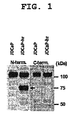
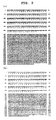

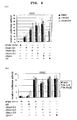

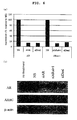


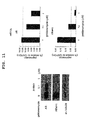
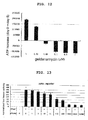


Classifications
-
- C—CHEMISTRY; METALLURGY
- C07—ORGANIC CHEMISTRY
- C07K—PEPTIDES
- C07K14/00—Peptides having more than 20 amino acids; Gastrins; Somatostatins; Melanotropins; Derivatives thereof
- C07K14/435—Peptides having more than 20 amino acids; Gastrins; Somatostatins; Melanotropins; Derivatives thereof from animals; from humans
- C07K14/705—Receptors; Cell surface antigens; Cell surface determinants
- C07K14/72—Receptors; Cell surface antigens; Cell surface determinants for hormones
- C07K14/721—Steroid/thyroid hormone superfamily, e.g. GR, EcR, androgen receptor, oestrogen receptor
-
- A—HUMAN NECESSITIES
- A61—MEDICAL OR VETERINARY SCIENCE; HYGIENE
- A61P—SPECIFIC THERAPEUTIC ACTIVITY OF CHEMICAL COMPOUNDS OR MEDICINAL PREPARATIONS
- A61P13/00—Drugs for disorders of the urinary system
- A61P13/08—Drugs for disorders of the urinary system of the prostate
-
- A—HUMAN NECESSITIES
- A61—MEDICAL OR VETERINARY SCIENCE; HYGIENE
- A61P—SPECIFIC THERAPEUTIC ACTIVITY OF CHEMICAL COMPOUNDS OR MEDICINAL PREPARATIONS
- A61P35/00—Antineoplastic agents
-
- A—HUMAN NECESSITIES
- A61—MEDICAL OR VETERINARY SCIENCE; HYGIENE
- A61P—SPECIFIC THERAPEUTIC ACTIVITY OF CHEMICAL COMPOUNDS OR MEDICINAL PREPARATIONS
- A61P43/00—Drugs for specific purposes, not provided for in groups A61P1/00-A61P41/00
-
- C—CHEMISTRY; METALLURGY
- C07—ORGANIC CHEMISTRY
- C07D—HETEROCYCLIC COMPOUNDS
- C07D227/00—Heterocyclic compounds containing rings having one nitrogen atom as the only ring hetero atom, according to more than one of groups C07D203/00 - C07D225/00
- C07D227/02—Heterocyclic compounds containing rings having one nitrogen atom as the only ring hetero atom, according to more than one of groups C07D203/00 - C07D225/00 with only hydrogen or carbon atoms directly attached to the ring nitrogen atom
- C07D227/06—Heterocyclic compounds containing rings having one nitrogen atom as the only ring hetero atom, according to more than one of groups C07D203/00 - C07D225/00 with only hydrogen or carbon atoms directly attached to the ring nitrogen atom with hetero atoms or with carbon atoms having three bonds to hetero atoms with at the most one bond to halogen, e.g. ester or nitrile radicals, directly attached to ring carbon atoms
- C07D227/08—Oxygen atoms
- C07D227/087—One doubly-bound oxygen atom in position 2, e.g. lactams
-
- C—CHEMISTRY; METALLURGY
- C12—BIOCHEMISTRY; BEER; SPIRITS; WINE; VINEGAR; MICROBIOLOGY; ENZYMOLOGY; MUTATION OR GENETIC ENGINEERING
- C12N—MICROORGANISMS OR ENZYMES; COMPOSITIONS THEREOF; PROPAGATING, PRESERVING, OR MAINTAINING MICROORGANISMS; MUTATION OR GENETIC ENGINEERING; CULTURE MEDIA
- C12N15/00—Mutation or genetic engineering; DNA or RNA concerning genetic engineering, vectors, e.g. plasmids, or their isolation, preparation or purification; Use of hosts therefor
- C12N15/09—Recombinant DNA-technology
- C12N15/11—DNA or RNA fragments; Modified forms thereof; Non-coding nucleic acids having a biological activity
- C12N15/113—Non-coding nucleic acids modulating the expression of genes, e.g. antisense oligonucleotides; Antisense DNA or RNA; Triplex- forming oligonucleotides; Catalytic nucleic acids, e.g. ribozymes; Nucleic acids used in co-suppression or gene silencing
- C12N15/1138—Non-coding nucleic acids modulating the expression of genes, e.g. antisense oligonucleotides; Antisense DNA or RNA; Triplex- forming oligonucleotides; Catalytic nucleic acids, e.g. ribozymes; Nucleic acids used in co-suppression or gene silencing against receptors or cell surface proteins
-
- G—PHYSICS
- G01—MEASURING; TESTING
- G01N—INVESTIGATING OR ANALYSING MATERIALS BY DETERMINING THEIR CHEMICAL OR PHYSICAL PROPERTIES
- G01N33/00—Investigating or analysing materials by specific methods not covered by groups G01N1/00 - G01N31/00
- G01N33/48—Biological material, e.g. blood, urine; Haemocytometers
- G01N33/50—Chemical analysis of biological material, e.g. blood, urine; Testing involving biospecific ligand binding methods; Immunological testing
- G01N33/74—Chemical analysis of biological material, e.g. blood, urine; Testing involving biospecific ligand binding methods; Immunological testing involving hormones or other non-cytokine intercellular protein regulatory factors such as growth factors, including receptors to hormones and growth factors
- G01N33/743—Steroid hormones
-
- C—CHEMISTRY; METALLURGY
- C12—BIOCHEMISTRY; BEER; SPIRITS; WINE; VINEGAR; MICROBIOLOGY; ENZYMOLOGY; MUTATION OR GENETIC ENGINEERING
- C12N—MICROORGANISMS OR ENZYMES; COMPOSITIONS THEREOF; PROPAGATING, PRESERVING, OR MAINTAINING MICROORGANISMS; MUTATION OR GENETIC ENGINEERING; CULTURE MEDIA
- C12N2310/00—Structure or type of the nucleic acid
- C12N2310/10—Type of nucleic acid
- C12N2310/14—Type of nucleic acid interfering nucleic acids [NA]
-
- G—PHYSICS
- G01—MEASURING; TESTING
- G01N—INVESTIGATING OR ANALYSING MATERIALS BY DETERMINING THEIR CHEMICAL OR PHYSICAL PROPERTIES
- G01N2333/00—Assays involving biological materials from specific organisms or of a specific nature
- G01N2333/435—Assays involving biological materials from specific organisms or of a specific nature from animals; from humans
- G01N2333/705—Assays involving receptors, cell surface antigens or cell surface determinants
- G01N2333/72—Assays involving receptors, cell surface antigens or cell surface determinants for hormones
- G01N2333/723—Steroid/thyroid hormone superfamily, e.g. GR, EcR, androgen receptor, oestrogen receptor
-
- G—PHYSICS
- G01—MEASURING; TESTING
- G01N—INVESTIGATING OR ANALYSING MATERIALS BY DETERMINING THEIR CHEMICAL OR PHYSICAL PROPERTIES
- G01N2500/00—Screening for compounds of potential therapeutic value
- G01N2500/10—Screening for compounds of potential therapeutic value involving cells
Definitions
- the present invention relates to a novel variant androgen receptor, a method of screening for an agent for the prophylaxis and/or treatment of cancer using the variant, and the like.
- Endocrine therapy by a hormone medicament has been widely used for cancer treatment.
- Endocrine therapy for prostate cancer and the like utilizes the mechanism of suppressing the growth of cancer cells by cutting off the function of male sex hormone since it stimulates the growth of cancer cells.
- Androgen is a generic term of steroid hormone having a male sex hormone action, and includes testosterone synthesized by the testis, dehydroepiandrosterone synthesized by the adrenal cortex and the like.
- testosterone needs to be converted to dihydrotestosterone and bind to an androgen receptor (hereinafter sometimes to be abbreviated as AR) in the nucleus of the cancer cells.
- AR an androgen receptor
- An anti-androgenic agent binds to AR to prevent binding between dihydrotestosterone and AR, thereby exhibiting efficacy. It is known, however, when the treatment is continued, the effect disappears and the cancer starts to grow again (androgen independent prostate cancer; AIPC). An effective prophylactic or therapeutic method for relapsed prostate cancer that acquired androgen independence has not been developed yet.
- Hu et al. found 7 kinds of AR splice variants (AR-V1, AR-V2, AR-V3, AR-V4, AR-V5, AR-V6, AR-V7) lacking a ligand binding domain. However, whether these AR splice variants become treatment targets of AIPC has not been demonstrated. On the other hand, Guo et al. (non-patent document 2) found 3 kinds of AR splice variants lacking a ligand binding domain, and suggest that one kind thereof (AR3; having the same amino acid sequence as the above-mentioned AR-V7) can be a treatment target of AIPC.
- AR3 having the same amino acid sequence as the above-mentioned AR-V7
- AR-V7 variant AR, represented by AR3 (AR-V7), which is inherently expressed by prostate cancer cells such as CWR22Rvl, VCaP, JDCaP/JDCaP-hr and the like, has not been verified.
- HSP90 heat shock protein
- kinase kinase
- transcription factor transcription factor
- hormone receptor kinase
- HSP90 inhibitor is expected to be a new type of anti-cancer agent, and its action to potentiate the effects of radiation and conventional anti-cancer agents is attracting attention.
- HSP90 inhibitors are known to promote degradation of mutant AR wherein a polyglutamine chain is abnormally elongated, which is a causative gene of spinobulbar muscular atrophy, their actions on mutant AR observed in relapsed androgen-independent prostate cancer and the above-mentioned variant AR remain to be elucidated.
- the present inventors have conducted unique studies and found that a C-terminally deficient variant AR emerges during the process of conversion of androgen dependent prostate cancer (ADPC) tumor line (JDCaP) into AIPC (JDCaP-hr).
- ADPC androgen dependent prostate cancer
- JDCaP tumor line
- AIPC AIPC
- the 3' terminal sequence of mRNA was cloned and the nucleotide sequence was analyzed.
- two kinds of variant AR clones wherein a part of the third intron (intron 3) is linked to immediately after the third exon (exon 3) of AR gene to generate a stop codon were identified, and translation products predicted from these were constitutively active molecules lacking the ligand binding domain.
- ARaiv1 ORF cDNA of ARaiv1 was acquired from CWR22Rvl cell and JDCaP-hr cell and the sequence was analyzed. As a result, ARaiv1 was found to contain a variant having a intact first exon, as well as three variants (ARaiv1 ⁇ 1 - ⁇ 3) lacking a part of the first exon (exon 1). These 4 kinds of ARaiv1 were all confirmed to be constitutively active molecules by a reporter gene assay. ARaiv1 without deletion in the first exon has the same amino acid sequence as one of the AR splice variants reported by Hu et al. (non-patent document 1) and Guo et al.
- Non-patent document 2 (non-patent document 2) (AR-V7 and AR3, respectively). It has been clarified that ARaiv1 is also highly expressed in other AIPC tumor lines, and its expression is increased in 7.9% of the clinical samples of prostate cancer. Therefore, the present inventors have specifically knocked down ARaiv1 in ARaiv1 highly expressing tumor cell line to find that the growth of tumor cell is remarkably suppressed in the absence of androgen. It has also been shown that the growth of tumor cell is more remarkably suppressed when both the wild-type AR and ARaiv1 are knocked down than when either one alone is knocked down.
- the present invention provides, as one embodiment,
- the present invention provides
- an HSP90 inhibitor can shut off AR signal that is mediated by the variant by inhibiting the function (expression and/or activity) of a ligand independent (ligand binding domain-deleted) variant AR which could be one factor of relapsed androgen-independent prostate cancer.
- the variant AR (ARaiv) lacking a ligand binding domain in the present invention is a protein comprising a region at least necessary for retaining a transcriptional activation action in the amino acid sequence encoded by the first exon (5001 - 7731-position of NG_009014.1; 1 - 1616-position of SEQ ID NO: 15) of human AR gene (its nucleotide sequence is registered as NCBI RefSeq No.
- NG_009014.1 (GI:213385253)), and a region at least necessary for binding to a target gene in the amino acid sequence encoded by the first - third exons (the second and the third exon are the 104225 - 104376-position and the 146979 - 147095-position of NG_009014.1, respectively; the 1617 - 1768-position and the 1769 - 1885-position of SEQ ID NO: 15, respectively), and lacking a region necessary for binding to a ligand in the amino acid sequence encoded by the fourth - eighth exons (the 172371 - 172658-position, the 178447 - 178591-position, the 182802 - 182932-position, the 183796 - 183953-position and the 184655 - 185246-position of NG_009014.1, respectively; the 1886 - 2173-position, the 2174 - 2318-position, the 2319 - 2449-position, the 2450 - 26
- ARaiv of the present invention includes a protein containing an amino acid sequence which is an amino acid sequence of full-length AR shown by SEQ ID NO: 16 wherein a C-terminal sequence shown by amino acid Nos. 625 - 920 is deleted and, instead, a C-terminal amino acid sequence shown by SEQ ID NO: 1 or 2 is added (i.e., amino acid sequence shown by SEQ ID NO: 4 (ARaiv1) or 6 (ARaiv2)), or a protein containing an amino acid sequence which is an amino acid sequence shown by SEQ ID NO: 4 or 6 wherein an amino acid sequence shown by amino acid Nos. 367 - 495 is entirely or partially deleted.
- the protein and peptide are described according to conventional peptide lettering, and the left end is N-terminal (amino terminal), and the right end is C-terminal (carboxyl terminal).
- the amino acid sequence shown by the above-mentioned amino acid Nos. 367 - 495 corresponds to a region called transactivation unit 5 (TAU5) in the AR transcriptional activation domain (AF1), and is reported to inhibit androgen-dependent AR activity in androgen-dependent cancer cells, but potentiate androgen-independent AR activity in androgen-independent cancer cells ( Cancer Res., 2007, 67: 10067-77 ). Even if TAU5 is completely deleted, a transcriptional activation action of AR is maintained at a level sufficient to promote growth of cancer cells.
- TAU5 transactivation unit 5
- AF1 AR transcriptional activation domain
- TAU5-deleted ARaiv examples include a protein containing an amino acid sequence shown by SEQ ID NO: 8, 10 or 12 (ARaiv1 ⁇ 1, ARaiv1 ⁇ 2, ARaiv1 ⁇ 3, respectively) and the like.
- the Gln repeat number of the polyglutamine region in the N-terminal sequence of AR shows individual difference (generally about 9-34 residues, repeat number in prostate cancer cells may decrease), and therefore, a protein containing an amino acid sequence which is the amino acid sequence shown by each of the above-mentioned SEQ ID NO, wherein the Gln repeat number of the polyglutamine region varies within a range generally observed, is also encompassed in the ARaiv of the present invention.
- the ARaiv protein may be isolated and purified by a protein separation and purification technique known per se from human cell [e.g., hepatocyte, splenocyte, nerve cell, glial cell, pancreatic ⁇ cell, myelocyte, mesangial cell, Langerhans' cell, epidermal cell, epithelial cell, goblet cell, endothelial cell, smooth muscle cell, fibroblast, fibrocyte, myocyte, adipocyte, immunocyte (e.g., macrophage, T cell, B cell, natural killer cell, mast cell, neutrophil, basophil, eosinophil, monocyte), megakaryocyte, synovial cell, chondrocyte, bone cell, osteoblast, osteoclast, mammary gland cell, interstitial cell, or a corresponding progenitor cell, stem cell or cancer cell thereof etc.] or any tissue in which these cells are present [e.g., brain or any portion of brain (e.g., olfactory bulb,
- an ARaiv protein when used for screening for a prophylactic or therapeutic drug for cancer, and the like, it may be a protein produced by chemical synthesis or biochemical synthesis in a cell-free translation system, or a recombinant protein produced by a transformant transduced with a nucleic acid having a nucleotide sequence encoding any of the above-mentioned amino acid sequences.
- the ARaiv in the present invention also encompasses a protein containing any of the above-mentioned amino acid sequences, polymorphic or natural allele variant found in human (said mutation does not influence AR function), and ortholog in a mammal other than human (e.g., mouse, rat, monkey, dog, cat, bovine, horse, swine, sheep, goat, rabbit and the like).
- the ARaiv in the present invention is a protein containing an amino acid sequence shown by SEQ ID NO: 6, 8 or 10 (i.e., ARaiv1 ⁇ 1, ARaiv1 ⁇ 2 or ARaiv1 ⁇ 3), or a protein containing an amino acid sequence shown by SEQ ID NO: 12 (i.e., ARaiv2).
- SEQ ID NO: 6 a protein containing an amino acid sequence shown by SEQ ID NO: 6, 8 or 10
- ARaiv1 ⁇ 1, ARaiv1 ⁇ 2 or ARaiv1 ⁇ 3 a protein containing an amino acid sequence shown by SEQ ID NO: 12 (i.e., ARaiv2).
- the present invention provides a method of screening for a substance for the prophylaxis and/or treatment of a disease involving variant AR, for example, variant AR highly expressing cancer, which uses, as an index, a function of the variant AR, particularly the above-mentioned novel ARaiv, namely, a transcription regulating action on an androgen responsive gene (e.g., transcriptional activation of prostate specific antigen (PSA) gene, TMPRSS2 gene and the like, or transcriptional repression of SERPIN B5 gene and the like), or a suppressive action on the expression of the variant AR genes.
- PSA prostate specific antigen
- TMPRSS2 transcriptional repression of SERPIN B5 gene and the like
- a compound that inhibits expression and/or activity of ARaiv can be used as a blocker of AR signal from ARaiv and as a prophylactic or therapeutic drug for cancer, particularly ARaiv highly expressing cancer (e.g., prostate cancer and the like), inter alia, relapsed androgen-independent prostate cancer.
- cancer particularly ARaiv highly expressing cancer (e.g., prostate cancer and the like), inter alia, relapsed androgen-independent prostate cancer.
- an ARaiv protein or a cell that produces ARaiv can be used as a tool for screening for a substance for the prophylaxis or treatment of cancer, by using the expression level and/or activity (e.g., transcription regulation activity) of ARaiv as an index.
- expression level and/or activity e.g., transcription regulation activity
- the screening method includes
- the cell capable of producing ARaiv to be used for the above-mentioned screening method is not particularly limited as long as it is a human or other mammalian cell that inherently expresses ARaiv or a biological sample containing same (e.g., blood, tissue, organ etc.).
- a biological sample containing same e.g., blood, tissue, organ etc.
- androgen independent cancer cell line or tumor line e.g., cell line or tumor line of AIPC prostate cancer
- blood, tissue, organ and the like derived from a non-human animal they may be isolated from the living organism and cultured, or a test compound may be administered to the living organism itself, and a biological sample may be isolated after lapse of a given time.
- Examples of the cell capable of producing ARaiv include various transformants produced by a conventionally known genetic engineering technique.
- animal cells such as H4IIE-C3 cell, HepG2 cell, HEK293 cell, COS7 cell, CHO cell and the like are preferably used.
- prostate cancer cells that do not inherently express ARaiv protein, for example, LNCaP-FGC cell, PC-3 cell, DU-145 cell and the like, can also be used.
- the cell can be prepared by linking a DNA encoding ARaiv (i.e., DNA encoding a protein containing the amino acid sequence shown by SEQ ID NO: 4, 6, 8, 10 or 12, particularly SEQ ID NO: 6, 8, 10 or 12, specifically, DNA containing a nucleotide sequence shown by SEQ ID NO: 3, 5, 7, 9 or 11, particularly SEQ ID NO: 5, 7, 9 or 11 (CDS sequence), or a nucleotide sequence that hybridizes to a complementary chain of said nucleotide sequence under high stringent conditions, and encodes a polypeptide having an androgen responsive gene transcription regulating action equivalent to that of a protein comprising an amino acid sequence shown by SEQ ID NO: 4, 6, 8, 10 or 12, particularly SEQ ID NO: 6, 8, 10 or 12) to the downstream of a promoter in a suitable expression vector and transducing the vector into a host animal cell.
- a DNA encoding ARaiv i.e., DNA encoding a protein containing the amino acid sequence shown by SEQ ID
- DNA encoding ARaiv can be cloned, for example, by synthesizing a suitable oligonucleotide as a probe or primer based on the nucleotide sequence shown by SEQ ID NO: 3 or 5, and by using a hybridization method or PCR method, from a cDNA or cDNA library derived from a cell or tissue that produces the aforementioned ARaiv.
- the hybridization can be performed, for example, by the method described in Molecular Cloning, 2nd ed. (J. Sambrook et al., Cold Spring Harbor Lab. Press, 1989 ) and the like. When a commercially available library is used, the hybridization can be performed according to the instructions of the manufacturer's protocol attached to the library.
- the nucleotide sequence of the DNA can be converted according to a method known per se, such as the ODA-LA PCR method, the Gapped duplex method, or the Kunkel method, or a method based thereon, using a commonly known kit, for example, Mutan TM -super Express Km (TAKARA SHUZO CO. LTD.), Mutan TM -K (TAKARA SHUZO CO. LTD.) and the like.
- a method known per se such as the ODA-LA PCR method, the Gapped duplex method, or the Kunkel method, or a method based thereon, using a commonly known kit, for example, Mutan TM -super Express Km (TAKARA SHUZO CO. LTD.), Mutan TM -K (TAKARA SHUZO CO. LTD.) and the like.
- a part or the entirety of the region that does not cause disappearance of the function of ARaiv even if deleted may be deleted from a cloned DNA or the entirety or a part of the deleted region may be inserted into or added to a DNA encoding mutant ARaiv lacking a part of the region.
- the cloned DNA can be used as is, or after digestion with a restriction endonuclease or addition of a linker as desired, depending on the purpose of its use.
- the DNA may have the translation initiation codon ATG at the 5' end thereof, and the translation stop codon TAA, TGA or TAG at the 3' end thereof. These translation initiation codons and translation stop codons can be added by using a suitable synthetic DNA adaptor.
- animal cell expression plasmid e.g., pA1-11, pXT1, pRc/CMV, pRc/RSV, pcDNAI/Neo
- bacteriophage such as ⁇ phage and the like
- animal virus vectors such as retrovirus, vaccinia virus, adenovirus, lentivirus and the like
- the promoter may be any promoter, as long as it is appropriate for the host used to express the gene.
- SR ⁇ promoter for example, SR ⁇ promoter, SV40 promoter, LTR promoter, CMV (cytomegalovirus) promoter, RSV (Rous sarcoma virus) promoter, MoMuLV (Moloney murine leukaemia virus) LTR, HSV-TK (simple herpes virus thymidine kinase) promoter and the like are used.
- CMV promoter, SR ⁇ promoter and the like are preferred.
- Useful expression vectors include, in addition to the above, expression vectors that optionally comprises an enhancer, a splicing signal, a polyA addition signal, a selection marker, an SV40 replication origin (hereinafter also abbreviated as SV40 ori), and the like.
- the dihydrofolate reductase gene (hereinafter also abbreviated as dhfr) [methotrexate (MTX) resistance]
- the ampicillin resistance gene hereinafter also abbreviated as amp r
- the neomycin resistance gene hereinafter also abbreviated as neo r , G418 resistance
- a target gene can also be selected using a thymidine-free medium.
- the vector can also be designed such that ARaiv is expressed as a fusion protein with a reporter protein, so that nuclear translocation of the ARaiv protein can be easily detected.
- the reporter protein include fluorescence proteins such as GFP, YFP, BFP, RFP and the like, and the like.
- An ARaiv expressing cell can be produced by transforming a host with an expression vector containing the above-mentioned DNA encoding ARaiv.
- mammalian cells for example, HepG2 cell, HEK293 cell, HeLa cell, LNCaP-FGC cell, PC-3 cell, DU-145 cell, human FL cell, monkey COS-7 cell, monkey Vero cell, Chinese hamster ovary cell (hereinafter to be abbreviated as CHO cell), dhfrgene defective CHO cell (hereinafter to be abbreviated as CHO(dhfr - ) cell), mouse L cell, mouse AtT-20 cell, mouse myeloma cell, rat H4IIE-C3 cell, rat GH3 cell and the like can be used.
- Transformation can be performed by a calcium phosphate coprecipitation method, a PEG method, an electroporation method, a microinjection method, a lipofection method and the like.
- a calcium phosphate coprecipitation method a PEG method
- an electroporation method a microinjection method
- a lipofection method a lipofection method and the like.
- the method described in Saibo Kogaku, extra issue 8, Shin Saibo Kogaku Jikken Protocol, 263-267 (1995), published by Shujunsha , or Virology, 52, 456 (1973 ) can be used.
- a mammalian cell inherently having an ability to produce ARaiv, and a tissue or organ containing the cell can be cultivated in a medium, for example, minimum essential medium (MEM) containing about 5 - 20% fetal bovine serum [ Science, vol. 122, 501(1952 )], Dulbecco's modified Eagle medium (DMEM) [ Virology, vol. 8, 396(1959 )], RPMI1640 medium [ The Journal of the American Medical Association, vol. 1995, 19(1967)], 199 medium [ Proceeding of the Society for the Biological Medicine, vol. 73, 1(1950 )] and the like.
- MEM minimum essential medium
- DMEM Dulbecco's modified Eagle medium
- RPMI1640 medium [ The Journal of the American Medical Association, vol. 1995, 19(1967)]
- 199 medium Proceeding of the Society for the Biological Medicine, vol. 73, 1(1950 )] and the like.
- the medium preferably has a pH of about
- test compound examples include protein, peptide, antibody, nonpeptidic compound, synthetic compound, fermentation product, cell extract, plant extract, animal tissue extract, plasma and the like, which may be novel or known.
- a test compound can be contacted with the above-mentioned cell by, for example, adding the test compound to the above-mentioned medium and various buffers (e.g., HEPES buffer, phosphate buffer, phosphate buffered saline, Tris-HCl buffer, borate buffer, acetate buffer and the like), and incubating the cell for a given time.
- concentration of the test compound to be added varies depending on the kind of the compound (solubility, toxicity etc.), it is, for example, appropriately determined within the range of about 0.1 nM - about 10000 nM, preferably about 1 nM - about 1000 nM.
- Examples of the incubation time include about 10 min - about 24 hr.
- an ARaiv-producing cell is provided in the form of a non-human individual mammal
- the condition of the individual animal is not particularly limited.
- it may be a model animal such as a cancer bearing mouse and the like.
- Such cancer bearing mouse can be produced by a conventional method.
- a transgenic non-human mammal transduced with a nucleic acid containing a protein coding sequence (CDS) of ARaiv particularly, a nucleic acid containing a CDS sequence of ARaiv2 or any of ARaiv1 ⁇ 1 - 3 (i.e., CDS sequence encoding a protein containing the amino acid sequence shown by SEQ ID NO: 6, 8, 10 or 12, specifically, a CDS sequence in a nucleotide sequence shown by SEQ ID NO: 5, 7, 9 or 11), in an expressible form
- CDS protein coding sequence
- Such transgenic animal can be produced by a conventional method.
- the animal is preferably reared in an environment of SPF grade or above.
- a test compound is contacted with the cell by the administration of the test compound to the animal individual.
- the administration route is not particularly limited, for example, intravenous administration, intraarterial administration, subcutaneous administration, intradermal administration, intraperitoneal administration, oral administration, tracheobronchial administration, rectal administration and the like can be mentioned.
- the dose is not particularly limited, either, for example, a dose of about 0.5 - 20 mg/kg can be administered 1 - 5 times, preferably 1 - 3 times, per day for 1 - 14 days.
- the ARaiv activity can be measured in the above-mentioned screening method by, for example, using the expression level of an androgen responsive gene (e.g., PSA gene, TMPRSS2 gene etc.) as an index.
- the expression level of the gene may be of an RNA level by using RT-PCR or Northernblot analysis, or of a protein level by using an antibody to a translation product thereof.
- the ARaiv activity is more preferably evaluated by introducing a DNA encoding a reporter protein under the control of an androgen responsive promoter (e.g., a promoter having a native androgen response sequence (ARE) such as PSA promoter and the like, a chimera promoter wherein ARE sequence is combined with an animal cell promoter such as SR ⁇ promoter, SV40 promoter, LTR promoter, CMV promoter, HSV-TK promoter and the like, and the like) and examining the expression of the reporter protein.
- an androgen responsive promoter e.g., a promoter having a native androgen response sequence (ARE) such as PSA promoter and the like, a chimera promoter wherein ARE sequence is combined with an animal cell promoter such as SR ⁇ promoter, SV40 promoter, LTR promoter, CMV promoter, HSV-TK promoter and the like, and the like
- ARE native androgen response sequence
- PSA promoter here means, in the 5' upstream sequence of PSA gene, a region containing at least from the essential promoter region such as TATA box and the like to an ARE corresponding sequence in the upstream (in human PSA gene, AGAACAGCAAGTGCT; SEQ ID NO: 17), preferably, a region further containing up to 35 base pairs known as an androgen response region (ARR) in the further upstream [for human PSA gene, GTGGTGCAGGGATCAGGGAGTCTCACAATCTCCTG; SEQ ID NO: 18 ( J. Biol.
- PSA promoter is useful since it reflects well the behavior of ARaiv in actual prostate cancer cell.
- plural (preferably 2 - 5, more preferably 2 or 3) promoters are preferably linked in tandem.
- reporter protein luciferase, green fluorescence protein (GFP), ⁇ -galactosidase, chloramphenicol acetyltransferase, peroxidase, alkaline phosphatase and the like can be used.
- a DNA encoding a reporter protein can be inserted into the aforementioned vector for animal cell expression, and transduced according to the aforementioned gene transfer method.
- the activity of ARaiv can also be evaluated by using, as an index, the growth, differentiation, cell death or canceration, or cancer growth of the tissue (e.g., prostate tissue) collected from the animal.
- this screening system using ARaiv-producing non-human individual mammal is particularly useful not only for screening for a novel candidate substance for a prophylactic or therapeutic drug for cancer, but also an efficacy evaluation system for existing prophylactic or therapeutic drugs for cancer.
- test sample for activity measurement examples include:
- a variant AR protein containing the amino acid sequence shown by SEQ ID NO: 6, 8, 10 or 12 is preferably used as ARaiv.
- the protein may be isolated and purified from a cell or tissue that produces the protein, or chemically synthesized, or produced as a recombinant protein by genetic engineering.
- the ARaiv can be contacted with a test compound in, for example, water or a suitable buffer. While the concentration of the test compound to be added varies depending on the kind of the compound (solubility, toxicity etc.), it is, for example, appropriately determined within the range of about 0.1 nM - about 10000 nM, preferably 1 nM - 1000 nM.
- Examples of the incubation time include about 10 min - about 24 hr.
- the activity of ARaiv can be measured by, for example, a gel shift assay using an oligonucleotide containing a consensus ARE sequence (e.g., AGAACAnnnTGTTCT; SEQ ID NO: 32) of an androgen responsive gene (e.g., PSA gene, TMPRSS2 gene etc.) as a probe.
- a consensus ARE sequence e.g., AGAACAnnnTGTTCT; SEQ ID NO: 32
- an androgen responsive gene e.g., PSA gene, TMPRSS2 gene etc.
- the activity of ARaiv in the presence of a test compound is inhibited by not less than about 20%, preferably not less than 30%, more preferably not less than about 50%, as compared to the activity in the absence of the test compound, the test compound can be selected as a candidate for an ARaiv activity inhibitory substance, therefore, a substance for the prophylaxis or treatment of cancer, particularly ARaiv highly expressing cancer (e.g., prostate cancer etc.), inter alia, relapsed androgen-independent prostate cancer.
- cancer particularly ARaiv highly expressing cancer (e.g., prostate cancer etc.), inter alia, relapsed androgen-independent prostate cancer.
- the present invention also provides a method of screening for a substance for the prophylaxis or treatment of cancer, comprising comparing expression of a variant AR in a cell having an ability to produce ARaiv, particularly novel ARaiv (variant AR protein containing the amino acid sequence shown by SEQ ID NO: 6, 8, 10 or 12), between in the presence and absence of a test compound.
- the cell to be used for this method, the kind of the test compound, the manner of contact between the test compound and the cell and the like are the same as in the above-mentioned method using the ARaiv activity as an index.
- the expression level of ARaiv can be measured at the RNA level by detecting ARaiv mRNA by using a nucleic acid which can be hybridized with the aforementioned DNA encoding ARaiv under high stringent conditions, i.e., a nucleic acid which can be hybridized with a nucleotide sequence complementary to a nucleotide sequence shown by SEQ ID NO: 3, 5, 7, 9 or 11 under high stringent conditions.
- the expression level can also be measured at the protein level, by detecting ARaiv protein by using an antibody to AR or the below-mentioned antibody to ARaiv.
- mRNA or protein of full-length AR When a cell inherently expressing ARaiv together with full-length AR, or a cell obtained by transducing a nucleic acid encoding ARaiv into a cell expressing full-length AR alone is used, mRNA or protein of full-length AR, and mRNA or protein of ARaiv need to be measured in a distinguished manner.
- a nucleic acid and an antibody capable of recognizing a region specific to ARaiv, which are used in the below-mentioned "diagnostic reagent of the present invention” can be used therefor.
- ARaiv and AR When measured at the protein level, ARaiv and AR can be measured in a distinguished manner based on the molecular weight of the band obtained by Western Blot using an antibody to AR.
- the expression level (mRNA amount or protein amount) of ARaiv in the presence of a test compound is inhibited by not less than about 20%, preferably not less than about 30%, more preferably not less than about 50%, as compared to the activity in the absence of the test compound, the test compound can be selected as a candidate for an ARaiv expression inhibitory substance, therefore, a substance for the prophylaxis or treatment of cancer, particularly ARaiv highly expressing cancer (e.g., prostate cancer etc.), inter alia, relapsed androgen-independent prostate cancer.
- cancer particularly ARaiv highly expressing cancer (e.g., prostate cancer etc.), inter alia, relapsed androgen-independent prostate cancer.
- ARaiv is expressed in a subset of relapsed androgen-independent prostate cancer, and is a ligand (androgen, anti-androgenic agent) independent constitutively active molecule. Therefore, AR signal from this variant is considered to be at least one cause of the growth of androgen independent cancer cells in ARaiv expressing patients. Accordingly, a substance that inhibits the function of ARaiv is effective for the prophylaxis and/or treatment of ARaiv expressing cancer.
- the "substance that inhibits function of variant AR(ARaiv) lacking a ligand binding domain” is largely divided into a substance that inhibits expression of ARaiv (expression inhibitor) and a substance that inhibits activity of ARaiv (activity inhibitor).
- the ARaiv expression inhibitor may act at any level from ARaiv transcription level, post-transcriptional regulation level, translation into protein level, post-translational modification level, ARaiv protein intracellular transport level, ARaiv protein degradation and the like.
- examples of the ARaiv expression inhibitor include a substance inhibiting transcription of ARaiv, a substance inhibiting the processing from early transcription products to mRNA, a substance inhibiting transport of mRNA to cytoplasm, a substance promoting degradation of mRNA, a substance inhibiting translation from mRNA to protein, a substance inhibiting formation of the correct structure of ARaiv polypeptide, a substance inhibiting posttranslational modification of ARaiv polypeptide and the like.
- the substances acting at any of those levels are preferably used, but in the sense of directly inhibiting the production of ARaiv protein, a substance inhibiting translation from mRNA to protein is preferably employed.
- a substance inhibiting selective splicing that produces ARaiv mRNA and a substance selectively promoting degradation of ARaiv mRNA are also preferable.
- nucleic acid comprising a nucleotide sequence complementary or substantially complementary to the mRNA nucleotide sequence, or a part thereof, is preferably mentioned.
- nucleotide sequence substantially complementary to the nucleotide sequence of ARaiv mRNA refers to the nucleotide sequence having complementarity in an extent of inhibiting the translation by binding to a target sequence of the mRNA, under physiological conditions in the ARaiv expressing cell of a mammal.
- nucleotide sequence having not less than about 80% homology, preferably not less than about 90% homology, more preferably not less than about 95% homology, and particularly preferably not less than about 97% homology, to the nucleotide sequence completely complimentary to the mRNA nucleotide sequence (that is, nucleotide sequence of mRNA complementary strand) in the overlapping region.
- nucleotide sequence complementary or substantially complementary to the nucleotide sequence of ARaiv mRNA a nucleotide sequence complementary or substantially complementary to (a) a nucleotide sequence encoding a protein containing the amino acid sequence shown by SEQ ID NO: 4, 6, 8, 10 or 12, particularly SEQ ID NO: 6, 8, 10 or 12, more specifically, a nucleotide sequence shown by SEQ ID NO: 3, 5, 7, 9 or 11, particularly SEQ ID NO: 5, 7, 9 or 11, or (b) a nucleotide sequence that hybridizes to a complementary chain of said nucleotide sequence under high stringent conditions, and that encodes a polypeptide having an activity (e.g., androgen responsive gene transcription regulating action) equivalent to that of a protein comprising an amino acid sequence shown by SEQ ID NO: 4, 6, 8, 10 or 12, particularly SEQ ID NO: 6, 8, 10 or 12 can be mentioned.
- an activity e.g., androgen responsive gene transcription regulating action
- High-stringent conditions refer to, for example, conditions involving a sodium salt concentration of about 19 to about 40 mM, preferably about 19 to about 20 mM, and a temperature of about 50 to about 70°C, preferably about 60 to about 65°C. In particular, a case wherein the sodium salt concentration is about 19 mM and the temperature is about 65°C is preferred.
- ARaiv mRNA is preferably human ARaiv2 mRNA containing a nucleotide sequence shown by SEQ ID NO: 5, or mRNA of human ARaiv1 ⁇ 1, ARaiv1 ⁇ 2 or ARaiv1 ⁇ 3 containing a nucleotide sequence shown by SEQ ID NO: 7, 9 or 11, respectively.
- the "part of a nucleotide sequence complementary or substantially complementary to a nucleotide sequence of ARaiv mRNA” is not particularly limited as regards the length and position thereof as long as it can specifically bind to ARaiv mRNA and inhibit translation of protein from mRNA. From the aspect of sequence specificity, however, it contains not less than 10 bases, preferably not less than about 15 bases, more preferably not less than about 20 bases, of a region complementary or substantially complementary to a target sequence. In consideration of a simple synthesis, antigenic problem, and transitional problem in cell, oligonucleotide comprising about 10 to 40 bases, particularly about 15 to 30 bases is preferable.
- ARaiv desirably contains the whole 4th exon of ARaiv (nucleotide sequence shown by SEQ ID NO: 13 (the 155642 - 157044-position of NCBI RefSeq No. NG_009014.1 (GI:213385253)) for ARaivl, nucleotide sequence shown by SEQ ID NO: 14 (the 147929 - 149083-position of NG_009014.1) for ARaiv2) or a part thereof in at least a part of a target sequence, to specifically inhibit translation from ARaiv mRNA.
- cancer cells express not only ARaiv mRNA but also mRNA encoding full-length AR, it is also preferable to set a region in the 1st - 3rd exons as a target sequence, to shut off signaling from both ARs. Since expression of full-length AR corresponding to TAU5-deleted ARaiv has not been confirmed, translation from the TAU5-deleted ARaiv mRNA may also be specifically inhibited by setting the linking site of 5'-side and 3'-side flaking sequences of a deleted region resulting from the deletion of the whole TAU5 region or a part thereof as a target sequence.
- nucleic acid comprising a nucleotide sequence complementary or substantially complementary to a nucleotide sequence of ARaiv mRNA, or a part thereof, for example, the nucleic acid of any of the following (a) - (e) is preferable.
- the "antisense nucleic acid for ARaiv mRNA” in the invention is a nucleic acid comprising a nucleotide sequence complimentary or substantially complimentary to the nucleotide sequence of mRNA or a part thereof, which has a function of inhibiting the protein synthesis by binding specifically with the target mRNA to form a stable duplex.
- a polydeoxyribonucleotide containing 2-deoxy-D-ribose a polyribonucleotide containing D-ribose
- another type of polynucleotide that is an N-glycoside of the purine or pyrimidine base or another polymer having a non-nucleot
- DNAs may be double-stranded DNAs, single-stranded DNAs, double-stranded RNAs or single-stranded RNAs, or DNA:RNA hybrids, and may also be non-modified polynucleotides (or non-modified oligonucleotides), those having a known modification added thereto, for example, those with a label known in the relevant field, those with a cap, those methylated, those having 1 or more naturally occurring nucleotides substituted by analogues, those having an intramolecular nucleotide modification, for example, those having a non-charge bond (e.g., methylphosphonate, phosphotriester, phosphoramidate, carbamate and the like), those having a charged bond or a sulfur-containing bond (e.g., phosphorothioate, phosphorodithioate and the like), for example, those having a side chain group of a protein (nuclease, nuclease inhibitor, tox
- nucleoside may include not only those containing the purine and pyrimidine bases, but also those containing another modified heterocycle type base. These modified products may contain a methylated purine and pyrimidine, an acylated purine and pyrimidine, or another heterocycle.
- the modified nucleoside and the modified nucleotide may also have their sugar portion modified by, for example, substitution of 1 or more hydroxyl groups by a halogen, an aliphatic group and the like, or conversion to a functional group such as an ether or an amine.
- the antisense nucleic acid may be DNA or RNA, or DNA/RNA chimera.
- the antisense nucleic acid is DNA
- the RNA:DNA hybrid formed by the target RNA and the antisense DNA is recognized by endogenous RNase H, thereby directing the selective degradation of the target RNA.
- the antisense nucleic acid may be a nucleic acid that inhibits the translation into a protein by hybridizing with mRNA of ARaiv, and it may as well as be the nucleic acid capable of forming a triplex by binding with the AR gene which is the double-stranded DNA and inhibiting the transcription into RNA (anti-gene).
- the nucleotide molecule constituting the antisense nucleic acid may be natural DNA or RNA, but may also include various chemical modifications in order to improve the stability (chemical and/or against enzyme) and specific activity (affinity with RNA).
- the phosphate residue (phosphate) of each nucleotide that constitutes the antisense nucleic acid may be substituted with chemically modified phosphate residues, e.g., phosphorothioate (PS), methyl phosphonate, phosphorodithionate, etc.
- a hydroxyl group at the 2' position of the sugar (ribose) in each nucleotide may be replaced by -OR (R represents, e.g., CH 3 (2'-O-Me), CH 2 CH 2 OCH 3 (2'-O-MOE), CH 2 CH 2 NHC(NH)NH 2 , CH 2 CONHCH 3 , CH 2 CH 2 CN, etc.).
- R represents, e.g., CH 3 (2'-O-Me), CH 2 CH 2 OCH 3 (2'-O-MOE), CH 2 CH 2 NHC(NH)NH 2 , CH 2 CONHCH 3 , CH 2 CH 2 CN, etc.
- the base part pyrimidine, purine
- RNA conformation of sugar in RNA is dominant in two of C2'-endo (S-form) and C3'-endo (N-form) and exists in equilibrium of those two in single-stranded RNA, but restricted in N-form in the case of a double strand. Accordingly, in order to provide a strong binding ability to the target RNA, BNA(LNA) ( Imanishi, T. et al., Chem. Commun., 1653-9, 2002 ; Jepsen, J.S. et al., Oligonucleotides, 14, 130-46, 2004 ) and ENA ( Morita, K.
- the antisense oligonucleotide of the invention can be prepared by determining a target sequence of mRNA on the basis of a cDNA sequence information of ARaiv, and synthesizing its complementary sequence with the use of a commercially available DNA/RNA automatic synthesizer (Applied Biosytem company, Beckman company, etc.).
- a commercially available DNA/RNA automatic synthesizer Applied Biosytem company, Beckman company, etc.
- the aforementioned antisense nucleic acids including various modifications can be chemically synthesized by a technique known per se.
- RNA comprising oligoRNA complementary to ARaiv mRNA and a strand complementary to the oligoRNA, i.e., siRNA
- a double-stranded RNA comprising oligoRNA complementary to ARaiv mRNA and a strand complementary to the oligoRNA, i.e., siRNA
- a nucleic acid comprising a nucleotide sequence complementary or substantially complementary to a nucleotide sequence of ARaiv mRNA or a part thereof.
- RNA interference RNA interference
- siRNA can be appropriately designed on the basis of nucleotide sequence information of target mRNA by using a commercially available software (e.g., RNAi Designer; Invitrogen corp.).
- siRNAs used in EXAMPLES shown later are preferably exemplified as siRNA for ARaiv of the invention, but not limited by those.
- the ribonucleoside molecule constituting siRNA may also be modified in the same manner as in the antisense nucleic acid described above so as to improve the stability and specific activity.
- introduction of minimal modified nucleoside allowing the RISC complex to function is necessary, since substitution of all ribonucleoside molecules in natural RNA by modified type may result in the loss of RNAi activity.
- siRNA can be prepared according a process comprising synthesizing a sense strand and an antisense strand of target sequence on mRNA each with the DNA/RNA automatic synthesizer, denaturing in a suitable annealing-buffer solution at about 90 to 95°C for about 1 minute, and annealing at about 30 to 70°C for about 1 to 8 hours.
- siRNA can also be prepared by synthesizing short hairpin RNA (shRNA) which is the precursor of siRNA and cleaving the shRNA with the use of a dicer.
- shRNA short hairpin RNA
- nucleic acid designed to be able to generate siRNA for the above-mentioned ARaiv mRNA in vivo is also defined to be included in a nucleic acid comprising a nucleotide sequence complementary or substantially complementary to a nucleotide sequence of ARaiv mRNA, or a part thereof.
- nucleic acid can be exemplified by aforementioned shRNA, an expression vector constructed in a manner to express the shRNA, or the like.
- the shRNA can be prepared by designing oligoRNA comprising a nucleotide sequence in which a sense strand and an antisense strand of the target sequence on mRNA are linked by a spacer sequence of a suitable length to form a loop-structure (for example, about 15 to 25 bases) intervened between the strands, and synthesizing the same by a DNA/RNA automatic synthesizer.
- the expression vector comprising a shRNA expression cassette can be prepared by first preparing a double-stranded DNA encoding the aforementioned shRNA by a conventional method and then inserting into a suitable expression vector.
- the shRNA expression vector those having Pol III promoter such as U6 or H1 can be used.
- shRNA transcribed in an animal cell in which the expression vector had been introduced forms a loop by itself, and then is processed by an endogeneous enzyme dicer or the like to form mature siRNA.
- an endogenous single strand RNA having a short nucleotide sequence complementary to 3'-untranslated region of ARaiv mRNA is also defined to be included in a nucleic acid comprising a nucleotide sequence complementary or substantially complementary to a nucleotide sequence of ARaiv mRNA or a part thereof.
- preferable examples of the miRNA for ARaiv of the present invention include, but are not limited to, hsa-mir-98, hsa-let-7a-1/2/3, hsa-let-7b, hsa-let-7c, hsa-let-7d, hsa-let-7e, hsa-let-7f-1/2, hsa-let-7g, hsa-let-7i, hsa-miR-125a-5p, hsa-miR-134, hsa-miR-149 * , hsa-miR-491-5p, hsa-miR-574-5p and the like.
- a nucleic acid designed to be able to generate miRNA for the above-mentioned ARaiv mRNA in vivo is also defined to be included in a nucleic acid comprising a nucleotide sequence complementary or substantially complementary to a nucleotide sequence of ARaiv mRNA, or a part thereof.
- nucleic acid comprising a nucleotide sequence complimentary or substantially complimentary to the nucleotide sequence of ARaiv mRNA or a part of the nucleotide sequence includes a ribozyme capable of specifically cleaving the internal coding region of the mRNA.
- the "ribozyme” is narrowly-defined as RNA having enzymatic activity for cleaving nucleic acid, but the present specification also includes DNA as long as there is a sequence specific enzymatic activity for cleaving nucleic acid.
- Ribozyme with mostly high-generality includes self-splicing RNA which can be found in infectious RNA such as viroid, a virusoid, etc., and hammer-head type or hairpin type are known.
- the hammer-head type exhibits enzymatic activity by about 40 bases, and it is possible to specifically cleave only the target mRNA by arranging several bases (about 10 bases in total) of both ends adjacent to the part having a hammer-head structure, so as to be complimentary to the desired cleavage site in mRNA.
- This type of ribozyme has a further advantage that genomic DNA is never targeted as its substrate is only RNA.
- the target sequence can be formed into a single-strand by using hybrid ribozyme coupled with RNA motif derived from viral nucleic acid which can specifically bind to RNA helicase [ Proc. Natl. Acad. Sci. USA, 98 (10): 5572-5577 (2001 )].
- RNA motif derived from viral nucleic acid which can specifically bind to RNA helicase
- the ribozyme can be hybrid ribozyme further coupled with the sequence of modified tRNA so as to promote transport to cytoplasm of a transcription product [ Nucleic Acids Res., 29 (13): 2780-2788 (2001 )].
- a nucleic acid comprising a nucleotide sequence complementary or substantially complementary to a nucleotide sequence of ARaiv mRNA, or a part thereof can be supplied in a special form like liposome or microspheres, or can be given in an adduct form with a polycation like polylysine, which acts to neutralize the charge of the phosphate backbone, or a hydrophobic compound like a lipid that enhances the interaction with cellular membrane or increases nucleic acid uptake (e.g., phospholipid, cholesterol and the like).
- lipids preferred for addition cholesterol and derivatives thereof (e.g., cholesterylchloroformate, cholic acid and the like) can be mentioned.
- nucleic acid can be attached via a base, a sugar or an intramolecular nucleoside bond.
- a capping group specifically arranged at the 3' end or 5' end of nucleic acid to prevent degradation by a nuclease such as exonuclease or RNase can be mentioned.
- hydroxyl group protecting groups known in the relevant field including glycols such as polyethylene glycol and tetraethylene glycol can be mentioned, which, however, are not to be construed as limitative.
- an antisense nucleic acid that complementarily binds to an ARaiv transcription product and can suppress translation of protein from the transcription product siRNA (or ribozyme) capable of cleaving an ARaiv transcription product by using a homologous (or complementary) nucleotide sequence in the ARaiv transcription product as a target, shRNA which is a precursor of the siRNA, miRNA that complementarily binds to an ARaiv transcription product and suppresses translation of protein from the transcription product or promotes degradation of the transcription product, and pre-miRNA which is a precursor of the miRNA and the like (hereinafter sometimes to be comprehensively referred to as "the nucleic acid of the present invention”) can be administered as they are in the form of liquid preparations, or as pharmaceutical compositions in suitable dosage forms to human or non-human mammals (e.g., mouse, rats, rabbits, sheep, swine, bovine, feline, canine, simian, etc.) orally or parenterally (e.g
- the nucleic acid of the present invention When used as an agent for the prophylaxis or treatment of relapsed prostate cancer, it can be prepared into a pharmaceutical preparation according to a method known per se and administered. That is, the nucleic acid of the present invention can be formulated singly, or formulated according to a conventional means after operably inserting into a suitable expression vector for mammalian cell such as retrovirus vector, adenovirus vector, adenovirus associated virus vector, lentivirus vector and the like.
- the nucleic acid can also be administered as it stands, or can be administered together with an auxiliary agent to assist its uptake, by a gene gun or through a catheter such as a catheter with a hydrogel.
- the antisense nucleic acid may be prepared into an aerosol, which is topically administered into the trachea as an inhaler.
- the nucleic acid described above may be prepared into a pharmaceutical preparation (injectable preparation) alone or together with a carrier such as liposome, etc. and the preparations may be administered intravenously, subcutaneously, or the like.
- the pharmaceutical composition containing the nucleic acid of the present invention may contain the nucleic acid of the present invention and a pharmacologically acceptable carrier, a diluent or an excipient.
- a pharmaceutical composition is provided in the form of a pharmaceutical preparation suitable for oral or parenteral administration.
- injectable preparations examples include injectable preparations, suppositories, etc.
- the injectable preparations may include dosage forms such as intravenous, subcutaneous, intracutaneous and intramuscular injections, drip infusions, etc.
- These injectable preparations can be prepared by methods publicly known.
- the injectable preparations may be prepared by dissolving, suspending or emulsifying the nucleic acid of the present invention described above in a sterile aqueous medium or an oily medium conventionally used for injections.
- aqueous medium for injections there are, for example, physiological saline, an isotonic solution containing glucose and other auxiliary agents, etc., which may be used in combination with an appropriate solubilizing agent such as an alcohol (e.g., ethanol), a polyalcohol (e.g., propylene glycol, polyethylene glycol), a nonionic surfactant [e.g., polysorbate 80, HCO-50 (polyoxyethylene (50 mols) adduct of hydrogenated castor oil)], etc.
- an alcohol e.g., ethanol
- a polyalcohol e.g., propylene glycol, polyethylene glycol
- a nonionic surfactant e.g., polysorbate 80, HCO-50 (polyoxyethylene (50 mols) adduct of hydrogenated castor oil)
- the oily medium there are employed, e.g., sesame oil, soybean oil, etc., which may be used in combination with a solubilizing agent such as benzyl benzoate, benzyl alcohol, etc.
- a solubilizing agent such as benzyl benzoate, benzyl alcohol, etc.
- the injectable thus prepared is usually filled in an appropriate ampoule.
- the suppository used for rectal administration may be prepared by blending the nucleic acid described above with a conventional base for suppository.
- the composition for oral administration includes solid or liquid preparations, particularly, tablets (including dragees and film-coated tablets), pills, granules, powdery preparations, capsules (including soft capsules), syrup, emulsions, suspensions, etc.
- Such a composition is manufactured by publicly known methods and contains a carrier, a diluent or an excipient conventionally used in the field of pharmaceutical preparations.
- the carrier or excipient for tablets are lactose, starch, sucrose and magnesium stearate.
- the pharmaceutical compositions for parenteral or oral use described above are prepared into pharmaceutical preparations with a unit dose formed to fit a dose of the active components.
- unit dose preparations include, for example, tablets, pills, capsules, injections (ampoules) and suppositories.
- the nucleic acid of the present invention is generally contained in 5 to 500 mg per dosage unit form, in 5 to 100 mg especially in the form of injection, and in 10 to 250 mg for the other forms.
- the dose of the above-mentioned medicament comprising the nucleic acid of the present invention varies depending on the subject of administration, target disease, symptom, administration route and the like.
- the nucleic acid of the present invention is conveniently administered at, per one dose, generally about 0.01 - 20 mg/kg body weight, preferably about 0.1 - 10 mg/kg body weight, more preferably about 0.1 - 5 mg/kg body weight, about 1 - 5 times, preferably 1 - 3 times, per day, by intravenous injection.
- an amount similar thereto can be administered.
- the amount may be increased according to the symptom.
- compositions described above may further contain other active ingredients (e.g., HSP90 inhibitor, pyrvinium pamoate etc. to be mentioned later) as long as blending thereof does not cause any adverse effect on the nucleic acid of the present invention.
- the nucleic acid of the present invention may be used in combination with other medicaments, for example, alkylating agents (e.g., cyclophosphamide, ifosfamide etc.), metabolic antagonists (e.g., methotrexate, 5-fluorouracil etc.), antitumor antibiotics (e.g., mitomycin, adriamycin etc.), plant-derived antitumor agents (e.g., vincristine, vindesine, taxol etc.), cisplatin, carboplatin, etoposide, irinotecan, Taxotere, androgen lowering agents (e.g., LH-RH analogue (e.g., leuprorelin acetate
- ARaiv1 (here means a generic term of ARaiv containing C-terminal amino acid sequence shown by SEQ ID NO: 1)
- ARaiv2 (here means a generic term of ARaiv containing C-terminal amino acid sequence shown by SEQ ID NO: 2) have a specific C-terminal amino acid sequence absent in full-length AR. Therefore, by examining the presence or absence of a protein having the amino acid sequence, or RNA containing a nucleotide sequence of the 4th exon of ARaiv1 and ARaiv2 encoding the amino acid sequence (SEQ ID NO: 13 and 14, respectively) in a cancer cell, whether the cancer cell expresses ARaiv1 or ARaiv2 can be determined.
- the present invention also provides a diagnostic reagent for cancer that expresses ARaiv1 or ARaiv2, comprising a substance that specifically recognizes an amino acid sequence shown by SEQ ID NO: 1 or 2 or a nucleotide sequence shown by SEQ ID NO: 13 or 14.
- the cancer patients to be the test subject are not particularly limited, they are preferably patients with prostate cancer, testis cancer, breast cancer, uterine cancer, ovarian cancer, lung cancer, colorectal cancer or pancreatic cancer, more preferably patients with relapsed androgen-independent prostate cancer.
- biopsy and circulating tumor cell (CTC) can be used as the sample.
- Examples of the substance that specifically recognizes an amino acid sequence shown by SEQ ID NO: 1 or 2 include an antibody for which the amino acid sequence is an epitope.
- Such antibody can be obtained by preparing a polyclonal antibody or monoclonal antibody according to a conventional method by chemically synthesizing a peptide comprising an amino acid sequence shown by SEQ ID NO: 1 or 2, immunizing a rabbit, mouse or the like with the peptide as an immunogen.
- ARaiv1 or ARaiv2 protein can be detected by an immunological method known per se (e.g., Western blotting, ELISA, immunohistochemistry, flow cytometry etc.).
- CTC detection system such as Cell Search System and the like may also be used in combination.
- Examples of the substance that specifically recognizes a nucleotide sequence shown by SEQ ID NO: 13 or 14 include a nucleic acid containing a nucleotide sequence complementary to the whole or a part of the nucleotide sequence and/or a complementary chain thereof.
- Such nucleic acid can be obtained by chemical synthesis using a commercially available DNA/RNA automatic synthesizer.
- ARaiv1 or ARaiv2 mRNA can be detected by a nucleic acid detection method known per se such as Northern blotting, dot blotting, RT-PCR, in situ hybridization and the like.
- CTC detection system such as Cell Search System and the like can also be used in combination.
- the present invention also provides an agent for the prophylaxis or treatment of cancer containing an ARaiv expression/activity inhibitor, which is administered to patients diagnosed with cancer expressing ARaiv1 by using the above-mentioned diagnostic reagent.
- the ARaiv expression inhibitor in the invention is not limited by the aforementioned nucleic acid comprising a nucleotide sequence complimentary or substantially complimentary to the nucleotide sequence of ARaiv mRNA or a part of the nucleotide sequence, and any other substances such as low-molecular-weight compounds may also be employed as long as it inhibits directly or indirectly the production of ARaiv protein.
- Examples of such low-molecular-weight compound include the following HSP90 inhibitor and the like.
- the HSP90 inhibitor to be used in the present invention is not particularly limited as regards the pattern of HSP90 inhibition and the like as long as it can inhibit function of ARaiv, that is, a transcription regulating action of an androgen responsive gene (e.g., activation of transcription of prostate specific antigen (PSA) gene, TMPRSS2 gene and the like, suppression of transcription of SERPIN B5 gene and the like) and, for example, a medicament that binds to ATP binding pocket of HSP90 to inhibit its chaperone function (e.g., geldanamycin and a derivative thereof), a medicament that binds to HSP90 at a site other than the ATP binding pocket to inhibit its function (e.g., celastrol, gedunin and the like) and the like can be mentioned.
- an androgen responsive gene e.g., activation of transcription of prostate specific antigen (PSA) gene, TMPRSS2 gene and the like, suppression of transcription of SERPIN B5 gene and the like
- geldanamycin derivative examples include compounds described in Tian ZQ et al., Bioorg. Med. Chem. 12 (2004) 5317-5329 , US Patent No. 5,387,584 , US Patent No. 4,261,989 , US Patent No. 3,987,035 , WO 00/03737 , WO 02/079167 , WO 99/21552 , and WO 99/22761 .
- Preferable examples of the geldanamycin derivative include a compound obtained by substituting the 17-position methoxy group of geldanamycin by an alkylamino group (17-alkylamino-17-demethoxy geldanamycin). Such compound is advantageous in that it can reduce the toxicity of geldanamycin.
- 17-allylamino-17-demethoxy geldanamycin (17-AAG), 17-(2-dimethylaminoethyl)amino-17-demethoxy geldanamycin (17-DMAG), 17-(4-(dimethylamino)butyl)amino-17-demethoxy geldanamycin, 17-(2-(carboxy)ethyl)amino-17-demethoxy geldanamycin, 17-(2-(N-methylethylamino)ethyl)amino-17-demethoxy geldanamycin, 17-(2-(pyrrolidin-1-yl)ethyl)amino-17-demethoxy geldanamycin, 17-(2-(piperazin-1-yl)ethyl)amino-demethoxy geldanamycin, 17-(4-(dimethylamino)butyl)amino-17-demethoxy geldanamycin
- HSP90 inhibitor examples include, but are not limited to, radicicol and a derivative thereof, adenosine derivative PU3 ( WO02/036075 ), a 1,3-dihydroxybenzene derivative wherein a pyrazole ring is bonded ( WO03/055860 , WO2004/050087 , WO2004/056782 ), a 1,3-dihydroxybenzene derivative wherein an isoxazole ring is bonded ( WO2004/072051 ), a 1,3-dihydroxybenzene derivative wherein a pyrazole ring having a nitrogen-containing substituent directly bonded at the nitrogen atom is bonded ( JP-A-2006-306755 ), celastrol, gedunin ( Cancer Cell, 2006 10(4): 321-30 ) and the like.
- the HSP90 inhibitor may be in the form of a salt of any of the above-mentioned compounds.
- the salt include hydrohalic acid salt (specifically hydrofluoride, hydrochloride, hydrobromide, hydroiodide etc.), inorganic acid salt (specifically sulfate, nitrate, perchlorate, phosphate, carbonate, bicarbonate etc.), organic carboxylic acid salt (specifically acetate, trifluoroacetate, oxalate, maleate, tartrate, fumarate, citrate etc.), organic sulfonate (specifically methanesulfonate, trifluoromethanesulfonate, ethanesulfonate, benzenesulfonate, toluenesulfonate, camphorsulfonate etc.), amino acid salt (specifically aspartate, glutamate etc.), quaternary amine salt, alkali metal salt (specifically sodium salt, potassium salt etc.), alka
- an HSP90 inhibitor can inhibit the function of ARaiv (transcription regulating action on androgen responsive gene), it can be used as a growth inhibitor for an ARaiv1 expressing cancer cell or an agent for the prophylaxis or treatment of ARaiv1 expressing cancer (e.g., colorectal cancer, breast cancer, lung cancer, prostate cancer, esophagus cancer, gastric cancer, liver cancer, biliarycancer, spleen cancer, kidney cancer, urinary bladder cancer, uterine cancer, ovarian cancer, testis cancer, thyroid cancer, pancreatic cancer, brain tumor, blood tumor and the like, preferably, prostate cancer, testis cancer, breast cancer, uterine cancer, ovarian cancer, lung cancer, colorectal cancer, pancreatic cancer and the like, more preferably relapsed androgen-independent prostate cancer).
- an ARaiv1 expressing cancer cell or an agent for the prophylaxis or treatment of ARaiv1 expressing cancer e.g., colorec
- An ARaiv transcription regulating action inhibitor containing an HSP90 inhibitor can be administered directly as a liquid or a pharmaceutical composition in a suitable dosage form to a human or mammal (e.g., rat, mouse, rabbit, sheep, swine, bovine, cat, dog, monkey and the like) orally or parenterally (e.g., intravascular administration, subcutaneous administration and the like).
- the pharmaceutical composition to be used for the administration may contain an HSP90 inhibitor and a pharmacologically acceptable carrier, diluent or excipient.
- compositions for parenteral administration are injectable preparations, suppositories, etc.
- the injectable preparations may include dosage forms such as intravenous, subcutaneous, intracutaneous and intramuscular injections, drip infusions, etc.
- These injectable preparations can be prepared by methods publicly known.
- the injectable preparations may be prepared by dissolving, suspending or emulsifying HSP90 inhibitor in a sterile aqueous medium or an oily medium conventionally used for injections.
- aqueous medium for injections there are, for example, physiological saline, an isotonic solution containing glucose and other auxiliary agents, etc., which may be used in combination with an appropriate solubilizing agent such as an alcohol (e.g., ethanol), a polyalcohol (e.g., propylene glycol, polyethylene glycol), a nonionic surfactant [e.g., polysorbate 80, HCO-50 (polyoxyethylene (50 mols) adduct of hydrogenated castor oil)], and the like.
- an oily medium for example, sesame oil, soybean oil and the like are used.
- a prepared injection is preferably filled in a suitable ampoule.
- a suppository to be used for rectal administration can also be prepared by mixing HSP90 inhibitor with a general base for suppository.
- composition for oral administration solid or liquid dosage form, specifically tablet (including sugar-coated tablet, film-coated tablet), pill, granule, powder, capsule (including soft capsule), syrup, emulsion, suspension and the like can be mentioned.
- Such composition is produced by a known method, and may contain a carrier, diluent or excipient generally used in the pharmaceutical field.
- carrier or excipient for tablets for example, lactose, starch, saccharose or magnesium stearate is used.
- the above-mentioned parenteral or oral pharmaceutical composition is conveniently prepared in a dosage form of a dose unit suitable for the dose of an active ingredient.
- a dosage form for such dose unit include, for example, tablet, pill, capsule, injection (ampoule), and suppository.
- the HSP90 inhibitor is preferably contained in an amount of generally 5 - 500 mg per dose unit dosage form, particularly 5 - 100 mg for injection and 10 - 250 mg for other dosage form.
- the HSP90 inhibitor is conveniently administered at, per one dose, generally about 0.01 - 20 mg/kg body weight, preferably about 0.1 - 10 mg/kg body weight, more preferably about 0.1 - 5 mg/kg body weight, for the treatment or prophylaxis of prostate cancer in adult, about 1 to 5 times, preferably about 1 to 3 times, per day by intravenous injection. In other parenteral administration and oral administration, the amounts similar thereto can be administered. When the symptom is particularly severe, the dose may be increased depending on the symptom.
- the pharmaceutical composition containing an HSP90 inhibitor may contain other active ingredients as long as blending with an HSP90 inhibitor does not cause any unpreferable interaction.
- the HSP90 inhibitor may be used in combination with other medicaments, for example, alkylating agents (e.g., cyclophosphamide, ifosfamide etc.), metabolic antagonists (e.g., methotrexate, 5-fluorouracil etc.), antitumor antibiotics (e.g., mitomycin, adriamycin etc.), plant-derived antitumor agents (e.g., vincristine, vindesine, taxol etc.), cisplatin, carboplatin, etoposide, irinotecan, LH-RH analogues (e.g., leuprorelin acetate etc.), anti-androgenic agents (e.g., flutamide, bicartamide etc.), androgen synthesis inhibitors (e.g., abira
- the HSP90 inhibitor and the above-mentioned medicaments may be administered to patients simultaneously or at different times.
- the HSP90 inhibitor and the antibody are conjugated by a method known per se to give a molecular target drug.
- the HSP90 inhibitor and the antibody are preferably bound via a linker.
- the linker contains, for example, substituted or unsubstituted aliphatic alkylene chain, and contains, at the both terminals, a group that can be bound to a functional group of the HSP90 inhibitor or antibody, for example, an N-hydroxysuccinimide group, an ester group, a thiol group, an imidecarbonate group, an aldehyde group and the like ( Koutai Kougaku Nyumon, Chijin Shokan, 1994 ).
- the ARaiv activity inhibitor in the present invention may be any as long as it inhibits ARaiv protein, once operably produced, from exhibiting an androgen responsive gene transcription regulating action and includes, for example, a substance that inhibits formation of an ARaiv-cofactor complex, a substance that inhibits binding of an ARaiv complex to a target gene, a substance that inhibits nuclear translocation of ARaiv, a substance that promotes degradation of ARaiv and the like.
- the substance inhibiting the activity of ARaiv protein can be exemplified by antibodies against ARaiv protein.
- the antibody may be any of polyclonal antibody and monoclonal antibody. These antibodies can be manufactured in accordance with the method of manufacturing antibody or antisera, which is known per se. In this case, to obtain an antibody that specifically recognizes ARaiv from AR variants, it is desirable to use a partial peptide of a region encoded by the 4th exon of ARaiv, a junction region between 3rd exon and 4th exon as an immunogen, or manufacture a conformational antibody by a DNA immunization method.
- the isotype of the antibody is not particularly limited, but it is preferably IgG, IgM or IgA, particularly preferably IgG.
- the antibody is not particularly subject to limitation, as long as it has at least a complementality determining region (CDR) for specifically recognizing and binding to the target antigen; in addition to the whole antibody molecule, the antibody may, for example, be a fragment such as Fab, Fab', or F(ab') 2 , a genetically engineered conjugate molecule such as scFv, scFv-Fc, minibody, or diabody, or a derivative thereof modified with a molecule having protein stabilizing action, such as polyethylene glycol (PEG), or the like, and the like.
- PEG polyethylene glycol
- the antibody to the ARaiv protein is used as a pharmaceutical product targeting humans as the subject of administration thereof
- the antibody (preferably a monoclonal antibody) is an antibody whose risk of showing antigenicity when administered to a human has been reduced; to be specific, the antibody is a fully human antibody, a humanized antibody, a mouse-human chimeric antibody and the like, particularly preferably a fully human antibody.
- a humanized antibody and a chimeric antibody can be prepared by genetic engineering technology according to the usual method.
- a fully human antibody can also be produced from human-human (or -mouse) hybridoma, it is desirable to produce it using a human antibody-producing mouse or the phage display method in order to stably supply the antibody in large amounts at low costs.
- an ARaiv activity inhibitor is desirably a substance superior in intracellular transferability and nuclear translocation. Therefore, a more preferred substance for inhibiting the activity of ARaiv is a low-molecular-weight compound obeying Lipinski's Rule. Such compound can be obtained by, for example, the aforementioned screening method of the present invention.
- the above-mentioned anti-ARaiv antibody is used as an ARaiv activity inhibitor, it can be encapsulated in a liposome to enhance intracellular transferability.
- Preferable liposome includes positively-charged liposome, positively-charged cholesterol, membrane permeable peptide-bound liposome and the like (Mamoru Nakanishi et al., protein nucleic acid enzyme 44:1590-1596 (1999 ), Shiro Niki, Kagaku to Seibutsu 43:649-653 (2005 ), Clinical Cancer Research 59:4325-4333 (1999 ) and the like).
- the antibody can also be prepared as a bispecific antibody to a surface antigen molecule that is specifically highly expressed in the cancer cell.
- the substance that inhibits a function of ARaiv in the present invention shuts off AR signal by inhibiting regulation of the transcription of an androgen responsive gene by ARaiv, it can be used as an agent for the prophylaxis and/or treatment of cancer, particularly ARaiv highly expressing cancer (e.g., colorectal cancer, breast cancer, lung cancer, prostate cancer, esophagus cancer, gastric cancer, liver cancer, biliarycancer, spleen cancer, kidney cancer, urinary bladder cancer, uterine cancer, ovarian cancer, testis cancer, thyroid cancer, pancreatic cancer, brain tumor, blood tumor and the like, preferably, prostate cancer, testis cancer, breast cancer, uterine cancer, ovarian cancer, lung cancer, colorectal cancer, pancreatic cancer and the like, more preferably relapsed androgen-independent prostate cancer).
- cancer particularly ARaiv highly expressing cancer
- cancer e.g., colorectal cancer, breast cancer, lung cancer, prostate cancer, e
- a medicament containing an antibody to ARaiv or a low-molecular-weight compound inhibiting ARaiv expression or activity can be administered directly as a liquid or a pharmaceutical composition in a suitable dosage form to a human or mammal (e.g., mouse, rat, rabbit, sheep, swine, bovine, cat, dog, monkey and the like) orally or parenterally (e.g., intravascular administration, subcutaneous administration and the like).
- a human or mammal e.g., mouse, rat, rabbit, sheep, swine, bovine, cat, dog, monkey and the like
- parenterally e.g., intravascular administration, subcutaneous administration and the like.
- the pharmaceutical composition comprising the above-mentioned antibody or low-molecular-weight compound may contain the above-mentioned antibody or low-molecular-weight compound or a salt thereof, and a pharmacologically acceptable carrier, diluent or excipient.
- a pharmacologically acceptable carrier, diluent and excipient those similar to the carrier, diluent and excipient recited above for a preparation containing an HSP90 inhibitor can be preferably used.
- the dose of the above-mentioned medicament containing the above-mentioned antibody or low-molecular-weight compound or a salt thereof varies depending on the subject of administration, target disease, symptom, administration route and the like.
- the antibody or low-molecular-weight compound is preferably administered at, per one dose, generally about 0.01 - 20 mg/kg body weight, preferably about 0.1 - 10 mg/kg body weight, more preferably about 0.1 - 5 mg/kg body weight, about 1 - 5 times, preferably about 1 - 3 times, per day by intravenous injection.
- the amounts similar thereto can be administered.
- the dose may be increased depending on the symptom.
- compositions may contain other active ingredients as long as blending with the above-mentioned antibody or low-molecular-weight compound does not cause any unpreferable interaction.
- the above-mentioned antibody or low-molecular-weight compound may be used in combination with other medicaments similar to those recited above for a medicament containing the nucleic acid of the present invention.
- the above-mentioned antibody or low-molecular-weight compound and other medicaments can be administered to patients simultaneously or at different times.
- the substance that inhibits a function of ARaiv (i.e., the above-mentioned ARaiv expression or activity inhibitor) of the present invention can shut off at least the AR signal from ARaiv.
- ARaiv expressing cancer cell generally, full-length AR (androgen dependent AR) is also expressed simultaneously.
- the ARaiv expressing cancer cell growth suppressive effect is higher by inhibition of both full-length AR and ARaiv than by specific inhibition of ARaiv alone.
- inhibition of not only ARaiv but also full-length AR by an ARaiv expression/activity inhibitor alone possibly requires increased doses.
- HSP90 is expressed in cancer cell as well as normal cell and responsible for various physiological functions, administration at a high dose is associated with feared expression of side effects.
- Full-length AR has a ligand binding domain, and expresses AR activity in an androgen-dependent manner.
- transcription regulation of an androgen responsive gene can be inhibited by shutting off the supply of androgen itself, or co-presence of a substance that acts on AR competitively with androgen to shut off AR signal from the full-length AR. Therefore, by combining an AR signal inhibitor with the ARaiv expression/activity inhibitor of the present invention, the ARaiv expression/activity inhibitor can selectively act for inhibition of the ARaiv expression or activity.
- the present invention also provides an agent for the prophylaxis or treatment of ARaiv expressing cancer based on a combined use of an ARaiv expression/activity inhibitor of the present invention and an AR signal inhibitor.
- the subject of administration of the concomitant drug is not particularly limited as long as it is an animal having cancer expressing ARaiv.
- it is an animal diagnosed using the diagnostic reagent of (4) below to have cancer expressing ARaiv.
- the ARaiv expression/activity inhibitor used here is not particularly limited as long as it is among those mentioned above, for example, a substance that specifically or preferentially inhibits expression or activity of ARaiv is preferable.
- HSP90 inhibitor since it can exhibit an expression inhibitory effect at a lower concentration on ARaiv than on full-length AR, as shown in the below-mentioned Examples, HSP90 inhibitor is one preferable example of an ARaiv expression/activity inhibitor.
- AR signal inhibitor examples include, but are not limited to, androgen lowering agents (e.g., LH-RH analogue (e.g., leuprorelin acetate etc.), LH-RH antagonists (e.g., degarelix)), androgen synthesis inhibitors (e.g., abiraterone etc.), 5 ⁇ reductase inhibitors (e.g., dutasteride etc.), AR antagonists (anti-androgen) (e.g., bicartamide, flutamide etc.), estrogen agent, etc., and the like.
- androgen lowering agents e.g., LH-RH analogue (e.g., leuprorelin acetate etc.), LH-RH antagonists (e.g., degarelix)), androgen synthesis inhibitors (e.g., abiraterone etc.), 5 ⁇ reductase inhibitors (e.g., dutasteride etc.), AR
- the ARaiv expression/activity inhibitor can be administered to patients in an amount equal to or appropriately lower than the amount mentioned above for single administration.
- AR signal inhibitors can be each administered to patients in an amount equal to or appropriately lower than the dose known per se for single administration.
- the ARaiv expression/activity inhibitor and the AR signal inhibitor can be administered to patients simultaneously or at different times.
- sequence identification numbers in the sequence listing of the present specification indicate the following sequences.
- Escherichia coli TOP10/pcDNA3.1-hARaiv1 harboring ARaiv1 clone obtained in Example 3 has been deposited at the International Patent Organism Depositary (IPOD), National Institute of Advanced Industrial Science and Technology (Chuo 6, 1-1-1, Higashi, Tsukuba, Ibaraki, 305-8566 Japan) since July 15, 2009 (accession number: FERM BP-11144).
- Escherichia coli TOP10/pcDNA3.1-hARaiv1 ⁇ 1 harboring ARaiv1 ⁇ 1 clone obtained in Example 3 has been deposited at the International Patent Organism Depositary (IPOD), National Institute of Advanced Industrial Science and Technology (Chuo 6, 1-1-1, Higashi, Tsukuba, Ibaraki, 305-8566 Japan) since July 15, 2009 (accession number: FERM BP-11145).
- Escherichia coli TOP10/pcDNA3.1-hARaiv1 ⁇ 2 harboring ARaiv1 ⁇ 2 clone obtained in Example 3 has been deposited at the International Patent Organism Depositary (IPOD), National Institute of Advanced Industrial Science and Technology (Chuo 6, 1-1-1, Higashi, Tsukuba, Ibaraki, 305-8566 Japan) since July 15, 2009 (accession number: FERM BP-11146).
- Escherichia coli TOP10/pcDNA3.1-hARaiv1 ⁇ 3 harboring ARaiv1 ⁇ 3 clone obtained in Example 3 has been deposited at the International Patent Organism Depositary (IPOD), National Institute of Advanced Industrial Science and Technology (Chuo 6, 1-1-1, Higashi, Tsukuba, Ibaraki, 305-8566 Japan) since July 15, 2009 (accession number: FERM BP-11147).
- Escherichia coli TOP10/pGEM-T easy-hARaiv2-3'cDNA harboring ARaiv2 clone obtained in Example 2 has been deposited at the International Patent Organism Depositary (IPOD), National Institute of Advanced Industrial Science and Technology (Chuo 6, 1-1-1, Higashi, Tsukuba, Ibaraki, 305-8566 Japan) since July 15, 2009 (accession number: FERM BP-11148). Examples
- a biopsy sample obtained from the skin metastatic focus of prostate cancer patient was cut in thickness 2 - 3 mm, and the tumor fragments were subcutaneously transplanted to male nude mice (BALB-nu/nu, Charles River Japan).
- the tumor developed in the cancer-bearing mouse was named JDCaP tumor.
- the JDCaP tumor was maintained by repeated subcutaneous transplantation into the male nude mice.
- the JDCaP tumors were completely regressed by castrating the cancer-bearing mice , and the mice were reared for about 6 months to allow formation of relapsed tumor.
- the relapsed tumor was named JDCaP-hr (hormone refractory).
- the JDCaP-hr cell line was established from JDCaP-hr tumor.
- the JDCaP-hr tumor was minced, and cultured in phenol red-free RPMI1640 (Invitrogen) containing 10% DCC-FBS. After several passages, the medium was changed to RPMI1640 containing 3% DCC-FBS and 100 ng/ml IGF (JRH Biosciences) for purification by suppressing the growth of mouse-derived stromal cells.
- AR proteins in the JDCaP tumor and JDCaP-hr tumor were analyzed by Western blotting by using a specific antibody to the N-terminal (N-20) or C-terminal (C-19) portion of AR (Santa Cruz). As a loading control, ⁇ -actin was detected by using an AC-15 antibody (Sigma). The results are shown in Fig. 1 . C-terminally defective-type AR protein (about 75 kDa) was found in an AIPC strain, JDCaP-hr.
- RNeasy Mini kit Invitrogen
- RNase-Free DNase set Qiagen
- GeneRacer kit GeneRacer kit
- AR variants having these 3' sequences As translation products of AR variants having these 3' sequences, molecules having AF1, DNA binding domain and a part of hinge region and lacking ligand binding domain were predicted. Since AR lacking ligand binding domain is expected to be androgen-independent, an AR variant having the 3' terminal of SEQ ID NO: 1, and characterized by the C-terminal amino acid sequence EKFRVGNCKHLKMTRP (SEQ ID NO: 1) was named ARaiv1 (AR androgen-independent variant 1), and an AR variant having the 3' terminal of GSSLLPATSKKMCLS (SEQ ID NO: 2) was named ARaiv2 (AR androgen-independent variant 2).
- cDNA was prepared from JDCaP-hr RNA by using SuperScript III First-Strand Synthesis System for RT-PCR (Invitrogen).
- a forward primer containing AR initiation codon (5'-atggaagtgcagttagggctgggaag-3'; SEQ ID NO: 21) and a reverse primer specific to exon 4b encoding the 3' terminal of ARaiv1 transcript (5'-ggtctggtcattttgagatgcttgcaatt-3'; SEQ ID NO: 22)
- ARaiv1 ORF was amplified from the obtained cDNA.
- the obtained ORF fragment was cloned to a pGEM-T easy vector (Promega), and the sequence was analyzed. As a result, three kinds of clones having an in-frame defect in the TAU5 (transcriptional activation unit 5) region of exon 1 were obtained ( Fig. 3 ). These ARaiv1 clones were named ARaiv1 ⁇ 1, ARaiv1 ⁇ 2 and ARaiv1 ⁇ 3, respectively.
- cDNA was prepared from RNA of CWR22Rv1 cell by using SuperScript III First-Strand Synthesis System for RT-PCR (Invitrogen). Using PfuUltra II Fusion HS DNA Polymerase (Stratagene), a forward primer containing AR initiation codon (5'-atggaagtgcagttagggctgggaag-3'; SEQ ID NO: 21) and a reverse primer specific to exon 4b (5'-ggtctggtcattttgagatgcttgcaatt-3'; SEQ ID NO: 22), ARaiv1 ORF was amplified from the obtained cDNA.
- ORF fragment was cloned to a pGEM-T easy vector (Promega), and the sequence was analyzed. As a result, ORF clone of ARaiv1 having intact exon 1 and no defect on the N-terminal side was obtained ( Fig. 3 ).
- the above-mentioned 4 kinds of ARaiv1 clones were respectively subcloned to a pcDNA3.1 expression vector, and the transcription activity was examined by a reporter gene assay.
- the ARaiv1 clone expression vector and pGL3-2xPSA reporter were cotransfected into COS7 cell. After 24 hr, DHT or an AR antagonist bicalutamide, was added, and 24 hr later, a luciferase assay was performed.
- the 4 kinds of ARaiv1 clones all showed a DHT independent increase of the reporter activity ( Fig. 4a ). It has also been clarified that the transcription activity of 4 kinds of ARaiv1 clones is not inhibited by bicalutamide ( Fig. 4b ).
- the expression of ARaiv1 and AR in various prostate cancer cell lines was examined by a quantitative RT-PCR method.
- the quantitative RT-PCR was carried out using ABI PRISM7700 (Applied Biosystems), QuantiTect Probe RT-PCR kit (Qiagen) and gene specific primers and probes.
- the primers and probes used were AR (forward primer: 5'-aaatgttatgaagcagggatgactct-3' (SEQ ID NO: 23); reverse primer: 5'-gcttctgggttgtctcctcagt-3' (SEQ ID NO: 24); probe: 5'-FAM-actacaggaggaaggaga-MGB-3' (SEQ ID NO: 25)), ARaiv1 (forward primer: 5'-catcttgtcgtcttcggaaatg-3' (SEQ ID NO: 26); reverse primer: 5'-tgccaacccggaatttttct-3' (SEQ ID NO: 27); probe: 5'-FAM-cagggatgactctggg-MGB-3' (SEQ ID NO: 28)), and GAPDH (Hs99999905, TaqMan R Gene Expression Assays, Applied Biosystems). As a result, high expression of ARaiv1 was
- siRNA targeting exon 4b specific to ARaiv1 was designed and synthesized by Qiagen.
- siRNA targeting exon 8 specific to AR was designed and synthesized by Qiagen.
- siRNA targeting exon 8 specific to AR was designed and synthesized by Qiagen.
- siRNA targeting exon 8 specific to AR was designed and synthesized by Qiagen.
- siRNA targeting exon 8 specific to AR was designed and synthesized by Qiagen.
- siRNA targeting exon 8 specific to AR was designed and synthesized by Qiagen.
- siRNA targeting exon 8 specific to AR was designed and synthesized by Qiagen.
- siRNA targeting exon 8 specific to AR was designed and synthesized by Qiagen.
- siRNA targeting exon 8 specific to AR was designed and synthesized by Qiagen.
- siRNA targeting exon 8 specific to AR was designed and synthesized by Qiagen.
- siRNA targeting exon 8 specific to AR was designed and synthesized by Qia
- siAR siARaiv1 or siDual was transfected into JDCaP-hr cells.
- RNA was extracted from the cells after 48 hr from the siRNA transfection, and the expression level of the target gene was analyzed by quantitative RT-PCR. As a result, it was confirmed that gene knockdown by each siRNA was carried out sufficiently efficiently ( Fig. 6a ).
- an extract was prepared from the cells after 48 hr from the siRNA transfection, and the production of AR and ⁇ -actin was examined by Western blotting.
- siRNA targeting AR-specific exon 8 siRNA
- siRNA targeting ARaiv1-specific exon 4b siRNAaiv1
- siRNA targeting exon 1 common to the both siDual
- shRNA targeting AR-specific exon 8 (shAR), shRNA targeting ARaiv1-specific exon 4b (shARaiv1) and shRNA targeting exon 1 common to the both (shDual) were constructed using siSTRIKE U6 hairpin cloning system (Promega).
- the target sequences of shAR and sh ⁇ Raiv1 were the same as those of the above-mentioned siAR and siARaiv1.
- the sequence of exon 1-specific siRNA (5'-gcagaaatggattgcactat-3' (SEQ ID NO: 31)) contained in siDual was used.
- the expression vector of shAR, shARaiv1 or shDual was transfected into 22Rv1 cells, and a colony formation assay was carried out under androgen-free conditions. The results are shown in Fig. 8 .
- the number of colonies decreased to 19% of that of the non-specific shRNA (shNS) transfection group (NS group).
- shNS non-specific shRNA
- the shDual transfection group the number of colonies decreased to 4% of that of the NS group, and remarkable suppression of colony formation was observed.
- the colony formation ability of the shAR transfection group was 54% of the NS group, and the decrease was weaker as compared to the ARaiv1 knockdown group.
- a homology analysis was carried out between the 3'-UTR nucleotide sequence of ARaiv1 and not less than 400 kinds of the nucleotide sequences of human miRNA.
- microRNA ID microRNA sequence position on ARaiv1 3'-UTR microRNA sequence [3' ⁇ 5'] alignment ARaiv1 3'-UTR sequmm [5' ⁇ 3'] (SEQ ID NO:) hsa-mir-98 UGAGGUAGUAAGUUGUAUUGUU (33) 169 191 hsa-let-7a-1/2/3 UGAGGUAGUAGGUUGUAUAGUU (34) 169 191 hsa-let-7b UGAGGUAGUAGGUUGUGUGGUU (35) 169 191 hsa-let-7c UGAGGUAGUAGGUUGUAUGGUU (36) 169 191 hsa-let-7d AGAGGUAGUAGGUUGCAUAGU (37) 169 191 hsa-let-7e UGAGGUAGGAGGUUGUAUAGU (38) 169 191 hsa-let-7f-1/2 UGAGGUAGUAGAUUGUAGUU (39) 169 191
- microRNA ID microRNA sequence position on ARaiv1 3'-UTR microRNA sequence [3' ⁇ 5] alignment ARaiv1 3'-UTR sequence [5' ⁇ 3'] (SEQ ID NO:) hsa-let-7g UGAGGUAGUAGUUUGUACAGU (40) 169 191 hsa-let-7i UGAGGUAGUAGUUUUGUGCUGU (41) 169 191 hsa-miR-125a-5p UCCCUGAGACCCUUUAACUGA (42) 1178 1209 hsa-miR-134 UGUGACUGGUGACCAGAGGGG (43) 528 552 hsa-miR-149* AGGGAGGGACGGGGGCUCUGC (44) 1045 1069 hsa-miR-491-5p AGUGGGGAACCCUUCCAUGAGG (45) 1178 1201 hsa-miR-574-5p UGAGUGUGUGUGUGUGUGUGUGUGUGUGUGUGUGUGU
- Tissue Scan TM Real-Time, Prostate Cancer Array II (Origene) as cDNA of clinical prostate cancer the expression levels of AR, ARaiv1 and ⁇ -actin were measured by quantitative RT-PCR.
- the quantitative RT-PCR was carried out using ABI PRISM7700 (Applied Biosystems), QuantiTect Probe RT-PCR kit (Qiagen) and gene specific primers and probes.
- the primers and probes used were AR (forward primer: 5'-aaatgttatgaagcagggatgactct-3' (SEQ ID NO: 23); reverse primer: 5'-gcttctgggttgtctcctcagt-3' (SEQ ID NO: 24); probe: 5'-FAM-actacaggaggaaggaga-MGB-3' (SEQ ID NO: 25)), ARaiv1 (forward primer: 5'-catcttgtcgtcttcggaaatg-3' (SEQ ID NO: 26); reverse primer: 5'-tgccaacccggaatttttct-3' (SEQ ID NO: 27); probe: 5'-FAM-cagggatgactctggg-MGB-3' (SEQ ID NO: 28)), and ⁇ -actin (Human ACTB, Pre-Developed TaqMan R Assay Reagents, PE Biosystems).
- COS7 cells were seeded at 10 6 cells/6 cm diameter culture dish and, 24 hr later, 200 ng of ARaiv1 expression plasmid and 7 ⁇ g of 2xPSA reporter plasmid were transfected using lipofectoamine2000. After 6 hr, the cells were detached therefrom, and seeded again in RPMI1640 medium containing 10% steroid-free fetal bovine serum in a 96 well culture plate. After 24 hr, geldanamycin or solvent DMSO was added and the culture was continued. After 24 hr, the luciferase activity was measured by Bright-Glo luciferase assay system (Promega). As a result, transcription activity of ARaiv1 was inhibited by geldanamycin ( Fig. 10 ).
- Pyrvinium pamoate has been reported to inhibit the transcription activity of AR according to an action mechanism different from androgen antagonism.
- An influence of PP on the transcription activity of ARaiv1 was examined by a reporter gene assay.
- An empty vector or ARaiv1 expression vector was transfected into LNCaP-FGC with 2x PSA reporter, PP was added 24 hr later, and a luciferase assay was carried out 24 hr later. As a result, it was clarified that PP inhibits transcription by ARaiv1 in a concentration-dependent manner ( Fig. 13 ).
- Pyrvinium pamoate was added to JDCaP-hr cells and an influence on the cell proliferation was examined. It was clarified that PP remarkably inhibits the growth of JDCaP-hr ( Fig. 14 ).
- a substance effective for the prophylaxis or treatment of ARaiv expressing cancer can be screened for.
- An antisense nucleic acid, siRNA, miRNA, or HSP90 inhibitor capable of specifically inhibiting expression of ARaiv and other substance that inhibits expression or activity of ARaiv are useful for the treatment and prevention of recurrence of ARaiv expressing cancer.
- detection of the C-terminal sequence of ARaiv enables diagnosis of ARaiv expressing cancer.
Landscapes
- Health & Medical Sciences (AREA)
- Life Sciences & Earth Sciences (AREA)
- Chemical & Material Sciences (AREA)
- Organic Chemistry (AREA)
- Engineering & Computer Science (AREA)
- Molecular Biology (AREA)
- Genetics & Genomics (AREA)
- Biomedical Technology (AREA)
- General Health & Medical Sciences (AREA)
- Medicinal Chemistry (AREA)
- Immunology (AREA)
- Biotechnology (AREA)
- Bioinformatics & Cheminformatics (AREA)
- Biochemistry (AREA)
- Zoology (AREA)
- Urology & Nephrology (AREA)
- Endocrinology (AREA)
- Hematology (AREA)
- Microbiology (AREA)
- Physics & Mathematics (AREA)
- Biophysics (AREA)
- Cell Biology (AREA)
- General Engineering & Computer Science (AREA)
- Wood Science & Technology (AREA)
- Animal Behavior & Ethology (AREA)
- Chemical Kinetics & Catalysis (AREA)
- Veterinary Medicine (AREA)
- Public Health (AREA)
- Pharmacology & Pharmacy (AREA)
- Nuclear Medicine, Radiotherapy & Molecular Imaging (AREA)
- General Chemical & Material Sciences (AREA)
- Proteomics, Peptides & Aminoacids (AREA)
- Gastroenterology & Hepatology (AREA)
- Plant Pathology (AREA)
- Toxicology (AREA)
- Food Science & Technology (AREA)
- Analytical Chemistry (AREA)
- General Physics & Mathematics (AREA)
- Pathology (AREA)
- Medicines That Contain Protein Lipid Enzymes And Other Medicines (AREA)
Abstract
Description
- The present invention relates to a novel variant androgen receptor, a method of screening for an agent for the prophylaxis and/or treatment of cancer using the variant, and the like.
- At present, chemical castration (endocrine therapy) by a hormone medicament has been widely used for cancer treatment. Endocrine therapy for prostate cancer and the like utilizes the mechanism of suppressing the growth of cancer cells by cutting off the function of male sex hormone since it stimulates the growth of cancer cells.
Androgen is a generic term of steroid hormone having a male sex hormone action, and includes testosterone synthesized by the testis, dehydroepiandrosterone synthesized by the adrenal cortex and the like.
For testosterone that stimulates the growth of cancer cells to enter the cells and exhibit its action, testosterone needs to be converted to dihydrotestosterone and bind to an androgen receptor (hereinafter sometimes to be abbreviated as AR) in the nucleus of the cancer cells. An anti-androgenic agent binds to AR to prevent binding between dihydrotestosterone and AR, thereby exhibiting efficacy. It is known, however, when the treatment is continued, the effect disappears and the cancer starts to grow again (androgen independent prostate cancer; AIPC). An effective prophylactic or therapeutic method for relapsed prostate cancer that acquired androgen independence has not been developed yet. While the mechanism of relapsed prostate cancer relative to the endocrine therapy has not been elucidated yet, plural factors, such as emergence or increase of cells that acquired androgen hypersensitivity by amplification or overexpression of AR gene, capability of utilizing a substance other than androgen (e.g., glucocorticoid, anti-androgenic agent per se) as an agonist due to the mutation of AR and the like, are being clarified. For example, a mutant androgen receptor wherein flutamide and bicalutamide, which are anti-androgenic agents, act as agonists, was separated from patients with relapsed prostate cancer (e.g., see patent document 1). - Hu et al. (non-patent document 1) found 7 kinds of AR splice variants (AR-V1, AR-V2, AR-V3, AR-V4, AR-V5, AR-V6, AR-V7) lacking a ligand binding domain. However, whether these AR splice variants become treatment targets of AIPC has not been demonstrated. On the other hand, Guo et al. (non-patent document 2) found 3 kinds of AR splice variants lacking a ligand binding domain, and suggest that one kind thereof (AR3; having the same amino acid sequence as the above-mentioned AR-V7) can be a treatment target of AIPC. However, as a concrete image of a therapeutic drug with the AR splice variant as a target, an example using only an shRNA expressing lentivirus for the variant is merely shown. Thus, the possibility of a treatment with a single agent of siRNA or a low-molecular-weight compound that inhibits the function of AR splice variant, and a combined therapy with other kind of active ingredient or radiation therapy etc. has not been verified at all.
In addition, the presence of variant AR other than those mentioned above (ARv567es; non-patent document 4) and cDNA fragments capable of encoding variant AR (AR-V8, AR-V9, AR-V10, AR-V11; non-patent document 5) has also been reported.
Note that some compounds are known to inhibit the activity of the N-terminal domain of AR (patent document 2, non-patent document 3). However, whether or not they inhibit variant AR, represented by AR3 (AR-V7), which is inherently expressed by prostate cancer cells such as CWR22Rvl, VCaP, JDCaP/JDCaP-hr and the like, has not been verified. - Meanwhile, a 90 kDa heat shock protein (HSP90), which is a molecular chaperone, controls interaction, intracellular transport, degradation and function of various proteins that play an important role in the cell control, such as kinase, transcription factor, hormone receptor and the like, via enhancement of the folding of these proteins, thus playing multifaceted roles in the control of the growth and survival of the cells. Particularly, increased expression of HSP90 is seen in cancer cells, and the level thereof is correlated with the malignancy of the cancer. In addition, HSP90 inhibitor is expected to be a new type of anti-cancer agent, and its action to potentiate the effects of radiation and conventional anti-cancer agents is attracting attention.
While HSP90 inhibitors are known to promote degradation of mutant AR wherein a polyglutamine chain is abnormally elongated, which is a causative gene of spinobulbar muscular atrophy, their actions on mutant AR observed in relapsed androgen-independent prostate cancer and the above-mentioned variant AR remain to be elucidated. -
- patent document 1:
WO 2003/102188 - patent document 2:
WO 2010/000066 -
- non-patent document 1: Cancer Res., 2009, 69(1): 16-22
- non-patent document 2: Cancer Res., 2009, 69(6): 2305-2313
- non-patent document 3: Cancer Cell., 2010, 17: 535-546
- non-patent document 4: The Journal of Clinical Investigation, 2010, 120(8):2715-2730
- non-patent document 5: Proc. Natl. Acad. Sci. USA, 2010 Sep 7. [Epub ahead of print]
- A medicament effective for the prophylaxis or treatment of androgen-independent prostate cancer that relapsed after endocrine therapy, has been demanded. It is therefore an object of the present invention to identify a novel variant AR lacking ligand binding domain, clarify the involvement of the variant AR in relapsed androgen-independent prostate cancer, and provide a method of searching a novel prophylactic or therapeutic drug for relapsed androgen-independent prostate cancer, which uses the variant AR inhibitory activity as an index.
- The present inventors have conducted unique studies and found that a C-terminally deficient variant AR emerges during the process of conversion of androgen dependent prostate cancer (ADPC) tumor line (JDCaP) into AIPC (JDCaP-hr). The 3' terminal sequence of mRNA was cloned and the nucleotide sequence was analyzed. As a result, two kinds of variant AR clones (ARaiv1 and ARaiv2) wherein a part of the third intron (intron 3) is linked to immediately after the third exon (exon 3) of AR gene to generate a stop codon were identified, and translation products predicted from these were constitutively active molecules lacking the ligand binding domain. ORF cDNA of ARaiv1 was acquired from CWR22Rvl cell and JDCaP-hr cell and the sequence was analyzed. As a result, ARaiv1 was found to contain a variant having a intact first exon, as well as three variants (ARaiv1Δ1 - Δ3) lacking a part of the first exon (exon 1).
These 4 kinds of ARaiv1 were all confirmed to be constitutively active molecules by a reporter gene assay. ARaiv1 without deletion in the first exon has the same amino acid sequence as one of the AR splice variants reported by Hu et al. (non-patent document 1) and Guo et al. (non-patent document 2) (AR-V7 and AR3, respectively). It has been clarified that ARaiv1 is also highly expressed in other AIPC tumor lines, and its expression is increased in 7.9% of the clinical samples of prostate cancer.
Therefore, the present inventors have specifically knocked down ARaiv1 in ARaiv1 highly expressing tumor cell line to find that the growth of tumor cell is remarkably suppressed in the absence of androgen. It has also been shown that the growth of tumor cell is more remarkably suppressed when both the wild-type AR and ARaiv1 are knocked down than when either one alone is knocked down.
Moreover, it has been found by exposure of COS7 cells transfected with ARaiv1 and androgen responsive reporter plasmid to geldanamycin (HSP90 inhibitor) that the HSP90 inhibitor inhibits activation of reporter gene transcription by ARaiv1.
Furthermore, it has been found by exposure of JDCaP-hr cell to geldanamycin (HSP90 inhibitor) that the HSP90 inhibitor inhibits expression of AR and shows a higher expression inhibitory effect on variant AR lacking a ligand binding domain.
The present inventors have conducted further investigations based on these findings, and completed the present invention. - Accordingly, the present invention provides, as one embodiment,
- [1-A] a method of screening for a substance for the prophylaxis or treatment of cancer, comprising a step of contacting a cell comprising a nucleic acid encoding a variant androgen receptor protein comprising the amino acid sequence shown by SEQ ID NO: 6, 8, 10 or 12, and a reporter gene under control of an androgen responsive promoter with a test compound,
a step of measuring the expression level of the reporter gene, and
a step of selecting a compound that suppresses the expression of the reporter gene as compared to a control without contact with the test compound, - [2-A] a method of screening for a substance for the prophylaxis or treatment of cancer, comprising a step of contacting a variant androgen receptor protein comprising the amino acid sequence shown by SEQ ID NO: 6, 8, 10 or 12 with a test compound,
a step of measuring the activity of the protein, and a step of selecting a compound that suppresses the activity of the protein as compared to a control without contact with the test compound, - [3-A] a variant androgen receptor protein comprising the amino acid sequence shown by SEQ ID NO: 6, 8, 10 or 12,
- [4-A] a nucleic acid encoding the protein of the above-mentioned [3-A],
- [5-A] a cell transduced with the nucleic acid of the above-mentioned [4-A],
- [6-A] a nucleic acid of any of the following (a) - (e),
- (a) an antisense nucleic acid for a nucleic acid encoding the protein of the above-mentioned [3-A]
- (b) siRNA for RNA encoding the protein of the above-mentioned [3-A]
- (c) a nucleic acid capable of generating siRNA for RNA encoding the protein of the above-mentioned [3-A]
- (d) miRNA for RNA encoding the protein of the above-mentioned [3-A]
- (e) a nucleic acid capable of generating miRNA for RNA encoding the protein of the above-mentioned [3-A],
- [7-A] a method of evaluating the efficacy of a substance for the prophylaxis or treatment of cancer, comprising a step of contacting a test compound with an animal or tissue thereof into which the nucleic acid of the above-mentioned [4-A] has been transduced, and measuring growth, differentiation or cell death, canceration or cancer growth of the tissue,
- [8-A] a diagnostic reagent for cancer expressing a variant androgen receptor lacking a ligand binding domain, which comprises a substance that specifically recognizes the amino acid sequence shown by SEQ ID NO: 2 or the nucleotide sequence shown by SEQ ID NO: 14, and the like.
- As another embodiment, the present invention provides
- [1-B] a function inhibitor of a variant androgen receptor lacking a ligand binding domain, comprising an HSP90 inhibitor,
- [2-B] the inhibitor of the above-mentioned [1-B], wherein the variant androgen receptor comprises a C-terminal amino acid sequence shown by SEQ ID NO: 1 or 2,
- [3-B] the inhibitor of the above-mentioned [1-B], wherein the HSP90 inhibitor is geldanamycin or a derivative thereof,
- [4-B] an agent for the prophylaxis or treatment of cancer, comprising a substance that inhibits a function of a variant androgen receptor lacking a ligand binding domain (particularly, a variant androgen receptor protein comprising the amino acid sequence shown by SEQ ID NO: 6, 8, 10 or 12),
- [5-B] the agent of the above-mentioned [4-B], wherein the variant androgen receptor comprises a C-terminal amino acid sequence shown by SEQ ID NO: 1 or 2,
- [6-B] the agent of the above-mentioned [4-B], wherein the aforementioned substance is an expression inhibitor of the aforementioned receptor protein,
- [7- B] the agent of the above-mentioned [6-B], wherein the aforementioned substance is any of the following (a) - (e),
- (a) an antisense nucleic acid for a nucleic acid encoding the above-mentioned receptor protein
- (b) siRNA for RNA encoding the above-mentioned receptor protein
- (c) a nucleic acid capable of generating siRNA for RNA encoding the above-mentioned receptor protein
- (d) miRNA for RNA encoding the above-mentioned receptor protein
- (e) a nucleic acid capable of generating miRNA for RNA encoding the above-mentioned receptor protein [8-B] the agent of the above-mentioned [7-B], wherein the target sequence of the aforementioned nucleic acid is the entire or partial fourth exon of mRNA encoding the aforementioned receptor protein,
- [9-B] the agent of the above-mentioned [4-B], wherein the cancer is prostate cancer,
- [10-B] the agent of the above-mentioned [4-B], wherein the cancer is androgen independent prostate cancer,
- [11-B] the agent of the above-mentioned [4-B], wherein the cancer expresses the aforementioned receptor,
- [12-B] the agent of the above-mentioned [11-B], which is combined with an androgen receptor signal inhibitor,
- [13-B] a method for the prophylaxis or treatment of cancer in an animal, comprising administering an effective amount of a substance that inhibits a function of a variant androgen receptor lacking a ligand binding domain to the animal,
- [14-B] use of a substance that inhibits a function of a variant androgen receptor lacking a ligand binding domain for the production of an agent for the prophylaxis or treatment of cancer,
- [15-B] a diagnostic reagent for cancer expressing a variant androgen receptor lacking a ligand binding domain, which comprises a substance that specifically recognizes the amino acid sequence shown by SEQ ID NO: 1 or 2 or the nucleotide sequence shown by SEQ ID NO: 13 or 14,
- [16-B] the agent of the above-mentioned [4-B], which is administered using the reagent of the above-mentioned [15-B] to a patient diagnosed with cancer expressing a variant androgen receptor lacking a ligand binding domain,
- [17-B] a variant androgen receptor protein comprising the amino acid sequence shown by SEQ ID NO: 6, 8, 10 or 12,
- [18-B] a nucleic acid encoding the protein of the above-mentioned [17-B],
- [19-B] a cell into which the nucleic acid of the above-mentioned [18-B] has been transfected,
- [20-B] a method of screening for a substance for the prophylaxis or treatment of cancer, comprising contacting a test compound with a cell comprising the nucleic acid of the above-mentioned [18-B], and a reporter gene under control of an androgen responsive promoter, and measuring the expression level of the reporter gene,
- [21-B] an animal transduced with the nucleic acid of the above-mentioned [18-B],
- [22-B] a method of evaluating the efficacy of a substance for the prophylaxis or treatment of cancer, comprising contacting a test compound with an animal or tissue thereof into which the nucleic acid of the above-mentioned [18-B] has been transduced, and measuring growth, differentiation or cell death, canceration or cancer growth of the tissue, and the like.
- Using the inhibition of transcription regulation by the novel variant AR of the present invention as an index, a substance effective for the prophylaxis or treatment of cancer expressing the variant AR can be searched for. In addition, detection of a C-terminal sequence specific to the variant AR or a sequence resulting from partial deletion of
exon 1 enables diagnosis of cancer expressing the variant AR, thus making it possible to determine an appropriate administration subject for a substance obtained by the aforementioned search method.
Moreover, an HSP90 inhibitor can shut off AR signal that is mediated by the variant by inhibiting the function (expression and/or activity) of a ligand independent (ligand binding domain-deleted) variant AR which could be one factor of relapsed androgen-independent prostate cancer. Therefore, it is useful for the treatment and prevention of recurrence of cancer expressing the variant AR. Since other medicament that inhibits the function (expression and/or activity) of the variant AR can also inhibit transcription regulating action by the variant AR, it is similarly useful for the treatment and prevention of recurrence of cancer expressing the variant AR. Moreover, a combined use of a inhibitor of conventional AR signal via full-length AR with an expression/activity inhibitor of the above-mentioned variant AR affords an effect of increased efficacy and/or decreased side effects. -
-
Fig. 1 shows Western blot analysis results of AR in JDCaP and JDCaP-hr, wherein N-term. means that an antibody specific to the N-terminal of AR was used as a probe, and C-term. means that an antibody specific to the C-terminal of AR was used as a probe. -
Fig. 2 shows (a) 3' terminal nucleotide sequence of ARaiv1 cDNA (SEQ ID NO: 3, the 2703-position - the 4422-position) and predicted amino acid sequence (SEQ ID NO: 4, the 530-position - 643-position) and (b) 3' terminal nucleotide sequence of ARaiv2 cDNA (SEQ ID NO: 5, the 2703-position - 4174-position) and predicted amino acid sequence (SEQ ID NO: 6, the 530-position - 642-position). -
Fig. 3 is a schematic diagram showing the structures of 4 kinds of ARaiv1 ORF clones. AF1: transcription-activation domain 1; DBD: DNA binding domain; LBD: ligand binding domain -
Fig. 4 shows (a) ligand independent transcription activity and (b) bicalutamide resistant transcription activity of the 4 kinds of ARaiv1 ORF clones. DHT: dihydrotestosterone; Bic: bicartamide -
Fig. 5 shows expression of ARaiv1 mRNA in various prostate cancer cell lines. -
Fig. 6 shows (a) knockdown efficiency of full-length AR and ARaiv1 by various siRNAs and (b) inhibition of C-terminally defective AR(ARΔC) production by ARaiv1 knockdown. NS: non-specific siRNA transfection group -
Fig. 7 shows inhibition of JDCaP-hr cell growth by ARaiv1 knockdown. NS: non-specific siRNA transfection group -
Fig. 8 shows inhibition of CWR22Rvl cell growth by ARaiv1 knockdown. -
Fig. 9 shows expression of ARaiv1 and full-length AR in clinical prostate cancer samples. normal: normal prostate tissue, normal region: non-lesion site of prostate affected with cancer, NA: no staging information -
Fig. 10 shows inhibition of transcriptional activation action of ARaiv1 by geldanamycin. Empty shows cells transfected with an empty vector without ARaiv1 gene. -
Fig. 11 shows inhibition by geldanamycin of gene expression and protein production of ARaiv1 and full-length AR. -
Fig. 12 shows inhibition of JDCaP-hr cell proliferation by geldanamycin. -
Fig. 13 shows inhibition of transcription activity of ARaiv1 by pyrvinium pamoate. -
Fig. 14 shows inhibition of JDCaP-hr cell growth by pyrvinium pamoate. PP: pyrvinium pamoate concentration -
Fig. 15 shows miRNAs capable of binding to 3'-UTR sequence of ARaivl. The nucleotide sequence of each miRNA is described in the upper panel (5'→3'), and the nucleotide sequence (3'←5') of 169th - 191st from the 5'-end of 3'-UTR of ARaiv1 (ARaiv1 3'-UTR Position 191-169) to be the target is described in the lower panel. - The variant AR (ARaiv) lacking a ligand binding domain in the present invention is a protein comprising a region at least necessary for retaining a transcriptional activation action in the amino acid sequence encoded by the first exon (5001 - 7731-position of NG_009014.1; 1 - 1616-position of SEQ ID NO: 15) of human AR gene (its nucleotide sequence is registered as NCBI RefSeq No. NG_009014.1 (GI:213385253)), and a region at least necessary for binding to a target gene in the amino acid sequence encoded by the first - third exons (the second and the third exon are the 104225 - 104376-position and the 146979 - 147095-position of NG_009014.1, respectively; the 1617 - 1768-position and the 1769 - 1885-position of SEQ ID NO: 15, respectively), and lacking a region necessary for binding to a ligand in the amino acid sequence encoded by the fourth - eighth exons (the 172371 - 172658-position, the 178447 - 178591-position, the 182802 - 182932-position, the 183796 - 183953-position and the 184655 - 185246-position of NG_009014.1, respectively; the 1886 - 2173-position, the 2174 - 2318-position, the 2319 - 2449-position, the 2450 - 2607-position and the 2608 - 2763-position of SEQ ID NO: 15, respectively). Preferably, ARaiv of the present invention includes a protein containing an amino acid sequence which is an amino acid sequence of full-length AR shown by SEQ ID NO: 16 wherein a C-terminal sequence shown by amino acid Nos. 625 - 920 is deleted and, instead, a C-terminal amino acid sequence shown by SEQ ID NO: 1 or 2 is added (i.e., amino acid sequence shown by SEQ ID NO: 4 (ARaiv1) or 6 (ARaiv2)), or a protein containing an amino acid sequence which is an amino acid sequence shown by SEQ ID NO: 4 or 6 wherein an amino acid sequence shown by amino acid Nos. 367 - 495 is entirely or partially deleted. In the present specification, the protein and peptide are described according to conventional peptide lettering, and the left end is N-terminal (amino terminal), and the right end is C-terminal (carboxyl terminal).
- The amino acid sequence shown by the above-mentioned amino acid Nos. 367 - 495 corresponds to a region called transactivation unit 5 (TAU5) in the AR transcriptional activation domain (AF1), and is reported to inhibit androgen-dependent AR activity in androgen-dependent cancer cells, but potentiate androgen-independent AR activity in androgen-independent cancer cells (Cancer Res., 2007, 67: 10067-77). Even if TAU5 is completely deleted, a transcriptional activation action of AR is maintained at a level sufficient to promote growth of cancer cells. Specific examples of the TAU5-deleted ARaiv include a protein containing an amino acid sequence shown by SEQ ID NO: 8, 10 or 12 (ARaiv1Δ1, ARaiv1Δ2, ARaiv1Δ3, respectively) and the like.
- The Gln repeat number of the polyglutamine region in the N-terminal sequence of AR shows individual difference (generally about 9-34 residues, repeat number in prostate cancer cells may decrease), and therefore, a protein containing an amino acid sequence which is the amino acid sequence shown by each of the above-mentioned SEQ ID NO, wherein the Gln repeat number of the polyglutamine region varies within a range generally observed, is also encompassed in the ARaiv of the present invention.
- The ARaiv protein may be isolated and purified by a protein separation and purification technique known per se from human cell [e.g., hepatocyte, splenocyte, nerve cell, glial cell, pancreatic β cell, myelocyte, mesangial cell, Langerhans' cell, epidermal cell, epithelial cell, goblet cell, endothelial cell, smooth muscle cell, fibroblast, fibrocyte, myocyte, adipocyte, immunocyte (e.g., macrophage, T cell, B cell, natural killer cell, mast cell, neutrophil, basophil, eosinophil, monocyte), megakaryocyte, synovial cell, chondrocyte, bone cell, osteoblast, osteoclast, mammary gland cell, interstitial cell, or a corresponding progenitor cell, stem cell or cancer cell thereof etc.] or any tissue in which these cells are present [e.g., brain or any portion of brain (e.g., olfactory bulb, amygdaloid nucleus, basal ganglia, hippocampus, thalamus, hypothalamus, cerebral cortex, medulla oblongata, cerebellum), spinal cord, hypophysis, stomach, pancreas, kidney, liver, gonad, thyroid, gallbladder, bone marrow, adrenal gland, skin, muscle (e.g., smooth muscle, skeletal muscle), lung, gastrointestinal tract (e.g., large intestine and small intestine), blood vessel, heart, thymus, spleen, submandibular gland, peripheral blood, prostate, testis, ovary, placenta, uterus, bone, joint, adipose tissue (e.g., white adipose tissue, brown adipose tissue) etc.] and the like, preferably cancer cells of prostate, testis, mammary gland, ovary, placenta, uterus and the like, more preferably relapsed androgen-independent prostate cancer cells. When, for example, an ARaiv protein is used for screening for a prophylactic or therapeutic drug for cancer, and the like, it may be a protein produced by chemical synthesis or biochemical synthesis in a cell-free translation system, or a recombinant protein produced by a transformant transduced with a nucleic acid having a nucleotide sequence encoding any of the above-mentioned amino acid sequences.
- The ARaiv in the present invention also encompasses a protein containing any of the above-mentioned amino acid sequences, polymorphic or natural allele variant found in human (said mutation does not influence AR function), and ortholog in a mammal other than human (e.g., mouse, rat, monkey, dog, cat, bovine, horse, swine, sheep, goat, rabbit and the like).
- Preferably, the ARaiv in the present invention is a protein containing an amino acid sequence shown by SEQ ID NO: 6, 8 or 10 (i.e., ARaiv1Δ1, ARaiv1Δ2 or ARaiv1Δ3), or a protein containing an amino acid sequence shown by SEQ ID NO: 12 (i.e., ARaiv2). These ARaivs are novel variant ARs identified in the present invention.
- The present invention provides a method of screening for a substance for the prophylaxis and/or treatment of a disease involving variant AR, for example, variant AR highly expressing cancer, which uses, as an index, a function of the variant AR, particularly the above-mentioned novel ARaiv, namely, a transcription regulating action on an androgen responsive gene (e.g., transcriptional activation of prostate specific antigen (PSA) gene, TMPRSS2 gene and the like, or transcriptional repression of SERPIN B5 gene and the like), or a suppressive action on the expression of the variant AR genes.
As mentioned above, when expression and/or activity of ARaiv is inhibited, transcription regulation of an androgen responsive gene is suppressed, and AR signal is shut off to suppress cancer cell growth. Therefore, a compound that inhibits expression and/or activity of ARaiv can be used as a blocker of AR signal from ARaiv and as a prophylactic or therapeutic drug for cancer, particularly ARaiv highly expressing cancer (e.g., prostate cancer and the like), inter alia, relapsed androgen-independent prostate cancer.
Hence, an ARaiv protein or a cell that produces ARaiv can be used as a tool for screening for a substance for the prophylaxis or treatment of cancer, by using the expression level and/or activity (e.g., transcription regulation activity) of ARaiv as an index. - When a compound that inhibits the activity of ARaiv is screened for, the screening method includes
- (1) contacting an ARaiv protein or a cell capable of producing ARaiv with a test compound, and
- (2) measuring the activity of the protein,
- (3) selecting a compound that suppresses the activity of the protein as compared to the activity of a control without contact with the test compound.
- The cell capable of producing ARaiv to be used for the above-mentioned screening method is not particularly limited as long as it is a human or other mammalian cell that inherently expresses ARaiv or a biological sample containing same (e.g., blood, tissue, organ etc.). Preferred are androgen independent cancer cell line or tumor line (e.g., cell line or tumor line of AIPC prostate cancer) and the like. When blood, tissue, organ and the like derived from a non-human animal are used, they may be isolated from the living organism and cultured, or a test compound may be administered to the living organism itself, and a biological sample may be isolated after lapse of a given time.
Examples of the cell capable of producing ARaiv include various transformants produced by a conventionally known genetic engineering technique. As a host, animal cells such as H4IIE-C3 cell, HepG2 cell, HEK293 cell, COS7 cell, CHO cell and the like are preferably used. As a host, prostate cancer cells that do not inherently express ARaiv protein, for example, LNCaP-FGC cell, PC-3 cell, DU-145 cell and the like, can also be used. - Specifically, the cell can be prepared by linking a DNA encoding ARaiv (i.e., DNA encoding a protein containing the amino acid sequence shown by SEQ ID NO: 4, 6, 8, 10 or 12, particularly SEQ ID NO: 6, 8, 10 or 12, specifically, DNA containing a nucleotide sequence shown by SEQ ID NO: 3, 5, 7, 9 or 11, particularly SEQ ID NO: 5, 7, 9 or 11 (CDS sequence), or a nucleotide sequence that hybridizes to a complementary chain of said nucleotide sequence under high stringent conditions, and encodes a polypeptide having an androgen responsive gene transcription regulating action equivalent to that of a protein comprising an amino acid sequence shown by SEQ ID NO: 4, 6, 8, 10 or 12, particularly SEQ ID NO: 6, 8, 10 or 12) to the downstream of a promoter in a suitable expression vector and transducing the vector into a host animal cell.
DNA encoding ARaiv can be cloned, for example, by synthesizing a suitable oligonucleotide as a probe or primer based on the nucleotide sequence shown by SEQ ID NO: 3 or 5, and by using a hybridization method or PCR method, from a cDNA or cDNA library derived from a cell or tissue that produces the aforementioned ARaiv. The hybridization can be performed, for example, by the method described in Molecular Cloning, 2nd ed. (J. Sambrook et al., Cold Spring Harbor Lab. Press, 1989) and the like. When a commercially available library is used, the hybridization can be performed according to the instructions of the manufacturer's protocol attached to the library. - The nucleotide sequence of the DNA can be converted according to a method known per se, such as the ODA-LA PCR method, the Gapped duplex method, or the Kunkel method, or a method based thereon, using a commonly known kit, for example, Mutan™-super Express Km (TAKARA SHUZO CO. LTD.), Mutan™-K (TAKARA SHUZO CO. LTD.) and the like. For example, a part or the entirety of the region that does not cause disappearance of the function of ARaiv even if deleted, such as TAU5 region and the like, may be deleted from a cloned DNA or the entirety or a part of the deleted region may be inserted into or added to a DNA encoding mutant ARaiv lacking a part of the region.
- The cloned DNA can be used as is, or after digestion with a restriction endonuclease or addition of a linker as desired, depending on the purpose of its use. The DNA may have the translation initiation codon ATG at the 5' end thereof, and the translation stop codon TAA, TGA or TAG at the 3' end thereof. These translation initiation codons and translation stop codons can be added by using a suitable synthetic DNA adaptor.
- As an expression vector, animal cell expression plasmid (e.g., pA1-11, pXT1, pRc/CMV, pRc/RSV, pcDNAI/Neo); bacteriophage such as λphage and the like; animal virus vectors such as retrovirus, vaccinia virus, adenovirus, lentivirus and the like; and the like are used. The promoter may be any promoter, as long as it is appropriate for the host used to express the gene. For example, SRα promoter, SV40 promoter, LTR promoter, CMV (cytomegalovirus) promoter, RSV (Rous sarcoma virus) promoter, MoMuLV (Moloney murine leukaemia virus) LTR, HSV-TK (simple herpes virus thymidine kinase) promoter and the like are used. Of these, CMV promoter, SRα promoter and the like are preferred.
Useful expression vectors include, in addition to the above, expression vectors that optionally comprises an enhancer, a splicing signal, a polyA addition signal, a selection marker, an SV40 replication origin (hereinafter also abbreviated as SV40 ori), and the like. As examples of the selection markers, the dihydrofolate reductase gene (hereinafter also abbreviated as dhfr) [methotrexate (MTX) resistance], the ampicillin resistance gene (hereinafter also abbreviated as ampr), the neomycin resistance gene (hereinafter also abbreviated as neor, G418 resistance), and the like can be mentioned. In particular, when a dhfr gene defective Chinese hamster cell is used and the dhfr gene is used as the selection marker, a target gene can also be selected using a thymidine-free medium.
When a nuclear translocation activity is measured as the ARaiv activity, the vector can also be designed such that ARaiv is expressed as a fusion protein with a reporter protein, so that nuclear translocation of the ARaiv protein can be easily detected. Examples of the reporter protein include fluorescence proteins such as GFP, YFP, BFP, RFP and the like, and the like. - An ARaiv expressing cell can be produced by transforming a host with an expression vector containing the above-mentioned DNA encoding ARaiv.
As the host, mammalian cells, for example, HepG2 cell, HEK293 cell, HeLa cell, LNCaP-FGC cell, PC-3 cell, DU-145 cell, human FL cell, monkey COS-7 cell, monkey Vero cell, Chinese hamster ovary cell (hereinafter to be abbreviated as CHO cell), dhfrgene defective CHO cell (hereinafter to be abbreviated as CHO(dhfr-) cell), mouse L cell, mouse AtT-20 cell, mouse myeloma cell, rat H4IIE-C3 cell, rat GH3 cell and the like can be used. - Transformation can be performed by a calcium phosphate coprecipitation method, a PEG method, an electroporation method, a microinjection method, a lipofection method and the like. For example, the method described in Saibo Kogaku, extra issue 8, Shin Saibo Kogaku Jikken Protocol, 263-267 (1995), published by Shujunsha, or Virology, 52, 456 (1973) can be used.
- The transformed cell obtained as mentioned above, a mammalian cell inherently having an ability to produce ARaiv, and a tissue or organ containing the cell can be cultivated in a medium, for example, minimum essential medium (MEM) containing about 5 - 20% fetal bovine serum [Science, vol. 122, 501(1952)], Dulbecco's modified Eagle medium (DMEM) [Virology, vol. 8, 396(1959)], RPMI1640 medium [The Journal of the American Medical Association, vol. 1995, 19(1967)], 199 medium [Proceeding of the Society for the Biological Medicine, vol. 73, 1(1950)] and the like. The medium preferably has a pH of about 6-8. Culture is performed generally at about 30 - 40°C, and aeration and stirring may be added as necessary.
- Examples of the test compound include protein, peptide, antibody, nonpeptidic compound, synthetic compound, fermentation product, cell extract, plant extract, animal tissue extract, plasma and the like, which may be novel or known.
- A test compound can be contacted with the above-mentioned cell by, for example, adding the test compound to the above-mentioned medium and various buffers (e.g., HEPES buffer, phosphate buffer, phosphate buffered saline, Tris-HCl buffer, borate buffer, acetate buffer and the like), and incubating the cell for a given time. While the concentration of the test compound to be added varies depending on the kind of the compound (solubility, toxicity etc.), it is, for example, appropriately determined within the range of about 0.1 nM - about 10000 nM, preferably about 1 nM - about 1000 nM. Examples of the incubation time include about 10 min - about 24 hr.
- When an ARaiv-producing cell is provided in the form of a non-human individual mammal, the condition of the individual animal is not particularly limited. For example, it may be a model animal such as a cancer bearing mouse and the like. Such cancer bearing mouse can be produced by a conventional method. Preferably, a transgenic non-human mammal transduced with a nucleic acid containing a protein coding sequence (CDS) of ARaiv, particularly, a nucleic acid containing a CDS sequence of ARaiv2 or any of ARaiv1Δ1 - 3 (i.e., CDS sequence encoding a protein containing the amino acid sequence shown by SEQ ID NO: 6, 8, 10 or 12, specifically, a CDS sequence in a nucleotide sequence shown by SEQ ID NO: 5, 7, 9 or 11), in an expressible form can be used. Such transgenic animal can be produced by a conventional method.
While the rearing conditions of the animal to be used are not particularly limited, the animal is preferably reared in an environment of SPF grade or above. A test compound is contacted with the cell by the administration of the test compound to the animal individual. While the administration route is not particularly limited, for example, intravenous administration, intraarterial administration, subcutaneous administration, intradermal administration, intraperitoneal administration, oral administration, tracheobronchial administration, rectal administration and the like can be mentioned. While the dose is not particularly limited, either, for example, a dose of about 0.5 - 20 mg/kg can be administered 1 - 5 times, preferably 1 - 3 times, per day for 1 - 14 days. - The ARaiv activity can be measured in the above-mentioned screening method by, for example, using the expression level of an androgen responsive gene (e.g., PSA gene, TMPRSS2 gene etc.) as an index. The expression level of the gene may be of an RNA level by using RT-PCR or Northernblot analysis, or of a protein level by using an antibody to a translation product thereof. The ARaiv activity is more preferably evaluated by introducing a DNA encoding a reporter protein under the control of an androgen responsive promoter (e.g., a promoter having a native androgen response sequence (ARE) such as PSA promoter and the like, a chimera promoter wherein ARE sequence is combined with an animal cell promoter such as SRα promoter, SV40 promoter, LTR promoter, CMV promoter, HSV-TK promoter and the like, and the like) and examining the expression of the reporter protein. The "PSA promoter" here means, in the 5' upstream sequence of PSA gene, a region containing at least from the essential promoter region such as TATA box and the like to an ARE corresponding sequence in the upstream (in human PSA gene, AGAACAGCAAGTGCT; SEQ ID NO: 17), preferably, a region further containing up to 35 base pairs known as an androgen response region (ARR) in the further upstream [for human PSA gene, GTGGTGCAGGGATCAGGGAGTCTCACAATCTCCTG; SEQ ID NO: 18 (J. Biol. Chem., 271(11): 6379-6388, 1996)], more preferably a region containing about 6000 base pairs in the upstream of the transcription start point, and still more preferably a region containing about 600 base pairs in the upstream of the transcription start point. PSA promoter is useful since it reflects well the behavior of ARaiv in actual prostate cancer cell. When the activity of the promoter needs to be enhanced, plural (preferably 2 - 5, more preferably 2 or 3) promoters are preferably linked in tandem. As the reporter protein, luciferase, green fluorescence protein (GFP), β-galactosidase, chloramphenicol acetyltransferase, peroxidase, alkaline phosphatase and the like can be used. A DNA encoding a reporter protein can be inserted into the aforementioned vector for animal cell expression, and transduced according to the aforementioned gene transfer method.
When a cell that produces ARaiv is provided in the form of a non-human individual mammal, the activity of ARaiv can also be evaluated by using, as an index, the growth, differentiation, cell death or canceration, or cancer growth of the tissue (e.g., prostate tissue) collected from the animal. When such index is used, this screening system using ARaiv-producing non-human individual mammal is particularly useful not only for screening for a novel candidate substance for a prophylactic or therapeutic drug for cancer, but also an efficacy evaluation system for existing prophylactic or therapeutic drugs for cancer. - Examples of the test sample for activity measurement include:
- a culture extract when the ARaiv-producing cell is provided in the form of a cell culture, tissue or organ culture; when the cell is provided as a non-human individual mammal, cell, tissue, organ extract separated from the individual, for example, homogenate of prostate, testis, mammary gland or tissue sections and the like; and the like.
- When an isolated ARaiv protein is used in the above-mentioned screening method, a variant AR protein containing the amino acid sequence shown by SEQ ID NO: 6, 8, 10 or 12 is preferably used as ARaiv. The protein may be isolated and purified from a cell or tissue that produces the protein, or chemically synthesized, or produced as a recombinant protein by genetic engineering.
The ARaiv can be contacted with a test compound in, for example, water or a suitable buffer. While the concentration of the test compound to be added varies depending on the kind of the compound (solubility, toxicity etc.), it is, for example, appropriately determined within the range of about 0.1 nM - about 10000 nM, preferably 1 nM - 1000 nM. Examples of the incubation time include about 10 min - about 24 hr.
The activity of ARaiv can be measured by, for example, a gel shift assay using an oligonucleotide containing a consensus ARE sequence (e.g., AGAACAnnnTGTTCT; SEQ ID NO: 32) of an androgen responsive gene (e.g., PSA gene, TMPRSS2 gene etc.) as a probe. - When, for example, in the above-mentioned screening method, the activity of ARaiv in the presence of a test compound is inhibited by not less than about 20%, preferably not less than 30%, more preferably not less than about 50%, as compared to the activity in the absence of the test compound, the test compound can be selected as a candidate for an ARaiv activity inhibitory substance, therefore, a substance for the prophylaxis or treatment of cancer, particularly ARaiv highly expressing cancer (e.g., prostate cancer etc.), inter alia, relapsed androgen-independent prostate cancer.
- The present invention also provides a method of screening for a substance for the prophylaxis or treatment of cancer, comprising comparing expression of a variant AR in a cell having an ability to produce ARaiv, particularly novel ARaiv (variant AR protein containing the amino acid sequence shown by SEQ ID NO: 6, 8, 10 or 12), between in the presence and absence of a test compound. The cell to be used for this method, the kind of the test compound, the manner of contact between the test compound and the cell and the like are the same as in the above-mentioned method using the ARaiv activity as an index.
- The expression level of ARaiv can be measured at the RNA level by detecting ARaiv mRNA by using a nucleic acid which can be hybridized with the aforementioned DNA encoding ARaiv under high stringent conditions, i.e., a nucleic acid which can be hybridized with a nucleotide sequence complementary to a nucleotide sequence shown by SEQ ID NO: 3, 5, 7, 9 or 11 under high stringent conditions. Alternatively, the expression level can also be measured at the protein level, by detecting ARaiv protein by using an antibody to AR or the below-mentioned antibody to ARaiv. When a cell inherently expressing ARaiv together with full-length AR, or a cell obtained by transducing a nucleic acid encoding ARaiv into a cell expressing full-length AR alone is used, mRNA or protein of full-length AR, and mRNA or protein of ARaiv need to be measured in a distinguished manner. A nucleic acid and an antibody capable of recognizing a region specific to ARaiv, which are used in the below-mentioned "diagnostic reagent of the present invention" can be used therefor. When measured at the protein level, ARaiv and AR can be measured in a distinguished manner based on the molecular weight of the band obtained by Western Blot using an antibody to AR.
- When, for example, in the above-mentioned screening method, the expression level (mRNA amount or protein amount) of ARaiv in the presence of a test compound is inhibited by not less than about 20%, preferably not less than about 30%, more preferably not less than about 50%, as compared to the activity in the absence of the test compound, the test compound can be selected as a candidate for an ARaiv expression inhibitory substance, therefore, a substance for the prophylaxis or treatment of cancer, particularly ARaiv highly expressing cancer (e.g., prostate cancer etc.), inter alia, relapsed androgen-independent prostate cancer.
- ARaiv is expressed in a subset of relapsed androgen-independent prostate cancer, and is a ligand (androgen, anti-androgenic agent) independent constitutively active molecule. Therefore, AR signal from this variant is considered to be at least one cause of the growth of androgen independent cancer cells in ARaiv expressing patients. Accordingly, a substance that inhibits the function of ARaiv is effective for the prophylaxis and/or treatment of ARaiv expressing cancer.
- The "substance that inhibits function of variant AR(ARaiv) lacking a ligand binding domain" is largely divided into a substance that inhibits expression of ARaiv (expression inhibitor) and a substance that inhibits activity of ARaiv (activity inhibitor). The ARaiv expression inhibitor may act at any level from ARaiv transcription level, post-transcriptional regulation level, translation into protein level, post-translational modification level, ARaiv protein intracellular transport level, ARaiv protein degradation and the like. Therefore, examples of the ARaiv expression inhibitor include a substance inhibiting transcription of ARaiv, a substance inhibiting the processing from early transcription products to mRNA, a substance inhibiting transport of mRNA to cytoplasm, a substance promoting degradation of mRNA, a substance inhibiting translation from mRNA to protein, a substance inhibiting formation of the correct structure of ARaiv polypeptide, a substance inhibiting posttranslational modification of ARaiv polypeptide and the like. The substances acting at any of those levels are preferably used, but in the sense of directly inhibiting the production of ARaiv protein, a substance inhibiting translation from mRNA to protein is preferably employed. Moreover, a substance inhibiting selective splicing that produces ARaiv mRNA and a substance selectively promoting degradation of ARaiv mRNA are also preferable.
- As a substance which can specifically inhibit translation from mRNA of ARaiv to protein, a nucleic acid comprising a nucleotide sequence complementary or substantially complementary to the mRNA nucleotide sequence, or a part thereof, is preferably mentioned.
The "nucleotide sequence substantially complementary to the nucleotide sequence of ARaiv mRNA" refers to the nucleotide sequence having complementarity in an extent of inhibiting the translation by binding to a target sequence of the mRNA, under physiological conditions in the ARaiv expressing cell of a mammal. Specifically, it is, for example, the nucleotide sequence having not less than about 80% homology, preferably not less than about 90% homology, more preferably not less than about 95% homology, and particularly preferably not less than about 97% homology, to the nucleotide sequence completely complimentary to the mRNA nucleotide sequence (that is, nucleotide sequence of mRNA complementary strand) in the overlapping region.
The "homology of the nucleotide sequence" in the present invention can be calculated under the following conditions (an expectation value = 10; gaps are allowed; filtering = ON, match score=l; mismatch score=-3) using a homology scoring algorithm NCBI BLAST (National Center for Biotechnology Information Basic Local Alignment Search Tool). As other algorithm for determining the homology of nucleotide sequence, for example, the algorithm described in Karlin et al., Proc. Natl. Acad. Sci. USA, 90: 5873-5877 (1993) [the algorithm is incorporated in NBLAST and XBLAST program (version 2.0) (Altschul et al., Nucleic Acids Res., 25: 3389-3402 (1997))], the algorithm described in Needleman et al., J. Mol. Biol., 48: 444-453 (1970) [the algorithm is incorporated in the GAP program in GCG software package], the algorithm described in Myers and Miller, CABIOS, 4: 11-17 (1988) [the algorithm is incorporated in ALIGN program (version 2.0) which is a part of the CGC sequence alignment software package], the algorithm described in Pearson et al., Proc. Natl. Acad. Sci. USA, 85: 2444-2448 (1988) [the algorithm is incorporated in the FASTA program in GCG software package] and the like can be mentioned, and they can be preferably used in a similar way. - More specifically, as a nucleotide sequence complementary or substantially complementary to the nucleotide sequence of ARaiv mRNA, a nucleotide sequence complementary or substantially complementary to (a) a nucleotide sequence encoding a protein containing the amino acid sequence shown by SEQ ID NO: 4, 6, 8, 10 or 12, particularly SEQ ID NO: 6, 8, 10 or 12, more specifically, a nucleotide sequence shown by SEQ ID NO: 3, 5, 7, 9 or 11, particularly SEQ ID NO: 5, 7, 9 or 11, or (b) a nucleotide sequence that hybridizes to a complementary chain of said nucleotide sequence under high stringent conditions, and that encodes a polypeptide having an activity (e.g., androgen responsive gene transcription regulating action) equivalent to that of a protein comprising an amino acid sequence shown by SEQ ID NO: 4, 6, 8, 10 or 12, particularly SEQ ID NO: 6, 8, 10 or 12 can be mentioned.
"High-stringent conditions" refer to, for example, conditions involving a sodium salt concentration of about 19 to about 40 mM, preferably about 19 to about 20 mM, and a temperature of about 50 to about 70°C, preferably about 60 to about 65°C. In particular, a case wherein the sodium salt concentration is about 19 mM and the temperature is about 65°C is preferred. - ARaiv mRNA is preferably human ARaiv2 mRNA containing a nucleotide sequence shown by SEQ ID NO: 5, or mRNA of human ARaiv1Δ1, ARaiv1Δ2 or ARaiv1Δ3 containing a nucleotide sequence shown by SEQ ID NO: 7, 9 or 11, respectively.
- The "part of a nucleotide sequence complementary or substantially complementary to a nucleotide sequence of ARaiv mRNA" is not particularly limited as regards the length and position thereof as long as it can specifically bind to ARaiv mRNA and inhibit translation of protein from mRNA. From the aspect of sequence specificity, however, it contains not less than 10 bases, preferably not less than about 15 bases, more preferably not less than about 20 bases, of a region complementary or substantially complementary to a target sequence. In consideration of a simple synthesis, antigenic problem, and transitional problem in cell, oligonucleotide comprising about 10 to 40 bases, particularly about 15 to 30 bases is preferable. In addition, since ARaiv and normal splice variant (full-length AR) commonly have the 1st - 3rd exons, ARaiv desirably contains the whole 4th exon of ARaiv (nucleotide sequence shown by SEQ ID NO: 13 (the 155642 - 157044-position of NCBI RefSeq No. NG_009014.1 (GI:213385253)) for ARaivl, nucleotide sequence shown by SEQ ID NO: 14 (the 147929 - 149083-position of NG_009014.1) for ARaiv2) or a part thereof in at least a part of a target sequence, to specifically inhibit translation from ARaiv mRNA. However, since cancer cells express not only ARaiv mRNA but also mRNA encoding full-length AR, it is also preferable to set a region in the 1st - 3rd exons as a target sequence, to shut off signaling from both ARs.
Since expression of full-length AR corresponding to TAU5-deleted ARaiv has not been confirmed, translation from the TAU5-deleted ARaiv mRNA may also be specifically inhibited by setting the linking site of 5'-side and 3'-side flaking sequences of a deleted region resulting from the deletion of the whole TAU5 region or a part thereof as a target sequence. - Specifically, as a nucleic acid comprising a nucleotide sequence complementary or substantially complementary to a nucleotide sequence of ARaiv mRNA, or a part thereof, for example, the nucleic acid of any of the following (a) - (e) is preferable.
- (a) antisense nucleic acid for ARaiv mRNA
- (b) siRNA for ARaiv mRNA
- (c) nucleic acid capable of generating siRNA for ARaiv mRNA
- (d) miRNA for ARaiv mRNA
- (e) nucleic acid capable of generating miRNA for ARaiv mRNA
- The "antisense nucleic acid for ARaiv mRNA" in the invention is a nucleic acid comprising a nucleotide sequence complimentary or substantially complimentary to the nucleotide sequence of mRNA or a part thereof, which has a function of inhibiting the protein synthesis by binding specifically with the target mRNA to form a stable duplex.
As the antisense nucleic acid, a polydeoxyribonucleotide containing 2-deoxy-D-ribose, a polyribonucleotide containing D-ribose, another type of polynucleotide that is an N-glycoside of the purine or pyrimidine base, or another polymer having a non-nucleotide backbone (e.g., commercially available protein nucleic acids and synthetic sequence specific nucleic acid polymers) or another polymer having a special bond (however, this polymer contains a nucleotide having a configuration that allows base pairing or base attachment as found in DNA and RNA) and the like can be mentioned. These may be double-stranded DNAs, single-stranded DNAs, double-stranded RNAs or single-stranded RNAs, or DNA:RNA hybrids, and may also be non-modified polynucleotides (or non-modified oligonucleotides), those having a known modification added thereto, for example, those with a label known in the relevant field, those with a cap, those methylated, those having 1 or more naturally occurring nucleotides substituted by analogues, those having an intramolecular nucleotide modification, for example, those having a non-charge bond (e.g., methylphosphonate, phosphotriester, phosphoramidate, carbamate and the like), those having a charged bond or a sulfur-containing bond (e.g., phosphorothioate, phosphorodithioate and the like), for example, those having a side chain group of a protein (nuclease, nuclease inhibitor, toxin, antibody, signal peptide, poly-L-lysine and the like), those having a side chain group of a sugar (e.g., monosaccharide and the like) and the like, those having an intercalating compound (e.g., acridine, soralen and the like), those containing a chelate compound (e.g., metals, radioactive metals, boron, oxidizing metals and the like), or those containing an alkylating agent, those having a modified bond (e.g., α anomer type nucleic acid and the like). Here, "nucleoside", "nucleotide" and "nucleic acid" may include not only those containing the purine and pyrimidine bases, but also those containing another modified heterocycle type base. These modified products may contain a methylated purine and pyrimidine, an acylated purine and pyrimidine, or another heterocycle. The modified nucleoside and the modified nucleotide may also have their sugar portion modified by, for example, substitution of 1 or more hydroxyl groups by a halogen, an aliphatic group and the like, or conversion to a functional group such as an ether or an amine. - As described above, the antisense nucleic acid may be DNA or RNA, or DNA/RNA chimera. When the antisense nucleic acid is DNA, the RNA:DNA hybrid formed by the target RNA and the antisense DNA is recognized by endogenous RNase H, thereby directing the selective degradation of the target RNA.
Further, when not only ARaiv but also full-length AR are also the targets, the antisense nucleic acid may be a nucleic acid that inhibits the translation into a protein by hybridizing with mRNA of ARaiv, and it may as well as be the nucleic acid capable of forming a triplex by binding with the AR gene which is the double-stranded DNA and inhibiting the transcription into RNA (anti-gene). - The nucleotide molecule constituting the antisense nucleic acid may be natural DNA or RNA, but may also include various chemical modifications in order to improve the stability (chemical and/or against enzyme) and specific activity (affinity with RNA). For example, to prevent digestion with a hydrolase such as nuclease, etc., the phosphate residue (phosphate) of each nucleotide that constitutes the antisense nucleic acid may be substituted with chemically modified phosphate residues, e.g., phosphorothioate (PS), methyl phosphonate, phosphorodithionate, etc. Also, a hydroxyl group at the 2' position of the sugar (ribose) in each nucleotide may be replaced by -OR (R represents, e.g., CH3 (2'-O-Me), CH2CH2OCH3 (2'-O-MOE), CH2CH2NHC(NH)NH2, CH2CONHCH3, CH2CH2CN, etc.). Further, the base part (pyrimidine, purine) may be chemically modified, for example by the introduction of a methyl group or a cationic functional group to 5-position of the pyrimidine base or the replacement of a C2 carbonyl group with thiocarbonyl, etc.
- The conformation of sugar in RNA is dominant in two of C2'-endo (S-form) and C3'-endo (N-form) and exists in equilibrium of those two in single-stranded RNA, but restricted in N-form in the case of a double strand. Accordingly, in order to provide a strong binding ability to the target RNA, BNA(LNA) (Imanishi, T. et al., Chem. Commun., 1653-9, 2002; Jepsen, J.S. et al., Oligonucleotides, 14, 130-46, 2004) and ENA (Morita, K. et al., Nucleosides Nucleotides Nucleic Acids, 22, 1619-21, 2003), which are RNA derivatives of which the sugar conformation is restricted into N-form by linking 2'-oxygen with 4'-carbon, are preferably employed.
- The antisense oligonucleotide of the invention can be prepared by determining a target sequence of mRNA on the basis of a cDNA sequence information of ARaiv, and synthesizing its complementary sequence with the use of a commercially available DNA/RNA automatic synthesizer (Applied Biosytem company, Beckman company, etc.). In addition, the aforementioned antisense nucleic acids including various modifications can be chemically synthesized by a technique known per se.
- In the present specification, a double-stranded RNA comprising oligoRNA complementary to ARaiv mRNA and a strand complementary to the oligoRNA, i.e., siRNA, is also defined to be included in a nucleic acid comprising a nucleotide sequence complementary or substantially complementary to a nucleotide sequence of ARaiv mRNA or a part thereof. The phenomenon of so-called RNA interference (RNAi) in which mRNA complementary to the RNA introduced is degraded by introducing short double-stranded RNA into a cell, is known to occur in nematode, an insect, plant, etc., but after it is confirmed that the phenomenon also occurs in animal cells [Nature, 411 (6836): 494-498 (2001)], it is widely used as an alternative technology of ribozyme. siRNA can be appropriately designed on the basis of nucleotide sequence information of target mRNA by using a commercially available software (e.g., RNAi Designer; Invitrogen corp.). In more specific, siRNAs used in EXAMPLES shown later are preferably exemplified as siRNA for ARaiv of the invention, but not limited by those.
- The ribonucleoside molecule constituting siRNA may also be modified in the same manner as in the antisense nucleic acid described above so as to improve the stability and specific activity. However, in the case of siRNA, introduction of minimal modified nucleoside allowing the RISC complex to function is necessary, since substitution of all ribonucleoside molecules in natural RNA by modified type may result in the loss of RNAi activity.
- siRNA can be prepared according a process comprising synthesizing a sense strand and an antisense strand of target sequence on mRNA each with the DNA/RNA automatic synthesizer, denaturing in a suitable annealing-buffer solution at about 90 to 95°C for about 1 minute, and annealing at about 30 to 70°C for about 1 to 8 hours. In addition, siRNA can also be prepared by synthesizing short hairpin RNA (shRNA) which is the precursor of siRNA and cleaving the shRNA with the use of a dicer.
- In the present specification, a nucleic acid designed to be able to generate siRNA for the above-mentioned ARaiv mRNA in vivo is also defined to be included in a nucleic acid comprising a nucleotide sequence complementary or substantially complementary to a nucleotide sequence of ARaiv mRNA, or a part thereof. Such nucleic acid can be exemplified by aforementioned shRNA, an expression vector constructed in a manner to express the shRNA, or the like. The shRNA can be prepared by designing oligoRNA comprising a nucleotide sequence in which a sense strand and an antisense strand of the target sequence on mRNA are linked by a spacer sequence of a suitable length to form a loop-structure (for example, about 15 to 25 bases) intervened between the strands, and synthesizing the same by a DNA/RNA automatic synthesizer. The expression vector comprising a shRNA expression cassette can be prepared by first preparing a double-stranded DNA encoding the aforementioned shRNA by a conventional method and then inserting into a suitable expression vector. As the shRNA expression vector, those having Pol III promoter such as U6 or H1 can be used. In this case, shRNA transcribed in an animal cell in which the expression vector had been introduced forms a loop by itself, and then is processed by an endogeneous enzyme dicer or the like to form mature siRNA.
- In the present specification, an endogenous single strand RNA having a short nucleotide sequence complementary to 3'-untranslated region of ARaiv mRNA, i.e., miRNA, is also defined to be included in a nucleic acid comprising a nucleotide sequence complementary or substantially complementary to a nucleotide sequence of ARaiv mRNA or a part thereof. More specifically, preferable examples of the miRNA for ARaiv of the present invention include, but are not limited to, hsa-mir-98, hsa-let-7a-1/2/3, hsa-let-7b, hsa-let-7c, hsa-let-7d, hsa-let-7e, hsa-let-7f-1/2, hsa-let-7g, hsa-let-7i, hsa-miR-125a-5p, hsa-miR-134, hsa-miR-149*, hsa-miR-491-5p, hsa-miR-574-5p and the like.
- In the present specification, a nucleic acid designed to be able to generate miRNA for the above-mentioned ARaiv mRNA in vivo (pre-miRNA, pri-miRNA etc.) is also defined to be included in a nucleic acid comprising a nucleotide sequence complementary or substantially complementary to a nucleotide sequence of ARaiv mRNA, or a part thereof.
- Other preferred example of the nucleic acid comprising a nucleotide sequence complimentary or substantially complimentary to the nucleotide sequence of ARaiv mRNA or a part of the nucleotide sequence includes a ribozyme capable of specifically cleaving the internal coding region of the mRNA. The "ribozyme" is narrowly-defined as RNA having enzymatic activity for cleaving nucleic acid, but the present specification also includes DNA as long as there is a sequence specific enzymatic activity for cleaving nucleic acid. Ribozyme with mostly high-generality includes self-splicing RNA which can be found in infectious RNA such as viroid, a virusoid, etc., and hammer-head type or hairpin type are known. The hammer-head type exhibits enzymatic activity by about 40 bases, and it is possible to specifically cleave only the target mRNA by arranging several bases (about 10 bases in total) of both ends adjacent to the part having a hammer-head structure, so as to be complimentary to the desired cleavage site in mRNA. This type of ribozyme has a further advantage that genomic DNA is never targeted as its substrate is only RNA. When ARaiv mRNA forms itself a double-stranded structure, the target sequence can be formed into a single-strand by using hybrid ribozyme coupled with RNA motif derived from viral nucleic acid which can specifically bind to RNA helicase [Proc. Natl. Acad. Sci. USA, 98 (10): 5572-5577 (2001)]. Also, in a case where ribozyme is used in the form of an expression vector having DNA which encodes the ribozyme, the ribozyme can be hybrid ribozyme further coupled with the sequence of modified tRNA so as to promote transport to cytoplasm of a transcription product [Nucleic Acids Res., 29 (13): 2780-2788 (2001)].
- A nucleic acid comprising a nucleotide sequence complementary or substantially complementary to a nucleotide sequence of ARaiv mRNA, or a part thereof can be supplied in a special form like liposome or microspheres, or can be given in an adduct form with a polycation like polylysine, which acts to neutralize the charge of the phosphate backbone, or a hydrophobic compound like a lipid that enhances the interaction with cellular membrane or increases nucleic acid uptake (e.g., phospholipid, cholesterol and the like). As lipids preferred for addition, cholesterol and derivatives thereof (e.g., cholesterylchloroformate, cholic acid and the like) can be mentioned. These can be attached to the 3' end or the 5' end of nucleic acid, and can be attached via a base, a sugar or an intramolecular nucleoside bond. As other groups, a capping group specifically arranged at the 3' end or 5' end of nucleic acid to prevent degradation by a nuclease such as exonuclease or RNase can be mentioned. As such a capping group, hydroxyl group protecting groups known in the relevant field, including glycols such as polyethylene glycol and tetraethylene glycol can be mentioned, which, however, are not to be construed as limitative.
- An antisense nucleic acid that complementarily binds to an ARaiv transcription product and can suppress translation of protein from the transcription product, siRNA (or ribozyme) capable of cleaving an ARaiv transcription product by using a homologous (or complementary) nucleotide sequence in the ARaiv transcription product as a target, shRNA which is a precursor of the siRNA, miRNA that complementarily binds to an ARaiv transcription product and suppresses translation of protein from the transcription product or promotes degradation of the transcription product, and pre-miRNA which is a precursor of the miRNA and the like (hereinafter sometimes to be comprehensively referred to as "the nucleic acid of the present invention") can be administered as they are in the form of liquid preparations, or as pharmaceutical compositions in suitable dosage forms to human or non-human mammals (e.g., mouse, rats, rabbits, sheep, swine, bovine, feline, canine, simian, etc.) orally or parenterally (e.g., intravascularly, subcutaneously, etc.).
- When the nucleic acid of the present invention is used as an agent for the prophylaxis or treatment of relapsed prostate cancer, it can be prepared into a pharmaceutical preparation according to a method known per se and administered. That is, the nucleic acid of the present invention can be formulated singly, or formulated according to a conventional means after operably inserting into a suitable expression vector for mammalian cell such as retrovirus vector, adenovirus vector, adenovirus associated virus vector, lentivirus vector and the like. The nucleic acid can also be administered as it stands, or can be administered together with an auxiliary agent to assist its uptake, by a gene gun or through a catheter such as a catheter with a hydrogel. Alternatively, the antisense nucleic acid may be prepared into an aerosol, which is topically administered into the trachea as an inhaler.
Further for the purposes of improving pharmacokinetics, prolonging a half-life, and improving intracellular uptake efficiency, the nucleic acid described above may be prepared into a pharmaceutical preparation (injectable preparation) alone or together with a carrier such as liposome, etc. and the preparations may be administered intravenously, subcutaneously, or the like. - The pharmaceutical composition containing the nucleic acid of the present invention may contain the nucleic acid of the present invention and a pharmacologically acceptable carrier, a diluent or an excipient. Such a pharmaceutical composition is provided in the form of a pharmaceutical preparation suitable for oral or parenteral administration.
- Examples of the composition for parenteral administration are injectable preparations, suppositories, etc. The injectable preparations may include dosage forms such as intravenous, subcutaneous, intracutaneous and intramuscular injections, drip infusions, etc. These injectable preparations can be prepared by methods publicly known. For example, the injectable preparations may be prepared by dissolving, suspending or emulsifying the nucleic acid of the present invention described above in a sterile aqueous medium or an oily medium conventionally used for injections. As the aqueous medium for injections, there are, for example, physiological saline, an isotonic solution containing glucose and other auxiliary agents, etc., which may be used in combination with an appropriate solubilizing agent such as an alcohol (e.g., ethanol), a polyalcohol (e.g., propylene glycol, polyethylene glycol), a nonionic surfactant [e.g.,
polysorbate 80, HCO-50 (polyoxyethylene (50 mols) adduct of hydrogenated castor oil)], etc.
As the oily medium, there are employed, e.g., sesame oil, soybean oil, etc., which may be used in combination with a solubilizing agent such as benzyl benzoate, benzyl alcohol, etc. The injectable thus prepared is usually filled in an appropriate ampoule. The suppository used for rectal administration may be prepared by blending the nucleic acid described above with a conventional base for suppository. - The composition for oral administration includes solid or liquid preparations, particularly, tablets (including dragees and film-coated tablets), pills, granules, powdery preparations, capsules (including soft capsules), syrup, emulsions, suspensions, etc. Such a composition is manufactured by publicly known methods and contains a carrier, a diluent or an excipient conventionally used in the field of pharmaceutical preparations. Examples of the carrier or excipient for tablets are lactose, starch, sucrose and magnesium stearate.
- Advantageously, the pharmaceutical compositions for parenteral or oral use described above are prepared into pharmaceutical preparations with a unit dose formed to fit a dose of the active components. Such unit dose preparations include, for example, tablets, pills, capsules, injections (ampoules) and suppositories. The nucleic acid of the present invention is generally contained in 5 to 500 mg per dosage unit form, in 5 to 100 mg especially in the form of injection, and in 10 to 250 mg for the other forms.
- The dose of the above-mentioned medicament comprising the nucleic acid of the present invention varies depending on the subject of administration, target disease, symptom, administration route and the like. When, for example, the medicament is used for the treatment or prophylaxis of prostate cancer in adult, the nucleic acid of the present invention is conveniently administered at, per one dose, generally about 0.01 - 20 mg/kg body weight, preferably about 0.1 - 10 mg/kg body weight, more preferably about 0.1 - 5 mg/kg body weight, about 1 - 5 times, preferably 1 - 3 times, per day, by intravenous injection. When other parenteral or oral administration is employed, an amount similar thereto can be administered. When the symptom is particularly severe, the amount may be increased according to the symptom.
- Each composition described above may further contain other active ingredients (e.g., HSP90 inhibitor, pyrvinium pamoate etc. to be mentioned later) as long as blending thereof does not cause any adverse effect on the nucleic acid of the present invention.
Furthermore, the nucleic acid of the present invention may be used in combination with other medicaments, for example, alkylating agents (e.g., cyclophosphamide, ifosfamide etc.), metabolic antagonists (e.g., methotrexate, 5-fluorouracil etc.), antitumor antibiotics (e.g., mitomycin, adriamycin etc.), plant-derived antitumor agents (e.g., vincristine, vindesine, taxol etc.), cisplatin, carboplatin, etoposide, irinotecan, Taxotere, androgen lowering agents (e.g., LH-RH analogue (e.g., leuprorelin acetate etc.), LH-RH antagonists (e.g., degarelix)), androgen synthesis inhibitors (e.g., abiraterone etc.), anti-androgenic agents (e.g., flutamide, bicartamide etc.), synthetic adrenal cortex hormone drugs such as estrogen agents, prednisolone and the like, antibody drugs (e.g., trastuzumab, cetuximab, pertuzumab etc.), low-molecular-weight target drugs (e.g., lapatinib, imatinib, rapamycin, everolimus, temsirolimus etc.), cancer vaccine and the like. The nucleic acid and the above-mentioned medicament in the present invention can be administered to patients simultaneously or at different times. - In the present invention, ARaiv1 (here means a generic term of ARaiv containing C-terminal amino acid sequence shown by SEQ ID NO: 1) and ARaiv2 (here means a generic term of ARaiv containing C-terminal amino acid sequence shown by SEQ ID NO: 2) have a specific C-terminal amino acid sequence absent in full-length AR. Therefore, by examining the presence or absence of a protein having the amino acid sequence, or RNA containing a nucleotide sequence of the 4th exon of ARaiv1 and ARaiv2 encoding the amino acid sequence (SEQ ID NO: 13 and 14, respectively) in a cancer cell, whether the cancer cell expresses ARaiv1 or ARaiv2 can be determined.
Thus, the present invention also provides a diagnostic reagent for cancer that expresses ARaiv1 or ARaiv2, comprising a substance that specifically recognizes an amino acid sequence shown by SEQ ID NO: 1 or 2 or a nucleotide sequence shown by SEQ ID NO: 13 or 14. While the cancer patients to be the test subject are not particularly limited, they are preferably patients with prostate cancer, testis cancer, breast cancer, uterine cancer, ovarian cancer, lung cancer, colorectal cancer or pancreatic cancer, more preferably patients with relapsed androgen-independent prostate cancer. As the sample, biopsy and circulating tumor cell (CTC) can be used.
Examples of the substance that specifically recognizes an amino acid sequence shown by SEQ ID NO: 1 or 2 include an antibody for which the amino acid sequence is an epitope. Such antibody can be obtained by preparing a polyclonal antibody or monoclonal antibody according to a conventional method by chemically synthesizing a peptide comprising an amino acid sequence shown by SEQ ID NO: 1 or 2, immunizing a rabbit, mouse or the like with the peptide as an immunogen. ARaiv1 or ARaiv2 protein can be detected by an immunological method known per se (e.g., Western blotting, ELISA, immunohistochemistry, flow cytometry etc.). In addition, CTC detection system such as Cell Search System and the like may also be used in combination.
Examples of the substance that specifically recognizes a nucleotide sequence shown by SEQ ID NO: 13 or 14 include a nucleic acid containing a nucleotide sequence complementary to the whole or a part of the nucleotide sequence and/or a complementary chain thereof. Such nucleic acid can be obtained by chemical synthesis using a commercially available DNA/RNA automatic synthesizer. ARaiv1 or ARaiv2 mRNA can be detected by a nucleic acid detection method known per se such as Northern blotting, dot blotting, RT-PCR, in situ hybridization and the like. In addition, CTC detection system such as Cell Search System and the like can also be used in combination.
Patients judged to have cancer expressing ARaiv1 or ARaiv2 as a result of the above-mentioned diagnosis are preferable subjects of administration for the ARaiv expression/activity inhibitor of the present invention. Accordingly, the present invention also provides an agent for the prophylaxis or treatment of cancer containing an ARaiv expression/activity inhibitor, which is administered to patients diagnosed with cancer expressing ARaiv1 by using the above-mentioned diagnostic reagent. - The ARaiv expression inhibitor in the invention is not limited by the aforementioned nucleic acid comprising a nucleotide sequence complimentary or substantially complimentary to the nucleotide sequence of ARaiv mRNA or a part of the nucleotide sequence, and any other substances such as low-molecular-weight compounds may also be employed as long as it inhibits directly or indirectly the production of ARaiv protein. Examples of such low-molecular-weight compound include the following HSP90 inhibitor and the like.
The HSP90 inhibitor to be used in the present invention is not particularly limited as regards the pattern of HSP90 inhibition and the like as long as it can inhibit function of ARaiv, that is, a transcription regulating action of an androgen responsive gene (e.g., activation of transcription of prostate specific antigen (PSA) gene, TMPRSS2 gene and the like, suppression of transcription of SERPIN B5 gene and the like) and, for example, a medicament that binds to ATP binding pocket of HSP90 to inhibit its chaperone function (e.g., geldanamycin and a derivative thereof), a medicament that binds to HSP90 at a site other than the ATP binding pocket to inhibit its function (e.g., celastrol, gedunin and the like) and the like can be mentioned. - Examples of the geldanamycin derivative include compounds described in Tian ZQ et al., Bioorg. Med. Chem. 12 (2004) 5317-5329,
US Patent No. 5,387,584 ,US Patent No. 4,261,989 ,US Patent No. 3,987,035 ,WO 00/03737 WO 02/079167 WO 99/21552 WO 99/22761 - Examples of other HSP90 inhibitor include, but are not limited to, radicicol and a derivative thereof, adenosine derivative PU3 (
WO02/036075 WO03/055860 WO2004/050087 ,WO2004/056782 ), a 1,3-dihydroxybenzene derivative wherein an isoxazole ring is bonded (WO2004/072051 ), a 1,3-dihydroxybenzene derivative wherein a pyrazole ring having a nitrogen-containing substituent directly bonded at the nitrogen atom is bonded (JP-A-2006-306755 - The HSP90 inhibitor may be in the form of a salt of any of the above-mentioned compounds. Examples of the salt include hydrohalic acid salt (specifically hydrofluoride, hydrochloride, hydrobromide, hydroiodide etc.), inorganic acid salt (specifically sulfate, nitrate, perchlorate, phosphate, carbonate, bicarbonate etc.), organic carboxylic acid salt (specifically acetate, trifluoroacetate, oxalate, maleate, tartrate, fumarate, citrate etc.), organic sulfonate (specifically methanesulfonate, trifluoromethanesulfonate, ethanesulfonate, benzenesulfonate, toluenesulfonate, camphorsulfonate etc.), amino acid salt (specifically aspartate, glutamate etc.), quaternary amine salt, alkali metal salt (specifically sodium salt, potassium salt etc.), alkaline earth metal salt (specifically magnesium salt, calcium salt etc.) and the like.
- Since an HSP90 inhibitor can inhibit the function of ARaiv (transcription regulating action on androgen responsive gene), it can be used as a growth inhibitor for an ARaiv1 expressing cancer cell or an agent for the prophylaxis or treatment of ARaiv1 expressing cancer (e.g., colorectal cancer, breast cancer, lung cancer, prostate cancer, esophagus cancer, gastric cancer, liver cancer, biliarycancer, spleen cancer, kidney cancer, urinary bladder cancer, uterine cancer, ovarian cancer, testis cancer, thyroid cancer, pancreatic cancer, brain tumor, blood tumor and the like, preferably, prostate cancer, testis cancer, breast cancer, uterine cancer, ovarian cancer, lung cancer, colorectal cancer, pancreatic cancer and the like, more preferably relapsed androgen-independent prostate cancer).
- An ARaiv transcription regulating action inhibitor containing an HSP90 inhibitor can be administered directly as a liquid or a pharmaceutical composition in a suitable dosage form to a human or mammal (e.g., rat, mouse, rabbit, sheep, swine, bovine, cat, dog, monkey and the like) orally or parenterally (e.g., intravascular administration, subcutaneous administration and the like). The pharmaceutical composition to be used for the administration may contain an HSP90 inhibitor and a pharmacologically acceptable carrier, diluent or excipient.
- Examples of the composition for parenteral administration are injectable preparations, suppositories, etc. The injectable preparations may include dosage forms such as intravenous, subcutaneous, intracutaneous and intramuscular injections, drip infusions, etc. These injectable preparations can be prepared by methods publicly known. For example, the injectable preparations may be prepared by dissolving, suspending or emulsifying HSP90 inhibitor in a sterile aqueous medium or an oily medium conventionally used for injections. As the aqueous medium for injections, there are, for example, physiological saline, an isotonic solution containing glucose and other auxiliary agents, etc., which may be used in combination with an appropriate solubilizing agent such as an alcohol (e.g., ethanol), a polyalcohol (e.g., propylene glycol, polyethylene glycol), a nonionic surfactant [e.g.,
polysorbate 80, HCO-50 (polyoxyethylene (50 mols) adduct of hydrogenated castor oil)], and the like. As an oily medium, for example, sesame oil, soybean oil and the like are used. It may be concurrently used with a solubilizing agent such as benzyl benzoate, benzyl alcohol and the like. A prepared injection is preferably filled in a suitable ampoule. A suppository to be used for rectal administration can also be prepared by mixing HSP90 inhibitor with a general base for suppository. - As a composition for oral administration, solid or liquid dosage form, specifically tablet (including sugar-coated tablet, film-coated tablet), pill, granule, powder, capsule (including soft capsule), syrup, emulsion, suspension and the like can be mentioned. Such composition is produced by a known method, and may contain a carrier, diluent or excipient generally used in the pharmaceutical field. As carrier or excipient for tablets, for example, lactose, starch, saccharose or magnesium stearate is used.
- The above-mentioned parenteral or oral pharmaceutical composition is conveniently prepared in a dosage form of a dose unit suitable for the dose of an active ingredient. Examples of the dosage form for such dose unit include, for example, tablet, pill, capsule, injection (ampoule), and suppository. The HSP90 inhibitor is preferably contained in an amount of generally 5 - 500 mg per dose unit dosage form, particularly 5 - 100 mg for injection and 10 - 250 mg for other dosage form.
- While the dose of the above-mentioned preparation containing the HSP90 inhibitor varies depending on the subject of administration, target disease, symptom, administration route and the like, for example, the HSP90 inhibitor is conveniently administered at, per one dose, generally about 0.01 - 20 mg/kg body weight, preferably about 0.1 - 10 mg/kg body weight, more preferably about 0.1 - 5 mg/kg body weight, for the treatment or prophylaxis of prostate cancer in adult, about 1 to 5 times, preferably about 1 to 3 times, per day by intravenous injection. In other parenteral administration and oral administration, the amounts similar thereto can be administered. When the symptom is particularly severe, the dose may be increased depending on the symptom.
- The pharmaceutical composition containing an HSP90 inhibitor may contain other active ingredients as long as blending with an HSP90 inhibitor does not cause any unpreferable interaction.
Furthermore, the HSP90 inhibitor may be used in combination with other medicaments, for example, alkylating agents (e.g., cyclophosphamide, ifosfamide etc.), metabolic antagonists (e.g., methotrexate, 5-fluorouracil etc.), antitumor antibiotics (e.g., mitomycin, adriamycin etc.), plant-derived antitumor agents (e.g., vincristine, vindesine, taxol etc.), cisplatin, carboplatin, etoposide, irinotecan, LH-RH analogues (e.g., leuprorelin acetate etc.), anti-androgenic agents (e.g., flutamide, bicartamide etc.), androgen synthesis inhibitors (e.g., abiraterone etc.), antibody drugs (e.g., trastuzumab, cetuximab etc.) and the like. The HSP90 inhibitor and the above-mentioned medicaments may be administered to patients simultaneously or at different times. When it is used in combination with an antibody drug, the HSP90 inhibitor and the antibody are conjugated by a method known per se to give a molecular target drug. The HSP90 inhibitor and the antibody are preferably bound via a linker. The linker contains, for example, substituted or unsubstituted aliphatic alkylene chain, and contains, at the both terminals, a group that can be bound to a functional group of the HSP90 inhibitor or antibody, for example, an N-hydroxysuccinimide group, an ester group, a thiol group, an imidecarbonate group, an aldehyde group and the like (Koutai Kougaku Nyumon, Chijin Shokan, 1994). - The ARaiv activity inhibitor in the present invention may be any as long as it inhibits ARaiv protein, once operably produced, from exhibiting an androgen responsive gene transcription regulating action and includes, for example, a substance that inhibits formation of an ARaiv-cofactor complex, a substance that inhibits binding of an ARaiv complex to a target gene, a substance that inhibits nuclear translocation of ARaiv, a substance that promotes degradation of ARaiv and the like.
- In specific, the substance inhibiting the activity of ARaiv protein can be exemplified by antibodies against ARaiv protein. The antibody may be any of polyclonal antibody and monoclonal antibody. These antibodies can be manufactured in accordance with the method of manufacturing antibody or antisera, which is known per se. In this case, to obtain an antibody that specifically recognizes ARaiv from AR variants, it is desirable to use a partial peptide of a region encoded by the 4th exon of ARaiv, a junction region between 3rd exon and 4th exon as an immunogen, or manufacture a conformational antibody by a DNA immunization method. The isotype of the antibody is not particularly limited, but it is preferably IgG, IgM or IgA, particularly preferably IgG. The antibody is not particularly subject to limitation, as long as it has at least a complementality determining region (CDR) for specifically recognizing and binding to the target antigen; in addition to the whole antibody molecule, the antibody may, for example, be a fragment such as Fab, Fab', or F(ab')2, a genetically engineered conjugate molecule such as scFv, scFv-Fc, minibody, or diabody, or a derivative thereof modified with a molecule having protein stabilizing action, such as polyethylene glycol (PEG), or the like, and the like.
In a preferred mode of embodiment, since the antibody to the ARaiv protein is used as a pharmaceutical product targeting humans as the subject of administration thereof, the antibody (preferably a monoclonal antibody) is an antibody whose risk of showing antigenicity when administered to a human has been reduced; to be specific, the antibody is a fully human antibody, a humanized antibody, a mouse-human chimeric antibody and the like, particularly preferably a fully human antibody. A humanized antibody and a chimeric antibody can be prepared by genetic engineering technology according to the usual method. Although a fully human antibody can also be produced from human-human (or -mouse) hybridoma, it is desirable to produce it using a human antibody-producing mouse or the phage display method in order to stably supply the antibody in large amounts at low costs. - Since ARaiv is a nuclear receptor variant and plays a key role in the transcription regulation of an androgen responsive gene, an ARaiv activity inhibitor is desirably a substance superior in intracellular transferability and nuclear translocation. Therefore, a more preferred substance for inhibiting the activity of ARaiv is a low-molecular-weight compound obeying Lipinski's Rule. Such compound can be obtained by, for example, the aforementioned screening method of the present invention. When the above-mentioned anti-ARaiv antibody is used as an ARaiv activity inhibitor, it can be encapsulated in a liposome to enhance intracellular transferability. Preferable liposome includes positively-charged liposome, positively-charged cholesterol, membrane permeable peptide-bound liposome and the like (Mamoru Nakanishi et al., protein nucleic acid enzyme 44:1590-1596 (1999), Shiro Niki, Kagaku to Seibutsu 43:649-653 (2005), Clinical Cancer Research 59:4325-4333 (1999) and the like). To deliver an anti-ARaiv antibody selectively to the target cancer cell, moreover, the antibody can also be prepared as a bispecific antibody to a surface antigen molecule that is specifically highly expressed in the cancer cell.
- Since the substance that inhibits a function of ARaiv in the present invention shuts off AR signal by inhibiting regulation of the transcription of an androgen responsive gene by ARaiv, it can be used as an agent for the prophylaxis and/or treatment of cancer, particularly ARaiv highly expressing cancer (e.g., colorectal cancer, breast cancer, lung cancer, prostate cancer, esophagus cancer, gastric cancer, liver cancer, biliarycancer, spleen cancer, kidney cancer, urinary bladder cancer, uterine cancer, ovarian cancer, testis cancer, thyroid cancer, pancreatic cancer, brain tumor, blood tumor and the like, preferably, prostate cancer, testis cancer, breast cancer, uterine cancer, ovarian cancer, lung cancer, colorectal cancer, pancreatic cancer and the like, more preferably relapsed androgen-independent prostate cancer).
- A medicament containing an antibody to ARaiv or a low-molecular-weight compound inhibiting ARaiv expression or activity (e.g., HSP90 inhibitor, pyrvinium pamoate etc.) can be administered directly as a liquid or a pharmaceutical composition in a suitable dosage form to a human or mammal (e.g., mouse, rat, rabbit, sheep, swine, bovine, cat, dog, monkey and the like) orally or parenterally (e.g., intravascular administration, subcutaneous administration and the like).
- The pharmaceutical composition comprising the above-mentioned antibody or low-molecular-weight compound may contain the above-mentioned antibody or low-molecular-weight compound or a salt thereof, and a pharmacologically acceptable carrier, diluent or excipient. Such pharmaceutical composition is provided in a dosage form suitable for oral or parenteral administration. Here, as the pharmacologically acceptable carrier, diluent and excipient, those similar to the carrier, diluent and excipient recited above for a preparation containing an HSP90 inhibitor can be preferably used.
- The dose of the above-mentioned medicament containing the above-mentioned antibody or low-molecular-weight compound or a salt thereof varies depending on the subject of administration, target disease, symptom, administration route and the like. When used for the treatment or prophylaxis of prostate cancer in adult, the antibody or low-molecular-weight compound is preferably administered at, per one dose, generally about 0.01 - 20 mg/kg body weight, preferably about 0.1 - 10 mg/kg body weight, more preferably about 0.1 - 5 mg/kg body weight, about 1 - 5 times, preferably about 1 - 3 times, per day by intravenous injection. In other parenteral administration and oral administration, the amounts similar thereto can be administered. When the symptom is particularly severe, the dose may be increased depending on the symptom.
- Each of the aforementioned compositions may contain other active ingredients as long as blending with the above-mentioned antibody or low-molecular-weight compound does not cause any unpreferable interaction.
Furthermore, the above-mentioned antibody or low-molecular-weight compound may be used in combination with other medicaments similar to those recited above for a medicament containing the nucleic acid of the present invention. The above-mentioned antibody or low-molecular-weight compound and other medicaments can be administered to patients simultaneously or at different times. - The substance that inhibits a function of ARaiv (i.e., the above-mentioned ARaiv expression or activity inhibitor) of the present invention can shut off at least the AR signal from ARaiv. In ARaiv expressing cancer cell, generally, full-length AR (androgen dependent AR) is also expressed simultaneously. As shown in the below-mentioned Examples, the ARaiv expressing cancer cell growth suppressive effect is higher by inhibition of both full-length AR and ARaiv than by specific inhibition of ARaiv alone. However, inhibition of not only ARaiv but also full-length AR by an ARaiv expression/activity inhibitor alone possibly requires increased doses. For example, since HSP90 is expressed in cancer cell as well as normal cell and responsible for various physiological functions, administration at a high dose is associated with feared expression of side effects.
Full-length AR has a ligand binding domain, and expresses AR activity in an androgen-dependent manner. Thus, transcription regulation of an androgen responsive gene can be inhibited by shutting off the supply of androgen itself, or co-presence of a substance that acts on AR competitively with androgen to shut off AR signal from the full-length AR. Therefore, by combining an AR signal inhibitor with the ARaiv expression/activity inhibitor of the present invention, the ARaiv expression/activity inhibitor can selectively act for inhibition of the ARaiv expression or activity. Consequently, the dose of the ARaiv expression/activity inhibitor can be reduced and the side effects can be decreased.
Accordingly, the present invention also provides an agent for the prophylaxis or treatment of ARaiv expressing cancer based on a combined use of an ARaiv expression/activity inhibitor of the present invention and an AR signal inhibitor. The subject of administration of the concomitant drug is not particularly limited as long as it is an animal having cancer expressing ARaiv. For example, it is an animal diagnosed using the diagnostic reagent of (4) below to have cancer expressing ARaiv.
While the ARaiv expression/activity inhibitor used here is not particularly limited as long as it is among those mentioned above, for example, a substance that specifically or preferentially inhibits expression or activity of ARaiv is preferable. In the case of an HSP90 inhibitor, for example, since it can exhibit an expression inhibitory effect at a lower concentration on ARaiv than on full-length AR, as shown in the below-mentioned Examples, HSP90 inhibitor is one preferable example of an ARaiv expression/activity inhibitor.
Examples of the AR signal inhibitor used here include, but are not limited to, androgen lowering agents (e.g., LH-RH analogue (e.g., leuprorelin acetate etc.), LH-RH antagonists (e.g., degarelix)), androgen synthesis inhibitors (e.g., abiraterone etc.), 5α reductase inhibitors (e.g., dutasteride etc.), AR antagonists (anti-androgen) (e.g., bicartamide, flutamide etc.), estrogen agent, etc., and the like. - In the above-mentioned combined use, the ARaiv expression/activity inhibitor can be administered to patients in an amount equal to or appropriately lower than the amount mentioned above for single administration. In addition, AR signal inhibitors can be each administered to patients in an amount equal to or appropriately lower than the dose known per se for single administration. The ARaiv expression/activity inhibitor and the AR signal inhibitor can be administered to patients simultaneously or at different times.
- Abbreviations for bases, amino acids and the like used in the present specification are based on abbreviations specified by the IUPAC-IUB Commission on Biochemical Nomenclature or abbreviations in common use in relevant fields. Some examples are given below. When an enantiomer may be present in amino acid, it is of the L-configuration, unless otherwise stated.
- DNA:
- Deoxyribonucleic acid
- cDNA:
- Complementary deoxyribonucleic acid
- A:
- Adenine
- T:
- Thymine
- G:
- Guanine
- C:
- Cytosine
- RNA:
- Ribonucleic acid
- mRNA:
- Messenger ribonucleic acid
- dATP:
- Deoxyadenosine triphosphate
- dTTP:
- Deoxythymidine triphosphate
- dGTP:
- Deoxyguanosine triphosphate
- dCTP:
- Deoxycytidine triphosphate
- ATP:
- Adenosine triphosphate
- EDTA:
- Ethylenediaminetetraacetic acid
- SDS:
- Sodium dodecyl sulfate
- Gly:
- Glycine
- Ala:
- Alanine
- Val:
- Valine
- Leu:
- Leucine
- Ile:
- Isoleucine
- Ser:
- Serine
- Thr:
- Threonine
- Cys:
- Cysteine
- Met:
- Methionine
- Glu:
- Glutamic acid
- Asp:
- Aspartic acid
- Lys:
- Lysine
- Arg:
- Arginine
- His:
- Histidine
- Phe:
- Phenylalanine
- Tyr:
- Tyrosine
- Trp:
- Tryptophan
- Pro:
- Proline
- Asn:
- Asparagine
- Gln:
- Glutamine
- pGlu:
- Pyroglutamic acid
- Sec:
- Selenocysteine
- The sequence identification numbers in the sequence listing of the present specification indicate the following sequences.
- [SEQ ID NO: 1]
This shows a C-terminal amino acid sequence specific to ARaiv1. - [SEQ ID NO: 2]
This shows a C-terminal amino acid sequence specific to ARaiv2. - [SEQ ID NO: 3]
This shows the nucleotide sequence of ARaiv1 cDNA. - [SEQ ID NO: 4]
This shows the amino acid sequence of ARaiv1. - [SEQ ID NO: 5]
This shows the nucleotide sequence of ARaiv2 cDNA. - [SEQ ID NO: 6]
This shows the amino acid sequence of ARaiv2. - [SEQ ID NO: 7]
This shows the nucleotide sequence of ARaiv1Δ1 cDNA. - [SEQ ID NO: 8]
This shows the amino acid sequence of ARaiv1Δ1. - [SEQ ID NO: 9]
This shows the nucleotide sequence of ARaiv1Δ2 cDNA. - [SEQ ID NO: 10]
This shows the amino acid sequence of ARaiv1Δ2. - [SEQ ID NO: 11]
This shows the nucleotide sequence of ARaiv1Δ3 cDNA. - [SEQ ID NO: 12]
This shows the amino acid sequence of ARaiv1Δ3. - [SEQ ID NO: 13]
This shows the nucleotide sequence of the 4th exon of ARaiv1 mRNA. - [SEQ ID NO: 14]
This shows the nucleotide sequence of the 4th exon of ARaiv2 mRNA. - [SEQ ID NO: 15]
This shows the CDS sequence of wild-type AR. - [SEQ ID NO: 16]
This shows the amino acid sequence of wild-type AR. - [SEQ ID NO: 17]
This shows the ARE sequence in human PSA promoter. - [SEQ ID NO: 18]
This shows the ARE sequence in human PSA promoter. - [SEQ ID NO: 32]
This shows a consensus ARE sequence. - Escherichia coli TOP10/pcDNA3.1-hARaiv1 harboring ARaiv1 clone obtained in Example 3 has been deposited at the International Patent Organism Depositary (IPOD), National Institute of Advanced Industrial Science and Technology (
Chuo 6, 1-1-1, Higashi, Tsukuba, Ibaraki, 305-8566 Japan) since July 15, 2009 (accession number: FERM BP-11144).
Escherichia coli TOP10/pcDNA3.1-hARaiv1Δ1 harboring ARaiv1Δ1 clone obtained in Example 3 has been deposited at the International Patent Organism Depositary (IPOD), National Institute of Advanced Industrial Science and Technology (Chuo 6, 1-1-1, Higashi, Tsukuba, Ibaraki, 305-8566 Japan) since July 15, 2009 (accession number: FERM BP-11145).
Escherichia coli TOP10/pcDNA3.1-hARaiv1Δ2 harboring ARaiv1Δ2 clone obtained in Example 3 has been deposited at the International Patent Organism Depositary (IPOD), National Institute of Advanced Industrial Science and Technology (Chuo 6, 1-1-1, Higashi, Tsukuba, Ibaraki, 305-8566 Japan) since July 15, 2009 (accession number: FERM BP-11146).
Escherichia coli TOP10/pcDNA3.1-hARaiv1Δ3 harboring ARaiv1Δ3 clone obtained in Example 3 has been deposited at the International Patent Organism Depositary (IPOD), National Institute of Advanced Industrial Science and Technology (Chuo 6, 1-1-1, Higashi, Tsukuba, Ibaraki, 305-8566 Japan) since July 15, 2009 (accession number: FERM BP-11147).
Escherichia coli TOP10/pGEM-T easy-hARaiv2-3'cDNA harboring ARaiv2 clone obtained in Example 2 has been deposited at the International Patent Organism Depositary (IPOD), National Institute of Advanced Industrial Science and Technology (Chuo 6, 1-1-1, Higashi, Tsukuba, Ibaraki, 305-8566 Japan) since July 15, 2009 (accession number: FERM BP-11148). Examples - The present invention is explained in more detail in the following by referring to Examples and Reference Examples, which are not to be construed as limitative.
- A biopsy sample obtained from the skin metastatic focus of prostate cancer patient was cut in thickness 2 - 3 mm, and the tumor fragments were subcutaneously transplanted to male nude mice (BALB-nu/nu, Charles River Japan). The tumor developed in the cancer-bearing mouse was named JDCaP tumor. The JDCaP tumor was maintained by repeated subcutaneous transplantation into the male nude mice. The JDCaP tumors were completely regressed by castrating the cancer-bearing mice , and the mice were reared for about 6 months to allow formation of relapsed tumor. The relapsed tumor was named JDCaP-hr (hormone refractory).
The JDCaP-hr cell line was established from JDCaP-hr tumor. The JDCaP-hr tumor was minced, and cultured in phenol red-free RPMI1640 (Invitrogen) containing 10% DCC-FBS. After several passages, the medium was changed to RPMI1640 containing 3% DCC-FBS and 100 ng/ml IGF (JRH Biosciences) for purification by suppressing the growth of mouse-derived stromal cells.
AR proteins in the JDCaP tumor and JDCaP-hr tumor were analyzed by Western blotting by using a specific antibody to the N-terminal (N-20) or C-terminal (C-19) portion of AR (Santa Cruz). As a loading control, β-actin was detected by using an AC-15 antibody (Sigma). The results are shown inFig. 1 . C-terminally defective-type AR protein (about 75 kDa) was found in an AIPC strain, JDCaP-hr. - Total RNA was extracted from cultured cells and xenograft tumor of JDCaP-hr by using RNeasy Mini kit (Invitrogen) and RNase-Free DNase set (Qiagen), and 3' rapid amplification of cDNA end (RACE) was performed using GeneRacer kit (Invitrogen). For primary PCR, a forward primer specific to AR exon 1 (5'-gcatggtgagcagagtgccctat-3'; SEQ ID NO: 19) and a reverse primer attached to the kit were used. Then, using a diluted solution of the primary PCR reaction mixture as a template, and a nested forward primer specific to exon 1 (5'-tactccggaccttacggggacat-3'; SEQ ID NO: 20) and a reverse primer attached to the kit, nested PCR was performed. The obtained 3'-RACE product was cloned, and the nucleotide sequence was analyzed by Big Dye Terminator v3.1 and ABI PRISM7700 (Applied Biosystems). As a result, two kinds of clones in which a part of
AR intron 3 was linked to immediate downstream ofAR exon 3 to produce an in-frame stop codon were found in addition to known AR 3'sequence clone (Figs. 2a and b). As translation products of AR variants having these 3' sequences, molecules having AF1, DNA binding domain and a part of hinge region and lacking ligand binding domain were predicted. Since AR lacking ligand binding domain is expected to be androgen-independent, an AR variant having the 3' terminal of SEQ ID NO: 1, and characterized by the C-terminal amino acid sequence EKFRVGNCKHLKMTRP (SEQ ID NO: 1) was named ARaiv1 (AR androgen-independent variant 1), and an AR variant having the 3' terminal of GSSLLPATSKKMCLS (SEQ ID NO: 2) was named ARaiv2 (AR androgen-independent variant 2). - cDNA was prepared from JDCaP-hr RNA by using SuperScript III First-Strand Synthesis System for RT-PCR (Invitrogen). Using PfuUltra II Fusion HS DNA Polymerase (Stratagene), a forward primer containing AR initiation codon (5'-atggaagtgcagttagggctgggaag-3'; SEQ ID NO: 21) and a reverse primer specific to exon 4b encoding the 3' terminal of ARaiv1 transcript (5'-ggtctggtcattttgagatgcttgcaatt-3'; SEQ ID NO: 22), ARaiv1 ORF was amplified from the obtained cDNA. The obtained ORF fragment was cloned to a pGEM-T easy vector (Promega), and the sequence was analyzed. As a result, three kinds of clones having an in-frame defect in the TAU5 (transcriptional activation unit 5) region of
exon 1 were obtained (Fig. 3 ). These ARaiv1 clones were named ARaiv1Δ1, ARaiv1Δ2 and ARaiv1Δ3, respectively. - cDNA was prepared from RNA of CWR22Rv1 cell by using SuperScript III First-Strand Synthesis System for RT-PCR (Invitrogen). Using PfuUltra II Fusion HS DNA Polymerase (Stratagene), a forward primer containing AR initiation codon (5'-atggaagtgcagttagggctgggaag-3'; SEQ ID NO: 21) and a reverse primer specific to exon 4b (5'-ggtctggtcattttgagatgcttgcaatt-3'; SEQ ID NO: 22), ARaiv1 ORF was amplified from the obtained cDNA. The obtained ORF fragment was cloned to a pGEM-T easy vector (Promega), and the sequence was analyzed. As a result, ORF clone of ARaiv1 having
intact exon 1 and no defect on the N-terminal side was obtained (Fig. 3 ). - The above-mentioned 4 kinds of ARaiv1 clones (ARaiv1 and ARaiv1Δ1, ARaiv1Δ2 and ARaiv1Δ3) were respectively subcloned to a pcDNA3.1 expression vector, and the transcription activity was examined by a reporter gene assay. The ARaiv1 clone expression vector and pGL3-2xPSA reporter were cotransfected into COS7 cell. After 24 hr, DHT or an AR antagonist bicalutamide, was added, and 24 hr later, a luciferase assay was performed. As a result, the 4 kinds of ARaiv1 clones all showed a DHT independent increase of the reporter activity (
Fig. 4a ). It has also been clarified that the transcription activity of 4 kinds of ARaiv1 clones is not inhibited by bicalutamide (Fig. 4b ). - The expression of ARaiv1 and AR in various prostate cancer cell lines was examined by a quantitative RT-PCR method. The quantitative RT-PCR was carried out using ABI PRISM7700 (Applied Biosystems), QuantiTect Probe RT-PCR kit (Qiagen) and gene specific primers and probes. The primers and probes used were AR (forward primer: 5'-aaatgttatgaagcagggatgactct-3' (SEQ ID NO: 23); reverse primer: 5'-gcttctgggttgtctcctcagt-3' (SEQ ID NO: 24); probe: 5'-FAM-actacaggaggaaggaga-MGB-3' (SEQ ID NO: 25)), ARaiv1 (forward primer: 5'-catcttgtcgtcttcggaaatg-3' (SEQ ID NO: 26); reverse primer: 5'-tgccaacccggaatttttct-3' (SEQ ID NO: 27); probe: 5'-FAM-cagggatgactctggg-MGB-3' (SEQ ID NO: 28)), and GAPDH (Hs99999905, TaqManR Gene Expression Assays, Applied Biosystems). As a result, high expression of ARaiv1 was found in JDCaP-hr cells, 22Rv1 cells and VCaP cells (
Fig. 5 ) . - An siRNA targeting exon 4b specific to ARaiv1 (siARaiv1: 5'-gattgttcttgatcacata-3' (SEQ ID NO: 29)) was designed and synthesized by Qiagen. In addition, an siRNA targeting exon 8 specific to AR (siAR: Hs_AR_6_HP Validated siRNA: 5'-ggaacucgaucguaucauu-3' (SEQ ID NO: 30)) and an siRNA cocktail containing
siRNA targeting exon 1 common to AR and ARaiv1 (siDual: OTP SMART pool, L-003400-00-0005) were purchased from Qiagen and Dharmacon, respectively. siAR, siARaiv1 or siDual was transfected into JDCaP-hr cells. RNA was extracted from the cells after 48 hr from the siRNA transfection, and the expression level of the target gene was analyzed by quantitative RT-PCR. As a result, it was confirmed that gene knockdown by each siRNA was carried out sufficiently efficiently (Fig. 6a ). To examine changes in the C-terminally defective-type AR protein production, which were caused by the ARaiv1 knockdown, an extract was prepared from the cells after 48 hr from the siRNA transfection, and the production of AR and β-actin was examined by Western blotting. The production of only full-length AR in the siAR transfection group, only C-terminally defective-type AR in the siARaiv1 transfection group, and the both in the siDual transfection group decreased (Fig. 6b ). These results showed that ARaiv1 actually encodes C-terminally defective-type AR. - siRNA targeting AR-specific exon 8 (siAR), siRNA targeting ARaiv1-specific exon 4b (siARaiv1) or
siRNA targeting exon 1 common to the both (siDual) was transfected into JDCaP-hr cells, the cells were cultured for 5 days in an androgen-free medium added with DHT or DMSO, and the cell proliferation was measured (Fig. 7 ). Under the androgen-free conditions, a remarkable growth inhibition was observed in the siARaiv1 and siDual transfection groups. On the other hand, the growth inhibitory effect was partial in the siAR transfection group. When DHT was added, a growth promotion due to DHT was observed in the siARaiv1 transfection group, whereas a growth promotion due to DHT was remarkably inhibited in the siAR and siDual transfection groups. These results show that ARaiv1 is essential for the growth of the JDCaP-hr cell in the absence of androgen. - Expression plasmids of shRNA targeting AR-specific exon 8 (shAR), shRNA targeting ARaiv1-specific exon 4b (shARaiv1) and
shRNA targeting exon 1 common to the both (shDual) were constructed using siSTRIKE U6 hairpin cloning system (Promega). The target sequences of shAR and shΔRaiv1 were the same as those of the above-mentioned siAR and siARaiv1. As the target sequence of shRNA specific to exon 1 (shDual), the sequence of exon 1-specific siRNA (5'-gcagaaatggattgcactat-3' (SEQ ID NO: 31)) contained in siDual was used.
The expression vector of shAR, shARaiv1 or shDual was transfected into 22Rv1 cells, and a colony formation assay was carried out under androgen-free conditions. The results are shown inFig. 8 . In the shARaiv1 transfection group, the number of colonies decreased to 19% of that of the non-specific shRNA (shNS) transfection group (NS group). In the shDual transfection group, the number of colonies decreased to 4% of that of the NS group, and remarkable suppression of colony formation was observed. On the other hand, the colony formation ability of the shAR transfection group was 54% of the NS group, and the decrease was weaker as compared to the ARaiv1 knockdown group. These results show that ARaiv1 plays an important role in the growth of 22Rv1 cells. In addition, the results show that inhibition of both ARaiv1 and full-length AR more strongly suppresses the growth of AIPC. - A homology analysis was carried out between the 3'-UTR nucleotide sequence of ARaiv1 and not less than 400 kinds of the nucleotide sequences of human miRNA. As a result, hsa-mir-98, hsa-let-7a-1/2/3, hsa-let-7b, hsa-let-7c, hsa-let-7d, hsa-let-7e, hsa-let-7f-1/2, hsa-let-7g, hsa-let-7i, hsa-miR-125a-5p, hsa-miR-134, hsa-miR-149*, hsa-miR-491-5p, and hsa-miR-574-5p were considered to be able to bind to 3'-UTR of ARaiv1 (Tables 1-1 and 1-2).
-
[Table 1-1] microRNA ID microRNA sequence (SEQ ID NO:) position on
ARaiv1 3'-UTRmicroRNA sequence [3'⇒5'] alignment
ARaiv1 3'-UTR sequmm [5'⇒3'] (SEQ ID NO:)hsa-mir-98 UGAGGUAGUAAGUUGUAUUGUU (33) 169 191 
hsa-let-7a-1/2/3 UGAGGUAGUAGGUUGUAUAGUU (34) 169 191 
hsa-let-7b UGAGGUAGUAGGUUGUGUGGUU (35) 169 191 
hsa-let-7c UGAGGUAGUAGGUUGUAUGGUU (36) 169 191 
hsa-let-7d AGAGGUAGUAGGUUGCAUAGU (37) 169 191 
hsa-let-7e UGAGGUAGGAGGUUGUAUAGU (38) 169 191 
hsa-let-7f-1/2 UGAGGUAGUAGAUUGUAUAGUU (39) 169 191 
-
[Table 1-2] microRNA ID microRNA sequence (SEQ ID NO:) position on
ARaiv1 3'-UTRmicroRNA sequence [3'⇒5] alignment
ARaiv1 3'-UTR sequence [5'⇒3'] (SEQ ID NO:)hsa-let-7g UGAGGUAGUAGUUUGUACAGU (40) 169 191 
hsa-let-7i UGAGGUAGUAGUUUUGUGCUGU (41) 169 191 
hsa-miR-125a-5p UCCCUGAGACCCUUUAACUGA (42) 1178 1209 
hsa-miR-134 UGUGACUGGUGACCAGAGGGG (43) 528 552 
hsa-miR-149* AGGGAGGGACGGGGGCUCUGC (44) 1045 1069 
hsa-miR-491-5p AGUGGGGAACCCUUCCAUGAGG (45) 1178 1201 
hsa-miR-574-5p UGAGUGUGUGUGUGUGAGUGUGU (46) 1015 1037 
- Using Tissue Scan™ Real-Time, Prostate Cancer Array II (Origene) as cDNA of clinical prostate cancer, the expression levels of AR, ARaiv1 and β-actin were measured by quantitative RT-PCR. The quantitative RT-PCR was carried out using ABI PRISM7700 (Applied Biosystems), QuantiTect Probe RT-PCR kit (Qiagen) and gene specific primers and probes. The primers and probes used were AR (forward primer: 5'-aaatgttatgaagcagggatgactct-3' (SEQ ID NO: 23); reverse primer: 5'-gcttctgggttgtctcctcagt-3' (SEQ ID NO: 24); probe: 5'-FAM-actacaggaggaaggaga-MGB-3' (SEQ ID NO: 25)), ARaiv1 (forward primer: 5'-catcttgtcgtcttcggaaatg-3' (SEQ ID NO: 26); reverse primer: 5'-tgccaacccggaatttttct-3' (SEQ ID NO: 27); probe: 5'-FAM-cagggatgactctggg-MGB-3' (SEQ ID NO: 28)), and β-actin (Human ACTB, Pre-Developed TaqManR Assay Reagents, PE Biosystems). The results are shown in
Fig. 9 . Of the 38 samples measured, 3 samples (7.9%) showed a remarkable increase of ARaiv1 expression, and 5 samples (13.2%) showed an increase of AR expression. Among those, 2 samples (5.3%) showed an increase of both ARaiv1 and AR expression. - COS7 cells were seeded at 106 cells/6 cm diameter culture dish and, 24 hr later, 200 ng of ARaiv1 expression plasmid and 7 µg of 2xPSA reporter plasmid were transfected using lipofectoamine2000. After 6 hr, the cells were detached therefrom, and seeded again in RPMI1640 medium containing 10% steroid-free fetal bovine serum in a 96 well culture plate. After 24 hr, geldanamycin or solvent DMSO was added and the culture was continued. After 24 hr, the luciferase activity was measured by Bright-Glo luciferase assay system (Promega). As a result, transcription activity of ARaiv1 was inhibited by geldanamycin (
Fig. 10 ). - Geldanamycin was added to JDCaP-hr cells, and an influence on the cell proliferation, ARaiv1 mRNA expression and ARaiv1 protein production were examined. It was clarified that geldanamycin remarkably reduced ARaiv1 mRNA and protein production (
Fig. 11 ), and remarkably inhibited the growth of JDCaP-hr (Fig. 12 ). Geldanamycin showed a more preferential and remarkable mRNA expression/protein production lowering action on ARaiv1 than on full-length AR (Fig. 11 ). - Pyrvinium pamoate (PP) has been reported to inhibit the transcription activity of AR according to an action mechanism different from androgen antagonism. An influence of PP on the transcription activity of ARaiv1 was examined by a reporter gene assay. An empty vector or ARaiv1 expression vector was transfected into LNCaP-FGC with 2x PSA reporter, PP was added 24 hr later, and a luciferase assay was carried out 24 hr later. As a result, it was clarified that PP inhibits transcription by ARaiv1 in a concentration-dependent manner (
Fig. 13 ). - Pyrvinium pamoate (PP) was added to JDCaP-hr cells and an influence on the cell proliferation was examined. It was clarified that PP remarkably inhibits the growth of JDCaP-hr (
Fig. 14 ). - Using inhibition of transcriptional activation by ARaiv and the like as an index, a substance effective for the prophylaxis or treatment of ARaiv expressing cancer can be screened for. An antisense nucleic acid, siRNA, miRNA, or HSP90 inhibitor capable of specifically inhibiting expression of ARaiv and other substance that inhibits expression or activity of ARaiv are useful for the treatment and prevention of recurrence of ARaiv expressing cancer. In addition, detection of the C-terminal sequence of ARaiv enables diagnosis of ARaiv expressing cancer.
- This application is based on a patent application No.
2009-225541 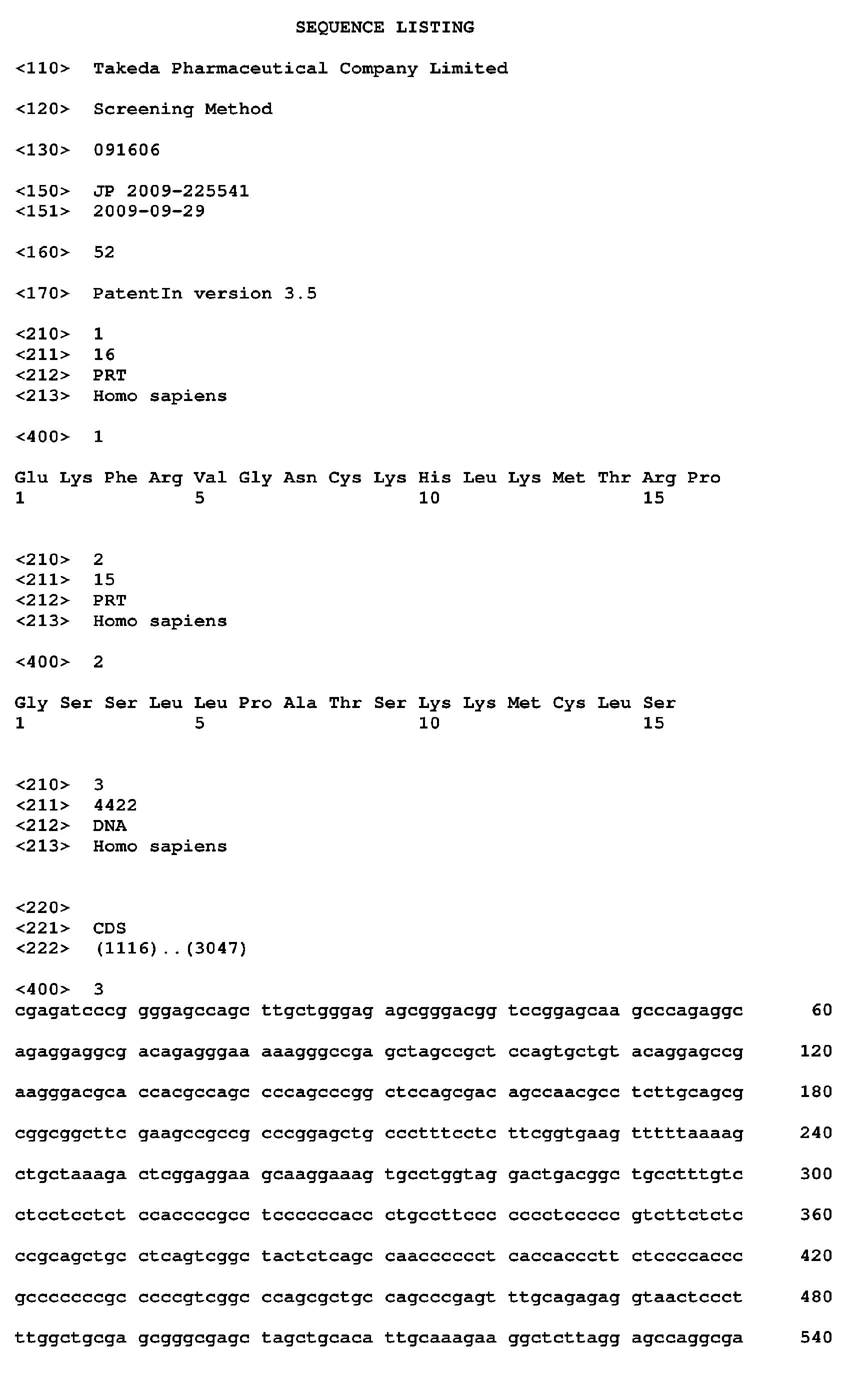


Examples of the activity of ARaiv include androgen responsive gene transcription regulation activity, ARaiv protein nuclear translocation activity, and androgen response sequence (ARE)-binding activity of the gene.
Claims (8)
- A method of screening for a substance for the prophylaxis or treatment of cancer, comprising
a step of contacting a cell comprising a nucleic acid encoding a variant androgen receptor protein comprising the amino acid sequence shown by SEQ ID NO: 6, 8, 10 or 12, and a reporter gene under control of an androgen responsive promoter with a test compound,
a step of measuring the expression level of the reporter gene, and
a step of selecting a compound that suppresses the expression of the reporter gene as compared to a control without contact with the test compound. - A method of screening for a substance for the prophylaxis or treatment of cancer, comprising
a step of contacting a variant androgen receptor protein comprising the amino acid sequence shown by SEQ ID NO: 6, 8, 10 or 12 with a test compound,
a step of measuring the activity of the protein, and
a step of selecting a compound that suppresses the activity of the protein as compared to a control without contact with the test compound. - A variant androgen receptor protein comprising the amino acid sequence shown by SEQ ID NO: 6, 8, 10 or 12.
- A nucleic acid encoding the protein of claim 3.
- A cell transduced with the nucleic acid of claim 4.
- A nucleic acid of any of the following (a) - (e),(a) an antisense nucleic acid for a nucleic acid encoding the protein of claim 3(b) siRNA for RNA encoding the protein of claim 3(c) a nucleic acid capable of generating siRNA for RNA encoding the protein of claim 3(d) miRNA for RNA encoding the protein of claim 3.(e) a nucleic acid capable of generating miRNA for RNA encoding the protein of claim 3.
- A method of evaluating the efficacy of a substance for the prophylaxis or treatment of cancer, comprising a step of contacting a test compound with an animal or tissue thereof into which the nucleic acid of claim 4 has been transduced, and measuring growth, differentiation or cell death, canceration or cancer growth of the tissue.
- A diagnostic reagent for cancer expressing a variant androgen receptor lacking a ligand binding domain, which comprises a substance that specifically recognizes the amino acid sequence shown by SEQ ID NO: 2 or the nucleotide sequence shown by SEQ ID NO: 14.
Applications Claiming Priority (2)
| Application Number | Priority Date | Filing Date | Title |
|---|---|---|---|
| JP2009225541 | 2009-09-29 | ||
| PCT/JP2010/066874 WO2011040421A1 (en) | 2009-09-29 | 2010-09-28 | Screening method |
Publications (2)
| Publication Number | Publication Date |
|---|---|
| EP2471918A1 true EP2471918A1 (en) | 2012-07-04 |
| EP2471918A4 EP2471918A4 (en) | 2013-06-05 |
Family
ID=43826237
Family Applications (1)
| Application Number | Title | Priority Date | Filing Date |
|---|---|---|---|
| EP10820536.0A Withdrawn EP2471918A4 (en) | 2009-09-29 | 2010-09-28 | Screening method |
Country Status (4)
| Country | Link |
|---|---|
| US (1) | US20120283120A1 (en) |
| EP (1) | EP2471918A4 (en) |
| JP (1) | JPWO2011040421A1 (en) |
| WO (1) | WO2011040421A1 (en) |
Cited By (1)
| Publication number | Priority date | Publication date | Assignee | Title |
|---|---|---|---|---|
| EP3775172A4 (en) * | 2018-03-26 | 2021-12-29 | Duke University | Splice-switching oligonucleotides and methods of use |
Families Citing this family (3)
| Publication number | Priority date | Publication date | Assignee | Title |
|---|---|---|---|---|
| US11136584B2 (en) * | 2015-11-04 | 2021-10-05 | Duke University | Splice-switching oligonucleotides and methods of use |
| WO2017181161A1 (en) * | 2016-04-15 | 2017-10-19 | Predicine, Inc. | Systems and methods for detecting genetic alterations |
| US10933061B2 (en) | 2017-12-21 | 2021-03-02 | Shepherd Therapeutics, Inc. | Pyrvinium pamoate therapies and methods of use |
Family Cites Families (16)
| Publication number | Priority date | Publication date | Assignee | Title |
|---|---|---|---|---|
| US3987035A (en) | 1974-04-05 | 1976-10-19 | University Of Illinois Foundation | Biologically active compounds |
| US4261989A (en) | 1979-02-19 | 1981-04-14 | Kaken Chemical Co. Ltd. | Geldanamycin derivatives and antitumor drug |
| US5387584A (en) | 1993-04-07 | 1995-02-07 | Pfizer Inc. | Bicyclic ansamycins |
| US5968921A (en) | 1997-10-24 | 1999-10-19 | Orgegon Health Sciences University | Compositions and methods for promoting nerve regeneration |
| AU761432B2 (en) | 1997-10-31 | 2003-06-05 | Sloan-Kettering Institute For Cancer Research | Conjugate heat shock protein-binding peptides |
| WO2000003737A2 (en) | 1998-07-17 | 2000-01-27 | The United States Of America, Represented By The Secretary, Department Of Health And Human Services | Water-soluble drugs and methods for their production |
| AU2002228771B2 (en) | 2000-11-02 | 2007-10-25 | Sloan-Kettering Institute For Cancer Research | Small molecule compositions for binding to HSP90 |
| CA2430692C (en) | 2001-03-30 | 2011-05-31 | The United States Of America, Represented By The Secretary, Department Of Health And Human Services | Geldanamycin derivative and use of same to treat cancer |
| EP1456180B1 (en) | 2001-12-21 | 2007-10-03 | Vernalis (Cambridge) Limited | 3-(2,4)dihydroxyphenyl-4-phenylpyrazoles and their medical use |
| JP4447826B2 (en) | 2002-06-03 | 2010-04-07 | 武田薬品工業株式会社 | Mutant androgen receptor, cancer cells expressing the same, methods for producing them, and uses thereof |
| GB0228417D0 (en) | 2002-12-05 | 2003-01-08 | Cancer Rec Tech Ltd | Pyrazole compounds |
| GB0229618D0 (en) | 2002-12-19 | 2003-01-22 | Cancer Rec Tech Ltd | Pyrazole compounds |
| SI1611112T1 (en) | 2003-02-11 | 2012-12-31 | Vernalis (R&D) Limited | Isoxazole compounds as inhibitors of heat shock proteins |
| JP2006306755A (en) | 2005-04-27 | 2006-11-09 | Nippon Kayaku Co Ltd | New pyrazole derivative and hsp90 inhibitor containing the same as active ingredient |
| JP5196370B2 (en) | 2008-03-14 | 2013-05-15 | 東芝エレベータ株式会社 | Lifetime diagnosis device for power converter |
| CN105012282A (en) | 2008-07-02 | 2015-11-04 | 不列颠哥伦比亚癌症局分支机构 | Diglycidic ether derivative therapeutics and methods for their use |
-
2010
- 2010-09-28 WO PCT/JP2010/066874 patent/WO2011040421A1/en not_active Ceased
- 2010-09-28 EP EP10820536.0A patent/EP2471918A4/en not_active Withdrawn
- 2010-09-28 JP JP2011534257A patent/JPWO2011040421A1/en not_active Withdrawn
- 2010-09-28 US US13/498,840 patent/US20120283120A1/en not_active Abandoned
Non-Patent Citations (6)
| Title |
|---|
| CAVARRETTA I T R ET AL: "Novel Experimental Therapeutic Approaches for Prostate Cancer", EAU UPDATE SERIES, ELSEVIER, vol. 3, no. 4, 1 December 2005 (2005-12-01), pages 227-239, XP027627635, ISSN: 1570-9124 [retrieved on 2005-12-01] * |
| HAENDLER B ET AL: "Androgen receptor signalling: comparative analysis of androgen response elements and implication of heat-shock protein 90 and 14-3-3eta", MOLECULAR AND CELLULAR ENDOCRINOLOGY, ELSEVIER IRELAND LTD, IE, vol. 173, no. 1-2, 22 February 2001 (2001-02-22), pages 63-73, XP027339583, ISSN: 0303-7207 [retrieved on 2001-02-22] * |
| M. JAGLA ET AL: "A Splicing Variant of the Androgen Receptor Detected in a Metastatic Prostate Cancer Exhibits Exclusively Cytoplasmic Actions", ENDOCRINOLOGY, vol. 148, no. 9, 1 September 2007 (2007-09-01), pages 4334-4343, XP55003328, ISSN: 0013-7227, DOI: 10.1210/en.2007-0446 * |
| OIKONOMOPOULOU K ET AL: "Evaluation of prostate-specific antigen as a novel biomarker of Hsp90 inhibition", CLINICAL BIOCHEMISTRY, ELSEVIER INC, US, CA, vol. 42, no. 16-17, 1 November 2009 (2009-11-01), pages 1705-1712, XP026675807, ISSN: 0009-9120, DOI: 10.1016/J.CLINBIOCHEM.2009.07.018 [retrieved on 2009-07-23] * |
| RONG HU ET AL: "Ligand-Independent Androgen Receptor Variants Derived from Splicing of Cryptic Exons Signify Hormone-Refractory Prostate Cancer", CANCER RESEARCH, AMERICAN ASSOCIATION FOR CANCER RESEARCH, US, vol. 69, no. 1, 1 January 2009 (2009-01-01), pages 16-22, XP008154831, ISSN: 0008-5472, DOI: 10.1158/0008-5472.CAN-08-2764 * |
| See also references of WO2011040421A1 * |
Cited By (2)
| Publication number | Priority date | Publication date | Assignee | Title |
|---|---|---|---|---|
| EP3775172A4 (en) * | 2018-03-26 | 2021-12-29 | Duke University | Splice-switching oligonucleotides and methods of use |
| US11866689B2 (en) | 2018-03-26 | 2024-01-09 | Duke University | Splice-switching oligonucleotides and methods of use |
Also Published As
| Publication number | Publication date |
|---|---|
| JPWO2011040421A1 (en) | 2013-02-28 |
| US20120283120A1 (en) | 2012-11-08 |
| WO2011040421A1 (en) | 2011-04-07 |
| EP2471918A4 (en) | 2013-06-05 |
Similar Documents
| Publication | Publication Date | Title |
|---|---|---|
| US20120231001A1 (en) | Preventives/remedies for cancer | |
| US20120283120A1 (en) | Screening method | |
| JP5794514B2 (en) | Tumor angiogenesis inhibitor | |
| CN102333543B (en) | Cell adhesion inhibitor and use thereof | |
| EP1923072A1 (en) | Prophylactic/therapeutic agent for cancer | |
| JP2015173601A (en) | Screening method for cancer stem cell proliferation inhibition material | |
| JP6852926B2 (en) | Disease activity determination / prognosis evaluation of preventive / therapeutic agents for diseases related to cell migration regulation and diseases of lung interstitium | |
| JP2011032236A (en) | Inhibitor for tumor neovascularization | |
| EP1854473A1 (en) | Preventive/therapeutic agent for cancer | |
| US20080260742A1 (en) | Preventives/Remedies for Cancer | |
| US20100029561A1 (en) | Ameliorating agent for insulin resistance | |
| JPWO2020036183A1 (en) | Cancer stem cell markers and cancer stem cell target drugs | |
| JP2009268381A (en) | Cancer biomarker targeting cancer-specific acetic acid metabolism, method for examination, and therapeutic agent | |
| JPWO2016031996A1 (en) | Arthritis prevention / treatment agent, test kit, and screening method for arthritis prevention / treatment agent | |
| US9611475B2 (en) | Prophylactic and/or therapeutic agent for inflammatory disease, and method for screening prophylactic and/or therapeutic drug for inflammatory disease | |
| CN116368223A (en) | siRNA and its uses | |
| EP2016949A1 (en) | Novel use of g-protein-conjugated receptor and ligand thereof | |
| JPWO2008111520A1 (en) | Longevity-related genes and their uses | |
| US20100086911A1 (en) | Preventive/therapeutic agent for cancer | |
| JPWO2011115271A1 (en) | Tumor angiogenesis inhibitor | |
| EP4572788A2 (en) | Methods and compositions for treating cancer | |
| JPWO2011016461A1 (en) | Tumor angiogenesis inhibitor | |
| EP1862180A1 (en) | Prophylactic/therapeutic agent for cancer | |
| JP2011105669A (en) | Antitumor agent and method of screening antitumor agent | |
| JPWO2011115268A1 (en) | Tumor angiogenesis inhibitor |
Legal Events
| Date | Code | Title | Description |
|---|---|---|---|
| PUAI | Public reference made under article 153(3) epc to a published international application that has entered the european phase |
Free format text: ORIGINAL CODE: 0009012 |
|
| 17P | Request for examination filed |
Effective date: 20120328 |
|
| AK | Designated contracting states |
Kind code of ref document: A1 Designated state(s): AL AT BE BG CH CY CZ DE DK EE ES FI FR GB GR HR HU IE IS IT LI LT LU LV MC MK MT NL NO PL PT RO SE SI SK SM TR |
|
| DAX | Request for extension of the european patent (deleted) | ||
| A4 | Supplementary search report drawn up and despatched |
Effective date: 20130507 |
|
| RIC1 | Information provided on ipc code assigned before grant |
Ipc: A61P 13/08 20060101ALI20130503BHEP Ipc: A61P 43/00 20060101ALI20130503BHEP Ipc: C12N 1/15 20060101ALI20130503BHEP Ipc: C12N 1/19 20060101ALI20130503BHEP Ipc: A61K 45/00 20060101ALI20130503BHEP Ipc: C12N 5/10 20060101ALI20130503BHEP Ipc: A61P 35/00 20060101ALI20130503BHEP Ipc: C12N 15/00 20060101AFI20130503BHEP Ipc: G01N 33/50 20060101ALI20130503BHEP Ipc: C12N 1/21 20060101ALI20130503BHEP Ipc: C12Q 1/02 20060101ALI20130503BHEP Ipc: A61K 31/395 20060101ALI20130503BHEP Ipc: C12Q 1/68 20060101ALI20130503BHEP Ipc: G01N 33/15 20060101ALI20130503BHEP Ipc: C07D 227/087 20060101ALI20130503BHEP Ipc: C07K 14/72 20060101ALI20130503BHEP |
|
| STAA | Information on the status of an ep patent application or granted ep patent |
Free format text: STATUS: THE APPLICATION IS DEEMED TO BE WITHDRAWN |
|
| 18D | Application deemed to be withdrawn |
Effective date: 20131207 |