EP2464395B1 - Extracorporeal blood circuit for cardiopulmonary bypass - Google Patents
Extracorporeal blood circuit for cardiopulmonary bypass Download PDFInfo
- Publication number
- EP2464395B1 EP2464395B1 EP10808590.3A EP10808590A EP2464395B1 EP 2464395 B1 EP2464395 B1 EP 2464395B1 EP 10808590 A EP10808590 A EP 10808590A EP 2464395 B1 EP2464395 B1 EP 2464395B1
- Authority
- EP
- European Patent Office
- Prior art keywords
- blood
- line
- reservoir
- pump
- support device
- Prior art date
- Legal status (The legal status is an assumption and is not a legal conclusion. Google has not performed a legal analysis and makes no representation as to the accuracy of the status listed.)
- Not-in-force
Links
- 210000004369 blood Anatomy 0.000 title claims description 90
- 239000008280 blood Substances 0.000 title claims description 90
- 230000002612 cardiopulmonary effect Effects 0.000 title description 5
- 238000002618 extracorporeal membrane oxygenation Methods 0.000 claims description 14
- 230000036765 blood level Effects 0.000 claims description 12
- 238000000034 method Methods 0.000 claims description 12
- 238000001356 surgical procedure Methods 0.000 claims description 6
- 238000005086 pumping Methods 0.000 claims description 3
- 238000010438 heat treatment Methods 0.000 claims 1
- 230000001706 oxygenating effect Effects 0.000 claims 1
- 241001465754 Metazoa Species 0.000 description 4
- 210000000601 blood cell Anatomy 0.000 description 4
- 230000017531 blood circulation Effects 0.000 description 4
- 230000005484 gravity Effects 0.000 description 4
- 230000008901 benefit Effects 0.000 description 3
- 230000004087 circulation Effects 0.000 description 3
- 239000012530 fluid Substances 0.000 description 3
- 230000006870 function Effects 0.000 description 3
- CURLTUGMZLYLDI-UHFFFAOYSA-N Carbon dioxide Chemical compound O=C=O CURLTUGMZLYLDI-UHFFFAOYSA-N 0.000 description 2
- 238000007675 cardiac surgery Methods 0.000 description 2
- 210000003743 erythrocyte Anatomy 0.000 description 2
- 230000007246 mechanism Effects 0.000 description 2
- 238000012986 modification Methods 0.000 description 2
- 230000004048 modification Effects 0.000 description 2
- 241000283690 Bos taurus Species 0.000 description 1
- 241000282472 Canis lupus familiaris Species 0.000 description 1
- 241000283707 Capra Species 0.000 description 1
- 241000700198 Cavia Species 0.000 description 1
- 241000282693 Cercopithecidae Species 0.000 description 1
- 241000699800 Cricetinae Species 0.000 description 1
- 241000283086 Equidae Species 0.000 description 1
- 241000282326 Felis catus Species 0.000 description 1
- 206010018910 Haemolysis Diseases 0.000 description 1
- 241001272567 Hominoidea Species 0.000 description 1
- 241000282412 Homo Species 0.000 description 1
- 241000124008 Mammalia Species 0.000 description 1
- 241000282579 Pan Species 0.000 description 1
- 241001494479 Pecora Species 0.000 description 1
- 241000282405 Pongo abelii Species 0.000 description 1
- 230000000890 antigenic effect Effects 0.000 description 1
- 238000013459 approach Methods 0.000 description 1
- QVGXLLKOCUKJST-UHFFFAOYSA-N atomic oxygen Chemical compound [O] QVGXLLKOCUKJST-UHFFFAOYSA-N 0.000 description 1
- 230000036760 body temperature Effects 0.000 description 1
- 229910002092 carbon dioxide Inorganic materials 0.000 description 1
- 239000001569 carbon dioxide Substances 0.000 description 1
- 230000000747 cardiac effect Effects 0.000 description 1
- 238000004891 communication Methods 0.000 description 1
- 230000001276 controlling effect Effects 0.000 description 1
- 230000007423 decrease Effects 0.000 description 1
- 230000002939 deleterious effect Effects 0.000 description 1
- 230000001419 dependent effect Effects 0.000 description 1
- 238000013461 design Methods 0.000 description 1
- 239000003814 drug Substances 0.000 description 1
- 230000008030 elimination Effects 0.000 description 1
- 238000003379 elimination reaction Methods 0.000 description 1
- 238000005516 engineering process Methods 0.000 description 1
- 230000003090 exacerbative effect Effects 0.000 description 1
- 239000007789 gas Substances 0.000 description 1
- 230000004217 heart function Effects 0.000 description 1
- 230000000004 hemodynamic effect Effects 0.000 description 1
- 230000008588 hemolysis Effects 0.000 description 1
- 230000003993 interaction Effects 0.000 description 1
- 210000004072 lung Anatomy 0.000 description 1
- 239000012528 membrane Substances 0.000 description 1
- 238000002324 minimally invasive surgery Methods 0.000 description 1
- 229910052760 oxygen Inorganic materials 0.000 description 1
- 239000001301 oxygen Substances 0.000 description 1
- 230000037452 priming Effects 0.000 description 1
- 230000002685 pulmonary effect Effects 0.000 description 1
- 230000001105 regulatory effect Effects 0.000 description 1
- 210000005245 right atrium Anatomy 0.000 description 1
- 239000000523 sample Substances 0.000 description 1
- 241000894007 species Species 0.000 description 1
- 238000010561 standard procedure Methods 0.000 description 1
- 238000011282 treatment Methods 0.000 description 1
Images

Classifications
-
- A—HUMAN NECESSITIES
- A61—MEDICAL OR VETERINARY SCIENCE; HYGIENE
- A61M—DEVICES FOR INTRODUCING MEDIA INTO, OR ONTO, THE BODY; DEVICES FOR TRANSDUCING BODY MEDIA OR FOR TAKING MEDIA FROM THE BODY; DEVICES FOR PRODUCING OR ENDING SLEEP OR STUPOR
- A61M1/00—Suction or pumping devices for medical purposes; Devices for carrying-off, for treatment of, or for carrying-over, body-liquids; Drainage systems
- A61M1/36—Other treatment of blood in a by-pass of the natural circulatory system, e.g. temperature adaptation, irradiation ; Extra-corporeal blood circuits
- A61M1/3621—Extra-corporeal blood circuits
- A61M1/3666—Cardiac or cardiopulmonary bypass, e.g. heart-lung machines
-
- A—HUMAN NECESSITIES
- A61—MEDICAL OR VETERINARY SCIENCE; HYGIENE
- A61M—DEVICES FOR INTRODUCING MEDIA INTO, OR ONTO, THE BODY; DEVICES FOR TRANSDUCING BODY MEDIA OR FOR TAKING MEDIA FROM THE BODY; DEVICES FOR PRODUCING OR ENDING SLEEP OR STUPOR
- A61M1/00—Suction or pumping devices for medical purposes; Devices for carrying-off, for treatment of, or for carrying-over, body-liquids; Drainage systems
- A61M1/36—Other treatment of blood in a by-pass of the natural circulatory system, e.g. temperature adaptation, irradiation ; Extra-corporeal blood circuits
- A61M1/3606—Arrangements for blood-volume reduction of extra-corporeal circuits
-
- A—HUMAN NECESSITIES
- A61—MEDICAL OR VETERINARY SCIENCE; HYGIENE
- A61M—DEVICES FOR INTRODUCING MEDIA INTO, OR ONTO, THE BODY; DEVICES FOR TRANSDUCING BODY MEDIA OR FOR TAKING MEDIA FROM THE BODY; DEVICES FOR PRODUCING OR ENDING SLEEP OR STUPOR
- A61M1/00—Suction or pumping devices for medical purposes; Devices for carrying-off, for treatment of, or for carrying-over, body-liquids; Drainage systems
- A61M1/36—Other treatment of blood in a by-pass of the natural circulatory system, e.g. temperature adaptation, irradiation ; Extra-corporeal blood circuits
- A61M1/3621—Extra-corporeal blood circuits
- A61M1/3623—Means for actively controlling temperature of blood
-
- A—HUMAN NECESSITIES
- A61—MEDICAL OR VETERINARY SCIENCE; HYGIENE
- A61M—DEVICES FOR INTRODUCING MEDIA INTO, OR ONTO, THE BODY; DEVICES FOR TRANSDUCING BODY MEDIA OR FOR TAKING MEDIA FROM THE BODY; DEVICES FOR PRODUCING OR ENDING SLEEP OR STUPOR
- A61M1/00—Suction or pumping devices for medical purposes; Devices for carrying-off, for treatment of, or for carrying-over, body-liquids; Drainage systems
- A61M1/36—Other treatment of blood in a by-pass of the natural circulatory system, e.g. temperature adaptation, irradiation ; Extra-corporeal blood circuits
- A61M1/3621—Extra-corporeal blood circuits
- A61M1/3666—Cardiac or cardiopulmonary bypass, e.g. heart-lung machines
- A61M1/3667—Cardiac or cardiopulmonary bypass, e.g. heart-lung machines with assisted venous return
-
- A—HUMAN NECESSITIES
- A61—MEDICAL OR VETERINARY SCIENCE; HYGIENE
- A61M—DEVICES FOR INTRODUCING MEDIA INTO, OR ONTO, THE BODY; DEVICES FOR TRANSDUCING BODY MEDIA OR FOR TAKING MEDIA FROM THE BODY; DEVICES FOR PRODUCING OR ENDING SLEEP OR STUPOR
- A61M2205/00—General characteristics of the apparatus
- A61M2205/33—Controlling, regulating or measuring
- A61M2205/3331—Pressure; Flow
-
- A—HUMAN NECESSITIES
- A61—MEDICAL OR VETERINARY SCIENCE; HYGIENE
- A61M—DEVICES FOR INTRODUCING MEDIA INTO, OR ONTO, THE BODY; DEVICES FOR TRANSDUCING BODY MEDIA OR FOR TAKING MEDIA FROM THE BODY; DEVICES FOR PRODUCING OR ENDING SLEEP OR STUPOR
- A61M2240/00—Specially adapted for neonatal use
Definitions
- CPB cardiopulmonary bypass
- a blood circuit that is coupled between arterial and venous cannulae and includes at least a venous drainage line and an arterial return line, a blood reservoir, one pump to propel the blood in the circuit and multiple pumps to recover shed blood from the operative field and return it to the circuit via the reservoir, an oxygenator, bubble traps and or blood filters, blood flow probe, blood gas analyzers, blood transporting tubing or "lines,” ports, and valves interconnecting these components.
- KAVD Kinetic assisted venous drainage
- VAVD Vacuum assisted venous drainage
- CPB support continues to be the use of venoarterial bypass with a membrane oxygenator, providing both hemodynamic and pulmonary support.
- venoarterial bypass with a membrane oxygenator providing both hemodynamic and pulmonary support.
- the current technology and design of the conventional CPB circuits are not optimal for use especially in pediatric patients.
- the shortcomings of the CPB circuits include large prime volumes, use of pumps that damage blood cells, extensive contact of the blood with tubing, difficulty controlling bubbles, failure to conserve blood, and difficulty due to bulky equipment.
- the pumping mechanism of CPB devices pump the poorly oxygenated blood into the artificial lung where carbon dioxide is removed from the blood and oxygen is provided. Before the blood is oxygenated it can pass through a heat exchanger to raise or lower the blood temperature in order to manage patient body temperature. The oxygenated, warmed/cooled blood is then pumped back to the patient.
- the need remains for an extracorporeal blood circuit advantageously created with the pediatric or neonate patient in mind.
- the size of the extracorporeal circuit would be reduced to lower the required volume to prime the circuit and to reduce the undesirable contact between the blood and the components of the circuit.
- the need remains for improved blood flow and blood pumping mechanisms in the extracorporeal circuits to further lessen the current problems of blood-air mixing and hemolysis of red blood cells
- Prior art extracorporeal life support devices are for instance disclosed in documents US2005/0118059 A1 , US2009/0099498 A1 and US2008/0027368 A1 .
- the subject invention provides an improved bypass circuit for use in adult and pediatric cardiac surgery.
- this system occupies less space than existing systems, requires the use of less blood, reduces the contact between blood and tubing, eliminates the need for multiple blood pumps, reduces damage to blood cells, simplifies blood flow and fluid management and also reduces the incidence of arterial line emboli.
- the subject invention provides new and advantageous mechanical circulatory support devices and methods. More specifically, the subject invention provides extracorporeal life support (ECLS) devices, capable of providing extracorporeal cardiopulmonary support for adult, pediatric and neonatal cardiac patients.
- ECLS extracorporeal life support
- the subject invention provides an improved bypass circuit for use in adult and pediatric cardiac surgery.
- this system occupies less space than existing systems, requires the use of less blood, reduces the contact between blood and tubing, eliminates the need for multiple blood pumps, reduces damage to blood cells, simplifies blood flow and fluid management and also reduces the incidence of arterial line emboli.
- patient describes an animal, including mammals, to which the systems and methods of the present invention are applied.
- Mammalian species that can benefit from the disclosed systems and methods include, but are not limited to, apes, chimpanzees, orangutans, humans, monkeys; domesticated animals ( e.g. , pets) such as dogs, cats, guinea pigs, hamsters; veterinary uses for large animals such as cattle, horses, goats, sheep; and any wild animal for veterinary or tracking purposes.
- operable communication and “operably connected” mean that the particular elements are connected in such a way that they cooperate to achieve their intended function or functions.
- connection may be direct, or indirect, physical or remote.
- references to "first”, “second”, and the like are intended to identify a particular feature of which there are at least two. However, these references are not intended to confer any order in time, structural orientation, or sidedness (e.g., left or right) with respect to a particular feature.
- the subject invention comprises an extracorporeal cardiopulmonary life support circuit.
- One advantage of the system of the subject invention is that it occupies a small area and can be located near the head of a patient.
- the system can be mounted on a table. Because less tubing is used, the system requires less blood, which is important in the case of pediatric surgery, where available blood volume can be very limited. Also, contact between the blood and the tubing is reduced, thereby reducing the likelihood and extent of deleterious antigenic interactions.
- the system of the subject invention operates without the need for gravity drainage.
- the pressure and flow of blood within the system of the ECLS system of the subject invention can be controlled by pumps and suction. Pumps within the system force blood to move through certain regions of the system. Blood can also be moved by creating negative pressure.
- one or more pumps (and/or the negative pressure generating device) within the system can be operably connected to, and controlled by, one or more pressure-detectors 14 within the system line. Undesirable changes in pressure within the system can cause the one or more pressure-detectors to alter the operation of the pump and/or negative pressure generating device.
- blood is carried from the patient through, for example, a cannula placed within the right atrium or vena cava.
- a venous line 12 carries blood from the patient into the system of the subject invention.
- a first pressure-detector 14 is located in-line with the venous line 12 , as shown, for example, in Figure 1 .
- the line 12 continues past the first pressure-detector 14 , carrying blood into a bubble detector 16.
- the bubble detector 16 detects bubbles within the line 12. After passing through the bubble detector, the blood is allowed to proceed into a bubble trap 40 where bubbles are removed, or is directed to a reservoir 20 .
- the bubble trap often also acts as a filter to remove particulate emboli that may be present.
- the bubble detector is located past the bubble trap.
- an occluder 18 can be used to direct the bubble-containing blood directly to the reservoir from where it will then exit and ultimately pass through the bubble trap. The occluder clamp will typically remain open until a bubble detecter located in the line exiting the bubble trap determines that no further air or bubbles are present in the line.
- blood is stored temporarily. Also collected within the blood reservoir 20 is blood that may be aspirated by a suction device 23 from the site of surgery.
- the figures illustrate examples of a blood reservoir 20 into which is delivered bubble-containing blood from the venous line and bubble trap / filter as well as blood suctioned from the surgical field.
- In-line with the reservoir return line 30 can be a roller pump 34.
- the roller pump 34 pulls blood from the reservoir 20 through the reservoir return line 30, as shown, for examples, in Figures 1 and 2 .
- the reservoir return line can also include a one-way valve 32, either before or after the roller pump 34.
- an adjustable blood level detector 22 can be operably connected to the reservoir and the roller pump. When the blood level detector 22 determines that the blood level within the reservoir is too low, it can direct the roller pump to cease, or at least reduce, operation, until such time as the blood level rises.
- the reservoir 20 of the subject invention can be subjected to negative pressure that can be adjusted via a vacuum regulator 24.
- the reservoir can also be self-regulating 21 in order to prevent excessivee positive or negative pressure.
- the reservoir suction inlets (26, 15, for example) can be independently ajustable to the desired amount of negative pressure desired. This allows the clinician to regulate the amount of suction that is applied to each line returning blood to the reservoir, thereby eliminating the need for multiple blood pumps.
- the ECLS system of the subject invention can include one or more in-line pressure detectors.
- a pressure detector 14 can also, or instead, be located in-line following the roller pump. Assuming that pressure within the reservoir return line 30 is at an adequate level, blood will be returned, from the reservoir, to the venous line 12 , before a bubble detector 16 .
- Blood and bubbles that are not directed to the reservoir 20 are allowed to flow into a bubble trap 40.
- the bubble trap removes bubbles and debris from the blood.
- a line 15 transfers blood from the bubble trap to the reservoir. De-bubbled blood is pulled from the bubble trap by a pump 50. In one embodiment, this blood passes through a bubble detector 16 . If bubbles are detected, the blood is returned to the bubble trap 40 or is sent to the reservoir 20 .
- an impeller or centrifugal pump 50 is utilized to remove blood from the bubble trap.
- impellor or centrifugal pumps do not produce an increase in arterial limb pressure, which reduces the risk of circuit rupture if a distal occlusion occurs.
- the use of a centrifugal pump eliminates the need for gravity drainage, thereby permitting shorter tubing lengths and allowing for greater portability. Centrifugal pumps also cause less damage to red blood cells.
- the centrifugal pump 50 directs blood to a blood oxygenator/heat exchanger 60 where it is prepared for transport via the arterial line 65 back to the patient.
Landscapes
- Health & Medical Sciences (AREA)
- Heart & Thoracic Surgery (AREA)
- Vascular Medicine (AREA)
- Cardiology (AREA)
- Biomedical Technology (AREA)
- Anesthesiology (AREA)
- Engineering & Computer Science (AREA)
- Hematology (AREA)
- Life Sciences & Earth Sciences (AREA)
- Animal Behavior & Ethology (AREA)
- General Health & Medical Sciences (AREA)
- Public Health (AREA)
- Veterinary Medicine (AREA)
- Pulmonology (AREA)
- External Artificial Organs (AREA)
Description
- This application claims the benefit of
U.S. provisional application Serial No. 61/233,281, filed August 12, 2009 - In the field of medicine, treatments suitable for use with adult patients are not always similarly applicable for use with pediatric patients. One realm where this is particularly true is in the area of cardiopulmonary support. The field of mechanical circulatory support is evolving rapidly. However, devices that augment or replace cardiac function for adult patients cannot necessarily be used easily, or successfully, with pediatric patients, particularly with neonatal patients.
- Conventional cardiopulmonary bypass (CPB) uses an extracorporeal blood circuit that is coupled between arterial and venous cannulae and includes at least a venous drainage line and an arterial return line, a blood reservoir, one pump to propel the blood in the circuit and multiple pumps to recover shed blood from the operative field and return it to the circuit via the reservoir, an oxygenator, bubble traps and or blood filters, blood flow probe, blood gas analyzers, blood transporting tubing or "lines," ports, and valves interconnecting these components.
- Traditional bypass systems utilize gravity to drain venous blood from the patient and require the use of large diameter venous cannulae and large diameter tubing in order to maintain adequate drainage. More recent techniques employ one of two methods to actively aspirate blood from the patient and augment venous return. One approach, Kinetic assisted venous drainage (KAVD), uses a centrifugal pump; and the other, Vacuum assisted venous drainage (VAVD), utilizes standard wall suction.
- All of these techniques, although effective, have a particular set of limitations: including: (1) Gravity drainage circuits have large circuit priming volumes and depend on large diameter venous cannulae thwarting its use in both pediatric and minimally invasive surgery.
- (2) KAVD utilizes a centrifugal pump in the venous line that can become air-locked and ineffective during a procedure if a large amount of venous air is present. To address this limitation the use of a bubble trap in the venous line pre-pump has been described. This configuration requires that the cardiotomy reservoir or transfusion bags be attached to the venous line pre-bubble trap making the circuit much more difficult to manage. As a result KAVD systems are currently mostly utilized in adult bypass surgery when minimal blood loss is expected and the use of a cardiotomy reservoir is not necessary. Unlike adult surgery the majority of pediatric surgery takes place inside the heart and is associated with a large amount of blood loss, prohibiting the elimination of the blood reservoir.
- (3) VAVD is currently the preferred CPB system of choice in pediatrics and is accomplished by connecting the venous line to a sealed hard shell cardiotomy reservoir to which a regulated vacuum source has been applied. This type of system increases air to blood interface and decreases the amount of time air bubbles have to settle out of circulation while in the reservoir, exacerbating arterial line emboli.
- (4) All three of these circuits in use today are dependent on the use of multiple roller pumps to return shed blood back into the circulation from the surgical field when needed. Roller pumps require the use of tubing connecting the operative field to the blood reservoir, increasing the amount of blood held out of circulation during the procedure.
- The standard technique during CPB support continues to be the use of venoarterial bypass with a membrane oxygenator, providing both hemodynamic and pulmonary support. However the current technology and design of the conventional CPB circuits are not optimal for use especially in pediatric patients. The shortcomings of the CPB circuits include large prime volumes, use of pumps that damage blood cells, extensive contact of the blood with tubing, difficulty controlling bubbles, failure to conserve blood, and difficulty due to bulky equipment.
- The pumping mechanism of CPB devices pump the poorly oxygenated blood into the artificial lung where carbon dioxide is removed from the blood and oxygen is provided. Before the blood is oxygenated it can pass through a heat exchanger to raise or lower the blood temperature in order to manage patient body temperature. The oxygenated, warmed/cooled blood is then pumped back to the patient.
- As noted above, disadvantages of CPB include large blood volume requirements, damage to blood cells, difficulty in managing fluid volume, increased gaseous emboli and the need to use multiple blood pumps.
- Thus, the need remains for an extracorporeal blood circuit advantageously created with the pediatric or neonate patient in mind. Ideally, the size of the extracorporeal circuit would be reduced to lower the required volume to prime the circuit and to reduce the undesirable contact between the blood and the components of the circuit. In addition, the need remains for improved blood flow and blood pumping mechanisms in the extracorporeal circuits to further lessen the current problems of blood-air mixing and hemolysis of red blood cells Prior art extracorporeal life support devices are for instance disclosed in documents
US2005/0118059 A1 ,US2009/0099498 A1 andUS2008/0027368 A1 . - The subject invention provides an improved bypass circuit for use in adult and pediatric cardiac surgery. Advantageously, this system occupies less space than existing systems, requires the use of less blood, reduces the contact between blood and tubing, eliminates the need for multiple blood pumps, reduces damage to blood cells, simplifies blood flow and fluid management and also reduces the incidence of arterial line emboli.
- In order that a more precise understanding of the above-recited invention can be obtained, a more particular description of the invention briefly described above will be rendered by reference to specific embodiments thereof that are illustrated in the appended drawings. It should also be understood that the drawings presented herein may not be drawn to scale and that any reference or implication of dimensions in the drawings or the following description are specific to the embodiments disclosed. Any variations of these dimensions that will allow the subject invention to function for its intended purpose are considered to be within the scope of the subject invention, which is defined by the claims.
- Thus, understanding that these drawings depict only specific embodiments of the invention and are not therefore to be considered as limiting in scope, the invention will be described and explained with additional specificity and detail through the use of the accompanying drawings in which:
-
Figure 1 is a schematic drawing of one embodiment of the system of the subject invention. -
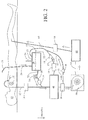
Figure 2 is a schematic drawing of one embodiment of the system of the subject invention. - The subject invention provides new and advantageous mechanical circulatory support devices and methods. More specifically, the subject invention provides extracorporeal life support (ECLS) devices, capable of providing extracorporeal cardiopulmonary support for adult, pediatric and neonatal cardiac patients.
- The subject invention provides an improved bypass circuit for use in adult and pediatric cardiac surgery. Advantageously, this system occupies less space than existing systems, requires the use of less blood, reduces the contact between blood and tubing, eliminates the need for multiple blood pumps, reduces damage to blood cells, simplifies blood flow and fluid management and also reduces the incidence of arterial line emboli.
- The term "patient" as used herein, describes an animal, including mammals, to which the systems and methods of the present invention are applied. Mammalian species that can benefit from the disclosed systems and methods include, but are not limited to, apes, chimpanzees, orangutans, humans, monkeys; domesticated animals (e.g., pets) such as dogs, cats, guinea pigs, hamsters; veterinary uses for large animals such as cattle, horses, goats, sheep; and any wild animal for veterinary or tracking purposes.
- The terms "surgeon" or "physician" as used in the subject invention are merely for literary convenience. The terms should not be construed as limiting in any way. The devices, apparatuses, methods, techniques and/or procedures of the subject invention could be utilized by any person desiring or needing to do so and having the necessary skill and understanding of the invention.
- Also, as used herein, and unless otherwise specifically stated, the terms "operable communication" and "operably connected" mean that the particular elements are connected in such a way that they cooperate to achieve their intended function or functions. The "connection" may be direct, or indirect, physical or remote.
- In addition, references to "first", "second", and the like (e.g., first and second pressure-detector), as used herein, and unless otherwise specifically stated, are intended to identify a particular feature of which there are at least two. However, these references are not intended to confer any order in time, structural orientation, or sidedness (e.g., left or right) with respect to a particular feature.
- The present invention is more particularly described in the following examples that are intended to be illustrative only since numerous modifications and variations therein will be apparent to those skilled in the art. As used in the specification and in the claims, the singular for "a," "an" and "the" include plural referents unless the context clearly dictates otherwise.
- With reference to the attached figures, which show two embodiments of the system of the subject invention, it can be seen that the subject invention comprises an extracorporeal cardiopulmonary life support circuit. One advantage of the system of the subject invention is that it occupies a small area and can be located near the head of a patient. For example, the system can be mounted on a table. Because less tubing is used, the system requires less blood, which is important in the case of pediatric surgery, where available blood volume can be very limited. Also, contact between the blood and the tubing is reduced, thereby reducing the likelihood and extent of deleterious antigenic interactions.
- Advantageously, the system of the subject invention operates without the need for gravity drainage. The pressure and flow of blood within the system of the ECLS system of the subject invention can be controlled by pumps and suction. Pumps within the system force blood to move through certain regions of the system. Blood can also be moved by creating negative pressure. Further, one or more pumps (and/or the negative pressure generating device) within the system can be operably connected to, and controlled by, one or more pressure-
detectors 14 within the system line. Undesirable changes in pressure within the system can cause the one or more pressure-detectors to alter the operation of the pump and/or negative pressure generating device. - In the system of the subject invention, blood is carried from the patient through, for example, a cannula placed within the right atrium or vena cava. A
venous line 12 carries blood from the patient into the system of the subject invention. In one embodiment, a first pressure-detector 14 is located in-line with thevenous line 12, as shown, for example, inFigure 1 . In an embodiment shown inFigure 1 , theline 12 continues past the first pressure-detector 14, carrying blood into abubble detector 16. - The
bubble detector 16 detects bubbles within theline 12. After passing through the bubble detector, the blood is allowed to proceed into abubble trap 40 where bubbles are removed, or is directed to areservoir 20. Advantageously, the bubble trap often also acts as a filter to remove particulate emboli that may be present. In another embodiment, as shown, for example, inFigure 2 , the bubble detector is located past the bubble trap. In one embodiment, anoccluder 18 can be used to direct the bubble-containing blood directly to the reservoir from where it will then exit and ultimately pass through the bubble trap. The occluder clamp will typically remain open until a bubble detecter located in the line exiting the bubble trap determines that no further air or bubbles are present in the line. - Within the
blood reservoir 20, blood is stored temporarily. Also collected within theblood reservoir 20 is blood that may be aspirated by asuction device 23 from the site of surgery. The figures illustrate examples of ablood reservoir 20 into which is delivered bubble-containing blood from the venous line and bubble trap / filter as well as blood suctioned from the surgical field. - Blood leaves the reservoir through a
reservoir return line 30. In-line with thereservoir return line 30 can be aroller pump 34. Theroller pump 34 pulls blood from thereservoir 20 through thereservoir return line 30, as shown, for examples, inFigures 1 and2 . To prevent backflow into the reservoir, the reservoir return line can also include a one-way valve 32, either before or after theroller pump 34. Further, to prevent the roller pump from operating when the blood level in the reservoir is below the desired level, an adjustableblood level detector 22 can be operably connected to the reservoir and the roller pump. When theblood level detector 22 determines that the blood level within the reservoir is too low, it can direct the roller pump to cease, or at least reduce, operation, until such time as the blood level rises. - The
reservoir 20 of the subject invention can be subjected to negative pressure that can be adjusted via avacuum regulator 24. The reservoir can also be self-regulating 21 in order to prevent excesive positive or negative pressure. The reservoir suction inlets (26, 15, for example) can be independently ajustable to the desired amount of negative pressure desired. This allows the clinician to regulate the amount of suction that is applied to each line returning blood to the reservoir, thereby eliminating the need for multiple blood pumps. - As mentioned above, the ECLS system of the subject invention can include one or more in-line pressure detectors. As shown in the Figures, a
pressure detector 14 can also, or instead, be located in-line following the roller pump. Assuming that pressure within thereservoir return line 30 is at an adequate level, blood will be returned, from the reservoir, to thevenous line 12, before abubble detector 16. - Blood and bubbles that are not directed to the
reservoir 20 are allowed to flow into abubble trap 40. The bubble trap removes bubbles and debris from the blood. In one embodiment, aline 15 transfers blood from the bubble trap to the reservoir. De-bubbled blood is pulled from the bubble trap by apump 50. In one embodiment, this blood passes through abubble detector 16. If bubbles are detected, the blood is returned to thebubble trap 40 or is sent to thereservoir 20. - In a particular embodiment, an impeller or
centrifugal pump 50 is utilized to remove blood from the bubble trap. Advantageously, impellor or centrifugal pumps do not produce an increase in arterial limb pressure, which reduces the risk of circuit rupture if a distal occlusion occurs. In addition, the use of a centrifugal pump eliminates the need for gravity drainage, thereby permitting shorter tubing lengths and allowing for greater portability. Centrifugal pumps also cause less damage to red blood cells. - The
centrifugal pump 50 directs blood to a blood oxygenator/heat exchanger 60 where it is prepared for transport via thearterial line 65 back to the patient. - It should be understood that the examples and embodiments described herein are for illustrative purposes only and that various modifications or changes in light thereof will be suggested to persons skilled in the art and are to be included within the scope of the invention such as defined by the claims.
Claims (9)
- An extracorporeal life support device, comprising:a venous line (12) to carry blood from a patient;a first pressure detector (14) in line with the venous line;a bubble detector (16) in line with the venous line;a bubble trap (40) in line with the venous line;a blood reservoir (20) that receives blood that has passed through the bubble detector;a reservoir return line (30) connecting the blood reservoir to the venous line and configured to return blood to the venous line up-line from the bubble detector;a first pump (34) in line with the reservoir return line, between the blood reservoir and the venous line;an adjustable blood level detector (22) operably connected to the blood reservoir and the first pump and configured to detect the blood level within the blood reservoir;a second pump (50) down-line from the bubble trap;a second pressure detector (14) down-line from the second pump;an oxygenator (60) down-line from the second pressure detector; andan arterial line (65) for transporting blood from the oxygenator back to the patient,wherein the first pump is capable of pumping blood from the blood reservoir to the venous line, andwherein the adjustable blood level detector is configured such that, if the adjustable blood level detector determines that the blood level within the blood reservoir is below a threshold value, the adjustable blood level detector directs the first pump to reduce or cease operation until the blood level within the blood reservoir reaches an acceptable level.
- The extracorporeal life support device according to claim 1, wherein the second pump is an impeller or centrifugal pump.
- The extracorporeal life support device according to claim 1, wherein the oxygenator also serves as a heat exchanger capable of heating the blood.
- The extracorporeal life support device according to claim 1, further comprising an occluder clamp (18) on a line connecting the bubble detector and the blood reservoir.
- The extracorporeal life support device according to claim 1, wherein the blood reservoir comprises a vacuum regulator (24) that is capable of adjusting the pressure of the blood reservoir.
- The extracorporeal life support device according to claim 1, wherein the blood reservoir is self-regulating.
- The extracorporeal life support device according to claim 1, further comprising a suction device line (26) connected to the blood reservoir, wherein the blood reservoir is capable of receiving blood collected by a suction device and provided through the suction device line during a surgical procedure.
- The extracorporeal life support device according to any of claims 1-3 and 6-9 for use in a method of oxygenating blood from a patient, comprising:directing the blood through said extracorporeal life support device.
- The extracorporeal life support device according to claim 1, wherein the first pump is a roller pump.
Applications Claiming Priority (2)
| Application Number | Priority Date | Filing Date | Title |
|---|---|---|---|
| US23328109P | 2009-08-12 | 2009-08-12 | |
| PCT/US2010/044887 WO2011019655A2 (en) | 2009-08-12 | 2010-08-09 | Extracorporeal blood circuit for cardiopulmonary bypass |
Publications (3)
| Publication Number | Publication Date |
|---|---|
| EP2464395A2 EP2464395A2 (en) | 2012-06-20 |
| EP2464395A4 EP2464395A4 (en) | 2015-03-11 |
| EP2464395B1 true EP2464395B1 (en) | 2016-05-11 |
Family
ID=43586766
Family Applications (1)
| Application Number | Title | Priority Date | Filing Date |
|---|---|---|---|
| EP10808590.3A Not-in-force EP2464395B1 (en) | 2009-08-12 | 2010-08-09 | Extracorporeal blood circuit for cardiopulmonary bypass |
Country Status (7)
| Country | Link |
|---|---|
| US (1) | US9044555B2 (en) |
| EP (1) | EP2464395B1 (en) |
| JP (1) | JP2013501578A (en) |
| BR (1) | BR112012002972A2 (en) |
| CA (1) | CA2770125C (en) |
| IN (1) | IN2012DN01832A (en) |
| WO (1) | WO2011019655A2 (en) |
Cited By (14)
| Publication number | Priority date | Publication date | Assignee | Title |
|---|---|---|---|---|
| US10722631B2 (en) | 2018-02-01 | 2020-07-28 | Shifamed Holdings, Llc | Intravascular blood pumps and methods of use and manufacture |
| US11185677B2 (en) | 2017-06-07 | 2021-11-30 | Shifamed Holdings, Llc | Intravascular fluid movement devices, systems, and methods of use |
| US11511103B2 (en) | 2017-11-13 | 2022-11-29 | Shifamed Holdings, Llc | Intravascular fluid movement devices, systems, and methods of use |
| US11654275B2 (en) | 2019-07-22 | 2023-05-23 | Shifamed Holdings, Llc | Intravascular blood pumps with struts and methods of use and manufacture |
| US11724089B2 (en) | 2019-09-25 | 2023-08-15 | Shifamed Holdings, Llc | Intravascular blood pump systems and methods of use and control thereof |
| US11964145B2 (en) | 2019-07-12 | 2024-04-23 | Shifamed Holdings, Llc | Intravascular blood pumps and methods of manufacture and use |
| US12102815B2 (en) | 2019-09-25 | 2024-10-01 | Shifamed Holdings, Llc | Catheter blood pumps and collapsible pump housings |
| US12121713B2 (en) | 2019-09-25 | 2024-10-22 | Shifamed Holdings, Llc | Catheter blood pumps and collapsible blood conduits |
| US12161857B2 (en) | 2018-07-31 | 2024-12-10 | Shifamed Holdings, Llc | Intravascular blood pumps and methods of use |
| WO2025003899A1 (en) * | 2023-06-27 | 2025-01-02 | Bioxy Med Llc-Fz | Combined blood pump and oxygenator system |
| US12220570B2 (en) | 2018-10-05 | 2025-02-11 | Shifamed Holdings, Llc | Intravascular blood pumps and methods of use |
| US12409310B2 (en) | 2019-12-11 | 2025-09-09 | Shifamed Holdings, Llc | Descending aorta and vena cava blood pumps |
| US12465748B2 (en) | 2019-08-07 | 2025-11-11 | Supira Medical, Inc. | Catheter blood pumps and collapsible pump housings |
| US12599758B2 (en) | 2019-12-19 | 2026-04-14 | Shifamed Holdings, Llc | Intravascular blood pumps, motors, and fluid control |
Families Citing this family (16)
| Publication number | Priority date | Publication date | Assignee | Title |
|---|---|---|---|---|
| US9452253B2 (en) * | 2013-03-13 | 2016-09-27 | Keith Samolyk | CPB system with fluid volume control |
| US9327066B2 (en) * | 2013-03-13 | 2016-05-03 | Keith Samolyk | CPB system with dual function blood reservoir |
| US11992594B2 (en) | 2014-08-20 | 2024-05-28 | Senko Medical Instrument Mfg. Co., Ltd. | Blood circulation system |
| JP5839212B1 (en) | 2014-08-20 | 2016-01-06 | 泉工医科工業株式会社 | Blood circulation system |
| US9498567B2 (en) | 2014-09-29 | 2016-11-22 | Fenwal, Inc. | Systems and methods for controlling the return phase of a blood separation procedure |
| US9486590B2 (en) | 2014-09-29 | 2016-11-08 | Fenwal, Inc. | Automatic purging of air from a fluid processing system |
| US20180001012A1 (en) * | 2014-12-16 | 2018-01-04 | The Regents Of The University Of California | Portable Lung Assist Device |
| JP7054380B2 (en) * | 2016-03-23 | 2022-04-13 | テルモ株式会社 | How to operate the extracorporeal circulation management device, extracorporeal circulation device, extracorporeal circulation management system, extracorporeal circulation management program and extracorporeal circulation management device |
| JP6802034B2 (en) * | 2016-10-21 | 2020-12-16 | 株式会社メテク | Infusion system |
| EP3431119B1 (en) | 2017-07-19 | 2022-11-16 | Gambro Lundia AB | Apparatus for extracorporeal treatment of blood |
| WO2019068338A1 (en) | 2017-10-06 | 2019-04-11 | Livanova Deutschland Gmbh | Vavd regulator contamination and condensation control |
| US11642459B2 (en) | 2020-01-15 | 2023-05-09 | Becton, Dickinson And Company | System and method for air removal |
| WO2022245872A1 (en) * | 2021-05-17 | 2022-11-24 | Trifortis Llc | Pulmonary embolism extraction device |
| CN114470384A (en) * | 2022-02-17 | 2022-05-13 | 四川大学华西医院 | Negative pressure type extracorporeal circulation blood suction system |
| US12576198B2 (en) | 2022-10-19 | 2026-03-17 | Lazarus Technologies LLC | Trauma patient hemorrhage control including rapid autotransfusion |
| WO2025245401A1 (en) * | 2024-05-23 | 2025-11-27 | Lazarus Technologies LLC | Trauma patient hemorrhage control including rapid autotransfusion |
Family Cites Families (16)
| Publication number | Priority date | Publication date | Assignee | Title |
|---|---|---|---|---|
| US3882861A (en) * | 1973-09-24 | 1975-05-13 | Vital Assists | Auxiliary control for a blood pump |
| US5823986A (en) * | 1995-02-08 | 1998-10-20 | Medtronic, Inc. | Perfusion system |
| US6017493A (en) * | 1997-09-26 | 2000-01-25 | Baxter International Inc. | Vacuum-assisted venous drainage reservoir for CPB systems |
| US6315751B1 (en) | 1997-08-15 | 2001-11-13 | Cleveland Clinic Foundation | Cardiopulmonary bypass system using vacuum assisted venous drainage |
| EP1131116B1 (en) * | 1998-10-22 | 2007-01-03 | Medtronic, Inc. | Atraumatic blood suction system |
| US6302860B1 (en) | 1999-02-17 | 2001-10-16 | Medtronic, Inc. | Venous filter for assisted venous return |
| US6579496B1 (en) * | 1999-05-25 | 2003-06-17 | Viacirq, Inc. | Apparatus for implementing hyperthermia |
| US20080027368A1 (en) * | 2000-09-27 | 2008-01-31 | Sorin Group Usa, Inc. | Disposable cartridge for a blood perfusion system |
| US6730267B2 (en) * | 2001-02-09 | 2004-05-04 | Cardiovention, Inc. | Integrated blood handling system having active gas removal system and methods of use |
| US20050118059A1 (en) * | 2003-10-30 | 2005-06-02 | Olsen Robert W. | Cardiopulmonary bypass extracorporeal blood circuit apparatus and method |
| EP1557186B1 (en) | 2004-01-20 | 2010-11-17 | Sorin Group Deutschland GmbH | Automatic air removal system |
| EP1802363A1 (en) | 2004-10-22 | 2007-07-04 | Cobe Cardiovascular, Inc. | Convertible extracorporeal blood perfusion systems |
| US7563248B2 (en) * | 2005-03-17 | 2009-07-21 | Smisson-Cartledge Biomedical Llc | Infusion fluid heat exchanger and cartridge |
| JP2006280395A (en) * | 2005-03-31 | 2006-10-19 | Senko Medical Instr Mfg Co Ltd | Extracorporeal circulation blood circuit |
| US8246566B2 (en) * | 2006-12-22 | 2012-08-21 | Baxter International Inc. | Total fluid loss control system |
| US8105265B2 (en) * | 2007-10-12 | 2012-01-31 | Deka Products Limited Partnership | Systems, devices and methods for cardiopulmonary treatment and procedures |
-
2010
- 2010-08-09 IN IN1832DEN2012 patent/IN2012DN01832A/en unknown
- 2010-08-09 US US12/853,084 patent/US9044555B2/en not_active Expired - Fee Related
- 2010-08-09 EP EP10808590.3A patent/EP2464395B1/en not_active Not-in-force
- 2010-08-09 BR BR112012002972A patent/BR112012002972A2/en active Search and Examination
- 2010-08-09 WO PCT/US2010/044887 patent/WO2011019655A2/en not_active Ceased
- 2010-08-09 JP JP2012524774A patent/JP2013501578A/en active Pending
- 2010-08-09 CA CA2770125A patent/CA2770125C/en not_active Expired - Fee Related
Cited By (17)
| Publication number | Priority date | Publication date | Assignee | Title |
|---|---|---|---|---|
| US11185677B2 (en) | 2017-06-07 | 2021-11-30 | Shifamed Holdings, Llc | Intravascular fluid movement devices, systems, and methods of use |
| US11717670B2 (en) | 2017-06-07 | 2023-08-08 | Shifamed Holdings, LLP | Intravascular fluid movement devices, systems, and methods of use |
| US11511103B2 (en) | 2017-11-13 | 2022-11-29 | Shifamed Holdings, Llc | Intravascular fluid movement devices, systems, and methods of use |
| US11229784B2 (en) | 2018-02-01 | 2022-01-25 | Shifamed Holdings, Llc | Intravascular blood pumps and methods of use and manufacture |
| US10722631B2 (en) | 2018-02-01 | 2020-07-28 | Shifamed Holdings, Llc | Intravascular blood pumps and methods of use and manufacture |
| US12076545B2 (en) | 2018-02-01 | 2024-09-03 | Shifamed Holdings, Llc | Intravascular blood pumps and methods of use and manufacture |
| US12161857B2 (en) | 2018-07-31 | 2024-12-10 | Shifamed Holdings, Llc | Intravascular blood pumps and methods of use |
| US12220570B2 (en) | 2018-10-05 | 2025-02-11 | Shifamed Holdings, Llc | Intravascular blood pumps and methods of use |
| US11964145B2 (en) | 2019-07-12 | 2024-04-23 | Shifamed Holdings, Llc | Intravascular blood pumps and methods of manufacture and use |
| US11654275B2 (en) | 2019-07-22 | 2023-05-23 | Shifamed Holdings, Llc | Intravascular blood pumps with struts and methods of use and manufacture |
| US12465748B2 (en) | 2019-08-07 | 2025-11-11 | Supira Medical, Inc. | Catheter blood pumps and collapsible pump housings |
| US12121713B2 (en) | 2019-09-25 | 2024-10-22 | Shifamed Holdings, Llc | Catheter blood pumps and collapsible blood conduits |
| US12102815B2 (en) | 2019-09-25 | 2024-10-01 | Shifamed Holdings, Llc | Catheter blood pumps and collapsible pump housings |
| US11724089B2 (en) | 2019-09-25 | 2023-08-15 | Shifamed Holdings, Llc | Intravascular blood pump systems and methods of use and control thereof |
| US12409310B2 (en) | 2019-12-11 | 2025-09-09 | Shifamed Holdings, Llc | Descending aorta and vena cava blood pumps |
| US12599758B2 (en) | 2019-12-19 | 2026-04-14 | Shifamed Holdings, Llc | Intravascular blood pumps, motors, and fluid control |
| WO2025003899A1 (en) * | 2023-06-27 | 2025-01-02 | Bioxy Med Llc-Fz | Combined blood pump and oxygenator system |
Also Published As
| Publication number | Publication date |
|---|---|
| CA2770125C (en) | 2017-07-11 |
| US9044555B2 (en) | 2015-06-02 |
| WO2011019655A2 (en) | 2011-02-17 |
| BR112012002972A2 (en) | 2016-04-12 |
| EP2464395A4 (en) | 2015-03-11 |
| JP2013501578A (en) | 2013-01-17 |
| EP2464395A2 (en) | 2012-06-20 |
| WO2011019655A3 (en) | 2011-06-30 |
| CA2770125A1 (en) | 2011-02-17 |
| IN2012DN01832A (en) | 2015-06-05 |
| US20110040229A1 (en) | 2011-02-17 |
Similar Documents
| Publication | Publication Date | Title |
|---|---|---|
| US9044555B2 (en) | Extracorporeal blood circuit for cardiopulmonary bypass | |
| EP0808185B1 (en) | Perfusion system | |
| US4540399A (en) | Emergency bypass system | |
| US9789240B2 (en) | Ambulatory lung assist device with implanted blood pump and oxygenator | |
| US6315751B1 (en) | Cardiopulmonary bypass system using vacuum assisted venous drainage | |
| US9504774B2 (en) | Intraatrial ventricular assist device | |
| US12171927B2 (en) | Wearable modular extracorporeal life support device for mobile treatment of single and multiorgan failure | |
| JP2008517651A (en) | Convertible extracorporeal blood perfusion system | |
| US20180001012A1 (en) | Portable Lung Assist Device | |
| WO1996024397A9 (en) | Perfusion system | |
| JPWO1999051285A1 (en) | Assist artificial heart with cardiac function recovery promotion | |
| JP4174179B2 (en) | Surgical system using vacuum-assisted venous drainage to minimize invasion | |
| JP2018502691A (en) | An assembly comprising a suction line, a discharge line and a pump | |
| US20050085762A1 (en) | Perfusion circuit for cardiopulmonary bypass with air removal system | |
| JP2004305738A (en) | Blood processing apparatus | |
| EP4378495A2 (en) | Extracorporeal life support system | |
| EP4736906A1 (en) | Extracorporeal life support system with air purge control | |
| EP4545115A1 (en) | Extracorporeal life support system with blockage detection | |
| JP3220244B2 (en) | Blood circuit for extracorporeal circulation | |
| CN111135360A (en) | Right heart auxiliary device and control method thereof | |
| US20220088365A1 (en) | Autologous blood collection reservoir | |
| HK40116801A (en) | Wearable modular extracorporeal life support device for mobile treatment of single and multiorgan failure | |
| EP4483915A1 (en) | Combined blood pump and oxygenator system | |
| HK40052518B (en) | Wearable modular extracorporeal life support device for mobile treatment of single and multiorgan failure | |
| HK40052518A (en) | Wearable modular extracorporeal life support device for mobile treatment of single and multiorgan failure |
Legal Events
| Date | Code | Title | Description |
|---|---|---|---|
| PUAI | Public reference made under article 153(3) epc to a published international application that has entered the european phase |
Free format text: ORIGINAL CODE: 0009012 |
|
| 17P | Request for examination filed |
Effective date: 20120307 |
|
| AK | Designated contracting states |
Kind code of ref document: A2 Designated state(s): AL AT BE BG CH CY CZ DE DK EE ES FI FR GB GR HR HU IE IS IT LI LT LU LV MC MK MT NL NO PL PT RO SE SI SK SM TR |
|
| DAX | Request for extension of the european patent (deleted) | ||
| A4 | Supplementary search report drawn up and despatched |
Effective date: 20150205 |
|
| RIC1 | Information provided on ipc code assigned before grant |
Ipc: A61M 5/36 20060101ALI20150130BHEP Ipc: A61M 1/14 20060101ALI20150130BHEP Ipc: A61M 1/10 20060101AFI20150130BHEP Ipc: A61M 5/168 20060101ALI20150130BHEP Ipc: A61M 1/36 20060101ALI20150130BHEP |
|
| GRAP | Despatch of communication of intention to grant a patent |
Free format text: ORIGINAL CODE: EPIDOSNIGR1 |
|
| INTG | Intention to grant announced |
Effective date: 20151112 |
|
| GRAS | Grant fee paid |
Free format text: ORIGINAL CODE: EPIDOSNIGR3 |
|
| GRAA | (expected) grant |
Free format text: ORIGINAL CODE: 0009210 |
|
| AK | Designated contracting states |
Kind code of ref document: B1 Designated state(s): AL AT BE BG CH CY CZ DE DK EE ES FI FR GB GR HR HU IE IS IT LI LT LU LV MC MK MT NL NO PL PT RO SE SI SK SM TR |
|
| REG | Reference to a national code |
Ref country code: GB Ref legal event code: FG4D |
|
| REG | Reference to a national code |
Ref country code: CH Ref legal event code: EP |
|
| REG | Reference to a national code |
Ref country code: AT Ref legal event code: REF Ref document number: 798140 Country of ref document: AT Kind code of ref document: T Effective date: 20160515 |
|
| REG | Reference to a national code |
Ref country code: IE Ref legal event code: FG4D |
|
| REG | Reference to a national code |
Ref country code: DE Ref legal event code: R096 Ref document number: 602010033358 Country of ref document: DE |
|
| REG | Reference to a national code |
Ref country code: LT Ref legal event code: MG4D |
|
| REG | Reference to a national code |
Ref country code: NL Ref legal event code: MP Effective date: 20160511 |
|
| PG25 | Lapsed in a contracting state [announced via postgrant information from national office to epo] |
Ref country code: NL Free format text: LAPSE BECAUSE OF FAILURE TO SUBMIT A TRANSLATION OF THE DESCRIPTION OR TO PAY THE FEE WITHIN THE PRESCRIBED TIME-LIMIT Effective date: 20160511 Ref country code: FI Free format text: LAPSE BECAUSE OF FAILURE TO SUBMIT A TRANSLATION OF THE DESCRIPTION OR TO PAY THE FEE WITHIN THE PRESCRIBED TIME-LIMIT Effective date: 20160511 Ref country code: NO Free format text: LAPSE BECAUSE OF FAILURE TO SUBMIT A TRANSLATION OF THE DESCRIPTION OR TO PAY THE FEE WITHIN THE PRESCRIBED TIME-LIMIT Effective date: 20160811 Ref country code: LT Free format text: LAPSE BECAUSE OF FAILURE TO SUBMIT A TRANSLATION OF THE DESCRIPTION OR TO PAY THE FEE WITHIN THE PRESCRIBED TIME-LIMIT Effective date: 20160511 |
|
| REG | Reference to a national code |
Ref country code: AT Ref legal event code: MK05 Ref document number: 798140 Country of ref document: AT Kind code of ref document: T Effective date: 20160511 |
|
| PG25 | Lapsed in a contracting state [announced via postgrant information from national office to epo] |
Ref country code: LV Free format text: LAPSE BECAUSE OF FAILURE TO SUBMIT A TRANSLATION OF THE DESCRIPTION OR TO PAY THE FEE WITHIN THE PRESCRIBED TIME-LIMIT Effective date: 20160511 Ref country code: PT Free format text: LAPSE BECAUSE OF FAILURE TO SUBMIT A TRANSLATION OF THE DESCRIPTION OR TO PAY THE FEE WITHIN THE PRESCRIBED TIME-LIMIT Effective date: 20160912 Ref country code: SE Free format text: LAPSE BECAUSE OF FAILURE TO SUBMIT A TRANSLATION OF THE DESCRIPTION OR TO PAY THE FEE WITHIN THE PRESCRIBED TIME-LIMIT Effective date: 20160511 Ref country code: GR Free format text: LAPSE BECAUSE OF FAILURE TO SUBMIT A TRANSLATION OF THE DESCRIPTION OR TO PAY THE FEE WITHIN THE PRESCRIBED TIME-LIMIT Effective date: 20160812 Ref country code: ES Free format text: LAPSE BECAUSE OF FAILURE TO SUBMIT A TRANSLATION OF THE DESCRIPTION OR TO PAY THE FEE WITHIN THE PRESCRIBED TIME-LIMIT Effective date: 20160511 Ref country code: HR Free format text: LAPSE BECAUSE OF FAILURE TO SUBMIT A TRANSLATION OF THE DESCRIPTION OR TO PAY THE FEE WITHIN THE PRESCRIBED TIME-LIMIT Effective date: 20160511 |
|
| PG25 | Lapsed in a contracting state [announced via postgrant information from national office to epo] |
Ref country code: BE Free format text: LAPSE BECAUSE OF NON-PAYMENT OF DUE FEES Effective date: 20160831 Ref country code: IT Free format text: LAPSE BECAUSE OF FAILURE TO SUBMIT A TRANSLATION OF THE DESCRIPTION OR TO PAY THE FEE WITHIN THE PRESCRIBED TIME-LIMIT Effective date: 20160511 |
|
| PG25 | Lapsed in a contracting state [announced via postgrant information from national office to epo] |
Ref country code: CZ Free format text: LAPSE BECAUSE OF FAILURE TO SUBMIT A TRANSLATION OF THE DESCRIPTION OR TO PAY THE FEE WITHIN THE PRESCRIBED TIME-LIMIT Effective date: 20160511 Ref country code: DK Free format text: LAPSE BECAUSE OF FAILURE TO SUBMIT A TRANSLATION OF THE DESCRIPTION OR TO PAY THE FEE WITHIN THE PRESCRIBED TIME-LIMIT Effective date: 20160511 Ref country code: SK Free format text: LAPSE BECAUSE OF FAILURE TO SUBMIT A TRANSLATION OF THE DESCRIPTION OR TO PAY THE FEE WITHIN THE PRESCRIBED TIME-LIMIT Effective date: 20160511 Ref country code: RO Free format text: LAPSE BECAUSE OF FAILURE TO SUBMIT A TRANSLATION OF THE DESCRIPTION OR TO PAY THE FEE WITHIN THE PRESCRIBED TIME-LIMIT Effective date: 20160511 Ref country code: EE Free format text: LAPSE BECAUSE OF FAILURE TO SUBMIT A TRANSLATION OF THE DESCRIPTION OR TO PAY THE FEE WITHIN THE PRESCRIBED TIME-LIMIT Effective date: 20160511 |
|
| REG | Reference to a national code |
Ref country code: DE Ref legal event code: R097 Ref document number: 602010033358 Country of ref document: DE |
|
| PG25 | Lapsed in a contracting state [announced via postgrant information from national office to epo] |
Ref country code: AT Free format text: LAPSE BECAUSE OF FAILURE TO SUBMIT A TRANSLATION OF THE DESCRIPTION OR TO PAY THE FEE WITHIN THE PRESCRIBED TIME-LIMIT Effective date: 20160511 Ref country code: SM Free format text: LAPSE BECAUSE OF FAILURE TO SUBMIT A TRANSLATION OF THE DESCRIPTION OR TO PAY THE FEE WITHIN THE PRESCRIBED TIME-LIMIT Effective date: 20160511 Ref country code: BE Free format text: LAPSE BECAUSE OF FAILURE TO SUBMIT A TRANSLATION OF THE DESCRIPTION OR TO PAY THE FEE WITHIN THE PRESCRIBED TIME-LIMIT Effective date: 20160511 Ref country code: PL Free format text: LAPSE BECAUSE OF FAILURE TO SUBMIT A TRANSLATION OF THE DESCRIPTION OR TO PAY THE FEE WITHIN THE PRESCRIBED TIME-LIMIT Effective date: 20160511 |
|
| REG | Reference to a national code |
Ref country code: DE Ref legal event code: R119 Ref document number: 602010033358 Country of ref document: DE |
|
| PLBE | No opposition filed within time limit |
Free format text: ORIGINAL CODE: 0009261 |
|
| STAA | Information on the status of an ep patent application or granted ep patent |
Free format text: STATUS: NO OPPOSITION FILED WITHIN TIME LIMIT |
|
| PG25 | Lapsed in a contracting state [announced via postgrant information from national office to epo] |
Ref country code: MC Free format text: LAPSE BECAUSE OF FAILURE TO SUBMIT A TRANSLATION OF THE DESCRIPTION OR TO PAY THE FEE WITHIN THE PRESCRIBED TIME-LIMIT Effective date: 20160511 |
|
| REG | Reference to a national code |
Ref country code: CH Ref legal event code: PL |
|
| 26N | No opposition filed |
Effective date: 20170214 |
|
| PG25 | Lapsed in a contracting state [announced via postgrant information from national office to epo] |
Ref country code: LI Free format text: LAPSE BECAUSE OF NON-PAYMENT OF DUE FEES Effective date: 20160831 Ref country code: CH Free format text: LAPSE BECAUSE OF NON-PAYMENT OF DUE FEES Effective date: 20160831 |
|
| REG | Reference to a national code |
Ref country code: FR Ref legal event code: ST Effective date: 20170428 |
|
| PG25 | Lapsed in a contracting state [announced via postgrant information from national office to epo] |
Ref country code: SI Free format text: LAPSE BECAUSE OF FAILURE TO SUBMIT A TRANSLATION OF THE DESCRIPTION OR TO PAY THE FEE WITHIN THE PRESCRIBED TIME-LIMIT Effective date: 20160511 |
|
| REG | Reference to a national code |
Ref country code: IE Ref legal event code: MM4A |
|
| PG25 | Lapsed in a contracting state [announced via postgrant information from national office to epo] |
Ref country code: IE Free format text: LAPSE BECAUSE OF NON-PAYMENT OF DUE FEES Effective date: 20160809 Ref country code: FR Free format text: LAPSE BECAUSE OF NON-PAYMENT OF DUE FEES Effective date: 20160831 Ref country code: DE Free format text: LAPSE BECAUSE OF NON-PAYMENT OF DUE FEES Effective date: 20170301 |
|
| PG25 | Lapsed in a contracting state [announced via postgrant information from national office to epo] |
Ref country code: LU Free format text: LAPSE BECAUSE OF NON-PAYMENT OF DUE FEES Effective date: 20160809 |
|
| PG25 | Lapsed in a contracting state [announced via postgrant information from national office to epo] |
Ref country code: HU Free format text: LAPSE BECAUSE OF FAILURE TO SUBMIT A TRANSLATION OF THE DESCRIPTION OR TO PAY THE FEE WITHIN THE PRESCRIBED TIME-LIMIT; INVALID AB INITIO Effective date: 20100809 Ref country code: CY Free format text: LAPSE BECAUSE OF FAILURE TO SUBMIT A TRANSLATION OF THE DESCRIPTION OR TO PAY THE FEE WITHIN THE PRESCRIBED TIME-LIMIT Effective date: 20160511 |
|
| PG25 | Lapsed in a contracting state [announced via postgrant information from national office to epo] |
Ref country code: TR Free format text: LAPSE BECAUSE OF FAILURE TO SUBMIT A TRANSLATION OF THE DESCRIPTION OR TO PAY THE FEE WITHIN THE PRESCRIBED TIME-LIMIT Effective date: 20160511 Ref country code: MK Free format text: LAPSE BECAUSE OF FAILURE TO SUBMIT A TRANSLATION OF THE DESCRIPTION OR TO PAY THE FEE WITHIN THE PRESCRIBED TIME-LIMIT Effective date: 20160511 Ref country code: IS Free format text: LAPSE BECAUSE OF FAILURE TO SUBMIT A TRANSLATION OF THE DESCRIPTION OR TO PAY THE FEE WITHIN THE PRESCRIBED TIME-LIMIT Effective date: 20160511 Ref country code: MT Free format text: LAPSE BECAUSE OF NON-PAYMENT OF DUE FEES Effective date: 20160831 |
|
| PG25 | Lapsed in a contracting state [announced via postgrant information from national office to epo] |
Ref country code: BG Free format text: LAPSE BECAUSE OF FAILURE TO SUBMIT A TRANSLATION OF THE DESCRIPTION OR TO PAY THE FEE WITHIN THE PRESCRIBED TIME-LIMIT Effective date: 20160511 |
|
| PG25 | Lapsed in a contracting state [announced via postgrant information from national office to epo] |
Ref country code: AL Free format text: LAPSE BECAUSE OF FAILURE TO SUBMIT A TRANSLATION OF THE DESCRIPTION OR TO PAY THE FEE WITHIN THE PRESCRIBED TIME-LIMIT Effective date: 20160511 |
|
| PGFP | Annual fee paid to national office [announced via postgrant information from national office to epo] |
Ref country code: GB Payment date: 20190816 Year of fee payment: 10 |
|
| GBPC | Gb: european patent ceased through non-payment of renewal fee |
Effective date: 20200809 |
|
| PG25 | Lapsed in a contracting state [announced via postgrant information from national office to epo] |
Ref country code: GB Free format text: LAPSE BECAUSE OF NON-PAYMENT OF DUE FEES Effective date: 20200809 |