EP2455077B1 - Prophylactic and/or therapeutic agent for dysmenorrhea - Google Patents
Prophylactic and/or therapeutic agent for dysmenorrhea Download PDFInfo
- Publication number
- EP2455077B1 EP2455077B1 EP10789558.3A EP10789558A EP2455077B1 EP 2455077 B1 EP2455077 B1 EP 2455077B1 EP 10789558 A EP10789558 A EP 10789558A EP 2455077 B1 EP2455077 B1 EP 2455077B1
- Authority
- EP
- European Patent Office
- Prior art keywords
- dysmenorrhea
- tranilast
- pain
- administration
- carbon atoms
- Prior art date
- Legal status (The legal status is an assumption and is not a legal conclusion. Google has not performed a legal analysis and makes no representation as to the accuracy of the status listed.)
- Not-in-force
Links
- 208000005171 Dysmenorrhea Diseases 0.000 title claims description 111
- 206010013935 Dysmenorrhoea Diseases 0.000 title claims description 101
- 239000003814 drug Substances 0.000 title claims description 32
- 229940124597 therapeutic agent Drugs 0.000 title description 15
- 230000000069 prophylactic effect Effects 0.000 title description 12
- NZHGWWWHIYHZNX-CSKARUKUSA-N tranilast Chemical compound C1=C(OC)C(OC)=CC=C1\C=C\C(=O)NC1=CC=CC=C1C(O)=O NZHGWWWHIYHZNX-CSKARUKUSA-N 0.000 claims description 117
- 229960005342 tranilast Drugs 0.000 claims description 108
- 125000000217 alkyl group Chemical group 0.000 claims description 27
- 125000004432 carbon atom Chemical group C* 0.000 claims description 27
- 150000003839 salts Chemical class 0.000 claims description 22
- 230000002357 endometrial effect Effects 0.000 claims description 21
- 125000003545 alkoxy group Chemical group 0.000 claims description 18
- 125000004435 hydrogen atom Chemical group [H]* 0.000 claims description 18
- 230000002265 prevention Effects 0.000 claims description 16
- 239000008194 pharmaceutical composition Substances 0.000 claims description 15
- 239000000126 substance Substances 0.000 claims description 15
- 210000000981 epithelium Anatomy 0.000 claims description 13
- 230000007704 transition Effects 0.000 claims description 10
- 125000005843 halogen group Chemical group 0.000 claims description 9
- 125000002887 hydroxy group Chemical group [H]O* 0.000 claims description 9
- 239000004480 active ingredient Substances 0.000 claims description 8
- 230000003111 delayed effect Effects 0.000 claims description 6
- 210000002919 epithelial cell Anatomy 0.000 claims description 4
- 238000004519 manufacturing process Methods 0.000 claims description 3
- 230000001939 inductive effect Effects 0.000 claims description 2
- 208000002193 Pain Diseases 0.000 description 65
- 208000024891 symptom Diseases 0.000 description 47
- 230000005906 menstruation Effects 0.000 description 44
- 230000000694 effects Effects 0.000 description 36
- 230000003821 menstrual periods Effects 0.000 description 30
- 208000008930 Low Back Pain Diseases 0.000 description 26
- 238000002360 preparation method Methods 0.000 description 26
- 206010000084 Abdominal pain lower Diseases 0.000 description 25
- 210000004027 cell Anatomy 0.000 description 19
- 201000010099 disease Diseases 0.000 description 19
- 208000037265 diseases, disorders, signs and symptoms Diseases 0.000 description 19
- 239000003826 tablet Substances 0.000 description 15
- 230000001225 therapeutic effect Effects 0.000 description 15
- 230000002411 adverse Effects 0.000 description 14
- 239000008280 blood Substances 0.000 description 14
- 210000004369 blood Anatomy 0.000 description 14
- 230000000202 analgesic effect Effects 0.000 description 13
- 229940079593 drug Drugs 0.000 description 13
- 238000000034 method Methods 0.000 description 13
- LFQSCWFLJHTTHZ-UHFFFAOYSA-N Ethanol Chemical compound CCO LFQSCWFLJHTTHZ-UHFFFAOYSA-N 0.000 description 12
- 239000003539 oral contraceptive agent Substances 0.000 description 11
- 108060008682 Tumor Necrosis Factor Proteins 0.000 description 10
- 102000000852 Tumor Necrosis Factor-alpha Human genes 0.000 description 10
- 230000009471 action Effects 0.000 description 10
- 230000002175 menstrual effect Effects 0.000 description 10
- 239000007924 injection Substances 0.000 description 9
- 238000002347 injection Methods 0.000 description 9
- 239000002609 medium Substances 0.000 description 9
- 230000004660 morphological change Effects 0.000 description 9
- 230000003449 preventive effect Effects 0.000 description 9
- 239000003795 chemical substances by application Substances 0.000 description 8
- KPHWPUGNDIVLNH-UHFFFAOYSA-M diclofenac sodium Chemical compound [Na+].[O-]C(=O)CC1=CC=CC=C1NC1=C(Cl)C=CC=C1Cl KPHWPUGNDIVLNH-UHFFFAOYSA-M 0.000 description 8
- 230000006872 improvement Effects 0.000 description 8
- 229940063674 voltaren Drugs 0.000 description 8
- 230000007423 decrease Effects 0.000 description 7
- 102000000905 Cadherin Human genes 0.000 description 6
- 108050007957 Cadherin Proteins 0.000 description 6
- 229940035676 analgesics Drugs 0.000 description 6
- 239000000730 antalgic agent Substances 0.000 description 6
- 238000011156 evaluation Methods 0.000 description 6
- 208000007106 menorrhagia Diseases 0.000 description 6
- 239000007787 solid Substances 0.000 description 6
- 210000001519 tissue Anatomy 0.000 description 6
- CURLTUGMZLYLDI-UHFFFAOYSA-N Carbon dioxide Chemical compound O=C=O CURLTUGMZLYLDI-UHFFFAOYSA-N 0.000 description 5
- 239000013543 active substance Substances 0.000 description 5
- 210000004748 cultured cell Anatomy 0.000 description 5
- 238000012258 culturing Methods 0.000 description 5
- 229940088597 hormone Drugs 0.000 description 5
- 239000005556 hormone Substances 0.000 description 5
- 239000007788 liquid Substances 0.000 description 5
- 239000000203 mixture Substances 0.000 description 5
- 229940127234 oral contraceptive Drugs 0.000 description 5
- 238000007911 parenteral administration Methods 0.000 description 5
- 108010067306 Fibronectins Proteins 0.000 description 4
- 102000016359 Fibronectins Human genes 0.000 description 4
- 206010019233 Headaches Diseases 0.000 description 4
- 108050000637 N-cadherin Proteins 0.000 description 4
- 230000005856 abnormality Effects 0.000 description 4
- 239000006189 buccal tablet Substances 0.000 description 4
- 239000002775 capsule Substances 0.000 description 4
- 229910002092 carbon dioxide Inorganic materials 0.000 description 4
- 230000003292 diminished effect Effects 0.000 description 4
- 231100000869 headache Toxicity 0.000 description 4
- 230000002401 inhibitory effect Effects 0.000 description 4
- 229960002373 loxoprofen Drugs 0.000 description 4
- BAZQYVYVKYOAGO-UHFFFAOYSA-M loxoprofen sodium hydrate Chemical compound O.O.[Na+].C1=CC(C(C([O-])=O)C)=CC=C1CC1C(=O)CCC1 BAZQYVYVKYOAGO-UHFFFAOYSA-M 0.000 description 4
- HQKMJHAJHXVSDF-UHFFFAOYSA-L magnesium stearate Chemical compound [Mg+2].CCCCCCCCCCCCCCCCCC([O-])=O.CCCCCCCCCCCCCCCCCC([O-])=O HQKMJHAJHXVSDF-UHFFFAOYSA-L 0.000 description 4
- 230000002829 reductive effect Effects 0.000 description 4
- 239000002904 solvent Substances 0.000 description 4
- XLYOFNOQVPJJNP-UHFFFAOYSA-N water Substances O XLYOFNOQVPJJNP-UHFFFAOYSA-N 0.000 description 4
- RTZKZFJDLAIYFH-UHFFFAOYSA-N Diethyl ether Chemical compound CCOCC RTZKZFJDLAIYFH-UHFFFAOYSA-N 0.000 description 3
- HEFNNWSXXWATRW-UHFFFAOYSA-N Ibuprofen Chemical compound CC(C)CC1=CC=C(C(C)C(O)=O)C=C1 HEFNNWSXXWATRW-UHFFFAOYSA-N 0.000 description 3
- -1 Macrogol Chemical compound 0.000 description 3
- ZMXDDKWLCZADIW-UHFFFAOYSA-N N,N-Dimethylformamide Chemical compound CN(C)C=O ZMXDDKWLCZADIW-UHFFFAOYSA-N 0.000 description 3
- CMWTZPSULFXXJA-UHFFFAOYSA-N Naproxen Natural products C1=C(C(C)C(O)=O)C=CC2=CC(OC)=CC=C21 CMWTZPSULFXXJA-UHFFFAOYSA-N 0.000 description 3
- DNIAPMSPPWPWGF-UHFFFAOYSA-N Propylene glycol Chemical compound CC(O)CO DNIAPMSPPWPWGF-UHFFFAOYSA-N 0.000 description 3
- KRKNYBCHXYNGOX-UHFFFAOYSA-N citric acid Chemical compound OC(=O)CC(O)(C(O)=O)CC(O)=O KRKNYBCHXYNGOX-UHFFFAOYSA-N 0.000 description 3
- 150000001875 compounds Chemical class 0.000 description 3
- 238000009472 formulation Methods 0.000 description 3
- 230000002496 gastric effect Effects 0.000 description 3
- 241000411851 herbal medicine Species 0.000 description 3
- 229960001680 ibuprofen Drugs 0.000 description 3
- 230000001976 improved effect Effects 0.000 description 3
- 206010025482 malaise Diseases 0.000 description 3
- 239000011159 matrix material Substances 0.000 description 3
- 230000007246 mechanism Effects 0.000 description 3
- 238000001000 micrograph Methods 0.000 description 3
- 229960002009 naproxen Drugs 0.000 description 3
- CMWTZPSULFXXJA-VIFPVBQESA-N naproxen Chemical compound C1=C([C@H](C)C(O)=O)C=CC2=CC(OC)=CC=C21 CMWTZPSULFXXJA-VIFPVBQESA-N 0.000 description 3
- 229940021182 non-steroidal anti-inflammatory drug Drugs 0.000 description 3
- 210000004197 pelvis Anatomy 0.000 description 3
- 239000000843 powder Substances 0.000 description 3
- 239000003381 stabilizer Substances 0.000 description 3
- 238000001262 western blot Methods 0.000 description 3
- 206010000087 Abdominal pain upper Diseases 0.000 description 2
- 108010037003 Buserelin Proteins 0.000 description 2
- PYMDEDHDQYLBRT-DRIHCAFSSA-N Buserelin acetate Chemical compound CC(O)=O.CCNC(=O)[C@@H]1CCCN1C(=O)[C@H](CCCN=C(N)N)NC(=O)[C@H](CC(C)C)NC(=O)[C@@H](COC(C)(C)C)NC(=O)[C@@H](NC(=O)[C@H](CO)NC(=O)[C@H](CC=1C2=CC=CC=C2NC=1)NC(=O)[C@H](CC=1NC=NC=1)NC(=O)[C@H]1NC(=O)CC1)CC1=CC=C(O)C=C1 PYMDEDHDQYLBRT-DRIHCAFSSA-N 0.000 description 2
- 239000006144 Dulbecco’s modified Eagle's medium Substances 0.000 description 2
- 108010010803 Gelatin Proteins 0.000 description 2
- 206010061178 Genital haemorrhage Diseases 0.000 description 2
- WHUUTDBJXJRKMK-UHFFFAOYSA-N Glutamic acid Natural products OC(=O)C(N)CCC(O)=O WHUUTDBJXJRKMK-UHFFFAOYSA-N 0.000 description 2
- NMJREATYWWNIKX-UHFFFAOYSA-N GnRH Chemical class C1CCC(C(=O)NCC(N)=O)N1C(=O)C(CC(C)C)NC(=O)C(CC=1C2=CC=CC=C2NC=1)NC(=O)CNC(=O)C(NC(=O)C(CO)NC(=O)C(CC=1C2=CC=CC=C2NC=1)NC(=O)C(CC=1NC=NC=1)NC(=O)C1NC(=O)CC1)CC1=CC=C(O)C=C1 NMJREATYWWNIKX-UHFFFAOYSA-N 0.000 description 2
- 208000032843 Hemorrhage Diseases 0.000 description 2
- 229920002153 Hydroxypropyl cellulose Polymers 0.000 description 2
- CKLJMWTZIZZHCS-REOHCLBHSA-N L-aspartic acid Chemical compound OC(=O)[C@@H](N)CC(O)=O CKLJMWTZIZZHCS-REOHCLBHSA-N 0.000 description 2
- WHUUTDBJXJRKMK-VKHMYHEASA-N L-glutamic acid Chemical compound OC(=O)[C@@H](N)CCC(O)=O WHUUTDBJXJRKMK-VKHMYHEASA-N 0.000 description 2
- GUBGYTABKSRVRQ-QKKXKWKRSA-N Lactose Natural products OC[C@H]1O[C@@H](O[C@H]2[C@H](O)[C@@H](O)C(O)O[C@@H]2CO)[C@H](O)[C@@H](O)[C@H]1O GUBGYTABKSRVRQ-QKKXKWKRSA-N 0.000 description 2
- 206010028813 Nausea Diseases 0.000 description 2
- KPKZJLCSROULON-QKGLWVMZSA-N Phalloidin Chemical compound N1C(=O)[C@@H]([C@@H](O)C)NC(=O)[C@H](C)NC(=O)[C@H](C[C@@](C)(O)CO)NC(=O)[C@H](C2)NC(=O)[C@H](C)NC(=O)[C@@H]3C[C@H](O)CN3C(=O)[C@@H]1CSC1=C2C2=CC=CC=C2N1 KPKZJLCSROULON-QKGLWVMZSA-N 0.000 description 2
- RJKFOVLPORLFTN-LEKSSAKUSA-N Progesterone Chemical compound C1CC2=CC(=O)CC[C@]2(C)[C@@H]2[C@@H]1[C@@H]1CC[C@H](C(=O)C)[C@@]1(C)CC2 RJKFOVLPORLFTN-LEKSSAKUSA-N 0.000 description 2
- 230000002159 abnormal effect Effects 0.000 description 2
- 230000004308 accommodation Effects 0.000 description 2
- 235000003704 aspartic acid Nutrition 0.000 description 2
- OQFSQFPPLPISGP-UHFFFAOYSA-N beta-carboxyaspartic acid Natural products OC(=O)C(N)C(C(O)=O)C(O)=O OQFSQFPPLPISGP-UHFFFAOYSA-N 0.000 description 2
- 239000011230 binding agent Substances 0.000 description 2
- 230000000740 bleeding effect Effects 0.000 description 2
- 239000000872 buffer Substances 0.000 description 2
- 201000011510 cancer Diseases 0.000 description 2
- 230000008859 change Effects 0.000 description 2
- 239000006059 cover glass Substances 0.000 description 2
- 238000007865 diluting Methods 0.000 description 2
- 239000012153 distilled water Substances 0.000 description 2
- 239000003995 emulsifying agent Substances 0.000 description 2
- 239000000839 emulsion Substances 0.000 description 2
- 229940011871 estrogen Drugs 0.000 description 2
- 239000000262 estrogen Substances 0.000 description 2
- 230000005713 exacerbation Effects 0.000 description 2
- 230000001747 exhibiting effect Effects 0.000 description 2
- 239000003889 eye drop Substances 0.000 description 2
- 229940012356 eye drops Drugs 0.000 description 2
- 239000008273 gelatin Substances 0.000 description 2
- 229920000159 gelatin Polymers 0.000 description 2
- 229940014259 gelatin Drugs 0.000 description 2
- 235000019322 gelatine Nutrition 0.000 description 2
- 235000011852 gelatine desserts Nutrition 0.000 description 2
- 239000011521 glass Substances 0.000 description 2
- 235000013922 glutamic acid Nutrition 0.000 description 2
- 239000004220 glutamic acid Substances 0.000 description 2
- 238000001794 hormone therapy Methods 0.000 description 2
- 239000001863 hydroxypropyl cellulose Substances 0.000 description 2
- 235000010977 hydroxypropyl cellulose Nutrition 0.000 description 2
- 239000003112 inhibitor Substances 0.000 description 2
- 239000008101 lactose Substances 0.000 description 2
- 239000000314 lubricant Substances 0.000 description 2
- 235000019359 magnesium stearate Nutrition 0.000 description 2
- 238000002156 mixing Methods 0.000 description 2
- 230000004899 motility Effects 0.000 description 2
- 230000008693 nausea Effects 0.000 description 2
- 230000002611 ovarian Effects 0.000 description 2
- 230000016087 ovulation Effects 0.000 description 2
- 239000012188 paraffin wax Substances 0.000 description 2
- 239000006187 pill Substances 0.000 description 2
- 239000003755 preservative agent Substances 0.000 description 2
- 230000002335 preservative effect Effects 0.000 description 2
- 150000003254 radicals Chemical class 0.000 description 2
- 230000009467 reduction Effects 0.000 description 2
- 230000000717 retained effect Effects 0.000 description 2
- 239000006190 sub-lingual tablet Substances 0.000 description 2
- 239000000829 suppository Substances 0.000 description 2
- 238000001356 surgical procedure Methods 0.000 description 2
- 239000000375 suspending agent Substances 0.000 description 2
- 239000000725 suspension Substances 0.000 description 2
- 238000002560 therapeutic procedure Methods 0.000 description 2
- 239000003981 vehicle Substances 0.000 description 2
- 238000005406 washing Methods 0.000 description 2
- PXGPLTODNUVGFL-BRIYLRKRSA-N (E,Z)-(1R,2R,3R,5S)-7-(3,5-Dihydroxy-2-((3S)-(3-hydroxy-1-octenyl))cyclopentyl)-5-heptenoic acid Chemical compound CCCCC[C@H](O)C=C[C@H]1[C@H](O)C[C@H](O)[C@@H]1CC=CCCCC(O)=O PXGPLTODNUVGFL-BRIYLRKRSA-N 0.000 description 1
- RYHBNJHYFVUHQT-UHFFFAOYSA-N 1,4-Dioxane Chemical compound C1COCCO1 RYHBNJHYFVUHQT-UHFFFAOYSA-N 0.000 description 1
- PRDFBSVERLRRMY-UHFFFAOYSA-N 2'-(4-ethoxyphenyl)-5-(4-methylpiperazin-1-yl)-2,5'-bibenzimidazole Chemical compound C1=CC(OCC)=CC=C1C1=NC2=CC=C(C=3NC4=CC(=CC=C4N=3)N3CCN(C)CC3)C=C2N1 PRDFBSVERLRRMY-UHFFFAOYSA-N 0.000 description 1
- NZHGWWWHIYHZNX-UHFFFAOYSA-N 2-((3-(3,4-dimethoxyphenyl)-1-oxo-2-propenyl)amino)benzoic acid Chemical compound C1=C(OC)C(OC)=CC=C1C=CC(=O)NC1=CC=CC=C1C(O)=O NZHGWWWHIYHZNX-UHFFFAOYSA-N 0.000 description 1
- KKJUPNGICOCCDW-UHFFFAOYSA-N 7-N,N-Dimethylamino-1,2,3,4,5-pentathiocyclooctane Chemical compound CN(C)C1CSSSSSC1 KKJUPNGICOCCDW-UHFFFAOYSA-N 0.000 description 1
- 208000004998 Abdominal Pain Diseases 0.000 description 1
- 206010000060 Abdominal distension Diseases 0.000 description 1
- 102000007469 Actins Human genes 0.000 description 1
- 108010085238 Actins Proteins 0.000 description 1
- 239000012109 Alexa Fluor 568 Substances 0.000 description 1
- GUBGYTABKSRVRQ-XLOQQCSPSA-N Alpha-Lactose Chemical compound O[C@@H]1[C@@H](O)[C@@H](O)[C@@H](CO)O[C@H]1O[C@@H]1[C@@H](CO)O[C@H](O)[C@H](O)[C@H]1O GUBGYTABKSRVRQ-XLOQQCSPSA-N 0.000 description 1
- 201000001320 Atherosclerosis Diseases 0.000 description 1
- 206010049872 Breast discomfort Diseases 0.000 description 1
- 229920002134 Carboxymethyl cellulose Polymers 0.000 description 1
- 206010007572 Cardiac hypertrophy Diseases 0.000 description 1
- 208000006029 Cardiomegaly Diseases 0.000 description 1
- 102000008186 Collagen Human genes 0.000 description 1
- 108010035532 Collagen Proteins 0.000 description 1
- 229920000858 Cyclodextrin Polymers 0.000 description 1
- FBPFZTCFMRRESA-KVTDHHQDSA-N D-Mannitol Chemical compound OC[C@@H](O)[C@@H](O)[C@H](O)[C@H](O)CO FBPFZTCFMRRESA-KVTDHHQDSA-N 0.000 description 1
- 208000005156 Dehydration Diseases 0.000 description 1
- 206010012735 Diarrhoea Diseases 0.000 description 1
- ZGTMUACCHSMWAC-UHFFFAOYSA-L EDTA disodium salt (anhydrous) Chemical compound [Na+].[Na+].OC(=O)CN(CC([O-])=O)CCN(CC(O)=O)CC([O-])=O ZGTMUACCHSMWAC-UHFFFAOYSA-L 0.000 description 1
- 206010051909 Endometrial atrophy Diseases 0.000 description 1
- 201000009273 Endometriosis Diseases 0.000 description 1
- LYCAIKOWRPUZTN-UHFFFAOYSA-N Ethylene glycol Chemical compound OCCO LYCAIKOWRPUZTN-UHFFFAOYSA-N 0.000 description 1
- 208000010201 Exanthema Diseases 0.000 description 1
- 102000009123 Fibrin Human genes 0.000 description 1
- 108010073385 Fibrin Proteins 0.000 description 1
- BWGVNKXGVNDBDI-UHFFFAOYSA-N Fibrin monomer Chemical compound CNC(=O)CNC(=O)CN BWGVNKXGVNDBDI-UHFFFAOYSA-N 0.000 description 1
- 208000018522 Gastrointestinal disease Diseases 0.000 description 1
- WQZGKKKJIJFFOK-GASJEMHNSA-N Glucose Natural products OC[C@H]1OC(O)[C@H](O)[C@@H](O)[C@@H]1O WQZGKKKJIJFFOK-GASJEMHNSA-N 0.000 description 1
- 102000006771 Gonadotropins Human genes 0.000 description 1
- 108010086677 Gonadotropins Proteins 0.000 description 1
- 206010019280 Heart failures Diseases 0.000 description 1
- 206010020751 Hypersensitivity Diseases 0.000 description 1
- 206010020772 Hypertension Diseases 0.000 description 1
- 206010020880 Hypertrophy Diseases 0.000 description 1
- 206010024264 Lethargy Diseases 0.000 description 1
- 229930195725 Mannitol Natural products 0.000 description 1
- 208000037093 Menstruation Disturbances Diseases 0.000 description 1
- 206010027339 Menstruation irregular Diseases 0.000 description 1
- 241001465754 Metazoa Species 0.000 description 1
- 229920000168 Microcrystalline cellulose Polymers 0.000 description 1
- 206010028980 Neoplasm Diseases 0.000 description 1
- 206010030113 Oedema Diseases 0.000 description 1
- 208000035175 Oligomenorrhea Diseases 0.000 description 1
- 206010030295 Oligomenorrhoea Diseases 0.000 description 1
- 229910019142 PO4 Inorganic materials 0.000 description 1
- 229930040373 Paraformaldehyde Natural products 0.000 description 1
- 208000031481 Pathologic Constriction Diseases 0.000 description 1
- 208000000450 Pelvic Pain Diseases 0.000 description 1
- 206010034240 Pelvic congestion Diseases 0.000 description 1
- 108010009711 Phalloidine Proteins 0.000 description 1
- 239000002202 Polyethylene glycol Substances 0.000 description 1
- 241000288906 Primates Species 0.000 description 1
- 102000004005 Prostaglandin-endoperoxide synthases Human genes 0.000 description 1
- 108090000459 Prostaglandin-endoperoxide synthases Proteins 0.000 description 1
- 208000003251 Pruritus Diseases 0.000 description 1
- 208000001431 Psychomotor Agitation Diseases 0.000 description 1
- 206010038743 Restlessness Diseases 0.000 description 1
- 206010039085 Rhinitis allergic Diseases 0.000 description 1
- UIIMBOGNXHQVGW-DEQYMQKBSA-M Sodium bicarbonate-14C Chemical compound [Na+].O[14C]([O-])=O UIIMBOGNXHQVGW-DEQYMQKBSA-M 0.000 description 1
- 229920002472 Starch Polymers 0.000 description 1
- 229930006000 Sucrose Natural products 0.000 description 1
- CZMRCDWAGMRECN-UGDNZRGBSA-N Sucrose Chemical compound O[C@H]1[C@H](O)[C@@H](CO)O[C@@]1(CO)O[C@@H]1[C@H](O)[C@@H](O)[C@H](O)[C@@H](CO)O1 CZMRCDWAGMRECN-UGDNZRGBSA-N 0.000 description 1
- 208000013868 Taylor syndrome Diseases 0.000 description 1
- 208000007536 Thrombosis Diseases 0.000 description 1
- 206010046797 Uterine ischaemia Diseases 0.000 description 1
- 206010046798 Uterine leiomyoma Diseases 0.000 description 1
- 206010047700 Vomiting Diseases 0.000 description 1
- 230000004913 activation Effects 0.000 description 1
- 239000000853 adhesive Substances 0.000 description 1
- 230000001070 adhesive effect Effects 0.000 description 1
- 239000000443 aerosol Substances 0.000 description 1
- 150000001298 alcohols Chemical class 0.000 description 1
- 201000010105 allergic rhinitis Diseases 0.000 description 1
- WMGSQTMJHBYJMQ-UHFFFAOYSA-N aluminum;magnesium;silicate Chemical compound [Mg+2].[Al+3].[O-][Si]([O-])([O-])[O-] WMGSQTMJHBYJMQ-UHFFFAOYSA-N 0.000 description 1
- 238000004458 analytical method Methods 0.000 description 1
- 230000002052 anaphylactic effect Effects 0.000 description 1
- 208000007502 anemia Diseases 0.000 description 1
- 230000033115 angiogenesis Effects 0.000 description 1
- 238000010171 animal model Methods 0.000 description 1
- 229940030225 antihemorrhagics Drugs 0.000 description 1
- 230000004596 appetite loss Effects 0.000 description 1
- 238000013459 approach Methods 0.000 description 1
- 239000007864 aqueous solution Substances 0.000 description 1
- 125000003118 aryl group Chemical group 0.000 description 1
- 208000006673 asthma Diseases 0.000 description 1
- 230000008901 benefit Effects 0.000 description 1
- WPYMKLBDIGXBTP-UHFFFAOYSA-N benzoic acid Chemical compound OC(=O)C1=CC=CC=C1 WPYMKLBDIGXBTP-UHFFFAOYSA-N 0.000 description 1
- WQZGKKKJIJFFOK-VFUOTHLCSA-N beta-D-glucose Chemical compound OC[C@H]1O[C@@H](O)[C@H](O)[C@@H](O)[C@@H]1O WQZGKKKJIJFFOK-VFUOTHLCSA-N 0.000 description 1
- 230000015572 biosynthetic process Effects 0.000 description 1
- 230000000903 blocking effect Effects 0.000 description 1
- 238000009534 blood test Methods 0.000 description 1
- 239000006227 byproduct Substances 0.000 description 1
- CHRHZFQUDFAQEQ-UHFFFAOYSA-L calcium;2-hydroxyacetate Chemical compound [Ca+2].OCC([O-])=O.OCC([O-])=O CHRHZFQUDFAQEQ-UHFFFAOYSA-L 0.000 description 1
- 239000001569 carbon dioxide Substances 0.000 description 1
- 239000001768 carboxy methyl cellulose Substances 0.000 description 1
- 235000010948 carboxy methyl cellulose Nutrition 0.000 description 1
- 239000008112 carboxymethyl-cellulose Substances 0.000 description 1
- 229940105329 carboxymethylcellulose Drugs 0.000 description 1
- 239000003153 chemical reaction reagent Substances 0.000 description 1
- 230000001684 chronic effect Effects 0.000 description 1
- 239000007979 citrate buffer Substances 0.000 description 1
- 239000011248 coating agent Substances 0.000 description 1
- 229920001436 collagen Polymers 0.000 description 1
- 239000006071 cream Substances 0.000 description 1
- 239000013078 crystal Substances 0.000 description 1
- 230000003247 decreasing effect Effects 0.000 description 1
- 230000018044 dehydration Effects 0.000 description 1
- 238000006297 dehydration reaction Methods 0.000 description 1
- 230000001419 dependent effect Effects 0.000 description 1
- 238000011161 development Methods 0.000 description 1
- 230000018109 developmental process Effects 0.000 description 1
- 206010012601 diabetes mellitus Diseases 0.000 description 1
- AZFLJNIPTRTECV-FUMNGEBKSA-N dienogest Chemical compound C1CC(=O)C=C2CC[C@@H]([C@H]3[C@@](C)([C@](CC3)(O)CC#N)CC3)C3=C21 AZFLJNIPTRTECV-FUMNGEBKSA-N 0.000 description 1
- 229960003309 dienogest Drugs 0.000 description 1
- 235000005911 diet Nutrition 0.000 description 1
- 230000000378 dietary effect Effects 0.000 description 1
- 235000013681 dietary sucrose Nutrition 0.000 description 1
- 239000003085 diluting agent Substances 0.000 description 1
- 239000003937 drug carrier Substances 0.000 description 1
- 229940029980 drug used in diabetes Drugs 0.000 description 1
- 201000009274 endometriosis of uterus Diseases 0.000 description 1
- XFBVBWWRPKNWHW-UHFFFAOYSA-N etodolac Chemical compound C1COC(CC)(CC(O)=O)C2=N[C]3C(CC)=CC=CC3=C21 XFBVBWWRPKNWHW-UHFFFAOYSA-N 0.000 description 1
- 229960005293 etodolac Drugs 0.000 description 1
- 201000005884 exanthem Diseases 0.000 description 1
- 238000009207 exercise therapy Methods 0.000 description 1
- 229950003499 fibrin Drugs 0.000 description 1
- 239000000796 flavoring agent Substances 0.000 description 1
- 235000013355 food flavoring agent Nutrition 0.000 description 1
- 235000003599 food sweetener Nutrition 0.000 description 1
- 239000000499 gel Substances 0.000 description 1
- 239000008103 glucose Substances 0.000 description 1
- 235000001727 glucose Nutrition 0.000 description 1
- 239000003163 gonadal steroid hormone Substances 0.000 description 1
- 239000002622 gonadotropin Substances 0.000 description 1
- 229940094892 gonadotropins Drugs 0.000 description 1
- 239000008187 granular material Substances 0.000 description 1
- 239000007902 hard capsule Substances 0.000 description 1
- 230000036541 health Effects 0.000 description 1
- 230000005802 health problem Effects 0.000 description 1
- 238000010438 heat treatment Methods 0.000 description 1
- 239000002874 hemostatic agent Substances 0.000 description 1
- 239000001866 hydroxypropyl methyl cellulose Substances 0.000 description 1
- 235000010979 hydroxypropyl methyl cellulose Nutrition 0.000 description 1
- 229920003088 hydroxypropyl methyl cellulose Polymers 0.000 description 1
- UFVKGYZPFZQRLF-UHFFFAOYSA-N hydroxypropyl methyl cellulose Chemical compound OC1C(O)C(OC)OC(CO)C1OC1C(O)C(O)C(OC2C(C(O)C(OC3C(C(O)C(O)C(CO)O3)O)C(CO)O2)O)C(CO)O1 UFVKGYZPFZQRLF-UHFFFAOYSA-N 0.000 description 1
- 229920003132 hydroxypropyl methylcellulose phthalate Polymers 0.000 description 1
- 229940031704 hydroxypropyl methylcellulose phthalate Drugs 0.000 description 1
- 229940071676 hydroxypropylcellulose Drugs 0.000 description 1
- 230000001631 hypertensive effect Effects 0.000 description 1
- 230000002055 immunohistochemical effect Effects 0.000 description 1
- 238000012744 immunostaining Methods 0.000 description 1
- 208000015181 infectious disease Diseases 0.000 description 1
- 208000027866 inflammatory disease Diseases 0.000 description 1
- 238000001802 infusion Methods 0.000 description 1
- 239000004615 ingredient Substances 0.000 description 1
- 208000030603 inherited susceptibility to asthma Diseases 0.000 description 1
- 230000005764 inhibitory process Effects 0.000 description 1
- 230000007794 irritation Effects 0.000 description 1
- 230000007803 itching Effects 0.000 description 1
- 239000009506 keishibukuryogan Substances 0.000 description 1
- 208000017169 kidney disease Diseases 0.000 description 1
- 230000003902 lesion Effects 0.000 description 1
- 239000000865 liniment Substances 0.000 description 1
- 230000007774 longterm Effects 0.000 description 1
- 208000019017 loss of appetite Diseases 0.000 description 1
- 235000021266 loss of appetite Nutrition 0.000 description 1
- 210000003141 lower extremity Anatomy 0.000 description 1
- 229960003511 macrogol Drugs 0.000 description 1
- 239000000594 mannitol Substances 0.000 description 1
- 235000010355 mannitol Nutrition 0.000 description 1
- 239000000463 material Chemical group 0.000 description 1
- 231100000544 menstrual irregularity Toxicity 0.000 description 1
- 239000008108 microcrystalline cellulose Substances 0.000 description 1
- 229940016286 microcrystalline cellulose Drugs 0.000 description 1
- 235000019813 microcrystalline cellulose Nutrition 0.000 description 1
- 208000035851 morphological anomaly Diseases 0.000 description 1
- 210000000754 myometrium Anatomy 0.000 description 1
- FSBTYDWUUWLHBD-UDXTWCDOSA-N nafarelin acetate hydrate Chemical group O.CC(O)=O.C([C@@H](C(=O)N[C@H](CC=1C=C2C=CC=CC2=CC=1)C(=O)N[C@@H](CC(C)C)C(=O)N[C@@H](CCCN=C(N)N)C(=O)N1[C@@H](CCC1)C(=O)NCC(N)=O)NC(=O)[C@H](CO)NC(=O)[C@H](CC=1C2=CC=CC=C2NC=1)NC(=O)[C@H](CC=1NC=NC=1)NC(=O)[C@H]1NC(=O)CC1)C1=CC=C(O)C=C1 FSBTYDWUUWLHBD-UDXTWCDOSA-N 0.000 description 1
- 229940100662 nasal drops Drugs 0.000 description 1
- 239000000041 non-steroidal anti-inflammatory agent Substances 0.000 description 1
- 230000009965 odorless effect Effects 0.000 description 1
- 239000002674 ointment Substances 0.000 description 1
- 230000008520 organization Effects 0.000 description 1
- 238000012261 overproduction Methods 0.000 description 1
- 230000027758 ovulation cycle Effects 0.000 description 1
- 229920002866 paraformaldehyde Polymers 0.000 description 1
- 230000002093 peripheral effect Effects 0.000 description 1
- 230000002085 persistent effect Effects 0.000 description 1
- 235000021317 phosphate Nutrition 0.000 description 1
- 150000003013 phosphoric acid derivatives Chemical class 0.000 description 1
- 239000002504 physiological saline solution Substances 0.000 description 1
- 229920001223 polyethylene glycol Polymers 0.000 description 1
- 239000000244 polyoxyethylene sorbitan monooleate Substances 0.000 description 1
- 235000010482 polyoxyethylene sorbitan monooleate Nutrition 0.000 description 1
- 229940068968 polysorbate 80 Drugs 0.000 description 1
- 229920000053 polysorbate 80 Polymers 0.000 description 1
- 239000001267 polyvinylpyrrolidone Substances 0.000 description 1
- 229920000036 polyvinylpyrrolidone Polymers 0.000 description 1
- 235000013855 polyvinylpyrrolidone Nutrition 0.000 description 1
- 229940126532 prescription medicine Drugs 0.000 description 1
- 239000000186 progesterone Substances 0.000 description 1
- 229960003387 progesterone Drugs 0.000 description 1
- 230000035755 proliferation Effects 0.000 description 1
- 230000002035 prolonged effect Effects 0.000 description 1
- 230000001737 promoting effect Effects 0.000 description 1
- PXGPLTODNUVGFL-UHFFFAOYSA-N prostaglandin F2alpha Natural products CCCCCC(O)C=CC1C(O)CC(O)C1CC=CCCCC(O)=O PXGPLTODNUVGFL-UHFFFAOYSA-N 0.000 description 1
- 235000018102 proteins Nutrition 0.000 description 1
- 102000004169 proteins and genes Human genes 0.000 description 1
- 108090000623 proteins and genes Proteins 0.000 description 1
- 239000008213 purified water Substances 0.000 description 1
- 206010037844 rash Diseases 0.000 description 1
- 238000011160 research Methods 0.000 description 1
- 208000037803 restenosis Diseases 0.000 description 1
- 210000000844 retinal pigment epithelial cell Anatomy 0.000 description 1
- 238000011808 rodent model Methods 0.000 description 1
- HFHDHCJBZVLPGP-UHFFFAOYSA-N schardinger α-dextrin Chemical compound O1C(C(C2O)O)C(CO)OC2OC(C(C2O)O)C(CO)OC2OC(C(C2O)O)C(CO)OC2OC(C(O)C2O)C(CO)OC2OC(C(C2O)O)C(CO)OC2OC2C(O)C(O)C1OC2CO HFHDHCJBZVLPGP-UHFFFAOYSA-N 0.000 description 1
- 238000007789 sealing Methods 0.000 description 1
- 230000028327 secretion Effects 0.000 description 1
- 210000002966 serum Anatomy 0.000 description 1
- 229940037001 sodium edetate Drugs 0.000 description 1
- HLFCZZKCHVSOAP-DAMYXMBDSA-M sodium;(5z)-5-(carbamoylhydrazinylidene)-1-methyl-6-oxo-2,3-dihydroindole-2-sulfonate Chemical compound [Na+].NC(=O)N/N=C/1C(=O)C=C2N(C)C(S([O-])(=O)=O)CC2=C\1 HLFCZZKCHVSOAP-DAMYXMBDSA-M 0.000 description 1
- 239000007901 soft capsule Substances 0.000 description 1
- 239000000243 solution Substances 0.000 description 1
- 239000007921 spray Substances 0.000 description 1
- 238000010186 staining Methods 0.000 description 1
- 239000008107 starch Substances 0.000 description 1
- 235000019698 starch Nutrition 0.000 description 1
- 230000036262 stenosis Effects 0.000 description 1
- 208000037804 stenosis Diseases 0.000 description 1
- 229960004793 sucrose Drugs 0.000 description 1
- 230000008093 supporting effect Effects 0.000 description 1
- 239000004094 surface-active agent Substances 0.000 description 1
- 239000003765 sweetening agent Substances 0.000 description 1
- 208000011580 syndromic disease Diseases 0.000 description 1
- 238000003786 synthesis reaction Methods 0.000 description 1
- 239000006188 syrup Substances 0.000 description 1
- 235000020357 syrup Nutrition 0.000 description 1
- 230000009885 systemic effect Effects 0.000 description 1
- 230000009967 tasteless effect Effects 0.000 description 1
- 238000012360 testing method Methods 0.000 description 1
- 231100000419 toxicity Toxicity 0.000 description 1
- 230000001988 toxicity Effects 0.000 description 1
- 230000026683 transduction Effects 0.000 description 1
- 238000010361 transduction Methods 0.000 description 1
- 210000002229 urogenital system Anatomy 0.000 description 1
- 210000004291 uterus Anatomy 0.000 description 1
- 210000003556 vascular endothelial cell Anatomy 0.000 description 1
- 235000015112 vegetable and seed oil Nutrition 0.000 description 1
- 239000008158 vegetable oil Substances 0.000 description 1
- 239000000080 wetting agent Substances 0.000 description 1
Images







Classifications
-
- A—HUMAN NECESSITIES
- A61—MEDICAL OR VETERINARY SCIENCE; HYGIENE
- A61K—PREPARATIONS FOR MEDICAL, DENTAL OR TOILETRY PURPOSES
- A61K31/00—Medicinal preparations containing organic active ingredients
- A61K31/185—Acids; Anhydrides, halides or salts thereof, e.g. sulfur acids, imidic, hydrazonic or hydroximic acids
- A61K31/19—Carboxylic acids, e.g. valproic acid
- A61K31/195—Carboxylic acids, e.g. valproic acid having an amino group
- A61K31/196—Carboxylic acids, e.g. valproic acid having an amino group the amino group being directly attached to a ring, e.g. anthranilic acid, mefenamic acid, diclofenac, chlorambucil
-
- A—HUMAN NECESSITIES
- A61—MEDICAL OR VETERINARY SCIENCE; HYGIENE
- A61K—PREPARATIONS FOR MEDICAL, DENTAL OR TOILETRY PURPOSES
- A61K47/00—Medicinal preparations characterised by the non-active ingredients used, e.g. carriers or inert additives; Targeting or modifying agents chemically bound to the active ingredient
- A61K47/30—Macromolecular organic or inorganic compounds, e.g. inorganic polyphosphates
- A61K47/36—Polysaccharides; Derivatives thereof, e.g. gums, starch, alginate, dextrin, hyaluronic acid, chitosan, inulin, agar or pectin
- A61K47/38—Cellulose; Derivatives thereof
-
- A—HUMAN NECESSITIES
- A61—MEDICAL OR VETERINARY SCIENCE; HYGIENE
- A61K—PREPARATIONS FOR MEDICAL, DENTAL OR TOILETRY PURPOSES
- A61K9/00—Medicinal preparations characterised by special physical form
- A61K9/0012—Galenical forms characterised by the site of application
- A61K9/0053—Mouth and digestive tract, i.e. intraoral and peroral administration
-
- A—HUMAN NECESSITIES
- A61—MEDICAL OR VETERINARY SCIENCE; HYGIENE
- A61P—SPECIFIC THERAPEUTIC ACTIVITY OF CHEMICAL COMPOUNDS OR MEDICINAL PREPARATIONS
- A61P1/00—Drugs for disorders of the alimentary tract or the digestive system
- A61P1/10—Laxatives
-
- A—HUMAN NECESSITIES
- A61—MEDICAL OR VETERINARY SCIENCE; HYGIENE
- A61P—SPECIFIC THERAPEUTIC ACTIVITY OF CHEMICAL COMPOUNDS OR MEDICINAL PREPARATIONS
- A61P1/00—Drugs for disorders of the alimentary tract or the digestive system
- A61P1/12—Antidiarrhoeals
-
- A—HUMAN NECESSITIES
- A61—MEDICAL OR VETERINARY SCIENCE; HYGIENE
- A61P—SPECIFIC THERAPEUTIC ACTIVITY OF CHEMICAL COMPOUNDS OR MEDICINAL PREPARATIONS
- A61P15/00—Drugs for genital or sexual disorders; Contraceptives
-
- A—HUMAN NECESSITIES
- A61—MEDICAL OR VETERINARY SCIENCE; HYGIENE
- A61P—SPECIFIC THERAPEUTIC ACTIVITY OF CHEMICAL COMPOUNDS OR MEDICINAL PREPARATIONS
- A61P15/00—Drugs for genital or sexual disorders; Contraceptives
- A61P15/08—Drugs for genital or sexual disorders; Contraceptives for gonadal disorders or for enhancing fertility, e.g. inducers of ovulation or of spermatogenesis
-
- A—HUMAN NECESSITIES
- A61—MEDICAL OR VETERINARY SCIENCE; HYGIENE
- A61P—SPECIFIC THERAPEUTIC ACTIVITY OF CHEMICAL COMPOUNDS OR MEDICINAL PREPARATIONS
- A61P25/00—Drugs for disorders of the nervous system
- A61P25/04—Centrally acting analgesics, e.g. opioids
-
- A—HUMAN NECESSITIES
- A61—MEDICAL OR VETERINARY SCIENCE; HYGIENE
- A61P—SPECIFIC THERAPEUTIC ACTIVITY OF CHEMICAL COMPOUNDS OR MEDICINAL PREPARATIONS
- A61P25/00—Drugs for disorders of the nervous system
- A61P25/18—Antipsychotics, i.e. neuroleptics; Drugs for mania or schizophrenia
-
- A—HUMAN NECESSITIES
- A61—MEDICAL OR VETERINARY SCIENCE; HYGIENE
- A61P—SPECIFIC THERAPEUTIC ACTIVITY OF CHEMICAL COMPOUNDS OR MEDICINAL PREPARATIONS
- A61P29/00—Non-central analgesic, antipyretic or antiinflammatory agents, e.g. antirheumatic agents; Non-steroidal antiinflammatory drugs [NSAID]
-
- A—HUMAN NECESSITIES
- A61—MEDICAL OR VETERINARY SCIENCE; HYGIENE
- A61P—SPECIFIC THERAPEUTIC ACTIVITY OF CHEMICAL COMPOUNDS OR MEDICINAL PREPARATIONS
- A61P5/00—Drugs for disorders of the endocrine system
- A61P5/24—Drugs for disorders of the endocrine system of the sex hormones
-
- A—HUMAN NECESSITIES
- A61—MEDICAL OR VETERINARY SCIENCE; HYGIENE
- A61P—SPECIFIC THERAPEUTIC ACTIVITY OF CHEMICAL COMPOUNDS OR MEDICINAL PREPARATIONS
- A61P7/00—Drugs for disorders of the blood or the extracellular fluid
- A61P7/06—Antianaemics
Definitions
- the present invention relates to a prophylactic and/or therapeutic agent for dysmenorrhea. More particularly, the present invention relates to a prophylactic and/or therapeutic agent for dysmenorrhea and/or associated symptoms thereof having as an active ingredient thereof tranilast, a derivative thereof or a salt thereof.
- Dysmenorrhea is a syndrome extending from just before the start of menstruation through menstruation that mainly manifests itself with the primary complaints of lower abdominal pain and lower back pain, and is a gynecological disease that may be associated with various associated symptoms (including headache, menorrhagia and malaise).
- Dysmenorrhea is a disease that is classified as N94 in the International Classifications of Disease ICD 10 issued by the World Health Organization (WHO), and can further be classified into two types. These two types consist of functional (primary) dysmenorrhea (N94.4 in ICD10) and organic (secondary) dysmenorrhea (N94.5 in ICD10) (Non-Patent Document 2).
- Functional (primary) dysmenorrhea is not associated with an organic disease in the pelvis, and 90% or more of dysmenorrhea is functional (primary) dysmenorrhea.
- the cause thereof such as hypercontraction of uterine muscle, uterine ischemia, overproduction of prostaglandin F2 ⁇ , hormone imbalance, poor circulation or psychological factors, the cause has yet to be fully determined and has yet to be identified (Non-Patent Document 1).
- organic dysmenorrhea is a disease that occurs as one of associated symptoms in the case a well-defined disease is present in the pelvis, such as pelvic congestion syndrome, intrapelvic infection, intrapelvic inflammatory disease, cervical stenosis, uterine myoma, endometrioma, uterine adenomyosis or positional and morphological anomalies of the uterus, it does not necessary occur due to the presence of these organic diseases, and the cause as to why dysmenorrhea occurs in these cases is not fully understood.
- analgesic primarily include non-steroid anti-inflammatory drugs (NSAID) such as voltaren, ibuprofen or naproxen having cyclooxygenase inhibitory action, none of these have an action that specifically cures dysmenorrhea, but rather merely demonstrate effects in the form of symptomatic therapy that serves to temporarily alleviate pain associated with the disease (Non-Patent Documents 3, 4 and 5).
- NSAID non-steroid anti-inflammatory drugs
- analgesics have also been reported to have problems with adverse side effects, such as the occurrence of gastrointestinal disorders or renal disorders, due to long-term use.
- treatment is provided by either interrupting or reducing menstruation in serious cases since symptoms of dysmenorrhea always occur in association with menstruation. More specifically, treatment consists of administration of gonadotropins that inhibit the menstrual cycle, hormone preparations that inhibit the production and secretion of sex hormones, decrease ovarian function and induce endometrial atrophy, or low-dose oral contraceptives (pill). Since menstruation is interrupted or menstrual bleeding is reduced as a result of taking these drugs, pain associated with menstruation is considerably improved.
- hormone preparations and low-dose oral contraceptives do not treat the focus of dysmenorrhea, intense pain during menstruation frequently recurs when they are no longer taken and anovular menstruation resumes.
- the presence of numerous adverse side effects is also a problem with respect to hormone preparations and low-dose oral contraceptives as well.
- lunabell tablets tablettes having the same ingredients and formulation as Ortho M-21 tablets that have been used as an oral contraceptive
- adverse side effects have been reported to occur at a high rate of 87.9%.
- Non-Patent Document 6 Primary examples of adverse side effects include abnormal genital bleeding (59.1%), nausea (26.3%), headache (16.2%), oligomenorrhea (14.6%), upper abdominal pain (8.6%), breast discomfort (8.1%) and menorrhagia (7.1%), while thrombosis and anaphylactic symptoms have also been reported as serious adverse side effects (Non-Patent Document 6).
- low-dose oral contraceptives have also been reported to increase the risk of the onset or exacerbation of estrogen-dependent malignant tumors (Non-Patent Document 6).
- due to their inhibitory action on ovulation they are unsuitable for use by women desiring to bear children since it is not possible to become pregnant while continuing to take these drugs (Non-Patent Documents 6 and 7).
- Tranilast is a drug that has been conventionally used for the treatment and/or prevention of mainly bronchial asthma and allergic rhinitis based on its action of inhibiting the release of chemical mediators.
- tranilast in addition to its inhibitory action on the release of chemical mediators, tranilast also has an action that inhibits collagen synthesis, and is known to have therapeutic effects against diseases involving excessive proliferation of vascular endothelial cells such as restenosis following PTCA, cardiac hypertrophy, atherosclerosis, angiogenesis inhibition, coronary hypertrophy following heart transplant, hypertensive arteriolopathy and heart failure (see Patent Documents 1 to 8).
- W006/122353 discloses use of tranilast to treat pain associated with a non-disease condition such as pain associated with menstruation.
- tranilast, derivatives thereof or salts thereof are not known to be effective as a prophylactic and/or therapeutic agent for dysmenorrhea and/or associated symptoms thereof, and there have also been no findings suggesting such.
- An object of the present invention is to provide a prophylactic and/or therapeutic agent for dysmenorrhea and/or associated symptoms thereof
- the inventors of the present invention conducted detailed examinations of specimen tissues of dysmenorrhea patients using immunohistochemical techniques. As a result, it was found that an abnormality is observed in changes in the morphology of the endometrial tissue of dysmenorrhea patients.
- tranilast is effective for the treatment of dysmenorrhea, at the time of the demonstration thereof, since 1) menstruation per se is a physiological phenomenon that is only observed in certain primates ( Journal of Mammalian Ova Research, Vol. 23, p. 163, 2006 ), thereby making model evaluation difficult due to the absence of animal models such as rodent models, the use of which has been recognized in this field, including related diseases, and 2) tranilast is a drug that is already applied clinically for other diseases and for which the safety thereof has been verified, the effects thereof were demonstrated by obtaining the approval of the ethics committee at a clinical institution along with the informed consent of patients, and then administering tranilast to multiple actual dysmenorrhea patients for a predetermined period of time. As a result, tranilast was confirmed to clearly demonstrate ameliorative effects on dysmenorrhea in both patients presenting with functional (primary) dysmenorrhea and organic (secondary) dysmenorrhea following administration thereof.
- tranilast is effective as a prophylactic and/or therapeutic agent for dysmenorrhea and/or associated symptoms thereof, thereby leading to completion of the present invention.
- tranilast, derivative thereof as described herein or salt thereof of the present invention is able to alleviate dysmenorrhea and/or associated symptoms thereof, and can therefore be used as a prophylactic and/or therapeutic agent for dysmenorrhea and/or associated symptoms thereof.
- administration of tranilast, a derivative thereof or a salt thereof allows the obtaining of adequate effects even if administered alone, without causing adverse side effects observed accompanying administration of conventional analgesics, herbal medicines and low-dose oral contraceptives, while also being effective when combined with these existing therapeutic agents such as low-dose oral contraceptives or hormone preparations.
- the dosage of analgesics taken concomitantly as needed can be reduced considerably.
- the present invention in an embodiment thereof, provides a pharmaceutical composition (or drug) for the prevention and/or treatment of dysmenorrhea and/or associated symptoms thereof, comprising as an active ingredient thereof tranilast, a derivative thereof as defined herein or a salt thereof.
- the pharmaceutical composition (or drug) of the present invention further contains a pharmaceutically acceptable carrier.
- dysmenorrhea refers to, among the symptoms associated with pain of a peripheral site centering on the pelvis, such as lower abdominal pain or lower back pain, occurring immediately before, during or immediately after menstruation, those that are associated with intense pain and require medical actions (namely, medical treatment).
- dysmenorrhea is classified as N94 according to the International Classifications of Disease ICD10, and is further classified as functional (primary) dysmenorrhea (N94.4) and organic (secondary) dysmenorrhea (N94.5).
- associated symptoms of dysmenorrhea refer to various concomitant symptoms (such as headache, malaise or menorrhagia) that manifest in patients accompanying dysmenorrhea.
- prevention and/or treatment of dysmenorrhea and/or associated symptoms thereof refers to the prevention and/or treatment of dysmenorrhea and/or the prevention and/or treatment of concomitant symptoms accompanying dysmenorrhea.
- Treatment includes not only radical treatment but also cases in which a patient's condition improves as compared with that prior to treatment even though the treatment may not be a radical treatment (or in other words, “improvement of symptoms”).
- prevention includes not only the performing of preventive measures in the case a disease is expected to occur in advance, but also measures performed on an individual in order to prevent recurrence of a disease that has previously been cured.
- Tranilast (chemical name: N-(3,4-dimethoxycinnamoyl) anthranilic acid) is a compound having a molecular weight of 327.33 (C 18 H 17 NO 5 ) represented by the following structural formula: It is in the form of light yellow crystals or a crystalline powder, and is odorless and tasteless. It is freely soluble in N,N-dimethylformamide, soluble in 1,4-dioxane, slightly soluble in ethanol, very slightly soluble in diethyl ether, and practically insoluble in water.
- Blood concentration at a normal dose demonstrates a Cmax of 12.6 ⁇ m/mL (after 2 hours) following single-dose administration at 100 mg (normal adult), and demonstrates a Cmax of 2.2 ⁇ g/mL (after 36 hours to 66 hours) following continuous infusion for 3.5 days at 7.5 mg/kg (normal adult) (refer to " Pharmaceutical Interview Form", new form, 2nd edition, p. 19, July 2006, by Product information department of Kissei Pharmaceutical Co., Ltd . [0021]
- composition of the present invention contains tranilast as an active ingredient thereof, that active ingredient is not limited to tranilast per se, but rather may also be a salt of tranilast, a derivative of tranilast as defined herein or a salt of a derivative of tranilast having activity equal to that of tranilast.
- Activity equal to that of tranilast includes activity that demonstrates a preventive and/or therapeutic effect (e.g., reduction of pain) against dysmenorrhea and/or associated symptoms thereof as indicated in examples of the present specification (an example of such an activity is an action that promotes a morphological change in cells from a mesenchymal form to an epithelial form).
- This preventive and/or therapeutic effect can be easily evaluated by a person with ordinary skill in the art in accordance with procedures indicated in examples of the specification of the present application.
- the action of promoting a morphological change in cells from a mesenchymal form to an epithelial form can be easily confirmed by a person with ordinary skill in the art by microscopically observing morphological changes in cells during addition of a target compound to cultured cells as described in examples of the present specification.
- tranilast derivatives in accordance with the invention include an aromatic carboxylic acid amide derivative represented by the following general formula: (wherein, R 1 and R 2 respectively represent a hydrogen atom or alkyl group having 1 to 4 carbon atoms, R 3 and R 4 respectively represent a hydrogen atom or both form a chemical bond, X represents a hydroxyl group, halogen atom, alkyl group having 1 to 4 carbon atoms or alkoxy group having 1 to 4 carbon atoms, n represents an integer of 1 to 3, and in the case X represents two alkyl groups or alkoxy groups, both groups may bond to form a ring).
- phrases "pharmaceutically acceptable” is used in the present specification to indicate a compound, material, composition and/or drug form that has a rational benefit/risk ratio within the range of an ordinary medical evaluation, does not exhibit excessive toxicity, irritation, allergic reactions or other problems or complications, and is suitable for use by allowing to contact human and animal tissue.
- Tranilast a derivative thereof as defined herein or a salt thereof can be used as a prophylactic agent and/or therapeutic agent for dysmenorrhea and/or associated symptoms thereof.
- the prophylactic and/or therapeutic agent for dysmenorrhea and/or associated symptoms thereof used in the present invention can be produced by mixing tranilast, a derivative thereof as defined herein or a salt thereof with a commonly used preparation carrier.
- the preparation carrier may be used by suitably combining with tranilast depending on the mode of administration.
- a preparation carrier include vehicles such as lactose, lubricants such as magnesium stearate, disintegrating agents such as carboxy methyl cellulose, binders such as hydroxypropyl methyl cellulose, surfactants such as Macrogol, effervescent agents such as sodium bicarbonate, dissolving assistants such as cyclodextrin, souring agents such as citric acid, stabilizers such as sodium edetate and pH adjusters such as phosphates.
- vehicles such as lactose, lubricants such as magnesium stearate, disintegrating agents such as carboxy methyl cellulose, binders such as hydroxypropyl methyl cellulose, surfactants such as Macrogol, effervescent agents such as sodium bicarbonate, dissolving assistants such as cyclodextrin, souring agents such as citric acid, stabilizers such as sodium edetate and pH adjusters such
- tranilast derivative thereof of salt thereof used in the present invention together with another concomitant agent
- an internally taken solid preparation or an internally taken liquid preparation for oral administration can be used, or an injection preparation, externally applied preparation, suppository, eye drops or inhalant and the like for parenteral administration can be used.
- Examples of internally taken solid preparations for oral administration include tablets, pills, capsules, powders and granules.
- Capsules include hard capsules and soft capsules.
- tablets include sublingual tablets, buccal tablets and rapidly disintegrating buccal tablets.
- one or more active substances are either used as or are formulated in accordance with ordinary methods by mixing with a vehicle (such as lactose, mannitol, glucose, microcrystalline cellulose or starch), binder (such as hydroxypropyl cellulose, polyvinylpyrrolidone or magnesium aluminate metasilicate), disintegrating agent (such as fibrin calcium glycolate), lubricant (such as magnesium stearate), stabilizer or dissolving assistant (such as glutamic acid or aspartic acid).
- a vehicle such as lactose, mannitol, glucose, microcrystalline cellulose or starch
- binder such as hydroxypropyl cellulose, polyvinylpyrrolidone or magnesium aluminate metasilicate
- disintegrating agent such as fibrin calcium glycolate
- lubricant such as magnesium stearate
- stabilizer or dissolving assistant such as glutamic acid or aspartic acid.
- internally taken solid preparations may also be coated with a coating agent (such as saccharose, gelatin, hydroxypropyl cellulose or hydroxypropyl methyl cellulose phthalate), or may be coated with two or more layers thereof.
- a coating agent such as saccharose, gelatin, hydroxypropyl cellulose or hydroxypropyl methyl cellulose phthalate
- capsules made of absorbable substances in the manner of gelatin are also included.
- the sublingual tablets, buccal tablets and rapidly disintegrating buccal tablets used in the present invention are produced and prepared in compliance with known methods.
- Examples of internally taken liquids for oral administration include pharmaceutically acceptable aqueous solutions, suspensions, emulsions, syrups and elixirs.
- these liquid agents one or more active substances are dissolved, suspended or emulsified in a commonly used diluent (such as purified water, ethanol or a mixed liquid thereof).
- these liquid agents may contain a wetting agent, suspending agent, emulsifier, sweetener, flavoring agent, aromatic, preservative or buffer and the like.
- Examples of drug forms of externally applied preparations for parenteral administration include ointments, gels, creams, poultices, patches, liniments, aerosols, inhalants, sprays, eye drops and nose drops. These contain one or more active substances and are produced and prepared according to known methods or normally used formulations.
- injection preparations for parenteral administration include solid injection preparations used in the form dissolved or suspended in a solution, suspension, emulsion or a solvent before use. Injection preparations are used in the form dissolved, suspended or emulsified with one or more active substances in a solvent.
- solvents used include distilled water for injection, physiological saline, vegetable oil, alcohols such as propylene glycol, polyethylene glycol or ethanol, and combinations thereof.
- these injection preparations may also contain a stabilizer, dissolving assistant (such as glutamic acid, aspartic acid or Polysorbate 80®), suspending agent, emulsifier, analgesic, buffer or preservative and the like.
- injection preparations are produced and prepared by an aseptic or sterile procedure in the final step.
- these injection preparations can also be produced in a sterile solid preparation such as a freeze-dried preparation, and then dissolved in sterilized or sterile distilled water for injection or other solvent prior to use.
- compositions for parenteral administration those containing one or more active substances such as suppositories for intrarectal administration or pessaries for intravaginal administration formulated according to ordinary methods.
- a chemical mediator release inhibitor contained in the above-mentioned preparations is suitably determined and prepared in each drug.
- tranilast for example, it is contained within the range of 50 mg to 1000 mg, preferably within the range of 100 mg to 1000 mg and most preferably within the range of 100 mg to 500 mg per day for oral administration to adults, or within the range of 10 mg to 1000 mg, preferably within the range of 30 mg to 500 mg and most preferably within the range of 50 mg to 400 mg per day for parenteral administration to adults.
- the chemical mediator release inhibitor may be adequate at dosages lower than the above-mentioned dosages or may be required to be administered at a dosage that exceeds the above-mentioned ranges.
- tranilast, a derivative thereof or a salt thereof may be administered by itself to demonstrate its meritorious effects, by administering together with a known analgesic, herbal medicine or low-dose oral contraceptive, the dosage of the analgesic, herbal medicine or low-dose oral contraceptive can be reduced considerably.
- Paraffin was removed from paraffin sections of endometrial epithelial tissue of non-dysmenorrhea patients and dysmenorrhea patients followed by subjecting to hydrophilic treatment with ethanol and activation treatment by subjecting to two rounds of heat treatment with citrate buffer (pH 6.0) for 5 minutes each. Subsequently, after blocking for 20 minutes at room temperature using 3% BSA/PBS, primary antibodies consisting of E-cadherin antibody (Monoclonal Mouse Anti-Human E-cadherin Clone NCH-38, Dako) and anti-vimentin antibody (Monoclonal Mouse Anti-Vimentin Clone V9, Dako) were both allowed to react after diluting 200-fold with 1.5% BSA/PBS.
- E-cadherin antibody Monoclonal Mouse Anti-Human E-cadherin Clone NCH-38, Dako
- anti-vimentin antibody Monoclonal Mouse Anti-Vimentin Clone V9, Dako
- mouse secondary antibody M.O.M. Biotinylated Anti-Mouse Ig-G Reagent, Vector
- DAB ImmPACT DAB, Vector
- FIG. 1 shows phase contrast micrographs of endometrial epithelial tissue sections in a low-temperature phase (a) and a high-temperature phase transition period (b) as captured in the manner described above.
- the endometrial tissue exhibiting a mesenchymal form in the low-temperature phase converts to an epithelial form during a transition period to a high-temperature phase in normal subjects, in dysmenorrhea patients, the morphological change to the epithelial form was found to be delayed and the endometrial tissue maintained a mesenchymal form.
- Immortalized human retinal pigment epithelial cell line ARPE-19 (ATCC No.: CRL-2302) was disseminated into a 96-well glass plate (EZView Culture Plate, LB Cover Glass Bottom, 96 wells, Iwaki) at 1 ⁇ 10 4 cells/well followed by culturing at 37°C in a 5% CO 2 environment. After 5 days, 150 ⁇ l aliquots each of DMEM-F12 (serum-free, Sigma-Aldrich) medium supplemented by 5 ng/ml of TGF ⁇ 2 and 100 ng/ml of TNF ⁇ were prepared and used to replace the original medium in the wells and cultured at 37°C in a 5% CO 2 environment.
- DMEM-F12 serum-free, Sigma-Aldrich
- the plate was removed from the incubator followed by the addition of tranilast (1 ⁇ g/ml) and culturing at 37°C in a 5% CO 2 environment. After 96 hours, the plate was washed with PBS and the cells were fixed for 30 minutes with 4% paraformaldehyde (Wako), and after washing with PBS, were stained for 1 hour with F-actin (Alexa Fluor 568 Phalloidin, Invitrogen) and nuclei (Hoechst 33342, Invitrogen) followed by washing with PBS and then immediately photographing using a fluorescence microscope (Keyence) at a magnification factor of 40X.
- F-actin Alexa Fluor 568 Phalloidin, Invitrogen
- nuclei Hoechst 33342, Invitrogen
- FIG. 2(a) shows morphology of cultured cells at 48 hours after addition of TGF ⁇ 2 and TNF ⁇ but prior to addition of tranilast.
- FIG. 2(b) shows subsequent morphology of cultured cells at 96 hours after the addition of tranilast.
- the cells demonstrated a mesenchymal form, acquired motility, secreted an intercellular matrix and formed foci following addition of TGF ⁇ 2 and TNF ⁇ ( FIG. 2(a) ), the formed foci were found to be alleviated and the cells exhibited an epithelial form as a result of addition of tranilast ( FIG. 2(b) ).
- EM-E6/E7/hTERT cells derived from endometrial epithelium were disseminated in a 6-well glass plate (EZView Culture Plate, LB Cover Glass Bottom, 6 wells, Iwaki) at 1 ⁇ 10 5 cells/well, followed by culturing for 2 days at 37°C in an environment having a carbon dioxide concentration of 5% in DMEM/F12 medium and in the presence of 10% serum, and then culturing for 3 days after replacing the medium with serum-free DMEM/F12 medium.
- tranilast (320 ⁇ M, 80 ⁇ M, 20 ⁇ M) was added to medium containing TGF ⁇ 2 at 5 ng/ml, TNF ⁇ at 100 ng/ml or both followed by replacing the medium. Protein was recovered 48 hours after having replaced the medium with the medium containing TGF ⁇ 2 or TNF ⁇ , and expression levels of fibronectin and N-cadherin were compared by western blotting.
- Anti-fibronectin antibody (clone ID: F14, Epitomics) and anti-N-cadherin antibody (clone ID: 32/N-cadherin, BD Transduction Laboratories) were used for the antibodies.
- FIG. 3 shows the results of analyzing by western blotting as described above.
- Tranilast was orally administered to a Subject A suffering from dysmenorrhea to evaluate the preventive and/or therapeutic effects of tranilast on dysmenorrhea and/or associated symptoms thereof.
- Subject A was an unmarried woman in her late thirties suffering from organic dysmenorrhea.
- Subject A was given 100 mg of tranilast three times a day by oral administration (300 mg per day, divided three times daily) daily for about six months starting on September 1, 2008.
- Menstrual pain was measured according to a numerical rating scale (NRS).
- NRS numerical rating scale
- the patient was asked to evaluate and record the degree of pain by herself by judging the degree of pain according to 11 levels ranging from level 0 indicating the absence of pain to level 10 indicating maximum pain.
- Menstrual blood loss was evaluated according to 5 levels ranging from level 0 indicating the absence of blood loss up to level 4 as blood loss increased.
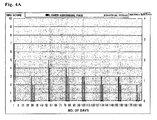
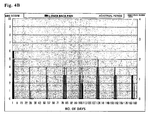
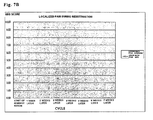
- FIGS. 4A and 4B indicate the results of evaluating lower abdominal pain and lower back pain during menstruation for Subject A.
- NRS scores for menstrual pain are plotted with a bar graph, while menstrual blood loss is plotted with a line graph.
- Based on the bar graph a trend of decrease in NRS scores with the number of days of administration of tranilast can be seen.
- Based on the line graph a trend of decrease in menstrual blood loss with the number of days of administration can also be seen.
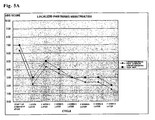
- FIGS. 5A and 5B show a bar graph in which the maximum values and average values of NRS scores for lower abdominal pain and lower back pain during each menstrual period obtained from the results of the evaluation of localized pain as described above are plotted for more ease of reading overall trends. Menstrual periods are plotted on the horizontal axis. In the case of Subject A, there were eight menstrual periods including that at the start of the study during the administration period of about six months.
- the term "average" in the graphs indicates a value obtained by dividing the total sum of the pain level for each menstrual period by the number of days on which pain was felt.
- maximum indicates a value of the day when the most intense pain was felt during each menstrual period.
- tranilast was determined to be useful as a prophylactic and/or therapeutic agent for dysmenorrhea and/or associated symptoms thereof
- Tranilast was orally administered to a Subject B suffering from dysmenorrhea to evaluate the preventive and/or therapeutic effects of tranilast on dysmenorrhea and/or associated symptoms thereof.
- Subject B was a 45-year-old married woman suffering from functional dysmenorrhea.
- FIGS. 6A and 6B show the results of evaluating lower abdominal pain and lower back pain during menstruation for Subject B.
- NRS scores for menstrual pain are plotted with a bar graph, while menstrual blood loss is plotted with a line graph.
- FIG. 6C indicates changes in menstrual blood loss and the duration of menstruation in Subject B. Menstrual blood loss and the duration of menstruation decreased significantly following the start of administration of tranilast (July 13, 2008), and symptoms of menorrhagia clearly improved.
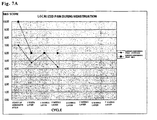
- FIGS. 7A and 7B show the results of plotting the maximum values and average values of NRS scores for lower abdominal pain and lower back pain during each menstrual period based on the results of the evaluation of localized pain shown in FIGS. 6A and 6B .
- Menstrual periods are plotted on the horizontal axis.
- Subject B there were four menstrual periods, including that at the start of the study, during the administration period of about six months. The degree of localized pain during menstruation was determined to decrease significantly after beginning administration of tranilast.
- Tranilast was orally administered to Subjects C, D, E, F and G suffering from dysmenorrhea to evaluate the preventive and/or therapeutic effects of tranilast on dysmenorrhea and/or associated symptoms thereof.
- Pain during menstruation was evaluated by the record made for each day by the patient according the 11 levels from level 0 indicating the absence of pain to level 10 indicating maximum pain in the same manner as Subjects A and B, using the NRS method.
- the average values and maximum values of NRS scores indicating the intensity of pain during each menstrual period were derived, and the values were compared between the menstrual period at the start of administration and the last menstrual period during the administration period as shown in graphs of FIGS. 8A and 9A .
- the degrees of decrease in average values and maximum values for menstrual pain during the last menstrual period relative to the first menstrual period at the start of administration were represented as improvement rates, and are shown in FIGS. 8B and 9B .
- each of the Subjects C, D, E, F and G, including Subjects A and B exhibited prominent decreases in pain during menstruation during the last menstrual period of the administration period due to the effect of tranilast, as compared with that during the menstrual period at the start of administration.
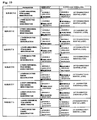
- Subjects A, C, D, E, F and G, but excluding Subject B underwent examinations at the facility conducting the clinical study at roughly one month intervals during the administration period, and were interviewed by a specialist in the department of gynecology. Interview findings before the start of administration and interview findings at the time of their final visit were compared and are shown in FIG. 10 .
- interview findings were obtained from Subjects A, C, D, E and F that indicated that menstrual pain diminished at the time of their final visit during the administration period as compared with before the start of administration, thereby further supporting the preventive and/or therapeutic effects of tranilast against dysmenorrhea and/or associated symptoms thereof.
- Subject C was a married woman in her thirties who had never been pregnant, never given birth and was suffering from organic dysmenorrhea.
- Subject D was a married woman in her early forties who had never been pregnant and never given birth and was suffering from organic dysmenorrhea.
- Subject E was a married woman in her late thirties who had been pregnant once and given birth once, and was suffering from organic dysmenorrhea.
- Subject F was a married woman in her late thirties who had been pregnant 4 times and given birth 3 times, and who was suffering from organic dysmenorrhea.
- Subject G was a married woman in her early forties who had been pregnant twice and given birth twice, and who was suffering from functional dysmenorrhea.
- Tranilast was orally administered to a Subject H suffering from dysmenorrhea to evaluate the preventive and/or therapeutic effects of tranilast on dysmenorrhea and/or associated symptoms thereof
- Subject H was a married woman in her thirties who had been pregnant three times and given birth twice, and who was suffering from organic dysmenorrhea.
- Tranilast was orally administered to a Subject I suffering from dysmenorrhea to evaluate the preventive and/or therapeutic effects of tranilast on dysmenorrhea and/or associated symptoms thereof
- Subject I was a single women in her thirties who had never been pregnant and never given birth, and who was suffering from organic dysmenorrhea.
- Observed symptoms include intense lower abdominal pain and lower back pain during menstruation as well as chronically intense lower abdominal pain and lower back pain when not menstruating.
- Subject I began taking 100 mg of tranilast daily by oral administration three times per day on May 14, 2010.
- the drug of the present invention is useful as a prophylactic and/or therapeutic agent for dysmenorrhea and/or associated symptoms thereof.
Landscapes
- Health & Medical Sciences (AREA)
- Chemical & Material Sciences (AREA)
- Veterinary Medicine (AREA)
- Pharmacology & Pharmacy (AREA)
- Public Health (AREA)
- General Health & Medical Sciences (AREA)
- Animal Behavior & Ethology (AREA)
- Life Sciences & Earth Sciences (AREA)
- Medicinal Chemistry (AREA)
- Chemical Kinetics & Catalysis (AREA)
- Organic Chemistry (AREA)
- Nuclear Medicine, Radiotherapy & Molecular Imaging (AREA)
- General Chemical & Material Sciences (AREA)
- Bioinformatics & Cheminformatics (AREA)
- Engineering & Computer Science (AREA)
- Epidemiology (AREA)
- Reproductive Health (AREA)
- Endocrinology (AREA)
- Pain & Pain Management (AREA)
- Biomedical Technology (AREA)
- Neurology (AREA)
- Neurosurgery (AREA)
- Diabetes (AREA)
- Gynecology & Obstetrics (AREA)
- Rheumatology (AREA)
- Psychiatry (AREA)
- Pregnancy & Childbirth (AREA)
- Hematology (AREA)
- Nutrition Science (AREA)
- Physiology (AREA)
- Inorganic Chemistry (AREA)
- Acyclic And Carbocyclic Compounds In Medicinal Compositions (AREA)
Description
- The present invention relates to a prophylactic and/or therapeutic agent for dysmenorrhea. More particularly, the present invention relates to a prophylactic and/or therapeutic agent for dysmenorrhea and/or associated symptoms thereof having as an active ingredient thereof tranilast, a derivative thereof or a salt thereof.
- Although 50% to 60% of women are said to experience some degree of pain associated with menstruation, intense menstrual pain requiring remaining in bed or recuperation and some form of medical accommodations is referred to as dysmenorrhea (Non-Patent Document 1). Dysmenorrhea is a syndrome extending from just before the start of menstruation through menstruation that mainly manifests itself with the primary complaints of lower abdominal pain and lower back pain, and is a gynecological disease that may be associated with various associated symptoms (including headache, menorrhagia and malaise).
- Dysmenorrhea is a disease that is classified as N94 in the International Classifications of Disease ICD 10 issued by the World Health Organization (WHO), and can further be classified into two types. These two types consist of functional (primary) dysmenorrhea (N94.4 in ICD10) and organic (secondary) dysmenorrhea (N94.5 in ICD10) (Non-Patent Document 2).
- Functional (primary) dysmenorrhea is not associated with an organic disease in the pelvis, and 90% or more of dysmenorrhea is functional (primary) dysmenorrhea. With respect to the mechanism of onset of functional (primary) dysmenorrhea, although various theories have been advocated regarding the cause thereof, such as hypercontraction of uterine muscle, uterine ischemia, overproduction of prostaglandin F2α, hormone imbalance, poor circulation or psychological factors, the cause has yet to be fully determined and has yet to be identified (Non-Patent Document 1). On the other hand, although organic (secondary) dysmenorrhea is a disease that occurs as one of associated symptoms in the case a well-defined disease is present in the pelvis, such as pelvic congestion syndrome, intrapelvic infection, intrapelvic inflammatory disease, cervical stenosis, uterine myoma, endometrioma, uterine adenomyosis or positional and morphological anomalies of the uterus, it does not necessary occur due to the presence of these organic diseases, and the cause as to why dysmenorrhea occurs in these cases is not fully understood.
- Since the lower abdominal pain and lower back pain during the onset of dysmenorrhea is extremely intense, many patients make accommodations by taking an analgesic for the purpose of temporary relief of that pain. Although examples of analgesics primarily include non-steroid anti-inflammatory drugs (NSAID) such as voltaren, ibuprofen or naproxen having cyclooxygenase inhibitory action, none of these have an action that specifically cures dysmenorrhea, but rather merely demonstrate effects in the form of symptomatic therapy that serves to temporarily alleviate pain associated with the disease (Non-Patent
Documents - With respect to the treatment of dysmenorrhea, since the mechanism of occurrence is not fully understood for both functional and organic dysmenorrhea, an effective therapeutic agent has yet to be found. Consequently, in the current clinical setting, treatment is provided by either interrupting or reducing menstruation in serious cases since symptoms of dysmenorrhea always occur in association with menstruation. More specifically, treatment consists of administration of gonadotropins that inhibit the menstrual cycle, hormone preparations that inhibit the production and secretion of sex hormones, decrease ovarian function and induce endometrial atrophy, or low-dose oral contraceptives (pill). Since menstruation is interrupted or menstrual bleeding is reduced as a result of taking these drugs, pain associated with menstruation is considerably improved.
- However, since hormone preparations and low-dose oral contraceptives do not treat the focus of dysmenorrhea, intense pain during menstruation frequently recurs when they are no longer taken and anovular menstruation resumes. Moreover, the presence of numerous adverse side effects is also a problem with respect to hormone preparations and low-dose oral contraceptives as well. For example, with respect to Lunabell tablets (tablets having the same ingredients and formulation as Ortho M-21 tablets that have been used as an oral contraceptive), adverse side effects have been reported to occur at a high rate of 87.9%. Primary examples of adverse side effects include abnormal genital bleeding (59.1%), nausea (26.3%), headache (16.2%), oligomenorrhea (14.6%), upper abdominal pain (8.6%), breast discomfort (8.1%) and menorrhagia (7.1%), while thrombosis and anaphylactic symptoms have also been reported as serious adverse side effects (Non-Patent Document 6). In addition, low-dose oral contraceptives have also been reported to increase the risk of the onset or exacerbation of estrogen-dependent malignant tumors (Non-Patent Document 6). Moreover, due to their inhibitory action on ovulation, they are unsuitable for use by women desiring to bear children since it is not possible to become pregnant while continuing to take these drugs (Non-Patent
Documents 6 and 7). - Tranilast is a drug that has been conventionally used for the treatment and/or prevention of mainly bronchial asthma and allergic rhinitis based on its action of inhibiting the release of chemical mediators. In addition, in addition to its inhibitory action on the release of chemical mediators, tranilast also has an action that inhibits collagen synthesis, and is known to have therapeutic effects against diseases involving excessive proliferation of vascular endothelial cells such as restenosis following PTCA, cardiac hypertrophy, atherosclerosis, angiogenesis inhibition, coronary hypertrophy following heart transplant, hypertensive arteriolopathy and heart failure (see
Patent Documents 1 to 8).W006/122353 -
- Patent Document 1: Japanese Patent Laid-open Publication No.
H5-163222 - Patent Document 2: Japanese Patent Laid-open Publication No.
H6-135829 - Patent Document 3: Japanese Patent Laid-open Publication No.
H7-277966 - Patent Document 4: Japanese Patent Laid-open Publication No.
H9-227371 - Patent Document 5:
WO 97/29744 - Patent Document 6:
WO 01/05394 - Patent Document 7:
WO 01/13911 - Patent Document 8:
WO 01/13952 -
- Non-Patent Document 1: Modem Physician, Vol. 29, No. 3, p. 399, 2009
- Non-Patent Document 2: International Statistical Classification of Diseases and Related Health Problems, 10th Revision Version for 2007, Chapter XIV: Diseases of the Genitourinary System
- Non-Patent Document 3: Voltaren Tablets, Interview Form, Revised June 2005 Edition (Revised 9th Edition), p. 11
- Non-Patent Document 4: Ibuprofen Tablets/Ibuprofen Powder, Interview Form, Revised January 2010 Edition (13th Edition)
- Non-Patent Document 5: Naproxen Tablets/Naproxen Capsules, Interview Form, Revised October 2009 Edition (11th Edition)
- Non-Patent Document 6: Lunabell, Interview Form, Revised January 2010 Edition (New Form 4th Edition), p. 30, 31, 9
- Non-Patent Document 7: Nuttall I.D., et al., Contraception, 1982; 25: 463-469
- An object of the present invention is to provide a prophylactic and/or therapeutic agent for dysmenorrhea and/or associated symptoms thereof
- Based on the approach that some form of abnormality is present in the endometrial tissue of patients with respect to determining the mechanism of occurrence of dysmenorrhea, the inventors of the present invention conducted detailed examinations of specimen tissues of dysmenorrhea patients using immunohistochemical techniques. As a result, it was found that an abnormality is observed in changes in the morphology of the endometrial tissue of dysmenorrhea patients. Namely, although the endometrial epithelial tissue of healthy subjects (non-dysmenorrhea subjects) inherently undergoes a change from a mesenchymal form to an epithelial form during a transition period from a low basal temperature phase to a high-temperature phase prior to ovulation, in dysmenorrhea patients, findings were obtained indicating that this morphological change is delayed, with a prominent mesenchymal form continuing to be maintained even after entering the high-temperature phase (Example A). Since abnormalities of this morphological change in endometrial epithelial tissue in these patients are suggested to be related to disease, the inventors of the present invention further conducted a search for drugs that normalize this morphological change, or in other words, cause endometrial epithelial tissue to change from a mesenchymal form to an epithelial form. As a result, it was newly discovered that tranilast has an action that induces the mesenchymal form of endometrial epithelial cells to the epithelial form (Examples B1 and B2).
- Although these results suggest that tranilast is effective for the treatment of dysmenorrhea, at the time of the demonstration thereof, since 1) menstruation per se is a physiological phenomenon that is only observed in certain primates (Journal of Mammalian Ova Research, Vol. 23, p. 163, 2006), thereby making model evaluation difficult due to the absence of animal models such as rodent models, the use of which has been recognized in this field, including related diseases, and 2) tranilast is a drug that is already applied clinically for other diseases and for which the safety thereof has been verified, the effects thereof were demonstrated by obtaining the approval of the ethics committee at a clinical institution along with the informed consent of patients, and then administering tranilast to multiple actual dysmenorrhea patients for a predetermined period of time. As a result, tranilast was confirmed to clearly demonstrate ameliorative effects on dysmenorrhea in both patients presenting with functional (primary) dysmenorrhea and organic (secondary) dysmenorrhea following administration thereof.
- On the basis of these results, the inventors of the present invention found that tranilast is effective as a prophylactic and/or therapeutic agent for dysmenorrhea and/or associated symptoms thereof, thereby leading to completion of the present invention.
- Namely, the following are provided by the present invention.
- (1) A pharmaceutical composition for use in the prevention and/or treatment of dysmenorrhea comprising, as an active ingredient thereof, tranilast, a derivative thereof represented by the general formula
wherein, R1 and R2 respectively represent a hydrogen atom of alkyl group having 1 to 4 carbon atoms, R3 and R4 respectively represent a hydrogen atom or both form a chemical
- (3) The pharmaceutical composition described in (1) or (2) above, which is a pharmaceutical composition for the prevention and/or treatment of functional (primary) dysmenorrhea.
- (4) The pharmaceutical composition described in (1) or (2) above, which is a pharmaceutical composition for the prevention and/or treatment of organic (secondary) dysmenorrhea
- (5) The pharmaceutical composition for use in prevention and/or treatment of dysmenorrhea that is characterised by a delayed transition of an endometrial epithelial tissue from a mesenchymal form to an epithelial form by inducing a transition of an endometrial epithelial cell from a mesenchymal form to an epithelial form, comprising, as an active ingredient, tranilast, a derivative thereof represented by the general formula

- (6) Tranilast, or a derivative thereof represented by the general formula

- (7) . Use of tranilast, a derivative thereof represented by the general formula

- (9) Also described herein is a method for the prevention and/or treatment of dysmenorrhea and/or associated symptoms thereof, comprising daily administration of 50 mg to 1000 mg per day of tranilast, a derivative thereof or a salt thereof by oral administration three times a day to a patient in need thereof.
- The tranilast, derivative thereof as described herein or salt thereof of the present invention is able to alleviate dysmenorrhea and/or associated symptoms thereof, and can therefore be used as a prophylactic and/or therapeutic agent for dysmenorrhea and/or associated symptoms thereof. In addition, administration of tranilast, a derivative thereof or a salt thereof allows the obtaining of adequate effects even if administered alone, without causing adverse side effects observed accompanying administration of conventional analgesics, herbal medicines and low-dose oral contraceptives, while also being effective when combined with these existing therapeutic agents such as low-dose oral contraceptives or hormone preparations. In addition, as the condition of a patient continues to improve as a result of taking tranilast, a derivative thereof or a salt thereof, the dosage of analgesics taken concomitantly as needed can be reduced considerably.
-
-
FIG. 1(a) is a drawing showing phase contrast micrographs of endometrial epithelial tissue sections in a low-temperature phase.FIG 1(b) is a drawing showing phase contrast micrographs of endometrial epithelial tissue sections in a transition period to a high-temperature phase. The morphological change to an epithelial form was found to be delayed in dysmenorrhea patients, while instead exhibiting a mesenchymal form. -
FIG. 2(a) shows the morphology of cultured cells prior to addition of tranilast after having allowed 48 hours to elapse from the time of addition of TGFβ2 and TNFα. The cells demonstrated a mesenchymal form, acquired motility, secreted an intercellular matrix and formed foci as a result of addition of TGFβ2 and TNFα.FIG. 2(b) shows the morphology of cultured cells 96 hours after the addition of tranilast inFIG. 2(a) . The formed foci were alleviated and the cells exhibited an epithelial form due to addition of tranilast. -
FIG. 3 shows the results of analyzing by western blotting changes in expression levels of the intercellular matrix molecule, fibronectin (FN) and the adhesive molecule, N-cadherin, for which increased expression is observed in mesenchymal cells, during culturing of a cell line (EM-E6/E7/hTERT cells) derived from endometrial epithelium following addition of TGFβ2, TNFα and tranilast with both TGFβ2 and TNFα. -
FIG. 4A is a graph showing the alleviating effects of tranilast on lower abdominal pain associated with dysmenorrhea during menstruation obtained from a clinical study of tranilast administration conducted on a subject A. -
FIG. 4B is a graph showing the alleviating effects of tranilast on lower back pain associated with dysmenorrhea during menstruation obtained from a clinical study of tranilast administration conducted on a subject A. -
FIG. 5A is a graph showing the alleviating effects of tranilast on lower abdominal pain
associated with dysmenorrhea during menstruation in a subject A similar to the results shown inFIG. 4A . -
FIG. 5B is a graph showing the alleviating effects of tranilast on lower back pain associated with dysmenorrhea during menstruation in a subject A similar to the results shown inFIG. 4B . -
FIG. 6A is a graph showing the alleviating effects of tranilast on lower abdominal pain associated with dysmenorrhea during menstruation obtained from a clinical study of tranilast administration conducted on a subject B. -
FIG. 6B is graph showing the alleviating effects of tranilast on lower back pain associated with dysmenorrhea during menstruation obtained from a clinical study of tranilast administration conducted on a subject B. -
FIG. 6C is a graph showing the relationship between menstrual blood loss and the duration of menstruation during each menstrual period following commencement of administration of tranilast in a subject B. -
FIG. 7A is a graph showing the alleviating effects of tranilast on lower abdominal pain associated with dysmenorrhea during menstruation in a subject B similar to the results shown inFIG. 6A . -
FIG. 7B is a graph showing the alleviating effects oftranilast on lower back pain associated with dysmenorrhea during menstruation in a subject B similar to the results shown inFIG. 6B . -
FIG. 8A is a bar graph showing the alleviating effects of tranilast on lower abdominal pain and lower back pain associated with dysmenorrhea during menstruation obtained from a clinical study of tranilast administration conducted on subjects A, B, C, D, E, F and G. Average values of pain scores during the menstrual period at the start of administration in each subject are shown on the left side of the graph, while average values of pain scores during the final menstrual period during the administration period are shown on the right side of the graph. NRS scores representing pain intensity are plotted on the vertical axis, and a higher bar indicates greater intensity of pain. -
FIG. 8B is a table indicating degrees of improvement in the average values of pain scores of the final menstrual period during the administration period from the average values of pain scores during the menstrual period at the start of administration as shown inFIG. 8A . "Pain score improvement rate" was calculated with the formula {1-(NRS score during final menstrual period/NRS score during menstrual period at start of administration)} x 100, and a larger value for pain score improvement rate indicates a higher degree of pain relief. -
FIG. 9A is a bar graph showing the alleviating effects of tranilast on lower abdominal pain and lower back pain associated with dysmenorrhea in the same manner asFIG. 8A . The maximum values of pain scores during the menstrual period at the start of administration for each subject are shown on the left side of the graph, while the maximum values of pain scores during the final menstrual period during the administration period are shown on the right side of the graph. NRS scores representing pain intensity are plotted on the vertical axis, and a higher bar indicates greater intensity of pain. -
FIG. 9B is a table indicating degrees of improvement in the maximum values of pain scores of the final menstrual period during the administration period from the maximum values of pain scores during the menstrual period at the start of administration as shown inFIG. 9A . A larger value for "pain score improvement rate" indicates a higher degree of pain relief. -
FIG. 10 is a table indicating findings obtained through interviews conducted by a gynecological specialist on subjects A, C, D, E, F and G. Furthermore, interview findings were not obtained from subject B since she was unable to regularly undergo a gynecological examination. The table shows interview findings pertaining to lower abdominal pain and lower back pain during menstruation obtained by a physician prior to the start of administration, and interview findings obtained in the same way by the physician at the time of the final visit during the administration period. "Bedridden" indicates that the patient was forced to lie down due to excessively intense pain despite having taken an analgesic, "analgesic" indicates that although the patient experienced pain, she was able to carry out daily activities by taking an analgesic, "bearable" indicates that although the patient experienced pain, the degree of pain was bearable and not require the use of an analgesic, and "--" indicates that there was no pain whatsoever or only slight pain was felt. -
FIG. 11 is a table indicating findings obtained through interviews conducted by a gynecological specialist on a subject H in the same manner as in the case ofFIG. 10 . - The present invention, in an embodiment thereof, provides a pharmaceutical composition (or drug) for the prevention and/or treatment of dysmenorrhea and/or associated symptoms thereof, comprising as an active ingredient thereof tranilast, a derivative thereof as defined herein or a salt thereof. The pharmaceutical composition (or drug) of the present invention further contains a pharmaceutically acceptable carrier.
- As used herein, "dysmenorrhea" refers to, among the symptoms associated with pain of a peripheral site centering on the pelvis, such as lower abdominal pain or lower back pain, occurring immediately before, during or immediately after menstruation, those that are associated with intense pain and require medical actions (namely, medical treatment). In addition, dysmenorrhea is classified as N94 according to the International Classifications of Disease ICD10, and is further classified as functional (primary) dysmenorrhea (N94.4) and organic (secondary) dysmenorrhea (N94.5).
- In the present specification, "associated symptoms of dysmenorrhea" refer to various concomitant symptoms (such as headache, malaise or menorrhagia) that manifest in patients accompanying dysmenorrhea.
- In the present specification, "prevention and/or treatment of dysmenorrhea and/or associated symptoms thereof" refers to the prevention and/or treatment of dysmenorrhea and/or the prevention and/or treatment of concomitant symptoms accompanying dysmenorrhea. "Treatment" includes not only radical treatment but also cases in which a patient's condition improves as compared with that prior to treatment even though the treatment may not be a radical treatment (or in other words, "improvement of symptoms"). "Prevention" includes not only the performing of preventive measures in the case a disease is expected to occur in advance, but also measures performed on an individual in order to prevent recurrence of a disease that has previously been cured.
- "Tranilast" (chemical name: N-(3,4-dimethoxycinnamoyl) anthranilic acid) is a compound having a molecular weight of 327.33 (C18H17NO5) represented by the following structural formula:

- Although the pharmaceutical composition of the present invention contains tranilast as an active ingredient thereof, that active ingredient is not limited to tranilast per se, but rather may also be a salt of tranilast, a derivative of tranilast as defined herein or a salt of a derivative of tranilast having activity equal to that of tranilast.
- "Activity equal to that of tranilast" includes activity that demonstrates a preventive and/or therapeutic effect (e.g., reduction of pain) against dysmenorrhea and/or associated symptoms thereof as indicated in examples of the present specification (an example of such an activity is an action that promotes a morphological change in cells from a mesenchymal form to an epithelial form). This preventive and/or therapeutic effect can be easily evaluated by a person with ordinary skill in the art in accordance with procedures indicated in examples of the specification of the present application. In addition, the action of promoting a morphological change in cells from a mesenchymal form to an epithelial form can be easily confirmed by a person with ordinary skill in the art by microscopically observing morphological changes in cells during addition of a target compound to cultured cells as described in examples of the present specification.
- Examples of "derivatives of tranilast" include various tranilast derivatives described in Japanese Patent Application Laid-open No.
S49-93335 U.S. Patent No. 3940422 (Specification) andWO 01/25190 A1 
- The phrase "pharmaceutically acceptable" is used in the present specification to indicate a compound, material, composition and/or drug form that has a rational benefit/risk ratio within the range of an ordinary medical evaluation, does not exhibit excessive toxicity, irritation, allergic reactions or other problems or complications, and is suitable for use by allowing to contact human and animal tissue.
- Tranilast, a derivative thereof as defined herein or a salt thereof can be used as a prophylactic agent and/or therapeutic agent for dysmenorrhea and/or associated symptoms thereof.
- The prophylactic and/or therapeutic agent for dysmenorrhea and/or associated symptoms thereof used in the present invention can be produced by mixing tranilast, a derivative thereof as defined herein or a salt thereof with a commonly used preparation carrier.
- The preparation carrier may be used by suitably combining with tranilast depending on the mode of administration. Examples of such a preparation carrier include vehicles such as lactose, lubricants such as magnesium stearate, disintegrating agents such as carboxy methyl cellulose, binders such as hydroxypropyl methyl cellulose, surfactants such as Macrogol, effervescent agents such as sodium bicarbonate, dissolving assistants such as cyclodextrin, souring agents such as citric acid, stabilizers such as sodium edetate and pH adjusters such as phosphates.
- For administration of tranilast, derivative thereof of salt thereof used in the present invention together with another concomitant agent, an internally taken solid preparation or an internally taken liquid preparation for oral administration can be used, or an injection preparation, externally applied preparation, suppository, eye drops or inhalant and the like for parenteral administration can be used.
- Examples of internally taken solid preparations for oral administration include tablets, pills, capsules, powders and granules. Capsules include hard capsules and soft capsules. In addition, tablets include sublingual tablets, buccal tablets and rapidly disintegrating buccal tablets.
- In such internally taken solid preparations, one or more active substances are either used as or are formulated in accordance with ordinary methods by mixing with a vehicle (such as lactose, mannitol, glucose, microcrystalline cellulose or starch), binder (such as hydroxypropyl cellulose, polyvinylpyrrolidone or magnesium aluminate metasilicate), disintegrating agent (such as fibrin calcium glycolate), lubricant (such as magnesium stearate), stabilizer or dissolving assistant (such as glutamic acid or aspartic acid). In addition, as necessary, internally taken solid preparations may also be coated with a coating agent (such as saccharose, gelatin, hydroxypropyl cellulose or hydroxypropyl methyl cellulose phthalate), or may be coated with two or more layers thereof. Moreover, capsules made of absorbable substances in the manner of gelatin are also included.
- The sublingual tablets, buccal tablets and rapidly disintegrating buccal tablets used in the present invention are produced and prepared in compliance with known methods.
- Examples of internally taken liquids for oral administration include pharmaceutically acceptable aqueous solutions, suspensions, emulsions, syrups and elixirs. In these liquid agents, one or more active substances are dissolved, suspended or emulsified in a commonly used diluent (such as purified water, ethanol or a mixed liquid thereof). Moreover, these liquid agents may contain a wetting agent, suspending agent, emulsifier, sweetener, flavoring agent, aromatic, preservative or buffer and the like.
- Examples of drug forms of externally applied preparations for parenteral administration include ointments, gels, creams, poultices, patches, liniments, aerosols, inhalants, sprays, eye drops and nose drops. These contain one or more active substances and are produced and prepared according to known methods or normally used formulations.
- Examples of injection preparations for parenteral administration include solid injection preparations used in the form dissolved or suspended in a solution, suspension, emulsion or a solvent before use. Injection preparations are used in the form dissolved, suspended or emulsified with one or more active substances in a solvent. Examples of solvents used include distilled water for injection, physiological saline, vegetable oil, alcohols such as propylene glycol, polyethylene glycol or ethanol, and combinations thereof. Moreover, these injection preparations may also contain a stabilizer, dissolving assistant (such as glutamic acid, aspartic acid or Polysorbate 80®), suspending agent, emulsifier, analgesic, buffer or preservative and the like. These injection preparations are produced and prepared by an aseptic or sterile procedure in the final step. In addition, these injection preparations can also be produced in a sterile solid preparation such as a freeze-dried preparation, and then dissolved in sterilized or sterile distilled water for injection or other solvent prior to use.
- Examples of other compositions for parenteral administration those containing one or more active substances such as suppositories for intrarectal administration or pessaries for intravaginal administration formulated according to ordinary methods.
- A chemical mediator release inhibitor contained in the above-mentioned preparations is suitably determined and prepared in each drug. In the case of tranilast, for example, it is contained within the range of 50 mg to 1000 mg, preferably within the range of 100 mg to 1000 mg and most preferably within the range of 100 mg to 500 mg per day for oral administration to adults, or within the range of 10 mg to 1000 mg, preferably within the range of 30 mg to 500 mg and most preferably within the range of 50 mg to 400 mg per day for parenteral administration to adults. Naturally, since dosage varies according to various conditions, the chemical mediator release inhibitor may be adequate at dosages lower than the above-mentioned dosages or may be required to be administered at a dosage that exceeds the above-mentioned ranges.
- Although tranilast, a derivative thereof or a salt thereof may be administered by itself to demonstrate its meritorious effects, by administering together with a known analgesic, herbal medicine or low-dose oral contraceptive, the dosage of the analgesic, herbal medicine or low-dose oral contraceptive can be reduced considerably.
- Although the following provides a more detailed explanation of the present invention based on examples thereof, the present invention is not limited to these examples.
- Paraffin was removed from paraffin sections of endometrial epithelial tissue of non-dysmenorrhea patients and dysmenorrhea patients followed by subjecting to hydrophilic treatment with ethanol and activation treatment by subjecting to two rounds of heat treatment with citrate buffer (pH 6.0) for 5 minutes each. Subsequently, after blocking for 20 minutes at room temperature using 3% BSA/PBS, primary antibodies consisting of E-cadherin antibody (Monoclonal Mouse Anti-Human E-cadherin Clone NCH-38, Dako) and anti-vimentin antibody (Monoclonal Mouse Anti-Vimentin Clone V9, Dako) were both allowed to react after diluting 200-fold with 1.5% BSA/PBS.
- After incubating for 1 day at 4°C, mouse secondary antibody (M.O.M. Biotinylated Anti-Mouse Ig-G Reagent, Vector) was allowed to react for 30 minutes at room temperature after diluting 200-fold with 1.5% BSA/PBS followed by staining with DAB (ImmPACT DAB, Vector). The stained samples were subjected to dehydration treatment followed by sealing and then photographed using a phase contrast microscope (Olympus BX51).
-
FIG. 1 shows phase contrast micrographs of endometrial epithelial tissue sections in a low-temperature phase (a) and a high-temperature phase transition period (b) as captured in the manner described above. Although the endometrial tissue exhibiting a mesenchymal form in the low-temperature phase converts to an epithelial form during a transition period to a high-temperature phase in normal subjects, in dysmenorrhea patients, the morphological change to the epithelial form was found to be delayed and the endometrial tissue maintained a mesenchymal form. - Immortalized human retinal pigment epithelial cell line ARPE-19 (ATCC No.: CRL-2302) was disseminated into a 96-well glass plate (EZView Culture Plate, LB Cover Glass Bottom, 96 wells, Iwaki) at 1 × 10⁴ cells/well followed by culturing at 37°C in a 5% CO2 environment. After 5 days, 150 µl aliquots each of DMEM-F12 (serum-free, Sigma-Aldrich) medium supplemented by 5 ng/ml of TGFβ2 and 100 ng/ml of TNFα were prepared and used to replace the original medium in the wells and cultured at 37°C in a 5% CO2 environment.
- After 48 hours, the plate was removed from the incubator followed by the addition of tranilast (1 µg/ml) and culturing at 37°C in a 5% CO2 environment. After 96 hours, the plate was washed with PBS and the cells were fixed for 30 minutes with 4% paraformaldehyde (Wako), and after washing with PBS, were stained for 1 hour with F-actin (Alexa Fluor 568 Phalloidin, Invitrogen) and nuclei (Hoechst 33342, Invitrogen) followed by washing with PBS and then immediately photographing using a fluorescence microscope (Keyence) at a magnification factor of 40X.
-
FIG. 2(a) shows morphology of cultured cells at 48 hours after addition of TGFβ2 and TNFα but prior to addition of tranilast.FIG. 2(b) shows subsequent morphology of cultured cells at 96 hours after the addition of tranilast. Although the cells demonstrated a mesenchymal form, acquired motility, secreted an intercellular matrix and formed foci following addition of TGFβ2 and TNFα (FIG. 2(a) ), the formed foci were found to be alleviated and the cells exhibited an epithelial form as a result of addition of tranilast (FIG. 2(b) ). - Cell line EM-E6/E7/hTERT cells (EM) derived from endometrial epithelium were disseminated in a 6-well glass plate (EZView Culture Plate, LB Cover Glass Bottom, 6 wells, Iwaki) at 1 × 10⁵ cells/well, followed by culturing for 2 days at 37°C in an environment having a carbon dioxide concentration of 5% in DMEM/F12 medium and in the presence of 10% serum, and then culturing for 3 days after replacing the medium with serum-free DMEM/F12 medium.
- Subsequently, tranilast (320 µM, 80 µM, 20 µM) was added to medium containing TGFβ2 at 5 ng/ml, TNFα at 100 ng/ml or both followed by replacing the medium. Protein was recovered 48 hours after having replaced the medium with the medium containing TGFβ2 or TNFα, and expression levels of fibronectin and N-cadherin were compared by western blotting.
- Anti-fibronectin antibody (clone ID: F14, Epitomics) and anti-N-cadherin antibody (clone ID: 32/N-cadherin, BD Transduction Laboratories) were used for the antibodies.
-
FIG. 3 shows the results of analyzing by western blotting as described above. - On the basis of
FIG. 3 , it was determined that, although increases in fibronectin and N-cadherin, which is one of the characteristics of mesenchymal cells, were observed due to addition of TGFβ2 or TNFα (and the cells retained their mesenchymal form), the addition of tranilast inhibited the expression of these molecules (and the cells retained epithelial properties). - Tranilast was orally administered to a Subject A suffering from dysmenorrhea to evaluate the preventive and/or therapeutic effects of tranilast on dysmenorrhea and/or associated symptoms thereof.
- Subject A was an unmarried woman in her late thirties suffering from organic dysmenorrhea.
- Observed symptoms included intense lower abdominal pain and lower back pain during menstruation, and the patient had been taking low-dose oral contraceptive Ortho M-21 tablets, and loxoprofen, loxonin and etodolac, which are NSAIDs, since July 2005 until just prior to the study
- Subject A was given 100 mg of tranilast three times a day by oral administration (300 mg per day, divided three times daily) daily for about six months starting on September 1, 2008.
- Menstrual pain was measured according to a numerical rating scale (NRS). In the NRS, the patient was asked to evaluate and record the degree of pain by herself by judging the degree of pain according to 11 levels ranging from
level 0 indicating the absence of pain tolevel 10 indicating maximum pain. Menstrual blood loss was evaluated according to 5 levels ranging fromlevel 0 indicating the absence of blood loss up tolevel 4 as blood loss increased. -
FIGS. 4A and4B indicate the results of evaluating lower abdominal pain and lower back pain during menstruation for Subject A. NRS scores for menstrual pain are plotted with a bar graph, while menstrual blood loss is plotted with a line graph. The number of days of administration (= evaluation period) is plotted on the horizontal axis, and covers a period of about six months from the start to completion of administration. Based on the bar graph, a trend of decrease in NRS scores with the number of days of administration of tranilast can be seen. Based on the line graph, a trend of decrease in menstrual blood loss with the number of days of administration can also be seen. -
FIGS. 5A and5B show a bar graph in which the maximum values and average values of NRS scores for lower abdominal pain and lower back pain during each menstrual period obtained from the results of the evaluation of localized pain as described above are plotted for more ease of reading overall trends. Menstrual periods are plotted on the horizontal axis. In the case of Subject A, there were eight menstrual periods including that at the start of the study during the administration period of about six months. - The term "average" in the graphs indicates a value obtained by dividing the total sum of the pain level for each menstrual period by the number of days on which pain was felt.
- The term "max" indicates a value of the day when the most intense pain was felt during each menstrual period.
- On the basis of the above results, effects of alleviating lower abdominal pain and lower back pain were observed as a result of taking tranilast, and tranilast was determined to be useful as a prophylactic and/or therapeutic agent for dysmenorrhea and/or associated symptoms thereof
- Tranilast was orally administered to a Subject B suffering from dysmenorrhea to evaluate the preventive and/or therapeutic effects of tranilast on dysmenorrhea and/or associated symptoms thereof.
- Background information on Subject B is as indicated below.
- Subject B was a 45-year-old married woman suffering from functional dysmenorrhea.
-
- * Examined at a department of internal medicine in October 2006 and diagnosed with diabetes
- * Instructed to lose weight through dietary therapy and exercise therapy
- * Diabetes medication not prescribed, and examined once every two months (blood test) [Menstrual Symptoms Before Started Taking Tranilast]
- * Tended to continue to exhibit menstrual irregularity.
- * Prolonged bleeding starting in March 2008, and accompanied by intense menstrual pain starting in April.
- * Had hardly ever taken an analgesic for menstrual pain prior to the study.
- * Examined and underwent testing at a department of gynecology on March 11, and recommended to undergo hormone therapy.
- * Examined on March 19. Underwent cancer examination and no abnormalities observed. Although recommended to undergo hormone therapy, since patient was unwilling to do so because of her previous experience of adverse side effects, decided to continue to monitor patient's progress.
- * Although took voltaren due to intense pain accompanying menstruation starting in April, caused gastric discomfort and made the patient feel poorly.
-
- * Voltaren SR: 37.5 mg (taken when necessary for pain relief)
- * Adona (taken three times per day as hemostatic agent from April 8 to April 21, 2008)
- * Tsumura 25: Keishibukuryogan (taken three times per day starting on April 15, 2008 for treatment of menorrhagia).
-
- * Began oral administration of 100 mg of tranilast once per day (100 mg/day) starting on July 13.
- * Although less menstrual pain during August menstrual period, menstrual blood loss remained high.
- * Increased dosage of oral administration of 100 mg of tranilast to twice per day (200 mg/day, divided twice daily) starting on August 5.
- * Reduction of both pain and blood loss during September menstrual period.
- * Dosage of oral administration of 100 mg of tranilast returned to once per day (100 mg/day) starting on October 29.
- * Patient sensed both reduced pain and blood loss in December and tranilast determined to be effective.
- * There were no adverse side effects from taking tranilast.
-
FIGS. 6A and 6B show the results of evaluating lower abdominal pain and lower back pain during menstruation for Subject B. NRS scores for menstrual pain are plotted with a bar graph, while menstrual blood loss is plotted with a line graph. The number of days of administration (= evaluation period) is plotted on the horizontal axis, and covers a period of about six months from the start to completion of administration. Based on both the bar graph and the line graph, pain and blood loss can be seen to clearly decrease following the start of administration of tranilast. -
FIG. 6C indicates changes in menstrual blood loss and the duration of menstruation in Subject B. Menstrual blood loss and the duration of menstruation decreased significantly following the start of administration of tranilast (July 13, 2008), and symptoms of menorrhagia clearly improved. -
FIGS. 7A and7B show the results of plotting the maximum values and average values of NRS scores for lower abdominal pain and lower back pain during each menstrual period based on the results of the evaluation of localized pain shown inFIGS. 6A and 6B . Menstrual periods are plotted on the horizontal axis. In the case of Subject B, there were four menstrual periods, including that at the start of the study, during the administration period of about six months. The degree of localized pain during menstruation was determined to decrease significantly after beginning administration of tranilast. - Tranilast was orally administered to Subjects C, D, E, F and G suffering from dysmenorrhea to evaluate the preventive and/or therapeutic effects of tranilast on dysmenorrhea and/or associated symptoms thereof.
- Pain during menstruation was evaluated by the record made for each day by the patient according the 11 levels from
level 0 indicating the absence of pain tolevel 10 indicating maximum pain in the same manner as Subjects A and B, using the NRS method. - The average values and maximum values of NRS scores indicating the intensity of pain during each menstrual period were derived, and the values were compared between the menstrual period at the start of administration and the last menstrual period during the administration period as shown in graphs of
FIGS. 8A and9A . In addition, the degrees of decrease in average values and maximum values for menstrual pain during the last menstrual period relative to the first menstrual period at the start of administration were represented as improvement rates, and are shown inFIGS. 8B and9B . - As shown in
FIGS. 8A and 8B andFIGS. 9A and 9B , each of the Subjects C, D, E, F and G, including Subjects A and B, exhibited prominent decreases in pain during menstruation during the last menstrual period of the administration period due to the effect of tranilast, as compared with that during the menstrual period at the start of administration. - Moreover, Subjects A, C, D, E, F and G, but excluding Subject B, underwent examinations at the facility conducting the clinical study at roughly one month intervals during the administration period, and were interviewed by a specialist in the department of gynecology. Interview findings before the start of administration and interview findings at the time of their final visit were compared and are shown in
FIG. 10 . - As shown in
FIG. 10 , interview findings were obtained from Subjects A, C, D, E and F that indicated that menstrual pain diminished at the time of their final visit during the administration period as compared with before the start of administration, thereby further supporting the preventive and/or therapeutic effects of tranilast against dysmenorrhea and/or associated symptoms thereof. - Furthermore, the backgrounds of Subjects C, D, E, F and G are as indicated below.
- Subject C was a married woman in her thirties who had never been pregnant, never given birth and was suffering from organic dysmenorrhea.
- Observed symptoms included intense lower abdominal pain, lower back pain and nausea during menstruation, and although she had been taking loxonin immediately prior to menstruation and about 4 to 5 voltaren tablets after the start of menstruation, she still had to be bedridden because of intolerable pain and to take off from work.
- She began taking 100 mg of tranilast daily by oral administration three times a day on September 20, 2008. She continued to take this daily for about 6 months until March 21, 2009.
- Subject D was a married woman in her early forties who had never been pregnant and never given birth and was suffering from organic dysmenorrhea.
- Observed symptoms included intense lower abdominal pain and lower back pain during menstruation, and although she had been taking voltaren during menstruation, she continued to suffer from intense pain.
- She began taking 100 mg of tranilast daily by oral administration three times per day on November 18, 2008. She continued to take this daily for about six months until May 18, 2009.
- Subject E was a married woman in her late thirties who had been pregnant once and given birth once, and was suffering from organic dysmenorrhea.
- Observed symptoms included intense lower abdominal pain and lower back pain during menstruation, and she had been taking the low-dose oral contraceptive, Ortho M-21 tablets, since August 2007 until just prior to the study
- She began taking 100 mg of tranilast daily by oral administration three times per day on October 17, 2008. She continued to take this daily for about six months until April 29, 2009.
- Subject F was a married woman in her late thirties who had been pregnant 4 times and given
birth 3 times, and who was suffering from organic dysmenorrhea. - Observed symptoms included intense lower abdominal pain and lower back pain during menstruation, and the pain was so intense that she was forced to take an analgesic every 4 to 5 hours.
- She began taking 100 mg of tranilast daily by oral administration three times per day on April 9, 2009. She continued to take this daily for about six months until October 7, 2009.
- Subject G was a married woman in her early forties who had been pregnant twice and given birth twice, and who was suffering from functional dysmenorrhea.
- Observed symptoms included intense lower abdominal pain and lower back pain during menstruation. Since she was unable to endure the pain by taking over-the-counter analgesics, she was examined by a gynecologist, and thereafter although she had been taking prescription medicine, voltaren, she continued to suffer from continuing pain as well as adverse side effects.
- She began taking 100 mg of tranilast daily by oral administration three times per day on May 14, 2009. She continued to take this daily for about seven months until December 20, 2009.
- Tranilast was orally administered to a Subject H suffering from dysmenorrhea to evaluate the preventive and/or therapeutic effects of tranilast on dysmenorrhea and/or associated symptoms thereof
- Subject H was a married woman in her thirties who had been pregnant three times and given birth twice, and who was suffering from organic dysmenorrhea.
- Observed symptoms included intense lower abdominal pain and lower back pain during menstruation as well as chronically intense lower abdominal pain and lower back pain when not menstruating. Although she had been taking four tablets of loxonin per day for pain relief during menstruation in April 2010, since she continued to experience pain, she was examined as an out-patient by a gynecologist.
- She began taking 100 mg of tranilast daily by oral administration three times per day on April 21, 2010.
- Pain diminished and she no longer need to take an analgesic at the time of her menstrual period roughly one month after beginning administration of tranilast. She was again examined as an out-patient by a gynecologist on May 28, 2010. A table comparing interview findings obtained by the gynecological specialist at that time with the interview findings obtained in the same way prior to beginning administration of tranilast are shown in
FIG 11 . - Tranilast was orally administered to a Subject I suffering from dysmenorrhea to evaluate the preventive and/or therapeutic effects of tranilast on dysmenorrhea and/or associated symptoms thereof
- Subject I was a single women in her thirties who had never been pregnant and never given birth, and who was suffering from organic dysmenorrhea.
- Observed symptoms include intense lower abdominal pain and lower back pain during menstruation as well as chronically intense lower abdominal pain and lower back pain when not menstruating.
- The past history of Subject I was as indicated below.
- * Underwent surgery for excision of an ovarian lesion in 2003. Administered nasanyl, a GnRH analog, following surgery.
- * Began administration of suprecur, also a GnRH analog, in April 2009.
- Administration discontinued four months later due to increased γGTP levels.
- * Administration of suprecur resumed in February 2010. Administration subsequently discontinued due to appearance of low estrogen symptoms.
- * Began administration of the progesterone preparation, dienogest, on March 18, 2010.
- Administration subsequently discontinued on April 27 due to persistent abnormal genital bleeding starting on April 7.
- Subject I began taking 100 mg of tranilast daily by oral administration three times per day on May 14, 2010.
- Although Subject I was in extreme pain, was barely able to go to work (she could barely get out of bed), and there were multiple days when she needed to take four analgesic tablets per day prior to the start of administration of tranilast, the pain diminished and improved to the extent that she only needed to take one tablet of analgesic per day for 3 days at the time of her first menstrual period after beginning administration of tranilast. She was subsequently examined as an out-patient by a gynecologist on June 4, 2010. At that time, interview findings were obtained from Subject I that indicated that, since she is unable to take off from work due to the nature of her job, she was pleased that the menstrual pain during menstruation as well as chronic pelvic pain that she had experienced when not menstruating had diminished and no longer interfered with her job.
- The drug of the present invention is useful as a prophylactic and/or therapeutic agent for dysmenorrhea and/or associated symptoms thereof.
Claims (6)
- A pharmaceutical composition for use in the prevention and/or treatment of dysmenorrhea comprising, as an active ingredient thereof, tranilast, a derivative thereof represented by the general formula

- The pharmaceutical composition for use in prevention and/or treatment of dysmenorrhea that is characterised by a delayed transition of an endometrial epithelial tissue from a mesenchymal form to an epithelial form by inducing a transition of an endometrial epithelial cell from a mesenchymal form to an epithelial form, comprising, as an active ingredient, tranilast, a derivative thereof represented by the general formula

- The pharmaceutical composition for use according to claim 1, which is used as a medicament for the prevention and/or treatment of dysmenorrhea that is characterised by a delayed transition of an endometrial epithelial tissue from a mesenchymal form to an epithelial form.
- The pharmaceutical composition for use according to any one of claims 1 to 3, wherein said dysmenorrhea is functional dysmenorrhea.
- Tranilast, or a derivative thereof represented by the general formula

- Use of tranilast, a derivative thereof represented by the general formula

Applications Claiming Priority (2)
| Application Number | Priority Date | Filing Date | Title |
|---|---|---|---|
| JP2009144145 | 2009-06-17 | ||
| PCT/JP2010/060301 WO2010147184A1 (en) | 2009-06-17 | 2010-06-17 | Prophylactic and/or therapeutic agent for dysmenorrhea |
Publications (3)
| Publication Number | Publication Date |
|---|---|
| EP2455077A1 EP2455077A1 (en) | 2012-05-23 |
| EP2455077A4 EP2455077A4 (en) | 2013-02-27 |
| EP2455077B1 true EP2455077B1 (en) | 2014-06-11 |
Family
ID=43356501
Family Applications (1)
| Application Number | Title | Priority Date | Filing Date |
|---|---|---|---|
| EP10789558.3A Not-in-force EP2455077B1 (en) | 2009-06-17 | 2010-06-17 | Prophylactic and/or therapeutic agent for dysmenorrhea |
Country Status (9)
| Country | Link |
|---|---|
| US (1) | US9592213B2 (en) |
| EP (1) | EP2455077B1 (en) |
| JP (2) | JP4709328B2 (en) |
| KR (1) | KR20120064067A (en) |
| CN (2) | CN106890168A (en) |
| AU (1) | AU2010260885B2 (en) |
| CA (1) | CA2765847A1 (en) |
| ES (1) | ES2474765T3 (en) |
| WO (1) | WO2010147184A1 (en) |
Families Citing this family (1)
| Publication number | Priority date | Publication date | Assignee | Title |
|---|---|---|---|---|
| JPWO2023167236A1 (en) * | 2022-03-02 | 2023-09-07 |
Family Cites Families (18)
| Publication number | Priority date | Publication date | Assignee | Title |
|---|---|---|---|---|
| JPS5640710B2 (en) | 1973-01-18 | 1981-09-22 | ||
| JPH05163222A (en) | 1991-12-18 | 1993-06-29 | Kissei Pharmaceut Co Ltd | Therapeutic agent for disease caused by excessive synthesis of collagen |
| JP2617407B2 (en) * | 1992-09-14 | 1997-06-04 | キッセイ薬品工業株式会社 | Preventive and therapeutic agent for intimal cell hyperproliferative disease |
| JPH07277966A (en) | 1994-04-08 | 1995-10-24 | Kissei Pharmaceut Co Ltd | Agent for prevention and treatment of hypercardia |
| WO1997029744A1 (en) | 1996-02-15 | 1997-08-21 | Kissei Pharmaceutical Co., Ltd. | Neovascularization inhibitor |
| JPH09227371A (en) | 1996-02-23 | 1997-09-02 | Kissei Pharmaceut Co Ltd | Atherosclerosis inhibitor |
| DE60023008T2 (en) | 1999-07-16 | 2006-07-06 | Kissei Pharmaceutical Co., Ltd., Matsumoto | MEANS TO PREVENT THE CHRONIC BREATHING REACTION AS A RESULT OF AN ORGANTRANSPLANTATION |
| FR2796397B1 (en) | 1999-07-16 | 2006-09-01 | Merial Sas | FELIN CALICIVIRUS GENES AND VACCINES, INCLUDING RECOMBINANT VACCINES |
| WO2001013911A1 (en) | 1999-08-19 | 2001-03-01 | Kissei Pharmaceutical Co., Ltd. | Agents inhibiting hypertensive arteriolar disorder |
| JP2001064202A (en) | 1999-08-25 | 2001-03-13 | Kissei Pharmaceut Co Ltd | Prophylactic and therapeutic agent of cardiac failure |
| AR025457A1 (en) * | 1999-08-31 | 2002-11-27 | Schering Ag | MESOPROGESTINES (PROGESTERONE RECEPTORS MODULATORS) FOR THE TREATMENT AND PREVENTION OF HORMONE-DEPENDENT BENEFIT GYNECOLOGICAL DISORDERS |
| IL132312A0 (en) * | 1999-09-05 | 2001-03-19 | Yeda Res & Dev | Use of leptin in inhibition of endothelial cell proliferation |
| EP1229010A1 (en) | 1999-10-01 | 2002-08-07 | Japan Energy Corporation | Novel diarylamide derivatives and use thereof as medicines |
| JP4074427B2 (en) | 2000-12-18 | 2008-04-09 | 株式会社栃木臨床病理研究所 | Preventive or therapeutic agent for endometriosis |
| DE102004015714B3 (en) | 2004-03-29 | 2005-12-15 | Stockhausen Gmbh | Separation tray for a distillation column |
| WO2006122353A1 (en) * | 2005-05-16 | 2006-11-23 | Angiogen Pharmaceuticals Pty. Ltd. | Methods and compositions for the treatment of pain |
| ZA200710476B (en) * | 2005-05-16 | 2009-10-28 | Angiogen Pharmaceuticals Pty L | Methods and compositions for the treatment of pain |
| WO2010071866A2 (en) * | 2008-12-19 | 2010-06-24 | Nuon Therapeutics, Inc. | Combination therapy for arthritis with tranilast |
-
2010
- 2010-06-17 AU AU2010260885A patent/AU2010260885B2/en not_active Ceased
- 2010-06-17 JP JP2010541626A patent/JP4709328B2/en not_active Expired - Fee Related
- 2010-06-17 CN CN201610827468.7A patent/CN106890168A/en active Pending
- 2010-06-17 KR KR1020127000975A patent/KR20120064067A/en not_active Ceased
- 2010-06-17 EP EP10789558.3A patent/EP2455077B1/en not_active Not-in-force
- 2010-06-17 WO PCT/JP2010/060301 patent/WO2010147184A1/en not_active Ceased
- 2010-06-17 CN CN2010800368371A patent/CN102647983A/en active Pending
- 2010-06-17 ES ES10789558.3T patent/ES2474765T3/en active Active
- 2010-06-17 CA CA2765847A patent/CA2765847A1/en not_active Abandoned
- 2010-06-17 US US13/378,481 patent/US9592213B2/en not_active Expired - Fee Related
- 2010-11-19 JP JP2010258772A patent/JP5819599B2/en not_active Expired - Fee Related
Also Published As
| Publication number | Publication date |
|---|---|
| EP2455077A4 (en) | 2013-02-27 |
| US9592213B2 (en) | 2017-03-14 |
| JPWO2010147184A1 (en) | 2012-12-06 |
| AU2010260885A1 (en) | 2012-01-19 |
| KR20120064067A (en) | 2012-06-18 |
| US20120157535A1 (en) | 2012-06-21 |
| JP2011037898A (en) | 2011-02-24 |
| CN102647983A (en) | 2012-08-22 |
| AU2010260885B2 (en) | 2015-03-12 |
| JP5819599B2 (en) | 2015-11-24 |
| WO2010147184A1 (en) | 2010-12-23 |
| JP4709328B2 (en) | 2011-06-22 |
| EP2455077A1 (en) | 2012-05-23 |
| CA2765847A1 (en) | 2010-12-23 |
| ES2474765T3 (en) | 2014-07-09 |
| CN106890168A (en) | 2017-06-27 |
Similar Documents
| Publication | Publication Date | Title |
|---|---|---|
| US20220152053A1 (en) | Methods and compositions for treating various disorders | |
| US6569845B1 (en) | Neovascularization inhibitor containing dienogest as the active ingredient | |
| US20210267950A1 (en) | Methods of treating tuberous sclerosis complex with cannabidiol and everolimus | |
| JP2023113715A (en) | Gonadotropin Releasing Hormone Antagonist Dosage Regimens for Treatment of Endometriosis | |
| KR20150002642A (en) | New compositions for treating amyotrophic lateral sclerosis | |
| TW201136915A (en) | Compositions and methods for treating, reducing, ameliorating, alleviating, or inhibiting progression of, pathogenic ocular neovascularization | |
| Henderson et al. | Safety and Efficacy of Bromfenac Ophthalmic Solution () Dosed Once Daily for Postoperative Ocular Inflammation and Pain | |
| CA3148939A1 (en) | Compositions and methods for the treatment of estrogen-dependent disorders | |
| WO2020247756A1 (en) | Small molecules to relax uterine smooth muscle contractions | |
| AU2010260885B2 (en) | Prophylactic and/or therapeutic agent for dysmenorrhea | |
| TW201332580A (en) | Pharmaceutical composition and medical cosmetics | |
| HK1171660A (en) | Prophylactic and/or therapeutic agent for dysmenorrhea | |
| US20250295648A1 (en) | Method for treating l-dopa-induced dyskinesia, parkinson's disease, or parkinson's disease motor disability using befiradol | |
| Shah et al. | Sex hormones, related compounds, and hormonal contraceptives including miscellaneous hormones | |
| KR20250161293A (en) | A pharmaceutical composition for preventing or treating endometriosis comprising transcrocetin | |
| CN104800200A (en) | Medical uses of galangin | |
| US20250064763A1 (en) | Methods of treatment of primary biliary cholangitis | |
| AU2024238367A1 (en) | Method for treating l-dopa-induced dyskinesia using befiradol | |
| Kerkhof et al. | Nausea• vomiting• malaise• frequent urination• Dx? |
Legal Events
| Date | Code | Title | Description |
|---|---|---|---|
| PUAI | Public reference made under article 153(3) epc to a published international application that has entered the european phase |
Free format text: ORIGINAL CODE: 0009012 |
|
| 17P | Request for examination filed |
Effective date: 20120106 |
|
| AK | Designated contracting states |
Kind code of ref document: A1 Designated state(s): AL AT BE BG CH CY CZ DE DK EE ES FI FR GB GR HR HU IE IS IT LI LT LU LV MC MK MT NL NO PL PT RO SE SI SK SM TR |
|
| DAX | Request for extension of the european patent (deleted) | ||
| RAP1 | Party data changed (applicant data changed or rights of an application transferred) |
Owner name: LINK GENOMICS, INC. Owner name: NATIONAL UNIVERSITY CORPORATION KUMAMOTO UNIVERSIT Owner name: KEIO UNIVERSITY |
|
| A4 | Supplementary search report drawn up and despatched |
Effective date: 20130128 |
|
| RIC1 | Information provided on ipc code assigned before grant |
Ipc: A61P 29/00 20060101ALI20130122BHEP Ipc: A61K 31/196 20060101AFI20130122BHEP Ipc: A61P 15/00 20060101ALI20130122BHEP Ipc: A61P 25/18 20060101ALI20130122BHEP Ipc: A61P 25/04 20060101ALI20130122BHEP Ipc: A61P 1/12 20060101ALI20130122BHEP Ipc: A61P 7/06 20060101ALI20130122BHEP Ipc: A61P 1/10 20060101ALI20130122BHEP |
|
| 17Q | First examination report despatched |
Effective date: 20130916 |
|
| GRAP | Despatch of communication of intention to grant a patent |
Free format text: ORIGINAL CODE: EPIDOSNIGR1 |
|
| INTG | Intention to grant announced |
Effective date: 20140103 |
|
| GRAS | Grant fee paid |
Free format text: ORIGINAL CODE: EPIDOSNIGR3 |
|
| GRAA | (expected) grant |
Free format text: ORIGINAL CODE: 0009210 |
|
| RAP1 | Party data changed (applicant data changed or rights of an application transferred) |
Owner name: KEIO UNIVERSITY Owner name: NATIONAL UNIVERSITY CORPORATION KUMAMOTO UNIVERSIT Owner name: LINK GENOMICS, INC. |
|
| AK | Designated contracting states |
Kind code of ref document: B1 Designated state(s): AL AT BE BG CH CY CZ DE DK EE ES FI FR GB GR HR HU IE IS IT LI LT LU LV MC MK MT NL NO PL PT RO SE SI SK SM TR |
|
| REG | Reference to a national code |
Ref country code: GB Ref legal event code: FG4D |
|
| REG | Reference to a national code |
Ref country code: CH Ref legal event code: EP |
|
| REG | Reference to a national code |
Ref country code: IE Ref legal event code: FG4D |
|
| RAP2 | Party data changed (patent owner data changed or rights of a patent transferred) |
Owner name: LINK GENOMICS, INC. Owner name: KEIO UNIVERSITY Owner name: NATIONAL UNIVERSITY CORPORATION KUMAMOTO UNIVERSIT |
|
| REG | Reference to a national code |
Ref country code: ES Ref legal event code: FG2A Ref document number: 2474765 Country of ref document: ES Kind code of ref document: T3 Effective date: 20140709 |
|
| REG | Reference to a national code |
Ref country code: AT Ref legal event code: REF Ref document number: 671883 Country of ref document: AT Kind code of ref document: T Effective date: 20140715 |
|
| REG | Reference to a national code |
Ref country code: DE Ref legal event code: R096 Ref document number: 602010016690 Country of ref document: DE Effective date: 20140724 |
|
| REG | Reference to a national code |
Ref country code: SE Ref legal event code: TRGR |
|
| REG | Reference to a national code |
Ref country code: CH Ref legal event code: NV Representative=s name: KIRKER AND CIE S.A., CH |
|
| PG25 | Lapsed in a contracting state [announced via postgrant information from national office to epo] |
Ref country code: GR Free format text: LAPSE BECAUSE OF FAILURE TO SUBMIT A TRANSLATION OF THE DESCRIPTION OR TO PAY THE FEE WITHIN THE PRESCRIBED TIME-LIMIT Effective date: 20140912 Ref country code: LT Free format text: LAPSE BECAUSE OF FAILURE TO SUBMIT A TRANSLATION OF THE DESCRIPTION OR TO PAY THE FEE WITHIN THE PRESCRIBED TIME-LIMIT Effective date: 20140611 Ref country code: FI Free format text: LAPSE BECAUSE OF FAILURE TO SUBMIT A TRANSLATION OF THE DESCRIPTION OR TO PAY THE FEE WITHIN THE PRESCRIBED TIME-LIMIT Effective date: 20140611 Ref country code: NO Free format text: LAPSE BECAUSE OF FAILURE TO SUBMIT A TRANSLATION OF THE DESCRIPTION OR TO PAY THE FEE WITHIN THE PRESCRIBED TIME-LIMIT Effective date: 20140911 |
|
| REG | Reference to a national code |
Ref country code: NL Ref legal event code: VDEP Effective date: 20140611 |
|
| REG | Reference to a national code |
Ref country code: AT Ref legal event code: MK05 Ref document number: 671883 Country of ref document: AT Kind code of ref document: T Effective date: 20140611 |
|
| REG | Reference to a national code |
Ref country code: LT Ref legal event code: MG4D |
|
| PG25 | Lapsed in a contracting state [announced via postgrant information from national office to epo] |
Ref country code: HR Free format text: LAPSE BECAUSE OF FAILURE TO SUBMIT A TRANSLATION OF THE DESCRIPTION OR TO PAY THE FEE WITHIN THE PRESCRIBED TIME-LIMIT Effective date: 20140611 Ref country code: LV Free format text: LAPSE BECAUSE OF FAILURE TO SUBMIT A TRANSLATION OF THE DESCRIPTION OR TO PAY THE FEE WITHIN THE PRESCRIBED TIME-LIMIT Effective date: 20140611 |
|
| PG25 | Lapsed in a contracting state [announced via postgrant information from national office to epo] |
Ref country code: SK Free format text: LAPSE BECAUSE OF FAILURE TO SUBMIT A TRANSLATION OF THE DESCRIPTION OR TO PAY THE FEE WITHIN THE PRESCRIBED TIME-LIMIT Effective date: 20140611 Ref country code: CZ Free format text: LAPSE BECAUSE OF FAILURE TO SUBMIT A TRANSLATION OF THE DESCRIPTION OR TO PAY THE FEE WITHIN THE PRESCRIBED TIME-LIMIT Effective date: 20140611 Ref country code: RO Free format text: LAPSE BECAUSE OF FAILURE TO SUBMIT A TRANSLATION OF THE DESCRIPTION OR TO PAY THE FEE WITHIN THE PRESCRIBED TIME-LIMIT Effective date: 20140611 Ref country code: PT Free format text: LAPSE BECAUSE OF FAILURE TO SUBMIT A TRANSLATION OF THE DESCRIPTION OR TO PAY THE FEE WITHIN THE PRESCRIBED TIME-LIMIT Effective date: 20141013 Ref country code: EE Free format text: LAPSE BECAUSE OF FAILURE TO SUBMIT A TRANSLATION OF THE DESCRIPTION OR TO PAY THE FEE WITHIN THE PRESCRIBED TIME-LIMIT Effective date: 20140611 |
|
| PG25 | Lapsed in a contracting state [announced via postgrant information from national office to epo] |
Ref country code: AT Free format text: LAPSE BECAUSE OF FAILURE TO SUBMIT A TRANSLATION OF THE DESCRIPTION OR TO PAY THE FEE WITHIN THE PRESCRIBED TIME-LIMIT Effective date: 20140611 Ref country code: IS Free format text: LAPSE BECAUSE OF FAILURE TO SUBMIT A TRANSLATION OF THE DESCRIPTION OR TO PAY THE FEE WITHIN THE PRESCRIBED TIME-LIMIT Effective date: 20141011 Ref country code: NL Free format text: LAPSE BECAUSE OF FAILURE TO SUBMIT A TRANSLATION OF THE DESCRIPTION OR TO PAY THE FEE WITHIN THE PRESCRIBED TIME-LIMIT Effective date: 20140611 Ref country code: PL Free format text: LAPSE BECAUSE OF FAILURE TO SUBMIT A TRANSLATION OF THE DESCRIPTION OR TO PAY THE FEE WITHIN THE PRESCRIBED TIME-LIMIT Effective date: 20140611 |
|
| REG | Reference to a national code |
Ref country code: DE Ref legal event code: R097 Ref document number: 602010016690 Country of ref document: DE |
|
| REG | Reference to a national code |
Ref country code: IE Ref legal event code: MM4A |
|
| PG25 | Lapsed in a contracting state [announced via postgrant information from national office to epo] |
Ref country code: MC Free format text: LAPSE BECAUSE OF FAILURE TO SUBMIT A TRANSLATION OF THE DESCRIPTION OR TO PAY THE FEE WITHIN THE PRESCRIBED TIME-LIMIT Effective date: 20140611 |
|
| PLBE | No opposition filed within time limit |
Free format text: ORIGINAL CODE: 0009261 |
|
| STAA | Information on the status of an ep patent application or granted ep patent |
Free format text: STATUS: NO OPPOSITION FILED WITHIN TIME LIMIT |
|
| PG25 | Lapsed in a contracting state [announced via postgrant information from national office to epo] |
Ref country code: DK Free format text: LAPSE BECAUSE OF FAILURE TO SUBMIT A TRANSLATION OF THE DESCRIPTION OR TO PAY THE FEE WITHIN THE PRESCRIBED TIME-LIMIT Effective date: 20140611 Ref country code: IE Free format text: LAPSE BECAUSE OF NON-PAYMENT OF DUE FEES Effective date: 20140617 |
|
| 26N | No opposition filed |
Effective date: 20150312 |
|
| REG | Reference to a national code |
Ref country code: DE Ref legal event code: R097 Ref document number: 602010016690 Country of ref document: DE Effective date: 20150312 |
|
| PG25 | Lapsed in a contracting state [announced via postgrant information from national office to epo] |
Ref country code: BE Free format text: LAPSE BECAUSE OF FAILURE TO SUBMIT A TRANSLATION OF THE DESCRIPTION OR TO PAY THE FEE WITHIN THE PRESCRIBED TIME-LIMIT Effective date: 20140611 |
|
| PG25 | Lapsed in a contracting state [announced via postgrant information from national office to epo] |
Ref country code: SI Free format text: LAPSE BECAUSE OF FAILURE TO SUBMIT A TRANSLATION OF THE DESCRIPTION OR TO PAY THE FEE WITHIN THE PRESCRIBED TIME-LIMIT Effective date: 20140611 |
|
| PG25 | Lapsed in a contracting state [announced via postgrant information from national office to epo] |
Ref country code: MT Free format text: LAPSE BECAUSE OF FAILURE TO SUBMIT A TRANSLATION OF THE DESCRIPTION OR TO PAY THE FEE WITHIN THE PRESCRIBED TIME-LIMIT Effective date: 20140611 |
|
| PG25 | Lapsed in a contracting state [announced via postgrant information from national office to epo] |
Ref country code: SM Free format text: LAPSE BECAUSE OF FAILURE TO SUBMIT A TRANSLATION OF THE DESCRIPTION OR TO PAY THE FEE WITHIN THE PRESCRIBED TIME-LIMIT Effective date: 20140611 |
|
| REG | Reference to a national code |
Ref country code: FR Ref legal event code: PLFP Year of fee payment: 7 |
|
| PG25 | Lapsed in a contracting state [announced via postgrant information from national office to epo] |
Ref country code: BG Free format text: LAPSE BECAUSE OF FAILURE TO SUBMIT A TRANSLATION OF THE DESCRIPTION OR TO PAY THE FEE WITHIN THE PRESCRIBED TIME-LIMIT Effective date: 20140611 Ref country code: CY Free format text: LAPSE BECAUSE OF FAILURE TO SUBMIT A TRANSLATION OF THE DESCRIPTION OR TO PAY THE FEE WITHIN THE PRESCRIBED TIME-LIMIT Effective date: 20140611 |
|
| PG25 | Lapsed in a contracting state [announced via postgrant information from national office to epo] |
Ref country code: HU Free format text: LAPSE BECAUSE OF FAILURE TO SUBMIT A TRANSLATION OF THE DESCRIPTION OR TO PAY THE FEE WITHIN THE PRESCRIBED TIME-LIMIT; INVALID AB INITIO Effective date: 20100617 Ref country code: TR Free format text: LAPSE BECAUSE OF FAILURE TO SUBMIT A TRANSLATION OF THE DESCRIPTION OR TO PAY THE FEE WITHIN THE PRESCRIBED TIME-LIMIT Effective date: 20140611 Ref country code: LU Free format text: LAPSE BECAUSE OF NON-PAYMENT OF DUE FEES Effective date: 20140617 |
|
| REG | Reference to a national code |
Ref country code: FR Ref legal event code: PLFP Year of fee payment: 8 |
|
| REG | Reference to a national code |
Ref country code: FR Ref legal event code: PLFP Year of fee payment: 9 |
|
| PG25 | Lapsed in a contracting state [announced via postgrant information from national office to epo] |
Ref country code: MK Free format text: LAPSE BECAUSE OF FAILURE TO SUBMIT A TRANSLATION OF THE DESCRIPTION OR TO PAY THE FEE WITHIN THE PRESCRIBED TIME-LIMIT Effective date: 20140611 |
|
| PG25 | Lapsed in a contracting state [announced via postgrant information from national office to epo] |
Ref country code: AL Free format text: LAPSE BECAUSE OF FAILURE TO SUBMIT A TRANSLATION OF THE DESCRIPTION OR TO PAY THE FEE WITHIN THE PRESCRIBED TIME-LIMIT Effective date: 20140611 |
|
| PGFP | Annual fee paid to national office [announced via postgrant information from national office to epo] |
Ref country code: IT Payment date: 20210625 Year of fee payment: 12 Ref country code: DE Payment date: 20210618 Year of fee payment: 12 Ref country code: FR Payment date: 20210622 Year of fee payment: 12 |
|
| PGFP | Annual fee paid to national office [announced via postgrant information from national office to epo] |
Ref country code: CH Payment date: 20210618 Year of fee payment: 12 Ref country code: GB Payment date: 20210625 Year of fee payment: 12 Ref country code: SE Payment date: 20210618 Year of fee payment: 12 |
|
| PGFP | Annual fee paid to national office [announced via postgrant information from national office to epo] |
Ref country code: ES Payment date: 20210826 Year of fee payment: 12 |
|
| REG | Reference to a national code |
Ref country code: DE Ref legal event code: R119 Ref document number: 602010016690 Country of ref document: DE |
|
| REG | Reference to a national code |
Ref country code: CH Ref legal event code: PL Ref country code: SE Ref legal event code: EUG |
|
| GBPC | Gb: european patent ceased through non-payment of renewal fee |
Effective date: 20220617 |
|
| PG25 | Lapsed in a contracting state [announced via postgrant information from national office to epo] |
Ref country code: SE Free format text: LAPSE BECAUSE OF NON-PAYMENT OF DUE FEES Effective date: 20220618 Ref country code: LI Free format text: LAPSE BECAUSE OF NON-PAYMENT OF DUE FEES Effective date: 20220630 Ref country code: FR Free format text: LAPSE BECAUSE OF NON-PAYMENT OF DUE FEES Effective date: 20220630 Ref country code: CH Free format text: LAPSE BECAUSE OF NON-PAYMENT OF DUE FEES Effective date: 20220630 |
|
| PG25 | Lapsed in a contracting state [announced via postgrant information from national office to epo] |
Ref country code: GB Free format text: LAPSE BECAUSE OF NON-PAYMENT OF DUE FEES Effective date: 20220617 Ref country code: DE Free format text: LAPSE BECAUSE OF NON-PAYMENT OF DUE FEES Effective date: 20230103 |
|
| PG25 | Lapsed in a contracting state [announced via postgrant information from national office to epo] |
Ref country code: IT Free format text: LAPSE BECAUSE OF NON-PAYMENT OF DUE FEES Effective date: 20220617 |
|
| REG | Reference to a national code |
Ref country code: ES Ref legal event code: FD2A Effective date: 20230804 |
|
| PG25 | Lapsed in a contracting state [announced via postgrant information from national office to epo] |
Ref country code: ES Free format text: LAPSE BECAUSE OF NON-PAYMENT OF DUE FEES Effective date: 20220618 |