EP2454286B1 - Chitosan hydrogel derivatives as a coating agent with broad spectrum of antimicrobial activities - Google Patents
Chitosan hydrogel derivatives as a coating agent with broad spectrum of antimicrobial activities Download PDFInfo
- Publication number
- EP2454286B1 EP2454286B1 EP09847352.3A EP09847352A EP2454286B1 EP 2454286 B1 EP2454286 B1 EP 2454286B1 EP 09847352 A EP09847352 A EP 09847352A EP 2454286 B1 EP2454286 B1 EP 2454286B1
- Authority
- EP
- European Patent Office
- Prior art keywords
- chitosan
- group
- hydrogel
- quaternized
- quaternized chitosan
- Prior art date
- Legal status (The legal status is an assumption and is not a legal conclusion. Google has not performed a legal analysis and makes no representation as to the accuracy of the status listed.)
- Active
Links
Images


Classifications
-
- A—HUMAN NECESSITIES
- A61—MEDICAL OR VETERINARY SCIENCE; HYGIENE
- A61L—METHODS OR APPARATUS FOR STERILISING MATERIALS OR OBJECTS IN GENERAL; DISINFECTION, STERILISATION OR DEODORISATION OF AIR; CHEMICAL ASPECTS OF BANDAGES, DRESSINGS, ABSORBENT PADS OR SURGICAL ARTICLES; MATERIALS FOR BANDAGES, DRESSINGS, ABSORBENT PADS OR SURGICAL ARTICLES
- A61L27/00—Materials for grafts or prostheses or for coating grafts or prostheses
- A61L27/28—Materials for coating prostheses
- A61L27/34—Macromolecular materials
-
- A—HUMAN NECESSITIES
- A61—MEDICAL OR VETERINARY SCIENCE; HYGIENE
- A61K—PREPARATIONS FOR MEDICAL, DENTAL OR TOILETRY PURPOSES
- A61K8/00—Cosmetics or similar toiletry preparations
- A61K8/02—Cosmetics or similar toiletry preparations characterised by special physical form
- A61K8/04—Dispersions; Emulsions
- A61K8/042—Gels
-
- A—HUMAN NECESSITIES
- A61—MEDICAL OR VETERINARY SCIENCE; HYGIENE
- A61K—PREPARATIONS FOR MEDICAL, DENTAL OR TOILETRY PURPOSES
- A61K8/00—Cosmetics or similar toiletry preparations
- A61K8/18—Cosmetics or similar toiletry preparations characterised by the composition
- A61K8/72—Cosmetics or similar toiletry preparations characterised by the composition containing organic macromolecular compounds
- A61K8/73—Polysaccharides
- A61K8/736—Chitin; Chitosan; Derivatives thereof
-
- A—HUMAN NECESSITIES
- A61—MEDICAL OR VETERINARY SCIENCE; HYGIENE
- A61L—METHODS OR APPARATUS FOR STERILISING MATERIALS OR OBJECTS IN GENERAL; DISINFECTION, STERILISATION OR DEODORISATION OF AIR; CHEMICAL ASPECTS OF BANDAGES, DRESSINGS, ABSORBENT PADS OR SURGICAL ARTICLES; MATERIALS FOR BANDAGES, DRESSINGS, ABSORBENT PADS OR SURGICAL ARTICLES
- A61L27/00—Materials for grafts or prostheses or for coating grafts or prostheses
- A61L27/14—Macromolecular materials
- A61L27/20—Polysaccharides
-
- A—HUMAN NECESSITIES
- A61—MEDICAL OR VETERINARY SCIENCE; HYGIENE
- A61L—METHODS OR APPARATUS FOR STERILISING MATERIALS OR OBJECTS IN GENERAL; DISINFECTION, STERILISATION OR DEODORISATION OF AIR; CHEMICAL ASPECTS OF BANDAGES, DRESSINGS, ABSORBENT PADS OR SURGICAL ARTICLES; MATERIALS FOR BANDAGES, DRESSINGS, ABSORBENT PADS OR SURGICAL ARTICLES
- A61L27/00—Materials for grafts or prostheses or for coating grafts or prostheses
- A61L27/50—Materials characterised by their function or physical properties, e.g. injectable or lubricating compositions, shape-memory materials, surface modified materials
- A61L27/52—Hydrogels or hydrocolloids
-
- A—HUMAN NECESSITIES
- A61—MEDICAL OR VETERINARY SCIENCE; HYGIENE
- A61L—METHODS OR APPARATUS FOR STERILISING MATERIALS OR OBJECTS IN GENERAL; DISINFECTION, STERILISATION OR DEODORISATION OF AIR; CHEMICAL ASPECTS OF BANDAGES, DRESSINGS, ABSORBENT PADS OR SURGICAL ARTICLES; MATERIALS FOR BANDAGES, DRESSINGS, ABSORBENT PADS OR SURGICAL ARTICLES
- A61L27/00—Materials for grafts or prostheses or for coating grafts or prostheses
- A61L27/50—Materials characterised by their function or physical properties, e.g. injectable or lubricating compositions, shape-memory materials, surface modified materials
- A61L27/54—Biologically active materials, e.g. therapeutic substances
-
- A—HUMAN NECESSITIES
- A61—MEDICAL OR VETERINARY SCIENCE; HYGIENE
- A61L—METHODS OR APPARATUS FOR STERILISING MATERIALS OR OBJECTS IN GENERAL; DISINFECTION, STERILISATION OR DEODORISATION OF AIR; CHEMICAL ASPECTS OF BANDAGES, DRESSINGS, ABSORBENT PADS OR SURGICAL ARTICLES; MATERIALS FOR BANDAGES, DRESSINGS, ABSORBENT PADS OR SURGICAL ARTICLES
- A61L29/00—Materials for catheters, medical tubing, cannulae, or endoscopes or for coating catheters
- A61L29/04—Macromolecular materials
- A61L29/043—Polysaccharides
-
- A—HUMAN NECESSITIES
- A61—MEDICAL OR VETERINARY SCIENCE; HYGIENE
- A61L—METHODS OR APPARATUS FOR STERILISING MATERIALS OR OBJECTS IN GENERAL; DISINFECTION, STERILISATION OR DEODORISATION OF AIR; CHEMICAL ASPECTS OF BANDAGES, DRESSINGS, ABSORBENT PADS OR SURGICAL ARTICLES; MATERIALS FOR BANDAGES, DRESSINGS, ABSORBENT PADS OR SURGICAL ARTICLES
- A61L29/00—Materials for catheters, medical tubing, cannulae, or endoscopes or for coating catheters
- A61L29/08—Materials for coatings
- A61L29/085—Macromolecular materials
-
- A—HUMAN NECESSITIES
- A61—MEDICAL OR VETERINARY SCIENCE; HYGIENE
- A61L—METHODS OR APPARATUS FOR STERILISING MATERIALS OR OBJECTS IN GENERAL; DISINFECTION, STERILISATION OR DEODORISATION OF AIR; CHEMICAL ASPECTS OF BANDAGES, DRESSINGS, ABSORBENT PADS OR SURGICAL ARTICLES; MATERIALS FOR BANDAGES, DRESSINGS, ABSORBENT PADS OR SURGICAL ARTICLES
- A61L29/00—Materials for catheters, medical tubing, cannulae, or endoscopes or for coating catheters
- A61L29/14—Materials characterised by their function or physical properties, e.g. lubricating compositions
- A61L29/145—Hydrogels or hydrocolloids
-
- A—HUMAN NECESSITIES
- A61—MEDICAL OR VETERINARY SCIENCE; HYGIENE
- A61L—METHODS OR APPARATUS FOR STERILISING MATERIALS OR OBJECTS IN GENERAL; DISINFECTION, STERILISATION OR DEODORISATION OF AIR; CHEMICAL ASPECTS OF BANDAGES, DRESSINGS, ABSORBENT PADS OR SURGICAL ARTICLES; MATERIALS FOR BANDAGES, DRESSINGS, ABSORBENT PADS OR SURGICAL ARTICLES
- A61L31/00—Materials for other surgical articles, e.g. stents, stent-grafts, shunts, surgical drapes, guide wires, materials for adhesion prevention, occluding devices, surgical gloves, tissue fixation devices
- A61L31/04—Macromolecular materials
- A61L31/042—Polysaccharides
-
- A—HUMAN NECESSITIES
- A61—MEDICAL OR VETERINARY SCIENCE; HYGIENE
- A61L—METHODS OR APPARATUS FOR STERILISING MATERIALS OR OBJECTS IN GENERAL; DISINFECTION, STERILISATION OR DEODORISATION OF AIR; CHEMICAL ASPECTS OF BANDAGES, DRESSINGS, ABSORBENT PADS OR SURGICAL ARTICLES; MATERIALS FOR BANDAGES, DRESSINGS, ABSORBENT PADS OR SURGICAL ARTICLES
- A61L31/00—Materials for other surgical articles, e.g. stents, stent-grafts, shunts, surgical drapes, guide wires, materials for adhesion prevention, occluding devices, surgical gloves, tissue fixation devices
- A61L31/08—Materials for coatings
- A61L31/10—Macromolecular materials
-
- A—HUMAN NECESSITIES
- A61—MEDICAL OR VETERINARY SCIENCE; HYGIENE
- A61L—METHODS OR APPARATUS FOR STERILISING MATERIALS OR OBJECTS IN GENERAL; DISINFECTION, STERILISATION OR DEODORISATION OF AIR; CHEMICAL ASPECTS OF BANDAGES, DRESSINGS, ABSORBENT PADS OR SURGICAL ARTICLES; MATERIALS FOR BANDAGES, DRESSINGS, ABSORBENT PADS OR SURGICAL ARTICLES
- A61L31/00—Materials for other surgical articles, e.g. stents, stent-grafts, shunts, surgical drapes, guide wires, materials for adhesion prevention, occluding devices, surgical gloves, tissue fixation devices
- A61L31/14—Materials characterised by their function or physical properties, e.g. injectable or lubricating compositions, shape-memory materials, surface modified materials
- A61L31/145—Hydrogels or hydrocolloids
-
- A—HUMAN NECESSITIES
- A61—MEDICAL OR VETERINARY SCIENCE; HYGIENE
- A61L—METHODS OR APPARATUS FOR STERILISING MATERIALS OR OBJECTS IN GENERAL; DISINFECTION, STERILISATION OR DEODORISATION OF AIR; CHEMICAL ASPECTS OF BANDAGES, DRESSINGS, ABSORBENT PADS OR SURGICAL ARTICLES; MATERIALS FOR BANDAGES, DRESSINGS, ABSORBENT PADS OR SURGICAL ARTICLES
- A61L31/00—Materials for other surgical articles, e.g. stents, stent-grafts, shunts, surgical drapes, guide wires, materials for adhesion prevention, occluding devices, surgical gloves, tissue fixation devices
- A61L31/14—Materials characterised by their function or physical properties, e.g. injectable or lubricating compositions, shape-memory materials, surface modified materials
- A61L31/16—Biologically active materials, e.g. therapeutic substances
-
- A—HUMAN NECESSITIES
- A61—MEDICAL OR VETERINARY SCIENCE; HYGIENE
- A61Q—SPECIFIC USE OF COSMETICS OR SIMILAR TOILETRY PREPARATIONS
- A61Q19/00—Preparations for care of the skin
-
- C—CHEMISTRY; METALLURGY
- C08—ORGANIC MACROMOLECULAR COMPOUNDS; THEIR PREPARATION OR CHEMICAL WORKING-UP; COMPOSITIONS BASED THEREON
- C08B—POLYSACCHARIDES; DERIVATIVES THEREOF
- C08B37/00—Preparation of polysaccharides not provided for in groups C08B1/00 - C08B35/00; Derivatives thereof
- C08B37/0006—Homoglycans, i.e. polysaccharides having a main chain consisting of one single sugar, e.g. colominic acid
- C08B37/0024—Homoglycans, i.e. polysaccharides having a main chain consisting of one single sugar, e.g. colominic acid beta-D-Glucans; (beta-1,3)-D-Glucans, e.g. paramylon, coriolan, sclerotan, pachyman, callose, scleroglucan, schizophyllan, laminaran, lentinan or curdlan; (beta-1,6)-D-Glucans, e.g. pustulan; (beta-1,4)-D-Glucans; (beta-1,3)(beta-1,4)-D-Glucans, e.g. lichenan; Derivatives thereof
- C08B37/0027—2-Acetamido-2-deoxy-beta-glucans; Derivatives thereof
- C08B37/003—Chitin, i.e. 2-acetamido-2-deoxy-(beta-1,4)-D-glucan or N-acetyl-beta-1,4-D-glucosamine; Chitosan, i.e. deacetylated product of chitin or (beta-1,4)-D-glucosamine; Derivatives thereof
-
- C—CHEMISTRY; METALLURGY
- C08—ORGANIC MACROMOLECULAR COMPOUNDS; THEIR PREPARATION OR CHEMICAL WORKING-UP; COMPOSITIONS BASED THEREON
- C08F—MACROMOLECULAR COMPOUNDS OBTAINED BY REACTIONS ONLY INVOLVING CARBON-TO-CARBON UNSATURATED BONDS
- C08F290/00—Macromolecular compounds obtained by polymerising monomers on to polymers modified by introduction of aliphatic unsaturated end or side groups
- C08F290/08—Macromolecular compounds obtained by polymerising monomers on to polymers modified by introduction of aliphatic unsaturated end or side groups on to polymers modified by introduction of unsaturated side groups
- C08F290/10—Polymers provided for in subclass C08B
-
- C—CHEMISTRY; METALLURGY
- C08—ORGANIC MACROMOLECULAR COMPOUNDS; THEIR PREPARATION OR CHEMICAL WORKING-UP; COMPOSITIONS BASED THEREON
- C08G—MACROMOLECULAR COMPOUNDS OBTAINED OTHERWISE THAN BY REACTIONS ONLY INVOLVING UNSATURATED CARBON-TO-CARBON BONDS
- C08G81/00—Macromolecular compounds obtained by interreacting polymers in the absence of monomers, e.g. block polymers
-
- C—CHEMISTRY; METALLURGY
- C08—ORGANIC MACROMOLECULAR COMPOUNDS; THEIR PREPARATION OR CHEMICAL WORKING-UP; COMPOSITIONS BASED THEREON
- C08J—WORKING-UP; GENERAL PROCESSES OF COMPOUNDING; AFTER-TREATMENT NOT COVERED BY SUBCLASSES C08B, C08C, C08F, C08G or C08H
- C08J3/00—Processes of treating or compounding macromolecular substances
- C08J3/02—Making solutions, dispersions, lattices or gels by other methods than by solution, emulsion or suspension polymerisation techniques
- C08J3/03—Making solutions, dispersions, lattices or gels by other methods than by solution, emulsion or suspension polymerisation techniques in aqueous media
- C08J3/075—Macromolecular gels
-
- C—CHEMISTRY; METALLURGY
- C08—ORGANIC MACROMOLECULAR COMPOUNDS; THEIR PREPARATION OR CHEMICAL WORKING-UP; COMPOSITIONS BASED THEREON
- C08J—WORKING-UP; GENERAL PROCESSES OF COMPOUNDING; AFTER-TREATMENT NOT COVERED BY SUBCLASSES C08B, C08C, C08F, C08G or C08H
- C08J3/00—Processes of treating or compounding macromolecular substances
- C08J3/24—Crosslinking, e.g. vulcanising, of macromolecules
-
- C—CHEMISTRY; METALLURGY
- C08—ORGANIC MACROMOLECULAR COMPOUNDS; THEIR PREPARATION OR CHEMICAL WORKING-UP; COMPOSITIONS BASED THEREON
- C08J—WORKING-UP; GENERAL PROCESSES OF COMPOUNDING; AFTER-TREATMENT NOT COVERED BY SUBCLASSES C08B, C08C, C08F, C08G or C08H
- C08J3/00—Processes of treating or compounding macromolecular substances
- C08J3/28—Treatment by wave energy or particle radiation
-
- G—PHYSICS
- G02—OPTICS
- G02B—OPTICAL ELEMENTS, SYSTEMS OR APPARATUS
- G02B1/00—Optical elements characterised by the material of which they are made; Optical coatings for optical elements
- G02B1/04—Optical elements characterised by the material of which they are made; Optical coatings for optical elements made of organic materials, e.g. plastics
- G02B1/041—Lenses
- G02B1/043—Contact lenses
-
- A—HUMAN NECESSITIES
- A61—MEDICAL OR VETERINARY SCIENCE; HYGIENE
- A61L—METHODS OR APPARATUS FOR STERILISING MATERIALS OR OBJECTS IN GENERAL; DISINFECTION, STERILISATION OR DEODORISATION OF AIR; CHEMICAL ASPECTS OF BANDAGES, DRESSINGS, ABSORBENT PADS OR SURGICAL ARTICLES; MATERIALS FOR BANDAGES, DRESSINGS, ABSORBENT PADS OR SURGICAL ARTICLES
- A61L2300/00—Biologically active materials used in bandages, wound dressings, absorbent pads or medical devices
- A61L2300/20—Biologically active materials used in bandages, wound dressings, absorbent pads or medical devices containing or releasing organic materials
- A61L2300/23—Carbohydrates
- A61L2300/232—Monosaccharides, disaccharides, polysaccharides, lipopolysaccharides
-
- A—HUMAN NECESSITIES
- A61—MEDICAL OR VETERINARY SCIENCE; HYGIENE
- A61L—METHODS OR APPARATUS FOR STERILISING MATERIALS OR OBJECTS IN GENERAL; DISINFECTION, STERILISATION OR DEODORISATION OF AIR; CHEMICAL ASPECTS OF BANDAGES, DRESSINGS, ABSORBENT PADS OR SURGICAL ARTICLES; MATERIALS FOR BANDAGES, DRESSINGS, ABSORBENT PADS OR SURGICAL ARTICLES
- A61L2300/00—Biologically active materials used in bandages, wound dressings, absorbent pads or medical devices
- A61L2300/40—Biologically active materials used in bandages, wound dressings, absorbent pads or medical devices characterised by a specific therapeutic activity or mode of action
- A61L2300/404—Biocides, antimicrobial agents, antiseptic agents
-
- C—CHEMISTRY; METALLURGY
- C08—ORGANIC MACROMOLECULAR COMPOUNDS; THEIR PREPARATION OR CHEMICAL WORKING-UP; COMPOSITIONS BASED THEREON
- C08J—WORKING-UP; GENERAL PROCESSES OF COMPOUNDING; AFTER-TREATMENT NOT COVERED BY SUBCLASSES C08B, C08C, C08F, C08G or C08H
- C08J2305/00—Characterised by the use of polysaccharides or of their derivatives not provided for in groups C08J2301/00 or C08J2303/00
- C08J2305/08—Chitin; Chondroitin sulfate; Hyaluronic acid; Derivatives thereof
Definitions
- Chitosan is a ⁇ -1,4-linked polymer of glucosamine (2-amino-2-deoxy- ⁇ -D-glucose) and lesser amounts of N-acetylglucosamine. It is formed by the deacetylation of chitin (poly-N-acetylglucosamine), an abundant byproduct of the crab and shrimp processing industries.
- the water solubility and antimicrobial property of native chitosan can be achieved or enhanced via the quaternization of chitosan.
- Quaternized chitosan as a consequence of the quaternization of the amino group in the C-2 position, gained a permanent positive charge on the polysaccharide backbone.
- Quaternized chitosans find utility in cosmetic preparations, food preservation and packaging, coating materials, disinfectants and biomedical applications ( JP-A-2005-290297 , JP-A-8-144121 , JP-A-2004-515813 ).
- JP2000038403 (A ) describes a compound in which a part of the whole of 1-4)-2-amino-2-deoxy-[beta]-D-glucan structure of chitosan is substituted with a structure of formula I [R is a group containing a polymerizable carbon-carbon unsaturated group, preferably a group of the formula; -CONH-(CH2)N-OR1 (R1 is acryloyl or methacryloyl; (n) is 1-6)] such as a compound of formula II.
- quaternized chitosan can be utilized for hydrogel formation and formulated as antimicrobial contact lens coating.
- quaternized chitosan can be grafted with photocrosslinkable groups, such as (meth)acrylates, and be converted into hydrogels through a UV polymerization process.
- Hydrogels are hydrated cross-linked polymeric systems that contain water in an equilibrium state and have been widely used in many biomedical applications including contact lenses, bio-implants such as urinary catheters, pacemaker, heart valves, artificial heart, mammary prosthesis, intraocular lenses, wound dressings, artificial organs and delivery carriers for the bioactive reagents due to their high degree of biocompatibility.
- the present invention describes the formation of novel hydrogels based on quaternized chitosan which has been grafted with polymerizable group, especially photocrosslinkable group, and relates to medical device having resultant antimicrobial activities.
- the object of the present invention is to provide a novel and useful quaternized chitosan derivative, a method of producing the quaternized chitosan derivative, a chitosan hydrogel, a method of producing the hydrogel, and an article using the hydrogel.
- the present invention relates to water soluble quaternized chitosan derivatives which form hydrogel matrix with broad antimicrobial properties for the protection and coating of medical device.
- Hydrogel is attractive as an antimicrobial coating since its hydrophilicity intrinsically prevents the reversible nonspecific attachment of microbes.
- quaternized chitosan can be grafted with polymerizable groups, especially photocrosslinkable groups, such as methacrylates, PEG derivatives and be converted into hydrogels through a thermal or UV polymerization process.
- Hydrogels are hydrated cross-linked polymeric systems that contain water in an equilibrium state forming cushion water shield.
- the present invention is widely used in many medical devices for example biomedical devices such as contact lenses, bio-implants such as urinary catheters, pacemaker, heart valves, artificial heart, mammary prosthesis, intraocular lenses, wound dressings, artificial organs and delivery carriers for the bioactive reagents, total joint replacement due to their high degree of biocompatibility, antimicrobial property and good wetting characteristics.
- This invention describes the formation of novel hydrogels based on quaternized ammonium chitosan derivatives which has been grafted with polymerizable groups, especially photocrosslinkable groups, hence providing hydrogels as antimicrobial water shield coating agent.
- the inventive antimicrobial hydrogels comprise a crosslinked hydrogel prepared by the free radical polymerization of a polymerizable cationic quaternized chitosan.
- a schematical structure of the polymerizable cationic quaternized chitosan is shown in following formula (3): where P is a polymerizable group; Y is a spacer group; and R' and R" are independently selected from the group consisting of hydrogen and a substituted or unsubstituted alkyl group.
- Formula (3) is illustrated for only explanation of the present invention. It should be noted that the polymerizable quaternized chitosan of the present invention is not limited to an embodiment of formula (3).
- the cationic quaternized chitosan is preferably prepared from a quaternised chitosan derivative, although other cationic quaternized chitosans may be used. These cationic quaternized chitosans contain trialkylammonium groups along the quaternized chitosan chain. The quaternized chitosan will also contain a polymerizable group attached to the quaternized chitosan chain via a primary hydroxyl group, preferably via a spacer group Y.
- preferred embodiments of the cationic quaternized chitosan will comprise a quaternized chitosan containing trialkylammonium groups along the polymer chain, wherein all three alkyl groups are identical.
- Non-limiting Examples of the quaternized ammonium moiety include trimethylammonium-, triethylammonium-, tripropylammonium-, tributylammonium-, tripentylammonium-, trihexylammonium-, trioctylammonium-, tridecylammonium-, tridodecylammonium- , trioctadecylammomium-.
- trialkylammonium moieties wherein one alkyl group differs from the other two.
- Non-limiting examples of this more preferred embodiment include dimethylethylammonium-, dimethylpropylammonium-, dimethylbutylammonium-, dimethylpentylammonium-, dimethylhexylammonium-, dimethyloctylammonium-, dimethyldecylammonium-, dimethyldodecylammonium-, dimethyloctadecylammomium- dihexadecylmethylammonium-, dihexadecylethylammonium-, dihexadecylpropylammonium-, and dihexadecylbutylammonium-.
- the polymerizable group P may comprise one of the polymerizable groups selected from the group comprising vinyl, acrylate, methacrylate, vinyl phenylene, cinnamoyl, allyl.
- the polymerizable group P is attached to the cationic quaternized chitosan via a spacer group Y.
- the hydrogel is produced by the free radical polymerization of the polymerizable cationic quaternized chitosan.
- the polymerizable cationic quaternized chitosan may be copolymerized with a comonomer selected from the non-limiting group comprising acrylic acid, methyl acrylate, ethyl acrylate, hydroxyethyl acrylate, hydroxypropyl acrylate, glycerol monoacrylate, acryloylphosphorylcholine, polyethylene glycol diacrylate, methacrylic acid, methyl methacrylate, ethyl methacrylate, hydroxyethyl methacrylate, hydroxypropyl methacrylate, glycerol monomethacrylate, methacryloylphosphorylcholine, polyethylene glycol di(meth)acrylate, styrene and N-vinyl pyrrolidinone, or mixtures thereof.
- the examples of the comonomer also include difunctional or trifunctional monomers such as ethylene glycol diacrylate, glycerol diacrylate, glycerol triacrylate, divinylbenzene, polyethylene glycol diacrylate, ethylene glycol di(meth)acrylate, glycerol di(meth)acrylate, glycerol tri(meth)acrylate, divinylbenzene, polyethylene glycol di(meth)acrylate, glycidyl acrylate, glycidyl (meth)acrylate, polypropylene glycol di(meth)acrylate, polyoxyethylene-polyoxypropylene blockcopolymer and mixtures thereof.
- difunctional or trifunctional monomers such as ethylene glycol diacrylate, glycerol diacrylate, glycerol triacrylate, divinylbenzene, polyethylene glycol diacrylate, ethylene glycol di(meth)acrylate, glycerol di(meth)acrylate, g
- trialkylammonium chitosan can be synthesized through reacting with alkyl halide such as methyl iodide, hexyl bromide or decyl bromide in a nucleophilic substitution reaction with the resultant formation of the quaternized structure. See following reaction scheme I.
- alkyl halide such as methyl iodide, hexyl bromide or decyl bromide
- preferred starting materials include chitosan powder with a degree of deacetylation of preferably at least 70%, more preferably at least 75%, and preferably number average molecular weight of 10,000 to 200,000 g/mol (determined through GPC).
- the molecular weight of the starting chitosan material is excessively high, it is difficult to polymerize the chitosan derivative of the present invention.
- N -alkyl- N , N -dialkylammonium chitosan can also be formed by first reductively alkylating chitosan with aldehydes (such as hexanal and decanal) to form imines, followed by reduction to obtain N -alkyl derivatives. The alkyl derivative was then quaternized with alkyl halide such as methyl iodide. See following reaction scheme II.
- the quaternized chitosan derivatives was subsequently grafted with polymerizable groups, especially photocrosslinkable groups and converted to hydrogels via a thermal or UV polymerization process.
- the photocrosslinkable group used here is polyethylene glycol monoacrylate (PEGMA).
- Chitosan and the quaternized chitosan were each grafted with PEGMA (of a low molecular weight of 375), leading to the formation of chitosan-g-PEGMA and quaternized chitosan-g-PEGMA.
- Chitosan-g-PEGMA and quaternized chitosan-g-PEGMA were respectively synthesized through reacting chloro-functionalised PEGMA with native chitosan or quaternized chitosan, using sodium hydroxide as base. After grafting reaction, the water solubility of the quaternized chitosans were not changed while chitosan, after grafting with the hydrophilic PEGMA, changed from insoluble to soluble. The presence of grafted PEG can be detected by using UV spectroscopy employing a PEG assay.
- Polyethylene glycol diacrylate PEGDA
- polyethylene glycol dimethacrylate polypropylene glycol di(meth)acrylate
- polyoxyethylene-polyoxypropylene blockcopolymer can be blended with the photocrosslinkable, quaternized chitosan derivatives during UV irradiation.
- PEGDA has been widely used in photochemical modification for the use of hydrogel scaffold, membrane material and drug delivery.
- Blending with the photocrosslinkable PEGDA has several advantages due to its hydrophilicity, biocompatibility and biodegradability.
- PEG being an uncharged polymer, has minimal interaction with itself and other molecules. The most important reason is that by blending with PEGDA, the tensile strength of the chitosan derivatives, in the current invention, can be improved, resulting in hydrogels which can be easily handled.
- photopolymerisation was used to produce hydrogels due to its many advantages.
- Photopolymerisation is a versatile and facile technique to produce water-insoluble hydrogels from liquids. It is also a non-invasive technique where hydrogels can be formed in a short time under ambient temperature without any detrimental effects to the hydrogels' components.
- Low organic solvent level was also involved in the process and the use of toxic chemical crosslinkers (in conventional chemical crosslinking) such as epichlorohydrin, glutaraldehyde, carbodiimide and so on are avoided.
- UV light was used to interact with light sensitive compounds called photoinitiators to create free radicals that can initiate polymerization to formed crosslinked hydrogels.
- hydrogels can be made from solutions consisting of chitosan-g-PEG acrylate or quaternized chitosan-g-PEG acrylate and PEG diacrylate in 2:1 ratio (20 wt% total polymer mixture and 80 wt% water) with small amount of water-soluble photoinitiator (Irgacure 2959) (0.1 wt% with respect to the polymer mixture).
- This will form the full interpenetrating network system where the chitosan derivatives were copolymerized with the PEGDA.
- After dissolution, around 0.25 ml of each solution was added to polypropylene tube and placed in a glass chamber with argon purge.
- sample solution in glass chamber was exposed to UV for 15 min for hydrogel formation.
- photopolymerisation can also be carried out on glass slides with a spacer frame of 250 ⁇ m thick.
- the precursor solution was dropped onto the glass slide, covered with another glass slide and then exposed to UV for 15 min, thus producing the hydrogel.
- FIG. 1 shows that the unquaternized chitosan hydrogel has many small pores (of a few micrometers) and the quaternized chitosan hydrogels generally have larger pores greater than 100 ⁇ m under the same magnification (x220).
- Dimethyldecylammonium chitosan hydrogel (see Synthetic Example 14) was observed to have relatively larger pores compared to dimethylhexylammonium chitosan hydrogel (see Synthetic Example 13).
- the antimicrobial hydrogels described herein exhibit potent antimicrobial activity against bacteria and fungi, thus they can be used not only as contact lens coating, but also be included in formulations where it is desirable to minimize bacterial attack. For example, they may be incorporated at low concentrations into cosmetic formulations, such as hair and skin formulations or into contact lens solutions.
- chitosan derivative hydrogels may also applied as biomedical or pharmaceutical materials which can be applied onto or contacted with the body surface of humans or other animals in order to prevent or inhibit the proliferation of microorganisms therein.
- the antimicrobial hydrogels prepared from biocompatible materials such as PEG and chitosan, can also be used in the field of tissue engineering, engaging in 2-dimensional or 3-dimensional cell culture.
- the antimicrobial hydrogels due to the presence of positive charge, can also be used in the delivery and controlled release of negatively charged bioactive materials such as growth factors or cell adhesive proteins.
- Chitosan powder was supplied by Dalian Xindie Chitin Co., China with a degree of deacetylation of 81.79% and number average molecular weight of 1.05 x 10 5 g/mol (determined through GPC).
- N-methyl-2-pyrrolidinone, sodium iodide, methyl iodide, hexyl bromide, decyl bromide, hexanal, decanal, chloroacetyl chloride, PEG monoacrylate (M n 375), PEG diacrylate (M n 700), potassium carbonate, sodium hydroxide, isopropanol and sodium borohydride were purchased from Sigma-Aldrich (Saint Louis, Missouri, USA).
- Trihexylammonium chitosan was prepared in the same manner as Synthetic Example 2 except for changing from methyl iodide (11.2 g) to hexyl bromide (13.0 g).
- 1 H-NMR 300MHz, D 2 O
- ⁇ : 0.74 (-N + CH 2 CH 2 (CH 2 ) 3 CH 3 ), 1.19 (-N + CH 2 CH 2 (C H 2 ) 3 CH 3 ), 1.25 (-N + CH 2 C H 2 (CH 2 ) 3 CH 3 ), 1.95 (-NHCOC H 3 ) 3.07 (-N + C H 2 CH 2 (CH 2 ) 3 CH 3 ), 3.4-4.1 (chitosan- H -2-6)
- Tridecylammonium chitosan was prepared in the same manner as Synthetic Example 2 except for changing from methyl iodide (11.2 g) to decyl bromide (17.4 g).
- 1 H-NMR 300MHz, D 2 O
- ⁇ 0.74 (-N + CH 2 CH 2 (CH 2 ) 7 C H 3 ), 1.16 (-N + CH 2 CH 2 (C H 2 ) 7 CH 3 ), 1.58 (-N + CH 2 C H 2 (CH 2 ) 7 CH 3 ), 1.94 (-NHCOC H 3 ), 3.02 (-N + C H 2 CH 2 (CH 2 ) 7 CH 3 ), 3.4-4.1 (chitosan- H -2-6)
- Chitosan (0.2 g) was added to a solution of 50 wt% NaOH solution (2.5 ml), and stirred for 24 h. The alkalized chitosan was then filtered, and the filtrate transferred into a flask. Chlorofunctionalised PEG acrylate (0.5 g, see Synthetic Example 1) was dissolved in isopropanol (2.5 ml) and added dropwise into the chitosan with stirring. The mixture was reacted for 24 h at room temperature. After this time, the crude product was recovered by filtration, and dissolved in water (10 ml). The solution was neutralised with 2.5M HCl.
- Trimethylammonium chitosan (0.2 g, see Synthetic Example 2) in 0.45 ml water was added with 0.30 ml of 0.38 M sodium hydroxide solution.
- Chlorofunctionalised PEG acrylate (0.5 g, see Synthetic Example 1) dissolved in 1.5 ml isopropanol was then added with stirring and the mixture stirred at room temperature for 3 h. After the reaction, the mixture was cooled to room temperature and precipitated in a mixture of acetone and ethanol. The product was obtained after filtration.
- Trihexylammonium chitosan-g-PEGMA was prepared in the same manner as Synthetic Example 6 except for changing from trimethylammonium chitosan (0.2 g) to trihexylammonium chitosan (0.2 g, see Synthetic Example 3).
- Tridecylammonium chitosan-g-PEGMA was prepared in the same manner as Synthetic Example 6 except for changing from trimethylammonium chitosan (0.2 g) to tridecylammonium chitosan (0.2 g, see Synthetic Example 4).
- N-decyl chitosan was prepared in the same manner as Synthetic Example 9 except for changing from hexanal (0.62 g) to decanal (0.97 g, 6.2 mmol).
- N-Hexyl chitosan (1 g, see Synthetic Example 9) was added to N-methyl-2-pyrrolidinone (50 ml) and treated with 1.5 N NaOH solution (15 ml). The mixture was stirred for 30 min at 50 °C. Sodium iodide (1.08 g) and methyl iodide (11.2 g) were then added to the solution, which was then stirred for 24 hours at 50°C. The reaction mixture was then filtered to remove the insoluble material, and the filtrate was then precipitated into a large excess of acetone and filtered. The resulting product was collected by filtration, and dried under vacuum.
- Dimethyldecylammonium chitosan was prepared in the same manner as Synthetic Example 11 except for changing from N-hexyl chitosan (1 g) to N-decyl chitosan (1 g, see Synthetic Example 10).
- 1 H-NMR 300MHz, D 2 O
- ⁇ 0.71 (-N + CH 2 CH 2 (CH 2 ) 7 C H 3 ), 1.17 (-N + CH 2 CH 2 (C H 2 ) 7 CH 3 ), 1.58 (-N + CH 2 C H 2 (CH 2 ) 7 CH 3 ), 1.94 (-NHCOC H 3 ), 3.23 (-N + C H 3 ), 3.4-4.1 (chitosan- H -2-6)
- Dimethylhexylammonium chitosan-g-PEGMA was prepared in the same manner as Synthetic Example 6 except for changing from trimethylammonium chitosan (0.2 g) to dimethylhexylammonium chitosan (0.2 g, see Synthetic Example 11).
- Dimethyldecylammonium chitosan-g-PEGMA was prepared in the same manner as Synthetic Example 6 except for changing from trimethylammonium chitosan (0.2 g) to dimethyldecylammonium chitosan (0.2 g, see Synthetic Example 12).
- Synthetic Example 15 Photopolymerisation of chitosan-g-PEGMA and quaternized chitosan-g-PEGMA
- hydrogels produced from trimethylammonium chitosan-g-PEGMA, trihexylammonium chitosan-g-PEGMA, tridecylammonium chitosan-g-PEGMA, dimethylhexylammonium chitosan-g-PEGMA and dimethyldecylammonium chitosan-g-PEGMA.
- FIG. 1 shows that the unquaternized chitosan hydrogel has many small pores (of a few micrometers) and the quaternized chitosan hydrogels generally have larger pores greater than 100 ⁇ m under the same magnification (x220).
- Dimethyldecylammonium chitosan hydrogel (Synthetic Example 14) was observed to have relatively larger pores compared to dimethylhexylammonium chitosan hydrogel (Synthetic Example 13).
- the hydrogels prepared from photopolymerisation were soaked in phosphate saline buffer overnight and rinsed several times before antimicrobial assay.
- the bacterium was cultured and harvested for 24 h on Trypticase Soy Agar before it was washed twice with sterile purified water by centrifugation.
- the bacterial suspension (10 ⁇ l) in purified water was transferred to the centre of the hydrogel coating in the well of a tissue culture polystyrene plate.
- the hydrogel was in contact with the microorganism at 24°C for 4 hours (exposure time). A small volume of neutralizing broth was then added to the well to recover any bacterial survivors.
- Trimethylammonium chitosan-g-PEGMA (Synthetic example 6) and PEGDA were dissolved in deionized water (monomer solution). The ratio of monomer was 2:1 and monomer concentration was 5%.
- Silicon-containing rigid gas permeable contact lenses (RGP CLs) were cleaned with deionized water and isopropyl alcohol for 30minutes in PTFE beaker. And then they were dried under vacuum. The cleaned RGP CLs were treated by argon plasma for 60seconds under a power of 50W. Argon gas flow rate was 100sccm. Then they were subsequently exposed to the atmosphere for 15minutes. The plasma-treated RGP CLs and monomer solution were placed into the glove box (Argon atmosphere). They were degassed thoroughly.
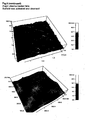
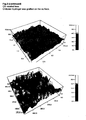
- the RGP CLs were immersed in a small amount of monomer solution and the top of vial were screwed tightly. Then they were subjected to UV irradiation (30-35mW/cm 2 ) for 90minutes. Trimethylammonium chitosan-g-PEGMA coated RGP CLs (Cs-coated lens) were washed thoroughly with deionized water under ultrasonication to remove the residual monomer for more than 30 minutes. The results of AFM (Atomic Force Microscope) observation are shown in Fig.2. Fig.2 clearly shows that trimethylammonium chitosan-g-PEGMA was coated on the surface of the RGP CLs.
- the contact angle was measured by a liquid drop method at room temperature by means of contact angle meter Drop Master 500 manufactured by Kyowa Interface Science Co., Ltd.
Landscapes
- Health & Medical Sciences (AREA)
- Chemical & Material Sciences (AREA)
- Life Sciences & Earth Sciences (AREA)
- General Health & Medical Sciences (AREA)
- Animal Behavior & Ethology (AREA)
- Public Health (AREA)
- Veterinary Medicine (AREA)
- Epidemiology (AREA)
- Medicinal Chemistry (AREA)
- Organic Chemistry (AREA)
- Chemical Kinetics & Catalysis (AREA)
- Polymers & Plastics (AREA)
- Dispersion Chemistry (AREA)
- Dermatology (AREA)
- Oral & Maxillofacial Surgery (AREA)
- Transplantation (AREA)
- Heart & Thoracic Surgery (AREA)
- Surgery (AREA)
- Vascular Medicine (AREA)
- Engineering & Computer Science (AREA)
- Molecular Biology (AREA)
- Birds (AREA)
- Physics & Mathematics (AREA)
- Biomedical Technology (AREA)
- Materials Engineering (AREA)
- Biochemistry (AREA)
- General Physics & Mathematics (AREA)
- Optics & Photonics (AREA)
- Materials For Medical Uses (AREA)
- Polysaccharides And Polysaccharide Derivatives (AREA)
- Medicinal Preparation (AREA)
- Eyeglasses (AREA)
- Cosmetics (AREA)
Description
- Chitosan is a β -1,4-linked polymer of glucosamine (2-amino-2-deoxy-β-D-glucose) and lesser amounts of N-acetylglucosamine. It is formed by the deacetylation of chitin (poly-N-acetylglucosamine), an abundant byproduct of the crab and shrimp processing industries.
- The water solubility and antimicrobial property of native chitosan can be achieved or enhanced via the quaternization of chitosan. Quaternized chitosan, as a consequence of the quaternization of the amino group in the C-2 position, gained a permanent positive charge on the polysaccharide backbone. Quaternized chitosans find utility in cosmetic preparations, food preservation and packaging, coating materials, disinfectants and biomedical applications (
JP-A-2005-290297 JP-A-8-144121 JP-A-2004-515813 JP2000038403 (A - Hence, quaternized chitosan can be utilized for hydrogel formation and formulated as antimicrobial contact lens coating. In order to achieve hydrogel formation, quaternized chitosan can be grafted with photocrosslinkable groups, such as (meth)acrylates, and be converted into hydrogels through a UV polymerization process. Hydrogels are hydrated cross-linked polymeric systems that contain water in an equilibrium state and have been widely used in many biomedical applications including contact lenses, bio-implants such as urinary catheters, pacemaker, heart valves, artificial heart, mammary prosthesis, intraocular lenses, wound dressings, artificial organs and delivery carriers for the bioactive reagents due to their high degree of biocompatibility. However, there have been no studies on the use of quaternized chitosan hydrogels as antimicrobial medical device coating. The present invention describes the formation of novel hydrogels based on quaternized chitosan which has been grafted with polymerizable group, especially photocrosslinkable group, and relates to medical device having resultant antimicrobial activities.
- The object of the present invention is to provide a novel and useful quaternized chitosan derivative, a method of producing the quaternized chitosan derivative, a chitosan hydrogel, a method of producing the hydrogel, and an article using the hydrogel.
- The present invention provides following embodiments:
- [1] A quaternized chitosan derivative having polymerizable organic moieties, wherein the polymerizable organic moiety is represented by the following formula:
-Y-P
(where P is a polymerizable group; Y is a spacer group) and
wherein the polymerizable group P is attached to the quaternized chitosan chain via a primary hydroxyl group and via the spacer group Y. - [2] The quaternized chitosan derivative of [1], having an ammonium group represented by the following formula (1):
-N+(R1)3 (1)
where each R1 is independently selected from the group consisting of hydrogen and a substituted or unsubstituted alkyl group, two or three of (R1)s may combine to form a substituted or unsubstituted aliphatic cyclic group. - [3] The quaternized chitosan derivative of [2], wherein at least one of (R1)s is a substituted or unsubstituted alkyl group having 1 to 18 carbon atoms.
- [4] The quaternized chitosan derivative of [2], wherein said -N+(R1)3 group is - N+R'R"2
where R' and R" are independently selected from the group consisting of hydrogen and a substituted or unsubstituted alkyl group, provided that R' has more carbon atoms than R". - [5] A method of producing said chitosan derivative having polymerizable organic moieties of [1] comprising a step of reacting a quaternized chitosan derivative and a halide having a polymerizable organic moiety.
- [6] The method of [5], wherein said halide is represented by the following formula (2):
X-P1 (2)
where P1 is a polymerizable organic moiety; X is a halogen atom. Preferred examples of X include Cl, Br and I. Preferred examples of the halide X-P1 include X-Z-COOCR4=CH2 where R4 is -H or -CH3; Z is a chemical bond or a polyethylene glycol chain-containing group such as -CH2COO-(CH2CH2O)n- (n is 1 or more and preferably is 3 or more.). - [7] A method of producing a chitosan hydrogel, comprising a step of polymerizing a polymerizable composition comprising said quaternized chitosan derivative of any one of [1] to [4], initiator, and water.
- [8] A method of producing a chitosan hydrogel of [7], wherein said polymerizing step comprises a step of irradiating ultraviolet (UV) to a photopolymerizable composition comprising said quaternized chitosan derivative of any one of [1] to [4], photoinitiator, and water.
Preferred polymerizable (especially, photopolymerizable) composition comprises 0.1 to 20 % by weight of said quaternized chitosan derivative of any one of [1] to [4], 0.1 to 1.0 % by weight of initiator (especially, photoinitiator), 1 to 99.9% by weight of one or more comonomers, and 0 to 80 % by weight of water per the total amount of the composition. The composition may contain other components, provided that the advantage of the present invention is not impaired. - [9] A hydrogel produced by the method of [7] or [8].
- [10] A medical device having a coating comprising the hydrogel of [9].
- [11] A contact lens having a coating comprising the hydrogel of [9].
- [12] A medical device containing the hydrogel of [9].
- [13] A cosmetic containing the hydrogel of [9].
-
-
Fig. 1 shows scanning electron micrographs of several chitosan based hydrogels (Example 15).Fig.1(a) corresponds to unquaternized chitosan hydrogel;Fig.1(b) corresponds to trimethylammonium chitosan-g-PEGMA hydrogel;Fig.1(c) corresponds to trihexylammonium chitosan-g-PEGMA hydrogel;Fig1(d) corresponds to tridecylammonium chitosan-g-PEGMA hydrogel;Fig.1(e) corresponds to dimethylhexylammonium chitosan-g-PEGMA hydrogel; andFig.1(f) corresponds to dimethyldecylammonium chitosan-g-PEGMA. -
Fig.2 shows results of Atomic Force Microscope (AFM) observation reveals that trimethylammonium chitosan-g-PEGMA hydrogel was coated on the surface of silicon-containing rigid gas permeable contact lenses (RGP CLs). - The present invention relates to water soluble quaternized chitosan derivatives which form hydrogel matrix with broad antimicrobial properties for the protection and coating of medical device. Hydrogel is attractive as an antimicrobial coating since its hydrophilicity intrinsically prevents the reversible nonspecific attachment of microbes.
- In order to achieve hydrogel formation, quaternized chitosan can be grafted with polymerizable groups, especially photocrosslinkable groups, such as methacrylates, PEG derivatives and be converted into hydrogels through a thermal or UV polymerization process. Hydrogels are hydrated cross-linked polymeric systems that contain water in an equilibrium state forming cushion water shield. The present invention is widely used in many medical devices for example biomedical devices such as contact lenses, bio-implants such as urinary catheters, pacemaker, heart valves, artificial heart, mammary prosthesis, intraocular lenses, wound dressings, artificial organs and delivery carriers for the bioactive reagents, total joint replacement due to their high degree of biocompatibility, antimicrobial property and good wetting characteristics. This invention describes the formation of novel hydrogels based on quaternized ammonium chitosan derivatives which has been grafted with polymerizable groups, especially photocrosslinkable groups, hence providing hydrogels as antimicrobial water shield coating agent.
- The present invention will now be further described. In the following passages, different aspects of the invention are defined in more detail. Each aspect so defined may be combined with any other aspect or aspects unless clearly indicated to the contrary. In particular, any feature indicated as being preferred or advantageous may be combined with any other feature or features indicated as being preferred or advantageous.
- In a first, highly preferred embodiment, the inventive antimicrobial hydrogels comprise a crosslinked hydrogel prepared by the free radical polymerization of a polymerizable cationic quaternized chitosan.
- A schematical structure of the polymerizable cationic quaternized chitosan is shown in following formula (3):

- The cationic quaternized chitosan is preferably prepared from a quaternised chitosan derivative, although other cationic quaternized chitosans may be used. These cationic quaternized chitosans contain trialkylammonium groups along the quaternized chitosan chain. The quaternized chitosan will also contain a polymerizable group attached to the quaternized chitosan chain via a primary hydroxyl group, preferably via a spacer group Y.
- Referring to formula (3), preferred embodiments of the cationic quaternized chitosan will comprise a quaternized chitosan containing trialkylammonium groups along the polymer chain, wherein all three alkyl groups are identical. Non-limiting Examples of the quaternized ammonium moiety include trimethylammonium-, triethylammonium-, tripropylammonium-, tributylammonium-, tripentylammonium-, trihexylammonium-, trioctylammonium-, tridecylammonium-, tridodecylammonium- , trioctadecylammomium-.
- More preferred are trialkylammonium moieties wherein one alkyl group differs from the other two. Non-limiting Examples of this more preferred embodiment include dimethylethylammonium-, dimethylpropylammonium-, dimethylbutylammonium-, dimethylpentylammonium-, dimethylhexylammonium-, dimethyloctylammonium-, dimethyldecylammonium-, dimethyldodecylammonium-, dimethyloctadecylammomium- dihexadecylmethylammonium-, dihexadecylethylammonium-, dihexadecylpropylammonium-, and dihexadecylbutylammonium-.
- Again, referring to formula (3), the polymerizable group P may comprise one of the polymerizable groups selected from the group comprising vinyl, acrylate, methacrylate, vinyl phenylene, cinnamoyl, allyl. The polymerizable group P is attached to the cationic quaternized chitosan via a spacer group Y. The spacer group may be selected from the group comprising -(CnH2n)-, or more preferably - (CnH2nO)-, wherein n = 0 to 20, or more preferably between 2 and 10.
- In a preferred embodiment, the hydrogel is produced by the free radical polymerization of the polymerizable cationic quaternized chitosan. In another preferred embodiment, the polymerizable cationic quaternized chitosan may be copolymerized with a comonomer selected from the non-limiting group comprising acrylic acid, methyl acrylate, ethyl acrylate, hydroxyethyl acrylate, hydroxypropyl acrylate, glycerol monoacrylate, acryloylphosphorylcholine, polyethylene glycol diacrylate, methacrylic acid, methyl methacrylate, ethyl methacrylate, hydroxyethyl methacrylate, hydroxypropyl methacrylate, glycerol monomethacrylate, methacryloylphosphorylcholine, polyethylene glycol di(meth)acrylate, styrene and N-vinyl pyrrolidinone, or mixtures thereof. The examples of the comonomer also include difunctional or trifunctional monomers such as ethylene glycol diacrylate, glycerol diacrylate, glycerol triacrylate, divinylbenzene, polyethylene glycol diacrylate, ethylene glycol di(meth)acrylate, glycerol di(meth)acrylate, glycerol tri(meth)acrylate, divinylbenzene, polyethylene glycol di(meth)acrylate, glycidyl acrylate, glycidyl (meth)acrylate, polypropylene glycol di(meth)acrylate, polyoxyethylene-polyoxypropylene blockcopolymer and mixtures thereof.
- Heretofore, trialkylammonium chitosan can be synthesized through reacting with alkyl halide such as methyl iodide, hexyl bromide or decyl bromide in a nucleophilic substitution reaction with the resultant formation of the quaternized structure. See following reaction scheme I. In the present invention, preferred starting materials include chitosan powder with a degree of deacetylation of preferably at least 70%, more preferably at least 75%, and preferably number average molecular weight of 10,000 to 200,000 g/mol (determined through GPC). When the molecular weight of the starting chitosan material is excessively high, it is difficult to polymerize the chitosan derivative of the present invention. In this event, fixation of a hydrogel to a surface of a substrate would also be difficult.


- In order to be applied as hydrogel, the quaternized chitosan derivatives was subsequently grafted with polymerizable groups, especially photocrosslinkable groups and converted to hydrogels via a thermal or UV polymerization process. The photocrosslinkable group used here is polyethylene glycol monoacrylate (PEGMA). Chitosan and the quaternized chitosan were each grafted with PEGMA (of a low molecular weight of 375), leading to the formation of chitosan-g-PEGMA and quaternized chitosan-g-PEGMA. Chitosan-g-PEGMA and quaternized chitosan-g-PEGMA were respectively synthesized through reacting chloro-functionalised PEGMA with native chitosan or quaternized chitosan, using sodium hydroxide as base. After grafting reaction, the water solubility of the quaternized chitosans were not changed while chitosan, after grafting with the hydrophilic PEGMA, changed from insoluble to soluble. The presence of grafted PEG can be detected by using UV spectroscopy employing a PEG assay.
- Polyethylene glycol diacrylate (PEGDA), polyethylene glycol dimethacrylate, polypropylene glycol di(meth)acrylate, or polyoxyethylene-polyoxypropylene blockcopolymer can be blended with the photocrosslinkable, quaternized chitosan derivatives during UV irradiation. PEGDA has been widely used in photochemical modification for the use of hydrogel scaffold, membrane material and drug delivery. Blending with the photocrosslinkable PEGDA has several advantages due to its hydrophilicity, biocompatibility and biodegradability. In addition, PEG being an uncharged polymer, has minimal interaction with itself and other molecules. The most important reason is that by blending with PEGDA, the tensile strength of the chitosan derivatives, in the current invention, can be improved, resulting in hydrogels which can be easily handled.
- In this invention, photopolymerisation was used to produce hydrogels due to its many advantages. Photopolymerisation is a versatile and facile technique to produce water-insoluble hydrogels from liquids. It is also a non-invasive technique where hydrogels can be formed in a short time under ambient temperature without any detrimental effects to the hydrogels' components. Low organic solvent level was also involved in the process and the use of toxic chemical crosslinkers (in conventional chemical crosslinking) such as epichlorohydrin, glutaraldehyde, carbodiimide and so on are avoided. UV light was used to interact with light sensitive compounds called photoinitiators to create free radicals that can initiate polymerization to formed crosslinked hydrogels. Hence, hydrogels can be made from solutions consisting of chitosan-g-PEG acrylate or quaternized chitosan-g-PEG acrylate and PEG diacrylate in 2:1 ratio (20 wt% total polymer mixture and 80 wt% water) with small amount of water-soluble photoinitiator (Irgacure 2959) (0.1 wt% with respect to the polymer mixture). This will form the full interpenetrating network system where the chitosan derivatives were copolymerized with the PEGDA. After dissolution, around 0.25 ml of each solution was added to polypropylene tube and placed in a glass chamber with argon purge. The sample solution in glass chamber was exposed to UV for 15 min for hydrogel formation. Alternatively, photopolymerisation can also be carried out on glass slides with a spacer frame of 250 µm thick. The precursor solution was dropped onto the glass slide, covered with another glass slide and then exposed to UV for 15 min, thus producing the hydrogel.
- Larger pore size of freeze-dried polymers can be achieved via N-alkylation of chitosan. The SEM cross-sectional images for the freeze-dried polymers of the chitosan and some quaternized chitosan are shown in
Figure 1. Figure 1 shows that the unquaternized chitosan hydrogel has many small pores (of a few micrometers) and the quaternized chitosan hydrogels generally have larger pores greater than 100 µm under the same magnification (x220). Dimethyldecylammonium chitosan hydrogel (see Synthetic Example 14) was observed to have relatively larger pores compared to dimethylhexylammonium chitosan hydrogel (see Synthetic Example 13). - The antimicrobial hydrogels described herein exhibit potent antimicrobial activity against bacteria and fungi, thus they can be used not only as contact lens coating, but also be included in formulations where it is desirable to minimize bacterial attack. For example, they may be incorporated at low concentrations into cosmetic formulations, such as hair and skin formulations or into contact lens solutions.
- These chitosan derivative hydrogels may also applied as biomedical or pharmaceutical materials which can be applied onto or contacted with the body surface of humans or other animals in order to prevent or inhibit the proliferation of microorganisms therein.
- The antimicrobial hydrogels, prepared from biocompatible materials such as PEG and chitosan, can also be used in the field of tissue engineering, engaging in 2-dimensional or 3-dimensional cell culture.
- The antimicrobial hydrogels, due to the presence of positive charge, can also be used in the delivery and controlled release of negatively charged bioactive materials such as growth factors or cell adhesive proteins.
- Chitosan powder was supplied by Dalian Xindie Chitin Co., China with a degree of deacetylation of 81.79% and number average molecular weight of 1.05 x 10⁵ g/mol (determined through GPC). N-methyl-2-pyrrolidinone, sodium iodide, methyl iodide, hexyl bromide, decyl bromide, hexanal, decanal, chloroacetyl chloride, PEG monoacrylate (Mn 375), PEG diacrylate (Mn 700), potassium carbonate, sodium hydroxide, isopropanol and sodium borohydride were purchased from Sigma-Aldrich (Saint Louis, Missouri, USA). Analytical grade hexane, toluene, diethyl ether, ethanol, acetone and methylene chloride were purchased from VWR Pte Ltd (Singapore) and used as received. Toluene was dried over molecular sieves. The photoinitiator, 4-(2-hydroxyethoxy)phenyl-(2-hydroxy-2-propyl) ketone (Irgacure 2959) was purchased from Ciba (Singapore).
- 1H-NMR and 13C-NMR spectra were recorded with a Bruker Avance 300 MHz instrument. Fourier Transform Infra Red (FTIR) spectra were recorded at room temperature using a Digilab FTS 3100 instrument over the wavenumber range of 4000 - 400 cm-1 using KBr disks. For Scanning Electron Microscopy (SEM), the hydrogels were immersed in deionised water for 2 days or longer prior observation. These hydrogels were then frozen at -50°C in the freeze dryer for three hours before they were vacuum dried. After 48 h of freeze-drying, the hydrogels were cut with a sharp scalpel to obtain the cross-section. They were then mounted onto an aluminium stud and sputter-coated with platinum for 60 s using a Jeol JFC-1600 Auto Fine coater. The samples were then imaged by scanning electron microscope (Jeol JSM-5600LV).
- PEG monoacrylate (2.36 ml, 7.06 mmol), with a number average molecular weight of 375, was dissolved in 100 ml toluene and treated with chloroacetylchloride (2.25 ml, 28.24 mmol). The mixture was then heated under reflux for 24 hours. After this time, the solvent and volatiles were removed by evaporation and the residue was dissolved in methylene chloride (150 ml). The solution was stirred over potassium carbonate and filtered. The solvent was removed through evaporation and after washing with hexane, the product was obtained and dried, and used without further purification.
1H-NMR (300MHz, CDCl3), δ: 3.5-3.7 (-O-CH 2-CH 2-O-), 4.1 (Cl-CH 2-COO-), 5.7 (-CH=CH2), 6.0, 6.2 (-CH=CH 2)
13C-NMR (300MHz, CDCl3), δ: 63.6-69.0 (-O-CH2-CH2-O-), 128, 131 (-CH=CH2), 166 (-OCO-CH=CH2), 167 (Cl-CH2-COO-) - Chitosan (1 g) was added to N-methyl-2-pyrrolidinone (50 ml) and treated with 1.5 N NaOH solution (15 ml). The mixture was stirred for 30 min at 50°C. Sodium iodide (1.08 g) and methyl iodide (11.2 g) were then added to the solution, which was then stirred for 24 hours at 50°C. The reaction mixture was then filtered to remove the insoluble material, and the filtrate was then precipitated into a large excess of acetone and filtered. The resulting product collected by filtration, and dried under vacuum.
1H-NMR (300MHz, D2O), δ: 1.95 (-NHCOCH 3) 3.33 (-N+CH 3), 3.4-4.1 (chitosan-H-2-6) - Trihexylammonium chitosan was prepared in the same manner as Synthetic Example 2 except for changing from methyl iodide (11.2 g) to hexyl bromide (13.0 g).
1H-NMR (300MHz, D2O), δ: 0.74 (-N+CH2CH2(CH2)3CH3), 1.19 (-N+CH2CH2(CH 2)3CH3), 1.25 (-N+CH2CH 2(CH2)3CH3), 1.95 (-NHCOCH 3) 3.07 (-N+CH 2 CH2(CH2)3CH3), 3.4-4.1 (chitosan-H-2-6) - Tridecylammonium chitosan was prepared in the same manner as Synthetic Example 2 except for changing from methyl iodide (11.2 g) to decyl bromide (17.4 g).
1H-NMR (300MHz, D2O), δ: 0.74 (-N+CH2CH2(CH2)7CH 3), 1.16 (-N+CH2CH2(CH 2)7CH3), 1.58 (-N+CH2 CH 2 (CH2)7CH3), 1.94 (-NHCOCH 3), 3.02 (-N+ CH2CH2(CH2)7CH3), 3.4-4.1 (chitosan-H-2-6) - Chitosan (0.2 g) was added to a solution of 50 wt% NaOH solution (2.5 ml), and stirred for 24 h. The alkalized chitosan was then filtered, and the filtrate transferred into a flask. Chlorofunctionalised PEG acrylate (0.5 g, see Synthetic Example 1) was dissolved in isopropanol (2.5 ml) and added dropwise into the chitosan with stirring. The mixture was reacted for 24 h at room temperature. After this time, the crude product was recovered by filtration, and dissolved in water (10 ml). The solution was neutralised with 2.5M HCl. After centrifugation of the solution to remove the precipitate and addition of ethanol (40 ml) to the supernatant, the product precipitated from the solution. The solid was filtered and rinsed thrice with ethanol.
1H-NMR (300MHz, D2O), δ: 1.94 (-NHCOCH 3), 3.5-3.7 (-O-CH 2-CH 2-O-), 3.4-4.1 (chitosan-H-2-6), 5.5 (-CH=CH2), 6.02 (-CH=CH 2) - Trimethylammonium chitosan (0.2 g, see Synthetic Example 2) in 0.45 ml water was added with 0.30 ml of 0.38 M sodium hydroxide solution. Chlorofunctionalised PEG acrylate (0.5 g, see Synthetic Example 1) dissolved in 1.5 ml isopropanol was then added with stirring and the mixture stirred at room temperature for 3 h. After the reaction, the mixture was cooled to room temperature and precipitated in a mixture of acetone and ethanol. The product was obtained after filtration.
1H-NMR (300MHz, D2O), δ: 1.95 (-NHCOCH 3), 3.22 (-N+CH 3), 3.5-3.7 (-O-CH 2-CH 2-O-), 3.4-4.1 (chitosan-H-2-6), 5.5 (-CH=CH2), 5.9-6.1 (-CH=CH 2) - Trihexylammonium chitosan-g-PEGMA was prepared in the same manner as Synthetic Example 6 except for changing from trimethylammonium chitosan (0.2 g) to trihexylammonium chitosan (0.2 g, see Synthetic Example 3).
1H-NMR (300MHz, D2O), δ: 0.86 (-N+CH2CH2(CH2)3CH 3), 1.19 (-N+CH2CH2(CH 2)3CH3), 1.30 (-N+CH2 CH 2(CH2)3CH3), 1.95 (-NHCOCH 3), 3.07 (-N+ CH2CH2(CH2)3CH3), 3.5-3.7 (-O-CH2-CH2-O-), 3.4-4.1 (chitosan-H-2-6), 5.6 (-CH=CH2), 5.97-6.2 (-CH=CH 2) - Tridecylammonium chitosan-g-PEGMA was prepared in the same manner as Synthetic Example 6 except for changing from trimethylammonium chitosan (0.2 g) to tridecylammonium chitosan (0.2 g, see Synthetic Example 4).
1H-NMR (300MHz, D2O), δ: 0.74 (-N+CH2CH2(CH2)7CH 3), 1.16 (-N+CH2CH2(CH 2)7CH3), 1.58 (-N+CH2 CH 2(CH2)7CH3), 1.94 (-NHCOCH 3), 3.02 (-N+CH 2CH2(CH2)7CH3), 3.5-3.7 (-O-CH 2-CH 2-O-), 3.4-4.1 (chitosan-H-2-6), 5.6 (-CH=CH2), 5.91-6.05 (-CH=CH 2) - Chitosan (1.0 g, 6.21 mmol) was dissolved in 1% aq. acetic acid (100 ml). Hexanal (0.62 g, 0.74 ml, 1 eqv.) was then added, and the mixture stirred at room temperature. After 1 hour of stirring, the pH of the solution was adjusted to 4.5. To this solution, 10% aq. solution of sodium borohydride (9.32 mmol) was added and the solution stirred for an additional 90 minutes. After this time, the pH of the solution was adjusted to 10, and the precipitated N-hexyl chitosan collected by filtration, and washed with water until the filtrate was of neutral pH. These precipitants were filtered and the residue washed with distilled water to neutrality. The unreacted aldehyde and inorganic products were soxhlet extracted with ethanol and diethyl ether. The resulting N-hexyl chitosan was filtered and dried.
- N-decyl chitosan was prepared in the same manner as Synthetic Example 9 except for changing from hexanal (0.62 g) to decanal (0.97 g, 6.2 mmol).
- N-Hexyl chitosan (1 g, see Synthetic Example 9) was added to N-methyl-2-pyrrolidinone (50 ml) and treated with 1.5 N NaOH solution (15 ml). The mixture was stirred for 30 min at 50 °C. Sodium iodide (1.08 g) and methyl iodide (11.2 g) were then added to the solution, which was then stirred for 24 hours at 50°C. The reaction mixture was then filtered to remove the insoluble material, and the filtrate was then precipitated into a large excess of acetone and filtered. The resulting product was collected by filtration, and dried under vacuum.
1H-NMR (300MHz, D2O), δ: 0.76 (-N+CH2CH2(CH2)3CH 3, 1.22 (-N+CH2CH2(CH 2)3CH3), 1.58 (-N+CH2CH 2(CH2)3CH3), 1.96 (-NHCOCH 3), 3.24 (-N+CH 3), 3.4-4.1 (chitosan-H-2-6) - Dimethyldecylammonium chitosan was prepared in the same manner as Synthetic Example 11 except for changing from N-hexyl chitosan (1 g) to N-decyl chitosan (1 g, see Synthetic Example 10).
1H-NMR (300MHz, D2O), δ: 0.71 (-N+CH2CH2(CH2)7CH 3), 1.17 (-N+CH2CH2(CH 2)7CH3), 1.58 (-N+CH2 CH 2(CH2)7CH3), 1.94 (-NHCOCH 3), 3.23 (-N+CH 3), 3.4-4.1 (chitosan-H-2-6) - Dimethylhexylammonium chitosan-g-PEGMA was prepared in the same manner as Synthetic Example 6 except for changing from trimethylammonium chitosan (0.2 g) to dimethylhexylammonium chitosan (0.2 g, see Synthetic Example 11).
1H-NMR (300MHz, D2O), δ: 0.75 (-N+CH2CH2(CH2)3CH 3), 1.22 (-N+CH2CH2(CH 2)3CH3), 1.58 (-N+CH2CH 2(CH2)3CH3), 1.96 (-NHCOCH 3), 3.22 (-N+CH 3), 3.5-3.7 (-O-CH 2-CH 2-O-), 3.4-4.1 (chitosan-H-2-6), 5.51 (-CH=CH2), 5.86-5.99 (-CH=CH 2) - Dimethyldecylammonium chitosan-g-PEGMA was prepared in the same manner as Synthetic Example 6 except for changing from trimethylammonium chitosan (0.2 g) to dimethyldecylammonium chitosan (0.2 g, see Synthetic Example 12).
1H-NMR (300MHz, D2O), δ: 0.74 (-N+CH2CH2(CH2)7CH 3), 1.22 (-N+CH2CH2(CH 2)7CH3), 1.58 (-N+CH2 CH 2(CH2)7CH3), 1.94 (-NHCOCH 3), 3.22 (-N+CH 3), 3.5-3.7 (-O-CH 2-CH 2-O-), 3.4-4.1 (chitosan-H-2-6), 5.54 (-CH=CH2), 5.85-6.05 (-CH=CH 2) - Chitosan-g-PEGMA (0.06g, see Synthetic Example 5) and PEGDA (0.06g) were blended and dissolved in water (0.48 ml). The photoinitiator (Irgacure 2959) was added at 0.1 wt% (based on the total amount of Chitosan-g-PEGMA, PEGDA and water). The resultant solution was placed inside a mould produced from two glass plates with a 0.25 mm thick spacer frame in between. The solution was then exposed to UV light (365 nm, 15 min exposure, 10 mW/cm2) using a Honle UV Technology machine equipped with a UV mercury lamp. After curing, the mould was opened, the hydrogel removed and washed with deionised water.
- Similarly prepared were hydrogels produced from trimethylammonium chitosan-g-PEGMA, trihexylammonium chitosan-g-PEGMA, tridecylammonium chitosan-g-PEGMA, dimethylhexylammonium chitosan-g-PEGMA and dimethyldecylammonium chitosan-g-PEGMA.
- The SEM cross-sectional images for the freeze-dried polymers of the chitosan and some quaternized chitosan are shown in
Figure 1. Figure 1 shows that the unquaternized chitosan hydrogel has many small pores (of a few micrometers) and the quaternized chitosan hydrogels generally have larger pores greater than 100 µm under the same magnification (x220). Dimethyldecylammonium chitosan hydrogel (Synthetic Example 14) was observed to have relatively larger pores compared to dimethylhexylammonium chitosan hydrogel (Synthetic Example 13). - The hydrogels prepared from photopolymerisation were soaked in phosphate saline buffer overnight and rinsed several times before antimicrobial assay. The bacterium was cultured and harvested for 24 h on Trypticase Soy Agar before it was washed twice with sterile purified water by centrifugation. The bacterial suspension (10 µl) in purified water was transferred to the centre of the hydrogel coating in the well of a tissue culture polystyrene plate. The hydrogel was in contact with the microorganism at 24°C for 4 hours (exposure time). A small volume of neutralizing broth was then added to the well to recover any bacterial survivors. A series of 10-fold dilutions in neutralizing broth was prepared, and plated out in Trypticase Soy Agar. The plates were incubated at 35°C for 48 hours, and counted for colony forming units. The results were expressed as :
- Log reduction = Log initial count of inoculum - Log survivor count on 4hours exposure time
-
Table 1 Log reduction Synthetic example No. Pseudomonas aeruginosa Staphylococcus aureus Esherichia coli Fusarium solani Example 1 6 2.61 2.25 1.62 0.75 Example 2 7 1.84 5.62 1.84 1.32 Example 3 8 1.72 4.21 2.01 0.65 Example 4 13 1.51 1.99 2.08 4.49 Example 5 14 2.88 4.18 1.94 4.49 Comparative Example 5 0.26 0.14 0.08 0.01 - Trimethylammonium chitosan-g-PEGMA (Synthetic example 6) and PEGDA were dissolved in deionized water (monomer solution). The ratio of monomer was 2:1 and monomer concentration was 5%. Silicon-containing rigid gas permeable contact lenses (RGP CLs) were cleaned with deionized water and isopropyl alcohol for 30minutes in PTFE beaker. And then they were dried under vacuum. The cleaned RGP CLs were treated by argon plasma for 60seconds under a power of 50W. Argon gas flow rate was 100sccm. Then they were subsequently exposed to the atmosphere for 15minutes. The plasma-treated RGP CLs and monomer solution were placed into the glove box (Argon atmosphere). They were degassed thoroughly. The RGP CLs were immersed in a small amount of monomer solution and the top of vial were screwed tightly. Then they were subjected to UV irradiation (30-35mW/cm2) for 90minutes. Trimethylammonium chitosan-g-PEGMA coated RGP CLs (Cs-coated lens) were washed thoroughly with deionized water under ultrasonication to remove the residual monomer for more than 30 minutes. The results of AFM (Atomic Force Microscope) observation are shown in
Fig.2. Fig.2 clearly shows that trimethylammonium chitosan-g-PEGMA was coated on the surface of the RGP CLs. - Antimicrobial activity of Cs-coated lens was evaluated in the same manner as that mentioned above. The results are shown in Table 2.
Table 2 Log reduction P. aeruginosa E. coli Cs-coated lens 1.02 2.57 - The contact angle was measured by a liquid drop method at room temperature by means of contact angle
meter Drop Master 500 manufactured by Kyowa Interface Science Co., Ltd. - Control (non treated): 93.4°
- Cs-coated lens: 50.6°
Claims (13)
- A quaternized chitosan derivative having polymerizable organic moieties, wherein the polymerizable organic moiety is represented by the following formula:
-Y-P
(where P is a polymerizable group; Y is a spacer group) and
wherein the polymerizable group P is attached to the quaternized chitosan chain via a primary hydroxyl group and via the spacer group Y. - The quaternized chitosan derivative of claim 1, having an ammonium group represented by the following formula:
-N+(R1)3
where each R1 is independently selected from the group consisting of hydrogen and a substituted or unsubstituted alkyl group, two or three of (R1)s may combine to form a substituted or unsubstituted aliphatic cyclic group. - The quaternized chitosan derivative of claim 2, wherein at least one of (R1)s is a substituted or unsubstituted alkyl group having 1 to 18 carbon atoms.
- The quaternized chitosan derivative of claim 2, wherein said -N+(R1)3 group is -N+R'R"2 where R' and R" are independently selected from the group consisting of hydrogen and a substituted or unsubstituted alkyl group, provided that R' has more carbon atoms than R".
- A method of producing said quaternized chitosan derivative having polymerizable organic moieties of claim 1, comprising a step of reacting a quaternized chitosan derivative and a halide having a polymerizable organic moiety.
- The method of claim 5, wherein said halide is represented by the following formula:
X-P1
where P1 is a polymerizable organic moiety; X is a halogen atom. - A method of producing a chitosan hydrogel, comprising a step of polymerizing a polymerizable composition comprising said quaternized chitosan derivative of any one of claims 1 to 4, initiator, and water.
- A method of producing a chitosan hydrogel of claim 7, wherein said polymerizing step comprises a step of irradiating ultraviolet (UV) to a photopolymerizable composition comprising said quaternized chitosan derivative of any one of claims 1 to 4, photoinitiator, and water.
- A hydrogel produced by the method of claim 7 or 8.
- A medical device having a coating comprising the hydrogel of claim 9.
- A contact lens having a coating comprising the hydrogel of claim 9.
- A medical device containing the hydrogel of claim 9.
- A cosmetic containing the hydrogel of claim 9.
Applications Claiming Priority (1)
| Application Number | Priority Date | Filing Date | Title |
|---|---|---|---|
| PCT/JP2009/063013 WO2011007454A1 (en) | 2009-07-13 | 2009-07-13 | Chitosan hydrogel derivatives as a coating agent with broad spectrum of antimicrobial activities |
Publications (3)
| Publication Number | Publication Date |
|---|---|
| EP2454286A1 EP2454286A1 (en) | 2012-05-23 |
| EP2454286A4 EP2454286A4 (en) | 2014-04-09 |
| EP2454286B1 true EP2454286B1 (en) | 2015-12-16 |
Family
ID=43449069
Family Applications (1)
| Application Number | Title | Priority Date | Filing Date |
|---|---|---|---|
| EP09847352.3A Active EP2454286B1 (en) | 2009-07-13 | 2009-07-13 | Chitosan hydrogel derivatives as a coating agent with broad spectrum of antimicrobial activities |
Country Status (6)
| Country | Link |
|---|---|
| US (3) | US8709470B2 (en) |
| EP (1) | EP2454286B1 (en) |
| JP (1) | JP5542910B2 (en) |
| CN (1) | CN102712700B (en) |
| SG (1) | SG177516A1 (en) |
| WO (1) | WO2011007454A1 (en) |
Families Citing this family (37)
| Publication number | Priority date | Publication date | Assignee | Title |
|---|---|---|---|---|
| SG177516A1 (en) | 2009-07-13 | 2012-02-28 | Menicon Co Ltd | Chitosan hydrogel derivatives as a coating agent with broad spectrum of antimicrobial activities |
| CN102153673A (en) * | 2011-03-15 | 2011-08-17 | 中国海洋大学 | N-parabenzyloxycarboxymethyl chitosan quaternary ammonium salt and preparation method thereof |
| SI2709613T2 (en) | 2011-09-16 | 2020-12-31 | Gilead Pharmasset LLC c/o Gilead Sciences, Inc. | Methods for treating hcv |
| US9395468B2 (en) * | 2012-08-27 | 2016-07-19 | Ocular Dynamics, Llc | Contact lens with a hydrophilic layer |
| NZ729172A (en) | 2013-01-31 | 2018-06-29 | Gilead Pharmasset Llc | Combination formulation of two antiviral compounds |
| US10577247B2 (en) | 2013-03-15 | 2020-03-03 | Nanyang Technological University | Hybrid nanomaterial of graphene oxide nanomaterial and cationic quaternized chitosan |
| SG2013002687A (en) * | 2013-04-10 | 2014-11-27 | Areteon Pte Ltd | Anti-microbial composition |
| CN103251520B (en) * | 2013-04-22 | 2015-06-17 | 福建省梦娇兰日用化学品有限公司 | Preparation method fir moisturizing agent for cosmetics |
| AU2014348502B2 (en) | 2013-11-15 | 2019-08-15 | Tangible Science, Inc. | Contact lens with a hydrophilic layer |
| WO2015123501A1 (en) * | 2014-02-14 | 2015-08-20 | University Of Memphis Research Foundation | Compositions and methods for delivering an agent to a wound |
| EP3229851A4 (en) | 2014-12-09 | 2018-08-01 | Tangible Science LLC | Medical device coating with a biocompatible layer |
| CN104987461A (en) * | 2015-07-31 | 2015-10-21 | 浙江金壳药业有限公司 | Chitosan derivative antibacterial superabsorbent gel and preparation method therefor |
| CN105085716B (en) * | 2015-09-21 | 2017-08-25 | 武汉大学 | A kind of homogeneous phase synthetic method of n-trimethyl chitosan chloride derivative |
| CN105251051B (en) * | 2015-11-11 | 2018-02-02 | 暨南大学 | A kind of surface has material and the preparation and application of antibiotic property and biocompatibility concurrently |
| DE102015014912B4 (en) * | 2015-11-18 | 2017-09-28 | Urotech Gmbh | Coating for a medical instrument, method for its coating and medical instrument coated with this method |
| RU2617501C1 (en) * | 2015-12-08 | 2017-04-25 | Федеральное государственное бюджетное образовательное учреждение высшего образования "Саратовский национальный исследовательский государственный университет имени Н.Г. Чернышевского" | Hydrogel based on chitosan complex salt and method of its preparation |
| CN105694053B (en) * | 2016-03-16 | 2018-09-11 | 泉州亚林新材料科技有限公司 | A kind of quaternary ammonium salt-modified chitosan antimicrobial agent and its preparation method and application |
| HUE058354T2 (en) | 2016-07-14 | 2022-07-28 | Hollister Inc | Hygienic medical devices with a hydrophilic coating and methods for their development |
| US10307369B2 (en) * | 2016-09-08 | 2019-06-04 | Yichieh Shiuey | Antimicrobial polymer for use in ophthalmic implants |
| US20200046870A1 (en) * | 2016-10-17 | 2020-02-13 | Gel-E Life Sciences | Materials comprising hydrophobically-modified biopolymer |
| EP3596159A4 (en) * | 2017-03-16 | 2020-12-09 | Nanyang Technological University | ANTIMICROBIAL POLYMERS AND ANTIMICROBIAL HYDROGELS |
| US20200056063A1 (en) * | 2017-04-07 | 2020-02-20 | Noviosense B.V. | Coating for implantable medical device |
| EP3385340A1 (en) * | 2017-04-07 | 2018-10-10 | NovioSense B.V. | Coating for implantable medical device |
| CN110753859A (en) * | 2017-06-16 | 2020-02-04 | 伊齐耶·舒埃 | Cytostatic copolymers for use in ophthalmic implants |
| CN108159485A (en) * | 2017-12-28 | 2018-06-15 | 广州贝奥吉因生物科技有限公司 | A kind of chitosan/silk fibroin bracket, preparation method and its application for loading curcumin/gelatine microsphere compound |
| CN108563038A (en) * | 2018-04-23 | 2018-09-21 | 青岛高新区尚达医药研究所 | A kind of lubrication antimicrobial form contact lenses and preparation method thereof |
| CN108853606B (en) * | 2018-07-11 | 2019-04-23 | 北京大学口腔医学院 | A method for treating the surface of dental materials with polyethylene glycol chitosan gel |
| TWI698454B (en) * | 2019-02-26 | 2020-07-11 | 國立交通大學 | Amphiphilic polymer and manufacturing method thereof, amphiphilic polymer used as contact lens material, contact lens material including the amphiphilic polymer |
| CN112007209B (en) * | 2020-04-29 | 2021-08-27 | 浙江大学 | CS/QCS/zwitterion/epoxidized zwitterion antibacterial and release integrated gel dressing and preparation method thereof |
| CN111529762B (en) * | 2020-06-12 | 2022-07-08 | 江汉大学 | Chitosan hydrogel and preparation method, antiviral spray, antiviral liquid gloves |
| EP4185327A4 (en) * | 2020-07-21 | 2024-08-07 | Molecular Surface Technologies, LLC | ANTIMICROBIAL SURFACES OBTAINED VIA MULTICOMPONENT CHITOSAN CONJUGATES |
| US12453348B2 (en) | 2021-07-20 | 2025-10-28 | Quatssant, Llc | Antimicrobial with modified-chitosan functionalization via dopamine linkage |
| CN114366858B (en) * | 2021-12-31 | 2023-07-25 | 东华大学 | A kind of endotracheal tube with antibacterial and antiphlegm suppository function and preparation method thereof |
| US20250249145A1 (en) * | 2022-04-25 | 2025-08-07 | Board Of Trustees Of Michigan State University | Non-immunogenic tissue augmentation formulation and method for fabrication |
| CN114920956A (en) * | 2022-05-20 | 2022-08-19 | 武汉理工大学 | Hemostatic, antibacterial and healing-promoting hydrogel with real-time monitoring function and preparation method thereof |
| CN119219847B (en) * | 2024-08-23 | 2026-03-17 | 中国药科大学 | A rapid photocrosslinking drug-releasing multifunctional hydrogel corneal contact lens and its preparation method |
| CN119954984A (en) * | 2025-04-09 | 2025-05-09 | 江苏海洋大学 | Benzimidazole quaternized chitosan carbamate and its preparation method and application |
Family Cites Families (10)
| Publication number | Priority date | Publication date | Assignee | Title |
|---|---|---|---|---|
| JP2802988B2 (en) | 1994-11-17 | 1998-09-24 | 富士紡績株式会社 | Modified cellulose regenerated fiber |
| JP2000038403A (en) | 1998-07-24 | 2000-02-08 | Showa Denko Kk | New chitosan derivative and its use |
| DE10033414B4 (en) * | 2000-07-08 | 2004-02-19 | Wella Aktiengesellschaft | Clear, two-phase, foam-forming aerosol hair care product |
| US6805836B2 (en) * | 2000-12-15 | 2004-10-19 | Bausch & Lomb Incorporated | Prevention of preservative uptake into biomaterials |
| JP3947391B2 (en) * | 2001-11-28 | 2007-07-18 | 独立行政法人 日本原子力研究開発機構 | Method for producing chitin derivative and / or chitosan derivative having bridge structure |
| JP2005154477A (en) | 2003-11-20 | 2005-06-16 | Tottori Univ | Medical adhesives and medical coatings using UV-curable chitosan derivatives |
| JP2005290297A (en) | 2004-04-02 | 2005-10-20 | Kowa Chem Ind Co Ltd | Water-based antibacterial paint containing quaternized chitosan |
| CN1277866C (en) * | 2004-12-20 | 2006-10-04 | 重庆大学 | Method for preparing crosslinked chitin-glycan-quaterisation collagen hydrolysate |
| JP2007131731A (en) * | 2005-11-10 | 2007-05-31 | Kowa Chem Ind Co Ltd | Normal temperature-crosslinkable water-based synthetic resin composition and normal temperature-crosslinkable water-based coating material |
| SG177516A1 (en) | 2009-07-13 | 2012-02-28 | Menicon Co Ltd | Chitosan hydrogel derivatives as a coating agent with broad spectrum of antimicrobial activities |
-
2009
- 2009-07-13 SG SG2012000675A patent/SG177516A1/en unknown
- 2009-07-13 WO PCT/JP2009/063013 patent/WO2011007454A1/en not_active Ceased
- 2009-07-13 JP JP2012502034A patent/JP5542910B2/en active Active
- 2009-07-13 EP EP09847352.3A patent/EP2454286B1/en active Active
- 2009-07-13 US US13/383,684 patent/US8709470B2/en active Active
- 2009-07-13 CN CN200980160449.1A patent/CN102712700B/en not_active Expired - Fee Related
-
2014
- 2014-03-13 US US14/209,602 patent/US9199000B2/en not_active Expired - Fee Related
-
2015
- 2015-10-26 US US14/922,369 patent/US9750847B2/en not_active Expired - Fee Related
Also Published As
| Publication number | Publication date |
|---|---|
| US9750847B2 (en) | 2017-09-05 |
| WO2011007454A1 (en) | 2011-01-20 |
| EP2454286A1 (en) | 2012-05-23 |
| EP2454286A4 (en) | 2014-04-09 |
| CN102712700A (en) | 2012-10-03 |
| US20140193476A1 (en) | 2014-07-10 |
| US20160038636A1 (en) | 2016-02-11 |
| CN102712700B (en) | 2016-04-27 |
| US20120164208A1 (en) | 2012-06-28 |
| JP5542910B2 (en) | 2014-07-09 |
| SG177516A1 (en) | 2012-02-28 |
| JP2012532935A (en) | 2012-12-20 |
| US8709470B2 (en) | 2014-04-29 |
| US9199000B2 (en) | 2015-12-01 |
Similar Documents
| Publication | Publication Date | Title |
|---|---|---|
| US9750847B2 (en) | Chitosan hydrogel derivatives as a coating agent with broad spectrum of antimicrobial activities | |
| Cheng et al. | Antifouling and antibacterial polymer-coated surfaces based on the combined effect of zwitterions and the natural borneol | |
| Asha et al. | Dopamine assisted self-cleaning, antifouling, and antibacterial coating via dynamic covalent interactions | |
| AU2010339654B2 (en) | Coating agents and coated articles | |
| EP2059272B1 (en) | Coating formulation for medical coating | |
| Roy et al. | Antibacterial cellulose fiber via RAFT surface graft polymerization | |
| De Prijck et al. | Prevention of Candida albicans biofilm formation by covalently bound dimethylaminoethylmethacrylate and polyethylenimine | |
| EP3380536B1 (en) | A polymeric composition | |
| CN113694261B (en) | Antibacterial composite coating and preparation method and product thereof | |
| US12453348B2 (en) | Antimicrobial with modified-chitosan functionalization via dopamine linkage | |
| ZA200301458B (en) | Process for coating a material surface. | |
| Kamoun et al. | Photopolymerized PVA-g-GMA hydrogels for biomedical applications: factors affecting hydrogel formation and bioevaluation tests | |
| Yang et al. | Charged group-modified poly (vinyl alcohol) hydrogels: Preparation and antibacterial property | |
| Liu et al. | Based on tannic acid and thermoresponsive microgels design a simple and high-efficiency multifunctional antibacterial coating | |
| CN113244436B (en) | Antibacterial coating prepared by copolymerizing chlorhexidine and catecholamine as well as preparation method and application thereof | |
| CN117442787A (en) | A kind of surface lubricating antibacterial drug-loaded coating for medical catheters and its preparation method and application | |
| Chen et al. | Cooperative enhancement of fungal repelling performance by surface photografting of stereochemical bi-molecules | |
| Kim et al. | Coordination-driven robust antibacterial coatings using catechol-conjugated carboxymethyl chitosan | |
| She et al. | Unusual allyl diazoacetate/acrolein copolymer-based hydrogels as promising antimicrobial agents for effective bacteria therapy | |
| Yu et al. | Fabrication of ionic liquid-functionalized aliphatic polycarbonate brushes for self-polishing antibacterial application | |
| KR102921890B1 (en) | Anti-microbial coating composition including carboxymethyl chitosan-catechol conjugate, making method therefor, anti-microbial coating method using the same and application thereof | |
| Tran | Bio-based elastomeric composites for antibacterial and antifouling applications: methodology for the synthesis and grafting of functionalized oligomers issued from natural rubber | |
| TW202304306A (en) | Microbial adhesion inhibitor and method for inhibiting microbial adhesion | |
| Almousa | Coating of Polyvinylchloride for Reduced Cell/Bacterial Adhesion and Antibacterial Properties | |
| Vaz | Development and characterization of chitosan coatings by plasma-grafting for antibacterial surfaces |
Legal Events
| Date | Code | Title | Description |
|---|---|---|---|
| PUAI | Public reference made under article 153(3) epc to a published international application that has entered the european phase |
Free format text: ORIGINAL CODE: 0009012 |
|
| 17P | Request for examination filed |
Effective date: 20120207 |
|
| AK | Designated contracting states |
Kind code of ref document: A1 Designated state(s): AT BE BG CH CY CZ DE DK EE ES FI FR GB GR HR HU IE IS IT LI LT LU LV MC MK MT NL NO PL PT RO SE SI SK SM TR |
|
| DAX | Request for extension of the european patent (deleted) | ||
| RIN1 | Information on inventor provided before grant (corrected) |
Inventor name: BEE ENG MARY, CHAN Inventor name: LAMRANI, MOUAD Inventor name: HAMAGUCHI, SHINICHI Inventor name: YIN FUN, POON |
|
| A4 | Supplementary search report drawn up and despatched |
Effective date: 20140306 |
|
| RIC1 | Information provided on ipc code assigned before grant |
Ipc: A61K 8/73 20060101ALI20140228BHEP Ipc: C08B 37/08 20060101AFI20140228BHEP Ipc: C08F 290/10 20060101ALI20140228BHEP Ipc: A61K 47/36 20060101ALI20140228BHEP Ipc: A61L 27/00 20060101ALI20140228BHEP Ipc: G02B 1/04 20060101ALI20140228BHEP Ipc: C08J 7/18 20060101ALI20140228BHEP Ipc: G02C 7/04 20060101ALI20140228BHEP |
|
| 17Q | First examination report despatched |
Effective date: 20140912 |
|
| GRAP | Despatch of communication of intention to grant a patent |
Free format text: ORIGINAL CODE: EPIDOSNIGR1 |
|
| INTG | Intention to grant announced |
Effective date: 20150617 |
|
| GRAS | Grant fee paid |
Free format text: ORIGINAL CODE: EPIDOSNIGR3 |
|
| GRAA | (expected) grant |
Free format text: ORIGINAL CODE: 0009210 |
|
| AK | Designated contracting states |
Kind code of ref document: B1 Designated state(s): AT BE BG CH CY CZ DE DK EE ES FI FR GB GR HR HU IE IS IT LI LT LU LV MC MK MT NL NO PL PT RO SE SI SK SM TR |
|
| REG | Reference to a national code |
Ref country code: GB Ref legal event code: FG4D |
|
| REG | Reference to a national code |
Ref country code: CH Ref legal event code: EP |
|
| REG | Reference to a national code |
Ref country code: IE Ref legal event code: FG4D |
|
| REG | Reference to a national code |
Ref country code: AT Ref legal event code: REF Ref document number: 765541 Country of ref document: AT Kind code of ref document: T Effective date: 20160115 |
|
| REG | Reference to a national code |
Ref country code: DE Ref legal event code: R096 Ref document number: 602009035322 Country of ref document: DE |
|
| REG | Reference to a national code |
Ref country code: CH Ref legal event code: NV Representative=s name: E. BLUM AND CO. AG PATENT- UND MARKENANWAELTE , CH |
|
| REG | Reference to a national code |
Ref country code: NL Ref legal event code: MP Effective date: 20151216 |
|
| REG | Reference to a national code |
Ref country code: LT Ref legal event code: MG4D |
|
| PG25 | Lapsed in a contracting state [announced via postgrant information from national office to epo] |
Ref country code: LT Free format text: LAPSE BECAUSE OF FAILURE TO SUBMIT A TRANSLATION OF THE DESCRIPTION OR TO PAY THE FEE WITHIN THE PRESCRIBED TIME-LIMIT Effective date: 20151216 Ref country code: HR Free format text: LAPSE BECAUSE OF FAILURE TO SUBMIT A TRANSLATION OF THE DESCRIPTION OR TO PAY THE FEE WITHIN THE PRESCRIBED TIME-LIMIT Effective date: 20151216 Ref country code: NO Free format text: LAPSE BECAUSE OF FAILURE TO SUBMIT A TRANSLATION OF THE DESCRIPTION OR TO PAY THE FEE WITHIN THE PRESCRIBED TIME-LIMIT Effective date: 20160316 |
|
| REG | Reference to a national code |
Ref country code: AT Ref legal event code: MK05 Ref document number: 765541 Country of ref document: AT Kind code of ref document: T Effective date: 20151216 |
|
| REG | Reference to a national code |
Ref country code: FR Ref legal event code: PLFP Year of fee payment: 8 |
|
| PG25 | Lapsed in a contracting state [announced via postgrant information from national office to epo] |
Ref country code: NL Free format text: LAPSE BECAUSE OF FAILURE TO SUBMIT A TRANSLATION OF THE DESCRIPTION OR TO PAY THE FEE WITHIN THE PRESCRIBED TIME-LIMIT Effective date: 20151216 Ref country code: LV Free format text: LAPSE BECAUSE OF FAILURE TO SUBMIT A TRANSLATION OF THE DESCRIPTION OR TO PAY THE FEE WITHIN THE PRESCRIBED TIME-LIMIT Effective date: 20151216 Ref country code: FI Free format text: LAPSE BECAUSE OF FAILURE TO SUBMIT A TRANSLATION OF THE DESCRIPTION OR TO PAY THE FEE WITHIN THE PRESCRIBED TIME-LIMIT Effective date: 20151216 Ref country code: SE Free format text: LAPSE BECAUSE OF FAILURE TO SUBMIT A TRANSLATION OF THE DESCRIPTION OR TO PAY THE FEE WITHIN THE PRESCRIBED TIME-LIMIT Effective date: 20151216 Ref country code: GR Free format text: LAPSE BECAUSE OF FAILURE TO SUBMIT A TRANSLATION OF THE DESCRIPTION OR TO PAY THE FEE WITHIN THE PRESCRIBED TIME-LIMIT Effective date: 20160317 |
|
| PG25 | Lapsed in a contracting state [announced via postgrant information from national office to epo] |
Ref country code: CZ Free format text: LAPSE BECAUSE OF FAILURE TO SUBMIT A TRANSLATION OF THE DESCRIPTION OR TO PAY THE FEE WITHIN THE PRESCRIBED TIME-LIMIT Effective date: 20151216 Ref country code: ES Free format text: LAPSE BECAUSE OF FAILURE TO SUBMIT A TRANSLATION OF THE DESCRIPTION OR TO PAY THE FEE WITHIN THE PRESCRIBED TIME-LIMIT Effective date: 20151216 Ref country code: IT Free format text: LAPSE BECAUSE OF FAILURE TO SUBMIT A TRANSLATION OF THE DESCRIPTION OR TO PAY THE FEE WITHIN THE PRESCRIBED TIME-LIMIT Effective date: 20151216 |
|
| PG25 | Lapsed in a contracting state [announced via postgrant information from national office to epo] |
Ref country code: EE Free format text: LAPSE BECAUSE OF FAILURE TO SUBMIT A TRANSLATION OF THE DESCRIPTION OR TO PAY THE FEE WITHIN THE PRESCRIBED TIME-LIMIT Effective date: 20151216 Ref country code: AT Free format text: LAPSE BECAUSE OF FAILURE TO SUBMIT A TRANSLATION OF THE DESCRIPTION OR TO PAY THE FEE WITHIN THE PRESCRIBED TIME-LIMIT Effective date: 20151216 Ref country code: SM Free format text: LAPSE BECAUSE OF FAILURE TO SUBMIT A TRANSLATION OF THE DESCRIPTION OR TO PAY THE FEE WITHIN THE PRESCRIBED TIME-LIMIT Effective date: 20151216 Ref country code: RO Free format text: LAPSE BECAUSE OF FAILURE TO SUBMIT A TRANSLATION OF THE DESCRIPTION OR TO PAY THE FEE WITHIN THE PRESCRIBED TIME-LIMIT Effective date: 20151216 Ref country code: SK Free format text: LAPSE BECAUSE OF FAILURE TO SUBMIT A TRANSLATION OF THE DESCRIPTION OR TO PAY THE FEE WITHIN THE PRESCRIBED TIME-LIMIT Effective date: 20151216 Ref country code: IS Free format text: LAPSE BECAUSE OF FAILURE TO SUBMIT A TRANSLATION OF THE DESCRIPTION OR TO PAY THE FEE WITHIN THE PRESCRIBED TIME-LIMIT Effective date: 20160416 Ref country code: PT Free format text: LAPSE BECAUSE OF FAILURE TO SUBMIT A TRANSLATION OF THE DESCRIPTION OR TO PAY THE FEE WITHIN THE PRESCRIBED TIME-LIMIT Effective date: 20160418 |
|
| REG | Reference to a national code |
Ref country code: DE Ref legal event code: R097 Ref document number: 602009035322 Country of ref document: DE |
|
| PLBE | No opposition filed within time limit |
Free format text: ORIGINAL CODE: 0009261 |
|
| STAA | Information on the status of an ep patent application or granted ep patent |
Free format text: STATUS: NO OPPOSITION FILED WITHIN TIME LIMIT |
|
| PG25 | Lapsed in a contracting state [announced via postgrant information from national office to epo] |
Ref country code: PL Free format text: LAPSE BECAUSE OF FAILURE TO SUBMIT A TRANSLATION OF THE DESCRIPTION OR TO PAY THE FEE WITHIN THE PRESCRIBED TIME-LIMIT Effective date: 20151216 Ref country code: DK Free format text: LAPSE BECAUSE OF FAILURE TO SUBMIT A TRANSLATION OF THE DESCRIPTION OR TO PAY THE FEE WITHIN THE PRESCRIBED TIME-LIMIT Effective date: 20151216 |
|
| 26N | No opposition filed |
Effective date: 20160919 |
|
| PG25 | Lapsed in a contracting state [announced via postgrant information from national office to epo] |
Ref country code: SI Free format text: LAPSE BECAUSE OF FAILURE TO SUBMIT A TRANSLATION OF THE DESCRIPTION OR TO PAY THE FEE WITHIN THE PRESCRIBED TIME-LIMIT Effective date: 20151216 |
|
| PG25 | Lapsed in a contracting state [announced via postgrant information from national office to epo] |
Ref country code: MC Free format text: LAPSE BECAUSE OF FAILURE TO SUBMIT A TRANSLATION OF THE DESCRIPTION OR TO PAY THE FEE WITHIN THE PRESCRIBED TIME-LIMIT Effective date: 20151216 |
|
| REG | Reference to a national code |
Ref country code: IE Ref legal event code: MM4A |
|
| REG | Reference to a national code |
Ref country code: FR Ref legal event code: PLFP Year of fee payment: 9 |
|
| PG25 | Lapsed in a contracting state [announced via postgrant information from national office to epo] |
Ref country code: IE Free format text: LAPSE BECAUSE OF NON-PAYMENT OF DUE FEES Effective date: 20160713 |
|
| PG25 | Lapsed in a contracting state [announced via postgrant information from national office to epo] |
Ref country code: LU Free format text: LAPSE BECAUSE OF NON-PAYMENT OF DUE FEES Effective date: 20160713 |
|
| REG | Reference to a national code |
Ref country code: FR Ref legal event code: PLFP Year of fee payment: 10 |
|
| PG25 | Lapsed in a contracting state [announced via postgrant information from national office to epo] |
Ref country code: CY Free format text: LAPSE BECAUSE OF FAILURE TO SUBMIT A TRANSLATION OF THE DESCRIPTION OR TO PAY THE FEE WITHIN THE PRESCRIBED TIME-LIMIT Effective date: 20151216 Ref country code: HU Free format text: LAPSE BECAUSE OF FAILURE TO SUBMIT A TRANSLATION OF THE DESCRIPTION OR TO PAY THE FEE WITHIN THE PRESCRIBED TIME-LIMIT; INVALID AB INITIO Effective date: 20090713 |
|
| PG25 | Lapsed in a contracting state [announced via postgrant information from national office to epo] |
Ref country code: MK Free format text: LAPSE BECAUSE OF FAILURE TO SUBMIT A TRANSLATION OF THE DESCRIPTION OR TO PAY THE FEE WITHIN THE PRESCRIBED TIME-LIMIT Effective date: 20151216 Ref country code: MT Free format text: LAPSE BECAUSE OF NON-PAYMENT OF DUE FEES Effective date: 20160731 Ref country code: TR Free format text: LAPSE BECAUSE OF FAILURE TO SUBMIT A TRANSLATION OF THE DESCRIPTION OR TO PAY THE FEE WITHIN THE PRESCRIBED TIME-LIMIT Effective date: 20151216 |
|
| PG25 | Lapsed in a contracting state [announced via postgrant information from national office to epo] |
Ref country code: BG Free format text: LAPSE BECAUSE OF FAILURE TO SUBMIT A TRANSLATION OF THE DESCRIPTION OR TO PAY THE FEE WITHIN THE PRESCRIBED TIME-LIMIT Effective date: 20151216 |
|
| PGFP | Annual fee paid to national office [announced via postgrant information from national office to epo] |
Ref country code: FR Payment date: 20180521 Year of fee payment: 10 Ref country code: BE Payment date: 20180529 Year of fee payment: 10 |
|
| PGFP | Annual fee paid to national office [announced via postgrant information from national office to epo] |
Ref country code: DE Payment date: 20180712 Year of fee payment: 10 |
|
| PGFP | Annual fee paid to national office [announced via postgrant information from national office to epo] |
Ref country code: GB Payment date: 20180717 Year of fee payment: 10 |
|
| REG | Reference to a national code |
Ref country code: CH Ref legal event code: PUEA Owner name: MENICON CO., LTD., JP Free format text: FORMER OWNER: NANYANG TECHNOLOGICAL UNIVERSITY, JP |
|
| REG | Reference to a national code |
Ref country code: DE Ref legal event code: R119 Ref document number: 602009035322 Country of ref document: DE |
|
| GBPC | Gb: european patent ceased through non-payment of renewal fee |
Effective date: 20190713 |
|
| REG | Reference to a national code |
Ref country code: BE Ref legal event code: MM Effective date: 20190731 |
|
| PG25 | Lapsed in a contracting state [announced via postgrant information from national office to epo] |
Ref country code: DE Free format text: LAPSE BECAUSE OF NON-PAYMENT OF DUE FEES Effective date: 20200201 Ref country code: GB Free format text: LAPSE BECAUSE OF NON-PAYMENT OF DUE FEES Effective date: 20190713 |
|
| PG25 | Lapsed in a contracting state [announced via postgrant information from national office to epo] |
Ref country code: BE Free format text: LAPSE BECAUSE OF NON-PAYMENT OF DUE FEES Effective date: 20190731 |
|
| PG25 | Lapsed in a contracting state [announced via postgrant information from national office to epo] |
Ref country code: FR Free format text: LAPSE BECAUSE OF NON-PAYMENT OF DUE FEES Effective date: 20190731 |
|
| PGFP | Annual fee paid to national office [announced via postgrant information from national office to epo] |
Ref country code: CH Payment date: 20250801 Year of fee payment: 17 |