EP2452949A1 - Use of carbonic anhydrase ii for producing a drug - Google Patents
Use of carbonic anhydrase ii for producing a drug Download PDFInfo
- Publication number
- EP2452949A1 EP2452949A1 EP10796766A EP10796766A EP2452949A1 EP 2452949 A1 EP2452949 A1 EP 2452949A1 EP 10796766 A EP10796766 A EP 10796766A EP 10796766 A EP10796766 A EP 10796766A EP 2452949 A1 EP2452949 A1 EP 2452949A1
- Authority
- EP
- European Patent Office
- Prior art keywords
- epithelium
- organ
- medicament
- polynucleotide
- manufacture
- Prior art date
- Legal status (The legal status is an assumption and is not a legal conclusion. Google has not performed a legal analysis and makes no representation as to the accuracy of the status listed.)
- Withdrawn
Links
- 239000003814 drug Substances 0.000 title claims abstract description 35
- 102100024633 Carbonic anhydrase 2 Human genes 0.000 title abstract description 53
- 101710167917 Carbonic anhydrase 2 Proteins 0.000 title abstract description 53
- 229940079593 drug Drugs 0.000 title abstract description 7
- 210000003734 kidney Anatomy 0.000 claims abstract description 47
- 230000006378 damage Effects 0.000 claims abstract description 46
- 210000000056 organ Anatomy 0.000 claims abstract description 44
- 208000028867 ischemia Diseases 0.000 claims abstract description 39
- 229960004316 cisplatin Drugs 0.000 claims abstract description 34
- DQLATGHUWYMOKM-UHFFFAOYSA-L cisplatin Chemical compound N[Pt](N)(Cl)Cl DQLATGHUWYMOKM-UHFFFAOYSA-L 0.000 claims abstract description 34
- 239000003053 toxin Substances 0.000 claims abstract description 24
- 231100000765 toxin Toxicity 0.000 claims abstract description 24
- 230000001154 acute effect Effects 0.000 claims abstract description 12
- 108090000623 proteins and genes Proteins 0.000 claims description 72
- 238000011282 treatment Methods 0.000 claims description 46
- 210000000981 epithelium Anatomy 0.000 claims description 42
- 102000004169 proteins and genes Human genes 0.000 claims description 39
- 108091033319 polynucleotide Proteins 0.000 claims description 36
- 239000002157 polynucleotide Substances 0.000 claims description 36
- 102000040430 polynucleotide Human genes 0.000 claims description 36
- 239000013598 vector Substances 0.000 claims description 34
- 238000004519 manufacturing process Methods 0.000 claims description 27
- 230000002265 prevention Effects 0.000 claims description 27
- 125000003275 alpha amino acid group Chemical group 0.000 claims description 24
- 239000012634 fragment Substances 0.000 claims description 24
- 210000001519 tissue Anatomy 0.000 claims description 24
- 108700012359 toxins Proteins 0.000 claims description 22
- 239000008194 pharmaceutical composition Substances 0.000 claims description 18
- 210000004556 brain Anatomy 0.000 claims description 8
- 210000002216 heart Anatomy 0.000 claims description 8
- 210000000936 intestine Anatomy 0.000 claims description 8
- 210000004185 liver Anatomy 0.000 claims description 8
- 210000004072 lung Anatomy 0.000 claims description 8
- 210000000496 pancreas Anatomy 0.000 claims description 8
- 210000003491 skin Anatomy 0.000 claims description 8
- 210000002784 stomach Anatomy 0.000 claims description 8
- 210000003932 urinary bladder Anatomy 0.000 claims description 8
- 210000004291 uterus Anatomy 0.000 claims description 8
- 239000002773 nucleotide Substances 0.000 claims description 5
- 125000003729 nucleotide group Chemical group 0.000 claims description 5
- 210000002615 epidermis Anatomy 0.000 claims description 4
- 230000002496 gastric effect Effects 0.000 claims description 3
- 230000002440 hepatic effect Effects 0.000 claims description 3
- 210000004347 intestinal mucosa Anatomy 0.000 claims description 3
- 230000002685 pulmonary effect Effects 0.000 claims description 3
- 230000002485 urinary effect Effects 0.000 claims description 3
- 210000003741 urothelium Anatomy 0.000 claims description 3
- FWMNVWWHGCHHJJ-SKKKGAJSSA-N 4-amino-1-[(2r)-6-amino-2-[[(2r)-2-[[(2r)-2-[[(2r)-2-amino-3-phenylpropanoyl]amino]-3-phenylpropanoyl]amino]-4-methylpentanoyl]amino]hexanoyl]piperidine-4-carboxylic acid Chemical compound C([C@H](C(=O)N[C@H](CC(C)C)C(=O)N[C@H](CCCCN)C(=O)N1CCC(N)(CC1)C(O)=O)NC(=O)[C@H](N)CC=1C=CC=CC=1)C1=CC=CC=C1 FWMNVWWHGCHHJJ-SKKKGAJSSA-N 0.000 claims description 2
- 230000010410 reperfusion Effects 0.000 abstract description 15
- 210000004027 cell Anatomy 0.000 description 34
- 230000000694 effects Effects 0.000 description 28
- 230000014509 gene expression Effects 0.000 description 23
- 208000009304 Acute Kidney Injury Diseases 0.000 description 20
- 241001465754 Metazoa Species 0.000 description 20
- 208000033626 Renal failure acute Diseases 0.000 description 20
- 201000011040 acute kidney failure Diseases 0.000 description 20
- 208000012998 acute renal failure Diseases 0.000 description 20
- 230000008929 regeneration Effects 0.000 description 20
- 238000011069 regeneration method Methods 0.000 description 20
- 238000004458 analytical method Methods 0.000 description 18
- 238000001727 in vivo Methods 0.000 description 14
- 231100000417 nephrotoxicity Toxicity 0.000 description 12
- 230000009467 reduction Effects 0.000 description 12
- 206010063897 Renal ischaemia Diseases 0.000 description 10
- 230000006907 apoptotic process Effects 0.000 description 10
- 230000017531 blood circulation Effects 0.000 description 10
- 108091032973 (ribonucleotides)n+m Proteins 0.000 description 9
- 102000003951 Erythropoietin Human genes 0.000 description 9
- 108090000394 Erythropoietin Proteins 0.000 description 9
- 206010029155 Nephropathy toxic Diseases 0.000 description 9
- 229940105423 erythropoietin Drugs 0.000 description 9
- 238000000338 in vitro Methods 0.000 description 9
- 230000007694 nephrotoxicity Effects 0.000 description 9
- OXCMYAYHXIHQOA-UHFFFAOYSA-N potassium;[2-butyl-5-chloro-3-[[4-[2-(1,2,4-triaza-3-azanidacyclopenta-1,4-dien-5-yl)phenyl]phenyl]methyl]imidazol-4-yl]methanol Chemical compound [K+].CCCCC1=NC(Cl)=C(CO)N1CC1=CC=C(C=2C(=CC=CC=2)C2=N[N-]N=N2)C=C1 OXCMYAYHXIHQOA-UHFFFAOYSA-N 0.000 description 9
- 102000003952 Caspase 3 Human genes 0.000 description 8
- 108090000397 Caspase 3 Proteins 0.000 description 8
- 108050006400 Cyclin Proteins 0.000 description 8
- 102000009339 Proliferating Cell Nuclear Antigen Human genes 0.000 description 8
- 238000000034 method Methods 0.000 description 8
- 201000010099 disease Diseases 0.000 description 7
- 208000037265 diseases, disorders, signs and symptoms Diseases 0.000 description 7
- 102000039446 nucleic acids Human genes 0.000 description 7
- 108020004707 nucleic acids Proteins 0.000 description 7
- 150000007523 nucleic acids Chemical class 0.000 description 7
- 108090000765 processed proteins & peptides Proteins 0.000 description 7
- 238000003757 reverse transcription PCR Methods 0.000 description 7
- 230000002441 reversible effect Effects 0.000 description 7
- 150000001413 amino acids Chemical group 0.000 description 5
- 239000002246 antineoplastic agent Substances 0.000 description 5
- 229940127089 cytotoxic agent Drugs 0.000 description 5
- 230000006870 function Effects 0.000 description 5
- 102000006602 glyceraldehyde-3-phosphate dehydrogenase Human genes 0.000 description 5
- 108020004445 glyceraldehyde-3-phosphate dehydrogenase Proteins 0.000 description 5
- 239000003550 marker Substances 0.000 description 5
- 230000008569 process Effects 0.000 description 5
- 231100000167 toxic agent Toxicity 0.000 description 5
- 239000003440 toxic substance Substances 0.000 description 5
- 208000001647 Renal Insufficiency Diseases 0.000 description 4
- 108050003387 Stathmin Proteins 0.000 description 4
- 108010058883 acetyl-aspartyl-glutamyl-valyl-aspartyl-amino-4-methylcoumarin Proteins 0.000 description 4
- DDRJAANPRJIHGJ-UHFFFAOYSA-N creatinine Chemical compound CN1CC(=O)NC1=N DDRJAANPRJIHGJ-UHFFFAOYSA-N 0.000 description 4
- 230000024924 glomerular filtration Effects 0.000 description 4
- 230000000302 ischemic effect Effects 0.000 description 4
- 201000006370 kidney failure Diseases 0.000 description 4
- 230000003907 kidney function Effects 0.000 description 4
- 230000035755 proliferation Effects 0.000 description 4
- 238000003753 real-time PCR Methods 0.000 description 4
- 230000001172 regenerating effect Effects 0.000 description 4
- 239000003981 vehicle Substances 0.000 description 4
- JKMHFZQWWAIEOD-UHFFFAOYSA-N 2-[4-(2-hydroxyethyl)piperazin-1-yl]ethanesulfonic acid Chemical compound OCC[NH+]1CCN(CCS([O-])(=O)=O)CC1 JKMHFZQWWAIEOD-UHFFFAOYSA-N 0.000 description 3
- IAZDPXIOMUYVGZ-UHFFFAOYSA-N Dimethylsulphoxide Chemical compound CS(C)=O IAZDPXIOMUYVGZ-UHFFFAOYSA-N 0.000 description 3
- 241000124008 Mammalia Species 0.000 description 3
- 241000699670 Mus sp. Species 0.000 description 3
- 206010053159 Organ failure Diseases 0.000 description 3
- 102000005465 Stathmin Human genes 0.000 description 3
- 229930006000 Sucrose Natural products 0.000 description 3
- CZMRCDWAGMRECN-UGDNZRGBSA-N Sucrose Chemical compound O[C@H]1[C@H](O)[C@@H](CO)O[C@@]1(CO)O[C@@H]1[C@H](O)[C@@H](O)[C@H](O)[C@@H](CO)O1 CZMRCDWAGMRECN-UGDNZRGBSA-N 0.000 description 3
- 239000006180 TBST buffer Substances 0.000 description 3
- BZKPWHYZMXOIDC-UHFFFAOYSA-N acetazolamide Chemical compound CC(=O)NC1=NN=C(S(N)(=O)=O)S1 BZKPWHYZMXOIDC-UHFFFAOYSA-N 0.000 description 3
- 210000004102 animal cell Anatomy 0.000 description 3
- 239000003242 anti bacterial agent Substances 0.000 description 3
- QVGXLLKOCUKJST-UHFFFAOYSA-N atomic oxygen Chemical compound [O] QVGXLLKOCUKJST-UHFFFAOYSA-N 0.000 description 3
- 210000004369 blood Anatomy 0.000 description 3
- 239000008280 blood Substances 0.000 description 3
- 238000004113 cell culture Methods 0.000 description 3
- 230000005779 cell damage Effects 0.000 description 3
- 208000037887 cell injury Diseases 0.000 description 3
- 238000006243 chemical reaction Methods 0.000 description 3
- 239000003153 chemical reaction reagent Substances 0.000 description 3
- 208000035850 clinical syndrome Diseases 0.000 description 3
- 238000007796 conventional method Methods 0.000 description 3
- 238000001514 detection method Methods 0.000 description 3
- 230000006866 deterioration Effects 0.000 description 3
- 229910001385 heavy metal Inorganic materials 0.000 description 3
- 230000036571 hydration Effects 0.000 description 3
- 238000006703 hydration reaction Methods 0.000 description 3
- 239000002609 medium Substances 0.000 description 3
- 210000004379 membrane Anatomy 0.000 description 3
- 239000012528 membrane Substances 0.000 description 3
- 239000000203 mixture Substances 0.000 description 3
- 239000001301 oxygen Substances 0.000 description 3
- 229910052760 oxygen Inorganic materials 0.000 description 3
- 102000004196 processed proteins & peptides Human genes 0.000 description 3
- 210000002966 serum Anatomy 0.000 description 3
- 239000005720 sucrose Substances 0.000 description 3
- 108020004463 18S ribosomal RNA Proteins 0.000 description 2
- 108020005096 28S Ribosomal RNA Proteins 0.000 description 2
- UMCMPZBLKLEWAF-BCTGSCMUSA-N 3-[(3-cholamidopropyl)dimethylammonio]propane-1-sulfonate Chemical compound C([C@H]1C[C@H]2O)[C@H](O)CC[C@]1(C)[C@@H]1[C@@H]2[C@@H]2CC[C@H]([C@@H](CCC(=O)NCCC[N+](C)(C)CCCS([O-])(=O)=O)C)[C@@]2(C)[C@@H](O)C1 UMCMPZBLKLEWAF-BCTGSCMUSA-N 0.000 description 2
- 108010021160 Ac-aspartyl-glutamyl-valyl-aspartyl-aminomethylcoumarin Proteins 0.000 description 2
- IJGRMHOSHXDMSA-UHFFFAOYSA-N Atomic nitrogen Chemical compound N#N IJGRMHOSHXDMSA-UHFFFAOYSA-N 0.000 description 2
- CURLTUGMZLYLDI-UHFFFAOYSA-N Carbon dioxide Chemical compound O=C=O CURLTUGMZLYLDI-UHFFFAOYSA-N 0.000 description 2
- 108020004414 DNA Proteins 0.000 description 2
- 108010053070 Glutathione Disulfide Proteins 0.000 description 2
- 239000007995 HEPES buffer Substances 0.000 description 2
- RPTUSVTUFVMDQK-UHFFFAOYSA-N Hidralazin Chemical compound C1=CC=C2C(NN)=NN=CC2=C1 RPTUSVTUFVMDQK-UHFFFAOYSA-N 0.000 description 2
- 239000000020 Nitrocellulose Substances 0.000 description 2
- 238000011530 RNeasy Mini Kit Methods 0.000 description 2
- 238000000692 Student's t-test Methods 0.000 description 2
- XSQUKJJJFZCRTK-UHFFFAOYSA-N Urea Chemical compound NC(N)=O XSQUKJJJFZCRTK-UHFFFAOYSA-N 0.000 description 2
- 238000002835 absorbance Methods 0.000 description 2
- 239000004480 active ingredient Substances 0.000 description 2
- 239000013543 active substance Substances 0.000 description 2
- 230000002411 adverse Effects 0.000 description 2
- 230000003321 amplification Effects 0.000 description 2
- 230000003444 anaesthetic effect Effects 0.000 description 2
- 238000003556 assay Methods 0.000 description 2
- 239000012131 assay buffer Substances 0.000 description 2
- 230000002146 bilateral effect Effects 0.000 description 2
- 230000003115 biocidal effect Effects 0.000 description 2
- 230000036760 body temperature Effects 0.000 description 2
- 239000000872 buffer Substances 0.000 description 2
- GLNDAGDHSLMOKX-UHFFFAOYSA-N coumarin 120 Chemical compound C1=C(N)C=CC2=C1OC(=O)C=C2C GLNDAGDHSLMOKX-UHFFFAOYSA-N 0.000 description 2
- 229940109239 creatinine Drugs 0.000 description 2
- 230000001186 cumulative effect Effects 0.000 description 2
- 230000001419 dependent effect Effects 0.000 description 2
- 231100000371 dose-limiting toxicity Toxicity 0.000 description 2
- 231100000673 dose–response relationship Toxicity 0.000 description 2
- 210000003527 eukaryotic cell Anatomy 0.000 description 2
- 230000005284 excitation Effects 0.000 description 2
- 239000013604 expression vector Substances 0.000 description 2
- 230000002538 fungal effect Effects 0.000 description 2
- 230000000855 fungicidal effect Effects 0.000 description 2
- 239000000417 fungicide Substances 0.000 description 2
- YPZRWBKMTBYPTK-BJDJZHNGSA-N glutathione disulfide Chemical compound OC(=O)[C@@H](N)CCC(=O)N[C@H](C(=O)NCC(O)=O)CSSC[C@@H](C(=O)NCC(O)=O)NC(=O)CC[C@H](N)C(O)=O YPZRWBKMTBYPTK-BJDJZHNGSA-N 0.000 description 2
- 239000003102 growth factor Substances 0.000 description 2
- 230000035876 healing Effects 0.000 description 2
- 210000005260 human cell Anatomy 0.000 description 2
- 238000001990 intravenous administration Methods 0.000 description 2
- 239000000463 material Substances 0.000 description 2
- 230000001404 mediated effect Effects 0.000 description 2
- 230000001613 neoplastic effect Effects 0.000 description 2
- 229920001220 nitrocellulos Polymers 0.000 description 2
- 238000003199 nucleic acid amplification method Methods 0.000 description 2
- 230000000414 obstructive effect Effects 0.000 description 2
- 239000003960 organic solvent Substances 0.000 description 2
- 230000010412 perfusion Effects 0.000 description 2
- 239000000575 pesticide Substances 0.000 description 2
- YBYRMVIVWMBXKQ-UHFFFAOYSA-N phenylmethanesulfonyl fluoride Chemical compound FS(=O)(=O)CC1=CC=CC=C1 YBYRMVIVWMBXKQ-UHFFFAOYSA-N 0.000 description 2
- 231100000614 poison Toxicity 0.000 description 2
- 239000002574 poison Substances 0.000 description 2
- 229920001184 polypeptide Polymers 0.000 description 2
- 210000001236 prokaryotic cell Anatomy 0.000 description 2
- 230000002035 prolonged effect Effects 0.000 description 2
- AQHHHDLHHXJYJD-UHFFFAOYSA-N propranolol Chemical compound C1=CC=C2C(OCC(O)CNC(C)C)=CC=CC2=C1 AQHHHDLHHXJYJD-UHFFFAOYSA-N 0.000 description 2
- 230000017854 proteolysis Effects 0.000 description 2
- 238000011084 recovery Methods 0.000 description 2
- 230000002829 reductive effect Effects 0.000 description 2
- 230000009719 regenerative response Effects 0.000 description 2
- 210000005084 renal tissue Anatomy 0.000 description 2
- 238000007619 statistical method Methods 0.000 description 2
- UCSJYZPVAKXKNQ-HZYVHMACSA-N streptomycin Chemical compound CN[C@H]1[C@H](O)[C@@H](O)[C@H](CO)O[C@H]1O[C@@H]1[C@](C=O)(O)[C@H](C)O[C@H]1O[C@@H]1[C@@H](NC(N)=N)[C@H](O)[C@@H](NC(N)=N)[C@H](O)[C@H]1O UCSJYZPVAKXKNQ-HZYVHMACSA-N 0.000 description 2
- 238000007920 subcutaneous administration Methods 0.000 description 2
- 239000000758 substrate Substances 0.000 description 2
- 239000006228 supernatant Substances 0.000 description 2
- 230000001225 therapeutic effect Effects 0.000 description 2
- 230000035897 transcription Effects 0.000 description 2
- 238000013518 transcription Methods 0.000 description 2
- 230000005026 transcription initiation Effects 0.000 description 2
- 230000001052 transient effect Effects 0.000 description 2
- 238000002054 transplantation Methods 0.000 description 2
- 239000013603 viral vector Substances 0.000 description 2
- 230000003612 virological effect Effects 0.000 description 2
- 238000005406 washing Methods 0.000 description 2
- XLYOFNOQVPJJNP-UHFFFAOYSA-N water Substances O XLYOFNOQVPJJNP-UHFFFAOYSA-N 0.000 description 2
- 238000001262 western blot Methods 0.000 description 2
- JWZZKOKVBUJMES-UHFFFAOYSA-N (+-)-Isoprenaline Chemical compound CC(C)NCC(O)C1=CC=C(O)C(O)=C1 JWZZKOKVBUJMES-UHFFFAOYSA-N 0.000 description 1
- HRPVXLWXLXDGHG-UHFFFAOYSA-N Acrylamide Chemical compound NC(=O)C=C HRPVXLWXLXDGHG-UHFFFAOYSA-N 0.000 description 1
- 208000003918 Acute Kidney Tubular Necrosis Diseases 0.000 description 1
- 241000710929 Alphavirus Species 0.000 description 1
- APKFDSVGJQXUKY-KKGHZKTASA-N Amphotericin-B Natural products O[C@H]1[C@@H](N)[C@H](O)[C@@H](C)O[C@H]1O[C@H]1C=CC=CC=CC=CC=CC=CC=C[C@H](C)[C@@H](O)[C@@H](C)[C@H](C)OC(=O)C[C@H](O)C[C@H](O)CC[C@@H](O)[C@H](O)C[C@H](O)C[C@](O)(C[C@H](O)[C@H]2C(O)=O)O[C@H]2C1 APKFDSVGJQXUKY-KKGHZKTASA-N 0.000 description 1
- 241000894006 Bacteria Species 0.000 description 1
- 231100000699 Bacterial toxin Toxicity 0.000 description 1
- 102000003846 Carbonic anhydrases Human genes 0.000 description 1
- 108090000209 Carbonic anhydrases Proteins 0.000 description 1
- 206010048610 Cardiotoxicity Diseases 0.000 description 1
- 229930186147 Cephalosporin Natural products 0.000 description 1
- 108091026890 Coding region Proteins 0.000 description 1
- 241000711573 Coronaviridae Species 0.000 description 1
- FBPFZTCFMRRESA-KVTDHHQDSA-N D-Mannitol Chemical compound OC[C@@H](O)[C@@H](O)[C@H](O)[C@H](O)CO FBPFZTCFMRRESA-KVTDHHQDSA-N 0.000 description 1
- 239000006144 Dulbecco’s modified Eagle's medium Substances 0.000 description 1
- 102000004190 Enzymes Human genes 0.000 description 1
- 108090000790 Enzymes Proteins 0.000 description 1
- 108700039887 Essential Genes Proteins 0.000 description 1
- 206010059024 Gastrointestinal toxicity Diseases 0.000 description 1
- WQZGKKKJIJFFOK-GASJEMHNSA-N Glucose Natural products OC[C@H]1OC(O)[C@H](O)[C@@H](O)[C@@H]1O WQZGKKKJIJFFOK-GASJEMHNSA-N 0.000 description 1
- 206010019851 Hepatotoxicity Diseases 0.000 description 1
- 241000282412 Homo Species 0.000 description 1
- 108010044467 Isoenzymes Proteins 0.000 description 1
- 229930195725 Mannitol Natural products 0.000 description 1
- 206010029350 Neurotoxicity Diseases 0.000 description 1
- 206010033109 Ototoxicity Diseases 0.000 description 1
- 229930182555 Penicillin Natural products 0.000 description 1
- JGSARLDLIJGVTE-MBNYWOFBSA-N Penicillin G Chemical compound N([C@H]1[C@H]2SC([C@@H](N2C1=O)C(O)=O)(C)C)C(=O)CC1=CC=CC=C1 JGSARLDLIJGVTE-MBNYWOFBSA-N 0.000 description 1
- 102000003992 Peroxidases Human genes 0.000 description 1
- 208000004880 Polyuria Diseases 0.000 description 1
- 108010029485 Protein Isoforms Proteins 0.000 description 1
- 102000001708 Protein Isoforms Human genes 0.000 description 1
- 241000700159 Rattus Species 0.000 description 1
- 206010038540 Renal tubular necrosis Diseases 0.000 description 1
- 108091028664 Ribonucleotide Proteins 0.000 description 1
- 206010044221 Toxic encephalopathy Diseases 0.000 description 1
- 238000009825 accumulation Methods 0.000 description 1
- 238000007792 addition Methods 0.000 description 1
- 239000000654 additive Substances 0.000 description 1
- 239000002671 adjuvant Substances 0.000 description 1
- 230000004075 alteration Effects 0.000 description 1
- 229940126575 aminoglycoside Drugs 0.000 description 1
- APKFDSVGJQXUKY-INPOYWNPSA-N amphotericin B Chemical compound O[C@H]1[C@@H](N)[C@H](O)[C@@H](C)O[C@H]1O[C@H]1/C=C/C=C/C=C/C=C/C=C/C=C/C=C/[C@H](C)[C@@H](O)[C@@H](C)[C@H](C)OC(=O)C[C@H](O)C[C@H](O)CC[C@@H](O)[C@H](O)C[C@H](O)C[C@](O)(C[C@H](O)[C@H]2C(O)=O)O[C@H]2C1 APKFDSVGJQXUKY-INPOYWNPSA-N 0.000 description 1
- 229960003942 amphotericin b Drugs 0.000 description 1
- 229940088710 antibiotic agent Drugs 0.000 description 1
- 229940030600 antihypertensive agent Drugs 0.000 description 1
- 239000002220 antihypertensive agent Substances 0.000 description 1
- 239000012298 atmosphere Substances 0.000 description 1
- 239000000688 bacterial toxin Substances 0.000 description 1
- 230000008901 benefit Effects 0.000 description 1
- 230000036770 blood supply Effects 0.000 description 1
- 210000004204 blood vessel Anatomy 0.000 description 1
- 239000007975 buffered saline Substances 0.000 description 1
- UAIXRPCCYXNJMQ-RZIPZOSSSA-N buprenorphine hydrochlorie Chemical compound [Cl-].C([C@]12[C@H]3OC=4C(O)=CC=C(C2=4)C[C@@H]2[C@]11CC[C@]3([C@H](C1)[C@](C)(O)C(C)(C)C)OC)C[NH+]2CC1CC1 UAIXRPCCYXNJMQ-RZIPZOSSSA-N 0.000 description 1
- 244000309466 calf Species 0.000 description 1
- 239000004202 carbamide Substances 0.000 description 1
- 229960004424 carbon dioxide Drugs 0.000 description 1
- 235000011089 carbon dioxide Nutrition 0.000 description 1
- BVKZGUZCCUSVTD-UHFFFAOYSA-N carbonic acid Chemical compound OC(O)=O BVKZGUZCCUSVTD-UHFFFAOYSA-N 0.000 description 1
- 231100000259 cardiotoxicity Toxicity 0.000 description 1
- 125000002091 cationic group Chemical group 0.000 description 1
- 230000004663 cell proliferation Effects 0.000 description 1
- 229940124587 cephalosporin Drugs 0.000 description 1
- 150000001780 cephalosporins Chemical class 0.000 description 1
- 238000004737 colorimetric analysis Methods 0.000 description 1
- 239000002299 complementary DNA Substances 0.000 description 1
- 239000002872 contrast media Substances 0.000 description 1
- 229940039231 contrast media Drugs 0.000 description 1
- 230000034994 death Effects 0.000 description 1
- 238000012217 deletion Methods 0.000 description 1
- 230000037430 deletion Effects 0.000 description 1
- 239000000412 dendrimer Substances 0.000 description 1
- 229920000736 dendritic polymer Polymers 0.000 description 1
- 239000005547 deoxyribonucleotide Substances 0.000 description 1
- 125000002637 deoxyribonucleotide group Chemical group 0.000 description 1
- 239000003599 detergent Substances 0.000 description 1
- 238000011161 development Methods 0.000 description 1
- 230000018109 developmental process Effects 0.000 description 1
- 238000003745 diagnosis Methods 0.000 description 1
- 229960004042 diazoxide Drugs 0.000 description 1
- 238000007865 diluting Methods 0.000 description 1
- 238000010790 dilution Methods 0.000 description 1
- 239000012895 dilution Substances 0.000 description 1
- 230000035619 diuresis Effects 0.000 description 1
- 239000002934 diuretic Substances 0.000 description 1
- 230000001882 diuretic effect Effects 0.000 description 1
- 238000001962 electrophoresis Methods 0.000 description 1
- 239000003623 enhancer Substances 0.000 description 1
- 230000007613 environmental effect Effects 0.000 description 1
- 210000003743 erythrocyte Anatomy 0.000 description 1
- DEFVIWRASFVYLL-UHFFFAOYSA-N ethylene glycol bis(2-aminoethyl)tetraacetic acid Chemical compound OC(=O)CN(CC(O)=O)CCOCCOCCN(CC(O)=O)CC(O)=O DEFVIWRASFVYLL-UHFFFAOYSA-N 0.000 description 1
- 238000000605 extraction Methods 0.000 description 1
- -1 for example Substances 0.000 description 1
- 238000009472 formulation Methods 0.000 description 1
- ZZUFCTLCJUWOSV-UHFFFAOYSA-N furosemide Chemical compound C1=C(Cl)C(S(=O)(=O)N)=CC(C(O)=O)=C1NCC1=CC=CO1 ZZUFCTLCJUWOSV-UHFFFAOYSA-N 0.000 description 1
- 229960003883 furosemide Drugs 0.000 description 1
- 231100000414 gastrointestinal toxicity Toxicity 0.000 description 1
- 210000004907 gland Anatomy 0.000 description 1
- 230000002518 glial effect Effects 0.000 description 1
- 230000001434 glomerular Effects 0.000 description 1
- 239000008103 glucose Substances 0.000 description 1
- ZDXPYRJPNDTMRX-UHFFFAOYSA-N glutamine Natural products OC(=O)C(N)CCC(N)=O ZDXPYRJPNDTMRX-UHFFFAOYSA-N 0.000 description 1
- 229920000550 glycopolymer Polymers 0.000 description 1
- 230000013595 glycosylation Effects 0.000 description 1
- 238000006206 glycosylation reaction Methods 0.000 description 1
- 239000001963 growth medium Substances 0.000 description 1
- 231100000304 hepatotoxicity Toxicity 0.000 description 1
- 230000007686 hepatotoxicity Effects 0.000 description 1
- 231100000086 high toxicity Toxicity 0.000 description 1
- 229960002474 hydralazine Drugs 0.000 description 1
- 229930195733 hydrocarbon Natural products 0.000 description 1
- 150000002430 hydrocarbons Chemical class 0.000 description 1
- 238000011534 incubation Methods 0.000 description 1
- 239000000411 inducer Substances 0.000 description 1
- 230000006698 induction Effects 0.000 description 1
- 230000001939 inductive effect Effects 0.000 description 1
- 239000003112 inhibitor Substances 0.000 description 1
- 230000005764 inhibitory process Effects 0.000 description 1
- 230000000977 initiatory effect Effects 0.000 description 1
- 238000002347 injection Methods 0.000 description 1
- 239000007924 injection Substances 0.000 description 1
- 230000000968 intestinal effect Effects 0.000 description 1
- 238000001361 intraarterial administration Methods 0.000 description 1
- 238000007918 intramuscular administration Methods 0.000 description 1
- 238000007912 intraperitoneal administration Methods 0.000 description 1
- 239000007928 intraperitoneal injection Substances 0.000 description 1
- 238000007913 intrathecal administration Methods 0.000 description 1
- 238000010253 intravenous injection Methods 0.000 description 1
- 208000005430 kidney cortex necrosis Diseases 0.000 description 1
- 238000002350 laparotomy Methods 0.000 description 1
- 231100000518 lethal Toxicity 0.000 description 1
- 230000001665 lethal effect Effects 0.000 description 1
- 230000000670 limiting effect Effects 0.000 description 1
- 239000002502 liposome Substances 0.000 description 1
- 239000012139 lysis buffer Substances 0.000 description 1
- 230000007257 malfunction Effects 0.000 description 1
- 239000000594 mannitol Substances 0.000 description 1
- 235000010355 mannitol Nutrition 0.000 description 1
- 230000007246 mechanism Effects 0.000 description 1
- 108020004999 messenger RNA Proteins 0.000 description 1
- 210000004400 mucous membrane Anatomy 0.000 description 1
- 230000017074 necrotic cell death Effects 0.000 description 1
- 230000003589 nefrotoxic effect Effects 0.000 description 1
- 231100000228 neurotoxicity Toxicity 0.000 description 1
- 230000007135 neurotoxicity Effects 0.000 description 1
- 229910052757 nitrogen Inorganic materials 0.000 description 1
- 235000015097 nutrients Nutrition 0.000 description 1
- 231100000262 ototoxicity Toxicity 0.000 description 1
- 230000007170 pathology Effects 0.000 description 1
- 230000037361 pathway Effects 0.000 description 1
- 229940049954 penicillin Drugs 0.000 description 1
- 239000000137 peptide hydrolase inhibitor Substances 0.000 description 1
- 108040007629 peroxidase activity proteins Proteins 0.000 description 1
- 230000000144 pharmacologic effect Effects 0.000 description 1
- 230000026731 phosphorylation Effects 0.000 description 1
- 238000006366 phosphorylation reaction Methods 0.000 description 1
- 230000008488 polyadenylation Effects 0.000 description 1
- 229920000768 polyamine Polymers 0.000 description 1
- 229920000136 polysorbate Polymers 0.000 description 1
- 230000004481 post-translational protein modification Effects 0.000 description 1
- 230000003389 potentiating effect Effects 0.000 description 1
- 239000000047 product Substances 0.000 description 1
- 229960003712 propranolol Drugs 0.000 description 1
- 230000009993 protective function Effects 0.000 description 1
- 108020003175 receptors Proteins 0.000 description 1
- 102000005962 receptors Human genes 0.000 description 1
- 230000001105 regulatory effect Effects 0.000 description 1
- 231100001028 renal lesion Toxicity 0.000 description 1
- 230000008439 repair process Effects 0.000 description 1
- 238000011160 research Methods 0.000 description 1
- 230000004044 response Effects 0.000 description 1
- 230000001177 retroviral effect Effects 0.000 description 1
- 239000002336 ribonucleotide Substances 0.000 description 1
- 125000002652 ribonucleotide group Chemical group 0.000 description 1
- 150000003839 salts Chemical class 0.000 description 1
- 230000009291 secondary effect Effects 0.000 description 1
- 230000003248 secreting effect Effects 0.000 description 1
- 235000020183 skimmed milk Nutrition 0.000 description 1
- 235000000891 standard diet Nutrition 0.000 description 1
- 210000000130 stem cell Anatomy 0.000 description 1
- 230000000638 stimulation Effects 0.000 description 1
- 229960005322 streptomycin Drugs 0.000 description 1
- 238000006467 substitution reaction Methods 0.000 description 1
- 208000024891 symptom Diseases 0.000 description 1
- 238000002560 therapeutic procedure Methods 0.000 description 1
- 230000000699 topical effect Effects 0.000 description 1
- 230000001988 toxicity Effects 0.000 description 1
- 231100000419 toxicity Toxicity 0.000 description 1
- 230000005030 transcription termination Effects 0.000 description 1
- 108091006106 transcriptional activators Proteins 0.000 description 1
- 238000012546 transfer Methods 0.000 description 1
- 230000000472 traumatic effect Effects 0.000 description 1
- 230000001960 triggered effect Effects 0.000 description 1
- 210000004926 tubular epithelial cell Anatomy 0.000 description 1
- 210000005239 tubule Anatomy 0.000 description 1
- 241001529453 unidentified herpesvirus Species 0.000 description 1
- 210000001635 urinary tract Anatomy 0.000 description 1
- 235000013311 vegetables Nutrition 0.000 description 1
- 210000001631 vena cava inferior Anatomy 0.000 description 1
Images



Classifications
-
- C—CHEMISTRY; METALLURGY
- C12—BIOCHEMISTRY; BEER; SPIRITS; WINE; VINEGAR; MICROBIOLOGY; ENZYMOLOGY; MUTATION OR GENETIC ENGINEERING
- C12N—MICROORGANISMS OR ENZYMES; COMPOSITIONS THEREOF; PROPAGATING, PRESERVING, OR MAINTAINING MICROORGANISMS; MUTATION OR GENETIC ENGINEERING; CULTURE MEDIA
- C12N9/00—Enzymes; Proenzymes; Compositions thereof; Processes for preparing, activating, inhibiting, separating or purifying enzymes
- C12N9/88—Lyases (4.)
-
- A—HUMAN NECESSITIES
- A61—MEDICAL OR VETERINARY SCIENCE; HYGIENE
- A61K—PREPARATIONS FOR MEDICAL, DENTAL OR TOILETRY PURPOSES
- A61K38/00—Medicinal preparations containing peptides
- A61K38/16—Peptides having more than 20 amino acids; Gastrins; Somatostatins; Melanotropins; Derivatives thereof
- A61K38/43—Enzymes; Proenzymes; Derivatives thereof
- A61K38/46—Hydrolases (3)
- A61K38/48—Hydrolases (3) acting on peptide bonds (3.4)
- A61K38/4806—Hydrolases (3) acting on peptide bonds (3.4) from animals other than mammals, e.g. snakes
-
- A—HUMAN NECESSITIES
- A61—MEDICAL OR VETERINARY SCIENCE; HYGIENE
- A61K—PREPARATIONS FOR MEDICAL, DENTAL OR TOILETRY PURPOSES
- A61K38/00—Medicinal preparations containing peptides
- A61K38/16—Peptides having more than 20 amino acids; Gastrins; Somatostatins; Melanotropins; Derivatives thereof
- A61K38/43—Enzymes; Proenzymes; Derivatives thereof
- A61K38/51—Lyases (4)
-
- A—HUMAN NECESSITIES
- A61—MEDICAL OR VETERINARY SCIENCE; HYGIENE
- A61P—SPECIFIC THERAPEUTIC ACTIVITY OF CHEMICAL COMPOUNDS OR MEDICINAL PREPARATIONS
- A61P1/00—Drugs for disorders of the alimentary tract or the digestive system
-
- A—HUMAN NECESSITIES
- A61—MEDICAL OR VETERINARY SCIENCE; HYGIENE
- A61P—SPECIFIC THERAPEUTIC ACTIVITY OF CHEMICAL COMPOUNDS OR MEDICINAL PREPARATIONS
- A61P1/00—Drugs for disorders of the alimentary tract or the digestive system
- A61P1/16—Drugs for disorders of the alimentary tract or the digestive system for liver or gallbladder disorders, e.g. hepatoprotective agents, cholagogues, litholytics
-
- A—HUMAN NECESSITIES
- A61—MEDICAL OR VETERINARY SCIENCE; HYGIENE
- A61P—SPECIFIC THERAPEUTIC ACTIVITY OF CHEMICAL COMPOUNDS OR MEDICINAL PREPARATIONS
- A61P1/00—Drugs for disorders of the alimentary tract or the digestive system
- A61P1/18—Drugs for disorders of the alimentary tract or the digestive system for pancreatic disorders, e.g. pancreatic enzymes
-
- A—HUMAN NECESSITIES
- A61—MEDICAL OR VETERINARY SCIENCE; HYGIENE
- A61P—SPECIFIC THERAPEUTIC ACTIVITY OF CHEMICAL COMPOUNDS OR MEDICINAL PREPARATIONS
- A61P11/00—Drugs for disorders of the respiratory system
-
- A—HUMAN NECESSITIES
- A61—MEDICAL OR VETERINARY SCIENCE; HYGIENE
- A61P—SPECIFIC THERAPEUTIC ACTIVITY OF CHEMICAL COMPOUNDS OR MEDICINAL PREPARATIONS
- A61P13/00—Drugs for disorders of the urinary system
-
- A—HUMAN NECESSITIES
- A61—MEDICAL OR VETERINARY SCIENCE; HYGIENE
- A61P—SPECIFIC THERAPEUTIC ACTIVITY OF CHEMICAL COMPOUNDS OR MEDICINAL PREPARATIONS
- A61P13/00—Drugs for disorders of the urinary system
- A61P13/10—Drugs for disorders of the urinary system of the bladder
-
- A—HUMAN NECESSITIES
- A61—MEDICAL OR VETERINARY SCIENCE; HYGIENE
- A61P—SPECIFIC THERAPEUTIC ACTIVITY OF CHEMICAL COMPOUNDS OR MEDICINAL PREPARATIONS
- A61P13/00—Drugs for disorders of the urinary system
- A61P13/12—Drugs for disorders of the urinary system of the kidneys
-
- A—HUMAN NECESSITIES
- A61—MEDICAL OR VETERINARY SCIENCE; HYGIENE
- A61P—SPECIFIC THERAPEUTIC ACTIVITY OF CHEMICAL COMPOUNDS OR MEDICINAL PREPARATIONS
- A61P15/00—Drugs for genital or sexual disorders; Contraceptives
-
- A—HUMAN NECESSITIES
- A61—MEDICAL OR VETERINARY SCIENCE; HYGIENE
- A61P—SPECIFIC THERAPEUTIC ACTIVITY OF CHEMICAL COMPOUNDS OR MEDICINAL PREPARATIONS
- A61P17/00—Drugs for dermatological disorders
-
- A—HUMAN NECESSITIES
- A61—MEDICAL OR VETERINARY SCIENCE; HYGIENE
- A61P—SPECIFIC THERAPEUTIC ACTIVITY OF CHEMICAL COMPOUNDS OR MEDICINAL PREPARATIONS
- A61P25/00—Drugs for disorders of the nervous system
-
- A—HUMAN NECESSITIES
- A61—MEDICAL OR VETERINARY SCIENCE; HYGIENE
- A61P—SPECIFIC THERAPEUTIC ACTIVITY OF CHEMICAL COMPOUNDS OR MEDICINAL PREPARATIONS
- A61P27/00—Drugs for disorders of the senses
- A61P27/16—Otologicals
-
- A—HUMAN NECESSITIES
- A61—MEDICAL OR VETERINARY SCIENCE; HYGIENE
- A61P—SPECIFIC THERAPEUTIC ACTIVITY OF CHEMICAL COMPOUNDS OR MEDICINAL PREPARATIONS
- A61P37/00—Drugs for immunological or allergic disorders
- A61P37/02—Immunomodulators
- A61P37/06—Immunosuppressants, e.g. drugs for graft rejection
-
- A—HUMAN NECESSITIES
- A61—MEDICAL OR VETERINARY SCIENCE; HYGIENE
- A61P—SPECIFIC THERAPEUTIC ACTIVITY OF CHEMICAL COMPOUNDS OR MEDICINAL PREPARATIONS
- A61P39/00—General protective or antinoxious agents
- A61P39/02—Antidotes
-
- A—HUMAN NECESSITIES
- A61—MEDICAL OR VETERINARY SCIENCE; HYGIENE
- A61P—SPECIFIC THERAPEUTIC ACTIVITY OF CHEMICAL COMPOUNDS OR MEDICINAL PREPARATIONS
- A61P9/00—Drugs for disorders of the cardiovascular system
-
- A—HUMAN NECESSITIES
- A61—MEDICAL OR VETERINARY SCIENCE; HYGIENE
- A61P—SPECIFIC THERAPEUTIC ACTIVITY OF CHEMICAL COMPOUNDS OR MEDICINAL PREPARATIONS
- A61P9/00—Drugs for disorders of the cardiovascular system
- A61P9/10—Drugs for disorders of the cardiovascular system for treating ischaemic or atherosclerotic diseases, e.g. antianginal drugs, coronary vasodilators, drugs for myocardial infarction, retinopathy, cerebrovascula insufficiency, renal arteriosclerosis
-
- C—CHEMISTRY; METALLURGY
- C07—ORGANIC CHEMISTRY
- C07K—PEPTIDES
- C07K14/00—Peptides having more than 20 amino acids; Gastrins; Somatostatins; Melanotropins; Derivatives thereof
- C07K14/435—Peptides having more than 20 amino acids; Gastrins; Somatostatins; Melanotropins; Derivatives thereof from animals; from humans
- C07K14/46—Peptides having more than 20 amino acids; Gastrins; Somatostatins; Melanotropins; Derivatives thereof from animals; from humans from vertebrates
- C07K14/47—Peptides having more than 20 amino acids; Gastrins; Somatostatins; Melanotropins; Derivatives thereof from animals; from humans from vertebrates from mammals
-
- C—CHEMISTRY; METALLURGY
- C12—BIOCHEMISTRY; BEER; SPIRITS; WINE; VINEGAR; MICROBIOLOGY; ENZYMOLOGY; MUTATION OR GENETIC ENGINEERING
- C12Y—ENZYMES
- C12Y402/00—Carbon-oxygen lyases (4.2)
- C12Y402/01—Hydro-lyases (4.2.1)
- C12Y402/01001—Carbonate dehydratase (4.2.1.1), i.e. carbonic anhydrase
Definitions
- the present invention falls within the field of biomedicine. Specifically, the present invention relates to the use of carbonic anhydrase II for the manufacture of a medicament for the prevention and/or treatment of the damage caused by ischemia, ischemia followed by reperfusion or toxins, acute failure or rejection of a transplanted organ, preferably the kidney.
- the toxin is cisplatin.
- AAF acute renal failure
- patients with clinical symptoms of renal failure are treated after the damage has developed, except in the case of patients who are to be subjected to renal transplantation. Since the disease is already developed when the patient arrives at the hospital, there is an urgent need for healing pathways through the stimulation of the regenerative and healing process in general.
- Cisplatin has been proven to be an effective chemotherapeutic agent, and is used in the treatment of a wide variety of neoplastic diseases.
- treatment with cisplatin is associated with a high toxicity, which makes it necessary to reduce the dose or interrupt the treatment.
- One of the most significant adverse effects of cisplatin is nephrotoxicity; dose-dependent, cumulative renal failure is the main dose-limiting toxicity.
- nephrotoxicity Approximately 25% to 35% of patients develop nephrotoxicity following a single dose of cisplatin. Renal toxicity becomes more prolonged and severe after repeated treatment cycles; for this reason, it is essential to verify that the renal function has been normalised prior to beginning a new treatment with cisplatin.
- Nephrotoxicity may be prevented by maintaining adequate hydration before, during and after the intravenous perfusion of cisplatin. Forced diuresis by means of hydration or by means of hydration and the administration of a diuretic before and after the treatment with cisplatin reduces the risk of nephrotoxicity. However, nephrotoxicity may appear even when these processes are used.
- the present invention relates to the use of carbonic anhydrase II for the manufacture of a medicament for the prevention and/or treatment of the damage caused by ischemia, ischemia followed by reperfusion or toxins, acute failure or rejection of a transplanted organ, preferably the kidney.
- the toxin is cisplatin.
- Carbonic anhydrase is a metalloenzyme that is widely distributed throughout the entire body (renal cortex, glial tissues, the eye, erythrocytes, etc.) and reversibly catalyses the conversion of carbonic anhydride and water into carbonic acid. This enzyme presents four isoforms. Amongst them, carbonic anhydrase II (CAII) is the most active isoenzyme and its amino acid sequence in humans is SEQ ID NO: 1 ( Genbank reference number: NP_000058).
- the examples of the present patent application demonstrate the capacity of CAII to induce regeneration and inhibit apoptosis in both an in vivo experimental model of renal ischemia-reperfusion and in an in vitro experimental model of damage induced by the toxin cisplatin. These analyses show the utility of CAII in preventing and/or treating a tissue or an organ.
- a first aspect of the present invention relates to the use of a protein that comprises amino acid sequence SEQ ID NO: 1, a variant thereof or of a fragment of the above for the manufacture of a medicament.
- protein protein
- amino acid sequence amino acid sequence
- polypeptide amino acid sequence
- peptide amino acid sequence
- variant refers to a protein that is substantially homologous and functionally equivalent to the protein that comprises amino acid sequence SEQ ID NO: 1.
- a variant includes additions, deletions or substitutions of amino acids that do not substantially alter the function thereof.
- variant also includes those proteins resulting from post-translational modifications, such as, for example, without being limited thereto, glycosylation or phosphorylation.
- a protein is substantially homologous to the protein that comprises amino acid sequence SEQ ID NO: 1 when its amino acid sequence has a degree of identity with respect to the amino acid sequence of said protein of, at least, 60%, advantageously of, at least, 70%, preferably of, at least, 80%, more preferably of, at least, 90%, and more preferably of at least 95%.
- identity refers to the proportion of identical amino acids between two amino acid sequences that are being compared.
- identity percentage between two sequences may be easily identified by a person skilled in the art, for example, with the aid of an appropriate computer programme for comparing sequences.
- the expression "functionally equivalent”, as used in the present description, means that the protein in question maintains the capacity to induce regeneration. Said capacity may be determined by means of conventional methods, such as the assays described in Example 1 that goes with this description.
- fragment refers to a peptide that comprises a portion of the protein which comprises amino acid sequence SEQ ID NO: 1, i.e. a sequence of contiguous amino acids included within said SEQ ID NO: 1; or a peptide that comprises a portion of a variant of the protein that comprises amino acid sequence SEQ ID NO: 1; provided that said fragment or peptide is functionally equivalent.
- the protein that comprises amino acid sequence SEQ ID NO: 1, the variant thereof or the fragment of the above may be obtained by conventional methods known in the state of the art.
- a second aspect of the present invention relates to the use of a polynucleotide (hereinafter, polynucleotide of the invention) which encodes the protein that comprises amino acid sequence SEQ ID NO: 1, a variant thereof or a fragment of the above, for the manufacture of a medicament.
- polynucleotide of the invention which encodes the protein that comprises amino acid sequence SEQ ID NO: 1, a variant thereof or a fragment of the above, for the manufacture of a medicament.
- polynucleotide refers to polymeric forms of nucleotides of any length, both ribonucleotides (RNA) and deoxyribonucleotides (DNA).
- the polynucleotide of the invention comprises nucleotide sequence SEQ ID NO: 2, which corresponds to the nucleotide sequence of the cDNA of the human CAII protein (Genbank reference number: NG_007287).
- a third aspect of the invention relates to the use of a gene construct (hereinafter, gene construct of the invention) that comprises the polynucleotide of the invention for the manufacture of a medicament.
- the gene construct of the invention may comprise the polynucleotide of the invention, operatively linked to a regulatory sequence for the expression of the polynucleotide of the invention, thereby constituting an expression cassette.
- “Operatively linked” refers to a juxtaposition wherein the components thus described have a relationship that makes it possible for them to function in the intended manner.
- a control sequence "operatively linked" to the polynucleotide is linked thereto in such a way that the expression of the polynucleotide coding sequence is achieved.
- Control sequences refer to polynucleotide sequences that affect the expression of the sequences whereto they are linked. Said control sequences include, for example, without being limited thereto, promoters, initiation signals, termination signals, enhancers and silencers. The term “control sequences” is intended to include, at least, all the components the presence whereof is necessary for expression, and may also include additional components the presence whereof is advantageous.
- the gene construct of the invention comprises the polynucleotide of the invention operatively linked to, at least, one control sequence from the list that comprises:
- promoter refers to a DNA region located at the 5' position with respect to the transcription initiation point which is necessary for or facilitates said transcription in an animal cell. This term includes, for example, without being limited thereto, constitutive promoters, cell- or tissue-type-specific promoters, and inducible or repressible promoters.
- the expression control sequences are functional in prokaryotic cells and organisms, for example, without being limited thereto, bacteria; whereas in another particular embodiment, said expression control sequences are functional in eukaryotic cells and organisms, for example, animal cells.
- the control sequences are functional in mammal cells and, more preferably, in human cells.
- the polynucleotide of the invention or the gene construct of the invention may be introduced into the interior of a cell, called host cell, for example, without being limited thereto, as a naked nucleic acid or by means of a vector.
- a fourth aspect of the invention relates to the use of a vector (hereinafter, vector of the invention) that comprises the polynucleotide of the invention or the gene construct of the invention, for the manufacture of a medicament.
- vector of the invention that comprises the polynucleotide of the invention or the gene construct of the invention
- vector refers to a system used to introduce an exogenous nucleic acid into the interior of a prokaryotic or eukaryotic cell, thereby allowing for vehiculisation of the nucleic acid into the interior of the cell.
- Viral vectors include, without being limited thereto, the following: adenoviral vectors, adeno-associated vectors, retroviral vectors, lentiviral vectors, alphavirus vectors, herpesvirus vectors and coronavirus-derived vectors.
- Non-viral type vectors include, without being limited thereto, the following: gene gun, liposomes, polyamines, peptides, dendrimers, cationic glycopolymers, liposome-polycation complexes, proteins and receptor-mediated gene transfer systems.
- the vector is a gene expression vector.
- expression vector refers to a nucleic acid molecule wherein another nucleic acid molecule may be integrated without it losing its self-replication capacity and which, moreover, is adequate to express said nucleic acid integrated therein after being introduced into a host cell. The choice of the vector will be dependent on the host cell wherein it will be subsequently introduced.
- a fifth aspect of the invention relates to a host cell (hereinafter, cell of the invention) that comprises the polynucleotide of the invention, the gene construct of the invention or the vector of the invention, and which is capable of expressing the protein of the invention.
- the cell of the invention may be prokaryotic or eukaryotic.
- the cell of the invention is an animal cell, more preferably, a mammal cell, and, even more preferably, a human cell.
- polynucleotide of the invention may be obtained by conventional methods known in the state of the art.
- a preferred embodiment of the present invention relates to the use of the protein that comprises amino acid sequence SEQ ID NO: 1, the variant thereof or the fragment of the above, the polynucleotide of the invention, the gene construct of the invention, the vector of the invention or the cell of the invention for the manufacture of a medicament for the prevention and/or treatment of a damage in a tissue or an organ.
- a more preferred embodiment of the present invention relates to the use of the protein that comprises amino acid sequence SEQ ID NO: 1, the variant thereof or the fragment of the above, the polynucleotide of the invention, the gene construct of the invention, the vector of the invention or the cell of the invention for the manufacture of a medicament for the prevention and/or treatment of a damage caused by ischemia, ischemia-reperfusion or toxins in a tissue or an organ.
- ischemia refers to a transient or permanent reduction in the blood flow in a tissue or organ, with the consequent reduction in the supply of oxygen.
- the set of damages undergone by the tissue or organ due to ischemia is known as "damage caused by ischemia”.
- reperfusion refers to the restoration of the blood supply to a tissue or an organ that is ischemic as a consequence of a reduction in the normal blood flow.
- the recovery of the blood flow restores the supply of oxygen and nutrients to the tissue, thereby allowing for the recovery of the ischemic tissue or organ.
- reperfusion by itself may injure the ischemic tissue or organ, leading to what is known as "damage caused by reperfusion".
- damage caused by ischemia-reperfusion refers to the set of damages undergone by a tissue or an organ due to a reduction in the blood flow (ischemia) followed by a restoration of the blood flow (reperfusion).
- damage caused by toxins refers to the set of damages undergone by a tissue or an organ as a consequence of the exposure thereof to one or more toxins, such as, for example, without being limited thereto, an antibiotic, an anaesthetic, a chemotherapeutic agent, a radiological contrast, a heavy metal, a fungicide, a pesticide, an organic solvent, an animal poison, a fungal toxic agent or a toxic agent of endogenous origin.
- Cisplatin cis-diamino-dichloro-platinum II
- Cisplatin has proven to be an effective chemotherapeutic agent, and is used in the treatment of a wide variety of neoplastic diseases.
- the exposure of patients to cisplatin is associated with nephrotoxicity, neurotoxicity, ototoxicity, gastrointestinal toxicity, cardiotoxicity and hepatotoxicity, amongst other secondary effects.
- a preferred embodiment of the present invention relates to the use of the protein that comprises amino acid sequence SEQ ID NO: 1, the variant thereof or the fragment of the above, the polynucleotide of the invention, the gene construct of the invention, the vector of the invention or the cell of the invention for the manufacture of a medicament for the prevention and/or treatment of a damage caused by cisplatin in a tissue or an organ.
- the tissue is an epithelium.
- An animal epithelium is a tissue formed by one or several layers of cells in close contact, which coats the surface, the cavities and the ducts of the body, the epidermis and the outer layer of mucous membranes, and the secretory portion of glands.
- the epithelium is selected from the list that comprises: renal epithelium, hepatic epithelium, pulmonary epithelium, gastric epithelium, intestinal epithelium, auditory epithelium, pancreatic epithelium, urinary transitional epithelium, uterine epithelium and skin epidermis.
- the epithelium is the renal epithelium.
- the organ is selected from the list that comprises: kidney, liver, brain, heart, lung, stomach, intestine, ear, pancreas, bladder, uterus and skin.
- the organ is the kidney.
- Renal ischemia consists of a transient or permanent reduction in the blood flow, with the consequent reduction in the supply of oxygen to the kidney, as a consequence, for example, without being limited thereto, of a reduction in the total blood volume, a redistribution of the blood or an obstruction.
- the reduction in the blood flow may be unilateral, when it affects only one kidney, or bilateral, when it affects both kidneys.
- the set of damages undergone by the renal epithelium or the kidney due to ischemia is known as "damage caused by renal ischemia".
- a preferred embodiment of the present invention relates to the use of the protein that comprises amino acid sequence SEQ ID NO: 1, the variant thereof or the fragment of the above, the polynucleotide of the invention, the gene construct of the invention, the vector of the invention or the cell of the invention for the manufacture of a medicament for the prevention and/or treatment of the damage caused by ischemia in the renal epithelium or the kidney, i.e. the damage caused by renal ischemia.
- damaged caused by renal ischemia-reperfusion refers to the set of damages undergone by the kidney due to a reduction in the blood flow (renal ischemia) followed by a restoration of the blood flow (reperfusion).
- a preferred embodiment of the present invention relates to the use of the protein that comprises amino acid sequence SEQ ID NO: 1, the variant thereof or the fragment of the above, the polynucleotide of the invention, the gene construct of the invention, the vector of the invention or the cell of the invention for the manufacture of a medicament for the prevention and/or treatment of the damage caused by ischemia-reperfusion in the renal epithelium or the kidney, i.e. the damage caused by renal ischemia-reperfusion.
- a preferred embodiment of the present invention relates to the use of the protein that comprises amino acid sequence SEQ ID NO: 1, the variant thereof or the fragment of the above, the polynucleotide of the invention, the gene construct of the invention, the vector of the invention or the cell of the invention for the manufacture of a medicament for the prevention and/or treatment of the damage undergone by the renal epithelium or the kidney as a result of toxins such as, for example, without being limited thereto, an antibiotic, an anaesthetic, a chemotherapeutic agent, a radiological contrast, a heavy metal, a fungicide, a pesticide, an organic solvent, an animal poison, a fungal toxic agent or a toxic agent of endogenous origin.
- toxins such as, for example, without being limited thereto, an antibiotic, an anaesthetic, a chemotherapeutic agent, a radiological contrast, a heavy metal, a fungicide, a pesticide, an organic solvent, an animal poison, a fungal toxic agent or a
- nephrotoxicity One of the most significant adverse effects of treatment with the chemotherapeutic agent cisplatin is nephrotoxicity.
- dose-dependent, cumulative renal failure is the main dose-limiting toxicity.
- the most commonly observed changes are a reduction in the glomerular filtration rate, which is reflected in an increase in the serum creatinine and a reduction in the effective renal plasma flow. Renal toxicity becomes more prolonged and severe following repeated treatment cycles; for this reason, it is essential to verify that the renal function has been normalised prior to beginning a new treatment with cisplatin.
- a preferred embodiment of the present invention relates to the use of the protein that comprises amino acid sequence SEQ ID NO: 1, the variant thereof or the fragment of the above, the polynucleotide of the invention, the gene construct of the invention, the vector of the invention or the cell of the invention for the manufacture of a medicament for the prevention and/or treatment of the damage undergone by the renal epithelium or the kidney as a consequence of the exposure thereof to cisplatin, i.e. the renal damage caused by cisplatin.
- the onset of nephrotoxicity caused by cisplatin may be intensified by the concomitant treatment with antihypertensives that contain, for example, without being limited thereto, furosemide, hydralazine, diazoxide and propranolol.
- antihypertensives that contain, for example, without being limited thereto, furosemide, hydralazine, diazoxide and propranolol.
- other medicaments such as, for example, without being limited thereto, cephalosporins, aminoglycosides or Amphotericin B, or contrast media, enhances the nephrotoxic effects of cisplatin. Therefore, the present invention is useful for the prevention and/or treatment of a damage caused by the exposure of the renal epithelium or the kidney to cisplatin combined with another or other toxins, such as, for example, without being limited thereto, those mentioned above.
- acute organ failure may occur.
- acute failure and acute organ failure refer to a clinical syndrome that is characterised by an abrupt deterioration of the function of a given organ.
- a preferred embodiment of the present invention relates to the use of the protein that comprises amino acid sequence SEQ ID NO: 1, the variant thereof or the fragment of the above, the polynucleotide of the invention, the gene construct of the invention, the vector of the invention or the cell of the invention for the manufacture of a medicament for the prevention and/or treatment of an acute failure of an organ caused by ischemia, ischemia-reperfusion or toxins.
- the organ is selected from the list that comprises: kidney, liver, brain, heart, lung, stomach, intestine, pancreas, bladder, uterus and skin.
- the organ is the kidney.
- ARF acute renal failure
- ARF acute renal failure
- ARI acute reanl insufficiency
- ARF may be classified into three large groups: functional ARF, parenchymatous ARF and obstructive ARF.
- a preferred embodiment of the present invention relates to the use of the protein that comprises amino acid sequence SEQ ID NO: 1, the variant thereof or the fragment of the above, the polynucleotide of the invention, the gene construct of the invention, the vector of the invention or the cell of the invention for the manufacture of a medicament for the prevention and/or treatment of an ARF caused by ischemia, ischemia-reperfusion or toxins.
- a preferred embodiment of the present invention relates to the use of the protein that comprises amino acid sequence SEQ ID NO: 1, the variant thereof or the fragment of the above, the polynucleotide of the invention, the gene construct of the invention, the vector of the invention or the cell of the invention for the manufacture of a medicament for the prevention and/or treatment of an ARF caused by exposure of the renal epithelium or the kidney to cisplatin.
- a preferred embodiment of the present invention relates to the use of the protein that comprises amino acid sequence SEQ ID NO: 1, the variant thereof or the fragment of the above, the polynucleotide of the invention, the gene construct of the invention, the vector of the invention or the cell of the invention for the manufacture of a medicament for the prevention and/or treatment of the rejection of a transplanted organ.
- the organ is selected from the list that comprises: kidney, liver, brain, heart, lung, stomach, intestine, ear, pancreas, bladder, uterus and skin.
- the organ is the kidney.
- ARF associated with the damage caused by ischemia-reperfusion is one of the main causes of the initial delay in the function or the rejection of a transplanted kidney.
- a preferred embodiment of the present invention relates to the use of the protein that comprises amino acid sequence SEQ ID NO: 1, the variant thereof or the fragment of the above, the polynucleotide of the invention, the gene construct of the invention, the vector of the invention or the cell of the invention for the manufacture of a medicament for the prevention and/or treatment of the rejection of a transplanted kidney.
- composition of the invention that comprises the protein which comprises SEQ ID NO: 1, a variant thereof or a fragment of the above, the polypeptide of the invention, the gene construct of the invention or the cell of the invention.
- a preferred embodiment of this aspect relates to the use of the pharmaceutical composition of the invention for the prevention and/or treatment of a damage in a tissue or an organ.
- a more preferred embodiment relates to the use of the pharmaceutical composition of the invention for the prevention and/or treatment of a damage caused by ischemia, ischemia-reperfusion or toxins in a tissue or an organ.
- An even more preferred embodiment of this aspect relates to the use of the pharmaceutical composition of the invention for the prevention and/or treatment of a damage caused by cisplatin in a tissue or an organ.
- the tissue is an epithelium.
- the epithelium is selected from the list that comprises: renal epithelium, hepatic epithelium, pulmonary epithelium, gastric epithelium, intestinal epithelium, auditory epithelium, pancreatic epithelium, urinary transitional epithelium, uterine epithelium and skin epidermis.
- the epithelium is the renal epithelium.
- the organ is selected from the list that comprises: kidney, liver, brain, heart, lung, stomach, intestine, ear, pancreas, bladder, uterus and skin.
- the organ is the kidney.
- a preferred embodiment of this aspect relates to the use of the pharmaceutical composition of the invention for the prevention and/or treatment of an acute failure of an organ caused by ischemia, ischemia-reperfusion or toxins.
- the organ is selected from the list that comprises: kidney, liver, brain, heart, lung, stomach, intestine, ear, pancreas, bladder, uterus and skin. More preferably, the organ is the kidney.
- a more preferred embodiment of this aspect relates to the use of the pharmaceutical composition of the invention for the prevention and/or treatment of ARF caused by ischemia, ischemia-reperfusion or toxins.
- a preferred embodiment of this aspect relates to the use of the pharmaceutical composition of the invention for the prevention and/or treatment of an ARF caused by exposure of the renal epithelium or the kidney to cisplatin.
- the organ is selected from the list that comprises: kidney, liver, brain, heart, lung, stomach, intestine, ear, pancreas, bladder, uterus and skin. More preferably, the organ is the kidney.
- a more preferred embodiment of this aspect relates to the use of the pharmaceutical composition of the invention for the prevention and/or treatment of the rejection of a transplanted kidney.
- the pharmaceutical composition of the invention further comprises a pharmaceutically acceptable vehicle.
- the pharmaceutical composition of the invention further comprises another active principle.
- the pharmaceutical composition further comprises, jointly with a pharmaceutically acceptable vehicle, another active principle.
- active principle refers to any component that potentially provides pharmacological activity or a different effect in the diagnosis, cure, alleviation, treatment or prevention of a disease, or which affects the structure or function of the body of a human being or other animals.
- composition of the invention may be formulated to be administered in a variety of forms known in the state of the art. Such formulations may be administered to an animal and, more preferably, to a mammal, including a human being, by a variety of routes, including, without being limited thereto, parenteral, intraperitoneal, intravenous, intradermal, epidural, intraspinal, intrastromal, intra-articular, intrasinovial, intrathecal, intralesional, intra-arterial, intracapsular, intracardiac, intramuscular, intranasal, intracraneal, subcutaneous, intraorbital, intracapsular or topical.
- parenteral intraperitoneal, intravenous, intradermal, epidural, intraspinal, intrastromal, intra-articular, intrasinovial, intrathecal, intralesional, intra-arterial, intracapsular, intracardiac, intramuscular, intranasal, intracraneal, subcutaneous, intraorbital, intracapsul
- the dosing necessary to obtain a therapeutically effective amount is dependent on a variety of factors, such as, for example, the age, weight, sex or tolerance of the animal.
- the expression "therapeutically effective amount” refers to the amount of the pharmaceutically effective composition that produces the desired effect and, in general, will be determined, amongst other factors, by the characteristics of said pharmaceutical composition and the therapeutic effect to be achieved.
- the pharmaceutically acceptable "adjuvants” or “vehicles” that may be used in said compositions are the vehicles known in the state of the art.
- Swiss strain mice were used, males with an approximate weight of 25-30 g (Charles River, France). All the procedures were performed under the supervision of the ethics committee of the Institute for Biomedical Research of Barcelona (CSIC) and followed European Union guidelines. The environmental conditions were kept constant, the temperature was 21-22°C, the relative humidity was 70% and the alternative cycles of light/darkness were 12 h. The animals were fed a standard diet of AO4 fodder (Panlab, Barcelona) and water from the Barcelona supply network ad libitum.
- CSIC Institute for Biomedical Research of Barcelona
- the animals were anaesthesised with lsoflurane, placed in the supine position, and their body temperature was maintained at between 36°C and 37°C. After performing a median laparotomy to access the kidney, carefully putting aside the intestinal packet, bilateral ischemia was induced by clamping both renal arterio-venous pedicles with a non-traumatic microvascular clamp for 45 minutes. Subsequently, the reperfusion period was started, with removal of the clamp, and it was visually verified by observing the return of the blood flow to the kidney. Subsequently, the animal was sutured and administered subcutaneous Buprex (4.16 ⁇ g/100 g of weight).
- Animals subjected to a sham operation were used as controls. During the entire operation process, the animals were well hydrated and the body temperature was maintained at about 37°C. During the reperfusion time, the animals were stabulated under the control of a veterinary. After 24 h from reperfusion, the animal was sacrificed for extraction of the kidneys and blood. The tissue was immediately frozen in carbonic snow and, subsequently, stored at -80°C.
- I/R Animals subjected to 45 minutes of ischemia and 24 hours of reperfusion.
- I/R + CAII Animals subjected to I/R, but with injection of CAII of human origin (Sigma, reference number: C-6165) at a concentration of 5 mg/kg at the beginning of reperfusion, by direct puncture of the inferior vena cava.
- CONTROL Control animals, not subjected to ischemia/reperfusion.
- I/R + Azt Animals subjected to I/R, but with intraperitoneal injection of Azetazolamide (Sigma, reference number: A6011) at a concentration of 30 mg/kg one day prior to subjecting the animals to the I/R process.
- Azetazolamide Sigma, reference number: A6011
- RNA of the kidney samples was extracted by means of the TRlzol reagent in accordance with the manufacturer's instructions (Invitrogen, Barcelona). Subsequently, the total RNA in the samples was purified using the RNeasy mini Kit from Qiagen (Madrid) in accordance with the manufacturer's instructions. The RNA concentrations were calculated by determining the absorbance at 260 nm. The integrity of the RNA thus obtained was examined by analysing the 18s and 28s ribosomal RNA bands detected and analysed in the Bioanalyzer of the Clinical Hospital of Barcelona (Agilent).
- the expression of the analysed genes was measured by means of real-time quantitative RT-PCR normalised with the glyceraldehyde 3-phosphate dehydrogenase (GAPDH) housekeeping gene.
- Real-time RT-PCRs were performed in a Bio-Rad Thermal Cycler (iCycler iQ Real-Time PCR Detection System, Bio-Rad, Barcelona) and the amplifications were performed in 20 ⁇ l reactions using the two-step RT-PCR Kit with SYBR-Green (Bio-Rad), according to the manufacturer's instructions.
- the primers used were the following: PCNA : forward, SEQ ID NO: 3; reverse, SEQ ID NO: 4; Stathmin: forward, SEQ ID NO: 5; reverse, SEQ ID NO: 6; GAPDH: forward, SEQ ID NO: 7; reverse, SEQ ID NO: 8.
- the activity of caspase-3 was determined by measuring the proteolysis of the specific substrate (N-acetyl-Asp-Glu-Val-Asp-7-amino-4-methyl coumarin (DEVD-AMC; Biomol, Plymouth Meeting, PA).
- the renal tissue samples were homogenised and sonicated in the assay buffer (50 mM HEPES, 10% sucrose, 0.1 % CHAPS, 5 mM GSSG, 5 mM DTT).
- the supernatants of the samples were incubated in this buffer, whereto DEVD-AMC at a concentration of 50 ⁇ M was added.
- the AMC released was quantified for 1 hour and a half at 37°C by fluorospectrophotometry, using 380 nm of excitation and measuring the emission at 450 nm.
- the renal tissue samples were homogenised in lysis buffer (70 mM sucrose, 2 mM Hepes KOH, 220 mM Mannitol, 0.1 mM EGTA, 1 mM PMSF, 0.1 mM BSA, antiproteases cocktail (SIGMA)); subsequently, the protein concentration thereof was determined.
- the proteins were determined by means of the Bradford colorimetric method with a commercial reagent from BioRad.
- ⁇ g of protein for each of the groups to be analysed were placed in each well of the 12% acrylamide gel. Following the electrophoresis, the proteins were transferred to nitrocellulose membranes, where they were subsequently blocked with 5% skim milk dissolved in buffered saline (TTBS) with 0.06% of Tween detergent. The nitrocellulose membranes were incubated overnight at 4°C with an anti-EPO antibody (Santa Cruz Antibodies, USA, sc-7956) at a 1/1000 dilution.
- TTBS buffered saline
- the membranes were subjected to 3 washings, 5 minutes each, with TTBS, and were subsequently incubated with a peroxidase-conjugated anti-rabbit secondary antibody. After the end of the incubation period with the second antibody, and following three five-minute washings with TTBS, the detection process with ECL was performed.
- the data are shown as the mean +/- standard error from the mean (SEM), and values of p>0.05 were considered to be significant.
- the statistical differences between the groups were analysed by means of variance analysis (ANOVA) and, in the event of significance, Student's t-test was applied.
- Figure 1 shows the results of the analysis of the messenger RNA of the PCNA and Stathmin genes; both are cell proliferation and regeneration markers.
- the samples were taken from mice subjected to the different treatments applied to the in vivo part of the experimental model of renal ischemia-reperfusion (I/R).
- I/R renal ischemia-reperfusion
- the I/R process causes a regenerative response that is determined by an increase in the expression of both PCNA and Stathmin in the I/R groups, as compared to the control group.
- Treatment with CAII causes a marked increase in this regenerative response. This demonstrates the role of this protein as a regeneration promoter.
- CAII showed a regenerative effect only on the damaged tissue, since the administration thereof to controls (control + CAII) did not induce regeneration.
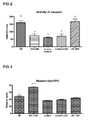
- Figure 2 represents the cell damage, determined by the incidence of apoptosis and evaluated by the activity of caspase 3.
- I/R induces a significant increase in this parameter as compared to the control group.
- This incidence of apoptosis is drastically reduced following treatment with CAII (I/R + CAII).
- the administration of CAII to control animals shows that CAII does not affect the apoptosis that is naturally present in healthy tissue (control group + CAII).
- CAII In an attempt to analyse in greater depth the mechanism whereby CAII exerts its regenerative and protective function against renal damage, we studied, in vivo, the relationship between CAII and Erythropoietin, with the hypothesis of a possible induction of EPO mediated by CAII.
- Proximal tubular epithelial cells from rats were kept in culture bottles (75 cm 2 ), with a culture medium (DMEM) whereto 17.5 mM of glucose and 2.5 mM of glutamine were added; this medium was also supplemented with antibiotics (100 units/ml of penicillin and 100 ⁇ g/ml of streptomycin) and 10% foetal calf serum (FCS). The cells were incubated in a humidified atmosphere with 5% CO 2 at 37°C.
- DMEM culture medium
- antibiotics 100 units/ml of penicillin and 100 ⁇ g/ml of streptomycin
- FCS foetal calf serum
- control cells were collected when they reached confluence without any treatment.
- Treatment with cisplatin was performed by dissolving the drug in the minimum volume of DMSO (40 ⁇ l) and diluting it in PBS at a concentration of 200 ⁇ M. After 6 hours, the medium was removed and a new medium was added, without the drug for the CIS group and with 10 ⁇ g/ml of CAII for the CIS + CAII group. The samples were collected 16 hours later.
- control + CAII group the cells were treated with an identical dose of CAII for 16 hours until they were collected.
- RNA of the samples taken from the cell culture was extracted using the TRlzol reagent in accordance with the manufacturer's instructions (Invitrogen, Barcelona). Subsequently, the total RNA in the cells was purified using the RNeasy mini Kit from Qiagen (Madrid) according to the manufacturer's instructions. The RNA concentrations were calculated by determining the absorbance at 260 nm. The integrity of the RNA thus obtained was examined by analysing the 18s and 28s ribosomal RNA bands detected and analysed in the Bioanalyzer of the Clinical Hospital of Barcelona (Agilent).
- the expression of the analysed genes was measured by means of real-time quantitative RT-PCR normalised with GAPDH.
- the real-time RT-PCRs were performed in a Bio-Rad Thermal Cycler (iCycler iQ Real-Time PCR Detection System, Bio-Rad, Barcelona) and the amplifications were performed in 20- ⁇ l reactions using the two-step RT-PCR Kit with SYBR-Green (Bio-Rad), according to the manufacturer's instructions.
- the primers were the following: Ki- 67: forward, SEQ ID NO: 9; reverse, SEQ ID NO: 10; PCNA : forward, SEO ID NO: 3; reverse, SEQ ID NO: 4; GAPDH : forward, SEQ ID NO: 7; reverse, SEQ ID NO: 8.
- the activity of caspase-3 was determined by measuring the proteolysis of the specific substrate (N-acetyl-Asp-Glu-Val-Asp-7-amino-4-methyl coumarin (DEVD-AMC; Biomol, Plymouth Meeting, PA).
- the cell culture samples were homogenised and sonicated in the assay buffer (50 mM HEPES, 10% sucrose, 0.1 % CHAPS, 5 mM GSSG, 5 mM DTT).
- the supernatants of the sample were incubated in this buffer, whereto DEVD-AMC at a concentration of 50 ⁇ M was added.
- the AMC released was quantified for 1 hour and a half at 37°C by means of fluorospectrophotometry, using 380 nm of excitation and measuring the emission at 450 nm.
- the data are shown as the mean +/- the standard error from the mean (SEM), and values of p>0.05 were considered to be significant.
- the statistical differences between the groups were analysed by means of variance analysis (ANOVA) and, in the event of significance, Student's t-test was applied.
- FIG. 4 The regeneration study, in this case in the in vitro part of our experimental model, is shown in Figure 4 .
- this figure shows an analysis of the regeneration marker genes by means of RT-PCR; in this case, PCNA and Ki 67 were selected.
- the treatment used in this case to induce cell damage was administration of the drug cisplatin, a known inducer of renal damage.
- the administration of CAII to cells damaged with cisplatin significantly increased regeneration, shown as an increase in the expression of both PCNA and Ki67.
- Figure 5 represents the cell damage, determined by the incidence of apoptosis and evaluated by the activity of caspase 3.
- the in vitro part of this study confirms the results obtained in vivo, since the administration of CAII to cells treated with cisplatin is capable of reverting apoptosis (cisplatin + CAII).
Landscapes
- Health & Medical Sciences (AREA)
- Life Sciences & Earth Sciences (AREA)
- Chemical & Material Sciences (AREA)
- Organic Chemistry (AREA)
- Engineering & Computer Science (AREA)
- Bioinformatics & Cheminformatics (AREA)
- General Health & Medical Sciences (AREA)
- Medicinal Chemistry (AREA)
- Veterinary Medicine (AREA)
- Public Health (AREA)
- Animal Behavior & Ethology (AREA)
- Pharmacology & Pharmacy (AREA)
- Chemical Kinetics & Catalysis (AREA)
- Nuclear Medicine, Radiotherapy & Molecular Imaging (AREA)
- General Chemical & Material Sciences (AREA)
- Zoology (AREA)
- Genetics & Genomics (AREA)
- Immunology (AREA)
- Wood Science & Technology (AREA)
- Gastroenterology & Hepatology (AREA)
- Biochemistry (AREA)
- Proteomics, Peptides & Aminoacids (AREA)
- Urology & Nephrology (AREA)
- General Engineering & Computer Science (AREA)
- Epidemiology (AREA)
- Molecular Biology (AREA)
- Biomedical Technology (AREA)
- Toxicology (AREA)
- Microbiology (AREA)
- Heart & Thoracic Surgery (AREA)
- Cardiology (AREA)
- Biotechnology (AREA)
- Biophysics (AREA)
- Transplantation (AREA)
- Pulmonology (AREA)
- Neurology (AREA)
- Vascular Medicine (AREA)
- Endocrinology (AREA)
- Reproductive Health (AREA)
- Dermatology (AREA)
Abstract
Description
- The present invention falls within the field of biomedicine. Specifically, the present invention relates to the use of carbonic anhydrase II for the manufacture of a medicament for the prevention and/or treatment of the damage caused by ischemia, ischemia followed by reperfusion or toxins, acute failure or rejection of a transplanted organ, preferably the kidney. In a preferred embodiment, the toxin is cisplatin.
- Pathologies of ischemic origin are the main cause of death in developed countries. In the case of the kidney, acute renal failure (ARF) is a disease with a mortality of over 50%, a figure that has not undergone significant changes in the past 4 decades. In general, patients with clinical symptoms of renal failure are treated after the damage has developed, except in the case of patients who are to be subjected to renal transplantation. Since the disease is already developed when the patient arrives at the hospital, there is an urgent need for healing pathways through the stimulation of the regenerative and healing process in general.
- The development of new and potent drugs has meant an important advance in the treatment of diseases that were lethal until recent times. However, some of these treatments are the cause of a high morbidity due to their toxicity. The consequence of the renal toxicity of these drugs and other toxic agents whereto patients may be accidentally exposed (heavy metal salts, hydrocarbons, vegetable or bacterial toxins) is the onset of ARF.
- Cisplatin has been proven to be an effective chemotherapeutic agent, and is used in the treatment of a wide variety of neoplastic diseases. Unfortunately, treatment with cisplatin is associated with a high toxicity, which makes it necessary to reduce the dose or interrupt the treatment. One of the most significant adverse effects of cisplatin is nephrotoxicity; dose-dependent, cumulative renal failure is the main dose-limiting toxicity. Approximately 25% to 35% of patients develop nephrotoxicity following a single dose of cisplatin. Renal toxicity becomes more prolonged and severe after repeated treatment cycles; for this reason, it is essential to verify that the renal function has been normalised prior to beginning a new treatment with cisplatin. Nephrotoxicity may be prevented by maintaining adequate hydration before, during and after the intravenous perfusion of cisplatin. Forced diuresis by means of hydration or by means of hydration and the administration of a diuretic before and after the treatment with cisplatin reduces the risk of nephrotoxicity. However, nephrotoxicity may appear even when these processes are used.
- The therapeutic measures used thus far for the regeneration of the damaged kidney have been: the application of growth factors (Hirschberg et al. Kidney lnt. 1999, 55: 2423-2432; Miller and Padanilam. Chapter 17: Molecular responses and growth factors, in: Atlas of diseases of the kidney, Robert W Schrier, pp. 17.1-17.16, Blackwell Science Press, Philadelphia, USA. 1999) or assays with stem cells (Brodsky et al. Am J Physiol Renal Physiol. 2002, 282: F1140-F1149; Kale et al. J Clin Invest. 2003, 112: 42-49; Lin F et al. J Am Soc Nephrol. 2003, 14: 1188-1199; Gupta et al. Kidney lnt. 2002, 62: 1285-1290; Oliver et al. Clin Invest. 2004, 114: 795-803), but the desired regenerative result has not been achieved. Consequently, there is a need for therapies that make it possible to reduce renal damage and enhance regeneration.
- The present invention relates to the use of carbonic anhydrase II for the manufacture of a medicament for the prevention and/or treatment of the damage caused by ischemia, ischemia followed by reperfusion or toxins, acute failure or rejection of a transplanted organ, preferably the kidney. In a preferred embodiment, the toxin is cisplatin.
- Carbonic anhydrase is a metalloenzyme that is widely distributed throughout the entire body (renal cortex, glial tissues, the eye, erythrocytes, etc.) and reversibly catalyses the conversion of carbonic anhydride and water into carbonic acid. This enzyme presents four isoforms. Amongst them, carbonic anhydrase II (CAII) is the most active isoenzyme and its amino acid sequence in humans is SEQ ID NO: 1 (Genbank reference number: NP_000058).
- The examples of the present patent application demonstrate the capacity of CAII to induce regeneration and inhibit apoptosis in both an in vivo experimental model of renal ischemia-reperfusion and in an in vitro experimental model of damage induced by the toxin cisplatin. These analyses show the utility of CAII in preventing and/or treating a tissue or an organ.
- Therefore, a first aspect of the present invention relates to the use of a protein that comprises amino acid sequence SEQ ID NO: 1, a variant thereof or of a fragment of the above for the manufacture of a medicament.
- The terms "protein", "amino acid sequence", "polypeptide" and "peptide" are used interchangeably herein, and refer to a polymeric form of amino acids of any length, which may or may not be chemically or biochemically modified.
- In the sense used in this description, the term "variant" refers to a protein that is substantially homologous and functionally equivalent to the protein that comprises amino acid sequence SEQ ID NO: 1. In general, a variant includes additions, deletions or substitutions of amino acids that do not substantially alter the function thereof. The term "variant" also includes those proteins resulting from post-translational modifications, such as, for example, without being limited thereto, glycosylation or phosphorylation.
- As used herein, a protein is substantially homologous to the protein that comprises amino acid sequence SEQ ID NO: 1 when its amino acid sequence has a degree of identity with respect to the amino acid sequence of said protein of, at least, 60%, advantageously of, at least, 70%, preferably of, at least, 80%, more preferably of, at least, 90%, and more preferably of at least 95%.
- The term "identity", as used in the present description, refers to the proportion of identical amino acids between two amino acid sequences that are being compared. The identity percentage between two sequences may be easily identified by a person skilled in the art, for example, with the aid of an appropriate computer programme for comparing sequences.
- The expression "functionally equivalent", as used in the present description, means that the protein in question maintains the capacity to induce regeneration. Said capacity may be determined by means of conventional methods, such as the assays described in Example 1 that goes with this description.
- Likewise, in the sense used in this description, the term "fragment" refers to a peptide that comprises a portion of the protein which comprises amino acid sequence SEQ ID NO: 1, i.e. a sequence of contiguous amino acids included within said SEQ ID NO: 1; or a peptide that comprises a portion of a variant of the protein that comprises amino acid sequence SEQ ID NO: 1; provided that said fragment or peptide is functionally equivalent.
- The protein that comprises amino acid sequence SEQ ID NO: 1, the variant thereof or the fragment of the above may be obtained by conventional methods known in the state of the art.
- A second aspect of the present invention relates to the use of a polynucleotide (hereinafter, polynucleotide of the invention) which encodes the protein that comprises amino acid sequence SEQ ID NO: 1, a variant thereof or a fragment of the above, for the manufacture of a medicament.
- The terms "polynucleotide", "nucleic acid" and "nucleotide sequence" are used interchangeably herein, abd refer to polymeric forms of nucleotides of any length, both ribonucleotides (RNA) and deoxyribonucleotides (DNA).
- In a preferred embodiment of this second aspect, the polynucleotide of the invention comprises nucleotide sequence SEQ ID NO: 2, which corresponds to the nucleotide sequence of the cDNA of the human CAII protein (Genbank reference number: NG_007287).
- A third aspect of the invention relates to the use of a gene construct (hereinafter, gene construct of the invention) that comprises the polynucleotide of the invention for the manufacture of a medicament.
- The gene construct of the invention may comprise the polynucleotide of the invention, operatively linked to a regulatory sequence for the expression of the polynucleotide of the invention, thereby constituting an expression cassette.
- "Operatively linked" refers to a juxtaposition wherein the components thus described have a relationship that makes it possible for them to function in the intended manner. A control sequence "operatively linked" to the polynucleotide is linked thereto in such a way that the expression of the polynucleotide coding sequence is achieved.
- "Control sequences" refer to polynucleotide sequences that affect the expression of the sequences whereto they are linked. Said control sequences include, for example, without being limited thereto, promoters, initiation signals, termination signals, enhancers and silencers. The term "control sequences" is intended to include, at least, all the components the presence whereof is necessary for expression, and may also include additional components the presence whereof is advantageous.
- In a preferred embodiment of this second aspect, the gene construct of the invention comprises the polynucleotide of the invention operatively linked to, at least, one control sequence from the list that comprises:
- a. a promoter that directs the transcription of said polynucleotide,
- b. a transcription initiation signal,
- c. a transcription termination signal,
- d. a polyadenylation signal, or
- e. a transcriptional activator.
- As used herein, the term "promoter" refers to a DNA region located at the 5' position with respect to the transcription initiation point which is necessary for or facilitates said transcription in an animal cell. This term includes, for example, without being limited thereto, constitutive promoters, cell- or tissue-type-specific promoters, and inducible or repressible promoters.
- In a particular embodiment, the expression control sequences are functional in prokaryotic cells and organisms, for example, without being limited thereto, bacteria; whereas in another particular embodiment, said expression control sequences are functional in eukaryotic cells and organisms, for example, animal cells. Preferably, the control sequences are functional in mammal cells and, more preferably, in human cells.
- The polynucleotide of the invention or the gene construct of the invention may be introduced into the interior of a cell, called host cell, for example, without being limited thereto, as a naked nucleic acid or by means of a vector.
- A fourth aspect of the invention relates to the use of a vector (hereinafter, vector of the invention) that comprises the polynucleotide of the invention or the gene construct of the invention, for the manufacture of a medicament.
- As used in the present invention, the term "vector" refers to a system used to introduce an exogenous nucleic acid into the interior of a prokaryotic or eukaryotic cell, thereby allowing for vehiculisation of the nucleic acid into the interior of the cell.
- There are numerous viral and non-viral viral vectors known in the state of the art. Viral vectors include, without being limited thereto, the following: adenoviral vectors, adeno-associated vectors, retroviral vectors, lentiviral vectors, alphavirus vectors, herpesvirus vectors and coronavirus-derived vectors. Non-viral type vectors include, without being limited thereto, the following: gene gun, liposomes, polyamines, peptides, dendrimers, cationic glycopolymers, liposome-polycation complexes, proteins and receptor-mediated gene transfer systems.
- In an even more preferred embodiment of this aspect of the invention, the vector is a gene expression vector. The term "expression vector", as used in the present description, refers to a nucleic acid molecule wherein another nucleic acid molecule may be integrated without it losing its self-replication capacity and which, moreover, is adequate to express said nucleic acid integrated therein after being introduced into a host cell. The choice of the vector will be dependent on the host cell wherein it will be subsequently introduced.
- A fifth aspect of the invention relates to a host cell (hereinafter, cell of the invention) that comprises the polynucleotide of the invention, the gene construct of the invention or the vector of the invention, and which is capable of expressing the protein of the invention.
- The cell of the invention may be prokaryotic or eukaryotic. Preferably, the cell of the invention is an animal cell, more preferably, a mammal cell, and, even more preferably, a human cell.
- The polynucleotide of the invention, the gene construct of the invention, the vector of the invention and the cell of the invention may be obtained by conventional methods known in the state of the art.
- A preferred embodiment of the present invention relates to the use of the protein that comprises amino acid sequence SEQ ID NO: 1, the variant thereof or the fragment of the above, the polynucleotide of the invention, the gene construct of the invention, the vector of the invention or the cell of the invention for the manufacture of a medicament for the prevention and/or treatment of a damage in a tissue or an organ.
- A more preferred embodiment of the present invention relates to the use of the protein that comprises amino acid sequence SEQ ID NO: 1, the variant thereof or the fragment of the above, the polynucleotide of the invention, the gene construct of the invention, the vector of the invention or the cell of the invention for the manufacture of a medicament for the prevention and/or treatment of a damage caused by ischemia, ischemia-reperfusion or toxins in a tissue or an organ.
- The term "ischemia" refers to a transient or permanent reduction in the blood flow in a tissue or organ, with the consequent reduction in the supply of oxygen. The set of damages undergone by the tissue or organ due to ischemia is known as "damage caused by ischemia".
- The term "reperfusion" refers to the restoration of the blood supply to a tissue or an organ that is ischemic as a consequence of a reduction in the normal blood flow. The recovery of the blood flow restores the supply of oxygen and nutrients to the tissue, thereby allowing for the recovery of the ischemic tissue or organ. However, reperfusion by itself may injure the ischemic tissue or organ, leading to what is known as "damage caused by reperfusion".
- The expression "damage caused by ischemia-reperfusion" refers to the set of damages undergone by a tissue or an organ due to a reduction in the blood flow (ischemia) followed by a restoration of the blood flow (reperfusion).
- The expression "damage caused by toxins" refers to the set of damages undergone by a tissue or an organ as a consequence of the exposure thereof to one or more toxins, such as, for example, without being limited thereto, an antibiotic, an anaesthetic, a chemotherapeutic agent, a radiological contrast, a heavy metal, a fungicide, a pesticide, an organic solvent, an animal poison, a fungal toxic agent or a toxic agent of endogenous origin.
- Cisplatin (cis-diamino-dichloro-platinum II) has proven to be an effective chemotherapeutic agent, and is used in the treatment of a wide variety of neoplastic diseases. Unfortunately, the exposure of patients to cisplatin is associated with nephrotoxicity, neurotoxicity, ototoxicity, gastrointestinal toxicity, cardiotoxicity and hepatotoxicity, amongst other secondary effects.
- A preferred embodiment of the present invention relates to the use of the protein that comprises amino acid sequence SEQ ID NO: 1, the variant thereof or the fragment of the above, the polynucleotide of the invention, the gene construct of the invention, the vector of the invention or the cell of the invention for the manufacture of a medicament for the prevention and/or treatment of a damage caused by cisplatin in a tissue or an organ.
- In a preferred embodiment of the present invention, the tissue is an epithelium. An animal epithelium is a tissue formed by one or several layers of cells in close contact, which coats the surface, the cavities and the ducts of the body, the epidermis and the outer layer of mucous membranes, and the secretory portion of glands. In a more preferred embodiment, the epithelium is selected from the list that comprises: renal epithelium, hepatic epithelium, pulmonary epithelium, gastric epithelium, intestinal epithelium, auditory epithelium, pancreatic epithelium, urinary transitional epithelium, uterine epithelium and skin epidermis. In an even more preferred embodiment, the epithelium is the renal epithelium.
- In a preferred embodiment of the present invention, the organ is selected from the list that comprises: kidney, liver, brain, heart, lung, stomach, intestine, ear, pancreas, bladder, uterus and skin. In a more preferred embodiment, the organ is the kidney.
- Renal ischemia consists of a transient or permanent reduction in the blood flow, with the consequent reduction in the supply of oxygen to the kidney, as a consequence, for example, without being limited thereto, of a reduction in the total blood volume, a redistribution of the blood or an obstruction. The reduction in the blood flow may be unilateral, when it affects only one kidney, or bilateral, when it affects both kidneys. The set of damages undergone by the renal epithelium or the kidney due to ischemia is known as "damage caused by renal ischemia".
- A preferred embodiment of the present invention relates to the use of the protein that comprises amino acid sequence SEQ ID NO: 1, the variant thereof or the fragment of the above, the polynucleotide of the invention, the gene construct of the invention, the vector of the invention or the cell of the invention for the manufacture of a medicament for the prevention and/or treatment of the damage caused by ischemia in the renal epithelium or the kidney, i.e. the damage caused by renal ischemia.
- The expression "damage caused by renal ischemia-reperfusion" refers to the set of damages undergone by the kidney due to a reduction in the blood flow (renal ischemia) followed by a restoration of the blood flow (reperfusion).
- A preferred embodiment of the present invention relates to the use of the protein that comprises amino acid sequence SEQ ID NO: 1, the variant thereof or the fragment of the above, the polynucleotide of the invention, the gene construct of the invention, the vector of the invention or the cell of the invention for the manufacture of a medicament for the prevention and/or treatment of the damage caused by ischemia-reperfusion in the renal epithelium or the kidney, i.e. the damage caused by renal ischemia-reperfusion.
- A preferred embodiment of the present invention relates to the use of the protein that comprises amino acid sequence SEQ ID NO: 1, the variant thereof or the fragment of the above, the polynucleotide of the invention, the gene construct of the invention, the vector of the invention or the cell of the invention for the manufacture of a medicament for the prevention and/or treatment of the damage undergone by the renal epithelium or the kidney as a result of toxins such as, for example, without being limited thereto, an antibiotic, an anaesthetic, a chemotherapeutic agent, a radiological contrast, a heavy metal, a fungicide, a pesticide, an organic solvent, an animal poison, a fungal toxic agent or a toxic agent of endogenous origin.
- One of the most significant adverse effects of treatment with the chemotherapeutic agent cisplatin is nephrotoxicity. In fact, dose-dependent, cumulative renal failure is the main dose-limiting toxicity. Approximately 25% to 35% of patients develop nephrotoxicity after a single dose of cisplatin. The most commonly observed changes are a reduction in the glomerular filtration rate, which is reflected in an increase in the serum creatinine and a reduction in the effective renal plasma flow. Renal toxicity becomes more prolonged and severe following repeated treatment cycles; for this reason, it is essential to verify that the renal function has been normalised prior to beginning a new treatment with cisplatin.
- A preferred embodiment of the present invention relates to the use of the protein that comprises amino acid sequence SEQ ID NO: 1, the variant thereof or the fragment of the above, the polynucleotide of the invention, the gene construct of the invention, the vector of the invention or the cell of the invention for the manufacture of a medicament for the prevention and/or treatment of the damage undergone by the renal epithelium or the kidney as a consequence of the exposure thereof to cisplatin, i.e. the renal damage caused by cisplatin.
- The onset of nephrotoxicity caused by cisplatin may be intensified by the concomitant treatment with antihypertensives that contain, for example, without being limited thereto, furosemide, hydralazine, diazoxide and propranolol. The concomitant administration of other medicaments such as, for example, without being limited thereto, cephalosporins, aminoglycosides or Amphotericin B, or contrast media, enhances the nephrotoxic effects of cisplatin. Therefore, the present invention is useful for the prevention and/or treatment of a damage caused by the exposure of the renal epithelium or the kidney to cisplatin combined with another or other toxins, such as, for example, without being limited thereto, those mentioned above.
- As a consequence of the damages caused by ischemia, ischemiareperfusion or toxins in an organ, acute organ failure may occur. The terms "acute failure" and "acute organ failure" refer to a clinical syndrome that is characterised by an abrupt deterioration of the function of a given organ.
- A preferred embodiment of the present invention relates to the use of the protein that comprises amino acid sequence SEQ ID NO: 1, the variant thereof or the fragment of the above, the polynucleotide of the invention, the gene construct of the invention, the vector of the invention or the cell of the invention for the manufacture of a medicament for the prevention and/or treatment of an acute failure of an organ caused by ischemia, ischemia-reperfusion or toxins. In a preferred embodiment of the present invention, the organ is selected from the list that comprises: kidney, liver, brain, heart, lung, stomach, intestine, pancreas, bladder, uterus and skin. In a more preferred embodiment, the organ is the kidney.
- As a consequence of a damage caused by ischemia, ischemia-reperfusion or toxins in the kidney, acute renal failure (ARF) may occur. The terms "acute renal failure", "acute renal malfunction" or "acute reanl insufficiency" (ARI) refer to a clinical syndrome characterised by an abrupt deterioration of the renal function, which causes a reduction in glomerular filtration and an accumulation of serum nitrogen products (such as, for example, urea or creatinine), and alterations of the hydroelectrolytic balance and the acid-base balance may also occur. ARF may be classified into three large groups: functional ARF, parenchymatous ARF and obstructive ARF. In functional ARF, there is inadequate renal perfusion, which compromises glomerular filtration, but the glomerular parenchyma remains intact. Renal failure that takes place during functional ARF is reversible upon restoring the plasma flow, but, if the situation that triggered it persists, it will evolve towards parenchymatous ARF. In parenchymatous ARF, the cause of the deterioration of the renal function is a damage in the different kidney anatomical structures, which leads to different clinical syndromes: the tubule (acute tubular necrosis), the glomerulus (glomerular necrosis), the tubular interstice (tubulo-interstitial necrosis) or the blood vessels. In obstructive ARF, there is an increase in the pressure in the urinary tract, which is transmitted retrogradely, thereby compromising normal glomerular filtration, as a consequence of the obstruction of any of the kidney ducts.
- A preferred embodiment of the present invention relates to the use of the protein that comprises amino acid sequence SEQ ID NO: 1, the variant thereof or the fragment of the above, the polynucleotide of the invention, the gene construct of the invention, the vector of the invention or the cell of the invention for the manufacture of a medicament for the prevention and/or treatment of an ARF caused by ischemia, ischemia-reperfusion or toxins.
- A preferred embodiment of the present invention relates to the use of the protein that comprises amino acid sequence SEQ ID NO: 1, the variant thereof or the fragment of the above, the polynucleotide of the invention, the gene construct of the invention, the vector of the invention or the cell of the invention for the manufacture of a medicament for the prevention and/or treatment of an ARF caused by exposure of the renal epithelium or the kidney to cisplatin.
- One of the most frequent damage situations caused by ischemia-reperfusion takes place in organ transplantation. In fact, acute organ failure is one of the main causes of the rejection of transplanted organs.
- A preferred embodiment of the present invention relates to the use of the protein that comprises amino acid sequence SEQ ID NO: 1, the variant thereof or the fragment of the above, the polynucleotide of the invention, the gene construct of the invention, the vector of the invention or the cell of the invention for the manufacture of a medicament for the prevention and/or treatment of the rejection of a transplanted organ. In a preferred embodiment of the present invention, the organ is selected from the list that comprises: kidney, liver, brain, heart, lung, stomach, intestine, ear, pancreas, bladder, uterus and skin. In a more preferred embodiment, the organ is the kidney.
- ARF associated with the damage caused by ischemia-reperfusion is one of the main causes of the initial delay in the function or the rejection of a transplanted kidney.
- A preferred embodiment of the present invention relates to the use of the protein that comprises amino acid sequence SEQ ID NO: 1, the variant thereof or the fragment of the above, the polynucleotide of the invention, the gene construct of the invention, the vector of the invention or the cell of the invention for the manufacture of a medicament for the prevention and/or treatment of the rejection of a transplanted kidney.
- Another aspect of the invention relates to a pharmaceutical composition (hereinafter, pharmaceutical composition of the invention) that comprises the protein which comprises SEQ ID NO: 1, a variant thereof or a fragment of the above, the polypeptide of the invention, the gene construct of the invention or the cell of the invention.
- A preferred embodiment of this aspect relates to the use of the pharmaceutical composition of the invention for the prevention and/or treatment of a damage in a tissue or an organ. A more preferred embodiment relates to the use of the pharmaceutical composition of the invention for the prevention and/or treatment of a damage caused by ischemia, ischemia-reperfusion or toxins in a tissue or an organ. An even more preferred embodiment of this aspect relates to the use of the pharmaceutical composition of the invention for the prevention and/or treatment of a damage caused by cisplatin in a tissue or an organ. In a preferred embodiment, the tissue is an epithelium. In a more preferred embodiment, the epithelium is selected from the list that comprises: renal epithelium, hepatic epithelium, pulmonary epithelium, gastric epithelium, intestinal epithelium, auditory epithelium, pancreatic epithelium, urinary transitional epithelium, uterine epithelium and skin epidermis. In an even more preferred embodiment, the epithelium is the renal epithelium. In a preferred embodiment, the organ is selected from the list that comprises: kidney, liver, brain, heart, lung, stomach, intestine, ear, pancreas, bladder, uterus and skin. In a more preferred embodiment, the organ is the kidney.
- A preferred embodiment of this aspect relates to the use of the pharmaceutical composition of the invention for the prevention and/or treatment of an acute failure of an organ caused by ischemia, ischemia-reperfusion or toxins. Preferably, the organ is selected from the list that comprises: kidney, liver, brain, heart, lung, stomach, intestine, ear, pancreas, bladder, uterus and skin. More preferably, the organ is the kidney.
- A more preferred embodiment of this aspect relates to the use of the pharmaceutical composition of the invention for the prevention and/or treatment of ARF caused by ischemia, ischemia-reperfusion or toxins.
- A preferred embodiment of this aspect relates to the use of the pharmaceutical composition of the invention for the prevention and/or treatment of an ARF caused by exposure of the renal epithelium or the kidney to cisplatin.
- Another preferred embodiment of this aspect relates to the use of the pharmaceutical composition of the invention for the prevention and/or treatment of the rejection of a transplanted organ. Preferably, the organ is selected from the list that comprises: kidney, liver, brain, heart, lung, stomach, intestine, ear, pancreas, bladder, uterus and skin. More preferably, the organ is the kidney.
- A more preferred embodiment of this aspect relates to the use of the pharmaceutical composition of the invention for the prevention and/or treatment of the rejection of a transplanted kidney.
- In a preferred embodiment of this aspect, the pharmaceutical composition of the invention further comprises a pharmaceutically acceptable vehicle. In a more preferred embodiment of this aspect, the pharmaceutical composition of the invention further comprises another active principle. In a more preferred embodiment of this aspect, the pharmaceutical composition further comprises, jointly with a pharmaceutically acceptable vehicle, another active principle.
- As used herein, the terms "active principle", "active substance", "pharmaceutically active substance", "active ingredient" and "pharmaceutically active ingredient" refer to any component that potentially provides pharmacological activity or a different effect in the diagnosis, cure, alleviation, treatment or prevention of a disease, or which affects the structure or function of the body of a human being or other animals.
- The pharmaceutical composition of the invention may be formulated to be administered in a variety of forms known in the state of the art. Such formulations may be administered to an animal and, more preferably, to a mammal, including a human being, by a variety of routes, including, without being limited thereto, parenteral, intraperitoneal, intravenous, intradermal, epidural, intraspinal, intrastromal, intra-articular, intrasinovial, intrathecal, intralesional, intra-arterial, intracapsular, intracardiac, intramuscular, intranasal, intracraneal, subcutaneous, intraorbital, intracapsular or topical.
- The dosing necessary to obtain a therapeutically effective amount is dependent on a variety of factors, such as, for example, the age, weight, sex or tolerance of the animal. In the sense used in this description, the expression "therapeutically effective amount" refers to the amount of the pharmaceutically effective composition that produces the desired effect and, in general, will be determined, amongst other factors, by the characteristics of said pharmaceutical composition and the therapeutic effect to be achieved. The pharmaceutically acceptable "adjuvants" or "vehicles" that may be used in said compositions are the vehicles known in the state of the art.
- Throughout the description and the claims, the word "comprises" and the variants thereof are not intended to exclude other technical characteristics, additives, components or steps. For persons skilled in the art, other objects, advantages and characteristics of the invention will arise partly from the description and partly from the practise of the invention. The following figures and examples are provided for illustrative purposes, and are not intended to limit the scope of the present invention.
-
-
Figure 1 . Shows the in vivo analysis of the effect of CAII on renal regeneration. A. Effect of CAII on the expression of the PCNA proliferation and regeneration marker. B. Effect of CAII on the expression of the Stathmin proliferation and regeneration marker. Data represented as the mean +/- SEM; n=5; * p<0.05 vs I/R; + p<0.05 vs I/R + CAII. -
Figure 2 . Shows the in vivo analysis of the effect of CAII on the incidence of apoptosis in renal damage, evaluated by measuring the activity of caspase 3. Data represented as the mean +/- SEM; p<0.05; n=5; * p<0.05 vs control; + p<0.05 vs I/R. -
Figure 3 . Shows the in vivo analysis of the effect of CAII on the expression of Erythropoietin (EPO). Data represented as the mean +/- SEM; p<0.05; n=5; * p<0.05 vs control; + p<0.05 vs I/R. -
Figure 4 . Shows the in vitro analysis of the effect of CAII on renal regeneration. A. Effect of CAII on the expression of the PCNA proliferation and regeneration marker. B. Effect of CAII on the expression of the Ki67 proliferation and regeneration marker. Data represented as the mean +/- SEM; p<0.05; n=5; * p<0.05 vs cis; + p<0.05 vs cis + CAII. -
Figure 5 . Shows the in vitro analysis of the effect of CAII on the incidence of apoptosis in renal damage, evaluated by measuring the activity of caspase 3. Data represented as the mean +/- SEM; p<0.05; n=5; * p<0.05 vs control; + p<0.05 vs cisplatin. - The following specific examples provided in this patent document serve to illustrate the nature of the present invention. These examples are included solely for illustrative purposes and should not be interpreted to limit the invention claimed herein. Therefore, the examples described further below illustrate the invention without limiting the field of application thereof.
- Swiss strain mice were used, males with an approximate weight of 25-30 g (Charles River, France). All the procedures were performed under the supervision of the ethics committee of the Institute for Biomedical Research of Barcelona (CSIC) and followed European Union guidelines. The environmental conditions were kept constant, the temperature was 21-22°C, the relative humidity was 70% and the alternative cycles of light/darkness were 12 h. The animals were fed a standard diet of AO4 fodder (Panlab, Barcelona) and water from the Barcelona supply network ad libitum.
- The animals were anaesthesised with lsoflurane, placed in the supine position, and their body temperature was maintained at between 36°C and 37°C. After performing a median laparotomy to access the kidney, carefully putting aside the intestinal packet, bilateral ischemia was induced by clamping both renal arterio-venous pedicles with a non-traumatic microvascular clamp for 45 minutes. Subsequently, the reperfusion period was started, with removal of the clamp, and it was visually verified by observing the return of the blood flow to the kidney. Subsequently, the animal was sutured and administered subcutaneous Buprex (4.16 µg/100 g of weight).
- Animals subjected to a sham operation were used as controls. During the entire operation process, the animals were well hydrated and the body temperature was maintained at about 37°C. During the reperfusion time, the animals were stabulated under the control of a veterinary. After 24 h from reperfusion, the animal was sacrificed for extraction of the kidneys and blood. The tissue was immediately frozen in carbonic snow and, subsequently, stored at -80°C.
- I/R.- Animals subjected to 45 minutes of ischemia and 24 hours of reperfusion.
- I/R + CAII.- Animals subjected to I/R, but with injection of CAII of human origin (Sigma, reference number: C-6165) at a concentration of 5 mg/kg at the beginning of reperfusion, by direct puncture of the inferior vena cava.
- CONTROL.- Control animals, not subjected to ischemia/reperfusion.
- CONTROL + CAII. Animals identical to those in the control group, but with intravenous injection of CAII at a concentration of 5 mg/kg 24 hours prior to collection of the samples.
- I/R + Azt: Animals subjected to I/R, but with intraperitoneal injection of Azetazolamide (Sigma, reference number: A6011) at a concentration of 30 mg/kg one day prior to subjecting the animals to the I/R process.
- The RNA of the kidney samples was extracted by means of the TRlzol reagent in accordance with the manufacturer's instructions (Invitrogen, Barcelona). Subsequently, the total RNA in the samples was purified using the RNeasy mini Kit from Qiagen (Madrid) in accordance with the manufacturer's instructions. The RNA concentrations were calculated by determining the absorbance at 260 nm. The integrity of the RNA thus obtained was examined by analysing the 18s and 28s ribosomal RNA bands detected and analysed in the Bioanalyzer of the Clinical Hospital of Barcelona (Agilent).
- The expression of the analysed genes was measured by means of real-time quantitative RT-PCR normalised with the glyceraldehyde 3-phosphate dehydrogenase (GAPDH) housekeeping gene. Real-time RT-PCRs were performed in a Bio-Rad Thermal Cycler (iCycler iQ Real-Time PCR Detection System, Bio-Rad, Barcelona) and the amplifications were performed in 20 µl reactions using the two-step RT-PCR Kit with SYBR-Green (Bio-Rad), according to the manufacturer's instructions. The primers used were the following: PCNA: forward, SEQ ID NO: 3; reverse, SEQ ID NO: 4; Stathmin: forward, SEQ ID NO: 5; reverse, SEQ ID NO: 6; GAPDH: forward, SEQ ID NO: 7; reverse, SEQ ID NO: 8.
- The activity of caspase-3 was determined by measuring the proteolysis of the specific substrate (N-acetyl-Asp-Glu-Val-Asp-7-amino-4-methyl coumarin (DEVD-AMC; Biomol, Plymouth Meeting, PA). The renal tissue samples were homogenised and sonicated in the assay buffer (50 mM HEPES, 10% sucrose, 0.1 % CHAPS, 5 mM GSSG, 5 mM DTT). The supernatants of the samples were incubated in this buffer, whereto DEVD-AMC at a concentration of 50 µM was added. The AMC released was quantified for 1 hour and a half at 37°C by fluorospectrophotometry, using 380 nm of excitation and measuring the emission at 450 nm.
- The renal tissue samples were homogenised in lysis buffer (70 mM sucrose, 2 mM Hepes KOH, 220 mM Mannitol, 0.1 mM EGTA, 1 mM PMSF, 0.1 mM BSA, antiproteases cocktail (SIGMA)); subsequently, the protein concentration thereof was determined. The proteins were determined by means of the Bradford colorimetric method with a commercial reagent from BioRad.
- 50 µg of protein for each of the groups to be analysed were placed in each well of the 12% acrylamide gel. Following the electrophoresis, the proteins were transferred to nitrocellulose membranes, where they were subsequently blocked with 5% skim milk dissolved in buffered saline (TTBS) with 0.06% of Tween detergent. The nitrocellulose membranes were incubated overnight at 4°C with an anti-EPO antibody (Santa Cruz Antibodies, USA, sc-7956) at a 1/1000 dilution.
- On the following day, the membranes were subjected to 3 washings, 5 minutes each, with TTBS, and were subsequently incubated with a peroxidase-conjugated anti-rabbit secondary antibody. After the end of the incubation period with the second antibody, and following three five-minute washings with TTBS, the detection process with ECL was performed.
- The data are shown as the mean +/- standard error from the mean (SEM), and values of p>0.05 were considered to be significant. The statistical differences between the groups were analysed by means of variance analysis (ANOVA) and, in the event of significance, Student's t-test was applied.
-
Figure 1 shows the results of the analysis of the messenger RNA of the PCNA and Stathmin genes; both are cell proliferation and regeneration markers. The samples were taken from mice subjected to the different treatments applied to the in vivo part of the experimental model of renal ischemia-reperfusion (I/R). As may be observed inFigure 1 , the I/R process causes a regenerative response that is determined by an increase in the expression of both PCNA and Stathmin in the I/R groups, as compared to the control group. Treatment with CAII causes a marked increase in this regenerative response. This demonstrates the role of this protein as a regeneration promoter. - The administration of an inhibitor of CAII, azetazolamide (I/R + AZT), causes a decrease in the regenerative markers.
- On the other hand, CAII showed a regenerative effect only on the damaged tissue, since the administration thereof to controls (control + CAII) did not induce regeneration.
-
Figure 2 represents the cell damage, determined by the incidence of apoptosis and evaluated by the activity of caspase 3. We may observe that I/R induces a significant increase in this parameter as compared to the control group. This incidence of apoptosis is drastically reduced following treatment with CAII (I/R + CAII). The administration of CAII to control animals shows that CAII does not affect the apoptosis that is naturally present in healthy tissue (control group + CAII). - In an attempt to analyse in greater depth the mechanism whereby CAII exerts its regenerative and protective function against renal damage, we studied, in vivo, the relationship between CAII and Erythropoietin, with the hypothesis of a possible induction of EPO mediated by CAII.
- The Western Blot for EPO (
Figure 3 ) confirmed this possible relationship, since a marked increase in the amount of EPO present in the I/R group was observed when CAII was added; moreover, the inhibition of CAII by means of azetazolamide reduced the amount of EPO present in the kidney of the mice subjected to I/R (I/R + AZT), even below the levels present in the group subjected only to I/R. - Proximal tubular epithelial cells from rats (NRK52e) were kept in culture bottles (75 cm2), with a culture medium (DMEM) whereto 17.5 mM of glucose and 2.5 mM of glutamine were added; this medium was also supplemented with antibiotics (100 units/ml of penicillin and 100 µg/ml of streptomycin) and 10% foetal calf serum (FCS). The cells were incubated in a humidified atmosphere with 5% CO2 at 37°C.
- The control cells (control) were collected when they reached confluence without any treatment.
- Treatment with cisplatin (Sigma) was performed by dissolving the drug in the minimum volume of DMSO (40 µl) and diluting it in PBS at a concentration of 200 µM. After 6 hours, the medium was removed and a new medium was added, without the drug for the CIS group and with 10 µg/ml of CAII for the CIS + CAII group. The samples were collected 16 hours later.
- In the control + CAII group, the cells were treated with an identical dose of CAII for 16 hours until they were collected.
- The RNA of the samples taken from the cell culture was extracted using the TRlzol reagent in accordance with the manufacturer's instructions (Invitrogen, Barcelona). Subsequently, the total RNA in the cells was purified using the RNeasy mini Kit from Qiagen (Madrid) according to the manufacturer's instructions. The RNA concentrations were calculated by determining the absorbance at 260 nm. The integrity of the RNA thus obtained was examined by analysing the 18s and 28s ribosomal RNA bands detected and analysed in the Bioanalyzer of the Clinical Hospital of Barcelona (Agilent).
- The expression of the analysed genes was measured by means of real-time quantitative RT-PCR normalised with GAPDH. The real-time RT-PCRs were performed in a Bio-Rad Thermal Cycler (iCycler iQ Real-Time PCR Detection System, Bio-Rad, Barcelona) and the amplifications were performed in 20-µl reactions using the two-step RT-PCR Kit with SYBR-Green (Bio-Rad), according to the manufacturer's instructions. The primers were the following: Ki-67: forward, SEQ ID NO: 9; reverse, SEQ ID NO: 10; PCNA: forward, SEO ID NO: 3; reverse, SEQ ID NO: 4; GAPDH: forward, SEQ ID NO: 7; reverse, SEQ ID NO: 8.
- The activity of caspase-3 was determined by measuring the proteolysis of the specific substrate (N-acetyl-Asp-Glu-Val-Asp-7-amino-4-methyl coumarin (DEVD-AMC; Biomol, Plymouth Meeting, PA). The cell culture samples were homogenised and sonicated in the assay buffer (50 mM HEPES, 10% sucrose, 0.1 % CHAPS, 5 mM GSSG, 5 mM DTT). The supernatants of the sample were incubated in this buffer, whereto DEVD-AMC at a concentration of 50 µM was added. The AMC released was quantified for 1 hour and a half at 37°C by means of fluorospectrophotometry, using 380 nm of excitation and measuring the emission at 450 nm.
- The data are shown as the mean +/- the standard error from the mean (SEM), and values of p>0.05 were considered to be significant. The statistical differences between the groups were analysed by means of variance analysis (ANOVA) and, in the event of significance, Student's t-test was applied.
- The regeneration study, in this case in the in vitro part of our experimental model, is shown in
Figure 4 . As in the case of the in vivo model described in Example 1, this figure shows an analysis of the regeneration marker genes by means of RT-PCR; in this case, PCNA andKi 67 were selected. - The treatment used in this case to induce cell damage was administration of the drug cisplatin, a known inducer of renal damage. As may be observed in
Figure 4 , the administration of CAII to cells damaged with cisplatin (group cis + CAII) significantly increased regeneration, shown as an increase in the expression of both PCNA and Ki67. -
Figure 5 represents the cell damage, determined by the incidence of apoptosis and evaluated by the activity of caspase 3. The in vitro part of this study confirms the results obtained in vivo, since the administration of CAII to cells treated with cisplatin is capable of reverting apoptosis (cisplatin + CAII).
Claims (22)
- Use of a protein which comprises amino acid sequence SEQ ID NO: 1, a variant thereof or a fragment of any of them, for the manufacture of a medicament.
- Use of a polynucleotide which encodes for the protein, the variant or the fragment according to claim 1, for the manufacture of a medicament.
- Use of the polynucleotide according to claim 2, which comprises nucleotide sequence SEQ ID NO: 2, for the manufacture of a medicament.
- Use of a gene construct which comprises the polynucleotide according to any of claims 2 or 3, for the manufacture of a medicament.
- Use of a vector which comprises the polynucleotide according to any of claims 2 or 3, or the gene construct according to claim 4, for the manufacture of a medicament.
- Use of a cell which comprises the polynucleotide according to any of claims 2 or 3, the gene construct according to claim 4 or the vector according to claim 5, for the manufacture of a medicament.
- Use of the protein, the variant or the fragment according to claim 1, the polynucleotide according to any of claims 2 or 3, the gene construct according to claim 4, the vector according to claim 5 or the cell according to claim 6, for the manufacture of a medicament for the prevention and/or treatment of a damage in a tissue or an organ.
- Use according to claim 7, wherein the damage is caused by ischemia, ischemia-reperfusion or toxins.
- Use according to claim 8, wherein the toxin is cisplatin.
- Use according to any of claims 7 to 9, wherein the tissue is an epithelium.
- Use according to claim 10, wherein the epithelium is selected from the list comprising: renal epithelium, hepatic epithelium, pulmonary epithelium, gastric epithelium, intestinal epithelium, auditory epithelium, pancreatic epithelium, urinary transitional epithelium, uterine epithelium and skin epidermis.
- Use according to claim 11, wherein the epithelium is the renal epithelium.
- Use according to any of claims 7 to 9, wherein the organ is selected from the list comprising: kidney, liver, brain, heart, lung, stomach, intestine, ear, pancreas, bladder, uterus and skin.
- Use according to claim 13, wherein the organ is the kidney.
- Use of the protein, the variant or the fragment according to claim 1, the polynucleotide according to any of claims 2 or 3, the gene construct according to claim 4, the vector according to claim 5 or the cell according to claim 6, for the manufacture of a medicament for the prevention and/or treatment of an acute failure of an organ caused by ischemia, ischemia-reperfusion or toxins.
- Use according to claim 15, wherein the toxin is cisplatin.
- Use of the protein, the variant or the fragment according to claim 1, the polynucleotide according to any of claims 2 or 3, the gene construct according to claim 4, the vector according to claim 5 or the cell according to claim 6, for the manufacture of a medicament for the prevention and/or treatment of the rejection of a transplanted organ.
- Use according to any of claims 15 to 17, wherein the organ is selected from the list comprising: kidney, liver, brain, heart, lung, stomach, intestine, ear, pancreas, bladder, uterus and skin.
- Use according to claim 18, wherein the organ is the kidney.
- Pharmaceutical composition which comprises the protein, the variant or the fragment thereof according to claim 1, the polynucleotide according to any of claims 2 or 3, the gene construct according to claim 4, the vector according to claim 5 or the cell according to claim 6.
- Pharmaceutical composition according to claim 20, which further comprises a pharmaceutically acceptable vehicle.
- Pharmaceutical composition according to any of claims 20 or 21, which further comprises another active principle.
Applications Claiming Priority (2)
| Application Number | Priority Date | Filing Date | Title |
|---|---|---|---|
| ES200930437A ES2351005B1 (en) | 2009-07-10 | 2009-07-10 | USE OF CARBONIC ANHYDRASE II FOR THE PREPARATION OF A MEDICINAL PRODUCT. |
| PCT/ES2010/070484 WO2011004054A1 (en) | 2009-07-10 | 2010-07-12 | Use of carbonic anhydrase ii for producing a drug |
Publications (2)
| Publication Number | Publication Date |
|---|---|
| EP2452949A1 true EP2452949A1 (en) | 2012-05-16 |
| EP2452949A4 EP2452949A4 (en) | 2013-03-27 |
Family
ID=43428831
Family Applications (1)
| Application Number | Title | Priority Date | Filing Date |
|---|---|---|---|
| EP10796766A Withdrawn EP2452949A4 (en) | 2009-07-10 | 2010-07-12 | USE OF CARBONIC II ANHYDRASE FOR THE PREPARATION OF A MEDICINAL PRODUCT |
Country Status (4)
| Country | Link |
|---|---|
| US (1) | US20130101565A1 (en) |
| EP (1) | EP2452949A4 (en) |
| ES (1) | ES2351005B1 (en) |
| WO (1) | WO2011004054A1 (en) |
Families Citing this family (2)
| Publication number | Priority date | Publication date | Assignee | Title |
|---|---|---|---|---|
| CN107106526B (en) * | 2014-11-12 | 2021-05-28 | 普罗米蒂克医药Smt有限公司 | Substituted aromatic compounds and pharmaceutical compositions for tissue self-repair and regeneration |
| WO2022251629A2 (en) * | 2021-05-27 | 2022-12-01 | Alnylam Pharmaceuticals, Inc. | Compositions and methods for silencing carbonic anhydrase 2 expression |
-
2009
- 2009-07-10 ES ES200930437A patent/ES2351005B1/en not_active Expired - Fee Related
-
2010
- 2010-07-12 EP EP10796766A patent/EP2452949A4/en not_active Withdrawn
- 2010-07-12 WO PCT/ES2010/070484 patent/WO2011004054A1/en not_active Ceased
- 2010-07-12 US US13/383,287 patent/US20130101565A1/en not_active Abandoned
Non-Patent Citations (4)
| Title |
|---|
| CHOUDHURY DEVASMITA ET AL: "Drug-associated renal dysfunction and injury", NATURE CLINICAL PRACTICE NEPHROLOGY, NATURE PUBLISHING GROUP, LONDON, GB, vol. 2, no. 2, 1 February 2006 (2006-02-01), pages 80-91, XP007907333, ISSN: 1745-8323, DOI: 10.1038/NCPNEPH0076 * |
| MURAKAMI H ET AL: "Cloning, expression, and sequence homologies of cDNA for human carbonic anhydrase II", GENOMICS, ACADEMIC PRESS, SAN DIEGO, US, vol. 1, no. 2, 1 October 1987 (1987-10-01) , pages 159-166, XP024864803, ISSN: 0888-7543, DOI: 10.1016/0888-7543(87)90008-5 [retrieved on 1987-10-01] * |
| See also references of WO2011004054A1 * |
| STÉPHANE V SIZONENKO ET AL: "Neuroprotective effects of the N-terminal tripeptide of IGF-1, glycine-proline-glutamate, in the immature rat brain after hypoxic-ischemic injury", BRAIN RESEARCH, vol. 922, no. 1, 1 December 2001 (2001-12-01), pages 42-50, XP055053334, ISSN: 0006-8993, DOI: 10.1016/S0006-8993(01)03148-1 * |
Also Published As
| Publication number | Publication date |
|---|---|
| ES2351005A1 (en) | 2011-01-28 |
| EP2452949A4 (en) | 2013-03-27 |
| ES2351005B1 (en) | 2011-11-18 |
| US20130101565A1 (en) | 2013-04-25 |
| WO2011004054A1 (en) | 2011-01-13 |
Similar Documents
| Publication | Publication Date | Title |
|---|---|---|
| US11278550B2 (en) | Compositions and methods for the treatment of Prader-Willi syndrome | |
| ES2587863T3 (en) | Use of a C1 inhibitor for the treatment of secondary edema of the central nervous system | |
| US20190284258A1 (en) | Haemadipsa sylvestris antithrombotic peptide sylvestin and use thereof | |
| CA3065816A1 (en) | Treatment of heart disease by inhibition of the action of muscle a-kinase anchoring protein (makap) | |
| US20130101565A1 (en) | Use of carbonic anhydrase ii for producing a drug | |
| US11078236B2 (en) | Selenium-based therapies | |
| WO2020016425A1 (en) | Compositions for the treatment of sarcopenia or disuse atrophy | |
| ES3014709T3 (en) | Park2 nucleic acid and/or park2 polypeptide and salvador shrna for use in the treatment of cardiac conditions | |
| US20130273143A1 (en) | Methods of improving cardiac function and attenuating and/or preventing cardiac remodeling with hsp20 | |
| TW201200151A (en) | Methods and compositions related to reduced MET phosphorylation by leukocyte cell-derived chemotaxin 2 in tumor cells | |
| KR20240145494A (en) | Medical uses of oligopeptides combined with antiandrogens | |
| US12064470B2 (en) | FGF10 for the treatment of heart diseases | |
| EP4472652A2 (en) | Upregulation of ferritin heavy chain 1 expression | |
| US8802629B1 (en) | Corrective roles of insulin-like growth factor-binding protein-3 in cardiomyopathy | |
| CN115279402A (en) | Inhibition of VE-PTP phosphatase protecting kidneys from ischemia-reperfusion injury | |
| Christensen et al. | MO069: Therapeutic Effects of Semaglutide as Mono and Combination Treatment with Lisinopril in a Mouse Model of Hypertension-Accelerated Diabetic Kidney Disease | |
| CN119925326A (en) | Application of a deubiquitinase inhibitor in the preparation of drugs for preventing and treating acute ischemic stroke | |
| Suzumoto et al. | MO068: Paraoxonase 2 Protects the Kidney Tissue from Aldosterone-Promoted Oxidative Stress in Milan Normotensive Rats Strain | |
| Li et al. | Ferroptosis inhibition via Nrf2/GPX4 activation underlies the broad-spectrum cardioprotection by human α1-antitrypsin | |
| Chen et al. | Targeting neuronal HK2 alleviates glutamate neurotoxicity and MCAO-induced ischemic brain injury | |
| US20170224773A1 (en) | Pharmaceutical composition for treating and/or preventing esophageal stenosis | |
| CN115957301A (en) | Cell secretion factor for promoting myocardial infarction repair and application | |
| JP2013508345A (en) | Treatment of early neonates | |
| WO2020154210A1 (en) | Methods for detecting and treating hepatic cancers | |
| EP3768299A1 (en) | Methods and compositions relating to lung repair |
Legal Events
| Date | Code | Title | Description |
|---|---|---|---|
| PUAI | Public reference made under article 153(3) epc to a published international application that has entered the european phase |
Free format text: ORIGINAL CODE: 0009012 |
|
| 17P | Request for examination filed |
Effective date: 20120125 |
|
| AK | Designated contracting states |
Kind code of ref document: A1 Designated state(s): AL AT BE BG CH CY CZ DE DK EE ES FI FR GB GR HR HU IE IS IT LI LT LU LV MC MK MT NL NO PL PT RO SE SI SK SM TR |
|
| DAX | Request for extension of the european patent (deleted) | ||
| A4 | Supplementary search report drawn up and despatched |
Effective date: 20130222 |
|
| RIC1 | Information provided on ipc code assigned before grant |
Ipc: C12N 9/88 20060101ALI20130218BHEP Ipc: A61K 38/51 20060101AFI20130218BHEP |
|
| STAA | Information on the status of an ep patent application or granted ep patent |
Free format text: STATUS: THE APPLICATION IS DEEMED TO BE WITHDRAWN |
|
| 18D | Application deemed to be withdrawn |
Effective date: 20130924 |